Posts Tagged ‘FRANCISCO “PANCHO” VILLA’
ABC NEWS, ALTERNET, AMERICABLOG, AP, BABY BOOMER RESISTANCE, BBC, BECCA GOOD, BLOOMBERG, BLUESKY, BUZZFEED, CBS NEWS, CNN, CROOKS AND LIARS, DAILY KOS, DAVID BERLANGA, DEPARTMENT OF HOMELAND SECURITY (DHS), FIVETHIRTYEIGHT, FRANCISCO "PANCHO" VILLA, HARPER’S MAGAZINE, HUFFINGTON POST, ILHAN OMAR, IMMIGRATION AND CUSTOMS ENFORCEMENT (ICE), INTIMIDATION, JAMES CARLOS BLAKE, JONATHAN ROSS, KEITH ELLISON, MEDIA MATTERS, MEXICAN REVOLUTION, MINNEAPOLIS, MINNESOTA, MOTHER JONES, MOVEON, MSNBC, NBC NEWS, NEWSDAY, NEWSWEEK, NPR, PBS NEWSHOUR, POLITICO, POLITICUSUSA, RAW STORY, RENEE GOOD, REUTERS, RODOLFO FIERRO, SALON, SEATTLE TIMES, SLATE, TALKING POINTS MEMO, THE ATLANTIC, THE CHICAGO SUN-TIMES, THE CHICAGO TRIBUNE, THE DAILY BEAST, THE DAILY BLOG, THE FRIENDS OF PANCHO VILLA (BOOK), THE GUARDIAN, THE HILL, THE HUFFINGTON POST, THE INTERCEPT, THE LOS ANGELES TIMES, THE NATION, THE NEW REPUBLIC, THE NEW YORK TIMES, THE NEW YORKER, THE VILLAGE VOICE, THE WASHINGTON POST, THINKPROGRESS, TIME, TRUTHDIG, TRUTHOUT, TWO POLITICAL JUNKIES, U.S. NEWS & WORLD REPORT, UPI, USA TODAY, X
In Bureaucracy, History, Law, Law Enforcement, Politics, Social commentary on January 20, 2026 at 12:11 am
On January 7, Renee Nicole Good, a 37-year-old writer and poet, was fatally shot three times by Immigration and Customs Enforcement (ICE) agent Jonathan Ross in Minneapolis, Minnesota.
A day earlier, the Department of Homeland Security (DHS) had announced what it called the largest immigration enforcement operation ever carried out, sending 2,000 agents to the Minneapolis-Saint Paul metropolitan area.
According to Minnesota Attorney General Keith Ellison and United States Representative Ilhan Omar, Good was acting as a legal observer of ICE’s activities at the time of her encounter with Ross. But Good’s ex-husband said that she had dropped her son off at school and was on her way home with her partner “when they came upon a group of ICE agents.”
Good was in her SUV, stopped sideways in the street when Ross drove his SUV around her car. He stopped ahead of her, began recording video, and stepped out with his face covered. Ross recorded Good’s face and rear license plate. Good stated: “That’s fine, dude. I’m not mad at you.”
Good’s partner, Becca Good, standing behind their SUV, told the agent: “Hey, show your face, Big Boy. Show your face. That’s OK. We don’t change our plates every morning, just so you know. This will be the same plate when you come talk to us later. That’s fine. US citizen, former fucking veteran, disabled veteran.”
Other agents approached, and one repeatedly yelled, “Get out of the fucking car!” as he reached through her open window.

Renee Good
Ross moved to the front-left of the vehicle as Good briefly reversed, then began driving into the direction of traffic while turning away from Ross. While remaining upright, Ross fired three shots, killing her: one through the windshield, then two through the open driver’s side window from the side of her vehicle as it passed him.
He later drove away from the scene.
The SUV continued down the street until crashing into a parked car and light pole. An agent’s voice captured on Ross’ body camera shouted, “Fucking bitch!”
Some have speculated that Good died because she and her partner had refused to show fear or even anger toward Ross, and this may have enraged him.
Those who lust for power over others demand deference, if not subservience. And when it’s not forthcoming, they can only respond with violence.
This is best illustrated in a work of fiction: The 1996 historical novel, The Friends of Pancho Villa, by James Carlos Blake.

The book depicts the Mexican Revolution (1910 – 1920) and its most famous revolutionary, Francisco “Pancho” Villa. It’s told from the viewpoint of Rodolfo Fierro, Villa’s most feared executioner. In one day, for example, Fierro—using two revolvers—executed 300 captured Federale soldiers.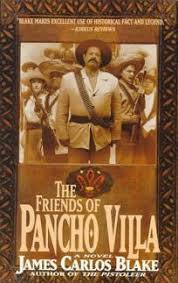
As in history, Blake’s Fierro presides over the execution of David Berlanga, a journalist who had dared criticize the often loutish behavior of Villa’s men.
On Villa’s command, Fierro approaches Berlanga in a Mexico City restaurant and orders: “Come with me.”
Standing against a barracks wall, Berlanga lights a cigar and requests permission to finish it. He then proceeds to smoke it with such a steady hand that its unbroken ash extends almost four inches.
The cigar finished, the ash still unbroken, Berlanga drops the butt to the ground and says calmly: “I’m ready.”
Then the assembled firing squad does its work.
Later, Fierro is so shaken by Berlanga’s sheer fearlessness that he seeks an explanation for it. Sitting in a cantina, he lights a cigar and tries to duplicate Berlanga’s four-inch length.
But the best he can do is less than three inches. He concludes that Berlanga used a trick—but he can’t figure it out.

Rodolfo Fierro
It had to be a trick, Fierro insists, because, if it wasn’t, there were only two other explanations for such a calm demeanor in the face of impending death.
The first was insanity. But Fierro rules this out: He had studied Berlanga’s eyes and found no madness there.
That leaves only one other explanation (other than a trick): Sheer courage.
And Fierro can’t accept this, either—because it’s disturbing.
“The power of men like me does not come solely from our ability to kill….No, the true source of our power is so obvious it sometimes goes unnoticed for what it is: Our power comes from other men’s lack of courage.
“There is even less courage in this world than there is talent for killing. Men like me rule because most men are faint of heart in the shadow of death.
“But a man brave enough to control his fear of being killed, control it so well that no tremor reaches his fingers and no sign shows in his eyes…well. Such a man cannot be ruled, he can only be killed.”
* * * * *
Throughout his life, Donald Trump has relied on intimidation to gain his ends. And his private police-army, ICE, well understands the power of fear it holds over most people.
What he, and they, cannot understand—and truly fear—is that some people cannot be frightened. They can only be killed.
People like Renee Good.
2016 PRESIDENTIAL RACE, ABC NEWS, ADOLF HITLER, ALEXANDRIA OCASIO-CORTEZ, ALTERNET, AMERICABLOG, AP, AYANNA PRESSLEY, BABY BOOMER RESISTANCE, BARACK OBAMA, BBC, BC NEWS, BLOOMBERG, BLUESKY, BOB WOODWARD, BRIBERY, BUZZFEED, CANADA, CBS NEWS, CNN, CROOKS AND LIARS, DAILY KOS, DAVID BERLANGA, DONALD TRUMP, ERIC SCHNEIDERMAN, FIVETHIRTYEIGHT, FRANCISCO "PANCHO" VILLA, GREG ABBOTT, HARPER’S MAGAZINE, HUFFINGTON POST, ILHAN OMAR, INTIMIDATION, JAMES CARLOS BLAKE, JEFF SESSIONS, JOHN OWENS, KEN PAXTON, MEDIA MATTERS, MEXICAN REVOLUTION, MEXICO, MOTHER JONES, MOVEON, MSNBC, NBC NEWS, NEWSDAY, NEWSWEEK, NICCOLO MACHIAVELLI, NON-DISCLOSURE AGREEMENTS, NPR, PAM BONDI, PBS NEWSHOUR, POLITICO, POLITICUSUSA, RASHIDA TLAIB, RAW STORY, REPUBLICAN CONVENTION, REPUBLICANS, REUTERS, ROBERT MUELLER, ROBERT PAYNE, ROD ROSENSTEIN, RODOLFO FIERRO, SALON, SEATTLE TIMES, SLATE, TALKING POINTS MEMO, TARIFFS, THE ATLANTIC, THE CHICAGO SUN-TIMES, THE CHICAGO TRIBUNE, THE DAILY BEAST, THE DAILY BLOG, THE DISCOURSES, THE DISCOURSES (BOOK), THE FRIENDS OF PANCHO VILLA (BOOK), THE GUARDIAN, THE HILL, THE HUFFINGTON POST, THE INTERCEPT, THE LIFE AND DEATH OF ADOLF HITLER (BOOK), THE LOS ANGELES TIMES, THE NATION, THE NEW REPUBLIC, THE NEW YORK TIMES, THE NEW YORKER, THE VILLAGE VOICE, THE WASHINGTON POST, THINKPROGRESS, TIME, TRUMP UNIVERSITY, TRUTHDIG, TRUTHOUT, TWO POLITICAL JUNKIES, U.S. NEWS & WORLD REPORT, UPI, USA TODAY, X, ZOHRAN MAMDANI
In Bureaucracy, History, Law, Law Enforcement, Politics, Social commentary on November 18, 2025 at 12:10 am
…A truly great man is ever the same under all circumstances. And if his fortune varies, exalting him at one moment and oppressing him at another, he himself never varies, but always preserves a firm courage, which is so closely interwoven with his character that everyone can readily see that the fickleness of fortune has no power over him.
The conduct of weak men is very different. Made vain and intoxicated by good fortune, they attribute their success to merits which they do not possess. And this makes them odious and insupportable to all around them. And when they have afterwards to meet a reverse of fortune, they quickly fall into the other extreme, and become abject and vile.
—Niccolo Machiavelli, The Discourses

Niccolo Machiavelli
When Donald Trump—as a businessman and President—has been confronted by men and women who can’t be bribed or intimidated, he has reacted with rage and frustration.
- Trump boasted that he “never” settled cases out of court. But New York Attorney General Eric Schneiderman pressed fraud claims against the real estate mogul’s counterfeit Trump University—and Trump settled the case out of court rather than take the stand.
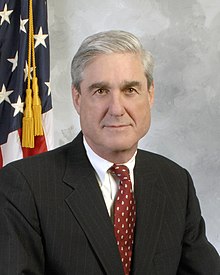
- On May 17, 2017, Deputy Attorney General Rod Rosenstein appointed former FBI Director Robert S. Mueller to investigate links between Russian Intelligence agents and the 2016 Trump Presidential campaign.
- Upon learning of his appointment, Trump wailed: “Oh my God. This is terrible. This is the end of my Presidency. I’m fucked.”
- Throughout Mueller’s probe, Trump hurled repeated insults at him via Twitter and press conferences. His shills within Fox News and the Republican party attacked Mueller’s integrity and investigative methods. But Trump didn’t risk firing him, fearing impeachment.
Robert Mueller
- When “democratic socialist” Zohran Mamdani declared his candidacy for New York City mayor on October 23, 2024, Trump viciously and repeatedly attacked him as a “communist.” He even threatened to cut off Federal aid to New York City.
- Mamdami’s “communist” goals included support for universal child care and constructing 200,000 new affordable housing units.
- When Mamdani overwhelmingly won election on November 4, he sannounced “If anyone can show a nation betrayed by Donald Trump how to defeat him, it is the city that gave rise to him.”
- Trump responded the next day: “I hope it works out for New York. We’ll help him a little bit, maybe.”
Perhaps the key to Trump’s innermost fear can be found in a work of fiction—in this case, the 1996 historical novel, The Friends of Pancho Villa, by James Carlos Blake.
The book depicts the Mexican Revolution (1910 – 1920) and its most famous revolutionary, Francisco “Pancho” Villa. it’s told from the viewpoint of Rodolfo Fierro, Villa’s most feared executioner. In one day, for example, Fierro—using two revolvers—executed 300 captured Federale soldiers.
As in history, Blake’s Fierro presides over the execution of David Berlanga, a journalist who had dared criticize the often loutish behavior of Villa’s men.
On Villa’s command, Fierro approaches Berlanga in a Mexico City restaurant and orders: “Come with me.”
Standing against a barracks wall, Berlanga lights a cigar and requests permission to finish it. He then proceeds to smoke it with such a steady hand that its unbroken ash extends almost four inches.
The cigar finished, the ash still unbroken, Berlanga drops the butt to the ground and says calmly: “I’m ready.”
Then the assembled firing squad does its work.
Later, Fierro is so shaken by Berlanga’s sheer fearlessness that he seeks an explanation for it. Sitting in a cantina, he lights a cigar and tries to duplicate Berlanga’s four-inch length.
But the best he can do is less than three inches. He concludes that Berlanga used a trick—but he can’t figure it out.


Rodolfo Fierro
It had to be a trick, Fierro insists, because, if it wasn’t, there were only two other explanations for such a calm demeanor in the face of impending death.
The first was insanity. But Fierro rules this out: He had studied Berlanga’s eyes and found no madness there.
That leaves only one other explanation (other than a trick): Sheer courage.
And Fierro can’t accept this, either—because it’s disturbing.
“The power of men like me does not come solely from our ability to kill….No, the true source of our power is so obvious it sometimes goes unnoticed for what it is: our power comes from other men’s lack of courage.
“There is even less courage in this world than there is talent for killing. Men like me rule because most men are faint of heart in the shadow of death.
“But a man brave enough to control his fear of being killed, control it so well that no tremor reaches his fingers and no sign shows in his eyes…well. Such a man cannot be ruled, he can only be killed.”
Throughout his life, Trump has relied on bribery and intimidation. He well understands the power of greed and fear over most people.
What he doesn’t understand—and truly fears—is that some people cannot be bought or frightened.
Like Alexandria Ocasio-Cortez. Like Robert Mueller. And like Zohran Mamdani.
2016 PRESIDENTIAL RACE, ABC NEWS, ADOLF HITLER, ALEXANDRIA OCASIO-CORTEZ, ALTERNET, AMERICABLOG, AP, AYANNA PRESSLEY, BABY BOOMER RESISTANCE, BARACK OBAMA, BBC, BC NEWS, BLOOMBERG, BLUESKY, BOB WOODWARD, BRIBERY, BUZZFEED, CANADA, CBS NEWS, CNN, CROOKS AND LIARS, DAILY KOS, DAVID BERLANGA, DONALD TRUMP, ERIC SCHNEIDERMAN, FIVETHIRTYEIGHT, FRANCISCO "PANCHO" VILLA, GREG ABBOTT, HARPER’S MAGAZINE, HUFFINGTON POST, ILHAN OMAR, INTIMIDATION, JAMES CARLOS BLAKE, JEFF SESSIONS, JOHN OWENS, KEN PAXTON, MEDIA MATTERS, MEXICAN REVOLUTION, MEXICO, MOTHER JONES, MOVEON, MSNBC, NBC NEWS, NEWSDAY, NEWSWEEK, NICCOLO MACHIAVELLI, NON-DISCLOSURE AGREEMENTS, NPR, PAM BONDI, PBS NEWSHOUR, POLITICO, POLITICUSUSA, RASHIDA TLAIB, RAW STORY, REPUBLICAN CONVENTION, REPUBLICANS, REUTERS, ROBERT MUELLER, ROBERT PAYNE, ROD ROSENSTEIN, RODOLFO FIERRO, SALON, SEATTLE TIMES, SLATE, TALKING POINTS MEMO, TARIFFS, THE ATLANTIC, THE CHICAGO SUN-TIMES, THE CHICAGO TRIBUNE, THE DAILY BEAST, THE DAILY BLOG, THE DISCOURSES, THE DISCOURSES (BOOK), THE FRIENDS OF PANCHO VILLA (BOOK), THE GUARDIAN, THE HILL, THE HUFFINGTON POST, THE INTERCEPT, THE LIFE AND DEATH OF ADOLF HITLER (BOOK), THE LOS ANGELES TIMES, THE NATION, THE NEW REPUBLIC, THE NEW YORK TIMES, THE NEW YORKER, THE VILLAGE VOICE, THE WASHINGTON POST, THINKPROGRESS, TIME, TRUMP UNIVERSITY, TRUTHDIG, TRUTHOUT, TWO POLITICAL JUNKIES, U.S. NEWS & WORLD REPORT, UPI, USA TODAY, X, ZOHRAN MAMDANI
In Bureaucracy, History, Law, Law Enforcement, Politics, Social commentary on November 17, 2025 at 12:10 am
There’s a reason why Donald Trump loves tariffs—and it has nothing to do with economics.
It has everything to do with fear.
On January 20, 2025, his first day in office, he announced that he would impose 25% tariffs on Canada and Mexico starting February 1.
He could have opened well-intentioned negotiations with Canada and Mexico over what he considered an unfair trade imbalance. But he sees conciliation as a sign of weakness.
Exactly as Adolf Hitler did.
Robert Payne, author of the bestselling biography, The Life and Death of Adolf Hitler (1973), described Hitler’s—and Trump’s—“negotiating” style thus:
“He was incapable of bargaining. He was like a man who goes up to a fruit peddler and threatens to blow his brains out if he does not sell his applies at the lowest possible price.”
A similar example of his aggressiveness occurred during his first administration.
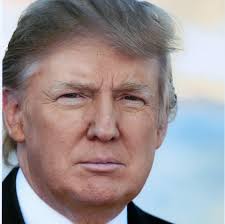
On July 14, 2019, Trump unleashed a brutal Twitter attack on four Democratic members of the House of Representatives who had harshly criticized his anti-immigration policies:
The Democrats—all female, and all non-white—were:
- Alexandria Ocasio-Cortez of New York;
- Rashida Tlaib of Michigan;
- Ilhan Omar of Minnesota and
- Ayanna Pressley of Massachusetts.
Of the Congresswomen that Trump singled out:
- Cortez was born in New York City.
- Tlaib was born in Detroit, Michigan.
- Pressley was born in Cincinnati, Ohio.
Only Omar was born outside the United States—in Somalia. And she became an American citizen in 2000 when she was 17 years old.
Critics assailed Trump as racist for implying that these women were not United States citizens.
Moreover, as members of Congress, they had a legal right to declare “how our government is to be run.” House and Senate Republicans had vigorously—and often viciously—asserted that right during the Presidency of Barack Obama.
Donald Trump
Ocasio-Cortez quickly struck back on Twitter on the same day: “You are angry because you don’t believe in an America where I represent New York 14, where the good people of Minnesota elected , where fights for Michigan families, where champions little girls in Boston.
“You are angry because you can’t conceive of an America that includes us. You rely on a frightened America for your plunder.
“You won’t accept a nation that sees healthcare as a right or education as a #1 priority, especially where we’re the ones fighting for it. Yet here we are.”

Alexandria Ocasio-Cortez
But then followed the most significant part of Cortez’ reply:
“But you know what’s the rub of it all, Mr. President? On top of not accepting an America that elected us, you cannot accept that we don’t fear you, either.
“You can’t accept that we will call your bluff & offer a positive vision for this country. And that’s what makes you seethe.”
For all his adult life, Donald Trump—as a businessman, Presidential candidate and twice-elected President—has trafficked in bribery and coercion. First bribery:
- Florida Attorney General Pam Bondi (now United States Attorney General) personally solicited a political contribution from Donald Trump around the same time her office deliberated joining an investigation of alleged fraud at Trump University and its affiliates.
- After Bondi dropped the Trump University case, he wrote her a $25,000 check for her re-election campaign. The money came from the Donald J. Trump Foundation.
- Republican Texas Attorney General Ken Paxton moved to muzzle a former state regulator who says he was ordered in 2010 to drop a fraud investigation into Trump University for political reasons.
- Paxton’s office issued a cease and desist letter to former Deputy Chief of Consumer Protection John Owens after he made public copies of a 14-page internal summary of the state’s case against Donald Trump for scamming millions from students of his now-defunct real estate seminar.
- After the Texas case was dropped, Trump cut a $35,000 check to the gubernatorial campaign of then-attorney general and now Texas Governor Greg Abbott.

Now coercion:
- Throughout his career as a businessman, Trump forced his employees to sign Non-Disclosure Agreements, threatening them with lawsuits if they revealed secrets of his greed and/or criminality.
- In 2016. USA Today found that Trump was involved in over 3,500 lawsuits during the previous 30 years: “At least 60 lawsuits, along with hundreds of liens, judgments, and other government filings” were from contractors claiming they got stiffed.
- On March 16, 2016, as a Republican Presidential candidate, Trump warned Republicans that if he didn’t win the GOP nomination in July, his supporters would literally riot: “I think you’d have riots. I think you would see problems like you’ve never seen before. I think bad things would happen, I really do. I wouldn’t lead it, but I think bad things would happen.”
- An NBC reporter summed it up as: “The message to Republicans was clear: ‘Nice convention you got there. Shame if something happened to it.'”
- Speaking with Bob Woodward, the legendary Washington Post investigative reporter, Trump confessed: “Real power is—I don’t even want to use the word—fear.”
- During his Presidential campaign he encouraged Right-wing thugs to attack dissenters at his rallies, even claiming he would pay their legal expenses (which he didn’t).
But when he has confronted men and women who can’t be bribed or intimidated, Trump has reacted with rage and desperation.
2016 PRESIDENTIAL RACE, ABC NEWS, ALEXANDRIA OCASIO-CORTEZ, ALTERNET, AP, AYANNA PRESSLEY, BOB WOODWARD, BRIBERY, BUZZFEED, CBS NEWS, CNN, CROOKS AND LIARS, DAILY KOZ, DAVID BERLANGA, DONALD TRUMP, ELLIOT NESS, ERIC SCHNEIDERMAN, FACEBOOK, FRANCISCO "PANCHO" VILLA, GREG ABBOTT, ILHAN OMAR, INTIMIDATION, JAMES CARLOS BLAKE, JEFF SESSIONS, JOHN OWENS, KEN PAXTON, MEXICAN REVOLUTION, MOTHER JONES, MOVEON, MSNBC, NBC NEWS, NEWSWEEK, NICCOLO MACHIAVELLI, NON-DISCLOSURE AGREEMENTS, NPR, PAM BONDI, PBS NEWSHOUR, POLITICO, RASHIDA TLAIB, RAW STORY, REPUBLICAN CONVENTION, REUTERS, ROBERT MUELLER, ROD ROSENSTEIN, RODOLFO FIERRO, SALON, SEATTLE TIMES, SLATE, THE ATLANTIC, THE CHICAGO SUN-TIMES, THE CHICAGO TRIBUNE, THE DAILY BEAST, THE DISCOURSES, THE FRIENDS OF PANCHO VILLA (BOOK), THE GUARDIAN, THE HILL, THE HUFFINGTON POST, THE LOS ANGELES TIMES, THE NATION, THE NEW YORK TIMES, THE WASHINGTON POST, TIME, TRUMP UNIVERSITY, U.S. NEWS & WORLD REPORT, UPI, USA TODAY, X
In Bureaucracy, History, Law, Law Enforcement, Politics, Social commentary on April 1, 2025 at 12:10 am
…A truly great man is ever the same under all circumstances. And if his fortune varies, exalting him at one moment and oppressing him at another, he himself never varies, but always preserves a firm courage, which is so closely interwoven with his character that everyone can readily see that the fickleness of fortune has no power over him.
The conduct of weak men is very different. Made vain and intoxicated by good fortune, they attribute their success to merits which they do not possess. And this makes them odious and insupportable to all around them. And when they have afterwards to meet a reverse of fortune, they quickly fall into the other extreme, and become abject and vile.
—Niccolo Machiavelli, The Discourses
Niccolo Machiavelli
When Donald Trump—as a businessman and President—has been confronted by men and women who can’t be bribed or intimidated, he has reacted with rage and frustration.
- Trump boasted that he “never” settled cases out of court. But New York Attorney General Eric Schneiderman pressed fraud claims against the real estate mogul’s counterfeit Trump University—and Trump settled the case out of court rather than take the stand.
- “Today’s $25 million settlement agreement is a stunning reversal by Donald Trump,” said Schneiderman on November 18, 2016, “and a major victory for the over 6,000 victims of his fraudulent university.”
- On May 17, 2017, Deputy Attorney General Rod Rosenstein appointed former FBI Director Robert S. Mueller to investigate links between Russian Intelligence agents and the 2016 Trump Presidential campaign.
- Upon learning of his appointment, Trump wailed: “Oh my God. This is terrible. This is the end of my Presidency. I’m fucked.”
- “How could you let this happen, Jeff?” Trump demanded of Jeff Sessions, his Attorney General. “You were supposed to protect me. Everyone tells me if you get one of these independent counsels, it ruins your presidency. It takes years and years and I won’t be able to do anything. This is the worst thing that ever happened to me.”
- Throughout Mueller’s probe, Trump hurled repeated insults at him via Twitter and press conferences. He also called on his shills within Fox News and the Republican party to attack Mueller’s integrity and investigative methods.
- But aides convinced him that firing Mueller would be rightly seen as obstruction of justice—and thus grounds for impeachment. So he never dared go that far.

Robert Mueller
Perhaps the key to Trump’s innermost fear can be found in a work of fiction—in this case, the 1996 historical novel, The Friends of Pancho Villa, by James Carlos Blake.
The book depicts the Mexican Revolution (1910 – 1920) and its most famous revolutionary, Francisco “Pancho” Villa. it’s told from the viewpoint of Rodolfo Fierro, Villa’s most feared executioner. In one day, for example, Fierro—using two revolvers—executed 300 captured Federale soldiers.
As in history, Blake’s Fierro presides over the execution of David Berlanga, a journalist who had dared criticize the often loutish behavior of Villa’s men.
On Villa’s command, Fierro approaches Berlanga in a Mexico City restaurant and orders: “Come with me.”
Standing against a barracks wall, Berlanga lights a cigar and requests permission to finish it. He then proceeds to smoke it with such a steady hand that its unbroken ash extends almost four inches.
The cigar finished, the ash still unbroken, Berlanga drops the butt to the ground and says calmly: “I’m ready.”
Then the assembled firing squad does its work.
Later, Fierro is so shaken by Berlanga’s sheer fearlessness that he seeks an explanation for it. Sitting in a cantina, he lights a cigar and tries to duplicate Berlanga’s four-inch length.
But the best he can do is less than three inches. He concludes that Berlanga used a trick—but he can’t figure it out.
Rodolfo Fierro
It had to be a trick, Fierro insists, because, if it wasn’t, there were only two other explanations for such a calm demeanor in the face of impending death.
The first was insanity. But Fierro rules this out: He had studied Berlanga’s eyes and found no madness there.
That leaves only one other explanation (other than a trick): Sheer courage.
And Fierro can’t accept this, either—because it’s disturbing.
“The power of men like me does not come solely from our ability to kill….No, the true source of our power is so obvious it sometimes goes unnoticed for what it is: Our power comes from other men’s lack of courage.
“There is even less courage in this world than there is talent for killing. Men like me rule because most men are faint of heart in the shadow of death.
“But a man brave enough to control his fear of being killed, control it so well that no tremor reaches his fingers and no sign shows in his eyes…well. Such a man cannot be ruled, he can only be killed.”
* * * * *
Throughout his life, Trump has relied on bribery and intimidation. He well understands the power of greed and fear over most people.
What he doesn’t understand—and truly fears—is that some people cannot be bought or frightened.
People like Elliot Ness. Like Robert Mueller. And like Alexandria Ocasio-Cortez.
2016 PRESIDENTIAL RACE, ABC NEWS, ALEXANDRIA OCASIO-CORTEZ, ALTERNET, AP, AYANNA PRESSLEY, BOB WOODWARD, BRIBERY, BUZZFEED, CBS NEWS, CNN, CROOKS AND LIARS, DAILY KOZ, DAVID BERLANGA, ELLIOT NESS, ERIC SCHNEIDERMAN, FACEBOOK, FRANCISCO "PANCHO" VILLA, GREG ABBOTT, ILHAN OMAR, INTIMIDATION, JAMES CARLOS BLAKE, JEFF SESSIONS, JOHN OWENS, KEN PAXTON, MEXICAN REVOLUTION, MOTHER JONES, MOVEON, MSNBC, NBC NEWS, NEWSWEEK, NICCOLO MACHIAVELLI, NON-DISCLOSURE AGREEMENTS, NPR, PAM BONDI, PBS NEWSHOUR, POLITICO, RASHIDA TLAIB, RAW STORY, REPUBLICAN CONVENTION, REUTERS, ROBERT MUELLER, ROD ROSENSTEIN, RODOLFO FIERRO, SALON, SEATTLE TIMES, SLATE, THE ATLANTIC, THE CHICAGO SUN-TIMES, THE CHICAGO TRIBUNE, THE DAILY BEAST, THE DISCOURSES, THE FRIENDS OF PANCHO VILLA (BOOK), THE GUARDIAN, THE HILL, THE HUFFINGTON POST, THE LOS ANGELES TIMES, THE NATION, THE NEW YORK TIMES, THE WASHINGTON POST, TIME, TRUMP UNIVERSITY, U.S. NEWS & WORLD REPORT, UPI, USA TODAY, USA TODAY DONALD TRUMP, X
In Bureaucracy, History, Law, Law Enforcement, Politics, Social commentary on March 31, 2025 at 12:12 am
On July 14, 2019, President Donald Trump unleashed a brutal Twitter attack on four Democratic members of the House of Representatives who had harshly criticized his anti-immigration policies:
“So interesting to see “Progressive” Democrat Congresswomen, who originally came from countries whose governments are a complete and total catastrophe, the worst, most corrupt and inept anywhere in the world (if they even have a functioning government at all), now loudly……
“….and viciously telling the people of the United States, the greatest and most powerful Nation on earth, how our government is to be run. Why don’t they go back and help fix the totally broken and crime infested places from which they came. Then come back and show us how….
“….it is done. These places need your help badly, you can’t leave fast enough. I’m sure that Nancy Pelosi would be very happy to quickly work out free travel arrangements!”
Donald Trump
The Democrats—all female, and all non-white—were:
- Alexandria Ocasio-Cortez of New York;
- Rashida Tlaib of Michigan;
- Ilhan Omar of Minnesota and
- Ayanna Pressley of Massachusetts.
Of the Congresswomen that Trump singled out:
- Cortez was born in New York City.
- Tlaib was born in Detroit, Michigan.
- Pressley was born in Cincinnati, Ohio.
Only Omar was born outside the United States—in Somalia. And she became an American citizen in 2000 when she was 17 years old.
Critics have assailed Trump as racist for implying that these women were not United States citizens.
Moreover, as members of Congress, they had a legal right to declare “how our government is to be run.” Republicans in the House and Senate vigorously—and often viciously—asserted that right during the Presidency of Barack Obama.
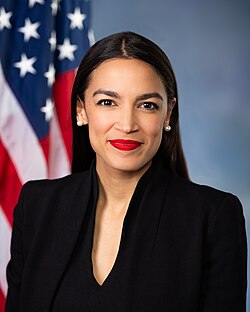
Ocasio-Cortez quickly struck back on Twitter on the same day: “You are angry because you don’t believe in an America where I represent New York 14, where the good people of Minnesota elected , where fights for Michigan families, where fi champions little girls in Boston.
“You are angry because you can’t conceive of an America that includes us. You rely on a frightened America for your plunder.
“You won’t accept a nation that sees healthcare as a right or education as a #1 priority, especially where we’re the ones fighting for it. Yet here we are.”
Alexandria Ocasio-Cortez
But then followed the most significant part of Cortez’ reply:
“But you know what’s the rub of it all, Mr. President? On top of not accepting an America that elected us, you cannot accept that we don’t fear you, either.
“You can’t accept that we will call your bluff & offer a positive vision for this country. And that’s what makes you seethe.”
“You cannot accept that we don’t fear you, either.”
For all his adult life, Donald Trump—as a businessman, Presidential candidate and now President—has trafficked in bribery and coercion. First bribery:
- Florida Attorney General Pam Bondi (now United States Attorney General) personally solicited a political contribution from Donald Trump at the same time her office deliberated joining an investigation of alleged fraud at Trump University and its affiliates.
- After Bondi dropped the Trump University case, he wrote her a $25,000 check for her re-election campaign. The money came from the Donald J. Trump Foundation.
- Republican Texas Attorney General Ken Paxton moved to muzzle a former state regulator who said he was ordered in 2010 to drop a fraud investigation into Trump University for political reasons.
- Paxton’s office issued a cease and desist letter to former Deputy Chief of Consumer Protection John Owens after he made public copies of a 14-page internal summary of the state’s case against Donald Trump for scamming millions from students of his now-defunct real estate seminar.
- After the Texas case was dropped, Trump cut a $35,000 check to the gubernatorial campaign of then-attorney general and now Texas Governor Greg Abbott.
Now coercion:
- Throughout his career as a businessman, Trump forced his employees to sign Non-Disclosure Agreements, threatening them with lawsuits if they revealed secrets of his greed and/or criminality.
- In 2016. USA Today found that Trump was involved in over 3,500 lawsuits during the previous 30 years: “At least 60 lawsuits, along with hundreds of liens, judgments, and other government filings” were from contractors claiming they got stiffed.
- On March 16, 2016, as a Republican Presidential candidate, Trump warned Republicans that if he didn’t win the GOP nomination in July, his supporters would literally riot: “I think you’d have riots. I think you would see problems like you’ve never seen before. I think bad things would happen, I really do. I wouldn’t lead it, but I think bad things would happen.”
- An NBC reporter summed it up as: “The message to Republicans was clear: ‘Nice convention you got there. Shame if something happened to it.'”
- Speaking with Bob Woodward, the legendary Washington Post investigative reporter, Trump confessed: “Real power is—I don’t even want to use the word—fear.”
- During his Presidential campaign he encouraged Right-wing thugs to attack dissenters at his rallies, even claiming he would pay their legal expenses.
But when he has confronted men and women who can’t be bribed or intimidated, Trump has reacted with rage and desperation.
2016 PRESIDENTIAL RACE, ABC NEWS, ALEXANDRIA OCASIO-CORTEZ, ALTERNET, AMERICABLOG, AP, AYANNA PRESSLEY, BABY BOOMER RESISTANCE, BOB WOODWARD, BRIBERY, BUZZFEED, CBS NEWS, CNN, CROOKS AND LIARS, DAILY KOZ, DAVID BERLANGA, DRUDGE RETORT, ELLIOT NESS, ERIC SCHNEIDERMAN, FIVETHIRTYEIGHT, FRANCISCO "PANCHO" VILLA, GREG ABBOTT, HARPER’S MAGAZINE, ILHAN OMAR, INTIMIDATION, JAMES CARLOS BLAKE, JEFF SESSIONS, JOHN OWENS, KEN PAXTON, MEDIA MATTERS, MEXICAN REVOLUTION, MOTHER JONES, MOVEON, MSNBC, NBC NEWS, NEWSWEEK, NICCOLO MACHIAVELLI, NON-DISCLOSURE AGREEMENTS, NPR, PAM BONDI, PBS NEWSHOUR, POLITICO, POLITICUSUSA, RASHIDA TLAIB, RAW STORY, REPUBLICAN CONVENTION, REUTERS, ROBERT MUELLER, ROD ROSENSTEIN, RODOLFO FIERRO, SALON, SEATTLE TIMES, SLATE, TALKING POINTS MEMO, THE ATLANTIC, THE CHICAGO SUN-TIMES, THE CHICAGO TRIBUNE, THE DAILY BEAST, THE DAILY BLOG, THE DISCOURSES, THE FRIENDS OF PANCHO VILLA (BOOK), THE GUARDIAN, THE HILL, THE HUFFINGTON POST, THE LOS ANGELES TIMES, THE NATION, THE NEW REPUBLIC, THE NEW YORK TIMES, THE VILLAGE VOICE, THE WASHINGTON POST, THINKPROGRESS, TIME, TRUMP UNIVERSITY, TRUTHDIG, TRUTHOUT, TWITTER, TWO POLITICAL JUNKIES, U.S. NEWS & WORLD REPORT, UPI, USA TODAY, USA TODAY DONALD TRUMP, WONKETTE
In Bureaucracy, History, Law, Politics, Social commentary on February 16, 2024 at 12:10 am
…A truly great man is ever the same under all circumstances. And if his fortune varies, exalting him at one moment and oppressing him at another, he himself never varies, but always preserves a firm courage, which is so closely interwoven with his character that everyone can readily see that the fickleness of fortune has no power over him.
The conduct of weak men is very different. Made vain and intoxicated by good fortune, they attribute their success to merits which they do not possess. And this makes them odious and insupportable to all around them. And when they have afterwards to meet a reverse of fortune, they quickly fall into the other extreme, and become abject and vile.
—Niccolo Machiavelli, The Discourses
Niccolo Machiavelli
When Donald Trump—as a businessman and President—has been confronted by men and women who can’t be bribed or intimidated, he has reacted with rage and frustration.
- Trump boasted that he “never” settled cases out of court. But New York Attorney General Eric Schneiderman pressed fraud claims against the real estate mogul’s counterfeit Trump University—and Trump settled the case out of court rather than take the stand.
- “Today’s $25 million settlement agreement is a stunning reversal by Donald Trump,” said Schneiderman on November 18, 2016, “and a major victory for the over 6,000 victims of his fraudulent university.”
- On May 17, 2017, Deputy Attorney General Rod Rosenstein appointed former FBI Director Robert S. Mueller to investigate links between Russian Intelligence agents and the 2016 Trump Presidential campaign.
- Upon learning of his appointment, Trump wailed: “Oh my God. This is terrible. This is the end of my Presidency. I’m fucked.”
- “How could you let this happen, Jeff?” Trump demanded of Jeff Sessions, his Attorney General. “You were supposed to protect me. Everyone tells me if you get one of these independent counsels, it ruins your presidency. It takes years and years and I won’t be able to do anything. This is the worst thing that ever happened to me.”
- Throughout Mueller’s probe, Trump hurled repeated insults at him via Twitter and press conferences. He also called on his shills within Fox News and the Republican party to attack Mueller’s integrity and investigative methods.
- But aides convinced him that firing Mueller would be rightly seen as obstruction of justice—and thus grounds for impeachment. So he never dared go that far.
Robert Mueller
Perhaps the key to Trump’s innermost fear can be found in a work of fiction—in this case, the 1996 historical novel, The Friends of Pancho Villa, by James Carlos Blake.
The book depicts the Mexican Revolution (1910-1920) and its most famous revolutionary, Francisco “Pancho” Villa. it’s told from the viewpoint of Rodolfo Fierro, Villa’s most feared executioner. In one day, for example, Fierro—using two revolvers—executed 300 captured Federale soldiers.
As in history, Blake’s Fierro presides over the execution of David Berlanga, a journalist who had dared criticize the often loutish behavior of Villa’s men.
On Villa’s command, Fierro approaches Berlanga in a Mexico City restaurant and orders: “Come with me.”
Standing against a barracks wall, Berlanga lights a cigar and requests permission to finish it. He then proceeds to smoke it with such a steady hand that its unbroken ash extends four inches.
The cigar finished, the ash still unbroken, Berlanga drops the butt to the ground and says calmly: “I’m ready.”
Then the assembled firing squad does its work.
Later, Fierro is so shaken by Berlanga’s sheer fearlessness that he seeks an explanation for it. Sitting in a cantina, he lights a cigar and tries to duplicate Berlanga’s four-inch length.
But the best he can do is less than three inches. He concludes that Berlanga used a trick—but he can’t figure it out.
Rodolfo Fierro
It had to be a trick, Fierro insists, because, if it wasn’t, there were only two other explanations for such a calm demeanor in the face of impending death.
The first was insanity. But Fierro rules this out: He had studied Berlanga’s eyes and found no madness there.
That leaves only one other explanation (other than a trick): Sheer courage.
And Fierro can’t accept this, either—because it’s disturbing.
“The power of men like me does not come solely from our ability to kill….No, the true source of our power is so obvious it sometimes goes unnoticed for what it is: our power comes from other men’s lack of courage.
“There is even less courage in this world than there is talent for killing. Men like me rule because most men are faint of heart in the shadow of death.
“But a man brave enough to control his fear of being killed, control it so well that no tremor reaches his fingers and no sign shows in his eyes…well. Such a man cannot be ruled, he can only be killed.”
Throughout his life, Trump has relied on bribery and intimidation. He well understands the power of greed and fear over most people.
What he doesn’t understand—and truly fears—is that some people cannot be bought or frightened.
People like Elliot Ness. Like Robert Mueller. And like Alexandria Ocasio-Cortez.
2016 PRESIDENTIAL RACE, ABC NEWS, ALEXANDRIA OCASIO-CORTEZ, ALTERNET, AMERICABLOG, AP, AYANNA PRESSLEY, BABY BOOMER RESISTANCE, BOB WOODWARD, BRIBERY, BUZZFEED, CBS NEWS, CNN, CROOKS AND LIARS, DAILY KOZ, DAVID BERLANGA, DRUDGE RETORT, ELLIOT NESS, ERIC SCHNEIDERMAN, FIVETHIRTYEIGHT, FRANCISCO "PANCHO" VILLA, GREG ABBOTT, HARPER’S MAGAZINE, ILHAN OMAR, INTIMIDATION, JAMES CARLOS BLAKE, JEFF SESSIONS, JOHN OWENS, KEN PAXTON, MEDIA MATTERS, MEXICAN REVOLUTION, MOTHER JONES, MOVEON, MSNBC, NBC NEWS, NEWSWEEK, NICCOLO MACHIAVELLI, NON-DISCLOSURE AGREEMENTS, NPR, PAM BONDI, PBS NEWSHOUR, POLITICO, POLITICUSUSA, RASHIDA TLAIB, RAW STORY, REPUBLICAN CONVENTION, REUTERS, ROBERT MUELLER, ROD ROSENSTEIN, RODOLFO FIERRO, SALON, SEATTLE TIMES, SLATE, TALKING POINTS MEMO, THE ATLANTIC, THE CHICAGO SUN-TIMES, THE CHICAGO TRIBUNE, THE DAILY BEAST, THE DAILY BLOG, THE DISCOURSES, THE FRIENDS OF PANCHO VILLA (BOOK), THE GUARDIAN, THE HILL, THE HUFFINGTON POST, THE LOS ANGELES TIMES, THE NATION, THE NEW REPUBLIC, THE NEW YORK TIMES, THE VILLAGE VOICE, THE WASHINGTON POST, THINKPROGRESS, TIME, TRUMP UNIVERSITY, TRUTHDIG, TRUTHOUT, TWITTER, TWO POLITICAL JUNKIES, U.S. NEWS & WORLD REPORT, UPI, USA TODAY, USA TODAY DONALD TRUMP, WONKETTE
In Bureaucracy, History, Law, Politics, Social commentary on February 15, 2024 at 12:11 am
On July 14, 2019, President Donald Trump unleashed a brutal Twitter attack on four Democratic members of the House of Representatives who had harshly criticized his anti-immigration policies:
“So interesting to see “Progressive” Democrat Congresswomen, who originally came from countries whose governments are a complete and total catastrophe, the worst, most corrupt and inept anywhere in the world (if they even have a functioning government at all), now loudly……
“….and viciously telling the people of the United States, the greatest and most powerful Nation on earth, how our government is to be run. Why don’t they go back and help fix the totally broken and crime infested places from which they came. Then come back and show us how….
“….it is done. These places need your help badly, you can’t leave fast enough. I’m sure that Nancy Pelosi would be very happy to quickly work out free travel arrangements!”
Donald Trump
The Democrats—all female, and all non-white—were:
- Alexandria Ocasio-Cortez of New York;
- Rashida Tlaib of Michigan;
- Ilhan Omar of Minnesota and
- Ayanna Pressley of Massachusetts.
Of the Congresswomen that Trump singled out:
- Cortez was born in New York City.
- Tlaib was born in Detroit, Michigan.
- Pressley was born in Cincinnati, Ohio.
Only Omar was born outside the United States—in Somalia. And she became an American citizen in 2000 when she was 17 years old.
Critics have assailed Trump as racist for implying that these women were not United States citizens.
Moreover, as members of Congress, they had a legal right to declare “how our government is to be run.” Republicans in the House and Senate vigorously—and often viciously—asserted that right during the Presidency of Barack Obama.
Ocasio-Cortez quickly struck back on Twitter on the same day: “You are angry because you don’t believe in an America where I represent New York 14, where the good people of Minnesota elected , where fights for Michigan families, where champions little girls in Boston.
“You are angry because you can’t conceive of an America that includes us. You rely on a frightened America for your plunder.
“You won’t accept a nation that sees healthcare as a right or education as a #1 priority, especially where we’re the ones fighting for it. Yet here we are.”
Alexandria Ocasio-Cortez
But then followed the most significant part of Cortez’ reply:
“But you know what’s the rub of it all, Mr. President? On top of not accepting an America that elected us, you cannot accept that we don’t fear you, either.
“You can’t accept that we will call your bluff & offer a positive vision for this country. And that’s what makes you seethe.”
“You cannot accept that we don’t fear you, either.”
For all his adult life, Donald Trump—as a businessman, Presidential candidate and now President—has trafficked in bribery and coercion.
First bribery:
- Florida Attorney General Pam Bondi personally solicited a political contribution from Donald Trump around the same time her office deliberated joining an investigation of alleged fraud at Trump University and its affiliates.
- After Bondi dropped the Trump University case, he wrote her a $25,000 check for her re-election campaign. The money came from the Donald J. Trump Foundation.
- Republican Texas Attorney General Ken Paxton moved to muzzle a former state regulator who says he was ordered in 2010 to drop a fraud investigation into Trump University for political reasons.
- Paxton’s office issued a cease and desist letter to former Deputy Chief of Consumer Protection John Owens after he made public copies of a 14-page internal summary of the state’s case against Donald Trump for scamming millions from students of his now-defunct real estate seminar.
- After the Texas case was dropped, Trump cut a $35,000 check to the gubernatorial campaign of then-attorney general and now Texas Governor Greg Abbott.
Now coercion:
- Throughout his career as a businessman, Trump forced his employees to sign Non-Disclosure Agreements, threatening them with lawsuits if they revealed secrets of his greed and/or criminality.
- In 2016. USA Today found that Trump was involved in over 3,500 lawsuits during the previous 30 years: “At least 60 lawsuits, along with hundreds of liens, judgments, and other government filings” were from contractors claiming they got stiffed.
- On March 16, 2016, as a Republican Presidential candidate, Trump warned Republicans that if he didn’t win the GOP nomination in July, his supporters would literally riot: “I think you’d have riots. I think you would see problems like you’ve never seen before. I think bad things would happen, I really do. I wouldn’t lead it, but I think bad things would happen.”
- An NBC reporter summed it up as: “The message to Republicans was clear: ‘Nice convention you got there. Shame if something happened to it.'”
- Speaking with Bob Woodward, the legendary Washington Post investigative reporter, Trump confessed: “Real power is—I don’t even want to use the word—fear.”
- During his Presidential campaign he encouraged Right-wing thugs to attack dissenters at his rallies, even claiming he would pay their legal expenses.
But when he has confronted men and women who can’t be bribed or intimidated, Trump has reacted with rage and desperation.
ABC NEWS, ALAMO, ALIEN-SMUGGLING RINGS, ALTERNET, ALVARO OBREGON, AMERICABLOG, AMNEXTY INTERNATIONAL, ANCHOR BABIES, ANTONIO LOPEZ DE SANTA ANNA, AP, ARIZONA, BABY BOOMER RESISTANCE, BARACK OBAMA, BARBARA LEE, BBC, BLOOMBERG, BLOOMBERG NEWS, BREXIT, BUREAU OF CUSTOMS AND BORDER PROTECTION, BUZZFEED, CALIFORNIA, CBS NEWS, CHICAGO, CNN, COLORADO, CORRUPTION, CROOKS AND LIARS, CUBA, DAILY KOS, DAVID CROCKETT, DEMOCRATIC PARTY, DEMOCRATS, DONALD TRUMP, DREAM ACT, DRUDGE REPORT, EMILIANO ZAPATA, ENGLISH LANGUAGE, ERIC ADAMS, EUROPEAN UNION (EU), FEDERATION FOR AMERICAN IMMIGRATION REFORM (FAIR), FELIPE CALDERON, FIVETHIRTYEIGHT, FLORIDA, FRANCISCO "PANCHO" VILLA, FRANCISCO MADERO, GOLIAD MASSACRE, GREG ABBOTT, HARPER’S MAGAZINE, HILLARY CLINTON, HISPANICS, HUFFINGTON POST, ILLEGAL ALIENS, illegal immigration, IMMIGRATIONS AND CUSTOMS ENFORCEMENT (ICE), JAMES BOWIE, JEFF SESSIONS, MEDI-CAL INSURANCE PROGRAM, MEDIA MATTERS, MEXICAN REVOLUTION, MEXICAN WAR, MEXICO, MEXICO CITY, MIGRANT CARRAVAN, MOSES AUSTIN, MOTHER JONES, MOVEON, MSNBC, NBC NEWS, NEVADA, NEW MEXICO, NEW REPUBLIC, NEW YORK CITY, NEWSDAY, NEWSWEEK, NEWT GINGRICH, NICARAGUA, NICCOLO MACHIAVELLI, NPR, PANCHO VILLA, PAUL RYAN, PBS NEWSHOUR, POLITICAL CORRECTNESS, POLITICO, POLITICUSUSA, RACIAL PROFILING, RAW STORY, REPUBLICAN PARTY, REPUBLICANS, REUTERS, ROBERT FROST, SALON, SAM HOUSTON, SAN JACINTO, SCHOOLS, SEATTLE TIMES, SLATE, SLAVERY, STEPHEN AUSTIN, TALKING POINTS MEMO, TEXAS, THE ATLANTIC, THE CHICAGO SUN-TIMES, THE CHICAGO TRIBUNE, THE DAILY BEAST, THE DAILY BLOG, THE DAILY MAIL, THE DISCOURSES, THE GUARDIAN, THE HILL, THE HUFFINGTON POST, THE INTERCEPT, THE LOS ANGELES TIMES, THE NATION, THE NEW REPUBLIC, THE NEW YORK TIMES, THE NEW YORKER, THE VILLAGE VOICE, THE WALL STREET JOURNAL, THE WASHINGTON POST, THINKPROGRESS, THOMAS HOMAN, TIJUANA, TIME, TRUTHDIG, TRUTHOUT, TWITTER, TWO POLITICAL JUNKIES, U.S. NEWS & WORLD REPORT, U.S. SUPREME COURT, UNITED KINGDOM (UK), UNITED STATES DEPARTMENT OF JUSTICE, UNITED STATES HEALTH AND HUMAN SERVICES DEPARTMENT, UPI, USA TODAY, UTAH, VENEZUELA, VENUSTIANO CARRANZA, WAL-MART, WASHINGTON D.C., WONKETTE
In Bureaucracy, Business, History, Law, Law Enforcement, Medical, Military, Politics, Social commentary on January 9, 2024 at 12:13 am
If Americans decide they truly want to control access to their own borders, there is a realistic way to accomplish this.
And it doesn’t involve building a wall along the Mexican border—which would prove ridiculously expensive and easily circumvented.

(1) The Justice Department should vigorously attack the “sanctuary movement” that officially thwarts the immigration laws of the United States.
Among the 31 “sanctuary cities” of this country: Washington, D.C.; New York City; Los Angeles; Chicago; San Francisco; Santa Ana; San Diego; Salt Lake City; Phoenix; Dallas; Houston; Austin; Detroit; Jersey City; Minneapolis; Miami; Denver; Baltimore; Seattle; Portland, Oregon; New Haven, Connecticut; and Portland, Maine.
These cities have adopted “sanctuary” ordinances that do not allow municipal funds or resources to be used to enforce federal immigration laws, usually by not allowing police or municipal employees to inquire about one’s immigration status.
(2) The most effective way to combat this movement: Indict the highest-ranking officials of those cities which have actively violated Federal immigration laws.
In San Francisco, for example, former District Attorney Kamala Harris—who is now Vice President of the United States—created a secret program called Back on Track, which provided training for jobs that illegal aliens could not legally hold.
She also prevented Immigration and Customs Enforcement (ICE) from deporting even those illegal aliens convicted of a felony.
(3) Indicting such officials would be comparable to the way that President Andres Jackson dealt with the threat South Carolinians once made to “nullify”—or ignore—any Federal laws they didn’t like.
Jackson quashed that threat by making one of his own: To lead an army into that State and purge all who dared defy the laws of the Federal Government.

(4) Even if some indicted officials escaped conviction, the results would prove worthwhile.
City officials would be forced to spend huge sums of their own money for attorneys and face months or even years of prosecution.
And this, in turn, would send a devastating warning to officials in other “sanctuary cities” that the same fate lies in store for them.
(5) CEOs whose companies—like Wal-Mart—systematically employ illegal aliens should be held directly accountable for the actions of their subordinates.
They should be indicted by the Justice Department under the Racketeer Influenced Corrupt Organizations (RICO) Act, the way Mafia bosses are prosecuted for ordering their own subordinates to commit crimes.
Upon conviction, the CEO should be sentenced to a mandatory prison term of at least twenty years.
This would prove a more effective remedy for combating illegal immigration than stationing tens of thousands of soldiers on the U.S./Mexican border. CEOs forced to account for their subordinates’ actions would take drastic steps to ensure that their companies strictly complied with Federal immigration laws.
Without employers luring illegal aliens at a fraction of the money paid to American workers, the flood of such illegal job-seekers would quickly dry up.
(6) The Government should stop granting automatic citizenship to “anchor babies” born to illegal aliens in the United States.
A comparable practice would be allowing bank robbers who had eluded the FBI to keep their illegally-obtained loot.
A person who violates the bank robbery laws of the United States is legally prosecutable for bank robbery, whether he’s immediately arrested or remains uncaught for years. The same should be true for those born illegally within this country.
If they’re not here legally at the time of birth, they should not be considered citizens and should—like their parents—be subject to deportation.
(7) The United States Government—from the President on down—should stop apologizing for the right to control the country’s national borders.
The Mexican Government doesn’t hesitate to apply strict laws to those immigrating to Mexico. And it feels no need to apologize for this.
Neither should we.
(8) Voting materials and ballots should be published in one language—English.
In Mexico, voting materials are published in one language—Spanish.
Throughout the United States, millions of Mexican illegals refuse to learn English and yet demand that voting materials and ballots be made available to them in Spanish.

(9) Those who are not legal citizens of the United States should not be allowed to vote in its elections.
In Mexico, those who are not Mexican citizens are not allowed to participate in the country’s elections.
The Mexican Government doesn’t consider itself racist for strictly enforcing its immigration laws.
The United States Government should not consider itself racist for insisting on the right to do the same.
(10) The United States should impose economic and even military sanctions against countries—such as China and Mexico—whose citizens make up the bulk of illegal aliens.
The Mexican government well remembers the 10-year Mexican Revolution (1910 – 1920) starring Francisco “Pancho” Villa, Emiliano Zapata and a host of other equally ruthless killers—and the one million dead men, women and children it produced.
So Mexico uses its American border to rid itself of those who might demand major reforms in the country’s political and economic institutions.
Such nations must learn that dumping their unwanteds on the United States now comes at an unaffordably high price. Otherwise those dumpings will continue.
ABC NEWS, ALAMO, ALIEN-SMUGGLING RINGS, ALTERNET, ALVARO OBREGON, AMERICABLOG, AMNEXTY INTERNATIONAL, ANCHOR BABIES, ANTONIO LOPEZ DE SANTA ANNA, AP, ARIZONA, BABY BOOMER RESISTANCE, BARACK OBAMA, BARBARA LEE, BBC, BLOOMBERG, BLOOMBERG NEWS, BREXIT, BUREAU OF CUSTOMS AND BORDER PROTECTION, BUZZFEED, CALIFORNIA, CBS NEWS, CHICAGO, CNN, COLORADO, CORRUPTION, CROOKS AND LIARS, CUBA, DAILY KOS, DAILY KOZ, DAVID CROCKETT, DEMOCRATIC PARTY, DEMOCRATS, DONALD TRUMP, DREAM ACT, DRUDGE REPORT, EMILIANO ZAPATA, ENGLISH LANGUAGE, ERIC ADAMS, EUROPEAN UNION (EU), FEDERATION FOR AMERICAN IMMIGRATION REFORM (FAIR), FELIPE CALDERON, FIVETHIRTYEIGHT, FLORIDA, FRANCISCO "PANCHO" VILLA, FRANCISCO MADERO, GOLIAD MASSACRE, GREG ABBOTT, HARPER’S MAGAZINE, HILLARY CLINTON, HISPANICS, HUFFINGTON POST, ILLEGAL ALIENS, illegal immigration, IMMIGRATIONS AND CUSTOMS ENFORCEMENT (ICE), JAMES BOWIE, JEFF SESSIONS, MEDI-CAL INSURANCE PROGRAM, MEDIA MATTERS, MEXICAN REVOLUTION, MEXICAN WAR, MEXICO, MEXICO CITY, MIGRANT CARRAVAN, MOSES AUSTIN, MOTHER JONES, MOVEON, MSNBC, NBC NEWS, NEVADA, NEW MEXICO, NEW REPUBLIC, NEW YORK CITY, NEWSDAY, NEWSWEEK, NEWT GINGRICH, NICARAGUA, NICCOLO MACHIAVELLI, NPR, PANCHO VILLA, PAUL RYAN, PBS NEWSHOUR, POLITICAL CORRECTNESS, POLITICO, POLITICUSUSA, RACIAL PROFILING, RAW STORY, REPUBLICAN PARTY, REPUBLICANS, REUTERS, ROBERT FROST, SALON, SAM HOUSTON, SAN JACINTO, SCHOOLS, SEATTLE TIMES, SLATE, SLAVERY, STEPHEN AUSTIN, TALKING POINTS MEMO, TEXAS, THE ATLANTIC, THE CHICAGO SUN-TIMES, THE CHICAGO TRIBUNE, THE DAILY BEAST, THE DAILY BLOG, THE DAILY MAIL, THE DISCOURSES, THE GUARDIAN, THE HILL, THE HUFFINGTON POST, THE INTERCEPT, THE LOS ANGELES TIMES, THE NATION, THE NEW REPUBLIC, THE NEW YORK TIMES, THE NEW YORKER, THE VILLAGE VOICE, THE WALL STREET JOURNAL, THE WASHINGTON POST, THINKPROGRESS, THOMAS HOMAN, TIJUANA, TIME, TRUTHDIG, TRUTHOUT, TWITTER, TWO POLITICAL JUNKIES, U.S. NEWS & WORLD REPORT, U.S. SUPREME COURT, UNITED KINGDOM (UK), UNITED STATES DEPARTMENT OF JUSTICE, UNITED STATES HEALTH AND HUMAN SERVICES DEPARTMENT, UPI, USA TODAY, UTAH, VENEZUELA, VENUSTIANO CARRANZA, WAL-MART, WASHINGTON D.C., WONKETTE
In Bureaucracy, Business, History, Law, Law Enforcement, Medical, Military, Politics, Social commentary on January 8, 2024 at 12:10 am
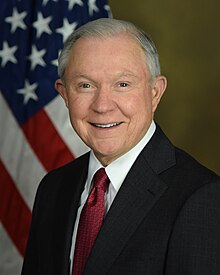
On May 8, 2018, United States Attorney General Jeff Sessions announced that a “zero-tolerance” policy toward people illegally entering the United States might separate families while parents are prosecuted.
“We don’t want to separate families, but we don’t want families to come to the border illegally and attempt to enter into this country improperly,” Sessions said. “The parents are subject to prosecution while children may not be. So, if we do our duty and prosecute those cases, then children inevitably for a period of time might be in different conditions.”
Children who were separated from their parents would be put under supervision of the U.S. Health and Human Services Department, Sessions said.
Jeff Sessions
Thomas Homan, U.S. Immigration and Customs Enforcement’s acting director, backed up Sessions’ “get tough” policy change: “Every law enforcement agency in this country separates parents from children when they’re arrested for a crime. There is no new policy. This has always been the policy.”
That policy soon went into effect. And it generated widespread outrage by
- Civil liberties organizations; and
- Those who believe the United States should not have—or enforce—its immigration laws.
“Criminalizing and stigmatizing parents who are only trying to keep their children from harm and give them a safe upbringing will cause untold damage to thousands of traumatized families who have already given up everything to flee terrible circumstances in their home countries,” said Erika Guevara-Rosas, Amnesty International’s Americas director.
In fact, alien-smugglers have increasingly used children as a wedge against American immigration laws. Their strategy: “Surely, Americans won’t arrest innocent children—or the adults who bring children with them.“
The Trump administration set out to prove them wrong.
This is typical behavior for law enforcement agencies: When criminals devise new ways to defeat existing police measures, the police devise new ways to counter those methods.
Meanwhile, those who believe the United States should throw open its doors to everyone who wants to enter are missing—or ignoring—a vital historical lesson.
Ironically, Mexico knows even better than the United States the perils of unchecked illegal immigration.
In 1821, Moses Austin sought a grant from Mexico to settle Texas. After he died in 1821, his son, Stephen, won recognition of the grant by Mexico.
The Mexican government had been unable to persuade large numbers of its own citizens to move to Texas, owing largely to raiding by such fierce Indian tribes as the Comanches.
The government saw the Anglo settlement of Texas as its best hope to tame an otherwise untamable frontier.

Stephen Austin
Austin convinced numerous American settlers to move to Texas, and by 1825 he had brought the first 300 American families into the territory.
Throughout the 1820s, Austin helped ensure the introduction of slavery into Texas, even though, under Mexican law, this was illegal. Tensions developed between unchecked numbers of Anglo settlers flooding into Texas and the Mexican authorities in charge there.
(“GTT”—“Gone to Texas”—was often carved on cabin doors by debt-ridden settlers who decided to seek their fortune in Texas. And some of the most notorious criminals on the frontier—such as slave-trader, land swindler and knife-fighter James Bowie—joined them.)

James Bowie
Eventually, the irresistible force of unlimited Anglo illegal immigration rebelled against the immovable object of Mexican legal/military authority.
The result:
- The battle of the Alamo: From February 23 to March 6, 1836, about 200 rebellious Texans withstood a 13-day siege in a former San Antonio mission, only to be slaughtered to the last man by an army of 2,000 Mexican soldiers commanded by President (actually, dictator) Antonio Lopez de Santa Anna. Among the victims: James Bowie and former Congressman David Crockett.
- The massacre at Goliad: On March 27, 1836, 425-445 Texans captured after the battle of Coleto were shot en masse by Mexican soldiers.
- The battle of San Jacinto: On April 21, 1836, Texans led by General Sam Houston won a surprise Texas victory over Mexican forces who were caught in a mid-afternoon siesta. Santa Anna—who had fled—was captured the next day.
Mexico was forced to give up all rights to Texas—which, nine years after winning its independence, became a state.
But ongoing conflicts between Mexico and the United States over Texas led to the Mexican war in 1846.
This, in turn, led to a series of devastating American victories over the Mexican army, and the capture of Mexico City itself.

Territory (in brown) that Mexico lost after the Mexican War
Mexico suffered the humiliation of both military defeat and the loss of its land holdings within the American Southwest—which, up to 1848, it had controlled.
This territory later became the states of California, New Mexico, Utah, Nevada, Arizona, Texas, and western Colorado.
And the United States finally spread “from sea to shining sea.”
So Mexico knows what it’s doing when it unloads millions of its own citizens—and those of other Latin and Central American countries—on the United States.
Mexico, in short, is a textbook case of what happens to a country that is unable to enforce its own immigration laws.
ABC NEWS, ALAMO, ALIEN-SMUGGLING RINGS, ALTERNET, ALVARO OBREGON, AMERICABLOG, AMNEXTY INTERNATIONAL, ANCHOR BABIES, ANTONIO LOPEZ DE SANTA ANNA, AP, ARIZONA, BABY BOOMER RESISTANCE, BARACK OBAMA, BARBARA LEE, BBC, BLOOMBERG, BLOOMBERG NEWS, BREXIT, BUREAU OF CUSTOMS AND BORDER PROTECTION, BUZZFEED, CALIFORNIA, CBS NEWS, CHICAGO, CNN, COLORADO, CORRUPTION, CROOKS AND LIARS, CUBA, DAILY KOS, DAVID CROCKETT, DEMOCRATIC PARTY, DEMOCRATS, DONALD TRUMP, DREAM ACT, DRUDGE REPORT, EMILIANO ZAPATA, ENGLISH LANGUAGE, ERIC ADAMS, EUROPEAN UNION (EU), FEDERATION FOR AMERICAN IMMIGRATION REFORM (FAIR), FELIPE CALDERON, FIVETHIRTYEIGHT, FLORIDA, FRANCISCO "PANCHO" VILLA, FRANCISCO MADERO, GOLIAD MASSACRE, GREG ABBOTT, HARPER’S MAGAZINE, HILLARY CLINTON, HISPANICS, HUFFINGTON POST, ILLEGAL ALIENS, illegal immigration, IMMIGRATIONS AND CUSTOMS ENFORCEMENT (ICE), JAMES BOWIE, JEFF SESSIONS, MEDI-CAL INSURANCE PROGRAM, MEDIA MATTERS, MEXICAN REVOLUTION, MEXICAN WAR, MEXICO, MEXICO CITY, MIGRANT CARRAVAN, MOSES AUSTIN, MOTHER JONES, MOVEON, MSNBC, NBC NEWS, NEVADA, NEW MEXICO, NEW REPUBLIC, NEW YORK CITY, NEWSDAY, NEWSWEEK, NEWT GINGRICH, NICARAGUA, NICCOLO MACHIAVELLI, NPR, PANCHO VILLA, PAUL RYAN, PBS NEWSHOUR, POLITICAL CORRECTNESS, POLITICO, POLITICUSUSA, RACIAL PROFILING, RAW STORY, REPUBLICAN PARTY, REPUBLICANS, REUTERS, ROBERT FROST, SALON, SAM HOUSTON, SAN JACINTO, SCHOOLS, SEATTLE TIMES, SLATE, SLAVERY, STEPHEN AUSTIN, TALKING POINTS MEMO, TEXAS, THE ATLANTIC, THE CHICAGO SUN-TIMES, THE CHICAGO TRIBUNE, THE DAILY BEAST, THE DAILY BLOG, THE DAILY MAIL, THE DISCOURSES, THE GUARDIAN, THE HILL, THE HUFFINGTON POST, THE INTERCEPT, THE LOS ANGELES TIMES, THE NATION, THE NEW REPUBLIC, THE NEW YORK TIMES, THE NEW YORKER, THE VILLAGE VOICE, THE WALL STREET JOURNAL, THE WASHINGTON POST, THINKPROGRESS, THOMAS HOMAN, TIJUANA, TIME, TRUTHDIG, TRUTHOUT, TWITTER, TWO POLITICAL JUNKIES, U.S. NEWS & WORLD REPORT, U.S. SUPREME COURT, UNITED KINGDOM (UK), UNITED STATES DEPARTMENT OF JUSTICE, UNITED STATES HEALTH AND HUMAN SERVICES DEPARTMENT, UPI, USA TODAY, UTAH, VENEZUELA, VENUSTIANO CARRANZA, WAL-MART, WASHINGTON D.C., WONKETTE
In Bureaucracy, Business, History, Law, Law Enforcement, Medical, Military, Politics, Social commentary on January 5, 2024 at 12:10 am
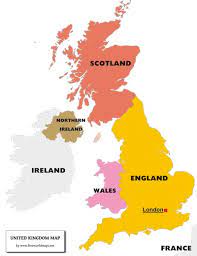
On January 31, 2020, the United Kingdom (UK) withdrew from the European Union (EU).
The United Kingdom—England, Scotland, Wales and Northern Ireland—had been a member state of the EU or its predecessor, the European Communities (EC), since January 1, 1973.
The vote had been a long time coming—and a major reason for it lay in the unrestricted immigration—legal and illegal—of Central and Eastern Europeans, who are allowed by EU regulations to freely live and work in any member state.
The United Kingdom
So the United Kingdom decided it would no longer be an EU member state.
Britons believed that migrants were clogging Britain’s health-care system and schools, while also depressing wages. By leaving the EU, Britons believed they could gain more control over their borders and drastically reduce immigration.
Immigration, the economy and health care had long been the top three issues on British voters’ minds.
The number of foreign-born people living in the UK went from 2.3 million in 1993 (when Britain joined the EU) to 8.2 million in 2014.
By 2020, the non-UK-born population was 9.5 million and the non-British population was 6.1 million. Most of these came from other EU countries: Cyprus, Malta, Croatia, Africa, the Middle East and Asia.
India, Pakistan and Bangladesh were the top three countries with the highest number of UK passport holders.
Critics of Brexit have blamed xenophobia for Britain’s leaving the EU. While that may have been true, it ignores a vital truth: People feel most comfortable around others like themselves.
In schools and prisons, it’s commonplace to see white sitting among whites, blacks sitting among blacks and Hispanics sitting among Hispanics.
In addition, people feel most comfortable among those who speak their own language. In the United States, there has been widespread resentment over having to “Push 1 for English” when calling government agencies.
Two factors are driving unprecedented levels of world migration:
- The world’s population at 8.1 billion, which puts unprecedented stress on available food, housing, medical care and other essential services; and
- The rapid escalation of climate change has brought drought/flooding to major parts of Africa, Asia and Latin and Central America.
Added to these must be an insight into human character offered by Niccolo Machiavelli, the sixteenth-century historian and political scientist, in his work, The Discourses:

Niccolo Machiavelli
It was a saying of ancient writers, that men afflict themselves in evil, and become weary of the good, and that both these dispositions produce the same effects.
For when men are no longer obliged to fight from necessity, they fight from ambition, which passion is so powerful in the hearts of men that it never leaves them, no matter to what height they may rise.
The reason for this is that nature has created men so that they desire everything, but are unable to attain it. Desire being thus always greater than the faculty of acquiring, discontent with what they have and dissatisfaction with themselves result from it.
This causes the changes in their fortunes—for as some men desire to have more, while others fear to lose what they have, enmities and war are the consequences. And this brings about the ruin of one province and the elevation of another.
In addition: Those who have spent their lives as law-abiding citizens resent it when immigrants—especially illegal aliens—gain advantage by breaking the law.
Such a case occurred on January 1, 2024.
That was when California became the first state to offer health insurance to all illegal aliens. All of these uninvited foreigners, regardless of age, now qualify for Medi-Cal, California’s version of the federal Medicaid program for people with low incomes.
Previously, illegal aliens could receive only emergency and pregnancy-related services under Medi-Cal as long as they met eligibility requirements, including income limits and California residency in 2014.
In 2015, then-Governor Jerry Brown allowed illegal alien children to receive coverage under Medi-Cal.
The final expansion starting January 1 will give full coverage to at least 700,000 illegal aliens who have no right to be in the country.
At the same time, about 3.2 million California citizens remained uninsured in 2022.
Meanwhile, California faces a record $68 billion budget deficit. Tax collections are off by $26 billion, combined with the economic slowdown California has been facing since 2022.
News stories announcing this taxpayers’ giveaway don’t refer to the recipients as “illegal aliens.” That’s because “illegal alien” is—for all its accuracy—Politically Incorrect.
Instead, those who defend the wanton violating of American immigration laws prefer the term “undocumented immigrant.”
As though these lawbreakers had valid citizenship documents but somehow lost them during their swim across the Rio Grande.
It’s entirely natural that those living in abject poverty—as millions do in Asia, Africa and Latin/Central America—want to escape it.
It’s also entirely natural that those who have escaped poverty want to hold on to all they have worked hard to attain.
The refusal of liberal politicians—in England, Italy, France, Germany and the United States—to accept these truths has led to the rise of authoritarian, Right-wing movements in those countries.
By refusing to address rising anger over such invasions, liberal politicians throughout the world are endangering the very democracies they cherish.

 Bureaucracybuster's Blog
ABC NEWS, ALTERNET, AMERICABLOG, AP, BABY BOOMER RESISTANCE, BBC, BECCA GOOD, BLOOMBERG, BLUESKY, BUZZFEED, CBS NEWS, CNN, CROOKS AND LIARS, DAILY KOS, DAVID BERLANGA, DEPARTMENT OF HOMELAND SECURITY (DHS), FIVETHIRTYEIGHT, FRANCISCO "PANCHO" VILLA, HARPER’S MAGAZINE, HUFFINGTON POST, ILHAN OMAR, IMMIGRATION AND CUSTOMS ENFORCEMENT (ICE), INTIMIDATION, JAMES CARLOS BLAKE, JONATHAN ROSS, KEITH ELLISON, MEDIA MATTERS, MEXICAN REVOLUTION, MINNEAPOLIS, MINNESOTA, MOTHER JONES, MOVEON, MSNBC, NBC NEWS, NEWSDAY, NEWSWEEK, NPR, PBS NEWSHOUR, POLITICO, POLITICUSUSA, RAW STORY, RENEE GOOD, REUTERS, RODOLFO FIERRO, SALON, SEATTLE TIMES, SLATE, TALKING POINTS MEMO, THE ATLANTIC, THE CHICAGO SUN-TIMES, THE CHICAGO TRIBUNE, THE DAILY BEAST, THE DAILY BLOG, THE FRIENDS OF PANCHO VILLA (BOOK), THE GUARDIAN, THE HILL, THE HUFFINGTON POST, THE INTERCEPT, THE LOS ANGELES TIMES, THE NATION, THE NEW REPUBLIC, THE NEW YORK TIMES, THE NEW YORKER, THE VILLAGE VOICE, THE WASHINGTON POST, THINKPROGRESS, TIME, TRUTHDIG, TRUTHOUT, TWO POLITICAL JUNKIES, U.S. NEWS & WORLD REPORT, UPI, USA TODAY, X
WHAT ICE MOST FEARS
In Bureaucracy, History, Law, Law Enforcement, Politics, Social commentary on January 20, 2026 at 12:11 amOn January 7, Renee Nicole Good, a 37-year-old writer and poet, was fatally shot three times by Immigration and Customs Enforcement (ICE) agent Jonathan Ross in Minneapolis, Minnesota.
A day earlier, the Department of Homeland Security (DHS) had announced what it called the largest immigration enforcement operation ever carried out, sending 2,000 agents to the Minneapolis-Saint Paul metropolitan area.
According to Minnesota Attorney General Keith Ellison and United States Representative Ilhan Omar, Good was acting as a legal observer of ICE’s activities at the time of her encounter with Ross. But Good’s ex-husband said that she had dropped her son off at school and was on her way home with her partner “when they came upon a group of ICE agents.”
Good was in her SUV, stopped sideways in the street when Ross drove his SUV around her car. He stopped ahead of her, began recording video, and stepped out with his face covered. Ross recorded Good’s face and rear license plate. Good stated: “That’s fine, dude. I’m not mad at you.”
Good’s partner, Becca Good, standing behind their SUV, told the agent: “Hey, show your face, Big Boy. Show your face. That’s OK. We don’t change our plates every morning, just so you know. This will be the same plate when you come talk to us later. That’s fine. US citizen, former fucking veteran, disabled veteran.”
Other agents approached, and one repeatedly yelled, “Get out of the fucking car!” as he reached through her open window.
Renee Good
Ross moved to the front-left of the vehicle as Good briefly reversed, then began driving into the direction of traffic while turning away from Ross. While remaining upright, Ross fired three shots, killing her: one through the windshield, then two through the open driver’s side window from the side of her vehicle as it passed him.
He later drove away from the scene.
The SUV continued down the street until crashing into a parked car and light pole. An agent’s voice captured on Ross’ body camera shouted, “Fucking bitch!”
Some have speculated that Good died because she and her partner had refused to show fear or even anger toward Ross, and this may have enraged him.
Those who lust for power over others demand deference, if not subservience. And when it’s not forthcoming, they can only respond with violence.
This is best illustrated in a work of fiction: The 1996 historical novel, The Friends of Pancho Villa, by James Carlos Blake.
The book depicts the Mexican Revolution (1910 – 1920) and its most famous revolutionary, Francisco “Pancho” Villa. It’s told from the viewpoint of Rodolfo Fierro, Villa’s most feared executioner. In one day, for example, Fierro—using two revolvers—executed 300 captured Federale soldiers.
As in history, Blake’s Fierro presides over the execution of David Berlanga, a journalist who had dared criticize the often loutish behavior of Villa’s men.
On Villa’s command, Fierro approaches Berlanga in a Mexico City restaurant and orders: “Come with me.”
Standing against a barracks wall, Berlanga lights a cigar and requests permission to finish it. He then proceeds to smoke it with such a steady hand that its unbroken ash extends almost four inches.
The cigar finished, the ash still unbroken, Berlanga drops the butt to the ground and says calmly: “I’m ready.”
Then the assembled firing squad does its work.
Later, Fierro is so shaken by Berlanga’s sheer fearlessness that he seeks an explanation for it. Sitting in a cantina, he lights a cigar and tries to duplicate Berlanga’s four-inch length.
But the best he can do is less than three inches. He concludes that Berlanga used a trick—but he can’t figure it out.
Rodolfo Fierro
It had to be a trick, Fierro insists, because, if it wasn’t, there were only two other explanations for such a calm demeanor in the face of impending death.
The first was insanity. But Fierro rules this out: He had studied Berlanga’s eyes and found no madness there.
That leaves only one other explanation (other than a trick): Sheer courage.
And Fierro can’t accept this, either—because it’s disturbing.
“The power of men like me does not come solely from our ability to kill….No, the true source of our power is so obvious it sometimes goes unnoticed for what it is: Our power comes from other men’s lack of courage.
“There is even less courage in this world than there is talent for killing. Men like me rule because most men are faint of heart in the shadow of death.
“But a man brave enough to control his fear of being killed, control it so well that no tremor reaches his fingers and no sign shows in his eyes…well. Such a man cannot be ruled, he can only be killed.”
* * * * *
Throughout his life, Donald Trump has relied on intimidation to gain his ends. And his private police-army, ICE, well understands the power of fear it holds over most people.
What he, and they, cannot understand—and truly fear—is that some people cannot be frightened. They can only be killed.
People like Renee Good.
Share this: