Posts Tagged ‘FIDEL CASTRO’
ABC NEWS, AL PACINO, ALTERNET, AMERICABLOG, AP, BABY BOOMER RESISTANCE, BLOOD FEUD, BUZZFEED, CARLOS MARCELLO, CBS NEWS, CHARLES BRANDT, CIA, CNN, COTTER SMITH, CROOKS AND LIARS, CUBA, DAILY KOZ, ERNEST BORGNINE, F.I.S.T. (MOVIE), FACEBOOK, FBI, FIDEL CASTRO, FIVETHIRTYEIGHT, FRANK FITZSIMMONS, FRANK SHEERAN, GUS RUSSO, HOFFA (MOVIE), INTERNATIONAL BROTHERHOOD OF TEAMSTERS, J. EDGAR HOOVER, JACK NICHOLSON, JAMES R. HOFFA, JOE PESCI, JOHN F. KENNEDY, JUSTICE DEPARTMENT, LIVE BY THE SWORD: THE SECRET WAR AGAINST CASTRO AND THE DEATH OF JFK, MAFIA, MARTIN SCORSESE, MOTHER JONES, MOVEON, MSNBC, NBC NEWS, NETFLIX, NEWSWEEK, NPR, PBS NEWSHOUR, POLITICO, POLITICUSUSA, RAFAEL EDWARD CRUZ, RAW STORY, REUTERS, ROBERT BLAKE, ROBERT DE NIRO, ROBERT F. KENNEDY, RUSSELL BUFFALINO, SALON, SAM GROOM, SEATTLE TIMES, Secret Service, SENATE LABOR RACKETS COMMITTEE, SLATE, SYLVESTER STALLONE, TALKING POINTS MEMO, THE ATLANTIC, THE CHICAGO SUN-TIMES, THE CHICAGO TRIBUNE, THE DAILY BEAST, THE DAILY BLOG, THE GUARDIAN, THE HILL, THE HUFFINGTON POST, THE IRISHMAN (MOVIE), THE LOS ANGELES TIMES, THE NATION, THE NEW YORK TIMES, THE WALL STREET JOURNAL, THE WASHINGTON POST, THINKPROGRESS, TIME, TRUTHDIG, TWITTER, U.S. NEWS & WORLD REPORT, UPI, USA TODAY
In Entertainment, History, Law, Law Enforcement, Politics, Social commentary on July 31, 2025 at 12:39 am
James Riddle Hoffa, the onetime president of the International Brotherhood of Teamsters (IBT) Union, vanished 50 years ago—on July 30, 1975.
Once a powerful union boss courted by mobsters and politicians more than 60 years ago, today he’s best-known for his sudden disappearance and presumed murder.
Elected President of the Teamsters in 1957, Hoffa was convicted of jury tampering in 1964 and began serving an eight-year prison sentence in 1967. Before doing so, he named Frank Fitzsimmons, whom he thought a totally loyal ally, to serve as a caretaker president.
Pardoned by President Richard M. Nixon in December, 1971, Hoffa immediately began campaigning to regain the presidency of the union in 1976. But Fitzsimmons had come to enjoy the IBT presidency—and wanted to keep it.
More importantly, the Mafia wanted him to keep it. Under Hoffa, the Teamsters had bankrolled various Mafia real estate schemes—such as building casinos in Las Vegas.
But Hoffa had kept a tight hold on Teamster monies. Fitzsimmons, by contrast, had allowed the Mafia a free hand—at the expense of the Teamsters pension fund meant for retiring members.
Warned by his onetime Mafia allies to drop his campaign for re-election, Hoffa charged ahead anyway.
On July 30, 1975, he expected to meet with three major Mafia bosses at a restaurant in Detroit: Anthony Giacalone, Russell Buffalino and Anthony Provenzano. With their backing, he expected a guaranteed victory.
Instead, he disappeared.
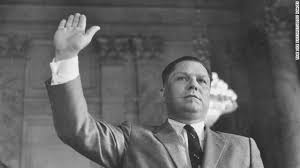
James Riddle Hoffa testifying before the Senate Labor Rackets Committee
The FBI assigned 200 agents to investigate his disappearance. But Hoffa’s body was never found, and even the way he died remained a mystery.
Then, in 2004, former prosecutor-turned-author Charles Brandt published a non-fiction book: I Heard You Paint Houses. Based on tape recorded interviews with former Mafia hitman Frank “The Irishman” Sheeran, it revealed the events that alleged led up to Hoffa’s execution.
And it was none other than Sheeran—to whom Hoffa had presented a gold, diamond-encrusted watch in October, 1974—who carried out the execution. 
In November, 2019, Sheeran’s life was depicted in the movie: The Irishman, directed by Martin Scorsese. Sheeran was portrayed by Robert De Niro, Joe Pesci portrayed Mafia boss Russell Buffalino and Al Pacino played Hoffa.
The Irishman received a limited theatrical release on November 1, 2019, followed by digital streaming on November 27 by Netflix.
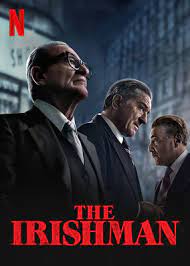
Joe Pesci (Russell Buffalino), Robert DeNiro (Frank Sheeran) and Al Pacino (Jimmy Hoffa)
This was not the first movie made about the life and death of Jimmy Hoffa. Sylvester Stallone played Johnny Kovak, a Hoffa-like labor leader, in 1978’s F.I.S.T. And Jack Nicholson played Hoffa in a 1992 movie.
But the most lengthy and detailed portrayal of Hoffa’s stormy life came 42 years ago on TV.
In 1983, Blood Feud, a two-part TV mini-series, depicted the 11-year animosity between Robert F. Kennedy and Hoffa. Although it took some dramatic liberties, its portrayal of the major events of that period remains essentially accurate.
In 1957, as a young, idealistic attorney, Kennedy declared war on Hoffa, the president of the Mafia-dominated International Brotherhood of Teamsters Union.
As chief counsel for the Senate Labor Rackets Committee, Kennedy was appalled at the corruption he discovered among high-ranking Teamsters officials. As he saw it, under Hoffa’s leadership, the union was nothing less than “a conspiracy of evil.”
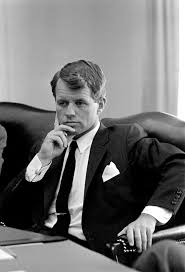
Robert Francis Kennedy as Chief Counsel, Senate Labor Rackets Committee
Hoffa, in turn, held an equally unflattering view of Kennedy. “A rich punk,” said Hoffa, who didn’t know or care about “the average workingman.”
Today, labor unions are a rapidly-vanishing species, commanding far less political influence than they did 60 years ago. As a result, young viewers of this series may find it hard to believe that labor ever held such sway, or that the Teamsters posed such a threat.
And in an age when millions see “Big Government” as the enemy, they may feel strong reservations about the all-out war that Robert F. Kennedy waged against Hoffa.
Blood Feud opens in 1957, when Hoffa (Robert Blake) is a rising figure within the Teamsters. Kennedy (Cotter Smith) is chief counsel for the Senate Labor Rackets Committee.
At first, Hoffa tries to ingratiate himself with Kennedy, telling him: “I know everybody who can help me and anybody who can hurt me.”
A wily Hoffa decides to parley Kennedy’s anti-corruption zeal into a path to power for himself. Via his attorney, Eddie Cheyfitz, he feeds Kennedy incriminating evidence against Dave Beck, president of the Teamsters.
Confronted with a Senate subpoena, Beck flees the country—paving the way for Hoffa to assume the top position in the union. Hoffa believes he has solved two problems at once.
Having “helped” Kennedy to oust Beck, Hoffa believes that Kennedy should now be satisfied: “He’s got his scalp. Now he can move on to other things while I run the union.”
But Hoffa has guessed wrong—with fatal results. Realizing that he’s been “played.” a furious Kennedy strikes back.
He orders increased surveillance of Hoffa and his topmost associates. He subpoenas union records and members of both the Teamsters and the Mafia to appear before his committee in public hearings.
And he tries to enlist the aid of legendary FBI Director J. Edgar Hoover (Ernest Borgnine). But Hoover wants no part of a war against organized crime, whose existence he refuses to admit.
2012 PRESIDENTIAL RACE, ABC NEWS, ALTERNET, AMERICABLOG, AP, BABY BOOMER RESISTANCE, BARACK OBAMA, BBC, BLOOMBERG, BLUESKY, BUZZFEED, CBS NEWS, CNN, CROOKS AND LIARS, CUBAN MISSILE CRISIS, DAILY KOS, DEPARTMENT OF EDUCATION, DONALD J. TRUMP, FIDEL CASTRO, FIVETHIRTYEIGHT, HARPER’S MAGAZINE, HERMAN CAIN, HUFFINGTON POST, JOHN F. KENNEDY, LINDA MCMAHON, MEDIA MATTERS, MOTHER JONES, MOVEON, MSNBC, NBC NEWS, NEW REPUBLIC, NEWSDAY, NEWSWEEK, NIKITA KHRUSHCHEV, NPR, NUCLEAR TEST BAN TREATY, PBS NEWSHOUR, POLITICO, POLITICUSUSA, RAW STORY, REUTERS, RICK PERRY, SALON, Sarah Palin, SEATTLE TIMES, SLATE, SOVIET UNION, TALKING POINTS MEMO, THE ATLANTIC, THE CHICAGO SUN-TIMES, THE CHICAGO TRIBUNE, THE DAILY BEAST, THE DAILY BLOG, THE GUARDIAN, THE HILL, THE HUFFINGTON POST, THE INTERCEPT, THE LOS ANGELES TIMES, THE MISSILES OF OCTOBER, THE NATION, THE NEW REPUBLIC, THE NEW YORK TIMES, THE NEW YORKER, THE VILLAGE VOICE, THE WALL STREET JOURNAL, THE WASHINGTON POST, THINKPROGRESS, TIME, TRUTHDIG, TRUTHOUT, TWO POLITICAL JUNKIES, U.S. NEWS & WORLD REPORT, UPI, USA TODAY, VIETNAM WAR, X
In Bureaucracy, EDUCATION, History, Politics, Social commentary on March 28, 2025 at 12:06 am
Sixty-one years ago, on November 22, 1963, two bullets slammed into the neck and head of President John Fitzgerald Kennedy.
It has been said that he left his country with three great legacies:
- The Nuclear Test Ban Treaty;
- The Apollo moon landing; and
- The Vietnam war.
Of these, the following can be said with certainty:
- The Test Ban Treaty has prevented atmospheric testing—and poisoning—by almost all the world’s nuclear powers.
- After reaching the moon—in 1969—Americans quickly lost interest in space and have today largely abandoned plans for manned exploration. For America, as for JFK, beating the Russians to the moon was the end-goal.
- Under Presidents Lyndon Johnson and Richard Nixon, 58,000 Americans died in Vietnam; 153,303 were wounded; and billions of dollars were squandered in a hopeless effort to intervene in what was essentially a Vietnamese civil war.
But there was a fourth legacy—and perhaps the most important of all: The belief that mankind could overcome its greatest challenges through rationality and perseverance.
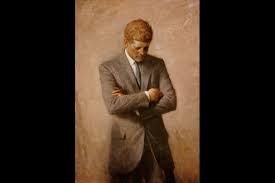
White House painting of JFK
At American University on June 10, 1963, Kennedy called upon his fellow Americans to re-examine the events and attitudes that had led to the Cold War. And he declared that the search for peace was by no means absurd:
“Our problems are man-made; therefore, they can be solved by man. And man can be as big as he wants. No problem of human destiny is beyond human beings.
“Man’s reason and spirit have often solved the seemingly unsolvable, and we believe they can do it again.”
Today, politicians from both parties cannot agree on solutions to even the most vital national problems.
For example: Republicans cannot agree with Democrats that the violent January 6, 2021 attempt by Donald Trump’s supporters to overturn the results of the 2020 Presidential election qualified as treason.
President Kennedy insisted on being well-informed. He speed-read several newspapers every morning and nourished personal relationships with the press—and not for altruistic reasons. These journalistic contacts gave Kennedy additional sources of information and perspectives on national and international issues.
During the 2012 Presidential campaign, Republican Presidential candidates celebrated their ignorance of both.
Former Godfather’s Pizza CEO Herman Cain famously said, “We need a leader, not a reader.” Thus he excused his ignorance for why President Barack Obama had intervened in Libya.
Former Texas Governor Rick Perry and Secretary of Energy showed similar pride in not knowing there are nine judges on the United States Supreme Court. He thought there were eight:
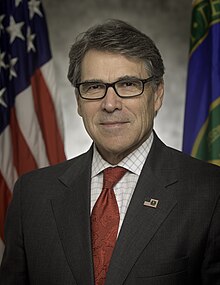
Rick Perry
“Here’s what I do know. That when I put an individual on the Supreme Court, just like I done in Texas, ah, we got nine Supreme Court justices in Texas, ah, they will be strict constructionists….”
In short, it’s the media’s fault if they ask you a question and your answer reveals your own ignorance, stupidity or criminality.
Sarah Palin rewrote history via “The Midnight Ride of Paul Revere”: “He warned the British that they weren’t going to be taking away our arms by ringing those bells and, um, making sure as he’s riding his horse through town to send those warning shots and bells that, uh, we were going to be secure and we were going to be free.”
In fact, Revere wasn’t warning the British about anything. Instead, he was warning his fellow Americans about an impending British attack—as his celebrated catchphrase “The British are coming!” made clear.
During the height of the Cuban Missile Crisis, Kennedy spoke with aides about a book he had just finished: Barbara Tuchman’s The Guns of August, about the events leading to World War 1.
He said that the book’s most important revelation was how European leaders had blindly rushed into war, without thought to the possible consequences. Kennedy told his aides he did not intend to make the same mistake—that, having read his history, he was determined to learn from it.
Republicans attacked President Obama for his Harvard education and articulate use of language. Among their taunts: “Hitler also gave good speeches.”
And they resented his having earned most of his income as a writer of two books: Dreams From My Father and The Audacity of Hope. As if being a writer is somehow subversive.
When knowledge and literacy are attacked as “highfalutin’” arrogance, and ignorance and incoherence are embraced as sincerity, national decline lies just around the corner.
Many Americans believe that decline arrived with the 2016 election of Donald Trump. In fact, they believe it was Trump who announced it after winning the Nevada Republican primary: “We won with poorly educated. I love the poorly educated.”
And as if to underscore his contempt for education, newly-reelected President Trump intends to eliminate the Department of Education. His choice to temporarily head it: Linda McMahon, best known as the former president (1980 – 2009) of World Wrestling Entertainment.
Trump wants McMahon “to put herself out of a job.”
And McMahon agrees: “I want to invite all employees to join us in this historic final mission on behalf of all students.”
In retrospect, the funeral for President Kennedy marked the death of more than a rational and optimistic human being.
It marked the death of Americans’ pride in choosing reasoning and educated citizens for their leaders.
ABC NEWS, ALTERNET, AMERICAN TABLOID, ANTI-CASTRO CUBANS, AP, ASSASSINATION, BUZZFEED, CBS NEWS, CIA, CNN, COMMUNISM, CROOKS AND LIARS, CUBA, CUBA TRAVEL BAN, CUBAN MISSILE CRISIS, DAILY KOS, DONALD TRUMP, DWIGHT D. EISENHOWER, FBI, FIDEL CASTRO, FLORIDA, FULGENCIO BATISTA, GUS RUSSO, JACK RUBY, JAMES ELLROY, JOHN F. KENNEDY, JOHNNY ROSELLI, LEE HARVEY OSWALD, LIVE BY THE SWORD, LYNDON B. JOHNSON, MAFIA, MARCO RUBIO, MOTHER JONES, MOVEON, MSNBC, NBC NEWS, NEWSWEEK, NIKITA KHRUSHCHEV, NPR, PBS NEWSHOUR, POLITICO, RAW STORY, REUTERS, ROBERT F. KENNEDY, SALON, SAM GIANCANA, SEATTLE TIMES, SLATE, THE ATLANTIC, THE CHICAGO SUN-TIMES, THE CHICAGO TRIBUNE, THE DAILY BEAST, THE GUARDIAN, THE HILL, THE HUFFINGTON POST, THE LOS ANGELES TIMES, THE NATION, THE NEW YORK TIMES, THE WASHINGTON POST, TIME, U.S. NEWS & WORLD REPORT, UPI, USA TODAY, WARREN COMMISSION, X
In Bureaucracy, History, Law Enforcement, Military, Politics, Social commentary on September 27, 2024 at 12:10 am
“John and Robert Kennedy knew what they were doing. They waged a vicious war against Fidel Castro—a war someone had to lose.”
And the loser turned out to be John F. Kennedy.
So writes investigative reporter Gus Russo in Live By the Sword: The Secret War Against Castro and the Death of JFK, published in 1998.
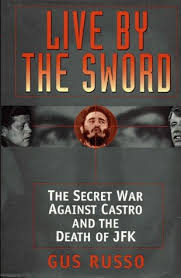
In what is may be the definitive account of the assassination of President John F. Kennedy, Russo reaches some startling—but highly documented—conclusions:
- Lee Harvey Oswald assassinated Kennedy.
- He did it alone.
- Oswald, a former Marine, was a committed Marxist—whose hero was Castro.
- The CIA’s ongoing campaign to overthrow and/or assassinate Castro was an open secret throughout the Gulf.
- Oswald visited New Orleans in the spring of 1963.
- There he learned that Castro was in the crosshairs of the CIA.
- For this, he blamed John F. Kennedy.
- Oswald told his Russian-born wife, Marina: “Fidel Castro needs defenders. I’m going to join his army of volunteers.”
- Jack Ruby, a Dallas nightclub owner, murdered Oswald because he was distraught over Kennedy’s death.
- Ruby was not part of a Mafia conspiracy to silence Oswald.
- Skeptics of the Warren Commission—which concluded that Oswald had acted alone—asked the wrong question: “Who killed Kennedy?”
- They should have asked: “Why was he killed?”
- The answer—according to Russo: “The Kennedys’ relentless pursuit of Castro and Cuba backfired in tragedy on that terrible day in November, 1963.”
Another book well worth reading about America’s Cuban obsession during the early 1960s is American Tabloid, by James Ellroy.
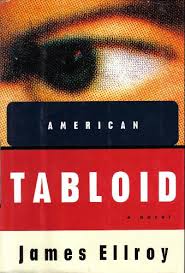
Although a novel, it vividly captures the intrigue, danger and sleaziness that permeated that era as no dry, historical documents can.
“The 50’s are finished,” reads its paperback dust jacket. “Zealous young lawyer Robert Kennedy has a red-hot jones to nail Jimmy Hoffa. JFK has his eyes on the Oval Office.
“J. Edgar Hoover is swooping down on the Red Menace. Howard Hughes is dodging subpoenas and digging up Kennedy dirt. And Castro is mopping up the bloody aftermath of his new Communist nation….
“Mob bosses, politicos, snitches, psychos, fall guys and femmes fatale. They’re mixing up a Molotov cocktail guaranteed to end the country’s innocence with a bang.”
Among the legacies of America’s twisted romance with anti-Castro Cubans:
- Following the JFK assassination, there was a cover-up.
- Its purpose: To protect the reputation of the United States Government—and that of its newly-martyred President.
- The CIA and FBI concealed the CIA-Mafia assassination plots from the Warren Commission assigned to investigate Kennedy’s murder.
- Other government officials participating in the cover-up included Attorney General Robert F. Kennedy and President Lyndon B. Johnson.
- Ironically, this secrecy ignited the widespread—and false—belief that the President had died at the hands of a government conspiracy.
- Robert Kennedy feared that his relentless pursuit of Castro might have led Castro to “take out” JFK first.
- Fearing his own assassination if he continued Kennedy’s efforts to murder Castro, President Johnson ordered the CIA to halt its campaign to overthrow and/or assassinate the Cuban leader.
- The huge Cuban community throughout Florida—and especially Miami—continues to exert a blackmailing influence on American politics.
- Right-wing politicians from Richard Nixon to Donald Trump have reaped electoral rewards by catering to the demands of this hate-obsessed voting block.
- These Cuban expatriate hope that the United States will launch a full-scale military invasion of the island to remove Fidel’s surviving brother, Raul.
- Having grown rich and soft in the United States, they fear to risk their own lives by returning to Cuba to overthrow the Castro regime—as Fidel had overthrown Fulgencio Batista.
- Only President Barack Obama had the political courage to re-establish diplomatic relations with Cuba—in 2015.
- This occurred long after the United States had reestablished ties with such former enemies as the Soviet Union, China and Vietnam.
- On June 4, 2019, President Donald Trump once again banned educational and recreational travel to Cuba.
The Cuban Missile Crisis remains the single most dangerous moment of the 50-year Cold War, when the world stood only minutes away from nuclear Armageddon.
That crisis stemmed from the American Right’s twisted obsession with Cuba.
So what are the lessons to be learned from that obsession?
- It is long past time to demand major changes in our foreign policy toward Cuba.
- It’s time to end the half-century contamination of American politics by those Cubans who live only for their hatred of Castro—and those political candidates who live to exploit it.
- (For example: Marco Rubio got elected U.S. Senator from Florida in 2010 by claiming that his parents had been forced to leave Cuba in 1959, after Fidel Castro took power. In fact, they had left Cuba in 1956—during the Batista dictatorship.)
- It’s time to end this wag-the-dog relationship. A population of about 1,700,000 Cuban exiles living in Florida should not be allowed to shape the domestic and foreign policy of a nation of 300 million.
- Those who continue to hate—or love—Fidel Castro should be left to their own private feud. But that is a feud they should settle on their own island, and not from the shores of the United States.
ABC NEWS, ALTERNET, AMERICAN TABLOID, ANTI-CASTRO CUBANS, AP, ASSASSINATION, BUZZFEED, CBS NEWS, CIA, CNN, COMMUNISM, CROOKS AND LIARS, CUBA, CUBA TRAVEL BAN, CUBAN MISSILE CRISIS, DAILY KOS, DONALD TRUMP, DWIGHT D. EISENHOWER, FBI, FIDEL CASTRO, FLORIDA, FULGENCIO BATISTA, GUS RUSSO, JACK RUBY, JAMES ELLROY, JOHN F. KENNEDY, JOHNNY ROSELLI, LEE HARVEY OSWALD, LIVE BY THE SWORD, LYNDON B. JOHNSON, MAFIA, MARCO RUBIO, MOTHER JONES, MOVEON, MSNBC, NBC NEWS, NEWSWEEK, NIKITA KHRUSHCHEV, NPR, PBS NEWSHOUR, POLITICO, RAW STORY, REUTERS, ROBERT F. KENNEDY, SALON, SAM GIANCANA, SEATTLE TIMES, SLATE, THE ATLANTIC, THE CHICAGO SUN-TIMES, THE CHICAGO TRIBUNE, THE DAILY BEAST, THE GUARDIAN, THE HILL, THE HUFFINGTON POST, THE LOS ANGELES TIMES, THE NATION, THE NEW YORK TIMES, THE WASHINGTON POST, TIME, U.S. NEWS & WORLD REPORT, UPI, USA TODAY, WARREN COMMISSION, X
In Bureaucracy, History, Law Enforcement, Military, Politics, Social commentary on September 26, 2024 at 12:05 am
On October 22, 1962, President John F. Kennedy went on nationwide TV to announce that Russian nuclear missiles had been installed in Cuba—and his blockade of that island.
He warned that any nuclear missile launched from Cuba against any nation would be regarded as an attack on the United States by the Soviet Union—and would trigger “a full retaliatory response” upon the U.S.S.R.
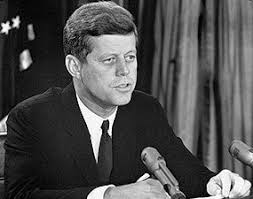
President John F. Kennedy addresses the nation
And he demanded that the Soviets remove all of their offensive weapons from Cuba:
“The path we have chosen for the present is full of hazards, as all paths are, but it is the one most consistent with our character and courage as a nation and our commitments around the world.
“The cost of freedom is always high, but Americans have always paid it. And one path we shall never choose, and that is the path of surrender or submission.”
On October 26, the United States raised the readiness level of SAC forces to DEFCON 2—the step just short of war. For the only time in U.S. history, B-52 bombers were dispersed to various locations and made ready to take off, fully equipped, on 15 minutes’ notice.
Other measures taken included:
- One-eighth of America’s 1,436 bombers were on airborne alert.
- About 145 intercontinental ballistic missiles stood on ready alert.
- Air Defense Command redeployed 161 nuclear-armed interceptors to 16 dispersal fields within nine hours with one-third maintaining 15-minute alert status.
- Twenty-three nuclear-armed B-52s were sent to orbit points within striking distance of the Soviet Union.
An invasion date of Cuba was set for October 29. But the Kennedy Administration—and the American military—didn’t know that Russian soldiers guarding the missiles had been armed with tactical nuclear weapons.
Had the Marines gone in, those mini-nukes would have been used. And a fullscale nuclear exchange between the United States and the Soviet Union would have almost certainly followed.
At the height of the crisis, Attorney General Robert F. Kennedy offered a solution.
Khrushchev had sent two teletypes to Kennedy. The first had agreed to remove the missiles, but the second had demanded that the United States remove its own nuclear missiles from Turkey, which bordered the Soviet Union.
Robert Kennedy’s solution: Ignore the second message—and announce that President Kennedy had accepted Khrushchev’s offer to remove the missiles.
After this announcement was made, President Kennedy said: “It can go either way now.”
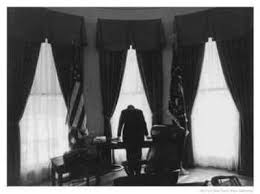
John F. Kennedy in the Oval Office
The crisis ended on October 28. Under enormous pressure, Khrushchev agreed to remove the missiles from Cuba.
Behind his decision lay a secret promise by the Kennedy administration to remove its obsolete nuclear missiles from Turkey, which bordered the Soviet Union. And a public pledge to not invade Cuba.
On the night the crisis ended, there occurred a prophetic exchange between the two Kennedy brothers.
JFK: “Maybe this is the night I should go to the theater”—a reference to Abraham Lincoln’s fatal attendance of Ford’s Theater at the end of the Civil War.
RFK: “If you go, I want to go with you.”
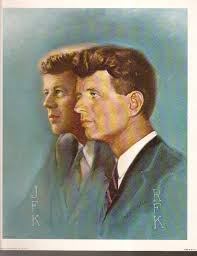
John F. and Robert F. Kennedy
But the Kennedys continued their campaign of sabotage throughout Cuba. And they were preparing something far bigger: A fullscale American invasion of the island.
On October 4, 1963, the Joint Chiefs of Staff submitted its latest version of the invasion plan, known as OPLAN 380-63. Its timetable went:
- January, 1964: Infiltration into Cuba by Cuban exiles.
- July 15, 1964: U.S. conventional forces join the fray.
- August 3, 1964: All-out U.S. air strikes on Cuba.
- October 1, 1964: Full-scale invasion to install “a government friendly to the U.S.”
During the Cuban Missile Crisis, Robert Kennedy—referring to the 1941 Japanese attack on Pearl Harbor—had resisted demands for a “sneak attack” on Cuba by saying: “I don’t want my brother to be the Tojo of the 1960s.”
Now the Kennedys planned such an attack on Cuba just one month before the November, 1964 Presidential election.
Then fate—in the unlikely figure of Lee Harvey Oswald—intervened.
On November 22, 1963, while the President rode through Dallas in an open-air automobile, a rifle-wielding assassin opened fire. He scored two hits on Kennedy—in the back of the neck and head. The second wound proved instantly fatal.
The nation and the world were shocked—and plunged into deep mourning.
But for some of those who had waged a secret, lethal war against Fidel Castro for the previous two years, Kennedy’s death—at least in retrospect—didn’t come as a surprise.
Robert Kennedy, in particular, spent the remaining years of his life agonizing over the possibility that his highly personal war against Castro had backfired.
That Castro, fed up with the CIA’s assassination plots against him, had retaliated with one of his own.
Robert Kennedy’s fears and guilt were compounded by the fact that, while waging war on Castro, he had waged an equally ruthless crusade against organized crime.
He knew that some of the mobsters he had tried to send to prison had played a major role in the CIA’s efforts to “hit” Castro. Had the Mafia—believing itself the victim of a double-cross—put out a “contract” on JFK instead?
It was a question that haunted him until the day he died.
ABC NEWS, ALTERNET, AMERICAN TABLOID, ANTI-CASTRO CUBANS, AP, ASSASSINATION, BUZZFEED, CBS NEWS, CIA, CNN, COMMUNISM, CROOKS AND LIARS, CUBA, CUBA TRAVEL BAN, CUBAN MISSILE CRISIS, DAILY KOS, DONALD TRUMP, DWIGHT D. EISENHOWER, FBI, FIDEL CASTRO, FLORIDA, FULGENCIO BATISTA, GUS RUSSO, JACK RUBY, JAMES ELLROY, JOHN F. KENNEDY, JOHNNY ROSELLI, LEE HARVEY OSWALD, LIVE BY THE SWORD, LYNDON B. JOHNSON, MAFIA, MARCO RUBIO, MOTHER JONES, MOVEON, MSNBC, NBC NEWS, NEWSWEEK, NIKITA KHRUSHCHEV, NPR, PBS NEWSHOUR, POLITICO, RAW STORY, REUTERS, ROBERT F. KENNEDY, SALON, SAM GIANCANA, SEATTLE TIMES, SLATE, THE ATLANTIC, THE CHICAGO SUN-TIMES, THE CHICAGO TRIBUNE, THE DAILY BEAST, THE GUARDIAN, THE HILL, THE HUFFINGTON POST, THE LOS ANGELES TIMES, THE NATION, THE NEW YORK TIMES, THE WASHINGTON POST, TIME, U.S. NEWS & WORLD REPORT, UPI, USA TODAY, WARREN COMMISSION, X
In Bureaucracy, History, Law Enforcement, Military, Politics, Social commentary on September 25, 2024 at 12:07 am
The war that John and Robert Kennedy waged against Fidel Castro became known within the CIA as Operation Mongoose.
But not everyone in the CIA was enthusiastic about the “get Castro” effort.
“Everyone at CIA was surprised at Kennedy’s obsession with Fidel,” recalled Sam Halpern, who was assigned to the Cuba Project. “They thought it was a waste of time. We all knew [Fidel] couldn’t hurt us. Most of us at CIA initially liked Kennedy, but why go after this little guy?
“One thing is for sure: Kennedy wasn’t doing it out of national security concerns. It was a personal thing. The Kennedy family felt personally burnt by the Bay of Pigs and sought revenge.”
It was all-out war. Among the tactics used:
- Hiring Cuban gangsters to murder Cuban police officials and Soviet technicians.
- Sabotaging mines.
- Paying up to $100,000 per “hit” for the murder or kidnapping of Cuban officials.
- Using biological and chemical warfare against the Cuban sugar industry.
“Bobby (Kennedy) wanted boom and bang all over the island,” recalled Halpern. “It was stupid. The pressure from the White House was very great.”
Attorney General Robert Kennedy
Attorney General Robert Kennedy had been appointed to supervise the CIA’s “get Castro” effort.
Among that “boom and bang” were a series of assassination plots against Castro, in which the Mafia was to be a key player.
Chicago Mobster Johnny Roselli proposed a simple plan: Through its underworld connections in Cuba, the Mafia would recruit a Cuban in Castro’s entourage, such as a waiter or bodyguard, who would poison him.
The CIA’s Technical Services division produced a botulinus toxin which was then injected into Castro’s favorite brand of cigars. The CIA also produced simpler botulinus toxin pills that could be dissolved in his food or drink.
But the deputized Mafia contacts failed to deliver any of the poisons to Castro.
Roselli told the CIA that the first poisoner had been discharged from Castro’s employ before he could kill him, and the back-up agent got “cold feet.”
Other proposals or attempts included:
- Planting colorful seashells rigged to explode at a site where Castro liked to go skindiving.
- Trying to arrange for his being presented with a wetsuit impregnated with noxious bacteria and mold spores, or with lethal chemical agents.
- Attempting to infect Castro’s scuba regulator with tuberculous bacilli.
- Trying to douse his handkerchiefs, tea and coffee with other lethal bacteria.
Former members of the Kennedy Administration later insisted that neither John nor Robert Kennedy knew or approved of these assassination plots. But the sheer weight of available evidence indicates otherwise.
Bobby, in particular, was constantly pressing the CIA to “do something” about Castro. In the world of covert action, words like “Kill Castro” aren’t committed to paper. Or even spoken.
“Plausible deniability”—for topmost government officials—holds as the all-important rule.
Castro, rightly seeing his life and regime threatened, appealed to Nikita Khrushchev, leader of the Soviet Union, for assistance.

Fidel Castro and Nikita Khrushchev
Khrushchev was quick to comply: “We must not allow the communist infant to be strangled in its crib,” he told members of his inner circle.
By October, 1962, the Soviet Union had sent more than
- 40,000 soldiers,
- 1,300 field pieces,
- 700 anti-aircraft guns,
- 350 tanks and
- 150 jets
to Cuba to deter another invasion.
Most importantly, Khrushchev began supplying Castro with nuclear-tipped ballistic missiles.
Their discovery, on October 15, 1962, ignited the single most dangerous confrontation of the 50-year Cold War.
Suddenly, the United States and the Soviet Union—both bristling with nuclear weapons—found themselves on the brink of nuclear war.
At the time, Kennedy officials claimed they couldn’t understand why Khrushchev had placed nuclear missiles in Cuba. “Maybe Khrushchev’s gone mad” was a typical public musing.
This remained the official American view for years afterward—as depicted in Robert Kennedy’s memoir, Thirteen Days: A Memoir of the Cuban Missile Crisis, published in 1969, the year after his death.
No admission was made that JFK had been waging a no-holds-barred campaign to overthrow the Cuban government and assassinate its leader.
The same proved true for the 1974 doc-u-drama, The Missiles of October, starring William Devane as John F. Kennedy and Martin Sheen as Robert Kennedy.
On October 16, President Kennedy was informed of the missile installations. He immediately convened a group of his 12 most important advisers, which became known as Ex-Comm, for Executive Committee.
Then followed seven days of guarded and intense debate by Kennedy and his advisers. Some of the participants—such as Air Force General Curtis LeMay—urged an all-out air strike against the missile sites.
Others—such as Adlai Stevenson, the United States delegate to the United Nations—urged a reliance on quiet diplomacy.
It was Secretary of Defense Robert S. McNamara who suggested a middle course: A naval blockade—a “quarantine” in Kennedy’s softened term—around Cuba. This would hopefully prevent the arrival of more Soviet offensive weapons on the island.
Finally, the President decided to to impose a naval blockade.
On October 22, Kennedy went on nationwide TV to announce the discovery of the missiles and his decision to blockade Cuba.
ABC NEWS, ALTERNET, AMERICAN TABLOID, ANTI-CASTRO CUBANS, AP, ASSASSINATION, BUZZFEED, CBS NEWS, CIA, CNN, COMMUNISM, CROOKS AND LIARS, CUBA, CUBAN MISSILE CRISIS, DAILY KOS, DONALD TRUMP, DWIGHT D. EISENHOWER, FBI, FIDEL CASTRO, FLORIDA, FULGENCIO BATISTA, GUS RUSSO, JACK RUBY, JAMES ELLROY, JOHN F. KENNEDY, JOHNNY ROSELLI, LEE HARVEY OSWALD, LIVE BY THE SWORD, LYNDON B. JOHNSON, MAFIA, MARCO RUBIO, MOTHER JONES, MOVEON, MSNBC, NBC NEWS, NEWSWEEK, NIKITA KHRUSHCHEV, NPR, PBS NEWSHOUR, POLITICO, RAW STORY, REUTERS, ROBERT F. KENNEDY, SALON, SAM GIANCANA, SEATTLE TIMES, SLATE, THE ATLANTIC, THE CHICAGO SUN-TIMES, THE CHICAGO TRIBUNE, THE DAILY BEAST, THE GUARDIAN, THE HILL, THE HUFFINGTON POST, THE LOS ANGELES TIMES, THE NATION, THE NEW YORK TIMES, THE WASHINGTON POST, TIME, U.S. NEWS & WORLD REPORT, UPI, USA TODAY, WARREN COMMISSION, X
In Bureaucracy, History, Law Enforcement, Military, Politics, Social commentary on September 24, 2024 at 12:10 am
On June 4, 2019, President Donald Trump banned cruise ships from the United States to visit Cuba and “people-to-people” educational travel there for Americans.
Officially, the reason was to keep American dollars “out of the hands” of the communist government.
Unofficially, the reason was to curry electoral favor with the huge Cuban exile community living in Florida, especially in Miami.
That community owes its existence to Fidel Castro (1926-2016).
To his supporters he was a tireless champion of the poor and a foe of American imperialism. To his enemies he was a ruthless dictator who drove his country to economic ruin in the name of a failed ideology—communism.
His reign began on January 1, 1959, when he swept triumphantly into Havana after a two-year guerrilla campaign against Cuban dictator Fulgencio Batista.
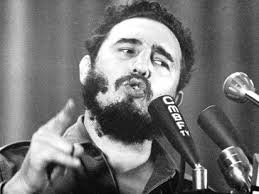
Fidel Castro
Almost immediately, hundreds of thousands of Cubans began fleeing to America. The first émigrés were more than 215,000 Batista followers. The exodus increased, peaking at approximately 78,000 in 1962.
In October, 1962, Castro stopped regularly scheduled travel between the two countries, and asylum seekers began sailing from Cuba to Florida.
Between 1962 and 1979, hundreds of thousands of Cubans entered the United States under the Attorney General’s parole authority.
By 2008, more than 1.24 million Cubans were living in the United States, mostly in South Florida, where the population of Miami was about one-third Cuban. Their sheer numbers transformed the state’s political, economic and cultural life. And not entirely for the better.
Many of these Cubans viewed themselves as political exiles, rather than immigrants, hoping to eventually return to Cuba after its Communist regime fell from power.
The large number of Cubans in South Florida, particularly in Miami’s “Little Havana,” allowed them to preserve their culture and customs to a degree rare for immigrant groups.
With so many discontented immigrants concentrated in Florida, they became a potential force for politicians to court.
And the issue guaranteed to sway their votes was unrelenting hostility to Castro. Unsurprisingly, most of their votes went to Right-wing Republicans.
John F. Kennedy was the first President to face this dilemma.
During the closing months of the administration of President Dwight D. Eisenhower, the CIA had begun training Cuban exiles for an invasion of their former homeland.
The exiles’ goal: To do what Castro had done—seek refuge in the mountains and launch a successful anti-Castro revolution.
But word of the coming invasion quickly leaked: The exiles were terrible secret-keepers. (A joke at the CIA went: “A Cuban thinks a secret is something you tell to only 300 people.”)
Kennedy insisted the invasion must appear to be an entirely Cuban enterprise. He refused to commit U.S. Marines and Air Force bombers.
More than 1,400 invaders landed on April 17, 1961 at the Bay of Pigs—and were quickly overwhelmed, with hundreds of the men taken prisoner.
Kennedy publicly took the blame for its failure: “Victory has a hundred fathers but defeat is an orphan.” Privately he seethed, and ordered the CIA to redouble its efforts to remove Castro at all costs.
To guarantee success, he appointed his brother, Robert—then Attorney General—to oversee the CIA’s “Castro removal” program.
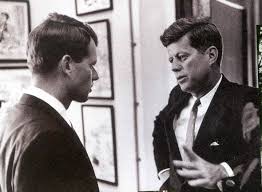
Robert F. Kennedy and John F. Kennedy
It’s here that America’s obsession with Cuba entered its darkest and most disgraceful period.
The CIA and the Mafia entered into an unholy alliance to assassinate Castro—each for its own benefit:
- The CIA wanted to please Kennedy.
- The mobsters wanted to regain their casino and brothel holdings that had made Cuba their private playground in pre-Castro times. They also hoped to use their pose as patriots to win immunity from future prosecution.
The CIA supplied poisons and explosives to various members of the Mafia. It was then up to the mobsters to assassinate Castro.
The CIA asked Johnny Roselli, a mobster linked to the Chicago syndicate, to go to Florida in 1961 and 1962 to organize assassination teams of Cuban exiles. They were to infiltrate their homeland and assassinate Castro.
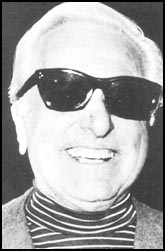
Johnny Roselli
Rosselli called upon two other crime figures: Chicago Mafia boss Sam Giancana and Santos Trafficante, the Costra Nostra chieftain for Tampa, for assistance.

Sam Giancana
Giancana, using the name “Sam Gold” in his dealings with the CIA, was meanwhile being hounded by the FBI on direct orders of Attorney General Robert Kennedy.
The mobsters were authorized to offer $150,000 to anyone who would kill Castro and were promised any support the Agency could yield.
Giancana was to locate someone who was close enough to Castro to be able to drop pills into his food. Trafficante would serve as courier to Cuba, helping to make arrangements for the murder on the island.
Rosselli was to be the main link between all of the participants in the plot.
Some historians believe that the Mob made a genuine effort to “whack” Fidel.
Others are convinced the mobsters simply ran a scam on the government. They pretended to carry out their “patriotic duty” while in fact making no effort at all to penetrate Castro’s security.
The CIA’s war against Castro was known as Operation Mongoose—the mongoose being a traditional enemy of the cobra. And those entrusted with this assignment were known as the Special Group.
ABC NEWS, ADOLF HITLER, ADVICE, ALTERNET, AMERICABLOG, AP, BABY BOOMER RESISTANCE, BAY OF PIGS, BBC, BENITO MUSSOLINI, BLOOMBERG NEWS, BUZZFEED, CAESARE BORGIA, CBS NEWS, CNN, CORPORATIONS, CROOKS AND LIARS, CUBA, DAILY KOS, DAILY KOZ, FIDEL CASTRO, FIVETHIRTYEIGHT, FLORENCE, HARPER’S MAGAZINE, HUFFINGTON POST, JOHN F. KENNEDY, JOSEPH STALIN, KING PERSEUS OF MACEDON, MEDIA MATTERS, MOTHER JONES, MOVEON, MSNBC, NAZI-SOVIET "NON-AGGRESSION PACT", NBC NEWS, NEW REPUBLIC, NEWSDAY, NEWSWEEK, NICCOLO MACHIAVELLI, NPR, PBS NEWSHOUR, POLITICO, POLITICS, POLITICUSUSA, POPE JULIUS 11, RAW STORY, REUTERS, SALON, SEATTLE TIMES, SLATE, TALKING POINTS MEMO, THE ATLANTIC, THE CHICAGO SUN-TIMES, THE CHICAGO TRIBUNE, THE DAILY BEAST, THE DAILY BLOG, THE DISCOURSES, THE GUARDIAN, THE HILL, THE HUFFINGTON POST, THE INTERCEPT, THE LOS ANGELES TIMES, THE NATION, THE NEW REPUBLIC, THE NEW YORK TIMES, THE NEW YORKER, THE PRINCE, THE SS, THE VILLAGE VOICE, THE WASHINGTON POST, THINKPROGRESS, THIRD REICH, TIME, TRUTHDIG, TRUTHOUT, TWITTER, U.S. NEWS & WORLD REPORT, UKRAINE, UPI, USA TODAY, VLADIMIR PUTIN, VOLODYMYR ZELENSKY, WEHRMACHT, WORLD WAR 11
In Bureaucracy, Business, History, Military, Politics, Social commentary on May 24, 2024 at 12:10 am
Ask the average person, “What do you think of Niccolo Machiavelli?” and he’s likely to say: “The devil.”
In fact, “The Old Nick” became an English term used to describe Satan and slander Machiavelli at the same time.

Niccolo Machiavelli
The truth, however, is more complex. Machiavelli was a passionate Republican, who spent most of his adult life in the service of his beloved city-state, Florence.
The years he spent as a diplomat were tumultuous ones for Italy—with men like Pope Julius II and Caesare Borgia vying for power and plunging Italy into one bloodbath after another.
Florence, for all its wealth, lacked a strong army, and thus lay at the mercy of powerful enemies, such as Borgia. Machiavelli often had to use his wits to keep them at bay.
Machiavelli is best-known for his writing of The Prince, a pamphlet on the arts of gaining and holding power. Its admirers have included Benito Mussolini and Joseph Stalin.
But his longer and more thoughtful work is The Discourses, in which he offers advice on how to maintain liberty within a republic. Among its admirers were many of the men who framed the Constitution of the United States.
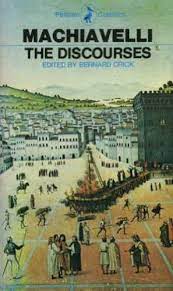

Most people believe that Machiavelli advocated evil for its own sake.
Not so. Rather, he recognized that sometimes there is no perfect—or perfectly good—solution to a problem.
Sometimes it’s necessary to take stern—even brutal—action to stop an evil (such as a riot) before it becomes widespread:
“A man who wishes to make a profession of goodness in everything must inevitably come to grief among so many who are not good. And therefore it is necessary for a prince, who wishes to maintain himself, to learn how not to be good, and to use this knowledge and not use it, according to the necessity of the case.”
His counsel remains as relevant today as it did during his lifetime (1469 – 1527). This is especially true for politicians—and students of political science.
But plenty of ordinary citizens can also benefit from the advice he has to offer—such as those in business who are asked to give advice to more powerful superiors.
Machiavelli warns there is danger in urging rulers to take a particular course of action: “For men only judge of matters by the result, all the blame of failure is charged upon him who first advised it, while in case of success he receives commendations. But the reward never equals the punishment.”
This puts would-be counselors in a difficult position: “If they do not advise what seems to them for the good of the republic or the prince, regardless of the consequences to themselves, then they fail to do their duty.
“And if they do advise it, then it is at the risk of their position and their lives, for all men are blind in thus, that they judge of good or evil counsels only by the results.”
Thus, Machiavelli warns that an adviser should “take things moderately, and not to undertake to advocate any enterprise with too much zeal, but to give one’s advice calmly and modestly.”
The person who asked for the advice may follow it, or not, as of his own choice, and not because he was led or forced into it by the adviser.
Above all, the adviser must avoid the danger of urging a course of action that runs “contrary to the wishes of the many.
“For the danger arises when your advice has caused the many to be contravened. In that case, when the result is unfortunate, they all concur in your destruction.”
Or, as President John F. Kennedy famously said after the disastrous invasion of Cuba at the Bay of Pigs in April, 1961: “Victory has a hundred fathers and defeat is an orphan.”
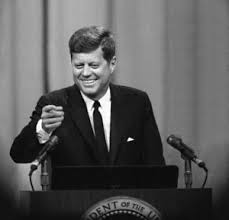
John F. Kennedy
By “not advocating any enterprise with too much zeal,” the adviser gains two advantages:
“The first is, you avoid all danger.
“And the second consists in the great credit which you will have if, after having modestly advised a certain course, your counsel is rejected, and the adoption of a different course results unfortunately.”
Finally, the time to give advice is before a catastrophe occurs, not after. Machiavelli gives a vivid example of what can happen if this rule is ignored.
King Perseus of Macedon had gone to war with Paulus Aemilius—and suffered a humiliating defeat. Fleeing the battlefield with a handful of his men, he later bewailed the disaster that had overtaken him.
Suddenly, one of his lieutenants began to lecture Perseus on the many errors he had committed, which had led to his ruin.
“Traitor,” raged the king, turning upon him, “you have waited until now to tell me all this, when there is no longer any time to remedy it—” And Perseus slew him with his own hands.
Niccolo Machiavelli sums up the lesson as this:
“Thus was this man punished for having been silent when he should have spoken, and for having spoken when he should have been silent.”
Be careful that you don’t make the same mistake.
2012 PRESIDENTIAL RACE, ALTERNET, AP, BARACK OBAMA, BAY OF PIGS, BBC, BERLIN WALL, BILL CLINTON, BRUCE GREENWOOD, BUZZFEED, CARLOS MARCELLO, CBS NEWS, CIA, CIVIL RIGHTS, CLIFF ROBERTSON, CNN, CUBAN MISSILE CRISIS, DAILY KOS, DAVID HALBERSTAM, DONALD J. TRUMP, FBI, FIDEL CASTRO, FRANK SINATRA, HERMAN CAIN, ICH BEN EIN BERLINNER SPEECH, INTERNET MOVIE DATABASE, J. EDGAR HOOVER, JAMES MARSDEN, JOHN F. KENNEDY, JOSEPH MCCARTHY, JOSEPH P. KENNEDY, LYNDON B. JOHNSON, MAFIA, MALCOM X, MARTIN LUTHER KING, MARTIN SHEEN, MOTHER JONES, MOVEON, MOVIES, NBC NEWS, NEWSWEEK, NEWT GINGRICH, NIKITA KHRUSHCHEV, NPR, NUCLEAR TEST BAN TREATY, POLITICO, PT-109, RAW STORY, REUTERS, RICK PERRY, ROBERT F. KENNEDY, ROBERT S. MCNAMARA, SALON, SAM GIANCANA, SANTOS TRAFFICANTE, Sarah Palin, SATURDAY NIGHT LIVE, SEATTLE TIMES, SLATE, SOVIET UNION, THE ATLANTIC, THE BEST AND THE BRIGHTEST, THE BUTLER, THE CHICAGO SUN-TIMES, THE CHICAGO TRIBUNE, THE DAILY BEAST, THE GUARDIAN, THE HILL, THE HUFFINGTON POST, THE LOS ANGELES TIMES, THE MISSILES OF OCTOBER, THE NEW YORK TIMES, THE RAT PACK, THE WALL STREET JOURNAL, THE WASHINGTON POST, THIRTEEN DAYS, TIME, TWILIGHT ZONE, TWITTER, U.S. NEWS & WORLD REPORT, UPI, USA TODAY, VIETNAM WAR, WILLIAM DEVANE, WILLIAM PETERSON
In Bureaucracy, Business, History, Law, Law Enforcement, Military, Politics, Social commentary on November 22, 2023 at 12:10 am
Sixty years ago, on November 22, 1963, two bullets slammed into the neck and head of President John Fitzgerald Kennedy.
It has been said that he left his country with three great legacies:
- The Nuclear Test Ban Treaty;
- The Apollo moon landing; and
- The Vietnam war.
Of these, the following can be said with certainty:
- The Test Ban Treaty has prevented atmospheric testing—and poisoning—by almost all the world’s nuclear powers.
- After reaching the moon—in 1969—Americans quickly lost interest in space and have today largely abandoned plans for manned exploration. For America, as for JFK, beating the Russians to the moon was the end-goal.
- Under Presidents Lyndon Johnson and Richard Nixon, 58,000 Americans died in Vietnam; 153,303 were wounded; and billions of dollars were squandered in a hopeless effort to intervene in what was essentially a Vietnamese civil war. From 1965 to 1972, the war angrily divided Americas as had no event since the Civil War.
But there was a fourth legacy—and perhaps the most important of all: The belief that mankind could overcome its greatest challenges through rationality and perseverance.
White House painting of JFK
At American University on June 10, 1963, Kennedy called upon his fellow Americans to re-examine the events and attitudes that had led to the Cold War. And he declared that the search for peace was by no means absurd:
“Our problems are man-made; therefore, they can be solved by man. And man can be as big as he wants. No problem of human destiny is beyond human beings.
“Man’s reason and spirit have often solved the seemingly unsolvable, and we believe they can do it again.”
Today, politicians from both parties cannot agree on solutions to even the most vital national problems.
For example: Republicans cannot agree with Democrats that the violent January 6, 2021 attempt by Donald Trump’s supporters to overturn the results of the 2020 Presidential election qualified as treason.
President Kennedy insisted on being well-informed. He speed-read several newspapers every morning and nourished personal relationships with the press—and not for altruistic reasons. These journalistic contacts gave Kennedy additional sources of information and perspectives on national and international issues.
During the 2012 Presidential campaign, Republican Presidential candidates celebrated their ignorance of both.
Former Godfather’s Pizza CEO Herman Cain famously said, “We need a leader, not a reader.” Thus he excused his ignorance for why President Barack Obama had intervened in Libya.
Former Texas Governor Rick Perry and Secretary of Energy showed similar pride in not knowing there are nine judges on the United States Supreme Court:
Rick Perry
“Well, obviously, I know there are nine Supreme Court judges. I don’t know how eight came out my mouth. But the, uh, the fact is, I can tell you—I don’t have memorized all of those Supreme Court judges. And, uh, ah—
“Here’s what I do know. That when I put an individual on the Supreme Court, just like I done in Texas, ah, we got nine Supreme Court justices in Texas, ah, they will be strict constructionists….”
In short, it’s the media’s fault if they ask you a question and your answer reveals your own ignorance, stupidity or criminality.
Sarah Palin rewrote history via “The Midnight Ride of Paul Revere”: “He warned the British that they weren’t going to be taking away our arms by ringing those bells and, um, making sure as he’s riding his horse through town to send those warning shots and bells that, uh, we were going to be secure and we were going to be free.”
In fact, Revere wasn’t warning the British about anything. Instead, he was warning his fellow Americans about an impending British attack—as his celebrated catchphrase “The British are coming!” made clear.
During the height of the Cuban Missile Crisis, Kennedy spoke with aides about a book he had just finished: Barbara Tuchman’s The Guns of August, about the events leading to World War 1.
He said that the book’s most important revelation was how European leaders had blindly rushed into war, without thought to the possible consequences. Kennedy told his aides he did not intend to make the same mistake—that, having read his history, he was determined to learn from it.
Republicans attacked President Obama for his Harvard education and articulate use of language. Among their taunts: “Hitler also gave good speeches.”
And they resented his having earned most of his income as a writer of two books: Dreams From My Father and The Audacity of Hope. As if being a writer is somehow subversive.
When knowledge and literacy are attacked as “highfalutin’” arrogance, and ignorance and incoherence are embraced as sincerity, national decline lies just around the corner.
Many Americans believe that decline arrived with the 2016 election of Donald Trump. In fact, they believe it was Trump who announced it after winning the Nevada Republican primary: “We won with poorly educated. I love the poorly educated.”
In retrospect, the funeral for President Kennedy marked the death of more than a rational and optimistic human being.
It marked the death of Americans’ pride in choosing reasoning and educated citizens for their leaders.
2012 PRESIDENTIAL RACE, ABC NEWS, ALTERNET, AP, BARACK OBAMA, BAY OF PIGS, BBC, BERLIN WALL, BILL CLINTON, BRUCE GREENWOOD, BUZZFEED, CARLOS MARCELLO, CBS NEWS, CIA, CIVIL RIGHTS, CLIFF ROBERTSON, CNN, CUBAN MISSILE CRISIS, DAILY KOS, DAVID HALBERSTAM, DONALD J. TRUMP, FBI, FIDEL CASTRO, FRANK SINATRA, HERMAN CAIN, ICH BEN EIN BERLINNER SPEECH, INTERNET MOVIE DATABASE, J. EDGAR HOOVER, JAMES MARSDEN, JOHN F. KENNEDY, JOSEPH MCCARTHY, JOSEPH P. KENNEDY, LYNDON B. JOHNSON, MAFIA, MALCOM X, MARTIN LUTHER KING, MARTIN SHEEN, MOTHER JONES, MOVEON, MOVIES, NBC NEWS, NEWSWEEK, NEWT GINGRICH, NIKITA KHRUSHCHEV, NPR, NUCLEAR TEST BAN TREATY, POLITICO, PT-109, RAW STORY, REUTERS, RICK PERRY, ROBERT F. KENNEDY, ROBERT S. MCNAMARA, SALON, SAM GIANCANA, SANTOS TRAFFICANTE, Sarah Palin, SATURDAY NIGHT LIVE, SEATTLE TIMES, SLATE, SOVIET UNION, THE ATLANTIC, THE BEST AND THE BRIGHTEST, THE BUTLER, THE CHICAGO SUN-TIMES, THE CHICAGO TRIBUNE, THE DAILY BEAST, THE GUARDIAN, THE HILL, THE HUFFINGTON POST, THE LOS ANGELES TIMES, THE MISSILES OF OCTOBER, THE NEW YORK TIMES, THE RAT PACK, THE WALL STREET JOURNAL, THE WASHINGTON POST, THIRTEEN DAYS, TIME, TWILIGHT ZONE, TWITTER, U.S. NEWS & WORLD REPORT, UPI, USA TODAY, VIETNAM WAR, WILLIAM DEVANE, WILLIAM PETERSON
In Bureaucracy, Business, History, Law, Law Enforcement, Military, Politics, Social commentary, Uncategorized on November 21, 2023 at 12:10 am
Elected to the House of Representatives in 1946, John F. Kennedy served six undistinguished years before being elected U.S. Senator from Massachusetts in 1952.
In 1956, his eloquence and political skill almost won him the Vice Presidential nomination at the Democratic National Convention. But the nominee, Adlai Stevenson, chose Tennessee Senator Estes Kefauver as his running mate–fortunately for Kennedy.
President Dwight D. Eisenhower, running for re-election, easily beat Stevenson.
Had Kennedy been on the ticket, his Catholicism would have been blamed for the loss. And this would have likely prevented his getting the Presidential nomination in 1960.
In 1957, his book, Profiles in Courage, won the Pulitzer Prize for history.
From 1957 to 1960, Kennedy laid plans for a successful Presidential race.
Many voters thought him too young and inexperienced for such high office. But he used his TV debates with then-Vice President Richard Nixon to calm such fears, transforming himself overnight into a serious contender.
Many Americans identified with Kennedy as they had with film stars. Compared with normally drab politicians, he seemed exciting and glamorous.
Since 1960, for millions of Americans, mere competence in a President isn’t enough; he should be charming and movie-star handsome as well.
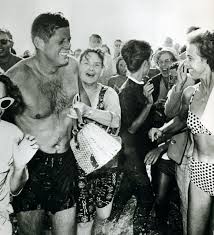
John F. Kennedy after taking a swim at Santa Monica Beach, 1960
But charismatic politicians face the danger of waning enthusiasm.
Many people were growing disillusioned with Kennedy before he died. He had raised hopes that couldn’t be met—especially among blacks.
And many whites bitterly opposed his support of integration, believing that Kennedy was “moving too fast” in changing race relations.
Still, for millions of Americans, Kennedy represented a time of change.
“Let’s get this country moving again” had been his campaign slogan in 1960. He had demanded an end to the non-existent “missile gap” between the United States and Soviet Union.
And he had said that America should create full employment and re-evaluate its policies toward Africa, Latin America and Asia.
His youth, the grace and beauty of his wife and the often-reported antics of his two young children—Caroline and John—added to the atmosphere that change was under way.
But Kennedy was not so committed to reform as many believed:
- As a Senator he had strongly opposed abolishing the Electoral College.
- He never protested the Red-baiting tactics of Senator Joseph R. McCarthy, a frequent dinner guest at the home of his father.
- As President, Kennedy never forgot that he had been elected by a margin of 112,881 votes. He often rationalized his refusal to tackle controversial issues by saying: “We’ll do it after I’m re-elected. So we’d better make damn sure I am re-elected.”
- He thought the United States should recognize “Red” China, but didn’t try to change American foreign policy toward that nation.
Nevertheless, many historians believe that. by vocally supporting civil rights and healthcare for the elderly, Kennedy laid the groundwork for Lyndon Johnson’s legislative victories.
Perhaps no aspect of Kennedy’s Presidency has received closer study than his assassination.
Hundreds of books and thousands of articles have hotly debated whether he was murdered by a lone “nut” or a deadly conspiracy of powerful men.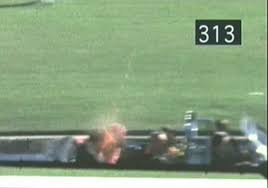

JFK’s assassination: The moment of impact
The murder has been the subject of two government investigations. The first, by the Warren Commission in 1964, concluded that an embittered ex-Marine and Marxist, Lee Harvey Oswald, acted alone in killing Kennedy.
Similarly, the Commission determined that nightclub owner Jack Ruby had killed Oswald on impulse, and not as the result of a conspiracy.
Millions of disbelieving Americans rejected the Warren Report—and named their own villains:
- The KGB;
- The Mob;
- Anti-Castro Cubans;
- Vice President Lyndon B. Johnson;
- Right-wing businessmen and/or military leaders;
- Fidel Castro.
Each of these groups or persons had reason to hate Kennedy:
- The KGB—for Kennedy’s humiliating the Soviet Union during the Cuban Missile Crisis.
- The Mob—in retaliation for the administration’s crackdown on organized crime.
- Anti-Castro Cubans—for JFK’s refusal to commit American military forces to overthrowing Castro at the Bay of Pigs invasion.
- Lyndon Johnson—lusting for power, he stood to gain the most from Kennedy’s elimination.
- Right-wing businessmen and/or military leaders—for believing that Kennedy had “sold out” the country to the Soviet Union.
- Fidel Castro—knowing the CIA was trying to assassinate or overthrow him, he had reason to respond in kind.
The second investigation, conducted in 1977-79 by the House Assassinations Committee, determined that Oswald and a second, unknown sniper had fired at Kennedy. (Oswald was deemed the assassin; the other man’s shot had missed.)
The Chief Counsel for the Committee, G. Robert Blakey, believed New Orleans Mafia boss Carlos Marcello organized the assassination, owing to his hatred of Robert Kennedy for his war on the crime syndicates.
Still, 60 years after JFK’s assassination, no court-admissible evidence has appeared to convict anyone other than Oswald for the murder.
The impact of Kennedy’s death on popular culture remains great. Millions saw him as a brilliant, courageous hero who had worked his way to the top.
But his sudden and violent end shocked those who believed there was always a happy ending.
If so gifted—and protected—a man as John F. Kennedy could be so suddenly and brutally destroyed, no one else could depend on a secure future.
2012 PRESIDENTIAL RACE, ABC NEWS, ALTERNET, AP, BARACK OBAMA, BAY OF PIGS, BBC, BERLIN WALL, BILL CLINTON, BRUCE GREENWOOD, BUZZFEED, CARLOS MARCELLO, CBS NEWS, CIA, CIVIL RIGHTS, CLIFF ROBERTSON, CNN, CUBAN MISSILE CRISIS, DAILY KOS, DAVID HALBERSTAM, DONALD J. TRUMP, FBI, FIDEL CASTRO, FRANK SINATRA, HERMAN CAIN, ICH BEN EIN BERLINNER SPEECH, INTERNET MOVIE DATABASE, J. EDGAR HOOVER, JAMES MARSDEN, JOHN F. KENNEDY, JOSEPH MCCARTHY, JOSEPH P. KENNEDY, LYNDON B. JOHNSON, MAFIA, MALCOM X, MARTIN LUTHER KING, MARTIN SHEEN, MOTHER JONES, MOVEON, MOVIES, NBC NEWS, NEWSWEEK, NEWT GINGRICH, NIKITA KHRUSHCHEV, NPR, NUCLEAR TEST BAN TREATY, POLITICO, PT-109, RAW STORY, REUTERS, RICK PERRY, ROBERT F. KENNEDY, ROBERT S. MCNAMARA, SALON, SAM GIANCANA, SANTOS TRAFFICANTE, Sarah Palin, SATURDAY NIGHT LIVE, SEATTLE TIMES, SLATE, SOVIET UNION, THE ATLANTIC, THE BEST AND THE BRIGHTEST, THE BUTLER, THE CHICAGO SUN-TIMES, THE CHICAGO TRIBUNE, THE DAILY BEAST, THE GUARDIAN, THE HILL, THE HUFFINGTON POST, THE LOS ANGELES TIMES, THE MISSILES OF OCTOBER, THE NEW YORK TIMES, THE RAT PACK, THE WALL STREET JOURNAL, THE WASHINGTON POST, THIRTEEN DAYS, TIME, TWILIGHT ZONE, TWITTER, U.S. NEWS & WORLD REPORT, UPI, USA TODAY, VIETNAM WAR, WILLIAM DEVANE, WILLIAM PETERSON
In Bureaucracy, Business, History, Law, Law Enforcement, Military, Politics, Social commentary on November 20, 2023 at 12:45 am
Throughout his life, John F. Kennedy was lucky—both personally and politically.
Part of the secret lay in his physical presence. He was young and handsome, charming and articulate.
He appeared zestful and athletic despite a series of ailments, including Addison’s disease (a malfunction of the adrenal glands) and an injured back that required the use of a brace.
His wit was sophisticated and often self-deprecating. Addressing an assembly of Nobel Prize winners at the White House, he said: “I think this is the most extraordinary collection of talent, of human knowledge, that has ever been gathered at the White House—with the possible exception of when Thomas Jefferson dined alone.”


JFK making a joke at a press conference
And his sense of humor often defused otherwise ticklish problems. During the 1960 Presidential race, he was sharply criticized for relying on his millionaire father for much of his funding. At a campaign rally, he deflected the charge with humor:
“I just received a telegram from my generous Daddy. It says: ‘Dear Jack: Don’t buy one more vote than necessary. I’ll be damned if I’m going to pay for a landslide.’”
Another controversy emerged when he named his brother, Robert, Attorney General. Critics charged that the appointment smacked of nepotism—and that Robert didn’t have enough legal gravitas to be the nation’s chief law enforcement offer.
“I see nothing wrong in giving Robert a little experience before he goes out to practice law,” he said at a press conference.
His highly-polished rhetoric—produced by wordsmiths such as Theodore Sorensen—dazzled audiences. His Inaugural Address was acclaimed by Democrats and even most Republicans.
Its signature line, “Ask not what your country can do for you, ask what you can do for your country” has become as famous as Abraham Lincoln’s “government of the people, by the people, for the people.”
His speeches often urged Americans to seek a higher cause than mere self-interest. Speaking of the role of the arts in a nation’s life, he said:
“It may be different elsewhere, but [in] democratic society…the highest duty of the writer, the composer, the artist is to remain true to himself and to let the chips fall where they may.”
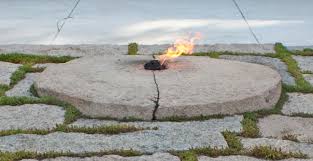
Memorial at the Arlington gravesite for John F. Kennedy
But he could be blunt and profane in private.
“My father always told me all businessmen were sonsofbitches, but I never believed it till now,” he said in private when the steel companies made an inflationary price increase in 1962.
Like Richard Nixon, Kennedy installed a secret taping system in the White House. And, as with Nixon, this picked up many of his profanities. Unlike Nixon, however, Kennedy died before his secret taping system was discovered.
Kennedy impressed many journalists with his capacity for detail.
“He swallows and digests whole books in minutes. His eye seizes instantly on the crucial point of a long memorandum. He confounds experts with superior knowledge of their field,” wrote Games McGregor Burns in 1961.
Having briefly worked as a journalist (covering the opening of the United Nations Assembly in 1945) JFK understood and catered to the sensitivities of the Washington press corps.
Using charm, wit, candor and selective accessibility, he cultivated his own favored group of reporters. Critics charged that he was manipulating the media—and they were right.
Sometimes the manipulation was heavy-handed. He pressured The New York Times to censor its coverage of actions he intended to take—such as during the Bay of Pigs and the Cuban Missile Crisis.
But he failed to coerce the Times to remove David Halberstam, its Vietnam correspondent, whose highly critical articles cast doubt on the effectiveness of the American military commitment to Vietnam.
A major part of Kennedy’s appeal lay in his glamorous background. He was born—on May 29, 1917—into a large, robust family headed by wealthy and powerful financier Joseph P. Kennedy.
He attended Princeton and Harvard, graduating from the latter with top honors.
During World War II he became a Naval hero in 1943 after a Japanese destroyer sliced his PT boat in half—by towing an injured shipmate to safety on a South Pacific island. From there, Kennedy persuaded a native to summon rescue help from the U.S. Navy.
Kennedy had no plans for a postwar political career. That had been assigned to his elder brother, Joseph P. Kennedy, Jr., by their ambitious father, who was determined to seat the first Irish Catholic President.
After learning of his younger brother’s heroism, Joseph volunteered for a dangerous Naval bombing mission. On August 12, 1944, he and a co-pilot flew an explosives-laden plane from England toward France.
While over the English Channel, they were supposed to parachute from the aircraft—after activating a remote control system to send the plane crashing into a German command center.
But the plane mysteriously exploded before the pilots could eject—and before the plane reached its target.
The death of his elder brother ended John F. Kennedy’s plans for a career as a writer. Joseph Kennedy, Sr., insisted that “Jack” assume the political career that the Kennedy patriarch had assigned for his dead brother.


 Bureaucracybuster's Blog
ABC NEWS, AL PACINO, ALTERNET, AMERICABLOG, AP, BABY BOOMER RESISTANCE, BLOOD FEUD, BUZZFEED, CARLOS MARCELLO, CBS NEWS, CHARLES BRANDT, CIA, CNN, COTTER SMITH, CROOKS AND LIARS, CUBA, DAILY KOZ, ERNEST BORGNINE, F.I.S.T. (MOVIE), FACEBOOK, FBI, FIDEL CASTRO, FIVETHIRTYEIGHT, FRANK FITZSIMMONS, FRANK SHEERAN, GUS RUSSO, HOFFA (MOVIE), INTERNATIONAL BROTHERHOOD OF TEAMSTERS, J. EDGAR HOOVER, JACK NICHOLSON, JAMES R. HOFFA, JOE PESCI, JOHN F. KENNEDY, JUSTICE DEPARTMENT, LIVE BY THE SWORD: THE SECRET WAR AGAINST CASTRO AND THE DEATH OF JFK, MAFIA, MARTIN SCORSESE, MOTHER JONES, MOVEON, MSNBC, NBC NEWS, NETFLIX, NEWSWEEK, NPR, PBS NEWSHOUR, POLITICO, POLITICUSUSA, RAFAEL EDWARD CRUZ, RAW STORY, REUTERS, ROBERT BLAKE, ROBERT DE NIRO, ROBERT F. KENNEDY, RUSSELL BUFFALINO, SALON, SAM GROOM, SEATTLE TIMES, Secret Service, SENATE LABOR RACKETS COMMITTEE, SLATE, SYLVESTER STALLONE, TALKING POINTS MEMO, THE ATLANTIC, THE CHICAGO SUN-TIMES, THE CHICAGO TRIBUNE, THE DAILY BEAST, THE DAILY BLOG, THE GUARDIAN, THE HILL, THE HUFFINGTON POST, THE IRISHMAN (MOVIE), THE LOS ANGELES TIMES, THE NATION, THE NEW YORK TIMES, THE WALL STREET JOURNAL, THE WASHINGTON POST, THINKPROGRESS, TIME, TRUTHDIG, TWITTER, U.S. NEWS & WORLD REPORT, UPI, USA TODAY
50 YEARS AGO, JIMMY HOFFA–AND HIS LEGACY–DISAPPEARED: PART ONE (OF THREE)
In Entertainment, History, Law, Law Enforcement, Politics, Social commentary on July 31, 2025 at 12:39 amJames Riddle Hoffa, the onetime president of the International Brotherhood of Teamsters (IBT) Union, vanished 50 years ago—on July 30, 1975.
Once a powerful union boss courted by mobsters and politicians more than 60 years ago, today he’s best-known for his sudden disappearance and presumed murder.
Elected President of the Teamsters in 1957, Hoffa was convicted of jury tampering in 1964 and began serving an eight-year prison sentence in 1967. Before doing so, he named Frank Fitzsimmons, whom he thought a totally loyal ally, to serve as a caretaker president.
Pardoned by President Richard M. Nixon in December, 1971, Hoffa immediately began campaigning to regain the presidency of the union in 1976. But Fitzsimmons had come to enjoy the IBT presidency—and wanted to keep it.
More importantly, the Mafia wanted him to keep it. Under Hoffa, the Teamsters had bankrolled various Mafia real estate schemes—such as building casinos in Las Vegas.
But Hoffa had kept a tight hold on Teamster monies. Fitzsimmons, by contrast, had allowed the Mafia a free hand—at the expense of the Teamsters pension fund meant for retiring members.
Warned by his onetime Mafia allies to drop his campaign for re-election, Hoffa charged ahead anyway.
On July 30, 1975, he expected to meet with three major Mafia bosses at a restaurant in Detroit: Anthony Giacalone, Russell Buffalino and Anthony Provenzano. With their backing, he expected a guaranteed victory.
Instead, he disappeared.
James Riddle Hoffa testifying before the Senate Labor Rackets Committee
The FBI assigned 200 agents to investigate his disappearance. But Hoffa’s body was never found, and even the way he died remained a mystery.
Then, in 2004, former prosecutor-turned-author Charles Brandt published a non-fiction book: I Heard You Paint Houses. Based on tape recorded interviews with former Mafia hitman Frank “The Irishman” Sheeran, it revealed the events that alleged led up to Hoffa’s execution.
And it was none other than Sheeran—to whom Hoffa had presented a gold, diamond-encrusted watch in October, 1974—who carried out the execution.
In November, 2019, Sheeran’s life was depicted in the movie: The Irishman, directed by Martin Scorsese. Sheeran was portrayed by Robert De Niro, Joe Pesci portrayed Mafia boss Russell Buffalino and Al Pacino played Hoffa.
The Irishman received a limited theatrical release on November 1, 2019, followed by digital streaming on November 27 by Netflix.
Joe Pesci (Russell Buffalino), Robert DeNiro (Frank Sheeran) and Al Pacino (Jimmy Hoffa)
This was not the first movie made about the life and death of Jimmy Hoffa. Sylvester Stallone played Johnny Kovak, a Hoffa-like labor leader, in 1978’s F.I.S.T. And Jack Nicholson played Hoffa in a 1992 movie.
But the most lengthy and detailed portrayal of Hoffa’s stormy life came 42 years ago on TV.
In 1983, Blood Feud, a two-part TV mini-series, depicted the 11-year animosity between Robert F. Kennedy and Hoffa. Although it took some dramatic liberties, its portrayal of the major events of that period remains essentially accurate.
In 1957, as a young, idealistic attorney, Kennedy declared war on Hoffa, the president of the Mafia-dominated International Brotherhood of Teamsters Union.
As chief counsel for the Senate Labor Rackets Committee, Kennedy was appalled at the corruption he discovered among high-ranking Teamsters officials. As he saw it, under Hoffa’s leadership, the union was nothing less than “a conspiracy of evil.”
Robert Francis Kennedy as Chief Counsel, Senate Labor Rackets Committee
Hoffa, in turn, held an equally unflattering view of Kennedy. “A rich punk,” said Hoffa, who didn’t know or care about “the average workingman.”
Today, labor unions are a rapidly-vanishing species, commanding far less political influence than they did 60 years ago. As a result, young viewers of this series may find it hard to believe that labor ever held such sway, or that the Teamsters posed such a threat.
And in an age when millions see “Big Government” as the enemy, they may feel strong reservations about the all-out war that Robert F. Kennedy waged against Hoffa.
Blood Feud opens in 1957, when Hoffa (Robert Blake) is a rising figure within the Teamsters. Kennedy (Cotter Smith) is chief counsel for the Senate Labor Rackets Committee.
At first, Hoffa tries to ingratiate himself with Kennedy, telling him: “I know everybody who can help me and anybody who can hurt me.”
A wily Hoffa decides to parley Kennedy’s anti-corruption zeal into a path to power for himself. Via his attorney, Eddie Cheyfitz, he feeds Kennedy incriminating evidence against Dave Beck, president of the Teamsters.
Confronted with a Senate subpoena, Beck flees the country—paving the way for Hoffa to assume the top position in the union. Hoffa believes he has solved two problems at once.
Having “helped” Kennedy to oust Beck, Hoffa believes that Kennedy should now be satisfied: “He’s got his scalp. Now he can move on to other things while I run the union.”
But Hoffa has guessed wrong—with fatal results. Realizing that he’s been “played.” a furious Kennedy strikes back.
He orders increased surveillance of Hoffa and his topmost associates. He subpoenas union records and members of both the Teamsters and the Mafia to appear before his committee in public hearings.
And he tries to enlist the aid of legendary FBI Director J. Edgar Hoover (Ernest Borgnine). But Hoover wants no part of a war against organized crime, whose existence he refuses to admit.
Share this: