Posts Tagged ‘FBI’
2016 PRESIDENTIAL CAMPAIGN, 2020 PRESIDENTIAL CAMPAIGN, 2024 PRESIDENTIAL CAMPAIGN, 60 MINUTES NEWS MAGAINE, ABC NEWS, ADAM SCHIFF, ADOLF HITLER, ALBERT “THE EXECUTIONER” ANASTASIA, ALTERNET, ALVIN BRAGG, AMERICABLOG, AP, ARTICLES OF IMPEACHMENT, ARTIFICIAL INTELLIGENCE (AI), BABY BOOMER RESISTANCE, BORDER WALL, BUZZFEED, CANADA, CBS NEWS, CENSORSHIP, CENSUS BUREAU, CENTERS FOR DISEASE CONTROL AND PREVENTION, CHARLES “LUCKY” LUCIANO, CHARLES DE GAULLE, CHINA, CHRIS CHRISTIE, CHRISTI GRIMM, CHRISTOPHER S. MURPHY, CIA, CLASSIFIED DOCUMENTS, CNN, CONSERVATIVE POLITICAL ACTION CONFERENCE, CONSUMER FINANCIAL PROTECTION BUREAU, CONVERSATION WITH AN AMERICAN WRITER (POEM), CORONAVIRUS RELIEF MONIES, COVID-19, CROOKS AND LIARS, CUBAN MISSILE CRISIS, DAILY KOS, DAN BOWMAN, DAN SULLIVAN, DANIELLE SASSOON, DAVID BROOKS, DEMOCRATS, DEPARTMENT OF DEFENSE, DEPARTMENT OF GOVERNMENT EFFICIENCY (DOGE), DEPARTMENT OF HEALTH AND HUMAN SERVICES, DEPARTMENT OF JUSTICE, DIVERSITY EQUITY INCLUSION (DEI), DONALD TRUMP, DONALD TRUMP JUNIOR, DRUDGE RETORT, E. JEAN CARROLL, ELON MUSK, EMIL BOVE, EMOLUMENTS CLAUSE OF THE UNITED STATES CONSTITUTION, ERIC ADAMS, EXTORTION, FBI, FIRST AMENDMENT, FIVETHIRTYEIGHT, FRIVOLOUS LAWSUITS, GEORGE FLOYD, GEORGE STEPHANOPOULOS, GEORGE W. BUSH, GLENN FINE, GOVERNMENT ACCOUNTABILITY OFFICE, GOVERNMENT SHUTDOWN, GULF OF AMERICA, GULF OF MEXICO, HARPER’S MAGAZINE, HILLARY CLINTON, HOUSE FOREIGN AFFAIRS COMMITTEE, HOUSE INTELLIGENCE COMMITTEE, HOUSE OVERSIGHT AND REFORM COMMITTEE, HUNTER BIDEN, IMMIGRANTS, IMPEACHMENT, IMPOUNDMENT CONTROL ACT, INSPECTORS GENERAL, INTELLIGENCE COMMUNITY, INTELLIGENCE OFFICERS, JACK SMITH, JAKE SULLIVAN, JAKE TAPPER, JAMAL KHASHOGGI, JAMES COMEY, JAMES MCHENRY, JAMES ROBART, JANUARY 6 COUP ATTEMPT, JARED KUSHNER, JEFF SESSIONS, JOHN CORNYN, JOHN F. KENNEDY, JOHN F. KENNEDY CENTER FOR THE PERFORMING ARTS, JOHN ROBERTS, JOING CHIEFS OF STAFF, JON S. TIGAR, JOSEPH BIDEN, JOSEPH STALIN, Kamala Harris, KELLY LOEFFER, KEVIN CRAMER, LAFAYETTE SQUARE, LAMAR ALEXANDER, LEON PANETTA, LINDSEY GRAHAM, LUXUY JET, MARCO RUBIO, MARK MILLEY, MARTIN GUGINO, MEDIA MATTERS, MEIN KAMPF, MERRICK GARLAND, MEXICO, MICHAEL FLYNN, MICHAEL HAYDEN, MICHAEL K. ATKINSON, MICK MULVANEY, MIKE PENCE, MITCH MCCONNELL, MOHAMMED BIN SALMAN, MOTHER JONES, MOVEON, MSNBC, NANCY PELOSI, NATALIA VESELNITSKAYA, NATIONAL SECURITY AGENCY, NBC NEWS, NEWSWEEK, NIKKI HALEY, NPR, PAUL MANAFORT, PBS NEWSHOUR, PETE HEGSETH, POLITICO, POLITICUSUSA, QATAR, RAW STORY, REPUBLICANS, REUTERS, RINAT AKHMETSHIN, ROBERT MUELLER, ROBERT PAYNE, ROD ROSENSTEIN, ROGER STONE, RON DESANTIS, RON JOHNSON, RUSSIA, SALON, SEATTLE TIMES, SERGEY KISLYAK, SERGEY LAVROV, SLATE, ST. JOHN’S CHURCH, STEVE DAINES, TALKING POINTS MEMO, TARIFFS, TED CRUZ, THE ATLANTIC, THE CHICAGO SUN-TIMES, THE CHICAGO TRIBUNE, THE DAILY BEAST, THE DAILY BLOG, THE GUARDIAN, THE HILL, THE HUFFINGTON POST, THE JUDICIARY, THE LIFE AND DEATH OF ADOLF HITLER (BOOI), THE LIFE AND DEATH OF ADOLF HITLER (BOOK), THE LOS ANGELES TIMES, THE NATION, THE NEW REPUBLIC, THE NEW YORK TIMES, THE PENTAGON, THE PRESS, THE VILLAGE VOICE, THE WASHINGTON POST, THINKPROGRESS, TIME, TREASON, TRUMP TOWER MEETING, TRUTH SOCIAL, TRUTHDIG, TRUTHOUT, TWENTY-SECOND AMENDMENT, TWO POLITICAL JUNKIES, U.S. NEWS & WORLD REPORT, UKRAINE, UNITED STATES HOUSE OF REPRESENTATIVES, UNITED STATES SENATE, UPI, USA TODAY, VLADIMIR PUTIN, VOLODYMYR ZELENSKY, WHISTLEBLOWER, WHITE HOUSE BUDGET OFFICE, WONKETTE, X, YEVGENEY YEVTUSHENKO
In Bureaucracy, History, Law, Law Enforcement, Military, Politics, Social commentary on June 10, 2025 at 12:37 am
Republicans have a long and disgraceful history of excusing Donald Trump’s litany of crimes—as a 2016 Presidential candidate, as President (2017-2021), as a former President (2021-2025) and once again as President.
Forgiven Crime 44: Trump’s Justice Department ordered Danielle Sassoon, the United States Attorney for the Southern District of New York, to dismiss pending criminal charges against New York City Mayor Eric Adams for bribery, solicitation, conspiracy and wire fraud,
This occurred after Adams—who had previously refused to cooperate with Trump’s roundup of illegal aliens—agreed to do so. Sassoon resigned from the Justice Department rather than comply with the order.
Forgiven Crime 45: When Danielle Sassoon resigned instead of carrying out what she believed was an illegal order, Emil Bove, the Acting Attorney General, sent her a letter stating that her conduct would be investigated and evaluated by the Attorney General, after which “the Attorney General will determine whether termination or some other action is appropriate.”

Danielle Sassoon
Forgiven Crime 46: Trump held what amounted to an ambush meeting with Ukrainian President Volodymyr Zelensky at the White House. Siding with Russian dictator Vladimir Putin, Trump blamed Zelensky for Russia’s 2022 invasion of Ukraine.
Trump demanded that Zelensky sign over mineral rights to the United States without America’s providing a security guarantee for Ukraine. Zelensky left without signing such an agreement.
Forgiven Crime 47: Trump announced that he was considering violating the 22nd Amendment and seeking an illegal third Presidential term in 2028.
Forgiven Crime 48: The Trump-authorized and illegitimate Department of Government Efficiency (DOGE) led by billionaire Elon Musk, dismantled multiple agencies, invaded the privacy of untold millions by accessing sensitive data systems and fired tens of thousands of federal workers.
Forgiven Crime 49: Trump filed frivolous and extortionate lawsuits against major news networks CBS and ABC.
Against CBS: Trump claimed that its news magazine, “60 Minutes” deceptively edited an interview with Kamala Harris to damage his presidential campaign and influence the election. He initially sought $10 billion in damages, then increased it to $20 billion.

Against ABC: He claimed that its commentator, George Stephanopoulos, falsely stated he was found liable for “rape” in the case brought by columnist E. Jean Carroll. The jury found Trump liable for sexual abuse and defamation, but not rape. The judge later clarified that what the jury found Trump did was in fact rape, as commonly understood.
ABC settled the lawsuit by agreeing to donate $15 million to Trump’s Presidential library.
Forgiven Crime 50: Trump solicited and received a $400 million luxury jet from Qatar for use as Air Force One, in direct violation of the Emoluments Clause of the United States Constitution, which prohibits federal officials from accepting gifts from foreign countries.
The jet will cost taxpayers hundreds of millions of dollars to bring it up to presidential standards, including a security sweep of the entire aircraft and costly upgrades to ensure classified communications.
After Trump leaves office, it will be transferred to his Presidential library.
* * * * *
Why have Republicans almost unanimously stood by Donald Trump despite the wreckage he made of American foreign and domestic policy?
Fear—that they will lose their privileged positions in Congress if they don’t.
This could happen by:
- Their being voted out of Congress by Trump’s fanatical base; or
- Their being voted out of Congress by anti-Trump voters fed up with Trump’s appalling behavior.
House and Senate Republicans’ support for Trump hinges on one question: “Can I hold onto my power and all the privileges that accompany it by sticking—or breaking—with him?”
In his bestselling 1973 biography, The Life and Death of Adolf Hitler, British historian Robert Payne harshly condemned the German people for the rise of the Nazi dictator:
“[They] allowed themselves to be seduced by him and came to enjoy the experience….[They] followed him with joy and enthusiasm because he gave them license to pillage and murder to their hearts’ content. They were his servile accomplices, his willing victims.”
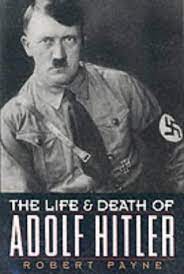
Like Hitler, Trump offered his Republican voters and Congressional allies intoxicating dreams: “I will enrich all of you. And I will humiliate and destroy those Americans you most hate.”
For his white, Fascistic, largely elderly audience, those enemies included blacks, atheists, Hispanics, non-Christians, Muslims, liberals, “uppity” women, Asians.
For most of the first three years of his first term, he faced little opposition. What cost Trump the White House wasn’t Democratic or Republican courage but a deadly disease—COVID-19—which Trump refused to take seriously.
Democrats cowered before Trump’s slanders—thereby ensuring more assaults.
Most of the press quailed before Trump. Only a few media outlets—notably the New York Times, CNN and the Washington Post-–dared investigate his crimes and blunders.
In 1960, the Russian poet, Yevgeney Yevtushenko, published “Conversation With an American Writer”—a stinging indictment of the cowardly opportunists who had supported the brutal tyranny of Joseph Stalin:
“You have courage,” they tell me.
It’s not true. I was never courageous.
I simply felt it unbecoming
to stoop to the cowardice of my colleagues.
Too many Republicans know all-too-well how it feels to stoop to the cowardice of their colleagues for a transitory hold on power and privilege.
2016 PRESIDENTIAL CAMPAIGN, 2020 PRESIDENTIAL CAMPAIGN, 2024 PRESIDENTIAL CAMPAIGN, 60 MINUTES NEWS MAGAINE, ABC NEWS, ADAM SCHIFF, ADOLF HITLER, ALBERT “THE EXECUTIONER” ANASTASIA, ALTERNET, ALVIN BRAGG, AMERICABLOG, AP, ARTICLES OF IMPEACHMENT, ARTIFICIAL INTELLIGENCE (AI), BABY BOOMER RESISTANCE, BORDER WALL, BUZZFEED, CANADA, CBS NEWS, CENSORSHIP, CENSUS BUREAU, CENTERS FOR DISEASE CONTROL AND PREVENTION, CHARLES “LUCKY” LUCIANO, CHARLES DE GAULLE, CHINA, CHRIS CHRISTIE, CHRISTI GRIMM, CHRISTOPHER S. MURPHY, CIA, CLASSIFIED DOCUMENTS, CNN, CONSERVATIVE POLITICAL ACTION CONFERENCE, CONSUMER FINANCIAL PROTECTION BUREAU, CONVERSATION WITH AN AMERICAN WRITER (POEM), CORONAVIRUS RELIEF MONIES, COVID-19, CROOKS AND LIARS, CUBAN MISSILE CRISIS, DAILY KOS, DAN BOWMAN, DAN SULLIVAN, DANIELLE SASSOON, DAVID BROOKS, DEMOCRATS, DEPARTMENT OF DEFENSE, DEPARTMENT OF GOVERNMENT EFFICIENCY (DOGE), DEPARTMENT OF HEALTH AND HUMAN SERVICES, DEPARTMENT OF JUSTICE, DIVERSITY EQUITY INCLUSION (DEI), DONALD TRUMP, DONALD TRUMP JUNIOR, DRUDGE RETORT, E. JEAN CARROLL, ELON MUSK, EMIL BOVE, EMOLUMENTS CLAUSE OF THE UNITED STATES CONSTITUTION, ERIC ADAMS, EXTORTION, FBI, FIRST AMENDMENT, FIVETHIRTYEIGHT, FRIVOLOUS LAWSUITS, GEORGE FLOYD, GEORGE STEPHANOPOULOS, GEORGE W. BUSH, GLENN FINE, GOVERNMENT ACCOUNTABILITY OFFICE, GOVERNMENT SHUTDOWN, GULF OF AMERICA, GULF OF MEXICO, HARPER’S MAGAZINE, HILLARY CLINTON, HOUSE FOREIGN AFFAIRS COMMITTEE, HOUSE INTELLIGENCE COMMITTEE, HOUSE OVERSIGHT AND REFORM COMMITTEE, HUNTER BIDEN, IMMIGRANTS, IMPEACHMENT, IMPOUNDMENT CONTROL ACT, INSPECTORS GENERAL, INTELLIGENCE COMMUNITY, INTELLIGENCE OFFICERS, JACK SMITH, JAKE SULLIVAN, JAKE TAPPER, JAMAL KHASHOGGI, JAMES COMEY, JAMES MCHENRY, JAMES ROBART, JANUARY 6 COUP ATTEMPT, JARED KUSHNER, JEFF SESSIONS, JOHN CORNYN, JOHN F. KENNEDY, JOHN F. KENNEDY CENTER FOR THE PERFORMING ARTS, JOHN ROBERTS, JOING CHIEFS OF STAFF, JON S. TIGAR, JOSEPH BIDEN, JOSEPH STALIN, Kamala Harris, KELLY LOEFFER, KEVIN CRAMER, LAFAYETTE SQUARE, LAMAR ALEXANDER, LEON PANETTA, LINDSEY GRAHAM, LUXUY JET, MARCO RUBIO, MARK MILLEY, MARTIN GUGINO, MEDIA MATTERS, MEIN KAMPF, MERRICK GARLAND, MEXICO, MICHAEL FLYNN, MICHAEL HAYDEN, MICHAEL K. ATKINSON, MICK MULVANEY, MIKE PENCE, MITCH MCCONNELL, MOHAMMED BIN SALMAN, MOTHER JONES, MOVEON, MSNBC, NANCY PELOSI, NATALIA VESELNITSKAYA, NATIONAL SECURITY AGENCY, NBC NEWS, NEWSWEEK, NIKKI HALEY, NPR, PAUL MANAFORT, PBS NEWSHOUR, PETE HEGSETH, POLITICO, POLITICUSUSA, QATAR, RAW STORY, REPUBLICANS, REUTERS, RINAT AKHMETSHIN, ROBERT MUELLER, ROBERT PAYNE, ROD ROSENSTEIN, ROGER STONE, RON DESANTIS, RON JOHNSON, RUSSIA, SALON, SEATTLE TIMES, SERGEY KISLYAK, SERGEY LAVROV, SLATE, ST. JOHN’S CHURCH, STEVE DAINES, TALKING POINTS MEMO, TARIFFS, TED CRUZ, THE ATLANTIC, THE CHICAGO SUN-TIMES, THE CHICAGO TRIBUNE, THE DAILY BEAST, THE DAILY BLOG, THE GUARDIAN, THE HILL, THE HUFFINGTON POST, THE JUDICIARY, THE LIFE AND DEATH OF ADOLF HITLER (BOOI), THE LIFE AND DEATH OF ADOLF HITLER (BOOK), THE LOS ANGELES TIMES, THE NATION, THE NEW REPUBLIC, THE NEW YORK TIMES, THE PENTAGON, THE PRESS, THE VILLAGE VOICE, THE WASHINGTON POST, THINKPROGRESS, TIME, TREASON, TRUMP TOWER MEETING, TRUTH SOCIAL, TRUTHDIG, TRUTHOUT, TWENTY-SECOND AMENDMENT, TWO POLITICAL JUNKIES, U.S. NEWS & WORLD REPORT, UKRAINE, UNITED STATES HOUSE OF REPRESENTATIVES, UNITED STATES SENATE, UPI, USA TODAY, VLADIMIR PUTIN, VOLODYMYR ZELENSKY, WHISTLEBLOWER, WHITE HOUSE BUDGET OFFICE, WONKETTE, X, YEVGENEY YEVTUSHENKO
In Bureaucracy, History, Law, Law Enforcement, Military, Politics, Social commentary on June 9, 2025 at 12:10 am
Throughout the first term of his Presidency, Republicans continued to support Donald Trump despite a series of actions that would have normally resulted in impeachment, if not imprisonment.
And they continued to support him after he left office—and after his re-election as President on November 5, 2024.
Forgiven Crime 29: Trump has echoed Adolf Hitler in attacking immigrants: “They’re poisoning the blood of our country. They’ve poisoned mental institutions and prisons all over the world, not just in South America, not just the three or four countries that we think about, but all over the world.”
Republicans have refused to condemn those remarks—or the original source—Mein Kampf-–of those remarks.
Forgiven Crime 30: On January 20, 2025—his first day as re-elected President—Trump granted clemency to more than 1,500 people convicted of offenses related to the January 6, 2021 United States Capitol attack. This sends a clear message that his supporters can commit virtually any crime against his opponents with impunity.
Forgiven Crime 31: Trump signed 26 executive orders. Among the results: Reversing climate change initiatives, eliminating DEI programs, changing the federal designation for the Gulf of Mexico to the “Gulf of America” and initiating a federal hiring freeze.

Executive Order signed by President Harry S. Truman
Forgiven Crime 32: Trump revoked the security clearances of 51 former Intelligence officials. Their “crime”: Signing a letter in 2020 stating that reports about a laptop allegedly belonging to Hunter Biden, son of then-presidential candidate Joe Biden, had “classic earmarks of a Russian information operation.”
Forgiven Crime 33: Trump revoked an executive order on Artificial Intelligence safety signed by former President Biden. Biden’s order, introduced in 2023, aimed to establish safeguards for the rapidly advancing AI technology.
Forgiven Crime 34: During a press conference in North Carolina, President Trump reaffirmed his stance that Canada should become the 51st state. Rejecting the longtime friendship between the two countries, Trump took an increasingly aggressive stance toward Canada, imposing steep tariffs and even threatening military intervention.
Forgiven Crime 35: Trump fired the inspectors general—who are charged with protecting the government from waste and corruption—from more than a dozen federal agencies.
Forgiven Crime 36: Several career lawyers who worked on the criminal investigations into Donald Trump were fired by Acting Attorney General James McHenry because he “do[es] not believe that the leadership of the Department can trust you to assist in implementing the President’s agenda faithfully.”
Seal of the U.S. Department of Justice
Forgiven Crime 37: Secretary of Defense Pete Hegseth informed former Chairman of the Joint Chiefs of Staff Mark Milley “that he is revoking the authorization for his security detail and suspending his security clearance.”
In addition, Hegseth ordered the Pentagon’s inspector general to open “an inquiry into the facts and circumstances surrounding General Milley’s conduct so that the Secretary may determine whether it is appropriate to reopen his military grade review determination.”
Milley’s “crimes”: After the Trump-incited January 6 attempted coup, Milley assured his Chinese counterpart that the U.S. was not about to start a military conflict. And in his farewell speech upon his retirement, said that service members “don’t take an oath to a wannabe dictator. … We don’t take an oath to an individual.”
Forgiven Crime 38: Trump ordered a purge of about a half-dozen executive assistant directors at the FBI. These were some of the bureau’s top managers overseeing criminal, national security and cyber investigations.
Their “crime”: Trump blamed them for investigating his inciting the January 6, 2021 coup attempt and his illegal holding of highly sensitive national security documents after leaving office.
Seal of the FBI
Forgiven Crime 39: On February 1, Trump arbitrarily placed tariffs of 25% on imports from Canada and Mexico and 10% on imports from China with no stated exemptions.
Forgiven Crime 40: Without explanation, Trump fired Rohit Chopra, the director of the Consumer Financial Protection Bureau, which protects consumers from unfair, deceptive and fraudulent business practices.
Forgiven Crime 41: Following Trump’s executive orders, federal agencies deleted multiple federal web pages and data. Among the agencies: The Pentagon, the Centers for Disease Control and Prevention and the Census Bureau. The changes affected content related to diversity, equity and inclusion (DEI), gender identity, public health research, environmental policy and social programs.
Forgiven Crime 42: Following Trump’s anti-DEI executive order, the United States Department of Defense (DOD) deleted content that included the achievements of nonwhite groups, such as Navajo code code talkers, black Tuskegee Airmen, Medal of Honor winners and women veterans. As in Joseph Stalin’s Soviet Union, those that Trump hates are made to disappear from history.
Forgiven Crime 43: Trump fired the board members at the John F. Kennedy Center for the Performing Arts and appointed himself as chairman—just as Joseph Stalin made himself arbiter of what was permissible for artists in the Soviet Union.
Forgiven Crime 44: When the Associated Press refused to designate the Gulf of Mexico as the “Gulf of America,” as Trump has decreed it now is, Trump banned its reporters from the White House press pool and official White House events.
A federal judge ordered him to reinstate the Associated Press’s access to presidential events on grounds that his ban violated the First Amendment, which guarantees freedom of the press.
2016 PRESIDENTIAL CAMPAIGN, 2020 PRESIDENTIAL CAMPAIGN, 2024 PRESIDENTIAL CAMPAIGN, 60 MINUTES NEWS MAGAINE, ABC NEWS, ADAM SCHIFF, ADOLF HITLER, ALBERT “THE EXECUTIONER” ANASTASIA, ALTERNET, ALVIN BRAGG, AMERICABLOG, AP, ARTICLES OF IMPEACHMENT, ARTIFICIAL INTELLIGENCE (AI), BABY BOOMER RESISTANCE, BORDER WALL, BUZZFEED, CANADA, CBS NEWS, CENSORSHIP, CENSUS BUREAU, CENTERS FOR DISEASE CONTROL AND PREVENTION, CHARLES “LUCKY” LUCIANO, CHARLES DE GAULLE, CHINA, CHRIS CHRISTIE, CHRISTI GRIMM, CHRISTOPHER S. MURPHY, CIA, CLASSIFIED DOCUMENTS, CNN, CONSERVATIVE POLITICAL ACTION CONFERENCE, CONSUMER FINANCIAL PROTECTION BUREAU, CONVERSATION WITH AN AMERICAN WRITER (POEM), CORONAVIRUS RELIEF MONIES, COVID-19, CROOKS AND LIARS, CUBAN MISSILE CRISIS, DAILY KOS, DAN BOWMAN, DAN SULLIVAN, DANIELLE SASSOON, DAVID BROOKS, DEMOCRATS, DEPARTMENT OF DEFENSE, DEPARTMENT OF GOVERNMENT EFFICIENCY (DOGE), DEPARTMENT OF HEALTH AND HUMAN SERVICES, DEPARTMENT OF JUSTICE, DIVERSITY EQUITY INCLUSION (DEI), DONALD TRUMP, DONALD TRUMP JUNIOR, DRUDGE RETORT, E. JEAN CARROLL, ELON MUSK, EMIL BOVE, EMOLUMENTS CLAUSE OF THE UNITED STATES CONSTITUTION, ERIC ADAMS, EXTORTION, FBI, FIRST AMENDMENT, FIVETHIRTYEIGHT, FRIVOLOUS LAWSUITS, GEORGE FLOYD, GEORGE STEPHANOPOULOS, GEORGE W. BUSH, GLENN FINE, GOVERNMENT ACCOUNTABILITY OFFICE, GOVERNMENT SHUTDOWN, GULF OF AMERICA, GULF OF MEXICO, HARPER’S MAGAZINE, HILLARY CLINTON, HOUSE FOREIGN AFFAIRS COMMITTEE, HOUSE INTELLIGENCE COMMITTEE, HOUSE OVERSIGHT AND REFORM COMMITTEE, HUNTER BIDEN, IMMIGRANTS, IMPEACHMENT, IMPOUNDMENT CONTROL ACT, INSPECTORS GENERAL, INTELLIGENCE COMMUNITY, INTELLIGENCE OFFICERS, JACK SMITH, JAKE SULLIVAN, JAKE TAPPER, JAMAL KHASHOGGI, JAMES COMEY, JAMES MCHENRY, JAMES ROBART, JANUARY 6 COUP ATTEMPT, JARED KUSHNER, JEFF SESSIONS, JOHN CORNYN, JOHN F. KENNEDY, JOHN F. KENNEDY CENTER FOR THE PERFORMING ARTS, JOHN ROBERTS, JOING CHIEFS OF STAFF, JON S. TIGAR, JOSEPH BIDEN, JOSEPH STALIN, Kamala Harris, KELLY LOEFFER, KEVIN CRAMER, LAFAYETTE SQUARE, LAMAR ALEXANDER, LEON PANETTA, LINDSEY GRAHAM, LUXUY JET, MARCO RUBIO, MARK MILLEY, MARTIN GUGINO, MEDIA MATTERS, MEIN KAMPF, MERRICK GARLAND, MEXICO, MICHAEL FLYNN, MICHAEL HAYDEN, MICHAEL K. ATKINSON, MICK MULVANEY, MIKE PENCE, MITCH MCCONNELL, MOHAMMED BIN SALMAN, MOTHER JONES, MOVEON, MSNBC, NANCY PELOSI, NATALIA VESELNITSKAYA, NATIONAL SECURITY AGENCY, NBC NEWS, NEWSWEEK, NIKKI HALEY, NPR, PAUL MANAFORT, PBS NEWSHOUR, PETE HEGSETH, POLITICO, POLITICUSUSA, QATAR, RAW STORY, REPUBLICANS, REUTERS, RINAT AKHMETSHIN, ROBERT MUELLER, ROBERT PAYNE, ROD ROSENSTEIN, ROGER STONE, RON DESANTIS, RON JOHNSON, RUSSIA, SALON, SEATTLE TIMES, SERGEY KISLYAK, SERGEY LAVROV, SLATE, ST. JOHN’S CHURCH, STEVE DAINES, TALKING POINTS MEMO, TARIFFS, TED CRUZ, THE ATLANTIC, THE CHICAGO SUN-TIMES, THE CHICAGO TRIBUNE, THE DAILY BEAST, THE DAILY BLOG, THE GUARDIAN, THE HILL, THE HUFFINGTON POST, THE JUDICIARY, THE LIFE AND DEATH OF ADOLF HITLER (BOOI), THE LIFE AND DEATH OF ADOLF HITLER (BOOK), THE LOS ANGELES TIMES, THE NATION, THE NEW REPUBLIC, THE NEW YORK TIMES, THE PENTAGON, THE PRESS, THE VILLAGE VOICE, THE WASHINGTON POST, THINKPROGRESS, TIME, TREASON, TRUMP TOWER MEETING, TRUTH SOCIAL, TRUTHDIG, TRUTHOUT, TWENTY-SECOND AMENDMENT, TWO POLITICAL JUNKIES, U.S. NEWS & WORLD REPORT, UKRAINE, UNITED STATES HOUSE OF REPRESENTATIVES, UNITED STATES SENATE, UPI, USA TODAY, VLADIMIR PUTIN, VOLODYMYR ZELENSKY, WHISTLEBLOWER, WHITE HOUSE BUDGET OFFICE, WONKETTE, X, YEVGENEY YEVTUSHENKO
In Bureaucracy, History, Law, Law Enforcement, Military, Politics, Social commentary on June 6, 2025 at 12:10 am
Throughout the first term of his Presidency, Republicans continued to support Donald Trump despite a series of actions that would have normally resulted in impeachment.
Forgiven Crime #19: After being acquitted of impeachable offenses by the Senate, Trump fired the Inspectors General (IG) of five cabinet departments in six weeks. Among these:
- Michael K. Atkinson – The IG of the Intelligence Community. The reason: Atkinson had forwarded the whistleblower complaint which led to Trump’s impeachment.
- Glenn Fine – Appointed to oversee funds voted by Congress to deal with the COVID-19 pandemic ravaging the United States. His dismissal ensured that Trump—who had admitted to defrauding students at his notorious “Trump University”—could spend the $2 trillion in relief monies any way he wished.
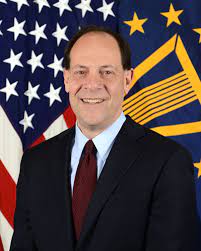
Glenn Fine
- Christi Grimm – As IG at the Department of Health and Human Services, she outraged Trump by contradicting him by agreeing—accurately—that the nation’s hospitals were suffering from severe shortages of personal protective equipment and testing supplies for COVID-19.
Forgiven Crime #20: After losing the Presidential election on November 3, 2020, Trump became the first American President in history to refuse to accept the verdict.
Forgiven Crime #21: From November 3 to December 14, 2020, Trump and his allies challenged the election results, filing—and losing—59 cases in court, either withdrawing cases or having them dismissed by Federal and state judges.
Forgiven Crime #22: On December 5, 2021, Trump called Georgia Governor Brian Kemp and asked him to call a special legislative session and convince state legislators to select their own electors that would support him, thus overturning Biden’s win.
Kemp refused.
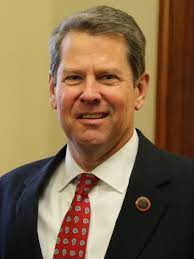
Brian Kemp
Forgiven Crime 23: On January 6, 2021, Trump ordered his assembled followers to attack the Capitol Building where House and Senate members were counting Electoral Votes—that were certain to certify Joseph R. Biden as the legitimate winner of the 2020 Presidential election.
Their goal: To stop the counting of those votes—and enable Trump to serve as “President-for-Life.”
Many of the lawmakers’ offices were occupied and vandalized. One Capitol police officer was killed and 114 others were injured.
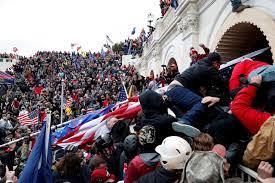
This was, in effect, a treasonous coup attempt.
On February 13, 2021, the Republican-dominated Senate once again acquitted Trump—of “incitement of insurrection” against the United States government.
Forgiven Crime 24: In 2022, Trump became the first ex-President to be indicted for crimes committed during his four-year administration: 2017-2021. He faced 91 criminal charges across four jurisdictions: Georgia, Florida, New York and the District of Columbia.
Yet even as he viciously attacked his rivals for the 2024 Republican Presidential nomination, all but one—former New Jersey Governor Chris Christie—refused to condemn him as an indicted criminal.
Florida Governor Ron DeSantis and former South Carolina Governor Nikki Haley promised to pardon Trump if he was convicted and either one of them was elected President.
Forgiven Crime 25: On August 8, 2022, for the first time in American history, Donald Trump became the first former President to be the subject of an FBI raid.
The raid came without warning on Trump’s residence at Mar-a-Lago in Palm Beach, Florida. FBI agents, armed with a search warrant, scoured the premises—for documents Trump illegally took before he left the White House on January 20, 2021.
Trump had repeatedly refused to return the documents.
Forgiven Crime 26: In March, 2023, Trump threatened “death and destruction” if he were criminally charged in New York for making “hush money” payments to porn “actress” Stormy Daniels. Trump shared an image of himself threatening Manhattan District Attorney Alvin Bragg with a baseball bat on his Truth Social platform.
Not even Mafia bosses like Charles “Lucky” Luciano and Albert “The Executioner” Anastasia dared issue such a threat.
Forgiven Crime 27: On November 18, 2022, Attorney General Merrick Garland appointed Jack Smith Special Counsel to prosecute Trump for his attempted January 6 coup.
Trump used his social media platform, Truth Social, to attack Smith as “a deranged lunatic” and “psycho” for indicting him for his theft of national security documents. He also attacked Smith’s wife, Katy Gale Chevigny, thus exposing her to possible violence from his fanatical supporters.
Trump’s attacks on Smith led to an increase in security for the Special Counsel.
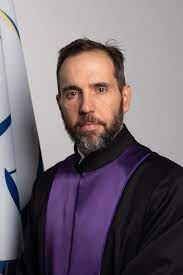
Jack Smith
Forgiven Crime 28: As Iowa prepared to cast votes in the Republican caucuses on January 15, 2024,, meteorologists warned of “life-threatening” conditions. Trump, the Republican front-runner lusting for a second term as President, took that advice.
Scheduled for four in-person Iowa events on January 14, he canceled three of them the day before voting, due to the freezing cold and snow.
But that didn’t mean he shared the same concern for those he urged to vote for him.
“If you want to save America from crooked Joe Biden, you must go caucus tomorrow. First step, very first step. We’re gonna do it. We’re gonna do it big. You got to get out. “
“You can’t sit home. If you’re sick as a dog, you say, ‘Darling, I gotta make it,’” Trump said at an Indianola rally on January 14. “Even if you vote and then pass away, it’s worth it, remember.”
Republicans saw nothing immoral in Trump’s disregard for the lives of his voting supporters—just as they saw nothing immoral in his disregard for the lives of schoolchildren during the worst year of COVID-19.
2016 PRESIDENTIAL CAMPAIGN, 2020 PRESIDENTIAL CAMPAIGN, 2024 PRESIDENTIAL CAMPAIGN, 60 MINUTES NEWS MAGAINE, ABC NEWS, ADAM SCHIFF, ADOLF HITLER, ALBERT “THE EXECUTIONER” ANASTASIA, ALTERNET, ALVIN BRAGG, AMERICABLOG, AP, ARTICLES OF IMPEACHMENT, ARTIFICIAL INTELLIGENCE (AI), BABY BOOMER RESISTANCE, BORDER WALL, BUZZFEED, CANADA, CBS NEWS, CENSORSHIP, CENSUS BUREAU, CENTERS FOR DISEASE CONTROL AND PREVENTION, CHARLES “LUCKY” LUCIANO, CHARLES DE GAULLE, CHINA, CHRIS CHRISTIE, CHRISTI GRIMM, CHRISTOPHER S. MURPHY, CIA, CLASSIFIED DOCUMENTS, CNN, CONSERVATIVE POLITICAL ACTION CONFERENCE, CONSUMER FINANCIAL PROTECTION BUREAU, CONVERSATION WITH AN AMERICAN WRITER (POEM), CORONAVIRUS RELIEF MONIES, COVID-19, CROOKS AND LIARS, CUBAN MISSILE CRISIS, DAILY KOS, DAN BOWMAN, DAN SULLIVAN, DANIELLE SASSOON, DAVID BROOKS, DEMOCRATS, DEPARTMENT OF DEFENSE, DEPARTMENT OF GOVERNMENT EFFICIENCY (DOGE), DEPARTMENT OF HEALTH AND HUMAN SERVICES, DEPARTMENT OF JUSTICE, DIVERSITY EQUITY INCLUSION (DEI), DONALD TRUMP, DONALD TRUMP JUNIOR, DRUDGE RETORT, E. JEAN CARROLL, ELON MUSK, EMIL BOVE, EMOLUMENTS CLAUSE OF THE UNITED STATES CONSTITUTION, ERIC ADAMS, EXTORTION, FBI, FIRST AMENDMENT, FIVETHIRTYEIGHT, FRIVOLOUS LAWSUITS, GENN FINE, GEORGE FLOYD, GEORGE STEPHANOPOULOS, GEORGE W. BUSH, GLENN FINE, GOVERNMENT ACCOUNTABILITY OFFICE, GOVERNMENT SHUTDOWN, GULF OF AMERICA, GULF OF MEXICO, HARPER’S MAGAZINE, HILLARY CLINTON, HOUSE FOREIGN AFFAIRS COMMITTEE, HOUSE INTELLIGENCE COMMITTEE, HOUSE OVERSIGHT AND REFORM COMMITTEE, HUNTER BIDEN, IMMIGRANTS, IMPEACHMENT, IMPOUNDMENT CONTROL ACT, INSPECTORS GENERAL, INTELLIGENCE COMMUNITY, INTELLIGENCE OFFICERS, JACK SMITH, JAKE SULLIVAN, JAKE TAPPER, JAMAL KHASHOGGI, JAMES COMEY, JAMES MCHENRY, JAMES ROBART, JANUARY 6 COUP ATTEMPT, JARED KUSHNER, JEFF SESSIONS, JOHN CORNYN, JOHN F. KENNEDY, JOHN F. KENNEDY CENTER FOR THE PERFORMING ARTS, JOHN ROBERTS, JOING CHIEFS OF STAFF, JON S. TIGAR, JOSEPH BIDEN, JOSEPH STALIN, Kamala Harris, KELLY LOEFFER, KEVIN CRAMER, LAFAYETTE SQUARE, LAMAR ALEXANDER, LEON PANETTA, LINDSEY GRAHAM, LUXUY JET, MARCO RUBIO, MARK MILLEY, MARTIN GUGINO, MEDIA MATTERS, MEIN KAMPF, MERRICK GARLAND, MEXICO, MICHAEL FLYNN, MICHAEL HAYDEN, MICHAEL K. ATKINSON, MICK MULVANEY, MIKE PENCE, MITCH MCCONNELL, MOHAMMED BIN SALMAN, MOTHER JONES, MOVEON, MSNBC, NANCY PELOSI, NATALIA VESELNITSKAYA, NATIONAL SECURITY AGENCY, NBC NEWS, NEWSWEEK, NIKKI HALEY, NPR, PAUL MANAFORT, PBS NEWSHOUR, PETE HEGSETH, POLITICO, POLITICUSUSA, QATAR, RAW STORY, REPUBLICANS, REUTERS, RINAT AKHMETSHIN, ROBERT MUELLER, ROBERT PAYNE, ROD ROSENSTEIN, ROGER STONE, RON DESANTIS, RON JOHNSON, RUSSIA, SALON, SEATTLE TIMES, SERGEY KISLYAK, SERGEY LAVROV, SLATE, ST. JOHN’S CHURCH, STEVE DAINES, TALKING POINTS MEMO, TARIFFS, TED CRUZ, THE ATLANTIC, THE CHICAGO SUN-TIMES, THE CHICAGO TRIBUNE, THE DAILY BEAST, THE DAILY BLOG, THE GUARDIAN, THE HILL, THE HUFFINGTON POST, THE JUDICIARY, THE LIFE AND DEATH OF ADOLF HITLER (BOOI), THE LIFE AND DEATH OF ADOLF HITLER (BOOK), THE LOS ANGELES TIMES, THE NATION, THE NEW REPUBLIC, THE NEW YORK TIMES, THE PENTAGON, THE PRESS, THE VILLAGE VOICE, THE WASHINGTON POST, THINKPROGRESS, TIME, TREASON, TRUMP TOWER MEETING, TRUTH SOCIAL, TRUTHDIG, TRUTHOUT, TWENTY-SECOND AMENDMENT, TWO POLITICAL JUNKIES, U.S. NEWS & WORLD REPORT, UKRAINE, UNITED STATES HOUSE OF REPRESENTATIVES, UNITED STATES SENATE, UPI, USA TODAY, VLADIMIR PUTIN, VOLODYMYR ZELENSKY, WHISTLEBLOWER, WHITE HOUSE BUDGET OFFICE, WONKETTE, X, YEVGENEY YEVTUSHENKO
In Bureaucracy, History, Law, Law Enforcement, Military, Politics, Social commentary on June 5, 2025 at 12:10 am
Throughout his Presidency, Republicans continued to support Donald Trump despite a series of actions that would have normally resulted in impeachment.
Forgiven Crime #12: On July 16, 2018, Trump attended a press conference in Helsinki, Finland, with Russian President Vladimir Putin. There he blamed American Intelligence agencies—such as the FBI, CIA and National Security Agency—instead of Putin for Russia’s subversion of the 2016 Presidential election.
“I have President Putin,” said Trump. “He just said it’s not Russia. I will say this: I don’t see any reason why it would be.”

Donald Trump and Vladimir Putin in Helsinki
Forgiven Crime #13: Waging all-out war on the First Amendment, which guarantees freedom of the press.
On February 17, 2017, Trump tweeted: “The FAKE NEWS media (failing @nytimes, @NBCNews, @ABC, @CBS, @CNN) is not my enemy, it is the enemy of the American People!”
Seven days later, appearing before the Conservative Political Action Conference on February 24, Trump said: “I want you all to know that we are fighting the fake news. It’s fake, phony, fake….I’m against the people that make up stories and make up sources. They shouldn’t be allowed to use sources unless they use somebody’s name. Let their name be put out there.”
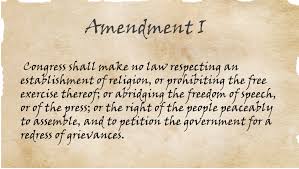
Forgiven Crime #14: Waging all-out war on the independent judiciary
Trump repeatedly attacked Seattle U.S. District Judge James Robart, who halted Trump’s first anti-Islamic travel ban: “Just cannot believe a judge would put our country in such peril. If something happens blame him and court system. People pouring in. Bad!”
On October 20, 2018, Trump attacked U.S. District Judge Jon S. Tigar as an “Obama judge.” Tigar had ruled that the administration must consider asylum claims no matter where migrants cross the U.S. border.
The next day, Supreme Court Chief Justice John Roberts told the Associated Press: “We do not have Obama judges or Trump judges, Bush judges or Clinton judges. What we have is an extraordinary group of dedicated judges doing their level best to do equal right to those appearing before them.”
On Thanksgiving Day, 2018, Trump attacked Roberts—appointed by Republican President George W. Bush—on Twitter: “Sorry Chief Justice John Roberts, but you do indeed have ‘Obama judges,’ and they have a much different point of view than the people who are charged with the safety of our country.”
Forgiven Crime #15: Threatening members of Congress with treason charges for daring to challenge him.
Furious that Rep. Adam Schiff (D-CA) mocked him during a session of the House Intelligence Committee, Trump tweeted: “I want Schiff questioned at the highest level for Fraud & Treason…..”
“Rep. Adam Schiff illegally made up a FAKE & terrible statement, pretended it to be mine as the most important part of my call to the Ukrainian President, and read it aloud to Congress and the American people. It bore NO relationship to what I said on the call. Arrest for Treason?”

Adam Schiff
He judged House Speaker Nancy Pelosi “every bit as guilty as Liddle’ Adam Schiff for High Crimes and Misdemeanors, and even Treason. I guess that means that they, along with all of those that evilly ‘Colluded’ with them, must all be immediately Impeached!”
Forgiven Crime #16: He lied so often—30,573 times by the end of his first term, according to the Washington Post—that he’s universally distrusted, at home and abroad.
During the Cuban Missile Crisis, French President Charles de Gaulle was offered photographs taken by American spy planes of Russian missile emplacements in Cuba. De Gaulle waved them away, saying that, for him, the word of the President of the United States was enough.

Charles de Gaulle and John F. Kennedy
Today, no free world leader would take Trump’s word for anything.
Forgiven Crime #17: On December 22, 2018, Trump shut down the Federal government—because Democrats refused to fund his “border wall” between the United States and Mexico.
An estimated 380,000 government employees were furloughed and another 420,000 were ordered to work without pay.
- For weeks, hundreds of thousands of government workers missed paychecks.
- Increasing numbers of employees of the Transportation Safety Administration (TSA)—which provides security against airline terrorism—began refusing to come to work, claiming to be sick.
- At the Federal Aviation Administration (FAA) many air traffic controllers called in “sick.”
- Due to the shortage of air traffic controllers, many planes weren’t able to land safely at places like New York’s LaGuardia Airport.
- Many Federal employees—such as FBI agents—were forced to rely on soup kitchens to feed their families.
This lasted until January 25, 2019, when Trump caved to public pressure.
Forgiven Crime #18: Even while being investigated by Congress for trying to extort Ukraine to investigate his 2020 Presidential rival, Joseph Biden, Trump publicly urged China to investigate Biden and his son, Hunter.
Trump repeatedly denied he had strong-armed Ukrainian President Volodymyr Zelensky to smear former Vice President Joseph Biden. But on October 3, 2019, on the White House lawn, with TV cameras whirring, Trump said: “China should start an investigation into the Bidens.”
And to drive home the message, Trump warned: “I have a lot of options on China, but if they don’t do what we want, we have tremendous power.”
2016 PRESIDENTIAL CAMPAIGN, 2020 PRESIDENTIAL CAMPAIGN, 2024 PRESIDENTIAL CAMPAIGN, 60 MINUTES NEWS MAGAINE, ABC NEWS, ADAM SCHIFF, ADOLF HITLER, ALBERT “THE EXECUTIONER” ANASTASIA, ALTERNET, ALVIN BRAGG, AMERICABLOG, AP, ARTICLES OF IMPEACHMENT, ARTIFICIAL INTELLIGENCE (AI), BABY BOOMER RESISTANCE, BORDER WALL, BUZZFEED, CANADA, CBS NEWS, CENSORSHIP, CENSUS BUREAU, CENTERS FOR DISEASE CONTROL AND PREVENTION, CHARLES “LUCKY” LUCIANO, CHARLES DE GAULLE, CHINA, CHRIS CHRISTIE, CHRISTI GRIMM, CHRISTOPHER S. MURPHY, CIA, CLASSIFIED DOCUMENTS, CNN, CONSERVATIVE POLITICAL ACTION CONFERENCE, CONSUMER FINANCIAL PROTECTION BUREAU, CONVERSATION WITH AN AMERICAN WRITER (POEM), CORONAVIRUS RELIEF MONIES, COVID-19, CROOKS AND LIARS, CUBAN MISSILE CRISIS, DAILY KOS, DAN BOWMAN, DAN SULLIVAN, DANIELLE SASSOON, DAVID BROOKS, DEMOCRATS, DEPARTMENT OF DEFENSE, DEPARTMENT OF GOVERNMENT EFFICIENCY (DOGE), DEPARTMENT OF HEALTH AND HUMAN SERVICES, DEPARTMENT OF JUSTICE, DIVERSITY EQUITY INCLUSION (DEI), DONALD TRUMP, DONALD TRUMP JUNIOR, DRUDGE RETORT, E. JEAN CARROLL, ELON MUSK, EMIL BOVE, EMOLUMENTS CLAUSE OF THE UNITED STATES CONSTITUTION, ERIC ADAMS, EXTORTION, FBI, FIRST AMENDMENT, FIVETHIRTYEIGHT, FRIVOLOUS LAWSUITS, GENN FINE, GEORGE FLOYD, GEORGE STEPHANOPOULOS, GEORGE W. BUSH, GLENN FINE, GOVERNMENT ACCOUNTABILITY OFFICE, GOVERNMENT SHUTDOWN, GULF OF AMERICA, GULF OF MEXICO, HARPER’S MAGAZINE, HILLARY CLINTON, HOUSE FOREIGN AFFAIRS COMMITTEE, HOUSE INTELLIGENCE COMMITTEE, HOUSE OVERSIGHT AND REFORM COMMITTEE, HUNTER BIDEN, IMMIGRANTS, IMPEACHMENT, IMPOUNDMENT CONTROL ACT, INSPECTORS GENERAL, INTELLIGENCE COMMUNITY, INTELLIGENCE OFFICERS, JACK SMITH, JAKE SULLIVAN, JAKE TAPPER, JAMAL KHASHOGGI, JAMES COMEY, JAMES MCHENRY, JAMES ROBART, JANUARY 6 COUP ATTEMPT, JARED KUSHNER, JEFF SESSIONS, JOHN CORNYN, JOHN F. KENNEDY, JOHN F. KENNEDY CENTER FOR THE PERFORMING ARTS, JOHN ROBERTS, JOING CHIEFS OF STAFF, JON S. TIGAR, JOSEPH BIDEN, JOSEPH STALIN, Kamala Harris, KELLY LOEFFER, KEVIN CRAMER, LAFAYETTE SQUARE, LAMAR ALEXANDER, LEON PANETTA, LINDSEY GRAHAM, LUXUY JET, MARCO RUBIO, MARK MILLEY, MARTIN GUGINO, MEDIA MATTERS, MEIN KAMPF, MERRICK GARLAND, MEXICO, MICHAEL FLYNN, MICHAEL HAYDEN, MICHAEL K. ATKINSON, MICK MULVANEY, MIKE PENCE, MITCH MCCONNELL, MOHAMMED BIN SALMAN, MOTHER JONES, MOVEON, MSNBC, NANCY PELOSI, NATALIA VESELNITSKAYA, NATIONAL SECURITY AGENCY, NBC NEWS, NEWSWEEK, NIKKI HALEY, NPR, PAUL MANAFORT, PBS NEWSHOUR, PETE HEGSETH, POLITICO, POLITICUSUSA, QATAR, RAW STORY, REPUBLICANS, REUTERS, RINAT AKHMETSHIN, ROBERT MUELLER, ROBERT PAYNE, ROD ROSENSTEIN, ROGER STONE, RON DESANTIS, RON JOHNSON, RUSSIA, SALON, SEATTLE TIMES, SERGEY KISLYAK, SERGEY LAVROV, SLATE, ST. JOHN’S CHURCH, STEVE DAINES, TALKING POINTS MEMO, TARIFFS, TED CRUZ, THE ATLANTIC, THE CHICAGO SUN-TIMES, THE CHICAGO TRIBUNE, THE DAILY BEAST, THE DAILY BLOG, THE GUARDIAN, THE HILL, THE HUFFINGTON POST, THE JUDICIARY, THE LIFE AND DEATH OF ADOLF HITLER (BOOI), THE LIFE AND DEATH OF ADOLF HITLER (BOOK), THE LOS ANGELES TIMES, THE NATION, THE NEW REPUBLIC, THE NEW YORK TIMES, THE PENTAGON, THE PRESS, THE VILLAGE VOICE, THE WASHINGTON POST, THINKPROGRESS, TIME, TREASON, TRUMP TOWER MEETING, TRUTH SOCIAL, TRUTHDIG, TRUTHOUT, TWENTY-SECOND AMENDMENT, TWO POLITICAL JUNKIES, U.S. NEWS & WORLD REPORT, UKRAINE, UNITED STATES HOUSE OF REPRESENTATIVES, UNITED STATES SENATE, UPI, USA TODAY, VLADIMIR PUTIN, VOLODYMYR ZELENSKY, WHISTLEBLOWER, WHITE HOUSE BUDGET OFFICE, WONKETTE, X, YEVGENEY YEVTUSHENKO
In Bureaucracy, History, Law, Law Enforcement, Military, Politics, Social commentary on June 4, 2025 at 12:11 am
Republicans have a long and shameful history of excusing Donald Trump’s vicious slanders and law-breaking.
Forgiven Crime #6: Republicans refused to condemn Trump’s blatant “bromance” with Russian dictator Vladimir Putin.
Since the end of World War II, no Republican Presidential candidate had repeatedly exchanged fulsome praise with a foreign leader hostile to the United States. Yet that is precisely what happened between Donald Trump and Vladimir Putin.
Thus Putin on Trump: “He is a bright personality, a talented person, no doubt about it. It is not up to us to appraise his positive sides, it is up to the U.S. voters. but, as we can see, he is an absolute leader in the presidential race.”
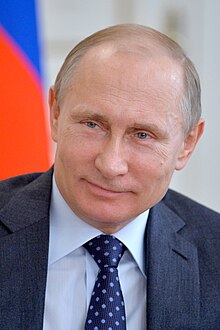
Vladimir Putin
And Trump on Putin: “It is always a great honor to be so nicely complimented by a man so highly respected within his own country and beyond. He’s running his country, and at least he’s a leader. Unlike what we have in this country”—a clear attack on then-President Barack Obama.
Donald Trump
Forgiven Crime #7: Republicans supported the treasonous meeting between Trump’s campaign managers and Russian Intelligence agents.
On July 9, 2016, high-ranking members of Trump’s Presidential campaign met with lobbyists tied to Putin. The meeting took place at Trump Tower and the participants included:
- Trump’s son, Donald Trump Jr.;
- His son-in-law, Jared Kushner;
- His then-campaign manager, Paul Manafort;
- Natalia Veselnitskaya, a Russian lawyer with ties to Putin; and
- Rinat Akhmetshin, a former Soviet counterintelligence officer suspected of having ongoing ties to Russian Intelligence.
The purpose of that meeting: To gain access to any “dirt” Russian Intelligence could supply on Democratic Presidential Nominee Hillary Clinton.
Forgiven Crime #8: Republicans supported Trump’s open—and treasonous—solicitation of Russian interference in the 2016 Presidential election.
On July 22, 2016, at a press conference in Doral, Florida, Trump said: “Russia, if you are listening, I hope you are able to find the 33,000 emails that are missing [from Democratic Presidential candidate Hillary Clinton’s computer]. I think you will probably be rewarded mightily by our press.”
“This has to be the first time that a major presidential candidate has actively encouraged a foreign power to conduct espionage against his political opponent,” Hillary for America policy adviser Jake Sullivan said in a statement. “That’s not hyperbole, those are just the facts. This has gone from being a matter of curiosity, and a matter of politics, to being a national security issue.”
“I find those kinds of statements to be totally outrageous because you’ve got now a presidential candidate who is, in fact, asking the Russians to engage in American politics,” said former CIA Director Leon Panetta, a Clinton surrogate. “I just think that’s beyond the pale.”
Hours later, the Main Intelligence Directorate in Moscow targeted Clinton’s personal office and hit more than 70 other Clinton campaign accounts.
Forgiven Crime #9: On May 9, 2017, Trump fired FBI Director James Comey for investigating Russia’s subversion of the 2016 Presidential race.
There were four reasons for this:
- Comey had refused to pledge his personal loyalty to Trump. Trump had made the “request” during a private dinner at the White House in January.
- Comey told Trump that he would always be honest with him. But that didn’t satisfy Trump’s demand that the head of the FBI act as his personal secret police chief—as was the case in the former Soviet Union.
- Trump had tried to coerce Comey into dropping the FBI’s investigation into former National Security Adviser Michael Flynn, for his secret ties to Russia and Turkey. Comey had similarly resisted that demand.
- Comey had recently asked the Justice Department to fund an expanded FBI investigation into well-documented contacts between Trump’s 2016 Presidential campaign and Russian Intelligence agents. The goal of that collaboration: To elect Trump over Hillary Clinton, a longtime foe of Russian President Putin.

James Comey
Forgiven Crime #10: On May 10, 2017. Trump met with Russian Foreign Minister Sergey Lavrov and Russian Ambassador Sergey Kislyak in the Oval Office—and gave them highly classified Israeli Intelligence about an Islamic State plot to turn laptops into concealable bombs.
Kislyak is reportedly a top recruiter for Russia’s SVR foreign intelligence agency. He has been closely linked with Jeff Sessions, then Attorney General, and fired National Security Adviser Mike Flynn.
“I just fired the head of the FBI,” Trump told the two dignitaries. “He was crazy, a real nut job. I faced great pressure because of Russia. That’s taken off.”
Then, on May 11, Trump gave away his real reason for firing Comey:
Interviewed on NBC News by reporter Lester Holt, Trump said: “And in fact when I decided to just do it, I said to myself, I said ‘you know, this Russia thing with Trump and Russia is a made-up story, it’s an excuse by the Democrats for having lost an election that they should have won.'”
Forgiven Crime #11: Blatantly lying about the CIA’s findings in the brutal murder of Washington Post journalist Jamal Khashoggi.
On Thanksgiving Day, 2018, Trump said that the CIA hadn’t concluded that Saudi Crown Prince Mohammed bin Salman had ordered it.
This was a lie—the agency had reached such a conclusion, based on a recording provided by the Turkish government and American Intelligence.
2016 PRESIDENTIAL CAMPAIGN, 2020 PRESIDENTIAL CAMPAIGN, 2024 PRESIDENTIAL CAMPAIGN, 60 MINUTES NEWS MAGAINE, ABC NEWS, ADAM SCHIFF, ADOLF HITLER, ALBERT “THE EXECUTIONER” ANASTASIA, ALTERNET, ALVIN BRAGG, AMERICABLOG, AP, ARTICLES OF IMPEACHMENT, ARTIFICIAL INTELLIGENCE (AI), BABY BOOMER RESISTANCE, BORDER WALL, BUZZFEED, CANADA, CBS NEWS, CENSORSHIP, CENSUS BUREAU, CENTERS FOR DISEASE CONTROL AND PREVENTION, CHARLES “LUCKY” LUCIANO, CHARLES DE GAULLE, CHINA, CHRIS CHRISTIE, CHRISTI GRIMM, CHRISTOPHER S. MURPHY, CIA, CLASSIFIED DOCUMENTS, CNN, CONSERVATIVE POLITICAL ACTION CONFERENCE, CONSUMER FINANCIAL PROTECTION BUREAU, CONVERSATION WITH AN AMERICAN WRITER (POEM), CORONAVIRUS RELIEF MONIES, COVID-19, CROOKS AND LIARS, CUBAN MISSILE CRISIS, DAILY KOS, DAN BOWMAN, DAN SULLIVAN, DANIELLE SASSOON, DAVID BROOKS, DEMOCRATS, DEPARTMENT OF DEFENSE, DEPARTMENT OF GOVERNMENT EFFICIENCY (DOGE), DEPARTMENT OF HEALTH AND HUMAN SERVICES, DEPARTMENT OF JUSTICE, DIVERSITY EQUITY INCLUSION (DEI), DONALD TRUMP, DONALD TRUMP JUNIOR, DRUDGE RETORT, E. JEAN CARROLL, ELON MUSK, EMIL BOVE, EMOLUMENTS CLAUSE OF THE UNITED STATES CONSTITUTION, ERIC ADAMS, EXTORTION, FBI, FIRST AMENDMENT, FIVETHIRTYEIGHT, FRIVOLOUS LAWSUITS, GENN FINE, GEORGE FLOYD, GEORGE STEPHANOPOULOS, GEORGE W. BUSH, GLENN FINE, GOVERNMENT ACCOUNTABILITY OFFICE, GOVERNMENT SHUTDOWN, GULF OF AMERICA, GULF OF MEXICO, HARPER’S MAGAZINE, HILLARY CLINTON, HOUSE FOREIGN AFFAIRS COMMITTEE, HOUSE INTELLIGENCE COMMITTEE, HOUSE OVERSIGHT AND REFORM COMMITTEE, HUNTER BIDEN, IMMIGRANTS, IMPEACHMENT, IMPOUNDMENT CONTROL ACT, INSPECTORS GENERAL, INTELLIGENCE COMMUNITY, INTELLIGENCE OFFICERS, JACK SMITH, JAKE SULLIVAN, JAKE TAPPER, JAMAL KHASHOGGI, JAMES COMEY, JAMES MCHENRY, JAMES ROBART, JANUARY 6 COUP ATTEMPT, JARED KUSHNER, JEFF SESSIONS, JOHN CORNYN, JOHN F. KENNEDY, JOHN F. KENNEDY CENTER FOR THE PERFORMING ARTS, JOHN ROBERTS, JOING CHIEFS OF STAFF, JON S. TIGAR, JOSEPH BIDEN, JOSEPH STALIN, Kamala Harris, KELLY LOEFFER, KEVIN CRAMER, LAFAYETTE SQUARE, LAMAR ALEXANDER, LEON PANETTA, LINDSEY GRAHAM, LUXUY JET, MARCO RUBIO, MARK MILLEY, MARTIN GUGINO, MEDIA MATTERS, MEIN KAMPF, MERRICK GARLAND, MEXICO, MICHAEL FLYNN, MICHAEL HAYDEN, MICHAEL K. ATKINSON, MICK MULVANEY, MIKE PENCE, MITCH MCCONNELL, MOHAMMED BIN SALMAN, MOTHER JONES, MOVEON, MSNBC, NANCY PELOSI, NATALIA VESELNITSKAYA, NATIONAL SECURITY AGENCY, NBC NEWS, NEWSWEEK, NIKKI HALEY, NPR, PAUL MANAFORT, PBS NEWSHOUR, PETE HEGSETH, POLITICO, POLITICUSUSA, QATAR, RAW STORY, REPUBLICANS, REUTERS, RINAT AKHMETSHIN, ROBERT MUELLER, ROBERT PAYNE, ROD ROSENSTEIN, ROGER STONE, RON DESANTIS, RON JOHNSON, RUSSIA, SALON, SEATTLE TIMES, SERGEY KISLYAK, SERGEY LAVROV, SLATE, ST. JOHN’S CHURCH, STEVE DAINES, TALKING POINTS MEMO, TARIFFS, TED CRUZ, THE ATLANTIC, THE CHICAGO SUN-TIMES, THE CHICAGO TRIBUNE, THE DAILY BEAST, THE DAILY BLOG, THE GUARDIAN, THE HILL, THE HUFFINGTON POST, THE JUDICIARY, THE LIFE AND DEATH OF ADOLF HITLER (BOOI), THE LIFE AND DEATH OF ADOLF HITLER (BOOK), THE LOS ANGELES TIMES, THE NATION, THE NEW REPUBLIC, THE NEW YORK TIMES, THE PENTAGON, THE PRESS, THE VILLAGE VOICE, THE WASHINGTON POST, THINKPROGRESS, TIME, TREASON, TRUMP TOWER MEETING, TRUTH SOCIAL, TRUTHDIG, TRUTHOUT, TWENTY-SECOND AMENDMENT, TWO POLITICAL JUNKIES, U.S. NEWS & WORLD REPORT, UKRAINE, UNITED STATES HOUSE OF REPRESENTATIVES, UNITED STATES SENATE, UPI, USA TODAY, VLADIMIR PUTIN, VOLODYMYR ZELENSKY, WHISTLEBLOWER, WHITE HOUSE BUDGET OFFICE, WONKETTE, X, YEVGENEY YEVTUSHENKO
In Bureaucracy, History, Law, Law Enforcement, Politics, Social commentary on June 3, 2025 at 12:14 am
On February 5, 2020, the Republican-dominated Senate—as expected—absolved President Donald Trump from trying to extort Ukraine into smearing a possible rival for the White House.
Only one Republican—Utah Senator Mitt Romney—had the moral courage to vote for conviction.
But this was not the first time Republicans sought to excuse Trump’s litany of crimes and outrages. Those efforts go back to the 2016 Presidential election.
Forgiven Crime #1: Not demanding that Trump quit the 2016 Presidential race—or demanding that he be indicted—for making a terrorist threat against his own party.
On March 16, 2016, Trump, the front-runner for the Republican Presidential nomination, issued a warning to his fellow Right-wingers: If he didn’t win the GOP nomination at the convention in July, his supporters would literally riot.
“I think we’ll win before getting to the convention. But I can tell you if we didn’t, if we’re 20 votes short or if we’re 100 short and we’re at 1,100 and somebody else is at 500 or 400…I don’t think you can say that we don’t get it automatically. I think you’d have riots.
“I think you would see problems like you’ve never seen before. I think bad things would happen. I really do. I wouldn’t lead it, but I think bad things would happen.”
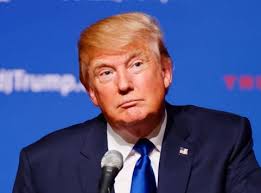
Donald Trump
An NBC reporter summed it up as follows: “As Trump indicated, there is a very real possibility he might lose the nomination if he wins only a plurality of delegates thanks to party rules that allow delegates to support different candidates after the initial ballot.
“In that context, the message to Republicans was clear on [March 16]: ‘Nice convention you got there, shame if something happened to it.’”
Threatening his Republican and Democratic opponents with violence played a major role in Donald Trump’s campaign for President.
Forgiven Crime #2: Supporting his “dog-whistle” call for the assassination of Democratic Nominee Hillary Clinton.
On August 9, 2016, at a rally in Wilmington, North Carolina, Trump said: “Hillary [Clinton] wants to abolish, essentially abolish, the Second Amendment. If she gets to pick her [Supreme Court] judges, nothing you can do folks. Although the Second Amendment people, maybe there is, I don’t know.”
Democrats—and responsible news media—immediately saw this for the “dog-whistle” signal it was.
“Don’t treat this as a political misstep,” Senator Christopher S. Murphy of Connecticut, who has called for stiffer gun laws, wrote on Twitter. “It’s an assassination threat, seriously upping the possibility of a national tragedy & crisis.”
“Well, let me say if someone else said that outside of the hall, he’d be in the back of a police wagon now, with the Secret Service questioning him,” said Michael Hayden, former head of the CIA and National Security Agency (NSA).
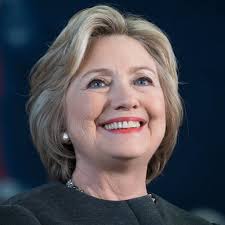
Hillary Clinton
Threats of violence continued to be made by Trump supporters right up to the day of the election.
- On July 29, Roger Stone, a notorious Right-wing political consultant acting as a Trump strategist, told Breitbart News: “The first thing Trump needs to do is begin talking about [voter fraud] constantly. If there’s voter fraud, this election will be illegitimate, the election of the winner will be illegitimate, we will have a constitutional crisis, widespread civil disobedience, and the government will no longer be the government.”
- At a town hall meeting where Trump’s Vice Presidential nominee Mike Pence appeared, a woman named Rhonda said: “For me personally, if Hillary Clinton gets in, I myself am ready for a revolution.”
- In Cincinnati, a Trump supporter threatened to forcibly remove Clinton from the White House if she won the race: “If she’s in office, I hope we can start a coup. She should be in prison or shot. That’s how I feel about it,”
- Dan Bowman, a 50-year-old contractor, said of Hillary Clinton, the Democratic nominee. “We’re going to have a revolution and take them out of office if that’s what it takes. There’s going to be a lot of bloodshed. But that’s what it’s going to take….I would do whatever I can for my country.”
Forgiven Crime #3: Republicans supported Trump’s call for his followers to intimidate Democratic voters at election time.
Trump encouraged his mostly white supporters to sign up online to be “election observers” to stop “Crooked Hillary from rigging this election.” He urged them to act as poll watchers in “other” [non-white] communities to ensure that things are “on the up and up.”
Many of his supporters promised to do so.
“Trump said to watch your precincts. I’m going to go, for sure,” said Steve Webb, a 61-year-old carpenter from Fairfield, Ohio.
“I’ll look for…well, it’s called racial profiling. Mexicans. Syrians. People who can’t speak American,” he said. “I’m going to go right up behind them. I’ll do everything legally. I want to see if they are accountable. I’m not going to do anything illegal. I’m going to make them a little bit nervous.”
Forgiven Crime #4: Threatening to fire Rod J. Rosenstein, the deputy attorney general, who oversaw Special Counsel Robert Mueller’s investigation into Russian subversion of the 2016 election.
Forgiven Crime #5: Threatening to fire Independent Counsel Robert Mueller during the summer of 2017, but was talked out of it by aides fearful that it would set off calls for his impeachment.
2016 PRESIDENTIAL CAMPAIGN, 2020 PRESIDENTIAL CAMPAIGN, 2024 PRESIDENTIAL CAMPAIGN, 60 MINUTES NEWS MAGAINE, ABC NEWS, ADAM SCHIFF, ADOLF HITLER, ALBERT “THE EXECUTIONER” ANASTASIA, ALTERNET, ALVIN BRAGG, AMERICABLOG, AP, ARTICLES OF IMPEACHMENT, ARTIFICIAL INTELLIGENCE (AI), BABY BOOMER RESISTANCE, BORDER WALL, BUZZFEED, CANADA, CBS NEWS, CENSORSHIP, CENSUS BUREAU, CENTERS FOR DISEASE CONTROL AND PREVENTION, CHARLES “LUCKY” LUCIANO, CHARLES DE GAULLE, CHINA, CHRIS CHRISTIE, CHRISTI GRIMM, CHRISTOPHER S. MURPHY, CIA, CLASSIFIED DOCUMENTS, CNN, CONSERVATIVE POLITICAL ACTION CONFERENCE, CONSUMER FINANCIAL PROTECTION BUREAU, CONVERSATION WITH AN AMERICAN WRITER (POEM), CORONAVIRUS RELIEF MONIES, COVID-19, CROOKS AND LIARS, CUBAN MISSILE CRISIS, DAILY KOS, DAILY KOZ, DAN BOWMAN, DAN SULLIVAN, DANIELLE SASSOON, DAVID BROOKS, DEMOCRATS, DEPARTMENT OF DEFENSE, DEPARTMENT OF GOVERNMENT EFFICIENCY (DOGE), DEPARTMENT OF HEALTH AND HUMAN SERVICES, DEPARTMENT OF JUSTICE, DIVERSITY EQUITY INCLUSION (DEI), DONALD TRUMP, DONALD TRUMP JUNIOR, DRUDGE RETORT, E. JEAN CARROLL, ELON MUSK, EMIL BOVE, EMOLUMENTS CLAUSE OF THE UNITED STATES CONSTITUTION, ERIC ADAMS, EXTORTION, FBI, FIRST AMENDMENT, FIVETHIRTYEIGHT, FRIVOLOUS LAWSUITS, GENN FINE, GEORGE FLOYD, GEORGE STEPHANOPOULOS, GEORGE W. BUSH, GLENN FINE, GOVERNMENT ACCOUNTABILITY OFFICE, GOVERNMENT SHUTDOWN, GULF OF AMERICA, GULF OF MEXICO, HARPER’S MAGAZINE, HILLARY CLINTON, HOUSE FOREIGN AFFAIRS COMMITTEE, HOUSE INTELLIGENCE COMMITTEE, HOUSE OVERSIGHT AND REFORM COMMITTEE, HUNTER BIDEN, IMMIGRANTS, IMPEACHMENT, IMPOUNDMENT CONTROL ACT, INSPECTORS GENERAL, INTELLIGENCE COMMUNITY, INTELLIGENCE OFFICERS, JACK SMITH, JAKE SULLIVAN, JAKE TAPPER, JAMAL KHASHOGGI, JAMES COMEY, JAMES MCHENRY, JAMES ROBART, JANUARY 6 COUP ATTEMPT, JARED KUSHNER, JEFF SESSIONS, JOHN CORNYN, JOHN F. KENNEDY, JOHN F. KENNEDY CENTER FOR THE PERFORMING ARTS, JOHN ROBERTS, JOING CHIEFS OF STAFF, JON S. TIGAR, JOSEPH BIDEN, JOSEPH STALIN, Kamala Harris, KELLY LOEFFER, KEVIN CRAMER, LAFAYETTE SQUARE, LAMAR ALEXANDER, LEON PANETTA, LINDSEY GRAHAM, LUXUY JET, MARCO RUBIO, MARK MILLEY, MARTIN GUGINO, MEDIA MATTERS, MEIN KAMPF, MERRICK GARLAND, MEXICO, MICHAEL FLYNN, MICHAEL HAYDEN, MICHAEL K. ATKINSON, MICK MULVANEY, MIKE PENCE, MITCH MCCONNELL, MOHAMMED BIN SALMAN, MOTHER JONES, MOVEON, MSNBC, NANCY PELOSI, NATALIA VESELNITSKAYA, NATIONAL SECURITY AGENCY, NBC NEWS, NEWSWEEK, NIKKI HALEY, NPR, PAUL MANAFORT, PBS NEWSHOUR, PETE HEGSETH, POLITICO, POLITICUSUSA, QATAR, RAW STORY, REPUBLICANS, REUTERS, RINAT AKHMETSHIN, ROBERT MUELLER, ROBERT PAYNE, ROD ROSENSTEIN, ROGER STONE, RON DESANTIS, RON JOHNSON, RUSSIA, SALON, SEATTLE TIMES, SERGEY KISLYAK, SERGEY LAVROV, SLATE, ST. JOHN’S CHURCH, STEVE DAINES, TALKING POINTS MEMO, TARIFFS, TED CRUZ, THE ATLANTIC, THE CHICAGO SUN-TIMES, THE CHICAGO TRIBUNE, THE DAILY BEAST, THE DAILY BLOG, THE GUARDIAN, THE HILL, THE HUFFINGTON POST, THE JUDICIARY, THE LIFE AND DEATH OF ADOLF HITLER (BOOI), THE LIFE AND DEATH OF ADOLF HITLER (BOOK), THE LOS ANGELES TIMES, THE NATION, THE NEW REPUBLIC, THE NEW YORK TIMES, THE PENTAGON, THE PRESS, THE VILLAGE VOICE, THE WASHINGTON POST, THINKPROGRESS, TIME, TREASON, TRUMP TOWER MEETING, TRUTH SOCIAL, TRUTHDIG, TRUTHOUT, TWENTY-SECOND AMENDMENT, TWO POLITICAL JUNKIES, U.S. NEWS & WORLD REPORT, UKRAINE, UNITED STATES HOUSE OF REPRESENTATIVES, UNITED STATES SENATE, UPI, USA TODAY, VLADIMIR PUTIN, VOLODYMYR ZELENSKY, WHISTLEBLOWER, WHITE HOUSE BUDGET OFFICE, WONKETTE, X, YEVGENEY YEVTUSHENKO
In Bureaucracy, History, Law, Law Enforcement, Politics, Social commentary on June 2, 2025 at 12:59 am
“One man with courage makes a majority.”
—-Andrew Jackson
Donald Trump—facing four indictments and 91 criminal charges—proved the clear front runner for the 2024 Republican Presidential nomination.
And 77 million Right-wing Americans made him their choice for President on November 5.
Since 2015, Republicans have a shameful history of excusing his outrages and criminality.
A classic example of this occurred on June 9, 2020.
That was when then-President Trump charged that a 75-year-old man who was seriously injured by police officers in Buffalo, New York, was part of a radical leftist “set up.”
The victim, Martin Gugino, was described as a peace activist associated with the Catholic Worker Movement.
On June 4, 2020, during nationwide protests over the police murder of black security guard George Floyd, a curfew was imposed on Buffalo, New York. As police swept through Niagara Square, Gugino walked directly into their path as if attempting to speak with them.
Two officers pushed him and he fell backwards, hitting the back of his head on the pavement and losing consciousness. The line of officers walked past Gugino as he lay on the ground with blood pooling around his head. One officer tried to check on him, but another patrolman told him to move on, and he did.
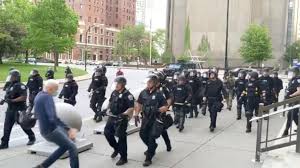
Martin Gugino falls backward
Enter Trump, who had been severely criticized for sending police and National Guardsmen to remove peaceful protesters from Lafayette Square so he could stage a photo-op at nearby St. John’s Church.
On June 9 he tweeted: “Buffalo protester shoved by Police could be an ANTIFA provocateur. 75 year old Martin Gugino was pushed away after appearing to scan police communications in order to black out the equipment. @OANN I watched, he fell harder than was pushed. Was aiming scanner. Could be a set up?”
As usual, Trump offered no evidence to back up his slander. And, as usual, Republicans refused to condemn him for his latest outrage.
Among those competing for “Most Cowardly Sycophant of the Year”:
- Senate Majority Leader Mitch McConnell (KY) refused to say whether Trump’s tweet was appropriate.
- Texas Senator John Cornyn claimed he had missed it, adding: “A lot of this stuff just goes over my head.”
- Georgia Senator Kelly Loeffler refused to answer a question about the President’s tweet as she hopped on an elevator along with an aide in the Capitol.
- Texas Senator Ted Cruz: “I don’t comment on the tweets.”
- Florida Senator Marco Rubio: “I didn’t see it. You’re telling me about it. I don’t read Twitter. I only write on it.”
- Alaska Senator Dan Sullivan said he hadn’t seen it, and then said: “I don’t want to comment right now. I’m on my way to a meeting. I’ll see it when I see it.”
- North Dakota Senator Kevin Cramer: “I’ll say this: I worry more about the country itself than I do about what President Trump tweets.”
- Wisconsin Senator Ron Johnson said he hadn’t seen the tweet—and didn’t want it read to him: “I would rather not hear it.”
- Tennessee Senator Lamar Alexander: “Voters can evaluate that. I’m not going to give a running commentary on the President’s tweets.”
- Montana Senator Steve Daines refused to say whether Trump should have tweeted about the Buffalo incident.
So much for Republican profiles in courage.
On December 18, 2019, the House of Representatives had approved two Articles of Impeachment against Trump for:
Article 1: Abuse of Power: For pressuring the president of Ukraine to assist his re-election campaign by smearing a potential rival for the White House.
Article 2: Obstruction of Congress: For obstructing Congress by blocking testimony of subpoenaed witnesses and refusing to provide documents in response to House subpoenas in the impeachment inquiry.
On July 25, 2019, Trump had “asked” Ukraine President Volodymir Zelensky to do him a “favor”: Find embarrassing “dirt” on former Vice President Joseph Biden and his son, Hunter.
Hunter had had business dealings in Ukraine. And Joseph Biden might be Trump’s Democratic opponent for the White House in 2020.
To underline the seriousness of his “request,” earlier in July Trump had told Mick Mulvaney, his White House chief of staff, to withhold $400 million in military aid Congress had approved for Ukraine, which was facing an increasingly aggressive Russia
But then a CIA whistleblower filed a complaint about the extortion attempt—and the media and Congress soon learned of it. And ever since, the evidence linking Trump to impeachable offenses had mushroomed.
On January 16, 2020, the Government Accountability Office (GAO) announced that the Trump administration broke the law when it withheld security aid to Ukraine.
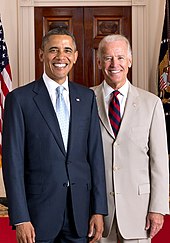
Joseph Biden with Barack Obama
As Senate trial proceedings unfolded, the 53-majority Republican Senators:
- Refused to hear from eyewitnesses who could prove that Trump had committed impeachable offenses,
- Refused to provide evidence on Trump’s behalf—but attacked witnesses who had testified against him in the House.
- Attacked Joseph Biden and his son, Hunter, as if they were on trial—instead of having been the targets of Trump’s smear-attempt.
On February 5, 2020, the Republican-dominated Senate—as expected—absolved President Donald Trump from trying to extort Ukraine into smearing a possible rival for the White House.
Only one Republican—Utah Senator Mitt Romney—had the moral courage to vote for conviction.
ABC NEWS, ALTERNET, AMERICABLOG, AP, BABY BOOMER RESISTANCE, BBC, BIG BEAR LAKE, BLOOMBERG, BLUESKY, BUZZFEED, CARLOS THE JACKAL, CBS NEWS, CHARLES DE GAULLE, CHRISTOPHER DORNER, CNN, CROOKS AND LIARS, DAILY KOS, DAILY KOZ, DAY OF THE JACKAL, FACEBOOK, FBI, FIVETHIRTYEIGHT, FREDERICK FORSYTH, HARPER’S MAGAZINE, HAWAII FIVE-O, HUFFINGTON POST, JACK LORD, LOS ANGELES POLICE DEPARTMENT, MEDIA MATTERS, MILITARY DRONES, MOTHER JONES, MOVEON, MSNBC, NBC NEWS, NEW REPUBLIC, NEWSDAY, NEWSWEEK, NPR, PBS NEWSHOUR, POLITICO, POLITICUSUSA, RAW STORY, REUTERS, SALON, SEATTLE TIMES, SLATE, SWAT TEAMS, TALKING POINTS MEMO, THE ATLANTIC, THE CHICAGO SUN-TIMES, THE CHICAGO TRIBUNE, THE DAILY BEAST, THE DAILY BLOG, THE GUARDIAN, THE HILL, THE HUFFINGTON POST, THE INTERCEPT, THE LOS ANGELES TIMES, THE NATION, THE NEW REPUBLIC, THE NEW YORK TIMES, THE NEW YORKER, THE VILLAGE VOICE, THE WASHINGTON POST, THINKPROGRESS, TIME, TRUTHDIG, TRUTHOUT, TWO POLITICAL JUNKIES, U.S. MARSHALS SERVICE, U.S. NEWS & WORLD REPORT, UPI, USA TODAY, X
In Bureaucracy, History, Law Enforcement, Politics, Social commentary on May 19, 2025 at 12:05 am
The unprecedented manhunt for cop-killer Christopher Dorner has important—and brutal—lessons to teach.
First, above everyone else, police look out for each other.
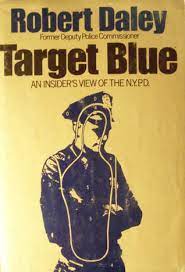
Robert Daley bluntly revealed this truth in his 1971 bestseller, Target Blue: An Insider’s View of the N.Y.P.D. A police reporter for the New York Times, he served for one year as a deputy police commissioner.
“The murderers of all patrolmen almost invariably were identified at once and caught soon after,” wrote Daley. “Organized crime was too smart to get involved in the type of investigation that followed a cop killing.
“A great many solvable crimes in the city were never solved, because not enough men were assigned to the case, or because those assigned were lazy or hardly cared or got sidetracked.
“But when a cop got killed, no other cop got sidetracked. Detectives worked on the case night and day….Cops were all ears as far as murdered patrolmen were concerned; they heard details all over the city…and fed all this into the detectives who had the case.
“In effect, the citizen who murdered his wife’s lover was sought by a team of detectives, two men. But he who killed a cop was sought by 32,000.”
Second, don’t expect the police to do for you what they’ll do for one another.
The LAPD assigned security and surveillance details to at least 50 threatened officers and their families. A typical detail consists of two to five or more guards. And those guards must be changed every eight to 12 hours.
And those details stayed in place long after Dorner was killed in a firefight on February 12, 2013.
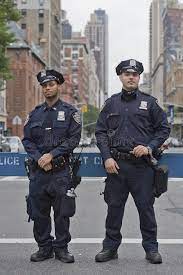
But if your bullying neighbor threatens to kill you, don’t expect the police to send a guard detail over. They’ll claim: “We can’t do anything until he does something. If he does, give us a call.”
And if your loved one is murdered, don’t expect the mayor’s office to offer a $1 million reward or the military to deploy drones to find the killer.
Third, the more status and wealth you command, the more likely the police are to address your complaint or solve your case.
Police claim to enforce the law impartially, “without fear or favor.” But that happens only in TV crime shows.
If you’re rich, your complaint will likely get top priority and the best service the agency can provide.
But if you’re poor or even middle-class without high-level political or police connections, your case will almost certainly wind up in “the round file” (a wastebasket).
And it works the other way, too. Anthony Bouza, former chief of the Minneapolis Police Department, notes in his 1990 book, The Police Mystique: “When cops deal with the poor (blacks, Hispanics, the homeless and the street people) the rubber of power meets the road of abuse.”
Fourth, don’t expect your police department to operate with the vigor or efficiency of TV police agencies.
“I want this rock [Hawaii] sealed off,” Steve McGarrett (Jack Lord) routinely ordered when pursuing criminals on “Hawaii Five-O.”
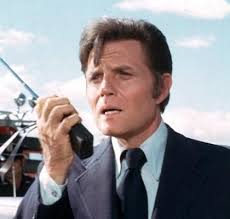
Jack Lord as Steve McGarrett
But in San Jose—a city close to bankruputpsy—residents can’t get police to respond to break-ins because the police department is dangerously understaffed.
And neighbors in Oakland, fed up with a slow police response—or none at all—are banding together to protect their properties by hiring private security officers.
In San Francisco, if you’re assaulted and can’t give police “a named suspect,” they won’t assign the case. As far as they’re concerned, the solvability rate is too low.
Fifth, the result of all this can only be increased disrespect for law enforcement from a deservedly—and increasingly—cynical public.
Surveys reveal that those who don’t need to call the police have a higher opinion of their integrity and efficiency than those who are the victims of crime. Among those reasons:
- Many police departments lack state-of-the-art crime labs to analyze evidence.
- Files often get lost or accidentally destroyed.
- Some officers are lazy, indifferent, incompetent—or corrupt.
- Police are notoriously competitive, generally refusing to share information with other officers or other police departments—and thus making it easier for criminals to run amok.
- Even when police “solve” a crime, that simply means making an arrest. The perpetrator may cop to a lesser offense and serve only a token sentence—or none at all. Or he might be found not guilty by a judge or jury.
But it is the witnessing of blatant inequities and hypocrisies such as those displayed in the Christopher Dorner manhunt that most damages public support for police at all levels.
When citizens believe police care only about themselves, and lack the ability—or even the willingness—to protect them or avenge their victimization by arresting the perpetrators, that is a deadly blow to law enforcement.
Police depend on citizens for more than crime tips. They depend upon them to support hiring more cops and buying state-of-the-art police equipment. When public support vanishes, so does much of that public funding.
The result can only be a return to the days of the lawless West, where citizens looked only to themselves for protection.
ABC NEWS, ALTERNET, AMERICABLOG, AP, BABY BOOMER RESISTANCE, BBC, BIG BEAR LAKE, BLOOMBERG, BLUESKY, BUZZFEED, CARLOS THE JACKAL, CBS NEWS, CHARLES DE GAULLE, CHRISTOPHER DORNER, CNN, CROOKS AND LIARS, DAILY KOS, DAILY KOZ, DAY OF THE JACKAL, FACEBOOK, FBI, FIVETHIRTYEIGHT, FREDERICK FORSYTH, HARPER’S MAGAZINE, HAWAII FIVE-O, HUFFINGTON POST, JACK LORD, LOS ANGELES POLICE DEPARTMENT, MEDIA MATTERS, MILITARY DRONES, MOTHER JONES, MOVEON, MSNBC, NBC NEWS, NEW REPUBLIC, NEWSDAY, NEWSWEEK, NPR, PBS NEWSHOUR, POLITICO, POLITICUSUSA, RAW STORY, REUTERS, SALON, SEATTLE TIMES, SLATE, SWAT TEAMS, TALKING POINTS MEMO, THE ATLANTIC, THE CHICAGO SUN-TIMES, THE CHICAGO TRIBUNE, THE DAILY BEAST, THE DAILY BLOG, THE GUARDIAN, THE HILL, THE HUFFINGTON POST, THE INTERCEPT, THE LOS ANGELES TIMES, THE NATION, THE NEW REPUBLIC, THE NEW YORK TIMES, THE NEW YORKER, THE VILLAGE VOICE, THE WASHINGTON POST, THINKPROGRESS, TIME, TRUTHDIG, TRUTHOUT, TWO POLITICAL JUNKIES, U.S. MARSHALS SERVICE, U.S. NEWS & WORLD REPORT, UPI, USA TODAY, X
In Bureaucracy, History, Law Enforcement, Politics, Social commentary on May 16, 2025 at 12:13 am
Christopher Dorner—33, black, powerfully-built, standing six feet and weighing 270 pounds—seemed to have vanished from the face of the earth.
This despite an unprecedented manhunt by local and Federal law enforcement agencies and the lure of a $1 million reward for information leading to his arrest.
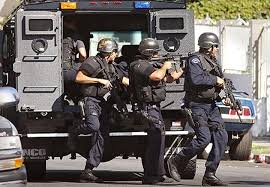
LAPD SWAT team
But Dorner made several major errors in his one-man crusade for vengeance against the agency he blamed for ending his “dream job” police career.
First, shortly before or after he began his murderous rampage, Dorner posted an 11-page “manifesto” of his intentions on his Facebook page.
In this, he spewed contempt for the LAPD and declared his intention to wage war against it.
I will bring unconventional and asymmetrical warfare to those in LAPD uniform whether on or off duty….You will now live the life of the prey….You have misjudged a sleeping giant.
Dorner’s online rant forewarned police that he intended to put them literally in the cross-hairs of his anger. As a result, his intended targets remained on hair-trigger alert for his attacks.
Second, in that “manifesto,” he specifically named many of the officers he intended to kill.
This allowed the LAPD to rush bodyguards to the homes of those he had threatened. The LAPD would have been at a great disadvantage if it hadn’t known where he might strike next.
Third, Dorner boasted of the weaponry he had available.
In my cache you will find several small arms. In the cache, Bushmaster firearms, Remington precision rifles, and AAC Suppressors (silencers)….As you know I also own Barrett .50′s so your APC are defunct and futile.
A Barrett .50 is a sniper’s rifle whose five-inch bullets can penetrate bulletproof vests, steel and concrete. An APC is military shorthand for Armored Personnel Carrier.

Christopher Dorner
Dorner should have kept this information to himself—and allowed the LAPD to discover the truth only in a firefight. By bragging about it, he allowed his enemies to design strategies and deploy resources (such as unmanned drones) to neutralize his powerful weapons.
Fourth, he posted not simply his biography but his psychology for his enemies to exploit.
He sees himself as all-powerful:
I am here to change and make policy…I am here to correct and calibrate your morale compasses to true north….
I know your TTP’s, (techniques, tactics, and procedures). Any threat assessments you generate will be useless…. I will mitigate any of your attempts at preservation.
He clearly has a high opinion of himself:
I lived a good life and though not a religious man I always stuck to my own personal code of ethics, ethos and always stuck to my shoreline and true North. I didn’t need the US Navy to instill Honor, Courage, and Commitment in me but I thank them for re-enforcing it. It’s in my DNA.
And he reveals a clear history of anger at what he considers racial animosity directed against him, citing incidents as far back as high school.
No doubt psychologists who design behavioral profiles thoroughly analyzed Dorner’s self-portrait and advised police on the best ways to counter his threats.
Fifth, Dorner, sought refuge in a mountainous, snow-covered tourist resort in the San Bernardino Mountains.
This made it impossible for him—a black—to blend in against an almost totally white population.
And once his truck broke down, he was at a severe disadvantage. He was temporarily stranded and forced to abandon many of the high-powered weapons and other supplies he had brought. This gave him less firepower to use in his war on police.
He would have blended in with the majority black population had he fled to South Central Los Angeles. And he might well have found allies there to supply him with tips or equipment.
More importantly, police would have been hard-pressed during a firefight with him in a congested urban setting: They would have had to worry about civilian casualties.
Sixth, Dorner set fire to his Nissan Titan truck when it broke down near snow-covered Big Bear Lake, California, on February 7.
This quickly attracted the attention of an army of lawmen who were searching for any clue to his whereabouts.
There was no need to burn the vehicle. If Dorner had covered the truck with snow it might well have stayed concealed for days or longer. This would have given him more time to evacuate the area.
Seventh, he took refuge in a cabin when police closed in.
San Bernardino County sheriff’s deputies, acting on a tip, surrounded the cabin.
Dorner, of all people, should have known how “barricaded suspect” sieges always end: With the death or surrender of the besieged.
His best bet for at least temporary safety was to stay in the open and on the move.
If his skills as a marksman had kept police at a distance long enough, the coming of night could have allowed him to escape their dragnet—at least for the moment.
* * * * *
When police surrounded the cabin, Dorner opened fire, hitting two officers—one fatally.
Police lobbed tear gas cannisters into the cabin, setting it on fire.
Rather than let himself be arrested, Dorner shot himself once in the head.
ABC NEWS, ALTERNET, AMERICABLOG, AP, BABY BOOMER RESISTANCE, BBC, BIG BEAR LAKE, BLOOMBERG, BLUESKY, BUZZFEED, CARLOS THE JACKAL, CBS NEWS, CHARLES DE GAULLE, CHRISTOPHER DORNER, CNN, CROOKS AND LIARS, DAILY KOS, DAILY KOZ, DAY OF THE JACKAL, FACEBOOK, FBI, FIVETHIRTYEIGHT, FREDERICK FORSYTH, HARPER’S MAGAZINE, HAWAII FIVE-O, HUFFINGTON POST, JACK LORD, LOS ANGELES POLICE DEPARTMENT, MEDIA MATTERS, MILITARY DRONES, MOTHER JONES, MOVEON, MSNBC, NBC NEWS, NEW REPUBLIC, NEWSDAY, NEWSWEEK, NPR, PBS NEWSHOUR, POLITICO, POLITICUSUSA, RAW STORY, REUTERS, SALON, SEATTLE TIMES, SLATE, SWAT TEAMS, TALKING POINTS MEMO, THE ATLANTIC, THE CHICAGO SUN-TIMES, THE CHICAGO TRIBUNE, THE DAILY BEAST, THE DAILY BLOG, THE GUARDIAN, THE HILL, THE HUFFINGTON POST, THE INTERCEPT, THE LOS ANGELES TIMES, THE NATION, THE NEW REPUBLIC, THE NEW YORK TIMES, THE NEW YORKER, THE VILLAGE VOICE, THE WASHINGTON POST, THINKPROGRESS, TIME, TRUTHDIG, TRUTHOUT, TWO POLITICAL JUNKIES, U.S. MARSHALS SERVICE, U.S. NEWS & WORLD REPORT, UPI, USA TODAY, X
In Bureaucracy, History, Law Enforcement, Politics, Social commentary on May 15, 2025 at 12:12 am
The LAPD’s leadership were terrified after they read Christopher Dorner’s 11-page “manifesto” published on his Facebook page.
Clearly, he intended to take revenge on the agency he blamed for the 2008 termination of his police career.
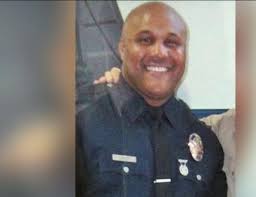
Christopher Dorner
As a result, the LAPD rushed to provide security and surveillance details to more than 50 endangered police officers and their families.
The agency also declared a “tactical alert,” forcing officers to remain on their shifts as long as needed.
Shortly after 1 a.m. on February 7, in Corona, California, Dorner fired at Los Angeles police officers who had been assigned to protect someone connected to threats he had posted in an online “manifesto.”
One officer was grazed in the head, but the wound was not life-threatening. The officers returned fire, and Dorner fled.
Then, at about 1:35 a.m., Dorner struck again, shooting two Riverside police officers who had stopped at a red light during a routine patrol. One officer was killed and the other wounded. The injured officer was taken to a hospital and was reported to be in stable condition.
Word instantly spread through the police grapevine about the shootings. And officers decided it was better to shoot first and ask questions later.
At 5:30 a.m. on February 7, LAPD officers were patrolling a Torrance neighborhood to guard yet another target named in Dorner’s manifesto.
They spotted a car they thought was Dorner’s and opened fire, injuring two women. One suffered a minor bullet wound, and the other was shot twice. Taken to a hospital, the latter was reported to be in stable condition.
Sometime after the Torrance shooting, a passer-by found a wallet with an LAPD badge and a picture ID of Dorner on a street near San Diego International Airport.
This was only a short distance from the naval base motel where he had reportedly checked in on February 7—but had never checked out.
Amid frantic TV news reports that Dorner was barricaded inside, police swarmed the hotel. But they soon learned that he hadn’t been there after all.
The FBI and U.S. Marshals Service, meanwhile, were seeking the public’s help in providing information about Dorner or his whereabouts.
At about noon on February 7, a burning truck was located in the snow-covered woods near Big Bear Lake, 80 miles east of Los Angeles.
The San Bernardino Sheriff’s Department later confirmed that the vehicle was Dorner’s Nissan Titan. No one was in the truck.
SWAT teams from the LAPD, San Bernardino Sheriff’s deputies, FBI agents and deputy U.S. marshals flooded the area. All were heavily armed, carrying assault rifles or machine guns.
 A SWAT team
Dorner, in his manifesto, had boasted of owning assault rifles and even a Barrett .50 caliber sniper rifle whose bullets can pierce bulletproof vests and even tanks, airplanes and concrete. A marksman with a Barrett could easily hit a target from a mile away.
Police initially searched 400 homes in the area, but found no trace of Dorner.
The manhunt was slowed down by a heavy snowfall, but police, determined to find Dorner, pressed on.
Meanwhile, FBI SWAT teams and local police served a search warrant at a Las Vegas home belonging to Dorner. The lawmen carried out boxes of his possessions. No weapons were found.
After issuing a search warrant, Irvine police combed through the La Pama house belonging to Christopher Dorner’s mother. Investigators removed from the home seven grocery bags of evidence and several electronic items.
On February 9, at a late afternoon press conference, authorities announced the creation of a joint task force to search for Dorner. The task force comprised the Los Angeles, Irvine and Riverside police departments, the FBI and U.S. Marshals, and other affiliated law enforcement agencies.
“We will look under every rock, around every corner, we will search mountain tops for him,” said Riverside Police Assistant Chief Chris Vicino at the press conference.
Underscoring this point, LAPD Chief Charlie Beck said: “This is an act—and make no mistake about it—of domestic terrorism. This is a man who has targeted those that we entrust to protect the public. His actions cannot go unanswered.”
Besides manpower and technology, police employed psychology. That same day, the LAPD announced that it would reopen the investigation into Dorner’s firing.
“I do this not to appease a murderer,” LAPD Chief Beck said in a statement. “I do it to reassure the public that their police department is transparent and fair in all the things we do.”
Clearly police hoped this would lead Dorner to back off or even surrender.
On February 10, at 11:46 a.m., Los Angeles County Supervisors Michael D. Antonovich and Mark Ridley-Thomas announced they were offering a $100,000 reward for information leading to the arrest of Dorner.
Later that day, at 1 p.m., a joint task force offered a $1 million reward for information leading to Dorner’s arrest.
Federal authorities were also relentlessly hunting Dorner—and not only through the FBI and U.S. Marshals Service. The Bureau of Customs and Border Protection deployed unmanned drone aircrafts to find him.
As in The Day of the Jackal, despite a widespread dragnet and all-out search, law enforcement’s Number One fugitive had vanished.


 Bureaucracybuster's Blog
2016 PRESIDENTIAL CAMPAIGN, 2020 PRESIDENTIAL CAMPAIGN, 2024 PRESIDENTIAL CAMPAIGN, 60 MINUTES NEWS MAGAINE, ABC NEWS, ADAM SCHIFF, ADOLF HITLER, ALBERT “THE EXECUTIONER” ANASTASIA, ALTERNET, ALVIN BRAGG, AMERICABLOG, AP, ARTICLES OF IMPEACHMENT, ARTIFICIAL INTELLIGENCE (AI), BABY BOOMER RESISTANCE, BORDER WALL, BUZZFEED, CANADA, CBS NEWS, CENSORSHIP, CENSUS BUREAU, CENTERS FOR DISEASE CONTROL AND PREVENTION, CHARLES “LUCKY” LUCIANO, CHARLES DE GAULLE, CHINA, CHRIS CHRISTIE, CHRISTI GRIMM, CHRISTOPHER S. MURPHY, CIA, CLASSIFIED DOCUMENTS, CNN, CONSERVATIVE POLITICAL ACTION CONFERENCE, CONSUMER FINANCIAL PROTECTION BUREAU, CONVERSATION WITH AN AMERICAN WRITER (POEM), CORONAVIRUS RELIEF MONIES, COVID-19, CROOKS AND LIARS, CUBAN MISSILE CRISIS, DAILY KOS, DAN BOWMAN, DAN SULLIVAN, DANIELLE SASSOON, DAVID BROOKS, DEMOCRATS, DEPARTMENT OF DEFENSE, DEPARTMENT OF GOVERNMENT EFFICIENCY (DOGE), DEPARTMENT OF HEALTH AND HUMAN SERVICES, DEPARTMENT OF JUSTICE, DIVERSITY EQUITY INCLUSION (DEI), DONALD TRUMP, DONALD TRUMP JUNIOR, DRUDGE RETORT, E. JEAN CARROLL, ELON MUSK, EMIL BOVE, EMOLUMENTS CLAUSE OF THE UNITED STATES CONSTITUTION, ERIC ADAMS, EXTORTION, FBI, FIRST AMENDMENT, FIVETHIRTYEIGHT, FRIVOLOUS LAWSUITS, GEORGE FLOYD, GEORGE STEPHANOPOULOS, GEORGE W. BUSH, GLENN FINE, GOVERNMENT ACCOUNTABILITY OFFICE, GOVERNMENT SHUTDOWN, GULF OF AMERICA, GULF OF MEXICO, HARPER’S MAGAZINE, HILLARY CLINTON, HOUSE FOREIGN AFFAIRS COMMITTEE, HOUSE INTELLIGENCE COMMITTEE, HOUSE OVERSIGHT AND REFORM COMMITTEE, HUNTER BIDEN, IMMIGRANTS, IMPEACHMENT, IMPOUNDMENT CONTROL ACT, INSPECTORS GENERAL, INTELLIGENCE COMMUNITY, INTELLIGENCE OFFICERS, JACK SMITH, JAKE SULLIVAN, JAKE TAPPER, JAMAL KHASHOGGI, JAMES COMEY, JAMES MCHENRY, JAMES ROBART, JANUARY 6 COUP ATTEMPT, JARED KUSHNER, JEFF SESSIONS, JOHN CORNYN, JOHN F. KENNEDY, JOHN F. KENNEDY CENTER FOR THE PERFORMING ARTS, JOHN ROBERTS, JOING CHIEFS OF STAFF, JON S. TIGAR, JOSEPH BIDEN, JOSEPH STALIN, Kamala Harris, KELLY LOEFFER, KEVIN CRAMER, LAFAYETTE SQUARE, LAMAR ALEXANDER, LEON PANETTA, LINDSEY GRAHAM, LUXUY JET, MARCO RUBIO, MARK MILLEY, MARTIN GUGINO, MEDIA MATTERS, MEIN KAMPF, MERRICK GARLAND, MEXICO, MICHAEL FLYNN, MICHAEL HAYDEN, MICHAEL K. ATKINSON, MICK MULVANEY, MIKE PENCE, MITCH MCCONNELL, MOHAMMED BIN SALMAN, MOTHER JONES, MOVEON, MSNBC, NANCY PELOSI, NATALIA VESELNITSKAYA, NATIONAL SECURITY AGENCY, NBC NEWS, NEWSWEEK, NIKKI HALEY, NPR, PAUL MANAFORT, PBS NEWSHOUR, PETE HEGSETH, POLITICO, POLITICUSUSA, QATAR, RAW STORY, REPUBLICANS, REUTERS, RINAT AKHMETSHIN, ROBERT MUELLER, ROBERT PAYNE, ROD ROSENSTEIN, ROGER STONE, RON DESANTIS, RON JOHNSON, RUSSIA, SALON, SEATTLE TIMES, SERGEY KISLYAK, SERGEY LAVROV, SLATE, ST. JOHN’S CHURCH, STEVE DAINES, TALKING POINTS MEMO, TARIFFS, TED CRUZ, THE ATLANTIC, THE CHICAGO SUN-TIMES, THE CHICAGO TRIBUNE, THE DAILY BEAST, THE DAILY BLOG, THE GUARDIAN, THE HILL, THE HUFFINGTON POST, THE JUDICIARY, THE LIFE AND DEATH OF ADOLF HITLER (BOOI), THE LIFE AND DEATH OF ADOLF HITLER (BOOK), THE LOS ANGELES TIMES, THE NATION, THE NEW REPUBLIC, THE NEW YORK TIMES, THE PENTAGON, THE PRESS, THE VILLAGE VOICE, THE WASHINGTON POST, THINKPROGRESS, TIME, TREASON, TRUMP TOWER MEETING, TRUTH SOCIAL, TRUTHDIG, TRUTHOUT, TWENTY-SECOND AMENDMENT, TWO POLITICAL JUNKIES, U.S. NEWS & WORLD REPORT, UKRAINE, UNITED STATES HOUSE OF REPRESENTATIVES, UNITED STATES SENATE, UPI, USA TODAY, VLADIMIR PUTIN, VOLODYMYR ZELENSKY, WHISTLEBLOWER, WHITE HOUSE BUDGET OFFICE, WONKETTE, X, YEVGENEY YEVTUSHENKO
REPUBLICANS: 50 WAYS TO BE A COWARD–PART SEVEN (END)
In Bureaucracy, History, Law, Law Enforcement, Military, Politics, Social commentary on June 10, 2025 at 12:37 amRepublicans have a long and disgraceful history of excusing Donald Trump’s litany of crimes—as a 2016 Presidential candidate, as President (2017-2021), as a former President (2021-2025) and once again as President.
Forgiven Crime 44: Trump’s Justice Department ordered Danielle Sassoon, the United States Attorney for the Southern District of New York, to dismiss pending criminal charges against New York City Mayor Eric Adams for bribery, solicitation, conspiracy and wire fraud,
This occurred after Adams—who had previously refused to cooperate with Trump’s roundup of illegal aliens—agreed to do so. Sassoon resigned from the Justice Department rather than comply with the order.
Forgiven Crime 45: When Danielle Sassoon resigned instead of carrying out what she believed was an illegal order, Emil Bove, the Acting Attorney General, sent her a letter stating that her conduct would be investigated and evaluated by the Attorney General, after which “the Attorney General will determine whether termination or some other action is appropriate.”
Danielle Sassoon
Forgiven Crime 46: Trump held what amounted to an ambush meeting with Ukrainian President Volodymyr Zelensky at the White House. Siding with Russian dictator Vladimir Putin, Trump blamed Zelensky for Russia’s 2022 invasion of Ukraine.
Trump demanded that Zelensky sign over mineral rights to the United States without America’s providing a security guarantee for Ukraine. Zelensky left without signing such an agreement.
Forgiven Crime 47: Trump announced that he was considering violating the 22nd Amendment and seeking an illegal third Presidential term in 2028.
Forgiven Crime 48: The Trump-authorized and illegitimate Department of Government Efficiency (DOGE) led by billionaire Elon Musk, dismantled multiple agencies, invaded the privacy of untold millions by accessing sensitive data systems and fired tens of thousands of federal workers.
Forgiven Crime 49: Trump filed frivolous and extortionate lawsuits against major news networks CBS and ABC.
Against CBS: Trump claimed that its news magazine, “60 Minutes” deceptively edited an interview with Kamala Harris to damage his presidential campaign and influence the election. He initially sought $10 billion in damages, then increased it to $20 billion.
Against ABC: He claimed that its commentator, George Stephanopoulos, falsely stated he was found liable for “rape” in the case brought by columnist E. Jean Carroll. The jury found Trump liable for sexual abuse and defamation, but not rape. The judge later clarified that what the jury found Trump did was in fact rape, as commonly understood.
ABC settled the lawsuit by agreeing to donate $15 million to Trump’s Presidential library.
Forgiven Crime 50: Trump solicited and received a $400 million luxury jet from Qatar for use as Air Force One, in direct violation of the Emoluments Clause of the United States Constitution, which prohibits federal officials from accepting gifts from foreign countries.
The jet will cost taxpayers hundreds of millions of dollars to bring it up to presidential standards, including a security sweep of the entire aircraft and costly upgrades to ensure classified communications.
After Trump leaves office, it will be transferred to his Presidential library.
* * * * *
Why have Republicans almost unanimously stood by Donald Trump despite the wreckage he made of American foreign and domestic policy?
Fear—that they will lose their privileged positions in Congress if they don’t.
This could happen by:
House and Senate Republicans’ support for Trump hinges on one question: “Can I hold onto my power and all the privileges that accompany it by sticking—or breaking—with him?”
In his bestselling 1973 biography, The Life and Death of Adolf Hitler, British historian Robert Payne harshly condemned the German people for the rise of the Nazi dictator:
“[They] allowed themselves to be seduced by him and came to enjoy the experience….[They] followed him with joy and enthusiasm because he gave them license to pillage and murder to their hearts’ content. They were his servile accomplices, his willing victims.”
Like Hitler, Trump offered his Republican voters and Congressional allies intoxicating dreams: “I will enrich all of you. And I will humiliate and destroy those Americans you most hate.”
For his white, Fascistic, largely elderly audience, those enemies included blacks, atheists, Hispanics, non-Christians, Muslims, liberals, “uppity” women, Asians.
For most of the first three years of his first term, he faced little opposition. What cost Trump the White House wasn’t Democratic or Republican courage but a deadly disease—COVID-19—which Trump refused to take seriously.
Democrats cowered before Trump’s slanders—thereby ensuring more assaults.
Most of the press quailed before Trump. Only a few media outlets—notably the New York Times, CNN and the Washington Post-–dared investigate his crimes and blunders.
In 1960, the Russian poet, Yevgeney Yevtushenko, published “Conversation With an American Writer”—a stinging indictment of the cowardly opportunists who had supported the brutal tyranny of Joseph Stalin:
“You have courage,” they tell me.
It’s not true. I was never courageous.
I simply felt it unbecoming
to stoop to the cowardice of my colleagues.
Too many Republicans know all-too-well how it feels to stoop to the cowardice of their colleagues for a transitory hold on power and privilege.
Share this: