Posts Tagged ‘CIVIL RIGHTS’
AFFORDABLE CARE ACT (ACA), AFGHANISTAN, ALEX PRETTI, ALLEN DULLES, ALTERNET, AMAZON, AMERICABLOG, ANTI-CASTRO CUBANS, AP, APPLE, ARTIFICIAL INTELLIGENCE, ASSASSINATION, BABY BOOMER RESISTANCE, BARACK OBAMA, BARI WEISS, BAY OF PIGS, BBC, BIG TECH, BLACKS, BLOOMBERG, BLUESKY, BUZZFEED, CANADA, CANADIANS, CARLOS MARCELLO, CBS NEWS, CIA, CITIENSHIP TESTS, CIVIL RIGHTS, CLEAR AND PRESENT DANGER (FILM), CNN, COLUMBIAN/MEXICAN DRUG CARTELS, CONSPIRACIES, CROOKS AND LIARS, CUBA, CUBAN MISSILE CRISIS, CUSTOMS AND BORDER PATROL (CBP), DAILY KOS, DONALD TRUMP, FBI, FBI AGENTS, FEDERAL EMERGENCY MANAGEMENT AGENCY, FEDERAL RESERVE, FEDERAL TRADE COMMISSION, FIDEL CASTRO, FIVETHIRTYEIGHT, GAIUS CALIGULA, GAZA, GOOGLE, GREENLAND, GREENLANDERS, GUN RIGHTS ENTHUSIASTS, HARPER’S MAGAZINE, HARRISON FORD, HISPANICS, HUFFINGTON POST, IMMIGRANTS, IMMIGRATION AND CUSTOMS ENFORCEMENT (ICE), INSPECTORS GENERAL, INTERNATIONAL BROTHERHOOD OF TEAMSTERS, IRAN, IRANIANS, ISLAM, ISRAEL, ISREAL, J. EDGAR HOOVER, JAIME DIMON, JAMES COMEY, JANUARY 6 COUP ATTEMPT, JEFF BEZOS, JEFFREY, JEFFREY EPSTEIN, JEROME POWELL, JIMMY HOFFA, JOE BIDEN, JOHN F. KENNEDY, JOHN KELLY, JOURNALISTS, JP MORGAN CHASE, JUSTICE DEPARTMENT PROSECUTORS, Kamala Harris, KGB, LAWYERS, LEBANON, LETITIA JAMES, MAFIA, MARCUS AURELIUS, MARINE BARRACKS BOMBING, MARK ESPER, MARK MILLEY, MEDAL OF HONOR WINNERS, MEDIA MATTERS, MEDICARE, MELANIA TRUMP, META, MICHELLE OBAMA, Military, MINNESOTA, MOTHER JONES, MOVEON, MSNBC, MUSLIMS, NATIONAL RIFLE ASSOCIATION (NRA), NATO, NAVAJO CODE TALKERS, NBC NEWS, NERO, NEWSDAY, NEWSWEEK, NPR, NUCLEAR REACTOR SITES, NUCLEAR TEST BAN TREATY, NUCLELAR TEST BAN TREATY, OIL MILLIONAIRES, PAKISTAN, PAM BONDI, PARIS CLIMATE AGREEMENT, PBS NEWSHOUR, PETE HEGSETH, POLICE, POLITICO, POLITICUSUSA, RARE EARTH MIINERALS, RAW STORY, REUTERS, ROBERT F. KENNEDY, Ronald Reagan, RUDY GIULIANI, SALON, SAM GIANCANA, SEATTLE TIMES, SLATE, SOMALIS, SOUTHERN RACISTS, SOVIET UNION, SUICIDE BOMBINGS, TALKING POINTS MEMO, TARIFFS, THE ATLANTIC, THE CHICAGO SUN-TIMES, THE CHICAGO TRIBUNE, THE DAILY BEAST, THE DAILY BLOG, THE GUARDIAN, THE HILL, THE HUFFINGTON POST, THE INTERCEPT, THE KENNEDY HALF-CENTURY (BOOK), THE LOS ANGELES TIMES, THE MILITARY, THE NATION, THE NEW REPUBLIC, THE NEW YORK TIMES, THE NEW YORKER, THE PRESS, THE PRINCE (BOOK), THE VILLAGE VOICE, THE WASHINGTON POST, THINKPROGRESS, TIM COOK, TIME, TRAJAN, TRUTHDIG, TRUTHOUT, TUSKEGEE AIRMEN, TWO POLITICAL JUNKIES, U.S. NEWS & WORLD REPORT, UNITED STATES DEPARTMENT OF DEFENSE, UNITED STATES DEPARTMENT OF JUSTICE, UNITED STATES SECRET SERVICE, UPI, USA TODAY, WATERGATE, X
In Bureaucracy, Business, History, Law, Law Enforcement, Medical, Military, Politics, Social commentary on February 19, 2026 at 12:13 am
Just as President John F. Kennedy was passionately loved and hated, so, too, is Donald J. Trump. And Trump, at 79, has already been the target of two assassination attempts.
Among the potential consequences of that hatred:

Donald Trump
- Barons of Columbian/Mexican drug cartels – Trump has often threatened to invade Mexico and/or Columbia to attack the cartels. No international drug kingpin has ever launched an attack on an American President or member of Congress. But this could change if the cartels believe a pre-emptive strike is necessary.
- Their assassins have wrought substantial carnage on Columbian and Mexican law enforcers and politicians. In 2025, cartels assassinated Miguel Uribe Turbay, a Columbian senator and presidential candidate. Since the 2016 peace accord, at least 1,372 social leaders have been murdered, with 173 killed in 2024 and 67 more in early 2025. These attacks frequently target local officials and advocates for land reform or environmental protection.

- In Mexico, ahead of the 2024 elections, around 30 local candidates were murdered, and hundreds more abandoned their campaigns due to threats. At least 29 candidates or potential candidates were killed in the lead-up to the 2024 elections. Police chiefs have been targeted, such as the 2020 assassination attempt on Mexico City’s police chief.
- Wealthy as Big Tech companies, these cartels command the finest assassins and intelligence networks available. Unlike Trump, they strike without warning.
- Big tech executives and Wall Street executives – Like Renaissance princes, they command empires of wealth and security. They live apart from the masses of people who do not enjoy their privileged status. And their major ambition is to grow ever more wealthy. They use their money to buy members of Congress who then pass legislation favorable to their interests.
- Trump’s tariffs have led to enormous sell-offs of tech stocks and the Department of Justice and Federal Trade Commission have continued or intensified antitrust cases launched by the Biden administration against companies like Google and Meta, targeting monopolistic behavior.
- As a result, tech executives could use their purchased Congressional members to block Trump-sponsored legislation or their billions to defeat Congressional candidates sponsored by Trump.

The New York Stock Exchange
- Journalists – Reporters are uniquely armed to counterattack their would-be censors. They know how to unearth highly embarrassing information and turn it into spectacle. The unearthing of Watergate-related abuses brought down President Richard Nixon in 1974.
- And journalists’ willingness to expose the sex trafficking crimes of Jeffrey Epstein has proven a huge liability for Trump. And as he openly moves to abolish or manipulate the 2026 midterm elections, the press can keep the spotlight of public attention tightly focused on him.
- The military – In November 2025, six Democratic Senators and Representatives released a video reminding military service members that they can refuse “illegal orders.” Donald Trump called the lawmakers traitors and shared a social media post calling for them to be hanged.
- Soldiers, serving and retired, have a huge constituency—which extends to Congress. If soldiers start charging that they have received illegal orders, this will put an unwanted spotlight on the Pentagon—and Trump.
- So will taking their complaints to the media about Trump’s racist and sexist firings of professional military officers—such as Joint Chiefs Chair General CQ Brown, Navy Chief of Naval Operations Admiral Lisa Franchetti and Coast Guard Commandant Admiral Linda Fagan.
* * * * *
More than 500 years ago, Niccolo Machiavelli, the Florentine statesman, authored The Discourses on Livy, a work of political history and philosophy. In it, he outlined how citizens of a republic can maintain their freedoms.
One of the longest chapters—Book Three, Chapter Six—covers “Of Conspiracies.” In it, those who wish to conspire against a ruler will find highly useful advice. And so will those who wish to foil such a conspiracy.

Niccolo Machiavelli
Lorenzo Bartolini, CC0, via Wikimedia Commons
Above all, he notes how important it is for rulers to make themselves loved—or at least respected—by their fellow citizens:
“Note how much more praise those Emperors merited who, after Rome became an empire, conformed to her laws like good princes, than those who took the opposite course.
“Titus, Nerva, Trajan, Hadrian, Antoninus and Marcus Auelius did not require the Praetorians nor the multitudinous legions to defend them, because they were protected by their own good conduct, the good will of the people, and by the love of the Senate.
“On the other hand, neither the Eastern nor the Western armies saved Caligula, Nero, Vitellius and so many other wicked Emperors from the enemies which their bad conduct and evil lives had raised up against them.”
In his better-known work, The Prince, he warns rulers who—like Donald Trump–are inclined to rule by fear:
“A prince should make himself feared in such a way that if he does not gain love, he at any rate avoids hatred: for fear and the absence of hatred may well go together.”
By Machiavelli’s standards, Trump has made himself the perfect target for a conspiracy:
“When a prince becomes universally hated, it is likely that he’s harmed some individuals—who thus seek revenge. This desire is increased by seeing that the prince is widely loathed.”
AFFORDABLE CARE ACT (ACA), AFGHANISTAN, ALEX PRETTI, ALLEN DULLES, ALTERNET, AMAZON, AMERICABLOG, ANTI-CASTRO CUBANS, AP, APPLE, ARTIFICIAL INTELLIGENCE, ASSASSINATION, BABY BOOMER RESISTANCE, BARACK OBAMA, BARI WEISS, BAY OF PIGS, BBC, BIG TECH, BLACKS, BLOOMBERG, BLUESKY, BUZZFEED, CANADA, CANADIANS, CARLOS MARCELLO, CBS NEWS, CIA, CITIENSHIP TESTS, CIVIL RIGHTS, CLEAR AND PRESENT DANGER (FILM), CNN, COLUMBIAN/MEXICAN DRUG CARTELS, CONSPIRACIES, CROOKS AND LIARS, CUBA, CUBAN MISSILE CRISIS, CUSTOMS AND BORDER PATROL (CBP), DAILY KOS, DONALD TRUMP, FBI, FBI AGENTS, FEDERAL EMERGENCY MANAGEMENT AGENCY, FEDERAL RESERVE, FEDERAL TRADE COMMISSION, FIDEL CASTRO, FIVETHIRTYEIGHT, GAIUS CALIGULA, GAZA, GOOGLE, GREENLAND, GREENLANDERS, GUN RIGHTS ENTHUSIASTS, HARPER’S MAGAZINE, HARRISON FORD, HISPANICS, HUFFINGTON POST, IMMIGRANTS, IMMIGRATION AND CUSTOMS ENFORCEMENT (ICE), INSPECTORS GENERAL, INTERNATIONAL BROTHERHOOD OF TEAMSTERS, IRAN, IRANIANS, ISLAM, ISRAEL, ISREAL, J. EDGAR HOOVER, JAIME DIMON, JAMES COMEY, JANUARY 6 COUP ATTEMPT, JEFF BEZOS, JEFFREY, JEFFREY EPSTEIN, JEROME POWELL, JIMMY HOFFA, JOE BIDEN, JOHN F. KENNEDY, JOHN KELLY, JOURNALISTS, JP MORGAN CHASE, JUSTICE DEPARTMENT PROSECUTORS, Kamala Harris, KGB, LAWYERS, LEBANON, LETITIA JAMES, MAFIA, MARCUS AURELIUS, MARINE BARRACKS BOMBING, MARK ESPER, MARK MILLEY, MEDAL OF HONOR WINNERS, MEDIA MATTERS, MEDICARE, MELANIA TRUMP, META, MICHELLE OBAMA, Military, MINNESOTA, MOTHER JONES, MOVEON, MSNBC, MUSLIMS, NATIONAL RIFLE ASSOCIATION (NRA), NATO, NAVAJO CODE TALKERS, NBC NEWS, NERO, NEWSDAY, NEWSWEEK, NPR, NUCLEAR REACTOR SITES, NUCLEAR TEST BAN TREATY, NUCLELAR TEST BAN TREATY, OIL MILLIONAIRES, PAKISTAN, PAM BONDI, PARIS CLIMATE AGREEMENT, PBS NEWSHOUR, PETE HEGSETH, POLICE, POLITICO, POLITICUSUSA, RARE EARTH MIINERALS, RAW STORY, REUTERS, ROBERT F. KENNEDY, Ronald Reagan, RUDY GIULIANI, SALON, SAM GIANCANA, SEATTLE TIMES, SLATE, SOMALIS, SOUTHERN RACISTS, SOVIET UNION, SUICIDE BOMBINGS, TALKING POINTS MEMO, TARIFFS, THE ATLANTIC, THE CHICAGO SUN-TIMES, THE CHICAGO TRIBUNE, THE DAILY BEAST, THE DAILY BLOG, THE GUARDIAN, THE HILL, THE HUFFINGTON POST, THE INTERCEPT, THE KENNEDY HALF-CENTURY (BOOK), THE LOS ANGELES TIMES, THE MILITARY, THE NATION, THE NEW REPUBLIC, THE NEW YORK TIMES, THE NEW YORKER, THE PRESS, THE PRINCE (BOOK), THE VILLAGE VOICE, THE WASHINGTON POST, THINKPROGRESS, TIM COOK, TIME, TRAJAN, TRUTHDIG, TRUTHOUT, TUSKEGEE AIRMEN, TWO POLITICAL JUNKIES, U.S. NEWS & WORLD REPORT, UNITED STATES DEPARTMENT OF DEFENSE, UNITED STATES DEPARTMENT OF JUSTICE, UNITED STATES SECRET SERVICE, UPI, USA TODAY, WATERGATE, X
In Bureaucracy, Business, History, Law, Law Enforcement, Medical, Military, Politics, Social commentary on February 18, 2026 at 12:10 am
Just as President John F. Kennedy was passionately loved and hated, so, too, is Donald J. Trump. And, at 79, Trump has already been the target of two assassination attempts.
Among the reasons why Trump is so widely hated:
Donald Trump
- Lawyers – Trump has targeted law firms and attorneys that had previously represented clients opposed to him—by limiting the ability of attorneys to obtain access to government buildings, stopping any consideration for future employment with the government, canceling government contracts, and preventing any company that uses such a firm from obtaining federal contracts.
- Justice Department prosecutors – For tarnishing the once-incorruptible reputation of their agency.
- Trump has fired more than a dozen prosecutors and staff who investigated him for election interference and stealing classified documents.
- He has ordered the DOJ to indict his critics such as New York Attorney General Letitia James and former FBI Director James Comey.
- Prosecutors are being told to drop cases for political reasons, pursue weak investigations, and take positions in court they believe have no merit.
- Federal judges have criticized the DOJ for violating orders in cases related to deportation policies and for a lack of transparency.

Seal of the Justice Department
- FBI agents – For his purging about a half-dozen executive assistant directors at the FBI. These were some of the bureau’s top managers overseeing criminal, national security and cyber investigations. Their “crime”: Investigating Trump’s inciting the January 6, 2021 coup attempt and illegally holding highly sensitive national security documents after leaving office.
- Big tech executives – Initially they sought favor through donations and private meetings to secure a “deregulatory paradise.” (Amazon CEO Jeff Bezos infamously lavished $75 million on a “documentary” glorifying Melania Trump.)
- But now many are furious at facing a harsher business climate, intense regulatory pressure and employee backlash.
- Tech executives have complained that they are “giving him everything, and he promises nothing.”
- The killing of intensive care nurse Alex Pretti by Customs and Border Patrol (CPB) agents in Minneapolis has been condemned by several Big Tech CEOs, including Apple CEO Tim Cook.
Not all of these potential enemies present the same danger to Trump. Some of those dangers are political; others personal.
Among the potential consequences of that hatred:
- Blacks and Hispanics – Are most likely to express their anger at the polls—or demonstrations. Any public appearance by Trump is certain to be heavily policed by the Secret Service.
- Muslims could pose a significant political threat. In 2024, Muslims voted for Trump or refused to vote for Vice President Kamala Harris. The reason: President Joe Biden refused to force Israel to end its military attacks on Gaza to retrieve hostages seized by Hamas. Muslim voters could throw their voting weight against Republican Congressional candidates sponsored by Trump.
- They could also pose a serious personal threat. Armed with the belief that dying for Islam will grant them Paradise in Heaven, Muslims have a history of doing exactly that. Suicide bombings are virtually unknown in the United States. But in Afghanistan, Iran and Pakistan, they have taken a deadly toll on civilian and political life.
- Justice Department prosecutors could leak plans for illegal and/or embarrassing decisions by Attorney General Pam Bondi and her topmost deputies to the press. Some prosecutors could continue to resign their positions, thus embarrassing Trump and weakening the clout of the agency.
- Police officers, FBI agents and Secret Service agents are among the few people allowed to approach Trump armed. Many of them are likely to have friends or family members facing imprisonment and deportation under Trump’s all-out war on immigrants, legal and illegal. And Trump’s wholesale attacks on Medicare and the Affordable Care act could lead to similar casualties among family and friends, which could be cause for desired revenge.
- Canadians and Greenlanders – It’s highly unlikely that Canada or Greenland would send a hit team to the United States. But individual Canadians or Greenlanders living in the United States could pose a genuine threat to Trump. This could occur during political rallies or if they have access to him through positions in law enforcement or government.
- He has repeatedly threatened the sovereignty of their homelands—both longtime allies of the United States—and recently seemed on the verge of using military force against both. Had he attacked Greenland, a part of NATO, this would have pitted the United States against its longtime allies in Europe.
- Lawyers – Trump’s Justice Department has declared war on his critics. The resulting court losses have proven embarrassing for Trump—and highly profitable for attorneys. A judge dismissed indictments against former FBI Director James Comey and New York Attorney General Letitia James. A grand jury refused to indict six Democratic lawmakers who had made a video urging troops to refuse illegal orders. Attorneys who successfully oppose Trump gain wealth and stature—and a steady stream of new clients.
- Gun rights enthusiasts – For decades, Republicans have conditioned them to expect a Democratic President to seize their guns. But Trump’s recent anti-gun comments (“You can’t have guns, you can’t walk in with guns”) have sent a chill through this community.
- These people are the epitome of “single issue” voters. Many law enforcement officers—at all levels of government—are fervent members of the NRA, and some almost certainly have access to Trump.

AFFORDABLE CARE ACT (ACA), AFGHANISTAN, ALEX PRETTI, ALLEN DULLES, ALTERNET, AMAZON, AMERICABLOG, ANTI-CASTRO CUBANS, AP, APPLE, ARTIFICIAL INTELLIGENCE, ASSASSINATION, BABY BOOMER RESISTANCE, BARACK OBAMA, BARI WEISS, BAY OF PIGS, BBC, BIG TECH, BLACKS, BLOOMBERG, BLUESKY, BUZZFEED, CANADA, CANADIANS, CARLOS MARCELLO, CBS NEWS, CIA, CITIENSHIP TESTS, CIVIL RIGHTS, CLEAR AND PRESENT DANGER (FILM), CNN, COLUMBIAN/MEXICAN DRUG CARTELS, CONSPIRACIES, CROOKS AND LIARS, CUBA, CUBAN MISSILE CRISIS, CUSTOMS AND BORDER PATROL (CBP), DAILY KOS, DONALD TRUMP, FBI, FBI AGENTS, FEDERAL EMERGENCY MANAGEMENT AGENCY, FEDERAL RESERVE, FEDERAL TRADE COMMISSION, FIDEL CASTRO, FIVETHIRTYEIGHT, GAIUS CALIGULA, GAZA, GOOGLE, GREENLAND, GREENLANDERS, GUN RIGHTS ENTHUSIASTS, HARPER’S MAGAZINE, HARRISON FORD, HISPANICS, HUFFINGTON POST, IMMIGRANTS, IMMIGRATION AND CUSTOMS ENFORCEMENT (ICE), INSPECTORS GENERAL, INTERNATIONAL BROTHERHOOD OF TEAMSTERS, IRAN, IRANIANS, ISLAM, ISRAEL, ISREAL, J. EDGAR HOOVER, JAIME DIMON, JAMES COMEY, JANUARY 6 COUP ATTEMPT, JEFF BEZOS, JEFFREY, JEFFREY EPSTEIN, JEROME POWELL, JIMMY HOFFA, JOE BIDEN, JOHN F. KENNEDY, JOHN KELLY, JOURNALISTS, JP MORGAN CHASE, JUSTICE DEPARTMENT PROSECUTORS, Kamala Harris, KGB, LAWYERS, LEBANON, LETITIA JAMES, MAFIA, MARCUS AURELIUS, MARINE BARRACKS BOMBING, MARK ESPER, MARK MILLEY, MEDAL OF HONOR WINNERS, MEDIA MATTERS, MEDICARE, MELANIA TRUMP, META, MICHELLE OBAMA, Military, MINNESOTA, MOTHER JONES, MOVEON, MSNBC, MUSLIMS, NATIONAL RIFLE ASSOCIATION (NRA), NATO, NAVAJO CODE TALKERS, NBC NEWS, NERO, NEWSDAY, NEWSWEEK, NPR, NUCLEAR REACTOR SITES, NUCLEAR TEST BAN TREATY, NUCLELAR TEST BAN TREATY, OIL MILLIONAIRES, PAKISTAN, PAM BONDI, PARIS CLIMATE AGREEMENT, PBS NEWSHOUR, PETE HEGSETH, POLICE, POLITICO, POLITICUSUSA, RARE EARTH MIINERALS, RAW STORY, REUTERS, ROBERT F. KENNEDY, Ronald Reagan, RUDY GIULIANI, SALON, SAM GIANCANA, SEATTLE TIMES, SLATE, SOMALIS, SOUTHERN RACISTS, SOVIET UNION, SUICIDE BOMBINGS, TALKING POINTS MEMO, TARIFFS, THE ATLANTIC, THE CHICAGO SUN-TIMES, THE CHICAGO TRIBUNE, THE DAILY BEAST, THE DAILY BLOG, THE GUARDIAN, THE HILL, THE HUFFINGTON POST, THE INTERCEPT, THE KENNEDY HALF-CENTURY (BOOK), THE LOS ANGELES TIMES, THE MILITARY, THE NATION, THE NEW REPUBLIC, THE NEW YORK TIMES, THE NEW YORKER, THE PRESS, THE PRINCE (BOOK), THE VILLAGE VOICE, THE WASHINGTON POST, THINKPROGRESS, TIM COOK, TIME, TRAJAN, TRUTHDIG, TRUTHOUT, TUSKEGEE AIRMEN, TWO POLITICAL JUNKIES, U.S. NEWS & WORLD REPORT, UNITED STATES DEPARTMENT OF DEFENSE, UNITED STATES DEPARTMENT OF JUSTICE, UNITED STATES SECRET SERVICE, UPI, USA TODAY, WATERGATE, X
In Bureaucracy, Business, History, Law, Law Enforcement, Medical, Military, Politics, Social commentary on February 17, 2026 at 12:12 am
Just as President John F. Kennedy was passionately loved and hated, so, too, is Donald J. Trump. And Trump, at 79, has already been the target of two assassination attempts.

Donald Trump
Among the reasons why Trump is so widely hated:
- Gun rights enthusiasts – After Customs and Border Patrol (CBP) agents shot intensive care nurse Alex Pretti on January 24, Trump criticized Pretti for carrying a licensed, concealed pistol: “You can’t have guns, you can’t walk in with guns. I don’t like that he had a gun. I don’t like that he had two fully loaded magazines. That’s a lot of bad stuff.”
- The National Rifle Association (NRA) called Trump’s comments “dangerous and wrong.” And the National Association for Gun Rights (NAGR) stated: “Carrying an extra magazine implies nothing. Claiming otherwise sets a dangerous precedent for Second Amendment rights and creates an easy backdoor argument for magazine bans and similar legislation.”

Alex Pretti
- The military – Following his anti-DEI executive order, the Department of Defense deleted content that included the achievements of nonwhite servicemen and women—such as Navajo code talkers, black Tuskegee Airmen, Medal of Honor winners and women veterans. High-ranking militar y leaders fear retribution and the politicization of the armed forces.
- Former high-profile military leaders, including former Chiefs of Staff John Kelly and Mark Milley and former Defense Secretary Mark Esper, have criticized Trump, with some describing him as a ‘fascist to the core” and a threat to democracy.
- Trump has deployed the National Guard to Democratic cities against the wishes of their states’ governors.
- In September, 2025, Trump and Defense Secretary Pete Hegseth aired grievances to a silent, uncomfortable audience of top military leaders.
- Canadians – Trump has imposed 25% tariffs on Canadian goods, covering major sectors like steel, aluminum, and autos.
- And he has threatened to impose 100% tariffs due to trade disputes. These have caused significant anxiety regarding the Canadian economy, which relies heavily on trade with the United States.
- He has also repeatedly threatened to militarily invade Canada and make it the 51st state. Many Canadians feel betrayed by the treatment of a longstanding, peaceful ally, with 59% of Canadians now viewing the United States as their top threat.
- Greenlanders – Trump has grown increasingly bellicose about acquiring Greenland—by purchase or conquest. The official reason given: The dangers of Chinese or Russian conquest of the island, where the United States has an active military base for missile warning, defense and space surveillance.
- The real reason: To gain total access to Greenland’s rare earth minerals. This despite Greenland’s being a self-governing, autonomous part of the Kingdom of Denmark. The united States has recognized Denmark’s ties to Greenland since 1917 and signed a joint defense agreement in 1951.

Greenland
- Secret Service agents – There has never been a case of a Secret Service agent assassinating a President. But there are historical precedents for bodyguards turning on those they are supposed to protect. On January 22, 41 A.D. Cassius Chaerea and several other bodyguards hacked Roman Emperor Gaius Caligula to death with swords before other guards could save him.
- Caligula had often taunted Chaerea for having a weak voice. Similarly, Trump has forced Secret Service agents to work without pay through two major government shutdowns—for 35 days in 2018-19 and 43 days in 2025. Secret Service agents had to worry about meeting their bills and the needs of their families.
- Many agents could have friends or family members whose lives have been shattered by Trump’s massive layoffs of government employees and/or his assaults on the American medical establishment.
- Wall Street executives – For Trump’s attacks on Federal Reserve Chairman Jerome Powell and public criticism of the Fed, which threaten the independence of the institution and the stability of the economy.
- And for suing JP Morgan Chase and its CEO Jamie Dimon for $5 billion, alleging the bank “debanked” him after the January 6, 2021 Capitol attack.
- Major investors and CEOs fear that Trump’s tariff policies will ignite a global crash—as happened in April ,2025.
- Iranians – For his scrapping the Joint Comprehensive Plan of Action (JCPOA), commonly known as the Iran nuclear deal.
- And for re-imposing “highest-level” economic sanctions on Iran, targeting critical sectors such as oil, finance and shipping.
- Nor will Iranians forgive him for ordering the June 21, 2025, bombing of three key Iranian nuclear sites: Fordow, Natanz, and Isfahan.
- Barons of Columbian/Mexican drug cartels – For threatening to invade Columbia and Mexico and directly attack the drug lords who feed America’s demand for cocaine.
- This scenario forms the plot of the 1994 thriller, “Clear and Present Danger,” starring Harrison Ford. The movie ends with the American force almost wiped out by a drug lord’s army and being forced to evacuate Columbia.

Columbian drug lords
- Journalists – For his repeatedly attacking the nation’s free press as “the enemy of the people” for reporting his growing list of crimes and disasters.
- And barring the Associated Press from the White House for refusing to call the Gulf of Mexico “the Gulf of the United States.”
- Jeff Bezos, the CEO of Amazon, bought the Washington Post—which played a pivotal role in uncovering Watergate—-in 2013 and has turned that once-respected newspaper into a Right-wing cheerleader.
- And CBS News is now being rigorously censored by Editor-in-Chief Bari Weiss, a notorious Trump ally.
AFFORDABLE CARE ACT (ACA), AFGHANISTAN, ALEX PRETTI, ALLEN DULLES, ALTERNET, AMAZON, AMERICABLOG, ANTI-CASTRO CUBANS, AP, APPLE, ARTIFICIAL INTELLIGENCE, ASSASSINATION, BABY BOOMER RESISTANCE, BARACK OBAMA, BARI WEISS, BAY OF PIGS, BBC, BIG TECH, BLACKS, BLOOMBERG, BLUESKY, BUZZFEED, CANADA, CANADIANS, CARLOS MARCELLO, CBS NEWS, CIA, CITIENSHIP TESTS, CIVIL RIGHTS, CLEAR AND PRESENT DANGER (FILM), CNN, COLUMBIAN/MEXICAN DRUG CARTELS, CONSPIRACIES, CROOKS AND LIARS, CUBA, CUBAN MISSILE CRISIS, CUSTOMS AND BORDER PATROL (CBP), DAILY KOS, DONALD TRUMP, FBI, FBI AGENTS, FEDERAL EMERGENCY MANAGEMENT AGENCY, FEDERAL RESERVE, FEDERAL TRADE COMMISSION, FIDEL CASTRO, FIVETHIRTYEIGHT, GAIUS CALIGULA, GAZA, GOOGLE, GREENLAND, GREENLANDERS, GUN RIGHTS ENTHUSIASTS, HARPER’S MAGAZINE, HARRISON FORD, HISPANICS, HUFFINGTON POST, IMMIGRANTS, IMMIGRATION AND CUSTOMS ENFORCEMENT (ICE), INSPECTORS GENERAL, INTERNATIONAL BROTHERHOOD OF TEAMSTERS, IRAN, IRANIANS, ISLAM, ISRAEL, ISREAL, J. EDGAR HOOVER, JAIME DIMON, JAMES COMEY, JANUARY 6 COUP ATTEMPT, JEFF BEZOS, JEFFREY, JEFFREY EPSTEIN, JEROME POWELL, JIMMY HOFFA, JOE BIDEN, JOHN F. KENNEDY, JOHN KELLY, JOURNALISTS, JP MORGAN CHASE, JUSTICE DEPARTMENT PROSECUTORS, Kamala Harris, KGB, LAWYERS, LEBANON, LETITIA JAMES, MAFIA, MARCUS AURELIUS, MARINE BARRACKS BOMBING, MARK ESPER, MARK MILLEY, MEDAL OF HONOR WINNERS, MEDIA MATTERS, MEDICARE, MELANIA TRUMP, META, MICHELLE OBAMA, Military, MINNESOTA, MOTHER JONES, MOVEON, MSNBC, MUSLIMS, NATIONAL RIFLE ASSOCIATION (NRA), NATO, NAVAJO CODE TALKERS, NBC NEWS, NERO, NEWSDAY, NEWSWEEK, NPR, NUCLEAR REACTOR SITES, NUCLEAR TEST BAN TREATY, NUCLELAR TEST BAN TREATY, OIL MILLIONAIRES, PAKISTAN, PAM BONDI, PARIS CLIMATE AGREEMENT, PBS NEWSHOUR, PETE HEGSETH, POLICE, POLITICO, POLITICUSUSA, RARE EARTH MIINERALS, RAW STORY, REUTERS, ROBERT F. KENNEDY, Ronald Reagan, RUDY GIULIANI, SALON, SAM GIANCANA, SEATTLE TIMES, SLATE, SOMALIS, SOUTHERN RACISTS, SOVIET UNION, SUCIDE BOMBINGS, TALKING POINTS MEMO, TARIFFS, THE ATLANTIC, THE CHICAGO SUN-TIMES, THE CHICAGO TRIBUNE, THE DAILY BEAST, THE DAILY BLOG, THE GUARDIAN, THE HILL, THE HUFFINGTON POST, THE INTERCEPT, THE KENNEDY HALF-CENTURY (BOOK), THE LOS ANGELES TIMES, THE MILITARY, THE NATION, THE NEW REPUBLIC, THE NEW YORK TIMES, THE NEW YORKER, THE PRESS, THE PRINCE (BOOK), THE VILLAGE VOICE, THE WASHINGTON POST, THINKPROGRESS, TIM COOK, TIME, TRAJAN, TRUTHDIG, TRUTHOUT, TUSKEGEE AIRMEN, TWO POLITICAL JUNKIES, U.S. NEWS & WORLD REPORT, UNITED STATES DEPARTMENT OF DEFENSE, UNITED STATES DEPARTMENT OF JUSTICE, UNITED STATES SECRET SERVICE, UPI, USA TODAY, WATERGATE, X
In Bureaucracy, Business, History, Law, Law Enforcement, Medical, Military, Politics, Social commentary on February 16, 2026 at 12:55 am
The 2013 book, The Kennedy Half-Century: The Presidency, Assassination and Lasting Legacy of John F. Kennedy, offers a truly astounding chapter.
Its early chapters provide an overview of the major events of the brief Kennedy administration: “The Torch Is Passed,” “Steel at Home and Abroad,” “Europe, Space and Southeast Asia.”
The next chapters concentrate on the assassination: “Echoes From Dealey Plaza,” “Questions, Answers, Mysteries,” “Rounding Up the Usual Suspects,” “Examining the Physical Evidence.”
For anyone who’s previously delved into the thousand days of the Kennedy administration, much of these subjects will be at least generally familiar. But Chapter 11 zooms into an area that might seem right out of The Twilight Zone: “Inevitability: The Assassination That Had to Happen.”

The chapter opens: “It has taken fifty years to see part of the truth clearly: John F. Kennedy’s assassination might have been almost inevitable. It didn’t have to happen on November 22, 1963, but given a host of factors, one could reasonably argue that JFK was unlikely to make it out of his Presidency alive.”
Among the “host of factors” who had reason to hate Kennedy:
- New Orleans Mafia boss Carlos Marcello – Furious over the crackdown on organized crime by JFK’s brother, Attorney General Robert F. Kennedy, he spoke of having the President assassinated to render RFK impotent.
- Anti-Castro Cubans – Enraged at Kennedy’s failure to overthrow Cuban dictator Fidel Castro after landing 1,700 armed Cuban exiles at the Bay of Pigs.
- James R. Hoffa – Pursued relentlessly by Robert Kennedy, the president of the International Brotherhood of Teamsters Union talked privately of having the Attorney General assassinated.
- The KGB – For Kennedy’s humiliating the Soviet Union during the Cuban Missile Crisis.
- Chicago Mafia boss Sam Giancana – Expecting to win immunity from federal prosecution, he fixed the 1960 Illinois election for John F. Kennedy. Instead, he found himself under intense investigation by RFK’s Justice Department—and raged that the Kennedys had “welshed” on their part of the deal.
- FBI Director J. Edgar Hoover – Fearing dismissal by the Kennedys, he withheld lethal threats his agents overheard when bugged Mafiosi railed against the President and Attorney General.

J. Edgar Hoover
- Southern racists – Who believed that JFK was a “nigger lover” for supporting civil rights for blacks. Especially after he sent deputy U.S. marshals and National Guardsmen to desegregate the University of Mississippi and, later, the University of Alabama.
- The CIA – Blamed by Kennedy for failing to overthrow Castro at the Bay of Pigs, its legendary director, Allen Dulles, was forced to resign. Many of its agents blamed JFK for refusing to commit American military forces during that attack—and laying the seeds for the Cuban Missile Crisis.
- Military and defense establishment – Appalled by Kennedy’s “weak” response to the Cuban Missile Crisis and support of the Nuclear Test Ban Treaty with the Soviet Union.
- Fidel Castro – Enraged by a series of CIA-Mafia attempts on his life, he publicly warned: “U.S. leaders should think if they are aiding terrorist plans to eliminate Cuban leaders they themselves will not be safe.”

Fidel Castro
Just as President Kennedy was passionately loved and hated, so, too, is Donald J. Trump. And Trump, at 79, has already been the target of two assassination attempts.
Donald Trump
Among the “host of factors” who have reason to hate Trump:
- Blacks – For his racist attacks on Barack and Michelle Obama and on black journalists, politicians and celebrities.
- His issuing executive orders to eliminate diversity, equity and inclusion (DEI) programs—and remove references to black historical figures from government websites.
- A major reason for his flooding Minnesota with 3,000 ICE agents: Its large Somali population, which he publicly labeled “garbage.”
- Hispanics – For turning them into the #1 target of Immigration and Customs Enforcement (ICE). Throughout 2025, ICE arrested nearly 300,000 to 328,000 people, the vast majority of them Hispanics. These included not only illegal aliens but those with green cards awaiting their processing as citizens.
- More than 70,000 migrants are now held in detention centers. ICE vows to detain an additional 80,000 people in them. Some centers will reportedly hold up to 10,000 detainees apiece. This will allow Trump to imprison and then deport vastly more people much more quickly.
- Muslims – He’s said “I think Islam hates us” and called for a “total and complete shutdown of Muslims entering the United States.”
- And he’s imposed a travel ban on 11 Islamic countries in the Middle East, North Africa and sub-Saharan Africa.
- He’s proposed a registry for American Muslims and expressed support for surveillance of mosques.
- And he’s sided with Israel in its military attacks on Gaza and Iran.
- Police officers – Despite his claiming to be a “law and order” President, Trump pardoned more than 1,500 of his supporters who had attacked Capitol Police on January 6, 2021. More than 140 police officers were injured.
- In November 2025, he issued preemptive pardons for 77 people involved in the plot to overturn the 2020 election results, including Rudy Giuliani and Mark Meadows.
- Among the convicted drug kingpins serving life sentences he has pardoned: Andre Donnell Routt, Zechariah Benjamin, Joe Angelo Sotelo, Edward Ruben Sotelo and Larry Hoover.
2020 PRESIDENTIAL ELECTION, ALTERNET, AMERICABLOG, AP, ATTORNEY GENERAL OF THE UNITED STATES, BABY BOOMER RESISTANCE, BBC, BC NEWS, BLOOMBERG, BLUESKY, BRENDEN CARR, BUZZFEED, CBS NEWS, CHARLIE KIRK, CIVIL RIGHTS, CNN, CROOKS AND LIARS, DAILY KOS, DISNEY, DIVERSITY EQUITY AND INCLUSION (DEI), DONALD TRUMP, FEDERAL COMMUNICATIONS COMMISSION, FIVETHIRTYEIGHT, FREEDOM OF SPEECH, GOODFELLAS (FILM), HARPER’S MAGAZINE, HUFFINGTON POST, J.D. VANCE, JANUARY 6 COUP ATTEMPT, JIMMY KIMMEL, JIMMY KIMMEL LIVE!, MAGA, MEDIA MATTERS, MOTHER JONES, MOVEON, MSNBC, NBC NEWS, NEWSDAY, NEWSWEEK, NPR, PAM BONDI, PBS NEWSHOUR, POLITICO, POLITICUSUSA, RAW STORY, REPUBLICANS, REUTERS, SALON, SEAN PARNELL, SEATTLE TIMES, SLATE, STEPHEN MILLER, TALKING POINTS MEMO, TEXAS FLOODS, THE ATLANTIC, THE CHICAGO SUN-TIMES, THE CHICAGO TRIBUNE, THE DAILY BEAST, THE DAILY BLOG, THE GUARDIAN, THE HILL, THE HUFFINGTON POST, THE INTERCEPT, THE LOS ANGELES TIMES, THE NATION, THE NEW REPUBLIC, THE NEW YORK TIMES, THE NEW YORKER, THE PENTAGON, THE VILLAGE VOICE, THE WASHINGTON POST, THINKPROGRESS, TIME, TRUTHDIG, TRUTHOUT, TWO POLITICAL JUNKIES, U.S. NEWS & WORLD REPORT, UPI, USA TODAY, X, ZOHRAN MAMDANI
In Bureaucracy, History, Law, Law Enforcement, Medical, Military, Politics, Social commentary on September 23, 2025 at 12:11 am
“Jimmy Kimmel Live! will be pre-empted indefinitely,” an ABC spokesperson said in a brief statement to media outlets on the evening of September 17.
This followed criticism by Republicans of on-air comments Kimmel had made after the September 10 shooting of Right-wing propagandist Charlie Kirk.
Early that day, Brendan Carr, chairman of the Federal Communications Commission, called Kimmel’s remarks “truly sick” in an interview with Right-wing podcaster Benny Johnson. And he said the Disney-owned network should hold Kimmel accountable or face punishment.
Speaking like a Mafioso in Goodfellas, Carr added: “This is a very, very serious issue right now for Disney. We can do this the easy way or the hard way. These companies can find ways to take action on Kimmel or there is going to be additional work for the FCC ahead.”

Brendan Carr
During his monologue on September 15, Kimmel said that President Donald Trump’s supporters were trying to “score political points” by portraying Kirk’s accused killer, 22-year-old Tyler Robinson, as a left-wing radical.
He did not attack Kirk or praise his assassination.
This is what Kimmel said:
“We hit some new lows over the weekend with the MAGA gang desperately trying to characterize this kid who murdered Charlie Kirk as anything other than one of them and doing everything they can to score political points from it. In between the finger-pointing, there was grieving. On Friday, the White House flew the flags at half-staff, which got some criticism, but on a human level, you can see how hard the president is taking this.”

Jimmy Kimmel
Kimmel then showed a clip of a reporter asking Trump how he was holding up in the wake of Kirk’s death.
“I think very good. And by the way, right there where you see all the trucks, they just started construction of the new ballroom for the White House, which is something they’ve been trying to get, as you know, for about 150 years, and it’s gonna be a beauty.”
“Yes, he’s at the fourth stage of grief: construction,” Kimmel said. “Demolition, construction. This is not how an adult grieves the murder of someone he called a friend. This is how a 4-year-old mourns a goldfish.”

Donald Trump
In fact, everything that Kimmel said about “the MAGA gang….doing everything they can to score political points” was absolutely true.
Since Kirk’s death, Trump and his Republican allies have threatened retribution (“consequences”) for people who speak unflatteringly about him.
On September 15—five days after Kirk’s death—Vice President J.D. Vance hosted Kirk’s podcast: “So, when you see someone celebrating Charlie’s murder, call them out and, hell, call their employer. We don’t believe in political violence, but we do believe in civility.”

J.D. Vance
Sean Parnell, the Pentagon’s top spokesman, wrote: “It is unacceptable for military personnel and Department of War civilians to celebrate or mock the assassination of a fellow American.”
White House Deputy Chief of Staff Stephen Miller vowed to use law enforcement to go after Americans who mocked Kirk’s death, calling that domestic terrorism:
“We will not live in fear, but you will live in exile, because the power of law enforcement under President Trump’s leadership will be used to find you, will be used to take away your money, take away your power, and if you have broken the law to take away your freedom.”
On September 15, Attorney General Pam Bondi told Katie Miller, the former DOGE aide, on her podcast: “There’s free speech and then there’s hate speech. And there is no place—especially now, especially after what happened to Charlie—in our society. We will absolutely target you, go after you, if you are targeting anyone with hate speech.”

Pam Bondi
At Kirk’s funeral on September 22, Trump gave his own example of hate speech: “That’s where I disagreed with Charlie. I hate my opponent and I don’t want the best for them. I’m sorry.”
Meanwhile, Kirk’s critics have accused him—both in life and death—of being the real exploiter of hate speech.
- At a 2024 Trump election rally in Georgia: Democrats “stand for everything God hates.”
- He promoted Trump’s false claim that the 2020 presidential election was “rigged” against him by a vast Democratic conspiracy.
- On January 5, 2021, the day before Trump’s followers attacked the United States Capitol, Kirk wrote on Twitter that his Turning Point Action group and Students for Trump were sending more than 80 “buses of patriots to D.C. to fight for this President.”
- Afterward, Kirk said that the attack on the Capitol wasn’t an insurrection and did not represent mainstream Trump supporters.
- On civil rights, Kirk said: “We made a huge mistake when we passed the Civil Rights Act in the 1960s.”
- On race: “If I see a Black pilot, I’m going to be like, ‘Boy, I hope he’s qualified.’”
- Speaking of the July 4 Texas flood along the Guadalupe River in the Hill Country: “You are not being told by the media anywhere, is that the death toll likely would not have been so high if it wasn’t for DEI.”
- He attacked New York City mayoral candidate Zohran Mamdani as “a self-righteous, narcissistic parasite on New York City and should be expelled from politics.”
The difference between Kirk and his opponents: Kirk didn’t face “retribution” from a powerful, Right-wing government for his speech.
" WIKIPEDIA, 2016 PRESIDENTIAL CAMPAIGN, 2020 PRESIDENTIL CAMPAIGN, ABC NEWS, ALTERNET, AMERICABLOG, AP, ATTORNEY GENERAL, BABY BOOMER RESISTANCE, BALLOTS, BBC, BLOOMBERG, BLUESKY, BUZZFEED, CBS NEWS, CENSORSHIP, CHRISTOPHER KREBS, CIVIL RIGHTS, CNN, COVID-19, CROOKS AND LIARS, CYBERSECURITY AND INFRASTRUCTURE SECURITY AGENCY (CISA), DAILY KOS, DEFENSE CYBER COMMAND, DEPARTMENT OF HOMELAND SECURITY (DHS), DEPARTMENT OF JUSTICE, DIRECTOR OF NATIONAL INTELLIGENCE, DOMINION VOTING SYSTEMS, DONALD TRUMP, ELECTION ASSISTANCE COMMISSION, ELON MUSK, FACEBOOK, FBI, FEMINISM, FIVETHIRTYEIGHT, FOX NEWS NETWORK, FREEDOM OF THE PRESS, HACKERS, HARPER’S MAGAZINE, HERITAGE FOUNDATION, HILLARY CLINTON, HOLOCAUST, HUFFINGTON POST, I KNOW WHY THE CAGED BIRD SINGS (BOOK), JANET JACOB, JANUARY 6 COUP ATTEMPT, JOSEPH R. BIDEN, JOSEPH STALIN, MARK ZUCKERBERG, MAYA ANGELOU, MEDIA MATTERS, MEIN KAMPF (BOOK), MOTHER JONES, MOVEON, MSNBC, NATIONAL SECURITY AGENCY, NBC NEWS, NEW REPUBLIC, NEWSDAY, NEWSWEEK, NORTH ATLANTIC TREATY ORGANIZATION (NATO), NPR, PBS NEWSHOUR, PETE HEGSETH, POLITICO, POLITICUSUSA, PROJECT 2025, RACISM, RAW STORY, REPUBLICANS, REUTERS, SALON, SEATTLE TIMES, Secret Service, SENTINELONE, SLATE, SOVIET UNION, TALKING POINTS MEMO, THE ATLANTIC, THE CAMP OF THE SAINTS (BOOK), THE CHICAGO SUN-TIMES, THE CHICAGO TRIBUNE, THE DAILY BEAST, THE DAILY BLOG, THE GUARDIAN, THE HILL, THE HUFFINGTON POST, THE INTERCEPT, THE LOS ANGELES TIMES, THE NATION, THE NEW REPUBLIC, THE NEW YORK TIMES, THE NEW YORKER, THE VILLAGE VOICE, THE WASHINGTON POST, THINKPROGRESS, TIME, TROLLS, TRUTHDIG, TRUTHOUT, TWITTER, TWO POLITICAL JUNKIES, U.S. NEWS & WORLD REPORT, UNITED STATES NAVAL ACADEMY LIBRARY, UPI, USA TODAY, VLADIMIR PUTIN, WHITE SUPREMACY, X
In Bureaucracy, History, Law, Law Enforcement, Politics, Social commentary on April 16, 2025 at 12:10 am
On April 9, 2025, the White House (i.e., President Donald J. Trump) issued a MEMORANDUM FOR THE HEADS OF EXECUTIVE DEPARTMENTS AND AGENCIES.
Its purpose: To target Christopher Krebs, the former director of the Cybersecurity and Infrastructure Security Agency (CISA) run by the Department of Homeland Security (DHS) for potential arrest and prosecution.
Krebs’ “crime”: Ensuring that the 2020 Presidential election was free of lies spread by Russians—and Americans—on social media platforms.
Deprived of his expected support from Russian trolls and hackers, Trump lost.
Now he wants “revenge.”
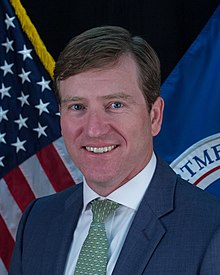
Chris Krebs
Among the “charges” outlined in Trump’s memorandum:
“Krebs skewed the bona fide debate about COVID-19 by attempting to discredit widely shared views that ran contrary to CISA’s favored perspective.”
During 2020—Trump’s last year in office as President—COVID-19 ravaged the United States. At least 400,000 Americans died—many of them because they believed Trump’s claims that:
- His administration had it under control; and
- There was no need to protect oneself from it—such as by social distancing and wearing masks in public.
Soviet dictator Joseph Stalin, in a moment of rare candor, once revealed his satanic ruthlessness to a group of fellow Bolsheviks: “To choose one’s victims, to prepare one’s plans minutely, to slake an implacable vengeance, and then to go to bed – there is nothing sweeter in the world.“
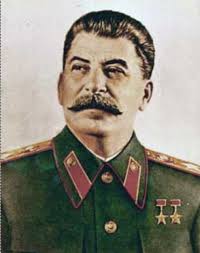
Joseph Stalin
On April 9, 2025, Trump revealed his intention to live by that belief. In his memorandum, he outlined his plans for revenge on Chris Krebs.
“I hereby direct the heads of executive department and agencies (agencies) to immediately take steps consistent with existing law to revoke any active security clearance held by Christopher Krebs.
“I further direct the Attorney General, the Director of National Intelligence, and all other relevant agencies to immediately take all action as necessary and consistent with existing law to suspend any active security clearances held by individuals at entities associated with Krebs, including SentinelOne, pending a review of whether such clearances are consistent with the national interest.”
Donald Trump
SentinelOne is an American cybersecurity company in Mountain View, California, where Krebs serves as Chief Intelligence and Public Policy Officer.
“I further direct the Attorney General and the Secretary of Homeland Security, in consultation with any other agency head, to take all appropriate action to review Krebs’ activities as a Government employee, including his leadership of CISA [Cybersecurity and Infrastructure Security Agency].“
“This review should identify any instances where Krebs’ conduct appears to have been contrary to suitability standards for Federal employees, involved the unauthorized dissemination of classified information, or contrary to the purposes and policies identified in Executive Order 14149 of January 20, 2025 (Restoring Freedom of Speech and Ending Federal Censorship).”
Trump is speaking about the censorship of Right-wing speech, which is virtually non-existent. But he has no qualms about suppressing freedom of speech for his critics.
He blocked access by the Associated Press to White House events because it refused to bow to his demand that it refer to the Gulf of Mexico as the “Gulf of America.”
On April 9, District Judge Trevor McFadden ruled the administration’s restriction on AP journalists was “contrary to the First Amendment,” which guarantees freedom of speech.
The administration has appealed the verdict to the United States Court of Appeals for the District of Columbia Circuit.
According to Trump’s memorandum:
“As part of that review, I direct a comprehensive evaluation of all of CISA’s activities over the last 6 years, focusing specifically on any instances where CISA’s conduct appears to have been contrary to the purposes and policies identified in Executive Order 14149.
“Upon completing these reviews, the Attorney General and the Secretary of Homeland Security shall prepare a joint report to be submitted to the President, through the Counsel to the President, with recommendations for appropriate remedial or preventative actions to be taken to fulfill the purposes and policies of Executive Order 14149.”
Clearly, Trump seeks to find any plausibly legal excuse to destroy the man who dared come between him and his Russian backers in 2020—and who contradicted his lies about COVID and the election.
Donald Trump’s ambition to become absolute dictator fits brilliantly into the goals of Project 2025, also known as the Presidential Transition Project.
This is a collection of policy proposals to fundamentally reshape the U.S. federal government in the event of a Republican victory in the 2024 Presidential election.
During the 2024 Presidential campaign, Trump repeatedly denied knowing anything about it—thus adding to the cascade of lies he spins almost every time he opens his mouth.
Established in 2022 by the Right-wing Heritage Foundation, the project aims to recruit tens of thousands of radical Right-wingers to the District of Columbia to replace existing federal civil servants.
Among Project 2025’s priorities:
- Replace tenured civil servants with thousands of political hacks to establish an absolute dictatorship under a Republican President.
- “Reform” the Department of Justice by making it the President’s personal law firm.
- Make the director of the FBI personally accountable to the President—as the head of the KGB is personally accountable to Vladimir Putin.
History-ignorant Americans are about to discover what it meant to live in the Soviet Union of Joseph Stalin—where truth and integrity were punished and lies and treachery were rewarded.
" WIKIPEDIA, 2016 PRESIDENTIAL CAMPAIGN, 2020 PRESIDENTIL CAMPAIGN, ABC NEWS, ALTERNET, AMERICABLOG, AP, ATTORNEY GENERAL, BABY BOOMER RESISTANCE, BALLOTS, BBC, BLOOMBERG, BLUESKY, BUZZFEED, CBS NEWS, CENSORSHIP, CHRISTOPHER KREBS, CIVIL RIGHTS, CNN, COVID-19, CROOKS AND LIARS, CYBERSECURITY AND INFRASTRUCTURE SECURITY AGENCY (CISA), DAILY KOS, DEFENSE CYBER COMMAND, DEPARTMENT OF HOMELAND SECURITY (DHS), DEPARTMENT OF JUSTICE, DIRECTOR OF NATIONAL INTELLIGENCE, DOMINION VOTING SYSTEMS, DONALD TRUMP, ELECTION ASSISTANCE COMMISSION, ELON MUSK, FACEBOOK, FBI, FEMINISM, FIVETHIRTYEIGHT, FOX NEWS NETWORK, FREEDOM OF THE PRESS, HACKERS, HARPER’S MAGAZINE, HERITAGE FOUNDATION, HILLARY CLINTON, HOLOCAUST, HUFFINGTON POST, I KNOW WHY THE CAGED BIRD SINGS (BOOK), JANET JACOB, JANUARY 6 COUP ATTEMPT, JOSEPH R. BIDEN, JOSEPH STALIN, MARK ZUCKERBERG, MAYA ANGELOU, MEDIA MATTERS, MEIN KAMPF (BOOK), MOTHER JONES, MOVEON, MSNBC, NATIONAL SECURITY AGENCY, NBC NEWS, NEW REPUBLIC, NEWSDAY, NEWSWEEK, NORTH ATLANTIC TREATY ORGANIZATION (NATO), NPR, PBS NEWSHOUR, PETE HEGSETH, POLITICO, POLITICUSUSA, PROJECT 2025, RACISM, RAW STORY, REPUBLICANS, REUTERS, SALON, SEATTLE TIMES, Secret Service, SENTINELONE, SLATE, SOVIET UNION, TALKING POINTS MEMO, THE ATLANTIC, THE CAMP OF THE SAINTS (BOOK), THE CHICAGO SUN-TIMES, THE CHICAGO TRIBUNE, THE DAILY BEAST, THE DAILY BLOG, THE GUARDIAN, THE HILL, THE HUFFINGTON POST, THE INTERCEPT, THE LOS ANGELES TIMES, THE NATION, THE NEW REPUBLIC, THE NEW YORK TIMES, THE NEW YORKER, THE VILLAGE VOICE, THE WASHINGTON POST, THINKPROGRESS, TIME, TROLLS, TRUTHDIG, TRUTHOUT, TWITTER, TWO POLITICAL JUNKIES, U.S. NEWS & WORLD REPORT, UNITED STATES NAVAL ACADEMY LIBRARY, UPI, USA TODAY, VLADIMIR PUTIN, WHITE SUPREMACY, X
In Bureaucracy, History, Law, Law Enforcement, Politics, Social commentary on April 15, 2025 at 12:08 am
On April 9, 2025, the White House (i.e., President Donald J. Trump) issued a MEMORANDUM FOR THE HEADS OF EXECUTIVE DEPARTMENTS AND AGENCIES.
Its purpose was to target Christopher Krebs, the former director of the Cybersecurity and Infrastructure Security Agency (CISA) run by the Department of Homeland Security (DHS) for potential arrest and prosecution.
Krebs’ “crime”: Ensuring that the 2020 Presidential election was free of lies spread by Russians—and Americans—on social media platforms.
Krebs did his job so effectively that Americans elected former Vice President Joseph R. Biden instead of re-electing then-President Trump.
And for Trump-–newly reinstalled as President in 2025—this was the equivalent of treason.
Donald Trump
Among the “charges” outlined in Trump’s memorandum:
“These disgraceful actions have taken the form of coercive threats against the private sector — including major social media platforms — to suppress conservative or dissenting voices and distort public opinion.”
The two biggest and most influential social media platforms—Twitter (now X) and Facebook—are owned by avowedly Right-wing billionaires: Elon Musk and Mark Zuckerberg. They gave Trump a huge megaphone of support during the 2016 and 2020 Presidential elections.
After he incited a treasonous riot against Congress on January 6, 2021, both platforms briefly banned him from posting. But then both—fearing “retribution” if he became President again—once again gave him access to their audiences.
Trump’s memorandum then moves from his general hates to his specific one: Chris Krebs.
“Christopher Krebs, the former head of the Cybersecurity and Infrastructure Security Agency (CISA), is a significant bad-faith actor who weaponized and abused his Government authority. Krebs’ misconduct involved the censorship of disfavored speech implicating the 2020 election and COVID-19 pandemic.”

And how did Krebs do this? By guaranteeing that the 2020 Presidential election was free of Russian trolls and hackers. Specifically:
Krebs’ to-do list included paper ballots:
“Paper ballots give you the ability to audit, to go back and check the tape and make sure that you got the count right. And that’s really one of the keys to success for a secure 2020 election. Ninety-five percent of the ballots cast in the 2020 election had a paper record associated with it. Compared to 2016, about 82%.
“That gives you the ability to prove that there was no malicious algorithm or hacked software that adjusted the tally of the vote, and just look at what happened in Georgia. Georgia has machines that tabulate the vote. They then held a hand recount and the outcome was consistent with the machine vote.”
“CISA, under Krebs’ leadership, suppressed conservative viewpoints under the guise of combatting supposed disinformation, and recruited and coerced major social media platforms to further its partisan mission….”
There is absolutely no evidence to support this lie.
“Krebs, through CISA, promoted the censorship of election information, including known risks associated with certain voting practices.”
Krebs’ election-security duties included:
- Sharing intelligence from agencies such as the CIA and National Security Agency with local officials about foreign efforts at election interference.
- Ensuring that domestic voting equipment was secure.
- Attacking domestic misinformation head-on.
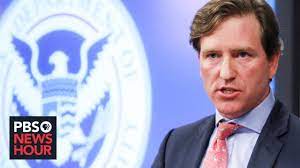
Chris Krebs
At his command lay the resources of a series of powerful Federal investigative agencies:
“We had the Department of Defense Cyber Command. We had the National Security Agency. We had the FBI. We had the Secret Service. We also had representatives from the Election Assistance Commission, which is the federal independent agency that supports the actual administration of elections.”
As a result, Krebs was widely praised for revamping the department’s cybersecurity efforts and increasing coordination with state and local governments.
By all accounts—except Trump’s—the November 3, 2020 election went very smoothly.
On November 12, to counter the growing chorus of lies from Trump and his Right-wing allies that the election had been stolen, Krebs put out the following statement:
“The November 3rd election was the most secure in American history. There is no evidence that any voting system deleted or lost votes, changed votes, or was in any way compromised.”
On November 17, Trump fired Chris Krebs.
Too cowardly to confront Krebs, Trump fired him by tweet—and accompanied the outrage with yet more lies:
“The recent statement by Chris Krebs on the security of the 2020 election was highly inaccurate, in that there were massive improprieties and fraud, including dead people voting, poll watchers not allowed into polling locations, glitches in the voting machines which changed votes from Trump to Biden, late voting, and many more.
Back to Trump’s memorandum/”indictment”:
“Similarly, Krebs, through CISA, falsely and baselessly denied that the 2020 election was rigged and stolen, including by inappropriately and categorically dismissing widespread election malfeasance and serious vulnerabilities with voting machines.”
Immediately after losing the 2020 Presidential election, Trump began spreading “The Big Lie”: That he had been defeated by massive voter fraud. And that this had been made possible through Dominion Voting Systems.
And soon Trump had the help of a major Right-wing propagandist to carry his lie nationwide: The Fox News Network.
On April 18, 2023, Fox News agreed to pay Dominion Voting Systems $797 million to avert a wrongful defamation trial. Dominion’s lawsuit would have exposed how the network promoted lies about the 2020 presidential election—all the while knowing they were lies.
So much for Trump’s claims of “widespread election malfeasance and serious vulnerabilities with voting machines.”
" WIKIPEDIA, 2016 PRESIDENTIAL CAMPAIGN, 2020 PRESIDENTIL CAMPAIGN, ABC NEWS, ALTERNET, AMERICABLOG, AP, ATTORNEY GENERAL, BABY BOOMER RESISTANCE, BALLOTS, BBC, BLOOMBERG, BLUESKY, BUZZFEED, CBS NEWS, CENSORSHIP, CHRISTOPHER KREBS, CIVIL RIGHTS, CNN, COVID-19, CROOKS AND LIARS, CYBERSECURITY AND INFRASTRUCTURE SECURITY AGENCY (CISA), DAILY KOS, DEFENSE CYBER COMMAND, DEPARTMENT OF HOMELAND SECURITY (DHS), DEPARTMENT OF JUSTICE, DIRECTOR OF NATIONAL INTELLIGENCE, DOMINION VOTING SYSTEMS, DONALD TRUMP, ELECTION ASSISTANCE COMMISSION, ELON MUSK, FACEBOOK, FBI, FEMINISM, FIVETHIRTYEIGHT, FOX NEWS NETWORK, FREEDOM OF THE PRESS, HACKERS, HARPER’S MAGAZINE, HERITAGE FOUNDATION, HILLARY CLINTON, HOLOCAUST, HUFFINGTON POST, I KNOW WHY THE CAGED BIRD SINGS (BOOK), JANET JACOB, JANUARY 6 COUP ATTEMPT, JOSEPH R. BIDEN, JOSEPH STALIN, MARK ZUCKERBERG, MAYA ANGELOU, MEDIA MATTERS, MEIN KAMPF (BOOK), MOTHER JONES, MOVEON, MSNBC, NATIONAL SECURITY AGENCY, NBC NEWS, NEW REPUBLIC, NEWSDAY, NEWSWEEK, NORTH ATLANTIC TREATY ORGANIZATION (NATO), NPR, PBS NEWSHOUR, PETE HEGSETH, POLITICO, POLITICUSUSA, PROJECT 2025, RACISM, RAW STORY, REPUBLICANS, REUTERS, SALON, SEATTLE TIMES, Secret Service, SENTINELONE, SLATE, SOVIET UNION, TALKING POINTS MEMO, THE ATLANTIC, THE CAMP OF THE SAINTS (BOOK), THE CHICAGO SUN-TIMES, THE CHICAGO TRIBUNE, THE DAILY BEAST, THE DAILY BLOG, THE GUARDIAN, THE HILL, THE HUFFINGTON POST, THE INTERCEPT, THE LOS ANGELES TIMES, THE NATION, THE NEW REPUBLIC, THE NEW YORK TIMES, THE NEW YORKER, THE VILLAGE VOICE, THE WASHINGTON POST, THINKPROGRESS, TIME, TROLLS, TRUTHDIG, TRUTHOUT, TWITTER, TWO POLITICAL JUNKIES, U.S. NEWS & WORLD REPORT, UNITED STATES NAVAL ACADEMY LIBRARY, UPI, USA TODAY, VLADIMIR PUTIN, WHITE SUPREMACY, X
In Bureaucracy, History, Law, Law Enforcement, Politics, Social commentary on April 14, 2025 at 12:10 am
In the United States of Donald Trump, protecting the right to legitimate elections can get you investigated—if not indicted.
Case in point: Christopher Krebs, who prevented Russian trolls and hackers from sabotaging the 2020 Presidential election.
During the 2016 Presidential race, Russian propaganda played a major role in convincing millions of Americans to vote for Donald Trump. Social media platforms—especially Facebook and Twitter—were flooded with genuinely fake news to sow discord among Americans and create a pathway for Trump’s election.
And where Internet trolls left off, Russian computer hackers took over.
Hillary Clinton won the popular vote—65,853,514 to 62,984,828 for Trump. But in the United States, what counts in Presidential elections is the Electoral College vote.
And there Trump won: 304 to 227.
What put him over the top in the Electoral College was the help he got from Russian dictator Vladimir Putin.

Vladimir Putin
Putin had good reason to assist Trump: Putin wanted the United States to ditch the North Atlantic Treaty Organization (NATO) alliance, which has preserved Western Europe from Russian aggression since World War II. And Trump had often attacked America’s funding of NATO as a drain on the American economy.
As for Trump, he wanted something from Putin: He wanted to be President. For this, Putin could supply monies, Internet trolls to confuse voters with falsified news, and even the hacking of key voting centers.
So notorious was the role played by Russian trolls and hackers in winning Trump the 2016 election that the Department of Homeland Security (DHS) was determined to prevent a repetition in 2020.
And the point man for this was Chris Krebs, the director of the Cybersecurity and Infrastructure Security Agency (CISA) run by DHS.
Born in Atlanta, Georgia, in 1977, Krebs had received a B.A. in environmental sciences from the University of Virginia in 1999, and a J.D. from the George Mason University School of Law in 2007.
Chris Krebs
Krebs had served as Senior Advisor to the Assistant Secretary of Homeland Security for Infrastructure Protection, and later worked in the private sector as Director for Cybersecurity Policy for Microsoft.
In preparation for the 2020 Presidential election, Krebs launched a massive effort to counter lies spread by Russians—and Americans—on social media platforms. As he explained to Scott Pelley during a “60 Minutes” interview aired on November 29, 2020:
“So we spent something on the order of three and a half years of gaming out every possible scenario for how a foreign actor could interfere with an election. Countless, countless scenarios.”
What Krebs could not know was that, less than five years later, his dedication to ensuring a free democratic election would put him in the crosshairs of the Justice Department.
A Justice Department under the control of the man defeated for the Presidency in 2020: Donald J. Trump.
On April 9, 2025, the White House (i.e., Trump) issued MEMORANDUM FOR THE HEADS OF EXECUTIVE DEPARTMENTS AND AGENCIES.
According to Wikipedia: “Donald Trump has made tens of thousands of false or misleading claims, including during his first and second terms as President of the United States. Fact-checkers at The Washington Post documented 30,573 false or misleading claims during his first presidential term, an average of 21 per day.”
So it was fitting that Trump’s memorandum opened with an outright series of lies disguised as an indictment:
“The Federal Government has a constitutional duty and a moral responsibility to respect and promote the free speech rights of Americans.
“Yet in recent years, elitist leaders in Government have unlawfully censored speech and weaponized their undeserved influence to silence perceived political opponents and advance their preferred, and often erroneous, narrative about significant matters of public debate.
“These disgraceful actions have taken the form of coercive threats against the private sector — including major social media platforms — to suppress conservative or dissenting voices and distort public opinion.
“Much of this censorship took place during a Presidential election with the apparent purpose of undermining the free exchange of ideas and debate.”
When Donald Trump makes an accusation, it is nearly always a confession of a crime he has committed or plans to commit. Thus, the above statements reflect exactly the agenda and practices of both the first Trump administration and the present one.
For example: “Elitist leaders in Government have unlawfully censored speech and weaponized their undeserved influence to silence perceived political opponents and advance their preferred, and often erroneous, narrative about significant matters of public debate.“
Trump ordered Secretary of Defense Pete Hegseth to purge the U.S. Naval Academy Library of books that focus on race, gender, and sexuality, and historical books on racism and white supremacy. These include books on the Holocaust, histories of feminism, civil rights and racism.
Thus, two copies of Adolf Hitler’s Mein Kampf are available for checkout, while Maya Angelou’s I Know Why the Caged Bird Sings is not.
Memorializing the Holocaust, Janet Jacob’s book on how female victims of the Holocaust have been portrayed, is gone. But The Camp of the Saints by Jean Raspail is still on the shelves. A 1973 novel which envisions a takeover of the Western world by immigrants from Third World countries, it has been embraced by white supremacists.
ABC NEWS, ACADEMY AWARDS, ALTERNET, AMERICABLOG, AP, AV FILM, “BROKEN ARROW”, “GREEN BOOK”, BABY BOOMER RESISTANCE, BROKEN ARROW (MOVIE), BUZZFEED, CBS NEWS, CIVIL RIGHTS, CLASSICAL PIANO, CNN, COCHISE, CROOKS AND LIARS, DAILY KOZ, DON SHIRLEY, DRUDGE RETORT, FIVETHIRTYEIGHT, FREEDOM RIDERS, HARPER’S MAGAZINE, HOMOSEXUALITY, JAMES MEREDITH, JAMES STEWART, JAZZ PIANO, JEFF CHANCLER, KU KLUX KLAN, MAHERSHALA ALI, MEDIA MATTERS, MISSISSIPPI, MOTHER JONES, MOVEON, MSNBC, NBC NEWS, NEWSWEEK, NPR, PBS NEWSHOUR, POLITICO, POLITICUSUSA, RACISM, RAW STORY, REBECCA THEODORE-VACHON, REUTERS, ROBERT F. KENNEDY, ROSS BARNETT, SALON, SEATTLE TIMES, SEGREGATION, SLATE, TALKING POINTS MEMO, THE ATLANTIC, THE CHICAGO SUN-TIMES, THE CHICAGO TRIBUNE, THE DAILY BEAST, THE DAILY BLOG, THE GUARDIAN, THE HILL, THE HUFFINGTON POST, THE LOS ANGELES TIMES, THE NATION, THE NEW REPUBLIC, THE NEW YORK TIMES, THE VILLAGE VOICE, THE WASHINGTON POST, THINKPROGRESS, TIME, TOM JEFFORDS, TONY VALLELONGA, TRUMP ADMINISTRATION, TRUTHDIG, TRUTHOUT, TWO POLITICAL JUNKIES, U.S. NEWS & WORLD REPORT, UNIVERSITY OF MISSISSIPPI, UPI, USA TODAY, VIGGO MORTENSEN, WONKETTE, X
In Entertainment, History, Law, Law Enforcement, Politics, Social commentary on July 11, 2024 at 12:30 am
Every year, the Academy of Motion Picture Arts and Sciences hosts its Academy Awards ceremony, better known as “Oscar Night.”
Each year, Academy members make their choices for such categories as Best Picture, Best Actor, Best Actress, Best Supporting Actor and Actress.
And each year, before those selections are announced at the ceremony, there is a huge buildup of anticipation among Americans over which person or movie should win acclaim.
Then that year’s selections are quickly forgotten.
But some movies should not be quickly forgotten. Among these: Green Book, which won the Oscar for Best Picture at the 91st annual Academy Awards in 2019.
Green Book is based on the true story of a concert tour by a black classical and jazz pianist, Don Shirley, and his driver and bodyguard, Tony Vallelonga. Mahershala Ali plays Shirley and Viggo Mortensen plays Vallelonga.
The two men are polar opposites: Shirley is cultured and eloquent; Vallelonga is streetwise and volatile. Shirley is used to dealing with the cream of New York society. Vallelonga is used to dealing with its dregs—as a nightclub bouncer.
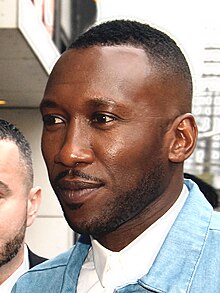
Mahershala Ali as Don Shirley
Gordon Correll [CC BY-SA 2.0 (https://creativecommons.org/licenses/by-sa/2.0)%5D
When his nightclub closes for renovations, he responds to an ad by Shirley for a driver for his eight-week concert tour through the Midwest and Deep South.
This is 1962, a time when a black Air Force veteran, James Meredith, must be given protection by deputy U.S. marshals when he enters the segregated University of Mississippi. White and black “Freedom Riders” are canvassing the South, sitting at segregated lunch counters and often being attacked by members of the Ku Klux Klan and equally racist Southern police.
In fact, the title of the movie—Green Book—is derived from a travel guide written for blacks venturing into the Deep South: The Negro Motorist Green Book. Written by Victor Hugo Green, its purpose is to help blacks find motels and restaurants that will accept them.
And as Shirley and Vallelonga make their odyssey through the South, they find themselves staying at separate hotels—and sometimes together, after Vallelonga slips Shirley into his own room.

An AV Film review called Green Book “a kind of comforting liberal fantasy, a #NotAllRacists trifle that suggests that our deep, festering divisions can be sutured through some quality time on the open road, resolving differences over a bucket of KFC.”
Not so. It took far more than a bucket of KFC to cement the friendship between Shirley and Vallelonga.
At the start of the movie, Vallelonga throws away a glass after a black construction worker drinks from it. But during his tour of the South, he becomes increasingly sympathetic to the plight suffered by Shirley—and other blacks forced to daily endure a series of humiliations.
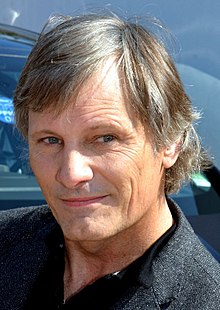
Viggo Mortensen as Tony Vallelonga
Georges Biard [CC BY-SA 3.0 (https://creativecommons.org/licenses/by-sa/3.0)%5D
According to television critic Rebecca Theodore-Vachon: “Green Book is a feel-good movie. It doesn’t really require a lot of critical thinking or self-analysis. You know, people walk out of the movie feeling that, oh, well, racism is over, we’re good.”
Actually, the film makes clear that some people will always be racists. Thus, Shirley finds himself repeatedly forced to eat in the segregated rooms of the hotels where he’s to play concerts. And he’s almost murdered by a group of racists when he makes the mistake of going into a whites’ only bar. He survives only because Vallelonga arrives in time to rescue him.
And Shirley proves just as great a friend to Vallelonga. He introduces the semi-literate bouncer to the power of the written word by helping him craft articulate, heartfelt letters to his wife.
Toward the end of the movie, Vallelonga and Shirley are pulled over by a Mississippi police officer. Shirley’s “crime”: Being black—and out at night. When the officer insults Vallelonga, Tony punches him—and he and Shirley wind up in jail.
Shirley asks for permission to call his “lawyer”—and the man he dials is Attorney General Robert F. Kennedy.
Kennedy, in turn, calls Mississippi Governor Ross Barnett. Barnett is already having his share of troubles with the Kennedys, and he orders the police: Let those men go—now!
This scene underscores the importance of electing people who will stand against injustice. Watching the release of Vallelonga and Shirley, it’s impossible to imagine the Trump administration intervening in such a manner.
At the end of the movie, Shirley visits Vallelonga’s home—where he’s warmly received by Tony and his family. The film’s end credits reveal that the two men remained friends until they died, within months of each other, in 2013.
In 1950, a Western called Broken Arrow-–starring James Stewart as Tom Jeffords and Jeff Chandler as Cochise—told the true story of a friendship between a white man and an Apache. For many Americans, this came as a revelation.
After decades of seeing Indians depicted as bloodthirsty savages, audiences saw that there were those—among red men and white men—who could rise above prejudice and see each other as worthy of respect.
The lesson of Green Book is exactly the same. And it’s needed now more than ever.
1968 PRESIDENTIAL CAMPAIGN, 2020 PRESIDENTIAL CAMPAIGN, ABC NEWS, ALTERNET, AMERICABLOG, AMERICAN INDIANS, AP, BABY BOOMER RESISTANCE, BARBARA GARSON, BBC, BLACK LIVES MATTER, BLOOMBERG, BUZZFEED, CBS NEWS, CIVIL RIGHTS, CNN, COMING APART: AMERICA IN THE 1960S (BOOK), CROOKS AND LIARS, DAILY KOS, DAILY KOZ, DEMOCRATS, DRUDGE REPORT, EUGENE MCCARTHY, FIVETHIRTYEIGHT, GEORGE BERNARD SHAW, GROSS NATIONAL PRODUCT, HARPER’S MAGAZINE, HUFFINGTON POST, JIM SLATTERY, JOHN F. KENNEDY, Kamala Harris, KANSAS STATE UNIVERSITY, LOOK MAGAZINE, LYNDON B. JOHNSON, MCBIRD!, MEDIA MATTERS, MISSISSIPPI, MOTHER JONES, MOVEON, MSNBC, NBC NEWS, NEW REPUBLIC, NEWSDAY, NEWSWEEK, NPR, PBS NEWSHOUR, POLITICO, POLITICUSUSA, RAW STORY, REPUBLICANS, REUTERS, ROBERT F. KENNEDY, SALON, SEATTLE TIMES, SIRHAN SIRHAN, SLATE, SOPHOCLES, STANLEY TRETICK, TALKING POINTS MEMO, TET OFFENSIVE, THE ATLANTIC, THE CHICAGO SUN-TIMES, THE CHICAGO TRIBUNE, THE DAILY BEAST, THE DAILY BLOG, THE GUARDIAN, THE HILL, THE HUFFINGTON POST, THE INTERCEPT, THE LOS ANGELES TIMES, THE NATION, THE NEW REPUBLIC, THE NEW YORK TIMES, THE NEW YORKER, THE VILLAGE VOICE, THE WASHINGTON POST, THINKPROGRESS, TIME, TIME MAGAZINE, TRUTHDIG, TRUTHOUT, TWO POLITICAL JUNKIES, U.S. NEWS & WORLD REPORT, UNIVERSITY OF KANSAS, UPI, USA TODAY, VIETNAM WAR, WILLIAM L. O'NEIL, WONKETTE, X
In Bureaucracy, History, Law, Law Enforcement, Military, Politics, Social commentary on July 5, 2024 at 12:10 am
On March 18, 1968, Presidential candidate Robert F. Kennedy, speaking at the University of Kansas, called on his fellow citizens to show compassion for those less fortunate and in need of relief through the Federal Government.
“If we believe that we, as Americans, are bound together by a common concern for each other, then an urgent national priority is upon us. We must begin to end the disgrace of this other America.”
Finally, Kennedy did something almost no other politician—in his time or since—has ever done: He dared to attack that holy-of-holies, the Gross Domestic Product (then called the Gross National Product).
“If we believe that we, as Americans, are bound together by a common concern for each other, then an urgent national priority is upon us. We must begin to end the disgrace of this other America.
“Too much and for too long, we seemed to have surrendered personal excellence and community values in the mere accumulation of material things. Our Gross National Product, now, is over $800 billion dollars a year, but that Gross National Product….counts air pollution and cigarette advertising, and ambulances to clear our highways of carnage.
“It counts special locks for our doors and the jails for the people who break them. It counts the destruction of the redwood and the loss of our natural wonder in chaotic sprawl. It counts napalm and counts nuclear warheads and armored cars for the police to fight the riots in our cities. It counts Whitman’s rifle and Speck’s knife, and the television programs which glorify violence in order to sell toys to our children.
“Yet the Gross National Product does not allow for the health of our children, the quality of their education or the joy of their play. It does not include the beauty of our poetry or the strength of our marriages, the intelligence of our public debate or the integrity of our public officials.
“It measures neither our wit nor our courage, neither our wisdom nor our learning, neither our compassion nor our devotion to our country. It measures everything in short, except that which makes life worthwhile. And it can tell us everything about America except why we are proud that we are Americans….

Senator Robert F. Kennedy campaigning for President
“George Bernard Shaw once wrote, ‘Some people see things as they are and say why? I dream things that never were and say, why not?’
“So I come here to Kansas to ask for your help. In the difficult five months ahead, before the convention in Chicago. I ask for your help and for your assistance.
“If you believe that the United States can do better. If you believe that we should change our course of action. If you believe that the United States stands for something here internally as well as elsewhere around the globe, I ask for your help and your assistance and your hand over the period of the next five months.
“And when we win in November….and we begin a new period of time for the United States of America, I want the next generation of Americans to look back upon this period and say as they said of Plato: ‘Joy was in those days, but to live.’ Thank you very much.”
At the end of Kennedy’s wildly popular speech at Kansas State University, photographer Stanley Tretick, of Look magazine, shouted, “This is Kansas, fucking Kansas! He’s going all the fucking way!”
But he didn’t go all the way. On June 5, 1968—82 days after announcing his Presidential candidacy—an assassin’s bullet suddenly halted his short-lived campaign—and his life.

Robert Kennedy’s funeral train
Historian William L. O’Neil delivered a poignant summary of Robert Kennedy’s legacy in his 1971 book, Coming Apart: An Informal History of America in the 1960′s:
“He aimed so high that he must be judged for what he meant to do, and through error and tragic accident, failed at…..He will also be remembered as an extraordinary human being who, though hated by some, was perhaps more deeply loved by his countrymen than any man of his time.
“That, too, must be entered into the final account, and it is no small thing. With his death, something precious vanished from public life.”
As United States Attorney General (1961-1964) Robert F. Kennedy had the courage to wage all-out war on the Mafia. As a United States Senator (1964-1968) he had the compassion to champion aid to impoverished Americans.
Even in his own era—a half-century ago—Robert Kennedy stood out as the only major Presidential candidate who could legitimately make both claims.
Today, most Democrats—battered by decades of Republican charges that they’re “big spenders”—fear supporting big-ticket items to help the poor.
And the Black Lives Matter movement has made any connection to law enforcement a disqualification for higher office—as former California Attorney General Kamala Harris found out as a 2020 Presidential candidate.
America may never again see a Presidential candidate who can combine a strong stand against crime with an equally strong commitment to helping the poor and disadvantaged.
 Bureaucracybuster's Blog
AFFORDABLE CARE ACT (ACA), AFGHANISTAN, ALEX PRETTI, ALLEN DULLES, ALTERNET, AMAZON, AMERICABLOG, ANTI-CASTRO CUBANS, AP, APPLE, ARTIFICIAL INTELLIGENCE, ASSASSINATION, BABY BOOMER RESISTANCE, BARACK OBAMA, BARI WEISS, BAY OF PIGS, BBC, BIG TECH, BLACKS, BLOOMBERG, BLUESKY, BUZZFEED, CANADA, CANADIANS, CARLOS MARCELLO, CBS NEWS, CIA, CITIENSHIP TESTS, CIVIL RIGHTS, CLEAR AND PRESENT DANGER (FILM), CNN, COLUMBIAN/MEXICAN DRUG CARTELS, CONSPIRACIES, CROOKS AND LIARS, CUBA, CUBAN MISSILE CRISIS, CUSTOMS AND BORDER PATROL (CBP), DAILY KOS, DONALD TRUMP, FBI, FBI AGENTS, FEDERAL EMERGENCY MANAGEMENT AGENCY, FEDERAL RESERVE, FEDERAL TRADE COMMISSION, FIDEL CASTRO, FIVETHIRTYEIGHT, GAIUS CALIGULA, GAZA, GOOGLE, GREENLAND, GREENLANDERS, GUN RIGHTS ENTHUSIASTS, HARPER’S MAGAZINE, HARRISON FORD, HISPANICS, HUFFINGTON POST, IMMIGRANTS, IMMIGRATION AND CUSTOMS ENFORCEMENT (ICE), INSPECTORS GENERAL, INTERNATIONAL BROTHERHOOD OF TEAMSTERS, IRAN, IRANIANS, ISLAM, ISRAEL, ISREAL, J. EDGAR HOOVER, JAIME DIMON, JAMES COMEY, JANUARY 6 COUP ATTEMPT, JEFF BEZOS, JEFFREY, JEFFREY EPSTEIN, JEROME POWELL, JIMMY HOFFA, JOE BIDEN, JOHN F. KENNEDY, JOHN KELLY, JOURNALISTS, JP MORGAN CHASE, JUSTICE DEPARTMENT PROSECUTORS, Kamala Harris, KGB, LAWYERS, LEBANON, LETITIA JAMES, MAFIA, MARCUS AURELIUS, MARINE BARRACKS BOMBING, MARK ESPER, MARK MILLEY, MEDAL OF HONOR WINNERS, MEDIA MATTERS, MEDICARE, MELANIA TRUMP, META, MICHELLE OBAMA, Military, MINNESOTA, MOTHER JONES, MOVEON, MSNBC, MUSLIMS, NATIONAL RIFLE ASSOCIATION (NRA), NATO, NAVAJO CODE TALKERS, NBC NEWS, NERO, NEWSDAY, NEWSWEEK, NPR, NUCLEAR REACTOR SITES, NUCLEAR TEST BAN TREATY, NUCLELAR TEST BAN TREATY, OIL MILLIONAIRES, PAKISTAN, PAM BONDI, PARIS CLIMATE AGREEMENT, PBS NEWSHOUR, PETE HEGSETH, POLICE, POLITICO, POLITICUSUSA, RARE EARTH MIINERALS, RAW STORY, REUTERS, ROBERT F. KENNEDY, Ronald Reagan, RUDY GIULIANI, SALON, SAM GIANCANA, SEATTLE TIMES, SLATE, SOMALIS, SOUTHERN RACISTS, SOVIET UNION, SUICIDE BOMBINGS, TALKING POINTS MEMO, TARIFFS, THE ATLANTIC, THE CHICAGO SUN-TIMES, THE CHICAGO TRIBUNE, THE DAILY BEAST, THE DAILY BLOG, THE GUARDIAN, THE HILL, THE HUFFINGTON POST, THE INTERCEPT, THE KENNEDY HALF-CENTURY (BOOK), THE LOS ANGELES TIMES, THE MILITARY, THE NATION, THE NEW REPUBLIC, THE NEW YORK TIMES, THE NEW YORKER, THE PRESS, THE PRINCE (BOOK), THE VILLAGE VOICE, THE WASHINGTON POST, THINKPROGRESS, TIM COOK, TIME, TRAJAN, TRUTHDIG, TRUTHOUT, TUSKEGEE AIRMEN, TWO POLITICAL JUNKIES, U.S. NEWS & WORLD REPORT, UNITED STATES DEPARTMENT OF DEFENSE, UNITED STATES DEPARTMENT OF JUSTICE, UNITED STATES SECRET SERVICE, UPI, USA TODAY, WATERGATE, X
JFK HAD POWERFUL ENEMIES. SO DOES DJT: PART FOUR (END)
In Bureaucracy, Business, History, Law, Law Enforcement, Medical, Military, Politics, Social commentary on February 19, 2026 at 12:13 amJust as President John F. Kennedy was passionately loved and hated, so, too, is Donald J. Trump. And Trump, at 79, has already been the target of two assassination attempts.
Among the potential consequences of that hatred:
Donald Trump
The New York Stock Exchange
* * * * *
More than 500 years ago, Niccolo Machiavelli, the Florentine statesman, authored The Discourses on Livy, a work of political history and philosophy. In it, he outlined how citizens of a republic can maintain their freedoms.
One of the longest chapters—Book Three, Chapter Six—covers “Of Conspiracies.” In it, those who wish to conspire against a ruler will find highly useful advice. And so will those who wish to foil such a conspiracy.
Niccolo Machiavelli
Lorenzo Bartolini, CC0, via Wikimedia Commons
Above all, he notes how important it is for rulers to make themselves loved—or at least respected—by their fellow citizens:
“Note how much more praise those Emperors merited who, after Rome became an empire, conformed to her laws like good princes, than those who took the opposite course.
“Titus, Nerva, Trajan, Hadrian, Antoninus and Marcus Auelius did not require the Praetorians nor the multitudinous legions to defend them, because they were protected by their own good conduct, the good will of the people, and by the love of the Senate.
“On the other hand, neither the Eastern nor the Western armies saved Caligula, Nero, Vitellius and so many other wicked Emperors from the enemies which their bad conduct and evil lives had raised up against them.”
In his better-known work, The Prince, he warns rulers who—like Donald Trump–are inclined to rule by fear:
“A prince should make himself feared in such a way that if he does not gain love, he at any rate avoids hatred: for fear and the absence of hatred may well go together.”
By Machiavelli’s standards, Trump has made himself the perfect target for a conspiracy:
“When a prince becomes universally hated, it is likely that he’s harmed some individuals—who thus seek revenge. This desire is increased by seeing that the prince is widely loathed.”
Share this: