Posts Tagged ‘ADOLF HITLER’
2016 PRESIDENTIAL ELECTION, 2020 PRESIDENTIAL ELECTION, ABC NEWS, ADOLF HITLER, ALEXANDER KERENSKY, ALTERNET, AMERICABLOG, AP, BABY BOOMER RESISTANCE, BEER HALL PUTSCH, BEN SASSE, BLOOMBERG, BRAD RAFFENSPERGER, BRIAN KEMP, BUZZFEED, CAPITOL POLICE, CBS NEWS, CHINA, CHRIS KREBS, CHRIS MURPHY, CIA, CNN, CROOKS AND LIARS, CYBERSECURITY, DAILY KOZ, DEMOCRATS, DEPARTMENT OF HOMELAND SECURITY, DONALD TRUMP, DRUDGE REPORT, ELECTORAL COLLEGE, FACEBOOK, FBI, FIVETHIRTYEIGHT, HARPER’S MAGAZINE, HITLER: ASCENT: 1889 – 1939 (BOOK), HUFFINGTON POST, ISLAMIC STATE, JAMES COMEY, JOSEPH BIDEN, jOSH HAWLEY, JOSH SHAPIRO, KAITLAN COLLINS, KEN PAXTON, KEVIN MCCARTHY, KIM JONG ON, MEDIA MATTERS, MEIN KAMPF (BOOK), MIKE KELLY, MIKE PENCE, MITCH MCCONNELL, MOTHER JONES, MOVEON, MSNBC, NANCY PELOSI, NATIONAL GUARD, NATIONAL SECURITY AGENCY, NBC NEWS, NEWSWEEK, NORTH KOREA, NPR, PAT A. CIPOLLONE, PAUL LEBLANC, PBS NEWSHOUR, POLITICO, POLITICUSUSA, RAW STORY, REPUBLICANS, REUTERS, ROD SERLING, ROY BLUNT, RUSSIA, RUSSIAN REVOLUTION, SALON, SEATTLE TIMES, SERGEI KISLYAK, SERGI LAVROV, SLATE, SUPREME COURT, TALKING POINTS MEMO, THE ATLANTIC, THE CHICAGO SUN-TIMES, THE CHICAGO TRIBUNE, THE DAILY BEAST, THE DAILY BLOG, THE GUARDIAN, THE HILL, THE HUFFINGTON POST, THE LOS ANGELES TIMES, THE NATION, THE NEW REPUBLIC, THE NEW YORK TIMES, THE TWILIGHT ZONE, THE VILLAGE VOICE, THE WASHINGTON POST, THINKPROGRESS, TIME, TRUTHDIG, TRUTHOUT, TWILIGHT ZONE EPISODE “DEATH’S HEAD REVISITED”, TWITTER, TWO POLITICAL JUNKIES, U.S. NEWS & WORLD REPORT, ULYSSES S. GRANT, UNITED STATES CAPITOL BUILDING, UNITED STATES HOUSE OF REPRESENTATIVES, UNITED STATES SECRET SERVICE, UNITED STATES SENATE, UPI, USA TODAY, VLACIMIR PUTIN, VOLKER ULLRICH, XI JINPING
In Bureaucracy, History, Law, Law Enforcement, Politics, Social commentary on February 15, 2021 at 12:25 am
HISTORY’S LESSON ON TREASON
Whatever may have been my political opinions before, I have one sentiment now: That is, we have a government, and laws, and a flag, and they must all be sustained. There are but two parties now, traitors and patriots, and I want hereafter to be ranked with the latter and, I trust, the stronger party.
—Ulysses S. Grant
History teaches us that republics that tolerate treason soon become former republics.
Example: #1: In February, 1917, Alexander Kerensky became president of the Russian Provisional Government after the fall of Tsar Nicholas II.
Warned that Bolshevik leaders were plotting his overthrow, he refused to order their arrests: “In Russia, it’s always been too easy to arrest people who disagree with you.”
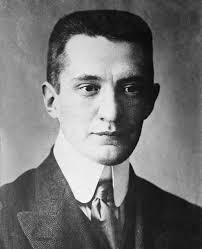
Alexander Kerensky
On November 7, 1917, he found himself overthrown and fleeing the country for his life. A Communist government, presided over by Vladimir Lenin, assumed absolute power—and held onto it for the next 74 years
Example #2: On November 9, 1923, Nazi Party Fuhrer Adolf Hitler tried to overthrow the government in Munich, Bavaria.
About 2,000 Nazis marched to the center of Munich, where they confronted heavily-armed police. A shootout erupted, killing 16 Nazis and four policemen.
Hitler was injured during the clash, but managed to escape. Two days later, he was arrested and charged with treason.
Put on trial, he found himself treated as a celebrity by a judge sympathetic to Right-wing groups. He was allowed to brutally cross-examine witnesses and even make inflammatory speeches.
At the end of the trial, he was convicted of treason and sentenced to five years’ imprisonment.
Serving time in Landsberg Prison, in Bavaria. he was given a huge cell, allowed to receive unlimited visitors and gifts, and treated with deference by guards and inmates.
Hitler used his time in prison to write his infamous book, Mein Kampf-–“My Struggle.” Part autobiography, part political treatise, it laid out his future plans—including the extermination of the Jews and the conquest of the Soviet Union.

Adolf Hitler leaving Landsberg Prison, December, 20, 1924
Nine months later, he was released on parole—by authorities loyal to the authoritarian Right instead of the newly-created Weimar Republic.
Hitler immediately began rebuilding the shattered Nazi party—and deciding on a new strategy to gain power. Never again would he resort to armed force. He would win office by election—or intrigue.
On January 30, 1933, those intrigues made him Chancellor of Germany.
Writes historian Volker Ullrich, in his monumental 2016 biography, Hitler: Ascent 1889 – 1939: “Historians have perennially tried to answer the question of whether Hitler’s rise to power could have been halted….
“There were repeated opportunities to end Hitler’s run of triumphs. The most obvious one was after the failed Putsch of November 1923. Had the Munich rabble-rouser been forced to serve his full five-year term of imprisonment in Landsberg, it is extremely unlikely that he would have been able to restart his political career.”
THE DIFFERENCE BETWEEN THE ELECTIONS OF 2016 AND 2020
During the 2016 Presidential race, Russian propaganda played a major role in convincing millions of Americans to vote for Donald Trump. Social media platforms—especially Facebook and Twitter—were flooded with genuinely fake news to sow discord among Americans and create a pathway for Trump’s election.
And where Internet trolls left off, Russian computer hackers took over.
Russian President Vladimir Putin, a former KGB officer, had quickly assessed Trump as an egotistical narcissist. By appealing to Trump’s vanity, Putin expected to sharply reduce the military and political threat the United States represented to a resurgent Russia.
Donald Trump didn’t win a majority of the popular vote in 2016—but he got enough help from Putin to put him over the top in the Electoral College.
And Trump gladly reciprocated.
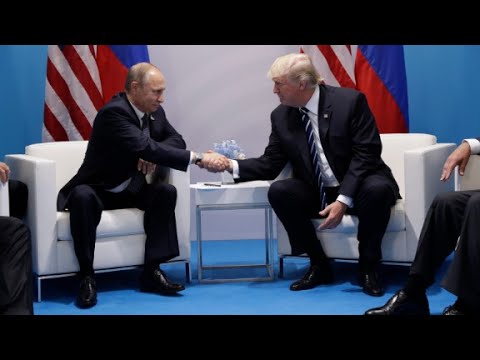
Vladimir Putin and Donald Trump
From his first day in office, he sided with brutal dictators (Putin, North Korea’s Kim Jong-On, China’s Xi Jinping) and declared war on America’s oldest and most reliable allies (Canada, Britain, France).
When he spoke with Putin face-to-face, he afterward demanded that the lone translator surrender his notes, so there would be no record of what he had agreed to with Putin.
On May 10, 2017, Trump met with Russian Foreign Minister Sergey Lavrov and Russian Ambassador Sergey Kislyak in the Oval Office—and gave them highly classified CIA Intelligence about an Islamic State plot to turn laptops into concealable bombs.
Not only did this occur in the Oval Office, but it happened on the day after he fired FBI Director James Comey for refusing to become Trump’s version of a KGB chief.
“I just fired the head of the FBI,” Trump told the two dignitaries. “He was crazy, a real nut job. I faced great pressure because of Russia. That’s taken off.”
On numerous occasions Donald Trump fiercely denied any Russian connections. On January 11, 2017, he tweeted: “Russia has never tried to use leverage over me. I HAVE NOTHING TO DO WITH RUSSIA – NO DEALS, NO LOANS, NO NOTHING!”
But Trump’s son, Eric, bragged in 2014: “Well, we don’t rely on American banks. We have all the funding we need out of Russia. We’ve got some guys that really, really love golf, and they’re really invested in our programs. We just go there all the time.”
ABC NEWS, ABORTION, ADOLF HITLER, ALTERNET, AMERICABLOG, ANTHONY FAUCI, ANTI-SCIENCE, AP, BABY BOOMER RESISTANCE, BLOOMBERG, BUZZFEED, CBS NEWS, CNN, COLUMBIA UNIVERSITY MEDICAL CENTER, CORONAVIRUS, COVID-19, CROOKS AND LIARS, DAILY KOZ, DAVID ABRAMS, DEMOCRATS, DONALD TRUMP, DRUDGE RETORT, FACEBOOK, FASCISM, FIVETHIRTYEIGHT, FLORIDA ATLANTIC UNIVERSITY, HARPER’S MAGAZINE, HYPOCRISY, JOE BIDEN, KN95 MASKS, MASKS, MEDIA MATTERS, MOTHER JONES, MOVEON, MSNBC, N95 MASKS, NAZI GERMANY, NBC NEWS, NEWSWEEK, NICCOLO MACHIAVELLI, NPR, NYU SCHOOL OF GLOBAL PUBLIC HEALTH, PBS NEWSHOUR, POLITICO, POLITICUSUSA, RAW STORY, RELIGIOUS FANATICISM, REPUBLICANS, REUTERS, SALON, SCIENCE, SCIENTIFIC AMERICAN, SEATTLE TIMES, SLATE, SOCIAL DISTANCING, SUPREME COURT, TALKING POINTS MEMO, THE ATLANTIC, THE CHICAGO SUN-TIMES, THE CHICAGO TRIBUNE, THE DAILY BEAST, THE DAILY BLOG, THE DISCOURSES, THE GUARDIAN, THE HILL, THE HUFFINGTON POST, THE LOS ANGELES TIMES, THE NATION, THE NEW REPUBLIC, THE NEW YORK TIMES, THE VILLAGE VOICE, THE WASHINGTON POST, THINKPROGRESS, TIME, TRUTHDIG, TRUTHOUT, TWITTER, TWO POLITICAL JUNKIES, TYPHOID MARY MALLON, U.S. NEWS & WORLD REPORT, UPI, USA TODAY, WEIMAR REPUBLIC, WONKETTE
In Bureaucracy, History, Law, Law Enforcement, Medical, Politics, Social commentary on February 2, 2021 at 12:12 am
With the swearing in of Joseph R. Biden as the 46th President of the United States, a new—and desperately needed—chapter in the saga of COVID-19 has finally begun.
President Donald Trump had made the wearing of masks a divisive political issue. Wearing a mask, according to him, made you a wimp and a liberal Never-Trumper. Not wearing a mask showed you’re a macho man or woman—and in solidarity with him.
In effect, he was egotistically demanding that his followers risk death to prove their loyalty to him.
Biden, from the first, has seen COVID-19 as a plague—and not as a test of personal loyalty.
During a June 26, 2020 television interview he said that, if he were elected President, he would require wearing face masks in public to prevent the spread of Coronavirus: “The one thing we do know—these masks make a gigantic difference. I would insist that everybody out in public be wearing that mask.”
Since becoming President, he has:
- Issued a national mask mandate on federal property, airlines, trains and other public transit systems.
- Created an office of White House COVID-19 response. Its goals: Secure more protective equipment for workers, increase testing and vaccinations and reopen schools.
- Restored science to its rightful place in fighting the plague. “You’re going to be hearing a lot from [Infectious disease expert] Dr. [Anthony] Fauci again,” Biden promised, saying that public health officials would be “free from political interference.”
- Promised to push for a $1.9 trillion economic relief and COVID response package. Although he has repeatedly said he wants to pass this with bipartisan support, he has also warned that he will try to do so without Republican agreement if necessary.
- Promised to level with the country on both the progress and setbacks in his war on COVID-19. He has predicted that 100,000 Americans will die from COVID-19 during his first six weeks in office.

President Joseph Biden
Biden’s mask rules come as close to a national mask mandate as his federal powers allow. Only states and municipalities can require residents to wear masks at a local level.
And even in states that require wearing a mask in public, many people refuse to do so. Fights have erupted between mask-less and mask-wearing customers—and sometimes store employees—who asked them to put on a mask before entering. Even store security guards have been assaulted.
So: How should those who refuse to wear a mask—and thus threaten the lives of others—be dealt with?
Governors, mayors and business owners need to fill the leadership void. They should issue emergency orders mandating the wearing of masks in public. And these orders should be forcibly backed up by the following:
- Stop stressing that wearing a mask will protect others from “you.” Most people don’t care about strangers. Emphasize that wearing a mask will protect “you and your family” from others.
- Don’t hand out tickets to mask-evaders. They will simply ignore them—or write them off as a cheap price for going without a mask.
- Major retailers should hire professional guards to handle mask-evaders—who should be turned over to police.
- Police should arrest everyone not wearing a mask in public and jail them—without bond—until the plague is over or a vaccine is found.
- These inmates should be lodged together—and away from those who are not infected with COVID-19.
- Police should create tip hotlines for reporting mask-evaders—and offer rewards for tips that lead to arrests.
- The media should publicize these arrests and jailings—to warn other potential mask-evaders.
- Right-wingers who openly carry firearms and threaten violence should be arrested and imprisoned under State and Federal anti-terrorism laws.
It was the failure of German police and courts to abort Right-wing violence during the Weimar Republic that led to even greater violence through the rise of Adolf Hitler and his Nazi party.
Laws are useless if citizens believe they are unfairly or unpredictably enforced. As Niccolo Machiavelli warns in his classic work, The Discourses:
…Whoever desires to found a state and give it laws, must start with assuming that all men are bad and ever ready to display their vicious nature, whenever they may find occasion for it. If their evil disposition remains concealed for a time, it must be attributed to some unknown reason; and we must assume that it lacked occasion to show itself.
This is how United States authorities dealt with “Typhoid Mary” Mallon (September 23, 1869 – November 11, 1938).

Mary Mallon
An Irish-born cook, she was an asymptomatic carrier of typhoid fever and is believed to have infected 53 people, three of whom died. Because she persisted in working as a cook, she exposed others to the disease.
As a result, she was twice forcibly quarantined by authorities, and died after a total of nearly 30 years in isolation at Riverside Hospital on North Brother Island, in New York City.
It’s long past time for responsible Federal, state and local officials to get tough on those who, through sheer egotism or allegiance to a medically discredited American traitor, place others at risk of a deadly plague.
ABC NEWS, ABORTION, ADOLF HITLER, ALTERNET, AMERICABLOG, ANTHONY FAUCI, ANTI-SCIENCE, AP, BABY BOOMER RESISTANCE, BLOOMBERG, BUZZFEED, CBS NEWS, CNN, COLUMBIA UNIVERSITY MEDICAL CENTER, CORONAVIRUS, COVID-19, CROOKS AND LIARS, DAILY KOZ, DAVID ABRAMS, DEMOCRATS, DONALD TRUMP, DRUDGE RETORT, FACEBOOK, FASCISM, FIVETHIRTYEIGHT, FLORIDA ATLANTIC UNIVERSITY, HARPER’S MAGAZINE, HYPOCRISY, JOE BIDEN, KN95 MASKS, MASKS, MEDIA MATTERS, MOTHER JONES, MOVEON, MSNBC, N95 MASKS, NAZI GERMANY, NBC NEWS, NEWSWEEK, NICCOLO MACHIAVELLI, NPR, NYU SCHOOL OF GLOBAL PUBLIC HEALTH, PBS NEWSHOUR, POLITICO, POLITICUSUSA, RAW STORY, RELIGIOUS FANATICISM, REPUBLICANS, REUTERS, SALON, SCIENCE, SCIENTIFIC AMERICAN, SEATTLE TIMES, SLATE, SOCIAL DISTANCING, SUPREME COURT, TALKING POINTS MEMO, THE ATLANTIC, THE CHICAGO SUN-TIMES, THE CHICAGO TRIBUNE, THE DAILY BEAST, THE DAILY BLOG, THE DISCOURSES, THE GUARDIAN, THE HILL, THE HUFFINGTON POST, THE LOS ANGELES TIMES, THE NATION, THE NEW REPUBLIC, THE NEW YORK TIMES, THE VILLAGE VOICE, THE WASHINGTON POST, THINKPROGRESS, TIME, TRUTHDIG, TRUTHOUT, TWITTER, TWO POLITICAL JUNKIES, TYPHOID MARY MALLON, U.S. NEWS & WORLD REPORT, UPI, USA TODAY, WEIMAR REPUBLIC, WONKETTE
In Bureaucracy, History, Law, Law Enforcement, Medical, Politics, Social commentary on February 1, 2021 at 12:21 am
Here’s a new game you can play the next time you take a walk: Count the Stupids!
These are the people who, during a deadly pandemic:
- Don’t wear a mask.
- Don’t wear a mask—and suck on a cigarette.
- Wear a mask—just under their nose.
- Wear a mask—around their neck like a bandanna.
The number of people who fall into these categories will vary each day.
But they all constitute a clear and present danger to those who want to stay clear of COVID-19. Here’s why:
- NOT WEARING A MASK exposes the non-wearer and anyone else not wearing one to the possibility of COVID-19. You can sneeze or cough into someone’s face—or someone can sneeze or cough into yours.
- NOT WEARING A MASK WHILE SMOKING exposes the smoker to both the probability of getting COVID-19 and the almost certainty of getting lung cancer, heart disease and/or emphysema.
- WEARING A MASK JUST UNDER THE NOSE means you can sneeze COVID-19 into someone’s face—or someone with COVID-19 can sneeze into your nose.
- WEARING A MASK AROUND THE NECK may make you feel like a range-roving cowboy, but it offers the same degree of protection as NOT WEARING A MASK: Zero.

N95 mask
The Coronavirus, also known as COVID-19, emerged in China in December, 2019, and has since spread throughout the world.
By February 1, 2021, it had infected 102,659,554 people worldwide. Of these, 2,221,640 have died.
In the United States, case totals have reached 26,075,932. Of these, 439,536 have died.
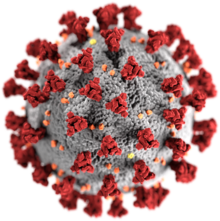
Coronavirus
For the first three months of the plague, masks were hard to come by. Top-of-the-line masks such as the N95 were quickly snapped up by hospitals filling with COVID cases. This forced many families to sew their own masks. Many of these were made of porous material, allowing the wearer to become easily infected.
But today masks are advertised—and sold—everywhere.
Wearing a mask and “social distancing”—keeping at least six feet between yourself and others while in public—have been the Golden Rules urged by public health officials for months.
Scientists have learned, for example, that COVID-19 can be spread by those who show no symptom of the disease. And mounting evidence has proven that masks are essential for protecting people from the virus.
Coronavirus is spread by respiratory droplets when an infected person coughs, sneezes or talks—especially if large numbers of people are packed indoors. The danger goes up if the talker is shouting or singing loudly.
If not blocked by a face covering, the droplets can travel six to 13 feet.
Researchers at Florida Atlantic University found that some masks were more effective than others. One study showed that well-fitted homemade masks with multiple layers of fabric, as well as off-the-shelf cone style masks, were the most effective in reducing droplet dispersal.
The N95 mask—made by the 3M Company—has been rated the best. Its Chinese counterpart—the KN95—has been rated its equivalent.
Bandannas turned out to be the least effective in reducing transmission.
There are at least seven reasons why so many Americans refuse to wear a mask—even in the midst of a deadly pandemic.
First: A feeling of solidarity. According to David Abrams, a professor of social and behavioral sciences at NYU School of Global Public Health: People who don’t wear masks may see it as a sign of solidarity, as if they are taking a stand against authority.
Second: “If liberals do it, it’s fascistic.” Many mask protesters accuse those who wear masks of being fascists. This is a hallmark of Right-wing politics—accusing their opponents of being what they are themselves.
Third: They have utterly rejected the rising death-toll caused by the virus. They claim stories of such deaths are mere “fake news”—the term Donald Trump uses to dismiss any news stories that highlight his mistakes and criminality.
Fourth: Republicans disdain education in general—and science in particular. In March, an NBC News poll found that only 30% of Republicans said that they would actually listen to the advice of doctors to stay away from large, crowded areas to avoid Coronavirus.
Fifth: Religious Fanaticism: Many fundamentalist Christians believe that their faith in Jesus will protect them against COVID-19. They continue to attend services indoors in defiance of warnings by the Centers for Disease Control and Prevention that such meetings are dangerous.
A female member of the Solid Red Rock Church in Monroe, Ohio, told CNN: “I wouldn’t be anywhere else. I’m covered in Jesus’ blood. I’m covered in Jesus’ blood.”
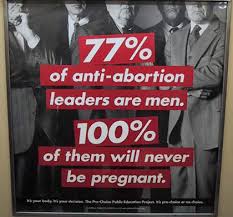
Sixth: Hypocrisy. Since the Supreme Court legalized abortion in 1973, the Right has demanded that even women who are pregnant due to rape or incest carry the fetus to term.
Yet now that Right-wingers are being asked to wear masks in public—to protect themselves and others from a deadly plague—they’ve suddenly discovered the mantra: “It’s my body!”
Seventh: Identifying with Donald Trump. The former President made it clear that his followers don’t wear masks. And they have fallen into line, refusing to mask up even in crowded, indoor arenas where infection is most likely.
ABC NEWS, ADOLF HITLER, ALTERNET, AMERICABLOG, AP, BABY BOOMER RESISTANCE, BAVARIA, BEER HALL PUTSCH, BLOOMBERG, BUZZFEED, CAPITOL ATTACK, CBS NEWS, CNN, CROOKS AND LIARS, DAILY KOZ, DAILY MAIL, DEMOCRATIC PARTY, DONALD TRUMP, DRUDGE REPORT, EXTORTION, FACEBOOK, FBI, FIVETHIRTYEIGHT, HARPER’S MAGAZINE, HITLERR: ASCENT (BOOK), HUFFINGTON POST, IMPEACHMENT, JEWS, JUSTICE DEPARTMENT, MEDIA MATTERS, MEIN KAMPF, MOTHER JONES, MOVEON, MSNBC, MUNICH, NAZI PARTY, NBC NEWS, NEWSWEEK, NICCOLO MACHIAVELLI, NPR, PBS NEWSHOUR, POLITICO, POLITICUSUSA, RAW STORY, REPUBLICAN PARTY, REUTERS, SALON, SEATTLE TIMES, SLATE, SOVIET UNION, TALKING POINTS MEMO, THE ATLANTIC, THE CHICAGO SUN-TIMES, THE CHICAGO TRIBUNE, THE DAILY BEAST, THE DAILY BLOG, THE GUARDIAN, THE HILL, THE HUFFINGTON POST, THE LOS ANGELES TIMES, THE NATION, THE NEW REPUBLIC, THE NEW YORK TIMES, THE VILLAGE VOICE, THE WASHINGTON EXAMINER, THE WASHINGTON POST, THINKPROGRESS, THREATS, TIME, TREASON, TRUTHDIG, TRUTHOUT, TWITTER, TWO POLITICAL JUNKIES, U.S. NEWS & WORLD REPORT, U.S. SECRET SERVICE, UPI, USA PATRIOT ACT, USA TODAY, VOLKER ULLRICH, WEIMAR REPUBLIC, WONKETTE
In Bureaucracy, History, Law, Law Enforcement, Politics, Social commentary on January 26, 2021 at 12:09 am
On November 9, 1923, Nazi Party Fuhrer Adolf Hitler tried to overthrow the government in Munich, Bavaria.
About 2,000 Nazis marched to the center of Munich, where they confronted heavily-armed police. A shootout erupted, killing 16 Nazis and four policemen.
Hitler was injured during the clash, but managed to escape. Two days later, he was arrested and charged with treason.
Put on trial, he found himself treated as a celebrity by a judge sympathetic to Right-wing groups. He was allowed to brutally cross-examine witnesses and even make inflammatory speeches.
At the end of the trial, he was convicted of treason and sentenced to five years’ imprisonment.
Serving time in Landsberg Prison, in Bavaria. he was given a huge cell, allowed to receive unlimited visitors and gifts, and treated with deference by guards and inmates.
Hitler used his time in prison to write his infamous book, Mein Kampf-–“My Struggle.” Part autobiography, part political treatise, it laid out his future plans—including the extermination of the Jews and the conquest of the Soviet Union.
Adolf Hitler leaving Landsberg Prison, December, 20, 1924
Nine months later, he was released on parole—by authorities loyal to the authoritarian Right instead of the newly-created Weimar Republic.
Hitler immediately began rebuilding the shattered Nazi party—and deciding on a new strategy to gain power. Never again would he resort to armed force. He would win office by election—or intrigue.
On January 30, 1933, those intrigues made him Chancellor of Germany.
Writes historian Volker Ullrich, in his monumental 2016 biography, Hitler: Ascent 1889 – 1939: “Historians have perennially tried to answer the question of whether Hitler’s rise to power could have been halted….
“There were repeated opportunities to end Hitler’s run of triumphs. The most obvious one was after the failed Putsch of November 1923. Had the Munich rabble-rouser been forced to serve his full five-year term of imprisonment in Landsberg, it is extremely unlikely that he would have been able to restart his political career.”

The United States Senate—and Justice Department—now face the same dilemma faced by the judges of the Weimar Republic.
On January 6, thousands of Donald Trump’s supporters—incited by the then-President—attacked the United States Capitol. Stormtrumpers ransacked the building while legislators—protected by only a small cadre of police—huddled fearfully. Five people—including a Capitol Hill policeman—were killed.
The Stormtrumpers’ goal: To illegally overturn Trump’s defeat in the November 3 Presidential election.

The storming of the United States Capitol
TapTheForwardAssist, CC BY-SA 4.0 <https://creativecommons.org/licenses/by-sa/4.0>, via Wikimedia Commons
On January 23, the Daily Mail carried a story under the headline: “Justice Department Debate NOT Charging Up to 800 MAGA Rioters at Capitol”:
“The FBI and prosecutors at the Justice Department are debating whether to decline to charge some of the MAGA rioters who stormed the United States Capitol on January 6 in an attempt to derail President Joe Biden’s certification.
“There is concern among DOJ officials that bringing charges against all of the estimated 800 rioters who ransacked the Capitol building could flood the local federal courthouse in Washington, DC, with cases.
“There have been internal discussions about forgoing charges against those who were not involved in any violence or vandalism but were simply trespassing or ‘going along with the crowd,’ The Washington Post reported.”
Meanwhile, many Republicans are strongly opposing Trump’s second impeachment trial—which is set to open on February 8.
Some claim that the only way to “heal” the country after four divisive years of Trump is to forgive his every crime.
This amounts to Right-wing hypocrisy, since Trump himself wanted his Attorney General to “lock up” those who had not broken the law—former FBI Director James Comey, former President Barack Obama and former First Lady and Senator Hillary Clinton.
Other Republicans are asserting that since Trump has left office, his crimes cannot be prosecuted.
Yet no other United States official has ever been granted such immunity. If an ex-Senator is found to have taken bribes, he can be tried for bribery—so long as the statute hasn’t expired
More than 500 years ago, the father of political science, Niccolo Machiavelli, examined the issue of rewards and punishments. He concluded:
“…No well-ordered republic should ever cancel the crimes of its citizens by their merits. But having established rewards for good actions and penalties for evil ones, and having rewarded a citizen for conduct who afterwards commits a wrong, he should be chastised for that without regard to his previous merits. And a state that properly observes this principle will long enjoy its liberty, but if otherwise, it will speedily come to ruin.
“For if a citizen who has rendered some eminent service to the state should add to the reputation and influence which he has thereby acquired the confident audacity of being able to commit any wrong without fear of punishment, he will in a little while become so insolent and overbearing as to put an end to all power of the law.”
For those who require more contemporary advice, the example of the Weimar Republic offers a continuing warning.
Right-wing judges and police, sympathizing with men like Adolf Hitler—who had publicly sworn to destroy the fledging Republic—ultimately made that a reality.
They must not be allowed to do the same to the American Republic.
2016 PRESIDENTIAL ELECTION, 2020 PRESIDENTIAL ELECTION, ABC NEWS, ABRAHAM LINCOLN, ADOLF HITLER, ALTERNET, AMERICABLOG, AP, ATTACK ON CAPITOL BUILDING, BABY BOOMER RESISTANCE, BLACKS, BLOOMBERG, BRIBERY, BUZZFEED, CBS NEWS, CIA, CIVIL WAR, CNN, COLD WAR, CORONAVIRUS, CROOKS AND LIARS, DAILY KOZ, DONALD TRUMP, DRUDGE REPORT, ELECTORAL COLLEGE, FACEBOOK, FBI, FIVETHIRTYEIGHT, FOX NEWS, FRANKLIN D. ROOSEVELT, GREAT DEPRESSION, HARPER’S MAGAZINE, HERBERT HOOVER, HISPANICS, HITLER (BOOK), HUFFINGTON POST, JOACHIM C. FEST, JOHN F. KENNEDY, JOSEPH R. BIDEN, LYNDON B. JOHNSON, MEDIA MATTERS, MOTHER JONES, MOVEON, MSNBC, NAZI GERMANY, NBC NEWS, NEWSWEEK, NPR, OTTO VON BISMARCK, PBS NEWSHOUR, POLITICO, POLITICUSUSA, RAW STORY, REPUBLICANS, REUTERS, RICHARD M. NIXON, SALON, SEATTLE TIMES, SEXUAL ABUSE, SLATE, TALKING POINTS MEMO, THE ATLANTIC, THE CHICAGO SUN-TIMES, THE CHICAGO TRIBUNE, THE DAILY BEAST, THE DAILY BLOG, THE DISABLED, THE GUARDIAN, THE HILL, THE HUFFINGTON POST, THE LOS ANGELES TIMES, THE NATION, THE NEW REPUBLIC, THE NEW YORK TIMES, THE PRESS, THE VILLAGE VOICE, THE WASHINGTON POST, THEODORE ROOSEVELT, THINKPROGRESS, TIME, TRUTHDIG, TRUTHOUT, TWITTER, TWO POLITICAL JUNKIES, U.S. NEWS & WORLD REPORT, UPI, USA TODAY, VIETNAM WAR, VLADIMIR PUTIN, WATERGATE, WOMEN, WONKETTE, WORLD WAR ii
In Bureaucracy, History, Law, Law Enforcement, Military, Politics, Social commentary on January 20, 2021 at 12:08 am
Why are some Presidents remembered with affection, while others are detested—or forgotten altogether?
Generally, Presidents who are warmly remembered are seen as making positive contributions to the lives of their fellow Americans and being “people-oriented.”
Among these:
- Abraham Lincoln
- Theodore Roosevelt
- Franklin Roosevelt
- John F. Kennedy
Among the reasons they are held in such high regard:
- Abraham Lincoln ended slavery and restored the Union. Although he ruthlessly prosecuted the Civil War, his humanity remains engraved in stories such as his pardoning a soldier condemned to be shot for cowardice: “If Almighty God gives a man a cowardly pair of legs, how can he help their running away with him?”
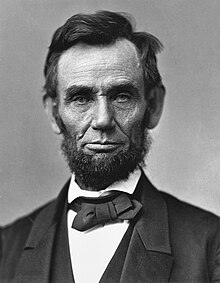
Abraham Lincoln
- Theodore Roosevelt championed an era of reform, such as creating the Food and Drug Administration and five National Parks. Popularly known as “Teddy,” he even had a toy bear—the teddy bear—named after him.
- Franklin D. Roosevelt successfully led America through the Great Depression and World War II. He was the first President to insist that government existed to directly better the lives of its citizens: “The test of our progress is not whether we add more to the abundance of those who have much; it is whether we provide enough for those who have too little.”
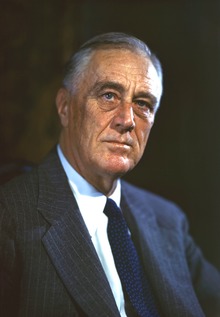
Franklin D. Roosevelt
- John F. Kennedy supported civil rights and called for an end to the Cold War. He challenged Americans to “ask what you can do for your country” and made government service respectable, even chic. His youth, charisma, intelligence and handsomeness led millions to mourn for “what might have been” had he lived to win a second term.
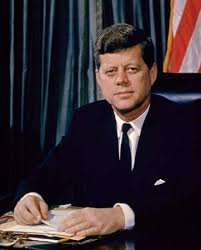
John F. Kennedy
Presidents who remain unpopular among Americans are seen as unlikable and responsible (directly or not) for mass suffering.
Among these:
- Herbert Hoover
- Lyndon B. Johnson
- Richard M. Nixon
Among the reasons they are held in such low regard:
- Herbert Hoover is still blamed for the 1929 Great Depression. He didn’t create it, but his conservative, “small-government” philosophy led him to refuse to aid its victims. An engineer by profession, he saw the Depression as a machine that needed repair, not as a catastrophe for human beings. This lack of “emotional intelligence” cost him heavily with voters.
- Lyndon B. Johnson is still blamed as the President “who got us into Vietnam.” John F. Kennedy had laid the groundwork by placing 16,000 American troops there by the time he died in 1963. But it was Johnson who greatly expanded the war in 1965 and kept it going—with hugely expanding casualties—for the next three years. Unlike Kennedy, whom he followed, he looked and sounded terrible on TV. Voters compared LBJ’s Texas drawl and false piety with JFK’s wit and good looks—and found him wanting.
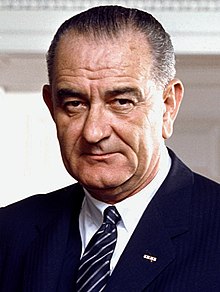
Lyndon B. Johnson
- Richard M. Nixon will be remembered foremost as the President who was forced to resign under threat of impeachment and removal from office. Like Herbert Hoover, he was not a “people person” and seemed remote to even his closest associates. Although he took office on a pledge to “bring us together” and end the Vietnam war, he attacked war protesters as traitors and kept the war going another four years. His paranoid fears of losing the 1972 election led to his creating an illegal “Plumbers” unit which bugged the Democratic offices at the Watergate Hotel. And his attempted cover-up of their illegal actions led to his being forced to resign from office in disgrace.
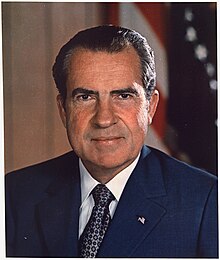
Richard M. Nixon
Which brings us to the question: How is President Donald J. Trump likely to be remembered?
Historian Joachim C. Fest offers an unintended answer to this question in his 1973 bestselling biography Hitler:
“An ancient tenet of aesthetics holds that one who for all his remarkable traits is a repulsive human being, is unfit to be a hero.”
Among the reasons for Hitler’s being “a repulsive human being,” Fest cites the Fuhrer’s
- “intolerance and vindictiveness”;
- “lack of generosity”; and
- “banal and naked materialism—power was the only motive he would recognize.”
Fest then quotes German chancellor Otto von Bismarck on what constitutes greatness: “Impressiveness in this world is always akin to the fallen angel who is beautiful but without peace, great in his plans and efforts, but without success, proud but sad.”
And Fest concludes: “If this is true greatness, Hitler’s distance from it is immeasurable.”
What Fest writes about Adolf Hitler applies just as brutally to Donald Trump.
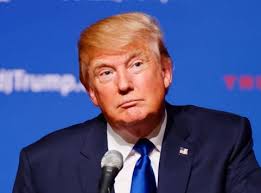
Donald Trump
He has:
- Boasted about the politicians he’s bought and the women he’s bedded—and forced himself on.
- Slandered entire segments of Americans—blacks, Hispanics, women, journalists, Asians, the disabled.
- Attacked the FBI and CIA for accurately reporting that Russian President Vladimir Putin had intervened in the 2016 Presidential election to ensure Trump’s victory.
- Refused to effectively attack the Coronavirus pandemic, leaving 400,000 dead by the end of his Presidency.
- Refused to accept that Democratic nominee Joseph Biden legitimately won the 2020 Presidential election.
- Ordered a mob of his Fascistic followers to attack the Capitol Building and stop the certifying of Biden as the winner of Electoral College votes.
At this stage, it’s hard to imagine Trump joining that select number of Presidents Americans remember with awe and reverence.
2003 IRAQ WAR, ABC NEWS, ADOLF HITLER, AFFORDABLE CARE ACT, ALTERNET, AMERICABLOG, ANDREW CUOMO, AP, BABY BOOMER RESISTANCE, BARACK OBAMA, BLOOMBERG, BUZZFEED, CBS NEWS, CNN, CORONAVIRUS, CROOKS AND LIARS, DAILY KOZ, DEMOCRATS, DONALD TRUMP, DRUDGE RETORT, FACE SHIELDS, FACEBOOK, FEDERAL EMERGENCY MANAGEMENT AGENCY, FIVETHIRTYEIGHT, FOX NEWS, FRANKLIN D. ROOSEVELT, GEORGE W. BUSH, GRETCHEN WHITMER, HARPER’S MAGAZINE, JAY INSLEE, JOE BIDEN, LYNDON B. JOHNSON, MEDIA MATTERS, MEDICARE, MIKE PENCE, MOTHER JONES, MOVEON, MSNBC, N95 RESPIRATORS, NBC NEWS, NEWSWEEK, NPR, PBS NEWSHOUR, POLITICO, POLITICUSUSA, PRISONERS-OF-WAR, RAW STORY, REPUBLICANS, REUTERS, RUDY GIULIANI, SALON, SEAN HANNITY SHOW, SEATTLE TIMES, SLATE, SOCIAL SECURITY, SOVIET UNION, SURGICAL MASKS, TALKING POINTS MEMO, THE ATLANTIC, THE CHICAGO SUN-TIMES, THE CHICAGO TRIBUNE, THE DAILY BEAST, THE DAILY BLOG, THE GUARDIAN, THE HILL, THE HUFFINGTON POST, THE LOS ANGELES TIMES, THE NATION, THE NEW REPUBLIC, THE NEW YORK TIMES, THE VILLAGE VOICE, THE WASHINGTON POST, THINKPROGRESS, TIME, TRUTHDIG, TRUTHOUT, TWITTER, TWO POLITICAL JUNKIES, U.S. NEWS & WORLD REPORT, UKRAINE, UPI, USA TODAY, VENDORS, VENTILATORS, VOLODYMIR ZELENSKY, WASHINGTON MONTHLY, WONKETTE
In Bureaucracy, History, Law, Law Enforcement, Medical, Politics, Social commentary on January 8, 2021 at 12:05 am
On June 22, 1941, German Fuhrer Adolf Hitler sent three million soldiers smashing into the Soviet Union. During the first six months—June to December, 1941—German armies lured huge Soviet forces into gigantic “cauldron battles,” surrounding and exterminating them.
An estimated 5.7 million prisoners of war (POWs) fell into German hands. The Germans found themselves surprised and overwhelmed by the sheer numbers of them. But their mandate demanded that they keep marching forward—ever forward.
So they simply imprisoned their captives behind barbed wire and wasted no food or medical care on them. Between starvation, illness and the brutal Russian cold, at least 3.5 million POWs died in custody.
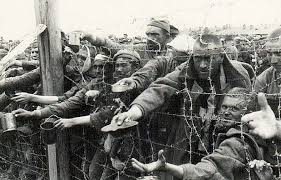
Soviet POWs
Republicans have learned a serious lesson from this. If you simply deprive those you detest of food, clothing and shelter, you don’t need gas chambers or firing squads.
That has been their chief reason for opposing Social Security since President Franklin D. Roosevelt signed it into law in 1935.
That is why they opposed President Lyndon B. Johnson when he pushed Medicare through Congress in 1965.
And that is why they have fervently tried to overturn the Affordable Care Act—better known as Obamacare—since it went into effect in 2010.
Of course, Republicans will never admit this. Their mantra has always been they fear such programs will bankrupt the country.
That claim might have credibility—if they didn’t recklessly plunge into budget-busting wars like the 2003 Iraq war started by President George W. Bush. Not a single Republican opposed this needless, bloody conflict—which has cost the United States more than $1.1 trillion.
But the best evidence of Republicans’ desire to use illness as a weapon against those Americans they hate comes from President Donald J. Trump.
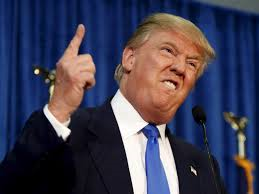
Donald Trump
On March 26, during an interview on Fox News, Trump blamed the failures of his administration’s response to Coronavirus on Democratic state governors like Andrew Cuomo (NY), Jay Inslee (WA), and Gretchen Whitmer (MI).
On March 27, during his press briefing, Trump said he told Vice President Mike Pence—who’s officially in charge of the White House’s response effort—to not call Inslee and Whitmer because they weren’t “appreciative” enough of his efforts.
Trump said this even as hospitals in each of their states were being overwhelmed with Coronavirus patients.
“I tell him—I mean I’m a different type of person— I say, ‘Mike, don’t call the governor in Washington, you’re wasting your time with him. Don’t call the woman in Michigan,’” Trump said. “If they don’t treat you right, I don’t call.”
Echoing French King Louis X1V’s infamous remark—“I am the State”—Trump added: “When they’re [governors] not appreciative to me, they’re not appreciative to the Army Corps, they’re not appreciative to FEMA [Federal Emergency Management Agency]. It’s not right.”
Trump also attacked Whitmer on Right-wing Fox News’ “Sean Hannity Show”: “I don’t know if she knows what’s going on, but all she does is sit there and blame the federal government.”
That same day—March 27—Whitmer told a Michigan radio station: “What I’ve gotten back is that vendors with whom we’ve procured contracts—they’re being told not to send stuff to Michigan. It’s really concerning. I reached out to the White House last night and asked for a phone call with the president, ironically at the time this stuff was going on.”
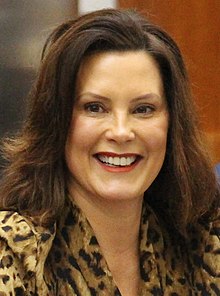
Gretchen Whitmer
Julia Pickett / CC BY-SA (https://creativecommons.org/licenses/by-sa/4.0)
A March 29 story in the Washington Monthly sheds light on what lay behind Whitmer’s inability to secure desperately-needed ventilators from her longtime vendors. Its headline ran: “What If Trump Decides to Save Republicans But Not Democrats?”
And it was followed by a sub-headline: “He’s providing vital resources to red states and ignoring blue states.”
Florida submitted a request to the Federal Emergency Management Agency on March 11 for 430,000 surgical masks, 180,000 N95 respirators, 82,000 face shields and 238,000 gloves—and received a shipment with everything three days later.
It received an identical shipment on March 23, and was soon awaiting a third.
In 2019, Trump demanded a “favor” from the embattled Ukrainian President Volodymyr Zelensky—“dirt” on Democratic Presidential candidate Joe Biden—in return for releasing military aid Ukraine needed to combat an increasingly aggressive Russia.
During the COVID-19 outbreak, he demanded Democratic governors praise him and blame themselves if they waned their citizens to receive desperately-needed medical supplies.
On Fox News, Rudy Giuliani, Trump’s personal lawyer, bluntly told governors: “Take the blame when you have to. When you play with your boss, sometimes it’s better when you don’t win the golf game. He’s the boss, he’s got all the resources.”
This is precisely the dictatorial arrogance of which Republicans falsely accused President Barack Obama.
The Washington Monthly story concluded on an ominous note: “What if the White House simply gives all the masks and ventilators to red states and counties, leaving blue ones to struggle? What mechanisms of accountability are left?
“U.S. democracy wasn’t set up to deal with a president openly behaving like a James Bond villain while being protected by a political party behaving more like a mafia than a civic institution.”
ABC NEWS, ADOLF HITLER, ALTERNET, AMERICABLOG, AP, BABY BOOMER RESISTANCE, BEN SASSE, BLOOMBERG, BUZZFEED, CBS NEWS, CHRIS MURPHY, CNN, CROOKS AND LIARS, D-DAY, DAILY KOZ, DONALD TRUMP, DRUDGE REPORT, ELECTORALCOLLEGE, FACEBOOK, FIVETHIRTYEIGHT, GERD VON RUNDSTEDT, GUNTHER BLUMENTRITT, HARPER’S MAGAZINE, HUFFINGTON POST, jOSH HAWLEY, MEDIA MATTERS, MOTHER JONES, MOVEON, MSNBC, NBC NEWS, NEWSWEEK, NORMANDY, NPR, PBS NEWSHOUR, POLITICO, POLITICUSUSA, RAW STORY, REUTERS, SALON, SEATTLE TIMES, SLATE, TALKING POINTS MEMO, THE ATLANTIC, THE CHICAGO SUN-TIMES, THE CHICAGO TRIBUNE, THE DAILY BEAST, THE DAILY BLOG, THE GUARDIAN, THE HILL, THE HUFFINGTON POST, THE LONGEST DAY (MOVIE, THE LOS ANGELES TIMES, THE NATION, THE NEW REPUBLIC, THE NEW YORK TIMES, THE VILLAGE VOICE, THE WASHINGTON POST, THINKPROGRESS, TIME, TRUTHDIG, TRUTHOUT, TWITTER, TWO POLITICAL JUNKIES, U.S. NEWS & WORLD REPORT, UNITED STATES HOUSE OF REPRESENTATIVES, UNITED STATES SENATE, UPI, USA TODAY, WONKETTE, WORLD WAR ii
In Bureaucracy, History, Law, Military, Politics, Social commentary on January 5, 2021 at 12:05 am
It’s one of the pivotal moments in the classic 1962 movie, The Longest Day.
It’s June 6, 1944. The Allies have launched their long-expected attack on the French coast of Normandy.
This is an all-out assault on Adolf Hitler’s “Atlantic Wall,” to drive German armies out of the European countries they had conquered in 1940.

Field Marshal Gerd von Rundstedt, the commander of all German forces in France, fears the worst.
“We can’t take any chances. I want the reserve panzers moved forward,” he tells his subordinate commander, Major General Gunther Blumentritt.
“But we need permission from the Fuhrer’s headquarters,” replies Blumentritt.
Von Rundstedt: “They won’t dare refuse me! Call the Fuhrer’s headquarters and insist that the panzers be released to me.”
Blumentritt makes the call to Berlin.
The response is disastrous: Alfred Jodl, Chief of the Operations Staff of the Wehrmacht, refuses the request. He will not release the panzers without Adolf Hitler’s approval. And the Fuhrer—who stays up late at night and sleeps during much of the day—is still sleeping .
“This is history,” says Blumentritt to an aide. “We are living an historical moment. We are going to lose the war because our glorious Fuhrer has taken a sleeping pill and is not to be awakened.
“Think of it, Kurt. We are witnessing something which historians will say is completely improbable. And yet it is true. The Fuhrer is not to be awakened! I sometimes wonder which side God is on.”

Gunther Blumentritt
And just as Bluemtritt predicted, defeat came soon for the German forces in France.
Today, Gunther Blumentritt’s words have taken on a special meaning for American citizens: “We are witnessing something which historians will say is completely improbable. And yet it is true.”
On November 3, Joe Biden became President-elect of the United States by winning 81,283,495 votes, or 51.4% of the vote, compared to 74,223,755 votes, or 46.9% of the vote cast for President Donald Trump.
In the Electoral College—which actually determines the winner—the results were even more stunning: 306 votes for Biden, compared with 232 for Trump. It takes 270 votes to be declared the victor.
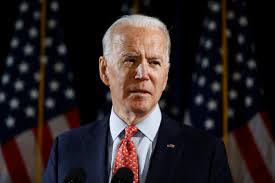
Joe Biden
From the moment Biden was declared the winner, Trump set out to overturn that verdict.
For the first time in American history, a President demanded a halt to the counting of votes while the outcome of an election hung in doubt.
But states ignored his demand and kept counting.
Next, Trump ordered his attorneys to file lawsuits to overturn the election results, charging electoral fraud.
Throughout November and December, cases were filed in Wisconsin, Arizona, Nevada, Michigan, Minnesota and Georgia challenging the election results. None were supported by evidence of fraud—as even Trump’s lawyers admitted when questioned by judges.
From November 3 to December 14, Trump and his allies lost 59 times in court, either withdrawing cases or having them dismissed by Federal and state judges.
On November 19, Trump invited two Republican legislative leaders from Michigan to the White House—to persuade them to stop the state from certifying the vote.
The Michigan legislators said they would follow the law.
On December 5, Trump called Georgia Governor Brian Kemp and asked him to call a special legislative session and convince state legislators to select their own electors that would support him, thus overturning Biden’s win.
Kemp refused, saying he lacked the authority to do so.
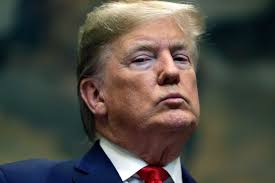
Donald Trump
On December 8, the Supreme Court refused to hear Trump’s bid to reverse Pennsylvania’s certification of Biden’s victory. Representative Mike Kelly (R-PA), a Trump ally, argued that the state’s 2.5 million mail-in votes were unconstitutional.
Although Trump had appointed three of the Court’s Justices, not one of them dissented.
On December 10, the Supreme Court refused to let a Texas lawsuit overturn the results in four battleground states: Georgia, Michigan, Pennsylvania and Wisconsin.
The majority of their votes had been cast for Biden.
With the Senate due to certify states’ Electoral College results on January 6, Trump pressed Vice President Mike Pence to flip the results of the election to give him a win. This despite the fact that the Electoral Count Act of 1887 limits the Vice President to a largely ceremonial role.
Then, on December 30, Missouri Republican Senator Josh Hawley announced that, on January 6, 2021, he would object to the certification of some states’ Electoral College results. As many as 140 House Republicans could join him.
This will force Republicans to:
- Vote to reject Trump’s unsubstantiated claims of massive voter fraud; or
- Disenfranchise millions of voters who voted for Biden.
Never before has a losing Presidential candidate mounted a legal coup to overturn an election’s results.
“Josh Hawley and anyone who supports his effort are engaged in the attempted overthrow of democracy,” Democratic Connecticut Senator Chris Murphy said.
“There is no evidence that there was any fraud. Senator Hawley apparently believes that if a Democrat wins the presidential race, it must be illegitimate by definition, even absent any actual evidence of misbehavior.”
Nebraska Republican Senator Ben Sasse bluntly offered the reason for this effort: ‘”We have a bunch of ambitious politicians who think there’s a quick way to tap into the president’s populist base without doing any real, long-term damage. But they’re wrong—and this issue is bigger than anyone’s personal ambitions.”
ABC NEWS, ADOLF HITLER, ALTERNET, AMERICABLOG, AP, ASSASSINATION, BABY BOOMER RESISTANCE, BUZZFEED, CBS NEWS, CNN, CONSPIRACIES, CROOKS AND LIARS, DAILY KOS, DAILY KOZ, DAY OF THE JACKAL, DONALD TRUMP, DRUDGE RETORT, FACEBOOK, FIVETHIRTYEIGHT, FREDERICK FORSYTHE, GAIUS CASSIUS, HARPER’S MAGAZINE, JULIUS CAESAR, LINCOLN MEMORIAL, MAR-A-LAGO, MARCUS BRUTUS, MARK ANTHONY, MEDIA MATTERS, MOTHER JONES, MOVEON, MSNBC, NBC NEWS, NEWSWEEK, NICCOLO MACHIAVELLI, NPR, PBS NEWSHOUR, PLOTS, POLITICO, POLITICUSUSA, RAW STORY, REUTERS, RICHARD M. NIXON, SALON, SEATTLE TIMES, Secret Service, SLATE, TALKING POINTS MEMO, THE ATLANTIC, THE CHICAGO SUN-TIMES, THE CHICAGO TRIBUNE, THE DAILY BEAST, THE DAILY BLOG, THE DISCOURSES, THE GUARDIAN, THE HILL, THE HUFFINGTON POST, THE LOS ANGELES TIMES, THE NATION, THE NEW REPUBLIC, THE NEW YORK TIMES, THE VILLAGE VOICE, THE WALL STREET JOURNAL, THE WASHINGTON POST, THINKPROGRESS, TIME, TRUTHDIG, TRUTHOUT, TWITTER, TWO POLITICAL JUNKIES, U.S. NEWS & WORLD REPORT, UPI, USA TODAY, VIETNAM WAR, WHITE HOUSE STAFFER, WONKETTE
In Bureaucracy, History, Law Enforcement, Military, Politics, Social commentary on January 4, 2021 at 12:31 am
More than 500 years ago, Niccolo Machiavelli, the Florentine statesman, authored The Discourses on Livy, a work of political history and philosophy. In it, he outlined how citizens of a republic can maintain their freedoms.
One of the longest chapters—Book Three, Chapter Six—covers “Of Conspiracies.” In it, those who wish to conspire against a ruler will find highly useful advice.
And so will those who wish to foil such a conspiracy.
For conspirators, there are three ways their efforts can be foiled.
- Discovery through denunciation;
- Discovery through incautiousness;
- Discovery through writings.
The first has already been covered. Now for the second and third.
Discovery through Writings: You may talk freely with anyone man about everything, for unless you have committed yourself in writing, the “Yes” of one man is worth as much as the “No” of another.
Thus, you should guard most carefully against writing, as against a dangerous rock, for nothing will convict you quicker than your own handwriting.
You may escape, then, from the accusation of a single individual, unless you are convicted by some writing or other pledge, which you should be careful never to give.
If you are denounced, there are means of escaping punishment:
- By denying the accusation and claiming that the person making it hates you; or
- Claiming that your accuser was tortured or coerced into giving false testimony against you.
But the most prudent course is to not tell your intentions to anyone, and to carry out the attempt yourself.
Even if you’re not discovered before you carry out your attack, there are still two dangers facing a conspirator:
Dangers in Execution: These result from:
- An unexpected change in the routine of the intended target;
- The lack of courage among the conspirators; or
- An error on their part, such as leaving some of those alive whom the conspirators intended to kill.
Adolf Hitler, who claimed to have a sixth-sense for danger, was famous for changing his routine at the last minute.
On November 9, 1939, this instinct saved his life. He had been scheduled to give a long speech at a Munich beer hall before the “Old Fighters” of his storm troopers.
But that evening he cut short his speech and left the beer hall. Forty-five minutes later, a bomb exploded inside a pillar—before which Hitler had been speaking.
Conspirators can also be doomed by their good intentions.
In 44 B.C., Gaius Cassius, Marcus Brutus and other Roman senators decided to assassinate Julius Caesar, whose dictatorial ambitions they feared.
Cassius also intended to murder Mark Anthony, Caesar’s strongest ally. But Brutus objected, fearing the plotters would look like butchers, not saviors. Even worse, he allowed Anthony to deliver a eulogy at Caesar’s funeral.
This proved so inflammatory that the mourners rioted, driving the conspirators out of Rome. Soon afterward, they were defeated in a battle with the legions of Anthony and Octavian Caesar—and forced to commit suicide to avoid capture and execution.
Machiavelli closes his chapter “Of Conspiracies” with advice to rulers on how they should act when they find a conspiracy has been formed against them.
If they discover that a conspiracy exists against them, they must, before punishing its authors, strive to learn its nature and extent. And they must measure the danger posed by the conspirators against their own strength.
And if they find it powerful and alarming, they must not expose it until they have amassed sufficient force to crush it. Otherwise, they will only speed their own destruction. They should try to pretend ignorance of it. If the conspirators find themselves discovered, they will be forced by necessity to act without consideration.
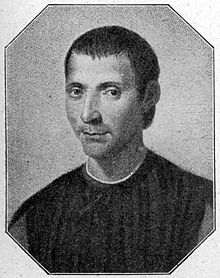
Niccolo Machiavelli
The foregoing was taken from Book Three, Chapter Six, of Machiavelli’s masterwork, The Discourses on Livy, which was published posthumously in 1531. But elsewhere in this volume, he notes how important it is for rulers to make themselves loved—or at least respected—by their fellow citizens:
Note how much more praise those Emperors merited who, after Rome became an empire, conformed to her laws like good princes, than those who took the opposite course.
Titus, Nerva, Trajan, Hadrian, Antoninus and Marcus Auelius did not require the Praetorians nor the multitudinous legions to defend them, because they were protected by their own good conduct, the good will of the people, and by the love of the Senate.
On the other hand, neither the Eastern nor the Western armies saved Caligula, Nero, Vitellius and so many other wicked Emperors from the enemies which their bad conduct and evil lives had raised up against them.
In his better-known work, The Prince, he warns rulers who—like Donald Trump–are inclined to rule by fear:
A prince should make himself feared in such a way that if he does not gain love, he at any rate avoids hatred: for fear and the absence of hatred may well go together.
Donald Trump
By Machiavelli’s standards, Trump has made himself the perfect target for a conspiracy.
“When a prince becomes universally hated, it is likely that he’s harmed some individuals—who thus seek revenge. This desire is increased by seeing that the prince is widely loathed.”
ABC NEWS, ADOLF HITLER, ALTERNET, AMERICABLOG, AP, ASSASSINATION, BABY BOOMER RESISTANCE, BUZZFEED, CBS NEWS, CNN, CONSPIRACIES, CROOKS AND LIARS, DAILY KOS, DAILY KOZ, DAY OF THE JACKAL, DONALD TRUMP, DRUDGE RETORT, FACEBOOK, FIVETHIRTYEIGHT, FREDERICK FORSYTHE, GAIUS CASSIUS, HARPER’S MAGAZINE, JULIUS CAESAR, LINCOLN MEMORIAL, MAR-A-LAGO, MARCUS BRUTUS, MARK ANTHONY, MEDIA MATTERS, MOTHER JONES, MOVEON, MSNBC, NBC NEWS, NEWSWEEK, NICCOLO MACHIAVELLI, NPR, PBS NEWSHOUR, PLOTS, POLITICO, POLITICUSUSA, RAW STORY, REUTERS, RICHARD M. NIXON, SALON, SEATTLE TIMES, Secret Service, SLATE, TALKING POINTS MEMO, THE ATLANTIC, THE CHICAGO SUN-TIMES, THE CHICAGO TRIBUNE, THE DAILY BEAST, THE DAILY BLOG, THE DISCOURSES, THE GUARDIAN, THE HILL, THE HUFFINGTON POST, THE LOS ANGELES TIMES, THE NATION, THE NEW REPUBLIC, THE NEW YORK TIMES, THE VILLAGE VOICE, THE WALL STREET JOURNAL, THE WASHINGTON POST, THINKPROGRESS, TIME, TRUTHDIG, TRUTHOUT, TWITTER, TWO POLITICAL JUNKIES, U.S. NEWS & WORLD REPORT, UPI, USA TODAY, VIETNAM WAR, WHITE HOUSE STAFFER, WONKETTE
In Bureaucracy, History, Law Enforcement, Military, Politics, Social commentary on January 1, 2021 at 2:29 am
More than 500 years ago, Niccolo Machiavelli, the father of modern political science, offered sound advice for would-be conspirators—and for rulers seeking to thwart conspiracies.
He did so in The Discourses on Livy, a work of political history and philosophy. In it, he outlined how citizens of a republic can maintain their freedoms.
One of the longest chapters—Book Three, Chapter Six—covers “Of Conspiracies.” In it, those who wish to conspire against a ruler will find highly useful advice. And so will those who might well become the targets of conspiracies—such as President Donald J. Trump.
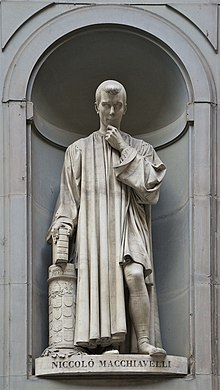
Niccolo Machiavellil
The most dangerous time for a ruler comes when he is universally hated.
Niccolo Machiavelli: When a prince becomes universally hated, it is likely that he’s harmed some individuals—who thus seek revenge. This desire is increased by seeing the prince is widely loathed.
A prince, then, should avoid incurring such universal hatred….
By doing this, he protects himself from such vengeance-seekers. There are two reasons for this:
(1) Men rarely risk danger to avenge a wrong; and
(2) Even if they want to avenge a wrong, they know they will face almost universal condemnation because the prince is held in such high esteem.
Machiavelli draws a distinction between plots and conspiracies.
A plot may be formed by a single individual or by many. The first isn’t a conspiracy, since that would involve at least two participants.
A single plotter avoids the danger faced by two or more conspirators:
Since no one knows his intention, he can’t be betrayed by an accomplice.
Anyone may form a plot, whether he is prominent or insignificant, because everyone is at some time allowed to speak to the prince. And he can use this opportunity to satisfy his desire for revenge.
On the other hand, says Machiavelli, the dangers of assassination by a trusted intimate are slight.
Few people dare to assault a prince. Of those who do, few or none escapes being killed in the attempt, or immediately afterward. As a result, only a small number of people are willing to incur such certain death.
Those who take part in a conspiracy against a ruler are “the great men of the state, or those on terms of familiar intercourse with the prince.”
These are men who have access to him. Julius Caesar, for example, was stabbed to death by members of the Roman Senate, who feared his assuming dictatorial powers.
And Adolf Hitler was conspired against by colonels and generals of the German Army. He was in fact holding a war conference when a briefcase bomb exploded, killing three officers and a stenographer, but leaving Hitler only slightly injured.
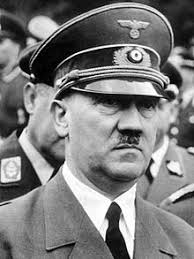

Adolf Hitler
There are three ways a conspiracy can be foiled:
- Discovery through denunciation;
- Discovery through incautiousness;
- Discovery through writings.
Discovery through Denunciation: This occurs through treachery or lack of prudence among one or more conspirators.
Treachery is so common that you can safely tell your plans to only your most trusted friends who are willing to risk their lives for your sake. You may find that you have only one or two of these.
But as you are bring more people into the conspiracy, the chances of discovery greatly increase. It’s impossible to find many who can be completely trusted: For their devotion to you must be greater than their sense of danger and fear of punishment.
Discovery through Carelessness: This happens when one of the conspirators speaks incautiously, so that a third person overhears it Or it may occur from thoughtlessness, when a conspirator tells the secret to his wife or child, or to some other indiscreet person.
When a conspiracy has more than three or four members, its discovery is almost certain, either through treason, imprudence or carelessness.
If more than one conspirator is arrested, the whole plot is discovered, for it will be impossible for any two to agree perfectly as to all their statements.
If only one is arrested, he may—through courage and stubbornness—be able to conceal the names of his accomplices. But then the others, to remain safe, must not panic and flee, since this is certain to be discovered.
If one of them becomes fearful—whether it’s the one who was arrested or is still at liberty—discovery of the conspiracy is certain.
The best way to avoid such detection is to confide your project to your intended fellow conspirators at the moment of execution—and not sooner.
A classic example of this occurred in ancient Persia. According to the Greek historian Herodotus: A group of nobles assembled to discuss overthrowing a usurper to the throne. The last one to arrive was Darius.
When one of the conspirators asked, “When should we strike?” Darius replied: “We must either go now at this very moment and carry it into execution, or I shall go and denounce you all. For I will not give any of you time to denounce me.”
At that, they went directly to the palace, assassinated the usurper and proclaimed Darius their new king.
2016 PRESIDENTIAL ELECTION, 2020 PRESIDENTIAL ELECTION, ABC NEWS, ABUSE OF POWER, ADOLF HITLER, ALTERNET, AMANDA CHASE, AMERICABLOG, AP, ARMED SERVICES, BABY BOOMER RESISTANCE, BARACK OBAMA, BLOOMBERG, BUZZFEED, CBS NEWS, CHILE, CIA, CLAUS VON STAUFFENBERG, CNN, COVID-19, CROOKS AND LIARS, DAILY KOZ, DONALD TRUMP, DRUDGE RETORT, FACEBOOK, FBI, FEDERAL GOVERNMENT SHUTDOWN, FIVETHIRTYEIGHT, GENERAL SERVICES ADMINISTRATION, GESTAPO, HARPER’S MAGAZINE, HILLARY CLINTON, IMPEACHMENT ARTICLES, JAMES B. COMEY, JAMES MATTIS, JOHN KASICH, JOHN MCCAIN, JOSEPH BIDEN, KIM JONG-UN, MARK ESPER, MARTIAL LAW, MARTIN NIEMOELLER, MEDIA MATTERS, MICHAEL FLYNN, MOTHER JONES, MOVEON, MSNBC, MUSLIMS, NATIONAL SECURITY AGENCY, NAZI GERMANY, NBC NEWS, NEWSWEEK, NPR, OBSTRUCTION OF CONGRESS, PBS NEWSHOUR, POLITICO, POLITICUSUSA, RAW STORY, REPUBLICANS, REUTERS, SALON, SEATTLE TIMES, SERGEY KISLYAK, SERGEY LAVROV, SLATE, TALKING POINTS MEMO, THE ATLANTIC, THE CHICAGO SUN-TIMES, THE CHICAGO TRIBUNE, THE DAILY BEAST, THE DAILY BLOG, THE GUARDIAN, THE HILL, THE HUFFINGTON POST, THE LOS ANGELES TIMES, THE NATION, THE NEW REPUBLIC, THE NEW YORK TIMES, THE PENTAGON, THE TWILIGHT ZONE, THE VILLAGE VOICE, THE WASHINGTON POST, THINKPROGRESS, THIRD REICH, TIME, TRUTHDIG, TRUTHOUT, TWENTY-FIFTH AMENDMENT, TWITTER, TWO POLITICAL JUNKIES, U.S. NEWS & WORLD REPORT, UNITED STATES CONSTITUTION, UNITED STATES SECRET SERVICE, UPI, USA TODAY, VLADIMIR PUTIN, VOTER FRAUD, WONKETTE, WORLD WAR 11
In Bureaucracy, History, Law, Law Enforcement, Military, Politics, Social commentary on December 30, 2020 at 12:08 am
During his 12-year reign, Adolf Hitler was the target of at least 42 assassination plots. The most famous of these was the one of July 20, 1944.
- So far as is known, Donald Trump has not been the target of even one.
In Hitler’s case, the plotters were officers of the German general staff—who believed the Fuhrer was leading Germany into a war it could not hope to win.
After the war’s outbreak (on September 1, 1939) most of the plotters were motivated by a desire to end the war before Allied—and especially Russian—soldiers reached Germany. But many plotters were motivated by sheer horror at the wholesale slaughters taking place in Poland and Russia.
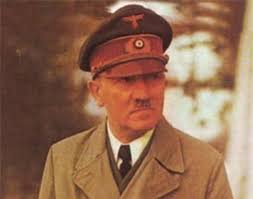
Adolf Hitler
- In Trump’s case, a non-violent method for removal existed in the Twenty-Fifth Amendment to the United States Constitution. This allows the Vice President and a majority of the Cabinet to recommend the removal of the President when he is “unable to discharge the powers and duties of his office.” The Vice President then becomes President.
- No Cabinet members had the courage to invoke this.
- Within the Senate and House of Representatives, Republicans acted as a rubber stamp for his every infamy. When he praised North Korea’s dictator Kim Jong-On or attacked Vietnam POW John McCain, they stayed silent. When he falsely charged massive voter fraud, Republicans stayed silent or loudly parroted his lies.
- Their most notorious example of ambition-fueled cowardice occurred on February 5, 2020. That was when the Republican-dominated Senate—ignoring the overwhelming evidence against him—acquitted Trump on both impeachment articles: Obstruction of Congress and abuse of power.
- At the Pentagon, American generals stood mute as Trump repeatedly sided with Russian dictator Vladimir Putin against the FBI, CIA and National Security Agency—and even gave classified CIA Intelligence to Russian Foreign Minister Sergey Lavrov and Ambassador Sergey Kislyak.
- And just as high-ranking field marshals in Hitler’s Wehrmacht held their tongues when he insulted them, so, too, did American generals when Trump belittled their intelligence and even patriotism.
- When Trump arbitrarily decided to remove American forces from Syria and Afghanistan, Secretary of Defense James Mattis resigned in protest in 2018. But then he was simply replaced by Mark Esper.
- Despite the fact that many of these men regularly came into contact with Trump, not one of them apparently plotted his removal.
- Similarly, Trump repeatedly attacked the integrity of the men and women of the FBI—even firing its director, James Comey, for daring to investigate Russia’s subversion of the 2016 election. If its agents—steeped in Federal criminal law—built a case for Trump’s indictment and prosecution, it has never come to light.
- Neither did any of his Secret Service agents register the slightest protest, despite his arrogant behavior toward them. He forced them to work without pay during his 35-day government shutdown in 2018. And he forced them to accompany him to COVID-infected states—both during the Presidential campaign and afterward. Many of them became stricken with this often fatal disease as a result.
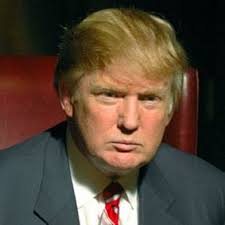
Donald Trump
On November 3, 2020, 81,255,933 Democratic voters elected former Vice President Joseph Biden the 46th President of the United States. Trump, running for a second term, got 74,196,153 votes.
Yet almost two months after the election, Trump refuses to concede, insisting that he won—and repeatedly claiming falsely that he is the victim of massive vote fraud.
This toxic lie has been feverishly embraced by millions of Right-wingers, and threatens to rob the incoming Biden administration of its deserved legitimacy.
This refusal to acknowledge the outcome initially denied Biden access to the money, information-sharing and machinery traditionally accorded the President-elect. Trump himself was the beneficiary of such assistance in 2016, after his win over Democratic nominee Hillary Clinton.
Only on November 23 was Biden acknowledged as the winner by the General Services Administration, as the Trump administration finally began the formal transition process.
Meanwhile, the COVID-19 pandemic rages across the country. More than 336,000 Americans have died, hospitals are filled to capacity, and millions are on the brink of starvation and/or eviction. Yet Trump remains obsessed with his loss, and has done nothing to coordinate the Federal response to the pandemic.
Trump’s refusal to accept reality poses an unprecedented danger to democracy: No presidential candidate has ever refused to concede defeat once all the votes were counted and legal challenges resolved.
By refusing to commit to a peaceful transfer of power, Trump has taken on the classic mantle of of a dictator.
Right-wing Virginia State Senator Amanda Chase has urged Trump to declare martial law and allow the military to “oversee” another election. So has disgraced ex-National Security Advisor Michael Flynn, whom Trump pardoned for lying to the FBI about private talks he had with a Russian official.
Reports have surfaced that Trump has considered doing so. Given his record as a lifelong criminal, there is no reason to doubt he is capable of this.
History has recorded an active German resistance movement against Adolf Hitler—and has honored its members, many of whom died heroically for standing firm against a brutal tyrant.
To its eternal shame, the same cannot be said of America during the reign of Donald Trump.


 Bureaucracybuster's Blog
2016 PRESIDENTIAL ELECTION, 2020 PRESIDENTIAL ELECTION, ABC NEWS, ADOLF HITLER, ALEXANDER KERENSKY, ALTERNET, AMERICABLOG, AP, BABY BOOMER RESISTANCE, BEER HALL PUTSCH, BEN SASSE, BLOOMBERG, BRAD RAFFENSPERGER, BRIAN KEMP, BUZZFEED, CAPITOL POLICE, CBS NEWS, CHINA, CHRIS KREBS, CHRIS MURPHY, CIA, CNN, CROOKS AND LIARS, CYBERSECURITY, DAILY KOZ, DEMOCRATS, DEPARTMENT OF HOMELAND SECURITY, DONALD TRUMP, DRUDGE REPORT, ELECTORAL COLLEGE, FACEBOOK, FBI, FIVETHIRTYEIGHT, HARPER’S MAGAZINE, HITLER: ASCENT: 1889 – 1939 (BOOK), HUFFINGTON POST, ISLAMIC STATE, JAMES COMEY, JOSEPH BIDEN, jOSH HAWLEY, JOSH SHAPIRO, KAITLAN COLLINS, KEN PAXTON, KEVIN MCCARTHY, KIM JONG ON, MEDIA MATTERS, MEIN KAMPF (BOOK), MIKE KELLY, MIKE PENCE, MITCH MCCONNELL, MOTHER JONES, MOVEON, MSNBC, NANCY PELOSI, NATIONAL GUARD, NATIONAL SECURITY AGENCY, NBC NEWS, NEWSWEEK, NORTH KOREA, NPR, PAT A. CIPOLLONE, PAUL LEBLANC, PBS NEWSHOUR, POLITICO, POLITICUSUSA, RAW STORY, REPUBLICANS, REUTERS, ROD SERLING, ROY BLUNT, RUSSIA, RUSSIAN REVOLUTION, SALON, SEATTLE TIMES, SERGEI KISLYAK, SERGI LAVROV, SLATE, SUPREME COURT, TALKING POINTS MEMO, THE ATLANTIC, THE CHICAGO SUN-TIMES, THE CHICAGO TRIBUNE, THE DAILY BEAST, THE DAILY BLOG, THE GUARDIAN, THE HILL, THE HUFFINGTON POST, THE LOS ANGELES TIMES, THE NATION, THE NEW REPUBLIC, THE NEW YORK TIMES, THE TWILIGHT ZONE, THE VILLAGE VOICE, THE WASHINGTON POST, THINKPROGRESS, TIME, TRUTHDIG, TRUTHOUT, TWILIGHT ZONE EPISODE “DEATH’S HEAD REVISITED”, TWITTER, TWO POLITICAL JUNKIES, U.S. NEWS & WORLD REPORT, ULYSSES S. GRANT, UNITED STATES CAPITOL BUILDING, UNITED STATES HOUSE OF REPRESENTATIVES, UNITED STATES SECRET SERVICE, UNITED STATES SENATE, UPI, USA TODAY, VLACIMIR PUTIN, VOLKER ULLRICH, XI JINPING
TREASON’S GREETINGS: PART ONE (OF FOUR)
In Bureaucracy, History, Law, Law Enforcement, Politics, Social commentary on February 15, 2021 at 12:25 amHISTORY’S LESSON ON TREASON
Whatever may have been my political opinions before, I have one sentiment now: That is, we have a government, and laws, and a flag, and they must all be sustained. There are but two parties now, traitors and patriots, and I want hereafter to be ranked with the latter and, I trust, the stronger party.
—Ulysses S. Grant
History teaches us that republics that tolerate treason soon become former republics.
Example: #1: In February, 1917, Alexander Kerensky became president of the Russian Provisional Government after the fall of Tsar Nicholas II.
Warned that Bolshevik leaders were plotting his overthrow, he refused to order their arrests: “In Russia, it’s always been too easy to arrest people who disagree with you.”
Alexander Kerensky
On November 7, 1917, he found himself overthrown and fleeing the country for his life. A Communist government, presided over by Vladimir Lenin, assumed absolute power—and held onto it for the next 74 years
Example #2: On November 9, 1923, Nazi Party Fuhrer Adolf Hitler tried to overthrow the government in Munich, Bavaria.
About 2,000 Nazis marched to the center of Munich, where they confronted heavily-armed police. A shootout erupted, killing 16 Nazis and four policemen.
Hitler was injured during the clash, but managed to escape. Two days later, he was arrested and charged with treason.
Put on trial, he found himself treated as a celebrity by a judge sympathetic to Right-wing groups. He was allowed to brutally cross-examine witnesses and even make inflammatory speeches.
At the end of the trial, he was convicted of treason and sentenced to five years’ imprisonment.
Serving time in Landsberg Prison, in Bavaria. he was given a huge cell, allowed to receive unlimited visitors and gifts, and treated with deference by guards and inmates.
Hitler used his time in prison to write his infamous book, Mein Kampf-–“My Struggle.” Part autobiography, part political treatise, it laid out his future plans—including the extermination of the Jews and the conquest of the Soviet Union.
Adolf Hitler leaving Landsberg Prison, December, 20, 1924
Nine months later, he was released on parole—by authorities loyal to the authoritarian Right instead of the newly-created Weimar Republic.
Hitler immediately began rebuilding the shattered Nazi party—and deciding on a new strategy to gain power. Never again would he resort to armed force. He would win office by election—or intrigue.
On January 30, 1933, those intrigues made him Chancellor of Germany.
Writes historian Volker Ullrich, in his monumental 2016 biography, Hitler: Ascent 1889 – 1939: “Historians have perennially tried to answer the question of whether Hitler’s rise to power could have been halted….
“There were repeated opportunities to end Hitler’s run of triumphs. The most obvious one was after the failed Putsch of November 1923. Had the Munich rabble-rouser been forced to serve his full five-year term of imprisonment in Landsberg, it is extremely unlikely that he would have been able to restart his political career.”
THE DIFFERENCE BETWEEN THE ELECTIONS OF 2016 AND 2020
During the 2016 Presidential race, Russian propaganda played a major role in convincing millions of Americans to vote for Donald Trump. Social media platforms—especially Facebook and Twitter—were flooded with genuinely fake news to sow discord among Americans and create a pathway for Trump’s election.
And where Internet trolls left off, Russian computer hackers took over.
Russian President Vladimir Putin, a former KGB officer, had quickly assessed Trump as an egotistical narcissist. By appealing to Trump’s vanity, Putin expected to sharply reduce the military and political threat the United States represented to a resurgent Russia.
Donald Trump didn’t win a majority of the popular vote in 2016—but he got enough help from Putin to put him over the top in the Electoral College.
And Trump gladly reciprocated.
Vladimir Putin and Donald Trump
From his first day in office, he sided with brutal dictators (Putin, North Korea’s Kim Jong-On, China’s Xi Jinping) and declared war on America’s oldest and most reliable allies (Canada, Britain, France).
When he spoke with Putin face-to-face, he afterward demanded that the lone translator surrender his notes, so there would be no record of what he had agreed to with Putin.
On May 10, 2017, Trump met with Russian Foreign Minister Sergey Lavrov and Russian Ambassador Sergey Kislyak in the Oval Office—and gave them highly classified CIA Intelligence about an Islamic State plot to turn laptops into concealable bombs.
Not only did this occur in the Oval Office, but it happened on the day after he fired FBI Director James Comey for refusing to become Trump’s version of a KGB chief.
“I just fired the head of the FBI,” Trump told the two dignitaries. “He was crazy, a real nut job. I faced great pressure because of Russia. That’s taken off.”
On numerous occasions Donald Trump fiercely denied any Russian connections. On January 11, 2017, he tweeted: “Russia has never tried to use leverage over me. I HAVE NOTHING TO DO WITH RUSSIA – NO DEALS, NO LOANS, NO NOTHING!”
But Trump’s son, Eric, bragged in 2014: “Well, we don’t rely on American banks. We have all the funding we need out of Russia. We’ve got some guys that really, really love golf, and they’re really invested in our programs. We just go there all the time.”
Share this: