Posts Tagged ‘VLADIMIR PUTIN’
ABC NEWS, ALTERNET, AMERICABLOG, AP, AR-15, ATOMIC BOMB, BABY BOOMER RESISTANCE, BBC, BENEATH THE PLANET OF THE APES, BLOOMBERG NEWS, BUZZFEED, C-PAC, CBS NEWS, CIA, CNN, CROOKS AND LIARS, DAILY KOZ, DEMOCRATIC PARTY, DONALD TRUMP, DRUDGE REPORT, FACEBOOK, FBI, FIVETHIRTYEIGHT, GUNS, HARPER’S MAGAZINE, HUFFINGTON POST, MARJORY STONEMAN DOUGLAS HIGH SCHOOL, MEDIA MATTERS, MOTHER JONES, MOVEON, MSNBC, NATIONAL RIFLE ASSOCIATION, NBC NEWS, NEW REPUBLIC, NEWSDAY, NEWSWEEK, NPR, NSA, PBS NEWSHOUR, POLITICO, POLITICUSUSA, RAW STORY, REUTERS, RUSSIA, SALON, SANDY HOOK ELEMENTARY SCHOOL, SEATTLE TIMES, SECOND AMENDMENT, SECURITY GUARDS, SLATE, SOCIALISM, TALKING POINTS MEMO, THE ATLANTIC, THE CHICAGO SUN-TIMES, THE CHICAGO TRIBUNE, THE DAILY BEAST, THE DAILY BLOG, THE GUARDIAN, THE HILL, THE HUFFINGTON POST, THE LOS ANGELES TIMES, THE NATION, THE NEW REPUBLIC, THE NEW YORK TIMES, THE NEW YORKER, THE VILLAGE VOICE, THE WASHINGTON POST, THINKPROGRESS, TIME, TRUTHDIG, TRUTHOUT, TWITTER, TWO POLITICAL JUNKIES, U.S. NEWS & WORLD REPORT, UPI, USA TODAY, USA TODAY NIKOLAS CRUZ, VLADIMIR PUTIN, WAYNE LAPIERRE, WONKETTE
In Bureaucracy, History, Law, Law Enforcement, Politics, Social commentary on February 26, 2021 at 12:07 am
On February 14, 2018, 19-year-old Nikolas Cruz slaughtered two faculty members and 15 students at Marjory Stoneman Douglas High School in Parkland, Florida.
His weapon of choice: An AR-15 assault rifle, often favored by gun massacre killers.
Eight days later, on February 22, Wayne LaPierre, executive vice president of the National Rifle Association (NRA) attacked those he held responsible for the series of massacres plaguing American schools.
And it wasn’t crazed gunmen armed with automatic weapons designed for military use.

Wayne LaPierre
With funerals still being planned for some of the victims, LaPierre blamed “the elites,” “saboteurs” and “new European-style socialists” for this and other gun massacres.
He did so at the Conservative Political Action Conference (C-PAC) in National Harbor, Maryland.
“They hate the NRA, they hate the Second Amendment. They hate individual freedom. In the rush of calls for more government, they have also revealed…their true selves.
“The elites do not care about America’s schoolchildren. If they truly cared, they would protect them. For them, it is not a safety issue. It is a political issue.
“Their goal is to eliminate the Second Amendment and our firearms freedoms, so they can eradicate all individual freedoms.”
His C-PAC congregation gave him a wild ovation.
And he accused the Democratic party of being “infested with saboteurs who do not believe in capitalism, do not believe in the Constitution, do not believe in our freedom, and do not believe in America as we know it.”
These “saboteurs” were “new European-style socialists.”
Which was ironic: In 2016, the NRA spent $30 million to elect Donald Trump—who fiercely defends Russian Communist dictator Vladimir Putin against the FBI, NSA and CIA.
He then outlined his solution for protecting America’s schoolchildren: Turning schools into virtual concentration camps patrolled by heavily-armed security guards.
The highlight of LaPierre’s speech came at its close: “And there is no greater personal, individual freedom than the right to keep and bear arms, the right to protect yourself, and the right to survive.
“It is not bestowed by man, but granted by God to all Americans as our American birthright.”
Anyone who’s seen the 1970 sci-fi movie, Beneath the Planet of the Apes, remembers the final scene: Where seemingly normal underground dwellers strip off their human face masks and reveal themselves to be radiation-scarred mutants.
They wear white robes, and stand silently during a sermon or shout “Amen!” in what is clearly a dark parody of a religious service. It’s immediately clear what they are worshiping: An atomic bomb standing upright.

And they pay tribute to the engine of obliteration that has destroyed human civilization and brought about a world ruled by apes.
Their leader, Mendez, chants:
“Glory be to the Bomb, and to the Holy Fallout. As it was in the beginning, is now, and ever shall be. World without end. Amen.
“His sound has gone out to all lands, and his light unto the end of the world.
“Almighty and everlasting Bomb, who came down among us to make Heaven under Earth. Lighten our darkness. O instrument of God—grant us thy peace!”
Reading Wayne LaPierre’s eulogy to the Gun and his passionate invoking of God, it’s easy to re-imagine his giving a slightly altered version of the sermon offered in Beneath the Planet of the Apes. It’s also easy to imagine this taking place during an NRA convention.
WAYNE LAPIERRE: The heavens declare the Glory of the Gun. And the body-count showeth His handiwork.
NRA CONGREGATION: His sound is gone out to all lands; and his Light unto the end of the world.
WAYNE LAPIEREE: He descendeth from the outermost part of Heaven; and there is nothing hid from the lead thereof. There is neither speech nor language after His voice is heard among them.
NRA CONGREGATION: Praise Him! Praise Him! My Strength and my Redeemer!
WAYNE LAPIERRE: Glory be to the Gun, and to the Holy Bodycount! As it was in the Beginning, is now and ever shall be, massacres without end. Amen!
NRA CHORUS: Amen! Amen! Amen! Amen!
WAYNE LAPIERRE: Almighty and Everlasting Gun, who came down among us to make Heaven unto Earth. Lighten our darkness with your muzzle flashes. O instrument of God, grant us They peace.
NRA CHOIR: Almighty Gun, who destroyed all men—to create corpses! Behold His glory!
WAYNE LAPIERRE: Behold that Truth that abides in us. To reveal that Truth unto that Maker.
WAYNE LAPIERRE AND NRA CONGREGATION: I reveal my inmost self unto my God.
NRA CHORUS (singing): Unto my God!
NRA CONGREGATION (singing):
All guns bright and beautiful. All creatures dead with lead.
The good Gun makes us what we are!
He takes out eyes to see with, and lips that might yet speak.
How great the Gun Almighty, who has made all things dead. Amen!
WAYNE LAPIERRE: May the Blessing of the Gun Almighty and the fellowship of the Holy Bodycount descend on us all, this night and forevermore!
* * * * * *
On December 14, 2012, a psychotic gunman using military firepower slaughtered 20 first-graders and six adults at Sandy Hook Elementary School. Since then, at least 2,654 mass shootings have erupted nationwide, with at least 2,908 killed and 11,088 wounded.
2020 PRESIDENTIAL CAMPAIGN, ABC NEWS, ADAM SCHIFF, ALTERNET, AMERICABLOG, AP, ARTICLES OF IMPEACHMENT, BABY BOOMER RESISTANCE, BUZZFEED, CBS NEWS, CIA, CNN, CONVERSATION WITH AN AMERICAN WRITER (POEM), CROOKS AND LIARS, DAILY KOZ, DEMOCRATS, DONALD TRUMP, DRUDGE RETORT, EXTORTION, FACEBOOK, FIVETHIRTYEIGHT, GOVERNMENT ACCOUNTABILITY OFFICE, HARPER’S MAGAZINE, HOUSE FOREIGN AFFAIRS COMMITTEE, HOUSE INTELLIGENCE COMMITTEE, HOUSE OVERSIGHT AND REFORM COMMITTEE, HUNTER BIDEN, IMPEACHMENT, IMPOUNDMENT CONTROL ACT, JOHN ROBERTS, JOSEPH BIDEN, Kamala Harris, MEDIA MATTERS, MICK MULVANEY, MIKE PENCE, MOTHER JONES, MOVEON, MSNBC, NANCY PELOSI, NBC NEWS, NEWSWEEK, NPR, PATRICK LEAHY, PBS NEWSHOUR, POLITICO, POLITICUSUSA, RAND PAUL, RAW STORY, REPUBLICANS, REUTERS, ROBERT PAYNE, RUSSIA, SALON, SEATTLE TIMES, SLATE, TALKING POINTS MEMO, THE ATLANTIC, THE CHICAGO SUN-TIMES, THE CHICAGO TRIBUNE, THE DAILY BEAST, THE DAILY BLOG, THE GUARDIAN, THE HILL, THE HUFFINGTON POST, THE JUDICIARY, THE LIFE AND DEATH OF ADOLF HITLER (BOOK), THE LOS ANGELES TIMES, THE NATION, THE NEW REPUBLIC, THE NEW YORK TIMES, THE PRESS, THE VILLAGE VOICE, THE WASHINGTON POST, THINKPROGRESS, TIME, TREASON, TRUTHDIG, TRUTHOUT, TWITTER, TWO POLITICAL JUNKIES, U.S. NEWS & WORLD REPORT, UKRAINE, UNITED STATES HOUSE OF REPRESENTATIVES, UNITED STATES SENATE, UPI, USA TODAY, VLADIMIR PUTIN, VOLODYMYR ZELENSKY, WHISTLEBLOWER, WHITE HOUSE BUDGET OFFICE, WONKETTE, YEVGENEY YEVTUSHENKO
In Bureaucracy, History, Law, Law Enforcement, Politics, Social commentary on January 29, 2021 at 12:06 am
On November 3, 2020, 81,255,933 Democratic voters elected former Vice President Joseph Biden the 46th President of the United States. Donald Trump, running for a second term, got 74,196,153 votes.
On January 6, 2021, Trump ordered thousands of his Stormtrumper followers to “stop the steal”—by stopping the count of Electoral College votes that would make Biden President.
Tens of thousands of Stormtrumpers attacked and breached the United States Capitol. Many of the lawmakers’ offices were occupied and vandalized. One Capitol police officer was killed and more than 50 others were injured. Meanwhile, terrified legislators huddled behind locked doors.
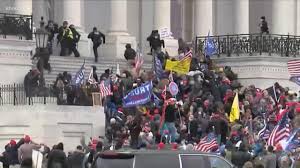
Stormtrumpers attacking the Capitol
On February 8, 2021, Trump—although no longer President—will be impeached for a second time.
And, once again, Republican United States Senators are refusing to act on evidence that almost engulfed them—that of the January 6 mob that Trump sent to attack the United States Capitol.
A January 22 story in The Hill reports: “Only five or six Republican senators at the most seem likely to vote for impeachment, far fewer than the number needed, GOP sources say.”
And Senator Rand Paul (R-Kentucky) claims that 45 Senate Republicans doubt the constitutionality of Trump’s impeachment trial.
A two-thirds majority vote would be necessary for a conviction, requiring at least 17 GOP votes if every Democrat votes to convict Trump.
Among the GO’s excuses for this:
- Trump didn’t pardon any of the insurrectionists. Said one anonymous GOP Senator: “If he pardoned people who had been part of this invasion of the Capitol…that would have said, ‘These are my guys,’”
- “He’s out of office and impeachment is a remedy to remove somebody from office,” said another Republican Senator.
- If Supreme Court Chief Justice John Roberts refuses to preside, and the chair is instead occupied by Vice President Kamala Harris or Senate President Pro Tempore Patrick Leahy (D-Vermont.), the process will appear like a partisan exercise.
- “It’s freedom of speech!” Said Senator Rand Paul: “Are we going to put every politician in jail—are we going to impeach every politician who has used the words ‘fight’ figuratively in a speech? Shame!”
![Image]Never let fear conquer you : GetMotivated](https://encrypted-tbn0.gstatic.com/images?q=tbn:ANd9GcSP5lnqsMt8F3Zq6hlDEaN5uqYT2c2mUezksA&usqp=CAU)
In answer to these excuses:
- It doesn’t matter that Trump didn’t pardon any of the seditionists. His lying tweets brought them to Washington, and his fiery, lie-studded rhetoric launched the attack.
- If a retired Senator or Supreme Court Justice was found to have violated the law, s/he could still be tried—so long as the statute hadn’t expired. The President should not be held above the law.
- Supreme Court Justice John Roberts has said he doesn’t want to preside over Trump’s second impeachment trial. So what? The Constitution dictates: “When the President of the United States is tried, the Chief Justice shall preside.” He should be required to live up to his assigned duty—or resign his position.
- The “freedom of speech” defense ignores a fundamental truth: Even the First Amendment doesn’t allow speech that incites deadly violence. When Trump proclaimed “Because you’ll never take back our country with weakness. You have to show strength and you have to be strong” his supporters—many of whom had come with firearms, scaling devices and twist-ties for taking hostages—knew exactly what he wanted them to do.
* * * * * * * * * *
So why have Republicans almost unanimously stood by Donald Trump despite his having sent a mob to attack the Capitol—and threaten their own safety?
During the six-hour siege, they feared for their lives. But now they fear they will lose their powerful positions—and the privileges that go with them—to Trump’s angry supporters at the next election.
For them, that counts far more than protecting the country from a ruthless tyrant who nearly destroyed America’s most cherished democratic institutions:
- A free press.
- An apolitical Justice Department.
- The peaceful transfer of power from one administration to another.
In his bestselling 1973 biography, The Life and Death of Adolf Hitler, British historian Robert Payne harshly condemned the German people for the rise of the Nazi dictator:
“[They] allowed themselves to be seduced by him and came to enjoy the experience….[They] followed him with joy and enthusiasm because he gave them license to pillage and murder to their hearts’ content. They were his servile accomplices, his willing victims. Germany will rule the world, our enemies will be our slaves….”

Like Hitler, Trump offered his Republican voters and Congressional allies intoxicating dreams: “I will enrich all of you. And I will humiliate and destroy those Americans you most hate.”
And, again like Hitler, his audience had always possessed those desires. Trump offered them nothing new. But as a lifelong opportunist, he realized that he could use those desires to catapult himself into a position of supreme power.
He despised his followers—both as voters and Congressional allies—for they were merely the instruments of his will.
In 1960, the Russian poet, Yevgeney Yevtushenko, published “Conversation With an American Writer”—a stinging indictment of the cowardly opportunists who had supported the brutal tyranny of Joseph Stalin:
I was never courageous.
I simply felt it unbecoming to stoop to the cowardice of my colleagues.
Too many Republicans know all-too-well how it feels to stoop to the cowardice of their colleagues for a transitory goal.
2020 PRESIDENTIAL CAMPAIGN, ABC NEWS, ADAM SCHIFF, ALTERNET, AMERICABLOG, AP, ARTICLES OF IMPEACHMENT, BABY BOOMER RESISTANCE, BUZZFEED, CBS NEWS, CIA, CNN, CONVERSATION WITH AN AMERICAN WRITER (POEM), CROOKS AND LIARS, DAILY KOZ, DEMOCRATS, DONALD TRUMP, DRUDGE RETORT, EXTORTION, FACEBOOK, FIVETHIRTYEIGHT, GOVERNMENT ACCOUNTABILITY OFFICE, HARPER’S MAGAZINE, HOUSE FOREIGN AFFAIRS COMMITTEE, HOUSE INTELLIGENCE COMMITTEE, HOUSE OVERSIGHT AND REFORM COMMITTEE, HUNTER BIDEN, IMPEACHMENT, IMPOUNDMENT CONTROL ACT, JOHN ROBERTS, JOSEPH BIDEN, Kamala Harris, MEDIA MATTERS, MICK MULVANEY, MIKE PENCE, MOTHER JONES, MOVEON, MSNBC, NANCY PELOSI, NBC NEWS, NEWSWEEK, NPR, PATRICK LEAHY, PBS NEWSHOUR, POLITICO, POLITICUSUSA, RAND PAUL, RAW STORY, REPUBLICANS, REUTERS, ROBERT PAYNE, RUSSIA, SALON, SEATTLE TIMES, SLATE, TALKING POINTS MEMO, THE ATLANTIC, THE CHICAGO SUN-TIMES, THE CHICAGO TRIBUNE, THE DAILY BEAST, THE DAILY BLOG, THE GUARDIAN, THE HILL, THE HUFFINGTON POST, THE JUDICIARY, THE LIFE AND DEATH OF ADOLF HITLER (BOOK), THE LOS ANGELES TIMES, THE NATION, THE NEW REPUBLIC, THE NEW YORK TIMES, THE PRESS, THE VILLAGE VOICE, THE WASHINGTON POST, THINKPROGRESS, TIME, TREASON, TRUTHDIG, TRUTHOUT, TWITTER, TWO POLITICAL JUNKIES, U.S. NEWS & WORLD REPORT, UKRAINE, UNITED STATES HOUSE OF REPRESENTATIVES, UNITED STATES SENATE, UPI, USA TODAY, VLADIMIR PUTIN, VOLODYMYR ZELENSKY, WHISTLEBLOWER, WHITE HOUSE BUDGET OFFICE, WONKETTE, YEVGENEY YEVTUSHENKO
In Bureaucracy, History, Law, Law Enforcement, Politics, Social commentary on January 28, 2021 at 12:19 am
As trial proceedings unfolded in the 2020 impeachment of President Donald J. Trump, the majority Republican Senators consistently put their own partisan interests over those of their country.
Trump was facing charges of:
Article 1: Abuse of Power: For pressuring Ukraine to assist him in his re-election campaign by smearing a potential rival for the White House.
Article 2: Obstruction of Congress: For obstructing Congress by blocking testimony of subpoenaed witnesses and refusing to provide documents in response to House subpoenas in the impeachment inquiry.
Yet Republican Senators repeatedly made clear their determination to fully support him.
Among their actions:
- Refusing to hear from eyewitnesses who could prove that Trump had committed impeachable offenses,
- Refusing to provide evidence on Trump’s behalf—but attacking witnesses who had testified against him in the House.
- Attacking Joseph and Hunter Biden as if they were on trial—instead of having been the targets of Trump’s smear-attempt.
As Lead Impeachment Manager, Representative Adam Schiff (D-CA) held the role of a prosecutor.
Faced with the unwillingness of Trump’s Senatorial defenders to accept any evidence—no matter how damning—against him, Schiff warned: “Donald Trump must be convicted and removed from office. Because he will always choose his own personal interest over our national interest. Because in America, right matters. Truth matters. If not, no Constitution can protect us. If not, we are lost.”

Adam Schiff
On February 5, 2020, the Republican-dominated Senate—as expected—absolved him from trying to extort Ukraine into smearing a possible rival for the White House.
Only one Republican—Utah Senator Mitt Romney—had the moral courage to vote for conviction.
On January 6, 2021, Schiff’s prophecy came true.
On that date, members of the United States Senate and House of Representatives were meeting to count the Electoral Votes cast for then-President Trump and former Vice President Joseph R. Biden.
For weeks Trump had ordered his legions of Right-wing Stormtrumpers to descend on Washington, D.C. on January 6.
On December 20, he had tweeted: “Statistically impossible to have lost the 2020 Election. Big protest in DC on January 6th. Be there, will be wild!”
In tweets, he promoted the rally again on December 27 and 30, and January 1.
And, as the House of Representatives would soon note: “In the months preceding the Joint Session, President Trump repeatedly issued false statements asserting that the Presidential election results were the product of widespread fraud and should not be accepted by the American people or certified by State or Federal officials.”
Thus, through his lies, he had aroused the fury of his Right-wing supporters.
It would take only his command to send it hurtling at his perceived enemies: Those who would dare elect Joe Biden in his place.

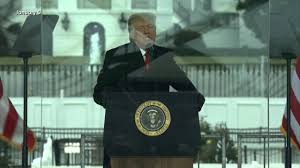
Donald Trump addresses his Stormtrumpers
On January 6, Trump appeared at the Ellipse, a 52-acre park south of the White House fence and north of Constitution Avenue and the National Mall in Washington, D.C.
A stage had been set up for him to address tens of thousands of his supporters, who eagerly awaited him.
Trump ordered them to march on the Capitol building to express their anger at the voting process and to intimidate their elected officials to reject the results:
“And after this, we’re going to walk down and I’ll be there with you. We’re going to walk down to the Capitol. And we’re going to cheer on our brave Senators and Congressmen and women and we’re probably not going to be cheering so much for some of them.
“Because you’ll never take back our country with weakness. You have to show strength and you have to be strong. We have come to demand that Congress do the right thing and only count the electors who have been lawfully slated.”
The Stormtrumpers marched to the United States Capitol—and quickly brushed aside Capitol Police, who made little effort to arrest or shoot them.
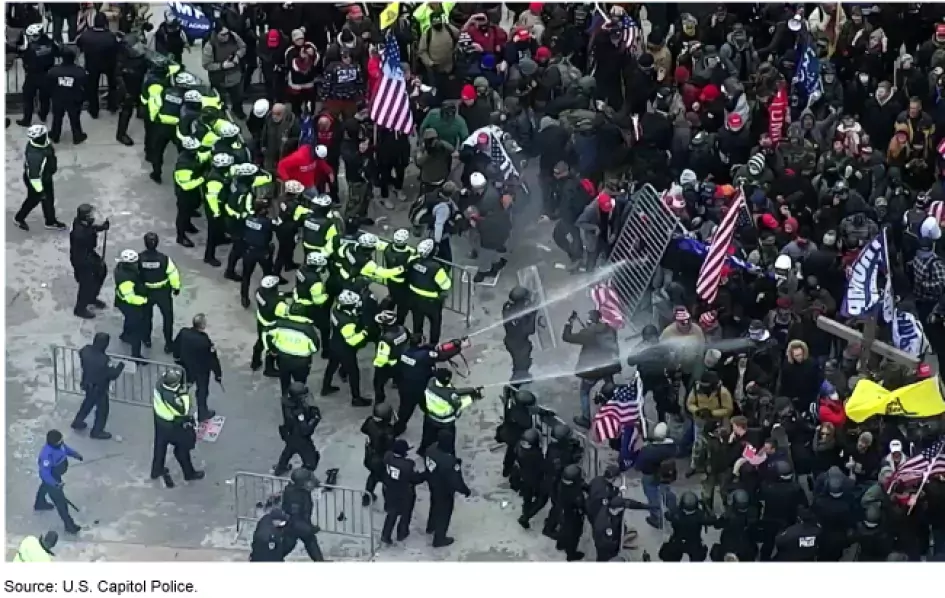
- One attacker was shot as protesters forced their way toward the House Chamber where members of Congress were sheltering in place.
- Members of the mob attacked police with chemical agents or lead pipes.
- A Capitol Hill police officer was knocked off his feet, dragged into the mob surging toward the building, and beaten with the pole of an American flag.
- Several rioters carried plastic handcuffs, possibly intending to take hostages.
- Others carried treasonous Confederate flags.
- Shouts of “Hang Pence!” often rang out.
- Improvised explosive devices were found in several locations in Washington, D.C.
- Many of the lawmakers’ office buildings were occupied and vandalized—including that of House Speaker Nancy Pelosi, a favorite Right-wing target.
More than three hours passed before police—using riot gear, shields and batons—retook control of the Capitol.
And Trump? After giving his inflammatory speech, he didn’t march with his followers to the Capitol.
Like the draft-dodger he had been during the Vietnam war, he kept himself out of harm’s way and returned to the White House.
There he watched his handiwork on television—and initially rebuffed requests to mobilize the National Guard.
This required intervention by Pat A. Cipollone, the White House Counsel, among other officials.
2020 PRESIDENTIAL CAMPAIGN, ABC NEWS, ADAM SCHIFF, ALTERNET, AMERICABLOG, AP, ARTICLES OF IMPEACHMENT, BABY BOOMER RESISTANCE, BUZZFEED, CBS NEWS, CIA, CNN, CONVERSATION WITH AN AMERICAN WRITER (POEM), CROOKS AND LIARS, DAILY KOZ, DEMOCRATS, DONALD TRUMP, DRUDGE RETORT, EXTORTION, FACEBOOK, FIVETHIRTYEIGHT, GOVERNMENT ACCOUNTABILITY OFFICE, HARPER’S MAGAZINE, HOUSE FOREIGN AFFAIRS COMMITTEE, HOUSE INTELLIGENCE COMMITTEE, HOUSE OVERSIGHT AND REFORM COMMITTEE, HUNTER BIDEN, IMPEACHMENT, IMPOUNDMENT CONTROL ACT, JOHN ROBERTS, JOSEPH BIDEN, Kamala Harris, MEDIA MATTERS, MICK MULVANEY, MIKE PENCE, MOTHER JONES, MOVEON, MSNBC, NANCY PELOSI, NBC NEWS, NEWSWEEK, NPR, PATRICK LEAHY, PBS NEWSHOUR, POLITICO, POLITICUSUSA, RAND PAUL, RAW STORY, REPUBLICANS, REUTERS, ROBERT PAYNE, RUSSIA, SALON, SEATTLE TIMES, SLATE, TALKING POINTS MEMO, THE ATLANTIC, THE CHICAGO SUN-TIMES, THE CHICAGO TRIBUNE, THE DAILY BEAST, THE DAILY BLOG, THE GUARDIAN, THE HILL, THE HUFFINGTON POST, THE JUDICIARY, THE LIFE AND DEATH OF ADOLF HITLER (BOOK), THE LOS ANGELES TIMES, THE NATION, THE NEW REPUBLIC, THE NEW YORK TIMES, THE PRESS, THE VILLAGE VOICE, THE WASHINGTON POST, THINKPROGRESS, TIME, TREASON, TRUTHDIG, TRUTHOUT, TWITTER, TWO POLITICAL JUNKIES, U.S. NEWS & WORLD REPORT, UKRAINE, UNITED STATES HOUSE OF REPRESENTATIVES, UNITED STATES SENATE, UPI, USA TODAY, VLADIMIR PUTIN, VOLODYMYR ZELENSKY, WHISTLEBLOWER, WHITE HOUSE BUDGET OFFICE, WONKETTE, YEVGENEY YEVTUSHENKO
In Bureaucracy, History, Law, Law Enforcement, Politics, Social commentary on January 27, 2021 at 12:18 am
On February 8, Donald J. Trump will face trial for impeachment for a second time—when he is no longer President of the United States.
He faces trial on one count—Incitement of Insurrection: “Donald John Trump engaged in high Crimes and Misdemeanors by inciting violence against the Government of the United States.”
Specifically:
On January 6, 2021, the House of Representatives and the Senate met in the United States Capitol to count the Electoral College votes received by both Trump and his Democratic opponent, former Vice President Joseph R. Biden, in the November 3 Presidential election.
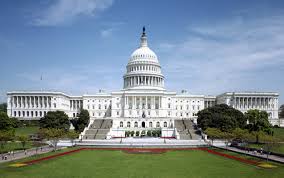
United States Capitol
According to the Article of Impeachment: “President Trump repeatedly issued false statements asserting that the Presidential election results were the product of widespread fraud and should not be accepted by the American people or certified by State or Federal officials.
“Shortly before the Joint Session commenced, President Trump addressed a crowd at the Ellipse in Washington, DC. There he reiterated false claims that ‘we won this election, and we won it by a landslide.’
“He also willfully made statements that, in context, encouraged—and foreseeably resulted in—lawless action at the Capitol, such as: ‘If you don’t fight like hell, you’re not going to have a country anymore.’
“Thus incited by President Trump, members of the crowd he had addressed, in an attempt to….interfere with the Joint Session’s solemn constitutional duty to certify the results of the 2020 election, unlawfully breached and vandalized the Capitol, injured and killed law enforcement personnel, menaced Members of Congress, the Vice President, and Congressional personnel, and engaged in other violent, deadly, destructive, and seditious acts.”
Trump wanted his followers to stop that ballot counting, since he knew the final tally would give the victory to Biden. And his followers intended to give him another—and illegal—four years in office.

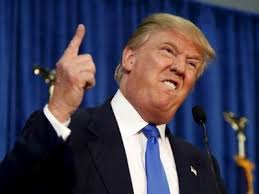
Donald Trump
The Article of Impeachment further cites that, on January 2, Trump called Georgia Secretary of State Brad Raffensperger and “urged” him to “find” enough votes to overturn the Georgia Presidential election results. And he threatened Raffsnsperger with prosecution if he failed to do so.
Summing up its case against Trump, the Article states: “In all this, President Trump gravely endangered the security of the United States and its institutions of Government. He threatened the integrity of the democratic system, interfered with the peaceful transition of power, and imperiled a coequal branch of Government. He thereby betrayed his trust as President, to the manifest injury of the people of the United States.
“Wherefore, Donald John Trump, by such conduct, has demonstrated that he will remain a threat to national security, democracy, and the Constitution if allowed to remain in office, and has acted in a manner grossly incompatible with self-governance and the rule of law. Donald John Trump thus warrants impeachment and trial, removal from office, and disqualification to hold and enjoy any office of honor, trust or profit under the United States.”
One year ago, Trump—as President—faced such trial on two counts: “Abuse of Power” and “Obstruction of Congress.”
On December 18, 2019, the House of Representatives had approved two Articles of Impeachment against Trump for:
Article 1: Abuse of Power: For pressuring Ukraine to assist him in his re-election campaign by smearing a potential rival for the White House.
Article 2: Obstruction of Congress: For obstructing Congress by blocking testimony of subpoenaed witnesses and refusing to provide documents in response to House subpoenas in the impeachment inquiry.
On September 9, 2019, the House Foreign Affairs, Intelligence and Oversight and Reform committees began investigating his attempted extortion of Ukraine President Volodymyr Zelensky.
On July 25, 2019, Trump had “asked” Zelensky to do him a “favor”: Find embarrassing “dirt” on former Vice President Joseph Biden and his son, Hunter.
Hunter had had business dealings in Ukraine. And Joseph Biden might be Trump’s Democratic opponent for the White House in 2020.
To underline the seriousness of his “request,” earlier in July Trump had told Mick Mulvaney, his White House chief of staff, to withhold $400 million in military aid that Congress had approved for Ukraine, which faced an increasingly aggressive Russia.
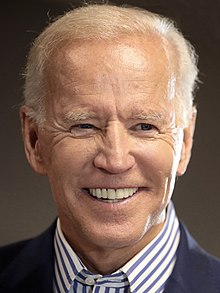
Joseph Biden
Gage Skidmore from Peoria, AZ, United States of America / CC BY-SA (https://creativecommons.org/licenses/by-sa/2.0)
But then a CIA whistleblower filed a complaint about the extortion attempt—and the media and Congress soon learned of it. And ever since, the evidence linking Trump to impeachable offenses had mushroomed.
On January 16, 2020, the Government Accountability Office (GAO) announced that the Trump administration broke the law when it withheld security aid to Ukraine.
The GAO, a nonpartisan congressional watchdog, declared that the White House Budget Office violated the Impoundment Control Act, a 1974 law that limits the White House from withholding funds that Congress has appropriated.
“Faithful execution of the law does not permit the President to substitute his own policy priorities for those that Congress has enacted into law,” the GAO auditors wrote.
On October 3, 2019, while being investigated for trying to extort Ukraine to investigate Biden, Trump said on the White House lawn: “China should start an investigation into the Bidens.”
And he warned: “I have a lot of options on China, but if they don’t do what we want, we have tremendous power.”
2016 PRESIDENTIAL ELECTION, 2020 PRESIDENTIAL ELECTION, ABC NEWS, ABRAHAM LINCOLN, ADOLF HITLER, ALTERNET, AMERICABLOG, AP, ATTACK ON CAPITOL BUILDING, BABY BOOMER RESISTANCE, BLACKS, BLOOMBERG, BRIBERY, BUZZFEED, CBS NEWS, CIA, CIVIL WAR, CNN, COLD WAR, CORONAVIRUS, CROOKS AND LIARS, DAILY KOZ, DONALD TRUMP, DRUDGE REPORT, ELECTORAL COLLEGE, FACEBOOK, FBI, FIVETHIRTYEIGHT, FOX NEWS, FRANKLIN D. ROOSEVELT, GREAT DEPRESSION, HARPER’S MAGAZINE, HERBERT HOOVER, HISPANICS, HITLER (BOOK), HUFFINGTON POST, JOACHIM C. FEST, JOHN F. KENNEDY, JOSEPH R. BIDEN, LYNDON B. JOHNSON, MEDIA MATTERS, MOTHER JONES, MOVEON, MSNBC, NAZI GERMANY, NBC NEWS, NEWSWEEK, NPR, OTTO VON BISMARCK, PBS NEWSHOUR, POLITICO, POLITICUSUSA, RAW STORY, REPUBLICANS, REUTERS, RICHARD M. NIXON, SALON, SEATTLE TIMES, SEXUAL ABUSE, SLATE, TALKING POINTS MEMO, THE ATLANTIC, THE CHICAGO SUN-TIMES, THE CHICAGO TRIBUNE, THE DAILY BEAST, THE DAILY BLOG, THE DISABLED, THE GUARDIAN, THE HILL, THE HUFFINGTON POST, THE LOS ANGELES TIMES, THE NATION, THE NEW REPUBLIC, THE NEW YORK TIMES, THE PRESS, THE VILLAGE VOICE, THE WASHINGTON POST, THEODORE ROOSEVELT, THINKPROGRESS, TIME, TRUTHDIG, TRUTHOUT, TWITTER, TWO POLITICAL JUNKIES, U.S. NEWS & WORLD REPORT, UPI, USA TODAY, VIETNAM WAR, VLADIMIR PUTIN, WATERGATE, WOMEN, WONKETTE, WORLD WAR ii
In Bureaucracy, History, Law, Law Enforcement, Military, Politics, Social commentary on January 20, 2021 at 12:08 am
Why are some Presidents remembered with affection, while others are detested—or forgotten altogether?
Generally, Presidents who are warmly remembered are seen as making positive contributions to the lives of their fellow Americans and being “people-oriented.”
Among these:
- Abraham Lincoln
- Theodore Roosevelt
- Franklin Roosevelt
- John F. Kennedy
Among the reasons they are held in such high regard:
- Abraham Lincoln ended slavery and restored the Union. Although he ruthlessly prosecuted the Civil War, his humanity remains engraved in stories such as his pardoning a soldier condemned to be shot for cowardice: “If Almighty God gives a man a cowardly pair of legs, how can he help their running away with him?”
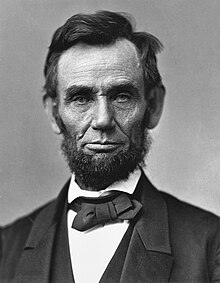
Abraham Lincoln
- Theodore Roosevelt championed an era of reform, such as creating the Food and Drug Administration and five National Parks. Popularly known as “Teddy,” he even had a toy bear—the teddy bear—named after him.
- Franklin D. Roosevelt successfully led America through the Great Depression and World War II. He was the first President to insist that government existed to directly better the lives of its citizens: “The test of our progress is not whether we add more to the abundance of those who have much; it is whether we provide enough for those who have too little.”
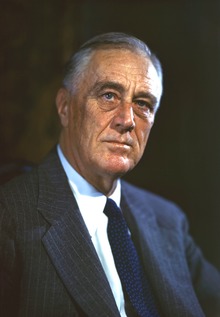
Franklin D. Roosevelt
- John F. Kennedy supported civil rights and called for an end to the Cold War. He challenged Americans to “ask what you can do for your country” and made government service respectable, even chic. His youth, charisma, intelligence and handsomeness led millions to mourn for “what might have been” had he lived to win a second term.
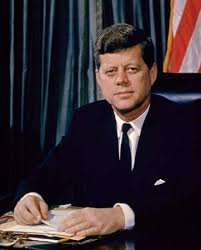
John F. Kennedy
Presidents who remain unpopular among Americans are seen as unlikable and responsible (directly or not) for mass suffering.
Among these:
- Herbert Hoover
- Lyndon B. Johnson
- Richard M. Nixon
Among the reasons they are held in such low regard:
- Herbert Hoover is still blamed for the 1929 Great Depression. He didn’t create it, but his conservative, “small-government” philosophy led him to refuse to aid its victims. An engineer by profession, he saw the Depression as a machine that needed repair, not as a catastrophe for human beings. This lack of “emotional intelligence” cost him heavily with voters.
- Lyndon B. Johnson is still blamed as the President “who got us into Vietnam.” John F. Kennedy had laid the groundwork by placing 16,000 American troops there by the time he died in 1963. But it was Johnson who greatly expanded the war in 1965 and kept it going—with hugely expanding casualties—for the next three years. Unlike Kennedy, whom he followed, he looked and sounded terrible on TV. Voters compared LBJ’s Texas drawl and false piety with JFK’s wit and good looks—and found him wanting.
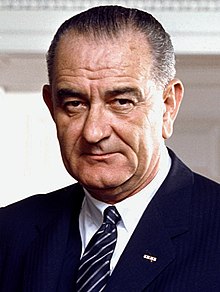
Lyndon B. Johnson
- Richard M. Nixon will be remembered foremost as the President who was forced to resign under threat of impeachment and removal from office. Like Herbert Hoover, he was not a “people person” and seemed remote to even his closest associates. Although he took office on a pledge to “bring us together” and end the Vietnam war, he attacked war protesters as traitors and kept the war going another four years. His paranoid fears of losing the 1972 election led to his creating an illegal “Plumbers” unit which bugged the Democratic offices at the Watergate Hotel. And his attempted cover-up of their illegal actions led to his being forced to resign from office in disgrace.
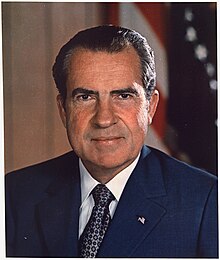
Richard M. Nixon
Which brings us to the question: How is President Donald J. Trump likely to be remembered?
Historian Joachim C. Fest offers an unintended answer to this question in his 1973 bestselling biography Hitler:
“An ancient tenet of aesthetics holds that one who for all his remarkable traits is a repulsive human being, is unfit to be a hero.”
Among the reasons for Hitler’s being “a repulsive human being,” Fest cites the Fuhrer’s
- “intolerance and vindictiveness”;
- “lack of generosity”; and
- “banal and naked materialism—power was the only motive he would recognize.”
Fest then quotes German chancellor Otto von Bismarck on what constitutes greatness: “Impressiveness in this world is always akin to the fallen angel who is beautiful but without peace, great in his plans and efforts, but without success, proud but sad.”
And Fest concludes: “If this is true greatness, Hitler’s distance from it is immeasurable.”
What Fest writes about Adolf Hitler applies just as brutally to Donald Trump.
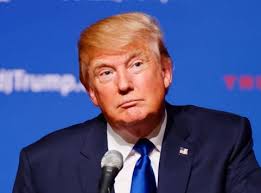
Donald Trump
He has:
- Boasted about the politicians he’s bought and the women he’s bedded—and forced himself on.
- Slandered entire segments of Americans—blacks, Hispanics, women, journalists, Asians, the disabled.
- Attacked the FBI and CIA for accurately reporting that Russian President Vladimir Putin had intervened in the 2016 Presidential election to ensure Trump’s victory.
- Refused to effectively attack the Coronavirus pandemic, leaving 400,000 dead by the end of his Presidency.
- Refused to accept that Democratic nominee Joseph Biden legitimately won the 2020 Presidential election.
- Ordered a mob of his Fascistic followers to attack the Capitol Building and stop the certifying of Biden as the winner of Electoral College votes.
At this stage, it’s hard to imagine Trump joining that select number of Presidents Americans remember with awe and reverence.
ABC NEWS, ADAM SCHIFF, ALAMO, ALTERNET, AMERICABLOG, AP, ARTICLES OF IMPEACHMENT, BABY BOOMER RESISTANCE, BRAD RAFFENSPERGER, BUZZFEED, CBS NEWS, CIA, CNN, CROOKS AND LIARS, DAILY KOZ, DAVID SHAFER, DON MCGHAN, DONALD TRUMP, DONALD TRUMP JUNIOR, DRUDGE RETORT, FACEBOOK, FBI, FIVETHIRTYEIGHT, GEORGIA, GEORGIA REPUBLICAN PARTY, GEORGIA SECRETARY OF STATE’S OFFICE, HARPER’S MAGAZINE, HILLARY CLINTON, HOUSE INTELLIGENCE COMMITTEE, HOUSE JUDICIARY COMMITTEE, IMPEACHMENT, JARED KUSHNER, JOE BIDEN, MEDIA MATTERS, MOTHER JONES, MOVEON, MSNBC, NATIONAL SECURITY AGENCY, NBC NEWS, NEWSWEEK, NPR, PBS NEWSHOUR, POLITICO, POLITICUSUSA, RAW STORY, REUTERS, RUSSIA, RYAN GERMANY, SALON, SEATTLE TIMES, SLATE, TALKING POINTS MEMO, THE ATLANTIC, THE CHICAGO SUN-TIMES, THE CHICAGO TRIBUNE, THE DAILY BEAST, THE DAILY BLOG, THE GUARDIAN, THE HILL, THE HUFFINGTON POST, THE LOS ANGELES TIMES, THE NATION, THE NEW REPUBLIC, THE NEW YORK TIMES, THE VILLAGE VOICE, THE WASHINGTON POST, THINKPROGRESS, TIME, TRUMP TOWER MEETING, TRUTHDIG, TRUTHOUT, TWITTER, TWO POLITICAL JUNKIES, U.S. NEWS & WORLD REPORT, UPI, USA TODAY, VLADIMIR PUTIN, WONKETTE
In Bureaucracy, History, Law, Law Enforcement, Military, Politics, Social commentary on January 6, 2021 at 12:20 am
On December 10, 2019, Democratic leaders in the House of Representatives voted to send two Articles of Impeachment to the House Judiciary Committee.
Their purpose: To remove Donald J. Trump from office as the 45th President of the United States.
House Judiciary Committee Chairman Jerry Nadler read the charges:
Article 1: Abuse of Power: For pressuring Ukraine to assist him in his re-election campaign by damaging former Vice President Joe Biden, his possible Democratic rival.
Article 2: Obstruction of Congress: For obstructing Congress by blocking testimony and refusing to provide documents in response to House subpoenas in the impeachment inquiry.
But it was House Intelligence Committee Chairman Adam Schiff (D-CA) who put the reason for impeachment in stark, easily understandable perspective:
Adam Schiff
“Why not just wait until you get the documents that the White House refuses to turn over, and people should understand what that argument really means.
“It has taken us eight months to get a lower court ruling that Don McGahn has no right to defy Congress. If it takes another eight months to get a second court or Supreme Court decision, that is not the end of the process.
“It comes back to us, and we ask questions because he no longer has immunity and he claims something else that his answers are privileged and we have to go to court for another eight or 16 months.
“The argument why don’t you just wait amounts to this: Why don’t you just let him [Trump] cheat in one more election? Why not let him cheat just one more time? Why not let him have foreign help just one more time? That is what that argument amounts to.”
Schiff was alluding to Trump’s infamous efforts during the 2016 Presidential campaign to enlist Russian aid against his rival, Democratic Presidential nominee Hillary Clinton.
Among those efforts:
On July 9, 2016, high-ranking members of his Presidential campaign met at Trump Tower with at least two lobbyists with ties to Russian dictator Vladimir Putin. The participants included:
- Trump’s son, Donald Trump Jr.;
- His son-in-law, Jared Kushner;
- His then-campaign manager, Paul Manafort;
- Natalia Veselnitskaya, a Russian lawyer with ties to Putin; and
- Rinat Akhmetshin, a former Soviet counterintelligence officer suspected of “having ongoing ties to Russian Intelligence.”
The purpose of that meeting: To gain access to any “dirt” Russian Intelligence could supply on Clinton.
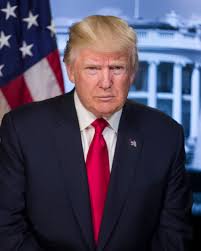
Donald Trump
On July 22, 2016, during his campaign for President, Trump said at a press conference in Doral, Florida: “Russia, if you are listening, I hope you are able to find the 33,000 emails that are missing [from Democratic Presidential candidate Hillary Clinton’s computer]. I think you will probably be rewarded mightily by our press.”
This was nothing less than treason—calling upon a foreign power, hostile to the United States, to interfere in its Presidential election.
Hours later, the Main Intelligence Directorate in Moscow targeted Clinton’s personal office and hit more than 70 other Clinton campaign accounts.
On January 23, 2020, Schiff tweeted a prophecy—and a warning: “Donald Trump must be convicted and removed from office. Because he will always choose his own personal interest over our national interest. Because in America, right matters. Truth matters. If not, no Constitution can protect us. If not, we are lost.”
It was a concise summary of his closing argument to the Senate. And an accurate prediction of Trump’s future behavior if he escaped conviction and removal.
On February 5, 2020, the Republican-dominated Senate—ignoring the overwhelming evidence against him—acquitted Donald Trump on both impeachment articles: Obstruction of Congress and abuse of power.
It was on a par with those racist, all-white juries which had freed Ku Klux Klansmen for the murders of blacks.
On January 2, 2021, Schiff’s prediction came true: Trump called the office of Georgia Secretary of State Brad Raffensperger. The reason: To pressure him to “find” enough votes to overturn former Vice President Joe Biden’s win in the state’s presidential election.
“All I want to do is this. I just want to find 11,780 votes, which is one more than we have,” Trump said. “Because we won the state.”
Actually, Trump didn’t win the state. Biden carried Georgia by an 11,779-vote margin—which has been certified three times.
Trump repeatedly cited disproven claims of fraud in the election—and threatened Raffensperger and Ryan Germany, the secretary of state’s legal counsel, that they could be criminally prosecuted if they did not change the vote count in his favor: “That’s a criminal offense. And you can’t let that happen.”
The phone call was recorded. And shortly afterward, the Washington Post obtained a copy of that recording—which, in turn, was soon leaked to CNN.
David Shafer, chairman of the Georgia Republican Party, responded with two tweets after the Washington Post released excerpts from the recording:
“President @realDonaldTrump has filed two lawsuits – federal and state – against @GaSecofState. The telephone conference call @GaSecofState secretly recorded was a ‘confidential settlement discussion’ of that litigation, which is still pending.”
Thus, Trump’s reaction to being exposed for his latest illegal act was that of a Mafia boss finding out that his phone has been tapped: He doesn’t deny his evil; he simply wants the evidence of it suppressed.
2016 PRESIDENTIAL ELECTION, 2020 PRESIDENTIAL ELECTION, ABC NEWS, ABUSE OF POWER, ADOLF HITLER, ALTERNET, AMANDA CHASE, AMERICABLOG, AP, ARMED SERVICES, BABY BOOMER RESISTANCE, BARACK OBAMA, BLOOMBERG, BUZZFEED, CBS NEWS, CHILE, CIA, CLAUS VON STAUFFENBERG, CNN, COVID-19, CROOKS AND LIARS, DAILY KOZ, DONALD TRUMP, DRUDGE RETORT, FACEBOOK, FBI, FEDERAL GOVERNMENT SHUTDOWN, FIVETHIRTYEIGHT, GENERAL SERVICES ADMINISTRATION, GESTAPO, HARPER’S MAGAZINE, HILLARY CLINTON, IMPEACHMENT ARTICLES, JAMES B. COMEY, JAMES MATTIS, JOHN KASICH, JOHN MCCAIN, JOSEPH BIDEN, KIM JONG-UN, MARK ESPER, MARTIAL LAW, MARTIN NIEMOELLER, MEDIA MATTERS, MICHAEL FLYNN, MOTHER JONES, MOVEON, MSNBC, MUSLIMS, NATIONAL SECURITY AGENCY, NAZI GERMANY, NBC NEWS, NEWSWEEK, NPR, OBSTRUCTION OF CONGRESS, PBS NEWSHOUR, POLITICO, POLITICUSUSA, RAW STORY, REPUBLICANS, REUTERS, SALON, SEATTLE TIMES, SERGEY KISLYAK, SERGEY LAVROV, SLATE, TALKING POINTS MEMO, THE ATLANTIC, THE CHICAGO SUN-TIMES, THE CHICAGO TRIBUNE, THE DAILY BEAST, THE DAILY BLOG, THE GUARDIAN, THE HILL, THE HUFFINGTON POST, THE LOS ANGELES TIMES, THE NATION, THE NEW REPUBLIC, THE NEW YORK TIMES, THE PENTAGON, THE TWILIGHT ZONE, THE VILLAGE VOICE, THE WASHINGTON POST, THINKPROGRESS, THIRD REICH, TIME, TRUTHDIG, TRUTHOUT, TWENTY-FIFTH AMENDMENT, TWITTER, TWO POLITICAL JUNKIES, U.S. NEWS & WORLD REPORT, UNITED STATES CONSTITUTION, UNITED STATES SECRET SERVICE, UPI, USA TODAY, VLADIMIR PUTIN, VOTER FRAUD, WONKETTE, WORLD WAR 11
In Bureaucracy, History, Law, Law Enforcement, Military, Politics, Social commentary on December 30, 2020 at 12:08 am
During his 12-year reign, Adolf Hitler was the target of at least 42 assassination plots. The most famous of these was the one of July 20, 1944.
- So far as is known, Donald Trump has not been the target of even one.
In Hitler’s case, the plotters were officers of the German general staff—who believed the Fuhrer was leading Germany into a war it could not hope to win.
After the war’s outbreak (on September 1, 1939) most of the plotters were motivated by a desire to end the war before Allied—and especially Russian—soldiers reached Germany. But many plotters were motivated by sheer horror at the wholesale slaughters taking place in Poland and Russia.
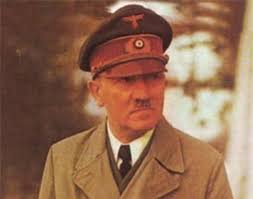
Adolf Hitler
- In Trump’s case, a non-violent method for removal existed in the Twenty-Fifth Amendment to the United States Constitution. This allows the Vice President and a majority of the Cabinet to recommend the removal of the President when he is “unable to discharge the powers and duties of his office.” The Vice President then becomes President.
- No Cabinet members had the courage to invoke this.
- Within the Senate and House of Representatives, Republicans acted as a rubber stamp for his every infamy. When he praised North Korea’s dictator Kim Jong-On or attacked Vietnam POW John McCain, they stayed silent. When he falsely charged massive voter fraud, Republicans stayed silent or loudly parroted his lies.
- Their most notorious example of ambition-fueled cowardice occurred on February 5, 2020. That was when the Republican-dominated Senate—ignoring the overwhelming evidence against him—acquitted Trump on both impeachment articles: Obstruction of Congress and abuse of power.
- At the Pentagon, American generals stood mute as Trump repeatedly sided with Russian dictator Vladimir Putin against the FBI, CIA and National Security Agency—and even gave classified CIA Intelligence to Russian Foreign Minister Sergey Lavrov and Ambassador Sergey Kislyak.
- And just as high-ranking field marshals in Hitler’s Wehrmacht held their tongues when he insulted them, so, too, did American generals when Trump belittled their intelligence and even patriotism.
- When Trump arbitrarily decided to remove American forces from Syria and Afghanistan, Secretary of Defense James Mattis resigned in protest in 2018. But then he was simply replaced by Mark Esper.
- Despite the fact that many of these men regularly came into contact with Trump, not one of them apparently plotted his removal.
- Similarly, Trump repeatedly attacked the integrity of the men and women of the FBI—even firing its director, James Comey, for daring to investigate Russia’s subversion of the 2016 election. If its agents—steeped in Federal criminal law—built a case for Trump’s indictment and prosecution, it has never come to light.
- Neither did any of his Secret Service agents register the slightest protest, despite his arrogant behavior toward them. He forced them to work without pay during his 35-day government shutdown in 2018. And he forced them to accompany him to COVID-infected states—both during the Presidential campaign and afterward. Many of them became stricken with this often fatal disease as a result.
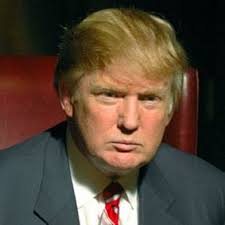
Donald Trump
On November 3, 2020, 81,255,933 Democratic voters elected former Vice President Joseph Biden the 46th President of the United States. Trump, running for a second term, got 74,196,153 votes.
Yet almost two months after the election, Trump refuses to concede, insisting that he won—and repeatedly claiming falsely that he is the victim of massive vote fraud.
This toxic lie has been feverishly embraced by millions of Right-wingers, and threatens to rob the incoming Biden administration of its deserved legitimacy.
This refusal to acknowledge the outcome initially denied Biden access to the money, information-sharing and machinery traditionally accorded the President-elect. Trump himself was the beneficiary of such assistance in 2016, after his win over Democratic nominee Hillary Clinton.
Only on November 23 was Biden acknowledged as the winner by the General Services Administration, as the Trump administration finally began the formal transition process.
Meanwhile, the COVID-19 pandemic rages across the country. More than 336,000 Americans have died, hospitals are filled to capacity, and millions are on the brink of starvation and/or eviction. Yet Trump remains obsessed with his loss, and has done nothing to coordinate the Federal response to the pandemic.
Trump’s refusal to accept reality poses an unprecedented danger to democracy: No presidential candidate has ever refused to concede defeat once all the votes were counted and legal challenges resolved.
By refusing to commit to a peaceful transfer of power, Trump has taken on the classic mantle of of a dictator.
Right-wing Virginia State Senator Amanda Chase has urged Trump to declare martial law and allow the military to “oversee” another election. So has disgraced ex-National Security Advisor Michael Flynn, whom Trump pardoned for lying to the FBI about private talks he had with a Russian official.
Reports have surfaced that Trump has considered doing so. Given his record as a lifelong criminal, there is no reason to doubt he is capable of this.
History has recorded an active German resistance movement against Adolf Hitler—and has honored its members, many of whom died heroically for standing firm against a brutal tyrant.
To its eternal shame, the same cannot be said of America during the reign of Donald Trump.
2016 PRESIDENTIAL ELECTION, 2020 PRESIDENTIAL ELECTION, ABC NEWS, ABUSE OF POWER, ADOLF HITLER, ALTERNET, AMANDA CHASE, AMERICABLOG, AP, ARMED SERVICES, BABY BOOMER RESISTANCE, BARACK OBAMA, BLOOMBERG, BUZZFEED, CBS NEWS, CIA, CLAUS VON STAUFFENBERG, CNN, COVID-19, CROOKS AND LIARS, DAILY KOZ, DONALD TRUMP, DRUDGE RETORT, FACEBOOK, FBI, FEDERAL GOVERNMENT SHUTDOWN, FIVETHIRTYEIGHT, GENERAL SERVICES ADMINISTRATION, GESTAPO, HARPER’S MAGAZINE, HILLARY CLINTON, IMPEACHMENT ARTICLES, JAMES B. COMEY, JAMES MATTIS, JOHN KASICH, JOHN MCCAIN, JOSEPH BIDEN, KIM JONG-UN, MARK ESPER, MARTIAL LAW, MARTIN NIEMOELLER, MEDIA MATTERS, MICHAEL FLYNN, MOTHER JONES, MOVEON, MSNBC, MUSLIMS, NATIONAL SECURITY AGENCY, NAZI GERMANY, NBC NEWS, NEWSWEEK, NPR, OBSTRUCTION OF CONGRESS, PBS NEWSHOUR, POLITICO, POLITICUSUSA, RAW STORY, REPUBLICANS, REUTERS, SALON, SEATTLE TIMES, SERGEY KISLYAK, SERGEY LAVROV, SLATE, TALKING POINTS MEMO, THE ATLANTIC, THE CHICAGO SUN-TIMES, THE CHICAGO TRIBUNE, THE DAILY BEAST, THE DAILY BLOG, THE GUARDIAN, THE HILL, THE HUFFINGTON POST, THE LOS ANGELES TIMES, THE NATION, THE NEW REPUBLIC, THE NEW YORK TIMES, THE PENTAGON, THE TWILIGHT ZONE, THE VILLAGE VOICE, THE WASHINGTON POST, THINKPROGRESS, THIRD REICH, TIME, TRUTHDIG, TRUTHOUT, TWENTY-FIFTH AMENDMENT, TWITTER, TWO POLITICAL JUNKIES, U.S. NEWS & WORLD REPORT, UNITED STATES CONSTITUTION, UNITED STATES SECRET SERVICE, UPI, USA TODAY, VLADIMIR PUTIN, VOTER FRAUD, WONKETTE, WORLD WAR 11
In Bureaucracy, History, Law, Law Enforcement, Military, Politics, Social commentary on December 29, 2020 at 12:15 am
On July 20, 1944, Colonel Claus Schenk von Stuaffenberg tried to assassinate Adolf Hitler.
He had served with the Wehrmacht in Poland (1939), France (1940) and the Soviet Union (1941).
While serving in Tunisa, he was seriously wounded on April 7, 1943, when Allied fighters strafed his vehicle. He lost his left eye, right hand and two fingers of his left hand after surgery.
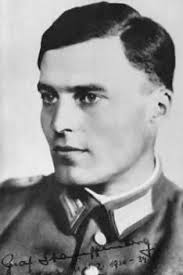
Colonel Claus Schenk von Stuaffenberg
Nevertheless, he now acted as the prime mover for the conspiracy among a growing number of German high command officers to arrest or assassinate Germany’s Fuehrer.
For most of these officers, the motive was craven: The “happy time” of German victories was over. Germany was losing the war it had unleashed on the world in 1939—and now they feared the worst.
This was especially true now that the numerically superior forces of the Soviet Union had gone onto the offensive.
For Stauffenberg, there was another reason: His disgust at the horrors he had seen committed by his fellow Wehrmacht soldiers upon defenseless POW’s and civilians in Russia.
Thus, Stauffenberg—more than many Germans–knew firsthand the vengeance his country could expect if the “Thousand-Year Reich” fell.
Something must be done, he believed, to prove to the world that not all Germans—even members of the Wehrmacht—were criminals.
Most of the conspirators wanted to arrest Hitler and surrender to British and American forces—well before the much-feared Russians gained a toehold in Germany.
Stauffenberg didn’t want to arrest Hitler; he wanted to kill him. A live Hitler might eventually be rescued by his Nazi colleagues.
But Hitler was a closely-guarded target. He was surrounded by fanatical bodyguards who were expert marksmen. He often wore a bulletproof vest and a cap lined with three pounds of laminated steel.
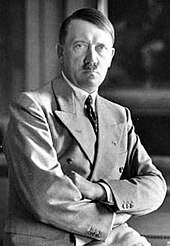
Adolf Hitler
Bundesarchiv, Bild 146-1990-048-29A / CC-BY-SA 3.0 [CC BY-SA 3.0 de (https://creativecommons.org/licenses/by-sa/3.0/de/deed.en)%5D
But his single greatest protection—he claimed—was an instinct for danger. He would suddenly change his schedule—to drop in where he was least expected. Or suddenly depart an event where he was expected to stay a long time.
That instinct had repeatedly saved his life.
A series of assassination attempts had been made against Hitler. All of them involved time-bombs. And all of the would-be assassins were members of the German General Staff.
In one case, a bomb secretly stashed aboard Hitler’s plane failed to explode. In another, an officer who had a bomb strapped to himself unexpectedly found his scheduled meeting with Hitler called off. He had to rush into a bathroom to defuse the bomb before it exploded.
Stauffenberg intended to carry his bomb—hidden in a briefcase—into a “Hitler conference” room packed with military officers. Rigged with a time-fuse, it would be left there while he found an excuse to leave.
After the explosion, he would phone one of his fellow conspirators with the news.
Stauffenberg intended to direct the new government that would replace that of the Nazis—and open peace talks with the British and Americans.
With Hitler dead, the coup—“Operation Valkyrie”—would be on.
Anti-Nazi conspirators would seize control of key posts of the government. The British and Americans would then be informed of Germany’s willingness to surrender. Provided, of course, that the vengeance-seeking Russians did not have a say in its postwar future.
The Wehrmacht and Schutzstaffel (SS) had killed millions of Russians. Many had died in combat. Others had been murdered as captives. Still more had been allowed to die by starvation and exposure to the notorious Russian winter.
So the Germans—both Nazi and anti-Nazi—knew what they could expect if soldiers of the Soviet Union reached German soil.
On July 20, 1944, Stauffenberg appeared at Hitler’s well-guarded military headquarters in East Prussia. Like all his other outposts, Hitler had named it—appropriately enough—“Wolf’s Lair.”

“Wolf’s Lair”
Stauffenberg entered the large, concrete building while the conference was in session. He placed his yellow briefcase next to Hitler—who was standing with his generals at a heavy oaken table. Then he excused himself to take an “urgent” phone call.
After Stauffenberg left the room, Colonel Heinz Brandt, standing next to Hitler, found the briefcase blocking his legs. So he moved it—to the other side of the heavy oaken support, partially shielding Hitler from the blast..
At 12:42 p.m. on July 20, 1944, Stauffenberg’s briefcase bomb erupted.
Brandt died, as did two other officers and a stenographer.
Hitler not only survived, but the plotters failed to seize the key broadcast facilities of the Reich.
This allowed Hitler to make a late-night speech to the nation, revealing the failed plot and assuring Germans that he was still alive. And he swore to flush out the “traitorous swine” who had tried to kill him.
Mass arrests quickly followed.
Among the first victims discovered and executed was the conspiracy’s leader, Colonel Claus von Stauffenberg. Standing before a makeshift firing squad at midnight, he cried: “Long live our sacred Germany!”
At least 7,000 persons were arrested by the Gestapo. Of these, 4,980 were executed.
2016 PRESIDENTIAL ELECTION, 2020 PRESIDENTIAL ELECTION, ABC NEWS, ABUSE OF POWER, ADOLF HITLER, ALTERNET, AMANDA CHASE, AMERICABLOG, AP, ARMED SERVICES, BABY BOOMER RESISTANCE, BARACK OBAMA, BLOOMBERG, BUZZFEED, CBS NEWS, CIA, CLAUS VON STAUFFENBERG, CNN, COVID-19, CROOKS AND LIARS, DAILY KOZ, DANA ANDREWS, DONALD TRUMP, DRUDGE RETORT, FACEBOOK, FBI, FEDERAL GOVERNMENT SHUTDOWN, FIVETHIRTYEIGHT, GENERAL SERVICES ADMINISTRATION, GESTAPO, HARPER’S MAGAZINE, HILLARY CLINTON, IMPEACHMENT ARTICLES, JAMES B. COMEY, JAMES MATTIS, JOHN KASICH, JOHN MCCAIN, JOSEPH BIDEN, KIM JONG-UN, MARK ESPER, MARTIAL LAW, MARTIN NIEMOELLER, MEDIA MATTERS, MICHAEL FLYNN, MOTHER JONES, MOVEON, MSNBC, MUSLIMS, NATIONAL SECURITY AGENCY, NAZI GERMANY, NBC NEWS, NEWSWEEK, NPR, OBSTRUCTION OF CONGRESS, PBS NEWSHOUR, POLITICO, POLITICUSUSA, RAW STORY, REPUBLICANS, REUTERS, SALON, SEATTLE TIMES, SERGEY KISLYAK, SERGEY LAVROV, SLATE, TALKING POINTS MEMO, THE ATLANTIC, THE CHICAGO SUN-TIMES, THE CHICAGO TRIBUNE, THE DAILY BEAST, THE DAILY BLOG, THE GUARDIAN, THE HILL, THE HUFFINGTON POST, THE LOS ANGELES TIMES, THE NATION, THE NEW REPUBLIC, THE NEW YORK TIMES, THE PENTAGON, THE TWILIGHT ZONE, THE VILLAGE VOICE, THE WASHINGTON POST, THINKPROGRESS, THIRD REICH, TIME, TRUTHDIG, TRUTHOUT, TWENTY-FIFTH AMENDMENT, TWITTER, TWO POLITICAL JUNKIES, U.S. NEWS & WORLD REPORT, UNITED STATES CONSTITUTION, UNITED STATES SECRET SERVICE, UPI, USA TODAY, VLADIMIR PUTIN, VOTER FRAUD, WONKETTE, WORLD WAR 11
In Bureaucracy, History, Military, Politics, Social commentary on December 28, 2020 at 12:25 am
“When Fascism comes to America, it will be called anti-Fascism.”
–Huey Long, Louisiana Governor/Senator
In the Twilight Zone episode, “No Time Like the Past,” Paul Driscoll (Dana Andrews), a scientist in early 1960s America, uses a time machine to visit Nazi Germany on the eve of World War II.
He’s rented a motel room overlooking the balcony from where the Fuhrer, Adolf Hitler will soon make a speech. And he’s eager to watch that speech—through the lens of a telescopic-sighted rifle.
Just as he’s about to pull the trigger, there’s a knock at his door–by the maid. Driscoll hustles her out as soon as possible, then once again picks up his rifle. He—and viewers—can once again see Hitler through the cross-hairs of his weapon.
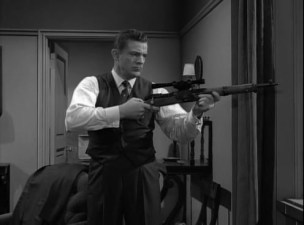
Paul Driscoll prepares to shoot Adolf Hitler
But instead of the anticipated shot, there’s another knock at his door—his time by the black-uniformed secret police, the SS. Driscoll knows the game is up, and disappears into the present just as the thugs break down his door.
And the audience is left to ponder how different the world would have been if Driscoll—or someone in Nazi Germany—had succeeded in assassinating the man whose wars would wipe out the lives of 50 million men, women and children around the globe.
One 2016 Republican candidate for President dared to invoke the menace of Nazi Germany in warning of the dangers of a Donald Trump Presidency. And to argue that Americans could prevent that past from returning.
In November, 2015, John Kasich, the governor of Ohio, was peddling a message of creating jobs, balancing the Federal budget and disdain for Washington, D.C.
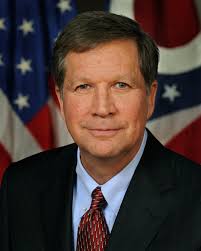
John Kasich
But he remained far behind in the polls, dropping 50% in support in just one month—from September to October. Meanwhile, Trump, the New York billionaire developer, was being backed by 25% of Republican primary voters.
So, with nothing to lose, Kasich decided to take off the gloves. He invoked the “N” word for Republicans: Nazi.
He authorized the creation of a TV ad that opened with ominous music—and the face of a snarling Donald Trump.
“I would like anyone who is listening to consider some thoughts that I’ve paraphrased from the words of German pastor Martin Niemoeller.”
The voice belonged to Tom Moe, a retired colonel in the U.S. Air Force—and a former Vietnam prisoner-of-war.
“You might not care if Donald Trump says Muslims must register with the government, because you’re not one,” continued Moe.
“And you might not care if Donald Trump says he’s going to round up all the Hispanic immigrants, because you’re not one.
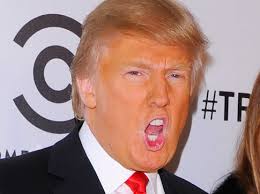
Donald Trump
“And you might not care if Donald Trump says it’s OK to rough up black protesters, because you’re not one.
“And you might not care if Donald Trump wants to suppress journalists, because you’re not one.
“But think about this:
“If he keeps going, and he actually becomes President, he might just get around to you. And you’d better hope that there’s someone left to help you.”
Martin Niemoeller (1892–1984) was a prominent Protestant pastor who had commanded a U-boat during World War 1. He became a bitter public foe of Adolf Hitler.
A staunch anti-Communist, he had initially supported the Nazis as Germany’s only hope of salvation against the Soviet Union.
But when the Nazis made the church subordinate to State authority, Niemoeller created the Pastors’ Emergency League to defend religious freedom.
For his opposition to the Third Reich, Niemoeller spent seven years in concentration camps.
With the collapse of the Reich in 1945, he was freed—and elected President of the Protestant church in Hesse and Nassau in 1947. During the 1960s, he was a president of the World Council of Churches.
He is best remembered for his powerful condemnation of the failure of Germans to protest the increasing oppression of the Nazis:
First they came for the Communists, but I was not a Communist, so I did not speak out.
Then they came for the Socialists, but I was not a Socialist, so I did not speak out.
Then they came for the trade unionists, but I was not a trade unionist, so I did not speak out.
Then they came for the Jews, but I was not a Jew, so I did not speak out.
And when they came for me, there was no one left to speak out for me.
Neither “Adolf Hitler” nor “Nazi Party” was mentioned during the one-minute Kassich video. But a furious Trump threatened to sue Kasich if he could find anything “not truthful” within the ad.
Apparently he couldn’t find anything “not truthful,” because he never sued.
So threatened the man who had called Mexican immigrants “rapists” and accused President Barack Obama of being a Muslim and an illegal alien.
The Kasich ad was the darkest attack made against Trump by any candidate—Republican or Democrat. And it raised a disturbing question:
If Donald Trump proved to be America’s Adolf Hitler, would there be an American Claus von Stauffenberg?
Colonel Claus Schenk von Stuaffenberg was the German army officer who, on July 20, 1944, tried to assassinate Adolf Hitler.
2016 PRESIDENTIAL CAMPAIGN, ABC NEWS, AFGHANISTAN, ALTERNET, AMERICABLOG, AP, BABY BOOMER RESISTANCE, BARACK OBAMA, BLOOMBERG, BUZZFEED, CBS NEWS, CENTER FOR AMERICAN PROGRESS ACTION FUND, CIA, CLINTON WATTS, CNN, CRAIG UNGER, CROOKS AND LIARS, DAILY KOZ, DAVID ROTHKOPF, DEPARTMENT OF HOMELAND SECURITY, DIRECTOR OF NATIONAL INTELLIGENCE, DONALD TRUMP, DONALD TRUMP JR., DRUDGE RETORT, ERIC TRUMP, FACEBOOK, FBI, FBI’S COUNTERTERRORISM DIVISION, FIVETHIRTYEIGHT, FOX NEWS, G7, GEORGE PAPADOPOULOS, GREG MILLER, HARPER’S MAGAZINE, HILLARY CLINTON, HOUSE INTELLIGENCE COMMITTEE, HOUSE OF TRUMP HOUSE OF PUTIN (BOOK), ISLAMIC STATE OF IRAQ AND SYRIA (ISIS), ISRAELI INTELLIGENCE, JAMES CARLOS BLAKE, JAMES COMEY, JARED KUSHNER, JEFF SESSIONS, JOE SCARBOROUGH, JOINT TERRORISM TASK FORCE, KAYLEIGH MCENANY, MAIN INTELLIGENCE DIRECTORATE, MALCOM W. NANCE, MEDIA MATTERS, MICHAEL FLYNN, MICHAEL ISIKOFF, MOSCOW PROJECT, MOTHER JONES, MOVEON, MSNBC, NATALIA VESELNITSKAYA, NATIONAL SECURITY AGENCY, NBC NEWS, NEWSWEEK, NPR, OFFICE OF THE DIRECTOR OF NATIONAL INTELLIGENCE, PAUL MANAFORT, PBS NEWSHOUR, POLITICO, POLITICUSUSA, PRESIDENT’S DAILY BRIEFING, PRINCETON UNIVERSITY, RAW STORY, REPUBLICAN PARTY, REPUBLICANS, REUTERS, REX TILLERSON, RICHARD M. NIXON, RINAT AKHMETSHIN, ROBERT S. MUELLER 111, ROD ROSENSTEIN, RUSSIA, RUSSIAN ROULETTE (BOOK), SALLY YATES, SALON, SEAL TEAM SIX, SEATTLE TIMES, SENATE INTELLIGENCE COMMITTEE, SERGEY KISLYAK, SERGEY LAVROV, SLATE, TALIBAN, TALKING POINTS MEMO, THE APPRENTICE (BOOK), THE ATLANTIC, THE CHICAGO SUN-TIMES, THE CHICAGO TRIBUNE, THE DAILY BEAST, THE DAILY BLOG, THE FRIENDS OFPANCHO VILLA (BOOK(), THE GUARDIAN, THE HILL, THE HUFFINGTON POST, THE LOS ANGELES TIMES, THE NATION, THE NEW REPUBLIC, THE NEW YORK TIMES, THE PLOT TO DESTROY DEMOCRACY (BOOK), THE VILLAGE VOICE, THE WASHINGTON POST, THINKPROGRESS, TIME, TREASON, TRUMP TOWER MEETING, TRUTHDIG, TRUTHOUT, TWITTER, TWO POLITICAL JUNKIES, U.S. NAVY SEALS, U.S. NEWS & WORLD REPORT, UNITED STATES DEPARTMENT OF JUSTICE, UNITED STATES DEPARTMENT OF STATE, UPI, USA TODAY, VICTOR YANUKOVYCH, VLADIMIR PUTIN, WIKILEAKS, WILLIAM BARR, WONKETTE
In Bureaucracy, History, Law, Law Enforcement, Military, Politics, Social commentary on December 23, 2020 at 12:14 am
The appointment of Robert S. Mueller as Special Counsel on May 17, 2017, aroused unprecedented hopes and fears.
Foes of President Donald Trump hoped that Mueller would unearth evidence of criminality—if not treason—blatant enough to guarantee his impeachment.
Supporters of Trump—starting with the President—feared that this would be the case. When Attorney General Jeff Sessions told Trump that a Special Counsel had been appointed, the President exclaimed, “Oh my God. This is terrible. This is the end of my Presidency. I’m fucked.”
Yet even before the release of the long-awaited Mueller report, several deeply-researched and well-written books outlined Russia’s efforts to subvert the 2016 Presidential race. And they cast devastating light on Trump’s loyalty to the United States.
Among these:
- The Apprentice: Trump, Russia and the Subversion of Democracy, by Greg Miller
- House of Trump, House of Putin: The Untold Story of Donald Trump and the Russian Mafia, by Craig Unger
- Russian Roulette: The Inside Story of Putin’s War on America and the Election of Donald Trump, by Michael Isikoff
- The Plot to Destroy Democracy: How Putin and His Spies Are Undermining America and Dismantling the West, by Malcom W. Nance
According to its blurb on Amazon.com, The Apprentice is “based on interviews with hundreds of people in Trump’s inner circle, current and former government officials, individuals with close ties to the White House, members of the law enforcement and intelligence communities, foreign officials, and confidential documents.”
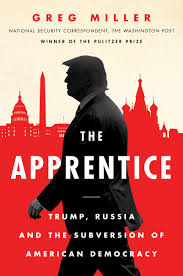
Among the subjects it covers:
- The Trump Tower meeting, where the Trump campaign sought “dirt” on Hillary Clinton from Russian Intelligence agents;
- The penetration by Russian Intelligence of computer systems used by Democrats;
- How Jared Kushner, Trump’s son-in-law, tried to set up a secret back channel to Moscow via Russian diplomatic facilities;
- Trump’s giving Russian officials highly classified secrets supplied by Israeli Intelligence;
- Trump’s clashes with the FBI and CIA.
Miller is a veteran investigative journalist and twice winner of the Pulitzer Prize. Among his stories: National security adviser Michael Flynn’s discussing ending U.S. sanctions on Russia with Russian officials prior to Trump’s inauguration. The story contributed to Flynn’s ouster.
House of Trump, House of Putin, whose jacket blurb describes Trump’s inauguration as “the culmination of Vladimir Putin’s long mission to undermine Western democracy, a mission that he and his hand-selected group of oligarchs and Mafia kingpins had ensnared Trump in, starting more than twenty years ago with the massive bailout of a string of sensational Trump hotel and casino failures in Atlantic City.

“…Craig Unger methodically traces the deep-rooted alliance between the highest echelons of American political operatives and the biggest players in the frightening underworld of the Russian Mafia. He traces Donald Trump’s sordid ascent from foundering real estate tycoon to leader of the free world….
“Without Trump, Russia would have lacked a key component in its attempts to return to imperial greatness. Without Russia, Trump would not be president.”
As an appendix to the book, Unger writes: “Donald Trump has repeatedly said he has nothing to do with Russia. Below are fifty-nine Trump connections to Russia.”
Russian Roulette, according to its dust jacket, “is a story of political skullduggery unprecedented in American history. It weaves together tales of international intrigue, cyber espionage, and superpower rivalry.
“After U.S.-Russia relations soured, as Vladimir Putin moved to reassert Russian strength on the global stage, Moscow trained its best hackers and trolls on U.S. political targets and exploited WikiLeaks to disseminate information that could affect the 2016 election.
“The Russians were wildly successful and the great break-in of 2016 was no ‘third-rate burglary.’ It was far more sophisticated and sinister—a brazen act of political espionage designed to interfere with American democracy. At the end of the day, Trump, the candidate who pursued business deals in Russia, won….
“This story of high-tech spying and multiple political feuds is told against the backdrop of Trump’s strange relationship with Putin and the curious ties between members of his inner circle—including Paul Manafort and Michael Flynn—and Russia.”
Malcom Nance, the author of The Plot to Destroy Democracy, is an Intelligence and foreign policy analyst and media commentator on terrorism, Intelligence, insurgency and torture.
In his book, he outlines how “Donald Trump was made President of the United States with the assistance of a foreign power.

“[It is] the dramatic story of how blackmail, espionage, assassination, and psychological warfare were used by Vladimir Putin and his spy agencies to steal the 2016 U.S. election—and attempted to bring about the fall of NATO, the European Union, and western democracy….
“Nance has utilized top secret Russian-sourced political and hybrid warfare strategy documents to demonstrate the master plan to undermine American institutions that has been in effect from the Cold War to the present day.
“Based on original research and countless interviews with espionage experts, Nance examines how Putin’s recent hacking accomplished a crucial first step for destabilizing the West for Russia, and why Putin is just the man to do it.”
These books—combined with the findings of the Mueller report—clearly establish the damning conclusion: The man now sitting in the Oval Office is an illegitimate usurper, installed by an unholy alliance of American Fascists and Russian Communists.


 Bureaucracybuster's Blog
ABC NEWS, ALTERNET, AMERICABLOG, AP, AR-15, ATOMIC BOMB, BABY BOOMER RESISTANCE, BBC, BENEATH THE PLANET OF THE APES, BLOOMBERG NEWS, BUZZFEED, C-PAC, CBS NEWS, CIA, CNN, CROOKS AND LIARS, DAILY KOZ, DEMOCRATIC PARTY, DONALD TRUMP, DRUDGE REPORT, FACEBOOK, FBI, FIVETHIRTYEIGHT, GUNS, HARPER’S MAGAZINE, HUFFINGTON POST, MARJORY STONEMAN DOUGLAS HIGH SCHOOL, MEDIA MATTERS, MOTHER JONES, MOVEON, MSNBC, NATIONAL RIFLE ASSOCIATION, NBC NEWS, NEW REPUBLIC, NEWSDAY, NEWSWEEK, NPR, NSA, PBS NEWSHOUR, POLITICO, POLITICUSUSA, RAW STORY, REUTERS, RUSSIA, SALON, SANDY HOOK ELEMENTARY SCHOOL, SEATTLE TIMES, SECOND AMENDMENT, SECURITY GUARDS, SLATE, SOCIALISM, TALKING POINTS MEMO, THE ATLANTIC, THE CHICAGO SUN-TIMES, THE CHICAGO TRIBUNE, THE DAILY BEAST, THE DAILY BLOG, THE GUARDIAN, THE HILL, THE HUFFINGTON POST, THE LOS ANGELES TIMES, THE NATION, THE NEW REPUBLIC, THE NEW YORK TIMES, THE NEW YORKER, THE VILLAGE VOICE, THE WASHINGTON POST, THINKPROGRESS, TIME, TRUTHDIG, TRUTHOUT, TWITTER, TWO POLITICAL JUNKIES, U.S. NEWS & WORLD REPORT, UPI, USA TODAY, USA TODAY NIKOLAS CRUZ, VLADIMIR PUTIN, WAYNE LAPIERRE, WONKETTE
THE NRA: GIVE ME THAT GUN-TIME RELIGON
In Bureaucracy, History, Law, Law Enforcement, Politics, Social commentary on February 26, 2021 at 12:07 amOn February 14, 2018, 19-year-old Nikolas Cruz slaughtered two faculty members and 15 students at Marjory Stoneman Douglas High School in Parkland, Florida.
His weapon of choice: An AR-15 assault rifle, often favored by gun massacre killers.
Eight days later, on February 22, Wayne LaPierre, executive vice president of the National Rifle Association (NRA) attacked those he held responsible for the series of massacres plaguing American schools.
And it wasn’t crazed gunmen armed with automatic weapons designed for military use.
Wayne LaPierre
With funerals still being planned for some of the victims, LaPierre blamed “the elites,” “saboteurs” and “new European-style socialists” for this and other gun massacres.
He did so at the Conservative Political Action Conference (C-PAC) in National Harbor, Maryland.
“They hate the NRA, they hate the Second Amendment. They hate individual freedom. In the rush of calls for more government, they have also revealed…their true selves.
“The elites do not care about America’s schoolchildren. If they truly cared, they would protect them. For them, it is not a safety issue. It is a political issue.
“Their goal is to eliminate the Second Amendment and our firearms freedoms, so they can eradicate all individual freedoms.”
His C-PAC congregation gave him a wild ovation.
And he accused the Democratic party of being “infested with saboteurs who do not believe in capitalism, do not believe in the Constitution, do not believe in our freedom, and do not believe in America as we know it.”
These “saboteurs” were “new European-style socialists.”
Which was ironic: In 2016, the NRA spent $30 million to elect Donald Trump—who fiercely defends Russian Communist dictator Vladimir Putin against the FBI, NSA and CIA.
He then outlined his solution for protecting America’s schoolchildren: Turning schools into virtual concentration camps patrolled by heavily-armed security guards.
The highlight of LaPierre’s speech came at its close: “And there is no greater personal, individual freedom than the right to keep and bear arms, the right to protect yourself, and the right to survive.
“It is not bestowed by man, but granted by God to all Americans as our American birthright.”
Anyone who’s seen the 1970 sci-fi movie, Beneath the Planet of the Apes, remembers the final scene: Where seemingly normal underground dwellers strip off their human face masks and reveal themselves to be radiation-scarred mutants.
They wear white robes, and stand silently during a sermon or shout “Amen!” in what is clearly a dark parody of a religious service. It’s immediately clear what they are worshiping: An atomic bomb standing upright.
And they pay tribute to the engine of obliteration that has destroyed human civilization and brought about a world ruled by apes.
Their leader, Mendez, chants:
“Glory be to the Bomb, and to the Holy Fallout. As it was in the beginning, is now, and ever shall be. World without end. Amen.
“His sound has gone out to all lands, and his light unto the end of the world.
“Almighty and everlasting Bomb, who came down among us to make Heaven under Earth. Lighten our darkness. O instrument of God—grant us thy peace!”
Reading Wayne LaPierre’s eulogy to the Gun and his passionate invoking of God, it’s easy to re-imagine his giving a slightly altered version of the sermon offered in Beneath the Planet of the Apes. It’s also easy to imagine this taking place during an NRA convention.
WAYNE LAPIERRE: The heavens declare the Glory of the Gun. And the body-count showeth His handiwork.
NRA CONGREGATION: His sound is gone out to all lands; and his Light unto the end of the world.
WAYNE LAPIEREE: He descendeth from the outermost part of Heaven; and there is nothing hid from the lead thereof. There is neither speech nor language after His voice is heard among them.
NRA CONGREGATION: Praise Him! Praise Him! My Strength and my Redeemer!
WAYNE LAPIERRE: Glory be to the Gun, and to the Holy Bodycount! As it was in the Beginning, is now and ever shall be, massacres without end. Amen!
NRA CHORUS: Amen! Amen! Amen! Amen!
WAYNE LAPIERRE: Almighty and Everlasting Gun, who came down among us to make Heaven unto Earth. Lighten our darkness with your muzzle flashes. O instrument of God, grant us They peace.
NRA CHOIR: Almighty Gun, who destroyed all men—to create corpses! Behold His glory!
WAYNE LAPIERRE: Behold that Truth that abides in us. To reveal that Truth unto that Maker.
WAYNE LAPIERRE AND NRA CONGREGATION: I reveal my inmost self unto my God.
NRA CHORUS (singing): Unto my God!
NRA CONGREGATION (singing):
All guns bright and beautiful. All creatures dead with lead.
The good Gun makes us what we are!
He takes out eyes to see with, and lips that might yet speak.
How great the Gun Almighty, who has made all things dead. Amen!
WAYNE LAPIERRE: May the Blessing of the Gun Almighty and the fellowship of the Holy Bodycount descend on us all, this night and forevermore!
* * * * * *
On December 14, 2012, a psychotic gunman using military firepower slaughtered 20 first-graders and six adults at Sandy Hook Elementary School. Since then, at least 2,654 mass shootings have erupted nationwide, with at least 2,908 killed and 11,088 wounded.
Share this: