Posts Tagged ‘THE WALL STREET JOURNAL’
2016 PRESIDENTIAL CAMPAIGN, ABC NEWS, ADOLF HITLER, ALTERNET, AP, BARACK OBAMA, BORDER WALL, BUZZFEED, CBS NEWS, CIA, CNN, CROOKS AND LIARS, CZECHOSLOVAKIA, DAILY KOZ, DEMOCRATS, DEPARTMENT OF HOMELAND SECURITY, DONALD TRUMP, ENGLAND, FACEBOOK, FBI, FEDERAL AVIATION ADMINISTRATION (FAA), FRANCE, GAIUS CALIGULA, GOVERNMENT SHUTDOWN, HOUSE OF REPRESENTATIVES, JAMES COMEY, JAMES ROBART, JEFF SESSIONS, MARIE ANTOINETTE, MOTHER JONES, MOVEON, MSNBC, MUNICH CONFERENCE, NANCY PELOSI, NATIONAL SECURITY AGENCY, NAZI GERMANY, NBC NEWS, NEWSWEEK, NICCOLO MACHIAVELLI, NPR, POLITICO, RAW STORY, REPUBLICANS, REUTERS, ROME, RUSSIA, SALON, SEATTLE TIMES, Secret Service, SLATE, SOUP KITCHENS, THE ATLANTIC, THE CHICAGO SUN-TIMES, THE CHICAGO TRIBUNE, THE DAILY BEAST, THE DISCOURSES, THE GUARDIAN, THE HILL, THE HUFFINGTON POST, THE LOS ANGELES TIMES, THE NATION, THE NEW YORK TIMES, THE PRESS, THE WALL STREET JOURNAL, THE WASHINGTON POST, TIME, TRANSPORTATION SAFETY ADMINISTRATION (TSA), TWENTY-FIFTH AMENDMENT, TWITTER, U.S. NEWS & WORLD REPORT, UBER, UNITED STATES HOUSE OF REPRESENTATIVES, UNITED STATES SENATE, UPI, USA TODAY, VLADIMIR PUTIN
In Bureaucracy, History, Law, Law Enforcement, Military, Politics, Social commentary, Uncategorized on February 12, 2019 at 12:15 am
“Why are we letting one man systematically destroy our nation before our eyes?”
It’s a question millions of Americans have no doubt been asking themselves since Donald Trump took office as President of the United States.
And no doubt it’s the question that millions of Germans asked themselves throughout the six years of World War II.
In September, 1938, as Adolf Hitler threatened to go to war against France and England over Czechoslovakia, most Germans feared he would. They knew that Germany was not ready for war, despite all of their Fuhrer’s boasts about how invincible the Third Reich was.
A group of high-ranking German army officers was prepared to overthrow Hitler—provided that England and France held firm and handed him a major diplomatic reverse.
But then the unexpected happened: England and France—though more powerful than Germany—flinched at the thought of war.
They surrendered to Hitler’s demands that he be given the “Sudetenland”—the northern, southwest and western regions of Czechoslovakia, inhabited mostly by ethnic Germans.
Hitler’s popularity among Germans soared. He had expanded the territories of the Reich by absorbing Austria and Czechoslovakia—without a shot being fired!
The plotters in the German high command, realizing that public opinion stood overwhelmingly against them, abandoned their plans for a coup. They decided to wait for a more favorable time.
It never came.
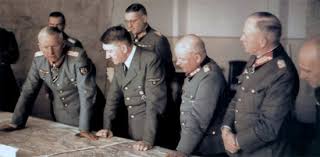
Adolf Hitler and his generals
Less than one year after the infamous “Munich conference,” England and France were at war—and fighting for the lives of their peoples.
France would fall to Hitler’s legions in June, 1940. England would fight on alone—until, in December, 1941, the United States finally declared war on Nazi Germany.
As for the Germans: Most of them blindly followed their Fuhrer right to the end—believing his lies (or at least wanting to believe them), serving in his legions, defending his rampant criminality.
And then, in April, 1945, with Russian armies pouring into Berlin, it was too late for conspiracies against the man who had led them to total destruction.
Berliners paid the price for their loyalty to a murderous dictator—through countless rapes, murders and the wholesale destruction of their city. And from 1945 to 1989, Germans living in the eastern part of their country paid the price as slaves to the Soviet Union.
Have Americans learned anything from this this warning from history about subservience to a madman?
Apparently not.
In 2016, almost 63 million Americans elected Donald Trump—a racist, serial adulterer and longtime fraudster—as President.
Whereas Barack Obama, in 2008, had run for President on the slogan, “Yes, We Can!” Trump ran on the themes of fear and vindictiveness. He threatened violence not only against Democrats but even his fellow Republicans.
Upon taking office in January, 2017, Trump began undermining one public or private institution after another.
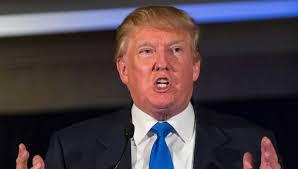
Donald Trump
- He repeatedly and viciously attacked the nation’s free press for daring to report his growing list of crimes and disasters, calling it “the enemy of the American people.”
- When American Intelligence agencies—such as the FBI, CIA and National Security Agency—unanimously agreed that Russia had interfered with the 2016 Presidential election, Trump disagreed. Then he publicly sided with Russian dictator Vladimir Putin against those men and women charged with protecting the security of the United States.
- When FBI Director James Comey refused to pledge his personal loyalty to Trump—and when he continued to investigate Russian subversion of the 2016 election—Trump fired him.
- Trump repeatedly attacked his own Attorney General, Jeff Sessions, for not “protecting” him from agents pursuing the Russia investigation. On November 7, 2018, the day after Democrats won a majority of House seats, Trump fired him.
- Trump has repeatedly attacked Seattle U.S. District Judge James Robart, who halted Trump’s first anti-Muslim travel ban.
And on December 22, 2018, Trump shut down the Federal Government because Democrats refused to fund his “border wall” between the United States and Mexico. An estimated 380,000 government employees were furloughed and another 420,000 were ordered to work without pay.
As a result:
- For weeks, hundreds of thousands of government workers missed paychecks.
- Smithsonian museums closed their doors.
- Trash piled up in national parks.
- Increasing numbers of employees of the Transportation Safety Administration (TSA)—which provides security against airline terrorism—began refusing to come to work, claiming to be sick.
- At the Federal Aviation Administration (FAA) many air traffic controllers called in “sick.” Those who showed up to work without pay grew increasingly frazzled as they feared being evicted for being unable to make rent or house payments.
- Due to the shortage of air traffic controllers, many planes weren’t able to land safely at places like New York’s LaGuardia Airport.
- Many Federal employees—such as FBI agents—were forced to rely on soup kitchens to feed their families.
- Many workers tried to bring in money by babysitting or driving for Uber,
Nancy Pelosi, the newly-elected Speaker of the House of Representatives, summed up Trump thus: “The impression you get from the President is he would like to not only close government, build a wall, but also abolish Congress, so the only voice that mattered was his own.”
2016 PRESIDENTIAL CAMPAIGN, 2018, ABC NEWS, AL QAEDA, ALEXANDER THE GREAT, ALTERNET, ANDREW G. MCCABE, BARACK OBAMA, BUZZFEED, CBS NEWS, CHIEF JUSTICE JOHN ROBERTS, CHINA, CIA, CNN, CONSERVATIVE POLITICAL ACTION CONFERENCE, DAILY KOS, DONALD TRUMP, FACEBOOK, FBI, FEDERAL JUDICIARY, FOX NEWS SUNDAY, GEORGE W. BUSH, INTELLIGENCE AGENCIES, JAMAL KHASHOGGI, JAMES COMEY, JAMES ROBART, JEFF SESSIONS, MATTHEW WHITTAKER, MOHAMMED BIN SALMAN, MOTHER JONES, MOVEON, NAVY SEALS, NBC NEWS, NEW YORK TIMES, NEWSWEEK, NINTH CIRCUIT COURT OF APPEALS, NPR, NSA, PLUTARCH, POLITICO, RAW STORY, REPUBLICAN DONORS, ROBERT MUELLER, ROD J. ROSENSTEIN, RUSSIA, RUSSIAN INTELLIGENCE, SALON, SLATE, SUPREME COURT, THE CHICAGO SUN-TIMES, THE CHICAGO TRIBUNE, THE DAILY BEAST, THE HUFFINGTON POST, THE LOS ANGELES TIMES, THE NEW YORK TIMES, THE PRESS, THE WALL STREET JOURNAL, THE WASHINGTON POST, TIME, TRUMP TOWER, TWITTER, U.S. NEWS & WORLD REPORT, USA TODAY, WILLIAM “RYAN” OWENS, WIRETAPPING, XI JINPING, YEMEN
In Bureaucracy, History, Law, Law Enforcement, Military, Politics, Social commentary on February 11, 2019 at 1:16 pm
Since taking office as the Nation’s 45th President, Donald Trump has attacked or undermined one public or private institution after another. Among these:
- American Intelligence: Even before taking office, Trump refused to accept the findings of the FBI, CIA and NSA that Russian Intelligence agents had intervened in the 2016 election to ensure his victory.
- “I think it’s ridiculous,” he told “Fox News Sunday.” “I think it’s just another excuse. I don’t believe it….No, I don’t believe it at all.”
- And when FBI Director James Comey dared to pursue a probe into “the Russia thing,” Trump fired him without warning.
- On Thanksgiving Day, 2018, Trump said that the CIA hadn’t concluded that Saudi Crown Prince Mohammed bin Salman’s had ordered the murder of Washington Post journalist Jamal Khashoggi,
- This was a lie—the agency has reached such a conclusion, based on a recording provided by the Turkish government and American intelligence.
- American law enforcement agencies: Trump repeatedly attacked his own Attorney General, Jeff Sessions, for not “protecting” him from agents pursuing the Russia investigation.
- On November 7, the day after Democrats won a majority of House seats, Trump fired Sessions.
- He threatened to fire Rod J. Rosenstein, the deputy attorney general, who oversaw Special Counsel Robert Mueller’s investigation into Russian subversion of the 2016 election.
- He bypassed Rosenstein to appoint Matthew Whittaker acting Attorney General—thus giving him authority over the Mueller investigation. Whittaker had often—and publicly—criticized Mueller’s probe, calling for its termination.
- Trump intended to fire Mueller during the summer of 2017, but was talked out of it by aides fearful that it would set off calls for his impeachment.
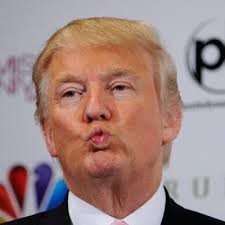
Donald Trump
- American military agencies: In February, 2017, Trump approved and ordered a Special Forces raid in Yemen on an Al Qaeda stronghold. The assault cost the life of Navy SEAL Chief Petty Officer William “Ryan” Owens.
- Disavowing any responsibility for the failure, Trump said: “This was a mission that was started before I got here. This was something they wanted to do. They came to me, they explained what they wanted to do—the generals—who are very respected, my generals are the most respected that we’ve had in many decades, I believe. And they lost Ryan.”
- The press: On February 17, 2017, Trump tweeted: “The FAKE NEWS media (failing @nytimes, @NBCNews, @ABC, @CBS, @CNN) is not my enemy, it is the enemy of the American People!”
- Seven days later, appearing before the Conservative Political Action Conference on February 24, Trump said: “I want you all to know that we are fighting the fake news. It’s fake, phony, fake….I’m against the people that make up stories and make up sources. They shouldn’t be allowed to use sources unless they use somebody’s name. Let their name be put out there.”
- The judiciary: On October 20, 2018, Trump attacked U.S. District Judge Jon S. Tigar as an “Obama judge.” Tigar had ruled that the administration must consider asylum claims no matter where migrants cross the U.S. border.
- On October 21, Supreme Court Chief Justice John Roberts told the Associated Press: “We do not have Obama judges or Trump judges, Bush judges or Clinton judges. What we have is an extraordinary group of dedicated judges doing their level best to do equal right to those appearing before them.”
- On Thanksgiving Day, 2018, Trump attacked Roberts—appointed by Republican President George W. Bush—on Twitter: “Sorry Chief Justice John Roberts, but you do indeed have ‘Obama judges,’ and they have a much different point of view than the people who are charged with the safety of our country.”
- Trump has repeatedly attacked Seattle US District Judge James Robart, who halted Trump’s first travel ban: “Just cannot believe a judge would put our country in such peril. If something happens blame him and court system. People pouring in. Bad!”
- President Barack Obama: For five years, Trump, more than anyone else, popularized the slander that President Barack Obama was born in Kenya—and was therefore not an American citizen.
- Even after Obama released the long-form version of his birth certificate—on April 27, 2011—Trump tweeted, on August 6, 2012: “An ‘extremely credible source’ has called my office and told me that @BarackObama‘s birth certificate is a fraud.”
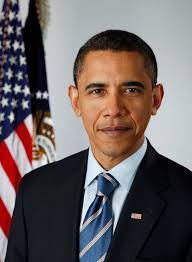
Barack Obama
- On March 4, 2017, in a series of unhinged tweets, Trump accused former President Obama of tapping his Trump Tower phones prior to the election: “Terrible! Just found out that Obama had my ‘wires tapped’ in Trump Tower just before the victory. Nothing found. This is McCarthyism!”
Trump was later forced to admit he had no evidence to back up his slanderous claims.
* * * * *
Donald Trump isn’t crazy, as many of his critics charge. He knows what he’s doing—and why.
He intends to strip every potential challenger to his authority—or his version of reality—of legitimacy with the public. If he succeeds, there will be:
- No independent press to reveal his failures and crimes.
- No independent law enforcement agencies to investigate his abuses of office.
- No independent judiciary to hold him accountable.
- No independent military to dissent as he recklessly hurtles toward a nuclear disaster.
- No candidate—Democrat or Republican—to challenge him for re-election in 2020.
- No candidate—Democrat or Republican—to challenge his remaining in office as “President-for-Life.”
2016 PRESIDENTIAL CAMPAIGN, ABC NEWS, ADOLF HITLER, ALTERNET, ANN COULTER, AP, AUSTRIA, BARACK OBAMA, BILL CLINTON, BORDER WALL, BUZZFEED, CBS NEWS, CHARLES SCHUMER, CHRIS CILLIZZA, CNN, CONTRACTORS, COUNCIL OF ECONOMIC ADVISERS, CROOKS AND LIARS, CZECHOSLOVAKIA, DAILY KOZ, DAVID BROOKS, DEMOCRATS, DEPARTMENT OF COMMERCE, DEPARTMENT OF HOMELAND SECURITY, DICK CHENEY, DONALD TRUMP, EDOUARD DELADIER, FACEBOOK, FBI, FEDERAL AVIATION ADMINISTRATION (FAA), FOX NEWS, FRANCE, GEORGE W. BUSH, GOVERNMENT SHUTDOWN, HOUSE OF REPRESENTATIVES, JAPAN, JEDEDIAH BILA, JOSE ANDRES, JULIAN ZELITZER, KEVIN HASSETT, KURT VON SCHUSCHNIGG, MARIE ANTOINETTE, MARK SHIELDS, MIKE PENCE, MITCH MECONNELL, MOTHER JONES, MOVEON, MSNBC, MUNICH CONFERENCE, NANCY PELOSI, NAZI GERMANY, NBC NEWS, NEVILLE CHAMBERLAIN, NEWSWEEK, NICCOLO MACHIAVELLI, NPR, PBS NEWSHOUR, POLAND, POLITICO, RAW STORY, REPUBLICANS, REUTERS, ROBERT PAYNE, RUSH LIMBAUGH, SALON, SEATTLE TIMES, SLATE, SOUP KITCHENS, STATE OF THE UNION ADDRESS, SUPER BOWL, THE ATLANTIC, THE CHICAGO SUN-TIMES, THE CHICAGO TRIBUNE, THE DAILY BEAST, THE GUARDIAN, THE HILL, THE HUFFINGTON POST, THE LIFE AND DEATH OF ADOLF HITLER, THE LOS ANGELES TIMES, THE NATION, THE NEW YORK TIMES, THE PRINCE, THE WALL STREET JOURNAL, THE WASHINGTON POST, TIME, TRANSPORTATION SAFETY ADMINISTRATION (TSA), TWITTER, U.S. NEWS & WORLD REPORT, UBER, UNITED STATES HOUSE OF REPRESENTATIVES, UNITED STATES SECRET SERVICE, UNITED STATES SENATE, UPI, USA TODAY, WILBUR ROSS, WINSTON CHURCHILL, WORLD WAR 11
In Bureaucracy, History, Military, Politics, Social commentary on February 1, 2019 at 12:05 am
On January 25, 2019—the 35th day of the Federal Government shutdown—President Donald Trump did what no one expected. He caved.
In a White House press conference, he said:
- Lawmakers would have until February 15 to negotiate a compromise on border security.
- Otherwise, the government would shut down again.
- If Democrats did not give in to his demands to fund a border wall, he might use his executive authority to command the military to build the wall instead.
Essentially, he agreed to the same deal he was offered in December, 2018—before he allowed himself to be bullied by Ann Coulter and Rush Limbaugh into shutting down the government.
For all of Trump’s defiant words, his action was universally seen as a serious defeat—by both his opponents and supporters.
Among the latter was Right-wing provocateur Ann Coulter. Summing up the reaction of his Hispanic-hating supporters, she tweeted: “Good news for George Herbert Walker Bush: As of today, he is no longer the biggest wimp ever to serve as president of the United States.”
On the PBS Newshour, liberal political analyst Mark Shields said: “it was a total defeat for him. And, believe me…there will not be the will among Republicans in three weeks to go back and do this again. Once it’s open, it’s going to be opened.”
His counterpart, conservative analyst David Brooks, agreed: “It is a total—a total victory for the Democrats….If Donald Trump wants bring this on again, [Democrats will be] happy.
“The Republicans are miserable. They never want to come back to where they are right now. And so the odds that we will have another shutdown strike me as low. And it would be—for Trump, it would be suicidally low to—just to try this again.”
* * * * *
During his years as President, Bill Clinton tried to win over Republicans by supporting measures they liked—such as making it harder for the poor to get welfare via the Federal government.
In the end, his efforts to win over Republicans convinced them that he was weak. So they tried to impeach him for getting oral sex from a White House intern.
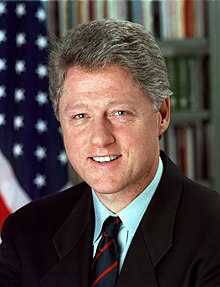
Bill Clinton
Similarly, Barack Obama spent the first two years of his Presidency hopelessly trying to gain Republican support. This only led to Senate Majority Leader Mitch McConnell’s saying that his goal was to make Obama “a one-term President.”
At least for the moment, Democrats seem to have learned that cowering before bullies only wins you their contempt. As Niccolo Machiavelli warned in The Prince, his classic work on politics:
“From this arises the question whether it is better to be loved than feared, or feared more than loved. The reply is, that one ought to be both feared and loved, but as it is difficult for the two to go together, it is much safer to be feared than loved.
“For it may be said of men in general that they are ungrateful, voluble, dissemblers, anxious to avoid danger and covetous of gain. As long as you benefit them, they are entirely yours: they offer you their blood, their goods, their life and their children, when the necessity is remote, but when it approaches, they revolt.
“And the prince who has relied solely on their words, without making other preparations, is ruined. For the friendship which is gained by purchase and not through grandeur and nobility of spirit is bought but not secured, and at a pinch is not to be expended in your service.
“And men have less scruple in offending one who makes himself loved than one who makes himself feared. For love is held by a chain of obligations which, men being selfish, is broken whenever it serves their purpose. But fear is maintained by a dread of punishment which never fails.”
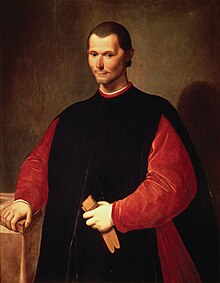
Niccolo Machiavelli
At the time of the 1938 Munich conference, a group of highly-placed German army officers were preparing to overthrow Adolf Hitler in a military coup. They counted on France and England to stand firm against the Fuhrer, handing him a major foreign policy defeat.
The officers intended to use that as an excuse to remove him from power—before he could plunge Germany into a disastrous war it could not win.
But when Britain and France surrendered Czechoslovakia to Hitler, his prestige in Germany shot to unprecedented heights. Knowing that overthrowing such a popular leader would be suicidal, the army officers abandoned their plans for a coup.
Convinced of his own invincibility, Hitler recklessly plunged ahead, demanding that Britain and France agree to cede Danzig, a city in northern Poland, to him.
This time the Allies held firm. The result was World War II.
At least for now, Nancy Pelosi and House Democrats fully understand the lesson of Munich. You must stand up to tyrants—or there will be no end to their evil demands.
The only question is: Will they continue to make use of that lesson—or once again allow themselves to be cowed by a ruthless tyrant?
2016 PRESIDENTIAL CAMPAIGN, ABC NEWS, ADOLF HITLER, ALTERNET, ANN COULTER, AP, AUSTRIA, BARACK OBAMA, BILL CLINTON, BORDER WALL, BUZZFEED, CBS NEWS, CHARLES SCHUMER, CHRIS CILLIZZA, CNN, CONTRACTORS, COUNCIL OF ECONOMIC ADVISERS, CROOKS AND LIARS, CZECHOSLOVAKIA, DAILY KOZ, DAVID BROOKS, DEMOCRATS, DEPARTMENT OF COMMERCE, DEPARTMENT OF HOMELAND SECURITY, DICK CHENEY, DONALD TRUMP, EDOUARD DELADIER, FACEBOOK, FBI, FEDERAL AVIATION ADMINISTRATION (FAA), FOX NEWS, FRANCE, GEORGE W. BUSH, GOVERNMENT SHUTDOWN, HOUSE OF REPRESENTATIVES, JAPAN, JEDEDIAH BILA, JOSE ANDRES, JULIAN ZELITZER, KEVIN HASSETT, KURT VON SCHUSCHNIGG, MARIE ANTOINETTE, MARK SHIELDS, MIKE PENCE, MITCH MECONNELL, MOTHER JONES, MOVEON, MSNBC, MUNICH CONFERENCE, NANCY PELOSI, NAZI GERMANY, NBC NEWS, NEVILLE CHAMBERLAIN, NEWSWEEK, NICCOLO MACHIAVELLI, NPR, PBS NEWSHOUR, POLAND, POLITICO, RAW STORY, REPUBLICANS, REUTERS, ROBERT PAYNE, RUSH LIMBAUGH, SALON, SEATTLE TIMES, SLATE, SOUP KITCHENS, STATE OF THE UNION ADDRESS, SUPER BOWL, THE ATLANTIC, THE CHICAGO SUN-TIMES, THE CHICAGO TRIBUNE, THE DAILY BEAST, THE GUARDIAN, THE HILL, THE HUFFINGTON POST, THE LIFE AND DEATH OF ADOLF HITLER, THE LOS ANGELES TIMES, THE NATION, THE NEW YORK TIMES, THE PRINCE, THE WALL STREET JOURNAL, THE WASHINGTON POST, TIME, TRANSPORTATION SAFETY ADMINISTRATION (TSA), TWITTER, U.S. NEWS & WORLD REPORT, UBER, UNITED STATES HOUSE OF REPRESENTATIVES, UNITED STATES SECRET SERVICE, UNITED STATES SENATE, UPI, USA TODAY, WILBUR ROSS, WINSTON CHURCHILL, WORLD WAR 11
In Bureaucracy, History, Military, Politics, Social commentary on January 31, 2019 at 12:07 am
Billionaire Wilbur Ross—the Trump administration’s Secretary of Commerce—had a suggestion for the 800,000 Federal employees made destitute by the government shutdown: Take out a loan.
“So the 30 days of pay that some people will be out, there’s no real reason why they shouldn’t be able to get a loan against it, and we’ve seen a number of ads of financial institutions doing that.
“True, the people might have to pay a little bit of interest. But the idea that it’s ‘paycheck or zero’ is not a really valid idea.”
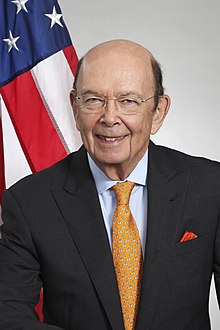
Wilbur Ross
It was a remark worthy of Marie Antoinette’s reported (but inaccurate) dismissal of the miseries of impoverished French citizens: “Let them eat cake.”
Meanwhile, the House of Representatives had undergone a massive sea-change in membership. Ending two years of Republican rule, Democrats had won 27 seats in that body during the November, 2018, elections.
And Nancy Pelosi had gone from being House Minority Leader to wielding the Speaker’s gavel as House Majority Leader on January 3.
Now she blasted Ross’ attitude during a press briefing:
“Is this the ‘Let them eat cake,’ kind of attitude? Or ‘Call your father for money?’ Or ’This is character-building for you; it’s all going to end up very well—just as long as you don’t get your paychecks?’”
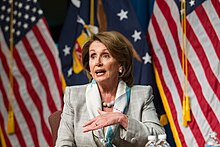
Nancy Pelosi
Thirty-five days passed, with each one bringing increasing stress and fear to the lives of 800,000 Federal employees—those forced to not work and those forced to work for no pay.
Pelosi, meanwhile, did what many of her Democratic colleagues had long refused to do: She dared to stand up against Republicans’ “my-way-or-else” demands.
“The impression you get from the president is he would like to not only close government, build a wall, but also abolish Congress, so the only voice that mattered was his own,” Pelosi said in an interview on “CBS Sunday Morning.”
Pelosi, unlike many Democrats, realized this was America’s version of the Munich Conference: Democrats must hold firm against a tyrant’s extortionate demands. Otherwise, every time Trump didn’t get his way, there would be no end to such shutdowns in the future.
From the start, Pelosi insisted that Democrats would not cooperate with threats to shut down the government if Trump didn’t get the $5.6 billion he wanted for a border wall. And Democrats held firm, refusing to make concessions on the wall.
Second, Pelosi publicly stated that she would not let Trump make his annual State of the Union speech in the House of Representatives until the government was re-opened.
Since both the House and Senate must jointly issue an invitation to the President to make such an address, Pelosi’s veto effectively scotched Trump’s appearance.
For the publicity-addicted Trump, who revels in pontificating to adoring crowds, this was a major blow.
Trump refused to take “No” for an answer and dared Pelosi to deny him access.
She took him up on his dare and issued a statement saying that the speech was off—until the government re-opened.
Soon afterward, Trump agreed that the State of the Union address would have to be postponed.
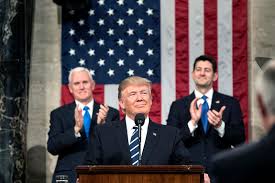
Donald Trump giving State of the Union address in 2018
As CNN political analyst Chris Cillizza saw it: “What Pelosi seems to understand better than past Trump political opponents is that giving ANY ground is a mistake. You have to not only stand firm, but be willing to go beyond all political norms—like canceling the SOTU—to win.”
And Julian Zelitzer, another CNN political analyst, agreed: “Pelosi did not hesitate to use her political power aggressively. From the start of this process, she has remained steadfast in her insistence that closing the government was not a legitimate way to make demands for new forms of spending.
“While sometimes Democrats become leery about seeming too partisan and not being civil enough, Pelosi and the Democrats stood their ground. She drew a line in the sand and stuck by it.”
As Pelosi and the Democrats held firm, Republicans began getting desperate.
- They were being depicted in the news as extortionists while 800,000 of their fellow Americans suffered.
- Those businesses that served Federal employees—such as grocery stores and auto repair shops—were being starved of revenue.
- There was legitimate fear that the entire airline industry might have to shut down for lack of enough air traffic controllers to regulate air traffic.
- Worst of all for Republicans, chaos at airports threatened the travel plans of hundreds of thousands of people traveling to and from the upcoming Super Bowl. Most Americans might not know the name of their Senator, but they take their sports fetish seriously.
By January 25, the 35th day of the shutdown, an ABC News/Washington Post poll showed that 53% of Americans blamed Trump for the shutdown. His popularity had fallen to a historic low of 37%. And 60% disapproved of how he was handling negotiations to re-open the government.
So, on that same date, Trump did what his Hispanic-hating base thought was impossible: He caved.
He walked into the White House Rose Garden and said he would sign a bill to re-open the government for three weeks.
2016 PRESIDENTIAL CAMPAIGN, ABC NEWS, ADOLF HITLER, ALTERNET, ANN COULTER, AP, AUSTRIA, BARACK OBAMA, BILL CLINTON, BORDER WALL, BUZZFEED, CBS NEWS, CHARLES SCHUMER, CHRIS CILLIZZA, CNN, CONTRACTORS, COUNCIL OF ECONOMIC ADVISERS, CROOKS AND LIARS, CZECHOSLOVAKIA, DAILY KOZ, DAVID BROOKS, DEMOCRATS, DEPARTMENT OF COMMERCE, DEPARTMENT OF HOMELAND SECURITY, DICK CHENEY, DONALD TRUMP, EDOUARD DELADIER, FACEBOOK, FBI, FEDERAL AVIATION ADMINISTRATION (FAA), FOX NEWS, FRANCE, GEORGE W. BUSH, GOVERNMENT SHUTDOWN, HOUSE OF REPRESENTATIVES, JAPAN, JEDEDIAH BILA, JOSE ANDRES, JULIAN ZELITZER, KEVIN HASSETT, KURT VON SCHUSCHNIGG, MARIE ANTOINETTE, MARK SHIELDS, MIKE PENCE, MITCH MECONNELL, MOTHER JONES, MOVEON, MSNBC, MUNICH CONFERENCE, NANCY PELOSI, NAZI GERMANY, NBC NEWS, NEVILLE CHAMBERLAIN, NEWSWEEK, NICCOLO MACHIAVELLI, NPR, PBS NEWSHOUR, POLAND, POLITICO, RAW STORY, REPUBLICANS, REUTERS, ROBERT PAYNE, RUSH LIMBAUGH, SALON, SEATTLE TIMES, SLATE, SOUP KITCHENS, STATE OF THE UNION ADDRESS, SUPER BOWL, THE ATLANTIC, THE CHICAGO SUN-TIMES, THE CHICAGO TRIBUNE, THE DAILY BEAST, THE GUARDIAN, THE HILL, THE HUFFINGTON POST, THE LIFE AND DEATH OF ADOLF HITLER, THE LOS ANGELES TIMES, THE NATION, THE NEW YORK TIMES, THE PRINCE, THE WALL STREET JOURNAL, THE WASHINGTON POST, TIME, TRANSPORTATION SAFETY ADMINISTRATION (TSA), TWITTER, U.S. NEWS & WORLD REPORT, UBER, UNITED STATES HOUSE OF REPRESENTATIVES, UNITED STATES SECRET SERVICE, UNITED STATES SENATE, UPI, USA TODAY, WILBUR ROSS, WINSTON CHURCHILL, WORLD WAR 11
In Bureaucracy, History, Military, Politics, Social commentary on January 30, 2019 at 12:08 am
“If we do not have these negotiations over border security with an open government, this president will continue to use this tool. And if we give in, if we pay the ransom now, what will happen the next time there’s a disagreement with this president and Congress?”
—Rep. Katherine Clark, D-Mass.
Republican leaders in Congress didn’t want to be blamed for shutting down the government. They seemed to persuade President Donald Trump to back away from his threat to do so if he didn’t get funding for his border wall.
The Senate passed a short-term funding measure without his wall money.
Vice President Mike Pence told lawmakers that Trump was open to approving it
Then the Fox News Network stepped in

“I think a lot of people who voted for President Trump counted on him on this particular issue,” Fox & Friends host Jedediah Bila said.
“I think their feet were to the fire. And you see a lot of people around the country saying: ‘Hold on a second. You told us that you weren’t afraid to shut down the government, that’s why we like you. What happened? You just gave in right away?’”
And Right-wing columnist Ann Coulter said: “Trump will just have been a joke presidency who scammed the American people, amused the populists for a while, but he’ll have no legacy whatsoever.
“Trump will very likely not finish his term and definitely not be elected to a second term.”
For a man who had “joked” that having a “President-for-Life” would be “great,” Coulter’s words were a nightmare.
On December 22, 2018, Trump shut down the government.
An estimated 380,000 government employees were furloughed and another 420,000 were ordered to work without pay.
And Trump told Congressional leaders the shutdown could last months or even years.
Donald Trump
For Trump, “the wall” was absolutely necessary—but not to keep illegal aliens out. They would go over, under or around it.
The real intent of the wall was to keep Trump in—the White House.
Trump’s fanatical base believed that a wall across the U.S.-Mexico border would stop all illegal immigration. And he knew that if he didn’t build it, they wouldn’t re-elect him.
Like Adolf Hitler, who ordered the complete destruction of Germany when he realized his dreams of conquest were over, Trump’s attitude was: “If I can’t rule America, there won’t be an America.”
Among the agencies directly affected by the shutdown: The Department of Homeland Security (DHS)—whose employees included Secret Service agents.
In short: The men and women guarding Trump were facing financial ruin—along with their families—because Trump didn’t get his way.
The effects of the shutdown quickly became evident:
- For weeks, hundreds of thousands of government workers missed paychecks.
- Smithsonian museums closed their doors.
- Trash piled up in national parks.
- Increasing numbers of employees of the Transportation Safety Administration (TSA)—which provides security against airline terrorism—began refusing to come to work, claiming to be sick.
- At the Federal Aviation Administration (FAA) many air traffic controllers called in “sick.” Those who showed up to work without pay grew increasingly frazzled as they feared being evicted for being unable to make rent or house payments.
- Due to the shortage of air traffic controllers, many planes weren’t able to land safely at places like New York’s LaGuardia Airport.
- Many Federal employees—such as FBI agents—were forced to rely on soup kitchens to feed their families.
- Celebrity chef Jose Andres launched ChefsForFeds, which offered free hot meals for government employees and their families at restaurants across the country.
- Many workers tried to bring in money by babysitting or driving for Uber,
Those employed by the government could at least expect to receive reimbursement for missed pay once the shutdown ended.
The question was: Would they be evicted, need medical care or be unable to pay for food before that happened?
For Federal contractors, the situation was far worse.
During the George W. Bush administration, Vice President Dick Cheney pushed to “outsource” many federal responsibilities to private contractors. This was hugely supported by Republicans and even many Democrats.
Now, in the wake of the shutdown, these employees faced a cruel reality: Since they were not Federal employees, they would not be reimbursed for the time they were forced to not work.
Adding insult to injury were the callous remarks of two Trump administration officials.
“A huge share of government workers were going to take vacation days, say, between Christmas and New Year’s,” said Kevin Hassett, chairman of the Council of Economic Advisers.

Kevin Hassett
“And then we have a shutdown, and so they can’t go to work, and so then they have the vacation, but they don’t have to use their vacation days. And then they come back, and then they get their back pay. Then they’re—in some sense, they’re better off.”
Another equally contemptuous remark was offered by Commerce Secretary Wilbur Ross—a billionaire. Asked on CNBC if he knew that many Federal employees had been reduced to going to food banks, Ross said yes, but he didn’t understand why.
His suggestion: They could just take out a loan.
2016 PRESIDENTIAL CAMPAIGN, ABC NEWS, ADOLF HITLER, ALTERNET, ANN COULTER, AP, AUSTRIA, BARACK OBAMA, BILL CLINTON, BORDER WALL, BUZZFEED, CBS NEWS, CHARLES SCHUMER, CHRIS CILLIZZA, CNN, CONTRACTORS, COUNCIL OF ECONOMIC ADVISERS, CROOKS AND LIARS, CZECHOSLOVAKIA, DAILY KOZ, DAVID BROOKS, DEMOCRATS, DEPARTMENT OF COMMERCE, DEPARTMENT OF HOMELAND SECURITY, DICK CHENEY, DONALD TRUMP, EDOUARD DELADIER, FACEBOOK, FBI, FEDERAL AVIATION ADMINISTRATION (FAA), FOX NEWS, FRANCE, GEORGE W. BUSH, GOVERNMENT SHUTDOWN, HOUSE OF REPRESENTATIVES, JAPAN, JEDEDIAH BILA, JOSE ANDRES, JULIAN ZELITZER, KEVIN HASSETT, KURT VON SCHUSCHNIGG, MARIE ANTOINETTE, MARK SHIELDS, MIKE PENCE, MITCH MECONNELL, MOTHER JONES, MOVEON, MSNBC, MUNICH CONFERENCE, NANCY PELOSI, NAZI GERMANY, NBC NEWS, NEVILLE CHAMBERLAIN, NEWSWEEK, NICCOLO MACHIAVELLI, NPR, PBS NEWSHOUR, POLAND, POLITICO, RAW STORY, REPUBLICANS, REUTERS, ROBERT PAYNE, RUSH LIMBAUGH, SALON, SEATTLE TIMES, SLATE, SOUP KITCHENS, STATE OF THE UNION ADDRESS, SUPER BOWL, THE ATLANTIC, THE CHICAGO SUN-TIMES, THE CHICAGO TRIBUNE, THE DAILY BEAST, THE GUARDIAN, THE HILL, THE HUFFINGTON POST, THE LIFE AND DEATH OF ADOLF HITLER, THE LOS ANGELES TIMES, THE NATION, THE NEW YORK TIMES, THE PRINCE, THE WALL STREET JOURNAL, THE WASHINGTON POST, TIME, TRANSPORTATION SAFETY ADMINISTRATION (TSA), TWITTER, U.S. NEWS & WORLD REPORT, UBER, UNITED STATES HOUSE OF REPRESENTATIVES, UNITED STATES SECRET SERVICE, UNITED STATES SENATE, UPI, USA TODAY, WILBUR ROSS, WINSTON CHURCHILL, WORLD WAR 11
In Bureaucracy, History, Military, Politics, Social commentary on January 29, 2019 at 12:51 am
After selling out Czechoslovakia, Prime Minister Neville Chamberlain returned to England a hero. Holding aloft a copy of the worthless agreement he had signed with Germany’s dictator, Adolf Hitler, he told cheering crowds in London: “I believe it is peace for our time.”
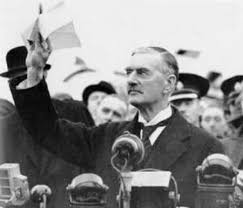
Neville Chamberlain
Winston Churchill knew better, predicting: “Britain and France had to choose between war and dishonor. They chose dishonor. They will have war.”
Hitler—still planning more conquests—also knew better. Speaking of the British and French leaders he had intimidated at Munich, he later asserted: “Our enemies are little worms. I saw them at Munich.”
In March, 1939, the German army occupied the rest of Czechoslovakia.
Chamberlain would soon be seen as a naive weakling—even before bombs started falling on London.
Hitler next turned his attention—and demands—to Poland. But, this time, France and Britain refused to be intimidated—and pledged to go to war if Hitler invaded Poland.
Adolf Hitler and his generals
Hitler ordered the invasion of Poland on September 1, 1939—unintentionally triggering World War II.
In time, historians and statesmen would regard Munich as an object lesson in the futility—and danger—in appeasing evil and aggression.
But for the postwar Republican party, Hitler’s my-way-or-else “negotiating” methods would become standard operating procedure.
President Donald J. Trump used precisely the same “negotiating” style during his December 11, 2018 Oval Office meeting with then-House Minority Leader Nancy Pelosi (D-CA) and Senate Minority Leader Charles Schumer (D-NY).
And, true to his love of publicity, Trump made sure the meeting was televised live.

Nancy Pelosi
Trump opened with on a positive note: “We’ve actually worked very hard on a couple of things that are happening. Criminal justice reform…[Republican Kentucky U.S. Senator] Mitch McConnell and the group, we’re going to be putting it up for a vote. We have great Democrat support, great Republican support.”
But he soon moved to the matter he truly cared about: Demanding $5.6 billion to create a wall along the U.S.-Mexican border: “And one way or the other, it’s going to get built. I’d like not to see a government closing, a shutdown. We will see what happens over the next short period of time.”
“One way or the other”—“so doer so”—was a favorite phrase of Adolf Hitler’s, meaning: If he couldn’t bully his opponents into surrendering, he would use violence.
PELOSI: “I think the American people recognize that we must keep government open, that a shutdown is not worth anything, and that you should not have a Trump shutdown. You have the Senate. You have the House of Representatives. You have the votes. You should pass it right now.”
Trump claimed he could get “Wall” legislation passed in the House but admitted he didn’t have the 60 votes he needed in the Senate.
PELOSI: “Well, the fact is you can get it started that way.”
Trump then contradicted himself: “The House we can get passed very easily, and we do.”
PELOSI: “Okay, then do it.”
Trump kept insisting that “the House would give me the vote if I wanted it.”
PELOSI: “Well, let’s take the vote and we’ll find out.”
SCHUMER: “We do not want to shut down the government. You have called 20 times to shut down the government….We want to come to an agreement. If we can’t come to an agreement, we have solutions that will pass the House and Senate right now, and will not shut down the government. And that’s what we’re urging you to do. Not threaten to shut down the government because you can’t get your way.”

Charles Schumer
TRUMP: “We need border security. And I think we all agree that we need border security.”
SCHUMER: “Yes, we do.”
TRUMP: “The wall is a part of border security. You can’t have very good border security without the wall.”
PELOSI: “That’s simply not true. That is a political promise. Border security is a way to effectively honor our responsibilities.”
By “political promise,” Pelosi meant this is was an appeal Trump had made to his hardcore base. which he expected to re-elect him.
SCHUMER: “And the experts say you can do border security without a wall, which is wasteful and doesn’t solve the problem.”
TRUMP: “It totally solves the problem.”
Schumer then goaded Trump into taking responsibility for closing down the government if he didn’t get funding for his border wall.
TRUMP: “I’ll take it. You know what I’ll say: Yes, if we don’t get what we want, one way or the other…I will shut down the government. Absolutely.”
Thus, Schumer guaranteed that any government shutdown during the Christmas season would be blamed on Trump.
But Republican leaders in Congress didn’t want to be blamed for shutting down the government. They seemed to persuade him to back away from his threat. The Senate passed a short-term funding measure without Trump’s wall money.
Vice President Mike Pence told lawmakers that Trump was open to approving it
Then the Fox News Network stepped in.
2016 PRESIDENTIAL CAMPAIGN, ABC NEWS, ADOLF HITLER, ALTERNET, ANN COULTER, AP, AUSTRIA, BARACK OBAMA, BILL CLINTON, BORDER WALL, BUZZFEED, CBS NEWS, CHARLES SCHUMER, CHRIS CILLIZZA, CNN, CONTRACTORS, COUNCIL OF ECONOMIC ADVISERS, CROOKS AND LIARS, CZECHOSLOVAKIA, DAILY KOZ, DAVID BROOKS, DEMOCRATS, DEPARTMENT OF COMMERCE, DEPARTMENT OF HOMELAND SECURITY, DICK CHENEY, DONALD TRUMP, EDOUARD DELADIER, FACEBOOK, FBI, FEDERAL AVIATION ADMINISTRATION (FAA), FOX NEWS, FRANCE, GEORGE W. BUSH, GOVERNMENT SHUTDOWN, HOUSE OF REPRESENTATIVES, JAPAN, JEDEDIAH BILA, JOSE ANDRES, JULIAN ZELITZER, KEVIN HASSETT, KURT VON SCHUSCHNIGG, MARIE ANTOINETTE, MARK SHIELDS, MIKE PENCE, MITCH MECONNELL, MOTHER JONES, MOVEON, MSNBC, MUNICH CONFERENCE, NANCY PELOSI, NAZI GERMANY, NBC NEWS, NEVILLE CHAMBERLAIN, NEWSWEEK, NICCOLO MACHIAVELLI, NPR, PBS NEWSHOUR, POLAND, POLITICO, RAW STORY, REPUBLICANS, REUTERS, ROBERT PAYNE, RUSH LIMBAUGH, SALON, SEATTLE TIMES, SLATE, SOUP KITCHENS, STATE OF THE UNION ADDRESS, SUPER BOWL, THE ATLANTIC, THE CHICAGO SUN-TIMES, THE CHICAGO TRIBUNE, THE DAILY BEAST, THE GUARDIAN, THE HILL, THE HUFFINGTON POST, THE LIFE AND DEATH OF ADOLF HITLER, THE LOS ANGELES TIMES, THE NATION, THE NEW YORK TIMES, THE PRINCE, THE WALL STREET JOURNAL, THE WASHINGTON POST, TIME, TRANSPORTATION SAFETY ADMINISTRATION (TSA), TWITTER, U.S. NEWS & WORLD REPORT, UBER, UNITED STATES HOUSE OF REPRESENTATIVES, UNITED STATES SECRET SERVICE, UNITED STATES SENATE, UPI, USA TODAY, WILBUR ROSS, WINSTON CHURCHILL, WORLD WAR 11
In Bureaucracy, History, Military, Politics, Social commentary on January 28, 2019 at 1:03 am
Robert Payne, author of the bestselling biography, The Life and Death of Adolf Hitler (1973), described Hitler’s “negotiating” style thus:
“Although Hitler prized his own talents as a negotiator, a man always capable of striking a good bargain, he was totally lacking in finesse.
“He was incapable of bargaining. He was like a man who goes up to a fruit peddler and threatens to blow his brains out if he does not sell his applies at the lowest possible price.”
By studying Hitler’s mindset and “negotiating” methods, we can learn much about the mindset and “negotiating” style of today’s Republican party.
A classic example of Hitler’s “negotiating style” came in September, 1938, when he focused his rage and aggression on Czechoslovakia.
Seven months earlier, he had absorbed Austria. He had done so by inviting its Chancellor, Kurt Shuschnigg, to Berlin. Then Hitler threatened Austria with invasion if Shuschnigg did not immediately agree to make his country a vassal-state of Germany.
This time, his threats were aimed at Neville Chamberlain, the prime minister of Great Britain, and Eduoard Deladier, the prime minister of France. Both countries had pledged to support Czechoslovakia against Hitler’s aggression.
Once again, he opened “negotiations” with a lie: The Czechoslovak government was trying to exterminate 3.5 million Germans living in the “Sudetenland.”
This consisted of the northern, southwest and western regions of Czechoslovakia, inhabited mostly by ethnic Germans.
Then he followed this up with the threat of war: Germany would protect its citizens and halt such “oppression.”
For British Prime Minister Neville Chamberlain, the thought of another European war erupting less than 20 years after the end of World War I was simply unthinkable.

The Cenotaph, in London, honoring the unknown British dead of World War 1
Something had to be done to prevent it. And he believed himself to be just the man to do it.
He quickly sent Hitler a telegram, offering to help resolve the crisis: “I could come to you by air and am ready to leave tomorrow. Please inform me of earliest time you can receive me, and tell me the place of the meeting. I should be grateful for a very early reply.”
Once again, another head-of-state was prepared to meet Hitler on his home ground. Again, Hitler took this concession as a sign of weakness. And Chamberlain’s use of such words as “please” and “grateful” only further convinced Hitler of another impending triumph.
Chamberlain was determined to grant his every demand—so long as this meant avoiding a second world war.
The two European leaders met in Berchtesgaden, Germany, on September 15, 1938.
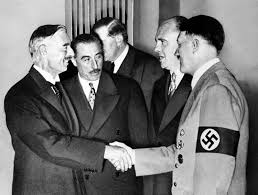
Neville Chamberlain and Adolf Hitler
During their talks, Chamberlain said he had come to discuss German grievances. But, he added, it was necessary in all circumstances to exclude the use of force.
Hitler appeared to be shocked that he could be accused of such intentions: “Force? Who speaks of force?“
Then, without warning, he switched to an aggressive mode. He accused the Czechs of having mobilized their army in May. They had mobilized—in response to the mobilization of the German army.
“I shall not put up with this any longer,” shouted Hitler. “I shall settle this question in one way or another. I shall take matters in my own hands!”
Suddenly, Chamberlain seemed alarmed—and possibly angry: “If I understood you right, you are determined to proceed against Czechoslovakia in any case. If this is so, why did you let me come to Berchtesgaden?
“In the circumstances, it is best for me to return at once. Anything else now seems pointless.”
Hitler was taken aback by the unexpected show of defiance. He realized he was about to lose his chance to bully the British into accepting his latest demands.
So he softened his tone and said they should consider the Sudetenland according to the principle of self-determination.
Chamberlain said he must immediately return to England to consult with his colleagues.
Hitler appeared uneasy. But then the German translator finished the sentence: “…and then meet you again.”
Hitler realized he still had a chance to attain victory without going to war.
Chamberlain agreed to the cession of the Sudetenland. Three days later, French Prime Minister Edouard Daladier did the same. No Czechoslovak representative was invited to these discussions.
Chamberlain met Hitler again in Godesberg, Germany, on September 22 to confirm the agreements. But Hitler aimed to use the crisis as a pretext for war.
He now demanded not only the annexation of the Sudetenland but the immediate military occupation of the territories. This would give the Czechoslovak army no time to adapt their defense measures to the new borders.
To achieve a solution, Italian dictator Benito Mussolini suggested a conference of the major powers in Munich.
On September 29, Hitler, Daladier and Chamberlain met and agreed to Mussolini’s proposal. They signed the Munich Agreement, which accepted the immediate occupation of the Sudetenland.
The Czechoslovak government had not been a party to the talks. Nevertheless, it promised to abide by the agreement on September 30.
It actually had no choice. It faced the threat of an immediate German invasion after being deserted by its pledged allies: Britain, France and the Soviet Union.
2016 PRESIDENTIAL ELECTION, ABC NEWS, ALTERNET, AP, ASSOCIATED PRESS, BARACK OBAMA, BIRTHERS, BUZZFEED, CBS NEWS, CENSORSHIP, CIA, CNN, CROOKS AND LIARS, DAILY KOZ, DAVID BROOKS, DONALD TRUMP, DONALD TRUMP JUNIOR, FACEBOOK, FBI, FOX NEWS SUNDAY, GEORGE PAPADOPOULOS, HILLARY CLINTON, JAMES COMEY, JARED KUSHNER, JAY SEKULOW, LESTER HOLT, MIKE FLYNN, MOTHER JONES, MOVEON, NATIONAL SECURITY AGENCY, NBC NEWS, NEWSWEEK, NPR, PBS NEWSHOUR, POLITICO, RAW STORY, REUTERS, ROBERT MUELLER, RUSSIA, SALON, SARAH HUCKABEE SANDERS, SEATTLE TIMES, SLATE, THE ATLANTIC, THE CHICAGO SUN-TIMES, THE CHICAGO TRIBUNE, THE DAILY BEAST, THE GUARDIAN, THE HILL, THE HUFFINGTON POST, THE LOS ANGELES TIMES, THE NATION, THE NEW YORK TIMES, THE WALL STREET JOURNAL, THE WASHINGTON POST, TIME, TWITTER, U.S. NEWS & WORLD REPORT, UPI, USA TODAY, VLADIMIR PUTIN
In Bureaucracy, History, Law Enforcement, Politics, Social commentary on January 21, 2019 at 12:37 am
For five years, Donald Trump falsely claimed that President Barack Obama was born in Kenya—and was therefore ineligible to be President.
Now Trump finds himself haunted by something far worse than a slander: The truth.
Since taking office on January 20, 2017, Trump has been ensnared in a series of revelations about collaboration between members of his 2016 Presidential campaign and Russian Intelligence agents.
The FBI, CIA and National Security Agency have unequivocally stated that Russian Intelligence played a major role in trying to sway the election for Trump.
Trump has steadfastly denied it.

June, 2016: Trump’s son, Donald Jr.; his son-in-law, Jared Kushner; and his then-campaign manager, Paul Manafort, met at Trump Tower with Russian Intelligence agents. The reason for the meeting: The Russians claimed to have “dirt” to offer on Hillary Clinton.
May 9, 2017: Trump fired FBI Director James Comey. Comey had been leading an investigation into alleged collusion between Trump advisers and Russian officials when he was fired.
James Comey
At first, Trump claimed that he fired Comey for mishandling the FBI’s investigation into Hillary Clinton’s use of a private email server.
May 10, 2017: But, in a meeting at the White House, Trump told Russian Foreign Minister Sergey Lavrov and Russian Ambassador Sergey Kislyak: “I faced great pressure because of Russia. That’s taken off.”
During that meeting, Trump gave these officials highly classified Israeli Intelligence about an Islamic State plot to turn laptops into concealable bombs.
May 11, 2017: In an interview with NBC reporter Lester Holt, Trump admitted:
“And, in fact, when I decided to just do it, I said to myself, I said: ‘You know, this Russia thing with Trump and Russia is a made up story, it’s an excuse by the Democrats for having lost an election that they should’ve won.’”
May 17, 2017: Following the uproar over Comey’s firing, the Justice Department appointed former FBI director Robert Mueller as Special Counsel to investigate any links between the Russian government and Trump campaign members.
July 8, 2017: The New York Times reported that Donald Trump Junior met at Trump Tower on June 9, 2016, with a Kremlin-connected Russian lawyer who promised to offer damaging information about Clinton.
Trump Junior released a statement: “We primarily discussed a program about the adoption of Russian children that was active and popular with American families years ago and was since ended by the Russian government, but it was not a campaign issue at the time and there was no follow up.”
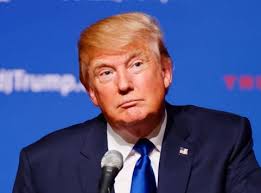
Donald Trump
July 12 and July 16, 2017: Trump’s lawyer, Jay Sekulow, denied that the President was involved in drafting his son’s statement about the Trump Tower meeting.
July 20, 2017: The Washington Post reported that Trump was consulting with advisers “about his power to pardon aides, family members and even himself in connection to the probe led by Mueller.
July 31, 2017: The Washington Post reported that, to conceal the purpose of the Trump Tower meeting, President Trump dictated a misleading statement for his son. In this, the reason for the meeting was given as a discussion about the adoption of Russian children—and not to obtain damaging information on Clinton from Russian Intelligence agents.
August 1, 2017: White House press secretary Sarah Huckabee Sanders said President Trump was involved in drafting the false statement that Trump Junior released about the Trump Tower meeting. Sanders called the matter “of no consequence.”
August 3, 2017: The Wall Street Journal reported that Mueller had convened a grand jury in Washington, D.C. to investigate Russia’s interference in the 2016 election.
October 5, 2017: George Papadopoulos pleaded guilty to lying to the FBI about his contacts with the Russian government in 2016 concerning U.S.–Russia relations. He also agreed to cooperate with Mueller’s probe. Papadopoulos had been a member of Trump’s foreign policy advisory panel during the campaign. Prior to pleading guilty, he may have been wearing a hidden recorder while speaking with various Trump officials.
December 1, 2017: Michael Flynn, Trump’s former national security adviser, pleaded guilty to lying to the FBI about conversations with Russia’s ambassador. He added that he was cooperating with Mueller’s investigation. A fervent Trump supporter throughout the campaign, his immediate superior had been Jared Kushner, Trump’s son-in-law.
July 16, 2018: Trump attended a press conference in Helsinki, Finland, with Russian President Vladimir Putin.
There he blamed American Intelligence agencies—such as the FBI, CIA and National Security Agency—instead of Putin for Russia’s subversion of the 2016 Presidential election: “I have President Putin. He just said it’s not Russia. I will say this: I don’t see any reason why it would be.”
By October, 2018, Robert Mueller had:
- Indicted 31 people—including 26 Russian nationals and four former Trump campaign advisers.
- Indicted three Russian companies.
- Obtained six guilty pleas.
- Unveiled Russians’ determination to elect Trump over Hillary Clinton.
- Revealed that former National Security Adviser Michael Flynn discussed removing sanctions against Russia with then-Russian ambassador, Sergey Kislyak, during the transition period.
- Discovered that Trump associates knew about Russian outreach efforts during the campaign.
For years, Trump claimed it was only a matter of time before “the truth” revealed that Barack Obama was ineligible to be President. That never happened.
Now it seems only a matter of time before truth reveals Trump’s own unfitness to govern.
ABC NEWS, ALTERNET, AP, BLOOD FEUD, BUZZFEED, CARLOS MARCELLO, CBS NEWS, CIA, CNN, COTTER SMITH, CROOKS AND LIARS, CUBA, DAILY KOZ, DONALD TRUMP, ERNEST BORGNINE, FACEBOOK, FBI, FIDEL CASTRO, GUS RUSSO, INTERNATIONAL BROTHERHOOD OF TEAMSTERS, J. EDGAR HOOVER, JAMES R. HOFFA, JUSTICE DEPARTMENT, LIVE BY THE SWORD: THE SECRET WAR AGAINST CASTRO AND THE DEATH OF JFK, MAFIA, MOTHER JONES, MOVEON, MSNBC, NBC NEWS, NEWSWEEK, NPR, PBS NEWSHOUR, POLITICO, RAFAEL EDWARD CRUZ, RAW STORY, REUTERS, ROBERT BLAKE, ROBERT F. KENNEDY, SALON, SAM GROOM, SEATTLE TIMES, Secret Service, SENATE LABOR RACKETS COMMITTEE, SLATE, THE ATLANTIC, THE CHICAGO SUN-TIMES, THE CHICAGO TRIBUNE, THE DAILY BEAST, THE GUARDIAN, THE HILL, THE HUFFINGTON POST, THE LOS ANGELES TIMES, THE NATION, THE NEW YORK TIMES, THE WALL STREET JOURNAL, THE WASHINGTON POST, TIME, TWITTER, U.S. NEWS & WORLD REPORT, UPI, USA TODAY
In Bureaucracy, Entertainment, History, Law, Law Enforcement, Politics, Social commentary on January 16, 2019 at 12:15 am
The 1983 TV mini-series, Blood Feud, chronicles the decade-long struggle between Attorney General Robert F. Kennedy and James R. Hoffa, president of the International Brotherhood of Teamsters union.
By 1963, the Mafia despairs of the increasing pressure of the Justice Department. At a swanky restaurant, several high-ranking members agree that “something” must be done.
[Although this scene is fictional, it’s clearly based on an infamous outburst of Carlos Marcello, the longtime Mafia boss of New Orleans.
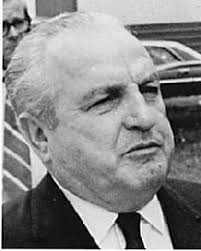
Carlos Marcello
[In 1961, Marcello was deported to his native Guatemala on orders by RFK. After illegally re-entering the country, he swore vengeance against the Attorney General.
[In September, 1962, during a meeting with several mob colleagues, he flew into a rage when someone mentioned Kennedy: “Don’t you worry about that little Bobby sonofabitch. He’s going to be taken care of!”
[Marcello believed that the death of President Kennedy would render the Attorney General powerless. And he added that he planned to use a “nut” to do the job.]
On November 22, 1963, President John F. Kennedy is assassinated in Dallas, Texas.
Blood Feud clearly implies that the Mafia was responsible.
[The House Assassinations Committee investigated this possibility in 1978, and determined that Carlos Marcello, the Mafia boss of New Orleans, had the means, motive and opportunity to kill JFK. But it could not find any conclusive evidence of his involvement.]
Even with the President dead, RFK’s Justice Department continues to pursue Hoffa. In 1964, he is finally convicted of jury tampering and sentenced to 13 years’ imprisonment.
U.S. Department of Justice
Hoping to avoid prison, Hoffa offers future Teamsters support if RFK runs for President. To prove he can deliver, he tells Kennedy that the Teamsters have even penetrated the FBI.
[In March, 1964, Kennedy met with Hoffa on an airfield at Dulles International Airport in Washington, D.C.
[Kennedy spoke quietly with Hoffa. The Attorney General showed him a document, and Hoffa at times nodded or shook his head.
[Kennedy never revealed the reason for the meeting.
[Gus Russo—author of Live By the Sword: The Secret War Against Castro and the Death of JFK—writes that the reason might have been Dallas.
[Perhaps, he speculates, RFK had wanted to look into Hoffa’s eyes while asking him: Did you have anything to do with the assassination? RFK had, in fact, done this with CIA Director John McCone almost immediately after his brother’s death.]
In Blood Feud, Kennedy confronts J. Edgar Hoover (Ernest Borgnine) and accuses him of illegally planting wiretaps in Mob hangouts all over the country.
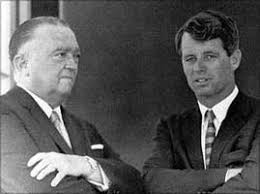
J. Edgar Hoover and Robert F. Kennedy
Hoover retorts that this had been the only way to obtain the prosecution-worthy intelligence Kennedy had demanded: “You loved that flow of information. You didn’t want it to stop.”
Kennedy: Why did you keep the FBI out of the fight against the Mob for decades?
Hoover: “Every agency that came to grips with them got corrupted by their money.”
[So far as is known, Hoover never made any such confession. Historians continue to guess his reason for leaving the Mob alone for decades.]
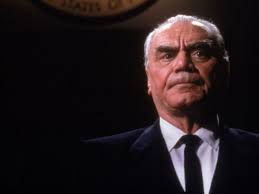

Ernest Borgnine as J. Edgar Hoover
RFK then mentions the CIA’s plots to employ the Mob to assassinate Cuban dictator Fidel Castro
[The agency had wanted to please President Kennedy, and the Mafia had wanted to regain its casinos lost to the Cuban Revolution. The role the Kennedy brothers played in the CIA’s assassination plots remains murky, and has been the subject of endless speculation.]
“The CIA, doing business with the Mob,” says Kennedy. “The FBI, leaking information to its enemies [the Teamsters].” Then, sadly: “I guess it’s true–everyone does business with everyone.”
[So far as is known, the FBI did not pass on secrets to the Teamsters. But during the 1970s, the Mafia penetrated the Cleveland FBI office through bribes to a secretary. Several FBI Mob informants were “clipped” as a result.]
In 1967, Hoffa goes to prison. He stays there until, in 1971, President Richard Nixon commutes his sentence in hopes of gaining Teamsters’ support for his 1972 re-election.
Kennedy leaves the Justice Department in 1964 and is elected U.S. Senator from New York. In 1968 he runs for President. On June 5, after winning the California primary, he’s assassinated.
Hoffa schemes to return to the presidency of the Teamsters–a post now held by his successor, Frank Fitzsimmons. He runs the union in a more relaxed style than Hoffa, thus giving the Mob greater control over its pension fund.
And the Mafia likes it that way.
On July 30, 1975, Hoffa disappears from the parking lot of the Machus Red Fox Restaurant near Detroit. He had gone there to meet with two Mafia leaders.
Forty-three years after the death of James R. Hoffa, and 50 years after that of Robert F. Kennedy:
- Labor unions are a shadow of their former power.
- The threat they once represented to national prosperity has been replaced by that of predatory corporations like Enron and AIG.
- The war RFK began on the Mafia has continued, sending countless mobsters to prison.
- Millions of Americans who once expected the Federal Government to protect them from crime now believe the Government is their biggest threat.
- The idealism that fueled RFK’s life has virtually disappeared from politics.
ABC NEWS, ABCNEWS, ALTERNET, AP, BLOOD FEUD, BUZZFEED, CARLOS MARCELLO, CBS NEWS, CIA, CNN, COTTER SMITH, CROOKS AND LIARS, CUBA, DAILY KOZ, ERNEST BORGNINE, FACEBOOK, FBI, FIDEL CASTRO, GUS RUSSO, INTERNATIONAL BROTHERHOOD OF TEAMSTERS, J. EDGAR HOOVER, JAMES R. HOFFA, JOHN F. KENNEDY, JUSTICE DEPARTMENT, LIVE BY THE SWORD: THE SECRET WAR AGAINST CASTRO AND THE DEATH OF JFK, MAFIA, MOTHER JONES, MOVEON, MSNBC, NBC NEWS, NEWSWEEK, NPR, PBS NEWSHOUR, POLITICO, RAW STORY, REUTERS, ROBERT BLAKE, ROBERT F. KENNEDY, SALON, SAM GROOM, SEATTLE TIMES, SENATE LABOR RACKETS COMMITTEE, SLATE, THE ATLANTIC, THE CHICAGO SUN-TIMES, THE CHICAGO TRIBUNE, THE DAILY BEAST, THE GUARDIAN, THE HILL, THE HUFFINGTON POST, THE LOS ANGELES TIMES, THE NATION, THE NEW YORK TIMES, THE WALL STREET JOURNAL, THE WASHINGTON POST, TIME, TWITTER, U.S. NEWS & WORLD REPORT, UNITED STATES SECRET SERVICE, UPI, USA TODAY
In Bureaucracy, Entertainment, History, Law, Law Enforcement, Politics, Social commentary on January 15, 2019 at 12:08 am
In 1983, Blood Feud, a two-part TV mini-series, depicted the 11-year struggle between Robert F. Kennedy and James Riddle Hoffa. Although it took some dramatic liberties, its portrayal of the major events of that period remains essentially accurate.
Today, labor unions are a rapidly-vanishing species, commanding far less political influence than they did 50 years ago. As a result, young viewers of this series may find it hard to believe that labor ever held such sway, or that the International Brotherhood of Teamsters union posed such a threat.
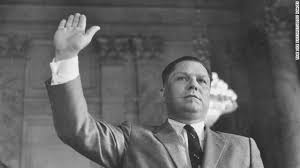
James Riddle Hoffa testifying before the Senate Labor Rackets Committee
And in an age when millions see “Big Government” as the enemy, they may feel strong reservations about the all-out war that Kennedy waged against Hoffa.
Blood Feud opens in 1957, when Hoffa (Robert Blake) is a rising figure within the Teamsters. Kennedy (Cotter Smith) is chief counsel for the Senate Labor Rackets Committee.
At first, Hoffa tries to ingratiate himself with Kennedy, telling him: “I know everybody who can help me and anybody who can hurt me.”
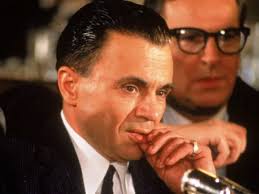
Robert Blake as James R. Hoffa
A wily Hoffa decides to parley Kennedy’s anti-corruption zeal into a path to power for himself. Via his attorney, Eddie Cheyfitz, he feeds Kennedy incriminating evidence against Dave Beck, president of the Teamsters.
Confronted with a Senate subpoena, Beck flees the country—paving the way for Hoffa to assume the top position in the union. Hoffa believes he has solved two problems at once.
“He’s got his scalp,” Hoffa tells an associate. “Now he can move on to other things while I run the union.”
But Hoffa has guessed wrong—with fatal results. Realizing that he’s been “played” by Hoffa, a furious Kennedy strikes back.
He orders increased surveillance of Hoffa and his topmost associates. He subpoenas union records and members of both the Teamsters and the Mafia to appear before his committee in public hearings.
And he tries to enlist the aid of legendary FBI Director J. Edgar Hoover (Ernest Borgnine). But Hoover wants no part of a war against organized crime, whose existence he refuses to admit.

Meanwhile, Kennedy’s confrontations with Hoffa grow increasingly fierce. In open hearings, Kennedy accuses Hoffa of receiving kickbacks in the name of his wife. Hoffa damns him for “dirtying my wife’s name.”
Kennedy secures an indictment against Hoffa for hiring a spy to infiltrate the Senate Labor Rackets Committee. He’s so certain of a conviction that he tells the press he’ll “jump off the Capitol building” if Hoffa beats the rap.
But Hoffa’s lawyer, Edward Bennett Williams (Jose Ferrer) puts Kennedy himself on the witness stand. There he portrays Kennedy as a spoiled rich man who’s waging a vendetta against Hoffa.
Hoffa beats the rap, and offers to send Kennedy a parachute. But he jokingly warns reporters: “Hey, Bobby, you better have it checked. I don’t trust myself!”
By 1959, Robert Kennedy’s work as chief counsel for the Senate Labor Rackets Committee is over. But not his determination to send Teamsters President James Hoffa to prison.
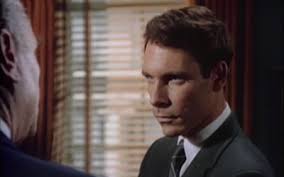
Cotter Smith as Robert Kennedy
Throughout 1960, he manages the Presidential campaign for his brother, John F. Kennedy (Sam Groom). By a margin of only 100,000 votes, JFK wins the election.
Hoffa thinks that his troubles are over, that “Bobby” will move on to other pursuits and forget about the Teamsters.
Hoffa is partly right: Kennedy moves on to another job. But it’s the office of United States Attorney General.
JFK, needing someone in the Cabinet he can trust completely, browbeats Robert into becoming the the nation’s top cop.
For Hoffa, it’s a nightmare come true.
As Attorney General, Kennedy no longer has to beg J. Edgar Hoover to attack organized crime. He can—and does—order him to do so.
Throughout the country, the Mafia feels a new heat as FBI agents plant illegal electronic microphones (“bugs”) in their innermost sanctums. Agents openly tail mobsters—and send them to prison in large numbers.
And Kennedy sets up a special unit, composed of topflight prosecutors and investigators, to go after just one man: James Riddle Hoffa. The press comes to call it the “Get Hoffa” squad.
Hoffa continues to beat federal prosecutors in court. But he believes he’s under constant surveillance by the FBI, and his nerves are starting to crack.
Convinced that the FBI has bugged his office, he literally tears apart the room, hoping to find the bug. But he fails to do so.
What he doesn’t know is he’s facing a more personal danger—from one of his closest associates.
He tells a trusted colleague, Edward Grady Partin (Brian Dennehy) how easy it would be to assassinate Kennedy with a rifle or bomb.
Later, Partin gets into a legal jam—and is abandoned by the Teamsters. Hoping to cut a deal, he relays word to the Justice Department of Hoffa’s threats against the Attorney General.
Now working for the Justice Department, Partin sends in reports on Hoffa’s juror-bribing efforts in yet another trial. Hoffa again beats the rap—but now Kennedy has the insider’s proof he needs to put him away for years.


-33510-W&docid=hCd9k6PuglvZAM&tbnid=CAo7BRzGtBWa3M%3A&w=500&h=375&bih=469&biw=819&ved=0ahUKEwiissafvJ_MAhUGKWMKHTZZA_MQxiAIAg&iact=c&ictx=1)

&docid=SiluTuHYHtjaZM&tbnid=uLB-PLYDVdkkVM%3A&w=455&h=341&ei=zeN_VI_hKYHjoATGs4Bo&ved=0CAIQxiAwAA&iact=c)


2016 PRESIDENTIAL CAMPAIGN, ABC NEWS, ADOLF HITLER, ALTERNET, AP, BARACK OBAMA, BORDER WALL, BUZZFEED, CBS NEWS, CIA, CNN, CROOKS AND LIARS, CZECHOSLOVAKIA, DAILY KOZ, DEMOCRATS, DEPARTMENT OF HOMELAND SECURITY, DONALD TRUMP, ENGLAND, FACEBOOK, FBI, FEDERAL AVIATION ADMINISTRATION (FAA), FRANCE, GAIUS CALIGULA, GOVERNMENT SHUTDOWN, HOUSE OF REPRESENTATIVES, JAMES COMEY, JAMES ROBART, JEFF SESSIONS, MARIE ANTOINETTE, MOTHER JONES, MOVEON, MSNBC, MUNICH CONFERENCE, NANCY PELOSI, NATIONAL SECURITY AGENCY, NAZI GERMANY, NBC NEWS, NEWSWEEK, NICCOLO MACHIAVELLI, NPR, POLITICO, RAW STORY, REPUBLICANS, REUTERS, ROME, RUSSIA, SALON, SEATTLE TIMES, Secret Service, SLATE, SOUP KITCHENS, THE ATLANTIC, THE CHICAGO SUN-TIMES, THE CHICAGO TRIBUNE, THE DAILY BEAST, THE DISCOURSES, THE GUARDIAN, THE HILL, THE HUFFINGTON POST, THE LOS ANGELES TIMES, THE NATION, THE NEW YORK TIMES, THE PRESS, THE WALL STREET JOURNAL, THE WASHINGTON POST, TIME, TRANSPORTATION SAFETY ADMINISTRATION (TSA), TWENTY-FIFTH AMENDMENT, TWITTER, U.S. NEWS & WORLD REPORT, UBER, UNITED STATES HOUSE OF REPRESENTATIVES, UNITED STATES SENATE, UPI, USA TODAY, VLADIMIR PUTIN
ACCOMPLICES TO OUR OWN DESTRUCTION: PART ONE (OF TWO)
In Bureaucracy, History, Law, Law Enforcement, Military, Politics, Social commentary, Uncategorized on February 12, 2019 at 12:15 am“Why are we letting one man systematically destroy our nation before our eyes?”
It’s a question millions of Americans have no doubt been asking themselves since Donald Trump took office as President of the United States.
And no doubt it’s the question that millions of Germans asked themselves throughout the six years of World War II.
In September, 1938, as Adolf Hitler threatened to go to war against France and England over Czechoslovakia, most Germans feared he would. They knew that Germany was not ready for war, despite all of their Fuhrer’s boasts about how invincible the Third Reich was.
A group of high-ranking German army officers was prepared to overthrow Hitler—provided that England and France held firm and handed him a major diplomatic reverse.
But then the unexpected happened: England and France—though more powerful than Germany—flinched at the thought of war.
They surrendered to Hitler’s demands that he be given the “Sudetenland”—the northern, southwest and western regions of Czechoslovakia, inhabited mostly by ethnic Germans.
Hitler’s popularity among Germans soared. He had expanded the territories of the Reich by absorbing Austria and Czechoslovakia—without a shot being fired!
The plotters in the German high command, realizing that public opinion stood overwhelmingly against them, abandoned their plans for a coup. They decided to wait for a more favorable time.
It never came.
Adolf Hitler and his generals
Less than one year after the infamous “Munich conference,” England and France were at war—and fighting for the lives of their peoples.
France would fall to Hitler’s legions in June, 1940. England would fight on alone—until, in December, 1941, the United States finally declared war on Nazi Germany.
As for the Germans: Most of them blindly followed their Fuhrer right to the end—believing his lies (or at least wanting to believe them), serving in his legions, defending his rampant criminality.
And then, in April, 1945, with Russian armies pouring into Berlin, it was too late for conspiracies against the man who had led them to total destruction.
Berliners paid the price for their loyalty to a murderous dictator—through countless rapes, murders and the wholesale destruction of their city. And from 1945 to 1989, Germans living in the eastern part of their country paid the price as slaves to the Soviet Union.
Have Americans learned anything from this this warning from history about subservience to a madman?
Apparently not.
In 2016, almost 63 million Americans elected Donald Trump—a racist, serial adulterer and longtime fraudster—as President.
Whereas Barack Obama, in 2008, had run for President on the slogan, “Yes, We Can!” Trump ran on the themes of fear and vindictiveness. He threatened violence not only against Democrats but even his fellow Republicans.
Upon taking office in January, 2017, Trump began undermining one public or private institution after another.
Donald Trump
And on December 22, 2018, Trump shut down the Federal Government because Democrats refused to fund his “border wall” between the United States and Mexico. An estimated 380,000 government employees were furloughed and another 420,000 were ordered to work without pay.
As a result:
Nancy Pelosi, the newly-elected Speaker of the House of Representatives, summed up Trump thus: “The impression you get from the President is he would like to not only close government, build a wall, but also abolish Congress, so the only voice that mattered was his own.”
Share this: