Posts Tagged ‘RICHARD M. NIXON’
ABC NEWS, ACADEMY AWARDS, ALTERNET, AMERICABLOG, AP, BABY BOOMER RESISTANCE, BARACK OBAMA, BBC, BEN-HUR, BLOOMBERG NEWS, BUZZFEED, CBS NEWS, CHARLTON HESTON, CNN, CROOKS AND LIARS, DAILY KOZ, DRUDGE REPORT, EL CID, FACEBOOK, FIVETHIRTYEIGHT, FOX NEWS, GUN CONTROL, HARPER’S MAGAZINE, HUFFINGTON POST, JIM CARREY, JOHN F. KENNEDY, KHARTOUM, MAJOR DUNDEE, MEDIA MATTERS, MOSES, MOTHER JONES, MOVEON, MOVIES, MSNBC, NATIONAL RIFLE ASSOCIATION, NBC NEWS, NEW REPUBLIC, NEWSDAY, NEWSWEEK, NPR, PBS NEWSHOUR, PLANET OF THE APES, POLITICO, POLITICUSUSA, RAW STORY, REUTERS, RICHARD M. NIXON, ROBERT F. KENNEDY, SALON, SCREEN ACTORS GUILD, SEATTLE TIMES, SLATE, TALKING POINTS MEMO, THE ATLANTIC, THE CHICAGO SUN-TIMES, THE CHICAGO TRIBUNE, THE DAILY BEAST, THE DAILY BLOG, THE GUARDIAN, THE HILL, THE HUFFINGTON POST, THE LOS ANGELES TIMES, THE NATION, THE NEW REPUBLIC, THE NEW YORK TIMES, THE NEW YORKER, THE TEN COMMANDMENTS, THE VILLAGE VOICE, THE WAR LORD, THE WASHINGTON POST, THE WASHINGTONPOST, THINKPROGRESS, TIME, TRUTHDIG, TRUTHOUT, TWITTER, TWO POLITICAL JUNKIES, U.S. NEWS & WORLD REPORT, UPI, USA TODAY, WONKETTE
In Bureaucracy, History, Humor, Law Enforcement, Social commentary on February 22, 2018 at 12:05 am
Bullies do not like to be mocked.
Anyone who doubts this need only examine the Right’s reaction to actor Jim Carrey’s March, 2013 “Cold Dead Hand” music video.
In this, Carrey—–a strong advocate of gun control—mocked the National Rifle Association (NRA) and its right-wing allies.
These included rural America and (for the video’s purposes) the late actor Charlton Heston, who served as the NRA’s five-term president (1998-2003).
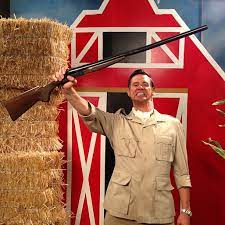
Jim Carrey as Charlton Heston
The video featured Carrey and alt-rock band Eels as “Lonesome Earl And The Clutterbusters,” a country band on a TV set modeled after the 1960s variety show, “Hee Haw.” Carrey also portrayed Heston as a dim-witted, teeth-clenching champion of the NRA.
“I find the gun problem frustrating,” Carrey said in a press release, “and ‘Cold Dead Hand’ is my fun little way of expressing that frustration.”
Carrey’s frustration triggered NRA outrage.
Click here: Jim Carrey’s Pro-Gun Control Stance Angers Conservatives
Fox News personality Greg Gutfeld ranted: “He is probably the most pathetic tool on the face of the earth and I hope his career is dead and I hope he ends up sleeping in a car.
“This video made me want to go out and buy a gun. He thinks this is biting satire going after rural America and a dead man… He’s a dirty, stinking coward… He’s such a pathetic, sad, little freak. He’s a gibbering mess. He’s a modern bigot.”
Columnist Larry Elder spared no venom in attacking Carrey: “Let’s be charitable—call Carrey ignorant, not stupid.”
Click here: Jim Carrey: Not ‘Dumb & Dumber,’ Just Ignorant
Much of his March 29 column centered on defending Heston, who died at 84 in 2008.
A lyric in Carrey’s song says “Charlton Heston’s movies are no longer in demand.” This prompted Elder to defend the continuing popularity of Heston’s 1956 movie, “The Ten Commandments,” where he played Moses.
Elder felt compelled to defend Heston’s off-screen persona as well, citing his 64-year marriage to his college sweetheart, Lydia.
On the other hand, writes Elder, Carrey, “followed the well-worn Hollywood path: Get famous; get rich; dump the first wife/mother of your kid(s), who stood by you during the tough times; and act out your social life in the tabs to the embarrassment of your kid(s).”
Clearly, Carrey’s video struck a nerve with Right-wing gun fanatics. But why?
Start with Gutfield’s accusation that Carry was “going after rural America.”
Rural America—home of the most superstitious, ignorant and knee-jerk Fascistic elements in American society—boastfully refers to itself as “The Heartland.”
In short: a prime NRA and Rightist constituency.
It was rural America to which Senator Barack Obama referred—accurately—during his 2008 Presidential campaign:
“They get bitter, they cling to guns or religion or antipathy to people who aren’t like them or anti-immigrant sentiment or anti-trade sentiment as a way to explain their frustrations.”
Second, there’s Elder’s outrage that Carrey should dare to say that Heston’s movies “are no longer in demand.”
Among these movies: “Major Dundee,” “El Cid,” “Khartoum,” “The War Lord.” And even the hammiest film for which he is best-known: “The Ten Commandments.”
In a film career spanning 62 years, Heston vividly portrayed such historical characters as:
- Rodrigo Diaz de Bivar in “El Cid’:
- Mark Anthony in “Julius Caesar”;
- John the Baptist in “The Greatest Story Ever Told”;
- Andrew Jackson in “The President’s Lady” and “The Buccaneer”;
- Michaelangelo in “The Agony and the Ecstasy”;
- General Charles Gordon in “Khartoun.”
And he played fictitious characters, too:
- Civil War officers (“Major Dundee”);
- Norman knights (“The War Lord”);
- Ranchers (“Three Violent People”;
- Explorers (“The Naked Jungle”).
- Judah Ben-Hur (“Ben-Hur”); and
- Astronauts (“Planet of the Apes”)’
Heston was a widely respected actor who won the Academy Award for Best Actor in 1959 for “Ben Hur” and servecd as the president of the Screen Actors Guild from 1965 to 1971.
But it was not Heston’s film career that Carrey focused on—but his role as president of the NRA.
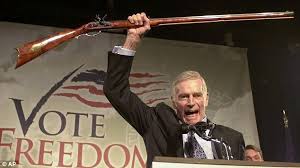
Charlton Heston at the NRA convention
Ironically, Heston had identified himself with liberal causes long before he became the face and voice of the gun lobby.
In 1961, he campaigned for Senator John F. Kennedy for President. In 1963, he took part in Martin Luther King’s March on Washington.
In 1968, after the assassination of Senator Robert F. Kennedy, he joined actors Kirk Douglas, James Stewart and Gregory Peck in issuing a statement supporting President Lyndon Johnson’s Gun Control Act of 1968.
But over the coming decades, Heston became increasingly conservative:
- Reportedly voting for Richard Nixon in 1972;
- Supporting gun rights; and
- Campaigning for Republican Presidential candidates Ronald Reagan, George H.W. Bush and George W. Bush.
When asked why he changed political alliances, Heston replied: “I didn’t change. The Democratic party changed.”
2016 PRESIDENTIAL CAMPAIGN, ABC NEWS, ALTERNET, AMERICAN UNIVERSITY, AP, APOLLO MOON LANDING, BARACK OBAMA, BARBARA TUCHMAN, BUZZFEED, CBS NEWS, CNN, COLD WAR, CROOKS AND LIARS, CUBAN MISSILE CRISIS, DAILY KOZ, DONALD TRUMP, DREAMS FROM MY FATHER, FACEBOOK, HERMAN CAIN, JOHN F. KENNEDY, KELLEYANNE CONWAY, LIBYA, LILTERACY, LYNDON B. JOHNSON, MOTHER JONES, MOVEON, NBC NEWS, NEWSWEEK, NPR, NUCLEAR TEST BAN TREATY, POLITICO, RATIONALITY, RAW STORY, REUTERS, RICHARD M. NIXON, RICK PERRY, SALON, SEAN SPICER, SEATTLE TIMES, SLATE, SUPER COMMITTEE OF CONGRESS, SUPREME COURT, THE ATLANTIC, THE AUDACITY OF HOPE, THE CHICAGO SUN-TIMES, THE CHICAGO TRIBUNE, THE DAILY BEAST, THE GUARDIAN, THE GUNS OF AUGUST, THE HILL, THE HUFFINGTON POST, THE LOS ANGELES TIMES, THE NATION, THE NEW YORK TIMES, THE WASHINGTON POST, TIME, TWITTER, U.S. NEWS & WORLD REPORT, UPI, USA TODAY, VIETNAM WAR, WORLD WAR 1
In Bureaucracy, History, Military, Politics, Social commentary on November 22, 2017 at 12:03 am
Fifty-four years ago, on November 22, 1963, two bullets slammed into the neck and head of President John Fitzgerald Kennedy.
It has been said that JFK left his country with three great legacies:
- The Nuclear Test Ban Treaty;
- The Apollo moon landing; and
- The Vietnam war.
Of these, the following can be said with certainty:
- The Test Ban Treaty has prevented atmosphereic testing—and poisoning—by almost all the world’s nuclear powers.
- After reaching the moon—in 1969—Americans quickly lost interest in space and have today largely abandoned plans for manned exploration. For America, as for JFK, beating the Russians to the moon was the end-goal.
- Under Presidents Lyndon Johnson and Richard Nixon, 58,000 Americans died in Vietnam; 153,303 were wounded; and billions of dollars were squandered in a hopeless effort to intervene in what was essentially a Vietnamese civil war. From 1965 to 1972, the war angrily divided Americas as had no event since the Civil War.
But there was a fourth legacy—and perhaps the most important of all: The belief that mankind could overcome its greatest challenges through rationality and perseverance.
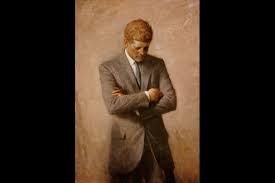
White House painting of JFK
At American University on June 10, 1963, Kennedy called upon his fellow Americans to re-examine the events and attitudes that had led to the Cold War. And he declared that the search for peace was by no means absurd:
“Our problems are man-made; therefore, they can be solved by man. And man can be as big as he wants. No problem of human destiny is beyond human beings.
“Man’s reason and spirit have often solved the seemingly unsolvable, and we believe they can do it again.”
Today, politicians from both parties cannot agree on solutions to even the most vital national problems.
On November 21, 2011, the 12 members of the “Super-Committee” of Congress, tasked with finding $1.2 trillion in cuts in government spending, threw up their hands in defeat.
President Kennedy insisted on being well-informed. He speed-read several newspapers every morning and nourished personal relationships with the press-–and not for altruistic reasons. These journalistic contacts gave Kennedy additional sources of information and perspectives on national and international issues.
During the 2012 Presidential campaign, Republican Presidential candidates celebrated their ignorance of both.
Former Godfather’s Pizza CEO Herman Cain famously said, “We need a leader, not a reader.” Thus he excused his ignorance for why President Barack Obama had intervened in Libya.
Texas Governor Rick Perry (and now Secretary of Energy) showed similar pride in not knowing there are nine judges on the United States Supreme Court:
“Well, obviously, I know there are nine Supreme Court judges. I don’t know how eight came out my mouth. But the, uh, the fact is, I can tell you—I don’t have memorized all of those Supreme Court judges. And, uh, ah—
“Here’s what I do know. That when I put an individual on the Supreme Court, just like I done in Texas, ah, we got nine Supreme Court justices in Texas, ah, they will be strict constructionists….”
In short, it’s the media’s fault if they ask you a question and your answer reveals your own ignorance, stupidity or criminality.
And President Donald Trump has gone even further—attacking the free press as “the enemy of America” for exposing his lies and criminality.
His senior adviser, Kelleyanne Conway, set the tone of his administration’s approach to the truth right at the outset. Asked why then-White House press secretary Sean Spicer had lied about the size of the crowd at Trump’s inauguration, Conway replied:
“You’re saying it’s a falsehood. And they’re giving—Sean Spicer, our press secretary—gave alternative facts.”
“Alternative facts aren’t facts, they are falsehoods,” Chuck Todd, the moderator on NBC’s “Meet the Press,” properly responded.
During the height of the Cuban Missile Crisis, Kennedy spoke with aides about a book he had just finished: Barbara Tuchman’s The Guns of August, about the events leading to World War 1.
He said that the book’s most important revelation was how European leaders had blindly rushed into war, without thought to the possible consequences. Kennedy told his aides he did not intend to make the same mistake–that, having read his history, he was determined to learn from it.
Republicans attacked President Obama for his Harvard education and articulate use of language. Among their taunts: “Hitler also gave good speeches.”
And they resented his having earned most of his income as a writer of two books: Dreams From My Father and The Audacity of Hope. As if being a writer is somehow subversive.
When knowledge and literacy are attacked as “highfalutin’” arrogance, and ignorance and incoherence are embraced as sincerity, national decline lies just around the corner.
During the 2016 Presidential campaign, Donald Trump infamously chortled after winning the Nevada Republican primary: “We won with poorly educated. I love the poorly educated.”
And, that November, “the poorly educated” elected him President.
In retrospect, the funeral for President Kennedy marked the death of more than a rational and optimistic human being.
It marked the death of Americans’ pride in choosing reasoning and educated citizens for their leaders.
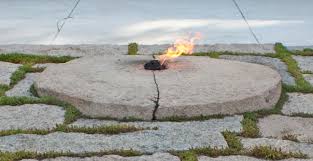
The Eternal Flame at the grave of President John F. Kennedy
ABC NEWS, ABRAHAM LINCOLN, ADOLF HITLER, ALTERNET, BUZZFEED, CBS NEWS, CIVIL WAR, CNN, DAILY KOS, DONALD TRUMP, FACEBOOK, FRANKLIN D. ROOSEVELT, GREAT DEPRESSION, HERBERT HOOVER, HITLER (BOOK), JOACHIM C. FEST, JOHN F. KENNEDY, LYNDON B. JOHNSON, MOTHER JONES, MOVEON, NBC NEWS, NEWSWEEK, NPR, OTTO VON BISMARK, POLITICO, RAW STORY, RICHARD M. NIXON, SALON, SLATE, SLAVERY, THE CHICAGO SUN-TIMES, THE CHICAGO TRIBUNE, THE DAILY BEAST, THE HUFFINGTON POST, THE LOS ANGELES TIMES, THE NEW YORK TIMES, THE WALL STREET JOURNAL, THE WASHINGTON POST, THEODORE ROOSEVELT, TIME, TWITTER, U.S. NEWS & WORLD REPORT, USA TODAY, VIETNAM WAR, WATERGATE, WORLD WAR ii
In Bureaucracy, History, Politics, Social commentary on September 28, 2017 at 12:06 am
Why are some Presidents remembered with affection, while others are detested—or forgotten altogether?
Generally, Presidents who are warmly remembered are seen as making positive contributions to the lives of their fellow Americans and being “people-oriented.”
Among these:
- Abraham Lincoln
- Theodore Roosevelt
- Franklin Roosevelt
- John F. Kennedy
Among the reasons they are held in such high regard:
- Abraham Lincoln ended slavery and restored the Union. Although he ruthlessly prosecuted the Civil War, his humanity remains engraved in stories such as his pardoning a soldier condemned to be shot for cowardice: “If Almighty God gives a man a cowardly pair of legs, how can he help their running away with him?”
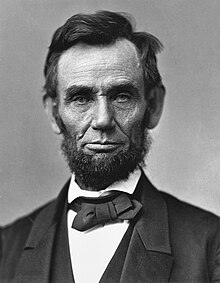
Abraham Lincoln
- Theodore Roosevelt championed an era of reform, such as creating the Food and Drug Administration and five National Parks. Popularly known as “Teddy,” he even had a toy bear—the teddy bear—named after him.
- Franklin D. Roosevelt successfully led America through the Great Depression and World War II. He was the first President to insist that government existed to directly better the lives of its citizens: “The test of our progress is not whether we add more to the abundance of those who have much; it is whether we provide enough for those who have too little.”
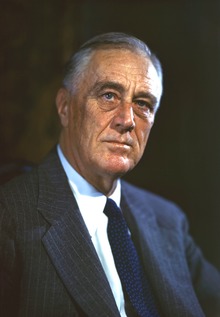
Franklin D. Roosevelt
- John F. Kennedy supported civil rights and called for an end to the Cold War. He challenged Americans to “ask what you can do for your country” and made government service respectable, even chic. His youth, charisma, intelligence and handsomeness led millions to mourn for “what might have been” had he lived to win a second term.
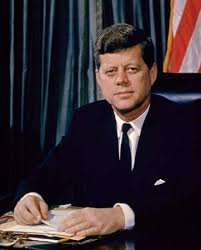
John F. Kennedy
Presidents who remain unpopular among Americans are seen as unlikable and responsible (directly or not) for mass suffering.
Among these:
- Herbert Hoover
- Lyndon B. Johnson
- Richard M. Nixon
Among the reasons they are held in such low regard:
- Herbert Hoover is still blamed for the 1929 Great Depression. He didn’t create it, but his conservative, “small-government” philosophy led him to refuse to aid its victims. An engineer by profession, he saw the Depression as a machine that needed repair, not as a catastrophe for human beings. This lack of “emotional intelligence” cost him heavily with voters.
- Lyndon B. Johnson is still blamed as the President “who got us into Vietnam.” John F. Kennedy had laid the groundwork by placing 16,000 American troops there by the time he died in 1963. But it was Johnson who greatly expanded the war in 1965 and kept it going—with hugely expanding casualties—for the next three years. Unlike Kennedy, whom he followed, he looked and sounded terrible on TV. Voters compared LBJ’s Texas drawl and false piety with JFK’s wit and good looks—and found him wanting.
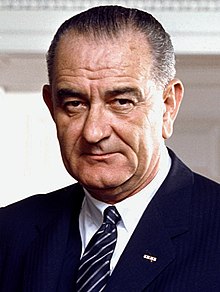
Lyndon B. Johnson
- Richard M. Nixon will be remembered foremost as the President who was forced to resign under threat of impeachment and removal from office. Like Herbert Hoover, he was not a “people person” and seemed remote to even his closest associates. Although he took office on a pledge to “bring us together” and end the Vietnam war, he attacked war protesters as traitors and kept the war going another four years. His paranoid fears of losing the 1972 election led to his creating an illegal “Plumbers” unit which bugged the Democratic offices at the Watergate Hotel. And his attempted cover-up of their illegal actions led to his being forced to resign from office in disgrace.
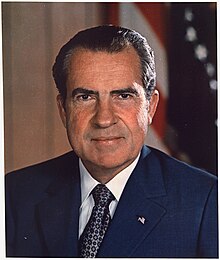
Richard M. Nixon
Which brings us to the question: How is Donald J. Trump likely to be remembered?
Historian Joachim C. Fest offers an unintended answer to this question in his 1973 bestselling biography Hitler:
“The phenomenon of the great man is primarily aesthetic, very rarely moral in nature; and even if we were prepared to make allowances in the latter realm, in the former we could not.
“An ancient tenet of aesthetics holds that one who for all his remarkable traits is a repulsive human being, is unfit to be a hero.”
Among the reasons for Hitler’s being “a repulsive human being,” Fest cites the Fuhrer’s
- “intolerance and vindictiveness”;
- “lack of generosity”; and
- “banal and naked materialism–power was the only motive he would recognize.”
Fest then quotes German chancellor Otto von Bismark on what constitutes greatness: “Impressiveness in this world is always akin to the fallen angel who is beautiful but without peace, great in his plans and efforts, but without success, proud but sad.”
And Fest concludes: “If this is true greatness, Hitler’s distance from it is immeasurable.”
What Fest writes about Adolf Hitler applies just as brutally to President Trump.
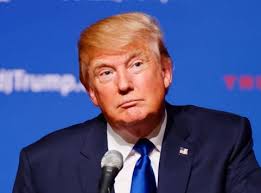
Donald Trump
Intolerant and vindictive. Lacking generosity. Nakedly materialistic.
He has:
- Boasted about the politicians he’s bought and the women he’s bedded—and forced himself on.
- Threatened his Democratic opponent—Hillary Clinton—with prosecution if he were elected.
- Slandered entire segments of Americans—blacks, Hispanics, women, journalists, Asians, the disabled, the Gold Star parents of a fallen soldier.
- Slandered President Barack Obama for five years as a non-citizen, finally admitting the truth only to win black votes.
- Attacked the FBI and CIA for accurately reporting that Russian President Vladimir Putin had intervened in the 2016 Presidential election to ensure Trump’s victory.
At this stage, it’s hard to imagine Trump joining that select number of Presidents Americans remember with awe and reverence.
2016 PRESIDENTIAL ELECTION, A BRONX TALE, ABC NEWS, ADOLF HITLER, ALTERNET, AP, BILL CLINTON, BUZZFEED, CBS NEWS, CHAZZ PALMINTERI, CNN, CROOKS AND LIARS, DAILY KOZ, DONALD TRUMP, FACEBOOK, FBI, H.R. MCMASTER, HILLARY CLINTON, IRS, J. EDGAR HOOVER, JEFF SESSIONS, JOHN F. KENNEDY, JOHN KELLY, LYNDON B. JOHNSON, MOTHER JONES, MOVEON, NBC NEWS, NEWSWEEK, NICCOLO MACHIAVELLI, NPR, POLITICO, RAW STORY, REINCE PREBIUS, REPUBLICAN PARTY, REUTERS, RICHARD M. NIXON, ROBERT DE NIRO, ROBERT F. KENNEDY, Ronald Reagan, SALON, SEATTLE TIMES, SERGEI KISLYAK, SLATE, THE ATLANTIC, THE CHICAGO SUN-TIMES, THE CHICAGO TRIBUNE, THE DAILY BEAST, THE GUARDIAN, THE HILL, THE HUFFINGTON POST, THE LOS ANGELES TIMES, THE NATION, THE NEW YORK TIMES, THE PRINCE, THE WASHINGTON POST, TIME, TWITTER, U.S. NEWS & WORLD REPORT, UP, UPI, USA TODAY, WILLIAM RALPH INGE
In Bureaucracy, History, Law Enforcement, Politics, Social commentary on September 21, 2017 at 12:02 am
American Presidents—like politicians everywhere–strive to be loved. There are two primary reasons for this.
First, even the vilest dictators want to believe they are good people—and that their goodness is rewarded by the love of their subjects.
Second, it’s universally recognized that a leader who’s beloved has great clout than one who isn’t. In the United States, a Presidential candidate who wins by a landslide is presumed to have a mandate to pursue his agenda—at least, for the first two years of his administration.
But those—like Barack Obama—who strive to avoid conflict often get treated with contempt and hostility by their adversaries.
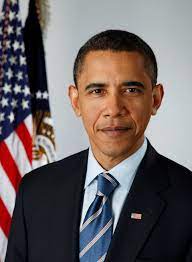
Barack Obama
In Renegade: The Making of a President, Richard Wolffe chronicled Obama’s successful 2008 bid for the White House. Among his revelations:
Obama, a believer in rationality and decency, felt more comfortable in responding to attacks on his character than in attacking the character of his enemies.
A graduate of Columbia University and Harvard Law School, Obama was one of the most academically gifted Presidents in United States history.
Yet he failed to grasp and apply this fundamental lesson taught by Niccolo Machiavelli, the father of modern political science:
A man who wishes to make a profession of goodness in everything must inevitably come to grief among so many who are not good. And therefore it is necessary for a prince, who wishes to maintain himself, to learn how not to be good, and to use this knowledge and not use it, according to the necessity of the case.
This explains why Obama found most of his legislative agenda stymied by Republicans.
For example: In 2014, Senator Rand Paul (R-Ky.) sought to block David Barron, Obama’s nominee to the First Circuit Court of Appeals.
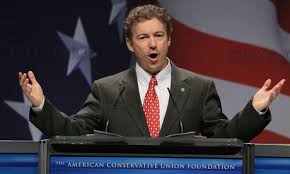
Rand Paul
Paul objected to Barron’s authoring memos that justified the killing of an American citizen by a drone in Yemen on September 30, 2011.
The target was Anwar al-Awlaki, a radical Muslim cleric notorious on the Internet for encouraging Muslims to attack the United States.
Paul demanded that the Justice Department release the memos Barron crafted justifying the drone policy.
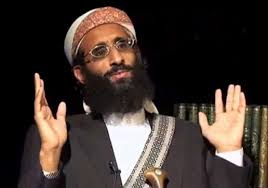
Anwar al-Awlaki
Imagine how Republicans would depict Paul—or any Democratic Senator—who did the same with a Republican President: “Rand Paul: A traitor who supports terrorists. He sides with America’s sworn enemies against its own lawfully elected President.”
But Obama did nothing of the kind.
(On May 22, 2014, the Senate voted 53–45 to confirm Barron to the First Circuit Court of Appeals.)
But Presidents who seek to rule primarily by fear can encounter their own limitations. Which immediately brings to mind Donald Trump.
As both a Presidential candidate and President, Trump has repeatedly used Twitter to attack hundreds of real and imagined enemies in politics, journalism, TV and films.
From June 15, 2015, when he launched his Presidential campaign, until October 24, 2016, Trump fired almost 4,000 angry, insulting tweets at 281 people and institutions that had somehow offended him.
Donald Trump
The New York Times needed two full pages of its print edition to showcase them.
As a Presidential candidate and President, he has shown outright hatred for President Obama. For five years, he slandered Obama as a Kenyan-born alien who had no right to hold the Presidency.
Then, on March 4, 2017, in a series of unhinged tweets, Trump falsely accused Obama of committing an impeachable offense: Tapping his Trump Tower phones prior to the election.
As President, Trump has refused to reach beyond the narrow base of white, racist, ignorant, hate-filled, largely rural voters who elected him.
And he has bullied and insulted even White House officials and his own handpicked Cabinet officers:
- Trump has waged a Twitter-laced feud against Jeff Sessions, his Attorney General. Sessions’ “crime”? Recusing himself from investigations into well-established ties between Russian Intelligence agents and members of Trump’s Presidential campaign.
- Trump repeatedly humiliated Chief of Staff, Reince Priebus—at one point ordering him to kill a fly that was buzzing about. On July 28, Priebus resigned.
- Trump similarly tongue-lashed Priebus’ replacement, former Marine Corps General John Kelly. Trump has reportedly been angered by Kelly’s efforts to limit the number of advisers who have unrestricted access to him. Kelly told colleagues he had never been spoken to like that during 35 years of military service—and would not tolerate it again.
- After Trump gave sensitive Israeli intelligence to Russian ambassador Sergey Kislyak, his national security advisor, H.R. McMaster, denied this had happened. Trump then contradicted McMaster in a tweet: “As president, I wanted to share with Russia (at an openly scheduled WH meeting) which I have the absolute right to do, facts pertaining to terrorism and airline flight safety.”
If Trump ever read Niccolo Machiavelli’s The Prince, he’s clearly forgotten this passage:
Cruelties ill committed are those which, although at first few, increase rather than diminish with time….Whoever acts otherwise….is always obliged to stand with knife in hand, and can never depend on his subjects, because they, owing to continually fresh injuries, are unable to depend upon him.
And this one:
Still, a prince should make himself feared in such a way that if he does not gain love, he at any rate avoids hatred.
Or, as Cambridge Professor of Divinity William Ralph Inge put it: “A man may build himself a throne of bayonets, but he can’t sit on it.”
2016 PRESIDENTIAL ELECTION, A BRONX TALE, ABC NEWS, ADOLF HITLER, ALTERNET, AP, BILL CLINTON, BUZZFEED, CBS NEWS, CHAZZ PALMINTERI, CNN, CROOKS AND LIARS, DAILY KOZ, DONALD TRUMP, FACEBOOK, FBI, H.R. MCMASTER, HILLARY CLINTON, IRS, J. EDGAR HOOVER, JEFF SESSIONS, JOHN F. KENNEDY, JOHN KELLY, LYNDON B. JOHNSON, MOTHER JONES, MOVEON, NBC NEWS, NEWSWEEK, NICCOLO MACHIAVELLI, NPR, POLITICO, RAW STORY, REINCE PREBIUS, REPUBLICAN PARTY, REUTERS, RICHARD M. NIXON, ROBERT DE NIRO, ROBERT F. KENNEDY, Ronald Reagan, SALON, SEATTLE TIMES, SERGEI KISLYAK, SLATE, THE ATLANTIC, THE CHICAGO SUN-TIMES, THE CHICAGO TRIBUNE, THE DAILY BEAST, THE GUARDIAN, THE HILL, THE HUFFINGTON POST, THE LOS ANGELES TIMES, THE NATION, THE NEW YORK TIMES, THE PRINCE, THE WASHINGTON POST, TIME, TWITTER, U.S. NEWS & WORLD REPORT, UP, UPI, USA TODAY, WILLIAM RALPH INGE
In Bureaucracy, History, Law Enforcement, Politics, Social commentary on September 20, 2017 at 12:30 am
Is it better to be loved or feared?
That was the question Florentine statesman Niccolo Machiavelli raised more than 500 years ago.
Presidents have struggled to answer this question—and have come to different conclusions.
LOVE ME, FEAR MY BROTHER
Most people felt irresistibly drawn to John F. Kennedy—even his political foes. Henry Luce, the conservative publisher of Time, once said, “He makes me feel like a whore.”
But JFK could afford to bask in the love of others—because his younger brother, Robert, was the one who inspired fear.
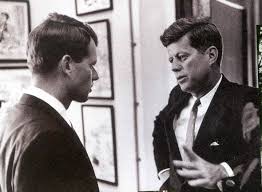
Robert F. Kennedy and John F. Kennedy
He had done so as Chief Counsel for the Senate Rackets Committee (1957-59), grilling Mafia bosses and corrupt union officials–most notably Teamsters President James Hoffa.
Appointed Attorney General by JFK, he unleashed the FBI on the Mafia. When the steel companies colluded in an inflationary rise in the price of steel in 1962, Bobby sicced the FBI on them.
In 1963, JFK’s cavorting with Ellen Rometsh threatened to destroy his Presidency. Rometsch, a Washington, D.C. call girl, was suspected by the FBI of being an East German spy.
With Republican Senators preparing to investigate the rumors, Bobby ordered Rometsch deported immediately (to which, as a German citizen, she was subject).
He also ordered FBI Director J. Edgar Hoover to deliver a warning to the Majority and Minority leaders of the Senate: The Bureau was fully aware of the extramarital trysts of most of its members. And an investigation into the President’s sex life could easily lead into revelations of Senatorial sleaze.
Plans for a Senatorial investigation were shelved.
BEING LOVED AND FEARED
In the 1993 movie, A Bronx Tale, 17-year-old Calogero (Lillo Brancato) asks his idol, the local Mafia capo, Sonny (Chazz Palminteri): “Is it better to be loved or feared?”
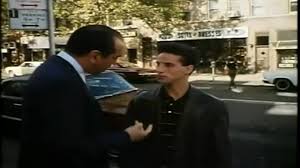
Sonny gives advice to his adopted son, Calogero
Sonny says if he had to choose, he would rather be feared. But he adds a warning straight out of Machiavelli: “The trick is not being hated. That’s why I treat my men good, but not too good.
“I give too much, then they don’t need me. I give them just enough where they need me, but they don’t hate me.”
Machiavelli, writing in The Prince, went further:
“Still a Prince should make himself feared in such a way that if he does not gain love, he at any rate avoids hatred, for fear and the absence of hatred may well go together. And [this] will always be attained by one who abstains from interfering with the property of his citizens and subjects or with their women.”
Many who quote Machiavelli in defense of being feared overlook this vital point: It’s essential to avoid becoming hated.
To establish a fearful reputation, a leader must act decisively and ruthlessly when the interests of the organization are threatened. Punitive action must be taken promptly and confidently.
One or two harsh actions of this kind can make a leader more feared than a reign of terror.
In fact, it’s actually dangerous to constantly employ cruelties or punishments. Whoever does so, warns Machiavelli, “is always obliged to stand with knife in hand, and can never depend on his subjects, because they, owing to continually fresh injuries, are unable to depend upon him.”
The 20th century President who came closest to realizing Machiavelli’s “loved and feared” prince in himself was Ronald Reagan.
Always smiling, quick with a one-liner (especially at press conferences), seemingly unflappable, he projected a constantly optimistic view of his country and its citizens.
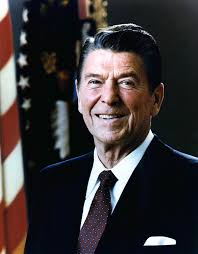
Ronald Reagan
In his acceptance speech at the 1980 Republican National Convention he declared: “[The Democrats] say that the United States has had its days in the sun, that our nation has passed its zenith.… My fellow citizens, I utterly reject that view.”
And Americans enthusiastically responded to that view, twice electing him President (1980 and 1984).
But there was a steely, ruthless side to Reagan that appeared when he felt crossed.
On August 3, 1981, nearly 13,000 air traffic controllers walked out after contract talks with the Federal Aviation Administration collapsed. As a result, some 7,000 flights across the country were canceled on that day at the peak of the summer travel season.
Reagan branded the strike illegal. He threatened to fire any controller who failed to return to work within 48 hours.
On August 5, Reagan fired more than 11,000 air traffic controllers who hadn’t returned to work. The mass firing slowed commercial air travel, but it did not cripple the system as the strikers had forecast.
Reagan’s action stunned the American labor movement. Reagan was the only American President to have belonged to a union, the Screen Actors Guild. He had even been president of this–from 1947 to 1954.
There were no more strikes by Federal workers during Reagan’s tenure in office.
Similarly, Libya’s dictator, Moammar Kadaffi, learned that Reagan was not a man to cross.
On April 5, 1986, Libyan agents bombed a nightclub in West Berlin, killing three people, one a U.S. serviceman. The United States quickly learned that Libyan agents in East Germany were behind the attack.
On April 15, acting on Reagan’s orders, U.S. Air Force, Navy and Marine Corps bombers struck at several sites in Tripoli and Benghazi. Reportedly, Kaddafi himself narrowly missed becoming a casualty.
There were no more acts of Libyan terrorism against Americans for the rest of Reagan’s term.
2016 PRESIDENTIAL ELECTION, A BRONX TALE, ABC NEWS, ADOLF HITLER, ALTERNET, AP, BILL CLINTON, BUZZFEED, CBS NEWS, CHAZZ PALMINTERI, CNN, CROOKS AND LIARS, DAILY KOZ, DONALD TRUMP, FACEBOOK, FBI, H.R. MCMASTER, HILLARY CLINTON, IRS, J. EDGAR HOOVER, JEFF SESSIONS, JOHN F. KENNEDY, JOHN KELLY, LYNDON B. JOHNSON, MOTHER JONES, MOVEON, NBC NEWS, NEWSWEEK, NICCOLO MACHIAVELLI, NPR, POLITICO, RAW STORY, REINCE PREBIUS, REPUBLICAN PARTY, REUTERS, RICHARD M. NIXON, ROBERT DE NIRO, ROBERT F. KENNEDY, Ronald Reagan, SALON, SEATTLE TIMES, SERGEI KISLYAK, SLATE, THE ATLANTIC, THE CHICAGO SUN-TIMES, THE CHICAGO TRIBUNE, THE DAILY BEAST, THE GUARDIAN, THE HILL, THE HUFFINGTON POST, THE LOS ANGELES TIMES, THE NATION, THE NEW YORK TIMES, THE PRINCE, THE WASHINGTON POST, TIME, TWITTER, U.S. NEWS & WORLD REPORT, UP, UPI, USA TODAY, WILLIAM RALPH INGE
In Bureaucracy, History, Law Enforcement, Social commentary, Uncategorized on September 19, 2017 at 12:07 am
It’s probably the most-quoted passage of Niccolo Machiavelli’s infamous book, The Prince:
“From this arises the question whether it is better to be loved than feared, or feared more than loved. The reply is, that one ought to be both feared and loved, but as it is difficult for the two to go together, it is much safer to be feared than loved.
“For it may be said of men in general that they are ungrateful, voluble, dissemblers, anxious to avoid danger and covetous of gain. As long as you benefit them, they are entirely yours: they offer you their blood, their goods, their life and their children, when the necessity is remote, but when it approaches, they revolt.
“And the prince who has relied solely on their words, without making other preparations, is ruined. For the friendship which is gained by purchase and not through grandeur and nobility of spirit is bought but not secured, and at a pinch is not to be expended in your service.
“And men have less scruple in offending one who makes himself loved than one who makes himself feared. For love is held by a chain of obligations which, men being selfish, is broken whenever it serves their purpose. But fear is maintained by a dread of punishment which never fails.”
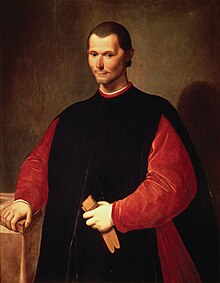
Niccolo Machiavelli
So—which is better: To be feared or loved?
In the 1993 film, A Bronx Tale, 17-year-old Calogero (Lillo Brancato) poses that question to his idol, the local Mafia capo, Sonny (Chazz Palminteri).
“That’s a good question,” Sonny replies. “It’s nice to be both, but it’s very difficult. But if I had my choice, I would rather be feared.
“Fear lasts longer than love. Friendships that are bought with money mean nothing. You see how it is around here. I make a joke, everybody laughs. I know I’m funny, but I’m not that funny. It’s fear that keeps them loyal to me.”
Presidents face the same dilemma as Mafia capos—and resolve it in their own ways.
LOVE ME BECAUSE I NEED TO BE LOVED
Bill Clinton believed that he could win over his self-appointed Republican enemies through his sheer charm.
Part of this lay in self-confidence: He had won the 1992 and 1996 elections by convincing voters that “I feel your pain.”
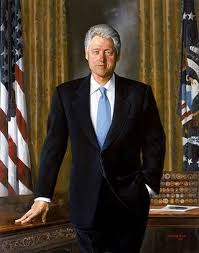
Bill Clinton
And part of it lay in his need to be loved. He once said that if he were in a room with 100 people and 99 of them liked him but one didn’t, he would spend all his time with that one person, trying to win him over.
But while he could charm voters, he could not bring himself to retaliate against his sworn Republican enemies.
On April 19, 1995, Right-wing terrorist Timothy McVeigh drove a truck–packed with 5,000 pounds of ammonium nitrate and nitromethane–to the front of the Alfred P. Murrah Federal Building in Oklahoma City.
The explosion killed 168 people, including 19 children in the day care center on the second floor, and injured 684 others.
Suddenly, Republicans were frightened. Since the end of World War II, they had vilified the very Federal Government they belonged to. They had deliberately courted the Right-wing militia groups responsible for the bombing.
So Republicans feared Clinton would now turn their decades of hate against them.
They need not have worried. On April 23, Clinton presided over a memorial service for the victims of the bombing. He gave a moving eulogy—without condemning the hate-filled Republican rhetoric that had at least indirectly led to the slaughter.
Clinton further sought to endear himself to Republicans by:
- Adopting NAFTA—the Republican-sponsored North American Free Trade Act, which later proved so devastating to American workers;
- Siding with Republicans against poor Americans on welfare; and
- Championing the gutting of the Depression-era Glass-Steagall law, which barred investment banks from commercial banking activities.
The result: Republicans believed Clinton was weak–and could be rolled.
In 1998, House Republicans moved to impeach him over a sex scandal with White House intern Monica Lewinsky. But his Presidency survived when the Senate refused to convict.
LOVE ME BECAUSE I’LL HURT YOU IF YOU DON’T
Lyndon Johnson wanted desperately to be loved.
Once, he complained to Dean Acheson, the former Secretary of State under Harry S. Truman, about the ingratitude of American voters. He had passed far more legislation than his predecessor, John F. Kennedy, and yet Kennedy remained beloved, while he, Johnson, was not.
Why was that? Johnson demanded.
“You are not a very likable man,” said Acheson truthfully.
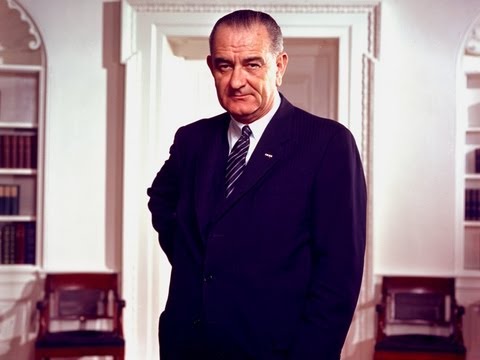
Lyndon B. Johnson
Johnson tried to make his subordinates love him. He would humiliate a man, then give him an expensive gift—such a Cadillac. It was his way of binding the man to him.
He was on a first-name basis with J. Edgar Hoover, the longtime director of the FBI. He didn’t hesitate to request—and get—raw FBI files on his political opponents.
On at least one occasion, he told members of his Cabinet: No one would dare walk out on his administration—because if they did, two men would follow their ass to the end of the earth: Mr. J. Edgar Hoover and the head of the Internal Revenue Service.
ABC NEWS, ABRAHAM LINCOLN, ADOLF HITLER, ALTERNET, BUZZFEED, CBS NEWS, CIVIL WAR, CNN, DAILY KOS, DONALD TRUMP, FACEBOOK, FRANKLIN D. ROOSEVELT, GREAT DEPRESSION, HERBERT HOOVER, HITLER (BOOK), JOACHIM C. FEST, JOHN F. KENNEDY, LYNDON B. JOHNSON, MOTHER JONES, MOVEON, NBC NEWS, NEWSWEEK, NPR, OTTO VON BISMARK, POLITICO, RAW STORY, RICHARD M. NIXON, SALON, SLATE, SLAVERY, THE CHICAGO SUN-TIMES, THE CHICAGO TRIBUNE, THE DAILY BEAST, THE HUFFINGTON POST, THE LOS ANGELES TIMES, THE NEW YORK TIMES, THE WALL STREET JOURNAL, THE WASHINGTON POST, THEODORE ROOSEVELT, TIME, TWITTER, U.S. NEWS & WORLD REPORT, USA TODAY, VIETNAM WAR, WATERGATE, WORLD WAR ii
In Bureaucracy, History, Military, Politics, Social commentary on February 27, 2017 at 4:43 am
Why are some Presidents remembered with affection, while others are detested–or forgotten altogether?
Generally, Presidents who are warmly remembered are seen as making positive contributions to the lives of their fellow Americans and being “people-oriented.”
Among these:
- Abraham Lincoln
- Theodore Roosevelt
- Franklin Roosevelt
- John F. Kennedy
Among the reasons they are held in such high regard:
- Abraham Lincoln ended slavery and restored the Union. Although he ruthlessly prosecuted the Civil War, his humanity remains engraved in stories such as his pardoning a soldier condemned to be shot for cowardice: “If Almighty God gives a man a cowardly pair of legs, how can he help their running away with him?”
Abraham Lincoln
- Theodore Roosevelt championed an era of reform, such as creating the Food and Drug Administration and five National Parks. Popularly known as “Teddy,” he even had a toy bear–the teddy bear–named after him.
- Franklin D. Roosevelt successfully led America through the Great Depression and World War II. He was the first President to insist that government existed to directly better the lives of its citizens: “The test of our progress is not whether we add more to the abundance of those who have much; it is whether we provide enough for those who have too little.”
Franklin D. Roosevelt
- John F. Kennedy supported civil rights and called for an end to the Cold War. He challenged Americans to “ask what you can do for your country” and made government service respectable, even chic. His youth, charisma, intelligence and handsomeness led millions to mourn for “what might have been” had he lived to win a second term.
John F. Kennedy
Presidents who remain unpopular among Americans are seen as unlikable and responsible (directly or not) for mass suffering.
Among these:
- Herbert Hoover
- Lyndon B. Johnson
- Richard M. Nixon
Among the reasons they are held in such low regard:
- Herbert Hoover is still blamed for the 1929 Great Depression. He didn’t create it, but his conservative, “small-government” philosophy led him to refuse to aid its victims. An engineer by profession, he saw the Depression as a machine that needed repair, not as a catastrophe for human beings. This lack of “emotional intelligence” cost him heavily with voters.
- Lyndon B. Johnson is still blamed as the President “who got us into Vietnam.” John F. Kennedy had laid the groundwork by placing 16,000 American troops there by the time he died in 1963. But it was Johnson who greatly expanded the war in 1965 and kept it going–with hugely expanding casualties–for the next three years. Unlike Kennedy, whom he followed, he looked and sounded terrible on TV. Voters compared JFK’s wit and good looks with LBJ’s Texas drawl and false piety–and found him wanting.
Lyndon B. Johnson
- Richard M. Nixon will be remembered foremost as the President who was forced to resign under threat of impeachment and removal from office. Like Herbert Hoover, he was not a “people person” and seemed remote to even his closest associates. Although he took office on a pledge to “bring us together” and end the Vietnam war, he attacked war protesters as traitors and kept the war going another four years. His paranoid fears of losing the 1972 election led to his creating an illegal “Plumbers” unit which bugged the Democratic offices at the Watergate Hotel. And his attempted cover-up of their illegal actions led to his being forced to resign from office in disgrace.
Richard M. Nixon
Which brings us to the question: How is Donald J. Trump likely to be remembered?
Historian Joachim C. Fest offers an unintended answer to this question in his 1973 bestselling biography Hitler:
“The phenomenon of the great man is primarily aesthetic, very rarely moral in nature; and even if we were prepared to make allowances in the latter realm, in the former we could not.
“An ancient tenet of aesthetics holds that one who for all his remarkable traits is a repulsive human being, is unfit to be a hero.”
Among the reasons for Hitler’s being “a repulsive human being,” Fest cites the Fuhrer’s
- “intolerance and vindictiveness”;
- “lack of generosity”; and
- “banal and naked materialism–power was the only motive he would recognize.”
Fest then quotes German chancellor Otto von Bismark on what constitutes greatness: “Impressiveness in this world is always akin to the fallen angel who is beautiful but without peace, great in his plans and efforts, but without success, proud but sad.”
And Fest concludes: “If this is true greatness, Hitler’s distance from it is immeasurable.”
What Fest writes about Adolf Hitler applies just as brutally to President Trump.
Donald Trump
Intolerant and vindictive. Lacking generosity. Nakedly materialistic.
He has:
- Boasted about the politicians he’s bought and the women he’s bedded–and forced himself on.
- Threatened his Democratic opponent–Hillary Clinton–with prosecution if he were elected.
- Slandered entire segments of Americans–blacks, Hispanics, women, journalists, Asians, the disabled, the Gold Star parents of a fallen soldier.
- Slandered President Barack Obama for five years as a non-citizen, finally admitting the truth only to win black votes.
- Attacked the FBI and CIA for accurately reporting that Russian President Vladimir Putin had intervened in the 2016 Presidential election to ensure Trump’s victory.
At this stage, it’s hard to imagine Trump joining that select number of Presidents Americans remember with awe and reverence.
2016 PRESIDENTIAL ELECTION, A BRONX TALE, ABC NEWS, ADOLF HITLER, ALTERNET, AMERICABLOG, AP, BABY BOOMER RESISTANCE, BBC, BILL CLINTON, BLOOMBERG NEWS, BUZZFEED, CBS NEWS, CHAZZ PALMINTERI, CNN, CROOKS AND LIARS, DAILY KOS, DONALD TRUMP, FACEBOOK, FBI, FIVETHIRTYEIGHT, HARPER’S MAGAZINE, HILLARY CLINTON, HUFFINGTON POST, IRS, J. EDGAR HOOVER, JOHN F. KENNEDY, LYNDON B. JOHNSON, MEDIA MATTERS, MOTHER JONES, MOVEON, MSNBC, NBC NEWS, NEW REPUBLIC, NEWSDAY, NEWSWEEK, NICCOLO MACHIAVELLI, NPR, PBS NEWSHOUR, POLITICO, POLITICUSUSA, RAW STORY, REPUBLICAN PARTY, REUTERS, RICHARD M. NIXON, ROBERT DE NIRO, ROBERT F. KENNEDY, Ronald Reagan, SALON, SEATTLE TIMES, SLATE, TALKING POINTS MEMO, THE ATLANTIC, THE CHICAGO SUN-TIMES, THE CHICAGO TRIBUNE, THE DAILY BEAST, THE DAILY BLOG, THE GUARDIAN, THE HILL, THE HUFFINGTON POST, THE INTERCEPT, THE LOS ANGELES TIMES, THE NATION, THE NEW REPUBLIC, THE NEW YORK TIMES, THE NEW YORKER, THE PRINCE, THE VILLAGE VOICE, THE WASHINGTON POST, THINKPROGRESS, TIME, TRUTHDIG, TRUTHOUT, TWITTER, U.S. NEWS & WORLD REPORT, UPI
In Bureaucracy, History, Law Enforcement, Military, Politics, Social commentary on December 22, 2016 at 12:18 am
Is it better to be loved or feared?
That was the question Florentine statesman Niccolo Machiavelli raised more than 500 years ago.
Presidents have struggled to answer this question—and have come to different conclusions.
LOVE ME, FEAR MY BROTHER
Most people felt irresistibly drawn to John F. Kennedy—even his political foes. Henry Luce, the conservative publisher of Time, once said, “He makes me feel like a whore.”
But JFK could afford to bask in the love of others—because his younger brother, Robert, was the one who inspired fear.
Robert F. Kennedy and John F. Kennedy
He had done so as Chief Counsel for the Senate Rackets Committee (1957-59), grilling Mafia bosses and corrupt union officials—most notably Teamsters President James Hoffa.
Appointed Attorney General by JFK, he unleashed the FBI on the Mafia. When the steel companies colluded in an inflationary rise in the price of steel in 1962, Bobby sicced the FBI on them.
In 1963, JFK’s cavorting with Ellen Rometsh threatened to destroy his Presidency. Rometsch, a Washington, D.C. call girl, was suspected by the FBI of being an East German spy.
With Republican Senators preparing to investigate the rumors, Bobby ordered Rometsch deported immediately (to which, as a German citizen, she was subject).
He also ordered FBI Director J. Edgar Hoover to deliver a warning to the Majority and Minority leaders of the Senate: The Bureau was fully aware of the extramarital trysts of most of its members. And an investigation into the President’s sex life could easily lead into revelations of Senatorial sleaze.
Plans for a Senatorial investigation were shelved.
BEING LOVED AND FEARED
In the 1993 movie, A Bronx Tale, 17-year-old Calogero (Lillo Brancato) asks his idol, the local Mafia capo, Sonny (Chazz Palminteri): “Is it better to be loved or feared?”
Sonny gives advice to his adopted son, Calogero
Sonny says if he had to choose, he would rather be feared. But he adds a warning straight out of Machiavelli: “The trick is not being hated. That’s why I treat my men good, but not too good.
“I give too much, then they don’t need me. I give them just enough where they need me, but they don’t hate me.”
Machiavelli, writing in The Prince, went further:
“Still a Prince should make himself feared in such a way that if he does not gain love, he at any rate avoids hatred, for fear and the absence of hatred may well go together. And [this] will always be attained by one who abstains from interfering with the property of his citizens and subjects or with their women.”
Many who quote Machiavelli in defense of being feared overlook this vital point: It’s essential to avoid becoming hated.
To establish a fearful reputation, a leader must act decisively and ruthlessly when the interests of the organization are threatened. Punitive action must be taken promptly and confidently.
One or two harsh actions of this kind can make a leader more feared than a reign of terror.
In fact, it’s actually dangerous to constantly employ cruelties or punishments. Whoever does so, warns Machiavelli, “is always obliged to stand with knife in hand, and can never depend on his subjects, because they, owing to continually fresh injuries, are unable to depend upon him.”
The 20th century President who came closest to realizing Machiavelli’s “loved and feared” prince was Ronald Reagan.
Always smiling, quick with a one-liner (especially at press conferences), seemingly unflappable, he projected a constantly optimistic view of his country and its citizens.
Ronald Reagan
In his acceptance speech at the 1980 Republican National Convention he declared: “[The Democrats] say that the United States has had its days in the sun, that our nation has passed its zenith.… My fellow citizens, I utterly reject that view.”
And Americans enthusiastically responded to that view, twice electing him President (1980 and 1984).
But there was a steely, ruthless side to Reagan that appeared when he felt crossed.
On August 3, 1981, nearly 13,000 air traffic controllers walked out after contract talks with the Federal Aviation Administration collapsed. As a result, some 7,000 flights across the country were canceled on that day at the peak of the summer travel season.
Reagan branded the strike illegal. He threatened to fire any controller who failed to return to work within 48 hours.
On August 5, Reagan fired more than 11,000 air traffic controllers who hadn’t returned to work. The mass firing slowed commercial air travel, but it did not cripple the system as the strikers had forecast.
Reagan’s action stunned the American labor movement. Reagan was the only American President to have belonged to a union, the Screen Actors Guild. He had even been president of this–from 1947 to 1954.
There were no more strikes by Federal workers during Reagan’s tenure in office.
Similarly, Libya’s dictator, Moammar Kadaffi, learned that Reagan was not a man to cross.
On April 5, 1986, Libyan agents bombed a nightclub in West Berlin, killing three people, one a U.S. serviceman. The United States quickly learned that Libyan agents in East Germany were behind the attack.
On April 15, acting on Reagan’s orders, U.S. Air Force, Navy and Marine Corps bombers struck at several sites in Tripoli and Benghazi. Reportedly, Kaddafi himself narrowly missed becoming a casualty.
There were no more acts of Libyan terrorism against Americans for the rest of Reagan’s term.
2016 PRESIDENTIAL ELECTION, A BRONX TALE, ABC NEWS, ADOLF HITLER, ALTERNET, AMERICABLOG, AP, BABY BOOMER RESISTANCE, BBC, BILL CLINTON, BLOOMBERG NEWS, BUZZFEED, CBS NEWS, CHAZZ PALMINTERI, CNN, CROOKS AND LIARS, DAILY KOS, DONALD TRUMP, FACEBOOK, FBI, FIVETHIRTYEIGHT, HARPER’S MAGAZINE, HILLARY CLINTON, HUFFINGTON POST, IRS, J. EDGAR HOOVER, JOHN F. KENNEDY, LYNDON B. JOHNSON, MEDIA MATTERS, MOTHER JONES, MOVEON, MSNBC, NBC NEWS, NEW REPUBLIC, NEWSDAY, NEWSWEEK, NICCOLO MACHIAVELLI, NPR, PBS NEWSHOUR, POLITICO, POLITICUSUSA, RAW STORY, REPUBLICAN PARTY, REUTERS, RICHARD M. NIXON, ROBERT DE NIRO, ROBERT F. KENNEDY, Ronald Reagan, SALON, SEATTLE TIMES, SLATE, TALKING POINTS MEMO, THE ATLANTIC, THE CHICAGO SUN-TIMES, THE CHICAGO TRIBUNE, THE DAILY BEAST, THE DAILY BLOG, THE GUARDIAN, THE HILL, THE HUFFINGTON POST, THE INTERCEPT, THE LOS ANGELES TIMES, THE NATION, THE NEW REPUBLIC, THE NEW YORK TIMES, THE NEW YORKER, THE PRINCE, THE VILLAGE VOICE, THE WASHINGTON POST, THINKPROGRESS, TIME, TRUTHDIG, TRUTHOUT, TWITTER, U.S. NEWS & WORLD REPORT, UPI
In Bureaucracy, History, Law Enforcement, Military, Politics, Social commentary on December 21, 2016 at 12:03 am
It’s probably the most-quoted passage of Niccolo Machiavelli’s infamous book, The Prince:
“From this arises the question whether it is better to be loved than feared, or feared more than loved. The reply is, that one ought to be both feared and loved, but as it is difficult for the two to go together, it is much safer to be feared than loved.
“For it may be said of men in general that they are ungrateful, voluble, dissemblers, anxious to avoid danger and covetous of gain. As long as you benefit them, they are entirely yours: they offer you their blood, their goods, their life and their children, when the necessity is remote, but when it approaches, they revolt.
“And the prince who has relied solely on their words, without making other preparations, is ruined. For the friendship which is gained by purchase and not through grandeur and nobility of spirit is bought but not secured, and at a pinch is not to be expended in your service.
“And men have less scruple in offending one who makes himself loved than one who makes himself feared. For love is held by a chain of obligations which, men being selfish, is broken whenever it serves their purpose. But fear is maintained by a dread of punishment which never fails.”
Niccolo Machiavelli
So—which is better: To be feared or loved?
In the 1993 film, A Bronx Tale, 17-year-old Calogero (Lillo Brancato) poses that question to his idol, the local Mafia capo, Sonny (Chazz Palminteri).
“That’s a good question,” Sonny replies. “It’s nice to be both, but it’s very difficult. But if I had my choice, I would rather be feared.
“Fear lasts longer than love. Friendships that are bought with money mean nothing. You see how it is around here. I make a joke, everybody laughs. I know I’m funny, but I’m not that funny. It’s fear that keeps them loyal to me.”
Presidents face the same dilemma as Mafia capos—and resolve it in their own ways.
LOVE ME BECAUSE I NEED TO BE LOVED
Bill Clinton believed that he could win over his self-appointed Republican enemies through his sheer charm.
Part of this lay in self-confidence: He had won the 1992 and 1996 elections by convincing voters that “I feel your pain.”
Bill Clinton
And part of it lay in his need to be loved. He once said that if he were in a room with 100 people and 99 of them liked him but one didn’t, he would spend all his time with that one person, trying to win him over.
But while he could charm voters, he could not bring himself to retaliate against his sworn Republican enemies.
On April 19, 1995, Right-wing terrorist Timothy McVeigh drove a truck—packed with 5,000 pounds of ammonium nitrate and nitromethane—to the front of the Alfred P. Murrah Federal Building in Oklahoma City.
The explosion killed 168 people, including 19 children in the day care center on the second floor, and injured 684 others.
Suddenly, Republicans were frightened. Since the end of World War II, they had vilified the very Federal Government they belonged to. They had even courted the Right-wing militia groups responsible for the bombing.
So Republicans feared Clinton would now turn their decades of hate against them.
They need not have worried. On April 23, Clinton presided over a memorial service for the victims of the bombing. He gave a moving eulogy–without condemning the hate-filled Republican rhetoric that had at least indirectly led to the slaughter.
Clinton further sought to endear himself to Republicans by:
- Adopting NAFTA—the Republican-sponsored North American Free Trade Act, which later proved so devastating to American workers;
- Siding with Republicans against poor Americans on welfare; and
- Championing the gutting of the Depression-era Glass-Steagall law, which barred investment banks from commercial banking activities.
In 1998, emboldened by Clinton’s refusal to stand up to them, House Republicans moved to impeach him over a sex scandal with White House intern Monica Lewinsky. But his Presidency survived when the Senate refused to convict.
LOVE ME BECAUSE I’LL HURT YOU IF YOU DON’T
Lyndon Johnson wanted desperately to be loved.
Once, he complained to Dean Acheson, the former Secretary of State under Harry S. Truman, about the ingratitude of American voters. He had passed far more legislation than his predecessor, John F. Kennedy, and yet Kennedy remained beloved, while he, Johnson, was not.
Why was that? Johnson demanded.
“You are not a very likable man,” said Acheson truthfully.
Lyndon B. Johnson
Johnson tried to make his subordinates love him. He would humiliate a man, then give him an expensive gift–such a Cadillac. It was his way of binding the man to him.
He was on a first-name basis with J. Edgar Hoover, the longtime director of the FBI. He didn’t hesitate to request–and get–raw FBI files on his political opponents.
On at least one occasion, he told members of his Cabinet: No one would dare walk out on his administration–because if they did, two men would follow their ass to the end of the earth: Mr. J. Edgar Hoover and the head of the Internal Revenue Service.
2016 PRESIDENTIAL ELECTION, ABC NEWS, ALTERNET, AMERICABLOG, AP, BABY BOOMER RESISTANCE, BARACK OBAMA, BBC, BENEDICT ARNOLD, BLOOMBERG NEWS, BUZZFEED, CBS NEWS, CHRISTOPHER LASCH, CNN, CORPORATE TAXES, CORRUPTION, CROOKS AND LIARS, DAILY KOZ, EDUARDO SAVEREN, FACEBOOK, FIVETHIRTYEIGHT, FORBES MAGAZINE, GROVER NORQUIST, HARPER’S MAGAZINE, HUFFINGTON POST, MEDIA MATTERS, MOTHER JONES, MOVEON, MSNBC, NBC NEWS, NEW REPUBLIC, NEWSDAY, NEWSWEEK, NICCOLO MACHIAVELLI, NPR, PBS NEWSHOUR, POLITICO, POLITICUSUSA, PUBLIC CAMPAIGN, RAW STORY, REPUBLICAN PARTY, REUTERS, RICHARD M. NIXON, RUSH LIMBAUGH, SALON, SEATTLE TIMES, SENATOR CHARLES SCHUMER, SLATE, STEPHEN DECATUR, TALKING POINTS MEMO, TAX AVOIDANCE, THE ATLANTIC, THE CHICAGO SUN-TIMES, THE CHICAGO TRIBUNE, THE DAILY BEAST, THE DAILY BLOG, THE DISCOURSES, THE GUARDIAN, THE HILL, THE HUFFINGTON POST, THE LOS ANGELES TIMES, THE NATION, THE NEW REPUBLIC, THE NEW YORK TIMES, THE NEW YORKER, THE VILLAGE VOICE, THE WALL STREET JOURNAL, THE WASHINGTON POST, THINKPROGRESS, TIME, TREASON, TRUTHDIG, TRUTHOUT, TWITTER, TWO POLITICAL JUNKIES, U.S. NEWS & WORLD REPORT, UPI, USA TODAY, WALL STREET, WEALTH GAP
In Bureaucracy, History, Law, Politics, Social commentary on December 12, 2016 at 12:41 am
Niccolo Machiavelli, the father of modern politics, warns in his masterwork, The Discourses:
All those who have written upon civil institutions demonstrate…that whoever desires to found a state and give it laws, must start with assuming that all men are bad and ever ready to display their vicious nature, whenever they may find occasion for it.
If their evil disposition remains concealed for a time, it must be attributed to some unknown reason; and we must assume that it lacked occasion to show itself. But time, which has been said to be the father of all truth, does not fail to bring it to light.
Where the crimes of corporate employers are concerned, Americans need not wait for their evil disposition to reveal itself. It has been fully revealed for decades.
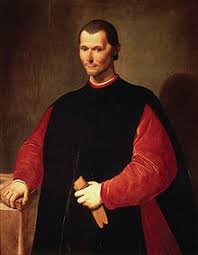
Niccolo Machiavelli
Increased media attention to “income inequality” has led some Democratic lawmakers to press for a long-overdue reform: Raising the stock threshold to 50%, making it harder for firms to abandon their country.
Yet a more comprehensive reform package would include legislation that mandates:
- American companies that move their headquarters abroad would be officially declared “agents of a foreign power engaged in hostile activity against the United States.”
- Those “foreign-owned” companies would be forbidden to sell products within the United States.
- Their assets would be subject to seizure by the Internal Revenue Service.
- The citizenship of those Americans engaged in such activity would be revoked and they would be ordered to leave the United States or face criminal prosecution for treason–and face trial for this if they returned.
Public Campaign is a non-profit, non-partisan organization dedicated to eliminating special interest money in American politics by securing publicly-funded elections at local, state and federal levels.
According to Public Campaign: “Twenty-five profitable Fortune 500 companies, some with a history of tax dodging, spent more on lobbying than they paid in federal taxes between 2008 and 2012….
“Over the past five years, these 25 corporations generated nearly $170 billion in combined profits and received $8.7 billion in tax rebates while paying their lobbyists over half a billion ($543 million), an average of nearly $300,000 a day.
“Based on newly released data by Citizens for Tax Justice, these 25 companies actually received tax refunds overall those five years.
“So most individual American families and small businesses have bigger tax bills than these corporate giants. Unfortunately, most American families and businesses do not have the lobbying operation and access these 25 companies enjoy.”
Several companies on this list are well-known–and spend millions of dollars on self-glorifying ads every year to convince consumers how wonderful they are. Among these:
- General Electric
- PG&E Corp
- Verizon Communications
- Boeing
- Consolidated Edison
- MetroPCS Communications
Republicans–and some Democrats–have tirelessly defended the greed of the richest and most privileged in America. For example, they have dubbed the estate tax–which affects only a tiny, rich minority–“the death tax.”
This makes it appear to affect everyone. So millions of poor and middle-class Americans who will never have to pay a cent in estate taxes vigorously oppose it.
It’s time to recognize that a country can be betrayed for other than political reasons. It can be sold out for economic ones, too.
Trea$on
The United States desperately needs a new definition of treason–one that takes into account the following:
- Employers who set up offshore accounts to claim their American companies are foreign-owned–and thus exempt from taxes–are traitors.
- Employers who enrich themselves by firing American workers and moving their plants to other countries–are traitors.
- Employers who systematically violate Federal immigration laws–to hire illegal aliens at cut-rate wages–instead of American workers–are traitors.
For thousands of years, otherwise highly intelligent men and women believed that kings ruled by divine right. That kings held absolute power, levied extortionate taxes and sent countless millions of men off to war–all because God wanted it that way.
That lunacy was dealt a deadly blow in 1776 when American Revolutionaries threw off the despotic rule of King George III of England.
But today, millions of Americans remain imprisoned by an equally outrageous and dangerous theory: The Theory of the Divine Right of Employers.
America can no longer afford such a dangerous fallacy as the Theory of the Divine Right of Employers.
The solution lies in remembering that the powerful never voluntarily surrender their privileges. Americans did not win their freedom from Great Britain–and its enslaving doctrine of the “divine right of kings”–by begging for their rights.
Americans will not win their freedom from their corporate masters–and the equally enslaving doctrine of “the divine right of employers”–by begging for the right to work and support themselves and their families.
And they will most certainly never win such freedom by supporting Right-wing political candidates whose first and only allegiance is to the corporate interests who bankroll their campaigns.
Corporations can–and do–spend millions of dollars on TV ads, selling lies–such as if the wealthy are forced to pay their fair share of taxes, jobs will inevitably disappear.
But Americans can choose to reject those lies–and demand that employers behave like patriots instead of predators.


ABC NEWS, ACADEMY AWARDS, ALTERNET, AMERICABLOG, AP, BABY BOOMER RESISTANCE, BARACK OBAMA, BBC, BEN-HUR, BLOOMBERG NEWS, BUZZFEED, CBS NEWS, CHARLTON HESTON, CNN, CROOKS AND LIARS, DAILY KOZ, DRUDGE REPORT, EL CID, FACEBOOK, FIVETHIRTYEIGHT, FOX NEWS, GUN CONTROL, HARPER’S MAGAZINE, HUFFINGTON POST, JIM CARREY, JOHN F. KENNEDY, KHARTOUM, MAJOR DUNDEE, MEDIA MATTERS, MOSES, MOTHER JONES, MOVEON, MOVIES, MSNBC, NATIONAL RIFLE ASSOCIATION, NBC NEWS, NEW REPUBLIC, NEWSDAY, NEWSWEEK, NPR, PBS NEWSHOUR, PLANET OF THE APES, POLITICO, POLITICUSUSA, RAW STORY, REUTERS, RICHARD M. NIXON, ROBERT F. KENNEDY, SALON, SCREEN ACTORS GUILD, SEATTLE TIMES, SLATE, TALKING POINTS MEMO, THE ATLANTIC, THE CHICAGO SUN-TIMES, THE CHICAGO TRIBUNE, THE DAILY BEAST, THE DAILY BLOG, THE GUARDIAN, THE HILL, THE HUFFINGTON POST, THE LOS ANGELES TIMES, THE NATION, THE NEW REPUBLIC, THE NEW YORK TIMES, THE NEW YORKER, THE TEN COMMANDMENTS, THE VILLAGE VOICE, THE WAR LORD, THE WASHINGTON POST, THE WASHINGTONPOST, THINKPROGRESS, TIME, TRUTHDIG, TRUTHOUT, TWITTER, TWO POLITICAL JUNKIES, U.S. NEWS & WORLD REPORT, UPI, USA TODAY, WONKETTE
HUMOR VS. HITMEN: PART ONE (OF TWO)
In Bureaucracy, History, Humor, Law Enforcement, Social commentary on February 22, 2018 at 12:05 amBullies do not like to be mocked.
Anyone who doubts this need only examine the Right’s reaction to actor Jim Carrey’s March, 2013 “Cold Dead Hand” music video.
In this, Carrey—–a strong advocate of gun control—mocked the National Rifle Association (NRA) and its right-wing allies.
These included rural America and (for the video’s purposes) the late actor Charlton Heston, who served as the NRA’s five-term president (1998-2003).
Jim Carrey as Charlton Heston
The video featured Carrey and alt-rock band Eels as “Lonesome Earl And The Clutterbusters,” a country band on a TV set modeled after the 1960s variety show, “Hee Haw.” Carrey also portrayed Heston as a dim-witted, teeth-clenching champion of the NRA.
“I find the gun problem frustrating,” Carrey said in a press release, “and ‘Cold Dead Hand’ is my fun little way of expressing that frustration.”
Carrey’s frustration triggered NRA outrage.
Click here: Jim Carrey’s Pro-Gun Control Stance Angers Conservatives
Fox News personality Greg Gutfeld ranted: “He is probably the most pathetic tool on the face of the earth and I hope his career is dead and I hope he ends up sleeping in a car.
“This video made me want to go out and buy a gun. He thinks this is biting satire going after rural America and a dead man… He’s a dirty, stinking coward… He’s such a pathetic, sad, little freak. He’s a gibbering mess. He’s a modern bigot.”
Columnist Larry Elder spared no venom in attacking Carrey: “Let’s be charitable—call Carrey ignorant, not stupid.”
Click here: Jim Carrey: Not ‘Dumb & Dumber,’ Just Ignorant
Much of his March 29 column centered on defending Heston, who died at 84 in 2008.
A lyric in Carrey’s song says “Charlton Heston’s movies are no longer in demand.” This prompted Elder to defend the continuing popularity of Heston’s 1956 movie, “The Ten Commandments,” where he played Moses.
Elder felt compelled to defend Heston’s off-screen persona as well, citing his 64-year marriage to his college sweetheart, Lydia.
On the other hand, writes Elder, Carrey, “followed the well-worn Hollywood path: Get famous; get rich; dump the first wife/mother of your kid(s), who stood by you during the tough times; and act out your social life in the tabs to the embarrassment of your kid(s).”
Clearly, Carrey’s video struck a nerve with Right-wing gun fanatics. But why?
Start with Gutfield’s accusation that Carry was “going after rural America.”
Rural America—home of the most superstitious, ignorant and knee-jerk Fascistic elements in American society—boastfully refers to itself as “The Heartland.”
In short: a prime NRA and Rightist constituency.
It was rural America to which Senator Barack Obama referred—accurately—during his 2008 Presidential campaign:
“They get bitter, they cling to guns or religion or antipathy to people who aren’t like them or anti-immigrant sentiment or anti-trade sentiment as a way to explain their frustrations.”
Second, there’s Elder’s outrage that Carrey should dare to say that Heston’s movies “are no longer in demand.”
Among these movies: “Major Dundee,” “El Cid,” “Khartoum,” “The War Lord.” And even the hammiest film for which he is best-known: “The Ten Commandments.”
In a film career spanning 62 years, Heston vividly portrayed such historical characters as:
And he played fictitious characters, too:
Heston was a widely respected actor who won the Academy Award for Best Actor in 1959 for “Ben Hur” and servecd as the president of the Screen Actors Guild from 1965 to 1971.
But it was not Heston’s film career that Carrey focused on—but his role as president of the NRA.
Charlton Heston at the NRA convention
Ironically, Heston had identified himself with liberal causes long before he became the face and voice of the gun lobby.
In 1961, he campaigned for Senator John F. Kennedy for President. In 1963, he took part in Martin Luther King’s March on Washington.
In 1968, after the assassination of Senator Robert F. Kennedy, he joined actors Kirk Douglas, James Stewart and Gregory Peck in issuing a statement supporting President Lyndon Johnson’s Gun Control Act of 1968.
But over the coming decades, Heston became increasingly conservative:
When asked why he changed political alliances, Heston replied: “I didn’t change. The Democratic party changed.”
Share this: