Posts Tagged ‘NICCOLO MACHIAVELLI’
2016 PRESIDENTIAL RACE, ABC NEWS, ALEXANDRIA OCASIO-CORTEZ, ALTERNET, AMERICABLOG, AP, AYANNA PRESSLEY, BABY BOOMER RESISTANCE, BOB WOODWARD, BRIBERY, BUZZFEED, CBS NEWS, CNN, CROOKS AND LIARS, DAILY KOZ, DAVID BERLANGA, DRUDGE RETORT, ELLIOT NESS, ERIC SCHNEIDERMAN, FACEBOOK, FIVETHIRTYEIGHT, FRANCISCO "PANCHO" VILLA, GREG ABBOTT, HARPER’S MAGAZINE, ILHAN OMAR, INTIMIDATION, JAMES CARLOS BLAKE, JEFF SESSIONS, JOHN OWENS, KEN PAXTON, MEDIA MATTERS, MEXICAN REVOLUTION, MOTHER JONES, MOVEON, MSNBC, NBC NEWS, NEWSWEEK, NICCOLO MACHIAVELLI, NON-DISCLOSURE AGREEMENTS, NPR, PAM BONDI, PBS NEWSHOUR, POLITICO, POLITICUSUSA, RASHIDA TLAIB, RAW STORY, REPUBLICAN CONVENTION, REUTERS, ROBERT MUELLER, ROD ROSENSTEIN, RODOLFO FIERRO, SALON, SEATTLE TIMES, SLATE, TALKING POINTS MEMO, THE ATLANTIC, THE CHICAGO SUN-TIMES, THE CHICAGO TRIBUNE, THE DAILY BEAST, THE DAILY BLOG, THE DISCOURSES, THE FRIENDS OF PANCHO VILLA (BOOK), THE GUARDIAN, THE HILL, THE HUFFINGTON POST, THE LOS ANGELES TIMES, THE NATION, THE NEW REPUBLIC, THE NEW YORK TIMES, THE VILLAGE VOICE, THE WASHINGTON POST, THINKPROGRESS, TIME, TRUMP UNIVERSITY, TRUTHDIG, TRUTHOUT, TWITTER, TWO POLITICAL JUNKIES, U.S. NEWS & WORLD REPORT, UPI, USA TODAY, USA TODAY DONALD TRUMP, WONKETTE
In Bureaucracy, History, Law, Politics, Social commentary on May 21, 2020 at 12:54 am
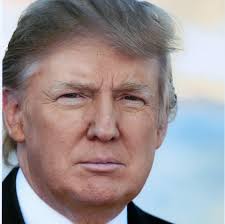
On July 14, 2019, President Donald Trump unleashed a brutal Twitter attack on four Democratic members of the House of Representatives who had harshly criticized his anti-immigration policies:
“So interesting to see “Progressive” Democrat Congresswomen, who originally came from countries whose governments are a complete and total catastrophe, the worst, most corrupt and inept anywhere in the world (if they even have a functioning government at all), now loudly……
“….and viciously telling the people of the United States, the greatest and most powerful Nation on earth, how our government is to be run. Why don’t they go back and help fix the totally broken and crime infested places from which they came. Then come back and show us how….
“….it is done. These places need your help badly, you can’t leave fast enough. I’m sure that Nancy Pelosi would be very happy to quickly work out free travel arrangements!”
Donald Trump
The Democrats—all female, and all non-white—were:
- Alexandria Ocasio-Cortez of New York;
- Rashida Tlaib of Michigan;
- Ilhan Omar of Minnesota and
- Ayanna Pressley of Massachusetts.
Of the Congresswomen that Trump singled out:
- Cortez was born in New York City.
- Tlaib was born in Detroit, Michigan.
- Pressley was born in Cincinnati, Ohio.
Only Omar was born outside the United States—in Somalia. And she became an American citizen in 2000 when she was 17 years old.
Critics have assailed Trump as racist for implying that these women were not United States citizens.
Moreover, as members of Congress, they had a legal right to declare “how our government is to be run.” Republicans in the House and Senate vigorously—and often viciously—asserted that right during the Presidency of Barack Obama.
Ocasio-Cortez quickly struck back on Twitter on the same day: “You are angry because you don’t believe in an America where I represent New York 14, where the good people of Minnesota elected , where fights for Michigan families, where champions little girls in Boston.
“You are angry because you can’t conceive of an America that includes us. You rely on a frightened America for your plunder.
“You won’t accept a nation that sees healthcare as a right or education as a #1 priority, especially where we’re the ones fighting for it. Yet here we are.”

Alexandria Ocasio-Cortez
But then followed the most significant part of Cortez’ reply:
“But you know what’s the rub of it all, Mr. President? On top of not accepting an America that elected us, you cannot accept that we don’t fear you, either.
“You can’t accept that we will call your bluff & offer a positive vision for this country. And that’s what makes you seethe.”
“You cannot accept that we don’t fear you, either.”
For all his adult life, Donald Trump—as a businessman, Presidential candidate and now President—has trafficked in bribery and coercion.
First bribery:
- Florida Attorney General Pam Bondi personally solicited a political contribution from Donald Trump around the same time her office deliberated joining an investigation of alleged fraud at Trump University and its affiliates.
- After Bondi dropped the Trump University case, he wrote her a $25,000 check for her re-election campaign. The money came from the Donald J. Trump Foundation.
- Republican Texas Attorney General Ken Paxton moved to muzzle a former state regulator who says he was ordered in 2010 to drop a fraud investigation into Trump University for political reasons.
- Paxton’s office issued a cease and desist letter to former Deputy Chief of Consumer Protection John Owens after he made public copies of a 14-page internal summary of the state’s case against Donald Trump for scamming millions from students of his now-defunct real estate seminar.
- After the Texas case was dropped, Trump cut a $35,000 check to the gubernatorial campaign of then-attorney general and now Texas Governor Greg Abbott.
Now coercion:
- Throughout his career as a businessman, Trump forced his employees to sign Non-Disclosure Agreements, threatening them with lawsuits if they revealed secrets of his greed and/or criminality.
- In 2016. USA Today found that Trump was involved in over 3,500 lawsuits during the previous 30 years: “At least 60 lawsuits, along with hundreds of liens, judgments, and other government filings” were from contractors claiming they got stiffed.
- On March 16, 2016, as a Republican Presidential candidate, Trump warned Republicans that if he didn’t win the GOP nomination in July, his supporters would literally riot: “I think you’d have riots. I think you would see problems like you’ve never seen before. I think bad things would happen, I really do. I wouldn’t lead it, but I think bad things would happen.”
- An NBC reporter summed it up as: “The message to Republicans was clear: ‘Nice convention you got there. Shame if something happened to it.'”
- Speaking with Bob Woodward, the legendary Washington Post investigative reporter, Trump confessed: “Real power is—I don’t even want to use the word—fear.”
- During his Presidential campaign he encouraged Right-wing thugs to attack dissenters at his rallies, even claiming he would pay their legal expenses.
But when he has confronted men and women who can’t be bribed or intimidated, Trump has reacted with rage and desperation.
ABC NEWS, ADVICE, ALTERNET, AMERICABLOG, AP, BABY BOOMER RESISTANCE, BARACK OBAMA, BLOOMBERG, BUZZFEED, CBS NEWS, CNN, CORONAVIRUS, COVID-19, CROOKS AND LIARS, DAILY KOZ, DAVID BROOKS, DONALD TRUMP, DRUDGE RETORT, ECONOMY, EHRBERT HOOVER, FACEBOOK, FIVETHIRTYEIGHT, FRANKLIN D. ROOSEVELT, GREAT DEPRESSION, HARPER’S MAGAZINE, HARRY S. TRUMAN, MASKS, MEDIA MATTERS, MOTHER JONES, MOVEON, MSNBC, NBC NEWS, NEWSWEEK, NICCOLO MACHIAVELLI, NPR, NUEMBERG RALLIES, PBS NEWSHOUR, PENNSYLVANIA, POLITICO, POLITICUSUSA, RAW STORY, REUTERS, SALON, SEATTLE TIMES, SLATE, SOCIAL DISTANCING, TALKING POINTS MEMO, THE ATLANTIC, THE CHICAGO SUN-TIMES, THE CHICAGO TRIBUNE, THE DAILY BEAST, THE DAILY BLOG, THE DISCOURSES, THE GUARDIAN, THE HILL, THE HUFFINGTON POST, THE LOS ANGELES TIMES, THE NATION, THE NEW REPUBLIC, THE NEW YORK TIMES, THE PBS NEWSHOUR, THE VILLAGE VOICE, THE WASHINGTON POST, THINKPROGRESS, TIME, TRUTHDIG, TRUTHOUT, TWITTER, TWO POLITICAL JUNKIES, U.S. NEWS & WORLD REPORT, UPI, USA TODAY, WISCONSIN, WONKETTE
In Bureaucracy, History, Medical, Politics, Social commentary on May 20, 2020 at 12:05 am
For all his ruthlessness and duplicity, it’s almost a certainty that Donald Trump has never read the works of Niccolo Machiavelli, the father of modern political science.
Machiavelli (1469 – 1527) is widely thought of as the personification of Satan.
In fact, Machiavelli was a passionate Republican, who spent most of his adult life in the service of his beloved city-state, Florence.
Florence, for all its wealth, lacked a strong army, and thus lay at the mercy of powerful enemies, such as Cesare Borgia. Machiavelli often had to use his wits to keep them at bay.

Niccolo Machiavelli
Contrary to popular belief, Machiavelli did not advocate evil for its own sake.
Rather, he recognized that sometimes there is no perfect solution to a problem. He realized that men—and nations—are not always masters of their fates. And he warned that there is no course of action that is guaranteed safe or successful.
Donald Trump, on the other hand, is a man of simplistic “solutions” for simplistic audiences.
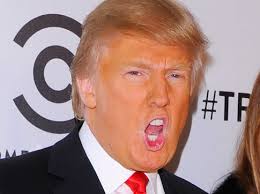
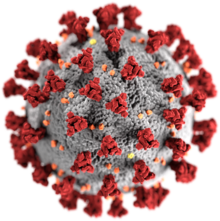
By early April, he opposed the issuing of a national “stay-at-home” order to contain the spread of the Coronavirus. But, one by one, states began issuing shutdown orders of their own. Since then, he has railed against those orders and demanded that “we need to reopen the country.”
Donald Trump
What lies behind this demand are two hidden agendas:
First, throughout his Presidency, Trump has claimed sole credit for a booming economy—even though this was largely the result of the administration of President Barack Obama.
Second, Trump wants to return to his Nuremberg-style rallies, where he can slander anyone he wants while basking in the worship of thousands of his fanatical followers.
His White House “Coronavirus briefings” have been his pale substitute for dispensing propaganda under the guise of sharing reliable medical information.
Which is why he has clearly missed this warning, offered in Machiavelli’s masterwork, The Discourses:
“…I shall speak here only of those dangers to which those expose themselves who counsel a republic or a prince to undertake some grave and important enterprise in such a manner as to take upon themselves all the responsibility of the same.
“For as men only judge of matters by the result, all the blame of failure is charged upon him who first advised it, while in case of success he receives commendations. But the reward never equals the punishment….
“Certainly those who counsel princes and republics are placed between two dangers. If they do not advise what seems to them for the good of the republic or the prince, regardless of the consequences to themselves, then they fail of their duty….
“I see no other course than to take things moderately, and not to undertake to advocate any enterprise with too much zeal, but to give one’s advice calmly and modestly.
“If either then the republic or the prince decides to follow it, they may do so, as it were, of their own will, and not as though they were drawn into it by your importunity.
“In adopting this course it is not reasonable to suppose that either the prince or republic will manifest any ill will towards you on account of a resolution not taken contrary to the wishes of the many.”
Right now, more Americans are wary of “reopening the country” than they are rushing to do so.
On the May 15 edition of The PBS Newshour, New York Times columnist David Brooks noted:
“If you look at actual behavior, people locked themselves down before any politician took a move. And even in those states where the politicians are opening up, people are still locking down….
“You look at the movement based on cell phone tracking. Red and blue states have the same amount of movement. The same number of people basically in state after state are staying home. And red and blue states, there’s no correlation between whether it’s a red and blue state and whether people are doing better or worse.
“And so I think the key decisions right now are not being made in statehouses and certainly not the White House. They’re being made in living rooms, as people decide, is it safe? Can I go out?”
Coronavirus
By pushing his mantra—“America needs to reopen NOW!”—Trump is risking the lives of millions of Americans. But he is also risking the future of his Presidency.
Several states—such as Wisconsin and Pennsylvania—that have re-opened have seen swarms of people flooding into bars and restaurants. They weren’t wearing masks or practicing “social distancing.” Packed together like sardines, they offered themselves like a sacrifice to Coronavirus.
If a new wave of COVID-19 breaks out after America “reopens,” Trump will be seen—as Machiavelli warns—as the primary instigator of that “reopening.” He will also be seen as the primary cause of that re-infection.
Herbert Hoover did not create the Great Depression. But he presided over the first three years of it. And that was enough to elect Franklin D. Roosevelt for 12 years and give Harry S. Truman another eight.
Trump—unintentionally—is offering Democrats another chance to own the Presidency for a generation.
ABC NEWS, ALTERNET, AMERICABLOG, ANTI STAY-AT-HOME DEMONSTRATIONS, AP, BABY BOOMER RESISTANCE, BENITO MUSSOLINI, BLOOMBERG, BUZZFEED, CAESARE BORGIA, CBS NEWS, CNN, CORONAVIRUS, COVID-19, CROOKS AND LIARS, DAILY KOZ, DONALD TRUMP, DRUDGE RETORT, FACEBOOK, FIVETHIRTYEIGHT, FLORENCE, HARPER’S MAGAZINE, JOSEPH STALIN, LEMMINGS, MEDIA MATTERS, MOTHER JONES, MOVEON, MSNBC, NBC NEWS, NEWSWEEK, NICCOLO MACHIAVELLI, NORMAN MCNICKLE, NPR, OKLAHOMA, PBS NEWSHOUR, POLITICO, POLITICS, POLITICUSUSA, POPE JULIUS 11, RAW STORY, REUTERS, SALON, SEATTLE TIMES, SLATE, TALKING POINTS MEMO, THE ATLANTIC, THE CHICAGO SUN-TIMES, THE CHICAGO TRIBUNE, THE DAILY BEAST, THE DAILY BLOG, THE GUARDIAN, THE HILL, THE HUFFINGTON POST, THE LOS ANGELES TIMES, THE NATION, THE NEW REPUBLIC, THE NEW YORK TIMES, THE PRINCE, THE VILLAGE VOICE, THE WASHINGTON POST, THINKPROGRESS, TIME, TRUTHDIG, TRUTHOUT, TWITTER, TWO POLITICAL JUNKIES, U.S. NEWS & WORLD REPORT, UPI, USA TODAY, WILL JOYCE, WONKETTE
In Bureaucracy, History, Law Enforcement, Politics, Social commentary on May 5, 2020 at 12:05 am
Ask the average person, “What do you think of Niccolo Machiavelli?” and he’s likely to say: “The devil.”
In fact, “The Old Nick” became an English term used to describe Satan and slander Machiavelli at the same time.
The truth, however, is more complex. Machiavelli was a passionate Republican, who spent most of his adult life in the service of his beloved city-state, Florence.
Florence, for all its wealth, lacked a strong army, and thus lay at the mercy of powerful enemies, such as Cesare Borgia. Machiavelli often had to use his wits to keep them at bay.
Machiavelli (1469 – 1527) is best-known for his writing of The Prince, a pamphlet on the arts of gaining and holding power. Its admirers have included Benito Mussolini and Joseph Stalin.
Niccolo Machiavelli
Contrary to popular belief, Machiavelli did not advocate evil for its own sake. Rather, he recognized that sometimes there is no perfect—or perfectly good—solution to a problem.
Sometimes it’s necessary to take stern—even brutal—action to stop an evil (such as a riot) before it becomes widespread:
In Chapter 19 of The Prince, he outlines: “That We Must Avoid Being Despised and Hated.” According to Machiavelli:
He is rendered despicable by being thought changeable, frivolous, effeminate, timid and irresolute—which a prince must guard against as a rock of danger….
[He] must contrive that his actions show grandeur, spirit, gravity and fortitude. As to the government of his subjects, let his sentence be irrevocable, and let him adhere to his decisions so that no one may think of deceiving or cozening him.
And in Chapter 17, he advises rulers to not fear taking decisive—even brutal—action when public order is threatened:
…A prince, therefore, must not mind incurring the charge of cruelty for the purpose of keeping his subjects united and faithful. For, with a very few examples, he will be more merciful than those who, from excess of tenderness, allow disorders to arise, from whence spring blood and rapine. For these as a rule injure the whole community, while the executions carried out by the prince injure only individuals.

The mayor of Stillwater, Oklahoma, would have done well to remember that.
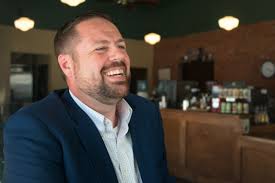
On April 30, Mayor Will Joyce issued an emergency proclamation, requiring the use of face masks in stores and restaurants by both customers and employees.
With more than 60,000 Americans dead of the Coronavirus pandemic, this no doubt seemed like a prudent course of action.
But common sense is not a quality characteristic of the radical Right—particularly among the followers of President Donald Trump.
For weeks, demonstrations have erupted across the country against stay-at-home orders issued by mayors and governors in a desperate effort to halt the spread of COVID-19.
While those protesting have claimed they’re “fighting for my Constitutional rights,” the real reasons come down to: Ignorance and egotism.
Less than 24 hours after issuing the emergency declaration, the mayor backed down.
“In the short time beginning on May 1, 2020, that face coverings have been required for entry into stores/restaurants, store employees have been threatened with physical violence and showered with verbal abuse,” City Manager Norman McNickle said in a statement. “In addition, there has been one threat of violence using a firearm.
“This has occurred in three short hours and in the face of clear medical evidence that face coverings helps contain the spread of Covid-19.”
In a series of tweets, Mayor Joyce wrote: “I hate that our businesses and their employees had to deal with abuse today, and I apologize for putting them in that position.
“I am not the kind of person who backs down from bullies, but I also will not send someone else to fight the battle for me,”
Will Joyce
The proclamation issued on April 30 required businesses to require patrons to cover their faces to protect others from possible spread of COVID-19.
Joyce’s amended emergency declaration now encourages, not requires, face coverings for customers. Face masks are still required for store employees and are now “strongly recommended” for customers.
Oklahoma statute § 21-1378 states that it is unlawful to attempt or threaten an act of violence that is intended to cause severe bodily harm or death to another person. Such an act is a felony. A threat to kill or harm someone is a misdemeanor.
But laws are useless without the capacity for enforcement. And clearly Joyce was unwilling to order police to arrest and jail the threat-makers.
Instead, Joyce resorted to Twitter to “strike back” at those who posed a clear and present threat to public safety:
“To the people who resort to threats and intimidation when asked to take a simple step to protect your community: shame on you. Our freedom as Americans comes with responsibilities, too.”
In a similar gesture of official impotence, City manager Norman McNickle said:”The wearing of face coverings is little inconvenience to protect both the wearer and anyone with whom they have contact. It is unfortunate and distressing that those who refuse and threaten violence are so self-absorbed as to not follow what is a simple show of respect and kindness to others.”
ABC NEWS, AL PACINO, ALLSTATE INSURANCE, ALTERNET, AMERICABLOG, AP, BABY BOOMER RESISTANCE, BANK OF AMERICA, BANKS, BLOOMBERG, BUZZFEED, CBS NEWS, CHARLES SCHWAB, CNN, CROOKS AND LIARS, DAILY KOS, DAILY KOZ, DRUDGE RETORT, DRUG CARTELS, DRUG TRAFFICKING, FACEBOOK, FINANCIAL INDUSTRY REGULATORY AUTHORITY, FIVETHIRTYEIGHT, GREED, HARPER’S MAGAZINE, MAFIA, MEDIA MATTERS, MERRILL LY NCH, MERRILL LYNCH, MONEY-LAUNDERING, MOTHER JONES, MOVEON, MSNBC, NBC NEWS, NEWSWEEK, NICCOLO MACHIAVELLI, NPR, ORGANIZED CRIME, PBS NEWSHOUR, POLITICO, POLITICUSUSA, RAW STORY, REUTERS, SALON, SCARFACE (MOVIE), SEATTLE TIMES, SECURITIES AND EXCHANGE COMMISSION, SLATE, TALKING POINTS MEMO, THE ATLANTIC, THE CHICAGO SUH-TIMES, THE CHICAGO SUN-TIMES, THE CHICAGO TRIBUNE, THE DAILY BEAST, THE DAILY BLOG, THE GUARDIAN, THE HILL, THE HUFFINGTON POST, THE LOS ANGELES TIMES, THE NATION, THE NEW REPUBLIC, THE NEW YORK TIMES, THE VILLAGE VOICE, THE WALL STREET JOURNAL, THE WASHINGTON POST, THINKPROGRESS, TIME, TRUTHDIG, TRUTHOUT, TWITTER, TWO POLITICAL JUNKIES, U.S. NEWS & WORLD REPORT, UPI, USA TODAY, USA TODAY CNN, WONKETTE
In Bureaucracy, History, Law, Law Enforcement, Politics, Social commentary on April 16, 2020 at 3:50 am
It’s a scene familiar to anyone who’s seen Scarface, the 1983 classic starring Al Pacino as a Cuban drug dealer who makes it big in the cocaine business.

Tony Montana (Pacino) is holding court in his Florida estate. His visitor is a WASPish banker.
Bankers as a rule don’t make house calls. But Tony is no ordinary customer—his men literally haul bags full of bills into the bank when making deposits.
Except that now the banker has some unpleasant news for Tony: “We’re not a wholesale operation. We’re a legitimate bank. The more cash you give me……the harder it is for me to rinse. The fact is I can’t take any more of your money unless I raise the rates on you.”
Then follows this exchange:
TONY: You gonna raise…
BANKER: I gotta do it.
BANKER: The IRS is coming….
TONY: Don’t give me that shit! Let’s talk. I’m talking. I go low, you go high. I know the game. This is business talk.
BANKER: Let me explain something. The IRS is coming down heavy on South Florida. There was a Time magazine story that didn’t help. There’s a recession. I got stockholders I got to be responsible for. I got to do it, Tony.
TONY: We’ll go somewhere else. That’s it.
BANKER: There’s no place else to go.
TONY: Fuck you, man! Fuck you! I’ll fly the cash myself to the Bahamas.
BANKER: Once maybe. Then what? You’ll trust some monkey in a Bahamian bank with millions of your hard-earned dollars? Come on, Tony. Don’t be a schmuck. Who else can you trust? That’s why you pay us what you do. You trust us.
Stay with us. You’re a well-liked customer. You’re in good hands with us.
(At this point, movie audiences burst into laughter. The line, “You’re in good hands with us” seemed directly lifted from the slogan used by Allstate Insurance: “You’re in good hands with Allstate.”)
Now, fast forward to 2014.
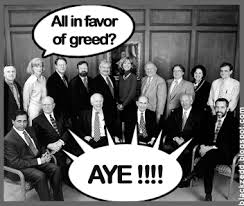
A Reuters news story dated May 21, 2014 noted that investigators from the Federal Securities and Exchange Commission (SEC) were probing Charles Schwab and Bank of America Corporations Merrill Lynch brokerage.
The SEC wants to determine if these brokerages violated anti-money laundering rules that require financial institutions to know their customers.
Broker-dealers are required to establish, document and identify customers and verify their identities in compliance with the Bank Secrecy Act.
In 2012, David Cohen, the U.S. Treasury Undersecretary for Terrorism and Financial Intelligence David Cohen, ordered regulators to guarantee that financial institutions are identifying the true beneficial owners of their accounts.
The reason: Drug cartels and terrorist groups have become highly creative in hiding and transferring their illegal funds.
According to sources close to the investigation, Charles Schwab and Merrill accepted shell companies and persons with phony addresses as clients.
In both cases, some of the accounts were eventually linked to drug cartels. Some of those accounts held hundreds of thousands of dollars; others held millions.
A Texas rancher and Charles Schwab client transferred money to a holding company that was actually a shell company.
Most of the Schwab clients being investigated lived near the Mexican border. Some were linked to Mexican drug cartels.
Click here: Exclusive: SEC probes Schwab, Merrill, for anti-money laundering violations – sources | Reuters
In December, 2017, the the Financial Industry Regulatory Authority fined Merrill Lynch $26 million for failing to identify suspicious money-transfer activities in customer accounts for years.
In fact, the government should have assumed long ago that brokerage companies were engaging in such behavior.
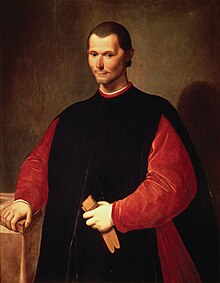
As Niccolo Machiavelli warned in The Discourses, his landmark book on how to preserve freedom within a republic:
All those who have written upon civil institutions demonstrate…that whoever desires to found a state and give it laws, must start with assuming that all men are bad and ever ready to display their vicious nature, whenever they may find occasion for it.
Niccolo Machiavelli
If their evil disposition remains concealed for a time, it must be attributed to some unknown reason; and we must assume that it lacked occasion to show itself.
But time, which has been said to be the father of all truth, does not fail to bring it to light.
Whenever the creating of wealth becomes an end in itself, all other ends are sacrificed to this.
Greed begins in the neurochemistry of the brain. A neurotransmitter called dopamine fuels our greed. The higher the dopamine levels in the brain, the greater the pleasure we experience.
Harvard researcher Hans Breiter has found, via magnetic resonance imaging studies, that the craving for money activates the same regions of the brain as the lust for sex, cocaine or any other pleasure-inducer.
But snorting the same amount of cocaine, or earning the same sum of money, does not cause dopamine levels to increase. So the pleasure-seeker must increase the amount of stimuli to keep enjoying the euphoria.
Federal investigators need to view large concentrations of wealth as sources for at least potential corruption.
And they should ruthlessly—and routinely—investigate those sources, whether in the vaults of the Mafia or of major financial institutions.
2016 PRESIDENTIAL ELECTION, 2020 PRESIDENTIAL ELECTION, ABC NEWS, ADAM SCHIFF, ADOLF HITLER, ALTERNET, AMERICABLOG, AP, ARMENIA, BABY BOOMER RESISTANCE, BBC, BUZZFEED, CBS NEWS, CHARLES PIERCE, CNN, CONVERSATION WITH AN AMERICAN WRITER (POEM), CORY GARDNER, CORY GRADINER, CROOKS AND LIARS, DAILY KOS, DAILY KOZ, DIMITRI SHOSTAKOVICH, DONALD TRUMP, ESQUIRE MAGAZINE, FACEBOOK, FBI, FIVETHIRTYEIGHT, FOREIGN SERVICE, GREAT TERROR, HOUSE INTELLIGENCE COMMITTEE, HOUSE OF REPRESENTATIVES, HUNTER BIDEN, JAMES COMEY, JEFF SESSIONS, JOE BIDEN, JONI ERNST, JOSEPH STALIN, KEITH SCHILLER, KYRGYZSTAN, MARIA YOVANOVITCH, MARIE YOVANOVICH, MARTHA MCSALLY, MICHAEL ATKINSON, MIKE FLYNN, MIKHAIL TUKHACHEVESKY, MOTHER JONES, MOVEON, MSNBC, NAZI GERMANY, NBC NEWS, NEWSWEEK, NICCOLO MACHIAVELLI, NIKITA KHRUSHCHEV, NIKOLAI ZHILAYEV, NPR, PBS NEWSHOUR, POLITICO, POLITICUSUSA, RAW STORY, REUTERS, ROBERT MUELLER III, ROD ROSENSTEIN, RUDOLPH GIULIANI, RUDY GIULIANI, RUSSIAN ESPIONAGEky, SALON, SEATTLE TIMES, SENATE INTELLIGENCE COMMITTEE, SERGEY KISLYAK, SERGEY LAVOV, SLATE, SOVIET UNION, STATE DEPARTMENT, TALKING POINTS MEMO, THE ATLANTIC, THE CHICAGO SUN-TIMES, THE CHICAGO TRIBUNE, THE DAILY BEAST, THE DAILY BLOG, THE DISCOURSES, THE GUARDIAN, THE HILL, THE HUFFINGTON POST, THE LOS ANGELES TIMES, THE NATION, THE NEW YORK TIMES, THE WALL STREET JOURNAL, THE WASHINGTON POST, THINKPROGRESS, THOM TILLIS, TIME, TRUTHDIG, TWITTER, U.S. NEWS & WORLD REPORT, UKRAINE, UPI, USA TODAY, WEHRMACHT, WORLD WAR 11, YEVGENEY YEVTUSHENKO
In Bureaucracy, History, Medical, Military, Politics, Social commentary on April 10, 2020 at 12:04 am
On March 30, Captain Brett Crozier, commanding the nuclear aircraft carrier USS Theodore Roosevelt, sent a four-page internal letter to multiple Naval officials, pleading to have the majority of the crew evacuated and quarantined on shore in Guam.
The reason: Dozens of his crew members had been stricken with the deadly Coronavirus. And the ship’s cramped compartments and narrow passageways made “social distancing” impossible.
On March 31, someone leaked the letter to the San Francisco Chronicle, which published it.
On April 1, the Navy ordered the aircraft carrier evacuated.
On April 2, Crozier was relieved of command by acting United States Secretary of the Navy Thomas Modly.
Not content to fire Crozier, Modly visited the ship and stated over its public address system: “If he didn’t think, in my opinion, that this information wasn’t going to get out to the public, in this day and information age that we live in, then he was either (a) too naïve or too stupid to be a commanding officer of a ship like this. The alternative is that he did this on purpose.
“It was a betrayal of trust with me, with his chain of command, with you.”
Thus, for Modly, Crozier’s “crime” was making public what everyone on the ship and countless Navy officials knew.
President Donald Trump echoed Modly’s attitude: “The letter was a five-page letter from a captain, and the letter was all over the place. That’s not appropriate.
“I thought it was terrible, what he did, to write a letter. I mean, this isn’t a class on literature. This is a captain of a massive ship that’s nuclear powered. And he shouldn’t be talking that way in a letter.”
But Crozier wasn’t the only victim of Trump’s “integrity-is-treason” mindset that week.
On April 3, Trump informed Congress that he was removing Michael Atkinson, the inspector general who alerted Congress to his extortion attempt against Volodymyr Zelensky, the president of Ukraine, on July 25, 2019.
Trump told Zelensky: Find embarrassing “dirt” on former Vice President Joseph Biden and his son, Hunter.
Hunter had had business dealings in Ukraine. And Joe Biden might be Trump’s Democratic opponent for the White House in 2020.
To underline the seriousness of his “request,” Trump had withheld $400 million in promised military aid to Ukraine, which is facing an increasingly aggressive Russia.
Reporters asked Congressional Republicans: “Is it appropriate for President Donald Trump to ask a foreign government to investigate his political opponent?”
Donald Trump
And those Republicans refusing to answer or condemn such behavior:
Iowa Senator Joni Ernst: “We don’t have all the facts, we don’t know what is accurate. We have a picture painted by the media and we don’t know if that picture is accurate.”
Arizona Senator Martha McSally: “I think what we’ve seen out of [Speaker of the House Nancy] Pelosi and [House Intelligence Committee Chairman Adam] Schiff and others in the House is quite partisan and I think people want us to take a serious look at this and not have it be just partisan bickering going on.”
North Carolina Senator Thom Tillis: “I’m going to leave it to the President to make that decision” on whether his actions were appropriate.
The reason for Republicans’ deafening silence: They didn’t want to anger Trump or his fanatical supporters. And they feared losing their Congressional seats and the perks that go with them.
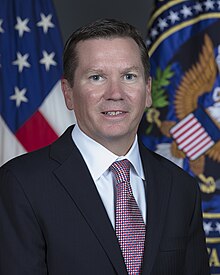
Michael Atkinson, the Inspector General of the Intelligence Community, showed no such fear.
After the September 11, 2001 attacks on New York and Washington, Atkinson left private law practice and worked for the United States Department of Justice for 15 years.
In 2017, President Trump nominated him as Inspector General of the Intelligence Community. The Senate confirmed him in 2018.
Michael Atkinson
Atkinson, informed by an Intelligence whistleblower of Trump’s extortion attempt, was appalled. He believed that he was obligated by law to report it to the House and Senate Intelligence Committees.
Trump was ultimately impeached by the Democratic-controlled House of Representatives for abusing his office for personal political gain and obstruction of Congress.
But a Republican-controlled Senate—which refused to hear witnesses or act on the overwhelming evidence—quickly exonerated him.
In his April 3 letter to the leaders of the House and Senate Intelligence Committees, Trump wrote: “This is to advise that I am exercising my power as President to remove from office the Inspector General of the Intelligence Community.
“it is vital that I have the fullest confidence in the appointees serving as Inspectors General. That is no longer the case with regard to this Inspector General.”
Clearly, there is a reason why Trump no longer has “the fullest confidence” in Atkinson: He can’t depend on “this Inspector General” to conceal and support any future crimes he might commit.
In his 1960 poem, “Conversation With an American Writer,” the Russian poet, Yevgeney Yevtushenko spoke for those Russians who had maintained their integrity in the face of Stalinist terror:
“You have courage,” they tell me.
It’s not true. I was never courageous.
I simply felt it unbecoming
to stoop to the cowardice of my colleagues.
Unfortunately, the same cannot be said of Republicans in the United States Senate and House of Representatives in the face of Trump terror.
2020 PRESIDENTIAL CAMPAIGN, ABC NEWS, ADOLF HITLER, ALTERNET, AMERICABLOG, AP, BABY BOOMER RESISTANCE, BBC, BRETT CROZIER, BUZZFEED, CBS NEWS, CNN, CONVERSATION WITH AN AMERICAN WRITER (POEM), COVID-19, CROOKS AND LIARS, DAILY KOS, DAILY KOZ, DIMITRI SHOSTAKOVICH, DONALD TRUMP, ESQUIRE MAGAZINE, FACEBOOK, FBI, FIVETHIRTYEIGHT, GREAT TERROR, HOUSE INTELLIGENCE COMMITTEE, HOUSE OF REPRESENTATIVES, HUNTER BIDEN, JOE BIDEN, JONI ERNST, JOSEPH STALIN, MARTHA MCSALLY, MICHAEL ATKINSON, MIKE FLYNN, MIKHAIL TUKHACHEVESKY, MOTHER JONES, MOVEON, MSNBC, NAZI GERMANY, NBC NEWS, NEWSWEEK, NICCOLO MACHIAVELLI, NIKITA KHRUSHCHEV, NIKOLAI ZHILAYEV, NPR, PBS NEWSHOUR, POLITICO, POLITICUSUSA, RAW STORY, REUTERS, ROD ROSENSTEIN, SALON, SEATTLE TIMES, SENATE INTELLIGENCE COMMITTEE, SERGEY KISLYAK, SERGEY LAVOV, SLATE, SOVIET UNION, TALKING POINTS MEMO, THE ATLANTIC, THE CHICAGO SUN-TIMES, THE CHICAGO TRIBUNE, THE DAILY BEAST, THE DAILY BLOG, THE GUARDIAN, THE HILL, THE HUFFINGTON POST, THE LOS ANGELES TIMES, THE NATION, THE NEW YORK TIMES, THE WALL STREET JOURNAL, THE WASHINGTON POST, THINKPROGRESS, THOM TILLIS, THOMAS MODLY, TIME, TRUTHDIG, TWITTER, U.S. NEWS & WORLD REPORT, UKRAINE, UNITED STATES NAVY, UPI, USA TODAY, USS THEODORE ROOSEVELT, VOLODMYR ZELENSKY, WEHRMACHT, WORLD WAR 11, YEVGENEY YEVTUSHENKO
In Bureaucracy, History, Military, Politics, Social commentary on April 9, 2020 at 12:09 am
Nikolai Sergeyvich Zhilayev (pronounced Zill-lay-ev) was a Russian musicologist and the teacher of several 20th-century Russian composers.
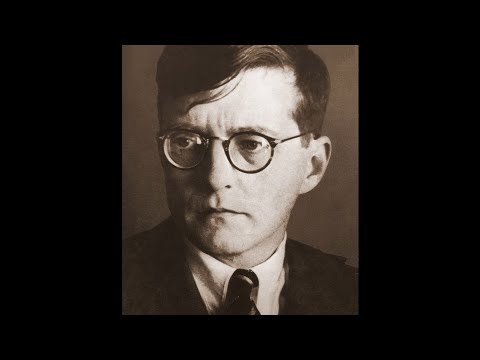
Among these: Dimitri Shostakovich (September 25, 1906 – August 9, 1975)
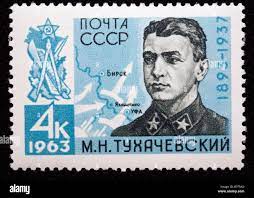
Among his friends—to his ultimate misfortune—was Mikhail Nikolayevich Tukhachevsky, the former military hero now falsely condemned and executed as a traitor by Soviet dictator Joseph Stalin.
In 1938, Zhilayev (November 18, 1881 – January 20, 1938) also became a casualty of what has become known as The Great Terror.
In his posthumously-published memoirs, Testimony, Shostakovich, his pupil and friend, described how Zhilayev faced his end with a calmness that awed even the NKVD (the predecessor to the KGB) secret police sent to arrest him.
Dimitri Shostakovich
“He had a large picture of Tukhachevsky in his room, and after the announcement that Tukhachevsky had been shot as a traitor to the homeland, Zhilayev did not take the picture down.
“I don’t know if I can explain how heroic a deed that was….As soon as the next poor soul was declared an enemy of the people, everyone destroyed in a panic everything connected with that person….
“And naturally, photographs flew into the fire first, because if someone informed on you, reported that you had a picture of an enemy of the people, it meant certain death.
“Zhilayev wasn’t afraid. When they came for him, Tukhachevsky’s prominently hung portrait amazed even the executioners.”
“What, it’s still up?” one of the secret police asked.
“The time will come,” Zhilayev replied, “when they’ll erect a monument to him.”
As, in fact, has happened.
Meanwhile, Stalin has been universally condemned as one of history’s greatest tyrants.
Mikhail Tukhachevsky appears on a 1963 Soviet Union postage stamp
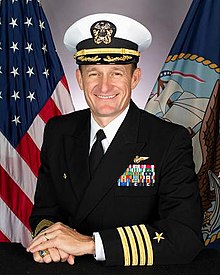
Third hero—Brett Crozier, the former commanding officer of the aircraft carrier USS Theodore Roosevelt.
Graduating from the United States Naval Academy at Annapolis in 1992, he received his Master’s Degree in National Security and Strategic Studies from the Naval War College in 2007.
From 2017 to 2018 he commanded the USS Blue Ridge. In November, 2019, he was given command of the nuclear aircraft carrier USS Theodore Roosevelt.
On March 24, 2020, reports circulated that three members of the crew had tested positive for COVID-19. The next day the number of stricken sailors increased to eight. A few days later, it was “dozens.” The sailors reportedly became ill at sea, two weeks after a port call at Danang, Vietnam.
The initial cases were airlifted to a military hospital. The Roosevelt was ordered to Guam. After the ship docked on March 27, 2020, all 5,000 aboard were ordered to be tested for the virus. But only about 100 stricken sailors were allowed to leave the ship. The rest remained on board.
On March 30, Crozier emailed a four-page internal letter to multiple Naval officials, pleading to have the majority of the crew evacuated and quarantined on shore. Given the crowded sleeping quarters and narrow passageways of the vessel, Crozier wrote that it was impossible to follow social distancing and quarantine procedures:
“This will require a political solution but it is the right thing to do. We are not at war. Sailors do not need to die. If we do not act now, we are failing to properly take care of our most trusted asset—our Sailors….
“This is a necessary risk. Keeping over 4,000 young men and women on board the TR is an unnecessary risk and breaks faith with those Sailors entrusted to our care.”
Brett Crozier
Crozier sent his letter via a non-secure, unclassified email to 20 to 30 recipients, as well as the captain’s immediate chain of command. He reportedly believed that his immediate supervisor would not allow him to send it.
And his superior later confirmed that he would not have allowed Crozier to send it.
On March 31, someone leaked the letter to the San Francisco Chronicle, which published it.
On April 1, the Navy ordered the aircraft carrier evacuated. A a skeleton crew of 400 remained aboard to maintain the nuclear reactor, the fire-fighting equipment, and the ship’s galley.
On April 2, Crozier was relieved of command by acting United States Secretary of the Navy Thomas Modly.
By that time, about 114 crew members—out of a total of around 4,000—reportedly tested positive for COVID-19.
As Crozier disembarked, sailors loudly saluted him with a standing ovation: “Cap-tain Cro-zier!”
Modly claimed that Crozier’s letter “raised alarm bells unnecessarily. It undermines our efforts and the chain of command’s efforts to address this problem, and creates a panic and this perception that the Navy’s not on the job, that the government’s not on the job, and it’s just not true.”
Actually, the Trump administration had frittered away January and February, with President Donald Trump giving multiple—and misleading—press conferences. In these, he played down the dangers of COVID-19, saying that “we’re on top of it”—even as the virus spread across the country.
“It was a betrayal. And I can tell you one other thing: because he did that he put it in the public’s forum and it is now a big controversy in Washington, DC,” continued Modly. [Italics added]
This was the United States Navy under President Donald Trump—who throws “betrayal” and “treason” at anyone who dares reveal the truth about institutional crimes and failures.
2020 PRESIDENTIAL CAMPAIGN, ABC NEWS, ADAM SCHIFF, ADOLF HITLER, ALTERNET, AMERICABLOG, AP, BABY BOOMER RESISTANCE, BBC, BRETT CROZIER, BUZZFEED, CBS NEWS, CHARLES PIERCE, CNN, CONVERSATION WITH AN AMERICAN WRITER (POEM), COVID-19, CROOKS AND LIARS, DAILY KOS, DAILY KOZ, DIMITRI SHOSTAKOVICH, DONALD TRUMP, ESQUIRE MAGAZINE, FACEBOOK, FBI, FIVETHIRTYEIGHT, FOREIGN SERVICE, GREAT TERROR, HOUSE INTELLIGENCE COMMITTEE, HOUSE OF REPRESENTATIVES, HUNTER BIDEN, JOE BIDEN, JONI ERNST, JOSEPH STALIN, MARTHA MCSALLY, MICHAEL ATKINSON, MIKHAIL TUKHACHEVESKY, MOTHER JONES, MOVEON, MSNBC, NAZI GERMANY, NBC NEWS, NEWSWEEK, NICCOLO MACHIAVELLI, NIKITA KHRUSHCHEV, NIKOLAI ZHILAYEV, NPR, PBS NEWSHOUR, POLITICO, POLITICUSUSA, RAW STORY, REUTERS, SALON, SEATTLE TIMES, SENATE INTELLIGENCE COMMITTEE, SLATE, SOVIET UNION, TALKING POINTS MEMO, THE ATLANTIC, THE CHICAGO SUN-TIMES, THE CHICAGO TRIBUNE, THE DAILY BEAST, THE DAILY BLOG, THE DISCOURSES, THE GUARDIAN, THE HILL, THE HUFFINGTON POST, THE LOS ANGELES TIMES, THE NATION, THE NEW YORK TIMES, THE WALL STREET JOURNAL, THE WASHINGTON POST, THINKPROGRESS, THOM TILLIS, THOMAS MODLY, TIME, TRUTHDIG, TWITTER, U.S. NEWS & WORLD REPORT, UKRAINE, UNITED STATES NAVY, UPI, USA TODAY, USS THEODORE ROOSEVELT, VOLODMYR ZELENSKY, WEHRMACHT, WORLD WAR 11, YEVGENEY YEVTUSHENKO
In Bureaucracy, History, Military, Politics, Social commentary on April 8, 2020 at 12:08 am
…A truly great man is ever the same under all circumstances. And if his fortune varies, exalting him at one moment and oppressing him at another, he himself never varies, but always preserves a firm courage, which is so closely interwoven with his character that everyone can readily see that the fickleness of fortune has no power over him.
The conduct of weak men is very different. Made vain and intoxicated by good fortune, they attribute their success to merits which they do not possess. And this makes them odious and insupportable to all around them. And when they have afterwards to meet a reverse of fortune, they quickly fall into the other extreme, and become abject and vile.
—Niccolo Machiavelli, The Discourses
Four heroes, three villains.
Two of the heroes are Russians; two are Americans.
The villains: One Russian (actually, Georgian); two American.
First up—in order of disappearance: Mikhail Nikolayevich Tukhachevsky (pronounced too-ka-chev-sky)
Tukhachevsky (February 4, 1893 – June 12, 1937) was a leading Soviet military leader and theoretician from 1918 to 1937.
He commanded the Soviet Western Front during the Russian-Polish War (1920-21) and served as Chief of Staff of the Red Army (1925-1928).
He fought to modernize Soviet armament, as well as develop airborne, aviation and mechanized forces. Almost singlehandedly, he created the theory of deep operations for Soviet forces.

Mikhail Tukhachevsky
All of these innovations would reap huge dividends when the Soviet Union faced the lethal fury of Adolf Hitler’s Wehrmacht.
In 1936, Tukhachevsky warned Soviet dictator Joseph Stalin that Nazi Germany might attack without warning—and ignite a long and murderous war.
Stalin—the son of a Georgian cobbler—resented Tukhachevsky’s coming from a noble family. A monumental egomaniac, he also hated that Tukhachevesky’s fame rivaled his own.
Warned of the approaching German danger, Stalin shouted: “What are you trying to do—frighten Soviet authority?”
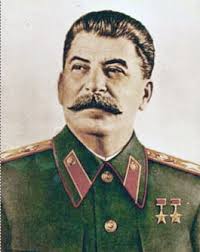
Joseph Stalin
The attack that Tukhachevsky warned against came five years later—on June 22, 1941, leaving at least 26 million Russians dead.
But Tukhachevsky wasn’t alive to command a defense.
The 1930s were a frightening and dangerous time to be alive in the Soviet Union. In 1934, Stalin, seeing imaginary enemies everywhere, ordered a series of purges that lasted right up to the German invasion.
An example of Stalin’s paranoia occurred one day while the dictator walked through the Kremlin corridors with Admiral Ivan Isakov. Officers of the NKVD (the predecessor to the KGB) stood guard at every corner.
“Every time I walk down the corridors,” said Stalin, “I think: Which one of them is it? If it’s this one, he will shoot me in the back. But if I turn the corner, the next one can shoot me in the face.”
In 1937-38, the Red Army fell prey to Stalin’s paranoia.
Its victims included:
- Three of five marshals (five-star generals);
- Thirteen of 15 army commanders (three- and four-star generals);
- Fifty of 57 army corps commanders; and
- One hundred fifty-four out of 186 division commanders.
And heading the list of those marked for death was Marshal Mikhail Tukhachevsky.
Arrested on May 22, 1937, he was interrogated and tortured. As a result, he “confessed” to being a German agent plotting to overthrow Stalin and seize power.
On his confession, which survives in the archives, his bloodstains can clearly be seen.
On June 11, 1937, the Soviet Supreme Court convened a special military tribunal to try Tukhachevsky and eight generals for treason.
It was a sham: The accused were denied defense attorneys, and could not appeal the verdict—-which was foregone: Death.
In a Russian version of poetic justice, five of the eight generals who served as Tukhachevsky’s judges were themselves later condemned and executed as traitors.
Within hours of the verdict, Tukhachevsky was summoned from his cell and shot once in the back of the head.
From 1937 until 1956, Tukhachevsky was officially declared a traitor and fifth-columnist.
Then, on February 25, 1957, Soviet Premier Nikita Khrushchev delivered his bombshell “Secret Speech” to the 20th Congress of the Communist Party of the Soviet Union.
In this, he denounced Stalin (who had died in 1953) as a ruthless tyrant responsible for the slaughter of millions of innocent men, women and children. He condemned Stalin for creating a “personality cult” around himself, and for so weakening the Red Army that Nazi Germany was able to easily overrun half of the Soviet Union from 1941 to 1943.
On January 31, 1957, Tukhachevsky and his co-defendants were declared innocent of all charges and were “rehabilitated.”
Today, he is once again—rightly—considered a Russian hero and military genius. And Stalin is universally—and rightly—seen as a blood-stained tyrant.
Next hero: Nikolai Sergeyvich Zhilayev (pronounced Zill-lay-ev)
Zhilayev (November 18, 1881 – January 20, 1938) was a Russian musicologist and the teacher of several 20th-century Russian composers. Among these: Dimitri Shostakovich.
Zhilayev, a member of the Russian Academy of Art-Sciences, taught at the Moscow Conservatory. Among his friends—to his ultimate misfortune—was Mikhail Tukhachevsky.
In 1938, he, too, became a casualty of what has become known as The Great Terror.
In his posthumously-published memoirs, Testimony, Shostakovich, his pupil and friend, described how Zhilayev faced his end with a calmness that awed even the NKVD secret police sent to arrest him.
2020 PRESIDENTIAL ELECTION, ABC NEWS, ALEX VINDMAN, ALTERNET, AMERICABLOG, AP, BABY BOOMER RESISTANCE, BUZZFEED, CBS NEWS, CNN, CROOKS AND LIARS, DAILY KOZ, DAVID PRESSMAN, DEMOCRATS, DONALD TRUMP, DRUDGE RETORT, FACEBOOK, FIVETHIRTYEIGHT, GORDON SONDLAND, HARPER’S MAGAZINE, JOHN ROOD, JOSEPH BIDEN, MARK ESPER, MEDIA MATTERS, MORNING JOE, MOTHER JONES, MOVEON, MSNBC, NBC NEWS, NEWSWEEK, NICCOLO MACHIAVELLI, NPR, PBS NEWSHOUR, POLITICO, POLITICUSUSA, RAW STORY, REPUBLICANS, REUTERS, SALON, SEATTLE TIMES, SLATE, TALKING POINTS MEMO, THE ATLANTIC, THE CHICAGO SUN-TIMES, THE CHICAGO TRIBUNE, THE DAILY BEAST, THE DAILY BLOG, THE GUARDIAN, THE HILL, THE HUFFINGTON POST, THE LOS ANGELES TIMES, THE NATION, THE NEW REPUBLIC, THE NEW YORK TIMES, THE PENTAGON, THE PRINCE, THE VILLAGE VOICE, THE WASHINGTON POST, THINKPROGRESS, TIME, TRUTHDIG, TRUTHOUT, TWITTER, TWO POLITICAL JUNKIES, U.S. NEWS & WORLD REPORT, UKRAINE, UPI, USA TODAY, VOLODMYR ZELENSKY, WONKETTE, YEVGENEY VINDMAN
In Bureaucracy, History, Law, Military, Politics, Social commentary on February 24, 2020 at 12:05 am
“There is no other way of guarding oneself against flattery than by letting men understand that they will not offend you by speaking the truth. But when every one can tell you the truth, you lose their respect.
“A prudent prince must therefore take a third course, by choosing for his counsel wise men, and giving them alone full liberty to speak the truth to him, but only of those things that he asks and of nothing else.”
So wrote the Italian statesman Niccolo Machiavelli more than 500 years ago in his famous treatise on politics, The Prince. And he added:
“But he must be a great asker about everything and hear their opinions, and afterwards deliberate by himself in his own way, and in these counsels and with each of these men comport himself so that every one may see that the more freely he speaks, the more he will be acceptable.
“Beyond these he should listen to no one, go about the matter deliberately, and be determined in his decisions.”
Machiavelli’s words remain as true in our day as they were in his.
Except, of course for “a very stable genius,” as President Donald J. Trump once referred to himself.
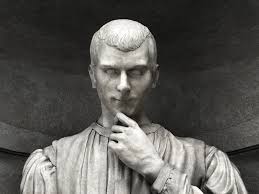
Niccolo Machiavelli
Asked on MSNBC’s “Morning Joe” who he consults about foreign policy, Trump replied; “I’m speaking with myself, number one, because I have a very good brain and I’ve said a lot of things.”
Machiavelli offers a related warning that especially applies to Trump: Unwise princes cannot be wisely advised:
“It is an infallible rule that a prince who is not wise himself cannot be well advised, unless by chance he leaves himself entirely in the hands of one man who rules him in everything, and happens to be a very prudent man. In this case, he may doubtless be well governed, but it would not last long, for the governor would in a short time deprive him of the state.”
Competent executives surround themselves with experts in diverse fields and pay attention to their expertise. They don’t feel threatened by it but rely on it to implement their agenda. Advisers whose counsel proves correct are to be retained and rewarded.
Machiavelli offers practical advice on this:
“The prince, in order to retain his fidelity, ought to think of his minister, honoring and enriching him, doing him kindnesses and conferring on him favors and responsible tasks, so that the great favors and riches bestowed on him cause him not to desire other honors and riches, and the offices he holds make him fearful of changes.”
But rewarding those who try to head off ruinous decision-making is not Trump’s way.
Consider the case of John Rood, the Pentagon’s top policy official until February 19. That was when he resigned, saying he was leaving at Trump’s request.
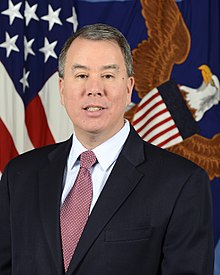
John Rood
Rood had certified last year that Ukraine had made enough anti-corruption progress to justify the release of Congressionally-authorized aid for its efforts to thwart Russian aggression.
And that totally conflicted with Trump’s attempt to extort a “favor” from Ukrainian President Volodymyr Zelensky.
In July, 2019, Trump told his acting chief of staff, Mick Mulvaney, to withhold almost $400 million in promised military aid for Ukraine.
On July 25, Trump telephoned Zelensky to “request” a “favor”: Investigate Democratic Presidential Candidate Joseph Biden and his son, Hunter, who has had business dealings in Ukraine.
The reason for such an investigation: To find embarrassing “dirt” on Biden.

Joe Biden
But then a CIA whistleblower filed a complaint about the extortion attempt—and this led directly to impeachment proceedings by the Democratically-controlled House for abuse of power and obstruction of Congress.
But the Republican-dominated Senate voted to acquit him.
Since then, Trump has purged several officials he considers disloyal for cooperating with the impeachment hearings:
- Army Lt. Col. Alex Vindman, from the National Security Council.
- White House Attorney Lt. Col. Yevgeny Vindman, Vindman’s twin brother.
- Gordon Sondland, Trump’s ambassador to the European Union.
“The truth has cost Lt. Col. Alexander Vindman his job, his career, and his privacy,” his attorney David Pressman, said in a statement.
For Trump, Rood had been “disloyal” on two occasions:
- He stated in a May 23, 2019 letter to Congress that the Pentagon had thoroughly assessed Ukraine’s anti-corruption actions. And he said that those reforms justified the authorized $400 million in aid.
- He told reporters last year: “In the weeks after signing the certification I did become aware that the aid had been held. I never received a very clear explanation other than there were concerns about corruption in Ukraine.”
Asked about Rood’s resignation, chief Pentagon spokesman Jonathan Hoffman declined to speculate on the reason for Trump’s decision.
According to Secretary of Defense Mark Esper, Rood played “a critical role” on issues such as nuclear deterrence, NATO, missile defense and the National Defense Strategy.
That did not protect him, however, from Trump’s vendetta against those who dared to reveal his crimes to Democratic impeachment committees.
All of which would lead Niccolo Machiavelli to warn, if he could witness American politics today: “This bodes ill for your Republic.”
2016 PRESIDENTIAL CAMPAIGN, 2020 PRESIDENTIAL CAMPAIGN, ABC NEWS, ADOLF HITLER, ALTERNET, AMERICABLOG, ANCIENT GREECE, ANCIENT ROME, AP, BABY BOOMER RESISTANCE, BERNIE SANDERS, BUZZFEED, CATASTROPHE, CBS NEWS, CHINA, CNN, CONSUMER PROTECTION, CORPORATE TAXES, CORRUPTION, CROOKS AND LIARS, DAILY KOZ, DEMOCRATIC PARTY, DONALD TRUMP, DRUDGE RETORT, EXECUTIVE PAYWATCH, FACEBOOK, FIVETHIRTYEIGHT, FORBES, FUNDRAISING, HARPER’S MAGAZINE, HILLARY CLINTON, INCOME INEQUALITY, IVAN THE TERRIBLE, JOE BIDEN, JOSEPH STALIN, LEON TROTSKY, MEDIA MATTERS, MOTHER JONES, MOVEON, MSNBC, NAZI GERMANY, NBC NEWS, NEWSWEEK, NICCOLO MACHIAVELLI, NPR, PBS NEWSHOUR, POLITICO, POLITICUSUSA, RAW STORY, REUTERS, ROBERT PAYNE, SALON, SEATTLE TIMES, SLATE, SPARTACUS, TALKING POINTS MEMO, THE ATLANTIC, THE CHICAGO SUN-TIMES, THE CHICAGO TRIBUNE, THE CORRUPT SOCIETY (BOOK), THE DAILY BEAST, THE DAILY BLOG, THE DISCOURSES, THE FRENCH REVOLUTION, THE GREAT LEVELER (BOOK), THE GUARDIAN, THE HILL, THE HUFFINGTON POST, THE LOS ANGELES TIMES, THE NATION, THE NEW REPUBLIC, THE NEW YORK TIMES, THE RUSSIAN REVOLUTION, THE VILLAGE VOICE, THE WASHINGTON POST, THINKPROGRESS, TIME, TRUTHDIG, TRUTHOUT, TWITTER, TWO POLITICAL JUNKIES, U.S. NEWS & WORLD REPORT, UPI, USA TODAY, VIOLENCE, Vladimir Lenin, WALL STREET, WALTER SCHEIDEL, WATERGATE, WEALTH GAP, WILLIAM SHAKESPEARE, WINSTON CHURCHILL, WONKETTE
In Bureaucracy, Business, History, Law, Politics, Social commentary on February 21, 2020 at 12:07 am
The gap between rich and poor in the United States has never been greater.
A May 1, 2018 article in Forbes—which bills itself as “The Capitalist Tool”—vividly documents this truth.
“In the 1950s, a typical CEO made 20 times the salary of his or her average worker. Last year, [2017] CEO pay at an S&P 500 Index firm soared to an average of 361 times more than the average rank-and-file worker, or pay of $13,940,000 a year, according to an AFL-CIO’s Executive Paywatch news release today.”
The average CEO pay climbed six percent in 2017—while the average production worker earned just $38,613, according to Executive Paywatch.
The average wage—adjusted for inflation—has stagnated for more than 50 years. Meanwhile, CEOs’ average pay since the 1950s has risen by 1000%.
This would not have been news to Niccolo Machiavelli, the father of modern political science. In his masterwork, The Discourses, he observed the human condition as that of constant struggle:
Niccolo Machiavelli
“It was a saying of ancient writers, that men afflict themselves in evil, and become weary of the good, and that both these dispositions produce the same effects.
“For when men are no longer obliged to fight from necessity, they fight from ambition, which passion is so powerful in the hearts of men that it never leaves them, no matter to what height they may rise.
“The reason for this is that nature has created men so that they desire everything, but are unable to attain it. Desire being thus always greater than the faculty of acquiring, discontent with what they have and dissatisfaction with themselves result from it.
“This causes the changes in their fortunes—for as some men desire to have more, while others fear to lose what they have, enmities and war are the consequences. And this brings about the ruin of one province and the elevation of another.”
Author Walter Scheidel, Dickason Professor in the Humanities, Professor of Classics and History at Stanford University, has also given this subject a great deal of thought. And, like Machiavelli, he has reached some highly disturbing conclusions.

Walter Scheidel
World Economic Forum [CC BY-SA 2.0 (https://creativecommons.org/licenses/by-sa/2.0)%5D
Scheidel gave voice to these in his 2017 book, The Great Leveler: Violence and the History of Inequality from the Stone Age to the Twenty-First Century. His thesis: Only violence and catastrophes have consistently reduced inequality throughout history.
According to the book’s jacket blurb: “Are mass violence and catastrophes the only forces that can seriously decrease economic inequality? To judge by thousands of years of history, the answer is yes.
“Tracing the global history of inequality from the Stone Age to today, Walter Scheidel shows that inequality never dies peacefully. Inequality declines when carnage and disaster strike and increases when peace and stability return.
“The Great Leveler is the first book to chart the crucial role of violent shocks in reducing inequality over the full sweep of human history around the world.
“Ever since humans began to farm, herd livestock, and pass on their assets to future generations, economic inequality has been a defining feature of civilization. Over thousands of years, only violent events have significantly lessened inequality.
“The ‘Four Horsemen’ of leveling—mass-mobilization warfare, transformative revolutions, state collapse, and catastrophic plagues—have repeatedly destroyed the fortunes of the rich….
“Today, the violence that reduced inequality in the past seems to have diminished, and that is a good thing. But it casts serious doubt on the prospects for a more equal future.”
Revolutionaries have known the truth of Scheidel’s findings from the gladiators’ revolt of Spartacus (73 – 71 B.C.) to the French Revolution (1789 – 1799) to the overthrow of the Czarist Romanov dynasty (1917).
But American politicians serenely ignore that truth. They depend on the mega-rich for millions of dollars in “campaign contributions”—which pay for self-glorifying ads on TV.
Thus, in 2016, American voters had a “choice” between two “love-the-rich” Presidential candidates: Donald Trump and Hillary Clinton. The result was that millions stayed home or voted in protest for third-party candidates who had no chance of winning.
In his 1975 book, The Corrupt Society: From Ancient Greece to Modern-day America, British historian Robert Payne warned that the predatory rich would not change their behavior: “Nor is there any likelihood that the rich will plow back their money into services to ensure the general good.
“They have rarely demonstrated social responsibility, and they are much more likely to hold on to their wealth at all costs than to renounce any part of it.
“Like the tyrant who lives in a world wholly remote from the world of the people, shielded and protected from all possible influences, the rich are usually the last to observe the social pressures rising from below, and when these social pressures reach flashpoint, it is too late to call in the police or the army.
“The tyrant dies; the police and the army go over to the revolutionaries; and the new government dispossesses the rich by decree. A single authoritative sentence suffices to expunge all private wealth and restore it to the service of the nation.”
For millions of struggling, impoverished Americans, that day cannot come soon enough.
2016 PRESIDENTIAL CAMPAIGN, 2020 PRESIDENTIAL CAMPAIGN, ABC NEWS, ADOLF HITLER, ALTERNET, AMERICABLOG, ANCIENT GREECE, ANCIENT ROME, AP, BABY BOOMER RESISTANCE, BERNIE SANDERS, BUZZFEED, CATASTROPHE, CBS NEWS, CHINA, CNN, CONSUMER PROTECTION, CORPORATE TAXES, CORRUPTION, CROOKS AND LIARS, DAILY KOZ, DEMOCRATIC PARTY, DONALD TRUMP, DRUDGE RETORT, EXECUTIVE PAYWATCH, FACEBOOK, FIVETHIRTYEIGHT, FORBES, FUNDRAISING, HARPER’S MAGAZINE, HILLARY CLINTON, INCOME INEQUALITY, IVAN THE TERRIBLE, JOE BIDEN, JOSEPH STALIN, LEON TROTSKY, MEDIA MATTERS, MOTHER JONES, MOVEON, MSNBC, NAZI GERMANY, NBC NEWS, NEWSWEEK, NICCOLO MACHIAVELLI, NPR, PBS NEWSHOUR, POLITICO, POLITICUSUSA, RAW STORY, REUTERS, ROBERT PAYNE, SALON, SEATTLE TIMES, SLATE, SPARTACUS, TALKING POINTS MEMO, THE ATLANTIC, THE CHICAGO SUN-TIMES, THE CHICAGO TRIBUNE, THE CORRUPT SOCIETY (BOOK), THE DAILY BEAST, THE DAILY BLOG, THE DISCOURSES, THE FRENCH REVOLUTION, THE GREAT LEVELER (BOOK), THE GUARDIAN, THE HILL, THE HUFFINGTON POST, THE LOS ANGELES TIMES, THE NATION, THE NEW REPUBLIC, THE NEW YORK TIMES, THE RUSSIAN REVOLUTION, THE VILLAGE VOICE, THE WASHINGTON POST, THINKPROGRESS, TIME, TRUTHDIG, TRUTHOUT, TWITTER, TWO POLITICAL JUNKIES, U.S. NEWS & WORLD REPORT, UPI, USA TODAY, VIOLENCE, Vladimir Lenin, WALL STREET, WALTER SCHEIDEL, WATERGATE, WEALTH GAP, WILLIAM SHAKESPEARE, WINSTON CHURCHILL, WONKETTE
In Bureaucracy, Business, History, Politics, Social commentary on February 20, 2020 at 12:10 am
Americans are used to Presidential candidates telling lies (euphemistically known as “campaign promises”) to get elected.
But when a candidate actually (and usually accidentally) tells the truth, the results can be electrifying.
On June 18, 2019, Democratic Presidential candidate (and momentary front-runner) Joseph Biden addressed a roomful of donors in New York.
The former Vice President believed that his message would comfort his well-heeled audience of billionaires: Don’t worry, if I’m elected, your standard of living won’t change.
Addressing the 100 or so guests at a fundraiser at the Carlyle Hotel in New York City, Biden said that he had taken heat from “some of the people on my team, on the Democratic side” because he had said that rich people were “just as patriotic as poor people.
Joe Biden
“The truth of the matter is, you all, you all know, you all know in your gut what has to be done. We can disagree in the margins but the truth of the matter is it’s all within our wheelhouse and nobody has to be punished. No one’s standard of living will change, nothing would fundamentally change,” he said.
And he added: “I mean, we may not want to demonize anybody who has made money.
“When we have income inequality as large as we have in the United States today, it brews and ferments political discord and basic revolution. Not a joke. Not a joke … It allows demagogues to step in and say the reason where we are is because of the ‘other’….
“You’re not the other. I need you very badly. I hope if I win this nomination, I won’t let you down. I promise you. I have a bad reputation, I always say what I mean. The problem is I sometimes say all that I mean.”
Biden has talked about decreasing income inequality and promoting workers’ rights. But he’s taken a moderate stance when it comes to taxation.
United States Senator Bernie Sanders (D-VT), on the other hand, has attacked the ultra-rich as responsible for the ever-widening gap between themselves and the poor.
“I love Bernie, but I’m not Bernie Sanders. I don’t think 500 billionaires are the reason why we’re in trouble,” Biden said in March, 2019.
Instead, he proposes expanding tax credits for the poor and middle class, and making the tax code less friendly to rich investors.
Robert Payne, the distinguished British historian, took a different—and darker—view of the rich.
Payne authored more than 110 books. Among his subjects were Adolf Hitler, Ivan the Terrible, Winston Churchill, Joseph Stalin, Vladimir Lenin, William Shakespeare and Leon Trotsky.
In 1975, he published The Corrupt Society: From Ancient Greece to Present-Day America. It proved a summary of many of his previous works.

Among the epochs it covered: The civilizations of ancient Greece, Rome and China; Nazi Germany; the Soviet Union; and Watergate-era America. And the massive corruption each of those epochs had spawned.
In his chapter, “A View of the Uncorrupted Society,” Payne warned: Power and wealth are the main sources of corruption.
“The rich, simply by being rich, are infected with corruption. Their overwhelming desire is to grow richer, but they can do this only at the expense of those who are poorer than themselves.
”Their interests conflict with those of the overall society. They live sheltered from the constant anxieties of the poor, and thus cannot understand them. Nor do they try to.
They see the poor as alien from themselves, and thus come to fear and despise them. And their wealth and influence enables them to buy politicians—who, in turn, write legislation that protects the rich from the poor.
But Payne foresaw an even greater danger from the rich and powerful than their mere isolation from the rest of society: “The mere presence of the rich is corrupting. Their habits, their moral codes, their delight in conspicuous consumption are permanent affronts to the rest of humanity. Vast inequalities of wealth are intolerable in any decent society.”
Writing in 1975, Payne noted that a third of the private wealth was possessed by less than five percent of the population—while about a fifth of the populace lived at the poverty level. By 2000, he predicted, about five percent of the population would possess two-thirds of America’s wealth. And more than half the population would be near or below the starvation level.
The result could only be catastrophe. The only way to halt this this increasing concentration of wealth by fewer people would be through law or violent revolution.
Payne has proven to be an uncanny prophet.
On December 8, 2017, the Seattle Times noted that the wealthiest one percent of Americans owned 40% of the country’s wealth. They owned more wealth than the bottom 90% combined.
From 2013, the share of wealth owned by the one percent increased by nearly three percentage points. Wealth owned by the bottom 90%, meanwhile, fell over the same period.
But this situation need not remain permanent.


2016 PRESIDENTIAL RACE, ABC NEWS, ALEXANDRIA OCASIO-CORTEZ, ALTERNET, AMERICABLOG, AP, AYANNA PRESSLEY, BABY BOOMER RESISTANCE, BOB WOODWARD, BRIBERY, BUZZFEED, CBS NEWS, CNN, CROOKS AND LIARS, DAILY KOZ, DAVID BERLANGA, DRUDGE RETORT, ELLIOT NESS, ERIC SCHNEIDERMAN, FACEBOOK, FIVETHIRTYEIGHT, FRANCISCO "PANCHO" VILLA, GREG ABBOTT, HARPER’S MAGAZINE, ILHAN OMAR, INTIMIDATION, JAMES CARLOS BLAKE, JEFF SESSIONS, JOHN OWENS, KEN PAXTON, MEDIA MATTERS, MEXICAN REVOLUTION, MOTHER JONES, MOVEON, MSNBC, NBC NEWS, NEWSWEEK, NICCOLO MACHIAVELLI, NON-DISCLOSURE AGREEMENTS, NPR, PAM BONDI, PBS NEWSHOUR, POLITICO, POLITICUSUSA, RASHIDA TLAIB, RAW STORY, REPUBLICAN CONVENTION, REUTERS, ROBERT MUELLER, ROD ROSENSTEIN, RODOLFO FIERRO, SALON, SEATTLE TIMES, SLATE, TALKING POINTS MEMO, THE ATLANTIC, THE CHICAGO SUN-TIMES, THE CHICAGO TRIBUNE, THE DAILY BEAST, THE DAILY BLOG, THE DISCOURSES, THE FRIENDS OF PANCHO VILLA (BOOK), THE GUARDIAN, THE HILL, THE HUFFINGTON POST, THE LOS ANGELES TIMES, THE NATION, THE NEW REPUBLIC, THE NEW YORK TIMES, THE VILLAGE VOICE, THE WASHINGTON POST, THINKPROGRESS, TIME, TRUMP UNIVERSITY, TRUTHDIG, TRUTHOUT, TWITTER, TWO POLITICAL JUNKIES, U.S. NEWS & WORLD REPORT, UPI, USA TODAY, USA TODAY DONALD TRUMP, WONKETTE
WHAT TRUMP MOST FEARS: PART ONE (OF TWO)
In Bureaucracy, History, Law, Politics, Social commentary on May 21, 2020 at 12:54 amOn July 14, 2019, President Donald Trump unleashed a brutal Twitter attack on four Democratic members of the House of Representatives who had harshly criticized his anti-immigration policies:
“So interesting to see “Progressive” Democrat Congresswomen, who originally came from countries whose governments are a complete and total catastrophe, the worst, most corrupt and inept anywhere in the world (if they even have a functioning government at all), now loudly……
“….and viciously telling the people of the United States, the greatest and most powerful Nation on earth, how our government is to be run. Why don’t they go back and help fix the totally broken and crime infested places from which they came. Then come back and show us how….
“….it is done. These places need your help badly, you can’t leave fast enough. I’m sure that Nancy Pelosi would be very happy to quickly work out free travel arrangements!”
Donald Trump
The Democrats—all female, and all non-white—were:
Of the Congresswomen that Trump singled out:
Only Omar was born outside the United States—in Somalia. And she became an American citizen in 2000 when she was 17 years old.
Critics have assailed Trump as racist for implying that these women were not United States citizens.
Moreover, as members of Congress, they had a legal right to declare “how our government is to be run.” Republicans in the House and Senate vigorously—and often viciously—asserted that right during the Presidency of Barack Obama.
Ocasio-Cortez quickly struck back on Twitter on the same day: “You are angry because you don’t believe in an America where I represent New York 14, where the good people of Minnesota elected
@IlhanMN, where@RashidaTlaib fights for Michigan families, where@AyannaPressley champions little girls in Boston.“You are angry because you can’t conceive of an America that includes us. You rely on a frightened America for your plunder.
“You won’t accept a nation that sees healthcare as a right or education as a #1 priority, especially where we’re the ones fighting for it. Yet here we are.”
Alexandria Ocasio-Cortez
But then followed the most significant part of Cortez’ reply:
“But you know what’s the rub of it all, Mr. President? On top of not accepting an America that elected us, you cannot accept that we don’t fear you, either.
“You can’t accept that we will call your bluff & offer a positive vision for this country. And that’s what makes you seethe.”
“You cannot accept that we don’t fear you, either.”
For all his adult life, Donald Trump—as a businessman, Presidential candidate and now President—has trafficked in bribery and coercion.
First bribery:
Now coercion:
But when he has confronted men and women who can’t be bribed or intimidated, Trump has reacted with rage and desperation.
Share this: