Posts Tagged ‘NEW REPUBLIC’
ABC NEWS, ALTERNET, AMERICABLOG, AP, BABY BOOMER RESISTANCE, BBC, BLOOMBERG NEWS, BUREAU OF CUSTOMS AND BORDER PROTECTION, BUZZFEED, CALIFORNIA, CBS NEWS, CHICAGO, CNN, CROOKS AND LIARS, CUBA, DAILY KOS, DEMOCRATS, ENGLISH LANGUAGE, ERIC ADAMS, FEDERATION FOR AMERICAN IMMIGRATION REFORM (FAIR), FIVETHIRTYEIGHT, FLORIDA, GREG ABBOTT, HARPER’S MAGAZINE, HUFFINGTON POST, illegal immigration, MEDIA MATTERS, MOTHER JONES, MOVEON, MSNBC, NBC NEWS, NEW REPUBLIC, NEW YORK CITY, NEWSDAY, NEWSWEEK, NICARAGUA, NPR, PBS NEWSHOUR, POLITICO, POLITICUSUSA, RAW STORY, REPUBLICANS, REUTERS, SALON, SCHOOLS, SEATTLE TIMES, SLATE, TALKING POINTS MEMO, TEXAS, THE ATLANTIC, THE CHICAGO SUN-TIMES, THE CHICAGO TRIBUNE, THE DAILY BEAST, THE DAILY BLOG, THE DAILY MAIL, THE GUARDIAN, THE HILL, THE HUFFINGTON POST, THE INTERCEPT, THE LOS ANGELES TIMES, THE NATION, THE NEW REPUBLIC, THE NEW YORK TIMES, THE NEW YORKER, THE VILLAGE VOICE, THE WASHINGTON POST, THINKPROGRESS, TIME, TRUTHDIG, TRUTHOUT, TWITTER, U.S. NEWS & WORLD REPORT, UPI, USA TODAY, VENEZUELA, WASHINGTON D.C.
In Bureaucracy, Business, History, Law, Law Enforcement, Politics, Social commentary on October 11, 2022 at 12:10 am
Defenders of illegal aliens entering the United States often point to their paying taxes and performing jobs that native-born Americans don’t want to do.
What they fail to mention are the costs of maintaining millions of unskilled and semi-literate (at best) men, women and children for decades on end.
Fortunately, James Reinl, social affairs correspondent at the British newspaper, The Daily Mail, has taken the time to bring these truths to light.
This occurred in a September 16 article headlined:
“America’s $78B Bill for Teaching Schoolkids With Poor English is Rising by BILLIONS in Biden-era Immigration Surge, Study Says, and 76,000 New Language Instructors Are a Tall Order in a Teacher Shortage.”
Among its findings:
- One million public school students—ranging from kindergarten to high school—need special training in speaking and writing English.
- It costs $78 billion each year to educate them.
- Texas, California, Florida and New York are among the states most burdened with such students.
- Only three percent of these students are proficient in English when they graduate from high school.
- These costs are raised by billions owing to an unceasing tide of illegal alien children at the southern border.
These alarming statistics were produced by a study from the Federation for American Immigration Reform (FAIR).
The 5.1 million students lacking English language skills need help in all their classes. As a result, it costs 15 to 20 percent more to educate them than American-born students who grow up learning English.

Illegal alien climbing over the border fence in Brownsville, Texas
A well-known joke illustrates the frustrations English-as-a-second-language teachers face:
A teacher asks her class: “All right, who can tell me the difference between ‘select’ and ‘choose’?” A Hispanic student raises his hand and, being called on, replies, ‘Uh, ‘select,’ like that means when you pick something, man. And ‘choose’ is what Puerto Ricans wear on their feet.”
With the United States facing a severe teacher shortage, some states have lowered their hiring rules to recruit teachers with only a high school diploma.
In 2020, the 5.1 million illegal alien students in public schools cost American taxpayers $78 billion—an $18.8 billion jump from the cost in 2016.
Of those students, 1.15 million were in California, costing the state $19.5 billion. One million more lived in Texas, costing that state $11.4 billion. And 278,000 lived in Florida, at a cost of $3.1 billion.
Only 370,000 teachers nationwide are trained to teach them, and 76,000 more will be needed during the next five years.
According to Immigration and Customs Enforcement, almost 200,000 immigrants were intercepted crossing the southern border in July. Many of them are entitled to claim asylum, and all children in the United States have a right to an education—even if they arrived here illegally.

Illegal aliens rounded up by ICE
Immigration remains a highly divisive issue among Americans. “Red” Republican states want to close borders. “Blue” Democratic states are more open to newcomers.
Yet even famously liberal enclaves of support for illegal aliens like New York are beginning to have second thoughts about taking in unlimited numbers of uninvited foreigners.
On October 7, New York City Mayor Eric Adams declared a state of emergency in response to the city’s migrant crisis, which he says will cost the city $1 billion this fiscal year.

Eric Adams
“We now have a situation where more people are arriving in New York City than we can immediately accommodate, including families with babies and young children,” Adams said.
“Once the asylum seekers from today’s buses are provided shelter, we would surpass the highest number of people in recorded history in our city’s shelter system.”
Behind this unwanted influx lies Texas Governor Greg Abbott.
By the first week of October, Texas had spent more than $18 million busing illegal aliens found in Texas to famously liberal supporters of illegal immigration: Washington D.C., New York City, and Chicago.
Abbott announced the program in April as his response to the Biden administration’s immigration policies.

Greg Abbott
New York City now has more than 61,000 people in its shelter system. Thousands of these are American citizens who are homeless. They are competing for assistance with illegal aliens who were bused to New York City from the southern border since April of this year.
Behind this huge surge in illegal aliens and their continuing drain on America’s schools, housing and hospitals (among other facilities) lie three Communist-ruled countries: Venezuela, Nicaragua and Cuba.
Rising levels of repression, food shortages and economic stability are motivating Cubans, Venezuelans and Nicaraguans to enter the United States. And assisting them in this effort is the longtime policy of the United States government to automatically accept those leaving Communist countries as refugees.
At some point, the United States must face the economic and social absurdity of allowing some cities and states to provide sanctuary to every illegal alien who appears.
Even Eric Adams, while emphasizing that while New York City remains a sanctuary city, it cannot cope with such an overwhelming influx of migrants:
“We are not telling anyone that New York can accommodate every migrant in the city. We’re not encouraging people to send eight, nine buses a day….We’re saying that as a sanctuary city with right to shelter, we’re going to fulfill that obligation. That’s what we’re doing.”
At some point, America must stop allowing itself to be a dumping-ground for other countries’ unwanteds.
ABC NEWS, ADOLF HITLER, ALTERNET, AMERICABLOG, AMERICAN REVOLUTION, ANDREW JACKSON, AP, BABY BOOMER RESISTANCE, BBC, BLOOMBERG NEWS, BUZZFEED, CBS NEWS, CHECHENS, CNN, CROOKS AND LIARS, DAILY KOS, FIVETHIRTYEIGHT, FORT MIMS MASSACRE, GREAT BRITAIN, HARPER’S MAGAZINE, HUFFINGTON POST, MEDIA MATTERS, MERCENARIES, MOTHER JONES, MOVEON, MSNBC, NAZI-SOVIET "NON-AGGRESSION PACT", NBC NEWS, NEW REPUBLIC, NEWSDAY, NEWSWEEK, NICCOLO MACHIAVELLI, NPR, NUCLEAR WEAPONS, PBS NEWSHOUR, POLITICO, POLITICUSUSA, RAW STORY, REUTERS, SALON, SEATTLE TIMES, SLATE, TALKING POINTS MEMO, THE ATLANTIC, THE BLITZ, THE CHICAGO SUN-TIMES, THE CHICAGO TRIBUNE, THE DAILY BEAST, THE DAILY BLOG, THE DISCOURSES, THE GUARDIAN, THE HILL, THE HUFFINGTON POST, THE INTERCEPT, THE LOS ANGELES TIMES, THE NATION, THE NEW REPUBLIC, THE NEW YORK TIMES, THE NEW YORKER, THE PRINCE, THE SS, THE VILLAGE VOICE, THE WASHINGTON POST, THINKPROGRESS, THIRD REICH, TIME, TRUTHDIG, TRUTHOUT, TWITTER, U.S. NEWS & WORLD REPORT, UKRAINE, UPI, USA TODAY, VLADIMIR PUTIN, VOLODYMYR ZELENSKY, WAR OF 1812, WEHRMACHT, WORLD WAR 11
In Bureaucracy, History, Military, Politics, Social commentary on October 10, 2022 at 12:10 am
Vladimir Putin believes himself to be a serious student of history. If so, he has drawn the wrong lessons from the past.
During the American Revolution (1775-1783) and the War of 1812 (1812-1815) Great Britain encouraged Indian attacks on American settlers.
One of the worst of these attacks occurred on August 30, 1813, when over 700 Creek Indians destroyed Fort Mims, near Mobile, Alabama. About 500 militiamen, settlers, slaves and Creeks loyal to the Americans were slaughtered or captured.

Fort Mims massacre
Inflaming the Indians against settlers didn’t help the British on the battlefield—in the American Revolution or the War of 1812. But it did incite long-lasting hatred by the vast majority of Americans against the British—and even greater hatred of the Indians.
To cite one example: The Fort Mims massacre inspired General Andrew Jackson to take the field, eventually destroying the Creeks as a nation and wresting Florida from Spain for the United States.
The British lost their American colony. And the Indians were gradually driven from their dominance of the continent.
Similarly, Vladimir Putin has turned to Chechen mercenaries for help in conquering Ukraine. They are known as “Kadyrovtsy” or “Kadyrovites” after their leader, Ramzan Kadyrov, Chechnya’s pro-Kremlin strongman.
Human rights groups, witnesses and survivors have for decades accused them of murders, kidnappings and the torture of Kadyrov’s rivals and critics.
Just as the Indians hoped to use their alliance with the British to defeat their Anglo-American enemies, so, too, do Chechen mercenaries hope to ingratiate themselves with the Kremlin.

Vladimir Putin
Kremlin.ru, CC BY 4.0 <https://creativecommons.org/licenses/by/4.0>, via Wikimedia Commons
Yet that alliance has not advanced Russia’s fortunes on the battlefield, just as the British-Indian alliance did not gain victory for the British.
As Niccolo Machiavelli, writing more than 500 years ago in The Prince, warned: “[Mercenaries] have neither the fear of God nor fidelity to man, and destruction is deferred only as the attack is. For in peace one is robbed by them, and in war by the enemy.”
Moreover, the atrocities committed by Indians and Chechens only inflamed their enemies to seek revenge.
In his masterwork, The Discourses, Machiavelli offered a lesson on the power of mercy even in the midst of war.
“Marcus Furius Camillus, a Roman general, was besieging the city of the Faliscians, and had surrounded it. A teacher charged with the education of the children of some of the noblest families of that city decided to ingratiate himself with Camillus by leading those children into the Roman camp.
“Presenting them to Camillus the teacher said to him, ‘By means of these children as hostages, you will be able to compel the city to surrender.’
“Camillus not only declined the offer but had the teacher stripped and his hands tied behind his back. Then he had a rod put into the hands of each of the children and directed them to whip the teacher all the way back to the city.
“Upon learning this, the citizens of Faliscia were so much touched by the humanity and integrity of Camillus, that they surrendered the place to him without any further defense.”
Summing up the meaning of this, Machiavelli writes: “This example shows that an act of humanity and benevolence will at all times have more influence over the minds of men than violence and ferocity. It also proves that provinces and cities which no armies…could conquer, have yielded to an act of humanity, benevolence, chastity or generosity.
“…History also shows us how much the people desire to find such virtues in great men, and how much they are extolled by historians and biographers of princes….Amongst these, Xenophon takes great pains to show how many victories, how much honor and fame, Cyrus gained by his humanity and affability, and by his not having exhibited a single instance of pride, cruelty or luxuriousness, nor of any of the other vices that are apt to stain the lives of men.”

Niccolo Machiavelli
Then there has been Putin’s use of terror-attacks on Ukrainian cities.
Using bombers and long-range artillery, Putin has tried to compensate for losses on the battlefield by terrorizing Ukrainians into surrender.
Adolf Hitler applied the same tactic against an equally stubborn Great Britain during the Second World War. in 1940-41.
Unable to invade England because the British Navy controlled the sea, Hitler turned to terror-bombing.
He believed he could terrorize Britons into demanding that their government yield to German surrender demands.
From September 7, 1940 to May 21, 1941, the Luftwaffe subjected England—and especially London—to a ruthless bombing campaign that became known as The Blitz.
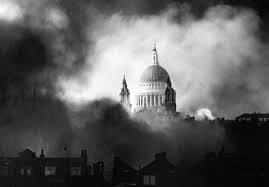
The undamaged St. Paul’s Cathredal, December, 1940
During 267 days—almost 37 weeks—between 40,000 and 43,000 British civilians were killed. About 139,000 others were wounded.
But the terror-bombing only inflamed Britons to fight Germany even more stubbornly.
Vladimir Putin has learned nothing from these historical lessons.
He has employed mercenaries and terror-bombing against patriotic Ukrainians—who continue to sweep Russian forces from their country.
If he employs even “small” tactical weapons, he risks triggering a fullscale NATO response—thus destroying the Russian empire he hopes to re-create.
Finally: Even if he conquers Ukraine, he will inherit a hate-filled population thirsting for revenge at every opportunity.
ABC NEWS, ALTERNET, AMERICABLOG, AP, BABY BOOMER RESISTANCE, BBC, BLOOMBERG NEWS, BUZZFEED, CBS NEWS, CIA, CLIFF ROBERTSON, CNN, CROOKS AND LIARS, DAILY KOS, DAILY KOZ, DONALD TRUMP, FACEBOOK, FIVETHIRTYEIGHT, GLOBAL WARMING, HARPER’S MAGAZINE, HUFFINGTON POST, ILLEGAL ALIENS, illegal immigration, IMMIGRATION AND CUSTOMS ENFORCEMENT (ICE), MASS MIGRATIONS, MEDIA MATTERS, MEXICAN REVOLUTION, MEXICO, MIGRANT CARRAVAN, MOTHER JONES, MOVEON, MSNBC, NBC NEWS, NEW REPUBLIC, NEWSDAY, NEWSWEEK, NICCOLO MACHIAVELLI, NPR, PBS NEWSHOUR, POLITICO, POLITICUSUSA, RAW STORY, REUTERS, ROBERT REDFORD, SALON, SEATTLE TIMES, SLATE, TALKING POINTS MEMO, THE ATLANTIC, THE CHICAGO SUN-TIMES, THE CHICAGO TRIBUNE, THE DAILY BEAST, THE DAILY BLOG, THE DISCOURSES, THE GUARDIAN, THE HILL, THE HUFFINGTON POST, THE LOS ANGELES TIMES, THE NATION, THE NEW REPUBLIC, THE NEW YORK TIMES, THE NEW YORKER, THE VILLAGE VOICE, THE WALL STREET JOURNAL, THE WASHINGTON POST, THINKPROGRESS, THREE DAYS OF THE CONDOR, TIJUANA, TIME, TRUTHDIG, TRUTHOUT, TWITTER, TWO POLITICAL JUNKIES, U.S. NEWS & WORLD REPORT, UPI, USA TODAY, WONKETTE
In Bureaucracy, History, Law, Law Enforcement, Military, Politics, Social commentary on October 7, 2022 at 12:20 am
As climate change heats up the world, more mass migrations will occur. Millions of people will retreat from undeveloped countries and try to enter—legally and illegally—the United States and Europe.
This is entirely predictable.
What is also entirely predictable is this: Those who have a decent life will want to hold onto it—and not be overwhelmed by millions who don’t share their same race, values, education and religion.
In the 1975 classic, Three Days of the Condor, Higgins, the deputy director of the CIA’s New York Division, confronts Joe Turner, an idealistic CIA employee on the realities of espionage.
Higgins (played by Cliff Robertson): “It’s simple economics. Today it’s oil, right? In 10 or 15 years, food. Plutonium. Maybe even sooner. Now, what do you think the people are gonna want us to do then?”
Joe Turner (played by Robert Redford): “Ask them.”
Higgins: “Not now—then! Ask ’em when they’re running out. Ask ’em when there’s no heat in their homes and they’re cold. Ask ’em when their engines stop. Ask ’em when people who have never known hunger start going hungry. You wanna know something? They won’t want us to ask ’em. They’ll just want us to get it for ’em!”
That day has come for millions of desperate people in Central and Latin America. And it is coming for all of us in the foreseeable future.
On October 13, 2018, a caravan of at least 5,000 men, women and children from El Salvador, Guatemala and Honduras set out for the United States. Many of them claimed they had been threatened by street gangs such as MS-13 or by government officials.
On October 18, President Donald Trump threatened to deploy the United States military and close the U.S.-Mexico border to keep the caravan from entering the country.
And then Trump did just that.
By November 19, migrants had begun piling up in Tijuana, which borders San Diego.
In August, 2021, the Supreme Court upheld the “Remain in Mexico” policy, which had been challenged by the Biden administration. Asylum seekers must wait in Mexico while they await hearings on their requests for entry to the United States.
And that’s when Tijuana residents began carrying signs reading “No illegals,” “No to the invasion” and “Mexico First.” And marching in the streets wearing Mexico’s red, white and green national soccer jersey and vigorously waving Mexican flags.
“We want the caravan to go; they are invading us,” said Patricia Reyes, a 62-year-old protester. “They should have come into Mexico correctly, legally, but they came in like animals.”
And the situation will only worsen in the months ahead.
Trump had ordered Immigration and Customs Enforcement (ICE) to draft new rules to limit the number of asylum-seekers.
As increasing numbers of migrants pour into Tijuana, access to housing, schools, hospitals and other social services will become increasingly strained. Violent clashes between Tijuana’s 1.6 million residents and its thousands of uninvited arrivals have been the result.
Tijuana’s mayor, Juan Manuel Gastélum, said the city couldn’t afford to continue supporting the migrants. He requested support from Mexico’s federal authorities.
For decades, the Mexican Government didn’t try to stop millions of its own citizens from routinely violating America’s immigration laws.
The reason: Mexicans still remember the bloody upheaval known as the Mexican Revolution (1910-1920) which slaughtered one to two million men, women and children. Massacres were common on all sides, with men shot by the hundreds in bullrings or hung by the dozen on trees.
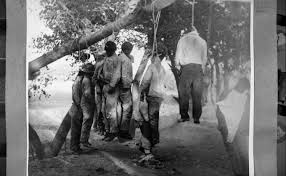
A Mexican “fruit tree”
As a result, every successive Mexican government has lived in the shadow of another such wholesale bloodletting. These officials have thus quietly turned the United States border into a safety valve.
If potential revolutionaries leave Mexico to find a better life in the United States, the Government doesn’t have to fear the rise of another Francisco “Pancho” Villa.
Suddenly, with the escape route to “El Norte” shut off, Mexicans have discovered that “illegal alien” is no longer a dirty phrase.
More than 500 years ago, Niccolo Machiavelli outlined the reason for such conflicts. In The Discourses, his masterwork on preserving liberty within a republic, he writes:

Niccolo Machiavelli
It was a saying of ancient writers, that men afflict themselves in evil, and become weary of the good, and that both these dispositions produce the same effects.
For when men are no longer obliged to fight from necessity, they fight from ambition, which passion is so powerful in the hearts of men that it never leaves them, no matter to what height they may rise.
The reason for this is that nature has created men so that they desire everything, but are unable to attain it. Desire being thus always greater than the faculty of acquiring, discontent with what they have and dissatisfaction with themselves result from it.
This causes the changes in their fortunes—for as some men desire to have more, while others fear to lose what they have, enmities and war are the consequences. And this brings about the ruin of one province and the elevation of another.
Those who want the United States to allow unchecked immigration are ignorant of such truths—or deliberately ignore them.
ABC NEWS, ADOLF HITLER, ALTERNET, AMERICABLOG, AP, BABY BOOMER RESISTANCE, BBC, BLOOMBERG NEWS, BUZZFEED, CBS NEWS, CNN, CROOKS AND LIARS, DAILY KOS, FIVETHIRTYEIGHT, HARPER’S MAGAZINE, HUFFINGTON POST, JOSEPH STALIN, MEDIA MATTERS, MOTHER JONES, MOVEON, MSNBC, NAZI-SOVIET "NON-AGGRESSION PACT", NBC NEWS, NEW REPUBLIC, NEWSDAY, NEWSWEEK, NPR, NUCLEAR WEAPONS, PBS NEWSHOUR, POLITICO, POLITICUSUSA, RAW STORY, REUTERS, SALON, SEATTLE TIMES, SLATE, TALKING POINTS MEMO, THE ATLANTIC, THE CHICAGO SUN-TIMES, THE CHICAGO TRIBUNE, THE DAILY BEAST, THE DAILY BLOG, THE GUARDIAN, THE HILL, THE HUFFINGTON POST, THE INTERCEPT, THE LOS ANGELES TIMES, THE NATION, THE NEW REPUBLIC, THE NEW YORK TIMES, THE NEW YORKER, THE SS, THE VILLAGE VOICE, THE WASHINGTON POST, THINKPROGRESS, THIRD REICH, TIME, TRUTHDIG, TRUTHOUT, TWITTER, U.S. NEWS & WORLD REPORT, UKRAINE, UPI, USA TODAY, VLADIMIR PUTIN, VOLODYMYR ZELENSKY, WEHRMACHT, WORLD WAR 11
In Bureaucracy, History, Military, Politics, Social commentary on October 6, 2022 at 12:29 am
In the United States, World War II—at least, that part of the war fought in Europe—used to be celebrated in movies and TV shows like “Combat!” and “The Rat Patrol.” Today, it’s largely forgotten, except by veterans groups and the conflict’s rapidly aging veterans.
But in the Soviet Union, “the Great Patriotic War” against Nazi Germany is still celebrated as the triumph of Soviet strength and determination against horrific odds and losses.
Russian President Vladimir Putin’s invasion of Ukraine is unlikely to be remembered so fondly.
On April 28, 2006, Putin publicly stated that the 1991 collapse of the Soviet Union was “the greatest geopolitical catastrophe of the century.
“As for the Russian people, it became a genuine tragedy. Tens of millions of our fellow citizens and countrymen found themselves beyond the fringes of Russian territory.”
Putin was sounding a warning: He saw himself as Russia’s savior who would restore its lost empire.
Vladimir Putin
His invasion of Ukraine—officially called a “special military operation”—was intended as an important step toward that restoration.
Begun on February 24, the invasion targeted the Ukrainian capital, Kyiv, in an attempt to overthrow the democratic government of President Volodymyr Zelensky.
Ukrainian troops were outgunned and outnumbered. As in the case of the Soviet Union in 1941, Western military analystss expected the attack to quickly succeed. The Biden administration offered to evacuate Zelensky to safety.
Zelensky refused: “The fight is here; I need ammunition, not a ride.”
But after weeks of combat, Russian forces retreated, stymied by ferocious Ukrainian resistance.
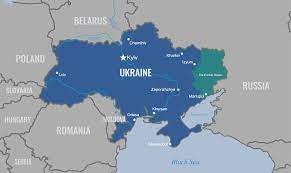
In July, the last city under Ukrainian control in Luhansk fell to Russia after weeks of artillery bombardment and street fighting. But the Russians made little progress as they tried to conquer the remainder of Donbas.
In late August, after weeks of buildup, Ukraine launched a counteroffensive in the southern region of Kherson. Ukraine deployed newly arrived missile systems supplied by the United States and other Western countries to destroy Russian ammunition dumps and a Russian air base in Crimea.
By September, Ukrainian forces launched a rapid offensive, recapturing much of the northeastern Kharkiv region, including the city of Izium. Previously, the Russians had been using this as a key logistics hub.

Volodymyr Zelensky
On September 21, with Russian forces bogged down or retreating, Vladimir Putin announced the partial mobilization of 300,000 military reservists. All male citizens below 60 are now eligible to be drafted.
There are exceptions: Employees in IT and telecommunications, finance, “systemically-important” mass media outlets and interdependent suppliers, including registered media and broadcasters.
Still, the announcement set off a massive exodus of at least 194,000 Russian men (and their wives or girlfriends) to such neighboring countries as Turkey, Georgia, Kazakhstan and Mongolia.
During World War II, this would have been unthinkable: Whether driven by patriotism or a desire for vengeance on their German tormentors, Russians at all levels threw themselves into the conflict.
On the same day Putin announced the mobilization, he threatened to use nuclear weapons to defend not simply Russia but the Ukrainian territory his forces had captured:
“Our country possesses various means of destruction. When the territorial integrity of our nation is threatened, we, of course, will use all the means at our disposal to protect Russia and our people.”
To underscore his threat, he added: “Those who try to blackmail us with nuclear weapons should know that the weathervane can turn and point towards them.”
Putin’s threats have heightened world tensions and triggered speculation as to whether he would use nukes—against Ukraine or NATO countries, including the United States.
Volodymyr Zelensky thinks Putin is not bluffing.
President Joe Biden initially assured Americans there was no cause for concern. But since then the United States has stated that it has warned Putin that any use of nuclear weapons would trigger a catastrophic (non-specific) response against Russia.
Seen against the backdrop of Russia’s titanic victory in “the Great Patriotic War,” Putin’s repeated threats to use nuclear weapons actually underscore Russia’s weakness, not its strength.
Consider:
- “The Great Patriotic War” lasted almost four years—from June 22, 1941, to May 7, 1945.
- Russia’s opponent, Nazi Germany, was the most-feared military power in Europe.
- The war cost the Soviet Union at least 26 million lives before ending with the Red flag flying over Berlin.
- Almost the entire western half of the Soviet Union was devastated—first as the Germans overran territory from the Polish border to the gates of Moscow, and then again as the Soviets slowly pushed them back to Germany itself.
- For Russians, this was truly a “people’s war,” won through massive sacrifice and heroism—and without the use of nuclear weapons, which did not then exist.
Seventy-seven years after the end of World War II:
- Against the smaller and initially ill-equipped Ukrainian army, Russia has enjoyed a huge advantage in manpower and material.
- Yet so low is Russian morale that Putin has been forced to offer huge bribes to foreign mercenaries and even convicted criminals to refill his dispirited legions.
- Ukrainians, fueled by patriotism and a desire for vengeance, are fighting—and winning—their own version of “the Great Patriotic War.”
ABC NEWS, ADOLF HITLER, ALTERNET, AMERICABLOG, AP, BABY BOOMER RESISTANCE, BBC, BLOOMBERG NEWS, BUZZFEED, CBS NEWS, CNN, CROOKS AND LIARS, DAILY KOS, FIVETHIRTYEIGHT, HARPER’S MAGAZINE, HUFFINGTON POST, JOSEPH STALIN, MEDIA MATTERS, MOTHER JONES, MOVEON, MSNBC, NAZI-SOVIET "NON-AGGRESSION PACT", NBC NEWS, NEW REPUBLIC, NEWSDAY, NEWSWEEK, NPR, NUCLEAR WEAPONS, PBS NEWSHOUR, POLITICO, POLITICUSUSA, RAW STORY, REUTERS, SALON, SEATTLE TIMES, SLATE, TALKING POINTS MEMO, THE ATLANTIC, THE CHICAGO SUN-TIMES, THE CHICAGO TRIBUNE, THE DAILY BEAST, THE DAILY BLOG, THE GUARDIAN, THE HILL, THE HUFFINGTON POST, THE INTERCEPT, THE LOS ANGELES TIMES, THE NATION, THE NEW REPUBLIC, THE NEW YORK TIMES, THE NEW YORKER, THE SS, THE VILLAGE VOICE, THE WASHINGTON POST, THINKPROGRESS, THIRD REICH, TIME, TRUTHDIG, TRUTHOUT, TWITTER, U.S. NEWS & WORLD REPORT, UKRAINE, UPI, USA TODAY, VLADIMIR PUTIN, VOLODYMYR ZELENSKY, WEHRMACHT, WORLD WAR 11
In Bureaucracy, History, Military, Politics, Social commentary on October 5, 2022 at 12:21 am
On June 22, 1941, with 134 Divisions at full fighting strength and 73 more divisions for deployment behind the front, the German Wehrmacht invaded the Soviet Union.
Joseph Stalin, the longtime Soviet dictator, was stunned. The invasion had come less than two years after Germany had signed a non-aggression pact with the Soviet Union.
On August 23, 1939, Stalin had signed the German-Soviet Nonaggression Pact with German Fuhrer Adolf Hitler.
The reason: Each dictator got what he wanted—for the moment. Hitler was planning to invade Poland in a matter of days—and he wanted to avoid a war with the Soviet Union.
And Stalin got what he wanted: The eastern half of Poland.
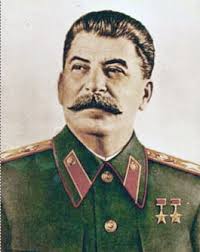
Joseph Stalin
The agreement stunned the world. Since 1919, Nazis and Communists had fought bitter battles against each other in the streets of Germany during the Weimar Republic.
When this was replaced in 1933 by the Third Reich, German Communists were rounded up and imprisoned, if not murdered, by Hitler’s ruthless secret police, the Schutzstaffel (“Protective Squads”).
For the moment, however, all of that was conveniently forgotten.
And, surprising as it might seem, each dictator harbored a secret respect for the other.
After Hitler launched a blood-purge of his own private Stormtroopers army on June 30, 1934, Stalin exclaimed: “Hitler, what a great man! That is the way to deal with your political opponents!”
And Hitler was equally admiring of Stalin’s notorious ruthlessness: “After the victory over Russia,” he told his intimates, “it would be a good idea to get Stalin to run the country, with German oversight, of course. He knows better than anyone how to handle the Russians.”
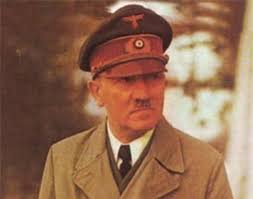
Adolf Hitler
But Hitler hadn’t forgotten his life’s ambition to conquer the Soviet Union and utterly destroy “the scourge of Jewish-Marxism.”
Stalin received numerous warnings from the United States and Great Britain about the coming invasion. But he dismissed them as efforts by the West to trick him into violating the pact and turning Nazi Germany into his mortal enemy.
When informed of the attack, Stalin at first believed it was being made by rogue German forces. He refused to order an immediate counterattack.
Upon being convinced that the Wehrmacht intended to wage all-out war, he went into a funk in his dacha and shut himself off from everyone. To his closest associates he wailed: “Lenin left us a great inheritance and we, his heirs, have fucked it all up!”
Meanwhile, the Red Air Force was destroyed on the ground by the awesome Luftwaffe. And the Wehrmacht was advancing at a rate of 25 miles a day.
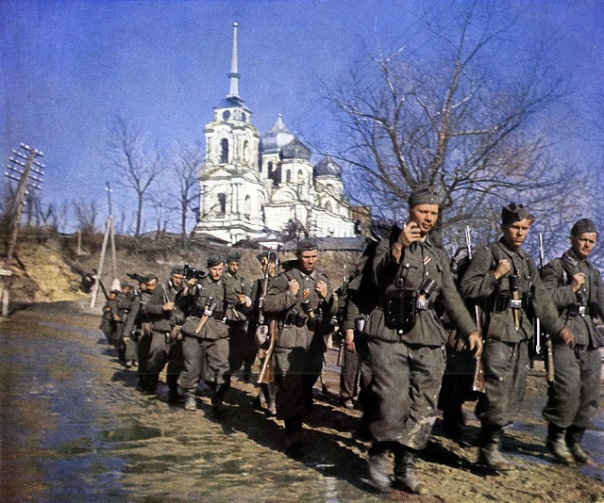
German soldiers marching through Russia
On July 3, after 10 days of brooding (and probably drinking heavily) in his dacha, Stalin finally took to the airways across the Soviet Union.
Never a spellbinding orator, Stalin spoke in slow and faltering tones. Nevertheless, his opening words were startling: “Comrades! Citizens! Brothers and sisters! Men of our army and navy! I am addressing you, my friends!”
Stalin had never addressed an audience this way, and he never would again.
He said the “peace loving” Soviet Union had been attacked by “fiends and cannibals” who wanted to restore the rule of the landlords and Czars. He claimed the non-aggression pact with Germany had given the army much-needed time to rearm and reorganize its forces.
This was accompanied by orders unprecedented in any other army: Those taken prisoner by the Germans were to be considered traitors—and shot or imprisoned. Those suspected of wounding themselves to avoid combat were also subject to summary execution. So were soldiers who had been legitimately wounded in battle but were suspected of inflicting those injuries.
The first two years of the war—1941 to 1943—proved disastrous for the Soviet Union.
During the first six months—June to December, 1941—German armies lured huge Soviet forces into gigantic “cauldron battles,” surrounding and exterminating them. An estimated 5.7 million prisoners of war (POWs) fell into German hands. Of these, at least 3.5 million died in custody.
But then the infamous Russian cold and snows of winter halted the Wehrmacht before Moscow.
In the summer of 1942 German forces once again mounted a ferocious offensive, driving all the way to the Volga—and Stalingrad.
But they became bogged down in bitter house-to-house fighting. With the arrival of winter, Soviet forces surrounded the Wehrmacht’s powerful Sixth Army. The besiegers became the besieged. On February 2, 1943, Field Marshal Friedrich von Paulus surrendered what remained of his army. The battle cost Germany 500,000 men, including 91,000 taken prisoner.
As the Red Army finally began to go over on the offensive, Stalin relaxed the iron controls that had long stifled creativity on the part of his commanders.
The infamous political commissars were removed from control over Russian generals. Gold braid and fancy uniforms were manufactured and rushed to the front as morale boosters.
The war would last another two years—costing the Soviet Union at least 26 million citizens—before it ended with the Red flag flying over Berlin.
Almost the entire western half of the Soviet Union was devastated—first as the Germans overran territory from the Polish border to the gates of Moscow, and then again as the Soviets slowly pushed them back to Germany itself.
9/11 ATTACKS, ABC NEWS, ALTERNET, AMERICABLOG, AP, BABY BOOMER RESISTANCE, BBC, BLOOMBERG, BLOOMBERG NEWS, BUZZFEED, CBS NEWS, CNN, CROOKS AND LIARS, DAILY KOS, DEMOCRATS, DONALD TRUMP, DRUDGE RETORT, FIVETHIRTYEIGHT, GUN CONTROL, HARPER’S MAGAZINE, HOUE OF REPRESENTATIVES, HUFFINGTON POST, JOHN MCCAIN, MARCUS FLOWERS, MARJORIE TAYLOR GREENE, MEDIA MATTERS, MOTHER JONES, MOVEON, MSNBC, NBC NEWS, NEW REPUBLIC, NEWSDAY, NEWSWEEK, NICCOLO MACHIAVELLI, NPR, PARKLAND SCHOOL MASSACRE, PBS NEWSHOUR, PERRY GREENE, POLITICO, POLITICUSUSA, QANON, RAW STORY, REPUBLICANS, REUTERS, SALON, SANDY HOOK SCHOOL MASSACRE, Sarah Palin, SEATTLE TIMES, SLATE, TALKING POINTS MEMO, TANTRIC SEX, THE ATLANTIC, THE CHICAGO SUN-TIMES, THE CHICAGO TRIBUNE, THE DAILY BEAST, THE DAILY BLOG, THE DAILY MAIL, THE DISCOURSES, THE GUARDIAN, THE HILL, THE HUFFINGTON POST, THE INTERCEPT, THE LOS ANGELES TIMES, THE NATION, THE NEW REPUBLIC, THE NEW YORK TIMES, THE NEW YORKER, THE PENTAGON, THE VILLAGE VOICE, THE WASHINGTON POST, THINKPROGRESS, TIME, TRUTHDIG, TRUTHOUT, TWITTER, U.S. NEWS & WORLD REPORT, UPI, USA TODAY, WONKETTE, WORLD TRADE CENTER
In Bureaucracy, History, Politics, Social commentary on October 4, 2022 at 12:10 am
Keep humpin’, humpin’, humpin’
Though the guys keep comin’
Keep that body humpin’, Margie!
Through bright and stormy weather
She looks great in leather
Wishin’ this ride would last all night.
By my calculatin’, this bedroom will be shakin’
Before her husband gets home tonight!
On September 28, the husband of Rep. Marjorie Taylor Greene (R-GA) filed for divorce, citing that the marriage was “irretrievably broken.”
Perry Greene also asked the Floyd County Superior Court to seal the divorce proceedings: “The parties’ significant privacy interest…outweighs the public’s miniscule interest in access to said records.”
Specifically: “Sensitive personal and financial information” would likely be revealed, “which would negatively impact the parties’ privacy interests.”
However much truth lies in that assertion, there is almost certainly another reason why both Greenes—especially Marjorie—want to keep the reason for their divorce a secret.
The Daily Mail reported that she enjoyed a torrid affair with a tantric sex guru, Craig Ivey, whom she met at her gym in Alpharetta, Georgia.
According to Leslie Grace, R.N., who bills herself as a “Certified Tantra Educator”: “The simplest explanation of tantric intimacy is that it’s about bringing the fire of your sexual energy, passion, and desires into alignment with your heart, your spirit, and a sense of goodness in your life.”
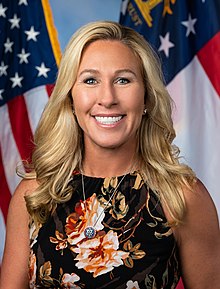
Marjorie Taylor Greene
Later, Marjorie moved on to a personal trainer named Justin Tway.
Neither man denied the affairs, the Mail added.
“I have no interest in talking about anything to do with that woman,” said Tway. “Everything with her comes to no good.”
Sources told the Mail that her extramarital affairs went back at least a decade.
“It wasn’t a secret,” said one source. “Everyone who moved in her circles knew about both the affairs.”
Another source, identified as Jim Chambers, said: “She socialized a lot with us. I remember one particular pool party where she was lying draped over Craig’s lap drinking a beer. She was quite open about it. We all thought her marriage was falling apart.”
Keep humpin’, humpin’, humpin’
Now the bedroom’s thumpin’.
Keep that body humpin’, Margie!
Don’t think about her lovers
Husbands, sons and brothers
And Donald will show up any day.
My pants are calculatin’ I’ll keep those bastards waitin’
As long as her husband’s away!

Craig Ivey
Taylor Greene called the report “ridiculous tabloid garbage spread by an avowed Communist” and “another attempt to smear my name because I’m the biggest threat to the Democrats’ Socialist agenda.”
Before taking her at her word, it’s useful to remember that she’s embraced such QAnon conspiracy theories as:
- Donald Trump was sent by God to defeat the Democrats;
- The Parkland and Sandy Hook school massacres were “false flag” events that target gun owners; and
- The 9/11 attacks on the Pentagon and World Trade Center might not have happened.
Understandably, the Mail’s portrayal of her as a libido-charged cheater is not how Greene wants to be seen—especially by the evangelicals she’s counting on to return her to Congress this November.
“Marriage is a wonderful thing and I’m a firm believer in it. Our society is formed by a husband and wife creating a family to nurture and protect,” she said in a statement shared with The Hill.
“Together, Perry and I formed our family and raised three great kids. He gave me the best job title you can ever earn: Mom. I’ll always be grateful for how great of a dad he is to our children.”
Let ’em in, ride ’em out
Throw ’em out, let ’em in
Let ’em out, let ’em in, Margie!
Let ’em in, throw ’em out
Throw ’em out, let more in
Let ’em all climb aboard, Margie!
Greene is clearly following in the footsteps of former Alaska Governor Sarah Palin.

Sarah Palin
After being picked as John McCain’s Vice Presidential running mate in 2008, she wrapped herself in the flag and Bible—and became the darling of the Right-wing evangelical community.
All of which masked the truly dysfunctional truths of her own family: Alcoholism, infidelity, premarital sex, out-of-wedlock births, domestic violence.
Yet, as Niccolo Machiavelli wrote in his masterwork, The Discourses: “Time, which has been said to be the father of all truth, does not fail to bring [the truth] to light.”
How this might affect Greene’s run for re-election has yet to be seen.
Her opponent in Georgia’s 14th District is Marcus Flowers. Flowers has served as an active duty member of the US Army, as well as an official for the State Department and Department of Defense.
In January, 2022, Twitter permanently suspended one of her two accounts “for repeated violations of our COVID-19 misinformation policy.”
Many of Greene’s opponents can’t understand why so many people embrace her so fanatically. The reason is simple:
People support those candidates they feel best represent themselves. Greene exudes hatred for millions of her fellow Americans—and this reflects the hatred of her voting base.
The outcome of the election will turn on whether more haters than patriots turn up at the polls.
Humpin’, humpin’, humpin’
Humpin’, humpin’, humpin’
Humpin’, humpin’, humpin’
Humpin’, humpin’, humpin’
Margie!
ABC NEWS, ALTERNET, ALVARO OBREGON, AMERICABLOG, ANCHOR BABIES, AP, BABY BOOMER RESISTANCE, BBC, BLOOMBERG NEWS, BUZZFEED, CBS NEWS, CNN, CORRUPTION, CROOKS AND LIARS, DAILY KOS, DAILY KOZ, DONALD TRUMP, DRUDGE REPORT, EMILIANO ZAPATA, FELIPE CALDERON, FIVETHIRTYEIGHT, HARPER’S MAGAZINE, HUFFINGTON POST, ILLEGAL ALIENS, illegal immigration, MEDIA MATTERS, MEXICAN REVOLUTION, MEXICO, MIGRANT CARRAVAN, MOTHER JONES, MOVEON, MSNBC, NBC NEWS, NEW REPUBLIC, NEWSDAY, NEWSWEEK, NPR, PANCHO VILLA, PBS NEWSHOUR, POLITICO, POLITICUSUSA, RACIAL PROFILING, RAW STORY, REUTERS, SALON, SEATTLE TIMES, SLATE, TALKING POINTS MEMO, THE ATLANTIC, THE CHICAGO SUN-TIMES, THE CHICAGO TRIBUNE, THE DAILY BEAST, THE DAILY BLOG, THE GUARDIAN, THE HILL, THE HUFFINGTON POST, THE LOS ANGELES TIMES, THE NATION, THE NEW REPUBLIC, THE NEW YORK TIMES, THE NEW YORKER, THE VILLAGE VOICE, THE WALL STREET JOURNAL, THE WASHINGTON POST, THINKPROGRESS, TIJUANA, TIME, TRUTHDIG, TRUTHOUT, TWITTER, U.S. NEWS & WORLD REPORT, UPI, USA TODAY, VENUSTIANO CARRANZA
In Bureaucracy, History, Law, Law Enforcement, Politics, Social commentary on October 3, 2022 at 12:14 am
On May 20, 2010, Mexico’s then-President Felipe Calderon addressed a joint session of the United States Congress—and attacked a recently-enacted Arizona law that allowed law enforcement officials to detain anyone suspected of being in the country illegally.
According to Calderon, the law “introduces a terrible idea: using racial profiling as a basis for law enforcement.
“I have said that Mexico does not stop at its border, that wherever there is a Mexican, there is Mexico.”
The hypocrisy of Calderon’s words was staggering. He was condemning the United States for doing what Mexico itself has long done: Strictly enforcing control of its own borders.

Felipe Calderon
World Economic ForumCopyright by World Economic Forum / Photo by Remy Steinegger
Mexico has a single, streamlined law that ensures that foreign visitors and immigrants are:
- In the country legally;
- Have the means to sustain themselves economically;
- Not destined to be burdens on society;
- Of economic and social benefit to society;
- Of good character and have no criminal records; and
- Contribute to the general well-being of the nation.
The law also ensures that:
- Immigration authorities have a record of each foreign visitor;
- Foreign visitors do not violate their visa status;
- Foreign visitors are banned from interfering in the country’s internal politics;
- Foreign visitors who enter under false pretenses are imprisoned or deported;
- Foreign visitors violating the terms of their entry are imprisoned or deported;
- Those who aid in illegal immigration are sent to prison.
Only eight years after Calderon demanded that Americans repeal their immigration laws, Mexicans suddenly discovered that “illegal alien” was no longer a dirty phrase.
On October 13, 2018, a caravan of at least 5,000 men, women and children from El Salvador, Guatemala and Honduras set out for the United States.
On October 18, President Donald Trump closed the U.S.-Mexico border to keep the caravan from entering the country.
By November 19, migrants had begun piling up in Tijuana, which borders San Diego.
And that’s when Tijuana residents began carrying signs reading “No illegals,” “No to the invasion” and “Mexico First.” And marching in the streets wearing Mexico’s red, white and green national soccer jersey and vigorously waving Mexican flags.
“We want the caravan to go; they are invading us,” said Patricia Reyes, a 62-year-old protester. “They should have come into Mexico correctly, legally, but they came in like animals.”
The El Paso Times noted the resentment of many Mexicans toward the increasing numbers of Cuban illegal aliens in Juarez, which lies across from El Paso.
“They don’t get along with Mexican people,” said a burrito seller. “They get in a little group by themselves. A lot of people don’t like them here.”
And a business consultant complained, “There are people who are coming looking for a handout, who want us to help them, when they could also look for work.”
Over the weekend of October 12-13, 2019, a National Guard commander addressed his platoon before confronting the latest caravan: “No one will come to trample our country, our land!”
In the past, Mexicans comprised the largest group of illegal aliens entering the United States. But the Mexican economy has grown and developed to the point where fewer people see the need to emigrate.
So most illegals are mostly from Guatemala, Honduras, and El Salvador. And there are growing numbers from Haiti, Cuba, various African countries, and even the Middle East.
During the first eight months of 2019, the number of asylum applications submitted to Mexico’s refugee agency (COMAR) more than tripled, compared to the same period in 2018. As a result, the refugee agency has removed the how-to-apply video it once hosted on its website.
In the past, the Mexican Government refused to halt illegal immigration to the United States.
It remembered the bloody upheaval known as the Mexican Revolution. This lasted 10 years (1910-1920) and wiped out an estimated one to two million men, women and children.
Massacres were common on all sides, with men shot by the hundreds in bullrings or hung by the dozen on trees.
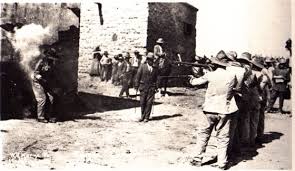
A Mexican Revolution firing squad
All of the major leaders of the Revolution—Francisco Madero, Emiliano Zapata, Venustiano Carranza, Francisco “Pancho” Villa, Alvaro Obregon—died in a hail of bullets.
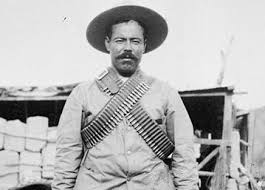
Francisco “Pancho” Villa
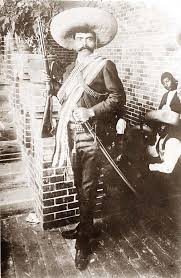
Emiliano Zapata
As a result, every successive Mexican Government lived in the shadow of another such wholesale bloodletting. These officials quietly decided to turn the United States border into a safety valve.
* * * * *
Who says that everyone who wants to live in the United States has the right to do so?
No other nation has ever allowed itself to become a dumping ground for the world’s unwanteds. And no law—religious or secular—obligates the United States to do so.
An “open door” policy proved essential 200 years ago, when most of America was unsettled and largely unpopulated.
But the United States is no longer a largely unpopulated, agricultural country. Most of its population lives in coastal cities—which is where most illegal aliens tend to settle as well.
Space is limited in schools, hospitals and housing, and the more people who cram into limited spaces, the more frictions they inevitably create.
As native-born Mexicans are angrily finding out.
2016 PRESIDENTIAL CAMPAIGN, ABC NEWS, ALTERNET, AMERICABLOG, AP, ATTORNEYS, BABY BOOMER RESISTANCE, BBC, BLOOMBERG NEWS, BUZZFEED, CBS NEWS, CLASSIFIED DOCUMENTS, CNN, CROOKS AND LIARS, CROSS-EXAMINATION, DAILY KOS, DONALD TRUMP, FBI, FIVETHIRTYEIGHT, FOX AND FRIENDS, FOX NEWS, HARPER’S MAGAZINE, HILLARY CLINTON, HOUSE OF REPRESENTATIVES, HUFFINGTON POST, JAMES COMEY, KEVIN MCCARTHY, LETITIA JAMES, MAR-A-LAGO, MEDIA MATTERS, MOTHER JONES, MOVEON, MSNBC, NBC NEWS, NEW REPUBLIC, NEWSDAY, NEWSWEEK, NPR, PBS NEWSHOUR, POLITICO, POLITICUSUSA, RAW STORY, REPUBLICAN PARTY, REUTERS, Ronald Reagan, SALON, SEAN HANNITY, SEATTLE TIMES, SLATE, SOVIET UNION, SPEAKER OF THE HOUSE, TALKING POINTS MEMO, THE ATLANTIC, THE CHICAGO SUN-TIMES, THE CHICAGO TRIBUNE, THE DAILY BEAST, THE DAILY BLOG, THE GUARDIAN, THE HILL, THE HUFFINGTON POST, THE INTERCEPT, THE LOS ANGELES TIMES, THE NATION, THE NEW REPUBLIC, THE NEW YORK TIMES, THE NEW YORKER, THE VILLAGE VOICE, THE WASHINGTON POST, THINKPROGRESS, TIME, TRUTHDIG, TRUTHOUT, TWITTER, U.S. DEPARTMENT OF JUSTICE, U.S. NEWS & WORLD REPORT, UPI, USA TODAY, VLADIMIR PUTIN
In Bureaucracy, History, Politics, Social commentary on September 27, 2022 at 12:11 am
Donald Trump—before, during and after his Presidency—has always preferred “journalists” who toss him softball questions and repeatedly pay homage to him.
Such a “journalist” is Sean Hannity, host of the Fox Network’s Sean Hannity Show.
On September 21, Hannity—who had “interviewed” Trump on many other occasions, did so again.
From the outset, he made his intentions clear: To exonerate Trump—who is now facing multiple civil and criminal investigations—from all accusations.
Hannity opened by attacking Trump’s longtime foe, New York Attorney General Letitia James:
“Take a look at New York Attorney General Letitia James. Now, today she filed a lawsuit against Donald Trump and three of his children and other entities, claiming that they inflated the value of the Trump Organization. It is nothing short of a very obvious political stunt. It is not a criminal case. It is a civil case….

Sean Hannity
“Now, the attorney general isn’t even trying to hide her efforts to weaponize justice in New York State. Her conduct is deeply unethical at best.”
Then Hannity moved on to other “Trump haters”:
“But she’s not alone, you know, from the Trump haters on Capitol Hill, high-ranking deep state bureaucrats in the DOJ, the FBI. Now we have witnessed, going on many years, the 45th president has been the subject of what is non-stop, never-ending legal scrutiny focused not on a specific crime but on the man himself.”
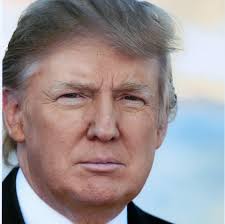
Donald Trump
Then he moved on—inevitably—to attacking former Secretary of State and 2016 Presidential candidate Hillary Clinton:
“And, by the way, the president can declassify any of these documents—unlike, for example, Secretary of State Hillary Clinton, she cannot.
“Still, she stored 110 classified documents on unsecured private servers. Hillary Clinton was never forced to endure a federal raid. She was never charged with any crime.”
Hannity then ran a clip of former FBI Director James Comey saying of Clinton: “Although there is evidence of potential violations of the statutes regarding the handling of classified information, our judgment is that no reasonable prosecutor would bring such a case.”
But Hannity did not say that Trump, on becoming President, fired Comey for investigating the proven ties between Trump’s Presidential campaign and operatives for Russian president Vladimir Putin.
All of this undoubtedly made Trump feel vindicated and comfortable. Too comfortable, as matters turned out.
When Trump left the White House on January 20, 2021, he illegally took highly-classified government documents to his private club, Mar-a-Lago, in Palm Beach, Florida.
On August 8, FBI agents searched Mar-a-Lago to recover those documents. Among those retrieved: Eleven sets of classified documents, four of them tagged as “Top Secret” and one as “Top Secret/SCI,” the highest level of classification.
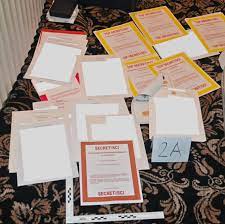
Documents found at Trump’s residence
Continuing to exonerate Trump, no matter what the offense, Hannity said: “OK. You have said on Truth Social a number of times you did declassify—”
TRUMP: “I did declassify.”
HANNITY: “OK. Is there a process—what was your process to declassify?”
TRUMP: “There doesn’t have to be a process, as I understand it. You know, there’s—different people say different things, but as I understand there doesn’t have to be.
“If you’re the President of the United States, you can declassify just by saying, ‘It’s declassified.’ Even by thinking about it, because you’re sending it to Mar-a-Lago or to wherever you’re sending it.”
Not even Trump’s attorneys have dared to make such an argument. Not when they demanded a “Special Master” to comb through the seized documents—allegedly so those that belonged to Trump could be returned to him.
Nor did they make such an assertion when, before Special Master Judge Raymond Dearie, they refused to state the process by which Trump had allegedly declassified the documents.
The media—and Trump’s many enemies—quickly seized upon this mind-blowing claim. Late-night TV hosts in particular milked it for laughs.
The Daily Show host Trevor Noah: How could Trump “declassify documents with his brain” when he couldn’t even “read documents with his brain?”
“If Trump actually had the power to change things just by thinking about them,” joked Jimmy Kimmel, “Don Jr. would have turned into a Big Mac 30 years ago.”
Nor did Kimmel pass up the opportunity to stick a barb into Hannity: “His approach was basically, ‘Show me on the doll where the FBI investigated you.’ I mean you have to hand it to Sean. When life gives him felons, he makes felon-ade!”
On a serious level, Trump’s outlandish assertion is liable to hurt his—or his attorneys’—appearances before various state and federal judges.
More than 500 years ago, Niccolo Machiavelli, the father of modern politics, warned that a prince must guard against being taken lightly—and, worse, expose himself to ridicule.
In his book, The Prince, Machiavelli writes: “…He ought….to pay attention to [guilds and classes], mingle with them from time to time, and give them an example of his humanity and munificence, always upholding, however, the majesty of his dignity, which must never be allowed to fail in anything whatever.”
It’s hard to be taken seriously when you claim supernatural powers denied to other, mere mortals.
2016 PRESIDENTIAL CAMPAIGN, ABC NEWS, ALTERNET, AMERICABLOG, AP, ATTORNEYS, BABY BOOMER RESISTANCE, BBC, BLOOMBERG NEWS, BUZZFEED, CBS NEWS, CLASSIFIED DOCUMENTS, CNN, CROOKS AND LIARS, CROSS-EXAMINATION, DAILY KOS, DONALD TRUMP, FBI, FIVETHIRTYEIGHT, FOX AND FRIENDS, FOX NEWS, HARPER’S MAGAZINE, HILLARY CLINTON, HOUSE OF REPRESENTATIVES, HUFFINGTON POST, JAMES COMEY, KEVIN MCCARTHY, LETITIA JAMES, MAR-A-LAGO, MEDIA MATTERS, MOTHER JONES, MOVEON, MSNBC, NBC NEWS, NEW REPUBLIC, NEWSDAY, NEWSWEEK, NPR, PBS NEWSHOUR, POLITICO, POLITICUSUSA, RAW STORY, REPUBLICAN PARTY, REUTERS, Ronald Reagan, SALON, SEAN HANNITY, SEATTLE TIMES, SLATE, SOVIET UNION, SPEAKER OF THE HOUSE, TALKING POINTS MEMO, THE ATLANTIC, THE CHICAGO SUN-TIMES, THE CHICAGO TRIBUNE, THE DAILY BEAST, THE DAILY BLOG, THE GUARDIAN, THE HILL, THE HUFFINGTON POST, THE INTERCEPT, THE LOS ANGELES TIMES, THE NATION, THE NEW REPUBLIC, THE NEW YORK TIMES, THE NEW YORKER, THE VILLAGE VOICE, THE WASHINGTON POST, THINKPROGRESS, TIME, TRUTHDIG, TRUTHOUT, TWITTER, U.S. DEPARTMENT OF JUSTICE, U.S. NEWS & WORLD REPORT, UPI, USA TODAY, VLADIMIR PUTIN
In Bureaucracy, History, Politics, Social commentary on September 26, 2022 at 12:10 am
It’s a truth well-known to cross-examining attorneys: The best way to obtain the truth is often to “kill your opponents with kindness.”
Witnesses always expect the opposing counsel to immediately start screaming at them. But that only causes the witness to stay alert and say as little as possible.
So the smart attorney comes on as courteous, friendly, even sympathetic.

A classic example of this: A laborer claimed to have permanently injured his shoulder in a railway accident, leaving him unable to work. He claimed he could no longer raise his arm above a point parallel with his shoulder.
The railway’s attorney asked him a few sympathetic questions about his injuries. And the witness quickly volunteered that he was in constant pain and a near-invalid.
“And, as a result of the accident, how high can you raise your arm?” asked the attorney.
The witness slowly raised his arm parallel with his shoulder.
“Oh, that’s terrible,” said the attorney.
Then: “How high could you get it up before the accident?”
Unthinkingly, the witness extended his arm to its full height above his head—to the laughter of the judge, jury and spectators.
Case dismissed.
In politics, sometimes your best friends turn out to be your worst enemies.
Kevin McCarthy proved this during his September 30, 2015 appearance on Fox News.
McCarthy, the Republican member of the House of Representatives from Bakersfield, California, was undoubtedly feeling relaxed.
After all, he wasn’t being interviewed by such “enemies” of the Right as The New York Times or MSNBC political commentator Rachel Maddow.
He was being interviewed by Sean Hannity, a Right-wing political commentator whose books included Conservative Victory: Defeating Obama’s Radical Agenda and Deliver Us From Evil: Defeating Terrorism, Despotism, and Liberalism.

The topic under discussion: Who would be the next Republican Speaker of the House, now that John Boehner had announced his decision to leave not only the Speakership but the House itself in November?
Now Hannity wanted to know what would happen when the next Republican Speaker took office. And McCarthy—who was in the running for the position—was eager to tell him.
“What you’re going to see is a conservative Speaker, that takes a conservative Congress, that puts a strategy to fight and win.
“And let me give you one example. Everybody thought Hillary Clinton was unbeatable, right?
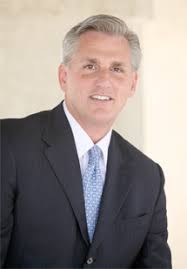
Kevin McCarthy
“But we put together a Benghazi special committee. A select committee. What are her [poll] numbers today? Her numbers are dropping. Why? Because she’s untrustable. But no one would have known that any of that had happened had we not fought to make that happen.”
In 51 words, McCarthy revealed that:
- The House Select Committee on Benghazi was not a legitimate investigative body.
- Its purpose was not to investigate the 2012 deaths of four American diplomats during a terrorist attack in Benghazi, Libya.
- Its real purpose was to destroy the Presidential candidacy of Hillary Clinton.
- To accomplish this, its members spent 17 months and wasted more than $4.5 million of American taxpayers’ funds.
On October 8, 2015, Republicans were expected to choose their nominee for Speaker. On that same date, McCarthy announced that he was withdrawing his name from consideration:
“Over the last week it has become clear to me that our Conference is deeply divided and needs to unite behind one leader. I have always put this Conference ahead of myself. Therefore I am withdrawing my candidacy for Speaker of the House.”
When reporters asked McCarthy if his revelation was the reason he withdrew, he replied, “Well, that wasn’t helpful.”
But then he quickly replayed the official Republican version: “But this Benghazi committee was only created for one purpose: to find the truth on behalf of the families for the four dead Americans.”
On October 29, 2015, Republicans—holding the majority of House members–elected Paul Ryan, (Wisconsin) the 54th speaker of the United States House of Representatives.
Democrats and Republicans were united in their anger that the real reason for the Benghazi “investigation” had been revealed.
Democrats were furious that McCarthy, in an unguarded moment, had revealed that their major Presidential candidate had been the victim of a Republican smear campaign disguised as a legitimate inquiry.
And Republicans were furious that McCarthy, in an unguarded moment, had revealed that the “legitimate inquiry” had been nothing more than a Republican smear campaign.
For McCarthy, the Benghazi Committee had legitimately served the nation—not by uncovering relevant details about a terrorist act but by causing Hillary Clinton’s poll numbers to drop.
In 1981, President Ronald Reagan had attacked the leaders of the Soviet Union thusly: “They reserve unto themselves the right to commit any crime, to lie, to cheat.”
McCarthy’s comments demonstrated that the Republican Party had adopted the same mindset and tactics as the dictators of the former Soviet Union.
Almost seven years after Kevin McCarthy revealed himself and his party as ruthless hypocrites, Republicans suffered a similar outbreak of truth.
But this time, the stakes were higher—involving Donald J. Trump, the former President of the United States.
ABC NEWS, ADOLF HITLER, ALTERNET, AMERICABLOG, AP, ASSASSINATION, BABY BOOMER RESISTANCE, BBC, BLOOMBERG NEWS, BUZZFEED, CBS NEWS, CNN, CONSPIRACIES, CROOKS AND LIARS, DAILY KOS, DAY OF THE JACKAL, DONALD TRUMP, FIVETHIRTYEIGHT, FREDERICK FORSYTHE, GAIUS CASSIUS, HARPER’S MAGAZINE, HUFFINGTON POST, JULIUS CAESAR, MAR-A-LAGO, MARCUS BRUTUS, MARK ANTHONY, MEDIA MATTERS, MOTHER JONES, MOVEON, MSNBC, NBC NEWS, NEW REPUBLIC, NEWSDAY, NEWSWEEK, NICCOLO MACHIAVELLI, NPR, PBS NEWSHOUR, PLOTS, POLITICO, POLITICUSUSA, RAW STORY, REUTERS, SALON, SEATTLE TIMES, Secret Service, SLATE, TALKING POINTS MEMO, THE ATLANTIC, THE CHICAGO SUN-TIMES, THE CHICAGO TRIBUNE, THE DAILY BEAST, THE DAILY BLOG, THE DISCOURSES, THE GUARDIAN, THE HILL, THE HUFFINGTON POST, THE INTERCEPT, THE LOS ANGELES TIMES, THE NATION, THE NEW REPUBLIC, THE NEW YORK TIMES, THE NEW YORKER, THE VILLAGE VOICE, THE WALL STREET JOURNAL, THE WASHINGTON POST, THINKPROGRESS, TIME, TRUTHDIG, TRUTHOUT, TWITTER, U.S. NEWS & WORLD REPORT, UPI, USA TODAY, WHITE HOUSE STAFFER
In Bureaucracy, History, Law, Law Enforcement, Military, Politics, Social commentary on September 23, 2022 at 12:22 am
Niccolo Machiavelli, the father of modern political science, wrote that there are three periods of danger in a conspiracy:
- Dangers in organizing the plot
- Dangers in executing the conspiracy
- Dangers following the execution of the plot.
The first two were covered in Part Two of this series. Now, as to the third:
Dangers following the Execution of the Conspiracy: There is really but one—someone is left who will avenge the murdered prince. These can be brothers, sons or other relatives, who have been spared by negligence or for other reasons.
But of all the perils that follow the execution of a conspiracy, the most certain and fearful is the attachment of the people to the murdered prince. There is no remedy against this, for the conspirators can never secure themselves against a whole people.
An example of this occurred in the case of Julius Caesar, who, being beloved by the people, was avenged by them.

Julius Caesar
Machiavelli closes his chapter “Of Conspiracies” with advice to rulers on how they should act when they find a conspiracy has been formed against them.
If they discover that a conspiracy exists against them, they must, before punishing its authors, strive to learn its nature and extent. And they must measure the danger posed by the conspirators against their own strength.
And if they find it powerful and alarming, they must not expose it until they have amassed sufficient force to crush it. Otherwise, they will only speed their own destruction.
The foregoing was taken from Machiavelli’s masterwork, The Discourses on Livy, which was published posthumously in 1531. But elsewhere in this volume, he notes how important it is for rulers to make themselves loved–or at least respected—by their fellow citizens:


Niccolo Machiavelli
Note how much more praise those Emperors merited who, after Rome became an empire, conformed to her laws like good princes, than those who took the opposite course.
Titus, Nerva, Trajan, Hadrian, Antoninus and Marcus Auelius did not require the Praetorians nor the multitudinous legions to defend them, because they were protected by their own good conduct, the good will of the people, and by the love of the Senate.
On the other hand, neither the Eastern nor the Western armies saved Caligula, Nero, Vitellius and so many other wicked Emperors from the enemies which their bad conduct and evil lives had raised up against them.
In his better-known work, The Prince, he warns rulers who—like Donald Trump—are inclined to rule by fear:
A prince should make himself feared in such a way that if he does not gain love, he at any rate avoids hatred: for fear and the absence of hatred may well go together.
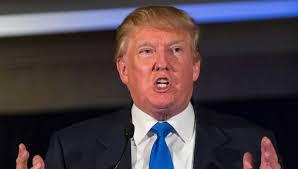
Donald Trump
Most Presidents try to seem friendly and caring toward their fellow Americans.
This held true even for Richard M. Nixon, when, on May 9, 1970, he made an impromptu visit to the Lincoln Memorial and engaged in a rambling dialogue with Vietnam war protesters.
As both a Presidential candidate and President, Trump repeatedly used Twitter to attack hundreds of real and imagined enemies in politics, journalism, TV and films.
Among his infuriating acts as President, he
- Allowed a deadly virus to ravage the country, killing 400,000 Americans by the end of his term.
- Attacked medical experts and governors who urged Americans to wear masks and socially distance to protect themselves from COVID-19.
- Attacked the integrity of the FBI and CIA for determining that Russia interfered in the 2016 Presidential election on his behalf.
- Attacked and alienated America’s oldest allies, such as Canada and Great Britain.
- Shut down the United States Government, imperiling the lives of 800,000 Federal employees, to extort money from Congress for a worthless wall on the U.S.-Mexico border.
- Attacked the free press as “the enemy of the people.”
Even as an ex-President, he poses a mortal threat to American democracy. On September 1, President Joe Biden outlined those dangers:
“The Republican Party today is dominated, driven, and intimidated by Donald Trump and the MAGA Republicans, and that is a threat to this country.
“MAGA Republicans do not respect the Constitution. They do not believe in the rule of law. They do not recognize the will of the people.
“They refuse to accept the results of a free election. And they’re working right now, as I speak, in state after state to give power to decide elections in America to partisans and cronies, empowering election deniers to undermine democracy itself.
“MAGA forces are determined to take this country backwards—backwards to an America where there is no right to choose, no right to privacy, no right to contraception, no right to marry who you love.
“They promote authoritarian leaders, and they fan the flames of political violence that are a threat to our personal rights, to the pursuit of justice, to the rule of law, to the very soul of this country.”
By Machiavelli’s standards, Trump has made himself the perfect target for a conspiracy: “When a prince becomes universally hated, it is likely that he’s harmed some individuals—who thus seek revenge. This desire is increased by seeing that the prince is widely loathed.”


.jpg&imgrefurl=https%3A%2F%2Fen.wikipedia.org%2Fwiki%2FJulius_Caesar&docid=i5zp8D4W-fCkiM&tbnid=pa1aoGEpET-OGM%3A&vet=1&w=1117&h=1769&bih=414&biw=745&ved=0ahUKEwjsvNnh8-rSAhULe7wKHWZBDxoQMwhQKBUwFQ&iact=c&ictx=1)
 Bureaucracybuster's Blog
ABC NEWS, ALTERNET, AMERICABLOG, AP, BABY BOOMER RESISTANCE, BBC, BLOOMBERG NEWS, BUREAU OF CUSTOMS AND BORDER PROTECTION, BUZZFEED, CALIFORNIA, CBS NEWS, CHICAGO, CNN, CROOKS AND LIARS, CUBA, DAILY KOS, DEMOCRATS, ENGLISH LANGUAGE, ERIC ADAMS, FEDERATION FOR AMERICAN IMMIGRATION REFORM (FAIR), FIVETHIRTYEIGHT, FLORIDA, GREG ABBOTT, HARPER’S MAGAZINE, HUFFINGTON POST, illegal immigration, MEDIA MATTERS, MOTHER JONES, MOVEON, MSNBC, NBC NEWS, NEW REPUBLIC, NEW YORK CITY, NEWSDAY, NEWSWEEK, NICARAGUA, NPR, PBS NEWSHOUR, POLITICO, POLITICUSUSA, RAW STORY, REPUBLICANS, REUTERS, SALON, SCHOOLS, SEATTLE TIMES, SLATE, TALKING POINTS MEMO, TEXAS, THE ATLANTIC, THE CHICAGO SUN-TIMES, THE CHICAGO TRIBUNE, THE DAILY BEAST, THE DAILY BLOG, THE DAILY MAIL, THE GUARDIAN, THE HILL, THE HUFFINGTON POST, THE INTERCEPT, THE LOS ANGELES TIMES, THE NATION, THE NEW REPUBLIC, THE NEW YORK TIMES, THE NEW YORKER, THE VILLAGE VOICE, THE WASHINGTON POST, THINKPROGRESS, TIME, TRUTHDIG, TRUTHOUT, TWITTER, U.S. NEWS & WORLD REPORT, UPI, USA TODAY, VENEZUELA, WASHINGTON D.C.
THE SPIRALING COSTS OF ILLEGAL ALIENS
In Bureaucracy, Business, History, Law, Law Enforcement, Politics, Social commentary on October 11, 2022 at 12:10 amDefenders of illegal aliens entering the United States often point to their paying taxes and performing jobs that native-born Americans don’t want to do.
What they fail to mention are the costs of maintaining millions of unskilled and semi-literate (at best) men, women and children for decades on end.
Fortunately, James Reinl, social affairs correspondent at the British newspaper, The Daily Mail, has taken the time to bring these truths to light.
This occurred in a September 16 article headlined:
“America’s $78B Bill for Teaching Schoolkids With Poor English is Rising by BILLIONS in Biden-era Immigration Surge, Study Says, and 76,000 New Language Instructors Are a Tall Order in a Teacher Shortage.”
Among its findings:
These alarming statistics were produced by a study from the Federation for American Immigration Reform (FAIR).
The 5.1 million students lacking English language skills need help in all their classes. As a result, it costs 15 to 20 percent more to educate them than American-born students who grow up learning English.
Illegal alien climbing over the border fence in Brownsville, Texas
A well-known joke illustrates the frustrations English-as-a-second-language teachers face:
A teacher asks her class: “All right, who can tell me the difference between ‘select’ and ‘choose’?” A Hispanic student raises his hand and, being called on, replies, ‘Uh, ‘select,’ like that means when you pick something, man. And ‘choose’ is what Puerto Ricans wear on their feet.”
With the United States facing a severe teacher shortage, some states have lowered their hiring rules to recruit teachers with only a high school diploma.
In 2020, the 5.1 million illegal alien students in public schools cost American taxpayers $78 billion—an $18.8 billion jump from the cost in 2016.
Of those students, 1.15 million were in California, costing the state $19.5 billion. One million more lived in Texas, costing that state $11.4 billion. And 278,000 lived in Florida, at a cost of $3.1 billion.
Only 370,000 teachers nationwide are trained to teach them, and 76,000 more will be needed during the next five years.
According to Immigration and Customs Enforcement, almost 200,000 immigrants were intercepted crossing the southern border in July. Many of them are entitled to claim asylum, and all children in the United States have a right to an education—even if they arrived here illegally.
Illegal aliens rounded up by ICE
Immigration remains a highly divisive issue among Americans. “Red” Republican states want to close borders. “Blue” Democratic states are more open to newcomers.
Yet even famously liberal enclaves of support for illegal aliens like New York are beginning to have second thoughts about taking in unlimited numbers of uninvited foreigners.
On October 7, New York City Mayor Eric Adams declared a state of emergency in response to the city’s migrant crisis, which he says will cost the city $1 billion this fiscal year.
Eric Adams
“We now have a situation where more people are arriving in New York City than we can immediately accommodate, including families with babies and young children,” Adams said.
“Once the asylum seekers from today’s buses are provided shelter, we would surpass the highest number of people in recorded history in our city’s shelter system.”
Behind this unwanted influx lies Texas Governor Greg Abbott.
By the first week of October, Texas had spent more than $18 million busing illegal aliens found in Texas to famously liberal supporters of illegal immigration: Washington D.C., New York City, and Chicago.
Abbott announced the program in April as his response to the Biden administration’s immigration policies.
Greg Abbott
New York City now has more than 61,000 people in its shelter system. Thousands of these are American citizens who are homeless. They are competing for assistance with illegal aliens who were bused to New York City from the southern border since April of this year.
Behind this huge surge in illegal aliens and their continuing drain on America’s schools, housing and hospitals (among other facilities) lie three Communist-ruled countries: Venezuela, Nicaragua and Cuba.
Rising levels of repression, food shortages and economic stability are motivating Cubans, Venezuelans and Nicaraguans to enter the United States. And assisting them in this effort is the longtime policy of the United States government to automatically accept those leaving Communist countries as refugees.
At some point, the United States must face the economic and social absurdity of allowing some cities and states to provide sanctuary to every illegal alien who appears.
Even Eric Adams, while emphasizing that while New York City remains a sanctuary city, it cannot cope with such an overwhelming influx of migrants:
“We are not telling anyone that New York can accommodate every migrant in the city. We’re not encouraging people to send eight, nine buses a day….We’re saying that as a sanctuary city with right to shelter, we’re going to fulfill that obligation. That’s what we’re doing.”
At some point, America must stop allowing itself to be a dumping-ground for other countries’ unwanteds.
Share this: