Posts Tagged ‘NAZI GERMANY’
9/11 ATTACKS, ABC NEWS, ALTERNATIVE ENERGY SOURCES, ALTERNET, AP, ARAB OIL EMBARGO, BBC, BUZZFEED, CBS NEWS, CHRISTIAN RIGHT, CNN, COLD WAR, CROOKS AND LIARS, DAILY KOS, DAILY KOZ, DONALD TRUMP, EGYPT, FACEBOOK, FOSSIL FUELS, GLOBAL WARMING, IRAN, IRAQ, ISLAM, ISRAEL, JAMAL KHASHOGGI, MECCA, MEDINA, MIDDLE EAST, MOHAMMED BIN SALMAN, MOTHER JONES, MOVEON, MSNBC, NAZI GERMANY, NBC NEWS, NEWSWEEK, NPR, Oil, OSAMA BIN LADEN, PBS NEWSHOUR, POLITICO, RAW STORY, REPUBLICANS, REUTERS, SALON, SAND CURTAIN, SAUDI ARABIA, SEATTLE TIMES, SECOND COMING, SHAH OF IRAN, SHIITE MUSLIMS, SLATE, SOVIET UNION, SUNNI MUSLIMS, TERRORISM, THE ATLANTIC, THE CHICAGO SUN-TIMES, THE CHICAGO TRIBUNE, THE DAILY BEAST, THE GUARDIAN, THE HILL, THE HUFFINGTON POST, THE LOS ANGELES TIMES, THE NATION, THE NEW YORK TIMES, THE WALL STREET JOURNAL, THE WASHINGTON POST, TIME, TRUMP WORLD TOWER, TURKEY, TWITTER, U.S. NEWS & WORLD REPORT, UNITED STATES, UPI, USA TODAY, VENEZUELA, WAHHABISM, WORLD WAR ii
In Bureaucracy, History, Military, Politics, Social commentary on March 25, 2022 at 12:10 am
The time is long overdue for the United States to scrap its devil’s bargain relationship with Saudi Arabia.
Reason #1: The political assassination of Saudi dissident journalist Jamal Khashoggi, a key critic of Saudi King Mohammed bin Salman.
On October 2, 2018, Khashoggi walked into the Saudi Consulate in Istanbul to pick up a document allowing him to marry a Turkish woman. Video footage showed Khashoggi walking into the consulate; there is none of him leaving it.
He was never seen again.
According to Turkish government officials:
- Fifteen Saudi agents flew into Istanbul.
- They waited for Khashoggi inside the consulate and murdered him within two hours of his arrival.
- The assassins used a bone saw to dismember Khashoggi’s corpse.

Jamal Khashoggi
[GFDL (http://www.gnu.org/copyleft/fdl.html)%5D, via Wikimedia Commons
Reason #2: Saudi Arabia is a weak ally.
President Donald Trump claimed that Saudi Arabia served as a counter-weight to the growing regional influence of Iran. But Saudi Arabia was unable to defend itself against Saddam Hussein’s Iraq in 1990, after the invasion and takeover of Kuwait.
This was, in fact, why Saudi-born Osama bin Laden decided to declare war on the United States.
He petitioned Saudi King Fahd bin Abdulazis al-Saud to let Saudis oppose any invasion by Iraq. He argued that “infidel” American soldiers stationed in the Kingdom would “pollute” Islam’s two great holy sites: Mecca and Medina.
Having fought against the Soviet Union in Afghanistan during the 1980s, bin Laden offered to help defend Saudi Arabia with his Arab legion.
The king refused—because he knew that, despite all the sophisticated military hardware he had bought from the United States, the Saudis were too militarily weak to resist an invasion.
Bin Laden left the country to wage fulltime war against the United States.
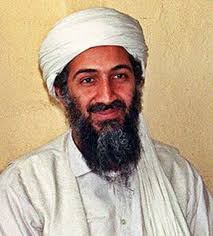
Osama bin Laden
Reason #3: Saudi Arabia is filled with Islamics who hate the United States as “the Great Satan.”
Fifteen of the 19 September 11, 2001 highjackers came from Saudi Arabia.
And Saudi Arabia is the birthplace of Wahhabism, a radical brand of Islam dedicated to “purifying” the world of “unbelievers.”
Reason #4: The only reason the United States cares about Saudi Arabia is that it’s the second-largest oil-producing country (after Venezuela) n the world.
Yet oil consumption threatens the future of the world through global warming. And it keeps America tethered to a regime that is fundamentally unstable and hostile to the West.
Reason #5: The United States can end its dependence on Saudi oil by embarking on a crash program to develop alternatives to oil.
Had this happened during the 1973 Arab oil embargo, the United States would now be energy-independent. America has the technology to do so; it lacks only the will.
Reason #6: Once the United States no longer needs fossil fuels, it can quit financing Middle East dictatorships.
This will end spending billions of dollars every year to prop up dictatorial regimes like those in Saudi Arabia, Iraq and Egypt. America will no longer supply big-ticket military hardware (like fighter planes and missiles) to potentially hostile Islamic regimes.
Reason #7: By withdrawing from the Middle East, the United States can free itself of the burden of acting as Israel’s permanent bodyguard.
Millions of Americans believe they are morally obligated to defend Israel owing to the barbarism of the Holocaust. But America was never a party to this, and has nothing to atone for.
Yet, for decades, the United States has been repeatedly dragged into the never-ending religious conflicts between Israelis and Islamics. Since both sides believe they are doing “God’s will,” there can be no substantial compromise by either.
Reason #8: The United States and its European allies can defend themselves against Islamic terrorism by erecting a “Sand Curtain” around the Middle East.
For 44 years—1947 to 1991—the United States and the Soviet Union were locked in a Cold War stalemate. Essentially, the United States drew a ring around the Soviet Union—including those nations its armies had seized following the defeat of Nazi Germany in 1945.
The United States said, in effect: “We can’t liberate the countries you’re now occupying”—because that would have triggered a nuclear World War III. “But we won’t allow you to occupy and enslave any other countries. And if you try to do so, it will mean total war.”
America could withdraw all of its forces from the Middle East—but keep a good portion stationed in Europe.

It could then publicly announce: “From now on, you are the masters of your own destinies—so long as what you do affects only the Middle East.
“We recognize that barbarism and violence have always been a part of life in the Middle East. And we don’t expect this to change.
“We realize you will destroy as many of your own citizens as you can—because they’re Jewish or Christians, or because Sunni Muslims and Shiite Muslims hate each other.
“Just don’t threaten citizens living outside your territories. In short: Europe and the United States are strictly off-limits to you.
“And if you aim your aggression at either, we will consider this an act of war and use all the weapons at our disposal—including nuclear ones—to wipe you from the face of the Earth.“
2016 PRESIDENTIAL ELECTION, 2020 PRESIDENTIAL ELECTION, ABC NEWS, ACAM SCHIFF, ADOLF HITLER, ALTERNET, AMERICABLOG, AP, BABY BOOMER RESISTANCE, BBC, BLOOMBERG NEWS, BRETT CROZIER, BUZZFEED, CBS NEWS, CHARLES PIERCE, CHRIS KREBS, CNN, CONVERSATION WITH AN AMERICAN WRITER (POEM), CORONAVIRUS, CROOKS AND LIARS, CYBERSECURITY AND INFRASTRUCTURE SECURITY AGENCY, DAILY KOS, DAILY KOZ, DEPARTMENT OF HOMELAND SECURITY, DEPARTMENT OF STATE, DIMITRI SHOSTAKOVICH, DONALD TRUMP, DRUDGE REPORT, ESQUIRE MAGAZINE, FACEBOOK, FBI, FIVETHIRTYEIGHT, FOX NEWS NETWORK, GREAT TERROR, HARPER’S MAGAZINE, HOUSE INTELLIGENCE COMMITTEE, HOUSE OF REPRESENTATIVES, HUFFINGTON POST, JOSEPH BIDEN, JOSEPH STALIN, MARIA YOVANOVICH, MEDIA MATTERS, MICROSOFT, MIKHAIL TUKHACHEVESKY, MOTHER JONES, MOVEON, MSNBC, NAZI GERMANY, NBC NEWS, NEW REPUBLIC, NEWSDAY, NEWSWEEK, NICCOLO MACHIAVELLI, NIKOLAI ZHILAYEV, NPR, PBS NEWSHOUR, POLITICO, POLITICUSUSA, RAW STORY, REUTERS, RUDY GIULIANI, SALON, SEATTLE TIMES, SLATE, SOVIET UNION, TALKING POINTS MEMO, THE ATLANTIC, THE CHICAGO SUN-TIMES, THE CHICAGO TRIBUNE, THE DAILY BEAST, THE DAILY BLOG, THE DISCOURSES, THE GUARDIAN, THE HILL, THE HUFFINGTON POST, THE LOS ANGELES TIMES, THE NATION, THE NEW REPUBLIC, THE NEW YORK TIMES, THE NEW YORKER, THE VILLAGE VOICE, THE WALL STREET JOURNAL, THE WASHINGTON POST, THINKPROGRESS, THOMAS MODLY, TIME, TRUTHDIG, TRUTHOUT, TWITTER, TWO POLITICAL JUNKIES, U.S. NEWS & WORLD REPORT, UKRAINE, UPI, USA TODAY, WEHRMACHT, WONKETTE, WORLD WAR ii, YEVGENEY YEVTUSHENKO
In Bureaucracy, History, Law, Law Enforcement, Medical, Military, Politics, Social commentary on February 4, 2022 at 12:14 am
Dictators bring out the worst in their followers.
But they also bring out the best in those who dare to oppose them.
Next hero: Marie Yovanovitch, the former United States ambassador to Ukraine (2016 – 2019). She had joined the Foreign Service in 1986, and served as ambassador to Kyrgyzstan (2005 – 2008) and Armenia (2008 – 2011).
In May 2019, on President Donald Trump’s orders, the State Department recalled Yovanovitch as ambassador to Ukraine. She had earned respect from the national security community for her efforts to encourage Ukraine to tackle corruption.
But she had been criticized by Right-wing media outlets—notably Fox News Network—and by Trump’s personal attorney, Rudy Giuliani.

Marie Yovanovitch
CNN reported that Yovanovitch stopped Giuliani from interviewing witnesses in his search for politically damaging information against former Vice President Joe Biden, whose son, Hunter, had had business dealings in Ukraine.
On October 11, 2019, she appeared before the House Intelligence Committee, chaired by Representative Adam Schiff (D-CA). She did so in defiance of orders by the White House and State Department to not attend.
“She was a hero even before she hit the hearing room,” wrote Charles Pierce for Esquire magazine.
“She told them to stuff their directives, she would answer a congressional subpoena like a citizen is supposed to do. And she didn’t sneak in through the basement. She walked into the Capitol through the front doors, and she didn’t do so to fck around.”
Testifying for nearly 10 hours, Yovanovitch said that Trump had removed her from her post owing to “unfounded and false claims” and “a concerted campaign against me.”
She believed that associates of Trump’s personal lawyer, Giuliani, might have thought “that their personal financial ambitions were stymied by our anti-corruption policy in Ukraine.”
And she warned that the State Department was being “attacked and hollowed out from within. State Department leadership, with Congress, needs to take action now to defend this great institution, and its thousands of loyal and effective employees.”
Another victim on Trump’s hate-list was Chis Krebs.
During the 2016 Presidential race, Russian propaganda had played a major role in convincing millions of Americans to vote for Donald Trump. Social media platforms—especially Facebook and Twitter—were flooded with genuinely fake news to sow discord among Americans and create a pathway for Trump’s election.
And where Internet trolls left off, Russian computer hackers took over.
Trump didn’t win a majority of the popular vote. But he got enough help from Putin to triumph in the Electoral College.
So notorious was the role played by Russian trolls and hackers in winning Trump the 2016 election that the Department of Homeland Security (DHS) was determined to prevent a repetition in 2020.
And point man for this was Chris Krebs.
Born in Atlanta, Georgia, in 1977, Krebs had received a B.A. in environmental sciences from the University of Virginia in 1999, and a J.D. from the George Mason University School of Law in 2007.
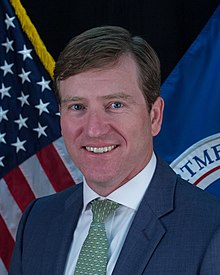
Chris Krebs
Krebs had served as Senior Advisor to the Assistant Secretary of Homeland Security for Infrastructure Protection, and later worked in the private sector as Director for Cybersecurity Policy for Microsoft.
Now he was director of the Cybersecurity and Infrastructure Security Agency at DHS.
In preparation for the 2020 Presidential election, Krebs launched a massive effort to counter lies spread by Russians—and Americans—on social media platforms. Among his duties:
- Sharing Intelligence from agencies such as the CIA and National Security Agency with local officials about foreign efforts at election interference.
- Ensuring that domestic voting equipment was secure.
- Attacking domestic misinformation head-on.
As a result, Krebs was widely praised for revamping the department’s cybersecurity efforts and increasing coordination with state and local governments.
By all accounts—except Trump’s—the November 3, 2020 election went very smoothly.
As a result of the vast increase in election security, Trump not only failed to win the popular vote again but couldn’t get the help he expected from Putin.
On November 17, Trump fired Chris Krebs.
The reason: Krebs had not only countered Russian propaganda lies—he had dared to counter Trump’s as well. For example: He rejected Trump’s claims of widespread voter fraud: There “is no evidence that any voting system deleted or lost votes, changed votes, or was in any way compromised.”
In a November 17 story on the CNN website, CNN reporters Kaitlan Collins and Paul LeBlanc bluntly concluded:
“[Krebs’] dismissal underscores the lengths Trump is willing to go to punish those who don’t adopt his conspiratorial view of the election.
“Since CNN and other outlets called the race for President-elect Joe Biden, Trump has refused to accept the results, instead pushing baseless conspiracies that his second term is being stolen.”
Yet, by depriving Trump of Russian help, Krebs ensured a victory for democracy.
On January 6, the House and Senate counted the Electoral Votes—and pronounced Joseph Biden the winner—bringing an end to Trump’s reign of criminality and treason.
In his 1960 poem, “Conversation With an American Writer,” the Russian poet, Yevgeney Yevtushenko spoke for those Russians who had maintained their integrity in the face of Stalinist terror:
“You have courage,” they tell me.
It’s not true. I was never courageous.
I simply felt it unbecoming
to stoop to the cowardice of my colleagues.
Unfortunately, the same cannot be said of Republicans in the United States Senate and House of Representatives in the face of Trump terror.
2016 PRESIDENTIAL ELECTION, 2020 PRESIDENTIAL ELECTION, ABC NEWS, ADAM SCHIFF, ADOLF HITLER, ALTERNET, AMERICABLOG, AP, ARMENIA, BABY BOOMER RESISTANCE, BBC, BUZZFEED, CBS NEWS, CHARLES PIERCE, CNN, CONVERSATION WITH AN AMERICAN WRITER (POEM), CORY GARDNER, CORY GRADINER, CROOKS AND LIARS, DAILY KOS, DAILY KOZ, DIMITRI SHOSTAKOVICH, DONALD TRUMP, ESQUIRE MAGAZINE, FACEBOOK, FBI, FIVETHIRTYEIGHT, FOREIGN SERVICE, GREAT TERROR, HOUSE INTELLIGENCE COMMITTEE, HOUSE OF REPRESENTATIVES, HUNTER BIDEN, JAMES COMEY, JEFF SESSIONS, JOE BIDEN, JONI ERNST, JOSEPH STALIN, KEITH SCHILLER, KYRGYZSTAN, MARIA YOVANOVITCH, MARIE YOVANOVICH, MARTHA MCSALLY, MICHAEL ATKINSON, MIKE FLYNN, MIKHAIL TUKHACHEVESKY, MOTHER JONES, MOVEON, MSNBC, NAZI GERMANY, NBC NEWS, NEWSWEEK, NICCOLO MACHIAVELLI, NIKITA KHRUSHCHEV, NIKOLAI ZHILAYEV, NPR, PBS NEWSHOUR, POLITICO, POLITICUSUSA, RAW STORY, REUTERS, ROBERT MUELLER III, ROD ROSENSTEIN, RUDOLPH GIULIANI, RUDY GIULIANI, RUSSIAN ESPIONAGEky, SALON, SEATTLE TIMES, SENATE INTELLIGENCE COMMITTEE, SERGEY KISLYAK, SERGEY LAVOV, SLATE, SOVIET UNION, STATE DEPARTMENT, TALKING POINTS MEMO, THE ATLANTIC, THE CHICAGO SUN-TIMES, THE CHICAGO TRIBUNE, THE DAILY BEAST, THE DAILY BLOG, THE DISCOURSES, THE GUARDIAN, THE HILL, THE HUFFINGTON POST, THE LOS ANGELES TIMES, THE NATION, THE NEW YORK TIMES, THE WALL STREET JOURNAL, THE WASHINGTON POST, THINKPROGRESS, THOM TILLIS, TIME, TRUTHDIG, TWITTER, U.S. NEWS & WORLD REPORT, UKRAINE, UPI, USA TODAY, WEHRMACHT, WORLD WAR 11, YEVGENEY YEVTUSHENKO
In History, Law, Law Enforcement, Medical, Military, Politics, Social commentary on February 3, 2022 at 12:10 am
It takes courage to stand up to dictators. These Russians—and Americans—did so.
And paid the price.
Next up: Nikolai Sergeyvich Zhilayev (pronounced Zill-lay-ev) was a Russian musicologist and the teacher of several 20th-century Russian composers.
Among these: Dimitri Shostakovich (September 25, 1906 – August 9, 1975)
Among his friends—to his ultimate misfortune—was Mikhail Nikolayevich Tukhachevsky, the former military hero now falsely condemned and executed as a traitor by Soviet dictator Joseph Stalin.
In 1938, Zhilayev (November 18, 1881 – January 20, 1938) also became a casualty of what has become known as The Great Terror.
In his posthumously-published memoirs, Testimony, Shostakovich, his pupil and friend, described how Zhilayev faced his end with a calmness that awed even the NKVD (the predecessor to the KGB) secret police sent to arrest him.
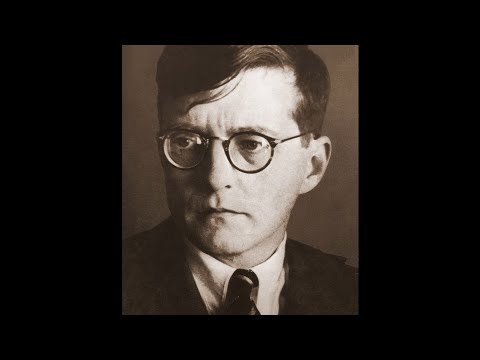
Dimitri Shostakovich
“He had a large picture of Tukhachevsky in his room, and after the announcement that Tukhachevsky had been shot as a traitor to the homeland, Zhilayev did not take the picture down.
“I don’t know if I can explain how heroic a deed that was….As soon as the next poor soul was declared an enemy of the people, everyone destroyed in a panic everything connected with that person….
“And naturally, photographs flew into the fire first, because if someone informed on you, reported that you had a picture of an enemy of the people, it meant certain death.
“Zhilayev wasn’t afraid. When they came for him, Tukhachevsky’s prominently hung portrait amazed even the executioners.”
“What, it’s still up?” one of the secret police asked.
“The time will come,” Zhilayev replied, “when they’ll erect a monument to him.”
As, in fact, has happened.
Meanwhile, Stalin has been universally condemned as one of history’s greatest tyrants.
Third hero—Brett Crozier, the former commanding officer of the aircraft carrier USS Theodore Roosevelt.
Graduating from the United States Naval Academy at Annapolis in 1992, he received his Master’s Degree in National Security and Strategic Studies from the Naval War College in 2007.
From 2017 to 2018 he commanded the USS Blue Ridge. In November, 2019, he was given command of the nuclear aircraft carrier USS Theodore Roosevelt.
On March 24, 2020, reports circulated that three members of the crew had tested positive for COVID-19. The next day the number of stricken sailors increased to eight. A few days later, it was “dozens.” The sailors reportedly became ill at sea, two weeks after a port call at Danang, Vietnam.
The initial cases were airlifted to a military hospital. The Roosevelt was ordered to Guam. After the ship docked on March 27, 2020, all 5,000 aboard were ordered to be tested for the virus. But only about 100 stricken sailors were allowed to leave the ship. The rest remained on board.
On March 30, Crozier emailed a four-page internal letter to multiple Naval officials, pleading to have the majority of the crew evacuated and quarantined on shore. Given the crowded sleeping quarters and narrow passageways of the vessel, Crozier wrote that it was impossible to follow social distancing and quarantine procedures:
“This will require a political solution but it is the right thing to do. We are not at war. Sailors do not need to die. If we do not act now, we are failing to properly take care of our most trusted asset—our Sailors….
“This is a necessary risk. Keeping over 4,000 young men and women on board the TR is an unnecessary risk and breaks faith with those Sailors entrusted to our care.”
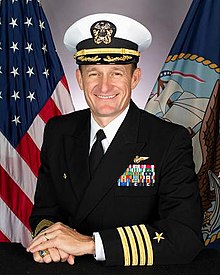
Brett Crozier
Crozier sent his letter via a non-secure, unclassified email to 20 to 30 recipients, as well as the captain’s immediate chain of command. He reportedly believed that his immediate supervisor would not allow him to send it.
And his superior later confirmed that he would not have allowed Crozier to send it.
On March 31, someone leaked the letter to the San Francisco Chronicle, which published it.
On April 1, the Navy ordered the aircraft carrier evacuated. A skeleton crew of 400 remained aboard to maintain the nuclear reactor, the fire-fighting equipment, and the ship’s galley.
On April 2, Crozier was relieved of command by acting United States Secretary of the Navy Thomas Modly.
By that time, about 114 crew members—out of a total of around 4,000—reportedly tested positive for COVID-19.
As Crozier disembarked, sailors loudly saluted him with a standing ovation: “Cap-tain Cro-zier!”
Modly claimed that Crozier’s letter “raised alarm bells unnecessarily. It undermines our efforts and the chain of command’s efforts to address this problem, and creates a panic and this perception that the Navy’s not on the job, that the government’s not on the job, and it’s just not true.”
Actually, the Trump administration had frittered away January and February, with President Donald Trump giving multiple—and misleading—press conferences. In these, he played down the dangers of COVID-19, saying that “we’re on top of it”—even as the virus spread across the country.
“It was a betrayal. And I can tell you one other thing: because he did that he put it in the public’s forum and it is now a big controversy in Washington, DC,” continued Modly. [Italics added]
This was the United States Navy under Donald Trump—who threw “betrayal” and “treason” at anyone who dared reveal the truth about institutional crimes and failures.
2016 PRESIDENTIAL ELECTION, 2020 PRESIDENTIAL ELECTION, ABC NEWS, ADAM SCHIFF, ADOLF HITLER, ALTERNET, AMERICABLOG, AP, ARMENIA, BABY BOOMER RESISTANCE, BBC, BUZZFEED, CBS NEWS, CHARLES PIERCE, CNN, CONVERSATION WITH AN AMERICAN WRITER (POEM), CORY GARDNER, CORY GRADINER, CROOKS AND LIARS, DAILY KOS, DAILY KOZ, DIMITRI SHOSTAKOVICH, DONALD TRUMP, ESQUIRE MAGAZINE, FACEBOOK, FBI, FIVETHIRTYEIGHT, FOREIGN SERVICE, GREAT TERROR, HOUSE INTELLIGENCE COMMITTEE, HOUSE OF REPRESENTATIVES, HUNTER BIDEN, JAMES COMEY, JEFF SESSIONS, JOE BIDEN, JONI ERNST, JOSEPH STALIN, KEITH SCHILLER, KYRGYZSTAN, MARIA YOVANOVITCH, MARIE YOVANOVICH, MARTHA MCSALLY, MICHAEL ATKINSON, MIKE FLYNN, MIKHAIL TUKHACHEVESKY, MOTHER JONES, MOVEON, MSNBC, NAZI GERMANY, NBC NEWS, NEWSWEEK, NICCOLO MACHIAVELLI, NIKITA KHRUSHCHEV, NIKOLAI ZHILAYEV, NPR, PBS NEWSHOUR, POLITICO, POLITICUSUSA, RAW STORY, REUTERS, ROBERT MUELLER III, ROD ROSENSTEIN, RUDOLPH GIULIANI, RUDY GIULIANI, RUSSIAN ESPIONAGEky, SALON, SEATTLE TIMES, SENATE INTELLIGENCE COMMITTEE, SERGEY KISLYAK, SERGEY LAVOV, SLATE, SOVIET UNION, STATE DEPARTMENT, TALKING POINTS MEMO, THE ATLANTIC, THE CHICAGO SUN-TIMES, THE CHICAGO TRIBUNE, THE DAILY BEAST, THE DAILY BLOG, THE DISCOURSES, THE GUARDIAN, THE HILL, THE HUFFINGTON POST, THE LOS ANGELES TIMES, THE NATION, THE NEW YORK TIMES, THE WALL STREET JOURNAL, THE WASHINGTON POST, THINKPROGRESS, THOM TILLIS, TIME, TRUTHDIG, TWITTER, U.S. NEWS & WORLD REPORT, UKRAINE, UPI, USA TODAY, WEHRMACHT, WORLD WAR 11, YEVGENEY YEVTUSHENKO
In Bureaucracy, History, Law, Law Enforcement, Medical, Military, Politics, Social commentary on February 2, 2022 at 1:38 am
…A truly great man is ever the same under all circumstances. And if his fortune varies, exalting him at one moment and oppressing him at another, he himself never varies, but always preserves a firm courage, which is so closely interwoven with his character that everyone can readily see that the fickleness of fortune has no power over him.
The conduct of weak men is very different. Made vain and intoxicated by good fortune, they attribute their success to merits which they do not possess. And this makes them odious and insupportable to all around them. And when they have afterwards to meet a reverse of fortune, they quickly fall into the other extreme, and become abject and vile.
—Niccolo Machiavelli, The Discourses
Four heroes, three villains.
Two of the heroes are Russians; three are Americans.
The villains: One Russian (actually, Georgian); two American.
First up—in order of disappearance: Mikhail Nikolayevich Tukhachevsky (pronounced too-ka-chev-sky).
Tukhachevsky (February 4, 1893 – June 12, 1937) was a major Soviet military leader and theoretician from 1918 to 1937.
He commanded the Soviet Western Front during the Russian-Polish War (1920-21) and served as Chief of Staff of the Red Army (1925-1928).
He fought to modernize Soviet armament, as well as develop airborne, aviation and mechanized forces. Almost singlehandedly, he created the theory of deep operations for Soviet forces.

Mikhail Tukhachevsky
All of these innovations would reap huge dividends when the Soviet Union faced the lethal fury of Adolf Hitler’s Wehrmacht.
In 1936, Tukhachevsky warned Soviet dictator Joseph Stalin that Nazi Germany might attack without warning—and ignite a long and murderous war.
Stalin—the son of a Georgian cobbler—resented Tukhachevsky’s coming from a noble family. A monumental egomaniac, he also hated that Tukhachevesky’s fame rivaled his own.
Warned of the approaching German danger, Stalin shouted: “What are you trying to do—frighten Soviet authority?”
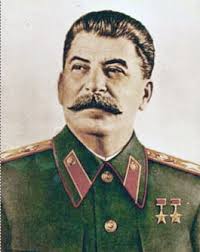
Joseph Stalin
The attack that Tukhachevsky warned against came five years later—on June 22, 1941, leaving at least 26 million Russians dead.
But Tukhachevsky wasn’t alive to command a defense.
The 1930s were a frightening and dangerous time to be alive in the Soviet Union. In 1934, Stalin, seeing imaginary enemies everywhere, ordered a series of purges that lasted right up to the German invasion.
An example of Stalin’s paranoia occurred one day while the dictator walked through the Kremlin corridors with Admiral Ivan Isakov. Officers of the NKVD (the predecessor to the KGB) stood guard at every corner.
“Every time I walk down the corridors,” said Stalin, “I think: Which one of them is it? If it’s this one, he will shoot me in the back. But if I turn the corner, the next one can shoot me in the face.”
In 1937-38, the Red Army fell prey to Stalin’s paranoia.
Its victims included:
- Three of five marshals (five-star generals);
- Thirteen of 15 army commanders (three- and four-star generals);
- Fifty of 57 army corps commanders; and
- One hundred fifty-four out of 186 division commanders.
And heading the list of those marked for death was Marshal Mikhail Tukhachevsky.
Arrested on May 22, 1937, he was interrogated and tortured. As a result, he “confessed” to being a German agent plotting to overthrow Stalin and seize power.
On his confession, which survives in the archives, his bloodstains can clearly be seen.
On June 11, 1937, the Soviet Supreme Court convened a special military tribunal to try Tukhachevsky and eight generals for treason.
It was a sham: The accused were denied defense attorneys, and could not appeal the verdict—-which was foregone: Death.
In a Russian version of poetic justice, five of the eight generals who served as Tukhachevsky’s judges were themselves later condemned and executed as traitors.
Within hours of the verdict, Tukhachevsky was summoned from his cell and shot once in the back of the head.
From 1937 until 1956, Tukhachevsky was officially declared a traitor and fifth-columnist.
Then, on February 25, 1957, Soviet Premier Nikita Khrushchev delivered his bombshell “Secret Speech” to the 20th Congress of the Communist Party of the Soviet Union.
In this, he denounced Stalin (who had died in 1953) as a ruthless tyrant responsible for the slaughter of millions of innocent men, women and children. He condemned Stalin for creating a “personality cult” around himself, and for so weakening the Red Army that Nazi Germany was able to easily overrun half of the Soviet Union from 1941 to 1943.
On January 31, 1957, Tukhachevsky and his co-defendants were declared innocent of all charges and were “rehabilitated.”
Today, he is once again—rightly—considered a Russian hero and military genius. And Stalin is universally—and rightly—seen as a blood-stained tyrant.

Mikhail Tukhachevsky appears on a 1963 Soviet Union postage stamp
Next hero: Nikolai Sergeyvich Zhilayev (pronounced Zill-lay-ev)
Zhilayev (November 18, 1881 – January 20, 1938) was a Russian musicologist and the teacher of several 20th-century Russian composers. Among these: Dimitri Shostakovich.
Zhilayev, a member of the Russian Academy of Art-Sciences, taught at the Moscow Conservatory. Among his friends—to his ultimate misfortune—was Mikhail Tukhachevsky.
In 1938, he, too, became a casualty of what has become known as The Great Terror.
In his posthumously-published memoirs, Testimony, Shostakovich, his pupil and friend, described how Zhilayev faced his end with a calmness that awed even the NKVD secret police sent to arrest him.
ABC NEWS, ABORTION, AIR RAGE INCIDENTS, ALTERNET, AMERICABLOG, ANTHONY FAUCI, ANTI-SCIENCE, AP, BABY BOOMER RESISTANCE, BLOOMBERG, BRIGHAM AND WOMEN’S HOUSPITAL, BUZZFEED, CBS NEWS, CENTERS FOR DISEASE CONTROL AND PREVENTION, CNN, COLUMBIA UNIVERSITY MEDICAL CENTER, CORONAVIRUS, COSTCO, COVID-19, CRAIG SPENCER, CROOKS AND LIARS, DAILY KOZ, DAVID ABRAMS, DEMOCRATS, DONALD TRUMP, DRUDGE RETORT, EDUCATION, FACEBOOK, FASCISM, FIVETHIRTYEIGHT, FLORIDA ATLANTIC UNIVERSITY, HARPER’S MAGAZINE, HYPOCRISY, JENNY FAUST, JOE BIDEN, KRISTI NOEM, MASKS, MEDIA MATTERS, MIKE PENCE, MOTHER JONES, MOUNT RUSHMORE, MOVEON, MSNBC, NANCY PELOSI, NAZI GERMANY, NBC NEWS, NEWSWEEK, NICCOLO MACHIAVELLI, NPR, NYU SCHOOL OF GLOBAL PUBLIC HEALTH, PBS NEWSHOUR, PETER GLICK, POLITICO, POLITICUSUSA, RAW STORY, RELIGIOUS FANATICISM, REPUBLICANS, REUTERS, RUSH LIMBAUGH, SALON, SCIENCE, SCIENTIFIC AMERICAN, SEATTLE TIMES, SLATE, SOCIAL DISTANCING, STUDENTS FOR TRUMP RALLY, SUPREME COURT, TALKING POINTS MEMO, TARGET, THE ATLANTIC, THE CHICAGO SUN-TIMES, THE CHICAGO TRIBUNE, THE DAILY BEAST, THE DAILY BLOG, THE DISCOURSES, THE GUARDIAN, THE HILL, THE HUFFINGTON POST, THE LOS ANGELES TIMES, THE NATION, THE NEW REPUBLIC, THE NEW YORK TIMES, THE VILLAGE VOICE, THE WASHINGTON POST, THINKPROGRESS, TIME, TRANSPORTATION SAFETY ADMINISTRATION (TSA), TRUTHDIG, TRUTHOUT, TULSA RALLY, TWITTER, TWO POLITICAL JUNKIES, TYPHOID MARY MALLON, U.S. NEWS & WORLD REPORT, UPI, USA TODAY, WONKETTE, WORLD HEALTH ORGANIZATION
In Bureaucracy, History, Law, Law Enforcement, Medical, Politics, Social commentary on January 27, 2022 at 12:47 am
There are five reasons why millions of Americans refuse to wear masks during a deadly pandemic:
- A feeling of solidarity against authority.
- “If liberals do it, it’s fascistic.”
- Rejection of the death-toll caused by COVID-19.
- Disdain for education in general—and science in particular.
- Religious fanaticism.
To these must be added:
Sixth: Hypocrisy. Since the Supreme Court legalized abortion in 1973, the Right has demanded that even women who are pregnant due to rape or incest carry the fetus to term.
Yet now that Right-wingers are being asked to wear masks in public—to protect themselves and others from a deadly plague—they’ve suddenly discovered the mantra: “It’s my body!”
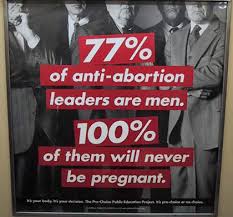
Seventh: Identifying with Donald Trump. Trump has made it clear that his followers don’t wear masks. And they have fallen into line, refusing to mask up even in crowded, indoor arenas where infection is most likely.
The following states require their citizens to wear masks when in public: California, Delaware, Hawaii, Illinois, Nevada, New Mexico, New York, Oregon, Rhode Island, Washington.
The following states still refuse to order their citizens to wear masks when in public: Alabama, Alaska, Arizona, Arkansas, Colorado, Florida, Georgia, Idaho, Indiana, Iowa, Kansas, Kentucky, Louisiana, Maine, Maryland, Massachusetts, Michigan, Minnesota, Mississippi, Missouri, Montana, North Dakota, Ohio, Oklahoma, Pennsylvania, South Carolina, South Dakota, Tennessee, Texas, Utah, Vermont, Virginia, West Virginia, Wisconsin, Wyoming.
Yet even in states where wearing a mask is mandatory when venturing out in public, many people refuse to do so. Fights have erupted before mask-less and mask-wearing customers—and sometimes store employees—who asked them to put on a mask before entering.
- Two men were arrested for felony battery after starting a fight with employees at a Los Angeles Target store over wearing masks inside the store.
- A woman entered Curbside Eatery in La Mesa, California, without a mask, pulling her T-shirt over her face. When the owner told her to mask up or leave, the woman yelled: “This is ridiculous! You’re discriminating against me!’ and threatened a lawsuit.
- In a Costco in Fort Myers, Florida, a masked man asked an unmasked customer to wear a mask. The unmasked man screamed that he was being harassed: “I feel threatened!”
On February 2, 2021, the Transportation Safety Administration (TSA) required all airline travelers to wear masks. By December, the TSA had logged more than 4,100 mask-related air-rage incidents.

So: How should those who refuse to wear a mask—and thus present a clear and present danger to others—be dealt with?
Ideally, President Joe Biden could issue a mandatory emergency order requiring everyone to wear a mask when in public. But the President lacks the legal authority to do so.
Governors, mayors and business owners should issue emergency orders mandating the wearing of masks in public. And these orders should be forcibly backed up by the following:
- Stop stressing that a mask will protect others from “you.” Most people don’t care about strangers. Emphasize that wearing a mask will protect “you and your family” from others.
- Don’t give tickets to mask-evaders. They will simply ignore them—or consider them a cheap price for going without a mask.
- Major retailers should hire professional guards to arrest mask-evaders—and turn them over to police.
- Police should arrest everyone not wearing a mask in public and jail them—without bond—until the plague is over.
- Create tip hotlines for reporting mask-evaders.
- Offer rewards for tips that lead to arrests.
- Police and prosecutors should publicize these arrests and jailings—to warn other potential mask-evaders.
- Arrest, prosecute and imprison Right-wingers who openly display and/or threaten unarmed civilians with firearms.
- Above all: Stop admitting the unmasked and unvaccinated to hospitals. Forcing them to pay the price for their irresponsible behavior will end hospital overcrowding.
It was the failure of German police and courts to abort Right-wing violence during the Weimar Republic that led to even greater violence through the rise of Adolf Hitler and his Nazi party.
This is how United States authorities dealt with “Typhoid Mary” Mallon (September 23, 1869 – November 11, 1938).
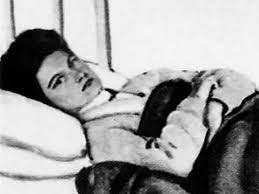
Mary Mallon
An Irish-born cook, she was an asymptomatic carrier of typhoid fever and is believed to have infected 53 people, three of whom died. Because she persisted in working as a cook, she exposed others to the disease.
As a result, she was twice forcibly quarantined by authorities, and died after a total of nearly 30 years in isolation at Riverside Hospital on North Brother Island, in New York City.
Laws are useless if citizens believe they are unfairly or unpredictably enforced. As Niccolo Machiavelli warns in his classic work, The Discourses:
All those who have written upon civil institutions demonstrate…that whoever desires to found a state and give it laws, must start with assuming that all men are bad and ever ready to display their vicious nature, whenever they may find occasion for it.
If their evil disposition remains concealed for a time, it must be attributed to some unknown reason; and we must assume that it lacked occasion to show itself. But time, which has been said to be the father of all truth, does not fail to bring it to light.
ABC NEWS, ABORTION, AIR RAGE INCIDENTS, ALTERNET, AMERICABLOG, ANTHONY FAUCI, ANTI-SCIENCE, AP, BABY BOOMER RESISTANCE, BLOOMBERG, BRIGHAM AND WOMEN’S HOUSPITAL, BUZZFEED, CBS NEWS, CENTERS FOR DISEASE CONTROL AND PREVENTION, CNN, COLUMBIA UNIVERSITY MEDICAL CENTER, CORONAVIRUS, COSTCO, COVID-19, CRAIG SPENCER, CROOKS AND LIARS, DAILY KOZ, DAVID ABRAMS, DEMOCRATS, DONALD TRUMP, DRUDGE RETORT, EDUCATION, FACEBOOK, FASCISM, FIVETHIRTYEIGHT, FLORIDA ATLANTIC UNIVERSITY, HARPER’S MAGAZINE, HYPOCRISY, JENNY FAUST, JOE BIDEN, KRISTI NOEM, MASKS, MEDIA MATTERS, MIKE PENCE, MOTHER JONES, MOUNT RUSHMORE, MOVEON, MSNBC, NANCY PELOSI, NAZI GERMANY, NBC NEWS, NEWSWEEK, NICCOLO MACHIAVELLI, NPR, NYU SCHOOL OF GLOBAL PUBLIC HEALTH, PBS NEWSHOUR, PETER GLICK, POLITICO, POLITICUSUSA, RAW STORY, RELIGIOUS FANATICISM, REPUBLICANS, REUTERS, RUSH LIMBAUGH, SALON, SCIENCE, SCIENTIFIC AMERICAN, SEATTLE TIMES, SLATE, SOCIAL DISTANCING, STUDENTS FOR TRUMP RALLY, SUPREME COURT, TALKING POINTS MEMO, TARGET, THE ATLANTIC, THE CHICAGO SUN-TIMES, THE CHICAGO TRIBUNE, THE DAILY BEAST, THE DAILY BLOG, THE DISCOURSES, THE GUARDIAN, THE HILL, THE HUFFINGTON POST, THE LOS ANGELES TIMES, THE NATION, THE NEW REPUBLIC, THE NEW YORK TIMES, THE VILLAGE VOICE, THE WASHINGTON POST, THINKPROGRESS, TIME, TRANSPORTATION SAFETY ADMINISTRATION (TSA), TRUTHDIG, TRUTHOUT, TULSA RALLY, TWITTER, TWO POLITICAL JUNKIES, TYPHOID MARY MALLON, U.S. NEWS & WORLD REPORT, UPI, USA TODAY, WONKETTE, WORLD HEALTH ORGANIZATION More stats
In Bureaucracy, History, Law, Law Enforcement, Medical, Politics, Social commentary on January 26, 2022 at 12:11 am
Not only did President Donald Trump refuse to wear a mask, but he suspected the loyalty of his staffers and Republican allies who didn’t follow his mask-less example.
On April 28, 2020, Vice President Mike Pence toured the Mayo Clinic in Rochester, Minnesota. Pence, who led the White House task force on the virus, refused to wear a mask, even though all the officials and medical personnel clustered around him did.
Pence even visited with a patient who had survived the Coronavirus and was going to give blood.
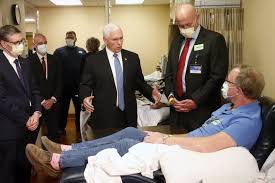
Mike Pence at the Mayo Clinic
Few White House aides wore masks, although they claimed that Trump hadn’t told them not to wear them. Some Republican allies asked Trump’s campaign how they would be seen by Trump if he saw them wearing a mask.
“It’s a vanity thing, I guess, with him,” Nancy Pelosi, speaker of the House of Representatives, said. “You’d think, as the President of the United States, you would have the confidence to honor the guidance he’s giving the country.”
By refusing to wear a mask, Trump convinced untold numbers of Americans—mostly Right-wing males—that ignoring the dangers of Coronavirus was the manly thing to do.
(On July 20, 2020, he tweeted an image of himself wearing a mask and called it “patriotic” to wear one. Hours later, however, he appeared without a mask at a fundraiser at the Trump International Hotel in Washington.)
Meanwhile, former Vice President Joe Biden, the Democratic nominee for President, often appeared in public wearing a mask. During a June 26 television interview he said that, if he were elected President, he would require wearing face masks in public to prevent the spread of the Coronavirus.
“The one thing we do know—these masks make a gigantic difference,” Biden said. “I would insist that everybody out in public be wearing that mask.”
Yet even in states such as California and New York, where this is required, many people still refuse to do so.
From May 5 to May 12, 2020, the Centers for Disease Control and Prevention (CDC) surveyed 4,042 adults throughout the country on wearing masks. The agency found that 60.3% of respondents said they always wore a mask when out in public. Another 13.8% said they often wore a mask in public.
But 17.1% said they either rarely or never wore a mask in public.
The CDC found that women were more likely than men to say they always wore a mask in public.
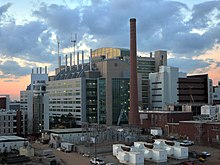
CDC headquarters in Atlanta
There are several reasons why people refuse to wear masks.
First: A feeling of solidarity. According to David Abrams, a professor of social and behavioral sciences at NYU School of Global Public Health: People who don’t wear masks may see it as a sign of solidarity, as if they are taking a stand against authority.
Second: “If liberals do it, it’s fascistic.” Many mask protesters accuse those who wear masks of being fascists. This is a hallmark of Right-wing politics—accusing their opponents of being what they are themselves.
Third: They have utterly rejected the rising death-toll caused by the virus. They claim stories of such deaths are mere “fake news”—the term Trump uses to dismiss any news stories that highlight his mistakes and criminality.
Fourth: Republicans disdain education in general—and science in particular. In March, 2020, an NBC News poll found that only 30% of Republicans said that they would actually listen to the advice of doctors to stay away from large, crowded areas to avoid Coronavirus.
These are the same people who get their version of reality from Right-wing sources like Fox News Network and radio broadcaster Rush Limbaugh.
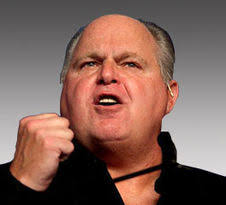
Rush Limbaugh
On his March 27, 2020 show, Limbaugh dismissed Coronavirus as “the common cold,” then added: “We didn’t elect a president to defer to a bunch of health experts that we don’t know.
“And how do we know they’re even health experts? Well, they wear white lab coats, and they’ve been in the job for a while, and they’re at the CDC [Centers for Disease Control and Prevention] and they’re at the NIH [National Institutes of Health] and they’re up, well—yeah, they’ve been there, and they are there.
“But has there been any job assessment for them? They’re just assumed to be the best because they’re in government. But, these are all kinds of things that I’ve been questioning.”
In 2015, Limbaugh said: “Firsthand smoke takes 50 years to kill people, if it does. Not everybody that smokes gets cancer. Now, it’s true that everybody who smokes dies, but so does everyone who eats carrots.”
Six years later, on February 17, 2021, Limbaugh—a longtime and heavy cigar smoker—died from Stage Four lung cancer.
Fifth: Religious Fanaticism. Many fundamentalist Christians believe that their faith in Jesus will protect them against COVID-19. They continue to attend services indoors in defiance of CDC warnings by meeting in large numbers indoors.
A female member of the Solid Red Rock Church in Monroe, Ohio, told CNN: “I wouldn’t be anywhere else. I’m covered in Jesus’ blood. I’m covered in Jesus’ blood.”
ABC NEWS, ABORTION, AIR RAGE INCIDENTS, ALTERNET, AMERICABLOG, ANTHONY FAUCI, ANTI-SCIENCE, AP, BABY BOOMER RESISTANCE, BLOOMBERG, BRIGHAM AND WOMEN’S HOUSPITAL, BUZZFEED, CBS NEWS, CENTERS FOR DISEASE CONTROL AND PREVENTION, CNN, COLUMBIA UNIVERSITY MEDICAL CENTER, CORONAVIRUS, COSTCO, COVID-19, CRAIG SPENCER, CROOKS AND LIARS, DAILY KOZ, DAVID ABRAMS, DEMOCRATS, DONALD TRUMP, DRUDGE RETORT, EDUCATION, FACEBOOK, FASCISM, FIVETHIRTYEIGHT, FLORIDA ATLANTIC UNIVERSITY, HARPER’S MAGAZINE, HYPOCRISY, JENNY FAUST, JOE BIDEN, KRISTI NOEM, MASKS, MEDIA MATTERS, MIKE PENCE, MOTHER JONES, MOUNT RUSHMORE, MOVEON, MSNBC, NANCY PELOSI, NAZI GERMANY, NBC NEWS, NEWSWEEK, NICCOLO MACHIAVELLI, NPR, NYU SCHOOL OF GLOBAL PUBLIC HEALTH, PBS NEWSHOUR, PETER GLICK, POLITICO, POLITICUSUSA, RAW STORY, RELIGIOUS FANATICISM, REPUBLICANS, REUTERS, RUSH LIMBAUGH, SALON, SCIENCE, SCIENTIFIC AMERICAN, SEATTLE TIMES, SLATE, SOCIAL DISTANCING, STUDENTS FOR TRUMP RALLY, SUPREME COURT, TALKING POINTS MEMO, TARGET, THE ATLANTIC, THE CHICAGO SUN-TIMES, THE CHICAGO TRIBUNE, THE DAILY BEAST, THE DAILY BLOG, THE DISCOURSES, THE GUARDIAN, THE HILL, THE HUFFINGTON POST, THE LOS ANGELES TIMES, THE NATION, THE NEW REPUBLIC, THE NEW YORK TIMES, THE VILLAGE VOICE, THE WASHINGTON POST, THINKPROGRESS, TIME, TRANSPORTATION SAFETY ADMINISTRATION (TSA), TRUTHDIG, TRUTHOUT, TULSA RALLY, TWITTER, TWO POLITICAL JUNKIES, TYPHOID MARY MALLON, U.S. NEWS & WORLD REPORT, UPI, USA TODAY, WONKETTE, WORLD HEALTH ORGANIZATION
In Bureaucracy, History, Law, Law Enforcement, Medical, Politics, Social commentary on January 25, 2022 at 12:24 am
The United States is now two years into a deadly plague. More than 71.7 million Americans have become infected with COVID-19 and at least 868,000 have died.
Wearing a mask and “social distancing”—keeping at least six feet between yourself and others while in public—have been the Golden Rules urged by public health officials from the pandemic’s start.
And yet vast numbers of Americans still refuse to do either. Just as they refuse to get vaccinated, despite three vaccines now widely available.


Surgical mask
In the early weeks and months of the pandemic, cloth face masks weren’t universally endorsed, even by public health experts.
“One, we didn’t know whether they were actually helpful, and two, there was a lot of concern that if people were using medical masks then people like myself, were not going to have access to them,” said Dr. Craig Spencer, director of global health in emergency medicine at Columbia University Medical Center.
No less an authority than Dr. Anthony Fauci, the country’s leading infectious disease expert, said in March, 2020, that “people should not be walking around with masks.”
Only in early June, 2020, did the World Health Organization (WHO) urge non-healthcare workers to mask up. The WHO advised people to don masks when social distancing was not possible, such as when visiting stores and using public transportation.

According to Dr. Jeremy Faust, the change in attitudes toward masks should be seen as the nature of science, and not as a flaw.
“That is what experts, in fact, do. They don’t just have an opinion and stick to it,” said Faust, an emergency physician at Brigham and Women’s Hospital, in Boston, Massachusetts. “They actually let their opinions develop and evolve as better information becomes available.”
Only in January, 2022, did the Centers for Disease Control and Prevention (CDC) urge Americans to wear N95 masks—the most effective ones available.
In 2020, the CDC had urged Americans to not use N95s. The reason: They feared this would create a shortage of these masks for doctors, nurses and paramedics working closely with COVID patients.

N95 mask
Scientists have learned, for example, that COVID-19 can be spread by those who show no symptom of the disease. And mounting evidence has proven that masks are essential for protecting people from the virus.
Coronavirus is spread by respiratory droplets when an infected person coughs, sneezes or talks—especially if large numbers of people are packed indoors. The danger goes up if the talker is shouting or singing loudly.
If not blocked by a face covering, the droplets can travel six to 13 feet, and can remain airborne for hours in some cases.
Researchers at Florida Atlantic University found that some masks were more effective than others. One study showed that well-fitted homemade masks with multiple layers of fabric, as well as off-the-shelf cone style masks, were the most effective in reducing droplet dispersal.
Bandannas turned out to be the least effective in reducing transmission.
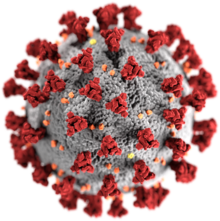
Coronavirus
So why do so many Americans refuse to wear a mask?
Start at the top: With Donald Trump, 45th President of the United States.
From the outset, Trump refused to wear a mask in public.
A colossal egotist, Trump is orange-skinned, morbidly obese and lacking a neck. Yet he still thinks of himself as dangerously handsome. And he fears that covering his face would diminish his power and appeal.
“Appearing to play it safe contradicts a core principle of masculinity: show no weakness,” wrote social sciences professor Peter Glick at Scientific American magazine. “Defying experts’ warnings about personal danger signals ‘I’m a tough guy, bring it on.’”
On May 21, 2020, Trump refused to wear a face mask as he toured a Ford facility in Michigan that was manufacturing ventilators and personal protective equipment. This violated the policies of the facility, the governor’s executive order and warnings from the state’s attorney general.
After a three-month nationwide “lockdown,” states began “reopening.” So Trump scheduled his first 2020 re-election rally in Tulsa, Oklahoma.
It was held on June 20 at the BOK Center. Scientists had learned that Coronavirus is more likely to be transmitted indoors than outdoors, when masses of people are packed together, and when people are loudly talking—or, worse, shouting.
Masks were available for those who wanted them. But Trump made it clear that his supporters shouldn’t wear masks, as a sign of support for him. Photos of the rally show men and women densely packed together, with none of them wearing masks.
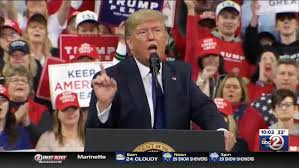
A Trump rally
The Tulsa event was followed by another indoor rally in Phoenix on June 23. “Students for Trump” featured a packed crowd, with almost no one wearing masks.
After staging COVID-spreading rallies at Tulsa, Oklahoma, and Phoenix, Arizona, Trump scheduled another one for July 3 at Mount Rushmore, in Keystone, South Dakota.
Such rallies had been put on hold since March, due to the issuing of stay-at-home orders across the country by states’ mayors and governors.
Health experts expressed fears about a large gathering during the Coronavirus pandemic. But South Dakota Governor Kristi Noem said people would “not be social distancing” during the celebration—nor required to wear masks.
2020 PRESIDENTIAL ELECTION, ABC NEWS, ADOLF HITLER, ALTERNET, AMERICABLOG, AP, ATTORNEY GENERAL OF THE UNITED STATES, BABY BOOMER RESISTANCE, BARACK OBAMA, BAVARIA, BBC, BEER HALL PUTSCH, BENJAMIN CIVILETTI, BLOOMBERG NEWS, BOB WOODWARD, BUZZFEED, CAPITOL ATTACK, CBS NEWS, CNN, CROOKS AND LIARS, DAILY KOZ, DONALD TRUMP, DONALD TRUMP JUNIOR, ELECTORAL COLLEGE, FACEBOOK, FIVETHIRTYEIGHT, HARPER’S MAGAZINE, HITLER: ASCENT: 1889 – 1933 (BOOK), HUFFINGTON POST, JOHN EASTMAN, JOSEPH BIDEN, LINDSEY GRAHAM, MEDIA MATTERS, MEIN KAMPF, MERRICK GARLAND, MIKE LEE, MIKE PENCE, MITCH MCCONNELL, MITT ROMNEY, MO BROOKS, MOTHER JONES, MOVEON, MSNBC, MUNICH, NANCY PELOSI, NAZI GERMANY, NBC NEWS, NEW REPUBLIC, NEWSDAY, NEWSWEEK, NPR, OKLAHOMA CITY BOMBING, PBS NEWSHOUR, PERIL (BOOK), POLITICO, POLITICUSUSA, RAW STORY, REUTERS, ROBERT COSTA, RUDY GIULIANI, SALON, SEATTLE TIMES, SLATE, TALKING POINTS MEMO, THE ATLANTIC, THE CHICAGO SUN-TIMES, THE CHICAGO TRIBUNE, THE DAILY BEAST, THE DAILY BLOG, THE GUARDIAN, THE HILL, THE HUFFINGTON POST, THE LOS ANGELES TIMES, THE NATION, THE NEW REPUBLIC, THE NEW YORK TIMES, THE NEW YORKER, THE VILLAGE VOICE, THE WASHINGTON POST, THINKPROGRESS, TIME, TRUTHDIG, TRUTHOUT, TWITTER, TWO POLITICAL JUNKIES, U.S. NEWS & WORLD REPORT, UNITED STAITES SENATE, UNITED STATES CAPITOL, UNITED STATES COURT OF APPEALS FOR THE DISTRICT OF COLUMBIA, UNITED STATES DEPARTMENT OF JUSTICE, UNITED STATES HOUSE OF REPRESENTATIVES, UNITED STATES SENATE, UPI, USA TODAY, VOLKER ULRICH, WONKETTE
In Bureaucracy, History, Law, Law Enforcement, Politics, Social commentary on January 11, 2022 at 12:11 am
Merrick Brian Garland has served as:
- A special assistant to Attorney General Benjamin Civviletti (1979 – 1981).
- Judge of the United States Court of Appeals for the District of Columbia Circuit (1997 – 2021).
- Chief Judge of the United States Court of Appeals for the District of Columbia Circuit (2013 – 2020).
Yet, as United States Attorney General, he is now presiding over the closing days of the American Republic.
On January 6, 2021, President Donald Trump incited a treasonous attack on the United States Capitol Building. There, the United States Senate, with Vice President Mike Pence presiding, would certify states’ Electoral College results of that election.
Since former Vice President Joseph Biden had gotten 306 votes compared to 232 for Trump, the outcome was already known. And Trump, who had often “joked” about becoming “President-for-Life,” wanted that verdict overturned.
The Stormtrumpers marched to the United States Capitol—and quickly brushed aside Capitol Police, who made little effort to arrest Only or shoot them.
Only one rioter was shot: Ashli Babbitt, as she climbed through a shattered window in a barricaded door
By comparison: At the battle of the Alamo, 200 Texan defenders killed 600 Mexican attackers.


Stormtrumpers attacking Capitol police
After giving his inflammatory speech, Trump returned to the White House. There he gleefully watched his handiwork on television—and refused to call off his supporters or call the National Guard.
More than three hours passed before police—using riot gear, shields and batons—retook control of the Capitol.
By January 5, 2022, more than 700 Stormtrumpers have been arrested and charged.
- More than 150 defendants have pleaded guilty.
- About one-tenth of these—71—have been sentenced by January 1, 2022.
- The most common charge pleaded to is illegally parading or demonstrating in the Capitol, a misdemeanor.
- Of those who have been sentenced, fewer than half have received prison time.
- The median prison sentence to date is 45 days.
- Another
Yet no major Trump supporter has been arrested, let alone indicted. Such as:
- Trump’s attorney, Rudy Giuliani, who cried to the demonstrators, “Let’s have trial by combat!”
- Donald Trump, Jr., who, just hours before the Trump mob stormed Congress, threatened Republican lawmakers at a large rally outside the White House: “These guys better fight for Trump. Because if they’re not, guess what? I’m going to be in your backyard in a couple of months!”
- Rep, Mo Brooks (R-Ala.) who incited the Trump crowd with: “Today is the day American patriots start taking down names and kicking ass!”
- Donald Trump. He not only incited his followers to attack the Capitol, he has spent the last six months spreading poisonous lies that the 2020 election was “stolen” from him through “massive” voter fraud. As a result, he continues to undermine the democratic process as he terrorizes the Republican party to stand behind him.
There is a historical precedent for this, and it does not bode well for our Republic.
On November 9, 1923, Nazi Party Fuhrer Adolf Hitler tried to overthrow the government in Munich, Bavaria.
About 2,000 Nazis marched to the center of Munich, where they confronted heavily-armed police. A shootout erupted, killing 16 Nazis and four policemen.
Hitler was injured during the clash, but managed to escape. Two days later, he was arrested and charged with treason.
Put on trial, he found himself treated as a celebrity by a judge sympathetic to Right-wing groups. He was allowed to brutally cross-examine witnesses and even make inflammatory speeches.
At the end of the trial, he was convicted of treason and sentenced to five years’ imprisonment.
Serving time in Landsberg Prison, in Bavaria. he wrote his infamous book, Mein Kampf-–“My Struggle.” Part autobiography, part political treatise, it laid out his future plans—including the extermination of the Jews and the conquest of the Soviet Union.

Adolf Hitler leaving Landsberg Prison, December, 20, 1924
Nine months later, he was released on parole—by authorities loyal to the authoritarian Right instead of the newly-created Weimar Republic.
Hitler immediately began rebuilding the shattered Nazi party—and deciding on a new strategy to gain power. Never again would he resort to armed force. He would win office by election—or intrigue.
On January 30, 1933, those intrigues made him Chancellor of Germany.
Writes historian Volker Ullrich, in his monumental 2016 biography, Hitler: Ascent 1889 – 1939: “Historians have perennially tried to answer the question of whether Hitler’s rise to power could have been halted….

“There were repeated opportunities to end Hitler’s run of triumphs. The most obvious one was after the failed Putsch of November 1923. Had the Munich rabble-rouser been forced to serve his full five-year term of imprisonment in Landsberg, it is extremely unlikely that he would have been able to restart his political career.”
Thus, it isn’t just what happens that can influence the course of history. Often, it’s what doesn’t happen that has at least as great a result.
A 10- to 20-year prison sentence for Donald Trump would scuttle his chances for becoming dictator—and send a warning message to other Right-wingers.
The United States Justice Department now faces the same choice faced by the judges of the Weimar Republic: Enforce the law against a ruthless tyrant—or stand by while he mounts a comeback.
2020 PRESIDENTIAL ELECTION, ABC NEWS, ADOLF HITLER, ALTERNET, AMERICABLOG, AP, ATTORNEY GENERAL OF THE UNITED STATES, BABY BOOMER RESISTANCE, BARACK OBAMA, BAVARIA, BBC, BEER HALL PUTSCH, BENJAMIN CIVILETTI, BLOOMBERG NEWS, BOB WOODWARD, BUZZFEED, CAPITOL ATTACK, CBS NEWS, CNN, CROOKS AND LIARS, DAILY KOZ, DONALD TRUMP, DONALD TRUMP JUNIOR, ELECTORAL COLLEGE, FACEBOOK, FIVETHIRTYEIGHT, HARPER’S MAGAZINE, HITLER: ASCENT: 1889 – 1933 (BOOK), HUFFINGTON POST, JOHN EASTMAN, JOSEPH BIDEN, LINDSEY GRAHAM, MEDIA MATTERS, MEIN KAMPF, MERRICK GARLAND, MIKE LEE, MIKE PENCE, MITCH MCCONNELL, MITT ROMNEY, MO BROOKS, MOTHER JONES, MOVEON, MSNBC, MUNICH, NANCY PELOSI, NAZI GERMANY, NBC NEWS, NEW REPUBLIC, NEWSDAY, NEWSWEEK, NPR, OKLAHOMA CITY BOMBING, PBS NEWSHOUR, PERIL (BOOK), POLITICO, POLITICUSUSA, RAW STORY, REUTERS, ROBERT COSTA, RUDY GIULIANI, SALON, SEATTLE TIMES, SLATE, TALKING POINTS MEMO, THE ATLANTIC, THE CHICAGO SUN-TIMES, THE CHICAGO TRIBUNE, THE DAILY BEAST, THE DAILY BLOG, THE GUARDIAN, THE HILL, THE HUFFINGTON POST, THE LOS ANGELES TIMES, THE NATION, THE NEW REPUBLIC, THE NEW YORK TIMES, THE NEW YORKER, THE VILLAGE VOICE, THE WASHINGTON POST, THINKPROGRESS, TIME, TRUTHDIG, TRUTHOUT, TWITTER, TWO POLITICAL JUNKIES, U.S. NEWS & WORLD REPORT, UNITED STAITES SENATE, UNITED STATES CAPITOL, UNITED STATES COURT OF APPEALS FOR THE DISTRICT OF COLUMBIA, UNITED STATES DEPARTMENT OF JUSTICE, UNITED STATES HOUSE OF REPRESENTATIVES, UNITED STATES SENATE, UPI, USA TODAY, VOLKER ULRICH, WONKETTE
In Bureaucracy, History, Law, Law Enforcement, Politics, Social commentary on January 10, 2022 at 12:10 am
After graduating from Harvard Law School, Merrick Brian Garland served as a special assistant to Attorney General Benjamin Civviletti from 1979 to 1981.
As a federal prosecutor, he played a leading role in the investigation and prosecution of the Oklahoma City bombers.
He then served as judge of the United States Court of Appeals for the District of Columbia Circuit (1997 – 2021) and then as Chief Judge of the United States Court of Appeals for the District of Columbia Circuit (2013 – 2020).
In 2016, President Barack Obama nominated him to serve as an associate Justice of the Supreme Court to fill the vacancy created by the death of Antonin Scalia. But Republican Senate Majority Leader Mitch McConnell refused to hold a hearing or vote on your nomination.

Merrick Garland
Yet, as United States Attorney General, he is now presiding over the closing days of the American Republic.
As the bestselling book, Peril, makes clear:
- There was a detailed plan by Republicans to illegally retain President Donald Trump in office.
- The votes of 81 million Americans who had voted for former Vice President Joseph Biden would have been scrapped in what was intended to be a Right-wing coup.
According to authors Bob Woodward and Robert Costa:
- Attorney John Eastman first proposed the plan to Vice President Mike Pence on January 4 in the Oval Office with Trump in attendance.
- The memo called for throwing out the election results in seven states under the false claim that those states had used alternate electors.
- Eastman’s memo was sent to Senator Mile Lee (R-Utah) and former New York City Mayor Rudy Giuliani, who served as one of Trump’s attorneys at the time.
- They tried to convince Senator Lindsey Graham (R-S.C.) that there was rampant fraud in the 2020 election.
- Both Graham and Lee reportedly argued that the fraud claims had no merit.
On January 6, the United States Senate, with Vice President Mike Pence presiding, would certify states’ Electoral College results of that election.
Since Biden had gotten 306 votes compared to 232 for Trump, the outcome was already known.
On that morning, Trump tried to convince Pence to reject the electoral votes that had been cast for Biden. This would mean flipping the results of the 2020 Presidential election to give him a win.
Pence replied that he lacked the power to overturn those results.
But as Pence went off to the Capitol Building housing the Senate and House of Representatives, Trump had one last card to play.
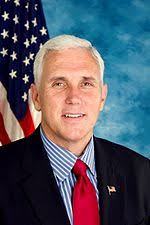
Mike Pence
For weeks Trump had ordered his legions of Right-wing Stormtrumpers to descend on Washington, D.C. by January 6.
On December 20, he had tweeted: “Statistically impossible to have lost the 2020 Election. Big protest in DC on January 6th. Be there, will be wild!”
In tweets, he promoted the rally again on December 27 and 30, and January 1.
On January 6, Trump appeared at the Ellipse, a 52-acre park south of the White House fence and north of Constitution Avenue and the National Mall in Washington, D.C.
A stage had been set up for him to address tens of thousands of his supporters, who eagerly awaited him.
Trump ordered them to march on the Capitol building to express their anger at the voting process and to intimidate their elected officials to reject the results.
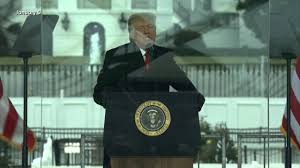
Donald Trump addresses his Stormtrumpers
“All of us here today do not want to see our election victory stolen by a bold and radical left Democrats which is what they are doing and stolen by the fake news media.
“Our country has had enough. We will not take it anymore, and that is what this is all about. And to use a favorite term that all of you people really came up with, we will stop the steal….
“And after this, we’re going to walk down and I’ll be there with you. We’re going to walk down to the Capitol. And we’re going to cheer on our brave Senators and Congressmen and women and we’re probably not going to be cheering so much for some of them.
“Because you’ll never take back our country with weakness. You have to show strength and you have to be strong. We have come to demand that Congress do the right thing and only count the electors who have been lawfully slated.”
The Stormtrumpers marched to the United States Capitol—and quickly brushed aside Capitol Police.

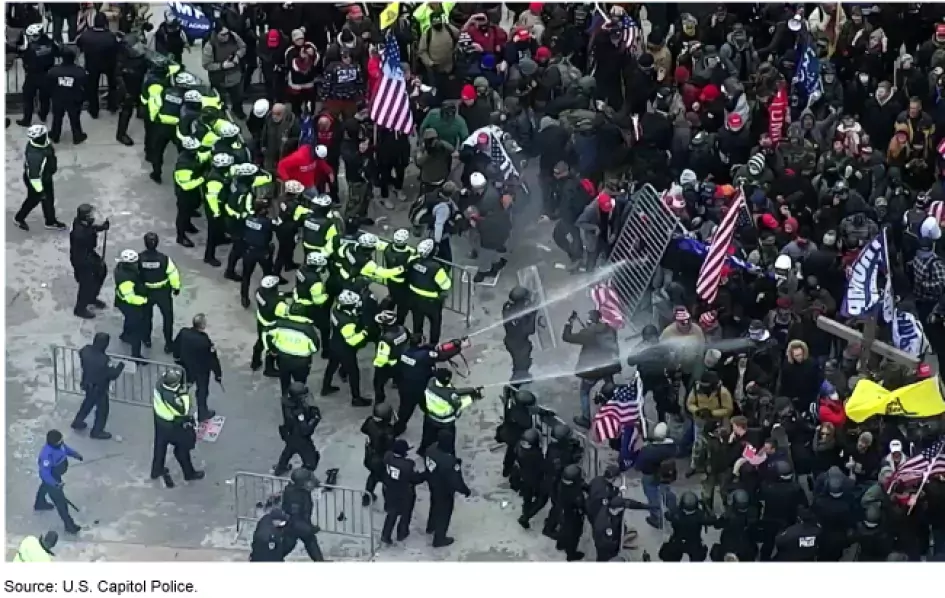
Capitol Police facing off with Stormtrumpers
Among their outrages:
- Members of the mob attacked police with chemical agents and lead pipes.
- Many of the attackers wore body armor and two-way radio headsets similar to those used by police.
- Many of the lawmakers’ offices were occupied and vandalized—including that of House Speaker Nancy Pelosi, a favorite Right-wing target.
- Rioters yelled “Hang Mike Pence!” and “Hang Nancy Pelosi”
- Pipe bombs ere found at the Democratic National Committee and Republican National Committee headquarters offices.
- Some rioters carried Confederate flags or Nazi emblems. Others carried crosses and signs saying, “Jesus Saves” and “Jesus 2020.”
- At least 140 police officers were injured.
- More than $1 million dollars of damage was done to the Capitol building.
- Senator Mitt Romney (R-UT) yelled at several fellow Republicans who were challenging President-elect Biden’s electoral votes: “This is what you’ve gotten, guys!”
2016 PRESIDENTIAL CAMPAIGN, ABC NEWS, ADOLF HITLER, ALTERNET, AMERICABLOG, AP, BABY BOOMER RESISTANCE, BARACK OBAMA, BBC, BLOOMBERG NEWS, BURT LANCASTER, BUZZFEED, CBS NEWS, CIA, CNN, CONCENTRATION CAMPS, CROOKS AND LIARS, DACHAU, DAILY KOZ, DAVID BROOKS, DEMOCRATS, DONALD TRUMP, FACEBOOK, FBI, FEDERAL GOVERNMENT SHUTDOWN, FIVETHIRTYEIGHT, FREEDOM OF THE PRESS, HARPER’S MAGAZINE, HUFFINGTON POST, IMMIGRATION AND CUSTOMS ENFORCEMENT (ICE), JAMES COMEY, JAMES ROBART, JEWS, JUDGMENT AT NUREMBERG, KIM JONG-UN, LYING, MEDIA MATTERS, MOTHER JONES, MOVEON, MSNBC, NATIONAL SECURITY AGENCY, NAZI GERMANY, NBC NEWS, NEW REPUBLIC, NEWSDAY, NEWSWEEK, NORTH KOREA, NPR, PBS NEWSHOUR, POLITICO, POLITICUSUSA, RACISM, RAW STORY, REPUBLICANS, REUTERS, ROBERT PAYNE, ROBERT S. MUELLER, RUSSIA, SALON, SEATTLE TIMES, SLATE, SPENCER TRACY, TALKING POINTS MEMO, THE ATLANTIC, THE CHICAGO SUN-TIMES, THE CHICAGO TRIBUNE, THE DAILY BEAST, THE DAILY BLOG, THE GUARDIAN, THE HILL, THE HUFFINGTON POST, THE LIFE AND DEATH OF ADOLF HITLER (BOOK), THE LOS ANGELES TIMES, THE NATION, THE NEW REPUBLIC, THE NEW YORK TIMES, THE NEW YORKER, THE VILLAGE VOICE, THE WASHINGTON POST, THINKPROGRESS, TIME, TRUTHDIG, TRUTHOUT, TWITTER, TWO POLITICAL JUNKIES, U.S. NEWS & WORLD REPORT, UPI, USA TODAY, VLADIMIR PUTIN, WONKETTE
In Bureaucracy, History, Law, Law Enforcement, Military, Politics, Social commentary on January 7, 2022 at 12:20 am
Those who have seen the classic 1960 movie, “Judgment at Nuremberg,” will remember its pivotal moment.
That’s when Burt Lancaster, as Ernst Janning, the once distinguished German judge, confesses his guilt and that of Nazi Germany in a controlled, yet emotional, outburst.
Addressing the court—presided over by Chief Judge Dan Haywood (Spencer Tracy)—Janning explains the forces that led to the triumph of evil.
“My counsel would have you believe we were not aware of the concentration camps. Not aware? Where were we?
“Where were we when Hitler began shrieking his hate in the Reichstag? When our neighbors were dragged out in the middle of the night to Dachau?
“Where were we when every village in Germany has a railroad terminal where cattle cars were filled with children being carried off to their extermination? Where were we when they cried out in the night to us? Were we deaf? Dumb? Blind?
“My counsel says we were not aware of the extermination of the millions. He would give you the excuse we were only aware of the extermination of the hundreds. Does that make us any the less guilty?
“Maybe we didn’t know the details, but if we didn’t know, it was because we didn’t want to know.”
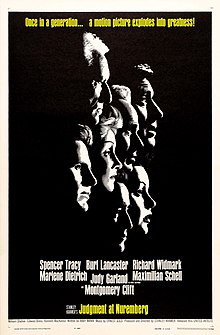
It’s not hard to imagine, in the future, an equally conscience-stricken member of the Donald Trump administration, standing before the bar of justice, making a similar statement:
“My counsel would have you believe we were not aware of the ICE concentration camps. Not aware? Where were we?
“Where were we when Trump began shrieking his hate across the country? When Trump called our free press ‘the enemy of the people’?
“Where were we when Trump openly praised Vladimir Putin and attacked those in the FBI, CIA and other Intelligence agencies sworn to protect us?
“Where were we when the victims of Trump’s hatred cried out in the night to us? Were we deaf? Dumb? Blind?
“My counsel says we were not aware of Trump’s treasonous collusion with Vladimir Putin—and his intention to betray American freedoms in exchange for the Presidency. He would give you the excuse we were misled by the lying rhetoric coming out of the White House.
“Does that make us any the less guilty? Maybe we didn’t know the details—but if we didn’t know, it was because we didn’t want to know.”
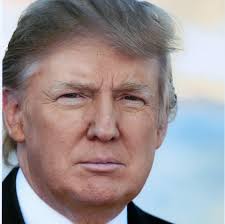
Donald Trump
In his bestselling 1973 biography, The Life and Death of Adolf Hitler, British historian Robert Payne harshly condemned the German people for the rise of the Nazi dictator:
“[They] allowed themselves to be seduced by him and came to enjoy the experience….[They] followed him with joy and enthusiasm because he gave them license to pillage and murder to their hearts’ content. They were his servile accomplices, his willing victims.”
On November 8, 2016, millions of ignorant, hate-filled, Right-wing Americans catapulted Donald Trump—a man, charged conservative New York Times columnist David Brooks, with an “odd psychology unleavened by kindness and charity”—into the Presidency.
Whereas Barack Obama, in 2008, ran for President on the slogan, “Yes, We Can!” Trump ran on the themes of fear and vindictiveness. He threatened violence not only against Democrats but even his fellow Republicans.
Upon taking office in January, 2017, Trump began undermining one public or private institution after another.
- Repeatedly and viciously attacking the nation’s free press for daring to report his growing list of crimes and disasters, calling it “the enemy of the American people.”
- Brutally attacking American Intelligence agencies—such as the FBI, CIA and National Security Agency—which unanimously agreed that Russia had interfered with the 2016 Presidential election.
- Repeatedly attacking Seattle US District Judge James Robart, who halted Trump’s first travel ban.
- Firing FBI Director James Comey for refusing to pledge his personal loyalty to Trump—and continuing to investigate Russian subversion of the 2016 election.
- Intending to fire Special Counsel Robert Mueller in 2017, but talked out of it by aides fearful that it would result in his impeachment.
- Lying so often—30,573 times in four years—he’s universally distrusted, at home and abroad.
- Shutting down the Federal government on December 22, 2018—because Democrats refused to fund his useless “border wall” between the United States and Mexico.
- Furloughing an estimated 380,000 government employees and ordering another 420,000 to work without pay. This lasted until January 25, 2019, when Trump caved to public pressure.
So why have Republicans almost unanimously stood by Trump despite the wreckage he has made of American foreign and domestic policy?
Fear that they will lose their privileged positions in Congress if they don’t.
This could happen by being voted out of Congress by:
- Trump’s fanatical base if they don’t slavishly obey him; or
- Anti-Trump voters wanting to protect the nation from a Trump dictatorship.
Future historians—if there are any—will similarly and harshly condemn those Americans who, like “good Germans,” joyfully embraced a regime dedicated to:
- Celebrating Trump’s egomania;
- Using the White House to further enrich Trump;
- Siding with Russia and North Korea against America’s oldest allies, such as those in NATO;
- Depriving America’s poor of their only source of healthcare; and
- Further enriching the ultra-wealthy.

 Bureaucracybuster's Blog
9/11 ATTACKS, ABC NEWS, ALTERNATIVE ENERGY SOURCES, ALTERNET, AP, ARAB OIL EMBARGO, BBC, BUZZFEED, CBS NEWS, CHRISTIAN RIGHT, CNN, COLD WAR, CROOKS AND LIARS, DAILY KOS, DAILY KOZ, DONALD TRUMP, EGYPT, FACEBOOK, FOSSIL FUELS, GLOBAL WARMING, IRAN, IRAQ, ISLAM, ISRAEL, JAMAL KHASHOGGI, MECCA, MEDINA, MIDDLE EAST, MOHAMMED BIN SALMAN, MOTHER JONES, MOVEON, MSNBC, NAZI GERMANY, NBC NEWS, NEWSWEEK, NPR, Oil, OSAMA BIN LADEN, PBS NEWSHOUR, POLITICO, RAW STORY, REPUBLICANS, REUTERS, SALON, SAND CURTAIN, SAUDI ARABIA, SEATTLE TIMES, SECOND COMING, SHAH OF IRAN, SHIITE MUSLIMS, SLATE, SOVIET UNION, SUNNI MUSLIMS, TERRORISM, THE ATLANTIC, THE CHICAGO SUN-TIMES, THE CHICAGO TRIBUNE, THE DAILY BEAST, THE GUARDIAN, THE HILL, THE HUFFINGTON POST, THE LOS ANGELES TIMES, THE NATION, THE NEW YORK TIMES, THE WALL STREET JOURNAL, THE WASHINGTON POST, TIME, TRUMP WORLD TOWER, TURKEY, TWITTER, U.S. NEWS & WORLD REPORT, UNITED STATES, UPI, USA TODAY, VENEZUELA, WAHHABISM, WORLD WAR ii
TIME TO END OUR DEAL WITH THE DEVIL
In Bureaucracy, History, Military, Politics, Social commentary on March 25, 2022 at 12:10 amThe time is long overdue for the United States to scrap its devil’s bargain relationship with Saudi Arabia.
Reason #1: The political assassination of Saudi dissident journalist Jamal Khashoggi, a key critic of Saudi King Mohammed bin Salman.
On October 2, 2018, Khashoggi walked into the Saudi Consulate in Istanbul to pick up a document allowing him to marry a Turkish woman. Video footage showed Khashoggi walking into the consulate; there is none of him leaving it.
He was never seen again.
According to Turkish government officials:
Jamal Khashoggi
[GFDL (http://www.gnu.org/copyleft/fdl.html)%5D, via Wikimedia Commons
Reason #2: Saudi Arabia is a weak ally.
President Donald Trump claimed that Saudi Arabia served as a counter-weight to the growing regional influence of Iran. But Saudi Arabia was unable to defend itself against Saddam Hussein’s Iraq in 1990, after the invasion and takeover of Kuwait.
This was, in fact, why Saudi-born Osama bin Laden decided to declare war on the United States.
He petitioned Saudi King Fahd bin Abdulazis al-Saud to let Saudis oppose any invasion by Iraq. He argued that “infidel” American soldiers stationed in the Kingdom would “pollute” Islam’s two great holy sites: Mecca and Medina.
Having fought against the Soviet Union in Afghanistan during the 1980s, bin Laden offered to help defend Saudi Arabia with his Arab legion.
The king refused—because he knew that, despite all the sophisticated military hardware he had bought from the United States, the Saudis were too militarily weak to resist an invasion.
Bin Laden left the country to wage fulltime war against the United States.
Osama bin Laden
Reason #3: Saudi Arabia is filled with Islamics who hate the United States as “the Great Satan.”
Fifteen of the 19 September 11, 2001 highjackers came from Saudi Arabia.
And Saudi Arabia is the birthplace of Wahhabism, a radical brand of Islam dedicated to “purifying” the world of “unbelievers.”
Reason #4: The only reason the United States cares about Saudi Arabia is that it’s the second-largest oil-producing country (after Venezuela) n the world.
Yet oil consumption threatens the future of the world through global warming. And it keeps America tethered to a regime that is fundamentally unstable and hostile to the West.
Reason #5: The United States can end its dependence on Saudi oil by embarking on a crash program to develop alternatives to oil.
Had this happened during the 1973 Arab oil embargo, the United States would now be energy-independent. America has the technology to do so; it lacks only the will.
Reason #6: Once the United States no longer needs fossil fuels, it can quit financing Middle East dictatorships.
This will end spending billions of dollars every year to prop up dictatorial regimes like those in Saudi Arabia, Iraq and Egypt. America will no longer supply big-ticket military hardware (like fighter planes and missiles) to potentially hostile Islamic regimes.
Reason #7: By withdrawing from the Middle East, the United States can free itself of the burden of acting as Israel’s permanent bodyguard.
Millions of Americans believe they are morally obligated to defend Israel owing to the barbarism of the Holocaust. But America was never a party to this, and has nothing to atone for.
Yet, for decades, the United States has been repeatedly dragged into the never-ending religious conflicts between Israelis and Islamics. Since both sides believe they are doing “God’s will,” there can be no substantial compromise by either.
Reason #8: The United States and its European allies can defend themselves against Islamic terrorism by erecting a “Sand Curtain” around the Middle East.
For 44 years—1947 to 1991—the United States and the Soviet Union were locked in a Cold War stalemate. Essentially, the United States drew a ring around the Soviet Union—including those nations its armies had seized following the defeat of Nazi Germany in 1945.
The United States said, in effect: “We can’t liberate the countries you’re now occupying”—because that would have triggered a nuclear World War III. “But we won’t allow you to occupy and enslave any other countries. And if you try to do so, it will mean total war.”
America could withdraw all of its forces from the Middle East—but keep a good portion stationed in Europe.
It could then publicly announce: “From now on, you are the masters of your own destinies—so long as what you do affects only the Middle East.
“We recognize that barbarism and violence have always been a part of life in the Middle East. And we don’t expect this to change.
“We realize you will destroy as many of your own citizens as you can—because they’re Jewish or Christians, or because Sunni Muslims and Shiite Muslims hate each other.
“Just don’t threaten citizens living outside your territories. In short: Europe and the United States are strictly off-limits to you.
“And if you aim your aggression at either, we will consider this an act of war and use all the weapons at our disposal—including nuclear ones—to wipe you from the face of the Earth.“
Share this: