Posts Tagged ‘MAFIA’
ABC NEWS, ALTERNET, AMERICABLOG, AP, BABY BOOMER RESISTANCE, BBC, BLOOMBERG NEWS, BUZZFEED, CBS NEWS, CNN, CROOKS AND LIARS, DAILY KOZ, DRUDGE REPORT, DRUG WAR, FACEBOOK, FBI, FIVETHIRTYEIGHT, FRANK SINATRA, HARPER’S MAGAZINE, HUFFINGTON POST, JOAQUIN "EL CHAPO" GUZMAN, JOHN F. KENNEDY, JOHN GOTTI, JOSEPH P. KENNEDY, MAFIA, MEDIA MATTERS, MICKEY COHEN, MOTHER JONES, MOVEON, MSNBC, NBC NEWS, NEW REPUBLIC, NEWSDAY, NEWSWEEK, NPR, PBS NEWSHOUR, POLITICO, POLITICUSUSA, RAW STORY, REUTERS, ROBERT F. KENNEDY, ROLLING STONE, SALON, SAM GIANCANA, SAMMY "THE BULL" GRAVANO, SEAN PENN, SEATTLE TIMES, SLATE, TALKING POINTS MEMO, THE ATLANTIC, THE CHICAGO SUN-TIMES, THE CHICAGO TRIBUNE, THE DAILY BEAST, THE DAILY BLOG, THE GUARDIAN, THE HILL, THE HUFFINGTON POST, THE LOS ANGELES TIMES, THE NATION, THE NEW REPUBLIC, THE NEW YORK TIMES, THE NEW YORKER, THE VILLAGE VOICE, THE WASHINGTON POST, THINKPROGRESS, TIME, TRUTHDIG, TRUTHOUT, TWITTER, TWO POLITICAL JUNKIES, U.S. NEWS & WORLD REPORT, UPI, USA TODAY, WITNESS SECURITY PROGRAM, WONKETTE
In Bureaucracy, Entertainment, History, Law Enforcement on January 19, 2016 at 1:25 am
Actor Sean Penn is used to being a tough guy–onscreen.
In 2006, he played real-life mobster Mickey Cohen (1913 – 1976) in Gangster Squad. And in 2013, he played Willie Stark, a corrupt, Huey Long-type Southern governor in a remake of All the King’s Men.
As Cohen, Penn put out contracts on his enemies and even went mano-o-mano in a long-running (and fictional) fistfight with an LAPD detective.
And as Stark, he clawed his way to power and bullied both his enemies and his supporters.
Perhaps Penn should have paid more attention to the way those movies ended.

Sean Penn
Mickey Cohen goes to prison, where he is brutally waylaid by other inmates.
And Willie Stark, at the height of his power, is shot by a longtime enemy.
Had he thought about it, he might have decided it could be a mistake to meet with Joaquin “El Chapo” (“Shorty”) Guzman, the notorious Mexican drug lord.
On October 2, 2015, Penn met with Guzman in an undisclosed location in the Mexican jungle. He was there to interview him on behalf of Rolling Stone magazine.
Guzman wanted a movie made about him. So he had reached out to Mexican actress Kate del Castillo, asking her to meet with him to discuss such a project. She, in turn, referred him to Penn, whom Guzman said could come along for the meeting.
Penn had his own agenda: To write an article for Rolling Stone whose “purpose [would] contribute to this conversation on the war on drugs.”
Three months later, on January 8, 2016, Mexican Marines and Federal Police launched an early-morning raid on a house in Los Mochis, in northern Sinaloa, where Guzman’s drug cartel operated.
The Marines expected to find Guzman there, and they did–ending his almost six-month flight after escaping from prison in July.
One day after Guzman’s capture, Rolling Stone published Penn’s 10,000-word article.
Penn had not been allowed to bring a tape recorder or even take notes with pen and paper. So he had been forced to memorize as much of Guzman’s tale as he could.
Penn seemed to be enraptured by Guzman:
“There is no doubt this is the real deal. He’s wearing a casual patterned silk shirt, pressed black pants, and he appears remarkably well-groomed and healthy for a man on the run.
“He opens [actress Kate del Castillo’s] [car} doorand greets her like a daughter returning from college.
“It seems important to him to express the warm affection in person that, until now, he’d only had occasion to communicate from afar.”
Even so, Penn quoted Guzman as bragging: “I supply more heroin, methamphetamine, cocaine and marijuana than anybody else in the world. I have a fleet of submarines, airplanes, trucks and boats.”
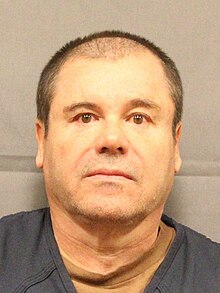
Joaquin “El Chapo” Guzman
After the interview’s publication, Penn came under fire for having allowed Guzman to approve the article. He claimed that, despite this, Guzman had not asked for any changes.
He also drew sharp criticism for having used his status as a movie star to play the part of a reporter.
But worse was to come.
Shortly after the capture of “El Chapo,” Mexico’s Attorney General Arely Gomez “credited” Penn with having played a vital role in the capture of the drug kingpin.
The meeting between Penn, Castillo and Guzman “was an essential element, because we were following [Guzman’s] lawyer, and the lawyer took us to these people and to this meeting.”
Suddenly, American experts on Mexican organized crime cartels began seeing Sean Penn in a new light–that of a movie star with a big target on his chest and back.
Suppose Guzman began suspecting that Penn had deliberately led Mexican authorities to him? Or that he had done so even accidentally, through negligence in how he had traveled?
“These cartels are very violent, they do not forgive any transgression and they will respond in a most violent manner,” said Mike Vigil, a former chief of international operations with the U.S. Drug Enforcement Administration.
“These are people who have been dismembered, who have decapitated individuals. So killing Sean Penn and del Castillo means absolutely nothing to them.”
Vigil believed it was careless for the Mexican Government to publicize any ties between the Penn meeting and Guzman’s arrest:
“If Chapo Guzman perceives that they cooperated with authorities in his capture, [the cartel] will go after them.”
He argued that the risk is likely likely for del Castillo because she was the one in contact with Guzman.
She was the one whom Guzman’s associates supplied with a Blackberry–the phone they believed most secure. And it was her and Guzman’s flirtatious exchanges that led to the meeting in the jungle with Sean Pean.
“Apart from that, [del Castillo] is originally from Mexico, she has all of her family in Mexico. One of the traditional violent methods [the cartels] use is if they can’t get to the target, they’ll go after their family members.
“If I were Kate del Castillo, I would run like the wind.”
ABC NEWS, CAREEREXCUSE, CBS NEWS, CNN, FACEBOOK, GERALD MARTIN ZELMANOWITZ, JOB-HUNTING, MAFIA, NBC NEWS, NEW IDENTITIES, PAUL MARIS, PISSED CONSUMER.COM, RESUMES, THE CHICAGO SUN-TIMES, THE CHICAGO TRIBUNE, THE LOS ANGELES TIMES, THE NEW YORK TIMES, THE WASHINGTON POST, TWITTER, U.S. MARSHALS SERVICE, WITNESS SECURITY PROGRAM
In Bureaucracy, Business, History, Law Enforcement, Social commentary on January 8, 2016 at 10:42 am
Until recently, only organized crime witnesses with a price on their head could obtain falsified job histories. But no more.
Thousands–if not millions–of job-seeking Americans are now able to obtain stellar job references to impress potential employer. And they’re doing it the old-fashioned way: They’re hiring companies to create them.
One such company is CareerExcuse.
CareerExcuse runs 200 fictional companies that don’t exist, have staffs or make money.
But for a fee, you can say you worked at one of them, and they’ll confirm you were an outstanding employee.
For between $100 and $200, you’ll get:
- One to three false–and positive–references from a company or companies you’ve never worked for.
- A fake company address.
- Local phone numbers to give to prospective employers.
- A guarantee that those employers will receive positive vouchers for you.
- “Instant” degrees.
- Landlord reference
- A “completely legitimate” resume-writing service.
Unlike the Federal Witness Security Program (WITSEC) the clients of CareerExcuse aren’t hardened criminals.
They are legitimate citizens trying to erase gaps in their resumes. Or they have worked for a long series of short-term employers and want to appear a stable employee.
Click here: CareerExcuse Job References
Or they’ve acquired–deservedly or not–a series of bad job references
“Some people see it as unethical,” Jennifer Hatton, senior partner at CareerExcuse, said in a 2015 interview with Business Insider.
But, said Hatten, “I don’t see why you shouldn’t deserve a shot, just like the next person” if you do have the skills and experience required.
“There are many things that happen in people’s lives, with [employers] going out of business, being laid off, managers just unrightfully firing you, sexual harassment suits–you name it, it happens in the workforce.”
And it’s true.
An article in the March, 2011 issue of Reader’s Digest gives the lie to the excuses so many employers use for refusing to hire.
Entitled “22 Secrets HR Won’t Tell You About Getting a Job,” it reveals such truths as:
- After you’re unemployed more than six months, employers consider you unemployable–no matter your skills/experience.
- It’s not what but who you know that counts.
- Cover letters are often ignored, going directly into “the round file.”
- Many employers illegally try to screen out parents–such as by checking cars for child safety seats.
- You’re not protected against age discrimination. Many employers regularly ignore the law. If you are in your 50s or 60s, leave your year of graduation off your resume.
And in its June 8, 2011 cover-story on “What U.S. Economic Recovery? Five Destructive Myths,” Time magazine warned that profit-seeking corporations can’t be relied on to ”make it all better.”
Wrote Rana Foroohar, Time‘s assistant managing editor in charge of economics and business:
“There may be $2 trillion sitting on the balance sheets of American corporations globally, but firms show no signs of wanting to spend it in order to hire workers at home.”
Meanwhile, CareerExcuse claims to have more than 2,000 job-seeking clients.
“Our main clientele right now is IT executives, and they’re pretty high-level,” Hatton claimed. The average customer seeks a salary of $60,000 to $80,000.

There are areas of employment that CareerExcuse refuses to fill–medicine, government, law enforcement or government. Jobs where your employment would “put other people in danger,” said Hatten.
Hatton claimed that during the almost two years she had been with CareerExcuse, no one had ever discovered a faked background.
But William Schmidt, who founded the company, admitted to Motherboard that a fake reference could easily be punctured: “All it would take is one person to drive to that address and go to that office.”
And the inevitable result would be immediate termination.
For some users of CareerExcuse, the company has proven an infuriating disappointment.
Click here: 17 CAREER EXCUSE complaints and reports @ Pissed Consumer
Like many clients of the Federal Witness Security Program, they complain of promises not kept. Among their complaints on Pissed Consumer, a consumer-complaint website:
- “When a serious job opportunity came recently, I realized alot of loop holes in their services, address of company on the website was different, email addresses weren’t valid or active.”
- “They took my $ and never returned my calls or emails.What a joke!”
- “Their phone go to voice mail and they dont reply back to calls after a voice mail is left for them to reply …It is easy for the employer to know that the reference is fake.”
- “When the prospective employers called, Career excuse answered the phone with ‘Career Excuse, how can I help you.’ They were supposed to answer the phone in the name of the fake company they put together.”
- “They only gave me a cheap looking web page and they don’t even answer the phones to GIVE the service I payed for. They are a scam and complete rip-off.”
Throughout the United States, countless numbers of lazy, greedy, arrogant and/or incompetent employers are refusing to hire. And millions of willing-to-work Americans remain trapped in unemployment or under-employment as a result.
Until this situation changes, companies like CareerExcuse will continue to function–and proliferate.
Such a change isn’t going to happen tomorrow.
ABC NEWS, CAREEREXCUSE, CBS NEWS, CNN, FACEBOOK, GERALD MARTIN ZELMANOWITZ, JOB-HUNTING, MAFIA, NBC NEWS, NEW IDENTITIES, PAUL MARIS, PISSED CONSUMER.COM, RESUMES, THE CHICAGO SUN-TIMES, THE CHICAGO TRIBUNE, THE LOS ANGELES TIMES, THE NEW YORK TIMES, THE WASHINGTON POST, TWITTER, U.S. MARSHALS SERVICE, WITNESS SECURITY PROGRAM
In Bureaucracy, Business, History, Law Enforcement, Social commentary on January 7, 2016 at 1:07 am
In 1966, the U.S. Department of Justice did something it had never before done: Protect a witness against the Mafia during trial, and then relocate him (and his family) to safety under a new identity.
That witness was Joseph “The Animal” Barboza. Once the most-feared enforcer for the New England Mafia family of Raymond Patriarca, Barboza had run afoul of his boss.
With a mob contract out on him, Barboza felt he had nothing to lose by telling FBI agents and Federal prosecutors everything they wanted to know about the Boston Mafia.
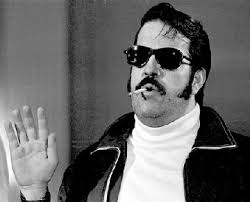
Joseph Barboza
A 16-man security detail of deputy U.S. marshals was immediately assigned to Barboza. The marshals relocated him to Thatcher’s Island, off the coast of Gloucester, Massachusetts. There they foiled two attempts by the mob to kill Barboza with a telescopic-sighted rifle.
Through a series of trials, Barboza sent the top echelons of the Patriarca family–including Patriarca himself–to prison. Then he and his wife and daughter were outfitted with new names and shipped out of New England to begin life over in safety.
The success of the Barboza detail led other Mafia witnesses to come forward. And this, in turn, led to the official creation of the Witness Security Program (WITSEC) by the Organized Crime Control Act of 1970.
To date, the U.S. Marshals Service–which runs WITSEC–has successfully protected, relocated and given new identities to more than 8,500 witnesses and 9,900 of their family members.
Click here: U.S. Marshals Service, Witness Security Program.
It’s been the “new identities” part of the Program that has always attracted the most attention from the press and movie-makers.

Staged photograph of a WITSEC detail
In the early days of WITSEC, a handful of security Inspectors created these in a totally haphazard fashion. These included legal name-changes, Social Security card, driver’s licenses and falsified job histories.
In some cases, marshals would tell prospective employers, “We can vouch for this man’s skills as a(n) ———-, but that’s all we can tell you.”
Witnesses’ children were provided with fictitious school records. The names of schools would be changed, but the actual grades earned by the children would be retained.
These records would be “backstopped”–supported with documentation placed at those institutions where the witness (or his family) was alleged to have worked or attended school.
Similarly, medical records for witnesses and their children would be partially falsified. That is, names of hospitals they had obtained care in would be changed, but their actual medical histories would be accurately charted.
Since the 1990s, the Marshals Service has centralized its “re-documentation” program. Parents, spouses, children, siblings and even mistresses are all taken to an orientation center in a Washington suburb
There, witnesses are debriefed by Federal agents and prosecutors. They–and their families–are also prepared for the new lives they’ll take on under new identities.
In the early years of the program, witnesses were provided with flimsy aliases that quickly collapsed under even light scrutiny.
In 1973, Gerald Martin Zelmanowitz, a convicted stock swindler, found his new identity of Paul J. Maris easily punctured.
He got into a legal dispute with Creative Capitol, an investment firm that had loaned $2 million to his struggling new business,”The Paul Maris Company.”
Creative Capitol’s president, Milton Stewart, ordered a quiet investigation into Maris’ background.
This quickly turned up the following:
- Maris and all five members of his family had been issued sequential Social Security numbers.
- There was no record of Maris’ birth certificate.
- Maris had claimed a background in Army Intelligence, but his Army service number had never been issued.
- Maris’ resume said he had attended John Bartram High School in Philadelphia and Baldwin Wallace College in Berea, Ohio. But officials at both schools denied that he had ever been one of their students.
- Maris’ alleged home address in Philadelphia turned out to be a vacant lot in an all-black neighborhood.
Finally, the private investigator discovered that Maris had testified against a Angelo “Gyp” DeCarlo, a notorious New Jersey Mafia chieftain. His testimony had convicted DeCarlo for murder conspiracy.
Fearing for his life, Maris fled with his family from San Francisco. All of them were readmitted to the Witness Security Program and relocated under identities.
Until recently, only organized crime witnesses with a price on their head could obtain falsified job histories. But no more.
Thousands–if not millions–of job-seeking Americans are now able to obtain stellar job references to impress potential employers.
CareerExcuse runs 200 fictional companies that don’t exist, have staffs or make money.
But for a fee, you can say you worked at one of them, and they’ll confirm you were a stellar employee while you were there.
For between $100 and $200, you’ll get
- One to three false–and positive–references from a company or companies you’ve never worked for.
- A fake company address.
- Local phone numbers to give to prospective employers.
- A guarantee that those employers will receive positive vouchers for you.
- A “completely legitimate” resume-writing service.
Unlike WITSEC, the clients of CareerExcuse aren’t hardened criminals. They are legitimate citizens trying to erase gaps in their resumes. Or they have worked for a long series of short-term employers and want to appear a stable employee.
ABC NEWS, CBS NEWS, CELLPHONE CAMERAS, CNN, CRIME, ENCRYPTION SYSTEMS, FACEBOOK, FBI, JAMES B. COMEY, MAFIA, NBC NEWS, POLICE BRUTALITY, SURVEILLANCE, THE CHICAGO SUN-TIMES, THE CHICAGO TRIBUNE, THE LOS ANGELES TIMES, THE NEW YORK TIMES, THE WASHINGTON POST, TWITTER
In Bureaucracy, History, Law, Law Enforcement, Social commentary on October 28, 2015 at 1:27 am
For decades, Americans have been told by police at local and Federal levels: If you have nothing to hide, you shouldn’t worry about giving up your privacy.
The FBI, for example, has lobbied Congress for an electronic “key” that would allow it to enter a cyber “back door” to eavesdrop on even those emails protected by encryption systems.
Of course, the FBI has long found ways to circumvent the efforts of criminals to remain anonymous.
Decades ago, Mafiosi learned to assume their phones were being wiretapped and their rooms bugged with hidden microphones by agents of the FBI or the Drug Enforcement Administration (DEA).
And law-abiding Americans have grown used to being under camera surveillance every time they enter a bank, a State or Federal agency, a drugstore or supermarket. Or even walking down a street.

So it must seem ironic–if not downright hypocritical–to such people when police complain that their privacy is being invaded.
And this “invasion” isn’t happening with taps placed on cops’ phones or bugs planted in their police stations or private homes.
No, this “invasion” is happening openly in public–with video cameras and cellphones equipped with cameras.
And it’s happening in direct response to a series of controversial incidents involving the use of deadly force by police.
The most famous of these was the shooting, in August, 2014, of strong-arm grocery store robber Mike Brown in Ferguson, Missouri. Ironically, this was not captured on video.
But a number of other incidents were. Among them:
- The shooting of Walter Scott, a black motorist, on April 4, 2015. Scott was stopped for a non-working third tail light. When North Charleston Police Officer Michael Slager returned to his patrol car, Scott exited his car and fled. Slager gave chase, firing first a Taser and then his pistol. He hit Scott five times–all from behind. Slager later claimed he had “felt threatened.” Unluckily for him, the shooting was caught on a citizen’s cellphone camera. On June 6, a grand jury indicted Slager on a charge or murder.
- On April 9, 2015, San Bernaradino sheriff’s deputies, after an exhaustive chase, kicked Francis Pusok twice–including a kick to the groin–as he lay facedown on the ground with his hands behind his back. About five minutes after Pusok was handcuffed, hobbled and rolled onto his side, another deputy also kicked him. Three deputies have been charged with felony assault. The footage of this came from an NBC News helicopter.
- In February, 2015, Orlando police officer William Escobar was fired after cell phone footage emerged of him punching and kicking a handcuffed man.
Addressing a forum at the University of Chicago Law School on October 23, FBI Director James B. Comey spoke of rising crime rates in America. And he offered a series of possible reasons for it.
Click here: FBI — Law Enforcement and the Communities We Serve: Bending the Lines Toward Safety and Justice
“Maybe it’s the return of violent offenders after serving jail terms. Maybe it’s cheap heroin or synthetic drugs. Maybe after we busted up the large gangs, smaller groups are now fighting for turf.
“Maybe it’s a change in the justice system’s approach to bail or charging or sentencing. Maybe something has changed with respect to the availability of guns….”
Then Comey offered what he thought was the real villain behind the rise in crime: Cellphones aimed at police.

FBI Director James B. Comey
“But I’ve also heard another explanation, in conversations all over the country. Nobody says it on the record, nobody says it in public, but police and elected officials are quietly saying it to themselves. And they’re saying it to me, and I’m going to say it to you….
“In today’s YouTube world, are officers reluctant to get out of their cars and do the work that controls violent crime? Are officers answering 911 calls but avoiding the informal contact that keeps bad guys from standing around, especially with guns?
“I spoke to officers privately in one big city precinct who described being surrounded by young people with mobile phone cameras held high, taunting them the moment they get out of their cars. They told me, ‘We feel like we’re under siege and we don’t feel much like getting out of our cars.’
“I’ve been told about a senior police leader who urged his force to remember that their political leadership has no tolerance for a viral video.
“So the suggestion, the question that has been asked of me, is whether these kinds of things are changing police behavior all over the country.
“And the answer is, I don’t know. I don’t know whether this explains it entirely, but I do have a strong sense that some part of the explanation is a chill wind blowing through American law enforcement over the last year. And that wind is surely changing behavior.”
Apparently, it’s OK for police to aim cameras–openly or concealed–at citizens, whether law-abiding or law-breaking. But if citizens aim cameras at cops–even without interfering with their making arrests–police feel threatened, to the point of refusing to carry out their duties.
ABC NEWS, BLACK MASS, CBS NEWS, CNN, FACEBOOK, FBI, INFORMANTS, IRISH MAFIA, JOHNNY DEPP, MAFIA, NBC NEWS, THE LOS ANGELES TIMES, THE NEW YORK TIMES, THE WALL STREET JOURNAL, THE WASHINGTON POST, TWITTER, USA TODAY, WHITEY BULGER, WINTER HILL GANG
In Bureaucracy, History, Law Enforcement, Social commentary on October 15, 2015 at 12:51 pm
In the bullet-riddled new movie, “Black Mass,” both FBI agents and criminals use plenty of four-leter words.
But the word both groups consider the most obscene is spelled with only three letters: R-a-t.
The movie is based on the true-life story of Irish mobster James “Whitey” Bulger and the secret deal he forged with John Connolly, his childhood friend-turned-FBI agent.

Johnny Depp as James “Whitey” Bulger
After decades of ignoring the Mafia, the FBI is now mounting an all-out effort against it. One of the agents assigned to this war is Connolly, who is assigned to the Boston field office in 1975.
For Connolly (Joel Edgarton) winning this war means getting inside Intelligence on La Cosa Nostra’s leaders and operations.
And he believes that his former childhood friend, Bulger (played by an ice-cold Johnny Depp) can supply it.
The only question is: How to get him to do it?
And Connolly has the answer: An alliance between the FBI and Bulger’s Winter Hill gang.
At first, Bulger is wary. He hates “finks,” “informers,” “rats.” But Connolly persuades him that it’s one thing to inform on your own friends–and something different to inform on your sworn enemies, such as the Italian Mafia.
And to sweeten the deal further, Connolly offers Bulger immunity from FBI scrutiny. The only condition: “You can’t clip [kill] anyone.”
Bulger readily agrees–knowing he has no intention of keeping his word. He will kill anyone who crosses him–or threatens to become “a problem.”
For Connolly and Bulger, the deal quickly proves golden.
Armed with Bulger’s inside tips, Connolly makes it possible for the FBI to plant an electronic bug in the headquarters of Gennaro Angiulo, the underboss [second-in-command] of the Raymond Patriarca Mafia Family’s operations in Boston.

John Connolly
Successful prosecutions follow. To the Boston United States Attorney [Federal prosecutor] and his FBI superiors, Connolly is a mob-busting hero.
And with the dismantling of the Mafia’s operations, Bulger and his friend, enforcer Steven Flemmi, seize control of organized crime in Boston.

FBI photo of James “Whitey” Bulger at the time of his arrest
“Black Mass” vividly illustrates that even an elite law enforcement agency such as the FBI can’t operate effectively without informants. And informants don’t come from the ranks of choirboys. These are criminals willing to sell out their accomplices or their criminal competitors–for a price.
With his superiors happy, Connolly works virtually unsupervised. He, Bulger, Flemmi and Connolly’s nominal supervisor, John Morris, are on a first-name basis. Against all FBI regulations, he and Morris host a lavish steak dinner for Bulger and Flemmi at Connolly’s house.
But if Connolly refuses to admit that he’s been corrupted, his wife, Marianne [Julianne Nicholson] sees it all too well. He begins dressing more flashily and carrying himself more arrogantly. Eventually, Marianne locks him out of the house and forces him to sleep in his office.
Eventually, a new Federal prosecutor named Fred Wyshak [Corey Stoll] arrives in Boston, and he’s determined to go after Whitey Bulger.
Bypassing the FBI, Wyshak enlists State police and agents of the Federal Drug Enforcement Administration (DEA). They start rounding up scores of criminals–including those forced to pay a “street tax” to Bulger.
Among those arrested are Bulger’s top enforcers Steven Flemmi and Kevin Weeks. Informed that Bulger has been “ratting out” not only the Mafia but his fellow Irish mobsters, they quickly turn on him.
Warned by Connolly that the FBI is going to arrest him, Bulger disappears–and goes on the run for 16 years. For 12 of these he is on the Bureau’s “Ten Most Wanted” list.
The manhunt ends on June 22, 2011, when the FBI finally arresdts Bulger–now 81–at his apartment complex in Santa Monica, California.
After going to trial, he’s found guilty on August 12, 2013, on 31 counts of racketeering, money laundering, extortion and involvement in 19 murders. He’s sentenced to two consecutive life terms plus five years.
For Connolly, a similar fate awaits. His supervisor, Morris, decides to cut a deal for himself at the expense of hhis longtime friend.
Connolly is retired from the FBI and at home when two FBI agents show up to arrest him. He’s indicted on charges of alerting Bulger and Flemmi to investigations, faisifying FBI reports to cover up their crimes, and accepting bribes.
Testifying against him are Flemmi and Weeks. On November 6, 2008, Connolly is convicted. He’s sentenced to 40 years in prison, after the judge notes that the former FBI star had “crossed to the dark side.”
“Black Mass” has a great many lessons to teach about the relationship between law enforcement agents and their criminal informants.
And how those relations can sometimes go terribly wrong.
ABC NEWS, ABORTION, ADOLF HITLER, ALTERNET, AMERICABLOG, ANDREW JACKSON, AP, BABY BOOMER RESISTANCE, BARACK OBAMA, BBC, BLOOMBERG NEWS, BUZZFEED, CBS NEWS, CHRIS MATTHEWS, CNN, CNN'S "STARTING POINT", CROOKS AND LIARS, CUBAN MISSILE CRISIS, DAILY KOS, DEBT CEILING, EXTORTION, FACEBOOK, FIVETHIRTYEIGHT, GEORGE W. BUSH, HARPER’S MAGAZINE, HOUSE SPEAKER JOHN BOEHNER, HUFFINGTON POST, JOHN F. KENNEDY, MAFIA, MEDIA MATTERS, MOTHER JONES, MOVEON, MSNBC, MSNBC'S "HARDBALL", MUNICH CONFERENCE, NBC NEWS, NEGOTIATING, NEVILLE CHAMBERLAIN, NEW REPUBLIC, NEWSDAY, NEWSWEEK, NICCOLO MACHIAVELLI, NPR, OBAMACARE, PAP SMEARS, PATRIOT ACT, PBS NEWSHOUR, PLANNED PARENTHOOD, POLITICO, POLITICUSUSA, R.I.CO. ACT, RAW STORY, REPUBLICAN PARTY, REPUBLICANS, REUTERS, SALON, SEATTLE TIMES, SLATE, TALKING POINTS MEMO, TED CRUZ, THE AFFORDABLE CARE ACT, THE ATLANTIC, THE CHICAGO SUN-TIMES, THE CHICAGO TRIBUNE, THE DAILY BEAST, THE DAILY BLOG, THE GUARDIAN, THE HILL, THE HUFFINGTON POST, THE INTERCEPT, THE LOS ANGELES TIMES, THE NATION, THE NEW REPUBLIC, THE NEW YORK TIMES, THE NEW YORK TIMES THE WASHINGTON POST, THE NEW YORKER, THE PRINCE, THE VILLAGE VOICE, THE WASHINGTON POST, THINKPROGRESS, TIME, TRUTHDIG, TRUTHOUT, TWITTER, TWO POLITICAL JUNKIES, U.S. NEWS & WORLD REPORT, UPI, USA TODAY, WINSTON CHURCHILL, WORLD WAR 11, X
In Bureaucracy, History, Law, Politics, Social commentary on August 10, 2015 at 12:41 am
On August 1, 2011, Chris Matthews, host of MSNBC’s “Hardball,” wrapped up his program with a search for “options” to avoid another round of Republican extortion tactics:
“I want to know what steps the president [Barack Obama] ‘could’ have taken to avoid this hostage-taking [over raising the debt-ceiling].
“…Is there another way than either buckling to the Republicans or letting the government and the country crash?
“How does he use the power of the presidency, the logic, emotion and basic patriotism of the people to thwart those willing to threaten, disrupt, even possibly destroy to get their way?”
And the answer to his questions–then and now–is: Replace the law of fear with the rule of law.
As Niccolo Machiavelli, the father of modern politics, instructed future leaders in The Prince:

Niccolo Machiavelli
“And men have less scruple in offending one who makes himself loved than one who makes himself feared; for love is held by a chain of obligations which, men being selfish, is broken whenever it serves their purpose; but fear is maintained by a dread of punishment which never fails….
“I conclude, therefore, with regard to being loved and feared, that men love at their own free will, but fear at the will of the prince, and that a wise prince must rely on what is in his power and not on what is in the power of others….”
Instead, in 2011, President Barack Obama surrendered to Republican extortion demands. As a result, the United States suffered a massive loss to its international credit rating.
But there were two other ways Obama could have stood up to Republican extortionists:
- Invoke the Racketeer Influenced Corrupt Organizations Act (RICO) and/or the USA Patriot Act;
- Rally the American people against this criminal threat to the security of the Nation.
And these remain available to him now–if only he has the courage to act.
Second Option: Calling upon the American people for their support
President John F. Kennedy did just that–successfully–during the most deadly crisis of his administration.
Addressing the Nation on October 22, 1962, Kennedy shocked his fellow citizens by revealing that the Soviet Union had placed offensive nuclear missiles in Cuba.
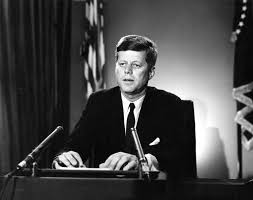
President John F. Kennedy
After outlining a series of steps he had taken to end the crisis, Kennedy sought to reassure and inspire his audience. His words are worth remembering today:
“The cost of freedom is always high, but Americans have always paid it. And one path we shall never choose, and that is the path of surrender or submission.”
Just as President Kennedy called on his fellow Americans for support against a foreign enemy, President Obama could rally his countrymen against an equally ruthless domestic enemy.
During such a national address, President Obama could reveal such blunt truths as:
- Republicans have adopted the same my-way-or-else “negotiating” stance as Adolf Hitler.
- Like the Nazis, they are determined to gain absolute power–or destroy the Nation they claim to love.
- And, once again, they are threatening to shut down the government–and deny essential services to millions of Americans–unless they get their way.
Finally, President Obama could end his speech by directly calling for the active support of his fellow Americans. Something like this:
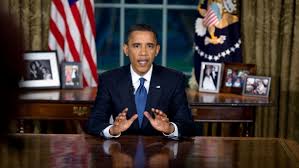
President Barack Obama
“My fellow Americans, I have taken an oath to ‘preserve, protect and defend the Constitution of the United States.’
“But I cannot do this on my own. As citizens of a Republic, each of us carries that burden. We must each do our part to protect the land and the liberties we love.
“Tonight, I’m asking for your help.
“We stand on the edge of economic and social disaster. Therefore, I am asking each of you to stand up for America tonight–by demanding the recall of the entire membership of the Republican Party.”
* * * * *
The 1938 Munich Conference taught an invaluable lesson in foreign affairs: Caving in to the demands of insatiable thugs leads to only more demands.
That was what British Prime Minister Neville Chamberlain learned when he sought to appease Adolf Hitler, Germany’s war-intent Fuehrer.
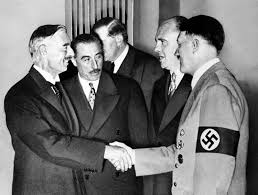
Neville Chamberlain greets Adolf Hitler
Chamberlain believed that by giving in to Hitler’s demands for the “German part” of Czechoslovakia known as the Sudetenland he could avoid war.
On September 29, Chamberlain and French Prime Minister Edouard Daladier met with Hitler and signed the Munich Agreement, resulting in the immediate German occupation of part of Czechoslovakia.
The Czechoslovakian government had not been a party to the talks. Their “allies” had sold them out.
In a matter of weeks, Hitler turned his attention–and demands–to Poland.
When his generals balked, warning that invading Poland would trigger a war with France and Britain, Hitler brushed aside their fears: “Our enemies are little worms. I saw them at Munich.”
Chamberlain returned to England a hero. Holding aloft a copy of the worthless agreement he had signed with Hitler, he told cheering crowds in London: “I believe it is peace for our time.”
Winston Churchill knew better, predicting: “Britain and France had to choose between war and dishonor. They chose dishonor. They will have war.”
And so they did.
It is not too late for President Barack Obama to apply this lesson from history.
ABC NEWS, ABORTION, ADOLF HITLER, ALTERNET, AMERICABLOG, ANDREW JACKSON, AP, BABY BOOMER RESISTANCE, BARACK OBAMA, BBC, BLOOMBERG NEWS, BUZZFEED, CBS NEWS, CHRIS MATTHEWS, CNN, CNN'S "STARTING POINT", CROOKS AND LIARS, CUBAN MISSILE CRISIS, DAILY KOS, DEBT CEILING, EXTORTION, FIVETHIRTYEIGHT, GEORGE W. BUSH, HARPER’S MAGAZINE, HOUSE SPEAKER JOHN BOEHNER, HUFFINGTON POST, JOHN F. KENNEDY, MAFIA, MEDIA MATTERS, MOTHER JONES, MOVEON, MSNBC, MSNBC'S "HARDBALL", MUNICH CONFERENCE, NBC NEWS, NEGOTIATING, NEVILLE CHAMBERLAIN, NEW REPUBLIC, NEWSDAY, NEWSWEEK, NICCOLO MACHIAVELLI, NPR, OBAMACARE, PAP SMEARS, PATRIOT ACT, PBS NEWSHOUR, PLANNED PARENTHOOD, POLITICO, POLITICUSUSA, R.I.CO. ACT, RAW STORY, REPUBLICAN PARTY, REPUBLICANS, REUTERS, SALON, SEATTLE TIMES, SLATE, TALKING POINTS MEMO, TED CRUZ, THE AFFORDABLE CARE ACT, THE ATLANTIC, THE CHICAGO SUN-TIMES, THE CHICAGO TRIBUNE, THE DAILY BEAST, THE DAILY BLOG, THE GUARDIAN, THE HILL, THE HUFFINGTON POST, THE INTERCEPT, THE LOS ANGELES TIMES, THE NATION, THE NEW REPUBLIC, THE NEW YORK TIMES, THE NEW YORK TIMES THE WASHINGTON POST, THE NEW YORKER, THE PRINCE, THE VILLAGE VOICE, THE WASHINGTON POST, THINKPROGRESS, TIME, TRUTHDIG, TRUTHOUT, TWITTER, TWO POLITICAL JUNKIES, U.S. NEWS & WORLD REPORT, UPI, USA TODAY, WINSTON CHURCHILL, WORLD WAR 11, X
In Bureaucracy, History, Law, Politics, Social commentary on August 7, 2015 at 8:58 am
On July 9, 2011-–Republican extortionists again threatened the Nation with financial ruin and international disgrace unless their demands were met.
President Obama had offered to make historic cuts in the Federal Government and the social safety net–on which millions of Americans depend for their most basic needs.
And the Republican response?
Said Rep. Darrell Issa, chairman of the Oversight and Government Reform Committee:“Quite frankly, [Republican] members of Congress are getting tired of what the president won’t do and what the president wants.”
Noted political analyst Chris Matthews summed up the sheer criminality of what happened within the House of Representatives.
Speaking on MSNBC’s “Hardball,” on July 28–five days before Congress reached its August 2 deadline to raise the debt-ceiling–Matthews noted:
“The first people to bow to the demands of those threatening to blow up the economy were the Republicans in the House, the leaders. The leaders did what the followers told them to do: meet the demands, hold up the country to get their way.
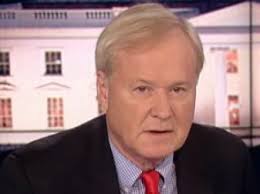
Chris Matthews
“Those followers didn’t win the Senate, or the Presidency, just the House.
“But by using the House they were able to hold up the entire United States government. They threatened to blow things up economically and it worked.
“They said they were willing to do that–just to get their way–not by persuasion, not by politics, not by democratic government, but by threatening the destruction of the country’s finances.
“Right. So what’s next? The power grid? Will they next time threaten to close down the country’s electricity and communications systems?”
With the United States teetering on the brink of national bankruptcy, President Obama faced three choices:
- Counter Republican extortion attempts via RICO–the Racketeer Influenced Corrupt Organizations Act.
- Make a “Cuban Missile Crisis”-style address to the American people, seeking to rally them against a criminal threat to the financial security of the Nation.
- Cave in to Republican demands.
Unfortunately for Obama and the Nation, he chose Number Three.
The results were easily predictable: Emboldened by success, the extortionists continue to make even greater demands.
Such as those now being made: De-fund Planned Parenthood or we’ll destroy the country.
But this is a nightmare that doesn’t have to be.
There are, in fact, two ways to avoid it.
Assuming that President Obama doesn’t once again surrender to Republican extortion demands, he has two formidable weapons he can deploy:
First Option: RICO to the rescue
The Racketeer Influenced Corrupt Organizations (RICO) Act is a provision of the Organized Crime Control Act of 1970. It authorizes prosecution for acts performed as part of an ongoing criminal organization.
It has been applied to not only the Mafia but to individuals, businesses, political protest groups, and terrorist organizations. In short, a RICO claim can arise in almost any context.
Such as the one President Barack Obama faced in 2011 when Republicans threatened to destroy the credit rating of the United States unless their budgetary demands were met.
And such as the present case when Republicans are again threatening the security of the Nation with extortionate demands.
RICO opens with a series of definitions of “racketeering activity” which can be prosecuted by Justice Department attorneys. Among those crimes: Extortion.

Extortion is defined as “a criminal offense which occurs when a person unlawfully obtains either money, property or services from a person(s), entity, or institution, through coercion.”
The RICO Act defines “a pattern of racketeering activity” as “at least two acts of racketeering activity, one of which occurred after the effective date of this chapter and the last of which occurred within ten years…after the commission of a prior act of racketeering activity.”
And if President Obama believes that RICO is not sufficient to deal with extortionate behavior, he can rely on the USA Patriot Act of 2001, passed in the wake of 9/11.
In Section 802, the Act defines domestic terrorism. Among the behavior that is defined as criminal:
“Activities that…appear to be intended…to influence the policy of a government by intimidation or coercion [and]…occur primarily within the territorial jurisdiction of the United States.”
Republicans are now demanding that Democrats de-fund Planned Parenthood or be forced to shut down essential services needed by millions of Americans.
That clearly falls within the legal definition of “activities…intended…to influence the policy of a government by intimidation or coercion.”
The remedies for punishing such criminal behavior are now legally in place. President Obama need only direct the Justice Department to apply them.
President Obama can direct Attorney General Loretta E. Lynch to investigate whether Republican Congressman—and their Tea Party cohorts—have violated Federal anti-racketeering and/or anti-terrorism laws.
- Lynch can order the FBI to conduct such an investigation.
- If the FBI finds sufficient evidence that these laws had been violated, Holder can empanel criminal grand juries to indict those violators.
Criminally investigating and indicting members of Congress would not violate the separation-of-powers principle. Congressmen have in the past been investigated, indicted and convicted for various criminal offenses.
Such indictments and prosecutions–and especially convictions–would serve a truly cleansing function.
They would serve notice on current and future members of Congress that the safety and fortunes of American citizens may not be held hostage as part of a negotiated settlement.
ABC NEWS, ABORTION, ADOLF HITLER, ALTERNET, AMERICABLOG, ANDREW JACKSON, AP, BABY BOOMER RESISTANCE, BARACK OBAMA, BBC, BLOOMBERG NEWS, BUZZFEED, CBS NEWS, CHRIS MATTHEWS, CNN, CNN'S "STARTING POINT", CROOKS AND LIARS, CUBAN MISSILE CRISIS, DAILY KOS, DEBT CEILING, EXTORTION, FACEBOOK, FIVETHIRTYEIGHT, GEORGE W. BUSH, HARPER’S MAGAZINE, HOUSE SPEAKER JOHN BOEHNER, HUFFINGTON POST, JOHN F. KENNEDY, MAFIA, MEDIA MATTERS, MOTHER JONES, MOVEON, MSNBC, MSNBC'S "HARDBALL", MUNICH CONFERENCE, NBC NEWS, NEGOTIATING, NEVILLE CHAMBERLAIN, NEW REPUBLIC, NEWSDAY, NEWSWEEK, NICCOLO MACHIAVELLI, NPR, OBAMACARE, PAP SMEARS, PATRIOT ACT, PBS NEWSHOUR, PLANNED PARENTHOOD, POLITICO, POLITICUSUSA, R.I.CO. ACT, RAW STORY, REPUBLICAN PARTY, REPUBLICANS, REUTERS, SALON, SEATTLE TIMES, SLATE, TALKING POINTS MEMO, TED CRUZ, THE AFFORDABLE CARE ACT, THE ATLANTIC, THE CHICAGO SUN-TIMES, THE CHICAGO TRIBUNE, THE DAILY BEAST, THE DAILY BLOG, THE GUARDIAN, THE HILL, THE HUFFINGTON POST, THE INTERCEPT, THE LOS ANGELES TIMES, THE NATION, THE NEW REPUBLIC, THE NEW YORK TIMES, THE NEW YORK TIMES THE WASHINGTON POST, THE NEW YORKER, THE PRINCE, THE VILLAGE VOICE, THE WASHINGTON POST, THINKPROGRESS, TIME, TRUTHDIG, TRUTHOUT, TWITTER, TWO POLITICAL JUNKIES, U.S. NEWS & WORLD REPORT, UPI, USA TODAY, WINSTON CHURCHILL, WORLD WAR 11
In History, Law, Law Enforcement, Politics, Social commentary on August 6, 2015 at 2:04 pm
Republicans love fetuses.
In fact, they love them so much they’re willing to shut down the Federal Government and deny vital public services to millions of their fellow Americans.
That shutdown could be coming as early as September, when Congress returns from its summer break.
The reasons are two-fold:
First, the fast-approaching 2016 Presidential election; and
Second, Republicans’ long-standing desire to de-fund Planned Parenthood (PP).

This upcoming effort will be fueled by a highly emotional charge: That PP sells fetal tissue and organs.
Anti-abortion organizations Operation Rescue and the Center for Medical Progress recently released videos purporting to show PP officials discussing such sales.
In response, PP said that they may donate fetal tissue at the request of a patient, but that fetal organs and tissues are never sold.
Three Congressional committees are now making inquiries into PP practices.
On August 3, 2015, a Republican bill to defund PP failed to pass in the Senate. Currently, the organization receives $528 million in Federal funding each year.
Since the 1980s, Congressional Republicans have tried to de-fund PP. Their efforts almost led to a government shutdown in 2011.
PP has consistently claimed that it does not use its Federal funding to pay for abortion services. But anti-abortionists argue that Federal monies free up other resources that are used to provide abortions.
Abortions represent three percent of total services provided by PP, and are provided to about 10% of its clients.

The other 97% of services are for contraception, treatment and tests for sexually transmitted diseases, cancer screenings, and other women’s health services.
Click here: Planned Parenthood
PP estimates that its contraceptive services prevent approximately 612,000 unintended pregnancies–and 291,000 abortions–annually.
According to Politico, Republican Senators plan to attach a provision to the current omnibus spending bill–which funds all Federal agencies for 2015-2016.
The provision will ban funding for all Federal agencies–unless PP’s funding is cut.
Leading the call for a government shutdown is Texas Senator Ted Cruz, who tried to de-fund PP in 2013. That attempt led to a two-week government shutdown.
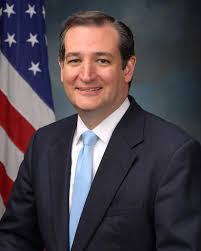
Senator Ted Cruz
Joining Cruz are Republicans in the House and Senate—not enough to defund PP, but enough to deny vitally-needed services to millions of Americans.
The reason for the 2013 government shutdown? Republicans were enraged that millions of uninsured Americans might receive medical care on a par with that given members of the House and Senate.
It was, in short, yet another Right-wing effort to eliminate the Affordable Care Act, better-known as “Obamacare.”
So on September 20, 2013, the House of Representatives voted on a short-term government funding bill that included a provision to de-fund Obamacare.
That provision was a no-go for Senate Democrats and President Barack Obama. When the House and Senate couldn’t reach a compromise, many functions of the Federal government shut down on Oct. 1.
The shutdown lasted for 16 days and cost the United States economy $2 to $6 billion in economic output, according to the Office of Management and Budget.
It ended when President Obama and Senate Democrats refused to submit to Republican blackmail. Medical care still remained available to millions of poor and middle-class Americans.
Republicans have repeatedly threatened to shut down the government unless their constantly escalating demands were met.
In November, 1995, Newt Gingrich, then Speaker of the House of Representatives, carried out this threat.
The official reason: Republicans objected to Democratic President Bill Clinton’s budgetary requests for funding Medicare, education, the environment and public health in the 1996 Federal budget.
The real reason: Gingrich unwisely admitted that he was angry because Clinton had put him in the back of Air Force One during a recent trip to Israel.
The shutdown proved a disaster for Republicans. Clinton was handily re-elected in 1996 and Gingrich suddenly resigned from Congress in 1998.
In April, 2011, the United States government almost shut down again over Republican demands about subsidized pap smears.
During a late-night White House meeting with President Obama and key Congressional leaders, Republican House Speaker John Boehner made this threat:
His conference would not approve funding for the government if any money were allowed to flow to Planned Parenthood through Title X legislation.
Facing an April 8 deadline, negotiators worked day and night to strike a compromise–and finally reached one.
Three months later–-on July 9, 2011-–Republican extortionists again threatened the Nation with financial ruin and international disgrace unless their demands were met.

Sign of The Black Hand extortion group
President Obama had offered to make historic cuts in the Federal Government and the social safety net–on which millions of Americans depend for their most basic needs.
But House Speaker John Boehner rejected that offer. He could not agree to the tax increases that Democrats wanted to impose on the wealthiest 1% as part of the bargain.
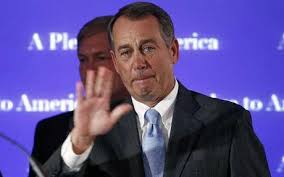
John Boehner
As the calendar moved ever closer to the fateful date of August 2, Republican leaders continued to insist: Any deal that includes taxes “can’t pass the House.”
President Obama had previously insisted on extending the debt ceiling through 2012. But in mid-July, he simply asked congressional leaders to review three options with their members:
- The “Grand Bargain” choice—favored by Obama–would cut deficits by about $4 trillion, including spending cuts and new tax revenues.
- A medium-range plan would aim to reduce the deficit by about $2 trillion.
- The smallest option would cut between $1 trillion and $1.5 trillion, without increased tax revenue or any Medicare and Medicaid cuts.
And the Republican response?
2016 PRESIDENTIAL RACE, ABC NEWS, ALTERNET, AP, ARTHUR WELLESLEY, BENJAMIN C. BRADLEE, BLACKMAIL, BUZZFEED, CBS NEWS, CNN, CROOKS AND LIARS, DAILY KOZ, DENNIS HASTERT, DUKE OF WELLINGTON, EXTORTION, FACEBOOK, FBI, FEDERAL BANKING LAWS, HARRIETTE WILSON, J. EDGAR HOOVER, JOHN F. KENNEDY, JOSEPH STOCKDALE, JUDITH CAMPBELL, MAFIA, MOTHER JONES, MOVEON, MSNBC, NBC NEWS, NEWSWEEK, NPR, PBS NEWSHOUR, POLITICO, RAW STORY, REPUBLICAN PARTY, REUTERS, ROBERT F. KENNEDY, SALON, SAM GIANCANA, SEATTLE TIMES, SLATE, THE ATLANTIC, THE CHICAGO SUN-TIMES, THE CHICAGO TRIBUNE, THE DAILY BEAST, THE GUARDIAN, THE HILL, THE HUFFINGTON POST, THE LOS ANGELES TIMES, THE NATION, THE NEW YORK TIMES, THE WASHINGTON POST, TIME, TWITTER, U.S. NEWS & WORLD REPORT, UPI, USA TODAY, WILLIAM C. SULLIVAN
In Bureaucracy, History, Law Enforcement, Politics, Social commentary on June 10, 2015 at 12:03 am
On May 28, Dennis Hastert, the former Republican Speaker of the House of Representatives (1999-2007) was indicted for violating federal banking laws and lying to the FBI.
He had tried to conceal $3.5 million in hush-money payments over several years to a man who was blackmailing him.

Dennis Hastert
The source of the blackmail: A homosexual–and possibly coerced–relationship with an underage student while Hastert was a teacher and wrestling coach at Yorkville High School, in Yorkville, Illinois–long before Hastert entered Congress in 1981.
Hastert wasn’t indicted for having had a sexual relationship with an underage student. The statute of limitations had long ago run out on that offense.
He was indicted for trying to evade federal banking laws and lying to the FBI.
According to the indictment, the FBI began investigating the cash withdrawals in 2013.
The Bureau wanted to know if Hastert was using the cash for criminal purposes or if he was the victim of a criminal extortion.
When questioned by the FBI, Hastert said he was storing cash because he didn’t feel safe with the banking system: “Yeah, I kept the cash. That’s what I’m doing.”
Thus, irony: By giving in to blackmail, Hastert:
- Lost $3.5 million;
- Unintentionally engineered his arrest and indictment; and
- Ensured that his darkest secret would be revealed.
There is a lesson to be learned here–one that longtime FBI Director J. Edgar Hoover well understood: Giving in to blackmail only empowers the blackmailer even more.
As William C. Sullivan, the onetime director of the FBI’s Domestic Intelligence Divison, revealed after Hoover’s death in 1972:
“The moment [Hoover] would get something on a senator, he’d send one of the errand boys up and advise the senator that ‘we’re in the course of an investigation, and we by chance happened to come up with this data on your daughter.
“‘But we wanted you to know this. We realize you’d want to know it.’ Well, Jesus, what does that tell the senator? From that time on, the senator’s right in his pocket.”
“Boy, the dirt he [Hoover] has on those Senators!” John F. Kennedy–a former Senator now President–gushed to his journalist-friend, Benjamin C. Bradlee.
Kennedy soon came to know that even Presidents could be targeted for blackmail.
In May, 1962, Hoover privately informed Kennedy that the FBI had learned that Judith Campbell, the mistress of Chicago Mafia boss Sam Giancana, had another bedmate: JFK himself.

John F. Kennedy, J. Edgar Hoover and Robert F. Kennedy
Hoover had feared being retired by the President’s brother, Attorney General Robert F. Kennedy. It had been RFK who had ordered Hoover to attack the Mafia as he had long attacked the Communist Party USA.
Now, as a result of that anti-Mob effort, the FBI had picked up evidence linking the President with the mistress of a top Mafia boss.
Hoover’s tenure as FBI director was thus assured–until his death on May 2, 1972, of a heart attack.
Narcotics agents have their own methods of blackmail in dealing with informants.
When a drug-abuser and/or dealer is coerced into becoming a “snitch,” the narcotics agent orders him to call another user/dealer he knows.
The agent then tapes the call–and makes sure his new informant knows it. From that moment, the “snitch” knows there’s no way out except cooperating with his new master.
The only effective way of handling blackmail was demonstrated by Arthur Wellesley, known to history as the Duke of Wellington.
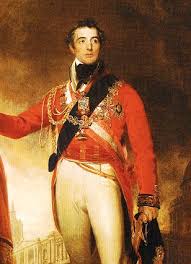
The Duke of Wellington
In 1815, he had defeated Napoleon at the battle of Waterloo, ending France’s longstanding threat to England. With that victory came the honors of a grateful nation.
Then, in December, 1824, Wellington found himself the target of blackmail by Joseph Stockdale, a pornographer and scandal-monger.
“My Lord Duke,” Stockdale write in a letter, “In Harriette Wilson’s memoirs, which I am about to publish, are various anecdotes of Your Grace which it would be most desirable to withhold….
“I have stopped the Press for the moment, but as the publication will take place next week, little delay can necessarily take place.”
Wilson was a famous London courtesan past her prime, then living in exile in Paris. She was asking Wellington to pay money to be left out of her memoirs.
From Wellington came the now-famous reply: “Publish and be damned!”
Wilson’s memoirs appeared in installments, naming half the British aristocracy and scandalizing London society.
And, true to her threat, she named Wellington as one of her lovers–and a not very satisfying one at that.
Wellington was a national hero, husband and father. Even so, his reputation did not suffer, and he went on to become prime minister.
Click here: Rear Window: When Wellington said publish and be damned: The Field Marshal and the Scarlet Woman – Voices
Dennis Hastert, former Speaker of the House, might now wish he had followed the example of the Duke of Wellington.
His reputation might have been trashed, but he wouldn’t now be facing prosecution.
As matter now stand, his reputation has been trashed, and he is facing prosecution.
ABC NEWS, AIG, BLOOD FEUD, CARLOS MARCELLO, CBS NEWS, CNN, COTTER SMITH, CUBA, ENRON, ERNEST BORGNINE, FACEBOOK, FBI, FIDEL CASTRO, INTERNATIONAL BROTHERHOOD OF TEAMSTERS, J. EDGAR HOOVER, JAMES R. HOFFA, JOHN F. KENNEDY, JUSTICE DEPARTMENT, LABOR UNIONS, MAFIA, NBC NEWS, ROBERT BLAKE, ROBERT F. KENNEDY, SAM GROOM, SENATE LABOR RACKETS COMMITEE, THE CHICAGO SUN-TIMES, THE CHICAGO TRIBUNE, THE LOS ANGELES TIMES, THE NEW YORK TIMES, THE WALL STREET JOURNAL, THE WASHINGTON POST, TWITTER, USA TODAY
In Bureaucracy, History, Law Enforcement, Politics, Social commentary on June 9, 2015 at 12:02 am
The 1983 TV mini-series, “Blood Feud,” chronicles the decade-long struggle between Robert F. Kennedy and James R. Hoffa.

As Attorney General, Kennedy declares war–for the first time in American history–on the Mafia. He forces longtime FBI Director J. Edgar Hoover–who has long refused to tackle the Mob–to investigate and arrest mobsters throughout the nation.
He also brings new charges against Hoffa–and, once again, is outraged to see Hoffa acquitted.
But under the unrelenting pressures of being in the crosshairs of the FBI, Hoffa begins to crack. He tells a trusted colleague, Edward Grady Partin (Brian Dennehy) how easy it would be to assassinate Kennedy with a rifle or a bomb.
Later, Partin gets into a legal jam–and is abandoned by the Teamsters. Hoping to cut a deal, he relays word to the Justice Department of Hoffa’s threats against the Attorney General.
Now working for the Justice Department, Partin sends in reports on Hoffa’s juror-bribing efforts in yet another trial. Hoffa again beats the rap–but now Kennedy has the insider’s proof he needs to put him away for years.
Meanwhile, the Mafia despairs of the increasing pressure of the Justice Department. At a swanky restaurant, several high-ranking members agree that “something” must be done.
[Although this scene is fictional, it’s clearly based on an infamous outburst of Carlos Marcello, the longtime Mafia boss of New Orleans.
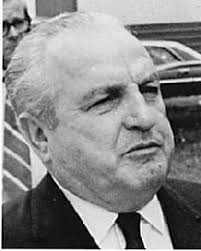 Carlos Marcello
In 1962, Marcello–who had been deported to Guatemala by RFK, then illegally re-entered the country–flew into a rage when a business colleague mentioned Kennedy.
“Take the stone out of my shoe!” he shouted, echoing a Sicilian curse. “Don’t you worry about that little Bobby sonofabitch. He’s going to be taken care of!”
When his colleague warned that murdering RFK would trigger the wrath of his brother, President John F.Kennedy, Marcello replied: “In Sicily they say if you want to kill a dog you don’t cut off the tail. You go for the head.”
Marcello considered President Kennedy to be the head. And he added that he planned to use a “nut” to do the job.]
On November 22, 1963, President John F. Kennedy is assassinated in Dallas. “Blood Feud” clearly implies that the Mafia was responsible.
[The House Assassinations Committee investigated this possibility in 1978, and determined that Marcello had the means, motiva and opportunity to kill JFK. But it could not find any conclusive evidence of his involvement.]
Even with the President dead, RFK’s Justice Department continues to pursue Hoffa. In 1964, he is finally convicted of jury tampering and sentenced to 13 years’ imprisonment.
Hoping to avoid prison, Hoffa phones Robert Kennedy, offering future Teamsters support if RFK runs for President. To prove he can deliver, he tells Kennedy that the Teamsters have even penetrated the FBI.
Kennedy confronts J. Edgar Hoover, accusing him of illegally planting wiretaps in Mob hangouts all over the country.
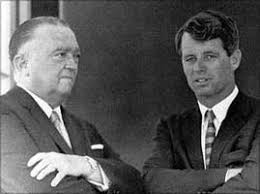
J. Edgar Hoover and Robert F. Kennedy
Hoover retorts that this had been the only way to obtain the prosecution-worthy intelligence Kennedy had demanded: “You loved that flow of information. You didn’t want it to stop.”
Kennedy: Why did you keep the FBI out of the fight against the Mob for decades?
Hoover: “Every agency that came to grips with them got corrupted by their money.”
[So far as is known, Hoover never made any such confession. Historians continue to guess his reason for leaving the Mob alone for decades.]
RFK then mentions the CIA’s plots to employ the Mob to assassinate Cuban dictator Fidel Castro
[The agency had wanted to please President Kennedy, and the Mafia had wanted to regain its casinos lost to the Cuban Revolution.]
“The CIA, doing business with the Mob,” says Kennedy. “The FBI, leaking information to its enemies [the Teamsters].” Then, sadly: “I guess it’s true–everyone does business with everyone.”
[So far as is known, the FBI did not pass on secrets to the Teamsters. But during the 1970s, the Mafia penetrated the Cleveland FBI office through bribes to a secretary. Several FBI Mob informants were “clipped” as a result.]
In 1967, Hoffa goes to prison. He stays there until, in 1971, President Richard Nixon commutes his sentence in hopes of gaining Teamsters support for his 1972 re-election.
Kennedy leaves the Justice Department in 1964 and is elected U.S. Senator from New York. In 1968 he runs for President. On June 5, after winning the California primary, he’s assassinated.
Hoffa schemes to return to the presidency of the Teamsters–a post now held by his successor, Frank Fitzsimmons. He runs the union in a more relaxed style than Hoffa, thus giving the Mob greater control over its pension fund.
And the Mafia likes it that way.
On July 30, 1975, Hoffa disappears from the parking lot of the Machus Red Fox Restaurant near Detroit. He had gone there to meet with two Mafia leaders.
Forty years later:
- Labor unions are a shadow of their former power.
- The threat they once represented to national prosperity has been replaced by that of predatory corporations like Enron and AIG.
- The war RFK began on the Mafia has continued, sending countless mobsters to prison.
- Millions of Americans who once expected the Federal Government to protect them from crime now believe the Government is their biggest threat.
- The idealism that fueled RFK’s life has virtually disappeared from politics.
.jpg)


ABC NEWS, CAREEREXCUSE, CBS NEWS, CNN, FACEBOOK, GERALD MARTIN ZELMANOWITZ, JOB-HUNTING, MAFIA, NBC NEWS, NEW IDENTITIES, PAUL MARIS, PISSED CONSUMER.COM, RESUMES, THE CHICAGO SUN-TIMES, THE CHICAGO TRIBUNE, THE LOS ANGELES TIMES, THE NEW YORK TIMES, THE WASHINGTON POST, TWITTER, U.S. MARSHALS SERVICE, WITNESS SECURITY PROGRAM
A “NEW IDENTITIES” PROGRAM FOR JOB-SEEKERS: PART TWO (END)
In Bureaucracy, Business, History, Law Enforcement, Social commentary on January 8, 2016 at 10:42 amUntil recently, only organized crime witnesses with a price on their head could obtain falsified job histories. But no more.
Thousands–if not millions–of job-seeking Americans are now able to obtain stellar job references to impress potential employer. And they’re doing it the old-fashioned way: They’re hiring companies to create them.
One such company is CareerExcuse.
CareerExcuse runs 200 fictional companies that don’t exist, have staffs or make money.
But for a fee, you can say you worked at one of them, and they’ll confirm you were an outstanding employee.
For between $100 and $200, you’ll get:
Unlike the Federal Witness Security Program (WITSEC) the clients of CareerExcuse aren’t hardened criminals.
They are legitimate citizens trying to erase gaps in their resumes. Or they have worked for a long series of short-term employers and want to appear a stable employee.
Click here: CareerExcuse Job References
Or they’ve acquired–deservedly or not–a series of bad job references
“Some people see it as unethical,” Jennifer Hatton, senior partner at CareerExcuse, said in a 2015 interview with Business Insider.
But, said Hatten, “I don’t see why you shouldn’t deserve a shot, just like the next person” if you do have the skills and experience required.
“There are many things that happen in people’s lives, with [employers] going out of business, being laid off, managers just unrightfully firing you, sexual harassment suits–you name it, it happens in the workforce.”
And it’s true.
An article in the March, 2011 issue of Reader’s Digest gives the lie to the excuses so many employers use for refusing to hire.
Entitled “22 Secrets HR Won’t Tell You About Getting a Job,” it reveals such truths as:
And in its June 8, 2011 cover-story on “What U.S. Economic Recovery? Five Destructive Myths,” Time magazine warned that profit-seeking corporations can’t be relied on to ”make it all better.”
Wrote Rana Foroohar, Time‘s assistant managing editor in charge of economics and business:
“There may be $2 trillion sitting on the balance sheets of American corporations globally, but firms show no signs of wanting to spend it in order to hire workers at home.”
Meanwhile, CareerExcuse claims to have more than 2,000 job-seeking clients.
“Our main clientele right now is IT executives, and they’re pretty high-level,” Hatton claimed. The average customer seeks a salary of $60,000 to $80,000.
There are areas of employment that CareerExcuse refuses to fill–medicine, government, law enforcement or government. Jobs where your employment would “put other people in danger,” said Hatten.
Hatton claimed that during the almost two years she had been with CareerExcuse, no one had ever discovered a faked background.
But William Schmidt, who founded the company, admitted to Motherboard that a fake reference could easily be punctured: “All it would take is one person to drive to that address and go to that office.”
And the inevitable result would be immediate termination.
For some users of CareerExcuse, the company has proven an infuriating disappointment.
Click here: 17 CAREER EXCUSE complaints and reports @ Pissed Consumer
Like many clients of the Federal Witness Security Program, they complain of promises not kept. Among their complaints on Pissed Consumer, a consumer-complaint website:
Throughout the United States, countless numbers of lazy, greedy, arrogant and/or incompetent employers are refusing to hire. And millions of willing-to-work Americans remain trapped in unemployment or under-employment as a result.
Until this situation changes, companies like CareerExcuse will continue to function–and proliferate.
Such a change isn’t going to happen tomorrow.
Share this: