Posts Tagged ‘LYNDON B. JOHNSON’
ABC NEWS, AL QAEDA, ALTERNET, AMERICABLOG, AMERICAN CAESARS: THE LIVES OF THE PRESIDENTS FROM FRANKLIN D. ROOSEVELT TO GEORGE W. BUSH, AMERICAN EMPIRE, AP, ” 9/11, BABY BOOMER RESISTANCE, BASHAR AL-ASSAD, BILL CLINTON, BLOOMBERG, BUREAUCRACY, BUZZFEED, CBS NEWS, CHRIS MATHEWS, CNN, CONDOLEEZA RICE, CROOKS AND LIARS, DAILY KOZ, DONALD TRUMP, DRUDGE REPORT, DWIGHT EISENHOWER, FACEBOOK, FBI, FIVETHIRTYEIGHT, FRANKLIN D. ROOSEVELT, GEORGE H.W. BUSH, GEORGE W. BUSH, GERALD R. FORD, HARPER’S MAGAZINE, HARRY S. TRUMAN, HUFFINGTON POST, JIMMY CARTER, JOHN F. KENNEDY, LYNDON B. JOHNSON, MEDIA MATTERS, MOTHER JONES, MOVEON, MSNBC, NBC NEWS, NEWSWEEK, NIGEL HAMILTON, NPR, OSAMA BIN LADEN, PBS NEWSHOUR, POLITICO, POLITICUSUSA, RAW STORY, REPUBLICAN PARTY, REUTERS, RICHARD CLARKE, RICHARD NIXON, ROMAN EMPIRE, SALON, SEATTLE TIMES, SEPTEMBER 11, SLATE, SUETONIUS, SYRIA, TALKING POINTS MEMO, TERRORISM, THE ATLANTIC, THE CHICAGO SUN-TIMES, THE CHICAGO TRIBUNE, THE DAILY BEAST, THE DAILY BLOG, THE GUARDIAN, THE HILL, THE HUFFINGTON POST, THE LOS ANGELES TIMES, THE NATION, THE NEW REPUBLIC, THE NEW YORK TIMES, THE TWELVE CAESARS, THE VILLAGE VOICE, THE WASHINGTON POST, THINKPROGRESS, TIME, TRUTHDIG, TRUTHOUT, TWITTER, TWO POLITICAL JUNKIES, U.S. NEWS & WORLD REPORT, UPI, USA TODAY
In Bureaucracy, History, Military, Politics, Social commentary on September 14, 2023 at 12:43 am
September 11, 2023, marks the 22nd anniversary of the worst terrorist attack on United States soil. Inevitably, this is a time to remember all those whose lives were so cruelly snuffed out.
But it should also be a time to remember those who made this atrocity inevitable—by refusing to acknowledge and address the impending threat from Al-Qaeda.
British historian Nigel Hamilton has chronicled their arrogance and indifference in his 2010 biography: American Caesars: Lives of the Presidents from Franklin D. Roosevelt to George W. Bush.
Hamilton noted that Richard Clarke, the national security advisor on terrorism, was certain that Osama bin Laden had arranged the [USS.] Cole bombing in Aden on October 12, 2000.

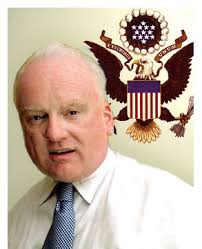
Richard Clarke
Aude, CC BY-SA 3.0 <https://creativecommons.org/licenses/by-sa/3.0>, via Wikimedia Commons
For months, Clarke tried to convince others in the Bush Administration that Bin Laden was plotting another attack against the United States—either abroad or at home.
But Clarke could not prevail against the know-it-all arrogance of such higher-ranking Bush officials as Vice President Dick Cheney; Secretary of Defense Donald Rumsfeld; Rumsfeld’s deputy, Paul Wolfowitz; and National Security Advisor Condoleeza Rice.
Rice initially refused to hold a cabinet-level meeting on the subject. Then she “insisted the matter be handled only by a more junior Deputy Principals meeting” in April, 2001, writes Hamilton.
Wolfowitz, the number-two man at the Department of Defense, said: “I don’t understand why we are beginning by talking about this one man, bin Laden.”
Even after Clarke outlined the threat posed by Al-Qaeda, Wolfowitz—whose real target was Saddam Hussein—said: “You give bin Laden too much credit.”
Wolfowitz insisted that bin Laden couldn’t carry out his terrorist acts without the aid of a state sponsor—namely, Iraq.
Wolfowitz, in fact, blamed Iraq for the 1993 bombing of the World Trade Center. Clarke was stunned, since there was absolutely no evidence of Iraqi involvement in this.
“Al-Qaeda plans major acts of terrorism against the United States,” Clarke warned his colleagues. He pointed out that, like Adolf Hitler, bin Laden had actually published his plans for future destruction.
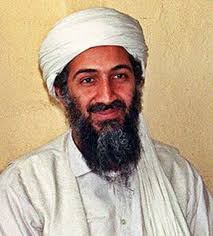
Osama bin Laden
And he added: “Sometimes, as with Hitler in Mein Kampf, you have to believe that these people will actually do what they say they will do.”
Wolfowitz heatedly traded on his Jewish heritage to bring Clarke’s unwelcome arguments to a halt: “I resent any comparison between the Holocaust and this little terrorist in Afghanistan.”
Writing in outraged fury, Hamilton sums up Clarke’s agonizing frustrations:
- Bush’s senior advisors treated their colleagues who had served in the Clinton administration with contempt.
- President Bush, Vice President Dick Cheney, National Security Advisor Condoleeza Rice, Secretary of Defense Donald Rumsfeld and Deputy Defense Secretary Paul Wolfowitz seemed content to ignore the danger signals of an impending Al-Qaeda attack.
- This left only Secretary of State Colin Powell, his deputy Richard Armitage, Richard Clarke and a skeptical Treasury Secretary, Paul O’Neill, to wage “a lonely battle to waken a seemingly deranged new administration.”
Clarke alerted Federal Intelligence agencies that “Al-Qaeda is planning a major attack on us.” He asked the FBI and CIA to report to his office all they could learn about suspicious persons or activities at home and abroad.
Finally, at a meeting with Rice on September 4, 2001, Clarke challenged her to “picture yourself at a moment when in the very near future Al-Qaeda has killed hundreds of Americans, and imagine asking yourself what you wish then that you had already done.”
Seven days later, Al-Qaeda struck, and 3,000 Americans died horrifically—and needlessly.
Neither Bush, Cheney, Rice, Rumsfeld nor Wolfowitz ever admitted their negligence. Nor would any of them be brought to account.
Disgustingly, these were the same officials who, afterward, posed as the Nation’s saviors–and branded anyone who disagreed with them as a traitor, practices the Right continues to exploit to this day.
Only Richard Clarke—who had vainly argued for stepped-up security precautions and taking the fight to Al-Qaeda—gave that apology.
On March 24, 2004, Clarke testified at the public 9/11 Commission hearings. Addressing relatives of victims in the audience, he said: “Your government failed you, those entrusted with protecting you failed you, and I failed you.”
Yet even worse was to come.
On the evening after the September 11 attacks, Bush took Clarke aside during a meeting in the White House Situation Room:
“I want you, as soon as you can, to go back over everything, everything. See if Saddam [Hussein, the dictator of Iraq] did this. See if he’s linked in any way.”
Clarke was stunned: “But, Mr. President, Al-Qaeda did this.”
“I know, I know,” said Bush. “But see if Saddam was involved. I want to know.”
Hussein had not plotted the attack—and there was no evidence proving that he did. But the attack gave “W” the excuse he wanted to remove the man he blamed for the 1992 defeat of his father, President George H.W. Bush.
Bush believed that his father would have been re-elected if he had “gone all the way” into Baghdad during the 1991 Gulf War.
He would finish the job that his father had started but failed to compete.
On September 12, 2001, Bush attended a meeting of the National Security Council.
“Why shouldn’t we go against Iraq, not just Al-Qaeda?” demanded Donald Rumsfeld, the Secretary of Defense.
Vice President Dick Cheney enthusiastically agreed.
ABC NEWS, AL QAEDA, ALTERNET, AMERICABLOG, AMERICAN CAESARS: THE LIVES OF THE PRESIDENTS FROM FRANKLIN D. ROOSEVELT TO GEORGE W. BUSH, AMERICAN EMPIRE, AP, ” 9/11, BABY BOOMER RESISTANCE, BASHAR AL-ASSAD, BILL CLINTON, BLOOMBERG, BUREAUCRACY, BUZZFEED, CBS NEWS, CHRIS MATHEWS, CNN, CONDOLEEZA RICE, CROOKS AND LIARS, DAILY KOZ, DONALD TRUMP, DRUDGE REPORT, DWIGHT EISENHOWER, FACEBOOK, FBI, FIVETHIRTYEIGHT, FRANKLIN D. ROOSEVELT, GEORGE H.W. BUSH, GEORGE W. BUSH, GERALD R. FORD, HARPER’S MAGAZINE, HARRY S. TRUMAN, HUFFINGTON POST, JIMMY CARTER, JOHN F. KENNEDY, LYNDON B. JOHNSON, MEDIA MATTERS, MOTHER JONES, MOVEON, MSNBC, NBC NEWS, NEWSWEEK, NIGEL HAMILTON, NPR, OSAMA BIN LADEN, PBS NEWSHOUR, POLITICO, POLITICUSUSA, RAW STORY, REPUBLICAN PARTY, REUTERS, RICHARD CLARKE, RICHARD NIXON, ROMAN EMPIRE, SALON, SEATTLE TIMES, SEPTEMBER 11, SLATE, SUETONIUS, SYRIA, TALKING POINTS MEMO, TERRORISM, THE ATLANTIC, THE CHICAGO SUN-TIMES, THE CHICAGO TRIBUNE, THE DAILY BEAST, THE DAILY BLOG, THE GUARDIAN, THE HILL, THE HUFFINGTON POST, THE LOS ANGELES TIMES, THE NATION, THE NEW REPUBLIC, THE NEW YORK TIMES, THE TWELVE CAESARS, THE VILLAGE VOICE, THE WASHINGTON POST, THINKPROGRESS, TIME, TRUTHDIG, TRUTHOUT, TWITTER, TWO POLITICAL JUNKIES, U.S. NEWS & WORLD REPORT, UPI, USA TODAY
In Bureaucracy, History, Military, Politics, Social commentary on September 13, 2023 at 12:22 am
It’s that time of year again–-yet another anniversary celebration of September 11, 2001.
The day when Islamic terrorists slammed two jetliners into the World Trade Center and a third into the Pentagon.
They would have crashed a fourth jetliner into the White House or Capitol Building except for the heroic resistance of passengers aboard United Airlines Flight 93.
In the years immediately following 9/11, politicians of both parties used this anniversary to wave flags and make self-serving patriotic speeches.
This was especially true for officials of the administration of President George W. Bush—which, even as the rubble was being cleared at the Pentagon and World Trade Center, was preparing to use the attack as an excuse to topple Iraqi dictator Saddam Hussein.
Hussein had not plotted 9/11, and there was no evidence that he did. But that didn’t matter to Bush and those planning the invasion and conquest of Iraq.
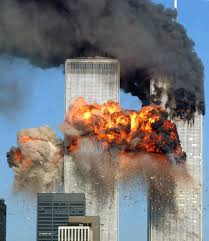
World Trade Center on September 11, 2001
So here it is, 22 years later, and, once again, politicians are using 9/11 as a prop to advance their careers.
Donald Trump, the Republican favorite for the Presidential nomination, wrote: “Those who experienced the horror of the September 11 terrorist attacks can never erase the pain and anguish of that fateful day.”
And President Joe Biden wrote: “What remains constant, and will always remain constant, is the character of our nation.”
As on past commemorations of 9/11, those who died will be remembered by friends and relatives of those who knew and loved them.
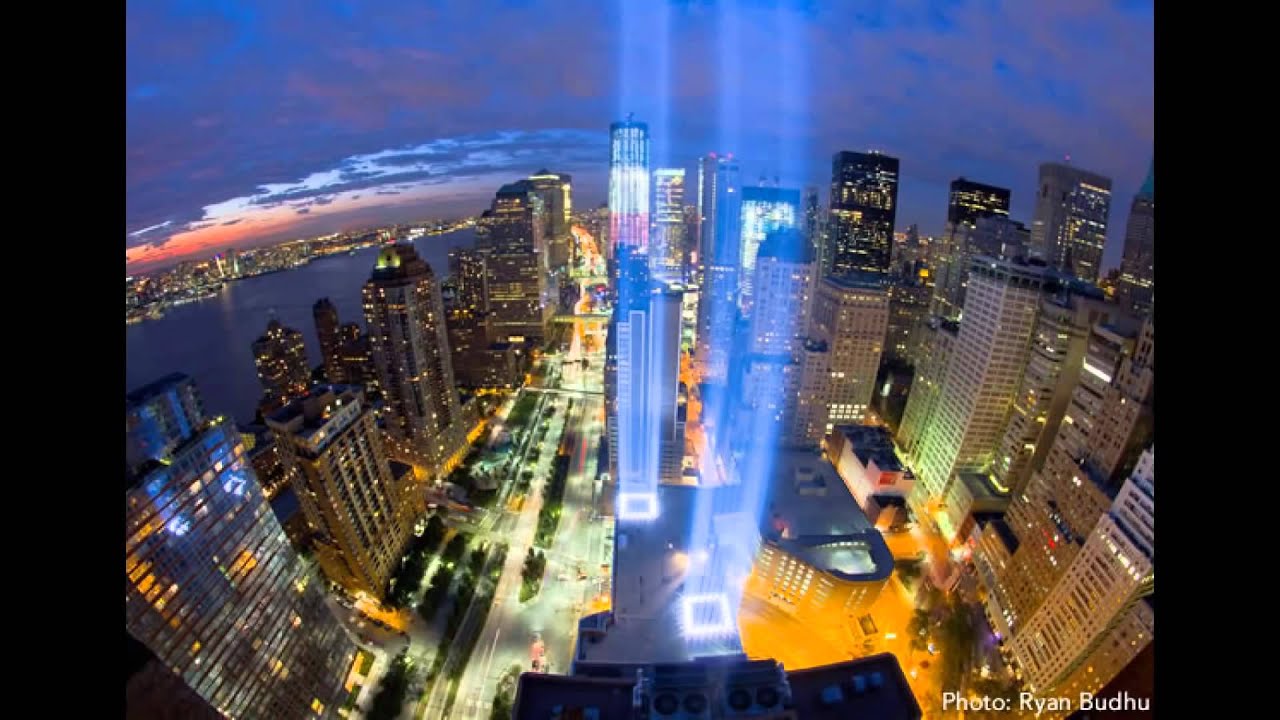
Tribute to 9/11 World Trade Center Victims
It is in fact appropriate to remember the innocents who died on that day—and the heroism of the police and firefighters who died trying to save them.
But it’s equally important to remember those who made 9/11 not simply possible but inevitable.
And that does not mean only the 19 highjackers who turned those planes into fuel-bombs. It means the officials at the highest levels of the administration of President George W. Bush.
Officials who, to this day, have never been held accountable in any way for the resulting death and destruction.
And who have been allowed to blatantly lie that they “kept us safe” from terrorism.
Obviously, such an indictment is not going to be presented by TV commentators today—not even on such liberal networks as CNN and MSNBC. And most definitely not on the right-wing Fox network.
Fortunately, British historian Nigel Hamilton has dared to lay bare the facts of this disgrace. Hamilton is the author of several acclaimed political biographies, including JFK: Reckless Youth and Bill Clinton: Mastering the Presidency.
In 2007, he began research on his latest book: American Caesars: The Lives of the Presidents From Franklin D. Roosevelt to George W. Bush.


Nigel Hamilton
By Nigel Hamilton (Nigel Hamilton picture)
The inspiration for this came from a classic work of ancient biography: The Twelve Caesars, by Gaius Suetonius Tranquillus–-known as Suetonius.
Suetonius, a Roman citizen and historian, had chronicled the lives of the first twelve Caesars of imperial Rome: Julius Caesar, Augustus, Tiberius, Caligula, Claudius, Nero, Galba, Otho, Vitellius, Vespasian, Titus and Domitian.
Hamilton wanted to examine post-World War II United States history as Suetonius had examined that of ancient Rome: Through the lives of the 12 “emperors” who had held the power of life and death over their fellow citizens—and those of other nations.
For Hamilton, the “greatest of American emperors, the Caesar Augustus of his time,” was Franklin D. Roosevelt, who led his country through the Great Depression and World War II.
His “”great successors” were Harry S. Truman, Dwight D. Eisenhower and John F. Kennedy—who, in turn, contained the Soviet Union abroad and presided over sustained economic prosperity at home.
By contrast, “arguably the worst of all the American Caesars” was “George W. Bush, and his deputy, Dick Cheney, who willfully and recklessly destroyed so much of the moral basis of American leadership in the modern world.”
Among the most lethal of Bush’s offenses: The appointing of officials who refused to take seriously the threat posed by Al-Qaeda.
And this arrogance and indifference continued–right up to September 11, 2001, when the World Trade Center and Pentagon became targets for destruction.
Among the few administration officials who did take Al-Qaeda seriously was Richard Clarke, the chief counter-terrorism adviser on the National Security Council.
Clarke had been thus appointed in 1998 by President Bill Clinton. He continued in the same role under President Bush—but the position was no longer given cabinet-level access.
This put him at a severe disadvantage when dealing with other, higher-ranking Bush officials—such as Vice President Dick Cheney, Secretary of Defense Donald Rumsfeld, Rumsfeld’s deputy, Paul Wolfowitz and National Security Advisor Condoleeza Rice.
These turned out to be the very officials who refused to believe that Al-Qaeda posed a lethal threat to the United States.
“Indeed,” writes Hamilton, “in the entire first eight months of the Bush Presidency, Clarke was not permitted to brief President Bush a single time, despite mounting evidence of plans for a new al-Qaeda outrage.” [Italics added]
Nor did it help that, during his first eight months in office before September 11, Bush was on vacation, according to the Washington Post, 42% of the time.
2020 PRESIDENTIAL ELECTION, ABC NEWS, ABORTION, AGUSTO PINOCHET, ALTERNET, AMERICABLOG, AMERICAN EXCEPTIONALISM, AMERICAN RECKONING: THE VIETNAM WAR AND OUR NATIONAL IDENTITY (BOOK), AP, AYATOLLAH RUHOLLAH KHOMEINI, BABY BOOMER RESISTANCE, BBC, BENJAMIN FRANKLIN, BIBLE BELT, BLOOMBERG NEWS, BUZZFEED, CBS NEWS, CHILE, CHINA, CHRISTIAN G. APPY, CIA, CIVIL RIGHTS ACT, CIVIL WAR, CNN, COAL MINING, CROOKS AND LIARS, DAILY KOS, DEMOCRATS, DONALD TRUMP, DRUG OVERDOSES, DWIGHT EISENHOWER, EDUCATION, FIVETHIRTYEIGHT, FUNDAMENTALIST CHRISTIANS, GERMANY, GUATEMALA, HARPER’S MAGAZINE, HISTORY, HUFFINGTON POST, INDIA, IRAN, ITALY, JACOBO ARBENZ, JAPAN, JOHN F. KENNEDY, JOSEPH R. BIDEN, LYNDON B. JOHNSON, MEDIA MATTERS, MOHAMMED MOSADDEGH, MOHAMMED-REZA SHAH PHLAVI, MOTHER JONES, MOVEON, MSNBC, MYTHS, NARENDRA MODI, NBC NEWS, NEW REPUBLIC, NEWSDAY, NEWSWEEK, NICARAGUA, NPR, OPIOD ADDICTION, PBS NEWSHOUR, POLITICO, POLITICS, POLITICUSUSA, PORNOGRAPHY, POVERTY, RAW STORY, RELIGIOUS CONSERVATIVES, REPUBLICANS, REUTERS, RICHARD NIXON, ROE V. WADE, RURAL AMERICA, SALON, SALVADORE ALLENDE, SEATTLE TIMES, SLATE, SMOKING, STEEL INDUSTRY, TALKING POINTS MEMO, THE ATLANTIC, THE CHICAGO SUN-TIMES, THE CHICAGO TRIBUNE, THE DAILY BEAST, THE DAILY BLOG, THE GUARDIAN, THE HILL, THE HUFFINGTON POST, THE INTERCEPT, THE LOS ANGELES TIMES, THE NATION, THE NEW REPUBLIC, THE NEW YORK TIMES, THE NEW YORKER, THE VILLAGE VOICE, THE WASHINGTON POST, THINKPROGRESS, THOMAS EDISON, TIME, TRUTHDIG, TRUTHOUT, TWITTER, U.S. NEWS & WORLD REPORT, UNITED STATES, UNITED STATES SUPREME COURT, UPI, USA TODAY, VIETNAM WAR, VOTER IGNORANCE, WORLD WAR 11
In Bureaucracy, History, Politics, Social commentary on September 12, 2023 at 12:12 am
Americans live by a series of myths—myths they would be the wiser to abandon. Some are embraced by liberals, others by conservatives, and still others by both.
Myth 4: Americans take pride in their history.
Americans’ ignorance of history—their own and that of other nations—has long been a scandal.
- A 2018 national survey by the Institute for Citizens & Scholars found that only one in three Americans (36%) can actually pass a multiple choice test consisting of items taken from the U.S. Citizenship Test.
- More than half of respondents (60%) didn’t know which countries the United States fought in World War II (Germany, Italy and Japan).
- And 57% did not know how many Justices actually serve on the nation’s highest court (nine).
- Only 24% correctly identified one thing Benjamin Franklin was famous for; 37% believed he invented the lightbulb (that inventor was Thomas Edison).
- Twelve percent incorrectly thought WWII General Dwight Eisenhower led troops in the Civil War; six percent thought he was a Vietnam War general.

if Americans are flagrantly ignorant of their own history, they are even worse at the history of other countries.
A major reason for this lies in Americans’ belief that other nations aren’t worth bothering about except when they threaten us. During the Vietnam war, soldiers referred to the United States as “The World”—as if the rest of the planet didn’t exist.
Americans, protected from Europe by the Atlantic Ocean and the Far East by the Pacific Ocean, allowed geography to isolate themselves from the messiness of the rest of the world.
Donald Trump, as President, gave a frightening example of this during a conversation with Indian Prime Minister Narendra Modi: “It’s not like you’ve got China on your border.” In fact, India does share a border with China.
Myth 5: The “Bible Belt” (the Deep South) is the spiritual capitol of America.
You won’t find these truths on “Green Acres” or “The Andy Griffith Show” but they form a stain on rural America that can’t be ignored:
- A 2015 study published in the Archives of Sexual Behavior found that religious conservatives search more for online pornography on Google than anyone else.
- Educational attainment and college graduation rates in the Bible Belt are among the lowest in the nation.
- Smoking rates are high in West Virginia, Kentucky, Arkansas, Tennessee, Louisiana, and Mississippi—and so are rates for smoking-related diseases and deaths.
- Heart disease, obesity, homicide and teenage pregnancies are among the highest in the nation.
Myth 6: Americans are health-conscious.
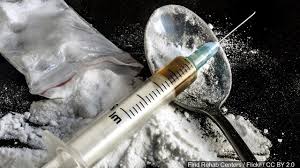
The United States is experiencing an epidemic of drug overdose deaths. In 2020, the age-adjusted rate of drug overdose deaths increased 31% compared to 2019.
Adults aged 35-44 experienced the highest rates of drug overdose deaths while young people aged 15-24 experienced the greatest percentage increase in deaths.

In 2019:
- 12 million Americans 12 or older used marijuana
- 9.1 million Americans used tobacco
- 14.5 million Americans aged 12 or older used alcohol
- 9.7 million people misused pain relievers
- 6 million people misused hallucinogens
- 5.9 million people misused depressants
- 5.5 million people misused cocaine
- 4.9 million people misused prescription stimulants
- 2.1 million people misused inhalants
- 2 million people used meth
- 745,000 Americans used heroin
Myth 7: Americans only support democratic regimes.
The United States has long supported foreign dictators—so long as they’re reliably Right-wing.
- Between 1898 and 1934, the United States repeatedly intervened with military force in Central America and the Caribbean.
- The United States occupied Nicaragua almost continuously from 1912 to 1933. Its legacy was the imposition of the tyrannical Somoza family, which ruled from 1936 to 1979.
- In 1953, the Eisenhower administration ordered the CIA to overthrew the democratically-elected government of of Iranian Prime Minister Mohammad Mosaddegh. His crime: Nationalizing the Iranian oil industry, which had been under British control since 1913.
- He was succeeded by Mohammad-Reza Shah Phlavi, a dictator who depended on United States government support to retain power until he was overthrown in 1979 by the Ayatollah Ruhollah Khomeini.
- In 1954, the CIA overthrew the democratically-elected government of Guatemalan President Jacobo Arbenz. His crime: Installing a series of reforms that expanded the right to vote, allowed workers to organize, legitimized political parties and allowed public debate.
- In 1970, President Richard M. Nixon ordered the CIA to prevent Marxist Salvador Allende from being democratically elected as president of Chile. When that failed, he ordered the CIA to overthrow Allende.
- His crime: A series of liberal reforms, including nationalizing large-scale industries (notably copper mining and banking).
- in 1973, he was overthrown by Chilean army units and national police. He was followed by Right-wing dictator Augusto Pinochet, who slaughtered 3,200 political dissidents, imprisoned 30,000 and forced another 200,000 Chileans into exile.
* * * * * * * * * *
Behind these myths: The belief in “American exceptionalism”—that the United States is unlike other nations in its innocence and steadfast dedication to human rights above all else.
Wrote Christian G. Appy, in his 2015 book, American Reckoning: The Vietnam War and Our National Identity:
“It was still unimaginable to most Americans that their own nation would wage aggressive war and justify it with unfounded claims, that it would support undemocratic governments reviled by their own people, and that American troops would be sent to fight in countries where they were widely regarded not as liberators but as imperialist invaders.”
For millions, that belief died a horrific death during the Vietnam war. Yet so long as millions remain convinced that America is guided by God and that its people are His faithful servants, these myths will remain vividly alive.
2020 PRESIDENTIAL ELECTION, ABC NEWS, ABORTION, AGUSTO PINOCHET, ALTERNET, AMERICABLOG, AMERICAN EXCEPTIONALISM, AMERICAN RECKONING: THE VIETNAM WAR AND OUR NATIONAL IDENTITY (BOOK), AP, AYATOLLAH RUHOLLAH KHOMEINI, BABY BOOMER RESISTANCE, BBC, BENJAMIN FRANKLIN, BIBLE BELT, BLOOMBERG NEWS, BUZZFEED, CBS NEWS, CHILE, CHINA, CHRISTIAN G. APPY, CIA, CIVIL RIGHTS ACT, CIVIL WAR, CNN, COAL MINING, CROOKS AND LIARS, DAILY KOS, DEMOCRATS, DONALD TRUMP, DRUG OVERDOSES, DWIGHT EISENHOWER, EDUCATION, FIVETHIRTYEIGHT, FUNDAMENTALIST CHRISTIANS, GERMANY, GUATEMALA, HARPER’S MAGAZINE, HISTORY, HUFFINGTON POST, INDIA, IRAN, ITALY, JACOBO ARBENZ, JAPAN, JOHN F. KENNEDY, JOSEPH R. BIDEN, LYNDON B. JOHNSON, MEDIA MATTERS, MOHAMMED MOSADDEGH, MOHAMMED-REZA SHAH PHLAVI, MOTHER JONES, MOVEON, MSNBC, MYTHS, NARENDRA MODI, NBC NEWS, NEW REPUBLIC, NEWSDAY, NEWSWEEK, NICARAGUA, NPR, OPIOD ADDICTION, PBS NEWSHOUR, POLITICO, POLITICS, POLITICUSUSA, PORNOGRAPHY, POVERTY, RAW STORY, RELIGIOUS CONSERVATIVES, REPUBLICANS, REUTERS, RICHARD NIXON, ROE V. WADE, RURAL AMERICA, SALON, SALVADORE ALLENDE, SEATTLE TIMES, SLATE, SMOKING, STEEL INDUSTRY, TALKING POINTS MEMO, THE ATLANTIC, THE CHICAGO SUN-TIMES, THE CHICAGO TRIBUNE, THE DAILY BEAST, THE DAILY BLOG, THE GUARDIAN, THE HILL, THE HUFFINGTON POST, THE INTERCEPT, THE LOS ANGELES TIMES, THE NATION, THE NEW REPUBLIC, THE NEW YORK TIMES, THE NEW YORKER, THE VILLAGE VOICE, THE WASHINGTON POST, THINKPROGRESS, THOMAS EDISON, TIME, TRUTHDIG, TRUTHOUT, TWITTER, U.S. NEWS & WORLD REPORT, UNITED STATES, UNITED STATES SUPREME COURT, UPI, USA TODAY, VIETNAM WAR, VOTER IGNORANCE, WORLD WAR 11
In Bureaucracy, History, Politics, Social commentary on September 11, 2023 at 12:15 am
“The great enemy of truth is very often not the lie—deliberate, contrived and dishonest—but the myth, persistent, persuasive and unrealistic. Too often we hold fast to the clichés of our forebears. We subject all facts to a prefabricated set of interpretations. We enjoy the comfort of opinion without the discomfort of thought.”
—John F. Kennedy
Americans live by a series of myths—myths they would be the wiser to abandon. Some are embraced by liberals, others by conservatives, and still others by both.
Myth 1: Americans are highly educated.
According to the 2020 U.S. Census:
- In 2022, the highest level of education of the population age 25 and older in the United States ranged from less than high school to advanced degrees beyond a bachelor’s degree.
- 9% had less than a high school diploma or equivalent;
- 28% had high school as their highest level of school completed;
- 15% had completed some college but didn’t have a degree;
- 10% had an associate degree;
- 23% had a bachelor’s degree;
- 14% had completed advanced education such as a master’s degree, professional degree or doctorate.
Myth 2: Rural America is the repository of old-fashioned virtues.
Years of “hayseed” comedies such as “The Beverly Hillbillies,” “The Real McCoys” “Green Acres” and “Petticoat Junction” convinced millions of Americans: If you want to find the “real” America, move to rural America.
If rural America is where you’ll find the “real” Americans, the future of the United States lies in peril.

Marshall County, Indiana
Derek Jensen (Tysto), CC BY 2.0 <https://creativecommons.org/licenses/by/2.0>, via Wikimedia Commons
- Rural Americans overwhelmingly support Donald Trump—who refused to accept defeat in a legitimate Presidential election, schemed to overturn the voters’ decision, and finally incited an attack on Congress to illegally remain in office.
- Rural America is home to fundamentalist Christians, who demand an end to legalized abortion and birth control—and thus hope to gain dictatorial control over women’s lives. They brand pro-choice Democrats as “baby killers.”
- During the 2020 Presidential election, Joe Biden won 91 of the nation’s 100 largest counties, but hardly anywhere else.
- Trump won about five times as many counties. Democrats are thriving in major metropolitan areas, but tanking elsewhere.
- Rather than being a Garden of Eden, rural America shares many big-city ills, such as crime, opioid addiction and a decline in life expectancy.
- Nearly all of the economic growth that occurred between the Great Recession and the start of the pandemic happened in a small number of metropolitan areas, making rural residents feel that the recession had never ended.
- Rural Americans refuse to abandon industries that are now dying out—such as in coal mining and steel. Trump promised—falsely—to bring those jobs back. Rural voters have forgiven him for this because he delivered on cultural issues—such as appointing anti-abortion Justices to the Supreme Court who overturned Roe v. Wade.
- Nearly half (46.7 percent) of all people living in rural areas are in the South. For a century following the Civil War (1861-1865) the South was accurately known as a Democratic stronghold. But that changed after Democratic President Lyndon B. Johnson signed the 1964 Civil Rights Act into law.
- In short: When Democrats went from suppressing black rights to protecting them, the great mass of white, racist rural Southerners moved to the Republican party.
Myth 3: Most Americans take a vital interest in politics.
Most Americans are dismayingly ignorant of politics at all levels—local, state and federal.
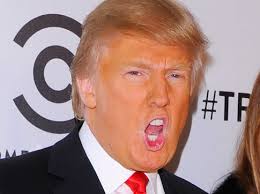
- The attempted coup of January 6, 2021, was largely fueled by ignorance. The rioters believed that Donald Trump was the real winner of the 2020 election, and that Joe Biden had “stolen” it through fraud.
- They clung to this belief, despite overwhelming evidence to the contrary, including numerous court decisions rejecting GOP claims of fraud, many of them authored by conservative, Republican-appointed judges.
- And this ignorance continues: A large majority of Republicans still believe that Biden is an illegitimate President—just 21% say that he “probably” or “definitely” won.
Donald Trump
- Most Americans don’t know the names of their state and federal representatives or even the names of the three branches of government.
- Only one third of Americans can name the three branches of our federal government: executive, legislative, judicial.
- Most voters overestimate the percentage of the federal budget spends on foreign aid (actually, about 1%). Yet they underestimate the amount going to entitlement programs, such as Medicare and Social Security. As a result, they believe we can solve our fiscal problems without either cutting entitlements or raising taxes on the vast majority of Americans.
- Voters also often reward or punish elected officials for events they did not cause, such as short-term economic trends or droughts.
Such ignorance makes people more susceptible to lies and conspiracy theories, including those about the 2020 election.
Myth 4: Americans take pride in their history.
Americans’ ignorance of history—their own and that of other nations—has long been a scandal.
- A 2018 national survey by the Institute for Citizens & Scholars found that only one in three Americans (36%) can actually pass a multiple choice test consisting of items taken from the U.S. Citizenship Test.
- More than half of respondents (60%) didn’t know which countries the United States fought in World War II (Germany, Italy and Japan).
2020 PRESIDENTIAL ELECTION, ABC NEWS, ALTERNET, AMERICABLOG, AP, BABY BOOMER RESISTANCE, BBC, BLOOMBERG NEWS, BUZZFEED, CBS NEWS, CIVIL RIGHTS ACT OF 1964, CNN, COMMUNISTS, CROOKS AND LIARS, DAILY KOS, DONALD TRUMP, ELECTORAL COLLEGE, FANI WILLIS, FBI, FIVETHIRTYEIGHT, FULTON COUNTY DISTRICT ATTORNEY’S OFFICE, GEORGIA RACKETEER INFLUENCED CORRUPT ORGANIZATIONS (RICO) ACT, HARPER’S MAGAZINE, HOUSE JUDICIARY COMMITTEE, HUFFINGTON POST, J. EDGAR HOOVER, JACK SMITH, JAMES MEREDITH, JIM JORDAN, JOE BIDEN, JOHN F. KENNEDY, KU KLUX KLAN, LYNDON B. JOHNSON, MEDIA MATTERS, MOTHER JONES, MOVEON, MSNBC, NBC NEWS, NEW REPUBLIC, NEWSDAY, NEWSWEEK, NPR, PBS NEWSHOUR, POLITICO, POLITICUSUSA, RAW STORY, REUTERS, SALON, SEATTLE TIMES, SLATE, TALKING POINTS MEMO, THE ATLANTIC, THE CHICAGO SUN-TIMES, THE CHICAGO TRIBUNE, THE DAILY BEAST, THE DAILY BLOG, THE GUARDIAN, THE HILL, THE HUFFINGTON POST, THE INTERCEPT, THE LOS ANGELES TIMES, THE NATION, THE NEW REPUBLIC, THE NEW YORK TIMES, THE NEW YORKER, THE VILLAGE VOICE, THE WASHINGTON POST, THINKPROGRESS, TIME, TRUTHDIG, TRUTHOUT, TWITTER, U.S. NEWS & WORLD REPORT, UNIVERSITY OF MISSISSIPPI, UPI, USA TODAY
In Bureaucracy, History, Law, Law Enforcement, Politics, Social commentary on August 30, 2023 at 12:14 am
House Judiciary Committee Chairman Jim Jordan is furious.
Not at Donald Trump—who, as President, incited a violent attack on Congress. Its purpose: To stop the counting of Electoral College votes which would determine the winner of the 2020 Presidential election.
And Trump knew who that winner would be: Former Vice President Joe Biden.
No, Jordan (R-Ohio) isn’t furious at Trump for committing treason against the United States.

Jim Jordan
He’s furious that Trump is being prosecuted for trying to coerce Georgia public officials to “find” Electoral College votes which did not exist.
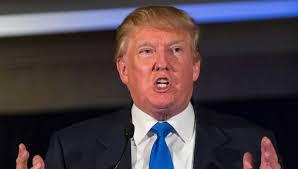
Specifically, Trump is charged with 13 felony counts:
- 1 count of violating the Georgia RICO (Racketeer Influenced and Corrupt Organizations) Act (conspiring to overturn the vote count of the 2020 Presidential election);
- 3 counts of solicitation of violation of oath by a public officer;
- 1 count of conspiracy to commit impersonating a public officer;
- 2 counts of conspiracy to commit forgery;
- 2 counts of conspiracy to commit false statements and writings;
- 1 count of conspiracy to commit filing false documents;
- 1 count of filing false documents;
- 2 counts of making false statements and writings.
Donald Trump
This makes Trump the only former President to face criminal trial as—officially—a racketeer.
And it makes Jim Jordan—who defended Trump’s rampant criminality throughout his four years as President—determined to act as his savior.
Thus, on August 24, he sent a letter to Fulton County District Attorney Fani Willis, who has brought the charges against Trump and 18 other defendants.
It opened:
“On August 14, 2023, you brought a 41-count indictment against 19 defendants—including a former President of the United States and current declared candidate for that office, his attorneys, a former White House Chief of Staff, and a former U.S. Department of Justice (DOJ) official—related to the 2020 election for President of the United States.
“Among other things, you have alleged that these 19 individuals, 30 unindicted co-conspirators, and others were part of a ‘criminal enterprise.’ And you have identified a number of acts that you claim were committed in furtherance of this purported criminal enterprise, including:
“(1) the then-White House Chief of Staff asking a Member of Congress for the phone number of the Speaker of the Pennsylvania House of Representatives;
“(2) the then-President tweeting that hearings in the Georgia legislature were being aired on a news channel and commenting on those hearings; and
“(3) numerous acts taking place in other states not involving the conduct of the 2020 election in Georgia or the counting of the votes cast in Georgia.
“Your indictment and prosecution implicate substantial federal interests, and the circumstances surrounding your actions raise serious concerns about whether they are politically motivated.
“Turning first to the question of motivation, it is noteworthy that just four days before this indictment, you launched a new campaign fundraising website that highlighted your investigation into President Trump….
“Last week, the Fulton County Superior Court’s Clerk publicly released a list of criminal charges against President Trump reportedly hours before the vote of the grand jury….
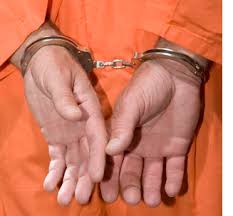
“And unlike officials in other jurisdictions, Fulton County officials ‘have suggested [they] will process [the former President] as [a] typical criminal defendant[], requiring mug shots and possibly even cash bond.'”
In short: Fulton County officials intended to treat Trump the same way that any other indicted criminal would be treated.
Jordan then demanded:
1. All documents and communications referring or relating to the Fulton County District Attorney’s Office’s receipt and use of federal funds;
2. All documents and communications between or among the Fulton County District Attorney’s Office and DOJ and its components, including but not limited to the Office of Special Counsel Jack Smith, referring or relating to your office’s investigation of President Donald Trump or any of the other eighteen individuals against whom charges were brought in the indictment discussed above; and
3. All documents and communications between the Fulton County District Attorney’s Office and any federal Executive Branch officials regarding your office’s investigation of President Donald Trump or any of the other eighteen individuals against whom charges were brought in the indictment discussed above.”
In the past, Republicans—including Jordan—have held sacred the separation of powers between Federal and state governments.
- In 1962, a Democratic President—John F. Kennedy—sent deputy U.S. marshals to ensure the safety of James Meredith, the first black student ever admitted to the all-white University of Mississippi. Republicans howled in outrage at this “violation” of “states’ rights.”
- In 1964, another Democratic President—Lyndon B. Johnson—signed the Civil Rights Act into law. Republicans were outraged at its demands that blacks be treated as equal citizens.
- And when Johnson ordered FBI Director J. Edgar Hoover to “go after the Ku Klux Klan the way you do after the Communists,” Republicans again attacked him for “interfering” with “sovereign” states.
But now a local Georgia prosecutor has dared hold accountable a former Republican President for trying to disenfranchise the voting rights of 2,473,633 Georgia citizens.
So, for Jordan, the voting rights of those citizens must naturally take a back seat to the “right” of a losing Republican President to illegally remain in office as “President-for-Life.”
9/11 ATTACKS, ABC NEWS, AFGHANISTAN, ALTERNET, AMERICABLOG, AMERICAN NAZI PARTY, ANTI-SEMITISM, AP, ARCHER SCHOOL FOR GIRLS, BABY BOOMER RESISTANCE, BARACK OBAMA, BARRY GOLDWATER, BBC, BIRTH CONTROL, BLACK LIVES MATTER, BLOOMBERG NEWS, BUZZFEED, CBS NEWS, CIVIL RIGHTS ACT OF 1964, CNN, CROOKS AND LIARS, DAILY KOZ, DONALD TRUMP, ED MARTIN, FIVETHIRTYEIGHT, FLORIDA, FOX BUSINESS, FOX NEWS, GEORGE W. BUSH, GRETCHEN CARLSON, HARPER’S MAGAZINE, HILLARY CLINTON, HUFFINGTON POST, HUMAYUN KHAN, IRAQ WAR, JOE BIDEN, JOHN LAURO, JOHN MCCAIN, KATRINA PIERSON, KU KLUX KLAN, LATINOS, LYNDON B. JOHNSON, MARCO GUTIERREZ, MEDIA MATTERS, MEDICAID, MEDICARE, MEXICO, MICHELE BACHMANN, MITT ROMNEY, MOTHER JONES, MOVEON, MSNBC, NBC NEWS, NEW REPUBLIC, NEW YORK, NEWSDAY, NEWSWEEK, NICCOLO MACHIAVELLI, NPR, OBAMACARE, OMAROSA MANIGAULT, PAUL MANAFORT, PBS NEWSHOUR, POLITICO, POLITICUSUSA, PRINCESS DIANA, RAW STORY, REUTERS, ROGER AILES, SALON, SEATTLE TIMES, SLATE, SOCIAL SECURITY, STEVE BANNON, TALKING POINTS MEMO, TEA PARTY, THE APPRENTICE, THE ATLANTIC, THE CHICAGO SUN-TIMES, THE CHICAGO TRIBUNE, THE DAILY BEAST, THE DAILY BLOG, THE GUARDIAN, THE HILL, THE HUFFINGTON POST, THE INTERCEPT, THE LOS ANGELES TIMES, THE NATION, THE NEW NEW YORK TIMES, THE NEW REPUBLIC, THE NEW YORK TIMES, THE NEW YORKER, THE PRINCE, THE VILLAGE VOICE, THE WASHINGTON POST, THINKPROGRESS, TIME, TRUTHDIG, TRUTHOUT, TWITTER, TWO POLITICAL JUNKIES, U.S. NEWS & WORLD REPORT, UPI, USA TODAY, VLADIMIR PUTIN, VOTER ID LAWS, VOTING, WAYNE ROOT, WELFARE, WONKETTE
In Bureaucracy, History, Law, Politics, Social commentary on August 11, 2023 at 1:48 am
In late July, 2016, Donald Trump’s new spokeswoman, Katrina Pierson, accepted an impossible mission that even “Mission: Impossible’s” Jim Phelps would have turned down:
Convince Americans that Barack Obama and Hillary Clinton were responsible for the death of Captain Humayun Khan, who was killed by a truck-bomb in Iraq in 2004.
Appearing on CNN’s The Situation Room with Wolf Blitzer on August 2, Pierson said: “It was under Barack Obama and Hillary Clinton that changed the rules of engagements that probably cost his life.”
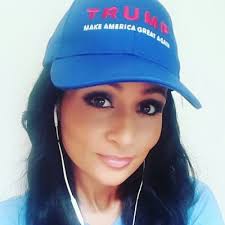
Katrina Pierson
Totally ignored in that scenario:
- President George W. Bush lied the nation into a needless war that cost the lives of 4,486 Americans and wounded another 33,226.
- The war began in 2003—and Khan was killed in 2004.
- Barack Obama became President in 2009—almost five years after Khan’s death.
- Hillary Clinton became Secretary of State the same year.
- Obama, elected Illinois U.S. Senator in 2004, vigorously opposed the Iraq war throughout his term.
Twitter users, using the hashtag #KatrinaPiersonHistory, mocked Pierson’s revisionist take on history. Among their tweets:
- Hillary Clinton slashed funding for security at the Ford Theater, leading to Lincoln’s assassination.
- Obama gave Amelia Earhart directions to Kenya.
- Remember the Alamo? Obama and Hillary let it happen.
- Obama and Clinton kidnapped the Lindbergh baby.
Not content with blaming President Obama for the death of a man he never sent into combat, Pierson claimed that Obama started the Afghanistan war.
Appearing again on CNN, Pierson said the Afghan war began “after 2007,” when Al Qaeda “was in ashes” following the American troop surge in Iraq.
“Remember, we weren’t even in Afghanistan by this time,” Pierson said. “Barack Obama went into Afghanistan, creating another problem.”
In fact, President George W. Bush ordered the invasion of Afghanistan following the terrorist attacks of September 11, 2001.
When your spokeswoman becomes a nationwide laughingstock, your own credibility goes down the toilet as well.
In July, 2016, an Associated Press/GfK poll found that half of Americans saw Donald Trump as “racist”—and only 7% of blacks viewed him favorably.
There are numerous reasons for this:
- His enthusiastic support by racist white supremacist organizations such as the Ku Klux Klan and the American Nazi Party.
- His “birther” attacks on President Obama as a non-citizen from Kenya–and thus ineligible to hold the Presidency.
- His attacks on the Black Lives Matter movement and calling on his supporters at rallies to rough up minority protesters.
Since 1964, blacks have overwhelmingly voted for Democratic Presidential candidates. President Lyndon B. Johnson’s won their loyalty with his support for and passage of the Civil Rights Act of 1964.
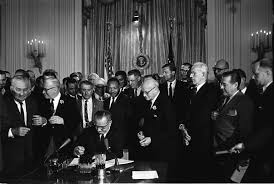
President Johnson signing the 1964 Civil Rights Act
Republican Presidential candidate Barry Goldwater opposed it—as did the majority of his party.
Since 1964, fewer than six percent of blacks have voted for Republican Presidential candidates. Whites have not only remained the majority of Republican voters but have become the single most important voting bloc among them.
To counter this, Donald Trump turned to his Director of African-American Outreach: Omarosa Manigault.
Trump made the appointment just hours before the first night of the Republican National Convention.
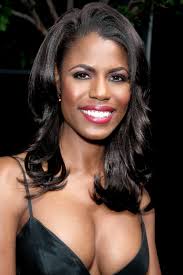
Omarosa Manigault
Manigault is best known as the villain of Trump’s reality-TV show, “The Apprentice”—where she was fired on three different seasons. Her credentials include a Ph.D. in communications, a preacher’s license, and topping TV Guide’s list of greatest reality TV villains in 2008.
During the Clinton administration she held four jobs in two years, and was thoroughly disliked in all of them.
“She was asked to leave [her last job] as quickly as possible, she was so disruptive,” said Cheryl Shavers, the former Under Secretary for Technology at the Commerce Department. “One woman wanted to slug her.”
In her role as Trump’s ambassador to blacks, Omarosa inspired others to want to slug her. Appearing on Fox Business, she ignored Fox panelist Tamera Holder’s question on why blacks should support Trump, and then mocked her “big boobs.”
Manigault wasn’t bothered that blacks regarded Trump so poorly in polls: “My reality is that I’m surrounded by people who want to see Donald Trump as the next president of the United States who are African-American.”
Appointing as your public relations director a woman who gratuitously insults and infuriates people is not the move of a smart administrator—or Presidential candidate.
Manigault followed Trump into the White House as director of communications for the Office of Public Liaison. There her arrogance and rudeness got her fired in December, 2017.
She had known Trump since 2004. But it was only in a 2018 tell-all book, Unhinged, that she claimed she had discovered that her idol was a racist, a misogynist and in mental decline.
To make things worse for Trump, she had secretly taped conversations between herself and him. Asked to justify this, she offered: “You have to have your own back or else you’ll look back and you’ll have 17 knives in your back. I protected myself because this is a White House where everybody lies.”
Thus, after all these demonstrations of Trump’s incompetence as an administrator, millions of hate-filled Americans rushed to the polls to support him—because “he says what I’m thinking.”
9/11 ATTACKS, ABC NEWS, AFGHANISTAN, ALTERNET, AMERICABLOG, AMERICAN NAZI PARTY, ANTI-SEMITISM, AP, ARCHER SCHOOL FOR GIRLS, BABY BOOMER RESISTANCE, BARACK OBAMA, BARRY GOLDWATER, BBC, BIRTH CONTROL, BLACK LIVES MATTER, BLOOMBERG NEWS, BUZZFEED, CBS NEWS, CIVIL RIGHTS ACT OF 1964, CNN, CROOKS AND LIARS, DAILY KOZ, DONALD TRUMP, ED MARTIN, FIVETHIRTYEIGHT, FLORIDA, FOX BUSINESS, FOX NEWS, GEORGE W. BUSH, GRETCHEN CARLSON, HARPER’S MAGAZINE, HILLARY CLINTON, HUFFINGTON POST, HUMAYUN KHAN, IRAQ WAR, IVANKA TRUMP, JOE BIDEN, JOHN LAURO, JOHN MCCAIN, KATRINA PIERSON, KU KLUX KLAN, LATINOS, LYNDON B. JOHNSON, MARCO GUTIERREZ, MEDIA MATTERS, MEDICAID, MEDICARE, MEXICO, MICHELE BACHMANN, MITT ROMNEY, MOTHER JONES, MOVEON, MSNBC, NBC NEWS, NEW REPUBLIC, NEW YORK, NEWSDAY, NEWSWEEK, NICCOLO MACHIAVELLI, NPR, OBAMACARE, OMAROSA MANIGAULT, PAUL MANAFORT, PBS NEWSHOUR, POLITICO, POLITICUSUSA, PRINCESS DIANA, RAW STORY, REUTERS, ROGER AILES, SALON, SEATTLE TIMES, SLATE, SOCIAL SECURITY, STEVE BANNON, TALKING POINTS MEMO, TEA PARTY, THE APPRENTICE, THE ATLANTIC, THE CHICAGO SUN-TIMES, THE CHICAGO TRIBUNE, THE DAILY BEAST, THE DAILY BLOG, THE GUARDIAN, THE HILL, THE HUFFINGTON POST, THE INTERCEPT, THE LOS ANGELES TIMES, THE NATION, THE NEW NEW YORK TIMES, THE NEW REPUBLIC, THE NEW YORK TIMES, THE NEW YORKER, THE PRINCE, THE VILLAGE VOICE, THE WASHINGTON POST, THINKPROGRESS, TIME, TRUTHDIG, TRUTHOUT, TWITTER, TWO POLITICAL JUNKIES, U.S. NEWS & WORLD REPORT, UPI, USA TODAY, VLADIMIR PUTIN, VOTER ID LAWS, VOTING, WAYNE ROOT, WELFARE, WONKETTE
In Bureaucracy, History, Law, Politics, Social commentary on August 10, 2023 at 12:16 am
Former President Donald Trump now faces criminal indictment for trying to overturn the results of the 2020 Presidential election.
His defense: He’s blaming his lawyers for advising him to use illegal means to stay in power after losing the contest to former Vice President Joe Biden.
“Everything that President Trump did was with the advice of lawyers and counsel. That’s an absolute defense to a criminal case,” said his attorney, John Lauro.
Yet Trump has an embarrassing record for picking those who tell him what he wants to hear—and firing them when their advice contradicts his desires.
During the 2016 Presidential campaign, Trump hired Paul Manafort as his campaign manager to bring stability to his often scattershot campaign.
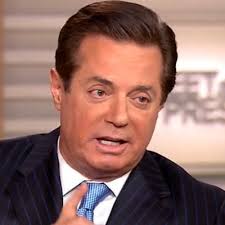
Paul Manafort
But Manafort came with longstanding ties to pro-Russian politicians in Ukraine—and Vladimir Putin.
For years, Manafort worked for Viktor Yanukovych, a Putin protege who was deposed as Ukraine’s president in 2014 amid widespread demonstrations.
In August, the New York Times unearthed handwritten ledgers that listed $12.7 million in cash payments to Manafort from Yanukovych’s political party between 2007 and 2012.
In 2018, Manafort would be found guilty on eight counts:
- Filing false tax returns;
- Bank fraud;
- Failing to disclose a foreign bank account;
- Conspiracy to defraud the United States; and
- Witness tampering.
Trump’s own ties to Putin were already facing increasing scrutiny for:
- His and Putin’s public expressions of admiration for each other’s toughness;
- The removal from the Republican party platform, written at the convention in Cleveland in July, of references to arming Ukraine in its fight against pro-Russian rebels who have been armed by the Kremlin; and
- Trump’s inviting Russia to find 30,000 emails deleted from the private server used by Hillary Clinton while she was Secretary of State in the Obama administration.
Added to Manafort’s embarrassing ties to Russia was another minus: He and Trump didn’t get along. Trump had begun calling him “low energy”—a term he once aimed at his GOP rival, Jeb Bush.
Manafort wanted Trump to become self-disciplined and solely attack his Presidential rival, Hillary Clinton. Instead, in late July, Trump ignited a days-long feud with members of a Gold Star family, costing him support within the veterans community.
Manafort also wanted Trump to establish a conventional chain-of-command organization typical of a Presidential campaign. But Trump resisted, preferring to improvise and rely on his instincts and the counsel of his family.
In late August, Trump fired him.
Foreign policy usually plays a major role in Presidential elections. Yet Trump seemed ignorant and unconcerned about it.
Asked on MSNBC’s “Morning Joe” who he consulted about foreign policy, Trump replied; “I’m speaking with myself, number one, because I have a very good brain and I’ve said a lot of things.”
In late August, 2016, former Republican Congresswoman (2007-2015) Michele Bachmann claimed that she was now advising Trump on foreign policy.
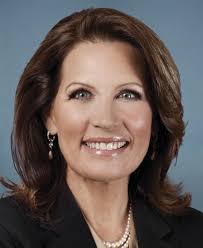
Michele Bachmann
A member of the Right-wing Tea Party, Bachmann said that diplomacy “is our option” in dealing with Iran—but wouldn’t rule out a nuclear strike.
Among the statements she made:
- “I don’t know how much God has to do to get the attention of the politicians. We’ve had an earthquake; we’ve had a hurricane. He said, ‘Are you going to start listening to me here?'”
- “Carbon dioxide is portrayed as harmful. But there isn’t even one study that can be produced that shows that carbon dioxide is a harmful gas.”
- “President Obama waived a ban on arming terrorists in order to allow weapons to go to the Syrian opposition….U.S. taxpayers are now paying to give arms to terrorists, including Al-Qaeda.”
- “I’m a believer in Jesus Christ. As I look at the End Times scripture, this says to me that the leaf is on the fig tree and we are to understand the signs of the times, which is your ministry, we are to understand where we are in God’s end time history.”
A woman who believes that God causes earthquakes and hurricanes, and that mankind has arrived at “End Times,” could hardly be a comfort to rational voters.
Another Trump adviser was former Fox News CEO Roger Ailes. His assignment: Prepare Trump for the upcoming fall debates with Clinton.
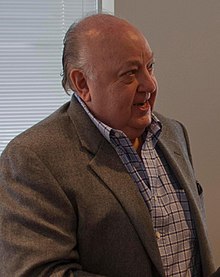
Ailes’ appointment came shortly after he was fired, in July, 2016, from Fox News on multiple charges of sexual harassment.
At first, only Fox News anchor Gretchen Carlson dared accuse him. But then more than two dozen women came forward to accuse Ailes of sexual harassment.
On September 6, Carlson reached an out-of-court settlement with the parent company of Fox News for a reported $20 million.
At least two other women settled with Fox, an anonymous source told the New York Times.
All of which made Ailes the poster boy for sexual harassment.
Trump has been married three times and has often boasted of his sexual conquests—including ones he believes he could have had.
Shortly after the 1997 death of Princess Diana, he told a radio interviewer he could have “nailed” her if he had wanted to.
In a mid-March, 2016 CNN/ORC poll, 73% of female voters saw Trump negatively. Associating with a notorious sexual harasser like Roger Ailes could only make him even more unpopular among women.
9/11 ATTACKS, ABC NEWS, AFGHANISTAN, ALTERNET, AMERICABLOG, AMERICAN NAZI PARTY, ANTI-SEMITISM, AP, ARCHER SCHOOL FOR GIRLS, BABY BOOMER RESISTANCE, BARACK OBAMA, BARRY GOLDWATER, BBC, BIRTH CONTROL, BLACK LIVES MATTER, BLOOMBERG NEWS, BUZZFEED, CBS NEWS, CIVIL RIGHTS ACT OF 1964, CNN, CROOKS AND LIARS, DAILY KOZ, DONALD TRUMP, ED MARTIN, FIVETHIRTYEIGHT, FLORIDA, FOX BUSINESS, FOX NEWS, GEORGE W. BUSH, GRETCHEN CARLSON, HARPER’S MAGAZINE, HILLARY CLINTON, HUFFINGTON POST, HUMAYUN KHAN, IRAQ WAR, IVANKA TRUMP, JOE BIDEN, JOHN LAURO, JOHN MCCAIN, KATRINA PIERSON, KU KLUX KLAN, LATINOS, LYNDON B. JOHNSON, MARCO GUTIERREZ, MEDIA MATTERS, MEDICAID, MEDICARE, MEXICO, MICHELE BACHMANN, MITT ROMNEY, MOTHER JONES, MOVEON, MSNBC, NBC NEWS, NEW REPUBLIC, NEW YORK, NEWSDAY, NEWSWEEK, NICCOLO MACHIAVELLI, NPR, OBAMACARE, OMAROSA MANIGAULT, PAUL MANAFORT, PBS NEWSHOUR, POLITICO, POLITICUSUSA, PRINCESS DIANA, RAW STORY, REUTERS, ROGER AILES, SALON, SEATTLE TIMES, SLATE, SOCIAL SECURITY, STEVE BANNON, TALKING POINTS MEMO, TEA PARTY, THE APPRENTICE, THE ATLANTIC, THE CHICAGO SUN-TIMES, THE CHICAGO TRIBUNE, THE DAILY BEAST, THE DAILY BLOG, THE GUARDIAN, THE HILL, THE HUFFINGTON POST, THE INTERCEPT, THE LOS ANGELES TIMES, THE NATION, THE NEW NEW YORK TIMES, THE NEW REPUBLIC, THE NEW YORK TIMES, THE NEW YORKER, THE PRINCE, THE VILLAGE VOICE, THE WASHINGTON POST, THINKPROGRESS, TIME, TRUTHDIG, TRUTHOUT, TWITTER, TWO POLITICAL JUNKIES, U.S. NEWS & WORLD REPORT, UPI, USA TODAY, VLADIMIR PUTIN, VOTER ID LAWS, VOTING, WAYNE ROOT, WELFARE, WONKETTE
In Bureaucracy, History, Law, Politics, Social commentary on August 9, 2023 at 12:13 am
“The first impression that one gets of a ruler and his brains is from seeing the men that he has about him.
“When they are competent and loyal one can always consider him wise, as he has been able to recognize their ability and keep them faithful.
“But when they are the reverse, one can always form an unfavorable opinion of him, because the first mistake that he makes is in making this choice.”
So wrote the Italian statesman Niccolo Machiavelli more than 500 years ago in his famous treatise on politics, The Prince.
And his words remain as true in our day as they were in his.
In fact, he could have been writing about the ability of Donald Trump to choose subordinates.
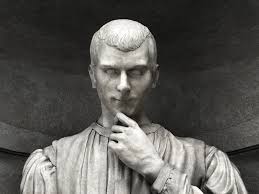
Niccolo Machiavelli
As a Presidential candidate, Trump repeatedly previewed his administrative incompetence—which he continued to demonstrate as President.
His favorite daughter, Ivanka, bitterly insisted: “My father values talent. He recognizes real knowledge and skill when he finds it. He is color-blind and gender-neutral. He hires the best person for the job, period.”
But a close look at those he picked to run his campaign for President totally refutes this.
From the outset of his campaign, Trump polled extremely poorly among Hispanic voters. Among the reasons for this—Trump’s verdict on Mexicans:
“When Mexico sends its people, they’re not sending their best. They’re sending people that have lots of problems, and they’re bringing those problems with us. They’re bringing drugs. They’re bringing crime. They’re rapists.”
And he promised to “build a great, great wall on our southern border and I will have Mexico pay for that wall.”
So statements like those of his supporters Marco Gutierrez and Ed Martin could only inflame Hispanic voters even more:
Founder of Latinos for Trump Marco Gutierrez told MSNBC’s Joy Reid: “My culture is a very dominant culture. And it’s imposing, and it’s causing problems. If you don’t do something about it, you’re gonna have taco trucks every corner.”
At a Tea Party for Trump rally at a Harley-Davidson dealership in Festus, Missouri, former Missouri Republican Party director Ed Martin reassured the crowd that they weren’t racist for hating Mexicans.
“Donald Trump is for Americans first. He’s for us first. It is not selfish to support, or to be for, your neighbor, as opposed to someone from another nation. And Mexico, Mexicans, that’s not a race. You’re not racist if you don’t like Mexicans. They’re from a nation.”
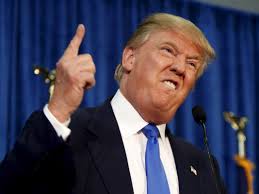
Donald Trump
Then there were the inflammatory words offered by Wayne Root, opening speaker and master of ceremonies at many Trump events. Root told Virginia radio host Rob Schilling that people on public assistance and women who get their birth control through Obamacare should not be allowed to vote:
“If the people who paid the taxes were the only ones allowed to vote, we’d [Republicans] have landslide victories. But you’re allowing people to vote. This explains everything! People with conflict of interest shouldn’t be allowed to vote. If you collect welfare, you have no right to vote.
“The day you get off welfare, you get your voting rights back. The reality is, why are you allowed to have this conflict of interest that you vote for the politician who wants to keep your welfare checks coming and your food stamps and your aid to dependent children and your free health care and your Medicaid, your Medicare and your Social Security and everything else?”
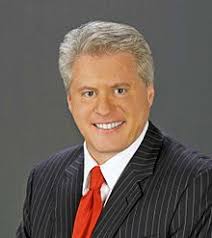
Wayne Root
According to a March, 2016 Gallup poll, 70% of women—or seven in 10—had an unfavorable opinion of Trump.
Such comments as Root’s could only make Trump even more unpopular with women. Not to mention anyone who received Medicaid, Medicare or Social Security.
Donald Trump’s campaign manager, Steve Bannon, was charged with misdemeanor domestic violence, battery, and dissuading a witness in 1996, after an altercation with his then-wife, Mary Louise Piccard, in Santa Monica, California.
Picard also said in a 2007 court declaration that Bannon didn’t want their twin daughters attending the Archer School for Girls in Los Angeles because many Jewish students were enrolled there.
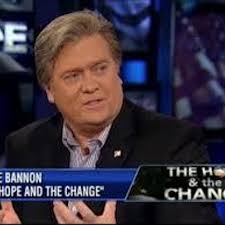
Steve Bannon
This undoubtedly contributed to Trump’s unpopularity among women, it also made him unpopular among Jews—especially in heavily Jewish states like New York and Florida.
In addition: Bannon and another ex-wife, Diane Clohesy, were registered to vote at a vacant house in Florida, a possible violation of election laws in a key swing state.
Republicans have vigorously denied voting rights to tens of thousands on the pretext of “voter fraud.” More than a dozen states still have voting restrictions in place since 2012.
A Washington Post investigation found just 31 credible cases of voter fraud from 2000 to 2014, out of an estimated 1 billion ballots cast in the U.S. during that period.
Meanwhile, voting rights groups were fighting back—and winning.
“Voter ID” laws in Texas, Wisconsin and North Carolina were found discriminatory against minorities—who traditionally vote Democratic.
With evidence of Republican fraud like that supplied by Trump’s own campaign manager, victories against “Voter ID” laws may well increase.
2016 PRESIDENTIAL ELECTION, 2020 PRESIDENTIAL ELECTION, 9/11 ATTACKS, ABC NEWS, ABRAHAM LINCOLN, ALTERNET, AMERICABLOG, AP, APPOMATTOX DEMOCRATS, ARNOLD SCHWARTZENEGGER, ASIANS, BABY BOOMER RESISTANCE, BARACK OBAMA, BBC, BLACKS, BLOOMBERG NEWS, BUZZFEED, CBS NEWS, CHARLES ROYSTER, CIVIL RIGHTS ACT OF 1964, CIVIL WAR, CNN, CONFEDERATE STATES OF AMERICA, COVID-19, CROOKS AND LIARS, DAILY KOZ, DAVID BROOKS, DELTA VARIANT, DONALD TRUMP, FACEBOOK, FIVETHIRTYEIGHT, FORT SUMTER, GEORGE W. BUSH, HARPER’S MAGAZINE, HILLARY CLINTON, HISPANICS, HUFFINGTON POST, JOHN OLIVER, JOHNSON & JOHNSON VACCINE, JONATHAN CAPEHART, KGB, LYNDON B. JOHNSON, MASKS, MEDIA MATTERS, MERYL STREEP, MODERNA VACCINE, MOTHER JONES, MOVEON, MSNBC, MUSLIMS, NBC NEWS, NEIL YOUNG, NEW REPUBLIC, NEWSDAY, NEWSWEEK, NPR, PBS NEWSHOUR, PHIZER VACCINE, POLITICO, POLITICUSUSA, PRISONERS OF WAR, RACISM, RAW STORY, RECONSTURCTION, REPUBLICANS, REUTERS, ROBERT E. LEE, RUSSIA, SALON, SEATTLE TIMES, SLATE, TALKING POINTS MEMO, THE ATLANTIC, THE CHICAGO SUN-TIMES, THE CHICAGO TRIBUNE, THE DAILY BEAST, THE DAILY BLOG, THE DESTRUCTIVE WAR (BOOK), THE DISABLES, THE GUARDIAN, THE HILL, THE HUFFINGTON POST, THE LOS ANGELES TIMES, THE NATION, THE NEW REPUBLIC, THE NEW YORK TIMES, THE NEW YORKER, THE SOUTH, THE VILLAGE VOICE, THE WASHINGTON POST, THINKPROGRESS, TIME, TREASON, TRUTHDIG, TRUTHOUT, TWITTER, TWO POLITICAL JUNKIES, U.S. NEWS & WORLD REPORT, ULYSSES S. GRANT, UPI, USA TODAY, VACCINATIONS, VLADIMIR PUTIN, WHITES, WOMEN, WONKETTE
In Bureaucracy, History, Medical, Politics, Social commentary, Uncategorized on April 27, 2023 at 12:10 am
Whites comprised the overwhelming majority of the audiences at Donald Trump’s 2016 Presidential campaign rallies. Not all were racists, but many of those who were advertised it on T-shirts: “MAKE AMERICA WHITE AGAIN.”
And the vast majority of the white votes Trump got were in the South.
The 2008 election of Barack Obama as the first black President had shocked whites. His 2012 re-election had deprived them of the hope that 2008 had been an accident.
Then came 2016—and the possibility that a black President might actually be followed by a woman: Former Secretary of State Hillary Clinton.
And for macho, largely uneducated, anti-black Southern males, the idea of a woman dictating to men was simply too much to bear.
The third map of Southern infamy: The election of Donald Trump
When Trump declared his candidacy:
- The country was essentially at peace.
- Thanks to government loans from President Obama, American capitalism had been saved from its own excesses during the George W. Bush administration.
- Employment was up.
- Unlike the administration of Ronald Reagan, there had been no corruption scandals during the Obama Presidency.
- Unlike the administration of George W. Bush, there not been any large-scale terrorist attacks on American soil—like 9/11.
Above all, the news was filled with reputable reports—later confirmed—that Trump’s campaign was backed by Russian oligarchs linked to Vladimir Putin, the former head of the KGB and now President of Russia.
In short: Southerners-–who had long portrayed themselves as America’s most dedicated patriots—flocked to the banner of a man who publicly called on “Russia” to interfere in an American Presidential election.

Red States voted for Donald Trump – 2016
BobWyatt07, CC BY-SA 4.0 <https://creativecommons.org/licenses/by-sa/4.0>, via Wikimedia Commons
The fourth map of Southern infamy: COVID-19
Donald Trump’s four-year Presidency produced a legacy of unprecedented racism, criminality, abuse of power and treason.
But the crime for which he will be longest-remembered—and which finally brought him down—was his unwillingness to protect Americans from the deadly COVID-19 pandemic.
The COVID-19 catastrophe slammed into the United States in January, 2020. It was the inevitable result of a natural disaster colliding with an evil and incompetent administration.
Trump’s “cures” for COVID-19 included denial, lies, Republican subservience, chaos, extortion, propaganda as news, quackery as medicine, demands to “re-open the country,” Ignoring the danger and—finally—resignation (“Learn to live with the virus”).
Early on, Trump made the virus a referendum on himself. If you supported him, you didn’t wear a mask in public. Even though, throughout 2020, no vaccine was available and hospitals were rapidly overwhelmed by debilitated and dying casualties of the virus.
“I think, once Donald Trump and other Republicans made it a manhood issue, or a freedom issue, or whatever kind of issue they made it, it’s hard to walk back that culture war signal,” said conservative New York Times columnist David Brooks on the PBS Newshour on July 23, 2021.
Washington Post Columnist Jonathan Capehart echoed him: “I think, if we had had a president of the United States who took this seriously when this first came on the scene, if we had a Republican party that took this seriously enough to warn everyone, their constituents saying, wash your hands, then put on a mask, then go get the vaccine, we wouldn’t be where we are right now.”
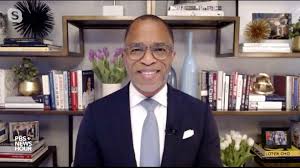
Jonathan Capehart
But neither Trump nor the Republican party urged Americans to “wash your hands, put on a mask, then go get the vaccine.”
By March, 2021, three vaccines—by Pfizer, Moderna and Johnson & Johnson—became available. A total of 90.4 million doses of these vaccines had been given. And 30.7 million Americans had been fully vaccinated against the virus.
But after a triumphant beginning, the pace of vaccinations slowed, then halted. By late July, 2021, only 49.6% of Americans had been fully vaccinated.

COVID-19 vaccination map – July 21, 2021
George Karabassis, CC BY 4.0 <https://creativecommons.org/licenses/by/4.0>, via Wikimedia Commons
Many of those who had gotten one shot of the Pfizer and Moderna vaccines refused to get the necessary second one. These must be given almost a month apart.
(The Johnson & Johnson vaccine requires only one shot.)
What had happened?
“The people I know personally who are not getting the vaccine, for them, it was like, ‘They rushed this thing,'” theorized David Brooks. “‘Who knows what’s going to happen to all these people who get the shots in 10 years or 20 years?’ So, why should I take the risk?’
“And that’s not completely crazy, but it’s not—it’s based on some sense of general distrust for the establishment, including the medical establishment. And that establishment—that distrust is the core of this thing.”
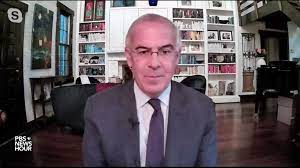
David Brooks
And leading the way to this catastrophe of self-destruction were the states of the South and Midwest: Mississippi (47.1%,), Alabama (50.5%), Arkansas (53.2%), and Tennessee (52.9%) with the lowest rates of residents who have gotten at least one shot.
By late July, 2021, three states—Florida, Texas and Missouri-–with lower vaccination rates accounted for 40 percent of all cases nationwide.
And colliding head-on with the refusals of millions to get vaccinated was the newer—and deadlier—Delta variant of COVID-19.
Just as the South unleashed the Civil War on America, it had ignited a new wave of COVID-19 on America.
2016 PRESIDENTIAL ELECTION, 2020 PRESIDENTIAL ELECTION, 9/11 ATTACKS, ABC NEWS, ABRAHAM LINCOLN, ALTERNET, AMERICABLOG, AP, APPOMATTOX DEMOCRATS, ARNOLD SCHWARTZENEGGER, ASIANS, BABY BOOMER RESISTANCE, BARACK OBAMA, BBC, BLACKS, BLOOMBERG NEWS, BUZZFEED, CBS NEWS, CHARLES ROYSTER, CIVIL RIGHTS ACT OF 1964, CIVIL WAR, CNN, CONFEDERATE STATES OF AMERICA, COVID-19, CROOKS AND LIARS, DAILY KOZ, DAVID BROOKS, DELTA VARIANT, DONALD TRUMP, FACEBOOK, FIVETHIRTYEIGHT, FORT SUMTER, GEORGE W. BUSH, HARPER’S MAGAZINE, HILLARY CLINTON, HISPANICS, HUFFINGTON POST, JOHN OLIVER, JOHNSON & JOHNSON VACCINE, JONATHAN CAPEHART, KGB, LYNDON B. JOHNSON, MASKS, MEDIA MATTERS, MERYL STREEP, MODERNA VACCINE, MOTHER JONES, MOVEON, MSNBC, MUSLIMS, NBC NEWS, NEIL YOUNG, NEW REPUBLIC, NEWSDAY, NEWSWEEK, NPR, PBS NEWSHOUR, PHIZER VACCINE, POLITICO, POLITICUSUSA, PRISONERS OF WAR, RACISM, RAW STORY, RECONSTURCTION, REPUBLICANS, REUTERS, ROBERT E. LEE, RUSSIA, SALON, SEATTLE TIMES, SLATE, TALKING POINTS MEMO, THE ATLANTIC, THE CHICAGO SUN-TIMES, THE CHICAGO TRIBUNE, THE DAILY BEAST, THE DAILY BLOG, THE DESTRUCTIVE WAR (BOOK), THE DISABLES, THE GUARDIAN, THE HILL, THE HUFFINGTON POST, THE LOS ANGELES TIMES, THE NATION, THE NEW REPUBLIC, THE NEW YORK TIMES, THE NEW YORKER, THE SOUTH, THE VILLAGE VOICE, THE WASHINGTON POST, THINKPROGRESS, TIME, TREASON, TRUTHDIG, TRUTHOUT, TWITTER, TWO POLITICAL JUNKIES, U.S. NEWS & WORLD REPORT, ULYSSES S. GRANT, UPI, USA TODAY, VACCINATIONS, VLADIMIR PUTIN, WHITES, WOMEN, WONKETTE
In Bureaucracy, History, Medical, Politics, Social commentary on April 26, 2023 at 12:10 am
Throughout its history the South has been a hotbed of treason, racism and ignorance.
Today, it proudly continues holding fast to these traditions—even as it places the entire country in danger of contagion and dictatorship.
From 1860 to 1865, the South—Texas, Arkansas, Louisiana, Tennessee, Mississippi, Alabama, Georgia, Florida, South Carolina, North Carolina and Virginia—produced the greatest case of mass treason in America’s history.
Southern infamy’s first map was called the Confederate States of America.
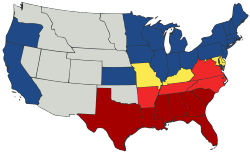
Union (blue) and Confederate (red) states: 1860 – 1865
Júlio Reis, CC BY-SA 3.0 <https://creativecommons.org/licenses/by-sa/3.0>, via Wikimedia Commons
According to The Destructive War, by Charles Royster, it wasn’t the cause of “states’ rights” that led 13 Southern states to withdraw from the Union in 1860-61. It was their demand for “respect,” which, in reality, translates into “e-g-o.”
“The respect Southerners demanded did not consist simply of the states’ sovereignty or of the equal rights of Northern and Southern citizens, including slaveholders’ right to take their chattels into Northern territory.
“It entailed, too, respect for their assertion of the moral superiority of slaveholding society over free society,” writes Royster.
It was not enough for Southerners to claim equal standing with Northerners; Northerners must acknowledge it. But this was something that the North was less and less willing to do.
Finally, its citizens dared to elect Abraham Lincoln in 1860.
Lincoln and his new Republican party damned slavery—and slaveholders—as morally evil, obsolete and ultimately doomed. And they were determined to prevent slavery from spreading any further throughout the country.
Southerners found all of this intolerable.
Lincoln—during his First Inaugural Address—bluntly said that he did not intend to “directly or indirectly…interfere with the institution of slavery in the States where it exists. I believe I have no lawful right to do so, and I have no inclination to do so.”
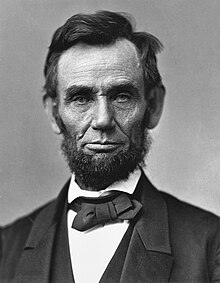
Abraham Lincoln
But that was not enough for Southerners.
Only 10% of Southerners owned slaves. The other 90% of the population “had no dog in this fight,” as Southerners liked to say.
Yet they so admired and aspired to be like their “gentleman betters” that they threw in their lot with them.
On April 12, 1861—just over a month since Lincoln’s inauguration on March 4—Southern batteries opened fire on Union Fort Sumter in Charleston Harbor, South Carolina.
This ignited the American Civil War, costing the lives of 750,000 Americans—at a time when the population of the United States stood at 31,443,321.
Four years later, Confederate General Robert E. Lee surrendered the Army of Northern Virginia to Union General Ulysses S. Grant at Appomattox Courthouse.
Huge sections of the South had been laid waste by Union troops and more than 258,000 Southerners had been killed.
And slavery, the mainstay of Southern plantation life, had been ended forever.
The South had paid a high price for its investment in treason.
Southern infamy’s second map dates from 1964 to 2016.
In 1964, Democratic President Lyndon B. Johnson pushed the Civil Rights Act through Congress, ending more than a century of blatant discrimination against blacks.
The South—which before the Civil War had been solidly Democratic—suddenly went solidly Republican.
To understand this mammoth shift, it’s vital to realize: In Lincoln’s time, the Republicans were the party of progressives.
The party was founded on an anti-slavery platform. Its members were thus reviled as “Black Republicans.” And until the 1960s, the South was solidly Democratic.
Democrats were the ones defending the status quo—slavery—and opposing the rights of freed blacks in the South of Reconstruction and long afterward.
When, in the early 1960s, Democrats championed the rights of blacks, Southerners bolted for the Republican party—which held to the same values that slavery/discrimination-supporting Democrats once did.
After signing the Civil Rights Act of 1964 into law, President Lyndon B. Johnson told an aide: “We have just lost the South for a generation.”
Johnson was wrong: A generation lasts 20 to 30 years. It’s been almost 59 years since the signing of the Act, and the South is still solidly within the Republican camp.
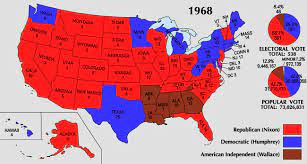
1968 election
The South’s third map of infamy culminated with the election of Donald Trump as President in 2016.
Repeatedly, when asked why they supported Trump, his followers said: “He says what I’ve been thinking!”
And what Trump appealed to, above all else, was hatred.
From June 15, 2015, when he launched his Presidential campaign, until October 24, 2016, Trump fired almost 4,000 angry, insulting tweets at 281 people and institutions that had somehow offended him.
Donald Trump
The New York Times needed two full pages of its print edition to showcase them.
Among his targets:
- Democratic Presidential Nominee Hillary Clinton
- President Barack Obama
- Actress Meryl Streep
- Singer Neil Young
- Actor Arnold Schwarzenegger
- Comedian John Oliver
- News organizations
- The State of New Jersey
- Beauty pageant contestants
Others he clearly delighted in insulting during the campaign included:
- Women
- Blacks
- Hispanics
- Asians
- Muslims
- The disabled
- Prisoners-of-war
Whites comprised the overwhelming majority of the audiences at Trump rallies. Not all were racists, but many of those who were advertised it on T-shirts: “MAKE AMERICA WHITE AGAIN.”
And the vast majority of the white votes Trump got were in the South.


ABC NEWS, AL QAEDA, ALTERNET, AMERICABLOG, AMERICAN CAESARS: THE LIVES OF THE PRESIDENTS FROM FRANKLIN D. ROOSEVELT TO GEORGE W. BUSH, AMERICAN EMPIRE, AP, ” 9/11, BABY BOOMER RESISTANCE, BASHAR AL-ASSAD, BILL CLINTON, BLOOMBERG, BUREAUCRACY, BUZZFEED, CBS NEWS, CHRIS MATHEWS, CNN, CONDOLEEZA RICE, CROOKS AND LIARS, DAILY KOZ, DONALD TRUMP, DRUDGE REPORT, DWIGHT EISENHOWER, FACEBOOK, FBI, FIVETHIRTYEIGHT, FRANKLIN D. ROOSEVELT, GEORGE H.W. BUSH, GEORGE W. BUSH, GERALD R. FORD, HARPER’S MAGAZINE, HARRY S. TRUMAN, HUFFINGTON POST, JIMMY CARTER, JOHN F. KENNEDY, LYNDON B. JOHNSON, MEDIA MATTERS, MOTHER JONES, MOVEON, MSNBC, NBC NEWS, NEWSWEEK, NIGEL HAMILTON, NPR, OSAMA BIN LADEN, PBS NEWSHOUR, POLITICO, POLITICUSUSA, RAW STORY, REPUBLICAN PARTY, REUTERS, RICHARD CLARKE, RICHARD NIXON, ROMAN EMPIRE, SALON, SEATTLE TIMES, SEPTEMBER 11, SLATE, SUETONIUS, SYRIA, TALKING POINTS MEMO, TERRORISM, THE ATLANTIC, THE CHICAGO SUN-TIMES, THE CHICAGO TRIBUNE, THE DAILY BEAST, THE DAILY BLOG, THE GUARDIAN, THE HILL, THE HUFFINGTON POST, THE LOS ANGELES TIMES, THE NATION, THE NEW REPUBLIC, THE NEW YORK TIMES, THE TWELVE CAESARS, THE VILLAGE VOICE, THE WASHINGTON POST, THINKPROGRESS, TIME, TRUTHDIG, TRUTHOUT, TWITTER, TWO POLITICAL JUNKIES, U.S. NEWS & WORLD REPORT, UPI, USA TODAY
SALUTING THE AMERICANS WHO GAVE US 9/11: PART TWO (OF THREE)
In Bureaucracy, History, Military, Politics, Social commentary on September 14, 2023 at 12:43 amSeptember 11, 2023, marks the 22nd anniversary of the worst terrorist attack on United States soil. Inevitably, this is a time to remember all those whose lives were so cruelly snuffed out.
But it should also be a time to remember those who made this atrocity inevitable—by refusing to acknowledge and address the impending threat from Al-Qaeda.
British historian Nigel Hamilton has chronicled their arrogance and indifference in his 2010 biography: American Caesars: Lives of the Presidents from Franklin D. Roosevelt to George W. Bush.
Hamilton noted that Richard Clarke, the national security advisor on terrorism, was certain that Osama bin Laden had arranged the [USS.] Cole bombing in Aden on October 12, 2000.
Richard Clarke
Aude, CC BY-SA 3.0 <https://creativecommons.org/licenses/by-sa/3.0>, via Wikimedia Commons
For months, Clarke tried to convince others in the Bush Administration that Bin Laden was plotting another attack against the United States—either abroad or at home.
But Clarke could not prevail against the know-it-all arrogance of such higher-ranking Bush officials as Vice President Dick Cheney; Secretary of Defense Donald Rumsfeld; Rumsfeld’s deputy, Paul Wolfowitz; and National Security Advisor Condoleeza Rice.
Rice initially refused to hold a cabinet-level meeting on the subject. Then she “insisted the matter be handled only by a more junior Deputy Principals meeting” in April, 2001, writes Hamilton.
Wolfowitz, the number-two man at the Department of Defense, said: “I don’t understand why we are beginning by talking about this one man, bin Laden.”
Even after Clarke outlined the threat posed by Al-Qaeda, Wolfowitz—whose real target was Saddam Hussein—said: “You give bin Laden too much credit.”
Wolfowitz insisted that bin Laden couldn’t carry out his terrorist acts without the aid of a state sponsor—namely, Iraq.
Wolfowitz, in fact, blamed Iraq for the 1993 bombing of the World Trade Center. Clarke was stunned, since there was absolutely no evidence of Iraqi involvement in this.
“Al-Qaeda plans major acts of terrorism against the United States,” Clarke warned his colleagues. He pointed out that, like Adolf Hitler, bin Laden had actually published his plans for future destruction.
Osama bin Laden
And he added: “Sometimes, as with Hitler in Mein Kampf, you have to believe that these people will actually do what they say they will do.”
Wolfowitz heatedly traded on his Jewish heritage to bring Clarke’s unwelcome arguments to a halt: “I resent any comparison between the Holocaust and this little terrorist in Afghanistan.”
Writing in outraged fury, Hamilton sums up Clarke’s agonizing frustrations:
Clarke alerted Federal Intelligence agencies that “Al-Qaeda is planning a major attack on us.” He asked the FBI and CIA to report to his office all they could learn about suspicious persons or activities at home and abroad.
Finally, at a meeting with Rice on September 4, 2001, Clarke challenged her to “picture yourself at a moment when in the very near future Al-Qaeda has killed hundreds of Americans, and imagine asking yourself what you wish then that you had already done.”
Seven days later, Al-Qaeda struck, and 3,000 Americans died horrifically—and needlessly.
Neither Bush, Cheney, Rice, Rumsfeld nor Wolfowitz ever admitted their negligence. Nor would any of them be brought to account.
Disgustingly, these were the same officials who, afterward, posed as the Nation’s saviors–and branded anyone who disagreed with them as a traitor, practices the Right continues to exploit to this day.
Only Richard Clarke—who had vainly argued for stepped-up security precautions and taking the fight to Al-Qaeda—gave that apology.
On March 24, 2004, Clarke testified at the public 9/11 Commission hearings. Addressing relatives of victims in the audience, he said: “Your government failed you, those entrusted with protecting you failed you, and I failed you.”
Yet even worse was to come.
On the evening after the September 11 attacks, Bush took Clarke aside during a meeting in the White House Situation Room:
“I want you, as soon as you can, to go back over everything, everything. See if Saddam [Hussein, the dictator of Iraq] did this. See if he’s linked in any way.”
Clarke was stunned: “But, Mr. President, Al-Qaeda did this.”
“I know, I know,” said Bush. “But see if Saddam was involved. I want to know.”
Hussein had not plotted the attack—and there was no evidence proving that he did. But the attack gave “W” the excuse he wanted to remove the man he blamed for the 1992 defeat of his father, President George H.W. Bush.
Bush believed that his father would have been re-elected if he had “gone all the way” into Baghdad during the 1991 Gulf War.
He would finish the job that his father had started but failed to compete.
On September 12, 2001, Bush attended a meeting of the National Security Council.
“Why shouldn’t we go against Iraq, not just Al-Qaeda?” demanded Donald Rumsfeld, the Secretary of Defense.
Vice President Dick Cheney enthusiastically agreed.
Share this: