Posts Tagged ‘JEFF SESSIONS’
2016 PRESIDENTIAL ELECTION, A BRONX TALE, ABC NEWS, ALTERNET, AMERICABLOG, AP, BABY BOOMER RESISTANCE, BBC, BILL CLINTON, BLOOMBERG, BLUESKY, BUZZFEED, CBS NEWS, CHAZZ PALMINTERI, CNN, CROOKS AND LIARS, DAILY KOS, DONALD TRUMP, FIVETHIRTYEIGHT, H.R. MCMASTER, HARPER’S MAGAZINE, HUFFINGTON POST, JEFF SESSIONS, JOHN KELLY, MEDIA MATTERS, MOTHER JONES, MOVEON, MSNBC, NBC NEWS, NEWSDAY, NEWSWEEK, NICCOLO MACHIAVELLI, NPR, PBS NEWSHOUR, POLITICO, POLITICUSUSA, RAW STORY, REINCE PREBIUS, REPUBLICAN PARTY, REUTERS, ROBERT DE NIRO, Ronald Reagan, SALON, SEATTLE TIMES, SERGEI KISLYAK, SLATE, TALKING POINTS MEMO, THE ATLANTIC, THE CHICAGO SUN-TIMES, THE CHICAGO TRIBUNE, THE DAILY BEAST, THE DAILY BLOG, THE GUARDIAN, THE HILL, THE HUFFINGTON POST, THE INTERCEPT, THE LOS ANGELES TIMES, THE NATION, THE NEW REPUBLIC, THE NEW YORK TIMES, THE NEW YORKER, THE PRINCE, THE VILLAGE VOICE, THE WASHINGTON POST, THINKPROGRESS, TIME, TRUTHDIG, TRUTHOUT, TWO POLITICAL JUNKIES, U.S. NEWS & WORLD REPORT, UP, UPI, USA TODAY, X
In Bureaucracy, History, Law, Law Enforcement, Military, Politics, Social commentary on March 10, 2026 at 12:12 am
A reputation for being feared can be useful.
But it’s dangerous to constantly employ cruelties or punishments.
Whoever does so, warns Niccolo Machiavelli, “is always obliged to stand with knife in hand, and can never depend on his subjects, because they, owing to continually fresh injuries, are unable to depend upon him.”
Such a President is Donald Trump, who, as a Presidential candidate in 2016, told journalist Bob Woodward: “Real power is—I don’t even want to use the word—fear.”
As a Presidential candidate and President, Trump has repeatedly used X to attack hundreds of real and imagined enemies in politics, journalism, TV and films.
From June 15, 2015, when he launched his Presidential campaign, until October 24, 2016, Trump fired almost 4,000 angry, insulting tweets at 281 people and institutions that had somehow offended him.
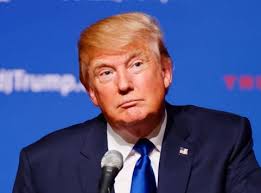
Donald Trump
The New York Times needed two full pages of its print edition to showcase them. Making one inflammatory statement after another, he offended one group of potential voters after another. Among those groups:
- Latinos
- Asians
- Blacks
- The disabled
- Women
- Prisoners-of-war
Since becoming President in 2017 and 2025, Trump has attacked and/or infuriated a wide array of influential agencies or groups. Among these:
- “Obamacare” patients: Trump authorized the directors of Federal agencies to waive requirements of the Affordable Care Act—which provides medical insurance to 22 million otherwise uninsured Americans—to the “maximum extent permitted by law.”
- The CIA: Appearing at CIA headquarters on his first full day in office, Trump addressed about 400 case officers. Standing before the star-studded memorial wall honoring 117 CIA officers who had fallen in the line of duty. Trump ignored their sacrifice. Instead, he boasted of the size of his Inaugural crowd and how many times he had appeared on the cover of Time.

- Civil rights advocates: Trump signed an executive order banning Muslims from entering the United States.
- He also ordered the Department of Homeland Security to massively expand the number of people subject to detention and deportation.
- Women: Trump has publicly insulted numerous women—such as Carly Fiorina, Megyn Kelly and Rosie O’Donnell—on their looks.
- He’s been accused by 22 women of making improper sexual advances.
- And he successfully backed Supreme Court nominee Brett Kavanaugh, whom Dr. Christine Blasey Ford accused of sexually assaulting her when they were teenagers.
- Medicare patients: During the 2016 campaign, Trump said he would allow Medicare to negotiate down the price of prescription drugs. But after meeting with pharmaceutical lobbyists on January 31, 2017, Trump said: “I’ll oppose anything that makes it harder for smaller, younger companies to take the risk of bringing their product to a vibrantly competitive market. That includes price-fixing by the biggest dog in the market, Medicare.”
And he has bullied and insulted even White House officials and his own handpicked Cabinet officers:
- Jeff Sessions: Trump waged a Twitter-laced feud against his Attorney General. Sessions’ “crime”? Recusing himself from investigations into well-established ties between Russian Intelligence agents and members of Trump’s Presidential campaign.
- On the day after the November, 2018 mid-term elections, Trump fired him.
- Commerce Secretary Wilbur Ross: Trump told him: “I don’t trust you. I don’t want you doing any more negotiations….You’re past your prime.”
- Chief of Staff Reince Priebus: Suffered repeated humiliations by Trump—such a being ordered to kill a fly that was buzzing about.
- On another occasion, Trump told an associate that Priebus was “like a little rat. He just scurries around.”
- On July 28, 2017, Priebus resigned.
- Chief of Staff John Kelly: Trump similarly ridiculed Priebus’ replacement, a former Marine Corps general. Kelly tried to limit the number of advisers who had unrestricted access to Trump—and bring discipline to his schedule.
- Instead of being grateful, Trump became furious. Kelly told colleagues: “He’s an idiot. It’s pointless to try to convince him of anything. He’s gone off the rails. We’re in Crazytown. I don’t even know why any of us are here. This is the worst job I’ve ever had.”

John Kelly
- The United States Secret Service: Before taking office as President, Trump infuriated this agency by keeping his longtime private security force—and adding its members to the elite federal agency. Thus, he clearly sent the insulting message: “You’re not good enough, and I don’t trust you.”
Trump’s repeated humiliations—and firings—of high-ranking administration officials led to a near-paralysis of his government. Many agencies were plagued by staff shortages. And many of the replacements were not of “top drawer” quality.
If Trump ever read Niccolo Machiavelli’s The Prince, he’s clearly forgotten the Florentine’s warning on the need to avoid hatred at all costs.
The new musical version of the play/movie A Bronx Tale allows Mafia capo Sonny to sing his lesson on fear versus love to Calogero, the teenager who idolizes him:
Listen now what I tell ya
This advice is you know whose
Love or fear—
It’s up to you kid
But you live with what you choose.
And it’s true: You live with what you choose.
Make being loved your top priority, and you risk being labeled a weakling who can be rolled—as Bill Clinton did.
But make being feared your goal, and you risk creating an atmosphere of hatred and paranoia—as Donald Trump has.
2016 PRESIDENTIAL ELECTION, A BRONX TALE, ABC NEWS, ALTERNET, AMERICABLOG, AP, BABY BOOMER RESISTANCE, BBC, BILL CLINTON, BLOOMBERG, BLUESKY, BUZZFEED, CBS NEWS, CHAZZ PALMINTERI, CNN, CROOKS AND LIARS, DAILY KOS, DONALD TRUMP, FIVETHIRTYEIGHT, H.R. MCMASTER, HARPER’S MAGAZINE, HUFFINGTON POST, JEFF SESSIONS, JOHN KELLY, MEDIA MATTERS, MOTHER JONES, MOVEON, MSNBC, NBC NEWS, NEWSDAY, NEWSWEEK, NICCOLO MACHIAVELLI, NPR, PBS NEWSHOUR, POLITICO, POLITICUSUSA, RAW STORY, REINCE PREBIUS, REPUBLICAN PARTY, REUTERS, ROBERT DE NIRO, Ronald Reagan, SALON, SEATTLE TIMES, SERGEI KISLYAK, SLATE, TALKING POINTS MEMO, THE ATLANTIC, THE CHICAGO SUN-TIMES, THE CHICAGO TRIBUNE, THE DAILY BEAST, THE DAILY BLOG, THE GUARDIAN, THE HILL, THE HUFFINGTON POST, THE INTERCEPT, THE LOS ANGELES TIMES, THE NATION, THE NEW REPUBLIC, THE NEW YORK TIMES, THE NEW YORKER, THE PRINCE, THE VILLAGE VOICE, THE WASHINGTON POST, THINKPROGRESS, TIME, TRUTHDIG, TRUTHOUT, TWO POLITICAL JUNKIES, U.S. NEWS & WORLD REPORT, UP, UPI, USA TODAY, X
In Bureaucracy, History, Law, Law Enforcement, Military, Politics, Social commentary on March 9, 2026 at 12:10 am
It’s probably the most-quoted passage of Niccolo Machiavelli’s infamous book, The Prince:
“From this arises the question whether it is better to be loved than feared, or feared more than loved. The reply is, that one ought to be both feared and loved, but as it is difficult for the two to go together, it is much safer to be feared than loved.
“For it may be said of men in general that they are ungrateful, voluble, dissemblers, anxious to avoid danger and covetous of gain. As long as you benefit them, they are entirely yours: they offer you their blood, their goods, their life and their children, when the necessity is remote, but when it approaches, they revolt.
“And the prince who has relied solely on their words, without making other preparations, is ruined. For the friendship which is gained by purchase and not through grandeur and nobility of spirit is bought but not secured, and at a pinch is not to be expended in your service.
“And men have less scruple in offending one who makes himself loved than one who makes himself feared. For love is held by a chain of obligations which, men being selfish, is broken whenever it serves their purpose. But fear is maintained by a dread of punishment which never fails.”


Niccolo Machiavelli
So—which is better: To be feared or loved?
In the 1993 film, A Bronx Tale, 17-year-old Calogero (Lillo Brancato) poses that question to his idol, the local Mafia capo, Sonny (Chazz Palminteri).
“That’s a good question,” Sonny replies. “It’s nice to be both, but it’s very difficult. But if I had my choice, I would rather be feared.”
Sonny has “done 10 years in the joint.” There he got an education in power—from the works of Machiavelli. Now he wants to pass on those hard-learned lessons to Calogero.
“Fear lasts longer than love. Friendships that are bought with money mean nothing. You see how it is around here. I make a joke, everybody laughs. I know I’m funny, but I’m not that funny. It’s fear that keeps them loyal to me.”

Sonny gives advice to his adopted son, Calogero
But Sonny warns there is a trick to being feared: “The trick is not being hated. That’s why I treat my men good, but not too good.
“I give too much, then they don’t need me. I give them just enough where they need me, but they don’t hate me.”
Many who quote Machiavelli in defense of being feared overlook this vital point: “Still a Prince should make himself feared in such a way that if he does not gain love, he at any rate avoids hatred, for fear and the absence of hatred may well go together.”
Presidents who desire above all to be loved risk inviting their enemies to see them as weaklings.
Case in point: Bill Clinton.
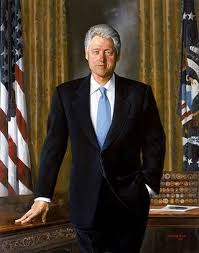
Bill Clinton
Clinton needed to be loved. He once said that if he were in a room with 100 people and 99 of them liked him but one didn’t, he would spend all his time with that one person, trying to win him over.
But while he could charm voters, he could not bring himself to retaliate against his sworn Republican enemies.
Clinton sought to endear himself to Republicans by:
- Adopting NAFTA—the Republican-sponsored North American Free Trade Act—which later proved so devastating to American workers;
- Siding with Republicans against poor Americans on welfare; and
- Championing the gutting of the Depression-era Glass-Steagall law, which barred investment banks from commercial banking activities.
In 1998, emboldened by Clinton’s refusal to stand up to them, House Republicans moved to impeach him over a sex scandal with White House intern Monica Lewinsky. But his Presidency survived when the Senate refused to convict.
To establish a fearful reputation, a leader must act decisively and ruthlessly when the interests of the organization are threatened. Punitive action must be taken promptly and confidently.
One or two harsh actions of this kind can make a leader more feared than a reign of terror.
Case in point: Ronald Reagan.
Always smiling, quick with a one-liner (especially at press conferences), seemingly unflappable, he projected a constantly optimistic view of his country and its citizens.
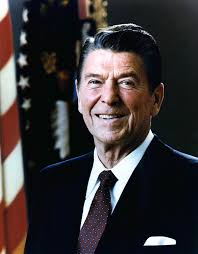
Ronald Reagan
But there was a steely, ruthless side to Reagan that appeared when he felt crossed.
On August 3, 1981, nearly 13,000 air traffic controllers walked out after contract talks with the Federal Aviation Administration collapsed. As a result, some 7,000 flights across the country were canceled on that day at the peak of the summer travel season.
Reagan branded the strike illegal. He threatened to fire any controller who failed to return to work within 48 hours.
On August 5, Reagan fired more than 11,000 air traffic controllers who hadn’t returned to work. The mass firing slowed commercial air travel, but it did not cripple the system as the strikers had forecast.
Reagan’s action stunned the American labor movement. Reagan was the only American President to have belonged to a union—the Screen Actors Guild. He had even been president of this, from 1947 to 1954.
There were no more strikes by Federal workers during Reagan’s tenure in office.
2016 PRESIDENTIAL ELECTION, 2020 PRESIDENTIAL ELECTION, 2024 PRESIDENTIAL ELECTION, ABC NEWS, ABUSE OF POWER, ADOLF HITLER, AFFORDABLE CARE ACT (ACA), AILEEN CANNON, AIR TRAFFIC CONTROLLERS, AIR TRAFFICK CONTROLLERS, ALTERNET, AMERICABLOG, AP, ARTIFICIAL INTELLIGENCE, AUSTRIA, AXIOS, BABY BOOMER RESISTANCE, BBC, BERLIN, BIRD FLU, BLACKS, BLOOMBERG, BLUESKY, BORDER WALL, BRIAN KEMP, BUZZFEED, CBS NEWS, CENTERS FOR DISEASE CONTROL AND PREVENTION (CDC) CHINA, CHINA, CIA, CLASSIFIED DOCUMENTS, CLAUS VON STAUFFENBERG, CLIMATE CHANGE, CNN, COVID-19, CROOKS AND LIARS, CZECHOSLOVAKIA, DAILY KOS, DANIEL CASSINO, DAVID BROOKS, DEMOCRACY, DEMOCRATS, DIVERSITY, DIVERSITY EQUITY AND INCLUSION (DEI) PROGRAMS, DONALD TRUMP, ELECTORAL COLLEGE, EMILY MURPHY, ENGLAND, EQUITY AND INCLUSION (DEI), FBI, FEDERAL AVIATION ADMINISTRATION (FAA), FEDERAL EMERGENCY MANAGEMENT ADMINISTRATION (FEMA), FEDERAL EMERGENCY MANAGEMENT AGENCY, FEDERAL GOVERNMENT SHUTDOWN, FIVETHIRTYEIGHT, FRANCE, FRATERNAL ORDER OF POLICE, FUEL PRICES, GAIUS CALIGULA, GALLUP POLL, GAZA, GENERAL SERVICES ADMINISTRATION, GEORGE FLOYD, GLOBAL CONFLICT, GOVERNMENT SHUTDOWN, GROCERY PRICES, GULF OF MEXICO, HARPER’S MAGAZINE, HILLARY CLINTON, HISPANICS, HUFFINGTON POST, HUNTER BIDEN, illegal immigration, IMMIGRATION AND CUSTOMS ENFORCEMENT (ICE), IMPEACHMENT, INFLATION, INSPECTORS GENERAL, INSURRECTION ACT, INTERNATIONAL ASSOCIATION OF CHIEFS OF POLICE, INTERNATIONAL BROTHERHOOD OF TEAMSTERS, ISRAEL, JACK SMITH, JAMES COMEY, JANUARY 6 COUP ATTEMPT, JARED KUSHNER, JEFF SESSIONS, JEROME POWELL, JIMMY HOFFA, JOE BIDEN, JOHN ADAMS, JOHN F. KENNEDY CENTER FOR THE PERFORMING ARTS, JONATHAN ROSS, JOSEPH BIDEN, JOSEPH STALIN, JUAN ORLANDO HERNANDEZ, Kamala Harris, KEVIN MCCARTHY, KIM JONG-UN, LAMAR ALEXANDER, LATINOS, LETITIA JAMES, MACHISMO, MAR-A-LAGO, MARJORIE TAYLOR GREENE, MARK MEADOWS, MARTIN GUGINO, MASCULINITY, MEASLES, MEDIA MATTERS, MEDICAID, MEDICARE, MERRICK GARLAND, MIKE PENCE, MISOGYNY, MITCH MCCONNELL, MOHAMMED BIN SALMAN, MOTHER JONES, MOVEON, MSNBC, MUNICH CONFERENCE, MUSLIMS, NANCY PELOSI, NATIONAL GUARD, NATIONAL SECURITY AGENCY, NATIONAL SECURITY AGENCY (NSA), NAVAHO CODE TALKERS, NAVAJO COLDE TALKERS, NAZI GERMANY, NBC NEWS, NEW REPUBLIC, NEWSDAY, NEWSWEEK, NIHILISM, NORTH ATLANTIC TREATY ORGANIZATION (NATO), NORTH KOREA, NORTH KORREA, NPR, OBSTRUCTION OF CONGRESS, PARDONS, PBS NEWSHOUR, POLAND, POLITICO, POLITICUSUSA, RAFAEL EDUARDO "TED" CRUZ, RAW STORY, RENEE NICOLE GOOD, REPUBLICAN PARTY, REPUBLICANS, REUTERS, ROBERT F. KENNEDY, ROBERT F. KENNEDY JR., RODNEY KING, ROME, RON JOHNSON, RUDY GIULIANI, RUSSIA, SALON, SAUDI ARABIA, SEATTLE TIMES, Secret Service, SERGEY KISLYAK, SERGEY LAVROV, SLATE, SUPPLEMENTAL NUTRITION ASSISTANCE PROGRAM (SNAP), TALKING POINTS MEMO, TERRORISM, THE ATLANTIC, THE CHICAGO SUN-TIMES, THE CHICAGO TRIBUNE, THE DAILY BEAST, THE DAILY BLOG, THE DISCOURSES, THE GUARDIAN, THE HILL, THE HUFFINGTON POST, THE INTERCEPT, THE LOS ANGELES TIMES, THE NATION, THE NEW REPUBLIC, THE NEW YORK TIMES, THE NEW YORKER, THE PRESS, THE RISE AND FALL OF THE THIRD REICH (BOOK), THE VILLAGE VOICE, THE WALL STREET JOURNAL, THE WASHINGTON POST, THINKPROGRESS, THIRD REICH, THOMAS MATTHEW CROOKS, TIM WALZ, TIME, TRANSPORTATION COSTS, TREASON, TRUTHDIG, TRUTHOUT, TUSKEEE AIRMEN, TUSKEGEE AIRMEN, TWENTY-FIFTH AMENDMENT, TWO POLITICAL JUNKIES, TY COBB, U.S. BORDER PATROL, U.S. NEWS & WORLD REPORT, UKRAINE, UNITED STATES DEPARTMENT OF DEFENSE (DOD), UNITED STATES DEPARTMENT OF JUSTICE, UNITED STATES DEPARTMENT OF JUSTICE (DOJ), UNITED STATES HOUSE OF REPRESENTATIVES, UNITED STATES SECRET SERVICE, UNITED STATES SENATE, UPI, USA TODAY, VLADIMIR PUTIN, VOLODMYR ZELENSKY, VOTER SUPPRESSION, VOX, WILLIAM L. SHIRER, WOMEN, WONKETTE, WORLD WAR 11, X, XI JINPING
In Bureaucracy, History, Law, Law Enforcement, Politics, Social commentary on February 6, 2026 at 12:58 am
Of all the threats that President Donald Trump poses to American democracy, none may be more deadly than his repeated threats to invoke the Insurrection Act.
This is an 1807 law that empowers the President to deploy the Armed Forces to individual states in specific circumstances, such as the suppression of civil disorder, insurrection, and armed rebellion against the federal government.
What is arousing Trump’s fury is the civil unrest he’s ignited in Minneapolis, Minnesota—especially following the January 7 shooting of Renee Nicole Good, a 37-year-old writer and poet, by Immigration and Customs Enforcement (ICE) agent Jonathan Ross.

Renee Good
He’s ordered the Justice Department to criminally investigate Minnesota Governor Tim Walz and Minneapolis Mayor Jacob Frey for allegedly conspiring to impede federal immigration agents.
Their “crime”: Daring to criticize the aggressive behavior of thousands of ICE and Border Patrol agents deployed in Minnesota.
Walz said in a statement: “Weaponizing the justice system and threatening political opponents is a dangerous, authoritarian tactic. The only person not being investigated for the shooting of Renee Good is the federal agent who shot her.”
“This is an obvious attempt to intimidate me for standing up for Minneapolis, our local law enforcement, and our residents against the chaos and danger this Administration has brought to our streets,” Frey said in a statement to CBS News.
“I will not be intimidated. My focus will remain where it’s always been: keeping our city safe.”

Jacob Frey
Czbik, CC0, via Wikimedia Commons
Attorney Ty Cobb—who served as a White House lawyer in the first Trump Administration but is now a scathing critic of the president—warns that the tensions in Minneapolis could go from bad to worse if Trump invokes the Insurrection Act.
“During the first Trump administration, there were guardrails back then. There were people who could say ‘no’ to the president. And now, he’s surrounded by sycophants and enablers and people who don’t say no.
“I mean, it’s just stunning the number of people that have signed on for what’s going on in Minnesota and what’s going on in Greenland—you know, things that would have never been tolerated in the first 250 years of our democracy.

Ty Cobb
John Mathew Smith & http://www.celebrity-photos.com from Laurel Maryland, USA, CC BY-SA 2.0 <https://creativecommons.org/licenses/by-sa/2.0>, via Wikimedia Commons
“But I do think he wants—desperately wants—to invoke the Insurrection Act….I think martial law is definitely in the cards. And it’s a way that he’ll be able to control the elections.”
* * * * *
Countless historians have tried to answer the question: “Was the rise of Adolf Hitler—and the catastrophe he unleashed—inevitable?”
William L. Shirer, author of the monumental The Rise and Fall of the Third Reich, apportioned German guilt as follows:
“The cardinal error of the Germans who opposed Nazism was their failure to unite against it. At the crest of their popular strength, in July 1932, the National Socialists had attained but 37 percent of the vote. But the 63 percent of [Germans] who expressed their opposition to Hitler were much too divided and shortsighted to combine against a common danger which they must have known would overwhelm them unless they united, however temporarily, to stamp it out.”
Competent future historians may reach the same conclusion about American voters in 2024.
- Republicans: Who feared that Trump’s Fascistic supporters would deprive them of political office if they didn’t abase themselves to a lifelong criminal and would-be dictator.
- Republican judges: Who bent and/or broke the law to enable Trump to escape justice.
- Justice Department prosecutors: Whose awe of the Presidency allowed Trump to slander and threaten federal prosecutors and judges.
- Attorney General Merrick Garland: Whose cowardice prevented him from appointing Jack Smith Special Counsel until November 18, 2022—giving Trump time to delay justice and again win the Presidency.
- Democrats: Whose cowardice toward Trump encouraged Republicans to ever more extreme measures.
- Police officers: The International Association of Chiefs of Police and the Fraternal Order of Police issued a joint statement condemning clemency for criminals who assault law enforcement officers—but did not explicitly indict the January 6 actions. The Fraternal Order of Police endorsed Donald Trump in 2024.
- History illiterate voters: Who were eager to scrap alliances—such as NATO—that had checked Soviet aggression since the end of World War II.
- Nihilists: With nothing positive to contribute, their attitude was to destroy American institutions that had created prosperity and security for decades.
- Blacks: Voted for a racist in hopes of a bigger paycheck.
- Muslims: Refused to vote for Kamala Harris because Joe Biden wouldn’t stop Israel’s military campaign to free Hamas-captured hostages.
- Hispanics: Like the Jews in Hitler’s Germany, who couldn’t believe that Trump would carry out his threats to imprison and/or deport them.
- The Biden administration: Which refused to stem the tide of illegal aliens invading America—and thus enraged millions of law-abiding Americans into supporting Trump.
- Toxic masculinity voters: Whose misogynistic attitudes toward women led them to reject a former local and state prosecutor for a 34-times convicted felon.
- American voters: Whose hatred of Hispanic illegal aliens and inflationary grocery prices led them to ignore overwhelming evidence of Trump’s intent to overturn the democratic process and make himself absolute dictator.
In short: Those opposed to Donald Trump’s evil were too divided and shortsighted to combine against a common danger.
2016 PRESIDENTIAL ELECTION, 2020 PRESIDENTIAL ELECTION, 2024 PRESIDENTIAL ELECTION, ABC NEWS, ABUSE OF POWER, ADOLF HITLER, AFFORDABLE CARE ACT (ACA), AILEEN CANNON, AIR TRAFFIC CONTROLLERS, AIR TRAFFICK CONTROLLERS, ALTERNET, AMERICABLOG, AP, ARTIFICIAL INTELLIGENCE, AUSTRIA, AXIOS, BABY BOOMER RESISTANCE, BBC, BERLIN, BIRD FLU, BLACKS, BLOOMBERG, BLUESKY, BORDER WALL, BRIAN KEMP, BUZZFEED, CBS NEWS, CENTERS FOR DISEASE CONTROL AND PREVENTION (CDC) CHINA, CHINA, CIA, CLASSIFIED DOCUMENTS, CLAUS VON STAUFFENBERG, CLIMATE CHANGE, CNN, COVID-19, CROOKS AND LIARS, CZECHOSLOVAKIA, DAILY KOS, DANIEL CASSINO, DAVID BROOKS, DEMOCRACY, DEMOCRATS, DIVERSITY, DIVERSITY EQUITY AND INCLUSION (DEI) PROGRAMS, DONALD TRUMP, ELECTORAL COLLEGE, EMILY MURPHY, ENGLAND, EQUITY AND INCLUSION (DEI), FBI, FEDERAL AVIATION ADMINISTRATION (FAA), FEDERAL EMERGENCY MANAGEMENT ADMINISTRATION (FEMA), FEDERAL EMERGENCY MANAGEMENT AGENCY, FEDERAL GOVERNMENT SHUTDOWN, FIVETHIRTYEIGHT, FRANCE, FRATERNAL ORDER OF POLICE, FUEL PRICES, GAIUS CALIGULA, GALLUP POLL, GAZA, GENERAL SERVICES ADMINISTRATION, GEORGE FLOYD, GLOBAL CONFLICT, GOVERNMENT SHUTDOWN, GROCERY PRICES, GULF OF MEXICO, HARPER’S MAGAZINE, HILLARY CLINTON, HISPANICS, HUFFINGTON POST, HUNTER BIDEN, illegal immigration, IMMIGRATION AND CUSTOMS ENFORCEMENT (ICE), IMPEACHMENT, INFLATION, INSPECTORS GENERAL, INSURRECTION ACT, INTERNATIONAL ASSOCIATION OF CHIEFS OF POLICE, INTERNATIONAL BROTHERHOOD OF TEAMSTERS, ISRAEL, JACK SMITH, JAMES COMEY, JANUARY 6 COUP ATTEMPT, JARED KUSHNER, JEFF SESSIONS, JEROME POWELL, JIMMY HOFFA, JOE BIDEN, JOHN ADAMS, JOHN F. KENNEDY CENTER FOR THE PERFORMING ARTS, JONATHAN ROSS, JOSEPH BIDEN, JOSEPH STALIN, JUAN ORLANDO HERNANDEZ, Kamala Harris, KEVIN MCCARTHY, KIM JONG-UN, LAMAR ALEXANDER, LATINOS, LETITIA JAMES, MACHISMO, MAR-A-LAGO, MARJORIE TAYLOR GREENE, MARK MEADOWS, MARTIN GUGINO, MASCULINITY, MEASLES, MEDIA MATTERS, MEDICAID, MEDICARE, MERRICK GARLAND, MIKE PENCE, MISOGYNY, MITCH MCCONNELL, MOHAMMED BIN SALMAN, MOTHER JONES, MOVEON, MSNBC, MUNICH CONFERENCE, MUSLIMS, NANCY PELOSI, NATIONAL GUARD, NATIONAL SECURITY AGENCY, NATIONAL SECURITY AGENCY (NSA), NAVAHO CODE TALKERS, NAVAJO COLDE TALKERS, NAZI GERMANY, NBC NEWS, NEW REPUBLIC, NEWSDAY, NEWSWEEK, NIHILISM, NORTH ATLANTIC TREATY ORGANIZATION (NATO), NORTH KOREA, NORTH KORREA, NPR, OBSTRUCTION OF CONGRESS, PARDONS, PBS NEWSHOUR, POLAND, POLITICO, POLITICUSUSA, RAFAEL EDUARDO "TED" CRUZ, RAW STORY, RENEE NICOLE GOOD, REPUBLICAN PARTY, REPUBLICANS, REUTERS, ROBERT F. KENNEDY, ROBERT F. KENNEDY JR., RODNEY KING, ROME, RON JOHNSON, RUDY GIULIANI, RUSSIA, SALON, SAUDI ARABIA, SEATTLE TIMES, Secret Service, SERGEY KISLYAK, SERGEY LAVROV, SLATE, SUPPLEMENTAL NUTRITION ASSISTANCE PROGRAM (SNAP), TALKING POINTS MEMO, TERRORISM, THE ATLANTIC, THE CHICAGO SUN-TIMES, THE CHICAGO TRIBUNE, THE DAILY BEAST, THE DAILY BLOG, THE DISCOURSES, THE GUARDIAN, THE HILL, THE HUFFINGTON POST, THE INTERCEPT, THE LOS ANGELES TIMES, THE NATION, THE NEW REPUBLIC, THE NEW YORK TIMES, THE NEW YORKER, THE PRESS, THE RISE AND FALL OF THE THIRD REICH (BOOK), THE VILLAGE VOICE, THE WALL STREET JOURNAL, THE WASHINGTON POST, THINKPROGRESS, THIRD REICH, THOMAS MATTHEW CROOKS, TIM WALZ, TIME, TRANSPORTATION COSTS, TREASON, TRUTHDIG, TRUTHOUT, TUSKEEE AIRMEN, TUSKEGEE AIRMEN, TWENTY-FIFTH AMENDMENT, TWO POLITICAL JUNKIES, TY COBB, U.S. BORDER PATROL, U.S. NEWS & WORLD REPORT, UKRAINE, UNITED STATES DEPARTMENT OF DEFENSE (DOD), UNITED STATES DEPARTMENT OF JUSTICE, UNITED STATES DEPARTMENT OF JUSTICE (DOJ), UNITED STATES HOUSE OF REPRESENTATIVES, UNITED STATES SECRET SERVICE, UNITED STATES SENATE, UPI, USA TODAY, VLADIMIR PUTIN, VOLODMYR ZELENSKY, VOTER SUPPRESSION, VOX, WILLIAM L. SHIRER, WOMEN, WONKETTE, WORLD WAR 11, X, XI JINPING
In Bureaucracy, History, Law, Law Enforcement, Politics, Social commentary on February 5, 2026 at 12:10 am
In 2024, nihilism—and its adherents—played a key role in reelecting Donald Trump President of the United States.
During the 2024 Presidential campaign Trump promised to appoint Robert F. Kennedy, Jr., as Secretary of Health and Human Services.
On October 27, 2024, Trump told a rally in Madison Square Garden: “I’m going to let him go wild on health. I’m going to let him go wild on the food. I’m going to let him go wild on the medicines.”
Kennedy, the son of the late Senator Robert F. Kennedy, is a self-admitted former 14-year heroin addict, which he has said began at age 15. In a 2012 deposition he claimed that doctors found a dead parasitic worm in his brain, which he believed caused significant memory loss and brain fog around 2010.

Robert F. Kennedy, Jr.
Since 2005, Kennedy has peddled vaccine misinformation and public health conspiracy theories. Among these:
- Vaccines cause autism.
- The COVID-19 vaccine—which has saved countless lives—is “the deadliest vaccine ever made.”
- There is no comprehensive system for monitoring vaccine safety.
Since Kennedy took office on February 13, 2025:
- February 14, 2025: Around 1,300 employees of the Centers for Disease Control and Prevention (CDC) were laid off by the administration, including all first-year officers of the Epidemic Intelligence Service.
- August: Over 600 CDC employees were laid off. Among programs completely dismantled: Maternal and child health services, oral health, and the Violence Against Children and Youth Surveys.
- By July 7, 2025, 1,281 measles cases had been reported, more than the 1,274 measles cases reported in all of 2019. This was the highest level of cases since the disease had been declared eliminated in 2000.
- Roughly 93% of infections in 2025 and 95% so far in January, 2026, were among unvaccinated people or those with an unknown vaccination status. And this can be directly traced to the influence of anti-vaccine conspiracy-spreaders like Kennedy.

Measles virus
Since becoming President again on January 20, 2025, Donald J. Trump has aggressively committed a series of outrages against his fellow Americans, including:
- Granting clemency to more than 1,500 people convicted of offenses related to the January 6, 2021 United States Capitol attack.
- Signing 26 executive orders reversing climate change initiatives, eliminating DEI programs, changing the federal designation for the Gulf of Mexico to the “Gulf of America” and initiating a federal hiring freeze.
- Revoking an executive order on Artificial Intelligence safety signed by former President Joseph Biden, to establish safeguards for the rapidly advancing AI technology.
- Firing the inspectors general—who are charged with protecting the government from waste and corruption—from more than a dozen federal agencies.
- Purging about a half-dozen executive assistant directors at the FBI. These were some of the bureau’s top managers overseeing criminal, national security and cyber investigations. Their “crime”: Investigating Trump’s inciting the January 6, 2021 coup attempt and illegally holding highly sensitive national security documents after leaving office.
- Following Trump’s anti-DEI executive order, the Department of Defense deleted content that included the achievements of nonwhites—such as Navajo code talkers, black Tuskegee Airmen, Medal of Honor winners and women veterans.
- Firing the board members at the John F. Kennedy Center for the Performing Arts and appointing himself as chairman—just as Joseph Stalin made himself arbiter of what was permissible for artists in the Soviet Union.
- Ordering the Justice Department to indict his critics such as New York Attorney General Letitia James and former FBI Director James Comey.
- James had convicted him on 34 felony counts of falsifying business records. Comey had sought to investigate Russia’s subversion of the 2016 Presidential campaign to ensure Trump’s election.
- Shutting down the Federal Government on October 1, when Democrats refused to agree to his gutting Medicaid, Medicare and the Affordable Care Act (ACA), causing 10-15 million Americans to lose health insurance coverage.
- Among those not getting paid: Air traffic controllers for the Federal Aviation Administration (FAA). Owing to many controllers refusing to work, the FAA reduced air traffic by 10% at many airports.
- Shutting off the Supplemental Nutrition Assistance Program (SNAP) for the poor to pressure Democrats to support his gutting of healthcare programs.
- Flooding the streets of Los Angeles, Washington, D.C., Chicago with federalized National Guard troops against state governors’ wishes during immigration crackdowns and civil unrest.
- Flooding Minneapolis and St. Paul, Minnesota, with 3,000 Immigration and Customs Enforcement (ICE) agents who are terrorizing (and in one case murdering) both American citizens and illegal aliens.
- Governors have requested the deployment of federal troops—such as in Arkansas in 1957 for school desegregation and in California in 1992 during the Los Angeles riots following the Rodney King verdict. But Trump is the first President to deploy troops against the wishes of states’ governors.
- Pardoning favored political allies and loyalists. Among these: Seventy-seven people associated with the Trump fake electors plot to overturn the results of the 2020 U.S. presidential election, including Trump’s personal attorney Rudy Giuliani and former chief of staff Mark Meadows.
- Others included: Former Honduras president Juan Orlando Hernández, sentenced to 45 years’ imprisonment for moving tons of cocaine to the United States.
- Threatening to invade Greenland, a self-governing, autonomous part of the Kingdom of Denmark. The United States has recognized Denmark’s ties to Greenland since 1917 and signed a joint defense agreement in 1951.
- As Denmark is a member of NATO, an attack on Greenland would ignite a war between the United States and its NATO allies.
2016 PRESIDENTIAL ELECTION, 2020 PRESIDENTIAL ELECTION, 2024 PRESIDENTIAL ELECTION, ABC NEWS, ABUSE OF POWER, ADOLF HITLER, AFFORDABLE CARE ACT (ACA), AILEEN CANNON, AIR TRAFFIC CONTROLLERS, AIR TRAFFICK CONTROLLERS, ALTERNET, AMERICABLOG, AP, ARTIFICIAL INTELLIGENCE, AUSTRIA, AXIOS, BABY BOOMER RESISTANCE, BBC, BERLIN, BIRD FLU, BLACKS, BLOOMBERG, BLUESKY, BORDER WALL, BRIAN KEMP, BUZZFEED, CBS NEWS, CENTERS FOR DISEASE CONTROL AND PREVENTION (CDC) CHINA, CHINA, CIA, CLASSIFIED DOCUMENTS, CLAUS VON STAUFFENBERG, CLIMATE CHANGE, CNN, COVID-19, CROOKS AND LIARS, CZECHOSLOVAKIA, DAILY KOS, DANIEL CASSINO, DAVID BROOKS, DEMOCRACY, DEMOCRATS, DIVERSITY, DIVERSITY EQUITY AND INCLUSION (DEI) PROGRAMS, DONALD TRUMP, ELECTORAL COLLEGE, EMILY MURPHY, ENGLAND, EQUITY AND INCLUSION (DEI), FBI, FEDERAL AVIATION ADMINISTRATION (FAA), FEDERAL EMERGENCY MANAGEMENT ADMINISTRATION (FEMA), FEDERAL EMERGENCY MANAGEMENT AGENCY, FEDERAL GOVERNMENT SHUTDOWN, FIVETHIRTYEIGHT, FRANCE, FRATERNAL ORDER OF POLICE, FUEL PRICES, GAIUS CALIGULA, GALLUP POLL, GAZA, GENERAL SERVICES ADMINISTRATION, GEORGE FLOYD, GLOBAL CONFLICT, GOVERNMENT SHUTDOWN, GROCERY PRICES, GULF OF MEXICO, HARPER’S MAGAZINE, HILLARY CLINTON, HISPANICS, HUFFINGTON POST, HUNTER BIDEN, illegal immigration, IMMIGRATION AND CUSTOMS ENFORCEMENT (ICE), IMPEACHMENT, INFLATION, INSPECTORS GENERAL, INSURRECTION ACT, INTERNATIONAL ASSOCIATION OF CHIEFS OF POLICE, INTERNATIONAL BROTHERHOOD OF TEAMSTERS, ISRAEL, JACK SMITH, JAMES COMEY, JANUARY 6 COUP ATTEMPT, JARED KUSHNER, JEFF SESSIONS, JEROME POWELL, JIMMY HOFFA, JOE BIDEN, JOHN ADAMS, JOHN F. KENNEDY CENTER FOR THE PERFORMING ARTS, JONATHAN ROSS, JOSEPH BIDEN, JOSEPH STALIN, JUAN ORLANDO HERNANDEZ, Kamala Harris, KEVIN MCCARTHY, KIM JONG-UN, LAMAR ALEXANDER, LATINOS, LETITIA JAMES, MACHISMO, MAR-A-LAGO, MARJORIE TAYLOR GREENE, MARK MEADOWS, MARTIN GUGINO, MASCULINITY, MEASLES, MEDIA MATTERS, MEDICAID, MEDICARE, MERRICK GARLAND, MIKE PENCE, MISOGYNY, MITCH MCCONNELL, MOHAMMED BIN SALMAN, MOTHER JONES, MOVEON, MSNBC, MUNICH CONFERENCE, MUSLIMS, NANCY PELOSI, NATIONAL GUARD, NATIONAL SECURITY AGENCY, NATIONAL SECURITY AGENCY (NSA), NAVAHO CODE TALKERS, NAVAJO COLDE TALKERS, NAZI GERMANY, NBC NEWS, NEW REPUBLIC, NEWSDAY, NEWSWEEK, NIHILISM, NORTH ATLANTIC TREATY ORGANIZATION (NATO), NORTH KOREA, NORTH KORREA, NPR, OBSTRUCTION OF CONGRESS, PARDONS, PBS NEWSHOUR, POLAND, POLITICO, POLITICUSUSA, RAFAEL EDUARDO "TED" CRUZ, RAW STORY, RENEE NICOLE GOOD, REPUBLICAN PARTY, REPUBLICANS, REUTERS, ROBERT F. KENNEDY, ROBERT F. KENNEDY JR., RODNEY KING, ROME, RON JOHNSON, RUDY GIULIANI, RUSSIA, SALON, SAUDI ARABIA, SEATTLE TIMES, Secret Service, SERGEY KISLYAK, SERGEY LAVROV, SLATE, SUPPLEMENTAL NUTRITION ASSISTANCE PROGRAM (SNAP), TALKING POINTS MEMO, TERRORISM, THE ATLANTIC, THE CHICAGO SUN-TIMES, THE CHICAGO TRIBUNE, THE DAILY BEAST, THE DAILY BLOG, THE DISCOURSES, THE GUARDIAN, THE HILL, THE HUFFINGTON POST, THE INTERCEPT, THE LOS ANGELES TIMES, THE NATION, THE NEW REPUBLIC, THE NEW YORK TIMES, THE NEW YORKER, THE PRESS, THE RISE AND FALL OF THE THIRD REICH (BOOK), THE VILLAGE VOICE, THE WALL STREET JOURNAL, THE WASHINGTON POST, THINKPROGRESS, THIRD REICH, THOMAS MATTHEW CROOKS, TIM WALZ, TIME, TRANSPORTATION COSTS, TREASON, TRUTHDIG, TRUTHOUT, TUSKEEE AIRMEN, TUSKEGEE AIRMEN, TWENTY-FIFTH AMENDMENT, TWO POLITICAL JUNKIES, TY COBB, U.S. BORDER PATROL, U.S. NEWS & WORLD REPORT, UKRAINE, UNITED STATES DEPARTMENT OF DEFENSE (DOD), UNITED STATES DEPARTMENT OF JUSTICE, UNITED STATES DEPARTMENT OF JUSTICE (DOJ), UNITED STATES HOUSE OF REPRESENTATIVES, UNITED STATES SECRET SERVICE, UNITED STATES SENATE, UPI, USA TODAY, VLADIMIR PUTIN, VOLODMYR ZELENSKY, VOTER SUPPRESSION, VOX, WILLIAM L. SHIRER, WOMEN, WONKETTE, WORLD WAR 11, X, XI JINPING
In Bureaucracy, History, Law, Law Enforcement, Medical, Politics, Social commentary on February 4, 2026 at 12:10 am
Throughout 2024, Democrats expected to receive support from their traditional allies—such as blacks and Hispanics. But that didn’t happen.
During the eight-year tenure of Barack Obama, America’s first black President, Donald Trump attacked him as a foreign-born citizen who was thus ineligible for that office.
Trump also had a history of supporting—and being supported by—racist white groups like the Proud Boys and the Oath Keepers.
Nevertheless, blacks deserted Vice President Kamala Harris in droves. About three in 10 back men under age 45 went for Trump, roughly double the share he got in 2020. A clear majority of young black voters described the economy as “not so good” or “poor,” compared with about half of older black voters.
Despite Trump’s demands for “mass deportations,” numerous Hispanics, when interviewed, said they didn’t feel threatened. They felt certain that Trump would deport “only the bad people.”
Young Latinos, particularly young Latino men, were more supportive of Trump than in 2020. Roughly half of young Latino men voted for Harris, compared with about six in 10 who went for Trump.
Majorities of black and Latino voters said the economy was in bad shape. They wanted a bigger paycheck. And they were willing to re-elect a man who despised them in hopes of getting it.
Muslims—especially those living in Dearborn, Michigan—made their own contribution to Trump’s re-election: They played a losing blackmail game with the Biden administration.
On October 7, 2023, under the cover of thousands of rockets fired from Gaza, Hamas terrorists slaughtered an estimated 1,139 men, women and children in Israeli streets, houses, kibbutz communities and at a rave music festival.
About 250 others were kidnapped and taken into Gaza. Israel responded by declaring a state of war—pounding Gaza with bombs, missiles. tanks and soldiers.

Palestinians celebrating the attack on Israel
Terrorism-sympathizing Islamics—especially in Michigan—demanded that the Biden administration stop sending military equipment to Israel—and force Israelis to stop their military campaign to free the hostages. They threatened: “If you don’t do what we want, we won’t vote for Kamala Harris.”
Biden and Harris rejected their demands—and Islamics voted for Trump or didn’t vote at all.
The result: A reelected Trump launched an aggressive campaign to restrict immigration from Islamic nations and deport Islamic immigrants accused of sympathizing with Hamas.
Ignorance of and/or contempt for history played a major role in reelecting Trump.
“Low information voters” is a euphemism for people dangerously ignorant of and/or indifferent to the issues affecting their lives.
After World War II ended in 1945, the United States proved a force for worldwide stability. Its “nuclear umbrella” prevented a Russian takeover of Europe and a Chinese takeover of Asia.
But voters ignored Trump’s “bromance” with Communist dictators Vladimir Putin (Russia), Xi Jinping (China) and Kim Jong-Un (North Korea). They also ignored his proven disdain for the leaders of democratic nations—such as Canada and Great Britain.

A strong isolationist sentiment motivated many of these voters—the belief that the United States didn’t need alliances with other nations, especially European ones. They ignored—or were ignorant of—that the defeat of Nazi Germany had required the unlikely alliance of the United States, Great Britain and the Soviet Union.
Also ignored—deliberately or through ignorance—the vital role the North Atlantic Treaty Organization (NATO) had played since World War II in maintaining peace throughout Europe—and deterring the Soviet Union from aggression.
Many Right-wing voters believe that the United States had been too active in international affairs since the end of World War II and had gotten little or nothing in return.
Nihilists made their own significant contribution to Trump’s return to power.
On August 21, 2025, conservative New York Times columnist David Brooks outlined the fundamental change that had occurred in conservatism since 1983:
“When I was emerging from college, we conservatives thought we were conserving something — a group of cultural, intellectual and political traditions — from the postmodern assault.
“But decades later, with the postmodern takeover fully institutionalized, [Right-wingers] don’t seem to think there’s anything to conserve. They are radical deconstructors….This is a key difference between old-style conservatism and Trumpism.
“But there’s another, even more radical reaction to [liberalism]: nihilism. You start with the premise that progressive ideas are false and then conclude that all ideas are false.
“Faith in God has been on the decline for decades; so has social trust, faith in one another; so has faith in a dependable career path. A recent Gallup poll showed that faith in major American institutions is now near its lowest point in the 46 years Gallup has been measuring these things. But the core of nihilism is even more acidic; it is the loss of faith in the values your culture tells you to believe in.”
Nothing better illustrated this nihilistic streak—and Trump’s willingness to play to it—than his promise, during the 2024 Presidential campaign, that he planned to decimate the American healthcare system: His Secretary of Health and Human Services would be Robert F. Kennedy, Jr.
2016 PRESIDENTIAL ELECTION, 2020 PRESIDENTIAL ELECTION, 2024 PRESIDENTIAL ELECTION, ABC NEWS, ABUSE OF POWER, ADOLF HITLER, AFFORDABLE CARE ACT (ACA), AILEEN CANNON, AIR TRAFFIC CONTROLLERS, AIR TRAFFICK CONTROLLERS, ALTERNET, AMERICABLOG, AP, ARTIFICIAL INTELLIGENCE, AUSTRIA, AXIOS, BABY BOOMER RESISTANCE, BBC, BERLIN, BIRD FLU, BLACKS, BLOOMBERG, BLUESKY, BORDER WALL, BRIAN KEMP, BUZZFEED, CBS NEWS, CENTERS FOR DISEASE CONTROL AND PREVENTION (CDC) CHINA, CHINA, CIA, CLASSIFIED DOCUMENTS, CLAUS VON STAUFFENBERG, CLIMATE CHANGE, CNN, COVID-19, CROOKS AND LIARS, CZECHOSLOVAKIA, DAILY KOS, DANIEL CASSINO, DAVID BROOKS, DEMOCRACY, DEMOCRATS, DIVERSITY, DIVERSITY EQUITY AND INCLUSION (DEI) PROGRAMS, DONALD TRUMP, ELECTORAL COLLEGE, EMILY MURPHY, ENGLAND, EQUITY AND INCLUSION (DEI), FBI, FEDERAL AVIATION ADMINISTRATION (FAA), FEDERAL EMERGENCY MANAGEMENT ADMINISTRATION (FEMA), FEDERAL EMERGENCY MANAGEMENT AGENCY, FEDERAL GOVERNMENT SHUTDOWN, FIVETHIRTYEIGHT, FRANCE, FRATERNAL ORDER OF POLICE, FUEL PRICES, GAIUS CALIGULA, GALLUP POLL, GAZA, GENERAL SERVICES ADMINISTRATION, GEORGE FLOYD, GLOBAL CONFLICT, GOVERNMENT SHUTDOWN, GROCERY PRICES, GULF OF MEXICO, HARPER’S MAGAZINE, HILLARY CLINTON, HISPANICS, HUFFINGTON POST, HUNTER BIDEN, illegal immigration, IMMIGRATION AND CUSTOMS ENFORCEMENT (ICE), IMPEACHMENT, INFLATION, INSPECTORS GENERAL, INSURRECTION ACT, INTERNATIONAL ASSOCIATION OF CHIEFS OF POLICE, INTERNATIONAL BROTHERHOOD OF TEAMSTERS, ISRAEL, JACK SMITH, JAMES COMEY, JANUARY 6 COUP ATTEMPT, JARED KUSHNER, JEFF SESSIONS, JEROME POWELL, JIMMY HOFFA, JOE BIDEN, JOHN ADAMS, JOHN F. KENNEDY CENTER FOR THE PERFORMING ARTS, JONATHAN ROSS, JOSEPH BIDEN, JOSEPH STALIN, JUAN ORLANDO HERNANDEZ, Kamala Harris, KEVIN MCCARTHY, KIM JONG-UN, LAMAR ALEXANDER, LATINOS, LETITIA JAMES, MACHISMO, MAR-A-LAGO, MARJORIE TAYLOR GREENE, MARK MEADOWS, MARTIN GUGINO, MASCULINITY, MEASLES, MEDIA MATTERS, MEDICAID, MEDICARE, MERRICK GARLAND, MIKE PENCE, MISOGYNY, MITCH MCCONNELL, MOHAMMED BIN SALMAN, MOTHER JONES, MOVEON, MSNBC, MUNICH CONFERENCE, MUSLIMS, NANCY PELOSI, NATIONAL GUARD, NATIONAL SECURITY AGENCY, NATIONAL SECURITY AGENCY (NSA), NAVAHO CODE TALKERS, NAVAJO COLDE TALKERS, NAZI GERMANY, NBC NEWS, NEW REPUBLIC, NEWSDAY, NEWSWEEK, NIHILISM, NORTH ATLANTIC TREATY ORGANIZATION (NATO), NORTH KOREA, NORTH KORREA, NPR, OBSTRUCTION OF CONGRESS, PARDONS, PBS NEWSHOUR, POLAND, POLITICO, POLITICUSUSA, RAFAEL EDUARDO "TED" CRUZ, RAW STORY, RENEE NICOLE GOOD, REPUBLICAN PARTY, REPUBLICANS, REUTERS, ROBERT F. KENNEDY, ROBERT F. KENNEDY JR., RODNEY KING, ROME, RON JOHNSON, RUDY GIULIANI, RUSSIA, SALON, SAUDI ARABIA, SEATTLE TIMES, Secret Service, SERGEY KISLYAK, SERGEY LAVROV, SLATE, SUPPLEMENTAL NUTRITION ASSISTANCE PROGRAM (SNAP), TALKING POINTS MEMO, TERRORISM, THE ATLANTIC, THE CHICAGO SUN-TIMES, THE CHICAGO TRIBUNE, THE DAILY BEAST, THE DAILY BLOG, THE DISCOURSES, THE GUARDIAN, THE HILL, THE HUFFINGTON POST, THE INTERCEPT, THE LOS ANGELES TIMES, THE NATION, THE NEW REPUBLIC, THE NEW YORK TIMES, THE NEW YORKER, THE PRESS, THE RISE AND FALL OF THE THIRD REICH (BOOK), THE VILLAGE VOICE, THE WALL STREET JOURNAL, THE WASHINGTON POST, THINKPROGRESS, THIRD REICH, THOMAS MATTHEW CROOKS, TIM WALZ, TIME, TRANSPORTATION COSTS, TREASON, TRUTHDIG, TRUTHOUT, TUSKEEE AIRMEN, TUSKEGEE AIRMEN, TWENTY-FIFTH AMENDMENT, TWO POLITICAL JUNKIES, TY COBB, U.S. BORDER PATROL, U.S. NEWS & WORLD REPORT, UKRAINE, UNITED STATES DEPARTMENT OF DEFENSE (DOD), UNITED STATES DEPARTMENT OF JUSTICE, UNITED STATES DEPARTMENT OF JUSTICE (DOJ), UNITED STATES HOUSE OF REPRESENTATIVES, UNITED STATES SECRET SERVICE, UNITED STATES SENATE, UPI, USA TODAY, VLADIMIR PUTIN, VOLODMYR ZELENSKY, VOTER SUPPRESSION, VOX, WILLIAM L. SHIRER, WOMEN, WONKETTE, WORLD WAR 11, X, XI JINPING
In Bureaucracy, History, Law, Law Enforcement, Politics, Social commentary on February 3, 2026 at 1:01 am
Even as an ex-President, Donald Trump continued to benefit from the routine cowardice of the Democratic party.
While Congressional Republicans relentlessly investigated President Joe Biden and his family, Democrats refused to similarly investigate Trump’s family.
Democrats never probed why Jared Kushner, Trump’s son-in-law and former White House adviser, received $2 billion from Saudi Arabia’s Crown Prince Mohammed bin Salman. The money came to Kushner’s private equity firm after Kushner left the White House in 2021.

Jarred Kushner
Democrats also refused to investigate the Trump administration’s illegally seizing vitally-needed medical supplies in at least seven states during the COVID-19 pandemic.
The Federal Emergency Management Agency (FEMA) did not publicly report the thefts, despite the outlay of millions of dollars of taxpayer money. Nor did the Trump administration explain how it decided which supplies to seize and where to reroute them.
Nor did FEMA inform states if they would receive the materials they ordered and paid for.
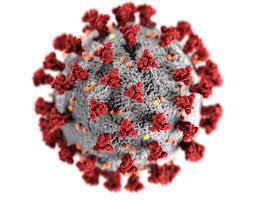
COVID-19 virus
Americans willingly ignored Trump’s crimes because they were angry about surging numbers of illegal aliens pouring into the country. But the Biden administration refused—until its closing months—to dramatically address this issue.
A Vox story, dated July 12, 2024, warned: “According to Gallup, 2024 is the first time since 2005 that most of the public have wanted less immigration, and this year marks the largest share of Americans feeling resistant to immigration since 58 percent said so in 2001….”
Six months later, on January 17, 2025, another Vox story offered: “What Democrats must learn from Biden’s disastrous immigration record.”
It opened: “One of the main reasons Vice President Kamala Harris lost the election is the Biden administration’s record on immigration and the border — polls show it ranks up close with inflation among the top issues that drove swing voters to Trump.…”
From 2021 to 2023, the number of illegal aliens skyrocketed. Even blue states and cities complained they were overwhelmed. In December 2023, a record 250,000 illegal aliens tried to cross the border.

Illegal aliens being deported
Then, starting early in 2024, and continuing throughout the year, border arrivals plummeted—by more than 80%.
The reasons:
- The Biden administration got the Mexican government to launch an extensive crackdown on migrants passing through its territory to the United States.
- Biden decreed that new unauthorized migrants would be ineligible for asylum if too many people were coming to the border. Essentially, this meant shutting down the asylum process.
Unfortunately for Harris, the downturn in illegal immigration came too late.
In times of economic uncertainty, hostility rises toward immigrants—especially those who are alien to a host country’s language and culture. This has proven true in Europe as well as the United States.
Americans blamed President Biden for inflationary price increases—especially for groceries such as eggs. And they believed Trump’s lies that he would immediately reverse those price increases.
According to a December 20, 2024 article—“Why are groceries so expensive? What you need to know”—by the Center for Science in the Public Interest:
“Since January 2019, food prices have risen nearly 30 percent in the US, leaving many households struggling to afford groceries.”
Among the issues responsible for this:
- COVID-19: Caused worldwide disruptions in supply chains.
- Transportation costs and fuel prices: Fuel costs are directly tied to how much retailers charge for groceries and other goods.
- Animal diseases, weather events, crop failures: When bird flu (H5N1) first struck the U.S. in 2022, eggs were priced at around $2 per dozen. They peaked at $4.82/dozen in January, 2023, and in December, 2024—following the infection of over 123 million chickens—prices fell to about $4.15/dozen.
- Global conflict: In February, 2022, Russia invaded Ukraine, which exports wheat, corn and agricultural fertilizer, among other products. Russia has tried to strangle Ukraine’s exports by attacking the nation’s agricultural centers.
No President—including Biden and Trump—can control such events. Unfortunately, every Presidential candidate virtually promises to be Superman. And voters repeatedly fall victim to this absurdity.
Trump benefitted from the Politically Incorrect truth that misogynistic Americans don’t want a woman President.
American voters proved that in 2016 when former Secretary of State Hillary Clinton ran for President—and lost to Trump in the Electoral College by a count of 227 to 304.
And Hillary had an advantage that Vice President Kamala Harris lacked: Hillary was white.

Kamala Harris
England has elected a female Prime Minister: Margaret Thatcher. And Mexico—notorious for the machismo of its men—has elected a woman President: Claudia Sheinbaum Pardo. But in the United States, electing a woman chief executive is unthinkable to most American men.
Machismo played a major role in Trump’s popularity, especially among Hispanics.
Roughly six in 10 men described Trump as a strong leader, compared with 43% who said that in 2020. About half of Hispanic women said Trump was a strong leader, up from 37%.
This despite Trump’s past derogatory comments about Hispanics (“When Mexico sends its people, they’re not sending their best….They’re bringing drugs. They’re bringing crime. They’re rapists. And some, I assume, are good people”).
And despite a sea of “MASS DEPORTATION NOW” signs at the 2024 Republican National Convention
More than any other group, Hispanics would face the full fury of Trump’s campaign to deport at least one million illegal aliens each year.
2016 PRESIDENTIAL ELECTION, 2020 PRESIDENTIAL ELECTION, 2024 PRESIDENTIAL ELECTION, ABC NEWS, ABUSE OF POWER, ADOLF HITLER, AFFORDABLE CARE ACT (ACA), AIR TRAFFICK CONTROLLERS, ALTERNET, AMERICABLOG, AP, ARTIFICIAL INTELLIGENCE, AUSTRIA, BABY BOOMER RESISTANCE, BBC, BERLIN, BIRD FLU, BLOOMBERG, BLUESKY, BORDER WALL, BRIAN KEMP, BUZZFEED, CBS NEWS, CENTERS FOR DISEASE CONTROL AND PREVENTION (CDC) CHINA, CIA, CLASSIFIED DOCUMENTS, CLAUS VON STAUFFENBERG, CLIMATE CHANGE, CNN, COVID-19, CROOKS AND LIARS, CZECHOSLOVAKIA, DAILY KOS, DAVID BROOKS, DEMOCRACY, DEMOCRATS, DIVERSITY, DONALD TRUMP, ELECTORAL COLLEGE, EMILY MURPHY, ENGLAND, EQUITY AND INCLUSION (DEI), FBI, FEDERAL AVIATION ADMINISTRATION (FAA), FEDERAL EMERGENCY MANAGEMENT ADMINISTRATION (FEMA), FEDERAL GOVERNMENT SHUTDOWN, FIVETHIRTYEIGHT, FRANCE, FRATERNAL ORDER OF POLICE, GAIUS CALIGULA, GAZA, GENERAL SERVICES ADMINISTRATION, GEORGE FLOYD, GOVERNMENT SHUTDOWN, GROCERY PRICES, GULF OF MEXICO, HARPER’S MAGAZINE, HILLARY CLINTON, HUFFINGTON POST, HUNTER BIDEN, illegal immigration, IMMIGRATION AND CUSTOMS ENFORCEMENT (ICE), IMPEACHMENT, INFLATION, INSPECTORS GENERAL, INSURRECTION ACT, INTERNATIONAL ASSOCIATION OF CHIEFS OF POLICE, INTERNATIONAL BROTHERHOOD OF TEAMSTERS, ISRAEL, JAMES COMEY, JANUARY 6 COUP ATTEMPT, JEFF SESSIONS, JEROME POWELL, JOE BIDEN, JOHN F. KENNEDY CENTER FOR THE PERFORMING ARTS, JONATHAN ROSS, JOSEPH STALIN, JUAN ORLANDO HERNANDEZ, Kamala Harris, KIM JONG-UN, LAMAR ALEXANDER, LATINOS, LETITIA JAMES, MACHISMO, MARK MEADOWS, MARTIN GUGINO, MEASLES, MEDIA MATTERS, MEDICAID, MEDICARE, MERRICK GARLAND, MIKE PENCE, MISOGYNY, MITCH MCCONNELL, MOHAMMED BIN SALMAN, MOTHER JONES, MOVEON, MSNBC, MUNICH CONFERENCE, MUSLIMS, NANCY PELOSI, NATIONAL GUARD, NATIONAL SECURITY AGENCY, NATIONAL SECURITY AGENCY (NSA), NAVAHO CODE TALKERS, NAZI GERMANY, NBC NEWS, NEWSDAY, NEWSWEEK, NIHILISM, NORTH ATLANTIC TREATY ORGANIZATION (NATO), NORTH KOREA, NPR, OBSTRUCTION OF CONGRESS, PARDONS, PBS NEWSHOUR, POLAND, POLITICO, POLITICUSUSA, RAFAEL EDUARDO "TED" CRUZ, RAW STORY, RENEE NICOLE GOOD, REPUBLICANS, REUTERS, ROBERT F. KENNEDY JR., RODNEY KING, ROME, RON JOHNSON, RUDY GIULIANI, RUSSIA, SALON, SAUDI ARABIA, SEATTLE TIMES, Secret Service, SERGEY KISLYAK, SERGEY LAVROV, SLATE, SUPPLEMENTAL NUTRITION ASSISTANCE PROGRAM (SNAP), TALKING POINTS MEMO, THE ATLANTIC, THE CHICAGO SUN-TIMES, THE CHICAGO TRIBUNE, THE DAILY BEAST, THE DAILY BLOG, THE GUARDIAN, THE HILL, THE HUFFINGTON POST, THE INTERCEPT, THE LOS ANGELES TIMES, THE NATION, THE NEW REPUBLIC, THE NEW YORK TIMES, THE NEW YORKER, THE PRESS, THE RISE AND FALL OF THE THIRD REICH (BOOK), THE VILLAGE VOICE, THE WALL STREET JOURNAL, THE WASHINGTON POST, THINKPROGRESS, THIRD REICH, TIM WALZ, TIME, TREASON, TRUTHDIG, TRUTHOUT, TUSKEEE AIRMEN, TWENTY-FIFTH AMENDMENT, TWO POLITICAL JUNKIES, TY COBB, U.S. NEWS & WORLD REPORT, UKRAINE, UNITED STATES DEPARTMENT OF DEFENSE (DOD), UNITED STATES DEPARTMENT OF JUSTICE (DOJ), UNITED STATES HOUSE OF REPRESENTATIVES, UNITED STATES SECRET SERVICE, UNITED STATES SENATE, UPI, USA TODAY, VLADIMIR PUTIN, VOLODMYR ZELENSKY, VOTER SUPPRESSION, WILLIAM L. SHIRER, WOMEN, WONKETTE, WORLD WAR 11, X, XI JINPING
In Bureaucracy, History, Law, Law Enforcement, Politics, Social commentary on February 2, 2026 at 12:10 am
On January 13, 2021, Donald Trump was impeached for the second time for “incitement of insurrection”—inciting the January 6, 2021 attack on the United States Capitol.
The reason: To try to stop the counting of Electoral College votes, which he knew would prove that former Vice President Joseph Biden had won the 2020 Presidential election.
The evidence against Trump was overwhelming—including video of his inciting a mob of his followers to storm the Capitol Building.
But Republican Senators again acquitted Trump on February 13, 2021—choosing ambition over patriotism.
Had they done so, he could not have again been a candidate for President.
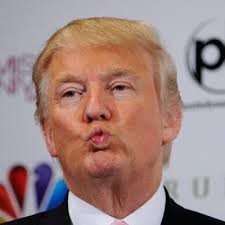
Donald Trump
Even after Joseph Biden took the oath of office as President, his Justice Department treated Trump with a deference never shown any other criminal defendant.
Only on November 18, 2022—a year and a half after becoming Attorney General—did Merrick Garland appoint Jack Smith Independent Counsel to investigate Donald Trump’s role for:
- Inciting the January 6 attack on Congress; and
- Illegally seizing and storing highly classified government documents at his Mar-a-Lago estate in Palm Beach, Florida.
This gave Trump time to play his “deny and delay” game. Had he been prosecuted and convicted before the November 5 Presidential election, the results might well have been different.
Even hardcore supporters might have proved unwilling to vote for someone found guilty of inciting a riot and//or stealing highly classified documents.
Even while under multiple indictments, Trump was allowed to hurl insults and threats at Special Counsel Jack Smith and even Smith’s family.
One such post, published on Trump’s website, Truth Social, went: “Deranged Jack Smith, who is a sick puppet for A.G. Garland & Crooked Joe Biden, should be DEFUNDED & put out to rest. Republicans must get tough or the Dems will steal another Election. MAGA!”
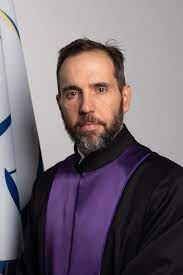
Jack Smith
By “A.G. Garland” Trump meant Attorney General Merrick Garland. By “put out to rest,” he meant that his followers should assassinate Smith.
Not even Mafia bosses like Charles “Lucky” Luciano and Albert “The Executioner” Anastasia dared issue such threats.
By contrast: Jimmy Hoffa was president of the International Brotherhood of Teamsters. But that didn’t prevent Robert F. Kennedy’s Justice Department from indicting him for jury tampering—and convicting him on March 4, 1964. He was sentenced to eight years in prison and a $10,000 fine.
No one in the Kennedy Justice Department said: “He’s the elected president of the Teamsters Union—so we can’t touch him.” Yet that is precisely how the Biden Justice Department repeatedly acted toward Trump—simply because, in 2016, he won a Presidential election.
In June, 2023, Trump was indicted for illegally seizing and storing hundreds of highly classified government documents at his Mar-a-Lago estate.
Aileen Cannon, a Trump appointee as Federal Judge of the United States District Court for the Southern District of Florida, presided over the case.
She repeatedly ruled in his favor and finally dismissed the case in July, 2024. claiming that Special Counsel Jack Smith’s appointment was unconstitutional.

Aileen Cannon
Many legal experts, citing her handling of the civil case against Trump, called for her recusal from the case. Jack Smith could have requested her removal from the case but did not ask a Federal appeals court to do so.
MSNBC analyst Barbara McQuade told Newsweek that Smith likely refused to do so to “return public trust” to the Justice Department, which had been challenged in recent years.
Cannon’s kid-gloves treatment of Trump echoed that of the Right-wing judge who presided over Adolf Hitler’s trial in 1924 for trying to overthrow the government of Bavaria.
Throughout his struggles to stay out of prison, Trump was aided by the unrelenting support of the Republican party.
Republicans loudly and repeatedly claimed that Donald Trump was the legitimate winner of the 2020 Presidential election—despite overwhelming evidence that he wasn’t.
They also claimed that, by appointing Special Counsel Jack Smith to investigate Trump, the Democrats had weaponized Federal law enforcement.
They also fully supported Trump’s demand for the release of those who attacked the Capitol Building on January 6, 2021.

For example: Rep. Marjorie Taylor Greene (R-GA) depicted these coup supporters as persecuted martyrs.
On March 24, 2022, members of the Republicans’ House Oversight Committee toured a Washington, D.C. jail where some of these defendants were held. “Their due process rights are being violated. And they have been mistreated and treated as political prisoners,” Greene told reporters after the tour.
Adolf Hitler similarly portrayed as martyrs the Nazis who tried to violently overthrow the government of Bavaria on November 9, 1923.
A March 2, 2020 Washington Monthly story concluded ominously: “U.S. democracy wasn’t set up to deal with a president openly behaving like a James Bond villain while being protected by a political party behaving more like a mafia than a civic institution.”
While Congressional Republicans relentlessly investigated President Joe Biden and his family, Democrats refused to similarly investigate Trump’s family.
The Republican House Oversight Committee opened its investigation into the Biden family on January 11, 2023. The investigation included the foreign business activities of Biden’s son, Hunter, and brother, James.
By November 2023, the investigation had not found any evidence of wrongdoing by President Biden.
2016 PRESIDENTIAL ELECTION, 2020 PRESIDENTIAL ELECTION, 2024 PRESIDENTIAL ELECTION, ABC NEWS, ABUSE OF POWER, ADOLF HITLER, AFFORDABLE CARE ACT (ACA), AIR TRAFFICK CONTROLLERS, ALTERNET, AMERICABLOG, AP, ARTIFICIAL INTELLIGENCE, AUSTRIA, BABY BOOMER RESISTANCE, BBC, BERLIN, BIRD FLU, BLOOMBERG, BLUESKY, BORDER WALL, BRIAN KEMP, BUZZFEED, CBS NEWS, CENTERS FOR DISEASE CONTROL AND PREVENTION (CDC) CHINA, CIA, CLASSIFIED DOCUMENTS, CLAUS VON STAUFFENBERG, CLIMATE CHANGE, CNN, COVID-19, CROOKS AND LIARS, CZECHOSLOVAKIA, DAILY KOS, DAVID BROOKS, DEMOCRACY, DEMOCRATS, DIVERSITY, DONALD TRUMP, ELECTORAL COLLEGE, EMILY MURPHY, ENGLAND, EQUITY AND INCLUSION (DEI), FBI, FEDERAL AVIATION ADMINISTRATION (FAA), FEDERAL EMERGENCY MANAGEMENT ADMINISTRATION (FEMA), FEDERAL GOVERNMENT SHUTDOWN, FIVETHIRTYEIGHT, FRANCE, FRATERNAL ORDER OF POLICE, GAIUS CALIGULA, GAZA, GENERAL SERVICES ADMINISTRATION, GEORGE FLOYD, GOVERNMENT SHUTDOWN, GROCERY PRICES, GULF OF MEXICO, HARPER’S MAGAZINE, HILLARY CLINTON, HUFFINGTON POST, HUNTER BIDEN, illegal immigration, IMMIGRATION AND CUSTOMS ENFORCEMENT (ICE), IMPEACHMENT, INFLATION, INSPECTORS GENERAL, INSURRECTION ACT, INTERNATIONAL ASSOCIATION OF CHIEFS OF POLICE, INTERNATIONAL BROTHERHOOD OF TEAMSTERS, ISRAEL, JAMES COMEY, JANUARY 6 COUP ATTEMPT, JEFF SESSIONS, JEROME POWELL, JOE BIDEN, JOHN F. KENNEDY CENTER FOR THE PERFORMING ARTS, JONATHAN ROSS, JOSEPH STALIN, JUAN ORLANDO HERNANDEZ, Kamala Harris, KIM JONG-UN, LAMAR ALEXANDER, LATINOS, LETITIA JAMES, MACHISMO, MARK MEADOWS, MARTIN GUGINO, MEASLES, MEDIA MATTERS, MEDICAID, MEDICARE, MERRICK GARLAND, MIKE PENCE, MISOGYNY, MITCH MCCONNELL, MOHAMMED BIN SALMAN, MOTHER JONES, MOVEON, MSNBC, MUNICH CONFERENCE, MUSLIMS, NANCY PELOSI, NATIONAL GUARD, NATIONAL SECURITY AGENCY, NATIONAL SECURITY AGENCY (NSA), NAVAHO CODE TALKERS, NAZI GERMANY, NBC NEWS, NEWSDAY, NEWSWEEK, NIHILISM, NORTH ATLANTIC TREATY ORGANIZATION (NATO), NORTH KOREA, NPR, OBSTRUCTION OF CONGRESS, PARDONS, PBS NEWSHOUR, POLAND, POLITICO, POLITICUSUSA, RAFAEL EDUARDO "TED" CRUZ, RAW STORY, RENEE NICOLE GOOD, REPUBLICANS, REUTERS, ROBERT F. KENNEDY JR., RODNEY KING, ROME, RON JOHNSON, RUDY GIULIANI, RUSSIA, SALON, SAUDI ARABIA, SEATTLE TIMES, Secret Service, SERGEY KISLYAK, SERGEY LAVROV, SLATE, SUPPLEMENTAL NUTRITION ASSISTANCE PROGRAM (SNAP), TALKING POINTS MEMO, THE ATLANTIC, THE CHICAGO SUN-TIMES, THE CHICAGO TRIBUNE, THE DAILY BEAST, THE DAILY BLOG, THE DISCOURSES, THE GUARDIAN, THE HILL, THE HUFFINGTON POST, THE INTERCEPT, THE LOS ANGELES TIMES, THE NATION, THE NEW REPUBLIC, THE NEW YORK TIMES, THE NEW YORKER, THE PRESS, THE RISE AND FALL OF THE THIRD REICH (BOOK), THE VILLAGE VOICE, THE WALL STREET JOURNAL, THE WASHINGTON POST, THINKPROGRESS, THIRD REICH, TIM WALZ, TIME, TREASON, TRUTHDIG, TRUTHOUT, TUSKEEE AIRMEN, TWENTY-FIFTH AMENDMENT, TWO POLITICAL JUNKIES, TY COBB, U.S. NEWS & WORLD REPORT, UKRAINE, UNITED STATES DEPARTMENT OF DEFENSE (DOD), UNITED STATES DEPARTMENT OF JUSTICE (DOJ), UNITED STATES HOUSE OF REPRESENTATIVES, UNITED STATES SECRET SERVICE, UNITED STATES SENATE, UPI, USA TODAY, VLADIMIR PUTIN, VOLODMYR ZELENSKY, VOTER SUPPRESSION, WILLIAM L. SHIRER, WOMEN, WONKETTE, WORLD WAR 11, X, XI JINPING
In Bureaucracy, History, Law, Law Enforcement, Military, Politics, Social commentary on January 30, 2026 at 12:10 am
Once he became the 45th President of the United States, Donald Trump began undermining one public or private institution after another.
On November 3, 2020, 80 million voters decided they wanted a change—and elected former Vice President Joe Biden as the 46th President of the United States.
Trump refused to accept that verdict.
Speaking from the White House in the early hours of November 4, he said:
“Millions and millions of people voted for us tonight, and a very sad group of people is trying to disenfranchise that group of people and we won’t stand for it.”
For the first time in American history, a President demanded a halt to the counting of votes while the outcome of an election hung in doubt.
States ignored his demand and kept counting.
Next, Trump ordered his attorneys to file lawsuits to overturn the election results, charging electoral fraud.
Specifically:
- Illegal aliens had been allowed to vote.
- Trump ballots had been systematically destroyed.
- Tampered voting machines had turned Trump votes into Biden ones.
Throughout November and December, cases were filed in Wisconsin, Arizona, Nevada, Michigan, Minnesota and Georgia challenging the election results. And, one by one, more than 30 cases were withdrawn by Trump’s attorneys or dismissed by Federal judges—some of them appointed by Trump himself.
For 20 days, General Services Administrator Emily Murphy refused to release $7.3 million in transition funding and Federal resources to the President-elect’s team.
Under the law governing presidential transitions, Murphy was responsible for determining the winner based on publicly available information before the actual Electoral College vote.
Finally, on November 23, Murphy released the transition funding and resources.

Losing in the courts, Trump invited two Republican legislative leaders from Michigan to the White House to persuade them to stop the state from certifying the vote.
Nothing changed.
On December 5, Trump called Georgia Governor Brian Kemp and asked him to call a special legislative session and convince state legislators to select their own electors that would support him, thus overturning Biden’s win.
Kemp refused, saying he lacked the authority to do so.
Meanwhile, top Republicans—such as Vice President Mike Pence and Senate Majority Leader Mitch McConnell—refused to congratulate Biden as the winner.
None of them branded Trump’s efforts to overturn the election as those of a tyrant.
Just as Germans did nothing to stop Adolf Hitler’s inexorable march toward war—and the destruction of millions of lives and Germany itself—so, too, did Americans seem paralyzed to put an end to the equally self-destructive reign of the man often dubbed “Carrot Caligula.”

Gaius Caligula was “the mad emperor” of ancient Rome. Like Trump, he lived by a philosophy of “Let them hate me, so long as they fear me.”
He ruled as the most powerful man of his time—three years, 10 months and eight days. And all but the first six months of his reign were drenched in slaughter and debauchery.
There are basically three ways America’s continuing slide into tyranny could have been stopped:
Congressional Republicans could have revolted against Trump’s authority and/or agenda.
They could, for example, have demanded that Trump accept the verdict of the electorate—as every other past President had. But they didn’t.
Invoking the Twenty-Fifth Amendment to the United States Constitution.
This allows the Vice President and a majority of the Cabinet to recommend the removal of the President in cases where he is “unable to discharge the powers and duties of his office.” It also allows the House and Senate to confirm the recommendation over the President’s objection by two-thirds vote.

The Vice President then takes over as President.
A case could easily have been made that Trump, emotionally distraught over his loss and determined to circumvent the will of the electorate, had been rendered unfit to continue in office. But, once again, Republicans let fear and/or lust for power be their guide.
The “Caligula solution.” Like Trump, Roman emperor Gaius Caligula delighted in humiliating others. His fatal mistake was taunting Cassius Chaerea, a member of his own bodyguard. Caligula considered Chaerea effeminate because of a weak voice and mocked him with names like “Priapus” and “Venus.”

Gaius Caligula
On January 22 41 A.D. Chaerea and several other bodyguards hacked Caligula to death with swords before other guards could save him.
Trump had similarly behaved arrogantly toward his Secret Service guards. He forced them to work without pay during his 35-day government shutdown in 2018. He also forced them to accompany him to COVID-infected states—both during the Presidential campaign and afterward. Many of them were stricken with this often lethal disease as a result.
During the 12 years that Adolf Hitler ruled Nazi Germany, at least 42 assassination plots were launched against him.
The best-known of these literally exploded on July 20, 1944, when Colonel Count Claus Shenk von Stauffenberg planted a bomb in a conference room attended by Hitler and his generals. Hitler survived only by sheer luck.
By contrast, no similar plot was aimed at Donald Trump.
2016 PRESIDENTIAL ELECTION, 2020 PRESIDENTIAL ELECTION, 2024 PRESIDENTIAL ELECTION, ABC NEWS, ABUSE OF POWER, ADOLF HITLER, AFFORDABLE CARE ACT (ACA), AIR TRAFFICK CONTROLLERS, ALTERNET, AMERICABLOG, AP, ARTIFICIAL INTELLIGENCE, AUSTRIA, BABY BOOMER RESISTANCE, BBC, BERLIN, BIRD FLU, BLOOMBERG, BLUESKY, BORDER WALL, BRIAN KEMP, BUZZFEED, CBS NEWS, CENTERS FOR DISEASE CONTROL AND PREVENTION (CDC) CHINA, CIA, CLASSIFIED DOCUMENTS, CLAUS VON STAUFFENBERG, CLIMATE CHANGE, CNN, COVID-19, CROOKS AND LIARS, CZECHOSLOVAKIA, DAILY KOS, DAVID BROOKS, DEMOCRACY, DEMOCRATS, DIVERSITY, DONALD TRUMP, ELECTORAL COLLEGE, EMILY MURPHY, ENGLAND, EQUITY AND INCLUSION (DEI), FBI, FEDERAL AVIATION ADMINISTRATION (FAA), FEDERAL EMERGENCY MANAGEMENT ADMINISTRATION (FEMA), FEDERAL GOVERNMENT SHUTDOWN, FIVETHIRTYEIGHT, FRANCE, FRATERNAL ORDER OF POLICE, GAIUS CALIGULA, GAZA, GENERAL SERVICES ADMINISTRATION, GEORGE FLOYD, GOVERNMENT SHUTDOWN, GROCERY PRICES, GULF OF MEXICO, HARPER’S MAGAZINE, HILLARY CLINTON, HUFFINGTON POST, HUNTER BIDEN, illegal immigration, IMMIGRATION AND CUSTOMS ENFORCEMENT (ICE), IMPEACHMENT, INFLATION, INSPECTORS GENERAL, INSURRECTION ACT, INTERNATIONAL ASSOCIATION OF CHIEFS OF POLICE, INTERNATIONAL BROTHERHOOD OF TEAMSTERS, ISRAEL, JAMES COMEY, JANUARY 6 COUP ATTEMPT, JEFF SESSIONS, JEROME POWELL, JOE BIDEN, JOHN F. KENNEDY CENTER FOR THE PERFORMING ARTS, JONATHAN ROSS, JOSEPH STALIN, JUAN ORLANDO HERNANDEZ, Kamala Harris, KIM JONG-UN, LAMAR ALEXANDER, LATINOS, LETITIA JAMES, MACHISMO, MARK MEADOWS, MARTIN GUGINO, MEASLES, MEDIA MATTERS, MEDICAID, MEDICARE, MERRICK GARLAND, MIKE PENCE, MISOGYNY, MITCH MCCONNELL, MOHAMMED BIN SALMAN, MOTHER JONES, MOVEON, MSNBC, MUNICH CONFERENCE, MUSLIMS, NANCY PELOSI, NATIONAL GUARD, NATIONAL SECURITY AGENCY, NATIONAL SECURITY AGENCY (NSA), NAVAHO CODE TALKERS, NAZI GERMANY, NBC NEWS, NEWSDAY, NEWSWEEK, NIHILISM, NORTH ATLANTIC TREATY ORGANIZATION (NATO), NORTH KOREA, NPR, OBSTRUCTION OF CONGRESS, PARDONS, PBS NEWSHOUR, POLAND, POLITICO, POLITICUSUSA, RAFAEL EDUARDO "TED" CRUZ, RAW STORY, RENEE NICOLE GOOD, REPUBLICANS, REUTERS, ROBERT F. KENNEDY JR., RODNEY KING, ROME, RON JOHNSON, RUDY GIULIANI, RUSSIA, SALON, SAUDI ARABIA, SEATTLE TIMES, Secret Service, SERGEY KISLYAK, SERGEY LAVROV, SLATE, SUPPLEMENTAL NUTRITION ASSISTANCE PROGRAM (SNAP), TALKING POINTS MEMO, THE ATLANTIC, THE CHICAGO SUN-TIMES, THE CHICAGO TRIBUNE, THE DAILY BEAST, THE DAILY BLOG, THE GUARDIAN, THE HILL, THE HUFFINGTON POST, THE INTERCEPT, THE LOS ANGELES TIMES, THE NATION, THE NEW REPUBLIC, THE NEW YORK TIMES, THE NEW YORKER, THE PRESS, THE RISE AND FALL OF THE THIRD REICH (BOOK), THE VILLAGE VOICE, THE WALL STREET JOURNAL, THE WASHINGTON POST, THINKPROGRESS, THIRD REICH, TIM WALZ, TIME, TREASON, TRUTHDIG, TRUTHOUT, TUSKEEE AIRMEN, TWENTY-FIFTH AMENDMENT, TWO POLITICAL JUNKIES, TY COBB, U.S. NEWS & WORLD REPORT, UKRAINE, UNITED STATES DEPARTMENT OF DEFENSE (DOD), UNITED STATES DEPARTMENT OF JUSTICE (DOJ), UNITED STATES HOUSE OF REPRESENTATIVES, UNITED STATES SECRET SERVICE, UNITED STATES SENATE, UPI, USA TODAY, VLADIMIR PUTIN, VOLODMYR ZELENSKY, VOTER SUPPRESSION, WILLIAM L. SHIRER, WOMEN, WONKETTE, WORLD WAR 11, X, XI JINPING
In Bureaucracy, History, Law, Law Enforcement, Military, Politics, Social commentary on January 29, 2026 at 12:10 am
“Why are we letting one man systematically destroy our nation before our eyes?”
It’s a question millions of Americans have asked themselves since Donald Trump once again became President of the United States.
Millions of Germans asked themselves the same question throughout the 12 years of the Third Reich.
In September, 1938, as Adolf Hitler threatened to go to war against France and England over Czechoslovakia, most Germans feared he would. They knew that Germany was not ready for war, despite all of their Fuhrer’s boasts about the invincibility of the Third Reich.
A group of high-ranking German army officers prepared to overthrow Hitler––provided that England and France held firm and handed him a major diplomatic reverse.
But then England and France—though more powerful than Germany—flinched at the thought of war.
They surrendered to Hitler’s demands that he be given the “Sudetenland”—the northern, southwest and western regions of Czechoslovakia, inhabited mostly by ethnic Germans.
Hitler’s popularity among Germans soared. He had previously absorbed Austria, and now, by annexing Czechoslovakia, he had vastly expanded the territories of the Reich—without firing a shot!
The plotters in the German high command, realizing that public opinion stood overwhelmingly against them, abandoned their plans for a coup. They decided to wait for a more favorable time.
It never came.

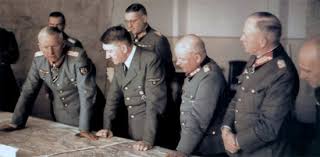
Adolf Hitler and his generals
Less than one year after the infamous “Munich conference,” England and France were at war—and fighting for the lives of their peoples.
As for the Germans: Most of them blindly followed their Fuhrer right to the end—believing his lies (or at least wanting to believe them), serving in his legions, defending his rampant criminality.
And then, in April, 1945, with Russian armies pouring into Berlin, it was too late for conspiracies against the man who had led them to total destruction.
Berliners paid the price for their loyalty to a murderous dictator—through countless rapes, murders and the wholesale destruction of their city. And from 1945 to 1989, Germans living in the eastern part of their country paid the price as slaves to the Soviet Union.
Have Americans learned anything from this this warning from history about subservience to a madman?
The answer seems to be half-yes, half-no.
In 2016, almost 63 million Americans elected Donald Trump—a racist, serial adulterer and longtime fraudster—as President.
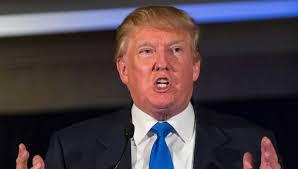
Donald Trump
Upon taking office on January 20, 2017, Trump began undermining one public or private institution after another.
- Repeatedly attacking the nation’s free press for daring to report his growing list of crimes and disasters, using Joseph Stalin’s phrase to brand it “the enemy of the people.”
- Siding with Russian dictator Vladimir Putin against the FBI, CIA and National Security Agency which unanimously agreed that Russia had subverted the 2016 Presidential election.
- Firing FBI Director James Comey for investigating that subversion.
- Giving Russian Foreign Minister Sergey Lavrov and Russian Ambassador Sergey Kislyak highly classified CIA Intelligence about an Islamic State plot to turn laptops into concealable bombs.
- Shutting down the Federal Government for 35 days because Democrats refused to fund his ineffective “border wall” between the United States and Mexico. An estimated 380,000 government employees were furloughed and another 420,000 were ordered to work without pay. The shutdown ended due to public outrage—without Trump getting the funding amount he had demanded.
- Trying to coerce Ukrainian President Volodymyr Zelensky to smear former Vice President Joe Biden, who was likely to be his Democratic opponent in the 2020 Presidential election.
- Enabling the COVID-19 virus to kill 400,000 Americans through his lies about its deadliness by the time he left office.
- Attacking medical experts and governors who urged Americans to wear masks and socially distance to protect themselves from COVID-19.
- Ordering his Right-wing followers to defy states’ orders to citizens to “stay-at-home” and wear of masks in public to halt surging COVID-19 rates.
And throughout all those outrages, House and Senate Republican majorities remained silent or vigorously supported him.
A typical example:
On June 4, 2020, during protests over the police murder of black security guard George Floyd, a curfew was imposed on Buffalo, New York. As police swept through Niagara Square, Martin Gugino, a 75-year-old peace activist with the Catholic Worker Movement, walked into their path as if attempting to speak with them.

Martin Gugino falls backward
Two officers pushed him and he fell backwards, hitting the back of his head on the pavement and losing consciousness.
On June 9, Trump charged that Gugino was part of a radical leftist “set up.” Trump offered no evidence to back up his slander.
Typical Republican responses included:
- Kentucky Senate Majority Leader Mitch McConnell refused to say whether Trump’s tweet was appropriate.
- Texas Senator Ted Cruz: “I don’t comment on the tweets.”
- Wisconsin Senator Ron Johnson said he hadn’t seen the tweet—and didn’t want it read to him: “I would rather not hear it.”
- Tennessee Senator Lamar Alexander: “Voters can evaluate that. I’m not going to give a running commentary on the President’s tweets.”
On November 3, 2020, 80 million voters decided they wanted a change—and elected former Vice President Joe Biden as the 46th President of the United States.
2024 PRESIDENTIAL CAMPAIGN, ABC NEWS, ALAMO, ALIEN-SMUGGLING RINGS, ALTERNET, AMNEXTY INTERNATIONAL, ANTONIO LOPEZ DE SANTA ANNA, AP, ARIZONA, BUZZFEED, CALIFORNIA, CBS NEWS, CNN, COLORADO, CROOKS AND LIARS, DAILY KOZ, DAVID CROCKETT, DONALD TRUMP, FACEBOOK, FELIPE CALDERON, GOLIAD MASSACRE, illegal immigration, IMMIGRATIONS AND CUSTOMS ENFORCEMENT (ICE), JAMES BOWIE, JEFF SESSIONS, MEXICAN WAR, MEXICO CITY, MOSES AUSTIN, MOTHER JONES, MOVEON, MSNBC, NBC NEWS, NEVADA, NEW MEXICO, NEWSWEEK, NPR, POLITICO, RAW STORY, REUTERS, SALON, SAM HOUSTON, SAN JACINTO, SEATTLE TIMES, SLATE, SLAVERY, STEPHEN AUSTIN, TEXAS, THE ATLANTIC, THE CHICAGO SUN-TIMES, THE CHICAGO TRIBUNE, THE DAILY BEAST, THE GUARDIAN, THE HILL, THE HUFFINGTON POST, THE LOS ANGELES TIMES, THE NATION, THE NEW YORK TIMES, THE WASHINGTON POST, THOMAS HOMAN, TIME, U.S. NEWS & WORLD REPORT, UNITED STATES DEPARTMENT OF JUSTICE, UNITED STATES HEALTH AND HUMAN SERVICES DEPARTMENT, UPI, USA TODAY, USA TODAY MEXICO, UTAH, X
In Bureaucracy, History, Law, Law Enforcement, Military, Politics, Social commentary on December 3, 2025 at 12:24 am
On November 16, Immigration and Customs Enforcement (CE) published online that it was holding 65,135 people in detention facilities throughout the United States.
This is the largest number of arrested illegal aliens publicly reported by the agency, which was created in 2003 following the 9/11 terrorist attacks.
Critics point out that illegal aliens without criminal records comprise the vast majority of those held in federal detention centers—30,986, or 48%.
This number has increased by over 2,000% since the start of the second Trump administration in January.

Those with criminal convictions represented about 26%, or 17,171, of all ICE detainees.
Illegal presence in the United States, including after overstaying a visa, used to be generally handled as a civil matter in immigration court. Those accused of doing so usually had their cases treated as civil immigration violations, absent additional criminal activity.
Not anymore.
Donald Trump made illegal immigration a key issue in his 2024 campaign for President—and Republicans gleefully signed on. At their nominating convention—July 15-18—a virtual sea of delegates held up blue and white signs reading: “MASS DEPORTATIONS NOW!”
Despite this, numerous Hispanics, when interviewed, said they didn’t feel threatened. They felt certain that Trump would deport “only the bad people.”

Young Latinos, particularly young Latino men, were more supportive to Trump than in 2020. Roughly half of young Latino men voted for Vice President Kamala Harris, compared with about six in 10 who went for Trump.
Since Trump assumed the Presidency on January 20, that “mass deportations now” policy has gone into effect. And it has generated widespread outrage by
- Civil liberties organizations; and
- Those who believe the United States should not have—or enforce—its immigration laws.
Certainly past presidents of Mexico didn’t believe the United States had the right to do so.
On May 20, 2010, Mexico’s then-President Felipe Calderon addressed a joint session of the United States Congress—and attacked a recently-enacted Arizona law that allowed law enforcement officials to detain anyone suspected of being in the country illegally.
According to Calderon, the law “introduces a terrible idea: using racial profiling as a basis for law enforcement: I have said that Mexico does not stop at its border, that wherever there is a Mexican, there is Mexico.”
Ironically, Mexico knows even better than the United States the perils of unchecked illegal immigration.
In 1821, Moses Austin sought a grant from Mexico to settle Texas. After he died in 1821, his son, Stephen, won recognition of the grant by Mexico.
The Mexican government had been unable to persuade large numbers of its own citizens to move to Texas, owing largely to raiding by such fierce Indian tribes as the Comanches.
The government saw the Anglo settlement of Texas as its best hope to tame an otherwise untamable frontier.

Stephen Austin
Austin convinced numerous American settlers to move to Texas, and by 1825 he had brought the first 300 American families into the territory.
Throughout the 1820s, Austin helped ensure the introduction of slavery into Texas, even though, under Mexican law, this was illegal. Tensions developed between unchecked numbers of Anglo settlers flooding into Texas and the Mexican authorities in charge there.
(“GTT”—“Gone to Texas”—was often carved on cabin doors by debt-ridden settlers who decided to seek their fortune in Texas. And some of the most notorious criminals on the frontier—such as land swindler and knife-fighter James Bowie—joined them.)

James Bowie
Eventually, the irresistible force of unlimited Anglo illegal immigration rebelled against the immovable object of Mexican legal/military authority.
The result:
- The battle of the Alamo: From February 23 to March 6, 1836, about 200 rebellious Texans withstood a 13-day siege in a former San Antonio mission, only to be slaughtered to the last man by an army of 2,000 Mexican soldiers commanded by President (actually, dictator) Antonio Lopez de Santa Anna. Among the victims: James Bowie and former Congressman David Crockett.
- The massacre at Goliad: On March 27, 1836, 425-445 Texans captured after the battle of Coleto were shot en masse by Mexican soldiers.
- The battle of San Jacinto: On April 21, 1836, Texans led by General Sam Houston won a surprise Texas victory over Mexican forces who were caught in a mid-afternoon siesta. Santa Anna—who had fled—was captured the next day.
Mexico was forced to give up all rights to Texas—which, nine years after winning its independence, became a state.
But ongoing conflicts between Mexico and the United States over Texas led to the Mexican war in 1846.
This, in turn, led to a series of devastating American victories over the Mexican army, and the capture of Mexico City itself.

Territory (in brown) that Mexico lost after the Mexican War
Mexico suffered the humiliation of both military defeat and the loss of its land holdings within the American Southwest—which, up to 1848, it had controlled.
This territory later became the states of California, New Mexico, Utah, Nevada, Arizona, Texas, and western Colorado.
And the United States finally spread “from sea to shining sea.”
So Mexico knows what it’s doing when it unloads millions of its own citizens—and those of other Latin and Central American countries—on the United States.
Mexico, in short, is a textbook case of what happens to a country that is unable to enforce its own immigration laws.

 Bureaucracybuster's Blog
2016 PRESIDENTIAL ELECTION, A BRONX TALE, ABC NEWS, ALTERNET, AMERICABLOG, AP, BABY BOOMER RESISTANCE, BBC, BILL CLINTON, BLOOMBERG, BLUESKY, BUZZFEED, CBS NEWS, CHAZZ PALMINTERI, CNN, CROOKS AND LIARS, DAILY KOS, DONALD TRUMP, FIVETHIRTYEIGHT, H.R. MCMASTER, HARPER’S MAGAZINE, HUFFINGTON POST, JEFF SESSIONS, JOHN KELLY, MEDIA MATTERS, MOTHER JONES, MOVEON, MSNBC, NBC NEWS, NEWSDAY, NEWSWEEK, NICCOLO MACHIAVELLI, NPR, PBS NEWSHOUR, POLITICO, POLITICUSUSA, RAW STORY, REINCE PREBIUS, REPUBLICAN PARTY, REUTERS, ROBERT DE NIRO, Ronald Reagan, SALON, SEATTLE TIMES, SERGEI KISLYAK, SLATE, TALKING POINTS MEMO, THE ATLANTIC, THE CHICAGO SUN-TIMES, THE CHICAGO TRIBUNE, THE DAILY BEAST, THE DAILY BLOG, THE GUARDIAN, THE HILL, THE HUFFINGTON POST, THE INTERCEPT, THE LOS ANGELES TIMES, THE NATION, THE NEW REPUBLIC, THE NEW YORK TIMES, THE NEW YORKER, THE PRINCE, THE VILLAGE VOICE, THE WASHINGTON POST, THINKPROGRESS, TIME, TRUTHDIG, TRUTHOUT, TWO POLITICAL JUNKIES, U.S. NEWS & WORLD REPORT, UP, UPI, USA TODAY, X
WHEN PRESIDENTS ACT LIKE MAFIA BOSSES: PART TWO (END)
In Bureaucracy, History, Law, Law Enforcement, Military, Politics, Social commentary on March 10, 2026 at 12:12 amA reputation for being feared can be useful.
But it’s dangerous to constantly employ cruelties or punishments.
Whoever does so, warns Niccolo Machiavelli, “is always obliged to stand with knife in hand, and can never depend on his subjects, because they, owing to continually fresh injuries, are unable to depend upon him.”
Such a President is Donald Trump, who, as a Presidential candidate in 2016, told journalist Bob Woodward: “Real power is—I don’t even want to use the word—fear.”
As a Presidential candidate and President, Trump has repeatedly used X to attack hundreds of real and imagined enemies in politics, journalism, TV and films.
From June 15, 2015, when he launched his Presidential campaign, until October 24, 2016, Trump fired almost 4,000 angry, insulting tweets at 281 people and institutions that had somehow offended him.
Donald Trump
The New York Times needed two full pages of its print edition to showcase them. Making one inflammatory statement after another, he offended one group of potential voters after another. Among those groups:
Since becoming President in 2017 and 2025, Trump has attacked and/or infuriated a wide array of influential agencies or groups. Among these:
And he has bullied and insulted even White House officials and his own handpicked Cabinet officers:
John Kelly
Trump’s repeated humiliations—and firings—of high-ranking administration officials led to a near-paralysis of his government. Many agencies were plagued by staff shortages. And many of the replacements were not of “top drawer” quality.
If Trump ever read Niccolo Machiavelli’s The Prince, he’s clearly forgotten the Florentine’s warning on the need to avoid hatred at all costs.
The new musical version of the play/movie A Bronx Tale allows Mafia capo Sonny to sing his lesson on fear versus love to Calogero, the teenager who idolizes him:
Listen now what I tell ya
This advice is you know whose
Love or fear—
It’s up to you kid
But you live with what you choose.
And it’s true: You live with what you choose.
Make being loved your top priority, and you risk being labeled a weakling who can be rolled—as Bill Clinton did.
But make being feared your goal, and you risk creating an atmosphere of hatred and paranoia—as Donald Trump has.
Share this: