Posts Tagged ‘HOUSE OF REPRESENTATIVES’
2016 PRESIDENTIAL ELECTION, 2020 PRESIDENTIAL ELECTION, ABC NEWS, ACAM SCHIFF, ADOLF HITLER, ALTERNET, AMERICABLOG, AP, BABY BOOMER RESISTANCE, BBC, BLOOMBERG NEWS, BRETT CROZIER, BUZZFEED, CBS NEWS, CHARLES PIERCE, CHRIS KREBS, CNN, CONVERSATION WITH AN AMERICAN WRITER (POEM), CORONAVIRUS, CROOKS AND LIARS, CYBERSECURITY AND INFRASTRUCTURE SECURITY AGENCY, DAILY KOS, DEPARTMENT OF HOMELAND SECURITY, DEPARTMENT OF STATE, DIMITRI SHOSTAKOVICH, DONALD TRUMP, DRUDGE REPORT, ESQUIRE MAGAZINE, FBI, FIVETHIRTYEIGHT, FOX NEWS NETWORK, GREAT TERROR, HARPER’S MAGAZINE, HOUSE INTELLIGENCE COMMITTEE, HOUSE OF REPRESENTATIVES, HUFFINGTON POST, JOSEPH BIDEN, JOSEPH STALIN, MARIA YOVANOVICH, MEDIA MATTERS, MICROSOFT, MIKHAIL TUKHACHEVESKY, MOTHER JONES, MOVEON, MSNBC, NAZI GERMANY, NBC NEWS, NEW REPUBLIC, NEWSDAY, NEWSWEEK, NICCOLO MACHIAVELLI, NIKOLAI ZHILAYEV, NPR, PBS NEWSHOUR, POLITICO, POLITICUSUSA, RAW STORY, REUTERS, RUDY GIULIANI, SALON, SEATTLE TIMES, SLATE, SOVIET UNION, TALKING POINTS MEMO, THE ATLANTIC, THE CHICAGO SUN-TIMES, THE CHICAGO TRIBUNE, THE DAILY BEAST, THE DAILY BLOG, THE DISCOURSES, THE GUARDIAN, THE HILL, THE HUFFINGTON POST, THE LOS ANGELES TIMES, THE NATION, THE NEW REPUBLIC, THE NEW YORK TIMES, THE NEW YORKER, THE VILLAGE VOICE, THE WALL STREET JOURNAL, THE WASHINGTON POST, THINKPROGRESS, THOMAS MODLY, TIME, TRUTHDIG, TRUTHOUT, TWITTER, TWO POLITICAL JUNKIES, U.S. NEWS & WORLD REPORT, UKRAINE, UPI, USA TODAY, WEHRMACHT, WONKETTE, WORLD WAR ii, YEVGENEY YEVTUSHENKO
In Bureaucracy, History, Law, Law Enforcement, Military, Politics, Social commentary on December 28, 2023 at 12:28 am
Next hero: Marie Yovanovitch, the former United States ambassador to Ukraine (2016 – 2019). She had joined the Foreign Service in 1986, and served as ambassador to Kyrgyzstan (2005 – 2008) and Armenia (2008 – 2011).
In May 2019, on President Donald Trump’s orders, the State Department recalled Yovanovitch as ambassador to Ukraine. She had earned respect from the national security community for her efforts to encourage Ukraine to tackle corruption.
But she had been criticized by Right-wing media outlets—notably Fox News Network-–and by Trump’s personal attorney, Rudy Giuliani.

Marie Yovanovitch
CNN reported that Yovanovitch stopped Giuliani from interviewing witnesses in his search for politically damaging information against former Vice President Joe Biden, whose son, Hunter, had had business dealings in Ukraine.
On October 11, 2019, she appeared before the House Intelligence Committee, chaired by Representative Adam Schiff (D-CA). She did so in defiance of orders by the White House and State Department to not attend.
“She was a hero even before she hit the hearing room,” wrote Charles Pierce for Esquire magazine.
“She told them to stuff their directives, she would answer a congressional subpoena like a citizen is supposed to do. And she didn’t sneak in through the basement. She walked into the Capitol through the front doors, and she didn’t do so to fck around.”
Testifying for nearly 10 hours, Yovanovitch said that Trump had removed her from her post owing to “unfounded and false claims” and “a concerted campaign against me.”
She believed that associates of Trump’s personal lawyer, Giuliani, might have thought “that their personal financial ambitions were stymied by our anti-corruption policy in Ukraine.”
And she warned that the State Department was being “attacked and hollowed out from within. State Department leadership, with Congress, needs to take action now to defend this great institution, and its thousands of loyal and effective employees.”
Another victim on Trump’s hate-list was Chis Krebs.
During the 2016 Presidential race, Russian propaganda had played a major role in convincing millions of Americans to vote for Donald Trump. Social media platforms—especially Facebook and Twitter—were flooded with genuinely fake news to sow discord among Americans and create a pathway for Trump’s election.
And where Internet trolls left off, Russian computer hackers took over.
Trump didn’t win a majority of the popular vote. But he got enough help from Russian President Vladimir Putin to triumph in the Electoral College.
So notorious was the role played by Russian trolls and hackers in winning Trump the 2016 election that the Department of Homeland Security (DHS) was determined to prevent a repetition in 2020.
And point man for this was Chris Krebs.
Born in Atlanta, Georgia, in 1977, Krebs had received a B.A. in environmental sciences from the University of Virginia in 1999, and a J.D. from the George Mason University School of Law in 2007.
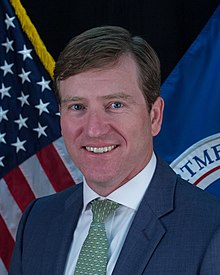
Chris Krebs
Krebs had served as Senior Advisor to the Assistant Secretary of Homeland Security for Infrastructure Protection, and later worked in the private sector as Director for Cybersecurity Policy for Microsoft.
Now he was director of the Cybersecurity and Infrastructure Security Agency at DHS.
In preparation for the 2020 Presidential election, Krebs launched a massive effort to counter lies spread by Russians—and Americans—on social media platforms. Among his duties:
- Sharing Intelligence from agencies such as the CIA and National Security Agency with local officials about foreign efforts at election interference.
- Ensuring that domestic voting equipment was secure.
- Attacking domestic misinformation head-on.
As a result, Krebs was widely praised for revamping the department’s cybersecurity efforts and increasing coordination with state and local governments.
By all accounts—except Trump’s—the November 3, 2020 election went very smoothly.
As a result of the vast increase in election security, Trump not only failed to win the popular vote again but couldn’t get the help he expected from Putin.
On November 17, Trump fired Chris Krebs.
The reason: Krebs had not only countered Russian propaganda lies—he had dared to counter Trump’s as well. For example: He rejected Trump’s claims of widespread voter fraud: There “is no evidence that any voting system deleted or lost votes, changed votes, or was in any way compromised.”
In a November 17 story on the CNN website, CNN reporters Kaitlan Collins and Paul LeBlanc bluntly concluded:
“[Krebs’] dismissal underscores the lengths Trump is willing to go to punish those who don’t adopt his conspiratorial view of the election.
“Since CNN and other outlets called the race for President-elect Joe Biden, Trump has refused to accept the results, instead pushing baseless conspiracies that his second term is being stolen.”
Yet, by depriving Trump of Russian help, Krebs ensured a victory for democracy.
On January 6, the House and Senate counted the Electoral Votes—and pronounced Joseph Biden the winner—bringing an end to Trump’s reign of criminality and treason.
In his 1960 poem, “Conversation With an American Writer,” the Russian poet, Yevgeney Yevtushenko spoke for those Russians who had maintained their integrity in the face of Stalinist terror:
“You have courage,” they tell me.
It’s not true. I was never courageous.
I simply felt it unbecoming
to stoop to the cowardice of my colleagues.
Unfortunately, the same cannot be said of Republicans in the United States Senate and House of Representatives in the face of Trump terror.
2016 PRESIDENTIAL ELECTION, 2020 PRESIDENTIAL ELECTION, ABC NEWS, ACAM SCHIFF, ADOLF HITLER, ALTERNET, AMERICABLOG, AP, BABY BOOMER RESISTANCE, BBC, BLOOMBERG NEWS, BRETT CROZIER, BUZZFEED, CBS NEWS, CHARLES PIERCE, CHRIS KREBS, CNN, CONVERSATION WITH AN AMERICAN WRITER (POEM), CORONAVIRUS, CROOKS AND LIARS, CYBERSECURITY AND INFRASTRUCTURE SECURITY AGENCY, DAILY KOS, DEPARTMENT OF HOMELAND SECURITY, DEPARTMENT OF STATE, DIMITRI SHOSTAKOVICH, DONALD TRUMP, DRUDGE REPORT, ESQUIRE MAGAZINE, FBI, FIVETHIRTYEIGHT, FOX NEWS NETWORK, GREAT TERROR, HARPER’S MAGAZINE, HOUSE INTELLIGENCE COMMITTEE, HOUSE OF REPRESENTATIVES, HUFFINGTON POST, JOSEPH BIDEN, JOSEPH STALIN, MARIA YOVANOVICH, MEDIA MATTERS, MICROSOFT, MIKHAIL TUKHACHEVESKY, MOTHER JONES, MOVEON, MSNBC, NAZI GERMANY, NBC NEWS, NEW REPUBLIC, NEWSDAY, NEWSWEEK, NICCOLO MACHIAVELLI, NIKOLAI ZHILAYEV, NPR, PBS NEWSHOUR, POLITICO, POLITICUSUSA, RAW STORY, REUTERS, RUDY GIULIANI, SALON, SEATTLE TIMES, SLATE, SOVIET UNION, TALKING POINTS MEMO, THE ATLANTIC, THE CHICAGO SUN-TIMES, THE CHICAGO TRIBUNE, THE DAILY BEAST, THE DAILY BLOG, THE DISCOURSES, THE GUARDIAN, THE HILL, THE HUFFINGTON POST, THE LOS ANGELES TIMES, THE NATION, THE NEW REPUBLIC, THE NEW YORK TIMES, THE NEW YORKER, THE VILLAGE VOICE, THE WALL STREET JOURNAL, THE WASHINGTON POST, THINKPROGRESS, THOMAS MODLY, TIME, TRUTHDIG, TRUTHOUT, TWITTER, TWO POLITICAL JUNKIES, U.S. NEWS & WORLD REPORT, UKRAINE, UPI, USA TODAY, WEHRMACHT, WONKETTE, WORLD WAR ii, YEVGENEY YEVTUSHENKO
In Bureaucracy, History, Law, Law Enforcement, Military, Politics, Social commentary on December 27, 2023 at 12:07 am
Next up: Nikolai Sergeyvich Zhilayev (pronounced Zill-lay-ev) was a Russian musicologist and the teacher of several 20th-century Russian composers.
Among these: Dimitri Shostakovich (September 25, 1906 – August 9, 1975)
Among his friends—to his ultimate misfortune—was Mikhail Nikolayevich Tukhachevsky, the former military hero now falsely condemned and executed as a traitor by Soviet dictator Joseph Stalin.
In 1938, Zhilayev (November 18, 1881 – January 20, 1938) also became a casualty of what has become known as The Great Terror.
In his posthumously-published memoirs, Testimony, Shostakovich, his pupil and friend, described how Zhilayev faced his end with a calmness that awed even the NKVD (the predecessor to the KGB) secret police sent to arrest him.

Dimitri Shostakovich
“He had a large picture of Tukhachevsky in his room, and after the announcement that Tukhachevsky had been shot as a traitor to the homeland, Zhilayev did not take the picture down.
“I don’t know if I can explain how heroic a deed that was….As soon as the next poor soul was declared an enemy of the people, everyone destroyed in a panic everything connected with that person….
“And naturally, photographs flew into the fire first, because if someone informed on you, reported that you had a picture of an enemy of the people, it meant certain death.
“Zhilayev wasn’t afraid. When they came for him, Tukhachevsky’s prominently hung portrait amazed even the executioners.”
“What, it’s still up?” one of the secret police asked.
“The time will come,” Zhilayev replied, “when they’ll erect a monument to him.”
As, in fact, has happened.
Meanwhile, Stalin has been universally condemned as one of history’s greatest tyrants.
Third hero: Brett Crozier, the former commanding officer of the aircraft carrier USS Theodore Roosevelt.
Graduating from the United States Naval Academy at Annapolis in 1992, he received his Master’s Degree in National Security and Strategic Studies from the Naval War College in 2007.
From 2017 to 2018 he commanded the USS Blue Ridge. In November, 2019, he was given command of the nuclear aircraft carrier USS Theodore Roosevelt.
On March 24, 2020, reports circulated that three members of the crew had tested positive for COVID-19. The next day the number of stricken sailors increased to eight. A few days later, it was “dozens.” The sailors reportedly became ill at sea, two weeks after a port call at Danang, Vietnam.
The initial cases were airlifted to a military hospital. The Roosevelt was ordered to Guam. After the ship docked on March 27, 2020, all 5,000 aboard were ordered to be tested for the virus. But only about 100 stricken sailors were allowed to leave the ship. The rest remained on board.
On March 30, Crozier emailed a four-page internal letter to multiple Naval officials, pleading to have the majority of the crew evacuated and quarantined on shore. Given the crowded sleeping quarters and narrow passageways of the vessel, Crozier wrote that it was impossible to follow social distancing and quarantine procedures:
“This will require a political solution but it is the right thing to do. We are not at war. Sailors do not need to die. If we do not act now, we are failing to properly take care of our most trusted asset—our Sailors….
“This is a necessary risk. Keeping over 4,000 young men and women on board the TR is an unnecessary risk and breaks faith with those Sailors entrusted to our care.”
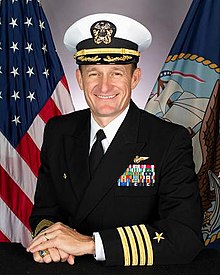
Brett Crozier
Crozier sent his letter via a non-secure, unclassified email to 20 to 30 recipients, as well as the captain’s immediate chain of command. He reportedly believed that his immediate supervisor would not allow him to send it.
And his superior later confirmed that he would not have allowed Crozier to send it.
On March 31, someone leaked the letter to the San Francisco Chronicle, which published it.
On April 1, the Navy ordered the aircraft carrier evacuated. A skeleton crew of 400 remained aboard to maintain the nuclear reactor, the fire-fighting equipment, and the ship’s galley.
On April 2, Crozier was relieved of command by acting United States Secretary of the Navy Thomas Modly.
By that time, about 114 crew members—out of a total of around 4,000—reportedly tested positive for COVID-19.
As Crozier disembarked, sailors loudly saluted him with a standing ovation: “Cap-tain Cro-zier!”
Modly claimed that Crozier’s letter “raised alarm bells unnecessarily. It undermines our efforts and the chain of command’s efforts to address this problem, and creates a panic and this perception that the Navy’s not on the job, that the government’s not on the job, and it’s just not true.”
Actually, the Trump administration had frittered away January and February, with President Donald Trump giving multiple—and misleading—press conferences. In these, he played down the dangers of COVID-19, saying that “we’re on top of it”—even as the virus spread across the country.
“It was a betrayal. And I can tell you one other thing: because he did that he put it in the public’s forum and it is now a big controversy in Washington, DC,” continued Modly. [Italics added]
This was the United States Navy under Donald Trump—who threw “betrayal” and “treason” at anyone who dared reveal the truth about institutional crimes and failures.
2016 PRESIDENTIAL ELECTION, 2020 PRESIDENTIAL ELECTION, ABC NEWS, ACAM SCHIFF, ADOLF HITLER, ALTERNET, AMERICABLOG, AP, BABY BOOMER RESISTANCE, BBC, BLOOMBERG NEWS, BRETT CROZIER, BUZZFEED, CBS NEWS, CHARLES PIERCE, CHRIS KREBS, CNN, CONVERSATION WITH AN AMERICAN WRITER (POEM), CORONAVIRUS, CROOKS AND LIARS, CYBERSECURITY AND INFRASTRUCTURE SECURITY AGENCY, DAILY KOS, DEPARTMENT OF HOMELAND SECURITY, DEPARTMENT OF STATE, DIMITRI SHOSTAKOVICH, DONALD TRUMP, DRUDGE REPORT, ESQUIRE MAGAZINE, FBI, FIVETHIRTYEIGHT, FOX NEWS NETWORK, GREAT TERROR, HARPER’S MAGAZINE, HOUSE INTELLIGENCE COMMITTEE, HOUSE OF REPRESENTATIVES, HUFFINGTON POST, JOSEPH BIDEN, JOSEPH STALIN, MARIA YOVANOVICH, MEDIA MATTERS, MICROSOFT, MIKHAIL TUKHACHEVESKY, MOTHER JONES, MOVEON, MSNBC, NAZI GERMANY, NBC NEWS, NEW REPUBLIC, NEWSDAY, NEWSWEEK, NICCOLO MACHIAVELLI, NIKOLAI ZHILAYEV, NPR, PBS NEWSHOUR, POLITICO, POLITICUSUSA, RAW STORY, REUTERS, RUDY GIULIANI, SALON, SEATTLE TIMES, SLATE, SOVIET UNION, TALKING POINTS MEMO, THE ATLANTIC, THE CHICAGO SUN-TIMES, THE CHICAGO TRIBUNE, THE DAILY BEAST, THE DAILY BLOG, THE DISCOURSES, THE GUARDIAN, THE HILL, THE HUFFINGTON POST, THE LOS ANGELES TIMES, THE NATION, THE NEW REPUBLIC, THE NEW YORK TIMES, THE NEW YORKER, THE VILLAGE VOICE, THE WALL STREET JOURNAL, THE WASHINGTON POST, THINKPROGRESS, THOMAS MODLY, TIME, TRUTHDIG, TRUTHOUT, TWITTER, TWO POLITICAL JUNKIES, U.S. NEWS & WORLD REPORT, UKRAINE, UPI, USA TODAY, WEHRMACHT, WONKETTE, WORLD WAR ii, YEVGENEY YEVTUSHENKO
In Bureaucracy, History, Military, Politics, Social commentary on December 26, 2023 at 12:17 am
…A truly great man is ever the same under all circumstances. And if his fortune varies, exalting him at one moment and oppressing him at another, he himself never varies, but always preserves a firm courage, which is so closely interwoven with his character that everyone can readily see that the fickleness of fortune has no power over him.
The conduct of weak men is very different. Made vain and intoxicated by good fortune, they attribute their success to merits which they do not possess. And this makes them odious and insupportable to all around them. And when they have afterwards to meet a reverse of fortune, they quickly fall into the other extreme, and become abject and vile.
—Niccolo Machiavelli, The Discourses
Four heroes, three villains.
Two of the heroes are Russians; three are Americans.
The villains: One Russian (actually, Georgian); two American.
First up—in order of disappearance: Mikhail Nikolayevich Tukhachevsky (pronounced too-ka-chev-sky).
Tukhachevsky (February 4, 1893 – June 12, 1937) was a major Soviet military leader and theoretician from 1918 to 1937.
He commanded the Soviet Western Front during the Russian-Polish War (1920-21) and served as Chief of Staff of the Red Army (1925-1928).
He fought to modernize Soviet armament, as well as develop airborne, aviation and mechanized forces. Almost singlehandedly, he created the theory of deep operations for Soviet forces.

Mikhail Tukhachevsky
All of these innovations would reap huge dividends when the Soviet Union faced the lethal fury of Adolf Hitler’s Wehrmacht.
In 1936, Tukhachevsky warned Soviet dictator Joseph Stalin that Nazi Germany might attack without warning—and ignite a long and murderous war.
Stalin—the son of a Georgian cobbler—resented Tukhachevsky’s coming from a noble family. A monumental egomaniac, he also hated that Tukhachevesky’s fame rivaled his own.
Warned of the approaching German danger, Stalin shouted: “What are you trying to do—frighten Soviet authority?”
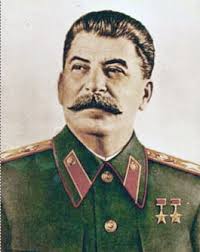
Joseph Stalin
The attack that Tukhachevsky warned against came five years later—on June 22, 1941, leaving at least 26 million Russians dead.
But Tukhachevsky wasn’t alive to command a defense.
The 1930s were a frightening and dangerous time to be alive in the Soviet Union. In 1934, Stalin, seeing imaginary enemies everywhere, ordered a series of purges that lasted right up to the German invasion.
An example of Stalin’s paranoia occurred one day while the dictator walked through the Kremlin corridors with Admiral Ivan Isakov. Officers of the NKVD (the predecessor to the KGB) stood guard at every corner.
“Every time I walk down the corridors,” said Stalin, “I think: Which one of them is it? If it’s this one, he will shoot me in the back. But if I turn the corner, the next one can shoot me in the face.”
In 1937-38, the Red Army fell prey to Stalin’s paranoia.
Its victims included:
- Three of five marshals (five-star generals);
- Thirteen of 15 army commanders (three- and four-star generals);
- Fifty of 57 army corps commanders; and
- One hundred fifty-four out of 186 division commanders.
And heading the list of those marked for death was Marshal Mikhail Tukhachevsky.
Arrested on May 22, 1937, he was interrogated and tortured. As a result, he “confessed” to being a German agent plotting to overthrow Stalin and seize power.
On his confession, which survives in the archives, his bloodstains can clearly be seen.
On June 11, 1937, the Soviet Supreme Court convened a special military tribunal to try Tukhachevsky and eight generals for treason.
It was a sham: The accused were denied defense attorneys, and could not appeal the verdict—-which was foregone: Death.
Within hours of the verdict, Tukhachevsky was summoned from his cell and shot once in the back of the head.
In a Russian version of poetic justice, five of the eight generals who served as Tukhachevsky’s judges were themselves later condemned and executed as traitors.
From 1937 until 1956, Tukhachevsky was officially declared a traitor and fifth-columnist.
Then, on February 25, 1957, Soviet Premier Nikita Khrushchev delivered his bombshell “Secret Speech” to the 20th Congress of the Communist Party of the Soviet Union.
In this, he denounced Stalin (who had died in 1953) as a ruthless tyrant responsible for the slaughter of millions of innocent men, women and children. He condemned Stalin for creating a “personality cult” around himself, and for so weakening the Red Army that Nazi Germany was able to easily overrun half of the Soviet Union from 1941 to 1943.
On January 31, 1957, Tukhachevsky and his co-defendants were declared innocent of all charges and were “rehabilitated.”
Today, he is once again—rightly—considered a Russian hero and military genius. And Stalin is universally—and rightly—seen as a blood-stained tyrant.

Postage stamp honoring Mikhail Tukhachevsky
Next hero: Nikolai Sergeyvich Zhilayev (pronounced Zill-lay-ev)
Zhilayev (November 18, 1881 – January 20, 1938) was a Russian musicologist and the teacher of several 20th-century Russian composers. Among these: Dimitri Shostakovich.
Zhilayev, a member of the Russian Academy of Art-Sciences, taught at the Moscow Conservatory. Among his friends—to his ultimate misfortune—was Mikhail Tukhachevsky.
In 1938, he, too, became a casualty of what has become known as The Great Terror.
In his posthumously-published memoirs, Testimony, Shostakovich, his pupil and friend, described how Zhilayev faced his end with a calmness that awed even the NKVD secret police sent to arrest him.
2016 PRESIDENTIAL CAMPAIGN, ABC NEWS, ACCESS HOLLYWOOD, ADRIANNE ZUCKER, ALABAMA SUPREME COURT, ALTERNET, ANDERSON COOPER, AP, ATHEISTS, BARACK OBAMA, BILL CLILNTON, BILLY BUSH, BLACKS, BRETT KAVANAUGH, BUZZFEED, CARL PALADINIO, CBS NEWS, CHARLES MANSON, CHICAGO TRIBUNE, CNN, COREY LEWANDOWSKI, COREY LEWENDOWSKI, CROOKS AND LIARS, DAILY KOZ, DAYS OF OUR LIVES, DONALD TRUMP, E. JEAN CARROLL, FOX NEWS, HISPANICS, HOMOSEXUALS, HOUSE OF REPRESENTATIVES, INFIDELITY, IVANA TRUMP, JERRY FALWELL JR., JESSICA LEEDS, JEWS, KEVIN MCCARTHY, LEIGH CORFMAN, LESBIANS, LIBERALS, MARCO RUBIO, MARLA MAPLES TRUMP, MELANIA TRUMP, MICHAEL GERSON, MICHELLE BACHMANN, MINDY MCGILLIVRAY, MINDY MCGILLLIVRAY, MOTHER JONES, MOVEON, NATASHA STOYNOFF, NBC NEWS, NEWSWEEK, NON-CHRISTIANS, NPR, PALM BEACH POST, PEOPLE, PEOPLE MAGAZINE, POLITICO, RALPH REED, RAPE, RAW STORY, RELIGIOUS RIGHT, REPUBLICAN PARTY, REPUBLICANS, REUTERS, ROY MOORE, SALON, SEAN HANNITY, SEATTLE TIMES, SEXUAL HARASSMENT, SEXUALLY TRANSMITTED DISEASES, SLATE, STEVE BANNON, STORMY DANIELS, TED SLOWIK, THE ATLANTIC, THE CHICAGO SUN-TIMES, THE CHICAGO TRIBUNE, THE DAILY BEAST, THE GUARDIAN, THE HILL, THE HUFFINGTON POST, THE LOS ANGELES TIMES, THE NATION, THE NEW YORK TIMES, THE PALM BEACH POST, THE WASHINGTON POST, THOM TILLIS, TIME, TWITTER, U.S. NEWS & WORLD REPORT, UPI, USA TODAY, WOMEN
In Bureaucracy, History, Politics, Social commentary, Uncategorized on November 2, 2023 at 12:13 am
On October 12, 2016, The Palm Beach Post, The New York Times and People all published stories of women claiming they had been sexually assaulted by Donald Trump.
Trump’s reaction: “Every woman lied when they came forward to hurt my campaign. Total fabrication. The events never happened. Never.”
For “proof,” he attacked their physical appearance.
Of one accuser, Natasha Stoynoff, he said: “Take a look. You take a look. Look at her. Look at her words. You tell me what you think. I don’t think so. I don’t think so.”
Of another accuser, Jessica Leeds, Trump said: “Believe me, she would not be my first choice, that I can tell you. Whoever she is, wherever she comes from, the stories are total fiction. They’re 100% made up. They never happened.”
In short: They were too ugly for Trump to consider them worth sexually harassing.
And he threatened: “All of these liars will be sued after the election is over.”
To date, Trump has not filed a single lawsuit for defamation. No doubt he realizes:
- He would have to take the witness stand and testify under oath; and
- There is simply too much evidence stacked against him.
By October 14, 2016, at least 12 women had publicly accused Trump of sexually inappropriate behavior.
Trump—who’s been married three times and often boasted of his sexual prowess—asked why President Barack Obama hadn’t had similar claims leveled against him.
The answer: Because there has never been the slightest hint of scandal about Obama as a faithful husband.
Donald Trump
Many Right-wingers defended Trump’s misogynist comments as mere “frat boy” talk. Said Corey Lewandowski, a former Trump campaign manager and now CNN commentator: “We are electing a leader to the free world. We’re not electing a Sunday school teacher.”
And Fox News host Sean Hannity went Biblical to excuse Trump: “King David had 500 concubines for crying out loud!”
But Washington Post Columnist Micheal Gerson took a darker—and more accurate—view of Trump’s comments.
Appearing on the PBS Newshour on October 7, Gerson said: “Well, I think the problem here is not just bad language, but predatory language, abusive language, demeaning language. That indicates something about someone’s character that is disturbing, frankly, disturbing in a case like this.”
By April, 2019, the total number of women accusing Trump of making improper advances had risen to 23.
And, in June, yet another woman came forward to accuse Trump of sexual assault: E. Jean Carroll, an advice columnist for Elle magazine.
E. Jean Carroll
Carroll alleges that Trump attacked her in the fall of 1995 or the spring of 1996 at the Bergdorf Goodman department store in New York.
She claims claims that, while gift shopping, Trump pressured her to try on lingerie and grabbed her arm to pull her toward the dressing room.
“The moment the dressing-room door is closed, he lunges at me, pushes me against the wall, hitting my head quite badly, and puts his mouth against my lips.
“I am so shocked I shove him back and start laughing again. He seizes both my arms and pushes me up against the wall a second time, and, as I become aware of how large he is, he holds me against the wall with his shoulder and jams his hand under my coat dress and pulls down my tights.
“The next moment, still wearing correct business attire, shirt, tie, suit jacket, overcoat, he opens the overcoat, unzips his pants, and, forcing his fingers around my private area, thrusts his penis halfway —or completely, I’m not certain—inside me.”
True to form, Trump responded by exonerating himself on the basis of the woman’s appearance: “I’ll say it with great respect: Number one, she’s not my type.”
Then he accused the accuser: “Shame on those who make up false stories of assault to try to get publicity for themselves, or sell a book, or carry out a political agenda….
“It’s just as bad for people to believe it, particularly when there is zero evidence. Worse still for a dying publication to try to prop itself up by peddling fake news—it’s an epidemic.”
Also, predictably, he portrayed himself as the innocent victim of yet another vast conspiracy: “If anyone has information that the Democratic Party is working with Ms. Carroll or New York Magazine, please notify us as soon as possible.”
And, just as predictably, Republicans rallied around the President.
“Quite honestly, as somebody who had a front-row seat to the Kavanaugh hearings, we’ve seen allegations that were false,” said Sen. Thom Tillis (R-N.C.). “We’ll let the facts go where they are, but I take [Trump’s] statement at face value.”
“Yes, I believe the president.” said House Minority Leader Kevin McCarthy when pressed on whether he believed Trump.
There’s an old saying: “If one person tells you you’re drunk, and you feel fine, ignore him. If ten people tell you you’re drunk, you need to lie down.”
More than a score of women have come forward to say that Donald Trump—the former President of the United States—is a sexual predator.
Yet no one in the Republican party is willing to acknowledge it.
2016 PRESIDENTIAL CAMPAIGN, ABC NEWS, ACCESS HOLLYWOOD, ALTERNET, ANDERSON COOPER, AP, BILL CLILNTON, BILLY BUSH, BRETT KAVANAUGH, BUZZFEED, CBS NEWS, CHICAGO TRIBUNE, CNN, COREY LEWANDOWSKI, CROOKS AND LIARS, DAILY KOZ, DAYS OF OUR LIVES, DONALD TRUMP, E. JEAN CARROLL, FOX NEWS, HOUSE OF REPRESENTATIVES, INFIDELITY, IVANA TRUMP, JESSICA LEEDS, KEVIN MCCARTHY, LEIGH CORFMAN, MARCO RUBIO, MARLA MAPLES TRUMP, MELANIA TRUMP, MICHAEL GERSON, MINDY MCGILLIVRAY, MINDY MCGILLLIVRAY, MOTHER JONES, MOVEON, NATASHA STOYNOFF, NBC NEWS, NEWSWEEK, NPR, PALM BEACH POST, PEOPLE, PEOPLE MAGAZINE, POLITICO, RAPE, RAW STORY, REPUBLICAN PARTY, REPUBLICANS, REUTERS, SALON, SEAN HANNITY, SEATTLE TIMES, SEXUAL HARASSMENT, SEXUALLY TRANSMITTED DISEASES, SLATE, STORMY DANIELS, THE ATLANTIC, THE CHICAGO SUN-TIMES, THE CHICAGO TRIBUNE, THE DAILY BEAST, THE GUARDIAN, THE HILL, THE HUFFINGTON POST, THE LOS ANGELES TIMES, THE NATION, THE NEW YORK TIMES, THE PALM BEACH POST, THE WASHINGTON POST, THOM TILLIS, TIME, TWITTER, U.S. NEWS & WORLD REPORT, UPI, USA TODAY, WOMEN
In Bureaucracy, History, Law, Politics, Social commentary on November 1, 2023 at 12:17 am
Donald Trump—the front runner for the Republican 2024 Presidential nomination—has a woman problem.
Or, to be more accurate, a series of women problems.
First, he’s been married three times—and divorced twice:
- In 1977, Trump married Czech model Ivana Winklmayr. The couple divorced in 1992, following Trump’s notorious affair with actress Marla Maples.
- Maples and Trump were married in December 1993—and divorced in 1999.
- In 1998, Trump met Slovenian model Melania Knauss. They married in 2005.

Ivana Trump (right)

Melania Trump
And Trump has never been known for marital fidelity:
- He was still married to Ivana when he carried on a highly publicized extramarital affair with Marla Maples.
- Trump was still married to Maples when he entered into an affair with Melania Knauss.
- And only four months after Melania gave birth to their son, Barron, Trump had his now-infamous tryst with porn “actress” Stormy Daniels.
He has often boasted about his sexual prowess:
- When his 2016 Republican rival, Marco Rubio, joked that Trump’s hands were small, Trump said: “Look at those hands, are they small hands? And, [Rubio] referred to my hands—‘if they’re small, something else must be small.’ I guarantee you there’s no problem. I guarantee.”
- Trump equated avoiding STDs during the late 1990s with serving in Vietnam: “I’ve been so lucky in terms of that whole world, it is a dangerous world out there. It’s like Vietnam, sort of. It is my personal Vietnam. I feel like a great and very brave solider.”
John F. Kennedy—another notorious womanizer—never felt the need to boast of his prowess.
Trump’s most infamous “take” on women appeared during the 2016 Presidential race. The remarks happened during a 2005 exchange with Billy Bush, then the host of Access Hollywood.
The two were traveling in an Access Hollywood bus to the set of the soap opera Days of Our Lives, where Trump was to make a cameo appearance. A “hot” microphone caught Trump’s boast of trying to pick up a married woman:
“You know and I moved on her actually. You know she was down on Palm Beach. I moved on her and I failed. I’ll admit it. I did try and fuck her. She was married.
“No, no, Nancy. No this was—and I moved on her very heavily. In fact, I took her out furniture shopping. She wanted to get some furniture. I said I’ll show you where they have some nice furniture.
“I took her out furniture [shopping]. I moved on her like a bitch, but I couldn’t get there, and she was married. Then all of a sudden I see her, she’s now got the big phony tits and everything. She’s totally changed her look….
“You know I’m automatically attracted to beautiful—I just start kissing them. It’s like a magnet. Just kiss. I don’t even wait. And when you’re a star they let you do it. You can do anything. Grab them by the pussy. You can do anything.”
When the Washington Post broke the story on October 7, 2016, the reaction was immediate—and explosive.
Trump quickly released a statement: “This was locker room banter, a private conversation that took place many years ago. Bill Clinton has said far worse to me on the golf course—not even close. I apologize if anyone was offended.”
During the second Presidential debate on October 9, moderator Anderson Cooper asked Trump: “Have you ever done those things?”
Trump: “And I will tell you—no I have not.”
On October 12, 2016, The Palm Beach Post, The New York Times and People all published stories of women claiming to have been sexually assaulted by Trump.
Among his victims:
- MINDY MCGILLLIVRAY: Told the Post that Trump groped her buttocks when she, then 34, visited Mar-a-Lago in Palm Beach, Florida, in 2013.
Within a week of accusing Trump, she told the Palm Beach Post that she and her family were leaving the United States. The reason: She feared for her family’s safety.
“We feel the backlash of the Trump supporters. It scares us. It intimidates us. We are in fear of our lives.’’
- NATASHA STOYNOFF: A People magazine writer, in December, 2005, she went to Mar-a-Lago to interview Donald and Melania Trump for a first-wedding-anniversary feature story.
During a break in the interview, Trump said he wanted to show Stoynoff a “tremendous” room in the mansion.
Recalled Stoynoff: “We walked into that room alone, and Trump shut the door behind us. I turned around, and within seconds he was pushing me against the wall and forcing his tongue down my throat.”
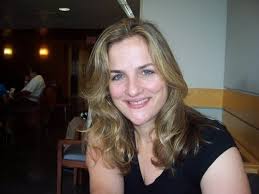
Natasha Stoynoff
Fortunately, Trump’s butler soon entered the room, and Trump acted as though nothing had happened. But as soon as he and Stoynoff were alone again, Trump said: “You know we’re going to have an affair, don’t you?”
Stoynoff asked her editors—and received permission—to be removed from writing any further Trump features.
- JESSICA LEEDS: More than 30 years earlier, Trump had made equally unwelcome advances toward businesswoman Leeds, then 38.
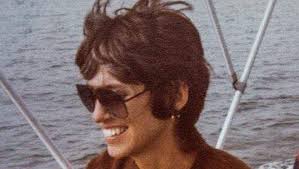
Jessica Leeds
She said she was sitting next to Trump in the first-class cabin of a New York-bound flight when Trump lifted the armrest, grabbed her breasts and tried to put his hand up her skirt. She fled to the back of the plane.
2016 PRESIDENTIAL RACE, 2020 PRESIDENTIAL ELECTION, ABC NEWS, ALTERNET, AMERICABLOG, ANDERSON COOPER, AP, BABY BOOMER RESISTANCE, BBC, BLOOMBERG NEWS, BUZZFEED, CBS NEWS, CNN, CROOKS AND LIARS, DAILY KOZ, DONALD TRUMP, FIVETHIRTYEIGHT, GARY SCHULTZ, GOVERNMENT SHUTDOWN, HAMAS, HARPER’S MAGAZINE, HOUSE COMMITTEE ON OVERSIGHT, HOUSE OF REPRESENTATIVES, HUFFINGTON POST, ISRAEL, JANUARY 6 COUP ATTEMPT, JIM JORDAN, MARK COLEMAN, MATT GAETZ, MEDIA MATTERS, MICHAEL COHEN, MIKE DISABATO, MOTHER JONES, MOVEON, MSNBC, NBC NEWS, NEW REPUBLIC, NEWSDAY, NEWSWEEK, NPR, OHIO STATE UNIVERSITY, PBS NEWSHOUR, POLITICO, POLITICUSUSA, RAW STORY, REUTERS, RICHARD STRAUSS, ROBERT S. MUELLER, ROD ROSENSTEIN, RUSSIAN SUBVERSION, SALON, SEATTLE TIMES, SEXUAL ABUSE, SLATE, SPECIAL COUNSEL, SPORTS, STEVE SCALISE, TALKING POINTS MEMO, THE ATLANTIC, THE CHICAGO SUN-TIMES, THE CHICAGO TRIBUNE, THE DAILY BEAST, THE DAILY BLOG, THE GUARDIAN, THE HILL, THE HUFFINGTON POST, THE INTERCEPT, THE LOS ANGELES TIMES, THE NATION, THE NEW REPUBLIC, THE NEW YORK TIMES, THE NEW YORKER, THE VILLAGE VOICE, THE WASHINGTON POST, THINKPROGRESS, TIME, TRUTHDIG, TRUTHOUT, TWITTER, TWO POLITICAL JUNKIES, U.S. NEWS & WORLD REPORT, ULTIMATE FIGHTING CHAMPIONSHIP, UPI, USA TODAY, WRESTLING
In Bureaucracy, History, Law Enforcement, Politics, Social commentary on October 16, 2023 at 12:07 am
Kevin McCarthy (R-CA) became Speaker of the House of Representatives on January 7.
But there was a fatal catch: Desperate to become Speaker, he had agreed to let even a single lawmaker force a vote on his removal. This was a concession to about 20 holdouts.
On October 3, eight Right-wingers led by Rep. Matt Gaetz (R-FL) forced that vote.
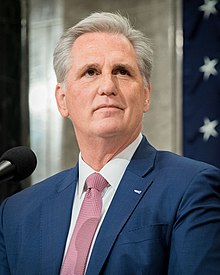
Kevin McCarthy
A scramble for the Speakership followed.
At first, Steve Scalise (R-LA) seemed to have the required number of votes—217.
But then he dropped out, admitting he couldn’t meet that requirement.
Next to jump into the ring: Jim Jordan (R-OH).
Jordan founded the House Freedom Caucus, which seeks to impose a Fascistic agenda on America.
Which makes him unacceptable to Republicans who want a Speaker who can break the Republican-induced House logjam. On October 13, more than 50 Republicans voted against supporting him.
Republicans’ failure to support a popular candidate has frozen the House while major international and domestic crises loom.
The most immediate: Israel’s war against Hamas, following the terrorist group’s horrific attacks that killed 1,300 Israelis on October 6.
Coming up: The November 17 shutdown of the federal government unless Congress agrees on a budget.
During and after Donald Trump’s Presidency, Jordan has defended his litany of demonstrated lies and documented criminality.
Appearing on CNN’s “Anderson Cooper 360,” on April 16, 2018, Jordan accused Andrew McCabe, the former deputy director of the FBI, of being a liar. He accused the Washington Post of lying. He asked Cooper if he had ever lied.
But, pressed by Cooper on whether he had ever heard Trump lie, Jordan replied: “I have not. I don’t know of it. Nothing comes to mind.”

Rep. Jim Jordan
Jordan pushed to impeach Deputy Attorney General Rod Rosenstein, who oversaw Special Counsel Robert Mueller’s investigation of Russia’s subversion of the 2016 Presidential election.
Prior to the 2020 Presidential election, Jordan repeatedly claimed that Democrats would steal it. After Trump lost the election to Joe Biden, Jordan falsely charged that they had stolen it.
After the election, Jordan urged Trump not to concede, spread conspiracy theories, supported lawsuits attempting to disqualify the legitimate results and discussed plans to object to the 2020 election results on January 6, 2021.
In a message to CNN, Ryan Goodman, the editor of Just Security and a law professor at New York University, wrote: “Jordan’s appearances on right-wing and far right-wing news outlets and his social media account were a near constant drumbeat of disinformation up until January 6th.”
“Jim Jordan was deeply involved in Donald Trump’s antidemocratic efforts to overturn the 2020 presidential election,” said Thomas Joscelyn, one of the authors of the final report from the House select committee investigating the January 6, 2021, attack at the United States Capitol.
“Jordan also helped organize congressional opposition to counting Biden’s certified electoral votes. None of Jordan’s efforts were rooted in legitimate objections. He simply sought to keep Donald Trump in power, contrary to the will of the American people.”
Even after the failed coup, 147 House and Senate Republicans voted to overturn the election. Jordan was one of them.
And Trump reciprocated. In his speech to his treasonous supporters on January 6, 2021, Trump called Jordan one of the “great ones” for his efforts.

Stormtrumpers trying to overturn the 2020 Presidential election
Meanwhile, Jordan is being haunted by a scandal of his own.
Jordan served as an assistant coach at Ohio State University (OSU) from 1987 to 1995. Several former OSU wrestlers claim Jordan ignored sexual abuse of students by the team’s doctor.
In April, 2018, OSU announced it was investigating charges that Richard Strauss had abused team wrestlers while he served as the team doctor from the mid-1970s to the late 1990s. Strauss died in 2005.
Jordan claims he didn’t know about the abuse.
Yet several former wrestlers assert that they told Jordan about the abuse or remember Jordan being a part of conversations about the abuse.
“I considered Jim Jordan a friend,” Mike DiSabato, a former wrestler, told NBC. It was DiSabato’s allegations against Strauss that led OSU to open the investigation. “But at the end of the day, he is absolutely lying if he says he doesn’t know what was going on.”
In an email to Ohio State’s legal counsel, DiSabato wrote: “Strauss sexually assaulted male athletes in at least fifteen varsity sports during his employment at OSU from 1978 through 1998.”
“There’s no way unless he’s got dementia or something that he’s got no recollection of what was going on at Ohio State,” former Ultimate Fighting Championship world champion Mark Coleman told the Wall Street Journal about Jordan. “I have nothing but respect for this man, I love this man, but he knew as far as I’m concerned.”
Speaking with reporters in Ohio, Jordan offered a Sergeant Schultz “I know nothing” defense:
“We knew of no abuse, never heard of abuse. If we had, we would have reported it. If, in fact, there’s problems, we want justice for the people who were victims, obviously, and as I said, we are happy to talk with the folks who are doing the investigation. But the things they said about me just were flat-out not true.”
Thus, a President accused of multiple crimes finds himself defended by a man accused of ignoring the sexual abuse of young men.
2016 PRESIDENTIAL CAMPAIGN, ABC NEWS, AFFORDABLE CARE ACT, ALTERNET, AMERICABLOG, AP, ARNOLD SCHWARTNEGGER, BABY BOOMER RESISTANCE, BANDY X. LEE, BARACK OBAMA, BLOOMBERG, BUZZFEED, CBS NEWS, CIA, CNN, CONSERVATIVE POLITICLA ACTION CONFERENCE (CPAC), CRAIG MALKIN, CROOKS AND LIARS, DAILY KOZ, DEMOCRATS, DONALD TRUMP, DRUDGE RETORT, FBI, FIRST AMENDMENT, FIVETHIRTYEIGHT, FLETCHER KNEBEL, GAVIN NEWSOM, HARPER’S MAGAZINE, HARVARD MEDICAL SCHOOL, HILLARY CLINTON, HOUSE OF REPRESENTATIVES, IMMIGRATION AND CUSTOMS ENFORCEMENT (ICE), IVANKA TRUMP, JOHN T. GARNER, JOSEPH STALIN, KIM JONG-UN, LANCE DODES, LIBEL, MEDIA MATTERS, MERYL STREEP, MICHAEL COHEN, MOTHER JONES, MOVEON, MSNBC, NARCISSISM, NBC NEWS, NEIL YOUNG, NEWSWEEK, NIGHT AT CAMP DAVID, NPR, NUCLEAR WEAPONS, OBAMACARE, PARANOIA, PBS NEWSHOUR, POLITICO, POLITICUSUSA, PSYCHOSIS, RAW STORY, REPUBLICANS, REUTERS, ROBERT S. MUELLER, ROD ROSENSTEIN, RUSSIA, SALON, SEATTLE TIMES, SLATE, SOCIOPATHY, TALKING POINTS MEMO, THE ATLANTIC, THE CHICAGO SUN-TIMES, THE CHICAGO TRIBUNE, THE DAILY BEAST, THE DAILY BLOG, THE DANGEROUS CASE OF DONALD TRUMP (BOOK), THE GUARDIAN, THE HILL, THE HUFFINGTON POST, THE LOS ANGELES TIMES, THE MEDIA, THE NATION, THE NEW REPUBLIC, THE NEW YORK TIMES, THE VILLAGE VOICE, THE WASHINGTON POST, THINKPROGRESS, TIME, TRUTHDIG, TRUTHOUT, TWITTER, TWO POLITICAL JUNKIES, U.S. NEWS & WORLD REPORT, UPI, USA TODAY, VIETNAM, VLADIMIR PUTIN, WIRETAPPING, WONKETTE
In Bureaucracy, History, Medical, Politics, Social commentary on August 16, 2023 at 12:12 am
Donald Trump’s appearance at the Conservative Political Action Conference on March 2, 2019 was an occasion for rejoicing among his supporters.
But for those who prize rationality and decency in a President, it was a dismaying and frightening experience.
For two hours, Trump gave free reign to his anger and egomania.
Among his unhinged commentaries:
“We have people in Congress that hate our country.”
If you don’t agree 100% with Trump on everything, you’re a traitor.
“He called me up. He said, ‘You’re a great President. You’re doing a great job.’ He said, ‘I just want to tell you you’re a great President and you’re one of the smartest people I’ve ever met.'”
Trump attributed these remarks to California’s liberal governor, Gavin Newsom. On February 11, 2019, Newsom had announced he was withdrawing several hundred National Guardsmen from the state’s southern border with Mexico—defying Trump’s request for support from border states.
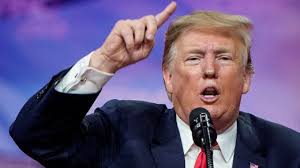
Donald Trump at CPAC
“You know if you remember my first major speech—you know the dishonest media they’ll say, ‘He didn’t get a standing ovation.’ You know why? Because everybody stood and nobody sat. They are the worst. They leave that out.”
Once again, he’s the persecuted victim of an unfair and totally unappreciative news media.
“And I love the First Amendment; nobody loves it better than me. Nobody. I mean, who use its more than I do? But the First Amendment gives all of us—it gives it to me, it gives it to you, it gives it to all Americans, the right to speak our minds freely. It gives you the right and me the right to criticize fake news and criticize it strongly.”
Trump has repeatedly called the nation’s free press “the enemy of the people”—a slander popularized by Soviet dictator Joseph Stalin. And while Trump brags about his usage of the First Amendment, he’s used Non-Disclosure agreements and threats of lawsuits to deny that right to others.

“For too long, we’ve traded away our jobs to other countries. So terrible.”
While this remark got rousing applause, he failed to mention that his own products are made overseas:
- Ties: Made in China
- Suits: Made in Indonesia
- Trump Vodka: Made in the Netherlands, and later in Germany
- Crystal glasses, decanters: Made in Slovenia
- And the clothing and accessories line of his daughter, Ivanka, is produced entirely in factories in Bangladesh, Indonesia and China.
“By the way, you folks are in here—this place is packed, there are lines that go back six blocks and I tell you that because you won’t read about it, OK.”
He’s obsessed with fear that the media won’t make him look popular.
“So we’re all part of this very historic movement, a movement the likes of which, actually, the world has never seen before. There’s never been anything like this. There’s been some movements, but there’s never been anything like this.”
Trump sees himself as the single greatest figure in history. So anything he’s involved with must be unprecedented.
“But I always say, Obamacare doesn’t work. And these same people two years ago and a year ago were complaining about Obamacare.”
In 2010, 48 million Americans lacked health insurance. By 2016, that number had been reduced to 28.6 million. So 20 million Americans now have access to medical care they previously couldn’t get.
“But we’re taking a firm, bold and decisive measure, we have to, to turn things around [with North Korea]. The era of empty talk is over, it’s over.”
- Trump had boasted that he and North Korean dictator Kim Jong-Un “fell in love.”
- On July 16, 2018, Trump attended a press conference in Helsinki, Finland, with Russian President Vladimir Putin. There he blamed American Intelligence agencies—such as the FBI, CIA—instead of Putin for Russia’s subversion of the 2016 Presidential election.

“I’ll tell you what they [agents of Immigration and Customs Enforcement] do, they came and endorsed me, ICE came and endorsed me. They never endorsed a presidential candidate before, they might not even be allowed to.”
Trump can’t stop boasting about how popular he is.
“These are hard-working, great, great Americans. These are unbelievable people who have not been treated fairly. Hillary called them deplorable. They’re not deplorable.”
On the contrary: “Deplorable” is exactly the word for those who vote their racism, ignorance, superstition and hatred of their fellow citizens.
A FINAL NOTE: Trump held himself up for adoration just three days after Michael Cohen, his longtime fixer:
- Damned him as a racist, a conman and a cheat.
- Revealed that Trump had cheated on his taxes and bought the silence of a porn “star” to prevent her revealing a 2006 tryst before the 2016 election.
- Estimated he had stiffed, on Trump’s behalf, hundreds of workers Trump owed money to.
And, only two days earlier, Trump had returned from a much-ballyhooed meeting in Vietnam with North Korean dictator Kim Jong-Un. Trump hoped to get a Nobel Peace Prize by persuading Kim to give up his nuclear arsenal.
Instead, Trump got stiffed—and returned empty-handed.
2016 PRESIDENTIAL CAMPAIGN, ABC NEWS, AFFORDABLE CARE ACT, ALTERNET, AMERICABLOG, AP, ARNOLD SCHWARTNEGGER, BABY BOOMER RESISTANCE, BANDY X. LEE, BARACK OBAMA, BLOOMBERG, BUZZFEED, CBS NEWS, CIA, CNN, CONSERVATIVE POLITICLA ACTION CONFERENCE (CPAC), CRAIG MALKIN, CROOKS AND LIARS, DAILY KOZ, DEMOCRATS, DONALD TRUMP, DRUDGE RETORT, FBI, FIRST AMENDMENT, FIVETHIRTYEIGHT, FLETCHER KNEBEL, GAVIN NEWSOM, HARPER’S MAGAZINE, HARVARD MEDICAL SCHOOL, HILLARY CLINTON, HOUSE OF REPRESENTATIVES, IMMIGRATION AND CUSTOMS ENFORCEMENT (ICE), IVANKA TRUMP, JOHN T. GARNER, JOSEPH STALIN, KIM JONG-UN, LANCE DODES, LIBEL, MEDIA MATTERS, MERYL STREEP, MICHAEL COHEN, MOTHER JONES, MOVEON, MSNBC, NARCISSISM, NBC NEWS, NEIL YOUNG, NEWSWEEK, NIGHT AT CAMP DAVID, NPR, NUCLEAR WEAPONS, OBAMACARE, PARANOIA, PBS NEWSHOUR, POLITICO, POLITICUSUSA, PSYCHOSIS, RAW STORY, REPUBLICANS, REUTERS, ROBERT S. MUELLER, ROD ROSENSTEIN, RUSSIA, SALON, SEATTLE TIMES, SLATE, SOCIOPATHY, TALKING POINTS MEMO, THE ATLANTIC, THE CHICAGO SUN-TIMES, THE CHICAGO TRIBUNE, THE DAILY BEAST, THE DAILY BLOG, THE DANGEROUS CASE OF DONALD TRUMP (BOOK), THE GUARDIAN, THE HILL, THE HUFFINGTON POST, THE LOS ANGELES TIMES, THE MEDIA, THE NATION, THE NEW REPUBLIC, THE NEW YORK TIMES, THE VILLAGE VOICE, THE WASHINGTON POST, THINKPROGRESS, TIME, TRUTHDIG, TRUTHOUT, TWITTER, TWO POLITICAL JUNKIES, U.S. NEWS & WORLD REPORT, UPI, USA TODAY, VIETNAM, VLADIMIR PUTIN, WIRETAPPING, WONKETTE
In Bureaucracy, History, Medical, Politics, Social commentary on August 15, 2023 at 12:16 am
“Is this man simply crazy, or is he crazy like a fox?”
That was the question that Bandy X. Lee, an assistant clinical psychiatry professor at the Yale School of Medicine, wanted to answer about Donald J. Trump.
And she tried to do so as the editor of The Dangerous Case of Donald Trump: 27 Psychiatrists and Mental Health Experts Assess a President.
“It doesn’t take a psychiatrist to notice that our president is mentally compromised,” she and colleague Judith Lewis Herman asserted in the book’s prologue.
According to Dr. Craig Malkin, a Lecturer in Psychology for Harvard Medical School and a licensed psychologist, Trump is a pathological narcissist:
“Pathological narcissism begins,” Malkin writes, “when people become so addicted to feeling special that, just like with any drug, they’ll do anything to get their ‘high,’ including lie, steal, cheat, betray and even hurt those closest to them.
“When they can’t let go of their need to be admired or recognized, they have to bend or invent a reality in which they remain special despite all messages to the contrary. In point of fact, they become dangerously psychotic. It’s just not always obvious until it’s too late.”
Lance Dodes, a retired psychiatry professor at Harvard Medical School, believes that Trump is a sociopath: “The failure of normal empathy is central to sociopathy, which is marked by an absence of guilt, intentional manipulation and controlling or even sadistically harming others for personal power or gratification.”
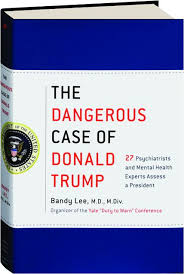
But an observer didn’t need to be a psychiatrist to feel frightened by Trump’s behavior at the Conservative Political Action Conference (CPAC) on March 2, 2019.
For two hours, in National Harbor, Maryland, Trump delivered the longest address (so far) of his Presidency—and of any American President.
“You know, I’m totally off script right now,” Trump said early on. “This is how I got elected, by being off script.”
And from the moment he embraced an American flag as though he wanted to hump it, it was clear: He was “totally off script.”
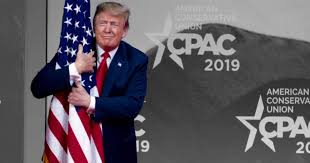
“How many times did you hear, for months and months, ‘There is no way to 270?’ You know what that means, right? ‘There is no way to 270.'”
Once again, Trump revealed his obsession with his win in 2016—as if no one else had ever been elected President.
“If you tell a joke, if you’re sarcastic, if you’re having fun with the audience, if you’re on live television with millions of people and 25,000 people in an arena, and if you say something like, ‘Russia, please, if you can, get us Hillary Clinton’s emails. Please, Russia, please.'”
Here he was trying to “spin” his infamous invitation to hackers in Vladimir Putin’s Russia to intervene in an American Presidential election by obtaining the emails of his campaign rival.
Which they did that same day.
“So now we’re waiting for a report, and we’ll find out whether or not, and who we’re dealing with. We’re waiting for a report by people that weren’t elected.”
It didn’t matter to Trump that America’s foremost enemy—Russia—tried to influence a Presidential election. What mattered to him was that the report might end his Presidency.
“Those red hats—and white ones. The key is in the color. The key is what it says. ‘Make America Great Again’ is what it says. Right? Right?”
Color mattered. Words, ideas didn’t.
“Now, Robert Mueller never received a vote, and neither did the person that appointed him. And as you know, the attorney general says, ‘I’m going to recuse myself.'”
Special Counsel Robert S. Mueller and Assistant Attorney General Rod Rosenstein were career Justice Department officials. They weren’t voted into office.
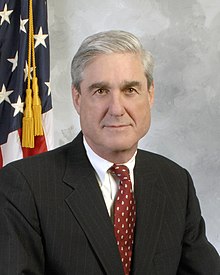
Robert Meuller
“Number one, I’m in love, and you’re in love. We’re all in love together. There’s so much love in this room, it’s easy to talk. You can talk your heart out. You really could. There’s love in this room. You can talk your heart out. It’s easy. It’s easy. It’s easy.”
Trump apparently found it easy to fall in love—with Right-wing audiences and Communist dictators such as Kim Jong-Un.
“And from the day we came down the escalator, I really don’t believe we’ve had an empty seat at any arena, at any stadium. They did the same thing at our big inauguration speech. You take a look at those crowds.”
Once again, he must brag about how popular he is and how many people wanted to listen to him.
“A few days ago I called the fake news the enemy of the people. And they are. They are the enemy of the people. Because they have no sources, they just make ’em up when there are none.”
By January 20, 2020, The Washington Post found that Trump had made “16,241 ‘false or misleading claims” in his first three years in office. He is in no position to talk about integrity.
“But we’re going to have regulation. It’s going to be really strong and really good and we’re going to protect our environment and we’re going to protect the safety of our people and our workers, OK?”
To “protect our environment,” Trump appointed Andrew R. Wheeler, a former coal company lobbyist, to head the Environmental Protection Agency.
2016 PRESIDENTIAL CAMPAIGN, ABC NEWS, AFFORDABLE CARE ACT, ALTERNET, AMERICABLOG, AP, ARNOLD SCHWARTNEGGER, BABY BOOMER RESISTANCE, BANDY X. LEE, BARACK OBAMA, BLOOMBERG, BUZZFEED, CBS NEWS, CIA, CNN, CONSERVATIVE POLITICLA ACTION CONFERENCE (CPAC), CRAIG MALKIN, CROOKS AND LIARS, DAILY KOZ, DEMOCRATS, DONALD TRUMP, DRUDGE RETORT, FBI, FIRST AMENDMENT, FIVETHIRTYEIGHT, FLETCHER KNEBEL, GAVIN NEWSOM, HARPER’S MAGAZINE, HARVARD MEDICAL SCHOOL, HILLARY CLINTON, HOUSE OF REPRESENTATIVES, IMMIGRATION AND CUSTOMS ENFORCEMENT (ICE), IVANKA TRUMP, JOHN T. GARNER, JOSEPH STALIN, KIM JONG-UN, LANCE DODES, LIBEL, MEDIA MATTERS, MERYL STREEP, MICHAEL COHEN, MOTHER JONES, MOVEON, MSNBC, NARCISSISM, NBC NEWS, NEIL YOUNG, NEWSWEEK, NIGHT AT CAMP DAVID, NPR, NUCLEAR WEAPONS, OBAMACARE, PARANOIA, PBS NEWSHOUR, POLITICO, POLITICUSUSA, PSYCHOSIS, RAW STORY, REPUBLICANS, REUTERS, ROBERT S. MUELLER, ROD ROSENSTEIN, RUSSIA, SALON, SEATTLE TIMES, SLATE, SOCIOPATHY, TALKING POINTS MEMO, THE ATLANTIC, THE CHICAGO SUN-TIMES, THE CHICAGO TRIBUNE, THE DAILY BEAST, THE DAILY BLOG, THE DANGEROUS CASE OF DONALD TRUMP (BOOK), THE GUARDIAN, THE HILL, THE HUFFINGTON POST, THE LOS ANGELES TIMES, THE MEDIA, THE NATION, THE NEW REPUBLIC, THE NEW YORK TIMES, THE VILLAGE VOICE, THE WASHINGTON POST, THINKPROGRESS, TIME, TRUTHDIG, TRUTHOUT, TWITTER, TWO POLITICAL JUNKIES, U.S. NEWS & WORLD REPORT, UPI, USA TODAY, VIETNAM, VLADIMIR PUTIN, WIRETAPPING, WONKETTE
In Bureaucracy, History, Medical, Politics, Social commentary on August 14, 2023 at 12:05 am
“One man in the free world has the power to launch a nuclear war that might destroy civilization: the President of the United States. What if that man were mentally unbalanced?”
That is the premise of the 1965 novel, Night at Camp David, by Fletcher Knebel.
At the time of its release, its plot was considered so over-the-top as to be worthy of science fiction:
Iowa Democratic Senator Jim MacVeagh is summoned to Camp David, the Presidential retreat, by President Mark Hollenbach. MacVeagh is expected to become Hollenbach’s next Vice President. But he becomes alarmed that Hollenbach is clearly suffering from intense paranoia.
He wants to develop a closer relationship between the United States and Russia—while cutting ties with American allies in Europe. Moreover, Hollenbach believes the American news media are conspiring against him with his political enemies.
Only one person possesses evidence that Hollenbach is losing his grip on sanity—his mistress, Rita. Desperate to retain his power, Hollenbach orders the FBI to investigate both MacVeagh and Rita.

So why was a 53-year-old novel released in 2018? The answer lay in two words: Donald Trump.
In a November 30, 2018 review of Night at Camp David, Tom McCarthy, national affairs correspondent for the British newspaper, The Guardian, wrote:
“The current president has seen crowds where none exist, deployed troops to answer no threat, attacked national institutions – the military, the justice department, the judiciary, the vote, the rule of law, the press – tried to prosecute his political enemies, elevated bigots, oppressed minorities, praised despots while insulting global allies and wreaked diplomatic havoc from North Korea to Canada.
“He stays up half the night watching TV and tweeting about it, then wakes up early to tweet some more, in what must be the most remarkable public diary of insecurity, petty vindictiveness, duplicity and scattershot focus by a major head of state in history.”
From the beginning of his Presidency, Trump aroused fear—based not only of what he might do, but that he might be mentally unbalanced. Consider:
On March 4, 2017, in a series of unhinged tweets, he accused former President Barack Obama of tapping his Trump Tower phones prior to the election:
- “Terrible! Just found out that Obama had my ‘wires tapped’ in Trump Tower just before the victory. Nothing found. This is McCarthyism!”
- “Is it legal for a sitting President to be ‘wire tapping’ a race for president prior to an election? Turned down by court earlier. A NEW LOW!”
- “I’d bet a good lawyer could make a great case out of the fact that President Obama was tapping my phones in October, just prior to Election!”
- “How low has President Obama gone to tapp my phones during the very sacred election process. This is Nixon/Watergate. Bad (or sick) guy!”
A subsequent investigation by the Justice Department turned up no evidence to substantiate Trump’s foray into Presidential libel.
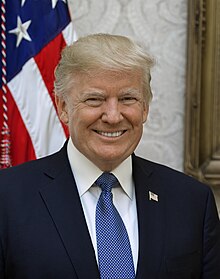
Donald Trump
Trump’s shoot-first-and-never-mind-the-consequences approach to life has been thoroughly documented.
From June 15, 2015, when he launched his Presidential campaign, until October 24, 2016, he fired nearly 4,000 angry, insulting tweets at 281 people and institutions. The New York Times needed two full pages of its print edition to showcase them.
Among these targets were:
- His Democratic rival, Hillary Clinton
- His fellow Republican Presidential candidates
- Actress Meryl Streep
- News organizations
- President Barack Obama
- Comedian John Oliver
- The Affordable Care Act (Obamacare)
- Singer Neil Young
- The state of New Jersey
- Actor Arnold Schwarzenegger.
And during his first two weeks as President, Trump attacked 22 people, places and things on his @realDonaldTrump Twitter account.
Trump’s vindictiveness, his narcissism, his compulsive aggression, his complaints that his “enemies” in government and the press are trying to destroy him, have caused many to ask: Could the President of the United States be suffering from mental illness?
One who dared to answer this question was John D. Gartner, a practicing psychotherapist.

John D. Gartner
Gartner graduated magna cum laude from Princeton University, received his Ph.D in clinical psychology from the University of Massachusetts, and served as a part-time assistant professor of psychiatry at Johns Hopkins University Medical School for 28 years.
During an interview by U.S. News & World Report (published on January 27, 2017), Gartner said: “Donald Trump is dangerously mentally ill and temperamentally incapable of being president.”
Gartner said that Trump suffered from “malignant narcissism,” whose symptoms include:
- anti-social behavior
- sadism
- aggressiveness
- paranoia
- and grandiosity.
“We’ve seen enough public behavior by Donald Trump now that we can make this diagnosis indisputably,” said Gartner, who admitted he had not personally examined Trump.
More of that behavior was on full display on March 2, 2019 at the annual Conservative Political Action Conference (CPAC), held at the Gaylord National Resort & Convention Center, National Harbor, Maryland.
For more than two hours, Trump delivered the longest speech (so far) of his Presidency to his fanatically Right-wing audience.
Facing a hostile Democratic House of Representatives and a potentially explosive report by Special Counsel Robert Mueller, Trump threw down the gauntlet.
ABC NEWS, ADMIRAL IVAN ISAKOV, ADOLF HITLER, ALBERT SPEER, ALTERNET, ANDREW MCCABE, AP, BOB WOODWARD, BUZZFEED, CBS NEWS, CHEKA, CIA, CNN, COUNTER-SURVEILLANCE, CROOKS AND LIARS, DAILY KOZ, DEMOCRATIC PARTY, DONALD TRUMP, FBI, FSB, GENRIKH YAGODA, HEINRICH HIMMLER, HERMANN GOERING, HOUSE OF REPRESENTATIVES, JAMES COMEY, JEFF SESSIONS, JOSEPH STALIN, KGB, KRISJEN NIELSEN, LAVRENTY BERIA, MOTHER JONES, MOVEON, MSNBC, NBC NEWS, NEWSWEEK, NICCOLO MACHIAVELLI, NIKOLAI YEZHOV, NKVD, NPR, PBS NEWSHOUR, POLITICO, RACHEL BRAND, RANDOLPF “TEX” ALLES, RAW STORY, REPUBLICAN PARTY, REUTERS, SALLY YATES, SALON, SEAN SPICER, SEATTLE TIMES, SLATE, SOVIET UNION, SS, STORMY DANIELS, SURVEILLANCE, THE APPRENTICE, THE ATLANTIC, THE CHICAGO SUN-TIMES, THE CHICAGO TRIBUNE, THE DAILY BEAST, THE GUARDIAN, THE HILL, THE HUFFINGTON POST, THE LOS ANGELES TIMES, THE NATION, THE NEW YORK TIMES, THE PRINCE, THE WASHINGTON POST, TIME, TWITTER, U.S. NEWS & WORLD REPORT, UPI, USA TODAY
In Bureaucracy, History, Law, Law Enforcement, Military, Politics, Social commentary on July 7, 2023 at 12:30 am
In January, 2018, the White House banned the use of personal cell phones in the West Wing. The official reason: National security.
The real reason: To prevent staffers from leaking to reporters.
More ominously, well-suited men roamed the halls of the West Wing, carrying devices that pick up signals from phones that aren’t government-issued.
“Did someone forget to put their phone away?” one of the men would ask if such a device was detected. If no one said they had a phone, the detection team started searching the room.

Phone detector
The devices can tell which type of phone is in the room.
This is the sort of behavior Americans have traditionally—and correctly—associated with dictatorships
In his memo outlining the policy, then-Chief of Staff John Kelly warned that anyone who violated the phone ban could be punished, including “being indefinitely prohibited from entering the White House complex.”
Yet even these draconian methods did not end White House leaks.
White House officials still spoke with reporters throughout the day and often aired their grievances, whether about annoying colleagues or competing policy priorities.
Aides with private offices sometimes called reporters on their desk phones. Others got their cell phones and called or texted reporters during lunch breaks.
According to an anonymous White House source: “The cellphone ban is for when people are inside the West Wing, so it really doesn’t do all that much to prevent leaks. If they banned all personal cellphones from the entire [White House] grounds, all that would do is make reporters stay up later because they couldn’t talk to their sources until after 6:30 pm.”
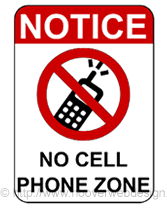
Other sources believed that leaks wouldn’t end unless Trump started firing staffers. But there was always the risk of firing the wrong people. Thus, to protect themselves, those who leaked might well accuse tight-lipped co-workers.
Within the Soviet Union (especially during the reign of Joseph Stalin) fear of secret police surveillance was widespread—and absolutely justified.
Among the methods used to keep conversations secret:
- Turning on the TV or radio to full volume.
- Turning on a water faucet at full blast.
- Turning the dial of a rotary phone to the end—and sticking a pencil in one of the small holes for numbers.
- Standing six to nine feet away from the hung-up receiver.
- Going for “a walk in the woods.”
- Saying nothing sensitive on the phone.
The secret police (known as the Cheka, the NKVD, the MGB, the KGB, and now the FSB) operated on seven working principles:
- Your enemy is hiding.
- Start from the usual suspects.
- Study the young.
- Stop the laughing.
- Rebellion spreads like wildfire.
- Stamp out every spark.
- Order is created by appearance.
Trump has always ruled through bribery and fear. He’s bought off (or tried to) those who might cause him trouble—like porn actress Stormy Daniels. And he’s threatened or filed lawsuits against those he couldn’t or didn’t want to bribe—such as contractors who have worked on various Trump properties.
But Trump couldn’t buy the loyalty of employees working in an atmosphere of hostility—which breeds resentment and fear. And some of them took revenge by sharing with reporters the latest crimes and follies of the Trump administration.
The more Trump waged war on the “cowards and traitors” who worked most closely with him, the more some of them found opportunities to strike back. This inflamed Trump even more—and led him to seek even more repressive methods against his own staffers.
This proved a no-win situation for Trump.
The results were twofold:
- Constant turnovers of staffers—with their replacements having to undergo lengthy background checks before coming on; and
- Continued leaking of embarrassing secrets by resentful employees who stayed.
**********
As host of NBC’s “The Apprentice,” Trump became infamous for booting off contestants with the phrase: “You’re fired.” In fact, he so delighted in using this that, in 2004, he tried to gain trademark ownership of it.
But the U.S. Patent and Trademark Office rejected his application. American copyright law explicitly prohibits copyright protections for short phrases or sayings.
Upon taking office as President, Trump bullied and insulted even White House officials and his own handpicked Cabinet officers. This resulted in an avalanche of firings and resignations.
The first two years of Trump’s White House saw more firings, resignations, and reassignments of top staffers than any other first-term administration in modern history. His Cabinet turnover exceeded that of any other administration in the last 100 years.
In 1934, Soviet dictator Joseph Stalin, seeing imaginary enemies everywhere, ordered a series of purges that lasted right up to the German invasion in 1941.
No one was safe from execution—not even the men who slaughtered as many as 20 to 60 million.
Fittingly, for all the fear he inspired, Stalin was plagued by paranoia. He lived in constant fear of assassination. Although surrounded by bodyguards, he distrusted even them.
Thus Stalin, who had turned the Soviet Union into a vast prison, became its leading prisoner.
Similarly, Donald Trump daily proved the accuracy of the age-old warning: “You can build a throne of bayonets, but you can’t sit on it.”


2016 PRESIDENTIAL ELECTION, 2020 PRESIDENTIAL ELECTION, ABC NEWS, ACAM SCHIFF, ADOLF HITLER, ALTERNET, AMERICABLOG, AP, BABY BOOMER RESISTANCE, BBC, BLOOMBERG NEWS, BRETT CROZIER, BUZZFEED, CBS NEWS, CHARLES PIERCE, CHRIS KREBS, CNN, CONVERSATION WITH AN AMERICAN WRITER (POEM), CORONAVIRUS, CROOKS AND LIARS, CYBERSECURITY AND INFRASTRUCTURE SECURITY AGENCY, DAILY KOS, DEPARTMENT OF HOMELAND SECURITY, DEPARTMENT OF STATE, DIMITRI SHOSTAKOVICH, DONALD TRUMP, DRUDGE REPORT, ESQUIRE MAGAZINE, FBI, FIVETHIRTYEIGHT, FOX NEWS NETWORK, GREAT TERROR, HARPER’S MAGAZINE, HOUSE INTELLIGENCE COMMITTEE, HOUSE OF REPRESENTATIVES, HUFFINGTON POST, JOSEPH BIDEN, JOSEPH STALIN, MARIA YOVANOVICH, MEDIA MATTERS, MICROSOFT, MIKHAIL TUKHACHEVESKY, MOTHER JONES, MOVEON, MSNBC, NAZI GERMANY, NBC NEWS, NEW REPUBLIC, NEWSDAY, NEWSWEEK, NICCOLO MACHIAVELLI, NIKOLAI ZHILAYEV, NPR, PBS NEWSHOUR, POLITICO, POLITICUSUSA, RAW STORY, REUTERS, RUDY GIULIANI, SALON, SEATTLE TIMES, SLATE, SOVIET UNION, TALKING POINTS MEMO, THE ATLANTIC, THE CHICAGO SUN-TIMES, THE CHICAGO TRIBUNE, THE DAILY BEAST, THE DAILY BLOG, THE DISCOURSES, THE GUARDIAN, THE HILL, THE HUFFINGTON POST, THE LOS ANGELES TIMES, THE NATION, THE NEW REPUBLIC, THE NEW YORK TIMES, THE NEW YORKER, THE VILLAGE VOICE, THE WALL STREET JOURNAL, THE WASHINGTON POST, THINKPROGRESS, THOMAS MODLY, TIME, TRUTHDIG, TRUTHOUT, TWITTER, TWO POLITICAL JUNKIES, U.S. NEWS & WORLD REPORT, UKRAINE, UPI, USA TODAY, WEHRMACHT, WONKETTE, WORLD WAR ii, YEVGENEY YEVTUSHENKO
HEROES AND VILLAINS: PART THREE (END)
In Bureaucracy, History, Law, Law Enforcement, Military, Politics, Social commentary on December 28, 2023 at 12:28 amNext hero: Marie Yovanovitch, the former United States ambassador to Ukraine (2016 – 2019). She had joined the Foreign Service in 1986, and served as ambassador to Kyrgyzstan (2005 – 2008) and Armenia (2008 – 2011).
In May 2019, on President Donald Trump’s orders, the State Department recalled Yovanovitch as ambassador to Ukraine. She had earned respect from the national security community for her efforts to encourage Ukraine to tackle corruption.
But she had been criticized by Right-wing media outlets—notably Fox News Network-–and by Trump’s personal attorney, Rudy Giuliani.
Marie Yovanovitch
CNN reported that Yovanovitch stopped Giuliani from interviewing witnesses in his search for politically damaging information against former Vice President Joe Biden, whose son, Hunter, had had business dealings in Ukraine.
On October 11, 2019, she appeared before the House Intelligence Committee, chaired by Representative Adam Schiff (D-CA). She did so in defiance of orders by the White House and State Department to not attend.
“She was a hero even before she hit the hearing room,” wrote Charles Pierce for Esquire magazine.
“She told them to stuff their directives, she would answer a congressional subpoena like a citizen is supposed to do. And she didn’t sneak in through the basement. She walked into the Capitol through the front doors, and she didn’t do so to fck around.”
Testifying for nearly 10 hours, Yovanovitch said that Trump had removed her from her post owing to “unfounded and false claims” and “a concerted campaign against me.”
She believed that associates of Trump’s personal lawyer, Giuliani, might have thought “that their personal financial ambitions were stymied by our anti-corruption policy in Ukraine.”
And she warned that the State Department was being “attacked and hollowed out from within. State Department leadership, with Congress, needs to take action now to defend this great institution, and its thousands of loyal and effective employees.”
Another victim on Trump’s hate-list was Chis Krebs.
During the 2016 Presidential race, Russian propaganda had played a major role in convincing millions of Americans to vote for Donald Trump. Social media platforms—especially Facebook and Twitter—were flooded with genuinely fake news to sow discord among Americans and create a pathway for Trump’s election.
And where Internet trolls left off, Russian computer hackers took over.
Trump didn’t win a majority of the popular vote. But he got enough help from Russian President Vladimir Putin to triumph in the Electoral College.
So notorious was the role played by Russian trolls and hackers in winning Trump the 2016 election that the Department of Homeland Security (DHS) was determined to prevent a repetition in 2020.
And point man for this was Chris Krebs.
Born in Atlanta, Georgia, in 1977, Krebs had received a B.A. in environmental sciences from the University of Virginia in 1999, and a J.D. from the George Mason University School of Law in 2007.
Chris Krebs
Krebs had served as Senior Advisor to the Assistant Secretary of Homeland Security for Infrastructure Protection, and later worked in the private sector as Director for Cybersecurity Policy for Microsoft.
Now he was director of the Cybersecurity and Infrastructure Security Agency at DHS.
In preparation for the 2020 Presidential election, Krebs launched a massive effort to counter lies spread by Russians—and Americans—on social media platforms. Among his duties:
As a result, Krebs was widely praised for revamping the department’s cybersecurity efforts and increasing coordination with state and local governments.
By all accounts—except Trump’s—the November 3, 2020 election went very smoothly.
As a result of the vast increase in election security, Trump not only failed to win the popular vote again but couldn’t get the help he expected from Putin.
On November 17, Trump fired Chris Krebs.
The reason: Krebs had not only countered Russian propaganda lies—he had dared to counter Trump’s as well. For example: He rejected Trump’s claims of widespread voter fraud: There “is no evidence that any voting system deleted or lost votes, changed votes, or was in any way compromised.”
In a November 17 story on the CNN website, CNN reporters Kaitlan Collins and Paul LeBlanc bluntly concluded:
“[Krebs’] dismissal underscores the lengths Trump is willing to go to punish those who don’t adopt his conspiratorial view of the election.
“Since CNN and other outlets called the race for President-elect Joe Biden, Trump has refused to accept the results, instead pushing baseless conspiracies that his second term is being stolen.”
Yet, by depriving Trump of Russian help, Krebs ensured a victory for democracy.
On January 6, the House and Senate counted the Electoral Votes—and pronounced Joseph Biden the winner—bringing an end to Trump’s reign of criminality and treason.
In his 1960 poem, “Conversation With an American Writer,” the Russian poet, Yevgeney Yevtushenko spoke for those Russians who had maintained their integrity in the face of Stalinist terror:
“You have courage,” they tell me.
It’s not true. I was never courageous.
I simply felt it unbecoming
to stoop to the cowardice of my colleagues.
Unfortunately, the same cannot be said of Republicans in the United States Senate and House of Representatives in the face of Trump terror.
Share this:
Like this: