Posts Tagged ‘HOUSE OF REPRESENTATIVES’
2016 PRESIDENTIAL CAMPAIGN, ABC NEWS, ADOLF HITLER, ALTERNET, ANN COULTER, AP, AUSTRIA, BARACK OBAMA, BILL CLINTON, BORDER WALL, BUZZFEED, CBS NEWS, CHARLES SCHUMER, CHRIS CILLIZZA, CNN, CONTRACTORS, COUNCIL OF ECONOMIC ADVISERS, CROOKS AND LIARS, CZECHOSLOVAKIA, DAILY KOZ, DAVID BROOKS, DEMOCRATS, DEPARTMENT OF COMMERCE, DEPARTMENT OF HOMELAND SECURITY, DICK CHENEY, DONALD TRUMP, EDOUARD DELADIER, FACEBOOK, FBI, FEDERAL AVIATION ADMINISTRATION (FAA), FOX NEWS, FRANCE, GEORGE W. BUSH, GOVERNMENT SHUTDOWN, HOUSE OF REPRESENTATIVES, JAPAN, JEDEDIAH BILA, JOSE ANDRES, JULIAN ZELITZER, KEVIN HASSETT, KURT VON SCHUSCHNIGG, MARIE ANTOINETTE, MARK SHIELDS, MIKE PENCE, MITCH MECONNELL, MOTHER JONES, MOVEON, MSNBC, MUNICH CONFERENCE, NANCY PELOSI, NAZI GERMANY, NBC NEWS, NEVILLE CHAMBERLAIN, NEWSWEEK, NICCOLO MACHIAVELLI, NPR, PBS NEWSHOUR, POLAND, POLITICO, RAW STORY, REPUBLICANS, REUTERS, ROBERT PAYNE, RUSH LIMBAUGH, SALON, SEATTLE TIMES, SLATE, SOUP KITCHENS, STATE OF THE UNION ADDRESS, SUPER BOWL, THE ATLANTIC, THE CHICAGO SUN-TIMES, THE CHICAGO TRIBUNE, THE DAILY BEAST, THE GUARDIAN, THE HILL, THE HUFFINGTON POST, THE LIFE AND DEATH OF ADOLF HITLER, THE LOS ANGELES TIMES, THE NATION, THE NEW YORK TIMES, THE PRINCE, THE WALL STREET JOURNAL, THE WASHINGTON POST, TIME, TRANSPORTATION SAFETY ADMINISTRATION (TSA), TWITTER, U.S. NEWS & WORLD REPORT, UBER, UNITED STATES HOUSE OF REPRESENTATIVES, UNITED STATES SECRET SERVICE, UNITED STATES SENATE, UPI, USA TODAY, WILBUR ROSS, WINSTON CHURCHILL, WORLD WAR 11
In Bureaucracy, History, Military, Politics, Social commentary on January 28, 2019 at 1:03 am
Robert Payne, author of the bestselling biography, The Life and Death of Adolf Hitler (1973), described Hitler’s “negotiating” style thus:
“Although Hitler prized his own talents as a negotiator, a man always capable of striking a good bargain, he was totally lacking in finesse.
“He was incapable of bargaining. He was like a man who goes up to a fruit peddler and threatens to blow his brains out if he does not sell his applies at the lowest possible price.”
By studying Hitler’s mindset and “negotiating” methods, we can learn much about the mindset and “negotiating” style of today’s Republican party.
A classic example of Hitler’s “negotiating style” came in September, 1938, when he focused his rage and aggression on Czechoslovakia.
Seven months earlier, he had absorbed Austria. He had done so by inviting its Chancellor, Kurt Shuschnigg, to Berlin. Then Hitler threatened Austria with invasion if Shuschnigg did not immediately agree to make his country a vassal-state of Germany.
This time, his threats were aimed at Neville Chamberlain, the prime minister of Great Britain, and Eduoard Deladier, the prime minister of France. Both countries had pledged to support Czechoslovakia against Hitler’s aggression.
Once again, he opened “negotiations” with a lie: The Czechoslovak government was trying to exterminate 3.5 million Germans living in the “Sudetenland.”
This consisted of the northern, southwest and western regions of Czechoslovakia, inhabited mostly by ethnic Germans.
Then he followed this up with the threat of war: Germany would protect its citizens and halt such “oppression.”
For British Prime Minister Neville Chamberlain, the thought of another European war erupting less than 20 years after the end of World War I was simply unthinkable.

The Cenotaph, in London, honoring the unknown British dead of World War 1
Something had to be done to prevent it. And he believed himself to be just the man to do it.
He quickly sent Hitler a telegram, offering to help resolve the crisis: “I could come to you by air and am ready to leave tomorrow. Please inform me of earliest time you can receive me, and tell me the place of the meeting. I should be grateful for a very early reply.”
Once again, another head-of-state was prepared to meet Hitler on his home ground. Again, Hitler took this concession as a sign of weakness. And Chamberlain’s use of such words as “please” and “grateful” only further convinced Hitler of another impending triumph.
Chamberlain was determined to grant his every demand—so long as this meant avoiding a second world war.
The two European leaders met in Berchtesgaden, Germany, on September 15, 1938.
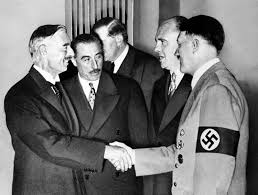
Neville Chamberlain and Adolf Hitler
During their talks, Chamberlain said he had come to discuss German grievances. But, he added, it was necessary in all circumstances to exclude the use of force.
Hitler appeared to be shocked that he could be accused of such intentions: “Force? Who speaks of force?“
Then, without warning, he switched to an aggressive mode. He accused the Czechs of having mobilized their army in May. They had mobilized—in response to the mobilization of the German army.
“I shall not put up with this any longer,” shouted Hitler. “I shall settle this question in one way or another. I shall take matters in my own hands!”
Suddenly, Chamberlain seemed alarmed—and possibly angry: “If I understood you right, you are determined to proceed against Czechoslovakia in any case. If this is so, why did you let me come to Berchtesgaden?
“In the circumstances, it is best for me to return at once. Anything else now seems pointless.”
Hitler was taken aback by the unexpected show of defiance. He realized he was about to lose his chance to bully the British into accepting his latest demands.
So he softened his tone and said they should consider the Sudetenland according to the principle of self-determination.
Chamberlain said he must immediately return to England to consult with his colleagues.
Hitler appeared uneasy. But then the German translator finished the sentence: “…and then meet you again.”
Hitler realized he still had a chance to attain victory without going to war.
Chamberlain agreed to the cession of the Sudetenland. Three days later, French Prime Minister Edouard Daladier did the same. No Czechoslovak representative was invited to these discussions.
Chamberlain met Hitler again in Godesberg, Germany, on September 22 to confirm the agreements. But Hitler aimed to use the crisis as a pretext for war.
He now demanded not only the annexation of the Sudetenland but the immediate military occupation of the territories. This would give the Czechoslovak army no time to adapt their defense measures to the new borders.
To achieve a solution, Italian dictator Benito Mussolini suggested a conference of the major powers in Munich.
On September 29, Hitler, Daladier and Chamberlain met and agreed to Mussolini’s proposal. They signed the Munich Agreement, which accepted the immediate occupation of the Sudetenland.
The Czechoslovak government had not been a party to the talks. Nevertheless, it promised to abide by the agreement on September 30.
It actually had no choice. It faced the threat of an immediate German invasion after being deserted by its pledged allies: Britain, France and the Soviet Union.
ABC NEWS, ADOLF HITLER, ALBERT SPEER, ALTERNET, BUZZFEED, CBS NEWS, CNN, DAILY KOS, DEBT CEILING, DEPARTMENT OF HOMELAND SECURITY, DONALD TRUMP, EXTORTION, FACEBOOK, FASCISM, GOVERNMENT SHUTDOWN, HOUSE OF REPRESENTATIVES, MOTHER JONES, MOVEON, NANCY PELOSI, NAZI GERMANY, NBC NEWS, NEWSWEEK, NPR, POLITICO, PRINCE OF THE CITY, RAW STORY, REPUBLICAN PARTY, REPUBLICANS, SALON, SLATE, THE CHICAGO SUN-TIMES, THE CHICAGO TRIBUNE, THE DAILY BEAST, THE HUFFINGTON POST, THE LOS ANGELES TIMES, THE NEW YORK TIMES, THE WALL STREET JOURNAL, THE WASHINGTON POST, TIME, TWITTER, U.S. NEWS & WORLD REPORT, UNITED STATES SECRET SERVICE, USA TODAY, WORLD WAR 11
In Bureaucracy, History, Military, Politics, Social commentary on January 8, 2019 at 12:07 am
On March 19, 1945, facing certain defeat, Germany’s Fuhrer, Adolf Hitler, ordered a massive “scorched-earth” campaign throughout Germany.
All German agriculture, industry, ships, communications, roads, food stuffs, mines, bridges, stores and utility plants were to be destroyed.
If implemented, it would deprive the entire German population of even the barest necessities after the war.
Albert Speer, Minister of Armaments for the Third Reich, was appalled.
The man he had idolized for 14 years had just passed a death sentence on Germany, the nation he claimed to love above all others.
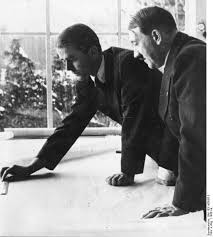
Albert Speer and Adolf Hitler pouring over architectural plans
Now living in a bunker 50 feet below bomb-shattered Berlin, Hitler gave full vent to his most destructive impulses.
“If the war is lost,” Hitler told Speer, “the nation will also perish. This fate is inevitable. There is no necessity to take into consideration the basis which the people will need to continue even a most primitive existence.
“Besides, those who will remain after the battle are only the inferior ones, for the good ones have all been killed.”
Speer argued in vain that there must be a future for the German people. But Hitler refused to back down. He gave Speer 24 hours to reconsider his opposition to the order.
The next day, Speer told Hitler: “My Fuhrer, I stand unconditionally behind you!”
“Then all is well,” said Hitler, suddenly with tears in his eyes.
“If I stand unreservedly behind you,” said Speer, “then you must entrust me rather than the Gauleiters [district Party leaders serving as provincial governors] with the implementation of your decree.”
Filled with gratitude, Hitler signed the decree Speer had thoughtfully prepared before their fateful meeting.
By doing so, Hitler unintentionally gave Speer the power to thwart his “scorched earth” decree.
Speer had been the closest thing to a friend in Hitler’s life. Trained as an architect, he had joined the Nazi Party in 1931.
In 1933, Speer became Hitler’s “genius architect” assigned to create buildings meant to last for a thousand years.
In 1943, Hitler appointed him Minister of Armaments, charged with revitalizing the German war effort.
Nevertheless, Speer now crisscrossed Germany, persuading military leaders and district governors to not destroy the vital facilities that would be needed after the war.
“No other senior National Socialist could have done the job,” writes Randall Hanson, author of Disobeying Hitler: German Resistance After Valkyrie.
“Speer was one of the very few people in the Reich—perhaps even the only one—with such power to influence actors’ willingness/unwillingness to destroy.”
Despite his later conviction for war crimes at Nuremberg, Speer never regretted his efforts to save Germany from total destruction at the hands of Adolf Hitler.
Since the 2008 election of President Barack Obama, Republicans have adopted the same my-way-or-else “negotiating” stance as the German Fuhrer. Like him, they are determined to gain and hold absolute power—or destroy the Nation they claim to love.
On December 11, 2018, President Donald J. Trump met with then-House Minority Leader Nancy Pelosi (D-CA) and Senate Minority Leader Charles Schumer. The reason: To discuss his demand for $5 billion to fund his much-touted “border wall” between the United States and Mexico.
But Pelosi and Schumer stood firm: There would be no funding for a wall. They agreed, however, to extend funding for the Department of Homeland Security at current levels of $1.3 billion until September 30, 2019.
Trump, in turn, threatened to shut down the Federal Government if he didn’t get funding for his wall. “If we don’t get what we want, one way or the other…I will shut down the government. Absolutely.”
On December 22, Trump shut down the government. An estimated 380,000 government employees were furloughed and another 420,000 were ordered to work without pay.
And Trump told Congressional leaders the shutdown could last months or even years.
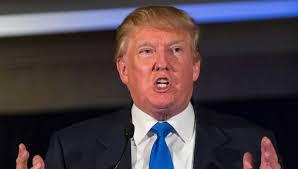
Donald Trump
For Trump, “the wall” is absolutely necessary—but not to keep illegal aliens out. They will go over, under or around it.
The real intent of the wall is to keep Trump in—the White House.
Trump’s fanatical base believes that a wall across the U.S.-Mexico border will stop all illegal immigration. And he knows that if he doesn’t build it, they won’t re-elect him.
Like Adolf Hitler, his attitude is: “If I can’t rule America, there won’t be an America.”
Among the agencies directly affected by the shutdown: The Department of Homeland Security (DHS)—whose employees include Secret Service agents.
In short: The men and women guarding Trump are facing financial ruin—along with their families—because Trump didn’t get his way.
This could ultimately prove disastrous for Trump.
In the 1981 movie, Prince of the City—based on the real-life career of NYPD Detective Robert Leuci—a Mafia killer warns Danny Ciello, a cop who will soon testify against police corruption: “Anybody can be hit. You know that. All those guards have to do is look the wrong way for a second.”
How alert are bodyguards likely to be when their families are faced with eviction and starvation?
Secret Service agents now face a choice: To take a bullet for a tyrant masquerading as President—or for their families threatened with ruin.
ABC NEWS, ADMIRAL IVAN ISAKOV, ADOLF HITLER, ALBERT SPEER, ALTERNET, ANDREW MCCABE, ANTHONY SCARAMUCCI, AP, BETTE DAVIS, BOB WOODWARD, BUZZFEED, CBS NEWS, CHEKA, CIA, CNN, COUNTER-SURVEILLANCE, CROOKS AND LIARS, DAILY KOZ, DAVID SHULKIN, DEMOCRATIC PARTY, DON MCGAHN, DONALD TRUMP, DR. BRENDA FITZGERALD, FACEBOOK, FBI, FSB, GARY COHN, GENRIKH YAGODA, GINA HASPEL, H.R. MCMASTER, HEINRICH HIMMLER, HERMANN GOERING, HOPE HICKS, HOUSE OF REPRESENTATIVES, JAMES COMEY, JEFF SESSIONS, JOE BIDEN, JOHN BOLTON, JOHN KELLY, JOHN MCCAIN, JOSEPH STALIN, KATIE WALSH, KELLY SADLER, KGB, LAVRENTY BERIA, LINDSEY GRAHAM, MICHAEL DUBKE, MICHAEL FLYNN, MIKE PENCE, MIKHAIL TUKHACHEVSKY, MOTHER JONES, MOVEON, MSNBC, NBC NEWS, NEWSWEEK, NICCOLO MACHIAVELLI, NICK AYERS, NIKKI HALEY, NIKOLAI YEZHOV, NKVD, NPR, OMAROSA MANIGAULT-NEWMAN, PAUL MANAFORT, PBS NEWSHOUR, POLITICO, PREET BHARARA, RAW STORY, REINCE PRIBUS, REPUBLICAN PARTY, REUTERS, REX TILLERSON, ROB PORTER, ROBERT S. MUELLER, SALLY YATES, SALON, SARAH SANDERS, SCOTT PRUITT, SEAN SPICER, SEATTLE TIMES, SEBASTIAN GORKA, SERGEY KISLYAK, SERGEY LAVROV, SLATE, SOVIET UNION, SS, STEVE BANNON, STORMY DANIELS, SURVEILLANCE, THE APPRENTICE, THE ATLANTIC, THE CHICAGO SUN-TIMES, THE CHICAGO TRIBUNE, THE DAILY BEAST, THE GUARDIAN, THE HILL, THE HUFFINGTON POST, THE LOS ANGELES TIMES, THE NATION, THE NEW YORK TIMES, THE PRINCE, THE WASHINGTON POST, TIME, TOM BOSSERT, TOM PRICE, TWITTER, U.S. NEWS & WORLD REPORT, UPI, USA TODAY, WALTER SHAUB, WILBUR ROSS
In Bureaucracy, History, Law, Law Enforcement, Military, Politics, Social commentary on December 18, 2018 at 1:16 am
The first year of Donald Trump’s White House has seen more firings, resignations, and reassignments of top staffers than any other first-year administration in modern history. His Cabinet turnover exceeds that of any other administration in the last 100 years.
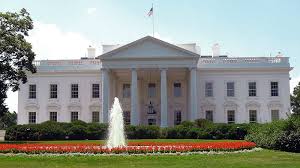
The White House
With the administration rapidly approaching its halfway pint—January 20, 2019—it’s time to size up its litany of casualties.
This listing, however, does not tell the full story. Among those who resigned from the Trump administration—and the real reasons why:
- Dr. Brenda Fitzgerald – Resigned as director of the Center of Disease Control after Politico reported that she had bought stock in Japan Tobacco while serving as CDC director.
- Omarosa Manigault-Newman – Met Trump as a contestant on “The Apprentice,” where he fired her on three different shows. She moved into the White House with him as Director of Communications for the White House Office of Public Liaison. She became disillusioned with him during 2017 and began taping her conversations with him and other government officials. When she learned she had been fired she reportedly had to be literally dragged from the White House.
- Tom Price – The Secretary of Health and Human Services ran up a $1 million cost to taxpayers for private planes and military jets for travel within the United States and trips to Asia, Africa and Europe.
- Commerce Secretary Wilbur Ross – Trump told him: “I don’t trust you. I don’t want you doing any more negotiations….You’re past your prime.”
- Sean Spicer – Resigned in anger after Trump chose Anthony Scaramucci as White House Communications Director. The reason: Trump kept him in the dark about events Spicer needed to know—such as an interview that Trump arranged with the New York Times—and which ended disastrously for Trump.
- Walter Shaub – Resigned as the director of the Office of Government Ethics in July after clashing with Trump over the President’s conflicts-of-interest vis-a-vis his financial holdings.
- Hope Hicks – White House Communications Director, resigned one day after testifying before the House Intelligence Committee. She claimed she had told “white lies” for Trump but hadn’t lied about anything important relating to the investigation of Russian subversion of the 2016 election.
- Chief of Staff Reince Priebus – Suffered repeated humiliations by Trump—such a being ordered to kill a fly that was buzzing about.
- On another occasion, Trump told an associate that Priebus was “like a little rat. He just scurries around.”
- On July 28, 2017, Priebus resigned.
- Chief of Staff John Kelly – Trump similarly ridiculed Priebus’ replacement, a former Marine Corps general. Kelly tried to limit the number of advisers who had unrestricted access to Trump—and thus bring discipline to his schedule.
- Instead of being grateful, Trump became furious. Kelly told colleagues: “He’s an idiot. It’s pointless to try to convince him of anything. He’s gone off the rails. We’re in Crazytown. I don’t even know why any of us are here. This is the worst job I’ve ever had.”
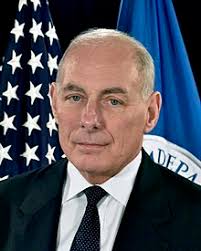
John Kelly
On December 8, 2018, Trump announced that: “John Kelly will be leaving at the end of the year, we will be announcing who will be taking John’s place, it may be on an interim basis, in the next day or two.”
This had been expected for months. Reportedly, Kelly and Trump were no longer on speaking terms.
Trump’s apparent first choice for Kelly’s replacement: Nick Ayers, who had served as Vice President Mike Pence’s chief of staff for more than a year.
Trump pushed Ayers to commit to two years, but he declined.
Ayers told Trump he had young children, and wanted to return to his home state of Georgia. He offered to temporarily serve as chief of staff, but Trump demanded a two-year commitment, and talks fell apart.
Finally, Trump found a replacement for Kelly: Mick Mulvaney, who has served as director of the Office of Management and Budget. He intends to keep his position at OMB while serving as Trump’s chief of staff.
As 2018 rapidly comes to an end, the Trump administration will come under increased pressure on two fronts:
- The Special Counsel’s investigation of Russian subversion of the 2016 Presidential election: Robert Mueller is slowly closing the net on the highest-ranking members of the Trump administration—such as Michael Flynn and Paul Manafort. These will almost certainly lead to Trump himself.
- On January 3, the House of Representatives will become a Democratically-controlled body. Trump will face unprecedented opposition—and major investigations of his past and current actions. It’s likely that the House Intelligence Committee will go after his long-hidden tax returns—which may well prove his longstanding financial ties to Russian oligarchs.
The White House is one of the most stressful places to work. Constant deadlines keep staffers working days on end. Travel is frequent. And anyone can be dismissed in an instant, since all employees work “at the pleasure of the President.”
These events will bring increased fear and stress to those who still remain in the White House. This, in turn, will ensure increased mass firings and/or resignations from the White House.
As aging stage actress Margo Channing (Bette Davis) warns in All About Eve: “Fasten your seatbelts, it’s going to be a bumpy ride.”
ABC NEWS, ADMIRAL IVAN ISAKOV, ADOLF HITLER, ALBERT SPEER, ALTERNET, ANDREW MCCABE, ANTHONY SCARAMUCCI, AP, BETTE DAVIS, BOB WOODWARD, BUZZFEED, CBS NEWS, CHEKA, CIA, CNN, COUNTER-SURVEILLANCE, CROOKS AND LIARS, DAILY KOZ, DAVID SHULKIN, DEMOCRATIC PARTY, DON MCGAHN, DONALD TRUMP, DR. BRENDA FITZGERALD, FACEBOOK, FBI, FSB, GARY COHN, GENRIKH YAGODA, GINA HASPEL, H.R. MCMASTER, HEINRICH HIMMLER, HERMANN GOERING, HOPE HICKS, HOUSE OF REPRESENTATIVES, JAMES COMEY, JEFF SESSIONS, JOE BIDEN, JOHN BOLTON, JOHN KELLY, JOHN MCCAIN, JOSEPH STALIN, KATIE WALSH, KELLY SADLER, KGB, LAVRENTY BERIA, LINDSEY GRAHAM, MICHAEL DUBKE, MICHAEL FLYNN, MIKE PENCE, MIKHAIL TUKHACHEVSKY, MOTHER JONES, MOVEON, MSNBC, NBC NEWS, NEWSWEEK, NICCOLO MACHIAVELLI, NICK AYERS, NIKKI HALEY, NIKOLAI YEZHOV, NKVD, NPR, OMAROSA MANIGAULT-NEWMAN, PAUL MANAFORT, PBS NEWSHOUR, POLITICO, PREET BHARARA, RAW STORY, REINCE PRIBUS, REPUBLICAN PARTY, REUTERS, REX TILLERSON, ROB PORTER, ROBERT S. MUELLER, SALLY YATES, SALON, SARAH SANDERS, SCOTT PRUITT, SEAN SPICER, SEATTLE TIMES, SEBASTIAN GORKA, SERGEY KISLYAK, SERGEY LAVROV, SLATE, SOVIET UNION, SS, STEVE BANNON, STORMY DANIELS, SURVEILLANCE, THE APPRENTICE, THE ATLANTIC, THE CHICAGO SUN-TIMES, THE CHICAGO TRIBUNE, THE DAILY BEAST, THE GUARDIAN, THE HILL, THE HUFFINGTON POST, THE LOS ANGELES TIMES, THE NATION, THE NEW YORK TIMES, THE PRINCE, THE WASHINGTON POST, TIME, TOM BOSSERT, TOM PRICE, TWITTER, U.S. NEWS & WORLD REPORT, UPI, USA TODAY, WALTER SHAUB, WILBUR ROSS
In Bureaucracy, History, Law, Law Enforcement, Military, Politics, Social commentary on December 17, 2018 at 12:26 am
The first year of Trump’s White House has seen more firings, resignations, and reassignments of top staffers than any other first-year administration in modern history. His Cabinet turnover exceeds that of any other administration in the last 100 years.
With the Trump administration rapidly approaching its halfway point—January 20, 2019—it’s time to size up its litany of casualties.
Among these:
FIRED:
- Preet Bharara – U.S. Attorney for the Southern District of New York
- Sally Yates – Assistant United States Attorney General
- James Comey – FBI Director
- Rex Tillerson – Secretary of State
- Andrew McCabe – FBI Deputy Director
- Jeff Sessions – United States Attorney General
RESIGNED:
- Katie Walsh – Deputy White House Chief of Staff
- Michael T. Flynn – National Security Adviser
- Walter Shaub – Office of Government Ethics Director
- Michael Dubke – Communications Director
- Sean Spicer – Press Secretary
- Reince Priebus – Chief of Staff
- Anthony Scaramucci – Communications Director
- Steve Bannon – Chief Strategist
- Sebastian Gorka – Deputy Assistant to the President
- Tom Price – Secretary of Health and Human Services
- Omarosa Manigault-Newman – Director of Communications for White House Office of Public Liaison
- Dr. Brenda Fitzgerald – Director of the Center for Disease Control and Prevention
- Rob Porter – White House Staff Secretary
- Hope Hicks – White House Communications Director
- Gary Cohn – Director of the National Economic Council
- H.R. McMaster – National Security Adviser
- Tom Bossert – Homeland Security Adviser
- Scott Pruitt – Director, Environmental Protection Agency
- Don McGahn – White House Counsel
- Nikki Haley – United States Ambassador to the United Nations
- David Shulkin – Secretary of the Veterans Administration
This listing, however, does not tell the full story.
Among those who were fired—and the real reasons why:
- Jeff Sessions – Fired as Attorney General because he refused to quash Special Counsel Robert S. Mueller’s probe into proven connections between Russian Intelligence agents and high-ranking members of Trump’s Presidential campaign.
- On the day after the November, 2018 mid-term elections, Trump fired him.
- James Comey – Fired as FBI Director because he refused to pledge his personal loyalty to Trump. Trump also hoped to end the FBI’s investigation of links between Russian Intelligence agents and members of his 2016 Presidential campaign.
- Trump later admitted to Russian Foreign Minister Sergey Lavrov and Russian Ambassador Sergey Kislyak: “I just fired the head of the FBI….I faced great pressure because of Russia. That’s taken off.”
- Don McGahn – Resigned as White House Counsel after repeatedly clashing with Trump about the best strategy for dealing with Mueller’s investigation.
- Tom Bossert – Trump’s Homeland Security Adviser, was fired by John Bolton, the new National Security Adviser.
- Sally Yates – Fired by Trump as Acting Attorney General for her aggressive pursuit of Michael Flynn’s treasonous contacts with Russian Intelligence officials during the 2016 Presidential campaign. She had also refused to uphold Trump’s executive order on immigration and denounced it as unlawful.
- Preet Bharara – Fired by Trump as United States Attorney for the Southern District of New York. Although an Obama appointee, Trump had initially asked him to stay on—and then abruptly fired him. The possible reason: He was known as one of Wall Street’s fiercest watchdogs and a widely respected prosecutor. Trump believes that corporations should be immune from their crimes—and, as President, has worked to confer such immunity upon them.
- Rex Tillerson – Trump’s Secretary of State, was fired without warning while on a trip to Africa. The reason: In 2017, word leaked to the press that Tillerson had called Trump “a moron.”
- Steve Bannon – Although he officially resigned, Trump fired his Fascistic chief strategist after Bannon heatedly clashed with other members of the White House.
- Anthony Scaramucci – Although he officially resigned, he was in fact fired by Trump at the urging of John Kelly. The reason: An obscenity-laced interview with The New Yorker, where he attacked members of the Trump administration—most notably Bannon.
Among those who resigned—and the real reasons why:
- Scott Pruitt – Although he technically resigned as head of the Environmental Protection Agency, he was in effect fired. He was under several federal ethics investigation for lavish spending, conflicts of interests with corporate lobbyists, and enlisting his official government staffers to run personal errands.
- Rob Porter – The White House Staff Secretary resigned after after two of his ex-wives accused him of physical and emotional abuse.
- Michael Flynn – Although he officially resigned, he was in fact fired as National Security Adviser. The reason: He had discussed, with Russian Ambassador Sergey Kislyak, ending the Obama administration’s sanctions against Russia. Then he lied about it to Vice President Mike Pence. When these facts became public, Flynn was sent packing.
ABC NEWS, ADMIRAL IVAN ISAKOV, ADOLF HITLER, ALBERT SPEER, ALTERNET, ANDREW MCCABE, ANTHONY SCARAMUCCI, AP, BETTE DAVIS, BOB WOODWARD, BUZZFEED, CBS NEWS, CHEKA, CIA, CNN, COUNTER-SURVEILLANCE, CROOKS AND LIARS, DAILY KOZ, DAVID SHULKIN, DEMOCRATIC PARTY, DON MCGAHN, DONALD TRUMP, DR. BRENDA FITZGERALD, FACEBOOK, FBI, FSB, GARY COHN, GENRIKH YAGODA, GINA HASPEL, H.R. MCMASTER, HEINRICH HIMMLER, HERMANN GOERING, HOPE HICKS, HOUSE OF REPRESENTATIVES, JAMES COMEY, JEFF SESSIONS, JOE BIDEN, JOHN BOLTON, JOHN KELLY, JOHN MCCAIN, JOSEPH STALIN, KATIE WALSH, KELLY SADLER, KGB, LAVRENTY BERIA, LINDSEY GRAHAM, MICHAEL DUBKE, MICHAEL FLYNN, MIKE PENCE, MIKHAIL TUKHACHEVSKY, MOTHER JONES, MOVEON, MSNBC, NBC NEWS, NEWSWEEK, NICCOLO MACHIAVELLI, NICK AYERS, NIKKI HALEY, NIKOLAI YEZHOV, NKVD, NPR, OMAROSA MANIGAULT-NEWMAN, PAUL MANAFORT, PBS NEWSHOUR, POLITICO, PREET BHARARA, RAW STORY, REINCE PRIBUS, REPUBLICAN PARTY, REUTERS, REX TILLERSON, ROB PORTER, ROBERT S. MUELLER, SALLY YATES, SALON, SARAH SANDERS, SCOTT PRUITT, SEAN SPICER, SEATTLE TIMES, SEBASTIAN GORKA, SERGEY KISLYAK, SERGEY LAVROV, SLATE, SOVIET UNION, SS, STEVE BANNON, STORMY DANIELS, SURVEILLANCE, THE APPRENTICE, THE ATLANTIC, THE CHICAGO SUN-TIMES, THE CHICAGO TRIBUNE, THE DAILY BEAST, THE GUARDIAN, THE HILL, THE HUFFINGTON POST, THE LOS ANGELES TIMES, THE NATION, THE NEW YORK TIMES, THE PRINCE, THE WASHINGTON POST, TIME, TOM BOSSERT, TOM PRICE, TWITTER, U.S. NEWS & WORLD REPORT, UPI, USA TODAY, WALTER SHAUB, WILBUR ROSS
In Bureaucracy, History, Law, Law Enforcement, Politics, Social commentary on December 14, 2018 at 12:06 am
In January, 2018, the White House banned the use of personal cell phones in the West Wing. The official reason: National security.
The real reason: To stop staffers from leaking to reporters.
More ominously, well-suited men roam the halls of the West Wing, carrying devices that pick up signals from phones that aren’t government-issued. “Did someone forget to put their phone away?” one of the men will ask if such a device is detected. If no one says they have a phone, the detection team start searching the room.

Phone detector
The devices can tell which type of phone is in the room.
This is the sort of behavior Americans have traditionally—and correctly—associated with dictatorships
In his memo outlining the policy, Chief of Staff John Kelly warned that anyone who violated the phone ban could be punished, including “being indefinitely prohibited from entering the White House complex.”
Yet even these draconian methods may not end White House leaks.
White House officials still speak with reporters throughout the day and often air their grievances, whether about annoying colleagues or competing policy priorities.
Aides with private offices sometimes call reporters on their desk phones. Others get their cell phones and call or text reporters during lunch breaks.
According to an anonymous White House source: “The cellphone ban is for when people are inside the West Wing, so it really doesn’t do all that much to prevent leaks. If they banned all personal cellphones from the entire [White House] grounds, all that would do is make reporters stay up later because they couldn’t talk to their sources until after 6:30 pm.”

Other sources believe that leaks won’t end unless Trump starts firing staffers. But there is always the risk of firing the wrong people. Thus, to protect themselves, those who leak might well accuse tight-lipped co-workers.
Within the Soviet Union (especially during the reign of Joseph Stalin) fear of secret police surveillance was widespread—and absolutely justified.
Among the methods used to keep conversations secret:
- Turning on the TV or radio to full volume.
- Turning on a water faucet at full blast.
- Turning the dial of a rotary phone to the end—and sticking a pencil in one of the small holes for numbers.
- Standing six to nine feet away from the hung-up receiver.
- Going for “a walk in the woods.”
- Saying nothing sensitive on the phone.
The secret police (known as the Cheka, the NKVD, the MGB, the KGB, and now the FSB) operated on seven working principles:
- Your enemy is hiding.
- Start from the usual suspects.
- Study the young.
- Stop the laughing.
- Rebellion spreads like wildfire.
- Stamp out every spark.
- Order is created by appearance.
Trump has always ruled through bribery and fear. He’s bought off (or tried to) those who might cause him trouble—like porn actress Stormy Daniels. And he’s threatened or filed lawsuits against those he couldn’t or didn’t want to bribe—such as contractors who have worked on various Trump properties.
But Trump can’t buy the loyalty of employees working in an atmosphere of hostility—which breeds resentment and fear. And some of them are taking revenge by sharing with reporters the latest crimes and follies of the Trump administration.
The more Trump wages war on the “cowards and traitors” who work most closely with him, the more some of them will find opportunities to strike back. This will inflame Trump even more—and lead him to seek even more repressive methods against his own staffers.
This is a no-win situation for Trump.
The results will be twofold:
- Constant turnovers of staffers—with their replacements having to undergo lengthy background checks before coming on; and
- Continued leaking of embarrassing secrets by resentful employees who stay.
Trump became famous on “The Apprentice” for telling contestants: “You’re fired.”
Since taking office as President, he has bullied and insulted even White House officials and his own handpicked Cabinet officers. This has resulted in an avalanche of firings and resignations.
The first year of Trump’s White House has seen more firings, resignations, and reassignments of top staffers than any other first-year administration in modern history. His Cabinet turnover exceeds that of any other administration in the last 100 years.
With the Trump administration rapidly approaching its halfway point—January 20, 2019—it’s time to size up its litany of casualties.
The list is impressive—but only in a negative sense.
ABC NEWS, ADMIRAL IVAN ISAKOV, ADOLF HITLER, ALBERT SPEER, ALTERNET, ANDREW MCCABE, ANTHONY SCARAMUCCI, AP, BETTE DAVIS, BOB WOODWARD, BUZZFEED, CBS NEWS, CHEKA, CIA, CNN, COUNTER-SURVEILLANCE, CROOKS AND LIARS, DAILY KOZ, DAVID SHULKIN, DEMOCRATIC PARTY, DON MCGAHN, DONALD TRUMP, DR. BRENDA FITZGERALD, FACEBOOK, FBI, FSB, GARY COHN, GENRIKH YAGODA, GINA HASPEL, H.R. MCMASTER, HEINRICH HIMMLER, HERMANN GOERING, HOPE HICKS, HOUSE OF REPRESENTATIVES, JAMES COMEY, JEFF SESSIONS, JOE BIDEN, JOHN BOLTON, JOHN KELLY, JOHN MCCAIN, JOSEPH STALIN, KATIE WALSH, KELLY SADLER, KGB, LAVRENTY BERIA, LINDSEY GRAHAM, MICHAEL DUBKE, MICHAEL FLYNN, MIKE PENCE, MIKHAIL TUKHACHEVSKY, MOTHER JONES, MOVEON, MSNBC, NBC NEWS, NEWSWEEK, NICCOLO MACHIAVELLI, NICK AYERS, NIKKI HALEY, NIKOLAI YEZHOV, NKVD, NPR, OMAROSA MANIGAULT-NEWMAN, PAUL MANAFORT, PBS NEWSHOUR, POLITICO, PREET BHARARA, RAW STORY, REINCE PRIBUS, REPUBLICAN PARTY, REUTERS, REX TILLERSON, ROB PORTER, ROBERT S. MUELLER, SALLY YATES, SALON, SARAH SANDERS, SCOTT PRUITT, SEAN SPICER, SEATTLE TIMES, SEBASTIAN GORKA, SERGEY KISLYAK, SERGEY LAVROV, SLATE, SOVIET UNION, SS, STEVE BANNON, STORMY DANIELS, SURVEILLANCE, THE APPRENTICE, THE ATLANTIC, THE CHICAGO SUN-TIMES, THE CHICAGO TRIBUNE, THE DAILY BEAST, THE GUARDIAN, THE HILL, THE HUFFINGTON POST, THE LOS ANGELES TIMES, THE NATION, THE NEW YORK TIMES, THE PRINCE, THE WASHINGTON POST, TIME, TOM BOSSERT, TOM PRICE, TWITTER, U.S. NEWS & WORLD REPORT, UPI, USA TODAY, WALTER SHAUB, WILBUR ROSS
In Bureaucracy, History, Law, Law Enforcement, Politics, Social commentary on December 13, 2018 at 12:36 am
In his infamous treatise, The Prince, Niccolo Machiavelli warns that it is safer to be feared than loved. And he lays out his reason thusly:
“From this arises the question whether it is better to be loved than feared, or feared more than loved. The reply is, that one ought to be both feared and loved, but as it is difficult for the two to go together, it is much safer to be feared than loved….
“And men have less scruple in offending one who makes himself loved than one who makes himself feared; for love is held by a chain of obligations which, men being selfish, is broken whenever it serves their purpose; but fear is maintained by a dread of punishment which never fails.”
But Machiavelli immediately follows this up with a warning about the abuses of fear:
“Still, a prince should make himself feared in such a way that if he does not gain love, he at any rate avoids hatred: for fear and the absence of hatred may well go together….”
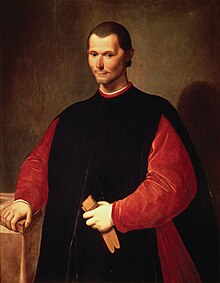

Niccolo Machiavelli
It’s a warning that someone should have given President Donald Trump long ago.
Not that he would have heeded it.
On May 10, 2018, The Hill reported that White House Special Assistant Kelly Sadler had joked derisively about Arizona United States Senator John McCain.
McCain, a Navy pilot during the Vietnam war, was shot down over Hanoi on October 26, 1967, and captured. He spent five and a half years as a POW in North Vietnam—and was often brutally tortured. He wasn’t released until March 14, 1973.
Recently, he had opposed the nomination of Gina Haspel as director of the CIA.
The reason: In 2002, Haspel had operated a “black” CIA site in Thailand where Islamic terrorists were often waterboarded to make them talk.
For John McCain, waterboarding was torture, even if it didn’t leave its victims permanently scarred and disabled.
Aware that the 81-year-old McCain was dying of brain cancer, Sadler joked to intimates about the Senator’s opposition to Haspel: “It doesn’t matter. He’s dying anyway.”
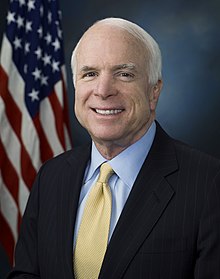
John McCain
Leaked to CNN by an anonymous White House official, Sadler’s remark sparked fierce criticism—and demands for her firing.
South Carolina Republican Senator Lindsey Graham, a close friend of McCain, said: “Ms. Sadler, may I remind you that John McCain has a lot of friends in the United States Senate on both sides of the aisle. Nobody is laughing in the Senate.”
“People have wondered when decency would hit rock bottom with this administration. It happened yesterday,” said former Vice President Joe Biden.
“John McCain makes America great. Father, grandfather, Navy pilot, POW hero bound by honor, an incomparable and irrepressible statesman. Those who mock such greatness only humiliate themselves and their silent accomplices,” tweeted former Massachusetts governor and 2012 Republican presidential candidate Mitt Romney.
Officially, White House Press Secretary Sarah Huckabee Sanders refused to confirm or deny Sadler’s joke: “I’m not going to get into a back and forth because people want to create issues of leaked staff meetings.”
Unofficially, Sanders was furious—not at the joke about a dying man, but that someone had leaked it. After assailing the White House communications team, she pouted: “I am sure this conversation is going to leak, too. And that’s just disgusting.”

Sarah Huckabee Sanders
No apology has been offered by any official at the White House—including President Trump.
In fact, Senior White House communications adviser Mercedes Schlapp reportedly expressed her support for Sadler: “I stand with Kelly Sadler.”
On May 11—the day after Sadler’s comment was reported—reporters asked Sanders if the tone set by Trump had caused Sadler to feel comfortable in telling such a joke.
“Certainly not!” predictably replied Sanders, adding: “We have a respect for all Americans, and that is what we try to put forward in everything we do, but in word and in action, focusing on doing things that help every American in this country every single day.”
On May 14 Trump revealed his “respect” for “all Americans”—especially those working in the White House.
“The so-called leaks coming out of the White House are a massive over exaggeration put out by the Fake News Media in order to make us look as bad as possible,” Trump tweeted.
“With that being said, leakers are traitors and cowards, and we will find out who they are!”
In a move that Joseph Stalin would have admired, Trump ordered an all-out investigation to find the joke-leaker.
In January, 2018, the White House had banned the use of personal cell phones in the West Wing. The official reason: National security.
The real reason: To stop staffers from leaking to reporters.
Officials now have two choices:
- Leave their cell phones in their cars, or,
- When they arrive for work, deposit them in lockers installed at West Wing entrances. They can reclaim their phones when they leave.
Several staffers huddle around the lockers throughout the day, checking messages they have missed. The lockers buzz and chirp constantly from 6 a.m. to 8 p.m. Monday through Friday.
ABC NEWS, ADMIRAL IVAN ISAKOV, ADOLF HITLER, ALBERT SPEER, ALTERNET, ANDREW MCCABE, ANTHONY SCARAMUCCI, AP, BETTE DAVIS, BOB WOODWARD, BUZZFEED, CBS NEWS, CHEKA, CIA, CNN, COUNTER-SURVEILLANCE, CROOKS AND LIARS, DAILY KOZ, DAVID SHULKIN, DEMOCRATIC PARTY, DON MCGAHN, DONALD TRUMP, DR. BRENDA FITZGERALD, FACEBOOK, FBI, FSB, GARY COHN, GENRIKH YAGODA, GINA HASPEL, H.R. MCMASTER, HEINRICH HIMMLER, HERMANN GOERING, HOPE HICKS, HOUSE OF REPRESENTATIVES, JAMES COMEY, JEFF SESSIONS, JOE BIDEN, JOHN BOLTON, JOHN KELLY, JOHN MCCAIN, JOSEPH STALIN, KATIE WALSH, KELLY SADLER, KGB, LAVRENTY BERIA, LINDSEY GRAHAM, MICHAEL DUBKE, MICHAEL FLYNN, MIKE PENCE, MIKHAIL TUKHACHEVSKY, MOTHER JONES, MOVEON, MSNBC, NBC NEWS, NEWSWEEK, NICCOLO MACHIAVELLI, NICK AYERS, NIKKI HALEY, NIKOLAI YEZHOV, NKVD, NPR, OMAROSA MANIGAULT-NEWMAN, PAUL MANAFORT, PBS NEWSHOUR, POLITICO, PREET BHARARA, RAW STORY, REINCE PRIBUS, REPUBLICAN PARTY, REUTERS, REX TILLERSON, ROB PORTER, ROBERT S. MUELLER, SALLY YATES, SALON, SARAH SANDERS, SCOTT PRUITT, SEAN SPICER, SEATTLE TIMES, SEBASTIAN GORKA, SERGEY KISLYAK, SERGEY LAVROV, SLATE, SOVIET UNION, SS, STEVE BANNON, STORMY DANIELS, SURVEILLANCE, THE APPRENTICE, THE ATLANTIC, THE CHICAGO SUN-TIMES, THE CHICAGO TRIBUNE, THE DAILY BEAST, THE GUARDIAN, THE HILL, THE HUFFINGTON POST, THE LOS ANGELES TIMES, THE NATION, THE NEW YORK TIMES, THE PRINCE, THE WASHINGTON POST, TIME, TOM BOSSERT, TOM PRICE, TWITTER, U.S. NEWS & WORLD REPORT, UPI, USA TODAY, WALTER SHAUB, WILBUR ROSS
In Bureaucracy, History, Law, Law Enforcement, Military, Politics, Social commentary on December 12, 2018 at 12:06 am
Donald Trump has often been compared to Adolf Hitler. But his reign bears far more resemblance to that of Joseph Stalin.
Germany’s Fuhrer, for all his brutality, maintained a relatively stable government by keeping the same men in office—from the day he took power on January 30, 1933, to the day he blew out his brains on April 30, 1945.
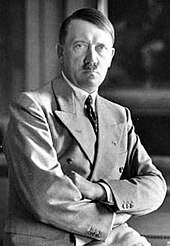
Adolf Hitler
Bundesarchiv, Bild 146-1990-048-29A / CC-BY-SA 3.0 [CC BY-SA 3.0 de (https://creativecommons.org/licenses/by-sa/3.0/de/deed.en)%5D
Heinrich Himmler, a former chicken farmer, remained head of the dreaded, black-uniformed Schutzstaffel, or Protection Squads, known as the SS, from 1929 until his suicide in 1945.
In April, 1934, Himmler was appointed assistant chief of the Gestapo (Secret State Police) in Prussia, and from that position he extended his control over the police forces of the whole Reich.
Hermann Goering, an ace fighter pilot in World War 1, served as Reich commissioner for aviation and head of the newly developed Luftwaffe, the German air force, from 1935 to 1945.
And Albert Speer, Hitler’s favorite architect, held that position from 1933 until 1942, when Hitler appointed him Reich Minister of Armaments and War Production. He held that position until the Third Reich collapsed in April, 1945.
Soviet Premier Joseph Stalin, by contrast, purged his ministers constantly. For example: From 1934 to 1953, Stalin had no fewer than three chiefs of his secret police, then named the NKVD:
- Genrikh Yagoda – (July 10, 1934 – September 26, 1936)
- Nikolai Yezhov (September 26, 1936 – November 25, 1938) and
- Lavrenty Beria (November, 1938 – March, 1953).
Stalin purged Yagoda and Yezhov, with both men executed after being arrested.
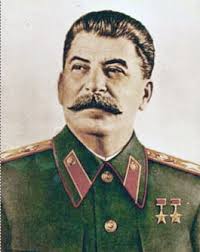
Joseph Stalin
He reportedly wanted to purge Beria, too, but the latter may have acted first. There has been speculation that Beria slipped warfarin, a blood-thinner often used to kill rats, into Stalin’s drink, causing him to die of a cerebral hemorrhage.
Nor were these the only casualties of Stalin’s reign.
For almost 30 years, through purges and starvation caused by enforced collections of farmers’ crops, Stalin slaughtered 20 to 60 million people.
The 1930s were a frightening and dangerous time to be alive in the Soviet Union. In 1934, Stalin, seeing imaginary enemies everywhere, ordered a series of purges that lasted right up to the German invasion.
An example of Stalin’s paranoia occurred one day while the dictator walked through the Kremlin corridors with Admiral Ivan Isakov. Officers of the NKVD (the predecessor to the KGB) stood guard at every corner.
“Every time I walk down the corridors,” said Stalin, “I think: Which one of them is it? If it’s this one, he will shoot me in the back. But if I turn the corner, the next one can shoot me in the face.”
In 1937-38, the Red Army fell prey to Stalin’s paranoia.
Its victims included:
- Three of five marshals (five-star generals);
- Thirteen of 15 army commanders (three- and four-star generals);
- Fifty of 57 army corps commanders; and
- One hundred fifty-four out of 186 division commanders.
And heading the list of those marked for death was Marshal Mikhail Tukhachevsky.
Arrested on May 22, 1937, he was interrogated and tortured. As a result, he “confessed” to being a German agent plotting to overthrow Stalin and seize power.
On his confession, which survives in the archives, his bloodstains can clearly be seen.
On June 11, the Soviet Supreme Court convened a special military tribunal to try Tukhachevsky and eight generals for treason.
It was a sham: The accused were denied defense attorneys, and could not appeal the verdict—-which was foregone: Death.
In a Russian version of poetic justice, five of the eight generals who served as Tukhachevsky’s judges were themselves later condemned and executed as traitors.
Since taking office as the nation’s 45th President, Donald Trump has sought to rule by fear.
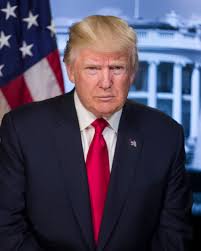
Donald Trump
In fact, he candidly shared his belief in this as a motivator to journalist Bob Woodward during the 2016 Presidential race: “Real power is—I don’t even want to use the word—fear.”
It is unknown if Trump ever read The Prince, Niccolo Machiavelli’s infamous treatise on attaining political power. If so, he doubtless is familiar with its most famous passage:
“From this arises the question whether it is better to be loved than feared, or feared more than loved. The reply is, that one ought to be both feared and loved, but as it is difficult for the two to go together, it is much safer to be feared than loved….
“For it may be said of men in general that they are ungrateful, voluble, dissemblers, anxious to avoid danger and covetous of gain; as long as you benefit them, they are entirely yours: they offer you their blood, their goods, their life and their children, when the necessity is remote, but when it approaches, they revolt.
“And the prince who has relied solely on their words, without making other preparations, is ruined; for the friendship which is gained by purchase and not through grandeur and nobility of spirit is bought but not secured, and at a pinch is not to be expended in your service.
“And men have less scruple in offending one who makes himself loved than one who makes himself feared; for love is held by a chain of obligations which, men being selfish, is broken whenever it serves their purpose; but fear is maintained by a dread of punishment which never fails.”
2016 PRESIDENTIAL CAMPAIGN, ABC NEWS, ALEXANDER SHUSTOROVICH, ALTERNET, ANDREW INTRATER, AP, BARACK OBAMA, BILL CLINTON, BLACKS, BUZZFEED, CBS NEWS, CHUCK GRASSLEY, CIA, CITIZENS UNITED, CNN, COMMUNISM, CROOKS AND LIARS, DAILY KOZ, DEMOCRATIC PARTY, DEPARTMENT OF HOMELAND SECURITY, DONALD TRUMP, DWIGHT D. EISENHOWER, EDWARD R. MURROW, FACEBOOK, FBI, FEDERAL ELECTIONS COMMISSION, FOX NEWS, FRANKLIN D. ROOSEVELT, GEORGE C. MARSHALL, GEORGE H.W. BUSH, GOP, GREAT SOCIETY, H.L. HUNT, HARRY S. TRUMAN, HILLARY CLINTON, HOUSE OF REPRESENTATIVES, HOWARD HUGHES, JAMES COMEY, JOHN BIRCH SOCIETY, JOHN F. KENNEDY, JOHN KASICH, JOHN STEINBECK, JOSEPH R. MCCARTHY, JOSEPH STALIN, KGB, LEN BLAVATNIK, LIBERALS, LINDSEY GRAHAM, LUCILLE BALL, LYNDON B. JOHNSON, MARCO RUBIO, MEDICAL CARE, MITCH MCCONNELL, MITT ROMNEY, MOTHER JONES, MOVEON, NATIONAL SECURITY AGENCY, NBC NEWS, NEWSWEEK, NORTH ATLANTIC TREATY ORGANIZATION (NATO), NPR, OFFICE OF THE DIRECTOR OF NATIONAL INTELLIGENCE, OLIGARCHS, ORRIN HATCH, PAUL RYAN, PETE SEEGER, POLITICAL ACTION COMMITTEES (PACS), POLITICO, PROPAGANDA, RAW STORY, REPUBLICAN PARTY, REPUBLICANS, REUTERS, RICHARD NIXON, ROBERT MUELLER, ROBERT WELCH, ROD ROSENSTEIN, RODNEY KING RIOTS, RUSSIA, SALON, SCAPEGOATING, SCOTT WALKER, SEATTLE TIMES, SENATE LEADERSHIP FUND, SIMON KUKES, SLATE, SOCIALISTS, SOVIET UNION, SUPREME COURT, THE ATLANTIC, THE CHICAGO SUN-TIMES, THE CHICAGO TRIBUNE, THE DAILY BEAST, THE GUARDIAN, THE HILL, THE HUFFINGTON POST, THE LOS ANGELES TIMES, THE NATION, THE NEW YORK TIMES, THE WASHINGTON POST, TIME, TRUMP INAUGURAL COMMITTEE, TWITTER, U.S. NEWS & WORLD REPORT, UNITED STATES SUPREME COURT, UPI, USA TODAY, VLADIMIR PUTIN, WIKILEAKS, WORLD WAR 11
In Bureaucracy, History, Military, Politics, Social commentary on October 3, 2018 at 4:00 pm
During the 1970s and 1980s, Republicans continue to accuse Democrats of being devious agents—or at least unwitting pawns—of “the Communist conspiracy.”
As late as 1992, President George H.W. Bush and the Republican establishment charge that Arkansas Governor Bill Clinton might be a KGB plant.
George H.W. Bush
Their “evidence”: During his tenure at Oxford University in 1969-70, Clinton had briefly visited Moscow.
In short: Clinton might have been “programmed” as a real-life “Manchurian candidate” to become, first, Governor of Arkansas—one of America’s poorest states—and then President.
Making this charge even more absurd: The Soviet Union had officially dissolved in December, 1991.
After the Soviet Union’s collapse, Republicans find that accusing Democrats of being “Commies” doesn’t carry the same weight.
So they turn to “domestic enemies” to rail—and run—against: Liberals, blacks, Hispanics, “uppity” women, war protesters, lesbians, gays, and—after 9/11—Muslims.
From 1945 to 1991, it is unthinkable for a Republican Presidential candidate to pay tribute to a Soviet dictator.
But that utterly changes when Donald J. Trump, a “reality TV” host with longstanding financial ties to Russian oligarchs, runs for President of the United States.
Donald Trump
Trump lavishly praises Russian President Vladimir Putin—and even invites him to directly interfere in the 2016 Presidential race.
The reason for the Trump-Putin bromance is simple: Each has something to offer the other.
Putin wants the United States to ditch the North Atlantic Treaty Organization (NATO) alliance, which has preserved Western Europe from Russian aggression since World War II. And Trump has often attacked America’s funding of NATO as a drain on the American economy.
And Trump wants to be President. For this, Putin can supply monies, Internet trolls to confuse voters with falsified news, and even the hacking of key voting centers.
These Russian monies are officially classified as “campaign contributions,” not bribes.
On July 22, 2016, Wikileaks releases 19,252 emails and 8,034 attachments hacked from computers of the highest-ranking officials of the Democratic National Committee (DNC). Early reports trace the leak to Russian hackers.
“Russia, if you are listening,” Trump says at a press conference in Doral, Florida, “I hope you are able to find the 33,000 emails that are missing [from Democratic Presidential candidate Hillary Clinton’s computer]. I think you will probably be rewarded mightily by our press.”
This is treason—calling upon a foreign power, hostile to the United States, to interfere in its Presidential election.
Hours later, the Main Intelligence Directorate in Moscow targets Clinton’s personal office and hits more than 70 other Clinton campaign accounts.
Nor is Trump the only Republican receiving “help” from Putin. A network of Russian oligarchs—all of them answerable to Putin—has been increasingly contributing to top Republicans.
According to the Federal Election Commission:
One such major contributor is Len Blavatnik, who holds citizenship in both the United States and the United Kingdom. During the 2015-16 election cycle, he proves one of the largest donors to GOP Political Action Committees (PACs).
Blavatnik’s net worth is estimated at $20 billion. Before 2016, he donates to both Democrats and Republicans in meager amounts. But in 2016, he gives $6.35 million to GOP PACs.
Millions of dollars go to top Republican leaders—such as Senators Mitch McConnell, Marco Rubio (Florida) and Lindsey Graham (South Carolina). Specifically, he contributes:
- A total of $1.5 million to PACs associated with Rubio.
- $1 million to Trump’s Inaugural Committee.
- $41,000 to both Republicans and Democrats in 2017.
- $1 million to McConnell’s Senate Leadership Fund.
- $3.5 million to a PAC associated with McConnell.
- $1.1 million to Unintimidated PAC, associated with Wisconsin Governor Scott Walker.
- $200,000 to the Arizona Grassroots Action PAC, associated with Arizona Senator John McCain.
- $250,000 to New Day for America PAC, associated with Ohio Governor John Kasich.
- $800,000 went to the Security is Strength PAC, associated with Senator Lindsey Graham.
Another Russian oligarch, Alexander Shustorovich, contributes $1 million to Trump’s Inaugural Committee.
Altogether, four Russian oligarchs—Blavatnik, Shustorovich, Andrew Intrater and Simon Kukes—–contribute $10.4 million from the start of the 2015-16 election cycle through September 2017. Of this, 99% went to Republicans.
As Senate Majority Leader, Mitch McConnell participated in high-level intelligence briefings in 2016. From agencies such as the FBI, CIA and the code-cracking National Security Agency, he learned that the Russians were trying to subvert the electoral process.

In October, 2016, the Department of Homeland Security (DHS) and the Office of the Director of National Intelligence (DNI) issue a joint statement: The Russian government had directed the effort to subvert the 2016 Presidential election.
Two weeks later, McConnell’s PAC accepted a $1 million donation from Blavatnik.
On March 30, 2017, McConnell’s PAC accepted another $1 million from Blavatnik. This is just 10 days after former FBI Director James Comey testifies before the House Intelligence Committee about Russia’s efforts to subvert the 2016 election.
So, what has changed in the Republican Party? Essentially nothing.
Its enemies changed—from Russian Communists to American liberals—but its goal remains the same: The quest for absolute power.
When Americans feared Communism, Republicans depicted themselves as the only ones who could be trusted to protect the United States. Big contributions poured in from Right-wing billionaires like H.L. Hunt and Howard Hughes.
But when Republicans found they could enrich themselves and stay in power via Russian “campaign contributions,” they decided: Better Red than un-elected.
2016 PRESIDENTIAL CAMPAIGN, ABC NEWS, ALEXANDER SHUSTOROVICH, ALTERNET, ANDREW INTRATER, AP, BARACK OBAMA, BILL CLINTON, BLACKS, BUZZFEED, CBS NEWS, CHUCK GRASSLEY, CIA, CITIZENS UNITED, CNN, COMMUNISM, CROOKS AND LIARS, DAILY KOZ, DEMOCRATIC PARTY, DEPARTMENT OF HOMELAND SECURITY, DONALD TRUMP, DWIGHT D. EISENHOWER, EDWARD R. MURROW, FACEBOOK, FBI, FEDERAL ELECTIONS COMMISSION, FOX NEWS, FRANKLIN D. ROOSEVELT, GEORGE C. MARSHALL, GEORGE H.W. BUSH, GOP, GREAT SOCIETY, H.L. HUNT, HARRY S. TRUMAN, HILLARY CLINTON, HOUSE OF REPRESENTATIVES, HOWARD HUGHES, JAMES COMEY, JOHN BIRCH SOCIETY, JOHN F. KENNEDY, JOHN KASICH, JOHN STEINBECK, JOSEPH R. MCCARTHY, JOSEPH STALIN, KGB, LEN BLAVATNIK, LIBERALS, LINDSEY GRAHAM, LUCILLE BALL, LYNDON B. JOHNSON, MARCO RUBIO, MEDICAL CARE, MITCH MCCONNELL, MITT ROMNEY, MOTHER JONES, MOVEON, NATIONAL SECURITY AGENCY, NBC NEWS, NEWSWEEK, NORTH ATLANTIC TREATY ORGANIZATION (NATO), NPR, OFFICE OF THE DIRECTOR OF NATIONAL INTELLIGENCE, OLIGARCHS, ORRIN HATCH, PAUL RYAN, PETE SEEGER, POLITICAL ACTION COMMITTEES (PACS), POLITICO, PROPAGANDA, RAW STORY, REPUBLICAN PARTY, REPUBLICANS, REUTERS, RICHARD NIXON, ROBERT MUELLER, ROBERT WELCH, ROD ROSENSTEIN, RODNEY KING RIOTS, RUSSIA, SALON, SCAPEGOATING, SCOTT WALKER, SEATTLE TIMES, SENATE LEADERSHIP FUND, SIMON KUKES, SLATE, SOCIALISTS, SOVIET UNION, SUPREME COURT, THE ATLANTIC, THE CHICAGO SUN-TIMES, THE CHICAGO TRIBUNE, THE DAILY BEAST, THE GUARDIAN, THE HILL, THE HUFFINGTON POST, THE LOS ANGELES TIMES, THE NATION, THE NEW YORK TIMES, THE WASHINGTON POST, TIME, TRUMP INAUGURAL COMMITTEE, TWITTER, U.S. NEWS & WORLD REPORT, UNITED STATES SUPREME COURT, UPI, USA TODAY, VLADIMIR PUTIN, WIKILEAKS, WORLD WAR 11
In Bureaucracy, History, Military, Politics, Social commentary on October 2, 2018 at 12:27 am
A CNN headline says it all: “Obama asked question everyone’s been wondering about GOP”
“What happened to the Republican Party?”
That’s the question former President Barack Obama asked at the University of Illinois on September 7. And he quickly answered it:
“Its central organizing principle in foreign policy was the fight against communism, and now they’re cozying up to the former head of the KGB. Actively blocking legislation that would defend our elections from Russian attack. What happened?”
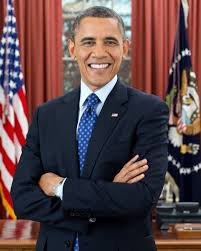
Barack Obama as President
On the surface, it seems the Republican Party has drastically changed. But, in reality, there has been no substantial change at all.
Let’s start at the beginning—in this case, 1932.
Democratic nominee Franklin D. Roosevelt wins election against Republican President Herbert Hoover. So popular is he that he wins an unprecedented four terms—12 years!—in the White House, seeing America through the Great Depression and World War II,
In 1945, Roosevelt suddenly dies in office, leaving Vice President Harry S. Truman in command. He lacks the imperial magnetism and eloquence of FDR, so Republicans assume that 1948 will be a cakewalk for them.
But it isn’t. Instead, Truman wins a second term—and rubs it in by holding up the now-defunct headline, “DEWEY DEFEATS TRUMAN” for reporters to photograph.
By 1952, Republicans have been locked out of the White House for 20 years. They’re desperate to return—and angry enough to do anything to win.
They find attacking the integrity of their fellow Americans a highly effective tactic.
During the 1950s, Wisconsin United States Senator Joseph R. McCarthy rides a wave of paranoia to national prominence—by attacking the patriotism of anyone who disagrees with him.
Elected to the Senate in 1946, he rises to national prominence on February 9, 1950, after giving a fiery speech in Wheeling, West Virginia:
“The State Department is infested with communists. I have here in my hand a list of 205—a list of names that were made known to the Secretary of State as being members of the Communist Party and who nevertheless are still working and shaping policy in the State Department.”
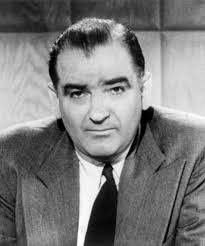
Senator Joseph R. McCarthy
Americans are already growing increasingly fearful of Communism:
- Soviet dictator Joseph Stalin has not withdrawn the Red Army from the countries it has occupied in Eastern Europe during World War II.
- In 1948, the Soviet Union develops—and demonstrates—its own atomic bomb, an achievement U.S. scientists had claimed would not happen for at least a decade.
- In 1949, China falls to the triumphant armies of Mao Tse Tung. Generalissimo Chaing Kai Shek is driven from mainland China to the tiny island of Taiwan.
Anti-communism as a lever to political advancement sharply accelerates following McCarthy’s speech.
Any American can be accused of being a Communist or a Communist sympathizer—”a Comsymp” or “fellow traveler” in the style of the era.
Among those accused:
- Secretary of State George C. Marshall, who had overseen America’s strategy for defeating Nazi Germany and Imperial Japan
- President Harry S. Truman
- Playwrights Lillian Hellman and Arthur Miller
- Actors Charlie Chaplin, Zero Mostel, Lloyd Bridges, Howard Da Silva, Edward G. Robinson and John Garfield
- Composers Arron Copland and Elmer Bernstein
- Physicist J. Robert Oppenheimer, who presided over the creation of America’s atomic bomb
- Actresses Lee Grant, Delores del Rio, Ruth Gordon and Lucille Ball
- Journalists Edward R. Murrow and William L. Shirer, who had chronicled the rise of Nazi Germany
- Folksinger Pete Seeger
- Writers Irwin Shaw, Howard Fast, John Steinbeck and Dashiell Hammett
Even “untouchable” Republicans become targets for such slander.
The most prominent of these is President Dwight D. Eisenhower—labeled ”a conscious, dedicated agent of the Communist Conspiracy” by Robert Welch, founder of the John Birch Society in 1958.
In 1953, McCarthy attacks the leadership of the United States Army as “a hotbed of traitors” and convenes an inquiry through the Senate Permanent Subcommittee on Investigations.
But the hearings backfire, exposing McCarthy as a bullying demagogue. A Senate committee condemns his behavior as acting “contrary to senatorial ethics and tended to bring the Senate into dishonor and disrepute.”
Yet even without McCarthy, Republicans ride the issue of anti-Communism to victory from 1948 to 1992. “Respectable” anti-Communists—like Richard M. Nixon—depict themselves as the only ones who can be trusted to safeguard America.
Republicans hold the White House for eight years under Dwight D. Eisenhower, then lose it in 1960 to John F. Kennedy and again in 1964 to Lyndon B. Johnson.
By 1968, with the nation mired in Vietnam and convulsed by antiwar demonstrations and race riots, Americans turn once more to those who prey upon their fears and hates.
They elect Richard Nixon, who promises to end the Vietnam war and attack “uppity” blacks and antiwar demonstrators—and, above all, “the Communist menace.”
The same strategy re-elects him in 1972.
Jimmy Carter wins the Presidency in 1976 and loses it in 1980 to Ronald Reagan. Republicans hold the White House until 1992.
Reagan doesn’t want to continue the “stalemate” of “containing” Communism. He intends to roll it back. Tensions rise between the United States and the Soviet Union—the highest since the Cuban Missile Crisis of 1962.
American proxies fight Soviet proxies in Afghanistan and Central America, but the world escapes nuclear holocaust.
2016 PRESIDENTIAL RACE, ABC NEWS, ALTERNET, AP, BUZZFEED, CBS NEWS, CNN, CROOKS AND LIARS, DAILY KOZ, DONALD TRUMP, FACEBOOK, FREEDOM CAUCUS, GARY SCHULTZ, GRAHAM SPANIER, HOUSE JUDICIARY COMMITTEE, HOUSE OF REPRESENTATIVES, JERRY SANDUSKY, JIM JORDAN, JOE PATERNO, LOUIS FREEH, MARK COLEMAN, MIKE DISABATO, MIKE MCQUEARY, MOTHER JONES, MOVEON, MSNBC, NBC NEWS, NEWSWEEK, NPR, OHIO STATE UNIVERSITY, PAUL RYAN, PENN STATE UNIVERSITY, POLITICO, RAW STORY, REUTERS, RICHARD STRAUSS, ROBERT S. MUELLER, ROD ROSENSTEIN, ROY MOORE, RUSSIAN SUBVERSION, SALON, SEATTLE TIMES, SEXUAL ABUSE, SLATE, SPEAKER OF THE HOUSE, SPECIAL COUNSEL, SPORTS, THE ATLANTIC, THE CHICAGO SUN-TIMES, THE CHICAGO TRIBUNE, THE DAILY BEAST, THE GUARDIAN, THE HILL, THE HUFFINGTON POST, THE LOS ANGELES TIMES, THE NATION, THE NEW YORK TIMES, THE SECOND MILE, THE WASHINGTON POST, TIM CURLEY, TIME, TWITTER, U.S. NEWS & WORLD REPORT, ULTIMATE FIGHTING CHAMPIONSHIP, UPI, USA TODAY, USA TODAY FBI, WRESTLING
In Bureaucracy, History, Law, Politics, Social commentary on July 31, 2018 at 12:12 am
First, some historical perspective:
On July 12, 2012, former FBI Director Louis Freeh released his report on serial pedophile Jerry Sandusky. As the assistant football coach at Penn State University (PSU), he had used the football facilities to sexually attack numerous young boys.

Jerry Sandusky
But Sandusky was regarded as more than a second-banana. He received Assistant Coach of the Year awards in 1986 and 1999, and authored several books about his coaching experiences.
In 1977, Sandusky founded The Second Mile, a non-profit charity serving underprivileged, at-risk youth.
Through Sandusky’s rampant pedophilia, these youths were placed in even greater jeopardy.
“Our most saddening and sobering finding is the total disregard for the safety and welfare of Sandusky’s child victims by the most senior leaders at Penn State,” Freeh stated.
College football is a $2.6 billion-a-year business. And Penn State is one of its premiere brands, with revenue of $70 million in 2010.
PSU’s seven-month internal investigation, headed by Freeh, revealed:
- Joe Paterno, head coach of the Penn State Nittany Lions, was lionized by PSU and the media. He was also aware of a 1998 criminal investigation of Sandusky.
- So was president Graham Spanier, athletic director Tim Curley and vice president Gary Schultz.
- In 2001, then-graduate assistant Mike McQueary reported to Paterno that he had seen Sandusky attacking a boy in the shower.
- Paterno, Spanier, Curley and Schultz then conspired to cover up for Sandusky.
- The rapes of these boys occurred in the Lasch Building—where Paterno had his office.
In 2011, Sandusky was arrested and charged with sexually abusing young boys over a 15-year period. On June 22, 2012, he was convicted on 45 of the 48 charges.
He will likely spend the rest of his life in prison.
Now, fast forward to July, 2018—and the case of Rep. Jim Jordan (R-OH).
Jordan is running for Speaker of the House of Representatives, since the current one, Paul Ryan (R-Wis.) plans to retire this November.

Rep. Jim Jordan
Jordan is also pushing to impeach Deputy Attorney General Rod Rosenstein, who oversees Special Counsel Robert Mueller’s investigation of Russia’s subversion of the 2016 Presidential election.
Jordan, a member of the House’s Right-wing Freedom Caucus, fanatically supports President Donald Trump, whose campaign received documented support from Russian Intelligence agents.
Jordan believes there should not be any investigation into this unholy alliance.
During a House Judiciary Committee hearing in June, Jordan asked Rosenstein if he had threatened to subpoena “phone calls” made by House Intelligence Committee staffers.
“There is no way to subpoena phone calls,” Rosenstein replied, as the room erupted in laughter.
Meanwhile, Jordan is being haunted by a scandal of his own.
Jordan served as an assistant coach at Ohio State University (OSU) from 1987 to 1995. Several former OSU wrestlers claim Jordan ignored sexual abuse of students by the team’s doctor.
In April, 2018, OSU announced it was investigating charges that Richard Strauss had abused team wrestlers while he served as the team doctor from the mid-1970s to the late 1990s. Strauss died in 2005.
Jordan claims he didn’t know about the abuse.
Yet several former wrestlers assert that they told Jordan about the abuse or remember Jordan being a part of conversations about the abuse.
“I considered Jim Jordan a friend,” Mike DiSabato, a former wrestler, told NBC. It was DiSabato’s allegations against Strauss that led OSU to open the investigation. “But at the end of the day, he is absolutely lying if he says he doesn’t know what was going on.”
In an email to Ohio State’s legal counsel, DiSabato wrote: “Strauss sexually assaulted male athletes in at least fifteen varsity sports during his employment at OSU from 1978 through 1998.”
“There’s no way unless he’s got dementia or something that he’s got no recollection of what was going on at Ohio State,” former Ultimate Fighting Championship world champion Mark Coleman told the Wall Street Journal.
“I have nothing but respect for this man, I love this man, but he knew as far as I’m concerned.”
Speaking with reporters in Ohio, Jordan offered a Sergeant Schultz “I know nothing” defense:
“We knew of no abuse, never heard of abuse. If we had, we would have reported it. If, in fact, there’s problems, we want justice for the people who were victims, obviously, and as I said, we are happy to talk with the folks who are doing the investigation. But the things they said about me just were flat-out not true.”
Meanwhile, President Trump says he believes his ally Jordan “100 percent”: “I don’t believe them at all,” Trump told reporters, referring to the wrestlers who have come forward.
In 2017, Trump had similarly defended Roy Moore, Alabama’s Republican candidate for United States Senator. Moore had been charged with molesting a 14-year-old girl.
“Well, he denies it,” said Trump. “Look, he denies it. He says it didn’t happen. And you know, you have to listen to him also.”
Moore was defeated when a majority of voters decided they didn’t want an accused pedophile as their representative.
It remains to be seen if a majority of House Republicans want to be represented by a man accused of turning a blind eye to the sexual abuse of college youths.


 Bureaucracybuster's Blog
2016 PRESIDENTIAL CAMPAIGN, ABC NEWS, ADOLF HITLER, ALTERNET, ANN COULTER, AP, AUSTRIA, BARACK OBAMA, BILL CLINTON, BORDER WALL, BUZZFEED, CBS NEWS, CHARLES SCHUMER, CHRIS CILLIZZA, CNN, CONTRACTORS, COUNCIL OF ECONOMIC ADVISERS, CROOKS AND LIARS, CZECHOSLOVAKIA, DAILY KOZ, DAVID BROOKS, DEMOCRATS, DEPARTMENT OF COMMERCE, DEPARTMENT OF HOMELAND SECURITY, DICK CHENEY, DONALD TRUMP, EDOUARD DELADIER, FACEBOOK, FBI, FEDERAL AVIATION ADMINISTRATION (FAA), FOX NEWS, FRANCE, GEORGE W. BUSH, GOVERNMENT SHUTDOWN, HOUSE OF REPRESENTATIVES, JAPAN, JEDEDIAH BILA, JOSE ANDRES, JULIAN ZELITZER, KEVIN HASSETT, KURT VON SCHUSCHNIGG, MARIE ANTOINETTE, MARK SHIELDS, MIKE PENCE, MITCH MECONNELL, MOTHER JONES, MOVEON, MSNBC, MUNICH CONFERENCE, NANCY PELOSI, NAZI GERMANY, NBC NEWS, NEVILLE CHAMBERLAIN, NEWSWEEK, NICCOLO MACHIAVELLI, NPR, PBS NEWSHOUR, POLAND, POLITICO, RAW STORY, REPUBLICANS, REUTERS, ROBERT PAYNE, RUSH LIMBAUGH, SALON, SEATTLE TIMES, SLATE, SOUP KITCHENS, STATE OF THE UNION ADDRESS, SUPER BOWL, THE ATLANTIC, THE CHICAGO SUN-TIMES, THE CHICAGO TRIBUNE, THE DAILY BEAST, THE GUARDIAN, THE HILL, THE HUFFINGTON POST, THE LIFE AND DEATH OF ADOLF HITLER, THE LOS ANGELES TIMES, THE NATION, THE NEW YORK TIMES, THE PRINCE, THE WALL STREET JOURNAL, THE WASHINGTON POST, TIME, TRANSPORTATION SAFETY ADMINISTRATION (TSA), TWITTER, U.S. NEWS & WORLD REPORT, UBER, UNITED STATES HOUSE OF REPRESENTATIVES, UNITED STATES SECRET SERVICE, UNITED STATES SENATE, UPI, USA TODAY, WILBUR ROSS, WINSTON CHURCHILL, WORLD WAR 11
LEARNING FROM THE MUNICH DISASTER: PART ONE (OF FIVE)
In Bureaucracy, History, Military, Politics, Social commentary on January 28, 2019 at 1:03 amRobert Payne, author of the bestselling biography, The Life and Death of Adolf Hitler (1973), described Hitler’s “negotiating” style thus:
“Although Hitler prized his own talents as a negotiator, a man always capable of striking a good bargain, he was totally lacking in finesse.
“He was incapable of bargaining. He was like a man who goes up to a fruit peddler and threatens to blow his brains out if he does not sell his applies at the lowest possible price.”
By studying Hitler’s mindset and “negotiating” methods, we can learn much about the mindset and “negotiating” style of today’s Republican party.
A classic example of Hitler’s “negotiating style” came in September, 1938, when he focused his rage and aggression on Czechoslovakia.
Seven months earlier, he had absorbed Austria. He had done so by inviting its Chancellor, Kurt Shuschnigg, to Berlin. Then Hitler threatened Austria with invasion if Shuschnigg did not immediately agree to make his country a vassal-state of Germany.
This time, his threats were aimed at Neville Chamberlain, the prime minister of Great Britain, and Eduoard Deladier, the prime minister of France. Both countries had pledged to support Czechoslovakia against Hitler’s aggression.
Once again, he opened “negotiations” with a lie: The Czechoslovak government was trying to exterminate 3.5 million Germans living in the “Sudetenland.”
This consisted of the northern, southwest and western regions of Czechoslovakia, inhabited mostly by ethnic Germans.
Then he followed this up with the threat of war: Germany would protect its citizens and halt such “oppression.”
For British Prime Minister Neville Chamberlain, the thought of another European war erupting less than 20 years after the end of World War I was simply unthinkable.
The Cenotaph, in London, honoring the unknown British dead of World War 1
Something had to be done to prevent it. And he believed himself to be just the man to do it.
He quickly sent Hitler a telegram, offering to help resolve the crisis: “I could come to you by air and am ready to leave tomorrow. Please inform me of earliest time you can receive me, and tell me the place of the meeting. I should be grateful for a very early reply.”
Once again, another head-of-state was prepared to meet Hitler on his home ground. Again, Hitler took this concession as a sign of weakness. And Chamberlain’s use of such words as “please” and “grateful” only further convinced Hitler of another impending triumph.
Chamberlain was determined to grant his every demand—so long as this meant avoiding a second world war.
The two European leaders met in Berchtesgaden, Germany, on September 15, 1938.
Neville Chamberlain and Adolf Hitler
During their talks, Chamberlain said he had come to discuss German grievances. But, he added, it was necessary in all circumstances to exclude the use of force.
Hitler appeared to be shocked that he could be accused of such intentions: “Force? Who speaks of force?“
Then, without warning, he switched to an aggressive mode. He accused the Czechs of having mobilized their army in May. They had mobilized—in response to the mobilization of the German army.
“I shall not put up with this any longer,” shouted Hitler. “I shall settle this question in one way or another. I shall take matters in my own hands!”
Suddenly, Chamberlain seemed alarmed—and possibly angry: “If I understood you right, you are determined to proceed against Czechoslovakia in any case. If this is so, why did you let me come to Berchtesgaden?
“In the circumstances, it is best for me to return at once. Anything else now seems pointless.”
Hitler was taken aback by the unexpected show of defiance. He realized he was about to lose his chance to bully the British into accepting his latest demands.
So he softened his tone and said they should consider the Sudetenland according to the principle of self-determination.
Chamberlain said he must immediately return to England to consult with his colleagues.
Hitler appeared uneasy. But then the German translator finished the sentence: “…and then meet you again.”
Hitler realized he still had a chance to attain victory without going to war.
Chamberlain agreed to the cession of the Sudetenland. Three days later, French Prime Minister Edouard Daladier did the same. No Czechoslovak representative was invited to these discussions.
Chamberlain met Hitler again in Godesberg, Germany, on September 22 to confirm the agreements. But Hitler aimed to use the crisis as a pretext for war.
He now demanded not only the annexation of the Sudetenland but the immediate military occupation of the territories. This would give the Czechoslovak army no time to adapt their defense measures to the new borders.
To achieve a solution, Italian dictator Benito Mussolini suggested a conference of the major powers in Munich.
On September 29, Hitler, Daladier and Chamberlain met and agreed to Mussolini’s proposal. They signed the Munich Agreement, which accepted the immediate occupation of the Sudetenland.
The Czechoslovak government had not been a party to the talks. Nevertheless, it promised to abide by the agreement on September 30.
It actually had no choice. It faced the threat of an immediate German invasion after being deserted by its pledged allies: Britain, France and the Soviet Union.
Share this: