Posts Tagged ‘EBOLA’
2016 PRESIDENTIAL CAMPAIGN, 9/11 ATTACKS, ABC NEWS, ADOLF HITLER, AFGHANISTAH, ALTERNET, AMERICABLOG, ANDREW CUOMO, AP, ARMY CORPS OF ENGINEERS, BABY BOOMER RESISTANCE, BARACK OBAMA, BILL CLINTON, BLOOMBERG, BUSES, BUZZFEED, CBS NEWS, CENTERS FOR DISEASE CONTROL AND PREVENTION (CDC), CNN, CORONAVIRUS, COVID-19, CROOKS AND LIARS, DAILY KOZ, DAVID BROOKS, DELTA FORCE, DOCTORS, DONALD RUMSFELD, DONALD TRUMP, DRUDGE RETORT, EBOLA, ELDERLY, FACEBOOK, FEAR, FEDERAL EMERGENCY MANAGEMENT AGENCY, FEEDING AMERICA, FIREFIGHTERS, FIVETHIRTYEIGHT, FOOD BANKS, FOX NEWS NETWORK, FRANKLIN D. ROOSEVELT, GARBAGE MEN, GEORGE H.W. BUSH, GEORGE W. BUSH, GREEN BERETS, GRETCHEN WHITMER, GROCERY SHOPPING, HARPER’S MAGAZINE, IRAQ, JAY INSLEE, LAUREN SAUER, MASKS, MEDIA MATTERS, MIKE PENCE, MOTHER JONES, MOVEON, MSNBC, MUSLIMS, NATIONAL SECURITY COUNCIL, NBC NEWS, NEWSWEEK, NPR, NURSES, NURSING HOMES, OSBMA BIN LADEN, PANIC SHOPPING, PBS NEWSHOUR, PERSONAL PROTECTIVE EQUIPMENT (PPES), POLICE, POLITICO, POLITICUSUSA, RAW STORY, REUTERS, RUDY GIULIANI, SADDAM HUSSEIN, SALON, SAN ANTONIO FOOD BANK, SCHOOLS, SEAN HANNITY, SEAN HANNITY SHOW, SEATTLE TIMES, SLATE, SOCIAL DISTANCING, SPANISH INFLUENZA, STEVEN PRESSFIELD, TALKING POINTS MEMO, TAXIS, THE ATLANTIC, THE CHICAGO SUN-TIMES, THE CHICAGO TRIBUNE, THE DAILY BEAST, THE DAILY BLOG, THE GUARDIAN, THE HILL, THE HUFFINGTON POST, THE LOS ANGELES TIMES, THE NATION, THE NEW REPUBLIC, THE NEW YORK TIMES, THE PENTAGON, THE VILLAGE VOICE, THE WASHINGTON POST, THINKPROGRESS, TIM ZIEMER, TIME, TRUTHDIG, TRUTHOUT, TWITTER, TWO POLITICAL JUNKIES, U.S. NAVY SEALS, U.S. NEWS & WORLD REPORT, UPI, USA TODAY, WASHINGTON MONTHLY, WHITE HOUSE PANDEMIC OFFICE, WILHELM 1, WONKETTE, WORLD TRADE CENTER, YAMICHE ALCINDOR
In Bureaucracy, History, Medical, Military, Politics, Social commentary on April 21, 2020 at 12:11 am
One of the biggest differences between the September 11, 2001 terrorist attacks and the COVID-19 pandemic is this:
After 9/11, Americans drew strength from each other. During Coronavirus, Americans remain isolated and forced to rely on their own resources.
This has its origins at the top—with President Donald Trump.
Like Adolf Hitler, Trump likes to pit individuals and organizations against each other. Hitler, for example, would assign several agencies to tackle the same problem: “That way, the stronger one gets the job done,” he told his architect, Albert Speer.
This creates needless duplication of efforts and wasted resources. But it ensures that Trump—like Hitler—remains the final voice of authority, since so many others are competing for his favor and direction.
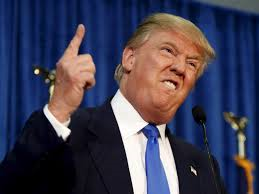
Donald Trump
This has not, however, worked out well for the 50 states that make up the United States of America.
During the Great Depression, President Franklin D. Roosevelt intervened powerfully to ensure that all Americans received the help they needed.
Trump has made it clear that each state is responsible for securing its needed supply of Personal Protective Equipment (PPEs) for its doctors and nurses aiding Coronavirus patients. This has resulted in a dog-eat-dog atmosphere of cutthroat competition and scarcity, with Americans not only fighting the virus but each other.
Even worse: Trump and Republicans are using a deadly plague as a weapon against those Americans they hate.
On March 26, during an interview on Fox News, Trump blamed the failures of his administration’s response to Coronavirus on Democratic state governors like Andrew Cuomo (NY), Jay Inslee (WA), and Gretchen Whitmer (MI).
On March 27, during his press briefing, Trump said he told Vice President Mike Pence—who’s officially in charge of the White House’s response effort—to not call Inslee and Whitmer because they weren’t “appreciative” enough of his efforts.
Trump said this even as hospitals in each of their states were being overwhelmed with Coronavirus patients.
“I tell him—I mean I’m a different type of person— I say, ‘Mike, don’t call the governor in Washington, you’re wasting your time with him. Don’t call the woman in Michigan,’” Trump said. “If they don’t treat you right, I don’t call.”
Trump said that when people criticized him, they were criticizing the federal government: “When they’re not appreciative to me, they’re not appreciative to the Army Corps, they’re not appreciative to FEMA [Federal Emergency Management Agency]. It’s not right.”
Trump also attacked Whitmer on Right-wing Fox News’ “Sean Hannity Show”: “I don’t know if she knows what’s going on, but all she does is sit there and blame the federal government.”
That same day—March 27—Whitmer told a Michigan radio station: “What I’ve gotten back is that vendors with whom we’ve procured contracts—they’re being told not to send stuff to Michigan. It’s really concerning. I reached out to the White House last night and asked for a phone call with the president, ironically at the time this stuff was going on.”
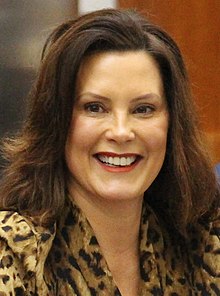
Gretchen Whitmer
A March 29 story in the Washington Monthly sheds light on what lay behind Whitmer’s inability to secure desperately-needed ventilators from her longtime vendors. Its headline ran: “What If Trump Decides to Save Republicans But Not Democrats?”
A sub-headline read: “He’s providing vital resources to red states and ignoring blue states.”

The Black Hand
Florida submitted a request to FEMA on March 11 for 430,000 surgical masks, 180,000 N95 respirators, 82,000 face shields and 238,000 gloves—and received a shipment with everything three days later.
On Fox News, Rudy Giuliani, Trump’s personal lawyer, bluntly told governors: “Take the blame when you have to. When you play with your boss, sometimes it’s better when you don’t win the golf game. He’s the boss, he’s got all the resources.”
The mentality of the Black Hand has come to the Oval Office.
The Washington Monthly story concludes ominously: “What if the White House simply gives all the masks and ventilators to red states and counties, leaving blue ones to struggle? What mechanisms of accountability are left?
“U.S. democracy wasn’t set up to deal with a president openly behaving like a James Bond villain while being protected by a political party behaving more like a mafia than a civic institution.”
But while corpses pile up and Trump wages repeated feuds with state governors, ordinary citizens daily face never-before-imagined fears and dangers.
Coronavirus has forced people to be apart, with each one forced to face his / her own fears of something that can’t be seen and can strike anywhere, anytime, at anyone.
Smart Americans no longer venture outdoors without wearing a mask—a medically-approved N95 one if possible, but at least a homemade one. It’s not unusual to see people wearing blue rubber gloves as well. 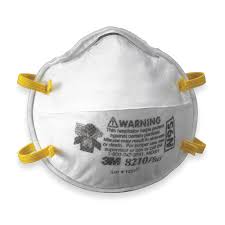
N95 mask
Before COVID-19, a masked man entering a bank meant: “This is a robbery!” Today, tellers aren’t surprised when they see a customer wearing a surgical mask.
Going to the supermarket used to be a routine matter: You would assume—usually correctly—that those items you wanted would be in stock. Then you would find and load them into your car.
No longer.
2016 PRESIDENTIAL CAMPAIGN, 9/11 ATTACKS, ABC NEWS, ADOLF HITLER, AFGHANISTAH, ALTERNET, AMERICABLOG, ANDREW CUOMO, AP, ARMY CORPS OF ENGINEERS, BABY BOOMER RESISTANCE, BARACK OBAMA, BILL CLINTON, BLOOMBERG, BUSES, BUZZFEED, CBS NEWS, CENTERS FOR DISEASE CONTROL AND PREVENTION (CDC), CNN, CORONAVIRUS, COVID-19, CROOKS AND LIARS, DAILY KOZ, DAVID BROOKS, DELTA FORCE, DOCTORS, DONALD RUMSFELD, DONALD TRUMP, DRUDGE RETORT, EBOLA, ELDERLY, FACEBOOK, FEAR, FEDERAL EMERGENCY MANAGEMENT AGENCY, FEEDING AMERICA, FIREFIGHTERS, FIVETHIRTYEIGHT, FOOD BANKS, FOX NEWS NETWORK, FRANKLIN D. ROOSEVELT, GARBAGE MEN, GEORGE H.W. BUSH, GEORGE W. BUSH, GREEN BERETS, GRETCHEN WHITMER, GROCERY SHOPPING, HARPER’S MAGAZINE, IRAQ, JAY INSLEE, LAUREN SAUER, MASKS, MEDIA MATTERS, MIKE PENCE, MOTHER JONES, MOVEON, MSNBC, MUSLIMS, NATIONAL SECURITY COUNCIL, NBC NEWS, NEWSWEEK, NPR, NURSES, NURSING HOMES, OSBMA BIN LADEN, PANIC SHOPPING, PBS NEWSHOUR, PERSONAL PROTECTIVE EQUIPMENT (PPES), POLICE, POLITICO, POLITICUSUSA, RAW STORY, REUTERS, RUDY GIULIANI, SADDAM HUSSEIN, SALON, SAN ANTONIO FOOD BANK, SCHOOLS, SEAN HANNITY, SEAN HANNITY SHOW, SEATTLE TIMES, SLATE, SOCIAL DISTANCING, SPANISH INFLUENZA, STEVEN PRESSFIELD, TALKING POINTS MEMO, TAXIS, THE ATLANTIC, THE CHICAGO SUN-TIMES, THE CHICAGO TRIBUNE, THE DAILY BEAST, THE DAILY BLOG, THE GUARDIAN, THE HILL, THE HUFFINGTON POST, THE LOS ANGELES TIMES, THE NATION, THE NEW REPUBLIC, THE NEW YORK TIMES, THE PENTAGON, THE VILLAGE VOICE, THE WASHINGTON POST, THINKPROGRESS, TIM ZIEMER, TIME, TRUTHDIG, TRUTHOUT, TWITTER, TWO POLITICAL JUNKIES, U.S. NAVY SEALS, U.S. NEWS & WORLD REPORT, UPI, USA TODAY, WASHINGTON MONTHLY, WHITE HOUSE PANDEMIC OFFICE, WILHELM 1, WONKETTE, WORLD TRADE CENTER, YAMICHE ALCINDOR
In Bureaucracy, History, Medical, Military, Politics, Social commentary on April 20, 2020 at 1:01 am
COVID-19 may well change our lives more fundamentally than even 9/11.
Yes, the terrorist attacks on the Twin Towers and the Pentagon were horrific—and costly in lives. Almost 3,000 Americans died that day.
After decades of ignoring Islamic terrorist attacks on American lives and property throughout the Middle East and the rest of the world, America shook off its complacency.
First came a much-anticipated invasion of Afghanistan–the “nation” which had given shelter to 9/11 mastermind Osama bin Laden. Starting on October 7, 2001, by December American planes and ground forces swept bin Laden’s hosts, the Taliban, from power.
Bin Laden disappeared into Pakistan, but was shot to death by United States Navy SEALs on May 1, 2011.
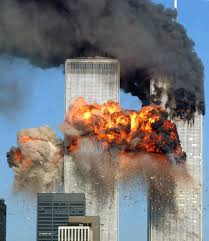
World Trade Center – September 11, 2001
The 9/11 attacks also resulted in unforeseen events. President George W. bush used them as an excuse to invade Iraq in 2003 and topple its dictator, Saddam Hussein, from power.
Bush had long blamed Hussein for not folding after the President’s father, George H.W. Bush, attacked Iraq in 1991 after its invasion of Kuwait. Hussein’s failure to fall from power, believed Bush Junior, had resulted in his father’s losing a second White House term in 1992 to Bill Clinton.
But once the United States invaded Afghanistan and Iraq, it got stuck there—and remains so to this day. What started as a purely military mission became a “nation-building” one.
Yet another result of the 9/11 attacks was a complete restructuring of the United States military. In the past, Americans had excelled in set-piece battles and wars.
Americans have never forgotten their overwhelming victories over the Germany of Kaiser Wilhelm II in 1918 and Fuhrer Adolf Hitler in 1945. But when it came to fighting enemies where guerrilla warfare negated overwhelming military power, the United States had done poorly—first in Korea (1950-1953) and then in Vietnam (1960-1975).
As a result, Secretary of Defense Donald Rumsfield reorganized the Pentagon’s bureaucracy, assigning highest priority to building unconventional military units such as the Army’s Green Berets and Delta Force, and the Navy’s SEALs.
These were all major changes resulting from the 9/11 attacks. They cost billions of dollars and got huge publicity. But they didn’t affect the lives of everyday Americans as intimately as has the advent of COVID-19, also known as Coronavirus.

Coronavirus
First, COVID-19 has killed far more Americans than 9/11. As before mentioned, 9/11 snuffed out the lives of almost 3,000 Americans. But as of April 20, more than 41,114 Americans have died of COVID-19. And the plague has not finished its murderous work.
Second, while 9/11 affected two American cities—New York and Washington, D.C.—COVID-19 has spread throughout the country. As epicenters like New York City, Los Angeles and Chicago gain national attention, the virus continues to seep into rural centers—especially in the South and Midwest.
Third, the combination of evil and incompetence of the Trump administration has shaken Americans’ faith in the ability—and even the willingness—of the Federal Government to protect them.
Conservative New York Times columnist David Brooks attacked President Donald Trump in terms usually reserved for serial killers. On the March 13 edition of The PBS Newshour, he said:
“This is what happens when you elect a sociopath as president, who doesn’t care, who has treated this whole thing for the past month as if it’s about him. ‘How do people like me?’ Minimizing the risks. ‘Does the stock market reflect well on me?’ And he hasn’t done the things a normal human being would do, which was to, let’s take precautions….
“And he’s incapable of that. And he’s even created an information distortion field around him.”
In 2014, following the Ebola outbreak in West Africa, President Barack Obama created the White House Pandemic Office, run by the White House’s National Security Council (NSC).

Barack Obama
Heading it was Rear Admiral Tim Ziemer. Under President George W. Bush, he had successfully fought malaria overseas. His topflight team of infectious disease and public health experts was creating a national bio-defense strategy. Their goal: Coordinate agencies to make the United States more resilient to the threat of epidemics and biological warfare.
In May, 2018, Trump ordered the NSC’s global health security unit shut down. The reason: Trump’s pathological jealousy of and hatred for Obama.
Compounding that outrage: From January to early March, 2020, Trump and his allies within the Republican party and Fox News Network repeatedly assured Americans they had nothing to fear.
Barnstorming the country in a series of hate-filled political rallies, Trump told his supporters:
- January 22: “We have it totally under control. It’s one person coming in from China.”
- February 24: “The Coronavirus is very much under control in the USA.”
- February 26: “The 15 cases within a couple of days is going to be down to close to zero.”
- February 27: “One day it’s like a miracle, it will disappear.”
- February 28: “Now the Democrats are politicizing the Coronavirus….We did one of the great jobs….One of my people came up to me and said, ‘Mr. President, they tried to beat you on Russia, Russia, Russia’….They couldn’t do it. They tried the impeachment hoax….It’s all turning, they lost….And this is their new hoax.”
- March 6: “I think we’re doing a really good job in this country of keeping it down. A tremendous job of keeping it down.”
9/11 TERRORIST ATTACKS, ABC NEWS, ADOLF HITLER, ALTERNET, AMERICABLOG, ANTIBOTICS, AP, BABY BOOMER RESISTANCE, BENGHAZI EMBASSY ATTACK, BLOOMBERG, BUZZFEED, CBS NEWS, CHINA, CNN, CORONAVIRUS, CROOKS AND LIARS, DAILY KOZ, DEMOCRATS, DONALD TRUMP, DRUDGE RETORT, EBOLA, FACEBOOK, FINAL SOLUTION, FIVETHIRTYEIGHT, FOX NEWS NETWORK, HARPER’S MAGAZINE, HURRICANE KATRINA, HURRICANE MARIA, JOACHIM VON RIBBONTROP, JULIUS STREICHER, LINDSEY GRAHAM, MEDIA MATTERS, MEIN KAMPF, MOTHER JONES, MOVEON, MSNBC, NBC NEWS, NEWSWEEK, NPR, NUREMBERG WAR CRIMES TRIALS, PBS NEWSHOUR, POLITICO, POLITICUSUSA, RAW STORY, REPUBLICANS, REUTERS, RICHARD 111, ROBERT H. JACKSON, SALON, SEAN HANNITY, SEATTLE TIMES, SLATE, TALKING POINTS MEMO, THE ATLANTIC, THE CHICAGO SUN-TIMES, THE CHICAGO TRIBUNE, THE DAILY BEAST, THE DAILY BLOG, THE GUARDIAN, THE HILL, THE HUFFINGTON POST, THE LOS ANGELES TIMES, THE NATION, THE NEW REPUBLIC, THE NEW YORK TIMES, THE VILLAGE VOICE, THE WASHINGTON POST, THINKPROGRESS, TIME, TRUTHDIG, TRUTHOUT, TWITTER, TWO POLITICAL JUNKIES, U.S. NEWS & WORLD REPORT, UPI, USA TODAY, WILLIAM SHAKESPEARE, WONKETTE
In Bureaucracy, Business, History, Medical, Politics, Social commentary on April 14, 2020 at 12:30 am
President Donald Trump frittered away two vital months—January and February—by refusing to take Coronavirus seriously. Even worse, he repeatedly downplayed the virus in a series of public appearances.
Consider:
- January 22: “We have it totally under control. It’s one person coming in from China.”
- February 24: “The Coronavirus is very much under control in the USA.”
- February 26: “The 15 cases within a couple of days is going to be down to close to zero.”
- February 27: “One day it’s like a miracle, it will disappear.”
- February 28: “Now the Democrats are politicizing the Coronavirus….We did one of the great jobs….One of my people came up to me and said, ‘Mr. President, they tried to beat you on Russia, Russia, Russia’….They couldn’t do it. They tried the impeachment hoax….It’s all turning, they lost….And this is their new hoax.”
- March 6: “I think we’re doing a really good job in this country of keeping it down. A tremendous job of keeping it down.”
Now, with more than 23,000 Americans dead—10,000 of them alone in New York—Trump’s fanatical defenders are desperate to rewrite history.
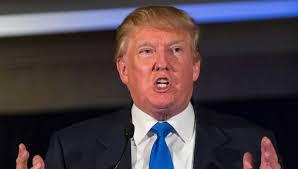
Donald Trump
The outbreak of Coronavirus, first detected in Wuhan, China, in late December, 2019, has taken more American lives in the 21st century than any other disaster—natural or man-made.
Consider:
- 9/11: 2,977 deaths
- Hurricane Katrina: 1,836 deaths
- Benghazi Embassy attack: 4
- Ebola: 2
- Hurricane Maria: 2,982,
- Coronavirus: 23,604 (by April 14, 2020)
One of these defenders is Republican South Carolina Senator Lindsey Graham.
On April 9, appearing on the Fox News network’s “Sean Hannity” show, Graham said: “The first thing I want to do is get the United States Senate on the record where we don’t blame Trump. We blame China.
“The Chinese government is responsible for 16,000 American deaths and 17 million Americans being unemployed. It’s the Chinese government and the way they behave that led to this pandemic. This is the third one to come out of China.
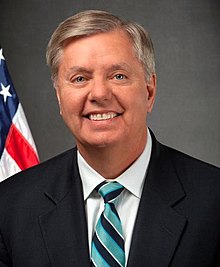
Lindsey Graham
“I want to make our response to this so overwhelming that China will change its behavior. I want to get the medical supply chain back into the United States, and I want to stop cancelling some debt that we owe to China because they should be paying us, not us paying China.”
Graham said that the “wet markets” in China should be shut down, because they have been the source of three pandemics that originated in China.
“So, I think you’re going to see a bipartisan push back against China to punish them so severely to deter them in the future.”
[As for “getting the medical supply chain back into the United States”: In 2018, China accounted for 95% of American imports of ibuprofen, 91% off hydrocortisone, 70% of acetaminophen, 40% to 45% of penicillin and 40% of heparin, according to Commerce Department data. Eighty percent of the American supply of antibiotics are made in China.]
* * * * * * * * * *
Seventy-three years earlier, Chief United States Counsel Robert H. Jackson had been assigned to prosecute the major Nazi defendants for war crimes at Nuremberg.
On July 26, 1946, Jackson delivered his closing remarks to the court. He might as well have been speaking about Donald Trump and his cheerleading—and misleading—chorus on Coronavirus:
“Lying has always been a highly approved Nazi technique. [Adolf] Hitler, in Mein Kampf, advocated mendacity as a policy. {Foreign Minister Joachim] Von Ribbentrop admits the use of the ‘diplomatic lie.’
“….Nor is the lie direct the only means of falsehood. They all speak with a Nazi double talk with which to deceive the unwary….’Final solution’ of the Jewish problem was a phrase which meant extermination. ‘Special treatment’ of prisoners of war meant killing. ‘Protective custody’ meant concentration camp.

Robert H. Jackson
“Besides outright false statements and double talk, there are also other circumventions of truth in the nature of fantastic explanations and absurd professions.
“[Rabid anti-Semite Julius] Streicher has solemnly maintained that…his reason for destroying synagogues…was only because they were architecturally offensive….
“This was the philosophy of the National Socialists. When for years they have deceived the world, and masked falsehood with plausibilities, can anyone be surprised that they continue their habits of a lifetime in this dock?
“It is against such a background that these defendants now ask this Tribunal to say that they are not guilty of planning, executing, or conspiring to commit this long list of crimes and wrongs.”
Citing William Shakespeare’s play about the murderous Richard III, Jackson concluded:
“They stand before the record of this trial as bloodstained Gloucester stood by the body of his slain king. He begged of the widow, as they beg of you: ‘Say I slew them not.’ And the Queen replied, ‘Then say they were not slain. But dead they are…’
“If you were to say of these men that they are not guilty, it would be as true to say that there has been no war, there are no slain, there has been no crime.”
If Americans find Donald Trump blameless for refusing to take decisive action against the Coronavirus threat, it will be as true to say there has been no plague, there are no thousands of dead Americans, there has been no dereliction of Presidential responsibility.
ABC NEWS, ALTERNET, AMERICABLOG, AP, BABY BOOMER RESISTANCE, BARACK OBAMA, BAY OF PIGS, BUZZFEED, CBS NEWS, CNN, CORONAVIRUS, CROOKS AND LIARS, CUBA, DAILY KOZ, DAVID BROOKS, DONALD TRUMP, DRUDGE RETORT, DWIGHT D. EISENHOWER, EBOLA, FACEBOOK, FIDEL CASTRO, FIVETHIRTYEIGHT, FULGENCIO BATISTA, GALLUP POLL, GEORGE W. BUSH, HARPER’S MAGAZINE, JOHN F. KENNEDY, MEDIA MATTERS, MOTHER JONES, MOVEON, MSNBC, NBC NEWS, NEWSWEEK, NPR, PBS NEWSHOUR, POLITICO, POLITICUSUSA, RAW STORY, REUTERS, SALON, SEATTLE TIMES, SLATE, TALKING POINTS MEMO, THE ATLANTIC, THE CHICAGO SUN-TIMES, THE CHICAGO TRIBUNE, THE DAILY BEAST, THE DAILY BLOG, THE GUARDIAN, THE HILL, THE HUFFINGTON POST, THE LOS ANGELES TIMES, THE NATION, THE NEW REPUBLIC, THE NEW YORK TIMES, THE VILLAGE VOICE, THE WASHINGTON POST, THINKPROGRESS, TIM ZIEMER, TIME, TOLUSE OLORUNNIPA, TRUTHDIG, TRUTHOUT, TWITTER, TWO POLITICAL JUNKIES, U.S. NEWS & WORLD REPORT, UPI, USA TODAY, WASHINGTON WEEK IN REVIEW, WHITE HOUSE PANDEMIC OFFICE, WONKETTE, YAMICHE ALCINDOR
In Bureaucracy, History, Politics, Social commentary on March 18, 2020 at 1:23 am
On March 13, President Donald Trump addressed a subject he clearly resented being asked about: His gutting of an early-warning medical system set up to confront pandemics.
In 2014, following the Ebola outbreak in West Africa, President Barack Obama created the White House Pandemic Office, run by the White House’s National Security Council (NSC).
Heading it was Rear Admiral Tim Ziemer. Under President George W. Bush, he had successfully fought malaria overseas. His topflight team of infectious disease and public health experts was creating a national bio-defense strategy. Their goal: Coordinate agencies to make the United States more resilient to the threat of epidemics and biological warfare.
In May, 2018, Trump ordered the NSC’s global health security unit shut down. The reason: Trump’s pathological jealousy of and hatred for Obama.
On March 13, at a White House press conference, Yamiche Alcindor, the PBS Newshour’s White House Correspondent, dared to ask Trump: “My first question is: You said that you don’t take responsibility, but you did disband the White House Pandemic Office and the officials that were working in that office left this administration abruptly. So, what responsibility do you take to that?
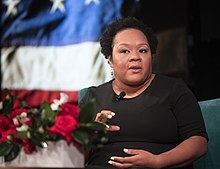
Yamiche Alcindor
“And the officials that worked in that office said that you—that the White House lost valuable time because that office was disbanded. What do you make of that?”
Then followed this exchange:
TRUMP: Well, I just think it’s a nasty question, because what we’ve done is—and Tony had said numerous times that we saved thousands of lives because of the quick closing. And when you say me, I didn’t do it. We have a group of people.
ALCINDOR: It’s your administration.
TRUMP: I could ask, perhaps—my administration, but I could perhaps ask Tony about that, because I don’t know anything about it. I mean, you say we did that. I don’t know anything about it.
ALCINDOR: You don’t know about the—
TRUMP: We’re spending—
ALCINDOR: — About the reorganization that happened in the National Security Council?
TRUMP: No, I don’t know. It’s the—it’s the administration, perhaps they do that. You know, people let people go. You know, you used to be with a different newspaper than you are now. You know, things like that happen.
Trump’s refusal to accept responsibility for the greatest crisis of his tenure as President flagrantly contrasts with how President John F. Kennedy responded to a similar crisis.
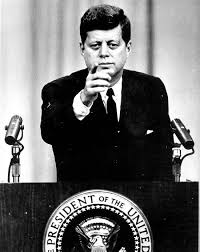
John F. Kennedy press conference
On April 17, 1961, the U.S. Navy landed 1,400 CIA-trained Cuban exiles on Cuba to overthrow the Communist government of Fidel Castro. Landing at the Bay of Pigs, they were supposed to head into the mountains—as Castro himself had done against the dictatorship of Fulgencio Batista in 1956—and raise the cry of revolution.
When the invaders surged onto the beaches, they found Castro’s army waiting for them. Many of the invaders were killed on the spot. Others were captured.
It was a major public relations setback for the newly-installed Kennedy administration, which had raised hopes for a change in American-Soviet relations.
Kennedy, trying to abort widespread criticism, publicly took the blame for the setback: “There’s an old saying that victory has a hundred fathers and defeat is an orphan….I’m the responsible officer of the Government.”
Ironically, the crisis—and his taking responsibility for it—hugely increased Kennedy’s popularity. The national Gallup Poll reported that 83 percent of Americans approved of the job he was doing as President.
To a White House aide, Kennedy half-joked: “It’s just like Eisenhower—the worse I do, the more popular I get.”
By contrast, Trump’s “handling” of the Coronavirus plague has brought him probably the worst reviews of his more than three years as President.
Conservative New York Times columnist David Brooks attacked Trump in terms usually reserved for serial killers. On the March 13 edition of The PBS Newshour, he said:
“This is what happens when you elect a sociopath as president, who doesn’t care, who has treated this whole thing for the past month as if it’s about him. ‘How do people like me?’ Minimizing the risks. ‘Does the stock market reflect well on me?’ And he hasn’t done the things a normal human being would do, which was to, let’s take precautions….
“And he’s incapable of that. And he’s even created an information distortion field around him.”
And Toluse Olorunnipa, White House reporter for The Washington Post, said: “He likes having powerful people around him to praise what he’s done. He tried to get them all up to the podium to talk about how great of a response he has provided, and I think that’s—trying to get that co-signed from CEOs and powerful people is a key part of his presidency.”
Kimberly Atkins, senior Washington news correspondent for WBUR, Boston’s NPR News Station: “We have seen the president not only be all over the place but his instinct was to try to downplay it [Coronavirus] because he saw it as a political threat—to say that people would get better….
“Even today he’s saying, ‘We have everything under control. We have this website that people can go to and find out where they can get tested.’ The website isn’t even done yet.”
2020 PRESIDENTIAL ELECTION, 9/11 ATTACKS, ABC NEWS, ABUSE OF POWER, AIDS, AIDS EPIDEMIC, AIRLINES, ALEX M. AZAR, ALTERNET, AMERICABLOG, AP, BABY BOOMER RESISTANCE, BARACK OBAMA, BUZZFEED, CARNIVAL CRUISE LINES, CBS NEWS, CENTERS FOR DISEASE CONTROL AND PREVENTION, CHARLES GEORGE GORDON, CHARLTON HESTON, CNN, CORONAVIRUS, CROOKS AND LIARS, CRUISE LINES, DAILY KOZ, DEPARTMENT OF HEALTH AND HUMAN SERVICES, DEPARTMENT OF HOMELAND SECURITY, DONALD TRUMP, DRUDGE RETORT, EBOLA, FACEBOOK, FIVETHIRTYEIGHT, HARPER’S MAGAZINE, IMPEACHMENT, JOHN BOLTON, KATHIE LEE GIFFORD, KHARTOUM (MOVIE), LAURENCE OLIVER, MASS HYSTERIA, MEDIA MATTERS, MOHAMMED, MOTHER JONES, MOVEON, MSNBC, NATIONAL SECURITY COUNCIL, NBC NEWS, NEWSWEEK, NPR, PBS NEWSHOUR, POLITICO, POLITICUSUSA, RAW STORY, REPUBLICANS, REUTERS, SALON, SEATTLE TIMES, SLATE, STOCK MARKET, SURGICAL MASKS, TALKING POINTS MEMO, THE ATLANTIC, THE CHICAGO SUN-TIMES, THE CHICAGO TRIBUNE, THE DAILY BEAST, THE DAILY BLOG, THE GUARDIAN, THE HILL, THE HUFFINGTON POST, THE LOS ANGELES TIMES, THE NATION, THE NEW REPUBLIC, THE NEW YORK TIMES, THE VILLAGE VOICE, THE WASHINGTON POST, THINKPROGRESS, TIME, TIMOTHY ZIEMER, TOM BOSSERT, TOM FRIEDMAN, TOURISM INDUSTRY, TRUTHDIG, TRUTHOUT, TWITTER, TWO POLITICAL JUNKIES, U.S. NEWS & WORLD REPORT, UNITED STATES HOUSE OF REPRESENTATIVES, UNITED STATES SENATE, UPI, USA TODAY, WONKETTE
In Bureaucracy, Business, History, Politics, Social commentary on March 11, 2020 at 12:06 am
There’s an Arabian myth that offers a timely commentary on the hysteria surrounding the Coronavirus.
Mohammed is walking along the road from Medina to Mecca when he meets the Genie of Cholera.
“Where are you going, O Cursed One?” asks Mohammed.
“To Mecca, to kill 10,000 of the faithful,” replies the genie.

“All right,” says Mohammed. “See to it that you kill no more than 10,000.”
Six months later the two meet again—and Mohammed is furious: “You are a filthy liar!”
“Why do you say that?” demands the Genie of Cholera.
“Because when I reached Mecca, there were 30,000 dead, not the 10,000 you promised.”
“Oh, I kept by my word and killed only 10,000,” replies the genie. “But 20,000 more died of the fear.”
Fear is stalking the streets of the United States today.
Medical supply companies are rushing to turn out millions of surgical face masks—not for use by doctors but ordinary Americans.
Medical professionals warn that this will prove counter-productive for doctors and ordinary citizens.
Doctors and nurses need those masks when they’re performing surgery—or just coming in contact with patients who might be carrying the Coronavirus. They also wear them when examining patients suffering from routine illnesses.
Standard surgical masks are designed to protect against large, airborne droplets. They cannot protect against viruses. Their loose fit makes it possible for droplets to enter around the edges of the mask.
Standard surgical mask
The N-95 respirator mask is a tight-fitting upgrade that forces inhaled air toward the mask but not its edges. It can filter out 95% of particulates—but not viral particles.
Nor has panic-buying been restricted to face masks. Hand sanitizers, bottled water, toilet paper—even rubbing alcohol—have been snapped off shelves, leaving stores empty of them.
“It’s been nuts,” says Costco’s Chief Financial Officer, Richard A. Galanti.
Businesses that rely on regular patrons—such as restaurants and movie theaters—are especially suffering.
In New York City and San Francisco, businesses in the Chinese community have been hard-hit. It was in Wuhan, China, that the Coronavirus first erupted. Millions of people continue to identify it as a peculiarly Chinese ailment.
The industries most affected are those directly connected to tourism. Cruise ship lines have proven a ready source of contagion, bringing large numbers of people together in what can amount to a floating hothouse for viruses.
Cruise ships have played a major role in the outbreak. More than 700 cases have been linked to the Diamond Princess cruise ship, which was quarantined off the coast of Japan for two weeks. At least 21 more cases were confirmed aboard the Grand Princess cruise ship that docked in Oakland, Calif., on March 9.

Diamond Princess cruise ship
File:Diamond Princess (ship, 2004) and Port of Toba.jpg
The State Department and Centers for Disease Control and Prevention (CDC) have warned elderly and medically vulnerable Americans to avoid cruise ships until the outbreak ends. The CDC recommends that travelers “defer all cruise ship travel worldwide.”
During the 1980s, Kathie Lee Gifford appeared in a series of TV ads for Carnival Cruise Lines, singing an upbeat jingle:
If they could see you now out on a Funship cruise
You’re eating fancy food and doing what you choose.
I’d like your friends back home to get a good look
At the first-rate Carnival cruise that you took.
All I can say is “Wow!” hey look at where you are.
Tonight you’re living life just like a movie star!
What a Funship, holy cow!
They’d never believe it
If your friends could see you now!
This ode to pure hedonism has given way to a climate of sheer panic—among those still aboard cruise liners, those thinking about embarking on cruises and—most especially—among cruise shipping line companies.
A more updated version of Kathie Lee’s song could go:
If they could see you now on a Corona cruise
You’re locked inside your room and someone took your shoes.
I’m sure your friends back home will look on with dread
As the ship docks in port and they haul off the dead.
Hey, look at where you’ll be
You’re turning blue for air
Right there upon the sea!
What a fright ship, holy cow!
They’re sure to believe it
And the doctor’s coming now!
And how is the cruise industry responding to the Coronavirus outbreak? By running more TV ads to sign up more passengers!
Perhaps it’s time for Americans to haul out their DVD players and watch Khartoum—a 1966 movie that offers a timely lesson in courage well-suited to the Coronavirus panic.

It’s based on the true story of British General Charles George Gordon (Charlton Heston) sent to the Sudan in 1884 to evacuate the city of Khartoum before it’s besieged by the army of a dervish fanatic called “The Madhi”—“The Expected One” (Laurence Oliver).
But the siege starts before Gordon can evacuate its 30,000 citizens.
The Madhi orders a bombardment, and frightened townspeople rush into the public square—where Gordon is calmly seated on a camel, holding a Sudanese girl.
As they look up expectedly for guidance, Gordon gently says to the little girl: “I don’t ask you to be unafraid, merely to act unafraid.”
Americans would do well to remember those words—and act on them.
2020 PRESIDENTIAL ELECTION, 9/11 ATTACKS, ABC NEWS, ABUSE OF POWER, AIDS, AIDS EPIDEMIC, AIRLINES, ALEX M. AZAR, ALTERNET, AMERICABLOG, AP, BABY BOOMER RESISTANCE, BARACK OBAMA, BUZZFEED, CARNIVAL CRUISE LINES, CBS NEWS, CENTERS FOR DISEASE CONTROL AND PREVENTION, CHARLES GEORGE GORDON, CHARLTON HESTON, CNN, CORONAVIRUS, CROOKS AND LIARS, CRUISE LINES, DAILY KOZ, DEPARTMENT OF HEALTH AND HUMAN SERVICES, DEPARTMENT OF HOMELAND SECURITY, DONALD TRUMP, DRUDGE RETORT, EBOLA, FACEBOOK, FIVETHIRTYEIGHT, HARPER’S MAGAZINE, IMPEACHMENT, JOHN BOLTON, KATHIE LEE GIFFORD, KHARTOUM (MOVIE), LAURENCE OLIVER, MASS HYSTERIA, MEDIA MATTERS, MOHAMMED, MOTHER JONES, MOVEON, MSNBC, NATIONAL SECURITY COUNCIL, NBC NEWS, NEWSWEEK, NPR, PBS NEWSHOUR, POLITICO, POLITICUSUSA, RAW STORY, REPUBLICANS, REUTERS, SALON, SEATTLE TIMES, SLATE, STOCK MARKET, SURGICAL MASKS, TALKING POINTS MEMO, THE ATLANTIC, THE CHICAGO SUN-TIMES, THE CHICAGO TRIBUNE, THE DAILY BEAST, THE DAILY BLOG, THE GUARDIAN, THE HILL, THE HUFFINGTON POST, THE LOS ANGELES TIMES, THE NATION, THE NEW REPUBLIC, THE NEW YORK TIMES, THE VILLAGE VOICE, THE WASHINGTON POST, THINKPROGRESS, TIME, TIMOTHY ZIEMER, TOM BOSSERT, TOM FRIEDMAN, TOURISM INDUSTRY, TRUTHDIG, TRUTHOUT, TWITTER, TWO POLITICAL JUNKIES, U.S. NEWS & WORLD REPORT, UNITED STATES HOUSE OF REPRESENTATIVES, UNITED STATES SENATE, UPI, USA TODAY, WONKETTE
In Bureaucracy, Business, Entertainment, History, Politics, Social commentary on March 10, 2020 at 9:52 am
The outbreak of the Coronavirus has terrified Americans in ways not seen since the September 11, 2001 terror attacks on New York City and Washington, D.C.
For months after that horror, the two most profitable businesses in the country were video rental stores and food delivery services.
People stayed indoors—and at home, as if they believed this was the one place they would be safe. Everyone feared the next big terror attack—and didn’t want to be on hand when it exploded.
Restaurants, nightclubs, amusement parks and the airlines suffered accordingly.
World Trade Center – September 11, 2001
In the early 1980s, the AIDS epidemic had truly frightened millions of Americans. At first, no one knew what caused it—or, more importantly, how it was spread.
At first, gays were thought to be the only ones at risk. Then the list of potential victims kept expanding to
- Intravenous drug abusers
- Native Haitians
- Recipients of blood transfusions
- Those with multiple sex partners.
But with the passage of time—and the introduction of AIDS-fighting drugs that allowed victims to generally live ordinary lives—Americans’ fears gradually decreased. AIDS was seen as a disease like tuberculosis—dangerous, but unlikely to strike if you took reasonable precautions.
And now America is facing a new fear—that of the Coronavirus, otherwise known as COVID-19.
Coronavirus
In December 2019, a pneumonia outbreak was reported in Wuhan, China. By December 31, the outbreak was traced to a novel strain of Coronavirus.
Coronaviruses are a group of viruses that affect birds and mammals. In humans, Coronaviruses cause respiratory tract infections that are typically mild, such as the common cold. Coronaviruses can cause pneumonia and may cause bronchitis.
When the virus surfaced in China, Americans didn’t worry, as it seemed confined to Wuhan. But then it began spreading.
By January 30, 2020, 9,976 cases had been reported in at least 21 countries, including the first case in the United States.
At that time, United States health authorities repeatedly assured Americans they had nothing to worry about, that “we’re on it.”
For example: On January 28, Secretary of Health and Human Services Alex M. Azar II stated at a press conference: “We’ve been monitoring this virus and preparing a response since back in December, but it’s more than that. Preparing for these kinds of outbreaks is part of daily life at HHS and for America’s public health professionals.
“Preparedness is a day job around here. We are constantly making investments, training personnel at all levels, carrying out simulations and exercises, and sharing information.
“This commitment goes straight to the top: The President and I have been speaking regularly about this outbreak, and I have been speaking with the senior officials at HHS and the White House multiple times each day since the outbreak began to represent an international threat.”
This was strictly boilerplate rhetoric. What Azar didn’t say was this:
- Upon taking office as President, Donald Trump had gutted the permanent epidemic monitoring and command groups set up inside the White House: The National Security Council (NSC) and the Department of Homeland Security (DHS).
- The reason: Pathologically jealous of President Barack Obama, Trump has tried to destroy every vestige of Obama’s legacy as the first black President of the United States. And these disease-monitoring groups were set up by Obama following the Ebola outbreak in West Africa in 2014.
- Also: In the spring of 2018, Trump pushed Congress to cut $15 billion from national health spending—and cutting the global disease-fighting budgets of the CDC, National Security Council, Department of Homeland Security and the Department of Health and Human Services.
- The Federal $30 million fund for Complex Crises was eliminated as well.
- In April, 2018, National Security Adviser John Bolton forced Tom Bossert, director of the infectious disease unit at DHS, to resign—along with his entire team.
- In May, 2018, Trump ordered the NSC’s global health security unit shut down.
- Rear Admiral Timothy Ziemer, who headed the unit, was reassigned.
- Neither the NSC nor the DHS epidemic team has been replaced.
- The “advice” Trump has offered on the epidemic is misinformation—based on ignorance or willful lying. Example: “I think the [World Health Organization estimate of Coronavirus casualties of] 3.4 percent is really a false number—and this is just my hunch—but based on a lot of conversations with a lot of people that do this because a lot of people will have this and it’s very mild. They’ll get better very rapidly, they don’t even see a doctor, they don’t even call a doctor. You never hear about those people.”
Above all: Azar didn’t dare say that Trump doesn’t see Coronavirus as a threat to the lives of 300-plus American citizens. Instead, he sees it as a threat to his continued reign as President.
Trump has repeatedly “joked” about how great it would be if the United States—like China—had a “President-for-Life.” And he has accused those Democrats who impeached him for obstructing Congress and abuse of power as guilty of treason.
In the Coronavirus, Trump has met his match in an enemy he cannot bribe or intimidate. The tragedy is that untold numbers of Americans will pay the price for his ignorance and narcissism.
2020 PRESIDENTIAL ELECTION, ABC NEWS, ABUSE OF POWER, ALTERNET, AMERICABLOG, AMERICANS FOR TAX REFORM, AP, BABY BOOMER RESISTANCE, BARACK OBAMA, BRENDA FITZGERALD, BUZZFEED, CBS NEWS, CENTERS FOR DISEASE CONTROL AND PREVENTION, CNN, CORONAVIRUS, CROOKS AND LIARS, DAILY KOZ, DEMOCRATS, DEPARTMENT OF HEALTH AND HUMAN SERVICES, DEPARTMENT OF HOMELAND SECURITY, DONALD TRUMP, DRUDGE RETORT, EBOLA, FACEBOOK, FIVETHIRTYEIGHT, GROVER NORQUIST, HARPER’S MAGAZINE, IMPEACHMENT, JOE BIDEN, JOHN BOLTON, LIBEL, MEDIA MATTERS, MOTHER JONES, MOVEON, MSNBC, NATIONAL SECURITY COUNCIL, NBC NEWS, NEWSWEEK, NPR, OBSTRUCTION OF CONGRESS, PBS NEWSHOUR, POLITICO, POLITICUSUSA, RAW STORY, REPUBLICANS, REUTERS, ROBERT RAY REDFIELD, SALON, SEATTLE TIMES, SLATE, STOCK MARKET, TALKING POINTS MEMO, THE ATLANTIC, THE CHICAGO SUN-TIMES, THE CHICAGO TRIBUNE, THE DAILY BEAST, THE DAILY BLOG, THE GUARDIAN, THE HILL, THE HUFFINGTON POST, THE LOS ANGELES TIMES, THE NATION, THE NEW REPUBLIC, THE NEW YORK TIMES, THE VILLAGE VOICE, THE WASHINGTON POST, THINKPROGRESS, TIME, TIMOTHY ZIEMER, TOM BOSSERT, TOM FRIEDMAN, TRUTHDIG, TRUTHOUT, TWITTER, TWO POLITICAL JUNKIES, U.S. NEWS & WORLD REPORT, UNITED STATES HOUSE OF REPRESENTATIVES, UNITED STATES SENATE, UPI, USA TODAY, WONKETTE
In Bureaucracy, Business, History, Law, Law Enforcement, Politics, Social commentary on March 9, 2020 at 12:07 am
On August 23, 2018, President Donald Trump offered an unprecedented reason why he shouldn’t be impeached.
Appearing on “Fox and Friends,” he said:
- “I don’t know how you can impeach somebody who’s done a great job.”
- “I tell you what, if I ever got impeached, I think the market would crash, I think everybody would be very poor.”
- Pointing to his head, he said: “Because without this thinking, you would see numbers that you wouldn’t believe in reverse.”
He didn’t say: “I shouldn’t be impeached because I’m innocent. I didn’t collude with Russian Intelligence to subvert the 2016 Presidential election.”
Instead, he appealed to the greed and fear of his voting base—and no doubt hoped to reach beyond it: “Keep me in power or you’ll all suffer for it.”
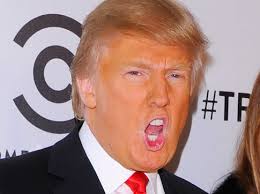
Donald Trump
On February 5, the Republican-dominated Senate acquitted him of the two charges brought by the Democratic House of Representatives on December 18, 2019:
Article 1: Abuse of Power: For pressuring Ukraine to assist him in his re-election campaign by damaging former Vice President Joseph Biden, his possible 2020 Democratic rival; and
Article 2: Obstruction of Congress: For obstructing Congress by blocking testimony of subpoenaed witnesses and refusing to provide documents in response to House subpoenas in the impeachment inquiry.
So Trump escaped impeachment—and the country is now suffering for it. On February 27, the Dow Jones Industrial Average had its single worst one-day drop in history—falling 1,191 points.
The reason can be summed up in one word: Coronavirus. Simply put, investors hate uncertainty, because it makes it hard to plan. And nothing makes uncertainty like a new and frightening virus that’s easily passed on and for which there is no vaccine or cure.
Coronavirus
CDC/ Alissa Eckert, MS; Dan Higgins, MAM / Public domain
And that causes millions of people to change their everyday behavior in unprecedented ways–such as not attending basketball games, eating in restaurants, flying on airplanes, going on cruises—and simply going to work.
Of course, Trump didn’t create the Coronavirus. But he has made it even more of a threat to Americans than it had to be.
In 2017, nearly 700 positions remained vacant at the Centers for Disease Control and Prevention (CDC) because Trump imposed a hiring freeze. This affected programs supporting local and state public health emergency readiness, infectious disease control and chronic disease prevention.
Making the situation worse: The CDC’s director, Tom Friedman, stepped down in January, 2017, and it wasn’t until July that the agency got another one: Brenda Fitzgerald. But she served only until January, 2018. She was succeeded—two months later—by Robert Ray Redfield, Jr. He has been the director since then.
The post of director of the CDC is considered one of the most crucial public health positions in the government. The CDC is charged with tracking and preventing infectious disease outbreaks in the United States and worldwide.

CDC headquarters in Atlanta, Georgia
Another way Trump has sabotaged America’s ability to respond to the Coronavirus outbreak: Gutting the permanent epidemic monitoring and command groups set up inside the White House: The National Security Council (NSC) and the Department of Homeland Security (DHS).
The reason for this: Trump’s pathological jealousy of and hatred for former President Barack Obama.
Since taking office, Trump has made an all-out effort to destroy every vestige of Obama’s legacy as the first black President of the United States. And these disease-monitoring groups were set up by Obama following the Ebola outbreak in West Africa in 2014.
In the spring of 2018, Trump pushed Congress to cut $15 billion from national health spending—and cutting the global disease-fighting budgets of the CDC, National Security Council, Department of Homeland Security and the Department of Health and Human Services.
The Federal $30 million fund for Complex Crises was eliminated as well.
In April, 2018, National Security Adviser John Bolton forced Tom Bossert, director of the infectious disease unit at DHS, to resign—along with his entire team. In May, 2018, Trump ordered the NSC’s global health security unit shut down.
Rear Admiral Timothy Ziemer, who headed the unit, was reassigned.
Neither the NSC nor the DHS epidemic team has been replaced.
The global health section of the CDC was decimated, and had to reduce the number of countries it was monitoring from 49 to 10.
It’s popular to assume that Trump did all of this out of mere ignorance—and there’s plenty of proof of his ignorance in many areas (such as attributing windmills to causing cancer). But far more is at work here.
The vast majority of those who voted for Trump believe that the Federal Government is evil and its agencies that regulate business should be eliminated.
An example of this constituency is Grover Norquist, founder and president of Americans for Tax Reform, which opposes all tax increases and has forced most Republicans to publicly pledge they will as well, under any circumstances.
His most famous quote: “I’m not in favor of abolishing the government. I just want to shrink it down to the size where we can drown it in the bathtub.”
Under Trump, the epidemic-fighting arm of the Federal Government has become so shrunk that America itself may be the one to drown—in an epidemic of Coronavirus.
ABC NEWS, ADOLF HITLER, AFFORDABLE CARE ACT, ALBERT SPEER, ALTERNET, AMERICABLOG, AP, BABY BOOMER RESISTANCE, BARACK OBAMA, BUZZFEED, CBS NEWS, CNN, CROOKS AND LIARS, DAILY KOS, DAILY KOZ, DEBT CEILING, DEPARTMENT OF HOMELAND SECURITY, DONALD TRUMP, EBOLA, EXTORTION, FACEBOOK, FASCISM, FIVETHIRTYEIGHT, GEORGE W. BUSH, HOUSE SPEAKER JOHN BOEHNER, MOTHER JONES, MOVEON, MSNBC, NAZI GERMANY, NBC NEWS, NEGOTIATING, NEWSWEEK, NPR, OBAMACARE, PAP SMEARS, PBS NEWSHOUR, PLANNED PARENTHOOD, POLITICO, POLITICUSUSA, RAW STORY, REPUBLICAN PARTY, REPUBLICANS, REUTERS, RICHARD BURR, SALON, SEATTLE TIMES, SLATE, TALKING POINTS MEMO, THE ATLANTIC, THE CHICAGO SUN-TIMES, THE CHICAGO TRIBUNE, THE DAILY BEAST, THE DAILY BLOG, THE GUARDIAN, THE HILL, THE HUFFINGTON POST, THE LOS ANGELES TIMES, THE NATION, THE NEW YORK TIMES, THE WALL STREET JOURNAL, THE WASHINGTON POST, THINKPROGRESS, TIME, TRICKLE-DOWN ECONOMICS, TRUTHDIG, TWITTER, U.S. NEWS & WORLD REPORT, UPI, USA TODAY, VIVEK MURTHY, WARREN BUFFET, WORLD WAR 11
In Bureaucracy, History, Law, Politics, Social commentary on November 21, 2019 at 12:13 am
During the summer of 2011, Republicans refused to raise the debt ceiling unless Democrats agreed to massively cut social programs for the elderly, poor and disabled.
If Congress failed to raise the borrowing limit of the federal government by August 2, the date when the U.S. reached the limit of its borrowing abilities, America would begin defaulting on its loans.
As Warren Buffett, CEO of Berkshire Hathaway, explained the looming economic catastrophe:
“If you don’t send out Social Security checks, I would hate to think about the credit meeting at S&P and Moody’s the next morning.
“If you’re not paying millions and millions and millions of people that range in age from 65 on up, money you promised them, you’re not a AAA.”
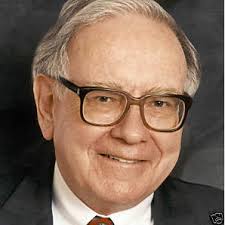
Warren Buffett
A triple-A credit rating is the highest possible rating that can be achieved.
And while Republicans demanded that the disadvantaged tighten their belts, they rejected any raising of taxes on their foremost constituency—the wealthiest 1%.
As the calendar moved ever closer to the fateful date of August 2, Republican leaders continued to insist: Any deal that includes taxes “can’t pass the House.”
To prevent the government from defaulting on its loans, President Barack Obama agreed to sign the Republican-crafted Budget Control Act (BCA) of 2011.
The Act provided for a Joint Select Committee on Deficit Reduction to produce legislation by late November to decrease the deficit by $1.2 trillion over ten years.
When the so-called “Super Committee” failed to reach agreement, the second part of the BCA went into effect.
This directed automatic across-the-board cuts (known as “sequestrations”) split evenly between defense and domestic spending, beginning on January 2, 2013.
A major casualty of sequestration was the Centers for Disease Control and Prevention (CDC). And this threatened the safety of the Nation Republicans claim to love:
- In 2013, the CDC was forced to cut 5%, or more than $285 million, from its budget.
- The sequester cut $195 million from the National Centers for Emerging and Zoonotic Infectious Diseases, a CDC program that tries to prevent illness and death from infectious disease.
- For fiscal 2014, CDC’s budget was $5.9 billion, down from the $6.5 billion allotted in 2010.

Centers for Disease Control and Prevention
In October, 2014, for the first time in United States history, the CDC faced an unexpected outbreak of the dreaded Ebola virus.
To Americans’ horror, the agency initially seemed unable to deal effectively with the threat.
Moreover, the Nation was confronting the Ebola crisis without a Surgeon General—thanks to NRA-funded Republican Senators.
President Obama had nominated Dr. Vivek Murthy for the spot in November, 2013, when the previous surgeon general left the position. But the Senate still hadn’t approved Murthy.
And support for him declined since he tweeted on October 16, 2002, that “guns are a health care issue.”
(On December 15, 2014, the Senate approved Murthy as Surgeon General in a 51–43 Senate vote. He served until 2017.)
At the same time, Republicans rushed to blame President Obama for the continuing Ebola menace in West Africa—and the danger it posed to Americans.
“I think this Ebola outbreak in Africa is a serious problem,” said House Speaker John Boehner. “And I’m a bit surprised the administration hasn’t acted more quickly to address what is a serious threat, not only to Africans but to others around the world.”
“The President made a lot of commitments to combat Ebola, actions which I supported,” said North Carolina U.S. Senator Richard Burr. “But it has become clear that the administration’s capacity to fulfill these promises in a timeline that sufficiently addresses this crisis does not exist.”
But then a new Republican-inspired crisis threatened America.
On December 13, 2014, the U.S. Senate passed a $1.1 trillion spending bill to fund almost the entire government through the September 30 end of the fiscal year.
But one Federal agency was pointedly exempted from full funding: The Department of Homeland Security (DHS).
President George W. Bush had created this agency to safeguard the country against terrorism. But he didn’t imagine that his fellow Republicans might willingly jeopardize the security of the Nation.
President Obama had requested $38.2 billion to fund DHS through fiscal year 2015. But Republicans ensured that its funding would end on February 27.
Republicans had gained control of the House of Representatives after the 2010 elections. And then they gained control of the Senate with the 2014 elections. With their new-found majorities in both houses of Congress, they intended to hold the security of the United States as a hostage.
Their goal: To force Obama to rescind the changes he had made in American immigration policy.

Homeland Security was charged with implementing those changes. And Republicans intended to strip it of funding to do so.
With more than 240,000 employees, DHS is the third largest Cabinet department, after the Departments of Defense and Veterans Affairs.
The Defense Department is charged with protecting the United States through military action abroad. DHS is responsible for safeguarding the Nation inside and outside its borders.
Its goal is to prepare for, prevent and—if prevention fails—respond to man-made accidents, natural disasters and terrorism.
Finally, just as DHS’ funding was about to expire, House Republicans capitulated. They approved a bill the Senate passed to fund DHS without any added conditions.
ABC NEWS, ADOLF HITLER, AFFORDABLE CARE ACT, ALBERT SPEER, ALTERNET, AMERICABLOG, AP, BABY BOOMER RESISTANCE, BARACK OBAMA, BUZZFEED, CBS NEWS, CNN, CROOKS AND LIARS, DAILY KOS, DAILY KOZ, DEBT CEILING, DEPARTMENT OF HOMELAND SECURITY, DONALD TRUMP, EBOLA, EXTORTION, FACEBOOK, FASCISM, FIVETHIRTYEIGHT, GEORGE W. BUSH, HOUSE SPEAKER JOHN BOEHNER, MOTHER JONES, MOVEON, MSNBC, NAZI GERMANY, NBC NEWS, NEGOTIATING, NEWSWEEK, NPR, OBAMACARE, PAP SMEARS, PBS NEWSHOUR, PLANNED PARENTHOOD, POLITICO, POLITICUSUSA, RAW STORY, REPUBLICAN PARTY, REPUBLICANS, REUTERS, RICHARD BURR, SALON, SEATTLE TIMES, SLATE, TALKING POINTS MEMO, THE ATLANTIC, THE CHICAGO SUN-TIMES, THE CHICAGO TRIBUNE, THE DAILY BEAST, THE DAILY BLOG, THE GUARDIAN, THE HILL, THE HUFFINGTON POST, THE LOS ANGELES TIMES, THE NATION, THE NEW YORK TIMES, THE WALL STREET JOURNAL, THE WASHINGTON POST, THINKPROGRESS, TIME, TRICKLE-DOWN ECONOMICS, TRUTHDIG, TWITTER, U.S. NEWS & WORLD REPORT, UPI, USA TODAY, VIVEK MURTHY, WARREN BUFFET, WORLD WAR 11
In Bureaucracy, History, Law, Politics, Social commentary on November 20, 2019 at 12:09 am
Albert Speer, Minister of Armaments for the Third Reich, was appalled.
His Fuhrer, Adolf Hitler—the man he had idolized for 14 years—had just passed a death sentence on Germany, the nation he claimed to love above all others.

Albert Speer and Adolf Hitler pouring over architectural plans
On March 19, 1945, facing certain defeat, Hitler had ordered a massive “scorched-earth” campaign throughout Germany.
All German agriculture, industry, ships, communications, roads, food stuffs, mines, bridges, stores and utility plants were to be destroyed.
If implemented, it would deprive the entire German population of even the barest necessities after the war.
Click here: Hitler’s “Scorched Earth” Decree and Albert Speer’s Response
Now living in a bunker 50 feet below bomb-shattered Berlin, Hitler gave full vent to his most destructive impulses.
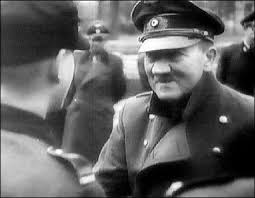
Adolf Hitler addressing boy soldiers as the Third Reich crumbles
“If the war is lost,” Hitler told Speer, “the nation will also perish. This fate is inevitable. There is no necessity to take into consideration the basis which the people will need to continue even a most primitive existence.
“On the contrary, it will be better to destroy these things ourselves, because this nation will have proved to be the weaker one and the future will belong solely to the stronger eastern nation.
“Besides, those who will remain after the battle are only the inferior ones, for the good ones have all been killed.”
Speer argued in vain that there must be a future for the German people. But Hitler refused to back down. He gave Speer 24 hours to reconsider his opposition to the order.
The next day, Speer told Hitler: “My Fuhrer, I stand unconditionally behind you!”
“Then all is well,” said Hitler, suddenly with tears in his eyes.
“If I stand unreservedly behind you,” said Speer, “then you must entrust me rather than the Gauleiters [district Party leaders serving as provincial governors] with the implementation of your decree.”
Filled with gratitude, Hitler signed the decree Speer had thoughtfully prepared before their fateful meeting.
By doing so, Hitler unintentionally gave Speer the power to thwart his “scorched earth” decree.
Speer had been the closest thing to a friend in Hitler’s life. Trained as an architect, he had joined the Nazi Party in 1931.
He met Hitler in 1933, when he presented the Fuhrer with architectural designs for the Nuremberg Rally scheduled for that year.
From then on, Speer became Hitler’s “genius architect” assigned to create buildings meant to last for a thousand years.
In 1943, Hitler appointed him Minister of Armaments, charged with revitalizing the German war effort.
Nevertheless, Speer now crisscrossed Germany, persuading military leaders and district governors to not destroy the vital facilities that would be needed after the war.
“No other senior National Socialist could have done the job,” writes Randall Hanson, author of Disobeying Hitler: German Resistance After Valkyrie.
“Speer was one of the very few people in the Reich–perhaps even the only one–with such power to influence actors’ willingness/unwillingness to destroy.”
Despite his later conviction for war crimes at Nuremberg, Speer never regretted his efforts to save Germany from total destruction at the hands of Adolf Hitler.
Fast-forward to the United States since the 2008 election of President Barack Obama.
Republicans have adopted the same my-way-or-else “negotiating” stance as the German Fuhrer. Like him, they are determined to gain and hold absolute power–or destroy the Nation they claim to love.
During his eight years in the White House, Ronald Reagan presided over a tripling of the national debt—and raised the debt limit 17 times.
President George W. Bush nearly doubled it again.
During the George W. Bush Presidency, Republicans in Congress raised the debt ceiling seven times—when the national debt grew to $10.627 trillion due to tax cuts for the rich and wars in Afghanistan and Iraq.
But none of that mattered to Republicans—so long as one of them held the White House.
Then Barack Obama, a Democrat—worse, a black one—became President.
Suddenly, “fiscal integrity” became the byword of Republicans. And in its name, they repeatedly threatened to shut down the government if their legislative demands weren’t met.
In April, 2011, the United States government almost shut down over Republican demands about subsidized pap smears.
During a late-night White House meeting with President Obama and key Congressional leaders, Republican House Speaker John Boehner made this threat:
His conference would not approve funding for the government if any money were allowed to flow to Planned Parenthood through Title X legislation.
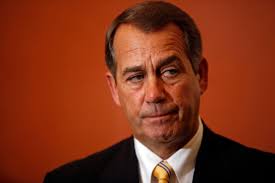
John Boehner
Facing an April 8 deadline, negotiators worked day and night to strike a compromise–and finally reached one.
Three months later—on July 9—Republican extortionists again threatened the Nation with financial ruin and international disgrace unless their demands were met.
By refusing to raise the debt ceiling, they would force the government to default on paying the bills it owed.
President Obama had offered to make historic cuts in the federal government and the social safety net–on which millions of Americans depend for their most basic needs.
But Boehner rejected that offer. He would not agree to the tax increases that Democrats wanted to impose on the wealthiest 1% as part of the bargain.
ABC NEWS, BUBONIC PLAGUE, CATHOLIC CHURCH, CBS NEWS, CNN, DISEASE, EBOLA, FACEBOOK, FAITH, MEDICINE, NBC NEWS, OTTO FRIEDRICH, PLAGUE, POPE CLEMENT VI, RATS, RELIGION, THE BLACK DEATH, THE END OF THE WORLD, THE HUFFINGTON POST, THE LOS ANGELES TIMES, THE NEW YORK TIMES, THE WASHINGTON POST, TWITTER
In Bureaucracy, History, Social commentary on October 16, 2014 at 12:32 am
“It was virulent beyond anything in anyone’s memory, and the most terrifying effect of this mysterious virulence was not only that it killed so many people but that it turned them against one another.”
So opens “The Black Death,” the third chapter of Otto Friedrich’s brilliant 1986 book, The End of the World: A History.

The narrative examines “the monumental, often inexplicable catastrophes that have at various times swept over humankind–moments when, for numerous people, the world did come to an end.”
Among the catastrophes vividly depicted by Friedrich:
- The Sack of Rome
- The Birth of the [Spanish] Inquisition
- The Black Death
- The Coming of [the Russian] Revolution
- The Kingdom of Auschwitz
As America comes face-to-face with the terrors of Ebola, the pages Friedrich devotes to the original plague may turn out to be as much prophecy as history.
Bubonic plague originated in Central Asia, killing 25 million people. Upon reaching Constantinople in 1347, it spread to Naples and Venice. Trade ships from these ports spread the plague to southern France and Italy.
It reached Paris in June, 1348, and London several months later. By 1350, all Europe was ravaged by the plague.
Within four years it destroyed a quarter to half of the population of Europe.
The plague was caused by the bacillus Pasteurella pestis, which lives in rats and other rodents. The fleas living in these animals transmitted the plague to people by biting them. Within five days, the victims had died.
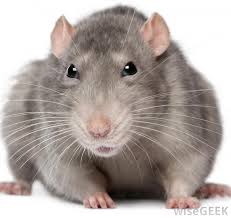
By the time the plague had run its course, it had killed 75 to 200 million people.
The signs of infection became unmistakable: Growths in the thighs, about the size of apples, then dark blotches and bruises on the thighs, arms and other parts of the body.
As a result of these dark blotches, the plague quickly became known as the Black Death.
“O happy posterity,” wrote the Italian poet Petrarch, “who will look upon our testimony as a fable. Will posterity believe that there was a time when, with no deluge from heaven, no worldwide conflagration, no wars or other visible devastation…but almost the whole earth was depopulated?”
The plague destroyed not only the lives of its victims but the fragile bonds that hold society together.
“As the number of deaths increased in Messina,” wrote the Franciscan monk Michael, “many desired to confess their sins to the priests and to draw up their last will and testament. But priests and lawyers refused to enter the houses of the deceased….
“Soon men hated each other so much that, if a son was attacked by the disease, his father would not tend him. If, in spite of all, he dared to approach him, he was immediately infected….
“Soon the corpses were lying forsaken in the houses. No priest, no son, no father and no relation dared to enter, but they paid hired servants with high wages to bury the dead. Soon there was a shortage of servants and finally none at all.”

Bones of plague victims stacked by a monk at the Sedlec Ossuary.
No one knew what caused it. Many–especially members of the Catholic clergy–believed the plague was God’s judgment on a sinful world.
Philip VI, the king of France, fearing this might be true, issued a proclamation against blasphemy. For a first offense, a blasphemer’s lip would be cut off; for a second, the other lip. And for a third offense, the tongue.
Medical professors at the University of Paris believed that a disturbance in the skies had caused the sun to overheat the oceans near India. As a result, the waters were giving off toxic vapors.
Guy de Chauliac, the physician to Pope Clement VI, believed that the plague had been caused by a conjunction of Saturn, Jupiter and Mars, in the sign of Aquarius. This, he believed, had corrupted the earth’s atmosphere.
Just as no one knew what had caused the plague, no one knew how to protect oneself against it.
Among the remedies prescribed: Bleeding, purging, bathing in vinegar to purify the body and the burning of odiferous wood to purify the air.
Others trusted to faith, praying for deliverance. Some went on pilgrimages or subjected themselves to self-flagellation to expiate their sins. The Brotherhood of the Flagellants appeared in Dresden, Hamburg and Magdeburg, then spread throughout Europe.
For others, debauchery seemed to be the road to salvation–or at least temporary happiness while they waited for the plague to claim them.
“People behaved as if their days were numbered,” wrote Giovanni Boccaccio, “and treated their belongings and their own persons with equal abandon. Hence most houses had become common property and any passing stranger could make himself at home.”
Yet none of the prescribed medical cures brought relief. And no amount of religious devotion brought salvation.
As Friedrich notes: “One of the most baffling and terrifying aspects of the plague [was] its indiscriminate slaughter of the devout as well as the sinful. If this was God’s anger, how could it be understood, much less appeased?”
The plague ravaged France, Germany, England, Spain, Norway, Poland, Hungary, Russia. After devastating London in 1665 and Marseille in 1720, the disease mysteriously disappeared.
Some believe the common black rat was destroyed by the larger brown rat, which lived outdoors, away from people. Others believe a milder, mutant form of the disease caused its victims to build up immunities.
No one knows for certain.


 Bureaucracybuster's Blog
_and_Port_of_Toba.jpg)
2016 PRESIDENTIAL CAMPAIGN, 9/11 ATTACKS, ABC NEWS, ADOLF HITLER, AFGHANISTAH, ALTERNET, AMERICABLOG, ANDREW CUOMO, AP, ARMY CORPS OF ENGINEERS, BABY BOOMER RESISTANCE, BARACK OBAMA, BILL CLINTON, BLOOMBERG, BUSES, BUZZFEED, CBS NEWS, CENTERS FOR DISEASE CONTROL AND PREVENTION (CDC), CNN, CORONAVIRUS, COVID-19, CROOKS AND LIARS, DAILY KOZ, DAVID BROOKS, DELTA FORCE, DOCTORS, DONALD RUMSFELD, DONALD TRUMP, DRUDGE RETORT, EBOLA, ELDERLY, FACEBOOK, FEAR, FEDERAL EMERGENCY MANAGEMENT AGENCY, FEEDING AMERICA, FIREFIGHTERS, FIVETHIRTYEIGHT, FOOD BANKS, FOX NEWS NETWORK, FRANKLIN D. ROOSEVELT, GARBAGE MEN, GEORGE H.W. BUSH, GEORGE W. BUSH, GREEN BERETS, GRETCHEN WHITMER, GROCERY SHOPPING, HARPER’S MAGAZINE, IRAQ, JAY INSLEE, LAUREN SAUER, MASKS, MEDIA MATTERS, MIKE PENCE, MOTHER JONES, MOVEON, MSNBC, MUSLIMS, NATIONAL SECURITY COUNCIL, NBC NEWS, NEWSWEEK, NPR, NURSES, NURSING HOMES, OSBMA BIN LADEN, PANIC SHOPPING, PBS NEWSHOUR, PERSONAL PROTECTIVE EQUIPMENT (PPES), POLICE, POLITICO, POLITICUSUSA, RAW STORY, REUTERS, RUDY GIULIANI, SADDAM HUSSEIN, SALON, SAN ANTONIO FOOD BANK, SCHOOLS, SEAN HANNITY, SEAN HANNITY SHOW, SEATTLE TIMES, SLATE, SOCIAL DISTANCING, SPANISH INFLUENZA, STEVEN PRESSFIELD, TALKING POINTS MEMO, TAXIS, THE ATLANTIC, THE CHICAGO SUN-TIMES, THE CHICAGO TRIBUNE, THE DAILY BEAST, THE DAILY BLOG, THE GUARDIAN, THE HILL, THE HUFFINGTON POST, THE LOS ANGELES TIMES, THE NATION, THE NEW REPUBLIC, THE NEW YORK TIMES, THE PENTAGON, THE VILLAGE VOICE, THE WASHINGTON POST, THINKPROGRESS, TIM ZIEMER, TIME, TRUTHDIG, TRUTHOUT, TWITTER, TWO POLITICAL JUNKIES, U.S. NAVY SEALS, U.S. NEWS & WORLD REPORT, UPI, USA TODAY, WASHINGTON MONTHLY, WHITE HOUSE PANDEMIC OFFICE, WILHELM 1, WONKETTE, WORLD TRADE CENTER, YAMICHE ALCINDOR
TWO FACES OF TERROR: 9/11 AND COVID-19: PART TWO (OF FOUR)
In Bureaucracy, History, Medical, Military, Politics, Social commentary on April 21, 2020 at 12:11 amOne of the biggest differences between the September 11, 2001 terrorist attacks and the COVID-19 pandemic is this:
After 9/11, Americans drew strength from each other. During Coronavirus, Americans remain isolated and forced to rely on their own resources.
This has its origins at the top—with President Donald Trump.
Like Adolf Hitler, Trump likes to pit individuals and organizations against each other. Hitler, for example, would assign several agencies to tackle the same problem: “That way, the stronger one gets the job done,” he told his architect, Albert Speer.
This creates needless duplication of efforts and wasted resources. But it ensures that Trump—like Hitler—remains the final voice of authority, since so many others are competing for his favor and direction.
Donald Trump
This has not, however, worked out well for the 50 states that make up the United States of America.
During the Great Depression, President Franklin D. Roosevelt intervened powerfully to ensure that all Americans received the help they needed.
Trump has made it clear that each state is responsible for securing its needed supply of Personal Protective Equipment (PPEs) for its doctors and nurses aiding Coronavirus patients. This has resulted in a dog-eat-dog atmosphere of cutthroat competition and scarcity, with Americans not only fighting the virus but each other.
Even worse: Trump and Republicans are using a deadly plague as a weapon against those Americans they hate.
On March 26, during an interview on Fox News, Trump blamed the failures of his administration’s response to Coronavirus on Democratic state governors like Andrew Cuomo (NY), Jay Inslee (WA), and Gretchen Whitmer (MI).
On March 27, during his press briefing, Trump said he told Vice President Mike Pence—who’s officially in charge of the White House’s response effort—to not call Inslee and Whitmer because they weren’t “appreciative” enough of his efforts.
Trump said this even as hospitals in each of their states were being overwhelmed with Coronavirus patients.
“I tell him—I mean I’m a different type of person— I say, ‘Mike, don’t call the governor in Washington, you’re wasting your time with him. Don’t call the woman in Michigan,’” Trump said. “If they don’t treat you right, I don’t call.”
Trump said that when people criticized him, they were criticizing the federal government: “When they’re not appreciative to me, they’re not appreciative to the Army Corps, they’re not appreciative to FEMA [Federal Emergency Management Agency]. It’s not right.”
Trump also attacked Whitmer on Right-wing Fox News’ “Sean Hannity Show”: “I don’t know if she knows what’s going on, but all she does is sit there and blame the federal government.”
That same day—March 27—Whitmer told a Michigan radio station: “What I’ve gotten back is that vendors with whom we’ve procured contracts—they’re being told not to send stuff to Michigan. It’s really concerning. I reached out to the White House last night and asked for a phone call with the president, ironically at the time this stuff was going on.”
Gretchen Whitmer
A March 29 story in the Washington Monthly sheds light on what lay behind Whitmer’s inability to secure desperately-needed ventilators from her longtime vendors. Its headline ran: “What If Trump Decides to Save Republicans But Not Democrats?”
A sub-headline read: “He’s providing vital resources to red states and ignoring blue states.”
The Black Hand
Florida submitted a request to FEMA on March 11 for 430,000 surgical masks, 180,000 N95 respirators, 82,000 face shields and 238,000 gloves—and received a shipment with everything three days later.
On Fox News, Rudy Giuliani, Trump’s personal lawyer, bluntly told governors: “Take the blame when you have to. When you play with your boss, sometimes it’s better when you don’t win the golf game. He’s the boss, he’s got all the resources.”
The mentality of the Black Hand has come to the Oval Office.
The Washington Monthly story concludes ominously: “What if the White House simply gives all the masks and ventilators to red states and counties, leaving blue ones to struggle? What mechanisms of accountability are left?
“U.S. democracy wasn’t set up to deal with a president openly behaving like a James Bond villain while being protected by a political party behaving more like a mafia than a civic institution.”
But while corpses pile up and Trump wages repeated feuds with state governors, ordinary citizens daily face never-before-imagined fears and dangers.
Coronavirus has forced people to be apart, with each one forced to face his / her own fears of something that can’t be seen and can strike anywhere, anytime, at anyone.
Smart Americans no longer venture outdoors without wearing a mask—a medically-approved N95 one if possible, but at least a homemade one. It’s not unusual to see people wearing blue rubber gloves as well.
N95 mask
Before COVID-19, a masked man entering a bank meant: “This is a robbery!” Today, tellers aren’t surprised when they see a customer wearing a surgical mask.
Going to the supermarket used to be a routine matter: You would assume—usually correctly—that those items you wanted would be in stock. Then you would find and load them into your car.
No longer.
Share this: