Posts Tagged ‘DRUDGE RETORT’
2016 PRESIDENTIAL ELECTION, ABC NEWS, ADOLF HITLER, AFGHANISTAN, ALTERNET, AMERICABLOG, AP, ASIANS, ” 9/11, BABY BOOMER RESISTANCE, BARACK OBAMA, BLACKS, BULLYING, BUZZFEED, CBS NEWS, CNN, COMMUNISM, CROOKS AND LIARS, DAILY KOS, DONALD TRUMP, DRUDGE RETORT, FASCISM, FIVETHIRTYEIGHT, GEORGE W. BUSH, GREAT DEPRESSION, HARPER’S MAGAZINE, HILLARY CLINTON, HISPANICS, IRAQ, JEWS, MEDIA MATTERS, MOTHER JONES, MOVEON, MSNBC, MUSLIMS, NAZI GERMANY, NAZI PARTY, NBC NEWS, NEWSWEEK, NPR, PAUL VON HINDENBURG, PBS NEWSHOUR, POLITICO, POLITICUSUSA, RACISM, RAW STORY, REPUBLICANS, REUTERS, ROBERT PAYNE, SALON, SEATTLE TIMES, SLATE, TALKING POINTS MEMO, THE ATLANTIC, THE CHICAGO SUN-TIMES, THE CHICAGO TRIBUNE, THE DAILY BEAST, THE DAILY BLOG, THE GUARDIAN, THE HILL, THE HUFFINGTON POST, THE LIFE AND DEATH OF ADOLF HITLER, THE LOS ANGELES TIMES, THE LOS ANGELS TIMES, THE NATION, THE NEW REPUBLIC, THE NEW YORK TIMES, THE VILLAGE VOICE, THE WASHINGTON POST, THINKPROGRESS, TIME, TRUTHDIG, TRUTHOUT, TWO POLITICAL JUNKIES, U.S. NEWS & WORLD REPORT, UPI, USA TODAY, WONKETTE, WORLD WAR 11, X
In Bureaucracy, History, Politics, Social commentary on October 8, 2024 at 12:07 am
In his bestselling 1973 biography, The Life and Death of Adolf Hitler, British historian Robert Payne harshly condemned the German people for the rise of the Nazi dictator.
“[They] allowed themselves to be seduced by him and came to enjoy the experience….[They] followed him with joy and enthusiasm because he gave them license to pillage and murder to their hearts’ content. They were his servile accomplices, his willing victims….
“If he answered their suppressed desires, it was not because he shared them, but because he could make use of them. He despised the German people, for they were merely the instruments of his will.”
On November 8, 2016, millions of ignorant, hate-filled, Right-wing Americans elected Donald Trump—a man reflecting their own hate and ignorance—to the Presidency.
Yet, in some ways, Americans had fewer excuses for turning to a Fascistic style of government than the Germans did.
Adolf Hitler joined the National Socialist German Workers (Nazi) Party in 1919—the year after World War 1 ended.
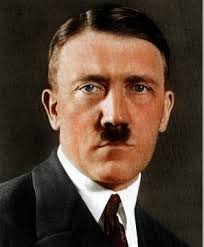
Adolf Hitler
In 1923, he staged a coup attempt in Bavaria—which was quickly and brutally put down by police. He was arrested and sentenced to less than a year in prison.
After that, Hitler decided that winning power through violence was no longer an option. He must win it through election—or appointment.
When the 1929 Depression struck Germany, the fortunes of Hitler’s Nazi party rose as the life savings of ordinary Germans fell. Streets echoed with bloody clashes between members of Hitler’s Nazi Stormtroopers and those of the German Communist Party.
Germans desperately looked for a leader—a Fuhrer—who could somehow deliver them from the threat of financial ruin and Communist takeover.
In early 1933, members of his own cabinet persuaded aging German president, Paul von Hindenburg, that only Hitler’s appointment as Chancellor could do this.
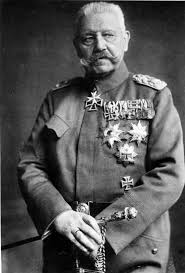
Paul von Hindenburg
Hindenburg was reluctant to do so. He considered Hitler a dangerous radical. But he let himself be convinced that he could “box in” and control Hitler by putting him in the Cabinet.
So, on January 30, 1933, Hindenburg appointed Adolf Hitler Chancellor (the equivalent of Attorney General) of Germany.
On August 2, 1934, Hindenburg died. Hitler immediately assumed the titles—and duties—of the offices of Chancellor and President. His rise to total power was complete.
It had taken him 14 years to do so.
In 2015, Donald Trump declared his candidacy for President.
Now, consider this:
- The country was technically at war in the Middle East—but the fate of the United States was not truly threatened, as it had been during the Civil War.
- There was no draft; if you didn’t know someone in the military, you didn’t care about the casualties taking place.
- Nor were these conflicts—in Iraq and Afghanistan—imposing domestic shortages on Americans, as World War II had.
- Thanks to government loans from President Barack Obama, American capitalism had been saved from its own excesses during the George W. Bush administration.
- Employment was up. CEOs were doing extremely well.
- While corruption had plagued the administration of Ronald Reagan, there had been none during the Obama Presidency.
- Nor had there been any large-scale terrorist attacks on American soil—as there had on 9/11 under President George W. Bush.
Yet—not 17 months after announcing his candidacy for President—enough Americans fervently embraced Donald Trump to give him the most powerful position in the country and the world.
.jpg/220px-Donald_Trump_August_19,_2015_(cropped).jpg)
Donald Trump
The slogan of Barack Obama’s 2008 Presidential campaign had been: “Yes, We Can!”
That of Donald Trump’s campaign might well have been: “No, You Can’t!”
Whites comprised the overwhelming majority of the audiences at Trump rallies. Not all were racists, but many of those who were advertised it on T-shirts: “MAKE AMERICA WHITE AGAIN.”
Birthrates among non-whites were rising. By 2045, whites would make up less than 50 percent of the American population.
The 2008 election of the first black President had shocked whites. His 2012 re-election had deprived them of the hope that 2008 had been an accident.
Then came 2016—and the possibility that a black President might actually be followed by a woman: Hillary Clinton.
After became President, he:
- Fired an FBI director for investigating Russia’s subversion of the 2016 Presidential election.
- Attacked Federal judges whose rulings displeased him.
- So tyrannized his staffers that 43% of them have abandoned him.
- Repeatedly defended Communist dictators Vladimir Putin, Xi Jinping and Kim Jong-Un.
- Attacked America’s oldest allies, such as Canada and Great Britain.
- Shut down the United States Government, imperiling the lives of 800,000 Federal employees, to extort money from Congress for a worthless wall on the U.S.-Mexico border.
- Attacked the free press as “the enemy of the people.”
- Used his position as President to further enrich himself, in violation of the Emoluments Clause of the Constitution.
- Refused to accept the results of the 2020 Presidential election and continues to lie he was cheated by vote fraud.
- Incited a deadly riot against Congress to stop the counting of Electoral College votes so he could become “President-for-Life.”
As Election Day 2024 rapidly approaches, millions of ignorant, hate-filled, Right-wing Americans again lust to send Donald Trump back to the White House.
All of this should be remembered the next time an American blames Germans for their embrace of Adolf Hitler.
2016 PRESIDENTIAL CAMPAIGN, ABC NEWS, AFGHANISTAN, ALEXANDER SHUSTOROVICH, ALTERNET, AMERICABLOG, ANDREW INTRATER, AP, ARCHIBALD COX, BABY BOOMER RESISTANCE, BARACK OBAMA, BENNY JOHNSON, BLOOMBERG, BUZZFEED, CBS NEWS, CIA, CLINTON WATTS, CNN, CRAIG UNGER, CROOKS AND LIARS, DAILY KOZ, DAVE RUBIN, DEPARTMENT OF HOMELAND SECURITY, DEVIN NUNES, DIANNE FEINSTEIN, DONALD TRUMP, DONALD TRUMP JR., DOUG COLLINS, DRUDGE RETORT, FACEBOOK, FBI, FBI’S COUNTERTERRORISM DIVISION, FIVETHIRTYEIGHT, FOREIGN AGENTS REGISTRATION ACT (FARA), FOX NEWS, GREG MILLER, HARPER’S MAGAZINE, HILLARY CLINTON, HOUSE INTELLIGENCE COMMITTEE, HOUSE OF TRUMP HOUSE OF PUTIN (BOOK), ISLAMIC STATE OF IRAQ AND SYRIA (ISIS), ISRAELI INTELLIGENCE, JAMES COMEY, JARED KUSHNER, JEFF SESSIONS, JERROLD NADLER, JOE SCARBOROUGH, JOINT TERRORISM TASK FORCE, KAYLEIGH MCENANY, KEVIN MCCARTHY, LAUREN SUTHERN, LEN BLAVATNIK, LESTER HOLT, LINDSEY GRAHAM, MAIN INTELLIGENCE DIRECTORATE, MALCOM NANCE, MALCOM W. NANCE, MARCO RUBIO, MATT CHRISTIANSEN, MEDIA MATTERS, MICHAEL FLYNN, MICHAEL ISIKOFF, MIKE PENCE, MITCH MCCONNELL, MONEY-LAUNDERING, MOTHER JONES, MOVEON, MSNBC, NATALIA VESELNITSKAYA, NATIONAL SECURITY AGENCY, NBC NEWS, NEWSWEEK, NPR, OFFICE OF THE DIRECTOR OF NATIONAL INTELLIGENCE, PAUL MANAFORT, PAUL RYAN, PBS NEWSHOUR, POLITICO, POLITICUSUSA, PRESIDENT’S DAILY BRIEFING, PRINCETON UNIVERSITY, PROPAGANDA, RAW STORY, REPUBLICAN PARTY, REPUBLICANS, REUTERS, REX TILLERSON, RICHARD M. NIXON, RINAT AKHMETSHIN, ROBERT S. MUELLER 111, ROD ROSENSTEIN, RT, RUSSIA, RUSSIAN ROULETTE (BOOK), SALON, SEAL TEAM SIX, SEATTLE TIMES, SENATE INTELLIGENCE COMMITTEE, SERGEY KISLYAK, SERGEY LAVROV, SLATE, SUPREME COURT, TALIBAN, TALKING POINTS MEMO, TAYLOR HANSEN, TENET MEDIA, THE APPRENTICE (BOOK), THE ATLANTIC, THE CHICAGO SUN-TIMES, THE CHICAGO TRIBUNE, THE DAILY BEAST, THE DAILY BLOG, THE GUARDIAN, THE HILL, THE HUFFINGTON POST, THE LOS ANGELES TIMES, THE NATION, THE NEW REPUBLIC, THE NEW YORK TIMES, THE PLOT TO DESDTROY DEMOCRACY (BOOK), THE PLOT TO DESTROY DEMOCRACY (BOOK), THE VILLAGE VOICE, THE WASHINGTON POST, THINKPROGRESS, TIM POOL, TIME, TREASON, TRUMP INAUGURAL COMMITTEE, TRUMP TOWER MEETING, TRUTHDIG, TRUTHOUT, TWITTER, TWO POLITICAL JUNKIES, U.S. NAVY SEALS, U.S. NEWS & WORLD REPORT, UNITED STATES DEPARTMENT OF JUSTICE, UNITED STATES DEPARTMENT OF STATE, UPI, USA TODAY, VLADIMIR PUTIN, WIKILEAKS, WILLIAM BARR, WONKETTE
In Bureaucracy, History, Law, Law Enforcement, Military, Politics, Social commentary on September 20, 2024 at 12:10 am
Would you believe in a love at first sight?
(Yes, it happens with a mirror all the time.)
What do you see when you turn out the light?
(It stays on so that my face can shine.)
Oh, I get by with a little help from my Vlad.
Mm, I can lie with a little help from my Vlad.
Mm, you’re gonna die with a little help from my Vlad.
The appointment of Robert S. Mueller as Special Counsel aroused unprecedented hopes and fears.
Yet even before the release of the long-awaited Mueller report, several deeply-researched and well-written books outlined Russia’s efforts to subvert the 2016 Presidential race. And they cast devastating light on Trump’s loyalty to the United States.
Among these:
- The Apprentice: Trump, Russia and the Subversion of Democracy, by Greg Miller
- House of Trump, House of Putin: The Untold Story of Donald Trump and the Russian Mafia, by Craig Unger
- Russian Roulette: The Inside Story of Putin’s War on America and the Election of Donald Trump, by Michael Isikoff
- The Plot to Destroy Democracy: How Putin and His Spies Are Undermining America and Dismantling the West, by Malcom W. Nance
According to its blurb on Amazon.com, The Apprentice is “based on interviews with hundreds of people in Trump’s inner circle, current and former government officials, individuals with close ties to the White House, members of the law enforcement and intelligence communities, foreign officials, and confidential documents.”
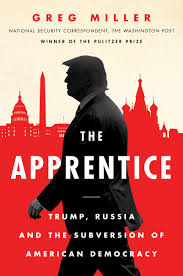
Among the subjects it covers:
- The Trump Tower meeting, where the Trump campaign sought “dirt” on Hillary Clinton from Russian Intelligence agents;
- The penetration by Russian Intelligence of computer systems used by Democrats;
- How Jared Kushner, Trump’s son-in-law, tried to set up a secret back channel to Moscow via Russian diplomatic facilities;
- Trump’s giving Russian officials highly classified secrets supplied by Israeli Intelligence;
- Trump’s clashes with the FBI and CIA.
Miller is a veteran investigative journalist and twice winner of the Pulitzer Prize. Among his stories: National security adviser Michael Flynn’s discussing U.S. sanctions with Russian officials prior to Trump’s inauguration. The story contributed to Flynn’s ouster.
Then there’s House of Trump, House of Putin, whose jacket blurb describes Trump’s inauguration as “the culmination of Vladimir Putin’s long mission to undermine Western democracy, a mission that he and his hand-selected group of oligarchs and Mafia kingpins had ensnared Trump in, starting more than twenty years ago with the massive bailout of a string of sensational Trump hotel and casino failures in Atlantic City.

“…Craig Unger methodically traces the deep-rooted alliance between the highest echelons of American political operatives and the biggest players in the frightening underworld of the Russian Mafia. He traces Donald Trump’s sordid ascent from foundering real estate tycoon to leader of the free world….
“Without Trump, Russia would have lacked a key component in its attempts to return to imperial greatness. Without Russia, Trump would not be president.”
As an appendix to the book, Unger writes: “Donald Trump has repeatedly said he has nothing to do with Russia. Below are fifty-nine Trump connections to Russia.”
Russian Roulette, according to its dust jacket, “is a story of political skullduggery unprecedented in American history. It weaves together tales of international intrigue, cyber espionage, and superpower rivalry.
“After U.S.-Russia relations soured, as Vladimir Putin moved to reassert Russian strength on the global stage, Moscow trained its best hackers and trolls on U.S. political targets and exploited WikiLeaks to disseminate information that could affect the 2016 election.
“The Russians were wildly successful and the great break-in of 2016 was no ‘third-rate burglary.’ It was far more sophisticated and sinister—a brazen act of political espionage designed to interfere with American democracy. At the end of the day, Trump, the candidate who pursued business deals in Russia, won….
“This story of high-tech spying and multiple political feuds is told against the backdrop of Trump’s strange relationship with Putin and the curious ties between members of his inner circle—including Paul Manafort and Michael Flynn—and Russia.”
Malcom Nance, the author of The Plot to Destroy Democracy, is an Intelligence and foreign policy analyst and media commentator on terrorism, intelligence, insurgency and torture.
In his book, he outlines how “Donald Trump was made President of the United States with the assistance of a foreign power.
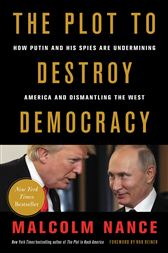
“[It is] the dramatic story of how blackmail, espionage, assassination, and psychological warfare were used by Vladimir Putin and his spy agencies to steal the 2016 U.S. election—and attempted to bring about the fall of NATO, the European Union, and western democracy….
“Nance has utilized top secret Russian-sourced political and hybrid warfare strategy documents to demonstrate the master plan to undermine American institutions that has been in effect from the Cold War to the present day.
“Based on original research and countless interviews with espionage experts, Nance examines how Putin’s recent hacking accomplished a crucial first step for destabilizing the West for Russia, and why Putin is just the man to do it.”
These books—combined with the findings of the Mueller report—clearly establish the damning conclusion: The man now sitting in the Oval Office is an illegitimate usurper, installed by an unholy alliance of American Fascists and Russian Communists.
2016 PRESIDENTIAL CAMPAIGN, ABC NEWS, AFGHANISTAN, ALEXANDER SHUSTOROVICH, ALTERNET, AMERICABLOG, ANDREW INTRATER, AP, ARCHIBALD COX, BABY BOOMER RESISTANCE, BARACK OBAMA, BENNY JOHNSON, BLOOMBERG, BUZZFEED, CBS NEWS, CIA, CLINTON WATTS, CNN, CRAIG UNGER, CROOKS AND LIARS, DAILY KOZ, DAVE RUBIN, DEPARTMENT OF HOMELAND SECURITY, DEVIN NUNES, DIANNE FEINSTEIN, DONALD TRUMP, DONALD TRUMP JR., DOUG COLLINS, DRUDGE RETORT, FACEBOOK, FBI, FBI’S COUNTERTERRORISM DIVISION, FIVETHIRTYEIGHT, FOREIGN AGENTS REGISTRATION ACT (FARA), FOX NEWS, GREG MILLER, HARPER’S MAGAZINE, HILLARY CLINTON, HOUSE INTELLIGENCE COMMITTEE, HOUSE OF TRUMP HOUSE OF PUTIN (BOOK), ISLAMIC STATE OF IRAQ AND SYRIA (ISIS), ISRAELI INTELLIGENCE, JAMES COMEY, JARED KUSHNER, JEFF SESSIONS, JERROLD NADLER, JOE SCARBOROUGH, JOINT TERRORISM TASK FORCE, KAYLEIGH MCENANY, KEVIN MCCARTHY, LAUREN SUTHERN, LEN BLAVATNIK, LINDSEY GRAHAM, MAIN INTELLIGENCE DIRECTORATE, MALCOM NANCE, MALCOM W. NANCE, MARCO RUBIO, MATT CHRISTIANSEN, MEDIA MATTERS, MICHAEL FLYNN, MICHAEL ISIKOFF, MIKE PENCE, MITCH MCCONNELL, MONEY-LAUNDERING, MOTHER JONES, MOVEON, MSNBC, NATALIA VESELNITSKAYA, NATIONAL SECURITY AGENCY, NBC NEWS, NEWSWEEK, NPR, OFFICE OF THE DIRECTOR OF NATIONAL INTELLIGENCE, PAUL MANAFORT, PAUL RYAN, PBS NEWSHOUR, POLITICO, POLITICUSUSA, PRESIDENT’S DAILY BRIEFING, PRINCETON UNIVERSITY, PROPAGANDA, RAW STORY, REPUBLICAN PARTY, REPUBLICANS, REUTERS, REX TILLERSON, RICHARD M. NIXON, RINAT AKHMETSHIN, ROBERT S. MUELLER 111, ROD ROSENSTEIN, RT, RUSSIA, RUSSIAN ROULETTE (BOOK), SALON, SEAL TEAM SIX, SEATTLE TIMES, SENATE INTELLIGENCE COMMITTEE, SERGEY KISLYAK, SERGEY LAVROV, SLATE, SUPREME COURT, TALIBAN, TALKING POINTS MEMO, TAYLOR HANSEN, TENET MEDIA, THE APPRENTICE (BOOK), THE ATLANTIC, THE CHICAGO SUN-TIMES, THE CHICAGO TRIBUNE, THE DAILY BEAST, THE DAILY BLOG, THE GUARDIAN, THE HILL, THE HUFFINGTON POST, THE LOS ANGELES TIMES, THE NATION, THE NEW REPUBLIC, THE NEW YORK TIMES, THE PLOT TO DESTROY DEMOCRACY (BOOK), THE VILLAGE VOICE, THE WASHINGTON POST, THINKPROGRESS, TIM POOL, TIME, TREASON, TRUMP INAUGURAL COMMITTEE, TRUMP TOWER MEETING, TRUTHDIG, TRUTHOUT, TWITTER, TWO POLITICAL JUNKIES, U.S. NAVY SEALS, U.S. NEWS & WORLD REPORT, UNITED STATES DEPARTMENT OF JUSTICE, UNITED STATES DEPARTMENT OF STATE, UPI, USA TODAY, VLADIMIR PUTIN, WIKILEAKS, WILLIAM BARR, WONKETTE
In Bureaucracy, History, Law, Law Enforcement, Military, Politics, Social commentary on September 19, 2024 at 12:16 am
Do you need anybody?
(I need a Gestapo that kills.)
Could it be anybody?
(As long as it kills I get thrills.)
Yes, I get by with a little help from my Vlad.
Mm, I can lie with a little help from my Vlad.
Mm, you’re gonna fry with a little help from my Vlad.
On January 20, 2017—the day Donald Trump became the 45th President of the United States—Michael Flynn became the nation’s 25th National Security Adviser.
Flynn was a former United States Army lieutenant general and director of the Defense Intelligence Agency.
TREASON EXAMPLE #5 On February 8, Flynn denied having spoken to Russian ambassador Sergey Kislyak in December, 2016, about removing the sanctions placed on Russia by the outgoing Obama administration.
The sanctions had been placed in retaliation for Russia’s efforts to manipulate the 2016 Presidential election.
On February 13, The Washington Post reported that Acting Attorney General Sally Yates had warned Trump in late January that Flynn had lied about his contacts with Kislyak—and that he could be blackmailed by Russian Intelligence.
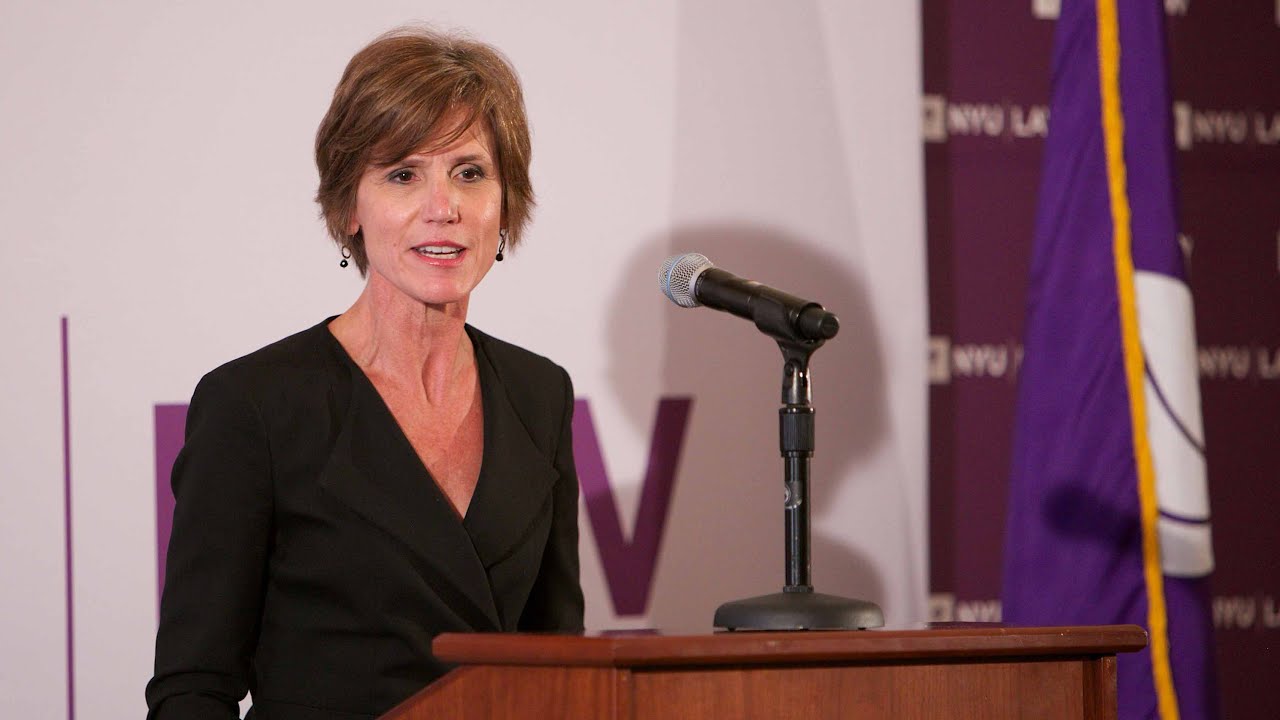
Sally Yates
Flynn was forced to resign that same day—after only 24 days as National Security Adviser.
Officially, the reason given was that he had misled Vice President Mike Pence. But Flynn’s deception had already been known—via the warning to Trump by Yates.
Only after Yates’ warning became known to the media was Flynn forced to resign.
The same Washington Post story reported that, in December, 2015, he had appeared on Russia Today, the news network that American Intelligence agencies consider “the Kremlin’s principal international propaganda outlet.”
He had also received more than $45,000 as a “speaking fee” from the network for a talk on world affairs. At the gala where Flynn received the fee, he sat next to Russian President Vladimir Putin for dinner.
Flynn did not file the required paperwork for the trip. Nor did he report the “fee” to the Pentagon.
On December 1, 2017, Flynn appeared in federal court to formalize a deal with Special Counsel Robert S. Mueller III. He plead guilty to a felony count of “willfully and knowingly” making “false, fictitious and fraudulent statements” to the FBI.
TREASON EXAMPLE #6 On May 9, 2017, President Trump fired FBI Director James Comey for investigating Russia’s subversion of the 2016 Presidential race.
There were four reasons for this:
- Comey had refused to pledge his personal loyalty to Trump. Trump had made the “request” during a private dinner at the White House in January.
- Comey told Trump that he would always be honest with him. But that didn’t satisfy Trump’s demand that the head of the FBI act as his personal secret police chief—as was the case in the former Soviet Union.
- Comey had rejected Trump’s attempt to coerce him into dropping the FBI’s investigation into former National Security Adviser Michael Flynn.
- Comey had recently asked the Justice Department to fund an expanded FBI investigation into well-documented contacts between Trump’s 2016 Presidential campaign and Russian Intelligence agents.

James Comey
TREASON EXAMPLE #7 On May 10, Trump met with Russian Foreign Minister Sergey Lavrov and Russian Ambassador Sergey Kislyak in the Oval Office—and gave them highly classified Israeli Intelligence about an Islamic State plot to turn laptops into concealable bombs.
Kislyak is reportedly a top recruiter for Russia’s SVR foreign intelligence agency. He has been closely linked with Jeff Sessions, then Attorney General, and fired National Security Adviser Mike Flynn.
“I just fired the head of the FBI,” Trump told the two dignitaries. “He was crazy, a real nut job. I faced great pressure because of Russia. That’s taken off.”
TREASON EXAMPLE #8 On July 16, 2018, Trump attended a press conference in Helsinki, Finland, with Russian President Vladimir Putin.
There he blamed American Intelligence agencies—such as the FBI, CIA and National Security Agency—as partners in a conspiracy: “You have groups that are wondering why the FBI never took the server, why haven’t they taken the server? Why was the FBI told to leave the office of the Democratic National Committee?
“I have President Putin. He just said it’s not Russia. I will say this: I don’t see any reason why it would be.”
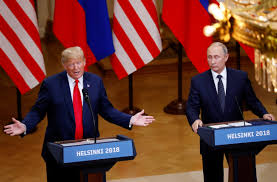
Donald Trump, Vladimir Putin in Helsinki
TREASON EXAMPLE #9 On June 9, 2018, Trump called for Russia to be readmitted to the G7.
“I think it would be an asset to have Russia back in,” he said during an impromptu press conference at the summit.
“I think it would be good for the world. I think it would be good for Russia. I think it would be good for the United States. I think it would be good for all of the countries of the current G7. I think the G8 would be better.”
Russia was ousted from the group in 2014 after Putin annexed Crimea—the first violation of a European country’s borders since World War II.
“Today crystallizes precisely why Putin was so eager to see Trump elected,” said former Obama National Security Council spokesman Ned Price.
“For Putin, this is return on his investment, and it’s safe to say that his investment has paid off beyond even his wildest dreams,” he said in a statement to CNN.
2016 PRESIDENTIAL CAMPAIGN, ABC NEWS, AFGHANISTAN, ALEXANDER SHUSTOROVICH, ALTERNET, AMERICABLOG, ANDREW INTRATER, AP, ARCHIBALD COX, BABY BOOMER RESISTANCE, BARACK OBAMA, BENNY JOHNSON, BLOOMBERG, BUZZFEED, CBS NEWS, CIA, CLINTON WATTS, CNN, CRAIG UNGER, CROOKS AND LIARS, DAILY KOZ, DAVE RUBIN, DEPARTMENT OF HOMELAND SECURITY, DEVIN NUNES, DIANNE FEINSTEIN, DONALD TRUMP, DONALD TRUMP JR., DOUG COLLINS, DRUDGE RETORT, FACEBOOK, FBI, FBI’S COUNTERTERRORISM DIVISION, FIVETHIRTYEIGHT, FOREIGN AGENTS REGISTRATION ACT (FARA), FOX NEWS, GREG MILLER, HARPER’S MAGAZINE, HILLARY CLINTON, HOUSE INTELLIGENCE COMMITTEE, HOUSE OF TRUMP HOUSE OF PUTIN (BOOK), ISLAMIC STATE OF IRAQ AND SYRIA (ISIS), ISRAELI INTELLIGENCE, JAMES COMEY, JARED KUSHNER, JEFF SESSIONS, JERROLD NADLER, JOE SCARBOROUGH, JOINT TERRORISM TASK FORCE, KAYLEIGH MCENANY, KEVIN MCCARTHY, LAUREN SUTHERN, LEN BLAVATNIK, LINDSEY GRAHAM, MAIN INTELLIGENCE DIRECTORATE, MALCOM NANCE, MALCOM W. NANCE, MARCO RUBIO, MATT CHRISTIANSEN, MEDIA MATTERS, MICHAEL FLYNN, MICHAEL ISIKOFF, MIKE PENCE, MITCH MCCONNELL, MONEY-LAUNDERING, MOTHER JONES, MOVEON, MSNBC, NATALIA VESELNITSKAYA, NATIONAL SECURITY AGENCY, NBC NEWS, NEWSWEEK, NPR, OFFICE OF THE DIRECTOR OF NATIONAL INTELLIGENCE, PAUL MANAFORT, PAUL RYAN, PBS NEWSHOUR, POLITICO, POLITICUSUSA, PRESIDENT’S DAILY BRIEFING, PRINCETON UNIVERSITY, PROPAGANDA, RAW STORY, REPUBLICAN PARTY, REPUBLICANS, REUTERS, REX TILLERSON, RICHARD M. NIXON, RINAT AKHMETSHIN, ROBERT S. MUELLER 111, ROD ROSENSTEIN, RT, RUSSIA, RUSSIAN ROULETTE (BOOK), SALON, SEAL TEAM SIX, SEATTLE TIMES, SENATE INTELLIGENCE COMMITTEE, SERGEY KISLYAK, SERGEY LAVROV, SLATE, SUPREME COURT, TALIBAN, TALKING POINTS MEMO, TAYLOR HANSEN, TENET MEDIA, THE APPRENTICE (BOOK), THE ATLANTIC, THE CHICAGO SUN-TIMES, THE CHICAGO TRIBUNE, THE DAILY BEAST, THE DAILY BLOG, THE GUARDIAN, THE HILL, THE HUFFINGTON POST, THE LOS ANGELES TIMES, THE NATION, THE NEW REPUBLIC, THE NEW YORK TIMES, THE PLOT TO DESTROY DEMOCRACY (BOOK), THE VILLAGE VOICE, THE WASHINGTON POST, THINKPROGRESS, TIM POOL, TIME, TREASON, TRUMP INAUGURAL COMMITTEE, TRUMP TOWER MEETING, TRUTHDIG, TRUTHOUT, TWITTER, TWO POLITICAL JUNKIES, U.S. NAVY SEALS, U.S. NEWS & WORLD REPORT, UNITED STATES DEPARTMENT OF JUSTICE, UNITED STATES DEPARTMENT OF STATE, UPI, USA TODAY, VLADIMIR PUTIN, WIKILEAKS, WILLIAM BARR, WONKETTE
In Bureaucracy, History, Law, Law Enforcement, Military, Politics, Social commentary on September 18, 2024 at 12:14 am
What do I do when the bank calls me in?
(Does it worry you to be in debt?)
How do I feel when I need rubles fast?
(Do you worry Vlad might say “Nyet”?)
No, I get by with a little help from my Vlad.
Mm, I can lie with a little help from my Vlad.
Mm, you’re gonna fry with a little help from my Vlad.
Donald Trump—as the Republican nominee for President—steadfastly refused to acknowledge his decades-long relationship with Russia. On October 24, 2016, he stated: “I have nothing to do with Russia, folks, I’ll give you a written statement.”
In fact, Trump had a highly profitable relationship with Russia—as his two sons, Donald, Jr., and Eric, unintentionally revealed:
In 2008, Donald Trump, Jr. said at a New York real estate conference: “In terms of high-end product influx into the US, Russians make up a pretty disproportionate cross-section of a lot of our assets….We see a lot of money pouring in from Russia.”
And Trump’s son, Eric, said in 2014: “Well, we don’t rely on American banks. We have all the funding we need out of Russia.”
Trump quickly appointed men with ties to Russian officials to high positions.
Among these: Attorney General Jeff Sessions. During the 2016 campaign, Sessions—then serving as a surrogate for Trump’s campaign—twice spoke with Russian Ambassador Sergey Kislyak.
But during his Senate confirmation hearings, Sessions denied that he had had “communications with the Russians” during the campaign.
The discovery of numerous contacts between Trump campaign officials and Russian Intelligence agents led the FBI to investigate Russia’s efforts to influence the outcome of the 2016 Presidential election.
TREASON EXAMPLE #4: Trump has repeatedly praised and defended Russian dictator Vladimir Putin.

Vladimir Putin
On December 18, 2015, Trump appeared on MSNBC’s “Morning Joe.” Its host, Joe Scarborough, was upset by Trump’s praise for Putin:
SCARBOROUGH: Well, I mean, [he’s] also a person who kills journalists, political opponents, and invades countries. Obviously that would be a concern, would it not?
TRUMP: He’s running his country, and at least he’s a leader. Unlike what we have in this country.
SCARBOROUGH: But again: He kills journalists that don’t agree with him.
TRUMP: I think our country does plenty of killing, also, Joe, so, you know. There’s a lot of stupidity going on in the world right now, Joe. A lot of killing going on. A lot of stupidity. And that’s the way it is.
On October 7, 2016, the Department of Homeland Security and the Office of the Director of National Intelligence issued a joint statement blaming the Russian government for the hacking of Democratic National Committee emails. Its motive: “To interfere with the US election process.”
Two days later, Trump publicly stated: “But I notice, anytime anything wrong happens, they like to say the Russians are—Maybe there is no hacking. But they always blame Russia.”
On December 16, 2016, FBI Director James B. Comey and Director of National Intelligence James R. Clapper Jr. agreed with a CIA assessment that Russia intervened in the 2016 election in part to help Donald Trump win the White House.

Trump, however, steadfastly denied any such role by Russia: “I think it’s ridiculous,” he told “Fox News Sunday.” “I think it’s just another excuse. I don’t believe it….No, I don’t believe it at all.”
Clinton Watts, a consultant to the FBI’s Counter Terrorism Division, is an expert on cyberwarfare.
Testifying before the U.S. Senate Select Committee on Intelligence on March 30, 2017, Watts outlined cyberwarfare measures that Russia used to subvert the 2016 Presidential campaign.
This pattern of Russian falsehoods and social media manipulation of the American electorate continued through Election Day and persists today.
Many of the accounts we watched push the false Incirlik story in July now focus their efforts on shaping the upcoming European elections, promoting fears of immigration or false claims of refugee criminality.
They’ve not forgotten about the United States either. This past week, we observed social media campaigns targeting Speaker of the House Paul Ryan hoping to foment further unrest amongst U.S. democratic institutions, their leaders and their constituents.
As we noted two days before the Presidential election in our article describing Russian influence operations, Russia certainly seeks to promote Western candidates sympathetic to their worldview and foreign policy objectives.
But winning a single election is not their end goal. Russian Active Measures hope to topple democracies through the pursuit of five complementary objectives:
- Undermine citizen confidence in democratic governance;
- Foment and exacerbate divisive political fractures;
- Erode trust between citizens and elected officials and democratic institutions;
- Popularize Russian policy agendas within foreign populations;
- Create general distrust or confusion over information sources by blurring the lines between fact and fiction.
From these objectives, the Kremlin can crumble democracies from the inside out creating political divisions resulting in two key milestones:
- The dissolution of the European Union and
- The break up of the North American Treaty Organization (NATO).
TREASON EXAMPLE #5 On January 20, 2017—the day Donald J. Trump became the 45th President of the United States—Michael Flynn took office as the nation’s 25th National Security Adviser.
Two days later, The Wall Street Journal reported that Flynn was under investigation by U.S. counterintelligence agents for his secret communications with Russian officials.
2016 PRESIDENTIAL CAMPAIGN, ABC NEWS, AFGHANISTAN, ALEXANDER SHUSTOROVICH, ALTERNET, AMERICABLOG, ANDREW INTRATER, AP, ARCHIBALD COX, BABY BOOMER RESISTANCE, BARACK OBAMA, BENNY JOHNSON, BLOOMBERG, BUZZFEED, CBS NEWS, CIA, CLINTON WATTS, CNN, CRAIG UNGER, CROOKS AND LIARS, DAILY KOZ, DAVE RUBIN, DEPARTMENT OF HOMELAND SECURITY, DEVIN NUNES, DIANNE FEINSTEIN, DONALD TRUMP, DONALD TRUMP JR., DOUG COLLINS, DRUDGE RETORT, FACEBOOK, FBI, FBI’S COUNTERTERRORISM DIVISION, FIVETHIRTYEIGHT, FOREIGN AGENTS REGISTRATION ACT (FARA), FOX NEWS, GREG MILLER, HARPER’S MAGAZINE, HILLARY CLINTON, HOUSE INTELLIGENCE COMMITTEE, HOUSE OF TRUMP HOUSE OF PUTIN (BOOK), ISLAMIC STATE OF IRAQ AND SYRIA (ISIS), ISRAELI INTELLIGENCE, JAMES COMEY, JARED KUSHNER, JEFF SESSIONS, JERROLD NADLER, JOE SCARBOROUGH, JOINT TERRORISM TASK FORCE, KAYLEIGH MCENANY, KEVIN MCCARTHY, LAUREN SUTHERN, LEN BLAVATNIK, LINDSEY GRAHAM, MAIN INTELLIGENCE DIRECTORATE, MALCOM NANCE, MALCOM W. NANCE, MARCO RUBIO, MATT CHRISTIANSEN, MEDIA MATTERS, MICHAEL FLYNN, MICHAEL ISIKOFF, MIKE PENCE, MITCH MCCONNELL, MONEY-LAUNDERING, MOTHER JONES, MOVEON, MSNBC, NATALIA VESELNITSKAYA, NATIONAL SECURITY AGENCY, NBC NEWS, NEWSWEEK, NPR, OFFICE OF THE DIRECTOR OF NATIONAL INTELLIGENCE, PAUL MANAFORT, PAUL RYAN, PBS NEWSHOUR, POLITICO, POLITICUSUSA, PRESIDENT’S DAILY BRIEFING, PRINCETON UNIVERSITY, PROPAGANDA, RAW STORY, REPUBLICAN PARTY, REPUBLICANS, REUTERS, REX TILLERSON, RICHARD M. NIXON, RINAT AKHMETSHIN, ROBERT S. MUELLER 111, ROD ROSENSTEIN, RT, RUSSIA, RUSSIAN ROULETTE (BOOK), SALON, SEAL TEAM SIX, SEATTLE TIMES, SENATE INTELLIGENCE COMMITTEE, SERGEY KISLYAK, SERGEY LAVROV, SLATE, SUPREME COURT, TALIBAN, TALKING POINTS MEMO, TAYLOR HANSEN, TENET MEDIA, THE APPRENTICE (BOOK), THE ATLANTIC, THE CHICAGO SUN-TIMES, THE CHICAGO TRIBUNE, THE DAILY BEAST, THE DAILY BLOG, THE GUARDIAN, THE HILL, THE HUFFINGTON POST, THE LOS ANGELES TIMES, THE NATION, THE NEW REPUBLIC, THE NEW YORK TIMES, THE PLOT TO DESTROY DEMOCRACY (BOOK), THE VILLAGE VOICE, THE WASHINGTON POST, THINKPROGRESS, TIM POOL, TIME, TREASON, TRUMP INAUGURAL COMMITTEE, TRUMP TOWER MEETING, TRUTHDIG, TRUTHOUT, TWITTER, TWO POLITICAL JUNKIES, U.S. NAVY SEALS, U.S. NEWS & WORLD REPORT, UNITED STATES DEPARTMENT OF JUSTICE, UNITED STATES DEPARTMENT OF STATE, UPI, USA TODAY, VLADIMIR PUTIN, WIKILEAKS, WILLIAM BARR, WONKETTE
In Bureaucracy, History, Law, Law Enforcement, Military, Politics, Social commentary on September 17, 2024 at 12:10 am
What would you think if I ripped off some kids?
Would you walk out and not vote for me?
Lend me your ears and I’ll feed you a line
And I’ll try not to laugh cynically.
Oh, I get by with a little help from my Vlad.
Mm, I can lie with a little help from my Vlad.
Mm, you’re gonna fry with a little help from my Vlad.
On September 4, the Department of Justice indicted two Russian nationals—Kostiantyn Kalashnikov, 31, and Elena Afanasyeva, 27—for conspiracy to violate the Foreign Agents Registration Act (FARA) and conspiracy to commit money laundering.
Both were employees of RT, a Russian state-controlled media outlet, in a $10 million scheme to create and distribute hidden Russian propaganda to U.S. audiences.
RT did so through its ownership of Tenet Media, an American Right-wing company. Among its employees were six right-wing influencers: Matt Christiansen, Tayler Hansen, Benny Johnson, Tim Pool, Dave Rubin and Lauren Southern.

Numerous Republicans have profited through Russian bribes (officially described as “campaign contributions”). Among these:
- Former Senate Majority Leader Mitch McConnell (Kentucky);
- Former House Speaker Paul Ryan;
- Senator Marco Rubio (Florida);
- Former House Minority Leader Kevin McCarthy (California);
- Senator Lindsey Graham (South Carolina).
But no Republican has benefited more from Russian monies and assistance than former President Donald Trump, who received:
- $1 million to the Trump Inaugural Committee from Russian oligarch Len Blavatnik;
- $1 million to the Trump Inaugural Committee from Russian oligarch Alexander Shustorovich;
- $250,000 to Trump’s Inaugural Committee from Russian oligarch, Andrew Intrater
Trump has repeatedly claimed “no collusion” between himself and Russia. But the evidence overwhelmingly speaks otherwise.
TREASON EXAMPLE #1 On July 9, 2016, high-ranking members of his Presidential campaign met at Trump Tower with at least two lobbyists who had ties to Russian dictator Vladimir Putin. The participants included:
- Trump’s son, Donald Trump Jr.;
- His son-in-law, Jared Kushner;
- His then-campaign manager, Paul Manafort;
- Natalia Veselnitskaya, a Russian lawyer with ties to Putin; and
- Rinat Akhmetshin, a former Soviet counterintelligence officer suspected of having ongoing ties to Russian Intelligence.
The purpose of that meeting: To gain access to any “dirt” Russian Intelligence could supply on Democratic Presidential nominee Hillary Clinton.
Trump originally claimed that the meeting was “about the adoption of Russian children.” Eventually he admitted that it had been “a meeting to get information on an opponent.”
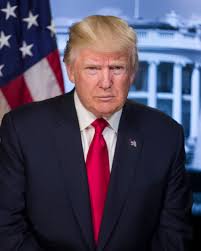
Donald Trump
TREASON EXAMPLE #2 On July 22, 2016, Wikileaks released 19,252 emails and 8,034 attachments hacked from computers of the highest-ranking officials of the Democratic National Committee (DNC). Early reports traced the leak to Russian hackers.
On July 27, 2016, during his campaign for President, Trump said at a press conference in Doral, Florida: “Russia, if you are listening, I hope you are able to find the 33,000 emails that are missing [from Democratic Presidential candidate Hillary Clinton’s computer]. I think you will probably be rewarded mightily by our press.”
Hours later, the Main Intelligence Directorate in Moscow targeted Clinton’s personal office and hit more than 70 other Clinton campaign accounts.
Clinton Watts is a consultant and researcher on cyberwarfare. He has served as
- An FBI Special Agent on a Joint Terrorism Task Force (JTTF);
- The Executive Officer of the Combating Terrorism Center at West Point (CTC); and
- A consultant to the FBI’s Counter Terrorism Division (CTD) and National Security Branch (NSB).
In a statement he prepared for the U.S. Senate Select Committee on Intelligence, Watts outlined cyberwarfare measures that Russia used to subvert the 2016 Presidential campaign.
He delivered this on March 30. 2017. Part of this reads as follows:
Through the end of 2015 and start of 2016, the Russian influence system….began pushing themes and messages seeking to influence the outcome of the U.S. Presidential election.
Russia’s overt media outlets and covert trolls sought to sideline opponents on both sides of the political spectrum with adversarial views toward the Kremlin. The final months leading up to the election have been the predominate focus of Russian influence discussions to date.
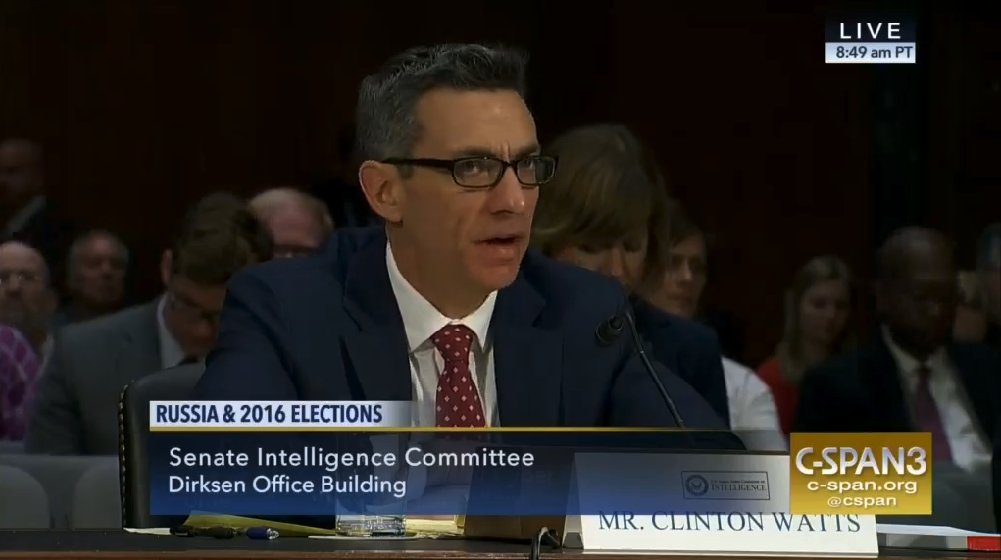
Clinton Watts
However, Russian Active Measures were in full swing during both the Republican and Democratic primary season and may have helped sink the hopes of candidates more hostile to Russian interests long before the field narrowed.
The final piece of Russia’s modern Active Measures surfaced in the summer of 2016 as hacked materials from previous months were strategically leaked.
On 22 July 2016, Wikileaks released troves of stolen communications from the Democratic National Committee and later batches of campaign emails. Guccifer 2.0 and DC Leaks revealed hacked information from a host of former U.S. government officials throughout July and August 2016.
For the remainder of the campaign season, this compromising material powered the influence system Russia successfully constructed in the previous two years.
TREASON EXAMPLE #3 Throughout 2016, the CIA, FBI and National Security Agency (NSA) found numerous ties between officials of the Trump Presidential campaign and Russian Intelligence agents.
And many of those Trump appointed to office had strong ties to the government of Russian President Vladimir Putin.

Rex Tillerson
One of these was Secretary of State Rex Tillerson. In 2013, as the chief executive of ExxonMobil, he was presented with Russia’s Order of Friendship award. He had just signed deals with the state-owned Russian oil company Rosneft. Its chief, Igor Sechin, is a loyal Putin lieutenant.
ABC NEWS, ALTERNET, AMERICABLOG, AP, “EL CID” (MOVIE, BABY BOOMER RESISTANCE, BLOOMBERG, BUZZFEED, CAMILLUS, CBS NEWS, CHARLTON HESTON, CHRISTOPHER SWANSON, CNN, CROOKS AND LIARS, DAILY KOS, DEREK CHAUVIN, DONALD TRUMP, DRUDGE RETORT, FIVETHIRTYEIGHT, FLINT TOWNSHIP, GEORGE FLOYD, HARPER’S MAGAZINE, LOS ANGELES, MARCUS FURIUS, MEDIA MATTERS, MOORS, MOTHER JONES, MOVEON, MSNBC, NBC NEWS, NEW YORK CITY, NEWSWEEK, NICCOLO MACHIAVELLI, NPR, PBS NEWSHOUR, POLITICO, POLITICUSUSA, RAW STORY, REUTERS, RODRIGO DIAZ DE VIVAR, SALON, SAN FRANCISCO, SEATTLE TIMES, SLATE, SPAIN, ST. JOHN’S CHURCH, TALKING POINTS MEMO, THE ATLANTIC, THE CHICAGO SUN-TIMES, THE CHICAGO TRIBUNE, THE DAILY BEAST, THE DAILY BLOG, THE DISCOURSES, THE GUARDIAN, THE HILL, THE HUFFINGTON POST, THE LOS ANGELES TIMES, THE NATION, THE NEW REPUBLIC, THE NEW YORK TIMES, THE VILLAGE VOICE, THE WASHINGTON POST, THINKPROGRESS, TIME, TRUTHDIG, TRUTHOUT, TWO POLITICAL JUNKIES, U.S. NEWS & WORLD REPORT, UPI, USA TODAY, VALENCIA, WONKETTE, X
In Bureaucracy, History, Law Enforcement, Politics, Social commentary on August 29, 2024 at 12:12 am
Two stories—one fictitious, the other historical.
Story #1: In the 1961 historical epic, “El Cid,” Rodrigo Diaz de Vivar, known as “El Cid”—“The Lord”—besieges the Spanish city of Valencia, which has been captured by the Moors.
Months have passed. The city’s population is starving and without hope.
Then, one day, El Cid (Charlton Heston) calls out over the city’s walls: “Soldiers and citizens of Valencia! We are not your enemy! Ben Yusof [the powerful emir who plans to conquer Spain with an invading army] is your enemy!
“Join us! We bring you peace! We bring you freedom! We bring you bread!”
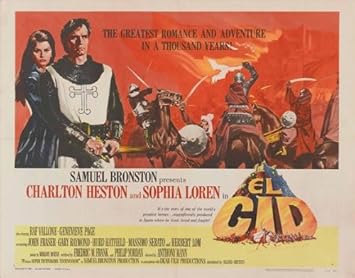
Suddenly El Cid’s Spanish catapults spring into action—loaded not with stones but loaves of bread. The loaves land in the city’s streets, where starving citizens and soldiers greedily devour them.
Then those citizens attack the bodyguards of the well-fed emir ruling Valencia—and throw the emir himself from a high wall.
The army of El Cid marches peacefully into the city.
Story #2: In Book Three, Chapter 22 of his classic masterwork, The Discourses, Niccolo Machiavelli offers the following: “An Act of Humanity Prevailed More With the Falacians Than All the Power of Rome.”
Marcus Furius Camillus, a Roman general, was besieging the city of the Faliscians, and had surrounded it. A teacher charged with the education of the children of some of the noblest families of that city decided to ingratiate himself with Camillus by leading those children into the Roman camp.
Presenting them to Camillus the teacher said to him, “By means of these children as hostages, you will be able to compel the city to surrender.”
Camillus not only declined the offer but went one step further. He ordered the teacher stripped and his hands tied behind his back. Then Camillus had a rod put into the hands of each of the children and directed them to whip the teacher all the way back to the city.
Upon learning this, the citizens of Faliscia were so much touched by the humanity and integrity of Camillus, that they surrendered the place to him without any further defense.
Summing up the meaning of this, Machiavelli writes: “This example shows that an act of humanity and benevolence will at all times have more influence over the minds of men than violence and ferocity. It also proves that provinces and cities which no armies…could conquer, have yielded to an act of humanity, benevolence, chastity or generosity.
“…History also shows us how much the people desire to find such virtues in great men, and how much they are extolled by historians and biographers of princes….Amongst these, Xenophon takes great pains to show how many victories, how much honor and fame, Cyrus gained by his humanity and affability, and by his not having exhibited a single instance of pride, cruelty or luxuriousness, nor of any of the other vices that are apt to stain the lives of men.”

Niccolo Machiavelli
These stories—the first the product of a movie screenwriter’s imagination, the second recorded by a master political scientist and historian—remain highly relevant today.
On May 25, 2020, George Floyd, a black unemployed restaurant security guard, was murdered by Derek Chauvin, a white Minneapolis police officer. While Floyd was handcuffed and lying face down on a city street during an arrest, Chauvin kept his knee on the right side of Floyd’s neck for eight minutes and 46 seconds.
Cities across the United States erupted in mass protests over Floyd’s death—and police killings of black victims generally. Most of these demonstrations proved peaceful.
But cities such as Los Angeles, San Francisco and New York City saw stores looted, vandalized and/or burned. In response, President Donald Trump called for harsh policing, telling governors in a nationwide conference call that they must “dominate” protesters or be seen as “weak.”
To drive home his point, Trump ordered police and National Guard troops to violently remove peaceful protesters from Lafayette Square, which borders St. John’s Church near the White House.
The purpose of the removal: To allow Trump to have a photo opportunity outside the church.
“I imposed a curfew at 7pm,” tweeted Washington, D.C. Mayor Muriel Bowser. “A full 25 minutes before the curfew & w/o provocation, federal police used munitions on peaceful protestors in front of the White House, an act that will make the job of @DCPoliceDept officers more difficult. Shameful!”
Contrast that with the example of Sheriff Christopher Swanson of Genesee County, Michigan.

Sheriff Christopher Swanson
Confronting a mass of aroused demonstrators in Flint Township on May 30, Swanson responded: “We want to be with you all for real.”
So Swanson took his helmet off. His deputies laid their batons down.
“I want to make this a parade, not a protest. So, you tell us what you need to do.”
“Walk with us!” the protesters shouted.
“Let’s walk, let’s walk,” said Swanson.
Cheering and applause resounded.
“Let’s go, let’s go,” Swanson said as he and the cheering crowd proceeded. “Where do you want to walk? We’ll walk all night.”
And Swanson and his fellow officers walked in sympathy with the protesters.
No rioting followed.
2020 PRESIDENTIAL ELECTION, ABC NEWS, ALEX VINDMAN, ALTERNET, AMERICABLOG, AP, BABY BOOMER RESISTANCE, BBC, BLOOMBERG NEWS, BUZZFEED, CBS NEWS, CNN, CROOKS AND LIARS, DAILY KOS, DAVID PRESSMAN, DEMOCRATS, DONALD TRUMP, DRUDGE RETORT, FIVETHIRTYEIGHT, GORDON SONDLAND, HARPER’S MAGAZINE, HUFFINGTON POST, JOHN ROOD, JOSEPH BIDEN, MARK ESPER, MEDIA MATTERS, MORNING JOE, MOTHER JONES, MOVEON, MSNBC, NBC NEWS, NEW REPUBLIC, NEWSDAY, NEWSWEEK, NICCOLO MACHIAVELLI, NPR, PBS NEWSHOUR, POLITICO, POLITICUSUSA, RAW STORY, REPUBLICANS, REUTERS, SALON, SEATTLE TIMES, SLATE, TALKING POINTS MEMO, THE ATLANTIC, THE CHICAGO SUN-TIMES, THE CHICAGO TRIBUNE, THE DAILY BEAST, THE DAILY BLOG, THE GUARDIAN, THE HILL, THE HUFFINGTON POST, THE INTERCEPT, THE LOS ANGELES TIMES, THE NATION, THE NEW REPUBLIC, THE NEW YORK TIMES, THE NEW YORKER, THE PENTAGON, THE PRINCE, THE VILLAGE VOICE, THE WASHINGTON POST, THINKPROGRESS, TIME, TRUTHDIG, TRUTHOUT, TWO POLITICAL JUNKIES, U.S. NEWS & WORLD REPORT, UKRAINE, UPI, USA TODAY, VOLODMYR ZELENSKY, WONKETTE, X, YEVGENEY VINDMAN
In Bureaucracy, History, Law, Military, Politics, Social commentary on August 19, 2024 at 12:11 am
“There is no other way of guarding oneself against flattery than by letting men understand that they will not offend you by speaking the truth. But when every one can tell you the truth, you lose their respect.
“A prudent prince must therefore take a third course, by choosing for his counsel wise men, and giving them alone full liberty to speak the truth to him, but only of those things that he asks and of nothing else.”
So wrote the Italian statesman Niccolo Machiavelli more than 500 years ago in his famous treatise on politics, The Prince. And he added:
“But he must be a great asker about everything and hear their opinions, and afterwards deliberate by himself in his own way, and in these counsels and with each of these men comport himself so that every one may see that the more freely he speaks, the more he will be acceptable.
“Beyond these he should listen to no one, go about the matter deliberately, and be determined in his decisions.”
Machiavelli’s words remain as true in our day as they were in his.
Especially for “a very stable genius,” as ex-President Donald J. Trump once referred to himself.
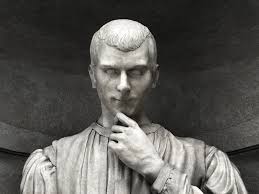
Niccolo Machiavelli
Asked on MSNBC’s “Morning Joe” who he consults about foreign policy, Trump replied; “I’m speaking with myself, number one, because I have a very good brain and I’ve said a lot of things.”
Machiavelli offers a related warning that especially applies to Trump: Unwise princes cannot be wisely advised:
“It is an infallible rule that a prince who is not wise himself cannot be well advised, unless by chance he leaves himself entirely in the hands of one man who rules him in everything, and happens to be a very prudent man. In this case, he may doubtless be well governed, but it would not last long, for the governor would in a short time deprive him of the state.”
Competent executives surround themselves with experts in diverse fields and pay attention to their expertise. They don’t feel threatened by it but rely on it to implement their agenda. Advisers whose counsel proves correct are to be retained and rewarded.
Machiavelli offers practical advice on this:
“The prince, in order to retain his fidelity, ought to think of his minister, honoring and enriching him, doing him kindnesses and conferring on him favors and responsible tasks, so that the great favors and riches bestowed on him cause him not to desire other honors and riches, and the offices he holds make him fearful of changes.”
But rewarding those who try to head off ruinous decision-making is not Trump’s way.
Consider the case of John Rood, the Pentagon’s top policy official until February 19. That was when he resigned, saying he was leaving at Trump’s request.
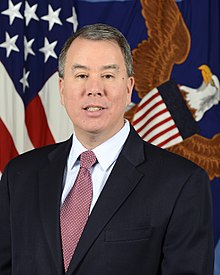
John Rood
Rood had certified in 2019 that Ukraine had made enough anti-corruption progress to justify the release of Congressionally-authorized aid for its efforts to thwart Russian aggression.
And that totally conflicted with Trump’s attempt to extort a “favor” from Ukrainian President Volodymyr Zelensky.
In July, 2019, Trump told his acting chief of staff, Mick Mulvaney, to withhold almost $400 million in promised military aid for Ukraine.
On July 25, Trump telephoned Zelensky to “request” a “favor”: Investigate Democratic Presidential Candidate Joseph Biden and his son, Hunter, who has had business dealings in Ukraine.
The reason for such an investigation: To find embarrassing “dirt” on Biden.

Joe Biden
But then a CIA whistleblower filed a complaint about the extortion attempt—and this led directly to impeachment proceedings by the Democratically-controlled House for abuse of power and obstruction of Congress.
But the Republican-dominated Senate voted to acquit him.
Afterwards, Trump purged several officials he considered disloyal for cooperating with the impeachment hearings:
- Army Lt. Col. Alex Vindman, from the National Security Council.
- White House Attorney Lt. Col. Yevgeny Vindman, Vindman’s twin brother.
- Gordon Sondland, Trump’s ambassador to the European Union.
“The truth has cost Lt. Col. Alexander Vindman his job, his career, and his privacy,” his attorney David Pressman, said in a statement.
For Trump, Rood had been “disloyal” on two occasions:
- He stated in a May 23, 2019 letter to Congress that the Pentagon had thoroughly assessed Ukraine’s anti-corruption actions. And he said that those reforms justified the authorized $400 million in aid.
- He told reporters last year: “In the weeks after signing the certification I did become aware that the aid had been held. I never received a very clear explanation other than there were concerns about corruption in Ukraine.”
Asked about Rood’s resignation, chief Pentagon spokesman Jonathan Hoffman declined to speculate on the reason for Trump’s decision.
According to Secretary of Defense Mark Esper, Rood played “a critical role” on issues such as nuclear deterrence, NATO, missile defense and the National Defense Strategy.
That did not protect him, however, from Trump’s vendetta against those who dared to reveal his crimes to Democratic impeachment committees.
All of which would lead Niccolo Machiavelli to warn, if he could witness American politics today: “This bodes ill for your Republic.”
ABC NEWS, ACADEMY AWARDS, ALTERNET, AMERICABLOG, AP, AV FILM, “BROKEN ARROW”, “GREEN BOOK”, BABY BOOMER RESISTANCE, BROKEN ARROW (MOVIE), BUZZFEED, CBS NEWS, CIVIL RIGHTS, CLASSICAL PIANO, CNN, COCHISE, CROOKS AND LIARS, DAILY KOZ, DON SHIRLEY, DRUDGE RETORT, FIVETHIRTYEIGHT, FREEDOM RIDERS, HARPER’S MAGAZINE, HOMOSEXUALITY, JAMES MEREDITH, JAMES STEWART, JAZZ PIANO, JEFF CHANCLER, KU KLUX KLAN, MAHERSHALA ALI, MEDIA MATTERS, MISSISSIPPI, MOTHER JONES, MOVEON, MSNBC, NBC NEWS, NEWSWEEK, NPR, PBS NEWSHOUR, POLITICO, POLITICUSUSA, RACISM, RAW STORY, REBECCA THEODORE-VACHON, REUTERS, ROBERT F. KENNEDY, ROSS BARNETT, SALON, SEATTLE TIMES, SEGREGATION, SLATE, TALKING POINTS MEMO, THE ATLANTIC, THE CHICAGO SUN-TIMES, THE CHICAGO TRIBUNE, THE DAILY BEAST, THE DAILY BLOG, THE GUARDIAN, THE HILL, THE HUFFINGTON POST, THE LOS ANGELES TIMES, THE NATION, THE NEW REPUBLIC, THE NEW YORK TIMES, THE VILLAGE VOICE, THE WASHINGTON POST, THINKPROGRESS, TIME, TOM JEFFORDS, TONY VALLELONGA, TRUMP ADMINISTRATION, TRUTHDIG, TRUTHOUT, TWO POLITICAL JUNKIES, U.S. NEWS & WORLD REPORT, UNIVERSITY OF MISSISSIPPI, UPI, USA TODAY, VIGGO MORTENSEN, WONKETTE, X
In Entertainment, History, Law, Law Enforcement, Politics, Social commentary on July 11, 2024 at 12:30 am
Every year, the Academy of Motion Picture Arts and Sciences hosts its Academy Awards ceremony, better known as “Oscar Night.”
Each year, Academy members make their choices for such categories as Best Picture, Best Actor, Best Actress, Best Supporting Actor and Actress.
And each year, before those selections are announced at the ceremony, there is a huge buildup of anticipation among Americans over which person or movie should win acclaim.
Then that year’s selections are quickly forgotten.
But some movies should not be quickly forgotten. Among these: Green Book, which won the Oscar for Best Picture at the 91st annual Academy Awards in 2019.
Green Book is based on the true story of a concert tour by a black classical and jazz pianist, Don Shirley, and his driver and bodyguard, Tony Vallelonga. Mahershala Ali plays Shirley and Viggo Mortensen plays Vallelonga.
The two men are polar opposites: Shirley is cultured and eloquent; Vallelonga is streetwise and volatile. Shirley is used to dealing with the cream of New York society. Vallelonga is used to dealing with its dregs—as a nightclub bouncer.
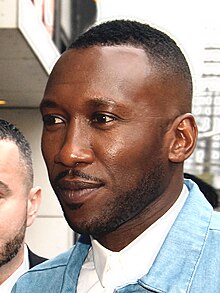
Mahershala Ali as Don Shirley
Gordon Correll [CC BY-SA 2.0 (https://creativecommons.org/licenses/by-sa/2.0)%5D
When his nightclub closes for renovations, he responds to an ad by Shirley for a driver for his eight-week concert tour through the Midwest and Deep South.
This is 1962, a time when a black Air Force veteran, James Meredith, must be given protection by deputy U.S. marshals when he enters the segregated University of Mississippi. White and black “Freedom Riders” are canvassing the South, sitting at segregated lunch counters and often being attacked by members of the Ku Klux Klan and equally racist Southern police.
In fact, the title of the movie—Green Book—is derived from a travel guide written for blacks venturing into the Deep South: The Negro Motorist Green Book. Written by Victor Hugo Green, its purpose is to help blacks find motels and restaurants that will accept them.
And as Shirley and Vallelonga make their odyssey through the South, they find themselves staying at separate hotels—and sometimes together, after Vallelonga slips Shirley into his own room.

An AV Film review called Green Book “a kind of comforting liberal fantasy, a #NotAllRacists trifle that suggests that our deep, festering divisions can be sutured through some quality time on the open road, resolving differences over a bucket of KFC.”
Not so. It took far more than a bucket of KFC to cement the friendship between Shirley and Vallelonga.
At the start of the movie, Vallelonga throws away a glass after a black construction worker drinks from it. But during his tour of the South, he becomes increasingly sympathetic to the plight suffered by Shirley—and other blacks forced to daily endure a series of humiliations.
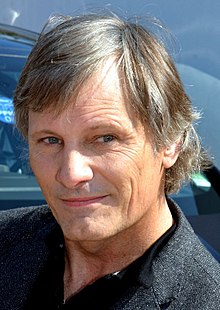
Viggo Mortensen as Tony Vallelonga
Georges Biard [CC BY-SA 3.0 (https://creativecommons.org/licenses/by-sa/3.0)%5D
According to television critic Rebecca Theodore-Vachon: “Green Book is a feel-good movie. It doesn’t really require a lot of critical thinking or self-analysis. You know, people walk out of the movie feeling that, oh, well, racism is over, we’re good.”
Actually, the film makes clear that some people will always be racists. Thus, Shirley finds himself repeatedly forced to eat in the segregated rooms of the hotels where he’s to play concerts. And he’s almost murdered by a group of racists when he makes the mistake of going into a whites’ only bar. He survives only because Vallelonga arrives in time to rescue him.
And Shirley proves just as great a friend to Vallelonga. He introduces the semi-literate bouncer to the power of the written word by helping him craft articulate, heartfelt letters to his wife.
Toward the end of the movie, Vallelonga and Shirley are pulled over by a Mississippi police officer. Shirley’s “crime”: Being black—and out at night. When the officer insults Vallelonga, Tony punches him—and he and Shirley wind up in jail.
Shirley asks for permission to call his “lawyer”—and the man he dials is Attorney General Robert F. Kennedy.
Kennedy, in turn, calls Mississippi Governor Ross Barnett. Barnett is already having his share of troubles with the Kennedys, and he orders the police: Let those men go—now!
This scene underscores the importance of electing people who will stand against injustice. Watching the release of Vallelonga and Shirley, it’s impossible to imagine the Trump administration intervening in such a manner.
At the end of the movie, Shirley visits Vallelonga’s home—where he’s warmly received by Tony and his family. The film’s end credits reveal that the two men remained friends until they died, within months of each other, in 2013.
In 1950, a Western called Broken Arrow-–starring James Stewart as Tom Jeffords and Jeff Chandler as Cochise—told the true story of a friendship between a white man and an Apache. For many Americans, this came as a revelation.
After decades of seeing Indians depicted as bloodthirsty savages, audiences saw that there were those—among red men and white men—who could rise above prejudice and see each other as worthy of respect.
The lesson of Green Book is exactly the same. And it’s needed now more than ever.
2016 PRESIDENTIAL CAMPAIGN, ABC NEWS, ALTERNET, AMERICABLOG, ANTHONY FAUCI, AP, BABY BOOMER RESISTANCE, BLOOMBERG, BUZZFEED, CBS NEWS, CNN, CORONAVIRUS, CROOKS AND LIARS, DAILY KOZ, DEMOCRATS, DONALD TRUMP, DRUDGE RETORT, EDUCATION, FIVETHIRTYEIGHT, FOX NEWS NETWORK, HARPER’S MAGAZINE, HYDROXYCHLORQUINE, KAYLEIGH MCENANY, LUNG CANCER, MALARIA, MARJORIE TAYLOR GREENE, MEDIA MATTERS, MOTHER JONES, MOVEON, MSNBC, NBC NEWS, NEWSWEEK, NPR, PBS NEWSHOUR, PEW RESEARCH CENTER, POLITICO, POLITICUSUSA, RAW STORY, REPUBLICANS, REUTERS, RUSH LIMBAUGH, SALON, SEATTLE TIMES, SLATE, SMOKING, TALKING POINTS MEMO, THE ATLANTIC, THE CHICAGO SUN-TIMES, THE CHICAGO TRIBUNE, THE DAILY BEAST, THE DAILY BLOG, THE GUARDIAN, THE HILL, THE HUFFINGTON POST, THE LOS ANGELES TIMES, THE NATION, THE NEW REPUBLIC, THE NEW YORK TIMES, THE VILLAGE VOICE, THE WASHINGTON POST, THINKPROGRESS, TIME, TRUTHDIG, TRUTHOUT, TWITTER, TWO POLITICAL JUNKIES, U.S. MARSHALS SERVICE, U.S. NEWS & WORLD REPORT, UPI, USA TODAY, WITNESS SECURITY PROGRAM, WONKETTE
In Bureaucracy, History, Medical, Politics, Social commentary on June 17, 2024 at 12:09 am
“I’ve chosen this life. I know what it is. There are things about it that sometimes are disturbing. But you just focus on the job you have to do. And just put all that other stuff aside.”
The speaker wasn’t a longtime Mafia enforcer turned-State’s-witness. He was Dr. Anthony Fauci, director of the National Institute of Allergy and Infectious Diseases.
And he was speaking with an NBC News reporter about death threats he had received.
At 83, Fauci is getting the sort of protection reserved for organized crime witnesses through the Justice Department’s Witness Security Program.

Dr. Anthony Fauci
Cmichel67, CC BY-SA 4.0 <https://creativecommons.org/licenses/by-sa/4.0>, via Wikimedia Commons
In 2020, the U.S. Marshals Service deputized nine officers from the Department of Health and Human Services as bodyguards for Fauci.
And since leaving government service as Chief Medical Advisor to the President in 2022, he’s still receiving protection from the U.S. Marshals Service.
For which Fox News is furious.
A July 17, 2023 story on its website blared: “Fauci still Getting U.S. Marshal security detail on taxpayers’ dime, despite retirement, documents snow.”
So what has this man—who has dedicated his entire adult life to protecting Americans against infectious diseases—done to require such protection?
He has merely spoken the hard medical truth about Coronavirus. In doing so, he has at times contradicted former President Donald Trump’s ignorance- and lie-riddled statements.
For example: Trump loudly touted hydroxychloroquine, used for treating malaria, as a miracle cure for the Coronavirus.
Yet Fauci dared to point out there have been no scientific trials of the drug for its effectiveness against Coronavirus. Moreover, given the medical condition of some patients, it could even prove fatal.
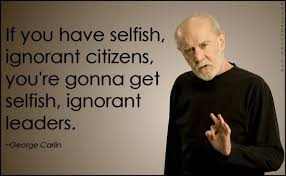
Such statements have infuriated Trump’s base of—at best—half-educated fans.
During the 2016 Presidential race, after winning the Nevada primary, Trump infamously celebrated his victory: “We won the evangelicals. We won with young. We won with old. We won with highly educated. We won with poorly educated. I love the poorly educated.”
A February 24, 2016 USA Today story covering this event carried the headline: “Donald Trump loves the poorly educated—and they love him.”
An August 20, 2019 story in Forbes noted that a Pew Research survey, conducted in July, had found that “67% of Democrats and Democrat-leaning respondents say higher education is having a positive effect on the country compared to only 33% of Republicans and Republican-leaning participants.”
Furthermore, “The percentage of Republicans attributing a positive effect to higher education has steadily eroded from 58% (2010), 53% (2012), 54% (2015), 43% (2016), and 36% (2017). Among Republicans, 59% now say higher education has a negative effect on the U.S., compared to just 18% of Democrats.”
In March, 2020, an NBC News poll found that only 30% of Republicans said that they would actually listen to the advice of doctors to stay away from large, crowded areas to avoid Coronavirus.
These are the same people who get their version of reality from Right-wing sources like Fox News Network and Rush Limbaugh.
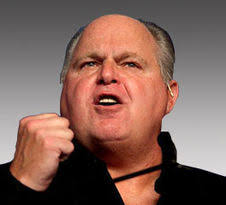
Rush Limbaugh
On his March 27, 2020 show, Limbaugh dismissed Coronavirus as “the common cold,” then added: “We didn’t elect a president to defer to a bunch of health experts that we don’t know.
“And how do we know they’re even health experts? Well, they wear white lab coats, and they’ve been in the job for a while, and they’re at the CDC and they’re at the NIH, and they’re up, well—yeah, they’ve been there, and they are there.”
This is the same Rush Limbaugh who said, in 2015: “Firsthand smoke takes 50 years to kill people, if it does. Not everybody that smokes gets cancer. Now, it’s true that everybody who smokes dies, but so does everyone who eats carrots.”
In February, 2020, Limbaugh—a longtime and heavy cigar smoker—announced that he had Stage Four lung cancer. He died on February 17, 2021.
And then there is former President Trump—and his chorus of cheerleaders.
Among these: Congresswoman Marjorie Taylor Greene (R-GA). At a House subcommittee hearing about the country’s response to the COVID-19 pandemic, Greene screeched: “You know what this committee should be doing? We should be recommending you to be prosecuted.
“We should be writing a criminal referral because you should be prosecuted for crimes against humanity. You belong in prison, Dr. Fauci!”
Later, on X, she posted: “No one should get death threats and I get them ALL THE TIME.
“But lucky for Mr Fauci, he has Secret Service Protection at the tax payers expense. I DO NOT, and have to pay for my own security and am a gun owner.
“It’s not my comments that have people furious at Mr Fauci, it’s the FACT that his ridiculous, non-scientific, tyrannical policies DESTROYED people’s lives and he’s a narcissistic ass hole and liar which is why SO MANY people hate him.”
These, then, are the types of “reliable sources” that millions of Right-wingers take as gospel—while dismissing the warnings of the medical profession as erroneous or, worse, products of a liberal conspiracy.
And by daring to contradict such blatant ignorance—if not outright lies—Dr. Anthony Fauci has made himself a target for Right-wing hatred and death threats.
By the time Trump left office—on January 20, 2021—more than 400,000 Americans had died of COVID-19.
ABC NEWS, ADOLF HITLER, ALTERNET, AMERICABLOG, AP, ASSASSINATION, BABY BOOMER RESISTANCE, BUZZFEED, CBS NEWS, CNN, CONSPIRACIES, CROOKS AND LIARS, DAILY KOS, DAILY KOZ, DAY OF THE JACKAL, DONALD TRUMP, DRUDGE RETORT, FIVETHIRTYEIGHT, FREDERICK FORSYTHE, GAIUS CASSIUS, HARPER’S MAGAZINE, JULIUS CAESAR, LINCOLN MEMORIAL, MAR-A-LAGO, MARCUS BRUTUS, MARK ANTHONY, MEDIA MATTERS, MOTHER JONES, MOVEON, MSNBC, NBC NEWS, NEWSWEEK, NICCOLO MACHIAVELLI, NPR, PBS NEWSHOUR, PLOTS, POLITICO, POLITICUSUSA, RAW STORY, REUTERS, RICHARD M. NIXON, SALON, SEATTLE TIMES, Secret Service, SLATE, TALKING POINTS MEMO, THE ATLANTIC, THE CHICAGO SUN-TIMES, THE CHICAGO TRIBUNE, THE DAILY BEAST, THE DAILY BLOG, THE DISCOURSES, THE GUARDIAN, THE HILL, THE HUFFINGTON POST, THE LOS ANGELES TIMES, THE NATION, THE NEW REPUBLIC, THE NEW YORK TIMES, THE VILLAGE VOICE, THE WALL STREET JOURNAL, THE WASHINGTON POST, THINKPROGRESS, TIME, TRUTHDIG, TRUTHOUT, TWO POLITICAL JUNKIES, U.S. NEWS & WORLD REPORT, UPI, USA TODAY, VIETNAM WAR, WHITE HOUSE STAFFER, WONKETTE, X
In Bureaucracy, History, Law Enforcement, Military, Politics, Social commentary on May 30, 2024 at 12:12 am
More than 500 years ago, Niccolo Machiavelli, the Florentine statesman, authored The Discourses on Livy, a work of political history and philosophy. In it, he outlined how citizens of a republic can maintain their freedoms.
One of the longest chapters—Book Three, Chapter Six—covers “Of Conspiracies.” In it, those who wish to conspire against a ruler will find highly useful advice.
And so will those who wish to foil such a conspiracy.
For conspirators, there are three ways their efforts can be foiled.
- Discovery through denunciation;
- Discovery through incautiousness;
- Discovery through writings.
The first has already been covered. Now for the second and third.
Discovery through Writings: You may talk freely with anyone man about everything, for unless you have committed yourself in writing, the “Yes” of one man is worth as much as the “No” of another.
Thus, you should guard most carefully against writing, as against a dangerous rock, for nothing will convict you quicker than your own handwriting.
You may escape, then, from the accusation of a single individual, unless you are convicted by some writing or other pledge, which you should be careful never to give.
If you are denounced, there are means of escaping punishment:
- By denying the accusation and claiming that the person making it hates you; or
- Claiming that your accuser was tortured or coerced into giving false testimony against you.
But the most prudent course is to not tell your intentions to anyone, and to carry out the attempt yourself.
Even if you’re not discovered before you carry out your attack, there are still two dangers facing a conspirator:
Dangers in Execution: These result from:
- An unexpected change in the routine of the intended target;
- The lack of courage among the conspirators; or
- An error on their part, such as leaving some of those alive whom the conspirators intended to kill.
Adolf Hitler, who claimed to have a sixth-sense for danger, was famous for changing his routine at the last minute.
On November 9, 1939, this instinct saved his life. He had been scheduled to give a long speech at a Munich beer hall before the “Old Fighters” of his storm troopers.
But that evening he cut short his speech and left the beer hall. Forty-five minutes later, a bomb exploded inside a pillar—before which Hitler had been speaking.
Conspirators can also be doomed by their good intentions.
In 44 B.C., Gaius Cassius, Marcus Brutus and other Roman senators decided to assassinate Julius Caesar, whose dictatorial ambitions they feared.
Cassius also intended to murder Mark Anthony, Caesar’s strongest ally. But Brutus objected, fearing the plotters would look like butchers, not saviors. Even worse, he allowed Anthony to deliver a eulogy at Caesar’s funeral.
This proved so inflammatory that the mourners rioted, driving the conspirators out of Rome. Soon afterward, they were defeated in a battle with the legions of Anthony and Octavian Caesar—and forced to commit suicide to avoid capture and execution.
Machiavelli closes his chapter “Of Conspiracies” with advice to rulers on how they should act when they find a conspiracy has been formed against them.
If they discover that a conspiracy exists against them, they must, before punishing its authors, strive to learn its nature and extent. And they must measure the danger posed by the conspirators against their own strength.
And if they find it powerful and alarming, they must not expose it until they have amassed sufficient force to crush it. Otherwise, they will only speed their own destruction. They should try to pretend ignorance of it. If the conspirators find themselves discovered, they will be forced by necessity to act without consideration.
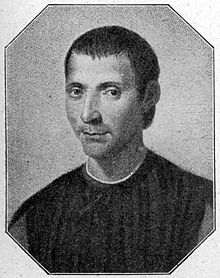
Niccolo Machiavelli
The foregoing was taken from Book Three, Chapter Six, of Machiavelli’s masterwork, The Discourses on Livy, which was published posthumously in 1531. But elsewhere in this volume, he notes how important it is for rulers to make themselves loved—or at least respected—by their fellow citizens:
Note how much more praise those Emperors merited who, after Rome became an empire, conformed to her laws like good princes, than those who took the opposite course.
Titus, Nerva, Trajan, Hadrian, Antoninus and Marcus Auelius did not require the Praetorians nor the multitudinous legions to defend them, because they were protected by their own good conduct, the good will of the people, and by the love of the Senate.
On the other hand, neither the Eastern nor the Western armies saved Caligula, Nero, Vitellius and so many other wicked Emperors from the enemies which their bad conduct and evil lives had raised up against them.
In his better-known work, The Prince, he warns rulers who—like Donald Trump–are inclined to rule by fear:
A prince should make himself feared in such a way that if he does not gain love, he at any rate avoids hatred: for fear and the absence of hatred may well go together.
Donald Trump
By Machiavelli’s standards, Trump has made himself the perfect target for a conspiracy.
“When a prince becomes universally hated, it is likely that he’s harmed some individuals—who thus seek revenge. This desire is increased by seeing that the prince is widely loathed.”


 Bureaucracybuster's Blog
2016 PRESIDENTIAL ELECTION, ABC NEWS, ADOLF HITLER, AFGHANISTAN, ALTERNET, AMERICABLOG, AP, ASIANS, ” 9/11, BABY BOOMER RESISTANCE, BARACK OBAMA, BLACKS, BULLYING, BUZZFEED, CBS NEWS, CNN, COMMUNISM, CROOKS AND LIARS, DAILY KOS, DONALD TRUMP, DRUDGE RETORT, FASCISM, FIVETHIRTYEIGHT, GEORGE W. BUSH, GREAT DEPRESSION, HARPER’S MAGAZINE, HILLARY CLINTON, HISPANICS, IRAQ, JEWS, MEDIA MATTERS, MOTHER JONES, MOVEON, MSNBC, MUSLIMS, NAZI GERMANY, NAZI PARTY, NBC NEWS, NEWSWEEK, NPR, PAUL VON HINDENBURG, PBS NEWSHOUR, POLITICO, POLITICUSUSA, RACISM, RAW STORY, REPUBLICANS, REUTERS, ROBERT PAYNE, SALON, SEATTLE TIMES, SLATE, TALKING POINTS MEMO, THE ATLANTIC, THE CHICAGO SUN-TIMES, THE CHICAGO TRIBUNE, THE DAILY BEAST, THE DAILY BLOG, THE GUARDIAN, THE HILL, THE HUFFINGTON POST, THE LIFE AND DEATH OF ADOLF HITLER, THE LOS ANGELES TIMES, THE LOS ANGELS TIMES, THE NATION, THE NEW REPUBLIC, THE NEW YORK TIMES, THE VILLAGE VOICE, THE WASHINGTON POST, THINKPROGRESS, TIME, TRUTHDIG, TRUTHOUT, TWO POLITICAL JUNKIES, U.S. NEWS & WORLD REPORT, UPI, USA TODAY, WONKETTE, WORLD WAR 11, X
GERMANS ONCE BACKED A FASCIST DICTATOR; NOW IT’S AMERICA’S TURN
In Bureaucracy, History, Politics, Social commentary on October 8, 2024 at 12:07 amIn his bestselling 1973 biography, The Life and Death of Adolf Hitler, British historian Robert Payne harshly condemned the German people for the rise of the Nazi dictator.
“[They] allowed themselves to be seduced by him and came to enjoy the experience….[They] followed him with joy and enthusiasm because he gave them license to pillage and murder to their hearts’ content. They were his servile accomplices, his willing victims….
“If he answered their suppressed desires, it was not because he shared them, but because he could make use of them. He despised the German people, for they were merely the instruments of his will.”
On November 8, 2016, millions of ignorant, hate-filled, Right-wing Americans elected Donald Trump—a man reflecting their own hate and ignorance—to the Presidency.
Yet, in some ways, Americans had fewer excuses for turning to a Fascistic style of government than the Germans did.
Adolf Hitler joined the National Socialist German Workers (Nazi) Party in 1919—the year after World War 1 ended.
Adolf Hitler
In 1923, he staged a coup attempt in Bavaria—which was quickly and brutally put down by police. He was arrested and sentenced to less than a year in prison.
After that, Hitler decided that winning power through violence was no longer an option. He must win it through election—or appointment.
When the 1929 Depression struck Germany, the fortunes of Hitler’s Nazi party rose as the life savings of ordinary Germans fell. Streets echoed with bloody clashes between members of Hitler’s Nazi Stormtroopers and those of the German Communist Party.
Germans desperately looked for a leader—a Fuhrer—who could somehow deliver them from the threat of financial ruin and Communist takeover.
In early 1933, members of his own cabinet persuaded aging German president, Paul von Hindenburg, that only Hitler’s appointment as Chancellor could do this.
Paul von Hindenburg
Hindenburg was reluctant to do so. He considered Hitler a dangerous radical. But he let himself be convinced that he could “box in” and control Hitler by putting him in the Cabinet.
So, on January 30, 1933, Hindenburg appointed Adolf Hitler Chancellor (the equivalent of Attorney General) of Germany.
On August 2, 1934, Hindenburg died. Hitler immediately assumed the titles—and duties—of the offices of Chancellor and President. His rise to total power was complete.
It had taken him 14 years to do so.
In 2015, Donald Trump declared his candidacy for President.
Now, consider this:
Yet—not 17 months after announcing his candidacy for President—enough Americans fervently embraced Donald Trump to give him the most powerful position in the country and the world.
Donald Trump
The slogan of Barack Obama’s 2008 Presidential campaign had been: “Yes, We Can!”
That of Donald Trump’s campaign might well have been: “No, You Can’t!”
Whites comprised the overwhelming majority of the audiences at Trump rallies. Not all were racists, but many of those who were advertised it on T-shirts: “MAKE AMERICA WHITE AGAIN.”
Birthrates among non-whites were rising. By 2045, whites would make up less than 50 percent of the American population.
The 2008 election of the first black President had shocked whites. His 2012 re-election had deprived them of the hope that 2008 had been an accident.
Then came 2016—and the possibility that a black President might actually be followed by a woman: Hillary Clinton.
After became President, he:
As Election Day 2024 rapidly approaches, millions of ignorant, hate-filled, Right-wing Americans again lust to send Donald Trump back to the White House.
All of this should be remembered the next time an American blames Germans for their embrace of Adolf Hitler.
Share this: