Posts Tagged ‘ADOLF HITLER’
2003 IRAQ WAR, 9/11 ATTACKS, ABC NEWS, ABORTION, ADOLF HITLER, AL-QAEDA, ALTERNET, AMERICABLOG, ANDREW CUOMO, ANTHONY FAUCI, AP, BABY BOOMER RESISTANCE, BARACK OBAMA, BLOOMBERG, BOB WOODWARD, BRENDA FITZGERALD, BUZZFEED, CARL BERNSTEIN, CBS NEWS, CENTERS FOR DISEASE CONTROL AND PREVENTION (CDC), CHICAGO, CHINA, CLOROX BLEACH, CNN, CORONAVIRUS, COVID-19, COVID-19 TEST KITS, CROOKS AND LIARS, DAILY KOZ, DAVID BROOKS, DEBORAH BIRX, DEPARTMENT OF HOMELAND SECURITY, DEPARTMENT OF HOMELAND SECURITY (DHS), DONALD TRUMP, DRUDGE REPORT, EBOLA, FACEBOOK, FEDERAL EMERGENCY MANAGEMENT AGENCY (FEMA), FIVETHIRTYEIGHT, FLORIDA, FORBES, FOX BUSINESS NETWORK, FOX NEWS, FOX NEWS NETWORK, FRANKLIN D. ROOSEVELT, GEORGE W. BUSH, GRETCHEN WHITMER, GROVER NORQUIST, HARPER’S MAGAZINE, HUFFINGTON POST, IMPEACHMENT, JARED KUSHNER, JAY INSLEE, JOE BIDEN, JOHN BOLTON, JOHNSON & JOHNSON VACCINE, KRISTI NOEM, KRISTIN URQUIZA, LARRY HOGAN, LOS ANGELES, LOUIS X1V, LYNDON B. JOHNSON, MALARIA, MARK ANTHONY URQUIZA, MARK SHIELDS, MARYLAND, MASKS, MASSACHUSSETS, MEDIA MATTERS, MICHIGAN, MICK MULVANEY, MIKE PENCE, MODERNA VACCINE, MOLOCH, MOTHER JONES, MOVEON, MSNBC, N95 MASKS, N95 RESPIRATORS, NATIONAL SECURITY COUNSIL (NSC), NAVY SEALS, NBC NEWS, NEW YORK, NEW YORK CITY, NEWSWEEK, NPR, NURSES, OSAMA BIN LADEN, PAULA REID, PBS NEWSHOUR, PERSONAL PROTECTIVE EQUIPMENT (PPE), PFIZER VACCINE, PHOENIX RALLY, POLITICO, POLITICUSUSA, RAW STORY, REPUBLICANS, REUTERS, RICHARD M. NIXON, ROBERT RAY REDFIELD, ROLLING STONE MAGAZINE, RUDOLPH GIULIANI, RUDY GIULIANI, SALON, SCHOOLS, SEAN HANNITY, SEAN HANNITY SHOW, SEATTLE TIMES, SLATE, SOUTH DAKOTA, STOCK MARKET, TALKING POINTS MEMO, THE ATLANTIC, THE CHICAGO SUN-TIMES, THE CHICAGO TRIBUNE, THE DAILY BEAST, THE DAILY BLOG, THE GUARDIAN, THE HILL, THE HUFFINGTON POST, THE LOS ANGELES TIMES, THE NATION, THE NATIONAL SECURITY COUNCIL, THE NEW REPUBLIC, THE NEW YORK TIMES, THE VILLAGE VOICE, THE WASHINGTON POST, THE WHITE HOUSE PANDEMIC OFFICE, THINKPROGRESS, THIRD REICH, TIM ZIEMER, TIME, TOLUSE OLORUNNIPA, TOM BOSSERT, TOM FRIEDMAN, TRISH REGAN, TRISH REGAN PRIMETIME, TRUTHDIG, TRUTHOUT, TULSA OKLAHOMA RALLY, TWITTER, TWO POLITICAL JUNKIES, U.S. NEWS & WORLD REPORT, UNITED STATES, UPI, USA TODAY, UV LIGHT, VENDORS, VENTILATORS, VIETNAM WAR, WALTER SHAUB, WASHINGTON, WASHINGTON D.C., WASHINGTON MONTHLY, WASHINGTON WEEK IN REVIEW, WATERGATE, WHITE HOUSE PANDEMIC OFFICE, WONKETTE, WORLD TRADE CENTER
In Bureaucracy, History, Law, Law Enforcement, Medical, Military, Politics, Social commentary on March 15, 2021 at 12:07 am
“O happy posterity, who will look upon our testimony as a fable. Will posterity believe that there was a time when, with no deluge from heaven, no worldwide conflagration, no wars….but almost the whole earth was depopulated? Was such a disaster ever seen, even heard of?”
—Francesco Petrach, poet and witness to The Black Death
Like Nazi Germany’s Fuhrer, Adolf Hitler, President Donald Trump liked to pit individuals and organizations against each other. Hitler, for example, would assign several agencies to tackle the same problem: “That way, the stronger one gets the job done,” he told his architect, Albert Speer.
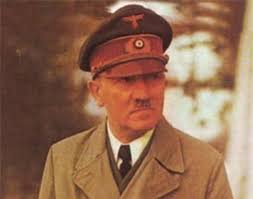
Adolf Hitler
PITTING CITIES AND STATES AGAINST EACH OTHER
This created needless duplication of efforts and wasted resources. But it ensured that Trump—like Hitler—remained the final voice of authority, since so many others were competing for his favor and direction.
This did not, however, help the 50 states that comprise the United States of America.
During the Great Depression, President Franklin D. Roosevelt intervened powerfully to ensure that all Americans received the help they needed.
Trump demanded that each state was responsible for securing its needed supply of Personal Protective Equipment (PPEs) for its doctors and nurses aiding Coronavirus patients. This created a dog-eat-dog atmosphere of cutthroat competition and scarcity, with Americans fighting the virus and each other.
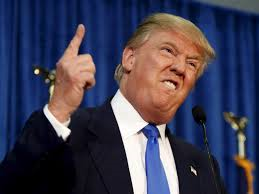
Donald Trump
USING A PLAGUE TO DESTROY AMERICANS
Even worse: Trump and Republicans turned a deadly plague into a weapon against those Americans they hated.
On March 26, 2020, during an interview on Fox News, Trump blamed the failures of his administration’s response to Coronavirus on Democratic state governors like Andrew Cuomo (NY), Jay Inslee (WA), and Gretchen Whitmer (MI).
On March 27, during his press briefing, Trump said he told Vice President Mike Pence—officially in charge of the White House’s response effort—to not call Inslee and Whitmer because they weren’t “appreciative” enough of his efforts.
Trump said this even as hospitals in each of their states were being overwhelmed with Coronavirus patients:
“I tell him—I mean I’m a different type of person—I say, ‘Mike, don’t call the governor in Washington, you’re wasting your time with him. Don’t call the woman in Michigan. If they don’t treat you right, I don’t call.”
At his March 27 press briefing, Trump echoed French King Louis X1V’s infamous remark—“I am the State”: “When they’re [governors] not appreciative to me, they’re not appreciative to the Army Corps, they’re not appreciative to FEMA [Federal Emergency Management Agency]. It’s not right.”
On that same day, Trump attacked Michigan Governor Gretchen Whitmer on Right-wing Fox News’ “Sean Hannity Show”: “I don’t know if she knows what’s going on, but all she does is sit there and blame the Federal Government.”
On March 27, Michigan Governor Gretchen Whitmer told a local radio station: “What I’ve gotten back is that vendors with whom we’ve procured contracts—they’re being told not to send stuff to Michigan. It’s really concerning. I reached out to the White House last night and asked for a phone call with the president, ironically at the time this stuff was going on.”

Gretchen Whitmer
A March 29 story in the Washington Monthly shed light on what lay behind Whitmer’s inability to secure desperately-needed ventilators from her longtime vendors. Its headline ran: “What If Trump Decides to Save Republicans But Not Democrats?”
A sub-headline read: “He’s providing vital resources to red states and ignoring blue states.”
Florida submitted a request to FEMA on March 11 for 430,000 surgical masks, 180,000 N95 respirators, 82,000 face shields and 238,000 gloves—and received a shipment with everything three days later.
On Fox News, Rudy Giuliani, Trump’s personal lawyer, bluntly told governors: “Take the blame when you have to. When you play with your boss, sometimes it’s better when you don’t win the golf game. He’s the boss, he’s got all the resources.”
Translation: Suck up to the capo’s ego if you want to survive.

The Black Hand
SEIZING STATES’ MEDICAL SUPPLIES
Trump didn’t simply refuse to provide states with vitally-needed medical supplies—he illegally seized those supplies that states had ordered.
An April 20 Forbes story offered frightening insight into the tyrannical reach of the Trump administration. Entitled, “Maryland Gov. Hogan Takes Extraordinary Steps to Keep Feds From Confiscating COVID Tests,” the story unfolds like a spy thriller.
Governor Larry Hogan had heard reports that the federal government had confiscated crucial medical supplies from other states—like Massachusetts.
After obtaining 500,000 test kits from South Korea, Hogan ordered them flown into Baltimore–Washington International Airport rather than the larger Dulles International Airport in Virginia. From there they were escorted under guard to a secret location and constantly protected by the National Guard.
As they were sent out for distribution across the state, the tests remained under protection by the National Guard and state police.
The precautions were absolutely necessary. Hospitals in Florida and California reported that FEMA had seized their supplies without explanation.
Massachusetts ordered three million masks that were confiscated by the Federal Government at the Port of New York. This forced the state to ask New England Patriots’ owner Robert Kraft to use his team plane to fly in one million N95 masks from China.
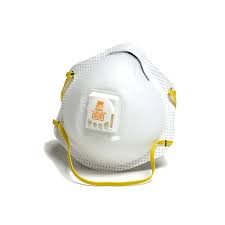
N95 mask
2003 IRAQ WAR, 9/11 ATTACKS, ABC NEWS, ABORTION, ADOLF HITLER, AL-QAEDA, ALTERNET, AMERICABLOG, ANDREW CUOMO, ANTHONY FAUCI, AP, BABY BOOMER RESISTANCE, BARACK OBAMA, BLOOMBERG, BOB WOODWARD, BRENDA FITZGERALD, BUZZFEED, CARL BERNSTEIN, CBS NEWS, CENTERS FOR DISEASE CONTROL AND PREVENTION (CDC), CHICAGO, CHINA, CLOROX BLEACH, CNN, CORONAVIRUS, COVID-19, COVID-19 TEST KITS, CROOKS AND LIARS, DAILY KOZ, DAVID BROOKS, DEBORAH BIRX, DEPARTMENT OF HOMELAND SECURITY, DEPARTMENT OF HOMELAND SECURITY (DHS), DONALD TRUMP, DRUDGE REPORT, EBOLA, FACEBOOK, FEDERAL EMERGENCY MANAGEMENT AGENCY (FEMA), FIVETHIRTYEIGHT, FLORIDA, FORBES, FOX BUSINESS NETWORK, FOX NEWS, FOX NEWS NETWORK, FRANKLIN D. ROOSEVELT, GEORGE W. BUSH, GRETCHEN WHITMER, GROVER NORQUIST, HARPER’S MAGAZINE, HUFFINGTON POST, IMPEACHMENT, JARED KUSHNER, JAY INSLEE, JOE BIDEN, JOHN BOLTON, JOHNSON & JOHNSON VACCINE, KRISTI NOEM, KRISTIN URQUIZA, LARRY HOGAN, LOS ANGELES, LOUIS X1V, LYNDON B. JOHNSON, MALARIA, MARK ANTHONY URQUIZA, MARK SHIELDS, MARYLAND, MASKS, MASSACHUSSETS, MEDIA MATTERS, MICHIGAN, MICK MULVANEY, MIKE PENCE, MODERNA VACCINE, MOLOCH, MOTHER JONES, MOVEON, MSNBC, N95 MASKS, N95 RESPIRATORS, NATIONAL SECURITY COUNSIL (NSC), NAVY SEALS, NBC NEWS, NEW YORK, NEW YORK CITY, NEWSWEEK, NPR, NURSES, OSAMA BIN LADEN, PAULA REID, PBS NEWSHOUR, PERSONAL PROTECTIVE EQUIPMENT (PPE), PFIZER VACCINE, PHOENIX RALLY, POLITICO, POLITICUSUSA, RAW STORY, REPUBLICANS, REUTERS, RICHARD M. NIXON, ROBERT RAY REDFIELD, ROLLING STONE MAGAZINE, RUDOLPH GIULIANI, RUDY GIULIANI, SALON, SCHOOLS, SEAN HANNITY, SEAN HANNITY SHOW, SEATTLE TIMES, SLATE, SOUTH DAKOTA, STOCK MARKET, TALKING POINTS MEMO, THE ATLANTIC, THE CHICAGO SUN-TIMES, THE CHICAGO TRIBUNE, THE DAILY BEAST, THE DAILY BLOG, THE GUARDIAN, THE HILL, THE HUFFINGTON POST, THE LOS ANGELES TIMES, THE NATION, THE NATIONAL SECURITY COUNCIL, THE NEW REPUBLIC, THE NEW YORK TIMES, THE VILLAGE VOICE, THE WASHINGTON POST, THE WHITE HOUSE PANDEMIC OFFICE, THINKPROGRESS, THIRD REICH, TIM ZIEMER, TIME, TOLUSE OLORUNNIPA, TOM BOSSERT, TOM FRIEDMAN, TRISH REGAN, TRISH REGAN PRIMETIME, TRUTHDIG, TRUTHOUT, TULSA OKLAHOMA RALLY, TWITTER, TWO POLITICAL JUNKIES, U.S. NEWS & WORLD REPORT, UNITED STATES, UPI, USA TODAY, UV LIGHT, VENDORS, VENTILATORS, VIETNAM WAR, WALTER SHAUB, WASHINGTON, WASHINGTON D.C., WASHINGTON MONTHLY, WASHINGTON WEEK IN REVIEW, WATERGATE, WHITE HOUSE PANDEMIC OFFICE, WONKETTE, WORLD TRADE CENTER
In Bureaucracy, History, Law, Law Enforcement, Medical, Politics, Social commentary on March 12, 2021 at 12:35 am
WHAT TRUMP SAID IN PUBLIC
From January to early March, 2020, President Donald Trump and his allies within the Republican party and Fox News Network repeatedly assured Americans they had nothing to fear.
Donald Trump
Barnstorming the country in a series of hate-filled political rallies, Trump told his supporters:
- January 22: “We have it totally under control. It’s one person coming in from China.”
- February 2: “We pretty much shut it down coming in from China. It’s going to be fine.”
- February 24: “The Coronavirus is very much under control in the USA.”
- February 25: “CDC & my administration are doing a GREAT job of handling Coronavirus.”
- February 25: “I think that’s a problem that’s going to go away. They have studied it. They know very much. In fact, we’re very close to a vaccine.”
- February 26: “The 15 cases within a couple of days is going to be down to close to zero.”
- February 26: “We’re going very substantially down, not up.”
- February 27: “One day it’s like a miracle, it will disappear.”
- February 28: “We’re ordering a lot of supplies. We’re ordering a lot of, uh, elements that frankly we wouldn’t be ordering unless it was something like this. But we’re ordering a lot of different elements of medical.”
- February 28: “Now the Democrats are politicizing the Coronavirus….We did one of the great jobs….One of my people came up to me and said, ‘Mr. President, they tried to beat you on Russia, Russia, Russia’….They couldn’t do it. They tried the impeachment hoax….It’s all turning, they lost….And this is their new hoax.”
- March 4: “If we have thousands of people that get better just by, you know, sitting around and even going to work—some of them go to work, but they get better.”
- March 6: “I think we’re doing a really good job in this country of keeping it down. A tremendous job of keeping it down.”
- March 6: “Anybody right now, and yesterday, anybody that needs a test gets a test. And the tests are beautiful.”
- March 6: “I like this stuff. I really get it. People are surprised that I understand it. Every one of these doctors said, ‘How do you know so much about this?’ Maybe I have a natural ability. Maybe I should have done that instead of running for President.”
- March 8: “We have a perfectly coordinated and fine tuned plan at the White House for our attack on Coronavirus.”
- March 9: “The Fake News Media and their partner, the Democrat Party, is doing everything within its semi-considerable power (it used to be greater!) to inflame the CoronaVirus situation, far beyond what the facts would warrant. Surgeon General, The risk is low to the average American.”
- March 10: “It will go away. Just stay calm. It will go away.”
Acting as Trump’s propaganda arm was Fox News Network. 
As late as March 9, Trish Regan, host of Trish Regan Primetime on the Fox Business Network, attacked not the virus but those who did not share her fervent embrace of Donald Trump.
“We’ve reached a tipping point,” said Regan. “The hate is boiling. Many in the liberal media are using Coronavirus in an attempt to demonize and destroy the President, despite the virus originating halfway around the world.
“This is yet another attempt to impeach the President. And sadly, it seems the left cares little for any of the destruction they leave in their wake, including losses in the stock market. This, unfortunately, is all just part of the political casualties for them.
“This is impeachment all over again. And like with the Mueller investigation, like with Ukraine-gate, they don’t care who they hurt. Whether it be their need to create mass hysteria to encourage a market sell-off unlike anything we’ve seen recently, or whether it be to create mass hysteria to stop our economy dead in its tracks, don’t kid yourself. They told us how much they crave a recession as a way to get rid of Donald Trump.”
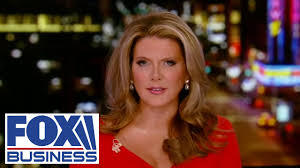
Trish Regan
To make certain no one in the television audience missed the point, an electronically generated caption read: “Coronavirus Impeachment Scam.”
Actually, with the virus spreading quickly throughout at least 33 states, the risk was not low to the average American. It was not the news that was fake, but the lies and ignorance Trump and Fox were spewing.
Then, on March 14, Fox Business Network announced that Regan’s program would be on “hiatus” until further notice. The reason: Her comments had “triggered” an avalanche of criticism—from Coronavirus victims, their families and people angered at being blatantly lied to.
During the vital months of January and February, Republicans refused to challenge Trump’s refusal to take the virus seriously—before it gained a foothold in the United States.
The reason: They had utterly tied themselves to him since the 2018 mid-term elections, where many moderate Republicans lost their seats.
According to Toluse Olorunnipa, White House reporter for The Washington Post: “They have realized that if they’re going to keep their seats, if they’re going to be able to have any future in the party, they have to be completely tied to President Trump and really wait for his call in terms of what exactly they’re going to do.”
2003 IRAQ WAR, 9/11 ATTACKS, ABC NEWS, ABORTION, ADOLF HITLER, AL-QAEDA, ALTERNET, AMERICABLOG, ANDREW CUOMO, ANTHONY FAUCI, AP, BABY BOOMER RESISTANCE, BARACK OBAMA, BLOOMBERG, BOB WOODWARD, BRENDA FITZGERALD, BUZZFEED, CARL BERNSTEIN, CBS NEWS, CENTERS FOR DISEASE CONTROL AND PREVENTION (CDC), CHICAGO, CHINA, CLOROX BLEACH, CNN, CORONAVIRUS, COVID-19, COVID-19 TEST KITS, CROOKS AND LIARS, DAILY KOZ, DAVID BROOKS, DEBORAH BIRX, DEPARTMENT OF HOMELAND SECURITY (DHS), DONALD TRUMP, DRUDGE REPORT, EBOLA, FACEBOOK, FEDERAL EMERGENCY MANAGEMENT AGENCY (FEMA), FIVETHIRTYEIGHT, FLORIDA, FORBES, FOX BUSINESS NETWORK, FOX NEWS, FOX NEWS NETWORK, FRANKLIN D. ROOSEVELT, GEORGE W. BUSH, GRETCHEN WHITMER, GROVER NORQUIST, HARPER’S MAGAZINE, HUFFINGTON POST, IMPEACHMENT, JARED KUSHNER, JAY INSLEE, JOE BIDEN, JOHN BOLTON, JOHNSON & JOHNSON VACCINE, KRISTI NOEM, KRISTIN URQUIZA, LARRY HOGAN, LOS ANGELES, LOUIS X1V, LYNDON B. JOHNSON, MALARIA, MARK ANTHONY URQUIZA, MARK SHIELDS, MARYLAND, MASKS, MASSACHUSSETS, MEDIA MATTERS, MICHIGAN, MICK MULVANEY, MIKE PENCE, MODERNA VACCINE, MOLOCH, MOTHER JONES, MOVEON, MSNBC, N95 MASKS, N95 RESPIRATORS, NATIONAL SECURITY COUNSIL (NSC), NAVY SEALS, NBC NEWS, NEW YORK, NEW YORK CITY, NEWSWEEK, NPR, NURSES, OSAMA BIN LADEN, PAULA REID, PBS NEWSHOUR, PERSONAL PROTECTIVE EQUIPMENT (PPE), PFIZER VACCINE, PHOENIX RALLY, POLITICO, POLITICUSUSA, RAW STORY, REPUBLICANS, REUTERS, RICHARD M. NIXON, ROBERT RAY REDFIELD, ROLLING STONE MAGAZINE, RUDOLPH GIULIANI, RUDY GIULIANI, SALON, SCHOOLS, SEAN HANNITY, SEAN HANNITY SHOW, SEATTLE TIMES, SLATE, SOUTH DAKOTA, STOCK MARKET, TALKING POINTS MEMO, THE ATLANTIC, THE CHICAGO SUN-TIMES, THE CHICAGO TRIBUNE, THE DAILY BEAST, THE DAILY BLOG, THE GUARDIAN, THE HILL, THE HUFFINGTON POST, THE LOS ANGELES TIMES, THE NATION, THE NATIONAL SECURITY COUNCIL, THE NEW REPUBLIC, THE NEW YORK TIMES, THE VILLAGE VOICE, THE WASHINGTON POST, THE WHITE HOUSE PANDEMIC OFFICE, THINKPROGRESS, THIRD REICH, TIM ZIEMER, TIME, TOLUSE OLORUNNIPA, TOM BOSSERT, TOM FRIEDMAN, TRISH REGAN, TRISH REGAN PRIMETIME, TRUTHDIG, TRUTHOUT, TULSA OKLAHOMA RALLY, TWITTER, TWO POLITICAL JUNKIES, U.S. NEWS & WORLD REPORT, UNITED STATES, UPI, USA TODAY, UV LIGHT, VENDORS, VENTILATORS, VIETNAM WAR, WALTER SHAUB, WASHINGTON, WASHINGTON D.C., WASHINGTON MONTHLY, WASHINGTON WEEK IN REVIEW, WATERGATE, WHITE HOUSE PANDEMIC OFFICE, WONKETTE, WORLD TRADE CENTER
In Bureaucracy, History, Law, Law Enforcement, Medical, Military, Politics, Social commentary on March 11, 2021 at 12:14 am
“I hope everyone remembers when they’re getting the COVID-19 (often referred to as the China Virus) Vaccine, that if I wasn’t President, you wouldn’t be getting that beautiful ‘shot’ for 5 years, at best, and probably wouldn’t be getting it at all. I hope everyone remembers!”
—Donald Trump, March 10, 2021
COVID-19 has so far infected 29.2 million Americans and killed 529,000 others.
With the pandemic appearing to reach its end—at least in the United States—Americans will soon revert to one of their favorite pastimes: Forgetting events that caused them unpleasantness.
But this should not be forgotten: The catastrophe that has overtaken the United States is the inevitable result of a confluence between natural disaster and an evil and incompetent administration.
In this case, COVID-19 served as the natural disaster. And President Donald Trump served as the head of an evil and incompetent administration.
The seeds of that catastrophe were planted early—by Trump himself.
First: Upon taking office in 2017, Trump gutted the permanent epidemic monitoring and command groups set up inside the White House: The National Security Council (NSC) and the Department of Homeland Security (DHS).
In 2014, following the Ebola outbreak in West Africa, President Barack Obama had created the White House Pandemic Office, run by the White House’s National Security Council (NSC).
Heading it was Rear Admiral Tim Ziemer. Under President George W. Bush, he had successfully fought malaria overseas. His topflight team of infectious disease and public health experts was creating a national bio-defense strategy. Their goal: Coordinate agencies to make the United States more resilient to the threat of epidemics and biological warfare.
Rear Admiral Timothy Ziemer, who headed the unit, was reassigned.
Neither the NSC nor the DHS epidemic team has been replaced.
The global health section of the CDC was decimated, and had to reduce the number of countries it was monitoring from 49 to 10.
So why did Trump do this?
Pathologically jealous of President Barack Obama, Trump—a lifelong racist—tried to destroy every vestige of Obama’s legacy as the first black President of the United States.
Chief among these actions: Making repeated efforts to undermine—and ultimately destroy—the Affordable Care Act, otherwise known as “Obamacare.” Under this expanded, Federally-subsidized insurance program, 28 million Americans who previously could not afford medical care are now receiving it.


Barack Obama
Second: In 2017—the year Trump assumed office—nearly 700 positions remained vacant at the Centers for Disease Control and Prevention (CDC) because Trump imposed a hiring freeze.
This affected programs supporting local and state public health emergency readiness, infectious disease control and chronic disease prevention.
Making the situation worse: The CDC’s director, Tom Friedman, stepped down in January, 2017, and it wasn’t until July that the agency got another one: Brenda Fitzgerald. But she served only until January, 2018. She was succeeded—two months later—by Robert Ray Redfield, Jr. He has been the director since then.
The post of director of the CDC is considered one of the most crucial public health positions in the government. The CDC is charged with tracking and preventing infectious disease outbreaks in the United States and worldwide.
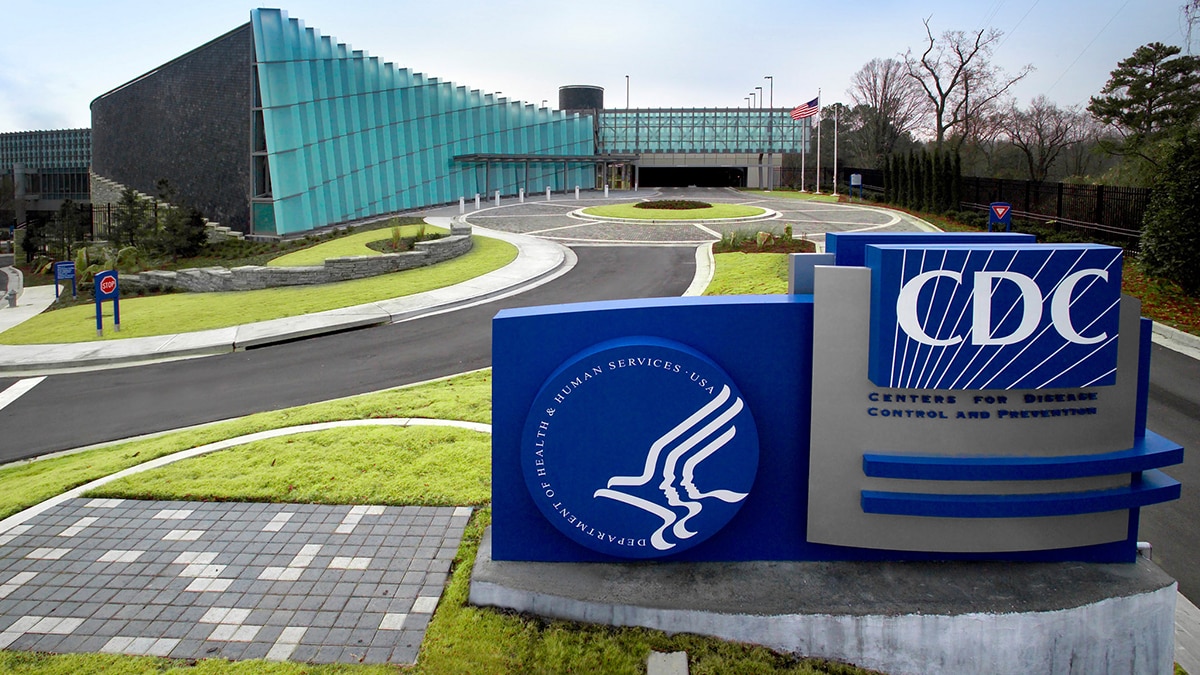
CDC headquarters in Atlanta, Georgia
Third: In the spring of 2018, Trump pushed Congress to cut $15 billion from national health spending—and cutting the global disease-fighting budgets of the Centers for Disease Control, National Security Council, Department of Homeland Security and the Department of Health and Human Services.
In April, 2018, then-National Security Adviser John Bolton forced Tom Bossert, director of the infectious disease unit at DHS, to resign—along with his entire team.
It’s popular to assume that Trump did all of this out of mere ignorance—and there’s plenty of proof of his ignorance in many areas (such as attributing windmills to causing cancer). But far more was at work here.
Fourth The vast majority of those who voted for Trump believe that the Federal Government is evil and its agencies that regulate business should be eliminated.
An example of this constituency is Grover Norquist, founder and president of Americans for Tax Reform, which opposes all tax increases and has forced most Republicans to publicly pledge they will as well, under any circumstances.
His most famous quote: “I’m not in favor of abolishing the government. I just want to shrink it down to the size where we can drown it in the bathtub.”
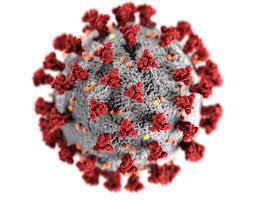
Coronavirus
According to the March 21, 2020 edition of Rolling Stone magazine: “The United States intelligence community has been warning the president since January and February about the dire consequences that would occur when coronavirus reached America, but the president seemed determined to play down the threat, leaving the country largely unaware and unprepared.”
An anonymous Intelligence official cited by the Washington Post said: “Donald Trump may not have been expecting this, but a lot of other people in the government were—they just couldn’t get him to do anything about it. The system was blinking red.”
Trump first learned of the virus on January 3, 2020. This did not prevent him from playing golf on January 4, 5, 18 and 19.
On January 19, the first Coronavirus case appeared in the United States.
On February 29, the first American died of Coronavirus.
2003 IRAQ WAR, 9/11 ATTACKS, ABC NEWS, ABORTION, ADOLF HITLER, AL-QAEDA, ALTERNET, AMERICABLOG, ANDREW CUOMO, ANTHONY FAUCI, AP, BABY BOOMER RESISTANCE, BARACK OBAMA, BLOOMBERG, BOB WOODWARD, BRENDA FITZGERALD, BUZZFEED, CARL BERNSTEIN, CBS NEWS, CENTERS FOR DISEASE CONTROL AND PREVENTION (CDC), CHICAGO, CHINA, CLOROX BLEACH, CNN, CORONAVIRUS, COVID-19, COVID-19 TEST KITS, CROOKS AND LIARS, DAILY KOZ, DAVID BROOKS, DEBORAH BIRX, DEPARTMENT OF HOMELAND SECURITY, DEPARTMENT OF HOMELAND SECURITY (DHS), DONALD TRUMP, DRUDGE REPORT, EBOLA, FACEBOOK, FEDERAL EMERGENCY MANAGEMENT AGENCY (FEMA), FIVETHIRTYEIGHT, FLORIDA, FORBES, FOX BUSINESS NETWORK, FOX NEWS, FOX NEWS NETWORK, FRANKLIN D. ROOSEVELT, GEORGE W. BUSH, GRETCHEN WHITMER, GROVER NORQUIST, HARPER’S MAGAZINE, HUFFINGTON POST, IMPEACHMENT, JARED KUSHNER, JAY INSLEE, JOE BIDEN, JOHN BOLTON, JOHNSON & JOHNSON VACCINE, KRISTI NOEM, KRISTIN URQUIZA, LARRY HOGAN, LOS ANGELES, LOUIS X1V, LYNDON B. JOHNSON, MALARIA, MARK ANTHONY URQUIZA, MARK SHIELDS, MARYLAND, MASKS, MASSACHUSSETS, MEDIA MATTERS, MICHIGAN, MICK MULVANEY, MIKE PENCE, MODERNA VACCINE, MOLOCH, MOTHER JONES, MOVEON, MSNBC, N95 MASKS, N95 RESPIRATORS, NATIONAL SECURITY COUNSIL (NSC), NAVY SEALS, NBC NEWS, NEW YORK, NEW YORK CITY, NEWSWEEK, NPR, NURSES, OSAMA BIN LADEN, PAULA REID, PBS NEWSHOUR, PERSONAL PROTECTIVE EQUIPMENT (PPE), PFIZER VACCINE, PHOENIX RALLY, POLITICO, POLITICUSUSA, RAW STORY, REPUBLICANS, REUTERS, RICHARD M. NIXON, ROBERT RAY REDFIELD, ROLLING STONE MAGAZINE, RUDOLPH GIULIANI, RUDY GIULIANI, SALON, SCHOOLS, SEAN HANNITY, SEAN HANNITY SHOW, SEATTLE TIMES, SLATE, SOUTH DAKOTA, STOCK MARKET, TALKING POINTS MEMO, THE ATLANTIC, THE CHICAGO SUN-TIMES, THE CHICAGO TRIBUNE, THE DAILY BEAST, THE DAILY BLOG, THE GUARDIAN, THE HILL, THE HUFFINGTON POST, THE LOS ANGELES TIMES, THE NATION, THE NATIONAL SECURITY COUNCIL, THE NEW REPUBLIC, THE NEW YORK TIMES, THE VILLAGE VOICE, THE WASHINGTON POST, THE WHITE HOUSE PANDEMIC OFFICE, THINKPROGRESS, THIRD REICH, TIM ZIEMER, TIME, TOLUSE OLORUNNIPA, TOM BOSSERT, TOM FRIEDMAN, TRISH REGAN, TRISH REGAN PRIMETIME, TRUTHDIG, TRUTHOUT, TULSA OKLAHOMA RALLY, TWITTER, TWO POLITICAL JUNKIES, U.S. NEWS & WORLD REPORT, UNITED STATES, UPI, USA TODAY, UV LIGHT, VENDORS, VENTILATORS, VIETNAM WAR, WALTER SHAUB, WASHINGTON, WASHINGTON D.C., WASHINGTON MONTHLY, WASHINGTON WEEK IN REVIEW, WATERGATE, WHITE HOUSE PANDEMIC OFFICE, WONKETTE, WORLD TRADE CENTER
In Bureaucracy, History, Law, Law Enforcement, Medical, Politics, Social commentary on March 10, 2021 at 12:14 am
The end of the COVID-19 plague may finally be in sight.
No fewer than three vaccines—by Pfizer, Moderna and Johnson & Johnson—are now available. A total of 90.4 million doses of these vaccines have been given. And 30.7 million Americans have now been fully vaccinated against the virus.
States such as Texas, Florida, Mississippi and Louisiana have thrown caution—and masks—to the winds. Bars and restaurants are reopening. Social distancing is the new taboo.
In Boise, Idaho, anti-mask protesters organized a public mask-burning. Children cheered, “Destroy them!” as masks were burned in an oil barrel.
With the pandemic appearing to reach its end—at least in the United States—Americans will soon revert to one of their favorite pastimes: Forgetting events that caused them unpleasantness.
A typical example: The Vietnam war, which raged from 1965 to 1975, costing the lives of 58,000 Americans and $843.63 billion in money and resources. The conflict divided Americans more than any other since the Civil War (1861-1865).
The Vietnam war was brought on by the lies of Democratic President Lyndon B. Johnson—that North Vietnamese forces has fired on innocent U.S. Navy ships peacefully patrolling the Gulf of Tonkin.

The Vietnam War
Having forgotten—or ignored—the truth that they had been lied into a needless, bloody, budget-busting war in Southeast Asia, Americans allowed themselves to be lied into another such war in Iraq, lasting from 2003 to 2011.But no sooner was the war over than Americans acted as if it had never happened.
The Iraq war grew out of the lies of the Republican George W. Bush administration—that Iraqi dictator Saddam Hussein had plotted 9/11 and was preparing to strike the United States with nuclear and/or biological weapons.
No doubt as soon as the “all-clear” sounds on COVID-19, Americans will forget that it ever happened—and thus learn nothing from it.
Yet history remains an unforgiving teacher. And while Americans usually ignore its lessons, history always exacts a punishment for doing so.
At the center of its lessons on COVID-19 is the catastrophe that inevitably occurs when there is a confluence between natural disaster and an evil and incompetent administration.
And in the case of the COVID-19 pandemic, the figure who stands most responsible for the deaths of more than a half-million Americans is Donald Trump, the 45th President of the United States.
Under his tyrannical rule, the United States suffered not simply from a lethal virus but a combination of denial, lies, Republican subservience, chaos, extortion, propaganda as news, quackery as medicine, demands to “re-open the country,” Ignoring the danger and—finally—resignation (“Learn to live with the virus”).
DONALD TRUMP AS SUPREME EGOTIST
Conservative New York Times columnist David Brooks attacked President Donald Trump in terms usually reserved for serial killers. On the March 13, 2020 edition of The PBS Newshour, he said:
“This is what happens when you elect a sociopath as president, who doesn’t care, who has treated this whole thing for the past month as if it’s about him. ‘How do people like me?’ Minimizing the risks. ‘Does the stock market reflect well on me?’ And he hasn’t done the things a normal human being would do, which was to, let’s take precautions….
“And he’s incapable of that. And he’s even created an information distortion field around him.”

David Brooks
INTRODUCING CORONAVIRUS
Coronavirus first appeared in Wuhan, China, in December, 2019. Its first reported victim became ill on December 1.
By December 31, the outbreak was traced to a novel strain of Coronavirus.
Coronaviruses are a group of viruses that affect birds and mammals. In humans, Coronaviruses can cause pneumonia and may cause bronchitis.
Trump first learned of the virus on January 3, 2020. Then he went golfing on January 4, 5, 18 and 19.
On January 19, the first Coronavirus case appeared in the United States.
On January 27, then-acting chief of staff Mick Mulvaney tried to get Trump to act.
But, according to officials who spoke with the Washington Post, Trump was “dismissive” of early briefings “because he did not believe that the virus had spread widely throughout the United States.”
Trump fired Mulvaney one month later.
Then Trump returned to the golf course—on February 1, 2 and 15.
TRUMP CONFESSES TO BOB WOODWARD
On February 7, he decided to share some of his Coronavirus Intelligence with legendary Washington Post editor and reporter Bob Woodward.
Woodward and Carl Bernstein had achieved imperishable fame in 1972-74 as the Washington Post reporters whose Watergate-related stories led to the fall of President Richard M. Nixon.
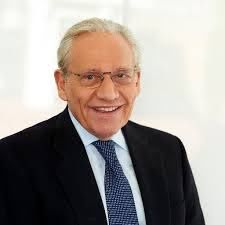
Bob Woodward
Bob Woodward: And so, what was [Chinese] President Xi [Jinping] saying yesterday?
Donald Trump: Oh, we were talking mostly about the virus, and I think he’s going to have it in good shape. But it’s a very tricky situation.
Woodward: Indeed, it is.
Trump: It goes through air, Bob. That’s always tougher than the touch. The touch, you don’t have to touch things, right? But the air, you just breathe the air and that’s how it’s passed. And so that’s a very tricky one. That’s a very delicate one. It’s also more deadly than even your strenuous flues. People don’t realize, we lose 25,000, 30,000 people a year here. Who would ever think that, right?
9/11 TERRORIST ATTACKS, ABC NEWS, ADOLF HITLER, ALTERNET, AMERICABLOG, ANTHONY FAUCI, ANTIBOTICS, AP, BABY BOOMER RESISTANCE, BBC, BENGHAZI EMBASSY ATTACK, BLOOMBERG, BLOOMBERG NEWS, BUZZFEED, CBS NEWS, CHINA, CNN, CORONAVIRUS, CPAC, CROOKS AND LIARS, DAILY KOZ, DEMOCRATS, DONALD TRUMP, DRUDGE REPORT, DRUDGE RETORT, EBOLA, FACEBOOK, FINAL SOLUTION, FIVETHIRTYEIGHT, FOX NEWS NETWORK, HARPER’S MAGAZINE, HUFFINGTON POST, HURRICANE KATRINA, HURRICANE MARIA, JOACHIM VON RIBBONTROP, JULIUS STREICHER, LINDSEY GRAHAM, MASKS, MEDIA MATTERS, MEIN KAMPF, MOTHER JONES, MOVEON, MSNBC, NBC NEWS, NEW REPUBLIC, NEWSDAY, NEWSWEEK, NPR, NUREMBERG WAR CRIMES TRIALS, PBS NEWSHOUR, PERSONAL PROTECTIVE EQUIPMENT (PPE), POLITICO, POLITICUSUSA, RAW STORY, REPUBLICANS, REUTERS, RICHARD 111, ROBERT H. JACKSON, SALON, SCIENCE, SEAN HANNITY, SEATTLE TIMES, SLATE, TALKING POINTS MEMO, THE ATLANTIC, THE CHICAGO SUN-TIMES, THE CHICAGO TRIBUNE, THE DAILY BEAST, THE DAILY BLOG, THE GUARDIAN, THE HILL, THE HUFFINGTON POST, THE LOS ANGELES TIMES, THE NATION, THE NEW REPUBLIC, THE NEW YORK TIMES, THE NEW YORKER, THE VILLAGE VOICE, THE WASHINGTON POST, THINKPROGRESS, TIME, TRUTHDIG, TRUTHOUT, TWITTER, TWO POLITICAL JUNKIES, U.S. NEWS & WORLD REPORT, UPI, USA TODAY, WILLIAM SHAKESPEARE, WONKETTE
In Bureaucracy, History, Medical, Politics, Social commentary on March 4, 2021 at 12:19 am
On February 7, 2020, President Donald Trump told legendary Washington Post investigative reporter Bob Woodward:
It goes through air, Bob. That’s always tougher than the touch. The touch, you don’t have to touch things, right? But the air, you just breathe the air and that’s how it’s passed. And so that’s a very tricky one. That’s a very delicate one. It’s also more deadly than even your strenuous flues. People don’t realize, we lose 25,000, 30,000 people a year here. Who would ever think that, right?
Yet, in public, he played down the lethality of the virus and attacked those who sought to take it seriously:
- January 22: “We have it totally under control. It’s one person coming in from China.”
- February 24: “The Coronavirus is very much under control in the USA.”
- February 26: “The 15 cases within a couple of days is going to be down to close to zero.”
- February 27: “One day it’s like a miracle, it will disappear.”
- February 28: “Now the Democrats are politicizing the Coronavirus….We did one of the great jobs….One of my people came up to me and said, ‘Mr. President, they tried to beat you on Russia, Russia, Russia’….They couldn’t do it. They tried the impeachment hoax….It’s all turning, they lost….And this is their new hoax.”
- March 6: “I think we’re doing a really good job in this country of keeping it down. A tremendous job of keeping it down.”

By April, 2020, the virus had claimed 23,000 Americans. And Trump’s fanatical defenders were desperate to rewrite history.
One of these was Republican South Carolina Senator Lindsey Graham.
On April 9, 2020, appearing on the Fox News network’s “Sean Hannity” show, Graham said: “The first thing I want to do is get the United States Senate on the record where we don’t blame Trump. We blame China.
“The Chinese government is responsible for 16,000 American deaths and 17 million Americans being unemployed. It’s the Chinese government and the way they behave that led to this pandemic. This is the third one to come out of China.
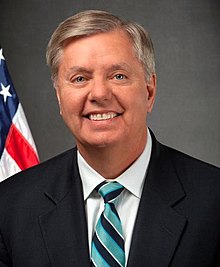
Lindsey Graham
Graham said that the “wet markets” in China should be shut down, because they have been the source of three pandemics that originated in China.
Now, with more than 500,000 Americans dead, Trump’s fanatical defenders have decided to simply ignore history.
How else to explain the “Golden Trump” statue unveiled at the Conservative Political Action Conference (CPAC) on February 25?
But non-Fascistic Americans should not ignore that Trump:
- Lied about the lethality of the virus.
- Attacked masks, science and social distancing.
- Attacked Dr. Anthony Fauci, the country’s top infectious disease expert.
- Urged his followers to protest governors who championed wearing masks and socially distancing.
- Refused to establish a central command to supply states with Personal Protective Equipment (PPE).
- Seized vitally-needed medical supplies in at least seven states.
- Promoted quack “solutions” (such as injecting bleach to ward off the virus).
* * * * *
On July 26, 1946, Chief United States Counsel Robert H. Jackson, prosecuting Nazi war criminals at Nuremberg, delivered his closing remarks to the court. He might as well have been speaking about Donald Trump and his cheerleading—and misleading—chorus on Coronavirus:
“Lying has always been a highly approved Nazi technique. [Adolf] Hitler, in Mein Kampf, advocated mendacity as a policy. {Foreign Minister Joachim] Von Ribbentrop admits the use of the ‘diplomatic lie.’
“….Nor is the lie direct the only means of falsehood. They all speak with a Nazi double talk with which to deceive the unwary….’Final solution’ of the Jewish problem was a phrase which meant extermination. ‘Special treatment’ of prisoners of war meant killing. ‘Protective custody’ meant concentration camp.

Robert H. Jackson
“Besides outright false statements and double talk, there are also other circumventions of truth in the nature of fantastic explanations and absurd professions.
“[Rabid anti-Semite Julius] Streicher has solemnly maintained that…his reason for destroying synagogues…was only because they were architecturally offensive….
“This was the philosophy of the National Socialists. When for years they have deceived the world, and masked falsehood with plausibilities, can anyone be surprised that they continue their habits of a lifetime in this dock?
“It is against such a background that these defendants now ask this Tribunal to say that they are not guilty of planning, executing, or conspiring to commit this long list of crimes and wrongs.”
Citing William Shakespeare’s play about the murderous Richard III, Jackson concluded:
“They stand before the record of this trial as bloodstained Gloucester stood by the body of his slain king. He begged of the widow, as they beg of you: ‘Say I slew them not.’ And the Queen replied, ‘Then say they were not slain. But dead they are…’
“If you were to say of these men that they are not guilty, it would be as true to say that there has been no war, there are no slain, there has been no crime.”
If Americans find Donald Trump blameless for refusing to take decisive action against the Coronavirus threat, it will be as true to say there has been no plague, there are no thousands of dead Americans, there has been no dereliction of Presidential responsibility.
2016 PRESIDENTIAL ELECTION, 2020 PRESIDENTIAL ELECTION, ABC NEWS, ACAM SCHIFF, ADOLF HITLER, ALTERNET, AMERICABLOG, AP, BABY BOOMER RESISTANCE, BBC, BLOOMBERG NEWS, BRETT CROZIER, BUZZFEED, CBS NEWS, CHARLES PIERCE, CHRIS KREBS, CNN, CONVERSATION WITH AN AMERICAN WRITER (POEM), CORONAVIRUS, CROOKS AND LIARS, CYBERSECURITY AND INFRASTRUCTURE SECURITY AGENCY, DAILY KOS, DAILY KOZ, DEPARTMENT OF HOMELAND SECURITY, DEPARTMENT OF STATE, DIMITRI SHOSTAKOVICH, DONALD TRUMP, DRUDGE REPORT, ESQUIRE MAGAZINE, FACEBOOK, FBI, FIVETHIRTYEIGHT, FOX NEWS NETWORK, GREAT TERROR, HARPER’S MAGAZINE, HOUSE INTELLIGENCE COMMITTEE, HOUSE OF REPRESENTATIVES, HUFFINGTON POST, JOSEPH BIDEN, JOSEPH STALIN, MARIA YOVANOVICH, MEDIA MATTERS, MICROSOFT, MIKHAIL TUKHACHEVESKY, MOTHER JONES, MOVEON, MSNBC, NAZI GERMANY, NBC NEWS, NEW REPUBLIC, NEWSDAY, NEWSWEEK, NICCOLO MACHIAVELLI, NIKOLAI ZHILAYEV, NPR, PBS NEWSHOUR, POLITICO, POLITICUSUSA, RAW STORY, REUTERS, RUDY GIULIANI, SALON, SEATTLE TIMES, SLATE, SOVIET UNION, TALKING POINTS MEMO, THE ATLANTIC, THE CHICAGO SUN-TIMES, THE CHICAGO TRIBUNE, THE DAILY BEAST, THE DAILY BLOG, THE DISCOURSES, THE GUARDIAN, THE HILL, THE HUFFINGTON POST, THE LOS ANGELES TIMES, THE NATION, THE NEW REPUBLIC, THE NEW YORK TIMES, THE NEW YORKER, THE VILLAGE VOICE, THE WALL STREET JOURNAL, THE WASHINGTON POST, THINKPROGRESS, THOMAS MODLY, TIME, TRUTHDIG, TRUTHOUT, TWITTER, TWO POLITICAL JUNKIES, U.S. NEWS & WORLD REPORT, UKRAINE, UPI, USA TODAY, WEHRMACHT, WONKETTE, WORLD WAR ii, YEVGENEY YEVTUSHENKO
In Bureaucracy, History, Law, Law Enforcement, Military, Politics, Social commentary on February 25, 2021 at 12:39 am
Next hero: Marie Yovanovitch, the former United States ambassador to Ukraine (2016 – 2019). She had joined the Foreign Service in 1986, and served as ambassador to Kyrgyzstan (2005 – 2008) and Armenia (2008 – 2011).
In May 2019, on President Donald Trump’s orders, the State Department recalled Yovanovitch as ambassador to Ukraine. She had earned respect from the national security community for her efforts to encourage Ukraine to tackle corruption.
But she had been criticized by Right-wing media outlets—notably Fox News Network—and by Trump’s personal attorney, Rudy Giuliani.

Marie Yovanovitch
CNN reported that Yovanovitch stopped Giuliani from interviewing witnesses in his search for politically damaging information against former Vice President Joe Biden, whose son, Hunter, had had business dealings in Ukraine.
On October 11, 2019, she appeared before the House Intelligence Committee, chaired by Representative Adam Schiff (D-CA). She did so in defiance of orders by the White House and State Department to not attend.
“She was a hero even before she hit the hearing room,” wrote Charles Pierce for Esquire magazine.
“She told them to stuff their directives, she would answer a congressional subpoena like a citizen is supposed to do. And she didn’t sneak in through the basement. She walked into the Capitol through the front doors, and she didn’t do so to fck around.”
Testifying for nearly 10 hours, Yovanovitch said that Trump had removed her from her post owing to “unfounded and false claims” and “a concerted campaign against me.”
She believed that associates of Trump’s personal lawyer, Giuliani, might have thought “that their personal financial ambitions were stymied by our anti-corruption policy in Ukraine.”
And she warned that the State Department was being “attacked and hollowed out from within. State Department leadership, with Congress, needs to take action now to defend this great institution, and its thousands of loyal and effective employees.”
Another victim on Trump’s hate-list was Chis Krebs.
During the 2016 Presidential race, Russian propaganda had played a major role in convincing millions of Americans to vote for Donald Trump. Social media platforms—especially Facebook and Twitter—were flooded with genuinely fake news to sow discord among Americans and create a pathway for Trump’s election.
And where Internet trolls left off, Russian computer hackers took over.
Trump didn’t win a majority of the popular vote. But he got enough help from Putin to triumph in the Electoral College.
So notorious was the role played by Russian trolls and hackers in winning Trump the 2016 election that the Department of Homeland Security (DHS) was determined to prevent a repetition in 2020.
And point man for this was Chris Krebs.
Born in Atlanta, Georgia, in 1977, Krebs had received a B.A. in environmental sciences from the University of Virginia in 1999, and a J.D. from the George Mason University School of Law in 2007.
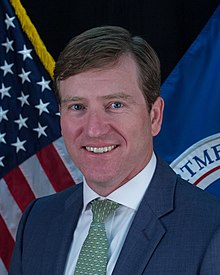
Chris Krebs
Krebs had served as Senior Advisor to the Assistant Secretary of Homeland Security for Infrastructure Protection, and later worked in the private sector as Director for Cybersecurity Policy for Microsoft.
Now he was director of the Cybersecurity and Infrastructure Security Agency at DHS.
In preparation for the 2020 Presidential election, Krebs launched a massive effort to counter lies spread by Russians—and Americans—on social media platforms. Among his duties:
- Sharing Intelligence from agencies such as the CIA and National Security Agency with local officials about foreign efforts at election interference.
- Ensuring that domestic voting equipment was secure.
- Attacking domestic misinformation head-on.
As a result, Krebs was widely praised for revamping the department’s cybersecurity efforts and increasing coordination with state and local governments.
By all accounts—except Trump’s—the November 3, 2020 election went very smoothly.
As a result of the vast increase in election security, Trump not only failed to win the popular vote again but couldn’t get the help he expected from Putin.
On November 17, Trump fired Chris Krebs.
The reason: Krebs had not only countered Russian propaganda lies—he had dared to counter Trump’s as well. For example: He rejected Trump’s claims of widespread voter fraud: There “is no evidence that any voting system deleted or lost votes, changed votes, or was in any way compromised.”
In a November 17 story on the CNN website, CNN reporters Kaitlan Collins and Paul LeBlanc bluntly concluded:
“[Krebs’] dismissal underscores the lengths Trump is willing to go to punish those who don’t adopt his conspiratorial view of the election.
“Since CNN and other outlets called the race for President-elect Joe Biden, Trump has refused to accept the results, instead pushing baseless conspiracies that his second term is being stolen.”
Yet, by depriving Trump of Russian help, Krebs ensured a victory for democracy.
On January 6, the House and Senate counted the Electoral Votes—and pronounced Joseph Biden the winner—bringing an end to Trump’s reign of criminality and treason.
In his 1960 poem, “Conversation With an American Writer,” the Russian poet, Yevgeney Yevtushenko spoke for those Russians who had maintained their integrity in the face of Stalinist terror:
“You have courage,” they tell me.
It’s not true. I was never courageous.
I simply felt it unbecoming
to stoop to the cowardice of my colleagues.
Unfortunately, the same cannot be said of Republicans in the United States Senate and House of Representatives in the face of Trump terror.
2016 PRESIDENTIAL ELECTION, 2020 PRESIDENTIAL ELECTION, ABC NEWS, ACAM SCHIFF, ADOLF HITLER, ALTERNET, AMERICABLOG, AP, BABY BOOMER RESISTANCE, BBC, BLOOMBERG NEWS, BRETT CROZIER, BUZZFEED, CBS NEWS, CHARLES PIERCE, CHRIS KREBS, CNN, CONVERSATION WITH AN AMERICAN WRITER (POEM), CORONAVIRUS, CROOKS AND LIARS, CYBERSECURITY AND INFRASTRUCTURE SECURITY AGENCY, DAILY KOS, DAILY KOZ, DEPARTMENT OF HOMELAND SECURITY, DEPARTMENT OF STATE, DIMITRI SHOSTAKOVICH, DONALD TRUMP, DRUDGE REPORT, ESQUIRE MAGAZINE, FACEBOOK, FBI, FIVETHIRTYEIGHT, FOX NEWS NETWORK, GREAT TERROR, HARPER’S MAGAZINE, HOUSE INTELLIGENCE COMMITTEE, HOUSE OF REPRESENTATIVES, HUFFINGTON POST, JOSEPH BIDEN, JOSEPH STALIN, MARIA YOVANOVICH, MEDIA MATTERS, MICROSOFT, MIKHAIL TUKHACHEVESKY, MOTHER JONES, MOVEON, MSNBC, NAZI GERMANY, NBC NEWS, NEW REPUBLIC, NEWSDAY, NEWSWEEK, NICCOLO MACHIAVELLI, NIKOLAI ZHILAYEV, NPR, PBS NEWSHOUR, POLITICO, POLITICUSUSA, RAW STORY, REUTERS, RUDY GIULIANI, SALON, SEATTLE TIMES, SLATE, SOVIET UNION, TALKING POINTS MEMO, THE ATLANTIC, THE CHICAGO SUN-TIMES, THE CHICAGO TRIBUNE, THE DAILY BEAST, THE DAILY BLOG, THE DISCOURSES, THE GUARDIAN, THE HILL, THE HUFFINGTON POST, THE LOS ANGELES TIMES, THE NATION, THE NEW REPUBLIC, THE NEW YORK TIMES, THE NEW YORKER, THE VILLAGE VOICE, THE WALL STREET JOURNAL, THE WASHINGTON POST, THINKPROGRESS, THOMAS MODLY, TIME, TRUTHDIG, TRUTHOUT, TWITTER, TWO POLITICAL JUNKIES, U.S. NEWS & WORLD REPORT, UKRAINE, UPI, USA TODAY, WEHRMACHT, WONKETTE, WORLD WAR ii, YEVGENEY YEVTUSHENKO
In Bureaucracy, History, Law, Law Enforcement, Military, Politics, Social commentary on February 24, 2021 at 12:11 am
Next up: Nikolai Sergeyvich Zhilayev (pronounced Zill-lay-ev) was a Russian musicologist and the teacher of several 20th-century Russian composers.
Among these: Dimitri Shostakovich (September 25, 1906 – August 9, 1975)
Among his friends—to his ultimate misfortune—was Mikhail Nikolayevich Tukhachevsky, the former military hero now falsely condemned and executed as a traitor by Soviet dictator Joseph Stalin.
In 1938, Zhilayev (November 18, 1881 – January 20, 1938) also became a casualty of what has become known as The Great Terror.
In his posthumously-published memoirs, Testimony, Shostakovich, his pupil and friend, described how Zhilayev faced his end with a calmness that awed even the NKVD (the predecessor to the KGB) secret police sent to arrest him.

Dimitri Shostakovich
“He had a large picture of Tukhachevsky in his room, and after the announcement that Tukhachevsky had been shot as a traitor to the homeland, Zhilayev did not take the picture down.
“I don’t know if I can explain how heroic a deed that was….As soon as the next poor soul was declared an enemy of the people, everyone destroyed in a panic everything connected with that person….
“And naturally, photographs flew into the fire first, because if someone informed on you, reported that you had a picture of an enemy of the people, it meant certain death.
“Zhilayev wasn’t afraid. When they came for him, Tukhachevsky’s prominently hung portrait amazed even the executioners.”
“What, it’s still up?” one of the secret police asked.
“The time will come,” Zhilayev replied, “when they’ll erect a monument to him.”
As, in fact, has happened.
Meanwhile, Stalin has been universally condemned as one of history’s greatest tyrants.
Third hero—Brett Crozier, the former commanding officer of the aircraft carrier USS Theodore Roosevelt.
Graduating from the United States Naval Academy at Annapolis in 1992, he received his Master’s Degree in National Security and Strategic Studies from the Naval War College in 2007.
From 2017 to 2018 he commanded the USS Blue Ridge. In November, 2019, he was given command of the nuclear aircraft carrier USS Theodore Roosevelt.
On March 24, 2020, reports circulated that three members of the crew had tested positive for COVID-19. The next day the number of stricken sailors increased to eight. A few days later, it was “dozens.” The sailors reportedly became ill at sea, two weeks after a port call at Danang, Vietnam.
The initial cases were airlifted to a military hospital. The Roosevelt was ordered to Guam. After the ship docked on March 27, 2020, all 5,000 aboard were ordered to be tested for the virus. But only about 100 stricken sailors were allowed to leave the ship. The rest remained on board.
On March 30, Crozier emailed a four-page internal letter to multiple Naval officials, pleading to have the majority of the crew evacuated and quarantined on shore. Given the crowded sleeping quarters and narrow passageways of the vessel, Crozier wrote that it was impossible to follow social distancing and quarantine procedures:
“This will require a political solution but it is the right thing to do. We are not at war. Sailors do not need to die. If we do not act now, we are failing to properly take care of our most trusted asset—our Sailors….
“This is a necessary risk. Keeping over 4,000 young men and women on board the TR is an unnecessary risk and breaks faith with those Sailors entrusted to our care.”
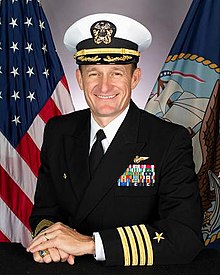
Brett Crozier
Crozier sent his letter via a non-secure, unclassified email to 20 to 30 recipients, as well as the captain’s immediate chain of command. He reportedly believed that his immediate supervisor would not allow him to send it.
And his superior later confirmed that he would not have allowed Crozier to send it.
On March 31, someone leaked the letter to the San Francisco Chronicle, which published it.
On April 1, the Navy ordered the aircraft carrier evacuated. A skeleton crew of 400 remained aboard to maintain the nuclear reactor, the fire-fighting equipment, and the ship’s galley.
On April 2, Crozier was relieved of command by acting United States Secretary of the Navy Thomas Modly.
By that time, about 114 crew members—out of a total of around 4,000—reportedly tested positive for COVID-19.
As Crozier disembarked, sailors loudly saluted him with a standing ovation: “Cap-tain Cro-zier!”
Modly claimed that Crozier’s letter “raised alarm bells unnecessarily. It undermines our efforts and the chain of command’s efforts to address this problem, and creates a panic and this perception that the Navy’s not on the job, that the government’s not on the job, and it’s just not true.”
Actually, the Trump administration had frittered away January and February, with President Donald Trump giving multiple—and misleading—press conferences. In these, he played down the dangers of COVID-19, saying that “we’re on top of it”—even as the virus spread across the country.
“It was a betrayal. And I can tell you one other thing: because he did that he put it in the public’s forum and it is now a big controversy in Washington, DC,” continued Modly. [Italics added]
This was the United States Navy under Donald Trump—who threw “betrayal” and “treason” at anyone who dared reveal the truth about institutional crimes and failures.
2016 PRESIDENTIAL ELECTION, 2020 PRESIDENTIAL ELECTION, ABC NEWS, ACAM SCHIFF, ADOLF HITLER, ALTERNET, AMERICABLOG, AP, BABY BOOMER RESISTANCE, BBC, BLOOMBERG NEWS, BRETT CROZIER, BUZZFEED, CBS NEWS, CHARLES PIERCE, CHRIS KREBS, CNN, CONVERSATION WITH AN AMERICAN WRITER (POEM), CORONAVIRUS, CROOKS AND LIARS, CYBERSECURITY AND INFRASTRUCTURE SECURITY AGENCY, DAILY KOS, DAILY KOZ, DEPARTMENT OF HOMELAND SECURITY, DEPARTMENT OF STATE, DIMITRI SHOSTAKOVICH, DONALD TRUMP, DRUDGE REPORT, ESQUIRE MAGAZINE, FACEBOOK, FBI, FIVETHIRTYEIGHT, FOX NEWS NETWORK, GREAT TERROR, HARPER’S MAGAZINE, HOUSE INTELLIGENCE COMMITTEE, HOUSE OF REPRESENTATIVES, HUFFINGTON POST, JOSEPH BIDEN, JOSEPH STALIN, MARIA YOVANOVICH, MEDIA MATTERS, MICROSOFT, MIKHAIL TUKHACHEVESKY, MOTHER JONES, MOVEON, MSNBC, NAZI GERMANY, NBC NEWS, NEW REPUBLIC, NEWSDAY, NEWSWEEK, NICCOLO MACHIAVELLI, NIKOLAI ZHILAYEV, NPR, PBS NEWSHOUR, POLITICO, POLITICUSUSA, RAW STORY, REUTERS, RUDY GIULIANI, SALON, SEATTLE TIMES, SLATE, SOVIET UNION, TALKING POINTS MEMO, THE ATLANTIC, THE CHICAGO SUN-TIMES, THE CHICAGO TRIBUNE, THE DAILY BEAST, THE DAILY BLOG, THE DISCOURSES, THE GUARDIAN, THE HILL, THE HUFFINGTON POST, THE LOS ANGELES TIMES, THE NATION, THE NEW REPUBLIC, THE NEW YORK TIMES, THE NEW YORKER, THE VILLAGE VOICE, THE WALL STREET JOURNAL, THE WASHINGTON POST, THINKPROGRESS, THOMAS MODLY, TIME, TRUTHDIG, TRUTHOUT, TWITTER, TWO POLITICAL JUNKIES, U.S. NEWS & WORLD REPORT, UKRAINE, UPI, USA TODAY, WEHRMACHT, WONKETTE, WORLD WAR ii, YEVGENEY YEVTUSHENKO
In Bureaucracy, History, Military, Politics, Social commentary on February 23, 2021 at 12:18 am
…A truly great man is ever the same under all circumstances. And if his fortune varies, exalting him at one moment and oppressing him at another, he himself never varies, but always preserves a firm courage, which is so closely interwoven with his character that everyone can readily see that the fickleness of fortune has no power over him.
The conduct of weak men is very different. Made vain and intoxicated by good fortune, they attribute their success to merits which they do not possess. And this makes them odious and insupportable to all around them. And when they have afterwards to meet a reverse of fortune, they quickly fall into the other extreme, and become abject and vile.
—Niccolo Machiavelli, The Discourses
Four heroes, three villains.
Two of the heroes are Russians; three are Americans.
The villains: One Russian (actually, Georgian); two American.
First up—in order of disappearance: Mikhail Nikolayevich Tukhachevsky (pronounced too-ka-chev-sky).
Tukhachevsky (February 4, 1893 – June 12, 1937) was a major Soviet military leader and theoretician from 1918 to 1937.
He commanded the Soviet Western Front during the Russian-Polish War (1920-21) and served as Chief of Staff of the Red Army (1925-1928).
He fought to modernize Soviet armament, as well as develop airborne, aviation and mechanized forces. Almost singlehandedly, he created the theory of deep operations for Soviet forces.

Mikhail Tukhachevsky
All of these innovations would reap huge dividends when the Soviet Union faced the lethal fury of Adolf Hitler’s Wehrmacht.
In 1936, Tukhachevsky warned Soviet dictator Joseph Stalin that Nazi Germany might attack without warning—and ignite a long and murderous war.
Stalin—the son of a Georgian cobbler—resented Tukhachevsky’s coming from a noble family. A monumental egomaniac, he also hated that Tukhachevesky’s fame rivaled his own.
Warned of the approaching German danger, Stalin shouted: “What are you trying to do—frighten Soviet authority?”
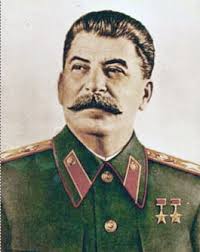
Joseph Stalin
The attack that Tukhachevsky warned against came five years later—on June 22, 1941, leaving at least 26 million Russians dead.
But Tukhachevsky wasn’t alive to command a defense.
The 1930s were a frightening and dangerous time to be alive in the Soviet Union. In 1934, Stalin, seeing imaginary enemies everywhere, ordered a series of purges that lasted right up to the German invasion.
An example of Stalin’s paranoia occurred one day while the dictator walked through the Kremlin corridors with Admiral Ivan Isakov. Officers of the NKVD (the predecessor to the KGB) stood guard at every corner.
“Every time I walk down the corridors,” said Stalin, “I think: Which one of them is it? If it’s this one, he will shoot me in the back. But if I turn the corner, the next one can shoot me in the face.”
In 1937-38, the Red Army fell prey to Stalin’s paranoia.
Its victims included:
- Three of five marshals (five-star generals);
- Thirteen of 15 army commanders (three- and four-star generals);
- Fifty of 57 army corps commanders; and
- One hundred fifty-four out of 186 division commanders.
And heading the list of those marked for death was Marshal Mikhail Tukhachevsky.
Arrested on May 22, 1937, he was interrogated and tortured. As a result, he “confessed” to being a German agent plotting to overthrow Stalin and seize power.
On his confession, which survives in the archives, his bloodstains can clearly be seen.
On June 11, 1937, the Soviet Supreme Court convened a special military tribunal to try Tukhachevsky and eight generals for treason.
It was a sham: The accused were denied defense attorneys, and could not appeal the verdict—-which was foregone: Death.
In a Russian version of poetic justice, five of the eight generals who served as Tukhachevsky’s judges were themselves later condemned and executed as traitors.
Within hours of the verdict, Tukhachevsky was summoned from his cell and shot once in the back of the head.
From 1937 until 1956, Tukhachevsky was officially declared a traitor and fifth-columnist.
Then, on February 25, 1957, Soviet Premier Nikita Khrushchev delivered his bombshell “Secret Speech” to the 20th Congress of the Communist Party of the Soviet Union.
In this, he denounced Stalin (who had died in 1953) as a ruthless tyrant responsible for the slaughter of millions of innocent men, women and children. He condemned Stalin for creating a “personality cult” around himself, and for so weakening the Red Army that Nazi Germany was able to easily overrun half of the Soviet Union from 1941 to 1943.
On January 31, 1957, Tukhachevsky and his co-defendants were declared innocent of all charges and were “rehabilitated.”
Today, he is once again—rightly—considered a Russian hero and military genius. And Stalin is universally—and rightly—seen as a blood-stained tyrant.
Next hero: Nikolai Sergeyvich Zhilayev (pronounced Zill-lay-ev)
Zhilayev (November 18, 1881 – January 20, 1938) was a Russian musicologist and the teacher of several 20th-century Russian composers. Among these: Dimitri Shostakovich.
Zhilayev, a member of the Russian Academy of Art-Sciences, taught at the Moscow Conservatory. Among his friends—to his ultimate misfortune—was Mikhail Tukhachevsky.
In 1938, he, too, became a casualty of what has become known as The Great Terror.
In his posthumously-published memoirs, Testimony, Shostakovich, his pupil and friend, described how Zhilayev faced his end with a calmness that awed even the NKVD secret police sent to arrest him.
2016 PRESIDENTIAL ELECTION, 2020 PRESIDENTIAL ELECTION, ABC NEWS, ADOLF HITLER, ALEXANDER KERENSKY, ALTERNET, AMERICABLOG, AP, BABY BOOMER RESISTANCE, BEER HALL PUTSCH, BEN SASSE, BLOOMBERG, BRAD RAFFENSPERGER, BRIAN KEMP, BUZZFEED, CAPITOL POLICE, CBS NEWS, CHINA, CHRIS KREBS, CHRIS MURPHY, CIA, CNN, CROOKS AND LIARS, CYBERSECURITY, DAILY KOZ, DEMOCRATS, DEPARTMENT OF HOMELAND SECURITY, DONALD TRUMP, DRUDGE REPORT, ELECTORAL COLLEGE, FACEBOOK, FBI, FIVETHIRTYEIGHT, HARPER’S MAGAZINE, HITLER: ASCENT: 1889 – 1939 (BOOK), HUFFINGTON POST, ISLAMIC STATE, JAMES COMEY, JOSEPH BIDEN, jOSH HAWLEY, JOSH SHAPIRO, KAITLAN COLLINS, KEN PAXTON, KEVIN MCCARTHY, KIM JONG ON, MEDIA MATTERS, MEIN KAMPF (BOOK), MIKE KELLY, MIKE PENCE, MITCH MCCONNELL, MOTHER JONES, MOVEON, MSNBC, NANCY PELOSI, NATIONAL GUARD, NATIONAL SECURITY AGENCY, NBC NEWS, NEWSWEEK, NORTH KOREA, NPR, PAT A. CIPOLLONE, PAUL LEBLANC, PBS NEWSHOUR, POLITICO, POLITICUSUSA, RAW STORY, REPUBLICANS, REUTERS, ROD SERLING, ROY BLUNT, RUSSIA, RUSSIAN REVOLUTION, SALON, SEATTLE TIMES, SERGEI KISLYAK, SERGI LAVROV, SLATE, SUPREME COURT, TALKING POINTS MEMO, THE ATLANTIC, THE CHICAGO SUN-TIMES, THE CHICAGO TRIBUNE, THE DAILY BEAST, THE DAILY BLOG, THE GUARDIAN, THE HILL, THE HUFFINGTON POST, THE LOS ANGELES TIMES, THE NATION, THE NEW REPUBLIC, THE NEW YORK TIMES, THE TWILIGHT ZONE, THE VILLAGE VOICE, THE WASHINGTON POST, THINKPROGRESS, TIME, TRUTHDIG, TRUTHOUT, TWILIGHT ZONE EPISODE “DEATH’S HEAD REVISITED”, TWITTER, TWO POLITICAL JUNKIES, U.S. NEWS & WORLD REPORT, ULYSSES S. GRANT, UNITED STATES CAPITOL BUILDING, UNITED STATES HOUSE OF REPRESENTATIVES, UNITED STATES SECRET SERVICE, UNITED STATES SENATE, UPI, USA TODAY, VLACIMIR PUTIN, VOLKER ULLRICH, XI JINPING
In Bureaucracy, History, Law, Law Enforcement, Politics, Social commentary on February 18, 2021 at 12:07 am
“U.S. democracy wasn’t set up to deal with a president openly behaving like a James Bond villain while being protected by a political party behaving more like a mafia than a civic institution.”
—The Washington Monthly
TRUMP’S ULTIMATE TREASON
On January 6, the United States Senate, with Vice President Mike Pence presiding, would certify states’ Electoral College results of the 2020 election.
That morning, President Donald Trump urged Pence to flip the results of the election to give him a win.
Pence replied that he was not authorized by the Constitution to overturn those results.
But as Pence went off to the Capitol Building housing the Senate and House of Representatives, Trump had one last card to play.
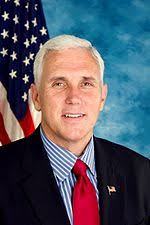
Mike Pence
For weeks, Trump had ordered his legions of Right-wing Stormtrumpers to descend on Washington, D.C. on January 6.
On December 20, he had tweeted: “Statistically impossible to have lost the 2020 Election. Big protest in DC on January 6th. Be there, will be wild!”
In tweets, he promoted the rally again on December 27 and 30, and January 1.
On January 6, Trump appeared at the Ellipse, a 52-acre park south of the White House fence and north of Constitution Avenue and the National Mall in Washington, D.C.
A stage had been set up for him to address tens of thousands of his supporters, who eagerly awaited him.
Trump ordered them to march on the Capitol building to express their anger at the voting process and to intimidate their elected officials to reject the results.
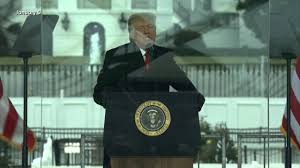
Donald Trump addresses his Stormtrumpers
“Our country has had enough. We will not take it anymore, and that is what this is all about. And to use a favorite term that all of you people really came up with, we will stop the steal….
“Republicans are constantly fighting like a boxer with his hands tied behind his back….And we’re going to have to fight much harder….
“And after this, we’re going to walk down and I’ll be there with you. We’re going to walk down to the Capitol. And we’re going to cheer on our brave Senators and Congressmen and women and we’re probably not going to be cheering so much for some of them.
“Because you’ll never take back our country with weakness. You have to show strength and you have to be strong. We have come to demand that Congress do the right thing and only count the electors who have been lawfully slated.”
The Stormtrumpers marched to the United States Capitol—and quickly brushed aside Capitol Police, who made little effort to arrest or shoot them.
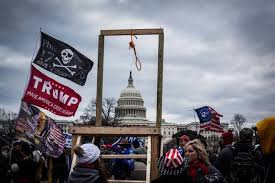
The “Jolly Roger” meets Donald Trump
- Members of the mob attacked police with chemical agents, metal poles and lead pipes.
- Injuries suffered by almost 140 officers included concussions, broken ribs, smashed spinal discs, a lost eye.
- Several rioters carried plastic handcuffs, possibly intending to take hostages. Others carried walkie-talkies.
- Senators ran down a flight of stairs and along a hallway as police held off rioters.

Stormtrumpers scaling Capitol Building walls
- Many of the lawmakers’ offices were occupied and vandalized—including that of House Speaker Nancy Pelosi, a favorite Right-wing target.
- Insurrectionists shouted “Hang Pence!” for his refusal to block certification of Biden’s victory.
- Others yelled, “Where are you, Nancy [Pelosi]?”
- Lawmakers huddled under desks and behind locked doors, expecting to die any minute.
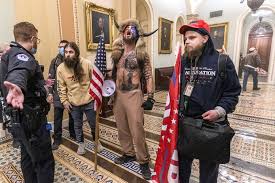
Stormtrumpers inside the Capitol Building
More than three hours passed before police—using riot gear, shields and batons—retook control of the Capitol.
And Trump? After giving his inflammatory speech, he returned to the White House—to watch his handiwork on television. He initially rebuffed requests to mobilize the National Guard.
This required intervention by Pat A. Cipollone, the White House Counsel, among other officials.
Told that Secret Service agents had spirited Pence off the floor of the Senate following the attack, Trump tweeted: “Mike Pence didn’t have the courage to do what should have been done.”
House Minority Leader Kevin McCarthy (R-CA) frantically called Trump, begging him to call off the rioters.
“Well, Kevin, I guess these people are more upset about the election than you are,” replied Trump.
While the rioting was still erupting, Trump posted a video on Twitter: “I know you’re hurt. We had an election that was stolen from us….But you have to go home now. We have to have peace. We have to have law and order….So go home. We love you. You’re very special.”
THE TREASONOUS LEGACY OF THE REPUBLICAN PARTY
The conscience of Rod Serling still speaks to us.
And we need only watch his “Twilight Zone” episode, “Death’s Head Revisited,” to fully understand how Republicans react when they are confronted with overwhelming evidence of their evil.
In that episode, a former Nazi concentration camp captain returns to Dachau, to savor the torments he once inflicted on helpless men and women. To his horror, he’s greeted by the ghosts of those victims.
To one of them—Becker—he says: “That was such a long time ago. Let’s forget about all that–unpleasantness—and move on.”
That is how Republicans have reacted when confronted with overwhelming evidence that President Donald J. Trump, having lost the 2020 Presidential election, incited violence against the Government of the United States.
And just as most of the Original Nazis were forced to confront their past “unpleasantness”—and punished for it—so, too, must Republicans be forced to confront—and punished for—their own.
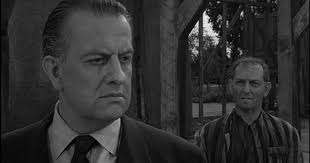
A former tormentor—and his former tormented victim—confront each other in “Death’s Head Revisited”
2016 PRESIDENTIAL ELECTION, 2020 PRESIDENTIAL ELECTION, ABC NEWS, ADOLF HITLER, ALEXANDER KERENSKY, ALTERNET, AMERICABLOG, AP, BABY BOOMER RESISTANCE, BEER HALL PUTSCH, BEN SASSE, BLOOMBERG, BRAD RAFFENSPERGER, BRIAN KEMP, BUZZFEED, CAPITOL POLICE, CBS NEWS, CHINA, CHRIS KREBS, CHRIS MURPHY, CIA, CNN, CROOKS AND LIARS, CYBERSECURITY, DAILY KOZ, DEMOCRATS, DEPARTMENT OF HOMELAND SECURITY, DONALD TRUMP, DRUDGE REPORT, ELECTORAL COLLEGE, FACEBOOK, FBI, FIVETHIRTYEIGHT, HARPER’S MAGAZINE, HITLER: ASCENT: 1889 – 1939 (BOOK), HUFFINGTON POST, ISLAMIC STATE, JAMES COMEY, JOSEPH BIDEN, jOSH HAWLEY, JOSH SHAPIRO, KAITLAN COLLINS, KEN PAXTON, KEVIN MCCARTHY, KIM JONG ON, MEDIA MATTERS, MEIN KAMPF (BOOK), MIKE KELLY, MIKE PENCE, MITCH MCCONNELL, MOTHER JONES, MOVEON, MSNBC, NANCY PELOSI, NATIONAL GUARD, NATIONAL SECURITY AGENCY, NBC NEWS, NEWSWEEK, NORTH KOREA, NPR, PAT A. CIPOLLONE, PAUL LEBLANC, PBS NEWSHOUR, POLITICO, POLITICUSUSA, RAW STORY, REPUBLICANS, REUTERS, ROD SERLING, ROY BLUNT, RUSSIA, RUSSIAN REVOLUTION, SALON, SEATTLE TIMES, SERGEI KISLYAK, SERGI LAVROV, SLATE, SUPREME COURT, TALKING POINTS MEMO, THE ATLANTIC, THE CHICAGO SUN-TIMES, THE CHICAGO TRIBUNE, THE DAILY BEAST, THE DAILY BLOG, THE GUARDIAN, THE HILL, THE HUFFINGTON POST, THE LOS ANGELES TIMES, THE NATION, THE NEW REPUBLIC, THE NEW YORK TIMES, THE TWILIGHT ZONE, THE VILLAGE VOICE, THE WASHINGTON POST, THINKPROGRESS, TIME, TRUTHDIG, TRUTHOUT, TWILIGHT ZONE EPISODE “DEATH’S HEAD REVISITED”, TWITTER, TWO POLITICAL JUNKIES, U.S. NEWS & WORLD REPORT, ULYSSES S. GRANT, UNITED STATES CAPITOL BUILDING, UNITED STATES HOUSE OF REPRESENTATIVES, UNITED STATES SECRET SERVICE, UNITED STATES SENATE, UPI, USA TODAY, VLACIMIR PUTIN, VOLKER ULLRICH, XI JINPING
In Bureaucracy, History, Law, Law Enforcement, Politics, Social commentary on February 17, 2021 at 12:05 am
TRUMP’S FINAL SCHEMES TO REMAIN IN POWER
Throughout November and December, 2020, cases were filed in Wisconsin, Arizona, Nevada, Michigan, Minnesota and Georgia challenging the election results. None were supported by evidence of fraud—as even Trump’s lawyers admitted when questioned by judges.
In Michigan, Trump’s attorneys dropped their federal suit to block the certification of Detroit-area ballots.
By November 21, more than 30 cases were withdrawn by Trump’s attorneys or dismissed by Federal judges—some of them appointed by Trump himself.
Ultimately, from November 3 to December 14, Trump and his allies lost 59 times in court, either withdrawing cases or having them dismissed by Federal and state judges.
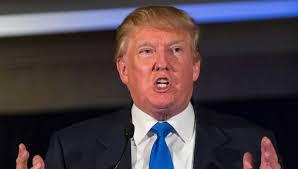
Donald Trump
On November 19, losing in the courts, Trump invited two Republican legislative leaders from Michigan to the White House. The reason: To persuade them to stop the state from certifying the vote.
The Michigan legislators said they would follow the law.
On December 5, Trump called Georgia Governor Brian Kemp and asked him to call a special legislative session and convince state legislators to select their own electors that would support him, thus overturning Biden’s win.
Kemp refused, saying he lacked the authority to do so.
On December 8, the Supreme Court refused to hear Trump’s bid to reverse Pennsylvania’s certification of Biden’s victory. Representative Mike Kelly (R-PA), a Trump ally, argued that the state’s 2.5 million mail-in votes were unconstitutional.
The Court’s order read, “The application for injunctive relief presented to Justice [Samuel] Alito and by him referred to the Court is denied.”
Although Trump had appointed three of the Court’s Justices, not one of them dissented.
On December 10, the Supreme Court refused to let a Texas lawsuit overturn the results in four battleground states: Georgia, Michigan, Pennsylvania and Wisconsin.
The majority of their votes—cast for Biden—were critical to Trump’s defeat.
“Texas has not demonstrated a judicially cognizable interest in the manner in which another state conducts its elections,” the court said without further comment. It dismissed all other related claims as moot.
The request for their overturning came in a lawsuit brought by Texas Attorney General Ken Paxton. A Trump ally, Paxton has been indicted on felony securities fraud charges. He have been seeking a Presidential pardon as reward for his effort.
Seventeen Republican state Attorney Generals—and 126 Republican members of Congress—supported the lawsuit. They feared Trump’s fanatical base would “primary” them if they didn’t publicly declare their loyalty—to a man they knew was slated to leave office within two months.
Had the Court acted on Paxton’s request, the results for democracy would have been catastrophic.
“Texas seeks to invalidate elections in four states for yielding results with which it disagrees,” Pennsylvania Attorney General Josh Shapiro told the justices in legal papers. “Its request for this court to exercise its original jurisdiction and then anoint Texas’s preferred candidate for president is legally indefensible and is an affront to principles of constitutional democracy.”
Meanwhile, top Republicans—such as Vice President Mike Pence, Missouri United States Senator Roy Blunt and Senate Majority Leader Mitch McConnell—refused to congratulate Biden as the winner.

Mitch McConnell
In fact, the vast majority of House and Senate Republicans refused to publicly acknowledge Biden as President-Elect of the United States. The reason: They were still in thrall to Trump’s fanatical base.
They feared that if they broke with the soon-to-be-ex-President, they would be voted out of office at the next election—and lose their cozy positions and the power and perks that come with them.
Then, on December 30, Missouri Republican Senator Josh Hawley announced that, on January 6, 2021, he would object to the certification of some states’ Electoral College results. As many as 140 House Republicans and 25 from the Senate were expected to join him.
This would have forced Republicans to:
- Vote to reject Trump’s unsubstantiated claims of massive voter fraud; or
- Disenfranchise millions of voters who had voted for Biden.
“Josh Hawley and anyone who supports his effort are engaged in the attempted overthrow of democracy,” Democratic Connecticut Senator Chris Murphy said.
“There is no evidence that there was any fraud. Senator Hawley apparently believes that if a Democrat wins the presidential race, it must be illegitimate by definition, even absent any actual evidence of misbehavior.”
Nebraska Republican Senator Ben Sasse bluntly offered the reason for this effort: ‘”We have a bunch of ambitious politicians who think there’s a quick way to tap into the president’s populist base without doing any real, long-term damage. But they’re wrong—and this issue is bigger than anyone’s personal ambitions.”
Having lost in 59 court cases to overturn the election results, Trump opted for some old-fashioned arm-twisting.
On January 2, 2021, Trump called the office of Georgia Secretary of State Brad Raffensperger. The reason: To pressure him to “find” enough votes to overturn former Vice President Joe Biden’s win in the state’s presidential election.
“All I want to do is this. I just want to find 11,780 votes, which is one more than we have, because we won the state,” Trump lied.
He even threatened Raffensperger with criminal prosecution if he did not change the vote count in Trump’s favor: “That’s a criminal offense. And you can’t let that happen.”


2003 IRAQ WAR, 9/11 ATTACKS, ABC NEWS, ABORTION, ADOLF HITLER, AL-QAEDA, ALTERNET, AMERICABLOG, ANDREW CUOMO, ANTHONY FAUCI, AP, BABY BOOMER RESISTANCE, BARACK OBAMA, BLOOMBERG, BOB WOODWARD, BRENDA FITZGERALD, BUZZFEED, CARL BERNSTEIN, CBS NEWS, CENTERS FOR DISEASE CONTROL AND PREVENTION (CDC), CHICAGO, CHINA, CLOROX BLEACH, CNN, CORONAVIRUS, COVID-19, COVID-19 TEST KITS, CROOKS AND LIARS, DAILY KOZ, DAVID BROOKS, DEBORAH BIRX, DEPARTMENT OF HOMELAND SECURITY, DEPARTMENT OF HOMELAND SECURITY (DHS), DONALD TRUMP, DRUDGE REPORT, EBOLA, FACEBOOK, FEDERAL EMERGENCY MANAGEMENT AGENCY (FEMA), FIVETHIRTYEIGHT, FLORIDA, FORBES, FOX BUSINESS NETWORK, FOX NEWS, FOX NEWS NETWORK, FRANKLIN D. ROOSEVELT, GEORGE W. BUSH, GRETCHEN WHITMER, GROVER NORQUIST, HARPER’S MAGAZINE, HUFFINGTON POST, IMPEACHMENT, JARED KUSHNER, JAY INSLEE, JOE BIDEN, JOHN BOLTON, JOHNSON & JOHNSON VACCINE, KRISTI NOEM, KRISTIN URQUIZA, LARRY HOGAN, LOS ANGELES, LOUIS X1V, LYNDON B. JOHNSON, MALARIA, MARK ANTHONY URQUIZA, MARK SHIELDS, MARYLAND, MASKS, MASSACHUSSETS, MEDIA MATTERS, MICHIGAN, MICK MULVANEY, MIKE PENCE, MODERNA VACCINE, MOLOCH, MOTHER JONES, MOVEON, MSNBC, N95 MASKS, N95 RESPIRATORS, NATIONAL SECURITY COUNSIL (NSC), NAVY SEALS, NBC NEWS, NEW YORK, NEW YORK CITY, NEWSWEEK, NPR, NURSES, OSAMA BIN LADEN, PAULA REID, PBS NEWSHOUR, PERSONAL PROTECTIVE EQUIPMENT (PPE), PFIZER VACCINE, PHOENIX RALLY, POLITICO, POLITICUSUSA, RAW STORY, REPUBLICANS, REUTERS, RICHARD M. NIXON, ROBERT RAY REDFIELD, ROLLING STONE MAGAZINE, RUDOLPH GIULIANI, RUDY GIULIANI, SALON, SCHOOLS, SEAN HANNITY, SEAN HANNITY SHOW, SEATTLE TIMES, SLATE, SOUTH DAKOTA, STOCK MARKET, TALKING POINTS MEMO, THE ATLANTIC, THE CHICAGO SUN-TIMES, THE CHICAGO TRIBUNE, THE DAILY BEAST, THE DAILY BLOG, THE GUARDIAN, THE HILL, THE HUFFINGTON POST, THE LOS ANGELES TIMES, THE NATION, THE NATIONAL SECURITY COUNCIL, THE NEW REPUBLIC, THE NEW YORK TIMES, THE VILLAGE VOICE, THE WASHINGTON POST, THE WHITE HOUSE PANDEMIC OFFICE, THINKPROGRESS, THIRD REICH, TIM ZIEMER, TIME, TOLUSE OLORUNNIPA, TOM BOSSERT, TOM FRIEDMAN, TRISH REGAN, TRISH REGAN PRIMETIME, TRUTHDIG, TRUTHOUT, TULSA OKLAHOMA RALLY, TWITTER, TWO POLITICAL JUNKIES, U.S. NEWS & WORLD REPORT, UNITED STATES, UPI, USA TODAY, UV LIGHT, VENDORS, VENTILATORS, VIETNAM WAR, WALTER SHAUB, WASHINGTON, WASHINGTON D.C., WASHINGTON MONTHLY, WASHINGTON WEEK IN REVIEW, WATERGATE, WHITE HOUSE PANDEMIC OFFICE, WONKETTE, WORLD TRADE CENTER
TWO VIRUSES, ONE CATASTROPHE: PART FOUR (OF EIGHT)
In Bureaucracy, History, Law, Law Enforcement, Medical, Military, Politics, Social commentary on March 15, 2021 at 12:07 am“O happy posterity, who will look upon our testimony as a fable. Will posterity believe that there was a time when, with no deluge from heaven, no worldwide conflagration, no wars….but almost the whole earth was depopulated? Was such a disaster ever seen, even heard of?”
—Francesco Petrach, poet and witness to The Black Death
Like Nazi Germany’s Fuhrer, Adolf Hitler, President Donald Trump liked to pit individuals and organizations against each other. Hitler, for example, would assign several agencies to tackle the same problem: “That way, the stronger one gets the job done,” he told his architect, Albert Speer.
Adolf Hitler
PITTING CITIES AND STATES AGAINST EACH OTHER
This created needless duplication of efforts and wasted resources. But it ensured that Trump—like Hitler—remained the final voice of authority, since so many others were competing for his favor and direction.
This did not, however, help the 50 states that comprise the United States of America.
During the Great Depression, President Franklin D. Roosevelt intervened powerfully to ensure that all Americans received the help they needed.
Trump demanded that each state was responsible for securing its needed supply of Personal Protective Equipment (PPEs) for its doctors and nurses aiding Coronavirus patients. This created a dog-eat-dog atmosphere of cutthroat competition and scarcity, with Americans fighting the virus and each other.
Donald Trump
USING A PLAGUE TO DESTROY AMERICANS
Even worse: Trump and Republicans turned a deadly plague into a weapon against those Americans they hated.
On March 26, 2020, during an interview on Fox News, Trump blamed the failures of his administration’s response to Coronavirus on Democratic state governors like Andrew Cuomo (NY), Jay Inslee (WA), and Gretchen Whitmer (MI).
On March 27, during his press briefing, Trump said he told Vice President Mike Pence—officially in charge of the White House’s response effort—to not call Inslee and Whitmer because they weren’t “appreciative” enough of his efforts.
Trump said this even as hospitals in each of their states were being overwhelmed with Coronavirus patients:
“I tell him—I mean I’m a different type of person—I say, ‘Mike, don’t call the governor in Washington, you’re wasting your time with him. Don’t call the woman in Michigan. If they don’t treat you right, I don’t call.”
At his March 27 press briefing, Trump echoed French King Louis X1V’s infamous remark—“I am the State”: “When they’re [governors] not appreciative to me, they’re not appreciative to the Army Corps, they’re not appreciative to FEMA [Federal Emergency Management Agency]. It’s not right.”
On that same day, Trump attacked Michigan Governor Gretchen Whitmer on Right-wing Fox News’ “Sean Hannity Show”: “I don’t know if she knows what’s going on, but all she does is sit there and blame the Federal Government.”
On March 27, Michigan Governor Gretchen Whitmer told a local radio station: “What I’ve gotten back is that vendors with whom we’ve procured contracts—they’re being told not to send stuff to Michigan. It’s really concerning. I reached out to the White House last night and asked for a phone call with the president, ironically at the time this stuff was going on.”
Gretchen Whitmer
A March 29 story in the Washington Monthly shed light on what lay behind Whitmer’s inability to secure desperately-needed ventilators from her longtime vendors. Its headline ran: “What If Trump Decides to Save Republicans But Not Democrats?”
A sub-headline read: “He’s providing vital resources to red states and ignoring blue states.”
Florida submitted a request to FEMA on March 11 for 430,000 surgical masks, 180,000 N95 respirators, 82,000 face shields and 238,000 gloves—and received a shipment with everything three days later.
On Fox News, Rudy Giuliani, Trump’s personal lawyer, bluntly told governors: “Take the blame when you have to. When you play with your boss, sometimes it’s better when you don’t win the golf game. He’s the boss, he’s got all the resources.”
Translation: Suck up to the capo’s ego if you want to survive.
The Black Hand
SEIZING STATES’ MEDICAL SUPPLIES
Trump didn’t simply refuse to provide states with vitally-needed medical supplies—he illegally seized those supplies that states had ordered.
An April 20 Forbes story offered frightening insight into the tyrannical reach of the Trump administration. Entitled, “Maryland Gov. Hogan Takes Extraordinary Steps to Keep Feds From Confiscating COVID Tests,” the story unfolds like a spy thriller.
Governor Larry Hogan had heard reports that the federal government had confiscated crucial medical supplies from other states—like Massachusetts.
After obtaining 500,000 test kits from South Korea, Hogan ordered them flown into Baltimore–Washington International Airport rather than the larger Dulles International Airport in Virginia. From there they were escorted under guard to a secret location and constantly protected by the National Guard.
As they were sent out for distribution across the state, the tests remained under protection by the National Guard and state police.
The precautions were absolutely necessary. Hospitals in Florida and California reported that FEMA had seized their supplies without explanation.
Massachusetts ordered three million masks that were confiscated by the Federal Government at the Port of New York. This forced the state to ask New England Patriots’ owner Robert Kraft to use his team plane to fly in one million N95 masks from China.
N95 mask
Share this: