Posts Tagged ‘ADOLF HITLER’
ABC NEWS, ADOLF HITLER, ALBERT SPEER, ALTERNET, AMERICABLOG, ANTHONY FAUCI, AP, BABY BOOMER RESISTANCE, BARACK OBAMA, BBC, BLOOMBERG NEWS, BUZZFEED, CBS NEWS, CNN, CORONAVIRUS, COVID-19, CROOKS AND LIARS, DAILY KOZ, DEBORAH BIRX, DISINFECTANT, DONALD TRUMP, DRUDGE REPORT, FACEBOOK, FIVETHIRTYEIGHT, HARPER’S MAGAZINE, HEINRICH HIMMLER, HERMANN GOERING, HUFFINGTON POST, HUGH TREVOR-ROPER, JOE SCARBOROUGH, JOSEPH GOBBELS, MEDIA MATTERS, MOTHER JONES, MOVEON, MSNBC, NAZI GERMANY, NAZI PARTY, NBC NEWS, NEW REPUBLIC, NEWSDAY, NEWSWEEK, NPR, NUREMBERG WAR CRIMES TRIALS, PBS NEWSHOUR, PERSONAL PROTECTIVE EQUIPMENT (PPES), POLITICO, POLITICUSUSA, RAW STORY, REUTERS, ROBERT H. JACKSON, SALON, SANJAY GUPTA, SEATTLE TIMES, SLATE, TALKING POINTS MEMO, TED LIEU, THE ATLANTIC, THE CHICAGO SUN-TIMES, THE CHICAGO TRIBUNE, THE DAILY BEAST, THE DAILY BLOG, THE GUARDIAN, THE HILL, THE HOLOCAUST, THE HUFFINGTON POST, THE LOS ANGELES TIMES, THE NATION, THE NEW REPUBLIC, THE NEW YORK TIMES, THE NEW YORKER, THE SS, THE THIRD REICH, THE VILLAGE VOICE, THE WASHINGTON POST, THINKPROGRESS, TIME, TRUTHDIG, TRUTHOUT, TWITTER, TWO POLITICAL JUNKIES, U.S. NEWS & WORLD REPORT, ULTRAVIOLET LIGHT, UNITED STATES ARMY, UPI, USA TODAY, WALTER REED ARMY MEDICAL CENTER, WHITE HOUSE CORONAVIRUS TASK FORCE, WONKETTE, WORLD WAR ii
In Bureaucracy, History, Law, Law Enforcement, Politics, Social commentary on December 22, 2022 at 12:08 am
Born on March 19, 1905 and trained as an architect, Albert Speer joined the Nazi Party in 1931. He met Adolf Hitler in 1933, when he presented the Fuhrer with architectural designs for the Nuremberg Rally scheduled for that year.
Hitler was thoroughly impressed.
From then on, Speer became Hitler’s “genius architect” assigned to create buildings for the Third Reich, meant to last for a thousand years.
In 1937, Hitler appointed Speer as General Building Inspector for Berlin. This made him responsible for the Central Department for Resettlement that evicted Jewish tenants from their homes in Berlin. The vast majority of these men, women and children ended up in extermination camps.
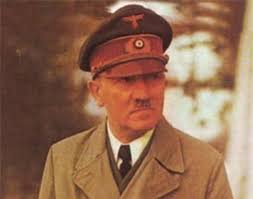
Adolf Hitler
Speer had nothing to do with their imprisonment; that was strictly the province of SS-Reichsuhrer Heinirich Himmler. Nevertheless, he knew the end results of his evictions.
On September 1, 1939, Hitler ordered the invasion of Poland—unintentionally igniting World War II.
In 1943, Hitler appointed Speer Minister of Armaments, charged with revitalizing the German war effort.
As Hitler’s architect, Speer had stayed aloof from the political intrigues of such power-driven men as Himmler, Luftwaffe chief Hermann Goering and Minister of Propaganda Joseph Goebbels.
But as Minister of Armaments, Speer thrust himself into the currents of intrigue surrounding the Fuhrer. It was this role that earned him 20 years in Spandau Prison for war crimes.

Albert Speer
With millions of able-bodied German men drafted for his endless wars, Hitler turned to slave laborers to keep his arms factories going.
“Speer joined in planning and executing the program to dragoon prisoners of war and foreign workers into German war industries, which waxed in output while the workers waned in starvation,” charged chief United States prosecutor Robert H. Jackson during the Nuremberg war crimes trials.
Speer’s attorney, Hans Flächsner, presented Speer as an artist thrust into political life who had always remained apolitical.
Both at Nuremberg and for the rest of his life, Speer claimed that he was unaware of Nazi extermination plans. But in a letter dated December 23, 1971, Speer wrote: “There is no doubt—I was present as Himmler announced on October 6, 1943, that all Jews would be killed.”
If Speer’s extensive involvement in the Holocaust had been known at the time of his trial he would have been sentenced to death. Twelve of his fellow defendants were so sentenced—and died by hanging.
Speer was found guilty of war crimes and crimes against humanity, principally for the use of slave labor and forced labor. He was sentenced to 20 years’ imprisonment, and was released from Spandau Prison on October 1, 1966.
He spent the rest of his life portraying himself as “the good Nazi” who, as an apolitical technocrat, deeply regretted having failed to discover the monstrous crimes of the Third Reich. Out of this came his bestselling autobiography, Inside the Third Reich, published in 1969.
He died of a heart attack on September 1, 1981—42 years to the day his Fuhrer had plunged the world into war.
British historian Hugh Trevor-Roper considered Speer an administrative genius whose basic instincts were peaceful and constructive. Nevertheless, he assailed Speer for failing to recognize the immorality of the Hitler regime—and called him “the real criminal of Nazi Germany.”
Specifically:
“For ten years he sat at the very centre of political power; his keen intelligence diagnosed the nature and observed the mutations of Nazi government and policy; he saw and despised the personalities around him; he heard their outrageous orders and understood their fantastic ambitions; but he did nothing.
“Supposing politics to be irrelevant, he turned aside and built roads and bridges and factories, while the logical consequences of government by madmen emerged. Ultimately, when their emergence involved the ruin of all his work, Speer accepted the consequences and acted. Then it was too late; Germany had been destroyed.”
Germans are not, however, the only ones to clinch a deal with the Devil.
Eighty-seven years after Albert Speer began his rise to power—and infamy—Deborah Birx, an American physician and diplomat, reached her own height of power—and infamy.
Born on April 4, 1956, Deborah Birx served from 1980 to 1994 as an active duty reserve officer in the United States Army. From 1994 to 2008, Birx was on active duty regular Army, achieving the rank of Colonel.
From 1980 to 1989, Birx worked as a physician at the Walter Reed Army Medical Center. In 1981, she completed a one-year internship and did a two-year residency in internal medicine. From 1983 to 1986, she completed two fellowships in clinical immunology in the areas of allergies and diagnostics.
From 1985 to 1989, Birx was the assistant chief of the Walter Reed Allergy/Immunology Service. Birx started her career as a clinician in immunology, eventually specializing on HIV/AIDS vaccine research.
She served as the United States global AIDS coordinator for Presidents Barack Obama and Donald Trump (2014-2020). She also served as the country’s special representative for global health diplomacy between 2015 and 2021.
On February 27, 2020, she was appointed White House Coronavirus Response Coordinator for President Donald J. Trump.
The virus, which originated in Wuhan, China, in December, 2019, quickly spread around the world.
Coronaviruses are a group of viruses that affect birds and mammals. In humans, they can cause pneumonia and may cause bronchitis.

Coronavirus
On February 29, 2020, the first American died of Coronavirus.
2003 IRAQ WAR, ABC NEWS, ADOLF HITLER, ALTERNET, AMERICABLOG, AP, BABY BOOMER RESISTANCE, BBC, BLOOMBERG NEWS, BUZZFEED, CBS NEWS, CNN, CRIMEAN PENINSULA, CROOKS AND LIARS, DAILY KOS, DONALD TRUMP, ECONOMIC SANCTIONS, EDOUARD DELADIER, FACEBOOK, FIVETHIRTYEIGHT, FRANCE, GEORGE W. BUSH, HARPER’S MAGAZINE, HUFFINGTON POST, IRAN, JOACHIM VON RIBBENTROP, KIEV, MEDIA MATTERS, MOSKOVA (SHIP), MOTHER JONES, MOVEON, MSNBC, MUNICH CONFERENCE, NATO, NBC NEWS, NEVILLE CHAMBERLAIN, NEW REPUBLIC, NEWSDAY, NEWSWEEK, NPR, PBS NEWSHOUR, POLAND, POLITICO, POLITICUSUSA, RAW STORY, REPUBLIC OF GEORGIA, REUTERS, RUBLES, RUSSIA, SADDAM HUSSEIN, SALON, SEATTLE TIMES, SECOND CHECHEN WAR, SLATE, SOVIET UNION, TALKING POINTS MEMO, THE ATLANTIC, THE CHICAGO SUN-TIMES, THE CHICAGO TRIBUNE, THE DAILY BEAST, THE DAILY BLOG, THE GUARDIAN, THE HILL, THE HUFFINGTON POST, THE INTERCEPT, THE LOS ANGELES TIMES, THE NATION, THE NEW REPUBLIC, THE NEW YORK TIMES, THE NEW YORKER, THE VILLAGE VOICE, THE WASHINGTON POST, THINKPROGRESS, TIME, TRUTHDIG, TRUTHOUT, TWITTER, TWO POLITICAL JUNKIES, U.S. NEWS & WORLD REPORT, UKRAINE, UNITED STATES, UPI, USA TODAY, VLADIMIR PUTIN, WONKETTE
In Bureaucracy, Business, History, Military, Politics, Social commentary on December 2, 2022 at 12:14 am
On February 24, Russia launched an unprovoked attack on Ukraine with missiles and artillery, striking major Ukrainian cities, including its capitol, Kiev.
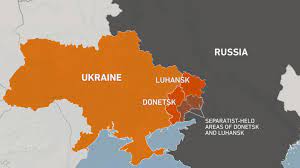
Ukraine vs. Russia
Russian President Vladimir Putin had every reason to believe that the conquest of Ukraine would be a cakewalk. Intent on restoring the borders of the former Soviet Union, he had swept from one successful war to the next:
- In 1999-2000, he waged the Second Chechen War, restoring federal control of Chechnya.
- In 2008, he invaded the Republic of Georgia, which had declared its independence as the Soviet Union began to crumble. By war’s end, Russia occupied 20% of Georgia’s territory.
- In 2014, Putin invaded and annexed the Crimean Peninsula from Ukraine.
Meanwhile, the North Atlantic Treaty Organization (NATO) launched only verbal condemnations.
The reasons:
- Fear of igniting a nuclear war;
- Belief that Russia was simply acting within its own sphere of influence; and/or
- Then-President Donald Trump’s repeated attacks on NATO and displays of subservience to Putin.
NATO emblem
When Russia invaded, the United States—now led by anti-Putin President Joe Biden—and its Western European allies retaliated with unprecedented economic sanctions.
Among the resulting casualties:
- The ruble crashed.
- Russia’s central bank more than doubled interest rates to 20%.
- The European subsidiary of Russia’s biggest bank almost collapsed in a massive Depression-era run by savers.
- Economists predicted the Russian economy could decline by five percent.
- The West—especially the United States—froze at least half of the $630 billion in international reserves that Putin had amassed to stave off tough sanctions.
On the battlefield, the war bogged down for Russia:
- Kiev remains unconquered.
- The Moskva, the flagship of Russia’s Black Sea Fleet, was sunk on April 14 after being struck by two Ukrainian Neptune anti-ship missiles.
- On September 21, with Russian forces bogged down or retreating, Putin announced the partial mobilization of 300,000 military reservists. All male citizens below 60 are now eligible to be drafted.
- More than 194,000 Russian men (and their wives or girlfriends) fled to such neighboring countries as Turkey, Georgia, Kazakhstan and Mongolia.
- Ukrainian forces retook the key city of Kherson in November; Russian forces, which had occupied the city since March, withdrew.
In short: The war is not going the way Putin assumed it would.

Vladimir Putin
Kremlin.ru, CC BY 4.0 <https://creativecommons.org/licenses/by/4.0>, via Wikimedia Commons
This is not the first time a dictator has guessed wrong about the results of his actions.
On September 1, 1939, German Fuhrer Adolf Hitler ordered his armies to invade Poland.
Almost a year earlier—on September 29, 1938—he had bullied British Prime Minister Neville Chamberlain and French Prime Minister Edouard Daladier into surrendering the northern, southwest and western regions of Czechoslovakia, inhabited mostly by ethnic Germans.
The Munich Agreement—which Chamberlain boasted meant “peace in our time—only whetted Hitler’s appetite for greater conquests.
It also led him to hold France and England in contempt: “Our enemies are little worms,” he said in a conference with his generals. “I saw them at Munich.”
He believed he could conquer Poland, and Chamberlain and Daladier would meekly ratify his latest acquisition.
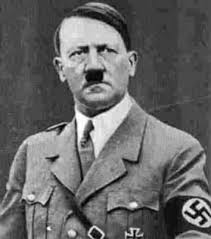
Adolf Hitler
So he was stunned when, on September 3, 1939, Britain and France—however reluctantly—honored their pledged word to Poland and declared war on Germany.
“What now?” Hitler furiously asked his Foreign Minister, Joachim von Ribbentrop.
Ribbentrop had no answer.
Hitler knew that Germany didn’t have the resources for a long war. He had intended to fight a series of quick, small wars, gobbling up one country at a time. Now he found himself locked in an endless war with heavyweights France and England.
In time, he would fatally add the Soviet Union and the United States to his list of enemies.
And he stayed locked into that war until he committed suicide on April 30, 1945, and the Third Reich officially collapsed on May 7.
Fast forward to March 21, 2003 and President George W. Bush’s launching of an attack on Saddam Hussein’s Iraq.
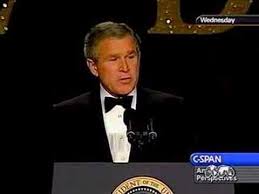
George W. Bush
The war got off to an impressive start with 1,700 air sorties and 504 Cruise missiles.
Within roughly two weeks, American ground forces entered Baghdad, and after four days of intense fighting, the Iraqi regime fell. By April 14, the Pentagon reported that major military operations had ended.
On May 1, 2003, Bush declared that the war was won.
But then American forces became embroiled in an endless, nationwide guerrilla war. Eighteen years later, the United States was still fighting in Iraq.
The war that Bush had deliberately provoked:
- Took the lives of 4,484 Americans.
- Cost the United States Treasury at least $2 trillion.
- Created a Middle East power vacuum.
- Allowed Iran—Iraq’s arch enemy—to eagerly fill it.
- Frightened and repelled even America’s closest allies.
- Killed at least 655,000 Iraqis.
- Frightened China and Russia into expanding the size of their militaries.
Bush came to a better end than Adolf Hitler: He retired from office with a lavish pension and full Secret Service protection.
And Putin?
His attack on Ukraine was reportedly motivated, in part, to ensure that Ukrainians did not join NATO.
But his invasion has frightened Sweden and Finland into joining NATO.
And NATO is now fully revitalized to meet future Russian threats.
Thus can the worst intentions of hubristic dictators come undone.
1912 PRESIDENTIAL ELECTION, 2016 PRESIDENTIAL ELECTION, 2020 PRESIDENTIAL ELECTION, 2024 PRESIDENTIAL ELECTION, ABC NEWS, ADOLF HITLER, ALBERT SPEER, ALTERNET, AMERICABLOG, AP, BABY BOOMER RESISTANCE, BBC, BLACKS, BLOOMBERG NEWS, BORDER WALL, BUZZFEED, CASEY DESANTIS, CBS NEWS, CIA, CNN, COVID-19, CROOKS AND LIARS, DAILY KOS, DEMOCRATS, DONALD TRUMP, ELECTORAL COLLEGE, FBI, FIVETHIRTYEIGHT, FOX NEWS, GAYS, GOVERNMENT SHUTDOWN, HARPER’S MAGAZINE, HARRY S. TRUMAN, HUFFINGTON POST, ILLEGAL ALIENS, JAMES COMEY, JANUARY 6 COUP ATTEMPT, JOE BIDEN, JOSEPH STALIN, MAGGIE HABERMAN, MASKS, MEDIA MATTERS, MOTHER JONES, MOVEON, MSNBC, NATIONAL SECURITY AGENCY, NAZI GERMANY, NBC NEWS, NEW REPUBLIC, NEW YORK POST, NEWSDAY, NEWSWEEK, NICHOLE HEMMER, NPR, PBS NEWSHOUR, POLITICO, POLITICUSUSA, PROTESTERS, PUBLIC HEALTH WORKERS, RACISM, RAW STORY, REPUBLICANS, REUTERS, ROGER STONE, RON DESANTIS, SALON, SCHOOLS, SEATTLE TIMES, SERGEY KISLYAK, SERGEY LAVROV, SEXUALITY, SLATE, SOVIET UNION, TALKING POINTS MEMO, THE ATLANTIC, THE CHICAGO SUN-TIMES, THE CHICAGO TRIBUNE, THE DAILY BEAST, THE DAILY BLOG, THE GUARDIAN, THE HILL, THE HUFFINGTON POST, THE INTERCEPT, THE LOS ANGELES TIMES, THE NATION, THE NEW REPUBLIC, THE NEW YORK TIMES, THE NEW YORKER, THE PRESS, THE VILLAGE VOICE, THE WASHINGTON POST, THEODORE ROOSEVELT, THINKPROGRESS, TIME, TRUTH SOCIAL, TRUTHDIG, TRUTHOUT, TWITTER, U.S. NEWS & WORLD REPORT, UKRAINE, UPI, USA TODAY, VACCINATIONS, VANDERBILT UNIVERSITY, VLADIMIR PUTIN, VOLODYMYR ZELENSKY, WALL STREET JOURNAL, WALT DISNEY CORPORATION, WILLIMAM HOWWARD TAFT, WOODROW WILSON
In Bureaucracy, History, Law, Law Enforcement, Politics, Social commentary, Uncategorized on November 16, 2022 at 12:10 am
In his coming war against Florida Governor Ron DeSantis, Donald Trump may have the last word.
The former President has warned that if he can’t be the Republican Presidential nominee in 2024, “he’s willing to burn it all down.”
New York Times reporter Maggie Haberman, who has intimately covered Trump for years, has tweeted:
“Yes, Trump is more vulnerable than he’s been in a long time. But that has happened before and he’s survived.”
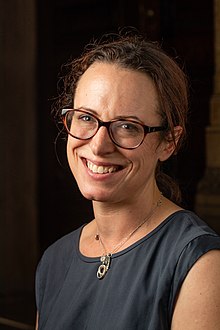
Maggie Haberman
Andrew Lih, CC BY-SA 4.0 <https://creativecommons.org/licenses/by-sa/4.0>, via Wikimedia Commons
“Trump has extremely few major donors who want to do anything for him right now and a number of them are having active conversations about the best way to stop him. But. Again….sound familiar?
“Trump has made clear he’s willing to burn it all down if he doesn’t get what he wants, which is maintaining his grip on the product line he’s been developing for six years: the Republican party. So a lot of electeds will have to make a choice they’ve not had to before.”
There is precedent for this. After serving two terms in the White House (1901-1909) Theodore Roosevelt became increasingly disillusioned with his handpicked successor: William Howard Taft.

Theodore Roosevelt
By 1912, he decided to run for a third term as a third-party candidate. His candidacy split the Republican vote—and enabled Democrats to elect Woodrow Wilson President.
No doubt many Democrats are now salivating at the possibility of the same occurring in 2024.
And even more of them are looking forward to seeing two would-be tyrants—Donald Trump and Ron DeSantis—trading lethal blows for most of the Presidential year.
Their reaction would be similar to that expressed by then-Senator Harry S. Truman when Nazi Germany invaded the Soviet Union on June 22, 1941: “If we see that Germany is winning the war, we ought to help Russia; and if that Russia is winning, we ought to help Germany, and in that way let them kill as many as possible.”
* * * * *
As the Third Reich came to its fiery end, its dictator, Adolf Hitler, sought to punish the German people for being “unworthy” of his “genius” and losing the war he had started.
His attitude was: “If I can’t rule Germany, then there won’t be a Germany.”
In his infamous “Nero Order,” he decreed the destruction of everything still remaining–industries, ships, harbors, communications, roads, mines, bridges, stores, utility plants, food stuffs.
Fortunately for Germany, one man–Albert Speer–finally broke ranks with his Fuhrer.
Albert Speer
Risking death, he refused to carry out Hitler’s “scorched earth” order. Even more important, he mounted a successful effort to block such destruction and persuade influential military and civilian leaders to disobey the order as well.
As a result, those targets slated for destruction were spared.
Throughout his four years in office, President Donald Trump made it clear that America faced a stark choice: It could remain a constitutional democracy—or allow him to become an all-powerful “President-for-Life.”
Among his outrages:
- Repeatedly attacking the nation’s free press for daring to report his growing list of crimes and disasters, calling it “the enemy of the American people.”
- Siding with Russian dictator Vladimir Putin against the FBI, CIA and National Security Agency which unanimously agreed that Russia had subverted the 2016 Presidential election.
- Firing FBI Director James Comey for investigating that subversion.
- Giving Russian Foreign Minister Sergey Lavrov and Russian Ambassador Sergey Kislyak highly classified CIA Intelligence about an Islamic State plot to turn laptops into concealable bombs.
- Shutting down the Federal Government for 35 days in 2018-19 because Democrats refused to fund his ineffective “border wall” between the United States and Mexico.
- An estimated 380,000 government employees were furloughed and another 420,000 were ordered to work without pay. The shutdown ended due to public outrage—without Trump getting the funding amount he had demanded.
- Trying to coerce Ukrainian President Volodymyr Zelensky to smear former Vice President Joe Biden, who was likely to be his Democratic opponent in the 2020 Presidential election.
- Repeatedly lying about the dangers posed by the COVID-19 virus, and thus enabling it to ravage the country and ultimately kill 400,000 by the time Trump left office.
- Attacking medical experts and governors who urged Americans to wear masks and socially distance to protect themselves from COVID-19.
Trump’s ultimate act of criminality and treason came on January 6, 2021, when he incited his followers to violently attack the United States Capitol Building. Their goal: To prevent Republicans and Democrats from counting the Electoral Votes cast in the 2020 Presidential election.
Trump fully understood that an accurate count of those votes would reveal his loss to Joe Biden: 306 votes for Biden, compared with 232 for Trump.
Fortunately for American democracy, there were enough patriots determined to prevent Trump from becoming the absolute dictator he clearly intended to be.
Like Adolf Hitler, Donald Trump’s attitude was: “If I can’t rule America, there won’t be an America.”
Deprived of his chance to destroy the country he claimed to love, Trump now threatens to destroy the political party that brought him to near-absolute power in 2016.
And Ron DeSantis stands ready to establish himself as an equally Trumpian dictator.
Their party is still waiting for a Republican Albert Speer to step forward and save America from the self-destructive brutalities of its own Right-wing fanatics.
1912 PRESIDENTIAL ELECTION, 2016 PRESIDENTIAL ELECTION, 2020 PRESIDENTIAL ELECTION, 2024 PRESIDENTIAL ELECTION, ABC NEWS, ADOLF HITLER, ALBERT SPEER, ALTERNET, AMERICABLOG, AP, BABY BOOMER RESISTANCE, BBC, BLACKS, BLOOMBERG NEWS, BORDER WALL, BUZZFEED, CASEY DESANTIS, CBS NEWS, CIA, CNN, COVID-19, CROOKS AND LIARS, DAILY KOS, DEMOCRATS, DONALD TRUMP, ELECTORAL COLLEGE, FBI, FIVETHIRTYEIGHT, FOX NEWS, GAYS, GOVERNMENT SHUTDOWN, HARPER’S MAGAZINE, HARRY S. TRUMAN, HUFFINGTON POST, ILLEGAL ALIENS, JAMES COMEY, JANUARY 6 COUP ATTEMPT, JOE BIDEN, JOSEPH STALIN, MAGGIE HABERMAN, MASKS, MEDIA MATTERS, MOTHER JONES, MOVEON, MSNBC, NATIONAL SECURITY AGENCY, NAZI GERMANY, NBC NEWS, NEW REPUBLIC, NEW YORK POST, NEWSDAY, NEWSWEEK, NICHOLE HEMMER, NPR, PBS NEWSHOUR, POLITICO, POLITICUSUSA, PROTESTERS, PUBLIC HEALTH WORKERS, RACISM, RAW STORY, REPUBLICANS, REUTERS, ROGER STONE, RON DESANTIS, SALON, SCHOOLS, SEATTLE TIMES, SERGEY KISLYAK, SERGEY LAVROV, SEXUALITY, SLATE, SOVIET UNION, TALKING POINTS MEMO, THE ATLANTIC, THE CHICAGO SUN-TIMES, THE CHICAGO TRIBUNE, THE DAILY BEAST, THE DAILY BLOG, THE GUARDIAN, THE HILL, THE HUFFINGTON POST, THE INTERCEPT, THE LOS ANGELES TIMES, THE NATION, THE NEW REPUBLIC, THE NEW YORK TIMES, THE NEW YORKER, THE PRESS, THE VILLAGE VOICE, THE WASHINGTON POST, THEODORE ROOSEVELT, THINKPROGRESS, TIME, TRUTH SOCIAL, TRUTHDIG, TRUTHOUT, TWITTER, U.S. NEWS & WORLD REPORT, UKRAINE, UPI, USA TODAY, VACCINATIONS, VANDERBILT UNIVERSITY, VLADIMIR PUTIN, VOLODYMYR ZELENSKY, WALL STREET JOURNAL, WALT DISNEY CORPORATION, WILLIMAM HOWWARD TAFT, WOODROW WILSON
In Bureaucracy, History, Law, Law Enforcement, Politics, Social commentary on November 15, 2022 at 12:10 am
Having been defeated in 2020 for a second term by former Vice President Joe Biden, Donald Trump has convinced himself—and millions of his fanatical followers—that he was cheated by vote fraud.
He is convinced that the 2024 GOP Presidential nomination rightfully belongs to him. And that anyone who stands in his way must be mercilessly crushed.
Florida Governor Ron DeSantis, on the other hand, is equally convinced that it’s now the turn of a younger, more vigorous and equally ruthless man to hold the White House.
Not only does Trump believe DeSantis owes him absolute loyalty, but so do many of his supporters.
“Sadly, everything President Trump says is true. Ron DeSantis owes his governorship to Donald Trump and challenging him in 2024 would be a treacherous act of disloyalty,” said Roger Stone, a long-time Trump adviser.
That assumes that Trump has been ordained as the official Republican Presidential nominee for 2024.
He has not.
Donald Trump
Moreover, Trump has never allowed a sense of loyalty to stand in the way of his ambitions—in business or politics.
In DeSantis, Trump faces an opponent every bit as ruthless as himself—and endowed with several built-in advantages.
On November 11, the CNN website carried an opinion piece by Nichole Hemmer, an associate professor of history at Vanderbilt University.
Entitled “Even the DeSantis bubble may burst,” it noted:
“On paper, DeSantis looks like Trump’s natural heir. Since winning the governorship by a whisper-thin margin in 2018, he has consciously molded himself after Trump, picking up everything from Trump’s hand gestures and speech cadence to his media-bashing and calculated viciousness….
“He has married that political style with a strongman persona. As governor, he has targeted protesters, universities, public health workers and corporations for opposing his policies.
“He has sent police to round up voters with felony convictions who, confused by the state’s efforts to strip their voting rights after voters reinstated them a few years ago, mistakenly voted in recent elections.
“He has bent the Florida legislature to his will, whipping up support for anti-gay laws, a new redistricting map and punitive legislation targeting Disney after the company criticized the state’s infamous ‘don’t say gay” bill.'”

Nichole Hemmer
Thus, in DeSantis, Trump faces an opponent every bit as ruthless as himself—and endowed with several built-in advantages.
First, DeSantis, at 44, is 32 years younger than the 76-year-old Trump.
Second, DeSantis, unlike Trump, has an existing power-base: The Governorship of a pivotal swing state: Florida.
Trump, an ex-President, lives at his Mar-a-Lago estate in Palm Beach, Florida.
Third, DeSantis doesn’t carry the baggage of scandals and notoriety that Trump has acquired as a businessman and President.
Fourth, DeSantis can reach far greater numbers of people through his Twitter account than Trump has been able to do through his failing website, Truth Social.
That’s because Trump’s Twitter account was closed—by Twitter—after he incited a mob of his followers to attack the United States Capitol Building on January 6, 2021.
The object of that attack: To stop the counting of Electoral College votes certain to find former Vice President Joe Biden the legitimate winner of the 2020 Presidential election.

Ron DeSantis
Fifth, many Republicans are blaming Trump for their failure to sweep Democrats from state and Federal offices in a widely heralded “Red wave” in the 2022 midterm elections.
“Trump Is the Republican Party’s Biggest Loser,” read the Wall Street Journal Editorial Board’s headline. Fox News and right-wing podcasts and radio shows repeated the charge in the days after the elections.
Sixth, DeSantis has gained huge popularity within Florida by molding himself after Trump by tapping into the politics of resentment. Among the targets of his attacks:
Protesters: DeSantis enacted a 2021 “anti-riot” bill that:
- Grants civil legal immunity to people who drive through protesters blocking a road;
- Creates a broad category for misdemeanor arrest during protests;
- Anyone charged will be denied bail until their first court appearance;
- Creates a new felony crime of “aggravated rioting” that carries a sentence of up to 15 years in prison and a new crime of “mob intimidation.”
Schools:
- Installed GOP allies in top university posts;
- Successfully pushed legislation that could change tenure and limit how university professors can teach lessons on race.
Blacks: Pushed through the legislature a new congressional map that will dilute the voting power of black Floridians.
COVID-19: Attacked wearing masks and getting vaccinated as threats to “American freedom”—to support a family, attend school, run a business.
Gays: Signed legislation prohibiting classroom discussions about sexual orientation and gender identity with younger students—a measure critics dubbed the “Don’t Say Gay” law.
Walt Disney Corporation: Disney CEO Bob Chapek criticized DeSantis’ “don’t say gay” bill. DeSantis rammed through the legislature a bill eliminating the decades-long status Disney had held to operate as an independent government around its Orlando-area theme parks.
Asylum-seekers: Sent two planeloads of illegal aliens—at Florida’s expense—to the island of Martha’s Vineyard as a pre-election publicity stunt.
Nor has DeSantis neglected to make himself appear as a true “man of the people.”
A month before the election, he declared a gas tax holiday. He also suspended campaigning and focused on effective hurricane relief after Hurricane Ian.
1912 PRESIDENTIAL ELECTION, 2016 PRESIDENTIAL ELECTION, 2020 PRESIDENTIAL ELECTION, 2024 PRESIDENTIAL ELECTION, ABC NEWS, ADOLF HITLER, ALBERT SPEER, ALTERNET, AMERICABLOG, AP, BABY BOOMER RESISTANCE, BBC, BLACKS, BLOOMBERG NEWS, BORDER WALL, BUZZFEED, CASEY DESANTIS, CBS NEWS, CIA, CNN, COVID-19, CROOKS AND LIARS, DAILY KOS, DEMOCRATS, DONALD TRUMP, ELECTORAL COLLEGE, FBI, FIVETHIRTYEIGHT, FOX NEWS, GAYS, GOVERNMENT SHUTDOWN, HARPER’S MAGAZINE, HARRY S. TRUMAN, HUFFINGTON POST, ILLEGAL ALIENS, JAMES COMEY, JANUARY 6 COUP ATTEMPT, JOE BIDEN, JOSEPH STALIN, MAGGIE HABERMAN, MASKS, MEDIA MATTERS, MOTHER JONES, MOVEON, MSNBC, NATIONAL SECURITY AGENCY, NAZI GERMANY, NBC NEWS, NEW REPUBLIC, NEW YORK POST, NEWSDAY, NEWSWEEK, NICHOLE HEMMER, NPR, PBS NEWSHOUR, POLITICO, POLITICUSUSA, PROTESTERS, RACISM, RAW STORY, REPUBLICANS, REUTERS, ROGER STONE, RON DESANTIS, SALON, SCHOOLS, SEATTLE TIMES, SERGEY KISLYAK, SERGEY LAVROV, SEXUALITY, SLATE, SOVIET UNION, TALKING POINTS MEMO, THE ATLANTIC, THE CHICAGO SUN-TIMES, THE CHICAGO TRIBUNE, THE DAILY BEAST, THE DAILY BLOG, THE GUARDIAN, THE HILL, THE HUFFINGTON POST, THE INTERCEPT, THE LOS ANGELES TIMES, THE NATION, THE NEW REPUBLIC, THE NEW YORK TIMES, THE NEW YORKER, THE PRESS, THE VILLAGE VOICE, THE WASHINGTON POST, THEODORE ROOSEVELT, THINKPROGRESS, TIME, TRUTH SOCIAL, TRUTHDIG, TRUTHOUT, TWITTER, U.S. NEWS & WORLD REPORT, UKRAINE, UPI, USA TODAY, VACCINATIONS, VANDERBILT UNIVERSITY, VLADIMIR PUTIN, VOLODYMYR ZELENSKY, WALL STREET JOURNAL, WALT DISNEY CORPORATION, WILLIMAM HOWWARD TAFT, WOODROW WILSON
In Bureaucracy, History, Law, Law Enforcement, Politics, Social commentary on November 14, 2022 at 12:10 am
For Americans, it may turn out to be the equivalent of the deathmatch between German Fuhrer Adolf Hitler and Soviet Premier Joseph Stalin.
At the very least, it promises to be the Right-wing heavyweight championship of the decade, if not the century: An all-out slugfest between former President Donald J. Trump and Florida Governor Ron D. DeSantis.
On November 10, Trump publicly attacked DeSantis as “Ron DeSanctimonious” and took credit for DeSantis’ success after endorsing him in 2018.
This was only two days after DeSantis was soundly re-elected Governor—and the much-hyped “Red wave” failed to sweep Democrats out of state and federal offices in the 2022 midterm elections.
On his website, Truth Social, Trump posted that DeSantis had been a political lightweight who had come to him “in desperate shape” when running for his first term in office in 2017.
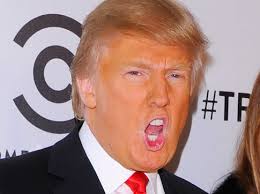
Donald Trump
“Ron had low approval, bad polls, and no money, but he said that if I would Endorse [sic] him, he could win. also fixed his campaign, which had completely fallen apart.”
For Trump, DeSantis’ worst sin was refusing to say whether he would run for President in 2024.
Having been defeated for a second term by Joe Biden in 2020, Trump believes he has an absolute right to regain that office in another two years.
“Ron DeSanctimonious is playing games! The Fake News asks him if he’s going to run if President Trump runs, and he says, ‘I’m only focused on the Governor’s race, I’m not looking into the future.’ Well, in terms of loyalty and class, that’s really not the right answer.”
By “loyalty” Trump meant: Loyalty to himself.
For Trump, there was only one “right” answer DeSantis could have given: “I will not be a candidate for President in 2024 and I will totally support President Trump for that office.”
And that was not the response that DeSantis gave.
Even worse for Trump: Several of his loudly-supported candidates across the country lost their electoral bids.
To add to his rage and sense of betrayal: Conservative media sided with DeSantis—such as Fox News and the New York Post, which ran a front page headline calling DeSantis “DeFuture” the day after the election.

New York Post, Public domain, via Wikimedia Commons
Responded Trump: “NewsCorp, which is Fox, the Wall Street Journal, and the no longer great New York Post, is all in for Governor Ron DeSanctimonious.”
A Trump advisor, speaking off-the-record, told Politico: “Obviously he is escalating. It is total shots fired. It is not what I would have done if it were totally up to me, but you can’t argue with Donald Trump’s tactics. They work. He is savage but effective. He was never going to stay restrained for long.”
“He is obviously threatened by a DeSantis presidential run,” said a longtime Florida Republican consultant speaking of Trump. “And by doing this, I think he will lose a lot of his base support.”
Trump’s advisors are trying to persuade him to soften his image. They fear that his angry and divisive rhetoric is turning off many voters who like his policies but desire some normalcy.
They are also trying to persuade Trump to focus less on his 2020 election loss and offer solutions to voters’ problems.
At the DeSantis victory rally, chants resounded: “Two more years!”—meaning that his supporters want him to run for President in 2024.
DeSantis has not responded to the attacks Trump has made on him.
Two Florida Republicans close to DeSantis told Yahoo News that the governor would be wary of attacking Trump. He wants to focus on policy issues and Florida’s recovery from Hurricane Ian.
By doing so, they said, DeSantis will highlight how his governing style differs from Trump’s more combative and less policy-focused approach.
It also prevents him from getting sucked into an endless tit-for-tat war of insults with the insult-happy ex-President.
The Donald Trump-Ron DeSantis relationship wasn’t always so hostile.
Trump’s endorsement played a huge role in DeSantis’ winning the 2018 GOP primary against former Florida Agriculture Commissioner Adam Putnam, who was an early favorite.
And DeSantis quickly showed his gratitude with a campaign video that was a naked Valentine to Trump’s ego—and the base that worshiped him.
Released on July 30, 2018, the ad was narrated by DeSantis’ wife, Casey.
CASEY DESANTIS: Everyone knows my husband, Ron DeSantis, is endorsed by President Trump. But he’s also an amazing dad. Ron loves playing with the kids.
DESANTIS: “Build the wall” [as his son uses colored plastic bricks to build a wall. This was a line right out of Trump’s repeated demands for a wall separating the United States from Mexico.]

CASEY: He reads stories.
DESANTIS: “Then Mr. Trump said ‘You’re fired.’ I love that part'” [as he reads a book to his son].
CASEY: He’s teaching Madison to talk.
DESANTIS: “Make America great again” [as he holds up a “Trump” sign that says exactly that].
CASEY: People say Ron’s all Trump, but he’s so much more.
DESANTIS: “Bigly. So good” [as he’s looking at his son in a crib].
CASEY: I just thought you should know.
2016 PRESIDENTIAL ELECTION, 2020 PRESIDENTIAL ELECTION, ABC NEWS, ADOLF HITLER, AFGHANISTAN, ALTERNET, AMERICABLOG, AP, ASIANS, ” 9/11, BABY BOOMER RESISTANCE, BARACK OBAMA, BLACKS, BLOOMBERG, BULLYING, BUZZFEED, CBS NEWS, CNN, COMMUNISM, COVID-19, CROOKS AND LIARS, DAILY KOZ, DONALD TRUMP, DRUDGE REPORT, FACEBOOK, FASCISM, FBI, FIVETHIRTYEIGHT, FREE PRESS, GEORGE W. BUSH, GREAT DEPRESSION, HARPER’S MAGAZINE, HILLARY CLINTON, HISPANICS, HUFFINGTON POST, IRAQ, JEWS, MEDIA MATTERS, MOTHER JONES, MOVEON, MSNBC, MUSLIMS, NAZI GERMANY, NAZI PARTY, NBC NEWS, NEWSWEEK, NPR, PAUL VON HINDENBURG, PBS NEWSHOUR, POLITICO, POLITICUSUSA, RACISM, RAW STORY, REPUBLICANS, REUTERS, ROBERT PAYNE, Ronald Reagan, SALON, SEATTLE TIMES, SLATE, TALKING POINTS MEMO, THE ATLANTIC, THE CHICAGO SUN-TIMES, THE CHICAGO TRIBUNE, THE DAILY BEAST, THE DAILY BLOG, THE GUARDIAN, THE HILL, THE HUFFINGTON POST, THE LIFE AND DEATHOF ADOLF HITLER (BOOK), THE LOS ANGELES TIMES, THE LOS ANGELS TIMES, THE NATION, THE NEW REPUBLIC, THE NEW YORK TIMES, THE VILLAGE VOICE, THE WASHINGTON POST, THINKPROGRESS, TIME, TRUMP EFFECT, TRUTHDIG, TRUTHOUT, TWITTER, TWO POLITICAL JUNKIES, U.S. NEWS & WORLD REPORT, UP, UPI, USA TODAY, VLADIMIR PUTIN, WONKETTE, WORLD WAR 11
In Bureaucracy, History, Medical, Politics, Social commentary on November 11, 2022 at 12:16 am
In his bestselling 1973 biography, The Life and Death of Adolf Hitler, British historian Robert Payne harshly condemned the German people for the rise of the Nazi dictator.
“[They] allowed themselves to be seduced by him and came to enjoy the experience….[They] followed him with joy and enthusiasm because he gave them license to pillage and murder to their hearts’ content. They were his servile accomplices, his willing victims….
“If he answered their suppressed desires, it was not because he shared them, but because he could make use of them. He despised the German people, for they were merely the instruments of his will.”
What Payne wrote about pro-Hitler Germans holds equally true for the supporters of Donald Trump.
On November 8, 2016, millions of ignorant, hate-filled, Right-wing Americans elected a man reflecting their own hate and ignorance to the Presidency.
Yet Americans had fewer excuses for turning to a Fascistic style of government than the Germans did.
Adolf Hitler joined the National Socialist German Workers (Nazi) Party in 1919—the year after World War 1 ended.
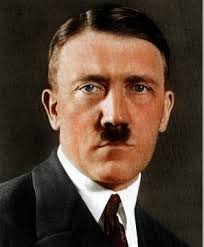
Adolf Hitler
In 1923, he staged a coup attempt in Bavaria—which was quickly and brutally put down by police. He was arrested and sentenced to less than a year in prison.
After that, Hitler decided that winning power through violence was no longer an option. He must win it through election—or appointment.
When the 1929 Depression struck Germany, the fortunes of Hitler’s Nazi party rose as the life savings of ordinary Germans fell. Streets echoed with bloody clashes between members of Hitler’s Nazi Stormtroopers and those of the German Communist Party.
Germans desperately looked for a leader—a Fuhrer—who could somehow deliver them from the threat of financial ruin and Communist takeover.
In early 1933, members of his own cabinet persuaded aging German president, Paul von Hindenburg, that only Hitler’s appointment as Chancellor could do this.
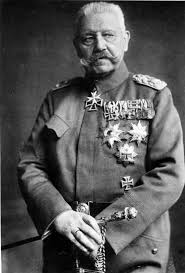
Paul von Hindenburg
Hindenburg was reluctant to do so. He considered Hitler a dangerous radical. But he let himself be convinced that he could “box in” and control Hitler by putting him in the Cabinet.
So, on January 30, 1933, Hindenburg appointed Adolf Hitler Chancellor (the equivalent of Attorney General) of Germany.
On August 2, 1934, Hindenburg died. Hitler immediately assumed the titles—and duties—of the offices of Chancellor and President. His rise to total power was complete.
It had taken him 14 years to do so.
In 2015, when Donald Trump declared his candidacy for President:
- The country was technically at war in the Middle East—but the fate of the United States was not truly threatened, as it had been during the Civil War.
- There was no draft; if you didn’t know someone in the military, you didn’t care about the casualties taking place.
- Thanks to government loans from President Barack Obama, American capitalism had been saved from its own excesses during the George W. Bush administration.
- Employment was up. CEOs were doing extremely well.
- In contrast to the corruption that had plagued the administration of Ronald Reagan, whom Republicans idolize, there had been no such scandals during the Obama Presidency.
- Nor had there been any large-scale terrorist attacks on American soil—as there had on 9/11 under President George W. Bush.
Yet—not 17 months after announcing his candidacy for President—enough Americans fervently embraced Donald Trump to give him the most powerful position in the country and the world.
.jpg/220px-Donald_Trump_August_19,_2015_(cropped).jpg)
Donald Trump
The message of Barack Obama’s 2008 campaign had been one of hope: “Yes, We Can!”
The message of Donald Trump’s campaign reflected hatred toward everyone who was not an avid Trump supporter: “No, You Can’t!”
Older whites comprised the majority of those at Trump rallies. Not all were racists, but many of those who were advertised it on T-shirts: “MAKE AMERICA WHITE AGAIN.”
Birthrates among non-whites were rising. By 2045, whites would make up less than 50 percent of the American population.
The 2008 election of the first black President had shocked whites. His 2012 re-election had deprived them of the hope that 2008 had been an accident.
Then came 2016—and the possibility that a black President might actually be followed by a woman: Hillary Clinton.
Since Trump became President, he:
- Allowed a deadly virus to ravage the country, infecting (to date) 9.2 million Americans and killing 230,000.
- Attacked medical experts and governors who urged Americans to wear masks and socially distance to protect themselves from COVID-19.
- Urged his followers to illegally vote twice for him in the 2020 Presidential election.
- Fired an FBI director for investigating Russia’s subversion of the 2016 Presidential election.
- Repeatedly and enthusiastically defended Vladimir Putin, the dictator of Russia, America’s mortal enemy.
- Attacked and alienated America’s oldest allies, such as Canada and Great Britain.
- Praised Nazis and Ku Klux Klansmen.
- Shut down the United States Government, imperiling the lives of 800,000 Federal employees, to extort money from Congress for a worthless wall on the U.S.-Mexico border.
- “Joked” that the United States—like China—should have a “President-for-Life.”
- Attacked the free press as “the enemy of the people.”
- Used his position as President to further enrich himself, in violation of the Emoluments Clause of the Constitution.
On November 3, 2020, Americans decided to repudiate this despicable legacy—and reclaim their nation’s status as a democracy.
2016 PRESIDENTIAL ELECT, ABC NEWS, ADOLF HITLER, ALTERNET, AMERICABLOG, ANTONIN SCALIA, AP, BABY BOOMER RESISTANCE, BARACK OBAMA, BBC, BERNIE SANDERS, BLOOMBERG NEWS, BUZZFEED, CBS NEWS, CNN, CROOKS AND LIARS, D-DAY, DAILY KOZ, DONALD TRUMP, FACEBOOK, FIVETHIRTYEIGHT, GEORGE S. PATTON, GREAT BRITAIN, HARPER’S MAGAZINE, HEINZ GUDERIAN, HILLARY CLINTON, HUFFINGTON POST, ION, JIMMY CARTER, MEDIA MATTERS, MOTHER JONES, MOVEON, MSNBC, NAZI GERMANY, NBC NEWS, NEW REPUBLIC, NEWSDAY, NEWSWEEK, NICCOLO MACHIAVELLI, NPR, PBS NEWSHOUR, POLITICO, POLITICUSUSA, RAW STORY, REPUBLICANS, REUTERS, SALON, SEATTLE TIMES, SLATE, SOVIET UNION, STALINGRAD, TALKING POINTS MEMO, TERRORISM, THE ATLANTIC, THE CHICAGO SUN-TIMES, THE CHICAGO TRIBUNE, THE DAILY BEAST, THE DAILY BLOG, THE GUARDIAN, THE HILL, THE HUFFINGTON POST, THE INTERCEPT, THE LOS ANGELES TIMES, THE NATION, THE NEW REPUBLIC, THE NEW YORK TIMES, THE NEW YORKER, THE PRINCE, THE VILLAGE VOICE, THE WASHINGTON POST, THINKPROGRESS, TIME, TRUTHDIG, TRUTHOUT, TWITTER, TWO POLITICAL JUNKIES, U.S. NEWS & WORLD REPORT, UPI, USA TODAY, WAFFEN-SS, WORLD WAR 11
In Bureaucracy, History, Law, Politics, Social commentary on November 4, 2022 at 12:17 am
Most Americans believe that Nazi Germany was defeated because “we were the Good Guys and they were the Bad Guys.”
Not so.
The United States—and its allies, Great Britain and the Soviet Union—won the war for reasons that had nothing to do with the righteousness of their cause. These included:
- Nazi Germany—–i.e, its Fuehrer, Adolf Hitler—made a series of disastrous decisions. Chief among these: Attacking its ally, the Soviet Union, and declaring war on the United States;
- The greater material resources of the Soviet Union and the United States; and
- The Allies waged war as brutally as the Germans.
On this last point:
- From D-Day to the fall of Berlin, captured Waffen-SS soldiers were often shot out of hand.
- When American troops came under fire in the German city of Aachen, Lt. Col. Derrill Daniel brought in a self-propelled 155mm artillery piece and opened up on a theater housing German soldiers. After the city surrendered, a German colonel labeled the use of the 155 “barbarous” and demanded that it be outlawed.
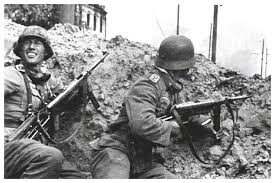
German soldiers at Stalingrad
- During the battle of Stalingrad in 1942, Wilhelm Hoffman, a young German soldier and diarist, was appalled that the Russians refused to surrender. He wrote: “You don’t see them at all, they have established themselves in houses and cellars and are firing on all sides, including from our rear—barbarians, they used gangster methods….”
In short: The Allies won because they dared to meet the brutality of a Heinz Guderian with that of a George S. Patton.
This is a lesson long ignored by the liberals of the Democratic Party. As a result, Republicans now may capture both houses of Congress and—in 2024—the Presidency.
An example of this occurred on March 25, 2018.
On CBS’ “Sunday Morning,” former President Jimmy Carter said that even if Special Counsel Robert Mueller found evidence that President Donald Trump had broken the law, “my own preference would be that he not be impeached.”
Instead, Carter would want Trump to “be able to serve out his term, because I think he wants to do a good job. And I’m willing to help him, if I can help him, and give him the benefit of the doubt.
“You know, I have confidence in the American system of government. I think ultimately the restraints on a president from the Congress and from the Supreme Court will be adequate to protect our nation, if he serves a full term.”
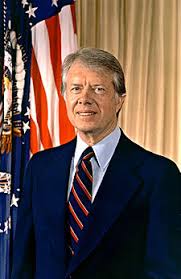
Jimmy Carter
By March 25, 2018, Trump—having held office for little more than a year—had:
- Fired FBI Director James Comey for refusing to pledge his personal loyalty—and for investigating documented ties between Russian Intelligence agents and the 2016 Trump Presidential campaign;
- Threatened to fire Special Counsel Robert Mueller, who was assigned to take over that investigation after the Comey firing;
- Repeatedly attacked the nation’s press as “fake news” and “the enemy of the American people”;
- Contemptuously dismissed the warnings of American Intelligence agencies that Russia subverted the 2016 Presidential campaign—and planned to do the same for the upcoming mid-term elections in November, 2018.
- Repeatedly praised Russian dictator Vladimir Putin—and refused to enforce Congressionally-mandated sanctions against Russia for its subversion of the 2016 Presidential election.
Trump, in short, had only contempt for the humility of a Jimmy Carter.
Barack Obama, like Carter, believes in rationality and decency. He feels more comfortable responding to attacks on his character than attacking the character of his enemies.
As a graduate of Columbia University and Harvard Law School, Obama was one of the most academically gifted Presidents in American history.
Yet he failed—like Carter—to grasp and apply this fundamental lesson taught by Niccolo Machiavelli, the father of modern political science.
In The Prince, Machiavelli warns:
From this arises the question whether it is better to be loved than feared, or feared more than loved.
The reply is, that one ought to be both feared and loved, but as it is difficult for the two to go together, it is much safer to be feared than loved….
And men have less scruple in offending one who makes himself loved than one who makes himself feared; for love is held by a chain of obligations which, men being selfish, is broken whenever it serves their purpose; but fear is maintained by a dread of punishment which never fails.
Obama’s failure to recognize the truth of Machiavelli’s lesson allowed Republicans to thwart many of his Presidential ambitions—such as picking a replacement for deceased Supreme Court Justice Antonin Scalia.
Throughout 2016, liberals celebrated on Facebook and Twitter the “certain” Presidency of Vermont U.S. Senator Bernie Sanders or former First Lady Hillary Clinton.
They fully expected to win the White House again, and thought they might retake the Senate—and maybe even the House of Representatives.
Michelle Obama’s mantra of “When they go low, we go high” proved no match for Trump’s millions of Russian trolls flooding the Internet with legitimately fake news.
For Democrats to win elective victories and enact their agenda, they must find their own George Pattons to take on the Waffen-SS generals among Republican ranks.
2016 PRESIDENTIAL CAMPAIGN, ABC NEWS, ADOLF HITLER, AL CAPONE, ALTERNET, AMERICABLOG, AP, BABY BOOMER RESISTANCE, BARACK OBAMA, BBC, BLOOMBERG NEWS, BUZZFEED, CBS NEWS, CNN, COVID-19, CROOKS AND LIARS, DAILY KOS, DONALD TRUMP, FBI, FIFTH AMENDMENT, FIVETHIRTYEIGHT, HARPER’S MAGAZINE, HILLARY CLINTON, HUFFINGTON POST, JAMES COMEY, JOSEPH STALIN, LETITIA JAMES, LIBEL, MEDIA MATTERS, MOTHER JONES, MOVEON, MSNBC, NAZI GERMANY, NAZI-SOVIET NON-AGGRESSION PACT, NBC NEWS, NEW REPUBLIC, NEW YORK ATTORNEY GENERAL'S OFFICE, NEW YORK TIMES V. SULLIVAN, NEWSDAY, NEWSWEEK, NPR, NUCLEAR WEAPONS, PBS NEWSHOUR, POLITICO, POLITICUSUSA, RAW STORY, REUTERS, RUSSIA, SALON, SEATTLE TIMES, SLATE, TALKING POINTS MEMO, THE ATLANTIC, THE CHICAGO SUN-TIMES, THE CHICAGO TRIBUNE, THE DAILY BEAST, THE DAILY BLOG, THE GUARDIAN, THE HILL, THE HUFFINGTON POST, THE INTERCEPT, THE LOS ANGELES TIMES, THE NATION, THE NEW REPUBLIC, THE NEW YORK TIMES, THE NEW YORKER, THE SS, THE VILLAGE VOICE, THE WASHINGTON POST, THINKPROGRESS, THIRD REICH, TIME, TREASON, TRUMP FOUNDATION, TRUMP TOWER MEETING, TRUMP UNIVERSITY, TRUTHDIG, TRUTHOUT, TWITTER, U.S. NEWS & WORLD REPORT, UKRAINE, UNITED STATES SUPREME COURT, UPI, USA TODAY, VLADIMIR PUTIN, VOLODYMYR ZELENSKY, WEHRMACHT, WORLD WAR 11
In Business, History, Law, Medical, Politics, Social commentary on November 2, 2022 at 12:14 am
On October 3, former President Donald Trump filed a lawsuit against CNN for defamation.
Seeking $475 million in punitive damages, he charged the network with conducting a “campaign of libel and slander” against him.
Trump is claiming that CNN had used its influence to defeat him politically.
“As a part of its concerted effort to tilt the political balance to the left, CNN has tried to taint the Plaintiff with a series of ever-more scandalous, false, and defamatory labels of ‘racist,’ ‘Russian lackey,’ ‘insurrectionist,’ and ultimately ‘Hitler,'” the lawsuit claims.
The lawsuit focuses largely on CNN’s use of the term, “The Big Lie,” to describe Trump’s false claims that widespread voter fraud cost him the 2020 Presidential election.
The phrase dates from Adolf Hitler’s use of it in his autobiography, Mein Kampf: People “more readily fall victims to the big lie than the small lie, since they themselves often tell small lies in little matters but would be ashamed to resort to large-scale falsehoods.”
Trump’s lawsuit claims “The Big Lie” has been used in referring to him more than 7,700 times on CNN since January, 2021.
In addition, the lawsuit cites instances where CNN compared Trump to Hitler. In a January, 2022 report, Fareed Zakaria provided footage of Germany’s dictator.

So what are his odds of winning? Far less than your own of finding loose change in sofa cushions.
First: Donald Trump is a public figure—arguably the most public figure in the world. Plaintiffs who are public figures or government officials must prove themselves victims of actual malice to collect damages.
In the landmark case, New York Times v. Sullivan (1964) the Supreme Court declared that actual malice occurs when a statement is made “with knowledge that it was false or with reckless disregard of whether it was false or not.”
This is a more stringent standard than private citizens have to meet, which is negligence.
Second: Truth is an absolute defense against libel (unless the plaintiff is suing for invasion of privacy). And Trump’s history as a liar, criminal and traitor has been thoroughly established.
Liar:
- He created the lie that Barack Obama—whose birth certificate states unequivocally that he was born in Hawaii—was not an American citizen. The reason: To de-legitimize Obama as a Presidential candidate and President.
- Throughout 2020, he repeatedly lied about the dangers of COVID-19—attacking medical experts who urged citizens to mask up and social distance. As a result, by the time he left office, 400,000 Americans had died of COVID.
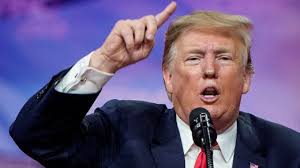
Donald Trump
Criminal:
- He has been forced to shut down his Trump Foundation and forced to pay more than $2 million in court-ordered damages to eight different charities for illegally misusing charitable funds at the Foundation for political purposes.
- He was also forced to close his unaccredited Trump University for scamming its students. He had promised to teach them “the secrets of success” in the real estate industry—then delivered nothing. In 2016, a federal court approved a $25 million settlement with many of those students.
Traitor:
- On July 9, 2016, high-ranking members of his Presidential campaign met at Trump Tower with at least two lobbyists who had ties to Russian dictator Vladimir Putin. The reason: To obtain “dirt” on Democratic candidate Hillary Clinton.
- On July 27, 2016, Trump said at a press conference in Doral, Florida: “Russia, if you’re listening, I hope you are able to find the 30,000 emails that are missing [from Democratic Presidential candidate Hillary Clinton’s computer]. I think you will probably be rewarded mightily by our press.”
These incidents were nothing less than treason—inviting a foreign power, hostile to the United States, to interfere in its Presidential election.
Third—and perhaps the most important of all: In a libel suit, the plaintiff must answer—under oath—all questions put to him by the defendant’s attorneys.
Trump, better than anyone, knows the depths of his own criminality. Just as Al Capone knew his notoriety for evil would make it impossible for him to win a libel suit, so does Trump.
On August 10, he invoked his Fifth Amendment privilege against self-incrimination nearly 450 times during a deposition at the office of New York Attorney General Letitia James, in its probe into the Trump Organization’s business practices.
He would not be allowed to do so as a litigant in a libel suit.
Moreover, he has a history of threatening to file lawsuits—and then failing to do so.
During the 2016 Presidential campaign, at least 12 women publicly accused him of sexually inappropriate behavior—if not assault.
Trump’s reaction: “All of these liars will be sued after the election is over.”
Six years later, he has not filed a single lawsuit for defamation.
So why has he filed a defamation suit against CNN?
Money—not by winning an impossible lawsuit, but by raising it from his gullible and Fascistic followers.
He will claim—once again—that he’s being persecuted and that “they’re not coming after me, they’re coming after you.”
And his millions of media-hating followers will gladly pony up money they will never see again.
If he loses the lawsuit—or pulls out of it—he will claim he’s the victim of “the deep-state establishment.”
And ask his followers for even more money—which they’ll cough up.
ABC NEWS, ADOLF HITLER, ADVICE, ALTERNET, AMERICABLOG, AP, BABY BOOMER RESISTANCE, BAY OF PIGS, BBC, BENITO MUSSOLINI, BLOOMBERG NEWS, BUZZFEED, CAESARE BORGIA, CBS NEWS, CNN, CORPORATIONS, CROOKS AND LIARS, CUBA, DAILY KOS, DAILY KOZ, FACEBOOK, FIDEL CASTRO, FIVETHIRTYEIGHT, FLORENCE, HARPER’S MAGAZINE, HUFFINGTON POST, JOHN F. KENNEDY, JOSEPH STALIN, KING PERSEUS OF MACEDON, MEDIA MATTERS, MOTHER JONES, MOVEON, MSNBC, NAZI-SOVIET "NON-AGGRESSION PACT", NBC NEWS, NEW REPUBLIC, NEWSDAY, NEWSWEEK, NICCOLO MACHIAVELLI, NPR, PBS NEWSHOUR, POLITICO, POLITICS, POLITICUSUSA, POPE JULIUS 11, RAW STORY, REUTERS, SALON, SEATTLE TIMES, SLATE, TALKING POINTS MEMO, THE ATLANTIC, THE CHICAGO SUN-TIMES, THE CHICAGO TRIBUNE, THE DAILY BEAST, THE DAILY BLOG, THE DISCOURSES, THE GUARDIAN, THE HILL, THE HUFFINGTON POST, THE INTERCEPT, THE LOS ANGELES TIMES, THE NATION, THE NEW REPUBLIC, THE NEW YORK TIMES, THE NEW YORKER, THE PRINCE, THE SS, THE VILLAGE VOICE, THE WASHINGTON POST, THINKPROGRESS, THIRD REICH, TIME, TRUTHDIG, TRUTHOUT, TWITTER, U.S. NEWS & WORLD REPORT, UKRAINE, UPI, USA TODAY, VLADIMIR PUTIN, VOLODYMYR ZELENSKY, WEHRMACHT, WORLD WAR 11
In Bureaucracy, Business, History, Military, Politics, Social commentary on October 28, 2022 at 12:11 am
Ask the average person, “What do you think of Niccolo Machiavelli?” and he’s likely to say: “The devil.”
In fact, “The Old Nick” became an English term used to describe Satan and slander Machiavelli at the same time.

Niccolo Machiavelli
The truth, however, is more complex. Machiavelli was a passionate Republican, who spent most of his adult life in the service of his beloved city-state, Florence.
The years he spent as a diplomat were tumultuous ones for Italy—with men like Pope Julius II and Caesare Borgia vying for power and plunging Italy into one bloodbath after another.
Florence, for all its wealth, lacked a strong army, and thus lay at the mercy of powerful enemies, such as Borgia. Machiavelli often had to use his wits to keep them at bay.
Machiavelli is best-known for his writing of The Prince, a pamphlet on the arts of gaining and holding power. Its admirers have included Benito Mussolini and Joseph Stalin.
But his longer and more thoughtful work is The Discourses, in which he offers advice on how to maintain liberty within a republic. Among its admirers were many of the men who framed the Constitution of the United States.
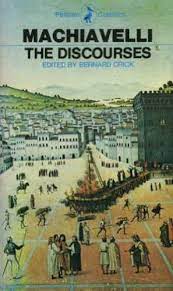

Most people believe that Machiavelli advocated evil for its own sake.
Not so. Rather, he recognized that sometimes there is no perfect—or perfectly good—solution to a problem.
Sometimes it’s necessary to take stern—even brutal—action to stop an evil (such as a riot) before it becomes widespread:
“A man who wishes to make a profession of goodness in everything must inevitably come to grief among so many who are not good. And therefore it is necessary for a prince, who wishes to maintain himself, to learn how not to be good, and to use this knowledge and not use it, according to the necessity of the case.”
His counsel remains as relevant today as it did during his lifetime (1469 – 1527). This is especially true for politicians—and students of political science.
But plenty of ordinary citizens can also benefit from the advice he has to offer—such as those in business who are asked to give advice to more powerful superiors.
Machiavelli warns there is danger in urging rulers to take a particular course of action: “For men only judge of matters by the result, all the blame of failure is charged upon him who first advised it, while in case of success he receives commendations. But the reward never equals the punishment.”
This puts would-be counselors in a difficult position: “If they do not advise what seems to them for the good of the republic or the prince, regardless of the consequences to themselves, then they fail to do their duty.
“And if they do advise it, then it is at the risk of their position and their lives, for all men are blind in thus, that they judge of good or evil counsels only by the results.”
Thus, Machiavelli warns that an adviser should “take things moderately, and not to undertake to advocate any enterprise with too much zeal, but to give one’s advice calmly and modestly.”
The person who asked for the advice may follow it, or not, as of his own choice, and not because he was led or forced into it by the adviser.
Above all, the adviser must avoid the danger of urging a course of action that runs “contrary to the wishes of the many.
“For the danger arises when your advice has caused the many to be contravened. In that case, when the result is unfortunate, they all concur in your destruction.”
Or, as President John F. Kennedy famously said after the disastrous invasion of Cuba at the Bay of Pigs in April, 1961: “Victory has a hundred fathers and defeat is an orphan.”
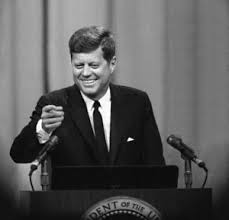
John F. Kennedy
By “not advocating any enterprise with too much zeal,” the adviser gains two advantages:
“The first is, you avoid all danger.
“And the second consists in the great credit which you will have if, after having modestly advised a certain course, your counsel is rejected, and the adoption of a different course results unfortunately.”
Finally, the time to give advice is before a catastrophe occurs, not after. Machiavelli gives a vivid example of what can happen if this rule is ignored.
King Perseus of Macedon had gone to war with Paulus Aemilius—and suffered a humiliating defeat. Fleeing the battlefield with a handful of his men, he later bewailed the disaster that had overtaken him.
Suddenly, one of his lieutenants began to lecture Perseus on the many errors he had committed, which had led to his ruin.
“Traitor,” raged the king, turning upon him, “you have waited until now to tell me all this, when there is no longer any time to remedy it—” And Perseus slew him with his own hands.
Niccolo Machiavelli sums up the lesson as this:
“Thus was this man punished for having been silent when he should have spoken, and for having spoken when he should have been silent.”
Be careful that you don’t make the same mistake.
2016 PRESIDENTIAL CAMPAIGN, ABC NEWS, ADOLF HITLER, ALTERNET, AMERICABLOG, AP, BABY BOOMER RESISTANCE, BERNIE SANDERS, BUZZFEED, CARLY FIORINA, CBS NEWS, CNN, COVID-19, CROOKS AND LIARS, DAILY KOS, DAVID BROOKS, DEMOCRATIC PARTY, DENNIS HASTERT, DONALD TRUMP, ELIZABETH WARREN, FIVETHIRTYEIGHT, HILLARY CLINTON, JEB BUSH, JOHN KASICH, JOHNNY B. GOOD (SONG), JOSEPH MCCARTHY, JOSH DUGGAR, LIBERALS, MARCO RUBIO, MARJORIE TAYOR GREENE, MARK SHIELDS, MAXINE WATERS, MEGYN KELLY, MICHELLE OBAMA, MOTHER JONES, MOVEON, MSNBC, NANCY PELOSI, NBC NEWS, NEWSWEEK, NEWT GINGRICH, NPR, PBS NEWSHOUR, POLITICO, POLITICUSUSA, RAW STORY, REPUBLICAN PARTY, REPUBLICANS, REUTERS, RICK PERRY, RUSSIA, SALON, SEATTLE TIMES, SLANDER, SLATE, TALKING POINTS MEMO, THE ATLANTIC, THE CHICAGO SUN-TIMES, THE CHICAGO TRIBUNE, THE DAILY BEAST, THE DAILY BLOG, THE GUARDIAN, THE HILL, THE HUFFINGTON POST, THE LOS ANGELES TIMES, THE NATION, THE NEW YORK TIMES, THE RAINBOW CONNECTION (SONG), THE WASHINGTON POST, THINKPROGRESS, TIME, TRUTHDIG, TWITTER, U.S. NEWS & WORLD REPORT, UPI, USA TODAY, VLADIMIR PUTIN, YOUTUBE
In Bureaucracy, History, Humor, Politics, Social commentary on October 27, 2022 at 12:10 am
Words are weapons—or can be, if used properly.
Republicans learned this truth after World War II.
- Richard Nixon became a United States Senator in 1950 by attacking Helen Gahagen Douglas as “The Pink Lady.”
- from 1954 onward, Senator Joseph R. McCarthy and other Red-baiting Republicans essentially paralyzed the Democratic party through such slanderous terms as “Comsymps,” “fellow-travelers” and “Fifth Amendment Communists.”
Pulitzer-Prize winning author David Halberstam summed up the effectiveness of such tactics in his monumental study of the origins of the Vietnam War, The Best and the Brightest:
“But if they did not actually stick, and they did not, [Joseph McCarthy’s] charges had an equally damaging effect: They poisoned. Where there was smoke, there must be fire. He wouldn’t be saying these things [voters reasoned] unless there was something to it.”
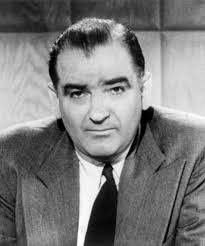
Joseph McCarthy
As a whole, Democrats have proven indifferent to or ignorant of the power of effective language.
President Donald Trump solicited Russian Communist aid to win the Presidency in 2016. He solicited aid from Chinese Communists to retain it in 2020.
He attacked countless Americans and world leaders—including those presiding over America’s NATO alliance. But he has never even criticized Russian dictator Vladimir Putin.
Yet even with such clear-cut evidence, Democrats refused to directly accuse him of treason, as in:
- “TrumPutin”
- “Commissar-in-Chief”
- “Putin’s Poodle”
- “Red Donald”
- “Putin’s Puppet”
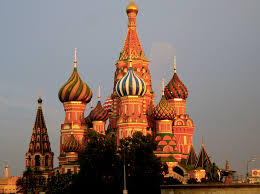
The Kremlin
Similarly, Trump has gotten a free pass on treason from the news media. None have dared suggest the obvious: That he moved boxes of classified documents to his Mar-a-Lago estate to sell them to America’s enemies in exchange for huge sums to pay his upcoming legal bills.
During the COVID-19 pandemic, Trump repeatedly lied about its lethality and opposed the use of masks and social distancing to combat it. As a result, 400,000 Americans had died by the time he left office.
Yet no Democrat has dared label him “Coronavirus-in-Chief.”
Nor has the news media directly held him accountable for those deaths.
Tyrants are conspicuously vulnerable to ridicule. Yet here, too, Democrats have proven unable or unwilling to make use of this powerful weapon.
In this YouTube-obsessed age, Democrats could effectively assail Trump with a series of ridiculing videos. For example, Trump’s well-established “bromance” with Putin could be turned into a parody of the famous song, “Johnny B. Good”:
Way back inside the Kremlin where the lights glow red
There ruled a man named Putin who would poison you dead.
He came up with a plan to make his Russia great
And all it took was bribes and Republican hate.
And Trumpy was a man who couldn’t read or spell
But he could sell out his land just like he’s ringing a bell.

Many of Trump’s fiercest defenders in the House and Senate have taken “campaign contributions” (i.e., bribes) from Russian oligarchs linked to Putin. They could be pointedly attacked by turning the Muppet song, “The Rainbow Connection,” into “The Russian Connection.”
Why are there so many tales about Russians
And Right-wingers taking bribes?
Russians are Commies and have lots of rubles
For traitors with something to hide.
So I’ve been told and some choose to believe it
It’s clear as the old KGB.
Someday we’ll find it
The Russian Connection—
The bribers, the traitors—you’ll see.
A continuing theme among Republican politicians is that they are paragons of religious virtue, while Democrats are champions of Satan.
Yet Democrats have done nothing to publicize such truths as:
- Former Speaker of the House Newt Gingrich is a serial adulterer.
- Former Speaker Dennis Hastert is a convicted sodomizer of teenage boys.
- Josh Duggar, a Right-wing star of the high-rated “reality” series, 19 Kids and Counting, has been sentenced to 12 years’ imprisonment for possessing child pornography.
- Georgia Representative Marjorie Taylor Greene, has boasted: “Marriage is a wonderful thing and I’m a firm believer in it.” Yet she engaged in open affairs with at least two members of her local gym—for which Perry Greene is now divorcing her.
Most Americans don’t follow political news closely—and know nothing of such revelations.
Moreover, Democrats need to repeatedly advertise such facts—to counter Republicans’ constant claims of being the moral arbiters of America. And this needs to be done through major advertising campaigns on TV—where most Americans get their news about politics.
Throughout 2016, liberals celebrated on Facebook and Twitter the “certain” Presidency of former First Lady Hillary Clinton. They were cheered on by First Lady Michelle Obama’s naive advice on political tactics: “When they go, we go high.”
Meanwhile, Donald Trump planned to subvert the 2016 election by Russian Intelligence agents and millions of Russian trolls flooding the Internet with legitimately fake news.
History has proven which tactics proved superior.
It’s long past time for Democrats to accept that they—and the country’s democratic traditions—are engaged in a death-match with their Republican opponents.
Only certain defeat is guaranteed by adhering to Marquis of Queensbury when your enemy is using brass knuckles.
For Democrats to win elective victories and preserve America’s democratic traditions, they must find their own George Pattons to confront the Waffen-SS generals among Republican ranks.


 Bureaucracybuster's Blog
ABC NEWS, ADOLF HITLER, ALBERT SPEER, ALTERNET, AMERICABLOG, ANTHONY FAUCI, AP, BABY BOOMER RESISTANCE, BARACK OBAMA, BBC, BLOOMBERG NEWS, BUZZFEED, CBS NEWS, CNN, CORONAVIRUS, COVID-19, CROOKS AND LIARS, DAILY KOZ, DEBORAH BIRX, DISINFECTANT, DONALD TRUMP, DRUDGE REPORT, FACEBOOK, FIVETHIRTYEIGHT, HARPER’S MAGAZINE, HEINRICH HIMMLER, HERMANN GOERING, HUFFINGTON POST, HUGH TREVOR-ROPER, JOE SCARBOROUGH, JOSEPH GOBBELS, MEDIA MATTERS, MOTHER JONES, MOVEON, MSNBC, NAZI GERMANY, NAZI PARTY, NBC NEWS, NEW REPUBLIC, NEWSDAY, NEWSWEEK, NPR, NUREMBERG WAR CRIMES TRIALS, PBS NEWSHOUR, PERSONAL PROTECTIVE EQUIPMENT (PPES), POLITICO, POLITICUSUSA, RAW STORY, REUTERS, ROBERT H. JACKSON, SALON, SANJAY GUPTA, SEATTLE TIMES, SLATE, TALKING POINTS MEMO, TED LIEU, THE ATLANTIC, THE CHICAGO SUN-TIMES, THE CHICAGO TRIBUNE, THE DAILY BEAST, THE DAILY BLOG, THE GUARDIAN, THE HILL, THE HOLOCAUST, THE HUFFINGTON POST, THE LOS ANGELES TIMES, THE NATION, THE NEW REPUBLIC, THE NEW YORK TIMES, THE NEW YORKER, THE SS, THE THIRD REICH, THE VILLAGE VOICE, THE WASHINGTON POST, THINKPROGRESS, TIME, TRUTHDIG, TRUTHOUT, TWITTER, TWO POLITICAL JUNKIES, U.S. NEWS & WORLD REPORT, ULTRAVIOLET LIGHT, UNITED STATES ARMY, UPI, USA TODAY, WALTER REED ARMY MEDICAL CENTER, WHITE HOUSE CORONAVIRUS TASK FORCE, WONKETTE, WORLD WAR ii
ALBERT SPEER MEETS DEBORAH BIRX: PART ONE (OF TWO)
In Bureaucracy, History, Law, Law Enforcement, Politics, Social commentary on December 22, 2022 at 12:08 amBorn on March 19, 1905 and trained as an architect, Albert Speer joined the Nazi Party in 1931. He met Adolf Hitler in 1933, when he presented the Fuhrer with architectural designs for the Nuremberg Rally scheduled for that year.
Hitler was thoroughly impressed.
From then on, Speer became Hitler’s “genius architect” assigned to create buildings for the Third Reich, meant to last for a thousand years.
In 1937, Hitler appointed Speer as General Building Inspector for Berlin. This made him responsible for the Central Department for Resettlement that evicted Jewish tenants from their homes in Berlin. The vast majority of these men, women and children ended up in extermination camps.
Adolf Hitler
Speer had nothing to do with their imprisonment; that was strictly the province of SS-Reichsuhrer Heinirich Himmler. Nevertheless, he knew the end results of his evictions.
On September 1, 1939, Hitler ordered the invasion of Poland—unintentionally igniting World War II.
In 1943, Hitler appointed Speer Minister of Armaments, charged with revitalizing the German war effort.
As Hitler’s architect, Speer had stayed aloof from the political intrigues of such power-driven men as Himmler, Luftwaffe chief Hermann Goering and Minister of Propaganda Joseph Goebbels.
But as Minister of Armaments, Speer thrust himself into the currents of intrigue surrounding the Fuhrer. It was this role that earned him 20 years in Spandau Prison for war crimes.
Albert Speer
With millions of able-bodied German men drafted for his endless wars, Hitler turned to slave laborers to keep his arms factories going.
“Speer joined in planning and executing the program to dragoon prisoners of war and foreign workers into German war industries, which waxed in output while the workers waned in starvation,” charged chief United States prosecutor Robert H. Jackson during the Nuremberg war crimes trials.
Speer’s attorney, Hans Flächsner, presented Speer as an artist thrust into political life who had always remained apolitical.
Both at Nuremberg and for the rest of his life, Speer claimed that he was unaware of Nazi extermination plans. But in a letter dated December 23, 1971, Speer wrote: “There is no doubt—I was present as Himmler announced on October 6, 1943, that all Jews would be killed.”
If Speer’s extensive involvement in the Holocaust had been known at the time of his trial he would have been sentenced to death. Twelve of his fellow defendants were so sentenced—and died by hanging.
Speer was found guilty of war crimes and crimes against humanity, principally for the use of slave labor and forced labor. He was sentenced to 20 years’ imprisonment, and was released from Spandau Prison on October 1, 1966.
He spent the rest of his life portraying himself as “the good Nazi” who, as an apolitical technocrat, deeply regretted having failed to discover the monstrous crimes of the Third Reich. Out of this came his bestselling autobiography, Inside the Third Reich, published in 1969.
He died of a heart attack on September 1, 1981—42 years to the day his Fuhrer had plunged the world into war.
British historian Hugh Trevor-Roper considered Speer an administrative genius whose basic instincts were peaceful and constructive. Nevertheless, he assailed Speer for failing to recognize the immorality of the Hitler regime—and called him “the real criminal of Nazi Germany.”
Specifically:
“For ten years he sat at the very centre of political power; his keen intelligence diagnosed the nature and observed the mutations of Nazi government and policy; he saw and despised the personalities around him; he heard their outrageous orders and understood their fantastic ambitions; but he did nothing.
“Supposing politics to be irrelevant, he turned aside and built roads and bridges and factories, while the logical consequences of government by madmen emerged. Ultimately, when their emergence involved the ruin of all his work, Speer accepted the consequences and acted. Then it was too late; Germany had been destroyed.”
Germans are not, however, the only ones to clinch a deal with the Devil.
Eighty-seven years after Albert Speer began his rise to power—and infamy—Deborah Birx, an American physician and diplomat, reached her own height of power—and infamy.
Born on April 4, 1956, Deborah Birx served from 1980 to 1994 as an active duty reserve officer in the United States Army. From 1994 to 2008, Birx was on active duty regular Army, achieving the rank of Colonel.
From 1980 to 1989, Birx worked as a physician at the Walter Reed Army Medical Center. In 1981, she completed a one-year internship and did a two-year residency in internal medicine. From 1983 to 1986, she completed two fellowships in clinical immunology in the areas of allergies and diagnostics.
From 1985 to 1989, Birx was the assistant chief of the Walter Reed Allergy/Immunology Service. Birx started her career as a clinician in immunology, eventually specializing on HIV/AIDS vaccine research.
She served as the United States global AIDS coordinator for Presidents Barack Obama and Donald Trump (2014-2020). She also served as the country’s special representative for global health diplomacy between 2015 and 2021.
On February 27, 2020, she was appointed White House Coronavirus Response Coordinator for President Donald J. Trump.
The virus, which originated in Wuhan, China, in December, 2019, quickly spread around the world.
Coronaviruses are a group of viruses that affect birds and mammals. In humans, they can cause pneumonia and may cause bronchitis.
Coronavirus
On February 29, 2020, the first American died of Coronavirus.
Share this: