Posts Tagged ‘2016 PRESIDENTIAL ELECTION’
2016 PRESIDENTIAL ELECTION, ABC NEWS, ALTERNET, AMERICABLOG, AP, BABY BOOMER RESISTANCE, BARACK OBAMA, BBC, BENEDICT ARNOLD, BLOOMBERG NEWS, BUZZFEED, CBS NEWS, CHRISTOPHER LASCH, CNN, CORPORATE TAXES, CORRUPTION, CROOKS AND LIARS, DAILY KOZ, EDUARDO SAVEREN, FIVETHIRTYEIGHT, FORBES MAGAZINE, GROVER NORQUIST, HARPER’S MAGAZINE, HUFFINGTON POST, MEDIA MATTERS, MOTHER JONES, MOVEON, MSNBC, NBC NEWS, NEW REPUBLIC, NEWSDAY, NEWSWEEK, NICCOLO MACHIAVELLI, NPR, PBS NEWSHOUR, POLITICO, POLITICUSUSA, PUBLIC CAMPAIGN, RAW STORY, REPUBLICAN PARTY, REUTERS, RICHARD M. NIXON, RUSH LIMBAUGH, SALON, SEATTLE TIMES, SENATOR CHARLES SCHUMER, SLATE, STEPHEN DECATUR, TALKING POINTS MEMO, TAX AVOIDANCE, THE ATLANTIC, THE CHICAGO SUN-TIMES, THE CHICAGO TRIBUNE, THE DAILY BEAST, THE DAILY BLOG, THE DISCOURSES, THE GUARDIAN, THE HILL, THE HUFFINGTON POST, THE INTERCEPT, THE LOS ANGELES TIMES, THE NATION, THE NEW REPUBLIC, THE NEW YORK TIMES, THE NEW YORKER, THE VILLAGE VOICE, THE WALL STREET JOURNAL, THE WASHINGTON POST, THINKPROGRESS, TIME, TREASON, TRUTHDIG, TRUTHOUT, TWO POLITICAL JUNKIES, U.S. NEWS & WORLD REPORT, UPI, USA TODAY, WALL STREET, WEALTH GAP, WONKETTE, X
In Bureaucracy, History, Law, Politics, Social commentary on June 12, 2023 at 12:18 am
The British offered Revolutionary War General Benedict Arnold £20,000 for betraying West Point to the Crown.
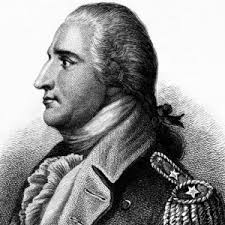
Benedict Arnold
But Arnold was a piker compared to companies that are raking in literally billions of untaxed dollars by betraying the United States in its time of economic trial.
To avoid paying their legitimate share of taxes, they move their headquarters overseas to countries with reduced tax rates. In tax parlance, this is called an “inversion.”
For almost 20 years, tax-avoiding corporations fled to Caribbean countries such as Bermuda and the Cayman Islands. But in 2004, Congress ruled that American companies could relocate overseas if foreign shareholders owned 20% of their stock.
According to statistics compiled by the Congressional Research Service (CRS) in 2014:
“Forty-seven U.S. corporations have reincorporated overseas through corporate inversions in the last 10 years, far more than during the previous 20 years combined.
“In total, 75 U.S. corporations have inverted since 1994 – with one other inversion occurring in 1983. What’s more, there are a dozen prospective inversion deals involving U.S. corporations looking to reincorporate overseas, according to CRS
“The new data underscores the significant increase in the number of U.S. corporations that have or are seeking to lower their U.S. taxes by reincorporating overseas.
“It also adds urgency to a legislative solution. Ways and Means Committee Ranking Member Sander Levin in May introduced legislation that would tighten rules to limit inversions.
“The Joint Committee on Taxation estimates that the legislation would save $19.5 billion over 10 years. Companion legislation was introduced in the Senate by Sen. Carl Levin.
“‘Barely a week seems to pass without news that another corporation plans to move its address overseas simply to avoid paying its fair share of U.S. taxes,’” said Ranking Member Levin.
“These corporate inversions are costing the U.S. billions of dollars and undermining vital domestic interests.
“‘We can and should address this problem immediately through legislation to tighten rules to limit the ability of corporations to simply change their address and ship U.S. tax dollars overseas.’”
Among those companies that have chosen to betray their country in its time of economic need:
| INVERSION YEAR |
COMPANY NAME |
TYPE |
COUNTRY OF INCORPORATION |
REVENUE |
| 1983 |
McDermott International |
Engineering |
Panama |
$2.7 billion |
| 1994 |
Helen of Troy |
Consumer Products |
Bermuda |
$1.3 billion (FY 2014) |
| 1996 |
Triton Energy |
Oil and Gas |
Cayman Islands |
Acq by Hess in ’01 |
| 1996 |
Chicago Bridge & Iron (CBI) |
Engineering |
Netherlands |
$11.1 billion |
| 1997 |
Tyco International |
Diversified Manufacturer |
Bermuda |
$10.6 billion |
| 1997 |
Santa Fe International |
Oil and Gas |
Cayman Islands |
Acq by Transocean in ’07 |
| 1998 |
Fruit of the Loom |
Apparel Manufacturer |
Cayman Islands |
private company |
| 1998 |
Gold Reserve |
Mining |
Bermuda |
N/A |
| 1998 |
Playstar Corp. |
Toys |
Antigua |
Acq by Premier Mobile in ’06 |
| 1999 |
Transocean |
Offshore Drilling |
Cayman Islands |
$9.4 billion |
| 1999 |
White Mountain Insurance |
Insurance |
Bermuda |
$2.3 billion |
| 1999 |
Xoma Corp. |
Biotech |
Bermuda |
$35.5 million |
| 1999 |
PXRE Group |
Insurance |
Bermuda |
Acq by Argonaut Group in ’07 |
| 1999 |
Trenwick Group |
Insurance |
Bermuda |
Acq by LaSalle Re Holdings in ’00 |
| 2000 |
Applied Power |
Engineering |
Bermuda |
Now called Actuant $494 million |
| 2000 |
Everest Reinsurance |
Insurance |
Bermuda |
$5.6 billion |
| 2000 |
Seagate Technology |
Data Storage |
Cayman Islands |
$14.4 billion |
| 2000 |
R&B Falcon |
Drilling |
Cayman Islands |
Acq by Transocean in ’00 |
| 2001 |
Global Santa Fe Corp. |
Offshore Drilling |
Cayman Islands |
Acq by Transocean in ’07 |
| 2001 |
Foster Wheeler |
Engineering |
Bermuda |
$559 million |
| 2001 |
Accenture |
Consulting |
Bermuda |
$28.6 billion (FY 2013) |
| 2001 |
Global Marine |
Engineering |
Cayman Islands |
Acq by Bridgehouse Capital in ’04 |
| 2002 |
Noble Corp. |
Offshore Drilling |
Cayman Islands |
$4.2 billion |
| 2002 |
Cooper Industries |
Electrical Products |
Bermuda |
Acq by Eaton in ’12 |
| 2002 |
Nabor Industries |
Oil and Gas |
Bermuda |
$1.6 billion |
| 2002 |
Weatherford International |
Oil and Gas |
Bermuda |
$15.2 billion |
| 2002 |
Ingersoll-Rand |
Industrial Manufacturer |
Bermuda |
$12.3 billion |
| 2002 |
PricewaterhouseCoopers Consulting |
Consulting |
Bermuda |
N/A |
| 2002 |
Herbalife International |
Nutrition |
Cayman Islands |
$4.8 billion (sales) |
| 2005 |
Luna Gold Corp |
Mining |
Canada |
$85.3 million |
| 2007 |
Lincoln Gold Group |
Mining |
N/A |
|
| 2007 |
Western Goldfields |
Mining |
N/A |
Acq by New Gold in ’09 |
| 2007 |
Star Maritime Acquisition Grp |
Shipping |
N/A |
Now Star Bulk $69 million |
| 2007 |
Argonaut Group |
Insurance |
Bermuda |
$1.4 billion |
| 2007 |
Fluid Media Networks |
Music Distribution |
|
|
| 2008 |
Tyco Electronics |
Industrial Manufacturer |
Switzerland |
Now TE Connectivity $3.4 billion (FY ’13) |
| 2008 |
Foster Wheeler |
Engineering |
Bermuda |
$3.3 billion |
| 2008 |
Covidien |
Healthcare |
Ireland |
$10.2 billion |
| 2008 |
Patch International Inc |
Oil and Gas |
Canada |
|
| 2008 |
Arcade Acquisition Group |
Financial |
|
|
| 2008 |
Energy Infrastructure Acquisition Group |
Energy |
|
|
| 2008 |
Ascend Acquisition Group |
Electronics |
N/A |
Acq by Kitara Media in ’13 |
| 2008 |
ENSCO International |
Oil and Gas |
United Kingdom |
$4.9 billion |
| 2009 |
Tim Hortons Inc |
Restaurant Chain |
Canada |
$3.2 billion |
| 2009 |
Hungarian Telephone & Cable Corp. |
Telecommunications |
Denmark |
$219 million |
| 2009 |
Alpha Security Group |
Security |
N/A |
|
| 2009 |
Alyst Acquisition Group |
Financial |
N/A |
Acq by China Networks Media in ’09 |
| 2009 |
2020 ChinaCap Acquirco |
Financial |
N/A |
Acq by Exceed Co. in ’09 |
| 2009 |
Ideation Acquisition Grp |
Private Equity |
N/A |
Acq by SearchMedia in ’09 |
| 2009 |
InterAmerican Acquisition Grp |
Business Management |
N/A |
Acq by Sing Kung Ltd in ’09 |
| 2009 |
Vantage Energy Services |
Offshore Drilling |
Cayman Islands |
$732 million |
| 2009 |
Plastinum Polymer Tech Corp. |
Industrial Manufacturer |
|
|
| 2010 |
Valient Biovail |
Pharmaceuticals |
Canada |
$5.7 billion |
| 2010 |
Pride International |
Offshore Drilling |
United Kindom |
Acq by Ensco in ’11 |
| 2010 |
Global Indemnity |
Insurance |
Ireland |
$319 billion |
| 2011 |
Alkermes, Inc. |
Biopharmaceutical |
Ireland |
$575 million |
| 2011 |
TE Connectivity |
Industrial Manufacturer |
Switzerland |
$13.3 billion |
| 2011 |
Pentair |
Water Filtration |
Switzerland |
$7.5 billion |
| 2012 |
Rowan Companies |
Oil Well Drilling |
United Kindom |
$1.5 billion |
| 2012 |
AON |
Insurance |
United Kindom |
$11.8 billion |
| 2012 |
Tronox Inc |
Chemical |
Australia |
$1.9 billion |
| 2012 |
Jazz Pharmaceuticals / Azur Pharma |
Pharmaceuticals |
Ireland |
$872 million |
| 2012 |
D.E. Master Blenders |
Coffee |
Netherlands |
$3.5 billion |
| 2012 |
Stratasys |
Printer Manufacturer |
Israel |
$486.7 million |
| 2012 |
Eaton/Cooper |
Power Management |
Ireland |
$22 billion |
| 2012 |
Endo Health Solutions |
Pharmaceuticals |
Ireland |
$2.6 billion |
| 2013 |
Liberty Global PLC |
Cable Company |
United Kindom |
$17.3 billion |
| 2013 |
Actavis / Warner Chilcott |
Pharmaceuticals |
Ireland |
$8.7 billion |
| 2013 |
Perrigo/Elan |
Pharmaceuticals |
Ireland |
$3.5 billion (FY 2013) |
| 2013 |
Cadence Pharmaceuticals |
Pharmaceuticals |
Ireland |
$110 million |
| 2014 |
Mallinckrodt Pharmaceuticals |
Pharmaceuticals |
Ireland |
$2.2 billion |
| 2014 |
Chiquita Brands |
Produce |
Ireland |
$3 billion |
| 2014 |
Medtronic |
Pharmaceuticals |
Ireland |
$16.5 billion |
SOURCE: Source: Ways and Means Committee Democrats. GRAPHIC: Danielle Douglas – The Washington Post. Published Aug. 6, 2014.
The most popular countries for these “inversions” are:
- The Cayman Islands
- Bermuda
- Canada
- United Kingdom
- Ireland
- Switzerland
- Netherlands
2016 PRESIDENTIAL ELECTION, ABC NEWS, ALTERNET, AMERICABLOG, AP, BABY BOOMER RESISTANCE, BARACK OBAMA, BBC, BENEDICT ARNOLD, BLOOMBERG NEWS, BUZZFEED, CBS NEWS, CHRISTOPHER LASCH, CNN, CORPORATE TAXES, CORRUPTION, CROOKS AND LIARS, DAILY KOZ, EDUARDO SAVEREN, FIVETHIRTYEIGHT, FORBES MAGAZINE, GROVER NORQUIST, HARPER’S MAGAZINE, HUFFINGTON POST, MEDIA MATTERS, MOTHER JONES, MOVEON, MSNBC, NBC NEWS, NEW REPUBLIC, NEWSDAY, NEWSWEEK, NICCOLO MACHIAVELLI, NPR, PBS NEWSHOUR, POLITICO, POLITICUSUSA, PUBLIC CAMPAIGN, RAW STORY, REPUBLICAN PARTY, REUTERS, RICHARD M. NIXON, RUSH LIMBAUGH, SALON, SEATTLE TIMES, SENATOR CHARLES SCHUMER, SLATE, STEPHEN DECATUR, TALKING POINTS MEMO, TAX AVOIDANCE, THE ATLANTIC, THE CHICAGO SUN-TIMES, THE CHICAGO TRIBUNE, THE DAILY BEAST, THE DAILY BLOG, THE DISCOURSES, THE GUARDIAN, THE HILL, THE HUFFINGTON POST, THE INTERCEPT, THE LOS ANGELES TIMES, THE NATION, THE NEW REPUBLIC, THE NEW YORK TIMES, THE NEW YORKER, THE VILLAGE VOICE, THE WALL STREET JOURNAL, THE WASHINGTON POST, THINKPROGRESS, TIME, TREASON, TRUTHDIG, TRUTHOUT, TWO POLITICAL JUNKIES, U.S. NEWS & WORLD REPORT, UPI, USA TODAY, WALL STREET, WEALTH GAP, WONKETTE, X
In Bureaucracy, History, Law, Politics, Social commentary on June 9, 2023 at 12:13 am
On May 13, 2012, Forbes magazine ran an Op-Ed piece under the headline: “For De-Friending The U.S., Facebook’s Eduardo Saverin Is an American Hero.”
Democratic Senator Chuck Schumer of New York angrily disagreed.

Chuck Shumer
“It is scary. It is a scary, absurd place where even a tax dodger who renounces America for his own 30 pieces of silver is celebrated as a patriot and an American hero.
“It is perverse. I am appalled by making heroic a man who renounces citizenship to escape a tax rate of capital gains of 15%.
“No one gets rich in America on their own,” Schumer said. “And when people do well in America, they should do well by America. I believe the vast majority of Americans believe this, too.”
From that Op-Ed piece:
“Saverin’s flight from the U.S. is yet another reminder of the superiority of a national consumption tax that in a perfect world would be implemented in concert with the abolition of the I.R.S.”
It’s tempting to imagine a world without an agency to collect taxes. But it’s nightmarish to contemplate a world where there were no taxes to pay for
- A powerful military to protect us;
- An FBI to combat terrorism and organized crime;
- An FAA to safely regulate airline traffic;
- Agencies to repair roads;
- Agencies to erect public buildings (such as schools, courts and libraries) and
- Agencies (such as the EPA and FDA) to protect us from predatory businessmen.
The Op-Ed piece further asserts that “you cannot limit the power of the Federal Government if its officials hold the power to tax incomes.”
Every nation in history—whether a democracy or a dictatorship, whether capitalist, socialist or communist—has understood the absolute necessity for collecting public revenues. And it has created means by which to do so.
“When individuals resist governmental hubris, we should exalt their actions.”
We should, in short, celebrate those who come to the United States to make fortunes they could not make anywhere else—and then, when they do, turn their backs on their adopted country.
We should rejoice that they have stuffed billions of dollars more into their already-fat pockets and left their supposed fellow countrymen to shift for themselves.
“In an ideal world the Federal Government should implement a consumption tax. And if, as a result, poor people suffer because they’re taxed at the same level as rich ones, fine.
“Everyone should know how much it costs to run the government.”
Of course we should have a “regressive” tax that “hits low incomes at the same percentage as high ones.”
Of course, those who are barely able to feed their families or can’t afford medical care should pay as much in taxes as a rich parasite who, like Mitt Romney, throws out $10,000 bets like so many dimes.
“If the Federal Government can’t fund all its programs because rich people like Saverin refuse to pay taxes, then U.S. taxpayers generally will have to make good for the missing taxes. It’s the fault of Congress that it cannot put an end to any program.”
For billionaires like Saverin and the well-heeled types who subscribe to Forbes, it doesn’t matter whether “the Federal Government can’t fund all its programs.”
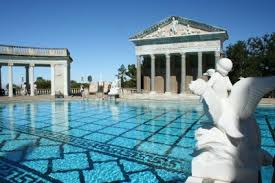
San Simeon, estate of William Randolph Hearst
Greed-obsessed “swells” like Saverin:
- Don’t depend on Medicare—they can easily afford the best doctors money can buy;
- Don’t have to depend on Social Security to see them through old age;
- Don’t have to worry about standing in food bank lines;
- Don’t need to rely on police departments—if they’re threatened, they can easily afford round-the-clock bodyguards;
- Don’t need consumer protection agencies; if they’re victimized by unscrupulous businessmen, they can hire platoons of lawyers and private detectives.
A contemporary writer who warned of America’s abandonment by its privileged classes was Christopher Lasch. In his posthumously published last book, The Revolt of the Elites and the Betrayal of Democracy [2005] he wrote:
“There has always been a privileged class, even in America. But it has never been so dangerously isolated from its surroundings.
“George Bush’s [the president who served from 1989 to 1992] wonderment, when he saw for the first time an electronic scanning device at a supermarket checkout counter, revealed…the chasm that divides the privileged classes from the rest of the nation.”
Until recently, wrote Lasch, American cultural and economic elites willingly shouldered civic responsibilities. But in post-modern capitalism, a professional elite defines itself as entirely separate from civic concerns.
The new elites flourish through enterprises that operate across international borders. The rich in America have more in common with their fellows in Europe or Asia than with the vast majority of their fellow Americans who don’t share their comfortable surroundings.
Thus, the privileged class in America—the top 1%—has separated itself from the crumbling public services and industrial cities that are used and lived in by the rest of the country’s citizens.
Even worse, our society has condoned their exalted status. The dust jacket blurb for James Patterson’s crime-thriller, NYPD Red, says it best:
“NYPD Red is a special task force charged with protecting the interests of Manhattan’s wealthiest and most powerful citizens.”
It’s time to protect the 99% of America’s citizens against the predators of its 1% wealthiest.
2016 PRESIDENTIAL ELECTION, ABC NEWS, ALTERNET, AMERICABLOG, AP, BABY BOOMER RESISTANCE, BARACK OBAMA, BBC, BENEDICT ARNOLD, BLOOMBERG NEWS, BUZZFEED, CBS NEWS, CHRISTOPHER LASCH, CNN, CORPORATE TAXES, CORRUPTION, CROOKS AND LIARS, DAILY KOZ, EDUARDO SAVEREN, FIVETHIRTYEIGHT, FORBES MAGAZINE, GROVER NORQUIST, HARPER’S MAGAZINE, HUFFINGTON POST, MEDIA MATTERS, MOTHER JONES, MOVEON, MSNBC, NBC NEWS, NEW REPUBLIC, NEWSDAY, NEWSWEEK, NICCOLO MACHIAVELLI, NPR, PBS NEWSHOUR, POLITICO, POLITICUSUSA, PUBLIC CAMPAIGN, RAW STORY, REPUBLICAN PARTY, REUTERS, RICHARD M. NIXON, RUSH LIMBAUGH, SALON, SEATTLE TIMES, SENATOR CHARLES SCHUMER, SLATE, STEPHEN DECATUR, TALKING POINTS MEMO, TAX AVOIDANCE, THE ATLANTIC, THE CHICAGO SUN-TIMES, THE CHICAGO TRIBUNE, THE DAILY BEAST, THE DAILY BLOG, THE DISCOURSES, THE GUARDIAN, THE HILL, THE HUFFINGTON POST, THE INTERCEPT, THE LOS ANGELES TIMES, THE NATION, THE NEW REPUBLIC, THE NEW YORK TIMES, THE NEW YORKER, THE VILLAGE VOICE, THE WALL STREET JOURNAL, THE WASHINGTON POST, THINKPROGRESS, TIME, TREASON, TRUTHDIG, TRUTHOUT, TWO POLITICAL JUNKIES, U.S. NEWS & WORLD REPORT, UPI, USA TODAY, WALL STREET, WEALTH GAP, WONKETTE, X
In Bureaucracy, History, Law, Politics, Social commentary on June 8, 2023 at 12:10 am
Americans need to realize that a country can be betrayed for other than political reasons. It can also be sold out for economic ones.
On May 15, 2012, Facebook co-founder Eduardo Saverin renounced his U.S. citizenship.
Born in Brazil, the then-30-year-old Saverin became a U.S. citizen in 1998 but had lived in Singapore since 2009.
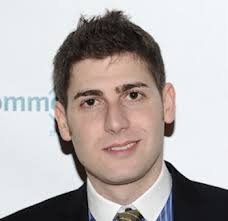
Eduardo Saverin
Giving up his citizenship allowed him to avoid paying taxes on billions of dollars on capital gains when Facebook launched its IPO on May 18, 2012. Singapore does not have a capital gains tax.
And America’s extreme Right couldn’t have been happier.
Take Rush Limbaugh, the Right-wing talk-show host. The Rush Limbaugh Show aired throughout the U.S. on over 400 stations and was the highest-rated talk-radio program in the United States.
When Limbaugh spoke, his “dittohead” audience listened—and acted as he decreed.

Rush Limbaugh
“So if it’s a more favorable tax haven that you can find elsewhere and you go there,” asked Limbaugh, “why is it automatically that you are unpatriotic?
“Why is it automatically that you are a coward, that you are not paying your fair share? It’s this whole class envy thing rearing its head again.”
For Limbaugh, the villain wasn’t a billionaire who turned his back on the country that gave him the opportunity to become one. No, the villain lay in those who believe that even wealthy businessmen should behave like patriots—instead of parasites.
“But [Barack Obama is] out there demonizing successful people every day,” said Limbaugh, “targeting successful people every day, running a presidential campaign based on class warfare, trying to get the 99% of the country who are not in the top 1% to hate the 1%, to literally despise ’em.”
Consider the implications of this:
On November 1, 2011, Forbes magazine reported that, in 2007, the then-richest 1% of the American population owned 34.6% of the country’s total wealth, and the next 19% owned 50.5%.
Thus, the top 20% of Americans owned 85% of the country’s wealth and the bottom 80% of the population owned 15%.
According to Limbaugh’s philosophy, the bottom 80% of the population owning 15% of the country’s wealth should pay homage to the top 20% of Americans who own 85% of the country’s wealth.
In short, they should “know their place” and not expect the moneyed few to pay their fair share of taxes.
Of course, this was to be expected of Limbaugh—whose own wealth made him a multi-millionaire.
In 2001, U.S. News & World Report noted that Limbaugh had an eight-year contract, with Clear Channel Communications, for $31.25 million a year.
And according to a July 2, 2008, Matt Drudge column, Limbaugh had signed a contract extension through 2016 that was worth over $400 million.
And Limbaugh wasn’t alone in his praise for Saverin.
Another right-winger who defended those who run out on their country was anti-tax activist Grover Norquist.
On May 7, 2012, two Democratic Senators—Chuck Schumer of New York and Bob Casey of Pennsylvania—introduced legislation designed to tax expatriates even after they have left the country.
Their “Ex-PATRIOT Act” would have imposed a mandatory 30% tax on American investments for those who renounce their citizenship and would also prohibit individuals like Saverin from re-entering the country.
But the bill died in committee.
In 2013, Schumer and two other Senators added similar provisions to a major immigration reform bill. But their amendment was not included in the version of the bill that passed the Senate.
“Saverin has turned his back from the country that welcomed him, kept him safe, educated him and helped him become a billionaire,” Schumer said at a press conference. He added that it was time to “de-friend” the Facebook co-founder.
Norquist, the president of Americans for Tax Reform (ATF) said that targeting people who turn in their passports reminded him of regimes that had driven people out of the country, only to confiscate their wealth at the door.
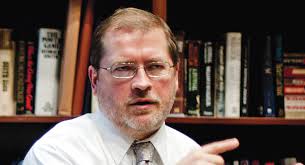
Grover Norquist
“I think Schumer can probably find the legislation to do this,” said Norquist. “It existed in Germany in the 1930s and Rhodesia in the ’70s and in South Africa as well. He probably just plagiarized it and translated it from the original German.”
On the floor of the Senate, Schumer denounced Norquist in return:
“I know a thing or two about what the Nazis did. Some of my relatives were killed by them.
“Saying that a person who made their fortune specifically because of the positive elements in American society, in turn, has a responsibility to do right by America is not even on the same planet as comparing to what Nazis did to Jews.”

Chuck Schumer
Schumer added that he found it troubling that conservatives would lionize someone like Saverin, who was called “an American hero” by Forbes magazine.
On May 13, 2012, Forbes—which describes itself as “The Capitalist Tool”—had run an Op-Ed piece under the headline: “For De-Friending The U.S., Facebook’s Eduardo Saverin Is an American Hero.”
“Can you believe it?” asked Schumer. “An American hero? Renouncing your citizenship now qualifies as heroic for the hard Right-wing?”
“This has gone so far, this idolatry they have taken to such an extreme end, they make Eduardo Saverin into their patron saint. In the name of low taxes for the wealthy, they have lionized an inherently unpatriotic person.”
2016 PRESIDENTIAL ELECTION, 2020 PRESIDENTIAL ELECTION, ABC NEWS, ADAM SCHIFF, ADOLF HITLER, AFGHANISTAN, ALBERT SPEER, ALTERNET, AMERICABLOG, ANTIFA, AP, BABY BOOMER RESISTANCE, BARACK OBAMA, BLOOMBERG, BUZZFEED, CBS NEWS, CHRIS CILLIZZA, CHRIS KREBS, CHRISTOPHER WRAY, CIA, CNN, CORONAVIRUS, COVID-19, CROOKS AND LIARS, CYBERSECURITY AND INFRASTRUCTURE SECURITY AGENCY, DAILY KOS, DAILY KOZ, DENMARK, DEPARTMENT OF HOMELAND SECURITY, DISOBEYING HITLER: GERMAN RESISTANCE AFTER VALKYRIE (BOOK), DONALD TRUMP, DONALDL TRUMP JR., DRUDGE REPORT, FASCISM, FBI, FIVETHIRTYEIGHT, FRANCE, HARPER’S MAGAZINE, HERMANN GORING, HILLARY CLINTON, HUFFINGTON POST, IMPEACHMENT, IRAQ, JAKE TAPPER, JAMES B. COMEY, JARED KUSHNER, JOE BIDEN, MAIL-IN BALLOTS, MARK ESPER, MEDIA MATTERS, MIKE PENCE, MITCH MCCONNELL, MOTHER JONES, MOVEON, MSNBC, NAZI GERMANY, NBC NEWS, NEWSWEEK, NORWAY, NPR, PAUL MANAFORT, PBS NEWSHOUR, PLANNED PARENTHOOD, POLAND, POLITICO, POLITICUSUSA, RANDALL HANSEN, RAW STORY, REPUBLICAN PARTY, REPUBLICANS, REUTERS, RUSSIA, SALON, SEATTLE TIMES, SLATE, SOVIET UNION, SS, STALINGRAD, TALKING POINTS MEMO, THE ATLANTIC, THE CHICAGO SUN-TIMES, THE CHICAGO TRIBUNE, THE DAILY BEAST, THE DAILY BLOG, THE GUARDIAN, THE HILL, THE HUFFINGTON POST, THE LOS ANGELES TIMES, THE NATION, THE NEW REPUBLIC, THE NEW YORK TIMES, THE PENTAGON, THE VILLAGE VOICE, THE WALL STREET JOURNAL, THE WASHINGTON POST, THINKPROGRESS, TIME, TRUMP TOWER MEETING, TRUTHDIG, TRUTHOUT, TWITTER, TWO POLITICAL JUNKIES, U.S. NEWS & WORLD REPORT, UPI, USA TODAY, VLADIMIR PUTIN, VOTER FRAUD, WEHRMACHT, WERNER VON BLOMBERG, WERNER VON FRITCH, WONKETTE, WORLD WAR 11
In Bureaucracy, History, Law, Law Enforcement, Military, Politics, Social commentary on June 2, 2023 at 12:12 am
On March 19, 1945, facing certain defeat, Nazi Fuhrer Adolf Hitler ordered a massive “scorched-earth” campaign throughout Germany:
“Destroy all German agriculture, industry, ships, communications, roads, food stuffs, mines, bridges, stores and utility plants!”
If implemented, it would deprive surviving Germans of even the barest necessities after the war.
Opposing him was Albert Speer, his favorite architect and Minister of Armaments.
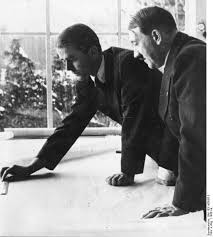
Albert Speer and Adolf Hitler pouring over architectural plans
But Hitler refused to back down. He gave Speer 24 hours to reconsider his opposition to the order.
The next day, Speer told Hitler: “My Fuhrer, I stand unconditionally behind you!”
“Then all is well,” said Hitler, suddenly with tears in his eyes.
“If I stand unreservedly behind you,” said Speer, “then you must entrust me rather than the Gauleiters [district Party leaders serving as provincial governors] with the implementation of your decree.”
Filled with gratitude, Hitler signed the decree Speer had thoughtfully prepared before their fateful meeting.
By doing so, Hitler unintentionally gave Speer the power to thwart his “scorched earth” order.
Trained as an architect, Speer had joined the Nazi Party in 1931. He met Hitler in 1933, when he presented the Fuhrer with architectural designs for the Nuremberg Rally scheduled for that year.
From then on, Speer became Hitler’s “genius architect” assigned to create buildings meant to last for a thousand years. “If Hitler had been capable of friendship,” Speer said after the war, “I would have been that friend.”
In 1943, Hitler appointed him Minister of Armaments, charged with revitalizing the German war effort.
Nevertheless, Speer now crisscrossed Germany, persuading military leaders and district governors to not destroy the vital facilities that would be needed after the war.
“No other senior National Socialist could have done the job,” writes Randall Hanson, author of Disobeying Hitler: German Resistance After Valkyrie.
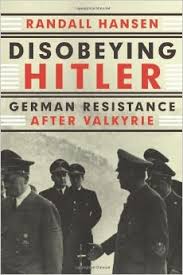
“Speer was one of the very few people in the Reich—-perhaps even the only one—with such power to influence actors’ willingness/unwillingness to destroy.”
Despite his later conviction for war crimes at Nuremberg, Speer never regretted his efforts to save Germany from total destruction at the hands of Adolf Hitler.
* * * * *
As the Third Reich came to its fiery end, Adolf Hitler blamed the German people for being “unworthy” of his “genius” and losing the war he had started.
His attitude was: “If I can’t rule Germany, then there won’t be a Germany.”
Fortunately for Germany, one man—Albert Speer—finally broke ranks with his Fuhrer.

Albert Speer
Risking death, he refused to carry out Hitler’s “scorched earth” order. Even more important, he successfully blocked such destruction and persuaded influential military and civilian leaders to disobey the order as well.
As a result, those targets slated for destruction were spared.
* * * * *
Fast forward 75 years: Facing the end of his Presidency, Donald Trump desperately sought to remain in power. Having “joked” about being “President-for-Life,” he now fought to make that a reality.
Unlike his 44 predecessors, he rejected the will of the voters and for almost three weeks denied his successor access to the resources he needed to launch a smooth transition.
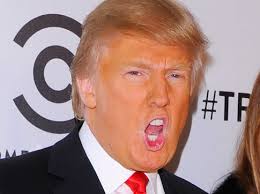
Donald Trump
Even worse: Instead of showing concern for the country he claimed to love, Trump sought to relentlessly destroy those institutions that guarantee American freedom and safety:
- The Pentagon
- The CIA
- The FBI
- The Cybersecurity and Infrastructure Security Agency
His attitude clearly was: “If I can’t rule America, there won’t be an America.”
Meanwhile, House and Senate Republicans embraced his most outrageous lies—or refused to openly refute them—as the COVID-19 pandemic slaughtered about 1,000 Americans a day.
Even Republicans who privately admitted the Trump era was ending realized that 70 million hate-filled Americans voted for him in 2020. And eagerly awaited the coming of the next would-be Fuhrer.
They would also eagerly vote out of office any Republican who dared break with the man they worshiped like a cult leader.
For Congressional Republicans, staying in office—and keeping their power and perks—was their top priority.
On November 25, 2019, CNN political correspondent Jake Tapper interviewed Representative Adam Schiff on Donald Trump’s upcoming impeachment trial for abuse of power and obstruction of Congress.
What would it mean if Republicans uniformly oppose any articles of impeachment against Trump? asked Tapper.
“It will have very long-term consequences, if that’s where we end up,” replied Schiff.
“And if not today, I think Republican members in the future, to their children and their grandchildren, will have to explain why they did nothing in the face of this deeply unethical man who did such damage to the country.”
In the end, only one of 53 Republican Senators—Mitt Romney—dared to vote for impeachment. And he became an instant pariah for it.
On March 18, 1945, Albert Speer, opposing Hitler’s plans to destroy Germany’s infrastructure, addressed a memo to his Fuhrer, in which he wrote: “No one has the right to take the viewpoint that the fate of the German people is tied to his personal fate.”
The country is still waiting for a Republican Albert Speer to step forward and save America from the self-destructive intentions of its own would-be Fuhrer.
2016 PRESIDENTIAL ELECTION, 2020 PRESIDENTIAL ELECTION, ABC NEWS, ADAM SCHIFF, ADOLF HITLER, AFGHANISTAN, ALBERT SPEER, ALTERNET, AMERICABLOG, ANTIFA, AP, BABY BOOMER RESISTANCE, BARACK OBAMA, BLOOMBERG, BUZZFEED, CBS NEWS, CHRIS CILLIZZA, CHRIS KREBS, CHRISTOPHER WRAY, CIA, CNN, CORONAVIRUS, COVID-19, CROOKS AND LIARS, CYBERSECURITY AND INFRASTRUCTURE SECURITY AGENCY, DAILY KOS, DAILY KOZ, DENMARK, DEPARTMENT OF HOMELAND SECURITY, DISOBEYING HITLER: GERMAN RESISTANCE AFTER VALKYRIE (BOOK), DONALD TRUMP, DONALDL TRUMP JR., DRUDGE REPORT, FASCISM, FBI, FIVETHIRTYEIGHT, FRANCE, HARPER’S MAGAZINE, HERMANN GORING, HILLARY CLINTON, HUFFINGTON POST, IMPEACHMENT, IRAQ, JAKE TAPPER, JAMES B. COMEY, JARED KUSHNER, JOE BIDEN, MAIL-IN BALLOTS, MARK ESPER, MEDIA MATTERS, MIKE PENCE, MITCH MCCONNELL, MOTHER JONES, MOVEON, MSNBC, NAZI GERMANY, NBC NEWS, NEWSWEEK, NORWAY, NPR, PAUL MANAFORT, PBS NEWSHOUR, PLANNED PARENTHOOD, POLAND, POLITICO, POLITICUSUSA, RANDALL HANSEN, RAW STORY, REPUBLICAN PARTY, REPUBLICANS, REUTERS, RUSSIA, SALON, SEATTLE TIMES, SLATE, SOVIET UNION, SS, STALINGRAD, TALKING POINTS MEMO, THE ATLANTIC, THE CHICAGO SUN-TIMES, THE CHICAGO TRIBUNE, THE DAILY BEAST, THE DAILY BLOG, THE GUARDIAN, THE HILL, THE HUFFINGTON POST, THE LOS ANGELES TIMES, THE NATION, THE NEW REPUBLIC, THE NEW YORK TIMES, THE PENTAGON, THE VILLAGE VOICE, THE WALL STREET JOURNAL, THE WASHINGTON POST, THINKPROGRESS, TIME, TRUMP TOWER MEETING, TRUTHDIG, TRUTHOUT, TWITTER, TWO POLITICAL JUNKIES, U.S. NEWS & WORLD REPORT, UPI, USA TODAY, VLADIMIR PUTIN, VOTER FRAUD, WEHRMACHT, WERNER VON BLOMBERG, WERNER VON FRITCH, WONKETTE, WORLD WAR 11
In Bureaucracy, History, Law, Law Enforcement, Military, Politics, Social commentary on June 1, 2023 at 12:32 am
President Donald Trump seemed poised to fire his handpicked CIA director.
He believed that Gina Haspel had stonewalled the release of documents supposedly exposing “deep state” plots against his 2016 campaign during the Obama administration.
[In fact, the Obama administration had acted entirely within the law during the 2016 Presidential campaign. The FBI has a legal mandate to keep track of subversive activities—especially when they involve members of a Presidential candidate’s campaign.
[On July 9, 2016, high-ranking representatives of the Trump campaign met at Trump Tower with at least two lobbyists with ties to Russian dictator Vladimir Putin.

Gina Haspel
[The participants included:
- Trump’s son, Donald Trump Jr.;
- His son-in-law, Jared Kushner;
- His then-campaign manager, Paul Manafort;
- Natalia Veselnitskaya, a Russian lawyer with ties to Putin; and
- Rinat Akhmetshin, a former Soviet counterintelligence officer suspected of “having ongoing ties to Russian Intelligence.”
[The reason for the meeting: To dig up “dirt” the Russians might have on Hillary Clinton, Trump’s opponent for the White House.]
Trump was also angry at FBI Director Christopher Wray—who replaced James B. Comey in May, 2017. Trump had fired Comey for daring to investigate ties between his 2016 campaign and Russian Intelligence agents.

Christopher Wray
The reason for his anger at Wray: Wray had dared to contradict Trump’s false claims that
- “Rampant voter fraud” was a widespread problem; and
- Antifa posed a greater terrorism danger than white supremacist groups.
During the 2016 Presidential race, Russian propaganda played a major role in convincing millions of Americans to vote for Donald Trump. Social media platforms—especially Facebook and Twitter—were flooded with genuinely fake news to sow discord among Americans and create a pathway for Trump’s election.
Russian President Vladimir Putin, a former KGB officer, had quickly assessed Trump as an egotistical narcissist. By appealing to Trump’s vanity, Putin expected to sharply reduce the military and political threat the United States represented to a resurgent Russia.
So notorious was the role played by Russian Intelligence in misleading American voters in 2016 that the Department of Homeland Security (DHS) was determined to prevent a repetition in 2020.
The man ultimately tasked with this mission was Chris Krebs, the director of the Cybersecurity and Infrastructure Security Agency run by DHS.
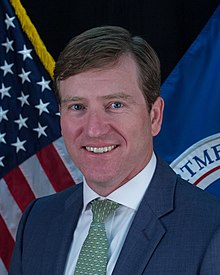
Chris Krebs
Krebs launched a massive effort to counter lies spread by Russians—and Americans—on social media platforms. Among his duties:
- Sharing Intelligence from agencies such as the CIA and National Security Agency with local officials about foreign efforts at election interference.
- Ensuring that domestic voting equipment was secure.
- Attacking domestic misinformation head-on.
As a result, Krebs was widely praised for revamping the department’s cybersecurity efforts and increasing coordination with state and local governments.
By all accounts—except Trump’s—the 2020 election went very smoothly.
On November 17, 2020, Trump fired Chris Krebs.
The reason: Krebs had not only countered Russian propaganda lies—he had dared to counter Trump’s as well. For example: He rejected Trump’s claims of widespread voter fraud: There “is no evidence that any voting system deleted or lost votes, changed votes, or was in any way compromised.”
Trump fired Krebs by tweet—and accompanied the outrage with yet another lie:
“The recent statement by Chris Krebs on the security of the 2020 election was highly inaccurate, in that there were massive improprieties and fraud, including dead people voting, poll watchers not allowed into polling locations, glitches in the voting machines which changed votes from Trump to Biden, late voting, and many more. Therefore, effective immediately, Chris Krebs has been terminated as director of the Cybersecurity and Infrastructure Security Agency.”
In a November 17 story on the CNN website, CNN reporters Kaitlan Collins and Paul LeBlanc bluntly concluded:
“[Krebs’] dismissal underscores the lengths Trump is willing to go to punish those who don’t adopt his conspiratorial view of the election.
“Since CNN and other outlets called the race for President-elect Joe Biden, Trump has refused to accept the results, instead pushing baseless conspiracies that his second term is being stolen.
“This includes falsely claiming during an election night address that he had already won reelection, that he had won states that were actually still up in the air at the time and that his opponents were perpetrating a fraud.”
* * * * *
Seventy-five years earlier, on March 19, 1945, facing certain defeat, Adolf Hitler ordered a massive “scorched-earth” campaign throughout Germany.
All German agriculture, industry, ships, communications, roads, food stuffs, mines, bridges, stores and utility plants were to be destroyed.
If implemented, it would deprive the entire German population of even the barest necessities after the war.
Opposing him—at first openly, and later secretly—was Albert Speer, his former architect and now Minister of Armaments.
Speer argued that there must be a future for the German people: “If our enemies wish to destroy us, why help them? We must leave the people something.”
But Hitler refused to back down: “I don’t want to hear any more.”
He gave Speer 24 hours to reconsider his opposition to the order.
Speer could not directly promise to carry out Hitler’s “scorched earth” order. So he gave Hitler a vague answer that essentially committed him to nothing: “My Fuhrer, I stand unconditionally behind you!”
2016 PRESIDENTIAL ELECTION, 2020 PRESIDENTIAL ELECTION, ABC NEWS, ADAM SCHIFF, ADOLF HITLER, AFGHANISTAN, ALBERT SPEER, ALTERNET, AMERICABLOG, ANTIFA, AP, BABY BOOMER RESISTANCE, BARACK OBAMA, BLOOMBERG, BUZZFEED, CBS NEWS, CHRIS CILLIZZA, CHRIS KREBS, CHRISTOPHER WRAY, CIA, CNN, CORONAVIRUS, COVID-19, CROOKS AND LIARS, CYBERSECURITY AND INFRASTRUCTURE SECURITY AGENCY, DAILY KOS, DAILY KOZ, DENMARK, DEPARTMENT OF HOMELAND SECURITY, DISOBEYING HITLER: GERMAN RESISTANCE AFTER VALKYRIE (BOOK), DONALD TRUMP, DONALDL TRUMP JR., DRUDGE REPORT, FASCISM, FBI, FIVETHIRTYEIGHT, FRANCE, HARPER’S MAGAZINE, HERMANN GORING, HILLARY CLINTON, HUFFINGTON POST, IMPEACHMENT, IRAQ, JAKE TAPPER, JAMES B. COMEY, JARED KUSHNER, JOE BIDEN, MAIL-IN BALLOTS, MARK ESPER, MEDIA MATTERS, MIKE PENCE, MITCH MCCONNELL, MOTHER JONES, MOVEON, MSNBC, NAZI GERMANY, NBC NEWS, NEWSWEEK, NORWAY, NPR, PAUL MANAFORT, PBS NEWSHOUR, PLANNED PARENTHOOD, POLAND, POLITICO, POLITICUSUSA, RANDALL HANSEN, RAW STORY, REPUBLICAN PARTY, REPUBLICANS, REUTERS, RUSSIA, SALON, SEATTLE TIMES, SLATE, SOVIET UNION, SS, STALINGRAD, TALKING POINTS MEMO, THE ATLANTIC, THE CHICAGO SUN-TIMES, THE CHICAGO TRIBUNE, THE DAILY BEAST, THE DAILY BLOG, THE GUARDIAN, THE HILL, THE HUFFINGTON POST, THE LOS ANGELES TIMES, THE NATION, THE NEW REPUBLIC, THE NEW YORK TIMES, THE PENTAGON, THE VILLAGE VOICE, THE WALL STREET JOURNAL, THE WASHINGTON POST, THINKPROGRESS, TIME, TRUMP TOWER MEETING, TRUTHDIG, TRUTHOUT, TWITTER, TWO POLITICAL JUNKIES, U.S. NEWS & WORLD REPORT, UPI, USA TODAY, VLADIMIR PUTIN, VOTER FRAUD, WEHRMACHT, WERNER VON BLOMBERG, WERNER VON FRITCH, WONKETTE, WORLD WAR 11
In Bureaucracy, History, Law, Law Enforcement, Military, Politics, Social commentary on May 31, 2023 at 12:25 am
On November 3, 2020, Joe Biden became President-elect of the United States by winning 79,658,000 votes, or 51% of the vote, compared to 73,886,400 votes, or 47.2% of the vote cast for President Donald Trump.
In the Electoral College—which actually determines the winner—the results were even more stunning: 306 votes for Biden, compared with 232 for Trump. It takes 270 votes to be declared the victor.
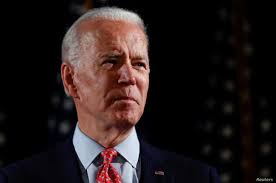
Joe Biden
Despite this, Trump steadfastly refused to concede. He made a series of baseless claims that he was cheated of victory by
- Illegal aliens being allowed to vote.
- A sinister computer program that turned Trump votes into Biden ones.
He repeatedly filed legal challenges to the vote, claiming himself the victim of massive fraud. This despite the utter lack of evidence of it.
On November 13, nine cases meant to attack President-elect Joe Biden’s win in key states were denied or dropped. A law firm challenging the vote count in Pennsylvania withdrew from the effort.
In Michigan, Trump’s attorneys dropped their federal suit to block the certification of Detroit-area ballots.
By November 21, Trump had lost in 30 cases dismissed by judges or withdrawn by his own attorneys.
Meanwhile, top Republicans—such as Vice President Mike Pence and Senate Majority Leader Mitch McConnell—refused to congratulate Biden as the winner.

Mitch McConnell
In a November 17, 2020 analysis, entitled “Donald Trump Doesn’t Seem to Want to Do His Job Anymore,” CNN Editor-at-Large Chris Cillizza wrote:
While Trump relentlessly asserted that he won the 2020 election, “he’s done next to nothing—at least publicly—to suggest he plans to continue doing the job in any serious manner through January 20.”
According to Cillizza, since losing the election, Trump had filled his days with:
- Golfing
- Tweeting
- Making controversial military decisions
- Firing people
Specifically:
Golfing: He played golf at his club in Virginia twice on the weekend of November 14-15. He was golfing the previous weekend, when Joe Biden was declared the winner of the 2020 race by CNN and other media outlets.
Tweeting: He tweeted numerous lies and conspiracy theories, claiming he won a second term but was cheated by the counting of fraudulent votes. This led Twitter to flag a large number of his tweets as “inaccurate.”
Making controversial military decisions: The Pentagon signaled it was planning—on Trump’s orders—to withdraw troops from Afghanistan and Iraq. [American forces had been warring with the Taliban in Afghanistan since 2001; they had been warring against Iraqi insurgents since 2003.]
And in a move that was truly frightening: The New York Times reported that Trump asked his top advisers for options to strike at Iran’s nuclear capabilities before he left office. This would embroil the United States in a war that could easily turn nuclear.
Firing people: On November 9, Trump fired Secretary of Defense Mark Esper. Four senior civilian officials were subsequently fired or resigned—Esper’s chief of staff and the top officials overseeing policy and intelligence.
They were replaced with flunkies loyal to Trump personally.
[This was in fact how Adolf Hitler took control of the Wehrmacht.
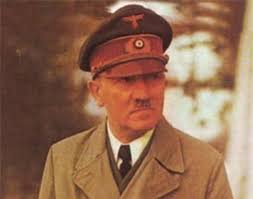
Adolf Hitler
[Since taking command of Germany in the summer of 1934, Hitler wanted to replace two high-ranking military officials: General Werner von Fritsch and Colonel General Werner von Blomberg. Both were convinced that Hitler’s increasingly aggressive foreign policy was putting Germany on a collision course with war—a war the Fatherland could not win.
[Hitler, in fact, meant to go to war—and despised Fritsch’s and Blomberg’s hesitation to do so. He decided to rid himself of both men.
[On January 12, 1938, Blomberg married Erna Gruhn, with Hitler and Reichsmarshall Hermann Goring attending as witnesses. Soon afterward, Berlin police discovered that Gruhn had a criminal record as a prostitute and had posed for pornographic photographs.
[Marrying a woman with such a background violated the standard of conduct expected of German officers. Hitler saw the scandal as an opportunity to dispose of Blomberg—who was forced to resign.
[Shortly after Blomberg was forced out in disgrace, the SS—Hitler’s private police force—presented Hitler with a file that falsely accused Werner von Fritsch of homosexuality. Fritsch angrily denied the accusation but resigned on February 4, 1938.
[From that point on, Hitler was in de facto command of the German Armed Services.]
Eighty-two years later, on November 3, 2020, President Donald Trump lost the 2020 Presidential election to former Vice President Joe Biden.
But Trump seemed determine to inflict as much damage as possible on the agencies responsible for protecting the security of the nation.
Besides wreaking havoc on the Pentagon, Trump was reportedly preparing to fire CIA Director Gina Haspel and FBI Director Christopher Wray.
Trump had accused Haspel of stonewalling the release of documents that would supposedly expose “deep state” plots against Trump’s campaign and transition during the Obama administration.
In fact, the Obama administration had acted entirely within the law during the 2016 Presidential campaign. The FBI has a legal mandate to keep track of subversive activities—especially when they involve members of a Presidential campaign such as Trumps.
And he was furious that Wray had dared to contradict Trump’s false claims that:
- “Rampant voter fraud” was a widespread problem; and
- Antifa posed a greater terrorism danger than white supremacist groups.
For Trump, contradiction was the same as treason.
2016 PRESIDENTIAL ELECTION, 2020 PRESIDENTIAL ELECTION, ABC NEWS, ADAM SCHIFF, ADOLF HITLER, AFGHANISTAN, ALBERT SPEER, ALTERNET, AMERICABLOG, ANTIFA, AP, BABY BOOMER RESISTANCE, BARACK OBAMA, BLOOMBERG, BUZZFEED, CBS NEWS, CHRIS CILLIZZA, CHRIS KREBS, CHRISTOPHER WRAY, CIA, CNN, CORONAVIRUS, COVID-19, CROOKS AND LIARS, CYBERSECURITY AND INFRASTRUCTURE SECURITY AGENCY, DAILY KOS, DAILY KOZ, DENMARK, DEPARTMENT OF HOMELAND SECURITY, DISOBEYING HITLER: GERMAN RESISTANCE AFTER VALKYRIE (BOOK), DONALD TRUMP, DONALDL TRUMP JR., DRUDGE REPORT, FASCISM, FBI, FIVETHIRTYEIGHT, FRANCE, HARPER’S MAGAZINE, HERMANN GORING, HILLARY CLINTON, HUFFINGTON POST, IMPEACHMENT, IRAQ, JAKE TAPPER, JAMES B. COMEY, JARED KUSHNER, JOE BIDEN, MAIL-IN BALLOTS, MARK ESPER, MEDIA MATTERS, MIKE PENCE, MITCH MCCONNELL, MOTHER JONES, MOVEON, MSNBC, NAZI GERMANY, NBC NEWS, NEWSWEEK, NORWAY, NPR, PAUL MANAFORT, PBS NEWSHOUR, PLANNED PARENTHOOD, POLAND, POLITICO, POLITICUSUSA, RANDALL HANSEN, RAW STORY, REPUBLICAN PARTY, REPUBLICANS, REUTERS, RUSSIA, SALON, SEATTLE TIMES, SLATE, SOVIET UNION, SS, STALINGRAD, TALKING POINTS MEMO, THE ATLANTIC, THE CHICAGO SUN-TIMES, THE CHICAGO TRIBUNE, THE DAILY BEAST, THE DAILY BLOG, THE GUARDIAN, THE HILL, THE HUFFINGTON POST, THE LOS ANGELES TIMES, THE NATION, THE NEW REPUBLIC, THE NEW YORK TIMES, THE PENTAGON, THE VILLAGE VOICE, THE WALL STREET JOURNAL, THE WASHINGTON POST, THINKPROGRESS, TIME, TRUMP TOWER MEETING, TRUTHDIG, TRUTHOUT, TWITTER, TWO POLITICAL JUNKIES, U.S. NEWS & WORLD REPORT, UPI, USA TODAY, VLADIMIR PUTIN, VOTER FRAUD, WEHRMACHT, WERNER VON BLOMBERG, WERNER VON FRITCH, WONKETTE, WORLD WAR 11
In Bureaucracy, History, Law, Law Enforcement, Military, Politics, Social commentary on May 30, 2023 at 12:10 am
Albert Speer, Minister of Armaments for the Third Reich, was appalled.
His Fuhrer, Adolf Hitler—the man he had idolized for 14 years—had just passed a death sentence on Germany, the nation he claimed to love above all others.
On September 1, 1939, Hitler had triggered World War II with the invasion of Poland. This led to a series of quick, spectacular victories—over Poland, Norway, Denmark and France.
Then, on June 22, 1941, Hitler turned on his ally, the Soviet Union, with which he had signed a non-aggression pact in August, 1939.
It had taken the Wehrmacht six weeks to conquer France. Hitler believed that was how long it would take to defeat the Soviet Union.

German soldiers invading the Soviet Union
Again, a series of spectacular battlefield victories followed—before the Wehrmacht was halted at the gates of Moscow. A year later, still enmeshed in Russia, the turning point came at Stalingrad, with the loss of the elite Sixth Army and 800,000 soldiers.
Starting in 1943, the Red Army slowly but steadily regained ground it had lost—the western half of Russia—and began pushing back the Germans. By March, 1945, it was fighting inside Germany—and heading straight for its capital: Berlin.
On March 19, 1945, facing certain defeat, Hitler ordered a massive “scorched-earth” campaign throughout Germany.
All German agriculture, industry, ships, communications, roads, food stuffs, mines, bridges, stores and utility plants were to be destroyed.
If implemented, it would deprive the entire German population of even the barest necessities after the war. And he entrusted the campaign to Albert Speer, his favorite architect-turned-Minister-of-Armaments.
Click here: Hitler’s “Scorched Earth” Decree and Albert Speer’s Response
Now living in a bunker 50 feet below bomb-shattered Berlin, Hitler gave full vent to his most destructive impulses.
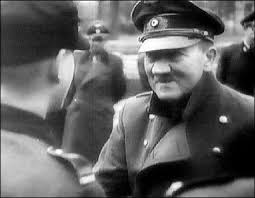
Adolf Hitler addressing boy soldiers as the Third Reich crumbles
“If the war is lost,” Hitler told Speer, “the nation will also perish. This fate is inevitable. There is no necessity to take into consideration the basis which the people will need to continue even a most primitive existence.
“On the contrary, it will be better to destroy these things ourselves, because this nation will have proved to be the weaker one and the future will belong solely to the stronger eastern nation.
“Besides, those who will remain after the battle are only the inferior ones, for the good ones have all been killed.”
Seventy-five years after Adolf Hitler planned the destruction of Germany, Donald Trump planned the same fate for the United States.
On November 3, 2020, Trump lost his bid to win another four years as President of the United States. In the early hours of November 4, 2020, he poured out his fury and self-pity in a televised address from the White House:
“Millions and millions of people voted for us tonight, and a very sad group of people is trying to disenfranchise that group of people and we won’t stand for it, we will not stand for it.”
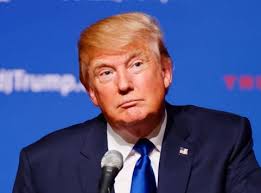
Donald Trump
For a man who had tried—often successfully—to deprive millions of their right to vote, Trump made it clear that he didn’t know what disenfranchisement means.
Sounding like a petulant child whose party has been called off, Trump continued:
“We were getting ready for a big celebration, we were winning everything and all of a sudden it was just called off. The results tonight have been phenomenal…I mean literally we were just all set to get outside and just celebrate something that was so beautiful, so good, such a vote, such a success.”
It was Trump—not his challenger, former Vice President Joe Biden—who was demanding that the electoral process be halted. And that those votes that had not yet been counted be, in effect, flushed down the toilet.
“The citizens of this country have come out in record numbers, this a record, there’s never been anything like it to support our incredible movement….Most importantly, we’re winning Pennsylvania by a tremendous amount of votes. We’re up 690,000 votes.”
Owing to the Coronavirus pandemic—which Trump had refused to aggressively address from its outset in January—millions of Americans had voted by mail. This was especially true of Democrats, who didn’t want to stand in Coronavirus-infected lines.
But Trump had convinced millions of Republican voters that voting by mail was subversive. So they showed up at the polls or stayed away out of a secret fear of COVID-19.
Meanwhile, at the White House on Election Night, Trump continued to rant:
“These aren’t even close, this is not like, Oh, it’s close. With 64% of the vote in, it’s going to be almost impossible and we’re coming into good Pennsylvania areas where they happen to like your president. We’re winning Michigan…I said ‘Wow, that’s a lot’…
“And we’re winning Wisconsin…so when you take those three states in particular and you take all of the others…and all of a sudden it’s not like we’re up 12 votes and we have 60% left, we won states and all of a sudden, I said, ‘What happened to the election? It’s off.’ And we have all these announcers saying, ‘What’s happened’ and then they said, ‘Ohhh.’”
But this did not alter the reality that Joe Biden became President-elect of the United States by winning 79,106,010 votes, or 51% of the vote.
2016 PRESIDENTIAL ELECTION, 2020 PRESIDENTIAL ELECTION, ABC NEWS, ALTERNET, AMERICABLOG, AP, BABY BOOMER RESISTANCE, BBC, BLOOMBERG NEWS, BUZZFEED, CAPITOL ATTACK, CBS NEWS, CNN, CROOKS AND LIARS, DACHAU, DAILY KOZ, DONALD TRUMP, ELAINE LURIA, ELECTORAL COLLEGE, FIVETHIRTYEIGHT, HARPER’S MAGAZINE, HUFFINGTON POST, JOSEPH BIDEN, MATT GAETZ, MEDIA MATTERS, MICHAEL T. FLYNN, MOTHER JONES, MOVEON, MSNBC, NAZI GERMANY, NBC NEWS, NEW REPUBLIC, NEWSDAY, NEWSWEEK, NPR, PBS NEWSHOUR, POLITICO, POLITICUSUSA, POPULAR VOTE, QANON, RAW STORY, REPUBLICANS, REUTERS, ROD SERLING, RUSSIA, SALON, SEATTLE TIMES, SERGEI KISLYAK, SLATE, TALKING POINTS MEMO, THE ATLANTIC, THE CHICAGO SUN-TIMES, THE CHICAGO TRIBUNE, THE DAILY BEAST, THE DAILY BLOG, THE GUARDIAN, THE HILL, THE HUFFINGTON POST, THE LOS ANGELES TIMES, THE NATION, THE NEW REPUBLIC, THE NEW YORK TIMES, THE NEW YORKER, THE PBS NEWSHOUR, THE VILLAGE VOICE, THE WASHINGTON POST, THINKPROGRESS, TIME, TREASON, TRUTHDIG, TRUTHOUT, TWILIGHT ZONE, TWITTER, TWO POLITICAL JUNKIES, U.S. NEWS & WORLD REPORT, UPI, USA TODAY, VOTER SUPPRESSION, WONKETTE
In Bureaucracy, History, Law, Politics, Social commentary on April 28, 2023 at 12:10 am
As Republican Senators in Washington, D.C., prepared to block the creation of a bipartisan investigation into the January 6 insurrection, another event was taking place.
In Dalton, Georgia, Representative Matt Gaetz (R – FL) gave an impassioned speech to a crowd. His topic: The Second Amendment.
“It’s not about hunting. It’s not about recreation. It’s not about sports. The Second Amendment is about maintaining within the citizenry the ability to maintain an armed rebellion against the government, if that becomes necessary. I hope it never does.”
In short: It’s about treason.
On the May 28, 2021 edition of The PBS Newshour, correspondent Lisa Desjardins explained:
“There, you heard—it’s about maintaining an armed insurrection. He said he doesn’t hope that it comes to pass. But this is different than traditional conservative thought about protecting liberty, individuals’ homes.
“This is an obvious statement about making government itself the enemy. I should note, of course, that Representative Gaetz is under federal investigation, over accusations involving prostitution and corruption that he denies.
“But we wanted to highlight this clip, because we—the crowd’s reaction, and Representative Gaetz pointedly talking about government as the potential enemy.”
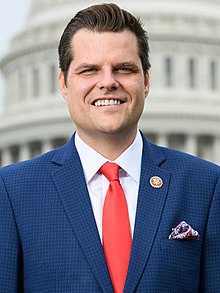
Matt Gaetz
Anyone who still doubts that the Right generally and the followers of Donald Trump in particular aren’t bent on establishing a dictatorship need only consider this.
On May 31, 2021, QAnon hosted a conference called the For God and Country Patriot Roundup in Dallas. The event was attended by conspiracy theorists and peddlers of Donald Trump’s lie that the 2020 Presidential election was “stolen” from him by massive vote fraud.
One of Its keynote speakers was retired Army General Michael T. Flynn. Flynn had been Trump’s first national security advisor—until he was forced to resign for lying about his past meetings with Russian ambassador Sergey Kislyak.
In December, 2016, Flynn had talked with Kislyak about removing the sanctions placed on Russia by the outgoing Obama administration. The sanctions had been placed in retaliation for Russia’s efforts to manipulate the 2016 Presidential election.

“I want to know why what happened in Myanmar can’t happen here?” a member of the audience, who identified himself as a Marine, asked Flynn.
“No reason, I mean, it should happen here. No reason. That’s right,” Flynn responded.
From his remarks, it was clear that Flynn supported a similar overthrow of the government of the United States.
Later, when this was made clear to him, Flynn denied it.
In a message posted to a Parler account, Flynn claimed that his words had been twisted: “Let me be VERY CLEAR – There is NO reason whatsoever for any coup in America, and I do not and have not at any time called for any action of that sort.”
But Flynn’s behavior in the closing weeks of the Trump administration confirm that he has advocated the use of military force to install—or maintain—a dictatorship.
After losing the 2020 Presidential election to former Vice President Joseph Biden, Trump was desperate to remain in office. Flynn was present at an Oval Office meeting where he suggested that Trump could invoke martial law to overturn the results.
It wasn’t clear whether Trump endorsed the idea, but others in the room forcefully shot it down.
“Flynn’s remarks border on sedition,” said Rep. Elaine Luria (D-VA), a retired Navy commander who vice-chairs the House Armed Services Committee, about Flynn’s comments at the QAnon conference.
“There’s certainly conduct unbecoming an officer. Those are both things that can be tried under the Uniform Code of Military Justice and I think that as a retiree of the military, it should certainly be a path that we consider to have consequences for these types of words.”

Elaine Luria
At the same event in Dallas, Flynn also claimed—falsely: “Trump won. He won the popular vote, and he won the Electoral College vote.”
As a matter of fact, Trump won neither.
Biden won 81,268,924 popular votes to Trump’s 74,216,154. And in the Electoral College, Biden won 306 votes to Trump’s 232.
* * * * *
History teaches us that republics that tolerate treason soon become former republics.
For Republicans, gaining—and retaining—absolute power has become their foremost reason for existence.
It isn’t enough for them to create voter suppression laws to prevent their opponents from voting. They now insist on the right to violently overthrow any Democrat who somehow manages to win the Presidency against them.
Rod Serling’s “Twilight Zone” episode, “Death’s Head Revisited,” reveals how Republicans react when confronted with overwhelming evidence of their evil.
In that episode, a former Nazi SS camp captain returns to the Dachau concentration camp to savor the torments he once inflicted on helpless men and women. To his horror, he’s greeted by the ghosts of those victims.
To one of them—Becker—he says: “That was such a long time ago. Let’s forget about all that—unpleasantness—and move on.”
Thus have Republicans reacted when confronted with overwhelming evidence that President Donald J. Trump, having lost the 2020 Presidential election, incited violence against the Government of the United States.
And just as most of the Original Nazis were forced to confront their past “unpleasantness”-–and were punished for it—today’s Republicans must face punishment for their own.
2016 PRESIDENTIAL ELECTION, 2020 PRESIDENTIAL ELECTION, 9/11 ATTACKS, ABC NEWS, ABRAHAM LINCOLN, ALTERNET, AMERICABLOG, AP, APPOMATTOX DEMOCRATS, ARNOLD SCHWARTZENEGGER, ASIANS, BABY BOOMER RESISTANCE, BARACK OBAMA, BBC, BLACKS, BLOOMBERG NEWS, BUZZFEED, CBS NEWS, CHARLES ROYSTER, CIVIL RIGHTS ACT OF 1964, CIVIL WAR, CNN, CONFEDERATE STATES OF AMERICA, COVID-19, CROOKS AND LIARS, DAILY KOZ, DAVID BROOKS, DELTA VARIANT, DONALD TRUMP, FACEBOOK, FIVETHIRTYEIGHT, FORT SUMTER, GEORGE W. BUSH, HARPER’S MAGAZINE, HILLARY CLINTON, HISPANICS, HUFFINGTON POST, JOHN OLIVER, JOHNSON & JOHNSON VACCINE, JONATHAN CAPEHART, KGB, LYNDON B. JOHNSON, MASKS, MEDIA MATTERS, MERYL STREEP, MODERNA VACCINE, MOTHER JONES, MOVEON, MSNBC, MUSLIMS, NBC NEWS, NEIL YOUNG, NEW REPUBLIC, NEWSDAY, NEWSWEEK, NPR, PBS NEWSHOUR, PHIZER VACCINE, POLITICO, POLITICUSUSA, PRISONERS OF WAR, RACISM, RAW STORY, RECONSTURCTION, REPUBLICANS, REUTERS, ROBERT E. LEE, RUSSIA, SALON, SEATTLE TIMES, SLATE, TALKING POINTS MEMO, THE ATLANTIC, THE CHICAGO SUN-TIMES, THE CHICAGO TRIBUNE, THE DAILY BEAST, THE DAILY BLOG, THE DESTRUCTIVE WAR (BOOK), THE DISABLES, THE GUARDIAN, THE HILL, THE HUFFINGTON POST, THE LOS ANGELES TIMES, THE NATION, THE NEW REPUBLIC, THE NEW YORK TIMES, THE NEW YORKER, THE SOUTH, THE VILLAGE VOICE, THE WASHINGTON POST, THINKPROGRESS, TIME, TREASON, TRUTHDIG, TRUTHOUT, TWITTER, TWO POLITICAL JUNKIES, U.S. NEWS & WORLD REPORT, ULYSSES S. GRANT, UPI, USA TODAY, VACCINATIONS, VLADIMIR PUTIN, WHITES, WOMEN, WONKETTE
In Bureaucracy, History, Medical, Politics, Social commentary, Uncategorized on April 27, 2023 at 12:10 am
Whites comprised the overwhelming majority of the audiences at Donald Trump’s 2016 Presidential campaign rallies. Not all were racists, but many of those who were advertised it on T-shirts: “MAKE AMERICA WHITE AGAIN.”
And the vast majority of the white votes Trump got were in the South.
The 2008 election of Barack Obama as the first black President had shocked whites. His 2012 re-election had deprived them of the hope that 2008 had been an accident.
Then came 2016—and the possibility that a black President might actually be followed by a woman: Former Secretary of State Hillary Clinton.
And for macho, largely uneducated, anti-black Southern males, the idea of a woman dictating to men was simply too much to bear.
The third map of Southern infamy: The election of Donald Trump
When Trump declared his candidacy:
- The country was essentially at peace.
- Thanks to government loans from President Obama, American capitalism had been saved from its own excesses during the George W. Bush administration.
- Employment was up.
- Unlike the administration of Ronald Reagan, there had been no corruption scandals during the Obama Presidency.
- Unlike the administration of George W. Bush, there not been any large-scale terrorist attacks on American soil—like 9/11.
Above all, the news was filled with reputable reports—later confirmed—that Trump’s campaign was backed by Russian oligarchs linked to Vladimir Putin, the former head of the KGB and now President of Russia.
In short: Southerners-–who had long portrayed themselves as America’s most dedicated patriots—flocked to the banner of a man who publicly called on “Russia” to interfere in an American Presidential election.

Red States voted for Donald Trump – 2016
BobWyatt07, CC BY-SA 4.0 <https://creativecommons.org/licenses/by-sa/4.0>, via Wikimedia Commons
The fourth map of Southern infamy: COVID-19
Donald Trump’s four-year Presidency produced a legacy of unprecedented racism, criminality, abuse of power and treason.
But the crime for which he will be longest-remembered—and which finally brought him down—was his unwillingness to protect Americans from the deadly COVID-19 pandemic.
The COVID-19 catastrophe slammed into the United States in January, 2020. It was the inevitable result of a natural disaster colliding with an evil and incompetent administration.
Trump’s “cures” for COVID-19 included denial, lies, Republican subservience, chaos, extortion, propaganda as news, quackery as medicine, demands to “re-open the country,” Ignoring the danger and—finally—resignation (“Learn to live with the virus”).
Early on, Trump made the virus a referendum on himself. If you supported him, you didn’t wear a mask in public. Even though, throughout 2020, no vaccine was available and hospitals were rapidly overwhelmed by debilitated and dying casualties of the virus.
“I think, once Donald Trump and other Republicans made it a manhood issue, or a freedom issue, or whatever kind of issue they made it, it’s hard to walk back that culture war signal,” said conservative New York Times columnist David Brooks on the PBS Newshour on July 23, 2021.
Washington Post Columnist Jonathan Capehart echoed him: “I think, if we had had a president of the United States who took this seriously when this first came on the scene, if we had a Republican party that took this seriously enough to warn everyone, their constituents saying, wash your hands, then put on a mask, then go get the vaccine, we wouldn’t be where we are right now.”
Jonathan Capehart
But neither Trump nor the Republican party urged Americans to “wash your hands, put on a mask, then go get the vaccine.”
By March, 2021, three vaccines—by Pfizer, Moderna and Johnson & Johnson—became available. A total of 90.4 million doses of these vaccines had been given. And 30.7 million Americans had been fully vaccinated against the virus.
But after a triumphant beginning, the pace of vaccinations slowed, then halted. By late July, 2021, only 49.6% of Americans had been fully vaccinated.

COVID-19 vaccination map – July 21, 2021
George Karabassis, CC BY 4.0 <https://creativecommons.org/licenses/by/4.0>, via Wikimedia Commons
Many of those who had gotten one shot of the Pfizer and Moderna vaccines refused to get the necessary second one. These must be given almost a month apart.
(The Johnson & Johnson vaccine requires only one shot.)
What had happened?
“The people I know personally who are not getting the vaccine, for them, it was like, ‘They rushed this thing,'” theorized David Brooks. “‘Who knows what’s going to happen to all these people who get the shots in 10 years or 20 years?’ So, why should I take the risk?’
“And that’s not completely crazy, but it’s not—it’s based on some sense of general distrust for the establishment, including the medical establishment. And that establishment—that distrust is the core of this thing.”
David Brooks
And leading the way to this catastrophe of self-destruction were the states of the South and Midwest: Mississippi (47.1%,), Alabama (50.5%), Arkansas (53.2%), and Tennessee (52.9%) with the lowest rates of residents who have gotten at least one shot.
By late July, 2021, three states—Florida, Texas and Missouri-–with lower vaccination rates accounted for 40 percent of all cases nationwide.
And colliding head-on with the refusals of millions to get vaccinated was the newer—and deadlier—Delta variant of COVID-19.
Just as the South unleashed the Civil War on America, it had ignited a new wave of COVID-19 on America.
2016 PRESIDENTIAL ELECTION, 2020 PRESIDENTIAL ELECTION, 9/11 ATTACKS, ABC NEWS, ABRAHAM LINCOLN, ALTERNET, AMERICABLOG, AP, APPOMATTOX DEMOCRATS, ARNOLD SCHWARTZENEGGER, ASIANS, BABY BOOMER RESISTANCE, BARACK OBAMA, BBC, BLACKS, BLOOMBERG NEWS, BUZZFEED, CBS NEWS, CHARLES ROYSTER, CIVIL RIGHTS ACT OF 1964, CIVIL WAR, CNN, CONFEDERATE STATES OF AMERICA, COVID-19, CROOKS AND LIARS, DAILY KOZ, DAVID BROOKS, DELTA VARIANT, DONALD TRUMP, FACEBOOK, FIVETHIRTYEIGHT, FORT SUMTER, GEORGE W. BUSH, HARPER’S MAGAZINE, HILLARY CLINTON, HISPANICS, HUFFINGTON POST, JOHN OLIVER, JOHNSON & JOHNSON VACCINE, JONATHAN CAPEHART, KGB, LYNDON B. JOHNSON, MASKS, MEDIA MATTERS, MERYL STREEP, MODERNA VACCINE, MOTHER JONES, MOVEON, MSNBC, MUSLIMS, NBC NEWS, NEIL YOUNG, NEW REPUBLIC, NEWSDAY, NEWSWEEK, NPR, PBS NEWSHOUR, PHIZER VACCINE, POLITICO, POLITICUSUSA, PRISONERS OF WAR, RACISM, RAW STORY, RECONSTURCTION, REPUBLICANS, REUTERS, ROBERT E. LEE, RUSSIA, SALON, SEATTLE TIMES, SLATE, TALKING POINTS MEMO, THE ATLANTIC, THE CHICAGO SUN-TIMES, THE CHICAGO TRIBUNE, THE DAILY BEAST, THE DAILY BLOG, THE DESTRUCTIVE WAR (BOOK), THE DISABLES, THE GUARDIAN, THE HILL, THE HUFFINGTON POST, THE LOS ANGELES TIMES, THE NATION, THE NEW REPUBLIC, THE NEW YORK TIMES, THE NEW YORKER, THE SOUTH, THE VILLAGE VOICE, THE WASHINGTON POST, THINKPROGRESS, TIME, TREASON, TRUTHDIG, TRUTHOUT, TWITTER, TWO POLITICAL JUNKIES, U.S. NEWS & WORLD REPORT, ULYSSES S. GRANT, UPI, USA TODAY, VACCINATIONS, VLADIMIR PUTIN, WHITES, WOMEN, WONKETTE
In Bureaucracy, History, Medical, Politics, Social commentary on April 26, 2023 at 12:10 am
Throughout its history the South has been a hotbed of treason, racism and ignorance.
Today, it proudly continues holding fast to these traditions—even as it places the entire country in danger of contagion and dictatorship.
From 1860 to 1865, the South—Texas, Arkansas, Louisiana, Tennessee, Mississippi, Alabama, Georgia, Florida, South Carolina, North Carolina and Virginia—produced the greatest case of mass treason in America’s history.
Southern infamy’s first map was called the Confederate States of America.
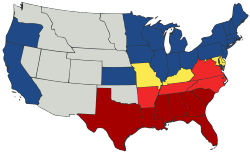
Union (blue) and Confederate (red) states: 1860 – 1865
Júlio Reis, CC BY-SA 3.0 <https://creativecommons.org/licenses/by-sa/3.0>, via Wikimedia Commons
According to The Destructive War, by Charles Royster, it wasn’t the cause of “states’ rights” that led 13 Southern states to withdraw from the Union in 1860-61. It was their demand for “respect,” which, in reality, translates into “e-g-o.”
“The respect Southerners demanded did not consist simply of the states’ sovereignty or of the equal rights of Northern and Southern citizens, including slaveholders’ right to take their chattels into Northern territory.
“It entailed, too, respect for their assertion of the moral superiority of slaveholding society over free society,” writes Royster.
It was not enough for Southerners to claim equal standing with Northerners; Northerners must acknowledge it. But this was something that the North was less and less willing to do.
Finally, its citizens dared to elect Abraham Lincoln in 1860.
Lincoln and his new Republican party damned slavery—and slaveholders—as morally evil, obsolete and ultimately doomed. And they were determined to prevent slavery from spreading any further throughout the country.
Southerners found all of this intolerable.
Lincoln—during his First Inaugural Address—bluntly said that he did not intend to “directly or indirectly…interfere with the institution of slavery in the States where it exists. I believe I have no lawful right to do so, and I have no inclination to do so.”
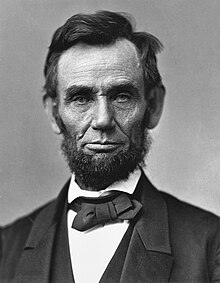
Abraham Lincoln
But that was not enough for Southerners.
Only 10% of Southerners owned slaves. The other 90% of the population “had no dog in this fight,” as Southerners liked to say.
Yet they so admired and aspired to be like their “gentleman betters” that they threw in their lot with them.
On April 12, 1861—just over a month since Lincoln’s inauguration on March 4—Southern batteries opened fire on Union Fort Sumter in Charleston Harbor, South Carolina.
This ignited the American Civil War, costing the lives of 750,000 Americans—at a time when the population of the United States stood at 31,443,321.
Four years later, Confederate General Robert E. Lee surrendered the Army of Northern Virginia to Union General Ulysses S. Grant at Appomattox Courthouse.
Huge sections of the South had been laid waste by Union troops and more than 258,000 Southerners had been killed.
And slavery, the mainstay of Southern plantation life, had been ended forever.
The South had paid a high price for its investment in treason.
Southern infamy’s second map dates from 1964 to 2016.
In 1964, Democratic President Lyndon B. Johnson pushed the Civil Rights Act through Congress, ending more than a century of blatant discrimination against blacks.
The South—which before the Civil War had been solidly Democratic—suddenly went solidly Republican.
To understand this mammoth shift, it’s vital to realize: In Lincoln’s time, the Republicans were the party of progressives.
The party was founded on an anti-slavery platform. Its members were thus reviled as “Black Republicans.” And until the 1960s, the South was solidly Democratic.
Democrats were the ones defending the status quo—slavery—and opposing the rights of freed blacks in the South of Reconstruction and long afterward.
When, in the early 1960s, Democrats championed the rights of blacks, Southerners bolted for the Republican party—which held to the same values that slavery/discrimination-supporting Democrats once did.
After signing the Civil Rights Act of 1964 into law, President Lyndon B. Johnson told an aide: “We have just lost the South for a generation.”
Johnson was wrong: A generation lasts 20 to 30 years. It’s been almost 59 years since the signing of the Act, and the South is still solidly within the Republican camp.
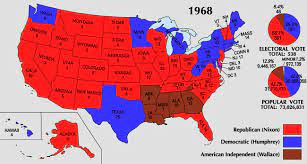
1968 election
The South’s third map of infamy culminated with the election of Donald Trump as President in 2016.
Repeatedly, when asked why they supported Trump, his followers said: “He says what I’ve been thinking!”
And what Trump appealed to, above all else, was hatred.
From June 15, 2015, when he launched his Presidential campaign, until October 24, 2016, Trump fired almost 4,000 angry, insulting tweets at 281 people and institutions that had somehow offended him.
Donald Trump
The New York Times needed two full pages of its print edition to showcase them.
Among his targets:
- Democratic Presidential Nominee Hillary Clinton
- President Barack Obama
- Actress Meryl Streep
- Singer Neil Young
- Actor Arnold Schwarzenegger
- Comedian John Oliver
- News organizations
- The State of New Jersey
- Beauty pageant contestants
Others he clearly delighted in insulting during the campaign included:
- Women
- Blacks
- Hispanics
- Asians
- Muslims
- The disabled
- Prisoners-of-war
Whites comprised the overwhelming majority of the audiences at Trump rallies. Not all were racists, but many of those who were advertised it on T-shirts: “MAKE AMERICA WHITE AGAIN.”
And the vast majority of the white votes Trump got were in the South.


 Bureaucracybuster's Blog
2016 PRESIDENTIAL ELECTION, ABC NEWS, ALTERNET, AMERICABLOG, AP, BABY BOOMER RESISTANCE, BARACK OBAMA, BBC, BENEDICT ARNOLD, BLOOMBERG NEWS, BUZZFEED, CBS NEWS, CHRISTOPHER LASCH, CNN, CORPORATE TAXES, CORRUPTION, CROOKS AND LIARS, DAILY KOZ, EDUARDO SAVEREN, FIVETHIRTYEIGHT, FORBES MAGAZINE, GROVER NORQUIST, HARPER’S MAGAZINE, HUFFINGTON POST, MEDIA MATTERS, MOTHER JONES, MOVEON, MSNBC, NBC NEWS, NEW REPUBLIC, NEWSDAY, NEWSWEEK, NICCOLO MACHIAVELLI, NPR, PBS NEWSHOUR, POLITICO, POLITICUSUSA, PUBLIC CAMPAIGN, RAW STORY, REPUBLICAN PARTY, REUTERS, RICHARD M. NIXON, RUSH LIMBAUGH, SALON, SEATTLE TIMES, SENATOR CHARLES SCHUMER, SLATE, STEPHEN DECATUR, TALKING POINTS MEMO, TAX AVOIDANCE, THE ATLANTIC, THE CHICAGO SUN-TIMES, THE CHICAGO TRIBUNE, THE DAILY BEAST, THE DAILY BLOG, THE DISCOURSES, THE GUARDIAN, THE HILL, THE HUFFINGTON POST, THE INTERCEPT, THE LOS ANGELES TIMES, THE NATION, THE NEW REPUBLIC, THE NEW YORK TIMES, THE NEW YORKER, THE VILLAGE VOICE, THE WALL STREET JOURNAL, THE WASHINGTON POST, THINKPROGRESS, TIME, TREASON, TRUTHDIG, TRUTHOUT, TWO POLITICAL JUNKIES, U.S. NEWS & WORLD REPORT, UPI, USA TODAY, WALL STREET, WEALTH GAP, WONKETTE, X
RIGHT-WING AMERICA: MY WALLET–FIRST AND ALWAYS: PART THREE (OF FOUR)
In Bureaucracy, History, Law, Politics, Social commentary on June 12, 2023 at 12:18 amThe British offered Revolutionary War General Benedict Arnold £20,000 for betraying West Point to the Crown.
Benedict Arnold
But Arnold was a piker compared to companies that are raking in literally billions of untaxed dollars by betraying the United States in its time of economic trial.
To avoid paying their legitimate share of taxes, they move their headquarters overseas to countries with reduced tax rates. In tax parlance, this is called an “inversion.”
For almost 20 years, tax-avoiding corporations fled to Caribbean countries such as Bermuda and the Cayman Islands. But in 2004, Congress ruled that American companies could relocate overseas if foreign shareholders owned 20% of their stock.
According to statistics compiled by the Congressional Research Service (CRS) in 2014:
“Forty-seven U.S. corporations have reincorporated overseas through corporate inversions in the last 10 years, far more than during the previous 20 years combined.
“In total, 75 U.S. corporations have inverted since 1994 – with one other inversion occurring in 1983. What’s more, there are a dozen prospective inversion deals involving U.S. corporations looking to reincorporate overseas, according to CRS
“The new data underscores the significant increase in the number of U.S. corporations that have or are seeking to lower their U.S. taxes by reincorporating overseas.
“It also adds urgency to a legislative solution. Ways and Means Committee Ranking Member Sander Levin in May introduced legislation that would tighten rules to limit inversions.
“The Joint Committee on Taxation estimates that the legislation would save $19.5 billion over 10 years. Companion legislation was introduced in the Senate by Sen. Carl Levin.
“‘Barely a week seems to pass without news that another corporation plans to move its address overseas simply to avoid paying its fair share of U.S. taxes,’” said Ranking Member Levin.
“These corporate inversions are costing the U.S. billions of dollars and undermining vital domestic interests.
“‘We can and should address this problem immediately through legislation to tighten rules to limit the ability of corporations to simply change their address and ship U.S. tax dollars overseas.’”
Among those companies that have chosen to betray their country in its time of economic need:
SOURCE: Source: Ways and Means Committee Democrats. GRAPHIC: Danielle Douglas – The Washington Post. Published Aug. 6, 2014.
The most popular countries for these “inversions” are:
Share this: