Archive for the ‘Law Enforcement’ Category
ABC NEWS, ADOLF HITLER, ALTERNET, AMERICABLOG, AP, ASSASSINATION, BABY BOOMER RESISTANCE, BBC, BLOOMBERG NEWS, BUZZFEED, CBS NEWS, CNN, CONSPIRACIES, CROOKS AND LIARS, DAILY KOS, DAY OF THE JACKAL, DONALD TRUMP, FIVETHIRTYEIGHT, FREDERICK FORSYTHE, GAIUS CASSIUS, HARPER’S MAGAZINE, HUFFINGTON POST, JULIUS CAESAR, MAR-A-LAGO, MARCUS BRUTUS, MARK ANTHONY, MEDIA MATTERS, MOTHER JONES, MOVEON, MSNBC, NBC NEWS, NEW REPUBLIC, NEWSDAY, NEWSWEEK, NICCOLO MACHIAVELLI, NPR, PBS NEWSHOUR, PLOTS, POLITICO, POLITICUSUSA, RAW STORY, REUTERS, SALON, SEATTLE TIMES, Secret Service, SLATE, TALKING POINTS MEMO, THE ATLANTIC, THE CHICAGO SUN-TIMES, THE CHICAGO TRIBUNE, THE DAILY BEAST, THE DAILY BLOG, THE DISCOURSES, THE GUARDIAN, THE HILL, THE HUFFINGTON POST, THE INTERCEPT, THE LOS ANGELES TIMES, THE NATION, THE NEW REPUBLIC, THE NEW YORK TIMES, THE NEW YORKER, THE VILLAGE VOICE, THE WALL STREET JOURNAL, THE WASHINGTON POST, THINKPROGRESS, TIME, TRUTHDIG, TRUTHOUT, TWITTER, U.S. NEWS & WORLD REPORT, UPI, USA TODAY, WHITE HOUSE STAFFER
In Bureaucracy, History, Law, Law Enforcement, Military, Politics, Social commentary on September 23, 2022 at 12:22 am
Niccolo Machiavelli, the father of modern political science, wrote that there are three periods of danger in a conspiracy:
- Dangers in organizing the plot
- Dangers in executing the conspiracy
- Dangers following the execution of the plot.
The first two were covered in Part Two of this series. Now, as to the third:
Dangers following the Execution of the Conspiracy: There is really but one—someone is left who will avenge the murdered prince. These can be brothers, sons or other relatives, who have been spared by negligence or for other reasons.
But of all the perils that follow the execution of a conspiracy, the most certain and fearful is the attachment of the people to the murdered prince. There is no remedy against this, for the conspirators can never secure themselves against a whole people.
An example of this occurred in the case of Julius Caesar, who, being beloved by the people, was avenged by them.

Julius Caesar
Machiavelli closes his chapter “Of Conspiracies” with advice to rulers on how they should act when they find a conspiracy has been formed against them.
If they discover that a conspiracy exists against them, they must, before punishing its authors, strive to learn its nature and extent. And they must measure the danger posed by the conspirators against their own strength.
And if they find it powerful and alarming, they must not expose it until they have amassed sufficient force to crush it. Otherwise, they will only speed their own destruction.
The foregoing was taken from Machiavelli’s masterwork, The Discourses on Livy, which was published posthumously in 1531. But elsewhere in this volume, he notes how important it is for rulers to make themselves loved–or at least respected—by their fellow citizens:


Niccolo Machiavelli
Note how much more praise those Emperors merited who, after Rome became an empire, conformed to her laws like good princes, than those who took the opposite course.
Titus, Nerva, Trajan, Hadrian, Antoninus and Marcus Auelius did not require the Praetorians nor the multitudinous legions to defend them, because they were protected by their own good conduct, the good will of the people, and by the love of the Senate.
On the other hand, neither the Eastern nor the Western armies saved Caligula, Nero, Vitellius and so many other wicked Emperors from the enemies which their bad conduct and evil lives had raised up against them.
In his better-known work, The Prince, he warns rulers who—like Donald Trump—are inclined to rule by fear:
A prince should make himself feared in such a way that if he does not gain love, he at any rate avoids hatred: for fear and the absence of hatred may well go together.
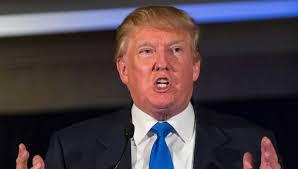
Donald Trump
Most Presidents try to seem friendly and caring toward their fellow Americans.
This held true even for Richard M. Nixon, when, on May 9, 1970, he made an impromptu visit to the Lincoln Memorial and engaged in a rambling dialogue with Vietnam war protesters.
As both a Presidential candidate and President, Trump repeatedly used Twitter to attack hundreds of real and imagined enemies in politics, journalism, TV and films.
Among his infuriating acts as President, he
- Allowed a deadly virus to ravage the country, killing 400,000 Americans by the end of his term.
- Attacked medical experts and governors who urged Americans to wear masks and socially distance to protect themselves from COVID-19.
- Attacked the integrity of the FBI and CIA for determining that Russia interfered in the 2016 Presidential election on his behalf.
- Attacked and alienated America’s oldest allies, such as Canada and Great Britain.
- Shut down the United States Government, imperiling the lives of 800,000 Federal employees, to extort money from Congress for a worthless wall on the U.S.-Mexico border.
- Attacked the free press as “the enemy of the people.”
Even as an ex-President, he poses a mortal threat to American democracy. On September 1, President Joe Biden outlined those dangers:
“The Republican Party today is dominated, driven, and intimidated by Donald Trump and the MAGA Republicans, and that is a threat to this country.
“MAGA Republicans do not respect the Constitution. They do not believe in the rule of law. They do not recognize the will of the people.
“They refuse to accept the results of a free election. And they’re working right now, as I speak, in state after state to give power to decide elections in America to partisans and cronies, empowering election deniers to undermine democracy itself.
“MAGA forces are determined to take this country backwards—backwards to an America where there is no right to choose, no right to privacy, no right to contraception, no right to marry who you love.
“They promote authoritarian leaders, and they fan the flames of political violence that are a threat to our personal rights, to the pursuit of justice, to the rule of law, to the very soul of this country.”
By Machiavelli’s standards, Trump has made himself the perfect target for a conspiracy: “When a prince becomes universally hated, it is likely that he’s harmed some individuals—who thus seek revenge. This desire is increased by seeing that the prince is widely loathed.”
ABC NEWS, ADOLF HITLER, ALTERNET, AMERICABLOG, AP, ASSASSINATION, BABY BOOMER RESISTANCE, BBC, BLOOMBERG NEWS, BUZZFEED, CBS NEWS, CNN, CONSPIRACIES, CROOKS AND LIARS, DAILY KOS, DAY OF THE JACKAL, DONALD TRUMP, FIVETHIRTYEIGHT, FREDERICK FORSYTHE, GAIUS CASSIUS, HARPER’S MAGAZINE, HUFFINGTON POST, JULIUS CAESAR, MAR-A-LAGO, MARCUS BRUTUS, MARK ANTHONY, MEDIA MATTERS, MOTHER JONES, MOVEON, MSNBC, NBC NEWS, NEW REPUBLIC, NEWSDAY, NEWSWEEK, NICCOLO MACHIAVELLI, NPR, PBS NEWSHOUR, PLOTS, POLITICO, POLITICUSUSA, RAW STORY, REUTERS, SALON, SEATTLE TIMES, Secret Service, SLATE, TALKING POINTS MEMO, THE ATLANTIC, THE CHICAGO SUN-TIMES, THE CHICAGO TRIBUNE, THE DAILY BEAST, THE DAILY BLOG, THE DISCOURSES, THE GUARDIAN, THE HILL, THE HUFFINGTON POST, THE INTERCEPT, THE LOS ANGELES TIMES, THE NATION, THE NEW REPUBLIC, THE NEW YORK TIMES, THE NEW YORKER, THE VILLAGE VOICE, THE WALL STREET JOURNAL, THE WASHINGTON POST, THINKPROGRESS, TIME, TRUTHDIG, TRUTHOUT, TWITTER, U.S. NEWS & WORLD REPORT, UPI, USA TODAY, WHITE HOUSE STAFFER
In Bureaucracy, History, Law, Law Enforcement, Military, Politics, Social commentary on September 22, 2022 at 12:10 am
More than 500 years ago, Niccolo Machiavelli, the Florentine statesman, authored The Discourses on Livy, a work of political history and philosophy. In it, he outlined how citizens of a republic can maintain their freedoms.
One of the longest chapters—Book Three, Chapter Six—covers “Of Conspiracies.” In it, those who wish to conspire against a ruler will find highly useful advice.
And so will those who wish to foil such a conspiracy.
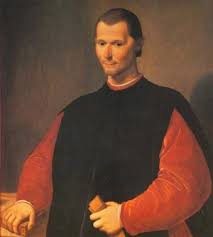

Niccolo Machiavelli
Writes Machiavelli:
For conspirators, there are three ways their efforts can be foiled:
- Discovery through denunciation;
- Discovery through incautiousness;
- Discovery through writings.
Discovery through Denunciation: This occurs through treachery or lack of prudence among one or more conspirators.
Treachery is so common that you can safely tell your plans to only your most trusted friends who are willing to risk their lives for your sake. You may find that you have only one or two of these.
But as you are bring more people into the conspiracy, the chances of discovery greatly increase. It’s impossible to find many who can be completely trusted: For their devotion to you must be greater than their sense of danger and fear of punishment.
Discovery through Carelessness: This happens when one of the conspirators speaks incautiously, so that a third person overhears it Or it may occur from thoughtlessness, when a conspirator tells the secret to his wife or child, or to some other indiscreet person.
When a conspiracy has more than three or four members, its discovery is almost certain, either through treason, imprudence or carelessness.
If more than one conspirator is arrested, the whole plot is discovered, for it will be impossible for any two to agree perfectly as to all their statements.
If only one is arrested, he may—through courage and stubbornness—be able to conceal the names of his accomplices. But then the others, to remain safe, must not panic and flee, since this is certain to be discovered.
If one of them becomes fearful—whether it’s the one who was arrested or is still at liberty—discovery of the conspiracy is certain.
The best way to avoid such detection is to confide your project to your intended fellow conspirators at the moment of execution–and not sooner.
A classic example of this occurred in ancient Persia: A group of nobles assembled to discuss overthrowing a usurper to the throne. The last one to arrive was Darius.
When one of the conspirators asked, “When should we strike?” Darius replied: “We must either go now at this very moment and carry it into execution, or I shall go and denounce you all. For I will not give any of you time to denounce me.”
At that, they went directly to the palace, assassinated the usurper and proclaimed Darius their new king.

Discovery through Writings: You may talk freely with anyone man about everything, for unless you have committed yourself in writing, the “Yes” of one man is worth as much as the “No” of another.
Thus, you should guard most carefully against writing, as against a dangerous rock, for nothing will convict you quicker than your own handwriting.
You may escape, then, from the accusation of a single individual, unless you are convicted by some writing or other pledge, which you should be careful never to give.
If you are denounced, there are means of escaping punishment:
- By denying the accusation and claiming that the person making it hates you; or
- Claiming that your accuser was tortured or coerced into giving false testimony against you.
But the most prudent course is to not tell your intentions to anyone, and to carry out the attempt yourself.
Even if you’re not discovered before you carry out your attack, there are still two dangers facing a conspirator:
Dangers in Execution: These result from:
- An unexpected change in the routine of the intended target;
- The lack of courage among the conspirators; or
- An error on their part, such as leaving some of those alive whom the conspirators intended to kill.
Adolf Hitler, who claimed to have a sixth-sense for danger, was famous for changing his routine at the last minute.

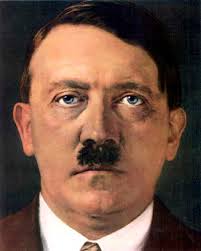
Adolf Hitler
On November 9, 1939, this instinct saved his life. He had been scheduled to give a long speech at a Munich beer hall before the “Old Fighters” of his storm troopers.
But that evening he cut short his speech and left the beer hall. Forty-five minutes later, a bomb exploded inside a pillar—before which Hitler had been speaking.
Conspirators can also be doomed by their good intentions.
In 44 B.C., Gaius Cassius, Marcus Brutus and other Roman senators decided to assassinate Julius Caesar, whose dictatorial ambitions they feared.
Cassius also intended to murder Mark Anthony, Caesar’s strongest ally. But Brutus objected, fearing the plotters would look like butchers, not saviors. Even worse, he allowed Anthony to deliver a eulogy at Caesar’s funeral.
This proved so inflammatory that the mourners rioted, driving the conspirators out of Rome. Soon afterward, they were defeated in a battle with the legions of Anthony and Octavian Caesar–and forced to commit suicide to avoid capture and execution.
ABC NEWS, ADOLF HITLER, ALTERNET, AMERICABLOG, AP, ASSASSINATION, BABY BOOMER RESISTANCE, BBC, BLOOMBERG NEWS, BUZZFEED, CBS NEWS, CNN, CONSPIRACIES, CROOKS AND LIARS, DAILY KOS, DAY OF THE JACKAL, DONALD TRUMP, FIVETHIRTYEIGHT, FREDERICK FORSYTHE, GAIUS CASSIUS, HARPER’S MAGAZINE, HUFFINGTON POST, JULIUS CAESAR, MAR-A-LAGO, MARCUS BRUTUS, MARK ANTHONY, MEDIA MATTERS, MOTHER JONES, MOVEON, MSNBC, NBC NEWS, NEW REPUBLIC, NEWSDAY, NEWSWEEK, NICCOLO MACHIAVELLI, NPR, PBS NEWSHOUR, PLOTS, POLITICO, POLITICUSUSA, RAW STORY, REUTERS, SALON, SEATTLE TIMES, Secret Service, SLATE, TALKING POINTS MEMO, THE ATLANTIC, THE CHICAGO SUN-TIMES, THE CHICAGO TRIBUNE, THE DAILY BEAST, THE DAILY BLOG, THE DISCOURSES, THE GUARDIAN, THE HILL, THE HUFFINGTON POST, THE INTERCEPT, THE LOS ANGELES TIMES, THE NATION, THE NEW REPUBLIC, THE NEW YORK TIMES, THE NEW YORKER, THE VILLAGE VOICE, THE WALL STREET JOURNAL, THE WASHINGTON POST, THINKPROGRESS, TIME, TRUTHDIG, TRUTHOUT, TWITTER, U.S. NEWS & WORLD REPORT, UPI, USA TODAY, WHITE HOUSE STAFFER
In Bureaucracy, History, Law, Law Enforcement, Military, Politics, Social commentary on September 21, 2022 at 12:13 am
In the 1973 movie, “The Day of the Jackal,” a methodical assassin devises an ingenious plan to kill French President Charles de Gaulle.
Despite the best efforts of French security forces to entrap him, he eludes them time and again—and comes within an ace of assassinating de Gaulle.

“The Day of the Jackal” is fiction, based on a 1971 novel by Frederick Forsythe. In real life, most would-be political assassins lack the skills and sophistication of Forsythe’s anti-hero.
Take the case of the man who, on March 18, 2017, jumped over a bicycle rack outside the security perimeter of the White House. Within two minutes, agents of the U.S. Secret Service had tackled and arrested him.
Then, hours later, a motorist drove up to a White House checkpoint and claimed to have a bomb. Secret Service agents immediately arrested him and seized the stolen 2017 Chevrolet Impala. After a careful search, no explosives were found.
Even if they had been armed, President Donald J. Trump would not have faced any danger.
For the fifth time since taking office on January 20, 2017, he was in Florida, vacationing at his Mar-a-Lago resort.
That does not mean, of course, that future assassins will prove so inept.
More than 500 years ago, Niccolo Machiavelli, the father of modern political science, offered sound advice for would-be conspirators—and for rulers seeking to thwart conspiracies.
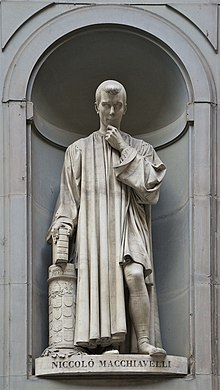
Niccolo Machiavellil
Lorenzo Bartolini, CC0, via Wikimedia Commons
Niccolo Machiavelli: When a prince becomes universally hated, it is likely that he’s harmed some individuals—who thus seek revenge. This desire is increased by seeing the prince is widely loathed.
A prince, then, should avoid incurring such universal hatred….
By doing this, he protects himself from such vengeance-seekers. There are two reasons for this:
(1) Men rarely risk danger to avenge a wrong; and
(2) Even if they want to avenge a wrong, they know they will face almost universal condemnation because the prince is held in such high esteem.
So much for Machiavelli.
Now consider some of the tweets of “White House Staffer,” a self-proclaimed member of the Trump administration who claims 133,000 Twitter followers.
Beginning January 27, he blasted a series of short, information-crammed tweets about daily life in the Executive Mansion.
[NOTE: Although I can’t confirm the legitimacy of his status or his tweets, I believe they are real. They contain too many small, intimate secrets of life in a paranoia-laced White House to not be genuine.]
White House Staffer: March 16: Sean Hannity was asked to be Press Secretary last week. He turned it down because he didn’t want to take the pay cut. [Sean] Spicer survives.
March 13: POTUS [President of the United States] is thinking about suspending daily press briefings until the media “learn to be nice.” [Steve] Bannon [a top Trump adviser] is pushing for it.
March 1: Well the good times didn’t last long here. POTUS is back to flipping out on us.

Donald Trump
Niccolo Machiavelli: He who is threatened, and decides to avenge himself on the prince, becomes a truly dangerous man.
Anger is most likely aroused by injury to a a man’s property or honor. A prince should carefully avoid injuring either, for such a victim will always desire vengeance.
White House Staffer: February 27: [Steve] Bannon is the scariest person here. He’s broken so much White House stuff by throwing it in anger. Plates, phones, chairs, etc.
February 27: It’s one thing to swear but [Steve] Bannon does it in front of the women here. C**t this, c**t that. He can’t finish a sentence without it.
February 25: The President keeps saying we’re a finely tuned machine. If that’s true why has he been fricking screaming at us all week? He’s losing it.
Machiavelli draws a distinction between plots and conspiracies. A plot may be formed by a single individual or by many. The first isn’t a conspiracy, since that would involve at least two participants.
A single plotter avoids the danger faced by two or more conspirators: Since no one knows his intention, he can’t be betrayed by an accomplice.
Anyone may form a plot, whether he is prominent or insignificant, because everyone is at some time allowed to speak to the prince. And he can use this opportunity to satisfy his desire for revenge.
On the other hand, says Machiavelli, the dangers of assassination by a trusted intimate are slight: Few people dare to assault a prince. Of those who do, few or none escapes being killed in the attempt, or immediately afterward. As a result, only a small number of people are willing to incur such certain death.
Those who take part in a conspiracy against a ruler are “the great men of the state, or those on terms of familiar intercourse with the prince.”
These are men who have access to him. Julius Caesar, for example, was stabbed to death by members of the Roman Senate, who feared his assuming dictatorial powers.
And Adolf Hitler was conspired against by colonels and generals of the German Army. He was in fact holding a war conference when a briefcase bomb exploded, killing three officers and a stenographer, but leaving Hitler only slightly injured.
ABC NEWS, ALCOHOLISM, ALTERNET, AMERICABLOG, AP, BABY BOOMER RESISTANCE, BERNADINE DOHRN, BILL AYERS, BUMS, BUZZFEED, CBS NEWS, CHESA BOUDIN, CNN, CRIME, CROOKS AND LIARS, CVS, CVS PHARMACY, DAILY KOZ, DRUG ADDICTION, FACEBOOK, FIVETHIRTYEIGHT, HARPER’S MAGAZINE, HEAPTITUS C, HEPATITIS B, HILLARY RONEN, HIV, HOMELESSNESS, HUMAN FECES, INFECTIOUS DISEASES, LONDON BREED, MEDIA MATTERS, MENTAL ILLNESS, MOHAMMED NURU, MOTHER JONES, MOVEON, MSNBC, NAVIGATION CENTERS, NBC NEWS, NEWSWEEK, NPR, ORACLE, PBS NEWSHOUR, POLITICO, POLITICUSUSA, PUBLIC HEALTH, RAW STORY, REUTERS, SALON, SAN FRANCISCO, SAN FRANCISCO BOARD OF SUPERVISORS, SAN FRANCISCO DISTRICT ATTORNEY'S OFFICE, SAN FRANCISCO MAYOR'S OFFICE, SAN FRANCISCO POLICE DEPARTMENT, SAN FRANCISCO PUBLIC WORKS DEPARTMENT, SAN FRANCISCO TRAVEL ASSOCIATION, SEATTLE TIMES, SLATE, TALKING POINTS MEMO, THE ATLANTIC, THE CHICAGO SUN-TIMES, THE CHICAGO TRIBUNE, THE DAILY BEAST, THE DAILY BLOG, THE GUARDIAN, THE HILL, THE HUFFINGTON POST, THE LOS ANGELES TIMES, THE NATION, THE NEW REPUBLIC, THE NEW YORK TIMES, THE VILLAGE VOICE, THE WASHINGTON POST, THINKPROGRESS, TIME, TOURISM, TRUTHDIG, TRUTHOUT, TWITTER, U.S. NEWS & WORLD REPORT, UPI, USA TODAY, WALGREENS, WALGREENS DRUG STORES, WEATHER UNDERGROUND
In Bureaucracy, History, Law, Law Enforcement, Politics, Social commentary on September 20, 2022 at 12:17 am
Current estimates peg the “homeless” population of San Francisco at about 8,000.
In 2019, a survey found that an estimated 2,831 members of this population were sheltered. Another 5,180 were unsheltered. This made for a total of 8,011.
The vast majority of them fall into four groups:
- Druggies
- Drunks
- Mentally ill
- Bums.
Or, to put it more discretely: DDMBs.
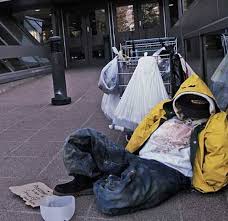
Many DDMBs refuse to enter the city’s available shelters. Some claim these places are dangerous—understandably so, since they’re peopled with drug addicts, alcoholics, mentally ill and outright bums.
But another reason why many of these shelters go unused is: They don’t allow their guests to drink up or drug up.
Huge areas of the city are covered in feces, urine, trash and used hypodermic needles. Hospitals overflow with patients that have fallen ill due to the contamination.
The city spent about $852 million in 2020-21 on DDMBs. Dividing that amount by about 8,000 DDMBs provides the figure of $106,500 per DDMB per year.
In February, 2018, NBC News surveyed 153 blocks of the city—an area more than 20 miles. That area includes popular tourist spots like Union Square and the cable car turnaround. It’s bordered by Van Ness Avenue, Market Street, Post Street and Grant Avenue. And it’s also home to City Hall, schools, playgrounds and a police station.
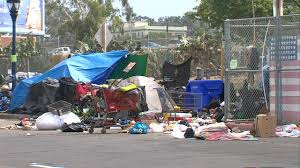
Most of the trash found consisted of heaps of garbage, food, and discarded junk—including 100 drug needles and more than 300 piles of feces throughout downtown. And once fecal matter dries, it can become airborne and release deadly viruses, such as the rotavirus.
Another danger posed by DDMBs: Their rampant shoplifting has led to the closing of many Walgreens drug stores in San Francisco.

The Walgreens at 30th Street and Mission Street reported 16 shoplifting incidents between November 2020 and February 2021. Just six blocks away, Walgreens’ products were being sold at an outdoor market.
And there’s no point in expecting help from the police or district attorney’s office.
The website Only in Your State cites “the eight most dangerous places in San Francisco” as:
- The Tenderloin
- Hunter’s Point
- Bayview
- Mission District
- Outer Mission
- Western Addition
- South of Market and
- Golden Gate Park.
Those areas encompass the major parts of the city—which is only 46 square miles. That alone tells you how ineffective the SFPD is at preventing crime.
From 2019 until June 7, 2022, District Attorney Chesa Boudin refused to hold such criminals accountable. Instead, he blamed “society” for the crimes they had committed.
Elected in 2019, Boudin is the son of Weather Underground parents convicted of murdering two police officers and a Brink’s security guard in 1981. Boudin was raised by two more Weather members—Bernadine Dohrn and Bill Ayers.
On June 7, San Francisco voters, furious about crime, recalled Boudin.
Low-income and disabled seniors who depend on these disappearing drug stores for prescriptions are especially at risk.
Walgreens is not the only pharmacy to be victimized by DDMBs. A CVS location a few blocks away, at 995 Market Street, also closed due to shoplifting.
The latest wrinkle in San Francisco’s “be kind to Untermenschen” campaign is the creation of “Navigation Centers.” These are essentially holding pens for DDMBs until they can be “navigated” to permanent housing.
But housing is in short supply in San Francisco, and there is no telling how long many of these drug addicts, alcoholics, mentally disabled and bums will stay in them. Or what harm they will wreak on the neighborhoods warehousing them.
Hundreds—if not thousands—of them are heroin addicts. Such people will commit virtually any crime to support their habit. And their crimes of choice are burglary and robbery.
Thus, pouring large numbers of them into San Francisco neighborhoods via “Navigation Centers” guarantees that countless decent citizens will become targets for desperate criminals.
Navigation Centers boast that they ban drug-abuse or drug-dealing on their own premises. But they allow DDMBs to come and go at will. Which means they are free to engage in drug-abuse and/or drug-dealing in the neighborhoods where these centers exist.
Most politicians set their priorities on how popular their programs will be among voters. But San Francisco’s politicians reject practicality for allegiance to Uber liberal ideology.
Drug addicts, alcoholics, the mentally ill and those who refuse to work are not reliable voters. Those who are productive, tax-paying, law-abiding citizens do vote.
And many of these people have voted—to not visit San Francisco again.
Hosting conventions is a lucrative business for San Francisco, bringing in about $2 billion each year. In 2019, the city hosted 40 large-scale conventions at the Moscone Center. This year, the number may reach 20.
“One of the things [international clients] are looking at is the conditions on the streets,” said Joe D’Alessandro, the president and CEO of SF Travel. “We need to be able to walk down the streets and not feel harassed.”
A quarter of all tourists visiting San Francisco in 2019 were international travelers—and comprised 63% of all tourism spending.
“Our numbers will not be what they were in 2019 until we see those markets return,” said D’Alessandro.
San Francisco’s embrace of DDMBs threatens not only its residents but the tourism industry on which it depends for its economic survival.
ABC NEWS, ALCOHOLISM, ALTERNET, AMERICABLOG, AP, BABY BOOMER RESISTANCE, BERNADINE DOHRN, BILL AYERS, BUMS, BUZZFEED, CBS NEWS, CHESA BOUDIN, CNN, CRIME, CROOKS AND LIARS, CVS, CVS PHARMACY, DAILY KOZ, DRUG ADDICTION, FACEBOOK, FIVETHIRTYEIGHT, HARPER’S MAGAZINE, HEAPTITUS C, HEPATITIS B, HILLARY RONEN, HIV, HOMELESSNESS, HUMAN FECES, INFECTIOUS DISEASES, LONDON BREED, MEDIA MATTERS, MENTAL ILLNESS, MOHAMMED NURU, MOTHER JONES, MOVEON, MSNBC, NAVIGATION CENTERS, NBC NEWS, NEWSWEEK, NPR, ORACLE, PBS NEWSHOUR, POLITICO, POLITICUSUSA, PUBLIC HEALTH, RAW STORY, REUTERS, SALON, SAN FRANCISCO, SAN FRANCISCO BOARD OF SUPERVISORS, SAN FRANCISCO DISTRICT ATTORNEY'S OFFICE, SAN FRANCISCO MAYOR'S OFFICE, SAN FRANCISCO POLICE DEPARTMENT, SAN FRANCISCO PUBLIC WORKS DEPARTMENT, SAN FRANCISCO TRAVEL ASSOCIATION, SEATTLE TIMES, SLATE, TALKING POINTS MEMO, THE ATLANTIC, THE CHICAGO SUN-TIMES, THE CHICAGO TRIBUNE, THE DAILY BEAST, THE DAILY BLOG, THE GUARDIAN, THE HILL, THE HUFFINGTON POST, THE LOS ANGELES TIMES, THE NATION, THE NEW REPUBLIC, THE NEW YORK TIMES, THE VILLAGE VOICE, THE WASHINGTON POST, THINKPROGRESS, TIME, TOURISM, TRUTHDIG, TRUTHOUT, TWITTER, U.S. NEWS & WORLD REPORT, UPI, USA TODAY, WALGREENS, WALGREENS DRUG STORES, WEATHER UNDERGROUND
In Bureaucracy, History, Law, Law Enforcement, Politics, Social commentary on September 19, 2022 at 12:10 am
Why are Walgreen stores disappearing from San Francisco?
The answer can be summed up in four letters: DDMBs—Druggies, Drunks, Mentals and Bums.
These are the untouchables of San Francisco. If you doubt it, consider the following:
If you are a firefighter, police officer, paramedic or schoolteacher, and want to live in San Francisco, forget it.
According to Rent Cafe, which provides apartment listings directly from top property managers: “The average [monthly] rent for an apartment in San Francisco is $3,397.” And “the average size for a San Francisco apartment is 740 square feet.”

So unless you’re a hugely successful IT professional—or narcotics dealer—your chances of being able to afford a San Francisco apartment are lower than Donald Trump’s of winning a “Mr. Congeniality” contest.
But there’s hope for you yet—if you’re a Druggie, Drunk, Mental or Bum.
Why?
Because the Mayor of San Francisco—currently London Breed—and Board of Supervisors have deliberately created an Untermenschen-friendly program that actually encourages such people to move to the city.
Run by the city’s Department of Public Health (DPH) it’s called the COVID-19 Alternative Housing Program. And it works in two stages:
Stage 1: Move the “homeless” into the city’s hotels—at city expense.
Stage 2: Provide them with not only free food and shelter but free alcohol, cannabis, and cigarettes.
According to a May 11, 2020 story in City Journal.org:
“The program’s primary purpose is to keep homeless people, the majority of whom are addicts, out of harm’s way during the pandemic. By getting their substance of choice delivered, the thinking goes, the guests may be more apt to remain in their government-funded rooms.
“Another purpose of the program is to protect the public against the spread of coronavirus. The city doesn’t want homeless people who should be staying in their rooms roaming the neighborhood in search of the substances, potentially infecting others.”
After news about these deliveries leaked on social media, DPH claimed that “rumors that guests of San Francisco’s alternative housing program are receiving taxpayer-funded deliveries of alcohol, cannabis and tobacco are false.”
Except that the reports weren’t false.
The program is funded by private philanthropists Nevertheless:
- DPH administers and oversees the program.
- It’s staffed by city workers, including doctors, nurse practitioners, nurses, social workers, and security personnel.
- The department manages, stores, and distributes the substances.
- Employee time is involved.
Thus, the program is financed by taxpayers, even if an outside group provides some of the funding.
“Managed alcohol and tobacco use makes it possible to increase the number of guests who stay in isolation and quarantine and, notably, protects the health of people who might otherwise need hospital care for life-threatening alcohol withdrawal,” says DPH spokeswoman Jenna Lane.
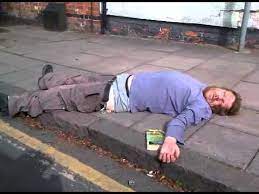
“Many isolation and quarantine guests tell us they use these substances daily,” says Lane, “and this period in our care has allowed some people to connect for the first time with addiction treatment and harm reduction therapy.”
Notice the word “guests.” As if San Francisco—or any city—should welcome hordes of drug addicts, alcoholics, mentally ill and outright bums as assets to its community.
“Harm reduction” therapy, according to the Harm Reduction Coalition, is “a set of practical strategies and ideas aimed at reducing negative consequences associated with drug use.”
DPH said in a statement that these “guests” are screened for substance addictions and asked if they’d like to stop or have support to reduce their use.
If they say they want to remain alcoholics and/or drug addicts, they’re provided with their substance of choice.
The department also provides methadone for “guests” who are addicted to opioids.
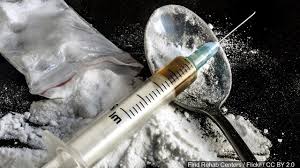
DPH staffers have helped people buy “medical marijuana,” the agency told local affiliate ABC7.
But the agency doesn’t “facilitate purchases of recreational cannabis,” according to the San Francisco Chronicle’s website, SFGate.
Nor does the agency require that its addict “guests” remain quarantined. It merely asks that they do so.
When they’re not injecting, swallowing or sniffing drugs, many of San Francisco’s “guests” spend a lot of their time ripping off retail stores.
Walgreens drug stores have proven a particular target for these DDMBs.
As a result, Walgreens has closed 17 stores in San Francisco.
“I feel sorry for the clerks, they are regularly being verbally assaulted,” a regular customer, Sebastian Luke, told the San Francisco Chronicle.
“The clerks say there is nothing they can do. They say Walgreens’ policy is to not get involved. They don’t want anyone getting injured or getting sued, so the guys just keep coming in and taking whatever they want.”
“Why are the shelves empty?” a customer asked a clerk at a Walgreens store.
“Go ask the people in the alleys, they have it all,” replied the clerk.
One store in the San Francisco area reportedly lost $1,000 a day to theft.
CVS Pharmacy has instructed its employees to not intervene because the thieves so often attack them.
Many shoplifters then sell their stolen goods on the street—often near the store where they stole them.
Under California law, theft under $950 is considered a misdemeanor, but many prosecutors prefer to free those charged rather than holding them in jail.
The maximum sentence they could get: Six months.
ABC NEWS, ALTERNET, AMERICABLOG, ANTHONY SPILOTRO, AP, BABY BOOMER RESISTANCE, BBC, BLOOMBERG NEWS, BUZZFEED, CALIFORNIA LEGISLATIVE ANALYST’S OFFICE, CARDROOMS, CASINO (BOOK), CASINO (MOVIE), CBS NEWS, CLIMATE CHANGE, CNN, CRIME, CROOKS AND LIARS, DAILY KOS, FIVETHIRTYEIGHT, FRANK ROSENTHAL, GAMBLING, HARPER’S MAGAZINE, HOMELESSNESS, HORSE RACING, HUFFINGTON POST, JOE PESCI, LAS VEGAS, MARTIN SCORSESE, MEDIA MATTERS, MOTHER JONES, MOVEON, MSNBC, NBC NEWS, NEW REPUBLIC, NEWSDAY, NEWSWEEK, NICHOLAS PILEGGI, NPR, PBS NEWSHOUR, POLITICO, POLITICUSUSA, PROPOSITION 27, PROPOSITON 26, RAW STORY, REUTERS, RISING PRICES, ROBERT DE NIRO, SALON, SEATTLE TIMES, SHARON STONE, SLATE, STATE LOTTERY, TALKING POINTS MEMO, THE ATLANTIC, THE CHICAGO SUN-TIMES, THE CHICAGO TRIBUNE, THE DAILY BEAST, THE DAILY BLOG, THE GUARDIAN, THE HILL, THE HUFFINGTON POST, THE INTERCEPT, THE LOS ANGELES TIMES, THE NATION, THE NEW REPUBLIC, THE NEW YORK TIMES, THE NEW YORKER, THE VILLAGE VOICE, THE WASHINGTON POST, THINKPROGRESS, TIME, TRIBAL CASINOS, TRUTHDIG, TRUTHOUT, TWITTER, TWO POLITICAL JUNKIES, U.S. NEWS & WORLD REPORT, UPI, USA TODAY, WONKETTE
In Bureaucracy, Business, History, Law, Law Enforcement, Politics, Social commentary on September 7, 2022 at 12:47 am
The pace of climate change is dangerously accelerating.
A psychopathic dictator—Donald Trump—is preparing to overturn democratic rule in the United States.
And COVID-19 continues to ravish the globe—and its economy.
But in California, the most important issue—according to seemingly nonstop TV and Internet ads—is which Indian casinos deserve support.
Two propositions—26 and 27—are on the ballot for the November 8 mid-term elections. And both are dueling for public support.
In the previous column, Proposition 26 was covered in detail. Now for Proposition 27.
The California Legislative Analyst’s Office states the change that would occur under Proposition 27:
“Proposition 27 allows tribes or gambling companies to offer online sports betting. It requires tribes and gambling companies that offer online sports betting to make certain payments to the state for specific purposes—such as to support state regulatory costs and to address homelessness. The proposition also creates a new online sports betting regulatory unit. Finally, it provides new ways to reduce illegal online sports betting.
“Proposition 27 changes the California Constitution and state law to allow online sports betting over the Internet and mobile devices. People 21 years of age and older in California, who are not on tribal lands, would be able to place bets no later than September 2023. The proposition allows bets on athletic events (such as football games) and some non-athletic events (such as awards shows and video game competitions). However, it bans bets on certain other events such as high school games and elections.”
The analyst’s office then states what a Yes or No vote on Proposition 27 would mean:
“A YES vote on this measure means: Licensed tribes or gambling companies could offer online sports betting over the Internet and mobile devices to people 21 years of age and older on non-tribal lands in California. Those offering online sports betting would be required to pay the state a share of sports bets made. A new state unit would be created to regulate online sports betting. New ways to reduce illegal online sports betting would be available.
“A NO vote on this measure means: Sports betting would continue to be illegal in California. No changes would be made to the way state gambling laws are enforced.”

Indian tribes themselves are divided on the merits of Proposition 27. It has the support of three tribes—the Big Valley Band of Pomo Indians, the Middletown Rancheria of Pomo Indians and the Santa Rosa Rancheria Tachi Yokut Tribe.
The “No on 27” campaign lists 60 Indian tribes that oppose it.
“Prop 27 is a direct attack on Indian self-reliance, and Indian Country overwhelmingly opposes this deceptive measure,” said California Nations Indian Gaming Association Chairman James Siva in a statement.
“Prop 27 jeopardizes Indian gaming and vital funding that both gaming and non-gaming tribes use to provide housing, healthcare, firefighting services, education, cultural preservation, and other services for our communities. That’s why more than 50 California Indian tribes— both gaming and nongaming alike—strongly oppose Prop 27.”
Needless to say, the backers of Proposition 27 have a different view.
According to their website, “Yes On Prop 27”:
“Prop 27 has strict protections to prevent minors from betting, including substantial fines for violators, and it bans betting on youth sports.
“Proposition 27 is the ONLY permanent funding solution for California’s homelessness and mental health crises.
“Prop 27 is the ONLY ballot measure that guarantees hundreds of millions dollars every year to fund mental health treatment and solutions to homelessness and addiction.”
Both sides use misleading language to win support.
Neither the backers—nor opponents—of these propositions mention “gambling” in their advertising. Instead, they refer to “Indian gaming” or “tribal gaming.” As if visitors to casinos aren’t being lured to squander their hard-earned money on the nearest craps table.
As for the term: “Indian self-reliance”: The tribes are playing on white guilt over the treatment of the Indians during the “winning of the West.”
As if Indians can’t support themselves except by taking advantage of people’s greed.
Yet that doesn’t give today’s tribes a moral right to fleece visitors to casinos on Indian reservations.
To understand the real purpose of casinos you need only watch the 1995 film, “Casino.” Directed by Martin Scorsese, it stars Robert DeNiro, Joe Pesci and Sharon Stone.
It’s based on the nonfiction 1995 book Casino: Love and Honor in Las Vegas, by Nicholas Pileggi. It chronicles the alliance of expert gambler Frank Rosenthal and mobster Anthony Spilotro to run the Tangiers Casino in Las Vegas.
The movie pulls no punches in explaining the true purpose of a casino. As narrated by the character of Frank Rosenthal:
“Cash. Tons of it. It’s all this money. This is the end result of all the bright lights and the comped trips, of all the champagne and free hotel suites, and all the broads and all the booze. It’s all been arranged just for us to get your money.
“That’s the truth about Las Vegas. We’re the only winners. The players don’t stand a chance. And their cash flows from the tables to our boxes through the cage and into the most sacred room in the casino, the place where they add up all the money. The holy of holies—the count room.”
ABC NEWS, ALTERNET, AMERICABLOG, ANTHONY SPILOTRO, AP, BABY BOOMER RESISTANCE, BBC, BLOOMBERG NEWS, BUZZFEED, CALIFORNIA LEGISLATIVE ANALYST’S OFFICE, CARDROOMS, CASINO (BOOK), CASINO (MOVIE), CBS NEWS, CLIMATE CHANGE, CNN, CRIME, CROOKS AND LIARS, DAILY KOS, FIVETHIRTYEIGHT, FRANK ROSENTHAL, GAMBLING, HARPER’S MAGAZINE, HOMELESSNESS, HORSE RACING, HUFFINGTON POST, JOE PESCI, LAS VEGAS, MARTIN SCORSESE, MEDIA MATTERS, MOTHER JONES, MOVEON, MSNBC, NBC NEWS, NEW REPUBLIC, NEWSDAY, NEWSWEEK, NICHOLAS PILEGGI, NPR, PBS NEWSHOUR, POLITICO, POLITICUSUSA, PROPOSITION 27, PROPOSITON 26, RAW STORY, REUTERS, RISING PRICES, ROBERT DE NIRO, SALON, SEATTLE TIMES, SHARON STONE, SLATE, STATE LOTTERY, TALKING POINTS MEMO, THE ATLANTIC, THE CHICAGO SUN-TIMES, THE CHICAGO TRIBUNE, THE DAILY BEAST, THE DAILY BLOG, THE GUARDIAN, THE HILL, THE HUFFINGTON POST, THE INTERCEPT, THE LOS ANGELES TIMES, THE NATION, THE NEW REPUBLIC, THE NEW YORK TIMES, THE NEW YORKER, THE VILLAGE VOICE, THE WASHINGTON POST, THINKPROGRESS, TIME, TRIBAL CASINOS, TRUTHDIG, TRUTHOUT, TWITTER, TWO POLITICAL JUNKIES, U.S. NEWS & WORLD REPORT, UPI, USA TODAY, WONKETTE
In Bureaucracy, Business, History, Law, Law Enforcement, Politics, Social commentary on September 6, 2022 at 12:10 am
According to the August 24 edition of the Orange County Register, Californians are most concerned about these issues:
Their No. 1 concern remains COVID-19.
After that come
- Homelessness
- Rising prices
- Crime
But the average Californian wouldn’t know that from watching the flood of “dueling casino” ads on TV and the Internet.
Yes, it’s Proposition 26 versus Proposition 27, each one claiming a non-existent righteousness on behalf of different Indian tribes.
From these, Californians get the overwhelming message that the most important issue for their state is: “Our casinos are moral; theirs are not.”
According to the website of the California Legislative Analyst’s Office, a nonpartisan fiscal and policy advisor:

California Legislative Analyst’s Office
“The California Constitution and state law limit gambling in California. For example, state law bans sports betting, roulette, and games with dice (such as craps). However, it allows some gambling.
“This includes:
- State Lottery: About 23,000 stores in all 58 counties sell lottery games. Lottery sales—after prizes and operation costs—support education. About $1.9 billion in lottery revenue supported education last year.
- Cardrooms: Currently, 84 cardrooms in 32 counties can offer certain card games (such as poker). Cardrooms pay state and local feels and taxes. For example, cardrooms pay the state around $24 million each year (annually) generally for regulatory costs. Cardrooms also pay around $100 million each year to the cities they are located in.
- Horse Racing Betting: Four privately operated racetracks as well as 29 fairs, publicly operated racetracks, and other facilities in 17 counties offer betting on horse racing. The horse racing industry pays state and local fees and taxes. Last year, the industry paid the state around $18 million in fees primarily for state regulatory costs.
- Tribal Casinos: Tribes operate 66 casinos in 28 counties under specific agreements between certain tribes and the state. These casinos offer slot machines, lottery games, and card games on tribal lands. Last year, tribes paid around $65 million to support state regulation and gambling addiction programs. Tribes also pay tens of millions of dollars to local governments each year. Additionally, tribes operating larger casinos pay nearly $150 million each year to tribes that either do not operate casinos or have less than 350 slot machines.”
Then the analyst’s office defines Proposition 26:
“Proposition 26 allows in-person sports betting at racetracks and tribal casinos. It requires that racetracks and casinos that offer sports betting make certain payments to the state—such as to support state regulatory costs. The proposition also allows additional gambling—such as roulette—at tribal casinos. Finally, it adds a new way to enforce certain state gambling laws.
“Proposition 26 changes the California Constitution and state law to allow the state’s privately operated racetracks and tribal casinos to offer sports betting. However, the proposition bans bets on certain sports—such as high school games and games in which California college teams participate.”
The analyst’s office then states what a Yes or No vote on Proposition 26 would mean:
“A YES vote on this measure means: Four racetracks could offer in-person sports betting. Racetracks would pay the state a share of sports bets made. Tribal casinos could offer in-person sports betting, roulette, and games played with dice (such as craps) if permitted by individual tribal gambling agreements with the state. Tribes would be required to support state sports betting regulatory costs at casinos. People and entities would have a new way to seek enforcement of certain state gambling laws.”
“A NO vote on this measure means: Sports betting would continue to be illegal in California. Tribal casinos would continue to be unable to offer roulette and games played with dice. No changes would be made to the way state gambling laws are enforced.”
(Color print is not included in the website.)

Opposing Proposition 26 are the backers of Proposition 27.
More than a century ago, opposing Indian tribes fought with knives, tomahawks and arrows. The reason: To acquire the better hunting grounds of neighboring tribes.
Today they wield multi-million-dollar advertising spots on television. And the reason: To gain more customers for their casinos while siphoning off customers from their rivals.
As a result, California’s TVs and computers are now clogged round-the-clock with dueling gambling propositions.
And directly competing with Proposition 26 for votes is Proposition 27.
According to the California Legislative Analyst’s Office, Proposition 27 will allow “online and mobile sports wagering outside tribal lands.
“In California, compacts allow tribal casinos to offer slot machines and other games on tribal lands. These compacts lay out how gambling will be regulated. They also require certain payments, such as to the state and local governments. Tribes can ask for these compacts to be changed, such as when new types of gambling become legal in the state.
“California currently has compacts with 79 tribes. Tribes currently operate 66 casinos in 28 counties. Last year [2021], tribes paid around $65 million to support state regulatory and gambling addiction program costs. Tribes also pay tens of millions of dollars to local governments each year (annually). Additionally, tribes operating larger casinos pay nearly $150 million each year to tribes that either do not operate casinos or have less than 350 slot machines.”
ABC NEWS, ALGIER HISS, ALTERNET, AMERICABLOG, ANTHONY HOPKINS, AP, BABY BOOMER RESISTANCE, BARACK OBAMA, BENJAMIN C. BRADLEE, BILL CLINTON, BLOOMBERG, BOB WOODWARD, BUZZFEED, CARL BERNSTEIN, CBS NEWS, CBSNEWS, CNN, CROOKS AND LIARS, DAILY KOS, DANIEL ELLSBURG, DRUDGE REPORT, FACEBOOK, FIVETHIRTYEIGHT, FRENCH LEGION OF HONOR, HARPER’S MAGAZINE, JASON ROBARDS, JOHN F. KENNEDY, JOURNALISM, LYNDON B. JOHNSON, MEDIA MATTERS, MOTHER JONES, MOVEON, MSNBC, NBC NEWS, NEWSWEEK, NPR, PBS NEWSHOUR, PENTAGON PAPERS, POLITICO, POLITICUSUSA, RAW STORY, REPUBLICAN PARTY, REPUBLICANS, REUTERS, RICHARD NIXON, SALON, SEATTLE TIMES, SENATE WATERGATE COMMITTEE, SLATE, TALKING POINTS MEMO, THE ATLANTIC, THE CHICAGO SUN-TIMES, THE CHICAGO TRIBUNE, THE DAILY BEAST, THE DAILY BLOG, THE GUARDIAN, THE HILL, THE HUFFINGTON POST, THE LOS ANGELES TIMES, THE NATION, THE NEW REPUBLIC, THE NEW YORK TIMES, THE PENTAGON PAPERS, THE VILLAGE VOICE, THE WALL STREET JOURNAL, THE WASHINGTON POST, THE WASHINGTONPOST, THINKPROGRESS, TIME, TRUTHDIG, TRUTHOUT, TWITTER, TWO POLITICAL JUNKIES, U.S. NEWS & WORLD REPORT, UNITED STATES SUPREME COURT, UPI, USA TODAY, WATERGATE, WONKETTE, WORLD WAR 11
In Bureaucracy, History, Law Enforcement, Politics, Social commentary on September 2, 2022 at 12:10 am
August 9, 2022, marked an anniversary increasingly fewer Americans remember: Forty-eight years to the day that Richard Milhous Nixon, 37th President of the United States, resigned in disgrace.
Benjamin Crowninshield Bradlee, the former executive editor of The Washington Post, remains virtually unknown outside the journalism profession. Yet his paper did more than any other to bring Nixon down.
Both Nixon and Bradlee were driven to succeed. And both achieved fame and power in doing so.
Bradlee made his name in journalism.
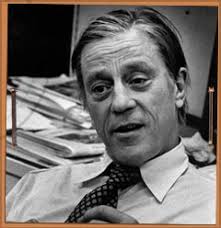
Benjamin C. Bradlee
Nixon made his name in politics.
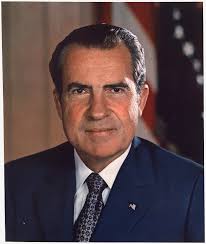
Richard Nixon
Both served in the United States Navy in the Pacific during World War II.
Both had strong connections to John F. Kennedy.
- Bradlee knew him as a friend and reporter during JFK’s years as a Senator and President.
- Nixon—as a Senator and later Vice President—knew Kennedy as a Senatorial colleague and as a political adversary, unsuccessfully contesting him for the Presidency in 1960.
For both, 1948 was a pivotal year.
- Bradlee joined The Washington Post as a reporter.
- Nixon, as a U.S. Representative, accused Algier Hiss, a former State Department official, of having been a Communist spy. Hiss was eventually convicted of perjury and sent to prison.
Both reached their positions of maximum power in 1968:
- Bradlee became executive editor of The Washington Post.
- Nixon became the 37th President of the United States.
But there was a fundamental difference between them:
- Bradlee made it his business to dig up the truth.
- Nixon made it his business to distort the truth—or to conceal it when distortion wasn’t enough.
Nixon and Bradlee had their first major clash in 1971 with the Pentagon Papers, a secret government study of how the United States became enmeshed in the Vietnam war.
- Although the Papers concerned events that had occurred during the Presidencies of John F. Kennedy and Lyndon B. Johnson, Nixon was outraged at their release by a former Defense Department analyst named Daniel Ellsberg.
- Bradlee, as executive editor of The Washington Post, successfully urged his publisher, Katherine Graham, to publish the papers after The New York Times was enjoined from doing so.
- The controversy ended when the Supreme Court ruled, 6–3, that the government failed to meet the burden of proof required for prior restraint of the press.
In 1972, Bradlee and Nixon squared off for their most important battle—a “third-rate burglary” of the Democratic National Committee headquarters at the Watergate Hotel.
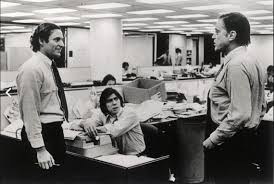
Bob Woodward, Carl Bernstein and Benjamin C. Bradlee
- Bradlee backed two young, aggressive reporters named Bob Woodward and Carl Bernstein, as they probed the burglary.
- This led to their discovering a series of illegal dirty tricks the Nixon re-election campaign had aimed at various Democratic opponents.
- The Post’s revelations led to the formation of the Senate Watergate Committee, the discovery of Nixon’s tape-recordings of his private—and criminal—conversations, and, finally, to Nixon’s own resignation in disgrace on August 9, 1974.
Bradlee became an advocate for education and the study of history.Nixon entered history as the only American President forced to resign from office.
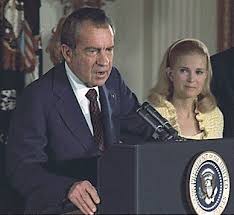
:Richard Nixon saying farewell at the White House
Bradlee became a media celebrity. Nixon became a media target.
- Bradlee was portrayed by Jason Robards in the hit 1976 film, All the President’s Men (for which he won an Academy Award for Best Supporting Actor).
- Nixon was portrayed—in Oliver Stone’s 1995 drama, Nixon—by Anthony Hopkins.
Bradlee and Nixon each published a series of books.
- Bradlee’s: That Special Grace and Conversations With Kennedy focused on his longtime friendship with John F. Kennedy; A Good Life: Newspapering and Other Adventures was Bradlee’s memoirs.
- Nixon’s: Among his 11 titles: Six Crises; RN: The Memoirs of Richard Nixon; The Real War; Leaders; Real Peace; No More Vietnams; Beyond Peace.
After leaving the White House, Nixon worked hard behind-the-scenes to refashion himself into an elder statesman of the Republican Party.
- Throughout the 1980s, he traveled the lecture circuit, wrote books, and met with many foreign leaders, especially those of Third World countries.
- He supported Ronald Reagan for president in 1980, making television appearances portraying himself as the senior statesman above the fray.
- For the rest of his life, he fought ferociously through the courts to prevent the release of most of the infamous “Watergate tapes” that chronicled his crimes as President.
- Only since his death have many of these been made public.
Nixon died on April 22, 1994.
- Eulogists at his funeral included President Bill Clinton and former Presidents Gerald Ford, Ronald Reagan and George H.W. Bush, California Governor Pete Wilson and the Reverend Billy Graham.
- Despite his efforts to portray himself as an elder statesman, Nixon could never erase his infamy as the only President to resign in disgrace.
- To this day, he remains a nonperson within the Republican Party.
Bradlee remained executive editor of The Washington Post until retiring in 1991. But he continued to serve as vice president-at-large until his death on October 21, 2014.
- In 2007, he received the French Legion of Honor, the highest award given by the French government, at a ceremony in Paris.
- In 2013, he was named as a recipient of the Presidential Medal of Freedom by President Barack Obama. He was presented the medal at a White House ceremony on November 20, 2013.
2016 PRESIDENTIAL RACE, ABC NEWS, ALL THE KING’S MEN, ALL THE KINIG’S MEN (BOOK), ALTERNET, AMERICABLOG, ANDREW GOODMAN, ANGELO BRUNO, AP, BABY BOOMER RESISTANCE, BBC, BLOOMBERG NEWS, BLUE BLOODS, BUZZFEED, CAPITOL ATTACK, CARLO GAMBINO, CBS, CBS NEWS, CIVIL WAR, CNN, COINTELPRO, COUPS, CROOKS AND LIARS, DAILY KOS, DAILY KOZ, DEMOCRATS, DEPARTMENT OF HOMELAND SECURITY, DONALD TRUMP, ELECTORAL COLLEGE, ERIC SCHNEIDERMAN, FACEBOOK, FBI, FIVETHIRTYEIGHT, FRANK REAGAN, GAMBINO FAMILY, HARPER’S MAGAZINE, HUFFINGTON POST, INDEPENDENT COUNSEL, INSIDE HOOVER'S FBI (BOOK), J. EDGAR HOOVER, JAMES CHANEY, JAMES COMEY, JEFF SESSIONS, JOSEPH BIDEN, jOSH HAWLEY, JUSTICE DEPARTMENT, KU KLUX KLAN, LYNDON B. JOHNSON, MAFIA, MARJORIE TAYLOR GREENE, MEDIA MATTERS, MERRICK GARLAND, MICHAEL SCHWERNER, MILITIA GROUPS, MO BROOKS, MOTHER JONES, MOVEON, MSNBC, NBC NEWS, NEIL J. WELCH, NEW REPUBLIC, NEW YORK POLICE DEPARTMENT, NEWSDAY, NEWSWEEK, NPR, OBSTRUCTING CONGRESSIONAL PROCEEDINGS, PBS NEWSHOUR, POLITICO, POLITICUSUSA, RAW STORY, REPUBLICANS, REUTERS, RIGHT-WING TERRORISM, ROBERT MUELLER, ROBERT PENN WARREN, RUSSIA, SALON, SEATTLE TIMES, SERGEI KISLYAK, SEXUAL ASSAULT, SLANDER, SLATE, SWAT TEAMS, TALKING POINTS MEMO, TERRORISM, TERRORIST FINANCE TRACKING PROJECT, THE ATLANTIC, THE CHICAGO SUN-TIMES, THE CHICAGO TRIBUNE, THE DAILY BEAST, THE DAILY BLOG, THE GUARDIAN, THE HILL, THE HUFFINGTON POST, THE LOS ANGELES TIMES, THE NATION, THE NEW REPUBLIC, THE NEW YORK TIMES, THE NEW YORKER, THE VILLAGE VOICE, THE WASHINGTON POST, THINKPROGRESS, TIM WEINER, TIME, TOM SELLECK, TREASON, TRUMP UNIVERSITY, TRUTHDIG, TRUTHOUT, TWITTER, TWO POLITICAL JUNKIES, U.S. NEWS & WORLD REPORT, UNITED STATES DEPARTMENT OF JUSTICE, UNITED STATES DEPARTMENT OF THE TREASURY, UNITED STATES HOUSE OF REPRESENTATIVES, UNITED STATES PARK POLICE, UNITED STATES SECRET SERVICE, UNITED STATES SENATE, UNITED STATES SUPREME COURT, UPI, USA PATRIOT ACT, USA TODAY, USA TODAY DONALD TRUMP, VLADIMIR PUTIN, WILLIAM C. SULLIVAN, WILLIE STARK, WONKETTE
In Bureaucracy, History, Law, Law Enforcement, Politics, Social commentary on August 31, 2022 at 12:12 am
On September 2, 1964, the FBI launched a full-blown counterintelligence program against the Ku Klux Klan—COINTELPRO—WHITE HATE in FBI-speak.
Tim Weiner, author of Enemies: A History of the FBI, chronicles the methods used by the Bureau:
“WHITE-HATE intensified in the fall of 1964. It involved all the techniques in the FBI’s long-running attack on the Left. Once a week….FBI agents interrogated all known members of the White Knights of the KKK, blaming other Klansmen for being snitches and naming names, sowing deep suspicion among Klan members. Few knew who was an informer and who was not.

A Ku Klux Klan meeting
“The FBI dangled small fortunes before potential Klan informers, offered outright bribes to Klansmen who could serve as double agents inside state and local police forces, planted bugs and wiretaps in Klaverns, carried out black bag jobs to steal membership lists….”
Other tactics included:
- Contacting the news media to publicize arrests and identify Klan leaders;
- Informing the employers of known Klansmen of their employees’ criminal activity, resulting in the firing of untold numbers of them;
- Breaking up the marriages of Klansmen by circulating rumors of their infidelity among their wives.
“When the Klan reached 14,000 in the mid-sixties, I asked to take over the investigation of the Klan,” recalled William C. Sullivan, who headed the FBI’s Domestic Intelligence Division in the 1960s. “When I left the Bureau in 1971, the Klan was down to a completely disorganized 4,300. It was broken.”

William C. Sullivan
According to Neil J. Welch, the retired Special Agent in Charge (SAC) of the FBI’s Buffalo, New York office:
“A Klan Bureau of Investigation (KBI) was created to counter the FBI, and its members placed the wives and children of agents under surveillance, harassing them with taunts and anonymous phone calls,” wrote Welch in his memoir, Inside Hoover’s FBI.
“It was a serious miscalculation. The most dangerous members of the KBI were systematically identified and assigned to agents selected solely because they were comparatively dangerous. The agents had full discretion.
“During the next few months, a number of men previously involved in Klan violence around the state seemed, by remarkable coincidence, to experience misfortune. Some disappeared from the area. Some were forced to leave Mississippi for health reasons. A few took unplanned trips to places like Mexico and seemed to lose all interest in the Klan upon their return.”
A similar effort, focusing on Right-wing terrorism, could include the following:
- The FBI’s designating Right-wing political and terrorist groups as the Nation’s #1 enemy.
- Reviving the FBI’s legendary COINTELPRO (“Counterintelligence Program”) that destroyed the Ku Klux Klan in the late 1960s. Among the methods that can be used:
- Turning the Bureau’s powerful arsenal—bugs, wiretaps, informants, SWAT teams—on them.
- Buying the cooperation of informants within Right-wing organizations.
- Conducting “black bag jobs” to steal membership lists of of Right-wing organizations.
- Breaking up the marriages of prominent Right-wingers by circulating rumors of their infidelity among their wives.
- Informing the employers of known Right-wing terrorists of their employees’ criminal activity, resulting in the firing of untold numbers of them.
- Contacting the news media to publicize the arrests of prominent Right-wing leaders.
- When Right-wing terrorists target Federal law enforcement agents and/or their families for harassment or worse, they can be targeted for similar intimidation or removal.

FBI SWAT member
A revised COINTELPRO could be supplemented by the following:
- Creating tip hotlines for reporting illegal Right-wing activities—and offering rewards for information that leads to arrests.
- Prosecuting militia groups for violating Federal firearms laws.
- Treating calls for the murder of members of Congress—as Georgia Representative Marjorie Taylor Greene has done-–as felonies punishable by lengthy imprisonment.
- Prosecuting Right-wing leaders involved in the treasonous assault on the United States Capitol Building.
- Prosecuting as “accessories to treason” all those Republican members of Congress who stoked Right-wing anger by lying that the 2020 Presidential election had been stolen from Donald Trump, although every objective news source proved he had lost.
- Directing the Treasury Department’s Terrorist Finance Tracking Program (TFTP) at fundamentalist Christian churches that finance Right-wing terrorism—just as it halts the financing of Islamic terrorist groups by Islamic organizations.

- Using drones, planes and/or helicopters to provide security against similar Right-wing terror demonstrations—especially in Washington, D.C.
- Using the Federal Communications Commission to ban Fox News—the Nation’s #1 Right-wing propaganda network—from representing itself as a legitimate news network, and requiring that its stories carry labels warning viewers: “This is Right-wing propaganda, NOT news.”
- Encouraging victims of Right-wing hate-speech to file libel/slander lawsuits against their abusers—such as the parents of murdered children at Sandy Hook Elementary School successfully did against Alex Jones.
- Using Federal anti-terrorist laws to arrest, prosecute and imprison Right-wingers who openly carry firearms and threaten violence, even if states allow such display of firearms.
- Seizing the assets of individuals and organizations found guilty of Right-wing terrorism offenses.
When you are constantly looking over your shoulder, your enemies are winning. When your enemies are constantly looking over their shoulder, you are winning.
2016 PRESIDENTIAL RACE, ABC NEWS, ALL THE KING’S MEN, ALL THE KINIG’S MEN (BOOK), ALTERNET, AMERICABLOG, ANDREW GOODMAN, ANGELO BRUNO, AP, BABY BOOMER RESISTANCE, BARACK OBAMA, BBC, BLOOMBERG NEWS, BLUE BLOODS, BUZZFEED, CAPITOL ATTACK, CARLO GAMBINO, CBS, CBS NEWS, CIVIL WAR, CNN, COINTELPRO, COUPS, CROOKS AND LIARS, DAILY KOS, DEMOCRATS, DEPARTMENT OF HOMELAND SECURITY, DONALD TRUMP, ELECTORAL COLLEGE, ERIC SCHNEIDERMAN, FACEBOOK, FBI, FIVETHIRTYEIGHT, FRANK REAGAN, GAMBINO FAMILY, HARPER’S MAGAZINE, HUFFINGTON POST, INDEPENDENT COUNSEL, INSIDE HOOVER'S FBI (BOOK), J. EDGAR HOOVER, JAMES CHANEY, JAMES COMEY, JEFF SESSIONS, JOSEPH BIDEN, jOSH HAWLEY, JUSTICE DEPARTMENT, KU KLUX KLAN, LYNDON B. JOHNSON, MAFIA, MARJORIE TAYLOR GREENE, MEDIA MATTERS, MERRICK GARLAND, MICHAEL SCHWERNER, MILITIA GROUPS, MO BROOKS, MOTHER JONES, MOVEON, MSNBC, NBC NEWS, NEIL J. WELCH, NEW REPUBLIC, NEW YORK POLICE DEPARTMENT, NEWSDAY, NEWSWEEK, NPR, OBSTRUCTING CONGRESSIONAL PROCEEDINGS, PBS NEWSHOUR, POLITICO, POLITICUSUSA, RAW STORY, REPUBLICANS, REUTERS, RIGHT-WING TERRORISM, ROBERT MUELLER, ROBERT PENN WARREN, RUSSIA, SALON, SEATTLE TIMES, SERGEI KISLYAK, SEXUAL ASSAULT, SLANDER, SLATE, SWAT TEAMS, TALKING POINTS MEMO, TERRORISM, TERRORIST FINANCE TRACKING PROJECT, THE ATLANTIC, THE CHICAGO SUN-TIMES, THE CHICAGO TRIBUNE, THE DAILY BEAST, THE DAILY BLOG, THE GUARDIAN, THE HILL, THE HUFFINGTON POST, THE LOS ANGELES TIMES, THE NATION, THE NEW REPUBLIC, THE NEW YORK TIMES, THE NEW YORKER, THE VILLAGE VOICE, THE WASHINGTON POST, THINKPROGRESS, TIM WEINER, TIME, TOM SELLECK, TREASON, TRUMP UNIVERSITY, TRUTHDIG, TRUTHOUT, TWITTER, TWO POLITICAL JUNKIES, U.S. NEWS & WORLD REPORT, UNITED STATES DEPARTMENT OF JUSTICE, UNITED STATES DEPARTMENT OF THE TREASURY, UNITED STATES HOUSE OF REPRESENTATIVES, UNITED STATES PARK POLICE, UNITED STATES SECRET SERVICE, UNITED STATES SENATE, UNITED STATES SUPREME COURT, UPI, USA PATRIOT ACT, USA TODAY, USA TODAY DONALD TRUMP, VLADIMIR PUTIN, WILLIAM C. SULLIVAN, WILLIE STARK, WONKETTE
In Bureaucracy, History, Law, Law Enforcement, Politics, Social commentary on August 30, 2022 at 12:10 am
Donald Trump’s followers are doing what even the Mafia has never dared: Threatening the lives of FBI agents and openly challenging the authority of the Justice Department.
On August 8, the FBI, under a search warrant issued by the Justice Department, seized 11 sets of classified documents from the former President’s home at Mar-a-Lago. These included four sets that were classified as “top secret,” according to the unsealed search warrant.
Since then, Trump’s legions of fanatical Right-wing followers have vented their fury at a wide range of their self-declared enemies: President Joe Biden, Democrats, Attorney General Merrick Garland, the Justice Department—-and especially the FBI.
On August 12, the FBI and Department of Homeland Security [DHS] issued a joint Intelligence bulletin warning of the increased threats aimed at federal law enforcement agencies.

FBI seal
“Since 8 August 2022, the FBI and DHS have identified multiple articulated threats and calls for the targeted killing of judicial, law enforcement, and government officials associated with the Palm Beach search, including the federal judge who approved the Palm Beach search warrant.
“The FBI and DHS have also observed the personal identifying information of possible targets of violence, such as home addresses and identification of family members, disseminated online as additional targets.”
“These threats are occurring primarily online and across multiple platforms, including social media sites, web forums, video sharing platforms, and image boards. The FBI and DHS would like to ensure that law enforcement, court, and government personnel are aware of the range of threats and criminal and violent incidents.
“The FBI and DHS have observed an increase in violent threats posted on social media against federal officials and facilities, including a threat to place a so-called dirty bomb in front of FBI Headquarters and issuing general calls for ‘civil war’ and ‘armed rebellion.'”
Even the Mafia—with one or two exceptions—has never threatened the lives of FBI agents. And when individual mobsters did, they found the consequences frightening.
In April, 1963, four New York mobsters knocked FBI agent John Foley to the ground, and then severely beat and kicked him. Foley had been conducting surveillance at the Brooklyn funeral of Carmine “The Doctor” Lombardozzi, a capo in the Gambino Mafia Family.
The FBI retaliated by launching an all-out war against the Gambinos. Agents leaned on the cartel’s boss, underboss, counselor and lieutenants. The Bureau also intensified the use of illegal electronic surveillance (wiretaps and hidden microphones) against the mobsters.

Map of Mafia families
Angelo Bruno, the boss of the Philadelphia crime syndicate, unwittingly informed a hidden microphone about how the FBI brutally drove home the message to “boss of all bosses” Carlo Gambino:
BRUNO: “They [the FBI] went to Carlo and named all his capos [lieutenants] to him. The FBI asked him: “Did you change the laws in your family, that you could hit FBI men, punch and kick them? Well, this is the test—that if you change the laws, and now you are going to hit FBI men, every time we pick up one of your people we are going to break their heads for them.’
“And, really, they picked up our guy, they almost killed him, the FBI. They don’t do that, you know. But they picked up one of his fellows and crippled him. They said, ‘This is an example. Now, the next time anyone lays a hand on an FBI man, that’s just a warning. There’s nothing else we have got to tell you.'”
Word traveled quickly through the nationwide organized crime network—and its leaders decreed there should be no further assaults on FBI agents.
The FBI may be gearing up to declare war on the radical Right. And it could be done the same way the FBI destroyed the Ku Klux Klan in the mid-1960s.
Klansmen had shot, lynched and bombed their way across the Deep South, especially in Alabama and Mississippi. Many Southern sheriffs and police chiefs were Klan sympathizers, if not outright members and accomplices.
On June 21, 1964, three civil rights workers disappeared in Philadelphia, Mississippi.
President Lyndon B. Johnson called J. Edgar Hoover, the legendary director of the FBI, and ordered an all-out investigation: “I want you to have the same kind of Intelligence [on the Klan] that you have on the communists.”
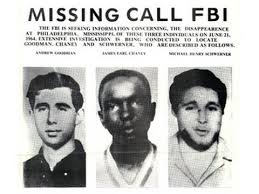
Poster for missing civil rights workers
For decades, Hoover had refused to tackle white hate groups. And, in truth, no President had been willing to give him the order to do so. But now a President had given him such an order.
In August, the FBI uncovered the bodies of the three missing civil rights activists—Michael Schwerner, Andrew Goodman and James Chaney.
On September 2, 1964, the Bureau launched a full-blown counterintelligence program against the Klan—COINTELPRO—WHITE HATE in FBI-speak.
Tim Weiner, author of Enemies: A History of the FBI, chronicles the methods used by the Bureau:
“WHITE-HATE intensified in the fall of 1964. It involved all the techniques in the FBI’s long-running attack on the Left. Once a week….FBI agents interrogated all known members of the White Knights of the KKK, blaming other Klansmen for being snitches and naming names, sowing deep suspicion among Klan members. Few knew who was an informer and who was not.”


.jpeg&imgrefurl=http%3A%2F%2Fwww.whataboutclients.com%2Farchives%2F2014%2F09%2Famerican_authen.html&docid=boFt4L_sotcfWM&tbnid=ouxiHfzJFvsrwM%3A&w=240&h=248&ei=NhtPVKT3GJX6oQSa7YKgDg&ved=0CAIQxiAwAA&iact=c)


 Bureaucracybuster's Blog
ABC NEWS, ADOLF HITLER, ALTERNET, AMERICABLOG, AP, ASSASSINATION, BABY BOOMER RESISTANCE, BBC, BLOOMBERG NEWS, BUZZFEED, CBS NEWS, CNN, CONSPIRACIES, CROOKS AND LIARS, DAILY KOS, DAY OF THE JACKAL, DONALD TRUMP, FIVETHIRTYEIGHT, FREDERICK FORSYTHE, GAIUS CASSIUS, HARPER’S MAGAZINE, HUFFINGTON POST, JULIUS CAESAR, MAR-A-LAGO, MARCUS BRUTUS, MARK ANTHONY, MEDIA MATTERS, MOTHER JONES, MOVEON, MSNBC, NBC NEWS, NEW REPUBLIC, NEWSDAY, NEWSWEEK, NICCOLO MACHIAVELLI, NPR, PBS NEWSHOUR, PLOTS, POLITICO, POLITICUSUSA, RAW STORY, REUTERS, SALON, SEATTLE TIMES, Secret Service, SLATE, TALKING POINTS MEMO, THE ATLANTIC, THE CHICAGO SUN-TIMES, THE CHICAGO TRIBUNE, THE DAILY BEAST, THE DAILY BLOG, THE DISCOURSES, THE GUARDIAN, THE HILL, THE HUFFINGTON POST, THE INTERCEPT, THE LOS ANGELES TIMES, THE NATION, THE NEW REPUBLIC, THE NEW YORK TIMES, THE NEW YORKER, THE VILLAGE VOICE, THE WALL STREET JOURNAL, THE WASHINGTON POST, THINKPROGRESS, TIME, TRUTHDIG, TRUTHOUT, TWITTER, U.S. NEWS & WORLD REPORT, UPI, USA TODAY, WHITE HOUSE STAFFER
A PRIMER FOR CONSPIRATORS: PART THREE (END)
In Bureaucracy, History, Law, Law Enforcement, Military, Politics, Social commentary on September 23, 2022 at 12:22 amNiccolo Machiavelli, the father of modern political science, wrote that there are three periods of danger in a conspiracy:
The first two were covered in Part Two of this series. Now, as to the third:
Dangers following the Execution of the Conspiracy: There is really but one—someone is left who will avenge the murdered prince. These can be brothers, sons or other relatives, who have been spared by negligence or for other reasons.
But of all the perils that follow the execution of a conspiracy, the most certain and fearful is the attachment of the people to the murdered prince. There is no remedy against this, for the conspirators can never secure themselves against a whole people.
An example of this occurred in the case of Julius Caesar, who, being beloved by the people, was avenged by them.
Julius Caesar
Machiavelli closes his chapter “Of Conspiracies” with advice to rulers on how they should act when they find a conspiracy has been formed against them.
If they discover that a conspiracy exists against them, they must, before punishing its authors, strive to learn its nature and extent. And they must measure the danger posed by the conspirators against their own strength.
And if they find it powerful and alarming, they must not expose it until they have amassed sufficient force to crush it. Otherwise, they will only speed their own destruction.
The foregoing was taken from Machiavelli’s masterwork, The Discourses on Livy, which was published posthumously in 1531. But elsewhere in this volume, he notes how important it is for rulers to make themselves loved–or at least respected—by their fellow citizens:
Niccolo Machiavelli
Note how much more praise those Emperors merited who, after Rome became an empire, conformed to her laws like good princes, than those who took the opposite course.
Titus, Nerva, Trajan, Hadrian, Antoninus and Marcus Auelius did not require the Praetorians nor the multitudinous legions to defend them, because they were protected by their own good conduct, the good will of the people, and by the love of the Senate.
On the other hand, neither the Eastern nor the Western armies saved Caligula, Nero, Vitellius and so many other wicked Emperors from the enemies which their bad conduct and evil lives had raised up against them.
In his better-known work, The Prince, he warns rulers who—like Donald Trump—are inclined to rule by fear:
A prince should make himself feared in such a way that if he does not gain love, he at any rate avoids hatred: for fear and the absence of hatred may well go together.
Donald Trump
Most Presidents try to seem friendly and caring toward their fellow Americans.
This held true even for Richard M. Nixon, when, on May 9, 1970, he made an impromptu visit to the Lincoln Memorial and engaged in a rambling dialogue with Vietnam war protesters.
As both a Presidential candidate and President, Trump repeatedly used Twitter to attack hundreds of real and imagined enemies in politics, journalism, TV and films.
Among his infuriating acts as President, he
Even as an ex-President, he poses a mortal threat to American democracy. On September 1, President Joe Biden outlined those dangers:
“The Republican Party today is dominated, driven, and intimidated by Donald Trump and the MAGA Republicans, and that is a threat to this country.
“MAGA Republicans do not respect the Constitution. They do not believe in the rule of law. They do not recognize the will of the people.
“They refuse to accept the results of a free election. And they’re working right now, as I speak, in state after state to give power to decide elections in America to partisans and cronies, empowering election deniers to undermine democracy itself.
“MAGA forces are determined to take this country backwards—backwards to an America where there is no right to choose, no right to privacy, no right to contraception, no right to marry who you love.
“They promote authoritarian leaders, and they fan the flames of political violence that are a threat to our personal rights, to the pursuit of justice, to the rule of law, to the very soul of this country.”
By Machiavelli’s standards, Trump has made himself the perfect target for a conspiracy: “When a prince becomes universally hated, it is likely that he’s harmed some individuals—who thus seek revenge. This desire is increased by seeing that the prince is widely loathed.”
Share this: