Archive for the ‘Business’ Category
ABC NEWS, ALTERNET, AMERICA ONLINE, AMERICAN FEDERATION OF TEACHERS, AOL GOLD, AP, BUZZFEED, CBS NEWS, CNN, COMPUTERS, CROOKS AND LIARS, CUSTOMER SERVICE, DAILY KOZ, FACEBOOK, GCHAT, INSTANT MESSENGER, INTERNET, LIBRARY OF CONGRESS, MEG RYAN, MOTHER JONES, MOVEON, NATIONAL EDUCATION ASSOCIATION, NATIONAL GEOGRAPHIC, NBC NEWS, NEWSWEEK, NPR, PISSED CONSUMER, POLITICO, RAW STORY, REUTERS, SALON, SEATTLE TIMES, SLATE, TEXTING, THE ATLANTIC, THE CHICAGO SUN-TIMES, THE CHICAGO TRIBUNE, THE DAILY BEAST, THE GUARDIAN, THE HILL, THE HUFFINGTON POST, THE LOS ANGELES TIMES, THE NATION, THE NEW YORK TIMES, THE WASHINGTON POST, TIME, TIME WARNER, TOM HANKS, TWITTER, U.S. NEWS & WORLD REPORT, UP, UPI, USA TODAY, YOU’VE GOT MAIL
In Bureaucracy, Business, History, Social commentary on October 18, 2017 at 12:06 am
When the movie, You’ve Got Mail appeared in 1998, no one needed to be told that America Online (AOL) would be prominently featured.
It was through AOL that the two main characters in this romantic comedy—Tom Hanks and Meg Ryan—found offline happiness through an online romance.
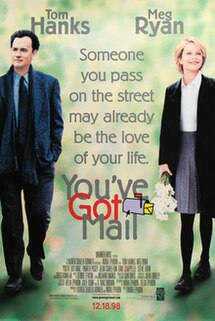
The film was aptly timed to boost AOL’s popularity. By 1997, about half of all American homes with Internet access had it through AOL.
Founded in 1983, AOL began began as a short-lived venture called Control Video Corporation (or CVC). Its sole product was an online service called GameLine for the Atari 2600 video game console.
Subscribers bought a modem from the company for $50 and paid a one-time $15 setup fee.
On May 24, 1985, Quantum Computer Services, an online services company, was founded by Jim Kimsey from the remnants of Control Video.
Kimsey changed the company’s strategy, and in 1985, launched a dedicated online service.
During the early 1990s, the average subscription lasted for about 25 months and accounted for $350 in total revenue. AOL greatly expanded its customer rolls by distributing free AOL trial disks through companies like The Good Guys and Circuit City. At one point, 50% of the CDs produced worldwide had an AOL logo.
By 1997, about half of all U.S. homes with Internet access had it through AOL.

AOL’s Silicon Valley branch office
Over the next several years, AOL launched services with the a wide range of educational organizations, including:
- The National Education Association
- NPR
- The American Federation of Teachers
- National Geographic
- The Library of Congress.
A big draw for AOL customers was its “Instant Messenger” service. Launched in 1997, it allowed AOL members to “chat” with each other. No other online service had anything like it, and AOL refused to share the technology that made this possible.
(Eventually, an anti-monopoly lawsuit by the Justice Department forced AOL to share its “Instant Messenger” technology with its online rivals.)
By 1998, anyone with an Internet-connected computer could access AOL for free. Its revenues were now driven by ads companies eagerly paid to showcase their services or products.
In January 2000, AOL and Time Warner announced plans to merge, forming AOL Time Warner, Inc. AOL shareholders would own 55% of the new, combined company. The deal closed on January 11, 2001.
At the time, it seemed a merger made in heaven. It would supposedly allow Time Warner to digitise its content and reach out to a new online audience. And AOL would gain access to Time Warner’s cable systems, innovative broadband capability and additional content to provide to its 27 million customers.
Yet by 2002 the merger resulted in a net loss of $99 billion, the largest loss ever reported by a company. By 2009, the merger-marriage was over. Time Warner Chief Jeff Bawkes called it “the biggest mistake in corporate history.”
In June, 2017, AOL warned its customers that, starting in August, they would have to pay about $5 a month to access its services. The company was switching to a “new, improved” version called AOL Gold.
As usually happens when new software is launched, there were bugs all around in it. A complainant to the Pissed Consumer website wrote:
“If I have to pay I don’t want to see ads all over my mail, reading or when I’m writing. Send to later folder is all messed up. It seems to crash more & runs slower….
“I read an email & clicked on ‘mark unread’ when I tried to pull it back up I only got the heading but NOT the info. Trying to send email to a group of friends & being told there is a problem, but no idea what is wrong. I always used this group in my 9.8 desktop with no problems.”
And another customer wrote: “Aol gold sucks.90% of the time I get error to load account.”
A third customer: “Spent 4.5 hours waiting for aol gold to import my old pfc [Private Filing Cabinet–where emails are stored] only to find it imported the wrong version of my favorites…. Then spent 3.5 hours on a remote tech call where he repeatedly uninstalled and reinstalled gold with the same results.”
Other problems include:
- AOL shutting off immediately after sending an email
- The lack of a “Clear Toolbar History” function (as was available on the “old” AOL)
- The inability to transfer an image from the Internet (such as a beautiful seascape) to the desktop (another feature that was also available previously)
Customers who call AOL’ at (888) 265-3733 and press “1” for “support on your existing AOL account” automatically get transferred to the billing department. So anyone seeking technical help needs to press “2”.
But AOL apparently doesn’t have enough techs trained in its new Gold technology. So there is usually a long wait before one of them comes on the phone. This means that if you’re calling on a cell phone, you can easily run out of battery time before your problem is resolved.
Then, in early October, AOL announced that, on December 15, it would shut down its Instant Messenger service.
The reason: Competing “chat” systems—such as texting, Gchat and Facebook—have replaced Instant Messenger as go-to forms of communication.
Nor does AOL plan to replace its Instant Messenger service.
Perhaps only the movie business can rival AOL for sheer self-destructiveness. Once “the big dog on the block,” AOL now risks the fate of dogs sent to the pound.
ABC NEWS, ALTERNET, AP, BUZZFEED, CBS NEWS, CNN, CRIME, CROOKS AND LIARS, DAILY KOZ, FACEBOOK, GUN CONTROL, MARTIN LUTHER KING, MOTHER JONES, MOVEON, NATIONAL RIFLE ASSOCIATION, NBC NEWS, NEWSWEEK, NPR, POLITICO, RAW STORY, REUTERS, ROBERT F. KENNEDY, SALON, SEATTLE TIMES, SECOND AMENDMENT, SELF-DEFENSE, SLATE, STAND-YOUR-GROUND LAWS, THE ATLANTIC, THE CHICAGO SUN-TIMES, THE CHICAGO TRIBUNE, THE DAILY BEAST, THE GUARDIAN, THE HILL, THE HUFFINGTON POST, THE LOS ANGELES TIMES, THE NATION, THE NEW YORK TIMES, THE WASHINGTON POST, TIME, TWITTER, U.S. CONSTITUTION, U.S. NAVY SEALS, U.S. NEWS & WORLD REPORT, UP, UPI, USA TODAY, VIRGINIA TECH SHOOTINGS, WRONGFUL-DEATH LAWSUITS
In Bureaucracy, Business, History, Law, Politics, Social commentary on October 3, 2017 at 12:02 am
The victims of the violence are black and white, rich and poor, young and old, famous and unknown. They are, most important of all, human beings whom other human beings loved and needed. No one—no matter where he lives or what he does—can be certain who will suffer from some senseless act of bloodshed. And yet it goes on and on.
–Robert F. Kennedy, April 4, 1968

Senator Robert F. Kennedy announcing the murder of Dr. Martin Luther King, Jr.
What should the surviving victims of gun massacres do to seek redress?
And how can the relatives and friends of those who didn’t survive seek justice for those they loved?
Two things:
First, don’t count on politicians to support a ban on assault weapons.
Politicians—with rare exceptions—have only two goals:
- Get elected to office, and
- Stay in office.
And too many of them fear the economic and voting clout of the NRA to risk its wrath.
Consider Mitt Romney and President Barack Obama.
Both rushed to offer condolences to the surviving victims of the massacre at the Century 16 Theater in Aurora, Colorado, on July 20, 2012.
And both steadfastly refused to even discuss gun control—let alone support a ban on the type of assault weapons used by James Holmes, leaving 12 dead and 58 wounded.
Second, those who survived the massacre—and the relatives and friends of those who didn’t—should file wrongful death, class-action lawsuits against the NRA.
There is sound, legal precedent for this.
- For decades, the American tobacco industry peddled death and disability to millions and reaped billions of dollars in profits.
- The industry vigorously claimed there was no evidence that smoking caused cancer, heart disease, emphysema or any other ailment.
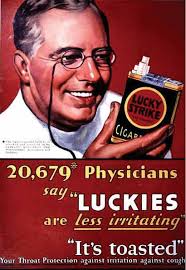
- Tobacco companies spent billions on slick advertising campaigns to win new smokers and attack medical warnings about the dangers of smoking.
- Tobacco companies spent millions to elect compliant politicians and block anti-smoking legislation.
- From 1954 to 1994, over 800 private lawsuits were filed against tobacco companies in state courts. But only two plaintiffs prevailed, and both of those decisions were reversed on appeal.
- In 1994, amidst great pessimism, Mississippi Attorney General Mike Moore filed a lawsuit against the tobacco industry. But other states soon followed, ultimately growing to 46.
- Their goal: To seek monetary, equitable and injunctive relief under various consumer-protection and anti-trust laws.
- The theory underlying these lawsuits was: Cigarettes produced by the tobacco industry created health problems among the population, which badly strained the states’ public healthcare systems.
- In 1998, the states settled their Medicaid lawsuits against the tobacco industry for recovery of their tobacco-related, health-care costs. In return, they exempted the companies from private lawsuits for tobacco-related injuries.
- The companies agreed to curtail or cease certain marketing practices. They also agreed to pay, forever, annual payments to the states to compensate some of the medical costs for patients with smoking-related illnesses.
The parallels with the NRA are obvious:
- For decades, the NRA has peddled deadly weapons to millions, reaped billions of dollars in profits and refused to admit the carnage those weapons have produced: “Guns don’t kill people. People kill people.” With guns.

- The NRA has bitterly fought background checks on gun-buyers, in effect granting even criminals and the mentally ill the right to own arsenals of death-dealing weaponry.
- The NRA has spent millions on slick advertising campaigns to win new members and frighten them into buying guns.
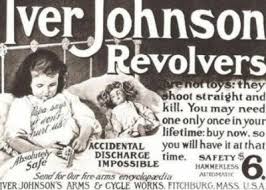
- The NRA has spent millions on political contributions to block gun-control legislation.
- The NRA has spent millions attacking political candidates and elected officials who warned about the dangers of unrestricted access to assault and/or concealed weapons.

- The NRA has spent millions pushing “Stand Your Ground” laws in more than half the states, which potentially give every citizen a “license to kill.”
- The NRA receives millions of dollars from online sales of ammunition, high-capacity ammunition magazines, and other accessories through its point-of-sale Round-Up Program—thus directly profiting by selling a product that kills about 30,288 people a year.

- Firearms made indiscriminately available through NRA lobbying have filled hospitals with casualties, and have thus badly strained the states’ public healthcare systems.
It will take a series of highly expensive and well-publicized lawsuits to significantly weaken the NRA, financially and politically.
The first ones will have to be brought by the surviving victims of gun violence—and by the friends and families of those who did not survive it. Only they will have the courage and motivation to take such a risk.
As with the cases first brought against tobacco companies, there will be losses. And the NRA will rejoice with each one.
But, in time, state Attorneys General will see the clear parallels between lawsuits filed against those who peddle death by cigarette and those who peddle death by armor-piercing bullet.
And then the NRA—like the tobacco industry—will face an adversary wealthy enough to stand up for the rights of the gun industry’s own victims.
Only then will those politicians supporting reasonable gun controls dare to stand up for the victims of these needless tragedies.
ABC NEWS, AIRLINES, ALTERNET, AMERICABLOG, ANTHEM INC., AP, BABY BOOMER RESISTANCE, BBC, BLOOMBERG, BUSINESS, BUZZFEED, CBS NEWS, CHINA, CNN, COMPUTER SECURITY, CREDIT CARDS, CREDIT REPORTING AGENCIES, CROOKS AND LIARS, CYBERSECURITY, DAILY KOS, DAILY KOZ, DAIRY QUEEN, EQUIFAX, FIVETHIRTYEIGHT, HACKING, HARPER’S MAGAZINE, HUFFINGTON POST, JOHN HERING, JPMORGAN/CHASE, LILY TOMLIN, LOOKOUT, LUGGAGE THEFTS, MA BELL, MEDIA MATTERS, MOTHER JONES, MOVEON, MSNBC, NBC NEWS, NEW REPUBLIC, NEWSDAY, NEWSWEEK, NPR, PBS NEWSHOUR, POLITICO, POLITICUSUSA, RAW STORY, REUTERS, ROWAN & MARTIN'S LAUGH-IN, SALON, SEATTLE TIMES, SLATE, SOCIAL SECURITY, STAPLES, TALKING POINTS MEMO, TARGET, THE ATLANTIC, THE CHICAGO SUN-TIMES, THE CHICAGO TRIBUNE, THE DAILY BEAST, THE DAILY BLOG, THE GUARDIAN, THE HILL, THE HUFFINGTON POST, THE INTERCEPT, THE LOS ANGELES TIMES, THE NATION, THE NEW REPUBLIC, THE NEW YORK TIMES, THE NEW YORKER, THE VILLAGE VOICE, THE WALL STREET JOURNAL, THE WASHINGTON POST, THINKPROGRESS, TIME, TRUTHDIG, TRUTHOUT, TWITTER, TWO POLITICAL JUNKIES, U.S. NEWS & WORLD REPORT, UP, UPI, USA TODAY, X
In Bureaucracy, Business, History, Law, Politics, Self-Help, Social commentary on September 12, 2017 at 12:01 am
Comedian Lily Tomlin rose to fame on the 1960s comedy hit, Rowan & Martin’s Laugh-In, as Ernestine, the rude, sarcastic switchboard operator for Ma Bell.
She would tap into customers’ calls, interrupt them, make snide remarks about their personal lives. And her victims included celebrities as much as run-of-the-mill customers.

Lily Tomlin as Ernestine
She introduced herself as working for “the phone company, serving everyone from presidents and kings to the scum of the earth.”
But perhaps the line for which her character is best remembered was: “We don’t care. We don’t have to. We’re the phone company.”
Clearly, too many companies take the same attitude as Ernestine: “We don’t care. We don’t have to.”
This is especially true for companies that are supposed to safeguard their customers’ most sensitive information.
Companies like:
- Kmart
- Staples
- Dairy Queen
- Target Home Depot
- JPMorgan/Chase
- Anthem Insurance
All these corporations suffered data breeches that exposed tens of millions of individuals’ private information–such as:
- Names
- Birthdates
- Credit card numbers
- Social Security numbers
- Member ID numbers
- Addresses
- Email addresses
- Employment Information
- Phone numbers
And now hackers have compromised Equifax, the consumer credit reporting agency.

One out of every two Americans stands to be a victim. Some 143 million consumers’ sensitive data is potentially compromised.
From mid-May to July, 2017, there was a flaw in Equifax’s website software. This allowed hackers to access 143 million Americans’ supposedly private information. Only after this massive robbery had occurred did the company discover the breach and close the loophole.
On September 8, PBS Newshour correspondent William Brangham outlined the dimensions of this catastrophe:
“It’s everything that would be in your credit report. So, it’s Social Security number. It’s your name, it’s your address, it’s your driver’s license information, it’s your employers, it’s your payment history, it’s what bank accounts you have….
“The thing that a thief could do with this information is, one, they could hack into your existing accounts once they have all that information. They could also set up new ones pretending to be John Yang or William Brangham and set up new accounts and then rack up big charges on those.
“So, the great irony here is that Equifax is a company that actually sells identity theft protection, and here it is they have theoretically allowed a huge breach that could trigger a ton of identity theft.“
According to Brangham, the two most outrageous aspects of this catastrophe are:
“[Equifax] found out about this on July 29, and we only found out about this breach on—this week. So, you’re supposed to, in these kinds of cases, immediately jump to do something about it. And it seems like they didn’t give consumers much time.
“And, secondly, several executives at the company, after they found out about the breach, sold about $18.8 million worth of stock in their company before this news got out, the implication being they didn’t want their stock to tank and their stock to lose value.”

Asked, “What are we supposed to do?” Brangham replied:
- Freeze your credit account—thus blocking anyone from setting up a new bank account, loan or mortgage in your name without you being alerted to it.
- Alert credit reporting companies Equifax, Transunion and Experian.
- Monitor your bank and credit cards for suspicious activity.
An October 22, 2014 “commentary” published in Forbes magazine raised the highly disturbing question: “Cybersecurity: Does Corporate America Really Care?”
And the answer is clearly: No.
Its author is John Hering, co-founder and executive director of Lookout, which bills itself as “the world leader in mobile security for consumers and enterprises alike.”
Click here: Cybersecurity: Does corporate America really care?
“One thing is clear,” writes Hering. “CEOs need to put security on their strategic agendas alongside revenue growth and other issues given priority in boardrooms.”
Hering warns that “CEOs don’t seem to be making security a priority.” And he offers several reasons for this:
- The sheer number of data compromises;
- Relatively little consumer outcry;
- Almost no impact on the companies’ standing on Wall Street;
- Executives may consider such breaches part of the cost of doing business.
“There’s a short-term mindset and denial of convenience in board rooms,” writes Hering. “Top executives don’t realize their systems are vulnerable and don’t understand the risks. Sales figures and new products are top of mind; shoring up IT systems aren’t.”
There are three ways corporations can be forced to start behaving responsibly on this issue.
- Smart attorneys need to start filing class-action lawsuits against companies that refuse to take steps to protect their customers’ private information. There is a name for such behavior: Criminal negligence. And there are laws carrying serious penalties for it.
- There must be Federal legislation to ensure that multi-million-dollar fines are levied against such companies—and especially their CEOs—when such data breaches occur.
- Congress should enact legislation allowing for the prosecution of CEOs whose companies’ negligence leads to such massive data breaches. They should be considered as accessories to crime, and, if convicted, sentenced to lengthy prison terms.
Only then will the CEO mindset of “We don’t care, we don’t have to” be replaced with: “We care, because we’ll lose our money and/or freedom if we don’t.”
2016 PRESIDENTIAL CAMPAIGN, ABC NEWS, ALTERNET, AMERICABLOG, AP, BABY BOOMER RESISTANCE, BASKET OF DEPLORABLES SPEECH, BBC, BILL CLINTON, BLOOMBERG NEWS, BUZZFEED, CBS NEWS, CELINDA LAKE, CNN, CROOKS AND LIARS, DAILY KOZ, DONALD TRUMP, EMPLOYERS RESPONSIBILITY ACT, FACEBOOK, FISHER INVESTMENTS, FIVETHIRTYEIGHT, FORBES MAGAZINE, HARPER’S MAGAZINE, HILLARY CLINTON, HOUSE OF REPRESENTATIVES, HUFFINGTON POST, KENNETH FISHER, MEDIA MATTERS, MEDICAL INSURANCE, MOTHER JONES, MOVEON, MSNBC, NBC NEWS, NEW REPUBLIC, NEWSDAY, NEWSWEEK, NPR, PBS NEWSHOUR, POLITICO, POLITICUSUSA, POPULISM, RAW STORY, REPUBLICANS, REUTERS, SALON, SEATTLE TIMES, SLATE, TALKING POINTS MEMO, THE ATLANTIC, THE CHICAGO SUN-TIMES, THE CHICAGO TRIBUNE, THE DAILY BEAST, THE DAILY BLOG, THE GUARDIAN, THE HILL, THE HUFFINGTON POST, THE LOS ANGELES TIMES, THE NATION, THE NEW REPUBLIC, THE NEW YORK TIMES, THE NEW YORKER, THE VILLAGE VOICE, THE WASHINGTON POST, THINKPROGRESS, TIME, TRUTHDIG, TRUTHOUT, TWITTER, TWO POLITICAL JUNKIES, U.S. HOUSE OF REPRESENTATIVES, U.S. NEWS & WORLD REPORT, U.S. SENATE, UNEMPLOYMENT, UP, UPI, USA TODAY, WAL-MART, WEALTH GAP
In Bureaucracy, Business, History, Law, Politics, Social commentary on September 6, 2017 at 12:10 am
America can quickly find employment for willing-to-work job-seekers—by installing a nationwide Employers Responsibility Act. Its last seven provisions would read as follows:
(9) Employers refusing to hire would be required to pay an additional “crime tax.”
Sociologists and criminologists agree that “the best cure for crime is a job.” Thus, employers who refuse to hire contribute to a growing crime rate in this Nation. Such non-hiring employers would be required to pay an additional tax, which would be earmarked for agencies of the criminal justice system at State and Federal levels.
(10) The seeking of “economic incentives” by companies in return for moving to or remaining in cities/states would be strictly forbidden.
Such “economic incentives” usually:
- allow employers to ignore existing laws protecting employees from unsafe working conditions;
- allow employers to ignore existing laws protecting the environment;
- allow employers to pay their employees the lowest acceptable wages, in return for the “privilege” of working at these companies; and/or
- allow employers to pay little or no business taxes, at the expense of communities who are required to make up for lost tax revenues.
(11) Employers who continue to make such overtures would be criminally prosecuted for attempted bribery or extortion:
- Bribery, if they offered to move to a city/state in return for “economic incentives,” or
- Extortion, if they threatened to move their companies from a city/state if they did not receive such “economic incentives.”
This would protect employees against artificially-depressed wages and unsafe working conditions; protect the environment in which these employees live; and protect cities/states from being pitted against one another at the expense of their economic prosperity.
(12) The U.S. Departments of Justice and Labor would regularly monitor the extent of employer compliance with the provisions of this act.
Among these measures: Sending undercover agents, posing as highly-qualified job-seekers, to apply at companies—and then vigorously prosecuting those employers who blatantly refused to hire despite their proven economic ability to do so.
This would be comparable to the long-time and legally-validated practice of using undercover agents to determine compliance with fair-housing laws.
(13) The Justice Department and/or the Labor Department would be required to maintain a publicly-accessible database on those companies that have been cited, sued and/or convicted for such offenses as:
- discrimination,
- harassment,
- health and/or safety violations or
- violating immigration laws.
Employers would be legally required to regularly provide such information to these agencies, so that it would remain accurate and up-to-date.
Such information would arm job applicants with vital information about the employers they were approaching. They could thus decide in advance if an employer is deserving of their skills and dedication.
As matters now stand, employers can legally demand to learn even the most private details of an applicant’s life without having to disclose even the most basic information about themselves and their history of treating employees.
(14) CEOs whose companies employ illegal aliens would be held directly accountable for the actions of their subordinates. Upon conviction, the CEO would be sentenced to a mandatory prison term of at least 10 years.
This would prove a more effective remedy for controlling illegal immigration than stationing tens of thousands of soldiers on the U.S./Mexican border. With CEOs forced to account for their subordinates’ actions, they would take drastic steps to ensure their companies complied with Federal immigration laws.
Without employers eager to hire illegal aliens at a fraction of the money paid to American workers, the invasions of illegal job-seekers would quickly come to an end.
(15) A portion of employers’ existing Federal taxes would be set aside to create a national clearinghouse for placing unemployed but qualified job-seekers.
* * * * *
For thousands of years, otherwise highly intelligent men and women believed that kings ruled by divine right. That kings held absolute power, levied extortionate taxes and sent countless millions of men off to war—all because God wanted it that way.
That lunacy was dealt a deadly blow in 1776 when American Revolutionaries threw off the despotic rule of King George III of England.
But today, millions of Americans remain imprisoned by an equally outrageous and dangerous theory: The Theory of the Divine Right of Employers.

Summing up this employer-as-God attitude, Calvin Coolidge still speaks for the overwhelming majority of employers and their paid shills in government: “The man who builds a factory builds a temple, and the man who works there worships there.”
America can no longer afford such a dangerous fallacy as the Theory of the Divine Right of Employers.
Americans did not win their freedom from Great Britain—and its enslaving doctrine of “the divine right of kings”—-by begging for their rights.
And Americans will not win their freedom from their corporate masters–-and the equally enslaving doctrine of “the divine right of employers”—-by begging for the right to work and support themselves and their families.
Corporations can—and do—spend millions of dollars on TV ads, selling lies—lies such as the “skills gap,” and how if the wealthy are forced to pay their fair share of taxes, jobs will inevitably disappear.
But Americans can choose to reject those lies—and demand that employers behave like patriots instead of predators.
2016 PRESIDENTIAL CAMPAIGN, ABC NEWS, ALTERNET, AMERICABLOG, AP, BABY BOOMER RESISTANCE, BASKET OF DEPLORABLES SPEECH, BBC, BILL CLINTON, BLOOMBERG NEWS, BUZZFEED, CBS NEWS, CELINDA LAKE, CNN, CROOKS AND LIARS, DAILY KOZ, DONALD TRUMP, EMPLOYERS RESPONSIBILITY ACT, FACEBOOK, FISHER INVESTMENTS, FIVETHIRTYEIGHT, FORBES MAGAZINE, HARPER’S MAGAZINE, HILLARY CLINTON, HOUSE OF REPRESENTATIVES, HUFFINGTON POST, KENNETH FISHER, MEDIA MATTERS, MEDICAL INSURANCE, MOTHER JONES, MOVEON, MSNBC, NBC NEWS, NEW REPUBLIC, NEWSDAY, NEWSWEEK, NPR, PBS NEWSHOUR, POLITICO, POLITICUSUSA, POPULISM, RAW STORY, REPUBLICANS, REUTERS, SALON, SEATTLE TIMES, SLATE, TALKING POINTS MEMO, THE ATLANTIC, THE CHICAGO SUN-TIMES, THE CHICAGO TRIBUNE, THE DAILY BEAST, THE DAILY BLOG, THE GUARDIAN, THE HILL, THE HUFFINGTON POST, THE LOS ANGELES TIMES, THE NATION, THE NEW REPUBLIC, THE NEW YORK TIMES, THE NEW YORKER, THE VILLAGE VOICE, THE WASHINGTON POST, THINKPROGRESS, TIME, TRUTHDIG, TRUTHOUT, TWITTER, TWO POLITICAL JUNKIES, U.S. HOUSE OF REPRESENTATIVES, U.S. NEWS & WORLD REPORT, U.S. SENATE, UNEMPLOYMENT, UP, UPI, USA TODAY, WAL-MART, WEALTH GAP
In Bureaucracy, Business, History, Law, Politics, Social commentary on September 5, 2017 at 12:01 am
An Employers Responsibility Act (ERA) would simultaneously address the following evils for which employers are directly responsible:
- The loss of jobs within the United States owing to companies’ moving their operations abroad—solely to pay substandard wages to their new employees.
- The mass firings of employees which usually accompany corporate mergers or acquisitions.
- The widespread victimization of part-time employees, who are not legally protected against such threats as racial discrimination, sexual harassment and unsafe working conditions.
- The refusal of many employers to create better than menial, low-wage jobs.
- The widespread employer practice of extorting “economic incentives” from cities or states in return for moving to or remaining in those areas. Such “incentives” usually absolve employers from complying with laws protecting the environment and/or workers’ rights.
- The refusal of many employers to provide medical and pension benefits—nearly always in the case of part-time employees, and, increasingly, for full-time, permanent ones as well.
- Rising crime rates, due to rising unemployment.
Among its provisions:
(1) American companies that close plants in the United States and open others abroad would be forbidden to sell products made in those foreign plants within the United States.
This would protect both American and foreign workers from employers seeking to profit at their expense. American workers would be ensured of continued employment. And foreign laborers would be protected against substandard wages and working conditions.
Companies found violating this provision would be subject to Federal criminal prosecution. Guilty verdicts would result in heavy fines and lengthy imprisonment for their owners and top managers.

(2) Large companies (those employing more than 100 persons) would be required to create entry-level training programs for new, future employees.
These would be modeled on programs now existing for public employees, such as firefighters, police officers and members of the armed services.
Such programs would remove the employer excuse, “I’m sorry, but we can’t hire you because you’ve never had any experience in this line of work.” After all, the Air Force has never rejected an applicant because, “I’m sorry, but you’ve never flown a plane before.”
This Nation has greatly benefited from the humane and professional efforts of the men and women who have graduated from public-sector training programs. There is no reason for the private sector to shun programs that have succeeded so brilliantly for the public sector.
(3) Employers would receive tax credits for creating professional, well-paying, full-time jobs.
This would encourage the creation of better than the menial, dead-end, low-paying and often part-time jobs which exist in the service industry. Employers found using such tax credits for any other purpose would be prosecuted for tax fraud.
(4) A company that acquired another—through a merger or buyout—would be forbidden to fire en masse the career employees of that acquired company.
This would be comparable to the protection existing for career civil service employees. Such a ban would prevent a return to the predatory “corporate raiding” practices of the 1980s, which left so much human and economic wreckage in their wake.
The wholesale firing of employees would trigger the prosecution of the company’s new owners. Employees could still be fired, but only for provable just cause, and only on a case-by-case basis.
(5) Employers would be required to provide full medical and pension benefits for all employees, regardless of their full-time or part-time status.
Increasingly, employers are replacing full-time workers with part-time ones—solely to avoid paying medical and pension benefits.
Requiring employers to act humanely and responsibly toward all their employees would encourage them to provide full-time positions—and hasten the death of this greed-based practice.
(6) Employers of part-time workers would be required to comply with all federal labor laws.
Under current law, part-time employees are not protected against such abuses as discrimination, sexual harassment and unsafe working conditions. Closing this loophole would immediately create two positive results:
- Untold numbers of currently-exploited workers would be protected from the abuses of predatory employers; and
- Even predatorily-inclined employers would be encouraged to offer permanent, fulltime jobs rather than only part-time ones—since a major incentive for offering part-time jobs would now be eliminated.
(7) Employers would be encouraged to hire to their widest possible limits,through a combination of financial incentives and legal sanctions. Among those incentives:
Employers demonstrating a willingness to hire would receive substantial Federal tax credits, based on the number of new, permanent employees hired per year.
Employers claiming eligibility for such credits would be required to make their financial records available to Federal investigators. Employers found making false claims would be prosecuted for perjury and tax fraud, and face heavy fines and imprisonment if convicted.
(8) Among those sanctions: Employers refusing to hire could be required to prove, in court:
- Their economic inability to hire further employees, and/or
- The unfitness of the specific, rejected applicant.
Companies found guilty of unjustifiably refusing to hire would face the same penalties as now applying in cases of discrimination on the basis of age, race, sex and disability.
Two benefits would result from this:
- Employers would thus fund it easier to hire than to refuse to do so; and
- Job-seekers would no longer be prevented from even being considered for employment because of arbitrary and interminable “hiring freeze.”
2016 PRESIDENTIAL CAMPAIGN, ABC NEWS, ALTERNET, AMERICABLOG, AP, BABY BOOMER RESISTANCE, BASKET OF DEPLORABLES SPEECH, BBC, BILL CLINTON, BLOOMBERG NEWS, BUZZFEED, CBS NEWS, CELINDA LAKE, CNN, CROOKS AND LIARS, DAILY KOZ, DONALD TRUMP, EMPLOYERS RESPONSIBILITY ACT, FACEBOOK, FISHER INVESTMENTS, FIVETHIRTYEIGHT, FORBES MAGAZINE, HARPER’S MAGAZINE, HILLARY CLINTON, HOUSE OF REPRESENTATIVES, HUFFINGTON POST, KENNETH FISHER, MEDIA MATTERS, MEDICAL INSURANCE, MOTHER JONES, MOVEON, MSNBC, NBC NEWS, NEW REPUBLIC, NEWSDAY, NEWSWEEK, NPR, PBS NEWSHOUR, POLITICO, POLITICUSUSA, POPULISM, RAW STORY, REPUBLICANS, REUTERS, SALON, SEATTLE TIMES, SLATE, TALKING POINTS MEMO, THE ATLANTIC, THE CHICAGO SUN-TIMES, THE CHICAGO TRIBUNE, THE DAILY BEAST, THE DAILY BLOG, THE GUARDIAN, THE HILL, THE HUFFINGTON POST, THE LOS ANGELES TIMES, THE NATION, THE NEW REPUBLIC, THE NEW YORK TIMES, THE NEW YORKER, THE VILLAGE VOICE, THE WASHINGTON POST, THINKPROGRESS, TIME, TRUTHDIG, TRUTHOUT, TWITTER, TWO POLITICAL JUNKIES, U.S. HOUSE OF REPRESENTATIVES, U.S. NEWS & WORLD REPORT, U.S. SENATE, UNEMPLOYMENT, UP, UPI, USA TODAY, WAL-MART, WEALTH GAP, WONKETTE
In Bureaucracy, Business, History, Law, Politics, Social commentary on September 4, 2017 at 12:38 am
Hillary Clinton gave only one memorable speech during the 2016 Presidential campaign—and then quashed any benefits that might have come from it.
This was the “basket of deplorables” speech, delivered at a New York fundraiser on September 9, 2016. It was the only Clinton speech to be widely quoted by Democrats and Republicans.
She divided Donald Trump’s supporters into two groups. The first group were the “deplorables,” for whom she showed open contempt:
“You know, to just be grossly generalistic, you could put half of Trump’s supporters into what I call the basket of deplorables. Right? The racist, sexist, homophobic, xenophobic, Islamaphobic—you name it.
“And unfortunately there are people like that. And he has lifted them up.
“He has given voice to their websites that used to only have 11,000 people—now 11 million. He tweets and retweets their offensive hateful mean-spirited rhetoric. Now, some of those folks—they are irredeemable, but thankfully they are not America.”

Hillary Clinton
But the second group, she said, consisted of poor, alienated Americans who rightly felt abandoned by their employers and their government:
“But….that other basket of people are people who feel that the government has let them down, the economy has let them down. Nobody cares about them. Nobody worries about what happens to their lives and their futures, and they’re just desperate for change. It doesn’t really even matter where it comes from.
“They don’t buy everything [Trump] says, but he seems to hold out some hope that their lives will be different. They won’t wake up and see their jobs disappear, lose a kid to heroin, feel like they’re in a dead-end. Those are people we have to understand and empathize with as well.”
After giving this speech, Clinton threw away the good it might well have done her.
First, the day after making the speech, she apologized for it: “Last night I was ‘grossly generalistic,’ and that’s never a good idea. I regret saying ‘half’—that was wrong.”
Many of Trump’s followers were racists, sexists and xenophobes—who deserved condemnation, not apologies. By apologizing, she looked weak, indecisive.
Second, having eloquently reached out to many of the men and women who were a prime constituency for Donald Trump, she made no effort to follow up.
She could have used this moment to offer an economic package that would quickly and effectively address their vital needs for jobs and medical care.
But that would have required her to put one together long ago. And all she had to offer now was boilerplate rhetoric, such as: “Education is the answer.”
Meanwhile, Donald Trump, adopting the role of a populist, appealed to blue-collar voters.
Trump visited “Rustbelt” states like Michigan and Pennsylvania, and vowed to “bring back” jobs that had been lost to China, such as those in coal mining and manufacturing. Clinton didn’t deign to show up, assuming she had those states “locked up.”

Donald Trump
Most economists agree that, in a globalized economy, such jobs are not coming back, no matter who becomes President.
Even so, voters went for the man who promised them a better future, and shunned the woman who didn’t promise them any future at all.
In May, 2016, Democratic pollster CeLinda Lake had warned Clinton to revamp her economic platform.
“Democrats simply have to come up with a more robust economic frame and message,” Lake said after the election.
“We’re never going to win those white, blue-collar voters if we’re not better on the economy. And 27 policy papers and a list of positions is not a frame. We can laugh about it all we want, but Trump had one.”
Actually, Trump and Clinton had one thing in common when it came to tackling unemployment: Both of them ignored the single greatest cause of unemployment among Americans: The refusal of employers to hire.
Employers like Kenneth Fisher, chief executive officer of Fisher Investments, who said, in 2012: “Believe it or not, I’m for fewer jobs, not more.”
In the Christmas Eve, 2012 issue of Forbes, he asserted: “Job Growth is Overrated.”
“Throughout 2012 we heard politicians and pundits of all stripes yammering endlessly on the need for job growth—that we don’t have enough jobs. It’s pure rubbish.”

Kenneth Fisher
According to Fisher, jobs are actually signs of weakness in the economy. Fewer employees can produce more products—and that’s good for us all.
For Fisher—a billionaire—the template for future economic success is Walmart, the nation’s largest private employer: “With Walmart you get an awe-inspiring company at 13 times my January 2014 earnings estimate, with a 2.2% dividend yield.”
But America can put an end to this “I’ve-got-mine-and-the-hell-with-you” job-killing arrogance of people like Kenneth Fisher.
The answer lies in three words: Employers Responsibility Act (ERA).
If passed by Congress and vigorously enforced by the U.S. Departments of Justice and Labor, an ERA would ensure full-time, permanent and productive employment for millions of capable, job-seeking Americans.
And it would achieve this without raising taxes or creating controversial government “make work” programs. Such legislation would legally require employers to demonstrate as much initiative for hiring as job-seekers are now expected to show in searching for work.
ABC NEWS, ALTERNET, AP, BUREAUCRACY, BUSINESS REGULATION, BUZZFEED, CBS NEWS, CNN, CONGRESS, CORPORATIONS, CROOKS AND LIARS, DAILY KOZ, DEPARTMENT OF HOMELAND SECURITY, DISASTER RELIEF, FACEBOOK, FEDERAL EMERGENCY MANAGEMENT AGENCY, FERTILIZER PLANT EXPLOSION, HURRICANE SANDY, MOTHER JONES, MOVEON, NBC NEWS, NEWSWEEK, NPR, OCCUPATIONAL SAFETY AND HEALTH ADMINISTRATION (OSHA), POLITICO, RAW STORY, REUTERS, SALON, SEATTLE TIMES, SLATE, TEXAS, THE ATLANTIC, THE CHICAGO SUN-TIMES, THE CHICAGO TRIBUNE, THE DAILY BEAST, THE GUARDIAN, THE HILL, THE HUFFINGTON POST, THE LOS ANGELES TIMES, THE NATION, THE NEW YORK TIMES, THE WASHINGTON POST, TIME, TWITTER, U.S. NEWS & WORLD REPORT, UP, UPI, USA TODAY
In Business, History, Politics, Social commentary on August 30, 2017 at 1:54 am
On August 25, Hurricane Harvey smashed into Texas with torrential rain and winds of 130 mph.
Within three days, thousands of homes were flooded and hundreds had to be rescued from rising flood waters.

Rain-flooded streets in South Texas
And Texas United States Senator Rafael Edward “Ted” Cruz quickly requested full-fledged Federal relief for his state.
But in 2012, Cruz voted three times against federal aid for victims of Hurricane Sandy.
Then he reversed himself in 2013, by seeking “all available resources” for victims of the April 17 explosion at a fertilizer plant in West, McLennan County, Texas.
The blast killed 13 people, wounded about 200 others, and caused extensive damages to surrounding homes.
In October, 2012, Hurricane Sandy had killed about 150 people and caused an estimated $75 billion in damage across the Northeast.
The Republican legislator stood foursquare against the Sandy Aid Relief bill, claiming that it was loaded with “pork”:
“Hurricane Sandy inflicted devastating damage on the East Coast, and Congress appropriately responded with hurricane relief,” said Cruz.
“Unfortunately, cynical politicians in Washington could not resist loading up this relief bill with billions in new spending utterly unrelated to Sandy.
“Emergency relief for the families who are suffering from this natural disaster should not be used as a Christmas tree for billions in unrelated spending, including projects such as Smithsonian repairs, upgrades to National Oceanic and Atmospheric Administration airplanes, and more funding for Head Start.”
Another Republican, Rep. Bill Flores, who represented West, McLennan County, also voted against the Sandy relief package. But this didn’t stop him from requesting federal aid for the disaster in his home district.
U.S. Senator Ted Cruz (R-Texas)
According to PolitiFact, “A big portion of the $17 billion in ‘immediate’ assistance, more than $5 billion, went to replenish FEMA’s disaster relief fund, which may fund relief from future disasters.”
Furthermore, Rick Ungar, writing at Forbes, pointed out that the “pork” came from having to bribe red state Republicans-–including Texas—to get the package passed over their filibuster:
“However, as it turns out, the pork portions of the Senate bill were not earmarked to benefit Democratic members of the upper chamber of Congress….
“The answer can be found in a quick review of the states that are set to benefit from the Senate’s extra-special benevolence—states including Alabama, Mississippi, Texas and Louisiana.” All of these have solid Republican constituencies.
In fact, Texas had the most FEMA-declared disasters since the start of 2009, according to a September 29, 2011 article in iWatch News
“Eleven Republican U.S. senators who represent the states with the most FEMA-declared disasters since the start of 2009 voted against a bill designed to keep the agency’s disaster relief fund from running out of cash.”
“The top two states, Texas and Oklahoma, combined for more than a quarter of the Federal Emergency Management Agency’s declared disasters since Jan. 1, 2009.”
Yet the hypocrisy didn’t end there.
“The nation’s number one resource is its workers,” said Keith Wrightson, safety expert at Public Citizen, a nonprofit consumer advocacy group. “But the agency that’s charged with protecting them is not given the resources to do it. I think it’s worrisome for the nation.”
The West Fertilizer Company facility hadn’t been inspected by the Labor Department’s Occupational Safety and Health Administration (OSHA) since 1985, when the company was fined $30. Why did the facility go for almost 30 years without further inspections from OSHA?
As a small employer, the fertilizer facility may have been exempt from some forms of OSHA scrutiny. Years ago, Congress attached a rider to agency funding that forbids OSHA to perform inspections of workplaces with 10 or fewer employees and whose industries have low injury rates.
Lawmakers reasoned that small businesses shouldn’t have to shoulder the same costs of compliance as larger ones.
But smaller worksites aren’t necessarily less dangerous. According to safety advocates, small companies often have fewer resources to invest in worker safety and, with less government oversight, even less incentive.
On April 20, 2013, the damning news broke in a Reuters story:
“The fertilizer plant that exploded on Wednesday, obliterating part of a small Texas town and killing at least 14 people, had last year been storing 1,350 times the amount of ammonium nitrate that would normally trigger safety oversight by the U.S. Department of Homeland Security (DHS).”

Explosion at a fertilizer plant in West, McLennan County, Texas
According to Reuters, West Fertilizer, the company that owned the plant, did not tell DHS about the potentially explosive fertilizer as it was required to do.
The DHS is a major regulator of ammonium nitrate-–which can also be used in bomb making. Thus, it was left totally unaware of the potential danger posed by the plant..
Fertilizer plants and depots must report to the DHS when they hold 400 lb or more of the substance. Filings this year with the Texas Department of State Health Services, which weren’t shared with DHS, show the plant had 270 tons of it on hand in 2012.
Recently called out for his efforts to deny aid to Hurricane Sandy victims, Cruz replied: “Well, you know, look. There’s time for political sniping later. I think our focus needs to be on this crisis.”
In short, it’s a crisis when it happens in his state, not when it happens elsewhere.
ABC NEWS, AFFORDABLE CARE ACT, ALTERNET, AMERICAN NAZI PARTY, AP, BBC, BORDER WALL, BUZZFEED, CBS NEWS, CHARLOTTESVILLE VIOLENCE, CNN, DAILY KOS, DONALD TRUMP, EGOMANIA, ERIC SCHNEIDERMAN, FACEBOOK, FOX NEWS SUNDAY, GOLDEN SHOWERS REPORT, HILLARY CLINTON, JAMES R. CLAPPER, MORNING JOE, MOTHER JONES, MOVEON, NAFTA, NATO, NBC NEWS, NEWSWEEK, NPR, POLITICO, RAW STORY, REPUBLICAN NATIONAL CONVENTION, REPUBLICAN PARTY, REUTERS, Ronald Reagan, SALON, SEATTLE TIMES, SEXUAL HARASSMENT, SLATE, SOVIET UNION, TAX RETURNS, THE ATLANTIC, THE CHICAGO SUN-TIMES, THE CHICAGO TRIBUNE, THE DAILY BEAST, THE GUARDIAN, THE HILL, THE HUFFINGTON POST, THE LOS ANGELES TIMES, THE NEW YORK TIMES, THE WALL STREET JOURNAL, THE WASHINGTON POST, TIME, TREASON, TRUMP UNIVERSITY, TWITTER, U.S. NEWS & WORLD REPORT, UPI, USA TODAY, VLADIMIR PUTIN
In Bureaucracy, Business, History, Law, Law Enforcement, Politics, Social commentary on August 25, 2017 at 12:08 am
Former Director of National Intelligence James Clapper witnessed President Donald Trump’s 77-minute rant at a Phoenix campaign rally on August 22.
Trump angrily defended his refusal to condemn white supremacists for their intimidating and violent actions in Charlottesville, Virginia, on August 12-13. And he continued to slander the news media as unpatriotic.
He also attacked NAFTA and the Affordable Care Act (“Obamacare”) and threatened to shut down the government if Congress refused to pay for a border wall. (During his 2016 campaign, he had repeatedly promised that Mexico would pay for this.)
Afterward, Clapper told CNN: “I find this downright scary and disturbing….I really question his ability to be—his fitness to be—in this office, and I also am beginning to wonder about his motivation for it. Maybe he is looking for a way out.”

James Clapper
But the part of Clapper’s interview that most caught the attention of the media and Washington’s political establishment came when reporter Don Lemon asked: Is Trump a threat to national security?
“Well, he certainly could be,” Clapper replied.
“Again, having some understanding of the levers that a president can exercise, I worry about, frankly, you know, the access to nuclear codes,” Clapper answered.
And Clapper knows more about “the levers that a President can exercise” than most: He served no fewer than ten Presidents–from John F. Kennedy to Barack Obama.
He warned that “in a fit of pique,” Trump could order a nuclear strike against the regime of North Korean leader Kim Jong Un.
“There’s actually very little to stop him,” Clapper said. “The whole system’s built to ensure rapid response if necessary. So there’s very little in the way of controls over you know, exercising a nuclear option, which is pretty damn scary.”
But long before the Clapper interview, Americans had more than enough knowledge about Trump to judge him unfit for the Oval Office.
- He unknowingly admitted to being a sexual predator of women: “You know I’m automatically attracted to beautiful—I just start kissing them. It’s like a magnet. Just kiss. I don’t even wait. And when you’re a star they let you do it. You can do anything. Grab them by the pussy. You can do anything.”

Donald Trump
- He refused to release his tax returns—unlike every other Presidential candidate since Ronald Reagan in 1980.
- He said he was prepared to withdraw from NATO, the American-European alliance that held the Soviet Union at bay for a half-century.
- He often and publicly praised Russian President Vladimir Putin, the absolute dictator of a foreign power hostile to the United States.
- He publicly invited “Russia”—i.e., Putin—to interfere directly in an American Presidential election: “I will tell you this, Russia: If you’re listening, I hope you’re able to find the 30,000 [Hillary Clinton] emails that are missing. I think you will probably be rewarded mightily by our press.”

Vladimir Putin
- On November 18, Trump—rather than face trial—settled the Trump University case out of court for $25 million. “Today’s $25 million settlement agreement is a stunning reversal by Donald Trump,” said New York Attorney General Eric Schneiderman, “and a major victory for the over 6,000 victims of his fraudulent university.”
- On March 16, he warned Republicans that if he didn’t win the GOP nomination in July, his supporters would literally riot: “I think you’d have riots. I think you would see problems like you’ve never seen before. I think bad things would happen. I really do. I wouldn’t lead it, but I think bad things would happen.”
- On August 9, Trump issued a veiled solicitation for the assassination of Democratic Presidential candidate Hillary Clinton: “Hillary wants to abolish, essentially abolish, the Second Amendment. If she gets to pick her [Supreme Court] judges, nothing you can do folks. Although the Second Amendment people, maybe there is, I don’t know.”
- After slandering President Barack Obama for five years as “the President from Kenya,” he blatantly lied: “Hillary Clinton and her campaign of 2008 started the birther controversy. I finished it.”
The number of people, places and things Trump has insulted is so extensive The New York Times compiled a list of 273 of them.
Trump’s rampant egomania is literally stamped on his properties. Of the 515 entities he owns, 268 of them—52%—bear his last name. Among the references he’s made to himself:

- “My fingers are long and beautiful, as, it has been well documented, are various other parts of my body.”
- “I think the only difference between me and the other candidates is that I’m more honest and my women are more beautiful.”
- “My Twitter has become so powerful that I can actually make my enemies tell the truth.”
- “My IQ is one of the highest—and you all know it.”
- Asked on MSNBC’s “Morning Joe” who he consults about foreign policy, he replied: “I’m speaking with myself, number one, because I have a very good brain and I’ve said a lot of things.”
* * * * *
Those Americans who voted for Donald Trump knew the character of the man they were electing. They cannot claim ignorance of who he was and what he intended to do.
They enthusiastically supported him because he gave voice to their hatreds and prejudices. And because they believed he would humiliate and destroy those they wanted to see humiliated and destroyed.
They are as deserving of the contempt of their fellow Americans as Trump himself.
ABC NEWS, ALTERNET, ANTHONY SCARAMUCCI, AP, BUZZFEED, CBS NEWS, CNN, CROOKS AND LIARS, DAILY KOZ, DEIDRE BALL, DONALD TRUMP, FACEBOOK, JOAN BENNETT, JOHN F. KELLY, MOTHER JONES, MOVEON, NBC NEWS, NEWSWEEK, NPR, POLITICO, RAW STORY, REINCE PRIEBUS, REUTERS, RYAN LIZZA, SALON, SEAN SPICER, SEATTLE TIMES, SLATE, STEVE BANNON, THE ATLANTIC, THE CHICAGO SUN-TIMES, THE CHICAGO TRIBUNE, THE DAILY BEAST, THE GUARDIAN, THE HILL, THE HUFFINGTON POST, THE LOS ANGELES TIMES, THE MAN I MARRIED, THE NATION, THE NEW YORK TIMES, THE NEW YORKER, THE WASHINGTON POST, TIME, TWITTER, U.S. NEWS & WORLD REPORT, UP, UPI, USA TODAY, WHITE HOUSE CHIEF OF STAFF, WHITE HOUSE COMMUNICATIONS DIRECTOR, WHITE HOUSE PRESS SECRETARY
In Bureaucracy, Business, Entertainment, History, Military, Social commentary, Uncategorized on August 2, 2017 at 1:51 am
Anthony “The Mooch” Scaramucci desperately sought a high-stakes position with the Donald Trump White House.
He would have done better to have studied the truths offered in the 1940 movie, The Man I Married.
Carol Cabbott (Joan Bennett) is the editor of The Smart World, married to Eric Hoffman (Francis Lederer) a German. They have a seven-year-old son, Ricky (Johnny Russell).
Sometime in the 1930s they decide to vacation in Nazi Germany. Eric is quickly enamored of the Third Reich. His ardor is shared by Frieda (Anna Sten) a former schoolmate who reunites with him.
Frieda and Eric attend Nazi gatherings, and he decides to stay in Germany. Carol, however, is appalled at the cruelty and barbarism of the Reich and can’t wait to return to the United States.
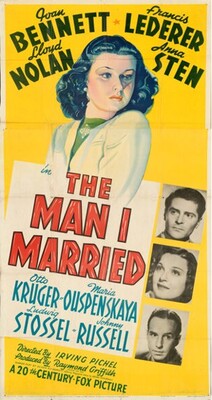
As time passes, Eric becomes more strident in his worship of Adolf Hitler. Carol and he grow increasingly estranged.
Eventually, Eric tells Carol he is in love with Frieda and wants a divorce. Even worse, he wants to keep his son in Germany, to become a loyal follower of the Nazis.
For Carol, the situation is desperate: Under German law, Eric’s rights will trump hers.
But then fate takes a hand. While visiting his elderly father, Eric learns something truly shocking: His mother was a Jewess—the absolute worst calamity that could befall an ardent Nazi.
“If you won’t let your son return to America with his mother,” says his father, “I will go to the authorities and show them the marriage certificate.”
Eric is stunned. So is Frieda, who is standing by when the news breaks. Disgusted that she was about to “racially defile” herself, she angrily stalks out.
Suddenly, Eric now says he doesn’t know what came over him, and he wants to return to the United States. Even more startling, he expects to go on with his marriage to Carol, as if nothing has happened.
But, for Carol, the damage is too great and the marriage is over.
She and Ricky return to the United States without Eric—who has lost everything: His wife, his son and his future with the Third Reich.
Now, fast forward to the 21st century of Donald Trump’s America—and the fate of Anthony Scaramucci.

Anthony Scaramucci
Jdarsie11 [CC BY-SA 4.0 (https://creativecommons.org/licenses/by-sa/4.0)%5D
In 2005, Scaramucci founded SkyBridge Capital, a global alternative investment firm.
But, in 2017, hoping to attain a position with the Trump administration, he resigned from his co-management role and ended his affiliation with SkyBridge.
On January 12, he was named Assistant to President Trump and director of the White House Office of Public Liaison and Intergovernmental Affairs.
Then disaster struck. On January 31, Trump’s chief of staff, Reince Priebus, called Scaramucci “to tell him he should pull out of consideration.”
Priebus opposed Scaramucci’s appointment because of Scaramucci’s stake in Skybridge Capital. The reason: Skybridge held a majority stake sale to RON Transatlantic EG and HNA Capital (U.S.) Holding, a Chinese conglomerate with close ties to China’s Communist Party.
But then Scaramucci’s future with the Trump administration suddenly appeared a reality.
On July 21, 2017, he was named as White House Communications Director, to take office on July 25. Even more importantly, he would report directly to the President—and not to Priebus, as had White House Press Secretary Sean Spicer.
Spicer, who had opposed Scarmucci’s hiring, resigned on the day of the appointment. Priebus had also strongly argued against the hiring, to no avail.
Then Scaramucci’s own hubris intervened.
On July 26, in a call to Ryan Lizza of The New Yorker, Scaramucci said he would rid the White House of “leakers.” He threatened to fire the entire White House Communications staff if Lizza didn’t reveal the source who had leaked the story of a dinner he had had with Trump.
He blasted Priebus as a “leaker” and “a fucking paranoid schizophrenic, a paranoiac,” and predicted that Priebus “would resign soon.”
Scaramucci also had harsh words for Trump’s chief strategist, Steve Bannon: “I’m not Steve Bannon, I’m not trying to suck my own cock. I’m not trying to build my own brand off the fucking strength of the President. I’m here to serve the country.”
On July 27, Priebus resigned as chief of staff.
The next day, Trump announced that he had named retired general John F. Kelley as Priebus’ replacement.
Then, on July 31, Scaramucci joined Spicer and Priebus as an ex-White House employee—dismissed by Trump at Kelly’s request, according to The New York Times.
And, like Eric Hoffman in The Man I Married, Scaramucci found himself without a marriage.
His wife, Deidre Ball—like Carol Hoffman—despised the man he yearned to work for: Donald Trump.
Married to Scaramucci in 2014, Ball filed for divorce in early July 2017 when she was eight months pregnant with their second child.
On July 24, Deidre gave birth to the couple’s son, James—while Anthony was in West Virginia attending the Boy Scouts Jamboree with Trump. He reportedly sent her a note: “Congratulations, I’ll pray for our child.”
Like Icarus, the mythical character who flew too close to the sun, he rose to the heights—and plunged to his doom.
9/11, ABC NEWS, ALTERNET, AP, BARACK OBAMA, BENGHAZI TERROR ATTACK, BIRTH CERTIFICATE, BUZZFEED, CBS NEWS, CHARLES KOCH, CNN, CROOKS AND LIARS, DAILY KOZ, DAVID KOCH, DR. STANTON GLANTZ, FACEBOOK, FBI, GEORGE W. BUSH, IMPEACHMENT, IRS, MOTHER JONES, MOVEON, NATIONAL CANCER INSTITUTE, NATIONAL SECURITY AGENCY, NAVY SEALS, NBC NEWS, NEWSWEEK, NPR, OSAMA BIN LADEN, POLITICO, RAW STORY, REUTERS, SALON, SEATTLE TIMES, SLATE, TEA PARTY, THE ATLANTIC, THE CHICAGO SUN-TIMES, THE CHICAGO TRIBUNE, THE DAILY BEAST, THE GUARDIAN, THE HILL, THE HUFFINGTON POST, THE LOS ANGELES TIMES, THE NATION, THE NEW YORK TIMES, THE WASHINGTON POST, TIME, TOBACCO INDUSTRY, TWITTER, U.S. NEWS & WORLD REPORT, UP, UPI, USA TODAY
In Bureaucracy, Business, History, Politics, Social commentary on July 27, 2017 at 12:05 am
The Tea Party hated President Barack Obama and believed he should be impeached.
That you could have easily learned by visiting its website.
But there is a great deal about the Tea Party itself that its website won’t tell you.
Such as:
- Despite its propaganda, it is not a “grassroots organization” comprised of “ordinary Americans.”
- It was created with money from the tobacco industry and the billionaire Koch brothers.
- Its purpose is to co-opt Right-wing Americans and channel their votes into legislation that benefits the 1% richest.
That’s the conclusion of a study by the National Cancer Institute of the National Institute of Health.

National Cancer Institute
The roots of the Tea Party lie in the early 1980s, when tobacco companies started pouring money into third-party groups.
Their mission was two-fold:
- To fight excise taxes on cigarettes; and
- To combat health studies showing a link between cancer and secondhand smoke.
Stanton Glantz, professor of medicine at the University of California, San Francisco, has been a longtime foe of the tobacco industry.
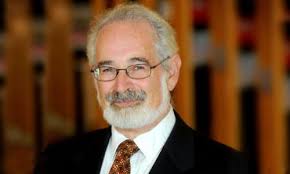
Dr. Stanton Glantz
In 2012, he authored a study for the peer-reviewed academic journal, Tobacco Control. Writing about the ties between the Tea Party and the tobacco industry, Glantz noted:
“The Tea Party, which gained prominence in the USA in 2009, advocates limited government and low taxes. Tea Party organisations, particularly Americans for Prosperity and FreedomWorks, oppose smoke-free laws and tobacco taxes.
“Rather than being a purely grassroots movement that spontaneously developed in 2009, the Tea Party has developed over time, in part through decades of work by the tobacco industry and other corporate interests.”
Click here: ‘To quarterback behind the scenes, third-party efforts’: the tobacco industry and the Tea Party — Fallin et al. –
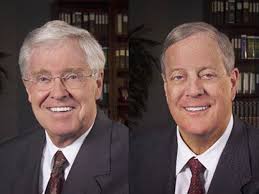
Charles and David Koch, the real founders of the Tea Party
Most people believe the Tea Party originated as a 2009 grassroots uprising to protest taxes. But its origins can be traced to 2002.
That was when the Charles and David Koch and tobacco-backed Citizens for a Sound Economy set up the first Tea Party website.
From the National Cancer Institute’s study of the Tea Party:
- “The Tea Party, a loosely organised network of grassroots coalitions at local and state levels, is a complex social and political movement to the right of the traditional Republican Party that promotes less government regulation and lower taxes.”
- “David Koch was a co-founder of Citizens for a Sound Economy (CSE) and Americans for Prosperity (AFP) Foundation,” both major allies of the tobacco industry.
- “National organisations funded by corporations, particularly Americans for Prosperity (AFP) and FreedomWorks, played an important role in structuring and supporting the Tea Party in the initial stages. They provided training, communication and materials for the earliest Tea Party activities, including the first ‘Tea Party’ on 27 February 2009.”
- “FreedomWorks organised the nationwide Tea Party tax protests in April 2009, the town hall protests about the proposed healthcare reform in August 2009 and the Taxpayers’ March on Washington the following September 2009.”
- “As of 2012, AFP and FreedomWorks were supporting the tobacco companies’ political agenda by mobilising local Tea Party opposition to tobacco taxes and smoke-free laws.”
- “In many ways, the Tea Party of the late 2000s has become the ‘movement’ envisioned by Tim Hyde, RJR director of national field operations in the 1990s, which was grounded in patriotic values of ‘freedom’ and ‘choice’ to change how people see the role of ‘government’ and ‘big business’ in their lives, particularly with regard to taxes and regulation.”
- “Many factors beyond the tobacco industry have contributed to the development of the Tea Party. Anti-tax sentiment has been linked to notions of patriotism since the inception of the USA when the colonies were protesting against taxation by the British.”
- “In addition, the Tea Party has origins in the ultra-right John Birch Society of the 1950s, of which Fred Koch (Charles and David Koch’s father) was a founding member.”
- “Although the Tea Party is a social movement, it has been affiliated closely with, and somewhat incorporated into, the Republican Party. This may be due in part to the increased conservatism of politically active Republicans since 1970s and the increased polarisation of American politics.”
- “….AFP and FreedomWorks…capitalised on the changing political realities following President Barack Obama’s election in 2008.”
- “In particular, they harnessed anti-government sentiment arising from the confluence of the mortgage and banking bailout, President Barack Obama’s stimulus package and the Democratic push for healthcare reform, which provided them with the opportunity for more successful grassroots-level Tea Party organising.”

CHART SHOWING Connections between the tobacco industry, third-party allies and the Tea Party, from the 1980’s (top) through 2012 (bottom).
Since 2008, the Tea Party has played a major role in American politics.
Throughout 2009, its thuggish supporters sought to terrorize members of Congress into opposing passage of the Affordable Care Act (ACA), otherwise known as Obamacare.
This despite the fact that the ACA offered many of them their only chance to obtain access to medical care.
And in 2010 they played a pivotal role in delivering the House of Representatives to the Republican Party. Similarly, they helped Republicans take control of the Senate in 2014.
Yet the vast majority of the Tea Party’s low-level membership probably doesn’t know the origins—or the real purposes—of their organization.
But for those for whom truth is important, “the truth”—as The X-Files tagline once went—“is out there.”





 Bureaucracybuster's Blog
ABC NEWS, ALTERNET, AMERICA ONLINE, AMERICAN FEDERATION OF TEACHERS, AOL GOLD, AP, BUZZFEED, CBS NEWS, CNN, COMPUTERS, CROOKS AND LIARS, CUSTOMER SERVICE, DAILY KOZ, FACEBOOK, GCHAT, INSTANT MESSENGER, INTERNET, LIBRARY OF CONGRESS, MEG RYAN, MOTHER JONES, MOVEON, NATIONAL EDUCATION ASSOCIATION, NATIONAL GEOGRAPHIC, NBC NEWS, NEWSWEEK, NPR, PISSED CONSUMER, POLITICO, RAW STORY, REUTERS, SALON, SEATTLE TIMES, SLATE, TEXTING, THE ATLANTIC, THE CHICAGO SUN-TIMES, THE CHICAGO TRIBUNE, THE DAILY BEAST, THE GUARDIAN, THE HILL, THE HUFFINGTON POST, THE LOS ANGELES TIMES, THE NATION, THE NEW YORK TIMES, THE WASHINGTON POST, TIME, TIME WARNER, TOM HANKS, TWITTER, U.S. NEWS & WORLD REPORT, UP, UPI, USA TODAY, YOU’VE GOT MAIL
AOL: WORKING HARD TO COMMIT SUICIDE
In Bureaucracy, Business, History, Social commentary on October 18, 2017 at 12:06 amWhen the movie, You’ve Got Mail appeared in 1998, no one needed to be told that America Online (AOL) would be prominently featured.
It was through AOL that the two main characters in this romantic comedy—Tom Hanks and Meg Ryan—found offline happiness through an online romance.
The film was aptly timed to boost AOL’s popularity. By 1997, about half of all American homes with Internet access had it through AOL.
Founded in 1983, AOL began began as a short-lived venture called Control Video Corporation (or CVC). Its sole product was an online service called GameLine for the Atari 2600 video game console.
Subscribers bought a modem from the company for $50 and paid a one-time $15 setup fee.
On May 24, 1985, Quantum Computer Services, an online services company, was founded by Jim Kimsey from the remnants of Control Video.
Kimsey changed the company’s strategy, and in 1985, launched a dedicated online service.
During the early 1990s, the average subscription lasted for about 25 months and accounted for $350 in total revenue. AOL greatly expanded its customer rolls by distributing free AOL trial disks through companies like The Good Guys and Circuit City. At one point, 50% of the CDs produced worldwide had an AOL logo.
By 1997, about half of all U.S. homes with Internet access had it through AOL.
AOL’s Silicon Valley branch office
Over the next several years, AOL launched services with the a wide range of educational organizations, including:
A big draw for AOL customers was its “Instant Messenger” service. Launched in 1997, it allowed AOL members to “chat” with each other. No other online service had anything like it, and AOL refused to share the technology that made this possible.
(Eventually, an anti-monopoly lawsuit by the Justice Department forced AOL to share its “Instant Messenger” technology with its online rivals.)
By 1998, anyone with an Internet-connected computer could access AOL for free. Its revenues were now driven by ads companies eagerly paid to showcase their services or products.
In January 2000, AOL and Time Warner announced plans to merge, forming AOL Time Warner, Inc. AOL shareholders would own 55% of the new, combined company. The deal closed on January 11, 2001.
At the time, it seemed a merger made in heaven. It would supposedly allow Time Warner to digitise its content and reach out to a new online audience. And AOL would gain access to Time Warner’s cable systems, innovative broadband capability and additional content to provide to its 27 million customers.
Yet by 2002 the merger resulted in a net loss of $99 billion, the largest loss ever reported by a company. By 2009, the merger-marriage was over. Time Warner Chief Jeff Bawkes called it “the biggest mistake in corporate history.”
In June, 2017, AOL warned its customers that, starting in August, they would have to pay about $5 a month to access its services. The company was switching to a “new, improved” version called AOL Gold.
As usually happens when new software is launched, there were bugs all around in it. A complainant to the Pissed Consumer website wrote:
“If I have to pay I don’t want to see ads all over my mail, reading or when I’m writing. Send to later folder is all messed up. It seems to crash more & runs slower….
“I read an email & clicked on ‘mark unread’ when I tried to pull it back up I only got the heading but NOT the info. Trying to send email to a group of friends & being told there is a problem, but no idea what is wrong. I always used this group in my 9.8 desktop with no problems.”
And another customer wrote: “Aol gold sucks.90% of the time I get error to load account.”
A third customer: “Spent 4.5 hours waiting for aol gold to import my old pfc [Private Filing Cabinet–where emails are stored] only to find it imported the wrong version of my favorites…. Then spent 3.5 hours on a remote tech call where he repeatedly uninstalled and reinstalled gold with the same results.”
Other problems include:
Customers who call AOL’ at (888) 265-3733 and press “1” for “support on your existing AOL account” automatically get transferred to the billing department. So anyone seeking technical help needs to press “2”.
But AOL apparently doesn’t have enough techs trained in its new Gold technology. So there is usually a long wait before one of them comes on the phone. This means that if you’re calling on a cell phone, you can easily run out of battery time before your problem is resolved.
Then, in early October, AOL announced that, on December 15, it would shut down its Instant Messenger service.
The reason: Competing “chat” systems—such as texting, Gchat and Facebook—have replaced Instant Messenger as go-to forms of communication.
Nor does AOL plan to replace its Instant Messenger service.
Perhaps only the movie business can rival AOL for sheer self-destructiveness. Once “the big dog on the block,” AOL now risks the fate of dogs sent to the pound.
Share this: