Posts Tagged ‘WORLD TRADE CENTER’
9/11 ATTACKS, ABC NEWS, AL QAEDA, ALTERNET, AMERICABLOG, AMERICAN CAESARS: THE LIVES OF THE PRESIDENTS FROM FRANKLIN D. ROOSEVELT TO GEORGE W. BUSH (BOOK), AMERICAN EMPIRE, AP, BABY BOOMER RESISTANCE, BARACK OBAMA, BASHAR AL-ASSAD, BBC, BILL CLINTON, BLOOMBERG NEWS, BUREAUCRACY, BUZZFEED, CBS NEWS, CHRIS MATHEWS, CNN, COLIN POWELL, CONDOLEEZA RICE, CROOKS AND LIARS, DAILY KOS, DICK CHENEY, DONALD RUMSFELD, DONALD TRUMP, DWIGHT EISENHOWER, FBI, FIVETHIRTYEIGHT, FRANKLIN D. ROOSEVELT, GAIUS SUETONIUS TRANQUILLIUS, GEORGE H.W. BUSH, GEORGE W. BUSH, GERALD R. FORD, HARPER’S MAGAZINE, HARRY S. TRUMAN, HOLOCAUST, HUFFINGTON POST, IRAN, IRAQ, ISRAEL, JEFFREY EPSTEIN, JFK: RECKLESS YOUTH (BOOK), JIMMY CARTER, JOHN F. KENNEDY, LYNDON B. JOHNSON, MEDIA MATTERS, MEIN KAMPF, MOTHER JONES, MOVEON, MSNBC, NATIONAL SECURITY COUNCIL, NBC NEWS, NEW REPUBLIC, NEWSDAY, NEWSWEEK, NIGEL HAMILTON, NPR, OSAMA BIN LADEN, PAUL O’NEIL, PAUL WOLFOWITZ, PBS NEWSHOUR, POLITICO, POLITICUSUSA, RAW STORY, REPUBLICAN PARTY, REUTERS, RICHARD CLARKE, RICHARD NIXON, ROMAN EMPIRE, SADDAM HUSSEIN, SALON, SEATTLE TIMES, SEPTEMBER 11, SLATE, SOVIET UNION, SUETONIUS, SYRIA, TALKING POINTS MEMO, TERRORISM, THE ATLANTIC, THE CHICAGO SUN-TIMES, THE CHICAGO TRIBUNE, THE DAILY BEAST, THE DAILY BLOG, THE GUARDIAN, THE HILL, THE HUFFINGTON POST, THE INTERCEPT, THE LOS ANGELES TIMES, THE NATION, THE NEW REPUBLIC, THE NEW YORK TIMES, THE NEW YORKER, THE PENTAGON, THE TWELVE CAESARS (BOOK), THE VILLAGE VOICE, THE WASHINGTON POST, THINKPROGRESS, TIME, TRUTHDIG, TRUTHOUT, U.S. NEWS & WORLD REPORT, UPI, USA TODAY, WEAPONS OF MASS DESTRUCTION, WHITE HOUSE CORRESPONDENTS DINNER, WORLD TRADE CENTER, WORLD WAR 11, X
In Bureaucracy, History, Military, Politics, Social commentary on March 18, 2026 at 12:40 am
On September 12, 2001, President George W. Bush attended a meeting of the National Security Council.
“Why shouldn’t we go against Iraq, not just Al-Qaeda?” demanded Donald Rumsfeld, the Secretary of Defense.
Vice President Dick Cheney enthusiastically agreed.
Secretary of State Colin Powell then pointed out there was absolutely no evidence that Iraq had had anything to do with 9/11 or Al-Qaeda. And he added: “The American people want us to do something about Al-Qaeda”—not Iraq.
On November 21, 2001, only 10 weeks after 9/11, Bush told Rumsfeld: It’s time to turn to Iraq.


Condoleeza Rice
Bush and his war-hungry Cabinet officials knew that Americans demanded vengeance on Al Qaeda’s mastermind, Osama bin Laden, and not Iraqi dictator Saddam Hussein. So they repeatedly fabricated “links” between the two:
- Saddam had worked hand-in-glove with Bin Laden to plan 9/11.
- Saddam was harboring and supporting Al-Qaeda throughout Iraq.
- Saddam, with help from Al-Qaeda, was scheming to build a nuclear bomb.
Yet as early as September 22, 2001, Bush had received a classified President’s Daily Brief intelligence report, which stated that there was no evidence linking Saddam Hussein to 9/11.
The report added that there was scant credible evidence that Iraq had any significant collaborative ties with Al-Qaeda.
Even more important: Saddam had tried to monitor Al Qaeda through his intelligence service—because he saw Al-Qaeda and other theocratic radical Islamist organizations as a potential threat to his secular regime.

Dick Cheney
Bush administration officials repeatedly claimed that Iraq possessed huge quantities of chemical and biological weapons, in violation of UN resolutions. And they further lied that US intelligence agencies had determined:
- The precise locations where these weapons were stored;
- The identities of those involved in their production; and
- The military orders issued by Saddam Hussein for their use in the event of war.
Among other lies stated as fact by members of the Bush administration:
- Iraq had sought uranium from Niger, in west Africa.
- Thousands of aluminum tubes imported by Iraq could be used in centrifuges to create enriched uranium.
- Iraq had up to 20 long-range Scud missiles, prohibited under UN sanctions.
- Iraq had massive stockpiles of chemical and biological agents, including nerve gas, anthrax and botulinum toxin.
- Saddam Hussein had issued chemical weapons to front-line troops who would use them when U.S. forces crossed into Iraq.
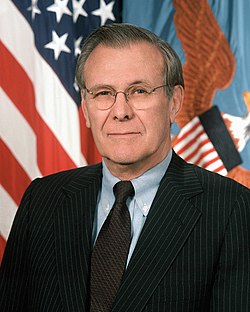
Donald Rumsfeld
Consider the following:
August 26, 2002: Cheney told the Veterans of Foreign Wars, “There is no doubt that Saddam Hussein now has weapons of mass destruction. There is no doubt he is amassing them to use against our friends, against our allies and against us.”
September 8, 2002: National Security Advisor Condoleeza Rice said on CNN: ”There is certainly evidence that Al-Qaeda people have been in Iraq. There is certainly evidence that Saddam Hussein cavorts with terrorists.”
September 18, 2002: Rumsfeld told the House Armed Services Committee, “We do know that the Iraqi regime has chemical and biological weapons. His regime has amassed large, clandestine stockpiles of chemical weapons—including VX, sarin, cyclosarin and mustard gas.”
October 7, 2002: Bush declared in a nationally televised speech in Cincinnati that Iraq “possesses and produces chemical and biological weapons. It is seeking nuclear weapons.”
March 16, 2003: Cheney declared on NBC’s “Meet the Press”: “We believe [Saddam Hussein] has, in fact, reconstituted nuclear weapons.”
Bush never regretted his decision to attack Iraq—on March 19, 2003.
Even as American occupying forces repeatedly failed to turn up any evidence of “weapons of mass destruction” (WMDs), Bush and his minions claimed the invasion a good thing.
In fact, Bush—who hid out the Vietnam war in the Texas Air National Guard—even joked publicly about the absence of WMDs.
He did so at a White House Correspondents dinner on March 24, 2004—one year after he had started the war.

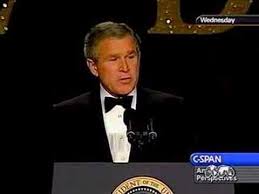
George W. Bush at the 2004 White House Correspondents’ dinner
To Bush, the non-existent WMDs were nothing more than the butt of a joke that night. While an overhead projector displayed photos of a puzzled-looking Bush searching around the Oval Office, Bush recited a comedy routine.
“Those weapons of mass destruction have gotta be somewhere,” Bush laughed, while a photo showed him poking around the corners in the Oval Office.
“Nope—no weapons over there! Maybe they’re under here,” he said, as a photo showed him looking under a desk.
Meanwhile, an assembly of wealthy, pampered men and women—-the elite of America’s media and political classes—laughed heartily during Bush’s performance.
It was a scene worthy of the court of the ancient Caesars, complete with royal flunkies: “Hey! That country we just destroyed wasn’t a threat to us after all! Isn’t that a gas?”
The results of the war that Bush had deliberately provoked:
- Cost the lives of 4,484 Americans.
- Depleted the United States Treasury of at least $2 trillion.
- Created a Middle East power vacuum.
- Allowed Iran—Iraq’s arch enemy—to eagerly fill it.
- Frightened and repelled even America’s closest allies.
- Killed at least 655,000 Iraqis.
- Bush retired from office with a lavish pension and full Secret Service protection.
- He wrote his memoirs and was paid $7 million for the first 1.5 million copies.
- Cheney, Rumsfeld and Rice retired to private business, wrote their memoirs, and lived in comfort as respected elder statesmen.
9/11 ATTACKS, ABC NEWS, AL QAEDA, ALTERNET, AMERICABLOG, AMERICAN CAESARS: THE LIVES OF THE PRESIDENTS FROM FRANKLIN D. ROOSEVELT TO GEORGE W. BUSH (BOOK), AMERICAN EMPIRE, AP, BABY BOOMER RESISTANCE, BASHAR AL-ASSAD, BBC, BILL CLINTON, BLOOMBERG NEWS, BUREAUCRACY, BUZZFEED, CBS NEWS, CHRIS MATHEWS, CNN, COLIN POWELL, CONDOLEEZA RICE, CROOKS AND LIARS, DAILY KOS, DICK CHENEY, DONALD RUMSFELD, DONALD TRUMP, DWIGHT EISENHOWER, FBI, FIVETHIRTYEIGHT, FRANKLIN D. ROOSEVELT, GAIUS SUETONIUS TRANQUILLIUS, GEORGE H.W. BUSH, GEORGE W. BUSH, GERALD R. FORD, HARPER’S MAGAZINE, HARRY S. TRUMAN, HOLOCAUST, HUFFINGTON POST, IRAN, IRAQ, ISRAEL, JEFFREY EPSTEIJN, JFK: RECKLESS YOUTH (BOOK), JIMMY CARTER, JOHN F. KENNEDY, LYNDON B. JOHNSON, MEDIA MATTERS, MEIN KAMPF, MOTHER JONES, MOVEON, MSNBC, NATIONAL SECURITY COUNCIL, NBC NEWS, NEW REPUBLIC, NEWSDAY, NEWSWEEK, NIGEL HAMILTON, NPR, OSAMA BIN LADEN, PAUL O’NEIL, PAUL WOLFOWITZ, PBS NEWSHOUR, POLITICO, POLITICUSUSA, RAW STORY, REPUBLICAN PARTY, REUTERS, RICHARD CLARKE, RICHARD NIXON, ROMAN EMPIRE, SADDAM HUSSEIN, SALON, SEATTLE TIMES, SEPTEMBER 11, SLATE, SOVIET UNION, SUETONIUS, SYRIA, TALKING POINTS MEMO, TERRORISM, THE ATLANTIC, THE CHICAGO SUN-TIMES, THE CHICAGO TRIBUNE, THE DAILY BEAST, THE DAILY BLOG, THE GUARDIAN, THE HILL, THE HUFFINGTON POST, THE INTERCEPT, THE LOS ANGELES TIMES, THE NATION, THE NEW REPUBLIC, THE NEW YORK TIMES, THE NEW YORKER, THE PENTAGON, THE TWELVE CAESARS (BOOK), THE VILLAGE VOICE, THE WASHINGTON POST, THINKPROGRESS, TIME, TRUTHDIG, TRUTHOUT, U.S. NEWS & WORLD REPORT, UPI, USA TODAY, WEAPONS OF MASS DESTRUCTION, WHITE HOUSE CORRESPONDENTS DINNER, WORLD TRADE CENTER, WORLD WAR 11, X
In Bureaucracy, History, Military, Politics, Social commentary on March 17, 2026 at 12:10 am
As President Donald Trump rains bombs and missiles on Iran, it’s vital to remember how American hubris led to a nine-year war in Iraq—from the “shock and awe” bombardment of March 20, 2003, until combat forces were finally withdrawn on December 18, 2011.
But this should also be a time to remember those Americans who made the 9/11 atrocity—and the disastrous Iraq war that followed—inevitable.
British historian Nigel Hamilton has chronicled their arrogance and indifference in his 2010 biography: American Caesars: Lives of the Presidents from Franklin D. Roosevelt to George W. Bush.
Hamilton noted that Richard Clarke, the national security advisor on terrorism, was certain that Osama bin Laden had arranged the USS Cole bombing in Aden on October 12, 2000.
For months, Clarke tried to convince others in the Bush Administration that Bin Laden was plotting another attack against the United States—either abroad or at home.
But Clarke could not prevail against the know-it-all arrogance of such higher-ranking Bush officials as Vice President Dick Cheney; Secretary of Defense Donald Rumsfeld; Rumsfeld’s deputy, Paul Wolfowitz; and National Security Advisor Condoleeza Rice.
Rice initially refused to hold a cabinet-level meeting on the subject. Then she “insisted the matter be handled only by a more junior Deputy Principals meeting” in April, 2001, writes Hamilton.
Even after Clarke outlined the threat posed by Al-Qaeda, Wolfowitz—the number-two man at the Department of Defense—said: “You give bin Laden too much credit.”
Wolfowitz—whose real target was Saddam Hussein—insisted that bin Laden couldn’t carry out his terrorist acts without the aid of a state sponsor—namely, Iraq.
In fact, Wolfowitz blamed Iraq for the 1993 bombing of the World Trade Center. Clarke was stunned, since there was absolutely no evidence of Iraqi involvement in this.
“Al-Qaeda plans major acts of terrorism against the United States,” Clarke warned his colleagues. He pointed out that, like Adolf Hitler, bin Laden had actually published his plans for future destruction.
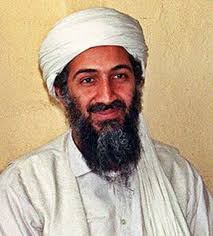
Osama bin Laden
And he added: “Sometimes, as with Hitler in Mein Kampf, you have to believe that these people will actually do what they say they will do.”
Wolfowitz heatedly traded on his Jewish heritage to bring Clarke’s unwelcome arguments to a halt: “I resent any comparison between the Holocaust and this little terrorist in Afghanistan.”
Writing in outraged fury, Hamilton sums up Clarke’s agonizing frustrations:
- Bush’s senior advisors treated their colleagues who had served in the Clinton administration with contempt.
- Bush, Dick Cheney, Rice, Rumsfeld and Wolfowitz seemed content to ignore the danger signals of an impending al-Qaeda attack.
- This left only Secretary of State Colin Powell, his deputy Richard Armitage, Richard Clarke and a skeptical Treasury Secretary, Paul O’Neill, to wage “a lonely battle to waken a seemingly deranged new administration.”
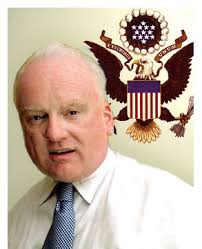
Richard Clarke
Clarke alerted Federal Intelligence agencies that “Al-Qaeda is planning a major attack on us.” He asked the FBI and CIA to report to his office all they could learn about suspicious persons or activities at home and abroad.
Finally, at a meeting with Rice on September 4, 2001, Clarke challenged her to “picture yourself at a moment when in the very near future Al-Qaeda has killed hundreds of Americans, and imagine asking yourself what you wish then that you had already done.”
Seven days later, Al-Qaeda struck, and 3,000 Americans died horrifically—and needlessly.
Neither Bush, Cheney, Rice, Rumsfeld nor Wolfowitz ever admitted their negligence. Nor would any of them be brought to account.

Condoleeza Rice, Dick Cheney, George W. Bush and Donald Rumsfeld
Disgustingly, these were the same officials who, afterward, posed as the Nation’s saviors—and branded anyone who disagreed with them as a traitor, practices the Right continues to exploit to this day.
Only Richard Clarke—who had vainly argued for stepped-up security precautions and taking the fight to Al-Qaeda—gave that apology.
On March 24, 2004, Clarke testified at the public 9/11 Commission hearings. Addressing relatives of victims in the audience, he said: “Your government failed you, those entrusted with protecting you failed you, and I failed you.”
Yet even worse was to come.
On the evening after the September 11 attacks, Bush took Clarke aside during a meeting in the White House Situation Room:
“I want you, as soon as you can, to go back over everything, everything. See if Saddam [Hussein, the dictator of Iraq] did this. See if he’s linked in any way.”
Clarke was stunned: “But, Mr. President, Al-Qaeda did this.”
“I know, I know,” said Bush. “But see if Saddam was involved. I want to know.”
Hussein had not plotted the attack—and there was no evidence proving that he did.
But the attack gave “W” the excuse he wanted to remove the man he blamed for the 1992 defeat of his father, President George H.W. Bush.
Bush believed that his father would have been re-elected if he had “gone all the way” into Baghdad during the 1991 Gulf War.
He would finish the job that his father had started but failed to compete.
It was Hamlet Revisited—with missiles.
On September 12, 2001, Bush attended a meeting of the National Security Council.
“Why shouldn’t we go against Iraq, not just Al-Qaeda?” demanded Donald Rumsfeld, the Secretary of Defense.
Vice President Dick Cheney enthusiastically agreed.
9/11 ATTACKS, ABC NEWS, AL QAEDA, ALTERNET, AMERICABLOG, AMERICAN CAESARS: THE LIVES OF THE PRESIDENTS FROM FRANKLIN D. ROOSEVELT TO GEORGE W. BUSH (BOOK), AMERICAN EMPIRE, AP, BABY BOOMER RESISTANCE, BASHAR AL-ASSAD, BBC, BILL CLINTON, BLOOMBERG NEWS, BUREAUCRACY, BUZZFEED, CBS NEWS, CHRIS MATHEWS, CNN, COLIN POWELL, CONDOLEEZA RICE, CROOKS AND LIARS, DAILY KOS, DICK CHENEY, DONALD RUMSFELD, DONALD TRUMP, DWIGHT EISENHOWER, FBI, FIVETHIRTYEIGHT, FRANKLIN D. ROOSEVELT, GAIUS SUETONIUS TRANQUILLIUS, GEORGE H.W. BUSH, GEORGE W. BUSH, GERALD R. FORD, HARPER’S MAGAZINE, HARRY S. TRUMAN, HOLOCAUST, HUFFINGTON POST, IRAN, IRAQ, ISRAEL, JEFFREY EPSTEIN, JFK: RECKLESS YOUTH (BOOK), JIMMY CARTER, JOHN F. KENNEDY, LYNDON B. JOHNSON, MEDIA MATTERS, MEIN KAMPF, MOTHER JONES, MOVEON, MSNBC, NATIONAL SECURITY COUNCIL, NBC NEWS, NEW REPUBLIC, NEWSDAY, NEWSWEEK, NIGEL HAMILTON, NPR, OSAMA BIN LADEN, PAUL O’NEIL, PAUL WOLFOWITZ, PBS NEWSHOUR, POLITICO, POLITICUSUSA, RAW STORY, REPUBLICAN PARTY, REUTERS, RICHARD CLARKE, RICHARD NIXON, ROMAN EMPIRE, SADDAM HUSSEIN, SALON, SEATTLE TIMES, SLATE, SOVIET UNION, SYRIA, TALKING POINTS MEMO, TERRORISM, THE ATLANTIC, THE CHICAGO SUN-TIMES, THE CHICAGO TRIBUNE, THE DAILY BEAST, THE DAILY BLOG, THE GUARDIAN, THE HILL, THE HUFFINGTON POST, THE INTERCEPT, THE LOS ANGELES TIMES, THE NATION, THE NEW REPUBLIC, THE NEW YORK TIMES, THE NEW YORKER, THE PENTAGON, THE TWELVE CAESARS (BOOK), THE VILLAGE VOICE, THE WASHINGTON POST, THINKPROGRESS, TIME, TRUTHDIG, TRUTHOUT, U.S. NEWS & WORLD REPORT, UPI, USA TODAY, WEAPONS OF MASS DESTRUCTION, WHITE HOUSE CORRESPONDENTS DINNER, WORLD TRADE CENTER, WORLD WAR 11, X
In Bureaucracy, History, Military, Politics, Social commentary on March 16, 2026 at 12:55 am
On February 28, 2026, President Donald J. Trump—in collusion with Israel—launched massive airstrikes against Iran.
Since then, he—and other members of his administration—have issued a series of shifting and contradictory reasons for starting the war. Among them:
- Preventing Iran from developing nuclear weapons.
- Destroying Iran’s missile capabilities.
- Annihilating the Iranian navy.
- Ensuring that Iran quit arming, funding and/or directing “terrorist armies” outside its borders.
- Pre-empting an Iranian attack on American military bases in the Middle East.
One reason not given: Driving the Epstein files—which document Trump’s salacious relationship with pedophile Jeffrey Epstein—off the airways and Internet.
Equally worrisome has been Trump’s shifting estimates about how long the conflict will rage:
- March 9: “It’s going to be ended soon.”
- March 11: “Any time I want it to end, it will end.”
- March 13: “It’ll be as long as it’s necessary.”
- March 13: “When I feel it in my bones” when asked “When are you going to know when it’s over?”
Trump’s comments are eerily similar to those made by President George W. Bush on May 1, 2003.
Standing under a “Mission Accomplished” banner on the deck of the aircraft carrier USS Abraham Lincoln, Bush announced: “Major combat operations in Iraq have ended. In the battle of Iraq, the United States and our allies have prevailed.”
Only on December 18, 2011, were American forces withdrawn from Iraq.
But Americans, refusing to learn from history or even read it, are now being forced to repeat it.
To begin at the beginning:
Even as the rubble was being cleared at the Pentagon and World Trade Center from 9/11, President George W. Bush was preparing to use the attack as an excuse to topple Iraqi dictator Saddam Hussein.
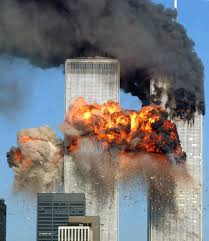
World Trade Center on September 11, 2001
Hussein had not plotted 9/11, and there was no evidence that he did. But that didn’t matter to Bush and those planning the invasion and conquest of Iraq.
British historian Nigel Hamilton has dared to lay bare the facts of this disgrace. Hamilton is the author of several acclaimed political biographies, including JFK: Reckless Youth and Bill Clinton: Mastering the Presidency.
In 2007, he began research on his latest book: American Caesars: The Lives of the Presidents From Franklin D. Roosevelt to George W. Bush.

Nigel Hamilton
Nigel Hamilton, CC BY-SA 3.0 <http://creativecommons.org/licenses/by-sa/3.0/>, via Wikimedia Commons
The inspiration for this came from a classic work of ancient biography: The Twelve Caesars, by Gaius Suetonius Tranquillus—known as Suetonius.
Suetonius, a Roman citizen and historian, had chronicled the lives of the first twelve Caesars of imperial Rome: Julius Caesar, Augustus, Tiberius, Caligula, Claudius, Nero, Galba, Otho, Vitellius, Vespasian, Titus and Domitian.
Hamilton wanted to examine post-World War II United States history as Suetonius had examined that of ancient Rome: Through the lives of the 12 “emperors” who had held the power of life and death over their fellow citizens—and those of other nations.
For Hamilton, the “greatest of American emperors, the Caesar Augustus of his time,” was Franklin D. Roosevelt, who led his country through the Great Depression and World War II.

Franklin D. Roosevelt
His “”great successors” were Harry S. Truman, Dwight D. Eisenhower and John F. Kennedy—who, in turn, contained the Soviet Union abroad and presided over sustained economic prosperity at home.
By contrast, “arguably the worst of all the American Caesars” was “George W. Bush, and his deputy, Dick Cheney, who willfully and recklessly destroyed so much of the moral basis of American leadership in the modern world.”
Among the most lethal of Bush’s offenses: The appointing of officials who refused to take seriously the threat posed by Al-Qaeda.
And this arrogance and indifference continued—right up to September 11, 2001, when the World Trade Center and Pentagon became targets for destruction.
Among the few administration officials who did take Al-Qaeda seriously was Richard Clarke, the chief counter-terrorism adviser on the National Security Council.
Clarke had been thus appointed in 1998 by President Bill Clinton. He continued in the same role under President Bush—but the position was no longer given cabinet-level access.
This put him at a severe disadvantage when dealing with other, higher-ranking Bush officials—such as Vice President Dick Cheney, Secretary of Defense Donald Rumsfeld, Rumsfeld’s deputy, Paul Wolfowitz and National Security Advisor Condoleeza Rice.
These turned out to be the very officials who refused to believe that Al-Qaeda posed a lethal threat to the United States.
“Indeed,” writes Hamilton, “in the entire first eight months of the Bush Presidency, Clarke was not permitted to brief President Bush a single time, despite mounting evidence of plans for a new al-Qaeda outrage.” [Italics added]
Nor did it help that, during his first eight months in office before September 11, Bush was on vacation, according to the Washington Post, 42% of the time.
For months, Clarke tried to convince others in the Bush Administration that Bin Laden was plotting another attack against the United States–either abroad or at home.
But Clarke could not prevail against the know-it-all arrogance of such higher-ranking Bush officials as Cheney, Rumsfeld, Wolfowitz and Rice.
9/11 TERROR ATTACKS, ABC NEWS, ALASKA AIRLINES, ALDRICH AMES, ALTERNET, AMERICABLOG, AMERICAN AIRLINES, AP, BABY BOOMER RESISTANCE, BBC, BC NEWS, BLOOMBERG, BLUESKY, BUZZFEED, CBS NEWS, CIA, CNN, CROOKS AND LIARS, DAILY KOS, DELTA AIRLINES, FBI, FIVETHIRTYEIGHT, HARPER’S MAGAZINE, HUFFINGTON POST, IDENTOGO, JETBLUE AIRLINES, JOHN F. KENNEDY, JOHN W. HINCKLEY, LYNETTE "SQUEAKY" FROMME, MEDIA MATTERS, MOTHER JONES, MOVEON, MSNBC, NBC NEWS, NEWSDAY, NEWSWEEK, NPR, PBS NEWSHOUR, POLITICO, POLITICUSUSA, PRESIDENT GERALD FORD, PRESIDENT RONALD REAGAN, RALPH NADER, RAW STORY, REUTERS, RICHARD REID, ROBERT HANSSEN, SALON, SARAH JANE MOORE, SEATTLE TIMES, Secret Service, SECURITY, SHOE-BOMBER, SLATE, SOUTHWEST AIRLINES, TALKING POINTS MEMO, TERRORISM, THE ATLANTIC, THE CHICAGO SUN-TIMES, THE CHICAGO TRIBUNE, THE DAILY BEAST, THE DAILY BLOG, THE GUARDIAN, THE HILL, THE HUFFINGTON POST, THE INTERCEPT, THE LOS ANGELES TIMES, THE NATION, THE NEW REPUBLIC, THE NEW YORK TIMES, THE NEW YORKER, THE PENTAGON, THE VILLAGE VOICE, THE WALL STREET JOURNAL, THE WASHINGTON POST, THINKPROGRESS, TIME, TRANSPORTATION SAFETY ADMINISTRATION (TSA), TRANSPORTATION SECURITY ADMINISTRATION, TRUTHDIG, TRUTHOUT, TSA PRECHECK, TWO POLITICAL JUNKIES, U.S. NEWS & WORLD REPORT, UNITED AIRLINES, UNITED FLIGHT 93, UPI, USA TODAY, USAIRWAYS, VIRGIN AMERICAN AIRLINES, WEALTH GAP, WORLD TRADE CENTER, X
In Bureaucracy, Business, History, Law, Law Enforcement, Politics, Social commentary on November 21, 2025 at 12:17 am
All security systems—including those considered the best—are created by humans. And humans are and will always be imperfect creatures.
So there will inevitably be times when security agents miss the assassin or terrorist intent on mayhem. For example:
- In September, 1975, two women—Lynette “Squeaky” Fromme and Sara Jane Moore—tried to assassinate President Gerald R. Ford on two separate occasions.
- Fromme was tackled by a Secret Service agent. Moore’s aim was deflected by Oliver Sipple, a Marine and Vietnam veteran, thus saving Ford’s life.
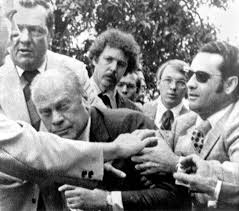
Gerald Ford being hustled from danger by Secret Service agents
Until these incidents, the Secret Service profile of a potential assassin didn’t include a woman.
- On March 30, 1981, John W. Hinckley, a psychotic obsessed with actress Jodie Foster, gained access to a line of reporters waiting to throw questions at President Ronald Reagan.
- As Reagan got into his bulletproof Presidential limousine, Hinckley drew a pistol and opened fire. Wounded, Reagan escaped death by inches.
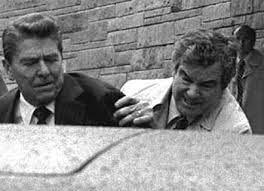
The Reagan Assassination attempt
The Secret Service Service had failed to prevent the attack because no one—until that moment—had attacked a President from the section reserved for reporters.
- On September 11, 2001, Islamic terrorists armed with boxcutters highjacked four American jetliners and turned them into fuel-bombs.
- Two of the airliners struck the North and South towers of the World Trade Center, destroying both structures.
- A third hit the Pentagon.
- The fourth—United Airlines Flight 93—crashed when it was diverted from its intended target (the White House or Congress) by passengers who resolved to fight back.
- Three thousand Americans died that day—in New York City, Washington, D.C., and Shanksville, Pennsylvania.
Until this day of catastrophe, no highjacker had turned a jumbo-jet into a fuel-bomb. Passengers had been advised to cooperate with highjackers, not resist them.
So how will the next 9/11 happen? In all likelihood, like this:
- A terrorist—or, more likely, several terrorists—will sign up for one or more airline “VIP screening” programs.
- They will be completely clean—no arrests, no convictions.
- They may well be respectable citizens in their communities.
- They will probably have amassed enough “frequent flier miles” to ingratiate themselves with the airlines and convince the Transportation Safety Administration (TSA) of their integrity.
- Then, one day, they will breeze through their selected airports—
- Without removing their belts and shoes;
- Without undergoing pat-down searches;
- Without being required to remove laptops and other electronic devices from their carry-ons;
- Without exposing their electronic devices to X-ray technology.
- Then they will board planes—either as part of an individual terrorist effort or a coordinated one, a la 9/11.
And then it will be too late.
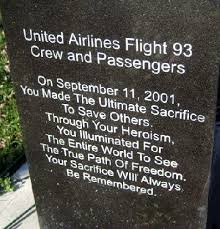
Memorial to the passengers and crew of United Flight 93
The TSA/airlines’ VIP programs are based on the assumption that someone who has completed a security check in the past need not be re-checked in the future.
This assumption has proven false for American Intelligence agencies such as the FBI and CIA.
- FBI agent Robert Hanssen spied for Soviet and Russian Intelligence services for 22 years (1979-2001). He’s now serving a life sentence in Florence, Colorado.
- CIA agent Aldrich Ames betrayed American secrets—including those Russians who had shared them—to Soviet and Russian espionage agencies from 1985 to 1994. He is likewise serving a life sentence.
Even requiring an agent to undergo repeated security checks is no guarantee of trustworthiness.
When asked about how he repeatedly passed CIA polygraph tests, Ames said: “There’s no special magic. Confidence is what does it. Confidence and a friendly relationship with the examiner. Rapport, where you smile and make him think that you like him.”
Thus, as William Shakespeare warned in Hamlet, “One may smile and smile and be a villain”—or a highjacker.
The TSA introduced its Pre-Check program during the fall of 2011. By August, 2024, more than 20 million travelers had been found worthy of “expedited” status.
In early September, 2013, TSA announced that it would more than double its “expedited screening” program, Pre-Check, from 40 to 100 airports by the end of the year.
Nor is TSA the only organization giving big-spending fliers special treatment at potential risk to their country. For example:
Delta Air Lines offers Sky Priority, described as providing “privileged access through security checkpoints” at select airports.
Another private security program, Clear, collects several pieces of biometric data on well-heeled passengers. Once verified by a kiosk local to the security checkpoint, the passengers are allowed to skirt the security barriers that poor and middle-class folks must pass through.
Priority Access, set up by TSA and the airlines, provides “expedited service” to first-class and business passengers. To qualify, you need only possess certain credit cards—such as the United Mileage Plus Club Card.
Some critics blast this two-tier passenger check-in system as an affront to democratic principles.
“It’s stratifying consumers by class and wealth, because the people who travel a lot usually have higher incomes,” said Ralph Nader, consumer advocate and frequent business traveler.
But there is an even more important reason to immediately disband these programs and require everyone—rich and middle-class alike—to undergo the same level of security screening:
The 3,000 men and women who died horrifically on September 11, 2001, at the hands of airline passengers whom authorities thought could be trusted to board a plane.

Tribute to the vanished World Trade Center
9/11 TERROR ATTACKS, ABC NEWS, ALASKA AIRLINES, ALDRICH AMES, ALTERNET, AMERICABLOG, AMERICAN AIRLINES, AP, BABY BOOMER RESISTANCE, BBC, BC NEWS, BLOOMBERG, BLUESKY, BUZZFEED, CBS NEWS, CIA, CNN, CROOKS AND LIARS, DAILY KOS, DELTA AIRLINES, FBI, FIVETHIRTYEIGHT, HARPER’S MAGAZINE, HUFFINGTON POST, IDENTOGO, JETBLUE AIRLINES, JOHN F. KENNEDY, JOHN W. HINCKLEY, LYNETTE "SQUEAKY" FROMME, MEDIA MATTERS, MOTHER JONES, MOVEON, MSNBC, NBC NEWS, NEWSDAY, NEWSWEEK, NPR, PBS NEWSHOUR, POLITICO, POLITICUSUSA, PRESIDENT GERALD FORD, PRESIDENT RONALD REAGAN, RALPH NADER, RAW STORY, REUTERS, RICHARD REID, ROBERT HANSSEN, SALON, SARAH JANE MOORE, SEATTLE TIMES, Secret Service, SECURITY, SHOE-BOMBER, SLATE, SOUTHWEST AIRLINES, TALKING POINTS MEMO, TERRORISM, THE ATLANTIC, THE CHICAGO SUN-TIMES, THE CHICAGO TRIBUNE, THE DAILY BEAST, THE DAILY BLOG, THE GUARDIAN, THE HILL, THE HUFFINGTON POST, THE INTERCEPT, THE LOS ANGELES TIMES, THE NATION, THE NEW REPUBLIC, THE NEW YORK TIMES, THE NEW YORKER, THE PENTAGON, THE VILLAGE VOICE, THE WALL STREET JOURNAL, THE WASHINGTON POST, THINKPROGRESS, TIME, TRANSPORTATION SAFETY ADMINISTRATION (TSA), TRUTHDIG, TRUTHOUT, TSA PRECHECK, TWITTER, TWO POLITICAL JUNKIES, U.S. NEWS & WORLD REPORT, UNITED AIRLINES, UNITED FLIGHT 93, UPI, USA TODAY, USAIRWAYS, VIRGIN AMERICAN AIRLINES, WEALTH GAP, WORLD TRADE CENTER, X
In Bureaucracy, Business, History, Law, Law Enforcement, Politics, Social commentary on November 20, 2025 at 12:10 am
More than 20 years after 9/11, America is now selling its Islamic enemies access to the very weapons—jet-fueled airplanes—they need to wage jihad against its citizens.
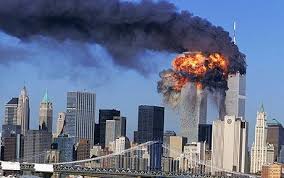
World Trade Center on September 11, 2001
This danger is brought to you by IdentoGO, the private security company chosen by the Transportation Safety Administration (TSA) to screen airline passengers.
Consider this ad it posts:
“How many times have you stood in line at the airport watching others breeze through security with no hassle? By enrolling in TSA Pre✓® , you too can breeze through security.
“Keep your shoes, jacket and belt on; your laptop in its case; 3-1-1 compliant liquids in your bag; and enjoy a better overall travel experience.
“TSA Pre✓® allows low-risk travelers to experience faster, more efficient screening at participating U.S. airport checkpoints for domestic and international travel.”
Yes, for an enrollment payment of $78, you, too, can apply to receive such preferential treatment. Even if it means putting the Nation’s security at risk. Travelers that are eligible for TSA Pre✓® include:
- U.S. citizens of frequent flyer programs who meet TSA-mandated criteria and who have been invited by a participating airline;
- U.S. citizen, U.S. national or Lawful Permanent Residents who are members of the TSA Pre✓® Application Program;
- U.S. citizens who are members of a U.S. Customs and Border Protection Trusted Traveler program, such as Global Entry, SENTRI, and NEXUS and Canadian citizens who are members of NEXUS; and
- Members of the U.S. Armed Forces.
- Find an IdentoGO Center near you, including a growing number of airport locations, offering TSA Pre✓® and pre-enroll online.
- Schedule an appointment to come in for fingerprinting.
- Pay the $85 applications fee and show your proof-of-identity documents from the approved list of valid government IDs.
- A Known Traveler Number (KTN) will be mailed to you or can be obtained online.
- Once enrolled, your KTN is used when booking travel and your TSA Pre✓® approval is printed on your boarding passes.
- Be sure to update your airline member profile to have the number automatically sent to the TSA when making reservations.
Among the credit cards that will buy you such preferential treatment:
If you’re accepted, you don’t need to undergo another background check for the next five years.
In 2024, 96% of TSA PreCheck passengers waited less than five minutes to board.
So what difference does it make that some passengers must submit to close inspection while others do not?
- If you’re trying to carry a metallic firearm aboard a plane, the magnetometer will likely pick it up. But if you’ve filled your computer with plastic explosive, the magnetometer won’t pick it up.
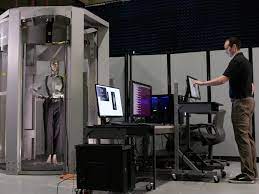
Advanced imaging technology
- Or maybe you want to be a shoe-bomber like Richard Reid, who tried to blow up an American Airlines flight in 2001. Being allowed to skip the requirement to remove your shoes will certainly take you a long way toward reaching your goal.
Why is America being placed at such risk? Three reasons:
- The greed of American airline corporations and the TSA.
- Wealthy, self-entitled Americans hate waiting in long airport security lines—like ordinary citizens.
- The Calvinistic belief—shared by most Americans—that wealth is a sign of God’s favor, and thus proof that its holder is worthy of deference, if not awe.
On September 11, 2001, 2,996 people were killed and more than 6,000 others wounded as three highjacked airliners slammed into:
- The North Tower of the World Trade Center;
- The South Tower of the World Trade Center;
- The Pentagon; and
- A field in Somerset County, Pennsylvania, after passengers and crew on United Flight 93 tried to regain control.
The attacks inflicted the worst shock and grief on America since the 1963 assassination of President John F. Kennedy.
So think about how easy it is to qualify as a TSA Pre-Check passenger the next time you board an airliner.
According to Yelp! reviews of thoroughly satisfied IdentoGO customers:
- “My TSA precheck appointment was done in 10 minutes! Plenty of free parking in their parking lot. The staff was friendly and courteous. I made an appointment thru the TSA precheck website. When I arrived, there was no wait. The office was clean, and the staff member who I met was friendly and courteous. Be sure to bring in your proper documents. $85 fee collected at the end of appointment. TSA precheck works for domestic flights only.”
- “The friendly agent took me in right away and he proceeded to go through my application with me, just to double check that all the information in the application is correct. He took my fingerprints (all fingers) and I was pretty much done in about 10 minutes.”
- “Going here for TSA precheck is a no-brainer. Super easy to get an appointment, free parking, and no waiting. Staff was friendly and efficient, explained what to expect after they submitted my information, and within less than 10 minutes I was on my way. Went in on a Friday afternoon and by Monday evening (ok, late evening really), I had my KTN. So, so easy.”
9/11 ATTACKS, ABC NEWS, ADOLF EICHMANN, ADOLF HITLER, ALTERNET, AMERICABLOG, AMERICAN CIVIL LIBERTIES UNION, AP, BABY BOOMER RESISTANCE, BBC, BLOOMBERG, BUZZFEED, CBS NEWS, CNN, CROOKS AND LIARS, DAILY KOS, DEPARTMENT OF HOMELAND SECURITY, DONALD TRUMP, EGYPT, EXECUTIVE ORDER, FACEBOOK, FIVETHIRTYEIGHT, HARPER’S MAGAZINE, HEINRICH HIMMLER, HERMAN GORING, HITLER 1889-1936: HUBRIS, HITLER 1936-1945: NEMESIS, HITLER: ASCENT: 1889-1939, HUFFINGTON POST, IAN KERSHAW, IRAN, IRQA, JOSEPH GOEBBELS, LYBIA, MEDIA MATTERS, MOTHER JONES, MOVEON, MSNBC, MUSLIM REFUGEES, NAZI GERMANY, NBC NEWS, NEW REPUBLIC, NEWSDAY, NEWSWEEK, NPR, OSAMA BIN LADEN, PBS NEWSHOUR, PENTAGON, POLITICO, POLITICUSUSA, RAW STORY, REUTERS, ROBERT PAYNE, SALON, SAUDI ARABIA, SEATTLE TIMES, SLATE, SOMALIA, STALINGRAD (MOVIE), SUDAN, SYRIA, TALKING POINTS MEMO, THE ATLANTIC, THE CHICAGO SUN-TIMES, THE CHICAGO TRIBUNE, THE DAILY BEAST, THE DAILY BLOG, THE GUARDIAN, THE HILL, THE HUFFINGTON POST, THE INTERCEPT, THE LIFE AND DEATH OF ADOLF HITLER, THE LOS ANGELES TIMES, THE NATION, THE NEW REPUBLIC, THE NEW YORK TIMES, THE NEW YORKER, THE VILLAGE VOICE, THE WASHINGTON POST, THINKPROGRESS, THIRD REICH, TIME, TRUTHDIG, TRUTHOUT, TURKEY, TWO POLITICAL JUNKIES, U.S. NEWS & WORLD REPORT, UNITED ARAB EMIRATES, UPI, USA TODAY, VOLKER ULRICH, WALTER SHAUB, WORLD TRADE CENTER, X, YEMEN
In Bureaucracy, Business, History, Law, Law Enforcement, Politics, Social commentary on April 25, 2025 at 12:19 am
In Stalingrad, a 1993 German-made war movie, a platoon of German Army soldiers leaves behind the beaches and beauties of Italy and find themselves fighting desperately to stay alive in Russia.
Early in the film, there is an exchange that has its real-life counterpart almost 75 years later.
A young, idealistic German lieutenant, newly transferred to the Russian front, is horrified when he sees a fellow soldier from another unit sadistically beat a Russian prisoner to death.
He seeks out the man’s superior, a captain, and says: “Captain, I must protest about the behavior of your men.”
“You want to protest?” asks the captain, grinning sardonically. “Tell the Fuhrer.”
Fast forward to January 28, 2017, the day after President Donald J. Trump signed into law an executive order which:
- Suspended entry of all refugees to the United States for 120 days;
- Barred Syrian refugees indefinitely;, and
- Blocked entry into the United States for 90 days for citizens from Iran, Iraq, Libya, Somalia, Sudan, Syria and Yemen.
The new rules—and the efforts of security personnel at major international airports to enforce them—triggered a tsunami of chaos and fear among travelers.
“We’ve gotten reports of people being detained all over the country,” said Becca Heller, the director of the International Refugee Assistance Project. “They’re literally pouring in by the minute.”
Refugees on flights when the order was signed on January 27 were detained upon arrival.
Donald Trump
Many students attending American universities were blocked from returning to the United States from visits abroad.
According to Homeland Security officials, 109 people who were already in transit to the United States when the order was signed were denied access; 173 were stopped before boarding planes heading to America. Eighty-one people who were stopped were eventually given waivers to enter the United States.
Internationally, travelers were seized by panic when they were not allowed to board flights to the United States. In Dubai and Istanbul, airport and immigration officials turned passengers away at boarding gates. At least one family was removed from a flight it had boarded.
Earlier on January 28, Trump, isolated in the White House from all the chaos he had unleashed in airports across the nation and throughout the world, said:
“It’s not a Muslim ban, but we were totally prepared. It’s working out very nicely. You see it at the airports, you see it all over.”
Then the American Civil Liberties Union intervened.

Two Iraqi immigrants, defended by the ACLU, accused Trump of legal and constitutional overreach.
The Iraqis had been detained at John F. Kennedy International Airport in New York City. One had served as an interpreter for American forces in Iraq for a decade. The other was en route to reunite with his wife and son in Texas.
The interpreter, Hameed Khalid Darweesh, was released after nearly 19 hours of detention. So was the other traveler, Haider Sameer Abdulkhaleq Alshawi.
Before the two men were released, one of their lawyers, Mark Doss, a supervising attorney at the International Refugee Assistance Project, asked an official, “Who is the person we need to talk to?”
“Call Mr. Trump,” said the official, who refused to identify himself.
He might just as well have said: “You want to protest? Tell the Fuhrer.”
The ACLU action secured at least a temporary blocking of part of Trump’s order. A Brooklyn judge barred the government from deporting some arrivals who found themselves ensnared by the Presidential order.
Judge Ann M. Donnelly of the Federal District Court in Brooklyn, ruled that sending the travelers home could cause them “irreparable harm.” She said the government was “enjoined and restrained from, in any manner and by any means, removing individuals” who had arrived in the United States with valid visas or refugee status.
But she did not force the administration to let in people otherwise blocked by the executive order who have not yet traveled to the United States. Nor did she issue a broader ruling on the constitutionality of the order.
* * * * *
On November 5, 75 million ignorant, hate-filled, Right-wing Americans re-elected Donald Trump—a man reflecting their own hate and ignorance—to the Presidency.
Summing up Trump’s character in a March 25, 2016 broadcast of The PBS Newshour, conservative political columnist David Brooks warned: “The odd thing about [Trump’s] whole career and his whole language, his whole world view is there is no room for love in it. You get a sense of a man who received no love, can give no love….
“And so you really are seeing someone who just has an odd psychology unleavened by kindness and charity, but where it’s all winners and losers, beating and being beat. And that’s part of the authoritarian personality.”
There were countless warning signs available for Trump’s supporters to see—if they had wanted to see them:
- His facing 91 criminal counts in four cases;
- His threats against his political opponents and Justice Department prosecutors;
- His conviction for raping columnist E. Jean Carroll;
- His continued lying about winning the 2020 Presidential election;
- His conviction on 34 counts of falsifying business records;
- His unjustified attacks the integrity of the FBI—causing previously “law and order” Republicans to demand its defunding.
Those who voted for Trump will now learn the meaning of the Nazi slogan: “The Fuhrer proposes and disposes for all.” Those who voted against him knew this already.
2020 PRESIDENTIL ELECTION, 9/11 ATTACKS, ABC NEWS, ADOLF EICHMANN, ADOLF HITLER, ALTERNET, AMERICABLOG, AMERICAN CIVIL LIBERTIES UNION, AMERICAN CIVIL LIBERTIES UNION (ACLU), AP, AUGUST FLENTJE, BABY BOOMER RESISTANCE, BBC, BLOOMBERG, BUZZFEED, CBS NEWS, CNN, CROOKS AND LIARS, DAILY KOS, DEPARTMENT OF HOMELAND SECURITY, DEPARTMENT OF JUSTICE, DONALD TRUMP, DUBAI, E. JEAN CARROLL, EGYPT, EL SALVADOR, EREZ REUVENI, EXECUTIVE ORDER, FACEBOOK, FALSIFYING BUSINESS RECORDS, FBI, FIVETHIRTYEIGHT, HARPER’S MAGAZINE, HEINRICH HIMMLER, HERMAN GORING, HITLER 1889 – 1936: HUBRIS (BOOK), HITLER 1889-1936: HUBRIS, HITLER 1936 – 1945 NEMESIS (BOOK), HITLER 1936-1945: NEMESIS, HITLER: ASCENT: 1889 – 1939 (BOOK), HITLER: ASCENT: 1889-1939, HUFFINGTON POST, IAN KERSHAW, ILLEGAL ALIENS, IMMIGRATION AND CUSTOMS ENFORCEMENT (ICE), INTERNATIONAL REFUGEE ASSISTANCE PROJECT, IRAN, IRAQ, ISTANBUL, JOSEPH GOEBBELS, KILMAR ABREGO GARCIA, LIBYA, LYBIA, MEDIA MATTERS, MOTHER JONES, MOVEON, MS-13 GANG, MSNBC, MUSLIM REFUGEES, MUSLIMS, NAZI GERMANY, NBC NEWS, NEW REPUBLIC, NEWSDAY, NEWSWEEK, NPR, OSAMA BIN LADEN, PAM BONDI, PAULA XINIS, PBS NEWSHOUR, PENTAGON, POLITICO, POLITICUSUSA, RAW STORY, REUTERS, ROBERT PAYNE, SALON, SAUDI ARABIA, SEATTLE TIMES, SLATE, SOMALIA, STALINGRAD (MOVIE), SUDAN, SYRIA, TALKING POINTS MEMO, THE ATLANTIC, THE CHICAGO SUN-TIMES, THE CHICAGO TRIBUNE, THE DAILY BEAST, THE DAILY BLOG, THE GUARDIAN, THE HILL, THE HUFFINGTON POST, THE INTERCEPT, THE LIFE AND DEATH OF ADOLF HITLER, THE LOS ANGELES TIMES, THE NATION, THE NEW REPUBLIC, THE NEW YORK TIMES, THE NEW YORKER, THE VILLAGE VOICE, THE WASHINGTON POST, THINKPROGRESS, THIRD REICH, TIME, TODD BLANCHE, TRUTHDIG, TRUTHOUT, TURKEY, TWO POLITICAL JUNKIES, U.S. NEWS & WORLD REPORT, UNITED ARAB EMIRATES, UPI, USA TODAY, VOLKER ULRICH, WALTER SHAUB, WERNER WILLIKENS, WORLD TRADE CENTER, X, YEMEN
In Bureaucracy, Business, History, Law, Law Enforcement, Politics, Social commentary on April 24, 2025 at 12:06 am
When historians—-and ordinary citizens—think about the Third Reich, the name of Werner Willikens doesn’t immediately spring to mind.
Adolf Hitler, Herman Goring, Joseph Goebbels, Heinrich Himmler, Adolf Eichmann—yes.
But why Werner Willikens?
British historian and author Ian Kershaw has unearthed the reason.
He has written extensively about the Third Reich. He is best-known for his monumental, two-volume biography, Hitler 1889–1936: Hubris (1998) and Hitler 1936–1945: Nemesis (2000).

Ian Kershaw
Willikens, State Secretary in the Ministry of Food, gave a speech on February 21, 1934 that casts new light on how Hitler came to exercise vast authority over Nazi Germany:
“Everyone who has the opportunity to observe it knows that the Fuhrer can hardly dictate from above everything he intends to realize sooner or later.
“On the contrary, up till now everyone with a post in the new Germany has worked best when he has, so to speak, worked towards the Fuhrer….
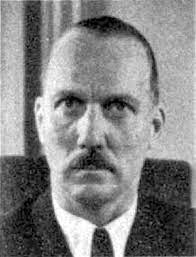
Werner Willikens
“In fact, it is the duty of everybody to try to work towards the Fuhrer along the lines he would wish. Anyone who makes mistakes will notice it soon enough.
“But anyone who really works towards the Fuhrer along his lines and towards his goal will certainly both now and in the future one day have the finest reward in the form of the sudden legal confirmation of his work.”
Volker Ullrich, bestselling author of Hitler: Ascent 1889 – 1939, summed up the results of this interplay between Hitler and his subjects:
“Kershaw tried to show that in many instances Hitler didn’t need to do very much at all since German society–everyone from the underlings surrounding him to ordinary people on the street—-were increasingly inclined to anticipate and fulfill the Fuhrer’s every wish, ‘working towards him.’
“…Kershaw…. illustrate[d] that without the readiness of many people to work for the man in charge, there would have been no way he could have achieved his murderous aims.
“Kershaw’s main thesis was that the dynamics of the Nazi regime arose from the interplay of Hitler’s intentions with activism emanating from subordinate individuals and institutions. The results were ever more radical ‘solutions.'”
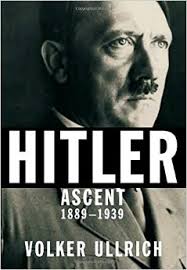
On April 30, 1945, Adolf Hitler simultaneously bit on a cyanide capsule and fired a pistol shot into his right temple.
The concept of “working towards the Fuhrer” seemed to have come to a literally fiery end.
Fast forward almost 80 years later–to January 20, 2025.
Donald J. Trump, upon resuming the office of President, has declared all-out war on illegal aliens within the United States. He has given Immigration and Customs Enforcement (ICE) full powers to seize and deport anyone fitting that description.
Even if that person is a legal resident who has lived in the United States legally with a work permit since 2011 and is protected from deportation by a 2019 court order.
Such was the case with Kilmar Abrego Garcia, a Salvadoran citizen living in Maryland. He illegally entered the United States at age 18 to escape being drafted into the 18th Street Gang.
In 2019 he was arrested in Maryland and detained by federal immigration authorities. An immigration judge granted Garcia protection from deportation because he might risk violence from local gangs in El Salvador.
On March 12, 2025, Garcia was stopped and detained by immigration agents and questioned about his alleged affiliation with the MS-13 gang. MS-13 was originally formed by Salvadoran immigrants fleeing civil war in their homeland and is now involved in myriad illegal enterprises,
ICE deported him to El Salvador, alongside hundreds of other men accused of being gang members.
There was just one problem: Garcia was deported due to a clerical error.
U.S. District Judge Paula Xinis ordered that Garcia be returned to Maryland: “His detention appears wholly lawless.”
In turn, the Justice Department claimed that it could not return him from a sovereign nation.
On April 5, Erez Reuveni, the acting deputy director of the department’s immigration litigation division, struggled to answer questions from the judge about the circumstances of Garcia’s deportation.
Asked why the U.S. couldn’t ask for his return, Reuveni said: “The first thing I did when I got this case on my desk is ask my clients the same question. Our only arguments are jurisdictional. He should not have been sent to El Salvador.
“My answer to a lot of these questions is going to be frustrating, and I am frustrated. The government made a choice here to produce no evidence.”
Attorney General Pam Bondi took issue with how Reuveni handled the case in court. The next day, she ordered him put on administrative leave by Deputy U.S. Attorney Todd Blanche. He is no longer working on the Abrego Garcia case or in the Justice Department in general.
August Flentje, Reuveni’s supervisor, was also placed on administrative leave. Flentje was told he had failed to supervise a subordinate.
In a statement to CNN, Bondi said: “At my direction, every Department of Justice attorney is required to zealously advocate on behalf of the United States. Any attorney who fails to abide by this direction will face consequences.”
Reuveni had been praised as a “top-notched” prosecutor by his superiors in an email announcing his promotion two weeks ago. His crime lay in his failure to “work toward the Fuhrer.“
9/11 TERRORIST ATTACKS, ABC NEWS, AFGHANISTAN, AIRPORT SECURITY, ALTERNET, AMERICABLOG, AP, BABY BOOMER RESISTANCE, BBC, BIRTH CERTIFICATES, BLOOMBERG, BLUESKY, BUZZFEED, CBS NEWS, CNN, CROOKS AND LIARS, DAILY KOS, DEPARTMENT OF HOMELAND SECURITY, DEPARTMENT OF MOTOR VEHICLES, DRIVER'S LICENSES, FACEBOOK, FBI, FIVETHIRTYEIGHT, HARPER’S MAGAZINE, HUFFINGTON POST, IDENTIFICATION, JOE BIDEN, MEDIA MATTERS, MOHAMMED ATTA, MOTHER JONES, MOVEON, MSNBC, NATIONAL CRIME INFORMATION CENTER (NCIC), NATIONAL GUARD, NBC NEWS, NEW REPUBLIC, NEWSDAY, NEWSWEEK, NPR, PASSPORTS, PBS NEWSHOUR, POLITICO, POLITICUSUSA, RAW STORY, REAL ID ACT, REUTERS, SALON, SAN FRANCISCO FEDERAL BUILDING, SEATTLE TIMES, SECURITY THEATER, SLATE, SOCIAL SECURITY CARD, TALIBAN, TALKING POINTS MEMO, TERRORISM, THE ATLANTIC, THE CHICAGO SUN-TIMES, THE CHICAGO TRIBUNE, THE DAILY BEAST, THE DAILY BLOG, THE GUARDIAN, THE HILL, THE HUFFINGTON POST, THE INTERCEPT, THE LOS ANGELES TIMES, THE NATION, THE NEW REPUBLIC, THE NEW YORK TIMES, THE NEW YORKER, THE VILLAGE VOICE, THE WASHINGTON POST, THEODORE BUNDY, THINKPROGRESS, TIME, TRANSPORTATION SECURITY ADMINISTRATION, TRUTHDIG, TRUTHOUT, TWO POLITICAL JUNKIES, U.S. NEWS & WORLD REPORT, UPI, USA TODAY, WORLD TRADE CENTER, X
In Bureaucracy, Business, History, Law, Law Enforcement, Military, Politics, Social commentary on April 23, 2025 at 12:08 am
In 2005—four years after 9/11—Congress passed the Real ID Act as a counter-terrorism measure. Its goal was to set security standards for government-issued IDs.
The Act started to be introduced in late 2013. But then its enforcers decided that some states hadn’t complied with all of its requirements.
As a result, driver’s licenses from those states will no longer suffice to pass through airport security. And that includes domestic flights as well as international ones.
The reason: Licenses issued by those states don’t contain enough identifying information to pass muster with the Transportation Security Administration (TSA).
The new IDs will contain one of five small stickers in the upper right corner to comply.
But the final date for compliance with Real ID has been repeatedly postponed—especially during the COVID-19 pandemic. Its current deadline is May 7, 2025.
After that, only those who have a REAL ID will be allowed to board domestic flights at TSA security checkpoints and enter certain federal buildings and properties.
So what is the easiest way to get a REAL ID? The Federal Government is advising people to get a passport.
But, as one New York traveler outlined: “To get a passport I’ll first need to get a certified copy of my birth certificate.
“And to get a copy of my birth certificate I need only to submit a copy of my driver’s license. A copy, no face-to-face, is-that-really you?
“So a New York driver’s license isn’t good enough for flying but it is good enough to get a birth certificate, which gets me a passport, which allows me to fly.”
In California, the following documents are among those accepted as proof of identity:
- Valid U.S. passport
- Social Security card
- Original or certified copy of U.S. birth certificate
- Valid Permanent Resident card
- Utility bills (at least two from different companies)
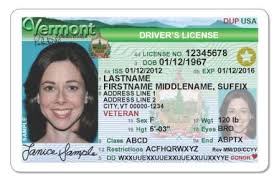
Sample state ID card that’s acceptable under the Real ID Act
So much of what passes for security is actually security theater. It doesn’t actually make us safer, but it makes us feel safer.
And it makes us feel the government is keeping us safe, even when it isn’t.
Consider this: A friend of mine—whom I’ll call Jack—recently applied for a Real ID card as issued by the California Department of Motor Vehicles. He brought a certified copy of his birth certificate, bills from AT&T and Pacific Gas and Electric.
The birth certificate easily passed muster. But for a moment there was a problem with the bills from the utility companies: Jack had been getting his mail through a P.O. box, rather than at the apartment building where he lived.
And the “examiner” wanted to see a document with his home address on it.
Fortunately, Jack was able to fish out another bill with that on it. The “examiner” was satisfied, and Jack left the DMV assured that he would soon receive his TSA-approved Real ID card.
So: How does showing a utility bill document prove your integrity?
No doubt Mohammed Atta—the ringleader of the September 11, 2001 attacks—faithfully paid his utility bills—right up to the day when he highjacked American Airlines Flight 11 and crashed the plane into the North Tower of the World Trade Center.
And, yes, a birth certificate proves you were born in the United States—but so was Timothy McVeigh, who, in 1995, blew up the Oklahoma City Federal Building, killing 168 people.
Nor does a “school document”—which can get you a Real ID card—reveal anything about the character of the person.
Theodore Bundy attended the University of Puget Sound and the University of Washington—before embarking on his career as a burglar, kidnapper, rapist and serial killer.
Another form of security theater includes checking photo IDs to enter State and Federal office buildings.
Knowing a person’s identity is useful—if you have a reliable database system to match it against, such as the FBI’s National Crime Information Center (NCIC).
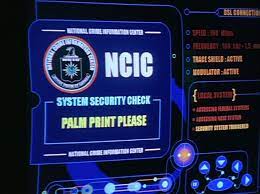
But if you lack this, forcing people to “show me your ID” is pointless. And that’s assuming the ID isn’t fraudulent.
But people watching the guard performing this security theater ritual assume: “The guard must know what he’s looking for. So we have to be safer for his checking those IDs.”
In fact, most security guards have little training and even less experience. Many of them don’t carry firearms and lack self-defense skills.
According to Salary.com: The median annual salary for an unarmed security guard is $47,480, with a range usually between $42,566 and $52,989.
Not exactly a salary geared to attract “the best and the brightest,” is it?
Making all of this even more infuriating: In August, 2021, at least 76,000 unvetted Afghans were admitted into the United States.
The reason: They were too cowardly to fight the Taliban.
Americans had spent 20 years training them to do just that. And as soon as the Taliban launched a major offensive, they fled to Kabul Airport—leaving their wives, girlfriends, mothers and sisters behind to face slavery and brutality.
So while cowardly Afghans—many of whom no doubt had terrorist backgrounds—didn’t have to prove themselves trustworthy, lifelong and law-abiding Americans must.
9/11 ATTACKS, ABC NEWS, ADOLF EICHMANN, ADOLF HITLER, ALTERNET, AMERICABLOG, AMERICAN CIVIL LIBERTIES UNION, AP, BABY BOOMER RESISTANCE, BBC, BLOOMBERG, BUZZFEED, CBS NEWS, CNN, CROOKS AND LIARS, DAILY KOS, DEPARTMENT OF HOMELAND SECURITY, DONALD TRUMP, EGYPT, EXECUTIVE ORDER, FACEBOOK, FIVETHIRTYEIGHT, HARPER’S MAGAZINE, HEINRICH HIMMLER, HERMAN GORING, HITLER 1889-1936: HUBRIS, HITLER 1936-1945: NEMESIS, HITLER: ASCENT: 1889-1939, HUFFINGTON POST, IAN KERSHAW, IRAN, IRQA, JOSEPH GOEBBELS, LYBIA, MEDIA MATTERS, MOTHER JONES, MOVEON, MSNBC, MUSLIM REFUGEES, NAZI GERMANY, NBC NEWS, NEW REPUBLIC, NEWSDAY, NEWSWEEK, NPR, OSAMA BIN LADEN, PBS NEWSHOUR, PENTAGON, POLITICO, POLITICUSUSA, RAW STORY, REUTERS, ROBERT PAYNE, SALON, SAUDI ARABIA, SEATTLE TIMES, SLATE, SOMALIA, STALINGRAD (MOVIE), SUDAN, SYRIA, TALKING POINTS MEMO, THE ATLANTIC, THE CHICAGO SUN-TIMES, THE CHICAGO TRIBUNE, THE DAILY BEAST, THE DAILY BLOG, THE GUARDIAN, THE HILL, THE HUFFINGTON POST, THE INTERCEPT, THE LIFE AND DEATH OF ADOLF HITLER, THE LOS ANGELES TIMES, THE NATION, THE NEW REPUBLIC, THE NEW YORK TIMES, THE NEW YORKER, THE VILLAGE VOICE, THE WASHINGTON POST, THINKPROGRESS, THIRD REICH, TIME, TRUTHDIG, TRUTHOUT, TURKEY, TWO POLITICAL JUNKIES, U.S. NEWS & WORLD REPORT, UNITED ARAB EMIRATES, UPI, USA TODAY, VOLKER ULRICH, WALTER SHAUB, WORLD TRADE CENTER, X, YEMEN
In Bureaucracy, Business, History, Law, Law Enforcement, Politics, Social commentary on December 6, 2024 at 12:10 am
In Stalingrad, a 1993 German-made war movie, a platoon of German Army soldiers leaves behind the beaches and beauties of Italy and find themselves fighting desperately to stay alive in Russia.
Early in the film, there is an exchange that has its real-life counterpart almost 75 years later.
A young, idealistic German lieutenant, newly transferred to the Russian front, is horrified when he sees a fellow soldier from another unit sadistically beat a Russian prisoner to death.
He seeks out the man’s superior, a captain, and says: “Captain, I must protest about the behavior of your men.”
“You want to protest?” asks the captain, grinning sardonically. “Tell the Fuhrer.”
Fast forward to January 28, 2017, the day after President Donald J. Trump signed into law an executive order which:
- Suspended entry of all refugees to the United States for 120 days;
- Barred Syrian refugees indefinitely;, and
- Blocked entry into the United States for 90 days for citizens from Iran, Iraq, Libya, Somalia, Sudan, Syria and Yemen.
The new rules—and the efforts of security personnel at major international airports to enforce them—triggered a tsunami of chaos and fear among travelers.
“We’ve gotten reports of people being detained all over the country,” said Becca Heller, the director of the International Refugee Assistance Project. “They’re literally pouring in by the minute.”
Refugees on flights when the order was signed on January 27 were detained upon arrival.
Donald Trump
Many students attending American universities were blocked from returning to the United States from visits abroad.
According to Homeland Security officials, 109 people who were already in transit to the United States when the order was signed were denied access; 173 were stopped before boarding planes heading to America. Eighty-one people who were stopped were eventually given waivers to enter the United States.
Internationally, travelers were seized by panic when they were not allowed to board flights to the United States. In Dubai and Istanbul, airport and immigration officials turned passengers away at boarding gates. At least one family was removed from a flight it had boarded.
Earlier on January 28, Trump, isolated in the White House from all the chaos he had unleashed in airports across the nation and throughout the world, said:
“It’s not a Muslim ban, but we were totally prepared. It’s working out very nicely. You see it at the airports, you see it all over.”
Then the American Civil Liberties Union intervened.
Two Iraqi immigrants, defended by the ACLU, accused Trump of legal and constitutional overreach.
The Iraqis had been detained at John F. Kennedy International Airport in New York City. One had served as an interpreter for American forces in Iraq for a decade. The other was en route to reunite with his wife and son in Texas.
The interpreter, Hameed Khalid Darweesh, was released after nearly 19 hours of detention. So was the other traveler, Haider Sameer Abdulkhaleq Alshawi.
Before the two men were released, one of their lawyers, Mark Doss, a supervising attorney at the International Refugee Assistance Project, asked an official, “Who is the person we need to talk to?”
“Call Mr. Trump,” said the official, who refused to identify himself.
He might just as well have said: “You want to protest? Tell the Fuhrer.”
The ACLU action secured at least a temporary blocking of part of Trump’s order. A Brooklyn judge barred the government from deporting some arrivals who found themselves ensnared by the Presidential order.
Judge Ann M. Donnelly of the Federal District Court in Brooklyn, ruled that sending the travelers home could cause them “irreparable harm.” She said the government was “enjoined and restrained from, in any manner and by any means, removing individuals” who had arrived in the United States with valid visas or refugee status.
But she did not force the administration to let in people otherwise blocked by the executive order who have not yet traveled to the United States. Nor did she issue a broader ruling on the constitutionality of the order.
* * * * *
On November 5, 75 million ignorant, hate-filled, Right-wing Americans re-elected Donald Trump—a man reflecting their own hate and ignorance—to the Presidency.
Summing up Trump’s character in a March 25, 2016 broadcast of The PBS Newshour, conservative political columnist David Brooks warned: “The odd thing about [Trump’s] whole career and his whole language, his whole world view is there is no room for love in it. You get a sense of a man who received no love, can give no love….
“And so you really are seeing someone who just has an odd psychology unleavened by kindness and charity, but where it’s all winners and losers, beating and being beat. And that’s part of the authoritarian personality.”
There were countless warning signs available for Trump’s supporters to see—if they had wanted to see them:
- His facing 91 criminal counts in four cases;
- His threats against his political opponents and Justice Department prosecutors;
- His conviction for raping columnist E. Jean Carroll;
- His continued lying about winning the 2020 Presidential election;
- His conviction on 34 counts of falsifying business records;
- His unjustified attacks the integrity of the FBI—causing previously “law and order” Republicans to demand its defunding.
Those who voted for Trump will now learn the meaning of the Nazi slogan: “The Fuhrer proposes and disposes for all.” Those who voted against him knew this already.
9/11 ATTACKS, ABC NEWS, ADOLF EICHMANN, ADOLF HITLER, ALTERNET, AMERICABLOG, AMERICAN CIVIL LIBERTIES UNION, AP, BABY BOOMER RESISTANCE, BBC, BLOOMBERG, BUZZFEED, CBS NEWS, CNN, CROOKS AND LIARS, DAILY KOS, DEPARTMENT OF HOMELAND SECURITY, DONALD TRUMP, EGYPT, EXECUTIVE ORDER, FACEBOOK, FIVETHIRTYEIGHT, HARPER’S MAGAZINE, HEINRICH HIMMLER, HERMAN GORING, HITLER 1889-1936: HUBRIS, HITLER 1936-1945: NEMESIS, HITLER: ASCENT: 1889-1939, HUFFINGTON POST, IAN KERSHAW, IRAN, IRQA, JOSEPH GOEBBELS, LYBIA, MEDIA MATTERS, MOTHER JONES, MOVEON, MSNBC, MUSLIM REFUGEES, NAZI GERMANY, NBC NEWS, NEW REPUBLIC, NEWSDAY, NEWSWEEK, NPR, OSAMA BIN LADEN, PBS NEWSHOUR, PENTAGON, POLITICO, POLITICUSUSA, RAW STORY, REUTERS, ROBERT PAYNE, SALON, SAUDI ARABIA, SEATTLE TIMES, SLATE, SOMALIA, STALINGRAD (MOVIE), SUDAN, SYRIA, TALKING POINTS MEMO, THE ATLANTIC, THE CHICAGO SUN-TIMES, THE CHICAGO TRIBUNE, THE DAILY BEAST, THE DAILY BLOG, THE GUARDIAN, THE HILL, THE HUFFINGTON POST, THE INTERCEPT, THE LIFE AND DEATH OF ADOLF HITLER, THE LOS ANGELES TIMES, THE NATION, THE NEW REPUBLIC, THE NEW YORK TIMES, THE NEW YORKER, THE VILLAGE VOICE, THE WASHINGTON POST, THINKPROGRESS, THIRD REICH, TIME, TRUTHDIG, TRUTHOUT, TURKEY, TWO POLITICAL JUNKIES, U.S. NEWS & WORLD REPORT, UNITED ARAB EMIRATES, UPI, USA TODAY, VOLKER ULRICH, WALTER SHAUB, WORLD TRADE CENTER, X, YEMEN
In Bureaucracy, Business, History, Law, Law Enforcement, Politics, Social commentary on December 5, 2024 at 12:32 am
When historians—-and ordinary citizens—think about the Third Reich, the name of Werner Willikens doesn’t immediately spring to mind.
Adolf Hitler, Herman Goring, Joseph Goebbels, Heinrich Himmler, Adolf Eichmann—yes.
But Werner Willikens? Why him?
Ian Kershaw has unearthed the reason.
Ian Kershaw is a British historian and author who has written extensively about the Third Reich. He is best-known for his monumental, two-volume biography, Hitler 1889–1936: Hubris (1998) and Hitler 1936–1945: Nemesis (2000).
Ian Kershaw
Willikens, State Secretary in the Ministry of Food, gave a speech on February 21, 1934 that casts new light on how Hitler came to exercise vast authority over Nazi Germany:
“Everyone who has the opportunity to observe it knows that the Fuhrer can hardly dictate from above everything he intends to realize sooner or later.
“On the contrary, up till now everyone with a post in the new Germany has worked best when he has, so to speak, worked towards the Fuhrer….
“In fact, it is the duty of everybody to try to work towards the Fuhrer along the lines he would wish. Anyone who makes mistakes will notice it soon enough.
“But anyone who really works towards the Fuhrer along his lines and towards his goal will certainly both now and in the future one day have the finest reward in the form of the sudden legal confirmation of his work.”
Volker Ullrich, bestselling author of Hitler: Ascent 1889 – 1939, summed up the results of this interplay between Hitler and his subjects:
“Kershaw tried to show that in many instances Hitler didn’t need to do very much at all since German society–everyone from the underlings surrounding him to ordinary people on the street—-were increasingly inclined to anticipate and fulfill the Fuhrer’s every wish, ‘working towards him.’
“…Kershaw did not minimize the historical role played by Hitler and his insane, ideological fixations, but he did illustrate that without the readiness of many people to work for the man in charge, there would have been no way he could have achieved his murderous aims.
“Kershaw’s main thesis was that the dynamics of the Nazi regime arose from the interplay of Hitler’s intentions with activism emanating from subordinate individuals and institutions. The results were ever more radical ‘solutions.'”
With the Third Reich dying in the flames of Berlin, at about 3:30 p.m. on April 30, 1945, Adolf Hitler simultaneously bit on a cyanide capsule and fired a pistol shot into his right temple.
The concept of “working towards the Fuhrer” seemed to have come to a literally fiery end.
Fast forward almost 72 years later–to 4:42 p.m. on January 27, 2017.
Newly inaugurated President Donald J. Trump signed into law an executive order that:
- Suspended entry of all refugees to the United States for 120 days;
- Barred Syrian refugees indefinitely; and
- Blocked entry into the United States for 90 days for citizens of Iran, Iraq, Libya, Somalia, Sudan, Syria and Yemen.
Trump’s executive order read as follows: “In order to protect Americans, the United States must ensure that those admitted to this country do not bear hostile attitudes toward it and its founding principles.
“The United States cannot, and should not, admit those who do not support the Constitution, or those who would place violent ideologies over American law.”
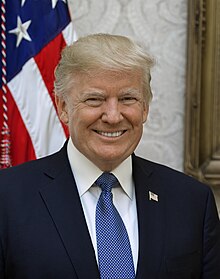
President Donald Trump
But that statement excluded three extremely troubling facts.
First: Over the previous four decades, there had been no fatal attacks within the United States by immigrants from any of those seven banned countries.
Second, approximately 3,000 Americans had been killed by immigrants from Saudi Arabia, the United Arab Emirates, Egypt, and Turkey. Most of those victims died during the attacks on the Pentagon and World Trade Center on September 11, 2001.
In fact, 15 of the 19 highjackers who took part in those attacks came from Saudi Arabia. Osama bin Laden, the mastermind of the attacks, was himself a Saudi from a wealthy family with strong ties to the Saudi Royal Family.
Third, Saudi Arabia, the United Arab Emirates, Egypt, and Turkey were all countries where Trump had close business ties. His properties included two luxury towers in Turkey and golf courses in the United Arab Emirates.
Trump listed companies on his FEC filing possibly related to a development project in Jeddah, Saudi Arabia’s second-biggest city, located outside Mecca: DT Jeddah Technical Services Manager LLC, DT Jeddah Technical Services Manager Member Corp., THC Jeddah Hotel Manager LLC and THC Jeddah Hotel Manager Member Corp.
Trump listed two companies on his FEC filing possibly related to business in Egypt: Trump Marks Egypt and Trump Marks Egypt LLC.
The full dimensions of Trump’s holdings throughout the Middle East aren’t known because he has refused to release his tax returns.
On January 11, 2017, Trump said that:
- He would resign from his positions at the Trump Organization but that he would not divest his ownership.
- The organization would be managed by his sons Eric and Don Jr. and chief financial officer Allen Weisselberg.
- The organization would terminate pending deals and not seek new international business.
Walter Shaub, director of the Office of Government Ethics, said that these measures did not resolve the President’s conflict-of-interest problems and called them “meaningless.”
It was after Trump signed his executive order that the true consequences of “working towards the Fuhrer”—or President—were fully revealed.


&docid=yt8OxrbTDh591M&tbnid=ik44Wblm3ZvX6M%3A&vet=1&w=325&h=475&bih=469&biw=819&ved=0ahUKEwjC-_Ka0enRAhVJKGMKHV61ApUQMwghKAAwAA&iact=c&ictx=1)


 Bureaucracybuster's Blog
9/11 ATTACKS, ABC NEWS, AL QAEDA, ALTERNET, AMERICABLOG, AMERICAN CAESARS: THE LIVES OF THE PRESIDENTS FROM FRANKLIN D. ROOSEVELT TO GEORGE W. BUSH (BOOK), AMERICAN EMPIRE, AP, BABY BOOMER RESISTANCE, BARACK OBAMA, BASHAR AL-ASSAD, BBC, BILL CLINTON, BLOOMBERG NEWS, BUREAUCRACY, BUZZFEED, CBS NEWS, CHRIS MATHEWS, CNN, COLIN POWELL, CONDOLEEZA RICE, CROOKS AND LIARS, DAILY KOS, DICK CHENEY, DONALD RUMSFELD, DONALD TRUMP, DWIGHT EISENHOWER, FBI, FIVETHIRTYEIGHT, FRANKLIN D. ROOSEVELT, GAIUS SUETONIUS TRANQUILLIUS, GEORGE H.W. BUSH, GEORGE W. BUSH, GERALD R. FORD, HARPER’S MAGAZINE, HARRY S. TRUMAN, HOLOCAUST, HUFFINGTON POST, IRAN, IRAQ, ISRAEL, JEFFREY EPSTEIN, JFK: RECKLESS YOUTH (BOOK), JIMMY CARTER, JOHN F. KENNEDY, LYNDON B. JOHNSON, MEDIA MATTERS, MEIN KAMPF, MOTHER JONES, MOVEON, MSNBC, NATIONAL SECURITY COUNCIL, NBC NEWS, NEW REPUBLIC, NEWSDAY, NEWSWEEK, NIGEL HAMILTON, NPR, OSAMA BIN LADEN, PAUL O’NEIL, PAUL WOLFOWITZ, PBS NEWSHOUR, POLITICO, POLITICUSUSA, RAW STORY, REPUBLICAN PARTY, REUTERS, RICHARD CLARKE, RICHARD NIXON, ROMAN EMPIRE, SADDAM HUSSEIN, SALON, SEATTLE TIMES, SEPTEMBER 11, SLATE, SOVIET UNION, SUETONIUS, SYRIA, TALKING POINTS MEMO, TERRORISM, THE ATLANTIC, THE CHICAGO SUN-TIMES, THE CHICAGO TRIBUNE, THE DAILY BEAST, THE DAILY BLOG, THE GUARDIAN, THE HILL, THE HUFFINGTON POST, THE INTERCEPT, THE LOS ANGELES TIMES, THE NATION, THE NEW REPUBLIC, THE NEW YORK TIMES, THE NEW YORKER, THE PENTAGON, THE TWELVE CAESARS (BOOK), THE VILLAGE VOICE, THE WASHINGTON POST, THINKPROGRESS, TIME, TRUTHDIG, TRUTHOUT, U.S. NEWS & WORLD REPORT, UPI, USA TODAY, WEAPONS OF MASS DESTRUCTION, WHITE HOUSE CORRESPONDENTS DINNER, WORLD TRADE CENTER, WORLD WAR 11, X
DISASTER IN IRAQ: PROLOGUE TO DISASTER IN IRAN: PART THREE (END)
In Bureaucracy, History, Military, Politics, Social commentary on March 18, 2026 at 12:40 amOn September 12, 2001, President George W. Bush attended a meeting of the National Security Council.
“Why shouldn’t we go against Iraq, not just Al-Qaeda?” demanded Donald Rumsfeld, the Secretary of Defense.
Vice President Dick Cheney enthusiastically agreed.
Secretary of State Colin Powell then pointed out there was absolutely no evidence that Iraq had had anything to do with 9/11 or Al-Qaeda. And he added: “The American people want us to do something about Al-Qaeda”—not Iraq.
On November 21, 2001, only 10 weeks after 9/11, Bush told Rumsfeld: It’s time to turn to Iraq.
Condoleeza Rice
Bush and his war-hungry Cabinet officials knew that Americans demanded vengeance on Al Qaeda’s mastermind, Osama bin Laden, and not Iraqi dictator Saddam Hussein. So they repeatedly fabricated “links” between the two:
Yet as early as September 22, 2001, Bush had received a classified President’s Daily Brief intelligence report, which stated that there was no evidence linking Saddam Hussein to 9/11.
The report added that there was scant credible evidence that Iraq had any significant collaborative ties with Al-Qaeda.
Even more important: Saddam had tried to monitor Al Qaeda through his intelligence service—because he saw Al-Qaeda and other theocratic radical Islamist organizations as a potential threat to his secular regime.
Dick Cheney
Bush administration officials repeatedly claimed that Iraq possessed huge quantities of chemical and biological weapons, in violation of UN resolutions. And they further lied that US intelligence agencies had determined:
Among other lies stated as fact by members of the Bush administration:
Donald Rumsfeld
Consider the following:
August 26, 2002: Cheney told the Veterans of Foreign Wars, “There is no doubt that Saddam Hussein now has weapons of mass destruction. There is no doubt he is amassing them to use against our friends, against our allies and against us.”
September 8, 2002: National Security Advisor Condoleeza Rice said on CNN: ”There is certainly evidence that Al-Qaeda people have been in Iraq. There is certainly evidence that Saddam Hussein cavorts with terrorists.”
September 18, 2002: Rumsfeld told the House Armed Services Committee, “We do know that the Iraqi regime has chemical and biological weapons. His regime has amassed large, clandestine stockpiles of chemical weapons—including VX, sarin, cyclosarin and mustard gas.”
October 7, 2002: Bush declared in a nationally televised speech in Cincinnati that Iraq “possesses and produces chemical and biological weapons. It is seeking nuclear weapons.”
March 16, 2003: Cheney declared on NBC’s “Meet the Press”: “We believe [Saddam Hussein] has, in fact, reconstituted nuclear weapons.”
Bush never regretted his decision to attack Iraq—on March 19, 2003.
Even as American occupying forces repeatedly failed to turn up any evidence of “weapons of mass destruction” (WMDs), Bush and his minions claimed the invasion a good thing.
In fact, Bush—who hid out the Vietnam war in the Texas Air National Guard—even joked publicly about the absence of WMDs.
He did so at a White House Correspondents dinner on March 24, 2004—one year after he had started the war.
George W. Bush at the 2004 White House Correspondents’ dinner
To Bush, the non-existent WMDs were nothing more than the butt of a joke that night. While an overhead projector displayed photos of a puzzled-looking Bush searching around the Oval Office, Bush recited a comedy routine.
“Those weapons of mass destruction have gotta be somewhere,” Bush laughed, while a photo showed him poking around the corners in the Oval Office.
“Nope—no weapons over there! Maybe they’re under here,” he said, as a photo showed him looking under a desk.
Meanwhile, an assembly of wealthy, pampered men and women—-the elite of America’s media and political classes—laughed heartily during Bush’s performance.
It was a scene worthy of the court of the ancient Caesars, complete with royal flunkies: “Hey! That country we just destroyed wasn’t a threat to us after all! Isn’t that a gas?”
The results of the war that Bush had deliberately provoked:
Share this: