Posts Tagged ‘THE INTERCEPT’
2016 PRESIDENTIAL ELECTION, 2020 PRESIDENTIAL ELECTION, ABC NEWS, ALTERNET, AMERICABLOG, AP, BABY BOOMER RESISTANCE, BBC, BLOOMBERG NEWS, BUZZFEED, CBS NEWS, CHRIS STIREWALT, CNN, COVID-19, CROOKS AND LIARS, DAILY KOS, DAVID BROOKS, DOMINION VOTING SYSTEMS, DONALD TRUMP, FIVETHIRTYEIGHT, FOX NEWS NETWORK, HARPER’S MAGAZINE, HUFFINGTON POST, JACQUI HEINRICH, JOE BIDEN, JONATHAN CAPEHART, LAURA INGRAHAM, LIBEL, MEDIA MATTERS, MIKE LINDELL, MOTHER JONES, MOVEON, MSNBC, NBC NEWS, NEW REPUBLIC, NEW YORK TIMES V. SULLIVAN, NEWSDAY, NEWSMAX, NEWSWEEK, NPR, PBS NEWSHOUR, POLITICO, POLITICUSUSA, RAW STORY, REPUBLICANS, REUTERS, RUDOLPH GIULIANI, RUPERT MURDOCH, SALON, SEAN HANNITY, SEATTLE TIMES, SIDNEY POWELL, SLANDER, SLATE, STEVE BANNON, TALKING POINTS MEMO, THE ATLANTIC, THE CHICAGO SUN-TIMES, THE CHICAGO TRIBUNE, THE DAILY BEAST, THE DAILY BLOG, THE GUARDIAN, THE HILL, THE HUFFINGTON POST, THE INTERCEPT, THE LOS ANGELES TIMES, THE NATION, THE NEW REPUBLIC, THE NEW YORK TIMES, THE NEW YORKER, THE VILLAGE VOICE, THE WASHINGTON POST, THINKPROGRESS, TIME, TRUTHDIG, TRUTHOUT, TUCKER CARLSON, TWITTER, U.S. NEWS & WORLD REPORT, UPI, USA TODAY
In Business, History, Law, Politics, Social commentary on November 6, 2024 at 12:04 am
In the beginning was the audience. And the audience was filled with Fascistic hate and prejudice, and sought always to have its beliefs confirmed.
And then came Fox News Network, which sought to capture that audience—and, with it, huge ratings and profits.
At the center of both Fox and its audience stood Donald Trump—first as a Presidential candidate, then as President.
In him, Right-wingers found their ideal representative: He promised to destroy all those groups they hated.
Among these: Blacks, Asians, “uppity” women, Muslims, liberals, Hispanics, Democrats.
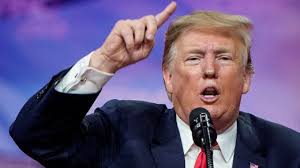
Donald Trump
So when Trump lost the 2020 Presidential election—by 81,284,666 votes for former Vice President Joe Biden versus 74,224,319 for Trump-–the Right was devastated. And furious.
Unlike its defeats in past Presidential elections, this time the Right refused to accept the will of the electorate.
Trump had often “joked” about how wonderful it would be for the United States to have a “President-for-Life”—as was the case in China.
This time the Right intended to make that a reality.
Central to making that happen was the Fox News Network.
In 2022, for its seventh consecutive year, Fox News stood as the top-rated cable news network in the United States. Fox averaged 1.4 million total day viewers.
By contrast, 733,000 watched MSNBC and 568,000 watched CNN.
In prime time, Fox came in first with an average of 2.3 million viewers in 2022.
MSNBC came in second with 1.2 million and CNN ranked third with an average of 730,000.
As for profits: Fox’s net income for the twelve months ending December 31, 2022 was $1.507B, a 4.94% increase year-over-year.

In 2015, Trump launched his campaign for President. His chances for success seemed impossible at the time—even to many mainstream Republicans.
But as he won victory after victory in Republican primaries, Fox News stuck with him. And stayed with him through the four years of his Presidency.
Fox was Trump’s favorite network. It gave him unstinting praise and sought to put a favorable spin on everything he did. As a result, Trump rarely gave interviews to CBS, NBC or ABC News.
In turn, Fox profited hugely as its audience—and advertisers—eagerly tuned in.
So when Trump lost the 2020 Presidential election, he and Fox decided they must get him back into the Oval Office.
Trump did his best—or worst—by filing about 60 lawsuits to overturn the results of the election. But none of his attorneys could prove their claims that widespread fraud had robbed him of victory. The suits were dismissed by judges or withdrawn by Trump’s own attorneys.
Fox News couldn’t file fraudulent cases on Trump’s behalf. But it could poison the public mind by claiming—endlessly and falsely—that Trump had been cheated by massive voter fraud.
Fox didn’t even wait for the final results of the 2020 election to be called before it intervened on the side of what would soon be dubbed “The Big Lie.”
On Election Night, Chris Stirewalt, the political editor of Fox News Channel. was the first to project Biden’s victory in Arizona. This turned out to be right—and brought a furious attack upon Stirewalt.
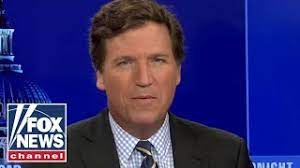
Tucker Carlson
“We worked really hard to build what we have,” Fox host Tucker Carlson texted his producer, Alex Pfeiffer. “Those fuckers are destroying our credibility. It enrages me.”
For Carlson, credibility didn’t mean ensuring integrity in news reporting. It meant telling Fox’s Right-wing audience what it wanted to hear—whether the “news” was true or not.
Carlson added that he had spoken with fellow primetime commentators Laura Ingraham and Sean Hannity minutes earlier and that they were “highly upset.”
In a January 26 Op-Ed for the Los Angeles Times, Stirewalt wrote: “Having been cosseted by self-validating coverage for so long, many Americans now consider any news that might suggest that they are in error or that their side has been defeated as an attack on them personally. The lie that Trump won the 2020 election wasn’t nearly as much aimed at the opposing party as it was at the news outlets that stated the obvious, incontrovertible fact.”
Stirewalt was fired from Fox News in January, 2021.
Trump was furious about the Arizona call. After the election, he attacked Fox News and encouraged his followers to switch to Newsmax.
Which many of them did, costing Fox a big chunk of its audience.
For Fox, this was the ultimate catastrophe. The company began cracking down on its employees who had dared tell the truth on Election Night.
One case involved White House correspondent Jacqui Heinrich. Her sin was fact-checking a Trump tweet accusing Dominion Voting Systems of election fraud.
Heinrich wrote that top election officials had determined “there is no evidence that any voting system deleted or lost votes, changed votes, or was in any way compromised.”
“Please get her fired,” Star host Tucker Carlson texted his fellow told host Sean Hannity: “Seriously….what the fuck? I’m actually shocked….It needs to stop immediately, like tonight. It’s measurably hurting the company. The stock price is down. Not a joke.”
Hannity replied that he had already spoken to Suzanne Scott, the network’s chief executive. The next morning, Heinrich’s tweet had been deleted.
ABC NEWS, ABRAHAM LINCOLN, ALTERNET, AMERICABLOG, AP, BABY BOOMER RESISTANCE, BARACK OBAMA, BARRON TRUMP, BBC, BIBLE, BLOOMBERG, BUZZFEED, CBS NEWS, CIVIL WAR, CNN, CROOKS AND LIARS, DAILY KOS, DEMOCRATS, FIVETHIRTYEIGHT, FORT SUMTER, HARPER’S MAGAZINE, HILLARY CLINTON, HUFFINGTON POST, JEZEBEL, JOSEPH R. BIDEN, MARLA MAPLES, MATTHEW TAYLOR, MEDIA MATTERS, MOTHER JONES, MOVEON, MSNBC, NBC NEWS, NEW APOSTOLIC REFORMATION, NEW REPUBLIC, NEWSDAY, NEWSWEEK, NPR, PBS NEWSHOUR, POLITICO, POLITICUSUSA, RAW STORY, REPUBLICANS, REUTERS, SALON, SEATTLE TIMES, SLATE, SLAVERY, STORMTRUMPERS, TALKING POINTS MEMO, THE ATLANTIC, THE CHICAGO SUN-TIMES, THE CHICAGO TRIBUNE, THE DAILY BEAST, THE DAILY BLOG, THE GUARDIAN, THE HILL, THE HUFFINGTON POST, THE INTERCEPT, THE LOS ANGELES TIMES, THE NATION, THE NEW REPUBLIC, THE NEW YORK TIMES, THE NEW YORKER, THE VILLAGE VOICE, THE VIOLENT TAKE IT BY FORCE (BOOK), THE WASHINGTON POST, THINKPROGRESS, TIME, TRUTHDIG, TRUTHOUT, TWO POLITICAL JUNKIES, U.S. NEWS & WORLD REPORT, UPI, USA TODAY, WHITE EVANGELICAL RACISM, X
In Bureaucracy, History, Law, Law Enforcement, Politics, Social commentary on November 5, 2024 at 12:09 am
Christian nationalist leaders are telling their followers that Vice President Kamala Harris is under the influence of a “Jezebel spirit.”
The term immediately conjures up the Biblical story of the evil Queen Jezebel, who persecuted prophets and worshiped false gods. As a result, she was punished by being thrown out a window, trampled by a horse, then eaten by dogs.
Harris is a former San Francisco District Attorney, California Attorney General and United States Senator from California.
Meanwhile, those who fanatically support Donald Trump have embraced a woman of an entirely different sort: A former illegal alien and porn model named Melania Trump.
The Associated Press has found documentation showing that Melania Trump broke immigration law when she first entered the country from Slovenia in August, 1996, on a tourist visa.
Tourist visas allow someone to stay in the United States for six months, but they can’t seek employment in the United States during that time. Nevertheless, Melania quickly gained work s a professional model.
Then on October 18, 1996, she got an H-1B visa for “skilled workers” allowing her to work legally in America as a model. Melania was “paid for 10 modeling assignments between September 10 and October 15”—while she was still on the tourist visa.
In March, 2001, she was granted a green card for permanent residency through the EB-1 program, nicknamed the “Einstein visa” due to its allocation to top academics, business leaders and Oscar-winning actors.
Yet the only “genius” she demonstrated lay in posing for nude and seminude photos. One of them showed her being hugged by another naked woman.
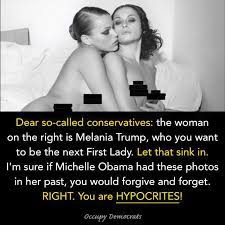
Another photo—published during the 2016 Presidential campaign by the New York Post—showed her totally nude, with stars covering her breasts. Its title: “The Ogle Office.”
Melania’s foray into nude modeling might now be forgotten except:
- Many of those photos were splashed across the Internet. And, has been often remarked: Everything is forever on the Internet; and
- Melania herself has resurrected this sordid phase of her life to promote her new book: Melania.
Seeking to redeem the value of her “nude work,” she has placed it in the context of the esthetic value of “Art.”
In a post on X, she writes: “Are we no longer able to appreciate the beauty of the human body? Throughout history, master artists have revered the human shape, evoking profound emotions and admiration.
“We should honor our bodies and embrace the timeless tradition of using art as a powerful means of self-expression.”
Some social media posters—enraged by her violation of the immigration laws when she did these shoots—haven’t bought into this:
“I really don’t care that you were a nude model. What I do care about is the fact that you worked as a nude model while in this country on a visitor visa, that’s illegal. You had the audacity to attack President Obama, who was born a U.S. citizen, about his birth certificate and push racist lies.”
Others have been infuriated by Republican hypocrisy and the double moral standard they apply:
“I don’t take issue with her posing nude for any reason. My concern lies with the MAGA crowd who overlook her nude photos while criticizing and shaming other women for doing the same. The level of hypocrisy is remarkable.
“Right, her husband posted a meme suggesting Harris gave blowjobs to get where she is.”
Whereas Melania became an American citizen by having an extramarital affair with Donald Trump while he was married to Marla Maples.
After they married in 2005, she further anchored herself to America by giving birth to Barron, who was born in 2006.
During an interview with radio talk show host Larry King, Trump—who had cheated on his previous two wives–said: “There’s nothing like a good marriage.”
Kamala Harris has repeatedly said that she wants to be “the President of all Americans.” Assuming this is true, the blunt reality is: She will never be, even if she wins the Oval Office.
At least half of this country is solidly Fascistic, and will always remain so. Its members not only lust to live under a Right-wing dictatorship but, even more so, force non-Fascists to do so.
A similar situation existed in the United States in the decades leading up to the Civil War: Half of the country—that is, 13 Southern states—were determined to preserve slavery at all costs. The other half—19 Northern states—were determined to prevent its spread, if not end it altogether.
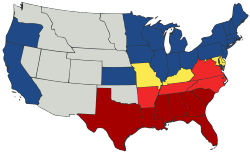
Civil War America
Júlio Reis, CC BY-SA 3.0 <https://creativecommons.org/licenses/by-sa/3.0>, via Wikimedia Commons
Newly-elected President Abraham Lincoln said in his Inaugural Address that he did not intend to abolish slavery. In fact, he emphatically declared that he did not have the legal power to do so.
Nevertheless, Southerners couldn’t live under an administration that condemned them as morally damned. Their tattered pride led to the April 12, 1861 attack on Union Fort Sumter in Charleston Harbor, South Carolina.
The resulting civil war lasted four years, killed 750,000 Americans—and rid the United States of legalized slavery after 246 years.
It may yet take another such wholesale bloodletting before the United States becomes wholly free—or wholly Fascist.
2024 PRESIDENTIAL CAMPAIGN, ABC NEWS, ABRAHAM LINCOLN, ALTERNET, AMERICABLOG, AP, BABY BOOMER RESISTANCE, BARACK OBAMA, BARRON TRUMP, BBC, BIBLE, BLOOMBERG, BRADLEY ONISHI, BUZZFEED, CATHY YOUNG, CBS NEWS, CHRISTIAN NATIONALISM, CIVIL WAR, CNN, CROOKS AND LIARS, DAILY KOS, DEMOCRATS, DONALD TRUMP, FIVETHIRTYEIGHT, FORT SUMTER, HARPER’S MAGAZINE, HILLARY CLINTON, HUFFINGTON POST, JANUARY 6 COUP ATTEMPT, JEZEBEL, JOSEPH R. BIDEN, Kamala Harris, LARRY KING, MARLA MAPLES, MATTHEW TAYLOR, MEDIA MATTERS, MELANIA TRUMP, MOTHER JONES, MOVEON, MSNBC, NBC NEWS, NEW APOSTOLIC REFORMATION, NEW REPUBLIC, NEWSDAY, NEWSWEEK, NPR, PBS NEWSHOUR, POLITICO, POLITICUSUSA, RAW STORY, REPUBLICANS, REUTERS, SALON, SEATTLE TIMES, SLATE, SLAVERY, STORMTRUMPERS, TALKING POINTS MEMO, THE ATLANTIC, THE CHICAGO SUN-TIMES, THE CHICAGO TRIBUNE, THE DAILY BEAST, THE DAILY BLOG, THE GUARDIAN, THE HILL, THE HUFFINGTON POST, THE INTERCEPT, THE LOS ANGELES TIMES, THE NATION, THE NEW REPUBLIC, THE NEW YORK TIMES, THE NEW YORKER, THE VILLAGE VOICE, THE VIOLENT TAKE IT BY FORCE (BOOK), THE WASHINGTON POST, THINKPROGRESS, TIME, TRUTHDIG, TRUTHOUT, TWO POLITICAL JUNKIES, U.S. NEWS & WORLD REPORT, UPI, USA TODAY, WHITE EVANGELICAL RACISM, X
In History, Law, Law Enforcement, Politics, Social commentary on November 4, 2024 at 12:05 am
Christian nationalist leaders are telling their followers that Vice President Kamala Harris is under the influence of a “Jezebel spirit.”
The term immediately conjures up the Biblical story of the evil Queen Jezebel, who persecuted prophets and worshiped false gods. As a result, she was punished by being thrown out a window, trampled by a horse, then eaten by dogs.
The term has long been used against women, especially black women. During the 246 years that slavery existed throughout the South, it was used to justify the systemic sexual assault and rape of black women and girls.
It has been used to target other women such as Hillary Clinton and Michelle Obama, and to categorize movements such as feminism and abortion rights.
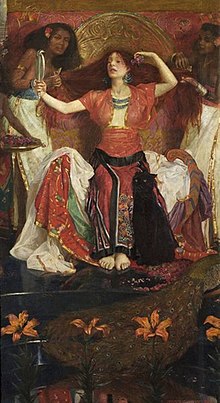
Jezebel
19th-century painting by John Liston Byam Shaw
As used by Right-wing white Christian nationalists, “Jezebel spirit” accuses a woman of being under the influence of demons in a spiritual battle between good and evil. Many of those who tried to violently overturn the 2020 victory of Joseph R. Biden were motivated such rhetoric—and beliefs.
The language is used to convince apocalyptic Christians that the next election is “do or die,” said Matthew Taylor, author of The Violent Take It By Force.
This details the history of the New Apostolic Reformation and its influence in the January 6, 2021 coup attempt. During the attack, people sang religious songs, prayed and blew shofars—a horn in Jewish tradition that supposedly played a key role in the Biblical Battle of Jericho.
“It’s used as a means of justifying aggression. Christians are supposed to love their enemies. But Christians are allowed to hate demons,” Taylor said.

January 6 coup attempt
“People … are hearing this woman is possessed by a demonic spirit that is hardcore, terrible, hates men, hates authority, is going to do whatever she wants to do,” said Anthea Butler, professor at the University of Pennsylvania and author of the book White Evangelical Racism.
Christian nationalists seek a privileged role for Christianity in American public life—in the same way that Islam holds an all-powerful place in public life in Iran and Afghanistan.
Its leaders claim that “America is a Christian nation” whose followers hold the divine right to base national laws on the Bible and have religious leaders in positions of government.
One such leader is Lance Wallnau, who has one million Facebook followers. He has used “Jezebel spirit” to describe Harris, and says he receives messages directly from God. He’s considered a prophet in the New Apostolic Reformation.
In a video he posted on X, he said, “With Kamala you have a Jezebel spirit, a characteristic in the Bible, that is a Jezebel spirit. The personification of intimidation, seduction, domination and manipulation.
“She can look presidential and that’s the seduction of what I would say is witchcraft.”
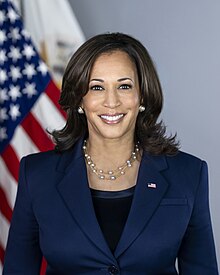
Kamala Harris
Bradley Onishi, a former evangelical minister who once identified as a Christian nationalist, describes the movement as: “A national renewal project that envisions a pure American body that is heterosexual, white, native-born, that speaks English as a first language, and that is thoroughly patriarchal.
“They….are deeply invested in the notion of spiritual warfare, the idea that we are called as Christians to fight a cosmic battle between good and evil, and that it’s our duty to be boots on the ground for God in that conflict.
“What this has led to some decades later is, the New Apostolic Reformation leaders, the apostles and the prophets that are really at the head of this movement were some of the earliest to support Donald Trump in 2016. And they have remained steadfast in that support.
“They were at the very avant-garde of trying to get the 2020 election overturned in the wake of Joe Biden’s victory and mobilizing folks to be at January 6. There were hundreds, if not thousands, of New Apostolic Reformation Christians at January 6, as an example.”
According to Reverend Cathy Young, a retired pastor with the Presbyterian Church of the USA, the Christian Nationalist movement “is dangerous in its assertion that God has a special bond with the United States and with selected politicians. It is unwise, undemocratic and destructive.
“A national survey conducted jointly by Public Religion Research Institute and the Brookings Institution, found 64 percent of white evangelical Protestants are Christian Nationalism adherents or sympathizers to the movement. Thirty-five percent of Americans have never heard of the term ‘Christian Nationalism.’

Appeal to Heaven flag of The New Apostolic Reformation
“Christian Nationalism is fueled by white supremacy, the belief that white people are superior to those of other races and should dominate them. They are taught to shun LGBTQIA persons, embrace dominance of men over women and believe that only Christianity—one of 10,000 distinct religions—should rule Congress, state governments and the court system….
“Christian Nationalism is a political movement couched in religious language. Their ultimate goal is earthly power—control over people and issues they don’t like—which is the exact opposite of what the gospels teach us….”
Meanwhile, those who fanatically support Donald Trump have embraced a woman of an entirely different sort: A former illegal alien and porn model named Melania Trump.
ABC NEWS, ADAM SCHIFF, ADOLF HITLER, ALEX PHILLIPS, ALTERNET, AMERICA’S VOICE, AMERICABLOG, AMERICAN PRIORITY CONFERENCE, AP, AUSTRIA, BABY BOOMER RESISTANCE, BARACK OBAMA, BBC, BERNIE SANDERS, BILL CLINTON, BLACK LIVES MATTER, BLOOMBERG, BUZZFEED, CBS NEWS, CHINA, CINDY MCCAIN, CIVIL WAR, CNN, COLIN FIRTH, COREY LEWANDOWSKI, CROOKS AND LIARS, CZECHOSLOVAKIA, DAILY KOS, DANA LOESCH, DEMOCRATS, DONALD TRUMP, DONALD TRUMP JUNIOR, EUGENE SCOTT, FBI, FINAL SOLUTION, FIVETHIRTYEIGHT, FRANCISCO FRANCO, GEORGE SOROS, HARPER’S MAGAZINE, HILLARY CLINTON, HUFFINGTON POST, HUNTER BIDEN, JOE BIDEN, JOHN MCCAIN, MATT GAETZ, MEDIA MATTERS, MEIN KAMPF, MITT ROMNEY, MOTHER JONES, MOVEON, MSNBC, NANCY PELOSI, NATIONAL RIFLE ASSOCIATION, NAZI GERMANY, NBC NEWS, NEVILLE CHAMBERLAIN, NEW REPUBLIC, NEWSDAY, NEWSWEEK, NINA BURLEIGH, NPR, PBS, PBS NEWSHOUR, PLUTARCH, POLAND, POLITICO, POLITICUSUSA, RACHEL MADDOW, RAW STORY, REPUBLICANS, REUTERS, ROGER STONE, ROSIE O’DONNELL, SALON, SARAH HUCKABEE SANDERS, SEATTLE TIMES, SLATE, SOVIET UNION, SPAIN, TALKING POINTS MEMO, THE ATLANTIC, THE CHICAGO SUN-TIMES, THE CHICAGO TRIBUNE, THE DAILY BEAST, THE DAILY BLOG, THE GEEKZTEAM, THE GUARDIAN, THE HILL, THE HUFFINGTON POST, THE INTERCEPT, THE KINGSMAN (MOVIE), THE LOS ANGELES TIMES, THE NATION, THE NEW REPUBLIC, THE NEW YORK TIMES, THE NEW YORKER, THE TRUMPSMAN (VIDEO), THE VILLAGE VOICE, THE WASHINGTON POST, THINKPROGRESS, TIME, TREASON, TRUTHDIG, TRUTHOUT, TWO POLITICAL JUNKIES, U.S. NEWS & WORLD REPORT, UKRAINE, UNITED STATES, UPI, USA TODAY, VERSALLIES TREATY, VOLODYMR ZELENSKI, WEIMAR REPUBLIC, WHITE HOUSE CORRESPONDENTS ASSOCIATION, WORLD WAR 11, X
In Bureaucracy, History, Military, Politics, Social commentary on November 1, 2024 at 12:09 am
After taking office as President on January 20, 2017, Donald Trump continued to hurl threats of violence against those he hates.
“Trump’s language of violence started with immigrants when he launched his presidential campaign in 2015,” wrote Washington Post Reporter Eugene Scott. “There is a direct line from his language to real violence against immigrants and other innocent Americans caught in the maniacal mass shootings of the past year.
“And this cancer is spreading: to Congress, to the media, to the intelligence community, to foreign allies. There is no end in sight as Trump becomes increasingly unhinged and the GOP remains frozen in abject silence.”
On October 2, 2019, Journalist Nina Burleigh wrote: “Since 2015, TV-watching Americans have been subject to the deimatic spectacle of more than 400 rallies (at least 80 since his election) in which Trump sometimes openly and more often coyly urged supporters to violence. These spectacles have conditioned many Americans to fear him and his more enthusiastic supporters.”

Supporters giving the “Seig Heil” salute to Donald Trump
“Over the last few days, the President’s rhetoric of violence and hate has spread,” stated an October 3, 2019 press release by America’s Voice, a liberal immigration group.
“As Jamelle Bouie noted yesterday, ‘Over the weekend, in a rage over impeachment, President Trump accused Representative Adam Schiff of ‘treason,’ promised ‘Big Consequences’ for the whistle-blower who sounded the alarm about his phone call with President Volodymyr Zelensky of Ukraine and shared a warning — from a Baptist pastor in Dallas — that impeachment ‘will cause a Civil War like fracture in this Nation from which our Country will never heal.’”
Trump’s opponents have good reason to fear. And not simply the public demonstrations by the President’s fanatical base. They should fear the secret fantasies of the Right.
Those secret fantasies have been revealed in a series of Right-wing videos featuring graphic acts of violence against those whom the Right—and Trump—hate.
From October 10 to 12, 2019, attendees of the American Priority Conference at the Trump National Doral Miami resort enjoyed many of those videos.
One of these, “The Trumpsman,” featured a digitized Trump shooting, stabbing and setting fire to such liberals—and even conservatives—as:
- Former President Bill Clinton
- Former Vice President Joe Biden
- Former Democratic Presidential candidate Hillary Clinton
- Democratic Speaker of the House Nancy Pelosi
- Former President Barack Obama
- Vermont United States Senator Bernie Sanders
- Utah Senator Mitt Romney
- The late Arizona Senator John McCain
And legitimate news media—such as CBS, BBC, ABC, CNN, The New York Times and The Washington Post—were also depicted as among Trump’s victims.
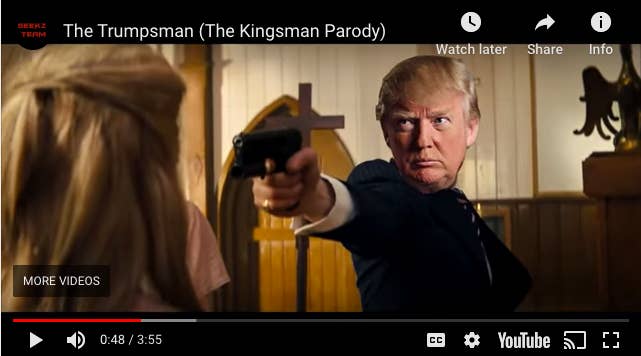
The video was produced by Rightists who believed it reflected what Donald Trump would do to his enemies if only he could get away with it. And given his near-constant calls for violence against his critics, they were absolutely correct.
But the video’s critics were wrong to call for its suppression.
On the contrary—it should have bene widely seen for what it was: The Mein Kampf of Donald Trump and his fanatical followers, in and outside the Republican party.
Like Adolf Hitler’s autobiography, it depicted the future America can expect if the Right gains the power to live out its murderous fantasies. And the fantasy Right-wingers prize most: The brutal extermination of everyone who refuses to submit to their Fascistic tyranny.
“The Trumpsman” is part of a growing genre of pro-Trump memes that routinely earn thousands of views on sites like YouTube and Twitter. Many superimpose the faces of Trump and his chief supporters slaughtering Democrats, liberal celebrities and/or members of the media.
The event’s organizer, Alex Phillips, hurriedly claimed that the “unauthorized video” was shown “in a side room” at the American Priority Conference.
But there was an upside to this exercise in Right-wing porn. Democrats could have run TV ads showing limited clips from “The Trumpsman” video.
Unfortunately, the majority of Democrats lack the courage to attack their Right-wing enemies with the same ruthlessness used against them. That’s why they lost most Presidential elections of the 20th century.
Americans should be constantly warned: These videos were not made by liberals to parody the values and goals of the Republican party and its Right-wing supporters.
These videos were made by Right-wingers—and reflect the true values and intentions of the Republican party and its Right-wing supporters.
The boiler-plate rhetoric that gushes out of Republican conventions—about love of family, God and flag—is the public mask of the Right.
The videos that depict Right-wingers ruthlessly slaughtering anyone who dares to disagree with them reflect the real face of the Right.
Of course, most Americans never imagined that a President would:
- Refuse to accept the results of a legitimate Presidential election;
- Spend four years lying that he had lost through massive voter fraud;
- Incite a mob to attack Congress while it counted Electoral College votes—which he knew proved he had lost in 2020.
Trump’s opponents should stop deluding themselves that: “Surely he’ll never do that.”
Whatever they fear he will do, he will do.
Like all predators, he will stop only when he meets a stronger opponent.
Germans—and the rest of the world—learned that about Adolf Hitler. But only when it was too late.
ABC NEWS, ADAM SCHIFF, ADOLF HITLER, ALEX PHILLIPS, ALTERNET, AMERICA’S VOICE, AMERICABLOG, AMERICAN PRIORITY CONFERENCE, AP, AUSTRIA, BABY BOOMER RESISTANCE, BARACK OBAMA, BBC, BERNIE SANDERS, BILL CLINTON, BLACK LIVES MATTER, BLOOMBERG, BUZZFEED, CBS NEWS, CHINA, CINDY MCCAIN, CIVIL WAR, CNN, COLIN FIRTH, COREY LEWANDOWSKI, CROOKS AND LIARS, CZECHOSLOVAKIA, DAILY KOS, DANA LOESCH, DEMOCRATS, DONALD TRUMP, DONALD TRUMP JUNIOR, EUGENE SCOTT, FBI, FINAL SOLUTION, FIVETHIRTYEIGHT, FRANCISCO FRANCO, GEORGE SOROS, HARPER’S MAGAZINE, HILLARY CLINTON, HUFFINGTON POST, HUNTER BIDEN, JOE BIDEN, JOHN MCCAIN, MATT GAETZ, MEDIA MATTERS, MEIN KAMPF, MITT ROMNEY, MOTHER JONES, MOVEON, MSNBC, NANCY PELOSI, NATIONAL RIFLE ASSOCIATION, NAZI GERMANY, NBC NEWS, NEVILLE CHAMBERLAIN, NEW REPUBLIC, NEWSDAY, NEWSWEEK, NINA BURLEIGH, NPR, PBS, PBS NEWSHOUR, PLUTARCH, POLAND, POLITICO, POLITICUSUSA, RACHEL MADDOW, RAW STORY, REPUBLICANS, REUTERS, ROGER STONE, ROSIE O’DONNELL, SALON, SARAH HUCKABEE SANDERS, SEATTLE TIMES, SLATE, SOVIET UNION, SPAIN, TALKING POINTS MEMO, THE ATLANTIC, THE CHICAGO SUN-TIMES, THE CHICAGO TRIBUNE, THE DAILY BEAST, THE DAILY BLOG, THE GEEKZTEAM, THE GUARDIAN, THE HILL, THE HUFFINGTON POST, THE INTERCEPT, THE KINGSMAN (MOVIE), THE LOS ANGELES TIMES, THE NATION, THE NEW REPUBLIC, THE NEW YORK TIMES, THE NEW YORKER, THE TRUMPSMAN (VIDEO), THE VILLAGE VOICE, THE WASHINGTON POST, THINKPROGRESS, TIME, TREASON, TRUTHDIG, TRUTHOUT, TWO POLITICAL JUNKIES, U.S. NEWS & WORLD REPORT, UKRAINE, UNITED STATES, UPI, USA TODAY, VERSALLIES TREATY, VOLODYMR ZELENSKI, WEIMAR REPUBLIC, WHITE HOUSE CORRESPONDENTS ASSOCIATION, WORLD WAR 11, X
In Bureaucracy, History, Military, Politics, Social commentary on October 31, 2024 at 12:14 am
On November 9, 1923, Nazi Party Fuhrer Adolf Hitler tried to overthrow the government in Munich, Bavaria.
About 2,000 Nazis marched to the center of Munich, where they confronted heavily-armed police. A shootout erupted, killing 16 Nazis and four policemen.
Hitler was injured during the clash, but managed to escape. Two days later, he was arrested and charged with treason.
Put on trial, he found himself treated as a celebrity by a judge sympathetic to Right-wing groups. He was allowed to brutally cross-examine witnesses and even make inflammatory speeches.
At the end of the trial, he was convicted of treason and sentenced to five years’ imprisonment. Of this he served only nine months before being released.
Hitler used his time in Landsberg Prison, in Bavaria, to write his infamous book, Mein Kampf–—“My Struggle.” Part autobiography, part political treatise, it laid out his future plans—for a revitalized Germany and the conquest of other nations.

Adolf Hitler leaving Landsberg Prison, December, 20, 1924
Published in 1925, it was long ignored by all but the most fanatical Nazis. But as Hitler gained increasing numbers of votes in a series of elections, many people—inside and outside Germany—began paying attention to its contents.
By 1939 it had sold 5,200,000 copies and had been translated into 11 languages.
Most of those who bought the book never read it. Its style was bombastic, repetitious and illogical. The first edition contained grammatical errors, reflecting a self-educated man.
Few who read it took Hitler’s intentions seriously. Comedians portrayed him as a wildly gesturing crank who screamed constantly.
Hitler made no effort to hide his program for Germany under his rule. His candor led many people to believe he was a lunatic who could be safely ignored.
He was especially insistent on the need for eliminating world Jewry and conquering the Soviet Union.
On the former topic he wrote: “The nationalization of our masses will succeed only when, aside from all the positive struggle for the soul of our people, their international poisoners are exterminated.
“If at the beginning of the war and during the war twelve or fifteen thousand of these Hebrew corrupters of the nation had been subjected to poison gas, such as had to be endured in the field by hundreds of thousands of our very best German workers of all classes and professions, then the sacrifice of millions at the front would not have been in vain.”
A mere 17 years later, Hitler’s “Thousand-Year Reich” would translate those words into horrific action in a series of extermination camps equipped with gas chambers.

Hitler was equally insistent that Germany needed to find Lebensraum—“Living space”-–in the east. And by “east” he meant “Russia.”
Specifically: “And so we National Socialists consciously draw a line beneath the foreign policy tendency of our pre-War period. We take up where we broke off six hundred years ago.
“We stop the endless German movement to the south and west, and turn our gaze toward the land in the east. At long last we break off the colonial and commercial policy of the pre-War period and shift to the soil policy of the future.
“If we speak of soil in Europe today, we can primarily have in mind only Russia and her vassal border states.”
Hitler finally attained power on January 30, 1933. He realized that Germany was not yet strong enough to impose its will on other nations. So he set out on a secret crash program to make Germany the strongest military power in Europe.
In 1936, he set out on his “mission of Providence”:
- March, 1936: Ordering German troops to reoccupy the demilitarised zone between France and Germany (the Rhineland), in violation of the Versailles Treaty, which ended World War 1.
- July, 1936: Sending troops to Spain to support the Fascist army of General Francisco Franco.
- March 12, 1938: Occupying Austria and “unifying” it with Germany (the “Anschluss“).
- September 29, 1938: Bullying British Prime Minister Neville Chamberlain into surrendering Czechoslovakia’s Sudetenland districts to Germany.
- September 1, 1939: Ordering the invasion of Poland, which unintentionally launched World War II.
- June 22, 1941: Ordering the invasion of the Soviet Union.
- 1941: Secretly ordering “the Final Solution of the Jewish Question,” resulting in the extermination of at least six million Jews.
Only after Hitler set out to conquer, first Europe, then the Soviet Union, did his victims and intended victims realize that Mein Kampf had given them a deadly warning. A warning too many of them had refused to heed.
By the time World War II ended:
- Fifty million men, women and children were died—most of them dying in agony.
- The Soviet Union, having crushed Nazi Germany, become a world power.
- Poland and eastern Europe—once captives of Nazi Germany—now found themselves captives of the Soviet Union.
- The United States, untouched by the war, emerged as the world’s superpower—and the only country strong enough to contain the Soviet Union.
But Adolf Hitler isn’t the only would-be dictator to give ample warning of his murderous intentions.
And, like most Germans in the Weimar Republic, which preceded Nazi Germany, most Americans refuse to take that warning seriously.
ABC NEWS, ADOLF HITLER, ALTERNET, AMERICABLOG, AP, ARAB SHEIKS, “DROOPERS”, BABY BOOMER RESISTANCE, BBC, BLACKS, BLOOMBERG NEWS, BUMS, BUZZFEED, CAITLYN JENNER, CBS NEWS, CNN, COSTUMES, CRAZED KILLERS, CROOKS AND LIARS, DAILY KOS, ESCAPED MENTAL PATIENTS, FACEBOOK, FAT PERSONS, FIVETHIRTYEIGHT, GEISHAS, HALLOWEEN, HARPER’S MAGAZINE, HILLARY CLINTON, HOMOSEXUALS, HUFFINGTON POST, ILLEGAL ALIENS, INDIAN SNAKE CHARMERS, MEDIA MATTERS, MEXICANS, MOTHER JONES, MOVEON, MSNBC, NAUGHTY PRIESTS, NBC NEWS, NEW REPUBLIC, NEWSDAY, NEWSWEEK, NPR, NURSES, PBS NEWSHOUR, PIMPS, POLITICAL CORRECTNESS, POLITICO, POLITICUSUSA, RAW STORY, REUTERS, ROBERT E. LEE, SALON, SAN FRANCISCO CASTRO DISTRICT, SEATTLE TIMES, SEXY CONVICTS, SEXY HAREM SLAVES, SEXY PRISON GUARDS, SLATE, TALKING POINTS MEMO, TERRORISTS, THE ATLANTIC, THE CHICAGO SUN-TIMES, THE CHICAGO TRIBUNE, THE DAILY BEAST, THE DAILY BLOG, THE GUARDIAN, THE HILL, THE HUFFINGTON POST, THE INTERCEPT, THE LOS ANGELES TIMES, THE NATION, THE NEW REPUBLIC, THE NEW YORK TIMES, THE NEW YORKER, THE VILLAGE VOICE, THE WALL, THE WASHINGTON POST, THINKPROGRESS, TIME, TRUTHDIG, TRUTHOUT, U.S. NEWS & WORLD REPORT, UP, UPI, USA TODAY, X
In Business, History, Politics, Social commentary on October 28, 2024 at 12:12 am
Halloween isn’t just for kids anymore.
In 2024, more than 70% of Americans are planning to celebrate Halloween. They are expected to spend $11.6 billion:
- $3.8 billion on costumes;
- $3.8 billion on decorations;
- $3.5 billion on Halloween candy;
- $500 million on greeting cards.

Those putting out this avalanche of money will, of course, be adults. And a lot of those costumes will be worn by adults at parties across the nation.
This will be especially true in San Francisco.
In 1979, Halloween in its Castro District shifted from being a children’s event to a celebration among homosexuals.
The massive crowds quickly overwhelmed the streets, mass transit and due to the Castro’s location along two major transport corridors, disrupted traffic flow well outside the neighborhood.
In 2002, 500,000 people celebrated Halloween in the Castro and four people were stabbed.
It continued to grow into a massive annual street party until 2006, when a shooting wounded nine people and prompted the city to call off the event.
In 2007, 600 police were deployed in the Castro on Halloween. By 2010, San Francisco had banned the event in the Castro, directing celebrants to various balls and parties elsewhere.
But there’s another force working to suppress Halloween joy among its participants: Political Correctness.
A number of articles highlight a series of costumes it’s now Politically Incorrect to wear on Halloween. As a result, it’s now virtually impossible to enjoy this occasion without fearing that you’ll hurt the Politically Correct sensitivities of almost every group imaginable.
For example:
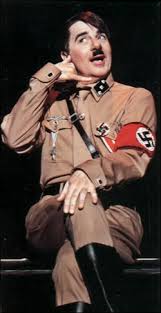
Adolf Hitler: PC types damn it as offensive and upsetting to many people—such as Jews generally and Holocaust survivors in particular. (The same could be said for any actor who portrays Hitler in a movie, such as Downfall or The Bunker.)
Homeless Persons: Such costumes will hurt the feelings of bums who won’t be attending Halloween parties anyway.
Illegal Alien: It’s not nice to spotlight people who constantly violate the immigration laws of the United States.

Terrorist: You might upset Islamics, who make up the vast majority of the world’s terrorists.

Others on the list of groups that uber-liberals believes it’s Politically Incorrect to dress up as include:
- Blacks (if you’re white).
- Naughty priests: It’s offensive to mock religious hypocrites who violate the bodies of children.
- Caitlyn Jenner: It’s cruel to make fun of a man who, as a man, won gold medals as an Olympic athlete—and then had sophisticated surgery to make himself look like a woman.
- Mexicans (such as a woman wearing a mariachi outfit or a man sporting a sombrero, serape and drooping moustache).
- Pimp: It’s offensive to blacks—especially those who make their living through the sale of women’s bodies.
- Sexy nurse: Because nursing is a serious profession—and everybody knows that nurses never enter into romances with doctors.
- Fat costumes: It will hurt the feelings of people who can barely fit into an airplane seat—many of them because they simply eat too much.
- Crazed Killer: Because it’s not fair to make fun of psychopathic murderers who prey on innocent men, women and children.
- Sexy Convict/Prison Guard: You could be accused of “trivializing” the United States prison system.
- The Wall: Wearing an imitation brick wall reminds people that millions of Hispanics have illegally violated America’s immigration laws—and millions more intend to.
- Arab Sheik: It’s not nice to dress like a terrorism-bankrolling OPEC board member wearing a long flowing robe and headdress.
- Sexy Harem Slave: Consider this the flip side of “Arab Sheik.” It’s uncool to remind people that women throughout the Islamic world are treated like chattel.
- “Droopers”: An obvious parody of the “Hooters” outfit, this features a fake pair of drooping breasts, thus winning it dual charges of “ageism” and “sexism.”
- Geisha: You could be accused of “cultural appropriation.”
- Hillary in Prison: Depicting a woman who often skirted the law as paying the price for it is anti-feminist.
- Robert E. Lee: Once a Southern icon of the Civil War, he is now damned as a racist defender of slavery.
- Escaped Mental Patient: Wearing an imitation straitjacket makes fun of real-life whackjobs who need to be restrained—for their own safety and that of others.
- Indian Snake Charmer: This costume supposedly appropriates Middle Eastern culture and has “disturbing sexual undertones”—if you equate snakes with penises.
If you follow the guidelines of these articles, you might as well skip Halloween altogether.
Yet no one objects to children—or adults—dressing up as pirates like Blackbeard, who once terrorized the oceans as modern-day terrorists menace the world.

Blackbeard
No one objects to those who dress up like skeletons—when almost everyone has lost a friend or family member to death.
No one objects to those who dress up as witches, who have been associated with evil for hundreds of years.
No one objects to those who dress up as Satan—the literal personification of evil for millions of Christians, Jews and Muslims.
The whole idea of Halloween is to momentarily step into a character that’s utterly different from you.
So if you are a terrorist, try dressing up at Halloween as Dr. Albert Schweitzer or Florence Nightingale.
2020 PRESIDENTIAL ELECTION, ABC NEWS, ALTERNET, AMERICABLOG, AP, BABY BOOMER RESISTANCE, BBC, BLOOMBERG NEWS, BUZZFEED, CBS NEWS, CHRIS STIREWALT, CNN, CROOKS AND LIARS, DAILY KOS, DOMINION VOTING SYSTEMS, DONALD TRUMP, FIVETHIRTYEIGHT, FOX NEWS NETWORK, HARPER’S MAGAZINE, HUFFINGTON POST, JACQUI HEINRICH, JOE BIDEN, LAURA INGRAHAM, LIBEL, MEDIA MATTERS, MOTHER JONES, MOVEON, MSNBC, NBC NEWS, NEW REPUBLIC, NEW YORK TIMES V. SULLIVAN, NEWSDAY, NEWSMAX, NEWSWEEK, NPR, PBS NEWSHOUR, POLITICO, POLITICUSUSA, RAW STORY, REPUBLICANS, REUTERS, RUDOLPH GIULIANI, RUPERT MURDOCH, SALON, SEAN HANNITY, SEATTLE TIMES, SIDNEY POWELL, SLANDER, SLATE, TALKING POINTS MEMO, THE ATLANTIC, THE CHICAGO SUN-TIMES, THE CHICAGO TRIBUNE, THE DAILY BEAST, THE DAILY BLOG, THE GUARDIAN, THE HILL, THE HUFFINGTON POST, THE INTERCEPT, THE LOS ANGELES TIMES, THE NATION, THE NEW REPUBLIC, THE NEW YORK TIMES, THE NEW YORKER, THE VILLAGE VOICE, THE WASHINGTON POST, THINKPROGRESS, TIME, TRUTHDIG, TRUTHOUT, TUCKER CARLSON, U.S. NEWS & WORLD REPORT, UPI, USA TODAY, X
In Bureaucracy, Business, History, Law, Politics, Social commentary on October 25, 2024 at 12:10 am
Greed—among evil men—will always find a way.
It did in 1939.
Germany’s Fuhrer, Adolf Hitler, had spent most of the year threatening Poland with invasion. He had even set a secret timetable—September 1—for his attack.
Yet he faced a dangerous obstacle on his road to war: The Soviet Union.
Since the early 1920s Hitler had railed against the Soviet Union as Germany’s greatest threat. He intended, in fact, to destroy it at the first opportunity.
But his still-untested army, the Wehrmacht, wasn’t ready for that yet.
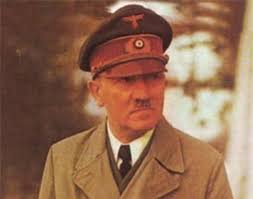
Adolf Hitler
And if he attacked Poland, there was a real danger that the Soviet Union might declare war on Germany.
Hitler wanted a nonaggression treaty with England, with which he had a love/hate relationship. But the British government didn’t trust him.
The Soviet government—headed by Premier Joseph Stalin—also wanted a pact with Great Britain. But the British didn’t trust him, either.
In mid-August, 1939, with the September 1 deadline quickly approaching, Hitler made an unprecedented decision: He humbled himself before his arch-enemy, Stalin, and requested the signing of a Russia-German nonaggression pact.
To sweeten the deal, Hitler offered something that he knew the British would never give Stalin: The eastern half of Poland.
On August 23, the Treaty of Non-Aggression between Nazi Germany and the Union of Soviet Socialist Republics was signed in Moscow by German Foreign Minister Joachim von Ribbontrop and Soviet Foreign Minister Vyacheslav Molotov.
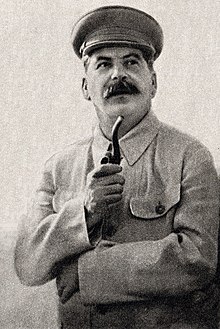
Joseph Stalin
Nine days later, World War II erupted.
In 2020, greed—among evil men—again found a way.
On November 3, 81,255,933 Democratic voters elected former Vice President Joseph Biden the 46th President of the United States. Donald Trump, running for a second term as President, got 74,196,153 votes.
But having repeatedly “joked” about how wonderful it would be if the United States—like China—had a “President-for-Life,” Trump wasn’t ready to concede office.
He immediately began spreading “The Big Lie”: That he had been defeated by massive voter fraud. And that this had been made possible through Dominion Voting Systems.
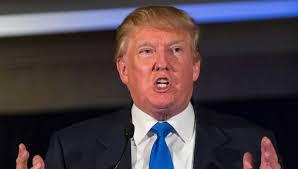
Donald Trump
Dominion—charged Trump and his attorneys—had rigged its vote-tabulating machines to replace votes for Trump with votes for Biden.
And soon Trump had the help of a major propaganda megaphone to carry his lie nationwide: The Fox News Network.
Just as Hitler and Stalin each had something to gain from their nonaggression pact, so did Trump and Fox.
Trump wanted at least another four unearned years in the White House. And Fox wanted to retain—if not expand—its viewing audience.
In 2022, for its seventh consecutive year, Fox News stood as the top-rated cable news network in the United States. Fox averaged 1.4 million total day viewers.
By contrast, 733,000 watched MSNBC and 568,000 watched CNN.
In prime time, Fox came in first with an average of 2.3 million viewers in 2022.
MSNBC came in second with 1.2 million and CNN ranked third with an average of 730,000.
As for profits: Fox’s net income for the twelve months ending December 31, 2022 was $1.507B, a 4.94% increase year-over-year.
Yet just as Trump couldn’t bear losing the intoxicating power of the Presidency, Rupert Murdoch, the CEO of Fox, couldn’t bear losing any part of his audience.
In a March 1, 2023 opinion piece, Jack Shafer, Politico’s senior media writer, vividly describes the dilemma Murdoch faced after the 2020 election:
“In Murdoch’s own words, delivered in Dominion suit depositions, he describes himself as frightened by the power Donald Trump holds over the Fox audience….Far from being a media superpower, as his foes would describe him, Murdoch comes off as trapped by the craven choices he made to serve as Trump’s supplicant and protector.
“…The Trump-Fox feedback loop benefited both parties as Fox ran interference for Trump throughout his presidency and Trump filled Fox’s schedule with the strong meat of his persona. By July 2019, Trump had given 61 interviews to Fox channels compared to 17 for ABC, CBS, CNN, and NBC/CNBC combined.”
But after Trump incited a deadly riot against the United States Capitol Building on January 6, 2021, Murdoch feared the next Trump explosion would be aimed at Fox.
The reason: On Election Night, Chris Stirewalt, the political editor of Fox News Channel, was the first to project Biden’s victory in Arizona. This turned out to be right—and brought a furious attack upon Stirewalt by Fox host Tucker Carlson.
Putting the truth bluntly, Murdoch said in a deposition: “Nobody wants Trump as an enemy. We all know that Trump has a big following. If he says, ‘Don’t watch Fox News, maybe some don’t.’”
Twenty days after Trump’s attempted coup—on January 26—Murdoch allowed Mike “My Pillow” Lindell to appear on the network’s Tucker Carlson Tonight Show.
Lindell was a longtime Fox advertiser—and a vocal purveyor of the lie that Dominion had enabled the Democrats to steal the 2020 election.
Two months later, in March, 2021, Dominion filed a $1.6 billion defamation suit against Fox News.
The Hitler-Stalin pact ultimately ravaged the Soviet Union through German invasion and left Germany conquered and divided by Russia for 44 years.
The Trump–Fox pact ultimately left Trump enraged at Fox and left Fox facing financial ruin for its lies on Trump’s behalf.
1984 (BOOK), 2016 PRESIDENTIAL ELECTION, 2020 PRESIDENTIAL ELECTION, ABC NEWS, ALTERNET, AMERICABLOG, AP, ” 9/11, BABY BOOMER RESISTANCE, BBC, BILL CLINTON, BLOOMBERG NEWS, BUZZFEED, CBS NEWS, CHRIS STIREWALT, CNN, CONDOLEEZA RICE, COVID-19, CROOKS AND LIARS, DAILY KOS, DICK CHENEY, DOMINION VOTING SYSTEMS, DONALD RUMSFELD, DONALD TRUMP, FIVETHIRTYEIGHT, FOX NEWS NETWORK, GEORGE ORWELL, GEORGE W. BUSH, HARPER’S MAGAZINE, HISTORY, HUFFINGTON POST, JANUARY 6 COUP ATTEMPT, JEB BUSH, JOE BIDEN, JOSEPH STALIN, LAURA INGRAHAM, LAVRENTI BERIA, LIBEL, MARCO RUBIO, MEDIA MATTERS, MIKE LINDELL, MOTHER JONES, MOVEON, MSNBC, NAZI-SOVIET NONAGGRESSION PACT, NBC NEWS, NEW REPUBLIC, NEW YORK TIMES V. SULLIVAN, NEWSDAY, NEWSMAX, NEWSWEEK, NKVD, NPR, PAUL WOLFOWITZ, POLITICO, POLITICUSUSA, RAW STORY, REPUBLICAN PARTY, REPUBLICANS, REUTERS, RICHARD CLARKE, RUDOLPH GIULIANI, SALON, SEAN HANNITY, SEATTLE TIMES, SIDNEY POWELL, SLANDER, SLATE, SOVIET UNION, STEVE BANNON, TALKING POINTS MEMO, THE ATLANTIC, THE CHICAGO SUN-TIMES, THE CHICAGO TRIBUNE, THE DAILY BEAST, THE DAILY BLOG, THE GUARDIAN, THE HILL, THE HUFFINGTON POST, THE INTERCEPT, THE LOS ANGELES TIMES, THE NATION, THE NEW REPUBLIC, THE NEW YORK TIMES, THE NEW YORKER, THE VILLAGE VOICE, THE WASHINGTON POST, THE WASHINGTONPOST, THINKPROGRESS, TIME, TRUTHDIG, TRUTHOUT, TUCKER CARLSON, TWO POLITICAL JUNKIES, U.S. NEWS & WORLD REPORT, UPI, USA TODAY, X
In Bureaucracy, Business, History, Military, Politics on October 24, 2024 at 12:05 am
At one time, Americans believed that the wholesale rewriting of history happened only in the Soviet Union.
“The problem with writing about history in the Soviet Union,” went a popular joke inside the Soviet Union, “is that you never know what’s going to happen yesterday.”
A classic example of this occurred in the Great Soviet Encyclopedia.
Lavrentiy Beria had been head of the NKVD, the dreaded predecessor to the KGB, from 1938 to 1953. On June 26, 1953, three months after the death of Soviet dictator Joseph Stalin, Beria was arrested on orders of his fellow Communist Party leaders, who feared he intended to purge them.
Beria was executed on December 23.
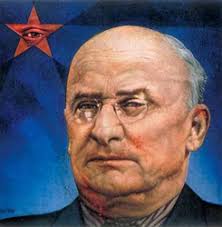
Lavrentiy Beria
But the Great Soviet Encyclopedia had just gone to press with a long article singing Beria’s praises.
What to do?
The editors of the Encyclopedia wrote an equally long article about “the Bering Straits,” which was to be pasted over the article about Beria, and sent this off to its subscribers. An unknown number of them decided it was safer to paste accordingly.
Similarly, Joseph Stalin was depicted in Soviet “history” texts as the architect of Russia’s victory over Nazi Germany during World War II.
No “historian” dared mention that Stalin’s wholesale purges of the Red Army in the 1930s had made the country vulnerable to the German attack in 1941. As had Stalin’s “nonaggression” pact with Germany in 1939, where he and Adolf Hitler secretly divided Poland between them.
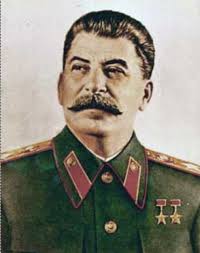
Joseph Stalin
But Russians no longer have a monopoly on rewriting history.
During the 2016 Presidential election, the Republican party furiously rewrote history in a desperate attempt to win the White House.
Specifically, its members tried to convince Americans that:
- President George W. Bush “kept us safe” (excluding, of course, the terror attacks of September 11, 2001, which slaughtered 3,000 Americans); and/or
- President Bush wasn’t to blame for 9/11—it was his predecessor, Bill Clinton (who left office more than a year and a half before 9/11).

World Trade Center – September 11, 2001
In 2015, Jeb Bush entered the “Rewriting History for Americans” sweepstakes.
On October 16, 2015, during an interview on Bloomberg TV, Donald Trump, the leading Republican candidate for President in 2016, dared speak (for Republicans) the unspeakable:
“When you talk about George Bush, I mean, say what you want, the World Trade Center came down during his time. He was President, OK? Blame him, or don’t blame him, but he was President. The World Trade Center came down during his reign.”
Bush was quick to respond on Twitter: “How pathetic for @realdonaldtrump to criticize the president for 9/11. We were attacked & my brother kept us safe.”

Jeb Bush
Trump replied:
“At the debate you said your brother kept us safe–I wanted to be nice & did not mention the WTC came down during his watch, 9/11.”
And: “No @JebBush, you’re pathetic for saying nothing happened during your brother’s term when the World Trade Center was attacked and came down.”
Suddenly, on February 13, another Republican Presidential candidate rushed to rewrite 9/11: Florida United States Senator Marco Rubio.
According to Rubio: “The World Trade Center came down because Bill Clinton didn’t kill Osama bin Laden when he had the chance to kill him.”
And on the following day, on NBC’s “Meet the Press,” he again made the charge: “If you’re going to ascribe blame, don’t blame George W. Bush, blame a decision that was made years earlier, not to take out bin Laden when the opportunity presented itself.”
All of which ignored such embarrassing truths as:
- During the first eight months of the Bush Presidency, Richard Clarke, the counter-terrorism adviser on the National Security Council, was not permitted to brief President Bush, despite mounting evidence of plans for a new Al-Qaeda outrage.
- From January 20 to September 11, 2001, Bush was on vacation, according to the Washington Post, 42% of the time.
- National Security Adviser Condoleeza Rice initially refused to hold a cabinet-level meeting on the subject of terrorism. Then she insisted that the matter be handled only by a more junior Deputy Principals meeting.
- Paul Wolfowitz, the number-two man at the Department of Defense, said: “I don’t understand why we are beginning by talking about this one man, bin Laden.”
- Even after Clarke outlined the threat posed by Al-Qaeda, Wolfowitz—whose real target was Saddam Hussein—said: “You give bin Laden too much credit.”
- Finally, at a meeting with Rice on September 4, 2001, Clarke challenged her to “picture yourself at a moment when in the very near future Al-Qaeda has killed hundreds of Americans, and imagine asking yourself what you wish then that you had already done.”
- Seven days later, Al-Qaeda struck, and 3,000 Americans died horrifically—and needlessly.
- Neither Bush, Vice President Dick Cheney, Rice, Secretary of Defense Donald Rumsfeld nor Wolowitz ever admitted their negligence. Nor has any of them been brought to account.
People who say the Republicans are “batshit crazy” for denying responsibility for 9/11 clearly haven’t read—or understood—George Orwell’s novel, 1984.
The unnamed Party’s slogan is: “He who controls the past controls the future. He who controls the present controls the past.”
The same holds true for Republicans: They hope to rewrite the past, as Joseph Stalin did, to wash away their crimes and errors–and pin these on their self-declared enemies.
And thus gain—and retain—absolute power over 300 million Americans.
2012 PRESIDENTIAL ELECTION, ABC NEWS, ADOLF HITLER, ALTERNET, AMERICABLOG, ANN COULTER, AP, BABY BOOMER RESISTANCE, BARACK OBAMA, BBC, BILL MAHER, BLOOMBERG, BUZZFEED, CBS NEWS, CHRIS MATTHEWS, CNN, CROOKS AND LIARS, DAILY KOS, FIVETHIRTYEIGHT, HARPER’S MAGAZINE, HUFFINGTON POST, JOSEPH GOEBBELS, JOSEPH R. MCCARTHY, JOSEPH STALIN, JOURNALISM, LAVRENTI BERIA, MAGDA GOEBBELS, MEDIA MATTERS, MITT ROMNEY, MOTHER JONES, MOVEON, MSNBC, NBC NEWS, NEW REPUBLIC, NEWSDAY, NEWSWEEK, NPR, OBJECTIVITY, PBS NEWSHOUR, POLITICO, POLITICUSUSA, RAW STORY, REPUBLICAN PARTY, REUTERS, RUSH LIMBAUGH, SALON, SCRUTINY, SEATTLE TIMES, SLATE, TALKING POINTS MEMO, THE ATLANTIC, THE CHICAGO SUN-TIMES, THE CHICAGO TRIBUNE, THE DAILY BEAST, THE DAILY BLOG, THE GUARDIAN, THE HILL, THE HUFFINGTON POST, THE INTERCEPT, THE LOS ANGELES TIMES, THE NATION, THE NEW REPUBLIC, THE NEW YORK TIMES, THE NEW YORKER, THE VILLAGE VOICE, THE WASHINGTON POST, THINKPROGRESS, THIRD REICH, TIME, TREASON: LIBERAL TREACHERY FROM THE COLD WAR TO THE WAR ON TERROR (BOOK), TRUTHDIG, TRUTHOUT, TWO POLITICAL JUNKIES, U.S. NEWS & WORLD REPORT, UPI, USA TODAY, X
In History, Politics, Social commentary on October 23, 2024 at 12:59 am
On November 13, 2012, Dave, a conservative friend of mine who reads my blog, sent this email to a friend:
Warren,
This is the propaganda blog editor friend of mine in San Francisco that I talked about during my presentation last Thursday evening at the Opera House.
As you can see, he is a typical unbiased uournalist…. As I said, I love the guy dearly and truly have the utmost respect for his ability and intellect (although it’s sometimes pointed). Nonetheless, I thought you and others would get a kick out of this blog.I would suggest that you log onto his site and read some of his other postings. You will then see why I am such an admirer….
* * * * *
Thus, here is my philosophy as a blogger for those of you who read my blog.
Many years ago I worked as an investigative reporter, covering local police and courts for a small Utah newspaper
As a reporter, I adhered strictly to a policy of objectivity: Reporting only what I knew to be true. And in crime-related stories, reporting only what I knew I could legally prove to be true.
For example: You might feel absolutely certain that So-and-So committed a crime. But to avoid libel suits, you had better have the proof in legal documents. And if you can find sources who are willing to back up those legal documents, so much the better.
Another thing: As a straight journalist, you have no right to inject your opinion into anything you write.
So if you write a story about a mayor or councilman you know is corrupt, you don’t have the right to add: “This guy needs to be tossed out of office and indicted.”
If a prosecutor says that, quote him. But your opinion doesn’t matter.
As a blogger I editorialize by pointing out what these facts mean (at least to me) and offering, when possible, a proposed solution to problems.
Take my column about Right-wing columnist Ann Coulter.
On November 13, 2012, I posted a column entitled, “Tears for the Miss America Nazi.”
Coulter had been outraged that Republican presidential nominee Mitt Romney had not deprived Barack Obama of a second term as President.
First, I laid out her recent, public weeping over the re-election of President Obama. Then I quoted comedian Bill Maher and political commentator Chris Matthews on their reactions to Coulter’s comment that “There is no hope.”
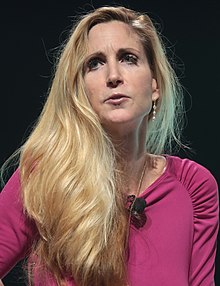
Ann Coulter
Gage Skidmore from Surprise, AZ, United States of America, CC BY-SA 2.0 <https://creativecommons.org/licenses/by-sa/2.0>, via Wikimedia Commons
So far, I had adhered to journalistic principles of fairness and objectivity—the who, what, when, where, how and why of journalism.
Only in the last six paragraphs of my column did I venture an opinion.
First, I laid out the historical precedent for what I intended to recommend. When her Fuhrer, Adolf Hitler, committed suicide, Magda Goebbels murdered her six children. Then she and her husband, Nazi propaganda minister Joseph Goebbels, killed themselves.

Magda and Joseph Goebbels and their children
Bundesarchiv, Bild 146-1978-086-03 / CC-BY-SA 3.0, CC BY-SA 3.0 DE <https://creativecommons.org/licenses/by-sa/3.0/de/deed.en>, via Wikimedia Commons
Then I offered the depressed Coulter an option she might not have considered: She could follow the example of Magda (minus the husband and children that Magda had and Coulter lacked).
Not that I expected her to do so.
Frankly, I didn’t consider Ann Coulter a legitimate journalist. She and Rush Limbaugh were the ultimate propaganda icons for the Republican party. They made a career out of attacking the integrity and patriotism of anyone who dared to disagree with them.
For example: Take Coulter’s book Treason: Liberal Treachery from the Cold War to the War on Terrorism.
One of her heroes is Senator Joseph R. McCarthy, who unleashed a wave of hysteria across America with his slanderous accusations of massive Communist infiltration of the Federal Government.
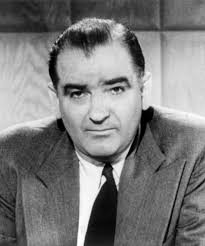
Joseph McCarthy
Coulter maintains that McCarthy was a true patriot, and that he—not his victims—was the true victim of history.
This is on a par with rewriting history as the son of Laventi Beria, Joseph Stalin’s infamous secret police chief, has attempted. He insists that his father was a good man who was forced by Stalin to do bad things.
Jesus was right: “You shall know the truth, and the truth shall make you free.” I hugely admire those who seek out the truth and speak it forcefully, without fear or favor.
And I despise those who ride to fame, power or wealth on a carpet of lies and evasions. Although I have written heavily about the infamies of the Right, I realize there is plenty of stupidity, arrogance and criminality on the Left.
I don’t believe that any person, agency, political party or corporation has a monopoly on virtue, intelligence or judgment. On the contrary: Members of agencies, political parties and corporations should be held to the highest level of scrutiny. This is especially true when those institutions hold vast power over the lives of ordinary citizens.
Throughout the last half-century Republicans have dominated American politics—and the lives of Americans. Thus I have written far more about their all-consuming lust for absolute power than I have on the usually secondary role played by Democrats.
2012 PRESIDENTIAL CAMPAIGN, 2024 PRESIDENTIAL CAMPAIGN, ABC NEWS, ALEXANDER THE GREAT, ALTERNET, AMERICABLOG, AP, BABY BOOMER RESISTANCE, BBC, BLOOMBERG, BUZZFEED, CBS NEWS, CNN, CROOKS AND LIARS, DAILY KOS, DONALD TRUMP, FIVETHIRTYEIGHT, HARPER’S MAGAZINE, HUFFINGTON POST, MEDIA MATTERS, MITT ROMNEY, MOTHER JONES, MOVEON, MSNBC, NBC NEWS, NEW REPUBLIC, NEWSDAY, NEWSWEEK, NPR, PBS NEWSHOUR, PLUTARCH, POLITICO, POLITICUSUSA, RAW STORY, REPUBLICANS AGAINST TRUMP, REUTERS, SALON, SEATTLE TIMES, SLATE, TALKING POINTS MEMO, THE ATLANTIC, THE CHICAGO SUN-TIMES, THE CHICAGO TRIBUNE, THE DAILY BEAST, THE DAILY BLOG, THE GUARDIAN, THE HILL, THE HUFFINGTON POST, THE INTERCEPT, THE LOS ANGELES TIMES, THE NATION, THE NEW REPUBLIC, THE NEW YORK TIMES, THE NEW YORKER, THE VILLAGE VOICE, THE WASHINGTON POST, THINKPROGRESS, TIME, TRUTHDIG, TRUTHOUT, TWO POLITICAL JUNKIES, U.S. NEWS & WORLD REPORT, UPI, USA TODAY, X
In History, Politics, Social commentary on October 22, 2024 at 12:49 am
History seems to have repeated itself.
On October 12, hundreds of Donald Trump followers were left stranded in the California desert after a rally in the Coachella Valley.
Despite the intense heat that soared to over 100 degrees, thousands of passionate Trump supporters braved the elements to hear the former President speak. During the rally, some supporters reportedly collapsed because of the stifling heat.
Prior to the event, buses were provided to transport supporters to the rally location. Trump loves to brag about the size of his rallies, so no effort was spared to bus them into Calhoun Ranch, which was situated about five miles from where they had parked their vehicles.
He spoke for almost 90 minutes, then left the stage at about 7 p.m.

Donald Trump
That was when chaos erupted.
Instead of being shuttled away from the venue, many Stormtrumpers were left stranded in 93 degree heat. No buses showed up to return them to their cars, which were miles away. This left many attendees scrambling to find their way home.
“Apparently the buses are no longer coming,” one Stormtrumper posted on X, formerly known as Twitter, more than three hours after the rally.
“There used to be like 20 buses when we were being brought here, but now there’s only like three buses operating. It’s just chaos, absolute chaos. All of us are stranded here, everyone is stranded here.”
Two hours after the rally, another Stormtrumper railed on X: “Parking lot is a two-hour walk. Countless elderly stranded here and can’t walk anymore. No restroom facilities accessible anymore. Something nefarious went down tonight to spark a riot.”
He claimed that a bus driver had told attendees that “ALL of the fuel stations for BUSES (not cars) were completely depleted,” which meant some of the bus drivers were stranded without gas.
“There were apparently 60 buses employed for this event,” he added, “and the fuel reserves were completely depleted or never refilled before the event. Smells like sabotage!”

A Trump campaign bus
In fact, the only villain at work lay in Trump’s complete indifference to his supporters after they filled seats for TV cameras at the rally.
“Thousands of people were stranded after the Trump rally in Coachella on Saturday night. The Trump campaign provided buses to bring people to the rally but no busses showed up to take them back to their cars,” Republicans Against Trump posted. “Trump doesn’t care about anyone but himself.”
A similar “Screw your followers” event had occurred almost 12 years earlier, on November 6, 2012.
President Barack Obama soundly defeated Republican Presidential nominee Mitt Romney and won a second term in the White House.
Then—according to NBC reporter Garrett Haake:
“From the moment Mitt Romney stepped off stage Tuesday night, having just delivered a brief concession speech he wrote only that evening, the massive infrastructure surrounding his campaign quickly began to disassemble itself.
“Aides taking cabs home late that night got rude awakenings when they found the credit cards linked to the campaign no longer worked.”
The Romney campaign—having no more use for its loyal staffers—had given them the heave-ho.

More than 2,000 years ago, the ancient historian, Plutarch, in his biography of Alexander the Great, made this timeless observation about human character: “And the most glorious exploits do not always furnish us with the clearest discoveries of virtue or vice in men.
“Sometimes a matter of less moment, an expression or a jest, informs us better of their characters and inclinations, than the most famous sieges, the greatest armaments, or the bloodiest battles whatsoever.”
Clearly, sometime before Election Night, arrangements had been made to cancel those credit cards. And why not? Whether he entered the White House or returned home, those who had sacrificed so much of their time and energy would now be completely useless to Romney.
Romney was not only rich (with an estimated fortune of at least $250 million) he had made it clear that the rich were the only group he truly cared about. This was, after all, the candidate who made statements like:
- “I have friends who are owners of NASCAR Teams.”
- “Ann drives a couple of Cadillacs.”
- “Corporations are people, my friend.”
- “Forty-seven percent are dependent upon government.”
- “I like being able to fire people.”
So when the curtain finally dropped on Romney’s six-year quest to become Plutocrat-in-Chief, there was no reason for him to do anything but exit quickly and let his loyal followers fend for themselves.
In giving his concession speech, Romney paid tribute to those who had sacrificed so much on his behalf:
“To the team across the country—the volunteers, the fundraisers, the donors, the surrogates—I don’t believe that there’s ever been an effort in our party that can compare with what you have done over these past years. Thank you so very much.”
For Mitt Romney it was Exit, Stage Right (there is no Stage Left for a Right-wing Republican) and time to let his followers fend for themselves.
Twelve years later, Donald Trump would reach the same conclusion.


 Bureaucracybuster's Blog
2016 PRESIDENTIAL ELECTION, 2020 PRESIDENTIAL ELECTION, ABC NEWS, ALTERNET, AMERICABLOG, AP, BABY BOOMER RESISTANCE, BBC, BLOOMBERG NEWS, BUZZFEED, CBS NEWS, CHRIS STIREWALT, CNN, COVID-19, CROOKS AND LIARS, DAILY KOS, DAVID BROOKS, DOMINION VOTING SYSTEMS, DONALD TRUMP, FIVETHIRTYEIGHT, FOX NEWS NETWORK, HARPER’S MAGAZINE, HUFFINGTON POST, JACQUI HEINRICH, JOE BIDEN, JONATHAN CAPEHART, LAURA INGRAHAM, LIBEL, MEDIA MATTERS, MIKE LINDELL, MOTHER JONES, MOVEON, MSNBC, NBC NEWS, NEW REPUBLIC, NEW YORK TIMES V. SULLIVAN, NEWSDAY, NEWSMAX, NEWSWEEK, NPR, PBS NEWSHOUR, POLITICO, POLITICUSUSA, RAW STORY, REPUBLICANS, REUTERS, RUDOLPH GIULIANI, RUPERT MURDOCH, SALON, SEAN HANNITY, SEATTLE TIMES, SIDNEY POWELL, SLANDER, SLATE, STEVE BANNON, TALKING POINTS MEMO, THE ATLANTIC, THE CHICAGO SUN-TIMES, THE CHICAGO TRIBUNE, THE DAILY BEAST, THE DAILY BLOG, THE GUARDIAN, THE HILL, THE HUFFINGTON POST, THE INTERCEPT, THE LOS ANGELES TIMES, THE NATION, THE NEW REPUBLIC, THE NEW YORK TIMES, THE NEW YORKER, THE VILLAGE VOICE, THE WASHINGTON POST, THINKPROGRESS, TIME, TRUTHDIG, TRUTHOUT, TUCKER CARLSON, TWITTER, U.S. NEWS & WORLD REPORT, UPI, USA TODAY
THE TRUTH ABOUT LIARS: PART ONE (OF THREE)
In Business, History, Law, Politics, Social commentary on November 6, 2024 at 12:04 amIn the beginning was the audience. And the audience was filled with Fascistic hate and prejudice, and sought always to have its beliefs confirmed.
And then came Fox News Network, which sought to capture that audience—and, with it, huge ratings and profits.
At the center of both Fox and its audience stood Donald Trump—first as a Presidential candidate, then as President.
In him, Right-wingers found their ideal representative: He promised to destroy all those groups they hated.
Among these: Blacks, Asians, “uppity” women, Muslims, liberals, Hispanics, Democrats.
Donald Trump
So when Trump lost the 2020 Presidential election—by 81,284,666 votes for former Vice President Joe Biden versus 74,224,319 for Trump-–the Right was devastated. And furious.
Unlike its defeats in past Presidential elections, this time the Right refused to accept the will of the electorate.
Trump had often “joked” about how wonderful it would be for the United States to have a “President-for-Life”—as was the case in China.
This time the Right intended to make that a reality.
Central to making that happen was the Fox News Network.
In 2022, for its seventh consecutive year, Fox News stood as the top-rated cable news network in the United States. Fox averaged 1.4 million total day viewers.
By contrast, 733,000 watched MSNBC and 568,000 watched CNN.
In prime time, Fox came in first with an average of 2.3 million viewers in 2022.
MSNBC came in second with 1.2 million and CNN ranked third with an average of 730,000.
As for profits: Fox’s net income for the twelve months ending December 31, 2022 was $1.507B, a 4.94% increase year-over-year.
In 2015, Trump launched his campaign for President. His chances for success seemed impossible at the time—even to many mainstream Republicans.
But as he won victory after victory in Republican primaries, Fox News stuck with him. And stayed with him through the four years of his Presidency.
Fox was Trump’s favorite network. It gave him unstinting praise and sought to put a favorable spin on everything he did. As a result, Trump rarely gave interviews to CBS, NBC or ABC News.
In turn, Fox profited hugely as its audience—and advertisers—eagerly tuned in.
So when Trump lost the 2020 Presidential election, he and Fox decided they must get him back into the Oval Office.
Trump did his best—or worst—by filing about 60 lawsuits to overturn the results of the election. But none of his attorneys could prove their claims that widespread fraud had robbed him of victory. The suits were dismissed by judges or withdrawn by Trump’s own attorneys.
Fox News couldn’t file fraudulent cases on Trump’s behalf. But it could poison the public mind by claiming—endlessly and falsely—that Trump had been cheated by massive voter fraud.
Fox didn’t even wait for the final results of the 2020 election to be called before it intervened on the side of what would soon be dubbed “The Big Lie.”
On Election Night, Chris Stirewalt, the political editor of Fox News Channel. was the first to project Biden’s victory in Arizona. This turned out to be right—and brought a furious attack upon Stirewalt.
Tucker Carlson
“We worked really hard to build what we have,” Fox host Tucker Carlson texted his producer, Alex Pfeiffer. “Those fuckers are destroying our credibility. It enrages me.”
For Carlson, credibility didn’t mean ensuring integrity in news reporting. It meant telling Fox’s Right-wing audience what it wanted to hear—whether the “news” was true or not.
Carlson added that he had spoken with fellow primetime commentators Laura Ingraham and Sean Hannity minutes earlier and that they were “highly upset.”
In a January 26 Op-Ed for the Los Angeles Times, Stirewalt wrote: “Having been cosseted by self-validating coverage for so long, many Americans now consider any news that might suggest that they are in error or that their side has been defeated as an attack on them personally. The lie that Trump won the 2020 election wasn’t nearly as much aimed at the opposing party as it was at the news outlets that stated the obvious, incontrovertible fact.”
Stirewalt was fired from Fox News in January, 2021.
Trump was furious about the Arizona call. After the election, he attacked Fox News and encouraged his followers to switch to Newsmax.
Which many of them did, costing Fox a big chunk of its audience.
For Fox, this was the ultimate catastrophe. The company began cracking down on its employees who had dared tell the truth on Election Night.
One case involved White House correspondent Jacqui Heinrich. Her sin was fact-checking a Trump tweet accusing Dominion Voting Systems of election fraud.
Heinrich wrote that top election officials had determined “there is no evidence that any voting system deleted or lost votes, changed votes, or was in any way compromised.”
“Please get her fired,” Star host Tucker Carlson texted his fellow told host Sean Hannity: “Seriously….what the fuck? I’m actually shocked….It needs to stop immediately, like tonight. It’s measurably hurting the company. The stock price is down. Not a joke.”
Hannity replied that he had already spoken to Suzanne Scott, the network’s chief executive. The next morning, Heinrich’s tweet had been deleted.
Share this: