Posts Tagged ‘STORMY DANIELS’
2016 PRESIDENTIAL CAMPAIGN, 2016 PRESIDENTIAL ELECTION, 2020 PRESIDENTIAL ELECTION, ABC NEWS, ADOLF HITLER, ALTERNET, AMERICABLOG, AP, BABY BOOMER RESISTANCE, BARACK OBAMA, BERNIE SANDERS, BUZZFEED, CBS NEWS, CNN, COMMUNISM, CROOKS AND LIARS, DAILY KOZ, DAVID BROOKS, DAVID HALBERSTAM, DEMOCRATIC PARTY, DEMOCRATS, DONALD TRUMP, ELIZABETH WARREN, FACEBOOK, FIVETHIRTYEIGHT, HELEN GAHAGAN DOUGLAS, HILLARY CLINTON, HITLER, JEB BUSH, JOHN KASICH, JOSEPH MCCARTHY, JOSEPH R. MCCARTHY, LANGUAGE, LIBERALS, MARCO RUBIO, MARK SHIELDS, MITCH MCCONNELL, MOTHER JONES, MOVEON, MSNBC, NATO, NBC NEWS, NEWSWEEK, NEWT GINGRICH, NOCCOLO MACHIAVELLI, NPR, OBAMA GIRL VIDEO, PBS NEWSHOUR, POLITICO, POLITICUSUSA, RAND PAUL, RAW STORY, REPUBLICAN PARTY, REPUBLICANS, REUTERS, RICHARD NIXON, RICK PERRY, RUSSIA, SALON, SATIRE, SEATTLE TIMES, SLANDER, SLATE, STEPHEN COLBERT, STORMY DANIELS, TALKING POINTS MEMO, TED CRUZ, THE ATLANTIC, THE CHICAGO SUN-TIMES, THE CHICAGO TRIBUNE, THE DAILY BEAST, THE DAILY BLOG, THE GUARDIAN, THE HILL, THE HUFFINGTON POST, THE LOS ANGELES TIMES, THE NATION, THE NEW YORK TIMES, THE PRINCE, THE WASHINGTON POST, THINKPROGRESS, TIME, TREVOR NOAH, TRUTHDIG, TWITTER, U.S. NEWS & WORLD REPORT, UPI, USA TODAY, VLADIMIR PUTIN
In Bureaucracy, History, Politics, Social commentary on December 4, 2019 at 12:42 am
In 1996, Newt Gingrich, then Republican Speaker of the House of Representatives, wrote a memo that encouraged Republicans to “speak like Newt.”
Entitled “Language: A Key Mechanism of Control,” it urged Republicans to attack Democrats with such words as “corrupt,” “selfish,” “destructive,” “hypocrisy,” “liberal,” “sick,” and “traitors.”
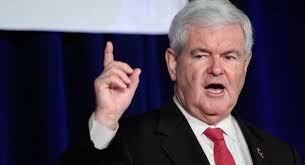
Newt Gingrich
Even worse, Gingrich encouraged the news media to disseminate such accusations. Among his suggestions:
- “Fights make news.”
- Create a “shield issue” to deflect criticism: “A shield issue is, just, you know, your opponent is going to attack you as lacking compassion. You better…show up in the local paper holding a baby in the neonatal center.”
In the memo, Gingrich advised:
“….In the video “We are a Majority,” Language is listed as a key mechanism of control used by a majority party, along with Agenda, Rules, Attitude and Learning.
“As the tapes have been used in training sessions across the country and mailed to candidates we have heard a plaintive plea: ‘I wish I could speak like Newt.’
“That takes years of practice. But, we believe that you could have a significant impact on your campaign and the way you communicate if we help a little. That is why we have created this list of words and phrases….
“This list is prepared so that you might have a directory of words to use in writing literature and mail, in preparing speeches, and in producing electronic media.
“The words and phrases are powerful. Read them. Memorize as many as possible. And remember that like any tool, these words will not help if they are not used.”
Here is the list of words Gingrich urged his followers to use in describing “the opponent, their record, proposals and their party”:
- abuse of power
- anti- (issue): flag, family, child, jobs
- betray
- bizarre
- bosses
- bureaucracy
- cheat
- coercion
- “compassion” is not enough
- collapse(ing)
- consequences
- corrupt
- corruption
- criminal rights
- crisis
- cynicism
- decay
- deeper
- destroy
- destructive
- devour
- disgrace
- endanger
- excuses
- failure (fail)
- greed
- hypocrisy
- ideological
- impose
- incompetent
- insecure
- insensitive
|
- intolerant
- liberal
- lie
- limit(s)
- machine
- mandate(s)
- obsolete
- pathetic
- patronage
- permissive attitude
- pessimistic
- punish (poor …)
- radical
- red tape
- self-serving
- selfish
- sensationalists
- shallow
- shame
- sick
- spend(ing)
- stagnation
- status quo
- steal
- taxes
- they/them
- threaten
- traitors
- unionized
- urgent (cy)
- waste
- welfare
|
Yes, speaking like Newt—or Adolf Hitler or Joseph R. McCarthy—“takes years of practice.”
And to the dismay of both Republicans and Democrats, Donald Trump has learned his lessons well.
On May 27, 2016, conservative New York Times columnist David Brooks analyzed the use of insults by Republican Presidential front-runner Donald Trump. He did so with his counterpart, liberal syndicated columnist, Mark Shields, on The PBS Newshour.
“Trump, for all his moral flaws, is a marketing genius. And you look at what he does. He just picks a word and he attaches it to a person. Little Marco [Rubio], Lyin’ Ted [Cruz], Crooked Hillary [Clinton].
“And that’s a word. And that’s how marketing works. It’s a simple, blunt message, but it gets under.
“It sticks, and it diminishes. And so it has been super effective for him, because he knows how to do that. And she [Hillary Clinton] just comes with, ‘Oh, he’s divisive.’
“These are words that are not exciting people. And her campaign style has gotten, if anything…a little more stagnant and more flat.”
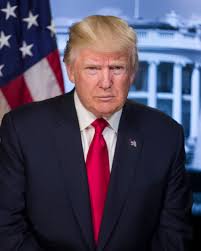
Donald Trump
MARK SHIELDS: “Donald Trump gratuitously slandered Ted Cruz’s wife. He libeled Ted Cruz’s father for being potentially part of Lee Harvey Oswald’s assassination of the president of the United States, suggesting that he was somehow a fellow traveler in that.
“This is a libel. You don’t get over it….”
Hillary Clinton wasn’t the only Presidential candidate who proved unable to cope with Trump’s gift for insult. His targets—and insults—included:
- Former Texas Governor Rick Perry: “Wears glasses to seem smart.”
- Former Florida Governor Jeb Bush: “Low Energy Jeb.”
- Vermont U.S. Senator Bernie Sanders: “Crazy Bernie.”
- Ohio Governor John Kasich: “Mathematically dead and totally desperate.”
Trump has reserved his most insulting words for women. For example:
- Carly Fiorina, his Republican primary competitor: “Look at that face. Would anyone vote for that?”
- Megyn Kelly, Fox News reporter: “You could see there was blood coming out of her eyes. Blood coming out of her wherever.”
- California Rep. Maxine Waters: “An extremely low IQ person.”
- Speaker of the House Nancy Pelosi: “MS-13 Lover Nancy Pelosi.”
Only one candidate has shown the ability to rattle Trump: Massachusetts Senator Elizabeth Warren.
As Mark Shields noted on The PBS Newshour.
“Elizabeth Warren gets under Donald Trunp’s skin. And I think she’s been the most effective adversary. I think she’s done more to unite the Democratic party than either Hillary Clinton or Bernie Sanders.
“I mean, she obviously—he can’t stay away from her. He is tweeting about her.”
And David Brooks offered: “And so the tactics…is either you do what Elizabeth Warren has done, like full-bore negativity, that kind of [get] under the skin, or try to ridicule him and use humor.”
A May 12, 2016 story on CNN—“Elizabeth Warren Gives Trump a Dose of His Own Medicine on Twitter”—noted: “Whenever Trump criticizes her, Warren fires right back at him, sometimes twice as hard.”
ABC NEWS, ABE RELES, ADAM SCHIFF, ALBERT “THE EXECUTIONER” ANASTASIA, ALEXANDER VINDMAN, ALTERNET, AMERICABLOG, AP, BABY BOOMER RESISTANCE, BERNIE SANDERS, BUZZFEED, CBS NEWS, CIA, CNN, CROOKS AND LIARS, DAILY KOZ, DON MCGAHN, DONALD TRUMP, DONALD TRUMP JUNIOR, ERIC SWALWELL, FACEBOOK, FIVETHIRTYEIGHT, FOX AND FRIENDS, FOX NEWS NETWORK, HILLARY CLINTON, HUNTER BIDEN, INFORMANTS, JOHN DEAN, JOHN F. KENNEDY, JOHN PARTINGTON, JOSEPH “THE ANIMAL” BARBOZA, JOSEPH BIDEN, KOHN KOHN & COLAPINTO, LOUIS “LEPKE” BUCHALTER, MAFIA, MICHAEL COHEN, MICK MULVANEY, MOTHER JONES, MOVEON, MSNBC, NANCY PELOSI, NATIONAL SECURITY COUNCIL, NBC NEWS, NEWSWEEK, NPR, OCCUPATIONAL SAFETY AND HEALTH ADMINISTRATION (OSHA), ORGANIZED CRIME, ORGANIZED CRIME CONTROL ACT OF 1970, PBS NEWSHOUR, POLITICO, POLITICUSUSA, RAW STORY, RAYMOND PATRIARCA, REPUBLICANS, REUTERS, RICHARD NIXON, RUSSIA, SALON, SEATTLE TIMES, SLATE, STORMY DANIELS, TALKING POINTS MEMO, THE ATLANTIC, THE CHICAGO SUN-TIMES, THE CHICAGO TRIBUNE, THE DAILY BEAST, THE DAILY BLOG, THE GUARDIAN, THE HILL, THE HUFFINGTON POST, THE LOS ANGELES TIMES, THE NATION, THE NEW YORK TIMES, THE WASHINGTON POST, THINKPROGRESS, TIME, TRUMP ORGANIZATION, TRUTHDIG, TWITTER, U.S. NEWS & WORLD REPORT, UKRAINE, UNITED STATES JUSTICE DEPARTMENT, UPI, USA TODAY, VOLODMYR ZELENSKY, WHISTLEBLOWERS, WIKILEAKS, WILLIAM BAR, WITNESS SECURITY PROGRAM, WITNESSES
In Bureaucracy, History, Law, Law Enforcement, Politics, Social commentary on November 12, 2019 at 12:07 am
Donald Trump has a longstanding hatred of whistleblowers when they betray his crimes and follies. But he feels completely different about “flippers” when their revelations serve his interests.
On July 22, 2016, Wikileaks released 19,252 emails and 8,034 attachments hacked from computers of the highest-ranking officials of the Democratic National Committee (DNC).
The leak revealed a DNC bias for Hillary Clinton and against her lone challenger, Vermont United States Senator Bernie Sanders. Clinton, who was about to receive the Democratic nomination for President, was thoroughly embarrassed. Sanders’ supporters were enraged.
Presidential candidate Trump’s reaction:
- “WikiLeaks, I love WikiLeaks.”
- “This WikiLeaks stuff is unbelievable. It tells you the inner heart, you gotta read it.”
- This WikiLeaks is like a treasure trove.”
- “WikiLeaks just came out with a new one just a little while ago it’s just been shown that a rigged system with more collusion, probably illegal, between the Department of Justice the Clinton campaign and the State Department, you saw that.”
But now Trump has reverted to his longtime hatred of “leakers.”
In July, 2019, he told his acting chief of staff, Mick Mulvaney, to withhold almost $400 million in promised military aid for Ukraine, which faces increasing aggression from Russia.
On July 25, Trump telephoned Ukrainian President Volodymyr Zelensky to “request” a “favor”: Investigate Democratic Presidential Candidate Joe Biden and his son, Hunter, who has had business dealings in Ukraine.
The reason for such an investigation: To find embarrassing “dirt” on Biden.

Joe Biden
But then a CIA whistleblower filed a complaint about the extortion attempt—and the media and Congress soon learned of it.
Rep. Adam Schiff (D-Calif.) tweeted: “The transcript of the call reads like a classic mob shakedown: — We do a lot for Ukraine — There’s not much reciprocity — I have a favor to ask — Investigate my opponent — My people will be in touch — Nice country you got there. It would be a shame if something happened to her.”
On September 24, 2019, Nancy Pelosi, speaker to the House of Representatives, announced a formal impeachment inquiry into Trump.
On September 26, Trump told a private group at a midtown hotel: “I want to know who’s the person, who’s the person who gave the whistleblower the information? Because that’s close to a spy.
“You know what we used to do in the old days when we were smart? Right? The spies and treason, we used to handle it a little differently than we do now.”
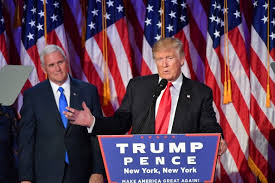
Trump can’t refute the sheer number of witnesses who have testified to his extortion attempt on Ukraine. So he now seeks to shift blame to the person who originally testified to his extortion.
On November 6, his son, Donald, Jr., tweeted out an article which might—or might not—have contained the name of the Intelligence community whistleblower.
A Trump shill later claimed that Trump hadn’t known about his son’s efforts to attack that official.
The law firm, Kohn, Kohn & Colapinto, LLP, called on Attorney General William Barr to open a criminal investigation into any leaks of the whistleblower’s identity.
“As attorneys representing whistleblowers for over 35-years we are extremely concerned about the nation-wide ‘chilling effect’ the disclosure of the identity of any intelligence community whistleblower will necessary cause. Whistleblowers need to reassurance that the laws protecting them will be strictly enforced.
“If the [whistleblower’s] name is revealed by any person, including Donald Trump, Jr., we hereby request that the persons engaging in this obstruction of justice be immediately arrested.”
Yet Barr, as Trump’s handpicked Attorney General, has so far refused to take any action against those in violation of whistleblower statutes.
The Occupational Safety and Health Administration (OSHA) enforces the provisions of more than 20 whistleblower statutes protecting employees from retaliation for reporting violations of various workplace-related laws.

According to a 2002 amendment to the federal retaliation statute:
“Whoever knowingly, with intent to retaliate, takes any action harmful to any person, including interference with the lawful employment or livelihood of any person, for providing to a law enforcement officer any truthful information relating to the commission or possible commission of any Federal offense, shall be fined under this title or imprisoned not more than 10 years, or both.”
These forbid an employer to fire, lay off, threaten, reduce pay or hours, blacklist, demote, deny overtime, benefits or promotion to anyone protected by such laws.
One such witness is Lt. Col. Alexander Vindman, an expert on Ukraine. A member of the National Security Council, he felt it improper for a President to ask a foreign leader to investigate an American citizen.
Trump called Vindman, a Purple Heart winner who was wounded in Iraq, “Yesterday’s Never Trumper witness.”
Ultimately, the identity of the whistleblower doesn’t matter.
As Representative Eric Swalwell (D-CA) tweeted on November 8: “One more time for the people in the back: The whistleblower pulled the fire alarm. The 1st responders showed up and saw smoke, flames, and @realDonaldTrump holding matches. Does it matter who pulled the fire alarm?”
The truth of the original complaint about Trump’s extortion attempt has been repeatedly validated by multiple witnesses.
It now remains to be seen whether Republicans care more about the truth of that complaint—or bowing in subservience to a thoroughly corrupt President.
ABC NEWS, ABE RELES, ADAM SCHIFF, ALBERT “THE EXECUTIONER” ANASTASIA, ALEXANDER VINDMAN, ALTERNET, AMERICABLOG, AP, BABY BOOMER RESISTANCE, BERNIE SANDERS, BUZZFEED, CBS NEWS, CIA, CNN, CROOKS AND LIARS, DAILY KOZ, DON MCGAHN, DONALD TRUMP, DONALD TRUMP JUNIOR, ERIC SWALWELL, FACEBOOK, FIVETHIRTYEIGHT, FOX AND FRIENDS, FOX NEWS NETWORK, HILLARY CLINTON, HUNTER BIDEN, INFORMANTS, JOHN DEAN, JOHN F. KENNEDY, JOHN PARTINGTON, JOSEPH “THE ANIMAL” BARBOZA, JOSEPH BIDEN, KOHN KOHN & COLAPINTO, LOUIS “LEPKE” BUCHALTER, MAFIA, MICHAEL COHEN, MICK MULVANEY, MOTHER JONES, MOVEON, MSNBC, NANCY PELOSI, NATIONAL SECURITY COUNCIL, NBC NEWS, NEWSWEEK, NPR, OCCUPATIONAL SAFETY AND HEALTH ADMINISTRATION (OSHA), ORGANIZED CRIME, ORGANIZED CRIME CONTROL ACT OF 1970, PBS NEWSHOUR, POLITICO, POLITICUSUSA, RAW STORY, RAYMOND PATRIARCA, REPUBLICANS, REUTERS, RICHARD NIXON, RUSSIA, SALON, SEATTLE TIMES, SLATE, STORMY DANIELS, TALKING POINTS MEMO, THE ATLANTIC, THE CHICAGO SUN-TIMES, THE CHICAGO TRIBUNE, THE DAILY BEAST, THE DAILY BLOG, THE GUARDIAN, THE HILL, THE HUFFINGTON POST, THE LOS ANGELES TIMES, THE NATION, THE NEW YORK TIMES, THE WASHINGTON POST, THINKPROGRESS, TIME, TRUMP ORGANIZATION, TRUTHDIG, TWITTER, U.S. NEWS & WORLD REPORT, UKRAINE, UNITED STATES JUSTICE DEPARTMENT, UPI, USA TODAY, VOLODMYR ZELENSKY, WHISTLEBLOWERS, WIKILEAKS, WILLIAM BAR, WITNESS SECURITY PROGRAM, WITNESSES
In Bureaucracy, History, Law, Law Enforcement, Politics, Social commentary on November 11, 2019 at 12:07 am
Before 1966, witnesses who dared expose the deadly secrets of the Mafia came to a brutal end once trials ended. And sometimes before trials even began.
For example: In 1940, Abe “Kid Twist” Reles, a notorious hitman for Murder, Inc., the execution squad of the New York Mafia, turned State’s evidence against his cronies. His testimony sent his former boss, Louis “Lepke” Buchalter, to the electric chair for murder.
He was set to testify against Albert “The Executioner” Anastasia, the chief of Murder, Inc., in November, 1941. Then fate—or bribed police—intervened.
Reles was being guarded round-the-clock by a lieutenant and six detectives at the Half Moon Hotel in Coney Island. Nevertheless, he “fell” 42 feet to his death from his sixth-floor room. No one was prosecuted for his murder.
As Joseph Valachi, a future Mafia witness, later testified: “I never met anybody yet who thought Reles went out that window on purpose.”

Abe “Kid Twist” Reles
In 1966, the United States Justice Department indicted Rhode Island Mafia Boss Raymond Patriarca. Thus, protection of its star witness, hitman Joseph “The Animal” Barboza, became a top priority.
Assigned to guard him was a small, handpicked detail of deputy U.S. marshals under the command of John Partington. For 18 months, the marshals foiled every effort by the Mafia to “clip” Barboza.
His testimony convicted a half-dozen top Mafiosi—including Patriarca. Then the marshals packed Barboza off to California under a new identity—and a new life.
Other Mafiosi—having run afoul of the Mafia and impressed by the success of the marshals in keeping Barboza alive—signed on as witnesses.
This, in turn, led the Justice Department to create an official Witness Security Program. By 2019, the Program had protected, relocated and given new identities to more than 8,600 witnesses and 9,900 of their family members.

Deputy U.S. marshals guarding a witness
Every President since John F. Kennedy has championed the vigorous prosecution of organized crime. And fueling this drive is the testimony of endangered witnesses requiring air-tight security.
Donald Trump is the first President to blatantly attack those who dare to “rat out” their former criminal associates.
On August 21, 2018, attorney Michael Cohen pleaded guilty in federal court in Manhattan to eight counts of campaign finance violations, tax fraud and bank fraud. He also said he had made illegal campaign contributions “in coordination and at the direction of a candidate for federal office”—Donald Trump.
Among his revelations:
- Trump has repeatedly asserted that Russia didn’t interfere with the 2016 Presidential election. But Cohen said he believed it did.
- Trump has repeatedly claimed he had “no business” in Russia. But Cohen testified that the Trump Organization had sought to “pursue a branded property in Moscow.”
- Trump denied having had sex with and paid off porn “actress” Stormy Daniels. But Cohen confirmed that Trump had instructed him to pay her $130,000 to buy her silence during the 2016 Presidential campaign.
On August 23, on the Fox News program, “Fox and Friends,” Trump attacked Cohen for “flipping” on him: “For 30, 40 years I’ve been watching flippers. Everything’s wonderful and then they get 10 years in jail and they—they flip on whoever the next highest one is, or as high as you can go. It—it almost ought to be outlawed. It’s not fair.
“You know, campaign violations are considered not a big deal, frankly. But if somebody defrauded a bank and he’s going to get 10 years in jail or 20 years in jail but if you can say something bad about Donald Trump and you’ll go down to two years or three years, which is the deal he made.”
Making “flipping” illegal would undo decades of organized crime prosecutions—and make future ones almost impossible.
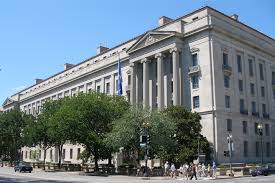
U.S. Department of Justice
To penetrate the secrets of criminal organizations, investigators and prosecutors need the testimony of those who are parties to those secrets.
The Organized Crime Control Act of 1970 gave Justice Department prosecutors unprecedented weapons for attacking crime syndicates across the country. One of these was the authority to give witnesses immunity from prosecution on the basis of their own testimony.
Thus, a witness to a criminal conspiracy could be forced to tell all he knew—and thus implicate his accomplices—and bosses. In turn, he wouldn’t be prosecuted on the basis of his testimony.
Organized crime members aggressively damn such “rats.” There is no more obscene word in a mobster’s vocabulary.
But no President—until Trump—has ever attacked those who make possible a war on organized crime.
On August 19, he tweeted: “The failing @nytimes wrote a Fake piece today implying that because White House Councel [sic] Don McGahn was giving hours of testimony to the Special Councel [sic] he must be a John Dean type ‘RAT.’
“But I allowed him and all others to testify – I didn’t have to. I have nothing to hide……”
In 1973, former White House Counsel John Dean testified before the United States Senate on a litany of crimes committed by President Richard M. Nixon. Dean didn’t lie about Nixon—who ultimately resigned in disgrace.
For Trump, Dean’s sin is that he “flipped” on his former boss, violating the Mafia’s code of omerta, or silence.
But Trump feels completely different abut “flippers” when their revelations serve his interests.
2016 PRESIDENTIAL CAMPAIGN, A HIGHER LOYALTY (BOOK), ABC NEWS, ADAM SCHIFF, ALTERNET, AMERICABLOG, ANTHONY "FAT TONY" SALERNO, AP, “FLIPPING”, BABY BOOMER RESISTANCE, BERNIE SANDERS, BUZZFEED, CBS NEWS, CIA, CNN, CROOKS AND LIARS, DAILY KOZ, DEMOCRATIC NATIONAL COMMITTEE (DNC), DONALD TRUMP, ESQUIRE, EXTORTION, FACEBOOK, FBI, FIVETHIRTYEIGHT, FOX AND FRIENDS, FOX NEWS, FOX NEWS NETWORK, GAMBINO MAFIA FAMILY, HILLARY CLINTON, HOUSE OF REPRESENTATIVES, HUNTER BIDEN, IVANA TRUMP, JAMES COMEY, JEFF SESSIONS, JOE BIDEN, JOHN DEAN, JOHN GOTTI, MAFIA, MICHAEL COHEN, MICHAEL FLYNN, MICK MULVANEY, MOTHER JONES, MOVEON, MSNBC, NANCY PELOSI, NBC NEWS, NEWSWEEK, NPR, ORGANIZED CRIME, ORGANIZED CRIME CONTROL ACT OF 1970, PAM BONDI, PAUL CASTELLANO, PBS NEWSHOUR, POLITICO, POLITICUSUSA, RACKETEER INFLUENCED CORRUPT ORGANIZATIONS ACT (RICO), RAW STORY, REINCE PRIEBUS, REPUBLICANS, REUTERS, RICHARD M. NIXON, RICHARD NIXON, ROBERT MUELLER, RUSSIA, SALON, SEATTLE TIMES, SLATE, STORMY DANIELS, TALKING POINTS MEMO, THE ATLANTIC, THE CHICAGO SUN-TIMES, THE CHICAGO TRIBUNE, THE DAILY BEAST, THE DAILY BLOG, THE GUARDIAN, THE HILL, THE HUFFINGTON POST, THE LOS ANGELES TIMES, THE NATION, THE NEW YORK TIMES, THE WASHINGTON POST, THINKPROGRESS, TIME, TREASON, TRUMP ORGANIZATION, TRUTHDIG, TWITTER, U.S. NEWS & WORLD REPORT, UKRAINE, UNITED STATES DEPARTMENT OF JUSTICE, UNITED STATES JUSTICE DEPARTMENT, UPI, USA TODAY, VLADIMIR PUTIN, VOLODYMYR ZELENSKY, WHISTLEBLOWERS, WIKILEAKS
In Bureaucracy, History, Law, Law Enforcement, Politics, Social commentary on October 1, 2019 at 12:08 am
Former FBI Director James Comey has had firsthand experience in attacking organized crime—and in spotting its leaders.
In his bestselling memoir, A Higher Loyalty, he writes:
“As I found myself thrust into the Trump orbit, I once again was having flashbacks to my earlier career as a prosecutor against the mob. The silent circle of assent. The boss in complete control. The loyalty oaths. The us-versus-them worldview. The lying about all things, large and small, in service to some code of loyalty that put the organization above morality and the truth.”

James Comey
Validating Comey’s comparison of Trump to a mobster:
On August 21, 2018, Trump’s former attorney, Michael Cohen, pleaded guilty to eight counts of campaign finance violations, tax fraud and bank fraud. He also said he had made illegal campaign contributions “in coordination and at the direction of a candidate for federal office”—Donald Trump.
On August 23, on the Fox News program, “Fox and Friends,” Trump attacked Cohen for “flipping” on him:
“For 30, 40 years I’ve been watching flippers. Everything’s wonderful and then they get 10 years in jail and they—they flip on whoever the next highest one is, or as high as you can go. It—it almost ought to be outlawed. It’s not fair.””
Making “flipping” illegal would undo decades of organized crime prosecutions—and make future ones almost impossible.

United States Department of Justice
To penetrate the secrets of criminal organizations, investigators and prosecutors need the testimony of those who are parties to those secrets.
The Organized Crime Control Act of 1970 gave Justice Department prosecutors unprecedented weapons for attacking crime syndicates across the country. One of these was the authority to give witnesses immunity from prosecution on the basis of their own testimony.
Thus, a witness to a criminal conspiracy could be forced to tell all he knew—and thus implicate his accomplices—and bosses. In turn, he wouldn’t be prosecuted on the basis of his testimony.
Organized crime members aggressively damn such “rats.” There is no more obscene word in a mobster’s vocabulary.
But no President—until Trump—has ever attacked those who make possible a war on organized crime.
On August 19, he tweeted:
“The failing @nytimes wrote a Fake piece today implying that because White House Councel Don McGahn was giving hours of testimony to the Special Councel, he must be a John Dean type “RAT.” But I allowed him and all others to testify – I didn’t have to. I have nothing to hide……”
In 1973, former White House Counsel John Dean testified before the United States Senate on a litany of crimes committed by President Richard M. Nixon. Dean didn’t lie about Nixon—who ultimately resigned in disgrace.
For Trump, Dean’s sin is that he “flipped” on his former boss, violating the Mafia’s code of omerta, or silence.
But Trump feels completely different abut “flippers” when their revelations serve his interests.
On July 22, 2016, Wikileaks released 19,252 emails and 8,034 attachments hacked from computers of the highest-ranking officials of the Democratic National Committee (DNC).
The leak revealed a DNC bias for Hillary Clinton and against her lone challenger, Vermont United States Senator Bernie Sanders. Clinton, who was about to receive the Democratic nomination for President, was thoroughly embarrassed. Sanders’ supporters were enraged.
Donald Trump’s reaction:
- “WikiLeaks, I love WikiLeaks.”
- “This WikiLeaks stuff is unbelievable. It tells you the inner heart, you gotta read it.”
- This WikiLeaks is like a treasure trove.”
- “WikiLeaks just came out with a new one just a little while ago it’s just been shown that a rigged system with more collusion, probably illegal, between the Department of Justice the Clinton campaign and the State Department, you saw that.”
But now Trump has reverted to his longtime hatred of “leakers.”
In July, 2019, he told his acting chief of staff, Mick Mulvaney, to withhold almost $400 million in promised military aid for Ukraine, which faces increasing aggression from Russia.
On July 25, Trump telephoned Ukrainian President Volodymyr Zelensky to “request” a “favor”: Investigate Democratic Presidential Candidate Joe Biden and his son, Hunter, who has had business dealings in Ukraine.
The reason for such an investigation: To find embarrassing “dirt” on Biden.
But then a CIA whistleblower filed a complaint about the extortion attempt—and the media and Congress soon learned of it.
Rep. Adam Schiff, D-Calif., tweeted: “The transcript of the call reads like a classic mob shakedown: — We do a lot for Ukraine — There’s not much reciprocity — I have a favor to ask — Investigate my opponent — My people will be in touch — Nice country you got there. It would be a shame if something happened to her.”
On September 24, 2019, Nancy Pelosi, speaker to the House of Representatives, announced a formal impeachment inquiry into Trump.
On September 26, Trump told a private group at a midtown hotel: “I want to know who’s the person, who’s the person who gave the whistleblower the information? Because that’s close to a spy.
“You know what we used to do in the old days when we were smart? Right? The spies and treason, we used to handle it a little differently than we do now.”
2016 PRESIDENTIAL CAMPAIGN, A HIGHER LOYALTY (BOOK), ABC NEWS, ADAM SCHIFF, ALTERNET, AMERICABLOG, ANTHONY "FAT TONY" SALERNO, AP, “FLIPPING”, BABY BOOMER RESISTANCE, BERNIE SANDERS, BUZZFEED, CBS NEWS, CIA, CNN, CROOKS AND LIARS, DAILY KOZ, DEMOCRATIC NATIONAL COMMITTEE (DNC), DONALD TRUMP, ESQUIRE, EXTORTION, FACEBOOK, FBI, FIVETHIRTYEIGHT, FOX AND FRIENDS, FOX NEWS NETWORK, GAMBINO MAFIA FAMILY, HILLARY CLINTON, HOUSE OF REPRESENTATIVES, HUNTER BIDEN, IVANA TRUMP, JAMES COMEY, JEFF SESSIONS, JOE BIDEN, JOHN DEAN, JOHN GOTTI, MAFIA, MICHAEL COHEN, MICHAEL FLYNN, MICK MULVANEY, MOTHER JONES, MOVEON, MSNBC, NANCY PELOSI, NBC NEWS, NEWSWEEK, NPR, ORGANIZED CRIME, ORGANIZED CRIME CONTROL ACT OF 1970, PAM BONDI, PAUL CASTELLANO, PBS NEWSHOUR, POLITICO, POLITICUSUSA, RACKETEER INFLUENCED CORRUPT ORGANIZATIONS ACT (RICO), RAW STORY, REINCE PRIEBUS, REPUBLICANS, REUTERS, RICHARD M. NIXON, RICHARD NIXON, ROBERT MUELLER, RUSSIA, SALON, SEATTLE TIMES, SLATE, STORMY DANIELS, TALKING POINTS MEMO, THE ATLANTIC, THE CHICAGO SUN-TIMES, THE CHICAGO TRIBUNE, THE DAILY BEAST, THE DAILY BLOG, THE GUARDIAN, THE HILL, THE HUFFINGTON POST, THE LOS ANGELES TIMES, THE NATION, THE NEW YORK TIMES, THE WASHINGTON POST, THINKPROGRESS, TIME, TREASON, TRUMP ORGANIZATION, TRUTHDIG, TWITTER, U.S. NEWS & WORLD REPORT, UKRAINE, UNITED STATES DEPARTMENT OF JUSTICE, UNITED STATES JUSTICE DEPARTMENT, UPI, USA TODAY, VLADIMIR PUTIN, VOLODYMYR ZELENSKY, WHISTLEBLOWERS, WIKILEAKS
In Bureaucracy, History, Law, Law Enforcement, Politics, Social commentary on September 30, 2019 at 12:06 am
Donald Trump resembles his fellow New Yorker, Mafia “Boss of all Bosses” John Gotti, in more ways than he would like to admit. Among these:
- He craves publicity like a drug.
- His egomania long ago reached psychotic heights: In a 1990 interview with Playboy magazine, he offered his worldview: “The show is Trump, and it is sold-out performances everywhere.”
- He impulsively and brutally badmouths virtually everyone—in press conferences and on Twitter.
- He brags constantly—about his wealth, his intelligence, his sexual prowess, his achievements: “My fingers are long and beautiful, as, it has been well documented, are various other parts of my body.”
- He has bought his way out of legal trouble: Florida Attorney General Pam Bondi personally solicited a political contribution from him while her office deliberated joining an investigation of alleged fraud at Trump University and its affiliates. After Bondi dropped the case against Trump, he wrote her a $25,000 check for her re-election campaign.
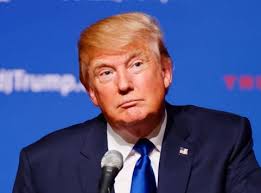
Donald Trump
- He repeatedly threatens violence against his opponents: On March 16, 2016, he warned Republicans that if he didn’t win the GOP nomination in July, “I think you’d have riots….I think bad things would happen.”
- Although not a member of the Mafia, he has often been linked—directly or indirectly—to men who are, such as “Anthony Fat Tony” Salerno and Paul Castellano.
- He prizes being seen as a tough guy: “I could stand in the middle of Fifth Avenue and shoot somebody and I wouldn’t lose voters.” At a Las Vegas rally in 2016, he said about a protester: “I’d like to punch him in the face.”
- He has no loyalty to anyone. He has badmouthed—and fired—such ardent supporters as his ex-Chief of Staff Reince Priebus and former Attorney General Jeff Sessions.
- He has an unrelenting hatred for “rats” who prove equally disloyal to him.
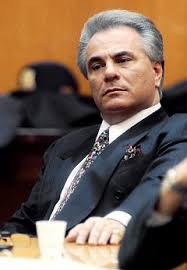
John Gotti
Consider the case of attorney Michael Cohen.
- An executive of the Trump Organization, Cohen acted as “Trump’s pit bull.” “If somebody does something Mr. Trump doesn’t like,” he told ABC News in 2011, “I do everything in my power to resolve it to Mr. Trump’s benefit.”
- In 2015, a reporter for The Daily Beast asked Cohen about Ivana Trump’s charge (later recanted) that Trump had raped her while they were married. Cohen: “I’m warning you, tread very fucking lightly, because what I’m going to do to you is going to be fucking disgusting.”
- In 2016, while Trump was running for President, Cohen acted as the go-between for a $130,000 hush-money payoff to porn “star” Stormy Daniels. The reason: To prevent her from revealing a 2006 tryst she had had with Trump.
In April 2018, the United States Attorney for the Southern District of New York began investigating Cohen. Charges reportedly included bank fraud, wire fraud and violations of campaign finance law.

Michael Cohen
By IowaPolitics.com (Trump executive Michael Cohen 012) [CC BY-SA 2.0 (https://creativecommons.org/licenses/by-sa/2.0)%5D, via Wikimedia Commons
On April 9, 2018, the FBI, executing a federal search warrant, raided Cohen’s office at the law firm of Squire Patton Boggs, as well as at his home and his hotel room in the Loews Regency Hotel in New York City. Agents seized emails, tax and business records and recordings of phone conversations that Cohen had made.
Trump’s response: “Michael Cohen only handled a tiny, tiny fraction of my legal work.”
Thus Trump undermined the argument of Cohen’s lawyers that he was the President’s personal attorney—and therefore everything Cohen did was protected by attorney-client privilege.
Cohen, feeling abandoned and enraged, struck back: He “rolled over” on the man he had once boasted he would take a bullet for.
On August 21, 2018, Cohen pleaded guilty in federal court in Manhattan to eight counts of campaign finance violations, tax fraud and bank fraud. He also said he had made illegal campaign contributions “in coordination and at the direction of a candidate for federal office”—Donald Trump.
Among his revelations:
- Trump has repeatedly asserted that Russia didn’t interfere with the 2016 Presidential election. But Cohen said he believed it did.
- Trump has repeatedly claimed he had “no business” in Russia. But Cohen testified that the Trump Organization had sought to “pursue a branded property in Moscow.”
- Trump denied having had sex with and paid off porn “actress” Stormy Daniels. But Cohen confirmed that Trump had instructed him to pay her $130,000 to buy her silence during the 2016 Presidential campaign.
On August 23, on the Fox News program, “Fox and Friends,” Trump attacked Cohen for “flipping” on him:
“For 30, 40 years I’ve been watching flippers. Everything’s wonderful and then they get 10 years in jail and they—they flip on whoever the next highest one is, or as high as you can go. It—it almost ought to be outlawed. It’s not fair.
“You know, campaign violations are considered not a big deal, frankly. But if somebody defrauded a bank and he’s going to get 10 years in jail or 20 years in jail but if you can say something bad about Donald Trump and you’ll go down to two years or three years, which is the deal he made.”
ABC NEWS, ADOLF HITLER, ALTERNET, AP, BUZZFEED, CBS NEWS, CNN, CROOKS AND LIARS, DAILY KOZ, DAVID BROOKS, DEMOCRATS, DONALD TRUMP, FACEBOOK, HOUSE OF REPRESENTATIVES, HOUSE OVERSIGHT COMMITTEE, JACKIE SPEIER, JIM JORDAN, JIMMY CARTER, MARK SHIELDS, MICHAEL COHEN, MOTHER JONES, MOVEON, MSNBC, NBC NEWS, NEWSWEEK, NPR, PBS NEWSHOUR, POLITICO, RAW STORY, REPUBLICANS, REUTERS, RICHARD NIXON, ROBERT MUELLER, SALON, SEATTLE TIMES, SLATE, STORMY DANIELS, THE ATLANTIC, THE CHICAGO SUN-TIMES, THE CHICAGO TRIBUNE, THE DAILY BEAST, THE GUARDIAN, THE HILL, THE HUFFINGTON POST, THE LOS ANGELES TIMES, THE NATION, THE NEW YORK TIMES, THE PBS NEWSHOUR, THE WASHINGTON POST, TIME, TWITTER, U.S. NEWS & WORLD REPORT, UNITED STATES SENATE, UPI, USA TODAY
In Bureaucracy, History, Law, Law Enforcement, Politics, Social commentary on August 16, 2019 at 12:04 am
“Just another week in Caligula’s Rome.”
That was how conservative New York Times columnist David Brooks summed up President Donald Trump’s Washington, D.C. for the week of February 24 to March 1, 2019.
It could serve as the epitaph for the history of the Trump administration.
Every Friday Books faces off with liberal syndicated columnist Mark Shields on The PBS Newshour. And on the program for March 1, the two men found common cause in sizing up the appearance of Michael Cohen before the House Oversight Committee two days earlier.
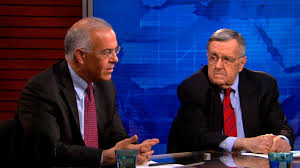
David Brooks and Mark Shields on “The PBS Newshour”
During that hearing, Cohen, Trump’s longtime attorney and fixer:
- Condemned his former boss as “a racist, a conman [and] a cheat.”
- Confirmed that Trump had instructed him to pay $130,000 in hush money to porn “star” Stormy Daniels, to buy her silence during the 2016 Presidential campaign.
- Provided the committee with a copy of a check Trump wrote from his personal bank account—after he became President—“to reimburse me for the hush money payments I made.”
- Produced “copies of letters I wrote at Mr. Trump’s direction that threatened his high school, colleges, and the College Board not to release his grades or SAT scores.”
But for Brooks, far more was at stake than the individual accusations:
“To me, it was more of a moral occasion, more than anything else. What it illustrates is a President and, frankly, Michael Cohen who long ago decided that celebrity and wealth is more important than being a good person. And they have dragged us all down there with us.
“And the people they have dragged most effectively are the House Republicans, a lot of them on that committee, who decided that they were completely incurious about whether Donald Trump was a good guy or a bad guy or a really awful guy, that—their own leader, they didn’t seem to care about that, but they were going to rip the skin off Michael Cohen.
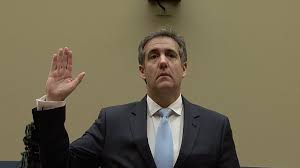
Michael Cohen testifying before Congress
“And so they attacked him. And what struck me is how moral corrosion happens, that you decide you’re going to defend or ignore Trump. And then to do that, you have to morally distance yourself from him. And then you have to morally distance yourself from him every day.
“And, eventually, you just get numb to everything. And so [Ohio Republican Representative] Jim Jordan and other people on the committee were saying, oh, we all knew this, like, it’s all unremarkable. And so that’s—that’s how moral corrosion happens.”
During the hearing, California Representative Jackie Speier asked Cohen: How many times did Trump ask you to intimidate creditors?
Cohen estimated the number at 500.
For Shields, this counted as especially despicable behavior: “And—but the thing about it is, when he stiffed those small business—the plumbers and the electricians who did the work in the Trump projects, and he came back, and Donald Trump loved to hear about it, I mean, reveled in it.
“Now, I mean, at what point do you say that there’s no honor here? I mean, there’s nothing to admire.”
Shields was equally appalled by the refusal of Trump’s Republican committee defenders to condemn his moral depravity—as a businessman or President.
“If you can’t deal with the message, you shoot the messenger. And that’s what their whole strategy was.
“The very fact that not a single member of the Republican committee defended Donald Trump or what he was charged or alleged to have done, to me, was revealing. They just decided to go after Michael Cohen.”
So why have Republicans aligned themselves with such a man?
Republicans don’t fear that Trump will trash the institutions that Americans have cherished for more than 200 years. Institutions like an independent judiciary, a free press, and an incorruptible Justice Department.
He has already attacked all of these—and Republicans have either said nothing or rushed to his defense.
What Republicans truly fear about Donald Trump is that he will finally cross one line too many. And that the national outrage following this will force them to launch impeachment proceedings against him.
But it isn’t even Trump they fear will be destroyed.
What they most fear losing is their own hold on nearly absolute power in Congress and the White House. And the riches that go with it.
If Trump is impeached and possibly indicted, he will become a man no one any longer fears. He will be a figure held up to ridicule and condemnation.
Like Adolf Hitler.
Like Richard Nixon.
And his supporters will be branded as losers along with him.
Republicans vividly remember what happened after Nixon was forced to resign on August 9, 1974: Democrats, riding a wave of reform fever, swept Republicans out of the House and Senate—and Jimmy Carter into the White House.
House and Senate Republicans can imagine a future without Trump—but not one where they disappear.
If they are conflicted—whether to continue supporting Trump or desert him—the reason is the same: How can I hold onto my power and all the privileges that go with it?
2016 PRESIDENTIAL CAMPAIGN, ABC NEWS, ACCESS HOLLYWOOD, ADRIANNE ZUCKER, ALABAMA SUPREME COURT, ALTERNET, ANDERSON COOPER, AP, ATHEISTS, BARACK OBAMA, BILL CLILNTON, BILLY BUSH, BLACKS, BRETT KAVANAUGH, BUZZFEED, CARL PALADINIO, CBS NEWS, CHARLES MANSON, CHICAGO TRIBUNE, CNN, COREY LEWANDOWSKI, COREY LEWENDOWSKI, CROOKS AND LIARS, DAILY KOZ, DAYS OF OUR LIVES, DONALD TRUMP, E. JEAN CARROLL, FACEBOOK, FOX NEWS, HISPANICS, HOMOSEXUALS, HOUSE OF REPRESENTATIVES, INFIDELITY, IVANA TRUMP, JERRY FALWELL JR., JESSICA LEEDS, JEWS, KEVIN MCCARTHY, LEIGH CORFMAN, LESBIANS, LIBERALS, MARCO RUBIO, MARLA MAPLES TRUMP, MELANIA TRUMP, MICHAEL GERSON, MICHELLE BACHMANN, MINDY MCGILLIVRAY, MINDY MCGILLLIVRAY, MOTHER JONES, MOVEON, NATASHA STOYNOFF, NBC NEWS, NEWSWEEK, NON-CHRISTIANS, NPR, PALM BEACH POST, PEOPLE, PEOPLE MAGAZINE, POLITICO, RALPH REED, RAPE, RAW STORY, RELIGIOUS RIGHT, REPUBLICAN PARTY, REPUBLICANS, REUTERS, ROY MOORE, SALON, SEAN HANNITY, SEATTLE TIMES, SEXUAL HARASSMENT, SEXUALLY TRANSMITTED DISEASES, SLATE, STEVE BANNON, STORMY DANIELS, TED SLOWIK, THE ATLANTIC, THE CHICAGO SUN-TIMES, THE CHICAGO TRIBUNE, THE DAILY BEAST, THE GUARDIAN, THE HILL, THE HUFFINGTON POST, THE LOS ANGELES TIMES, THE NATION, THE NEW YORK TIMES, THE PALM BEACH POST, THE WASHINGTON POST, THOM TILLIS, TIME, TWITTER, U.S. NEWS & WORLD REPORT, UPI, USA TODAY, WOMEN
In Bureaucracy, History, Politics, Social commentary, Uncategorized on June 28, 2019 at 12:03 am
On October 12, 2016, The Palm Beach Post, The New York Times and People all published stories of women claiming they had been sexually assaulted by Donald Trump.
Trump’s reaction: “Every woman lied when they came forward to hurt my campaign. Total fabrication. The events never happened. Never.”
For “proof,” he attacked their physical appearance.
Of one accuser, Natasha Stoynoff, he said: “Take a look. You take a look. Look at her. Look at her words. You tell me what you think. I don’t think so. I don’t think so.”
Of another accuser, Jessica Leeds, Trump said: “Believe me, she would not be my first choice, that I can tell you. Whoever she is, wherever she comes from, the stories are total fiction. They’re 100% made up. They never happened.”
In short: They were too ugly for Trump to consider them worth sexually harassing.
And he threatened: “All of these liars will be sued after the election is over.”
To date, Trump has not filed a single lawsuit for defamation. No doubt he realizes:
- He would have to take the witness stand and testify under oath; and
- There is simply too much evidence stacked against him.
By October 14, 2016, at least 12 women had publicly accused Trump of sexually inappropriate behavior.
Trump—who’s been married three times and often boasted of his sexual prowess—asked why President Barack Obama hadn’t had similar claims leveled against him.
The answer: Because there has never been the slightest hint of scandal about Obama as a faithful husband.
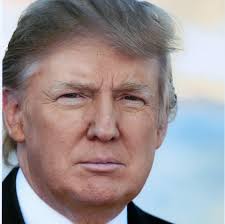
Donald Trump
Many Right-wingers defended Trump’s misogynist comments as mere “frat boy” talk. Said Corey Lewandowski, a former Trump campaign manager and now CNN commentator: “We are electing a leader to the free world. We’re not electing a Sunday school teacher.”
And Fox News host Sean Hannity went Biblical to excuse Trump: “King David had 500 concubines for crying out loud!”
But Washington Post Columnist Micheal Gerson took a darker—and more accurate—view of Trump’s comments.
Appearing on the PBS Newshour on October 7, Gerson said: “Well, I think the problem here is not just bad language, but predatory language, abusive language, demeaning language. That indicates something about someone’s character that is disturbing, frankly, disturbing in a case like this.”
As of April, 2019, the total number of women accusing Trump of making improper advances has risen to 23.
And, in June, yet another woman came forward to accuse Trump of sexual assault: E. Jean Carroll, an advice columnist for Elle magazine.
E. Jean Carroll
Carroll alleges that Trump attacked her in the fall of 1995 or the spring of 1996 at the Bergdorf Goodman department store in New York.
She claims claims that, while gift shopping, Trump pressured her to try on lingerie and grabbed her arm to pull her toward the dressing room.
“The moment the dressing-room door is closed, he lunges at me, pushes me against the wall, hitting my head quite badly, and puts his mouth against my lips.
“I am so shocked I shove him back and start laughing again. He seizes both my arms and pushes me up against the wall a second time, and, as I become aware of how large he is, he holds me against the wall with his shoulder and jams his hand under my coat dress and pulls down my tights.
“The next moment, still wearing correct business attire, shirt, tie, suit jacket, overcoat, he opens the overcoat, unzips his pants, and, forcing his fingers around my private area, thrusts his penis halfway —or completely, I’m not certain—inside me.”
True to form, Trump responded by exonerating himself on the basis of the woman’s appearance: “I’ll say it with great respect: Number one, she’s not my type.”
Then he accused the accuser: “Shame on those who make up false stories of assault to try to get publicity for themselves, or sell a book, or carry out a political agenda….
“It’s just as bad for people to believe it, particularly when there is zero evidence. Worse still for a dying publication to try to prop itself up by peddling fake news—it’s an epidemic.”
Also, predictably, he portrayed himself as the innocent victim of yet another vast conspiracy: “If anyone has information that the Democratic Party is working with Ms. Carroll or New York Magazine, please notify us as soon as possible.”
And, just as predictably, Republicans are rallying around the President.
“Quite honestly, as somebody who had a front-row seat to the Kavanaugh hearings, we’ve seen allegations that were false,” said Sen. Thom Tillis (R-N.C.). “We’ll let the facts go where they are, but I take [Trump’s] statement at face value.”
“Yes, I believe the president.” said House Minority Leader Kevin McCarthy when pressed on whether he believed Trump.
There’s an old saying: “If one person tells you you’re drunk, and you feel fine, ignore him. If ten people tell you you’re drunk, you need to lie down.”
More than a score of women have come forward to say that Donald Trump—the President of the United States—is a sexual predator.
Yet no one in the Republican party is willing to say: “It’s time for him to leave.”
2016 PRESIDENTIAL CAMPAIGN, ABC NEWS, ACCESS HOLLYWOOD, ALTERNET, ANDERSON COOPER, AP, BILL CLILNTON, BILLY BUSH, BRETT KAVANAUGH, BUZZFEED, CBS NEWS, CHICAGO TRIBUNE, CNN, COREY LEWANDOWSKI, CROOKS AND LIARS, DAILY KOZ, DAYS OF OUR LIVES, DONALD TRUMP, E. JEAN CARROLL, FACEBOOK, FOX NEWS, HOUSE OF REPRESENTATIVES, INFIDELITY, IVANA TRUMP, JESSICA LEEDS, KEVIN MCCARTHY, LEIGH CORFMAN, MARCO RUBIO, MARLA MAPLES TRUMP, MELANIA TRUMP, MICHAEL GERSON, MINDY MCGILLIVRAY, MINDY MCGILLLIVRAY, MOTHER JONES, MOVEON, NATASHA STOYNOFF, NBC NEWS, NEWSWEEK, NPR, PALM BEACH POST, PEOPLE, PEOPLE MAGAZINE, POLITICO, RAPE, RAW STORY, REPUBLICAN PARTY, REPUBLICANS, REUTERS, SALON, SEAN HANNITY, SEATTLE TIMES, SEXUAL HARASSMENT, SEXUALLY TRANSMITTED DISEASES, SLATE, STORMY DANIELS, THE ATLANTIC, THE CHICAGO SUN-TIMES, THE CHICAGO TRIBUNE, THE DAILY BEAST, THE GUARDIAN, THE HILL, THE HUFFINGTON POST, THE LOS ANGELES TIMES, THE NATION, THE NEW YORK TIMES, THE PALM BEACH POST, THE WASHINGTON POST, THOM TILLIS, TIME, TWITTER, U.S. NEWS & WORLD REPORT, UPI, USA TODAY, WOMEN
In Bureaucracy, History, Law, Politics, Social commentary on June 27, 2019 at 12:05 am
Donald Trump has a woman problem. Or, to be more accurate, a series of women problems.
First, he’s been married three times—and divorced twice:
- In 1977, Trump married Czech model Ivana Winklmayr. The couple divorced in 1992, following Trump’s notorious affair with actress Marla Maples.
- Maples and Trump were married in December 1993—and divorced in 1999.
- In 1998, Trump met Slovenian model Melania Knauss. They married in 2005.
Ivana Trump and Marla Maples Trump
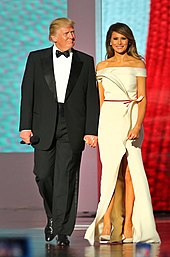
Donald and Melania Trump
And Trump has never been known for marital fidelity:
- He was still married to Ivana when he carried on a highly publicized extramarital affair with Marla Maples.
- Trump was still married to Maples when he entered into an affair with Melania Knauss.
- And only four months after Melania gave birth to their son, Barron, Trump had his now-infamous tryst with porn “actress” Stormy Daniels.
He has often boasted about his sexual prowess:
- When his 2016 Republican rival, Marco Rubio, joked that Trump’s hands were small, Trump said: “Look at those hands, are they small hands? And, [Rubio] referred to my hands—‘if they’re small, something else must be small.’ I guarantee you there’s no problem. I guarantee.”
- Trump equated avoiding STDs during the late 1990s with serving in Vietnam: “I’ve been so lucky in terms of that whole world, it is a dangerous world out there. It’s like Vietnam, sort of. It is my personal Vietnam. I feel like a great and very brave solider,”
Trump’s most infamous “take” on women appeared during the 2016 Presidential race. The remarks happened during a 2005 exchange with Billy Bush, then the host of Access Hollywood.
The two were traveling in an Access Hollywood bus to the set of the soap opera Days of Our Lives, where Trump was to make a cameo appearance. A “hot” microphone caught Trump’s boast of trying to pick up a married woman:
You know and I moved on her actually. You know she was down on Palm Beach. I moved on her and I failed. I’ll admit it. I did try and fuck her. She was married.
No, no, Nancy. No this was—and I moved on her very heavily. In fact, I took her out furniture shopping. She wanted to get some furniture. I said I’ll show you where they have some nice furniture.
I took her out furniture [shopping]. I moved on her like a bitch, but I couldn’t get there, and she was married. Then all of a sudden I see her, she’s now got the big phony tits and everything. She’s totally changed her look….
You know I’m automatically attracted to beautiful—I just start kissing them. It’s like a magnet. Just kiss. I don’t even wait. And when you’re a star they let you do it. You can do anything. Grab them by the pussy. You can do anything.
When the Washington Post broke the story on October 7, 2016, the reaction was immediate—and explosive.
Trump quickly released a statement: “This was locker room banter, a private conversation that took place many years ago. Bill Clinton has said far worse to me on the golf course—not even close. I apologize if anyone was offended.”
During the second Presidential debate on October 9, moderator Anderson Cooper asked Trump: “Have you ever done those things?”
Trump: “And I will tell you—no I have not.”
On October 12, 2016, The Palm Beach Post, The New York Times and People all published stories of women claiming to have been sexually assaulted by Trump.
Among his victims:
- MINDY MCGILLLIVRAY: Told the Post that Trump groped her buttocks when she, then 34, visited Mar-a-Lago in Palm Beach, Florida, in 2013.
Within a week of accusing Trump, she told the Palm Beach Post that she and her family were leaving the United States. The reason: She feared for her family’s safety.
“We feel the backlash of the Trump supporters. It scares us. It intimidates us. We are in fear of our lives.’’
- NATASHA STOYNOFF: A People magazine writer, in December, 2005, she went to Mar-a-Lago to interview Donald and Melania Trump for a first-wedding-anniversary feature story.
During a break in the interview, Trump said he wanted to show Stoynoff a “tremendous” room in the mansion.
Recalled Stoynoff: “We walked into that room alone, and Trump shut the door behind us. I turned around, and within seconds he was pushing me against the wall and forcing his tongue down my throat.”
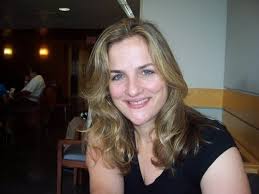
Natasha Stoynoff
Fortunately, Trump’s butler soon entered the room, and Trump acted as though nothing had happened. But as soon as he and Stoynoff were alone again, Trump said: “You know we’re going to have an affair, don’t you?”
Stoynoff asked her editors—and received permission—to be removed from writing any further Trump features.
- JESSICA LEEDS: More than 30 years earlier, Trump had made equally unwelcome advances toward businesswoman Leeds, then 38.
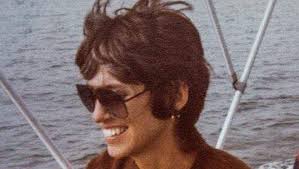
Jessica Leeds
She said she was sitting next to Trump in the first-class cabin of a New York-bound flight when Trump lifted the armrest, grabbed her breasts and tried to put his hand up her skirt. She fled to the back of the plane.
ABC NEWS, ADMIRAL IVAN ISAKOV, ADOLF HITLER, ALBERT SPEER, ALTERNET, ANDREW MCCABE, AP, BOB WOODWARD, BUZZFEED, CBS NEWS, CHEKA, CIA, CNN, COUNTER-SURVEILLANCE, CROOKS AND LIARS, DAILY KOZ, DEMOCRATIC PARTY, DONALD TRUMP, FACEBOOK, FBI, FSB, GENRIKH YAGODA, HEINRICH HIMMLER, HERMANN GOERING, HOUSE OF REPRESENTATIVES, JAMES COMEY, JEFF SESSIONS, JOSEPH STALIN, KGB, KRISJEN NIELSEN, LAVRENTY BERIA, MOTHER JONES, MOVEON, MSNBC, NBC NEWS, NEWSWEEK, NICCOLO MACHIAVELLI, NIKOLAI YEZHOV, NKVD, NPR, PBS NEWSHOUR, POLITICO, RACHEL BRAND, RANDOLPF “TEX” ALLES, RAW STORY, REPUBLICAN PARTY, REUTERS, SALLY YATES, SALON, SEAN SPICER, SEATTLE TIMES, SLATE, SOVIET UNION, SS, STORMY DANIELS, SURVEILLANCE, THE APPRENTICE, THE ATLANTIC, THE CHICAGO SUN-TIMES, THE CHICAGO TRIBUNE, THE DAILY BEAST, THE GUARDIAN, THE HILL, THE HUFFINGTON POST, THE LOS ANGELES TIMES, THE NATION, THE NEW YORK TIMES, THE PRINCE, THE WASHINGTON POST, TIME, TWITTER, U.S. NEWS & WORLD REPORT, UPI, USA TODAY
In Bureaucracy, History, Law, Law Enforcement, Military, Politics, Social commentary on April 12, 2019 at 12:11 am
In January, 2018, the White House banned the use of personal cell phones in the West Wing. The official reason: National security.
The real reason: To stop staffers from leaking to reporters.
More ominously, well-suited men roam the halls of the West Wing, carrying devices that pick up signals from phones that aren’t government-issued.
“Did someone forget to put their phone away?” one of the men will ask if such a device is detected. If no one says they have a phone, the detection team start searching the room.
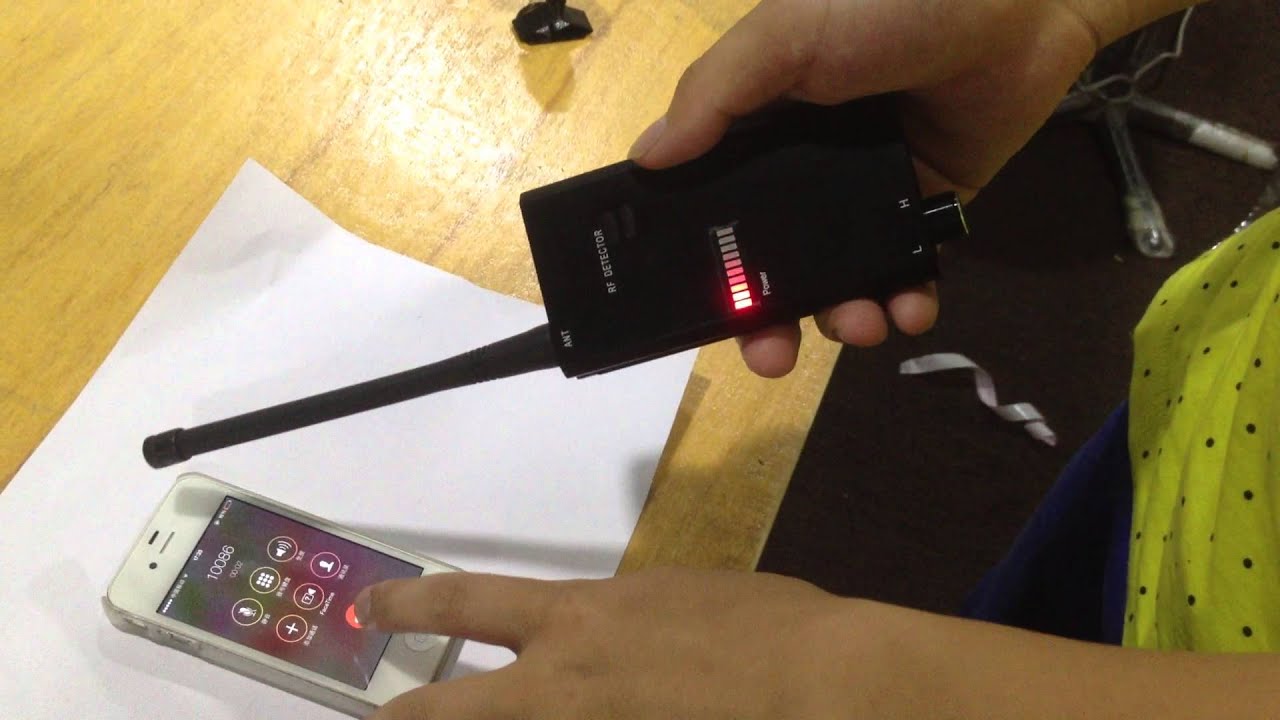
Phone detector
The devices can tell which type of phone is in the room.
This is the sort of behavior Americans have traditionally—and correctly—associated with dictatorships
In his memo outlining the policy, then-Chief of Staff John Kelly warned that anyone who violated the phone ban could be punished, including “being indefinitely prohibited from entering the White House complex.”
Yet even these draconian methods may not end White House leaks.
White House officials still speak with reporters throughout the day and often air their grievances, whether about annoying colleagues or competing policy priorities.
Aides with private offices sometimes call reporters on their desk phones. Others get their cell phones and call or text reporters during lunch breaks.
According to an anonymous White House source: “The cellphone ban is for when people are inside the West Wing, so it really doesn’t do all that much to prevent leaks. If they banned all personal cellphones from the entire [White House] grounds, all that would do is make reporters stay up later because they couldn’t talk to their sources until after 6:30 pm.”
Other sources believe that leaks won’t end unless Trump starts firing staffers. But there is always the risk of firing the wrong people. Thus, to protect themselves, those who leak might well accuse tight-lipped co-workers.
Within the Soviet Union (especially during the reign of Joseph Stalin) fear of secret police surveillance was widespread—and absolutely justified.
Among the methods used to keep conversations secret:
- Turning on the TV or radio to full volume.
- Turning on a water faucet at full blast.
- Turning the dial of a rotary phone to the end—and sticking a pencil in one of the small holes for numbers.
- Standing six to nine feet away from the hung-up receiver.
- Going for “a walk in the woods.”
- Saying nothing sensitive on the phone.
The secret police (known as the Cheka, the NKVD, the MGB, the KGB, and now the FSB) operated on seven working principles:
- Your enemy is hiding.
- Start from the usual suspects.
- Study the young.
- Stop the laughing.
- Rebellion spreads like wildfire.
- Stamp out every spark.
- Order is created by appearance.
Trump has always ruled through bribery and fear. He’s bought off (or tried to) those who might cause him trouble—like porn actress Stormy Daniels. And he’s threatened or filed lawsuits against those he couldn’t or didn’t want to bribe—such as contractors who have worked on various Trump properties.
But Trump can’t buy the loyalty of employees working in an atmosphere of hostility—which breeds resentment and fear. And some of them are taking revenge by sharing with reporters the latest crimes and follies of the Trump administration.
The more Trump wages war on the “cowards and traitors” who work most closely with him, the more some of them will find opportunities to strike back. This will inflame Trump even more—and lead him to seek even more repressive methods against his own staffers.
This is a no-win situation for Trump.
The results will be twofold:
- Constant turnovers of staffers—with their replacements having to undergo lengthy background checks before coming on; and
- Continued leaking of embarrassing secrets by resentful employees who stay.
**********
As host of NBC’s “The Apprentice,” Trump became famous for booting off contestants with the phrase: “You’re fired.” In fact, he so delighted in using this that, in 2004, he tried to gain trademark ownership of it.
But the U.S. Patent and Trademark Office rejected his application. American copyright law explicitly prohibits copyright protections for short phrases or sayings.
Since taking office as President, Trump has bullied and insulted even White House officials and his own handpicked Cabinet officers. This has resulted in an avalanche of firings and resignations.
The first two years of Trump’s White House have seen more firings, resignations, and reassignments of top staffers than any other first-term administration in modern history. His Cabinet turnover exceeds that of any other administration in the last 100 years.
In 1934, Soviet dictator Joseph Stalin, seeing imaginary enemies everywhere, ordered a series of purges that lasted right up to the German invasion in 1941.
No one was safe from execution—not even the men who slaughtered as many as 20 to 60 million.
Fittingly, for all the fear he inspired, Stalin was plagued by paranoia. He lived in constant fear of assassination. Although surrounded by bodyguards, he distrusted even them.
Thus Stalin, who had turned the Soviet Union into a vast prison, became its leading prisoner.
Similarly, Donald Trump daily proves the truth of the age-old warning: “You can build a throne of bayonets, but you can’t sit on it.”
ABC NEWS, ADMIRAL IVAN ISAKOV, ADOLF HITLER, ALBERT SPEER, ALTERNET, ANDREW MCCABE, AP, BOB WOODWARD, BUZZFEED, CBS NEWS, CHEKA, CIA, CNN, COUNTER-SURVEILLANCE, CROOKS AND LIARS, DAILY KOZ, DEMOCRATIC PARTY, DONALD TRUMP, FACEBOOK, FBI, FSB, GENRIKH YAGODA, HEINRICH HIMMLER, HERMANN GOERING, HOUSE OF REPRESENTATIVES, JAMES COMEY, JEFF SESSIONS, JOSEPH STALIN, KGB, KRISJEN NIELSEN, LAVRENTY BERIA, MOTHER JONES, MOVEON, MSNBC, NBC NEWS, NEWSWEEK, NICCOLO MACHIAVELLI, NIKOLAI YEZHOV, NKVD, NPR, PBS NEWSHOUR, POLITICO, RACHEL BRAND, RANDOLPF “TEX” ALLES, RAW STORY, REPUBLICAN PARTY, REUTERS, SALLY YATES, SALON, SEATTLE TIMES, SLATE, SOVIET UNION, SS, STORMY DANIELS, SURVEILLANCE, THE APPRENTICE, THE ATLANTIC, THE CHICAGO SUN-TIMES, THE CHICAGO TRIBUNE, THE DAILY BEAST, THE GUARDIAN, THE HILL, THE HUFFINGTON POST, THE LOS ANGELES TIMES, THE NATION, THE NEW YORK TIMES, THE PRINCE, THE WASHINGTON POST, TIME, TWITTER, U.S. NEWS & WORLD REPORT, UPI, USA TODAY
In Bureaucracy, History, Law, Law Enforcement, Military, Politics, Social commentary on April 11, 2019 at 12:17 am
Donald Trump has often been compared to Adolf Hitler. But his reign bears far more resemblance to that of Joseph Stalin.
Germany’s Fuhrer, for all his brutality, maintained a relatively stable government by keeping the same men in office—from the day he took power on January 30, 1933, to the day he blew out his brains on April 30, 1945.
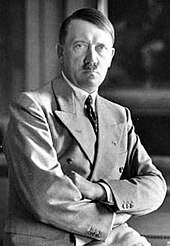
Adolf Hitler
Bundesarchiv, Bild 146-1990-048-29A / CC-BY-SA 3.0 [CC BY-SA 3.0 de (https://creativecommons.org/licenses/by-sa/3.0/de/deed.en)%5D
Heinrich Himmler, a former chicken farmer, remained head of the dreaded, black-uniformed Schutzstaffel, or Protection Squads, known as the SS, from 1929 until his suicide in 1945.
In April, 1934, Himmler was appointed assistant chief of the Gestapo (Secret State Police) in Prussia, and from that position he extended his control over the police forces of the whole Reich.
Hermann Goering, an ace fighter pilot in World War 1, served as Reich commissioner for aviation and head of the newly developed Luftwaffe, the German air force, from 1935 to 1945.
And Albert Speer, Hitler’s favorite architect, held that position from 1933 until 1942, when Hitler appointed him Reich Minister of Armaments and War Production. He held that position until the Third Reich collapsed in April, 1945.
Soviet Premier Joseph Stalin, by contrast, purged his ministers constantly. For example: From 1934 to 1953, Stalin had no fewer than three chiefs of his secret police, then named the NKVD:
- Genrikh Yagoda – (July 10, 1934 – September 26, 1936)
- Nikolai Yezhov (September 26, 1936 – November 25, 1938) and
- Lavrenty Beria (November, 1938 – March, 1953).
Stalin purged Yagoda and Yezhov, with both men executed after their arrest.
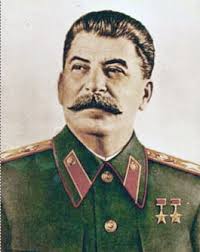
Joseph Stalin
He reportedly wanted to purge Beria, too, but the latter may have acted first. There has been speculation that Beria slipped warfarin, a blood-thinner often used to kill rats, into Stalin’s drink, causing him to die of a cerebral hemorrhage.
Stalin’s record for slaughter far eclipses that of Hitler.
For almost 30 years, through purges and starvation caused by enforced collections of farmers’ crops, Stalin slaughtered 20 to 60 million people.
The 1930s were a frightening and dangerous time to be alive in the Soviet Union. In 1934, Stalin, seeing imaginary enemies everywhere, ordered a series of purges that lasted right up to the German invasion in 1941.
An example of Stalin’s paranoia occurred one day while the dictator walked through the Kremlin corridors with Admiral Ivan Isakov. Officers of the NKVD (the predecessor to the KGB) stood guard at every corner.
“Every time I walk down the corridors,” said Stalin, “I think: Which one of them is it? If it’s this one, he will shoot me in the back. But if I turn the corner, the next one can shoot me in the face.”
Another Russian-installed tyrant who has sought to rule by fear: President Donald J. Trump.
In fact, he admitted as much to journalist Bob Woodward during the 2016 Presidential race: “Real power is—I don’t even want to use the word—fear.”
Donald Trump
As a Presidential candidate, Trump repeatedly used Twitter to attack hundreds of real and imagined enemies in politics, journalism, TV and films.
As President, he continues to insult virtually everyone, verbally and on Twitter. His targets include Democrats, Republicans, the media, foreign leaders and even members of his Cabinet.
In Russian, the word for “purge” is “chistka,” for “cleansing.” Among the victims of Trump’s recurring chistkas:
- Sally Yates – Assistant United States Attorney General
- James Comey – FBI Director
- Andrew McCabe – FBI Deputy Director
- Jeff Sessions – United States Attorney General
- Rachel Brand – Associate United States Attorney General
- Randolph “Tex” Alles – Director of the United States Secret Service
- Krisjen Nielsen – Secretary of the Department of Homeland Security
In his infamous political treatise, The Prince, Niccolo Machiavelli, the Florentine statesman, asked: “Is it is better to be loved or feared?”
And he answered it thus:
“The reply is, that one ought to be both feared and loved, but as it is difficult for the two to go together, it is much safer to be feared than loved.
“For it may be said of men in general that they are ungrateful, voluble, dissemblers, anxious to avoid danger and covetous of gain; as long as you benefit them, they are entirely yours….
“And the prince who has relied solely on their words, without making other preparations, is ruined….
“And men have less scruple in offending one who makes himself loved than one who makes himself feared; for love is held by a chain of obligations which, men being selfish, is broken whenever it serves their purpose; but fear is maintained by a dread of punishment which never fails.”
But Machiavelli warned about relying primarily on fear: “Still, a prince should make himself feared in such a way that if he does not gain love, he at any rate avoids hatred, for fear and the absence of hatred may well go together.”
**********
Donald Trump has violated that counsel throughout his life. He not only makes enemies, he revels in doing so—and in the fury he has aroused.
Filled with a poisonous hatred that encompasses almost everyone, Trump, since taking office, has repeatedly played to the hatreds of his Right-wing base.
As first-mate Starbuck says of Captain Ahab in Herman Melville’s classic novel, Moby Dick: “He is a champion of darkness.”


 Bureaucracybuster's Blog
2016 PRESIDENTIAL CAMPAIGN, 2016 PRESIDENTIAL ELECTION, 2020 PRESIDENTIAL ELECTION, ABC NEWS, ADOLF HITLER, ALTERNET, AMERICABLOG, AP, BABY BOOMER RESISTANCE, BARACK OBAMA, BERNIE SANDERS, BUZZFEED, CBS NEWS, CNN, COMMUNISM, CROOKS AND LIARS, DAILY KOZ, DAVID BROOKS, DAVID HALBERSTAM, DEMOCRATIC PARTY, DEMOCRATS, DONALD TRUMP, ELIZABETH WARREN, FACEBOOK, FIVETHIRTYEIGHT, HELEN GAHAGAN DOUGLAS, HILLARY CLINTON, HITLER, JEB BUSH, JOHN KASICH, JOSEPH MCCARTHY, JOSEPH R. MCCARTHY, LANGUAGE, LIBERALS, MARCO RUBIO, MARK SHIELDS, MITCH MCCONNELL, MOTHER JONES, MOVEON, MSNBC, NATO, NBC NEWS, NEWSWEEK, NEWT GINGRICH, NOCCOLO MACHIAVELLI, NPR, OBAMA GIRL VIDEO, PBS NEWSHOUR, POLITICO, POLITICUSUSA, RAND PAUL, RAW STORY, REPUBLICAN PARTY, REPUBLICANS, REUTERS, RICHARD NIXON, RICK PERRY, RUSSIA, SALON, SATIRE, SEATTLE TIMES, SLANDER, SLATE, STEPHEN COLBERT, STORMY DANIELS, TALKING POINTS MEMO, TED CRUZ, THE ATLANTIC, THE CHICAGO SUN-TIMES, THE CHICAGO TRIBUNE, THE DAILY BEAST, THE DAILY BLOG, THE GUARDIAN, THE HILL, THE HUFFINGTON POST, THE LOS ANGELES TIMES, THE NATION, THE NEW YORK TIMES, THE PRINCE, THE WASHINGTON POST, THINKPROGRESS, TIME, TREVOR NOAH, TRUTHDIG, TWITTER, U.S. NEWS & WORLD REPORT, UPI, USA TODAY, VLADIMIR PUTIN
WORDS ARE WEAPONS: PART ONE (OF TWO)
In Bureaucracy, History, Politics, Social commentary on December 4, 2019 at 12:42 amIn 1996, Newt Gingrich, then Republican Speaker of the House of Representatives, wrote a memo that encouraged Republicans to “speak like Newt.”
Entitled “Language: A Key Mechanism of Control,” it urged Republicans to attack Democrats with such words as “corrupt,” “selfish,” “destructive,” “hypocrisy,” “liberal,” “sick,” and “traitors.”
Newt Gingrich
Even worse, Gingrich encouraged the news media to disseminate such accusations. Among his suggestions:
In the memo, Gingrich advised:
“….In the video “We are a Majority,” Language is listed as a key mechanism of control used by a majority party, along with Agenda, Rules, Attitude and Learning.
“As the tapes have been used in training sessions across the country and mailed to candidates we have heard a plaintive plea: ‘I wish I could speak like Newt.’
“That takes years of practice. But, we believe that you could have a significant impact on your campaign and the way you communicate if we help a little. That is why we have created this list of words and phrases….
“This list is prepared so that you might have a directory of words to use in writing literature and mail, in preparing speeches, and in producing electronic media.
“The words and phrases are powerful. Read them. Memorize as many as possible. And remember that like any tool, these words will not help if they are not used.”
Here is the list of words Gingrich urged his followers to use in describing “the opponent, their record, proposals and their party”:
Yes, speaking like Newt—or Adolf Hitler or Joseph R. McCarthy—“takes years of practice.”
And to the dismay of both Republicans and Democrats, Donald Trump has learned his lessons well.
On May 27, 2016, conservative New York Times columnist David Brooks analyzed the use of insults by Republican Presidential front-runner Donald Trump. He did so with his counterpart, liberal syndicated columnist, Mark Shields, on The PBS Newshour.
“Trump, for all his moral flaws, is a marketing genius. And you look at what he does. He just picks a word and he attaches it to a person. Little Marco [Rubio], Lyin’ Ted [Cruz], Crooked Hillary [Clinton].
“And that’s a word. And that’s how marketing works. It’s a simple, blunt message, but it gets under.
“It sticks, and it diminishes. And so it has been super effective for him, because he knows how to do that. And she [Hillary Clinton] just comes with, ‘Oh, he’s divisive.’
“These are words that are not exciting people. And her campaign style has gotten, if anything…a little more stagnant and more flat.”
Donald Trump
MARK SHIELDS: “Donald Trump gratuitously slandered Ted Cruz’s wife. He libeled Ted Cruz’s father for being potentially part of Lee Harvey Oswald’s assassination of the president of the United States, suggesting that he was somehow a fellow traveler in that.
“This is a libel. You don’t get over it….”
Hillary Clinton wasn’t the only Presidential candidate who proved unable to cope with Trump’s gift for insult. His targets—and insults—included:
Trump has reserved his most insulting words for women. For example:
Only one candidate has shown the ability to rattle Trump: Massachusetts Senator Elizabeth Warren.
As Mark Shields noted on The PBS Newshour.
“Elizabeth Warren gets under Donald Trunp’s skin. And I think she’s been the most effective adversary. I think she’s done more to unite the Democratic party than either Hillary Clinton or Bernie Sanders.
“I mean, she obviously—he can’t stay away from her. He is tweeting about her.”
And David Brooks offered: “And so the tactics…is either you do what Elizabeth Warren has done, like full-bore negativity, that kind of [get] under the skin, or try to ridicule him and use humor.”
A May 12, 2016 story on CNN—“Elizabeth Warren Gives Trump a Dose of His Own Medicine on Twitter”—noted: “Whenever Trump criticizes her, Warren fires right back at him, sometimes twice as hard.”
Share this: