Posts Tagged ‘SOVIET UNION’
ABC NEWS, ADOLF HITLER, AFGHANISTAN, ALTERNET, AP, BARACK OBAMA, BUZZFEED, CBS NEWS, CNN, CROOKS AND LIARS, DAILY KOZ, DONALD TRUMP, EL ELAMEIN, ERWIN ROMMEL, FACEBOOK, FRIEDRICH VON PAULUS, GEORGE W. BUSH, GREAT BRITAIN, IRAQ, JAPAN, JOSEPH GOEBBELS, MOSCOW, MOTHER JONES, MOVEON, NAZI GERMANY, NBC NEWS, NEWSWEEK, NPR, PEARL HARBOR, POLITICO, RAW STORY, REUTERS, SALON, SEATTLE TIMES, SLATE, SOVIET UNION, STALINGRAD, THANKSGIVING MESSAGE TO U.S. TROOPS, THE ATLANTIC, THE CHICAGO SUN-TIMES, THE CHICAGO TRIBUNE, THE DAILY BEAST, THE GUARDIAN, THE HILL, THE HUFFINGTON POST, THE LOS ANGELES TIMES, THE NATION, THE NEW YORK TIMES, THE WASHINGTON POST, TIME, TOTAL WAR SPEECH, TWITTER, U.S. NEWS & WORLD REPORT, UNITED STATES, UPI, USA TODAY, WEHRMACHT, WINSTON CHURCHILL, WORLD WAR ii
In Bureaucracy, History, Military, Politics, Social commentary on November 27, 2017 at 1:50 am
By February, 1943, the tide of war had turned irrevocably for Nazi Germany.
The string of quick and easy victories that had started on September 1, 1939 was over:
- Poland
- Norway
- Denmark
- Holland
- Belgium
- Luxembourg
- Greece
- France.
All had fallen under the heel of the Nazi jackboot. The swastika flag still flew triumphantly over the capitols of these once-free nations.
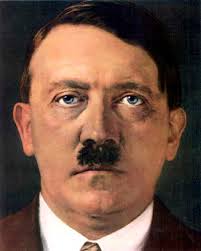
Adolf Hitler
And the word—and whim—of Germany’s Fuhrer, Adolf Hitler remained law for their populations.
But by March, 1943, all except the most fanatical Nazis could see that Germany was on a collision course with disaster.
- Under the unshakable leadership of Prime Minister Winston Churchill, Great Britain still remained a sworn enemy of the Third Reich.
- After six months of spectacular victories against the Soviet Union, the Wehrmacht had become hopelessly bogged down in the snow before Moscow.
- On December 11, 1941, following the attack on Pearl Harbor by his ally, Japan, Hitler declared war on the United States—thus pitting the Reich against the world’s two most powerful nations: America and Russia.
- In November, 1942, at El Alamein, the British Army halted the advance of General Erwin Rommel and his famed Afrika Korps across North Africa.
- On February 2, 1943, General Friedrich von Paulus surrendered the remains of the once-powerful Sixth Army at Stalingrad. The Reich suffered 730,000 total casualties, including nearly 91,000 German prisoners taken prisoner.
- On June 6, 1944, American, British and Canadian armies overwhelmed German’s “impregnable wall of death” on the Normandy beaches.
- In February, 1945, following the Vistula-Oder Offensive, the Red Army temporarily halted 37 miles east of Berlin.
So, by March, 1943, Germany desperately needed to hear some good news. And Propaganda Minister Joseph Goebbels was eager to supply it.
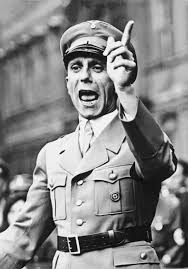
Joseph Goebbels
He did so in one of his last public addresses, delivered to a large but carefully selected audience in Gorlitz.
For Goebbels, the greatest challenge to the Reich lay in “the Bolshevist danger in the East.” And, for him, the solution was clear: “Total war is the demand of the hour.”
“Our soldiers, as soon as the great push on the Eastern Front gets under way, will ask no mercy and give no mercy.
“Already, our forces have begun softening up operations, and in the next weeks and months the big offensive will begin. They will go into battle with devotion like congregations going to a religious service.
“And when our men shoulder their weapons and climb into their tanks, there will be before their eyes the sight of their violated women and murdered children. A cry of vengeance will rise from their throats that will make the enemy tremble with fear!
“So, as the Fuhrer has overcome crises in the past, so will he triumph now.
“The other day he told me ‘I firmly believe that we shall overcome this crisis. I firmly believe that our army of millions will beat back our enemy and annihilate him. And some day our banners will be victorious. This is my life’s unshakable belief.'”
Thunderous applause repeatedly interrupted Goebbels’ address. Yet this could not replace the enormous losses Germany had suffered since 1939. Nor could it reverse the march of the Allied armies as they closed in on the Reich from East and West.
Now, fast-forward 74 years to November 23, 2017—Thanksgiving Day.
Donald Trump, President of the United States, speaks by video teleconference to American forces stationed in Iraq and Afghanistan.
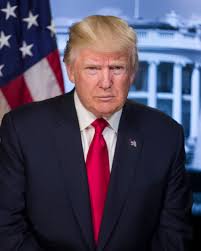
Donald Trump
President George W. Bush had flown into Baghdad in 2003 to spend Thanksgiving with American forces. He flew into Iraq once again to visit troops in June, 2006.
And President Barack Obama visited American soldiers in Iraq in 2009, in Afghanistan in 2010, 2012 and 2014.
Trump’s “visit” was unique—in that he addressed American troops from his Mar-a-Lago Club and Resort in Palm Beach, Florida.
The address started off predictably enough: “It’s an honor to speak with you all and to give God thanks for the blessings of freedom and for the heroes who really have this tremendous courage that you do to defend us and to defend freedom.”
But, being Trump, he could not resist paying homage to himself: “We’re being talked about again as an armed forces. We’re really winning. We know how to win, but we have to let you win. They weren’t letting you win before; they we’re letting you play even. We’re letting you win….
“They say we’ve made more progress against ISIS than they did in years of the previous administration, and that’s because I’m letting you do your job….”
In short: All those sacrifices you made under Presidents Bush and Obama went for nothing.
“A lot of things have happened with our country over the last very short period of time, and they’re really good — they’re really good. I especially like saying that companies are starting to come back.
“Now we’re working on tax cuts—big, fat, beautiful tax cuts. And hopefully we’ll get that and then you’re going to really see things happen.”
Or, put another way: Be grateful they elected me—because you’re about to see the 1% richest get even richer. Too bad you won’t be so lucky.
1984 NOVEL, 9/11, ABC NEWS, ADOLF HITLER, BARACK OBAMA, BILL CLINTON, BIRTH CONTROL, BLACKS, CBS NEWS, CNN, COMMUNISM, DENNIS HASTERT, DISABLED, DISCRIMINATION, DWIGHT D. EISENHOWER, EDWARD R. MURROW, ENVIRONMENTALISTS, FACEBOOK, FAMILY RESEARCH COUNCIL, FRANKLIN D. ROOSEVELT, GAYS, GEORGE C. MARSHALL, GEORGE H.W. BUSH, GEORGE ORWELL, GOP, GREAT SOCIETY, HARRY S. TRUMAN, HISPANICS, HIV MEDICATION, HOUSE OF REPRESENTATIVES, J. ROBERT OPPENHEIMER, JOHN BIRCH SOCIETY, JOHN F. KENNEDY, JOHN STEINBECK, JOSEPH R. MCCARTHY, JOSEPH STALIN, JOSH DUGGAR, KGB, LEE ATWATER, LEON TROTSKY, LESBIANS, LIBERALS, LUCILLE BALL, LYNDON B. JOHNSON, MEDICAL CARE, MEIN KAMPF, MICHAEL DUKAKIS, MICHELLE BACHMANN, MITT ROMNEY, MUSLIMS, NBC NEWS, PETE SEEGER, PROPAGANDA, RELIGION, REPUBLICANS, RICHARD NIXON, RICK SANTORUM, ROBERT WELCH, RODNEY KING RIOTS, SCAPEGOATING, SHARIA LAW, SOCIALISTS, SOVIET UNION, THE LOS ANGELES TIMES, THE NEW YORK TIMES, THE RELIGIOUS FREEDOM RESTORATION ACT, THE WASHINGTON POST, TRANSGENDERS, TWITTER, WILLIAM L. SHIRER, WOMEN, WORLD WAR ii
In Bureaucracy, History, Politics, Social commentary on November 15, 2017 at 12:42 pm
Republicans and their Rightist allies have repeatedly compared President Barack Obama to Adolf Hitler. But their propaganda campaign draws heavily on the Nazi leader’s own advice.
In Mein Kampf, Hitler laid out his formula for successful propaganda: “All effective propaganda must be confined to a few bare essentials.
“Those must be expressed as far as possible in stereotypical formulas. These slogans should be persistently repeated until the very last individual has come to grasp the idea that has been put forward.”
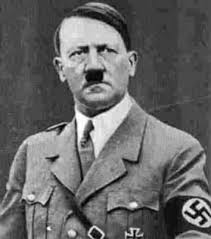
Adolf Hitler
Consider the vocabulary Right-wingers use to describe their political adversaries:
“Liberals,” “radicals, “bankrupting,” “treason,” subversion,” “slander,” “terrorism,” “betrayal,” “catastrophe,” “shattering the American dream,” “leftists,” “Communists,” “government takeover,” “socialism,” “power grab,” “secularism,” “environmentalism.”
In recent years, the GOP has targeted gays and lesbians as America’s subversive enemies.
These attacks have come as thinly disguised as efforts to “restore religious freedom.”
In December, 2014, Republicans in the Michigan House of Representatives passed “The Religious Freedom Restoration Act.”
The bill allows public agencies and private businesses to refuse service to anyone under the claim that their “religious beliefs” had been affronted.
And the State government is legally prevented from intervening if a person claimed that his/her “deeply-held religious beliefs” was the reason for acting—or not acting—in a certain way.
Thus:
- An emergency room doctor can refuse service to a gay or lesbian needing medical care.
- A pharmacist can refuse to fill a doctor’s prescription for birth control, or HIV medication.
- A DMV clerk can refuse to give a driver’s license to someone who’s divorced.
- An employer can deny equal pay to women.
The bill is modeled on a proposed law that the Republican House and Senate in Arizona sent to Governor Jan Brewer in 2014.
Under threat of a nationwide boycott of Arizona if the bill became law, Brewer vetoed it.
Republicans have introduced similar “right-to-discriminate” legislation in other states as well:
- On March 26, 2015, its governor, Mike Pence, signed into law the Religious Freedom Restoration Act. This will allow any individual or corporation to cite its religious beliefs as a defense when sued by a private party.
- In Kansas, lawmakers voted to exempt individuals from providing any service that was “contrary to their sincerely held religious beliefs.”
- That bill passed the state’s House chamber on February 11, 2014, triggering national backlash. It stalled in the Senate and didn’t advance beyond that body.
- In January, 2014, South Dakota Republicans introduced a bill to let businesses refuse to serve same-sex couples on the grounds that “businesses are private and that their views on sexual orientation are protected to the same extent as the views of private citizens.”
- The South Dakota bill—which was killed in February, 2014—would have made it illegal for a gay person to file a lawsuit charging discrimination.
Republicans claim they want to “get the government off the backs of the people.” But their fixation on regulating the sexual lives of Americans ensures government intrusions of the most intimate kind.
Since 9/11, Republicans have warned that Muslims are trying to impose Sharia (Islamic law) on America.
Ironically, Right-wing legislators, in elevating religion above the secular law, may have laid the legal foundations for making that possible.
What will happen when some Muslims claim their right–guaranteed in Islamic religious law–to have as many as four wives?
And when they claim that the “religious freedom” laws protect that right?
Republicans have defended such legislation by equating gays with child predators.
In fact, the Child Molestation Research & Prevention Institute states that 90% of child molesters target children in their network of family and friends, and the majority are men married to women.
Yet Republicans and their Rightist allies have refused to condemn such heterosexual—and Right-wing—child molesters as Dennis Hastert and Josh Duggar.
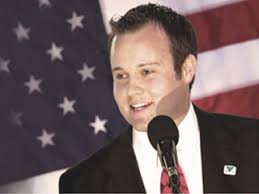
Josh Duggar, the “all-American” child molester
On May 21, 2015, responding to press leaks, Duggar resigned as director of the Family Research Council, a Right-wing organization dedicated to fighting sexually-oriented issues such as same-sex marriage, abortion and pornography.
In 2002-3, as a 14-15 year-old, Duggar had fondled the breasts and vaginas of five underage girls—four of whom were his own sisters.
And on October 28, 2015, Hastert—Speaker of the House of Representatives from 1999 to 2007–pleaded guilty to structuring money transactions in a way to avoid requirements to report where the money was going.

Dennis Hastert
The reason: To conceal the truth about his past as a child molester. Hastert had abused four young boys when he was their high school wrestling coach. One was only 14 years old.
Despite such setbacks, the politics of “smear and fear” have been good to Republicans—and their Right-wing allies.
The Republican “base” refuses to learn that those who portray themselves as morally superior are:
- Hypocrites, who are in effect saying: “Do as I say, not as I do,” or
- Fanatics, who intend to force their version of morality on others.
So long as millions of hate-filled Right-wingers support the endless succession of “two minute hates,” Republicans will continue to target an endless series of victims.
The good news: As blacks, Hispanics, women, gays and others become a significant political force, Republicans will stop attacking them and court them for votes.
The bad news: Republicans will move on to find other still-helpless scapegoats for America’s troubles.
1984 NOVEL, 9/11, ABC NEWS, ADOLF HITLER, ALTERNET, AP, BARACK OBAMA, BILL CLINTON, BIRTH CONTROL, BLACKS, BUZZFEED, CBS NEWS, CNN, COMMUNISM, CROOKS AND LIARS, DAILY KOZ, DENNIS HASTERT, DISABLED, DISCRIMINATION, DWIGHT D. EISENHOWER, EDWARD R. MURROW, ENVIRONMENTALISTS, FACEBOOK, FAMILY RESEARCH COUNCIL, FRANKLIN D. ROOSEVELT, GAYS, GEORGE C. MARSHALL, GEORGE H.W. BUSH, GEORGE ORWELL, GOP, GREAT SOCIETY, HARRY S. TRUMAN, HISPANICS, HIV MEDICATION, HOUSE OF REPRESENTATIVES, J. ROBERT OPPENHEIMER, JOHN BIRCH SOCIETY, JOHN F. KENNEDY, JOHN STEINBECK, JOSEPH R. MCCARTHY, JOSEPH STALIN, JOSH DUGGAR, KGB, LEE ATWATER, LEON TROTSKY, LESBIANS, LIBERALS, LUCILLE BALL, LYNDON B. JOHNSON, MEDICAL CARE, MEIN KAMPF, MICHAEL DUKAKIS, MICHELLE BACHMANN, MITT ROMNEY, MOTHER JONES, MOVEON, MUSLIMS, NBC NEWS, NEWSWEEK, NPR, PETE SEEGER, POLITICO, PROPAGANDA, RAW STORY, RELIGION, REPUBLICANS, REUTERS, RICHARD NIXON, RICK SANTORUM, ROBERT WELCH, RODNEY KING RIOTS, SALON, SCAPEGOATING, SEATTLE TIMES, SHARIA LAW, SLATE, SOCIALISTS, SOVIET UNION, THE ATLANTIC, THE CHICAGO SUN-TIMES, THE CHICAGO TRIBUNE, THE DAILY BEAST, THE GUARDIAN, THE HILL, THE HUFFINGTON POST, THE LOS ANGELES TIMES, THE NATION, THE NEW YORK TIMES, THE RELIGIOUS FREEDOM RESTORATION ACT, THE WASHINGTON POST, TIME, TRANSGENDERS, TWITTER, U.S. NEWS & WORLD REPORT, UP, UPI, USA TODAY, WILLIAM L. SHIRER, WOMEN, WORLD WAR ii
In Bureaucracy, History, Politics, Social commentary, Uncategorized on November 14, 2017 at 12:12 am
In 1953, Red-baiting Wisconsin United States Senator Joseph R. McCarthy finally overstepped himself.
He attacked the leadership of the United States Army as “a hotbed of traitors” and convened an inquiry through the Senate Permanent Subcommittee on Investigations.
But the hearings backfired, exposing McCarthy as the bullying demagogue he was. A Senate committee voted to condemn his behavior, charging that he had “acted contrary to senatorial ethics and tended to bring the Senate into dishonor and disrepute.”
Although McCarthy remained in the Senate another two and a half years, his political influence had ended.
Yet even without McCarthy, Republicans rode the issue of anti-Communism to victory from 1948 to 1992.
After holding the White House for eight years under Dwight D. Eisenhower, they lost it in 1960 to John F. Kennedy and again in 1964 to Lyndon B. Johnson.
By 1968, with the nation mired in Vietnam and convulsed by antiwar demonstrations and race riots, Americans turned once more to those who preyed upon their fears and hates.
They elected Richard Nixon, who promised to end the Vietnam war and crack down on “uppity” blacks and antiwar demonstrators.
The same strategy re-elected him in 1972.
After Jimmy Carter won the Presidency in 1976 and lost it in 1980 to Ronald Reagan, Republicans held the White House until 1992.
During the 1970s and 1980s, they continued to accuse their opponents of being devious agents—or at least unwitting pawns—of “the Communist conspiracy.”
Even as late as 1992, President George H.W. Bush and the Republican establishment charged that Arkansas Governor Bill Clinton might be a KGB plant.
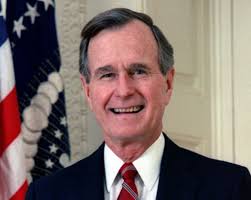
George H.W. Bush
Their evidence: During his tenure at Oxford University in 1969-70, Clinton had briefly visited Moscow.
Thus, the Republican charged that he might have been “programmed” as a real-life “Manchurian candidate” to become, first, Governor of Arkansas—one of America’s poorest states—and then President.
What made this charge all the more absurd: The Soviet Union had officially dissolved in December, 1991.
Republicans continued to accuse their opponents of being “Communists” and “traitors.” But these charges no longer carried the weight they had while the Soviet Union existed.
Right-wingers had to settle for attacking their opponents as “liberals” and “soft on crime.”
When riots flared in 1992 after the acquittal of LAPD officers who had savagely beaten Rodney King, President George H.W. Bush blamed the carnage on the “Great Society” programs of the 1960s.
Then, on September 11, 2001, Republicans—and their right-wing supporters—at last found a suitable replacement for the Red Menace.
Two highjacked jetliners slammed into the World Trade Center in New York and one struck the Pentagon in Washington, D.C.
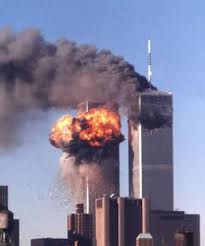
World Trade Center on September 11, 2001
Exit The Red Bogeyman. Enter The Maniacal Muslim.
Consider:
- Rep. Michelle Bachman (R-Minn.): On July 13, 2012, she sent letters to the Inspectors General of the Departments of Defense; State; Justice; and Homeland Security, demanding a “a multi-department investigation into potential Muslim Brotherhood infiltration into the United States Government.”
- Rick Santorum: On supporting the racial profiling of Muslims: “Obviously, Muslims would be someone you look at, absolutely.”
- Mitt Romney: “Based on the numbers of American Muslims in our population, I cannot see that a Cabinet position [for a Muslim] would be justified.”
The 2008 election of Barack Obama pushed the Republican “treason chorus” to new heights of infamy.
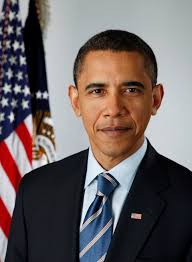
Barack Obama
Almost immediately after Obama took office, he came under attack by an industry of right-wing book authors such as Sean Hannity, Ann Coulter and Rush Limbaugh.
The following titles vividly reveal the hates, fears and ambitions of their authors–and audience:
- Conservative Victory: Defeating Obama’s Radical Agenda by Sean Hannity
- How Barack Obama is Bankrupting the U.S. Economy by Stephen Moore
- The Manchurian President: Barack Obama’s Ties to Communists, Socialists and Other Anti-American Extremists by Aaron Klein
- The Blueprint: Obama’s Plan to Subvert the Constitution and Build an Imperial Presidency by Ken Blackwell
- Culture of Corruption: Obama and His Team of Tax Cheats, Crooks, and Cronies by Michelle Malkin
- Why Obama’s Government Takeover of Health Care Will Be a Disaster by David Gratzer
- Power Grab: How Obama’s Green Policicies Will Steal Your Freedom and Bankrupt America by Christopher C. Horner
- America’s March to Socialism: Why We’re One Step Closer to Giant Missile Parades by Glenn Beck
- The War On Success: How the Obama Agenda Is Shattering the American Dream by Tommy Newberry
- Liberalism is a Mental Disorder: Savage Solutions by Michael Savage
- Treason: Liberal Treachery from the Cold War to the War on Terrorism by Ann Coulter
Yet despite Right-wingers’ slanderous and fear-mongering claims, the United States actually prospered during the Obama years.
- Thanks to government loans from President Obama, American capitalism was saved from its own excesses during the George W. Bush administration.
- Employment went up. CEOs did extremely well.
- In contrast to the corruption that had plagued the administration of Ronald Reagan—whom Republicans idolize—no such scandals haunted the Obama Presidency.
- There had been no major-scale terrorist attacks on American soil–as had occurred on 9/11 under President George W. Bush.
- Millions of Americans who had been unable to obtain healthcare did so under Obama’s Affordable Care Act.
- Obama actually stood up to Russian President Vladimir Putin—as opposed to his successor, Donald Trump, who constantly praised him.
1984 NOVEL, 9/11, ABC NEWS, ADOLF HITLER, ALTERNET, AP, BARACK OBAMA, BILL CLINTON, BIRTH CONTROL, BLACKS, BUZZFEED, CBS NEWS, CNN, COMMUNISM, CROOKS AND LIARS, DAILY KOZ, DENNIS HASTERT, DISABLED, DISCRIMINATION, DWIGHT D. EISENHOWER, EDWARD R. MURROW, ENVIRONMENTALISTS, FACEBOOK, FAMILY RESEARCH COUNCIL, FRANKLIN D. ROOSEVELT, GAYS, GEORGE C. MARSHALL, GEORGE H.W. BUSH, GEORGE ORWELL, GOP, GREAT SOCIETY, HARRY S. TRUMAN, HISPANICS, HIV MEDICATION, HOUSE OF REPRESENTATIVES, J. ROBERT OPPENHEIMER, JOHN BIRCH SOCIETY, JOHN F. KENNEDY, JOHN STEINBECK, JOSEPH R. MCCARTHY, JOSEPH STALIN, JOSH DUGGAR, KGB, LEE ATWATER, LEON TROTSKY, LESBIANS, LIBERALS, LUCILLE BALL, LYNDON B. JOHNSON, MEDICAL CARE, MEIN KAMPF, MICHAEL DUKAKIS, MICHELLE BACHMANN, MITT ROMNEY, MOTHER JONES, MOVEON, MUSLIMS, NBC NEWS, NEWSWEEK, NPR, PETE SEEGER, POLITICO, PROPAGANDA, RAW STORY, RELIGION, REPUBLICANS, REUTERS, RICHARD NIXON, RICK SANTORUM, ROBERT WELCH, RODNEY KING RIOTS, SALON, SCAPEGOATING, SEATTLE TIMES, SHARIA LAW, SLATE, SOCIALISTS, SOVIET UNION, THE ATLANTIC, THE CHICAGO SUN-TIMES, THE CHICAGO TRIBUNE, THE DAILY BEAST, THE GUARDIAN, THE HILL, THE HUFFINGTON POST, THE LOS ANGELES TIMES, THE NATION, THE NEW YORK TIMES, THE RELIGIOUS FREEDOM RESTORATION ACT, THE WASHINGTON POST, TIME, TRANSGENDERS, TWITTER, U.S. NEWS & WORLD REPORT, UPI, USA TODAY, WILLIAM L. SHIRER, WOMEN, WORLD WAR 11
In Bureaucracy, History, Politics, Social commentary on November 13, 2017 at 12:19 am
The Right’s fixation on transgender “dangers” is only the latest in a long string of “enemies” painted by the Republican party.
During the 1960s and 1970s, the “enemy” was blacks. The key to winning votes of racist whites without appearing racist lay in what Republicans called “the Southern Strategy.”
It was this that won Richard Nixon the Presidency in 1968 and 1972 and the White House for George H.W. Bush in 1988.
In a now-infamous 1981 interview, Right-wing political consultant Lee Atwater explained how this worked:
“You start out in 1954 by saying, ‘Nigger, nigger, nigger.’ By 1968 you can’t say ‘nigger’—that hurts you, backfires.
“So you say stuff like, uh, forced busing, states’ rights, and all that stuff, and you’re getting so abstract.
“Now, you’re talking about cutting taxes, and all these things you’re talking about are totally economic things and a byproduct of them is, blacks get hurt worse than whites….
“‘We want to cut this,’ is much more abstract than even the busing thing, uh, and a hell of a lot more abstract than ‘Nigger, nigger.’
“So anyway you look at it, race is coming on the back burner.”

Lee Atwater
At the end of his life, Atwater recognized the monster he had helped unleash.
Like Reinhard Heydrich—the designer of the “Final Solution” who, on his deathbed, begged forgiveness for his crimes—Atwater, in a 1991 article for Life, apologized to former Democratic Presidential nominee Michael Dukakis for the “naked cruelty” of the 1988 campaign.
But blacks have by no means been the only targets—and victims—of Republican hate campaigns. A partial list of these would include:
- Liberals
- Women
- Socialists
- Secularists
- Disabled
- Environmentalists
- Hispanics
- Gays
- Lesbians
And now transgenders.
George Orwell’s classic 1949 novel, 1984, serves as a better guide to Republican electioneering than any official statement of the GOP.

1984 is set in a futuristic dictatorship called Oceania, whose constantly alternating mortal enemies are Eurasia and Eastasia.
A daily fixture of life in Oceania is the “Two Minutes Hate.” During this, Party members must watch a film depicting the Party’s enemies and express their hatred for them in exactly two minutes.
Chief among these is Emmanuel Goldstein, who is obviously based on Leon Trotsky, the longtime antagonist of Joseph Stalin, dictator of the Soviet Union for almost 30 years.
The “Two Minutes Hate” serves as a form of brainwashing, whose purpose is to whip ordinary citizens into a frenzy of hatred and loathing for whoever the Party designates as it—and their—-mortal enemies.
Since the end of World War II, Republicans have regularly hurled the charge of “treason” against anyone who dared to run against them for office or think other than Republican-approved thoughts.
Republicans had been locked out of the White House from 1933 to 1952, during the administrations of Franklin D. Roosevelt and Harry S. Truman.
Determined to regain the Presidency by any means, they found that attacking the integrity of their fellow Americans a highly effective tactic.
During the 1950s, Wisconsin Senator Joseph R. McCarthy rode a wave of paranoia to national prominence–by attacking the patriotism of anyone who disagreed with him.
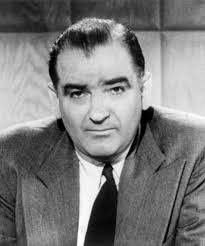
Joseph McCarthy
Elected to the Senate in 1946, he rose to national prominence on February 9, 1950, after giving a fiery speech in Wheeling, West Virginia:
“The State Department is infested with communists. I have here in my hand a list of 205—a list of names that were made known to the Secretary of State as being members of the Communist Party and who nevertheless are still working and shaping policy in the State Department.”
Americans were already growing increasingly fearful of Communism:
- Soviet dictator Joseph Stalin had not withdrawn the Red Army from the countries it had occupied in Eastern Europe during World War II.
- In 1948, the Soviet Union developed—and demonstrated—its own atomic bomb, an achievement U.S. scientists had claimed would not happen for at least a decade.
- In 1949, China fell to the triumphant armies of Mao Tse Tung.
But anti-communism as a lever to political advancement sharply accelerated following McCarthy’s speech. Republicans—resentful at being denied the White House since 1932—seized upon anti-communism as their passport to power.
No American—no matter how prominent—was safe from the accusation of being a Communist or a Communist sympathizer—”a Comsymp” or “fellow traveler” in the style of the era.
Among those accused:
- Secretary of State George C. Marshall, who had overseen America’s strategy for defeating Nazi Germany and Imperial Japan
- President Harry S. Truman
- Playwrights Lillian Hellman and Arthur Miller
- Actors Charlie Chaplin, Zero Mostel, Lloyd Bridges, Howard Da Silva, Edward G. Robinson and John Garfield
- Composers Arron Copland and Elmer Bernstein
- Physicist J. Robert Oppenheimer, who presided over the creation of America’s atomic bomb
- Actresses Lee Grant, Delores del Rio, Ruth Gordon and Lucille Ball
- Journalists Edward R. Murrow and William L. Shirer, who had chronicled the rise of Nazi Germany
- Folksinger Pete Seeger
- Writers Irwin Shaw, Howard Fast, John Steinbeck and Dashiell Hammett
Even “untouchable” Republicans became targets for such slander.
The most prominent of these was President Dwight D. Eisenhower–labeled ”a conscious, dedicated agent of the Communist Conspiracy” by Robert Welch, who founded the John Birch Society in 1958.
ABC NEWS, ADOLF HITLER, ALTERNET, ANDREW JACKSON, AP, BOB CORKER, BUZZFEED, CBS NEWS, CNN, CROOKS AND LIARS, DAILY KOZ, DONALD TRUMP, DREW PEARSON, DWIGHT EISENHOWER, EDWARD R. MURROW, FACEBOOK, GEORGE C. MARSHALL, HARRY S. TRUMAN, JOSEPH MCCARTHY, JOSEPH STALIN, MOTHER JONES, MOVEON, NBC NEWS, NEWSWEEK, NIKITA KHRUSHCHEV, NPR, POLITICO, RAW STORY, REUTERS, SALON, SLATE, SOVIET UNION, THE ATLANTIC, THE CHICAGO SUN-TIMES, THE CHICAGO TRIBUNE, THE DAILY BEAST, THE GUARDIAN, THE HILL, THE HUFFINGTON POST, THE LOS ANGELES TIMES, THE NATION, THE NEW YORK TIMES, THE WASHINGTON POST, THIRD REICH, TIME, TWITTER, U.S. NEWS & WORLD REPORT, UP, UPI, USA TODAY, YEVGENEY YEVTUSHENKO
In Bureaucracy, History, Law, Law Enforcement, Politics, Social commentary on October 10, 2017 at 3:25 pm
“One man with courage,” said frontier general Andrew Jackson, “makes a majority.”
Yet it’s amazing how many “heroes” come out of the woodwork only after the danger is safely past.
Joseph Stalin dominated the Soviet Union from 1928 to 1953. He held absolute power twice as long as Adolf Hitler–whose Third Reich lasted only 12 years.
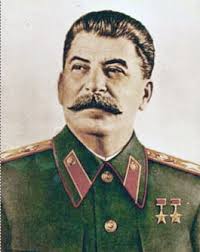
Joseph Stalin
Above all, he was responsible for the deaths of at least 20,000,000 men, women and children:
- At the hands of the executioners of the NKVD (later named the KGB).
- In exile—usually in Siberia—in Soviet penal camps.
- Of man-made starvation brought on by Stalin’s forced “collective-farm” policies.
Then, the unthinkable happened: Stalin finally died on March 5, 1953.
Almost three years later—on February 25, 1956—Stalin’s successor, Nikita Khrushchev, shocked the 20th Party Congress of the Soviet Union with a bombshell announcement:
Stalin—the “Wise Leader and Teacher”—had been a murderous despot.
Among his crimes:
- He had created a regime based on “suspicion, fear and terror.”
- His massive purges of the officer corps had almost destroyed the Red Army–thus inviting Hitler’s 1941 invasion, which killed at least 20 million Soviet citizens.
- He had allied himself with Hitler in 1939 and ignored repeated warnings of the coming Nazi invasion.
Naturally, Khrushchev didn’t advertise the role he had played as one of Stalin’s most trusted and brutal henchmen.
Over the ensuing years, many of the statues and portraits of Stalin that had dotted the Soviet Union like smallpox scars were quietly taken down. The city of Stalingrad—which Stalin had renamed from its original name of Tsaritsyn—became Volgograd.
Then, in 1961, Stalin’s corpse was removed from its prominent spot in the Lenin mausoleum and reburied in a place for lesser heroes of the Russian Revolution.
The young poet, Yevgeney Yevtushenko, noted the occasion in his famous poem, “The Heirs of Stalin.” Its gist: Stalin the tyrant was dead, but his followers still walked the earth—and lusted for a return to power.
Something similar happened in the United States around the same time.
From 1950 to 1954, Wisconsin Republican Senator Joseph R. McCarthy terrorized the nation, accusing anyone who disagreed with him of being a Communist—and leaving ruined lives in his wake.

Joseph R. McCarthy
Among those civilians and government officials he slandered as Communists were:
- President Harry S. Truman
- President Dwight D. Eisenhower
- Broadcast journalist Edward R. Murrow
- Secretary of State George C. Marshall
- Columnist Drew Pearson
Finally, in 1954, McCarthy overreached himself and accused the U.S. Army of being a hotbed of Communist traitors. Joseph Welch, counsel for the Army, destroyed McCarthy’s credibility in a now-famous retort:
“Senator, may we not drop this?….You’ve done enough. Have you no sense of decency, sir? At long last, have you left no sense of decency?”
Later that year, the Senate censured McCarthy, and he rapidly declined in power and health.
Senatorial colleagues who had once courted his support now avoided him.
They left the Senate when he rose to speak. Reporters who had once fawned on him for his latest sensational slander now ignored him.
Eisenhower—who had sought McCarthy’s support during his 1952 race for President—joked that “McCarthyism” was now “McCarthywasm.”
Fast-forward to October 9, 2017—and the current blood-feud between President Donald Trump and Tennessee’s United States Senator, Bob Corker.
During Trump’s 2016 Presidential campaign, Corker—a highly-respected figure within the Republican establishment—threw his support behind Trump. Even more importantly, he did so when few other Republican establishment figures were willing to do so.
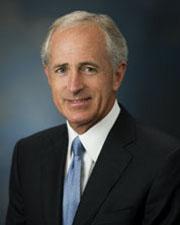
Bob Corker
As a result, when Trump won the election, he was reported to be considering Corker for Secretary of State.
But then Corker committed the unthinkable sin against Trump: He actually criticized him.
“They are in a downward spiral right now and have got to figure out a way to come to grips with all that’s happening,” Corker told reporters in May, amid a series of administration scandals.
And, on August 17, Corker said: “The President has not yet been able to demonstrate the stability nor some of the competence that he needs to demonstrate in order to be successful.”
Then, on September 27, 2017, Corker announced he was considering retiring from the Senate—to which he had been elected in 2006.
On October 4, Corker told reporters: “I think Secretary Tillerson, Secretary Mattis and Chief of Staff Kelly are those people that help separate our country from chaos, and I support them very much.”
Trump then attacked Corker via Twitter: “Senator Bob Corker ‘begged’ me to endorse him for re-election in Tennessee. I said ‘NO’ and he dropped out (said he could not win without…”
To which Corker—also via Twitter—responded: “It’s a shame the White House has become an adult day care center. Someone obviously missed their shift this morning.”
According to widespread news reports, many other Republicans share Corker’s low opinion of Trump. And they fear—like Corker—that Trump—through his repeated insults to North Korean dictator Kim Jong Un—is catapulting America toward World War III.
But they haven’t been willing to share those views publicly—because they fear that Trump—and his legions of fanatical voters—will turn on them.
As the Russian poet Yevgeney Yevtushenko put it: Our descendants will be ashamed to recall a time when simple honesty was labeled courage.
2016 PRESIDENTIAL RACE, ABC NEWS, ALTERNET, ANN COULTER, AP, BARACK OBAMA, BIRTH CERTIFICATE, BIRTHERISM, BUZZFEED, CBS NEWS, CHUCK TODD, CNN, CROOKS AND LIARS, DAILY KOZ, DONALD TRUMP, FACEBOOK, HILLARY CLINTON, JOHN LEWIS, JOHN MCCAIN, MEET THE PRESS, MOTHER JONES, MOVEON, MUSLIMS, NBC NEWS, NEWSWEEK, NPR, POLITICO, RAW STORY, REINCE PREIBUS, REPUBLICAN PARTY, REUTERS, SALON, Sarah Palin, SEATTLE TIMES, SLATE, SOVIET UNION, STEVEN BANNON, TAX RETURNS, TEA PARTY, THE APPRENTICE, THE ATLANTIC, THE CHICAGO SUN-TIMES, THE CHICAGO TRIBUNE, THE DAILY BEAST, THE GUARDIAN, THE HILL, THE HUFFINGTON POST, THE LOS ANGELES TIMES, THE NATION, THE NEW YORK TIMES, THE WASHINGTON POST, THIS WEEK, TIME, TWITTER, U.S. NEWS & WORLD REPORT, UP, UPI, USA TODAY, VLADIMIR PUTIN
In Bureaucracy, History, Politics, Social commentary on October 2, 2017 at 12:16 am
For five years, Donald Trump, more than anyone else, popularized the slander that President Barack Obama was born in Kenya–and was therefore not an American citizen.
For more than a year during his 2016 Presidential campaign, Trump continued doing so.
Meanwhile, Trump’s popularity steadily fell among blacks–to 1%, compared to the 91% of black voters who backed Hillary Clinton.
Even the managers of Trump’s campaign urged him to put the “birther” issue behind him.
And so, on September 16, 2016–10 days before his scheduled first debate with Democratic Presidential nominee Hillary Clinton–Trump made his version of a reversal.
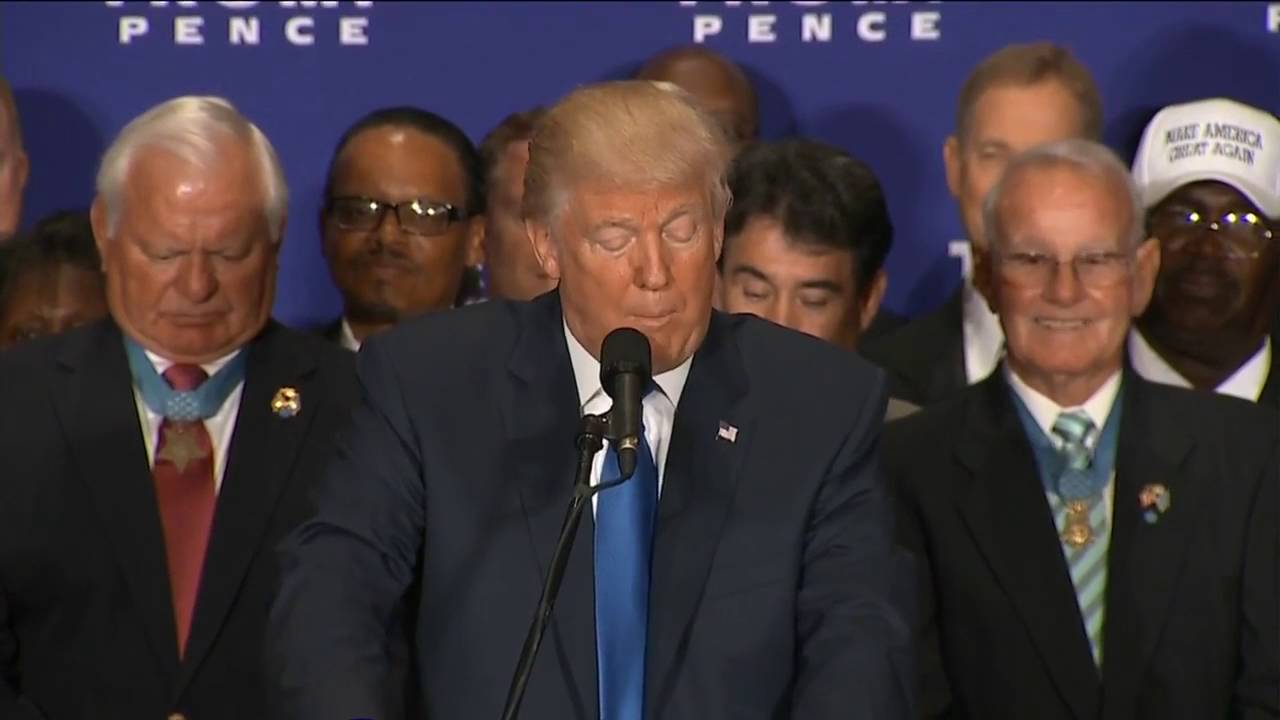
Donald Trump: “President Barack Obama was born in the United States.”
He did so in about seven seconds and 40 words–after spending a half hour paying tribute to the military and promoting his new upscale hotel in Washington, D.C.:
“Now, not to mention her in the same breath, but Hillary Clinton and her campaign of 2008 started the birther controversy.
“I finished it. I finished it. You know what I mean.
“President Barack Obama was born in the United States, period. Now we all want to get back to making America strong and great again.”
His tone made it clear that he felt uneasy making that statement–and wanted to get it over with as fast as possible.
He refused to take questions from reporters covering the event. Nor did he apologize for his five-year campaign of slander.
Nor did any Republican apologize for the eight-year campaign of slander and obstruction their party had waged against the Nation’s first black President.
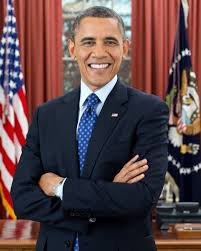
President Barack Obama
Among its highlights:
- In September, 2009, Joe Wilson (R-SC) yelled “You lie!” during Obama’s health care speech to Congress.
- In January, 2010, an effigy of President Barack Obama was found hanging from a building in Plains, Georgia.
- In December, 2011, Brent Bozell, who runs the right-wing Media Research Center, called Obama to “a skinny, ghetto crackhead.”
- In December, 2011, Rep. Jim Sensenbrenner (R-Wisc.), said of Michelle Obama: “She lectures us on eating right while she has a large posterior herself.”
- In January, 2012, Mitt Romney’s son, Matt, said his father might release his tax returns “as soon as President Obama releases his grades and birth certificate and sort of a long list of things.”
- In February, 2012, right-wing columnist Ann Coulter offered: “Voters with forty years of politically correct education are ecstatic to have the first Black president. They just love the idea even if we did get Flavor Flav instead of Thomas Sowell.”
- In May, 2012, a flatbed truck drove through new York holding a trailer with eight mannequin-like bodies hanging on nooses. One of the figures resembled President Obama, with a sign on the truck reading: “Obama Is Onboard, Find Out Why. Visit YouTube.com And Search Keyword PatriotPhipps.”

- In May, 2012, Patrick Lanzo, a bar owner in Paulding County, Georgia, posted a sign reading: “I do not support the nigger in the White House.” In 2009 he posted a sign that read, “Obama’s plan for health-care: nigger rig it.” Lanzo advertises his establishment as a “Klan bar.”
- Throughout the 2012 Presidential campaign, Newt Gingrich repeatedly called Obama “the greatest food stamp President in American history.”
- Obama has been portrayed as a shoeshine man, an Islamic terrorist and a chimp. The image of his altered face has been shown on a product called Obama Waffles in the manner of Aunt Jemima and Uncle Ben. He has been repeatedly depicted with a Hitler forelock and mustache.
- Among the protest signs they have brandished by Tea Party members: “Obama’s Plan: White Slavery,” “The American Taxpayers are the Jews for Obama’s Ovens,” and “Obama was Not Bowing [to the Saudi King] He was Sucking Saudi Jewels.”
- Other Tea Party posters: “Imam Obama Wants to Ban Pork” and “The Zoo Has An African Lion, and the White House Has a Lyin’ African.”
- Tea Partiers have chanted at Obama: “Bye, bye, Blackbird” and “Kenyan go home!”
- During the Republican-imposed government shutdown–October 1-17, 2013–Rep. Pete Sessions (R-Texas) told Obama: “I cannot even stand to look at you,” The incident occurred when Obama met with lawmakers to try to find a resolution to the shutdown.
- On October 1, 2013, Congressional Republicans shut down the government in an attempt to force President Barack Obama to de-fund his signature achievement: The Affordable Care Act (ACA). President Obama refused, and 800,000 federal workers were furloughed.
- On October 14, while Republicans were threatening to drive the nation into bankruptcy by refusing to raise the debt ceiling, former Alaska Governor Sarah Palin posted on Facebook her “secret plan” to impeach President Obama:
- “It’s time for the president to be honest with the American people for a change. Defaulting on our national debt is an impeachable offense, and any attempt by President Obama to unilaterally raise the debt limit without Congress is also an impeachable offense.”
- In short: If the Republicans force the country into default, Obama should be impeached. And if the President finds a way to avoid default, he should be impeached.
* * * * *
When Republicans say, “We need to support our President,” they don’t mean every President.
They mean: Every Republican President. And only every Republican President.
For Republicans, Presidents elected by Democrats are usurpers: They are to be obstructed as often as possible–and impeached whenever possible.
2016 PRESIDENTIAL RACE, ABC NEWS, ALTERNET, ANN COULTER, AP, BARACK OBAMA, BIRTH CERTIFICATE, BIRTHERISM, BUZZFEED, CBS NEWS, CHUCK TODD, CNN, CROOKS AND LIARS, DAILY KOZ, DONALD TRUMP, FACEBOOK, HILLARY CLINTON, JOHN LEWIS, JOHN MCCAIN, MEET THE PRESS, MOTHER JONES, MOVEON, MUSLIMS, NBC NEWS, NEWSWEEK, NPR, POLITICO, RAW STORY, REINCE PREIBUS, REPUBLICAN PARTY, REUTERS, SALON, Sarah Palin, SEATTLE TIMES, SLATE, SOVIET UNION, TAX RETURNS, TEA PARTY, THE APPRENTICE, THE ATLANTIC, THE CHICAGO SUN-TIMES, THE CHICAGO TRIBUNE, THE DAILY BEAST, THE GUARDIAN, THE HILL, THE HUFFINGTON POST, THE LOS ANGELES TIMES, THE NATION, THE NEW YORK TIMES, THE WASHINGTON POST, THIS WEEK, TIME, TWITTER, U.S. NEWS & WORLD REPORT, UP, UPI, USA TODAY, VLADIMIR PUTIN
In Bureaucracy, History, Politics, Social commentary on September 29, 2017 at 12:02 am
Reince Priebus, the incoming White House Chief of Staff for soon-to-be President Donald J. Trump, was furious.
There were three reasons for his outrage.
First, millions of Americans are questioning whether Trump was legitimately elected. Their suspicions were based on solid evidence, supplied by the American Intelligence community, that Russian President Vladimir Putin intervened in the 2016 Presidential election to help him defeat Hillary Clinton.
Second, among those Americans were members of the United States Congress—such as Georgia Democratic Representative John Lewis.
On the January 15 edition of “Meet the Press,” Lewis was asked by host Chuck Todd: “Do you plan on trying to forge a relationship with Donald Trump?”
“No,” said Lewis. “I believe in forgiveness. I believe in trying to work with people. It’s going to be hard. It’s going to be very difficult. I don’t see this president-elect as a legitimate president.”
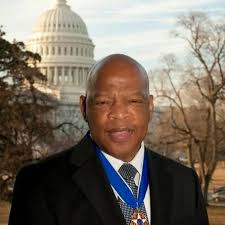
John Lewis
“You do not consider him a legitimate president. Why is that?”
“I think the Russians participated in helping this man get elected and they helped destroy the candidacy of Hillary Clinton.”
And the third reason Priebus was outraged: He believed—or at least claimed to believe—that President Barack Obama should vouch for Trump’s legitimacy.
“I think President Obama should step up,” Priebus said January 15 on ABC’s “This Week.” “We’ve had a great relationship with the White House….I think the administration can do a lot of good by telling folks that are on the Republican side of the aisle, look, we may have lost the election on the Democratic side, but it’s time to come together.”
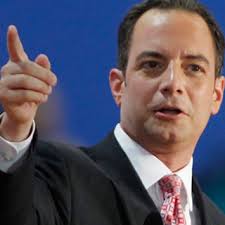
Reince Priebus
“You didn’t have Republicans questioning whether or not Obama legitimately beat John McCain in 2008,” Priebus added.
“This Week” host George Stephanopoulos replied that Trump had questioned Obama’s legitimacy as an American citizen until almost the end of the 2016 Presidential race.
“But look, George, that’s not the point!” Priebus said, visibly agitated. “The point is not where Barack Obama was born! The point is that we’ve got congressmen on the Democratic side of the aisle that are questioning the legitimacy of President-elect Trump.”
In short: Let’s ignore Trump’s five-year slander campaign against the legitimacy of President Obama. What’s important is that people are questioning the legitimacy of a Republican elected with the help of Russian Communists.
In 2011, Trump, then-host of NBC’s “The Apprentice,” was thinking of running for President against Obama.
Seeking to gain popularity among America’s Right-wing, Trump almost singlehandedly created the popular fiction that the President was born in Kenya—and was not an American citizen.
His motive: To convince Americans that Obama was an illegitimate President.
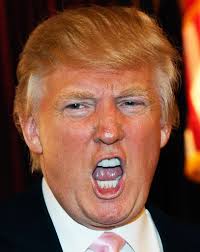
Donald Trump
Among the statements Trump made:
February 10, 2011: “Our current president came out of nowhere. Came out of nowhere. In fact, I’ll go a step further: The people that went to school with him, they never saw him, they don’t know who he is. It’s crazy.”
March 23, 2011: “I want him to show his birth certificate. I want him to show his birth certificate. … There’s something on that birth certificate that he doesn’t like.”
March 28, 2011: “I am really concerned” [that Obama wasn’t born in the United States]. He said that the birth announcement for Obama in a Hawaii newspaper could have been planted “for whatever reason.”
March 30, 2011: “If you are going to be president of the United States you have to be born in this country. And there is a doubt as to whether or not he was. … He doesn’t have a birth certificate. He may have one, but there’s something on that, maybe religion, maybe it says he is a Muslim. I don’t know. Maybe he doesn’t want that. Or he may not have one. But I will tell you this. If he wasn’t born in this country, it’s one of the great scams of all time.”
April 7, 2011: “I have people that have been studying it, and they cannot believe what they’re finding. You are not allowed to be a president if you’re not born in this country. Right now I have real doubts.”
April 25, 2011: “I’ve been told very recently…that the birth certificate is missing. I’ve been told that it’s not there or it doesn’t exist. And if that’s the case, it’s a big problem.”
On April 27, President Obama released his original, long-form Hawaiian birth certificate.
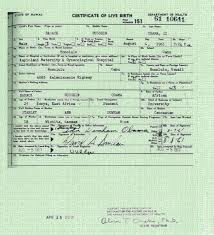
The long-form version of President Obama’s birth certificate
“We do not have time for this kind of silliness,” said Obama at a press conference, speaking as a father might to a roomful of spiteful children. “We have better stuff to do. I have got better stuff to do. We have got big problems to solve.
“We are not going to be able to do it if we are distracted, we are not going to be able to do it if we spend time vilifying each other…if we just make stuff up and pretend that facts are not facts, we are not going to be able to solve our problems if we get distracted by side shows and carnival barkers.”
Trump responded with a series of tweets on Twitter—all of them attacking the legitimacy of the birth certificate that President Obama had released.
1984 (BOOK), ABC NEWS, ALTERNET, AP, BARACK OBAMA, BUZZFEED, CBS NEWS, CNN, CONDOLEEZA RICE, CROOKS AND LIARS, DAILY KOZ, DONALD TRUMP, FACEBOOK, GEORGE ORWELL, GEORGE W. BUSH, GHAZALA KHAN, GREAT SOVIET ENCYCLOPEDIA, HILLARY CLINTON, HISTORY, HUMAYUN KHAN, JOSEPH STALIN, KATRINA PIERSON, KHIZR KHAN, LAVRENTI BERIA, MOTHER JONES, MOVEON, NBC NEWS, NEWSWEEK, NKVD, NPR, POLITICO, RAW STORY, REPUBLICAN PARTY, REUTERS, SALON, SEATTLE TIMES, SLATE, SOVIET UNION, THE ATLANTIC, THE CHICAGO SUN-TIMES, THE CHICAGO TRIBUNE, THE DAILY BEAST, THE GUARDIAN, THE HILL, THE HUFFINGTON POST, THE LOS ANGELES TIMES, THE NATION, THE NEW YORK TIMES, THE WASHINGTON POST, THE WASHINGTONPOST, TIME, TWITTER, U.S. NEWS & WORLD REPORT, UP, UPI, USA TODAY
In Bureaucracy, History, Military, Politics, Social commentary on September 22, 2017 at 12:15 am
At one time, Americans believed that the wholesale rewriting of history happened only in the Soviet Union.
A classic example of this occurred in the Great Soviet Encyclopedia.
Lavrenti Beria had been head of the NKVD, the dreaded secret police, from 1938 to 1953. In 1953, following the death of Soviet dictator Joseph Stalin, Beria was arrested and executed on orders of his fellow Communist Party leaders, who feared they were targets of a coming purge.
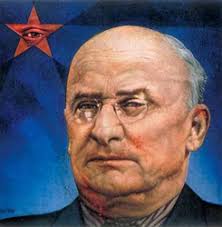
Lavrenti Beria
But the Great Soviet Encyclopedia had just gone to press with a long article singing Beria’s praises.
What to do?
The editors of the Encyclopedia wrote an equally long article about “the Bering Straits,” which was to be pasted over the article about Beria, and sent this off to its subscribers. An unknown number of them decided it was safer to paste accordingly.
During the 2016 Presidential race, the Republican party furiously sought to rewrite history in a desperate attempt to sway voters.
Specifically, its members tried to convince Americans that:
- Donald Trump, their nominee for President, did not insult the parents of Captain Humayun Khan, who was killed by a truck-bomb in Iraq in 2004; and/or
- Barack Obama was responsible for Khan’s death. And so was Democratic Presidential nominee Hillary Clinton.
That was history according to Trump’s spokeswoman, Katrina Pierson.
On July 28, Trump became embroiled in a no-win war-of-words with Khan’s father, Khizr, and his mother, Ghazala.
Khizr was a featured speaker at the Democratic National Convention, and he used the opportunity to attack Trump:
“If it was up to Donald Trump, [Humayun] never would have been in America. Donald Trump consistently smears the character of Muslims. He disrespects other minorities, women, judges, even his own party leadership. He vows to build walls and ban us from this country….You have sacrificed nothing and no one.”
Trump predictably responded during a July 30 interview with ABC News’ George Stephanopoulos.
“I think I’ve made a lot of sacrifices,” said Trump. “I work very, very hard. I’ve created thousands and thousands of jobs, tens of thousands of jobs.”
And, on Twitter, he posted: “I was viciously attacked by Mr. Khan at the Democratic Convention. Am I not allowed to respond? Hillary voted for the Iraq war, not me!”
Veterans’ organizations brutally attacked Trump for his running feud with the Khan family.
Republicans were desperate for Trump to end the conflict and return to attacking his Democratic opponent, Hillary Clinton.
Presumably, that was the assignment given to Trump’s spokeswoman, Katrina Pierson.
Appearing on CNN’s The Situation Room with Wolf Blitzer on August 2, Pierson said: “It was under Barack Obama and Hillary Clinton that changed the rules of engagements that probably cost his life.”

Katrina Pierson
Totally ignored in that scenario:
- President George W. Bush lied the nation into a needless war that cost the lives of 4,486 Americans and wounded another 33,226.
- Barack Obama did not become President until 2009—almost five years after Khan’s death.
- And Hillary Clinton did not become Secretary of State until the same year.
Pierson argued that Trump should be exempt from apologizing to the Khan family because he “never voted for the Iraq War.”
“Hillary Clinton did,” Pierson added. “And then she didn’t support the troops to have what they need.”
It’s true that Clinton, elected U.S. Senator from New York in 2000, voted in 2002 to support Bush’s attack on Iraq.
But Obama, elected U.S. Senator from Illinois in 2004, strongly opposed the Iraq war from the onset of his term. In fact, he made it a major issue during his 2008 Presidential race against Arizona U.S. Senator John McCain.
Pierson’s attempt to rewrite history touched off a frenzy on Twitter, leading to the creation of the hashtag #KatrinaPiersonHistory. Its purpose: To mock Pierson’s revisionist take on history.
Among the tweets offered:
- Hillary Clinton slashed funding for security at the Ford Theater, leading to Lincoln’s assassination.
- Obama introduced John Lennon to Yoko Ono, and well, you know.
- Obama gave Amelia Earhart directions to Kenya.
- Remember the Alamo? Obama and Hillary let it happen.
- Obama and Clinton kidnapped the Lindbergh baby.
- Obama decided that too many lifeboats would offend radical Islamic terrorists abord the Titanic.
- Barack Obama convinced the serpent to tempt Eve in the Garden of Eden.
- Barack Obama and Hillary Clinton organized The Spanish Inquisition.
The ridicule turned Trump’s spokeswoman into a nationwide laughingstock. And her efforts to rewrite history didn’t help Trump.
On August 3, Pierson appeared on CNN’s New Day. She admitted being wrong about the timeline and said she had been trying to say that Donald Trump had no connection to the Khans.
Later on CNN, Anderson Cooper Khizr Khan to comment on Pierson’s allegation.
“Do I need to say anything?” Khan replied. “Lack of understanding, lack of factual correctness, it’s just nothing but political vote pandering.”
In George Orwell’s novel, 1984, the unnamed Party’s slogan is: “He who controls the past controls the future. He who controls the present controls the past.”
The same holds true for Republicans: They hope to rewrite the past, as Joseph Stalin did, to wash away their crimes and errors—and pin these on their self-declared enemies.
And thus gain—and retain—absolute power over 300 million Americans.
ABC NEWS, AFFORDABLE CARE ACT, ALTERNET, AMERICAN NAZI PARTY, AP, BBC, BORDER WALL, BUZZFEED, CBS NEWS, CHARLOTTESVILLE VIOLENCE, CNN, DAILY KOS, DONALD TRUMP, EGOMANIA, ERIC SCHNEIDERMAN, FACEBOOK, FOX NEWS SUNDAY, GOLDEN SHOWERS REPORT, HILLARY CLINTON, JAMES R. CLAPPER, MORNING JOE, MOTHER JONES, MOVEON, NAFTA, NATO, NBC NEWS, NEWSWEEK, NPR, POLITICO, RAW STORY, REPUBLICAN NATIONAL CONVENTION, REPUBLICAN PARTY, REUTERS, Ronald Reagan, SALON, SEATTLE TIMES, SEXUAL HARASSMENT, SLATE, SOVIET UNION, TAX RETURNS, THE ATLANTIC, THE CHICAGO SUN-TIMES, THE CHICAGO TRIBUNE, THE DAILY BEAST, THE GUARDIAN, THE HILL, THE HUFFINGTON POST, THE LOS ANGELES TIMES, THE NEW YORK TIMES, THE WALL STREET JOURNAL, THE WASHINGTON POST, TIME, TREASON, TRUMP UNIVERSITY, TWITTER, U.S. NEWS & WORLD REPORT, UPI, USA TODAY, VLADIMIR PUTIN
In Bureaucracy, Business, History, Law, Law Enforcement, Politics, Social commentary on August 25, 2017 at 12:08 am
Former Director of National Intelligence James Clapper witnessed President Donald Trump’s 77-minute rant at a Phoenix campaign rally on August 22.
Trump angrily defended his refusal to condemn white supremacists for their intimidating and violent actions in Charlottesville, Virginia, on August 12-13. And he continued to slander the news media as unpatriotic.
He also attacked NAFTA and the Affordable Care Act (“Obamacare”) and threatened to shut down the government if Congress refused to pay for a border wall. (During his 2016 campaign, he had repeatedly promised that Mexico would pay for this.)
Afterward, Clapper told CNN: “I find this downright scary and disturbing….I really question his ability to be—his fitness to be—in this office, and I also am beginning to wonder about his motivation for it. Maybe he is looking for a way out.”
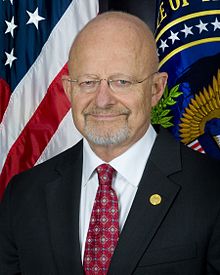
James Clapper
But the part of Clapper’s interview that most caught the attention of the media and Washington’s political establishment came when reporter Don Lemon asked: Is Trump a threat to national security?
“Well, he certainly could be,” Clapper replied.
“Again, having some understanding of the levers that a president can exercise, I worry about, frankly, you know, the access to nuclear codes,” Clapper answered.
And Clapper knows more about “the levers that a President can exercise” than most: He served no fewer than ten Presidents–from John F. Kennedy to Barack Obama.
He warned that “in a fit of pique,” Trump could order a nuclear strike against the regime of North Korean leader Kim Jong Un.
“There’s actually very little to stop him,” Clapper said. “The whole system’s built to ensure rapid response if necessary. So there’s very little in the way of controls over you know, exercising a nuclear option, which is pretty damn scary.”
But long before the Clapper interview, Americans had more than enough knowledge about Trump to judge him unfit for the Oval Office.
- He unknowingly admitted to being a sexual predator of women: “You know I’m automatically attracted to beautiful—I just start kissing them. It’s like a magnet. Just kiss. I don’t even wait. And when you’re a star they let you do it. You can do anything. Grab them by the pussy. You can do anything.”

Donald Trump
- He refused to release his tax returns—unlike every other Presidential candidate since Ronald Reagan in 1980.
- He said he was prepared to withdraw from NATO, the American-European alliance that held the Soviet Union at bay for a half-century.
- He often and publicly praised Russian President Vladimir Putin, the absolute dictator of a foreign power hostile to the United States.
- He publicly invited “Russia”—i.e., Putin—to interfere directly in an American Presidential election: “I will tell you this, Russia: If you’re listening, I hope you’re able to find the 30,000 [Hillary Clinton] emails that are missing. I think you will probably be rewarded mightily by our press.”
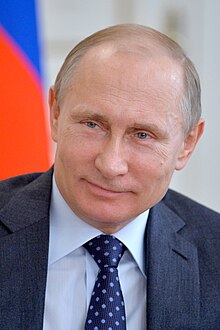
Vladimir Putin
- On November 18, Trump—rather than face trial—settled the Trump University case out of court for $25 million. “Today’s $25 million settlement agreement is a stunning reversal by Donald Trump,” said New York Attorney General Eric Schneiderman, “and a major victory for the over 6,000 victims of his fraudulent university.”
- On March 16, he warned Republicans that if he didn’t win the GOP nomination in July, his supporters would literally riot: “I think you’d have riots. I think you would see problems like you’ve never seen before. I think bad things would happen. I really do. I wouldn’t lead it, but I think bad things would happen.”
- On August 9, Trump issued a veiled solicitation for the assassination of Democratic Presidential candidate Hillary Clinton: “Hillary wants to abolish, essentially abolish, the Second Amendment. If she gets to pick her [Supreme Court] judges, nothing you can do folks. Although the Second Amendment people, maybe there is, I don’t know.”
- After slandering President Barack Obama for five years as “the President from Kenya,” he blatantly lied: “Hillary Clinton and her campaign of 2008 started the birther controversy. I finished it.”
The number of people, places and things Trump has insulted is so extensive The New York Times compiled a list of 273 of them.
Trump’s rampant egomania is literally stamped on his properties. Of the 515 entities he owns, 268 of them—52%—bear his last name. Among the references he’s made to himself:

- “My fingers are long and beautiful, as, it has been well documented, are various other parts of my body.”
- “I think the only difference between me and the other candidates is that I’m more honest and my women are more beautiful.”
- “My Twitter has become so powerful that I can actually make my enemies tell the truth.”
- “My IQ is one of the highest—and you all know it.”
- Asked on MSNBC’s “Morning Joe” who he consults about foreign policy, he replied: “I’m speaking with myself, number one, because I have a very good brain and I’ve said a lot of things.”
* * * * *
Those Americans who voted for Donald Trump knew the character of the man they were electing. They cannot claim ignorance of who he was and what he intended to do.
They enthusiastically supported him because he gave voice to their hatreds and prejudices. And because they believed he would humiliate and destroy those they wanted to see humiliated and destroyed.
They are as deserving of the contempt of their fellow Americans as Trump himself.
9/11, ABC NEWS, ADOLF HITLER, ALTERNET, AMERICANS FOR TAX REFORM, ANDERSON COOPER, ANTI-COMMUNISM, AP, ARTHUR MILLER, BILL CLINTON, BUZZFEED, CBS NEWS, CENTER FOR SECURITY POLICY, CHINA, CHRIS MATTHEWS, CNN, CROOKS AND LIARS, DAILY KOZ, DICK CHENEY, DWIGHT D. EISENHOWER, EDWARD R. MURROW, FACEBOOK, GEORGE H.W. BUSH, HARRY S. TRUMAN, HEINRICH HIMMLER, HERMAN CAIN, HERMAN GORING, HILLARY CLINTON, HUMA ABEDIN, JEWS, JIMMY CARTER, JOHN BIRCH SOCIETY, JOHN BOEHNER, JOHN F. KENNEDY, JOHN MCCAIN, JOHN STEINBECK, JOSEPH GOEBBELS, JOSEPH MCCARTHY, JOSEPH STALIN, KGB, LIZ CHENEY, LUCILLE BALL, LYNDON B. JOHNSON, MARY CHENEY, MICHELLE BACHMANN, MIKE HUCKABEE, MITT ROMNEY, MOTHER JONES, MOVEON, MSNBC, MUSLIM BROTHERHOOD, MUSLIMS, NAZI GERMANY, NAZI PARTY, NBC NEWS, NEWSWEEK, NEWT GINGRICH, NPR, PETE SEEGER, POLITICO, RAW STORY, RED SCARE, REINHARD HEYDRICH, REPUBLICAN PARTY, REUTERS, RICHARD NIXON, RICK SANTORUM, Ronald Reagan, SALON, SAME-SEX MARRIAGE, SEATTLE TIMES, SENATOR MIKE ENZI, SLATE, SOVIET UNION, SS, THE AMERICAN CENTER FOR SECURITY POLICY, THE ATLANTIC, THE CHICAGO SUN-TIMES, THE CHICAGO TRIBUNE, THE DAILY BEAST, THE GUARDIAN, THE HILL, THE HUFFINGTON POST, THE LOS ANGELES TIMES, THE NATION, THE NEW YORK TIMES, THE WALL STREET JOURNAL, THE WASHINGTON POST, TIME, TWITTER, U.S. NEWS & WORLD REPORT, UP, UPI, USA TODAY, WYOMING
In Bureaucracy, History, Politics, Social commentary on August 24, 2017 at 12:09 am
With the Soviet Union collapsed in 1991, the Republican Party went into a tailspin of dismay.
For almost 50 years, Republicans had conjured up The Red Bogeyman to scare voters into sending them to Congress and the White House.
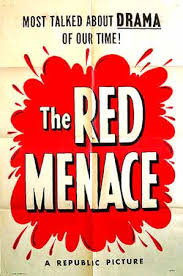
But now that the “workers’ paradise” had disappeared, Americans seemed to lose interest in the Communist Menace.
True, the People’s Republic of China remained, and its increasing economic clout would challenge the United States well into the 21st century. But Americans didn’t seem to fear the Red Chinese as they had the Red Russians.
What was the Republican Party to do to lure voters?
On September 11, 2001, the answer arrived—in two highjacked jetliners that slammed into the World Trade Center in New York and one that struck the Pentagon in Washington, D.C.
Exit The Red Bogeyman. Enter The Maniacal Muslim.
Consider:
- Mike Huckabee – “If the purpose of a church is to push forward the gospel of Jesus Christ, and then you have a Muslim group that says that Jesus Christ and all the people that follow him are a bunch of infidels who should be essentially obliterated, I have a hard time understanding that.”
- Herman Cain – ”I would not” appoint a Muslim in his administration.
- Newt Gingrich – “I am convinced that if we do not decisively win the struggle over the nature of America, by the time they [his grandchildren] are my age they will be in a secular atheist country, potentially one dominated by radical Islamists. …”
- Rick Santorum – On supporting the racial profiling of Muslims: “Obviously, Muslims would be someone you look at, absolutely.”
- Mitt Romney – “Based on the numbers of American Muslims in our population, I cannot see that a Cabinet position [for a Muslim] would be justified.”
And on July 13, 2012, Rep. Michelle Bachmann (R-Minn.) sent letters to the Inspectors General of the Departments of
- Defense;
- State;
- Justice; and
- Homeland Security.
“The purpose of these letters,” wrote Bachmann, was to “request a multi-department investigation into potential Muslim Brotherhood infiltration into the United States Government.”

Michelle Bachmann
Bachmann further asserted in her letter to the State Department that Huma Abedin, deputy chief of staff to Secretary of State Hillary Clinton, had ties to the Muslim Brotherhood.
In response, Arizona’s United State Senator John McCain said: “These attacks have no logic, no basis, and no merit and they need to stop. They need to stop now.”
“I don’t know Huma,” said House Speaker John Boehner, “but from everything that I do know of her she has a sterling character.”
And the evidence for these attacks?
The Center for Security Policy’s claim that Abedin’s father (who died when she was a teenager), mother and brother are “connected” to the organization.
And what is the Center of Security Policy? A private organization subsidized by donors to Right-wing causes.
In a separate letter, Bachmann demanded to know how Abedin received her security clearance.
Among the co-signers of Bachmann’s letter to the Inspectors General were:
- Rep. Trent Franks of Arizona, who has said abortion has done more harm to blacks than slavery;
- Rep. Lynn Westmoreland of Georgia, who called presidential candidate Barack Obama and his wife, Michelle, ”uppity”; and
- Rep. Louie Gohmert of Texas, who claims that terrorist organizations send pregnant women into the U.S. so that their children will be American citizens–who can enter and leave the country at will as they are trained to be terrorists abroad.
When pressed for their evidence of “a vast Muslim conspiracy,” right-wing accusers usually refuse to provide any.
An example of this occurred during an August 13, 2010 interview between Gohmert and CNN’s Anderson Cooper:
COOPER: What research? Can you tell us about the research?
GOHMERT: You are attacking the messenger, Anderson, you are better than this. You used to be good. You used to find that there was a problem and you would go after it.
COOPER: Sir, I am asking you for evidence of something that you said on the floor of the House.
GOHMERT: I did, and you listen, this is a problem. If you would spend as much time looking into the problem as you would have been trying to come after me and belittle me this week –
COOPER: Sir, do you want to offer any evidence? I’m giving you an opportunity to say what research and evidence you have. You’ve offered none, other than yelling.
Nor did Gohmert offer any evidence that evening.
Of course, the ultimate Republican Muslim slander is that President Barack Obama—a longtime Christian—is himself a Muslim.
No doubt Republicans feel totally safe in making these attacks, since Muslims comprise only 1% of the American population.
This has long been a hallmark of right-wing attacks—to go after a minority that cannot effectively defend itself.
Thus, Adolf Hitler attacked the Jews of Germany.
And Republicans have successively attacked blacks, Hispanics and gays—until each group became politically influential enough to defeat Republican candidates.
Today, most right-wing politicians at least grudgingly court all of these groups.
When Muslims become a significant political force in their own right, the Right will court them, too. And then move on to yet another helpless scapegoat to blame for America’s troubles.


 Bureaucracybuster's Blog
ABC NEWS, ADOLF HITLER, AFGHANISTAN, ALTERNET, AP, BARACK OBAMA, BUZZFEED, CBS NEWS, CNN, CROOKS AND LIARS, DAILY KOZ, DONALD TRUMP, EL ELAMEIN, ERWIN ROMMEL, FACEBOOK, FRIEDRICH VON PAULUS, GEORGE W. BUSH, GREAT BRITAIN, IRAQ, JAPAN, JOSEPH GOEBBELS, MOSCOW, MOTHER JONES, MOVEON, NAZI GERMANY, NBC NEWS, NEWSWEEK, NPR, PEARL HARBOR, POLITICO, RAW STORY, REUTERS, SALON, SEATTLE TIMES, SLATE, SOVIET UNION, STALINGRAD, THANKSGIVING MESSAGE TO U.S. TROOPS, THE ATLANTIC, THE CHICAGO SUN-TIMES, THE CHICAGO TRIBUNE, THE DAILY BEAST, THE GUARDIAN, THE HILL, THE HUFFINGTON POST, THE LOS ANGELES TIMES, THE NATION, THE NEW YORK TIMES, THE WASHINGTON POST, TIME, TOTAL WAR SPEECH, TWITTER, U.S. NEWS & WORLD REPORT, UNITED STATES, UPI, USA TODAY, WEHRMACHT, WINSTON CHURCHILL, WORLD WAR ii
TWO TYRANTS, NO VICTORY
In Bureaucracy, History, Military, Politics, Social commentary on November 27, 2017 at 1:50 amBy February, 1943, the tide of war had turned irrevocably for Nazi Germany.
The string of quick and easy victories that had started on September 1, 1939 was over:
All had fallen under the heel of the Nazi jackboot. The swastika flag still flew triumphantly over the capitols of these once-free nations.
Adolf Hitler
And the word—and whim—of Germany’s Fuhrer, Adolf Hitler remained law for their populations.
But by March, 1943, all except the most fanatical Nazis could see that Germany was on a collision course with disaster.
So, by March, 1943, Germany desperately needed to hear some good news. And Propaganda Minister Joseph Goebbels was eager to supply it.
Joseph Goebbels
He did so in one of his last public addresses, delivered to a large but carefully selected audience in Gorlitz.
For Goebbels, the greatest challenge to the Reich lay in “the Bolshevist danger in the East.” And, for him, the solution was clear: “Total war is the demand of the hour.”
“Our soldiers, as soon as the great push on the Eastern Front gets under way, will ask no mercy and give no mercy.
“Already, our forces have begun softening up operations, and in the next weeks and months the big offensive will begin. They will go into battle with devotion like congregations going to a religious service.
“And when our men shoulder their weapons and climb into their tanks, there will be before their eyes the sight of their violated women and murdered children. A cry of vengeance will rise from their throats that will make the enemy tremble with fear!
“So, as the Fuhrer has overcome crises in the past, so will he triumph now.
“The other day he told me ‘I firmly believe that we shall overcome this crisis. I firmly believe that our army of millions will beat back our enemy and annihilate him. And some day our banners will be victorious. This is my life’s unshakable belief.'”
Thunderous applause repeatedly interrupted Goebbels’ address. Yet this could not replace the enormous losses Germany had suffered since 1939. Nor could it reverse the march of the Allied armies as they closed in on the Reich from East and West.
Now, fast-forward 74 years to November 23, 2017—Thanksgiving Day.
Donald Trump, President of the United States, speaks by video teleconference to American forces stationed in Iraq and Afghanistan.
Donald Trump
President George W. Bush had flown into Baghdad in 2003 to spend Thanksgiving with American forces. He flew into Iraq once again to visit troops in June, 2006.
And President Barack Obama visited American soldiers in Iraq in 2009, in Afghanistan in 2010, 2012 and 2014.
Trump’s “visit” was unique—in that he addressed American troops from his Mar-a-Lago Club and Resort in Palm Beach, Florida.
The address started off predictably enough: “It’s an honor to speak with you all and to give God thanks for the blessings of freedom and for the heroes who really have this tremendous courage that you do to defend us and to defend freedom.”
But, being Trump, he could not resist paying homage to himself: “We’re being talked about again as an armed forces. We’re really winning. We know how to win, but we have to let you win. They weren’t letting you win before; they we’re letting you play even. We’re letting you win….
“They say we’ve made more progress against ISIS than they did in years of the previous administration, and that’s because I’m letting you do your job….”
In short: All those sacrifices you made under Presidents Bush and Obama went for nothing.
“A lot of things have happened with our country over the last very short period of time, and they’re really good — they’re really good. I especially like saying that companies are starting to come back.
“Now we’re working on tax cuts—big, fat, beautiful tax cuts. And hopefully we’ll get that and then you’re going to really see things happen.”
Or, put another way: Be grateful they elected me—because you’re about to see the 1% richest get even richer. Too bad you won’t be so lucky.
Share this: