Posts Tagged ‘SLATE’
2016 PRESIDENTIAL CAMPAIGN, 2020 PRESIDENTIAL CAMPAIGN, ABC NEWS, ADAM SCHIFF, ALTERNET, AMERICABLOG, AP, ARTICLES OF IMPEACHMENT, BABY BOOMER RESISTANCE, BUZZFEED, CBS NEWS, CHARLES DE GAULLE, CHINA, CHRISTOPHER S. MURPHY, CIA, CNN, CONSERVATIVE POLITICAL ACTION CONFERENCE, CROOKS AND LIARS, CUBAN MISSILE CRISIS, DAILY KOZ, DAN BOWMAN, DAVID BROOKS, DEMOCRATS, DONALD TRUMP, DONALD TRUMP JUNIOR, DRUDGE RETORT, EXTORTION, FACEBOOK, FBI, FIRST AMENDMENT, FIVETHIRTYEIGHT, GEORGE W. BUSH, GOVERNMENT ACCOUNTABILITY OFFICE, GOVERNMENT SHUTDOWN, HARPER’S MAGAZINE, HILLARY CLINTON, HOUSE FOREIGN AFFAIRS COMMITTEE, HOUSE INTELLIGENCE COMMITTEE, HOUSE OVERSIGHT AND REFORM COMMITTEE, HUNTER BIDEN, IMPEACHMENT, IMPOUNDMENT CONTROL ACT, JAKE SULLIVAN, JAKE TAPPER, JAMAL KHASHOGGI, JAMES COMEY, JAMES ROBART, JARED KUSHNER, JEFF SESSIONS, JOHN ROBERTS, JON S. TIGAR, JOSEPH BIDEN, LEON PANETTA, LINDSEY GRAHAM, MEDIA MATTERS, MICHAEL FLYNN, MICHAEL HAYDEN, MICK MULVANEY, MIKE PENCE, MOHAMMED BIN SALMAN, MOTHER JONES, MOVEON, MSNBC, NANCY PELOSI, NATALIA VESELNITSKAYA, NATIONAL SECURITY AGENCY, NBC NEWS, NEWSWEEK, NPR, PAUL MANAFORT, PBS NEWSHOUR, POLITICO, POLITICUSUSA, RAW STORY, REPUBLICANS, REUTERS, RINAT AKHMETSHIN, ROBERT MUELLER, ROBERT PAYNE, ROD ROSENSTEIN, ROGER STONE, RUSSIA, SALON, SEATTLE TIMES, SERGEY KISLYAK, SERGEY LAVROV, SLATE, TALKING POINTS MEMO, THE ATLANTIC, THE CHICAGO SUN-TIMES, THE CHICAGO TRIBUNE, THE DAILY BEAST, THE DAILY BLOG, THE GUARDIAN, THE HILL, THE HUFFINGTON POST, THE JUDICIARY, THE LIFE AND DEATH OF ADOLF HITLER (BOOK), THE LOS ANGELES TIMES, THE NATION, THE NEW REPUBLIC, THE NEW YORK TIMES, THE PRESS, THE VILLAGE VOICE, THE WASHINGTON POST, THINKPROGRESS, TIME, TREASON, TRUMP TOWER MEETING, TRUTHDIG, TRUTHOUT, TWITTER, TWO POLITICAL JUNKIES, U.S. NEWS & WORLD REPORT, UKRAINE, UNITED STATES HOUSE OF REPRESENTATIVES, UNITED STATES SENATE, UPI, USA TODAY, VLADIMIR PUTIN, VOLODYMYR ZELENSKY, WHISTLEBLOWER, WHITE HOUSE BUDGET OFFICE, WONKETTE
In Bureaucracy, History, Law, Law Enforcement, Military, Politics, Social commentary on February 11, 2020 at 12:10 am
Throughout his Presidency, Republicans have continued to support Donald Trump despite a series of actions that would have normally resulted in impeachment.
Fourteen of these have already been detailed.
Forgiven Crime #15: Threatening members of Congress with treason charges for daring to challenge him.
Furious that Rep. Adam Schiff (D-CA) mocked him during a session of the House Intelligence Committee, Trump tweeted: “I want Schiff questioned at the highest level for Fraud & Treason…..”
“Rep. Adam Schiff illegally made up a FAKE & terrible statement, pretended it to be mine as the most important part of my call to the Ukrainian President, and read it aloud to Congress and the American people. It bore NO relationship to what I said on the call. Arrest for Treason?”

Adam Schiff
He judged House Speaker Nancy Pelosi “every bit as guilty as Liddle’ Adam Schiff for High Crimes and Misdemeanors, and even Treason. I guess that means that they, along with all of those that evilly ‘Colluded’ with them, must all be immediately Impeached!”
Forgiven Crime #16: He has lied so often—15,413 times by December 16, 2019, according to the Washington Post—he’s universally distrusted, at home and abroad.
All politicians lie—especially in times of war. But generally, a President’s word must be considered trustworthy.
During the Cuban Missile Crisis, French President Charles de Gaulle was offered photographs taken by American spy planes of Russian missile emplacements in Cuba. De Gaulle waved them away, saying that, for him, the word of the President of the United States was enough.

Charles de Gaulle and John F. Kennedy
Today, no free world leader would take Trump’s word for anything.
Forgiven Crime #17: On December 22, 2018, Trump shut down the Federal government—because Democrats refused to fund his “border wall” between the United States and Mexico.
An estimated 380,000 government employees were furloughed and another 420,000 were ordered to work without pay. This lasted until January 25, 2019, when Trump caved to public pressure.
Forgiven Crime #18: Even while being investigated by Congress for trying to extort Ukraine to investigate his 2020 Presidential rival, Joseph Biden, he publicly urged China to investigate Biden and his son, Hunter.
On October 3, 2019, on the White House lawn, Trump said: “China should start an investigation into the Bidens.”
And to drive home the message, Trump warned: “I have a lot of options on China, but if they don’t do what we want, we have tremendous power.”
* * * * *
So why have Republicans almost unanimously stood by Trump despite the wreckage he has made of American foreign and domestic policy?
Fear—that they will lose their privileged positions in Congress if they don’t.
This could happen by:
- Their being voted out of Congress by Trump’s fanatical base; or
- Their being voted out of Congress by anti-Trump voters sensing Republican weakness if Trump is impeached.
If Republicans are conflicted—whether to continue supporting Trump or desert him—the reason is the same: “How can I hold onto my power and all the privileges that go with it?”
On November 25, 2019, CNN political correspondent Jake Tapper interviewed Adam Schiff on the coming impeachment trial.
What would it mean if Republicans uniformly oppose any articles of impeachment against Trump? asked Tapper.
“It will have very long-term consequences, if that’s where we end up,” replied Schiff.
“And if not today, I think Republican members in the future, to their children and their grandchildren, will have to explain why they did nothing in the face of this deeply unethical man who did such damage to the country.”
In his bestselling 1973 biography, The Life and Death of Adolf Hitler, British historian Robert Payne harshly condemned the German people for the rise of the Nazi dictator:
“[They] allowed themselves to be seduced by him and came to enjoy the experience….[They] followed him with joy and enthusiasm because he gave them license to pillage and murder to their hearts’ content. They were his servile accomplices, his willing victims.”
On November 8, 2016, millions of ignorant, hate-filled, Right-wing Americans catapulted Donald Trump—a man, charged conservative New York Times columnist David Brooks, with an “odd psychology unleavened by kindness and charity”—into the Presidency.
Since then, even Republicans who once dared oppose his candidacy have furiously defended him against the overwhelming evidence of his criminality.
“I think he’s a kook. I think he’s crazy,” South Carolina Senator Lindsey Graham said in February 2016. “I think he’s unfit for office.”
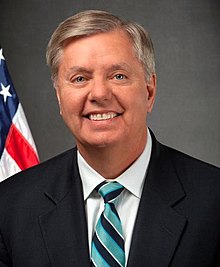
Lindsey Graham
But once Trump took office, Graham scurried to where he thought the power was. On the eve of Trump’s trial in the Senate, Graham said: “The best thing for the American people is to end this crap as quickly as possible, to have a trial in the Senate, bipartisan acquittal of the President.”
Future historians—if there are any—will similarly and harshly condemn those Republicans—voters and their elected representatives—who, like “good Germans,” joyfully embraced a regime dedicated to:
- Celebrating Trump’s egomania.
- Using the White House to further enrich Trump and his family.
- Siding with Russia and North Korea against America’s oldest allies, such as Britain and France.
- Depriving America’s poor of their only source of healthcare.
- Further enriching the ultra-wealthy.
- Brutally attacking ordinary Americans for disagreeing with him.
2016 PRESIDENTIAL CAMPAIGN, 2020 PRESIDENTIAL CAMPAIGN, ABC NEWS, ADAM SCHIFF, ALTERNET, AMERICABLOG, AP, ARTICLES OF IMPEACHMENT, BABY BOOMER RESISTANCE, BUZZFEED, CBS NEWS, CHARLES DE GAULLE, CHINA, CHRISTOPHER S. MURPHY, CIA, CNN, CONSERVATIVE POLITICAL ACTION CONFERENCE, CROOKS AND LIARS, CUBAN MISSILE CRISIS, DAILY KOZ, DAN BOWMAN, DAVID BROOKS, DEMOCRATS, DONALD TRUMP, DONALD TRUMP JUNIOR, DRUDGE RETORT, EXTORTION, FACEBOOK, FBI, FIRST AMENDMENT, FIVETHIRTYEIGHT, GEORGE W. BUSH, GOVERNMENT ACCOUNTABILITY OFFICE, GOVERNMENT SHUTDOWN, HARPER’S MAGAZINE, HILLARY CLINTON, HOUSE FOREIGN AFFAIRS COMMITTEE, HOUSE INTELLIGENCE COMMITTEE, HOUSE OVERSIGHT AND REFORM COMMITTEE, HUNTER BIDEN, IMPEACHMENT, IMPOUNDMENT CONTROL ACT, JAKE SULLIVAN, JAKE TAPPER, JAMAL KHASHOGGI, JAMES COMEY, JAMES ROBART, JARED KUSHNER, JEFF SESSIONS, JOHN ROBERTS, JON S. TIGAR, JOSEPH BIDEN, LEON PANETTA, LINDSEY GRAHAM, MEDIA MATTERS, MICHAEL FLYNN, MICHAEL HAYDEN, MICK MULVANEY, MIKE PENCE, MOHAMMED BIN SALMAN, MOTHER JONES, MOVEON, MSNBC, NANCY PELOSI, NATALIA VESELNITSKAYA, NATIONAL SECURITY AGENCY, NBC NEWS, NEWSWEEK, NPR, PAUL MANAFORT, PBS NEWSHOUR, POLITICO, POLITICUSUSA, RAW STORY, REPUBLICANS, REUTERS, RINAT AKHMETSHIN, ROBERT MUELLER, ROBERT PAYNE, ROD ROSENSTEIN, ROGER STONE, RUSSIA, SALON, SEATTLE TIMES, SERGEY KISLYAK, SERGEY LAVROV, SLATE, TALKING POINTS MEMO, THE ATLANTIC, THE CHICAGO SUN-TIMES, THE CHICAGO TRIBUNE, THE DAILY BEAST, THE DAILY BLOG, THE GUARDIAN, THE HILL, THE HUFFINGTON POST, THE JUDICIARY, THE LIFE AND DEATH OF ADOLF HITLER (BOOK), THE LOS ANGELES TIMES, THE NATION, THE NEW REPUBLIC, THE NEW YORK TIMES, THE PRESS, THE VILLAGE VOICE, THE WASHINGTON POST, THINKPROGRESS, TIME, TREASON, TRUMP TOWER MEETING, TRUTHDIG, TRUTHOUT, TWITTER, TWO POLITICAL JUNKIES, U.S. NEWS & WORLD REPORT, UKRAINE, UNITED STATES HOUSE OF REPRESENTATIVES, UNITED STATES SENATE, UPI, USA TODAY, VLADIMIR PUTIN, VOLODYMYR ZELENSKY, WHISTLEBLOWER, WHITE HOUSE BUDGET OFFICE, WONKETTE
In Bureaucracy, History, Law, Law Enforcement, Military, Politics, Social commentary on February 10, 2020 at 12:03 am
Throughout the 2016 Presidential campaign, Republicans overwhelmingly supported Donald Trump. This despite his threats against both them and his “bromance” with Russian dictator Vladimir Putin.
Throughout his Presidency, Republicans have continued to support him despite a series of actions that would have normally resulted in impeachment.
Forgiven Crime #7: On May 9, 2017, Trump fired FBI Director James Comey for investigating Russia’s subversion of the 2016 Presidential race.
There were four reasons for this:
- Comey had refused to pledge his personal loyalty to Trump. Trump had made the “request” during a private dinner at the White House in January.
- Comey told Trump that he would always be honest with him. But that didn’t satisfy Trump’s demand that the head of the FBI act as his personal secret police chief—as was the case in the former Soviet Union.
- Trump had tried to coerce Comey into dropping the FBI’s investigation into former National Security Adviser Michael Flynn, for his secret ties to Russia and Turkey. Comey had similarly resisted that demand.
- Comey had recently asked the Justice Department to fund an expanded FBI investigation into well-documented contacts between Trump’s 2016 Presidential campaign and Russian Intelligence agents.The goal of that collaboration: To elect Trump over Hillary Clinton, a longtime foe of Russian President Putin.

James Comey
Forgiven Crime #8: On May 10, 2017. Trump met with Russian Foreign Minister Sergey Lavrov and Russian Ambassador Sergey Kislyak in the Oval Office—and gave them highly classified Israeli Intelligence about an Islamic State plot to turn laptops into concealable bombs.
Kislyak is reportedly a top recruiter for Russia’s SVR foreign intelligence agency. He has been closely linked with Jeff Sessions, then Attorney General, and fired National Security Adviser Mike Flynn.
“I just fired the head of the FBI,” Trump told the two dignitaries. “He was crazy, a real nut job. I faced great pressure because of Russia. That’s taken off.”
Then, on May 11, Trump gave away his real reason for firing Comey:
Interviewed on NBC News by reporter Lester Holt, Trump said: “And in fact when I decided to just do it, I said to myself, I said ‘you know, this Russia thing with Trump and Russia is a made-up story, it’s an excuse by the Democrats for having lost an election that they should have won.'”
Forgiven Crime #9: On July 16, 2018, Trump attended a press conference in Helsinki, Finland, with Russian President Vladimir Putin. There he blamed American Intelligence agencies—such as the FBI, CIA and National Security Agency—instead of Putin for Russia’s subversion of the 2016 Presidential election.
“I have President Putin,” said Trump. “He just said it’s not Russia. I will say this: I don’t see any reason why it would be.”
Forgiven Crime #10: Blatantly lying about the CIA’s findings in the brutal murder of Washington Post journalist Jamal Khashoggi.
On Thanksgiving Day, 2018, Trump said that the CIA hadn’t concluded that Saudi Crown Prince Mohammed bin Salman had ordered it.
This was a lie—the agency had reached such a conclusion, based on a recording provided by the Turkish government and American Intelligence.
Forgiven Crime #11: Threatening to fire Rod J. Rosenstein, the deputy attorney general, who oversaw Special Counsel Robert Mueller’s investigation into Russian subversion of the 2016 election.
Forgiven Crime #12: Threatening to fire Mueller during the summer of 2017, but was talked out of it by aides fearful that it would set off calls for his impeachment.Crime
Forgiven Crime #13: Waging all-out war on the First Amendment, which guarantees freedom of the press.
On February 17, 2017, Trump tweeted: “The FAKE NEWS media (failing @nytimes, @NBCNews, @ABC, @CBS, @CNN) is not my enemy, it is the enemy of the American People!”
Seven days later, appearing before the Conservative Political Action Conference on February 24, Trump said: “I want you all to know that we are fighting the fake news. It’s fake, phony, fake….I’m against the people that make up stories and make up sources. They shouldn’t be allowed to use sources unless they use somebody’s name. Let their name be put out there.”
Forgiven Crime #14: Waging all-out war on the independent judiciary
Trump has repeatedly attacked Seattle U.S. District Judge James Robart, who halted Trump’s first anti-Islamic travel ban: “Just cannot believe a judge would put our country in such peril. If something happens blame him and court system. People pouring in. Bad!”
On October 20, 2018, Trump attacked U.S. District Judge Jon S. Tigar as an “Obama judge.” Tigar had ruled that the administration must consider asylum claims no matter where migrants cross the U.S. border.
The next day, Supreme Court Chief Justice John Roberts told the Associated Press: “We do not have Obama judges or Trump judges, Bush judges or Clinton judges. What we have is an extraordinary group of dedicated judges doing their level best to do equal right to those appearing before them.”
On Thanksgiving Day, 2018, Trump attacked Roberts—appointed by Republican President George W. Bush—on Twitter: “Sorry Chief Justice John Roberts, but you do indeed have ‘Obama judges,’ and they have a much different point of view than the people who are charged with the safety of our country.”
2016 PRESIDENTIAL CAMPAIGN, 2020 PRESIDENTIAL CAMPAIGN, ABC NEWS, ADAM SCHIFF, ALTERNET, AMERICABLOG, AP, ARTICLES OF IMPEACHMENT, BABY BOOMER RESISTANCE, BUZZFEED, CBS NEWS, CHARLES DE GAULLE, CHINA, CHRISTOPHER S. MURPHY, CIA, CNN, CONSERVATIVE POLITICAL ACTION CONFERENCE, CROOKS AND LIARS, CUBAN MISSILE CRISIS, DAILY KOZ, DAN BOWMAN, DAVID BROOKS, DEMOCRATS, DONALD TRUMP, DONALD TRUMP JUNIOR, DRUDGE RETORT, EXTORTION, FACEBOOK, FBI, FIRST AMENDMENT, FIVETHIRTYEIGHT, GEORGE W. BUSH, GOVERNMENT ACCOUNTABILITY OFFICE, GOVERNMENT SHUTDOWN, HARPER’S MAGAZINE, HILLARY CLINTON, HOUSE FOREIGN AFFAIRS COMMITTEE, HOUSE INTELLIGENCE COMMITTEE, HOUSE OVERSIGHT AND REFORM COMMITTEE, HUNTER BIDEN, IMPEACHMENT, IMPOUNDMENT CONTROL ACT, JAKE SULLIVAN, JAKE TAPPER, JAMAL KHASHOGGI, JAMES COMEY, JAMES ROBART, JARED KUSHNER, JEFF SESSIONS, JOHN ROBERTS, JON S. TIGAR, JOSEPH BIDEN, LEON PANETTA, LINDSEY GRAHAM, MEDIA MATTERS, MICHAEL FLYNN, MICHAEL HAYDEN, MICK MULVANEY, MIKE PENCE, MOHAMMED BIN SALMAN, MOTHER JONES, MOVEON, MSNBC, NANCY PELOSI, NATALIA VESELNITSKAYA, NATIONAL SECURITY AGENCY, NBC NEWS, NEWSWEEK, NPR, PAUL MANAFORT, PBS NEWSHOUR, POLITICO, POLITICUSUSA, RAW STORY, REPUBLICANS, REUTERS, RINAT AKHMETSHIN, ROBERT MUELLER, ROBERT PAYNE, ROD ROSENSTEIN, ROGER STONE, RUSSIA, SALON, SEATTLE TIMES, SERGEY KISLYAK, SERGEY LAVROV, SLATE, TALKING POINTS MEMO, THE ATLANTIC, THE CHICAGO SUN-TIMES, THE CHICAGO TRIBUNE, THE DAILY BEAST, THE DAILY BLOG, THE GUARDIAN, THE HILL, THE HUFFINGTON POST, THE JUDICIARY, THE LIFE AND DEATH OF ADOLF HITLER (BOOK), THE LOS ANGELES TIMES, THE NATION, THE NEW REPUBLIC, THE NEW YORK TIMES, THE PRESS, THE VILLAGE VOICE, THE WASHINGTON POST, THINKPROGRESS, TIME, TREASON, TRUMP TOWER MEETING, TRUTHDIG, TRUTHOUT, TWITTER, TWO POLITICAL JUNKIES, U.S. NEWS & WORLD REPORT, UKRAINE, UNITED STATES HOUSE OF REPRESENTATIVES, UNITED STATES SENATE, UPI, USA TODAY, VLADIMIR PUTIN, VOLODYMYR ZELENSKY, WHISTLEBLOWER, WHITE HOUSE BUDGET OFFICE, WONKETTE
In Bureaucracy, History, Law, Law Enforcement, Military, Politics, Social commentary on February 7, 2020 at 12:06 am
On August 9, 2016, Republican Presidential Nominee Donald Trump tried to inflame rabid “gun rights” advocates to assassinate Hillary Clinton, his rival for the White House.
Threats of violence continued to be made by Trump supporters right up to the day of the election.
- On July 29, Roger Stone, a notorious Right-wing political consultant acting as a Trump strategist, told Breitbart News: “The first thing Trump needs to do is begin talking about [voter fraud] constantly. If there’s voter fraud, this election will be illegitimate, the election of the winner will be illegitimate, we will have a constitutional crisis, widespread civil disobedience, and the government will no longer be the government.”
- At a town hall meeting where Trump’s Vice Presidential nominee Mike Pence appeared, a woman named Rhonda said: “For me personally, if Hillary Clinton gets in, I myself am ready for a revolution.”
- In Cincinnati, a Trump supporter threatened to forcibly remove Clinton from the White House if she won the race: “If she’s in office, I hope we can start a coup. She should be in prison or shot. That’s how I feel about it,”
- Dan Bowman, a 50-year-old contractor, said of Hillary Clinton, the Democratic nominee. “We’re going to have a revolution and take them out of office if that’s what it takes. There’s going to be a lot of bloodshed. But that’s what it’s going to take….I would do whatever I can for my country.”
Forgiven Crime #3: Republicans supported Trump’s call for his followers to intimidate Democratic voters at election time.
Trump encouraged his mostly white supporters to sign up online to be “election observers” to stop “Crooked Hillary from rigging this election.” He urged them to act as poll watchers in “other” [non-white] communities to ensure that things are “on the up and up.”
Many of his supporters promised to do so.
“Trump said to watch your precincts. I’m going to go, for sure,” said Steve Webb, a 61-year-old carpenter from Fairfield, Ohio.
“I’ll look for…well, it’s called racial profiling. Mexicans. Syrians. People who can’t speak American,” he said. “I’m going to go right up behind them. I’ll do everything legally. I want to see if they are accountable. I’m not going to do anything illegal. I’m going to make them a little bit nervous.”
Forgiven Crime #4: Republicans refused to condemn Trump’s blatant “bromance” with Russian dictator Vladimir Putin.
Since the end of World War II, no Republican Presidential candidate had repeatedly lavished fulsome praise on a foreign leader hostile to the United States. Yet that is precisely what happened between Donald Trump and Vladimir Putin.
Thus Putin on Trump: “He is a bright personality, a talented person, no doubt about it. It is not up to us to appraise his positive sides, it is up to the U.S. voters. but, as we can see, he is an absolute leader in the presidential race.”
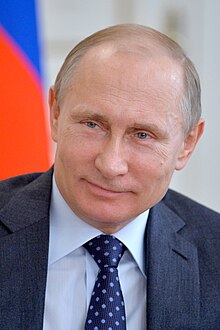
Vladimir Putin
And Trump on Putin: “It is always a great honor to be so nicely complimented by a man so highly respected within his own country and beyond. He’s running his country, and at least he’s a leader. Unlike what we have in this country”—a clear attack on President Barack Obama.
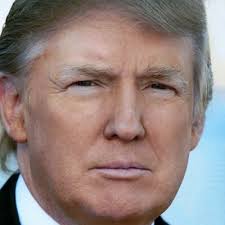
Donald Trump
Forgiven Crime #5: Republicans supported the treasonous meeting between Trump’s campaign managers and Russian Intelligence agents.
On July 9, 2016, high-ranking members of Trump’s Presidential campaign met with lobbyists tied to Putin. The meeting took place at Trump tower and the participants included:
- Trump’s son, Donald Trump Jr.;
- His son-in-law, Jared Kushner;
- His then-campaign manager Paul Manafort;
- Natalia Veselnitskaya, a Russian lawyer with ties to Putin; and
- Rinat Akhmetshin, a former Soviet counterintelligence officer suspected of “having ongoing ties to Russian Intelligence.”
The purpose of that meeting: To gain access to any “dirt” Russian Intelligence could supply on Democratic Presidential Nominee Hillary Clinton.
Forgiven Crime #6: Republicans supported Trump’s open—and treasonous—solicitation of Russian interference in the 2016 Presidential election.
On July 22, 2016, at a press conference in Doral, Florida, Trump said: “Russia, if you are listening, I hope you are able to find the 33,000 emails that are missing [from Democratic Presidential candidate Hillary Clinton’s computer]. I think you will probably be rewarded mightily by our press.”
“This has to be the first time that a major presidential candidate has actively encouraged a foreign power to conduct espionage against his political opponent,” Hillary for America policy adviser Jake Sullivan said in a statement. “That’s not hyperbole, those are just the facts. This has gone from being a matter of curiosity, and a matter of politics, to being a national security issue.”
“I find those kinds of statements to be totally outrageous because you’ve got now a presidential candidate who is, in fact, asking the Russians to engage in American politics,” said former CIA Director Leon Panetta, a Clinton surrogate. “I just think that’s beyond the pale.”
Hours later, the Main Intelligence Directorate in Moscow targeted Clinton’s personal office and hit more than 70 other Clinton campaign accounts.
2016 PRESIDENTIAL CAMPAIGN, 2020 PRESIDENTIAL CAMPAIGN, ABC NEWS, ADAM SCHIFF, ALTERNET, AMERICABLOG, AP, ARTICLES OF IMPEACHMENT, BABY BOOMER RESISTANCE, BUZZFEED, CBS NEWS, CHARLES DE GAULLE, CHINA, CHRISTOPHER S. MURPHY, CIA, CNN, CONSERVATIVE POLITICAL ACTION CONFERENCE, CROOKS AND LIARS, CUBAN MISSILE CRISIS, DAILY KOZ, DAN BOWMAN, DAVID BROOKS, DEMOCRATS, DONALD TRUMP, DONALD TRUMP JUNIOR, DRUDGE RETORT, EXTORTION, FACEBOOK, FBI, FIRST AMENDMENT, FIVETHIRTYEIGHT, GEORGE W. BUSH, GOVERNMENT ACCOUNTABILITY OFFICE, GOVERNMENT SHUTDOWN, HARPER’S MAGAZINE, HILLARY CLINTON, HOUSE FOREIGN AFFAIRS COMMITTEE, HOUSE INTELLIGENCE COMMITTEE, HOUSE OVERSIGHT AND REFORM COMMITTEE, HUNTER BIDEN, IMPEACHMENT, IMPOUNDMENT CONTROL ACT, JAKE SULLIVAN, JAKE TAPPER, JAMAL KHASHOGGI, JAMES COMEY, JAMES ROBART, JARED KUSHNER, JEFF SESSIONS, JOHN ROBERTS, JON S. TIGAR, JOSEPH BIDEN, LEON PANETTA, LINDSEY GRAHAM, MEDIA MATTERS, MICHAEL FLYNN, MICHAEL HAYDEN, MICK MULVANEY, MIKE PENCE, MOHAMMED BIN SALMAN, MOTHER JONES, MOVEON, MSNBC, NANCY PELOSI, NATALIA VESELNITSKAYA, NATIONAL SECURITY AGENCY, NBC NEWS, NEWSWEEK, NPR, PAUL MANAFORT, PBS NEWSHOUR, POLITICO, POLITICUSUSA, RAW STORY, REPUBLICANS, REUTERS, RINAT AKHMETSHIN, ROBERT MUELLER, ROBERT PAYNE, ROD ROSENSTEIN, ROGER STONE, RUSSIA, SALON, SEATTLE TIMES, SERGEY KISLYAK, SERGEY LAVROV, SLATE, TALKING POINTS MEMO, THE ATLANTIC, THE CHICAGO SUN-TIMES, THE CHICAGO TRIBUNE, THE DAILY BEAST, THE DAILY BLOG, THE GUARDIAN, THE HILL, THE HUFFINGTON POST, THE JUDICIARY, THE LIFE AND DEATH OF ADOLF HITLER (BOOK), THE LOS ANGELES TIMES, THE NATION, THE NEW REPUBLIC, THE NEW YORK TIMES, THE PRESS, THE VILLAGE VOICE, THE WASHINGTON POST, THINKPROGRESS, TIME, TREASON, TRUMP TOWER MEETING, TRUTHDIG, TRUTHOUT, TWITTER, TWO POLITICAL JUNKIES, U.S. NEWS & WORLD REPORT, UKRAINE, UNITED STATES HOUSE OF REPRESENTATIVES, UNITED STATES SENATE, UPI, USA TODAY, VLADIMIR PUTIN, VOLODYMYR ZELENSKY, WHISTLEBLOWER, WHITE HOUSE BUDGET OFFICE, WONKETTE
In Bureaucracy, History, Law, Law Enforcement, Military, Politics, Social commentary on February 6, 2020 at 12:30 am
NOTE: On February 5, the Republican-dominated Senate—as expected—absolved President Donald Trump from trying to extort Ukraine into smearing a possible rival for the White House. Only one Republican—Utah Senator Mitt Romney—had the moral courage to vote for conviction.
On December 18, 2019, the House of Representatives approved two Articles of Impeachment against President Donald Trump for:
Article 1: Abuse of Power: For pressuring Ukraine to assist him in his re-election campaign by smearing a potential rival for the White House.
Article 2: Obstruction of Congress: For obstructing Congress by blocking testimony of subpoenaed witnesses and refusing to provide documents in response to House subpoenas in the impeachment inquiry.
On September 9, 2019, the House Foreign Affairs, Intelligence and Oversight and Reform committees began investigating his attempted extortion of Ukraine President Volodymyr Zelensky.
On July 25, 2019, Trump had “asked” Zelensky to do him a “favor”: Find embarrassing “dirt” on former Vice President Joseph Biden and his son, Hunter.
Hunter had had business dealings in Ukraine. And Joseph Biden might be Trump’s Democratic opponent for the White House in 2020.
To underline the seriousness of his “request,” earlier in July Trump had told Mick Mulvaney, his White House chief of staff, to withhold $400 million in military aid Congress had approved for Ukraine, which is facing an increasingly aggressive Russia
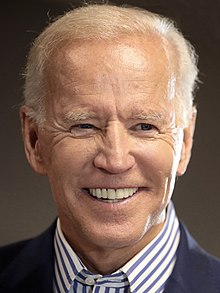
Joseph Biden
Gage Skidmore from Peoria, AZ, United States of America / CC BY-SA (https://creativecommons.org/licenses/by-sa/2.0)
But then a CIA whistleblower filed a complaint about the extortion attempt—and the media and Congress soon learned of it. And ever since, the evidence linking Trump to impeachable offenses has mushroomed.
On January 16, 2020, the Government Accountability Office (GAO) announced that the Trump administration broke the law when it withheld security aid to Ukraine.
The GAO, a nonpartisan congressional watchdog, declared that the White House Budget Office violated the Impoundment Control Act, a 1974 law that limits the White House from withholding funds that Congress has appropriated.
“Faithful execution of the law does not permit the President to substitute his own policy priorities for those that Congress has enacted into law,” the GAO auditors wrote.
As trial proceedings unfolded, the 53-majority Republican Senators consistently put their own partisan interests over those of their country.
Among their actions:
- Refusing to hear from eyewitnesses who could prove that Trump had committed impeachable offenses,
- Refusing to provide evidence on Trump’s behalf—but attacking witnesses who had testified against him in the House.
- Attacking Joseph and Hunter Biden as if they were on trial—instead of having been the targets of Trump’s smear-attempt.
But this was not the first time Republicans sought to excuse Trump’s litany of crimes. Those efforts go back to the 2016 Presidential election.
Forgiven Crime #1: Not demanding that Trump quit the 2016 Presidential race—or demanding that he be indicted—for making a terrorist threat against his own party.
On March 16, 2016, Trump, the front-runner for the Republican Presidential nomination, issued a warning to his fellow Right-wingers: If he didn’t win the GOP nomination at the convention in July, his supporters would literally riot.
“I think we’ll win before getting to the convention. But I can tell you if we didn’t, if we’re 20 votes short or if we’re 100 short and we’re at 1,100 and somebody else is at 500 or 400…I don’t think you can say that we don’t get it automatically. I think you’d have riots.
“I think you would see problems like you’ve never seen before. I think bad things would happen. I really do. I wouldn’t lead it, but I think bad things would happen.”
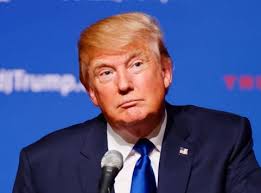
Donald Trump
An NBC reporter summed it up as follows: “As Trump indicated, there is a very real possibility he might lose the nomination if he wins only a plurality of delegates thanks to party rules that allow delegates to support different candidates after the initial ballot.
“In that context, the message to Republicans was clear on [March 16]: ‘Nice convention you got there, shame if something happened to it.’”
Threatening his Republican and Democratic opponents with violence played a major role in Donald Trump’s campaign for President.
No other candidate—Republican or Democrat—had ever made such repeated and brutal use of threats of physical assault in pursuing the Presidency.
Forgiven Crime #2: Supporting his “dog-whistle” call for the assassination of Democratic Nominee Hillary Clinton.
On August 9, 2016, at a rally in Wilmington, North Carolina, Trump said: “Hillary [Clinton] wants to abolish, essentially abolish, the Second Amendment. If she gets to pick her [Supreme Court] judges, nothing you can do folks. Although the Second Amendment people, maybe there is, I don’t know.”
Democrats—and responsible news media—immediately saw this for the “dog-whistle” signal it was.
“Don’t treat this as a political misstep,” Senator Christopher S. Murphy of Connecticut, who has called for stiffer gun laws, wrote on Twitter. “It’s an assassination threat, seriously upping the possibility of a national tragedy & crisis.”
“Well, let me say if someone else said that outside of the hall, he’d be in the back of a police wagon now, with the Secret Service questioning him,” said Michael Hayden, former head of the CIA and National Security Agency (NSA).
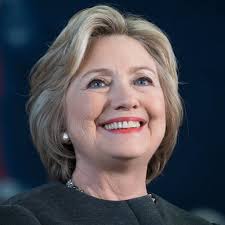
Hillary Clinton
ABC NEWS, ABOUT FACE: THE ODYSSEY OF AN AMERICAN WARRIOR, ADAM SCHIFF, ALAMO, ALTERNET, AMERICABLOG, AP, ARTICLES OF IMPEACHMENT, BABY BOOMER RESISTANCE, BUZZFEED, CBS NEWS, CNN, CROOKS AND LIARS, DACHAU CONCENTRATION CAMP, DAILY KOZ, DAVID HACKWORTH, DEMOCRATIC PARTY, DONALD TRUMP, DRUDGE RETORT, FACEBOOK, FBI, FIVETHIRTYEIGHT, HARPER’S MAGAZINE, HOUSE INTELLIGENCE COMMITTEE, IMPEACHMENT, MEDIA MATTERS, MOTHER JONES, MOVEON, MSNBC, NAZI GERMANY, NBC NEWS, NEWSWEEK, NPR, PBS NEWSHOUR, POLITICO, POLITICUSUSA, RAW STORY, REPUBLICAN PARTY, REUTERS, SALON, SARAH JONES, SEATTLE TIMES, SLATE, TALKING POINTS MEMO, THE ATLANTIC, THE CHICAGO SUN-TIMES, THE CHICAGO TRIBUNE, THE DAILY BEAST, THE DAILY BLOG, THE GUARDIAN, THE HILL, THE HUFFINGTON POST, THE LOS ANGELES TIMES, THE NATION, THE NEW REPUBLIC, THE NEW YORK TIMES, THE VILLAGE VOICE, THE WASHINGTON POST, THERMOPYLAE, THINKPROGRESS, TIME, TRUMP TOWER MEETING, TRUTHDIG, TRUTHOUT, TWITTER, TWO POLITICAL JUNKIES, U.S. NEWS & WORLD REPORT, UNITED STATES CONSTITUTION, UNITED STATES HOUSE OF REPRESENTATIVES, UNITED STATES SENATE, UPI, USA TODAY, WONKETTE
In Bureaucracy, History, Law, Law Enforcement, Military, Politics, Social commentary on February 5, 2020 at 12:13 am
On December 10, 2019, Sarah Jones, editor-in-chief of PoliticusUSA, did what Senate Republicans fear to do: She openly declared Donald J. Trump to be an illegitimate President whose removal is entirely justified.
She did so in an editorial titled, “Adam Schiff Tells Trump That He Won’t Be Allowed To Cheat In 2020.”
“On Tuesday as House Democrats made the formal announcement of articles of impeachment against President Trump, House Intelligence Committee Chairman Adam Schiff gave a perfectly accurate rebuttal to the plea that Democrats should ‘just wait’ on impeachment, saying that those who argue ‘just wait’ are actually arguing ‘just let him cheat in one more election’ and ‘let him have foreign help just one more time,’” wrote Jones. [Italics added]
To underscore her point, Jones concluded: “Trump’s cheating is finally being acknowledged and punished.
“This matters because after three years of pretending that Trump is the rightful president, it is finally being acknowledged that not only is he trying to cheat in 2020, but it is again, because he cheated in 2016.
“For three years this nation has endured the abuses of this pretender and his entire party of lock step enablers, save for Rep. Amash of Michigan.
“For three long years those who suggested Trump was not a legitimate president were shamed and silenced, even after the Mueller report made it clear that the Trump campaign sought illegal help and took illegal help from Russia in the 2016 election.
“Now that Trump is again seeking foreign help to undermine our elections and in so doing, attacking our national security and core values — and only due to the bravery of whistleblowers got caught red-handed — the entitled, privileged, faux-wealthy con artist poorly playing president has finally been called what he is: A cheat.
“A cheating cheater.
“A loser.
“A man who can’t win an election and did not win an election of the people fairly.
“Donald Trump can’t win an election without cheating. He knows that, and that’s why it upsets him so much to be called out for his illegal actions.
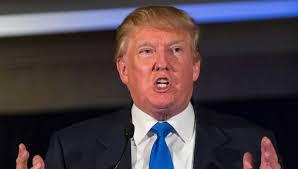
Donald Trump
“Trump is used to getting away with his criminal entitlements, but today, even if just for a moment before Republicans in the Senate betray their country again by letting Trump off as he attacks the United States, justice has been spoken and served.” [Italics added]
Before Republicans in the Senate betray their country again by letting Trump off….
Jones clearly has no patience for those who insist on playing a game of “Let’s Pretend.” As in: “Let’s pretend that Republicans care more about the Constitution and the security of the nation than about attaining dictatorial power.”
In September, 2019, the House Intelligence Committee began investigating Trump’s attempt to coerce Ukraine to smear a 2020 political rival for the White House—former Vice President Joseph Biden.
And every day of its hearings, Republicans loudly and brutally defended that extortion.
- They didn’t offer any evidence that Trump didn’t try to extort an ally.
- They simply attacked the witnesses who dared to come forward and testify to their own knowledge of it.
- They attacked Schiff, who heads that committee, demanding self-righteously that he resign.
And they continued to do so throughout the Senate “trial”—where they banned witnesses from testifying about Trump’s impeachable behavior.
It’s a certainty that the Republican-dominated Senate (53 to 47 Democrats) will once again serve as Trump’s “party of lock step enablers.”
But there is a way to put the impeachment effort into historical perspective.
In 1960, David Hackworth was a young Army captain stationed in West Germany. The end of World War II had revealed the horror of Nazi death camps and the extermination of millions. To everyone, that is, but the Germans.

David Hackworth
Dale Cruse. (Flickr profile.) / CC BY-SA (http://creativecommons.org/licenses/by-sa/3.0/)
One winter’s day, Hackworth took his wife, Patty, to Dachau, the infamous concentration camp. In his 1989 memoir, About Face: The Odyssey of an American Warrior, he describes that experience:
“The horror of Hitler’s vision was alive and well in this grim death camp: the barracks, the ovens, the electrified barbed wire fences, remained intact. A mound here held the bones of 10,000 Jews; one over there held the bones of 12,000 more.
“The place was a monument to the darkest side of man, and yet—despite the smoke and ash that rained down on their homes from camp incinerators, despite the sickly smell of burning flesh and hair….the villagers claimed they hadn’t known. I couldn’t square it….”
Nor could Hackworth accept that “not one of the laughing, backslapping, congenial comrades I met…had fought the Americans in the West. All assured me they’d been on the Eastern Front, fighting ‘the real enemy,’ the Russians….
“In 15 years the Germans had come a long way in their rewrite of history. But at least there’s Dachau, I thought to myself, to remind them of the truth.”
So, too, will the impeachment of Donald Trump stand as a monument to the sheer evil and infamy of himself and the Republican party.
And it will remind future generations that there were decent Americans who dared to confront that evil in a stand as hopeless and glorious as that at Thermopylae and the Alamo.
ABC NEWS, ALCOHOLISM, ALTERNET, AMERICABLOG, AMERICAN PUBLIC TRANSPORTATION ASSOCIATION, AP, “STREET MUSICIANS, ” ROBBERIES, BABY BOOMER RESISTANCE, BART BOARD OF DIRECTORS, BAY AREA RAPID TRANSIT (BART), BUMS, BUZZFEED, CBS NEWS, CNN, CRIME, CROOKS AND LIARS, DAILY KOZ, DRUDGE RETORT, DRUG ADDICTION, FACEBOOK, FARE EVASION, FIVETHIRTYEIGHT, HARPER’S MAGAZINE, MEDIA MATTERS, MENTAL ILLNESS, MOTHER JONES, MOVEON, MSNBC, NBC NEWS, NEWSWEEK, NPR, PBS NEWSHOUR, POLICE, POLITICO, POLITICUSUSA, PUBLIC TRANSIT, RAW STORY, REUTERS, SALON, SAN FRANCISCO, SEATTLE TIMES, SLATE, TALKING POINTS MEMO, TERRORISM, THE ATLANTIC, THE CHICAGO SUN-TIMES, THE CHICAGO TRIBUNE, THE DAILY BEAST, THE DAILY BLOG, THE GUARDIAN, THE HILL, THE HUFFINGTON POST, THE LOS ANGELES TIMES, THE NATION, THE NEW REPUBLIC, THE NEW YORK TIMES, THE VILLAGE VOICE, THE WASHINGTON POST, THINKPROGRESS, TIME, TRUTHDIG, TRUTHOUT, TWITTER, TWO POLITICAL JUNKIES, U.S. NEWS & WORLD REPORT, UPI, USA TODAY, WONKETTE
In Bureaucracy, History, Law, Law Enforcement, Social commentary on February 4, 2020 at 12:11 am
When the Bay Area Rapid Transit (BART) system was launched on September 11, 1972, it was hailed as the future for mass transit.
Forty-seven years later, that future looks to be a nightmare.
Here are the basic facts that the San Francisco Municipal Transportation Agency—which operates BART—is happy to release:
- The BART system services Alameda County (Oakland), Contra Costa County, San Francisco County and stations in San Mateo County.
- There are 48 BART stations.
- There are 669 cars.
- BART track runs about 121 miles.
- Trains usually travel at 35 mph, but can reach a speed of 70 mph.
- BART operates its own police force, with 206 sworn law enforcement officers.
- Its security system includes alarms, video surveillance and other intrusion prevention equipment.
Now for the facts that BART does not feel proud to publicize.
- BART does not provide phone service for its riders on weekends.
In 2019, BART had an average of 411,000 weekday passengers and 118 million annual passengers.
Nevertheless, those passengers using BART on weekends are left to their own devices when it comes to getting directions on which trains to take to which destinations.
“Can’t they get that information from ticket agents at BART booths?” seems a logical question.
And the answer is: “No, not always”—because many BART ticket booths are empty on weekends.
It’s as if BART officials don’t think people travel on BART on weekends—or don’t care if they do.

A BART train
Pi.1415926535 [CC BY-SA (https://creativecommons.org/licenses/by-sa/3.0)%5D
- BART stations—especially in San Francisco—are usually filthy and potentially dangerous places.
Many of these are peopled by drug addicts, alcoholics, mentally ill and parasitical bums. And many of these derelicts are passed out or shooting up heroin in plain sight. Naturally, they don’t worry about picking up their used hypodermic needles. They leave those out for others to step on or pick up at their own risk.
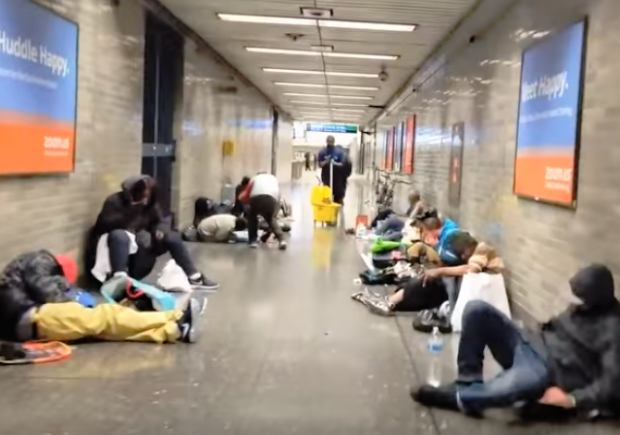
A typical San Francisco BART station
Those who aren’t shooting up are usually hitting up legitimate BART riders for money. Sometimes these encounters can become ugly, especially if the beggar is psychotic or drugged up.
As for the much-vaunted BART police: They are almost never in sight. If you can find one and point out a violation, the odds are he will say, “That falls outside my jurisdiction.”
This despite the fact that BART officials admit that “fare evasion” costs BART $15 million to $25 million each year.
So when someone pushes open the electronic “gates” that can be opened with BART cards, there are no police to nab him.
Interviewed privately, BART ticket agents admit they feel as helpless as BART riders in these stations. The police are nowhere in sight, and ticket agents aren’t trained or empowered to take action against fare-evaders, drug-abusers or those who assault BART passengers.
BART stations in downtown San Francisco are usually littered with sleeping bags or blankets— evidence of a serious bum infestation.
These stations have locked their bathrooms, claiming it’s a “security measure against terrorism.” Yet a far greater potential danger lies under all those blankets and sleeping bags: It would be easy for a terrorist to scatter such disguised bombs in a BART station and then clear out—long before his handiwork went off.
That, however, is a danger BART officials seem content to ignore.
- BART trains are often unpleasant at best, and unsafe at worst.
Cars are often taken over by gangs of teens—usually black—who crank up “boom boxes” and “perform” high-kicking stunts, then “ask” for “donations.” Many of their kicks come close to the heads of the riders who are forced to sit through these “entertainments.”
And there is always the risk that the “entertainers” might turn violent if they feel they aren’t getting enough “compensation” for their unasked-for “performance.”
But there are usually no guards on any BART train. And, even if there were, there are no “panic buttons” whereby threatened riders could secretly summon such aid.
According to the latest (2018) BART Uniform Crime Reporting data, violent crime increased 57% between 2013 and 2017. Robberies make up most of the reported crimes—up nearly 40% since 2013. Cell phone thefts are defined as robberies.
“He was standing in front of me just looking, and I could see his gun in his jacket,” crime victim Daniel Mendez recalled. “I was surrounded. They took everything. There was nothing you could do…They’re doing that because there’s no police presence.”
He swore he would never again ride BART.
Adding to the lack of police on BART trains: Most of the vaunted “security cameras” on BART trains don’t work.
Of course, high-ranking transit officials—who almost never ride public transit—disagree.
“Transit is very safe,” claims Polly Hansen, speaking for the American Public Transportation Association. “When you have low numbers, a slight increase will look like a large percentage. Transit doesn’t operate in isolation. It’s going through, above and around communities and you really have to analyze crime in those communities to look at the crime you’re having.”
The BART Board of Directors is comprised of nine elected officials from the nine BART districts. Each of them earns an average of $96,110. They can well afford to use private autos—even limousines—instead of public transit.
Only when BART officials are held directly—and financially—responsible for the disgraceful conditions in BART stations and aboard BART trains will there be any hope for long-overdue reforms.
2020 PRESIDENTIAL ELECTION, ABC NEWS, ABUSE OF POWER, ADAM SCHIFF, ADOLF HITLER, ALAN DERSHOWITZ, ALTERNET, AMERICABLOG, AP, ARTICLES OF IMPEACHMENT, BABY BOOMER RESISTANCE, BILL TAYLOR, BUZZFEED, CBS NEWS, CNN, CROOKS AND LIARS, DAILY KOZ, DEMOCRATS, DONALD TRUMP, DRUDGE RETORT, FACEBOOK, FIONA HILL, FIVETHIRTYEIGHT, HARPER’S MAGAZINE, HEINRICH HIMMLER, HUNTER BIDEN, JEWS, JOE BIDEN, JOHN BOLTON, JOHN ROBERTS, JOSEPH BIDEN, LAURA COOPER, MARIE YOVANOVICH, MEDIA MATTERS, MOTHER JONES, MOVEON, MSNBC, NBC NEWS, NEWSWEEK, NPR, OBSTRUCTION OF CONGRESS, PBS NEWSHOUR, POLITICO, POLITICUSUSA, RAND PAUL, RAW STORY, REPUBLICANS, REUTERS, SALON, SCHUTZSTAFFEL, SEATTLE TIMES, SLATE, TALKING POINTS MEMO, THE ATLANTIC, THE CHICAGO SUN-TIMES, THE CHICAGO TRIBUNE, THE DAILY BEAST, THE DAILY BLOG, THE GUARDIAN, THE HILL, THE HOLOCAUST, THE HUFFINGTON POST, THE LOS ANGELES TIMES, THE NATION, THE NEW REPUBLIC, THE NEW YORK TIMES, THE PENTAGON, THE VILLAGE VOICE, THE WASHINGTON POST, THINKPROGRESS, TIME, TRUTHDIG, TRUTHOUT, TWITTER, TWO POLITICAL JUNKIES, U.S. NEWS & WORLD REPORT, UKRAINE, UNITED STATES HOUSE OF REPRESENTATIVES, UNITED STATES SENATE, UPI, USA TODAY, VOLODYMYR ZELENSKY, WHERMACHT, WITNESSES, WONKETTE
In Bureaucracy, History, Law, Law Enforcement, Military, Politics, Social commentary on February 3, 2020 at 12:06 am
On October 4, 1943, SS Reichsfuhrer Heinrich Himmler addressed SS officers stationed in Posen, Poland, about the ongoing campaign to exterminate the Jews of Europe.
He gave a similar speech two days later to an audience of Reichsleiters (national leaders) and Gauleiters (governors), as well as other government representatives.
Himmler intended to alert Reich officials of the extermination campaign the Schutzstaffel (“Protective Squads”)—otherwise known as the SS—and Wehrmacht (German army) had been waging since June, 1941.
The purpose: To make his listeners accessories to his monumental crimes—and to warn them there was no turning back.

Heinrich Himmler
Either Nazi Germany won the war that its Fuhrer, Adolf Hitler, had unintentionally unleashed on September 1, 1939—or its topmost officials would themselves face extinction as war criminals.
Said Himmler:
“I want to also mention a very difficult subject before you, with complete candor. It should be discussed amongst us, yet nevertheless, we will never speak about it in public. I am talking about the evacuation of the Jews, the extermination of the Jewish people.
“It is one of those things that is easily said: ‘The Jewish people is being exterminated.’…Most of you will know what it means when 100 bodies lie together, when 500 are there or when there are 1000. And to have seen this through and—with the exception of human weakness—to have remained decent, has made us hard and is a page of glory never mentioned and never to be mentioned….
“But altogether we can say: We have carried out this most difficult task for the love of our people. And we have suffered no defect within us, in our soul, in our character.”
Fast forward 76 years—to January, 2020.
On December 18, 2019, the Democratic-controlled House of Representatives approved two Articles of Impeachment against President Donald Trump:
Article 1: Abuse of Power: For pressuring Ukraine to assist him in his re-election campaign by damaging former Vice President Joseph Biden, his possible 2020 Democratic rival; and
Article 2: Obstruction of Congress: For obstructing Congress by blocking testimony of subpoenaed witnesses and refusing to provide documents in response to House subpoenas in the impeachment inquiry.
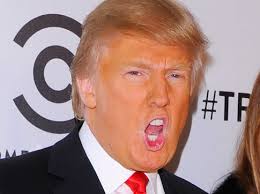
Donald Trump
Trump’s defense in the House had consisted of:
- Refusing to testify himself;
- Refusing to produce witnesses on his behalf;
- Refusing to turn over requested documents;
- Claiming that Democrats were preventing him from testifying or producing witnesses;
- Ordering administration officials to not testify before the six House impeachment committees investigating his behavior.
Those government employees who testified did so voluntarily—and at risk of retaliation. Among these were:
- Ukraine ambassador Bill Taylor;
- Laura Cooper, the top Pentagon official overseeing Ukraine-related U.S. policy;
- Former White House official Fiona Hill; and
- Former U.S. Ambassador to Ukraine Marie Yovanovitch.
They offered damning testimony against Trump.
When the trial began in the United States Senate on January 16, 2020, Trump’s legal team:
- Did not call any witnesses;
- Did not deny that Trump had sought to coerce Ukrainian President Volodymyr Zelensky into interfering with the 2020 election;
- Attacked Joseph and Hunter Biden as if they were on trial;
- Kentucky Republican Senator Rand Paul submitted a written question to presiding Chief Justice John Roberts that included the name of the alleged whistleblower to Trump’s coercion. Roberts refused to read it aloud;
- Paul raced outside the Senate and gave a press conference, where he named the alleged whistleblower—whose identity is protected by law.

Rand Paul
Perhaps even more frightening: One of Trump’s attorneys, Alan Dershowitz, offered Trump—and all future Presidents–a blanket of immunity worthy of a king:
“If a president does something which he believes will help him get elected in the public interest, that cannot be the kind of quid pro quo that results in impeachment. Every public official that I know believes that his election is of the public interest.”
Responding to that argument, House Manager Adam Schiff (D-CA) said: “It’s been a remarkable evolution of the presidential defense. It began with, ‘none of that stuff happened here.’ It began with ‘nothing to see here.’ It migrated to, ‘OK, they did seek investigations of the president’s political rival.’ And then it became OK.”
Meanwhile, the Senate majority of 53 Republicans vigorously supported Trump’s demand that no witnesses to his crimes be allowed to testify.
Among these: Former National Security Adviser John Bolton.
On December 29, 2019, The New York Times broke a sensational story:
In a forthcoming book, Bolton had written that Trump had told him, in August 2019, that he wanted to continue freezing aid to Ukraine until its officials began investigating the Bidens.
Despite—or because of—this bombshell report, Senate Republicans absolutely refused to admit the testimony of witnesses.
By following the same strategy as Heinrich Himmler, Trump has entangled Republicans in his own crimes.
His infamy is now theirs.
History has brutally condemned those Germans who, knowing the full extent of Adolf Hitler’s crimes, nevertheless signed on to perpetuate and conceal them.
History will render the same damning verdict against Senate Republicans who have provided similar cover for Donald Trump.
2016 PRESIDENTIAL ELECTION, ABC NEWS, ALEXANDER SHUSTOROVICH, ALTERNET, ANDREW INTRATER, ANTI-COMMUNISM, AP, BUZZFEED, CBS NEWS, CIA, CINDY HYDE-SMITH, CNN, CROOKS AND LIARS, DAILY KOZ, DONALD TRUMP, DONALD TRUMP’S INAUGURAL COMMITTEE, FACEBOOK, FBI, FEDERAL ELECTION COMMISSION, HILLARY CLINTON, HOUSE JUDICIARY COMMITTEE, INTERNET RESEARCH AGENCY, JAMES COMEY, LEN BLAVATNIK, LINDSEY GRAHAM, MAIN INTELLIGENCE DIRECTORATE, MARCO RUBIO, MITCH MCCONNELL, MITCH MCCONNELL’S SENATE LEADERSHIP FUN, MOTHER JONES, MOVEON, MSNBC, NATIONAL SECURITY AGENCY, NAZI GERMANY, NBC NEWS, NEWSWEEK, NORTH ATLANTIC TREATY ORGANIZATION (NATO), NPR, OFFICE OF THE DIRECTOR OF NATIONAL INTELLIGENCE, PBS NEWSHOUR, POLITICO, RAW STORY, REPUBLICAN PARTY, REUTERS, ROBERT MUELLER, SALON, SCOTT WALKER, SEATTLE TIMES, SIMON KUKES, SLATE, SOVIET UNION, THE ATLANTIC, THE CHICAGO SUN-TIMES, THE CHICAGO TRIBUNE, THE DAILY BEAST, THE GUARDIAN, THE HILL, THE HUFFINGTON POST, THE LOS ANGELES TIMES, THE NATION, THE NEW YORK TIMES, THE WASHINGTON POST, TIME, TWITTER, U.S. NEWS & WORLD REPORT, UNITED STATES HOUSE OF REPRESNTATIVES, UNITED STATES SENATE, UPI, USA TODAY, VLADIMIR PUTIN, WIKILEAKS
In Bureaucracy, History, Law, Politics, Social commentary on January 31, 2020 at 12:05 am
On July 24, 2019, former Special Counsel Robert S. Mueller III finally addressed Congress on Russia’s subversion of the 2016 Presidential election.
Mueller had spent almost two years uncovering links between Russian Intelligence agents and members of Donald Trump’s Presidential campaign.
In his report, Mueller documented years of meddling in American politics by the Internet Research Agency, which runs the Kremlin’s online disinformation efforts from its headquarters in St. Petersburg.
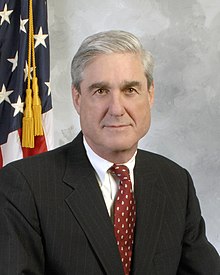
Robert Mueller
During the 2016 Presidential campaign, the Agency reached 126 million Americans through fake accounts on Facebook.
Hours later that same day, Senator Cindy Hyde-Smith (R-Mississippi) blocked the passage of three bills designed to tighten election security at the federal level. She claimed that Congress had already responded to election security needs for the 2020 Presidential election.
Senate Majority Leader Mitch McConnell (R-Kentucky) came to the Senate floor the next day to personally object to House-passed legislation backed by Democrats.
From 1945 to 2015, it was unthinkable for a Republican Presidential candidate to pay tribute to a Soviet dictator.
But that utterly changed when Donald J. Trump, a “reality TV” host with longstanding financial ties to Russian oligarchs, ran for President of the United States.
Donald Trump
Trump lavishly praised Russian President Vladimir Putin—and even invited him to directly interfere in the 2016 Presidential race.
The reason for the Trump-Putin bromance: Each had something to offer the other.
Putin wanted the United States to ditch the North Atlantic Treaty Organization (NATO) alliance, which had preserved Western Europe from Russian aggression since World War II. And Trump had often attacked America’s funding of NATO as a drain on the American economy.
And Trump wanted to be President. For this, Putin could supply Internet trolls to confuse voters with falsified news—and even the hacking of key voting centers.
And monies. These Russian monies were officially classified as “campaign contributions,” not bribes.
On July 22, 2016, Wikileaks released 19,252 emails and 8,034 attachments hacked from computers of the highest-ranking officials of the Democratic National Committee (DNC). Early reports traced the leak to Russian hackers.
On July 27, Trump said at a press conference in Doral, Florida: “Russia, if you are listening, I hope you are able to find the 33,000 emails that are missing [from Democratic Presidential candidate Hillary Clinton’s computer]. I think you will probably be rewarded mightily by our press.”
Hours later, the Main Intelligence Directorate in Moscow targeted Clinton’s personal office and hit more than 70 other Clinton campaign accounts.
This is treason—calling upon a foreign power, hostile to the United States, to interfere in its Presidential election.
Nor is Trump the only Republican receiving “help” from Putin. A network of Russian oligarchs—all of them answerable to Putin—has been increasingly contributing to top Republicans.
According to the Federal Election Commission:
One such major contributor is Len Blavatnik, who holds citizenship in both the United States and the United Kingdom. During the 2015-16 election cycle, he proved one of the largest donors to GOP Political Action Committees (PACs).
Blavatnik’s net worth is estimated at $20 billion. Before 2016, he donated to both Democrats and Republicans in meager amounts. But in 2016, he gave $6.35 million to GOP PACs.
Millions of dollars went to top Republican leaders—such as Senators Mitch McConnell (Kentucky), Marco Rubio (Florida) and Lindsey Graham (South Carolina).
Specifically, he contributed:
- A total of $1.5 million to PACs associated with Rubio.
- $1 million to Trump’s Inaugural Committee.
- $41,000 to both Republicans and Democrats in 2017.
- $1 million to McConnell’s Senate Leadership Fund.
- $3.5 million to a PAC associated with McConnell.
- $1.1 million to Unintimidated PAC, associated with Wisconsin Governor Scott Walker.
- $200,000 to the Arizona Grassroots Action PAC, associated with the late Arizona Senator John McCain.
- $250,000 to New Day for America PAC, associated with Ohio Governor John Kasich.
- $800,000 to the Security is Strength PAC, associated with Senator Lindsey Graham.
![]()
![]() Another Russian oligarch, Alexander Shustorovich, contributed $1 million to Trump’s Inaugural Committee.
Another Russian oligarch, Alexander Shustorovich, contributed $1 million to Trump’s Inaugural Committee.
Altogether, four Russian oligarchs—Blavatnik, Shustorovich, Andrew Intrater and Simon Kukes—contributed $10.4 million from the start of the 2015-16 election cycle through September 2017. Of this, 99% went to Republicans.
As Senate Majority Leader, Mitch McConnell participated in high-level intelligence briefings in 2016. From agencies such as the FBI, CIA and the code-cracking National Security Agency, he learned that the Russians were trying to subvert the electoral process.

In October, 2016, the Department of Homeland Security (DHS) and the Office of the Director of National Intelligence (DNI) issued a joint statement: The Russian government had directed the effort to subvert the 2016 Presidential election.
Two weeks later, McConnell’s PAC accepted a $1 million donation from Blavatnik.
On March 30, 2017, McConnell’s PAC accepted another $1 million from Blavatnik.
This is just 10 days after former FBI Director James Comey testified before the House Intelligence Committee about Russia’s efforts to subvert the 2016 election.
So, what has changed in the Republican Party? Essentially nothing.
Its enemies changed—from Russian Communists to American liberals—but its goal remains the same: The quest for absolute power.
When Americans feared Communism, Republicans depicted themselves as the only ones who could be trusted to protect the United States. Big contributions poured in from Right-wing billionaires like H.L. Hunt and Howard Hughes.
But when Republicans found they could enrich themselves and stay in power via Russian “campaign contributions,” they decided: Better Red than un-elected.
ABC NEWS, ADOLF HITLER, ALTERNET, AMERICABLOG, AP, BABY BOOMER RESISTANCE, BASKETBALL, BUZZFEED, CBS NEWS, CHIANG KAI-SHEK, CNN, COLD WAR, COLUMBIA BROADCASTING SYSTEM, COMMUNISM, CROOKS AND LIARS, DAILY BEAST, DAILY KOZ, DRUDGE RETORT, EDWARD R. MURROW, ERIK WEMPLE, FACEBOOK, FELICIA SONMEZ, FIVETHIRTYEIGHT, HARPER’S MAGAZINE, JOHN F. KENNEDY, KOBE BRYANT, LIBERALISM, LOYALTY OATH GOVERNMENT EMPLOYEES PROGRAM, MARTY BARON, MEDIA MATTERS, MOTHER JONES, MOVEON, MSNBC, NAZI GERMANY, NBC NEWS, NEWSWEEK, NPR, PBS NEWSHOUR, PENTAGON PAPERS, POLITICO, POLITICUSUSA, RADIO AND TELEVISION NEWS DIRECTORS ASSOCIATION, RAPE, RAW STORY, REUTERS, SALON, SEATTLE TIMES, SEE IT NOW, SLATE, SOVIET UNION, TALKING POINTS MEMO, THE ATLANTIC, THE BLITZ, THE CHICAGO SUN-TIMES, THE CHICAGO TRIBUNE, THE DAILY BEAST, THE DAILY BLOG, THE GUARDIAN, THE HILL, THE HUFFINGTON POST, THE LOS ANGELES TIMES, THE NATION, THE NEW REPUBLIC, THE NEW YORK TIMES, THE VILLAGE VOICE, THE WASHINGTON POST, THINKPROGRESS, TIME, TRACY GRANT, TRUTHDIG, TRUTHOUT, TWITTER, TWO POLITICAL JUNKIES, U.S. NEWS & WORLD REPORT, UNITED STATES INFORMATION AGENCY, UPI, USA TODAY, WATERGATE, WILLIAM L. SHIRER, WILLIAM PALEY, WILLIAM RANDOLPH HEARST, WONKETTE
In Bureaucracy, Business, Entertainment, History, Politics, Social commentary on January 30, 2020 at 12:09 am
During the early and mid-1950s, “CBS” came to have two meanings.
For the overwhelming majority of Americans, it stood for “Columbia Broadcasting System.”
But for many of the reporters and editors working in its News Division, “CBS” came to mean “Cowardly Bastards Syndrome.”
William L. Shirer had worked as a newspaper reporter for Universal News Service, a wire service for William Randolph Hearst. Assigned to Germany, he had been one of the first American reporters to chronicle Adolf Hitler’s rise to power.
In 1937, with the Hearst empire losing money, he found himself fired. Shortly afterward, he was hired by Edward R. Murrow, European manager for CBS News. Murrow hadn’t had any experience in journalism; he needed a top-flight reporter.
Shirer, a veteran reporter speaking fluent German and French, fit that bill.
Together, Shirer and Murrow were the beginning of what would become the CBS News empire. Shirer remained in Nazi Germany until December, 1940, when just ahead of the Gestapo, he left for the United States by passenger ship.

William L. Shirer
Meanwhile, Murrow achieved international fame reporting on the London Blitz, his signature introduction to each broadcast being: “This….is London.”
Thus, when both men returned to the United States after the war, they were genuine celebrities. Murrow took a job as a CBS vice president. Shirer continued to work as a correspondent.
In 1947, however, their longtime friendship came to an end.
Americans’ attitudes toward the Soviet Union—their ally during World War II—were hardening. Right-wingers saw no difference between liberalism and Communism. And Shirer was strongly critical of the Truman “loyalty oath” program for government employees and his catering to foreign dictators like Chiang Kai-Shek.
J. B. Williams, a maker of shaving soap, withdrew sponsorship of Shirer’s highly-rated Sunday news show. Within a month, CBS, through Murrow, moved Shirer’s program to Sunday midday and then canceled it.
Shirer blamed Murrow for not defending him—or the independence of the news division. After being fired by CBS, Shirer warned Murrow; “I’ve been through this before with newspapers. But you’re going to get it, too. Don’t kid yourself.”

Edward R. Murrow
Murrow’s turn did come, starting in 1958, with the cancellation of his hugely successful—and controversial—investigative series, See It Now.
Then, on October 15, 1958, in a speech before the Radio and Television News Directors Association in Chicago, Murrow attacked TV’s emphasis on entertainment and commercialism at the expense of public interest.
William S. Paley, the chairman of CBS and a longtime Murrow friend, never forgave the broadcaster for “biting the hand that feeds him.”
His influence almost ended at CBS, in 1961 Murrow accepted President John F. Kennedy’s invitation to direct the United States Information Agency.
In 1965, Murrow, a heavy cigarette smoker, died of lung cancer at 57. Shirer died in 1993, at 89.
But the Cowardly Bastards Syndrome didn’t die with Shirer and Murrow. It lives on in American journalism—most recently at The Washington Post.
On January 26, basketball celebrity Kobe Bryant died in a helicopter crash in Calabasas, California.
Several hours after Bryant’s death, The Washington Post’s national political reporter, Felicia Sonmez, tweeted a 2016 Daily Beast story that detailed a 2003 sexual assault allegation made against him.
The criminal charge was dropped, but Bryant settled a civil suit with his accuser for an undisclosed amount of money. He didn’t admit guilt, but he admitted that while he saw the encounter as consensual, his accuser did not.
Sonmez’s initial tweet about the allegation against Bryant ignited a firestorm of outrage. But she defended it, writing that “any public figure is worth remembering in their totality.”
 Sports-obsessed fans, who worship celebrity jocks as genuine heroes, loudly disagreed. Sonmez found herself deluged with insults and death threats on Twitter and in her Inbox.
Then came the indignity of being put on suspended leave by her employer—The Washington Post.
Before she was suspended, Sonmez received an email from the Post’s executive editor, Marty Baron: “A real lack of judgment to tweet this. Please stop. You’re hurting this institution by doing this.”
Tracy Grant, the Post’s managing editor, said in a statement that Sonmez’ tweets “displayed poor judgement that undermined the work of her colleagues.”
How tweeting a true story about a dead celebrity “undermined the work of her colleagues” was not explained.
Bryant had been charged with rape.
He had settled out of court on the same charge.
And truth is supposed to be the ultimate defense in a libel or slander lawsuit.
On top of that, Somnez had not even written the story—she had merely posted a Daily Beast story on Twitter.
Erik Wemple, the Post’s media critic, wrote that Grant told Sonmez in an email that her tweet didn’t “pertain” to her “coverage area”—politics.
Responded Wemple: “If journalists at The Post are prone to suspension for tweeting stories off their beats, the entire newsroom should be on administrative leave.”
The Washington Post has had many proud moments—such as the publishing of the Pentagon Papers in 1971 and its monumental coverage of Watergate from 1972 to 1974.
For journalists who cherish their freedom, this moment will long live in infamy.
ABC NEWS, ADOLF HITLER, ALTERNET, AMERICABLOG, AP, ASSASSINATION, BABY BOOMER RESISTANCE, BUZZFEED, CBS NEWS, CNN, CONSPIRACIES, CROOKS AND LIARS, DAILY KOS, DAILY KOZ, DAY OF THE JACKAL, DONALD TRUMP, DRUDGE RETORT, FACEBOOK, FIVETHIRTYEIGHT, FREDERICK FORSYTHE, GAIUS CASSIUS, HARPER’S MAGAZINE, JULIUS CAESAR, LINCOLN MEMORIAL, MAR-A-LAGO, MARCUS BRUTUS, MARK ANTHONY, MEDIA MATTERS, MOTHER JONES, MOVEON, MSNBC, NBC NEWS, NEWSWEEK, NICCOLO MACHIAVELLI, NPR, PBS NEWSHOUR, PLOTS, POLITICO, POLITICUSUSA, RAW STORY, REUTERS, RICHARD M. NIXON, SALON, SEATTLE TIMES, Secret Service, SLATE, TALKING POINTS MEMO, THE ATLANTIC, THE CHICAGO SUN-TIMES, THE CHICAGO TRIBUNE, THE DAILY BEAST, THE DAILY BLOG, THE DISCOURSES, THE GUARDIAN, THE HILL, THE HUFFINGTON POST, THE LOS ANGELES TIMES, THE NATION, THE NEW REPUBLIC, THE NEW YORK TIMES, THE VILLAGE VOICE, THE WALL STREET JOURNAL, THE WASHINGTON POST, THINKPROGRESS, TIME, TRUTHDIG, TRUTHOUT, TWITTER, TWO POLITICAL JUNKIES, U.S. NEWS & WORLD REPORT, UPI, USA TODAY, VIETNAM WAR, WHITE HOUSE STAFFER, WONKETTE
In Bureaucracy, History, Law Enforcement, Military, Politics, Social commentary on January 29, 2020 at 12:09 am
More than 500 years ago, Niccolo Machiavelli, the Florentine statesman, authored The Discourses on Livy, a work of political history and philosophy. In it, he outlined how citizens of a republic can maintain their freedoms.
One of the longest chapters—Book Three, Chapter Six—covers “Of Conspiracies.” In it, those who wish to conspire against a ruler will find highly useful advice.
And so will those who wish to foil such a conspiracy.
For conspirators, there are three ways their efforts can be foiled.
- Discovery through denunciation;
- Discovery through incautiousness;
- Discovery through writings.
The first has already been covered. Now for the second and third.
Discovery through Writings: You may talk freely with anyone man about everything, for unless you have committed yourself in writing, the “Yes” of one man is worth as much as the “No” of another.
Thus, you should guard most carefully against writing, as against a dangerous rock, for nothing will convict you quicker than your own handwriting.
You may escape, then, from the accusation of a single individual, unless you are convicted by some writing or other pledge, which you should be careful never to give.
If you are denounced, there are means of escaping punishment:
- By denying the accusation and claiming that the person making it hates you; or
- Claiming that your accuser was tortured or coerced into giving false testimony against you.
But the most prudent course is to not tell your intentions to anyone, and to carry out the attempt yourself.
Even if you’re not discovered before you carry out your attack, there are still two dangers facing a conspirator:
Dangers in Execution: These result from:
- An unexpected change in the routine of the intended target;
- The lack of courage among the conspirators; or
- An error on their part, such as leaving some of those alive whom the conspirators intended to kill.
Adolf Hitler, who claimed to have a sixth-sense for danger, was famous for changing his routine at the last minute.
On November 9, 1939, this instinct saved his life. He had been scheduled to give a long speech at a Munich beer hall before the “Old Fighters” of his storm troopers.
But that evening he cut short his speech and left the beer hall. Forty-five minutes later, a bomb exploded inside a pillar—before which Hitler had been speaking.
Conspirators can also be doomed by their good intentions.
In 44 B.C., Gaius Cassius, Marcus Brutus and other Roman senators decided to assassinate Julius Caesar, whose dictatorial ambitions they feared.
Cassius also intended to murder Mark Anthony, Caesar’s strongest ally. But Brutus objected, fearing the plotters would look like butchers, not saviors. Even worse, he allowed Anthony to deliver a eulogy at Caesar’s funeral.
This proved so inflammatory that the mourners rioted, driving the conspirators out of Rome. Soon afterward, they were defeated in a battle with the legions of Anthony and Octavian Caesar—and forced to commit suicide to avoid capture and execution.
Machiavelli closes his chapter “Of Conspiracies” with advice to rulers on how they should act when they find a conspiracy has been formed against them.
If they discover that a conspiracy exists against them, they must, before punishing its authors, strive to learn its nature and extent. And they must measure the danger posed by the conspirators against their own strength.
And if they find it powerful and alarming, they must not expose it until they have amassed sufficient force to crush it. Otherwise, they will only speed their own destruction. They should try to pretend ignorance of it. If the conspirators find themselves discovered, they will be forced by necessity to act without consideration.
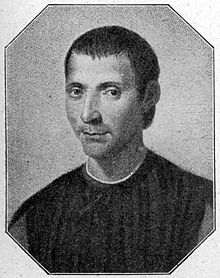
Niccolo Machiavelli
The foregoing was taken from Book Three, Chapter Six, of Machiavelli’s masterwork, The Discourses on Livy, which was published posthumously in 1531. But elsewhere in this volume, he notes how important it is for rulers to make themselves loved—or at least respected—by their fellow citizens:
Note how much more praise those Emperors merited who, after Rome became an empire, conformed to her laws like good princes, than those who took the opposite course.
Titus, Nerva, Trajan, Hadrian, Antoninus and Marcus Auelius did not require the Praetorians nor the multitudinous legions to defend them, because they were protected by their own good conduct, the good will of the people, and by the love of the Senate.
On the other hand, neither the Eastern nor the Western armies saved Caligula, Nero, Vitellius and so many other wicked Emperors from the enemies which their bad conduct and evil lives had raised up against them.
In his better-known work, The Prince, he warns rulers who—like Donald Trump–are inclined to rule by fear:
A prince should make himself feared in such a way that if he does not gain love, he at any rate avoids hatred: for fear and the absence of hatred may well go together.
Donald Trump
By Machiavelli’s standards, Trump has made himself the perfect target for a conspiracy.
“When a prince becomes universally hated, it is likely that he’s harmed some individuals—who thus seek revenge. This desire is increased by seeing that the prince is widely loathed.”


 Bureaucracybuster's Blog
2016 PRESIDENTIAL CAMPAIGN, 2020 PRESIDENTIAL CAMPAIGN, ABC NEWS, ADAM SCHIFF, ALTERNET, AMERICABLOG, AP, ARTICLES OF IMPEACHMENT, BABY BOOMER RESISTANCE, BUZZFEED, CBS NEWS, CHARLES DE GAULLE, CHINA, CHRISTOPHER S. MURPHY, CIA, CNN, CONSERVATIVE POLITICAL ACTION CONFERENCE, CROOKS AND LIARS, CUBAN MISSILE CRISIS, DAILY KOZ, DAN BOWMAN, DAVID BROOKS, DEMOCRATS, DONALD TRUMP, DONALD TRUMP JUNIOR, DRUDGE RETORT, EXTORTION, FACEBOOK, FBI, FIRST AMENDMENT, FIVETHIRTYEIGHT, GEORGE W. BUSH, GOVERNMENT ACCOUNTABILITY OFFICE, GOVERNMENT SHUTDOWN, HARPER’S MAGAZINE, HILLARY CLINTON, HOUSE FOREIGN AFFAIRS COMMITTEE, HOUSE INTELLIGENCE COMMITTEE, HOUSE OVERSIGHT AND REFORM COMMITTEE, HUNTER BIDEN, IMPEACHMENT, IMPOUNDMENT CONTROL ACT, JAKE SULLIVAN, JAKE TAPPER, JAMAL KHASHOGGI, JAMES COMEY, JAMES ROBART, JARED KUSHNER, JEFF SESSIONS, JOHN ROBERTS, JON S. TIGAR, JOSEPH BIDEN, LEON PANETTA, LINDSEY GRAHAM, MEDIA MATTERS, MICHAEL FLYNN, MICHAEL HAYDEN, MICK MULVANEY, MIKE PENCE, MOHAMMED BIN SALMAN, MOTHER JONES, MOVEON, MSNBC, NANCY PELOSI, NATALIA VESELNITSKAYA, NATIONAL SECURITY AGENCY, NBC NEWS, NEWSWEEK, NPR, PAUL MANAFORT, PBS NEWSHOUR, POLITICO, POLITICUSUSA, RAW STORY, REPUBLICANS, REUTERS, RINAT AKHMETSHIN, ROBERT MUELLER, ROBERT PAYNE, ROD ROSENSTEIN, ROGER STONE, RUSSIA, SALON, SEATTLE TIMES, SERGEY KISLYAK, SERGEY LAVROV, SLATE, TALKING POINTS MEMO, THE ATLANTIC, THE CHICAGO SUN-TIMES, THE CHICAGO TRIBUNE, THE DAILY BEAST, THE DAILY BLOG, THE GUARDIAN, THE HILL, THE HUFFINGTON POST, THE JUDICIARY, THE LIFE AND DEATH OF ADOLF HITLER (BOOK), THE LOS ANGELES TIMES, THE NATION, THE NEW REPUBLIC, THE NEW YORK TIMES, THE PRESS, THE VILLAGE VOICE, THE WASHINGTON POST, THINKPROGRESS, TIME, TREASON, TRUMP TOWER MEETING, TRUTHDIG, TRUTHOUT, TWITTER, TWO POLITICAL JUNKIES, U.S. NEWS & WORLD REPORT, UKRAINE, UNITED STATES HOUSE OF REPRESENTATIVES, UNITED STATES SENATE, UPI, USA TODAY, VLADIMIR PUTIN, VOLODYMYR ZELENSKY, WHISTLEBLOWER, WHITE HOUSE BUDGET OFFICE, WONKETTE
REPUBLICANS: EXCUSING TRUMP’S CRIMINALITY–PART FOUR (END)
In Bureaucracy, History, Law, Law Enforcement, Military, Politics, Social commentary on February 11, 2020 at 12:10 amThroughout his Presidency, Republicans have continued to support Donald Trump despite a series of actions that would have normally resulted in impeachment.
Fourteen of these have already been detailed.
Forgiven Crime #15: Threatening members of Congress with treason charges for daring to challenge him.
Furious that Rep. Adam Schiff (D-CA) mocked him during a session of the House Intelligence Committee, Trump tweeted: “I want Schiff questioned at the highest level for Fraud & Treason…..”
“Rep. Adam Schiff illegally made up a FAKE & terrible statement, pretended it to be mine as the most important part of my call to the Ukrainian President, and read it aloud to Congress and the American people. It bore NO relationship to what I said on the call. Arrest for Treason?”
Adam Schiff
He judged House Speaker Nancy Pelosi “every bit as guilty as Liddle’ Adam Schiff for High Crimes and Misdemeanors, and even Treason. I guess that means that they, along with all of those that evilly ‘Colluded’ with them, must all be immediately Impeached!”
Forgiven Crime #16: He has lied so often—15,413 times by December 16, 2019, according to the Washington Post—he’s universally distrusted, at home and abroad.
All politicians lie—especially in times of war. But generally, a President’s word must be considered trustworthy.
During the Cuban Missile Crisis, French President Charles de Gaulle was offered photographs taken by American spy planes of Russian missile emplacements in Cuba. De Gaulle waved them away, saying that, for him, the word of the President of the United States was enough.
Charles de Gaulle and John F. Kennedy
Today, no free world leader would take Trump’s word for anything.
Forgiven Crime #17: On December 22, 2018, Trump shut down the Federal government—because Democrats refused to fund his “border wall” between the United States and Mexico.
An estimated 380,000 government employees were furloughed and another 420,000 were ordered to work without pay. This lasted until January 25, 2019, when Trump caved to public pressure.
Forgiven Crime #18: Even while being investigated by Congress for trying to extort Ukraine to investigate his 2020 Presidential rival, Joseph Biden, he publicly urged China to investigate Biden and his son, Hunter.
On October 3, 2019, on the White House lawn, Trump said: “China should start an investigation into the Bidens.”
And to drive home the message, Trump warned: “I have a lot of options on China, but if they don’t do what we want, we have tremendous power.”
* * * * *
So why have Republicans almost unanimously stood by Trump despite the wreckage he has made of American foreign and domestic policy?
Fear—that they will lose their privileged positions in Congress if they don’t.
This could happen by:
If Republicans are conflicted—whether to continue supporting Trump or desert him—the reason is the same: “How can I hold onto my power and all the privileges that go with it?”
On November 25, 2019, CNN political correspondent Jake Tapper interviewed Adam Schiff on the coming impeachment trial.
What would it mean if Republicans uniformly oppose any articles of impeachment against Trump? asked Tapper.
“It will have very long-term consequences, if that’s where we end up,” replied Schiff.
“And if not today, I think Republican members in the future, to their children and their grandchildren, will have to explain why they did nothing in the face of this deeply unethical man who did such damage to the country.”
In his bestselling 1973 biography, The Life and Death of Adolf Hitler, British historian Robert Payne harshly condemned the German people for the rise of the Nazi dictator:
“[They] allowed themselves to be seduced by him and came to enjoy the experience….[They] followed him with joy and enthusiasm because he gave them license to pillage and murder to their hearts’ content. They were his servile accomplices, his willing victims.”
On November 8, 2016, millions of ignorant, hate-filled, Right-wing Americans catapulted Donald Trump—a man, charged conservative New York Times columnist David Brooks, with an “odd psychology unleavened by kindness and charity”—into the Presidency.
Since then, even Republicans who once dared oppose his candidacy have furiously defended him against the overwhelming evidence of his criminality.
“I think he’s a kook. I think he’s crazy,” South Carolina Senator Lindsey Graham said in February 2016. “I think he’s unfit for office.”
Lindsey Graham
But once Trump took office, Graham scurried to where he thought the power was. On the eve of Trump’s trial in the Senate, Graham said: “The best thing for the American people is to end this crap as quickly as possible, to have a trial in the Senate, bipartisan acquittal of the President.”
Future historians—if there are any—will similarly and harshly condemn those Republicans—voters and their elected representatives—who, like “good Germans,” joyfully embraced a regime dedicated to:
Share this: