Posts Tagged ‘SAN FRANCISCO DEPARTMENT OF PUBLIC HEALTH’
ABC NEWS, ALTERNET, AMERICABLOG, AP, BABY BOOMER RESISTANCE, BBC, BEDBUGS, BLOOMBERG, BLOOMBERG NEWS, BUILDING INSPECTION, BUSINESS, BUZZFEED, CBS NEWS, CHRIS MATHEWS, CNN, CROOKS AND LIARS, DAILY KOS, FEDERAL ASSET FORFEITURE STATUTES, FIVETHIRTYEIGHT, HARPER’S MAGAZINE, HUFFINGTON POST, LANDLORDS, MEDIA MATTERS, MOTHER JONES, MOVEON, MSNBC, NBC NEWS, NEW REPUBLIC, NEWSDAY, NEWSWEEK, NICCOLO MACHIAVELLI, NPR, PBS NEWSHOUR, POLITICO, POLITICUSUSA, RAW STORY, RENT BOARD, RENT CONTROL, RENTERS, RENTPAGE INC., REUTERS, ROBERT F. KENNEDY, SALON, SAN FRANCISCO, SAN FRANCISCO DEPARTMENT OF BUILDING INSPECTION, SAN FRANCISCO DEPARTMENT OF PUBLIC HEALTH, SEATTLE TIMES, SLATE, SLUMLORDS, TALKING POINTS MEMO, THE ATLANTIC, THE CHICAGO SUN-TIMES, THE CHICAGO TRIBUNE, THE DAILY BEAST, THE DAILY BLOG, THE GUARDIAN, THE HILL, THE HUFFINGTON POST, THE INTERCEPT, THE LOS ANGELES TIMES, THE NATION, THE NEW REPUBLIC, THE NEW YORK TIMES, THE NEW YORKER, THE VILLAGE VOICE, THE WALL STREET JOURNAL, THE WASHINGTON POST, THINKPROGRESS, TIME, TRUTHDIG, TRUTHOUT, TWO POLITICAL JUNKIES, U.S. NEWS & WORLD REPORT, UNITED STATES DEPARTMENT OF JUSTICE, UPI, USA TODAY, WILLIAM TECUMSEH SHERMAN, X
In Bureaucracy, History, Law, Law Enforcement, Politics, Social commentary on September 5, 2024 at 12:11 am
To create safe and affordable housing for their citizens, city agencies need to see landlords for what they truly are—as, at best, potential predators, if not actual ones. And to act aggressively on that knowledge.
As Niccolo Machiavelli warned:
“All those who have written upon civil institutions demonstrate…that whoever desires to found a state and give it laws, must start with assuming that all men are bad and ever ready to display their vicious nature, whenever they may find occasion for it.
“If their evil disposition remains concealed for a time, it must be attributed to some unknown reason; and we must assume that it lacked occasion to show itself. But time, which has been said to be the father of all truth, does not fail to bring it to light.”

Niccolo Machiavelli
The vast majority of this nation’s cities and states make no effort to control the insatiable greed of landlords. Nor to require them to provide even minimal habitability for their tenants.
Many tenants have lived with rotting floors, bedbugs, nonworking toilets, mice/rats, chipping lead-based paint and other outrages for not simply months but years.
This holds true even in San Francisco—the so-called “renters’ paradise” where the District Attorney’s Office hasn’t prosecuted a slumlord in decades.

Part Two of this series presented a series of badly-needed, long-overdue reforms for the San Francisco Department of Building Inspection (DBI). This is the agency charged with ensuring safe housing conditions for San Francisco residents.
Renters in cities and states across the country should demand similar protections.
This concluding part will cover the remainder of those needed reforms.
- Landlords should be required to bring all the units in a building up to existing building codes, and not just those in need of immediate repair.
- Landlords should be legally required to hire a certified-expert contractor to perform building repairs. To save money—that they can well afford to spend—-many landlords insist on making such repairs despite their not being trained or experienced in doing so. They thereby risk the health and/or safety of their tenants.
- DBI should not view itself as a “mediation” agency between landlords and tenants. Most landlords hate DBI and will always do so. They believe they should be allowed to treat their tenants like serfs, if not slaves, raise extortionate rents anytime they desire, and maintain their buildings in whatever state they wish.
- Above all, DBI must stop viewing itself as a regulatory agency and start seeing itself as a law enforcement one. The FBI doesn’t ask criminals to comply with the law. It applies whatever amount of pressure is needed to force their compliance. William Tecumseh Sherman, speaking of the rebellious Southern states, said it best: “They cannot be made to love us, but they may be made to fear us.”
- The San Francisco District Attorney’s Office should create a special unit to investigate and prosecute slumlords. Prosecutors should offer rewards to citizens who provide tips on major outrages by the city’s slumlords.

- Install Rent Control protections for tenants on fixed incomes. San Francisco is notorious for having the highest rents in the nation. The average rent for a one-bedroom apartment runs $3,000 a month. Even those in the vaunted high-tech industry spend most of their income on rent.
- For tenants on fixed incomes—seniors, disabled, students—the predatory greed of landlords amounts to a staged-in eviction notice. Social Security recipients often don’t get a cost-of-living increase if there hasn’t been a rise in gasoline prices. But many of them don’t own cars—while the price of everything else—such as groceries—has sharply risen.
- Allowing landlords to jack up rents to the fullest extent possible every year will eventually drive out all tenants who are not multimillionaires. In fact, an unknown portion of this City’s homeless population doubtless stems from the ability of landlords to gradually raise rents above tenants’ ability to afford them.
- In 1979, San Franciscans passed a Rent Control law to protect tenants against predatory rent hikes and unfair evictions. As a result, a landlord can only raise a tenant’s rent a certain percentage every year. This is set by the set by the Rent Stabilization and Arbitration Board, more popularly known as the “Rent Board.”
- But there is a gaping hole in the law: Once a tenant moves out, the landlord can jack up the rent as high as he wants. This is why the average rent in San Francisco is priced beyond most middle-class wage-earners.
- In addition, landlords are allowed to charge tenants yearly fees to maintain the existence of the Rent Board. This is both unfair and insulting, since the Board was created to protect tenants from predatory landlords. Most tenants have far less money to pay such fees than do landlords, who are free to raise rents every year. And landlords—unlike tenants—can and do write off Rent Board fees on their taxes every year.
As Robert F. Kennedy wrote: “Every society gets the kind of criminal it deserves. What is equally true is that every community gets the kind of law enforcement it insists on.”
ABC NEWS, ALTERNET, AMERICABLOG, AP, BABY BOOMER RESISTANCE, BBC, BEDBUGS, BLOOMBERG, BLOOMBERG NEWS, BUILDING INSPECTION, BUSINESS, BUZZFEED, CBS NEWS, CHRIS MATHEWS, CNN, CROOKS AND LIARS, DAILY KOS, FEDERAL ASSET FORFEITURE STATUTES, FIVETHIRTYEIGHT, HARPER’S MAGAZINE, HUFFINGTON POST, LANDLORDS, MEDIA MATTERS, MOTHER JONES, MOVEON, MSNBC, NBC NEWS, NEW REPUBLIC, NEWSDAY, NEWSWEEK, NICCOLO MACHIAVELLI, NPR, PBS NEWSHOUR, POLITICO, POLITICUSUSA, RAW STORY, RENT BOARD, RENT CONTROL, RENTERS, RENTPAGE INC., REUTERS, ROBERT F. KENNEDY, SALON, SAN FRANCISCO, SAN FRANCISCO DEPARTMENT OF BUILDING INSPECTION, SAN FRANCISCO DEPARTMENT OF PUBLIC HEALTH, SEATTLE TIMES, SLATE, SLUMLORDS, TALKING POINTS MEMO, THE ATLANTIC, THE CHICAGO SUN-TIMES, THE CHICAGO TRIBUNE, THE DAILY BEAST, THE DAILY BLOG, THE GUARDIAN, THE HILL, THE HUFFINGTON POST, THE INTERCEPT, THE LOS ANGELES TIMES, THE NATION, THE NEW REPUBLIC, THE NEW YORK TIMES, THE NEW YORKER, THE VILLAGE VOICE, THE WALL STREET JOURNAL, THE WASHINGTON POST, THINKPROGRESS, TIME, TRUTHDIG, TRUTHOUT, TWO POLITICAL JUNKIES, U.S. NEWS & WORLD REPORT, UNITED STATES DEPARTMENT OF JUSTICE, UPI, USA TODAY, WILLIAM TECUMSEH SHERMAN, X
In Bureaucracy, History, Law, Law Enforcement, Politics, Social commentary on September 4, 2024 at 12:51 pm
“We investigate complaints of building code violations and compel building owners to fix the violations.”
So boasts the website for the San Francisco Department of Building Inspection (DBI).
Yet DBI has long been outmaneuvered by predatory, law-breaking landlords.
And San Francisco renters—many of them elderly, poor and/or disabled—have been the victims of landlord greed, neglect and/or harassment.
Among the reforms that DBI should immediately enact:
- Hit slumlord violators with a fine—payable immediately—for at least $2,000 to $5,000 for each health/safety-code violation. The slumlord would be told he could reclaim 75-80% of the money only if he fully corrected the violation within 30 days. The remaining portion of the levied fine would go into the City coffers, to be shared among DBI and other City agencies.
- This would put the onus on the slumlord, not DBI. Appealing to his greed would ensure his willingness to comply with the ordered actions. As matters now stand, it is DBI who must repeatedly check with the slumlord to find out if its orders have been complied with.
- If the landlord failed to comply with the actions ordered within 30 days, the entire fine would go into the City’s coffers—to be divided among DBI and other agencies charged with protecting San Francisco residents.
- In addition. he would be hit again with a fine at least twice the amount of the first one.
- Inspectors for DBI should be allowed to cite landlords for violations that fall under the jurisdiction of the Department of Public Health (DPH). They could then pass the information to DPH for its own investigation.
- If the DBI inspector later discovered that the landlord had not corrected the DPH violation within a designated time-period, DBI should be allowed to levy its own fine for his failure to do so.
- If DPH objects to this, DBI should propose that DPH’s own inspectors be armed with similar cross-jurisdictional authority. Each agency would thus have increased motivation for spotting and correcting health/safety violations that threaten the lives of San Francisco residents.

- This would instantly turn DBI and DPH into allies, not competitors. And it would mean that whether a citizen called DBI or DPH, s/he could be assured of getting the necessary assistance. As matters now stand, many residents are confused by the conflicting jurisdictions of both agencies.
- DBI should insist that its Inspectors Division be greatly expanded. DBI can attain this by arguing that reducing the number of Inspectors cuts (1) protection for San Francisco renters–and (2) monies that could go to the general City welfare.
- The Inspection Division should operate independently of DBI. Currently, too many high-ranking DBI officials tilt toward landlords because they are landlords themselves.
- DBI should create a Special Research Unit to compile records on the worst slumlord offenders. Thus, a slumlord with a repeat history of defying DBI Notices of Violation could be treated more harshly than a landlord who was a first-time offender.
- Turning DBI into a revenue-producing agency would enable the City to raise desperately-needed revenues—in a highly popular way. Fining delinquent slumlords would be as popular as raising taxes on tobacco companies. Only slumlords and their hired lackey allies would object.
- DBI should legally require landlords to rehabilitate a unit every time a new tenant moves in, or have it examined by a DBI inspector every two years. A tenant can occupy a unit for ten or more years, then die or move out, and the landlord immediately rents the unit to the first person who comes along, without making any repairs or upgrades whatsoever.
- Slumlords, unlike drug-dealers, can’t move their buildings from one street or city to another. If they want to make money in San Francisco, they will have to submit to the jurisdiction of landlord-regulating agencies.
- DBI should require landlords to post their Notices of Violation in public areas of their buildings—and levy severe fines for failing to do so. When DBI orders a slumlord to take corrective action, s/he is the only one who is notified. If that slumlord refuses to comply with that directive, s/he is the only one who knows it. Given the pressing demands on DBI, weeks or months will pass before the agency learns about this violation of its orders. Tenants have a right to know if their landlord is complying with the law—so they can promptly notify DBI if a violation is occurring.

- Landlords should be legally required to give each tenant a list of the major city agencies (such as DBI, the Rent Board and the Department of Public Health) that exist to help tenants solve problems with their housing.
- DBI should launch—and maintain—a citywide advertising campaign to alert residents about its services. Everyone knows the FBI pursues bank robbers. But too many San Franciscans don’t even know that DBI exists, let alone what laws it enforces. This should be an in-your-face campaign: “Do you have bedbugs in your apartment? Has your stove stopped working? Are you afraid to ride in your building elevator because it’s always malfunctioning? Have you complained to your landlord and gotten the runaround? Then call DBI at—- Or drop us an email at_____.”
ABC NEWS, ALTERNET, AMERICABLOG, AP, BABY BOOMER RESISTANCE, BBC, BEDBUGS, BLOOMBERG, BLOOMBERG NEWS, BUILDING INSPECTION, BUSINESS, BUZZFEED, CBS NEWS, CHRIS MATHEWS, CNN, CROOKS AND LIARS, DAILY KOS, FEDERAL ASSET FORFEITURE STATUTES, FIVETHIRTYEIGHT, HARPER’S MAGAZINE, HUFFINGTON POST, LANDLORDS, MEDIA MATTERS, MOTHER JONES, MOVEON, MSNBC, NBC NEWS, NEW REPUBLIC, NEWSDAY, NEWSWEEK, NICCOLO MACHIAVELLI, NPR, PBS NEWSHOUR, POLITICO, POLITICUSUSA, RAW STORY, RENT BOARD, RENT CONTROL, RENTERS, RENTPAGE INC., REUTERS, ROBERT F. KENNEDY, SALON, SAN FRANCISCO, SAN FRANCISCO DEPARTMENT OF BUILDING INSPECTION, SAN FRANCISCO DEPARTMENT OF PUBLIC HEALTH, SEATTLE TIMES, SLATE, SLUMLORDS, TALKING POINTS MEMO, THE ATLANTIC, THE CHICAGO SUN-TIMES, THE CHICAGO TRIBUNE, THE DAILY BEAST, THE DAILY BLOG, THE GUARDIAN, THE HILL, THE HUFFINGTON POST, THE INTERCEPT, THE LOS ANGELES TIMES, THE NATION, THE NEW REPUBLIC, THE NEW YORK TIMES, THE NEW YORKER, THE VILLAGE VOICE, THE WALL STREET JOURNAL, THE WASHINGTON POST, THINKPROGRESS, TIME, TRUTHDIG, TRUTHOUT, TWO POLITICAL JUNKIES, U.S. NEWS & WORLD REPORT, UNITED STATES DEPARTMENT OF JUSTICE, UPI, USA TODAY, WILLIAM TECUMSEH SHERMAN, X
In Bureaucracy, History, Law, Law Enforcement, Politics, Social commentary on September 3, 2024 at 12:05 am
As of 2024, only seven states–—California, Maine, Maryland, Minnesota, New Jersey, New York, Oregon—and the District of Columbia—offer tenant protections via residential rent control.
Currently, 33 states ban local governments from adapting rent regulation laws.
Only 39 out of 482 cities in California have strong tenant protections.
And only 16 cities in California have rent controls on landlords’ greed: Alameda, Berkeley, Beverly Hills, East Palo Alto, Gardena, Hayward, Los Angeles, Los Gatos, Mountain View, Oakland, Palm Springs, Richmond. San Francisco, San Jose, Santa Monica and West Hollywood.
A common rule of thumb is to spend no more than 30% of your gross monthly income on housing. Yet a May, 2024 Harvard report states that 22.4 million households in the United States spend more than 30% of their income on rent, and 12.1 million spend more than 50%.

In New York City and San Francisco, median monthly rents are over $2,000 for a one-bedroom apartment.
Housing affordability has become a major political issue, especially as the rising tide of homelessness overwhelms cities and states. The Presidential campaign of Donald Trump has blamed Vice President Kamala Harris for the lack of affordable housing.
Yet the insatiable greed of landlords has never been addressed at a federal level—nor in the vast majority of cities and states across the nation.
But there might be hope that it could be.
On August 23, the Justice Department—together with the Attorneys General of North Carolina, California, Colorado, Connecticut, Minnesota, Oregon, Tennessee, and Washington-—filed a civil antitrust lawsuit against RealPage Inc.

RealPage is an American multinational corporation that provides property management software for the multifamily, commercial, single-family, and vacation rental housing industries.
According to the Justice Department, the company engaged in an unlawful scheme to:
- Decrease competition among landlords in apartment pricing; and
- Monopolize the market for commercial revenue management software that landlords use to price apartments:
The lawsuit states: “RealPage’s alleged conduct deprives renters of the benefits of competition on apartment leasing terms and harms millions of Americans.
“RealPage contracts with competing landlords who agree to share with RealPage nonpublic, competitively sensitive information about their apartment rental rates and other lease terms to train and run RealPage’s algorithmic pricing software.

“This software then generates recommendations, including on apartment rental pricing and other terms, for participating landlords based on their and their rivals’ competitively sensitive information.”
One city that has rent control and housing protections for tenants is San Francisco.
To hear slumlords tell it, the city is a “renters’ paradise,” where obnoxious, lazy, rent-evading tenants constantly take advantage of hard-working, put-upon landlords.
Don’t believe it.
The power of slumlords calls to mind the scene in 1987’s The Untouchables, where Sean Connery’s veteran cop tells Eliot Ness: “Everybody knows where the liquor is. It’s just a question of: Who wants to cross Capone?”
Everybody in San Francisco knows who the slumlords are. But the District Attorney’s Office hasn’t criminally prosecuted a slumlord in decades.
Many tenants have lived with rotting floors, bedbugs, nonworking toilets, mice/rats, chipping lead-based paint and other outrages for not simply months but years.
Consider the challenges faced by the San Francisco Department of Building Inspection (DBI), which is charged with ensuring that apartment buildings are in habitable condition.
Under San Francisco law:
- A landlord is automatically given 30 days to correct a health/safety violation.
- If the landlord claims for any reason that he can’t fix the problem within one month, DBI doesn’t demand that he prove this. Instead, it automatically gives him another month.
- A slumlord has to work at being hit with a fine—by letting a problem go uncorrected for three to six months.
- And even then, repeat slumlord offenders often avoid the fine by pleading for leniency.
- That’s because many DBI officials are themselves landlords.
In fact, landlords hold memberships in DBI, the Department of Public Health (DPH) and the San Francisco Rent Board. Which is like having Mafiosi sit on the Board of Directors of the FBI.
But this situation could quickly be turned around—by applying valuable lessons from the “war on drugs” to regulating slumlords.
Consider:
- In 2022, at least 25,000 untested rape kits sat in law enforcement agencies and crime labs across the country.
- But illegal drug kits are automatically rushed to the had of the line.
- Federal asset forfeiture laws allow the Justice Department to seize properties used to “facilitate” violations of Federal anti-drug laws.
- Local and State law enforcement agencies are allowed to keep some of the proceeds once the property has been sold.
- Thus, financially-strapped police agencies have found that pursuing drug-law crimes is a great way to fill their own coffers.
- Prosecutors and lawmen view the seizing of drug-related properties as crucial to eliminating the financial clout of drug-dealing operations.
It’s long past time for San Francisco agencies to apply the same attitude—and methods—toward slumlords. 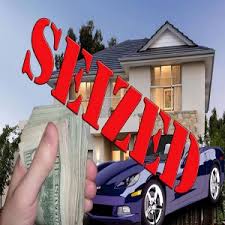
DBI should become not merely a law enforcing agency but a revenue-creating one. And those revenues should come from predatory slumlords who routinely violate the City’s laws protecting tenants.
By doing so, DBI could vastly:
- Enhance its own prestige and authority;
- Improve living conditions for thousands of San Francisco renters; and
- Bring millions of desperately-needed dollars into the City’s cash-strapped coffers.
ABC NEWS, ADAM NATHAN, ALCOHOL ADDICTION, ALTERNET, AMERICABLOG, AP, BABY BOOMER RESISTANCE, BBC, BEER, BLOOMBERG, BUMS, BUZZFEED, CBS NEWS, CITY OF GRANTS PASS VS. JOHNSON, CNN, CROOKS AND LIARS, CURFEW, DAILY KOS, DRUG ADDICTION, DRUG MARKET AGENCY COORDINATION CENTER, EIGHTH AMENDMENT, FIVETHIRTYEIGHT, HARPER’S MAGAZINE, HOMELESSNESS, HUFFINGTON POST, LAURA POWELL, LONDON BREED, MANAGED ALCOHOL PROGRAM, MEDIA MATTERS, MENTAL ILLNESS, MOTHER JONES, MOVEON, MSNBC, NBC NEWS, NEW REPUBLIC, NEWSDAY, NEWSWEEK, NINTH CIRCUIT COURT OF APPEALS, NPR, PBS NEWSHOUR, POLITICO, POLITICUSUSA, RAW STORY, REUTERS, SALON, SALVATION ARMY’S ADVISORY BOARD, SAN FRANCISCO, SAN FRANCISCO CHRONICLE, SAN FRANCISCO DEPARTMENT OF PUBLIC HEALTH, SAN FRANCISCO POLICE DEPARTMENT, SEATTLE TIMES, SLATE, TALKING POINTS MEMO, TENDERLOIN DISTRICT, THE ATLANTIC, THE CHICAGO SUN-TIMES, THE CHICAGO TRIBUNE, THE DAILY BEAST, THE DAILY BLOG, THE GUARDIAN, THE HILL, THE HUFFINGTON POST, THE INTERCEPT, THE LOS ANGELES TIMES, THE NATION, THE NEW REPUBLIC, THE NEW YORK TIMES, THE NEW YORKER, THE VILLAGE VOICE, THE WASHINGTON POST, THINKPROGRESS, TIME, TRUTHDIG, TRUTHOUT, TWO POLITICAL JUNKIES, U.S. NEWS & WORLD REPORT, UNITED STATES SUPREME COURT, UPI, USA TODAY, VODKA, WALLETHUB, X
In Bureaucracy, Business, History, Law, Law Enforcement, Medical, Politics, Social commentary on July 24, 2024 at 12:10 am
San Francisco set up its Managed Alcohol Program (MAP) in 2020 as part of its COVID-19 response, to keep “homeless” people out of jails and emergency rooms.
Public health officials say that alcohol is given out by nurses, who give regimented doses of beer and vodka at certain points throughout the day, depending on a person’s specific care plan.
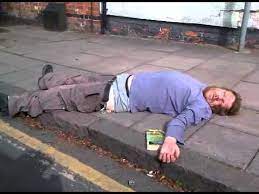
A typical San Francisco scene
Attorney Laura Powell damned the program on X, writing: “San Francisco’s managed alcohol program provides homeless alcoholics with housing, meals, activities (including crafts and outings to Giants games), and a quantity of alcoholic beverages determined by their ‘need and desire,’ with no expectation of reducing consumption.
“With a reported budget of $5 million for 20 beds (half set aside for Latinx or indigenous people), it would be cheaper to accommodate these people in all-inclusive resorts.”
San Francisco officials claim the program saves taxpayer money by reducing calls to emergency services.
But the San Francisco Chronicle found that, in July 2022, five alcoholics in the program needed ambulance transportation at least 1,727 times in a period of five years, costing the taxpayer $4 million.
Another critic of the program is addiction specialist Amara Durham: “Where’s the medical supervision for when someone does hit that tipping point and they have been over-served because they happen to come in and get their last drink that takes them over the edge from this facility?”
Perhaps the best way to evaluate the effectiveness of the Managed Alcohol Program is this: Since 2020, it has served just 55 clients.
Meanwhile, store owners are being forced to literally pay the price for San Francisco’s failed policies on “the homeless.”
On June 18, the San Francisco Board of Supervisors slapped a midnight-to-5-a.m. curfew on food markets and tobacco businesses in the city’s latest attempt to prevent drug abuse in the crime-ridden Tenderloin district.
But restaurants, bars and non-retail businesses are exempt. Stores can be fined up to $1,000 for each hour they operate in violation of the ordinance.
So what can San Francisco do to effectively combat the drug- and alcohol-related plagues of Druggies, Drunks, Mentals and Bums (DDMBs)?
They can recognize that the United States Supreme Court has finally supplied at least a partial answer to this problem.

“Homeless” tents lined up toward City Hall
On June 28, the Court, in City of Grants Pass vs. Johnson, empowered cities to enforce laws prohibiting camping and vagrancy.
On September 28, 2018, a three-judge panel of the Ninth Circuit Court of Appeals had issued Martin v. City of Boise. This held that “the Eighth Amendment prohibits the imposition of criminal penalties for sitting, sleeping, or lying outside on public property for homeless individuals who cannot obtain shelter.”
People could be evicted only if beds or shelter were available to those who were being evicted.
The Supreme Court’s ruling overrides that decision, stating that the Eighth Amendment does not prevent a municipality from evicting homeless people from public spaces. Now dozens of Western cities are armed with greater enforcement powers to keep those spaces open and safe for everyone.
As a result, communities nationwide can fine, ticket or arrest DDMBs. But they aren’t forced to take any specific actions or to actively engage in criminal punishment.
Given the extent of the “homeless” plague facing San Francisco, the city could—and should—impose the following reforms:
- Launch a “Please Do Not Feed the Bums” publicity campaign—as it has against feeding pigeons. And those caught doing so should be heavily fined.
- Trash cans should be equipped with locked doors, to prevent bums from using them as food dispensers.
- Those living on the street should be given two choices: Go to a local shelter or face arrest and the immediate confiscation of their possessions;
- An “Untermenschen City” should be set up near the city dump. There they can live in their tents and/or sleeping bags while being unable to daily confront or assault others to obtain free money.
- San Francisco’s rent control laws should be strengthened, to prevent future evictions owing to the unchecked greed of landlords. Tenants on fixed incomes should be given special protections against extortionate rent increases.
- Bus drivers should be able to legally refuse passengers who stink of urine/feces, as they present a potential health-hazard to others.
- The owners of restaurants, theaters and grocery stores should likewise be allowed to refuse service on the same basis.
- Those applying for welfare benefits should be required to provide proof of residence. Too many people come to San Francisco because, upon arrival, they can immediately apply for such benefits.
- Set up a special unit to remove “street people” and their possessions from city sidewalks. This could be a division of the Sanitation Department, since its personnel are used to removing filth and debris of all types.
- Forcefully tell alcoholics, drug addicts and bums: “Your anti-social behavior is not welcome here. Take your self-destructive lifestyles elsewhere. We won’t subsidize them.”
It may not be perfect, but it will certainly go further to clean up the drug- and alcohol-soaked Tenderloin than any program now on the books.
And it will not penalize those who are struggling to make a living as they brave long hours, often hostile customers, and the ever-present threat of armed robbery.
ABC NEWS, ADAM NATHAN, ALCOHOL ADDICTION, ALTERNET, AMERICABLOG, AP, BABY BOOMER RESISTANCE, BBC, BEER, BLOOMBERG, BUMS, BUZZFEED, CBS NEWS, CITY OF GRANTS PASS VS. JOHNSON, CNN, CROOKS AND LIARS, CURFEW, DAILY KOS, DRUG ADDICTION, DRUG MARKET AGENCY COORDINATION CENTER, EIGHTH AMENDMENT, FIVETHIRTYEIGHT, HARPER’S MAGAZINE, HOMELESSNESS, HUFFINGTON POST, LAURA POWELL, LONDON BREED, MANAGED ALCOHOL PROGRAM, MEDIA MATTERS, MENTAL ILLNESS, MOTHER JONES, MOVEON, MSNBC, NBC NEWS, NEW REPUBLIC, NEWSDAY, NEWSWEEK, NINTH CIRCUIT COURT OF APPEALS, NPR, PBS NEWSHOUR, POLITICO, POLITICUSUSA, RAW STORY, REUTERS, SALON, SALVATION ARMY’S ADVISORY BOARD, SAN FRANCISCO, SAN FRANCISCO CHRONICLE, SAN FRANCISCO DEPARTMENT OF PUBLIC HEALTH, SAN FRANCISCO POLICE DEPARTMENT, SEATTLE TIMES, SLATE, TALKING POINTS MEMO, TENDERLOIN DISTRICT, THE ATLANTIC, THE CHICAGO SUN-TIMES, THE CHICAGO TRIBUNE, THE DAILY BEAST, THE DAILY BLOG, THE GUARDIAN, THE HILL, THE HUFFINGTON POST, THE INTERCEPT, THE LOS ANGELES TIMES, THE NATION, THE NEW REPUBLIC, THE NEW YORK TIMES, THE NEW YORKER, THE VILLAGE VOICE, THE WASHINGTON POST, THINKPROGRESS, TIME, TRUTHDIG, TRUTHOUT, TWO POLITICAL JUNKIES, U.S. NEWS & WORLD REPORT, UNITED STATES SUPREME COURT, UPI, USA TODAY, VODKA, WALLETHUB, X
In Bureaucracy, Business, History, Law, Law Enforcement, Medical, Politics, Social commentary on July 23, 2024 at 12:11 am
In San Francisco, if your house is infested with bedbugs, don’t get rid of the bedbugs—close down the house.
Proof of this came on June 18, when the San Francisco Board of Supervisors unanimously approved legislation to place a curfew on food markets and tobacco businesses in the city’s latest attempt at preventing drug abuse in the crime-ridden Tenderloin district.
San Francisco’s Tenderloin district is about 50 square blocks in size, with a population of around 35,000 people. It’s bordered on the north by Geary Street, on the east by Mason Street, on the south by Market Street and on the west by Van Ness Avenue.

The Tenderloin
The new curfew rules will prevent businesses in the Tenderloin selling “prepackaged food or tobacco products from operating” between midnight and 5 a.m.
“The drug markets happening at night in this neighborhood are unacceptable and must be met with increased law enforcement and new strategies, but this must be done in partnership with community, which we are doing,” San Francisco Mayor London Breed said.
The legislation is designed as a two-year pilot program, according to the press release, and will be enforced by fines from the San Francisco Department of Public Health (SFDPH) and investigation from the San Francisco Police Department (SFPD).
The legislation does not apply to restaurants, bars, or non-retail businesses, such as event halls. Fines can be levied for up to $1,000 for each hour a store operates in violation of the ordinance.
The curfew program targets these businesses that, “in effect, facilitate the late night-time drug market by providing a lighted gathering point,” according to the legislation.
Some local businesses are saying if they take a loss in revenue or jobs, they want the city to offer financial mitigation, such as a reduction in fees.
Residents appear divided about the effectiveness of the legislation.
“That’s backwards,” said Abdul Malik Muhammad, about allowing liquor stores to remain open past midnight. “Those are the stores that should be shut down, I believe.”

Wallie, one of the owners of Plaza Snacks and Delli at 7th and McAllister street, said: “That’s not gonna make any difference, I guarantee you. I’ve been here for 20 years. They just move them from one block to the next.”
“Some of the stores are like magnets, and they attract problems,” said Muhammad. He accused some store owners of price-gouging their low-income customers.
Many residents feel imprisoned in their own homes “when the sun goes down,” several business organizations wrote the city. They speak of drug sales in the open, rapes, murders and shootings with human waste left in the wake.
Yet much of this can be traced directly to the city’s open door welcome to those euphemistically termed as “the homeless.” The vast majority of these fall into four major groups: Drug addicts, alcoholics, the mentally ill and those who refuse to work.
In short: DDMBs—Druggies, Drunks, Mentals and Bums.
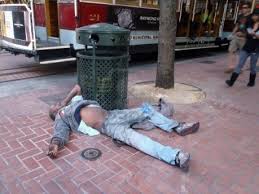
Another casualty of booze or drugs
“Our challenges still occur at night,” said Assistant Chief David Lazar. “Crowds of people that are there selling stolen property, selling narcotics. We have drug users all over. And the problem is that when you have businesses that are open, like liquor stores and smoke shops, it just attracts more people.”
A study by WalletHub, a personal finance company, recently found that San Francisco was the “worst run” city in the United States. The study measured the “effectiveness of local leadership” by comparing the quality of city services matched against the city’s total budget to determine its operating efficiency.
In a statement to Fox News Digital, Breed’s office defended the mayor’s policy actions to reduce drug use in San Francisco:
“Mayor Breed has taken aggressive steps to shut down open-air drug markets and that is why she established the Drug Market Agency Coordination Center (DMACC) in May 2023, activating resources across the City to dismantle the illegal drug markets in the Tenderloin and South of Market neighborhoods.
“Since May 28, 2023, SFPD has seized over 225 kilos of narcotics and made more than 3,400 arrests related to drug activity in these neighborhoods, including more than 1,400 drug dealers and over 1,500 drug users arrested. For fentanyl seizures, over 77 million lethal doses have been seized since the start of DMACC.”

And while city officials laud their efforts to “crack down” on drug use, the city operates a second program to provide vodka or beer to “homeless” people struggling with severe alcohol addiction.
The city set up its Managed Alcohol Program (MAP) in 2020 as part of its COVID-19 response, to keep “homeless” people out of jails and emergency rooms.
Adam Nathan, chair of the Salvation Army’s advisory board in San Francisco, posted on X that he recently “stumbled across” the former hotel from which the program operates:
“It’s set up so people in the program just walk in and grab a beer, and then another one. All day. The whole thing is very odd to me and just doesn’t feel right. Providing free drugs to drug addicts doesn’t solve their problems. It just stretches them out. Where’s the recovery in all of this?”
ABC NEWS, ALTERNET, AMERICABLOG, AP, BABY BOOMER RESISTANCE, BBC, BEDBUGS, BLOOMBERG NEWS, BUILDING INSPECTION, BUSINESS, BUZZFEED, CBS NEWS, CHRIS MATHEWS, CNN, CROOKS AND LIARS, DAILY KOS, DAILY KOZ, FEDERAL ASSET FORFEITURE STATUTES, FIVETHIRTYEIGHT, HARPER’S MAGAZINE, HUFFINGTON POST, KIP MACY, LANDLORDS, MEDIA MATTERS, MOTHER JONES, MOVEON, MSNBC, NBC NEWS, NEW REPUBLIC, NEWSDAY, NEWSWEEK, NICCOLO MACHIAVELLI, NICOLE MACY, NPR, PBS NEWSHOUR, POLITICO, POLITICUSUSA, RAW STORY, RENT CONTROL, RENTERS, REUTERS, ROBERT F. KENNEDY, SALON, SAN FRANCISCO, SAN FRANCISCO DEPARTMENT OF BUILDING INSPECTION, SAN FRANCISCO DEPARTMENT OF PUBLIC HEALTH, SEATTLE TIMES, SLATE, SLUMLORDS, TALKING POINTS MEMO, THE ATLANTIC, THE CHICAGO SUN-TIMES, THE CHICAGO TRIBUNE, THE DAILY BEAST, THE DAILY BLOG, THE GUARDIAN, THE HILL, THE HUFFINGTON POST, THE INTERCEPT, THE LOS ANGELES TIMES, THE NATION, THE NEW REPUBLIC, THE NEW YORK TIMES, THE NEW YORKER, THE VILLAGE VOICE, THE WALL STREET JOURNAL, THE WASHINGTON POST, THINKPROGRESS, TIME, TRUTHDIG, TRUTHOUT, TWITTER, U.S. NEWS & WORLD REPORT, UPI, USA TODAY, WILLIAM TECUMSEH SHERMAN
In Bureaucracy, History, Law, Law Enforcement, Politics, Social commentary on July 13, 2023 at 12:10 am
City agencies need to see landlords for what they truly are—as, at best, potential predators, if not actual ones. And to act aggressively on that knowledge.
As Niccolo Machiavelli warned:
“All those who have written upon civil institutions demonstrate…that whoever desires to found a state and give it laws, must start with assuming that all men are bad and ever ready to display their vicious nature, whenever they may find occasion for it.
“If their evil disposition remains concealed for a time, it must be attributed to some unknown reason; and we must assume that it lacked occasion to show itself. But time, which has been said to be the father of all truth, does not fail to bring it to light.”
Niccolo Machiavelli
The power of slumlords calls to mind the scene in 1987’s The Untouchables, where Sean Connery’s veteran cop tells Eliot Ness: “Everybody knows where the liquor is. It’s just a question of: Who wants to cross Capone?”
Many tenants have lived with rotting floors, bedbugs, nonworking toilets, mice/rats, chipping lead-based paint and other outrages for not simply months but years.
This holds true across the United States. But it also holds true in San Francisco—the “renters’ paradise” where the District Attorney’s Office hasn’t prosecuted a slumlord in decades.
Part Two of this series presented a series of badly-needed, long-overdue reforms for the San Francisco Department of Building Inspection (DBI). This is the agency charged to ensuring safe housing conditions for San Francisco residents.
Renters across the country should demand similar protections.
This concluding part will cover the remainder of those needed reforms.
- Landlords should be required to bring all the units in a building up to existing building codes, and not just those in need of immediate repair.
- Landlords should be legally required to hire a certified-expert contractor to perform building repairs. To save money—that they can well afford to spend—-many landlords insist on making such repairs despite their not being trained or experienced in doing so. They thereby risk the health and/or safety of their tenants.
- DBI should not view itself as a “mediation” agency between landlords and tenants. Most landlords hate DBI and will always do so. They believe they should be allowed to treat their tenants like serfs, if not slaves, raise extortionate rents anytime they desire, and maintain their buildings in whatever state they wish.
- Above all, DBI must stop viewing itself as a regulatory agency and start seeing itself as a law enforcement one. The FBI doesn’t ask criminals to comply with the law. It applies whatever amount of pressure is needed to force their compliance. William Tecumseh Sherman, speaking of the rebellious Southern states, said it best: “They cannot be made to love us, but they may be made to fear us.”
- The San Francisco District Attorney’s Office should create a special unit to investigate and prosecute slumlords. Prosecutors should offer rewards to citizens who provide tips on major outrages by the city’s slumlords.
- Install Rent Control protections for tenants on fixed incomes. San Francisco is notorious for having the highest rents in the nation. The average rent for a one-bedroom apartment runs $3,000 a month. Even those in the vaunted high-tech industry spend most of their income on rent.
- For tenants on fixed incomes—seniors, disabled, students—the predatory greed of landlords amounts to a staged-in eviction notice. Social Security recipients often don’t get a cost-of-living increase if there hasn’t been a rise in gasoline prices. But many of them don’t own cars—while the price of everything else—such as groceries—has sharply risen.
- Allowing landlords to jack up rents to the fullest extent possible every year will eventually drive out all tenants who are not multimillionaires. In fact, an unknown portion of this City’s homeless population doubtless stems from the ability of landlords to gradually raise rents above tenants’ ability to afford them.
- In 1979, San Franciscans passed a Rent Control law to protect tenants against predatory rent hikes and unfair evictions. As a result, a landlord can only raise a tenant’s rent a certain percentage every year. This is set by the set by the Rent Stabilization and Arbitration Board, more popularly known as the “Rent Board.”
- But there is a gaping hole in the law: Once a tenant moves out, the landlord can jack up the rent as high as he wants. This is why the average rent in San Francisco is priced beyond most middle-class wage-earners.
- In addition, landlords are allowed to charge tenants yearly fees to maintain the existence of the Rent Board. This is both unfair and insulting, since the Board was created to protect tenants from predatory landlords. Most tenants have far less money to pay such fees than do landlords, who are free to raise rents every year. And landlords—unlike tenants—can and do write off Rent Board fees on their taxes every year.
As Robert F. Kennedy wrote: “Every society gets the kind of criminal it deserves. What is equally true is that every community gets the kind of law enforcement it insists on.”
2016 PRESIDENTIAL CAMPAIGN, ABC NEWS, AFGHANISTAN, ALTERNET, AMERICABLOG, AP, BABY BOOMER RESISTANCE, BARACK OBAMA, BBC, BEDBUGS, BLOOMBERG, BLOOMBERG NEWS, BUILDING INSPECTION, BUSINESS, BUZZFEED, CBS NEWS, CENTER FOR AMERICAN PROGRESS ACTION FUND, CHRIS MATHEWS, CIA, CLINTON WATTS, CNN, CRAIG UNGER, CROOKS AND LIARS, DAILY KOS, DAILY KOZ, DAVID ROTHKOPF, DEPARTMENT OF HOMELAND SECURITY, DIRECTOR OF NATIONAL INTELLIGENCE, DONALD TRUMP, DONALD TRUMP JR., DRUDGE RETORT, ERIC TRUMP, FBI, FBI’S COUNTERTERRORISM DIVISION, FEDERAL ASSET FORFEITURE STATUTES, FIVETHIRTYEIGHT, FOX NEWS, G7, GEORGE PAPADOPOULOS, GREG MILLER, HARPER’S MAGAZINE, HILLARY CLINTON, HOUSE INTELLIGENCE COMMITTEE, HOUSE OF TRUMP HOUSE OF PUTIN (BOOK), HUFFINGTON POST, ISLAMIC STATE OF IRAQ AND SYRIA (ISIS), ISRAELI INTELLIGENCE, JAMES CARLOS BLAKE, JAMES COMEY, JARED KUSHNER, JEFF SESSIONS, JOE SCARBOROUGH, JOINT TERRORISM TASK FORCE, KIM JONG-UN, KIP MACY, LANDLORDS, MAIN INTELLIGENCE DIRECTORATE, MALCOM W. NANCE, MEDIA MATTERS, MICHAEL FLYNN, MICHAEL ISIKOFF, MOSCOW PROJECT, MOTHER JONES, MOVEON, MSNBC, NATALIA VESELNITSKAYA, NATIONAL SECURITY AGENCY, NBC NEWS, NEW REPUBLIC, NEWSDAY, NEWSWEEK, NICCOLO MACHIAVELLI, NICOLE MACY, NPR, OFFICE OF THE DIRECTOR OF NATIONAL INTELLIGENCE, PAUL MANAFORT, PBS NEWSHOUR, POLITICO, POLITICUSUSA, PRESIDENT’S DAILY BRIEFING, PRINCETON UNIVERSITY, RAW STORY, RENT BOARD, RENT CONTROL, RENTERS, REPUBLICAN PARTY, REPUBLICANS, REUTERS, REX TILLERSON, RICHARD M. NIXON, RINAT AKHMETSHIN, ROBERT F. KENNEDY, ROBERT S. MUELLER 111, ROD ROSENSTEIN, RUSSIA, RUSSIAN ROULETTE (BOOK), SALLY YATES, SALON, SAN FRANCISCO, SAN FRANCISCO DEPARTMENT OF BUILDING INSPECTION, SAN FRANCISCO DEPARTMENT OF PUBLIC HEALTH, SEAL TEAM SIX, SEATTLE TIMES, SENATE INTELLIGENCE COMMITTEE, SERGEY KISLYAK, SERGEY LAVROV, SLATE, SLUMLORDS, TALIBAN, TALKING POINTS MEMO, THE APPRENTICE (BOOK), THE ATLANTIC, THE CHICAGO SUN-TIMES, THE CHICAGO TRIBUNE, THE DAILY BEAST, THE DAILY BLOG, THE FRIENDS OFPANCHO VILLA (BOOK(), THE GUARDIAN, THE HILL, THE HUFFINGTON POST, THE INTERCEPT, THE LOS ANGELES TIMES, THE NATION, THE NEW REPUBLIC, THE NEW YORK TIMES, THE NEW YORKER, THE PLOT TO DESTROY DEMOCRACY (BOOK), THE VILLAGE VOICE, THE WALL STREET JOURNAL, THE WASHINGTON POST, THINKPROGRESS, TIME, TREASON, TRUMP TOWER MEETING, TRUTHDIG, TRUTHOUT, TWITTER, TWO POLITICAL JUNKIES, U.S. NAVY SEALS, U.S. NEWS & WORLD REPORT, UNITED STATES DEPARTMENT OF JUSTICE, UNITED STATES DEPARTMENT OF STATE, UPI, USA TODAY, VICTOR YANUKOVYCH, VLADIMIR PUTIN, WIKILEAKS, WILLIAM BARR, WILLIAM TECUMSEH SHERMAN, WONKETTE, XI JINPING
In Bureaucracy, History, Law, Law Enforcement, Politics, Social commentary on July 12, 2023 at 12:10 am
“We investigate complaints of building code violations and compel building owners to fix the violations.”
So boasts the website for the San Francisco Department of Building Inspection (DBI).
Yet DBI has long been outmaneuvered by predatory, law-breaking landlords.
And San Francisco renters—many of them elderly, poor and/or disabled—have been the victims of landlord greed, neglect and/or harassment.
Among the reforms that DBI should immediately enact:
- Hit slumlord violators with a fine—payable immediately—for at least $2,000 to $5,000 for each health/safety-code violation. The slumlord would be told he could reclaim 75-80% of the money only if he fully corrected the violation within 30 days. The remaining portion of the levied fine would go into the City coffers, to be shared among DBI and other City agencies.
- This would put the onus on the slumlord, not DBI. Appealing to his greed would ensure his willingness to comply with the ordered actions. As matters now stand, it is DBI who must repeatedly check with the slumlord to find out if its orders have been complied with.
- If the landlord failed to comply with the actions ordered within 30 days, the entire fine would go into the City’s coffers-–to be divided among DBI and other agencies charged with protecting San Francisco residents.
- In addition. he would be hit again with a fine at least twice the amount of the first one.
- Inspectors for DBI should be allowed to cite landlords for violations that fall under the jurisdiction of the Department of Public Health (DPH). They could then pass the information to DPH for its own investigation.
- If the DBI inspector later discovered that the landlord had not corrected the DPH violation within a designated time-period, DBI should be allowed to levy its own fine for his failure to do so.
- If DPH objects to this, DBI should propose that DPH’s own inspectors be armed with similar cross-jurisdictional authority. Each agency would thus have increased motivation for spotting and correcting health/safety violations that threaten the lives of San Francisco residents.
- This would instantly turn DBI and DPH into allies, not competitors. And it would mean that whether a citizen called DBI or DPH, s/he could be assured of getting the necessary assistance. As matters now stand, many residents are confused by the conflicting jurisdictions of both agencies.
- DBI should insist that its Inspectors Division be greatly expanded.DBI can attain this by arguing that reducing the number of Inspectors cuts (1) protection for San Francisco renters–and (2) monies that could go to the general City welfare.
- The Inspection Division should operate independently of DBI.Currently, too many high-ranking DBI officials tilt toward landlords because they are landlords themselves.
- DBI should create a Special Research Unit to compile records on the worst slumlord offenders. Thus, a slumlord with a repeat history of defying DBI Notices of Violation could be treated more harshly than a landlord who was a first-time offender.
- Turning DBI into a revenue-producing agency would enable the City to raise desperately-needed revenues—in a highly popular way. Fining delinquent slumlords would be as popular as raising taxes on tobacco companies. Only slumlords and their hired lackey allies would object.
- DBI should legally require landlords to rehabilitate a unit every time a new tenant moves in, or have it examined by a DBI inspector every two years. A tenant can occupy a unit for ten or more years, then die or move out, and the landlord immediately rents the unit to the first person who comes along, without making any repairs or upgrades whatsoever.
- Slumlords, unlike drug-dealers, can’t move their buildings from one street or city to another. If they want to make money in San Francisco, they will have to submit to the jurisdiction of landlord-regulating agencies.
- DBI should require landlords to post their Notices of Violation in public areas of their buildings—and levy severe fines for failing to do so. When DBI orders a slumlord to take corrective action, s/he is the only one who is notified. If that slumlord refuses to comply with that directive, s/he is the only one who knows it. Given the pressing demands on DBI, weeks or months will pass before the agency learns about this violation of its orders. Tenants have a right to know if their landlord is complying with the law—so they can promptly notify inform DBI if a violation is occurring.
- Landlords should be legally required to give each tenant a list of the major city agencies (such as DBI, the Rent Board and the Department of Public Health) that exist to help tenants solve problems with their housing.
- DBI should launch—and maintain—a citywide advertising campaign to alert residents about its services. Everyone knows the FBI pursues bank robbers. But too many San Franciscans don’t even know that DBI exists, let alone what laws it enforces. This should be an in-your-face campaign: “Do you have bedbugs in your apartment? Has your stove stopped working? Are you afraid to ride in your building elevator because it’s always malfunctioning? Have you complained to your landlord and gotten the runaround? Then call DBI at—- Or drop us an email at_____.”
ABC NEWS, ALTERNET, AMERICABLOG, AP, BABY BOOMER RESISTANCE, BBC, BEDBUGS, BLOOMBERG NEWS, BUILDING INSPECTION, BUSINESS, BUZZFEED, CBS NEWS, CHRIS MATHEWS, CNN, CROOKS AND LIARS, DAILY KOS, DAILY KOZ, FEDERAL ASSET FORFEITURE STATUTES, FIVETHIRTYEIGHT, HARPER’S MAGAZINE, HUFFINGTON POST, KIP MACY, LANDLORDS, MEDIA MATTERS, MOTHER JONES, MOVEON, MSNBC, NBC NEWS, NEW REPUBLIC, NEWSDAY, NEWSWEEK, NICCOLO MACHIAVELLI, NICOLE MACY, NPR, PBS NEWSHOUR, POLITICO, POLITICUSUSA, RAW STORY, RENT BOARD, RENT CONTROL, RENTERS, REUTERS, ROBERT F. KENNEDY, SALON, SAN FRANCISCO, SAN FRANCISCO DEPARTMENT OF BUILDING INSPECTION, SAN FRANCISCO DEPARTMENT OF PUBLIC HEALTH, SEATTLE TIMES, SLATE, SLUMLORDS, TALKING POINTS MEMO, THE ATLANTIC, THE CHICAGO SUN-TIMES, THE CHICAGO TRIBUNE, THE DAILY BEAST, THE DAILY BLOG, THE GUARDIAN, THE HILL, THE HUFFINGTON POST, THE INTERCEPT, THE LOS ANGELES TIMES, THE NATION, THE NEW REPUBLIC, THE NEW YORK TIMES, THE NEW YORKER, THE VILLAGE VOICE, THE WALL STREET JOURNAL, THE WASHINGTON POST, THINKPROGRESS, TIME, TRUTHDIG, TRUTHOUT, TWITTER, U.S. NEWS & WORLD REPORT, UPI, USA TODAY, WILLIAM TECUMSEH SHERMAN
In Bureaucracy, History, Law, Law Enforcement, Politics, Social commentary on July 11, 2023 at 12:11 am
As of 2022, seven states—California, Maine, Maryland, Minnesota, New Jersey, New York, Oregon and the District of Columbia—offer tenant protections via residential rent control.
Only 34 out of 482 cities in California have strong tenant protections.
And only 15 cities in California have rent controls on landlords’ greed: Alameda, Berkeley, Beverly Hills, East Palo Alto, Hayward, Los Angeles, Los Gatos, Mountain View, Oakland, Palm Springs, Richmond. San Francisco, San Jose, Santa Monica, and West Hollywood.
To hear slumlords tell it, San Francisco is a “renters’ paradise,” where obnoxious, lazy, rent-evading tenants constantly take advantage of hard-working, put-upon landlords.
Don’t believe it.
Kip and Nicole Macy are two former San Francisco slumlords who pled guilty to felony charges of residential burglary, stalking and attempted grand theft.

Nicole and Kip Macy
Determined to evict rent control-protected tenants from their apartment building in the South of Market district, they unleashed a reign of terror in 2006:
- Cut holes in the floor of one tenant’s living room with a power saw—while he was inside his unit.
- Cut out sections of the floor joists to make the building collapse.
- Created fictitious email accounts to appear as a tenant who had filed a civil suit against the Macys—and used these to fire the tenant’s attorney.
- Cut the tenants’ telephone lines and shut off their electricity, gas and water.
- Changed the locks on all the apartments without warning.
- Mailed death threats.
- Kicked one of their tenants in the ribs.
- Hired workers to board up a tenant’s windows from the outside while he still lived there.
- Falsely reported trespassers in a tenant’s apartment, leading police to hold him and a friend at gunpoint.
- Broke into the units of three tenants and removed all their belongings.
- Again broke into the units of the same three victims and soaked their beds, clothes and electronics with ammonia.
The Macys were arrested in April, 2008, posted a combined total of $500,000 bail and then fled the country after being indicted in early 2009.
In May, 2012, Italian police arrested and deported them back to America a year later.
Having pled guilty, they were sentenced in September, 2013, to a prison term of four years and four months.
How could such a campaign of terror go on for two years against law-abiding San Francisco tenants?
Simple.
Even in the city misnamed as a “renter’s paradise,” slumlords are treated like gods by the very agencies that are supposed to protect tenants against their abuses.
The power of slumlords calls to mind the scene in 1987’s The Untouchables, where Sean Connery’s veteran cop tells Eliot Ness: “Everybody knows where the liquor is. It’s just a question of: Who wants to cross Capone?”
Everybody in San Francisco knows who the slumlords are. But the District Attorney’s Office hasn’t criminally prosecuted a slumlord in decades.
Many tenants have lived with rotting floors, bedbugs, nonworking toilets, mice/rats, chipping lead-based paint and other outrages for not simply months but years.
Consider the situation at the San Francisco Department of Building Inspection (DBI), which is charged with ensuring that apartment buildings are in habitable condition.
Under San Francisco law:
- A landlord is automatically given 30 days to correct a health/safety violation. If he drags his feet on the matter, the tenant must live with that problem until it’s resolved.
- If the landlord claims for any reason that he can’t fix the problem within one month, DBI doesn’t demand that he prove this. Instead, it automatically gives him another month.
- A slumlord has to work at being hit with a fine—by letting a problem go uncorrected for three to six months.
- And even then, repeat slumlord offenders often avoid the fine by pleading for leniency.
- That’s because many DBI officials are themselves landlords.
But the situation doesn’t have to remain this way.
How could it be changed?
By learning some valuable lessons from the “war on drugs” and applying them to regulating slumlords.
Consider:
- In 2022, at least 25,000 untested rape kits sat in law enforcement agencies and crime labs across the country.
- But illegal drug kits are automatically rushed to the had of the line.
It isn’t simply because local/state/Federal lawmen universally believe that illicit drugs pose a deadly threat to the Nation’s security.
It’s because:
- Federal asset forfeiture laws allow the Justice Department to seize properties used to “facilitate” violations of Federal anti-drug laws.
- Local and State law enforcement agencies are allowed to keep some of the proceeds once the property has been sold.
- Thus, financially-strapped police agencies have found that pursuing drug-law crimes is a great way to fill their own coffers.
- Prosecutors and lawmen view the seizing of drug-related properties as crucial to eliminating the financial clout of drug-dealing operations.
It’s long past time for San Francisco agencies to apply the same attitude–and methods–toward slumlords.
DBI should become not merely a law enforcing agency but a revenue-creating one. And those revenues should come from predatory slumlords who routinely violate the City’s laws protecting tenants.
By doing so, DBI could vastly:
- Enhance its own prestige and authority;
- Improve living conditions for thousands of San Francisco renters; and
- Bring millions of desperately-needed dollars into the City’s cash-strapped coffers.
ABC NEWS, ALCOHOLISM, ALTERNET, AMERICABLOG, AP, BABY BOOMER RESISTANCE, BUMS, BUZZFEED, CBS NEWS, CNN, CROOKS AND LIARS, DAILY KOZ, DRUDGE RETORT, DRUG ADDICTION, FACEBOOK, FIVETHIRTYEIGHT, HARPER’S MAGAZINE, HEAPTITUS C, HEPATITIS B, HILLARY RONEN, HIV, HOMELESSNESS, HUMAN FECES, INFECTIOUS DISEASES, LEE RILEY, LONDON BREED, MEDIA MATTERS, MENTAL ILLNESS, MOHAMMED NURU, MOTHER JONES, MOVEON, MSNBC, NAVIGATION CENTERS, NBC NEWS, NEWSWEEK, NPR, PBS NEWSHOUR, POLITICO, POLITICUSUSA, PUBLIC HEALTH, RAW STORY, REUTERS, SALON, SAN FRANCISCO, SAN FRANCISCO BOARD OF SUPERVISORS, SAN FRANCISCO DEPARTMENT OF PUBLIC HEALTH, SAN FRANCISCO MAYOR'S OFFICE, SAN FRANCISCO PUBLIC WORKS DEPARTMENT, SEATTLE TIMES, SLATE, TALKING POINTS MEMO, THE ATLANTIC, THE CHICAGO SUN-TIMES, THE CHICAGO TRIBUNE, THE DAILY BEAST, THE DAILY BLOG, THE GUARDIAN, THE HILL, THE HUFFINGTON POST, THE LOS ANGELES TIMES, THE NATION, THE NEW REPUBLIC, THE NEW YORK TIMES, THE VILLAGE VOICE, THE WASHINGTON POST, THINKPROGRESS, TIME, TRUTHDIG, TRUTHOUT, TWITTER, TWO POLITICAL JUNKIES, U.S. NEWS & WORLD REPORT, UPI, USA TODAY, WONKETTE
In Bureaucracy, History, Law, Law Enforcement, Politics, Social commentary on February 12, 2021 at 12:07 am
In San Francisco, successive mayors and members of the Board of Supervisors virtually roll out the welcome mat for succeeding waves of
- Drug addicts
- Drunks
- Mentally ill and
- Bums.
Who can otherwise be classified as DDMBs.
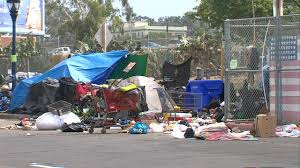
Huge areas of the city are covered in feces, urine, trash and used hypodermic needles. Hospitals overflow with patients that have fallen ill due to the contamination.

Typical “homeless” campsite
In February, 2018, NBC News surveyed 153 blocks of the city—an area more than 20 miles. That area includes popular tourist spots like Union Square and the cable car turnaround. It’s bordered by Van Ness Avenue, Market Street, Post Street and Grant Avenue. And it’s also home to City Hall, schools, playgrounds and a police station.
Reporters found trash littered across every block. Forty-one blocks were covered with needles and 96 blocks were contaminated with piles of human feces.
Most of the trash found consisted of heaps of garbage, food, and discarded junk—including 100 drug needles and more than 300 piles of feces throughout downtown. If you step on one of these needles, you can get HIV, Hepatitis C, Hepatitis B or a variety of other viral diseases.
But you don’t have to actually get stuck by a needle to become a victim. Once fecal matter dries, it can become airborne and release deadly viruses, such as the rotavirus.
“If you happen to inhale that, it can also go into your intestine,” says Dr. Lee Riley, an infectious disease specialist at the University of California, Berkeley. The results can prove fatal, especially in children.
And cleaning up the messes of DDMBs is no easy task. In a 2018 news story on NBC’s San Francisco affiliate, KNTV, Mohammed Nuru, the Director of the Public Works Department, said: “Yes, we can clean, and then go back a few hours later, and it looks as if it was never cleaned. So is that how you want to spend your money?”
A single pile of human waste takes at least 30 minutes for one of his staffers to clean up. “The steamer has to come. He has to park the steamer. He’s got to come out with his steamer, disinfect, steam clean, roll up and go.”
Another danger posed by DDMBs: Hundreds—if not thousands—of them are heroin addicts. Such people will commit virtually any crime to support their habit. And their crimes of choice are burglary and robbery.
Thus, pouring large numbers of them into San Francisco neighborhoods via “Navigation Centers”—essentially holding pens for DDMBs—guarantees that countless decent citizens will become targets for desperate criminals.
Navigation Centers boast that they ban drug-abuse or drug-dealing on their own premises. But they allow DDMBs to come and go at will. Which means they are free to engage in drug-abuse and/or drug-dealing in the neighborhoods where these centers exist.
In 2016, San Francisco spent $275 million on homelessness—up from $241 million in 2015. Four years later, City Hall prepared to spend $300 million to find housing for DDMBs.
San Francisco’s political elite see this blight as well as everyone else. They can’t avoid seeing it, since the city covers 47 square miles.

The latest fad remedy: “Navigation Centers.” These will supposedly warehouse DDMBs temporarily until they can be “navigated” to permanent housing.
But housing is in short supply in San Francisco, and there is no telling how long how many of these drug addicts, alcoholics, mentally disabled and bums will stay in them. Or what harm they will wreak on the neighborhoods warehousing them.
San Francisco should stop catering to its population of DDMBs who prey on the guilt or fear of law-abiding, tax-paying citizens.
The same laws that protect citizens against patients with highly communicable diseases like typhoid and cholera should be vigorously applied to those whose filthy habits threaten similar public contagion.
Among such reforms:
- Launch a “Please Do Not Feed the Bums” publicity campaign—as San Francisco has against feeding pigeons. And those caught doing so should be heavily fined.
- Trash cans should be equipped with locked doors, to prevent DDMBs from using them as food dispensers.
- Those living on the street should be given a choice: Go to a local shelter or face arrest and the immediate confiscation of their possessions.
- San Francisco’s rent control laws should be strengthened, to prevent future evictions owing to the unchecked greed of landlords.
- Tenants on fixed incomes should be given special protections against extortionate rent increases.
- Bus drivers should have the right to refuse passengers who stink of urine/feces, as they present a potential health-hazard to others.
- Owners of restaurants, theaters and grocery stores should likewise be allowed to refuse service on the same basis.
- Require proof of at least six months’ residency for those applying for welfare benefits. Too many people come to San Francisco because, upon arrival, they can immediately apply for such benefits.
- Set up a special unit to remove “street people” and their possessions from city sidewalks. This could be a division of the Sanitation Department, since its personnel are used to removing filth and debris of all types.
Only then will San Francisco rightly reclaim its former glory as “the city by the Bay.”
ABC NEWS, ALCOHOLISM, ALTERNET, AMERICABLOG, AP, BABY BOOMER RESISTANCE, BUMS, BUZZFEED, CBS NEWS, CNN, CORONAVIRUS, COVID-19, COVID-19 ALTERNATIVE HOUSING PROGRAM, CROOKS AND LIARS, DAILY KOZ, DRUDGE RETORT, DRUG ADDICTION, FACEBOOK, FIVETHIRTYEIGHT, HARPER’S MAGAZINE, HEAPTITUS C, HEPATITIS B, HIV, HOMELESSNESS, HUMAN FECES, INFECTIOUS DISEASES, LEE RILEY, LONDON BREED, MEDIA MATTERS, MENTAL ILLNESS, MOHAMMED NURU, MOTHER JONES, MOVEON, MSNBC, NAVIGATION CENTERS, NBC NEWS, NEWSWEEK, NPR, PBS NEWSHOUR, POLITICO, POLITICUSUSA, PUBLIC HEALTH, RAW STORY, REUTERS, SALON, SAN FRANCISCO, SAN FRANCISCO BOARD OF SUPERVISORS, SAN FRANCISCO DEPARTMENT OF PUBLIC HEALTH, SAN FRANCISCO MAYOR'S OFFICE, SAN FRANCISCO PUBLIC WORKS DEPARTMENT, SEATTLE TIMES, SLATE, TALKING POINTS MEMO, THE ATLANTIC, THE CHICAGO SUN-TIMES, THE CHICAGO TRIBUNE, THE DAILY BEAST, THE DAILY BLOG, THE GUARDIAN, THE HILL, THE HUFFINGTON POST, THE LOS ANGELES TIMES, THE NATION, THE NEW REPUBLIC, THE NEW YORK TIMES, THE VILLAGE VOICE, THE WASHINGTON POST, THINKPROGRESS, TIME, TRUTHDIG, TRUTHOUT, TWITTER, TWO POLITICAL JUNKIES, U.S. NEWS & WORLD REPORT, UPI, USA TODAY, WONKETTE
In Bureaucracy, Business, History, Law, Law Enforcement, Politics, Social commentary on October 1, 2020 at 12:06 am
In San Francisco, successive mayors and members of the Board of Supervisors virtually roll out the welcome mat for succeeding waves of
- Drug addicts
- Drunks
- Mentally ill and
- Bums.
Who can otherwise be classified as DDMBs.
Huge areas of the city are covered in feces, urine, trash and used hypodermic needles. Hospitals overflow with patients that have fallen ill due to the contamination.
Early each day to the City Hall steps
The bum-loving ‘Frisco Mayor comes
In her own special way to the people she calls,
“Come, hand out booze to my bums.”
Typical “homeless” campsite
In February, 2018, NBC News surveyed 153 blocks of the city—an area more than 20 miles. That area includes popular tourist spots like Union Square and the cable car turnaround. It’s bordered by Van Ness Avenue, Market Street, Post Street and Grant Avenue. And it’s also home to City Hall, schools, playgrounds and a police station.
Reporters found trash littered across every block. Forty-one blocks were covered with needles and 96 blocks were contaminated with piles of human feces.
Most of the trash found consisted of heaps of garbage, food, and discarded junk—including 100 drug needles and more than 300 piles of feces throughout downtown. If you step on one of these needles, you can get HIV, Hepatitis C, Hepatitis B or a variety of other viral diseases.
Feed the bums, six-packs a bag
Six-packs, six-packs, six-packs a bag
“Feed the bums,” she cries from the stoop
While on the streets, her bums take a poop.
But you don’t have to actually get stuck by a needle to become a victim. Once fecal matter dries, it can become airborne and release deadly viruses, such as the rotavirus.
“If you happen to inhale that, it can also go into your intestine,” says Dr. Lee Riley, an infectious disease specialist at the University of California, Berkeley. The results can prove fatal, especially in children.
And cleaning up the messes of DDMBs is no easy task. In a 2018 news story on NBC’s San Francisco affiliate, KNTV, Mohammed Nuru, the Director of the Public Works Department, said: “Yes, we can clean, and then go back a few hours later, and it looks as if it was never cleaned. So is that how you want to spend your money?”
A single pile of human waste takes at least 30 minutes for one of his staffers to clean up. “The steamer has to come. He has to park the steamer. He’s got to come out with his steamer, disinfect, steam clean, roll up and go.”
All around you see needles that are left by the addicts
And poop that slops on your shoes.
You know bums are smiling
Each time someone shows up with booze.
Another danger posed by DDMBs: Hundreds—if not thousands—of them are heroin addicts. Such people will commit virtually any crime to support their habit. And their crimes of choice are burglary and robbery.
Thus, pouring large numbers of them into San Francisco neighborhoods via “Navigation Centers”—essentially holding pens for DDMBs—guarantees that countless decent citizens will become targets for desperate criminals.
Navigation Centers boast that they ban drug-abuse or drug-dealing on their own premises. But they allow DDMBs to come and go at will. Which means they are free to engage in drug-abuse and/or drug-dealing in the neighborhoods where these centers exist.
In 2016, San Francisco spent $275 million on homelessness—up from $241 million in 2015. Four years later, City Hall prepared to spend $300 million to find housing for DDMBs.
Though her words are simple and few
Listen, listen, she’s calling to you
“Feed the bums, six-packs a bag
Six-packs, six-packs, six-packs a bag.”
San Francisco’s political elite see this blight as well as everyone else. They can’t avoid seeing it, since the city covers 47 square miles.
The latest fad remedy: “Navigation Centers.” These will supposedly warehouse DDMBs temporarily until they can be “navigated” to permanent housing.
But housing is in short supply in San Francisco, and there is no telling how long how many of these drug addicts, alcoholics, mentally disabled and bums will stay in them. Or what harm they will wreak on the neighborhoods warehousing them.
San Francisco should stop catering to its population of DDMBs who prey on the guilt or fear of law-abiding, tax-paying citizens.
The same laws that protect citizens against patients with highly communicable diseases like typhoid and cholera should be vigorously applied to those whose filthy habits threaten similar public contagion.
Among such reforms:
- Launch a “Please Do Not Feed the Bums” publicity campaign—as San Francisco has against feeding pigeons. And those caught doing so should be heavily fined.
- Trash cans should be equipped with locked doors, to prevent DDMBs from using them as food dispensers.
- Those living on the street should be given a choice: Go to a local shelter or face arrest and the immediate confiscation of their possessions.
- San Francisco’s rent control laws should be strengthened, to prevent future evictions owing to the unchecked greed of landlords. Tenants on fixed incomes should be given special protections against extortionate rent increases.
- Bus drivers should have the right to refuse passengers who stink of urine/feces, as they present a potential health-hazard to others.
- Owners of restaurants, theaters and grocery stores should likewise be allowed to refuse service on the same basis.
- Require proof of residency for those applying for welfare benefits. Too many people come to San Francisco because, upon arrival, they can immediately apply for such benefits.
- The city should set up a special unit to remove “street people” and their possessions from city sidewalks. This could be a division of the Sanitation Department, since its personnel are used to removing filth and debris of all types.
Only then will San Francisco rightly reclaim its former glory as “the city by the Bay.”


 Bureaucracybuster's Blog
ABC NEWS, ALTERNET, AMERICABLOG, AP, BABY BOOMER RESISTANCE, BBC, BEDBUGS, BLOOMBERG, BLOOMBERG NEWS, BUILDING INSPECTION, BUSINESS, BUZZFEED, CBS NEWS, CHRIS MATHEWS, CNN, CROOKS AND LIARS, DAILY KOS, FEDERAL ASSET FORFEITURE STATUTES, FIVETHIRTYEIGHT, HARPER’S MAGAZINE, HUFFINGTON POST, LANDLORDS, MEDIA MATTERS, MOTHER JONES, MOVEON, MSNBC, NBC NEWS, NEW REPUBLIC, NEWSDAY, NEWSWEEK, NICCOLO MACHIAVELLI, NPR, PBS NEWSHOUR, POLITICO, POLITICUSUSA, RAW STORY, RENT BOARD, RENT CONTROL, RENTERS, RENTPAGE INC., REUTERS, ROBERT F. KENNEDY, SALON, SAN FRANCISCO, SAN FRANCISCO DEPARTMENT OF BUILDING INSPECTION, SAN FRANCISCO DEPARTMENT OF PUBLIC HEALTH, SEATTLE TIMES, SLATE, SLUMLORDS, TALKING POINTS MEMO, THE ATLANTIC, THE CHICAGO SUN-TIMES, THE CHICAGO TRIBUNE, THE DAILY BEAST, THE DAILY BLOG, THE GUARDIAN, THE HILL, THE HUFFINGTON POST, THE INTERCEPT, THE LOS ANGELES TIMES, THE NATION, THE NEW REPUBLIC, THE NEW YORK TIMES, THE NEW YORKER, THE VILLAGE VOICE, THE WALL STREET JOURNAL, THE WASHINGTON POST, THINKPROGRESS, TIME, TRUTHDIG, TRUTHOUT, TWO POLITICAL JUNKIES, U.S. NEWS & WORLD REPORT, UNITED STATES DEPARTMENT OF JUSTICE, UPI, USA TODAY, WILLIAM TECUMSEH SHERMAN, X
CREATING SAFE AND AFFORDABLE HOUSING: PART THREE (END)
In Bureaucracy, History, Law, Law Enforcement, Politics, Social commentary on September 5, 2024 at 12:11 amTo create safe and affordable housing for their citizens, city agencies need to see landlords for what they truly are—as, at best, potential predators, if not actual ones. And to act aggressively on that knowledge.
As Niccolo Machiavelli warned:
“All those who have written upon civil institutions demonstrate…that whoever desires to found a state and give it laws, must start with assuming that all men are bad and ever ready to display their vicious nature, whenever they may find occasion for it.
“If their evil disposition remains concealed for a time, it must be attributed to some unknown reason; and we must assume that it lacked occasion to show itself. But time, which has been said to be the father of all truth, does not fail to bring it to light.”
Niccolo Machiavelli
The vast majority of this nation’s cities and states make no effort to control the insatiable greed of landlords. Nor to require them to provide even minimal habitability for their tenants.
Many tenants have lived with rotting floors, bedbugs, nonworking toilets, mice/rats, chipping lead-based paint and other outrages for not simply months but years.
This holds true even in San Francisco—the so-called “renters’ paradise” where the District Attorney’s Office hasn’t prosecuted a slumlord in decades.
Part Two of this series presented a series of badly-needed, long-overdue reforms for the San Francisco Department of Building Inspection (DBI). This is the agency charged with ensuring safe housing conditions for San Francisco residents.
Renters in cities and states across the country should demand similar protections.
This concluding part will cover the remainder of those needed reforms.
As Robert F. Kennedy wrote: “Every society gets the kind of criminal it deserves. What is equally true is that every community gets the kind of law enforcement it insists on.”
Share this: