Posts Tagged ‘ROBERT F. KENNEDY’
ABC NEWS, ALTERNET, AMERICAN TABLOID, ANTI-CASTRO CUBANS, AP, ASSASSINATION, BUZZFEED, CBS NEWS, CIA, CNN, COMMUNISM, CROOKS AND LIARS, CUBA, CUBAN MISSILE CRISIS, DAILY KOZ, DONALD TRUMP, DWIGHT D. EISENHOWER, FACEBOOK, FBI, FIDEL CASTRO, FLORIDA, FULGENCIO BATISTA, GUS RUSSO, JACK RUBY, JAMES ELLROY, JOHN F. KENNEDY, JOHNNY ROSELLI, LEE HARVEY OSWALD, LIVE BY THE SWORD, LYNDON B. JOHNSON, MAFIA, MARCO RUBIO, MOTHER JONES, MOVEON, MSNBC, NBC NEWS, NEWSWEEK, NIKITA KHRUSHCHEV, NPR, PBS NEWSHOUR, POLITICO, RAW STORY, REUTERS, ROBERT F. KENNEDY, SALON, SAM GIANCANA, SEATTLE TIMES, SLATE, THE ATLANTIC, THE CHICAGO SUN-TIMES, THE CHICAGO TRIBUNE, THE DAILY BEAST, THE GUARDIAN, THE HILL, THE HUFFINGTON POST, THE LOS ANGELES TIMES, THE NATION, THE NEW YORK TIMES, THE WASHINGTON POST, TIME, TWITTER, U.S. NEWS & WORLD REPORT, UPI, USA TODAY, WARREN COMMISSION
In Bureaucracy, History, Law Enforcement, Military, Politics, Social commentary on June 17, 2019 at 12:11 am
On June 5, President Donald Trump banned cruise ships from the United States to visit Cuba and “people-to-people” educational travel there for Americans.
Officially, the reason was to keep American dollars “out of the hands” of the communist government.
Unofficially, the reason was to curry electoral favor with the huge Cuban exile community living in Florida, especially in Miami.
That community owes its existence to Fidel Castro (1926-2016).
To his supporters he was a tireless champion of the poor and a foe of American imperialism. To his enemies he was a ruthless dictator who drove his country to economic ruin in the name of a failed ideology—communism.
His reign began on January 1, 1959, when he swept triumphantly into Havana after a two-year guerrilla campaign against Cuban dictator Fulgencio Batista.
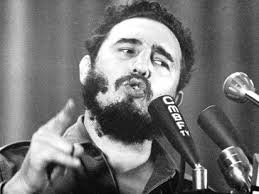
Fidel Castro
Almost immediately, hundreds of thousands of Cubans began fleeing to America. The first émigrés were more than 215,000 Batista followers. The exodus increased, peaking at approximately 78,000 in 1962.
In October, 1962, Castro stopped regularly scheduled travel between the two countries, and asylum seekers began sailing from Cuba to Florida.
Between 1962 and 1979, hundreds of thousands of Cubans entered the United States under the Attorney General’s parole authority.
By 2008, more than 1.24 million Cubans were living in the United States, mostly in South Florida, where the population of Miami was about one-third Cuban. Their sheer numbers transformed the state’s political, economic and cultural life. And not entirely for the better.
Many of these Cubans viewed themselves as political exiles, rather than immigrants, hoping to eventually return to Cuba after its Communist regime fell from power.
The large number of Cubans in South Florida, particularly in Miami’s “Little Havana,” allowed them to preserve their culture and customs to a degree rare for immigrant groups.
With so many discontented immigrants concentrated in Florida, they became a potential force for politicians to court.
And the issue guaranteed to sway their votes was unrelenting hostility to Castro. Unsurprisingly, most of their votes went to Right-wing Republicans.
John F. Kennedy was the first President to face this dilemma.
During the closing months of the administration of President Dwight D. Eisenhower, the CIA had begun training Cuban exiles for an invasion of their former homeland.
The exiles’ goal: To do what Castro had done—seek refuge in the mountains and launch a successful anti-Castro revolution.
But word of the coming invasion quickly leaked: The exiles were terrible secret-keepers. (A joke at the CIA went: “A Cuban thinks a secret is something you tell to only 300 people.”)
Kennedy insisted the invasion must appear to be an entirely Cuban enterprise. He refused to commit U.S. Marines and Air Force bombers.
More than 1,400 invaders landed on April 17, 1961 at the Bay of Pigs—and were quickly overwhelmed, with hundreds of the men taken prisoner.
Kennedy publicly took the blame for its failure: “Victory has a hundred fathers but defeat is an orphan.” Privately he seethed, and ordered the CIA to redouble its efforts to remove Castro at all costs.
To guarantee success, he appointed his brother, Robert—then Attorney General—to oversee the CIA’s “Castro removal” program.
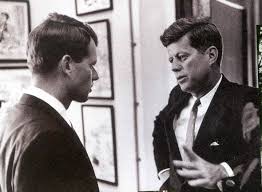
Robert F. Kennedy and John F. Kennedy
It’s here that America’s obsession with Cuba entered its darkest and most disgraceful period.
The CIA and the Mafia entered into an unholy alliance to assassinate Castro—each for its own benefit:
- The CIA wanted to please Kennedy.
- The mobsters wanted to regain their casino and brothel holdings that had made Cuba their private playground in pre-Castro times. They also hoped to use their pose as patriots to win immunity from future prosecution.
The CIA supplied poisons and explosives to various members of the Mafia. It was then up to the mobsters to assassinate Castro.
The CIA asked Johnny Roselli, a mobster linked to the Chicago syndicate, to go to Florida in 1961 and 1962 to organize assassination teams of Cuban exiles. They were to infiltrate their homeland and assassinate Castro.
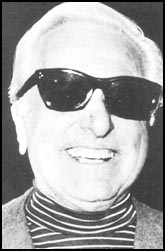
Johnny Roselli
Rosselli called upon two other crime figures: Chicago Mafia boss Sam Giancana and Santos Trafficante, the Costra Nostra chieftain for Tampa, for assistance.

Sam Giancana
Giancana, using the name “Sam Gold” in his dealings with the CIA, was meanwhile being hounded by the FBI on direct orders of Attorney General Robert Kennedy.
The mobsters were authorized to offer $150,000 to anyone who would kill Castro and were promised any support the Agency could yield.
Giancana was to locate someone who was close enough to Castro to be able to drop pills into his food. Trafficante would serve as courier to Cuba, helping to make arrangements for the murder on the island.
Rosselli was to be the main link between all of the participants in the plot.
Some historians believe that the Mob made a genuine effort to “whack” Fidel.
Others are convinced the mobsters simply ran a scam on the government. They pretended to carry out their “patriotic duty” while in fact making no effort at all to penetrate Castro’s security.
The CIA’s war against Castro was known as Operation Mongoose—the mongoose being a traditional enemy of the cobra. And those entrusted with this assignment were known as the Special Group.
1968 PRESIDENTIAL RACE, ABC NEWS, ADOLF HITLER, ALTERNET, AP, BERNARD LAW MONTGOMERY, BUZZFEED, CBS NEWS, CNN, COMING APART: AMERICA IN THE 1960S (BOOK), CROOKS AND LIARS, D-DAY, DAILY KOZ, DWIGHT D. EISENHOWER, ERWIN ROMMEL, EUGENE MCCARTHY, FACEBOOK, HUBERT HUMPHERY, JOHN F. KENNEDY, LYNDON B. JOHNSON, MOTHER JONES, MOVEON, MSNBC, NAZI GERMANY, NBC NEWS, NEWSWEEK, NORMAN COTA, NPR, POLITICO, RAW STORY, REUTERS, ROBERT F. KENNEDY, SALON, SEATTLE TIMES, SIRHAN SIRHAN, SLATE, THE ATLANTIC, THE CHICAGO SUN-TIMES, THE CHICAGO TRIBUNE, THE DAILY BEAST, THE GUARDIAN, THE HILL, THE HUFFINGTON POST, THE LOS ANGELES TIMES, THE NATION, THE NEW YORK TIMES, THE WASHINGTON POST, THIRD REICH, TIME, TWITTER, U.S. ARMY RANGERS, U.S. NEWS & WORLD REPORT, UPI, USA TODAY, VIETNAM WAR, WILLIAM L. O'NEILL, WORLD WAR 11
In Bureaucracy, History, Military, Politics, Social commentary on June 6, 2019 at 12:16 am
“For it is the doom of men that they forget.”
—Merlin, in “Excalibur”
June 6—a day of glory and tragedy.
The glory came 75 years ago—on Tuesday, June 6, 1944.
On that morning, Americans awoke to learn—from radio and newspapers—that their soldiers had landed on the French coast of Normandy.
In Supreme Command of the Allied Expeditionary Force: American General Dwight D. Eisenhower. Overall command of ground forces rested with British General Bernard Law Montgomery.
Operation Overlord, the Allied invasion to liberate France from Nazi Germany, proved one of the pivotal actions of World War II.
Shortly after midnight, 24,000 American, British, Canadian and Free French troops launched an airborne assault. This was followed at 6:30 a.m. by an amphibious landing of Allied infantry and armored divisions on the French coast.
Field Marshal Erwin Rommel—the legendary “Desert Fox”—commanded the German forces. For him, the first 24 hours of the battle would be decisive.
“For the Allies as well as the Germans,” he warned his staff, “it will be the longest day.”
The operation was the largest amphibious invasion in history. More than 160,000 troops landed—73,000 Americans, 61,715 British and 21,400 Canadians.

Omaha Beach – June 6, 1944
Initially, the Allied assault seemed likely to be stopped at the water’s edge—where Rommel had insisted it must be. He had warned that if the Allies established a beachhead, their overwhelming numbers and airpower would eventually prove irresistible.
German machine-gunners and mortarmen wreaked a fearful toll on Allied soldiers. But commanders like U.S. General Norman Cota led their men to victory through a storm of bullets and shells.
Coming upon a group of U.S. Army Rangers taking cover behind sand dunes, Cota demanded: “What outfit is this?”
“Rangers!” yelled one of the soldiers.
“Well, Goddamnit, then, Rangers, lead the way!” shouted Cota, inspiring the soldiers to rise and charge into the enemy.
The command also gave the Rangers the motto they carry to this day.
The allied casualty figures for D-Day have been estimated at 10,000, including 4,414 dead. By nationality, the D-Day casualty figures are about
- 2,700 British
- 946 Canadians
- and 6,603 Americans.
The total number of German casualties on D-Day isn’t known, but is estimated at 4,000 to 9,000.
Allied and German armies continued to clash throughout France, Belgium and Germany until May 7, 1945, when Germany finally surrendered.
But Americans who had taken part in D-Day could be proud of having dealt a fatal blow to the evil ambitions of Adolf Hitler’s Third Reich.
So much for the glory of June 6. Now for the tragedy—which occurred 51 years ago, on Thursday, June 6, 1968.
Twenty-four years after D-Day, Americans awoke to learn—mostly from TV—that New York Senator Robert F. Kennedy had died at 1:44 a.m. of an assassin’s bullet.
He had been campaigning for the Democratic Presidential nomination, and had just won the California primary on June 4.
This had been a make-or-break event for Kennedy, a fierce critic of the seemingly endless Vietnam war.
He had won the Democratic primaries in Indiana and Nebraska, but had lost the Oregon primary to Minnesota Senator Eugene McCarthy.
If he defeated McCarthy in California, Kennedy could force his rival to quit the race. That would lead to a showdown between him and Vice President Hubert Humphrey for the nomination.
(President Lyndon B. Johnson had withdrawn from the race on March 31—just 15 days after Kennedy announced his candidacy on March 16.)
After winning the California and South Dakota primaries, Kennedy gave a magnanimous victory speech in the ballroom of the Ambassador Hotel in Los Angeles:

Robert F. Kennedy, only moments from death
“I think we can end the divisions within the United States….We are a great country, an unselfish country, and a compassionate country. And I intend to make that my basis for running over the period of the next few months.”
Then he entered the hotel kitchen—where Sirhan Sirhan, a 24-year-old Palestinian from Jordan, opened fire with a .22 revolver.
Kennedy was hit three times—once fatally in the back of the head. Five other people were also wounded.
Kennedy’s last-known words were: “Is everybody all right?” and “Jack, Jack”—the latter clearly a reference to his beloved older brother, John Fitzgerald Kennedy.
Almost five years earlier, that brother—then President of the United States—had been assassinated in Dallas on November 22, 1963.
Then Robert Kennedy lost consciousness—forever, dying in a hospital bed 24 hours later.
Kennedy had been a U.S. Attorney General (1961-1964) and Senator (1964-1968). But it was his connection to President Kennedy for which he was best-known.
His assassination—coming so soon after that of JFK—convinced many Americans there was something “sick” about the nation’s culture.
Historian William L. O’Neil delivered a poignant summary of Robert Kennedy’s legacy in Coming Apart: An Informal History of America in the 1960′s.

“He aimed so high that he must be judged for what he meant to do, and through error and tragic accident, failed at…..He will also be remembered as an extraordinary human being who, though hated by some, was perhaps more deeply loved by his countrymen than any man of his time.
“That, too, must be entered into the final account, and it is no small thing. With his death, something precious vanished from public life.”
ABC NEWS, ALTERNET, AMERICABLOG, ANWAR SADAT, AP, ARTHUR BREMER, ASSASSINATION, BABY BOOMER RESISTANCE, BBC, BLOOMBERG NEWS, BUZZFEED, CBS NEWS, CHARLES L. COTTON, CIA, CLEMENTA C. PINCKNEY, CNN, CROOKS AND LIARS, DAILY KOS, DAILY KOZ, DYLANN ROOF, EGYPT, EMANUEL AFRICAN METHODIST CHURCH, FACEBOOK, FIVETHIRTYEIGHT, GEORGE C. WALLACE, GUN CONTROL, HARPER’S MAGAZINE, HATE CRIMES, HUFFINGTON POST, ISRAEL, MEDIA MATTERS, MOTHER JONES, MOVEON, MSNBC, NATIONAL RIFLE ASSOCIATION, NBC NEWS, NEW REPUBLIC, NEWSDAY, NEWSWEEK, NPR, PBS NEWSHOUR, POLITICO, POLITICUSUSA, RAFAEL CRUZ, RAW STORY, REPUBLICAN PARTY, REPUBLICANS, REUTERS, ROBERT F. KENNEDY, SALON, SEATTLE TIMES, Secret Service, SLATE, TALKING POINTS MEMO, TERRORISM, THE ATLANTIC, THE CHICAGO SUN-TIMES, THE CHICAGO TRIBUNE, THE DAILY BEAST, THE DAILY BLOG, THE GUARDIAN, THE HILL, THE HUFFINGTON POST, THE INTERCEPT, THE LOS ANGELES TIMES, THE NATION, THE NEW REPUBLIC, THE NEW YORK TIMES, THE NEW YORKER, THE SECOND AMENDMENT, THE VILLAGE VOICE, THE WASHINGTON POST, THINKPROGRESS, TIME, TRUTHDIG, TRUTHOUT, TWITTER, U.S. NEWS & WORLD REPORT, UPI, USA TODAY
In Bureaucracy, History, Law, Law Enforcement, Politics, Social commentary on May 9, 2019 at 12:11 am
“You know the great thing about the state of Iowa is, I’m pretty sure you all define gun control the same way we do in Texas—hitting what you aim at.
“My wife, Heidi, who is a petite, 5’2 California blonde, she was standing at the tripod unloading the full machine gun with a pink baseball cap that said ‘Frmed and Fabulous.’”
Yes, it was United States Senator Rafael “Ted” Cruz (R-Texas) on the prowl for laughs–-and votes—at a town hall meeting in Iowa.
Normally, Cruz would do his vote-hunting in Texas. But now Cruz had a bigger prize on his mind than simply being re-elected a United States Senator. Cruz wanted to be President in 2016.
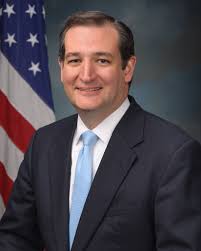
U.S. Senator Rafael Cruz
And Iowa held its precinct causes on February 1-2, 2016.
Cruz’ jokes about gun control came on June 19, 2015, only two days after Dylann Roof, a white high school dropout, gunned down three unarmed black men and six black women at Emanuel African Methodist Episcopal Church in Charleston, South Carolina.
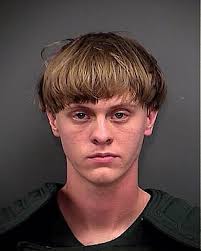
Dylann Roof
Following his remarks, Cruz headed to a shooting range, where he fired off rounds on a semiautomatic .223-caliber Smith and Wesson M&P 15.
Cruz’ remarks no doubt appeared insensitive to those who now mourned for the latest victims of gun violence. But Charles L. Cotton took insulting the dead to a whole new level.
Cotton is a National Rifle Association (NRA) board member who also runs TexasCHLForum.com, an online discussion forum about guns and gun owners’ rights in Texas and beyond.
In a discussion thread on June 18, 2015—one day after the church slaughter—a board member noted that Clementa C. Pinckney, one of the nine people slain, was a pastor and a state legislator in South Carolina.
Cotton responded: “And he voted against concealed-carry. Eight of his church members who might be alive if he had expressly allowed members to carry handguns in church are dead. Innocent people died because of his position on a political issue.”

That discussion thread has since been deleted.
During a subsequent phone interview, Cotton emphasized that he had been speaking as a private citizen—and not as an NRA board member:
“It was a discussion we were having about so called gun-free zones. It’s my opinion that there should not be any gun-free zones in schools or churches or anywhere else. If we look at mass shootings that occur, most happen in gun-free zones.”
If private citizens were allowed to carry guns everywhere, Cotton says, there will be fewer mass shootings because “if armed citizens are in there, they have a chance to defend themselves and other citizens.”
Cotton’s position—“there should not be any gun-free zones”—is exactly that of the NRA itself.
Under such circumstances, America will become a nation where anyplace, anytime, can be turned into the O.K. Corral.
Another point that Cotton didn’t mention: Dylann Roof did believe in concealed-carry–and it cost the lives of nine innocent men and women.
Finally, there is this: Even highly-trained shooters—such as those assigned to the United States Secret Service–don’t always respond as expected.
On May 15, 1972, Alabama Governor George Wallace was campaigning for President in Laurel, Maryland. He gave a speech behind a bulletproof podium at the Laurel Shopping Center. Then he moved from it to mingle with the crowd.
Since the 1968 assassination of Senator Robert F. Kennedy, all those campaigning for President have been assigned Secret Service bodyguards. And Wallace was surrounded by them as he shook hands with his eager supporters.
Suddenly, Arthur Bremer, a fame-seeking failure in life and romance, pushed his way forward, aimed a .38 revolver at Wallace’s abdomen and opened fire. Before he could be subdued, he hit Wallace four times, leaving him paralyzed for the rest of his life.

Arthur Bremer shoots George Wallace
Nor was he Bremer’s only victim. Three other people present were wounded unintentionally:
- Alabama State Trooper Captain E. C. Dothard, Wallace’s personal bodyguard, who was shot in the stomach;
- Dora Thompson, a campaign volunteer, who was shot in the leg; and
- Nick Zarvos, a Secret Service agent, who was shot in the neck, severely impairing his speech.
None of Wallace’s bodyguards got off a shot at Bremer—before or after he pulled the trigger.
On October 6, 1981, Egyptian President Anwar Sadat was reviewing a military parade in Cairo when a truck apparently broke down directly across from where he was seated.
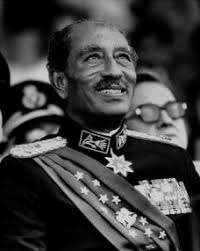
Anwar Sadat, moments before his assassination
Suddenly, soldiers bolted from the rear of the vehicle, throwing hand grenades and firing assault rifles. They rushed straight at Sadat—who died instantly under a hail of bullets.
Meanwhile, Sadat’s bodyguards—who had been trained by the CIA—panicked and fled.
Sadat had been assassinated by army officers who believed he had betrayed Islam by making peace with Israel in 1977.
The ultimate test of the NRA’s mantra that “there should not be any gun-free zones…anywhere” will come only when one or more heavily-armed gunmen target an NRA convention.
It will then be interesting to see if the surviving NRA members are as quick to blame themselves for being victims as they are to blame the victims of other mass gun-slaughters.
101 CALIFORNIA SHOOTINGS, ABC NEWS, ADAM LANZA, ADAM WINKLER, ALTERNET, AP, BUZZFEED, CBS NEWS, CENTURY 16 THEATER SHOOTINGS, CNN, COLUMBINE SCHOOL SHOOTINGS, CONNECTICUT SUPREME COURT, CONSUMER PROTECTION LAWS, CRIME, CROOKS AND LIARS, DAILY KOZ, FACEBOOK, GUN CONTROL, JOSH KOSKOFF, M1-16 ASSAULT RIFLE, MARTIN LUTHER KING, MEDICAID, MENTAL ILLNESS, MIKE MOORE, MOTHER JONES, MOVEON, MSNBC, NANCY LANZA, NATIONAL RIFLE ASSOCIATION, NBC NEWS, NEWSWEEK, NPR, PBS NEWSHOUR, POLITICO, PROTECTION OF LAWFUL COMMERCE IN ARMS ACT, RAW STORY, REMINGTON AR-15 BUSHMASTER RIFLE, REMINGTON OUTDOOR COMPANY, REP. GABRIELLE GIFFORDS SHOOTING, REPUBLICANS, REUTERS, ROBERT F. KENNEDY, SALON, SAN YASIDRO MACDONALD’S SHOOTINGS, SANDY HOOK ELEMENTARY SCHOOL MASSACRE, SEATTLE TIMES, SECOND AMENDMENT, SELF-DEFENSE, SLATE, STAND-YOUR-GROUND LAWS, THE ATLANTIC, THE CHICAGO SUN-TIMES, THE CHICAGO TRIBUNE, THE DAILY BEAST, THE GUARDIAN, THE HILL, THE HUFFINGTON POST, THE LOS ANGELES TIMES, THE NATION, THE NEW YORK TIMES, THE WASHINGTON POST, TIME, TOBACCO COMPANY LAWSUITS, TWITTER, U.S. CONSTITUTION, U.S. NEWS & WORLD REPORT, UCLA LAW SCHOOL, UNITED STATES SUPREME COURT, UPI, USA TODAY, VIRGINIA TECH SHOOTINGS, WRONGFUL-DEATH LAWSUITS
In Bureaucracy, History, Law, Law Enforcement, Military, Politics, Social commentary on March 27, 2019 at 12:13 am
“The victims of the violence are black and white, rich and poor, young and old, famous and unknown. They are, most important of all, human beings whom other human beings loved and needed. No one—no matter where he lives or what he does— can be certain who will suffer from some senseless act of bloodshed. And yet it goes on and on.”
–Robert F. Kennedy, April 4, 1968

Senator Robert F. Kennedy announcing the murder of Dr. Martin Luther King, Jr.
What should the surviving victims of gun massacres do to seek redress?
And how can the relatives and friends of those who didn’t survive seek justice for those they loved?
As far back as 2012, this writer posed those questions. And offered the following solution.
But only now has a court—the Connecticut Supreme Court—made this remedy possible.
First, don’t count on politicians to support a ban on assault weapons.
Politicians—with rare exceptions—have only two goals:
- Get elected to office, and
- Stay in office.
And too many of them fear the economic and voting clout of the National Rifle Association (NRA) to risk its wrath.
Consider Republican Presidential Nominee Mitt Romney and then-President Barack Obama.
Both rushed to offer condolences to the surviving victims of the massacre at the Century 16 Theater in Aurora, Colorado, on July 20, 2012.
And both steadfastly refused to even discuss gun control—let alone support a ban on the type of assault weapons used by James Holmes, leaving 12 dead and 58 wounded.
Second, those who survived the massacre—and the relatives and friends of those who didn’t—should file wrongful death, class-action lawsuits against the NRA.
There is sound, legal precedent for this.
- For decades, the American tobacco industry peddled death and disability to millions and reaped billions of dollars in profits.
- The industry vigorously claimed there was no evidence that smoking caused cancer, heart disease, emphysema or any other ailment.
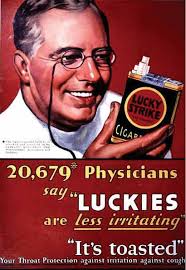
- Tobacco companies spent billions on slick advertising campaigns to win new smokers and attack medical warnings about the dangers of smoking.
- Tobacco companies spent millions to elect compliant politicians and block anti-smoking legislation.
- From 1954 to 1994, over 800 private lawsuits were filed against tobacco companies in state courts. But only two plaintiffs prevailed, and both of those decisions were reversed on appeal.
- In 1994, amidst great pessimism, Mississippi Attorney General Mike Moore filed a lawsuit against the tobacco industry. But other states soon followed, ultimately growing to 46.
- Their goal: To seek monetary, equitable and injunctive relief under various consumer-protection and anti-trust laws.
- The theory underlying these lawsuits was: Cigarettes produced by the tobacco industry created health problems among the population, which badly strained the states’ public healthcare systems.
- In 1998, the states settled their Medicaid lawsuits against the tobacco industry for recovery of their tobacco-related, health-care costs. In return, they exempted the companies from private lawsuits for tobacco-related injuries.
- The companies agreed to curtail or cease certain marketing practices. They also agreed to pay, forever, annual payments to the states to compensate some of the medical costs for patients with smoking-related illnesses.
The parallels with the NRA are obvious:
- For decades, the NRA has peddled deadly weapons to millions, reaped billions of dollars in profits and refused to admit the carnage those weapons have produced: “Guns don’t kill people. People kill people.” With guns.
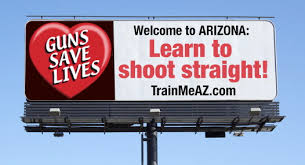
- The NRA has bitterly fought background checks on gun-buyers, in effect granting even criminals and the mentally ill the right to own arsenals of death-dealing weaponry.
- The NRA has spent millions on slick advertising campaigns to win new members and frighten them into buying guns.
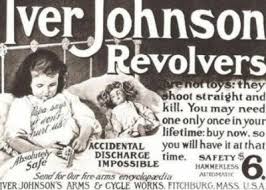
- The NRA has spent millions on political contributions to block gun-control legislation.
- The NRA has spent millions attacking political candidates and elected officials who warned about the dangers of unrestricted access to assault and/or concealed weapons.

- The NRA has spent millions pushing “Stand Your Ground” laws in more than half the states, which potentially give every citizen a “license to kill.”
- The NRA receives millions of dollars from online sales of ammunition, high-capacity ammunition magazines, and other accessories through its point-of-sale Round-Up Program—thus directly profiting by selling a product that kills about 30,288 people a year.
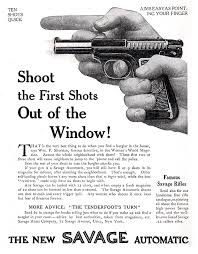
- Firearms made indiscriminately available through NRA lobbying have filled hospitals with casualties, and have thus badly strained the states’ public healthcare systems.
It will take a series of highly expensive and well-publicized lawsuits to significantly weaken the NRA, financially and politically.
The first ones will have to be brought by the surviving victims of gun violence—and by the friends and families of those who did not survive it. Only they will have the courage and motivation to take such a risk.
As with the cases first brought against tobacco companies, there will be losses. And the NRA will rejoice with each one.
But, in time, state Attorneys General will see the clear parallels between lawsuits filed against those who peddle death by cigarette and those who peddle death by armor-piercing bullet.
And then the NRA—like the tobacco industry—will face an adversary wealthy enough to stand up for the rights of the gun industry’s own victims.
Only then will those politicians supporting reasonable gun controls dare to stand up for the victims of these needless tragedies.
101 CALIFORNIA SHOOTINGS, ABC NEWS, ADAM LANZA, ADAM WINKLER, ALTERNET, AP, BUZZFEED, CBS NEWS, CENTURY 16 THEATER SHOOTINGS, CNN, COLUMBINE SCHOOL SHOOTINGS, CONNECTICUT SUPREME COURT, CONSUMER PROTECTION LAWS, CRIME, CROOKS AND LIARS, DAILY KOZ, FACEBOOK, GUN CONTROL, JOSH KOSKOFF, M1-16 ASSAULT RIFLE, MARTIN LUTHER KING, MEDICAID, MENTAL ILLNESS, MIKE MOORE, MOTHER JONES, MOVEON, MSNBC, NANCY LANZA, NATIONAL RIFLE ASSOCIATION, NBC NEWS, NEWSWEEK, NPR, PBS NEWSHOUR, POLITICO, PROTECTION OF LAWFUL COMMERCE IN ARMS ACT, RAW STORY, REMINGTON AR-15 BUSHMASTER RIFLE, REMINGTON OUTDOOR COMPANY, REP. GABRIELLE GIFFORDS SHOOTING, REPUBLICANS, REUTERS, ROBERT F. KENNEDY, SALON, SAN YASIDRO MACDONALD’S SHOOTINGS, SANDY HOOK ELEMENTARY SCHOOL MASSACRE, SEATTLE TIMES, SECOND AMENDMENT, SELF-DEFENSE, SLATE, STAND-YOUR-GROUND LAWS, THE ATLANTIC, THE CHICAGO SUN-TIMES, THE CHICAGO TRIBUNE, THE DAILY BEAST, THE GUARDIAN, THE HILL, THE HUFFINGTON POST, THE LOS ANGELES TIMES, THE NATION, THE NEW YORK TIMES, THE WASHINGTON POST, TIME, TOBACCO COMPANY LAWSUITS, TWITTER, U.S. CONSTITUTION, U.S. NEWS & WORLD REPORT, UCLA LAW SCHOOL, UNITED STATES SUPREME COURT, UPI, USA TODAY, VIRGINIA TECH SHOOTINGS, WRONGFUL-DEATH LAWSUITS
In Bureaucracy, History, Law, Military, Politics, Social commentary on March 26, 2019 at 12:11 am
Weapons manufacturers are the only companies in the United States that cannot be sued for the deaths and injuries their products cause.
This is because The Protection of Lawful Commerce in Arms Act, or PLCAA, immunizes the American firearms industry against lawsuits by victims of mass shootings and gun violence.
Rammed through a Republican-dominated Congress in 2005 by the National Rifle Association (NRA), it was signed into law by President George W. Bush.
But on March 15, 2019, the Supreme Court of Connecticut ruled that families of schoolchildren gunned down in the 2012 Sandy Hook Elementary School massacre could sue Remington Outdoor Co Inc., over its marketing of military-style Bushmaster weapons to civilians.
The Court ruled that the victims’ families had the right to sue Remington under the Connecticut Unfair Trade Practices Act (CUTPA).
Among the ads that Remington ran to promote its military-style AR-15 Bushmaster rifle:
- “Truly the most versatile and adaptive rifle ever conceived, it was born of a collaborative effort between Bushmaster, Magpul and Remington to create the ultimate military combat weapons system.”
- A photo of a Bushmaster with its barrel facing the reader, with the caption: “CONSIDER YOUR MAN CARD REISSUED.”
- A photo of a Bushmaster, alongside the slogan: “Forces of opposition, bow down. You are single-handedly outnumbered.”
- “ONE RIFLE. MANY MISSIONS. THE REVOLUTIONARY, FULLY MODULAR REMINGTON ACR (ADAPTIVE COMBAT RIFLE).”
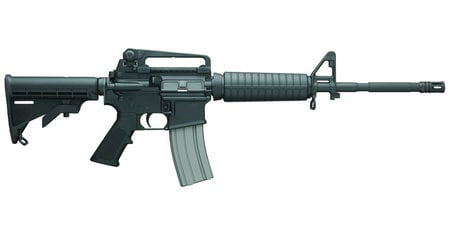
Remington AR-15 Bushmaster
“The defendants knowingly marketed, advertised, and promoted the XM15-E2S for civilians to use to carry out offensive, military style combat missions against their perceived enemies,” alleges the Newtown lawsuit.
And the Justices ruled that, “such use of the XM15-E2S, or any weapon for that matter, would be illegal, and Connecticut law does not permit advertisements that promote or encourage violent, criminal behavior.
“We are confident… that, if there were credible allegations that a firearms seller had run explicit advertisements depicting and glorifying school shootings, and promoted its products in video games, such as ‘School Shooting,’ that glorify and reward such unlawful conduct, and if a troubled young man who watched those advertisements and played those games were inspired thereby to commit a terrible crime like the ones involved in the Sandy Hook massacre, then even the most ardent sponsors of PLCAA would not have wanted to bar a consumer protection lawsuit seeking to hold the supplier accountable for the injuries wrought by such unscrupulous marketing practices.”

Connecticut Supreme Court Building
Said David Wheeler, father of a Sandy Hook victim: “There is a reason why this particular consumer product is the one that is used by people who want to inflict the most damage, and we have seen it time and time again since my son and his classmates were killed. That reason very likely potentially resides in the documents that we have been unable to look at until now.”
“The families’ goal has always been to shed light on Remington’s calculated and profit-driven strategy to expand the AR-15 market and court high-risk users, all at the expense of Americans’ safety,” said Josh Koskoff, one of the lawyers for the victims’ families, “Today’s decision is a critical step toward achieving that goal.”
“This is a landmark and potentially historic ruling,” said Adam Winkler, a UCLA Law School professor who specializes in constitutional law. “While all this decision does is allow a case to go forward, in broader terms it really opens up a new avenue for holding gunmakers responsible.”
More importantly, the ruling could spur similar suits in other states. “This could prompt further such suits not only for cases of mass shootings, but individual ones as well,” Winkler said.
The decision by the Connecticut Supreme Court wasn’t unanimous. Three of its seven justices dissented.
The case now goes back to the lower court for further proceedings and a possible trial.
Opinion remains divided over its chances for success.
According to National Public Radio: “The suit is a high-stakes challenge to gun companies, which have rarely been held liable for crimes committed with their products, and could mark a new front in the battle over gun regulations and corporate accountability.
“An eventual ruling against Remington could establish legal precedent, opening doors for more lawsuits against gun manufacturers, and expose the company’s communications about its marketing plans.”
Noted The Root: “While federal judges remain split on which laws apply to firearm manufacturers, Connecticut judges have drawn a line in the sand. While U.S. Supreme Court intervention on behalf of Remington is a distinct possibility, Connecticut’s decision could inspire lawmakers and lawyers to take a hard look at PLCAA.”
“The larger implications of this are that the Connecticut Supreme Court has just blown a giant hole in the PLCAA and in federal immunity for firearms manufacturers,” said Timothy Lytton, a law professor at Georgia State University.
Lytton predicted that the United States Supreme Court would be likely to take up the case: “What we’re talking about here is the interpretation of a federal statute and that falls squarely in the jurisdiction of the [United States] Supreme Court.”
A spokeswoman for the National Rifle Association declined to comment.
101 CALIFORNIA SHOOTINGS, ABC NEWS, ADAM LANZA, ADAM WINKLER, ALTERNET, AP, BUZZFEED, CBS NEWS, CENTURY 16 THEATER SHOOTINGS, CNN, COLUMBINE SCHOOL SHOOTINGS, CONNECTICUT SUPREME COURT, CONSUMER PROTECTION LAWS, CRIME, CROOKS AND LIARS, DAILY KOZ, FACEBOOK, GUN CONTROL, JOSH KOSKOFF, M1-16 ASSAULT RIFLE, MARTIN LUTHER KING, MEDICAID, MENTAL ILLNESS, MIKE MOORE, MOTHER JONES, MOVEON, MSNBC, NANCY LANZA, NATIONAL RIFLE ASSOCIATION, NBC NEWS, NEWSWEEK, NPR, PBS NEWSHOUR, POLITICO, PROTECTION OF LAWFUL COMMERCE IN ARMS ACT, RAW STORY, REMINGTON AR-15 BUSHMASTER RIFLE, REMINGTON OUTDOOR COMPANY, REP. GABRIELLE GIFFORDS SHOOTING, REPUBLICANS, REUTERS, ROBERT F. KENNEDY, SALON, SAN YASIDRO MACDONALD’S SHOOTINGS, SANDY HOOK ELEMENTARY SCHOOL MASSACRE, SEATTLE TIMES, SECOND AMENDMENT, SELF-DEFENSE, SLATE, STAND-YOUR-GROUND LAWS, THE ATLANTIC, THE CHICAGO SUN-TIMES, THE CHICAGO TRIBUNE, THE DAILY BEAST, THE GUARDIAN, THE HILL, THE HUFFINGTON POST, THE LOS ANGELES TIMES, THE NATION, THE NEW YORK TIMES, THE WASHINGTON POST, TIME, TOBACCO COMPANY LAWSUITS, TWITTER, U.S. CONSTITUTION, U.S. NEWS & WORLD REPORT, UCLA LAW SCHOOL, UNITED STATES SUPREME COURT, UPI, USA TODAY, VIRGINIA TECH SHOOTINGS, WRONGFUL-DEATH LAWSUITS
In Bureaucracy, History, Law, Law Enforcement, Military, Politics, Social commentary on March 25, 2019 at 1:38 am
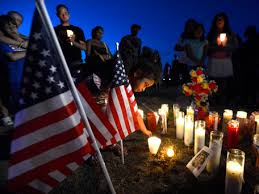
It had happened before—all too often before:
- Midnight vigils for the victims of yet another spree-killer.
- Makeshift memorials of flowers, candles and teddy bears.
- Grief counselors for students at elementary, junior high and high schools.
- And, of course, the inevitable question: “Why?”
Americans had seen it all before—too many times before:
- After the San Ysidro McDonald’s shootings, 1984: 21 dead, 19 wounded.
- After the 101 California Street shootings in San Francisco, 1993: 9 dead, 6 injured.
- After the Columbine High School shootings in Colorado, 1999: 15 dead, 21 wounded.
- After the Virginia Tech shootings, 2007: 32 dead, 23 wounded.
- After the Tucson shooting of Rep. Gabrielle Giffords, 2011: 6 dead, 13 wounded.
- After the massacre at the Century 16 Theater in Aurora, Colorado, 2012: 12 dead, 58 wounded.
And then, on December 14, 2012, Adam Lanza, a mentally unstable, 20-year-old gunman, shot and killed his sleeping mother, Nancy, as she lay in bed at home.
Then he drove his mother’s car to Sandy Hook Elementary School, in Newtown, Connecticut, and slaughtered 20 school children aged six and seven and six adult staff.
His weapon of choice: A Remington AR-15 Bushmaster rifle, a semi-automatic civilian version of the U.S. military’s M-16.
A fanatical gun collector, Nancy Lanza had turned the house she shared with her son into a virtual arsenal:
- Izhmash Saiga 12-gauge semiautomatic shotgun
- Bushmaster Model XM15-E2S .223-caliber semiautomatic rifle
- Glock 20 10mm semiautomatic handgun
- Sig Sauer P226 9mm semiautomatic handgun
- Savage Mark II bolt-action .22-caliber rifle
- Enfield Albian bolt-action .323-caliber rifle
- Volcanic .22-caliber starter pistol.
Of the firearms listed above, Lanza used the first four (italicized) to carry out the Sandy Hook massacre.
Stockpiles of ammunition for all of these weapons were later found by police as they searched the house.
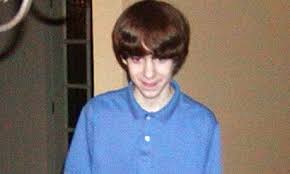
Adam Lanza
Yet Adam Lanza’s mentally unbalanced condition should have barred him from possessing even a single firearm.
A report issued by the Office of the Child Advocate in November, 2014, noted that Lanza had Asperger’s syndrome. As a teenager he had suffered from anxiety, depression and obsessive-compulsive disorder.
The report concluded: “His severe and deteriorating internalized mental health problems…. combined with an atypical preoccupation with violence….(and) access to deadly weapons…. proved a recipe for mass murder.”
On the day of the massacre, Adam Lanza chose his firearms with care.
He shot his defenseless mother four times in the head with a Savage Mark II .22-caliber rifle, a bolt-action firearm that can accept a 10-round magazine. But for his planned massacre at Sandy Hook, he chose semiautomatic weapons with detachable ammunition magazines.
Of all the weapons Lanza carried to Sandy Hook, the Bushmaster XM15-E2S proved the most lethal: A semiautomatic rifle that can be equipped with 30-round magazines, which allows the shooter to cut down on the number of times he has to reload.
In the past, countless Americans had responded to the latest gun outrage with “sending thoughts and prayers.”
But, this time, there would be a different response to this latest slaughter.
In February, 2014, nine families of the victims in the Sandy Hook massacre filed a lawsuit against the gun manufacturer, Remington Outdoor Co Inc., over its marketing of military-style Bushmaster weapons.
In October, 2016, the Connecticut Superior Court dismissed the case based on a federal law that protects the gun industry from liability.
Rammed through a Republican-dominated Congress by the National Rifle Association (NRA), the Protection of Lawful Commerce in Arms Act, or PLCAA, was signed into law by President George W. Bush in 2005. Since then, it has armed the American firearms industry with immunity against lawsuits by victims of mass shootings and gun violence.
But on March 15, 2019, the Connecticut Supreme Court ruled that families of Sandy Hook victims could sue Remington Outdoor Co Inc.
The families asserted that Remington, along with a gun wholesaler and local retailer, were partially responsible for the carnage because they marketed the weapon based on its militaristic appeal.
For the first time in American history, victims of gun violence have won the legal right to hold gun makers accountable for the devastation caused by their products.
“The perception for the gun industry is: ‘We can’t get sued,’” said Josh Koskoff, a Connecticut attorney representing families of the Newtown massacre. “‘We can be as unethical and as wild and aggressive in the marketing as we want.’”
The families had sued Remington by citing the legal doctrine of negligent entrustment. This has been used in such cases as when someone lends a car to a high-risk driver who then causes an accident.
But the Supreme Court rejected that theory. Instead, it ruled that the families could bring their claims under the consumer protection statute.
The court said that state unfair-trade-practices law allows anyone who’s suffered a financial loss from such activities to sue “regardless of whether they had a business relationship with the person or entity that engaged in the prohibited practice.”
“Once we accept the premise that Congress did not intend to immunize firearms suppliers who engage in truly unethical and irresponsible marketing practices promoting criminal conduct … it falls to a jury to decide whether the promotional schemes alleged in the present case rise to the level of illegal trade practices and whether fault for the tragedy can be laid at their feet,” the judges said.
ABC NEWS, ACADEMY AWARDS, ALL THINGS CONSIDERED, ALTERNET, AP, ARI SHAPIRO, AV FILM, “BROKEN ARROW”, “GREEN BOOK”, BUZZFEED, CBS NEWS, CIVIL RIGHTS, CLASSICAL PIANO, CNN, CROOKS AND LIARS, DAILY KOZ, DON SHIRLEY, FACEBOOK, FREEDOM RIDERS, HOMOSEXUALITY, JAMES MEREDITH, JAMES STEWART, JAZZ PIANO, JEFF CHANCLER, KU KLUX KLAN, MAHERSHALA ALI, MISSISSIPPI, MOTHER JONES, MOVEON, MSNBC, NBC NEWS, NEWSWEEK, NPR, PBS NEWSHOUR, POLITICO, RACISM, RAW STORY, REBECCA THEODORE-VACHON, REUTERS, ROBERT F. KENNEDY, ROSS BARNETT, SALON, SEATTLE TIMES, SEGREGATION, SLATE, SPIKE LEE, THE ATLANTIC, THE CHICAGO SUN-TIMES, THE CHICAGO TRIBUNE, THE DAILY BEAST, THE GUARDIAN, THE HILL, THE HUFFINGTON POST, THE LOS ANGELES TIMES, THE NATION, THE NEW YORK TIMES, THE WASHINGTON POST, TIME, TONY VALLELONGA, TRUMP ADMINISTRATION, TWITTER, U.S. NEWS & WORLD REPORT, UNIVERSITY OF MISSISSIPPI, UPI, USA TODAY, VIGGO MORTENSEN
In History, Law, Law Enforcement, Politics, Social commentary on February 26, 2019 at 12:07 am
“The [Oscar] winners included Regina King, Rami Malek, Alfonso Cuaron, Spike Lee—a group of people from very different backgrounds representing films that tell nuanced stories about diverse experiences.
“And then the top honor is given to a film that many people have criticized for being an overly simplistic story about race told from the perspective of a white savior.”
So argued Ari Shapiro, a co-host of All Things Considered, NPR’s award-winning news magazine. He made his comments the day after Green Book won the Oscar for Best Picture at the 91st annual Academy Awards.
Green Book is a 2018 biographical drama set in the Deep South of 1962. It’s based on the true story of a concert tour by a black classical and jazz pianist, Don Shirley, and his driver and bodyguard, Tony Vallelonga. Mahershala Ali plays Shirley and Viggo Mortensen plays Vallelonga.
The two men are polar opposites: Shirley is cultured and eloquent; Vallelonga is streetwise and volatile. Shirley is used to dealing with the cream of New York society. Vallelonga is used to dealing with its dregs—as a nightclub bouncer.
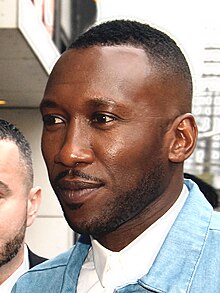
Mahershala Ali as Don Shirley
Gordon Correll [CC BY-SA 2.0 (https://creativecommons.org/licenses/by-sa/2.0)%5D
When his nightclub closes for renovations, he responds to an ad by Shirley for a driver for his eight-week concert tour through the Midwest and Deep South.
This is 1962, a time when a black Air Force veteran, James Meredith, must be given protection by deputy U.S. marshals when he enters the segregated University of Mississippi. White and black “Freedom Riders” are canvassing the South, sitting at segregated lunch counters and often being attacked by members of the Ku Klux Klan and equally racist Southern police.
In fact, the title of the movie—Green Book—is derived from a travel guide written for blacks venturing into the Deep South: The Negro Motorist Green Book. Written by Victor Hugo Green, its purpose is to help blacks find motels and restaurants that will accept them.
And as Shirley and Vallelonga make their odyssey through the South, they find themselves staying at separate hotels—and sometimes together, after Vallelonga slips Shirley into his own room.
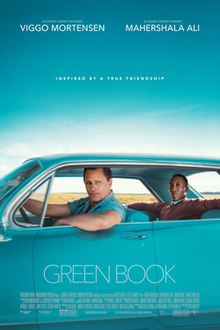
An AV Film review called Green Book “a kind of comforting liberal fantasy, a #NotAllRacists trifle that suggests that our deep, festering divisions can be sutured through some quality time on the open road, resolving differences over a bucket of KFC.”
At the start of the movie, Vallelonga throws away a glass after a black construction worker drinks from it. But during his tour of the South, he becomes increasingly sympathetic to the plight suffered by Shirley—and other blacks forced to daily endure a series of humiliations.
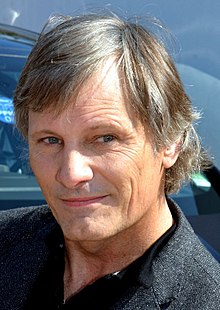
Viggo Mortensen as Tony Vallelonga
Georges Biard [CC BY-SA 3.0 (https://creativecommons.org/licenses/by-sa/3.0)%5D
According to television critic Rebecca Theodore-Vachon: “Green Book is a feel-good movie. It doesn’t really require a lot of critical thinking or self-analysis. You know, people walk out t of the movie feeling that, oh, well, racism is over, we’re good. So I think those are the things that are going on.”
Actually, the film makes clear that some people will always be racists. Thus, Shirley finds himself repeatedly forced to eat in the segregated rooms of the hotels where he’s to play concerts. And he’s almost murdered by a group of racists when he makes the mistake of going into a whites’ only bar. He survives only because Vallelonga arrives in time to rescue him.
And Shirley proves just as great a friend to Vallelonga. He introduces the semi-literate bouncer to the power of the written word by helping him craft articulate, heartfelt letters to his wife.
Toward the end of the movie, Vallelonga and Shirley are pulled over by a Mississippi police officer. Shirley’s “crime”: Being black—and out at night. When the officer insults Vallelonga, Tony punches him—and he and Shirley wind up in jail.
Shirley asks for permission to call his “lawyer”—and the man he dials is Attorney General Robert F. Kennedy.
Kennedy, in turn, calls Mississippi Governor Ross Barnett. Barnett is already having his share of troubles with the Kennedys, and he orders the police: Let those men go—now!
This scene underscores the importance of electing people who will stand against injustice. Watching the release of Vallelonga and Shirley, it’s impossible to imagine the Trump administration intervening in such a manner.
At the end of the movie, Shirley visits Vallelonga’s home—where he’s warmly received by Tony and his family. The film’s end credits reveal that the two men remained friends until they died, within months of each other, in 2013.
In 1950, a Western called Broken Arrow-–starring James Stewart as Tom Jeffords and Jeff Chandler as Cochise—told the true story of a friendship between a white man and an Apache. For many Americans, this came as a revelation.
After decades of seeing Indians depicted as bloodthirsty savages, audiences saw that there were those—among red men and white men—who could rise above prejudice and see each other as worthy of respect.
The lesson of Green Book is exactly the same. And it’s needed now more than ever.
ABC NEWS, ALTERNET, AP, BLOOD FEUD, BUZZFEED, CARLOS MARCELLO, CBS NEWS, CIA, CNN, COTTER SMITH, CROOKS AND LIARS, CUBA, DAILY KOZ, DONALD TRUMP, ERNEST BORGNINE, FACEBOOK, FBI, FIDEL CASTRO, GUS RUSSO, INTERNATIONAL BROTHERHOOD OF TEAMSTERS, J. EDGAR HOOVER, JAMES R. HOFFA, JUSTICE DEPARTMENT, LIVE BY THE SWORD: THE SECRET WAR AGAINST CASTRO AND THE DEATH OF JFK, MAFIA, MOTHER JONES, MOVEON, MSNBC, NBC NEWS, NEWSWEEK, NPR, PBS NEWSHOUR, POLITICO, RAFAEL EDWARD CRUZ, RAW STORY, REUTERS, ROBERT BLAKE, ROBERT F. KENNEDY, SALON, SAM GROOM, SEATTLE TIMES, Secret Service, SENATE LABOR RACKETS COMMITTEE, SLATE, THE ATLANTIC, THE CHICAGO SUN-TIMES, THE CHICAGO TRIBUNE, THE DAILY BEAST, THE GUARDIAN, THE HILL, THE HUFFINGTON POST, THE LOS ANGELES TIMES, THE NATION, THE NEW YORK TIMES, THE WALL STREET JOURNAL, THE WASHINGTON POST, TIME, TWITTER, U.S. NEWS & WORLD REPORT, UPI, USA TODAY
In Bureaucracy, Entertainment, History, Law, Law Enforcement, Politics, Social commentary on January 16, 2019 at 12:15 am
The 1983 TV mini-series, Blood Feud, chronicles the decade-long struggle between Attorney General Robert F. Kennedy and James R. Hoffa, president of the International Brotherhood of Teamsters union.
By 1963, the Mafia despairs of the increasing pressure of the Justice Department. At a swanky restaurant, several high-ranking members agree that “something” must be done.
[Although this scene is fictional, it’s clearly based on an infamous outburst of Carlos Marcello, the longtime Mafia boss of New Orleans.
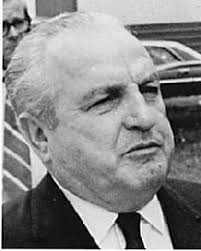
Carlos Marcello
[In 1961, Marcello was deported to his native Guatemala on orders by RFK. After illegally re-entering the country, he swore vengeance against the Attorney General.
[In September, 1962, during a meeting with several mob colleagues, he flew into a rage when someone mentioned Kennedy: “Don’t you worry about that little Bobby sonofabitch. He’s going to be taken care of!”
[Marcello believed that the death of President Kennedy would render the Attorney General powerless. And he added that he planned to use a “nut” to do the job.]
On November 22, 1963, President John F. Kennedy is assassinated in Dallas, Texas.
Blood Feud clearly implies that the Mafia was responsible.
[The House Assassinations Committee investigated this possibility in 1978, and determined that Carlos Marcello, the Mafia boss of New Orleans, had the means, motive and opportunity to kill JFK. But it could not find any conclusive evidence of his involvement.]
Even with the President dead, RFK’s Justice Department continues to pursue Hoffa. In 1964, he is finally convicted of jury tampering and sentenced to 13 years’ imprisonment.
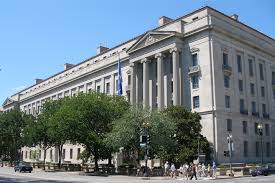
U.S. Department of Justice
Hoping to avoid prison, Hoffa offers future Teamsters support if RFK runs for President. To prove he can deliver, he tells Kennedy that the Teamsters have even penetrated the FBI.
[In March, 1964, Kennedy met with Hoffa on an airfield at Dulles International Airport in Washington, D.C.
[Kennedy spoke quietly with Hoffa. The Attorney General showed him a document, and Hoffa at times nodded or shook his head.
[Kennedy never revealed the reason for the meeting.
[Gus Russo—author of Live By the Sword: The Secret War Against Castro and the Death of JFK—writes that the reason might have been Dallas.
[Perhaps, he speculates, RFK had wanted to look into Hoffa’s eyes while asking him: Did you have anything to do with the assassination? RFK had, in fact, done this with CIA Director John McCone almost immediately after his brother’s death.]
In Blood Feud, Kennedy confronts J. Edgar Hoover (Ernest Borgnine) and accuses him of illegally planting wiretaps in Mob hangouts all over the country.
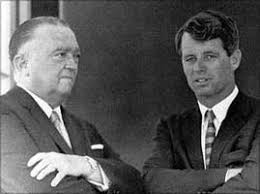
J. Edgar Hoover and Robert F. Kennedy
Hoover retorts that this had been the only way to obtain the prosecution-worthy intelligence Kennedy had demanded: “You loved that flow of information. You didn’t want it to stop.”
Kennedy: Why did you keep the FBI out of the fight against the Mob for decades?
Hoover: “Every agency that came to grips with them got corrupted by their money.”
[So far as is known, Hoover never made any such confession. Historians continue to guess his reason for leaving the Mob alone for decades.]
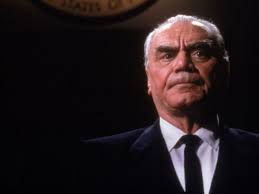

Ernest Borgnine as J. Edgar Hoover
RFK then mentions the CIA’s plots to employ the Mob to assassinate Cuban dictator Fidel Castro
[The agency had wanted to please President Kennedy, and the Mafia had wanted to regain its casinos lost to the Cuban Revolution. The role the Kennedy brothers played in the CIA’s assassination plots remains murky, and has been the subject of endless speculation.]
“The CIA, doing business with the Mob,” says Kennedy. “The FBI, leaking information to its enemies [the Teamsters].” Then, sadly: “I guess it’s true–everyone does business with everyone.”
[So far as is known, the FBI did not pass on secrets to the Teamsters. But during the 1970s, the Mafia penetrated the Cleveland FBI office through bribes to a secretary. Several FBI Mob informants were “clipped” as a result.]
In 1967, Hoffa goes to prison. He stays there until, in 1971, President Richard Nixon commutes his sentence in hopes of gaining Teamsters’ support for his 1972 re-election.
Kennedy leaves the Justice Department in 1964 and is elected U.S. Senator from New York. In 1968 he runs for President. On June 5, after winning the California primary, he’s assassinated.
Hoffa schemes to return to the presidency of the Teamsters–a post now held by his successor, Frank Fitzsimmons. He runs the union in a more relaxed style than Hoffa, thus giving the Mob greater control over its pension fund.
And the Mafia likes it that way.
On July 30, 1975, Hoffa disappears from the parking lot of the Machus Red Fox Restaurant near Detroit. He had gone there to meet with two Mafia leaders.
Forty-three years after the death of James R. Hoffa, and 50 years after that of Robert F. Kennedy:
- Labor unions are a shadow of their former power.
- The threat they once represented to national prosperity has been replaced by that of predatory corporations like Enron and AIG.
- The war RFK began on the Mafia has continued, sending countless mobsters to prison.
- Millions of Americans who once expected the Federal Government to protect them from crime now believe the Government is their biggest threat.
- The idealism that fueled RFK’s life has virtually disappeared from politics.
ABC NEWS, ABCNEWS, ALTERNET, AP, BLOOD FEUD, BUZZFEED, CARLOS MARCELLO, CBS NEWS, CIA, CNN, COTTER SMITH, CROOKS AND LIARS, CUBA, DAILY KOZ, ERNEST BORGNINE, FACEBOOK, FBI, FIDEL CASTRO, GUS RUSSO, INTERNATIONAL BROTHERHOOD OF TEAMSTERS, J. EDGAR HOOVER, JAMES R. HOFFA, JOHN F. KENNEDY, JUSTICE DEPARTMENT, LIVE BY THE SWORD: THE SECRET WAR AGAINST CASTRO AND THE DEATH OF JFK, MAFIA, MOTHER JONES, MOVEON, MSNBC, NBC NEWS, NEWSWEEK, NPR, PBS NEWSHOUR, POLITICO, RAW STORY, REUTERS, ROBERT BLAKE, ROBERT F. KENNEDY, SALON, SAM GROOM, SEATTLE TIMES, SENATE LABOR RACKETS COMMITTEE, SLATE, THE ATLANTIC, THE CHICAGO SUN-TIMES, THE CHICAGO TRIBUNE, THE DAILY BEAST, THE GUARDIAN, THE HILL, THE HUFFINGTON POST, THE LOS ANGELES TIMES, THE NATION, THE NEW YORK TIMES, THE WALL STREET JOURNAL, THE WASHINGTON POST, TIME, TWITTER, U.S. NEWS & WORLD REPORT, UNITED STATES SECRET SERVICE, UPI, USA TODAY
In Bureaucracy, Entertainment, History, Law, Law Enforcement, Politics, Social commentary on January 15, 2019 at 12:08 am
In 1983, Blood Feud, a two-part TV mini-series, depicted the 11-year struggle between Robert F. Kennedy and James Riddle Hoffa. Although it took some dramatic liberties, its portrayal of the major events of that period remains essentially accurate.
Today, labor unions are a rapidly-vanishing species, commanding far less political influence than they did 50 years ago. As a result, young viewers of this series may find it hard to believe that labor ever held such sway, or that the International Brotherhood of Teamsters union posed such a threat.
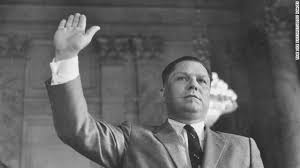
James Riddle Hoffa testifying before the Senate Labor Rackets Committee
And in an age when millions see “Big Government” as the enemy, they may feel strong reservations about the all-out war that Kennedy waged against Hoffa.
Blood Feud opens in 1957, when Hoffa (Robert Blake) is a rising figure within the Teamsters. Kennedy (Cotter Smith) is chief counsel for the Senate Labor Rackets Committee.
At first, Hoffa tries to ingratiate himself with Kennedy, telling him: “I know everybody who can help me and anybody who can hurt me.”
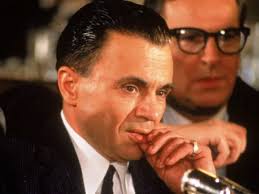
Robert Blake as James R. Hoffa
A wily Hoffa decides to parley Kennedy’s anti-corruption zeal into a path to power for himself. Via his attorney, Eddie Cheyfitz, he feeds Kennedy incriminating evidence against Dave Beck, president of the Teamsters.
Confronted with a Senate subpoena, Beck flees the country—paving the way for Hoffa to assume the top position in the union. Hoffa believes he has solved two problems at once.
“He’s got his scalp,” Hoffa tells an associate. “Now he can move on to other things while I run the union.”
But Hoffa has guessed wrong—with fatal results. Realizing that he’s been “played” by Hoffa, a furious Kennedy strikes back.
He orders increased surveillance of Hoffa and his topmost associates. He subpoenas union records and members of both the Teamsters and the Mafia to appear before his committee in public hearings.
And he tries to enlist the aid of legendary FBI Director J. Edgar Hoover (Ernest Borgnine). But Hoover wants no part of a war against organized crime, whose existence he refuses to admit.

Meanwhile, Kennedy’s confrontations with Hoffa grow increasingly fierce. In open hearings, Kennedy accuses Hoffa of receiving kickbacks in the name of his wife. Hoffa damns him for “dirtying my wife’s name.”
Kennedy secures an indictment against Hoffa for hiring a spy to infiltrate the Senate Labor Rackets Committee. He’s so certain of a conviction that he tells the press he’ll “jump off the Capitol building” if Hoffa beats the rap.
But Hoffa’s lawyer, Edward Bennett Williams (Jose Ferrer) puts Kennedy himself on the witness stand. There he portrays Kennedy as a spoiled rich man who’s waging a vendetta against Hoffa.
Hoffa beats the rap, and offers to send Kennedy a parachute. But he jokingly warns reporters: “Hey, Bobby, you better have it checked. I don’t trust myself!”
By 1959, Robert Kennedy’s work as chief counsel for the Senate Labor Rackets Committee is over. But not his determination to send Teamsters President James Hoffa to prison.
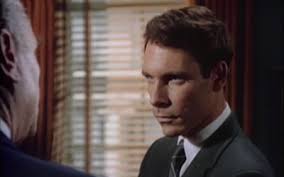
Cotter Smith as Robert Kennedy
Throughout 1960, he manages the Presidential campaign for his brother, John F. Kennedy (Sam Groom). By a margin of only 100,000 votes, JFK wins the election.
Hoffa thinks that his troubles are over, that “Bobby” will move on to other pursuits and forget about the Teamsters.
Hoffa is partly right: Kennedy moves on to another job. But it’s the office of United States Attorney General.
JFK, needing someone in the Cabinet he can trust completely, browbeats Robert into becoming the the nation’s top cop.
For Hoffa, it’s a nightmare come true.
As Attorney General, Kennedy no longer has to beg J. Edgar Hoover to attack organized crime. He can—and does—order him to do so.
Throughout the country, the Mafia feels a new heat as FBI agents plant illegal electronic microphones (“bugs”) in their innermost sanctums. Agents openly tail mobsters—and send them to prison in large numbers.
And Kennedy sets up a special unit, composed of topflight prosecutors and investigators, to go after just one man: James Riddle Hoffa. The press comes to call it the “Get Hoffa” squad.
Hoffa continues to beat federal prosecutors in court. But he believes he’s under constant surveillance by the FBI, and his nerves are starting to crack.
Convinced that the FBI has bugged his office, he literally tears apart the room, hoping to find the bug. But he fails to do so.
What he doesn’t know is he’s facing a more personal danger—from one of his closest associates.
He tells a trusted colleague, Edward Grady Partin (Brian Dennehy) how easy it would be to assassinate Kennedy with a rifle or bomb.
Later, Partin gets into a legal jam—and is abandoned by the Teamsters. Hoping to cut a deal, he relays word to the Justice Department of Hoffa’s threats against the Attorney General.
Now working for the Justice Department, Partin sends in reports on Hoffa’s juror-bribing efforts in yet another trial. Hoffa again beats the rap—but now Kennedy has the insider’s proof he needs to put him away for years.
ABC NEWS, ALTERNET, AP, BUZZFEED, CBS NEWS, CHUCK SCHUMER, CNN, CROOKS AND LIARS, CUBA, DAILY KOZ, DONALD TRUMP, FACEBOOK, FIDEL CASTRO, HENRY CABOT LODGE, JOHN F. KENNEDY, JOSEPH R. MCCARTHY, JOSEPH STALIN, MOTHER JONES, MOVEON, MSNBC, NANCY PELOSI, NBC NEWS, NEWSWEEK, NIKITA KHRUSHCHEV, NPR, PBS NEWSHOUR, POLITICO, RAW STORY, REUTERS, RICHARD NIXON, ROBERT F. KENNEDY, SALON, SEATTLE TIMES, SLATE, THE ATLANTIC, THE CHICAGO SUN-TIMES, THE CHICAGO TRIBUNE, THE DAILY BEAST, THE GUARDIAN, THE HILL, THE HUFFINGTON POST, THE LOS ANGELES TIMES, THE NATION, THE NEW YORK TIMES, THE WASHINGTON POST, TIME, TWITTER, U.S. NEWS & WORLD REPORT, UPI, USA TODAY, WILLIAM TECUMSEH SHERMAN
In Bureaucracy, History, Politics, Social commentary on December 19, 2018 at 12:13 am
On September 26, 1960, Robert F. Kennedy gave some brutal—and effective—advice to his brother, Democratic United States Senator John F., who was about to debate Republican Vice President Richard M. Nixon.
Said RFK, who was managing his brother’s campaign: “Kick him in the balls, Jack.”
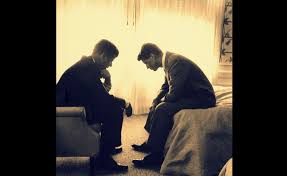
John F. Kennedy and Robert F. Kennedy
As a result, Kennedy came out fighting—and stayed on the offensive throughout the debate. At one point, he said flat-out that the United States should overthrow the year-old Cuban regime of Fidel Castro.
Nixon knew there was a secret CIA plan under way to do just that, but couldn’t afford to say so in public. So he came out hard against such a proposal, saying it would alienate American allies throughout the Caribbean.
Nixon had been warned by Henry Cabot Lodge, his Vice Presidential running mate, to tone down his “assassin image.”
During the 1950s, as a colleague of Red-baiting Senator Joseph R. McCarthy, Nixon had made himself immune from the damning charge of “soft on Communism.”
And yet, pitted against a surprisingly aggressive Kennedy, he came off as decidedly second-best in standing up to Soviet premier Nikita Khrushchev, the successor of Joseph Stalin.
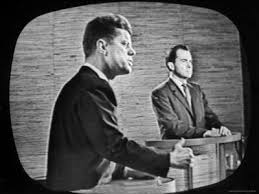
The Kennedy-Nixon Debate
Commentators generally agreed that Nixon lost that first debate—the most-watched of the four. And it may have proved fatal to his electoral chances that year.
“Kick him in the balls, Jack.“
It’s advice that current Democrats have only now begun applying.
Case in point: The December 11 Oval Office meeting of President Donald Trump, House Minority Leader Nancy Pelosi (D-CA) and Senate Minority Leader Charles Schumer. And, true to his love of publicity, Trump makes sure it’s televised live.

Nancy Pelosi
Trump opens with on a positive note: “We’ve actually worked very hard on a couple of things that are happening. Criminal justice reform…[Republican Kentucky U.S. Senator] Mitch McConnell and the group, we’re going to be putting it up for a vote. We have great Democrat support, great Republican support.”
But he soon moves to the matter he truly cares about: Demanding $5 billion to create a wall along the U.S.-Mexican border: “And one way or the other, it’s going to get built. I’d like not to see a government closing, a shutdown. We will see what happens over the next short period of time.”
“One way or the other”—“so doer so”—was a favorite phrase of Adolf Hitler’s, meaning: If he couldn’t bully his opponents into surrendering, he would use violence.
PELOSI: I think the American people recognize that we must keep government open, that a shutdown is not worth anything, and that you should not have a Trump shutdown. You have the Senate. You have the House of Representatives. You have the votes. You should pass it right now.
Trump claims he can get “Wall” legislation passed in the House but admits he doesn’t have the 60 votes he needs in the Senate.
PELOSI: Well, the fact is you can get it started that way.
Trump then contradicts himself: “The House we can get passed very easily, and we do.”
PELOSI: Okay, then do it.
Trump keeps insisting that “the House would give me the vote if I wanted it.”
PELOSI: Well, let’s take the vote and we’ll find out.
SCHUMER: We do not want to shut down the government. You have called 20 times to shut down the government….We want to come to an agreement. If we can’t come to an agreement, we have solutions that will pass the House and Senate right now, and will not shut down the government. And that’s what we’re urging you to do. Not threaten to shut down the government because you can’t get your way.

Charles Schumer
TRUMP: We need border security. And I think we all agree that we need border security.
SCHUMER: Yes, we do.
TRUMP: The wall is a part of border security. You can’t have very good border security without the wall.
PELOSI: That’s simply not true. That is a political promise. Border security is a way to effectively honor our responsibilities.
By “political promise,” Pelosi means this is an appeal Trump made to his hardcore base. which he expects to re-elect him.
SCHUMER: And the experts say you can do border security without a wall, which is wasteful and doesn’t solve the problem.
TRUMP: It totally solves the problem.
Schumer then goads Trump into taking responsibility for closing down the government if he doesn’t get funding for his border wall.
TRUMP: I’ll take it. You know what I’ll say: Yes, if we don’t get what we want, one way or the other…I will shut down the government. Absolutely.
Thus, Schumer guarantees that any government shutdown during the Christmas season will be blamed on Trump.
During the Civil War, General William Tecumseh Sherman said of his Confederate enemies: “They cannot be made to love us, but they may be made to fear us.”
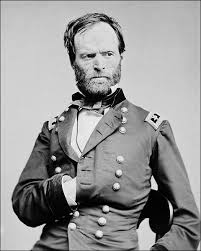
General William Tecumseh Sherman
The same is equally true today.
In short: Stand up to bullies. Odds are they will respect you more for it—and you will earn your own self-respect.


-33510-W&docid=hCd9k6PuglvZAM&tbnid=CAo7BRzGtBWa3M%3A&w=500&h=375&bih=469&biw=819&ved=0ahUKEwiissafvJ_MAhUGKWMKHTZZA_MQxiAIAg&iact=c&ictx=1)

&docid=SiluTuHYHtjaZM&tbnid=uLB-PLYDVdkkVM%3A&w=455&h=341&ei=zeN_VI_hKYHjoATGs4Bo&ved=0CAIQxiAwAA&iact=c)


 Bureaucracybuster's Blog
ABC NEWS, ALTERNET, AMERICAN TABLOID, ANTI-CASTRO CUBANS, AP, ASSASSINATION, BUZZFEED, CBS NEWS, CIA, CNN, COMMUNISM, CROOKS AND LIARS, CUBA, CUBAN MISSILE CRISIS, DAILY KOZ, DONALD TRUMP, DWIGHT D. EISENHOWER, FACEBOOK, FBI, FIDEL CASTRO, FLORIDA, FULGENCIO BATISTA, GUS RUSSO, JACK RUBY, JAMES ELLROY, JOHN F. KENNEDY, JOHNNY ROSELLI, LEE HARVEY OSWALD, LIVE BY THE SWORD, LYNDON B. JOHNSON, MAFIA, MARCO RUBIO, MOTHER JONES, MOVEON, MSNBC, NBC NEWS, NEWSWEEK, NIKITA KHRUSHCHEV, NPR, PBS NEWSHOUR, POLITICO, RAW STORY, REUTERS, ROBERT F. KENNEDY, SALON, SAM GIANCANA, SEATTLE TIMES, SLATE, THE ATLANTIC, THE CHICAGO SUN-TIMES, THE CHICAGO TRIBUNE, THE DAILY BEAST, THE GUARDIAN, THE HILL, THE HUFFINGTON POST, THE LOS ANGELES TIMES, THE NATION, THE NEW YORK TIMES, THE WASHINGTON POST, TIME, TWITTER, U.S. NEWS & WORLD REPORT, UPI, USA TODAY, WARREN COMMISSION
A LEGACY OF EVIL: AMERICA’S WAR ON CUBA—PART ONE: (OF FOUR)
In Bureaucracy, History, Law Enforcement, Military, Politics, Social commentary on June 17, 2019 at 12:11 amOn June 5, President Donald Trump banned cruise ships from the United States to visit Cuba and “people-to-people” educational travel there for Americans.
Officially, the reason was to keep American dollars “out of the hands” of the communist government.
Unofficially, the reason was to curry electoral favor with the huge Cuban exile community living in Florida, especially in Miami.
That community owes its existence to Fidel Castro (1926-2016).
To his supporters he was a tireless champion of the poor and a foe of American imperialism. To his enemies he was a ruthless dictator who drove his country to economic ruin in the name of a failed ideology—communism.
His reign began on January 1, 1959, when he swept triumphantly into Havana after a two-year guerrilla campaign against Cuban dictator Fulgencio Batista.
Fidel Castro
Almost immediately, hundreds of thousands of Cubans began fleeing to America. The first émigrés were more than 215,000 Batista followers. The exodus increased, peaking at approximately 78,000 in 1962.
In October, 1962, Castro stopped regularly scheduled travel between the two countries, and asylum seekers began sailing from Cuba to Florida.
Between 1962 and 1979, hundreds of thousands of Cubans entered the United States under the Attorney General’s parole authority.
By 2008, more than 1.24 million Cubans were living in the United States, mostly in South Florida, where the population of Miami was about one-third Cuban. Their sheer numbers transformed the state’s political, economic and cultural life. And not entirely for the better.
Many of these Cubans viewed themselves as political exiles, rather than immigrants, hoping to eventually return to Cuba after its Communist regime fell from power.
The large number of Cubans in South Florida, particularly in Miami’s “Little Havana,” allowed them to preserve their culture and customs to a degree rare for immigrant groups.
With so many discontented immigrants concentrated in Florida, they became a potential force for politicians to court.
And the issue guaranteed to sway their votes was unrelenting hostility to Castro. Unsurprisingly, most of their votes went to Right-wing Republicans.
John F. Kennedy was the first President to face this dilemma.
During the closing months of the administration of President Dwight D. Eisenhower, the CIA had begun training Cuban exiles for an invasion of their former homeland.
The exiles’ goal: To do what Castro had done—seek refuge in the mountains and launch a successful anti-Castro revolution.
But word of the coming invasion quickly leaked: The exiles were terrible secret-keepers. (A joke at the CIA went: “A Cuban thinks a secret is something you tell to only 300 people.”)
Kennedy insisted the invasion must appear to be an entirely Cuban enterprise. He refused to commit U.S. Marines and Air Force bombers.
More than 1,400 invaders landed on April 17, 1961 at the Bay of Pigs—and were quickly overwhelmed, with hundreds of the men taken prisoner.
Kennedy publicly took the blame for its failure: “Victory has a hundred fathers but defeat is an orphan.” Privately he seethed, and ordered the CIA to redouble its efforts to remove Castro at all costs.
To guarantee success, he appointed his brother, Robert—then Attorney General—to oversee the CIA’s “Castro removal” program.
Robert F. Kennedy and John F. Kennedy
It’s here that America’s obsession with Cuba entered its darkest and most disgraceful period.
The CIA and the Mafia entered into an unholy alliance to assassinate Castro—each for its own benefit:
The CIA supplied poisons and explosives to various members of the Mafia. It was then up to the mobsters to assassinate Castro.
The CIA asked Johnny Roselli, a mobster linked to the Chicago syndicate, to go to Florida in 1961 and 1962 to organize assassination teams of Cuban exiles. They were to infiltrate their homeland and assassinate Castro.
Johnny Roselli
Rosselli called upon two other crime figures: Chicago Mafia boss Sam Giancana and Santos Trafficante, the Costra Nostra chieftain for Tampa, for assistance.
Sam Giancana
Giancana, using the name “Sam Gold” in his dealings with the CIA, was meanwhile being hounded by the FBI on direct orders of Attorney General Robert Kennedy.
The mobsters were authorized to offer $150,000 to anyone who would kill Castro and were promised any support the Agency could yield.
Giancana was to locate someone who was close enough to Castro to be able to drop pills into his food. Trafficante would serve as courier to Cuba, helping to make arrangements for the murder on the island.
Rosselli was to be the main link between all of the participants in the plot.
Some historians believe that the Mob made a genuine effort to “whack” Fidel.
Others are convinced the mobsters simply ran a scam on the government. They pretended to carry out their “patriotic duty” while in fact making no effort at all to penetrate Castro’s security.
The CIA’s war against Castro was known as Operation Mongoose—the mongoose being a traditional enemy of the cobra. And those entrusted with this assignment were known as the Special Group.
Share this: