Posts Tagged ‘NAZI-SOVIET “NON-AGGRESSION PACT”’
ABC NEWS, ADOLF HITLER, ALTERNET, AMERICABLOG, AP, BABY BOOMER RESISTANCE, BBC, BLOOMBERG NEWS, BUZZFEED, CBS NEWS, CNN, CROOKS AND LIARS, DAILY KOS, FIVETHIRTYEIGHT, HARPER’S MAGAZINE, HUFFINGTON POST, JOSEPH STALIN, MEDIA MATTERS, MOTHER JONES, MOVEON, MSNBC, NAZI-SOVIET "NON-AGGRESSION PACT", NBC NEWS, NEW REPUBLIC, NEWSDAY, NEWSWEEK, NPR, NUCLEAR WEAPONS, PBS NEWSHOUR, POLITICO, POLITICUSUSA, RAW STORY, REUTERS, SALON, SEATTLE TIMES, SLATE, TALKING POINTS MEMO, THE ATLANTIC, THE CHICAGO SUN-TIMES, THE CHICAGO TRIBUNE, THE DAILY BEAST, THE DAILY BLOG, THE GUARDIAN, THE HILL, THE HUFFINGTON POST, THE INTERCEPT, THE LOS ANGELES TIMES, THE NATION, THE NEW REPUBLIC, THE NEW YORK TIMES, THE NEW YORKER, THE SS, THE VILLAGE VOICE, THE WASHINGTON POST, THINKPROGRESS, THIRD REICH, TIME, TRUTHDIG, TRUTHOUT, U.S. NEWS & WORLD REPORT, UKRAINE, UPI, USA TODAY, VLADIMIR PUTIN, VOLODYMYR ZELENSKY, WEHRMACHT, WORLD WAR 11, X
In Bureaucracy, History, Military, Politics, Social commentary on November 21, 2024 at 12:11 am
In the United States, World War II—at least, that part of the war fought in Europe—used to be celebrated in movies and TV shows like “Combat!” and “The Rat Patrol.” Today, it’s largely forgotten, except by veterans groups and the conflict’s rapidly aging veterans.
But in the Soviet Union, “the Great Patriotic War” against Nazi Germany is still celebrated as the triumph of Soviet strength and determination against horrific odds and losses.
Russian President Vladimir Putin’s invasion of Ukraine is unlikely to be remembered so fondly.
On April 28, 2006, Putin publicly stated that the 1991 collapse of the Soviet Union was “the greatest geopolitical catastrophe of the century.
“As for the Russian people, it became a genuine tragedy. Tens of millions of our fellow citizens and countrymen found themselves beyond the fringes of Russian territory.”
Putin was sounding a warning: He saw himself as Russia’s savior who would restore its lost empire.

Vladimir Putin
His invasion of Ukraine—officially called a “special military operation”—was intended as an important step toward that restoration.
Begun on February 24, the invasion targeted the Ukrainian capital, Kyiv, in an attempt to overthrow the democratic government of President Volodymyr Zelensky.
Ukrainian troops were outgunned and outnumbered. As in the case of the Soviet Union in 1941, Western military analystss expected the attack to quickly succeed. The Biden administration offered to evacuate Zelensky to safety.
Zelensky refused: “The fight is here; I need ammunition, not a ride.”
But after weeks of combat, Russian forces retreated, stymied by ferocious Ukrainian resistance.
In July, the last city under Ukrainian control in Luhansk fell to Russia after weeks of artillery bombardment and street fighting. But the Russians made little progress as they tried to conquer the remainder of Donbas.
In late August, after weeks of buildup, Ukraine launched a counteroffensive in the southern region of Kherson. Ukraine deployed newly arrived missile systems supplied by the United States and other Western countries to destroy Russian ammunition dumps and a Russian air base in Crimea.
By September, Ukrainian forces launched a rapid offensive, recapturing much of the northeastern Kharkiv region, including the city of Izium. Previously, the Russians had been using this as a key logistics hub.

Volodymyr Zelensky
On September 21, with Russian forces bogged down or retreating, Vladimir Putin announced the partial mobilization of 300,000 military reservists. All male citizens below 60 are now eligible to be drafted.
There are exceptions: Employees in IT and telecommunications, finance, “systemically-important” mass media outlets and interdependent suppliers, including registered media and broadcasters.
Still, the announcement set off a massive exodus of at least 194,000 Russian men (and their wives or girlfriends) to such neighboring countries as Turkey, Georgia, Kazakhstan and Mongolia.
During World War II, this would have been unthinkable: Whether driven by patriotism or a desire for vengeance on their German tormentors, Russians at all levels threw themselves into the conflict.
On the same day Putin announced the mobilization, he threatened to use nuclear weapons to defend not simply Russia but the Ukrainian territory his forces had captured:
“Our country possesses various means of destruction. When the territorial integrity of our nation is threatened, we, of course, will use all the means at our disposal to protect Russia and our people.”
To underscore his threat, he added: “Those who try to blackmail us with nuclear weapons should know that the weathervane can turn and point towards them.”
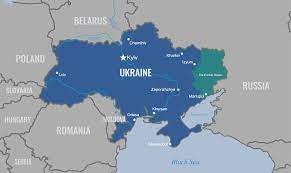
Putin’s threats have heightened world tensions and triggered speculation as to whether he would use nukes—against Ukraine or NATO countries, including the United States.
Volodymyr Zelensky thinks Putin is not bluffing.
President Joe Biden initially assured Americans there was no cause for concern. But since then the United States has stated that it has warned Putin that any use of nuclear weapons would trigger a catastrophic (non-specific) response against Russia.
Seen against the backdrop of Russia’s titanic victory in “the Great Patriotic War,” Putin’s repeated threats to use nuclear weapons actually underscore Russia’s weakness, not its strength.
Consider:
- “The Great Patriotic War” lasted almost four years—from June 22, 1941, to May 7, 1945.
- Russia’s opponent, Nazi Germany, was the most-feared military power in Europe.
- The war cost the Soviet Union at least 26 million lives before ending with the Red flag flying over Berlin.
- Almost the entire western half of the Soviet Union was devastated—first as the Germans overran territory from the Polish border to the gates of Moscow, and then again as the Soviets slowly pushed them back to Germany itself.
- For Russians, this was truly a “people’s war,” won through massive sacrifice and heroism—and without the use of nuclear weapons, which did not then exist.
Seventy-seven years after the end of World War II:
- Against the smaller and initially ill-equipped Ukrainian army, Russia has enjoyed a huge advantage in manpower and material.
- Yet so low is Russian morale that Putin has been forced to offer huge bribes to foreign mercenaries and even convicted criminals to refill his dispirited legions.
- Ukrainians, fueled by patriotism and a desire for vengeance, are fighting—and winning—their own version of “the Great Patriotic War.”
ABC NEWS, ADOLF HITLER, ALTERNET, AMERICABLOG, AP, BABY BOOMER RESISTANCE, BBC, BLOOMBERG NEWS, BUZZFEED, CBS NEWS, CNN, CROOKS AND LIARS, DAILY KOS, FIVETHIRTYEIGHT, HARPER’S MAGAZINE, HUFFINGTON POST, JOSEPH STALIN, MEDIA MATTERS, MOTHER JONES, MOVEON, MSNBC, NAZI-SOVIET "NON-AGGRESSION PACT", NBC NEWS, NEW REPUBLIC, NEWSDAY, NEWSWEEK, NPR, NUCLEAR WEAPONS, PBS NEWSHOUR, POLITICO, POLITICUSUSA, RAW STORY, REUTERS, SALON, SEATTLE TIMES, SLATE, TALKING POINTS MEMO, THE ATLANTIC, THE CHICAGO SUN-TIMES, THE CHICAGO TRIBUNE, THE DAILY BEAST, THE DAILY BLOG, THE GUARDIAN, THE HILL, THE HUFFINGTON POST, THE INTERCEPT, THE LOS ANGELES TIMES, THE NATION, THE NEW REPUBLIC, THE NEW YORK TIMES, THE NEW YORKER, THE SS, THE VILLAGE VOICE, THE WASHINGTON POST, THINKPROGRESS, THIRD REICH, TIME, TRUTHDIG, TRUTHOUT, U.S. NEWS & WORLD REPORT, UKRAINE, UPI, USA TODAY, VLADIMIR PUTIN, VOLODYMYR ZELENSKY, WEHRMACHT, WORLD WAR 11, X
In Bureaucracy, History, Military, Politics, Social commentary on November 20, 2024 at 12:05 am
On June 22, 1941, with 134 Divisions at full fighting strength and 73 more divisions for deployment behind the front, the German Wehrmacht invaded the Soviet Union.
Joseph Stalin, the longtime Soviet dictator, was stunned. The invasion had come less than two years after Germany had signed a non-aggression pact with the Soviet Union.
On August 23, 1939, Stalin had signed the German-Soviet Nonaggression Pact with German Fuhrer Adolf Hitler.
The reason: Each dictator got what he wanted—for the moment. Hitler was planning to invade Poland in a matter of days—and he wanted to avoid a war with the Soviet Union.
And Stalin got what he wanted: The eastern half of Poland.
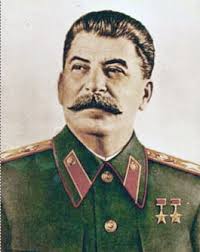
Joseph Stalin
The agreement stunned the world. Since 1919, Nazis and Communists had fought bitter battles against each other in the streets of Germany during the Weimar Republic.
When this was replaced in 1933 by the Third Reich, German Communists were rounded up and imprisoned, if not murdered, by Hitler’s ruthless secret police, the Schutzstaffel (“Protective Squads”).
For the moment, however, all of that was conveniently forgotten.
And, surprising as it might seem, each dictator harbored a secret respect for the other.
After Hitler launched a blood-purge of his own private Stormtroopers army on June 30, 1934, Stalin exclaimed: “Hitler, what a great man! That is the way to deal with your political opponents!”
And Hitler was equally admiring of Stalin’s notorious ruthlessness: “After the victory over Russia,” he told his intimates, “it would be a good idea to get Stalin to run the country, with German oversight, of course. He knows better than anyone how to handle the Russians.”
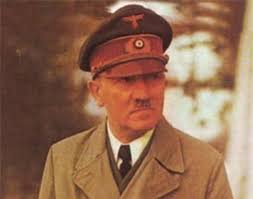
Adolf Hitler
But Hitler hadn’t forgotten his life’s ambition to conquer the Soviet Union and utterly destroy “the scourge of Jewish-Marxism.”
Stalin received numerous warnings from the United States and Great Britain about the coming invasion. But he dismissed them as efforts by the West to trick him into violating the pact and turning Nazi Germany into his mortal enemy.
When informed of the attack, Stalin at first believed it was being made by rogue German forces. He refused to order an immediate counterattack.
Upon being convinced that the Wehrmacht intended to wage all-out war, he went into a funk in his dacha and shut himself off from everyone. To his closest associates he wailed: “Lenin left us a great inheritance and we, his heirs, have fucked it all up!”
Meanwhile, the Red Air Force was destroyed on the ground by the awesome Luftwaffe. And the Wehrmacht was advancing at a rate of 25 miles a day.
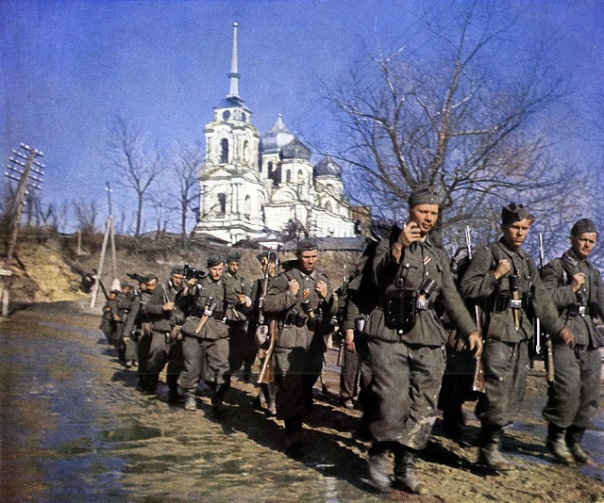
German soldiers marching through Russia
On July 3, after 10 days of brooding (and probably drinking heavily) in his dacha, Stalin finally took to the airways across the Soviet Union.
Never a spellbinding orator, Stalin spoke in slow and faltering tones. Nevertheless, his opening words were startling: “Comrades! Citizens! Brothers and sisters! Men of our army and navy! I am addressing you, my friends!”
Stalin had never addressed an audience this way, and he never would again.
He said the “peace loving” Soviet Union had been attacked by “fiends and cannibals” who wanted to restore the rule of the landlords and Czars. He claimed the non-aggression pact with Germany had given the army much-needed time to rearm and reorganize its forces.
This was accompanied by orders unprecedented in any other army: Those taken prisoner by the Germans were to be considered traitors—and shot or imprisoned. Those suspected of wounding themselves to avoid combat were also subject to summary execution. So were soldiers who had been legitimately wounded in battle but were suspected of inflicting those injuries.
The first two years of the war—1941 to 1943—proved disastrous for the Soviet Union.
During the first six months—June to December, 1941—German armies lured huge Soviet forces into gigantic “cauldron battles,” surrounding and exterminating them. An estimated 5.7 million prisoners of war (POWs) fell into German hands. Of these, at least 3.5 million died in custody.
But then the infamous Russian cold and snows of winter halted the Wehrmacht before Moscow.
In the summer of 1942 German forces once again mounted a ferocious offensive, driving all the way to the Volga—and Stalingrad.
But they became bogged down in bitter house-to-house fighting. With the arrival of winter, Soviet forces surrounded the Wehrmacht’s powerful Sixth Army. The besiegers became the besieged. On February 2, 1943, Field Marshal Friedrich von Paulus surrendered what remained of his army. The battle cost Germany 500,000 men, including 91,000 taken prisoner.
As the Red Army finally began to go over on the offensive, Stalin relaxed the iron controls that had long stifled creativity on the part of his commanders.
The infamous political commissars were removed from control over Russian generals. Gold braid and fancy uniforms were manufactured and rushed to the front as morale boosters.
The war would last another two years—costing the Soviet Union at least 26 million citizens—before it ended with the Red flag flying over Berlin.
Almost the entire western half of the Soviet Union was devastated—first as the Germans overran territory from the Polish border to the gates of Moscow, and then again as the Soviets slowly pushed them back to Berlin—the capital of the Third Reich itself.
ABC NEWS, ADOLF HITLER, ADVICE, ALTERNET, AMERICABLOG, AP, BABY BOOMER RESISTANCE, BAY OF PIGS, BBC, BENITO MUSSOLINI, BLOOMBERG NEWS, BUZZFEED, CAESARE BORGIA, CBS NEWS, CNN, CORPORATIONS, CROOKS AND LIARS, CUBA, DAILY KOS, DAILY KOZ, FIDEL CASTRO, FIVETHIRTYEIGHT, FLORENCE, HARPER’S MAGAZINE, HUFFINGTON POST, JOHN F. KENNEDY, JOSEPH STALIN, KING PERSEUS OF MACEDON, MEDIA MATTERS, MOTHER JONES, MOVEON, MSNBC, NAZI-SOVIET "NON-AGGRESSION PACT", NBC NEWS, NEW REPUBLIC, NEWSDAY, NEWSWEEK, NICCOLO MACHIAVELLI, NPR, PBS NEWSHOUR, POLITICO, POLITICS, POLITICUSUSA, POPE JULIUS 11, RAW STORY, REUTERS, SALON, SEATTLE TIMES, SLATE, TALKING POINTS MEMO, THE ATLANTIC, THE CHICAGO SUN-TIMES, THE CHICAGO TRIBUNE, THE DAILY BEAST, THE DAILY BLOG, THE DISCOURSES, THE GUARDIAN, THE HILL, THE HUFFINGTON POST, THE INTERCEPT, THE LOS ANGELES TIMES, THE NATION, THE NEW REPUBLIC, THE NEW YORK TIMES, THE NEW YORKER, THE PRINCE, THE SS, THE VILLAGE VOICE, THE WASHINGTON POST, THINKPROGRESS, THIRD REICH, TIME, TRUTHDIG, TRUTHOUT, TWITTER, U.S. NEWS & WORLD REPORT, UKRAINE, UPI, USA TODAY, VLADIMIR PUTIN, VOLODYMYR ZELENSKY, WEHRMACHT, WORLD WAR 11
In Bureaucracy, Business, History, Military, Politics, Social commentary on May 24, 2024 at 12:10 am
Ask the average person, “What do you think of Niccolo Machiavelli?” and he’s likely to say: “The devil.”
In fact, “The Old Nick” became an English term used to describe Satan and slander Machiavelli at the same time.

Niccolo Machiavelli
The truth, however, is more complex. Machiavelli was a passionate Republican, who spent most of his adult life in the service of his beloved city-state, Florence.
The years he spent as a diplomat were tumultuous ones for Italy—with men like Pope Julius II and Caesare Borgia vying for power and plunging Italy into one bloodbath after another.
Florence, for all its wealth, lacked a strong army, and thus lay at the mercy of powerful enemies, such as Borgia. Machiavelli often had to use his wits to keep them at bay.
Machiavelli is best-known for his writing of The Prince, a pamphlet on the arts of gaining and holding power. Its admirers have included Benito Mussolini and Joseph Stalin.
But his longer and more thoughtful work is The Discourses, in which he offers advice on how to maintain liberty within a republic. Among its admirers were many of the men who framed the Constitution of the United States.
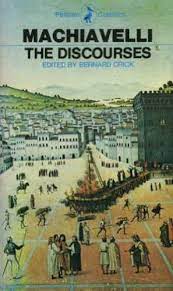

Most people believe that Machiavelli advocated evil for its own sake.
Not so. Rather, he recognized that sometimes there is no perfect—or perfectly good—solution to a problem.
Sometimes it’s necessary to take stern—even brutal—action to stop an evil (such as a riot) before it becomes widespread:
“A man who wishes to make a profession of goodness in everything must inevitably come to grief among so many who are not good. And therefore it is necessary for a prince, who wishes to maintain himself, to learn how not to be good, and to use this knowledge and not use it, according to the necessity of the case.”
His counsel remains as relevant today as it did during his lifetime (1469 – 1527). This is especially true for politicians—and students of political science.
But plenty of ordinary citizens can also benefit from the advice he has to offer—such as those in business who are asked to give advice to more powerful superiors.
Machiavelli warns there is danger in urging rulers to take a particular course of action: “For men only judge of matters by the result, all the blame of failure is charged upon him who first advised it, while in case of success he receives commendations. But the reward never equals the punishment.”
This puts would-be counselors in a difficult position: “If they do not advise what seems to them for the good of the republic or the prince, regardless of the consequences to themselves, then they fail to do their duty.
“And if they do advise it, then it is at the risk of their position and their lives, for all men are blind in thus, that they judge of good or evil counsels only by the results.”
Thus, Machiavelli warns that an adviser should “take things moderately, and not to undertake to advocate any enterprise with too much zeal, but to give one’s advice calmly and modestly.”
The person who asked for the advice may follow it, or not, as of his own choice, and not because he was led or forced into it by the adviser.
Above all, the adviser must avoid the danger of urging a course of action that runs “contrary to the wishes of the many.
“For the danger arises when your advice has caused the many to be contravened. In that case, when the result is unfortunate, they all concur in your destruction.”
Or, as President John F. Kennedy famously said after the disastrous invasion of Cuba at the Bay of Pigs in April, 1961: “Victory has a hundred fathers and defeat is an orphan.”
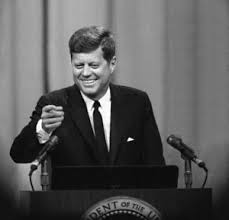
John F. Kennedy
By “not advocating any enterprise with too much zeal,” the adviser gains two advantages:
“The first is, you avoid all danger.
“And the second consists in the great credit which you will have if, after having modestly advised a certain course, your counsel is rejected, and the adoption of a different course results unfortunately.”
Finally, the time to give advice is before a catastrophe occurs, not after. Machiavelli gives a vivid example of what can happen if this rule is ignored.
King Perseus of Macedon had gone to war with Paulus Aemilius—and suffered a humiliating defeat. Fleeing the battlefield with a handful of his men, he later bewailed the disaster that had overtaken him.
Suddenly, one of his lieutenants began to lecture Perseus on the many errors he had committed, which had led to his ruin.
“Traitor,” raged the king, turning upon him, “you have waited until now to tell me all this, when there is no longer any time to remedy it—” And Perseus slew him with his own hands.
Niccolo Machiavelli sums up the lesson as this:
“Thus was this man punished for having been silent when he should have spoken, and for having spoken when he should have been silent.”
Be careful that you don’t make the same mistake.
2020 PRESIDENTIAL ELECTION, 9/11 ATTACKS, ABC NEWS, ALTERNET, AMERICABLOG, AP, BABY BOOMER RESISTANCE, BLOOMBERG, BUZZFEED, CBS NEWS, CNN, CROOKS AND LIARS, DAILY KOS, DONALD TRUMP, DRUDGE REPORT, FIVETHIRTYEIGHT, HARPER’S MAGAZINE, HUFFINGTON POST, IMPEACHMENT, JANUARY 6 COUP ATTEMPT, JOE BIDEN, JOSEPH MCCARTHY, JOSEPH STALIN, KEVIN MCCARTHY, LEON TROTSKY, MEDIA MATTERS, MOTHER JONES, MOVEON, MSNBC, NAZI GERMANY, NAZI-SOVIET "NON-AGGRESSION PACT", NBC NEWS, NEWSWEEK, NIKITA KHRUSHCHEV, NPR, PBS NEWSHOUR, POLAND, POLITICO, POLITICUSUSA, RAW STORY, RED ARMY, REUTERS, RUSSIAN REVOLUTION, SALON, SEATTLE TIMES, SLATE, SOVIET PURGES, TALKING POINTS MEMO, THE ATLANTIC, THE CHICAGO SUN-TIMES, THE CHICAGO TRIBUNE, THE DAILY BEAST, THE DAILY BLOG, THE GUARDIAN, THE HILL, THE HUFFINGTON POST, THE LOS ANGELES TIMES, THE NATION, THE NEW REPUBLIC, THE NEW YORK TIMES, THE VILLAGE VOICE, THE WASHINGTON POST, THINKPROGRESS, TIME, TRUTHDIG, TRUTHOUT, TWITTER, TWO POLITICAL JUNKIES, U.S. NEWS & WORLD REPORT, UKRAINE, UPI, USA TODAY, WONKETTE, WORLD WAR ii
In Bureaucracy, History, Politics, Social commentary on August 8, 2023 at 12:10 am
This is history, this I know.
For McCarthy tells me so.
Let us bow to Trump our King
Of his praises let us sing.
Yes, this is history!
Yes, this is history!
Yes, this is history!
McCarthy tells me so.
During the 1917 Russian Revolution, Leon Trotsky acted as a key lieutenant to Vladimir Lenin. Trotsky organized the Red Army and successfully resisted all attempts to overthrow the fledgling Communist government.
One of Trotsky’s bitterest enemies was Joseph Stalin, another intimate of Lenin’s. When Lenin died in 1924, Stalin outmaneuvered Trotsky for leadership of the Soviet Union.
Long before he ordered Trotsky’s assassination in 1940, Stalin turned his former rival into an official non-person. Trotsky was:
- Airbrushed from photos showing him sitting or standing close to Lenin;
- Written out of Soviet history textbooks;
- Depicted in print and documentary films as seeking to overturn the Revolution—and assassinate Stalin.
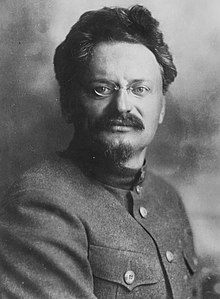
Leon Trotsky
Stalin made certain his image in Soviet history was entirely different.
- In the 1930s, he was portrayed as the modest, all-wise, energetic builder of a new Communist world.
- After 1945, he was depicted as the architect of the Soviet victory over Nazi Germany during World War II.
No “historian” dared mention that:
- For almost 30 years, through purges and starvation caused by enforced collections of farmers’ crops, he had slaughtered 20 to 60 million people;
- His wholesale purges of the Red Army in the 1930s had made the country vulnerable to the German attack in 1941;
- His 1939 “nonaggression” pact with Adolf Hitler secretly divided Poland between them—and brought German troops literally to the Russian border.
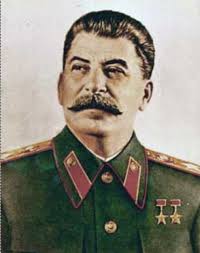
Joseph Stalin
After Stalin died on March 5, 1953, his status in Soviet history drastically changed.
- Thousands of his portraits—displayed on streets and in buildings throughout the Soviet Union—suddenly came down;
- In 1956, his successor, Nikita Khrushchev, secretly denounced him as a psychotic butcher and bungler who had almost wrecked the country.
So those Americans with a sense of history were undoubtedly stunned to learn that Speaker of the House Kevin McCarthy plans to airbrush the two impeachments against former President Donald J. Trump.
In June, McCarthy had suggested on nationwide television that Trump might not be the best GOP Presidential candidate in 2024.
And Trump was furious: “He needs to endorse me—today!” Trump fumed to his staff on his way to a campaign event in New Hampshire.
But McCarthy wasn’t ready to do that.
He was, however, ready to secretly promise that the House would vote to expunge the two impeachments against the former president.

Kevin McCarthy
The first of these had occurred on December 10, 2019.
Democratic leaders in the House voted to send two Articles of Impeachment to the House Judiciary Committee.
Their purpose: To remove Donald J. Trump from office as the 45th President of the United States.
Article 1: Abuse of Power: For pressuring Ukraine to assist him in his re-election campaign by damaging former Vice President Joe Biden, his possible Democratic rival.
Article 2: Obstruction of Congress: For obstructing Congress by blocking testimony and refusing to provide documents in response to House subpoenas in the impeachment inquiry.
On February 5, 2020, Trump was acquitted on both counts by the Senate, as Republicans refused to convict.
The second impeachment occurred on January 11, 2021, one week before his term expired. This time there was only one article filed:
Article 1: Incitement of Insurrection: “Donald John Trump engaged in high Crimes and Misdemeanors by inciting violence against the Government of the United States.”
The second impeachment trial of Donald Trump started on February 9, 2021. On February 13, he was once again acquitted because Republicans refused to convict him.
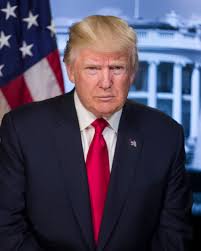
Donald Trump
McCarthy’s promise to expunge the two impeachments against Trump bought him time. It allowed him to avoid a public war with Trump, who had ensured he became House Speaker in January.
But it also put him on a collision course with moderate Republicans and Trump’s fanatical supporters.
Some moderate Republicans don’t want to revisit Trump’s impeachments. For them, the Trump era is ancient history. And they realize that, for millions of Americans, it’s toxic history as well.
Nor are they the only ones who hold such reservations. Some Constitutionally-minded conservatives doubt that the House has the Constitutional authority to erase a presidential impeachment.
And even some hardcore Trump supporters fear that if the expungement effort fails, the media will treat it as the equivalent of a third impeachment.
But McCarthy remains Speaker by only the thinnest of margins. If—by refusing Trump’s order—he alienates the Trumpian majority in the House, he won’t be Speaker for long.
House GOP Conference Chair Elise Stefanik (R-N.Y.) has pushed for an expungement vote. In late June, she and Rep. Marjorie Taylor Greene (R-Ga.) pushed a resolution to clear Trump of the impeachment charges.
So if McCarthy puts the resolution to the floor for a party-wide vote, most Republicans will sign on to avoid a public attack from Trump.
As a result, Americans may soon have cause to remember a once-popular joke among Russians: “The trouble with writing history in the Soviet Union is you never know what’s going to happen yesterday.”
ABC NEWS, ADOLF HITLER, ALTERNET, AMERICABLOG, AP, BABY BOOMER RESISTANCE, BBC, BLOOMBERG NEWS, BUZZFEED, CBS NEWS, CNN, CRIME, CROOKS AND LIARS, DAILY KOS, DAILY KOZ, FIVETHIRTYEIGHT, GUN CONTROL, HARPER’S MAGAZINE, HUFFINGTON POST, JOSEPH STALIN, MARTIN LUTHER KING, MEDIA MATTERS, MOTHER JONES, MOVEON, MSNBC, NATIONAL RIFLE ASSOCIATION, NAZI-SOVIET "NON-AGGRESSION PACT", NBC NEWS, NEW REPUBLIC, NEWSDAY, NEWSWEEK, NPR, PBS NEWSHOUR, POLITICO, POLITICUSUSA, RAW STORY, REUTERS, ROBERT F. KENNEDY, SALON, SEATTLE TIMES, SECOND AMENDMENT, SELF-DEFENSE, SLATE, STAND-YOUR-GROUND LAWS, TALKING POINTS MEMO, THE ATLANTIC, THE CHICAGO SUN-TIMES, THE CHICAGO TRIBUNE, THE DAILY BEAST, THE DAILY BLOG, THE GUARDIAN, THE HILL, THE HUFFINGTON POST, THE INTERCEPT, THE LOS ANGELES TIMES, THE NATION, THE NEW REPUBLIC, THE NEW YORK TIMES, THE NEW YORKER, THE SS, THE VILLAGE VOICE, THE WASHINGTON POST, THINKPROGRESS, THIRD REICH, TIME, TRUTHDIG, TRUTHOUT, TWITTER, U.S. CONSTITUTION, U.S. NAVY SEALS, U.S. NEWS & WORLD REPORT, UKRAINE, UPI, USA TODAY, VIRGINIA TECH SHOOTINGS, VLADIMIR PUTIN, VOLODYMYR ZELENSKY, WEHRMACHT, WORLD WAR 11, WRONGFUL-DEATH
In Bureaucracy, Business, History, Law, Law Enforcement, Politics, Social commentary on July 31, 2023 at 12:35 am
The victims of the violence are black and white, rich and poor, young and old, famous and unknown. They are, most important of all, human beings whom other human beings loved and needed. No one—no matter where he lives or what he does—can be certain who will suffer from some senseless act of bloodshed. And yet it goes on and on.
–Robert F. Kennedy, April 4, 1968
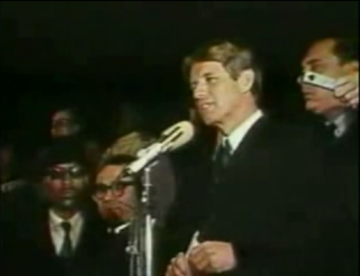
Senator Robert F. Kennedy announcing the murder of Dr. Martin Luther King, Jr.
By https://www.youtube.com/watch?v=jPYNb4ex6Ko, Fair use, https://en.wikipedia.org/w/index.php?curid=14289385
What should the surviving victims of gun massacres do to seek redress?
And how can the relatives and friends of those who didn’t survive seek justice for those they loved?
Two things:
First, don’t count on politicians to support a ban on assault weapons.
Politicians—with rare exceptions—have only two goals:
- Get elected to office, and
- Stay in office.
And too many of them fear the economic and voting clout of the NRA to risk its wrath.
Consider Mitt Romney and President Barack Obama.
Both rushed to offer condolences to the surviving victims of the massacre at the Century 16 Theater in Aurora, Colorado, on July 20, 2012.
And both steadfastly refused to even discuss gun control—let alone support a ban on the type of assault weapons used by James Holmes, leaving 12 dead and 58 wounded.
Second, those who survived the massacre—and the relatives and friends of those who didn’t—should file wrongful death, class-action lawsuits against the NRA.
There is sound, legal precedent for this.
- For decades, the American tobacco industry peddled death and disability to millions and reaped billions of dollars in profits.
- The industry vigorously claimed there was no evidence that smoking caused cancer, heart disease, emphysema or any other ailment.
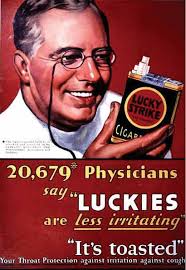
- Tobacco companies spent billions on slick advertising campaigns to win new smokers and attack medical warnings about the dangers of smoking.
- Tobacco companies spent millions to elect compliant politicians and block anti-smoking legislation.
- From 1954 to 1994, over 800 private lawsuits were filed against tobacco companies in state courts. But only two plaintiffs prevailed, and both of those decisions were reversed on appeal.
- In 1994, amidst great pessimism, Mississippi Attorney General Mike Moore filed a lawsuit against the tobacco industry. But other states soon followed, ultimately growing to 46.
- Their goal: To seek monetary, equitable and injunctive relief under various consumer-protection and anti-trust laws.
- The theory underlying these lawsuits was: Cigarettes produced by the tobacco industry created health problems among the population, which badly strained the states’ public healthcare systems.
- In 1998, the states settled their Medicaid lawsuits against the tobacco industry for recovery of their tobacco-related, health-care costs. In return, they exempted the companies from private lawsuits for tobacco-related injuries.
- The companies agreed to curtail or cease certain marketing practices. They also agreed to pay, forever, annual payments to the states to compensate some of the medical costs for patients with smoking-related illnesses.
The parallels with the NRA are obvious:
- For decades, the NRA has peddled deadly weapons to millions, reaped billions of dollars in profits and refused to admit the carnage those weapons have produced: “Guns don’t kill people. People kill people.” With guns.

- The NRA has bitterly fought background checks on gun-buyers, in effect granting even criminals and the mentally ill the right to own arsenals of death-dealing weaponry.
- The NRA has spent millions on slick advertising campaigns to win new members and frighten them into buying guns.
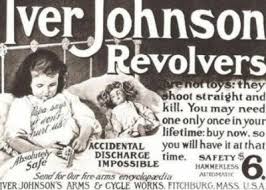
- The NRA has spent millions on political contributions to block gun-control legislation.
- The NRA has spent millions attacking political candidates and elected officials who warned about the dangers of unrestricted access to assault and/or concealed weapons.

- The NRA has spent millions pushing “Stand Your Ground” laws in more than half the states, which potentially give every citizen a “license to kill.”
- The NRA receives millions of dollars from online sales of ammunition, high-capacity ammunition magazines, and other accessories through its point-of-sale Round-Up Program—thus directly profiting by selling a product that kills about 30,288 people a year.
- Firearms made indiscriminately available through NRA lobbying have filled hospitals with casualties, and have thus badly strained the states’ public healthcare systems.
It will take a series of highly expensive and well-publicized lawsuits to significantly weaken the NRA, financially and politically.
The first ones will have to be brought by the surviving victims of gun violence—and by the friends and families of those who did not survive it. Only they will have the courage and motivation to take such a risk.
As with the cases first brought against tobacco companies, there will be losses. And the NRA will rejoice with each one.
But, in time, state Attorneys General will see the clear parallels between lawsuits filed against those who peddle death by cigarette and those who peddle death by armor-piercing bullet.
And then the NRA—like the tobacco industry—will face an adversary wealthy enough to stand up for the rights of the gun industry’s own victims.
Only then will those politicians supporting reasonable gun controls dare to stand up for the victims of these needless tragedies.
ABC NEWS, ADOLF HITLER, ALTERNET, AMERICABLOG, AMERICAN REVOLUTION, ANDREW JACKSON, AP, BABY BOOMER RESISTANCE, BBC, BLOOMBERG NEWS, BUZZFEED, CBS NEWS, CHECHENS, CNN, CROOKS AND LIARS, DAILY KOS, FIVETHIRTYEIGHT, FORT MIMS MASSACRE, GREAT BRITAIN, HARPER’S MAGAZINE, HUFFINGTON POST, MEDIA MATTERS, MERCENARIES, MOTHER JONES, MOVEON, MSNBC, NAZI-SOVIET "NON-AGGRESSION PACT", NBC NEWS, NEW REPUBLIC, NEWSDAY, NEWSWEEK, NICCOLO MACHIAVELLI, NPR, NUCLEAR WEAPONS, PBS NEWSHOUR, POLITICO, POLITICUSUSA, RAW STORY, REUTERS, SALON, SEATTLE TIMES, SLATE, TALKING POINTS MEMO, THE ATLANTIC, THE BLITZ, THE CHICAGO SUN-TIMES, THE CHICAGO TRIBUNE, THE DAILY BEAST, THE DAILY BLOG, THE DISCOURSES, THE GUARDIAN, THE HILL, THE HUFFINGTON POST, THE INTERCEPT, THE LOS ANGELES TIMES, THE NATION, THE NEW REPUBLIC, THE NEW YORK TIMES, THE NEW YORKER, THE PRINCE, THE SS, THE VILLAGE VOICE, THE WASHINGTON POST, THINKPROGRESS, THIRD REICH, TIME, TRUTHDIG, TRUTHOUT, TWITTER, U.S. NEWS & WORLD REPORT, UKRAINE, UPI, USA TODAY, VLADIMIR PUTIN, VOLODYMYR ZELENSKY, WAR OF 1812, WEHRMACHT, WORLD WAR 11
In Bureaucracy, History, Military, Politics, Social commentary on June 28, 2023 at 12:12 am
Vladimir Putin believes himself to be a serious student of history. But he has drawn the wrong lessons from the past.
During the American Revolution (1775-1783) and the War of 1812 (1812-1815) Great Britain encouraged Indian attacks on American settlers.
One of the worst of these attacks occurred on August 30, 1813, when over 700 Creek Indians destroyed Fort Mims, near Mobile, Alabama. About 500 militiamen, settlers, slaves and Creeks loyal to the Americans were slaughtered or captured.

Fort Mims massacre
Inflaming the Indians against settlers didn’t help the British on the battlefield—in the American Revolution or the War of 1812. But it did incite long-lasting hatred by the vast majority of Americans against the British—and even greater hatred of the Indians.
To cite one example: The Fort Mims massacre inspired General Andrew Jackson to take the field, eventually destroying the Creeks as a nation and wresting Florida from Spain for the United States.
The British lost their American colony. And the Indians were gradually driven from their dominance of the continent.
Similarly, Vladimir Putin has turned to Chechen mercenaries for help in conquering Ukraine. They are known as “Kadyrovtsy” or “Kadyrovites” after their leader, Ramzan Kadyrov, Chechnya’s pro-Kremlin strongman.
Human rights groups, witnesses and survivors have for decades accused them of murders, kidnappings and the torture of Kadyrov’s rivals and critics.
Just as the Indians hoped to use their alliance with the British to defeat their Anglo-American enemies, so, too, do Chechen mercenaries hope to ingratiate themselves with the Kremlin.
Vladimir Putin
Kremlin.ru, CC BY 4.0 <https://creativecommons.org/licenses/by/4.0>, via Wikimedia Commons
Yet that alliance has not advanced Russia’s fortunes on the battlefield, just as the British-Indian alliance did not gain victory for the British.
As Niccolo Machiavelli, writing more than 500 years ago in The Prince, warned: “[Mercenaries] have neither the fear of God nor fidelity to man, and destruction is deferred only as the attack is. For in peace one is robbed by them, and in war by the enemy.”
Moreover, the atrocities committed by Indians and Chechens only inflamed their enemies to seek revenge.
In his masterwork, The Discourses, Machiavelli offered a lesson on the power of mercy even in the midst of war.
“Marcus Furius Camillus, a Roman general, was besieging the city of the Faliscians, and had surrounded it. A teacher charged with the education of the children of some of the noblest families of that city decided to ingratiate himself with Camillus by leading those children into the Roman camp.
“Presenting them to Camillus the teacher said to him, ‘By means of these children as hostages, you will be able to compel the city to surrender.’
“Camillus not only declined the offer but had the teacher stripped and his hands tied behind his back. Then he had a rod put into the hands of each of the children and directed them to whip the teacher all the way back to the city.
“Upon learning this, the citizens of Faliscia were so much touched by the humanity and integrity of Camillus, that they surrendered the place to him without any further defense.”
Summing up the meaning of this, Machiavelli writes: “This example shows that an act of humanity and benevolence will at all times have more influence over the minds of men than violence and ferocity. It also proves that provinces and cities which no armies…could conquer, have yielded to an act of humanity, benevolence, chastity or generosity.
“…History also shows us how much the people desire to find such virtues in great men, and how much they are extolled by historians and biographers of princes….Amongst these, Xenophon takes great pains to show how many victories, how much honor and fame, Cyrus gained by his humanity and affability, and by his not having exhibited a single instance of pride, cruelty or luxuriousness, nor of any of the other vices that are apt to stain the lives of men.”

Niccolo Machiavelli
Then there has been Putin’s use of terror-attacks on Ukrainian cities.
Using bombers and long-range artillery, Putin has tried to compensate for losses on the battlefield by terrorizing Ukrainians into surrender.
Adolf Hitler applied the same tactic against an equally stubborn Great Britain during the Second World War. in 1940-41.
Unable to invade England because the British Navy controlled the sea, Hitler turned to terror-bombing.
He believed he could terrorize Britons into demanding that their government yield to German surrender demands.
From September 7, 1940 to May 21, 1941, the Luftwaffe subjected England—and especially London—to a ruthless bombing campaign that became known as The Blitz.
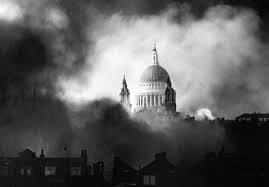
The undamaged St. Paul’s Cathredal, December, 1940
During 267 days—almost 37 weeks—between 40,000 and 43,000 British civilians were killed. About 139,000 others were wounded.
But the terror-bombing only inflamed Britons to fight Germany even more stubbornly.
Vladimir Putin has learned nothing from these historical lessons.
He has employed mercenaries and terror-bombing against patriotic Ukrainians—who continue to sweep Russian forces from their country.
If he employs even “small” tactical weapons, he risks triggering a fullscale NATO response—thus destroying the Russian empire he hopes to re-create.
Finally: Even if he conquers Ukraine, he will inherit a hate-filled population thirsting for revenge at every opportunity.
ABC NEWS, ADOLF HITLER, ADVICE, ALTERNET, AMERICABLOG, AP, BABY BOOMER RESISTANCE, BAY OF PIGS, BBC, BENITO MUSSOLINI, BLOOMBERG NEWS, BUZZFEED, CAESARE BORGIA, CBS NEWS, CNN, CORPORATIONS, CROOKS AND LIARS, CUBA, DAILY KOS, DAILY KOZ, FACEBOOK, FIDEL CASTRO, FIVETHIRTYEIGHT, FLORENCE, HARPER’S MAGAZINE, HUFFINGTON POST, JOHN F. KENNEDY, JOSEPH STALIN, KING PERSEUS OF MACEDON, MEDIA MATTERS, MOTHER JONES, MOVEON, MSNBC, NAZI-SOVIET "NON-AGGRESSION PACT", NBC NEWS, NEW REPUBLIC, NEWSDAY, NEWSWEEK, NICCOLO MACHIAVELLI, NPR, PBS NEWSHOUR, POLITICO, POLITICS, POLITICUSUSA, POPE JULIUS 11, RAW STORY, REUTERS, SALON, SEATTLE TIMES, SLATE, TALKING POINTS MEMO, THE ATLANTIC, THE CHICAGO SUN-TIMES, THE CHICAGO TRIBUNE, THE DAILY BEAST, THE DAILY BLOG, THE DISCOURSES, THE GUARDIAN, THE HILL, THE HUFFINGTON POST, THE INTERCEPT, THE LOS ANGELES TIMES, THE NATION, THE NEW REPUBLIC, THE NEW YORK TIMES, THE NEW YORKER, THE PRINCE, THE SS, THE VILLAGE VOICE, THE WASHINGTON POST, THINKPROGRESS, THIRD REICH, TIME, TRUTHDIG, TRUTHOUT, TWITTER, U.S. NEWS & WORLD REPORT, UKRAINE, UPI, USA TODAY, VLADIMIR PUTIN, VOLODYMYR ZELENSKY, WEHRMACHT, WORLD WAR 11
In Bureaucracy, Business, History, Military, Politics, Social commentary on October 28, 2022 at 12:11 am
Ask the average person, “What do you think of Niccolo Machiavelli?” and he’s likely to say: “The devil.”
In fact, “The Old Nick” became an English term used to describe Satan and slander Machiavelli at the same time.
Niccolo Machiavelli
The truth, however, is more complex. Machiavelli was a passionate Republican, who spent most of his adult life in the service of his beloved city-state, Florence.
The years he spent as a diplomat were tumultuous ones for Italy—with men like Pope Julius II and Caesare Borgia vying for power and plunging Italy into one bloodbath after another.
Florence, for all its wealth, lacked a strong army, and thus lay at the mercy of powerful enemies, such as Borgia. Machiavelli often had to use his wits to keep them at bay.
Machiavelli is best-known for his writing of The Prince, a pamphlet on the arts of gaining and holding power. Its admirers have included Benito Mussolini and Joseph Stalin.
But his longer and more thoughtful work is The Discourses, in which he offers advice on how to maintain liberty within a republic. Among its admirers were many of the men who framed the Constitution of the United States.
Most people believe that Machiavelli advocated evil for its own sake.
Not so. Rather, he recognized that sometimes there is no perfect—or perfectly good—solution to a problem.
Sometimes it’s necessary to take stern—even brutal—action to stop an evil (such as a riot) before it becomes widespread:
“A man who wishes to make a profession of goodness in everything must inevitably come to grief among so many who are not good. And therefore it is necessary for a prince, who wishes to maintain himself, to learn how not to be good, and to use this knowledge and not use it, according to the necessity of the case.”
His counsel remains as relevant today as it did during his lifetime (1469 – 1527). This is especially true for politicians—and students of political science.
But plenty of ordinary citizens can also benefit from the advice he has to offer—such as those in business who are asked to give advice to more powerful superiors.
Machiavelli warns there is danger in urging rulers to take a particular course of action: “For men only judge of matters by the result, all the blame of failure is charged upon him who first advised it, while in case of success he receives commendations. But the reward never equals the punishment.”
This puts would-be counselors in a difficult position: “If they do not advise what seems to them for the good of the republic or the prince, regardless of the consequences to themselves, then they fail to do their duty.
“And if they do advise it, then it is at the risk of their position and their lives, for all men are blind in thus, that they judge of good or evil counsels only by the results.”
Thus, Machiavelli warns that an adviser should “take things moderately, and not to undertake to advocate any enterprise with too much zeal, but to give one’s advice calmly and modestly.”
The person who asked for the advice may follow it, or not, as of his own choice, and not because he was led or forced into it by the adviser.
Above all, the adviser must avoid the danger of urging a course of action that runs “contrary to the wishes of the many.
“For the danger arises when your advice has caused the many to be contravened. In that case, when the result is unfortunate, they all concur in your destruction.”
Or, as President John F. Kennedy famously said after the disastrous invasion of Cuba at the Bay of Pigs in April, 1961: “Victory has a hundred fathers and defeat is an orphan.”
John F. Kennedy
By “not advocating any enterprise with too much zeal,” the adviser gains two advantages:
“The first is, you avoid all danger.
“And the second consists in the great credit which you will have if, after having modestly advised a certain course, your counsel is rejected, and the adoption of a different course results unfortunately.”
Finally, the time to give advice is before a catastrophe occurs, not after. Machiavelli gives a vivid example of what can happen if this rule is ignored.
King Perseus of Macedon had gone to war with Paulus Aemilius—and suffered a humiliating defeat. Fleeing the battlefield with a handful of his men, he later bewailed the disaster that had overtaken him.
Suddenly, one of his lieutenants began to lecture Perseus on the many errors he had committed, which had led to his ruin.
“Traitor,” raged the king, turning upon him, “you have waited until now to tell me all this, when there is no longer any time to remedy it—” And Perseus slew him with his own hands.
Niccolo Machiavelli sums up the lesson as this:
“Thus was this man punished for having been silent when he should have spoken, and for having spoken when he should have been silent.”
Be careful that you don’t make the same mistake.
ABC NEWS, ADOLF HITLER, ALTERNET, AMERICABLOG, AMERICAN REVOLUTION, ANDREW JACKSON, AP, BABY BOOMER RESISTANCE, BBC, BLOOMBERG NEWS, BUZZFEED, CBS NEWS, CHECHENS, CNN, CROOKS AND LIARS, DAILY KOS, FIVETHIRTYEIGHT, FORT MIMS MASSACRE, GREAT BRITAIN, HARPER’S MAGAZINE, HUFFINGTON POST, MEDIA MATTERS, MERCENARIES, MOTHER JONES, MOVEON, MSNBC, NAZI-SOVIET "NON-AGGRESSION PACT", NBC NEWS, NEW REPUBLIC, NEWSDAY, NEWSWEEK, NICCOLO MACHIAVELLI, NPR, NUCLEAR WEAPONS, PBS NEWSHOUR, POLITICO, POLITICUSUSA, RAW STORY, REUTERS, SALON, SEATTLE TIMES, SLATE, TALKING POINTS MEMO, THE ATLANTIC, THE BLITZ, THE CHICAGO SUN-TIMES, THE CHICAGO TRIBUNE, THE DAILY BEAST, THE DAILY BLOG, THE DISCOURSES, THE GUARDIAN, THE HILL, THE HUFFINGTON POST, THE INTERCEPT, THE LOS ANGELES TIMES, THE NATION, THE NEW REPUBLIC, THE NEW YORK TIMES, THE NEW YORKER, THE PRINCE, THE SS, THE VILLAGE VOICE, THE WASHINGTON POST, THINKPROGRESS, THIRD REICH, TIME, TRUTHDIG, TRUTHOUT, TWITTER, U.S. NEWS & WORLD REPORT, UKRAINE, UPI, USA TODAY, VLADIMIR PUTIN, VOLODYMYR ZELENSKY, WAR OF 1812, WEHRMACHT, WORLD WAR 11
In Bureaucracy, History, Military, Politics, Social commentary on October 10, 2022 at 12:10 am
Vladimir Putin believes himself to be a serious student of history. If so, he has drawn the wrong lessons from the past.
During the American Revolution (1775-1783) and the War of 1812 (1812-1815) Great Britain encouraged Indian attacks on American settlers.
One of the worst of these attacks occurred on August 30, 1813, when over 700 Creek Indians destroyed Fort Mims, near Mobile, Alabama. About 500 militiamen, settlers, slaves and Creeks loyal to the Americans were slaughtered or captured.
Fort Mims massacre
Inflaming the Indians against settlers didn’t help the British on the battlefield—in the American Revolution or the War of 1812. But it did incite long-lasting hatred by the vast majority of Americans against the British—and even greater hatred of the Indians.
To cite one example: The Fort Mims massacre inspired General Andrew Jackson to take the field, eventually destroying the Creeks as a nation and wresting Florida from Spain for the United States.
The British lost their American colony. And the Indians were gradually driven from their dominance of the continent.
Similarly, Vladimir Putin has turned to Chechen mercenaries for help in conquering Ukraine. They are known as “Kadyrovtsy” or “Kadyrovites” after their leader, Ramzan Kadyrov, Chechnya’s pro-Kremlin strongman.
Human rights groups, witnesses and survivors have for decades accused them of murders, kidnappings and the torture of Kadyrov’s rivals and critics.
Just as the Indians hoped to use their alliance with the British to defeat their Anglo-American enemies, so, too, do Chechen mercenaries hope to ingratiate themselves with the Kremlin.
Vladimir Putin
Kremlin.ru, CC BY 4.0 <https://creativecommons.org/licenses/by/4.0>, via Wikimedia Commons
Yet that alliance has not advanced Russia’s fortunes on the battlefield, just as the British-Indian alliance did not gain victory for the British.
As Niccolo Machiavelli, writing more than 500 years ago in The Prince, warned: “[Mercenaries] have neither the fear of God nor fidelity to man, and destruction is deferred only as the attack is. For in peace one is robbed by them, and in war by the enemy.”
Moreover, the atrocities committed by Indians and Chechens only inflamed their enemies to seek revenge.
In his masterwork, The Discourses, Machiavelli offered a lesson on the power of mercy even in the midst of war.
“Marcus Furius Camillus, a Roman general, was besieging the city of the Faliscians, and had surrounded it. A teacher charged with the education of the children of some of the noblest families of that city decided to ingratiate himself with Camillus by leading those children into the Roman camp.
“Presenting them to Camillus the teacher said to him, ‘By means of these children as hostages, you will be able to compel the city to surrender.’
“Camillus not only declined the offer but had the teacher stripped and his hands tied behind his back. Then he had a rod put into the hands of each of the children and directed them to whip the teacher all the way back to the city.
“Upon learning this, the citizens of Faliscia were so much touched by the humanity and integrity of Camillus, that they surrendered the place to him without any further defense.”
Summing up the meaning of this, Machiavelli writes: “This example shows that an act of humanity and benevolence will at all times have more influence over the minds of men than violence and ferocity. It also proves that provinces and cities which no armies…could conquer, have yielded to an act of humanity, benevolence, chastity or generosity.
“…History also shows us how much the people desire to find such virtues in great men, and how much they are extolled by historians and biographers of princes….Amongst these, Xenophon takes great pains to show how many victories, how much honor and fame, Cyrus gained by his humanity and affability, and by his not having exhibited a single instance of pride, cruelty or luxuriousness, nor of any of the other vices that are apt to stain the lives of men.”
Niccolo Machiavelli
Then there has been Putin’s use of terror-attacks on Ukrainian cities.
Using bombers and long-range artillery, Putin has tried to compensate for losses on the battlefield by terrorizing Ukrainians into surrender.
Adolf Hitler applied the same tactic against an equally stubborn Great Britain during the Second World War. in 1940-41.
Unable to invade England because the British Navy controlled the sea, Hitler turned to terror-bombing.
He believed he could terrorize Britons into demanding that their government yield to German surrender demands.
From September 7, 1940 to May 21, 1941, the Luftwaffe subjected England—and especially London—to a ruthless bombing campaign that became known as The Blitz.
The undamaged St. Paul’s Cathredal, December, 1940
During 267 days—almost 37 weeks—between 40,000 and 43,000 British civilians were killed. About 139,000 others were wounded.
But the terror-bombing only inflamed Britons to fight Germany even more stubbornly.
Vladimir Putin has learned nothing from these historical lessons.
He has employed mercenaries and terror-bombing against patriotic Ukrainians—who continue to sweep Russian forces from their country.
If he employs even “small” tactical weapons, he risks triggering a fullscale NATO response—thus destroying the Russian empire he hopes to re-create.
Finally: Even if he conquers Ukraine, he will inherit a hate-filled population thirsting for revenge at every opportunity.
ABC NEWS, ADOLF HITLER, ALTERNET, AMERICABLOG, AP, BABY BOOMER RESISTANCE, BBC, BLOOMBERG NEWS, BUZZFEED, CBS NEWS, CNN, CROOKS AND LIARS, DAILY KOS, FIVETHIRTYEIGHT, HARPER’S MAGAZINE, HUFFINGTON POST, JOSEPH STALIN, MEDIA MATTERS, MOTHER JONES, MOVEON, MSNBC, NAZI-SOVIET "NON-AGGRESSION PACT", NBC NEWS, NEW REPUBLIC, NEWSDAY, NEWSWEEK, NPR, NUCLEAR WEAPONS, PBS NEWSHOUR, POLITICO, POLITICUSUSA, RAW STORY, REUTERS, SALON, SEATTLE TIMES, SLATE, TALKING POINTS MEMO, THE ATLANTIC, THE CHICAGO SUN-TIMES, THE CHICAGO TRIBUNE, THE DAILY BEAST, THE DAILY BLOG, THE GUARDIAN, THE HILL, THE HUFFINGTON POST, THE INTERCEPT, THE LOS ANGELES TIMES, THE NATION, THE NEW REPUBLIC, THE NEW YORK TIMES, THE NEW YORKER, THE SS, THE VILLAGE VOICE, THE WASHINGTON POST, THINKPROGRESS, THIRD REICH, TIME, TRUTHDIG, TRUTHOUT, TWITTER, U.S. NEWS & WORLD REPORT, UKRAINE, UPI, USA TODAY, VLADIMIR PUTIN, VOLODYMYR ZELENSKY, WEHRMACHT, WORLD WAR 11
In Bureaucracy, History, Military, Politics, Social commentary on October 6, 2022 at 12:29 am
In the United States, World War II—at least, that part of the war fought in Europe—used to be celebrated in movies and TV shows like “Combat!” and “The Rat Patrol.” Today, it’s largely forgotten, except by veterans groups and the conflict’s rapidly aging veterans.
But in the Soviet Union, “the Great Patriotic War” against Nazi Germany is still celebrated as the triumph of Soviet strength and determination against horrific odds and losses.
Russian President Vladimir Putin’s invasion of Ukraine is unlikely to be remembered so fondly.
On April 28, 2006, Putin publicly stated that the 1991 collapse of the Soviet Union was “the greatest geopolitical catastrophe of the century.
“As for the Russian people, it became a genuine tragedy. Tens of millions of our fellow citizens and countrymen found themselves beyond the fringes of Russian territory.”
Putin was sounding a warning: He saw himself as Russia’s savior who would restore its lost empire.
Vladimir Putin
His invasion of Ukraine—officially called a “special military operation”—was intended as an important step toward that restoration.
Begun on February 24, the invasion targeted the Ukrainian capital, Kyiv, in an attempt to overthrow the democratic government of President Volodymyr Zelensky.
Ukrainian troops were outgunned and outnumbered. As in the case of the Soviet Union in 1941, Western military analystss expected the attack to quickly succeed. The Biden administration offered to evacuate Zelensky to safety.
Zelensky refused: “The fight is here; I need ammunition, not a ride.”
But after weeks of combat, Russian forces retreated, stymied by ferocious Ukrainian resistance.
In July, the last city under Ukrainian control in Luhansk fell to Russia after weeks of artillery bombardment and street fighting. But the Russians made little progress as they tried to conquer the remainder of Donbas.
In late August, after weeks of buildup, Ukraine launched a counteroffensive in the southern region of Kherson. Ukraine deployed newly arrived missile systems supplied by the United States and other Western countries to destroy Russian ammunition dumps and a Russian air base in Crimea.
By September, Ukrainian forces launched a rapid offensive, recapturing much of the northeastern Kharkiv region, including the city of Izium. Previously, the Russians had been using this as a key logistics hub.
Volodymyr Zelensky
On September 21, with Russian forces bogged down or retreating, Vladimir Putin announced the partial mobilization of 300,000 military reservists. All male citizens below 60 are now eligible to be drafted.
There are exceptions: Employees in IT and telecommunications, finance, “systemically-important” mass media outlets and interdependent suppliers, including registered media and broadcasters.
Still, the announcement set off a massive exodus of at least 194,000 Russian men (and their wives or girlfriends) to such neighboring countries as Turkey, Georgia, Kazakhstan and Mongolia.
During World War II, this would have been unthinkable: Whether driven by patriotism or a desire for vengeance on their German tormentors, Russians at all levels threw themselves into the conflict.
On the same day Putin announced the mobilization, he threatened to use nuclear weapons to defend not simply Russia but the Ukrainian territory his forces had captured:
“Our country possesses various means of destruction. When the territorial integrity of our nation is threatened, we, of course, will use all the means at our disposal to protect Russia and our people.”
To underscore his threat, he added: “Those who try to blackmail us with nuclear weapons should know that the weathervane can turn and point towards them.”
Putin’s threats have heightened world tensions and triggered speculation as to whether he would use nukes—against Ukraine or NATO countries, including the United States.
Volodymyr Zelensky thinks Putin is not bluffing.
President Joe Biden initially assured Americans there was no cause for concern. But since then the United States has stated that it has warned Putin that any use of nuclear weapons would trigger a catastrophic (non-specific) response against Russia.
Seen against the backdrop of Russia’s titanic victory in “the Great Patriotic War,” Putin’s repeated threats to use nuclear weapons actually underscore Russia’s weakness, not its strength.
Consider:
- “The Great Patriotic War” lasted almost four years—from June 22, 1941, to May 7, 1945.
- Russia’s opponent, Nazi Germany, was the most-feared military power in Europe.
- The war cost the Soviet Union at least 26 million lives before ending with the Red flag flying over Berlin.
- Almost the entire western half of the Soviet Union was devastated—first as the Germans overran territory from the Polish border to the gates of Moscow, and then again as the Soviets slowly pushed them back to Germany itself.
- For Russians, this was truly a “people’s war,” won through massive sacrifice and heroism—and without the use of nuclear weapons, which did not then exist.
Seventy-seven years after the end of World War II:
- Against the smaller and initially ill-equipped Ukrainian army, Russia has enjoyed a huge advantage in manpower and material.
- Yet so low is Russian morale that Putin has been forced to offer huge bribes to foreign mercenaries and even convicted criminals to refill his dispirited legions.
- Ukrainians, fueled by patriotism and a desire for vengeance, are fighting—and winning—their own version of “the Great Patriotic War.”
ABC NEWS, ADOLF HITLER, ALTERNET, AMERICABLOG, AP, BABY BOOMER RESISTANCE, BBC, BLOOMBERG NEWS, BUZZFEED, CBS NEWS, CNN, CROOKS AND LIARS, DAILY KOS, FIVETHIRTYEIGHT, HARPER’S MAGAZINE, HUFFINGTON POST, JOSEPH STALIN, MEDIA MATTERS, MOTHER JONES, MOVEON, MSNBC, NAZI-SOVIET "NON-AGGRESSION PACT", NBC NEWS, NEW REPUBLIC, NEWSDAY, NEWSWEEK, NPR, NUCLEAR WEAPONS, PBS NEWSHOUR, POLITICO, POLITICUSUSA, RAW STORY, REUTERS, SALON, SEATTLE TIMES, SLATE, TALKING POINTS MEMO, THE ATLANTIC, THE CHICAGO SUN-TIMES, THE CHICAGO TRIBUNE, THE DAILY BEAST, THE DAILY BLOG, THE GUARDIAN, THE HILL, THE HUFFINGTON POST, THE INTERCEPT, THE LOS ANGELES TIMES, THE NATION, THE NEW REPUBLIC, THE NEW YORK TIMES, THE NEW YORKER, THE SS, THE VILLAGE VOICE, THE WASHINGTON POST, THINKPROGRESS, THIRD REICH, TIME, TRUTHDIG, TRUTHOUT, TWITTER, U.S. NEWS & WORLD REPORT, UKRAINE, UPI, USA TODAY, VLADIMIR PUTIN, VOLODYMYR ZELENSKY, WEHRMACHT, WORLD WAR 11
In Bureaucracy, History, Military, Politics, Social commentary on October 5, 2022 at 12:21 am
On June 22, 1941, with 134 Divisions at full fighting strength and 73 more divisions for deployment behind the front, the German Wehrmacht invaded the Soviet Union.
Joseph Stalin, the longtime Soviet dictator, was stunned. The invasion had come less than two years after Germany had signed a non-aggression pact with the Soviet Union.
On August 23, 1939, Stalin had signed the German-Soviet Nonaggression Pact with German Fuhrer Adolf Hitler.
The reason: Each dictator got what he wanted—for the moment. Hitler was planning to invade Poland in a matter of days—and he wanted to avoid a war with the Soviet Union.
And Stalin got what he wanted: The eastern half of Poland.
Joseph Stalin
The agreement stunned the world. Since 1919, Nazis and Communists had fought bitter battles against each other in the streets of Germany during the Weimar Republic.
When this was replaced in 1933 by the Third Reich, German Communists were rounded up and imprisoned, if not murdered, by Hitler’s ruthless secret police, the Schutzstaffel (“Protective Squads”).
For the moment, however, all of that was conveniently forgotten.
And, surprising as it might seem, each dictator harbored a secret respect for the other.
After Hitler launched a blood-purge of his own private Stormtroopers army on June 30, 1934, Stalin exclaimed: “Hitler, what a great man! That is the way to deal with your political opponents!”
And Hitler was equally admiring of Stalin’s notorious ruthlessness: “After the victory over Russia,” he told his intimates, “it would be a good idea to get Stalin to run the country, with German oversight, of course. He knows better than anyone how to handle the Russians.”
Adolf Hitler
But Hitler hadn’t forgotten his life’s ambition to conquer the Soviet Union and utterly destroy “the scourge of Jewish-Marxism.”
Stalin received numerous warnings from the United States and Great Britain about the coming invasion. But he dismissed them as efforts by the West to trick him into violating the pact and turning Nazi Germany into his mortal enemy.
When informed of the attack, Stalin at first believed it was being made by rogue German forces. He refused to order an immediate counterattack.
Upon being convinced that the Wehrmacht intended to wage all-out war, he went into a funk in his dacha and shut himself off from everyone. To his closest associates he wailed: “Lenin left us a great inheritance and we, his heirs, have fucked it all up!”
Meanwhile, the Red Air Force was destroyed on the ground by the awesome Luftwaffe. And the Wehrmacht was advancing at a rate of 25 miles a day.
German soldiers marching through Russia
On July 3, after 10 days of brooding (and probably drinking heavily) in his dacha, Stalin finally took to the airways across the Soviet Union.
Never a spellbinding orator, Stalin spoke in slow and faltering tones. Nevertheless, his opening words were startling: “Comrades! Citizens! Brothers and sisters! Men of our army and navy! I am addressing you, my friends!”
Stalin had never addressed an audience this way, and he never would again.
He said the “peace loving” Soviet Union had been attacked by “fiends and cannibals” who wanted to restore the rule of the landlords and Czars. He claimed the non-aggression pact with Germany had given the army much-needed time to rearm and reorganize its forces.
This was accompanied by orders unprecedented in any other army: Those taken prisoner by the Germans were to be considered traitors—and shot or imprisoned. Those suspected of wounding themselves to avoid combat were also subject to summary execution. So were soldiers who had been legitimately wounded in battle but were suspected of inflicting those injuries.
The first two years of the war—1941 to 1943—proved disastrous for the Soviet Union.
During the first six months—June to December, 1941—German armies lured huge Soviet forces into gigantic “cauldron battles,” surrounding and exterminating them. An estimated 5.7 million prisoners of war (POWs) fell into German hands. Of these, at least 3.5 million died in custody.
But then the infamous Russian cold and snows of winter halted the Wehrmacht before Moscow.
In the summer of 1942 German forces once again mounted a ferocious offensive, driving all the way to the Volga—and Stalingrad.
But they became bogged down in bitter house-to-house fighting. With the arrival of winter, Soviet forces surrounded the Wehrmacht’s powerful Sixth Army. The besiegers became the besieged. On February 2, 1943, Field Marshal Friedrich von Paulus surrendered what remained of his army. The battle cost Germany 500,000 men, including 91,000 taken prisoner.
As the Red Army finally began to go over on the offensive, Stalin relaxed the iron controls that had long stifled creativity on the part of his commanders.
The infamous political commissars were removed from control over Russian generals. Gold braid and fancy uniforms were manufactured and rushed to the front as morale boosters.
The war would last another two years—costing the Soviet Union at least 26 million citizens—before it ended with the Red flag flying over Berlin.
Almost the entire western half of the Soviet Union was devastated—first as the Germans overran territory from the Polish border to the gates of Moscow, and then again as the Soviets slowly pushed them back to Germany itself.


 Bureaucracybuster's Blog
ABC NEWS, ADOLF HITLER, ALTERNET, AMERICABLOG, AP, BABY BOOMER RESISTANCE, BBC, BLOOMBERG NEWS, BUZZFEED, CBS NEWS, CNN, CROOKS AND LIARS, DAILY KOS, FIVETHIRTYEIGHT, HARPER’S MAGAZINE, HUFFINGTON POST, JOSEPH STALIN, MEDIA MATTERS, MOTHER JONES, MOVEON, MSNBC, NAZI-SOVIET "NON-AGGRESSION PACT", NBC NEWS, NEW REPUBLIC, NEWSDAY, NEWSWEEK, NPR, NUCLEAR WEAPONS, PBS NEWSHOUR, POLITICO, POLITICUSUSA, RAW STORY, REUTERS, SALON, SEATTLE TIMES, SLATE, TALKING POINTS MEMO, THE ATLANTIC, THE CHICAGO SUN-TIMES, THE CHICAGO TRIBUNE, THE DAILY BEAST, THE DAILY BLOG, THE GUARDIAN, THE HILL, THE HUFFINGTON POST, THE INTERCEPT, THE LOS ANGELES TIMES, THE NATION, THE NEW REPUBLIC, THE NEW YORK TIMES, THE NEW YORKER, THE SS, THE VILLAGE VOICE, THE WASHINGTON POST, THINKPROGRESS, THIRD REICH, TIME, TRUTHDIG, TRUTHOUT, U.S. NEWS & WORLD REPORT, UKRAINE, UPI, USA TODAY, VLADIMIR PUTIN, VOLODYMYR ZELENSKY, WEHRMACHT, WORLD WAR 11, X
TWO DICTATORS, TWO CRISES: PART TWO (END)
In Bureaucracy, History, Military, Politics, Social commentary on November 21, 2024 at 12:11 amIn the United States, World War II—at least, that part of the war fought in Europe—used to be celebrated in movies and TV shows like “Combat!” and “The Rat Patrol.” Today, it’s largely forgotten, except by veterans groups and the conflict’s rapidly aging veterans.
But in the Soviet Union, “the Great Patriotic War” against Nazi Germany is still celebrated as the triumph of Soviet strength and determination against horrific odds and losses.
Russian President Vladimir Putin’s invasion of Ukraine is unlikely to be remembered so fondly.
On April 28, 2006, Putin publicly stated that the 1991 collapse of the Soviet Union was “the greatest geopolitical catastrophe of the century.
“As for the Russian people, it became a genuine tragedy. Tens of millions of our fellow citizens and countrymen found themselves beyond the fringes of Russian territory.”
Putin was sounding a warning: He saw himself as Russia’s savior who would restore its lost empire.
Vladimir Putin
His invasion of Ukraine—officially called a “special military operation”—was intended as an important step toward that restoration.
Begun on February 24, the invasion targeted the Ukrainian capital, Kyiv, in an attempt to overthrow the democratic government of President Volodymyr Zelensky.
Ukrainian troops were outgunned and outnumbered. As in the case of the Soviet Union in 1941, Western military analystss expected the attack to quickly succeed. The Biden administration offered to evacuate Zelensky to safety.
Zelensky refused: “The fight is here; I need ammunition, not a ride.”
But after weeks of combat, Russian forces retreated, stymied by ferocious Ukrainian resistance.
In July, the last city under Ukrainian control in Luhansk fell to Russia after weeks of artillery bombardment and street fighting. But the Russians made little progress as they tried to conquer the remainder of Donbas.
In late August, after weeks of buildup, Ukraine launched a counteroffensive in the southern region of Kherson. Ukraine deployed newly arrived missile systems supplied by the United States and other Western countries to destroy Russian ammunition dumps and a Russian air base in Crimea.
By September, Ukrainian forces launched a rapid offensive, recapturing much of the northeastern Kharkiv region, including the city of Izium. Previously, the Russians had been using this as a key logistics hub.
Volodymyr Zelensky
On September 21, with Russian forces bogged down or retreating, Vladimir Putin announced the partial mobilization of 300,000 military reservists. All male citizens below 60 are now eligible to be drafted.
There are exceptions: Employees in IT and telecommunications, finance, “systemically-important” mass media outlets and interdependent suppliers, including registered media and broadcasters.
Still, the announcement set off a massive exodus of at least 194,000 Russian men (and their wives or girlfriends) to such neighboring countries as Turkey, Georgia, Kazakhstan and Mongolia.
During World War II, this would have been unthinkable: Whether driven by patriotism or a desire for vengeance on their German tormentors, Russians at all levels threw themselves into the conflict.
On the same day Putin announced the mobilization, he threatened to use nuclear weapons to defend not simply Russia but the Ukrainian territory his forces had captured:
“Our country possesses various means of destruction. When the territorial integrity of our nation is threatened, we, of course, will use all the means at our disposal to protect Russia and our people.”
To underscore his threat, he added: “Those who try to blackmail us with nuclear weapons should know that the weathervane can turn and point towards them.”
Putin’s threats have heightened world tensions and triggered speculation as to whether he would use nukes—against Ukraine or NATO countries, including the United States.
Volodymyr Zelensky thinks Putin is not bluffing.
President Joe Biden initially assured Americans there was no cause for concern. But since then the United States has stated that it has warned Putin that any use of nuclear weapons would trigger a catastrophic (non-specific) response against Russia.
Seen against the backdrop of Russia’s titanic victory in “the Great Patriotic War,” Putin’s repeated threats to use nuclear weapons actually underscore Russia’s weakness, not its strength.
Consider:
Seventy-seven years after the end of World War II:
Share this: