Posts Tagged ‘LOS ANGELES TIMES’
2016 PRESIDENTIAL CAMPAIGN, ABC NEWS, ALTERNET, AMERICAN REVOLUTION, AP, BARACK OBAMA, BUREAU OF LABOR STATISTICS, BUZZFEED, CALVIN COOLIDGE, CBS NEWS, CELINDA LAKE, CHINA, CHRIS MATTHEWS, CHVE-CHING HUANG, CNN, CROOKS AND LIARS, DAILY KOZ, DIVINE RIGHT OF KINGS THEORY, DONALD TRUMP, EMANCIPATION PROCLAMATION, EMPLOYERS RESPONSIBILITY ACT, EMPLOYMENT ACT OF 1946, FACEBOOK, HARDBALL, HILLARY CLINTON, JOB CREATORS, JOHN F. KENNEDY, LOS ANGELES TIMES, LYNDON B. JOHNSON, MOTHER JONES, MOVEON, MSNBC, NBC NEWS, NEW YORK TIMES, NEWSWEEK, NPR, PBS NEWSHOUR, PETER CAPPELLI, POLITICO, RAW STORY, READERS DIGEST, REPUBLICANS, REUTERS, ROBERT REICH, SALON, SEATTLE TIMES, SENATOR BERNIE SANDERS, SLATE, SLAVERY, STEVE POIZNER, TAX CUTS AND JOBS ACT OF 2017, TAX LAW CENTER AT NEW YORK UNIVERSITY SCHOOL OF LAW, THE ATLANTIC, THE CHICAGO SUN-TIMES, THE CHICAGO TRIBUNE, THE DAILY BEAST, THE GUARDIAN, THE HILL, THE HUFFINGTON POST, THE LOS ANGELES TIMES, THE NATION, THE NEW YORK TIMES, THE RACHEL MADDOW SHOW, THE WASHINGTON POST, TIME, TOMMY G. THOMPSON, TWITTER, U.S. NEWS & WORLD REPORT, UNEMPLOYMENT, UPI, USA TODAY, WALLACE C. PETERSON, WASHINGTON POST, WHY GOOD PEOPLE CAN'T FIND JOBS
In Bureaucracy, Business, History, Law, Law Enforcement, Politics, Social commentary on February 25, 2022 at 12:12 am
America can end this national disaster—and disgrace—of willing-to-work Americans being unable to find willing-to-hire employers.
The solution: A nationwide Employers Responsibility Act (ERA).
Such legislation would legally require employers to demonstrate as much initiative for hiring as job-seekers are now expected to show in searching for work.
Two of its provisions have already been offered. Here are another 10.
(3) Employers would receive tax credits for creating professional, well-paying, full-time jobs.
This would encourage the creation of better than the menial, dead-end, low-paying and often part-time jobs which exist in the service industry. Employers found using such tax credits for any other purpose would be prosecuted for tax fraud.

(4) A company that acquired another—through a merger or buyout—would be forbidden to fire en masse the career employees of that acquired company.
This would be comparable to the protection existing for career civil service employees. Such a ban would prevent a return to the predatory “corporate raiding” practices of the 1980s, which left so much human and economic wreckage in their wake.
The wholesale firing of employees would trigger the prosecution of the company’s new owners. Employees could still be fired, but only for provable just cause, and only on a case-by-case basis.
(5) Employers would be required to provide full medical and pension benefits for all employees, regardless of their full-time or part-time status.
Increasingly, employers are replacing full-time workers with part-time ones—solely to avoid paying medical and pension benefits. Requiring employers to act humanely and responsibly toward all their employees would encourage them to provide full-time positions—and hasten the death of this greed-based practice.

(6) Employers would be encouraged to hire to their widest possible limits, through a combination of financial incentives and legal sanctions. Among those incentives: Employers demonstrating a willingness to hire would receive substantial Federal tax credits, based on the number of new, permanent employees hired per year.
Employers claiming eligibility for such credits would be required to make their financial records available to Federal investigators. Employers found making false claims would be prosecuted for perjury and tax fraud, and face heavy fines and imprisonment if convicted.
(7) Among those sanctions: Employers refusing to hire could be required to prove, in court:
- Their economic inability to hire further employees, and/or
- The unfitness of the specific, rejected applicant.
Companies found guilty of unjustifiably refusing to hire would face the same penalties as now applying in cases of discrimination on the basis of age, race, sex and disability. Employers would thus fund it easier to hire than to refuse to do so. Job-seekers would no longer be prevented from even being considered for employment because of arbitrary and interminable “hiring freezes.”
(8) Employers refusing to hire would be required to pay an additional “crime tax.”
Sociologists and criminologists agree that “the best cure for crime is a job.” Thus, employers who refuse to hire contribute to a growing crime rate in this Nation. Such non-hiring employers would be required to pay an additional tax, which would be earmarked for agencies of the criminal justice system at State and Federal levels.
(9) The seeking of “economic incentives” by companies in return for moving to or remaining in cities/states would be strictly forbidden.
Such “economic incentives” usually:
- allow employers to ignore existing laws protecting employees from unsafe working conditions;
- allow employers to ignore existing laws protecting the environment;
- allow employers to pay their employees the lowest acceptable wages, in return for the “privilege” of working at these companies; and/or
- allow employers to pay little or no business taxes, at the expense of communities who are required to make up for lost tax revenues.
(10) Employers who continue to make such overtures would be prosecuted for attempted bribery or extortion:
- Bribery, if they offered to move to a city/state in return for “economic incentives,” or
- Extortion, if they threatened to move their companies from a city/state if they did not receive such “economic incentives.”
This would protect employees against artificially-depressed wages and unsafe working conditions; protect the environment in which these employees live; and protect cities/states from being pitted against one another at the expense of their economic prosperity.
(11) The U.S. Departments of Justice and Labor would regularly monitor the extent of employer compliance with the provisions of this Act.
Among these measures: Sending undercover agents, posing as highly-qualified job-seekers, to apply at companies—and then vigorously prosecuting those employers who blatantly refused to hire despite their proven economic ability to do so.
This would be comparable to the long-time and legally-validated practice of using undercover agents to determine compliance with fair-housing laws.
(12) The Justice Department and/or the Labor Department would be required to maintain a publicly-accessible database on those companies that had been cited, sued and/or convicted for such offenses as
- discrimination,
- harassment,
- health and/or safety violations or
- violating immigration laws.
Employers would be legally required to regularly provide such information to these agencies, so that it would remain accurate and up-to-date.
Such information would arm job applicants with vital information about the employers they were approaching. They could thus decide in advance if an employer is deserving of their skills and dedication.
2016 PRESIDENTIAL CAMPAIGN, ABC NEWS, ALTERNET, AMERICAN REVOLUTION, AP, BARACK OBAMA, BUREAU OF LABOR STATISTICS, BUZZFEED, CALVIN COOLIDGE, CBS NEWS, CELINDA LAKE, CHINA, CHRIS MATTHEWS, CHVE-CHING HUANG, CNN, CROOKS AND LIARS, DAILY KOZ, DIVINE RIGHT OF KINGS THEORY, DONALD TRUMP, EMANCIPATION PROCLAMATION, EMPLOYERS RESPONSIBILITY ACT, EMPLOYMENT ACT OF 1946, FACEBOOK, HARDBALL, HILLARY CLINTON, JOB CREATORS, JOHN F. KENNEDY, LOS ANGELES TIMES, LYNDON B. JOHNSON, MOTHER JONES, MOVEON, MSNBC, NBC NEWS, NEW YORK TIMES, NEWSWEEK, NPR, PBS NEWSHOUR, PETER CAPPELLI, POLITICO, RAW STORY, READERS DIGEST, REPUBLICANS, REUTERS, ROBERT REICH, SALON, SEATTLE TIMES, SENATOR BERNIE SANDERS, SLATE, SLAVERY, STEVE POIZNER, TAX CUTS AND JOBS ACT OF 2017, TAX LAW CENTER AT NEW YORK UNIVERSITY SCHOOL OF LAW, THE ATLANTIC, THE CHICAGO SUN-TIMES, THE CHICAGO TRIBUNE, THE DAILY BEAST, THE GUARDIAN, THE HILL, THE HUFFINGTON POST, THE LOS ANGELES TIMES, THE NATION, THE NEW YORK TIMES, THE RACHEL MADDOW SHOW, THE WASHINGTON POST, TIME, TOMMY G. THOMPSON, TWITTER, U.S. NEWS & WORLD REPORT, UNEMPLOYMENT, UPI, USA TODAY, WALLACE C. PETERSON, WASHINGTON POST, WHY GOOD PEOPLE CAN'T FIND JOBS
In Bureaucracy, Business, History, Law, Law Enforcement, Politics, Social commentary on February 24, 2022 at 12:11 am
More than six million willing-to-work Americans can’t find willing-to-hire employers.
And where there are victims, there are always people ready to profit from their desperation.
Consider the following email sent out by Steve Poizner, former Republican State Insurance Commissioner of California (2007-2011).
A successful Silicon Valley high tech entrepreneur, Poizner founded SnapTrack, Inc. and Strategic Mapping, Inc. In June, 2011, he co-founded the Encore Career Institute with the Sherry Lansing Foundation and Creative Artists Agency.
Thus, the email sent out on July 2, 2012, to advertise “Empowered UCLA Extension”:
Dear friends,
I wanted to share with you some news before my new venture – Empowered Careers – launches around the country….I’ve started this company to help address one of the key issues we face today — jobs. Our venture aims to close the skills gap through an innovative career development program — all delivered via the iPad.
It’s all designed specifically for baby boomers seeking to make a career change, get ahead professionally, or get back into the workforce.
Note the line: “Our venture aims to close the skills gap,” which it assumes to be a reality.
And the ad says nothing about closing the “greed gap” between what employers demand from workers—and what they are willing to pay in return.
The Encore Careers Institute will offer online non-degree certificates for out of work adults and baby boomers looking to switch careers.
When did a non-degree certificate ever convince an employer to hire? Even a hiring-inclined employer?
Using our Empowered app, the iPad will transform any adult’s living room into a modern day classroom or transform a park bench into a study group while the kids are at soccer practice.
But transforming “any adult’s living room into a modern day classroom” will not compel those employers who refuse to hire to begin doing so.
Nor will it change the behavior of employers who:
- Will hire—but only on a part-time, no-benefits, minimum-wage basis;
- Continue to throw hard-working American employees into the street; and
- Move their companies to China, Mexico or Singapore.
And note that this program is aimed at those who can afford an iPad—and $9,800 for the course. So if you’re poor because you’re jobless, this program has nothing to offer you.
But America can end this national disaster—and disgrace—of willing-to-work Americans condemned to poverty by unwilling-to-hire employers.
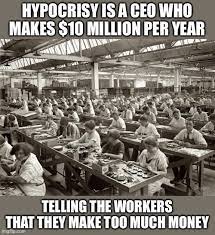
A policy based only on concessions—such as endless tax breaks for hugely profitable corporations—is a policy of appeasement.
And appeasement only whets the appetite of those appeased for even greater concessions.
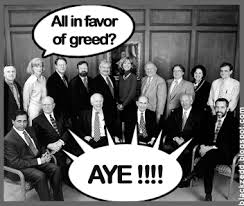
It is past time to hold wealthy and powerful corporations accountable for their socially and financially irresponsible acts.
This solution can be summed up in three words: Employers Responsibility Act (ERA).
If passed by Congress and vigorously enforced by the U.S. Departments of Justice and Labor, an ERA would ensure full-time, permanent and productive employment for millions of capable, job-seeking Americans.
And it would achieve this without raising taxes or creating controversial government “make work” programs.
Such legislation would legally require employers to demonstrate as much initiative for hiring as job-seekers are now expected to show in searching for work.

An Employers Responsibility Act would simultaneously address the following evils for which employers are directly responsible:
- The loss of jobs within the United States owing to companies’ moving their operations abroad—solely to pay substandard wages to their new employees or avoid American health/safety laws.
- The mass firings of employees which usually accompany corporate mergers or acquisitions.
- The widespread victimization of part-time employees, who are not legally protected against such threats as racial discrimination, sexual harassment and unsafe working conditions.
- The refusal of many employers to create better than menial, low-wage jobs.
- The widespread employer practice of extorting “economic incentives” from cities or states in return for moving to or remaining in those areas. Such “incentives” usually absolve employers from complying with laws protecting the environment and/or workers’ rights.
- The refusal of many employers to provide medical and pension benefits—nearly always in the case of part-time employees, and, increasingly, for full-time, permanent ones as well.
- Rising crime rates, due to rising unemployment.
Among its provisions:
(1) American companies that close plants in the United States and open others abroad would be forbidden to sell products made in those foreign plants within the United States.
This would protect both American and foreign workers from employers seeking to profit at their expense. American workers would be ensured of continued employment. And foreign laborers would be protected against substandard wages and working conditions.
Companies found violating this provision would be subject to Federal criminal prosecution. Guilty verdicts would result in heavy fines and lengthy imprisonment for their owners and top managers.
(2) Large companies (those employing more than 100 persons) would be required to create entry-level training programs for new, future employees.
These would be modeled on programs now existing for public employees, such as firefighters, police officers and members of the armed services.
Such programs would remove the employer excuse, “I’m sorry, but we can’t hire you because you’ve never had any experience in this line of work.” After all, the Air Force has never rejected an applicant because, “I’m sorry, but you’ve never flown a plane before.”
2016 PRESIDENTIAL CAMPAIGN, ABC NEWS, ALTERNET, AMERICAN REVOLUTION, AP, BARACK OBAMA, BUREAU OF LABOR STATISTICS, BUZZFEED, CALVIN COOLIDGE, CBS NEWS, CELINDA LAKE, CHINA, CHRIS MATTHEWS, CHVE-CHING HUANG, CNN, CROOKS AND LIARS, DAILY KOZ, DIVINE RIGHT OF KINGS THEORY, DONALD TRUMP, EMANCIPATION PROCLAMATION, EMPLOYERS RESPONSIBILITY ACT, EMPLOYMENT ACT OF 1946, FACEBOOK, HARDBALL, HILLARY CLINTON, JOB CREATORS, JOHN F. KENNEDY, LOS ANGELES TIMES, LYNDON B. JOHNSON, MOTHER JONES, MOVEON, MSNBC, NBC NEWS, NEW YORK TIMES, NEWSWEEK, NPR, PBS NEWSHOUR, PETER CAPPELLI, POLITICO, RAW STORY, READERS DIGEST, REPUBLICANS, REUTERS, ROBERT REICH, SALON, SEATTLE TIMES, SENATOR BERNIE SANDERS, SLATE, SLAVERY, STEVE POIZNER, TAX CUTS AND JOBS ACT OF 2017, TAX LAW CENTER AT NEW YORK UNIVERSITY SCHOOL OF LAW, THE ATLANTIC, THE CHICAGO SUN-TIMES, THE CHICAGO TRIBUNE, THE DAILY BEAST, THE GUARDIAN, THE HILL, THE HUFFINGTON POST, THE LOS ANGELES TIMES, THE NATION, THE NEW YORK TIMES, THE RACHEL MADDOW SHOW, THE WASHINGTON POST, TIME, TOMMY G. THOMPSON, TWITTER, U.S. NEWS & WORLD REPORT, UNEMPLOYMENT, UPI, USA TODAY, WALLACE C. PETERSON, WASHINGTON POST, WHY GOOD PEOPLE CAN'T FIND JOBS
In Bureaucracy, Business, History, Law, Law Enforcement, Politics, Social commentary on February 23, 2022 at 12:12 am
There are legitimate reasons why millions of willing-to-work Americans remain unemployed. Or remain trapped in part-time, no-benefits jobs far below their levels of education and experience.
Some companies—such as Toys R Us—declare bankruptcy and go out of business. Others—such as Macy’s and J.C. Penney—are struggling to meet the challenges of e-commerce and the decline of shopping malls.
But there are sinister ones, too—such as the deliberate refusal of Congressional Republicans to create job opportunities for their fellow Americans.
United States Senator Bernie Sanders (I, Vermont) made just that argument to guest host Ezra Klein on the June 12, 2012 edition of “The Rachel Maddow Show.”
KLEIN: Now, some Republicans say and some people say didn’t we do infrastructure a couple years ago? You heard a lot in the stimulus we had done infrastructure. So, how come we have all of this outstanding?
SANDERS: Because we ignored the needs for a long, long, time. Yes, we did put infrastructure. We put it into the state of Vermont, put more money into roads and bridges. But we need a lot more and that`s true for the other 49 states as well.
It’s not only roads…bridges…water systems. It’s mass transportation. It is rail. China is building high-speed rail all over the place. We are not. Our rail system is in many ways deteriorating.
We have schools that are aging. We have culverts that need work. We have tunnels that need work.
We have an enormous amount of work that is ready to go right now and it is beyond comprehension that our Republican friends will not support infrastructure legislation.

Bernie Sanders
If Sanders is correct, Republicans were deliberately sacrificing the economic life of the nation because:
On June 4, 2012, veteran political analyst Chris Matthews discussed this possibility with John Heilemann, the national affairs editor for New York magazine.
MATTHEWS: How much of that is bent because of the 1% campaign of the president….going after them for grabbing most of the wealth in this country through tax policy and everything else? Are they resentful enough of that…
HEILEMANN: Yes….If you talk to people in business and finance….about the actual substance of the president’s policies, the substance does not bother them as much as the rhetoric.
More than six million Americans are now unemployed because many employers have designed “hiring” systems that simply don’t work.
So says Peter Cappelli, the George W. Taylor professor of management at the Wharton School at the University of Pennsylvania. He is also the author of Why Good People Can’t Get Jobs: The Skills Gap and What Companies Can Do About It.
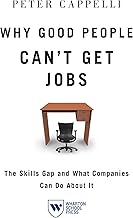
Employers often whine that they can’t find the talent they need. Today’s applicants, they claim, lack skills, education and even a willingness to work.
The truth is altogether different. According to Cappelli, the fault lies with employers, not job-seekers:
- Employers “ask for the moon” by vastly inflating their requirements for openings.
- Many qualified people are automatically removed from consideration by computer technology. The reason: Their resumés don’t match the inflated qualifications demanded by employers.
- Many employers aren’t willing to pay for the education and skills they claim to respect. They’re looking for people who are young, cheap and experienced.
- Online applicants are often asked: “What salary do you expect?” If you name a salary that’s higher than what the company is willing to pay, you’re instantly rejected.
- Many of the candidates employers want to hire refuse to accept the positions at the wage level being offered.
- Employers don’t want to hire entry-level applicants right out of school. They want experienced candidates who can contribute immediately with no training or start-up time.
- Employers demand that a single employee perform the work of several highly skilled employees.
- When employers can’t find the “perfect candidate” they leave positions open for months. But if they were willing to offer some training, they might easily fill those positions.
- Companies no longer hire new college graduates and groom them for management. They no longer offer training and development. As a result, companies must recruit outsiders.
- Employers’ unrealistic expectations are fueled partly by their own arrogance. Employers believe they should be able to find “perfect people.”
According to Cappelli, the hiring system desperately needs serious reform:
- If jour job descriptions are inflated, bring them down-to earth.
- Don’t expect to get something for nothing—or next to it. Offer competitive salaries.
- Make sure that the automated systems aren’t screening out qualified candidates simply because they don’t have all the brass buttons in a row.
- Beef up the Human Resources section.

Cappelli worries that the complaints about a labor shortage caused by an unwilling, unskilled workforce will be repeated enough that they will be accepted as truth:
“It’s a loud story…that could become pernicious if it persists. It does have a blame-the-victim feeling to it. It makes people feel better. You don’t have to feel so bad about people suffering if you think they are choosing it somehow.”
And where there are victims, there are always people ready to profit from their desperation.
2016 PRESIDENTIAL CAMPAIGN, ABC NEWS, ALTERNET, AMERICAN REVOLUTION, AP, BARACK OBAMA, BUREAU OF LABOR STATISTICS, BUZZFEED, CALVIN COOLIDGE, CBS NEWS, CELINDA LAKE, CHINA, CHRIS MATTHEWS, CHVE-CHING HUANG, CNN, CROOKS AND LIARS, DAILY KOZ, DIVINE RIGHT OF KINGS THEORY, DONALD TRUMP, EMANCIPATION PROCLAMATION, EMPLOYERS RESPONSIBILITY ACT, EMPLOYMENT ACT OF 1946, FACEBOOK, HARDBALL, HILLARY CLINTON, JOB CREATORS, JOHN F. KENNEDY, LOS ANGELES TIMES, LYNDON B. JOHNSON, MOTHER JONES, MOVEON, MSNBC, NBC NEWS, NEW YORK TIMES, NEWSWEEK, NPR, PBS NEWSHOUR, PETER CAPPELLI, POLITICO, RAW STORY, READERS DIGEST, REPUBLICANS, REUTERS, ROBERT REICH, SALON, SEATTLE TIMES, SENATOR BERNIE SANDERS, SLATE, SLAVERY, STEVE POIZNER, TAX CUTS AND JOBS ACT OF 2017, TAX LAW CENTER AT NEW YORK UNIVERSITY SCHOOL OF LAW, THE ATLANTIC, THE CHICAGO SUN-TIMES, THE CHICAGO TRIBUNE, THE DAILY BEAST, THE GUARDIAN, THE HILL, THE HUFFINGTON POST, THE LOS ANGELES TIMES, THE NATION, THE NEW YORK TIMES, THE RACHEL MADDOW SHOW, THE WASHINGTON POST, TIME, TOMMY G. THOMPSON, TWITTER, U.S. NEWS & WORLD REPORT, UNEMPLOYMENT, UPI, USA TODAY, WALLACE C. PETERSON, WASHINGTON POST, WHY GOOD PEOPLE CAN'T FIND JOBS
In Bureaucracy, Business, History, Law, Law Enforcement, Politics, Social commentary on February 22, 2022 at 12:10 am
Niccolo Machiavelli, the father of modern politics, warns in his masterwork, The Discourses:
All those who have written upon civil institutions demonstrate…that whoever desires to found a state and give it laws, must start with assuming that all men are bad and ever ready to display their vicious nature, whenever they may find occasion for it.
If their evil disposition remains concealed for a time, it must be attributed to some unknown reason; and we must assume that it lacked occasion to show itself. But time, which has been said to be the father of all truth, does not fail to bring it to light.
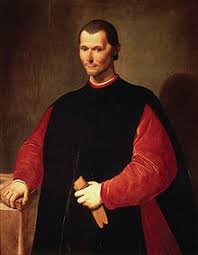
Niccolo Machiavelli
Where the crimes of corporate employers are concerned, we do not have to wait for their evil disposition to reveal itself. It has been fully revealed for decades. We need only find the courage to redress the costly outrages we see every day in the workplace.
In its June 8, 2011 cover-story on “What U.S. Economic Recovery? Five Destructive Myths,” Time magazine warned that profit-seeking corporations can’t be relied on to ”make it all better.”
Click here: What U.S. Economic Recovery? Five Destructive Myths – TIME
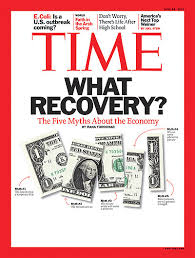
Wrote Rana Foroohar, then Time‘s assistant managing editor in charge of economics and business:
American companies “are doing quite well,” but most American workers “are earning a lower hourly wage now than they did during the recession.”
Corporations, in short, are doing extremely well. But they don’t spend their profits on American workers.
“There may be $2 trillion sitting on the balance sheets of American corporations globally, but firms show no signs of wanting to spend it in order to hire workers at home.”
In short: Giving even greater tax breaks to mega-corporations—the standard Republican mantra—will not persuade them to stop “outsourcing” jobs. Nor will it convince them to start hiring Americans.
While embarrassingly overpaid CEOs squander corporate wealth on themselves, millions of Americans can’t afford medical care or must depend on charity to feed their families.
Yet there is also a disconnect between the truth of this situation and the willingness of Americans to face up to that truth.
According to Foroohar:
- Republicans have convinced most Americans they can revitalize the economy by slashing “taxes on the wealthy and on cash-hoarding corporations while cutting benefits for millions of Americans.”
- To restore prosperity, America will need both tax increases and cuts in entitlement programs.
In November, 2017, President Donald Trump and a Republican-dominated House and Senate rammed the Tax Cuts and Jobs Act of 2017 through Congress. It became law on December 22, 2017.
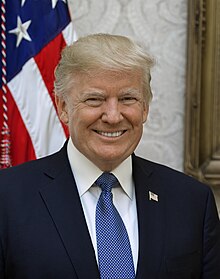
Donald Trump
According to Chye-Ching Huang, director of the Tax Law Center at New York University School of Law, the legislation did nothing to help ordinary Americans.
Testifying before the House Budget Committee on February 27, 2019, Huang stated that the law:
- Ignored the stagnation of working-class wages and exacerbated inequality;
- Weakened revenues when the nation needed to raise more;
- Encouraged rampant tax avoidance and gaming that will undermine the integrity of the tax code;
- Left behind low- and moderate-income Americans—and in many ways hurt them.
For American corporations, however, the law was a godsend:
- Cutting the corporate tax rate from 35% to 21%;
- Shifting toward a territorial tax system, where multinational corporations’ foreign profits go largely untaxed;
- Benefitting overwhelmingly wealthy shareholders and highly paid executives.
Despite all these giveaways, it didn’t encourage those corporations to hire willing-to-work Americans.
For an ever-expanding number of corporations, “outsourcing” is the received religion.
According to a February 9, 2022 article on the website Fortunly:
- About 300,000 jobs get outsourced out of the United States each year.
- Almost 54% of all companies use third-party support teams to connect with customers.
- There are 59 million freelance workers in the United States.
- About 71% of financial service executives outsource some of their services.
- About 51% of technology executives say they outsource application and software maintenance, and 40% outsource their data centers.
Among those companies who have replaced American workers with foreign ones:
- Facebook
- Google
- IBM
- Nike
- Hewlett-Packard
- Unitedhealth Group
- American Express
- Wells Fargo
- LinkedIn
- The Coca-Cola Company
The most commonly “outsourced” jobs are:
- Manufacturing
- Accounting
- Web design and development
- Data entry
- Payroll
- Writer
- Marketing
- Tax preparring
- Human resources
- Medical transcription
- Customer support
- Information Technology
There are several reasons why CEOs love outsourcing.
- They can throw higher-paid American workers into the street and hire lower-skilled foreign workers at “coolie wages.”
- The CEOs can then pocket much of those “savings.”
- They can avoid stricter American laws protecting employees against such abuses as racial discrimination and unhealthy/dangerous conditions.
Thus, millions of Americans remain unemployed—or trapped in part-time, no-benefits jobs far below their levels of education and experience.
The most sinister reason for this: The refusal of Congressional Republicans to create job opportunities for their fellow Americans.
When Republicans hold the White House, they bluntly side with corporations—as they did with the Tax Cuts and Jobs Act of 2017. And when they don’t hold the Presidency, they refuse to do anything that might make a Democratic President look good.
As United States Senator Bernie Sanders said on the June 12, 2012 edition of “The Rachel Maddow Show”: “If it’s good for America, if it creates jobs, if it’s good for Barack Obama, we can’t do it.”
2016 PRESIDENTIAL CAMPAIGN, ABC NEWS, ALTERNET, AMERICAN REVOLUTION, AP, BARACK OBAMA, BUREAU OF LABOR STATISTICS, BUZZFEED, CALVIN COOLIDGE, CBS NEWS, CELINDA LAKE, CHINA, CHRIS MATTHEWS, CHVE-CHING HUANG, CNN, CROOKS AND LIARS, DAILY KOZ, DIVINE RIGHT OF KINGS THEORY, DONALD TRUMP, EMANCIPATION PROCLAMATION, EMPLOYERS RESPONSIBILITY ACT, EMPLOYMENT ACT OF 1946, FACEBOOK, HARDBALL, HILLARY CLINTON, JOB CREATORS, JOHN F. KENNEDY, LOS ANGELES TIMES, LYNDON B. JOHNSON, MOTHER JONES, MOVEON, MSNBC, NBC NEWS, NEW YORK TIMES, NEWSWEEK, NPR, PBS NEWSHOUR, PETER CAPPELLI, POLITICO, RAW STORY, READERS DIGEST, REPUBLICANS, REUTERS, ROBERT REICH, SALON, SEATTLE TIMES, SENATOR BERNIE SANDERS, SLATE, SLAVERY, STEVE POIZNER, TAX CUTS AND JOBS ACT OF 2017, TAX LAW CENTER AT NEW YORK UNIVERSITY SCHOOL OF LAW, THE ATLANTIC, THE CHICAGO SUN-TIMES, THE CHICAGO TRIBUNE, THE DAILY BEAST, THE GUARDIAN, THE HILL, THE HUFFINGTON POST, THE LOS ANGELES TIMES, THE NATION, THE NEW YORK TIMES, THE RACHEL MADDOW SHOW, THE WASHINGTON POST, TIME, TOMMY G. THOMPSON, TWITTER, U.S. NEWS & WORLD REPORT, UNEMPLOYMENT, UPI, USA TODAY, WALLACE C. PETERSON, WASHINGTON POST, WHY GOOD PEOPLE CAN'T FIND JOBS
In Bureaucracy, Business, History, Law, Law Enforcement, Politics, Social commentary on February 21, 2022 at 12:10 am
Have you noticed how every American employer has suddenly become a “job creator”?
At least, that’s the official Republican line.
But if that’s true:
- Why are so many employers not hiring at all?
- Or, if they are hiring, why aren’t they hiring American workers?
- Why are they hiring mostly part-time employees on a no-benefits basis?
- Why are so many employers shutting down American plants but starting new ones in China, Mexico or the Philippines?
A September 20, 2021 article in Recode—“Why Everybody’s Hiring But No One Is Getting hired”—explains “America’s broken hiring system.”
The Bureau of Labor Statistics (BLS) says that 6.6 million potential workers are unemployed—and a record 10.9 million jobs open.
Why?
“For some of the jobs available, people don’t have the right skills, or at least the skills employers say they’re looking for. Other jobs are undesirable — they offer bad pay or an unpredictable schedule, or just don’t feel worth it to unemployed workers, many of whom are rethinking their priorities.
“In some cases, there are a host of perfectly acceptable candidates and jobs out there, but for a multitude of reasons, they’re just not being matched.”
Throughout the United States, “help wanted” signs can be seen virtually everywhere. “But just because a bar or restaurant or gas station wants a worker doesn’t mean a worker wants to work for them. The millions of jobs available aren’t necessarily millions of jobs people want.”
And what makes these jobs undesirable?
Low pay, unpredictable schedules, no benefits, no long-term stability—as well as the employer practice of hiring one person to do the work of 10.
Yet countless employers whine to the media: “Nobody wants to work anymore.”
Countless job-seekers who do want to work are locked out of it by the computerized “résumé readers” employed by many companies. Many of the résumés submitted are automatically rejected—because they lack certain keywords that have been programmed into the software.
A classic example: Software scans for registered nurses with computer programming skills—when they just need data entry.
Finally, a lot of employers simply don’t want to hire.
An article in the March, 2011 issue of Reader’s Digest gives the lie to the excuses so many employers use for refusing to hire.
Entitled “22 Secrets HR Won’t Tell You About Getting a Job,” it lays bare many of the reasons why America needs to legally force employers to demonstrate as much responsibility for hiring as job-seekers are expected to show toward searching for work.
Among the truths it reveals:
TRUTH NO: 1: After you’re unemployed more than six months, employers consider you unemployable.
TRUTH NO. 2: It’s not what but who you know that counts.
TRUTH NO. 3: Try to avoid HR. Find someone in the company you know. If you don’t know anyone, contact the hiring manager.
TRUTH NO. 4: Cover letters are often ignored, going directly into “the round file.”
TRUTH NO. 5: Employers judge you on the basis of your email address. Avoid the type that reads: “Igetdrunkandparty.”
![350+ Devil Images [HQ] | Download Free Pictures On Unsplash](https://encrypted-tbn0.gstatic.com/images?q=tbn:ANd9GcQfdBZW4AJK3RzxdzVZk5WdK0KLxF9CMmyykA&usqp=CAU)
TRUTH NO. 6: You’re not protected against age discrimination. Many employers regularly ignore the law. Are you in your 50s or 60s? Leave your year of graduation off your resume.
TRUTH NO: 7: Just because it’s illegal to discriminate against applicants who have children does not mean you’re safe. Many employers try to screen out parents—such as by checking cars for child safety seats.
TRUTH NO. 8: It’s harder to get a job if you’re fat, since fat people are usually assumed to be lazy.
TRUTH NO. 9: Make sure you give the interviewer a firm handshake. Or he might assume you’re a loser for giving him a weak one.
TRUTH NO. 10: The more you can get the interviewer to talk–especially about himself—the more likely you are to be hired. Ego-driven interviewers love hearing the sound of their own voices and will assume you’re better-qualified than someone who doesn’t want to listen to them prattle.
Millions of Americans blamed President Barack Obama for the nation’s high unemployment rate during his administration. And millions more believe that President Donald Trump created an economic miracle—despite those millions of Americans still desperately searching for work.
The brutal truth is that no President can hope to turn unemployment around until employers are forced to start living up to their responsibilities.
And those responsibilities should encompass more than simply fattening their own pocketbooks and/or egos at the expense of their fellow Americans. Such behavior used to be called treason.
Americans need to recognize that a country can be betrayed for other than political reasons. It can be sold out for economic ones, too.
Trea$on
Employers who enrich themselves by weakening their country—by throwing millions of qualified workers into the street and moving their plants to other countries—are traitors.
Employers who set up offshore accounts to claim their American companies are foreign-owned—and thus exempt from taxes—are traitors.
Employers who systematically violate Federal immigration laws—to hire illegal aliens instead of willing-to-work Americans—are traitors.
And with a new definition of treason should go new penalties—heavy fines and/or prison terms–for those who sell out their country to enrich themselves.
2008 PRESIDENTIAL CAMPAIGN, 2016 PRESIDENTIAL CAMPAIGN, ABC NEWS, AFFORDABLE CARE ACT, ALTERNET, AMERICABLOG, ANDREW SHAFFER, AP, BABY BOOMER RESISTANCE, BARACK OBAMA, BLOOMBERG, BORDER WALL, BUZZFEED, CBS NEWS, CNN, CROOKS AND LIARS, DAILY KOZ, DON WINSLOW, DONALD TRUMP, DRUDGE REPORT, DRUG ENFORCEMENT ADMINISTRATION, DRUG TRAFFICKING, FACEBOOK, FIVETHIRTYEIGHT, GOODREADS, HARPER’S MAGAZINE, HEROIN, HOPE NEVER DIES (BOOK), HUFFINGTON POST, JOE BIDEN, JOHN F. KENNEDY, LOS ANGELES TIMES, MEDIA MATTERS, MEXICO, MOTHER JONES, MOVEON, MSNBC, NBC NEWS, NEWSWEEK, NPR, PBS NEWSHOUR, POLITICO, POLITICUSUSA, RAW STORY, REUTERS, RICHARD M. NIXON, ROLLING STONE, SALON, SEATTLE TIMES, SINALOA CARTEL, SLATE, TALKING POINTS MEMO, THE ATLANTIC, THE BORDER (BOOK), THE CHICAGO SUN-TIMES, THE CHICAGO TRIBUNE, THE DAILY BEAST, THE DAILY BLOG, THE GUARDIAN, THE HILL, THE HUFFINGTON POST, THE LOS ANGELES TIMES, THE NATION, THE NEW REPUBLIC, THE NEW YORK TIMES, THE VILLAGE VOICE, THE WASHINGTON POST, THINKPROGRESS, TIME, TRUTHDIG, TRUTHOUT, TWITTER, TWO POLITICAL JUNKIES, U.S. NEWS & WORLD REPORT, UPI, USA TODAY, WAR ON DRUGS, WONKETTE
In Bureaucracy, Entertainment, History, Politics, Social commentary on February 19, 2021 at 12:10 am
Joe Biden defeated Donald Trump to become the 46th President of the United States on January 20, 2021.
But before scoring that victory, he racked up a series of incredible adventures as a private investigator—in fiction.
In Hope Never Dies: An Obama-Biden Mystery, author Andrew Shaffer has fashioned a novel that is half-mystery, half-bromance.
Vice President Joe Biden has just left the Obama White House and doesn’t know what to do with the rest of his life. Then Finn Donnelly, his favorite railroad conductor, dies in a suspicious accident, leaving behind an ailing wife and a trail of clues.
To unravel the mystery, “Amtrak Joe” calls on the skills of his former boss: Barack Obama, the 44th President of the United States. Together they scour biker bars, cheap motels and other memorable haunts throughout Delaware.![]()

Then Biden unearths a disturbing truth about his longtime—and now dead—friend. This, in turn, leads Biden and Obama to uncover the sinister forces behind America’s opioid epidemic.
The book is pure fantasy fun, as evidenced from this review by Alexandra Alter in The New York Times:
“[Hope Never Dies is] a roughly 300-page work of political fanfiction, an escapist fantasy that will likely appeal to liberals pining for the previous administration, longing for the Obama-Biden team to emerge from political retirement as action heroes. But it’s also at times a surprisingly earnest story about estranged friends who are reunited under strange circumstances.”
A reader named Casey, reviewing the novel for Goodreads, writes: “While Shaffer could have leaned into nostalgia alone, he’s written a solid mystery with the characters fleshed out as more than just clichés.
“The reader really feels Biden’s longing to be helpful and his anguish over seeing 44’s legacy undone so quickly by an individual who shall remain nameless. (The presidential zings in this book are incredible, truly.)
“The tension between the two rings as true as it did when they were in office….By all means, this book shouldn’t work as well as it does. For a few hours, I got to enjoy the company of politicians who behaved like adults (mostly). It sure was nice.”
Contrasting with the relatively lighthearted fictional images of Joe Biden and Barack Obama is the immensely darker one of Donald Trump.
Don Winslow offers Trump an extended cameo appearance in The Border, his massive, 736-page novel about America’s war on drugs—and the horrific violence it has spawned in Mexico. It’s the third of a trilogy of novels vividly portraying the violent costs of an unwinnable conflict.

Art Keller is a dedicated agent of the Federal Drug Enforcement Administration (DEA). For over 40 years, he has waged all-out war on Adán Barrera, the godfather of the powerful Sinaloa Cartel.
Appointed director of the DEA, Keller now faces a series of deadly enemies:
- A heroin epidemic surging across America;
- Hitmen who want to kill him;
- Politicians who want to sabotage his agenda; and
- An incoming administration that’s allied with the very drug traffickers he’s trying to destroy.
And heading this administration is John Dennison—Donald Trump in all but name—who:
- Gratuitously insults people on Twitter;
- Fires a Special Counsel;
- Gets blackmailed by a woman he once bedded; and
- Colludes with drug traffickers for a multi-million dollar loan to finance his Presidential campaign.
Whereas the reviews for Hope Never Dies were as upbeat as the book itself, those of The Border reflect the novel’s mercilessly grim take on a war that can’t be won.
Los Angeles Times: “The Border is intricate, mean and swift, a sprawling canvass of characters including narco kingpins, a Guatemalan stowaway, a Staten Island heroin addict, a kinky hit woman, a barely veiled Donald Trump and DEA agent Art Keller, who….has been noble and merciless, a conflicted wanderer who makes America face the transgressions committed in its name.”
Rolling Stone: “Clocking in at over 700 pages, it is his most overtly political installment yet. He takes on the Trump administration directly, creating a fictional candidate, then president, who stokes racist fears of Mexicans, campaigns on ‘building the wall’ and, along with his venal son-in-law, gets caught up in a shady real estate deal involving Cartel money.”
NPR: “The Border becomes a book for our times. Like Shakespeare, it makes a three-act drama of our modern moment. Like Shakespeare’s plays, it shows us a world that is our own, a history that is our own, a burden that is our own, rendered out into the rhythm of scenes and arcs, chapters and parts.”
Obama concentrated the full force of his attention on reforming American healthcare—by making it available to millions whose insurance refused to provide coverage.
Trump’s top priority was to separate the United States from Mexico with an impenetrable wall—and he even diverted $3.6 billion from Pentagon funding to pay for it.
Like John F. Kennedy, Barack Obama will likely be positively remembered as much for what he tried to do as what he succeeded at doing.
Like Richard M. Nixon, Donald Trump will likely be remembered as a menacing stain on American history.
2008 PRESIDENTIAL CAMPAIGN, 2016 PRESIDENTIAL CAMPAIGN, ABC NEWS, AFFORDABLE CARE ACT, ALTERNET, AMERICABLOG, ANDREW SHAFFER, AP, BABY BOOMER RESISTANCE, BARACK OBAMA, BLOOMBERG, BORDER WALL, BUZZFEED, CBS NEWS, CNN, CROOKS AND LIARS, DAILY KOZ, DON WINSLOW, DONALD TRUMP, DRUDGE REPORT, DRUG ENFORCEMENT ADMINISTRATION, DRUG TRAFFICKING, FACEBOOK, FIVETHIRTYEIGHT, GOODREADS, HARPER’S MAGAZINE, HEROIN, HOPE NEVER DIES (BOOK), HUFFINGTON POST, JOE BIDEN, JOHN F. KENNEDY, LOS ANGELES TIMES, MEDIA MATTERS, MEXICO, MOTHER JONES, MOVEON, MSNBC, NBC NEWS, NEWSWEEK, NPR, PBS NEWSHOUR, POLITICO, POLITICUSUSA, RAW STORY, REUTERS, RICHARD M. NIXON, ROLLING STONE, SALON, SEATTLE TIMES, SINALOA CARTEL, SLATE, TALKING POINTS MEMO, THE ATLANTIC, THE BORDER (BOOK), THE CHICAGO SUN-TIMES, THE CHICAGO TRIBUNE, THE DAILY BEAST, THE DAILY BLOG, THE GUARDIAN, THE HILL, THE HUFFINGTON POST, THE LOS ANGELES TIMES, THE NATION, THE NEW REPUBLIC, THE NEW YORK TIMES, THE VILLAGE VOICE, THE WASHINGTON POST, THINKPROGRESS, TIME, TRUTHDIG, TRUTHOUT, TWITTER, TWO POLITICAL JUNKIES, U.S. NEWS & WORLD REPORT, UPI, USA TODAY, WAR ON DRUGS, WONKETTE
In Bureaucracy, History, Law Enforcement, Politics, Social commentary on November 27, 2020 at 12:06 am
Joe Biden defeated Donald Trump to become the 46th President of the United States on January 20, 2021.
But before scoring that victory, he racked up a series of incredible adventures as a private investigator—in fiction.
In Hope Never Dies: An Obama-Biden Mystery, author Andrew Shaffer has fashioned a novel that is half-mystery, half-bromance.
Vice President Joe Biden has just left the Obama White House and doesn’t know what to do with the rest of his life. Then Finn Donnelly, his favorite railroad conductor, dies in a suspicious accident, leaving behind an ailing wife and a trail of clues.
To unravel the mystery, “Amtrak Joe” calls on the skills of his former boss: Barack Obama, the 44th President of the United States. Together they scour biker bars, cheap motels and other memorable haunts throughout Delaware.![]()
Then Biden unearths a disturbing truth about his longtime—and now dead—friend. This, in turn, leads Biden and Obama to uncover the sinister forces behind America’s opioid epidemic.
The book is pure fantasy fun, as evidenced from this review by Alexandra Alter in The New York Times:
“[Hope Never Dies is] a roughly 300-page work of political fanfiction, an escapist fantasy that will likely appeal to liberals pining for the previous administration, longing for the Obama-Biden team to emerge from political retirement as action heroes. But it’s also at times a surprisingly earnest story about estranged friends who are reunited under strange circumstances.”
A reader named Casey, reviewing the novel for Goodreads, writes: “While Shaffer could have leaned into nostalgia alone, he’s written a solid mystery with the characters fleshed out as more than just clichés.
“The reader really feels Biden’s longing to be helpful and his anguish over seeing 44’s legacy undone so quickly by an individual who shall remain nameless. (The presidential zings in this book are incredible, truly.)
“The tension between the two rings as true as it did when they were in office….By all means, this book shouldn’t work as well as it does. For a few hours, I got to enjoy the company of politicians who behaved like adults (mostly). It sure was nice.”
Contrasting with the relatively lighthearted fictional images of Joe Biden and Barack Obama is the immensely darker one of Donald Trump.
Don Winslow offers Trump an extended cameo appearance in The Border, his massive, 736-page novel about America’s war on drugs—and the horrific violence it has spawned in Mexico. It’s the third of a trilogy of novels vividly portraying the violent costs of an unwinnable conflict.
Art Keller is a dedicated agent of the Federal Drug Enforcement Administration (DEA). For over 40 years, he has waged all-out war on Adán Barrera, the godfather of the powerful Sinaloa Cartel.
Appointed director of the DEA, Keller now faces a series of deadly enemies:
- A heroin epidemic surging across America;
- Hitmen who want to kill him;
- Politicians who want to sabotage his agenda; and
- An incoming administration that’s allied with the very drug traffickers he’s trying to destroy.
And heading this administration is John Dennison—Donald Trump in all but name—who:
- Gratuitously insults people on Twitter;
- Fires a Special Counsel;
- Gets blackmailed by a woman he once bedded; and
- Colludes with drug traffickers for a multi-million dollar loan to finance his Presidential campaign.
Whereas the reviews for Hope Never Dies were as upbeat as the book itself, those of The Border reflect the novel’s mercilessly grim take on a war that can’t be won.
Los Angeles Times: “The Border is intricate, mean and swift, a sprawling canvass of characters including narco kingpins, a Guatemalan stowaway, a Staten Island heroin addict, a kinky hit woman, a barely veiled Donald Trump and DEA agent Art Keller, who….has been noble and merciless, a conflicted wanderer who makes America face the transgressions committed in its name.”
Rolling Stone: “Clocking in at over 700 pages, it is his most overtly political installment yet. He takes on the Trump administration directly, creating a fictional candidate, then president, who stokes racist fears of Mexicans, campaigns on ‘building the wall’ and, along with his venal son-in-law, gets caught up in a shady real estate deal involving Cartel money.”
NPR: “The Border becomes a book for our times. Like Shakespeare, it makes a three-act drama of our modern moment. Like Shakespeare’s plays, it shows us a world that is our own, a history that is our own, a burden that is our own, rendered out into the rhythm of scenes and arcs, chapters and parts.”
The signature slogan of Obama’s 2008 Presidential campaign was: “Yes, We Can!” The slogan of Trump’s 2016 effort could have been: “No, You Can’t.”
Obama concentrated the full force of his attention on reforming American healthcare—by making it available to millions whose insurance refused to provide coverage.
Trump’s top priority is to separate the United States from Mexico with an impenetrable wall—and he has even diverted $3.6 billion from Pentagon funding to pay for it.
Like John F. Kennedy, Barack Obama will likely be positively remembered as much for what he tried to do as what he succeeded at doing.
Like Richard M. Nixon, Donald Trump will likely be remembered as a menacing stain on American history.
2008 PRESIDENTIAL CAMPAIGN, 2016 PRESIDENTIAL CAMPAIGN, ABC NEWS, AFFORDABLE CARE ACT, ALTERNET, AMERICABLOG, ANDREW SHAFFER, AP, BABY BOOMER RESISTANCE, BARACK OBAMA, BLOOMBERG, BORDER WALL, BUZZFEED, CBS NEWS, CNN, CROOKS AND LIARS, DAILY KOZ, DON WINSLOW, DONALD TRUMP, DRUDGE REPORT, DRUG ENFORCEMENT ADMINISTRATION, DRUG TRAFFICKING, FACEBOOK, FIVETHIRTYEIGHT, GOODREADS, HARPER’S MAGAZINE, HEROIN, HOPE NEVER DIES (BOOK), JOE BIDEN, JOHN F. KENNEDY, LOS ANGELES TIMES, MEDIA MATTERS, MEXICO, MOTHER JONES, MOVEON, MSNBC, NBC NEWS, NEWSWEEK, NPR, PBS NEWSHOUR, POLITICO, POLITICUSUSA, RAW STORY, REUTERS, RICHARD M. NIXON, ROLLING STONE, SALON, SEATTLE TIMES, SINALOA CARTEL, SLATE, TALKING POINTS MEMO, THE ATLANTIC, THE BORDER (BOOK), THE CHICAGO SUN-TIMES, THE CHICAGO TRIBUNE, THE DAILY BEAST, THE DAILY BLOG, THE GUARDIAN, THE HILL, THE HUFFINGTON POST, THE LOS ANGELES TIMES, THE NATION, THE NEW REPUBLIC, THE NEW YORK TIMES, THE VILLAGE VOICE, THE WASHINGTON POST, THINKPROGRESS, TIME, TRUTHDIG, TRUTHOUT, TWITTER, TWO POLITICAL JUNKIES, U.S. NEWS & WORLD REPORT, UPI, USA TODAY, WAR ON DRUGS, WONKETTE
In Bureaucracy, History, Law Enforcement, Politics, Social commentary on August 21, 2020 at 12:21 am
Presidential legacies live on in unexpected ways.
Right now, the legacies of Barack Obama and Donald Trump are vying for the attention of—fiction readers.
In Hope Never Dies: An Obama-Biden Mystery, author Andrew Shaffer has fashioned a novel that is half-mystery, half-bromance.
Vice President Joe Biden has just left the Obama White House and doesn’t know what he wants to do with the rest of his life. Then Finn Donnelly, his favorite railroad conductor, dies in a suspicious accident, leaving behind an ailing wife and a trail of clues.
To unravel the mystery, “Amtrak Joe” calls on the skills of his former boss: The 44th President of the United States. Together they scour biker bars, cheap motels and other memorable haunts throughout Delaware.![]()
Then Biden unearths a disturbing truth about his longtime—and now dead—friend. This, in turn, leads Biden and Obama to uncover the sinister forces behind America’s opioid epidemic.
The book is pure fantasy fun, as evidenced from this review by Alexandra Alter in The New York Times:
“[Hope Never Dies is] a roughly 300-page work of political fanfiction, an escapist fantasy that will likely appeal to liberals pining for the previous administration, longing for the Obama-Biden team to emerge from political retirement as action heroes. But it’s also at times a surprisingly earnest story about estranged friends who are reunited under strange circumstances.”
A reader named Casey, reviewing the novel for Goodreads, writes: “While Shaffer could have leaned into nostalgia alone, he’s written a solid mystery with the characters fleshed out as more than just cliches.
“The reader really feels Biden’s longing to be helpful and his anguish over seeing 44’s legacy undone so quickly by an individual who shall remain nameless. (The presidential zings in this book are incredible, truly.)
“The tension between the two rings as true as it did when they were in office….By all means, this book shouldn’t work as well as it does. For a few hours, I got to enjoy the company of politicians who behaved like adults (mostly). It sure was nice.”
Contrasting with the relatively lighthearted fictional image of Barack Obama is the immensely darker one of Donald Trump.
Don Winslow offers Trump an extended cameo appearance in The Border, his massive, 736-page novel about America’s war on drugs—and the horrific violence it has spawned in Mexico. It’s the third of a trilogy of novels vividly portraying the violent costs of an unwinnable conflict.
Art Keller is a dedicated agent of the Federal Drug Enforcement Administration (DEA). For over 40 years, he has waged all-out war on Adán Barrera, the godfather of the powerful Sinaloa Cartel.
Appointed director of the DEA, Keller now faces a series of deadly enemies:
- A heroin epidemic surging across America;
- Hitmen who want to kill him;
- Politicians who want to sabotage his agenda; and
- An incoming administration that’s allied with the very drug traffickers he’s trying to destroy.
And heading this administration is John Dennison—Donald Trump in all but name—who:
- Gratuitously insults people on Twitter;
- Fires a Special Counsel;
- Gets blackmailed by a woman he once bedded; and
- Colludes with drug traffickers for a multi-million dollar loan to finance his Presidential campaign.
Whereas the reviews for Hope Never Dies were as upbeat as the book itself, those of The Border reflect the novel’s mercilessly grim take on a war that can’t be won.
Los Angeles Times: “The Border is intricate, mean and swift, a sprawling canvass of characters including narco kingpins, a Guatemalan stowaway, a Staten Island heroin addict, a kinky hit woman, a barely veiled Donald Trump and DEA agent Art Keller, who….has been noble and merciless, a conflicted wanderer who makes America face the transgressions committed in its name.”
Rolling Stone: “Clocking in at over 700 pages, it is his most overtly political installment yet. He takes on the Trump administration directly, creating a fictional candidate, then president, who stokes racist fears of Mexicans, campaigns on ‘building the wall’ and, along with his venal son-in-law, gets caught up in a shady real estate deal involving Cartel money.”
NPR: “The Border becomes a book for our times. Like Shakespeare, it makes a three-act drama of our modern moment. Like Shakespeare’s plays, it shows us a world that is our own, a history that is our own, a burden that is our own, rendered out into the rhythm of scenes and arcs, chapters and parts.”
The signature slogan of Obama’s 2008 Presidential campaign was: “Yes, We Can!” The slogan of Trump’s 2016 effort could have been: “No, You Can’t.”
Obama concentrated the full force of his attention on reforming American healthcare—by making it available to millions whose insurance refused to provide coverage.
Trump’s top priority is to separate the United States from Mexico with an impenetrable wall—and he has even diverted $3.6 billion from Pentagon funding to pay for it.
Like John F. Kennedy, Barack Obama will likely be positively remembered as much for what he tried to do as what he succeeded at doing.
Like Richard M. Nixon, Donald Trump will likely be remembered as a menacing stain on American history.
ABC NEWS, ALTERNET, AMERICABLOG, AP, BABY BOOMER RESISTANCE, BALDNESS, BLOOMBERG, BUZZFEED, CBS NEWS, CHINA, CHRIS MATTHEWS, CNN, CROOKS AND LIARS, DAILY KOZ, DRUDGE RETORT, FACEBOOK, FIVETHIRTYEIGHT, HAIR COLOR, HARPER’S MAGAZINE, HEIGHT, J. WILLARD MARRIOTT, JOB CREATORS, LOS ANGELES TIMES, MEDIA MATTERS, MOTHER JONES, MOVEON, MSNBC, NBC NEWS, NEW YORK TIMES, NEWSWEEK, NPR, PBS NEWSHOUR, PETER CAPPELLI, POLITICO, POLITICUSUSA, RAW STORY, REUTERS, SALON, SEATTLE TIMES, SLATE, SMILING, TALKING POINTS MEMO, THE ATLANTIC, THE CHICAGO SUN-TIMES, THE CHICAGO TRIBUNE, THE DAILY BEAST, THE DAILY BLOG, THE GUARDIAN, THE HILL, THE HUFFINGTON POST, THE LOS ANGELES TIMES, THE NATION, THE NEW REPUBLIC, THE NEW YORK TIMES, THE VILLAGE VOICE, THE WASHINGTON POST, THINKPROGRESS, TIME, TRUTHDIG, TRUTHOUT, TWITTER, TWO POLITICAL JUNKIES, U.S. NEWS & WORLD REPORT, UNEMPLOYMENT, UPI, USA TODAY, WASHINGTON POST, WHY GOOD PEOPLE CAN'T FIND JOBS, WONKETTE
In Uncategorized on May 4, 2020 at 12:26 am
Employers often whine that they can’t find the talent they need. Today’s applicants, they claim, lack skills, education and even a willingness to work.
The truth is altogether different.
Every year, millions of capable, willing-to-work Americans now unemployed because of the arrogance, greed and/or laziness of employers.
So says Peter Cappelli, the George W. Taylor professor of management at the Wharton School at the University of Pennsylvania.

Peter Cappelli,
He is also the author of Why Good People Can’t Get Jobs: The Skills Gap and What Companies Can Do About It.
According to Cappelli:
- Hiring managers create wildly inflated descriptions of the talents and skills needed for openings: “They ask for the moon.”
- Computer technology eliminates many qualified people for consideration when their resumes don’t match the inflated qualifications demanded by employers.
- Employers aren’t willing to pay for the education and skills they demand: “What they really want is someone young, cheap, and experienced.”
- Online applicants are often told to name a salary expectation. Anyone who names a salary higher salary than what the company is willing to offer is automatically excluded. There’s no chance to negotiate the matter.
- About 10% of employers admit that the problem is that their desired candidates refuse to accept the positions at the wage level being offered.
- Employers are not looking to hire entry-level applicants right out of school. They want experienced candidates who can contribute immediately with no training or start-up time.
- Employers demand that a single employee perform the work of several highly skilled employees. One company wanted an employee to be an expert in (1) human resources, (2) marketing, (3) publishing, (4) project management, (5) accounting and (6) finance.
- When employers can’t find the “perfect candidate” they leave positions unfilled for months. Meanwhile, if they were willing to offer some training, they might easily find somebody who could come in tomorrow and do the job.
- Companies have stopped hiring new college graduates and grooming them for management ranks. They no longer have their own training and development departments. Without systems for developing people, companies must recruit outsiders.
- Employers’ unrealistic expectations are fueled partly by their own arrogance. There are now more than three jobless people for every job opening.
- Imperfect employers believe they should be able to find these “perfect people.”

Here are some other reasons why so many willing-to-work job-seekers cannot find willing-to-hire employers:
- Height: Dr. Timothy A. Judge, of the University of Florida and researcher Dr. Daniel M. Cable, of the University of North Carolina, found tha taller a man is, the more he’s likely to earn. A 6’0″ tall man will make over $160,000 more over the course of a 30-year career than a shorter man in that same position.
- Hair Color: Women with blond hair earn 7% more than those with darker hair, according to a study by the University of Queensland.
- Facial Type: A Duke University study found that mature-looking Caucasian men were seen as more powerful in the workplace than their younger men.
- Amount of Hair: Hair implants and plastic surgery can actually improve your workplace standings–and bring in a bigger paycheck.
- Smile: Rick Wilson of Rice University found that people who smiled were considered more trustworthy than people who didn’t.
So you’re a job-seeker who’s highly educated, skilled and experienced–and are eager to apply those qualifications for an employer.
But: The employer doesn’t like it that:
- You’re a man who’s shorter than 6 feet.
- You’re a woman whose hair color is brown or red.
- Your facial type isn’t that of a “mature-looking Caucasian man.”
- You’re a man who’s bald or balding.
- You’re by nature serious, and not inclined to smile a lot.
So, for reasons that have nothing to do with your ability to work, you don’t get hired. Or, if you do, you don’t get promoted.
Yet you’re the one who gets blamed for being out-of-work, or for not being promoted.
Because employers are legally allowed to behave as irresponsibly as they wish.
One such corporate employer, J. Willard Marriott, was infamous for the way he promoted executives. Marriott—the owner of A&W Root Beer and Marriott Hotels—would treat a promotion-ready executive to dinner. Then Marriott waited to see if the executive put salt and/or pepper on his food before tasting it.
If he did, he could forget his promotion as far as Marriott was concerned.
Supposedly, Marriott believed that such a candidate was unwilling to explore situations before making a decision.
Other CEOs have refused to hire or promote on whether the applicant chose steak or fish for his lunch/dinner. Steak was thought to be a “man’s meal,” while fish was considered in some way unmanly.
Millions of willing-to-work Americans can find the employment merited by their education, skills and dedication.
But this will happen only when employers are held legally and financially accountable for their laziness, greed, arrogance and/or just plain insanity.
A first and major step in that direction: Stop electing those who take what amount to corporate bribes (i.e., “campaign contributions”) to the House of Representatives, the Senate and the Presidency.
2008 PRESIDENTIAL CAMPAIGN, 2016 PRESIDENTIAL CAMPAIGN, ABC NEWS, AFFORDABLE CARE ACT, ALTERNET, AMERICABLOG, ANDREW SHAFFER, AP, BABY BOOMER RESISTANCE, BARACK OBAMA, BORDER WALL, BUZZFEED, CBS NEWS, CNN, CROOKS AND LIARS, DAILY KOZ, DON WINSLOW, DONALD TRUMP, DRUG ENFORCEMENT ADMINISTRATION, DRUG TRAFFICKING, FACEBOOK, FIVETHIRTYEIGHT, GOODREADS, HEROIN, HOPE NEVER DIES (BOOK), JOE BIDEN, JOHN F. KENNEDY, LOS ANGELES TIMES, MEXICO, MOTHER JONES, MOVEON, MSNBC, NBC NEWS, NEWSWEEK, NPR, PBS NEWSHOUR, POLITICO, POLITICUSUSA, RAW STORY, REUTERS, RICHARD M. NIXON, ROLLING STONE, SALON, SEATTLE TIMES, SINALOA CARTEL, SLATE, TALKING POINTS MEMO, THE ATLANTIC, THE BORDER (BOOK), THE CHICAGO SUN-TIMES, THE CHICAGO TRIBUNE, THE DAILY BEAST, THE DAILY BLOG, THE GUARDIAN, THE HILL, THE HUFFINGTON POST, THE LOS ANGELES TIMES, THE NATION, THE NEW YORK TIMES, THE WASHINGTON POST, THINKPROGRESS, TIME, TRUTHDIG, TWITTER, U.S. NEWS & WORLD REPORT, UPI, USA TODAY, WAR ON DRUGS
In Bureaucracy, History, Politics, Social commentary on January 10, 2020 at 12:04 am
Presidential legacies live on in unexpected ways.
Right now, the legacies of Barack Obama and Donald Trump are vying for the attention of—fiction readers.
In Hope Never Dies: An Obama-Biden Mystery, author Andrew Shaffer has fashioned a novel that is half-mystery, half-bromance.
Vice President Joe Biden has just left the Obama White House and doesn’t know what he wants to do with the rest of his life. Then Finn Donnelly, his favorite railroad conductor, dies in a suspicious accident, leaving behind an ailing wife and a trail of clues.
To unravel the mystery, “Amtrak Joe” calls on the skills of his former boss: The 44th President of the United States. Together they scour biker bars, cheap motels and other memorable haunts throughout Delaware.![]()
Then Biden unearths a disturbing truth about his longtime—and now dead—friend. This, in turn, leads Biden and Obama to uncover the sinister forces behind America’s opioid epidemic.
The book is pure fantasy fun, as evidenced from this review by Alexandra Alter in The New York Times:
“[Hope Never Dies is] a roughly 300-page work of political fanfiction, an escapist fantasy that will likely appeal to liberals pining for the previous administration, longing for the Obama-Biden team to emerge from political retirement as action heroes. But it’s also at times a surprisingly earnest story about estranged friends who are reunited under strange circumstances.”
A reader named Casey, reviewing the novel for Goodreads, writes: “While Shaffer could have leaned into nostalgia alone, he’s written a solid mystery with the characters fleshed out as more than just cliches.
“The reader really feels Biden’s longing to be helpful and his anguish over seeing 44’s legacy undone so quickly by an individual who shall remain nameless. (The presidential zings in this book are incredible, truly.)
“The tension between the two rings as true as it did when they were in office….By all means, this book shouldn’t work as well as it does. For a few hours, I got to enjoy the company of politicians who behaved like adults (mostly). It sure was nice.”
Contrasting with the relatively lighthearted fictional image of Barack Obama is the immensely darker one of Donald Trump.
Don Winslow offers Trump an extended cameo appearance in The Border, his massive, 736-page novel about America’s war on drugs—and the horrific violence it has spawned in Mexico. It’s the third of a trilogy of novels vividly portraying the violent costs of an unwinnable conflict.
Art Keller is a dedicated agent of the Federal Drug Enforcement Administration (DEA). For over 40 years, he has waged all-out war on Adán Barrera, the godfather of the powerful Sinaloa Cartel.
Appointed director of the DEA, Keller now faces a series of deadly enemies:
- A heroin epidemic surging across America;
- Hitmen who want to kill him;
- Politicians who want to sabotage his agenda; and
- An incoming administration that’s allied with the very drug traffickers he’s trying to destroy.
And heading this administration is John Dennison—Donald Trump in all but name—who:
- Gratuitously insults people on Twitter;
- Fires a Special Counsel;
- Gets blackmailed by a woman he once bedded; and
- Colludes with drug traffickers for a multi-million dollar loan to finance his Presidential campaign.
Whereas the reviews for Hope Never Dies were as upbeat as the book itself, those of The Border reflect the novel’s mercilessly grim take on a war that can’t be won.
Los Angeles Times: “The Border is intricate, mean and swift, a sprawling canvass of characters including narco kingpins, a Guatemalan stowaway, a Staten Island heroin addict, a kinky hit woman, a barely veiled Donald Trump and DEA agent Art Keller, who….has been noble and merciless, a conflicted wanderer who makes America face the transgressions committed in its name.”
Rolling Stone: “Clocking in at over 700 pages, it is his most overtly political installment yet. He takes on the Trump administration directly, creating a fictional candidate, then president, who stokes racist fears of Mexicans, campaigns on ‘building the wall’ and, along with his venal son-in-law, gets caught up in a shady real estate deal involving Cartel money.”
NPR: “The Border becomes a book for our times. Like Shakespeare, it makes a three-act drama of our modern moment. Like Shakespeare’s plays, it shows us a world that is our own, a history that is our own, a burden that is our own, rendered out into the rhythm of scenes and arcs, chapters and parts.”
The signature slogan of Obama’s 2008 Presidential campaign was: “Yes, We Can!” The slogan of Trump’s 2016 effort could have been: “No, You Can’t.”
Obama concentrated the full force of his attention on reforming American healthcare—by making it available to millions whose insurance refused to provide coverage.
Trump’s top priority is to separate the United States from Mexico with an impenetrable wall—and he has even diverted $3.6 billion from Pentagon funding to pay for it.
Like John F. Kennedy, Barack Obama will likely be positively remembered as much for what he tried to do as what he succeeded at doing.
Like Richard M. Nixon, Donald Trump will likely be remembered as a menacing stain on American history.

 Bureaucracybuster's Blog
2016 PRESIDENTIAL CAMPAIGN, ABC NEWS, ALTERNET, AMERICAN REVOLUTION, AP, BARACK OBAMA, BUREAU OF LABOR STATISTICS, BUZZFEED, CALVIN COOLIDGE, CBS NEWS, CELINDA LAKE, CHINA, CHRIS MATTHEWS, CHVE-CHING HUANG, CNN, CROOKS AND LIARS, DAILY KOZ, DIVINE RIGHT OF KINGS THEORY, DONALD TRUMP, EMANCIPATION PROCLAMATION, EMPLOYERS RESPONSIBILITY ACT, EMPLOYMENT ACT OF 1946, FACEBOOK, HARDBALL, HILLARY CLINTON, JOB CREATORS, JOHN F. KENNEDY, LOS ANGELES TIMES, LYNDON B. JOHNSON, MOTHER JONES, MOVEON, MSNBC, NBC NEWS, NEW YORK TIMES, NEWSWEEK, NPR, PBS NEWSHOUR, PETER CAPPELLI, POLITICO, RAW STORY, READERS DIGEST, REPUBLICANS, REUTERS, ROBERT REICH, SALON, SEATTLE TIMES, SENATOR BERNIE SANDERS, SLATE, SLAVERY, STEVE POIZNER, TAX CUTS AND JOBS ACT OF 2017, TAX LAW CENTER AT NEW YORK UNIVERSITY SCHOOL OF LAW, THE ATLANTIC, THE CHICAGO SUN-TIMES, THE CHICAGO TRIBUNE, THE DAILY BEAST, THE GUARDIAN, THE HILL, THE HUFFINGTON POST, THE LOS ANGELES TIMES, THE NATION, THE NEW YORK TIMES, THE RACHEL MADDOW SHOW, THE WASHINGTON POST, TIME, TOMMY G. THOMPSON, TWITTER, U.S. NEWS & WORLD REPORT, UNEMPLOYMENT, UPI, USA TODAY, WALLACE C. PETERSON, WASHINGTON POST, WHY GOOD PEOPLE CAN'T FIND JOBS
THE EMPLOYER IS THE ENEMY: PART FIVE (OF SEVEN)
In Bureaucracy, Business, History, Law, Law Enforcement, Politics, Social commentary on February 25, 2022 at 12:12 amAmerica can end this national disaster—and disgrace—of willing-to-work Americans being unable to find willing-to-hire employers.
The solution: A nationwide Employers Responsibility Act (ERA).
Such legislation would legally require employers to demonstrate as much initiative for hiring as job-seekers are now expected to show in searching for work.
Two of its provisions have already been offered. Here are another 10.
(3) Employers would receive tax credits for creating professional, well-paying, full-time jobs.
This would encourage the creation of better than the menial, dead-end, low-paying and often part-time jobs which exist in the service industry. Employers found using such tax credits for any other purpose would be prosecuted for tax fraud.
(4) A company that acquired another—through a merger or buyout—would be forbidden to fire en masse the career employees of that acquired company.
This would be comparable to the protection existing for career civil service employees. Such a ban would prevent a return to the predatory “corporate raiding” practices of the 1980s, which left so much human and economic wreckage in their wake.
The wholesale firing of employees would trigger the prosecution of the company’s new owners. Employees could still be fired, but only for provable just cause, and only on a case-by-case basis.
(5) Employers would be required to provide full medical and pension benefits for all employees, regardless of their full-time or part-time status.
Increasingly, employers are replacing full-time workers with part-time ones—solely to avoid paying medical and pension benefits. Requiring employers to act humanely and responsibly toward all their employees would encourage them to provide full-time positions—and hasten the death of this greed-based practice.
(6) Employers would be encouraged to hire to their widest possible limits, through a combination of financial incentives and legal sanctions. Among those incentives: Employers demonstrating a willingness to hire would receive substantial Federal tax credits, based on the number of new, permanent employees hired per year.
Employers claiming eligibility for such credits would be required to make their financial records available to Federal investigators. Employers found making false claims would be prosecuted for perjury and tax fraud, and face heavy fines and imprisonment if convicted.
(7) Among those sanctions: Employers refusing to hire could be required to prove, in court:
Companies found guilty of unjustifiably refusing to hire would face the same penalties as now applying in cases of discrimination on the basis of age, race, sex and disability. Employers would thus fund it easier to hire than to refuse to do so. Job-seekers would no longer be prevented from even being considered for employment because of arbitrary and interminable “hiring freezes.”
(8) Employers refusing to hire would be required to pay an additional “crime tax.”
Sociologists and criminologists agree that “the best cure for crime is a job.” Thus, employers who refuse to hire contribute to a growing crime rate in this Nation. Such non-hiring employers would be required to pay an additional tax, which would be earmarked for agencies of the criminal justice system at State and Federal levels.
(9) The seeking of “economic incentives” by companies in return for moving to or remaining in cities/states would be strictly forbidden.
Such “economic incentives” usually:
(10) Employers who continue to make such overtures would be prosecuted for attempted bribery or extortion:
This would protect employees against artificially-depressed wages and unsafe working conditions; protect the environment in which these employees live; and protect cities/states from being pitted against one another at the expense of their economic prosperity.
(11) The U.S. Departments of Justice and Labor would regularly monitor the extent of employer compliance with the provisions of this Act.
Among these measures: Sending undercover agents, posing as highly-qualified job-seekers, to apply at companies—and then vigorously prosecuting those employers who blatantly refused to hire despite their proven economic ability to do so.
This would be comparable to the long-time and legally-validated practice of using undercover agents to determine compliance with fair-housing laws.
(12) The Justice Department and/or the Labor Department would be required to maintain a publicly-accessible database on those companies that had been cited, sued and/or convicted for such offenses as
Employers would be legally required to regularly provide such information to these agencies, so that it would remain accurate and up-to-date.
Such information would arm job applicants with vital information about the employers they were approaching. They could thus decide in advance if an employer is deserving of their skills and dedication.
Share this: