Posts Tagged ‘JOHN F. KENNEDY’
2016 PRESIDENTIAL CAMPAIGN, ABC NEWS, ALTERNET, AMERICAN REVOLUTION, AP, BARACK OBAMA, BUREAU OF LABOR STATISTICS, BUZZFEED, CALVIN COOLIDGE, CBS NEWS, CELINDA LAKE, CHINA, CHRIS MATTHEWS, CNN, CROOKS AND LIARS, DAILY KOZ, DIVINE RIGHT OF KINGS THEORY, DONALD TRUMP, EMANCIPATION PROCLAMATION, EMPLOYERS RESPONSIBILITY ACT, EMPLOYMENT ACT OF 1946, FACEBOOK, HARDBALL, HILLARY CLINTON, JOB CREATORS, JOHN F. KENNEDY, LOS ANGELES TIMES, LYNDON B. JOHNSON, MOTHER JONES, MOVEON, MSNBC, NBC NEWS, NEW YORK TIMES, NEWSWEEK, NPR, PBS NEWSHOUR, PETER CAPPELLI, POLITICO, RAW STORY, READERS DIGEST, REPUBLICANS, REUTERS, ROBERT REICH, SALON, SEATTLE TIMES, SENATOR BERNIE SANDERS, SLATE, SLAVERY, STEVE POIZNER, THE ATLANTIC, THE CHICAGO SUN-TIMES, THE CHICAGO TRIBUNE, THE DAILY BEAST, THE GUARDIAN, THE HILL, THE HUFFINGTON POST, THE LOS ANGELES TIMES, THE NATION, THE NEW YORK TIMES, THE RACHEL MADDOW SHOW, THE WASHINGTON POST, TIME, TOMMY G. THOMPSON, TWITTER, U.S. NEWS & WORLD REPORT, UNEMPLOYMENT, UPI, USA TODAY, WALLACE C. PETERSON, WASHINGTON POST, WHY GOOD PEOPLE CAN'T FIND JOBS
In Bureaucracy, History, Law, Law Enforcement, Politics, Social commentary on September 18, 2018 at 12:06 am
More than six million willing-to-work Americans can’t find willing-to-hire employers.
And where there are victims, there are always people ready to profit from their desperation.
Consider the following email sent out by Steve Poizner, former Republican State Insurance Commissioner of California (2007-2011).
A successful Silicon Valley high tech entrepreneur, Poizner founded SnapTrack, Inc. and Strategic Mapping, Inc. In June, 2011, he co-founded the Encore Career Institute with the Sherry Lansing Foundation and Creative Artists Agency.
Thus, the email sent out on July 2, 2012, to advertise “Empowered UCLA Extension”:
Dear friends,
I wanted to share with you some news before my new venture – Empowered Careers – launches around the country….I’ve started this company to help address one of the key issues we face today — jobs. Our venture aims to close the skills gap through an innovative career development program — all delivered via the iPad.
It’s all designed specifically for baby boomers seeking to make a career change, get ahead professionally, or get back into the workforce.
Note the line: “Our venture aims to close the skills gap,” which it assumes to be a reality.
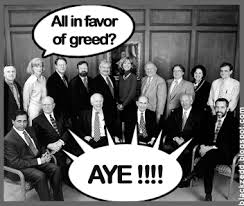
And the ad says nothing about the “greed gap” which exists between what employers demand from workers—and what they are willing to pay in return.
The Encore Careers Institute will offer online non-degree certificates for out of work adults and baby boomers looking to switch careers.
When did a non-degree certificate ever convince an employer to hire? Even a hiring-inclined employer?
And consider this passage:
Using our Empowered app, the iPad will transform any adult’s living room into a modern day classroom or transform a park bench into a study group while the kids are at soccer practice.
But transforming “any adult’s living room into a modern day classroom” will not compel those employers who refuse to hire to begin doing so.
Nor will it change the behavior of employers who:
- Will hire—but only on a part-time, no-benefits, minimum-wage basis;
- Continue to throw hard-working American employees into the street; and
- Move their companies to China, Mexico or Singapore.
And note that this program is aimed at those who can afford an iPad–and to shell out $9,800 for the course. This, says the website, “includes a one-time special reduction of $3,000 from our expected 2013 total program price of $12,800.”
So if you’re poor because you’re jobless, this program has nothing to offer you.
America can end this national disaster—and disgrace—of willing-to-work Americans being unable to fire willing-to-hire employers.
A policy based only on concessions—such as endless tax breaks for hugely profitable corporations—is a policy of appeasement.
And appeasement only whets the appetite of those appeased for even greater concessions.
It is past time to hold wealthy and powerful corporations accountable for their socially and financially irresponsible acts.
This solution can be summed up in three words: Employers Responsibility Act (ERA).
If passed by Congress and vigorously enforced by the U.S. Departments of Justice and Labor, an ERA would ensure full-time, permanent and productive employment for millions of capable, job-seeking Americans.
And it would achieve this without raising taxes or creating controversial government “make work” programs.
Such legislation would legally require employers to demonstrate as much initiative for hiring as job-seekers are now expected to show in searching for work.
An Employers Responsibility Act would simultaneously address the following evils for which employers are directly responsible:
- The loss of jobs within the United States owing to companies’ moving their operations abroad—solely to pay substandard wages to their new employees or avoid American health/safety laws.
- The mass firings of employees which usually accompany corporate mergers or acquisitions.
- The widespread victimization of part-time employees, who are not legally protected against such threats as racial discrimination, sexual harassment and unsafe working conditions.
- The refusal of many employers to create better than menial, low-wage jobs.
- The widespread employer practice of extorting “economic incentives” from cities or states in return for moving to or remaining in those areas. Such “incentives” usually absolve employers from complying with laws protecting the environment and/or workers’ rights.
- The refusal of many employers to provide medical and pension benefits—nearly always in the case of part-time employees, and, increasingly, for full-time, permanent ones as well.
- Rising crime rates, due to rising unemployment.
Among its provisions:
(1) American companies that close plants in the United States and open others abroad would be forbidden to sell products made in those foreign plants within the United States.
This would protect both American and foreign workers from employers seeking to profit at their expense. American workers would be ensured of continued employment. And foreign laborers would be protected against substandard wages and working conditions.
Companies found violating this provision would be subject to Federal criminal prosecution. Guilty verdicts would result in heavy fines and lengthy imprisonment for their owners and top managers.
2016 PRESIDENTIAL CAMPAIGN, ABC NEWS, ALTERNET, AMERICAN REVOLUTION, AP, BARACK OBAMA, BUREAU OF LABOR STATISTICS, BUZZFEED, CALVIN COOLIDGE, CBS NEWS, CELINDA LAKE, CHINA, CHRIS MATTHEWS, CNN, CROOKS AND LIARS, DAILY KOZ, DIVINE RIGHT OF KINGS THEORY, DONALD TRUMP, EMANCIPATION PROCLAMATION, EMPLOYERS RESPONSIBILITY ACT, EMPLOYMENT ACT OF 1946, FACEBOOK, HARDBALL, HILLARY CLINTON, JOB CREATORS, JOHN F. KENNEDY, LOS ANGELES TIMES, LYNDON B. JOHNSON, MOTHER JONES, MOVEON, MSNBC, NBC NEWS, NEW YORK TIMES, NEWSWEEK, NPR, PBS NEWSHOUR, PETER CAPPELLI, POLITICO, RAW STORY, READERS DIGEST, REPUBLICANS, REUTERS, ROBERT REICH, SALON, SEATTLE TIMES, SENATOR BERNIE SANDERS, SLATE, SLAVERY, STEVE POIZNER, THE ATLANTIC, THE CHICAGO SUN-TIMES, THE CHICAGO TRIBUNE, THE DAILY BEAST, THE GUARDIAN, THE HILL, THE HUFFINGTON POST, THE LOS ANGELES TIMES, THE NATION, THE NEW YORK TIMES, THE RACHEL MADDOW SHOW, THE WASHINGTON POST, TIME, TOMMY G. THOMPSON, TWITTER, U.S. NEWS & WORLD REPORT, UNEMPLOYMENT, UPI, USA TODAY, WALLACE C. PETERSON, WASHINGTON POST, WHY GOOD PEOPLE CAN'T FIND JOBS
In Bureaucracy, History, Law, Law Enforcement, Politics, Social commentary on September 17, 2018 at 12:19 am
There are legitimate reasons why millions of willing-to-work Americans remain unemployed. Or remain trapped in part-time, no-benefits jobs far below their levels of education and experience.
Some companies—such as Toys R Us—declare bankruptcy and go out of business. Others—such as Macy’s and J.C. Penney—are struggling to meet the challenges of e-commerce and the decline of shopping malls.
But there are sinister ones, too–such as the deliberate refusal of Congressional Republicans to create job opportunities for their fellow Americans.
U.S. Senator Bernie Sanders (I, Vermont) made just that argument to guest host Ezra Klein on the June 12, 2012 edition of “The Rachel Maddow Show.”
KLEIN: Now, some Republicans say and some people say didn’t we do infrastructure a couple years ago? You heard a lot in the stimulus we had done infrastructure. So, how come we have all of this outstanding?
SANDERS: Because we ignored the needs for a long, long, time. Yes, we did put infrastructure. We put it into the state of Vermont, put more money into roads and bridges. But we need a lot more and that`s true for the other 49 states as well.
It’s not only roads…bridges…water systems. It’s mass transportation. It is rail. China is building high-speed rail all over the place. We are not. Our rail system is in many ways deteriorating.
We have schools that are aging. We have culverts that need work. We have tunnels that need work.
We have an enormous amount of work that is ready to go right now and it is beyond comprehension that our Republican friends will not support infrastructure legislation.
If Sanders is correct, Republicans were deliberately sacrificing the economic life of the nation because:
On June 4, 2012, veteran political analyst Chris Matthews discussed this possibility with John Heilemann, the national affairs editor for New York magazine.
MATTHEWS: How much of that is bent because of the 1% campaign of the president….going after them for grabbing most of the wealth in this country through tax policy and everything else? Are they resentful enough of that…
HEILEMANN: Yes….If you talk to people in business and finance….about the actual substance of the president’s policies, the substance does not bother them as much as the rhetoric.
More than six million Americans are now unemployed because many employers have designed “hiring” systems that simply don’t work.
So says Peter Cappelli, the George W. Taylor professor of management at the Wharton School at the University of Pennsylvania. He is also the author of Why Good People Can’t Get Jobs: The Skills Gap and What Companies Can Do About It.

Employers often whine that they can’t find the talent they need. Today’s applicants, they claim, lack skills, education and even a willingness to work.
The truth is altogether different. According to Cappelli, the fault lies with employers, not job-seekers:
- Employers “ask for the moon” by vastly inflating their requirements for openings.
- Many qualified people are automatically removed from consideration by computer technology. The reason: Their resumés don’t match the inflated qualifications demanded by employers.
- Many employers aren’t willing to pay for the education and skills they claim to respect. They’re looking for people who are young, cheap and experienced.
- Online applicants are often asked: “What salary do you expect?” If you name a salary that’s higher than what the company is willing to pay, you’re instantly rejected.
- Many of the candidates employers want to hire refuse to accept the positions at the wage level being offered.
- Employers don’t want to hire entry-level applicants right out of school. They want experienced candidates who can contribute immediately with no training or start-up time.
- Employers demand that a single employee perform the work of several highly skilled employees.
- When employers can’t find the “perfect candidate” they leave positions open for months. But if they were willing to offer some training, they might easily fill those positions.
- Companies no longer hire new college graduates and groom them for management. They no longer offer training and development. As a result, companies must recruit outsiders.
- Employers’ unrealistic expectations are fueled partly by their own arrogance. Employers believe they should be able to find “perfect people.”
According to Cappelli, the hiring system desperately needs serious reform:
- If jour job descriptions are inflated, bring them down-to earth.
- Don’t expect to get something for nothing—or next to it. Offer competitive salaries.
- Make sure that the automated systems aren’t screening out qualified candidates simply because they don’t have all the brass buttons in a row.
- Beef up the Human Resources section.

Cappelli worries that the complaints about a labor shortage caused by an unwilling, unskilled workforce will be repeated enough that they will be accepted as truth:
“It’s a loud story…that could become pernicious if it persists. It does have a blame-the-victim feeling to it. It makes people feel better. You don’t have to feel so bad about people suffering if you think they are choosing it somehow.”
And where there are victims, there are always people ready to profit from their desperation.
2016 PRESIDENTIAL CAMPAIGN, ABC NEWS, ALTERNET, AMERICAN REVOLUTION, AP, BARACK OBAMA, BUREAU OF LABOR STATISTICS, BUZZFEED, CALVIN COOLIDGE, CBS NEWS, CELINDA LAKE, CHINA, CHRIS MATTHEWS, CNN, CROOKS AND LIARS, DAILY KOZ, DIVINE RIGHT OF KINGS THEORY, DONALD TRUMP, EMANCIPATION PROCLAMATION, EMPLOYERS RESPONSIBILITY ACT, EMPLOYMENT ACT OF 1946, FACEBOOK, HARDBALL, HILLARY CLINTON, JOB CREATORS, JOHN F. KENNEDY, LOS ANGELES TIMES, LYNDON B. JOHNSON, MOTHER JONES, MOVEON, MSNBC, NBC NEWS, NEW YORK TIMES, NEWSWEEK, NPR, PBS NEWSHOUR, PETER CAPPELLI, POLITICO, RAW STORY, READERS DIGEST, REPUBLICANS, REUTERS, ROBERT REICH, SALON, SEATTLE TIMES, SENATOR BERNIE SANDERS, SLATE, SLAVERY, STEVE POIZNER, THE ATLANTIC, THE CHICAGO SUN-TIMES, THE CHICAGO TRIBUNE, THE DAILY BEAST, THE GUARDIAN, THE HILL, THE HUFFINGTON POST, THE LOS ANGELES TIMES, THE NATION, THE NEW YORK TIMES, THE RACHEL MADDOW SHOW, THE WASHINGTON POST, TIME, TOMMY G. THOMPSON, TWITTER, U.S. NEWS & WORLD REPORT, UNEMPLOYMENT, UPI, USA TODAY, WALLACE C. PETERSON, WASHINGTON POST, WHY GOOD PEOPLE CAN'T FIND JOBS
In Bureaucracy, History, Law, Law Enforcement, Politics, Social commentary on September 14, 2018 at 12:16 am
Niccolo Machiavelli, the father of modern politics, warns in his masterwork, The Discourses:
All those who have written upon civil institutions demonstrate…that whoever desires to found a state and give it laws, must start with assuming that all men are bad and ever ready to display their vicious nature, whenever they may find occasion for it.
If their evil disposition remains concealed for a time, it must be attributed to some unknown reason; and we must assume that it lacked occasion to show itself. But time, which has been said to be the father of all truth, does not fail to bring it to light.
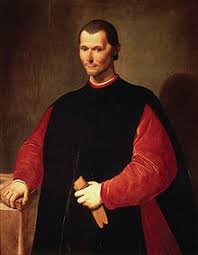
Niccolo Machiavelli
Where the crimes of corporate employers are concerned, we do not have to wait for their evil disposition to reveal itself. It has been fully revealed for decades. We need only find the courage to redress the costly outrages we see every day in the workplace.
In its June 8, 2011 cover-story on “What U.S. Economic Recovery? Five Destructive Myths,” Time magazine warned that profit-seeking corporations can’t be relied on to ”make it all better.”
Click here: What U.S. Economic Recovery? Five Destructive Myths – TIME
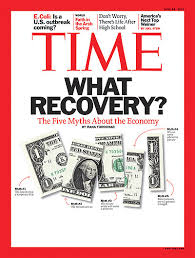
Wrote Rana Foroohar, Time‘s assistant managing editor in charge of economics and business:
American companies “are doing quite well,” but most American workers “are earning a lower hourly wage now than they did during the recession.”
Corporations, in short, are doing extremely well. But they don’t spend their profits on American workers.
“There may be $2 trillion sitting on the balance sheets of American corporations globally, but firms show no signs of wanting to spend it in order to hire workers at home.”
In short: Giving even greater tax breaks to mega-corporations—the standard Republican mantra—will not persuade them to stop “outsourcing” jobs. Nor will it convince them to start hiring Americans.

While embarrassingly overpaid CEOs squander corporate wealth on themselves, millions of Americans can’t afford medical care or must depend on charity to feed their families.
Yet there is also a disconnect between the truth of this situation and the willingness of Americans to face up to that truth.
The reason, writes Foroohar:
Republicans have convinced most Americans they can revitalize the economy by slashing “taxes on the wealthy and on cash-hoarding corporations while cutting benefits for millions of Americans.”
To restore prosperity, America will need both tax increases and cuts in entitlement programs.
Now, fast forward to a March 30, 2018 story in The Motley Fool: “These 12 Companies Have Laid Off Workers in 2018.”
The “tax reform” bill passed by a Republican Congress in 2017 “included a long-awaited reduction in corporate taxes. The top rate for corporations fell from 35% to a flat 21%.
“It also set a one-time repatriation tax on foreign profits at 15.5%, creating a windfall for many companies.”
“In spite of the good fortune these events have bestowed on corporate America,” sums up the writer, “you might be surprised to find that there is a growing list of employers that are sending workers home this year.”
Among those companies:
- Verizon Wireless – 3,000 employees.
- PepsiCo, Inc. – 1,000 layoffs.
- J.C. Penney – 360 layoffs on top of an already 5,000 firings.
- Ford Motor Company – 2,000 layoffs. Amazon.com – hundreds of workers (no specific number given).
- Macy’s, Inc. – 5,000 jobs eliminated.
- AT&T – 4,000 employees.
- Walmart – eliminating 3,500 co-manager positions in its domestic market, and replacing half of these with lower-paying assistant store managers. It’s also laying off about 500 headquarters staff this year, and will do so in 2019.
- Kimberly Clark Corporation – laying off 5,000 to 5,500 employees.
- International Business Machines – According to a Mother Jones article, laid off an estimated 20,000 U.S. workers over the age of 40 since 2013, who were all replaced by “less-experienced and lower-paid workers.”
- Toys R Us – Filed for bankruptcy and plans to liquidate its 700 remaining U.S. locations, resulting in the loss of 33,000 American jobs.
A June 14, 2018 story on Fox Business News warned: “Major Companies Have Announced Layoffs This Month. Here’s a Look.”
The companies:
- Hewlett-Packard – cutting 5,000 jobs.
- McDonalds – Undisclosed.
- Citigroup – 20,000 jobs.
- Tesla – 3,600 jobs.
And a June 28 article in The Street announced: “These Companies Have Had Some of the Worst Layoffs in 2018.”
- EBay. Inc. – Cutting “cutting a single-digit percentage of jobs.”
- General Mills – 625 employees. Mid-Continent Nail Corp – firing 60 workers. Deutsche Bank – laying off 10,000 employees.
Admittedly, some companies have legitimate reasons for cutting back on employees:
- PepsiCo has suffered a fall-off in customers as Americans switch from soda to healthier drinks.
- Sears has struggled for years after the rise of e-commerce and the decline of customer traffic at shopping malls.
- Macy’s is another company struggling to realign itself in an age of online sales and changing consumer habits.
- Toys R Us has filed for bankruptcy and will soon be gone.
But there are also sinister reasons why millions of willing-to-work Americans remain unemployed. Or remain trapped in part-time, no-benefits jobs far below their levels of education and experience.
Chief among these is the refusal of Congressional Republicans to create job opportunities for their fellow Americans.
2016 PRESIDENTIAL CAMPAIGN, ABC NEWS, ALTERNET, AMERICAN REVOLUTION, AP, BARACK OBAMA, BUREAU OF LABOR STATISTICS, BUZZFEED, CALVIN COOLIDGE, CBS NEWS, CELINDA LAKE, CHINA, CHRIS MATTHEWS, CNN, CROOKS AND LIARS, DAILY KOZ, DIVINE RIGHT OF KINGS THEORY, DONALD TRUMP, EMANCIPATION PROCLAMATION, EMPLOYERS RESPONSIBILITY ACT, EMPLOYMENT ACT OF 1946, FACEBOOK, HARDBALL, HILLARY CLINTON, JOB CREATORS, JOHN F. KENNEDY, LOS ANGELES TIMES, LYNDON B. JOHNSON, MOTHER JONES, MOVEON, MSNBC, NBC NEWS, NEW YORK TIMES, NEWSWEEK, NPR, PBS NEWSHOUR, PETER CAPPELLI, POLITICO, RAW STORY, READERS DIGEST, REPUBLICANS, REUTERS, ROBERT REICH, SALON, SEATTLE TIMES, SENATOR BERNIE SANDERS, SLATE, SLAVERY, STEVE POIZNER, THE ATLANTIC, THE CHICAGO SUN-TIMES, THE CHICAGO TRIBUNE, THE DAILY BEAST, THE GUARDIAN, THE HILL, THE HUFFINGTON POST, THE LOS ANGELES TIMES, THE NATION, THE NEW YORK TIMES, THE RACHEL MADDOW SHOW, THE WASHINGTON POST, TIME, TOMMY G. THOMPSON, TWITTER, U.S. NEWS & WORLD REPORT, UNEMPLOYMENT, UPI, USA TODAY, WALLACE C. PETERSON, WASHINGTON POST, WHY GOOD PEOPLE CAN'T FIND JOBS
In Bureaucracy, Business, History, Law, Law Enforcement, Politics, Social commentary on September 13, 2018 at 12:07 am
Have you noticed how every American employer has suddenly become a “job creator”?
At least, that’s the official Republican line.
But if that’s true:
- Why are so many employers not hiring at all?
- Or, if they are hiring, why aren’t they hiring American workers?
- Why are they hiring mostly part-time employees on a no-benefits basis?
- Why are so many employers shutting down American plants but starting new ones in China, Mexico or the Philippines?
According to an August, 2018 news release by the Bureau of Labor Statistics, U.S. Department of Labor:
- The unemployment rate stood at 3.9 percent in August, 2018, and the number of unemployed persons stood at 6.2 million.
- The unemployment rates stood at the following for:
- Adult men: (3.5 percent)
- Adult women (3.6 percent)
- Teenagers (12.8 percent
- Whites (3.4 percent
- Blacks (6.3 percent)
- Asians (3.0 percent)
- Hispanics (4.7 percent)
- The number of long-term unemployed (those jobless for 27 weeks or more) was little changed in August at 1.3 million and accounted for 21.5 percent of the unemployed. Over the year, the number of long-term unemployed has declined by 403,000.
- The number of persons employed part time for economic reasons (sometimes referred to as involuntary part-time workers), at 4.4 million.
-
Among the marginally attached, there were 1.4 million discouraged workers. These individuals were not in the labor force, wanted and were available for work, and had looked for a job sometime in the prior 12 months.
-
Among the marginally attached, there were 434,000 discouraged workers in August, essentially unchanged from a year earlier. Discouraged workers are persons not currently looking for work because they believe no jobs are available for them.
At the same time, U.S. corporations sit on at least $2 trillion in cash.
Besides lying beyond the reach of the IRS, those monies could be used to hire those millions of qualified, willing-to-work Americans who can’t find fulltime, permanent employment.
An article in the March, 2011 issue of Reader’s Digest gives the lie to the excuses so many employers use for refusing to hire.
Entitled “22 Secrets HR Won’t Tell You About Getting a Job,” it lays bare many of the reasons why America needs to legally force employers to demonstrate as much responsibility for hiring as job-seekers are expected to show toward searching for work.
Among the truths it reveals:
TRUTH NO: 1: After you’re unemployed more than six months, employers consider you unemployable.
TRUTH NO. 2: It’s not what but who you know that counts.
TRUTH NO. 3: Try to avoid HR. Find someone in the company you know. If you don’t know anyone, contact the hiring manager.
TRUTH NO. 4: Cover letters are often ignored, going directly into “the round file.”
TRUTH NO. 5: Employers judge you on the basis of your email address. Avoid the type that reads: “Igetdrunkand party.”
TRUTH NO. 6: You’re not protected against age discrimination. Many employers regularly ignore the law. Are you in your 50s or 60s? Leave your year of graduation off your resume.
TRUTH NO: 7: Just because it’s illegal to discriminate against applicants who have children does not mean you’re safe. Many employers try to screen out parents–such as by checking cars for child safety seats.
TRUTH NO. 8: It’s harder to get a job if you’re fat, since fat people are usually assumed to be lazy.
TRUTH NO. 9: Make sure you give the interviewer a firm handshake. Or he might assume you’re a loser for giving him a weak one.
TRUTH NO. 10: The more you can get the interviewer to talk–especially about himself–the more likely you are to be hired. Ego-driven interviewers love hearing the sound of their own voices and will assume you’re better-qualified than someone who doesn’t want to listen to them prattle.
Millions of Americans blamed President Barack Obama for the nation’s high unemployment rate during his administration. And millions more believe that President Donald Trump has created an economic miracle—despite those millions of Americans still desperately searching for work.
The brutal truth is that no President can hope to turn unemployment around until employers are forced to start living up to their responsibilities.
And those responsibilities should encompass more than simply fattening their own pocketbooks and/or egos at the expense of their fellow Americans. Such behavior used to be called treason.
Americans need to recognize that a country can be betrayed for other than political reasons. It can be sold out for economic ones, too.
Trea$on
Employers who enrich themselves by weakening their country—by throwing millions of qualified workers into the street and moving their plants to other countries—are traitors.
Employers who set up offshore accounts to claim their American companies are foreign-owned—and thus exempt from taxes—are traitors.
Employers who systematically violate Federal immigration laws—to hire illegal aliens instead of willing-to-work Americans—are traitors.
And with a new definition of treason should go new penalties—heavy fines and/or prison terms–for those who sell out their country to enrich themselves.
A THOUSAND DAYS (BOOK), ABC NEWS, ALTERNET, AP, ARTHUR M. SCHLESINGER JR., BENJAMIN B. BRADLEE, BOB WOODWARD, BUZZFEED, CARL BERNSTEIN, CBS NEWS, CNN, CONVERSATIONS WITH KENNEDY (BOOK), CROOKS AND LIARS, DAILY KOZ, DONALD TRUMP, EVELYN LINCOLN, FACEBOOK, FEAR: TRUMP IN THE WHITE HOUSE (BOOK), FIRE AND FURY (BOOK), JOHN F. KENNEDY, KENNEDY (BOOK), MICHAEL WOLFF, MOTHER JONES, MOVEON, MSNBC, MY TWELVE YEARS WITH JOHN F. KENNEDY (BOOK), NBC NEWS, NEWSWEEK, NPR, OMAROSA MANIGAULT-NEWMAN, PAUL B. FAY, PIERRE SALINGER, POLITICO, RAW STORY, REUTERS, RICHARD NIXON, SALON, SEATTLE TIMES, SLATE, THE APPRENTICE, THE ATLANTIC, THE CHICAGO SUN-TIMES, THE CHICAGO TRIBUNE, THE DAILY BEAST, THE GUARDIAN, THE HILL, THE HUFFINGTON POST, THE LOS ANGELES TIMES, THE NATION, THE NEW YORK TIMES, THE PLEASURE OF HIS COMPANY (BOOK), THE WASHINGTON POST, THEODORE C. SORENSEN, TIME, TWITTER, U.S. NEWS & WORLD REPORT, UNHINGED (BOOK), UPI, USA TODAY, WATERGATE, WITH KENNEDY (BOOK)
In Bureaucracy, History, Politics, Social commentary on September 6, 2018 at 12:25 am
President John F. Kennedy was securely fastened in his grave before he became the subject of a flood of bestselling biographies.
Among these:
- With Kennedy, by Pierre Salinger;
- A Thousand Days: John F. Kennedy in the White House, by Arthur M. Schlesinger, Jr.;
- Kennedy, by Theodore C. Sorensen;
- The Pleasure of His Company, by Paul B. Fay;
- My Twelve Years With John F. Kennedy, by Elvelyn Lincoln;
- Conversations With Kennedy, by Benjamin C. Bradlee.
Many of these appeared shortly after his death. Some—such as A Thousand Days and Kennedy—were massive—totaling 1,087 pages for the first and 758 pages for the second.

John F. Kennedy
Most were embarrassingly admiring, almost worshipful. Many of these books were written by those who had worked closely with Kennedy and knew his most intimate secrets. Yet the worst of those secrets did not emerge until the early 1970s.
Among those:
- Kennedy’s compulsive womanizing.
- His poor health and reckless use of drugs (licit and illicit) to control it.
- His waging a no-quarter war on Fidel Castro (including using the Mafia to try to assassinate the Cuban dictator).
Kennedy inspired loyalty by somehow making those around him feel they were valued—and partners in a great historical moment.
Donald Trump, by contrast, has held office less than two years—and two books highly critical of him have already emerged, with a third to appear on September 11th.
The first, Fire and Fury, by Michael Wolff, appeared in January. The second, Unhinged, by Omarosa Manigault-Newman, came out in August.
Among the reviews of Fire and Fury:
“What makes the book significant is its sly, hilarious portrait of a hollow man, into the black hole of whose needy, greedy ego the whole world has virtually vanished.”―The Guardian
“An undeniably juicy chronicle of a presidential administration that in just one year has been beset by numerous scandals and crises….” ―The San Francisco Chronicle
Wollf is an author, essayist, journalist, and columnist. He was never a member of Trump’s inner circle—yet he was given extraordinary access to those who worked in the West Wing of the White House.
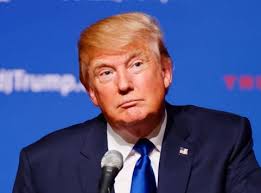
Donald Trump
Manigault-Newman, on the other hand, had known Trump intimately since 2003, when she first appeared on his NBC “reality” series, The Apprentice. She campaigned for him in 2016 and followed him into the White House as director of communications for the Office of Public Liaison—until she was fired in December, 2017.
After her firing, she abruptly underwent a conversion from worshiper to heretic. As a reviewer on Amazon.com put it:
“It’s a story that starts with a starry eyed younger Omarosa, and ends with her freedom from the ‘TrumpWorld cult’. Along the way she becomes increasingly aware that her former mentor, friend, and idol, has no empathy for others, is narcissistic to an extreme, does not read or intake new information unless it’s on a favored cable TV channel, and she also sees signs of dementia-like behavior leaving her wondering what, if anything, she can do as an insider.”
And on September 11th, the most devastating book yet to appear on Trump will make its debut: Fear: Trump in the White House.
Its author is Bob Woodward, legendary investigative reporter and Washington Post associate editor.
Woodward “made his bones” as a journalist with Carl Bernstein from 1972 to 1974. Their reporting made “Watergate” a household word—and helped bring down President Richard M. Nixon.
Perhaps the most startling secret to be found within Woodward’s book: Nearly every member of Trump’s handpicked staff considers him an idiot.
- His former Secretary of State, Rex Tillerson: “He’s a fucking idiot.”
- John Kelly, his chief of staff: “He’s an idiot. It’s pointless to try to convince him of anything. He’s gone off the rails. We’re in crazytown,”
- Secretary of Defense James Mattis: Trump acted like—and had the understanding of—“a fifth- or sixth-grader. ”
- Trump’s former lawyer John Dowd warned the President not to testify before Special Counsel Robert Mueller: “It’s either that or an orange jumpsuit” for perjury.
Niccolo Machiavelli raised the question of “whether it is better to be loved than feared, or feared more than loved.”
And he answered it: “The reply is, that one ought to be both feared and loved, but as it is difficult for the two to go together, it is much safer to be feared than loved.”
But Machiavelli warned about relying primarily on fear: “Still, a prince should make himself feared in such a way that if he does not gain love, he at any rate avoids hatred, for fear and the absence of hatred may well go together.
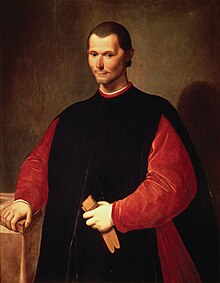
Niccolo Machiavelli
By repeatedly showing himself ignorant of—and even indifferent to—the realities of Presidential statecraft, Trump quickly forfeited the respect of his top staffers and Cabinet officials.
As a result, Trump has produced a dysfunctional administration constantly teetering on the edge of meltdown.
And by regularly humiliating those staffers and Cabinet officials, he destroyed their ties of loyalty to him as a man and President.
This has produced legions of angry, disillusioned members seeking revenge—and they will eagerly leak Trump’s latest embarrassing secrets to the first reporter who comes asking.
ABC NEWS, ADOLF HITLER, ADVICE, ALTERNET, AMERICABLOG, AP, BABY BOOMER RESISTANCE, BAY OF PIGS, BBC, BENITO MUSSOLINI, BLOOMBERG NEWS, BUZZFEED, CAESARE BORGIA, CBS NEWS, CNN, CORPORATIONS, CROOKS AND LIARS, CUBA, DAILY KOS, DAILY KOZ, FACEBOOK, FIDEL CASTRO, FIVETHIRTYEIGHT, FLORENCE, HARPER’S MAGAZINE, HUFFINGTON POST, JOHN F. KENNEDY, JOSEPH STALIN, KING PERSEUS OF MACEDON, MEDIA MATTERS, MOTHER JONES, MOVEON, MSNBC, NAZI-SOVIET NON-AGGRESSION PACT, NBC NEWS, NEW REPUBLIC, NEWSDAY, NEWSWEEK, NICCOLO MACHIAVELLI, NPR, PBS NEWSHOUR, POLITICO, POLITICS, POLITICUSUSA, POPE JULIUS 11, RAW STORY, REUTERS, SALON, SEATTLE TIMES, SLATE, TALKING POINTS MEMO, THE ATLANTIC, THE CHICAGO SUN-TIMES, THE CHICAGO TRIBUNE, THE DAILY BEAST, THE DAILY BLOG, THE DISCOURSES, THE GUARDIAN, THE HILL, THE HUFFINGTON POST, THE INTERCEPT, THE LOS ANGELES TIMES, THE NATION, THE NEW REPUBLIC, THE NEW YORK TIMES, THE NEW YORKER, THE PRINCE, THE SS, THE VILLAGE VOICE, THE WASHINGTON POST, THINKPROGRESS, THIRD REICH, TIME, TRUTHDIG, TRUTHOUT, TWITTER, U.S. NEWS & WORLD REPORT, UKRAINE, UPI, USA TODAY, VLADIMIR PUTIN, VOLODYMYR ZELENSKY, WEHRMACHT, WORLD WAR 11
In Bureaucracy, Business, History, Military, Politics, Social commentary on August 17, 2018 at 12:15 am
Ask the average person, “What do you think of Niccolo Machiavelli?” and he’s likely to say: “The devil.”
In fact, “The Old Nick” became an English term used to describe Satan and slander Machiavelli at the same time.

Niccolo Machiavelli
The truth, however, is more complex. Machiavelli was a passionate Republican, who spent most of his adult life in the service of his beloved city-state, Florence.
The years he spent as a diplomat were tumultuous ones for Italy—with men like Pope Julius II and Caesare Borgia vying for power and plunging Italy into one bloodbath after another.
Florence, for all its wealth, lacked a strong army, and thus lay at the mercy of powerful enemies, such as Borgia. Machiavelli often had to use his wits to keep them at bay.
Machiavelli is best-known for his writing of The Prince, a pamphlet on the arts of gaining and holding power. Its admirers have included Benito Mussolini and Joseph Stalin.
But his longer and more thoughtful work is The Discourses, in which he offers advice on how to maintain liberty within a republic. Among its admirers were many of the men who framed the Constitution of the United States.
Most people believe that Machiavelli advocated evil for its own sake.
Not so. Rather, he recognized that sometimes there is no perfect—or perfectly good—solution to a problem.
Sometimes it’s necessary to take stern—even brutal—action to stop an evil (such as a riot) before it becomes widespread:
“A man who wishes to make a profession of goodness in everything must inevitably come to grief among so many who are not good. And therefore it is necessary for a prince, who wishes to maintain himself, to learn how not to be good, and to use this knowledge and not use it, according to the necessity of the case.”
His counsel remains as relevant today as it did during his lifetime (1469 – 1527). This is especially true for politicians—and students of political science.
But plenty of ordinary citizens can also benefit from the advice he has to offer—such as those in business who are asked to give advice to more powerful superiors.
Machiavelli warns there is danger in urging rulers to take a particular course of action: “For men only judge of matters by the result, all the blame of failure is charged upon him who first advised it, while in case of success he receives commendations. But the reward never equals the punishment.”
This puts would-be counselors in a difficult position: “If they do not advise what seems to them for the good of the republic or the prince, regardless of the consequences to themselves, then they fail to do their duty.
“And if they do advise it, then it is at the risk of their position and their lives, for all men are blind in thus, that they judge of good or evil counsels only by the results.”
Thus, Machiavelli warns that an adviser should “take things moderately, and not to undertake to advocate any enterprise with too much zeal, but to give one’s advice calmly and modestly.”
The person who asked for the advice may follow it, or not, as of his own choice, and not because he was led or forced into it by the adviser.
Above all, the adviser must avoid the danger of urging a course of action that runs “contrary to the wishes of the many.
“For the danger arises when your advice has caused the many to be contravened. In that case, when the result is unfortunate, they all concur in your destruction.”
Or, as President John F. Kennedy famously said after the disastrous invasion of Cuba at the Bay of Pigs in April, 1961: “Victory has a hundred fathers and defeat is an orphan.”
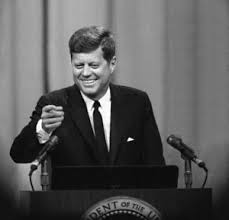
John F. Kennedy
By “not advocating any enterprise with too much zeal,” the adviser gains two advantages:
“The first is, you avoid all danger.
“And the second consists in the great credit which you will have if, after having modestly advised a certain course, your counsel is rejected, and the adoption of a different course results unfortunately.”
Finally, the time to give advice is before a catastrophe occurs, not after. Machiavelli gives a vivid example of what can happen if this rule is ignored.
King Perseus of Macedon had gone to war with Paulus Aemilius—and suffered a humiliating defeat. Fleeing the battlefield with a handful of his men, he later bewailed the disaster that had overtaken him.
Suddenly, one of his lieutenants began to lecture Perseus on the many errors he had committed, which had led to his ruin.
“Traitor,” raged the king, turning upon him, “you have waited until now to tell me all this, when there is no longer any time to remedy it—” And Perseus slew him with his own hands.
Niccolo Machiavelli sums up the lesson as this:
“Thus was this man punished for having been silent when he should have spoken, and for having spoken when he should have been silent.”
Be careful that you don’t make the same mistake.
9/11, ABC NEWS, AL QAEDA, ALTERNET, AMERICAN CAESARS: THE LIVES OF THE PRESIDENTS FROM FRANKLIN D. ROOSEVELT TO GEORGE W. BUSH, AMERICAN EMPIRE, AP, BARACK OBAMA, BASHAR AL-ASSAD, BEN RHODES, BILL CLINTON, BUREAUCRACY, BUZZFEED, CBS NEWS, CHRIS MATHEWS, CNN, CONDOLEEZA RICE, CROOKS AND LIARS, DAILY KOZ, DONALD TRUMP, DWIGHT EISENHOWER, FACEBOOK, FBI, FRANKLIN D. ROOSEVELT, GEORGE H.W. BUSH, GEORGE W. BUSH, GERALD R. FORD, HARRY S. TRUMAN, JIMMY CARTER, JOHN F. KENNEDY, LYNDON B. JOHNSON, MOTHER JONES, MOVEON, MSNBC, NBC NEWS, NEWSWEEK, NIGEL HAMILTON, NPR, OSAMA BIN LADEN, POLITICO, RAW STORY, REPUBLICAN PARTY, REUTERS, RICHARD CLARKE, RICHARD NIXON, ROMAN EMPIRE, SALON, SEATTLE TIMES, SEPTEMBER 11, SLATE, SUETONIUS, SYRIA, TERRORISM, THE ATLANTIC, THE CHICAGO SUN-TIMES, THE CHICAGO TRIBUNE, THE DAILY BEAST, THE GUARDIAN, THE HILL, THE HUFFINGTON POST, THE LOS ANGELES TIMES, THE NATION, THE NEW YORK TIMES, THE TWELVE CAESARS, THE WASHINGTON POST, TIME, TWITTER, U.S. NEWS & WORLD REPORT, UPI, USA TODAY
In Bureaucracy, History, Military, Politics, Social commentary on July 19, 2018 at 12:07 am
On September 12, 2001, President George W. Bush attended a meeting of the National Security Council.
“Why shouldn’t we go against Iraq, not just Al-Qaeda?” demanded Donald Rumsfeld, the Secretary of Defense.
Vice President Dick Cheney enthusiastically agreed.
Secretary of State Colin Powell then pointed out there was absolutely no evidence that Iraq had had anything to do with 9/11 or Al-Qaeda. And he added: “The American people want us to do something about Al-Qaeda”—not Iraq.
On November 21, 2001, only 10 weeks after 9/11, Bush told Rumsfeld: It’s time to turn to Iraq.
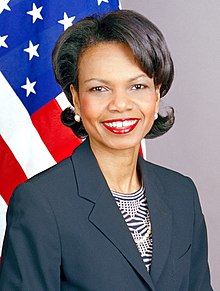

Condoleeza Rice
Bush and his war-hungry Cabinet officials knew that Americans demanded vengeance on AlQaeda’s mastermind, Osama bin Laden, and not Iraqi dictator Saddam Hussein. So they repeatedly fabricated “links” between the two:
- Saddam had worked hand-in-glove with Bin Laden to plan 9/11.
- Saddam was harboring and supporting Al-Qaeda throughout Iraq.
- Saddam, with help from Al-Qaeda, was scheming to build a nuclear bomb.
Yet as early as September 22, 2001, Bush had received a classified President’s Daily Brief intelligence report, which stated that there was no evidence linking Saddam Hussein to 9/11.
The report added that there was scant credible evidence that Iraq had any significant collaborative ties with Al-Qaeda.
Even more important: Saddam had tried to monitor Al Qaeda through his intelligence service—because he saw Al-Qaeda and other theocratic radical Islamist organizations as a potential threat to his secular regime.

Dick Cheney
Bush administration officials repeatedly claimed that Iraq possessed huge quantities of chemical and biological weapons, in violation of UN resolutions. And they further claimed that US intelligence agencies had determined:
- the precise locations where these weapons were stored;
- the identities of those involved in their production; and
- the military orders issued by Saddam Hussein for their use in the event of war.
Among other lies stated as fact by members of the Bush administration:
- Iraq had sought uranium from Niger, in west Africa.
- Thousands of aluminum tubes imported by Iraq could be used in centrifuges to create enriched uranium.
- Iraq had up to 20 long-range Scud missiles, prohibited under UN sanctions.
- Iraq had massive stockpiles of chemical and biological agents, including nerve gas, anthrax and botulinum toxin.
- Saddam Hussein had issued chemical weapons to front-line troops who would use them when US forces crossed into Iraq.

Donald Rumsfeld
Consider the following:
August 26, 2002: Cheney told the Veterans of Foreign Wars, “There is no doubt that Saddam Hussein now has weapons of mass destruction. There is no doubt he is amassing them to use against our friends, against our allies and against us.”
September 8, 2002: National Security Advisor Condoleeza Rice said on CNN: ”There is certainly evidence that Al-Qaeda people have been in Iraq. There is certainly evidence that Saddam Hussein cavorts with terrorists.”
September 18, 2002: Rumsfeld told the House Armed Services Committee, “We do know that the Iraqi regime has chemical and biological weapons. His regime has amassed large, clandestine stockpiles of chemical weapons—including VX, sarin, cyclosarin and mustard gas.”
October 7, 2002: Bush declared in a nationally televised speech in Cincinnati that Iraq “possesses and produces chemical and biological weapons. It is seeking nuclear weapons.”
March 16, 2003: Cheney declared on NBC’s “Meet the Press”: “We believe [Saddam Hussein] has, in fact, reconstituted nuclear weapons.”
Bush never regretted his decision to invade Iraq—on March 20, 2003.
Even as American occupying forces repeatedly failed to turn up any evidence of “weapons of mass destruction” (WMDs), Bush and his minions claimed the invasion a good thing.
In fact, Bush—who hid out the Vietnam war in the Texas Air National Guard—even joked publicly about the absence of WMDs.
He did so at a White House Correspondents dinner on March 24, 2004—one year after he had started the war.
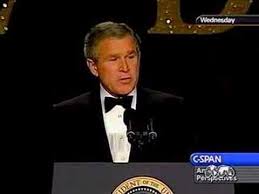
George W. Bush at the 2004 White House Correspondents’ dinner
To Bush, the non-existent WMDs were nothing more than the butt of a joke that night. While an overhead projector displayed photos of a puzzled-looking Bush searching around the Oval Office, Bush recited a comedy routine.
Click here: Bush laughs at no WMD in Iraq – YouTube
“Those weapons of mass destruction have gotta be somewhere,” Bush laughed, while a photo showed him poking around the corners in the Oval Office.
“Nope—no weapons over there! Maybe they’re under here,” he said, as a photo showed him looking under a desk.
Meanwhile, an assembly of wealthy, pampered men and women—-the elite of America’s media and political classes—laughed heartily during Bush’s performance.
It was a scene worthy of the court of the ancient Caesars, complete with royal flunkies: “Hey! The country we just destroyed wasn’t a threat to us after all! Isn’t that a gas?”
The war that Bush had deliberately provoked:
- Took the lives of 4,484 Americans.
- Cost the United States Treasury at least $2 trillion.
- Created a Middle East power vacumn.
- Allowed Iran—Iraq’s arch enemy—to eagerly fill it.
- Frightened and repelled even America’s closest allies.
- Killed at least 655,000 Iraqis.
- Bush retired from office with a lavish pension and full Secret Service protection.
- He wrote his memoirs and was paid $7 million for the first 1.5 million copies.
- Cheney, Rumsfeld, Rice retired to private business, wrote their own memoirs, and lived in comfort as respected elder statesmen.
9/11, ABC NEWS, AL QAEDA, ALTERNET, AMERICAN CAESARS: THE LIVES OF THE PRESIDENTS FROM FRANKLIN D. ROOSEVELT TO GEORGE W. BUSH, AMERICAN EMPIRE, AP, BARACK OBAMA, BASHAR AL-ASSAD, BEN RHODES, BILL CLINTON, BUREAUCRACY, BUZZFEED, CBS NEWS, CHRIS MATHEWS, CNN, CONDOLEEZA RICE, CROOKS AND LIARS, DAILY KOZ, DONALD TRUMP, DWIGHT EISENHOWER, FACEBOOK, FBI, FRANKLIN D. ROOSEVELT, GEORGE H.W. BUSH, GEORGE W. BUSH, GERALD R. FORD, HARRY S. TRUMAN, JIMMY CARTER, JOHN F. KENNEDY, LYNDON B. JOHNSON, MOTHER JONES, MOVEON, MSNBC, NBC NEWS, NEWSWEEK, NIGEL HAMILTON, NPR, OSAMA BIN LADEN, POLITICO, RAW STORY, REPUBLICAN PARTY, REUTERS, RICHARD CLARKE, RICHARD NIXON, ROMAN EMPIRE, SALON, SEATTLE TIMES, SEPTEMBER 11, SLATE, SUETONIUS, SYRIA, TERRORISM, THE ATLANTIC, THE CHICAGO SUN-TIMES, THE CHICAGO TRIBUNE, THE DAILY BEAST, THE GUARDIAN, THE HILL, THE HUFFINGTON POST, THE LOS ANGELES TIMES, THE NATION, THE NEW YORK TIMES, THE TWELVE CAESARS, THE WASHINGTON POST, TIME, TWITTER, U.S. NEWS & WORLD REPORT, UPI, USA TODAY
In Bureaucracy, History, Military, Politics, Social commentary on July 18, 2018 at 12:04 am
September 11, 2018, will mark the 17th anniversary of the worst terrorist attack on United States soil. Inevitably, this is a time to remember all those whose lives were so cruelly snuffed out.
But it is also a time to remember those Americans who made this atrocity—and the Iraq war that followed—inevitable.
British historian Nigel Hamilton has chronicled their arrogance and indifference in his 2010 biography: American Caesars: Lives of the Presidents from Franklin D. Roosevelt to George W. Bush.

Hamilton noted that Richard Clarke, the national security advisor on terrorism, was certain that Osama bin Laden had arranged the [USS.] Cole bombing in Aden on October 12, 2000.
For months, Clarke tried to convince others in the Bush Administration that Bin Laden was plotting another attack against the United States—either abroad or at home.
But Clarke could not prevail against the know-it-all arrogance of such higher-ranking Bush officials as Vice President Dick Cheney; Secretary of Defense Donald Rumsfeld; Rumsfeld’s deputy, Paul Wolfowitz; and National Security Advisor Condoleeza Rice.
Rice initially refused to hold a cabinet-level meeting on the subject. Then she “insisted the matter be handled only by a more junior Deputy Principals meeting” in April, 2001, writes Hamilton.
Wolfowitz, the number-two man at the Department of Defense, said: “I don’t understand why we are beginning by talking about this one man, bin Laden.”
Even after Clarke outlined the threat posed by Al-Qaeda, Wolfowitz—whose real target was Saddam Hussein—said: “You give bin Laden too much credit.”
Wolfowitz insisted that bin Laden couldn’t carry out his terrorist acts without the aid of a state sponsor—namely, Iraq.
Wolfowitz, in fact, blamed Iraq for the 1993 bombing of the World Trade Center. Clarke was stunned, since there was absolutely no evidence of Iraqi involvement in this.
“Al-Qaeda plans major acts of terrorism against the United States,” Clarke warned his colleagues. He pointed out that, like Adolf Hitler, bin Laden had actually published his plans for future destruction.
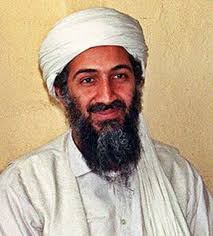
Osama bin Laden
And he added: “Sometimes, as with Hitler in Mein Kampf, you have to believe that these people will actually do what they say they will do.”
Wolfowitz heatedly traded on his Jewish heritage to bring Clarke’s unwelcome arguments to a halt: “I resent any comparison between the Holocaust and this little terrorist in Afghanistan.”
Writing in outraged fury, Hamilton sums up Clarke’s agonizing frustrations:
- Bush’s senior advisors treated their colleagues who had served in the Clinton administration with contempt.
- President Bush, Vice President Dick Cheney, National Security Advisor Condoleeza Rice, Secretary of Defense Donald Rumsfeld and Deputy Defense Secretary Paul Wolfowitz seemed content to ignore the danger signals of an impending al-Qaeda attack.
- This left only Secretary of State Colin Powell, his deputy Richard Armitage, Richard Clarke and a skeptical Treasury Secretary, Paul O’Neill, to wage “a lonely battle to waken a seemingly deranged new administration.”
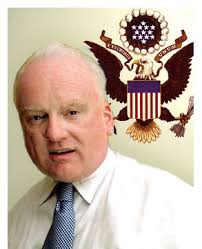
Richard Clarke
Clarke alerted Federal Intelligence agencies that “Al-Qaeda is planning a major attack on us.” He asked the FBI and CIA to report to his office all they could learn about suspicious persons or activities at home and abroad.
Finally, at a meeting with Rice on September 4, 2001, Clarke challenged her to “picture yourself at a moment when in the very near future Al-Qaeda has killed hundreds of Americans, and imagine asking yourself what you wish then that you had already done.”
Seven days later, Al-Qaeda struck, and 3,000 Americans died horrifically—and needlessly.
Neither Bush, Cheney, Rice, Rumsfeld nor Wolowitz ever admitted their negligence. Nor would any of them be brought to account.
Disgustingly, these were the same officials who, afterward, posed as the Nation’s saviors—and branded anyone who disagreed with them as a traitor, practices the Right continues to exploit to this day.
Only Richard Clarke—who had vainly argued for stepped-up security precautions and taking the fight to Al-Qaeda—gave that apology.
On March 24, 2004, Clarke testified at the public 9/11 Commission hearings. Addressing relatives of victims in the audience, he said: “Your government failed you, those entrusted with protecting you failed you, and I failed you.”
Yet even worse was to come.
On the evening after the September 11 attacks, Bush took Clarke aside during a meeting in the White House Situation Room:
“I want you, as soon as you can, to go back over everything, everything. See if Saddam [Hussein, the dictator of Iraq] did this. See if he’s linked in any way.”
Clarke was stunned: “But, Mr. President, Al-Qaeda did this.”
“I know, I know,” said Bush. “But see if Saddam was involved. I want to know.”
Hussein had not plotted the attack–and there was no evidence proving that he did. But the attack gave “W” the excuse he wanted to remove the man he blamed for the 1992 defeat of his father, President George H.W. Bush.
Bush believed that his father would have been re-elected if he had “gone all the way” into Baghdad during the 1991 Gulf War.
He would finish the job that his father had started but failed to compete.
On September 12, 2001, Bush attended a meeting of the National Security Council.
“Why shouldn’t we go against Iraq, not just Al-Qaeda?” demanded Donald Rumsfeld, the Secretary of Defense.
Vice President Dick Cheney enthusiastically agreed.
9/11, ABC NEWS, AL QAEDA, ALTERNET, AMERICAN CAESARS: THE LIVES OF THE PRESIDENTS FROM FRANKLIN D. ROOSEVELT TO GEORGE W. BUSH, AMERICAN EMPIRE, AP, BARACK OBAMA, BASHAR AL-ASSAD, BEN RHODES, BILL CLINTON, BUREAUCRACY, BUZZFEED, CBS NEWS, CHRIS MATHEWS, CNN, CONDOLEEZA RICE, CROOKS AND LIARS, DAILY KOZ, DONALD TRUMP, DWIGHT EISENHOWER, FACEBOOK, FBI, FRANKLIN D. ROOSEVELT, GEORGE H.W. BUSH, GEORGE W. BUSH, GERALD R. FORD, HARRY S. TRUMAN, JIMMY CARTER, JOHN F. KENNEDY, LYNDON B. JOHNSON, MOTHER JONES, MOVEON, MSNBC, NBC NEWS, NEWSWEEK, NIGEL HAMILTON, NPR, OSAMA BIN LADEN, POLITICO, RAW STORY, REPUBLICAN PARTY, REUTERS, RICHARD CLARKE, RICHARD NIXON, ROMAN EMPIRE, SALON, SEATTLE TIMES, SEPTEMBER 11, SLATE, SUETONIUS, SYRIA, TERRORISM, THE ATLANTIC, THE CHICAGO SUN-TIMES, THE CHICAGO TRIBUNE, THE DAILY BEAST, THE GUARDIAN, THE HILL, THE HUFFINGTON POST, THE LOS ANGELES TIMES, THE NATION, THE NEW YORK TIMES, THE TWELVE CAESARS, THE WASHINGTON POST, TIME, TWITTER, U.S. NEWS & WORLD REPORT, UPI, USA TODAY
In Bureaucracy, History, Military, Politics, Social commentary on July 17, 2018 at 1:19 am
“Many of the people who work in American foreign policy today were shaped by the experience of the 1990s, when the United States was ascendant. The Berlin Wall came down. Democracy was spreading across Europe, Latin America and East Asia.
“Russia was on its back foot, and China had not yet risen. We really could shape events in much of the world. NATO could expand into the former Soviet Union without fear that Russia would invade one of those countries. We could bring together the whole world to kick Saddam Hussein out of Kuwait.”
So writes Ben Rhodes, author of the newly-released The World As It Is: A Memoir of the Obama White House.
For eight years, Rhodes saw Barack Obama up close as few others did. He served as, first, a speechwriter, then deputy national security adviser, and finally as all-around aide and diplomat-without-portfolio.
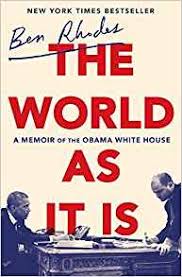
Rhodes notes that Obama sometimes warned that America’s post-Cold War moment in the sun wouldn’t last: “Shock and awe. Regime change. A trillion dollars later, we couldn’t keep the electricity running in Baghdad.
“The Iraq war disturbed other countries—including U.S. allies—in its illogic and destruction, and accelerated a realignment of power and influence that was further advanced by the global financial crisis.
“By the time Obama took office, a global correction had already taken place. Russia was resisting American influence. China was throwing its weight around. Europeans were untangling a crisis in the Euro-zone.”
To begin at the beginning:
Even as the rubble was being cleared at the Pentagon and World Trade Center, President George W. Bush was preparing to use the attack as an excuse to topple Iraqi dictator Saddam Hussein.
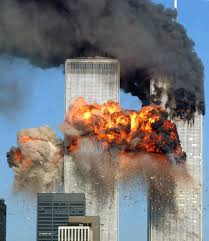
World Trade Center on September 11, 2001
Hussein had not plotted 9/11, and there was no evidence that he did. But that didn’t matter to Bush and those planning the invasion and conquest of Iraq.
British historian Nigel Hamilton has dared to lay bare the facts of this disgrace. Hamilton is the author of several acclaimed political biographies, including JFK: Reckless Youth and Bill Clinton: Mastering the Presidency.
In 2007, he began research on his latest book: American Caesars: The Lives of the Presidents From Franklin D. Roosevelt to George W. Bush.

Nigel Hamilton
By Nigel Hamilton (Nigel Hamilton picture)
The inspiration for this came from a classic work of ancient biography: The Twelve Caesars, by Gaius Suetonius Tranquillus—known as Suetonius.
Suetonius, a Roman citizen and historian, had chronicled the lives of the first twelve Caesars of imperial Rome: Julius Caesar, Augustus, Tiberius, Caligula, Claudius, Nero, Galba, Otho, Vitellius, Vespasian, Titus and Domitian.
Hamilton wanted to examine post-World War II United States history as Suetonius had examined that of ancient Rome: Through the lives of the 12 “emperors” who had held the power of life and death over their fellow citizens—and those of other nations.
For Hamilton, the “greatest of American emperors, the Caesar Augustus of his time,” was Franklin D. Roosevelt, who led his country through the Great Depression and World War II.
His “”great successors” were Harry S. Truman, Dwight D. Eisenhower and John F. Kennedy–who, in turn, contained the Soviet Union abroad and presided over sustained economic prosperity at home.
By contrast, “arguably the worst of all the American Caesars” was “George W. Bush, and his deputy, Dick Cheney, who willfully and recklessly destroyed so much of the moral basis of American leadership in the modern world.”
Among the most lethal of Bush’s offenses: The appointing of officials who refused to take seriously the threat posed by Al-Qaeda.
And this arrogance and indifference continued–right up to September 11, 2001, when the World Trade Center and Pentagon became targets for destruction.
Among the few administration officials who did take Al-Qaeda seriously was Richard Clarke, the chief counter-terrorism adviser on the National Security Council.
Clarke had been thus appointed in 1998 by President Bill Clinton. He continued in the same role under President Bush—but the position was no longer given cabinet-level access.
This put him at a severe disadvantage when dealing with other, higher-ranking Bush officials—such as Vice President Dick Cheney, Secretary of Defense Donald Rumsfeld, Rumsfeld’s deputy, Paul Wolfowitz and National Security Advisor Condoleeza Rice.
These turned out to be the very officials who refused to believe that Al-Qaeda posed a lethal threat to the United States.
“Indeed,” writes Hamilton, “in the entire first eight months of the Bush Presidency, Clarke was not permitted to brief President Bush a single time, despite mounting evidence of plans for a new al-Qaeda outrage.” [Italics added]
Nor did it help that, during his first eight months in office before September 11, Bush was on vacation, according to the Washington Post, 42% of the time.
For months, Clarke tried to convince others in the Bush Administration that Bin Laden was plotting another attack against the United States–either abroad or at home.
But Clarke could not prevail against the know-it-all arrogance of such higher-ranking Bush officials as Vice President Dick Cheney; Secretary of Defense Donald Rumsfeld; Rumsfeld’s deputy, Paul Wolfowitz; and National Security Advisor Condoleeza Rice.
ABC NEWS, ALTERNET, AMAZON.COM, BED BATH AND BEYOND, BLOOMINGDALE’S, BURLINGTON COAT FACTORY, BUZZFEED, CAMPAIGN LEGAL CENTER, CBS NEWS, CENTURY 21, CNN, DAILY KOS, DONALD TRUMP, ELIJAH E. CUMMINGS, EMOLUMENTS CLAUSE, FACEBOOK, FOUNDING FATHERS, GRAB YOUR WALLET, IVANKA TRUMP, JASON CHAFFETZ, JOE MCGINNIS, JOHN F. KENNEDY, KELLEYANNE CONWAY, LARRY NOBLE, LIBEL, MACY’S, MARSHALLS, MELANIA TRUMP, MOTHER JONES, MOVEON, NBC NEWS, NEIMAN MARCUS, NEWS ALTERNET, NORDSTROM, NPR, POLITICO, PROSTITUTION, RAW STORY, ROSS, SAKS OFF FIFTH, SALON, SEAN SPICER, SEARS, SELLING OF THE PRESIDENT, SLATE, THE CHICAGO SUN-TIMES, THE CHICAGO TRIBUNE, THE DAILY BEAST, THE DAILY MAIL, THE HUFFINGTON POST, THE LOS ANGELES TIMES, THE NEW YORK TIMES, THE WALL STREET JOURNAL, THE WASHINGTON POST, TIME, TJ MAXX, TWITTER, U.S. NEWS & WORLD REPORT, UNITED STATES CONSTITUTION, USA TODAY, WALMART
In Bureaucracy, History, Law, Politics, Social commentary on June 28, 2018 at 1:21 am
President Donald Trump was furious.
Nordstrom department store had just dared to drop the clothing and accessories lines of his daughter, Ivanka.
So, true to form, on February 8, 2017, he aired his displeasure on Twitter: “My daughter Ivanka has been treated so unfairly by @Nordstrom. She is a great person — always pushing me to do the right thing! Terrible!”
Donald Trump
He used his personal Twitter account—@realDonaldTrump—to send this message. In fact, he sent it 21 minutes into his daily Intelligence briefing.
Still not satisfied, he retweeted his attack on Nordstrom on his official POTUS (President of the United States) Twitter account.
In short, he used a taxpayer-funded account to benefit his daughter.
Not content to attack Nordstrom by himself, Trump enlisted other members of his administration as assailants.
One of these was his then-press secretary, Sean Spicer:
“There’s a targeting of her brand and it’s her name. She’s not directly running the company. It’s still her name on it. There are clearly efforts to undermine that name based on her father’s positions on particular policies that he’s taken. This is a direct attack on his policies and her name. Her because she is being maligned because they have a problem with his policies.”

Sean Spicer
Nordstrom retorted that its decision to drop the Ivanka Trump line was “based on performance.”
“Over the past year, and particularly in the last half of 2016, sales of the brand have steadily declined to the point where it didn’t make good business sense for us to continue with the line for now.
“We’ve had a great relationship with the Ivanka Trump team. We’ve had open conversations with them over the past year to share what we’ve seen and Ivanka was personally informed of our decision in early January.”
But for the Trumpinistas, that wasn’t the end of it.
On Februrary 9, 2017, Kelleyanne Conway, a senior adviser to Trump, became a TV shill for Ivanka.
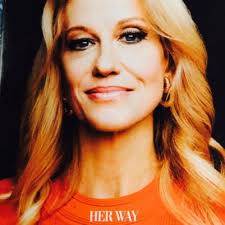
Kelleyanne Conway
Appearing on the Right-wing Fox News Channel program, “Fox and Friends,” Kelleyanne spoke from no less prestigious a forum than the White House itself:
“Go buy Ivanka’s stuff. I hate shopping and I’m going to go get some myself today. It’s a wonderful line. I own some of it. I’m going to give a free commercial here. Go buy it today, everybody. You can find it online.”
For Democrats and even some Republicans, Conway’s behavior was simply unacceptable.
Maryland Democratic Congressman Elijah E. Cummings, a member of the the House Committee on Oversight and Government Reform, sent a letter to Utah Republican Congressman Jason Chaffetz, who chairs the committee.
In it, he requested a referral to the Office of Government Ethics for possible disciplinary action against Conway.
The office does not have investigative or enforcement authority, but officials there can contact and provide guidance to other enforcement agencies.
Chaffetz told the Associated Press that Conway’s behavior was “wrong, wrong, wrong, clearly over the line, unacceptable.”
Larry Noble, the general counsel of the Campaign Legal Center, a nonpartisan organization of election law experts, said Trump’s tweet was “totally out of line.”
“He should not be promoting his daughter’s line, he should not be attacking a company that has business dealings with his daughter, and it just shows the massive amount of problems we have with his business holdings and his family’s business holdings,” Noble said.
Kathleen Clark, a government ethics expert, said the Nordstrom tweet could make other retailers hesitate to drop the Ivanka Trump brand. They may fear being similarly attacked by the President.
“The implicit threat was that he will use whatever authority he has to retaliate against Nordstrom, or anyone who crosses his interest,” said Clark, a law professor at Washington University in St. Louis.
* * * * *
In 1969, 25-year-old Joe McGinnis became famous overnight with the publication of his first book, The Selling of the President.
At the time, Americans were shocked to learn how Presidential candidate Richard Nixon had been sold to voters like any other product. In fact, the original book jacket featured Nixon’s face on a pack of cigarettes.
Today, Madison Avenue doesn’t simply sell Americans their Presidents. Now—with Donald J. Trump—Americans have a President determined to turn the White House into Trump, Inc.
A single example will serve to illustrate:
On January 27, Trump signed an executive order that:
- Suspends entry of all refugees to the United States for 120 days;
- Bars Syrian refugees indefinitely; and
- Blocks entry into the United States for 90 days for citizens of Iran, Iraq, Libya, Somalia, Sudan, Syria and Yemen.
Three countries not covered by Trump’s travel ban:
- Saudi Arabia
- The United Arab Emirates
- Egypt
- Turkey.
Approximately 3,000 Americans have been killed by immigrants from those countries—most of them during the attacks on the Pentagon and World Trade Center on September 11, 2001.
Saudi Arabia, the United Arab Emirates, Egypt, and Turkey are all countries where President Trump has close business ties. His properties include two luxury towers in Turkey and golf courses in the United Arab Emirates.
The full dimensions of Trump’s holdings throughout the Middle East aren’t known because he has refused to release his tax returns.


2016 PRESIDENTIAL CAMPAIGN, ABC NEWS, ALTERNET, AMERICAN REVOLUTION, AP, BARACK OBAMA, BUREAU OF LABOR STATISTICS, BUZZFEED, CALVIN COOLIDGE, CBS NEWS, CELINDA LAKE, CHINA, CHRIS MATTHEWS, CNN, CROOKS AND LIARS, DAILY KOZ, DIVINE RIGHT OF KINGS THEORY, DONALD TRUMP, EMANCIPATION PROCLAMATION, EMPLOYERS RESPONSIBILITY ACT, EMPLOYMENT ACT OF 1946, FACEBOOK, HARDBALL, HILLARY CLINTON, JOB CREATORS, JOHN F. KENNEDY, LOS ANGELES TIMES, LYNDON B. JOHNSON, MOTHER JONES, MOVEON, MSNBC, NBC NEWS, NEW YORK TIMES, NEWSWEEK, NPR, PBS NEWSHOUR, PETER CAPPELLI, POLITICO, RAW STORY, READERS DIGEST, REPUBLICANS, REUTERS, ROBERT REICH, SALON, SEATTLE TIMES, SENATOR BERNIE SANDERS, SLATE, SLAVERY, STEVE POIZNER, THE ATLANTIC, THE CHICAGO SUN-TIMES, THE CHICAGO TRIBUNE, THE DAILY BEAST, THE GUARDIAN, THE HILL, THE HUFFINGTON POST, THE LOS ANGELES TIMES, THE NATION, THE NEW YORK TIMES, THE RACHEL MADDOW SHOW, THE WASHINGTON POST, TIME, TOMMY G. THOMPSON, TWITTER, U.S. NEWS & WORLD REPORT, UNEMPLOYMENT, UPI, USA TODAY, WALLACE C. PETERSON, WASHINGTON POST, WHY GOOD PEOPLE CAN'T FIND JOBS
LIE CREATORS: PART FOUR (OF SEVEN)
In Bureaucracy, History, Law, Law Enforcement, Politics, Social commentary on September 18, 2018 at 12:06 amMore than six million willing-to-work Americans can’t find willing-to-hire employers.
And where there are victims, there are always people ready to profit from their desperation.
Consider the following email sent out by Steve Poizner, former Republican State Insurance Commissioner of California (2007-2011).
A successful Silicon Valley high tech entrepreneur, Poizner founded SnapTrack, Inc. and Strategic Mapping, Inc. In June, 2011, he co-founded the Encore Career Institute with the Sherry Lansing Foundation and Creative Artists Agency.
Thus, the email sent out on July 2, 2012, to advertise “Empowered UCLA Extension”:
Dear friends,
I wanted to share with you some news before my new venture – Empowered Careers – launches around the country….I’ve started this company to help address one of the key issues we face today — jobs. Our venture aims to close the skills gap through an innovative career development program — all delivered via the iPad.
It’s all designed specifically for baby boomers seeking to make a career change, get ahead professionally, or get back into the workforce.
Note the line: “Our venture aims to close the skills gap,” which it assumes to be a reality.
And the ad says nothing about the “greed gap” which exists between what employers demand from workers—and what they are willing to pay in return.
The Encore Careers Institute will offer online non-degree certificates for out of work adults and baby boomers looking to switch careers.
When did a non-degree certificate ever convince an employer to hire? Even a hiring-inclined employer?
And consider this passage:
Using our Empowered app, the iPad will transform any adult’s living room into a modern day classroom or transform a park bench into a study group while the kids are at soccer practice.
But transforming “any adult’s living room into a modern day classroom” will not compel those employers who refuse to hire to begin doing so.
Nor will it change the behavior of employers who:
And note that this program is aimed at those who can afford an iPad–and to shell out $9,800 for the course. This, says the website, “includes a one-time special reduction of $3,000 from our expected 2013 total program price of $12,800.”
So if you’re poor because you’re jobless, this program has nothing to offer you.
America can end this national disaster—and disgrace—of willing-to-work Americans being unable to fire willing-to-hire employers.
A policy based only on concessions—such as endless tax breaks for hugely profitable corporations—is a policy of appeasement.
And appeasement only whets the appetite of those appeased for even greater concessions.
It is past time to hold wealthy and powerful corporations accountable for their socially and financially irresponsible acts.
This solution can be summed up in three words: Employers Responsibility Act (ERA).
If passed by Congress and vigorously enforced by the U.S. Departments of Justice and Labor, an ERA would ensure full-time, permanent and productive employment for millions of capable, job-seeking Americans.
And it would achieve this without raising taxes or creating controversial government “make work” programs.
Such legislation would legally require employers to demonstrate as much initiative for hiring as job-seekers are now expected to show in searching for work.
An Employers Responsibility Act would simultaneously address the following evils for which employers are directly responsible:
Among its provisions:
(1) American companies that close plants in the United States and open others abroad would be forbidden to sell products made in those foreign plants within the United States.
This would protect both American and foreign workers from employers seeking to profit at their expense. American workers would be ensured of continued employment. And foreign laborers would be protected against substandard wages and working conditions.
Companies found violating this provision would be subject to Federal criminal prosecution. Guilty verdicts would result in heavy fines and lengthy imprisonment for their owners and top managers.
Share this: