Posts Tagged ‘ENGLAND’
ABC NEWS, ADOLF HITLER, ALTERNET, AMERICABLOG, AP, BABY BOOMER RESISTANCE, BLOOMBERG, BUZZFEED, CBS NEWS, CNN, CORONAVIRUS, COVID-19, CROOKS AND LIARS, DAILY KOZ, DONALD TRUMP, DRUDGE RETORT, ENGLAND, FACEBOOK, FBI, FIVETHIRTYEIGHT, HARPER’S MAGAZINE, HERMAN CAIN, JAMES COMEY, LIFTWAFFE, MEDIA MATTERS, MOTHER JONES, MOVEON, MSNBC, NBC NEWS, NEWSWEEK, NPR, PBS NEWSHOUR, POLITICO, POLITICUSUSA, RAW STORY, REUTERS, ROYAL AIR FORCE, SALON, SEATTLE TIMES, SERGEY KISLYAK, SERGEY LAVROV, SLATE, SOVIET UNION, TALKING POINTS MEMO, THE ATLANTIC, THE BLITZ, THE CHICAGO SUN-TIMES, THE CHICAGO TRIBUNE, THE DAILY BEAST, THE DAILY BLOG, THE GUARDIAN, THE HILL, THE HUFFINGTON POST, THE LOS ANGELES TIMES, THE NATION, THE NEW REPUBLIC, THE NEW YORK TIMES, THE VILLAGE VOICE, THE WASHINGTON POST, THINKPROGRESS, TIME, TRUTHDIG, TRUTHOUT, TWITTER, TWO POLITICAL JUNKIES, U.S. NEWS & WORLD REPORT, UPI, USA TODAY, WEHRMACHT, WONKETTE
In Bureaucracy, History, Military, Politics, Social commentary, Uncategorized on August 5, 2020 at 12:04 am
Sometimes your worst enemies aid you in ways you could never help yourself.
From July 10 to October 31, 1940, hundreds of badly-outnumbered pilots of the British Royal Air Force (RAF) fought off relentless attacks by Germany’s feared Luftwaffe—since known as the Battle of Britain.
But Adolf Hitler wasn’t prepared to give up. He believed he could so terrorize Britons that they would insist that their government submit to German surrender demands.
From September 7, 1940 to May 21, 1941, the Luftwaffe subjected England—and especially London—to a ruthless bombing campaign that became known as The Blitz.
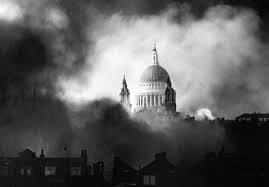
The undamaged St. Paul’s Cathredal, December, 1940
More than 100 tons of high explosives were dropped on 16 British cities.
During 267 days—almost 37 weeks—between 40,000 and 43,000 British civilians were killed. About 139,000 others were wounded.
Clearly, what Great Britain desperately needed most was a miracle.
Exactly that happened on June 22, 1941.
With 134 Divisions at full fighting strength and 73 more divisions for deployment behind the front, the German Wehrmacht invaded the Soviet Union.
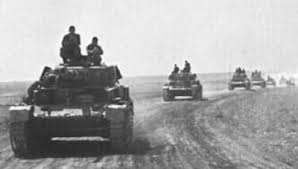
German tanks invading Russia
Joseph Stalin, the longtime Soviet dictator, was stunned. The invasion had come less than two years after Germany had signed a non-aggression pact with the Soviet Union.
Now they were locked in a fight to the death.
People in England were suddenly hopeful. Britain now had an ally whose resources might tip the balance against Hitler.
Fast forward to 2020.
After Donald Trump became President of the United States in 2017, he seemed invincible: Over the next three years, he:
- Repeatedly and viciously attacked the nation’s free press for daring to report his growing list of crimes and disasters, calling it “the enemy of the American people.”
- Publicly sided with Russian dictator Vladimir Putin against American Intelligence agencies (FBI, CIA, National Security Agency) which unanimously agreed that Russia had subverted the 2016 Presidential election,
- Fired FBI Director James Comey for investigating that subversion.
- Gave Russian Foreign Minister Sergey Lavrov and Russian Ambassador Sergey Kislyak highly classified CIA Intelligence about an Islamic State plot to turn laptops into concealable bombs.
- Allowed predatory corporations to subvert Federal regulatory protections for consumers and the environment.
- Shut down the Federal Government for more than a month on December 22, 2018, because Democrats refused to fund his “border wall” between the United States and Mexico. An estimated 380,000 government employees were furloughed and another 420,000 were ordered to work without pay.
- Attempted to extort a “favor” from Ukrainian President Volodymyr Zelensky: Threatening to withhold military aid unless Zelensky agreed to slander Hunter Biden, the son of Democratic Presidential candidate Joseph Biden.
- Threatened members of Congress with treason charges for daring to challenge him.
- Since being acquitted of impeachable offenses by the Senate, Trump fired the Inspectors General (IG) of five cabinet departments in six weeks.
Donald Trump
And through all those outrages, House and Senate Republican majorities remained silent or vigorously supported him.
Democrats seemed unable to cope with Trump’s legislative agenda and his personal attacks on Twitter and in press conferences.
Even when the press unearthed his latest corruptions, the public didn’t care.
Then, in January, 2020, the Coronavirus pandemic struck the United States.
On February 29, the first American died from the disease.
Donald Trump’s first reaction was to minimize the threat: “We have it totally under control. It’s one person coming in from China.”
Then he turned to outright lying: “Now the Democrats are politicizing the Coronavirus….They tried the impeachment hoax….It’s all turning, they lost….And this is their new hoax.”
When many of the nation’s mayors and governors urged citizens to wear face masks and socially distance themselves from others, Trump urged his supporters to defy both. And they did as he ordered—marching down streets shoulder-to-shoulder, most of them not wearing masks, and with many of them carrying automatic rifles.
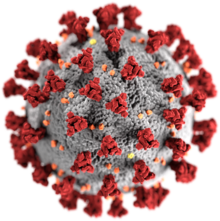
Coronavirus
In March, when much of the country’s businesses shut down, Trump demanded their immediate reopening—although there was no vaccine nor even adequate testing and contact-tracing facilities. This would allow him to claim he had “restored” the American economy.
Many states—especially in the South and Midwest—reopened prematurely. As a result, American COVID-19 cases now number 4.7 million—and deaths number at least 157,302.
Now Trump demands that Americans put their children at risk by sending them back to school in the fall—so their parents can return to work. Then he can claim he’s “saved” the American economy—and be re-elected.
Meanwhile, countless Stormtrumpers in Texas, Florida and other Red states have died because they refused to wear masks and/or social distance. His most high profile supporter to die so far: Herman Cain, the 2012 Republican Presidential candidate.
Significantly, Cain died one month after attending Trump’s Tulsa rally on June 20.
Thus, Trump, through his arrogance and ignorance, has inflicted far greater casualties on his core supporters and poll numbers than the Democrats ever could—or would.
His lies have been exposed. His followers are succumbing to a disease he called a Democratic hoax. He has nothing to offer in a way of a cure for the economy—or the pandemic. And his polls are tanking.
Seventy-nine years ago, events turned around for England when all seemed lost. The same may be about to happen for the United States.
2016 PRESIDENTIAL CAMPAIGN, 2016 PRESIDENTIAL ELECTION, 25TH AMENDMENT, ABC NEWS, ADOLF HITLER, ALTERNET, AMERICABLOG, AP, BABY BOOMER RESISTANCE, BARACK OBAMA, BLOOMBERG, BORDER WALL, BUZZFEED, CBS NEWS, CIA, CNN, CROOKS AND LIARS, CZECHOSLOVAKIA, DAILY KOZ, DEMOCRATS, DEPARTMENT OF HOMELAND SECURITY, DONALD TRUMP, DRUDGE REPORT, ELECTORAL COLLEGE, ENGLAND, FACEBOOK, FBI, FEDERAL AVIATION ADMINISTRATION (FAA), FEDERAL GOVERNMENT SHUTDOWN, FIVETHIRTYEIGHT, FRANCE, GOVERNMENT SHUTDOWN, HARPER’S MAGAZINE, HILLARY CLINTON, HOUSE OF REPRESENTATIVES, IMPEACHMENT, INISPECTORS GENERAL, JAMES COMEY, JOE BIDEN, JULY 20 1944 BOMB PLOT, MEDIA MATTERS, MIKE PENCE, MOTHER JONES, MOVEON, MSNBC, MUNICH CONFERENCE, NATIONAL SECURITY AGENCY, NAZI GERMANY, NBC NEWS, NEWSWEEK, NPR, PBS NEWSHOUR, POLITICO, POLITICUSUSA, POPULAR VOTE, RAW STORY, REPUBLICANS, REUTERS, RUSSIA, SALON, SEATTLE TIMES, SERGEY KISLYAK, SERGEY LAVROV, SLATE, TALKING POINTS MEMO, THE ATLANTIC, THE CHICAGO SUN-TIMES, THE CHICAGO TRIBUNE, THE DAILY BEAST, THE DAILY BLOG, THE DISCOURSES, THE GUARDIAN, THE HILL, THE HUFFINGTON POST, THE LOS ANGELES TIMES, THE NATION, THE NEW REPUBLIC, THE NEW YORK TIMES, THE PRESS, THE VILLAGE VOICE, THE WALL STREET JOURNAL, THE WASHINGTON POST, THINKPROGRESS, TIME, TRANSPORTATION SAFETY ADMINISTRATION (TSA), TREASON, TRUTHDIG, TRUTHOUT, TWENTY-FIFTH AMENDMENT, TWITTER, TWO POLITICAL JUNKIES, U.S. NEWS & WORLD REPORT, UNITED STATES HOUSE OF REPRESENTATIVES, UNITED STATES SENATE, UPI, USA TODAY, VLADIMIR PUTIN, WONKETTE
In Bureaucracy, History, Law, Law Enforcement, Politics, Social commentary on August 4, 2020 at 12:10 am
In September, 1938, as Adolf Hitler threatened to go to war against France and England over Czechoslovakia, most Germans feared he would. They knew that Germany was not ready for war, despite all of their Fuhrer’s boasts about how invincible the Third Reich was.
A group of high-ranking German army officers was prepared to overthrow Hitler—provided that England and France held firm and handed him a major diplomatic reverse.
But then England and France—though more powerful than Germany—surrendered to Hitler’s demands for the “Sudetenland”—the northern, southwest and western regions of Czechoslovakia, inhabited mostly by ethnic Germans.
Hitler’s popularity among Germans soared.
The plotters in the German high command, realizing that public opinion stood overwhelmingly against them, abandoned their plans for a coup. They decided to wait for a more favorable time.
It never came.
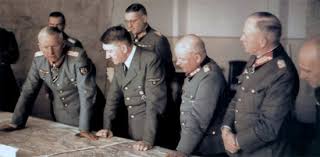
Adolf Hitler and his generals
Less than one year after the infamous “Munich conference,” World War II erupted.
Most Germans blindly followed their Fuhrer right to the end—believing his lies (or at least wanting to believe them), serving in his legions, defending his rampant criminality.
Germans paid the price for their loyalty to a murderous dictator—not just on the battlefield, but through countless rapes, murders and the wholesale destruction of their cities. And from 1945 to 1989, Germans living in the eastern part of their country paid the price as slaves to the Soviet Union.
Americans have learned nothing from this warning from history about subservience to a madman.
In 2016, almost 63 million Americans elected Donald Trump—a racist, serial adulterer and longtime fraudster—as President.
Upon taking office in January, 2017, Trump began undermining one public or private institution after another. Among his outrages:
- Repeatedly and viciously attacked the nation’s free press for daring to report his growing list of crimes and disasters, calling it “the enemy of the American people.”
- Publicly sided with Russian dictator Vladimir Putin against American Intelligence agencies (FBI, CIA, National Security Agency) which unanimously agreed that Russia had subverted the 2016 Presidential election,
- Fired FBI Director James Comey for investigating that subversion.
- Gave Russian Foreign Minister Sergey Lavrov and Russian Ambassador Sergey Kislyak highly classified CIA Intelligence about an Islamic State plot to turn laptops into concealable bombs.
- Allowed predatory corporations to subvert Federal regulatory protections for consumers and the environment.
- Shut down the Federal Government for more than a month on December 22, 2018, because Democrats refused to fund his “border wall” between the United States and Mexico. An estimated 380,000 government employees were furloughed and another 420,000 were ordered to work without pay.
- Threatened members of Congress with treason charges for daring to challenge him.
- Since being acquitted of impeachable offenses by the Senate, fired the Inspectors General (IG) of five cabinet departments in six weeks.
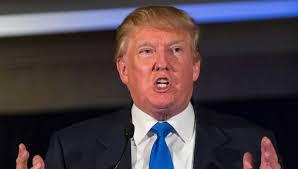
Donald Trump
Through all those outrages, House and Senate Republican majorities remained silent or vigorously supported him.
Democrats seemed unable to cope with Trump’s legislative agenda and his personal attacks on Twitter and in press conferences.
Even when the press unearthed his latest corruptions, the public didn’t care.
And now, with the 2020 Presidential election fast approaching, Trump has unleashed his latest outrage—while Americans who could stand against it do nothing: Trump now is laying the groundwork to discredit the outcome if he loses.
And it’s increasingly looking as if he will.
His tactics: Make it difficult to vote, guarantee voting is slow and complicated and raise questions about the outcome.
He wants to claim that if former Vice President Joe Biden wins, he was elected through a fraudulent mail-in vote.
Republicans have not protested any of this. Nor would they likely protest if Trump illegally occupied the White House in the face of massive vote fraud—on his part.
(His Democratic opponent, Hillary Clinton, won the popular vote in 2016—but lost in the Electoral College. But that didn’t prevent Trump from claiming that he would have won the popular vote except for massive fraud—which never happened.)
Whatever happens, Trump will claim he won.
In 2012, after President Barack Obama defeated his endorsed candidate, Mitt Romney, Trump tweeted:
- Lets fight like hell and stop this great and disgusting injustice!
- The world is laughing at us. We can’t let this happen. We should march on Washington and stop this travesty.
- Our nation is totally divided!
- The loser one! [Trump’s spelling]
- He lost the popular vote by a lot and won the election. We should have a revolution in this country!
And even if he’s forced to leave office, he will undercut the ability of his successor to govern.
During World War II, scores of high-ranking German army officers risked their lives to plot the overthrow—and even assassination—of Adolf Hitler. Their efforts culminated in the ill-fated July 20, 1944 bomb plot that left Hitler badly injured but still in total command of Germany.
It would take only Vice President Mike Pence and eight Cabinet officers to courageously invoke the 25th Amendment and find Donald Trump “unable to discharge the powers and duties of his office,”
Yet even that small a number of honorable men cannot be found within the Trump administration.
ABC NEWS, ADOLF HITLER, ALTERNET, AP, BBC, BUSINESS LEADERSHIP, BUZZFEED, CBS NEWS, CNN, DAILY KOS, DONALD TRUMP, ENGLAND, ERICH VON MANSTEIN, ERWIN ROMMEL, FACEBOOK, FBI, HEINZ GUDERIAN, HITLER (BOOK), IOWA CAUCUSES, JOACHIM C. FEST, JOSEPH STALIN, MOTHER JONES, MOVEON, MSNBC, NAZI GERMANY, NBC NEWS, NEWSWEEK, NPR, POLITICO, RAW STORY, REUTERS, SALON, SEATTLE TIMES, SLATE, SOVIET UNION, THE ATLANTIC, THE CHICAGO SUN-TIMES, THE CHICAGO TRIBUNE, THE DAILY BEAST, THE GUARDIAN, THE HILL, THE HUFFINGTON POST, THE LOS ANGELES TIMES, THE NEW YORK TIMES, THE WALL STREET JOURNAL, THE WASHINGTON POST, TIME, TWITTER, U.S. NEWS & WORLD REPORT, UPI, USA TODAY, WORLD WAR 11
In Bureaucracy, History, Military, Politics, Social commentary on June 21, 2019 at 12:02 am
“We will have so much winning if I get elected [President] that you may get bored with winning.”
So boasted Donald Trump at a September, 2015 Capitol Hill rally to protest President Barack Obama’s nuclear deal with Iran.
But as the 2020 Presidential race nears, President Trump is looking ever more like a loser.
Among the victims of Trump’s “winning” streak: Several pollsters whose internal polling numbers showed him lagging behind Democratic Presidential candidates in key states.
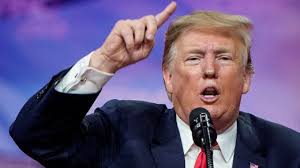
Donald Trump
When matched against Democratic contender and former Vice President Joe Biden, Trump’s numbers came to:
Trump Biden
VIRGINIA: 38% 53%
MAINE 38% 55%
MINNESOTA 40% 54%
MICHIGAN 40% 53%
In Wisconsin, Pennsylvania, Florida and Michigan, Trump trails Biden by double-digits. These were states Trump won against Democratic nominee Hillary Clinton.
Biden leads Trump by seven points in Iowa, by eight points in North Carolina, by 17 points in Virginia, by 14 points in Minnesota, and by 15 points in Maine.
Even worse for Trump, who cannot admit error or weakness: Some of his own pollsters dared to leak the bad news.
As a result, his Presidential campaign is cutting ties with several of his pollsters.
Predictably, Trump claimed he was doing just fine. He said his campaign had “great internal polling” and the numbers reported were from “fake polls.”
“We are winning in every single state that we’ve polled. We’re winning in Texas very big. We’re winning in Ohio very big. We’re winning in Florida very big,” he said.
Trump’s 2015 boast reflected he mindset, if not the words, of an earlier CEO whose ego carried him—and his country—to ruin: Adolf Hitler.
Among the fatal errors that led to the defeat of the Third Reich:
- Wasting hundreds of Luftwaffe [air force] pilots, fighters and bombers in a halfhearted attempt to conquer England.
- Ignoring the pleas of generals like Erwin Rommel to conquer Syria, Iraq and Saudi Arabia, which would have given Germany control of most of the world’s oil.
- Attacking his ally, the Soviet Union, while still at war with Great Britain.
- Turning millions of Russians into enemies rather than allies by his brutal and murderous policies.
- Needlessly declaring war on the United States after the Japanese attacked Pearl harbor. (Had he not done so, Americans would have focused all their attention on defeating Japan.)
- Refusing to negotiate a separate peace with Soviet dictator Joseph Stalin—thus granting Germany a large portion of captured Russian territory in exchange for letting Stalin remain in power.
- Insisting on a “not-one-step-back” military “strategy” that led to the needless surrounding, capture and/or deaths of hundreds of thousands of German servicemen.
As the war turned increasingly against him, Hitler became ever more rigid in his thinking.
He demanded absolute control over the smallest details of his forces. This, in turn, led to astonishing and unnecessary losses among their ranks.
On June 6, 1944, General Erwin Rommel ordered the Panzer tanks to drive the Allies from the Normandy beaches. But these could not be released except on direct orders of the Fuehrer.
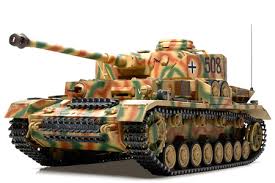
Panzer tank
Hitler’s chief of staff, General Alfred Jodl, informed Rommel: The Fuhrer was asleep-–and was not to be awakened. By the time Hitler awoke and issued the order, it was too late.
Nor could Hitler accept responsibility for the policies that were leading Germany to certain defeat. He blamed his generals, accused them of cowardice, and relieved many of the best ones from command.
Among those sacked was Heinz Guderian, creator of the German Panzer corps—and responsible for the blitzkreig victory against France in 1940.
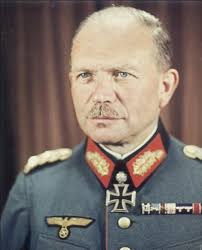
Heinz Guderian
Another was Erich von Manstein, designer of the strategy that defeated France in six weeks—which Germany had failed to do during four years of World War 1.
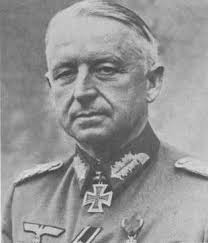
Erich von Manstein
Finally, on April 29, 1945—with the Russians only blocks from his underground Berlin bunker—Hitler dictated his “Last Political Testament.”
Once again, he refused to accept responsibility for unleashing a war that would ultimately consume 50 million lives:
“It is untrue that I or anyone else in Germany wanted war in 1939. It was desired and instigated exclusively by those international statesmen who either were of Jewish origin or worked for Jewish interests.”
Hitler had launched the invasion of Poland–and World War II—with a lie: That Poland had attacked Germany.
Fittingly, he closed the war—and his life—with a final lie.
Joachim C. Fest, author of Hitler (1973), writes of the surprise that awaited Allied soldiers occupying Nazi Germany in 1945: “Almost without exception, virtually from one moment to the next, Nazism vanished after the death of Hitler and the surrender.
“It was as if National Socialism had been nothing but the motion, the state of intoxication and the catastrophe it had caused….
“Once again it became plain that National Socialism, like Fascism in general, was dependent to the core on superior force, arrogance, triumph, and by its nature had no resources in the moment of defeat.”
The ancient Greeks believed that “a man’s character is his destiny.” For Adolf Hitler—and the nations he ravaged—that proved fatally true.
It remains to be seen whether the same will prove true for Donald Trump—and the United States.
ABC NEWS, ADOLF HITLER, ALT-RIGHT, ALTERNET, AMERICAN NAZI PARTY, ANDREW ANGLIN, ANTI-DEFAMATION LEAGUE, ANTIFA, AP, BENITO MUSSOLINI, BLACK LIVES MATTER, BUZZFEED, CBS NEWS, CHARLOTTESVILLE PROTESTS, CNN, COINTELPRO, COUNTER-TERRORISM, CROOKS AND LIARS, DAILY KOZ, DAVID DUKE, DOMESTIC TERRORISM, DONALD TRUMP, ENGLAND, FACEBOOK, FASCISM, FASCIST ITALY, FBI, ISLAMIC TERRORISM, J. EDGAR HOOVER, KU KLUX KLAN, LYNDON B. JOHNSON, MARJORY STONEMAN DOUGLAS HIGH SCHOOL, MISSISSIPPI BURNING CASE, MOTHER JONES, MOVEON, MSNBC, NAZI GERMANY, NBC NEWS, NEO-NAZIS, NEW AMERICA THINK TANK, NEWSWEEK, NPR, OAKLAHOMA CITY BOMBING, P.W. SINGER, PBS NEWSHOUR, POLITICO, RAW STORY, REUTERS, RIGHT-WING EXTREMISM, SALON, SEATTLE TIMES, SLATE, SOVIET UNION, TERRORISM, THE ATLANTIC, THE CHICAGO SUN-TIMES, THE CHICAGO TRIBUNE, THE DAILY BEAST, THE DAILY STORMER, THE GUARDIAN, THE HILL, THE HUFFINGTON POST, THE LOS ANGELES TIMES, THE NATION, THE NEW YORK TIMES, THE WASHINGTON POST, TIME, TIMOTHY MCVEIGH, TREE OF LIFE SYNAGOGUE, TWITTER, U.S. NEWS & WORLD REPORT, UNITE THE RIGHT RALLY, UNITED STATES HOLOCAUST MUSEUM, UPI, USA TODAY, WAFFLE HOUSE, WHITE SUPREMACY, WILLIAM C. SULLIVAN, WILLIAM FEARS, WORLD WAR 11
In Bureaucracy, History, Law, Law Enforcement, Politics, Social commentary on May 16, 2019 at 12:02 am
On August 11-12, 2017, white supremacists from across the country gathered in Charlottesville, Virginia, for a “Unite the Right” rally. Among the organizations represented:
- The Ku Klux Klan (KKK);
- The Alt-Knights;
- The “Militia Movement”;
- The American Nazi Party;
- The Confederate League of the South.
They marched through the streets carrying flaming tiki torches, screaming racial epithets and frightening the local citizenry. Echoing Nazis in 1930s Germany, they shouted: “Blood and Soil!” and “Jews will not replace us!”
On August 13, a Nazi sympathizer rammed his car into a group of counter-protesters, killing a woman and injuring 19 other demonstrators.
President Donald Trump stated: “We condemn in the strongest possible terms this egregious display of hatred, bigotry and violence on many sides, on many sides.”
But he refused to specifically denounce the Fascistic demonstrators.
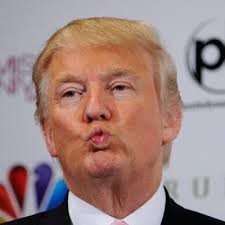
Donald Trump
White supremacists were elated.
“He didn’t attack us. He just said the nation should come together. Nothing specific against us,” wrote Andrew Anglin, founder of the neo-Nazi website, The Daily Stormer.
“No condemnation at all. When asked to condemn, he just walked out of the room. Really, really good. God bless him.”
Another Trump admirer: Former Ku Klux Klan Imperial Wizard David Duke.
“Thank you President Trump for your honesty & courage to tell the truth about #Charlottesville & condemn the leftist terrorists in BLM/Antifa,” Duke tweeted after the news conference.
Fascistic groups make up a pivotal constituency for Trump. Without their support, he might not have become President. He can’t afford to alienate them.
But more than 50 years ago, another President was willing to declare all-out war against white supremacists: Lyndon B. Johnson.
The reason: The murders of three civil rights workers in Philadelphia, Mississippi—Michael “Mickey” Schwerner, Andrew Goodman and James Chaney—-on June 21, 1964.
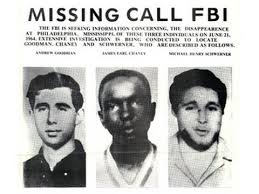
Poster for missing civil rights workers
Johnson ordered the FBI to find the missing activists.
Two hundred FBI agents interrogated 480 Klansmen. After the civil rights workers’ bodies were found buried near a dam, Johnson gave FBI Director J. Edgar Hoover a direct order: “I want you to have the same kind of intelligence [on the Klan] that you have on the communists.”
For decades, Hoover had refused to tackle white hate groups. And, in truth, there had not been any President willing to give him the order to do so.
But now a President had given him such an order. And Hoover was approaching the mandatory retirement age of 70—which could be waived by a sympathetic President. If he wanted to stay on as director of the agency he loved, he had no choice.
So the FBI launched a counterintelligence program—in Bureau-speak, a COINTELPRO—against the Ku Klux Klan.
Klansmen had shot, lynched and bombed their way across the Deep South, especially in Alabama and Mississippi. Many Southern sheriffs and police chiefs were Klan sympathizers, if not outright members and accomplices.

Ku Klux Klansmen in a meeting
The FBI’s covert action program aimed to “expose, disrupt and otherwise neutralize” KKK groups through a wide range of legal and extra-legal methods. Seventeen KKK groups were targeted, So were nine others, including the American Nazi and National States Rights parties.
After the Klan murdered Lemuel Penn, a black army reserve lieutenant, the FBI targeted every major Klan group in Mississippi, Alabama and Georgia.
“My father fought the Klan in Massachusetts,” recalled William C. Sullivan, who headed the FBI’s Domestic Intelligence Division in the 1960s. “I always used to be frightened when I was a kid and I saw the fiery crosses burning in the hillside near our farm.
“When the Klan reached 14,000 in the mid-sixties, I asked to take over the investigation of the Klan. When I left the Bureau in 1971, the Klan was down to a completely disorganized 4,300. It was broken.

William C. Sullivan
“They were dirty, rough fellows. And we went after them with rough, tough methods.”
Among those methods:
- Developing informants within Klans—usually by paying small fortunes for information. (“There would be a meeting of 10 Klansmen, and six of them would be reporting back to us the next day,” recalled an FBI agent.)
- Planting electronic surveillance devices in Klan meeting places.
- Carrying out “black bag jobs”—burglaries—to steal Klan membership lists.
- Contacting the news media to publicize arrests and identify Klan leaders.
- Informing the employers of known Klansmen of their employees’ criminal activity, resulting in the firing of untold numbers of them.
- Illegally obtaining Klansmen’s tax returns.
- Sending anonymous letters/postcards to Klansmen warning: “Someone KNOWS who you are!”
- Falsely accusing other Klansmen of being FBI informants.
- Breaking up the marriages of Klansmen by circulating rumors of their infidelity among their wives.
- Beating and harassing Klansmen who threatened and harassed FBI agents.
The FBI’s counterintelligence war against the Klan ended in 1971.
Over the next 40 years, Klan membership steadily rose again. In 2017, its membership rose sharply.
By June, 2017, an estimated 3,000 Klan members belonged to 42 different Klan groups in 22 states. And the Anti-Defamation League (ADL) tracked Klan activity to 11 other states, including liberal ones like California.
Only when America has a President who’s not beholden to the Fascistic Right can there be another COINTELPRO aimed at white hate groups.
ABC NEWS, ADOLF HITLER, ALT-RIGHT, ALTERNET, AMERICAN NAZI PARTY, ANDREW ANGLIN, ANTI-DEFAMATION LEAGUE, ANTIFA, AP, BENITO MUSSOLINI, BLACK LIVES MATTER, BUZZFEED, CBS NEWS, CHARLOTTESVILLE PROTESTS, CNN, COINTELPRO, COUNTER-TERRORISM, CROOKS AND LIARS, DAILY KOZ, DAVID DUKE, DOMESTIC TERRORISM, DONALD TRUMP, ENGLAND, FACEBOOK, FASCISM, FASCIST ITALY, FBI, ISLAMIC TERRORISM, J. EDGAR HOOVER, KU KLUX KLAN, LYNDON B. JOHNSON, MARJORY STONEMAN DOUGLAS HIGH SCHOOL, MISSISSIPPI BURNING CASE, MOTHER JONES, MOVEON, MSNBC, NAZI GERMANY, NBC NEWS, NEO-NAZIS, NEW AMERICA THINK TANK, NEWSWEEK, NPR, OAKLAHOMA CITY BOMBING, P.W. SINGER, PBS NEWSHOUR, POLITICO, RAW STORY, REUTERS, RIGHT-WING EXTREMISM, SALON, SEATTLE TIMES, SLATE, SOVIET UNION, TERRORISM, THE ATLANTIC, THE CHICAGO SUN-TIMES, THE CHICAGO TRIBUNE, THE DAILY BEAST, THE DAILY STORMER, THE GUARDIAN, THE HILL, THE HUFFINGTON POST, THE LOS ANGELES TIMES, THE NATION, THE NEW YORK TIMES, THE WASHINGTON POST, TIME, TIMOTHY MCVEIGH, TREE OF LIFE SYNAGOGUE, TWITTER, U.S. NEWS & WORLD REPORT, UNITE THE RIGHT RALLY, UNITED STATES HOLOCAUST MUSEUM, UPI, USA TODAY, WAFFLE HOUSE, WHITE SUPREMACY, WILLIAM C. SULLIVAN, WILLIAM FEARS, WORLD WAR 11
In Bureaucracy, History, Law, Law Enforcement, Politics, Social commentary on May 15, 2019 at 12:22 am
At the United States Holocaust Museum in Washington, D.C., the following sign is prominently displayed: WARNING SIGNS OF FASCISM.
Beneath that are listed the signs to beware of an approaching Fascistic dictatorship:
- Powerful and continuing nationalism
- Disdain for human rights
- Identification of enemies as a unifying cause
- Supremacy of the military
- Rampant sexism
- Controlled mass media
- Obsession with national security
- Religion and government intertwined
- Labor power suppressed
- Disdain for intellectuals and the arts
- Obsession with crime and punishment
- Rampant cronyism and corruption
- Fraudulent elections
During the 1930s and 1940s, Fascism was clearly on the rise, and Western democracies seemed unable to cope with it.
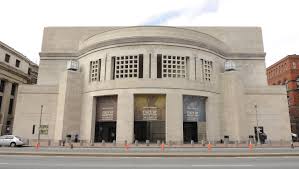
U.S. Holocaust Museum and Memorial
But by April, 1945, Adolf Hitler’s Germany and Benito Mussolini’s Italy were on the ash-heap of history.
After a run of quick victories, they had out-stretched their limited resources—and found themselves overwhelmingly defeated by the combined might of England, the United States and the Soviet Union.
And at the Nuremberg war crimes trials, the infamy of Nazi extermination camps was fully revealed.
And that—believed millions of anti-Fascists throughout the world—was the end of Fascism.
But it wasn’t.
By the time Donald J. Trump took office as President of the United States, Fascism was very much alive and dangerously well.
Specifically: In January, 2019, the Anti-Defamation League (ADL) found that Right-wing extremists were linked to every 2018 extremist murder—at least 50—in the United States.

In 2017, there had been 37 such killings by Right-wing extremists.
That same year, the FBI concluded that white supremacists killed more Americans from 2000 to 2016 than “any other domestic extremist movement.”
In 2018, Right-wing extremists killed more people than in any year since 1995, the year that Timothy McVeigh’s blew up the Oklahoma City federal building.
According to the ADL’s Center on Extremism:
- Every perpetrator had ties to at least one Right-wing extremist movement.
- Firearms were used overwhelmingly in Right-wing attacks.
- Forty-two of the 50 deaths in 2018 were caused by guns. Knives or edged weapons accounted for the rest.
- Five of the 17 incidents involved shooting sprees that caused 38 deaths and injured 33 others.
- Five shooting sprees resulted in 38 deaths and left 33 people injured.
Among the five major Right-wing shooting sprees in 2018:
- Tree of Life Synagogue, Pittsburgh, PA: 11 dead;
- Marjory Stoneman Douglas High School, Parkland, FL: 17 dead;
- Waffle House, Nashville, TN: four dead.
For nearly two decades, United States counter-terrorism strategy has focused almost exclusively on American and foreign-born jihadists, overshadowing Right-wing extremism as a legitimate national-security threat.
Between 2002 and 2017, the United States spent $2.8 trillion—15% of discretionary spending—on counter-terrorism. Between 2008 and 2017, domestic extremists killed 387 people in the United States, according to the 2019 ADL report.
“We’re actually seeing all the same phenomena of what was happening with groups like ISIS, same tactics, but no one talks about it because it’s far-Right extremism,” says P. W. Singer, a national security strategist at the New America think tank.
In 2017, Singer met with senior Trump administration officials to discuss creating a counter-terrorism strategy that encompassed a wider range of threats.
“They only wanted to talk about Muslim extremism,” said Singer. But even before the Trump administration, “we willingly turned the other way on white supremacy because there were real political costs to talking about white supremacy.”

P. W. Singer
Catiline17 [CC BY-SA 4.0 (https://creativecommons.org/licenses/by-sa/4.0)%5D
Among those costs:
- Arousing the ire of Southern states, where Right-wing terrorism organizations like the Ku Klux Klan have long been tolerated, if not outright supported.
- About 22 million Americans say it’s “acceptable” to hold neo-Nazi or white-supremacist views, according to an ABC News/Washington Post poll taken in the wake of the Charlottesville “Unite the Right” rally in August 2017.
- About 10% of Americans said they supported the “alt-right.”
- Many police officers don’t see white supremacist groups as a threat. One domestic-terrorism expert who conducts hate-crimes training for police has often been asked by officers: ‘Why aren’t you calling Black Lives Matter or Antifa a hate group?’ The answer is, because they’re not hate groups! But they didn’t see it that way.”
- According to William Fears, one of the most dedicated foot soldiers of the alt-right: Police were far less forgiving of Antifa, whose members consist of anti-fascists, anarchists, Socialists, animal rights activists, immigration rights activists, members of the local Socialist movement and environmental protesters.
- Another white nationalist activist recalled a rally where police posed for pictures with members of the alt-right: “Very buddy-buddy.”
Since taking office as President, Donald Trump has consistently shown his support for Right-wing terrorist groups.
On August 11-12, 2017, white supremacists from across the country gathered in Charlottesville, Virginia, for a “Unite the Right” rally. Among the organizations represented:
- The Ku Klux Klan (KKK);
- The Alt-Knights;
- The “Militia Movement”;
- The American Nazi Party;
- The Confederate League of the South.
Like the Nazis in 1930s Germany, they marched through the streets carrying flaming torches, screaming racial epithets and frightening the local citizenry.
On August 13, a Nazi sympathizer rammed his car into a group of counter-protesters, killing a woman and injuring 19 other demonstrators.
2016 PRESIDENTIAL CAMPAIGN, ABC NEWS, ADOLF HITLER, ALTERNET, AP, BARACK OBAMA, BORDER WALL, BUZZFEED, CBS NEWS, CIA, CNN, CROOKS AND LIARS, CZECHOSLOVAKIA, DAILY KOZ, DEMOCRATS, DEPARTMENT OF HOMELAND SECURITY, DONALD TRUMP, ENGLAND, FACEBOOK, FBI, FEDERAL AVIATION ADMINISTRATION (FAA), FRANCE, GAIUS CALIGULA, GOVERNMENT SHUTDOWN, HOUSE OF REPRESENTATIVES, JAMES COMEY, JAMES ROBART, JEFF SESSIONS, MARIE ANTOINETTE, MOTHER JONES, MOVEON, MSNBC, MUNICH CONFERENCE, NANCY PELOSI, NATIONAL SECURITY AGENCY, NAZI GERMANY, NBC NEWS, NEWSWEEK, NICCOLO MACHIAVELLI, NPR, POLITICO, RAW STORY, REPUBLICANS, REUTERS, ROME, RUSSIA, SALON, SEATTLE TIMES, Secret Service, SLATE, SOUP KITCHENS, THE ATLANTIC, THE CHICAGO SUN-TIMES, THE CHICAGO TRIBUNE, THE DAILY BEAST, THE DISCOURSES, THE GUARDIAN, THE HILL, THE HUFFINGTON POST, THE LOS ANGELES TIMES, THE NATION, THE NEW YORK TIMES, THE PRESS, THE WALL STREET JOURNAL, THE WASHINGTON POST, TIME, TRANSPORTATION SAFETY ADMINISTRATION (TSA), TWENTY-FIFTH AMENDMENT, TWITTER, U.S. NEWS & WORLD REPORT, UBER, UNITED STATES HOUSE OF REPRESENTATIVES, UNITED STATES SENATE, UPI, USA TODAY, VLADIMIR PUTIN
In Bureaucracy, History, Law, Law Enforcement, Military, Politics, Social commentary on February 13, 2019 at 12:10 am
On December 22, 2018, President Donald Trump shut down the Federal Government. The reason: Democrats refused to fund his “border wall” between Mexico and the United States.
Like Adolf Hitler, who ordered the complete destruction of Germany when he realized his dreams of conquest were over, Trump’s attitude was: “If I can’t rule America, there won’t be an America.”
An estimated 380,000 government employees were furloughed and another 420,000 were ordered to work without pay. Trump told Congressional leaders the shutdown could last months or even years.
Thirty-five days passed, with each one bringing increasing stress and fear to the lives of those 800,000 Federal employees.
Meanwhile, House and Senate Democrats held firm. House Speaker Nancy Pelosi even cancelled Trump’s scheduled State of the Union address at the House of Representatives until the shutdown ended.
Finally, on January 25, 2019, Trump walked into the White House Rose Garden and said he would sign a bill to re-open the government for three weeks:
- Lawmakers would have until February 15 to negotiate a compromise on border security.
- Otherwise, the government would shut down again.
As the February deadline loomed ever closer, on February 11, 2019, CNN published a story under the headline: “Washington on the brink as new shutdown looms”:
The story bluntly laid out the stakes involved: “If no deal is reached and no stop-gap spending measure emerges, a new government shutdown could be triggered, again subjecting 800,000 federal workers who could be furloughed or asked to work without pay.”
Just as Germans did nothing to stop Adolf Hitler’s inexorable march toward war—and the destruction of millions of lives and Germany itself—so, too, do Americans seem paralyzed to put an end to the equally self-destructive reign of the man often dubbed “Carrot Caligula.”

Gaius Caligula was “the mad emperor” of ancient Rome. Like Trump, he lived by a philosophy of “Let them hate me, so long as they fear me.”
He ruled as the most powerful man of his time—three years, ten months and eight days. And all but the first six months of his reign were drenched in slaughter and debauchery.
The nickname “Carrot Caligula” was stuck on Trump owing to his strange orange skin color.
So how can America’s continued slide into tyranny and destruction be stopped?
There are basically three ways:
First, Congressional Republicans could revolt against Trump’s authority and/or agenda. They could, for example, make clear they will not accept another disastrous government shutdown.
In December, the Republican-dominated Senate unanimously passed bills to keep the government open and temporarily provide funding without Trump’s wall money.
Then Trump said he would not sign the bills.
Republican Senate Majority Leader Mitch McConnell could have reopened the government by re-introducing the same funding bill that the Senate had already passed. He refused.
The odds of Republicans revolting against Trump are nearly impossible. They fear that if he is removed or rendered impotent, voters will turn on them in 2020—and end their comfortable reign of power and privileges.
Second, invoking the Twenty-Fifth Amendment to the United States Constitution. This allows the Vice President and a majority of the Cabinet to recommend the removal of the President in cases where he is “unable to discharge the powers and duties of his office.” It also allows the House and Senate to confirm the recommendation over the President’s objection by two-thirds vote.
The Vice President then takes over as President.
There are ample grounds for this—such as the continuing revelations that Trump has decades-long secret ties to Russian oligarchs linked to Russian dictator Vladimir Putin.
This solution is also extremely unlikely. Most of Trump’s cabinet rightly fears him. He fired FBI Director James Comey in 2017 and publicly humiliated his Attorney General, Jeff Sessions, for more than a year until firing him in 2018.
Third, the “Caligula solution.” Like Trump, Caligula delighted in humiliating others. His fatal mistake was taunting Cassius Chaerea, a member of his own bodyguard. Caligula considered Chaerea effeminate because of a weak voice and mocked him with names like “Priapus” and “Venus.”
On January 22 41 A.D. Chaerea and several other bodyguards hacked Caligula to death with swords before other guards could save him.

Gaius Caligula
Among the potential enemies Trump has enraged are members of the United States Secret Service.
Among the agencies directly affected by the Trump-ordered government shutdown: The Department of Homeland Security (DHS). Its employees include the Secret Service agents who protect Trump.
In short: The men and women guarding Trump—along with their families—faced economic ruin because Trump didn’t get his way on “The Wall.”
And now they may face those dangers once again—for the same reason.
Besides the Secret Service, a great many Federal employees—such as FBI agents and members of the military—are armed and in close proximity of the President.
Even more ominous for Trump: By the end of the shutdown, his popularity had fallen to a historic low of 37%.
As Niccolo Machiavelli warns in The Discourses: “When a prince becomes universally hated, it is likely that he’s harmed some individuals—who thus seek revenge. This desire is increased by seeing that the prince is widely loathed.”
2016 PRESIDENTIAL CAMPAIGN, ABC NEWS, ADOLF HITLER, ALTERNET, AP, BARACK OBAMA, BORDER WALL, BUZZFEED, CBS NEWS, CIA, CNN, CROOKS AND LIARS, CZECHOSLOVAKIA, DAILY KOZ, DEMOCRATS, DEPARTMENT OF HOMELAND SECURITY, DONALD TRUMP, ENGLAND, FACEBOOK, FBI, FEDERAL AVIATION ADMINISTRATION (FAA), FRANCE, GAIUS CALIGULA, GOVERNMENT SHUTDOWN, HOUSE OF REPRESENTATIVES, JAMES COMEY, JAMES ROBART, JEFF SESSIONS, MARIE ANTOINETTE, MOTHER JONES, MOVEON, MSNBC, MUNICH CONFERENCE, NANCY PELOSI, NATIONAL SECURITY AGENCY, NAZI GERMANY, NBC NEWS, NEWSWEEK, NICCOLO MACHIAVELLI, NPR, POLITICO, RAW STORY, REPUBLICANS, REUTERS, ROME, RUSSIA, SALON, SEATTLE TIMES, Secret Service, SLATE, SOUP KITCHENS, THE ATLANTIC, THE CHICAGO SUN-TIMES, THE CHICAGO TRIBUNE, THE DAILY BEAST, THE DISCOURSES, THE GUARDIAN, THE HILL, THE HUFFINGTON POST, THE LOS ANGELES TIMES, THE NATION, THE NEW YORK TIMES, THE PRESS, THE WALL STREET JOURNAL, THE WASHINGTON POST, TIME, TRANSPORTATION SAFETY ADMINISTRATION (TSA), TWENTY-FIFTH AMENDMENT, TWITTER, U.S. NEWS & WORLD REPORT, UBER, UNITED STATES HOUSE OF REPRESENTATIVES, UNITED STATES SENATE, UPI, USA TODAY, VLADIMIR PUTIN
In Bureaucracy, History, Law, Law Enforcement, Military, Politics, Social commentary, Uncategorized on February 12, 2019 at 12:15 am
“Why are we letting one man systematically destroy our nation before our eyes?”
It’s a question millions of Americans have no doubt been asking themselves since Donald Trump took office as President of the United States.
And no doubt it’s the question that millions of Germans asked themselves throughout the six years of World War II.
In September, 1938, as Adolf Hitler threatened to go to war against France and England over Czechoslovakia, most Germans feared he would. They knew that Germany was not ready for war, despite all of their Fuhrer’s boasts about how invincible the Third Reich was.
A group of high-ranking German army officers was prepared to overthrow Hitler—provided that England and France held firm and handed him a major diplomatic reverse.
But then the unexpected happened: England and France—though more powerful than Germany—flinched at the thought of war.
They surrendered to Hitler’s demands that he be given the “Sudetenland”—the northern, southwest and western regions of Czechoslovakia, inhabited mostly by ethnic Germans.
Hitler’s popularity among Germans soared. He had expanded the territories of the Reich by absorbing Austria and Czechoslovakia—without a shot being fired!
The plotters in the German high command, realizing that public opinion stood overwhelmingly against them, abandoned their plans for a coup. They decided to wait for a more favorable time.
It never came.
Adolf Hitler and his generals
Less than one year after the infamous “Munich conference,” England and France were at war—and fighting for the lives of their peoples.
France would fall to Hitler’s legions in June, 1940. England would fight on alone—until, in December, 1941, the United States finally declared war on Nazi Germany.
As for the Germans: Most of them blindly followed their Fuhrer right to the end—believing his lies (or at least wanting to believe them), serving in his legions, defending his rampant criminality.
And then, in April, 1945, with Russian armies pouring into Berlin, it was too late for conspiracies against the man who had led them to total destruction.
Berliners paid the price for their loyalty to a murderous dictator—through countless rapes, murders and the wholesale destruction of their city. And from 1945 to 1989, Germans living in the eastern part of their country paid the price as slaves to the Soviet Union.
Have Americans learned anything from this this warning from history about subservience to a madman?
Apparently not.
In 2016, almost 63 million Americans elected Donald Trump—a racist, serial adulterer and longtime fraudster—as President.
Whereas Barack Obama, in 2008, had run for President on the slogan, “Yes, We Can!” Trump ran on the themes of fear and vindictiveness. He threatened violence not only against Democrats but even his fellow Republicans.
Upon taking office in January, 2017, Trump began undermining one public or private institution after another.
Donald Trump
- He repeatedly and viciously attacked the nation’s free press for daring to report his growing list of crimes and disasters, calling it “the enemy of the American people.”
- When American Intelligence agencies—such as the FBI, CIA and National Security Agency—unanimously agreed that Russia had interfered with the 2016 Presidential election, Trump disagreed. Then he publicly sided with Russian dictator Vladimir Putin against those men and women charged with protecting the security of the United States.
- When FBI Director James Comey refused to pledge his personal loyalty to Trump—and when he continued to investigate Russian subversion of the 2016 election—Trump fired him.
- Trump repeatedly attacked his own Attorney General, Jeff Sessions, for not “protecting” him from agents pursuing the Russia investigation. On November 7, 2018, the day after Democrats won a majority of House seats, Trump fired him.
- Trump has repeatedly attacked Seattle U.S. District Judge James Robart, who halted Trump’s first anti-Muslim travel ban.
And on December 22, 2018, Trump shut down the Federal Government because Democrats refused to fund his “border wall” between the United States and Mexico. An estimated 380,000 government employees were furloughed and another 420,000 were ordered to work without pay.
As a result:
- For weeks, hundreds of thousands of government workers missed paychecks.
- Smithsonian museums closed their doors.
- Trash piled up in national parks.
- Increasing numbers of employees of the Transportation Safety Administration (TSA)—which provides security against airline terrorism—began refusing to come to work, claiming to be sick.
- At the Federal Aviation Administration (FAA) many air traffic controllers called in “sick.” Those who showed up to work without pay grew increasingly frazzled as they feared being evicted for being unable to make rent or house payments.
- Due to the shortage of air traffic controllers, many planes weren’t able to land safely at places like New York’s LaGuardia Airport.
- Many Federal employees—such as FBI agents—were forced to rely on soup kitchens to feed their families.
- Many workers tried to bring in money by babysitting or driving for Uber,
Nancy Pelosi, the newly-elected Speaker of the House of Representatives, summed up Trump thus: “The impression you get from the President is he would like to not only close government, build a wall, but also abolish Congress, so the only voice that mattered was his own.”
ABC NEWS, ADOLF HITLER, ALTERNET, AP, BBC, BUSINESS LEADERSHIP, BUZZFEED, CBS NEWS, CNN, DAILY KOS, DONALD TRUMP, ENGLAND, ERICH VON MANSTEIN, ERWIN ROMMEL, FACEBOOK, FBI, HEINZ GUDERIAN, HITLER (BOOK), HOW HITLER COULD HAVE WON WORLD WAR II, IOWA CAUCUSES, JAMES COMEY, JAMES MATTIS, JOACHIM C. FEST, JOSEPH STALIN, MIKE FLYNN, MOTHER JONES, MOVEON, MSNBC, NAZI GERMANY, NBC NEWS, NEWSWEEK, NPR, POLITICO, RAW STORY, REUTERS, RUSSIA INVESTIGATION, SALON, SEATTLE TIMES, SLATE, SOVIET UNION, THE ATLANTIC, THE CHICAGO SUN-TIMES, THE CHICAGO TRIBUNE, THE DAILY BEAST, THE GUARDIAN, THE HILL, THE HUFFINGTON POST, THE LOS ANGELES TIMES, THE NEW YORK TIMES, THE WALL STREET JOURNAL, THE WASHINGTON POST, TIME, TWITTER, U.S. NEWS & WORLD REPORT, U.S. SENATE INTELLIGENCE COMMITTEE, UPI, USA TODAY, VLADIMIR PUTIN, WORLD WAR 11
In Bureaucracy, History, Law Enforcement, Military, Politics, Social commentary on December 28, 2018 at 12:10 am
“We will have so much winning if I get elected [President] that you may get bored with winning.”
It was vintage Donald Trump, speaking at a September, 2015 Capitol Hill rally to protest President Barack Obama’s nuclear deal with Iran.
That was before:
- Trump became President—and, since then, has been entangled in multiple investigations into contacts between Russian Intelligence agents and high-level officials of his 2016 Presidential campaign.
- He was forced to fire retired General Mike Flynn as his national security adviser. The reason: Flynn’s close ties to Russia and its dictator, Vladimir Putin, had recently come to light in the press.
- He fired James Comey, the FBI director who had refused to give him a pledge of personal loyalty.
- Secretary of Defense James Mattis resigned to protest Trump’s impromptu decision to withdraw American troops from Syria.
- An anonymous White House source told CNN: “He now lives within himself, which is a dangerous place for Donald Trump to be. I see him emotionally withdrawing. He’s gained weight. He doesn’t have anybody whom he trusts.”
Donald Trump
Trump’s boast reflected he mindset, if not the words, of an earlier CEO whose ego carried him—and his country—to ruin: Adolf Hitler.
Literally thousands of books have been written on Hitler’s six-year stint as a self-appointed field commander. But for an overall view of Hitler’s generalship, an excellent choice is How Hitler Could have Won World War II by Bevin Alexander.
It’s essential reading—because many of the flaws in Hitler’s character can clearly be seen in Trump’s.

Among the fatal errors that led to the defeat of the defeat of the Third Reich:
- Wasting hundreds of Luftwaffe [air force] pilots, fighters and bombers in a halfhearted attempt to conquer England.
- Ignoring the pleas of generals like Erwin Rommel to conquer Syria, Iraq and Saudi Arabia, which would have given Germany control of most of the world’s oil.
- Attacking his ally, the Soviet Union, while still at war with Great Britain.
- Turning millions of Russians into enemies rather than allies by his brutal and murderous policies.
- Needlessly declaring war on the United States after the Japanese attacked Pearl harbor. (Had he not done so, Americans would have focused all their attention on defeating Japan.)
- Refusing to negotiate a separate peace with Soviet dictator Joseph Stalin—thus granting Germany a large portion of captured Russian territory in exchange for letting Stalin remain in power.
- Insisting on a “not-one-step-back” military “strategy” that led to the needless surrounding, capture and/or deaths of hundreds of thousands of German servicemen.
As the war turned increasingly against him, Hitler became ever more rigid in his thinking.
He demanded absolute control over the smallest details of his forces. This, in turn, led to astonishing and unnecessary losses among their ranks.
On June 6, 1944, General Erwin Rommel ordered the Panzer tanks to drive the Allies from the Normandy beaches. But these could not be released except on direct orders of the Fuehrer.
Panzer tank
Hitler’s chief of staff, General Alfred Jodl, informed Rommel: The Fuhrer was asleep-–and was not to be awakened. By the time Hitler awoke and issued the order, it was too late.
Nor could Hitler accept responsibility for the policies that were leading Germany to certain defeat. He blamed his generals, accused them of cowardice, and relieved many of the best ones from command.
Among those sacked was Heinz Guderian, creator of the German Panzer corps—and responsible for the blitzkreig victory against France in 1940.
Heinz Guderian
Another was Erich von Manstein, designer of the strategy that defeated France in six weeks—which Germany had failed to do during four years of World War 1.
Erich von Manstein
Finally, on April 29, 1945—with the Russians only blocks from his underground Berlin bunker—Hitler dictated his “Last Political Testament.”
Once again, he refused to accept responsibility for unleashing a war that would ultimately consume 50 million lives:
“It is untrue that I or anyone else in Germany wanted war in 1939. It was desired and instigated exclusively by those international statesmen who either were of Jewish origin or worked for Jewish interests.”
Hitler had launched the invasion of Poland–and World War II—with a lie: That Poland had attacked Germany.
Fittingly, he closed the war—and his life—with a final lie.
Joachim C. Fest, author of Hitler (1973), writes of the surprise that awaited Allied soldiers occupying Nazi Germany in 1945: “Almost without exception, virtually from one moment to the next, Nazism vanished after the death of Hitler and the surrender.
“It was as if National Socialism had been nothing but the motion, the state of intoxication and the catastrophe it had caused….
“Once again it became plain that National Socialism, like Fascism in general, was dependent to the core on superior force, arrogance, triumph, and by its nature had no resources in the moment of defeat.”
The ancient Greeks believed that “a man’s character is his destiny.” For Adolf Hitler—and the nations he ravaged—that proved fatally true.
It remains to be seen whether the same will prove true for Donald Trump—and the United States.
ABC NEWS, ALTERNET, AMERICABLOG, AP, BABY BOOMER RESISTANCE, BUZZFEED, CANDICE BERGIN, CBS NEWS, CNN, CROOKS AND LIARS, DAILY KOZ, DRUDGE RETORT, ENGLAND, FACEBOOK, FIVETHIRTYEIGHT, FRANCE, GERMANY, HARPER’S MAGAZINE, ISRAEL, JAPAN, JOHN MILIUS, MEDIA MATTERS, MOROCCO, MOTHER JONES, MOVEON, MOVIES, MSNBC, NBC NEWS, NEWSWEEK, NPR, PBS NEWSHOUR, POLITICO, POLITICUSUSA, RAW STORY, REUTERS, SALON, SEAN CONNERY, SEATTLE TIMES, SLATE, TALKING POINTS MEMO, THE ATLANTIC, THE CHICAGO SUN-TIMES, THE CHICAGO TRIBUNE, THE DAILY BEAST, THE DAILY BLOG, THE GUARDIAN, THE HILL, THE HUFFINGTON POST, THE LOS ANGELES TIMES, THE NATION, THE NEW REPUBLIC, THE NEW YORK TIMES, THE VILLAGE VOICE, THE WALL STREET JOURNAL, THE WASHINGTON POST, THE WIND AND THE LION, THEODORE ROOSEVELT, THINKPROGRESS, TIME, TRUTHDIG, TRUTHOUT, TWITTER, TWO POLITICAL JUNKIES, U.S. NEWS & WORLD REPORT, UPI, USA TODAY, USA TODAY ABC NEWS, WONKETTE, WORLD WAR ii, WORLD WAR l, YELLOWSTONE NATIONAL PARK
In Entertainment, History, Military, Politics, Social commentary on May 18, 2018 at 1:12 am
There is a poignant scene in the middle of John Milius’ classic 1975 adventure film, The Wind and the Lion, that Americans would do well to remember.
The movie is set in 1904 America and Morocco. An American woman, Eden Pedicaris (Candice Bergen) and her two children have been kidnapped while vacationing in Tangier.
The kidnapper is a Berber brigand named Mulai Ahmed el Raisuli (Sean Connery—then successfully trying to shed his recent James Bond image).
To Raisuli, the Sultan and his uncle, the Pasha of Tangier, are corrupt and beholden to the European powers struggling to control Morocco.
Raisuli issues an outrageous ransom demand to provoke an international incident, embarrass the Sultan and start a civil war.
In the United States, President Theodore Roosevelt (Brian Keith) is running for re-election. He sees the crisis as a way to win votes and demonstrate America’s military strength as a new power.
So he issues a demand of his own: “Pedicarus alive—or Raisuli dead!”
While events rapidly spiral out of control in the Middle East, Roosevelt decides to vacation in Yellowstone National Park.
One night, a grizzly bear attacks the camp and is shot by Roosevelt and several other campers. The next morning, Roosevelt holds an imprumptu press conference for the reporters who have accompanied him.

Brian Keith (left) as Theodore Roosevelt
REPORTER: Did you take part in killing the grizzly, Mr. President?
ROOSEVELT: Yes, unfortunately.
REPORTER: Why do you say, ‘unfortunately,’ Mr. President?
ROOSEVELT: The American grizzly is a symbol of the American character: strength, intelligence, ferocity. Maybe a little blind and reckless at times, but courageous beyond all doubt. And one other trait that goes with all previous.
REPORTER: And that, Mr. President?
ROOSEVELT: Loneliness. The American grizzly lives out his life alone. Indomitable, unconquered—but always alone. He has no real allies, only enemies, but none of them as great as he.
REPORTER: And you feel this might be an American trait?
ROOSEVELT: Certainly. The world will never love us. They respect us—they might even grow to fear us. But they will never love us, for we have too much audacity! And, we’re a bit blind and reckless at times, too.
REPORTER: Are you perhaps referring to the situation in Morocco and the Panama Canal.
ROOSEVELT: If you say so. The American grizzly embodies the spirit of America. He should be our symbol! Not that ridiculous eagle—he’s nothing more than a dandified vulture.
When the Pasha of Tangier refuses to negotiate with Raisuli to secure the return of Pedecaris, the American Consul to Tangier, Samuel Gummere, decides on action. He confers with Admiral Chadwick, commanding the South Atlantic Squadron, and a Marine captain named Jerome.
Gummere then orders a company of Marines, supported by a small detachment of sailors, to seize the Pasha. But then he admits to the riskiness of the decision:
GUMMERE: You realize, of course, that if we fail in even the slightest way, we’ll all be killed.
CHADWICK: Yes, and the whole world will probably go to war.
JEROME: Gentlemen, if we fail and are killed, I certainly hope the world does go to war.
CHADWICK: A world ar war!
GUMMERE: A world war. Now that would be something to go out on.
In just ten years, they will get their hearts’ desire when World War 1 erupts.
The Marines quickly overwhelm the Pasha’s palace guard, take the Pasha hostage and force him to negotiate.
During the hostage exchange, Raisuli is betrayed and captured by German and Moroccan troops. His friend, the Sherif of Wazan, organizes the Berber tribe for an attack on the Europeans and their Moroccan lackeys.
Eden Pedecaris, who has grown to admire Raisuli, convinces a Marine captain and his men to rescue the Berber chieftain. She argues that President Roosevelt had promised that Raisuli would be unharmed if the Pedecarises were returned safely.
The Berbers and Marines team up to defeat the Germans and their Moroccan allies, rescuing Raisuli in the process.
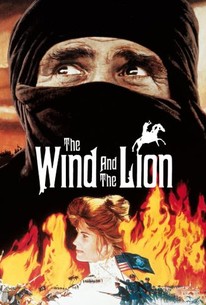
Thirteen years later—in 1917—the United States will officially take on the Germans in World War 1. And in another 37 years—in 1941—America will again declare war on Germany.
The film ends with a confident Theodore Roosevelt expecting (accurately) to be re-elected—and telling reporters that “the fate of Morocco will be decided tomorrow by me.”
The Wind and the Lion is set in an era when
- Nuclear weapons did not exist;
- Russia and China were militarily insignificant nations;
- England was the world’s superpower;
- America, Germany and Japan were on the rise;
- Israel was still a distant dream in the eyes of European Jews;
- The “Great Powers”—Germany, France and Great Britain—were struggling to carve up the Middle East to exploit its massive oil reserves; and
- Americans did not feel threatened by Islamic radicals.
As complex and dangerous as that era often seemed to those living more than 100 years ago, it has been succeeded by one even more complex and dangerous.
In this new and even more lethal era, it is well to remember Theodore Roosevelt’s warning that “we’re a bit blind and reckless at times, too.”
ABC NEWS, ADOLF HITLER, ALTERNET, AP, BBC, BUSINESS LEADERSHIP, BUZZFEED, CBS NEWS, CNN, DAILY KOS, DONALD TRUMP, ENGLAND, ERICH VON MANSTEIN, ERWIN ROMMEL, FACEBOOK, FBI, HEINZ GUDERIAN, HOW HITLER COULD HAVE WON WORLD WAR II, IOWA CAUCUSES, JAMES COMEY, JOSEPH STALIN, MIKE FLYNN, MOTHER JONES, MOVEON, MSNBC, NAZI GERMANY, NBC NEWS, NEWSWEEK, NPR, POLITICO, RAW STORY, REUTERS, RUSSIA INVESTIGATION, SALON, SEATTLE TIMES, SLATE, SOVIET UNION, THE ATLANTIC, THE CHICAGO SUN-TIMES, THE CHICAGO TRIBUNE, THE DAILY BEAST, THE GUARDIAN, THE HILL, THE HUFFINGTON POST, THE LOS ANGELES TIMES, THE NEW YORK TIMES, THE WALL STREET JOURNAL, THE WASHINGTON POST, TIME, TWITTER, U.S. NEWS & WORLD REPORT, U.S. SENATE INTELLIGENCE COMMITTEE, UPI, USA TODAY, VLADIMIR PUTIN, WORLD WAR 11
In Bureaucracy, History, Military, Politics, Social commentary on June 8, 2017 at 1:11 pm
“We will have so much winning if I get elected [President] that you may get bored with winning.”
It was vintage Donald Trump, speaking at a September, 2015 Capitol Hill rally to protest President Barack Obama’s nuclear deal with Iran.
That was before Trump became President–and, since then, has been entangled in multiple investigations into contacts between Russian Intelligence agents and high-level officials of his 2016 Presidential campaign.
That was before he was forced to fire retired General Mike Flynn as his national security adviser. The reason: Flynn’s close ties to Russia and its dictator, Vladimir Putin, had recently come to light in the press.
That was before he fired James Comey, the FBI director who had refused to give him a pledge of personal loyalty.
That was before Comey testified before the United States Senate’s Intelligence Committee and publicly branded Trump a liar on nationwide television.
And that was before an anonymous White House source told CNN: “He now lives within himself, which is a dangerous place for Donald Trump to be. I see him emotionally withdrawing. He’s gained weight. He doesn’t have anybody whom he trusts.”
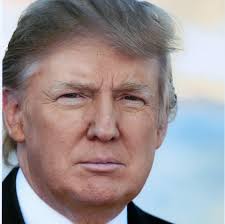
Donald Trump
Trump’s boast reflected he mindset–if not the words–of an earlier CEO whose ego carried him–and his country–to ruin: Adolf Hitler.
Literally thousands of books have been written on Hitler’s six-year stint as a self-appointed field commander. But for an overall view of Hitler’s generalship, an excellent choice is How Hitler Could have Won World War II by Bevin Alexander.
Among the fatal errors that led to the defeat of the defeat of the Third Reich:
- Wasting hundreds of Luftwaffe [air force] pilots, fighters and bombers in a halfhearted attempt to conquer England.
- Ignoring the pleas of generals like Erwin Rommel to conquer Syria, Iraq and Saudi Arabia, thus giving Germany control of most of the world’s oil.
- Attacking his ally, the Soviet Union, while still at war with Great Britain.
- Turning millions of Russians into enemies rather than allies by his brutal and murderous policies.
- Needlessly declaring war on the United States after the Japanese attacked Pearl harbor. (Had he not done so, Americans would have focused all their attention on defeating Japan.)
- Refusing to negotiate a separate peace with Soviet dictator Joseph Stalin–thus granting Germany a large portion of captured Russian territory in exchange for letting Stalin remain in power.
- Insisting on a “not-one-step-back” military “strategy” that led to the needless surrounding, capture and/or deaths of hundreds of thousands of German servicemen.
As the war turned increasingly against him, Hitler became ever more rigid in his thinking.
He demanded absolute control over the smallest details of his forces. This, in turn, led to astonishing and unnecessary losses among their ranks.
One such incident was immortalized in the 1962 movie, The Longest Day, about the Allied invasion of France known as D-Day.
On June 6, 1944, General Erwin Rommel ordered the panzer tanks to drive the Allies from the Normandy beaches. But these could not be released except on direct orders of the Fuehrer.
Panzer tank
As Hitler’s chief of staff, General Alfred Jodl, informed Rommel: The Fuehrer was asleep–and was not to be awakened. By the time Hitler awoke and issued the order, it was too late.
Nor could Hitler accept responsibility for the policies that were leading Germany to certain defeat. He blamed his generals, accused them of cowardice, and relieved many of the best ones from command.
Among those sacked was Heinz Guderian, creator of the German Panzer corps–and responsible for the blitzkreig victory against France in 1940.
Heinz Guderian
Another was Erich von Manstein, designer of the strategy that defeated France in six weeks–which Germany had failed to do during four years of World War 1.
Erich von Manstein
Finally, on April 29, 1945–with the Russians only blocks from his underground Berlin bunker–Hitler dictated his “Last Political Testament.”
Once again, he refused to accept responsibility for unleashing a war that would ultimately consume 50 million lives:
“It is untrue that I or anyone else in Germany wanted war in 1939. It was desired and instigated exclusively by those international statesmen who either were of Jewish origin or worked for Jewish interests.”
Hitler had launched the invasion of Poland–and World War II–with a lie: That Poland had attacked Germany. Fittingly, he closed the war–and his life–with a final lie.
Joachim C. Fest, author of Hitler (1973), writes of the surprise that awaited Allied soldiers occupying Nazi Germany in 1945: “Almost without exception, virtually from one moment to the next, Nazism vanished after the death of Hitler and the surrender.
“It was as if National Socialism had been nothing but the motion, the state of intoxication and the catastrophe it had caused….
“Once again it became plain that National Socialism, like Fascism in general, was dependent to the core on superior force, arrogance, triumph, and by its nature had no resources in the moment of defeat.”
The ancient Greeks believed that “a man’s character is his destiny.” For Adolf Hitler–and the nations he ravaged–that proved fatally true.
It remains to be seen whether the same will prove true for Donald Trump–and the United States.


 Bureaucracybuster's Blog
ABC NEWS, ADOLF HITLER, ALTERNET, AMERICABLOG, AP, BABY BOOMER RESISTANCE, BLOOMBERG, BUZZFEED, CBS NEWS, CNN, CORONAVIRUS, COVID-19, CROOKS AND LIARS, DAILY KOZ, DONALD TRUMP, DRUDGE RETORT, ENGLAND, FACEBOOK, FBI, FIVETHIRTYEIGHT, HARPER’S MAGAZINE, HERMAN CAIN, JAMES COMEY, LIFTWAFFE, MEDIA MATTERS, MOTHER JONES, MOVEON, MSNBC, NBC NEWS, NEWSWEEK, NPR, PBS NEWSHOUR, POLITICO, POLITICUSUSA, RAW STORY, REUTERS, ROYAL AIR FORCE, SALON, SEATTLE TIMES, SERGEY KISLYAK, SERGEY LAVROV, SLATE, SOVIET UNION, TALKING POINTS MEMO, THE ATLANTIC, THE BLITZ, THE CHICAGO SUN-TIMES, THE CHICAGO TRIBUNE, THE DAILY BEAST, THE DAILY BLOG, THE GUARDIAN, THE HILL, THE HUFFINGTON POST, THE LOS ANGELES TIMES, THE NATION, THE NEW REPUBLIC, THE NEW YORK TIMES, THE VILLAGE VOICE, THE WASHINGTON POST, THINKPROGRESS, TIME, TRUTHDIG, TRUTHOUT, TWITTER, TWO POLITICAL JUNKIES, U.S. NEWS & WORLD REPORT, UPI, USA TODAY, WEHRMACHT, WONKETTE
GETTING HELP FROM YOUR ENEMIES
In Bureaucracy, History, Military, Politics, Social commentary, Uncategorized on August 5, 2020 at 12:04 amSometimes your worst enemies aid you in ways you could never help yourself.
From July 10 to October 31, 1940, hundreds of badly-outnumbered pilots of the British Royal Air Force (RAF) fought off relentless attacks by Germany’s feared Luftwaffe—since known as the Battle of Britain.
But Adolf Hitler wasn’t prepared to give up. He believed he could so terrorize Britons that they would insist that their government submit to German surrender demands.
From September 7, 1940 to May 21, 1941, the Luftwaffe subjected England—and especially London—to a ruthless bombing campaign that became known as The Blitz.
The undamaged St. Paul’s Cathredal, December, 1940
More than 100 tons of high explosives were dropped on 16 British cities.
During 267 days—almost 37 weeks—between 40,000 and 43,000 British civilians were killed. About 139,000 others were wounded.
Clearly, what Great Britain desperately needed most was a miracle.
Exactly that happened on June 22, 1941.
With 134 Divisions at full fighting strength and 73 more divisions for deployment behind the front, the German Wehrmacht invaded the Soviet Union.
German tanks invading Russia
Joseph Stalin, the longtime Soviet dictator, was stunned. The invasion had come less than two years after Germany had signed a non-aggression pact with the Soviet Union.
Now they were locked in a fight to the death.
People in England were suddenly hopeful. Britain now had an ally whose resources might tip the balance against Hitler.
Fast forward to 2020.
After Donald Trump became President of the United States in 2017, he seemed invincible: Over the next three years, he:
Donald Trump
And through all those outrages, House and Senate Republican majorities remained silent or vigorously supported him.
Democrats seemed unable to cope with Trump’s legislative agenda and his personal attacks on Twitter and in press conferences.
Even when the press unearthed his latest corruptions, the public didn’t care.
Then, in January, 2020, the Coronavirus pandemic struck the United States.
On February 29, the first American died from the disease.
Donald Trump’s first reaction was to minimize the threat: “We have it totally under control. It’s one person coming in from China.”
Then he turned to outright lying: “Now the Democrats are politicizing the Coronavirus….They tried the impeachment hoax….It’s all turning, they lost….And this is their new hoax.”
When many of the nation’s mayors and governors urged citizens to wear face masks and socially distance themselves from others, Trump urged his supporters to defy both. And they did as he ordered—marching down streets shoulder-to-shoulder, most of them not wearing masks, and with many of them carrying automatic rifles.
Coronavirus
In March, when much of the country’s businesses shut down, Trump demanded their immediate reopening—although there was no vaccine nor even adequate testing and contact-tracing facilities. This would allow him to claim he had “restored” the American economy.
Many states—especially in the South and Midwest—reopened prematurely. As a result, American COVID-19 cases now number 4.7 million—and deaths number at least 157,302.
Now Trump demands that Americans put their children at risk by sending them back to school in the fall—so their parents can return to work. Then he can claim he’s “saved” the American economy—and be re-elected.
Meanwhile, countless Stormtrumpers in Texas, Florida and other Red states have died because they refused to wear masks and/or social distance. His most high profile supporter to die so far: Herman Cain, the 2012 Republican Presidential candidate.
Significantly, Cain died one month after attending Trump’s Tulsa rally on June 20.
Thus, Trump, through his arrogance and ignorance, has inflicted far greater casualties on his core supporters and poll numbers than the Democrats ever could—or would.
His lies have been exposed. His followers are succumbing to a disease he called a Democratic hoax. He has nothing to offer in a way of a cure for the economy—or the pandemic. And his polls are tanking.
Seventy-nine years ago, events turned around for England when all seemed lost. The same may be about to happen for the United States.
Share this: