Posts Tagged ‘DRUDGE REPORT’
2016 PRESIDENTIAL ELECTION, 2020 PRESIDENTIAL ELECTION, ABC NEWS, ABRAHAM LINCOLN, ADOLF HITLER, ALTERNET, AMERICABLOG, AP, ATTACK ON CAPITOL BUILDING, BABY BOOMER RESISTANCE, BLACKS, BLOOMBERG, BRIBERY, BUZZFEED, CBS NEWS, CIA, CIVIL WAR, CNN, COLD WAR, CORONAVIRUS, CROOKS AND LIARS, DAILY KOZ, DONALD TRUMP, DRUDGE REPORT, ELECTORAL COLLEGE, FACEBOOK, FBI, FIVETHIRTYEIGHT, FOX NEWS, FRANKLIN D. ROOSEVELT, GREAT DEPRESSION, HARPER’S MAGAZINE, HERBERT HOOVER, HISPANICS, HITLER (BOOK), HUFFINGTON POST, JOACHIM C. FEST, JOHN F. KENNEDY, JOSEPH R. BIDEN, LYNDON B. JOHNSON, MEDIA MATTERS, MOTHER JONES, MOVEON, MSNBC, NAZI GERMANY, NBC NEWS, NEWSWEEK, NPR, OTTO VON BISMARCK, PBS NEWSHOUR, POLITICO, POLITICUSUSA, RAW STORY, REPUBLICANS, REUTERS, RICHARD M. NIXON, SALON, SEATTLE TIMES, SEXUAL ABUSE, SLATE, TALKING POINTS MEMO, THE ATLANTIC, THE CHICAGO SUN-TIMES, THE CHICAGO TRIBUNE, THE DAILY BEAST, THE DAILY BLOG, THE DISABLED, THE GUARDIAN, THE HILL, THE HUFFINGTON POST, THE LOS ANGELES TIMES, THE NATION, THE NEW REPUBLIC, THE NEW YORK TIMES, THE PRESS, THE VILLAGE VOICE, THE WASHINGTON POST, THEODORE ROOSEVELT, THINKPROGRESS, TIME, TRUTHDIG, TRUTHOUT, TWITTER, TWO POLITICAL JUNKIES, U.S. NEWS & WORLD REPORT, UPI, USA TODAY, VIETNAM WAR, VLADIMIR PUTIN, WATERGATE, WOMEN, WONKETTE, WORLD WAR ii
In Bureaucracy, History, Law, Law Enforcement, Military, Politics, Social commentary on January 20, 2021 at 12:08 am
Why are some Presidents remembered with affection, while others are detested—or forgotten altogether?
Generally, Presidents who are warmly remembered are seen as making positive contributions to the lives of their fellow Americans and being “people-oriented.”
Among these:
- Abraham Lincoln
- Theodore Roosevelt
- Franklin Roosevelt
- John F. Kennedy
Among the reasons they are held in such high regard:
- Abraham Lincoln ended slavery and restored the Union. Although he ruthlessly prosecuted the Civil War, his humanity remains engraved in stories such as his pardoning a soldier condemned to be shot for cowardice: “If Almighty God gives a man a cowardly pair of legs, how can he help their running away with him?”
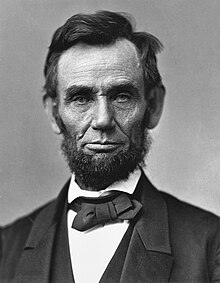
Abraham Lincoln
- Theodore Roosevelt championed an era of reform, such as creating the Food and Drug Administration and five National Parks. Popularly known as “Teddy,” he even had a toy bear—the teddy bear—named after him.
- Franklin D. Roosevelt successfully led America through the Great Depression and World War II. He was the first President to insist that government existed to directly better the lives of its citizens: “The test of our progress is not whether we add more to the abundance of those who have much; it is whether we provide enough for those who have too little.”
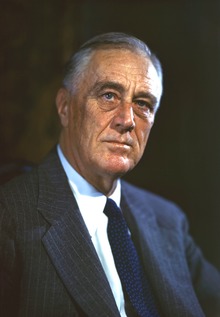
Franklin D. Roosevelt
- John F. Kennedy supported civil rights and called for an end to the Cold War. He challenged Americans to “ask what you can do for your country” and made government service respectable, even chic. His youth, charisma, intelligence and handsomeness led millions to mourn for “what might have been” had he lived to win a second term.
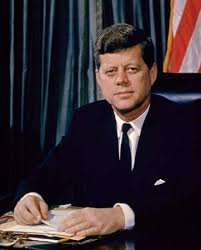
John F. Kennedy
Presidents who remain unpopular among Americans are seen as unlikable and responsible (directly or not) for mass suffering.
Among these:
- Herbert Hoover
- Lyndon B. Johnson
- Richard M. Nixon
Among the reasons they are held in such low regard:
- Herbert Hoover is still blamed for the 1929 Great Depression. He didn’t create it, but his conservative, “small-government” philosophy led him to refuse to aid its victims. An engineer by profession, he saw the Depression as a machine that needed repair, not as a catastrophe for human beings. This lack of “emotional intelligence” cost him heavily with voters.
- Lyndon B. Johnson is still blamed as the President “who got us into Vietnam.” John F. Kennedy had laid the groundwork by placing 16,000 American troops there by the time he died in 1963. But it was Johnson who greatly expanded the war in 1965 and kept it going—with hugely expanding casualties—for the next three years. Unlike Kennedy, whom he followed, he looked and sounded terrible on TV. Voters compared LBJ’s Texas drawl and false piety with JFK’s wit and good looks—and found him wanting.
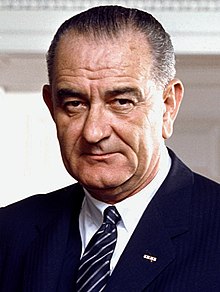
Lyndon B. Johnson
- Richard M. Nixon will be remembered foremost as the President who was forced to resign under threat of impeachment and removal from office. Like Herbert Hoover, he was not a “people person” and seemed remote to even his closest associates. Although he took office on a pledge to “bring us together” and end the Vietnam war, he attacked war protesters as traitors and kept the war going another four years. His paranoid fears of losing the 1972 election led to his creating an illegal “Plumbers” unit which bugged the Democratic offices at the Watergate Hotel. And his attempted cover-up of their illegal actions led to his being forced to resign from office in disgrace.
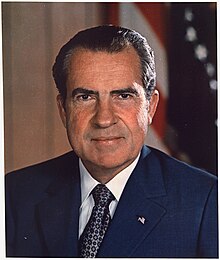
Richard M. Nixon
Which brings us to the question: How is President Donald J. Trump likely to be remembered?
Historian Joachim C. Fest offers an unintended answer to this question in his 1973 bestselling biography Hitler:
“An ancient tenet of aesthetics holds that one who for all his remarkable traits is a repulsive human being, is unfit to be a hero.”
Among the reasons for Hitler’s being “a repulsive human being,” Fest cites the Fuhrer’s
- “intolerance and vindictiveness”;
- “lack of generosity”; and
- “banal and naked materialism—power was the only motive he would recognize.”
Fest then quotes German chancellor Otto von Bismarck on what constitutes greatness: “Impressiveness in this world is always akin to the fallen angel who is beautiful but without peace, great in his plans and efforts, but without success, proud but sad.”
And Fest concludes: “If this is true greatness, Hitler’s distance from it is immeasurable.”
What Fest writes about Adolf Hitler applies just as brutally to Donald Trump.
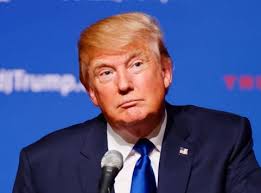
Donald Trump
He has:
- Boasted about the politicians he’s bought and the women he’s bedded—and forced himself on.
- Slandered entire segments of Americans—blacks, Hispanics, women, journalists, Asians, the disabled.
- Attacked the FBI and CIA for accurately reporting that Russian President Vladimir Putin had intervened in the 2016 Presidential election to ensure Trump’s victory.
- Refused to effectively attack the Coronavirus pandemic, leaving 400,000 dead by the end of his Presidency.
- Refused to accept that Democratic nominee Joseph Biden legitimately won the 2020 Presidential election.
- Ordered a mob of his Fascistic followers to attack the Capitol Building and stop the certifying of Biden as the winner of Electoral College votes.
At this stage, it’s hard to imagine Trump joining that select number of Presidents Americans remember with awe and reverence.
2020 PRESIDENTIAL ELECTION, ABC NEWS, ABRAHAM LINCOLN, ALTERNET, AMERICABLOG, ANDREW GOODMAN, ANDREW JOHNSON, AP, BABY BOOMER RESISTANCE, BLOOMBERG, BUZZFEED, CBS NEWS, CIVIL WAR, CNN, COINTELPRO, CROOKS AND LIARS, DAILY KOZ, DONALD TRUMP, DRUDGE REPORT, ENEMIES: A HISTORY OF THE FBI, FACEBOOK, FBI, FEDERAL EMERGENCY MANAGEMENT AGENCY (FEMA), FIVETHIRTYEIGHT, HARPER’S MAGAZINE, HUFFINGTON POST, INSIDE HOOVER'S FBI (BOOK), J. EDGAR HOOVER, JAMES CHANEY, JOINT CHIEFS OF STAFF, JOSEPH BIDEN, Kamala Harris, KU KLUX KLAN, LYNDON B. JOHNSON, MAR-A-LAGO, MAXINE WATERS, MEDIA MATTERS, MICHAEL SCHWERNER, MOTHER JONES, MOVEON, MSNBC, NATIONAL GUARD, NATIONAL PARKS SERVICE, NBC NEWS, NEIL J. WELCH, NEWSWEEK, NINA SILBER, NPR, PBS NEWSHOUR, POLITICO, POLITICUSUSA, RAW STORY, REUTERS, SALON, SEATTLE TIMES, SLATE, SOCIETY OF CIVIL WAR HISTORIANS, STEPHEN B. OATES, TALKING POINTS MEMO, THE ATLANTIC, THE CHICAGO SUN-TIMES, THE CHICAGO TRIBUNE, THE DAILY BEAST, THE DAILY BLOG, THE GUARDIAN, THE HILL, THE HUFFINGTON POST, THE LOS ANGELES TIMES, THE NATION, THE NEW REPUBLIC, THE NEW YORK TIMES, THE VILLAGE VOICE, THE WASHINGTON POST, THINKPROGRESS, TIME, TRUTHDIG, TRUTHOUT, TWITTER, TWO POLITICAL JUNKIES, U.S. NEWS & WORLD REPORT, ULYSSES S. GRANT, UNITED STATES SECRET SERVICE, UPI, USA TODAY, WASHINGTON METROPOLITAN POLICE DEPARTMENT, WILLIAM C. SULLIVAN, WINFIELD SCOTT, WITH MALICE TOWARD NONE: THE LIFE OF ABRAHAM LINCOLN (BOOK), WONKETTE
In Bureaucracy, History, Law, Law Enforcement, Military, Politics, Social commentary on January 19, 2021 at 12:38 am
“At the time of the Civil War [white anger and resentment] took the form of Southern white men angry at the idea that the federal government would interfere with their right to own Black slaves.
“Today, I think this takes the form of white people who believe that Black and brown people are making gains, or getting special treatment, at their expense,” warns Nina Silber, co-president of the Society of Civil War Historians.
And California Democratic Representative Maxine Waters believes this anger could lead to civil war: “Since his first day in office, [Donald Trump] has spent four years abusing his power, lying, embracing authoritarianism (and) radicalizing his supporters against democracy.
“This corruption poisoned the minds of his supporters, inciting them to willingly join with white supremacists, neo-Nazis and paramilitary extremists in a siege of the United State Capitol building, the very seat of American democracy.”
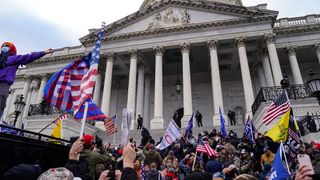
Attack on the Capitol Building
But there is a way to abort that danger—provided that those who cherish democracy are willing to employ weapons as effective as those used by the Right.
Case in point: The FBI’s successful war on the Ku Klux Klan.
Klansmen had shot, lynched and bombed their way across the Deep South, especially in Alabama and Mississippi. Many Southern sheriffs and police chiefs were Klan sympathizers, if not outright members and accomplices.
On June 21, 1964, three civil rights workers disappeared in Philadelphia, Mississippi.
President Lyndon B. Johnson called J. Edgar Hoover, the legendary director of the FBI, and ordered an all-out investigation: “I want you to have the same kind of Intelligence [on the Klan] that you have on the communists.”
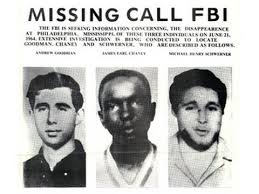
Poster for missing civil rights workers
For decades, Hoover had refused to tackle white hate groups. And, in truth, no President had been willing to give him the order to do so. But now a President had given him such an order.
In August, the FBI uncovered the bodies of the three missing civil rights activists—Michael Schwerner, Andrew Goodman and James Chaney.
On September 2, 1964, the Bureau launched a full-blown counterintelligence program against the Klan—COINTELPRO—WHITE HATE in FBI-speak.
Tim Weiner, author of Enemies: A History of the FBI, chronicles the methods used by the Bureau:
“WHITE-HATE intensified in the fall of 1964. It involved all the techniques in the FBI’s long-running attack on the Left. Once a week….FBI agents interrogated all known members of the White Knights of the KKK, blaming other Klansmen for being snitches and naming names, sowing deep suspicion among Klan members. Few knew who was an informer and who was not.

A Ku Klux Klan meeting
“The FBI dangled small fortunes before potential Klan informers, offered outright bribes to Klansmen who could serve as double agents inside state and local police forces, planted bugs and wiretaps in Klaverns, carried out black bag jobs to steal membership lists….”
Other tactics included:
- Contacting the news media to publicize arrests and identify Klan leaders;
- Informing the employers of known Klansmen of their employees’ criminal activity, resulting in the firing of untold numbers of them;
- Breaking up the marriages of Klansmen by circulating rumors of their infidelity among their wives.
“My father fought the Klan in Massachusetts,” recalled William C. Sullivan, who headed the FBI’s Domestic Intelligence Division in the 1960s. “I always used to be frightened when I was a kid and I saw the fiery crosses burning in the hillside near our farm.
“When the Klan reached 14,000 in the mid-sixties, I asked to take over the investigation of the Klan. When I left the Bureau in 1971, the Klan was down to a completely disorganized 4,300. It was broken.
“They were dirty, rough fellows. And we went after them with rough, tough methods.”

William C. Sullivan
According to Neil J. Welch, the retired Special Agent in Charge (SAC) of the FBI’s Buffalo, New York office:
In a rural county near Natchez, two Klansmen threatened to kill the next FBI agent who came to town. Agent Paul Cummings organized a squad of G-men and visited the Klansmen’s favorite bar. He dared the Klansmen to back up their threat. When none appeared, Cummings shot out the bar’s windows. There were no more threats on FBI agents in that area.
“A Klan Bureau of Investigation (KBI) was created to counter the FBI, and its members placed the wives and children of agents under surveillance, harassing them with taunts and anonymous phone calls,” wrote Welch in his memoir, Inside Hoover’s FBI.
“It was a serious miscalculation. The most dangerous members of the KBI were systematically identified and assigned to agents selected solely because they were comparatively dangerous. The agents had full discretion.
“During the next few months, a number of men previously involved in Klan violence around the state seemed, by remarkable coincidence, to experience misfortune. Some disappeared from the area. Some were forced to leave Mississippi for health reasons. A few took unplanned trips to places like Mexico and seemed to lose all interest in the Klan upon their return.”
The FBI’s counterintelligence war against the Klan ended in 1971.
Only when America has a President willing to wage all-out war on the Fascistic Right will the country be safe from this enemy within.
2020 PRESIDENTIAL ELECTION, ABC NEWS, ABRAHAM LINCOLN, ALTERNET, AMERICABLOG, ANDREW GOODMAN, ANDREW JOHNSON, AP, BABY BOOMER RESISTANCE, BLOOMBERG, BUZZFEED, CBS NEWS, CIVIL WAR, CNN, COINTELPRO, CROOKS AND LIARS, DAILY KOZ, DONALD TRUMP, DRUDGE REPORT, ENEMIES: A HISTORY OF THE FBI (BOOK), FACEBOOK, FBI, FEDERAL EMERGENCY MANAGEMENT AGENCY (FEMA), FIVETHIRTYEIGHT, HARPER’S MAGAZINE, HUFFINGTON POST, INSIDE HOOVER'S FBI (BOOK), J. EDGAR HOOVER, JAMES CHANEY, JOINT CHIEFS OF STAFF, JOSEPH BIDEN, Kamala Harris, KU KLUX KLAN, LYNDON B. JOHNSON, MAR-A-LAGO, MAXINE WATERS, MEDIA MATTERS, MICHAEL SCHWERNER, MOTHER JONES, MOVEON, MSNBC, NATIONAL GUARD, NATIONAL PARKS SERVICE, NBC NEWS, NEIL J. WELCH, NEWSWEEK, NINA SILBER, NPR, PBS NEWSHOUR, POLITICO, POLITICUSUSA, RAW STORY, REUTERS, SALON, SEATTLE TIMES, SLATE, SOCIETY OF CIVIL WAR HISTORIANS, STEPHEN B. OATES, TALKING POINTS MEMO, THE ATLANTIC, THE CHICAGO SUN-TIMES, THE CHICAGO TRIBUNE, THE DAILY BEAST, THE DAILY BLOG, THE GUARDIAN, THE HILL, THE HUFFINGTON POST, THE LOS ANGELES TIMES, THE NATION, THE NEW REPUBLIC, THE NEW YORK TIMES, THE VILLAGE VOICE, THE WASHINGTON POST, THINKPROGRESS, TIME, TRUTHDIG, TRUTHOUT, TWITTER, TWO POLITICAL JUNKIES, U.S. NEWS & WORLD REPORT, ULYSSES S. GRANT, UNITED STATES SECRET SERVICE, UPI, USA TODAY, WASHINGTON METROPOLITAN POLICE DEPARTMENT, WILLIAM C. SULLIVAN, WINFIELD SCOTT, WITH MALICE TOWARD NONE: THE LIFE OF ABRAHAM LINCOLN (BOOK), WONKETTE
In Bureaucracy, History, Law, Law Enforcement, Military, Politics, Social commentary on January 18, 2021 at 12:06 pm
Donald Trump will leave a legacy of lies, racism, criminality and treason when he leaves the White House on January 20.
But his longest-lasting—and most destructive—legacy can now be seen in the nation’s Capitol.
Every Presidential Inaugural proves a nightmarish challenge for Federal military and law enforcement agencies charged with protecting the next President and Vice President of the United States.
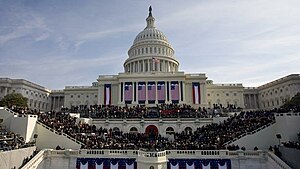
Inauguration of President Barack Obama – January 20, 2009
But that is not the end of their assignment.
Also needing protection are the dignitaries—members of Congress, Supreme Court Justices, invited foreign heads of state—and the crowd of thousands of onlookers attending.
But the January 20 swearing in of Joseph Robinette Biden as President and Kamala Devi Harris as Vice President will be like no other in recent American history.
The reason: The current President, Donald J. Trump, has fiercely resisted the peaceful transfer of power from himself to Biden.
On November 3,2020, 81,255,933 Democratic voters elected former Vice President Biden the 46th President of the United States. Trump, running for a second term, got 74,196,153 votes.
Since then, Trump has:
- Refused to concede;
- Claimed he was the victim of massive vote fraud;
- Ordered his attorneys to file at least 60 lawsuits to overturn the election results;
- Tried to strongarm governors and secretaries of state in contested states to give him the election; and
- Encouraged members of the House and Senate to contest the counting of Electoral College votes.
With all of that failed, Trump played his final card to illegally gain another four years of power: He summoned thousands of his Stormtrumper followers to Washington, D.C. And, on January 6, he ordered them to “fight like hell” and “stop the steal.”

Stormtrumpers attacking the Capitol Building
Tyler Merbler from USA, CC BY 2.0 <https://creativecommons.org/licenses/by/2.0>, via Wikimedia Commons
Tens of thousands of Stormtrumpers attacked and breached the United States Capitol. They easily brushed aside Capitol Police, who made no effort to arrest or shoot them.
Many of the lawmakers’ offices were occupied and vandalized. One Capitol police officer was killed and more than 50 others were injured.
Not until nightfall—hours later—did police finally restore order to the capitol.
That night, members of Congress once again met to count Electoral College votes—and certify Biden as the winner.
Nevertheless, Trump still refuses to concede and even attend the inauguration of his successor—something that every outgoing President has done with one exception.
In 1869, outgoing President Andrew Johnson refused to attend the inaugural ceremonies, as President-elect Ulysses S. Grant refused to sit with him in the carriage going to it.
Early on the morning of January 20, Trump reportedly intends to take Air Force One to his Mar-a-Lago resort in Palm Beach, Florida. He doesn’t intend to meet with Biden or ask him for use of Air Force One to reach Mar-a-Lago.
As a result of the January 6 assault on the Capitol Building, Federal law enforcement is bracing for the worst.
Before that assault, plans had called for 10,000 National Guard troops to protect the Inaugural celebration. Now 25,000 are being deployed—more troops in Washington than in Iraq and Afghanistan. Their gear includes shields for COVID and combat.

Installing razor wire for security at Capitol
The FBI has warned of armed protests by Right-wing groups in Washington, D.C., and in state capitols across the country. Among the precautions taken:
- A seven-foot, non-scalable fence—topped with barbed wire—has been erected around the Capitol Hill complex.
- Road traffic in much of Washington has been halted.
- Streets have been closed through January 21, the day after the Inauguration.
- The closures are centered around downtown Washington, Capitol Hill, Union Station, the Lincoln Memorial, the National Mall and the White House.
- Vehicles entering these restricted zones will be swept for weapons and explosives before being allowed to proceed.
- Four major bridges between Virginia and Washington, D.C., will also be closed to all traffic for 48 hours.
- National Guard troops are patrolling the city in Humvees.
- Agents from the FBI, Secret Service, the National Parks Service, FEMA and the Washington Metropolitan Police Department will provide constant security until the event has concluded.
In addition, the Joint Chiefs of Staff issued a statement that the United States Army would supply troops to ensure a smooth transition of power.
The last time Washington, D.C. saw such heavy precautions imposed was on March 4, 1861—with the First Inaugural of President Abraham Lincoln. The South had warned that the election of an anti-slavery President would mean the dissolving of the Union
There was a frightening sense of tension as rumors floated of a plot to assassinate Lincoln before or during the ceremony.

Inauguration of Abraham Lincoln
Historian Stephen B. Oates, in his highly acclaimed 1977 biography With Malice Toward None: The Life of Abraham Lincoln, writes:
“[The Presidential] carriage bumped over the cobblestones of Pennsylvania Avenue, part of a gala parade that featured horse-drawn floats and strutting military bands. Double files of cavalry road along the flanks of the carriage and infantry marched behind….
“And troops were everywhere, deployed by General [Winfield] Scott to guard against assassination. Cavalry on skittish horses cordoned off intersections. Infantry mingled with the sidewalk crowds, and sharpshooters peered over rooftops on both sides of the avenue. It was as though the country were already at war.”
ABC NEWS, ADAM SCHIFF, ALTERNET, AMERICABLOG, AP, ARTICLES OF IMPEACHMENT, BABY BOOMER RESISTANCE, BETSY DEVOS, BLOOMBERG, BUZZFEED, CAPITOL BUILDING ATTACK, CAPITOL POLICE, CBS NEWS, CHAD WOLF, CNN, CROOKS AND LIARS, DAILY KOZ, DEPARTMENT OF EDUCATION, DEPARTMENT OF HOMELAND SECURITY, DEPARTMENT OF TRANSPORTATION, DEUTSCHE BANK, DONALD TRUMP, DRUDGE REPORT, ELAINE CHAO, ELECTORAL COLLEGE, FACEBOOK, FIVETHIRTYEIGHT, HARPER’S MAGAZINE, HERODOTUS, HOUSE JUDICIARY COMMITTEE, HUFFINGTON POST, IMPEACHMENT, JERRY NADLER, JOSEPH BIDEN, JOSEPH STALIN, KHRUSHCHEV’S SECRET SPEECH, MEDIA MATTERS, MIKE PENCE, MOTHER JONES, MOVEON, MSNBC, NBC NEWS, NEWSWEEK, NIKITA KHRUSHCHEV, NPR, PBS NEWSHOUR, PGA OF AMERICA, POLITICO, POLITICUSUSA, RAW STORY, REUTERS, ROBERT PAYNE, SALON, SEATTLE TIMES, SLATE, SOVIET UNION, TALKING POINTS MEMO, THE ATLANTIC, THE CHICAGO SUN-TIMES, THE CHICAGO TRIBUNE, THE DAILY BEAST, THE DAILY BLOG, THE GUARDIAN, THE HILL, THE HUFFINGTON POST, THE LOS ANGELES TIMES, THE NATION, THE NEW REPUBLIC, THE NEW YORK TIMES, THE RISE AND FALL OF STALIN (BOOK), THE VILLAGE VOICE, THE WASHINGTON POST, THINKPROGRESS, TIME, TRUTHDIG, TRUTHOUT, TWENTY-FIFTH AMENDMENT, TWITTER, TWO POLITICAL JUNKIES, U.S. NEWS & WORLD REPORT, UNITED STATES HOUSE OF REPRESENTATIVES, UNITED STATES SENATE, UPI, USA TODAY, WONKETTE
In Bureaucracy, History, Law, Law Enforcement, Politics, Social commentary on January 15, 2021 at 12:10 am
Fifty-nine years ago, a Russian congress came face-to-face with the legacy of a ruthless dictator.
For almost 30 years, from 1924 to 1953, Joseph Vissarionovich Djugashvili—better known as Stalin—had ruled as absolute dictator over the Soviet Union. Hallmarks of his legacy included mass arrests, repeated purges, forced mass starvation and the imprisonment of millions. As many as 20 million men, women and children died as his victims.
His reign of terror ended only with his death, of a cerebral hemorrhage, on March 5, 1953, at age 74.
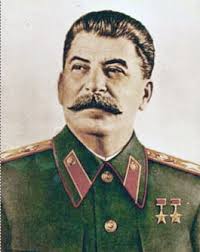
As historian Robert Payne wrote in his monumental 1965 biography The Rise and Fall of Stalin: “The son of an obscure cobbler, he had become during the last years of his life the most powerful man on earth. No emperor had ever enjoyed the power he possessed.
“He had taken the world by the throat, and forced it to do his will. He was one of the world-shakers, and when he died in 1953 it was thought proper that his remains should be exhibited as an object of reverence and worship in the Lenin mausoleum, the holy of holies of the Soviet empire.”
On February 25, 1956, his successor, Nikita Khrushchev, revealed Stalin’s litany of crimes to the 20th Congress of the Communist Party of the Soviet Union.
The speech was the opening shot in Khrushchev’s “de-Stalinization” campaign. He intended to destroy the image of the late dictator as an infallible leader and rein in the infamous KGB secret police.
The speech gave rise to a period of liberalization known as the “Khrushchev thaw” (1956-1964). During this, censorship policy was relaxed, and for the first time books and articles appeared about the huge network of forced labor camps set up by Vladimir Lenin and reaching its peak under Stalin.

Nikita Khrushchev
Creative Commons Attribution-Share Alike 4.0 International license.
Thousands of political prisoners were released, and thousands more who had perished during Stalin’s reign were officially “rehabilitated.”
By 1961, Khrushchev and those seeking to reform the Soviet political system decided to condemn the horrors of the Stalinist decades in a forceful symbolic act.
On October 31, 1961, the body of Joseph Stalin was removed from its honored resting place in the Lenin mausoleum in Red Square. A new grave was dug for him—among the minor heroes of the Russian Revolution. The re-internment took place secretly—at night—without ceremonies. And his name was removed from the mausoleum.
Historian Robert Payne described that event—and its significance: “A dead god was being transformed into a dead man, a dead emperor was being dethroned, a dead criminal was being executed….

“But more than a ritual murder was at stake. The Supreme Soviet and the Central Committee, which decreed the punishment now being inflicted on the corpse of Stalin, were now attempting to absolve themselves from responsibility for his crimes.
“They were saying: ‘We are not responsible, we are casting him away, he is not one of us! He committed such terrible crimes that we will have none of him.’
“For nearly thirty years Stalin had ruled tyrannically over Russia. History, too, was being consigned to oblivion.”
A series of similar events has erupted within the United States since January 6.
On that day, thousands of Right-wing supporters of President Donald Trump—ignited by his fiery, lie-riddled rhetoric—overwhelmed police guarding the United States Capitol and occupied the building.
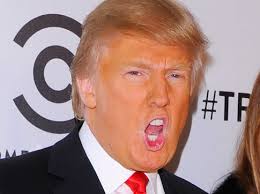
Donald Trump
Their intention: To halt the counting of Electoral College votes that would certify former Vice President Joseph Biden as the next President of the United States.
Americans who held that site sacred as the cradle of democracy were horrified to see rioters:
- Breaking windows and battering down doors;
- Beating police with fire extinguishers and an American flag pole;
- Carrying treasonous Confederate flags in the Capitol;
- Stealing treasures (such as the podium used by House Speaker Nancy Pelosi) and
- Forcing members of Congress to crouch under chairs as police fought off rioters.
Since then, Trump’s fortunes have sharply declined:
- Twitter—whose platform he had used during his Presidency to ruthlessly attack hundreds of people—finally cut off his account.
- A series of Cabinet officials hurriedly resigned from his administration. Among these: Secretary of Education Betsy DeVos and Acting Secretary of Homeland Security Chad Wolf.
- Deutsche Bank, his business lender since the 1990s, announced that it would not continue to do business with him.
- The PGA of America cut ties with Trump by canceling plans to hold the PGA Championship at his New Jersey golf course in 2022.
- And on January 13—one week to the day after his Stormtrumpers attacked the Capitol Building—the House of Representatives voted to impeach Trump for the second time during his Presidency. No other President has ever suffered such a humiliation.
- Adding to this humiliation: Ten Republican House members voted to impeach him.
Herodotus, the Greek historian who chronicled the Greek-Persian wars, offers a still-timely explanation of such reverses of fortune—and a warning for those who dare to ignore history:
“Look to the end, no matter what it is you are considering. Often enough God gives a man a glimpse of happiness, and then utterly ruins him.”
ABC NEWS, ADAM SCHIFF, ALTERNET, AMERICABLOG, AP, ARTICLES OF IMPEACHMENT, BABY BOOMER RESISTANCE, BETSY DEVOS, BLOOMBERG, BUZZFEED, CAPITOL BUILDING ATTACK, CAPITOL POLICE, CBS NEWS, CHAD WOLF, CNN, CROOKS AND LIARS, DAILY KOZ, DEPARTMENT OF EDUCATION, DEPARTMENT OF HOMELAND SECURITY, DEPARTMENT OF TRANSPORTATION, DEUTSCHE BANK, DONALD TRUMP, DRUDGE REPORT, ELAINE CHAO, ELECTORAL COLLEGE, FACEBOOK, FIVETHIRTYEIGHT, HARPER’S MAGAZINE, HERODOTUS, HOUSE JUDICIARY COMMITTEE, HUFFINGTON POST, IMPEACHMENT, JERRY NADLER, JOSEPH BIDEN, JOSEPH STALIN, KHRUSHCHEV’S SECRET SPEECH, MEDIA MATTERS, MIKE PENCE, MOTHER JONES, MOVEON, MSNBC, NBC NEWS, NEWSWEEK, NIKITA KHRUSHCHEV, NPR, PBS NEWSHOUR, PGA OF AMERICA, POLITICO, POLITICUSUSA, RAW STORY, REUTERS, ROBERT PAYNE, SALON, SEATTLE TIMES, SLATE, SOVIET UNION, TALKING POINTS MEMO, THE ATLANTIC, THE CHICAGO SUN-TIMES, THE CHICAGO TRIBUNE, THE DAILY BEAST, THE DAILY BLOG, THE GUARDIAN, THE HILL, THE HUFFINGTON POST, THE LOS ANGELES TIMES, THE NATION, THE NEW REPUBLIC, THE NEW YORK TIMES, THE RISE AND FALL OF STALIN (BOOK), THE VILLAGE VOICE, THE WASHINGTON POST, THINKPROGRESS, TIME, TRUTHDIG, TRUTHOUT, TWENTY-FIFTH AMENDMENT, TWITTER, TWO POLITICAL JUNKIES, U.S. NEWS & WORLD REPORT, UNITED STATES HOUSE OF REPRESENTATIVES, UNITED STATES SENATE, UPI, USA TODAY, WONKETTE
In Bureaucracy, History, Law, Law Enforcement, Politics, Social commentary on January 14, 2021 at 12:08 am
On January 13, for the first time in its history, the United States House of Representatives voted to impeach a President—for the second time during his tenure.
On December 10, 2019, Democratic leaders in the House voted to send two Articles of Impeachment to the House Judiciary Committee.
Their purpose: To remove Donald J. Trump from office as the 45th President of the United States.
House Judiciary Committee Chairman Jerry Nadler read the charges:
Article 1: Abuse of Power: For pressuring Ukraine to assist him in his re-election campaign by damaging former Vice President Joseph Biden, his possible Democratic rival.
Article 2: Obstruction of Congress: For obstructing Congress by blocking testimony and refusing to provide documents in response to House subpoenas in the impeachment inquiry.
On January 23, 2020, House Intelligence Committee Chairman and Lead Impeachment Manager Adam Schiff (D-CA) tweeted a prophecy—and a warning: “Donald Trump must be convicted and removed from office. Because he will always choose his own personal interest over our national interest. Because in America, right matters. Truth matters. If not, no Constitution can protect us. If not, we are lost.”

Adam Schiff
On February 5, 2020, the Republican-dominated Senate—ignoring the overwhelming evidence against him—acquitted Donald Trump on both impeachment articles: Obstruction of Congress and abuse of power.
Schiff’s prophecy came true on January 6, 2021. On that day, Trump unleashed thousands of Right-wing terrorists on the United States Capitol.
Inside, members of Congress were tabulating the Electoral College votes cast in the 2020 Presidential election.
The winner had been former Vice President Joseph Biden. Trump, seeking a second term, had lost, getting 74,196,153 votes.to 81,255,933 for Biden.
Trump had made repeated—and false—claims of electoral fraud. Yet despite filing 60 court cases seeking to overturn the election’s results, his lawyers had failed to produce any proof of it.
Trump had often “joked” about how great it would be for the United States to have a “President-for-Life”—like China. Now his only hope of remaining in power lay in intimidating Congress into ignoring the election results.
Inspired by Trump’s violence-charged rhetoric, the Stormtrumpers marched to the United States Capitol—and quickly brushed aside outnumbered Capitol Police.
- Members of the mob attacked police with chemical agents or lead pipes.
- A Capitol Hill police officer was knocked off his feet, dragged into the mob surging toward the building, and beaten with the pole of an American flag.
- Several rioters carried plastic handcuffs, possibly intending to take hostages. Others carried treasonous Confederate flags.

Stormtrumpers scaling Capitol Building walls
- Shouts of “Hang Pence!” often rang out.
- Improvised explosive devices were found in several locations in Washington, D.C.
- Members of the House and Senate huddled anxiously behind locked doors barricaded with furniture as seditionists tried to break in.
- Many of the lawmakers’ office buildings were occupied and vandalized—including that of House Speaker Nancy Pelosi, a favorite Right-wing target.
More than three hours passed before police—using riot gear, shields and batons—retook control of the Capitol.
Meeting again that evening, members of the Senate and House resumed their vote-counting. In the end, Joseph Biden and Kamala Harris were named, respectively, the President-Elect and Vice-President Elect of the United States.
By the next day, members of the House—especially Democrats—were furious at their near-brush with death. And they were ready to seek retribution on the man responsible.
Their initial hope was that Vice President Mike Pence and a majority of Trump’s cabinet would invoke the 25th Amendment. But hopes for this quickly faded.
A growing number of Cabinet officials began resigning:
- Education Secretary Betsy DeVos
- Transportation Secretary Elaine Chao
- Acting Secretary of Homeland Security Chad Wolf
There was a very real danger there wouldn’t be enough Cabinet members left to invoke the Amendment.
But making the use of the Amendment even more unlikely was the obvious unwillingness of Vice President Pence to invoke it.

Mike Pence
This despite the fact that he could have been hanged as a “traitor” by the Stormtrumpers only days ago.
(He had likely been spared this fate by his Secret Service detail, whisking him out of the Senate—and leaving other government officials to their own fates.)
On January 11, Democrats introduced a single impeachment article charging Trump with “incitement of insurrection” in urging his supporters to march on the U.S. Capitol on January 6.
They also introduced a resolution that called on Pence to invoke the 25th Amendment to the Constitution to remove him from office before January 20.
On January 13, the House met to debate a single article of impeachment: “Incitement of Insurrection.” Its gist:
“Thus incited by President Trump, members of the crowd he had addressed, in an attempt to, among other objectives, interfere with the Joint Session’s solemn constitutional duty to certify the results of the 2020 Presidential election, unlawfully breached and vandalized the Capitol, injured and killed law enforcement personnel, menaced Members of Congress, the Vice President, and Congressional personnel, and engaged in other violent, deadly, destructive, and seditious acts.”
Thus, the House sought to remove a President who intended to rule as a dictator.
Fifty-nine years earlier, a Russian congress had come face-to-face with the despotism of another tyrant.
2020 PRESIDENTIAL ELECTION, ABC NEWS, ALTERNET, AMERICABLOG, AP, ARIZONA, ATTORNEYS GENERAL, BABY BOOMER RESISTANCE, BEN SASSE, BLOOMBERG, BRAD RAFFENSPERGER, BRIAN KEMP, BUZZFEED, CBS NEWS, CHRIS MURPHY, CNN, CROOKS AND LIARS, DAILY KOZ, DEMOCRATS, DONALD TRUMP, DRUDGE REPORT, ELECTORAL COLLEGE, FACEBOOK, FIVETHIRTYEIGHT, GEORGIA, HARPER’S MAGAZINE, HUFFINGTON POST, JOSEPH BIDEN, jOSH HAWLEY, JOSH SHAPIRO, KEN PAXTON, MEDIA MATTERS, MENNESOTA, MICHIGAN, MIKE PENCE, MOTHER JONES, MOVEON, MSNBC, NANCY PELOSI, NBC NEWS, NEVADA, NEWSWEEK, NPR, PAT A. CIPOLLONE, PBS NEWSHOUR, PENNSYLVANIA, POLITICO, POLITICUSUSA, RAW STORY, REPUBLICANS, REUTERS, SALON, SEATTLE TIMES, SLATE, SUPREME COURT, TALKING POINTS MEMO, TEXAS, THE ATLANTIC, THE CHICAGO SUN-TIMES, THE CHICAGO TRIBUNE, THE DAILY BEAST, THE DAILY BLOG, THE GUARDIAN, THE HILL, THE HUFFINGTON POST, THE LOS ANGELES TIMES, THE NATION, THE NEW REPUBLIC, THE NEW YORK TIMES, THE VILLAGE VOICE, THE WASHINGTON POST, THINKPROGRESS, TIME, TRUTHDIG, TRUTHOUT, TWITTER, TWO POLITICAL JUNKIES, U.S. NEWS & WORLD REPORT, UNITED STATES HOUSE OF REPRESENTATIVES, UNITED STATES SENATE, UPI, USA TODAY, VOTER FRAUD, WISCONSIN, WONKETTE
In Bureaucracy, History, Law, Law Enforcement, Politics, Social commentary on January 13, 2021 at 12:56 am
By January 6, 2021, President Donald J. Trump had almost run out of options for illegally staying in power for the next four years.
On November 3, 2020, Joseph Biden had been elected the nation’s 46th President over Trump.
On January 6, the United States Senate, with Vice President Mike Pence presiding, would certify states’ Electoral College results of that election.
That morning, Trump urged Pence to flip the results of the election to give him a win.
Pence replied that he lacked the power to overturn those results.
But as Pence went off to the Capitol Building housing the Senate and House of Representatives, Trump had one last card to play.
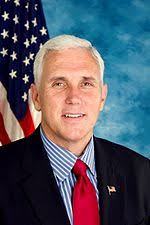
Mike Pence
For weeks Trump had ordered his legions of Right-wing Stormtrumpers to descend on Washington, D.C. on January 6.
On December 20, he had tweeted: “Statistically impossible to have lost the 2020 Election. Big protest in DC on January 6th. Be there, will be wild!”
In tweets, he promoted the rally again on December 27 and 30, and January 1.
On January 6, Trump appeared at the Ellipse, a 52-acre park south of the White House fence and north of Constitution Avenue and the National Mall in Washington, D.C.
A stage had been set up for him to address tens of thousands of his supporters, who eagerly awaited him.
Trump ordered them to march on the Capitol building to express their anger at the voting process and to intimidate their elected officials to reject the results.

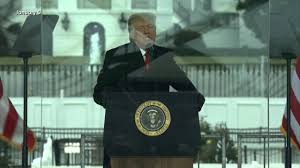
Donald Trump addresses his Stormtrumpers
“All of us here today do not want to see our election victory stolen by a bold and radical left Democrats which is what they are doing and stolen by the fake news media.
“Our country has had enough. We will not take it anymore, and that is what this is all about. And to use a favorite term that all of you people really came up with, we will stop the steal….
“Republicans are constantly fighting like a boxer with his hands tied behind his back….And we’re going to have to fight much harder….
“And after this, we’re going to walk down and I’ll be there with you. We’re going to walk down to the Capitol. And we’re going to cheer on our brave Senators and Congressmen and women and we’re probably not going to be cheering so much for some of them.
“Because you’ll never take back our country with weakness. You have to show strength and you have to be strong. We have come to demand that Congress do the right thing and only count the electors who have been lawfully slated.”
The Stormtrumpers marched to the United States Capitol—and quickly brushed aside Capitol Police, who made little effort to arrest or shoot them.
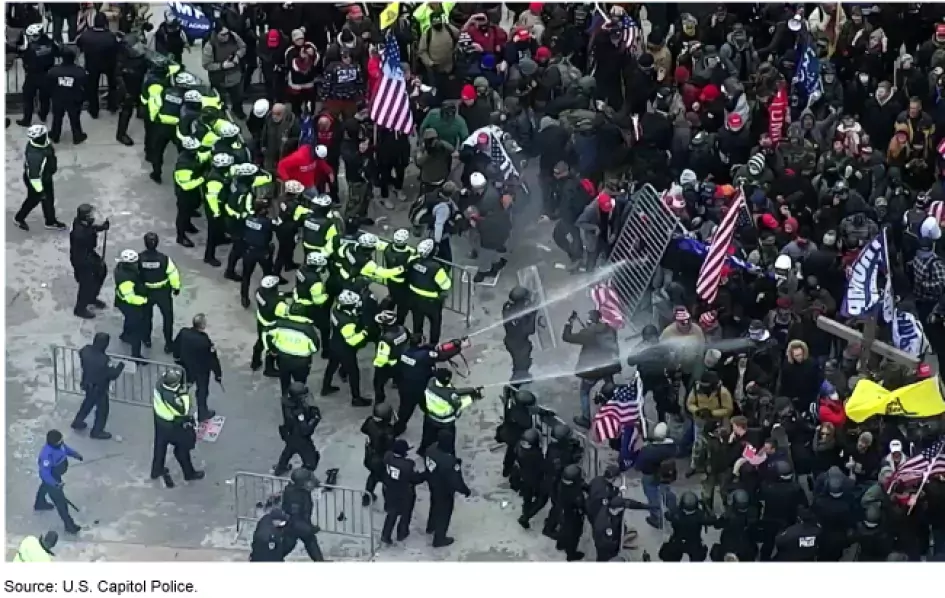
Capitol Police facing off with Stormtrumpers
- One attacker was shot as protesters forced their way toward the House Chamber where members of Congress were sheltering in place.
- Members of the mob attacked police with chemical agents or lead pipes.
- A Capitol Hill police officer was knocked off his feet, dragged into the mob surging toward the building, and beaten with the pole of an American flag.
- Several rioters carried plastic handcuffs, possibly intending to take hostages.
- Others carried treasonous Confederate flags.
- Shouts of “Hang Pence!” often rang out.
- Improvised explosive devices were found in several locations in Washington, D.C.
- Many of the lawmakers’ office buildings were occupied and vandalized—including that of House Speaker Nancy Pelosi, a favorite Right-wing target.
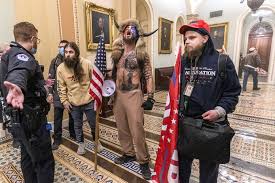
Stormtrumpers inside the Capitol Building
More than three hours passed before police—using riot gear, shields and batons—retook control of the Capitol.
And Trump? After giving his inflammatory speech, he returned to the White House—to watch his handiwork on television. He initially rebuffed requests to mobilize the National Guard.
This required intervention by Pat A. Cipollone, the White House Counsel, among other officials.
While the rioting was still erupting, Trump posted a video on Twitter: “I know you’re hurt. We had an election that was stolen from us….But you have to go home now. We have to have peace. We have to have law and order….So go home. We love you. You’re very special.”
Hours later, in a video he released to social media, Trump described his “very special” followers in utterly different terms:

Donald Trump
“I’d like to begin by addressing the heinous attack on the United States Capitol. Like all Americans I am outraged by the violence, lawlessness and mayhem.
“I immediately deployed the National Guard and federal law enforcement to secure the building and expel the intruders. America is and must always be a nation of law and order.
“To demonstrators who infiltrated the Capitol: you have defiled the seat of American democracy. To those who engage in the acts of violence and destruction: you do not represent our country. And to those who broke the law: you will pay.”
In fact:
- Trump waited six hours to deploy the National Guard.
- He spent most of the day watching his unleashed mob attack the Capitol—and rage-tweeting against Pence.
- He was “delighted” at the attack—and surprised others weren’t, an angry Republican Nebraska Senator Ben Sasse said later.
- His administration was closing with the same contempt for law and democracy that had characterized it from its outset.
2020 PRESIDENTIAL ELECTION, ABC NEWS, ALTERNET, AMERICABLOG, AP, ARIZONA, ATTORNEYS GENERAL, BABY BOOMER RESISTANCE, BEN SASSE, BLOOMBERG, BRAD RAFFENSPERGER, BRIAN KEMP, BUZZFEED, CBS NEWS, CHRIS MURPHY, CNN, CROOKS AND LIARS, DAILY KOZ, DEMOCRATS, DONALD TRUMP, DRUDGE REPORT, ELECTORAL COLLEGE, FACEBOOK, FIVETHIRTYEIGHT, GEORGIA, HARPER’S MAGAZINE, HUFFINGTON POST, JOSEPH BIDEN, jOSH HAWLEY, JOSH SHAPIRO, KEN PAXTON, MEDIA MATTERS, MENNESOTA, MICHIGAN, MIKE PENCE, MOTHER JONES, MOVEON, MSNBC, NANCY PELOSI, NBC NEWS, NEVADA, NEWSWEEK, NPR, PAT A. CIPOLLONE, PBS NEWSHOUR, PENNSYLVANIA, POLITICO, POLITICUSUSA, RAW STORY, REPUBLICANS, REUTERS, SALON, SEATTLE TIMES, SLATE, SUPREME COURT, TALKING POINTS MEMO, TEXAS, THE ATLANTIC, THE CHICAGO SUN-TIMES, THE CHICAGO TRIBUNE, THE DAILY BEAST, THE DAILY BLOG, THE GUARDIAN, THE HILL, THE HUFFINGTON POST, THE LOS ANGELES TIMES, THE NATION, THE NEW REPUBLIC, THE NEW YORK TIMES, THE VILLAGE VOICE, THE WASHINGTON POST, THINKPROGRESS, TIME, TRUTHDIG, TRUTHOUT, TWITTER, TWO POLITICAL JUNKIES, U.S. NEWS & WORLD REPORT, UNITED STATES HOUSE OF REPRESENTATIVES, UNITED STATES SENATE, UPI, USA TODAY, VOTER FRAUD, WISCONSIN, WONKETTE
In Bureaucracy, History, Law, Law Enforcement, Politics, Social commentary on January 12, 2021 at 12:20 am
On November 3, 2020, 81,255,933 Democratic voters elected former Vice President Joseph Biden the 46th President of the United States.
President Donald J. Trump, running for a second term, got 74,196,153 votes.
Yet more than two months after the election, Trump refuses to concede, insisting that he won—and repeatedly claiming falsely that he is the victim of massive vote fraud.
Immediately after the election, Trump ordered his attorneys to file lawsuits to overturn the election results, charging electoral fraud.
Throughout November and December, cases were filed in Wisconsin, Arizona, Nevada, Michigan, Minnesota and Georgia challenging the election results. None were supported by evidence of fraud—as even Trump’s lawyers admitted when questioned by judges.
On November 13, nine cases attacking President-Elect Joe Biden’s win in key states were denied or dropped. A law firm challenging the vote count in Pennsylvania withdrew from the effort.
By November 21, more than 30 cases were withdrawn by Trump’s attorneys or dismissed by Federal judges—some of them appointed by Trump himself.
Ultimately, from November 3 to December 14, Trump and his allies lost 59 times in court, either withdrawing cases or having them dismissed by Federal and state judges.
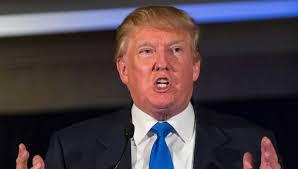
Donald Trump
On November 19, losing in the courts, Trump invited two Republican legislative leaders from Michigan to the White House. The reason: To persuade them to stop the state from certifying the vote.
The Michigan legislators said they would follow the law.
On December 5, Trump called Georgia Governor Brian Kemp and asked him to call a special legislative session and convince state legislators to select their own electors that would support him, thus overturning Biden’s win.
Kemp refused, saying he lacked the authority to do so.

Brian Kemp
On December 8, the Supreme Court refused to hear Trump’s bid to reverse Pennsylvania’s certification of Biden’s victory. Representative Mike Kelly (R-PA), a Trump ally, argued that the state’s 2.5 million mail-in were unconstitutional.
The Court’s order read, “The application for injunctive relief presented to Justice [Samuel] Alito and by him referred to the Court is denied.”
Although Trump had appointed three of the Court’s Justices, not one of them dissented.
On December 10, the Supreme Court refused to let a Texas lawsuit overturn the results in four battleground states: Georgia, Michigan, Pennsylvania and Wisconsin.
“Texas has not demonstrated a judicially cognizable interest in the manner in which another state conducts its elections,” the court said without further comment. It dismissed all other related claims as moot.
The request for their overturning came in a lawsuit brought by Texas Attorney General Ken Paxton. A Trump ally, Paxton has been indicted on felony securities fraud charges.
Seventeen Republican state Attorney Generals—and 126 Republican members of Congress—supported the lawsuit. They feared Trump’s fanatical base would “primary” them if they didn’t publicly declare their loyalty—to a man they knew was slated to leave office within two months.

The Supreme Court
Had the Court acted on Paxton’s request, the results for democracy would have been catastrophic.
“Texas seeks to invalidate elections in four states for yielding results with which it disagrees,” Pennsylvania Attorney General Josh Shapiro told the justices in legal papers. “Its request for this court to exercise its original jurisdiction and then anoint Texas’s preferred candidate for president is legally indefensible and is an affront to principles of constitutional democracy.”
Then, on December 30, Missouri Republican Senator Josh Hawley announced that, on January 6, 2021, he would object to the certification of some states’ Electoral College results. As many as 140 House Republicans and 25 from the Senate could join him.
This would force Republicans to:
- Vote to reject Trump’s unsubstantiated claims of massive voter fraud; or
- Disenfranchise millions of voters who had voted for Biden.
“Josh Hawley and anyone who supports his effort are engaged in the attempted overthrow of democracy,” Democratic Connecticut Senator Chris Murphy said.
“There is no evidence that there was any fraud. Senator Hawley apparently believes that if a Democrat wins the presidential race, it must be illegitimate by definition, even absent any actual evidence of misbehavior.”
Nebraska Republican Senator Ben Sasse bluntly offered the reason for this effort: ‘”We have a bunch of ambitious politicians who think there’s a quick way to tap into the president’s populist base without doing any real, long-term damage. But they’re wrong—and this issue is bigger than anyone’s personal ambitions.”
Having lost in 59 court cases to overturn the election results, Trump opted for some old-fashioned arm-twisting.
On January 2, 2021, he called the office of Georgia Secretary of State Brad Raffensperger. The reason: To pressure him to “find” enough votes to overturn former Vice President Joe Biden’s win in the state’s presidential election.
“All I want to do is this. I just want to find 11,780 votes, which is one more than we have, because we won the state,” Trump lied.
He even threatened Raffensperger with criminal prosecuted if he did not change the vote count in Trump’s favor: “That’s a criminal offense. And you can’t let that happen.”
Raffensperger insisted there hadn’t been any voter fraud—and refused to change the official results.
2020 PRESIDENTIAL CAMPAIGN, 2020PRESIDENTIAL ELECTION, ABC NEWS, ALTERNET, AMERICABLOG, ANDREW JACKSON, AP, ARMY-MCCARTHY HEARINGS, BABY BOOMER RESISTANCE, BLOOMBERG, BUZZFEED, CBS NEWS, CNN, COLLEGE FOOTBALL, CROOKS AND LIARS, DAILY KOZ, DONALD TRUMP, DREW PEARSON, DRUDGE REPORT, DWIGHT EISENHOWER, EDWARD R. MURROW, ELECTORAL COLLEGE, FACEBOOK, FIVETHIRTYEIGHT, GEORGE C. MARSHALL, HARPER’S MAGAZINE, HARRY S. TRUMAN, JERRY SANDUSKY, JOE BIDEN, JOE PATERNO, JOSEPH MCCARTHY, JOSEPH WELCH, jOSH HAWLEY, Kamala Harris, LINDSEY GRAHAM, LOUIS FREEH, MEDIA MATTERS, MIKE PENCE, MITCH MCCONNELL, MOTHER JONES, MOVEON, MSNBC, NANCY PELOSI, NBC NEWS, NEWSWEEK, NIKE, NPR, PBS NEWSHOUR, PENN STATE UNIVERSITY, POLITICO, POLITICUSUSA, RAW STORY, REUTERS, SALON, SEATTLE TIMES, SLATE, SOVIET UNION, TALKING POINTS MEMO, THE ATLANTIC, THE CHICAGO SUN-TIMES, THE CHICAGO TRIBUNE, THE DAILY BEAST, THE DAILY BLOG, THE GUARDIAN, THE HILL, THE HUFFINGTON POST, THE LOS ANGELES TIMES, THE NATION, THE NEW REPUBLIC, THE NEW YORK TIMES, THE VILLAGE VOICE, THE WASHINGTON POST, THINKPROGRESS, TIME, TRUTHDIG, TRUTHOUT, TWITTER, TWO POLITICAL JUNKIES, U.S. NEWS & WORLD REPORT, UNITED STATES HOUSE OF REPRESENTATIVES, UNITED STATES SENATE, UPI, USA TODAY, WONKETTE
In Bureaucracy, History, Law, Law Enforcement, Politics, Social commentary on January 7, 2021 at 12:11 am
Many “heroes” come out of the woodwork only after the danger is safely past.
First up: Today’s Republicans in the United States Senate and House of Representatives.
On November 3, 2020, 81,255,933 Democratic voters elected former Vice President Joseph Biden the 46th President of the United States. Trump, running for a second term, got 74,196,153 votes.
Yet more than two months after the election, Trump refuses to concede, insisting that he won—and repeatedly claiming falsely that he is the victim of massive vote fraud.
Donald Trump
This toxic lie has been feverishly embraced by millions of Right-wing voters—including many House and Senate Republicans—and threatens to rob the incoming Biden administration of its deserved legitimacy.
With the Senate due to certify states’ Electoral College results on January 6, Trump pressed Vice President Mike Pence to illegally flip the results of the election to give him a win.
And for weeks Trump called upon his legions of Right-wing followers to descend on Washington, D.C. on that day. On December 20, he tweeted: “Big protest in DC on January 6th. Be there, will be wild!”
At the White House, tens of thousands of Stormtrumpers heard Trump his denounce the election. They they stormed and breached the United States Capitol. They easily brushed aside Capitol Police, who made no effort to arrest or shoot them.
Many of the lawmakers’ office buildings were occupied and vandalized—including that of House Speaker Nancy Pelosi, a favorite target of Trump and the Right.
Not until nightfall—hours later—did police finally restore order to the capitol.
That night, House and Senate lawmakers met in their respective chambers to certify the Electoral College results.
Missouri Republican Senator Josh Hawley had intended to dispute the results of the 2020 election. As many as 25 Senators and 140 House Republicans had intended to join him.
But now most of Trump’s longtime Congressional supporters feared they would be tarred—rightly—as his accessories to that day’s outrage. They might even be voted out of office!
Suddenly, many of them found reasons to reject a challenge to the Electoral College votes.
In addition:
- Many of them piously claimed they were shocked—shocked!–by that day’s violence—carefully omitting that by their overt or covert support of Trump’s lies they had helped create the climate for its ignition.
- Senate Majority Leader Mitch McConnell—who had refused to condemn Trump’s efforts to overturn the election result—called the invasion a “failed insurrection.”
- Senator Lindsey Graham, who had relentlessly defended Trump’s lies and outrages for four years, now dared to admit: “Joe Biden and Kamala Harris are lawfully elected.”
- Twitter, which for years had ignored Trump’s flagrant violations of its rules against threats and harassment, now found it possible to suspend Trump’s account for 12 hours.
Something similar happened in Washington, D.C., in 1954.
From 1950 to 1954, Wisconsin Republican Senator Joseph R. McCarthy terrorized the nation, accusing anyone who disagreed with him of being a Communist—and leaving ruined lives in his wake.

Joseph R. McCarthy
Among those civilians and government officials he slandered as Communists were:
- President Harry S. Truman
- President Dwight D. Eisenhower
- Broadcast journalist Edward R. Murrow
- Secretary of State George C. Marshall
- Columnist Drew Pearson
Finally, in 1954, McCarthy overreached himself and accused the U.S. Army of being a hotbed of Communist traitors. Joseph Welch, counsel for the Army, destroyed McCarthy’s credibility in a now-famous retort:
“Senator, may we not drop this?….You’ve done enough. Have you no sense of decency, sir? At long last, have you left no sense of decency?”
Later that year:
- The Senate censured McCarthy, and he rapidly declined in power and health.
- Senatorial colleagues who had once courted his support now avoided him.
- They left the Senate when he rose to speak. Reporters who had once fawned on him for his latest sensational slander now ignored him.
- Eisenhower—who had sought McCarthy’s support during his 1952 race for President—joked that “McCarthyism” was now “McCarthywasm.”
Fast-forward to July 12, 2012—and the release of former FBI Director Louie Freeh’s report on serial pedophile Jerry Sandusky. As the assistant football coach at Penn State University (PSU), he had used the football facilities to sexually attack numerous young boys.

Jerry Sandusky
But Sandusky was regarded as more than a second-banana. He received Assistant Coach of the Year awards in 1986 and 1999, and authored several books about his coaching experiences.
In 1977, Sandusky founded The Second Mile, a non-profit charity serving underprivileged, at-risk youth.
College football is a $2.6 billion-a-year business. And Penn State is one of its premiere brands, with revenue of $70 million in 2010.
PSU’s seven-month internal investigation, headed by Freeh, revealed:
- Joe Paterno, head coach of the Penn State Nittany Lions, was aware of a 1998 criminal investigation of Sandusky.
- So was president Graham Spanier, athletic director Tim Curley and vice president Gary Schultz.
- In 2001, then-graduate assistant Mike McQueary reported to Paterno that he’d seen Sandusky attacking a boy in the shower.
- Paterno, Spanier, Curley and Schultz then conspired to cover up for Sandusky.
- The rapes of these boys occurred in the Lasch Building—where Paterno had his office.
In 2011, Sandusky was arrested and charged with sexually abusing young boys over a 15-year period. On June 22, 2012, he was convicted on 45 of the 48 charges. He will likely spend the rest of his life in prison.
On the day the Freeh report was released, Nike—a longtime sponsor for Penn State—announced that it would remove Paterno’s name from the child care center at its world headquarters in Beaverton, Oregon.
ABC NEWS, ADOLF HITLER, ALTERNET, AMERICABLOG, AP, BABY BOOMER RESISTANCE, BEN SASSE, BLOOMBERG, BUZZFEED, CBS NEWS, CHRIS MURPHY, CNN, CROOKS AND LIARS, D-DAY, DAILY KOZ, DONALD TRUMP, DRUDGE REPORT, ELECTORALCOLLEGE, FACEBOOK, FIVETHIRTYEIGHT, GERD VON RUNDSTEDT, GUNTHER BLUMENTRITT, HARPER’S MAGAZINE, HUFFINGTON POST, jOSH HAWLEY, MEDIA MATTERS, MOTHER JONES, MOVEON, MSNBC, NBC NEWS, NEWSWEEK, NORMANDY, NPR, PBS NEWSHOUR, POLITICO, POLITICUSUSA, RAW STORY, REUTERS, SALON, SEATTLE TIMES, SLATE, TALKING POINTS MEMO, THE ATLANTIC, THE CHICAGO SUN-TIMES, THE CHICAGO TRIBUNE, THE DAILY BEAST, THE DAILY BLOG, THE GUARDIAN, THE HILL, THE HUFFINGTON POST, THE LONGEST DAY (MOVIE, THE LOS ANGELES TIMES, THE NATION, THE NEW REPUBLIC, THE NEW YORK TIMES, THE VILLAGE VOICE, THE WASHINGTON POST, THINKPROGRESS, TIME, TRUTHDIG, TRUTHOUT, TWITTER, TWO POLITICAL JUNKIES, U.S. NEWS & WORLD REPORT, UNITED STATES HOUSE OF REPRESENTATIVES, UNITED STATES SENATE, UPI, USA TODAY, WONKETTE, WORLD WAR ii
In Bureaucracy, History, Law, Military, Politics, Social commentary on January 5, 2021 at 12:05 am
It’s one of the pivotal moments in the classic 1962 movie, The Longest Day.
It’s June 6, 1944. The Allies have launched their long-expected attack on the French coast of Normandy.
This is an all-out assault on Adolf Hitler’s “Atlantic Wall,” to drive German armies out of the European countries they had conquered in 1940.

Field Marshal Gerd von Rundstedt, the commander of all German forces in France, fears the worst.
“We can’t take any chances. I want the reserve panzers moved forward,” he tells his subordinate commander, Major General Gunther Blumentritt.
“But we need permission from the Fuhrer’s headquarters,” replies Blumentritt.
Von Rundstedt: “They won’t dare refuse me! Call the Fuhrer’s headquarters and insist that the panzers be released to me.”
Blumentritt makes the call to Berlin.
The response is disastrous: Alfred Jodl, Chief of the Operations Staff of the Wehrmacht, refuses the request. He will not release the panzers without Adolf Hitler’s approval. And the Fuhrer—who stays up late at night and sleeps during much of the day—is still sleeping .
“This is history,” says Blumentritt to an aide. “We are living an historical moment. We are going to lose the war because our glorious Fuhrer has taken a sleeping pill and is not to be awakened.
“Think of it, Kurt. We are witnessing something which historians will say is completely improbable. And yet it is true. The Fuhrer is not to be awakened! I sometimes wonder which side God is on.”

Gunther Blumentritt
And just as Bluemtritt predicted, defeat came soon for the German forces in France.
Today, Gunther Blumentritt’s words have taken on a special meaning for American citizens: “We are witnessing something which historians will say is completely improbable. And yet it is true.”
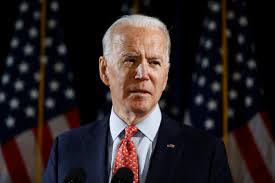
On November 3, Joe Biden became President-elect of the United States by winning 81,283,495 votes, or 51.4% of the vote, compared to 74,223,755 votes, or 46.9% of the vote cast for President Donald Trump.
In the Electoral College—which actually determines the winner—the results were even more stunning: 306 votes for Biden, compared with 232 for Trump. It takes 270 votes to be declared the victor.
Joe Biden
From the moment Biden was declared the winner, Trump set out to overturn that verdict.
For the first time in American history, a President demanded a halt to the counting of votes while the outcome of an election hung in doubt.
But states ignored his demand and kept counting.
Next, Trump ordered his attorneys to file lawsuits to overturn the election results, charging electoral fraud.
Throughout November and December, cases were filed in Wisconsin, Arizona, Nevada, Michigan, Minnesota and Georgia challenging the election results. None were supported by evidence of fraud—as even Trump’s lawyers admitted when questioned by judges.
From November 3 to December 14, Trump and his allies lost 59 times in court, either withdrawing cases or having them dismissed by Federal and state judges.
On November 19, Trump invited two Republican legislative leaders from Michigan to the White House—to persuade them to stop the state from certifying the vote.
The Michigan legislators said they would follow the law.
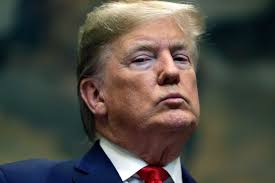
On December 5, Trump called Georgia Governor Brian Kemp and asked him to call a special legislative session and convince state legislators to select their own electors that would support him, thus overturning Biden’s win.
Kemp refused, saying he lacked the authority to do so.
Donald Trump
On December 8, the Supreme Court refused to hear Trump’s bid to reverse Pennsylvania’s certification of Biden’s victory. Representative Mike Kelly (R-PA), a Trump ally, argued that the state’s 2.5 million mail-in votes were unconstitutional.
Although Trump had appointed three of the Court’s Justices, not one of them dissented.
On December 10, the Supreme Court refused to let a Texas lawsuit overturn the results in four battleground states: Georgia, Michigan, Pennsylvania and Wisconsin.
The majority of their votes had been cast for Biden.
With the Senate due to certify states’ Electoral College results on January 6, Trump pressed Vice President Mike Pence to flip the results of the election to give him a win. This despite the fact that the Electoral Count Act of 1887 limits the Vice President to a largely ceremonial role.
Then, on December 30, Missouri Republican Senator Josh Hawley announced that, on January 6, 2021, he would object to the certification of some states’ Electoral College results. As many as 140 House Republicans could join him.
This will force Republicans to:
- Vote to reject Trump’s unsubstantiated claims of massive voter fraud; or
- Disenfranchise millions of voters who voted for Biden.
Never before has a losing Presidential candidate mounted a legal coup to overturn an election’s results.
“Josh Hawley and anyone who supports his effort are engaged in the attempted overthrow of democracy,” Democratic Connecticut Senator Chris Murphy said.
“There is no evidence that there was any fraud. Senator Hawley apparently believes that if a Democrat wins the presidential race, it must be illegitimate by definition, even absent any actual evidence of misbehavior.”
Nebraska Republican Senator Ben Sasse bluntly offered the reason for this effort: ‘”We have a bunch of ambitious politicians who think there’s a quick way to tap into the president’s populist base without doing any real, long-term damage. But they’re wrong—and this issue is bigger than anyone’s personal ambitions.”
1999 (YEAR), 2000 (YEAR), 2020, 2020 PRESIDENTIAL ELECTION, ABC NEWS, ABRAHAM LINCOLN, ALTERNET, AMERICABLOG, AP, APOCALYPSE, ARMAGEDDON, BABY BOOMER RESISTANCE, BLOOMBERG, BUZZFEED, CBS NEWS, CNN, COMPUTERS, COVID-19, CROOKS AND LIARS, DAILY KOZ, DONALD TRUMP, DRUDGE REPORT, FACEBOOK, FIVETHIRTYEIGHT, GAIUS CASSIUS, HARPER’S MAGAZINE, HUFFINGTON POST, JESUS CHRIST, JOSEPH BIDEN, JULIUS CAESAR (PLAY), MEDIA MATTERS, MILLENNIUM, MOTHER JONES, MOVEON, MSNBC, NBC NEWS, NEW YEAR'S DAY, NEW YEAR'S EVE, NEW YORK, NEWSWEEK, NPR, PBS NEWSHOUR, POLITICO, POLITICUSUSA, RAW STORY, REUTERS, RIOTS, SALON, SAN FRANCISCO, SEATTLE TIMES, SLATE, SOREN KIERKEGAARD, TALKING POINTS MEMO, THE ATLANTIC, THE CHICAGO SUN-TIMES, THE CHICAGO TRIBUNE, THE DAILY BEAST, THE DAILY BLOG, THE GUARDIAN, THE HILL, THE HUFFINGTON POST, THE LOS ANGELES TIMES, THE MILLENNIUM, THE NATION, THE NEW REPUBLIC, THE NEW YORK TIMES, THE VILLAGE VOICE, THE WASHINGTON POST, THINKPROGRESS, TIME, TIMES SQUARE, TRUTHDIG, TRUTHOUT, TWITTER, TWO POLITICAL JUNKIES, U.S. NEWS & WORLD REPORT, UPI, USA TODAY, WILLIAM SHAESPEARE, WONKETTE, Y2K
In Entertainment, History, Social commentary, Uncategorized on December 31, 2020 at 12:08 am
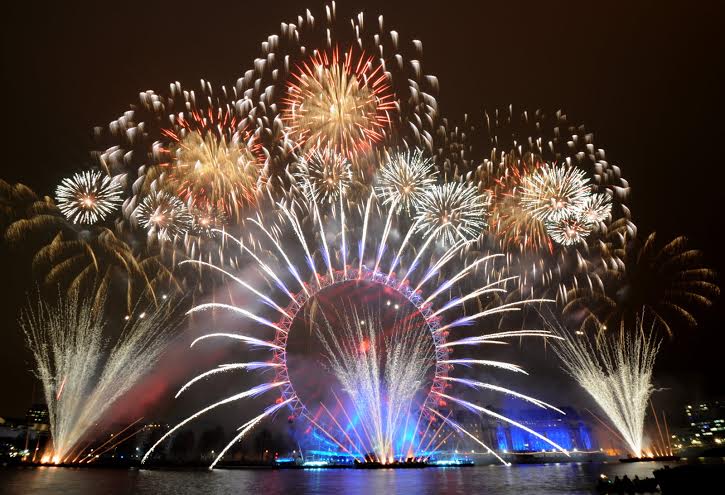
New Year’s Eve, 2020, will soon lie behind us.
And for most people, saying “Goodbye” to 2020 can’t happen soon enough.
New Year’s Eve is traditionally a time for people to reflect on the major events of the previous 12 months. Some of these are highly personal. Others have been shared by the entire country.
Some of these remembrances inevitably bring pleasure. Others bring pain.
And 2020 has been a year of pain for millions.
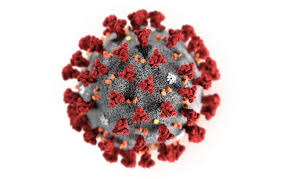
Starting in January, COVID-19 swept across the globe. To date, it’s infected 82 million worldwide—and taken 1.79 million. In the United States, it’s infected 19.7 million and killed 341,000.
COVID-19
But, as the year came near its end, a ray of hope suddenly dawned: Two anti-COVID vaccines finally appeared on the market.
It would take time for them to reach significant numbers of people. But now an end to the global pandemic was finally within sight.
At the heart of every New Year’s Eve celebration is the fantasy that you get to start fresh in a matter of hours. And with that fantasy comes hope—that, this time, you can put your sorrows and failures behind you.
And for millions in 2021, life will look brighter—because Donald Trump, whose Presidency has been marked by unprecedented criminality and treason, will leave office on January 20.
True, he’s not going gently into that good night.
Donald Trump
Ever since former Vice President Joseph Biden won the votes of 81 million Americans, Trump has refused to concede. Even worse, he’s repeatedly—and falsely—claimed that he was “cheated” of victory by massive electoral fraud.
He’s pressed these lies as high as the Supreme Court—and has seen more than 50 cases dismissed by judges or withdrawn by his lawyers.
So he is going.
The last New Year’s Eve to be marked by worldwide fears was that of 1999:
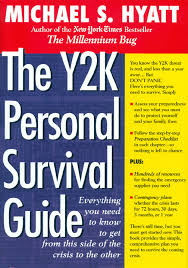
- Fear of Y2K—that our highly computerized, globally-interconnected world would crash when the “19″ at the start of every year was replaced with a “20″.
- Fear of Armageddon—that Jesus, after dying 2,000 years ago, would return to destroy mankind (except for those 144,000 righteous souls He deemed worthy of salvation).
- Fear of the Millennium itself—of ending not simply another decade and century but an entire thousand-year period of history, and thus losing our historical ties to the familiar highlights of our own (and America’s) past.
And, especially where Y2K was concerned, news commentators were quick to stoke our anxieties.

Long before New Year’s Eve, TV newscasters repeatedly warned that, when midnight struck on January 1, 2000, the three places you did not want to be were:
- In an airplane.
- In an elevator.
- In a hospital.
Countless numbers of people in America and around the world stocked up on food, water, batteries and other essentials for surviving an emergency.
Merchants and police feared widespread rioting and violence. If Y2K didn’t set it off, then fears of a heaven-sent Apocalypse might.
In San Francisco, along Powell Street—a major center of tourism and commerce—store owners boarded up their doors and windows as New Year’s Eve approached. Many closed earlier than usual that day.
Fortunately, when midnight struck on January 1, 2000, the predictors of the coming Apocalypse were proven wrong.
- Computers kept working—and civilization didn’t crash along with them.
- Jesus didn’t miraculously return from the dead—just as he hadn’t during any previous year.
- And those who feared that the Millennium would usher in a strange and frightening new world soon found that 2000 was not all that different from previous years.
New Year’s Eve 1999 is now 21 years distant. But some lessons may still be learned from it:
Each year is a journey unto itself—filled with countless joys and sorrows. Many of these joys can’t be predicted. And many of these tragedies can’t be prevented.
Learn to tell real dangers from imaginary ones. Computers are real—and sometimes they crash. Men who died 2,000 years ago do not leap out of graveyards, no matter what their disciples predict.
Don’t expect any particular year to usher in the Apocalypse. In any given year there will be wars, famines, earthquakes, riots, floods and a host of other disasters. These have always been with us–and always will be. As Abraham Lincoln once said: “The best thing about the future is that it comes one day at a time.”
Don’t expect some Great Leader to lead you to success. As Gaius Cassius says in William Shakespeare’s “Julius Caesar”: “Men at some time are masters of their fate. The fault, dear Brutus, is not in our stars but in ourselves that we are underlings.”
Don’t expect any particular year or event to usher in your happiness. To again quote Lincoln: “Most people are about as happy as they make up their minds to be.”
If your life seems to make no sense to you, consider this: The philosopher Soren Kierkegaard once noted: “Life can only be understood backwards, but it must be lived forwards.”

 Bureaucracybuster's Blog
2016 PRESIDENTIAL ELECTION, 2020 PRESIDENTIAL ELECTION, ABC NEWS, ABRAHAM LINCOLN, ADOLF HITLER, ALTERNET, AMERICABLOG, AP, ATTACK ON CAPITOL BUILDING, BABY BOOMER RESISTANCE, BLACKS, BLOOMBERG, BRIBERY, BUZZFEED, CBS NEWS, CIA, CIVIL WAR, CNN, COLD WAR, CORONAVIRUS, CROOKS AND LIARS, DAILY KOZ, DONALD TRUMP, DRUDGE REPORT, ELECTORAL COLLEGE, FACEBOOK, FBI, FIVETHIRTYEIGHT, FOX NEWS, FRANKLIN D. ROOSEVELT, GREAT DEPRESSION, HARPER’S MAGAZINE, HERBERT HOOVER, HISPANICS, HITLER (BOOK), HUFFINGTON POST, JOACHIM C. FEST, JOHN F. KENNEDY, JOSEPH R. BIDEN, LYNDON B. JOHNSON, MEDIA MATTERS, MOTHER JONES, MOVEON, MSNBC, NAZI GERMANY, NBC NEWS, NEWSWEEK, NPR, OTTO VON BISMARCK, PBS NEWSHOUR, POLITICO, POLITICUSUSA, RAW STORY, REPUBLICANS, REUTERS, RICHARD M. NIXON, SALON, SEATTLE TIMES, SEXUAL ABUSE, SLATE, TALKING POINTS MEMO, THE ATLANTIC, THE CHICAGO SUN-TIMES, THE CHICAGO TRIBUNE, THE DAILY BEAST, THE DAILY BLOG, THE DISABLED, THE GUARDIAN, THE HILL, THE HUFFINGTON POST, THE LOS ANGELES TIMES, THE NATION, THE NEW REPUBLIC, THE NEW YORK TIMES, THE PRESS, THE VILLAGE VOICE, THE WASHINGTON POST, THEODORE ROOSEVELT, THINKPROGRESS, TIME, TRUTHDIG, TRUTHOUT, TWITTER, TWO POLITICAL JUNKIES, U.S. NEWS & WORLD REPORT, UPI, USA TODAY, VIETNAM WAR, VLADIMIR PUTIN, WATERGATE, WOMEN, WONKETTE, WORLD WAR ii
WHAT MAKES A PRESIDENT BELOVED? HATED? FORGOTTEN?
In Bureaucracy, History, Law, Law Enforcement, Military, Politics, Social commentary on January 20, 2021 at 12:08 amWhy are some Presidents remembered with affection, while others are detested—or forgotten altogether?
Generally, Presidents who are warmly remembered are seen as making positive contributions to the lives of their fellow Americans and being “people-oriented.”
Among these:
Among the reasons they are held in such high regard:
Abraham Lincoln
Franklin D. Roosevelt
John F. Kennedy
Presidents who remain unpopular among Americans are seen as unlikable and responsible (directly or not) for mass suffering.
Among these:
Among the reasons they are held in such low regard:
Lyndon B. Johnson
Richard M. Nixon
Which brings us to the question: How is President Donald J. Trump likely to be remembered?
Historian Joachim C. Fest offers an unintended answer to this question in his 1973 bestselling biography Hitler:
“An ancient tenet of aesthetics holds that one who for all his remarkable traits is a repulsive human being, is unfit to be a hero.”
Among the reasons for Hitler’s being “a repulsive human being,” Fest cites the Fuhrer’s
Fest then quotes German chancellor Otto von Bismarck on what constitutes greatness: “Impressiveness in this world is always akin to the fallen angel who is beautiful but without peace, great in his plans and efforts, but without success, proud but sad.”
And Fest concludes: “If this is true greatness, Hitler’s distance from it is immeasurable.”
What Fest writes about Adolf Hitler applies just as brutally to Donald Trump.
Donald Trump
He has:
At this stage, it’s hard to imagine Trump joining that select number of Presidents Americans remember with awe and reverence.
Share this: