Posts Tagged ‘DONALD TRUMP’
2012 PRESIDENTIAL RACE, 2016 PRESIDENTIAL RACE, ABC NEWS, ADULTERY, ALTERNET, AP, ATHEISTS, BARACK OBAMA, BIBLE, BILL MAHER, BIRTH CONTROL, BUZZFEED, CATHOLICS, CBS NEWS, CIVIL LIBERTIES, CNN, CROOKS AND LIARS, DAILY KOZ, DONALD TRUMP, ELEANOR ROOSEVELT, FACEBOOK, FRANKLIN GRAHAM, HOMOSEXUALITY, HOMOSEXUALS, ISLAM, JERRY FALWELL JR., JESUS CHRIST, JEWS, LESBIANS, LIBERALS, MIKE PENCE, MITT ROMNEY, MOTHER JONES, MOVEON, MSNBC, MUSLIMS, NBC NEWS, NEWSWEEK, NEWT GINGRICH, NON-CHRISTIANS, NPR, PBS NEWSHOUR, POLITICO, RAW STORY, RELIGION, RELIGIOUS FREEDOM RESTORATION ACT, REPUBLICAN PARTY, REUTERS, RICHARD FEYNMAN, RICK SANTORUM, SALON, SAUDI ARABIA, SCIENCE, SEATTLE TIMES, SLATE, SLAVERY, SPANISH INQUISITION, STORMY DANIELS, SUPREME COURT, TEA PARTY, THE ATLANTIC, THE CHICAGO SUN-TIMES, THE CHICAGO TRIBUNE, THE DAILY BEAST, THE GUARDIAN, THE HILL, THE HUFFINGTON POST, THE LOS ANGELES TIMES, THE NATION, THE NEW YORK TIMES, THE WALL STREET JOURNAL, THE WASHINGTON POST, THEOLOGY, TIME, TOMAS DE TORQUEMADA, TWITTER, U.S. NEWS & WORLD REPORT, UPI, USA TODAY, WAR, WOMEN
In Bureaucracy, History, Law, Law Enforcement, Military, Politics, Social commentary on September 25, 2018 at 12:23 am
American Right-wing elements relentlessly claimed that President Barack Obama was waging “a war on religion.”
GOP candidates like Rick Santorum, Newt Gingrich and Mitt Romney intended to make this a major theme of their respective campaigns for President.
Obama supported a woman’s right
- to obtain abortion—including in cases of rape and incest;
- to obtain birth control; and
- to obtain amniocentesis (pre-natal testing).
By promoting women’s rights, Obama was “waging a war against religion”—according to American fascists.”
Since access to such medical procedures as birth control and pre-natal testing has long been entirely legal, what’s all the fuss about?
It’s simple: The Right is not waging a “war for religious liberty.”
It’s waging a bitter struggle to establish a government that uses force or the threat of it to impose reactionary religious beliefs on religionists who do not share such religious beliefs.
And on atheists or agnostics, who share none at all.
These Rightists and their theocratic allies have less in common with Jesus Christ than with Tomas de Torquemada (1420 – 1498), the infamous Grand Inquisitor of the Spanish Inquisition.
Christ never ordered the torture or death of anyone. Torquemada—claiming to act in “defense” of the Roman Catholic Church—presided over the deaths of at least 2,000 “heretics.”

Tomas de Torquemada
Nor did these unfortunate victims of religious fanaticism meet their death quickly or painlessly. They died by perhaps the cruelest means possible—by being burned alive at the stake.
Torquemada didn’t hesitate to pronounce someone a heretic. He “knew” who such people were. They were Jews, Muslims, atheists. They were “lapsed Catholics” who, in his view, failed to show fervent devotion to the religious authorities—like himself—who tyrannically ruled their lives.
For such people, Torquemada believed, the only road to salvation lay in being “cleansed” of their sins. And nothing burns away impurities like fire.
But before the fire-stakes came the fire-mindset: The arrogance of “knowing” who qualified as “saved” and who would be forever “damned.”
Unless, of course, his or her soul had been “purified” by fire.

“Heretic” burned at the stake
Fundamentalist Christians can no longer sentence “heretics” to the stake.
But the mindset that ruled the Spanish Inquisition has not disappeared. It has been vividly displayed by no less a religious authority than Franklin Graham, son of America’s most famous preacher, Billy Graham.

Franklin Graham
Appearing on the MSNBC program, “Morning Joe,” on February 21, 2012, Graham was asked if he thought that Barack Obama, Rick Santorum, Newt Gingrich and Mitt Romney qualified as Christians.
On Obama: “Islam sees him as a son of Islam… I can’t say categorically that [Obama is not Muslim] because Islam has gotten a free pass under Obama.”
On Santorum: “I think so. His values are so clear on moral issues. No question about it… I think he’s a man of faith.”
On Gingrich: “I think Newt Gingrich is a Christian, at least he told me he is.”
On Romney: “Most Christians would not recognize Mormons as part of the Christian faith. They believe in Jesus Christ. They have a lot of other things they believe in too, that we don’t accept, theologically.”
Thus, Graham pronounced as “saved” a notorious multiple-adulterer like Gingrich. He also gave a pass to Santorum, who married a woman who had lived “in sin” with an abortionist for six years.
But he unhesitatingly damned a longtime churchgoer like Obama or a devout Mormon like Romney (whose faith, most evangelicals like Graham believe, is actually a non-Christian cult).
Six years later, in 2018, Graham defended President Donald Trump, a notorious womanizer and multiple-adulterer, against charges that, in 2006, he had slept with porn star Stormy Daniels.
“I believe at 70 years of age the president is a much different person today than he was four years ago, five years ago, 10 years ago. He is not President Perfect.”
This differs greatly from his position on President Bill Clinton’s affair with Monica Lewinsky: “If he will lie to or mislead his wife and daughter, those with whom he is most intimate, what will prevent him from doing the same to the American public?”
It’s easy to imagine Graham transported to the French city of Toulouse in the 14th century. And to imagine him wearing the robes of Bernardo Gui, the chief inquisitor of the Dominican Order during the Medieval Inquisition (1184 – 1230s).

Gui closely studied the best methods for interrogating “heretics.” He set forth his findings in his most important and famous work, Practica Inquisitionis Heretice Pravitatis. or “Conduct of the Inquisition into Heretical Wickedness.”
In this, he offered a vivid example of how such an interrogation might go. The following is taken from that manual:
When a heretic is first brought up for examination, he assumes a confident air, as though secure in his innocence. I ask him why he has been brought before me. He replies, smiling and courteous, “Sir, I would be glad to learn the cause from you.”
This is not a dialogue between equals. The Inquisitor literally holds the power of life or agonizing death over the man or woman he is interrogating.
2012 PRESIDENTIAL RACE, 2016 PRESIDENTIAL RACE, ABC NEWS, ADULTERY, ALTERNET, AP, ATHEISTS, BARACK OBAMA, BIBLE, BILL MAHER, BIRTH CONTROL, BUZZFEED, CATHOLICS, CBS NEWS, CIVIL LIBERTIES, CNN, CROOKS AND LIARS, DAILY KOZ, DONALD TRUMP, ELEANOR ROOSEVELT, FACEBOOK, FRANKLIN GRAHAM, HOMOSEXUALITY, HOMOSEXUALS, ISLAM, JERRY FALWELL JR., JESUS CHRIST, JEWS, LESBIANS, LIBERALS, MIKE PENCE, MITT ROMNEY, MOTHER JONES, MOVEON, MSNBC, MUSLIMS, NBC NEWS, NEWSWEEK, NEWT GINGRICH, NON-CHRISTIANS, NPR, PBS NEWSHOUR, POLITICO, RAW STORY, RELIGION, RELIGIOUS FREEDOM RESTORATION ACT, REPUBLICAN PARTY, REUTERS, RICHARD FEYNMAN, RICK SANTORUM, SALON, SAUDI ARABIA, SCIENCE, SEATTLE TIMES, SLATE, SLAVERY, SPANISH INQUISITION, STORMY DANIELS, SUPREME COURT, TEA PARTY, THE ATLANTIC, THE CHICAGO SUN-TIMES, THE CHICAGO TRIBUNE, THE DAILY BEAST, THE GUARDIAN, THE HILL, THE HUFFINGTON POST, THE LOS ANGELES TIMES, THE NATION, THE NEW YORK TIMES, THE WALL STREET JOURNAL, THE WASHINGTON POST, THEOLOGY, TIME, TOMAS DE TORQUEMADA, TWITTER, U.S. NEWS & WORLD REPORT, UPI, USA TODAY, WAR, WOMEN
In Bureaucracy, History, Law, Law Enforcement, Military, Politics, Social commentary on September 24, 2018 at 12:08 am
Hamza Kashgari, a 23-year-old columnist in Saudi Arabia, decided to celebrate the birthday of the Islamic prophet Muhammed in a truly unique way.

Hamza Kashgar
In early February, 2012, he posted on Twitter a series of mock conversations between himself and Muhammad:
“On your birthday, I will say that I have loved the rebel in you, that you’ve always been a source of inspiration to me, and that I do not like the halos of divinity around you. I shall not pray for you.”
“On your birthday, I find you wherever I turn. I will say that I have loved aspects of you, hated others, and could not understand many more.”
“On your birthday, I shall not bow to you. I shall not kiss your hand. Rather, I shall shake it as equals do, and smile at you as you smile at me. I shall speak to you as a friend, no more.”
“No Saudi women will go to hell, because it’s impossible to go there twice.”
The tweets sparked some 30,000 infuriated responses. Many Islamic clerics demanded that he face execution for blasphemy.
Kashgari posted an apology tweet: “I deleted my previous tweets because…I realized that they may have been offensive to the Prophet and I don’t want anyone to misunderstand.”
Soon afterward, Abdullah bin Abdulaziz Al Saud, then King of Saudi Arabia, ordered his arrest.

Saudi King King Abdullah
Kashgari fled to Malaysia, another majority-Muslim country. He was quickly arrested by police as he passed through Kuala Lumpur international airport. Three days later, he was deported to Saudi Arabia.
Human rights groups feared that he would be executed for blasphemy, a capitol offense in Saudi Arabia.
After nearly two years in prison, Kashgari was freed on October 29, 2013. Kashgari used Twitter to inform his supporters of his release.
Outrageous? By Western standards, absolutely.
Clearly there is no tolerence in Saudi Arabia for the freedoms of thought and expression that Americans take for granted.
Meanwhile, Right-wing American ayatollahs are working overtime to create just that sort of society—where theocratic despotism rules the most intimate aspects of our lives.
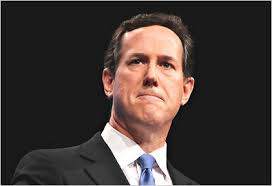
One of these is the former GOP Presidential candidate and U.S. Senator Rick Santorum. In early January, 2012, he said that states should have the right to outlaw birth control without the interference of the Supreme Court.
Rick Santorum
In an interview with ABC News, Santorum said he opposed the Supreme Court’s ruling that made birth control legal:
“The state has a right to do that [ban contraception]. I have never questioned that the state has a right to do that. It is not a Constitutional right. The state has the right to pass whatever statutes they have.
“That’s the thing I have said about the activism of the Supreme Court—they are creating rights, and it should be left up to the people to decide.”
In the landmark 1965 decision, Griswold v. Connecticut, the Court struck down a law that made it a crime to sell contraceptives to married couples. The Constitution, ruled the Justices, protected a right to privacy.
Two years later, in Eisenstadt v. Baird, the Court extended Griswold by striking down a law banning the sale of contraceptives to unmarried couples.
Santorum has left no doubt as to where he stands on contraception. On October 19, 2011, he said:
“One of the things I will talk about that no President has talked about before is I think the dangers of contraception in this country, the whole sexual libertine idea. Many in the Christian faith have said, ‘“Well, that’s okay. Contraception’s okay.’
“It’s not okay because it’s a license to do things in the sexual realm that is counter to how things are supposed to be. They’re supposed to be within marriage, they are supposed to be for purposes that are, yes, conjugal, but also…procreative.
“That’s the perfect way that a sexual union should happen. We take any part of that out, we diminish the act….And all of a sudden, it becomes deconstructed to the point where it’s simply pleasure.”
“How things are supposed to be”—according to Right-wing fanatics like Santorum and the evangelicals who support them.
Like the Saudi religious religious zealots who demand the death of a “blasphemer,” they demand that their religious views should govern everyone. That means Jews, Catholics, Islamics, atheists and agnostics.
American Christian fundamentalists and Islamic fundamentalists fervently agree on the following:
- Women should have fewer rights than men.
- Abortion should be illegal.
- There should be no separation between church and state.
- Religion should be taught in school.
- Religious doctrine trumps science.
- Government should be based on religious doctrine.
- Homosexuality should be outlawed.
The important difference—for Americans who value their freedom—is this:
The United States has a Supreme Court that can—and does—overturn laws that threaten civil liberties. Laws that GOP Presidential candidates clearly want to revive and force on those who don’t share their peculiar religious views.
Eleanor Roosevelt once said: “No one can make you feel inferior without your consent.”
The same holds true—in a democracy—for candidates who seek dictatorial power over their fellow citizens. Don’t give them your consent.
2016 PRESIDENTIAL CAMPAIGN, ABC NEWS, ALTERNET, AMERICAN REVOLUTION, AP, BARACK OBAMA, BUREAU OF LABOR STATISTICS, BUZZFEED, CALVIN COOLIDGE, CBS NEWS, CELINDA LAKE, CHINA, CHRIS MATTHEWS, CNN, CROOKS AND LIARS, DAILY KOZ, DIVINE RIGHT OF KINGS THEORY, DONALD TRUMP, EMANCIPATION PROCLAMATION, EMPLOYERS RESPONSIBILITY ACT, EMPLOYMENT ACT OF 1946, FACEBOOK, HARDBALL, HILLARY CLINTON, JOB CREATORS, JOHN F. KENNEDY, LOS ANGELES TIMES, LYNDON B. JOHNSON, MOTHER JONES, MOVEON, MSNBC, NBC NEWS, NEW YORK TIMES, NEWSWEEK, NPR, PBS NEWSHOUR, PETER CAPPELLI, POLITICO, RAW STORY, READERS DIGEST, REPUBLICANS, REUTERS, ROBERT REICH, SALON, SEATTLE TIMES, SENATOR BERNIE SANDERS, SLATE, SLAVERY, STEVE POIZNER, THE ATLANTIC, THE CHICAGO SUN-TIMES, THE CHICAGO TRIBUNE, THE DAILY BEAST, THE GUARDIAN, THE HILL, THE HUFFINGTON POST, THE LOS ANGELES TIMES, THE NATION, THE NEW YORK TIMES, THE RACHEL MADDOW SHOW, THE WASHINGTON POST, TIME, TOMMY G. THOMPSON, TWITTER, U.S. NEWS & WORLD REPORT, UNEMPLOYMENT, UPI, USA TODAY, WALLACE C. PETERSON, WASHINGTON POST, WHY GOOD PEOPLE CAN'T FIND JOBS
In Bureaucracy, History, Law, Law Enforcement, Politics, Social commentary on September 21, 2018 at 12:30 am
Another way an Employers Responsibility Act (ERA) could promote fulltime employment: It would nicely dovetail with the 1946 Employment Act.
Codified as 15 U.S.C. § 1021, this is a United States federal law. It states: “It is the continuing policy and responsibility of the Federal government…to promote maximum employment, production, and purchasing power.”
Unfortunately, that act has been seriously neglected, according to the late Wallace C. Peterson, George Holmes Professor of Economics Emeritus at the University of Nebraska-Lincoln.
Peterson, who died in April, 2012, was a proponent of Keynesian economics and authored a textbook on macroeconomics that was widely adopted in colleges and universities through eight editions.
He authored a second economics textbook, five specialized economics books and over 60 articles.
He was elected president of the Association for Evolutionary Economics (AFEE), president of the Association for Social Economics, president of the Midwest Economics Association and was the 1992 recipient of the Veblen-Commons award.
“No administration since the Kennedy-Johnson presidencies in the 1960s has taken the Employment Act seriously,” wrote Peterson in a letter to this columnist.
“President Kennedy established a 4% unemployment rate as an interim target on the road to a full employment economy. But after President Johnson left office in 1969, full employment has not been an important policy objective for any administration, Democrat or Republican.
“The nation needs a modernized full employment policy.”

Wallace C. Peterson
Such a full-employment policy “would not only seek to bring the unemployment rate down to 3% or less, but would also aim at the creation of ‘good jobs’—jobs that carry with them an income appropriate to middle-class hopes and aspirations,” wrote Peterson.
“Too many of the millions who have lost good jobs in the last two decades have not been able to find new, fulltime jobs. or have had to take significant reduction in pay even if they were able to find fulltime work.
“Government through the 1946 Employment Act has a major responsibility to promote conditions that tmake full employment possible. Workers have a major responsibility to educate and train themselves for the jobs that become available in a society characterized by rapid technical change.
“What of employers? What is their responsibility?
“Such an [Employers Responsibility] Act would require employers to demonstrate as much responsibility for hiring as job-seekers are expected to display in finding work.
”This “is certain to be controversial, but it adds yet another dimension to the debate on how an adequate number of good, well-paying jobs can be created….”
“An Employers Responsibility Act, in combination with existing legislation such as the 1946 Employment Act and the 1935 National Labor-Relations Act, could be a powerful force in moving labor-management relations in this country away from its current adversarial character, toward a more harmonious and cooperative climate.”
* * * * *
For thousands of years, otherwise highly intelligent men and women believed that kings ruled by divine right. That kings held absolute power, levied extortionate taxes and sent countless millions of men off to war—all because God wanted it that way.
That lunacy was dealt a deadly blow in 1776 when American Revolutionaries threw off the despotic rule of King George III of England.
But today, millions of Americans remain imprisoned by an equally outrageous and dangerous theory: The Theory of the Divine Right of Employers.
Summing up this employer-as-God attitude, Calvin Coolidge still speaks for the overwhelming majority of employers and their paid shills in government: “The man who builds a factory builds a temple, and the man who works there worships there.”
America can no longer afford such a dangerous fallacy as the Theory of the Divine Right of Employers.
President Donald Trump has repeatedly crowed over the passage of the Tax Cuts and Jobs Act, passed by the Senate on December 19, 2017, and signed into law by him on December 22.
Yet former Secretary of Labor Robert Reich warned before the bill became law:
“What corporations have done [with past tax cuts] is raise executive salaries and also buy back shares of stock, in order to raise stock prices. They don’t invest the money in additional jobs or additional machines or additional equipment or things like that because there is no reason for them to unless they have got more demand for their goods and services. And this bill is not going to create more demand.”
In short: The powerful never voluntarily behave responsibly or surrender their privileges.
Americans did not win their freedom from Great Britain—and its enslaving doctrine of “the divine right of kings”—by begging for their rights.
And Americans will not win their freedom from their corporate masters—and the equally enslaving doctrine of “the divine right of employers”—by begging for the right to work and support themselves and their families.
And they will most certainly never win such freedom by supporting right-wing political candidates whose first and only allegiance is to the corporate interests who bankroll their campaigns.
Corporations can—and do—spend millions of dollars on TV ads, selling lies—lies such as the “skills gap,” and how if the wealthy are forced to pay their fair share of taxes, jobs will inevitably disappear.
But Americans can choose to reject those lies—and demand that employers behave like patriots instead of predators.
2016 PRESIDENTIAL CAMPAIGN, ABC NEWS, ALTERNET, AMERICAN REVOLUTION, AP, BARACK OBAMA, BUREAU OF LABOR STATISTICS, BUZZFEED, CALVIN COOLIDGE, CBS NEWS, CELINDA LAKE, CHINA, CHRIS MATTHEWS, CNN, CROOKS AND LIARS, DAILY KOZ, DIVINE RIGHT OF KINGS THEORY, DONALD TRUMP, EMANCIPATION PROCLAMATION, EMPLOYERS RESPONSIBILITY ACT, EMPLOYMENT ACT OF 1946, FACEBOOK, HARDBALL, HILLARY CLINTON, JOB CREATORS, JOHN F. KENNEDY, LOS ANGELES TIMES, LYNDON B. JOHNSON, MOTHER JONES, MOVEON, MSNBC, NBC NEWS, NEW YORK TIMES, NEWSWEEK, NPR, PBS NEWSHOUR, PETER CAPPELLI, POLITICO, RAW STORY, READERS DIGEST, REPUBLICANS, REUTERS, ROBERT REICH, SALON, SEATTLE TIMES, SENATOR BERNIE SANDERS, SLATE, SLAVERY, STEVE POIZNER, TED RALL, THE ATLANTIC, THE CHICAGO SUN-TIMES, THE CHICAGO TRIBUNE, THE DAILY BEAST, THE GUARDIAN, THE HILL, THE HUFFINGTON POST, THE LOS ANGELES TIMES, THE NATION, THE NEW YORK TIMES, THE RACHEL MADDOW SHOW, THE WASHINGTON POST, TIME, TOMMY G. THOMPSON, TWITTER, U.S. NEWS & WORLD REPORT, UNEMPLOYMENT, UPI, USA TODAY, WALLACE C. PETERSON, WASHINGTON POST, WHY GOOD PEOPLE CAN'T FIND JOBS
In Bureaucracy, History, Law, Law Enforcement, Politics, Social commentary on September 20, 2018 at 12:05 am
The last five provisions of an Employers Responsibility Act (ERA) would cover the following:
(11) Employers who continue to make such overtures would be prosecuted for attempted bribery or extortion:
- Bribery, if they offered to move to a city/state in return for “economic incentives,” or
- Extortion, if they threatened to move their companies from a city/state if they did not receive such “economic incentives.”
This would protect employees against artificially-depressed wages and unsafe working conditions; protect the environment in which these employees live; and protect cities/states from being pitted against one another at the expense of their economic prosperity.
(12) The U.S. Departments of Justice and Labor would regularly monitor the extent of employer compliance with the provisions of this Act.
Among these measures: Sending undercover agents, posing as highly-qualified job-seekers, to apply at companies—and then vigorously prosecuting those employers who blatantly refused to hire despite their proven economic ability to do so.
This would be comparable to the long-time and legally-validated practice of using undercover agents to determine compliance with fair-housing laws.
(13) The Justice Department and/or the Labor Department would be required to maintain a publicly-accessible database on those companies that had been cited, sued and/or convicted for such offenses as
- discrimination,
- harassment,
- health and/or safety violations or
- violating immigration laws.
Employers would be legally required to regularly provide such information to these agencies, so that it would remain accurate and up-to-date.
Such information would arm job applicants with vital information about the employers they were approaching. They could thus decide in advance if an employer is deserving of their skills and dedication.
As matters now stand, employers can legally demand to learn even the most private details of an applicant’s life without having to disclose even the most basic information about themselves and their history of treating employees.
(14) CEOs whose companies employ illegal aliens would be held directly accountable for the actions of their subordinates. Upon conviction, the CEO would be sentenced to a mandatory prison term of at least ten years.
This would prove a more effective remedy for controlling illegal immigration than stationing tens of thousands of soldiers on the U.S./ Mexican border. With CEOs forced to account for their subordinates’ actions, they would take drastic steps to ensure their companies complied with Federal immigration laws.
Without employers eager to hire illegal aliens at a fraction of the money paid to American workers, the invasions of illegal job-seekers would quickly come to an end.
(15) A portion of employers’ existing Federal taxes would be set aside to create a national clearinghouse for placing unemployed but qualified job-seekers.
* * * * *
Right-wing capitalists and their paid shills in Congress would attack such legislation as radically Communist. But an Employers Responsibility Act (ERA) would greatly increase America’s economic strength.
With a fully-employed workforce, far more consumers could afford the wide array of goods and services turned out by American business.
When consumers can’t afford these, companies are forced to cut their employees and produce fewer goods, which creates an ever-downward spiral.
An ERA would allow Democrats, to address the needs of blue-collar workers who once served as one of their primary constituencies.
During the 2016 Presidential campaign, Democratic nominee Hillary Clinton voiced the frustrations of millions of poor and middle-class Americans who felt abandoned by their employers and Washington policymakers.

Hillary Clinton
On September 26, Clinton said:
There “are people who feel that the government has let them down, the economy has let them down. Nobody cares about them. Nobody worries about what happens to their lives and their futures, and they’re just desperate for change. It doesn’t really even matter where it comes from.
“They don’t buy everything [Donald Trump] says, but he seems to hold out some hope that their lives will be different. They won’t wake up and see their jobs disappear, lose a kid to heroin, feel like they’re in a dead-end. Those are people we have to understand and empathize with as well.”
Eloquent words. But then she made no effort to follow up.
She could have used this moment to offer an economic package to quickly and effectively address their vital needs for jobs and medical care.
In May, 2016, Democratic pollster CeLinda Lake had warned Clinton to revamp her economic platform.
But Clinton had made no such effort. As a result, all she had to offer was boilerplate rhetoric, such as: “Education is the answer.”
Meanwhile, Republican Presidential nominee Donald Trump appealed to blue-collar voters as a populist. He visited “Rustbelt” states like Michigan and Pennsylvania, and vowed to “bring back” jobs that had been lost to China, such as those in coal mining and manufacturing.
Clinton didn’t deign to show up, assuming she had those states “locked up.”
“Democrats simply have to come up with a more robust economic frame and message,” Lake said after the election.
“We’re never going to win those white, blue-collar voters if we’re not better on the economy. And 27 policy papers and a list of positions is not a frame. We can laugh about it all we want, but Trump had one.”
And he used it to win those states Clinton had refused to visit.
2016 PRESIDENTIAL CAMPAIGN, ABC NEWS, ALTERNET, AMERICAN REVOLUTION, AP, BARACK OBAMA, BUREAU OF LABOR STATISTICS, BUZZFEED, CALVIN COOLIDGE, CBS NEWS, CELINDA LAKE, CHINA, CHRIS MATTHEWS, CNN, CROOKS AND LIARS, DAILY KOZ, DIVINE RIGHT OF KINGS THEORY, DONALD TRUMP, EMANCIPATION PROCLAMATION, EMPLOYERS RESPONSIBILITY ACT, EMPLOYMENT ACT OF 1946, FACEBOOK, HARDBALL, HILLARY CLINTON, JOB CREATORS, JOHN F. KENNEDY, LOS ANGELES TIMES, LYNDON B. JOHNSON, MOTHER JONES, MOVEON, MSNBC, NBC NEWS, NEW YORK TIMES, NEWSWEEK, NPR, PBS NEWSHOUR, PETER CAPPELLI, POLITICO, RAW STORY, READERS DIGEST, REPUBLICANS, REUTERS, ROBERT REICH, SALON, SEATTLE TIMES, SENATOR BERNIE SANDERS, SLATE, SLAVERY, STEVE POIZNER, THE ATLANTIC, THE CHICAGO SUN-TIMES, THE CHICAGO TRIBUNE, THE DAILY BEAST, THE GUARDIAN, THE HILL, THE HUFFINGTON POST, THE LOS ANGELES TIMES, THE NATION, THE NEW YORK TIMES, THE RACHEL MADDOW SHOW, THE WASHINGTON POST, TIME, TOMMY G. THOMPSON, TWITTER, U.S. NEWS & WORLD REPORT, UNEMPLOYMENT, UPI, USA TODAY, WALLACE C. PETERSON, WASHINGTON POST, WHY GOOD PEOPLE CAN'T FIND JOBS
In Bureaucracy, History, Law, Law Enforcement, Politics, Social commentary on September 19, 2018 at 12:05 am
America can end this national disaster—and disgrace—of willing-to-work Americans being unable to find willing-to-hire employers.
The solution: A nationwide Employers Responsibility Act (ERA).
Such legislation would legally require employers to demonstrate as much initiative for hiring as job-seekers are now expected to show in searching for work.
Among its provisions:
(2) Large companies (those employing more than 100 persons) would be required to create entry-level training programs for new, future employees.
These would be modeled on programs now existing for public employees, such as firefighters, police officers and members of the armed services. Such programs would remove the employer excuse, “I’m sorry, but we can’t hire you because you’ve never had any experience in this line of work.” After all, the Air Force has never rejected an applicant because, “I’m sorry, but you’ve never flown a plane before.”
This Nation has greatly benefited from the humane and professional efforts of the men and women who have graduated from public-sector training programs. There is no reason for the private sector to shun programs that have succeeded so brilliantly for the public sector.
(3) Employers would receive tax credits for creating professional, well-paying, full-time jobs.
This would encourage the creation of better than the menial, dead-end, low-paying and often part-time jobs which exist in the service industry. Employers found using such tax credits for any other purpose would be prosecuted for tax fraud.
(4) A company that acquired another—through a merger or buyout—would be forbidden to fire en masse the career employees of that acquired company.
This would be comparable to the protection existing for career civil service employees. Such a ban would prevent a return to the predatory “corporate raiding” practices of the 1980s, which left so much human and economic wreckage in their wake.
The wholesale firing of employees would trigger the prosecution of the company’s new owners. Employees could still be fired, but only for provable just cause, and only on a case-by-case basis.
(5) Employers would be required to provide full medical and pension benefits for all employees, regardless of their full-time or part-time status.
Increasingly, employers are replacing full-time workers with part-time ones—solely to avoid paying medical and pension benefits. Requiring employers to act humanely and responsibly toward all their employees would encourage them to provide full-time positions—and hasten the death of this greed-based practice.
(6) Employers of part-time workers would be required to comply with all federal labor laws.
Under current law, part-time employees are not protected against such abuses as discrimination, sexual harassment and unsafe working conditions. Closing this loophole would immediately create two positive results:
- Untold numbers of currently-exploited workers would be protected from the abuses of predatory employers; and
- Even predatorily-inclined employers would be encouraged to offer permanent, fulltime jobs rather than only part-time ones—since a major incentive for offering part-time jobs would now be eliminated.
(7) Employers would be encouraged to hire to their widest possible limits, through a combination of financial incentives and legal sanctions. Among those incentives: Employers demonstrating a willingness to hire would receive substantial Federal tax credits, based on the number of new, permanent employees hired per year.
Employers claiming eligibility for such credits would be required to make their financial records available to Federal investigators. Employers found making false claims would be prosecuted for perjury and tax fraud, and face heavy fines and imprisonment if convicted.
(8) Among those sanctions: Employers refusing to hire could be required to prove, in court:
- Their economic inability to hire further employees, and/or
- The unfitness of the specific, rejected applicant.
Companies found guilty of unjustifiably refusing to hire would face the same penalties as now applying in cases of discrimination on the basis of age, race, sex and disability. Employers would thus fund it easier to hire than to refuse to do so. Job-seekers would no longer be prevented from even being considered for employment because of arbitrary and interminable “hiring freezes.”
(9) Employers refusing to hire would be required to pay an additional “crime tax.”
Sociologists and criminologists agree that “the best cure for crime is a job.” Thus, employers who refuse to hire contribute to a growing crime rate in this Nation. Such non-hiring employers would be required to pay an additional tax, which would be earmarked for agencies of the criminal justice system at State and Federal levels.
(10) The seeking of “economic incentives” by companies in return for moving to or remaining in cities/states would be strictly forbidden.
Such “economic incentives” usually:
- allow employers to ignore existing laws protecting employees from unsafe working conditions;
- allow employers to ignore existing laws protecting the environment;
- allow employers to pay their employees the lowest acceptable wages, in return for the “privilege” of working at these companies; and/or
- allow employers to pay little or no business taxes, at the expense of communities who are required to make up for lost tax revenues.
2016 PRESIDENTIAL CAMPAIGN, ABC NEWS, ALTERNET, AMERICAN REVOLUTION, AP, BARACK OBAMA, BUREAU OF LABOR STATISTICS, BUZZFEED, CALVIN COOLIDGE, CBS NEWS, CELINDA LAKE, CHINA, CHRIS MATTHEWS, CNN, CROOKS AND LIARS, DAILY KOZ, DIVINE RIGHT OF KINGS THEORY, DONALD TRUMP, EMANCIPATION PROCLAMATION, EMPLOYERS RESPONSIBILITY ACT, EMPLOYMENT ACT OF 1946, FACEBOOK, HARDBALL, HILLARY CLINTON, JOB CREATORS, JOHN F. KENNEDY, LOS ANGELES TIMES, LYNDON B. JOHNSON, MOTHER JONES, MOVEON, MSNBC, NBC NEWS, NEW YORK TIMES, NEWSWEEK, NPR, PBS NEWSHOUR, PETER CAPPELLI, POLITICO, RAW STORY, READERS DIGEST, REPUBLICANS, REUTERS, ROBERT REICH, SALON, SEATTLE TIMES, SENATOR BERNIE SANDERS, SLATE, SLAVERY, STEVE POIZNER, THE ATLANTIC, THE CHICAGO SUN-TIMES, THE CHICAGO TRIBUNE, THE DAILY BEAST, THE GUARDIAN, THE HILL, THE HUFFINGTON POST, THE LOS ANGELES TIMES, THE NATION, THE NEW YORK TIMES, THE RACHEL MADDOW SHOW, THE WASHINGTON POST, TIME, TOMMY G. THOMPSON, TWITTER, U.S. NEWS & WORLD REPORT, UNEMPLOYMENT, UPI, USA TODAY, WALLACE C. PETERSON, WASHINGTON POST, WHY GOOD PEOPLE CAN'T FIND JOBS
In Bureaucracy, History, Law, Law Enforcement, Politics, Social commentary on September 18, 2018 at 12:06 am
More than six million willing-to-work Americans can’t find willing-to-hire employers.
And where there are victims, there are always people ready to profit from their desperation.
Consider the following email sent out by Steve Poizner, former Republican State Insurance Commissioner of California (2007-2011).
A successful Silicon Valley high tech entrepreneur, Poizner founded SnapTrack, Inc. and Strategic Mapping, Inc. In June, 2011, he co-founded the Encore Career Institute with the Sherry Lansing Foundation and Creative Artists Agency.
Thus, the email sent out on July 2, 2012, to advertise “Empowered UCLA Extension”:
Dear friends,
I wanted to share with you some news before my new venture – Empowered Careers – launches around the country….I’ve started this company to help address one of the key issues we face today — jobs. Our venture aims to close the skills gap through an innovative career development program — all delivered via the iPad.
It’s all designed specifically for baby boomers seeking to make a career change, get ahead professionally, or get back into the workforce.
Note the line: “Our venture aims to close the skills gap,” which it assumes to be a reality.
And the ad says nothing about the “greed gap” which exists between what employers demand from workers—and what they are willing to pay in return.
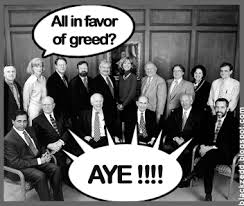
The Encore Careers Institute will offer online non-degree certificates for out of work adults and baby boomers looking to switch careers.
When did a non-degree certificate ever convince an employer to hire? Even a hiring-inclined employer?
And consider this passage:
Using our Empowered app, the iPad will transform any adult’s living room into a modern day classroom or transform a park bench into a study group while the kids are at soccer practice.
But transforming “any adult’s living room into a modern day classroom” will not compel those employers who refuse to hire to begin doing so.
Nor will it change the behavior of employers who:
- Will hire—but only on a part-time, no-benefits, minimum-wage basis;
- Continue to throw hard-working American employees into the street; and
- Move their companies to China, Mexico or Singapore.
And note that this program is aimed at those who can afford an iPad–and to shell out $9,800 for the course. This, says the website, “includes a one-time special reduction of $3,000 from our expected 2013 total program price of $12,800.”
So if you’re poor because you’re jobless, this program has nothing to offer you.
America can end this national disaster—and disgrace—of willing-to-work Americans being unable to fire willing-to-hire employers.
A policy based only on concessions—such as endless tax breaks for hugely profitable corporations—is a policy of appeasement.
And appeasement only whets the appetite of those appeased for even greater concessions.
It is past time to hold wealthy and powerful corporations accountable for their socially and financially irresponsible acts.
This solution can be summed up in three words: Employers Responsibility Act (ERA).
If passed by Congress and vigorously enforced by the U.S. Departments of Justice and Labor, an ERA would ensure full-time, permanent and productive employment for millions of capable, job-seeking Americans.
And it would achieve this without raising taxes or creating controversial government “make work” programs.
Such legislation would legally require employers to demonstrate as much initiative for hiring as job-seekers are now expected to show in searching for work.
An Employers Responsibility Act would simultaneously address the following evils for which employers are directly responsible:
- The loss of jobs within the United States owing to companies’ moving their operations abroad—solely to pay substandard wages to their new employees or avoid American health/safety laws.
- The mass firings of employees which usually accompany corporate mergers or acquisitions.
- The widespread victimization of part-time employees, who are not legally protected against such threats as racial discrimination, sexual harassment and unsafe working conditions.
- The refusal of many employers to create better than menial, low-wage jobs.
- The widespread employer practice of extorting “economic incentives” from cities or states in return for moving to or remaining in those areas. Such “incentives” usually absolve employers from complying with laws protecting the environment and/or workers’ rights.
- The refusal of many employers to provide medical and pension benefits—nearly always in the case of part-time employees, and, increasingly, for full-time, permanent ones as well.
- Rising crime rates, due to rising unemployment.
Among its provisions:
(1) American companies that close plants in the United States and open others abroad would be forbidden to sell products made in those foreign plants within the United States.
This would protect both American and foreign workers from employers seeking to profit at their expense. American workers would be ensured of continued employment. And foreign laborers would be protected against substandard wages and working conditions.
Companies found violating this provision would be subject to Federal criminal prosecution. Guilty verdicts would result in heavy fines and lengthy imprisonment for their owners and top managers.
2016 PRESIDENTIAL CAMPAIGN, ABC NEWS, ALTERNET, AMERICAN REVOLUTION, AP, BARACK OBAMA, BUREAU OF LABOR STATISTICS, BUZZFEED, CALVIN COOLIDGE, CBS NEWS, CELINDA LAKE, CHINA, CHRIS MATTHEWS, CNN, CROOKS AND LIARS, DAILY KOZ, DIVINE RIGHT OF KINGS THEORY, DONALD TRUMP, EMANCIPATION PROCLAMATION, EMPLOYERS RESPONSIBILITY ACT, EMPLOYMENT ACT OF 1946, FACEBOOK, HARDBALL, HILLARY CLINTON, JOB CREATORS, JOHN F. KENNEDY, LOS ANGELES TIMES, LYNDON B. JOHNSON, MOTHER JONES, MOVEON, MSNBC, NBC NEWS, NEW YORK TIMES, NEWSWEEK, NPR, PBS NEWSHOUR, PETER CAPPELLI, POLITICO, RAW STORY, READERS DIGEST, REPUBLICANS, REUTERS, ROBERT REICH, SALON, SEATTLE TIMES, SENATOR BERNIE SANDERS, SLATE, SLAVERY, STEVE POIZNER, THE ATLANTIC, THE CHICAGO SUN-TIMES, THE CHICAGO TRIBUNE, THE DAILY BEAST, THE GUARDIAN, THE HILL, THE HUFFINGTON POST, THE LOS ANGELES TIMES, THE NATION, THE NEW YORK TIMES, THE RACHEL MADDOW SHOW, THE WASHINGTON POST, TIME, TOMMY G. THOMPSON, TWITTER, U.S. NEWS & WORLD REPORT, UNEMPLOYMENT, UPI, USA TODAY, WALLACE C. PETERSON, WASHINGTON POST, WHY GOOD PEOPLE CAN'T FIND JOBS
In Bureaucracy, History, Law, Law Enforcement, Politics, Social commentary on September 17, 2018 at 12:19 am
There are legitimate reasons why millions of willing-to-work Americans remain unemployed. Or remain trapped in part-time, no-benefits jobs far below their levels of education and experience.
Some companies—such as Toys R Us—declare bankruptcy and go out of business. Others—such as Macy’s and J.C. Penney—are struggling to meet the challenges of e-commerce and the decline of shopping malls.
But there are sinister ones, too–such as the deliberate refusal of Congressional Republicans to create job opportunities for their fellow Americans.
U.S. Senator Bernie Sanders (I, Vermont) made just that argument to guest host Ezra Klein on the June 12, 2012 edition of “The Rachel Maddow Show.”
KLEIN: Now, some Republicans say and some people say didn’t we do infrastructure a couple years ago? You heard a lot in the stimulus we had done infrastructure. So, how come we have all of this outstanding?
SANDERS: Because we ignored the needs for a long, long, time. Yes, we did put infrastructure. We put it into the state of Vermont, put more money into roads and bridges. But we need a lot more and that`s true for the other 49 states as well.
It’s not only roads…bridges…water systems. It’s mass transportation. It is rail. China is building high-speed rail all over the place. We are not. Our rail system is in many ways deteriorating.
We have schools that are aging. We have culverts that need work. We have tunnels that need work.
We have an enormous amount of work that is ready to go right now and it is beyond comprehension that our Republican friends will not support infrastructure legislation.
If Sanders is correct, Republicans were deliberately sacrificing the economic life of the nation because:
On June 4, 2012, veteran political analyst Chris Matthews discussed this possibility with John Heilemann, the national affairs editor for New York magazine.
MATTHEWS: How much of that is bent because of the 1% campaign of the president….going after them for grabbing most of the wealth in this country through tax policy and everything else? Are they resentful enough of that…
HEILEMANN: Yes….If you talk to people in business and finance….about the actual substance of the president’s policies, the substance does not bother them as much as the rhetoric.
More than six million Americans are now unemployed because many employers have designed “hiring” systems that simply don’t work.
So says Peter Cappelli, the George W. Taylor professor of management at the Wharton School at the University of Pennsylvania. He is also the author of Why Good People Can’t Get Jobs: The Skills Gap and What Companies Can Do About It.

Employers often whine that they can’t find the talent they need. Today’s applicants, they claim, lack skills, education and even a willingness to work.
The truth is altogether different. According to Cappelli, the fault lies with employers, not job-seekers:
- Employers “ask for the moon” by vastly inflating their requirements for openings.
- Many qualified people are automatically removed from consideration by computer technology. The reason: Their resumés don’t match the inflated qualifications demanded by employers.
- Many employers aren’t willing to pay for the education and skills they claim to respect. They’re looking for people who are young, cheap and experienced.
- Online applicants are often asked: “What salary do you expect?” If you name a salary that’s higher than what the company is willing to pay, you’re instantly rejected.
- Many of the candidates employers want to hire refuse to accept the positions at the wage level being offered.
- Employers don’t want to hire entry-level applicants right out of school. They want experienced candidates who can contribute immediately with no training or start-up time.
- Employers demand that a single employee perform the work of several highly skilled employees.
- When employers can’t find the “perfect candidate” they leave positions open for months. But if they were willing to offer some training, they might easily fill those positions.
- Companies no longer hire new college graduates and groom them for management. They no longer offer training and development. As a result, companies must recruit outsiders.
- Employers’ unrealistic expectations are fueled partly by their own arrogance. Employers believe they should be able to find “perfect people.”
According to Cappelli, the hiring system desperately needs serious reform:
- If jour job descriptions are inflated, bring them down-to earth.
- Don’t expect to get something for nothing—or next to it. Offer competitive salaries.
- Make sure that the automated systems aren’t screening out qualified candidates simply because they don’t have all the brass buttons in a row.
- Beef up the Human Resources section.

Cappelli worries that the complaints about a labor shortage caused by an unwilling, unskilled workforce will be repeated enough that they will be accepted as truth:
“It’s a loud story…that could become pernicious if it persists. It does have a blame-the-victim feeling to it. It makes people feel better. You don’t have to feel so bad about people suffering if you think they are choosing it somehow.”
And where there are victims, there are always people ready to profit from their desperation.
2016 PRESIDENTIAL CAMPAIGN, ABC NEWS, ALTERNET, AMERICAN REVOLUTION, AP, BARACK OBAMA, BUREAU OF LABOR STATISTICS, BUZZFEED, CALVIN COOLIDGE, CBS NEWS, CELINDA LAKE, CHINA, CHRIS MATTHEWS, CNN, CROOKS AND LIARS, DAILY KOZ, DIVINE RIGHT OF KINGS THEORY, DONALD TRUMP, EMANCIPATION PROCLAMATION, EMPLOYERS RESPONSIBILITY ACT, EMPLOYMENT ACT OF 1946, FACEBOOK, HARDBALL, HILLARY CLINTON, JOB CREATORS, JOHN F. KENNEDY, LOS ANGELES TIMES, LYNDON B. JOHNSON, MOTHER JONES, MOVEON, MSNBC, NBC NEWS, NEW YORK TIMES, NEWSWEEK, NPR, PBS NEWSHOUR, PETER CAPPELLI, POLITICO, RAW STORY, READERS DIGEST, REPUBLICANS, REUTERS, ROBERT REICH, SALON, SEATTLE TIMES, SENATOR BERNIE SANDERS, SLATE, SLAVERY, STEVE POIZNER, THE ATLANTIC, THE CHICAGO SUN-TIMES, THE CHICAGO TRIBUNE, THE DAILY BEAST, THE GUARDIAN, THE HILL, THE HUFFINGTON POST, THE LOS ANGELES TIMES, THE NATION, THE NEW YORK TIMES, THE RACHEL MADDOW SHOW, THE WASHINGTON POST, TIME, TOMMY G. THOMPSON, TWITTER, U.S. NEWS & WORLD REPORT, UNEMPLOYMENT, UPI, USA TODAY, WALLACE C. PETERSON, WASHINGTON POST, WHY GOOD PEOPLE CAN'T FIND JOBS
In Bureaucracy, History, Law, Law Enforcement, Politics, Social commentary on September 14, 2018 at 12:16 am
Niccolo Machiavelli, the father of modern politics, warns in his masterwork, The Discourses:
All those who have written upon civil institutions demonstrate…that whoever desires to found a state and give it laws, must start with assuming that all men are bad and ever ready to display their vicious nature, whenever they may find occasion for it.
If their evil disposition remains concealed for a time, it must be attributed to some unknown reason; and we must assume that it lacked occasion to show itself. But time, which has been said to be the father of all truth, does not fail to bring it to light.
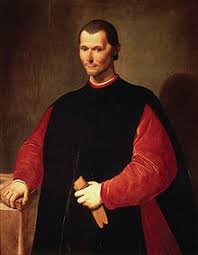
Niccolo Machiavelli
Where the crimes of corporate employers are concerned, we do not have to wait for their evil disposition to reveal itself. It has been fully revealed for decades. We need only find the courage to redress the costly outrages we see every day in the workplace.
In its June 8, 2011 cover-story on “What U.S. Economic Recovery? Five Destructive Myths,” Time magazine warned that profit-seeking corporations can’t be relied on to ”make it all better.”
Click here: What U.S. Economic Recovery? Five Destructive Myths – TIME
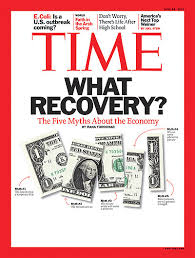
Wrote Rana Foroohar, Time‘s assistant managing editor in charge of economics and business:
American companies “are doing quite well,” but most American workers “are earning a lower hourly wage now than they did during the recession.”
Corporations, in short, are doing extremely well. But they don’t spend their profits on American workers.
“There may be $2 trillion sitting on the balance sheets of American corporations globally, but firms show no signs of wanting to spend it in order to hire workers at home.”
In short: Giving even greater tax breaks to mega-corporations—the standard Republican mantra—will not persuade them to stop “outsourcing” jobs. Nor will it convince them to start hiring Americans.

While embarrassingly overpaid CEOs squander corporate wealth on themselves, millions of Americans can’t afford medical care or must depend on charity to feed their families.
Yet there is also a disconnect between the truth of this situation and the willingness of Americans to face up to that truth.
The reason, writes Foroohar:
Republicans have convinced most Americans they can revitalize the economy by slashing “taxes on the wealthy and on cash-hoarding corporations while cutting benefits for millions of Americans.”
To restore prosperity, America will need both tax increases and cuts in entitlement programs.
Now, fast forward to a March 30, 2018 story in The Motley Fool: “These 12 Companies Have Laid Off Workers in 2018.”
The “tax reform” bill passed by a Republican Congress in 2017 “included a long-awaited reduction in corporate taxes. The top rate for corporations fell from 35% to a flat 21%.
“It also set a one-time repatriation tax on foreign profits at 15.5%, creating a windfall for many companies.”
“In spite of the good fortune these events have bestowed on corporate America,” sums up the writer, “you might be surprised to find that there is a growing list of employers that are sending workers home this year.”
Among those companies:
- Verizon Wireless – 3,000 employees.
- PepsiCo, Inc. – 1,000 layoffs.
- J.C. Penney – 360 layoffs on top of an already 5,000 firings.
- Ford Motor Company – 2,000 layoffs. Amazon.com – hundreds of workers (no specific number given).
- Macy’s, Inc. – 5,000 jobs eliminated.
- AT&T – 4,000 employees.
- Walmart – eliminating 3,500 co-manager positions in its domestic market, and replacing half of these with lower-paying assistant store managers. It’s also laying off about 500 headquarters staff this year, and will do so in 2019.
- Kimberly Clark Corporation – laying off 5,000 to 5,500 employees.
- International Business Machines – According to a Mother Jones article, laid off an estimated 20,000 U.S. workers over the age of 40 since 2013, who were all replaced by “less-experienced and lower-paid workers.”
- Toys R Us – Filed for bankruptcy and plans to liquidate its 700 remaining U.S. locations, resulting in the loss of 33,000 American jobs.
A June 14, 2018 story on Fox Business News warned: “Major Companies Have Announced Layoffs This Month. Here’s a Look.”
The companies:
- Hewlett-Packard – cutting 5,000 jobs.
- McDonalds – Undisclosed.
- Citigroup – 20,000 jobs.
- Tesla – 3,600 jobs.
And a June 28 article in The Street announced: “These Companies Have Had Some of the Worst Layoffs in 2018.”
- EBay. Inc. – Cutting “cutting a single-digit percentage of jobs.”
- General Mills – 625 employees. Mid-Continent Nail Corp – firing 60 workers. Deutsche Bank – laying off 10,000 employees.
Admittedly, some companies have legitimate reasons for cutting back on employees:
- PepsiCo has suffered a fall-off in customers as Americans switch from soda to healthier drinks.
- Sears has struggled for years after the rise of e-commerce and the decline of customer traffic at shopping malls.
- Macy’s is another company struggling to realign itself in an age of online sales and changing consumer habits.
- Toys R Us has filed for bankruptcy and will soon be gone.
But there are also sinister reasons why millions of willing-to-work Americans remain unemployed. Or remain trapped in part-time, no-benefits jobs far below their levels of education and experience.
Chief among these is the refusal of Congressional Republicans to create job opportunities for their fellow Americans.
2016 PRESIDENTIAL CAMPAIGN, ABC NEWS, ALTERNET, AMERICAN REVOLUTION, AP, BARACK OBAMA, BUREAU OF LABOR STATISTICS, BUZZFEED, CALVIN COOLIDGE, CBS NEWS, CELINDA LAKE, CHINA, CHRIS MATTHEWS, CNN, CROOKS AND LIARS, DAILY KOZ, DIVINE RIGHT OF KINGS THEORY, DONALD TRUMP, EMANCIPATION PROCLAMATION, EMPLOYERS RESPONSIBILITY ACT, EMPLOYMENT ACT OF 1946, FACEBOOK, HARDBALL, HILLARY CLINTON, JOB CREATORS, JOHN F. KENNEDY, LOS ANGELES TIMES, LYNDON B. JOHNSON, MOTHER JONES, MOVEON, MSNBC, NBC NEWS, NEW YORK TIMES, NEWSWEEK, NPR, PBS NEWSHOUR, PETER CAPPELLI, POLITICO, RAW STORY, READERS DIGEST, REPUBLICANS, REUTERS, ROBERT REICH, SALON, SEATTLE TIMES, SENATOR BERNIE SANDERS, SLATE, SLAVERY, STEVE POIZNER, THE ATLANTIC, THE CHICAGO SUN-TIMES, THE CHICAGO TRIBUNE, THE DAILY BEAST, THE GUARDIAN, THE HILL, THE HUFFINGTON POST, THE LOS ANGELES TIMES, THE NATION, THE NEW YORK TIMES, THE RACHEL MADDOW SHOW, THE WASHINGTON POST, TIME, TOMMY G. THOMPSON, TWITTER, U.S. NEWS & WORLD REPORT, UNEMPLOYMENT, UPI, USA TODAY, WALLACE C. PETERSON, WASHINGTON POST, WHY GOOD PEOPLE CAN'T FIND JOBS
In Bureaucracy, Business, History, Law, Law Enforcement, Politics, Social commentary on September 13, 2018 at 12:07 am
Have you noticed how every American employer has suddenly become a “job creator”?
At least, that’s the official Republican line.
But if that’s true:
- Why are so many employers not hiring at all?
- Or, if they are hiring, why aren’t they hiring American workers?
- Why are they hiring mostly part-time employees on a no-benefits basis?
- Why are so many employers shutting down American plants but starting new ones in China, Mexico or the Philippines?
According to an August, 2018 news release by the Bureau of Labor Statistics, U.S. Department of Labor:
- The unemployment rate stood at 3.9 percent in August, 2018, and the number of unemployed persons stood at 6.2 million.
- The unemployment rates stood at the following for:
- Adult men: (3.5 percent)
- Adult women (3.6 percent)
- Teenagers (12.8 percent
- Whites (3.4 percent
- Blacks (6.3 percent)
- Asians (3.0 percent)
- Hispanics (4.7 percent)
- The number of long-term unemployed (those jobless for 27 weeks or more) was little changed in August at 1.3 million and accounted for 21.5 percent of the unemployed. Over the year, the number of long-term unemployed has declined by 403,000.
- The number of persons employed part time for economic reasons (sometimes referred to as involuntary part-time workers), at 4.4 million.
-
Among the marginally attached, there were 1.4 million discouraged workers. These individuals were not in the labor force, wanted and were available for work, and had looked for a job sometime in the prior 12 months.
-
Among the marginally attached, there were 434,000 discouraged workers in August, essentially unchanged from a year earlier. Discouraged workers are persons not currently looking for work because they believe no jobs are available for them.
At the same time, U.S. corporations sit on at least $2 trillion in cash.
Besides lying beyond the reach of the IRS, those monies could be used to hire those millions of qualified, willing-to-work Americans who can’t find fulltime, permanent employment.
An article in the March, 2011 issue of Reader’s Digest gives the lie to the excuses so many employers use for refusing to hire.
Entitled “22 Secrets HR Won’t Tell You About Getting a Job,” it lays bare many of the reasons why America needs to legally force employers to demonstrate as much responsibility for hiring as job-seekers are expected to show toward searching for work.
Among the truths it reveals:
TRUTH NO: 1: After you’re unemployed more than six months, employers consider you unemployable.
TRUTH NO. 2: It’s not what but who you know that counts.
TRUTH NO. 3: Try to avoid HR. Find someone in the company you know. If you don’t know anyone, contact the hiring manager.
TRUTH NO. 4: Cover letters are often ignored, going directly into “the round file.”
TRUTH NO. 5: Employers judge you on the basis of your email address. Avoid the type that reads: “Igetdrunkand party.”
TRUTH NO. 6: You’re not protected against age discrimination. Many employers regularly ignore the law. Are you in your 50s or 60s? Leave your year of graduation off your resume.
TRUTH NO: 7: Just because it’s illegal to discriminate against applicants who have children does not mean you’re safe. Many employers try to screen out parents–such as by checking cars for child safety seats.
TRUTH NO. 8: It’s harder to get a job if you’re fat, since fat people are usually assumed to be lazy.
TRUTH NO. 9: Make sure you give the interviewer a firm handshake. Or he might assume you’re a loser for giving him a weak one.
TRUTH NO. 10: The more you can get the interviewer to talk–especially about himself–the more likely you are to be hired. Ego-driven interviewers love hearing the sound of their own voices and will assume you’re better-qualified than someone who doesn’t want to listen to them prattle.
Millions of Americans blamed President Barack Obama for the nation’s high unemployment rate during his administration. And millions more believe that President Donald Trump has created an economic miracle—despite those millions of Americans still desperately searching for work.
The brutal truth is that no President can hope to turn unemployment around until employers are forced to start living up to their responsibilities.
And those responsibilities should encompass more than simply fattening their own pocketbooks and/or egos at the expense of their fellow Americans. Such behavior used to be called treason.
Americans need to recognize that a country can be betrayed for other than political reasons. It can be sold out for economic ones, too.
Trea$on
Employers who enrich themselves by weakening their country—by throwing millions of qualified workers into the street and moving their plants to other countries—are traitors.
Employers who set up offshore accounts to claim their American companies are foreign-owned—and thus exempt from taxes—are traitors.
Employers who systematically violate Federal immigration laws—to hire illegal aliens instead of willing-to-work Americans—are traitors.
And with a new definition of treason should go new penalties—heavy fines and/or prison terms–for those who sell out their country to enrich themselves.
2016 PRESIDENTIAL ELECTION, ABC NEWS, ADOLF HITLER, ALTERNET, AP, BOB WOODWARD, BUZZFEED, CANADA, CBS NEWS, CNN, CROOKS AND LIARS, DAILY KOZ, DAVID BROOKS, DONALD TRUMP, ERIC COHN, FACEBOOK, FBI, FEAR: TRUMP IN THE WHITE HOUSE (BOOK), FRANCE, FRANZ HALDER, FREEDOM OF THE PRESS, GUNTER MEISNER, HERMAN WOUK, JAMES COMEY, JEFF SESSIONS, JOHN DOWD, KIM JONG ON, MOTHER JONES, MOVEON, NAZI GERMANY, NBC NEWS, NEWSWEEK, NPR, PBS NEWSHOUR, POLITICO, RAW STORY, REUTERS, ROBERT MUELLER, RUSSIA, SALLY YATES, SALON, SEATTLE TIMES, SLATE, SOUTH KOREA, THE ATLANTIC, THE CHICAGO SUN-TIMES, THE CHICAGO TRIBUNE, THE DAILY BEAST, THE GUARDIAN, THE HILL, THE HUFFINGTON POST, THE LOS ANGELES TIMES, THE NATION, THE NEW YORK TIMES, THE WASHINGTON POST, THE WINDS OF WAR, TIME, TWITTER, U.S. NEWS & WORLD REPORT, UPI, USA TODAY, VLADIMIR PUTIN, WALTER VON BRAUCHITSCH, WORLD WAR 11
In Bureaucracy, History, Military, Politics, Social commentary on September 12, 2018 at 12:10 am
After Donald Trump won the 2016 election, many people feared he would embark on a radical Right-wing agenda. But others hoped that the Washington bureaucracy would “box him in.”
The same sentiments echoed throughout Germany after Adolf Hitler was appointed Chancellor of Germany on January 30, 1933.
The 1983 TV mini-series, The Winds of War, offered a dramatic example of how honorable men can be overwhelmed by a ruthless dictator.
Based on the bestselling 1971 historical novel by Herman Wouk, the mini-series factually re-created the major historical events of World War II.

One of those events took place on November 5, 1939.
General Walther von Brauchitsch is summoned to the Chancellery in Berlin to meet with Adolf Hitler. He carries a memorandum signed by all the leaders of the German Wehrmacht asserting that Case Yellow—Hitler’s planned attack against France—is impossible.
Meanwhile, at the German army headquarters at Zossen, in Berlin, the Wehrmacht’s top command wait for word from von Brauchitsch.
ZOSSEN:
Brigadier General Armin von Roon: I must confide in you on a very serious matter. I have been approached by certain army personages of the loftiest rank and prestige with a frightening proposal.
Chief of the General Staff Franz Halder: What did you reply?
Von Roon: That they were talking high treason.

Gunter Meisner as Adolf Hitler in “The Winds of War”
THE WHITE HOUSE:
Fast forward 79 years from Adolf Hitler’s stormy confrontation with Walter von Brauchitsch to September 5, 2018.
On September 5, 2018, The New York Times publishes an anonymous Op-Ed essay by “a senior official in the Trump administration.” This spotlights massiver dysfunction within the White House—and put the blame squarely on the President.
Among the revelations:
- “Many of the senior officials in his own administration are working diligently from within to frustrate parts of his agenda and his worst inclinations.”
- “We believe our first duty is to this country, and the president continues to act in a manner that is detrimental to the health of our republic. That is why many Trump appointees have vowed to do what we can to preserve our democratic institutions while thwarting Mr. Trump’s more misguided impulses until he is out of office.”
- “On Russia…the president was reluctant to expel so many of Mr. Putin’s spies as punishment for the poisoning of a former Russian spy in Britain….But his national security team knew better—such actions had to be taken, to hold Moscow accountable.”
- “From the White House to executive branch departments and agencies, senior officials will privately admit their daily disbelief at the commander in chief’s comments and actions. Most are working to insulate their operations from his whims.”
ZOSSEN:
Von Roon: The conspiracy has been going on that long—since Czechoslovakia [1938)?
Halder: If the British had not caved in at Munich [where France and Britain sold out their ally, Czechoslovakia]—perhaps. But they did. And ever then, ever since his big triumph, it has been hopeless. Hopeless.
Von Roon: Empty talk, talk, talk. I am staggered.
Halder: A hundred times I myself could have shot the man. I can still at any time. But what would be the result? Chaos. The people are for him. He has unified the country. We must stick to our posts and save him from making military mistakes.
THE WHITE HOUSE:
On September 11, 2018, legendary investigative reporter Bob Woodward publishes a devastating take on the Trump administration: Fear: Trump in the White House. The text features explosive revelations about the President’s ignorance and mistreatment of staffers:
- Trump was about to sign a letter canceling a free-trade agreement with South Korea. To prevent this, Eric Cohn, his national economic council director, swiped it from Trump’s desk. Trump didn’t notice it missing.
- Trump’s lawyer, John Dowd, failed to convince the President that he shouldn’t testify to Special Counsel Robert Mueller. The reason: He would commit perjury—and end up in “an orange jumpsuit.”
- Trump referred to Alabaman Jeff Sessions, his attorney general, as “a dumb southerner” and “mentally retarded.”
General Walther von Brauchitsch fails to convince Hitler to postpone “Case Yellow”—the invasion of France. Hitler insists that it commence in seven days—on November 12.
And he issues a warning to the entire German General staff: “I will ruthlessly crush everybody up to the rank of a Field Marshal who dares to oppose me. You don’t have to understand. You only have to obey. The German people understand me. I am Germany.”
Due to foul weather, Hitler is forced to postpone the invasion of France until June, 1940. But the German General staff can’t ultimately put off the war that will destroy them—and Germany.
President Donald Trump has:
- Fired FBI Director James Comey.
- Tried to fire Independent Counsel Robert Mueller.
- Attacked the integrity of the American Intelligence community.
- Attacked the free press as “the enemy of the American people.”
- Branded America’s longtime ally, Canada, as “a national security threat.”
- Praised brutal Communist dictators Vladimir Putin and Kim Jong Un.
Like Hitler, he can equally say: I am the destiny of America.
History has yet to record if Trump’s subordinates will prove more successful than Hitler’s at preserving “our democratic institutions while thwarting Mr. Trump’s more misguided impulses until he is out of office.”


2012 PRESIDENTIAL RACE, 2016 PRESIDENTIAL RACE, ABC NEWS, ADULTERY, ALTERNET, AP, ATHEISTS, BARACK OBAMA, BIBLE, BILL MAHER, BIRTH CONTROL, BUZZFEED, CATHOLICS, CBS NEWS, CIVIL LIBERTIES, CNN, CROOKS AND LIARS, DAILY KOZ, DONALD TRUMP, ELEANOR ROOSEVELT, FACEBOOK, FRANKLIN GRAHAM, HOMOSEXUALITY, HOMOSEXUALS, ISLAM, JERRY FALWELL JR., JESUS CHRIST, JEWS, LESBIANS, LIBERALS, MIKE PENCE, MITT ROMNEY, MOTHER JONES, MOVEON, MSNBC, MUSLIMS, NBC NEWS, NEWSWEEK, NEWT GINGRICH, NON-CHRISTIANS, NPR, PBS NEWSHOUR, POLITICO, RAW STORY, RELIGION, RELIGIOUS FREEDOM RESTORATION ACT, REPUBLICAN PARTY, REUTERS, RICHARD FEYNMAN, RICK SANTORUM, SALON, SAUDI ARABIA, SCIENCE, SEATTLE TIMES, SLATE, SLAVERY, SPANISH INQUISITION, STORMY DANIELS, SUPREME COURT, TEA PARTY, THE ATLANTIC, THE CHICAGO SUN-TIMES, THE CHICAGO TRIBUNE, THE DAILY BEAST, THE GUARDIAN, THE HILL, THE HUFFINGTON POST, THE LOS ANGELES TIMES, THE NATION, THE NEW YORK TIMES, THE WALL STREET JOURNAL, THE WASHINGTON POST, THEOLOGY, TIME, TOMAS DE TORQUEMADA, TWITTER, U.S. NEWS & WORLD REPORT, UPI, USA TODAY, WAR, WOMEN
THE AMERICAN AYATOLLAHS: PART TWO (OF FOUR)
In Bureaucracy, History, Law, Law Enforcement, Military, Politics, Social commentary on September 25, 2018 at 12:23 amAmerican Right-wing elements relentlessly claimed that President Barack Obama was waging “a war on religion.”
GOP candidates like Rick Santorum, Newt Gingrich and Mitt Romney intended to make this a major theme of their respective campaigns for President.
Obama supported a woman’s right
By promoting women’s rights, Obama was “waging a war against religion”—according to American fascists.”
Since access to such medical procedures as birth control and pre-natal testing has long been entirely legal, what’s all the fuss about?
It’s simple: The Right is not waging a “war for religious liberty.”
It’s waging a bitter struggle to establish a government that uses force or the threat of it to impose reactionary religious beliefs on religionists who do not share such religious beliefs.
And on atheists or agnostics, who share none at all.
These Rightists and their theocratic allies have less in common with Jesus Christ than with Tomas de Torquemada (1420 – 1498), the infamous Grand Inquisitor of the Spanish Inquisition.
Christ never ordered the torture or death of anyone. Torquemada—claiming to act in “defense” of the Roman Catholic Church—presided over the deaths of at least 2,000 “heretics.”
Tomas de Torquemada
Nor did these unfortunate victims of religious fanaticism meet their death quickly or painlessly. They died by perhaps the cruelest means possible—by being burned alive at the stake.
Torquemada didn’t hesitate to pronounce someone a heretic. He “knew” who such people were. They were Jews, Muslims, atheists. They were “lapsed Catholics” who, in his view, failed to show fervent devotion to the religious authorities—like himself—who tyrannically ruled their lives.
For such people, Torquemada believed, the only road to salvation lay in being “cleansed” of their sins. And nothing burns away impurities like fire.
But before the fire-stakes came the fire-mindset: The arrogance of “knowing” who qualified as “saved” and who would be forever “damned.”
Unless, of course, his or her soul had been “purified” by fire.
“Heretic” burned at the stake
Fundamentalist Christians can no longer sentence “heretics” to the stake.
But the mindset that ruled the Spanish Inquisition has not disappeared. It has been vividly displayed by no less a religious authority than Franklin Graham, son of America’s most famous preacher, Billy Graham.
Franklin Graham
Appearing on the MSNBC program, “Morning Joe,” on February 21, 2012, Graham was asked if he thought that Barack Obama, Rick Santorum, Newt Gingrich and Mitt Romney qualified as Christians.
On Obama: “Islam sees him as a son of Islam… I can’t say categorically that [Obama is not Muslim] because Islam has gotten a free pass under Obama.”
On Santorum: “I think so. His values are so clear on moral issues. No question about it… I think he’s a man of faith.”
On Gingrich: “I think Newt Gingrich is a Christian, at least he told me he is.”
On Romney: “Most Christians would not recognize Mormons as part of the Christian faith. They believe in Jesus Christ. They have a lot of other things they believe in too, that we don’t accept, theologically.”
Thus, Graham pronounced as “saved” a notorious multiple-adulterer like Gingrich. He also gave a pass to Santorum, who married a woman who had lived “in sin” with an abortionist for six years.
But he unhesitatingly damned a longtime churchgoer like Obama or a devout Mormon like Romney (whose faith, most evangelicals like Graham believe, is actually a non-Christian cult).
Six years later, in 2018, Graham defended President Donald Trump, a notorious womanizer and multiple-adulterer, against charges that, in 2006, he had slept with porn star Stormy Daniels.
“I believe at 70 years of age the president is a much different person today than he was four years ago, five years ago, 10 years ago. He is not President Perfect.”
This differs greatly from his position on President Bill Clinton’s affair with Monica Lewinsky: “If he will lie to or mislead his wife and daughter, those with whom he is most intimate, what will prevent him from doing the same to the American public?”
It’s easy to imagine Graham transported to the French city of Toulouse in the 14th century. And to imagine him wearing the robes of Bernardo Gui, the chief inquisitor of the Dominican Order during the Medieval Inquisition (1184 – 1230s).
Gui closely studied the best methods for interrogating “heretics.” He set forth his findings in his most important and famous work, Practica Inquisitionis Heretice Pravitatis. or “Conduct of the Inquisition into Heretical Wickedness.”
In this, he offered a vivid example of how such an interrogation might go. The following is taken from that manual:
When a heretic is first brought up for examination, he assumes a confident air, as though secure in his innocence. I ask him why he has been brought before me. He replies, smiling and courteous, “Sir, I would be glad to learn the cause from you.”
This is not a dialogue between equals. The Inquisitor literally holds the power of life or agonizing death over the man or woman he is interrogating.
Share this: