Posts Tagged ‘DAILY KOS’
ABC NEWS, ALGIER HISS, ALTERNET, AMERICABLOG, ANTHONY HOPKINS, AP, BABY BOOMER RESISTANCE, BARACK OBAMA, BENJAMIN C. BRADLEE, BILL CLINTON, BLOOMBERG, BOB WOODWARD, BUZZFEED, CARL BERNSTEIN, CBS NEWS, CBSNEWS, CNN, CROOKS AND LIARS, DAILY KOS, DANIEL ELLSBURG, DRUDGE REPORT, FACEBOOK, FIVETHIRTYEIGHT, FRENCH LEGION OF HONOR, HARPER’S MAGAZINE, JASON ROBARDS, JOHN F. KENNEDY, JOURNALISM, LYNDON B. JOHNSON, MEDIA MATTERS, MOTHER JONES, MOVEON, MSNBC, NBC NEWS, NEWSWEEK, NPR, PBS NEWSHOUR, PENTAGON PAPERS, POLITICO, POLITICUSUSA, RAW STORY, REPUBLICAN PARTY, REPUBLICANS, REUTERS, RICHARD NIXON, SALON, SEATTLE TIMES, SENATE WATERGATE COMMITTEE, SLATE, TALKING POINTS MEMO, THE ATLANTIC, THE CHICAGO SUN-TIMES, THE CHICAGO TRIBUNE, THE DAILY BEAST, THE DAILY BLOG, THE GUARDIAN, THE HILL, THE HUFFINGTON POST, THE LOS ANGELES TIMES, THE NATION, THE NEW REPUBLIC, THE NEW YORK TIMES, THE PENTAGON PAPERS, THE VILLAGE VOICE, THE WALL STREET JOURNAL, THE WASHINGTON POST, THE WASHINGTONPOST, THINKPROGRESS, TIME, TRUTHDIG, TRUTHOUT, TWITTER, TWO POLITICAL JUNKIES, U.S. NEWS & WORLD REPORT, UNITED STATES SUPREME COURT, UPI, USA TODAY, WATERGATE, WONKETTE, WORLD WAR 11
In Bureaucracy, History, Law Enforcement, Politics, Social commentary on September 2, 2022 at 12:10 am
August 9, 2022, marked an anniversary increasingly fewer Americans remember: Forty-eight years to the day that Richard Milhous Nixon, 37th President of the United States, resigned in disgrace.
Benjamin Crowninshield Bradlee, the former executive editor of The Washington Post, remains virtually unknown outside the journalism profession. Yet his paper did more than any other to bring Nixon down.
Both Nixon and Bradlee were driven to succeed. And both achieved fame and power in doing so.
Bradlee made his name in journalism.
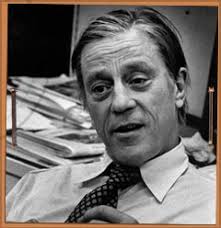
Benjamin C. Bradlee
Nixon made his name in politics.
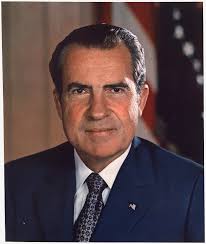
Richard Nixon
Both served in the United States Navy in the Pacific during World War II.
Both had strong connections to John F. Kennedy.
- Bradlee knew him as a friend and reporter during JFK’s years as a Senator and President.
- Nixon—as a Senator and later Vice President—knew Kennedy as a Senatorial colleague and as a political adversary, unsuccessfully contesting him for the Presidency in 1960.
For both, 1948 was a pivotal year.
- Bradlee joined The Washington Post as a reporter.
- Nixon, as a U.S. Representative, accused Algier Hiss, a former State Department official, of having been a Communist spy. Hiss was eventually convicted of perjury and sent to prison.
Both reached their positions of maximum power in 1968:
- Bradlee became executive editor of The Washington Post.
- Nixon became the 37th President of the United States.
But there was a fundamental difference between them:
- Bradlee made it his business to dig up the truth.
- Nixon made it his business to distort the truth—or to conceal it when distortion wasn’t enough.
Nixon and Bradlee had their first major clash in 1971 with the Pentagon Papers, a secret government study of how the United States became enmeshed in the Vietnam war.
- Although the Papers concerned events that had occurred during the Presidencies of John F. Kennedy and Lyndon B. Johnson, Nixon was outraged at their release by a former Defense Department analyst named Daniel Ellsberg.
- Bradlee, as executive editor of The Washington Post, successfully urged his publisher, Katherine Graham, to publish the papers after The New York Times was enjoined from doing so.
- The controversy ended when the Supreme Court ruled, 6–3, that the government failed to meet the burden of proof required for prior restraint of the press.
In 1972, Bradlee and Nixon squared off for their most important battle—a “third-rate burglary” of the Democratic National Committee headquarters at the Watergate Hotel.
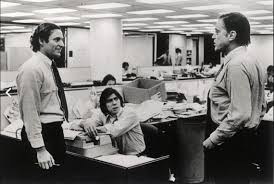
Bob Woodward, Carl Bernstein and Benjamin C. Bradlee
- Bradlee backed two young, aggressive reporters named Bob Woodward and Carl Bernstein, as they probed the burglary.
- This led to their discovering a series of illegal dirty tricks the Nixon re-election campaign had aimed at various Democratic opponents.
- The Post’s revelations led to the formation of the Senate Watergate Committee, the discovery of Nixon’s tape-recordings of his private—and criminal—conversations, and, finally, to Nixon’s own resignation in disgrace on August 9, 1974.
Bradlee became an advocate for education and the study of history.Nixon entered history as the only American President forced to resign from office.
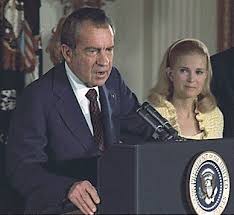
:Richard Nixon saying farewell at the White House
Bradlee became a media celebrity. Nixon became a media target.
- Bradlee was portrayed by Jason Robards in the hit 1976 film, All the President’s Men (for which he won an Academy Award for Best Supporting Actor).
- Nixon was portrayed—in Oliver Stone’s 1995 drama, Nixon—by Anthony Hopkins.
Bradlee and Nixon each published a series of books.
- Bradlee’s: That Special Grace and Conversations With Kennedy focused on his longtime friendship with John F. Kennedy; A Good Life: Newspapering and Other Adventures was Bradlee’s memoirs.
- Nixon’s: Among his 11 titles: Six Crises; RN: The Memoirs of Richard Nixon; The Real War; Leaders; Real Peace; No More Vietnams; Beyond Peace.
After leaving the White House, Nixon worked hard behind-the-scenes to refashion himself into an elder statesman of the Republican Party.
- Throughout the 1980s, he traveled the lecture circuit, wrote books, and met with many foreign leaders, especially those of Third World countries.
- He supported Ronald Reagan for president in 1980, making television appearances portraying himself as the senior statesman above the fray.
- For the rest of his life, he fought ferociously through the courts to prevent the release of most of the infamous “Watergate tapes” that chronicled his crimes as President.
- Only since his death have many of these been made public.
Nixon died on April 22, 1994.
- Eulogists at his funeral included President Bill Clinton and former Presidents Gerald Ford, Ronald Reagan and George H.W. Bush, California Governor Pete Wilson and the Reverend Billy Graham.
- Despite his efforts to portray himself as an elder statesman, Nixon could never erase his infamy as the only President to resign in disgrace.
- To this day, he remains a nonperson within the Republican Party.
Bradlee remained executive editor of The Washington Post until retiring in 1991. But he continued to serve as vice president-at-large until his death on October 21, 2014.
- In 2007, he received the French Legion of Honor, the highest award given by the French government, at a ceremony in Paris.
- In 2013, he was named as a recipient of the Presidential Medal of Freedom by President Barack Obama. He was presented the medal at a White House ceremony on November 20, 2013.
2016 PRESIDENTIAL RACE, ABC NEWS, ALL THE KING’S MEN, ALL THE KINIG’S MEN (BOOK), ALTERNET, AMERICABLOG, ANDREW GOODMAN, ANGELO BRUNO, AP, BABY BOOMER RESISTANCE, BBC, BLOOMBERG NEWS, BLUE BLOODS, BUZZFEED, CAPITOL ATTACK, CARLO GAMBINO, CBS, CBS NEWS, CIVIL WAR, CNN, COINTELPRO, COUPS, CROOKS AND LIARS, DAILY KOS, DAILY KOZ, DEMOCRATS, DEPARTMENT OF HOMELAND SECURITY, DONALD TRUMP, ELECTORAL COLLEGE, ERIC SCHNEIDERMAN, FACEBOOK, FBI, FIVETHIRTYEIGHT, FRANK REAGAN, GAMBINO FAMILY, HARPER’S MAGAZINE, HUFFINGTON POST, INDEPENDENT COUNSEL, INSIDE HOOVER'S FBI (BOOK), J. EDGAR HOOVER, JAMES CHANEY, JAMES COMEY, JEFF SESSIONS, JOSEPH BIDEN, jOSH HAWLEY, JUSTICE DEPARTMENT, KU KLUX KLAN, LYNDON B. JOHNSON, MAFIA, MARJORIE TAYLOR GREENE, MEDIA MATTERS, MERRICK GARLAND, MICHAEL SCHWERNER, MILITIA GROUPS, MO BROOKS, MOTHER JONES, MOVEON, MSNBC, NBC NEWS, NEIL J. WELCH, NEW REPUBLIC, NEW YORK POLICE DEPARTMENT, NEWSDAY, NEWSWEEK, NPR, OBSTRUCTING CONGRESSIONAL PROCEEDINGS, PBS NEWSHOUR, POLITICO, POLITICUSUSA, RAW STORY, REPUBLICANS, REUTERS, RIGHT-WING TERRORISM, ROBERT MUELLER, ROBERT PENN WARREN, RUSSIA, SALON, SEATTLE TIMES, SERGEI KISLYAK, SEXUAL ASSAULT, SLANDER, SLATE, SWAT TEAMS, TALKING POINTS MEMO, TERRORISM, TERRORIST FINANCE TRACKING PROJECT, THE ATLANTIC, THE CHICAGO SUN-TIMES, THE CHICAGO TRIBUNE, THE DAILY BEAST, THE DAILY BLOG, THE GUARDIAN, THE HILL, THE HUFFINGTON POST, THE LOS ANGELES TIMES, THE NATION, THE NEW REPUBLIC, THE NEW YORK TIMES, THE NEW YORKER, THE VILLAGE VOICE, THE WASHINGTON POST, THINKPROGRESS, TIM WEINER, TIME, TOM SELLECK, TREASON, TRUMP UNIVERSITY, TRUTHDIG, TRUTHOUT, TWITTER, TWO POLITICAL JUNKIES, U.S. NEWS & WORLD REPORT, UNITED STATES DEPARTMENT OF JUSTICE, UNITED STATES DEPARTMENT OF THE TREASURY, UNITED STATES HOUSE OF REPRESENTATIVES, UNITED STATES PARK POLICE, UNITED STATES SECRET SERVICE, UNITED STATES SENATE, UNITED STATES SUPREME COURT, UPI, USA PATRIOT ACT, USA TODAY, USA TODAY DONALD TRUMP, VLADIMIR PUTIN, WILLIAM C. SULLIVAN, WILLIE STARK, WONKETTE
In Bureaucracy, History, Law, Law Enforcement, Politics, Social commentary on August 31, 2022 at 12:12 am
On September 2, 1964, the FBI launched a full-blown counterintelligence program against the Ku Klux Klan—COINTELPRO—WHITE HATE in FBI-speak.
Tim Weiner, author of Enemies: A History of the FBI, chronicles the methods used by the Bureau:
“WHITE-HATE intensified in the fall of 1964. It involved all the techniques in the FBI’s long-running attack on the Left. Once a week….FBI agents interrogated all known members of the White Knights of the KKK, blaming other Klansmen for being snitches and naming names, sowing deep suspicion among Klan members. Few knew who was an informer and who was not.

A Ku Klux Klan meeting
“The FBI dangled small fortunes before potential Klan informers, offered outright bribes to Klansmen who could serve as double agents inside state and local police forces, planted bugs and wiretaps in Klaverns, carried out black bag jobs to steal membership lists….”
Other tactics included:
- Contacting the news media to publicize arrests and identify Klan leaders;
- Informing the employers of known Klansmen of their employees’ criminal activity, resulting in the firing of untold numbers of them;
- Breaking up the marriages of Klansmen by circulating rumors of their infidelity among their wives.
“When the Klan reached 14,000 in the mid-sixties, I asked to take over the investigation of the Klan,” recalled William C. Sullivan, who headed the FBI’s Domestic Intelligence Division in the 1960s. “When I left the Bureau in 1971, the Klan was down to a completely disorganized 4,300. It was broken.”

William C. Sullivan
According to Neil J. Welch, the retired Special Agent in Charge (SAC) of the FBI’s Buffalo, New York office:
“A Klan Bureau of Investigation (KBI) was created to counter the FBI, and its members placed the wives and children of agents under surveillance, harassing them with taunts and anonymous phone calls,” wrote Welch in his memoir, Inside Hoover’s FBI.
“It was a serious miscalculation. The most dangerous members of the KBI were systematically identified and assigned to agents selected solely because they were comparatively dangerous. The agents had full discretion.
“During the next few months, a number of men previously involved in Klan violence around the state seemed, by remarkable coincidence, to experience misfortune. Some disappeared from the area. Some were forced to leave Mississippi for health reasons. A few took unplanned trips to places like Mexico and seemed to lose all interest in the Klan upon their return.”
A similar effort, focusing on Right-wing terrorism, could include the following:
- The FBI’s designating Right-wing political and terrorist groups as the Nation’s #1 enemy.
- Reviving the FBI’s legendary COINTELPRO (“Counterintelligence Program”) that destroyed the Ku Klux Klan in the late 1960s. Among the methods that can be used:
- Turning the Bureau’s powerful arsenal—bugs, wiretaps, informants, SWAT teams—on them.
- Buying the cooperation of informants within Right-wing organizations.
- Conducting “black bag jobs” to steal membership lists of of Right-wing organizations.
- Breaking up the marriages of prominent Right-wingers by circulating rumors of their infidelity among their wives.
- Informing the employers of known Right-wing terrorists of their employees’ criminal activity, resulting in the firing of untold numbers of them.
- Contacting the news media to publicize the arrests of prominent Right-wing leaders.
- When Right-wing terrorists target Federal law enforcement agents and/or their families for harassment or worse, they can be targeted for similar intimidation or removal.

FBI SWAT member
A revised COINTELPRO could be supplemented by the following:
- Creating tip hotlines for reporting illegal Right-wing activities—and offering rewards for information that leads to arrests.
- Prosecuting militia groups for violating Federal firearms laws.
- Treating calls for the murder of members of Congress—as Georgia Representative Marjorie Taylor Greene has done-–as felonies punishable by lengthy imprisonment.
- Prosecuting Right-wing leaders involved in the treasonous assault on the United States Capitol Building.
- Prosecuting as “accessories to treason” all those Republican members of Congress who stoked Right-wing anger by lying that the 2020 Presidential election had been stolen from Donald Trump, although every objective news source proved he had lost.
- Directing the Treasury Department’s Terrorist Finance Tracking Program (TFTP) at fundamentalist Christian churches that finance Right-wing terrorism—just as it halts the financing of Islamic terrorist groups by Islamic organizations.
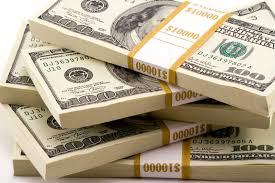
- Using drones, planes and/or helicopters to provide security against similar Right-wing terror demonstrations—especially in Washington, D.C.
- Using the Federal Communications Commission to ban Fox News—the Nation’s #1 Right-wing propaganda network—from representing itself as a legitimate news network, and requiring that its stories carry labels warning viewers: “This is Right-wing propaganda, NOT news.”
- Encouraging victims of Right-wing hate-speech to file libel/slander lawsuits against their abusers—such as the parents of murdered children at Sandy Hook Elementary School successfully did against Alex Jones.
- Using Federal anti-terrorist laws to arrest, prosecute and imprison Right-wingers who openly carry firearms and threaten violence, even if states allow such display of firearms.
- Seizing the assets of individuals and organizations found guilty of Right-wing terrorism offenses.
When you are constantly looking over your shoulder, your enemies are winning. When your enemies are constantly looking over their shoulder, you are winning.
2016 PRESIDENTIAL RACE, ABC NEWS, ALL THE KING’S MEN, ALL THE KINIG’S MEN (BOOK), ALTERNET, AMERICABLOG, ANDREW GOODMAN, ANGELO BRUNO, AP, BABY BOOMER RESISTANCE, BARACK OBAMA, BBC, BLOOMBERG NEWS, BLUE BLOODS, BUZZFEED, CAPITOL ATTACK, CARLO GAMBINO, CBS, CBS NEWS, CIVIL WAR, CNN, COINTELPRO, COUPS, CROOKS AND LIARS, DAILY KOS, DEMOCRATS, DEPARTMENT OF HOMELAND SECURITY, DONALD TRUMP, ELECTORAL COLLEGE, ERIC SCHNEIDERMAN, FACEBOOK, FBI, FIVETHIRTYEIGHT, FRANK REAGAN, GAMBINO FAMILY, HARPER’S MAGAZINE, HUFFINGTON POST, INDEPENDENT COUNSEL, INSIDE HOOVER'S FBI (BOOK), J. EDGAR HOOVER, JAMES CHANEY, JAMES COMEY, JEFF SESSIONS, JOSEPH BIDEN, jOSH HAWLEY, JUSTICE DEPARTMENT, KU KLUX KLAN, LYNDON B. JOHNSON, MAFIA, MARJORIE TAYLOR GREENE, MEDIA MATTERS, MERRICK GARLAND, MICHAEL SCHWERNER, MILITIA GROUPS, MO BROOKS, MOTHER JONES, MOVEON, MSNBC, NBC NEWS, NEIL J. WELCH, NEW REPUBLIC, NEW YORK POLICE DEPARTMENT, NEWSDAY, NEWSWEEK, NPR, OBSTRUCTING CONGRESSIONAL PROCEEDINGS, PBS NEWSHOUR, POLITICO, POLITICUSUSA, RAW STORY, REPUBLICANS, REUTERS, RIGHT-WING TERRORISM, ROBERT MUELLER, ROBERT PENN WARREN, RUSSIA, SALON, SEATTLE TIMES, SERGEI KISLYAK, SEXUAL ASSAULT, SLANDER, SLATE, SWAT TEAMS, TALKING POINTS MEMO, TERRORISM, TERRORIST FINANCE TRACKING PROJECT, THE ATLANTIC, THE CHICAGO SUN-TIMES, THE CHICAGO TRIBUNE, THE DAILY BEAST, THE DAILY BLOG, THE GUARDIAN, THE HILL, THE HUFFINGTON POST, THE LOS ANGELES TIMES, THE NATION, THE NEW REPUBLIC, THE NEW YORK TIMES, THE NEW YORKER, THE VILLAGE VOICE, THE WASHINGTON POST, THINKPROGRESS, TIM WEINER, TIME, TOM SELLECK, TREASON, TRUMP UNIVERSITY, TRUTHDIG, TRUTHOUT, TWITTER, TWO POLITICAL JUNKIES, U.S. NEWS & WORLD REPORT, UNITED STATES DEPARTMENT OF JUSTICE, UNITED STATES DEPARTMENT OF THE TREASURY, UNITED STATES HOUSE OF REPRESENTATIVES, UNITED STATES PARK POLICE, UNITED STATES SECRET SERVICE, UNITED STATES SENATE, UNITED STATES SUPREME COURT, UPI, USA PATRIOT ACT, USA TODAY, USA TODAY DONALD TRUMP, VLADIMIR PUTIN, WILLIAM C. SULLIVAN, WILLIE STARK, WONKETTE
In Bureaucracy, History, Law, Law Enforcement, Politics, Social commentary on August 30, 2022 at 12:10 am
Donald Trump’s followers are doing what even the Mafia has never dared: Threatening the lives of FBI agents and openly challenging the authority of the Justice Department.
On August 8, the FBI, under a search warrant issued by the Justice Department, seized 11 sets of classified documents from the former President’s home at Mar-a-Lago. These included four sets that were classified as “top secret,” according to the unsealed search warrant.
Since then, Trump’s legions of fanatical Right-wing followers have vented their fury at a wide range of their self-declared enemies: President Joe Biden, Democrats, Attorney General Merrick Garland, the Justice Department—-and especially the FBI.
On August 12, the FBI and Department of Homeland Security [DHS] issued a joint Intelligence bulletin warning of the increased threats aimed at federal law enforcement agencies.
FBI seal
“Since 8 August 2022, the FBI and DHS have identified multiple articulated threats and calls for the targeted killing of judicial, law enforcement, and government officials associated with the Palm Beach search, including the federal judge who approved the Palm Beach search warrant.
“The FBI and DHS have also observed the personal identifying information of possible targets of violence, such as home addresses and identification of family members, disseminated online as additional targets.”
“These threats are occurring primarily online and across multiple platforms, including social media sites, web forums, video sharing platforms, and image boards. The FBI and DHS would like to ensure that law enforcement, court, and government personnel are aware of the range of threats and criminal and violent incidents.
“The FBI and DHS have observed an increase in violent threats posted on social media against federal officials and facilities, including a threat to place a so-called dirty bomb in front of FBI Headquarters and issuing general calls for ‘civil war’ and ‘armed rebellion.'”
Even the Mafia—with one or two exceptions—has never threatened the lives of FBI agents. And when individual mobsters did, they found the consequences frightening.
In April, 1963, four New York mobsters knocked FBI agent John Foley to the ground, and then severely beat and kicked him. Foley had been conducting surveillance at the Brooklyn funeral of Carmine “The Doctor” Lombardozzi, a capo in the Gambino Mafia Family.
The FBI retaliated by launching an all-out war against the Gambinos. Agents leaned on the cartel’s boss, underboss, counselor and lieutenants. The Bureau also intensified the use of illegal electronic surveillance (wiretaps and hidden microphones) against the mobsters.

Map of Mafia families
Angelo Bruno, the boss of the Philadelphia crime syndicate, unwittingly informed a hidden microphone about how the FBI brutally drove home the message to “boss of all bosses” Carlo Gambino:
BRUNO: “They [the FBI] went to Carlo and named all his capos [lieutenants] to him. The FBI asked him: “Did you change the laws in your family, that you could hit FBI men, punch and kick them? Well, this is the test—that if you change the laws, and now you are going to hit FBI men, every time we pick up one of your people we are going to break their heads for them.’
“And, really, they picked up our guy, they almost killed him, the FBI. They don’t do that, you know. But they picked up one of his fellows and crippled him. They said, ‘This is an example. Now, the next time anyone lays a hand on an FBI man, that’s just a warning. There’s nothing else we have got to tell you.'”
Word traveled quickly through the nationwide organized crime network—and its leaders decreed there should be no further assaults on FBI agents.
The FBI may be gearing up to declare war on the radical Right. And it could be done the same way the FBI destroyed the Ku Klux Klan in the mid-1960s.
Klansmen had shot, lynched and bombed their way across the Deep South, especially in Alabama and Mississippi. Many Southern sheriffs and police chiefs were Klan sympathizers, if not outright members and accomplices.
On June 21, 1964, three civil rights workers disappeared in Philadelphia, Mississippi.
President Lyndon B. Johnson called J. Edgar Hoover, the legendary director of the FBI, and ordered an all-out investigation: “I want you to have the same kind of Intelligence [on the Klan] that you have on the communists.”
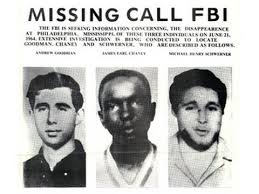
Poster for missing civil rights workers
For decades, Hoover had refused to tackle white hate groups. And, in truth, no President had been willing to give him the order to do so. But now a President had given him such an order.
In August, the FBI uncovered the bodies of the three missing civil rights activists—Michael Schwerner, Andrew Goodman and James Chaney.
On September 2, 1964, the Bureau launched a full-blown counterintelligence program against the Klan—COINTELPRO—WHITE HATE in FBI-speak.
Tim Weiner, author of Enemies: A History of the FBI, chronicles the methods used by the Bureau:
“WHITE-HATE intensified in the fall of 1964. It involved all the techniques in the FBI’s long-running attack on the Left. Once a week….FBI agents interrogated all known members of the White Knights of the KKK, blaming other Klansmen for being snitches and naming names, sowing deep suspicion among Klan members. Few knew who was an informer and who was not.”
2016 PRESIDENTIAL RACE, ABC NEWS, ALL THE KING’S MEN, ALL THE KINIG’S MEN (BOOK), ALTERNET, AMERICABLOG, ANDREW GOODMAN, ANGELO BRUNO, AP, BABY BOOMER RESISTANCE, BBC, BLOOMBERG NEWS, BLUE BLOODS, BUZZFEED, CAPITOL ATTACK, CARLO GAMBINO, CBS, CBS NEWS, CIVIL WAR, CNN, COINTELPRO, COUPS, CROOKS AND LIARS, DAILY KOS, DEMOCRATS, DEPARTMENT OF HOMELAND SECURITY, DONALD TRUMP, ELECTORAL COLLEGE, ERIC SCHNEIDERMAN, FACEBOOK, FBI, FIVETHIRTYEIGHT, FRANK REAGAN, GAMBINO FAMILY, HARPER’S MAGAZINE, HUFFINGTON POST, INDEPENDENT COUNSEL, INSIDE HOOVER'S FBI (BOOK), J. EDGAR HOOVER, JAMES CHANEY, JAMES COMEY, JEFF SESSIONS, JOSEPH BIDEN, jOSH HAWLEY, JUSTICE DEPARTMENT, KU KLUX KLAN, LYNDON B. JOHNSON, MAFIA, MARJORIE TAYLOR GREENE, MEDIA MATTERS, MERRICK GARLAND, MICHAEL SCHWERNER, MILITIA GROUPS, MO BROOKS, MOTHER JONES, MOVEON, MSNBC, NBC NEWS, NEIL J. WELCH, NEW REPUBLIC, NEW YORK POLICE DEPARTMENT, NEWSDAY, NEWSWEEK, NPR, OBSTRUCTING CONGRESSIONAL PROCEEDINGS, PBS NEWSHOUR, POLITICO, POLITICUSUSA, RAW STORY, REPUBLICANS, REUTERS, RIGHT-WING TERRORISM, ROBERT MUELLER, ROBERT PENN WARREN, RUSSIA, SALON, SEATTLE TIMES, SERGEI KISLYAK, SEXUAL ASSAULT, SLANDER, SLATE, SWAT TEAMS, TALKING POINTS MEMO, TERRORISM, TERRORIST FINANCE TRACKING PROJECT, THE ATLANTIC, THE CHICAGO SUN-TIMES, THE CHICAGO TRIBUNE, THE DAILY BEAST, THE DAILY BLOG, THE GUARDIAN, THE HILL, THE HUFFINGTON POST, THE LOS ANGELES TIMES, THE NATION, THE NEW REPUBLIC, THE NEW YORK TIMES, THE NEW YORKER, THE VILLAGE VOICE, THE WASHINGTON POST, THINKPROGRESS, TIM WEINER, TIME, TOM SELLECK, TREASON, TRUMP UNIVERSITY, TRUTHDIG, TRUTHOUT, TWITTER, TWO POLITICAL JUNKIES, U.S. NEWS & WORLD REPORT, UNITED STATES DEPARTMENT OF JUSTICE, UNITED STATES DEPARTMENT OF THE TREASURY, UNITED STATES HOUSE OF REPRESENTATIVES, UNITED STATES PARK POLICE, UNITED STATES SECRET SERVICE, UNITED STATES SENATE, UNITED STATES SUPREME COURT, UPI, USA PATRIOT ACT, USA TODAY, USA TODAY DONALD TRUMP, VLADIMIR PUTIN, WILLIAM C. SULLIVAN, WILLIE STARK, WONKETTE
In Bureaucracy, History, Law, Law Enforcement, Politics, Social commentary on August 29, 2022 at 12:10 am
After taking office as President, Donald Trump openly waged war on his own Justice Department—and especially its chief investigative agency, the FBI.
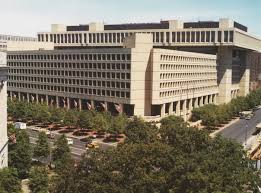
FBI headquarters
Among his attacks on federal law enforcers:
- Fired James Comey, the FBI director pursuing an investigation into Russia’s meddling in the 2016 Presidential race to ensure Trump’s election.
- Threatened to fire Independent Counsel Robert Mueller, who continued that investigation after he fired Comey.
- Repeatedly attacked—verbally and on Twitter—his Attorney General, Jeff Sessions, for recusing himself from overseeing the Russia investigation.
- (Sessions did so after the press revealed that, during the 2016 race, he twice met secretly with Russian Ambassador Sergei Kislyak.)
- Repeatedly attacked the integrity of the FBI, raising the possibility of his firing more of its senior leadership for investigating his ties to Russian president Vladimir Putin.
- Forced House Republicans to release a memo falsely accusing the FBI of pursuing a vendetta against him.
But the FBI could have refused to meekly accept such assaults.
A February 2 episode of the popular CBS police drama, “Blue Bloods,” offered a vivid lesson on bureaucratic self-defense against tyrants.
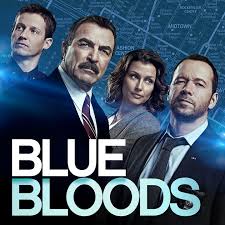
A shootout erupts in a crowded pub between a gunman and NYPD officers. Results: One dead gunman and one wounded bystander.
Problem: The bystander is an aide to New York Governor Martin Mendez.
Mendez visits One Police Plaze, NYPD headquarters, for a private chat with Commissioner Frank Reagan (Tom Selleck). From the outset, he’s aggressive, rude and threatening.
MENDEZ: I know you guys like to whitewash officer-involved shootings.
REAGAN: I do not.
MENDEZ: That’s not going to happen here. I want the cop who shot my guy fired and charged.
REAGAN: If the grand jury indicts, my officer could be terminated.
MENDEZ: We all want to protect our people, but mine come first.
Governor Mendez leaves Commissioner Reagan’s office. Later, he returns:
MENDEZ: We’ve got a serious problem.
REAGAN: Why? The grand jury declined to indict my officer.
MENDEZ: Your cop fired into a crowded room.
REAGAN: She returned fire, took out the shooter and likely saved lives.
MENDEZ: What are you going to do?
REAGAN: Our Internal Affairs investigation supports the grand jury’s finding, so the case is closed.
MENDEZ: Either you fire this cop, or I’ll order the Attorney General to investigate every questionable police shooting in the past 10 years and hold public hearings out loud and lights up.
REAGAN: Everybody loves a circus.
MENDEZ: Except the guy who’s got to shovel up afterwards.
At the end of the episode, a third—and final—meeting occurs in a restaurant between Reagan and Mendez.
MENDEZ: Have you dumped the cop who shot my guy?
REAGAN: No.
MENDEZ: Bad news.
REAGAN: Depends on what you compare it to. It turns out that your aide wasn’t drinking alone the night he was shot.
MENDEZ: So what? He’s single.
REAGAN: He was with a married woman.
MENDEZ: That’s on her, not on him.
REAGAN: Except she is married to his boss, your Chief of Staff.
MENDEZ: Sheesh!
REAGAN: Turns out this has been going on for over a year.
MENDEZ: So what are we doing?
REAGAN: If this gets out, the circus comes to Albany [where the governor has his office].
MENDEZ: Who else knows?
REAGAN: Right now it’s safe in the notebook of my lead detective. Whether or not it finds its way into an arrest report that’s subject to a Freedom of Information Act request—that’s a judgment call.
MENDEZ: Your judgment?
REAGAN: Yes.
MENDEZ: And if my investigation goes away?
REAGAN: Neither of us is shoveling up after the circus.
MENDEZ: I have your word on that?
REAGAN: Yes.
MENDEZ: You have a good evening, Commissioner.
J. Edgar Hoover, the legendary FBI director, used Realpolitik to ensure his reign for 48 years.
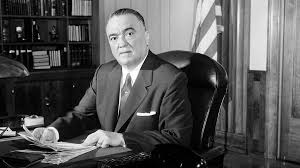
J. Edgar Hoover
As William C. Sullivan, the onetime director of the FBI’s Domestic Intelligence Division, revealed after Hoover’s death in 1972:
“The moment [Hoover] would get something on a senator, he’d send one of the errand boys up and advise the senator that ‘we’re in the course of an investigation, and we by chance happened to come up with this data on your daughter.
“‘But we wanted you to know this. We realize you’d want to know it.’ Well, Jesus, what does that tell the senator? From that time on, the senator’s right in his pocket.”
Donald Trump has long pursued a strategy of intimidation. But when people have refused to be cowed by his threats, he’s backed off.
During the 2016 Presidential campaign, more than a dozen women accused Trump of sexual misconduct, ranging from inappropriate comments to assault.
Trump responded: “The events never happened. Never. All of these liars will be sued after the election is over.”
Yet he didn’t file a single slander suit.
Similarly, when New York’s Attorney General Eric Schneiderman sued Trump for running a fraudulent university, Trump initially said he would fight the charge.
Instead, he settled the case by paying $25 million to compensate the 3,700 students Trump University had defrauded.
“You never have to frame anyone,” says Governor Willie Stark in Robert Penn Warren’s Pulitzer Prize-winning 1946 novel, All the King’s Men. “Because the truth is always sufficient.”
60 MINUTES, ABC NEWS, ALTERNET, AMERICABLOG, AP, BABY BOOMER RESISTANCE, BARACK OBAMA, BLOOMBERG, BUZZFEED, CARL MUELLER, CBS NEWS, CIA, CNN, CROOKS AND LIARS, DAILY KOS, DAILY KOZ, DRUDGE RETORT, FACEBOK, FACEBOOK, FIVETHIRTYEIGHT, HARPER’S MAGAZINE, IMPERIAL HUBRIS, ISLAM, ISLAMIC STATE OF IRAQ AND THE LEVANT, KAYLA MUELLER, MARCHING TOWARD HELL, MEDIA MATTERS, MICHAEL SCHEUER, MOTHER JONES, MOVEON, MSNBC, MUSLIMS, NBC NEWS, NEWSWEEK, NPR, OSAMA BIN LADEN, PBS NEWSHOUR, POLITICO, POLITICUSUSA, RAW STORY, REUTERS, SALON, SEATTLE TIMES, SLATE, SYRIA, TALKING POINTS MEMO, THE ATLANTIC, THE CHICAGO SUN-TIMES, THE CHICAGO TRIBUNE, THE DAILY BEAST, THE DAILY BLOG, THE GUARDIAN, THE HILL, THE HUFFINGTON POST, THE LOS ANGELES TIMES, THE NATION, THE NEW REPUBLIC, THE NEW YORK TIMES, THE VILLAGE VOICE, THE WALL STREET JOURNAL, THE WASHINGTON POST, THINKPROGRESS, TIME, TRUTHDIG, TRUTHOUT, TWITTER, TWO POLITICAL JUNKIES, U.S. NEWS & WORLD REPORT, UPI, USA TODAY, VIETNAM WAR, WONKETTE
In Bureaucracy, History, Military, Politics, Social commentary on August 1, 2022 at 12:10 am
“When trouble comes up anywhere in the world, they don’t call Beijing. They don’t call Moscow. They call us.”
So spoke President Barack Obama on the September 28, 2014 edition of 60 Minutes.
And, according to former CIA agent Michael Scheuer, that’s the problem: America can’t learn to mind its own business.
Scheuer is a 20-year CIA veteran—as well as an author, historian, foreign policy critic and political analyst.
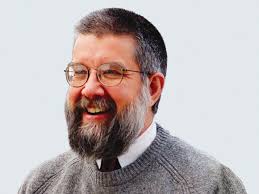
Michael Scheuer
From 1996 to 1999 he headed Alec Station, the CIA’s unit assigned to track Osama bin Laden at the agency’s Counterterrorism Center.
He has served as an adjunct professor at Georgetown University’s Center for Peace and Security Studies.
He is best-known as the author of two seminal works on America’s fight against terrorism: Imperial Hubris: Why the West is Losing the War on Terror (2003) and Marching Toward Hell: America and Islam after Iraq (2008).
Scheuer says that Islamics don’t hate Americans because of “our way of life”—with its freedoms of speech and worship and its highly secular, commercialized culture.
Instead, Islamic hatred toward the United States stems from America’s six longstanding policies in the Middle East:
- U.S. support for apostate, corrupt, and tyrannical Muslim governments
- U.S. and other Western troops on the Arabian Peninsula
- U.S. support for Israel that keeps Palestinians in the Israelis’ thrall
- U.S. pressure on Arab energy producers to keep oil prices low
- U.S. occupation of Iraq and Afghanistan
- U.S. support for Russia, India, and China against their Muslim militants
Scheuer contends that no amount of American propaganda will win “the hearts and minds” of Islamics who can “see, hear, experience, and hate” these policies firsthand.
But there is another danger facing America, says Scheuer, one that threatens “the core of our social and civil institutions.”
And in Marching Toward Hell he bluntly indicts that threat: The “profound and willful ignorance” of America’s “bipartisan governing elite.”
Scheuer defines this elite as “the inbred set of individuals who have influenced…drafted and conducted U.S. foreign policy” since 1973.
Within that group are:
- politicians
- journalists
- academics
- preachers
- civil servants
- military officers
- philanthropists.
“Some are Republicans, others Democrats; some are evangelicals, others atheists; some are militarists, others pacifists; some are purveyors of Western civilization, others are multiculturalists,” writes Scheuer.
But for all their political and/or philosophical differences, the members of this governing elite share one belief in common.
According to Scheuer, that belief is “an unquenchable ardor to have the United States intervene in all places, situations and times.”
And he warns that this “bipartisan governing elite” must radically change its policies—such as unconditional support for Israel and corrupt, tyrannical Muslim governments.
Otherwise, Americans will be locked in an endless “hot war” with the Islamic world.
During his September 28, 2014 appearance on 60 Minutes, President Obama admitted that the mostly Sunni-Muslim Iraqi army had refused to combat the Sunni army of ISIS.
Then followed this exchange:
Steve Kroft: What happens if the Iraqis don’t fight or can’t fight?
President Obama: Well….
Steve Kroft: What’s the end game?
President Obama: I’m not going to speculate on failure at the moment. We’re just getting started. Let’s see how they do.
It was precisely such a mindset that led the United States, step by step, into the Vietnam quagmire.
In the Middle East, as in Vietnam, the United States lacked:
- Real or worthwhile allies in Iraq or Syria;
- A working knowledge of the peoples it wants to influence in either country;
- Clearly-defined goals that it seeks to accomplish in that region.
America rushed to disaster in Vietnam because its foreign policy elite felt it had to “do something” to fight Communism anywhere in the world.
Now Americans—in and out of government—feel they must “do something” to stop the routine carnage that is life throughout the Middle East.
In December, 2012, Kayla Mueller, an idealistic 24-year-old American woman, arrived in Syria to assist Syrians caught up in their own civil war. And on August 4, 2013, she was kidnapped and held for ransom.
In 2015, she was killed—whether by her terrorist kidnappers or Jordanian airstrikes remains unclear.
On February 23, 2015, Carl Mueller appeared on the “Today” show, to protest the refusal of the United States Government to pay ransom demands to her terrorist kidnappers.
“How many mistakes have we all made in life that were naïve and didn’t get caught at? Kayla was just in a place that was more dangerous than most. And she couldn’t help herself. She had to go in there and had to help.”
But did she?
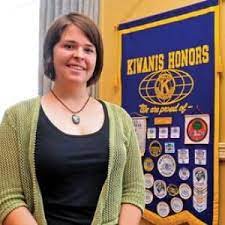

Kayla Mueller
There were thousands of communities within the United States desperate for the help of a caring social activist. And thousands of organizations—such as Volunteers in Service to America (VISTA), Habitat for Humanity and Catholic Relief Services—that would have been thrilled to enlist her services.
And she could have made lives better without constantly facing the dangers of kidnapping by Islamics determined to humiliate and slaughter Americans.
Michael Sheuer is right: The United States should learn to mind its own business and quit intervening in the affairs of Middle Eastern governments and peoples.
Kayla Mueller is proof of the rightness of that assertion.
ABC NEWS, ALEX ACOSTA, ALTERNET, AMERICABLOG, ANASTAS MIKOYAN, AP, BABY BOOMER RESISTANCE, BBC, BLOOMBERG NEWS, BUZZFEED, CBS NEWS, CNN, CROOKS AND LIARS, DAILY KOS, DAILY KOZ, DEPARTMENT OF AGRICULTURE, DEPARTMENT OF HEALTH AND HUMAN SERVICES, DEPARTMENT OF JUSTICE, DEPARTMENT OF LABOR, DEPARTMENT OF TRANSPORTATION, DONALD TRUMP, ELAINE CHAO, FACEBOOK, FBI, FIVETHIRTYEIGHT, GEORGI MALENKOV, HARPER’S MAGAZINE, HUFFINGTON POST, JAMES COMEY, JEFF SESSIONS, JOSEPH STALIN, KIM JONG ON, KLIMENT VOROSHILOV, LAVRENTI P. BERIA, MEDIA MATTERS, MICK MULVANEY, MIKE PENCE, MOTHER JONES, MOVEON, MSNBC, NBC NEWS, NEW REPUBLIC, NEWSDAY, NEWSWEEK, NIKKI HALEY, NPR, OFFICE OF MANAGEMENT AND BUDGET, PBS NEWSHOUR, POLITICO, POLITICUSUSA, RAW STORY, REINCE PRIEBUS, REUTERS, ROBERT PAYNE, SALON, SEATTLE TIMES, SLATE, SONNY PERDUE, SOVIET UNION, TALKING POINTS MEMO, THE ATLANTIC, THE CHICAGO SUN-TIMES, THE CHICAGO TRIBUNE, THE DAILY BEAST, THE DAILY BLOG, THE GUARDIAN, THE HILL, THE HUFFINGTON POST, THE INTERCEPT, THE LOS ANGELES TIMES, THE NATION, THE NEW REPUBLIC, THE NEW YORK TIMES, THE NEW YORKER, THE RISE AND FALL OF STALIN, THE VILLAGE VOICE, THE WALL STREET JOURNAL, THE WASHINGTON POST, THINKPROGRESS, TIME, TOM PRICE, TRUTHDIG, TRUTHOUT, TWITTER, TWO POLITICAL JUNKIES, U.S. NEWS & WORLD REPORT, UNITED NATIONS, UNITED STATES ATTORNEY GENERAL, UPI, USA TODAY, VLADIMIR PUTIN, VYACHESLAV MOLOTOV
In Bureaucracy, History, Politics, Social commentary on July 25, 2022 at 2:54 pm
Donald Trump has often been compared to Adolf Hitler.
But, in fact, he bears a far more striking resemblance to Joseph Vissarionovich Djugashvili—better known as Stalin, which, in Russian, means “Man of Steel.”
On December 21, 1949, Stalin turned 70. And millions of Russians feverishly competed to out-do one another in singing his praises.
For almost 30 years, through purges and starvation caused by enforced collections of farmers’ crops, he had slaughtered 20 to 60 million people.
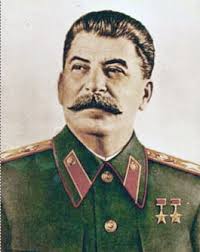
Joseph Stalin
The British historian, Robert Payne, described how Russians’ celebrated Stalin’s birthday in his classic 1965 biography, The Rise and Fall of Stalin:
“The guns blazed in salute, the processions marched across the Red Square, and huge balloons bearing the features of a younger Stalin climbed into the wintry sky.
“The official buildings were draped in red, the color of happiness. From all over the country came gifts of embroidered cloth, tapestries and carpets bearing his name or his features.
“Ornamental swords, cutlasses, tankards, cups, everything that might conceivably please him, were sent to the Kremlin, and then displayed in the State Museum of the Revolution….Poets extolled him in verses, He was the sun, the splendor, the lord of creation.
“The novelist Leonid Lenov...foretold the day when all the peoples of the earth would celebrate his birthday; the new calendar would begin with the birth of Stalin rather than with the birth of Christ.”
Lavrenti P. Beria, Stalin’s sinister and feared secret police chief, oozed: “Millions of fighters for peace and democracy in all countries of the world are closing their ranks still firmer around Comrade Stalin.”
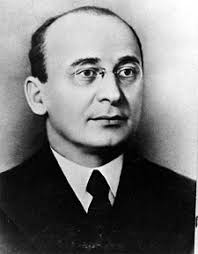
Lavrenti P. Beria
“With a feeling of great gratitude, turning their eyes to Stalin,” gushed Central Committee Secretary Georgi Malenkov, “the peoples of the Soviet Union, and hundreds of millions of peoples in all countries of the world, and all progressive mankind, see in Comrade Stalin their beloved leader and teacher….”
“The mighty voice of the Great Stalin, defending the peace of the world, has penetrated into all corners of the globe,” enthused Defense Commissar Kliment Voroshilov.
“Without Comrade Stalin’s special care,” extolled Trade and Supply Minister Anastas Mikoyan, “we would have never have had a network of meat combines equipped with the latest machinery, canneries and sugar refineries, a fishing industry….”
Foreign Minister Vyacheslav Molotov: “The gigantic Soviet army created during [World War II] was under the direct leadership of Comrade Stalin and built on the basis of the principles of Stalinist military science.”
So those Americans with a sense of history were alarmed and disgusted upon watching President Donald J. Trump—also 70—convene his first full Cabinet meeting since taking office on January 20, 2017.
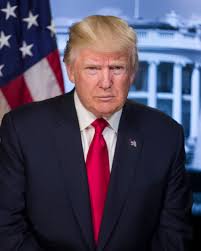
Donald Trump
On June 12, 2017, polls showed that only 36% of Americans approved of his conduct. But from his Cabinet members, Trump got praise traditionally lavished on dictators like Stalin and North Korea’s Kim Jong On.
While the Cabinet members sat around a mahogany table in the West Wing of the White House, Trump instructed each one to say a few words about the good work his administration was doing.
“Start with Mike,” ordered Trump, referring to Vice President Mike Pence.
“It is the greatest privilege of my life to serve as the vice president to a president who is keeping his word to the American people,” Pence dutifully said.
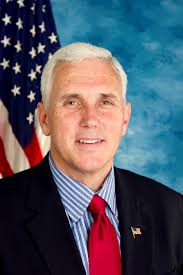
Mike Pence
Then it was the turn of Attorney General Jeff Sessions: “It’s an honor to be able to serve you.”
“My hat’s off to you,” oozed Energy Secretary Rick Perry, referring to Trump’s decision to withdraw from the Paris climate agreement.
Secretary of Agriculture Sonny Perdue: “I just got back from Mississippi. They love you there.”
“What an incredible honor it is to lead the Department of Health and Human Services at this pivotal time under your leadership,” gushed Secretary Tom Price. “I can’t thank you enough for the privilege that you’ve given me, and the leadership you’ve shown.”
Secretary of Labor Alex Acosta raved: “I’m deeply honored and I want to thank you for keeping your commitment to the American workers.”
“Thank you for coming over to the Department of Transportation,” eulogized Elaine Chao, its secretary. “I want to thank you for getting this country moving again, and also working again.”
“On behalf of the entire senior staff around you, Mr. President,” said Reince Prebus, Trump’s chief of staff, “we thank you for the opportunity and the blessing you’ve given us to serve your agenda and the American people, and we’re continuing to work very hard every day to accomplish those goals.”
Mick Mulvaney, director of the Office of Management and Budget: “At your direction, we were able to also focus on the forgotten men and women who are paying taxes, so I appreciate your support on pulling that budget together.”
* * * * *
Donald Trump’s followers believe he was all that stood between the United States and the threat of “Godless Communism.”
They totally ignore that he was elected via Russian propaganda orchestrated by Russian President Vladimir Putin. And that he repeatedly defended Putin’s every aggressive move.
And, all the while, he continues to rage against the evils of “socialism.”
2012 PRESIDENTIAL RACE, ALTERNET, AP, BARACK OBAMA, BAY OF PIGS, BBC, BERLIN WALL, BILL CLINTON, BRUCE GREENWOOD, BUZZFEED, CARLOS MARCELLO, CBS NEWS, CIA, CIVIL RIGHTS, CLIFF ROBERTSON, CNN, CUBAN MISSILE CRISIS, DAILY KOS, DAVID HALBERSTAM, DONALD J. TRUMP, FACEBOOK, FBI, FIDEL CASTRO, FRANK SINATRA, HERMAN CAIN, ICH BEN EIN BERLINNER SPEECH, INTERNET MOVIE DATABASE, J. EDGAR HOOVER, JAMES MARSDEN, JOHN F. KENNEDY, JOSEPH MCCARTHY, JOSEPH P. KENNEDY, LYNDON B. JOHNSON, MAFIA, MALCOM X, MARTIN LUTHER KING, MARTIN SHEEN, MOTHER JONES, MOVEON, MOVIES, NBC NEWS, NEWSWEEK, NEWT GINGRICH, NIKITA KHRUSHCHEV, NPR, NUCLEAR TEST BAN TREATY, POLITICO, PT-109, RAW STORY, REUTERS, RICK PERRY, ROBERT F. KENNEDY, ROBERT S. MCNAMARA, SALON, SAM GIANCANA, SANTOS TRAFFICANTE, Sarah Palin, SATURDAY NIGHT LIVE, SEATTLE TIMES, SLATE, SOVIET UNION, THE ATLANTIC, THE BEST AND THE BRIGHTEST, THE BUTLER, THE CHICAGO SUN-TIMES, THE CHICAGO TRIBUNE, THE DAILY BEAST, THE GUARDIAN, THE HILL, THE HUFFINGTON POST, THE LOS ANGELES TIMES, THE MISSILES OF OCTOBER, THE NEW YORK TIMES, THE RAT PACK, THE WALL STREET JOURNAL, THE WASHINGTON POST, THIRTEEN DAYS, TIME, TWILIGHT ZONE, TWITTER, U.S. NEWS & WORLD REPORT, UPI, USA TODAY, VIETNAM WAR, WILLIAM DEVANE, WILLIAM PETERSON
In Bureaucracy, Business, History, Law, Law Enforcement, Military, Politics, Social commentary on July 15, 2022 at 12:10 am
Fifty-nine years ago, on November 22, 1963, two bullets slammed into the neck and head of President John Fitzgerald Kennedy.
It has been said that he left his country with three great legacies:
- The Nuclear Test Ban Treaty;
- The Apollo moon landing; and
- The Vietnam war.
Of these, the following can be said with certainty:
- The Test Ban Treaty has prevented atmosphereic testing—and poisoning—by almost all the world’s nuclear powers.
- After reaching the moon—in 1969—Americans quickly lost interest in space and have today largely abandoned plans for manned exploration. For America, as for JFK, beating the Russians to the moon was the end-goal.
- Under Presidents Lyndon Johnson and Richard Nixon, 58,000 Americans died in Vietnam; 153,303 were wounded; and billions of dollars were squandered in a hopeless effort to intervene in what was essentially a Vietnamese civil war. From 1965 to 1972, the war angrily divided Americas as had no event since the Civil War.
But there was a fourth legacy—and perhaps the most important of all: The belief that mankind could overcome its greatest challenges through rationality and perseverance.
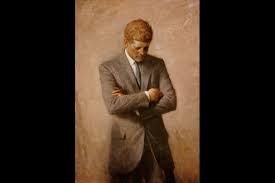
White House painting of JFK
At American University on June 10, 1963, Kennedy called upon his fellow Americans to re-examine the events and attitudes that had led to the Cold War. And he declared that the search for peace was by no means absurd:
“Our problems are man-made; therefore, they can be solved by man. And man can be as big as he wants. No problem of human destiny is beyond human beings.
“Man’s reason and spirit have often solved the seemingly unsolvable, and we believe they can do it again.”
Today, politicians from both parties cannot agree on solutions to even the most vital national problems.
On November 21, 2011, the 12 members of the “Super-Committee” of Congress, tasked with finding $1.2 trillion in cuts in government spending, threw up their hands in defeat.
President Kennedy insisted on being well-informed. He speed-read several newspapers every morning and nourished personal relationships with the press—and not for altruistic reasons. These journalistic contacts gave Kennedy additional sources of information and perspectives on national and international issues.
During the 2012 Presidential campaign, Republican Presidential candidates celebrated their ignorance of both.
Former Godfather’s Pizza CEO Herman Cain famously said, “We need a leader, not a reader.” Thus he excused his ignorance for why President Barack Obama had intervened in Libya.
Texas Governor Rick Perry (and now Secretary of Energy) showed similar pride in not knowing there are nine judges on the United States Supreme Court:
“Well, obviously, I know there are nine Supreme Court judges. I don’t know how eight came out my mouth. But the, uh, the fact is, I can tell you—I don’t have memorized all of those Supreme Court judges. And, uh, ah—
“Here’s what I do know. That when I put an individual on the Supreme Court, just like I done in Texas, ah, we got nine Supreme Court justices in Texas, ah, they will be strict constructionists….”
In short, it’s the media’s fault if they ask you a question and your answer reveals your own ignorance, stupidity or criminality.
Sarah Palin rewrote history via “The Midnight Ride of Paul Revere”: “He warned the British that they weren’t going to be taking away our arms by ringing those bells and, um, making sure as he’s riding his horse through town to send those warning shots and bells that, uh, we were going to be secure and we were going to be free.”
In fact, Revere wasn’t warning the British about anything. Instead, he was warning his fellow Americans about an impending British attack—as his celebrated catchphrase “The British are coming!” made clear.
During the height of the Cuban Missile Crisis, Kennedy spoke with aides about a book he had just finished: Barbara Tuchman’s The Guns of August, about the events leading to World War 1.
He said that the book’s most important revelation was how European leaders had blindly rushed into war, without thought to the possible consequences. Kennedy told his aides he did not intend to make the same mistake—that, having read his history, he was determined to learn from it.
Republicans attacked President Obama for his Harvard education and articulate use of language. Among their taunts: “Hitler also gave good speeches.”
And they resented his having earned most of his income as a writer of two books: Dreams From My Father and The Audacity of Hope. As if being a writer is somehow subversive.
When knowledge and literacy are attacked as “highfalutin’” arrogance, and ignorance and incoherence are embraced as sincerity, national decline lies just around the corner.
Many Americans believe that decline arrived with the 2016 election of Donald Trump. In fact, they believe it was Trump who announced it after winning the Nevada Republican primary: “We won with poorly educated. I love the poorly educated.”
In retrospect, the funeral for President Kennedy marked the death of more than a rational and optimistic human being.
It marked the death of Americans’ pride in choosing reasoning and educated citizens for their leaders.
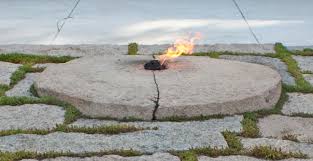
The Eternal Flame at the grave of President John F. Kennedy
2012 PRESIDENTIAL RACE, ABC NEWS, ALTERNET, AP, BARACK OBAMA, BAY OF PIGS, BBC, BERLIN WALL, BILL CLINTON, BRUCE GREENWOOD, BUZZFEED, CARLOS MARCELLO, CBS NEWS, CIA, CIVIL RIGHTS, CLIFF ROBERTSON, CNN, CUBAN MISSILE CRISIS, DAILY KOS, DAVID HALBERSTAM, DONALD J. TRUMP, FACEBOOK, FBI, FIDEL CASTRO, FRANK SINATRA, HERMAN CAIN, ICH BEN EIN BERLINNER SPEECH, INTERNET MOVIE DATABASE, J. EDGAR HOOVER, JAMES MARSDEN, JOHN F. KENNEDY, JOSEPH MCCARTHY, JOSEPH P. KENNEDY, LYNDON B. JOHNSON, MAFIA, MALCOM X, MARTIN LUTHER KING, MARTIN SHEEN, MOTHER JONES, MOVEON, MOVIES, NBC NEWS, NEWSWEEK, NEWT GINGRICH, NIKITA KHRUSHCHEV, NPR, NUCLEAR TEST BAN TREATY, POLITICO, PT-109, RAW STORY, REUTERS, RICK PERRY, ROBERT F. KENNEDY, ROBERT S. MCNAMARA, SALON, SAM GIANCANA, SANTOS TRAFFICANTE, Sarah Palin, SATURDAY NIGHT LIVE, SEATTLE TIMES, SLATE, SOVIET UNION, THE ATLANTIC, THE BEST AND THE BRIGHTEST, THE BUTLER, THE CHICAGO SUN-TIMES, THE CHICAGO TRIBUNE, THE DAILY BEAST, THE GUARDIAN, THE HILL, THE HUFFINGTON POST, THE LOS ANGELES TIMES, THE MISSILES OF OCTOBER, THE NEW YORK TIMES, THE RAT PACK, THE WALL STREET JOURNAL, THE WASHINGTON POST, THIRTEEN DAYS, TIME, TWILIGHT ZONE, TWITTER, U.S. NEWS & WORLD REPORT, UPI, USA TODAY, VIETNAM WAR, WILLIAM DEVANE, WILLIAM PETERSON
In Bureaucracy, Business, History, Law, Law Enforcement, Military, Politics, Social commentary on July 14, 2022 at 12:11 am
Elected to the House of Representatives in 1946, John F. Kennedy served six undistinguished years before being elected U.S. Senator from Massachusetts in 1952.
In 1956, his eloquence and political skill almost won him the Vice Presidential nomination at the Democratic National Convention. But the nominee, Adlai Stevenson, chose Tennessee Senator Estes Kefauver as his running mate–fortunately for Kennedy.
President Dwight D. Eisenhower, running for re-election, easily beat Stevenson.
Had Kennedy been on the ticket, his Catholicism would have been blamed for the loss. And this would have likely prevented his getting the Presidential nomination in 1960.
In 1957, his book, Profiles in Courage, won the Pulitzer Prize for history.
From 1957 to 1960, Kennedy laid plans for a successful Presidential race.
Many voters thought him too young and inexperienced for such high office. But he used his TV debates with then-Vice President Richard Nixon to calm such fears, transforming himself overnight into a serious contender.
Many Americans identified with Kennedy as they had with film stars. Compared with normally drab politicians, he seemed exciting and glamorous.
Since 1960, for millions of Americans, mere competence in a President isn’t enough; he should be charming and movie-star handsome as well.
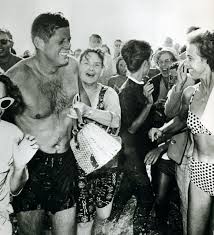
John F. Kennedy after taking a swim at Santa Monica Beach, 1960
But charismatic politicians face the danger of waning enthusiasm.
Many people were growing disillusioned with Kennedy before he died. He had raised hopes that couldn’t be met—especially among blacks.
And many whites bitterly opposed his support of integration, believing that Kennedy was “moving too fast” in changing race relations.
Still, for millions of Americans, Kennedy represented a time of change.
“Let’s get this country moving again” had been his campaign slogan in 1960. He had demanded an end to the non-existent “missile gap” between the United States and Soviet Union.
And he had said that America should create full employment and re-evaluate its policies toward Africa, Latin America and Asia.
His youth, the grace and beauty of his wife and the often-reported antics of his two young children—Caroline and John—added to the atmosphere that change was under way.
But Kennedy was not so committed to reform as many believed:
- As a Senator he had strongly opposed abolishing the Electoral College.
- He never protested the Red-baiting tactics of Senator Joseph R. McCarthy, a frequent dinner guest at the home of his father.
- As President, Kennedy never forgot that he had been elected by a margin of 112,881 votes. He often rationalized his refusal to tackle controversial issues by saying: “We’ll do it after I’m re-elected. So we’d better make damn sure I am re-elected.”
- He thought the United States should recognize “Red” China, but didn’t try to change American foreign policy toward that nation.
Nevertheless, many historians believe that. by vocally supporting civil rights and healthcare for the elderly, Kennedy laid the groundwork for Lyndon Johnson’s legislative victories.
Perhaps no aspect of Kennedy’s Presidency has received closer study than his assassination.
Hundreds of books and thousands of articles have hotly debated whether he was murdered by a lone “nut” or a deadly conspiracy of powerful men.
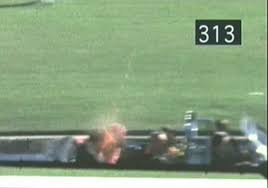
JFK’s assassination: The moment of impact
The murder has been the subject of two government investigations. The first, by the Warren Commission in 1964, concluded that an embittered ex-Marine and Marxist, Lee Harvey Oswald, acted alone in killing Kennedy.
Similarly, the Commission determined that nightclub owner Jack Ruby had killed Oswald on impulse, and not as the result of a conspiracy.
Millions of disbelieving Americans rejected the Warren Report—and named their own villains:
- The KGB;
- The Mob;
- Anti-Castro Cubans;
- Vice President Lyndon B. Johnson;
- Right-wing businessmen and/or military leaders;
- Fidel Castro.
Each of these groups or persons had reason to hate Kennedy:
- The KGB—for Kennedy’s humiliating the Soviet Union during the Cuban Missile Crisis.
- The Mob—in retaliation for the administration’s crackdown on organized crime.
- Anti-Castro Cubans—for JFK’s refusal to commit American military forces to overthrowing Castro at the Bay of Pigs invasion.
- Lyndon Johnson—lusting for power, he stood to gain the most from Kennedy’s elimination.
- Right-wing businessmen and/or military leaders—for believing that Kennedy had “sold out” the country to the Soviet Union.
- Fidel Castro—knowing the CIA was trying to assassinate or overthrow him, he had reason to respond in kind.
The second investigation, conducted in 1977-79 by the House Assassinations Committee, determined that Oswald and a second, unknown sniper had fired at Kennedy. (Oswald was deemed the assassin; the other man’s shot had missed.)
The Chief Counsel for the Committee, G. Robert Blakey, believed New Orleans Mafia boss Carlos Marcello organized the assassination, owing to his hatred of Robert Kennedy for his war on the crime syndicates.
Still, 53 years after JFK’s assassination, no court-admissible evidence has appeared to convict anyone other than Oswald for the murder.
The impact of Kennedy’s death on popular culture remains great. Millions saw him as a brilliant, courageous hero who had worked his way to the top.
But his sudden and violent end shocked those who believed there was always a happy ending.
If so gifted—and protected—a man as John F. Kennedy could be so suddenly and brutally destroyed, no one else could depend on a secure future.
2012 PRESIDENTIAL RACE, ABC NEWS, ALTERNET, AP, BARACK OBAMA, BAY OF PIGS, BBC, BERLIN WALL, BILL CLINTON, BRUCE GREENWOOD, BUZZFEED, CARLOS MARCELLO, CBS NEWS, CIA, CIVIL RIGHTS, CLIFF ROBERTSON, CNN, CUBAN MISSILE CRISIS, DAILY KOS, DAVID HALBERSTAM, DONALD J. TRUMP, FACEBOOK, FBI, FIDEL CASTRO, FRANK SINATRA, HERMAN CAIN, ICH BEN EIN BERLINNER SPEECH, INTERNET MOVIE DATABASE, J. EDGAR HOOVER, JAMES MARSDEN, JOHN F. KENNEDY, JOSEPH MCCARTHY, JOSEPH P. KENNEDY, LYNDON B. JOHNSON, MAFIA, MALCOM X, MARTIN LUTHER KING, MARTIN SHEEN, MOTHER JONES, MOVEON, MOVIES, NBC NEWS, NEWSWEEK, NEWT GINGRICH, NIKITA KHRUSHCHEV, NPR, NUCLEAR TEST BAN TREATY, POLITICO, PT-109, RAW STORY, REUTERS, RICK PERRY, ROBERT F. KENNEDY, ROBERT S. MCNAMARA, SALON, SAM GIANCANA, SANTOS TRAFFICANTE, Sarah Palin, SATURDAY NIGHT LIVE, SEATTLE TIMES, SLATE, SOVIET UNION, THE ATLANTIC, THE BEST AND THE BRIGHTEST, THE BUTLER, THE CHICAGO SUN-TIMES, THE CHICAGO TRIBUNE, THE DAILY BEAST, THE GUARDIAN, THE HILL, THE HUFFINGTON POST, THE LOS ANGELES TIMES, THE MISSILES OF OCTOBER, THE NEW YORK TIMES, THE RAT PACK, THE WALL STREET JOURNAL, THE WASHINGTON POST, THIRTEEN DAYS, TIME, TWILIGHT ZONE, TWITTER, U.S. NEWS & WORLD REPORT, UPI, USA TODAY, VIETNAM WAR, WILLIAM DEVANE, WILLIAM PETERSON
In Bureaucracy, Business, History, Law, Law Enforcement, Military, Politics, Social commentary on July 13, 2022 at 12:10 am
Throughout his life, John F. Kennedy was lucky—both personally and politically.
Part of the secret lay in his physical presence. He was young and handsome, charming and articulate.
He appeared zestful and athletic despite a series of ailments, including Addison’s disease (a malfunction of the adrenal glands) and an injured back that required the use of a brace.
His wit was sophisticated and often self-deprecating. Addressing an assembly of Nobel Prize winners at the White House, he said: “I think this is the most extraordinary collection of talent, of human knowledge, that has ever been gathered at the White House—with the possible exception of when Thomas Jefferson dined alone.”


JFK making a joke at a press conference
And his sense of humor often defused otherwise ticklish problems. During the 1960 Presidential race, he was sharply criticized for relying on his millionaire father for much of his funding. At a campaign rally, he deflected the charge with humor:
“I just received a telegram from my generous Daddy. It says: ‘Dear Jack: Don’t buy one more vote than necessary. I’ll be damned if I’m going to pay for a landslide.’”
Another controversy emerged when he named his brother, Robert, Attorney General. Critics charged that the appointment smacked of nepotism—and that Robert didn’t have enough legal gravitas to be the nation’s chief law enforcement offer.
“I see nothing wrong in giving Robert a little experience before he goes out to practice law,” he said at a press conference.
His highly-polished rhetoric—produced by wordsmiths such as Theodore Sorensen—dazzled audiences. His Inaugural Address was acclaimed by Democrats and even most Republicans.
Its signature line, “Ask not what your country can do for you, ask what you can do for your country” has become as famous as Abraham Lincoln’s “government of the people, by the people, for the people.”
His speeches often urged Americans to seek a higher cause than mere self-interest. Speaking of the role of the arts in a nation’s life, he said:
“It may be different elsewhere, but [in] democratic society…the highest duty of the writer, the composer, the artist is to remain true to himself and to let the chips fall where they may.”
Memorial at the Arlington gravesite for John F. Kennedy
But he could be blunt and profane in private.
“My father always told me all businessmen were sonsofbitches, but I never believed it till now,” he said in private when the steel companies made an inflationary price increase in 1962.
Like Richard Nixon, Kennedy installed a secret taping system in the White House. And, as with Nixon, this picked up many of his profanities. Unlike Nixon, however, Kennedy died before his secret taping system was discovered.
Kennedy impressed many journalists with his capacity for detail.
“He swallows and digests whole books in minutes. His eye seizes instantly on the crucial point of a long memorandum. He confounds experts with superior knowledge of their field,” wrote Games McGregor Burns in 1961.
Having briefly worked as a journalist (covering the opening of the United Nations Assembly in 1945) JFK understood and catered to the sensitivities of the Washington press corps.
Using charm, wit, candor and selective accessibility, he cultivated his own favored group of reporters. Critics charged that he was manipulating the media—and they were right.
Sometimes the manipulation was heavy-handed. He pressured The New York Times to censor its coverage of actions he intended to take—such as during the Bay of Pigs and the Cuban Missile Crisis.
But he failed to coerce the Times to remove David Halberstam, its Vietnam correspondent, whose highly critical articles cast doubt on the effectiveness of the American military commitment to Vietnam.
A major part of Kennedy’s appeal lay in his glamorous background. He was born—on May 29, 1917—into a large, robust family headed by wealthy and powerful financier Joseph P. Kennedy.
He attended Princeton and Harvard, graduating from the latter with top honors.
During World War II he became a Naval hero in 1943 after a Japanese destroyer sliced his PT boat in half—by towing an injured shipmate to safety on a South Pacific island. From there, Kennedy persuaded a native to summon rescue help from the U.S. Navy.
Kennedy had no plans for a postwar political career. That had been assigned to his elder brother, Joseph P. Kennedy, Jr., by their ambitious father, who was determined to seat the first Irish Catholic President.
After learning of his younger brother’s heroism, Joseph volunteered for a dangerous Naval bombing mission. On August 12, 1944, he and a co-pilot flew an explosives-laden plane from England toward France.
While over the English Channel, they were supposed to parachute from the aircraft—after activating a remote control system to send the plane crashing into a German command center.
But the plane mysteriously exploded before the pilots could eject—and before the plane reached its target.
The death of his elder brother ended John F. Kennedy’s plans for a career as a writer. Joseph Kennedy, Sr., insisted that “Jack” assume the political career that the Kennedy patriarch had assigned for his dead brother.
2012 PRESIDENTIAL RACE, ALTERNET, AP, BARACK OBAMA, BAY OF PIGS, BBC, BERLIN WALL, BILL CLINTON, BRUCE GREENWOOD, BUZZFEED, CARLOS MARCELLO, CBS NEWS, CIA, CIVIL RIGHTS, CLIFF ROBERTSON, CNN, CUBAN MISSILE CRISIS, DAILY KOS, DAVID HALBERSTAM, DONALD J. TRUMP, FACEBOOK, FBI, FIDEL CASTRO, FRANK SINATRA, HERMAN CAIN, ICH BEN EIN BERLINNER SPEECH, INTERNET MOVIE DATABASE, J. EDGAR HOOVER, JAMES MARSDEN, JOHN F. KENNEDY, JOSEPH MCCARTHY, JOSEPH P. KENNEDY, LYNDON B. JOHNSON, MAFIA, MALCOM X, MARTIN LUTHER KING, MARTIN SHEEN, MOTHER JONES, MOVEON, MOVIES, NBC NEWS, NEWSWEEK, NEWT GINGRICH, NIKITA KHRUSHCHEV, NPR, NUCLEAR TEST BAN TREATY, POLITICO, PT-109, RAW STORY, REUTERS, RICK PERRY, ROBERT F. KENNEDY, ROBERT S. MCNAMARA, SALON, SAM GIANCANA, SANTOS TRAFFICANTE, Sarah Palin, SATURDAY NIGHT LIVE, SEATTLE TIMES, SLATE, SOVIET UNION, THE ATLANTIC, THE BEST AND THE BRIGHTEST, THE BUTLER, THE CHICAGO SUN-TIMES, THE CHICAGO TRIBUNE, THE DAILY BEAST, THE GUARDIAN, THE HILL, THE HUFFINGTON POST, THE LOS ANGELES TIMES, THE MISSILES OF OCTOBER, THE NEW YORK TIMES, THE RAT PACK, THE WALL STREET JOURNAL, THE WASHINGTON POST, THIRTEEN DAYS, TIME, TWILIGHT ZONE, TWITTER, U.S. NEWS & WORLD REPORT, UPI, USA TODAY, VIETNAM WAR, WILLIAM DEVANE, WILLIAM PETERSON
In Bureaucracy, Business, History, Law, Law Enforcement, Military, Politics, Social commentary on July 12, 2022 at 4:09 pm
John F. Kennedy fired the imaginations and captured the hearts of Americans and foreign citizens as no President since the days of Franklin D. Roosevelt.
Millions who voted for him—or against him or didn’t vote at all—still believe that, if only he had lived to be re-elected, America would have entered a truly Golden Age.
Kennedy certainly encouraged such belief. Asked for his definition of happiness, he quoted the ancient Greeks: “The full use of your powers along lines of excellence.”
More than 53 years after his death on November 22, 1963, he remains frozen in time. Assassinated at age 46, he remains forever young, vigorous and charming.
But even if he had not been assassinated, his Presidency could have ended in disaster.
After his 1953 marriage to Jacqueline Bouvier, he continued to pursue both a married and a bachelor life. Rumors of Kennedy’s extramarital affairs swirled throughout his Senatorial career and followed him into the White House.
His conquests included secretaries, wives of friends, strippers, movie stars (such as Marilyn Monroe and Marlene Dietrich) prostitutes and even a mobster’s mistress.
Various theories have been advanced for his taking such dangerous risks with his political career:
- As a victim of Addison’s Disease (insufficiency of the adrenal glands) he had been told by doctors he might not live beyond 35.
- As a result of the cortisone he took to control his Addison’s, his libido was greatly enhanced.
- After escaping death with the sinking of PT-109, he decided to cram as much excitement into his life as possible.
- His father, Joseph P. Kennedy, Sr., a notorious womanizer, had encouraged him and his three other sons to sleep with as many women as possible.
During the 1960 Presidential campaign, Frank Sinatra—who had become smitten with Kennedy and was determined to see him elected—introduced him to a “good time girl” named Judith Campbell.

Judith Campbell
Whether Kennedy knew it or not, Campbell was also sleeping with Sam Giancana—the most-feared Mafia boss in Chicago. And it wasn’t long before Giancana learned about her trysts with Kennedy.
As a favor to Sinatra, Giancana and his fellow mobsters used their powerful influence to ensure that JFK carried Illinois in 1960.
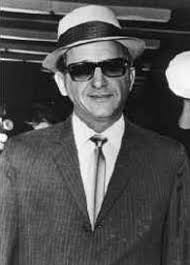
Sam Giancana
In turn, JFK’s father, Joseph P. Kennedy had promised Giancana that the Mob would get a free ride under a Kennedy Presidency.
When JFK appointed his brother, Robert, Attorney General, the latter declared war on organized crime. Giancana and his fellow hoods felt betrayed.
Giancana often raged to Campbell: “If it wasn’t for me, your boyfriend wouldn’t be President.” And having knowledge of her scandalous relationship with JFK, Giancana could have exposed Kennedy to a shocked public.
And if Giancana hadn’t done it, FBI Director J. Edgar Hoover might have.
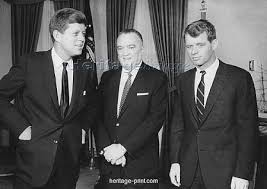
John F. Kennedy, J. Edgar Hoover and Robert F. Kennedy
Hoover, under relentless pressure from Robert Kennedy to crack down on the Mob, had, through illegal electronic surveillance, discovered the Giancana-Campbell-Kennedy connection.
Always fearful that he might be replaced as FBI director, Hoover had quickly alerted the Attorney General to his latest discovery in February, 1962. Neither RFK nor JFK could dare fire Hoover now.
White House telephone logs reveal that, from January, 1961 until February, 1962, Campbell phoned the White House 70 times.
After Hoover informed Robert Kennedy of Campbell’s status with the President, she made only one more call to Kennedy. It was then that the President said the affair was over.
Similarly, the President’s on-and-off affair with Marilyn Monroe put him in an equally dangerous position. Monroe’s behavior, fueled by emotional instability, alcohol and pills, became increasingly erratic. And she grew convinced that Kennedy should divorce Jackie and make her the new First Lady.
Rumors still circulate that the President sent Robert Kennedy—who was by now an old hand at cleaning up JFK’s messes—to tell Monroe their relationship was over.
Whatever secrets Monroe may have been able to reveal about her relationship with Kennedy, she took them to the grave in an overdose of alcohol and sleeping pills on August 5, 1962.
In his 1995 bestseller, The Dark Side of Camelot, investigative reporter Seymour Hersh got several former members of Kennedy’s Secret Service detail to speak about JFK’s extramarital sex life.
They revealed that they had not been allowed to search any of the women Kennedy cavorted with.
Any of these women could have injected the President with a poisonous hypodermic. Or secretly tape recorded their trysts with Kennedy for blackmail purposes.
Kennedy believed he would be re-elected in 1964—especially if his opponent was Barry Goldwater, the Republican Senator from Arizona.
And he almost certainly would have been re-elected; Lyndon Johnson scored a smashing victory over Goldwater that year.
But it’s also possible that Kennedy could have been forced to resign in disgrace over his affairs with Campbell, Monroe or any number of other women.
Such a fate overtook British Secretary of State for War John Profumo in 1962. In 1961, he had begun an affair with Christine Keeler, an attractive model. But Keeler was also bedding Yevgeney Ivanov, the senior naval attaché at the Soviet Embassy in Britain.
When the press learned about the threesome, Profumo was forced to resign, his 22-year political career destroyed.


 Bureaucracybuster's Blog
ABC NEWS, ALGIER HISS, ALTERNET, AMERICABLOG, ANTHONY HOPKINS, AP, BABY BOOMER RESISTANCE, BARACK OBAMA, BENJAMIN C. BRADLEE, BILL CLINTON, BLOOMBERG, BOB WOODWARD, BUZZFEED, CARL BERNSTEIN, CBS NEWS, CBSNEWS, CNN, CROOKS AND LIARS, DAILY KOS, DANIEL ELLSBURG, DRUDGE REPORT, FACEBOOK, FIVETHIRTYEIGHT, FRENCH LEGION OF HONOR, HARPER’S MAGAZINE, JASON ROBARDS, JOHN F. KENNEDY, JOURNALISM, LYNDON B. JOHNSON, MEDIA MATTERS, MOTHER JONES, MOVEON, MSNBC, NBC NEWS, NEWSWEEK, NPR, PBS NEWSHOUR, PENTAGON PAPERS, POLITICO, POLITICUSUSA, RAW STORY, REPUBLICAN PARTY, REPUBLICANS, REUTERS, RICHARD NIXON, SALON, SEATTLE TIMES, SENATE WATERGATE COMMITTEE, SLATE, TALKING POINTS MEMO, THE ATLANTIC, THE CHICAGO SUN-TIMES, THE CHICAGO TRIBUNE, THE DAILY BEAST, THE DAILY BLOG, THE GUARDIAN, THE HILL, THE HUFFINGTON POST, THE LOS ANGELES TIMES, THE NATION, THE NEW REPUBLIC, THE NEW YORK TIMES, THE PENTAGON PAPERS, THE VILLAGE VOICE, THE WALL STREET JOURNAL, THE WASHINGTON POST, THE WASHINGTONPOST, THINKPROGRESS, TIME, TRUTHDIG, TRUTHOUT, TWITTER, TWO POLITICAL JUNKIES, U.S. NEWS & WORLD REPORT, UNITED STATES SUPREME COURT, UPI, USA TODAY, WATERGATE, WONKETTE, WORLD WAR 11
TWO ADVERSARIES, TWO LEGACIES
In Bureaucracy, History, Law Enforcement, Politics, Social commentary on September 2, 2022 at 12:10 amAugust 9, 2022, marked an anniversary increasingly fewer Americans remember: Forty-eight years to the day that Richard Milhous Nixon, 37th President of the United States, resigned in disgrace.
Benjamin Crowninshield Bradlee, the former executive editor of The Washington Post, remains virtually unknown outside the journalism profession. Yet his paper did more than any other to bring Nixon down.
Both Nixon and Bradlee were driven to succeed. And both achieved fame and power in doing so.
Bradlee made his name in journalism.
Benjamin C. Bradlee
Nixon made his name in politics.
Richard Nixon
Both served in the United States Navy in the Pacific during World War II.
Both had strong connections to John F. Kennedy.
For both, 1948 was a pivotal year.
Both reached their positions of maximum power in 1968:
But there was a fundamental difference between them:
Nixon and Bradlee had their first major clash in 1971 with the Pentagon Papers, a secret government study of how the United States became enmeshed in the Vietnam war.
In 1972, Bradlee and Nixon squared off for their most important battle—a “third-rate burglary” of the Democratic National Committee headquarters at the Watergate Hotel.
Bob Woodward, Carl Bernstein and Benjamin C. Bradlee
Bradlee became an advocate for education and the study of history.Nixon entered history as the only American President forced to resign from office.
:Richard Nixon saying farewell at the White House
Bradlee became a media celebrity. Nixon became a media target.
Bradlee and Nixon each published a series of books.
After leaving the White House, Nixon worked hard behind-the-scenes to refashion himself into an elder statesman of the Republican Party.
Nixon died on April 22, 1994.
Bradlee remained executive editor of The Washington Post until retiring in 1991. But he continued to serve as vice president-at-large until his death on October 21, 2014.
Share this: