Posts Tagged ‘BORDER WALL’
2016 PRESIDENTIAL CAMPAIGN, 2020 PRESIDENTIAL CAMPAIGN, ABC NEWS, ADAM SCHIFF, ADOLF HITLER, ALTERNET, AMERICABLOG, AP, ARTICLES OF IMPEACHMENT, BABY BOOMER RESISTANCE, BORDER WALL, BUZZFEED, CBS NEWS, CHARLES DE GAULLE, CHINA, CHRIS CHRISTIE, CHRISTI GRIMM, CHRISTOPHER S. MURPHY, CIA, CNN, CONSERVATIVE POLITICAL ACTION CONFERENCE, CONVERSATION WITH AN AMERICAN WRITER (POEM), CORONAVIRUS RELIEF MONIES, COVID-19, CROOKS AND LIARS, CUBAN MISSILE CRISIS, DAILY KOS, DAN BOWMAN, DAN SULLIVAN, DAVID BROOKS, DEMOCRATS, DEPARTMENT OF HEALTH AND HUMAN SERVICES, DONALD TRUMP, DONALD TRUMP JUNIOR, DRUDGE RETORT, EXTORTION, FBI, FIRST AMENDMENT, FIVETHIRTYEIGHT, GENN FINE, GEORGE FLOYD, GEORGE W. BUSH, GOVERNMENT ACCOUNTABILITY OFFICE, GOVERNMENT SHUTDOWN, HARPER’S MAGAZINE, HILLARY CLINTON, HOUSE FOREIGN AFFAIRS COMMITTEE, HOUSE INTELLIGENCE COMMITTEE, HOUSE OVERSIGHT AND REFORM COMMITTEE, HUNTER BIDEN, IMMIGRANTS, IMPEACHMENT, IMPOUNDMENT CONTROL ACT, INSPECTORS GENERAL, INTELLIGENCE COMMUNITY, JAKE SULLIVAN, JAKE TAPPER, JAMAL KHASHOGGI, JAMES COMEY, JAMES ROBART, JARED KUSHNER, JEFF SESSIONS, JOHN CORNYN, JOHN F. KENNEDY, JOHN ROBERTS, JON S. TIGAR, JOSEPH BIDEN, KELLY LOEFFER, KEVIN CRAMER, LAFAYETTE SQUARE, LAMAR ALEXANDER, LEON PANETTA, LINDSEY GRAHAM, MARCO RUBIO, MARTIN GUGINO, MEDIA MATTERS, MEIN KAMPF, MEXICO, MICHAEL FLYNN, MICHAEL HAYDEN, MICHAEL K. ATKINSON, MICK MULVANEY, MIKE PENCE, MITCH MCCONNELL, MOHAMMED BIN SALMAN, MOTHER JONES, MOVEON, MSNBC, NANCY PELOSI, NATALIA VESELNITSKAYA, NATIONAL SECURITY AGENCY, NBC NEWS, NEWSWEEK, NIKKI HALEY, NPR, PAUL MANAFORT, PBS NEWSHOUR, POLITICO, POLITICUSUSA, RAW STORY, REPUBLICANS, REUTERS, RINAT AKHMETSHIN, ROBERT MUELLER, ROBERT PAYNE, ROD ROSENSTEIN, ROGER STONE, RON DESANTIS, RON JOHNSON, RUSSIA, SALON, SEATTLE TIMES, SERGEY KISLYAK, SERGEY LAVROV, SLATE, ST. JOHN’S CHURCH, STEVE DAINES, TALKING POINTS MEMO, TED CRUZ, THE ATLANTIC, THE CHICAGO SUN-TIMES, THE CHICAGO TRIBUNE, THE DAILY BEAST, THE DAILY BLOG, THE GUARDIAN, THE HILL, THE HUFFINGTON POST, THE JUDICIARY, THE LIFE AND DEATH OF ADOLF HITLER (BOOI), THE LIFE AND DEATH OF ADOLF HITLER (BOOK), THE LOS ANGELES TIMES, THE NATION, THE NEW REPUBLIC, THE NEW YORK TIMES, THE PRESS, THE VILLAGE VOICE, THE WASHINGTON POST, THINKPROGRESS, TIME, TREASON, TRUMP TOWER MEETING, TRUTHDIG, TRUTHOUT, TWITTER, TWO POLITICAL JUNKIES, U.S. NEWS & WORLD REPORT, UKRAINE, UNITED STATES HOUSE OF REPRESENTATIVES, UNITED STATES SENATE, UPI, USA TODAY, VLADIMIR PUTIN, VOLODYMYR ZELENSKY, WHISTLEBLOWER, WHITE HOUSE BUDGET OFFICE, WONKETTE, YEVGENEY YEVTUSHENKO
In Bureaucracy, History, Law, Law Enforcement, Politics, Social commentary on January 16, 2024 at 12:11 am
On February 5, 2020, the Republican-dominated Senate—as expected—absolved President Donald Trump from trying to extort Ukraine into smearing a possible rival for the White House.
Only one Republican—Utah Senator Mitt Romney—had the moral courage to vote for conviction.
But this was not the first time Republicans sought to excuse Trump’s litany of crimes. Those efforts go back to the 2016 Presidential election.
Forgiven Crime #1: Not demanding that Trump quit the 2016 Presidential race—or demanding that he be indicted—for making a terrorist threat against his own party.
On March 16, 2016, Trump, the front-runner for the Republican Presidential nomination, issued a warning to his fellow Right-wingers: If he didn’t win the GOP nomination at the convention in July, his supporters would literally riot.
“I think we’ll win before getting to the convention. But I can tell you if we didn’t, if we’re 20 votes short or if we’re 100 short and we’re at 1,100 and somebody else is at 500 or 400…I don’t think you can say that we don’t get it automatically. I think you’d have riots.
“I think you would see problems like you’ve never seen before. I think bad things would happen. I really do. I wouldn’t lead it, but I think bad things would happen.”
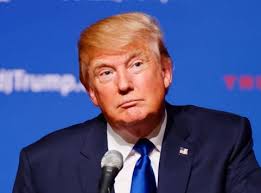
Donald Trump
An NBC reporter summed it up as follows: “As Trump indicated, there is a very real possibility he might lose the nomination if he wins only a plurality of delegates thanks to party rules that allow delegates to support different candidates after the initial ballot.
“In that context, the message to Republicans was clear on [March 16]: ‘Nice convention you got there, shame if something happened to it.’”
Threatening his Republican and Democratic opponents with violence played a major role in Donald Trump’s campaign for President.
Forgiven Crime #2: Supporting his “dog-whistle” call for the assassination of Democratic Nominee Hillary Clinton.
On August 9, 2016, at a rally in Wilmington, North Carolina, Trump said: “Hillary [Clinton] wants to abolish, essentially abolish, the Second Amendment. If she gets to pick her [Supreme Court] judges, nothing you can do folks. Although the Second Amendment people, maybe there is, I don’t know.”
Democrats—and responsible news media—immediately saw this for the “dog-whistle” signal it was.
“Don’t treat this as a political misstep,” Senator Christopher S. Murphy of Connecticut, who has called for stiffer gun laws, wrote on Twitter. “It’s an assassination threat, seriously upping the possibility of a national tragedy & crisis.”
“Well, let me say if someone else said that outside of the hall, he’d be in the back of a police wagon now, with the Secret Service questioning him,” said Michael Hayden, former head of the CIA and National Security Agency (NSA).
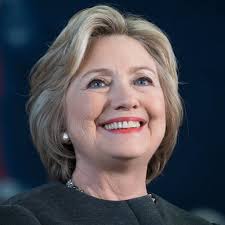
Hillary Clinton
Threats of violence continued to be made by Trump supporters right up to the day of the election.
- On July 29, Roger Stone, a notorious Right-wing political consultant acting as a Trump strategist, told Breitbart News: “The first thing Trump needs to do is begin talking about [voter fraud] constantly. If there’s voter fraud, this election will be illegitimate, the election of the winner will be illegitimate, we will have a constitutional crisis, widespread civil disobedience, and the government will no longer be the government.”
- At a town hall meeting where Trump’s Vice Presidential nominee Mike Pence appeared, a woman named Rhonda said: “For me personally, if Hillary Clinton gets in, I myself am ready for a revolution.”
- In Cincinnati, a Trump supporter threatened to forcibly remove Clinton from the White House if she won the race: “If she’s in office, I hope we can start a coup. She should be in prison or shot. That’s how I feel about it,”
- Dan Bowman, a 50-year-old contractor, said of Hillary Clinton, the Democratic nominee. “We’re going to have a revolution and take them out of office if that’s what it takes. There’s going to be a lot of bloodshed. But that’s what it’s going to take….I would do whatever I can for my country.”
Forgiven Crime #3: Republicans supported Trump’s call for his followers to intimidate Democratic voters at election time.
Trump encouraged his mostly white supporters to sign up online to be “election observers” to stop “Crooked Hillary from rigging this election.” He urged them to act as poll watchers in “other” [non-white] communities to ensure that things are “on the up and up.”
Many of his supporters promised to do so.
“Trump said to watch your precincts. I’m going to go, for sure,” said Steve Webb, a 61-year-old carpenter from Fairfield, Ohio.
“I’ll look for…well, it’s called racial profiling. Mexicans. Syrians. People who can’t speak American,” he said. “I’m going to go right up behind them. I’ll do everything legally. I want to see if they are accountable. I’m not going to do anything illegal. I’m going to make them a little bit nervous.”
Forgiven Crime #4 Threatening to fire Rod J. Rosenstein, the deputy attorney general, who oversaw Special Counsel Robert Mueller’s investigation into Russian subversion of the 2016 election.
Forgiven Crime #5: Threatening to fire Independent Counsel Robert Mueller during the summer of 2017, but was talked out of it by aides fearful that it would set off calls for his impeachment.
2016 PRESIDENTIAL CAMPAIGN, 2020 PRESIDENTIAL CAMPAIGN, ABC NEWS, ADAM SCHIFF, ADOLF HITLER, ALTERNET, AMERICABLOG, AP, ARTICLES OF IMPEACHMENT, BABY BOOMER RESISTANCE, BORDER WALL, BUZZFEED, CBS NEWS, CHARLES DE GAULLE, CHINA, CHRIS CHRISTIE, CHRISTI GRIMM, CHRISTOPHER S. MURPHY, CIA, CNN, CONSERVATIVE POLITICAL ACTION CONFERENCE, CONVERSATION WITH AN AMERICAN WRITER (POEM), CORONAVIRUS RELIEF MONIES, COVID-19, CROOKS AND LIARS, CUBAN MISSILE CRISIS, DAILY KOZ, DAN BOWMAN, DAN SULLIVAN, DAVID BROOKS, DEMOCRATS, DEPARTMENT OF HEALTH AND HUMAN SERVICES, DONALD TRUMP, DONALD TRUMP JUNIOR, DRUDGE RETORT, EXTORTION, FBI, FIRST AMENDMENT, FIVETHIRTYEIGHT, GENN FINE, GEORGE FLOYD, GEORGE W. BUSH, GOVERNMENT ACCOUNTABILITY OFFICE, GOVERNMENT SHUTDOWN, HARPER’S MAGAZINE, HILLARY CLINTON, HOUSE FOREIGN AFFAIRS COMMITTEE, HOUSE INTELLIGENCE COMMITTEE, HOUSE OVERSIGHT AND REFORM COMMITTEE, HUNTER BIDEN, IMMIGRANTS, IMPEACHMENT, IMPOUNDMENT CONTROL ACT, INSPECTORS GENERAL, INTELLIGENCE COMMUNITY, JAKE SULLIVAN, JAKE TAPPER, JAMAL KHASHOGGI, JAMES COMEY, JAMES ROBART, JARED KUSHNER, JEFF SESSIONS, JOHN CORNYN, JOHN F. KENNEDY, JOHN ROBERTS, JON S. TIGAR, JOSEPH BIDEN, KELLY LOEFFER, KEVIN CRAMER, LAFAYETTE SQUARE, LAMAR ALEXANDER, LEON PANETTA, LINDSEY GRAHAM, MARCO RUBIO, MARTIN GUGINO, MEDIA MATTERS, MEIN KAMPF, MEXICO, MICHAEL FLYNN, MICHAEL HAYDEN, MICHAEL K. ATKINSON, MICK MULVANEY, MIKE PENCE, MITCH MCCONNELL, MOHAMMED BIN SALMAN, MOTHER JONES, MOVEON, MSNBC, NANCY PELOSI, NATALIA VESELNITSKAYA, NATIONAL SECURITY AGENCY, NBC NEWS, NEWSWEEK, NIKKI HALEY, NPR, PAUL MANAFORT, PBS NEWSHOUR, POLITICO, POLITICUSUSA, RAW STORY, REPUBLICANS, REUTERS, RINAT AKHMETSHIN, ROBERT MUELLER, ROBERT PAYNE, ROD ROSENSTEIN, ROGER STONE, RON DESANTIS, RON JOHNSON, RUSSIA, SALON, SEATTLE TIMES, SERGEY KISLYAK, SERGEY LAVROV, SLATE, ST. JOHN’S CHURCH, STEVE DAINES, TALKING POINTS MEMO, TED CRUZ, THE ATLANTIC, THE CHICAGO SUN-TIMES, THE CHICAGO TRIBUNE, THE DAILY BEAST, THE DAILY BLOG, THE GUARDIAN, THE HILL, THE HUFFINGTON POST, THE JUDICIARY, THE LIFE AND DEATH OF ADOLF HITLER (BOOI), THE LIFE AND DEATH OF ADOLF HITLER (BOOK), THE LOS ANGELES TIMES, THE NATION, THE NEW REPUBLIC, THE NEW YORK TIMES, THE PRESS, THE VILLAGE VOICE, THE WASHINGTON POST, THINKPROGRESS, TIME, TREASON, TRUMP TOWER MEETING, TRUTHDIG, TRUTHOUT, TWITTER, TWO POLITICAL JUNKIES, U.S. NEWS & WORLD REPORT, UKRAINE, UNITED STATES HOUSE OF REPRESENTATIVES, UNITED STATES SENATE, UPI, USA TODAY, VLADIMIR PUTIN, VOLODYMYR ZELENSKY, WHISTLEBLOWER, WHITE HOUSE BUDGET OFFICE, WONKETTE, YEVGENEY YEVTUSHENKO
In Bureaucracy, History, Law, Law Enforcement, Politics, Social commentary on January 15, 2024 at 12:39 am
“One man with courage makes a majority.”
—-Andrew Jackson
Donald Trump—facing four indictments and 91 criminal charges—is the clear front runner for the 2024 Republican Presidential nomination.
Since 2015, Republicans have a shameful history of excusing his blunders and criminality.
A classic example of this occurred on June 9, 2020.
That was when then-President Trump charged that a 75-year-old man who was seriously injured by police officers in Buffalo, New York, was part of a radical leftist “set up.”
The victim, Martin Gugino, is described as a peace activist associated with the Catholic Worker Movement.
On June 4, 2020, during nationwide protests over the police murder of black security guard George Floyd, a curfew was imposed on Buffalo, New York. As police swept through Niagara Square, Gugino walked directly into their path as if attempting to speak with them.
Two officers pushed him and he fell backwards, hitting the back of his head on the pavement and losing consciousness. The line of officers walked past Gugino as he lay on the ground with blood pooling around his head. One officer tried to check on him, but another patrolman told him to move on, and he did.

Martin Gugino falls backward
Enter Trump, who had been severely criticized for sending police and National Guardsmen to remove peaceful protesters from Lafayette Square so he could stage a photo-op at nearby St. John’s Church.
On June 9 he tweeted: “Buffalo protester shoved by Police could be an ANTIFA provocateur. 75 year old Martin Gugino was pushed away after appearing to scan police communications in order to black out the equipment. @OANN I watched, he fell harder than was pushed. Was aiming scanner. Could be a set up?”
As usual, Trump offered no evidence to back up his slander. And, as usual, Republicans refused to condemn him for his latest outrage.
Among those competing for “Most Cowardly Sycophant of the Year”:
- Senate Majority Leader Mitch McConnell (KY) refused to say whether Trump’s tweet was appropriate.
- Texas Senator John Cornyn claimed he had missed it, adding: “A lot of this stuff just goes over my head.”
- Georgia Senator Kelly Loeffler refused to answer a question about the President’s tweet as she hopped on an elevator along with an aide in the Capitol.
- Texas Senator Ted Cruz: “I don’t comment on the tweets.”
- Florida Senator Marco Rubio: “I didn’t see it. You’re telling me about it. I don’t read Twitter. I only write on it.”
- Alaska Senator Dan Sullivan said he hadn’t seen it, and then said: “I don’t want to comment right now. I’m on my way to a meeting. I’ll see it when I see it.”
- North Dakota Senator Kevin Cramer: “I’ll say this: I worry more about the country itself than I do about what President Trump tweets.”
- Wisconsin Senator Ron Johnson said he hadn’t seen the tweet—and didn’t want it read to him: “I would rather not hear it.”
- Tennessee Senator Lamar Alexander: “Voters can evaluate that. I’m not going to give a running commentary on the President’s tweets.”
- Montana Senator Steve Daines refused to say whether Trump should have tweeted about the Buffalo incident.
So much for Republican profiles in courage.
On December 18, 2019, the House of Representatives approved two Articles of Impeachment against Trump for:
Article 1: Abuse of Power: For pressuring the president of Ukraine to assist his re-election campaign by smearing a potential rival for the White House.
Article 2: Obstruction of Congress: For obstructing Congress by blocking testimony of subpoenaed witnesses and refusing to provide documents in response to House subpoenas in the impeachment inquiry.
On July 25, 2019, Trump had “asked” Ukraine President Volodymir Zelensky to do him a “favor”: Find embarrassing “dirt” on former Vice President Joseph Biden and his son, Hunter.
Hunter had had business dealings in Ukraine. And Joseph Biden might be Trump’s Democratic opponent for the White House in 2020.
To underline the seriousness of his “request,” earlier in July Trump had told Mick Mulvaney, his White House chief of staff, to withhold $400 million in military aid Congress had approved for Ukraine, which is facing an increasingly aggressive Russia
But then a CIA whistleblower filed a complaint about the extortion attempt—and the media and Congress soon learned of it. And ever since, the evidence linking Trump to impeachable offenses had mushroomed.
On January 16, 2020, the Government Accountability Office (GAO) announced that the Trump administration broke the law when it withheld security aid to Ukraine.
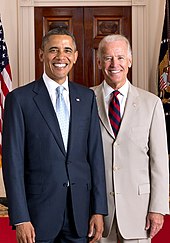
Joseph Biden with Barack Obama
As Senate trial proceedings unfolded, the 53-majority Republican Senators:
- Refused to hear from eyewitnesses who could prove that Trump had committed impeachable offenses,
- Refused to provide evidence on Trump’s behalf—but attacked witnesses who had testified against him in the House.
- Attacked Joseph Biden and his son, Hunter, as if they were on trial—instead of having been the targets of Trump’s smear-attempt.
On February 5, 2020, the Republican-dominated Senate—as expected—absolved President Donald Trump from trying to extort Ukraine into smearing a possible rival for the White House.
Only one Republican—Utah Senator Mitt Romney—had the moral courage to vote for conviction.
But this was not the first time Republicans sought to excuse Trump’s litany of crimes. Those efforts date to the 2016 Presidential election.
1912 PRESIDENTIAL ELECTION, 2016 PRESIDENTIAL ELECTION, 2020 PRESIDENTIAL ELECTION, 2024 PRESIDENTIAL ELECTION, ABC NEWS, ADOLF HITLER, ALBERT SPEER, ALTERNET, AMERICABLOG, AP, BABY BOOMER RESISTANCE, BBC, BLACKS, BLOOMBERG NEWS, BORDER WALL, BUZZFEED, CASEY DESANTIS, CBS NEWS, CIA, CNN, COVID-19, CROOKS AND LIARS, DAILY KOS, DEMOCRATS, DONALD TRUMP, ELECTORAL COLLEGE, FBI, FIVETHIRTYEIGHT, FOX NEWS, GAYS, GOVERNMENT SHUTDOWN, HARPER’S MAGAZINE, HARRY S. TRUMAN, HUFFINGTON POST, ILLEGAL ALIENS, JAMES COMEY, JANUARY 6 COUP ATTEMPT, JOE BIDEN, JOSEPH STALIN, MAGGIE HABERMAN, MASKS, MEDIA MATTERS, MOTHER JONES, MOVEON, MSNBC, NATIONAL SECURITY AGENCY, NAZI GERMANY, NBC NEWS, NEW REPUBLIC, NEW YORK POST, NEWSDAY, NEWSWEEK, NICHOLE HEMMER, NPR, PBS NEWSHOUR, POLITICO, POLITICUSUSA, PROTESTERS, PUBLIC HEALTH WORKERS, RACISM, RAW STORY, REPUBLICANS, REUTERS, ROGER STONE, RON DESANTIS, SALON, SCHOOLS, SEATTLE TIMES, SERGEY KISLYAK, SERGEY LAVROV, SEXUALITY, SLATE, SOVIET UNION, TALKING POINTS MEMO, THE ATLANTIC, THE CHICAGO SUN-TIMES, THE CHICAGO TRIBUNE, THE DAILY BEAST, THE DAILY BLOG, THE GUARDIAN, THE HILL, THE HUFFINGTON POST, THE INTERCEPT, THE LOS ANGELES TIMES, THE NATION, THE NEW REPUBLIC, THE NEW YORK TIMES, THE NEW YORKER, THE PRESS, THE VILLAGE VOICE, THE WASHINGTON POST, THEODORE ROOSEVELT, THINKPROGRESS, TIME, TRUTH SOCIAL, TRUTHDIG, TRUTHOUT, TWITTER, U.S. NEWS & WORLD REPORT, UKRAINE, UPI, USA TODAY, VACCINATIONS, VANDERBILT UNIVERSITY, VLADIMIR PUTIN, VOLODYMYR ZELENSKY, WALL STREET JOURNAL, WALT DISNEY CORPORATION, WILLIMAM HOWWARD TAFT, WOODROW WILSON
In Bureaucracy, History, Law, Law Enforcement, Politics, Social commentary, Uncategorized on December 8, 2023 at 12:07 am
In his ongoing war against Florida Governor Ron DeSantis, Donald Trump may have the last word.
The former President has warned that if he can’t be the Republican Presidential nominee in 2024, “he’s willing to burn it all down.”
New York Times reporter Maggie Haberman, who has intimately covered Trump for years, has tweeted:
“Yes, Trump is more vulnerable than he’s been in a long time. But that has happened before and he’s survived.”

Maggie Haberman
Andrew Lih, CC BY-SA 4.0 <https://creativecommons.org/licenses/by-sa/4.0>, via Wikimedia Commons
“Trump has extremely few major donors who want to do anything for him right now and a number of them are having active conversations about the best way to stop him. But. Again….sound familiar?
“Trump has made clear he’s willing to burn it all down if he doesn’t get what he wants, which is maintaining his grip on the product line he’s been developing for six years: the Republican party. So a lot of electeds will have to make a choice they’ve not had to before.”
There is precedent for this. After serving two terms in the White House (1901-1909) Theodore Roosevelt became increasingly disillusioned with his handpicked successor: William Howard Taft.
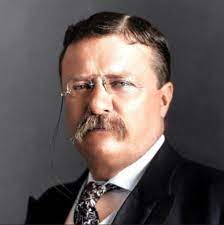
Theodore Roosevelt
By 1912, he decided to run for a third term as a third-party candidate. His candidacy split the Republican vote—and enabled Democrats to elect Woodrow Wilson President.
No doubt many Democrats are now salivating at the possibility of the same occurring in 2024.
And even more of them are looking forward to seeing two would-be tyrants—Donald Trump and Ron DeSantis—trading lethal blows for most of the Presidential year.
Their reaction would be similar to that expressed by then-Senator Harry S. Truman when Nazi Germany invaded the Soviet Union on June 22, 1941: “If we see that Germany is winning the war, we ought to help Russia; and if that Russia is winning, we ought to help Germany, and in that way let them kill as many as possible.”
* * * * *
As the Third Reich came to its fiery end, its dictator, Adolf Hitler, sought to punish the German people for being “unworthy” of his “genius” and losing the war he had started.
His attitude was: “If I can’t rule Germany, then there won’t be a Germany.”
In his infamous “Nero Order,” he decreed the destruction of everything still remaining–industries, ships, harbors, communications, roads, mines, bridges, stores, utility plants, food stuffs.
Fortunately for Germany, one man–Albert Speer–finally broke ranks with his Fuhrer.

Albert Speer
Risking death, he refused to carry out Hitler’s “scorched earth” order. Even more important, he mounted a successful effort to block such destruction and persuade influential military and civilian leaders to disobey the order as well.
As a result, those targets slated for destruction were spared.
Throughout his four years in office, President Donald Trump made it clear that America faced a stark choice: It could remain a constitutional democracy—or allow him to become an all-powerful “President-for-Life.”
Among his outrages:
- Repeatedly attacking the nation’s free press for daring to report his growing list of crimes and disasters, calling it “the enemy of the American people.”
- Siding with Russian dictator Vladimir Putin against the FBI, CIA and National Security Agency which unanimously agreed that Russia had subverted the 2016 Presidential election.
- Firing FBI Director James Comey for investigating that subversion.
- Giving Russian Foreign Minister Sergey Lavrov and Russian Ambassador Sergey Kislyak highly classified CIA Intelligence about an Islamic State plot to turn laptops into concealable bombs.
- Shutting down the Federal Government for 35 days in 2018-19 because Democrats refused to fund his ineffective “border wall” between the United States and Mexico.
- An estimated 380,000 government employees were furloughed and another 420,000 were ordered to work without pay. The shutdown ended due to public outrage—without Trump getting the funding amount he had demanded.
- Trying to coerce Ukrainian President Volodymyr Zelensky to smear former Vice President Joe Biden, who was likely to be his Democratic opponent in the 2020 Presidential election.
- Repeatedly lying about the dangers posed by the COVID-19 virus, and thus enabling it to ravage the country and ultimately kill 400,000 by the time Trump left office.
- Attacking medical experts and governors who urged Americans to wear masks and socially distance to protect themselves from COVID-19.
Trump’s ultimate act of criminality and treason came on January 6, 2021, when he incited his followers to violently attack the United States Capitol Building. Their goal: To prevent Republicans and Democrats from counting the Electoral Votes cast in the 2020 Presidential election.
Trump fully understood that an accurate count of those votes would reveal his loss to Joe Biden: 306 votes for Biden, compared with 232 for Trump.
Fortunately for American democracy, there were enough patriots determined to prevent Trump from becoming the absolute dictator he clearly intended to be.
Like Adolf Hitler, Donald Trump’s attitude was: “If I can’t rule America, there won’t be an America.”
Deprived of his chance to destroy the country he claimed to love, Trump now threatens to destroy the political party that brought him to near-absolute power in 2016.
And Ron DeSantis stands ready to establish himself as an equally Trumpian dictator.
Their party is still waiting for a Republican Albert Speer to step forward and save America from the self-destructive brutalities of its own Right-wing fanatics.
1912 PRESIDENTIAL ELECTION, 2016 PRESIDENTIAL ELECTION, 2020 PRESIDENTIAL ELECTION, 2024 PRESIDENTIAL ELECTION, ABC NEWS, ADOLF HITLER, ALBERT SPEER, ALTERNET, AMERICABLOG, AP, BABY BOOMER RESISTANCE, BBC, BLACKS, BLOOMBERG NEWS, BORDER WALL, BUZZFEED, CASEY DESANTIS, CBS NEWS, CIA, CNN, COVID-19, CROOKS AND LIARS, DAILY KOS, DEMOCRATS, DONALD TRUMP, ELECTORAL COLLEGE, FBI, FIVETHIRTYEIGHT, FOX NEWS, GAYS, GOVERNMENT SHUTDOWN, HARPER’S MAGAZINE, HARRY S. TRUMAN, HUFFINGTON POST, ILLEGAL ALIENS, JAMES COMEY, JANUARY 6 COUP ATTEMPT, JOE BIDEN, JOSEPH STALIN, MAGGIE HABERMAN, MASKS, MEDIA MATTERS, MOTHER JONES, MOVEON, MSNBC, NATIONAL SECURITY AGENCY, NAZI GERMANY, NBC NEWS, NEW REPUBLIC, NEW YORK POST, NEWSDAY, NEWSWEEK, NICHOLE HEMMER, NPR, PBS NEWSHOUR, POLITICO, POLITICUSUSA, PROTESTERS, PUBLIC HEALTH WORKERS, RACISM, RAW STORY, REPUBLICANS, REUTERS, ROGER STONE, RON DESANTIS, SALON, SCHOOLS, SEATTLE TIMES, SERGEY KISLYAK, SERGEY LAVROV, SEXUALITY, SLATE, SOVIET UNION, TALKING POINTS MEMO, THE ATLANTIC, THE CHICAGO SUN-TIMES, THE CHICAGO TRIBUNE, THE DAILY BEAST, THE DAILY BLOG, THE GUARDIAN, THE HILL, THE HUFFINGTON POST, THE INTERCEPT, THE LOS ANGELES TIMES, THE NATION, THE NEW REPUBLIC, THE NEW YORK TIMES, THE NEW YORKER, THE PRESS, THE VILLAGE VOICE, THE WASHINGTON POST, THEODORE ROOSEVELT, THINKPROGRESS, TIME, TRUTH SOCIAL, TRUTHDIG, TRUTHOUT, TWITTER, U.S. NEWS & WORLD REPORT, UKRAINE, UPI, USA TODAY, VACCINATIONS, VANDERBILT UNIVERSITY, VLADIMIR PUTIN, VOLODYMYR ZELENSKY, WALL STREET JOURNAL, WALT DISNEY CORPORATION, WILLIMAM HOWWARD TAFT, WOODROW WILSON
In Bureaucracy, History, Law, Law Enforcement, Politics, Social commentary on December 7, 2023 at 12:25 am
Having been defeated in 2020 for a second term by former Vice President Joe Biden, Donald Trump has convinced himself—and millions of his fanatical followers—that he was cheated by voter fraud.
He is convinced that the 2024 GOP Presidential nomination rightfully belongs to him. And that anyone who stands in his way must be mercilessly crushed.
Florida Governor Ron DeSantis, on the other hand, is equally convinced that it’s now the turn of a younger, more vigorous and equally ruthless man to hold the White House.
Not only does Trump believe DeSantis owes him absolute loyalty, but so do many of his supporters.
“Sadly, everything President Trump says is true. Ron DeSantis owes his governorship to Donald Trump and challenging him in 2024 would be a treacherous act of disloyalty,” said Roger Stone, a long-time Trump adviser.
Donald Trump
Moreover, Trump has never allowed a sense of loyalty to stand in the way of his ambitions—in business or politics.
In DeSantis, Trump faces an opponent every bit as ruthless as himself—and endowed with several built-in advantages. Even so, Trump remains the odds-on favorite to win the 2024 Republican nomination for President.
On November 11, 2022, the CNN website carried an opinion piece by Nichole Hemmer, an associate professor of history at Vanderbilt University.
Entitled “Even the DeSantis bubble may burst,” it noted:
“On paper, DeSantis looks like Trump’s natural heir. Since winning the governorship by a whisper-thin margin in 2018, he has consciously molded himself after Trump, picking up everything from Trump’s hand gestures and speech cadence to his media-bashing and calculated viciousness….
“He has married that political style with a strongman persona. As governor, he has targeted protesters, universities, public health workers and corporations for opposing his policies.
“He has sent police to round up voters with felony convictions who, confused by the state’s efforts to strip their voting rights after voters reinstated them a few years ago, mistakenly voted in recent elections.
“He has bent the Florida legislature to his will, whipping up support for anti-gay laws, a new redistricting map and punitive legislation targeting Disney after the company criticized the state’s infamous ‘don’t say gay” bill.'”

Nichole Hemmer
Thus, in DeSantis, Trump faces an opponent every bit as ruthless as himself—and endowed with several built-in advantages.
First, DeSantis, at 45, is 32 years younger than the 77-year-old Trump.
Second, DeSantis, unlike Trump, has an existing power-base: The Governorship of a pivotal swing state: Florida.
Trump, an ex-President, lives at his Mar-a-Lago estate in Palm Beach, Florida.
Third, DeSantis doesn’t carry the baggage of scandals and notoriety that Trump has acquired as a businessman and President.
Fourth, DeSantis can reach far greater numbers of people through his Twitter account than Trump has been able to do through his failing website, Truth Social.
Trump’s Twitter account was closed—by Twitter—after he incited a mob of his followers to attack the United States Capitol Building on January 6, 2021.
It has since been restored by Elon Musk since he acquired Twitter (now X) in 2022. But Trump prefers to use his subscriber-based website, Truth Social.

Ron DeSantis
Fifth, many Republicans are blaming Trump for their failure to sweep Democrats from state and Federal offices in a widely heralded “Red wave” in the 2022 midterm elections.
“Trump Is the Republican Party’s Biggest Loser,” read the Wall Street Journal Editorial Board’s headline. Fox News and right-wing podcasts and radio shows repeated the charge in the days after the elections.
Sixth, DeSantis has gained huge popularity within Florida by molding himself after Trump by tapping into the politics of resentment. Among the targets of his attacks:
Protesters: DeSantis enacted a 2021 “anti-riot” bill that:
- Grants civil legal immunity to people who drive through protesters blocking a road;
- Creates a broad category for misdemeanor arrest during protests;
- Anyone charged will be denied bail until their first court appearance;
- Creates a new felony crime of “aggravated rioting” that carries a sentence of up to 15 years in prison and a new crime of “mob intimidation.”
Schools:
- Installed GOP allies in top university posts;
- Successfully pushed legislation that could change tenure and limit how university professors can teach lessons on race.
Blacks: Pushed through the legislature a new congressional map that will dilute the voting power of black Floridians.
COVID-19: Attacked wearing masks and getting vaccinated as threats to “American freedom”—to support a family, attend school, run a business.
Gays: Signed legislation prohibiting classroom discussions about sexual orientation and gender identity with younger students—a measure critics dubbed the “Don’t Say Gay” law.
Walt Disney Corporation: Disney CEO Bob Chapek criticized DeSantis’ “don’t say gay” bill. DeSantis rammed through the legislature a bill eliminating the decades-long status Disney had held to operate as an independent government around its Orlando-area theme parks.
Asylum-seekers: Sent two planeloads of illegal aliens—at Florida’s expense—to the island of Martha’s Vineyard as a pre-election publicity stunt.
Nor has DeSantis neglected to make himself appear as a true “man of the people.”
A month before the election, he declared a gas tax holiday. He also suspended campaigning and focused on effective hurricane relief after Hurricane Ian.
1912 PRESIDENTIAL ELECTION, 2016 PRESIDENTIAL ELECTION, 2020 PRESIDENTIAL ELECTION, 2024 PRESIDENTIAL ELECTION, ABC NEWS, ADOLF HITLER, ALBERT SPEER, ALTERNET, AMERICABLOG, AP, BABY BOOMER RESISTANCE, BBC, BLACKS, BLOOMBERG NEWS, BORDER WALL, BUZZFEED, CASEY DESANTIS, CBS NEWS, CIA, CNN, COVID-19, CROOKS AND LIARS, DAILY KOS, DEMOCRATS, DONALD TRUMP, ELECTORAL COLLEGE, FBI, FIVETHIRTYEIGHT, FOX NEWS, GAYS, GOVERNMENT SHUTDOWN, HARPER’S MAGAZINE, HARRY S. TRUMAN, HUFFINGTON POST, ILLEGAL ALIENS, JAMES COMEY, JANUARY 6 COUP ATTEMPT, JOE BIDEN, JOSEPH STALIN, MAGGIE HABERMAN, MASKS, MEDIA MATTERS, MOTHER JONES, MOVEON, MSNBC, NATIONAL SECURITY AGENCY, NAZI GERMANY, NBC NEWS, NEW REPUBLIC, NEW YORK POST, NEWSDAY, NEWSWEEK, NICHOLE HEMMER, NPR, PBS NEWSHOUR, POLITICO, POLITICUSUSA, PROTESTERS, RACISM, RAW STORY, REPUBLICANS, REUTERS, ROGER STONE, RON DESANTIS, SALON, SCHOOLS, SEATTLE TIMES, SERGEY KISLYAK, SERGEY LAVROV, SEXUALITY, SLATE, SOVIET UNION, TALKING POINTS MEMO, THE ATLANTIC, THE CHICAGO SUN-TIMES, THE CHICAGO TRIBUNE, THE DAILY BEAST, THE DAILY BLOG, THE GUARDIAN, THE HILL, THE HUFFINGTON POST, THE INTERCEPT, THE LOS ANGELES TIMES, THE NATION, THE NEW REPUBLIC, THE NEW YORK TIMES, THE NEW YORKER, THE PRESS, THE VILLAGE VOICE, THE WASHINGTON POST, THEODORE ROOSEVELT, THINKPROGRESS, TIME, TRUTH SOCIAL, TRUTHDIG, TRUTHOUT, TWITTER, U.S. NEWS & WORLD REPORT, UKRAINE, UPI, USA TODAY, VACCINATIONS, VANDERBILT UNIVERSITY, VLADIMIR PUTIN, VOLODYMYR ZELENSKY, WALL STREET JOURNAL, WALT DISNEY CORPORATION, WILLIMAM HOWWARD TAFT, WOODROW WILSON
In Bureaucracy, History, Law, Law Enforcement, Politics, Social commentary on December 6, 2023 at 12:14 am
For Americans, the 2024 Presidential election may prove the equivalent of the deathmatch between German Fuhrer Adolf Hitler and Soviet Premier Joseph Stalin from 1941 to 1945.
At the very least, it promises to be the Right-wing heavyweight championship of the decade, if not the century: An all-out slugfest between former President Donald J. Trump and Florida Governor Ron D. DeSantis.
On November 10, 2022, Trump publicly attacked DeSantis as “Ron DeSanctimonious” and took credit for DeSantis’ success after endorsing him in 2018.
This was only two days after DeSantis was soundly re-elected Governor—and the much-hyped “Red wave” failed to sweep Democrats out of state and federal offices in the 2022 midterm elections.
On his website, Truth Social, Trump posted that DeSantis had been a political lightweight who had come to him “in desperate shape” when running for his first term in office in 2017.
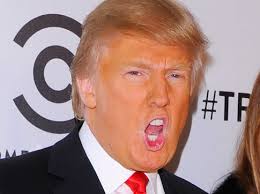
Donald Trump
“Ron had low approval, bad polls, and no money, but he said that if I would Endorse [sic] him, he could win. also fixed his campaign, which had completely fallen apart.”
For Trump, DeSantis’ worst sin was refusing to say whether he would run for President in 2024.
Having been defeated for a second term by Joe Biden in 2020, Trump believes he has an absolute right to regain that office in 2024.
“Ron DeSanctimonious is playing games! The Fake News asks him if he’s going to run if President Trump runs, and he says, ‘I’m only focused on the Governor’s race, I’m not looking into the future.’ Well, in terms of loyalty and class, that’s really not the right answer.”
By “loyalty” Trump meant: Loyalty to himself.
For Trump, there was only one “right” answer DeSantis could have given: “I will not be a candidate for President in 2024 and I will totally support President Trump for that office.”
And that was not the response that DeSantis gave.
Even worse for Trump: Several of his loudly-supported candidates across the country lost their electoral bids.
To add to his rage and sense of betrayal: Conservative media sided with DeSantis—such as Fox News and the New York Post, which ran a front page headline calling DeSantis “DeFuture” the day after the election.

New York Post, Public domain, via Wikimedia Commons
Responded Trump: “NewsCorp, which is Fox, the Wall Street Journal, and the no longer great New York Post, is all in for Governor Ron DeSanctimonious.”
A Trump advisor, speaking off-the-record, told Politico: “Obviously he is escalating. It is total shots fired. It is not what I would have done if it were totally up to me, but you can’t argue with Donald Trump’s tactics. They work. He is savage but effective. He was never going to stay restrained for long.”
“He is obviously threatened by a DeSantis presidential run,” said a longtime Florida Republican consultant speaking of Trump. “And by doing this, I think he will lose a lot of his base support.”
This, however, hasn’t happened—and Trump comfortably leads DeSantis in Republican polls.
Trump’s advisors tried to persuade him to soften his image. They feared that his angry and divisive rhetoric is turning off many voters who like his policies but desire some normalcy.
They also tried to persuade Trump to focus less on his 2020 election loss and offer solutions to voters’ problems.
At the DeSantis victory rally, chants resounded: “Two more years!”—meaning that his supporters want him to run for President in 2024.
For months, DeSantis refused to respond to the attacks Trump has made on him.
Two Florida Republicans close to DeSantis told Yahoo News that the governor would be wary of attacking Trump. He wanted to focus on policy issues and Florida’s recovery from Hurricane Ian.
By doing so, they said, DeSantis would highlight how his governing style differed from Trump’s more combative and less policy-focused approach.
It also would prevent him from getting sucked into an endless tit-for-tat war of insults with the insult-happy ex-President.
The Donald Trump-Ron DeSantis relationship wasn’t always so hostile.
Trump’s endorsement played a huge role in DeSantis’ winning the 2018 GOP primary against former Florida Agriculture Commissioner Adam Putnam, who was an early favorite.
And DeSantis quickly showed his gratitude with a campaign video that was a naked Valentine to Trump’s ego—and the base that worshiped him.
Released on July 30, 2018, the ad was narrated by DeSantis’ wife, Casey.
CASEY DESANTIS: Everyone knows my husband, Ron DeSantis, is endorsed by President Trump. But he’s also an amazing dad. Ron loves playing with the kids.
DESANTIS: “Build the wall” [as his son uses colored plastic bricks to build a wall. This was a line right out of Trump’s repeated demands for a wall separating the United States from Mexico.]

CASEY: He reads stories.
DESANTIS: “Then Mr. Trump said ‘You’re fired.’ I love that part'” [as he reads a book to his son].
CASEY: He’s teaching Madison to talk.
DESANTIS: “Make America great again” [as he holds up a “Trump” sign that says exactly that].
CASEY: People say Ron’s all Trump, but he’s so much more.
DESANTIS: “Bigly. So good” [as he’s looking at his son in a crib].
CASEY: I just thought you should know.
ABC NEWS, ADOLF HITLER, ALTERNET, AMERICABLOG, AP, BABY BOOMER RESISTANCE, BARACK OBAMA, BBC, BILL CLINTON, BLOOMBERG NEWS, BORDER WALL, BUZZFEED, CBS NEWS, CHARLES SCHUMER, CHRIS CILLIZZA, CHRIS MATTHEWS, CNN, CROOKS AND LIARS, DAILY KOS, DANIEL ISSA, DAVID BROOKS, DEBT CEILING, EXECUTIVE ORDERS, EXTORTION, FBI, FEDERAL AVIATION ADMINISTRATION, FEDERAL GOVERNMENT SHUTDOWN, FIVETHIRTYEIGHT, HARPER’S MAGAZINE, HOUSE SPEAKER JOHN BOEHNER, HUFFINGTON POST, INSIDER, JOSE ANDRES, JOSEPH R. BIDEN, KEVIN MCCARTHY, LEN BLAVATNICK, MATT GAETZ, MEDIA MATTERS, MITCH MCCONNELL, MOTHER JONES, MOVEON, MSNBC, MSNBC'S "HARDBALL", NANCY PELOSI, NAZI GERMANY, NBC NEWS, NEGOTIATING, NEW REPUBLIC, NEWSDAY, NEWSWEEK, NEWT GINGRICH, NPR, PAP SMEARS, PBS NEWSHOUR, PLANNED PARENTHOOD, POLITICO, POLITICUSUSA, R.I.CO. ACT, RAFEAL “TED” CRUZ, RAW STORY, REINHARD HEYDRICH, REPUBLICAN PARTY, REUTERS, ROBERT PAYNE, SALON, SEATTLE TIMES, SLATE, STATE OF THE UNION ADDRESS, TALKING POINTS MEMO, THE ATLANTIC, THE CHICAGO SUN-TIMES, THE CHICAGO TRIBUNE, THE DAILY BEAST, THE DAILY BLOG, THE GUARDIAN, THE HAMILTON PROJECT, THE HILL, THE HUFFINGTON POST, THE INTERCEPT, THE LIFE AND DEATH OF ADOLF HITLER (BOOK), THE LOS ANGELES TIMES, THE NATION, THE NEW REPUBLIC, THE NEW YORK TIMES, THE NEW YORKER, THE VILLAGE VOICE, THE WASHINGTON POST, THINKPROGRESS, TIME, TITLE X, TRANSPORTATION SAFETY ADMINISTRATION (TSA), TRUTHDIG, TRUTHOUT, TWITTER, TWO POLITICAL JUNKIES, U.S. NEWS & WORLD REPORT, UNITED STATES HOUSE OF REPRESENTATIVES, UNITED STATES SENATE, UPI, USA TODAY, VLADIMIR PUTIN, VOLODYMYR ZELENSKY, WARREN BUFFETT, WILBUR ROSS, WINSTON CHURCHILL, WONKETTE
In Bureaucracy, History, Law, Law Enforcement, Medical, Politics, Social commentary on October 6, 2023 at 12:11 am
Republicans are already gearing up for their next extortionate threat: Do what we want or we’ll shut down the Federal Government.
Among the consequences:
“If you don’t send out Social Security checks, I would hate to think about the credit meeting at S&P and Moody’s the next morning,” said Warren Buffett, CEO of Berkshire Hathaway
“If you’re not paying millions and millions and millions of people that range in age from 65 on up, money you promised them, you’re not a AAA” credit rating.
But this does not have to happen.
REMEDY 2: THE JUSTICE DEPARTMENT SHOULD INDICT FOR EXTORTION THOSE HOLDING THE GOVERNMENT HOSTAGE.
President Joseph Biden could order the Justice Department to invoke the Racketeer Influenced Corrupt Organizations (RICO) Act.
Passed by Congress in 1970, as Title 18, United States Code, Sections 1961-1968, its goal was to destroy the Mafia.

The United States Department of Justice
RICO opens with a series of definitions of “racketeering activity” which can be prosecuted by Justice Department attorneys. Among those crimes: Extortion.
Extortion is defined as “a criminal offense which occurs when a person unlawfully obtains either money, property or services from a person(s), entity, or institution, through coercion.”
And if President Biden believed that RICO was not sufficient to deal with Republicans’ extortion attempts, he could rely on the USA Patriot Act of 2001, passed in the wake of 9/11.
In Section 802, the Act defines domestic terrorism. Among the behavior defined as criminal:
“Activities that…appear to be intended…to influence the policy of a government by intimidation or coercion [and]…occur primarily within the territorial jurisdiction of the United States.”
The remedies for punishing such criminal behavior were now legally in place. President Biden needs only to direct the Justice Department to apply them.
PROBLEM: This would require a Democratic President and Justice Department to act courageously—which would be a rarity for either.
Example: 147 Republican Congressional members voted to invalidate the Electoral College vote count of the 2020 Presidential election. To this date, not one has been indicted for treason.
REMEDY 3: PRESIDENT BIDEN SHOULD ATTACK THE REPUBLICAN PARTY AS A THREAT TO NATIONAL SECURITY.
Numerous Republicans have taken “campaign contributions”—i.e., bribes—from Russian oligarchs linked to Russian dictator Vladimir Putin.
One Russian oligarch—Len Blavatnik—has given millions of dollars to top Republican leaders such as Senators Mitch McConnell (Kentucky), Marco Rubio (Florida) and Lindsey Graham (South Carolina).
Putin’s monies have been well-spent: About 90 House Republicans—out of a total of 213—attended Volodymyr Zelensky’s address to Congress on December 21, according to CQ Roll Call. Some who did spent much of the speech on their phones.
Many Republicans—such as former House Speaker Kevin McCarthy, who in 2021 received about $255,000 from Blavatnik—have openly threatened to end all funding for Ukraine’s heroic struggle against Russian aggression.
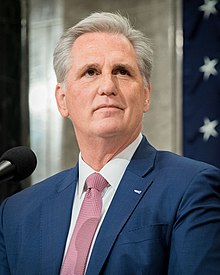
Kevin McCarthy
Even some “Reagan Republicans”—such as James Kirchick, a conservative foreign correspondent and author—have openly denounced this treason.
Thus, the White House could ignite an internal conflict within the Right by pitting Republicans against each other.
PROBLEM: Democrats rarely find the courage to attack their enemies as traitors, even when the treason is manifest—as it was when Donald Trump was elected President with the support of Vladimir Putin.
REMEDY 4: CITIZENS WHOSE LIVES HAVE BEEN DRASTICALLY HARMED BY REPUBLICAN POLICIES COULD CHOOSE “THE HEYDRICH SOLUTION.”
Reinhard Heydrich was second-in-command of the dreaded Schutzstaffel, or Protective Squads, better known as the SS. Among his his multitude of crimes Designing “The Final Solution to the Jewish Question,” resulting in the slaughter of six million men, women and children.
In 1941 he was appointed “Reich Protector” of Czechoslovakia, which Nazi Germany had absorbed in 1938. The Czechs were growing restive under brutal Nazi rule, and Heydrich’s mission was to stamp out that unrest.

Reinhard Heydrich
The Czech government-in-exile, headquartered in London, decided to assassinate Heydrich.
Two British-trained Czech commandos—Jan Kubis and Joseph Gabcik—parachuted into Prague—where they got unexpected help from Heydrich himself.
Supremely arrogant, like today’s Republican leaders, he traveled the same route every day from home to his downtown office, refusing to be escorted by armed guards. He claimed that no one would dare attack him.
He was wrong.
On May 27, 1942, Kubis and Gabcik waited at a hairpin turn in the road always taken by Heydrich. When Heydrich’s Mercedes slowed down, Gabcik raised his machinegun–which jammed. Rising in his seat, Heydrich aimed his revolver at Gabcik—as Kubis lobbed a hand grenade at the car.
The explosion drove steel and leather fragments of the car’s upholstery into Heydrich’s diaphragm, spleen and lung.
Adolf Hitler dispatched doctors from Berlin to save the Reich Protector. But infection set in, and on June 4, 1942, Heydrich died at age 38.
ADVISORY: While this remedy is not suggested, it remains an extremely real possibility. Those who have lost access to food, housing and/or medical care for themselves or loved ones under “screw-the-poor” Republican policies could easily decide to follow the advice of Winston Churchill.
When England seemed threatened with a German invasion in 1940, his daughter-in-law, Pamela, asked: “But, Papa, what can I do?”
Replied Churchill: “You can always get a carving knife from the kitchen and take one of the bastards with you.”
ABC NEWS, ADOLF HITLER, ALTERNET, AMERICABLOG, AP, BABY BOOMER RESISTANCE, BARACK OBAMA, BBC, BILL CLINTON, BLOOMBERG NEWS, BORDER WALL, BUZZFEED, CBS NEWS, CHARLES SCHUMER, CHRIS CILLIZZA, CHRIS MATTHEWS, CNN, CROOKS AND LIARS, DAILY KOS, DANIEL ISSA, DAVID BROOKS, DEBT CEILING, EXECUTIVE ORDERS, EXTORTION, FBI, FEDERAL AVIATION ADMINISTRATION, FEDERAL GOVERNMENT SHUTDOWN, FIVETHIRTYEIGHT, HARPER’S MAGAZINE, HOUSE SPEAKER JOHN BOEHNER, HUFFINGTON POST, INSIDER, JOSE ANDRES, JOSEPH R. BIDEN, KEVIN MCCARTHY, LEN BLAVATNICK, MATT GAETZ, MEDIA MATTERS, MITCH MCCONNELL, MOTHER JONES, MOVEON, MSNBC, MSNBC'S "HARDBALL", NANCY PELOSI, NAZI GERMANY, NBC NEWS, NEGOTIATING, NEW REPUBLIC, NEWSDAY, NEWSWEEK, NEWT GINGRICH, NPR, PAP SMEARS, PBS NEWSHOUR, PLANNED PARENTHOOD, POLITICO, POLITICUSUSA, R.I.CO. ACT, RAFEAL “TED” CRUZ, RAW STORY, REINHARD HEYDRICH, REPUBLICAN PARTY, REUTERS, ROBERT PAYNE, SALON, SEATTLE TIMES, SLATE, STATE OF THE UNION ADDRESS, TALKING POINTS MEMO, THE ATLANTIC, THE CHICAGO SUN-TIMES, THE CHICAGO TRIBUNE, THE DAILY BEAST, THE DAILY BLOG, THE GUARDIAN, THE HAMILTON PROJECT, THE HILL, THE HUFFINGTON POST, THE INTERCEPT, THE LIFE AND DEATH OF ADOLF HITLER (BOOK), THE LOS ANGELES TIMES, THE NATION, THE NEW REPUBLIC, THE NEW YORK TIMES, THE NEW YORKER, THE VILLAGE VOICE, THE WASHINGTON POST, THINKPROGRESS, TIME, TITLE X, TRANSPORTATION SAFETY ADMINISTRATION (TSA), TRUTHDIG, TRUTHOUT, TWITTER, TWO POLITICAL JUNKIES, U.S. NEWS & WORLD REPORT, UNITED STATES HOUSE OF REPRESENTATIVES, UNITED STATES SENATE, UPI, USA TODAY, VLADIMIR PUTIN, VOLODYMYR ZELENSKY, WARREN BUFFET, WARREN BUFFETT, WILBUR ROSS, WINSTON CHURCHILL, WONKETTE
In Bureaucracy, History, Law, Law Enforcement, Medical, Politics, Social commentary on October 5, 2023 at 12:10 am
One reason why a handful of House Republicans threatened to shut down the Federal Government by October 1: Calling themselves “budget deficit hawks,” they demanded huge cuts in non-military spending.
Among the programs these cuts would have devastated: Food safety, education, law enforcement, housing, public health, Head Start and child care, Meals on Wheels.
Their attitude toward budget deficits had been vastly different while Donald Trump was President.
On August 2, 2019, Trump signed into law a two-year budget deal that raised spending by $320 billion over existing spending caps set in a 2011 law—and boosted military and domestic spending.
The bill also lifted the debt ceiling, which is the legal limit on the amount of debt the federal government can have.
The bill threatened to push the budget deficit to more than $1 trillion in 2019 for only the second time since the Great Recession of 2007-2008 and add $1.7 trillion to the federal debt over a decade.
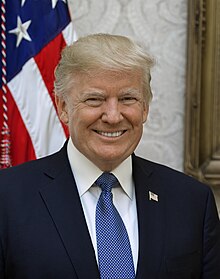
Donald Trump
By January, 2021, the national debt had risen by almost $7.8 trillion during Trump’s four years in office. It amounted to about $23,500 in new federal debt for every person in the country.
Senate Majority Leader Mitch McConnell (R-KY) praised the Republicans’ massive contribution to the national debt.
Now, with a Democratic President in office, Republicans—invoking the my-way-or-else “negotiating” strategy of Adolf Hitler—were threatening to plunge the United States into financial ruin unless their extortion demands were met.
The casualties of a government shutdown would include:
- Seven million vulnerable mothers and children would stop receiving monies for food under the Women and Children (WIC) program.
- All active-duty military personnel and law enforcement officers would be forced to work without pay until appropriated funds became available.
- If additional catastrophes occurred, FEMA’s Disaster Relief Fund could be depleted, thus complicating new emergency response efforts.
- Critical research on diseases like cancer and Alzheimer’s would stall because the National Institutes of Health would be forced to delay new clinical trials.
- Air traffic controllers and Transportation Safety Administration (TSA) officers would be forced to work without pay. The added stress they would face from being unable to meet rent and food payments could dangerously affect their job performance.
- Most EPA-led inspections at hazardous waste sites as well as drinking water and chemical facilities would stop.
- The Food and Drug Administration would be forced to delay food safety inspections for a wide variety of products across the country.
Here’s what Republicans demanded in return for not shutting down the government:
- Severe cuts would be made to Social Security by increasing the age of future retirees.
- Disabled Americans on Medicare would be forced to wait longer to receive benefits.
- Medicare would be turned into a voucher system—which would remove the guarantee for seniors to have access to affordable medical care.
- Taxes would be cut for the wealthy and corporations.
- More requirements would be imposed on the poor trying to obtain social services.
- “Regulatory reforms that increase economic growth” (i.e. allowing corporations to ignore laws protecting employees, customers and/or the environment) would become law.
- Further funding to defend Ukraine against continuing aggression by Russia would end.

By a last-minute compromise between House Majority Leader Kevin McCarthy and Democrats, this latest Republican extortion attempt was averted.
But current funding will expire on November 17. And then the country will face yet another date with financial disaster.
Fortunately, there are several ways to permanently address these exercises in political criminality.
REMEDY 1: LEGALLY REQUIRE CONGRESS TO STAY IN SESSION UNTIL A BUDGET COMPROMISE IS REACHED.
The federal government’s fiscal year ends every September 30. Before this deadline, Congress must write and pass the budget for the next fiscal year. If a budget agreement is not reached in time, funding for federal agencies lapse and the government shuts down.
Yet with the shutdown deadline looming, on July 29, the House and Senate broke for their annual August recess. The Senate remained in recess until September 5; the House remained in recess until September 12.
Congress had to enact all 12 appropriations bills or pass a Continuing Resolution (CR) to keep the federal government funded and avoid a shutdown on October 1.
NEEDED: A law requiring Congress to remain in session until a budget compromise is reached. Any Congressional member who leaves before this occurs would be immediately discharged and never allowed to return.
PROBLEM: This would require Congressional members to impose restrictions on themselves—which they are unwilling to do.
REMEDY 2: THE JUSTICE DEPARTMENT SHOULD INDICT FOR EXTORTION THOSE HOLDING THE GOVERNMENT HOSTAGE.
President Joseph Biden could order the Justice Department to invoke the Racketeer Influenced Corrupt Organizations (RICO) Act.
Passed by Congress in 1970, as Title 18, United States Code, Sections 1961-1968, its goal was to destroy the Mafia. But in United States v. Turkette, 452 U.S. 576 (1981), the Supreme Court held that RICO applied as well to legitimate enterprises being operated in a criminal manner.
After Turkette, RICO could also be used against corporations, political protest groups, labor unions and loosely knit-groups of people.
RICO opens with a series of definitions of “racketeering activity” which can be prosecuted by Justice Department attorneys.
These activities include a Republican favorite: Extortion.
ABC NEWS, ADOLF HITLER, ALTERNET, AMERICABLOG, AP, BABY BOOMER RESISTANCE, BARACK OBAMA, BBC, BILL CLINTON, BLOOMBERG NEWS, BORDER WALL, BUZZFEED, CBS NEWS, CHARLES SCHUMER, CHRIS CILLIZZA, CHRIS MATTHEWS, CNN, CROOKS AND LIARS, DAILY KOS, DANIEL ISSA, DAVID BROOKS, DEBT CEILING, EXECUTIVE ORDERS, EXTORTION, FBI, FEDERAL AVIATION ADMINISTRATION, FEDERAL GOVERNMENT SHUTDOWN, FIVETHIRTYEIGHT, HARPER’S MAGAZINE, HOUSE SPEAKER JOHN BOEHNER, HUFFINGTON POST, INSIDER, JOSE ANDRES, JOSEPH R. BIDEN, KEVIN MCCARTHY, LEN BLAVATNICK, MATT GAETZ, MEDIA MATTERS, MITCH MCCONNELL, MOTHER JONES, MOVEON, MSNBC, MSNBC'S "HARDBALL", NANCY PELOSI, NAZI GERMANY, NBC NEWS, NEGOTIATING, NEW REPUBLIC, NEWSDAY, NEWSWEEK, NEWT GINGRICH, NPR, PAP SMEARS, PBS NEWSHOUR, PLANNED PARENTHOOD, POLITICO, POLITICUSUSA, R.I.CO. ACT, RAFEAL “TED” CRUZ, RAW STORY, REINHARD HEYDRICH, REPUBLICAN PARTY, REUTERS, ROBERT PAYNE, SALON, SEATTLE TIMES, SLATE, STATE OF THE UNION ADDRESS, TALKING POINTS MEMO, THE ATLANTIC, THE CHICAGO SUN-TIMES, THE CHICAGO TRIBUNE, THE DAILY BEAST, THE DAILY BLOG, THE GUARDIAN, THE HAMILTON PROJECT, THE HILL, THE HUFFINGTON POST, THE INTERCEPT, THE LIFE AND DEATH OF ADOLF HITLER (BOOK), THE LOS ANGELES TIMES, THE NATION, THE NEW REPUBLIC, THE NEW YORK TIMES, THE NEW YORKER, THE VILLAGE VOICE, THE WASHINGTON POST, THINKPROGRESS, TIME, TITLE X, TRANSPORTATION SAFETY ADMINISTRATION (TSA), TRUTHDIG, TRUTHOUT, TWITTER, TWO POLITICAL JUNKIES, U.S. NEWS & WORLD REPORT, UNITED STATES HOUSE OF REPRESENTATIVES, UNITED STATES SENATE, UPI, USA TODAY, VLADIMIR PUTIN, VOLODYMYR ZELENSKY, WARREN BUFFETT, WILBUR ROSS, WINSTON CHURCHILL, WONKETTE
In Bureaucracy, History, Law, Law Enforcement, Medical, Politics, Social commentary on October 4, 2023 at 12:15 am
Republicans have repeatedly utilized the same my-way-or-else “negotiating” strategy as Nazi Germany’s Fuhrer, Adolf Hitler.
And Democrats—out of cowardice or an ignorance of history—have repeatedly refused to publicly make this comparison.
By studying Adolf Hitler’s mindset and “negotiating” methods, we can learn much about the mindset and “negotiating” style of today’s Republican party.
Robert Payne, author of the bestselling biography, The Life and Death of Adolf Hitler (1973), described Hitler’s “negotiating” style thus:
“Although Hitler prized his own talents as a negotiator, a man always capable of striking a good bargain, he was totally lacking in finesse.
“He was incapable of bargaining. He was like a man who goes up to a fruit peddler and threatens to blow his brains out if he does not sell his applies at the lowest possible price.”

Republicans have repeatedly threatened to shut down the government unless their constantly escalating demands are met.
A shutdown occurs when Congress fails to approve funding for federal agencies.
In November, 1995, Newt Gingrich, then Speaker of the House of Representatives, carried out his threat to shut down the government. Gingrich unwisely admitted that he did so because President Bill Clinton had put him in the back of Air Force One during a recent trip to Israel.
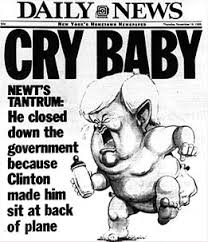
The shutdown proved a disaster for Republicans. Clinton was handily re-elected in 1996 and Gingrich suddenly resigned from Congress in 1998.
Still, the Republicans continued their policy of my-way-or-else.
In April, 2011, the United States government almost shut down over Republican demands about subsidized pap smears.
During a late-night White House meeting with President Barack Obama and key Congressional leaders, Republican House Speaker John Boehner made this threat: His conference would not approve funding for the government if any money were allowed to flow to Planned Parenthood through Title X legislation.
Facing an April 8 deadline, negotiators worked day and night to strike a compromise—and finally reached one.
Three months later—on July 9—Republican extortionists again threatened the Nation with financial ruin and international disgrace unless their demands were met.
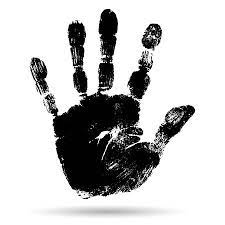
Symbol of the Mafia “Black Hand”
This time, Republicans refused to raise the debt ceiling unless Democrats agreed to massively cut social programs for the elderly, poor and disabled.
And while Republicans demanded that the disadvantaged tighten their belts, they rejected any raising of taxes on their foremost constituency—the wealthiest 1%.
To raise taxes on the wealthy, they insisted, would be a “jobs-killer.” It would “discourage” corporate CEOs from creating tens of thousands of jobs they supposedly wanted to create.
President Obama had offered to make historic cuts in the federal government and the social safety net—on which millions of Americans depend for their most basic needs.
But House Speaker John Boehner rejected that offer. He could not agree to the tax increases that Democrats wanted to impose on the wealthiest 1% as part of the bargain.
As the calendar moved ever closer to the fateful date of August 2, Republican leaders continued to insist: Any deal that includes taxes “can’t pass the House.”
One senior Republican said talks would go right up to—and maybe beyond—the brink of default.
“I think we’ll be here in August,” said Republican Representative Pete Sessions, of Texas. “We are not going to leave town until a proper deal gets done.”
President Obama had previously insisted on extending the debt ceiling through 2012. But in mid-July, he simply asked congressional leaders to review three options with their members:
- The “Grand Bargain” choice—favored by Obama—would cut deficits by about $4 trillion, including spending cuts and new tax revenues.
- A medium-range plan would aim to reduce the deficit by about $2 trillion.
- The smallest option would cut between $1 trillion and $1.5 trillion, without increased tax revenue or any Medicare and Medicaid cuts.
And the Republican response?
Said Rep. Darrell Issa, chairman of the House Oversight and Government Reform Committee: “Quite frankly, [Republican] members of Congress are getting tired of what the president won’t do and what the president wants.”
Noted political analyst Chris Matthews summed up the sheer criminality of what happened within the House of Representatives.
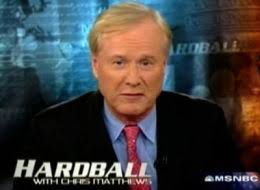
Chris Matthews
Speaking on MSNBC’s “Hardball,” on July 28—five days before Congress reached its August 2 deadline to raise the debt-ceiling—Matthews noted:
“The first people to bow to the demands of those threatening to blow up the economy were the Republicans in the House, the leaders. The leaders did what the followers told them to do: meet the demands, hold up the country to get their way.
“Those followers didn’t win the Senate, or the Presidency, just the House. But by using the House they were able to hold up the entire United States government. They threatened to blow things up economically and it worked.
“They said they were willing to do that—just to get their way—not by persuasion, not by politics, not by democratic government, but by threatening the destruction of the country’s finances.
“Right. So what’s next? The power grid? Will they next time threaten to close down the country’s electricity and communications systems?”
With the United States teetering on the brink of national bankruptcy, President Obama caved in to Republican demands.
ABC NEWS, ADOLF HITLER, ALTERNET, AMERICABLOG, AP, BABY BOOMER RESISTANCE, BARACK OBAMA, BBC, BILL CLINTON, BLOOMBERG NEWS, BORDER WALL, BUZZFEED, CBS NEWS, CHARLES SCHUMER, CHRIS CILLIZZA, CHRIS MATTHEWS, CNN, CROOKS AND LIARS, DAILY KOS, DAILY KOZ, DANIEL ISSA, DAVID BROOKS, DEBT CEILING, EXECUTIVE ORDERS, EXTORTION, FBI, FEDERAL AVIATION ADMINISTRATION, FEDERAL GOVERNMENT SHUTDOWN, FIVETHIRTYEIGHT, HARPER’S MAGAZINE, HOUSE SPEAKER JOHN BOEHNER, HUFFINGTON POST, INSIDER, JOSE ANDRES, JOSEPH R. BIDEN, KEVIN MCCARTHY, LEN BLAVATNICK, MARIE ANTOINETTE, MATT GAETZ, MEDIA MATTERS, MITCH MCCONNELL, MOTHER JONES, MOVEON, MSNBC, MSNBC'S "HARDBALL", NANCY PELOSI, NAZI GERMANY, NBC NEWS, NEGOTIATING, NEW REPUBLIC, NEWSDAY, NEWSWEEK, NEWT GINGRICH, NPR, PAP SMEARS, PBS NEWSHOUR, PLANNED PARENTHOOD, POLITICO, POLITICUSUSA, R.I.CO. ACT, RAFEAL “TED” CRUZ, RAW STORY, REINHARD HEYDRICH, REPUBLICAN PARTY, REUTERS, ROBERT PAYNE, SALON, SEATTLE TIMES, SLATE, STATE OF THE UNION ADDRESS, SUPER BOWL, TALKING POINTS MEMO, THE ATLANTIC, THE CHICAGO SUN-TIMES, THE CHICAGO TRIBUNE, THE DAILY BEAST, THE DAILY BLOG, THE GUARDIAN, THE HAMILTON PROJECT, THE HILL, THE HUFFINGTON POST, THE INTERCEPT, THE LIFE AND DEATH OF ADOLF HITLER (BOOK), THE LOS ANGELES TIMES, THE NATION, THE NEW REPUBLIC, THE NEW YORK TIMES, THE NEW YORKER, THE VILLAGE VOICE, THE WASHINGTON POST, THINKPROGRESS, TIME, TITLE X, TRANSPORTATION SAFETY ADMINISTRATION (TSA), TRUTHDIG, TRUTHOUT, TWITTER, TWO POLITICAL JUNKIES, U.S. NEWS & WORLD REPORT, UNITED STATES HOUSE OF REPRESENTATIVES, UNITED STATES SENATE, UPI, USA TODAY, VLADIMIR PUTIN, VOLODYMYR ZELENSKY, WARREN BUFFET, WARREN BUFFETT, WILBUR ROSS, WINSTON CHURCHILL, WONKETTE
In Bureaucracy, History, Medical, Politics, Social commentary on October 3, 2023 at 12:41 am
In facing off against President Donald Trump, Speaker of the House Nancy Pelosi proved the embodiment of Niccolo Machiavelli’s “lion and the fox.”
Trump couldn’t believe that Pelosi meant it when she politely refused to let him give his State of the Union address in the House of Representatives until he reopened the Federal Government.
He dared her to say plainly that she would deny him access.
So she did—issuing a statement saying that the speech was off until the government reopened.
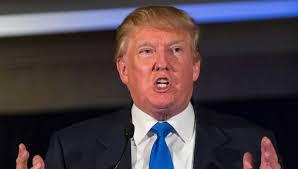
Donald Trump
Pelosi didn’t let herself be drawn into any Twitter slugfests with a semi-literate dictator. She could well afford to sit out the shutdown, since only the Fascistic Right truly believed she was responsible for it.
And she capitalized on the unexpected help she received from one of Trump’s highest-ranking officials: Commerce Secretary Wilbur Ross.
Asked on CNBC if he knew that many Federal employees had been reduced to going to food banks, Ross—a billionaire—said yes, but he didn’t understand why.
His suggestion: They could just take out a loan.
“So the 30 days of pay that some people will be out, there’s no real reason why they shouldn’t be able to get a loan against it, and we’ve seen a number of ads of financial institutions doing that.
“True, the people might have to pay a little bit of interest. But the idea that it’s ‘paycheck or zero’ is not a really valid idea.”
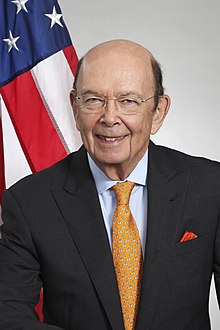
Wilbur Ross
It was a remark worthy of Marie Antoinette’s reported (but inaccurate) dismissal of the miseries of impoverished French citizens: “Let them eat cake.”
And Pelosi didn’t hesitate to point it out:
“Is this the ‘Let them eat cake,’ kind of attitude? Or ‘Call your father for money?’ Or ’This is character-building for you; it’s all going to end up very well—just as long as you don’t get your paychecks?’”
As CNN political analyst Chris Cillizza saw it: “What Pelosi seems to understand better than past Trump political opponents is that giving ANY ground is a mistake. You have to not only stand firm, but be willing to go beyond all political norms—like canceling the SOTU—to win.”
And Julian Zelitzer, another CNN political analyst, agreed: “Pelosi did not hesitate to use her political power aggressively. From the start of this process, she has remained steadfast in her insistence that closing the government was not a legitimate way to make demands for new forms of spending.
“While sometimes Democrats become leery about seeming too partisan and not being civil enough, Pelosi and the Democrats stood their ground. She drew a line in the sand and stuck by it.”
When Republicans claim that Democrats aren’t being “civil,” they mean: “They’re not doing exactly as we tell them to do.”
And of course Republicans tried to convince voters that Trump had not threatened to shut down the government—and then had done so. Republicans like Texas United States Senator Rafael “Ted” Cruz repeatedly railed against the “Pelosi-Schumer shutdown.”
But the vast majority of voters weren’t having it. They had seen the original broadcast where Trump made his threat. And if they had missed the original, there were plenty of re-broadcasts of that moment on news networks to alert them.
As Pelosi and Democrats held firm, Republicans began getting desperate.
- They were being depicted in the news as extortionists while 800,000 of their fellow Americans suffered.
- Those businesses that served them—such as grocery stores and auto repair shops—were being starved of revenue.
- There was legitimate fear that the entire airline industry might have to shut down for lack of enough air traffic controllers to regulate air traffic.
- Worst of all for Republicans, chaos at airports threatened the travel plans of hundreds of thousands of people traveling to and from the upcoming Super Bowl. Most Americans might not know the name of their Senator, but they take their sports fetish seriously.
By January 25, the 35th day of the shutdown, an ABC News/Washington Post poll showed that 53% of Americans blamed Trump for the shutdown. His popularity had fallen to a historic low of 37%. And 60% disapproved of how he was handling negotiations to reopen the government.
So, on that same date, Trump did what his Hispanic-hating base thought was impossible: He caved.
He walked into the White House Rose Garden and said he would sign a bill to reopen the government for three weeks.
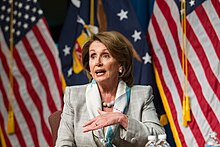
Nancy Pelosi
Trump had said he would not give the State of the Union address on his originally scheduled date of January 29th. But eventually he did.
Unlike Trump, who revels in bragging about how powerful and brilliant he is, Pelosi didn’t have to.
Simply sitting behind him, probably trying hard to suppress a gleeful smile, she nevertheless reminded the audience that she was the one who had taught this failed businessman “the art of the deal.”
Pelosi turned over the Speakership to Kevin McCarthy (R-Bakersfield) in 2023. There was no guarantee that future Speakers would stand so forthrightly against extortion.
ABC NEWS, ADOLF HITLER, ALTERNET, AMERICABLOG, AP, BABY BOOMER RESISTANCE, BARACK OBAMA, BBC, BILL CLINTON, BLOOMBERG NEWS, BORDER WALL, BUZZFEED, CBS NEWS, CHARLES SCHUMER, CHRIS CILLIZZA, CHRIS MATTHEWS, CNN, CROOKS AND LIARS, DAILY KOS, DANIEL ISSA, DAVID BROOKS, DEBT CEILING, EXECUTIVE ORDERS, EXTORTION, FBI, FEDERAL AVIATION ADMINISTRATION, FEDERAL GOVERNMENT SHUTDOWN, FIVETHIRTYEIGHT, HARPER’S MAGAZINE, HOUSE SPEAKER JOHN BOEHNER, HUFFINGTON POST, INSIDER, JOSE ANDRES, JOSEPH R. BIDEN, KEVIN MCCARTHY, LEN BLAVATNICK, MATT GAETZ, MEDIA MATTERS, MITCH MCCONNELL, MOTHER JONES, MOVEON, MSNBC, MSNBC'S "HARDBALL", NANCY PELOSI, NAZI GERMANY, NBC NEWS, NEGOTIATING, NEW REPUBLIC, NEWSDAY, NEWSWEEK, NEWT GINGRICH, NPR, PAP SMEARS, PBS NEWSHOUR, PLANNED PARENTHOOD, POLITICO, POLITICUSUSA, R.I.CO. ACT, RAFEAL “TED” CRUZ, RAW STORY, REINHARD HEYDRICH, REPUBLICAN PARTY, REUTERS, ROBERT PAYNE, SALON, SEATTLE TIMES, SLATE, STATE OF THE UNION ADDRESS, TALKING POINTS MEMO, THE ATLANTIC, THE CHICAGO SUN-TIMES, THE CHICAGO TRIBUNE, THE DAILY BEAST, THE DAILY BLOG, THE GUARDIAN, THE HAMILTON PROJECT, THE HILL, THE HUFFINGTON POST, THE INTERCEPT, THE LIFE AND DEATH OF ADOLF HITLER (BOOK), THE LOS ANGELES TIMES, THE NATION, THE NEW REPUBLIC, THE NEW YORK TIMES, THE NEW YORKER, THE VILLAGE VOICE, THE WASHINGTON POST, THINKPROGRESS, TIME, TITLE X, TRANSPORTATION SAFETY ADMINISTRATION (TSA), TRUTHDIG, TRUTHOUT, TWITTER, TWO POLITICAL JUNKIES, U.S. NEWS & WORLD REPORT, UNITED STATES HOUSE OF REPRESENTATIVES, UNITED STATES SENATE, UPI, USA TODAY, VLADIMIR PUTIN, VOLODYMYR ZELENSKY, WARREN BUFFET, WARREN BUFFETT, WILBUR ROSS, WINSTON CHURCHILL, WONKETTE
In Bureaucracy, History, Law, Law Enforcement, Medical, Politics, Social commentary on October 2, 2023 at 12:16 am
In the waning hours of September 30, the United States averted the latest Republican shutdown of the Federal Government.
President Joseph Biden signed into law the stopgap bill to avert a government shutdown passed by Congress.
Funding for federal agencies was set to run out at midnight on October 1.
The Senate passed the measure after the House of Representatives abruptly reversed course earlier in the day and passed a bipartisan bill to extend government funding.
For weeks, no one knew whether a shutdown could be averted.
So the government will remain open—until November 17.
Then the country will be treated to yet another Republican extortion attempt: “Give us what we want or we’ll shut down the government again.”
The last time a government shutdown occurred was in December, 2019, during the Presidency of Donald J. Trump.
As Speaker of the House (2007 – 2011); (2018 – 2023), Nancy Pelosi proved she was equal to the challenge.
On December 11, 2018, Pelosi and Senate Minority Leader Charles Schumer met with Trump in the Oval Office.
And, true to his love of publicity, Trump made sure the meeting was televised live on TV.

Nancy Pelosi
Trump soon moved to the matter he truly cared about: Demanding $5.6 billion to create a wall along the U.S.-Mexican border: “And one way or the other, it’s going to get built. I’d like not to see a government closing, a shutdown. We will see what happens over the next short period of time.”
PELOSI: I think the American people recognize that we must keep government open, that a shutdown is not worth anything, and that you should not have a Trump shutdown. You have the White House—
TRUMP: Did you say Trump—
PELOSI: A Trump shutdown. You have the White House—
TRUMP: I was going to call it a Pelosi shutdown.

Charles Schumer
TRUMP: The wall is a part of border security. You can’t have very good border security without the wall.
PELOSI: That’s simply not true. That is a political promise.
[By “political promise,” Pelosi meant this was an appeal Trump made to his hardcore base. which he expected to re-elect him.]
SCHUMER: Twenty times you have called for, “I will shut down the government if I don’t get my wall.” None of us have said—you’ve said it.
TRUMP: Okay, you want to put that on my—I’ll take it. You know what I’ll say: “Yes, if we don’t get what we want, one way or the other…I will shut down the government. Absolutely.”
Trump, determined to bully Pelosi and Schumer into bending to his will, didn’t realize he had just set himself up for disaster.
Trump shut down the government on December 22. About 380,000 government employees were furloughed and another 420,000 were ordered to work without pay.
And Trump told Congressional leaders the shutdown could last months or even years.
For Trump, “the wall” was absolutely necessary—but not to keep illegal aliens out. They would go over, under or around it.
The real intent of the wall was to keep Trump in—the White House.
Trump’s fanatical base believed that a wall across the U.S.-Mexico border would stop all illegal immigration. And he knew that if he didn’t build it, they wouldn’t re-elect him.
The effects of the shutdown quickly became evident:
- For weeks, hundreds of thousands of government workers missed paychecks.
- Increasing numbers of employees of the Transportation Safety Administration (TSA)—which provides security against airline terrorism—began refusing to come to work, claiming to be sick.
- At the Federal Aviation Administration (FAA) many air traffic controllers called in “sick.” Those who showed up to work without pay grew increasingly frazzled as they feared being evicted for being unable to make rent or house payments.
- Due to the shortage of air traffic controllers, many planes weren’t able to land safely at places like New York’s LaGuardia Airport.
- Many Federal employees—such as FBI agents—were forced to rely on soup kitchens to feed their families.
- Celebrity chef Jose Andres launched ChefsForFeds, which offered free hot meals for government employees and their families at restaurants across the country.
- Many workers tried to bring in money by babysitting or driving for Uber,
Pelosi, unlike many Democrats, realized this was America’s version of the Munich Conference: Democrats must hold firm against a tyrant’s extortionate demands. Otherwise, every time Trump didn’t get his way, there would be no end to such shutdowns in the future.
From the start, Pelosi insisted that Democrats would not surrender to threats of a government shutdown. And Democrats held firm, refusing to make concessions on the wall.
Second, Pelosi publicly stated that Trump could not make his annual State of the Union speech in the House of Representatives until the government was re-opened.
She politely cited as her reason that the building would not be “secure” owing to the shutdown and the nonpayment of the men and women who would be charged with its protection.
Since both the House and Senate must jointly issue an invitation to the President to make such an address, Pelosi’s veto effectively scotched Trump’s appearance.
For the publicity-addicted Trump, who revels in pontificating to adoring crowds, this was a major—and unexpected—blow.
 Bureaucracybuster's Blog
2016 PRESIDENTIAL CAMPAIGN, 2020 PRESIDENTIAL CAMPAIGN, ABC NEWS, ADAM SCHIFF, ADOLF HITLER, ALTERNET, AMERICABLOG, AP, ARTICLES OF IMPEACHMENT, BABY BOOMER RESISTANCE, BORDER WALL, BUZZFEED, CBS NEWS, CHARLES DE GAULLE, CHINA, CHRIS CHRISTIE, CHRISTI GRIMM, CHRISTOPHER S. MURPHY, CIA, CNN, CONSERVATIVE POLITICAL ACTION CONFERENCE, CONVERSATION WITH AN AMERICAN WRITER (POEM), CORONAVIRUS RELIEF MONIES, COVID-19, CROOKS AND LIARS, CUBAN MISSILE CRISIS, DAILY KOS, DAN BOWMAN, DAN SULLIVAN, DAVID BROOKS, DEMOCRATS, DEPARTMENT OF HEALTH AND HUMAN SERVICES, DONALD TRUMP, DONALD TRUMP JUNIOR, DRUDGE RETORT, EXTORTION, FBI, FIRST AMENDMENT, FIVETHIRTYEIGHT, GENN FINE, GEORGE FLOYD, GEORGE W. BUSH, GOVERNMENT ACCOUNTABILITY OFFICE, GOVERNMENT SHUTDOWN, HARPER’S MAGAZINE, HILLARY CLINTON, HOUSE FOREIGN AFFAIRS COMMITTEE, HOUSE INTELLIGENCE COMMITTEE, HOUSE OVERSIGHT AND REFORM COMMITTEE, HUNTER BIDEN, IMMIGRANTS, IMPEACHMENT, IMPOUNDMENT CONTROL ACT, INSPECTORS GENERAL, INTELLIGENCE COMMUNITY, JAKE SULLIVAN, JAKE TAPPER, JAMAL KHASHOGGI, JAMES COMEY, JAMES ROBART, JARED KUSHNER, JEFF SESSIONS, JOHN CORNYN, JOHN F. KENNEDY, JOHN ROBERTS, JON S. TIGAR, JOSEPH BIDEN, KELLY LOEFFER, KEVIN CRAMER, LAFAYETTE SQUARE, LAMAR ALEXANDER, LEON PANETTA, LINDSEY GRAHAM, MARCO RUBIO, MARTIN GUGINO, MEDIA MATTERS, MEIN KAMPF, MEXICO, MICHAEL FLYNN, MICHAEL HAYDEN, MICHAEL K. ATKINSON, MICK MULVANEY, MIKE PENCE, MITCH MCCONNELL, MOHAMMED BIN SALMAN, MOTHER JONES, MOVEON, MSNBC, NANCY PELOSI, NATALIA VESELNITSKAYA, NATIONAL SECURITY AGENCY, NBC NEWS, NEWSWEEK, NIKKI HALEY, NPR, PAUL MANAFORT, PBS NEWSHOUR, POLITICO, POLITICUSUSA, RAW STORY, REPUBLICANS, REUTERS, RINAT AKHMETSHIN, ROBERT MUELLER, ROBERT PAYNE, ROD ROSENSTEIN, ROGER STONE, RON DESANTIS, RON JOHNSON, RUSSIA, SALON, SEATTLE TIMES, SERGEY KISLYAK, SERGEY LAVROV, SLATE, ST. JOHN’S CHURCH, STEVE DAINES, TALKING POINTS MEMO, TED CRUZ, THE ATLANTIC, THE CHICAGO SUN-TIMES, THE CHICAGO TRIBUNE, THE DAILY BEAST, THE DAILY BLOG, THE GUARDIAN, THE HILL, THE HUFFINGTON POST, THE JUDICIARY, THE LIFE AND DEATH OF ADOLF HITLER (BOOI), THE LIFE AND DEATH OF ADOLF HITLER (BOOK), THE LOS ANGELES TIMES, THE NATION, THE NEW REPUBLIC, THE NEW YORK TIMES, THE PRESS, THE VILLAGE VOICE, THE WASHINGTON POST, THINKPROGRESS, TIME, TREASON, TRUMP TOWER MEETING, TRUTHDIG, TRUTHOUT, TWITTER, TWO POLITICAL JUNKIES, U.S. NEWS & WORLD REPORT, UKRAINE, UNITED STATES HOUSE OF REPRESENTATIVES, UNITED STATES SENATE, UPI, USA TODAY, VLADIMIR PUTIN, VOLODYMYR ZELENSKY, WHISTLEBLOWER, WHITE HOUSE BUDGET OFFICE, WONKETTE, YEVGENEY YEVTUSHENKO
REPUBLICANS: SUPPORTING A CRIMINAL TO STAY ELECTED–PART TWO (OF FIVE)
In Bureaucracy, History, Law, Law Enforcement, Politics, Social commentary on January 16, 2024 at 12:11 amOn February 5, 2020, the Republican-dominated Senate—as expected—absolved President Donald Trump from trying to extort Ukraine into smearing a possible rival for the White House.
Only one Republican—Utah Senator Mitt Romney—had the moral courage to vote for conviction.
But this was not the first time Republicans sought to excuse Trump’s litany of crimes. Those efforts go back to the 2016 Presidential election.
Forgiven Crime #1: Not demanding that Trump quit the 2016 Presidential race—or demanding that he be indicted—for making a terrorist threat against his own party.
On March 16, 2016, Trump, the front-runner for the Republican Presidential nomination, issued a warning to his fellow Right-wingers: If he didn’t win the GOP nomination at the convention in July, his supporters would literally riot.
“I think we’ll win before getting to the convention. But I can tell you if we didn’t, if we’re 20 votes short or if we’re 100 short and we’re at 1,100 and somebody else is at 500 or 400…I don’t think you can say that we don’t get it automatically. I think you’d have riots.
“I think you would see problems like you’ve never seen before. I think bad things would happen. I really do. I wouldn’t lead it, but I think bad things would happen.”
Donald Trump
An NBC reporter summed it up as follows: “As Trump indicated, there is a very real possibility he might lose the nomination if he wins only a plurality of delegates thanks to party rules that allow delegates to support different candidates after the initial ballot.
“In that context, the message to Republicans was clear on [March 16]: ‘Nice convention you got there, shame if something happened to it.’”
Threatening his Republican and Democratic opponents with violence played a major role in Donald Trump’s campaign for President.
Forgiven Crime #2: Supporting his “dog-whistle” call for the assassination of Democratic Nominee Hillary Clinton.
On August 9, 2016, at a rally in Wilmington, North Carolina, Trump said: “Hillary [Clinton] wants to abolish, essentially abolish, the Second Amendment. If she gets to pick her [Supreme Court] judges, nothing you can do folks. Although the Second Amendment people, maybe there is, I don’t know.”
Democrats—and responsible news media—immediately saw this for the “dog-whistle” signal it was.
“Don’t treat this as a political misstep,” Senator Christopher S. Murphy of Connecticut, who has called for stiffer gun laws, wrote on Twitter. “It’s an assassination threat, seriously upping the possibility of a national tragedy & crisis.”
“Well, let me say if someone else said that outside of the hall, he’d be in the back of a police wagon now, with the Secret Service questioning him,” said Michael Hayden, former head of the CIA and National Security Agency (NSA).
Hillary Clinton
Threats of violence continued to be made by Trump supporters right up to the day of the election.
Forgiven Crime #3: Republicans supported Trump’s call for his followers to intimidate Democratic voters at election time.
Trump encouraged his mostly white supporters to sign up online to be “election observers” to stop “Crooked Hillary from rigging this election.” He urged them to act as poll watchers in “other” [non-white] communities to ensure that things are “on the up and up.”
Many of his supporters promised to do so.
“Trump said to watch your precincts. I’m going to go, for sure,” said Steve Webb, a 61-year-old carpenter from Fairfield, Ohio.
“I’ll look for…well, it’s called racial profiling. Mexicans. Syrians. People who can’t speak American,” he said. “I’m going to go right up behind them. I’ll do everything legally. I want to see if they are accountable. I’m not going to do anything illegal. I’m going to make them a little bit nervous.”
Forgiven Crime #4 Threatening to fire Rod J. Rosenstein, the deputy attorney general, who oversaw Special Counsel Robert Mueller’s investigation into Russian subversion of the 2016 election.
Forgiven Crime #5: Threatening to fire Independent Counsel Robert Mueller during the summer of 2017, but was talked out of it by aides fearful that it would set off calls for his impeachment.
Share this: