Posts Tagged ‘BBC’
2016 PRESIDENTIAL ELECTION, 2020 PRESIDENTIAL ELECTION, 60 MINUTES, ABC NEWS, ALTERNET, AMERICABLOG, AP, BABY BOOMER RESISTANCE, BALLOTS, BBC, BLOOMBERG NEWS, BUZZFEED, CBS NEWS, CHRIS KREBS, CIA, CNN, CRIMINALITY, CROOKS AND LIARS, CYBERSECURITY INFRASTRUCTURE SECURITY AGENCY (CISA), DAILY KOZ, DEPARTMENT OF DEFENSE CYBER COMMAND, DEPARTMENT OF HOMELAND SECURITY (DHS), DONALD TRUMP, DRUDGE REPORT, ELECTION ASSISTANCE COMMISSION, ELECTION SECURITY, ELECTORAL COLLEGE, FACEBOOK, FBI, FIVETHIRTYEIGHT, HACKING, HARPER’S MAGAZINE, HILLARY CLINTON, HUFFINGTON POST, JOE BIDEN, Kamala Harris, MEDIA MATTERS, MICROSOFT, MIKE PENCE, MOTHER JONES, MOVEON, MSNBC, NATIONAL SECURITY AGENCY, NBC NEWS, NEW REPUBLIC, NEWSDAY, NEWSWEEK, NPR, PBS NEWSHOUR, POLITICO, POLITICUSUSA, POPULAR VOTE, PROPAGANDA, RAW STORY, REUTERS, RUSSIA, SALON, SCOTT PELLEY, SEATTLE TIMES, Secret Service, SLATE, TALKING POINTS MEMO, THE ATLANTIC, THE CHICAGO SUN-TIMES, THE CHICAGO TRIBUNE, THE DAILY BEAST, THE DAILY BLOG, THE GUARDIAN, THE HILL, THE HUFFINGTON POST, THE LOS ANGELES TIMES, THE NATION, THE NEW REPUBLIC, THE NEW YORK TIMES, THE NEW YORKER, THE VILLAGE VOICE, THE WASHINGTON POST, THINKPROGRESS, TIME, TIME MAGAZINE, TIME MAGAZINIE’S PERSON OF THE YEAR, TREASON, TRUTHDIG, TRUTHOUT, TWITTER, TWO POLITICAL JUNKIES, U.S. NEWS & WORLD REPORT, UNITED STATES HOUSE OF REPRESENTATIVES, UNITED STATES SENATE, UPI, USA TODAY, VLADIMIR PUTIN, WONKETTE
In Bureaucracy, History, Law, Law Enforcement, Politics, Social commentary on April 27, 2021 at 12:19 am
As a result of the vast increase in election security, President Donald Trump failed to get the help he expected from Russian dictator Vladimir Putin.
The result: He lost the 2020 Presidential election.
Thus, Joe Biden won the popular vote by 81,268,924 to 74,216,154 for Trump—and the Electoral College by 306 to 232.
Two days later, Trump claimed: “And this is a case where they’re trying to steal an election, they’re trying to rig an election.”
Chris Krebs was the director of the Cybersecurity and Infrastructure Security Agency (CISA) run by the Department of Homeland Security (DHS). And the man most responsible for ensuring election security.
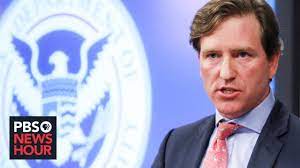
Chris Krebs
On November 12, to counter the growing chorus of lies from Trump and his Right-wing allies, he put out the following statement:
“The November 3rd election was the most secure in American history. There is no evidence that any voting system deleted or lost votes, changed votes, or was in any way compromised.”
On November 17, Trump fired Chris Krebs.
Too cowardly to confront Krebs, Trump fired him by tweet—and accompanied the outrage with yet another lie:
“The recent statement by Chris Krebs on the security of the 2020 election was highly inaccurate, in that there were massive improprieties and fraud, including dead people voting, poll watchers not allowed into polling locations, glitches in the voting machines which changed votes from Trump to Biden, late voting, and many more.
“Therefore, effective immediately, Chris Krebs has been terminated as director of the Cybersecurity and Infrastructure Security Agency.”
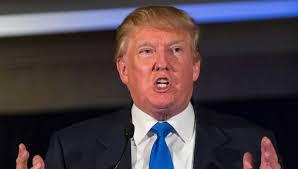
Donald Trump
Asked by “60 Minutes'” Scott Pelley if he was surprised to be fired, Krebs replied: “I don’t know if I was necessarily surprised. It’s not how I wanted to go out. The thing that upsets me the most about that is I didn’t get a chance to say goodbye to my team.
“And I’d worked with them for three and a half years, in the trenches. Building an agency, putting CISA on the national stage. And I love that team. And I didn’t get a chance to say goodbye, so that’s what I’m most upset about.”
Krebs was no dyed-in-the-wool Democrat but a life-long Republican. He gave up a lucrative job as Microsoft’s head of cybersecurity policy to join the Trump administration. He wanted to serve his country by creating a dedicated cybersecurity agency for the first time.
Still, he had his reservations about taking the job. As he told the Financial Times: “The flaws of this man [Trump] were obvious to everybody that was willing to pay attention. [But] to do your job, you have to be able to compartmentalize. I was willing to do that.
“Over time, it eats away at you. It eats away at you, the other parts of the department that were doing stuff that just seemed so inhumane. I was never involved in any of those policy conversations.”
By January 6, 2021, Trump had exhausted his legal efforts to overturn the results of the 2020 election.
From November 3 to December 14, Trump and his allies lost 59 times in court, either withdrawing cases or having them dismissed by Federal and state judges.
Of these attempts to challenge the results of the 2020 election, Krebs told Pelley:
“It was upsetting because what I saw was an apparent attempt to undermine confidence in the election, to confuse people, to scare people. It’s not me, it’s not just CISA. It’s the tens of thousands of election workers out there that had been working nonstop, 18-hour days, for months.
“They’re getting death threats for trying to carry out one of our core democratic institutions, an election. And that was, again, to me, a press conference that I just– it didn’t make sense. What it was actively doing was undermining democracy. And that’s dangerous.”
On January 6, the United States Senate, with Vice President Mike Pence presiding, met to certify states’ Electoral College results of the 2020 election.
That morning, Trump urged Pence to flip the results of the election to give him a win.
Pence replied that he lacked the power to overturn those results.
At noon, Trump appeared at the Ellipse, a 52-acre park south of the White House fence. A stage had been set up for him to address tens of thousands of his supporters, who eagerly awaited him.
Trump ordered them to march on the Capitol building to express their anger at his loss—and thus intimidate Congressional officials to reject the results.
The Stormtrumpers marched to the United States Capitol—and quickly brushed aside Capitol Police, who made little effort to arrest or shoot them.

The “Jolly Roger” meets Donald Trump
Three hours passed before the mob was dispersed and order was restored.
Yet for all the terrible drama of that day, the true hero of the moment went unrecognized.
By depriving Trump of Russian help, Chris Krebs had ensured a victory for democracy.
On the evening of January 6, the House and Senate met again to count the Electoral Votes.
And as expected, the two bodies pronounced Joseph Biden the winner—bringing an end to Donald Trump’s reign of criminality and treason.
2016 PRESIDENTIAL ELECTION, 2020 PRESIDENTIAL ELECTION, 60 MINUTES, ABC NEWS, ALTERNET, AMERICABLOG, AP, BABY BOOMER RESISTANCE, BALLOTS, BBC, BLOOMBERG NEWS, BUZZFEED, CBS NEWS, CHRIS KREBS, CIA, CNN, CRIMINALITY, CROOKS AND LIARS, CYBERSECURITY INFRASTRUCTURE SECURITY AGENCY (CISA), DAILY KOZ, DEPARTMENT OF DEFENSE CYBER COMMAND, DEPARTMENT OF HOMELAND SECURITY (DHS), DONALD TRUMP, DRUDGE REPORT, ELECTION ASSISTANCE COMMISSION, ELECTION SECURITY, ELECTORAL COLLEGE, FACEBOOK, FBI, FIVETHIRTYEIGHT, HACKING, HARPER’S MAGAZINE, HILLARY CLINTON, HUFFINGTON POST, JOE BIDEN, Kamala Harris, MEDIA MATTERS, MICROSOFT, MIKE PENCE, MOTHER JONES, MOVEON, MSNBC, NATIONAL SECURITY AGENCY, NBC NEWS, NEW REPUBLIC, NEWSDAY, NEWSWEEK, NPR, PBS NEWSHOUR, POLITICO, POLITICUSUSA, POPULAR VOTE, PROPAGANDA, RAW STORY, REUTERS, RUSSIA, SALON, SCOTT PELLEY, SEATTLE TIMES, Secret Service, SLATE, TALKING POINTS MEMO, THE ATLANTIC, THE CHICAGO SUN-TIMES, THE CHICAGO TRIBUNE, THE DAILY BEAST, THE DAILY BLOG, THE GUARDIAN, THE HILL, THE HUFFINGTON POST, THE LOS ANGELES TIMES, THE NATION, THE NEW REPUBLIC, THE NEW YORK TIMES, THE NEW YORKER, THE VILLAGE VOICE, THE WASHINGTON POST, THINKPROGRESS, TIME, TIME MAGAZINE, TIME MAGAZINIE’S PERSON OF THE YEAR, TREASON, TRUTHDIG, TRUTHOUT, TWITTER, TWO POLITICAL JUNKIES, U.S. NEWS & WORLD REPORT, UNITED STATES HOUSE OF REPRESENTATIVES, UNITED STATES SENATE, UPI, USA TODAY, VLADIMIR PUTIN, WONKETTE
In Bureaucracy, History, Law Enforcement, Politics, Social commentary on April 26, 2021 at 12:28 am
“TIME’s Person of the Year over the course of nearly a century has been a measuring stick for where the world is and where it’s going. But how to make sense of 2020, a year without measure? A year marked by multiple crises, all at once, all over the world: A once-in-a-century plague. Brutal racial injustice. Glaring inequality. Apocalyptic wildfires. Democracy under fire.”
Thus opens the web page advertising TIME magazine’s “Person of the Year” choice of Joe Biden and Kamala Harris.
On the surface, choosing Biden and Harris makes sense: “Joe Biden was elected President of the United States in the midst of an existential debate over what reality we inhabit. Perhaps the only thing Americans agree on right now is that the future of the country is at stake, even as they fiercely disagree about why.”
As for the shared legacy of Biden and Harris: “If Donald Trump was a force for disruption and division over the past four years, Biden and Harris show where the nation is heading: a blend of ethnicities, lived experiences and worldviews that must find a way forward together if the American experiment is to survive.”

Yet a lesser-known but far more consequential choice for “Person of the Year” would have been Chris Krebs.
Because, without Chris Krebs, there would not now be a Biden Presidency.
During the 2016 Presidential race, Russian propaganda had played a major role in convincing millions of Americans to vote for Donald Trump. Social media platforms—especially Facebook and Twitter—were flooded with genuinely fake news to sow discord among Americans and create a pathway for Trump’s election.
And where Internet trolls left off, Russian computer hackers took over.
Hillary Clinton won the popular vote—65,853,514 to 62,984,828 for Trump. But in the United States, what counts in Presidential elections is the Electoral College vote. And there Trump won: 304 to 227.
What put him over the top in the Electoral College was the help he got from Russian dictator Vladimir Putin.
So notorious was the role played by Russian trolls and hackers in winning Trump the 2016 election that the Department of Homeland Security (DHS) was determined to prevent a repetition in 2020.
And the point man for this was Chris Krebs, the director of the Cybersecurity and Infrastructure Security Agency (CISA) run by DHS.
Born in Atlanta, Georgia, in 1977, Krebs had received a B.A. in environmental sciences from the University of Virginia in 1999, and a J.D. from the George Mason University School of Law in 2007.
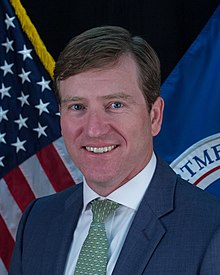
Chris Krebs
Krebs had served as Senior Advisor to the Assistant Secretary of Homeland Security for Infrastructure Protection, and later worked in the private sector as Director for Cybersecurity Policy for Microsoft.
In preparation for the 2020 Presidential election, Krebs launched a massive effort to counter lies spread by Russians—and Americans—on social media platforms. As he explained to Scott Pelley during a “60 Minutes” interview aired on November 29, 2020:
“So we spent something on the order of three and a half years of gaming out every possible scenario for how a foreign actor could interfere with an election. Countless, countless scenarios.”
Krebs’ to-do list included paper ballots:
“Paper ballots give you the ability to audit, to go back and check the tape and make sure that you got the count right. And that’s really one of the keys to success for a secure 2020 election. Ninety-five percent of the ballots cast in the 2020 election had a paper record associated with it. Compared to 2016, about 82%.
“That gives you the ability to prove that there was no malicious algorithm or hacked software that adjusted the tally of the vote, and just look at what happened in Georgia. Georgia has machines that tabulate the vote. They then held a hand recount and the outcome was consistent with the machine vote.”
Krebs’ duties included:
- Sharing intelligence from agencies such as the CIA and National Security Agency with local officials about foreign efforts at election interference.
- Ensuring that domestic voting equipment was secure.
- Attacking domestic misinformation head-on.
At his command lay the resources of a series of powerful Federal investigative agencies:
“We had the Department of Defense Cyber Command. We had the National Security Agency. We had the FBI. We had the Secret Service. We also had representatives from the Election Assistance Commission, which is the federal independent agency that supports the actual administration of elections.
“We had representatives from some of the election equipment vendors. And they’re critical because they’re the ones out there that know what’s going on on the ground if there’s any sort of issue with some of their systems. And we had representatives from state and local governments.”
Misinformation led CISA to create a new “Rumor Control” website ahead of the 2020 election. Its main goal was to debunk rumors surrounding the 2020 election that had been spreading throughout the country.
As a result, Krebs was widely praised for revamping the department’s cybersecurity efforts and increasing coordination with state and local governments.
By all accounts—except Donald Trump’s—the November 3, 2020 election went very smoothly.
ABC NEWS, ACADEMY AWARDS, ALTERNET, AMERICABLOG, AP, BABY BOOMER RESISTANCE, BARACK OBAMA, BBC, BEN-HUR, BLOOMBERG NEWS, BUZZFEED, CBS NEWS, CHARLTON HESTON, CNN, CROOKS AND LIARS, DAILY KOZ, DRUDGE REPORT, EL CID, FACEBOOK, FIVETHIRTYEIGHT, FOX NEWS, GUN CONTROL, HARPER’S MAGAZINE, HUFFINGTON POST, JIM CARREY, JOHN F. KENNEDY, MEDIA MATTERS, MOSES, MOTHER JONES, MOVEON, MOVIES, MSNBC, NATIONAL RIFLE ASSOCIATION, NBC NEWS, NEW REPUBLIC, NEWSDAY, NEWSWEEK, NPR, PBS NEWSHOUR, POLITICO, POLITICUSUSA, RAW STORY, REUTERS, RICHARD M. NIXON, ROBERT F. KENNEDY, SALON, SCREEN ACTORS GUILD, SEATTLE TIMES, SLATE, TALKING POINTS MEMO, THE ATLANTIC, THE CHICAGO SUN-TIMES, THE CHICAGO TRIBUNE, THE DAILY BEAST, THE DAILY BLOG, THE GUARDIAN, THE HILL, THE HUFFINGTON POST, THE LOS ANGELES TIMES, THE NATION, THE NEW REPUBLIC, THE NEW YORK TIMES, THE NEW YORKER, THE VILLAGE VOICE, THE WASHINGTON POST, THE WASHINGTONPOST, THINKPROGRESS, TIME, TRUTHDIG, TRUTHOUT, TWITTER, TWO POLITICAL JUNKIES, U.S. NEWS & WORLD REPORT, UPI, USA TODAY, WONKETTE
In Bureaucracy, History, Humor, Law, Law Enforcement, Politics, Social commentary on April 23, 2021 at 12:15 am
In March, 2013, the National Rifle Association (NRA) and its Right-wing allies declared war on comedian Jim Carrey.
The reason: His music parody video: “Cold Dead Hand,” which mocked gun fanatics and the late Charlton Heston, former president of the NRA.
Among its lyrics:
Charlton Heston movies are no longer in demand
And his immortal soul may lay forever in the sand.
The angels wouldn’t take him up to heaven like he’d planned.
’Cause they couldn’t pry that gun from his cold, dead hand.
The phrase, “cold dead hand,” originated with Heston himself.
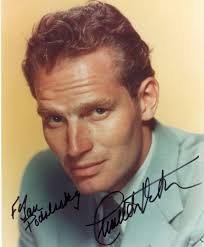
Charlton Heston in his prime
On May 20, 2000, the actor and then-president of the NRA addressed the organization at its 129th convention in Charlotte, North Carolina.
He warned that then-Vice President and Democratic Presidential candidade Al Gore “is going to smear you as the enemy,” and concluded:
“So, as we set out this year to defeat the divisive forces that would take freedom away, I want to say those fighting words for everyone within the sound of my voice to hear and to heed, and especially for you, Mr. Gore: ‘From my cold, dead hands!’”
Carrey’s stance on gun control couldn’t have been more opposite.
In in February, 2013, he outraged Right-wingers by tweeting: “Any1 who would run out to buy an assault rifle after the Newton massacre has very little left in their body or soul worth protecting.”
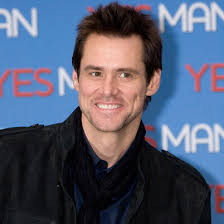
Jim Carrey
Fox Nation referred to the tweet as “nasty.”
Red Alert Politics writer Erin Brown dismissed it as “a careless remark …rooted in the shallow, parroted talking points so commonly espoused by liberal elites.”
But that was nothing compared to the rage that has greeted “Cold Dead Hand.” Reason TV’s Remy offered a parody rebuttal to Carrey’s song. Its lyrics included:
It takes a talking ass
to oppose a vaccination
when your PhD is in
making funny faces.
None of which bothered Carrey. In fact, he exulted in Right-wing outrage, tweeting: “Cold Dead Hand’ is abt u heartless motherf%ckers unwilling 2 bend 4 the safety of our kids. Sorry if you’re offended…”
Among its lyrics:
It takes a cold, dead hand to decide to pull the trigger.
Takes a cold, dead heart and as near as I can figger.
With your cold, dead aim you’re tryin’ to prove your dick is bigger …..
Many psychologists have long theorized that a fascination with firearms can compensate for inadequate sexual performance.
But it’s one thing for an unknown psychologist to write this in an obscure medical journal—and another for a famous comedian to splash it across the Internet.
Carrey’s video was especially ruthless in attacking those who—like the NRA—make a lucrative living off gun sales:
Imagine if the Lord were here…
And on the ones
Who sell the guns
He’d sic the vultures and coyotes
Only the devil’s true devotees
Could profiteer
From pain and fear.
Many Rightists attacked Carrey for parodying a man—Heston—who died in 2008 and could not defend himself. But Heston had appeared several times on “Saturday Night Live” to spoof his granite-hard image.
In his video, Carrey dares to attack not simply the masculinity of the Rightist NRA crowd, but even its courage:
You don’t want to get caught
With your trousers down
When the psycho killer
Comes around
So you make your home
Like a Thunderdome
And you’re always packin’
Everywhere you roam.
Perhaps that’s what most outraged the Right—the accusation that its members live in fear and do their best to generate needless fear in others.
Fear that can supposedly be abated by turning America into a society where everyone packs a weapon and every moment holds a potential High Noon.
On March 29, 2013, responded to his critics with this statement:
“Since I released my “Cold Dead Hand” video on Funny or Die this week, I have watched Fux News rant, rave, bare its fangs and viciously slander me because of my stand against large magazines and assault rifles.
“I would take them to task legally if I felt they were worth my time or that anyone with a brain in their head could actually fall for such irresponsible buffoonery. That would gain them far too much attention which is all they really care about.”
The NRA has spent decades bribing and intimidating its way through Congress. Those members who subscribe to its “guns for everyone” agenda get legalized bribes (i.e., “campaign contributions”).
Those who refuse to do so face the threat—if not the reality—of being ousted.
Bullies are conspicuously vulnerable to ridicule. And they fear it even more than serious criticisms.
To become an object of ridicule means no one fears you. And the NRA thrives on fear–that of its own members (“They’re coming for our guns!” and it can generate in its opponents (“We won’t be re-elected!”).
The NRA’s only “defense” is to smash anyone who dares to mock its folly, brutality or pretense to omnipotence.
Or, as Ernest Hemingway once put it: “Fascism is a lie told by bullies.”
ABC NEWS, ACADEMY AWARDS, ALTERNET, AMERICABLOG, AP, BABY BOOMER RESISTANCE, BARACK OBAMA, BBC, BEN-HUR, BLOOMBERG NEWS, BUZZFEED, CBS NEWS, CHARLTON HESTON, CNN, CROOKS AND LIARS, DAILY KOZ, DRUDGE REPORT, EL CID, FACEBOOK, FIVETHIRTYEIGHT, FOX NEWS, GUN CONTROL, HARPER’S MAGAZINE, HUFFINGTON POST, JIM CARREY, JOHN F. KENNEDY, MEDIA MATTERS, MOSES, MOTHER JONES, MOVEON, MOVIES, MSNBC, NATIONAL RIFLE ASSOCIATION, NBC NEWS, NEW REPUBLIC, NEWSDAY, NEWSWEEK, NPR, PBS NEWSHOUR, POLITICO, POLITICUSUSA, RAW STORY, REUTERS, RICHARD M. NIXON, ROBERT F. KENNEDY, SALON, SCREEN ACTORS GUILD, SEATTLE TIMES, SLATE, TALKING POINTS MEMO, THE ATLANTIC, THE CHICAGO SUN-TIMES, THE CHICAGO TRIBUNE, THE DAILY BEAST, THE DAILY BLOG, THE GUARDIAN, THE HILL, THE HUFFINGTON POST, THE LOS ANGELES TIMES, THE NATION, THE NEW REPUBLIC, THE NEW YORK TIMES, THE NEW YORKER, THE VILLAGE VOICE, THE WASHINGTON POST, THE WASHINGTONPOST, THINKPROGRESS, TIME, TRUTHDIG, TRUTHOUT, TWITTER, TWO POLITICAL JUNKIES, U.S. NEWS & WORLD REPORT, UPI, USA TODAY, WONKETTE
In History, Humor, Law, Law Enforcement, Politics, Social commentary on April 22, 2021 at 12:17 am
As of April 16, there have been 147 mass shootings in the United States since the start of 2021.
According to the Gun Violence Archive, a mass shooting is one when four or more people have been shot or killed, not including the shooter. More than one mass shooting a day has occurred in 2021.
In 2020, there were 610 mass shootings in the country. Nearly 20,000 Americans died from gun violence that year, more than any year in the previous 20.
In 2019, there were 417 mass shootings, up from 337 in 2018.
Meanwhile, the National Rifle Association (NRA) and its Republican shills in the House and Senate remain as intractable as ever on any aspect of gun control.
“We have a lot of drunk drivers in America that kill a lot of people,” said Sen. John Kennedy (R-LA). “We ought to combat that too. But I think that many folks on my side of the aisle are saying is the answer is not to get rid of all sober drivers. The answer is to concentrate on the problem.”

Mass shootings in the United States: January to April 16, 2021
The average American may fear being the victim in a random mass shooting. But what frightens the NRA—besides proposed gun control legislation—is mockery.
Consider the Right’s reaction to actor Jim Carrey’s March, 2013 “Cold Dead Hand” music video.
In this, Carrey—–a strong advocate of gun control—mocked the NRA and its right-wing allies.
These included rural America and (for the video’s purposes) the late actor Charlton Heston, who served as the NRA’s five-term president (1998-2003).

Jim Carrey as Charlton Heston
The video featured Carrey and alt-rock band Eels as “Lonesome Earl And The Clutterbusters,” a country band on a TV set modeled after the 1960s variety show, “Hee Haw.” Carrey also portrayed Heston as a dim-witted, teeth-clenching champion of the NRA.
“I find the gun problem frustrating,” Carrey said in a press release, “and ‘Cold Dead Hand’ is my fun little way of expressing that frustration.”
Carrey’s frustration triggered NRA outrage.
Fox News personality Greg Gutfeld ranted: “He is probably the most pathetic tool on the face of the earth and I hope his career is dead and I hope he ends up sleeping in a car.
“This video made me want to go out and buy a gun. He thinks this is biting satire going after rural America and a dead man… He’s a dirty, stinking coward… He’s such a pathetic, sad, little freak. He’s a gibbering mess. He’s a modern bigot.”
Columnist Larry Elder spared no venom in attacking Carrey: “Let’s be charitable—call Carrey ignorant, not stupid.”
Much of his March 29, 2013 column centered on defending Heston, who died at 84 in 2008.
A lyric in Carrey’s song says “Charlton Heston’s movies are no longer in demand.” This prompted Elder to defend the continuing popularity of Heston’s 1956 movie, “The Ten Commandments,” where he played Moses.
Elder felt compelled to defend Heston’s off-screen persona as well, citing his 64-year marriage to his college sweetheart, Lydia.
On the other hand, writes Elder, Carrey, “followed the well-worn Hollywood path: Get famous; get rich; dump the first wife/mother of your kid(s), who stood by you during the tough times; and act out your social life in the tabs to the embarrassment of your kid(s).”
Clearly, Carrey’s video struck a nerve with Right-wing gun fanatics. But why?
Start with Gutfield’s accusation that Carry was “going after rural America.”
Rural America—home of the most superstitious, ignorant and knee-jerk Fascistic elements in American society—boastfully refers to itself as “The Heartland.”
In short: a prime NRA and Rightist constituency.
It was rural America to which Senator Barack Obama referred—accurately—during his 2008 Presidential campaign:
“They get bitter, they cling to guns or religion or antipathy to people who aren’t like them or anti-immigrant sentiment or anti-trade sentiment as a way to explain their frustrations.”
Second, there’s Elder’s outrage that Carrey should dare to say that Heston’s movies “are no longer in demand.”
Among these movies: “Major Dundee,” “El Cid,” “Khartoum,” “The War Lord.” And even the hammiest film for which he is best-known: “The Ten Commandments.”
Heston was a widely respected actor who won the Academy Award for Best Actor in 1959 for “Ben Hur” and served as the president of the Screen Actors Guild from 1965 to 1971.
But it was not Heston’s film career that Carrey focused on—but his role as president of the NRA.
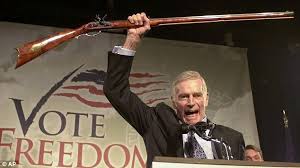
Charlton Heston at the NRA convention
Ironically, Heston had identified himself with liberal causes long before he became the face and voice of the gun lobby.
In 1961, he campaigned for Senator John F. Kennedy for President. In 1963, he took part in Martin Luther King’s March on Washington.
In 1968, after the assassination of Senator Robert F. Kennedy, he joined actors Kirk Douglas, James Stewart and Gregory Peck in issuing a statement supporting President Lyndon Johnson’s Gun Control Act of 1968.
But over the coming decades, Heston became increasingly conservative:
- Reportedly voting for Richard Nixon in 1972;
- Supporting gun rights; and
- Campaigning for Republican Presidential candidates Ronald Reagan, George H.W. Bush and George W. Bush.
When asked why he changed political alliances, Heston replied: “I didn’t change. The Democratic party changed.”
2016 PRESIDENTIAL RACE, ABC NEWS, ALTERNET, AMERICABLOG, AP, BABY BOOMER RESISTANCE, BBC, BLOOMBERG NEWS, BUZZFEED, CBS NEWS, CNN, CROOKS AND LIARS, DAILY KOZ, DENNIS HASTERT, DRUDGE REPORT, FACEBOOK, FAMILY RESEARCH COUNCIL, FIVETHIRTYEIGHT, HARPER’S MAGAZINE, HUFFINGTON POST, JEB BUSH, JOSH DUGGAR, MATT GAETZ, MEDIA MATTERS, MIKE HUCKABEE, MOTHER JONES, MOVEON, MSNBC, NBC NEWS, NEW REPUBLIC, NEWSDAY, NEWSWEEK, NPR, PBS NEWSHOUR, POLITICO, POLITICUSUSA, RAW STORY, REPUBLICAN PARTY, REUTERS, RICK SANTORUM, SALON, SCOTT WALKER, SEATTLE TIMES, SLATE, TALKING POINTS MEMO, TED CRUZ, THE ATLANTIC, THE CHICAGO SUN-TIMES, THE CHICAGO TRIBUNE, THE DAILY BEAST, THE DAILY BLOG, THE GUARDIAN, THE HILL, THE HUFFINGTON POST, THE LOS ANGELES TIMES, THE NATION, THE NEW REPUBLIC, THE NEW YORK TIMES, THE NEW YORKER, THE VILLAGE VOICE, THE WASHINGTON POST, THINKPROGRESS, TIME, TRUTHDIG, TRUTHOUT, TWITTER, TWO POLITICAL JUNKIES, U.S. NEWS & WORLD REPORT, UPI, USA TODAY, WONKETTE
In Bureaucracy, History, Law, Law Enforcement, Politics, Social commentary on April 9, 2021 at 1:07 am
Florida Representative Matt Gaetz is only the latest “family values” Republican to be revealed as a Fascistic hypocrite.
On January 29, he released the following statement: “America is unique in the world because we acknowledge that our rights come from God, not government….And I will always stand up for family values, which includes giving a voice to the unborn.”
Now the Justice Department is investigating Gaetz for an alleged sexual sexual relationship with a 17-year-old girl in 2019.
Other “family values” hypocrites have included:
- Josh Duggar. On On May 21, 2015, he resigned as director of the Family Research Council, a Right-wing organization dedicated to fighting sexually-oriented issues such as same-sex marriage, abortion and pornography.
The reason: The oldest son of the “all-American” Duggar family as a 14-15 year-old, had fondled the breasts and vaginas of five underage girls—four of whom were his own sisters.
Although his parents knew about his perverted activities, Jim Bob Duggar waited more than a year after Josh confessed before contacting the police.
- Dennis Hastert. On May 28, 2015, the former Republican Speaker of the House of Representatives (1999-2007) was indicted for violating federal banking laws and lying to the FBI.

He had tried to conceal $3.5 million in hush-money payments over several years to a man who was blackmailing him.
The source of the blackmail: A homosexual—and possibly coerced–relationship that had occurred before Hastert entered Congress in 1981. Except that it was more than a homosexual relationship.
It was a relationship with an underage student while Hastert was a teacher and wrestling coach at Yorkville High School in Yorkville, Ill.
“I felt a special bond with our wrestlers,” Hastert wrote in his 2004 memoirs, Speaker: Lessons From Forty Years of Coaching and Politics. “And I think they felt one with me.”
Apparently that “special bond” extended to activities outside the ring.
Hastert wasn’t indicted for having had a sexual relationship with an underage student. The statute of limitations had long ago run out on that offense.
He was indicted for trying to evade federal banking laws and lying to the FBI.

Dennis Hastert
The indictment did not provide specifics about Hastert’s relationship with the former student. But it clearly indicated that Hastert’s early career at Yorkville High School was material to the charges.
Jeffrey Cramer, a former federal prosecutor now head of the Chicago division of the private security company, Kroll, told the Chicago Tribune: “The feds don’t put superfluous facts in an indictment. If it’s in there, it’s relevant.”
Cramer added that the sheer size of the payoffs pointed to a secret that was clearly devastating: “$3.5 million is a lot of money to keep a secret hidden.”
According to the indictment, the FBI began investigating the cash withdrawals in 2013.The Bureau wanted to know if Hastert was using the cash for criminal purposes or if he was the victim of a criminal extortion.
When questioned by the FBI, Hastert said he was storing cash because he didn’t feel safe with the banking system: “Yeah … I kept the cash. That’s what I’m doing.”
One part of Hastert’s life was not secret: His opposition to homosexual rights.
From 1997 to 2007, Hastert voted for the Marriage Protection Act, which “forbids requiring any state or any other political subdivision of the United States to credit as a marriage a same-sex relationship treated as marriage in another state or equivalent government.”
Hastert also voted in favor of a Constitutional amendment to “establish that marriage shall consist of one man and one woman.”
He also voted against the Employment Non-Discrimination Act, which banned companies from discriminating against employees “on the basis of sexual orientation.”
Owing to Hastert’s “deeply conservative” voting record, in 1998, he received perfect scores of 100 from
- The National Rifle Association;
- The Christian Coalition;
- The National Right to Life Committee; and
- The Chamber of Commerce
Hastert makes the third Republican “family values” Speaker of the House to become ensnared in an ethics scandal.
Newt Gingrich was the first Speaker (1985-1999) in the history of the House to be reprimanded and punished for ethics violations. His offense: Claiming tax-exempt status for a college course run for political purposes.
He successor, Bob Livingston, was forced to resign when publisher Larry Flynt revealed his sexual infidelities.
And now there’s Dennis Hastert, whose conduct involved neither money nor women—just a male high school student.
Of course, Democrats have had their sex scandals as well—as President Bill Clinton can thoroughly attest. But Democrats usually don’t suffer as badly from them.
The reason: Republicans portray themselves as moral examples for the nation. So for them, being caught literally with their pants down proves a double-whammy.
They are condemned for their specific illegal/immoral acts—and for the sheer hypocrisy of their false claims of sainthood.
Ironically, Right-wingers would fare better when caught in sexual affairs if they simply admitted their sexual tastes and registered as Democrats.
But in heavily Right-wing states like Texas and Oklahoma, they wouldn’t stand a chance of being elected as a Democrat.
And Red-state voters, feeling themselves moral arbiters of the nation, wouldn’t elect anyone they thought was “unnatural.”
So Right-wingers will continue pretending to be moral paragons—and will continue paying the price when they’re exposed as fallible humans.
2016 PRESIDENTIAL RACE, ABC NEWS, ALTERNET, AMERICABLOG, AP, BABY BOOMER RESISTANCE, BBC, BLOOMBERG NEWS, BUZZFEED, CBS NEWS, CNN, CROOKS AND LIARS, DAILY KOZ, DENNIS HASTERT, DRUDGE REPORT, FACEBOOK, FAMILY RESEARCH COUNCIL, FIVETHIRTYEIGHT, HARPER’S MAGAZINE, HUFFINGTON POST, JEB BUSH, JOSH DUGGAR, MATT GAETZ, MEDIA MATTERS, MIKE HUCKABEE, MOTHER JONES, MOVEON, MSNBC, NBC NEWS, NEW REPUBLIC, NEWSDAY, NEWSWEEK, NPR, PBS NEWSHOUR, POLITICO, POLITICUSUSA, RAW STORY, REPUBLICAN PARTY, REUTERS, RICK SANTORUM, SALON, SCOTT WALKER, SEATTLE TIMES, SLATE, TALKING POINTS MEMO, TED CRUZ, THE ATLANTIC, THE CHICAGO SUN-TIMES, THE CHICAGO TRIBUNE, THE DAILY BEAST, THE DAILY BLOG, THE GUARDIAN, THE HILL, THE HUFFINGTON POST, THE LOS ANGELES TIMES, THE NATION, THE NEW REPUBLIC, THE NEW YORK TIMES, THE NEW YORKER, THE VILLAGE VOICE, THE WASHINGTON POST, THINKPROGRESS, TIME, TRUTHDIG, TRUTHOUT, TWITTER, TWO POLITICAL JUNKIES, U.S. NEWS & WORLD REPORT, UPI, USA TODAY, WONKETTE
In Bureaucracy, History, Law, Law Enforcement, Politics, Social commentary on April 8, 2021 at 12:08 am
Millions of “family values” Republican voters routinely vote for Right-wing political candidates who self-righteously boast of their moral purity.
Matt Gatez has served Florida’s First Congressional district as a Republican member of the House of Representatives since 2017.
A fervent supporter of President Donald Trump, he falsely claimed that Trump had won the 2020 Presidential election—despite overwhelming evidence that Joe Biden had emerged the victor.

Matt Gaetz
Even after thousands of Stormtrumpers attacked the Capitol Building on January 6, Gaetz joined 141 House Republicans who voted to decertify the Electoral College votes in Arizona, where Biden beat Trump by about 10,500 votes.
On March 30, 2021, The New York Times reported that the Justice Department was investigating Gaetz for an alleged sexual relationship with a 17-year-old girl in 2019.
Investigators were examining whether he had violated federal sex trafficking laws by paying her to travel with him across state lines.
Gaetz claimed to be innocent, and the victim of an organized criminal extortion involving a former Justice Department official seeking $25 million.
But according to CNN, Gaetz allegedly used his cell phone to show other lawmakers photos and videos of nude women he said he had slept with.
On April 2, Luke Ball, who had been Gaetz’ communications director since he joined the U.S. House in 2017, resigned
Gaetz is not the first—nor only—Right-wing champion of “family values” to betray the trust of those who supported him.
On May 21, 2015, Josh Duggar resigned as director of the Family Research Council, a Right-wing organization dedicated to fighting sexually-oriented issues such as same-sex marriage, abortion and pornography.
Duggar, 27, had owed his position to his status as the oldest son of Jim Bob and Michelle Duggar, of Tonitown, Arkansas.
Until his resignation, the Duggars were famous for popping out babies (19 at last count) and championing Right-wing “family values” causes.
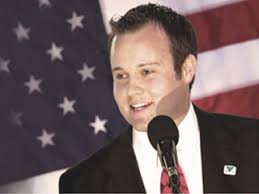
Josh Duggar, the “all-American” child molester
Then came the bombshell: On May 21, Josh Duggar issued a statement to People magazine explaining why he had resigned from the Family Research Council:
“Twelve years ago, as a young teenager, I acted inexcusably for which I am extremely sorry and deeply regret. I hurt others, including my family and close friends. I confessed this to my parents who took several steps to help me address the situation.
“We spoke with the authorities where I confessed my wrongdoing, and my parents arranged for me and those affected by my actions to receive counseling. I understood that if I continued down this wrong road that I would end up ruining my life.”
What his statement didn’t say was this: In 2002-3, as a 14-15 year-old, Josh Duggar had fondled the breasts and vaginas of five underage girls—four of whom were his own sisters.
- Although his parents knew about his perverted activities, Jim Bob Duggar waited more than a year after Josh confessed before contacting the police.
- Police began investigating the abuse in 2006 when tipped by a family friend but concluded the statute of limitations had lifted.
- His father later took him to talk with a close family friend, an Arkansas state trooper. The trooper gave him a “stern talk,” but did not open a case. Nor was Duggar referred for criminal charges.
- His resignation wasn’t prompted by a guilty conscience but by two days of media reports on this story.
As a result of these revelations, on May 22, The Learning Channel (TLC) canceled its high-rated “reality” series, 19 Kids and Counting, which had showcased the Duggar family since 2008.
The scandalous revelations turned the reactionary, anti-abortion, anti-gay Duggars into comedic fodder for standup comedians, cartoonists and visitors to Twitter and Facebook.
One cartoon showed Josh Duggar saying, “I got a word named after me,” and holding a sign defining that word: “Duggar: To sexually abuse innocent victims while trumpeting your own moral superiority. Example: Hold my Bible while I duggar you.”
And on Twitter, the criticism continued:
- “Josh Duggar says no child should feel the pain of being aborted. I say no child should feel the pain of being molested.”
- “So daddy Duggar is ok with his son molesting his daughters, but not ok with his daughters leaving for college. Misogyny at its greatest.”
- “In the Duggar family, you’re reprimanded for kissing before marriage but not for assaulting your siblings.”
The family had been a magnet for Right-wingers owing to its staunchly anti-abortion and anti-gay stance. Add to this the Duggars’ claims to religious devotion and their clear disregard for birth control—and their being stars in “reality TV.”
And Josh Duggar showed his gratitude for the fawning attention lavished upon him by those Right-wingers.
Among those Tweets:
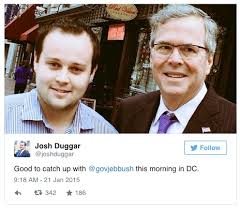
- March 15, 2015: “Great to be with @RickSantorum & @BenSeewald in #Houston today—standing for #ReligiousFReedom! @FRCAction#TX.
- May 6, 2015: “Great meeting today w @SenTedCruz. He always conveys passion for America & the importance of faith, family and freedom!”
ABC NEWS, ADOLF HITLER, ALBERT SPEER, ALTERNET, AMERICABLOG, ANTHONY FAUCI, AP, BABY BOOMER RESISTANCE, BARACK OBAMA, BBC, BLOOMBERG NEWS, BUZZFEED, CBS NEWS, CNN, CORONAVIRUS, COVID-19, CROOKS AND LIARS, DAILY KOZ, DEBORAH BIRX, DISINFECTANT, DONALD TRUMP, DRUDGE REPORT, FACEBOOK, FIVETHIRTYEIGHT, HARPER’S MAGAZINE, HEINRICH HIMMLER, HERMANN GOERING, HUFFINGTON POST, HUGH TREVOR-ROPER, JOE SCARBOROUGH, JOSEPH GOBBELS, MEDIA MATTERS, MOTHER JONES, MOVEON, MSNBC, NAZI GERMANY, NAZI PARTY, NBC NEWS, NEW REPUBLIC, NEWSDAY, NEWSWEEK, NPR, NUREMBERG WAR CRIMES TRIALS, PBS NEWSHOUR, PERSONAL PROTECTIVE EQUIPMENT (PPES), POLITICO, POLITICUSUSA, RAW STORY, REUTERS, ROBERT H. JACKSON, SALON, SANJAY GUPTA, SEATTLE TIMES, SLATE, TALKING POINTS MEMO, TED LIEU, THE ATLANTIC, THE CHICAGO SUN-TIMES, THE CHICAGO TRIBUNE, THE DAILY BEAST, THE DAILY BLOG, THE GUARDIAN, THE HILL, THE HOLOCAUST, THE HUFFINGTON POST, THE LOS ANGELES TIMES, THE NATION, THE NEW REPUBLIC, THE NEW YORK TIMES, THE NEW YORKER, THE SS, THE THIRD REICH, THE VILLAGE VOICE, THE WASHINGTON POST, THINKPROGRESS, TIME, TRUTHDIG, TRUTHOUT, TWITTER, TWO POLITICAL JUNKIES, U.S. NEWS & WORLD REPORT, ULTRAVIOLET LIGHT, UNITED STATES ARMY, UPI, USA TODAY, WALTER REED ARMY MEDICAL CENTER, WHITE HOUSE CORONAVIRUS TASK FORCE, WONKETTE, WORLD WAR ii
In Bureaucracy, History, Politics, Social commentary on April 7, 2021 at 12:10 am
From January to early March, 2020, President Donald Trump and his allies within the Republican party and Fox News Network repeatedly assured Americans they had nothing to fear from COVID-19.

Donald Trump
Barnstorming the country in a series of hate-filled political rallies, Trump told his supporters:
- “We have it totally under control.”
- “This is [the Democrats’] new hoax.”
- “It will go away. Just stay calm.”
On February 27, 2020, Dr. Deborah Birx was appointed White House Coronavirus Response Coordinator for President Donald J. Trump.
On March 26, Birx reassured Americans in a press conference that “there is no situation in the United States right now that warrants that kind of discussion [that ventilators or ICU hospital beds might be in limited supply].”
A day earlier, The New York Times had run the headline: “Amid Desperate Need for Ventilators, Calls Grow for Federal Intervention.”
Dr. Anthony Fauci, director of the National Institute of Allergy and Infectious Diseases, took a different tack. The coronavirus could become cyclical; a vaccine was still many months away; and therapeutic treatments—which Trump had pushed as a “game changer”—were still unproven.

Deborah Birx
Trump insisted that each state was responsible for securing its needed supply of Personal Protective Equipment (PPEs) for its doctors and nurses aiding Coronavirus patients. This created ruthless competition and scarcity, with Americans not only fighting the virus but each other. But it ensured that Trump remained the final voice of authority.
Birx did not publicly urge the Federal Government—i.e., Trump—to create a streamlined approach to providing these necessities. Nor did she protest Trump’s refusal to do so.
On March 27, The New York Times reported: “Dr. Birx’s comments casting doubt on talk of ventilator and hospital-bed shortages, and praising Mr. Trump’s attention to detail in lavish terms, have raised questions about her independence as the number of coronavirus infections in the United States has soared past 100,000….
“Conservative commentators have praised her as a truth-teller, pushing back on coronavirus hysteria. Critics of Mr. Trump accused her of squandering the credibility she had developed as a health official in Democratic and Republican administrations.”
In April, she asserted that COVID-19 infections had peaked and the virus was fading quickly. In fact, infections quickly surged.
Birx helped create a reopening plan—presented by Trump on April 16, 2020—with voluntary standards for states to end coronavirus lockdowns.
On April 23, Trump, in a public press conference, recommended the use of ultraviolet light and disinfectant as possible cures for COVID-19.
Birx remained silent.
The Internet—and medical experts—did not.
Trump’s critics—including many medical experts—believed that, by her silence, Birx forfeited her opportunity to confront the cascade of lies and crackpot theories Trump was promoting.
One of these was California’s Democratic Representative Ted Lieu: “The malicious incompetence that resulted in hundreds of thousands of unnecessary deaths starts at the top, with the former President and his enablers. And who was one of his enablers? Dr. Birx, who was afraid to challenge his unscientific rhetoric and wrongfully praised him.”
Political commentator Joe Scarborough said: “…And it’s been one scam idea after another, that people then promoted on other networks, scam doctors promoting these scam solutions, claiming that everybody who had taken this malaria drug had been cured in certain hospitals. This is just the sort of thing that catches up to Donald Trump.”
In July 2020, a working group convened by Birx ordered hospitals to bypass the Centers for Disease Control and Prevention (CDC) and send all COVID-19 patient information to a database at the Department of Health and Human Services.
The continuing flood of alarming Coronavirus information was undermining Trump’s “everything-is-OK” assurances. Some public health officials warned that bypassing the CDC would allow Trump to politicize the findings and withhold them from the public.
In November, Birx stated in an internal report: “There is an absolute necessity of the Administration to use this moment to ask the American people to wear masks, physical distance and avoid gatherings in both public and private spaces.”
But she did not say this in public.
Trump had politicized the wearing of masks, dividing the country into his supporters, who didn’t wear masks, and “Never Trumpers” who did. He also called for the “liberation” of states that had ordered lockdowns to stop the spread of the virus.
Birx never publicly criticized Trump for creating this divisiveness.
During Thanksgiving, Birx hosted three generations of her family from two households—after she had urged Americans to restrict such gatherings to “your immediate household.”
After her term ended on January 20, 2021, Birx said that she had often considered quitting her position due to the administration’s hyper-partisanship, especially during the 2020 Presidential election.
Perhaps the most damning verdict on Deborah Birx came from Birx herself.
On March 29, 2021, speaking with Sanjay Gupta, MD, CNN’s chief medical correspondent, she said: “The first time, we have an excuse. There were about 100,000 deaths that came from the original surge. All of the rest of them, in my mind, could have been mitigated or decreased substantially.”
By mid-March, 2021, nearly 550,000 Americans had died from COVID-19.
ABC NEWS, ADOLF HITLER, ALBERT SPEER, ALTERNET, AMERICABLOG, ANTHONY FAUCI, AP, BABY BOOMER RESISTANCE, BARACK OBAMA, BBC, BLOOMBERG NEWS, BUZZFEED, CBS NEWS, CNN, CORONAVIRUS, COVID-19, CROOKS AND LIARS, DAILY KOZ, DEBORAH BIRX, DISINFECTANT, DONALD TRUMP, DRUDGE REPORT, FACEBOOK, FIVETHIRTYEIGHT, HARPER’S MAGAZINE, HEINRICH HIMMLER, HERMANN GOERING, HUFFINGTON POST, HUGH TREVOR-ROPER, JOE SCARBOROUGH, JOSEPH GOBBELS, MEDIA MATTERS, MOTHER JONES, MOVEON, MSNBC, NAZI GERMANY, NAZI PARTY, NBC NEWS, NEW REPUBLIC, NEWSDAY, NEWSWEEK, NPR, NUREMBERG WAR CRIMES TRIALS, PBS NEWSHOUR, PERSONAL PROTECTIVE EQUIPMENT (PPES), POLITICO, POLITICUSUSA, RAW STORY, REUTERS, ROBERT H. JACKSON, SALON, SANJAY GUPTA, SEATTLE TIMES, SLATE, TALKING POINTS MEMO, TED LIEU, THE ATLANTIC, THE CHICAGO SUN-TIMES, THE CHICAGO TRIBUNE, THE DAILY BEAST, THE DAILY BLOG, THE GUARDIAN, THE HILL, THE HOLOCAUST, THE HUFFINGTON POST, THE LOS ANGELES TIMES, THE NATION, THE NEW REPUBLIC, THE NEW YORK TIMES, THE NEW YORKER, THE SS, THE THIRD REICH, THE VILLAGE VOICE, THE WASHINGTON POST, THINKPROGRESS, TIME, TRUTHDIG, TRUTHOUT, TWITTER, TWO POLITICAL JUNKIES, U.S. NEWS & WORLD REPORT, ULTRAVIOLET LIGHT, UNITED STATES ARMY, UPI, USA TODAY, WALTER REED ARMY MEDICAL CENTER, WHITE HOUSE CORONAVIRUS TASK FORCE, WONKETTE, WORLD WAR ii
In Bureaucracy, History, Law, Law Enforcement, Politics, Social commentary on April 6, 2021 at 12:07 am
Born on March 19, 1905 and trained as an architect, Albert Speer joined the Nazi Party in 1931. He met Adolf Hitler in 1933, when he presented the Fuhrer with architectural designs for the Nuremberg Rally scheduled for that year.
Hitler was thoroughly impressed.
From then on, Speer became Hitler’s “genius architect” assigned to create buildings for the Third Reich, meant to last for a thousand years.
In 1937, Hitler appointed Speer as General Building Inspector for Berlin. This made him responsible for the Central Department for Resettlement that evicted Jewish tenants from their homes in Berlin. The vast majority of these men, women and children ended up in extermination camps.
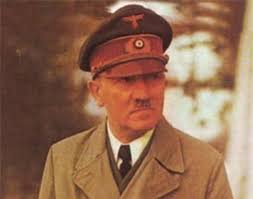
Adolf Hitler
Speer had nothing to do with their imprisonment; that was strictly the province of SS-Reichsuhrer Heinirich Himmler. Nevertheless, he knew the end results of his evictions.
On September 1, 1939, Hitler ordered the invasion of Poland—unintentionally igniting World War II.
In 1943, Hitler appointed Speer Minister of Armaments, charged with revitalizing the German war effort.
As Hitler’s architect, Speer had stayed aloof from the political intrigues of such power-driven men as Himmler, Luftwaffe chief Hermann Goering and Minister of Propaganda Joseph Goebbels.
But as Minister of Armaments, Speer thrust himself into the currents of intrigue surrounding the Fuhrer. It was this role that earned him 20 years in Spandau Prison for war crimes.

Albert Speer
With millions of able-bodied German men drafted for his endless wars, Hitler turned to slave laborers to keep his arms factories going.
“Speer joined in planning and executing the program to dragoon prisoners of war and foreign workers into German war industries, which waxed in output while the workers waned in starvation,” charged chief United States prosecutor Robert H. Jackson during the Nuremberg war crimes trials.
Speer’s attorney, Hans Flächsner, presented Speer as an artist thrust into political life who had always remained apolitical.
Both at Nuremberg and for the rest of his life, Speer claimed that he was unaware of Nazi extermination plans. But in a letter dated December 23, 1971, Speer wrote: “There is no doubt—I was present as Himmler announced on October 6, 1943, that all Jews would be killed.”
If Speer’s extensive involvement in the Holocaust had been known at the time of his trial he would have been sentenced to death. Twelve of his fellow defendants were so sentenced—and died by hanging.
Speer was found guilty of war crimes and crimes against humanity, principally for the use of slave labor and forced labor. He was sentenced to 20 years’ imprisonment, and was released from Spandau Prison on October 1, 1966.
He spent the rest of his life portraying himself as “the good Nazi” who, as an apolitical technocrat, deeply regretted having failed to discover the monstrous crimes of the Third Reich. Out of this came his bestselling autobiography, Inside the Third Reich, published in 1969.
He died of a heart attack on September 1, 1981—42 years to the day his Fuhrer had plunged the world into war.
British historian Hugh Trevor-Roper considered Speer an administrative genius whose basic instincts were peaceful and constructive. Nevertheless, he assailed Speer for failing to recognize the immorality of the Hitler regime—and called him “the real criminal of Nazi Germany.”
Specifically:
“For ten years he sat at the very centre of political power; his keen intelligence diagnosed the nature and observed the mutations of Nazi government and policy; he saw and despised the personalities around him; he heard their outrageous orders and understood their fantastic ambitions; but he did nothing.
“Supposing politics to be irrelevant, he turned aside and built roads and bridges and factories, while the logical consequences of government by madmen emerged. Ultimately, when their emergence involved the ruin of all his work, Speer accepted the consequences and acted. Then it was too late; Germany had been destroyed.”
Germans are not, however, the only ones to clinch a deal with the Devil.
Eighty-seven years after Albert Speer began his rise to power—and infamy—Deborah Birx, an American physician and diplomat, reached her own height of power—and infamy.
Born on April 4, 1956, Deborah Birx served from 1980 to 1994 as an active duty reserve officer in the United States Army. From 1994 to 2008, Birx was on active duty regular Army, achieving the rank of Colonel.
From 1980 to 1989, Birx worked as a physician at the Walter Reed Army Medical Center. In 1981, she completed a one-year internship and did a two-year residency in internal medicine. From 1983 to 1986, she completed two fellowships in clinical immunology in the areas of allergies and diagnostics.
From 1985 to 1989, Birx was the assistant chief of the Walter Reed Allergy/Immunology Service. Birx started her career as a clinician in immunology, eventually specializing on HIV/AIDS vaccine research.
She served as the United States global AIDS coordinator for Presidents Barack Obama and Donald Trump (2014-2020). She also served as the country’s special representative for global health diplomacy between 2015 and 2021.
On February 27, 2020, she was appointed White House Coronavirus Response Coordinator for President Donald J. Trump.
The virus, which originated in Wuhan, China, in December, 2019, quickly spread around the world.
Coronaviruses are a group of viruses that affect birds and mammals. In humans, they can cause pneumonia and may cause bronchitis.

Coronavirus
On February 29, 2020, the first American died of Coronavirus.
2012 PRESIDENTIAL ELECTION, ABC NEWS, ADOLF HITLER, ALTERNET, AMERICABLOG, AMERICAN CROSSROADS, ANN COULTER, AP, BABY BOOMER RESISTANCE, BARACK OBAMA, BBC, BILL MAHER, BLOOMBERG NEWS, BUZZFEED, CBS NEWS, CHRIS MATTHEWS, CNN, CROOKS AND LIARS, DAILY KOZ, DONALD TRUMP, DRUDGE REPORT, FACEBOOK, FASCISM, FIVETHIRTYEIGHT, HARDBALL, HARPER’S MAGAZINE, HUFFINGTON POST, JOSEPH GOEBBELS, KARL ROVE, MAGDA GOEBBELS, MARK SHIELDS, MEDIA MATTERS, MITT ROMNEY, MOTHER JONES, MOVEON, MSNBC, NBC NEWS, NEW REPUBLIC, NEWSDAY, NEWSWEEK, NPR, PBS NEWSHOUR, POLITICO, POLITICUSUSA, RAW STORY, REUTERS, SALON, SEATTLE TIMES, SLATE, TALKING POINTS MEMO, THE ATLANTIC, THE CHICAGO SUN-TIMES, THE CHICAGO TRIBUNE, THE DAILY BEAST, THE DAILY BLOG, THE GUARDIAN, THE HILL, THE HUFFINGTON POST, THE LOS ANGELES TIMES, THE NATION, THE NEW REPUBLIC, THE NEW YORK TIMES, THE NEW YORKER, THE VILLAGE VOICE, THE WASHINGTON POST, THINKPROGRESS, THIRD REICH, TIME, TRUTHDIG, TRUTHOUT, TWITTER, TWO POLITICAL JUNKIES, U.S. NEWS & WORLD REPORT, UPI, USA TODAY, WONKETTE
In Bureaucracy, History, Politics, Social commentary on April 5, 2021 at 12:37 pm
t’s natural for a losing political party to look for scapegoats.
And after Democratic President Barack Obama defeated Republican Presidential nominee Mitt Romney for a second term in the White House, Republicans did exactly that.
As political columnist Mark Shields said on the PBS Newshour on January 25, 2013:
“As far as the Republicans are concerned, they are simply going through the terrible stages that every defeated party does.”
And one side says we lost because we didn’t stick enough to our principles. And the other side we lost because we were too dogmatic and didn’t reach out to the undecided.
“And so the first inclination is always to blame your own candidate. You blame Al Gore if you are a Democrat in 2000, or John Kerry in 2004. You blame John McCain.”
“The Republicans want to blame Mitt Romney. That’s fine. But Mitt Romney is more popular than the Republican Party. I mean, he got 47 percent. The Republicans are dead in the water right now.”
Consider the reaction of Ann Coulter, the Republican version of the Miss America Nazi. Speaking on the November 6 defeat of Mitt Romney, Coulter whined:
“People are suffering. The country is in disarray. If Mitt Romney cannot win in this economy, then the tipping point has been reached. We have more takers than makers and it’s over. There is no hope.”
And what did she hope to see Romney do as President?
“Mitt Romney was the president we needed right now, and I think it is so sad that we are going to be deprived of his brain power, of his skills in turning companies around, turning the Olympics around, his idea and his kindness for being able to push very conservative ideas on a country that no longer is interested in conservative ideas. It is interested in handouts.”
Note the chief reason for her regret: Romney would have been “able to push very conservative ideas on a country that no longer is interested in conservative ideas.”
Or, as the Original Nazis would have put it: “You vill love it—or else!”
Unfortunately for Coulter, a majority of Americans rejected this mentality–and the repressive measures that would have accompanied it.
So, naturally, Coulter and her fellow Rightists feel dejected.
Comedian Bill Maher, appearing on the November 7, 2012 edition of “Hardball With Chris Matthews,” offered his own explanation for the Romney defeat: The Republicans fell victims to their own lies.

Bill Maher
Angela George, CC BY 3.0 <https://creativecommons.org/licenses/by/3.0>, via Wikimedia Commons
MAHER: But, you know, I think it gets to a bigger point, Chris, which is that Republicans have to start getting their information from a better source than FOX News. I’m not kidding about this….They believed it right up until the end. They were shocked by this election.
They have to somehow fix the way they get information, because they only talk to each other. And they don’t know what’s going on in the real world. And they were rudely awakened last night.
MATTHEWS: What do you think it was like to be in that bubble with Mitt Romney in that time after it really–I called it the knockout, like the sixth round?
MAHER: I mean, I think they were still saying, “Yes, Mein Fuehrer, you have 12 divisions on the Eastern front.”
MATTHEWS: Anyway, Donald Trump took to Twitter last night, trashing the election returns. Here’s what he said. On Twitter, in real time, to use your phrase. “He lost the popular vote by a lot.
“He’s talking about the president and won the election. “We should have a revolution this country.”
“This election is a total sham and a travesty. We are not a democracy.”
“We can’t let this happen. We should march on Washington and stop this travesty. Our nation is totally divided.”
MAHER: I mean, it doesn’t deserve thoughts because these aren’t thoughts….This guy only two years ago was like apolitical, right? I don’t even know what party he was.
I don’t know if he knew what party he was. Now he wants to march on Washington? This is democracy–so it’s not democracy when your candidate loses?
* * * * *
Almost seventy-six years ago, another fanatical, right-wing woman concluded: “There is no hope.”
She was Magda Goebbels, wife of Joseph Goebbels—Propaganda Minister for the rapidly-collapsing Third Reich.
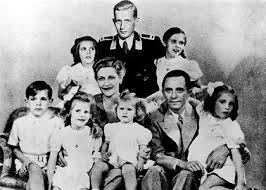
Magda and Joseph Goebbels, with their six children and a uniformed friend
“I do not wish to live in a world without National Socialism,” she said.
And to make certain her six children didn’t, either, she gave each of them a powerful sleeping tablet. Then she crushed a cyanide capsule between their jaws.
Finally, she and her husband died by their own hands–he shot her, and then himself.
Fortunately, Ann Coulter has no children. Nor even a husband who would willingly shoot her.
So if she truly believed she cannot live in a world where fascists don’t rule absolutely over America, she’s had ample time to let history to repeat itself.
ABC NEWS, ADOLF HITLER, ALBERT SPEER, ALTERNET, AMERICABLOG, AP, BABY BOOMER RESISTANCE, BBC, BLOOMBERG NEWS, BUZZFEED, CBS NEWS, CNN, COREY LEWANDOWSKI, CROOKS AND LIARS, DAILY KOZ, DAVID IRVING, DONALD TRUMP, DRUDGE REPORT, FACEBOOK, FAITH & FREEDOM COALITION, FIVETHIRTYEIGHT, FRANK BRANDENBURG, HANS BAUR, HARPER’S MAGAZINE, HEINRICH HIMMLER, HITLER’S WAR (BOOK), HOLOCAUST (TV SERIES), HUFFINGTON POST, INSIDE THE THIRD REICH (BOOK), JERRY FALWELL JR., KARL WOLFF, KAY IVEY, LIBERTY UNIVERSITY, LINA HEYDRICH, MEDIA MATTERS, MOTHER JONES, MOVEON, MSNBC, NBC NEWS, NEW REPUBLIC, NEWSDAY, NEWSWEEK, NPR, OTTO REMER, PBS NEWSHOUR, POLITICO, POLITICUSUSA, QUEST: SEARCHING FOR GERMANY'S NAZI PAST, RALPH REED, RAW STORY, REINHARD HEYDRICH, REPUBLICAN PARTY, REUTERS, ROY MOORE, RUDOLF HESS, SALON, SEATTLE TIMES, SLATE, SOVIET UNION, TALKING POINTS MEMO, THE ATLANTIC, THE CHICAGO SUN-TIMES, THE CHICAGO TRIBUNE, THE DAILY BEAST, THE DAILY BLOG, THE GUARDIAN, THE HILL, THE HUFFINGTON POST, THE LOS ANGELES TIMES, THE NATION, THE NEW REPUBLIC, THE NEW YORK TIMES, THE NEW YORKER, THE VILLAGE VOICE, THE WASHINGTON POST, THINKPROGRESS, TIME, TRUTHDIG, TRUTHOUT, TWITTER, TWO POLITICAL JUNKIES, U.S. NEWS & WORLD REPORT, UPI, USA TODAY, WEST GERMANY, WONKETTE
In Bureaucracy, History, Military, Politics, Social commentary on April 2, 2021 at 12:09 am
Frank Brandenburg had just turned 16 in 1979 when he saw the NBC mini-series Holocaust, depicting the Third Reich’s extermination of six million Jewish men, women and children.
He was stunned. Had such atrocities really taken place?
His parents, friends and teachers refused to talk about Adolf Hitler and his Nazi party that had tyrannically ruled Germany for 12 years.
“No one wants to talk today about that! Let the past sleep,” he was repeatedly told.
Frank Brandenburg had a deeply personal reason for pursuing the truth. He was a citizen of West Germany, growing up in a country that was still divided in two for having lost World War II—a war Hitler had started.
He started reading such books about the Holocaust as:
- Inside the Third Reich, by former Reichminister for Armaments Albert Speer, stated that it had happened.
- David Irving’s Hitler’s War, on the other hand, seemed inconclusive on the subject.
- The Auschwitz Lie, by Thies Chrostophersen, flatly asserted that the victorious Allies had concocted this slander to blacken the good name of Germany.
So Brandenburg did something no other teenager had dared attempt: He set out to meet and interview as many former members of the Third Reich as possible.
Among those he interviewed:
- Lina Heydrich, the widow of Reinhard Heydrich, the #2 man in the Schutzstaffel, or SS.
- Otto Remer, who put down the July 20, 1944 generals’ plot against Hitler.
- SS General Karl Wolff, a close confidant of SS Reichsfuhrer Heinrich Himmler.
- The widow and sons of Deputy Fuhrer Rudolf Hess.
- Hans Baur, Hitler’s personal pilot.
These interviews ultimately became a 1990 book: Quest: Searching for Nazi Germany’s Past, co-authored by Brandenburg and Ib Melchior. It is a book that can never be duplicated, because those interviewed by Brandenburg are now dead.

Of his encounters with so many former Nazis, Brandenburg reflected:
“Today I know that in some cases…I was confronted with defensive statements, evasion, self-exoneration and prejudiced portrayals of the facts.
“But when I began my project, at the age of 16, I—naively—had no conception that this might be the case. Not one of the people I talked to expressed any kind of guilt or remorse. Not one of them had regrets or concern for their victims.
“Yet, it is easier for me to understand that. Who, in his old age, wants to admit having committed such misdeeds? To admit that everything one had believed in, worked for and lived for, had been corrupt?”
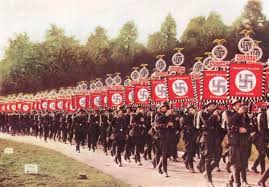
Nazi SS soldiers marching
Which helps explain the reaction historians will receive when, in the future, they interview supporters of Donald Trump.
The Original Nazis were guided by Hitler’s belief that the world was polluted by corruption and ugliness—and their mission was to remove that ugliness and corruption.
This meant removing those peoples they deemed inferior—Jews, Slavs (Poles, Serbs, Russians), Communists, liberals, gypsies, the physically and mentally handicapped.
Today’s Republicans believe themselves to be the only legitimate political party. And so do their supporters.
No sin—or even crime—is intolerable if it’s committed by a Republican.
On October 7, 2916, The Washington Post leaked a video of Republican Presidential nominee Donald Trump making sexually predatory comments about women:
You know I’m automatically attracted to beautiful—I just start kissing them. It’s like a magnet. Just kiss. I don’t even wait. And when you’re a star they let you do it. You can do anything.

Donald Trump
Right-wingers rushed to excuse Trump’s misogynist comments as mere “frat boy” talk.
- Corey Lewandowski, a former Trump campaign manager and now CNN commentator: “We are electing a leader to the free world. We’re not electing a Sunday school teacher.”
- Jerry Falwell, Jr., president of Liberty University: “When they ask [if Trump’s personal life is relevant] I always talk about the story of the woman at the well who had had five husbands and she was living with somebody she wasn’t married to, and they wanted to stone her. And Jesus said he’s–he who is without sin cast the first stone. I just see how Donald Trump treats other people, and I’m impressed by that.”
- Ralph Reed, founder and chairman of the Faith & Freedom Coalition: “People of faith are voting on issues like who will protect unborn life, defend religious freedom, grow the economy, appoint conservative judges and oppose the Iran nuclear deal.”
In 2017, Roy Moore, the twice-ousted former chief justice of the Alabama Supreme Court, ran for the state’s U.S. Senator.
Four women, in a Washington Post story, accused Moore of seeking romantic relationships with teenage girls while he was in his 30s, and even trolling malls for such dates.
Kay Ivey, the state’s Governor, offered the real reason why Republicans supported Moore:
“I believe in the Republican party, what we stand for, and, most important, we need to have a Republican in the United States Senate to vote on things like the Supreme Court justices, other appointments the Senate has to confirm and make major decisions. So that’s what I plan to do, vote for Republican nominee Roy Moore.”
In short: The mission of the Republican party is to attain absolute power over the lives of American citizens. Compared to that, electing even accused sexual predators shrinks to insignificance.


2016 PRESIDENTIAL ELECTION, 2020 PRESIDENTIAL ELECTION, 60 MINUTES, ABC NEWS, ALTERNET, AMERICABLOG, AP, BABY BOOMER RESISTANCE, BALLOTS, BBC, BLOOMBERG NEWS, BUZZFEED, CBS NEWS, CHRIS KREBS, CIA, CNN, CRIMINALITY, CROOKS AND LIARS, CYBERSECURITY INFRASTRUCTURE SECURITY AGENCY (CISA), DAILY KOZ, DEPARTMENT OF DEFENSE CYBER COMMAND, DEPARTMENT OF HOMELAND SECURITY (DHS), DONALD TRUMP, DRUDGE REPORT, ELECTION ASSISTANCE COMMISSION, ELECTION SECURITY, ELECTORAL COLLEGE, FACEBOOK, FBI, FIVETHIRTYEIGHT, HACKING, HARPER’S MAGAZINE, HILLARY CLINTON, HUFFINGTON POST, JOE BIDEN, Kamala Harris, MEDIA MATTERS, MICROSOFT, MIKE PENCE, MOTHER JONES, MOVEON, MSNBC, NATIONAL SECURITY AGENCY, NBC NEWS, NEW REPUBLIC, NEWSDAY, NEWSWEEK, NPR, PBS NEWSHOUR, POLITICO, POLITICUSUSA, POPULAR VOTE, PROPAGANDA, RAW STORY, REUTERS, RUSSIA, SALON, SCOTT PELLEY, SEATTLE TIMES, Secret Service, SLATE, TALKING POINTS MEMO, THE ATLANTIC, THE CHICAGO SUN-TIMES, THE CHICAGO TRIBUNE, THE DAILY BEAST, THE DAILY BLOG, THE GUARDIAN, THE HILL, THE HUFFINGTON POST, THE LOS ANGELES TIMES, THE NATION, THE NEW REPUBLIC, THE NEW YORK TIMES, THE NEW YORKER, THE VILLAGE VOICE, THE WASHINGTON POST, THINKPROGRESS, TIME, TIME MAGAZINE, TIME MAGAZINIE’S PERSON OF THE YEAR, TREASON, TRUTHDIG, TRUTHOUT, TWITTER, TWO POLITICAL JUNKIES, U.S. NEWS & WORLD REPORT, UNITED STATES HOUSE OF REPRESENTATIVES, UNITED STATES SENATE, UPI, USA TODAY, VLADIMIR PUTIN, WONKETTE
THE MAN WHO SAVED DEMOCRACY: PART TWO (END)
In Bureaucracy, History, Law, Law Enforcement, Politics, Social commentary on April 27, 2021 at 12:19 amAs a result of the vast increase in election security, President Donald Trump failed to get the help he expected from Russian dictator Vladimir Putin.
The result: He lost the 2020 Presidential election.
Thus, Joe Biden won the popular vote by 81,268,924 to 74,216,154 for Trump—and the Electoral College by 306 to 232.
Two days later, Trump claimed: “And this is a case where they’re trying to steal an election, they’re trying to rig an election.”
Chris Krebs was the director of the Cybersecurity and Infrastructure Security Agency (CISA) run by the Department of Homeland Security (DHS). And the man most responsible for ensuring election security.
Chris Krebs
On November 12, to counter the growing chorus of lies from Trump and his Right-wing allies, he put out the following statement:
“The November 3rd election was the most secure in American history. There is no evidence that any voting system deleted or lost votes, changed votes, or was in any way compromised.”
On November 17, Trump fired Chris Krebs.
Too cowardly to confront Krebs, Trump fired him by tweet—and accompanied the outrage with yet another lie:
“The recent statement by Chris Krebs on the security of the 2020 election was highly inaccurate, in that there were massive improprieties and fraud, including dead people voting, poll watchers not allowed into polling locations, glitches in the voting machines which changed votes from Trump to Biden, late voting, and many more.
“Therefore, effective immediately, Chris Krebs has been terminated as director of the Cybersecurity and Infrastructure Security Agency.”
Donald Trump
Asked by “60 Minutes'” Scott Pelley if he was surprised to be fired, Krebs replied: “I don’t know if I was necessarily surprised. It’s not how I wanted to go out. The thing that upsets me the most about that is I didn’t get a chance to say goodbye to my team.
“And I’d worked with them for three and a half years, in the trenches. Building an agency, putting CISA on the national stage. And I love that team. And I didn’t get a chance to say goodbye, so that’s what I’m most upset about.”
Krebs was no dyed-in-the-wool Democrat but a life-long Republican. He gave up a lucrative job as Microsoft’s head of cybersecurity policy to join the Trump administration. He wanted to serve his country by creating a dedicated cybersecurity agency for the first time.
Still, he had his reservations about taking the job. As he told the Financial Times: “The flaws of this man [Trump] were obvious to everybody that was willing to pay attention. [But] to do your job, you have to be able to compartmentalize. I was willing to do that.
“Over time, it eats away at you. It eats away at you, the other parts of the department that were doing stuff that just seemed so inhumane. I was never involved in any of those policy conversations.”
By January 6, 2021, Trump had exhausted his legal efforts to overturn the results of the 2020 election.
From November 3 to December 14, Trump and his allies lost 59 times in court, either withdrawing cases or having them dismissed by Federal and state judges.
Of these attempts to challenge the results of the 2020 election, Krebs told Pelley:
“It was upsetting because what I saw was an apparent attempt to undermine confidence in the election, to confuse people, to scare people. It’s not me, it’s not just CISA. It’s the tens of thousands of election workers out there that had been working nonstop, 18-hour days, for months.
“They’re getting death threats for trying to carry out one of our core democratic institutions, an election. And that was, again, to me, a press conference that I just– it didn’t make sense. What it was actively doing was undermining democracy. And that’s dangerous.”
On January 6, the United States Senate, with Vice President Mike Pence presiding, met to certify states’ Electoral College results of the 2020 election.
That morning, Trump urged Pence to flip the results of the election to give him a win.
Pence replied that he lacked the power to overturn those results.
At noon, Trump appeared at the Ellipse, a 52-acre park south of the White House fence. A stage had been set up for him to address tens of thousands of his supporters, who eagerly awaited him.
Trump ordered them to march on the Capitol building to express their anger at his loss—and thus intimidate Congressional officials to reject the results.
The Stormtrumpers marched to the United States Capitol—and quickly brushed aside Capitol Police, who made little effort to arrest or shoot them.
The “Jolly Roger” meets Donald Trump
Three hours passed before the mob was dispersed and order was restored.
Yet for all the terrible drama of that day, the true hero of the moment went unrecognized.
By depriving Trump of Russian help, Chris Krebs had ensured a victory for democracy.
On the evening of January 6, the House and Senate met again to count the Electoral Votes.
And as expected, the two bodies pronounced Joseph Biden the winner—bringing an end to Donald Trump’s reign of criminality and treason.
Share this: