Posts Tagged ‘ASSASSINATION’
2020 PRESIDENTIAL ELECTION, 2024 PRESIDENTIAL ELECTION, ABC NEWS, ABUSE OF POWER, ADOLF HITLER, AILEEN CANNON, ALTERNET, AMERICABLOG, AP, ASSASSINATION, BABY BOOMER RESISTANCE, BBC, BLOOMBERG, BUZZFEED, CBS NEWS, CLASSIFIED DOCUMENTS, CLAUS VON STAUFFENBERG, CNN, COVID-19, CROOKS AND LIARS, DAILY KOS, DEMOCRATIC PARTY, DONALD TRUMP, ELECTORAL COLLEGE, FBI, FEDERAL EMERGENCY MANAGEMENT AGENCY, FIVETHIRTYEIGHT, HARPER’S MAGAZINE, HITLER: ASCENT (BOOK), HUFFINGTON POST, HUNTER BIDEN, IMPEACHMENT, INTERNATIONAL BROTHERHOOD OF TEAMSTERS, JACK SMITH, JAMAL KHASHOOGI, JAMES COMER, JANUARY 6 COUP ATTEMPT, JARED KUSHNER, JIMMY HOFFA, JOSEPH BIDEN, KEVIN MCCARTHY, MAR-A-LAGO, MARJORIE TAYLOR GREENE, MEDIA MATTERS, MEIN KAMPF, MERRICK GARLAND, MOHAMMED BIN SALMAN, MOTHER JONES, MOVEON, MSNBC, NAZI GERMANY, NAZIS, NBC NEWS, NEW REPUBLIC, NEWSDAY, NEWSWEEK, NPR, OBSTRUCTION OF CONGRESS, PBS NEWSHOUR, POLITICO, POLITICUSUSA, RAW STORY, REPUBLICAN PARTY, REUTERS, ROBERT F. KENNEDY, SALON, SEATTLE TIMES, SLATE, TALKING POINTS MEMO, THE ATLANTIC, THE CHICAGO SUN-TIMES, THE CHICAGO TRIBUNE, THE DAILY BEAST, THE DAILY BLOG, THE GUARDIAN, THE HILL, THE HUFFINGTON POST, THE INTERCEPT, THE LOS ANGELES TIMES, THE NATION, THE NEW REPUBLIC, THE NEW YORK TIMES, THE NEW YORKER, THE VILLAGE VOICE, THE WASHINGTON POST, THINKPROGRESS, THOMAS MATTHEW CROOKS, TIME, TRUTHDIG, TRUTHOUT, TWO POLITICAL JUNKIES, U.S. NEWS & WORLD REPORT, UNITED STATES DEPARTMENT OF JUSTICE, UNITED STATES HOUSE OF REPRESENTATIVES, UNITED STATES SECRET SERVICE, UNITED STATES SENATE, UPI, USA TODAY, VOLKER ULLRICH, WEIMAR REPUBLIC, X
In Bureaucracy, History, Law, Law Enforcement, Medical, Politics, Social commentary on December 18, 2024 at 12:47 am
There were numerous instances where intervention by Federal legislators or law enforcement authorities could have utterly changed the outcome of the 2024 Presidential election.
Case #5: Even after Donald Trump left office, the Justice Department treated him with a deference not shown any other criminal defendant.
He was allowed, for example, to hurl insults and threats at Special Counsel Jack Smith and even Smith’s family.
One such post, published on Trump’s website, Truth Social, went: “Deranged Jack Smith, who is a sick puppet for A.G. Garland & Crooked Joe Biden, should be DEFUNDED & put out to rest. Republicans must get tough or the Dems will steal another Election. MAGA!”
By “A.G. Garland” Trump meant Attorney General Merrick Garland. By “put out to rest,” he meant that his followers should assassinate Smith.
Not even Mafia bosses like Charles “Lucky” Luciano and Albert “The Executioner” Anastasia dared issue such a threat.
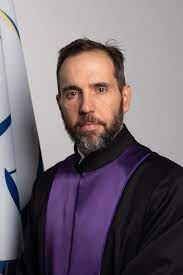
Jack Smith
By contrast: From 1957 to 1971, Jimmy Hoffa was president of the International Brotherhood of Teamsters. But that didn’t prevent Robert F. Kennedy’s Justice Department from indicting him on May 18, 1962, for accepting $1 million from a trucking company in exchange for labor peace.
After beating the case through jury tampering, he was again indicted—for jury tampering—and convicted on March 4, 1964. He was sentenced to eight years in prison and a $10,000 fine.
No one in the Kennedy Justice Department said: “He’s the elected president of the Teamsters Union—so we can’t touch him.” Yet that is precisely how the Biden Justice Department repeatedly acted—simply because, in 2016, he won a Presidential election.
Case 6: Throughout his struggles to stay out of prison, Trump was aided by the unrelenting support of the Republican party.
Republicans loudly and repeatedly claimed that, by appointing a Special Counsel to investigate Trump, the Democrats had weaponized Federal law enforcement.
Republicans refuse to acknowledge the criminal charges which led to the Justice Department appointing former DOJ official Jack Smith to that position. They also fully support Trump’s demand for the release of those who attacked the Capitol Building on January 6, 2021.

For example: Rep. Marjorie Taylor Greene (R-GA) has depicted these coup supporters as persecuted martyrs.
On March 24, 2022, members of the Republicans’ House Oversight Committee toured a Washington, D.C. jail where some of these defendants were held. “Their due process rights are being violated. And they have been mistreated and treated as political prisoners,” Greene told reporters after the tour.
Adolf Hitler similarly portrayed as martyrs the Nazis who tried to violently overthrow the government of Bavaria on November 9, 1923.
Case 7: While Congressional Republicans have relentlessly investigated President Joe Biden and his family, Democrats have refused to similarly investigate Trump’s family.
The United States House Oversight Committee opened its investigation into the Biden family on January 11, 2023. The investigation included the foreign business activities of Biden’s son, Hunter, and brother, James.
By November 2023, the investigation had not found any evidence of wrongdoing by President Biden.
Democrats, by contrast, have not probed why Jared Kushner, Donald Trump’s son-in-law and former White House adviser, received $2 billion from Saudi Arabia’s Crown Prince Mohammed bin Salman. The money came to Kushner’s private equity firm after Kushner left the White House in 2021.

Jared Kushner
Salman has been implicated by U.S. Intelligence reports in the 2018 torture and dismemberment of Washington Post columnist Jamal Khashoggi. When asked if he believed the reports, Kushner said: “Are we really still doing this?”
Democrats have also refused to investigate the Trump administration’s illegally seizing vitally-needed medical supplies in at least seven states during the COVID-19 pandemic.
The Federal Emergency Management Agency (FEMA) did not publicly report the thefts, despite the outlay of millions of dollars of taxpayer money. Nor did the administration explain how it decided which supplies to seize and where to reroute them.
The Federal Government did not inform states whose supplies it seized if they would receive the materials they ordered and paid for.
Case 8: On July 13, 2024, Trump was shot and slightly wounded in his right ear while speaking at an open-air Presidential campaign rally near Butler, Pennsylvania.
The would-be assassin, Thomas Matthew Crooks, fired eight rounds from an AR-15 style rifle from the roof of a nearby building. Trump dived for cover behind his lectern, as the shooter killed one audience member and critically injured two others.
Crooks was shot and killed seconds later by the Secret Service’s Counter Sniper Team.
Had Trump not slightly turned his head at the moment Crooks fired, Republicans would have been forced to choose another nominee.
In addition, Trump would not have been alive to win the 2024 Presidential election and openly threaten to imprison the Justice Department prosecutors who sought to hold him accountable for his litany of crimes.
The assassination attempt calls to mind that by Colonel Claus Schenk von Stauffenberg on July 20, 1944, to kill Adolf Hitler with a briefcase bomb. Had he succeeded, the war in Europe would no doubt have ended far earlier, with countless lives being saved.
Case 9: On November 5, Americans faced a choice between a former prosecutor and a convicted felon for President.
They chose the felon—partly out of hatred for illegal aliens and partly out of anger at high grocery prices.
2020 PRESIDENTIAL ELECTION, 2024 PRESIDENTIAL ELECTION, ABC NEWS, ABUSE OF POWER, ADOLF HITLER, AILEEN CANNON, ALTERNET, AMERICABLOG, AP, ASSASSINATION, BABY BOOMER RESISTANCE, BBC, BLOOMBERG, BUZZFEED, CBS NEWS, CLASSIFIED DOCUMENTS, CLAUS VON STAUFFENBERG, CNN, COVID-19, CROOKS AND LIARS, DAILY KOS, DEMOCRATIC PARTY, DONALD TRUMP, ELECTORAL COLLEGE, FBI, FEDERAL EMERGENCY MANAGEMENT AGENCY, FIVETHIRTYEIGHT, HARPER’S MAGAZINE, HITLER: ASCENT (BOOK), HUFFINGTON POST, HUNTER BIDEN, IMPEACHMENT, INTERNATIONAL BROTHERHOOD OF TEAMSTERS, JACK SMITH, JAMAL KHASHOOGI, JAMES COMER, JANUARY 6 COUP ATTEMPT, JARED KUSHNER, JIMMY HOFFA, JOSEPH BIDEN, KEVIN MCCARTHY, MAR-A-LAGO, MARJORIE TAYLOR GREENE, MEDIA MATTERS, MEIN KAMPF, MERRICK GARLAND, MOHAMMED BIN SALMAN, MOTHER JONES, MOVEON, MSNBC, NAZI GERMANY, NAZIS, NBC NEWS, NEW REPUBLIC, NEWSDAY, NEWSWEEK, NPR, OBSTRUCTION OF CONGRESS, PBS NEWSHOUR, POLITICO, POLITICUSUSA, RAW STORY, REPUBLICAN PARTY, REUTERS, ROBERT F. KENNEDY, SALON, SEATTLE TIMES, SLATE, TALKING POINTS MEMO, THE ATLANTIC, THE CHICAGO SUN-TIMES, THE CHICAGO TRIBUNE, THE DAILY BEAST, THE DAILY BLOG, THE GUARDIAN, THE HILL, THE HUFFINGTON POST, THE INTERCEPT, THE LOS ANGELES TIMES, THE NATION, THE NEW REPUBLIC, THE NEW YORK TIMES, THE NEW YORKER, THE VILLAGE VOICE, THE WASHINGTON POST, THINKPROGRESS, THOMAS MATTHEW CROOKS, TIME, TRUTHDIG, TRUTHOUT, TWO POLITICAL JUNKIES, U.S. NEWS & WORLD REPORT, UNITED STATES DEPARTMENT OF JUSTICE, UNITED STATES HOUSE OF REPRESENTATIVES, UNITED STATES SECRET SERVICE, UNITED STATES SENATE, UPI, USA TODAY, VOLKER ULLRICH, WEIMAR REPUBLIC, X
In Bureaucracy, History, Law, Law Enforcement, Military, Politics, Social commentary on December 17, 2024 at 12:18 am
On November 9, 1923, Nazi Party Fuhrer Adolf Hitler tried to overthrow the government in Munich, Bavaria.
About 2,000 Nazis marched to the center of Munich, where they confronted heavily-armed police. A shootout erupted, killing 16 Nazis and four policemen.
Hitler was injured during the clash, but managed to escape. Two days later, he was arrested and charged with treason.
Put on trial, he found himself treated as a celebrity by a judge sympathetic to Right-wing groups. He was allowed to brutally cross-examine witnesses and even make inflammatory speeches.
At the end of the trial, he was convicted of treason and sentenced to five years’ imprisonment.
Serving time in Landsberg Prison, in Bavaria. he was given a huge cell, allowed to receive unlimited visitors and gifts, and treated with deference by guards and inmates.
Hitler used his time in prison to write his infamous book, Mein Kampf-–“My Struggle.” Part autobiography, part political treatise, it laid out his future plans—including the extermination of the Jews and the conquest of the Soviet Union.

Adolf Hitler leaving Landsberg Prison, December, 20, 1924
Nine months later, he was released on parole—by authorities loyal to the authoritarian Right instead of the newly-created Weimar Republic.
Hitler immediately began rebuilding the shattered Nazi party—and deciding on a new strategy to gain power. Never again would he resort to armed force. He would win office by election—or intrigue.
Writes historian Volker Ullrich, in his monumental biography, Hitler: Ascent 1889 – 1939: “Historians have perennially tried to answer the question of whether Hitler’s rise to power could have been halted….
“There were repeated opportunities to end Hitler’s run of triumphs. The most obvious one was after the failed Putsch of November 1923. Had the Munich rabble-rouser been forced to serve his full five-year term of imprisonment in Landsberg, it is extremely unlikely that he would have been able to restart his political career.”


Thus, it isn’t just what happens that can influence the course of history. Often, it’s what doesn’t happen that has at least as great a result.
Future historians—if there are any—may one day write that it’s what didn’t happen that played at least as great a role in re-electing Donald Trump President as what actually did.
There were numerous instances where intervention by Federal legislators or law enforcement authorities could have utterly changed the outcome of the 2024 election.
Case #1: On December 18, 2019, the Democratic-controlled House of Representatives adopted two articles of impeachment against Trump: abuse of power and obstruction of Congress. On February 5, 2020, the Republican-dominated Senate voted to acquit Trump on both articles of impeachment.
Their motive: Fear that if they didn’t, they would be “primaried” by even more extreme, Trump-supported Right-wing candidates—and lose their positions and the accompanying power and perks.
Had Republicans agreed to convict him, he could not have run again for President.
Case #2: On January 13, 2021, Trump was impeached for the second time for “incitement of insurrection”—inciting the January 6, 2021 attack on the United States Capitol.
The reason: To stop the counting of Electoral College votes, which he knew would prove that former Vice President Joseph Biden had won the 2020 Presidential election.
The evidence against him was overwhelming—including video of his inciting a mob of his followers to storm the Capitol Building.
But Republican Senators again acquitted Trump on February 13, 2021—choosing ambition over patriotism.
Had they done so, he could not have again been a candidate for President.
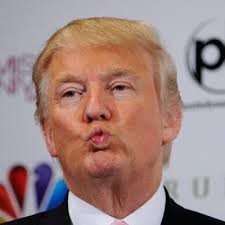
Donald Trump
Case #3: Only on November 18, 2022—a year and a half after becoming Attorney General—did Merrick Garland appoint Jack Smith Independent Counsel to investigate Donald Trump’s role for:
- Inciting the January 6 attack on Congress; and
- Illegally seizing and storing highly classified government documents at his Mar-a-Lago estate in Palm Beach Florida.
This gave Trump time to play his “deny and delay” game. Had he been prosecuted and convicted before the November 5 Presidential election, the results might well have been different.
Even hardcore supporters might have proved unwilling to vote for someone found guilty of inciting a riot or stealing highly classified documents.
Case #4: In June, 2023, Trump was indicted for illegally seizing and storing hundreds of highly classified government documents at his Mar-a-Lago estate.
Aileen Cannon, a Trump appointee as Federal Judge of the United States District Court for the Southern District of Florida, presided over the case.
She repeatedly ruled in his favor and finally dismissed the case in July, 2024. claiming that Special Counsel Jack Smith’s appointment was unconstitutional.
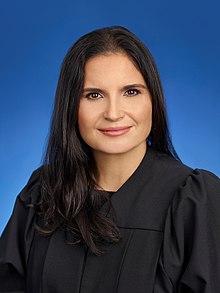
Aileen Cannon
Southern District of Florida, CC BY-SA 4.0 <https://creativecommons.org/licenses/by-sa/4.0>, via Wikimedia Commons
Many legal experts, citing her handling of the civil case against Trump, called for her recusal from the case. Jack Smith could have requested her removal from the case but did not ask a Federal appeals court to do so.
MSNBC analyst Barbara McQuade told Newsweek that Smith likely refused to do so to “return public trust” to the Justice Department, which had been challenged in recent years.
Cannon’s kid-gloves treatment of Trump echoed that of the Right-wing judge who presided over Adolf Hitler’s trial in 1923 for trying to overthrow the government of Bavaria.
ABC NEWS, ALTERNET, AMERICAN TABLOID, ANTI-CASTRO CUBANS, AP, ASSASSINATION, BUZZFEED, CBS NEWS, CIA, CNN, COMMUNISM, CROOKS AND LIARS, CUBA, CUBA TRAVEL BAN, CUBAN MISSILE CRISIS, DAILY KOS, DONALD TRUMP, DWIGHT D. EISENHOWER, FBI, FIDEL CASTRO, FLORIDA, FULGENCIO BATISTA, GUS RUSSO, JACK RUBY, JAMES ELLROY, JOHN F. KENNEDY, JOHNNY ROSELLI, LEE HARVEY OSWALD, LIVE BY THE SWORD, LYNDON B. JOHNSON, MAFIA, MARCO RUBIO, MOTHER JONES, MOVEON, MSNBC, NBC NEWS, NEWSWEEK, NIKITA KHRUSHCHEV, NPR, PBS NEWSHOUR, POLITICO, RAW STORY, REUTERS, ROBERT F. KENNEDY, SALON, SAM GIANCANA, SEATTLE TIMES, SLATE, THE ATLANTIC, THE CHICAGO SUN-TIMES, THE CHICAGO TRIBUNE, THE DAILY BEAST, THE GUARDIAN, THE HILL, THE HUFFINGTON POST, THE LOS ANGELES TIMES, THE NATION, THE NEW YORK TIMES, THE WASHINGTON POST, TIME, U.S. NEWS & WORLD REPORT, UPI, USA TODAY, WARREN COMMISSION, X
In Bureaucracy, History, Law Enforcement, Military, Politics, Social commentary on September 27, 2024 at 12:10 am
“John and Robert Kennedy knew what they were doing. They waged a vicious war against Fidel Castro—a war someone had to lose.”
And the loser turned out to be John F. Kennedy.
So writes investigative reporter Gus Russo in Live By the Sword: The Secret War Against Castro and the Death of JFK, published in 1998.
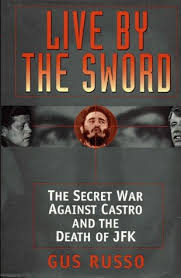
In what is may be the definitive account of the assassination of President John F. Kennedy, Russo reaches some startling—but highly documented—conclusions:
- Lee Harvey Oswald assassinated Kennedy.
- He did it alone.
- Oswald, a former Marine, was a committed Marxist—whose hero was Castro.
- The CIA’s ongoing campaign to overthrow and/or assassinate Castro was an open secret throughout the Gulf.
- Oswald visited New Orleans in the spring of 1963.
- There he learned that Castro was in the crosshairs of the CIA.
- For this, he blamed John F. Kennedy.
- Oswald told his Russian-born wife, Marina: “Fidel Castro needs defenders. I’m going to join his army of volunteers.”
- Jack Ruby, a Dallas nightclub owner, murdered Oswald because he was distraught over Kennedy’s death.
- Ruby was not part of a Mafia conspiracy to silence Oswald.
- Skeptics of the Warren Commission—which concluded that Oswald had acted alone—asked the wrong question: “Who killed Kennedy?”
- They should have asked: “Why was he killed?”
- The answer—according to Russo: “The Kennedys’ relentless pursuit of Castro and Cuba backfired in tragedy on that terrible day in November, 1963.”
Another book well worth reading about America’s Cuban obsession during the early 1960s is American Tabloid, by James Ellroy.
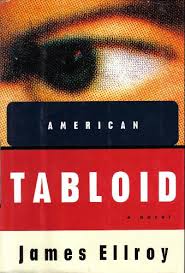
Although a novel, it vividly captures the intrigue, danger and sleaziness that permeated that era as no dry, historical documents can.
“The 50’s are finished,” reads its paperback dust jacket. “Zealous young lawyer Robert Kennedy has a red-hot jones to nail Jimmy Hoffa. JFK has his eyes on the Oval Office.
“J. Edgar Hoover is swooping down on the Red Menace. Howard Hughes is dodging subpoenas and digging up Kennedy dirt. And Castro is mopping up the bloody aftermath of his new Communist nation….
“Mob bosses, politicos, snitches, psychos, fall guys and femmes fatale. They’re mixing up a Molotov cocktail guaranteed to end the country’s innocence with a bang.”
Among the legacies of America’s twisted romance with anti-Castro Cubans:
- Following the JFK assassination, there was a cover-up.
- Its purpose: To protect the reputation of the United States Government—and that of its newly-martyred President.
- The CIA and FBI concealed the CIA-Mafia assassination plots from the Warren Commission assigned to investigate Kennedy’s murder.
- Other government officials participating in the cover-up included Attorney General Robert F. Kennedy and President Lyndon B. Johnson.
- Ironically, this secrecy ignited the widespread—and false—belief that the President had died at the hands of a government conspiracy.
- Robert Kennedy feared that his relentless pursuit of Castro might have led Castro to “take out” JFK first.
- Fearing his own assassination if he continued Kennedy’s efforts to murder Castro, President Johnson ordered the CIA to halt its campaign to overthrow and/or assassinate the Cuban leader.
- The huge Cuban community throughout Florida—and especially Miami—continues to exert a blackmailing influence on American politics.
- Right-wing politicians from Richard Nixon to Donald Trump have reaped electoral rewards by catering to the demands of this hate-obsessed voting block.
- These Cuban expatriate hope that the United States will launch a full-scale military invasion of the island to remove Fidel’s surviving brother, Raul.
- Having grown rich and soft in the United States, they fear to risk their own lives by returning to Cuba to overthrow the Castro regime—as Fidel had overthrown Fulgencio Batista.
- Only President Barack Obama had the political courage to re-establish diplomatic relations with Cuba—in 2015.
- This occurred long after the United States had reestablished ties with such former enemies as the Soviet Union, China and Vietnam.
- On June 4, 2019, President Donald Trump once again banned educational and recreational travel to Cuba.
The Cuban Missile Crisis remains the single most dangerous moment of the 50-year Cold War, when the world stood only minutes away from nuclear Armageddon.
That crisis stemmed from the American Right’s twisted obsession with Cuba.
So what are the lessons to be learned from that obsession?
- It is long past time to demand major changes in our foreign policy toward Cuba.
- It’s time to end the half-century contamination of American politics by those Cubans who live only for their hatred of Castro—and those political candidates who live to exploit it.
- (For example: Marco Rubio got elected U.S. Senator from Florida in 2010 by claiming that his parents had been forced to leave Cuba in 1959, after Fidel Castro took power. In fact, they had left Cuba in 1956—during the Batista dictatorship.)
- It’s time to end this wag-the-dog relationship. A population of about 1,700,000 Cuban exiles living in Florida should not be allowed to shape the domestic and foreign policy of a nation of 300 million.
- Those who continue to hate—or love—Fidel Castro should be left to their own private feud. But that is a feud they should settle on their own island, and not from the shores of the United States.
ABC NEWS, ALTERNET, AMERICAN TABLOID, ANTI-CASTRO CUBANS, AP, ASSASSINATION, BUZZFEED, CBS NEWS, CIA, CNN, COMMUNISM, CROOKS AND LIARS, CUBA, CUBA TRAVEL BAN, CUBAN MISSILE CRISIS, DAILY KOS, DONALD TRUMP, DWIGHT D. EISENHOWER, FBI, FIDEL CASTRO, FLORIDA, FULGENCIO BATISTA, GUS RUSSO, JACK RUBY, JAMES ELLROY, JOHN F. KENNEDY, JOHNNY ROSELLI, LEE HARVEY OSWALD, LIVE BY THE SWORD, LYNDON B. JOHNSON, MAFIA, MARCO RUBIO, MOTHER JONES, MOVEON, MSNBC, NBC NEWS, NEWSWEEK, NIKITA KHRUSHCHEV, NPR, PBS NEWSHOUR, POLITICO, RAW STORY, REUTERS, ROBERT F. KENNEDY, SALON, SAM GIANCANA, SEATTLE TIMES, SLATE, THE ATLANTIC, THE CHICAGO SUN-TIMES, THE CHICAGO TRIBUNE, THE DAILY BEAST, THE GUARDIAN, THE HILL, THE HUFFINGTON POST, THE LOS ANGELES TIMES, THE NATION, THE NEW YORK TIMES, THE WASHINGTON POST, TIME, U.S. NEWS & WORLD REPORT, UPI, USA TODAY, WARREN COMMISSION, X
In Bureaucracy, History, Law Enforcement, Military, Politics, Social commentary on September 26, 2024 at 12:05 am
On October 22, 1962, President John F. Kennedy went on nationwide TV to announce that Russian nuclear missiles had been installed in Cuba—and his blockade of that island.
He warned that any nuclear missile launched from Cuba against any nation would be regarded as an attack on the United States by the Soviet Union—and would trigger “a full retaliatory response” upon the U.S.S.R.
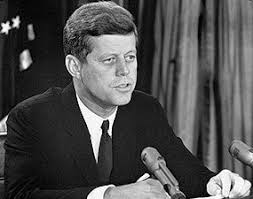
President John F. Kennedy addresses the nation
And he demanded that the Soviets remove all of their offensive weapons from Cuba:
“The path we have chosen for the present is full of hazards, as all paths are, but it is the one most consistent with our character and courage as a nation and our commitments around the world.
“The cost of freedom is always high, but Americans have always paid it. And one path we shall never choose, and that is the path of surrender or submission.”
On October 26, the United States raised the readiness level of SAC forces to DEFCON 2—the step just short of war. For the only time in U.S. history, B-52 bombers were dispersed to various locations and made ready to take off, fully equipped, on 15 minutes’ notice.
Other measures taken included:
- One-eighth of America’s 1,436 bombers were on airborne alert.
- About 145 intercontinental ballistic missiles stood on ready alert.
- Air Defense Command redeployed 161 nuclear-armed interceptors to 16 dispersal fields within nine hours with one-third maintaining 15-minute alert status.
- Twenty-three nuclear-armed B-52s were sent to orbit points within striking distance of the Soviet Union.
An invasion date of Cuba was set for October 29. But the Kennedy Administration—and the American military—didn’t know that Russian soldiers guarding the missiles had been armed with tactical nuclear weapons.
Had the Marines gone in, those mini-nukes would have been used. And a fullscale nuclear exchange between the United States and the Soviet Union would have almost certainly followed.
At the height of the crisis, Attorney General Robert F. Kennedy offered a solution.
Khrushchev had sent two teletypes to Kennedy. The first had agreed to remove the missiles, but the second had demanded that the United States remove its own nuclear missiles from Turkey, which bordered the Soviet Union.
Robert Kennedy’s solution: Ignore the second message—and announce that President Kennedy had accepted Khrushchev’s offer to remove the missiles.
After this announcement was made, President Kennedy said: “It can go either way now.”
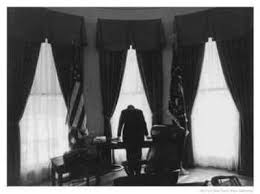
John F. Kennedy in the Oval Office
The crisis ended on October 28. Under enormous pressure, Khrushchev agreed to remove the missiles from Cuba.
Behind his decision lay a secret promise by the Kennedy administration to remove its obsolete nuclear missiles from Turkey, which bordered the Soviet Union. And a public pledge to not invade Cuba.
On the night the crisis ended, there occurred a prophetic exchange between the two Kennedy brothers.
JFK: “Maybe this is the night I should go to the theater”—a reference to Abraham Lincoln’s fatal attendance of Ford’s Theater at the end of the Civil War.
RFK: “If you go, I want to go with you.”
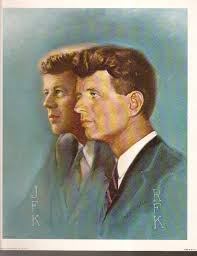
John F. and Robert F. Kennedy
But the Kennedys continued their campaign of sabotage throughout Cuba. And they were preparing something far bigger: A fullscale American invasion of the island.
On October 4, 1963, the Joint Chiefs of Staff submitted its latest version of the invasion plan, known as OPLAN 380-63. Its timetable went:
- January, 1964: Infiltration into Cuba by Cuban exiles.
- July 15, 1964: U.S. conventional forces join the fray.
- August 3, 1964: All-out U.S. air strikes on Cuba.
- October 1, 1964: Full-scale invasion to install “a government friendly to the U.S.”
During the Cuban Missile Crisis, Robert Kennedy—referring to the 1941 Japanese attack on Pearl Harbor—had resisted demands for a “sneak attack” on Cuba by saying: “I don’t want my brother to be the Tojo of the 1960s.”
Now the Kennedys planned such an attack on Cuba just one month before the November, 1964 Presidential election.
Then fate—in the unlikely figure of Lee Harvey Oswald—intervened.
On November 22, 1963, while the President rode through Dallas in an open-air automobile, a rifle-wielding assassin opened fire. He scored two hits on Kennedy—in the back of the neck and head. The second wound proved instantly fatal.
The nation and the world were shocked—and plunged into deep mourning.
But for some of those who had waged a secret, lethal war against Fidel Castro for the previous two years, Kennedy’s death—at least in retrospect—didn’t come as a surprise.
Robert Kennedy, in particular, spent the remaining years of his life agonizing over the possibility that his highly personal war against Castro had backfired.
That Castro, fed up with the CIA’s assassination plots against him, had retaliated with one of his own.
Robert Kennedy’s fears and guilt were compounded by the fact that, while waging war on Castro, he had waged an equally ruthless crusade against organized crime.
He knew that some of the mobsters he had tried to send to prison had played a major role in the CIA’s efforts to “hit” Castro. Had the Mafia—believing itself the victim of a double-cross—put out a “contract” on JFK instead?
It was a question that haunted him until the day he died.
ABC NEWS, ALTERNET, AMERICAN TABLOID, ANTI-CASTRO CUBANS, AP, ASSASSINATION, BUZZFEED, CBS NEWS, CIA, CNN, COMMUNISM, CROOKS AND LIARS, CUBA, CUBA TRAVEL BAN, CUBAN MISSILE CRISIS, DAILY KOS, DONALD TRUMP, DWIGHT D. EISENHOWER, FBI, FIDEL CASTRO, FLORIDA, FULGENCIO BATISTA, GUS RUSSO, JACK RUBY, JAMES ELLROY, JOHN F. KENNEDY, JOHNNY ROSELLI, LEE HARVEY OSWALD, LIVE BY THE SWORD, LYNDON B. JOHNSON, MAFIA, MARCO RUBIO, MOTHER JONES, MOVEON, MSNBC, NBC NEWS, NEWSWEEK, NIKITA KHRUSHCHEV, NPR, PBS NEWSHOUR, POLITICO, RAW STORY, REUTERS, ROBERT F. KENNEDY, SALON, SAM GIANCANA, SEATTLE TIMES, SLATE, THE ATLANTIC, THE CHICAGO SUN-TIMES, THE CHICAGO TRIBUNE, THE DAILY BEAST, THE GUARDIAN, THE HILL, THE HUFFINGTON POST, THE LOS ANGELES TIMES, THE NATION, THE NEW YORK TIMES, THE WASHINGTON POST, TIME, U.S. NEWS & WORLD REPORT, UPI, USA TODAY, WARREN COMMISSION, X
In Bureaucracy, History, Law Enforcement, Military, Politics, Social commentary on September 25, 2024 at 12:07 am
The war that John and Robert Kennedy waged against Fidel Castro became known within the CIA as Operation Mongoose.
But not everyone in the CIA was enthusiastic about the “get Castro” effort.
“Everyone at CIA was surprised at Kennedy’s obsession with Fidel,” recalled Sam Halpern, who was assigned to the Cuba Project. “They thought it was a waste of time. We all knew [Fidel] couldn’t hurt us. Most of us at CIA initially liked Kennedy, but why go after this little guy?

“One thing is for sure: Kennedy wasn’t doing it out of national security concerns. It was a personal thing. The Kennedy family felt personally burnt by the Bay of Pigs and sought revenge.”
It was all-out war. Among the tactics used:
- Hiring Cuban gangsters to murder Cuban police officials and Soviet technicians.
- Sabotaging mines.
- Paying up to $100,000 per “hit” for the murder or kidnapping of Cuban officials.
- Using biological and chemical warfare against the Cuban sugar industry.
“Bobby (Kennedy) wanted boom and bang all over the island,” recalled Halpern. “It was stupid. The pressure from the White House was very great.”
Attorney General Robert Kennedy
Attorney General Robert Kennedy had been appointed to supervise the CIA’s “get Castro” effort.
Among that “boom and bang” were a series of assassination plots against Castro, in which the Mafia was to be a key player.
Chicago Mobster Johnny Roselli proposed a simple plan: Through its underworld connections in Cuba, the Mafia would recruit a Cuban in Castro’s entourage, such as a waiter or bodyguard, who would poison him.
The CIA’s Technical Services division produced a botulinus toxin which was then injected into Castro’s favorite brand of cigars. The CIA also produced simpler botulinus toxin pills that could be dissolved in his food or drink.
But the deputized Mafia contacts failed to deliver any of the poisons to Castro.
Roselli told the CIA that the first poisoner had been discharged from Castro’s employ before he could kill him, and the back-up agent got “cold feet.”
Other proposals or attempts included:
- Planting colorful seashells rigged to explode at a site where Castro liked to go skindiving.
- Trying to arrange for his being presented with a wetsuit impregnated with noxious bacteria and mold spores, or with lethal chemical agents.
- Attempting to infect Castro’s scuba regulator with tuberculous bacilli.
- Trying to douse his handkerchiefs, tea and coffee with other lethal bacteria.
Former members of the Kennedy Administration later insisted that neither John nor Robert Kennedy knew or approved of these assassination plots. But the sheer weight of available evidence indicates otherwise.
Bobby, in particular, was constantly pressing the CIA to “do something” about Castro. In the world of covert action, words like “Kill Castro” aren’t committed to paper. Or even spoken.
“Plausible deniability”—for topmost government officials—holds as the all-important rule.
Castro, rightly seeing his life and regime threatened, appealed to Nikita Khrushchev, leader of the Soviet Union, for assistance.

Fidel Castro and Nikita Khrushchev
Khrushchev was quick to comply: “We must not allow the communist infant to be strangled in its crib,” he told members of his inner circle.
By October, 1962, the Soviet Union had sent more than
- 40,000 soldiers,
- 1,300 field pieces,
- 700 anti-aircraft guns,
- 350 tanks and
- 150 jets
to Cuba to deter another invasion.
Most importantly, Khrushchev began supplying Castro with nuclear-tipped ballistic missiles.
Their discovery, on October 15, 1962, ignited the single most dangerous confrontation of the 50-year Cold War.
Suddenly, the United States and the Soviet Union—both bristling with nuclear weapons—found themselves on the brink of nuclear war.
At the time, Kennedy officials claimed they couldn’t understand why Khrushchev had placed nuclear missiles in Cuba. “Maybe Khrushchev’s gone mad” was a typical public musing.
This remained the official American view for years afterward—as depicted in Robert Kennedy’s memoir, Thirteen Days: A Memoir of the Cuban Missile Crisis, published in 1969, the year after his death.
No admission was made that JFK had been waging a no-holds-barred campaign to overthrow the Cuban government and assassinate its leader.
The same proved true for the 1974 doc-u-drama, The Missiles of October, starring William Devane as John F. Kennedy and Martin Sheen as Robert Kennedy.
On October 16, President Kennedy was informed of the missile installations. He immediately convened a group of his 12 most important advisers, which became known as Ex-Comm, for Executive Committee.
Then followed seven days of guarded and intense debate by Kennedy and his advisers. Some of the participants—such as Air Force General Curtis LeMay—urged an all-out air strike against the missile sites.
Others—such as Adlai Stevenson, the United States delegate to the United Nations—urged a reliance on quiet diplomacy.
It was Secretary of Defense Robert S. McNamara who suggested a middle course: A naval blockade—a “quarantine” in Kennedy’s softened term—around Cuba. This would hopefully prevent the arrival of more Soviet offensive weapons on the island.
Finally, the President decided to to impose a naval blockade.
On October 22, Kennedy went on nationwide TV to announce the discovery of the missiles and his decision to blockade Cuba.
ABC NEWS, ALTERNET, AMERICAN TABLOID, ANTI-CASTRO CUBANS, AP, ASSASSINATION, BUZZFEED, CBS NEWS, CIA, CNN, COMMUNISM, CROOKS AND LIARS, CUBA, CUBAN MISSILE CRISIS, DAILY KOS, DONALD TRUMP, DWIGHT D. EISENHOWER, FBI, FIDEL CASTRO, FLORIDA, FULGENCIO BATISTA, GUS RUSSO, JACK RUBY, JAMES ELLROY, JOHN F. KENNEDY, JOHNNY ROSELLI, LEE HARVEY OSWALD, LIVE BY THE SWORD, LYNDON B. JOHNSON, MAFIA, MARCO RUBIO, MOTHER JONES, MOVEON, MSNBC, NBC NEWS, NEWSWEEK, NIKITA KHRUSHCHEV, NPR, PBS NEWSHOUR, POLITICO, RAW STORY, REUTERS, ROBERT F. KENNEDY, SALON, SAM GIANCANA, SEATTLE TIMES, SLATE, THE ATLANTIC, THE CHICAGO SUN-TIMES, THE CHICAGO TRIBUNE, THE DAILY BEAST, THE GUARDIAN, THE HILL, THE HUFFINGTON POST, THE LOS ANGELES TIMES, THE NATION, THE NEW YORK TIMES, THE WASHINGTON POST, TIME, U.S. NEWS & WORLD REPORT, UPI, USA TODAY, WARREN COMMISSION, X
In Bureaucracy, History, Law Enforcement, Military, Politics, Social commentary on September 24, 2024 at 12:10 am
On June 4, 2019, President Donald Trump banned cruise ships from the United States to visit Cuba and “people-to-people” educational travel there for Americans.
Officially, the reason was to keep American dollars “out of the hands” of the communist government.
Unofficially, the reason was to curry electoral favor with the huge Cuban exile community living in Florida, especially in Miami.
That community owes its existence to Fidel Castro (1926-2016).
To his supporters he was a tireless champion of the poor and a foe of American imperialism. To his enemies he was a ruthless dictator who drove his country to economic ruin in the name of a failed ideology—communism.
His reign began on January 1, 1959, when he swept triumphantly into Havana after a two-year guerrilla campaign against Cuban dictator Fulgencio Batista.
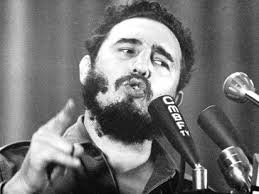
Fidel Castro
Almost immediately, hundreds of thousands of Cubans began fleeing to America. The first émigrés were more than 215,000 Batista followers. The exodus increased, peaking at approximately 78,000 in 1962.
In October, 1962, Castro stopped regularly scheduled travel between the two countries, and asylum seekers began sailing from Cuba to Florida.
Between 1962 and 1979, hundreds of thousands of Cubans entered the United States under the Attorney General’s parole authority.
By 2008, more than 1.24 million Cubans were living in the United States, mostly in South Florida, where the population of Miami was about one-third Cuban. Their sheer numbers transformed the state’s political, economic and cultural life. And not entirely for the better.
Many of these Cubans viewed themselves as political exiles, rather than immigrants, hoping to eventually return to Cuba after its Communist regime fell from power.
The large number of Cubans in South Florida, particularly in Miami’s “Little Havana,” allowed them to preserve their culture and customs to a degree rare for immigrant groups.
With so many discontented immigrants concentrated in Florida, they became a potential force for politicians to court.
And the issue guaranteed to sway their votes was unrelenting hostility to Castro. Unsurprisingly, most of their votes went to Right-wing Republicans.
John F. Kennedy was the first President to face this dilemma.
During the closing months of the administration of President Dwight D. Eisenhower, the CIA had begun training Cuban exiles for an invasion of their former homeland.
The exiles’ goal: To do what Castro had done—seek refuge in the mountains and launch a successful anti-Castro revolution.
But word of the coming invasion quickly leaked: The exiles were terrible secret-keepers. (A joke at the CIA went: “A Cuban thinks a secret is something you tell to only 300 people.”)
Kennedy insisted the invasion must appear to be an entirely Cuban enterprise. He refused to commit U.S. Marines and Air Force bombers.
More than 1,400 invaders landed on April 17, 1961 at the Bay of Pigs—and were quickly overwhelmed, with hundreds of the men taken prisoner.
Kennedy publicly took the blame for its failure: “Victory has a hundred fathers but defeat is an orphan.” Privately he seethed, and ordered the CIA to redouble its efforts to remove Castro at all costs.
To guarantee success, he appointed his brother, Robert—then Attorney General—to oversee the CIA’s “Castro removal” program.
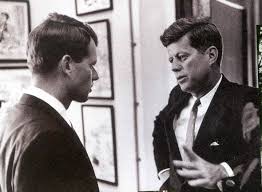
Robert F. Kennedy and John F. Kennedy
It’s here that America’s obsession with Cuba entered its darkest and most disgraceful period.
The CIA and the Mafia entered into an unholy alliance to assassinate Castro—each for its own benefit:
- The CIA wanted to please Kennedy.
- The mobsters wanted to regain their casino and brothel holdings that had made Cuba their private playground in pre-Castro times. They also hoped to use their pose as patriots to win immunity from future prosecution.
The CIA supplied poisons and explosives to various members of the Mafia. It was then up to the mobsters to assassinate Castro.
The CIA asked Johnny Roselli, a mobster linked to the Chicago syndicate, to go to Florida in 1961 and 1962 to organize assassination teams of Cuban exiles. They were to infiltrate their homeland and assassinate Castro.
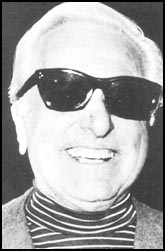
Johnny Roselli
Rosselli called upon two other crime figures: Chicago Mafia boss Sam Giancana and Santos Trafficante, the Costra Nostra chieftain for Tampa, for assistance.

Sam Giancana
Giancana, using the name “Sam Gold” in his dealings with the CIA, was meanwhile being hounded by the FBI on direct orders of Attorney General Robert Kennedy.
The mobsters were authorized to offer $150,000 to anyone who would kill Castro and were promised any support the Agency could yield.
Giancana was to locate someone who was close enough to Castro to be able to drop pills into his food. Trafficante would serve as courier to Cuba, helping to make arrangements for the murder on the island.
Rosselli was to be the main link between all of the participants in the plot.
Some historians believe that the Mob made a genuine effort to “whack” Fidel.
Others are convinced the mobsters simply ran a scam on the government. They pretended to carry out their “patriotic duty” while in fact making no effort at all to penetrate Castro’s security.
The CIA’s war against Castro was known as Operation Mongoose—the mongoose being a traditional enemy of the cobra. And those entrusted with this assignment were known as the Special Group.
2020 PRESIDENTIAL ELECTION, 2024 PRESIDENTIAL ELECTION, ABC NEWS, ABORTION, ADAM SCHIFF, ALTERNET, AMERICABLOG, ANNE APPLEBAUM, AP, ASSASSINATION, AUTOCRACY INC. (BOOK), “PRESIDENT-FOR-LIFE”, BABY BOOMER RESISTANCE, BARACK OBAMA, BBC, BILL O'REILLY, BIRTH CONTROL, BLOOMBERG, BUZZFEED, CAPITOL PUNISHMENT, CBS NEWS, CHINA, CHRISTIANITY, CHRISTIANS, CIA, CNN, CONSERVATIVE POLITICAL ACTION CONFERENCE (C-PAC), CROOKS AND LIARS, DAILY KOS, DEPARTMENT OF HOMELAND SECURITY, DICTATORSHIP, DONALD TRUMP, ENVIRONMENTAL PROTECTION AGENCY, FBI, FEDERAL COMMUNICATIONS COMMISSION (FCC), FEDERAL TRADE COMMISSION (FTC), FIVETHIRTYEIGHT, FOX NEWS SUNDAY, FRANKLIN D. ROOSEVELT, HARPER’S MAGAZINE, HERITAGE FOUNDATION, HUFFINGTON POST, INTELLIGENCE AGENCIES, JACK SMITH, JAMES MATTIS, JANUARY 6 COUP ATTEMPT, JEFF SESSIONS, JOE BIDEN, JUDICIARY, Kamala Harris, KIM JONG-UN, MARK MILLEY, MEDIA MATTERS, MILITARY AGENCIES, MORNING JOE (SHOW), MOTHER JONES, MOVEON, MSNBC, NATIONAL ASSOCIATION OF BLACK JOURNALISTS, NATIONAL OCEANIC AND ATMOSPHERIC ASSOCIATION (NOAA), NATIONAL RIFLE ASSOCIATION, NATIONAL SECURITY AGENCY, NBC NEWS, NEW REPUBLIC, NEWSDAY, NEWSWEEK, NORTH KOREA, NPR, PBS NEWSHOUR, POLITICO, POLITICUSUSA, PRESIDENTIAL TRANSITION PROJECT, PROJECT 2025, PUBLIC TRANSIT SYSTEMS, RAW STORY, REUTERS, ROBERT MUELLER, ROD J. ROSENSTEIN, RUSSIA, SALON, SCARFACE (MOVIE), SEATTLE TIMES, SLATE, TALKING POINTS MEMO, TAX CUTS, THE ATLANTIC, THE CHICAGO SUN-TIMES, THE CHICAGO TRIBUNE, THE DAILY BEAST, THE DAILY BLOG, THE GUARDIAN, THE HILL, THE HUFFINGTON POST, THE INTERCEPT, THE LOS ANGELES TIMES, THE NATION, THE NEW REPUBLIC, THE NEW YORK TIMES, THE NEW YORKER, THE PRESS, THE VILLAGE VOICE, THE WASHINGTON POST, THINKPROGRESS, THOMAS MATTHEW CROOKS, TIME, TRUTHDIG, TRUTHOUT, TURNING POINT BELIEVERS’ SUMMIT, TWO POLITICAL JUNKIES, U.S. NEWS & WORLD REPORT, UNITED STATES DEPARTMENT OF JUSTICE, UPI, USA TODAY, VLADIMIR PUTIN, VOTER FRAUD, X, XI JINPING
In Bureaucracy, History, Law, Law Enforcement, Military, Politics, Social commentary, Uncategorized on August 22, 2024 at 12:12 am
On August 1, Pulitzer Prize winning historian Anne Applebaum warned about Donald Trump’s dictatorial ambitions on the PBS Newshour. As the author of Autocracy, Inc.: The Dictators Who Want to Run the World, she brings a specialist’s perspective to this subject.
She defines an “autocrat” as someone “who seeks to rule with no checks and balances, with no checks on his authority, with no judges, no media, no intermediary figures or institutions, who wants to control everything that happens in the state and to make all of the decisions.”
Asked if Trump wants to be an autocrat, she replied:
“Sometimes, he says so in the language he uses about—whether it’s about President Xi, who he admires, or President Putin, who he admires, or even the dictator of North Korea, who’s driven his country into poverty and isolation, who he also admires….
“And he has very few kind words for American allies or for fellow democracies. It’s really the absolute—people with absolute power that he wants to be like.
“And you can also hear in the language he uses, whether it’s about judges, or whether it’s about the media, or whether it’s about American institutions of other kind, about the electoral system, that he has great disdain for the institutions of democracy and the rules that were set up to make sure that power is checked in our country and that the executive isn’t a king.
“And those are disturbing traits. And they would be disturbing at any time in history, but they’re particularly disturbing now, when we have the rise of so many leaders with absolute power around the world who would love to have a transactional American president to do deals with.”
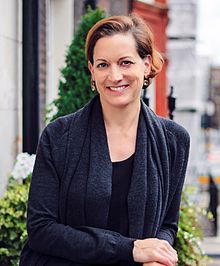
Anne Applebaum
Hb19821970, CC BY-SA 3.0 <https://creativecommons.org/licenses/by-sa/3.0>, via Wikimedia Commons
Upon taking office as the Nation’s 45th President, Donald Trump deliberately set out to attack or undermine one long-cherished public or private institution after another.
Among these:
- American Intelligence agencies: Even before taking office, Trump refused to accept the findings of the FBI, CIA and NSA that Russian Intelligence agents had intervened in the 2016 election to ensure his victory.
- “I think it’s ridiculous,” he told “Fox News Sunday.” “I think it’s just another excuse. I don’t believe it….No, I don’t believe it at all.”
- American military agencies: In 2020, Trump declined to visit an American military cemetery near Paris, and referred to U.S. Marines buried there as “losers” and “suckers.”
- While President, Trump regularly abused military officials, calling Chairman of the Joint Chief of Staff Mark Milley a “dumbass” and his former Secretary of Defense James Mattis “the world’s most overrated general.”

Mark Milley
- The press: On February 17, 2017, Trump tweeted: “The FAKE NEWS media (failing @nytimes, @NBCNews, @ABC, @CBS, @CNN) is not my enemy, it is the enemy of the American People!”
- At the Conservative Political Action Conference (C-PAC)on February 24, 2017, Trump said: “I want you all to know that we are fighting the fake news. It’s fake, phony, fake….I’m against the people that make up stories and make up sources. They shouldn’t be allowed to use sources unless they use somebody’s name. Let their name be put out there.”
- The judiciary: Trump repeatedly attacked Seattle US District Judge James Robart, who halted Trump’s first Muslim travel ban.
- In one tweet, Trump claimed: “Just cannot believe a judge would put our country in such peril. If something happens blame him and court system. People pouring in. Bad!”
- Barack Obama: For five years, Trump popularized the slander that Obama was born in Kenya—and not an American citizen or a legitimate President.
- Trump was later forced to admit he had no evidence to back up his slanderous claims.
* * * * *
Since leaving the White House, Donald Trump has continued to undermine one American institution after another.
- Facing 91 criminal counts in four cases, he has attacked judges, prosecutors, witnesses—and even their family members.
- He has attacked Independent Counsel Jack Smith as “deranged” and accused him of trying to invalidate his candidacy for President in 2024.
- He claims voter fraud where none exists, casting doubt on the integrity of the electoral system.
- He has attacked retired U.S. Army General Mark Milley for calling him “a wannabe dictator,” and said that Milley deserved execution as a traitor.
- He claims himself to be the victim of “the deep state” inside the federal bureaucracy.
- He attacks the integrity of the FBI—causing previously “law and order” Republicans to demand its defunding.
Donald Trump isn’t crazy, as many of his critics charge. He knows exactly what he’s doing—and why.
He intends to strip every potential challenger to his authority—or his version of reality—of legitimacy with the public.
If he succeeds, there will be:
- No independent press to reveal his failures and crimes.
- No independent law enforcement agencies to investigate his abuses of office.
- No independent judiciary to hold him accountable.
- No independent military to dissent as he recklessly hurtles toward a nuclear disaster.
- No candidate—Democrat or Republican—to challenge him for re-election in 2028—or any other year..
- No candidate—Democrat or Republican—to challenge his remaining in office as “President-for-Life.”
2020 PRESIDENTIAL ELECTION, 2024 PRESIDENTIAL ELECTION, ABC NEWS, ABORTION, ADAM SCHIFF, ALTERNET, AMERICABLOG, ANNE APPLEBAUM, AP, ASSASSINATION, AUTOCRACY INC. (BOOK), “PRESIDENT-FOR-LIFE”, BABY BOOMER RESISTANCE, BARACK OBAMA, BBC, BILL O'REILLY, BIRTH CONTROL, BLOOMBERG, BUZZFEED, CAPITOL PUNISHMENT, CBS NEWS, CHINA, CHRISTIANITY, CHRISTIANS, CIA, CNN, CONSERVATIVE POLITICAL ACTION CONFERENCE (C-PAC), CROOKS AND LIARS, DAILY KOS, DEPARTMENT OF HOMELAND SECURITY, DICTATORSHIP, DONALD TRUMP, ENVIRONMENTAL PROTECTION AGENCY, FBI, FEDERAL COMMUNICATIONS COMMISSION (FCC), FEDERAL TRADE COMMISSION (FTC), FIVETHIRTYEIGHT, FOX NEWS SUNDAY, FRANKLIN D. ROOSEVELT, HARPER’S MAGAZINE, HERITAGE FOUNDATION, HUFFINGTON POST, INTELLIGENCE AGENCIES, JACK SMITH, JAMES MATTIS, JANUARY 6 COUP ATTEMPT, JEFF SESSIONS, JOE BIDEN, JUDICIARY, Kamala Harris, KIM JONG-UN, MARK MILLEY, MEDIA MATTERS, MILITARY AGENCIES, MORNING JOE (SHOW), MOTHER JONES, MOVEON, MSNBC, NATIONAL ASSOCIATION OF BLACK JOURNALISTS, NATIONAL OCEANIC AND ATMOSPHERIC ASSOCIATION (NOAA), NATIONAL RIFLE ASSOCIATION, NATIONAL SECURITY AGENCY, NBC NEWS, NEW REPUBLIC, NEWSDAY, NEWSWEEK, NORTH KOREA, NPR, PBS NEWSHOUR, POLITICO, POLITICUSUSA, PRESIDENTIAL TRANSITION PROJECT, PROJECT 2025, PUBLIC TRANSIT SYSTEMS, RAW STORY, REUTERS, ROBERT MUELLER, ROD J. ROSENSTEIN, RUSSIA, SALON, SCARFACE (MOVIE), SEATTLE TIMES, SLATE, TALKING POINTS MEMO, TAX CUTS, THE ATLANTIC, THE CHICAGO SUN-TIMES, THE CHICAGO TRIBUNE, THE DAILY BEAST, THE DAILY BLOG, THE GUARDIAN, THE HILL, THE HUFFINGTON POST, THE INTERCEPT, THE LOS ANGELES TIMES, THE NATION, THE NEW REPUBLIC, THE NEW YORK TIMES, THE NEW YORKER, THE PRESS, THE VILLAGE VOICE, THE WASHINGTON POST, THINKPROGRESS, THOMAS MATTHEW CROOKS, TIME, TRUTHDIG, TRUTHOUT, TURNING POINT BELIEVERS’ SUMMIT, TWO POLITICAL JUNKIES, U.S. NEWS & WORLD REPORT, UNITED STATES DEPARTMENT OF JUSTICE, UPI, USA TODAY, VLADIMIR PUTIN, VOTER FRAUD, X, XI JINPING
In Bureaucracy, History, Law, Law Enforcement, Military, Politics, Social commentary on August 21, 2024 at 12:13 am
Donald Trump’s ambition to become absolute dictator fits brilliantly into the goals of Project 2025, also known as the Presidential Transition Project.
This is a collection of policy proposals to fundamentally reshape the U.S. federal government in the event of a Republican victory in the 2024 Presidential election.
Established in 2022 by the Right-wing Heritage Foundation, the project aims to recruit tens of thousands of radical Right-wingers to the District of Columbia to replace existing federal civil servants.
Under Project 2025:
- Republicans consider federal employees to be subversives who comprise the “deep state.”
- Replacing tenured civil servants with thousands of political hacks will arm Republicans with the power to establish an absolute dictatorship under the next Republican president.
- Republicans believe the Department of Justice has “forfeited the trust” of the American people by investigating Donald Trump’s proven collaboration with Russia to win the 2016 Presidential election.
- As a result, the DOJ must be thoroughly “reformed” and tightly overseen by the White House.
- The director of the FBI must be personally accountable to the President—just as the head of the KGB is personally accountable to Vladimir Putin.

Seal of the Justice Department
- Federal employees could be instantly fired for not obeying illegal orders, or on mere whim—including the whim of the President.
- The Department of Homeland Security would be abolished.
- The Environmental Protection Agency would be stripped of its authority to protect the air, water and soil.
- States would be prevented from adopting stricter regulations on vehicular emissions, like California has done.
- The National Oceanic and Atmospheric Administration (NOAA) which the project calls “one of the main drivers of the climate change alarm industry,” would be abolished.

- Fossil fuels—the leading cause of global warming—would be favored and environmental regulations to combat climate change abolished.
- Federal funding for all public transit systems across the country would be eliminated.
- Traditionally independent federal agencies such as the Department of Justice, Federal Communications Commission and the Federal Trade Commission would be placed under Presidential control.
- The wealthiest 1% would receive massive tax cuts at the expense of the poor and middle class.
- Conception would be designated as the point where life begins.
- Abortion would be outlawed.
- Access to birth control would be sharply restricted, if not banned.
- Christianity would be designated as the official religion of the United States.
- The use of capital punishment would be revived and expanded—and the right of appeals sharply restricted.
Trump has prospered by slandering Democrats as “Marxists,” “Socialists” and “Communists.” And other Republicans have also deployed the terms. Yet he has repeatedly expressed admiration for such brutal Communist dictators as Russia’s Vladimir Putin, North Korea’s Kim Jong-Un and China’s Xi Jinping.
In a closed-door speech to Republican donors on March 3, 2018, then-President Trump had revealed his ultimate intention: To overthrow America’s constitutional government.
He praised China’s President, Xi Jinping, for recently assuming full dictatorial powers: “He’s now president for life. President for life. No, he’s great. And look, he was able to do that. I think it’s great. Maybe we’ll have to give that a shot some day.”
The statement was greeted with cheers and laughter by Republican donors.
He has lavishly praised Russian dictator Vladimir Putin, such as during his appearance on the December 18, 2015 edition of MSNBC’s “Morning Joe”:
“He’s running his country, and at least he’s a leader, unlike what we have in this country”—-a reference to then-President Barack Obama.
During a February, 2017 interview with Fox News host Bill O’Reilly, Trump defended Putin’s killing of political opponents.
O’Reilly: “But he’s a killer.”
Trump: “There are a lot of killers. You think our country’s so innocent?”
Another Communist dictator he has lavishly praised is North Korea’s Kim Jong-Un. Asked by a Fox News reporter why he did so, he replied:
“He’s a tough guy. Hey, when you take over a country, tough country, tough people, and you take it over from your father…If you could do that at 27 years old, I mean, that’s one in 10,000 that could do that.”
in short: Kim must be doing something right, because he’s in power. And it doesn’t matter how he came to power—or the price his country is paying for it.
Asked about his relationship with Kim, Trump infamously said: “[Kim] wrote me beautiful letters and they’re great letters. We fell in love.”
Upon taking office as the Nation’s 45th President, Donald Trump attacked or undermined one public or private institution after another.
Among these:
- American law enforcement agencies: Trump repeatedly attacked his own Attorney General, Jeff Sessions, for not “protecting” him from agents pursuing the Russia investigation.
- On November 8, 2018, Trump abruptly fired him, following Democrats’ winning control of the House in the 2018 midterm elections.
- He threatened to fire Rod J. Rosenstein, the deputy attorney general, who oversaw Special Counsel Robert Mueller’s investigation into Russian subversion of the 2016 election.
- He intended to fire Mueller during the summer of 2017, but was talked out of it by aides fearful that it would set off calls for his impeachment.
- When FBI Director James Comey dared to pursue a probe into “the Russia thing,” Trump fired him without warning.
2020 PRESIDENTIAL ELECTION, 2024 PRESIDENTIAL ELECTION, ABC NEWS, ABORTION, ADAM SCHIFF, ALTERNET, AMERICABLOG, ANNE APPLEBAUM, AP, ASSASSINATION, AUTOCRACY INC. (BOOK), “PRESIDENT-FOR-LIFE”, BABY BOOMER RESISTANCE, BARACK OBAMA, BBC, BILL O'REILLY, BIRTH CONTROL, BLOOMBERG, BUZZFEED, CAPITOL PUNISHMENT, CBS NEWS, CHINA, CHRISTIANITY, CHRISTIANS, CIA, CNN, CONSERVATIVE POLITICAL ACTION CONFERENCE (C-PAC), CROOKS AND LIARS, DAILY KOS, DEPARTMENT OF HOMELAND SECURITY, DICTATORSHIP, DONALD TRUMP, ENVIRONMENTAL PROTECTION AGENCY, FBI, FEDERAL COMMUNICATIONS COMMISSION (FCC), FEDERAL TRADE COMMISSION (FTC), FIVETHIRTYEIGHT, FOX NEWS SUNDAY, FRANKLIN D. ROOSEVELT, HARPER’S MAGAZINE, HERITAGE FOUNDATION, HUFFINGTON POST, INTELLIGENCE AGENCIES, JACK SMITH, JAMES MATTIS, JANUARY 6 COUP ATTEMPT, JEFF SESSIONS, JOE BIDEN, JUDICIARY, Kamala Harris, KIM JONG-UN, MARK MILLEY, MEDIA MATTERS, MILITARY AGENCIES, MORNING JOE (SHOW), MOTHER JONES, MOVEON, MSNBC, NATIONAL ASSOCIATION OF BLACK JOURNALISTS, NATIONAL OCEANIC AND ATMOSPHERIC ASSOCIATION (NOAA), NATIONAL RIFLE ASSOCIATION, NATIONAL SECURITY AGENCY, NBC NEWS, NEW REPUBLIC, NEWSDAY, NEWSWEEK, NORTH KOREA, NPR, PBS NEWSHOUR, POLITICO, POLITICUSUSA, PRESIDENTIAL TRANSITION PROJECT, PROJECT 2025, PUBLIC TRANSIT SYSTEMS, RAW STORY, REUTERS, ROBERT MUELLER, ROD J. ROSENSTEIN, RUSSIA, SALON, SCARFACE (MOVIE), SEATTLE TIMES, SLATE, TALKING POINTS MEMO, TAX CUTS, THE ATLANTIC, THE CHICAGO SUN-TIMES, THE CHICAGO TRIBUNE, THE DAILY BEAST, THE DAILY BLOG, THE GUARDIAN, THE HILL, THE HUFFINGTON POST, THE INTERCEPT, THE LOS ANGELES TIMES, THE NATION, THE NEW REPUBLIC, THE NEW YORK TIMES, THE NEW YORKER, THE PRESS, THE VILLAGE VOICE, THE WASHINGTON POST, THINKPROGRESS, THOMAS MATTHEW CROOKS, TIME, TRUTHDIG, TRUTHOUT, TURNING POINT BELIEVERS’ SUMMIT, TWO POLITICAL JUNKIES, U.S. NEWS & WORLD REPORT, UNITED STATES DEPARTMENT OF JUSTICE, UPI, USA TODAY, VLADIMIR PUTIN, VOTER FRAUD, X, XI JINPING
In Bureaucracy, History, Law, Law Enforcement, Military, Politics, Social commentary on August 20, 2024 at 12:10 am
“I always tell the truth. Even when I lie.”
—Tony Montana, “Scarface”
“Four more years, it’ll be fixed, it’ll be fine, you won’t have to vote anymore.”
On July 26, former President Donald Trump confirmed—intentionally or unintentionally—that the fears of his enemies were correct. If he won office for a second time, he would act as the all-powerful dictator he has long lusted to be.
And which he nearly became in 2020, after refusing to accept the outcome of a legitimate Presidential election where former Vice President Joe Biden got more votes than he did.
The site of his confession was the Turning Point Believers’ Summit in West Palm Beach, Florida. To his audience of evangelical Christians, Trump announced:

“You gotta get out and vote. Just this time. In four years you don’t have to vote, OK? In four years don’t vote, I don’t care. But we’ll have it all straightened out, so it’ll be much different.
“Christians, get out and vote! Just this time. You won’t have to do it anymore, you know what? Four more years. You know what? It’ll be fixed! It’ll be fine! You won’t have to vote anymore, my beautiful Christians. I love you, Christians! I’m a Christian.
“I love you, you got to get out and vote. In four years, you don’t have to vote again. We’ll have it fixed so good, you’re not going to have to vote.”
Why would they not have to vote again? Because there won’t be any more elections for President because Trump would be President until he died.
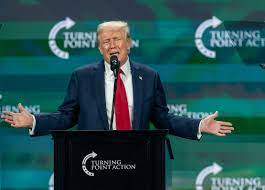
Donald Trump at Turning Point Believers’ Summit
From the moment Trump declared his candidacy for the Presidency on June 15, 2015, throughout his four years in office and the almost eight months the Presidential campaign of 2024, much of the mainstream media has repeatedly ignored the threats he poses.
But Trump’s comments at the Turning Point Believers’ Summit have grabbed attention from the nation’s most important news media. Among these:
- MSN Metro
- Reuters
- CBS News
- The New York Times
- Mother Jones
- News Nation
- USA Today
- Newsweek
- The Hill
- CNN
- National Public Radio
- The Washington Post
Democrats pounced on Trump’s statements. Vice President Kamala Harris released a statement of her own: “When Vice President Harris says this election is about freedom she means it.”
Rep. Adam Schiff (D-Calif.) who had presided over Trump’s first impeachment trial, wrote: “This year democracy is on the ballot, and if we are to save it, we must vote against authoritarianism.”
Naturally Trump’s campaign disagreed: “President Trump was talking about the importance of faith, uniting this country and bringing prosperity to every American, as opposed to the divisive political environment that has sowed so much division and even resulted in an assassination attempt.”
In fact, it has been Donald Trump who created “the divisive political environment.” On July 31 he appeared at the National Association of Black Journalists—to falsely accuse Kamala Harris of misleading voters about her race:
“I didn’t know she was Black until a number of years ago when she happened to turn Black and now she wants to be known as Black. So, I don’t know, is she Indian or is she Black?”
As for the motives for Thomas Matthew Crooks’ July 13 assassination attempt on Trump: A vigorous FBI investigation has revealed him as an intelligent loner with few friends, a thin social media presence and no strong political beliefs offering a motive for his action.
If Trump wins a second term in the White House, he can—by law—serve only four years. But Trump has spent his entire life defying the law—including when he was President.
His most egregious offense came after he lost the 2020 Presidential election: He refused to accept his defeat, refused to leave office, tried to pressure states to “find” non-existent Electoral College votes for him, and finally incited a violent riot against Congress to stop the Electoral Vote count.

Stormtrumpers attacking the Capitol Building
Tyler Merbler from USA, CC BY 2.0 <https://creativecommons.org/licenses/by/2.0>, via Wikimedia Commons
In May, 2024, speaking at a National Rifle Association gathering, Trump “joked” about serving more than two terms as president.
He referred to the four-term, 12-year Presidency of Democratic Franklin D. Roosevelt. Roosevelt was the only president to serve more than two terms. The two-term limit was added after Roosevelt’s death.
“You know, FDR, 16 years—almost 16 years—he was four terms. I don’t know, are we going to be considered three-term? Or two-term?”
By raising the question of “three terms,” Trump was resurrecting The Big Lie: That he won the 2020 Presidential campaign but was cheated of victory by massive voter fraud.
In fact, Trump’s ambition to become absolute dictator fits brilliantly into the goals of Project 2025, also known as the Presidential Transition Project.
This is a collection of policy proposals to fundamentally reshape the U.S. federal government in the event of a Republican victory in the 2024 Presidential election.
Established in 2022 by the Right-wing Heritage Foundation, the project aims to recruit tens of thousands of radical Right-wingers to the District of Columbia to replace existing federal civil servants.
1984 NOVEL, 2020 PRESIDENTIAL ELECTION, ABC NEWS, ADOLF HITLER, AFFORDABLE HEALTHCARE ACT, ALTERNET, ALVIN BRAGG, AMERICABLOG, ANDREW CLYDE, ANN COULTER, AP, ARIZONA, ARIZONA SHOOTINGS, ASHLI BABBITT, ASSASSINATION, BABY BOOMER RESISTANCE, BARACK OBAMA, BARRON TRUMP, BBC, BILL CLINTON, BIRTHERS, BLACKS, BLOOMBERG NEWS, BUZZFEED, CBS NEWS, CHILD MOLESTERS, CHRISTINA-TAYLOR GREEN, CLASSIFIED DOCUMENTS, CNN, CONFEDERATE FLAG, CROOKS AND LIARS, CVS, DAILY KOS, DEMOCRATIC PARTY, DEMOCRATS, DENNIS HASTERT, DEVIN NUNES, DICK ARMEY, DICK MORRIS, DONALD TRUMP, FAMILY RESEARCH COUNCIL, FANNI WILLIS, FBI, FIVETHIRTYEIGHT, FRANKLIN D. ROOSEVELT, GABRIELLE GIFFORDS, GAYS, GEORGE H.W. BUSH, GEORGE ORWELL, GEORGE W. BUSH, GLENN BECK, HARPER’S MAGAZINE, HARRY S. TRUMAN, HATE CRIMES, HEALTHCARE, HISPANICS, HOUSE OVERSIGHT COMMITTEE, HUFFINGTON POST, JACK SMITH, JAN BREWER, JANUARY 6 COUP ATTEMPT, JGB BUSH, JIM JORDAN, JOSEPH MCCARTHY, JOSEPH R. BIDEN, JOSEPH STALIN, JOSH DUGGAR, KANSAS, LAUREN BOEBERT, LESBIANS, MARJORIE TAYLOR GREEN, MATT GAETZ, MEDIA MATTERS, MEIN KAMPF, MELANIA TRUMP, MICHAEL COHEN, MICHAEL SAVAGE, MICHELE BACHMANN, MIKE HUCKABEE, MIKE PENCE, MOTHER JONES, MOVEON, MSNBC, MUSLIMS, NBC NEWS, NEW REPUBLIC, NEWSDAY, NEWSWEEK, NEWT GINGRICH, NPR, ORACLE, PBS NEWSHOUR, PHIL GRAMM, POLITICO, POLITICUSUSA, PROPAGANDA, RAFAEL "TED" CRUZ, RAW STORY, RELIGIOUS FREEDOM RESTORATION ACT, REP. GABRIELLE GIFFORDS, REPUBLICAN PARTY, REPUBLICANS, REUTERS, RICHARD NIXON, RICK PERRY, RODNEY KING RIOTS, ROLLING STONE MAGAZINE, RUSH LIMBAUGH, SALON, Sarah Palin, SEAN HANNITY, SEATTLE TIMES, SHARIA LAW, SLATE, SOUTH DAKOTA, SOVIET UNION, SPIRO AGNEW, STEVE BANNON, STORMY DANIELS, TALKING POINTS MEMO, TEA PARTY, TERRORISM, THE ATLANTIC, THE CHICAGO SUN-TIMES, THE CHICAGO TRIBUNE, THE DAILY BEAST, THE DAILY BLOG, THE GUARDIAN, THE HILL, THE HUFFINGTON POST, THE INTERCEPT, THE LOS ANGELES TIMES, THE NATION, THE NEW REPUBLIC, THE NEW YORK TIMES, THE NEW YORKER, THE VILLAGE VOICE, THE WASHINGTON POST, THINKPROGRESS, TIME, TRUTHDIG, TRUTHOUT, U.S. DISTRICT JUDGE JOHN ROLL, U.S. MARSHALS SERVICE, U.S. NEWS & WORLD REPORT, UNITED STATES HOUSE OF REPRESENTATIVES, UNITED STATES SENATE, UPI, USA TODAY, WOMEN, WORLD WAR 11, X
In Bureaucracy, History, Law, Law Enforcement, Medical, Politics, Social commentary on July 19, 2024 at 12:05 am
To understand Republicans’ behavior, you need to understand the word “projection.”
As defined by psychologists, “projection” means unconsciously taking unwanted emotions or traits you don’t like about yourself and attributing them to someone else.
Except that, with Republicans, there is nothing unconscious about attributing their own evil intentions and/or actions to those they hate.
To cite a current example: “Weaponizing” is a word now in vogue among Republicans. As in: “By appointing a Special Counsel to investigate former President Donald Trump, the Department of Justice (DOJ) proves that Democrats have weaponized Federal law enforcement.”
Republicans conveniently refuse to say why the Justice Department appointed former DOJ official Jack Smith to that position: Because, before leaving the White House, Trump shipped more than 300 highly classified documents in 15 boxes to his estate in Mar-a-Lago.
Jack Smith
As an ex-President, he had no right to possess any of these documents.
Moreover, he not only illegally took these documents, he lied to government investigators that he had not done so. It took an August 8, 2022 FBI raid on Mar-a-Lago to retrieve them.
Then there’s the matter of the January 6, 2021 defendants.
They are so named because, on that date, Trump incited his followers to violently attack the United States Capitol Building. Their goal: To prevent Republicans and Democrats from counting the Electoral Votes cast in the 2020 Presidential election.
Trump fully understood that an accurate count of those votes would reveal his loss to former Vice President Joe Biden: 306 votes for Biden, compared with 232 for Trump.
The Stormtrumpers marched to the United States Capitol—and quickly brushed aside Capitol Police, who made little effort to arrest or shoot them.
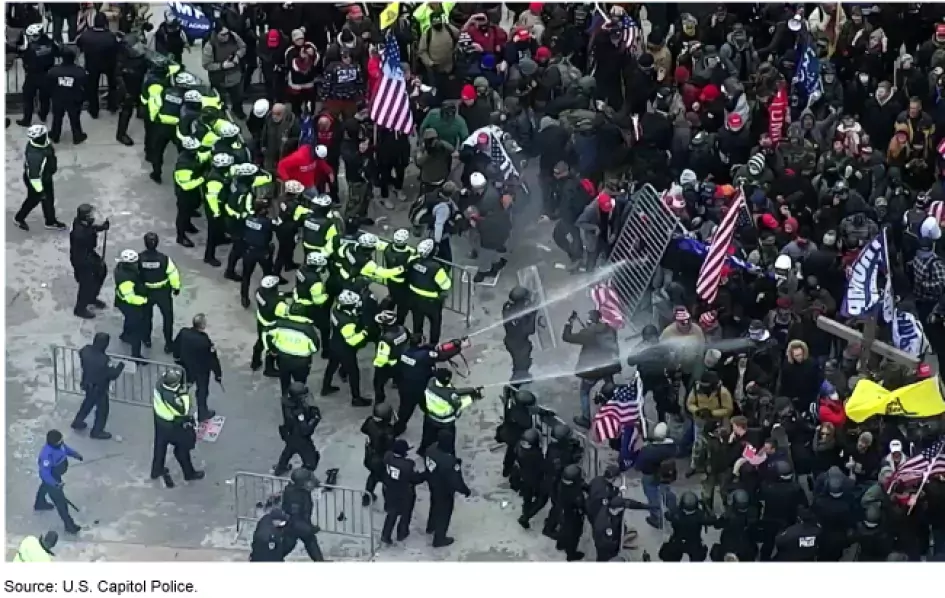
Capitol Police facing off with Stormtrumpers
- Approximately 140 police officers were assaulted.
- A gallows was erected in front of the Capitol.
- Members of the mob attacked police with chemical agents or lead pipes.
- Improvised explosive devices were found in several locations in Washington, D.C.
- A Capitol Hill police officer was knocked off his feet, dragged into the mob surging toward the building, and beaten with the pole of an American flag.
- Several rioters carried plastic handcuffs, possibly intending to take hostages.
- Others carried treasonous Confederate flags.
- Blue-and-white TRUMP flags floated above the crowd.
- Shouts of “Hang [Vice President] Mike Pence!” often rang out.
- Many of the lawmakers’ office buildings were occupied and vandalized—including that of House Speaker Nancy Pelosi, a favorite Right-wing target.
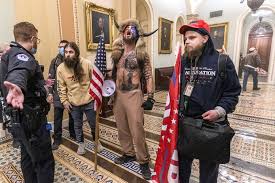
Stormtrumpers inside the Capitol Building
More than three hours passed before police—using riot gear, shields and batons—retook control of the Capitol.
By December, 2023, 728 participants in the coup attempt had pleaded guilty. Another 166 defendants had been convicted at trial; a total of 749 defendants have been sentenced; 467 have been sentenced to prison.
Yet Republicans—most notably Rep. Marjorie Taylor Greene (R-GA)—have depicted these coup supporters as persecuted martyrs.
On March 24, 2022, members of the Republicans’ House Oversight Committee toured a Washington, D.C. jail where some of these defendants were held.
“Their due process rights are being violated. And they have been mistreated and treated as political prisoners,” Greene told reporters after the tour.

Marjorie Taylor Greene
Rep. Lauren Boebert (R-CO), another member of the tour, exchanged hugs with with Micki Witthoeft, the mother of Ashli Babbitt. Babbitt had been shot by police as she forced her way into the House Chamber where members of Congress were sheltering in place.
Republicans‘ fixation on “weaponization” centers on Trump’s facing 91 criminal offenses in four criminal cases.
These relate to Trump’s
- Attempts to overturn the results of the 2020 election;
- Election interference in Georgia;
- Falsifying business records in New York; and
- Mishandling classified records after leaving the presidency.
Donald Trump is the first former president in American history to be criminally indicted.
For Republicans, prosecutors’ daring to hold Trump accountable for his litany of crimes amounts to “election interference.” As if winning office through the efforts of Russian dictator Vladimir Putin has conferred “untouchable” status upon him.
As a result, Republicans have made unprecedented efforts to undermine these prosecutions.
Rep. Andrew Clyde, R-Ga., a Trump ally who sits on the Appropriations Committee, introduced two amendments to eliminate federal funding for all three of Trump’s prosecutors—Special Counsel Jack Smith, Fulton County District Attorney Fani Willis and Manhattan District Attorney Alvin Bragg.
Rep. Matt Gaetz, R-Fla., is also trying to cut off funding for Smith’s office.
Republicans have in the past championed “states’ rights” against “federal overreach.” But now that their former President finds himself facing the consequences of his own criminality, they are eager to abort state-level prosecutions.
At the same time, they slander President Joseph Biden as “weaponizing” the Justice Department against his political rival.
In George Orwell’s classic novel, 1984, the dictatorship ruling Oceania offers the following slogan for its citizens:
WAR IS PEACE
FREEDOM IS SLAVERY
IGNORANCE IS STRENGTH
Republicans would have Americans believe
- The attempted overturning of a legitimate Presidential election was an act of patriotism;
- An ex-President taking classified materials to which he had no right was entirely justified; and
- Donald Trump has an absolute right to commit any crime he desires.


 Bureaucracybuster's Blog
2020 PRESIDENTIAL ELECTION, 2024 PRESIDENTIAL ELECTION, ABC NEWS, ABUSE OF POWER, ADOLF HITLER, AILEEN CANNON, ALTERNET, AMERICABLOG, AP, ASSASSINATION, BABY BOOMER RESISTANCE, BBC, BLOOMBERG, BUZZFEED, CBS NEWS, CLASSIFIED DOCUMENTS, CLAUS VON STAUFFENBERG, CNN, COVID-19, CROOKS AND LIARS, DAILY KOS, DEMOCRATIC PARTY, DONALD TRUMP, ELECTORAL COLLEGE, FBI, FEDERAL EMERGENCY MANAGEMENT AGENCY, FIVETHIRTYEIGHT, HARPER’S MAGAZINE, HITLER: ASCENT (BOOK), HUFFINGTON POST, HUNTER BIDEN, IMPEACHMENT, INTERNATIONAL BROTHERHOOD OF TEAMSTERS, JACK SMITH, JAMAL KHASHOOGI, JAMES COMER, JANUARY 6 COUP ATTEMPT, JARED KUSHNER, JIMMY HOFFA, JOSEPH BIDEN, KEVIN MCCARTHY, MAR-A-LAGO, MARJORIE TAYLOR GREENE, MEDIA MATTERS, MEIN KAMPF, MERRICK GARLAND, MOHAMMED BIN SALMAN, MOTHER JONES, MOVEON, MSNBC, NAZI GERMANY, NAZIS, NBC NEWS, NEW REPUBLIC, NEWSDAY, NEWSWEEK, NPR, OBSTRUCTION OF CONGRESS, PBS NEWSHOUR, POLITICO, POLITICUSUSA, RAW STORY, REPUBLICAN PARTY, REUTERS, ROBERT F. KENNEDY, SALON, SEATTLE TIMES, SLATE, TALKING POINTS MEMO, THE ATLANTIC, THE CHICAGO SUN-TIMES, THE CHICAGO TRIBUNE, THE DAILY BEAST, THE DAILY BLOG, THE GUARDIAN, THE HILL, THE HUFFINGTON POST, THE INTERCEPT, THE LOS ANGELES TIMES, THE NATION, THE NEW REPUBLIC, THE NEW YORK TIMES, THE NEW YORKER, THE VILLAGE VOICE, THE WASHINGTON POST, THINKPROGRESS, THOMAS MATTHEW CROOKS, TIME, TRUTHDIG, TRUTHOUT, TWO POLITICAL JUNKIES, U.S. NEWS & WORLD REPORT, UNITED STATES DEPARTMENT OF JUSTICE, UNITED STATES HOUSE OF REPRESENTATIVES, UNITED STATES SECRET SERVICE, UNITED STATES SENATE, UPI, USA TODAY, VOLKER ULLRICH, WEIMAR REPUBLIC, X
HOW TRUMP WON IN 2024: WHAT DIDN’T HAPPEN–PART TWO (END)
In Bureaucracy, History, Law, Law Enforcement, Medical, Politics, Social commentary on December 18, 2024 at 12:47 amThere were numerous instances where intervention by Federal legislators or law enforcement authorities could have utterly changed the outcome of the 2024 Presidential election.
Case #5: Even after Donald Trump left office, the Justice Department treated him with a deference not shown any other criminal defendant.
He was allowed, for example, to hurl insults and threats at Special Counsel Jack Smith and even Smith’s family.
One such post, published on Trump’s website, Truth Social, went: “Deranged Jack Smith, who is a sick puppet for A.G. Garland & Crooked Joe Biden, should be DEFUNDED & put out to rest. Republicans must get tough or the Dems will steal another Election. MAGA!”
By “A.G. Garland” Trump meant Attorney General Merrick Garland. By “put out to rest,” he meant that his followers should assassinate Smith.
Not even Mafia bosses like Charles “Lucky” Luciano and Albert “The Executioner” Anastasia dared issue such a threat.
Jack Smith
By contrast: From 1957 to 1971, Jimmy Hoffa was president of the International Brotherhood of Teamsters. But that didn’t prevent Robert F. Kennedy’s Justice Department from indicting him on May 18, 1962, for accepting $1 million from a trucking company in exchange for labor peace.
After beating the case through jury tampering, he was again indicted—for jury tampering—and convicted on March 4, 1964. He was sentenced to eight years in prison and a $10,000 fine.
No one in the Kennedy Justice Department said: “He’s the elected president of the Teamsters Union—so we can’t touch him.” Yet that is precisely how the Biden Justice Department repeatedly acted—simply because, in 2016, he won a Presidential election.
Case 6: Throughout his struggles to stay out of prison, Trump was aided by the unrelenting support of the Republican party.
Republicans loudly and repeatedly claimed that, by appointing a Special Counsel to investigate Trump, the Democrats had weaponized Federal law enforcement.
Republicans refuse to acknowledge the criminal charges which led to the Justice Department appointing former DOJ official Jack Smith to that position. They also fully support Trump’s demand for the release of those who attacked the Capitol Building on January 6, 2021.
For example: Rep. Marjorie Taylor Greene (R-GA) has depicted these coup supporters as persecuted martyrs.
On March 24, 2022, members of the Republicans’ House Oversight Committee toured a Washington, D.C. jail where some of these defendants were held. “Their due process rights are being violated. And they have been mistreated and treated as political prisoners,” Greene told reporters after the tour.
Adolf Hitler similarly portrayed as martyrs the Nazis who tried to violently overthrow the government of Bavaria on November 9, 1923.
Case 7: While Congressional Republicans have relentlessly investigated President Joe Biden and his family, Democrats have refused to similarly investigate Trump’s family.
The United States House Oversight Committee opened its investigation into the Biden family on January 11, 2023. The investigation included the foreign business activities of Biden’s son, Hunter, and brother, James.
By November 2023, the investigation had not found any evidence of wrongdoing by President Biden.
Democrats, by contrast, have not probed why Jared Kushner, Donald Trump’s son-in-law and former White House adviser, received $2 billion from Saudi Arabia’s Crown Prince Mohammed bin Salman. The money came to Kushner’s private equity firm after Kushner left the White House in 2021.
Jared Kushner
Salman has been implicated by U.S. Intelligence reports in the 2018 torture and dismemberment of Washington Post columnist Jamal Khashoggi. When asked if he believed the reports, Kushner said: “Are we really still doing this?”
Democrats have also refused to investigate the Trump administration’s illegally seizing vitally-needed medical supplies in at least seven states during the COVID-19 pandemic.
The Federal Emergency Management Agency (FEMA) did not publicly report the thefts, despite the outlay of millions of dollars of taxpayer money. Nor did the administration explain how it decided which supplies to seize and where to reroute them.
The Federal Government did not inform states whose supplies it seized if they would receive the materials they ordered and paid for.
Case 8: On July 13, 2024, Trump was shot and slightly wounded in his right ear while speaking at an open-air Presidential campaign rally near Butler, Pennsylvania.
The would-be assassin, Thomas Matthew Crooks, fired eight rounds from an AR-15 style rifle from the roof of a nearby building. Trump dived for cover behind his lectern, as the shooter killed one audience member and critically injured two others.
Crooks was shot and killed seconds later by the Secret Service’s Counter Sniper Team.
Had Trump not slightly turned his head at the moment Crooks fired, Republicans would have been forced to choose another nominee.
In addition, Trump would not have been alive to win the 2024 Presidential election and openly threaten to imprison the Justice Department prosecutors who sought to hold him accountable for his litany of crimes.
The assassination attempt calls to mind that by Colonel Claus Schenk von Stauffenberg on July 20, 1944, to kill Adolf Hitler with a briefcase bomb. Had he succeeded, the war in Europe would no doubt have ended far earlier, with countless lives being saved.
Case 9: On November 5, Americans faced a choice between a former prosecutor and a convicted felon for President.
They chose the felon—partly out of hatred for illegal aliens and partly out of anger at high grocery prices.
Share this: