Posts Tagged ‘ANDREW JACKSON’
2012 PRESIDENTIAL ELECTION, 2016 PRESIDENTIAL RACE, ABC NEWS, AL GORE, ALTERNET, AMERICABLOG, ANDREW JACKSON, AP, BABY BOOMER RESISTANCE, BARACK OBAMA, BBC, BC NEWS, BLOOMBERG, BLUESKY, BUZZFEED, CBS NEWS, CNN, CROOKS AND LIARS, DAILY KOS, DONALD TRUMP, ELECTORAL COLLEGE, FACEBOOK, FIVETHIRTYEIGHT, GEORGE W. BUSH, HARPER’S MAGAZINE, HUFFINGTON POST, JOHN C. CALHOUN, MEDIA MATTERS, MITT ROMNEY, MOTHER JONES, MOVEON, MSNBC, NBC NEWS, NEW REPUBLIC, NEWSDAY, NEWSWEEK, NPR, PBS NEWSHOUR, POLITICO, POLITICUSUSA, RAW STORY, REPUBLICANS, REUTERS, SALON, SEATTLE TIMES, SLATE, TALKING POINTS MEMO, THE ATLANTIC, THE CHICAGO SUN-TIMES, THE CHICAGO TRIBUNE, THE DAILY BEAST, THE DAILY BLOG, THE GUARDIAN, THE HILL, THE HUFFINGTON POST, THE INTERCEPT, THE LOS ANGELES TIMES, THE NATION, THE NEW REPUBLIC, THE NEW YORK TIMES, THE NEW YORKER, THE VILLAGE VOICE, THE WALL STREET JOURNAL, THE WASHINGTON POST, THINKPROGRESS, TIME, TREASON, TRUTHDIG, TRUTHOUT, TWITTER, TWO POLITICAL JUNKIES, U.S. NEWS & WORLD REPORT, UPI, USA TODAY, X
In Bureaucracy, History, Law, Military, Politics, Social commentary on September 1, 2016 at 12:07 am
As the 2016 Presidential race gets ever closer to the finish, it’s well to consider Donald Trump’s ideas about democracy.
In 2011, as the 2012 Presidential race began heating up, Trump didn’t have a very high opinion of Mitt Romney, the man who then seemed the likely Republican nominee for President.
On April 17, 2011, toying with the idea of entering the Presidential race himself, the always self-promoting Trump said this about Romney, the former Massachusetts governor and GOP candidate:
“He’d buy companies. He’d close companies. He’d get rid of jobs. I’ve built a great company. I’m a much bigger businessman and have a much, much bigger net worth. I mean my net worth is many, many, many times Mitt Romney.
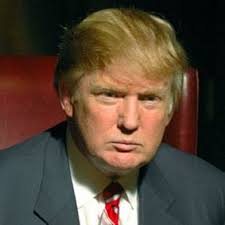
Donald Trump
“Mitt Romney is a basically small-business guy, if you really think about it. He was a hedge fund. He was a funds guy. He walked away with some money from a very good company that he didn’t create. He worked there. He didn’t create it.”
Trump added that Bain Capital, the hedge fund where Romney made millions of dollars before running for governor, didn’t create any jobs. Whereas Trump claimed that he—Trump—had created “hundreds of thousands of jobs.”
So Romney himself may have been puzzled when Trump announced, on February 2, 2012: “It’s my honor, real honor, and privilege to endorse Mitt Romney” for President.
“Mitt is tough, he’s smart, he’s sharp, he’s not going to allow bad things to continue to happen to this country that we all love. So, Governor Romney, go out and get ‘em. You can do it,” said Trump.
And Romney, in turn, had his own swooning-girl moment: “I’m so honored to have his endorsement….There are some things that you just can’t imagine in your life. This is one of them.”
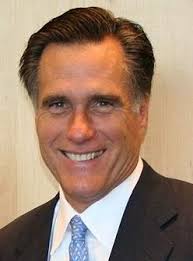
Mitt Romney
Throughout the 2012 Presidential race, Trump continued to “help” Romney—by repeatedly accusing President Barack Obama of not being an American citizen.
Had that been true, Obama would not have had the right to be President—since the Constitution says that only an American citizen can hold this position.
Of course, that was entirely what Trump wanted people to believe—that Obama was an illegitimate President, and deserved to be thrown out.
Come election night—and disaster for Romney. And Trump.
When it became clear that Romney was not going to be America’s 45th President, Trump went ballistic on Twitter. Among his tweets:
- More votes equals a loss…revolution!
- Lets fight like hell and stop this great and disgusting injustice! The world is laughing at us.
- We can’t let this happen. We should march on Washington and stop this travesty. Our nation is totally divided!
- The phoney electoral college made a laughing stock out of our nation. The loser one!
- He lost the popular vote by a lot and won the election. We should have a revolution in this country!
To put Trump’s rants into real-world perspective:
- According to Trump, the electoral process works when a Republican wins the Presidency. It only doesn’t work when a Democrat wins.
- “We should march on Washington” conjures up images of another Fascist–Benito Mussolini–marching on Rome at the head of his Blackshirts to seize power. Which, in a democracy, is treason.
- “The phoney electoral college made a laughing stock out of our nation. The loser one!”
This last is startling, on three counts:
First, the 2012 Republican Platform spoke lovingly about the need for preserving the Electoral College:
“We oppose the National Popular Vote Interstate Compact or any other scheme to abolish or distort the procedures of the Electoral College.
“We recognize that an unconstitutional effort to impose ‘national popular vote’ would be a mortal threat to our federal system and a guarantee of corruption as every ballot box in every state would become a chance to steal the presidency.”
Second, the loser didn’t win: He lost. With votes still being counted (as of November 8) Obama got 60,652,238. Romney got 57,810,407.
Third, in 2000, Al Gore won the popular vote (50,999,897) to George W. Bush’s 50,456,002. But Bush trounced Gore in the Electoral College (271 to 266).
Still, that meant Bush—not Gore—would head the country for the next eight years. And that was perfectly OK with right-wingers like Trump.
It was only when Obama won the Electoral College count by 332 to 206 that this was—according to Trump–a “travesty.”
And Trump’s solution if voters dare to elect someone other than Trump’s pet choice: “Revolution!”
This comes perilously close to advocating violent overthrow of the government. Otherwise known as treason–a crime traditionally punished by execution, or at least lengthy imprisonment.
When former President Andrew Jackson was close to death, he asked his doctor: What act of my administration will be most severely condemned by future Americans?

Andrew Jackson
The doctor threw out a couple of guesses.
“Not at all!” replied Jackson. “Posterity will condemn me more because I was persuaded not to hang John C. Calhoun [the South Carolina Senator who created the doctrine of “secession” that ultimately led to the Civil War] as a traitor than for any other act in my life!”
If Donald Trump inherits control of America’s nuclear weapons, future historians—if there are any—may feel that Barack Obama should have done the same for Trump.
ABC NEWS, ALAMO, ANDREW JACKSON, CAMERON JUDD, CBS NEWS, CNN, CROCKETT OF TENNESSEE, DAVID CROCKETT, DAVY CROCKETT: KING OF THE WILD FRONTIER, DONALD TRUMP, FACEBOOK, INDIAN WARS, JAMES BOWIE, MITT ROMNEY, NBCNEWS, TEXAS REVOLUTION, THE CHICAGO SUN-TIMES, THE CHICAGO TRIBUNE, THE LOS ANGELES TIMES, THE NEW YORK TIMES, THE WASHINGTON POST, TWITTER, WALT DISNEY, WILLIAM BARRET
In Business, History, Military, Politics, Social commentary on August 5, 2016 at 1:26 am
March 6, 2016, marked the 180th anniversary of the fall of the Alamo, a crumbling former Spanish mission in the heart of San Antonio, Texas.
It’s one of those battles like Thermopylae that have passed from history into legend.
It’s been the subject of novels, movies, biographies, histories and TV dramas (most notably Walt Disney’s 1955 “Davy Crockett: King of the Wild Frontier”).
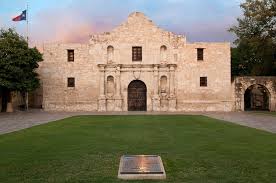
The Alamo
Perhaps the most extraordinary scene in any Alamo movie or book occurs in the 1993 novel, Crockett of Tennessee, by Cameron Judd.
And it is no less affecting for its being–so far as we know–entirely fictional.
It’s March 5, 1836–the last night of life for the Alamo garrison. The night before the 2,000 men of the Mexican Army hurl themselves at the former mission and slaughter its 200 “Texian” defenders.
The fort’s commander, William Barret Travis, has drawn his “line in the sand” and invited the garrison to choose: To surrender, to try to escape, or to stay and fight to the death.
And the garrison–except for one man–chooses to stay and fight.
For the garrison, immortality lies only hours away. Or does it?
An hour after deciding to stand and die in the Alamo, wrapped in the gloom of night, Crockett is seized with paralyzing fear.
“We’re going to die here,” he chokes out to his longtime friend, Persius Tarr. “You understand that, Persius? We’re going to die!”

“I know, Davy. But there ain’t no news in that,” says Tarr. “We’re born to die. Every one of us. Only difference between us and most everybody else is we know when and where it’s going to be.”
“But I can’t be afraid–not me. I’m Crockett. I’m Canebrake Davy. I’m half-horse, half-alligator.”
“I know you are, Davy,” says Tarr. “So do all these men here. That’s why you’re going to get past this.
“You’re going to put that fear behind you and walk back out there and fight like the man you are. The fear’s come and now it’s gone. This is our time, Davy.”
“The glory-time,” says Crockett.
“That’s right, David. The glory-time.”
And then Tarr delivers a sentiment wholly alien to money-obsessed men like Mitt Romney and Donald Trump–who comprise the richest and most privileged 1% of today’s Americans.
“There’s men out there with their eyes on you. You’re the only thing keeping the fear away from them. You’re joking and grinning and fiddling–it gives them courage they wouldn’t have had without you.
“Maybe that’s why you’re here, Davy–to make the little men and the scared men into big and brave men. You’ve always cared about the little men, Davy. Remember who you are.
“You’re Crockett of Tennessee, and your glory-time has come. Don’t you miss a bit of it.”
The next morning, the Mexicans assault the Alamo. Crockett embraces his glory-time–and becomes a legend for all-time.
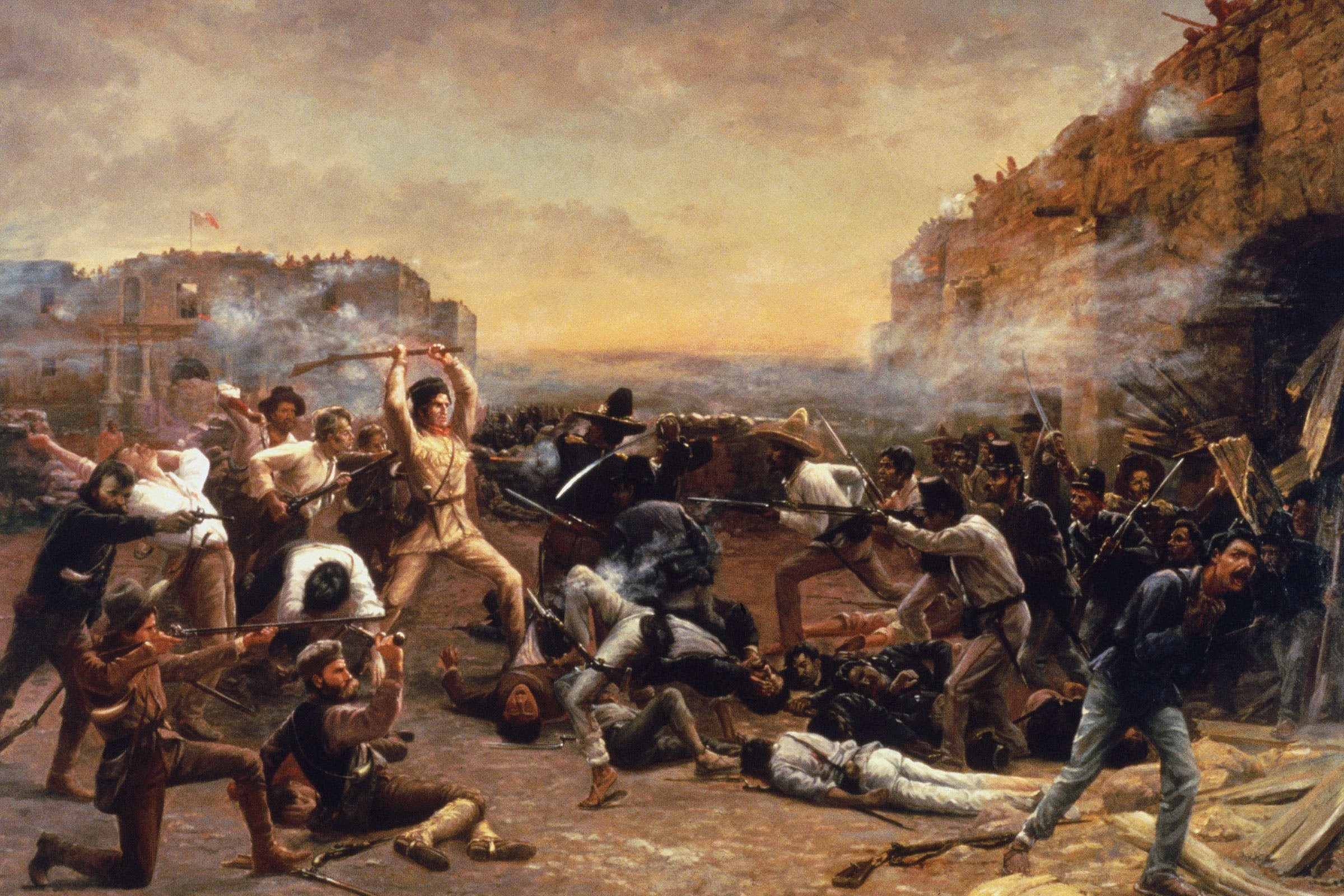
David Crockett (center) at the fall of the Alamo
David Crockett (1786-1836) lived–and died–a poor man. But this did not prevent him from trying to better the lives of his family and fellow citizens–and even his former enemies.

David Crockett
During the war of 1812, he served as a scout under Andrew Jackson. His foes were the Creek Indians, who had massacred 500 settlers at Fort Mims, Alabama–and threatened to do the same to Crockett’s family and neighbors in Tennessee.
As a Congressman from Tennessee, he championed the rights of poor whites. And he opposed then-President Jackson’s efforts to force the same defeated Indians to depart the lands guaranteed them by treaty.
To Crockett, a promise was sacred–whether given by a single man or the United States Government.
And his presence during the 13-day siege of the Alamo did cheer the spirits of the vastly outnumbered defenders. It’s a matter of historical record that he and a Scotsman named MacGregor often staged musical “duels” to see who could make the most noise.
It was MacGregor with his bagpipes against Crockett and his fiddle.
Contrast this devotion of Crockett to the rights of “the little men,” as Persius Tarr called them, with the attitude of Donald Trump, the 2016 Republican Presidential nominee.

Donald Trump
On June 16, 2015, while announcing his candidacy, Trump said:
- “…I don’t need anybody’s money. It’s nice. I don’t need anybody’s money. I’m using my own money. I’m not using lobbyists, I’m not using donors. I don’t care. I’m really rich.”
- “I did a lot of great deals and I did them early and young, and now I’m building all over the world….”
- “So I have a total net worth, and now with the increase, it’ll be well-over $10 billion.”
- “But here, a total net worth of–net worth, not assets, not–a net worth, after all debt, after all expenses, the greatest assets–Trump Tower, 1290 Avenue of the Americas, Bank of America building in San Francisco, 40 Wall Street, sometimes referred to as the Trump building right opposite the New York–many other places all over the world. So the total is $8,737,540,000.”
Those who give their lives for others are rightly loved and remembered as heroes. Those who dedicate their lives solely to their wallets and egos are rightly soon forgotten.
ABC NEWS, ADOLF HITLER, ALTERNET, ANDREW JACKSON, AP, BUZZFEED, CBS NEWS, CNN, COLLEGE FOOTBALL, CROOKS AND LIARS, DAILY KOZ, DREW PEARSON, DWIGHT EISENHOWER, EDWARD R. MURROW, FACEBOOK, GEORGE C. MARSHALL, HARRY S. TRUMAN, JERRY SANDUSKY, JOE PATERNO, JOSEPH MCCARTHY, JOSEPH STALIN, LOUIS FREEH, MOTHER JONES, MOVEON, NBC NEWS, NEWSWEEK, NIKE, NIKITA KHRUSHCHEV, NPR, PENN STATE UNIVERSITY, POLITICO, RAW STORY, REUTERS, SALON, SEATTLE TIMES, SLATE, SOVIET UNION, THE ATLANTIC, THE CHICAGO SUN-TIMES, THE CHICAGO TRIBUNE, THE DAILY BEAST, THE GUARDIAN, THE HILL, THE HUFFINGTON POST, THE LOS ANGELES TIMES, THE NATION, THE NEW YORK TIMES, THE WASHINGTON POST, THIRD REICH, TIME, TWITTER, U.S. NEWS & WORLD REPORT, UP, UPI, USA TODAY, YEVGENEY YEVTUSHENKO
In Bureaucracy, History, Law, Politics, Social commentary on July 1, 2016 at 12:16 am
“One man with courage,” said frontier general Andrew Jackson, “makes a majority.”
Yet it’s amazing how many “heroes” come out of the woodwork only after the danger is safely past.
Joseph Stalin dominated the Soviet Union from 1928 to 1953. He held absolute power twice as long as Adolf Hitler–whose Third Reich lasted only 12 years.
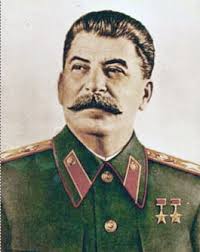
Joseph Stalin
Above all, he was responsible for the deaths of at least 20,000,000 men, women and children:
- At the hands of the executioners of the NKVD (later named the KGB).
- In exile–usually in Siberia–in Soviet penal camps.
- Of man-made starvation brought on by Stalin’s forced “collective-farm” policies.
Then, the unthinkable happened: Stalin finally died on March 5, 1953.
Almost three years later–on February 25, 1956–Stalin’s successor, Nikita Khrushchev, shocked the 20th Party Congress of the Soviet Union with a bombshell announcement:
Stalin–the “Wise Leader and Teacher”–had been a murderous despot.
Among his crimes:
- He had created a regime based on “suspicion, fear and terror.”
- His massive purges of the officer corps had almost destroyed the Red Army–thus inviting Hitler’s 1941 invasion, which killed at least 20 million Soviet citizens.
- He had allied himself with Hitler in 1939 and ignored repeated warnings of the coming Nazi invasion.
Naturally, Khrushchev didn’t advertise the role he had played as one of Stalin’s most trusted and brutal henchmen.
Over the ensuing years, many of the statues and portraits of Stalin that had dotted the Soviet Union like smallpox scars were quietly taken down. The city of Stalingrad–which Stalin had renamed from its original name of Tsaritsyn–became Volgograd.
Then, in 1961, Stalin’s corpse was removed from its prominent spot in the Lenin mausoleum and reburied in a place for lesser heroes of the Russian Revolution.
The young poet, Yevgeney Yevtushenko, noted the occasion in his famous poem, “The Heirs of Stalin.” Its gist: Stalin the tyrant was dead, but his followers still walked the earth–and lusted for a return to power.
Something similar happened in the United States around the same time.
From 1950 to 1954, Wisconsin Republican Senator Joseph R. McCarthy terrorized the nation, accusing anyone who disagreed with him of being a Communist–and leaving ruined lives in his wake.

Joseph R. McCarthy
Among those civilians and government officials he slandered as Communists were:
- President Harry S. Truman
- President Dwight D. Eisenhower
- Broadcast journalist Edward R. Murrow
- Secretary of State George C. Marshall
- Columnist Drew Pearson
Finally, in 1954, McCarthy overreached himself and accused the U.S. Army of being a hotbed of Communist traitors. Joseph Welch, counsel for the Army, destroyed McCarthy’s credibility in a now-famous retort:
“Senator, may we not drop this?….You’ve done enough. Have you no sense of decency, sir? At long last, have you left no sense of decency?”
Later that year, the Senate censured McCarthy, and he rapidly declined in power and health.
Senatorial colleagues who had once courted his support now avoided him.
They left the Senate when he rose to speak. Reporters who had once fawned on him for his latest sensational slander now ignored him.
Eisenhower–who had sought McCarthy’s support during his 1952 race for President–joked that “McCarthyism” was now “McCarthywasm.”
Fast-forward to July 12, 2012–and the release of former FBI Director Louie Freeh’s report on serial pedophile Jerry Sandusky. As the assistant football coach at Penn State University (PSU), he had used the football facilities to sexually attack numerous young boys.

Jerry Sandusky
But Sandusky was regarded as more than a second-banana. He received Assistant Coach of the Year awards in 1986 and 1999, and authored several books about his coaching experiences.
In 1977, Sandusky founded The Second Mile, a non-profit charity serving underprivileged, at-risk youth.
“Our most saddening and sobering finding is the total disregard for the safety and welfare of Sandusky’s child victims by the most senior leaders at Penn State,” Freeh stated.
College football is a $2.6 billion-a-year business. And Penn State is one of its premiere brands, with revenue of $70 million in 2010.
PSU’s seven-month internal investigation, headed by Freeh, revealed:
- Joe Paterno, head coach of the Penn State Nittany Lions, was aware of a 1998 criminal investigation of Sandusky.
- So was president Graham Spanier, athletic director Tim Curley and vice president Gary Schultz.
- In 2001, then-graduate assistant Mike McQueary reported to Paterno that he’d seen Sandusky attacking a boy in the shower.
- Paterno, Spanier, Curley and Schultz then conspired to cover up for Sandusky.
- The rapes of these boys occurred in the Lasch Building–where Paterno had his office.
- A janitor who had witnessed a rape in 2000 said he had feared losing his job if he told anyone about it. “It would be like going against the President of the United States,” Freeh said at a press conference.
In 2011, Sandusky was arrested and charged with sexually abusing young boys over a 15-year period. On June 22, 2012, he was convicted on 45 of the 48 charges. He will likely spend the rest of his life in prison.
On the day the Freeh report was released, Nike–a longtime sponsor for Penn State–announced that it would remove Paterno’s name from the child care center at its world headquarters in Beaverton, Oregon.
ABC NEWS, ALAMO, ALTERNET, ANDREW JACKSON, ANTONIO LOPEZ DE SANTA ANNA, AP, BUZZFEED, CBS NEWS, CNN, CROOKS AND LIARS, DAILY KOZ, DAVID CROCKETT, FACEBOOK, JAMES BOWIE, MEXICO, MOTHER JONES, MOVEON, MSNBC, NBC NEWS, NEWSWEEK, NPR, PBS NEWSHOUR, POLITICO, RAW STORY, REUTERS, SALON, SAM HOUSTON, SAN ANTONIO, SEATTLE TIMES, SLATE, STEPHEN F. AUSTIN, TEXAS, TEXAS DECLARATION OF INDEPENDENCE, TEXAS REVOLUTION, THE ATLANTIC, THE CHICAGO SUN-TIMES, THE CHICAGO TRIBUNE, THE DAILY BEAST, THE GUARDIAN, THE HILL, THE HUFFINGTON POST, THE LOS ANGELES TIMES, THE NATION, THE NEW YORK TIMES, THE WASHINGTON POST, THERMOPYLAE, THREE HUNDRED SPARTANS, TIME, TWITTER, U.S. NEWS & WORLD REPORT, UPI, USA TODAY, WILLIAM BARRET TRAVIS
In Bureaucracy, History, Military on March 3, 2016 at 12:05 am
On March 2, 1836–180 years ago this year–Texas formally declared its independence from Mexico, of which it was then a province.
Sixty-one delegates took part in the convention held at Washington-on-the-Brazos.
Their signed statement proclaimed that the Mexican government had “ceased to protect the lives, liberty, and property of the people, from whom its legitimate powers are derived.”
Meanwhile, 169 miles away, the siege of the Alamo–a crumbling former Spanish mission in the heart of San Antonio–had entered its ninth day. The Alamo.
The mission that became a fortress. The fortress that has since become a shrine.

By Daniel Schwen – Own work, CC BY-SA 4.0
The Alamo Chapel
The combatants: 180 to 250 Texans (or “Texians,” as many of them preferred to be called) vs. 2,000 Mexican soldiers.
On the Texan side three names predominate: David Crockett, James Bowie and William Barret Travis. “The Holy Trinity,” as some historians ironically refer to them.
Crockett, at 49, was the most famous man in the Alamo. He had been a bear hunter, Indian fighter and Congressman. Rare among the men of his time, he sympathized with the Indian tribes he had helped subdue in the War of 1812.
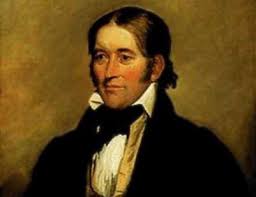
David Crockett
He believed Congress should honor the treaties made with the former hostiles and opposed President Andrew Jackson’s effort to move the tribes further West.Largely because of this, his constituents turned him out of office in November, 1835. He told them they could go to hell; he would go to Texas.
James Bowie, at 40, had been a slave trader with pirate Jean Lafitte and a land swindler. But his claim to fame lay in his skill as a knife-fighter.
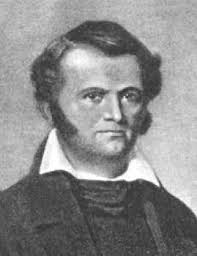
James Bowie
This grew out of his participating in an 1827 duel on a sandbar in Natchez, Mississippi. Bowie was acting as a second to one of the duelists who had arranged the event.
After the two duelists exchanged pistol shots without injury, they called it a draw. But those who had come as their seconds had scores to settle among themselves–and decided to do so. A bloody melee erupted.
Bowie was shot in the hip and then impaled on a sword cane wielded by Major Norris Wright, a longtime enemy. Drawing a large butcher knife he wore at his belt, he gutted Wright, who died instantly.
The brawl became famous as the Sandbar Fight, and cemented Bowie’s reputation across the South as a deadly knife fighter.
William Barret Travis had been an attorney and militia member. Burdened by debts and pursued by creditors, he fled Alabama in 1831 to start over in Texas. Behind him he left a wife, son, and unborn daughter.
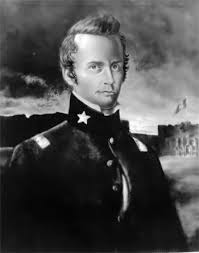
William Barret Travis
From the first, Travis burned to free Texas from Mexico and see it become a part of the United States.
In January, 1836, he was sent by the American provisional governor of Texas to San Antonio, to fortify the Alamo. He arrived there with a small party of regular soldiers and the title of lieutenant colonel in the state militia.
On the Mexican side, only one name matters: Antonio Lopez de Santa Anna, president (i.e., absolute dictator) of Mexico. After backing first one general and would-be “president” after another, Santa Anna maneuvered himself into the office in 1833.
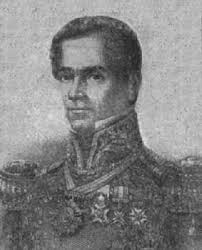
Antonio Lopez de Santa Anna
Texas was then legally a part of Mexico. Stephen F. Austin, “the father of Texas,” had received a grant from Spain–which ruled Mexico until 1821–to bring in 300 American families to settle there.
The Spaniards wanted to establish a buffer between themselves and warring Indian tribes like the Comanches. These imigrations continued after Mexico threw off Spanish rule and obtained its independence.
But as Americans kept flooding into Texas, the character of its population changed, alarming its Mexican rulers.
The new arrivals did not see themselves as Mexican citizens but as transplanted Americans. They were largely Protestant, as opposed to the Catholic Mexicans. And many of them not only owned slaves but demanded the expansion of slavery–a practice illegal under Mexican law.
In October, 1835, fighting erupted between American settlers and Mexican soldiers.
In November, Mexican forces took shelter in the Alamo, which had been built in 1718 as a mission to convert Indians to Christianity. Since then it had been used as a fort–by Spanish and then Mexican troops.
Texans lay siege to the Alamo from October 16 to December 10, 1835. With his men exhausted, and facing certain defeat, General Perfecto de Cos, Santa Anna’s brother-in-law, surrendered. He gave his word to leave Texas and never take up arms again against its settlers.
Most Texans rejoiced. They believed they had won their “war” against Mexico. But others knew better.
One was Bowie. Another was Sam Houston, a former Indian fighter, Congressman and protégé of Andrew Jackson.
Still another was Santa Anna, who styled himself “The Napoleon of the West.” In January, 1836, he set out from Mexico City at the head of an army totaling about 7,000.
He planned the 18th century version of a blitzkrieg, intending to arrive in Texas and take its “rebellious foreigners” by surprise.
His forced march proved costly in lives, but met his objective. He arrived in San Antonio with several hundred soldiers on February 23, 1836.
The siege of the Alamo–the most famous event in Texas history–was about to begin.
ABC NEWS, ALAMO, ALTERNET, AMERICABLOG, ANDREW JACKSON, AP, BABY BOOMER RESISTANCE, BUZZFEED, CAMERON JUDD, CBS NEWS, CNN, CROCKETT OF TENNESSEE, CROOKS AND LIARS, DAILY KOZ, DAVID CROCKETT, DAVY CROCKETT: KING OF THE WILD FRONTIER, DONALD TRUMP, DRUDGE RETORT, FACEBOOK, FIVETHIRTYEIGHT, HARPER’S MAGAZINE, INDIAN WARS, JAMES BOWIE, MEDIA MATTERS, MITT ROMNEY, MOTHER JONES, MOVEON, MSNBC, NBC NEWS, NBCNEWS, NEWSWEEK, NPR, PBS NEWSHOUR, POLITICO, POLITICUSUSA, RAW STORY, REUTERS, SALON, SEATTLE TIMES, SLATE, TALKING POINTS MEMO, TEXAS REVOLUTION, THE ATLANTIC, THE CHICAGO SUN-TIMES, THE CHICAGO TRIBUNE, THE DAILY BEAST, THE DAILY BLOG, THE GUARDIAN, THE HILL, THE HUFFINGTON POST, THE LOS ANGELES TIMES, THE NATION, THE NEW REPUBLIC, THE NEW YORK TIMES, THE VILLAGE VOICE, THE WASHINGTON POST, THINKPROGRESS, TIME, TRUTHDIG, TRUTHOUT, TWITTER, TWO POLITICAL JUNKIES, U.S. NEWS & WORLD REPORT, UPI, USA TODAY, WALT DISNEY, WILLIAM BARRET, WONKETTE
In Business, History, Military, Politics, Social commentary on February 23, 2016 at 10:58 am
March 6, 2016, will mark the 180th anniversary of the fall of the Alamo, a crumbling former Spanish mission in the heart of San Antonio, Texas.
It’s one of those battles like Thermopylae that have passed from history into legend.
It’s been the subject of novels, movies, biographies, histories and TV dramas (most notably Walt Disney’s 1955 “Davy Crockett: King of the Wild Frontier”).

The Alamo
By Mattstone911 – Own work, CC BY-SA 3.0,
Perhaps the most extraordinary scene in any Alamo movie or book occurs in the 1993 novel, Crockett of Tennessee, by Cameron Judd.
And it is no less affecting for its being–-so far as we know–-entirely fictional.
It’s March 5, 1836–the last night of life for the Alamo garrison. The night before the 2,000 men of the Mexican Army hurl themselves at the former mission and slaughter its 200 “Texian” defenders.  The fort’s commander, William Barret Travis, has drawn his “line in the sand” and invited the garrison to choose: To surrender, to try to escape, or to stay and fight to the death.
And the garrison–except for one man–chooses to stay and fight.
For the garrison, immortality lies only hours away. Or does it?
An hour after deciding to stand and die in the Alamo, wrapped in the gloom of night, Crockett is seized with paralyzing fear.
“We’re going to die here,” he chokes out to his longtime friend, Persius Tarr. “You understand that, Persius? We’re going to die!”
“I know, Davy. But there ain’t no news in that,” says Tarr. “We’re born to die. Every one of us. Only difference between us and most everybody else is we know when and where it’s going to be.”
“But I can’t be afraid–not me. I’m Crockett. I’m Canebrake Davy. I’m half-horse, half-alligator.”
“I know you are, Davy,” says Tarr. “So do all these men here. That’s why you’re going to get past this.
“You’re going to put that fear behind you and walk back out there and fight like the man you are. The fear’s come and now it’s gone. This is our time, Davy.”
“The glory-time,” says Crockett.
“That’s right, David. The glory-time.”
And then Tarr delivers a sentiment wholly alien to money-obsessed men like Mitt Romney and Donald Trump–who comprise the richest and most privileged 1% of today’s Americans.
“There’s men out there with their eyes on you. You’re the only thing keeping the fear away from them. You’re joking and grinning and fiddling-–it gives them courage they wouldn’t have had without you.
“Maybe that’s why you’re here, Davy–to make the little men and the scared men into big and brave men. You’ve always cared about the little men, Davy. Remember who you are.
“You’re Crockett of Tennessee, and your glory-time has come. Don’t you miss a bit of it.”
The next morning, the Mexicans assault the Alamo. Crockett embraces his glory-time-–and becomes a legend for all-time.

David Crockett (center) at the fall of the Alamo
David Crockett (1786-1836) lived–and died–a poor man. But this did not prevent him from trying to better the lives of his family and fellow citizens–and even his former enemies.

David Crockett
During the war of 1812, he served as a scout under Andrew Jackson. His foes were the Creek Indians, who had massacred 500 settlers at Fort Mims, Alabama–and threatened to do the same to Crockett’s family and neighbors in Tennessee.
As a Congressman from Tennessee, he championed the rights of poor whites. And he opposed then-President Jackson’s efforts to force the same defeated Indians to depart the lands guaranteed them by treaty.
To Crockett, a promise was sacred–whether given by a single man or the United States Government.
And his presence during the 13-day siege of the Alamo did cheer the spirits of the vastly outnumbered defenders. It’s a matter of historical record that he and a Scotsman named MacGregor often staged musical “duels” to see who could make the most noise.
It was MacGregor with his bagpipes against Crockett and his fiddle.
Contrast this devotion of Crockett to the rights of “the little men,” as Persius Tarr called them, with the attitude of Donald Trump, the front runner for the 2016 Republican Presidential nomination.
Donald Trump
On June 16, while announcing his candidacy, Trump said:
- “…I don’t need anybody’s money. It’s nice. I don’t need anybody’s money. I’m using my own money. I’m not using lobbyists, I’m not using donors. I don’t care. I’m really rich.”
- “I did a lot of great deals and I did them early and young, and now I’m building all over the world….”
- “So I have a total net worth, and now with the increase, it’ll be well-over $10 billion.”
- “But here, a total net worth of–net worth, not assets, not–a net worth, after all debt, after all expenses, the greatest assets–Trump Tower, 1290 Avenue of the Americas, Bank of America building in San Francisco, 40 Wall Street, sometimes referred to as the Trump building right opposite the New York–many other places all over the world. So the total is $8,737,540,000.”
Those who give their lives for others are rightly loved and remembered as heroes. Those who dedicate their lives solely to their wallets and egos are rightly soon forgotten.
2016 PRESIDENTIAL CAMPAIGN, ABC NEWS, ALAMO, ANDREW JACKSON, CAMERON JUDD, CBS NEWS, CNN, CROCKETT OF TENNESSEE, DAVID CROCKETT, DONALD TRUMP, FACEBOOK, INDIAN WARS, JOHN WAYNE, MITT ROMNEY, NBC NEWS, THE CHICAGO SUN-TIMES, THE CHICAGO TRIBUNE, THE LOS ANGELES TIMES, THE NEW YORK TIMES, THE WASHINGTON POST, TWITTER, USA TODAY, WEALTH
In History, Politics, Social commentary on November 26, 2015 at 8:58 am
It’s a scene you couldn’t imagine seeing in John Wayne’s 1960 film, “The Alamo.” Especially with The Duke playing a hard-drinking, two-fisted Davy Crockett.

John Wayne as Davy Crockett
But it occurs in the novel, Crockett of Tennessee, by Cameron Judd. And it is no less affecting for its being–so far as we know–entirely fictional.
It’s the last night of life for the Alamo garrison–the night before the 2,000 men of the Mexican Army hurl themselves at the former mission and slaughter its 200 Texian defenders.
The fort’s commander, William Barret Travis, has drawn his “line in the sand” and invited the garrison to choose: To surrender, to try to escape, or to stay and fight to the death.
And the garrison–except for one man–chooses to stay and fight. That man is Louis “Moses” Rose, a Frenchman who has served in Napoleon’s Grande Armee and survived the frightful retreat from Moscow.
He vaults a low wall of the improvised fort, flees into the moonless desert, and eventually makes his way to the home of a family who give him shelter.
But for the garrison, immortality lies only hours away. Or does it?
An hour after deciding to stand and die in the Alamo, wrapped in the dark of night, Crockett is seized with paralyzing fear.
“We’re going to die here,” he chokes out to his longtime friend, Persius Tarr. “You understand that, Persius? We’re going to die!”
“I know, Davy. But there ain’t no news in that,” says Tarr. “We’re born to die. Every one of us. Only difference between us and most everybody else is we know when and where it’s going to be.”
“But I can’t be afraid–not me. I’m Crockett. I’m Canebrake Davy. I’m half-horse, half-alligator.”
“I know you are, Davy,” says Tarr. ”So do all these men here. That’s why you’re going to get past this.
“You’re going to put that fear behind you and walk back out there and fight like the man you are. The fear’s come and now it’s gone. This is our time, Davy.”
“The glory-time,” says Crockett.
“That’s right, David. The glory-time.”
And then Tarr delivers a sentiment wholly alien to money-obsessed men like Mitt Romney and Donald Trump–who comprise the richest and most privileged 1% of today’s Americans.
“There’s men out there with their eyes on you. You’re the only thing keeping the fear away from them. You’re joking and grinning and fiddling-–it gives them courage they wouldn’t have had without you.
“Maybe that’s why you’re here, Davy–to make the little men and the scared men into big and brave men. You’ve always cared about the little men, Davy. Remember who you are.
“You’re Crockett of Tennessee, and your glory-time has come. Don’t you miss a bit of it.”
The next morning, the Mexicans assault the Alamo. Crockett embraces his glory-time-–and becomes a legend for all-time.

David Crockett (center) at the fall of the Alamo
David Crockett (1786-1836) lived–and died–a poor man. But this did not prevent him from trying to better the lives of his family and fellow citizens–and even his former enemies.
David Crockett
During the War of 1812, he served as a scout under Andrew Jackson. His foes were the Creek Indians, who had massacred 500 settlers at Fort Mims, Alabama–and threatened to do the same to Crockett’s neighbors in Tennessee.
As a Congressman from Tennessee, he championed the rights of poor whites. And he opposed then-President Jackson’s efforts to force the same defeated Indians to depart the lands guaranteed them by treaty.
To Crockett, a promise was sacred–whether given by a single man or the United States Government.
And his presence during the 13-day siege of the Alamo did cheer the spirits of the vastly outnumbered defenders.
It’s a matter of historical record that he and a Scotsman named MacGregor often staged musical “duels” to see who could make the most noise.
It was MacGregor with his bagpipes against Crockett and his fiddle.
Contrast this devotion of Crockett to the rights of “the little men,” as Persius Tarr called them, with the attitude of Donald Trump, the currently-favored Republican candidate for President in 2016.
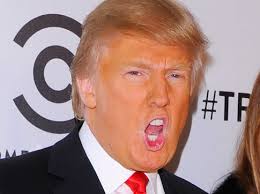
Donald Trump
On June 16, while announcing his candidacy, Trump said:
- “…I don’t need anybody’s money. It’s nice. I don’t need anybody’s money. I’m using my own money. I’m not using lobbyists, I’m not using donors. I don’t care. I’m really rich.”
- “I did a lot of great deals and I did them early and young, and now I’m building all over the world….”
- “So I have a total net worth, and now with the increase, it’ll be well-over $10 billion.”
- “But here, a total net worth of–net worth, not assets, not–a net worth, after all debt, after all expenses, the greatest assets–Trump Tower, 1290 Avenue of the Americas, Bank of America building in San Francisco, 40 Wall Street, sometimes referred to as the Trump building right opposite the New York–many other places all over the world. So the total is $8,737,540,000.”
Those who give their lives for others are rightly loved as heroes. Those who dedicate their lives only to their wallets are rightly soon forgotten.
2016 PRESIDENTIAL CAMPAIGN, ABC NEWS, ALAMO, ANDREW JACKSON, CAMERON JUDD, CBS NEWS, CNN, CROCKETT OF TENNESSEE, DAVID CROCKETT, DONALD TRUMP, FACEBOOK, INDIAN WARS, JOHN WAYNE, MITT ROMNEY, NBC NEWS, THE CHICAGO SUN-TIMES, THE CHICAGO TRIBUNE, THE LOS ANGELES TIMES, THE NEW YORK TIMES, THE WASHINGTON POST, TWITTER, USA TODAY, WEALTH
In Bureaucracy, Business, History, Politics, Social commentary on August 25, 2015 at 12:06 am
It’s a scene you couldn’t imagine seeing in John Wayne’s 1960 film, “The Alamo.” Especially with The Duke playing a hard-drinking, two-fisted Davy Crockett.
John Wayne as Davy Crockett
But it occurs in the novel, Crockett of Tennessee, by Cameron Judd. And it is no less affecting for its being–so far as we know–entirely fictional.
It’s the last night of life for the Alamo garrison–the night before the 2,000 men of the Mexican Army hurl themselves at the former mission and slaughter its 200 Texian defenders.
The fort’s commander, William Barret Travis, has drawn his “line in the sand” and invited the garrison to choose: To surrender, to try to escape, or to stay and fight to the death.
And the garrison–except for one man–chooses to stay and fight. That man is Louis “Moses” Rose, a Frenchman who has served in Napoleon’s Grande Armee and survived the frightful retreat from Moscow.
He vaults a low wall of the improvised fort, flees into the moonless desert, and eventually makes his way to the home of a family who give him shelter.
But for the garrison, immortality lies only hours away. Or does it?
An hour after deciding to stand and die in the Alamo, wrapped in the dark of night, Crockett is seized with paralyzing fear.
“We’re going to die here,” he chokes out to his longtime friend, Persius Tarr. “You understand that, Persius? We’re going to die!”
“I know, Davy. But there ain’t no news in that,” says Tarr. “We’re born to die. Every one of us. Only difference between us and most everybody else is we know when and where it’s going to be.”
“But I can’t be afraid–not me. I’m Crockett. I’m Canebrake Davy. I’m half-horse, half-alligator.”
“I know you are, Davy,” says Tarr. ”So do all these men here. That’s why you’re going to get past this.
“You’re going to put that fear behind you and walk back out there and fight like the man you are. The fear’s come and now it’s gone. This is our time, Davy.”
“The glory-time,” says Crockett.
“That’s right, David. The glory-time.”
And then Tarr delivers a sentiment wholly alien to money-obsessed men like Mitt Romney and Donald Trump–who comprise the richest and most privileged 1% of today’s Americans.
“There’s men out there with their eyes on you. You’re the only thing keeping the fear away from them. You’re joking and grinning and fiddling-–it gives them courage they wouldn’t have had without you.
“Maybe that’s why you’re here, Davy–to make the little men and the scared men into big and brave men. You’ve always cared about the little men, Davy. Remember who you are.
“You’re Crockett of Tennessee, and your glory-time has come. Don’t you miss a bit of it.”
The next morning, the Mexicans assault the Alamo. Crockett embraces his glory-time-–and becomes a legend for all-time.
David Crockett (center) at the fall of the Alamo
David Crockett (1786-1836) lived–and died–a poor man. But this did not prevent him from trying to better the lives of his family and fellow citizens–and even his former enemies.
David Crockett
During the War of 1812, he served as a scout under Andrew Jackson. His foes were the Creek Indians, who had massacred 500 settlers at Fort Mims, Alabama–and threatened to do the same to Crockett’s neighbors in Tennessee.
As a Congressman from Tennessee, he championed the rights of poor whites. And he opposed then-President Jackson’s efforts to force the same defeated Indians to depart the lands guaranteed them by treaty.
To Crockett, a promise was sacred–whether given by a single man or the United States Government.
And his presence during the 13-day siege of the Alamo did cheer the spirits of the vastly outnumbered defenders.
It’s a matter of historical record that he and a Scotsman named MacGregor often staged musical “duels” to see who could make the most noise.
It was MacGregor with his bagpipes against Crockett and his fiddle.
Contrast this devotion of Crockett to the rights of “the little men,” as Persius Tarr called them, with the attitude of Donald Trump, the currently-favored Republican candidate for President in 2016.
Donald Trump
On June 16, while announcing his candidacy, Trump said:
- “…I don’t need anybody’s money. It’s nice. I don’t need anybody’s money. I’m using my own money. I’m not using lobbyists, I’m not using donors. I don’t care. I’m really rich.”
- “I did a lot of great deals and I did them early and young, and now I’m building all over the world….”
- “So I have a total net worth, and now with the increase, it’ll be well-over $10 billion.”
- “But here, a total net worth of–net worth, not assets, not–a net worth, after all debt, after all expenses, the greatest assets–Trump Tower, 1290 Avenue of the Americas, Bank of America building in San Francisco, 40 Wall Street, sometimes referred to as the Trump building right opposite the New York–many other places all over the world. So the total is $8,737,540,000.”
Those who give their lives for others are rightly loved as heroes. Those who dedicate their lives only to their wallets are rightly soon forgotten.
ABC NEWS, ABORTION, ADOLF HITLER, ALTERNET, AMERICABLOG, ANDREW JACKSON, AP, BABY BOOMER RESISTANCE, BARACK OBAMA, BBC, BLOOMBERG NEWS, BUZZFEED, CBS NEWS, CHRIS MATTHEWS, CNN, CNN'S "STARTING POINT", CROOKS AND LIARS, CUBAN MISSILE CRISIS, DAILY KOS, DEBT CEILING, EXTORTION, FACEBOOK, FIVETHIRTYEIGHT, GEORGE W. BUSH, HARPER’S MAGAZINE, HOUSE SPEAKER JOHN BOEHNER, HUFFINGTON POST, JOHN F. KENNEDY, MAFIA, MEDIA MATTERS, MOTHER JONES, MOVEON, MSNBC, MSNBC'S "HARDBALL", MUNICH CONFERENCE, NBC NEWS, NEGOTIATING, NEVILLE CHAMBERLAIN, NEW REPUBLIC, NEWSDAY, NEWSWEEK, NICCOLO MACHIAVELLI, NPR, OBAMACARE, PAP SMEARS, PATRIOT ACT, PBS NEWSHOUR, PLANNED PARENTHOOD, POLITICO, POLITICUSUSA, R.I.CO. ACT, RAW STORY, REPUBLICAN PARTY, REPUBLICANS, REUTERS, SALON, SEATTLE TIMES, SLATE, TALKING POINTS MEMO, TED CRUZ, THE AFFORDABLE CARE ACT, THE ATLANTIC, THE CHICAGO SUN-TIMES, THE CHICAGO TRIBUNE, THE DAILY BEAST, THE DAILY BLOG, THE GUARDIAN, THE HILL, THE HUFFINGTON POST, THE INTERCEPT, THE LOS ANGELES TIMES, THE NATION, THE NEW REPUBLIC, THE NEW YORK TIMES, THE NEW YORK TIMES THE WASHINGTON POST, THE NEW YORKER, THE PRINCE, THE VILLAGE VOICE, THE WASHINGTON POST, THINKPROGRESS, TIME, TRUTHDIG, TRUTHOUT, TWITTER, TWO POLITICAL JUNKIES, U.S. NEWS & WORLD REPORT, UPI, USA TODAY, WINSTON CHURCHILL, WORLD WAR 11, X
In Bureaucracy, History, Law, Politics, Social commentary on August 10, 2015 at 12:41 am
On August 1, 2011, Chris Matthews, host of MSNBC’s “Hardball,” wrapped up his program with a search for “options” to avoid another round of Republican extortion tactics:
“I want to know what steps the president [Barack Obama] ‘could’ have taken to avoid this hostage-taking [over raising the debt-ceiling].
“…Is there another way than either buckling to the Republicans or letting the government and the country crash?
“How does he use the power of the presidency, the logic, emotion and basic patriotism of the people to thwart those willing to threaten, disrupt, even possibly destroy to get their way?”
And the answer to his questions–then and now–is: Replace the law of fear with the rule of law.
As Niccolo Machiavelli, the father of modern politics, instructed future leaders in The Prince:
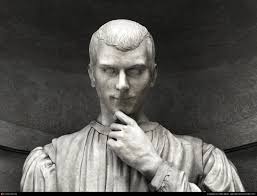
Niccolo Machiavelli
“And men have less scruple in offending one who makes himself loved than one who makes himself feared; for love is held by a chain of obligations which, men being selfish, is broken whenever it serves their purpose; but fear is maintained by a dread of punishment which never fails….
“I conclude, therefore, with regard to being loved and feared, that men love at their own free will, but fear at the will of the prince, and that a wise prince must rely on what is in his power and not on what is in the power of others….”
Instead, in 2011, President Barack Obama surrendered to Republican extortion demands. As a result, the United States suffered a massive loss to its international credit rating.
But there were two other ways Obama could have stood up to Republican extortionists:
- Invoke the Racketeer Influenced Corrupt Organizations Act (RICO) and/or the USA Patriot Act;
- Rally the American people against this criminal threat to the security of the Nation.
And these remain available to him now–if only he has the courage to act.
Second Option: Calling upon the American people for their support
President John F. Kennedy did just that–successfully–during the most deadly crisis of his administration.
Addressing the Nation on October 22, 1962, Kennedy shocked his fellow citizens by revealing that the Soviet Union had placed offensive nuclear missiles in Cuba.
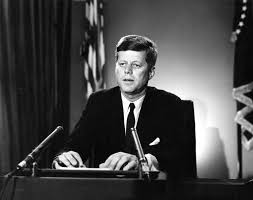
President John F. Kennedy
After outlining a series of steps he had taken to end the crisis, Kennedy sought to reassure and inspire his audience. His words are worth remembering today:
“The cost of freedom is always high, but Americans have always paid it. And one path we shall never choose, and that is the path of surrender or submission.”
Just as President Kennedy called on his fellow Americans for support against a foreign enemy, President Obama could rally his countrymen against an equally ruthless domestic enemy.
During such a national address, President Obama could reveal such blunt truths as:
- Republicans have adopted the same my-way-or-else “negotiating” stance as Adolf Hitler.
- Like the Nazis, they are determined to gain absolute power–or destroy the Nation they claim to love.
- And, once again, they are threatening to shut down the government–and deny essential services to millions of Americans–unless they get their way.
Finally, President Obama could end his speech by directly calling for the active support of his fellow Americans. Something like this:
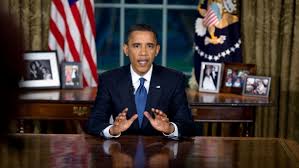
President Barack Obama
“My fellow Americans, I have taken an oath to ‘preserve, protect and defend the Constitution of the United States.’
“But I cannot do this on my own. As citizens of a Republic, each of us carries that burden. We must each do our part to protect the land and the liberties we love.
“Tonight, I’m asking for your help.
“We stand on the edge of economic and social disaster. Therefore, I am asking each of you to stand up for America tonight–by demanding the recall of the entire membership of the Republican Party.”
* * * * *
The 1938 Munich Conference taught an invaluable lesson in foreign affairs: Caving in to the demands of insatiable thugs leads to only more demands.
That was what British Prime Minister Neville Chamberlain learned when he sought to appease Adolf Hitler, Germany’s war-intent Fuehrer.
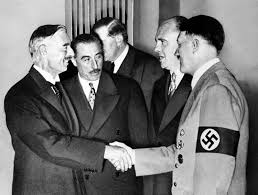
Neville Chamberlain greets Adolf Hitler
Chamberlain believed that by giving in to Hitler’s demands for the “German part” of Czechoslovakia known as the Sudetenland he could avoid war.
On September 29, Chamberlain and French Prime Minister Edouard Daladier met with Hitler and signed the Munich Agreement, resulting in the immediate German occupation of part of Czechoslovakia.
The Czechoslovakian government had not been a party to the talks. Their “allies” had sold them out.
In a matter of weeks, Hitler turned his attention–and demands–to Poland.
When his generals balked, warning that invading Poland would trigger a war with France and Britain, Hitler brushed aside their fears: “Our enemies are little worms. I saw them at Munich.”
Chamberlain returned to England a hero. Holding aloft a copy of the worthless agreement he had signed with Hitler, he told cheering crowds in London: “I believe it is peace for our time.”
Winston Churchill knew better, predicting: “Britain and France had to choose between war and dishonor. They chose dishonor. They will have war.”
And so they did.
It is not too late for President Barack Obama to apply this lesson from history.
ABC NEWS, ABORTION, ADOLF HITLER, ALTERNET, AMERICABLOG, ANDREW JACKSON, AP, BABY BOOMER RESISTANCE, BARACK OBAMA, BBC, BLOOMBERG NEWS, BUZZFEED, CBS NEWS, CHRIS MATTHEWS, CNN, CNN'S "STARTING POINT", CROOKS AND LIARS, CUBAN MISSILE CRISIS, DAILY KOS, DEBT CEILING, EXTORTION, FIVETHIRTYEIGHT, GEORGE W. BUSH, HARPER’S MAGAZINE, HOUSE SPEAKER JOHN BOEHNER, HUFFINGTON POST, JOHN F. KENNEDY, MAFIA, MEDIA MATTERS, MOTHER JONES, MOVEON, MSNBC, MSNBC'S "HARDBALL", MUNICH CONFERENCE, NBC NEWS, NEGOTIATING, NEVILLE CHAMBERLAIN, NEW REPUBLIC, NEWSDAY, NEWSWEEK, NICCOLO MACHIAVELLI, NPR, OBAMACARE, PAP SMEARS, PATRIOT ACT, PBS NEWSHOUR, PLANNED PARENTHOOD, POLITICO, POLITICUSUSA, R.I.CO. ACT, RAW STORY, REPUBLICAN PARTY, REPUBLICANS, REUTERS, SALON, SEATTLE TIMES, SLATE, TALKING POINTS MEMO, TED CRUZ, THE AFFORDABLE CARE ACT, THE ATLANTIC, THE CHICAGO SUN-TIMES, THE CHICAGO TRIBUNE, THE DAILY BEAST, THE DAILY BLOG, THE GUARDIAN, THE HILL, THE HUFFINGTON POST, THE INTERCEPT, THE LOS ANGELES TIMES, THE NATION, THE NEW REPUBLIC, THE NEW YORK TIMES, THE NEW YORK TIMES THE WASHINGTON POST, THE NEW YORKER, THE PRINCE, THE VILLAGE VOICE, THE WASHINGTON POST, THINKPROGRESS, TIME, TRUTHDIG, TRUTHOUT, TWITTER, TWO POLITICAL JUNKIES, U.S. NEWS & WORLD REPORT, UPI, USA TODAY, WINSTON CHURCHILL, WORLD WAR 11, X
In Bureaucracy, History, Law, Politics, Social commentary on August 7, 2015 at 8:58 am
On July 9, 2011-–Republican extortionists again threatened the Nation with financial ruin and international disgrace unless their demands were met.
President Obama had offered to make historic cuts in the Federal Government and the social safety net–on which millions of Americans depend for their most basic needs.
And the Republican response?
Said Rep. Darrell Issa, chairman of the Oversight and Government Reform Committee:“Quite frankly, [Republican] members of Congress are getting tired of what the president won’t do and what the president wants.”
Noted political analyst Chris Matthews summed up the sheer criminality of what happened within the House of Representatives.
Speaking on MSNBC’s “Hardball,” on July 28–five days before Congress reached its August 2 deadline to raise the debt-ceiling–Matthews noted:
“The first people to bow to the demands of those threatening to blow up the economy were the Republicans in the House, the leaders. The leaders did what the followers told them to do: meet the demands, hold up the country to get their way.
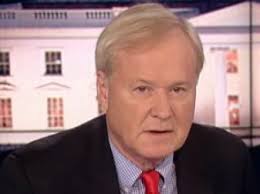
Chris Matthews
“Those followers didn’t win the Senate, or the Presidency, just the House.
“But by using the House they were able to hold up the entire United States government. They threatened to blow things up economically and it worked.
“They said they were willing to do that–just to get their way–not by persuasion, not by politics, not by democratic government, but by threatening the destruction of the country’s finances.
“Right. So what’s next? The power grid? Will they next time threaten to close down the country’s electricity and communications systems?”
With the United States teetering on the brink of national bankruptcy, President Obama faced three choices:
- Counter Republican extortion attempts via RICO–the Racketeer Influenced Corrupt Organizations Act.
- Make a “Cuban Missile Crisis”-style address to the American people, seeking to rally them against a criminal threat to the financial security of the Nation.
- Cave in to Republican demands.
Unfortunately for Obama and the Nation, he chose Number Three.
The results were easily predictable: Emboldened by success, the extortionists continue to make even greater demands.
Such as those now being made: De-fund Planned Parenthood or we’ll destroy the country.
But this is a nightmare that doesn’t have to be.
There are, in fact, two ways to avoid it.
Assuming that President Obama doesn’t once again surrender to Republican extortion demands, he has two formidable weapons he can deploy:
First Option: RICO to the rescue
The Racketeer Influenced Corrupt Organizations (RICO) Act is a provision of the Organized Crime Control Act of 1970. It authorizes prosecution for acts performed as part of an ongoing criminal organization.
It has been applied to not only the Mafia but to individuals, businesses, political protest groups, and terrorist organizations. In short, a RICO claim can arise in almost any context.
Such as the one President Barack Obama faced in 2011 when Republicans threatened to destroy the credit rating of the United States unless their budgetary demands were met.
And such as the present case when Republicans are again threatening the security of the Nation with extortionate demands.
RICO opens with a series of definitions of “racketeering activity” which can be prosecuted by Justice Department attorneys. Among those crimes: Extortion.
Extortion is defined as “a criminal offense which occurs when a person unlawfully obtains either money, property or services from a person(s), entity, or institution, through coercion.”
The RICO Act defines “a pattern of racketeering activity” as “at least two acts of racketeering activity, one of which occurred after the effective date of this chapter and the last of which occurred within ten years…after the commission of a prior act of racketeering activity.”
And if President Obama believes that RICO is not sufficient to deal with extortionate behavior, he can rely on the USA Patriot Act of 2001, passed in the wake of 9/11.
In Section 802, the Act defines domestic terrorism. Among the behavior that is defined as criminal:
“Activities that…appear to be intended…to influence the policy of a government by intimidation or coercion [and]…occur primarily within the territorial jurisdiction of the United States.”
Republicans are now demanding that Democrats de-fund Planned Parenthood or be forced to shut down essential services needed by millions of Americans.
That clearly falls within the legal definition of “activities…intended…to influence the policy of a government by intimidation or coercion.”
The remedies for punishing such criminal behavior are now legally in place. President Obama need only direct the Justice Department to apply them.
President Obama can direct Attorney General Loretta E. Lynch to investigate whether Republican Congressman—and their Tea Party cohorts—have violated Federal anti-racketeering and/or anti-terrorism laws.
- Lynch can order the FBI to conduct such an investigation.
- If the FBI finds sufficient evidence that these laws had been violated, Holder can empanel criminal grand juries to indict those violators.
Criminally investigating and indicting members of Congress would not violate the separation-of-powers principle. Congressmen have in the past been investigated, indicted and convicted for various criminal offenses.
Such indictments and prosecutions–and especially convictions–would serve a truly cleansing function.
They would serve notice on current and future members of Congress that the safety and fortunes of American citizens may not be held hostage as part of a negotiated settlement.
ABC NEWS, ABORTION, ADOLF HITLER, ALTERNET, AMERICABLOG, ANDREW JACKSON, AP, BABY BOOMER RESISTANCE, BARACK OBAMA, BBC, BLOOMBERG NEWS, BUZZFEED, CBS NEWS, CHRIS MATTHEWS, CNN, CNN'S "STARTING POINT", CROOKS AND LIARS, CUBAN MISSILE CRISIS, DAILY KOS, DEBT CEILING, EXTORTION, FACEBOOK, FIVETHIRTYEIGHT, GEORGE W. BUSH, HARPER’S MAGAZINE, HOUSE SPEAKER JOHN BOEHNER, HUFFINGTON POST, JOHN F. KENNEDY, MAFIA, MEDIA MATTERS, MOTHER JONES, MOVEON, MSNBC, MSNBC'S "HARDBALL", MUNICH CONFERENCE, NBC NEWS, NEGOTIATING, NEVILLE CHAMBERLAIN, NEW REPUBLIC, NEWSDAY, NEWSWEEK, NICCOLO MACHIAVELLI, NPR, OBAMACARE, PAP SMEARS, PATRIOT ACT, PBS NEWSHOUR, PLANNED PARENTHOOD, POLITICO, POLITICUSUSA, R.I.CO. ACT, RAW STORY, REPUBLICAN PARTY, REPUBLICANS, REUTERS, SALON, SEATTLE TIMES, SLATE, TALKING POINTS MEMO, TED CRUZ, THE AFFORDABLE CARE ACT, THE ATLANTIC, THE CHICAGO SUN-TIMES, THE CHICAGO TRIBUNE, THE DAILY BEAST, THE DAILY BLOG, THE GUARDIAN, THE HILL, THE HUFFINGTON POST, THE INTERCEPT, THE LOS ANGELES TIMES, THE NATION, THE NEW REPUBLIC, THE NEW YORK TIMES, THE NEW YORK TIMES THE WASHINGTON POST, THE NEW YORKER, THE PRINCE, THE VILLAGE VOICE, THE WASHINGTON POST, THINKPROGRESS, TIME, TRUTHDIG, TRUTHOUT, TWITTER, TWO POLITICAL JUNKIES, U.S. NEWS & WORLD REPORT, UPI, USA TODAY, WINSTON CHURCHILL, WORLD WAR 11
In History, Law, Law Enforcement, Politics, Social commentary on August 6, 2015 at 2:04 pm
Republicans love fetuses.
In fact, they love them so much they’re willing to shut down the Federal Government and deny vital public services to millions of their fellow Americans.
That shutdown could be coming as early as September, when Congress returns from its summer break.
The reasons are two-fold:
First, the fast-approaching 2016 Presidential election; and
Second, Republicans’ long-standing desire to de-fund Planned Parenthood (PP).

This upcoming effort will be fueled by a highly emotional charge: That PP sells fetal tissue and organs.
Anti-abortion organizations Operation Rescue and the Center for Medical Progress recently released videos purporting to show PP officials discussing such sales.
In response, PP said that they may donate fetal tissue at the request of a patient, but that fetal organs and tissues are never sold.
Three Congressional committees are now making inquiries into PP practices.
On August 3, 2015, a Republican bill to defund PP failed to pass in the Senate. Currently, the organization receives $528 million in Federal funding each year.
Since the 1980s, Congressional Republicans have tried to de-fund PP. Their efforts almost led to a government shutdown in 2011.
PP has consistently claimed that it does not use its Federal funding to pay for abortion services. But anti-abortionists argue that Federal monies free up other resources that are used to provide abortions.
Abortions represent three percent of total services provided by PP, and are provided to about 10% of its clients.

The other 97% of services are for contraception, treatment and tests for sexually transmitted diseases, cancer screenings, and other women’s health services.
Click here: Planned Parenthood
PP estimates that its contraceptive services prevent approximately 612,000 unintended pregnancies–and 291,000 abortions–annually.
According to Politico, Republican Senators plan to attach a provision to the current omnibus spending bill–which funds all Federal agencies for 2015-2016.
The provision will ban funding for all Federal agencies–unless PP’s funding is cut.
Leading the call for a government shutdown is Texas Senator Ted Cruz, who tried to de-fund PP in 2013. That attempt led to a two-week government shutdown.
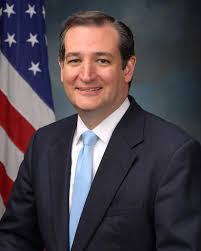
Senator Ted Cruz
Joining Cruz are Republicans in the House and Senate—not enough to defund PP, but enough to deny vitally-needed services to millions of Americans.
The reason for the 2013 government shutdown? Republicans were enraged that millions of uninsured Americans might receive medical care on a par with that given members of the House and Senate.
It was, in short, yet another Right-wing effort to eliminate the Affordable Care Act, better-known as “Obamacare.”
So on September 20, 2013, the House of Representatives voted on a short-term government funding bill that included a provision to de-fund Obamacare.
That provision was a no-go for Senate Democrats and President Barack Obama. When the House and Senate couldn’t reach a compromise, many functions of the Federal government shut down on Oct. 1.
The shutdown lasted for 16 days and cost the United States economy $2 to $6 billion in economic output, according to the Office of Management and Budget.
It ended when President Obama and Senate Democrats refused to submit to Republican blackmail. Medical care still remained available to millions of poor and middle-class Americans.
Republicans have repeatedly threatened to shut down the government unless their constantly escalating demands were met.
In November, 1995, Newt Gingrich, then Speaker of the House of Representatives, carried out this threat.
The official reason: Republicans objected to Democratic President Bill Clinton’s budgetary requests for funding Medicare, education, the environment and public health in the 1996 Federal budget.
The real reason: Gingrich unwisely admitted that he was angry because Clinton had put him in the back of Air Force One during a recent trip to Israel.
The shutdown proved a disaster for Republicans. Clinton was handily re-elected in 1996 and Gingrich suddenly resigned from Congress in 1998.
In April, 2011, the United States government almost shut down again over Republican demands about subsidized pap smears.
During a late-night White House meeting with President Obama and key Congressional leaders, Republican House Speaker John Boehner made this threat:
His conference would not approve funding for the government if any money were allowed to flow to Planned Parenthood through Title X legislation.
Facing an April 8 deadline, negotiators worked day and night to strike a compromise–and finally reached one.
Three months later–-on July 9, 2011-–Republican extortionists again threatened the Nation with financial ruin and international disgrace unless their demands were met.
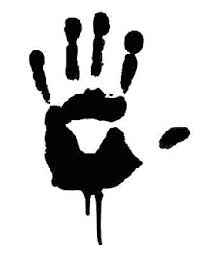
Sign of The Black Hand extortion group
President Obama had offered to make historic cuts in the Federal Government and the social safety net–on which millions of Americans depend for their most basic needs.
But House Speaker John Boehner rejected that offer. He could not agree to the tax increases that Democrats wanted to impose on the wealthiest 1% as part of the bargain.
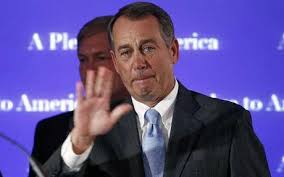
John Boehner
As the calendar moved ever closer to the fateful date of August 2, Republican leaders continued to insist: Any deal that includes taxes “can’t pass the House.”
President Obama had previously insisted on extending the debt ceiling through 2012. But in mid-July, he simply asked congressional leaders to review three options with their members:
- The “Grand Bargain” choice—favored by Obama–would cut deficits by about $4 trillion, including spending cuts and new tax revenues.
- A medium-range plan would aim to reduce the deficit by about $2 trillion.
- The smallest option would cut between $1 trillion and $1.5 trillion, without increased tax revenue or any Medicare and Medicaid cuts.
And the Republican response?


 Bureaucracybuster's Blog
2012 PRESIDENTIAL ELECTION, 2016 PRESIDENTIAL RACE, ABC NEWS, AL GORE, ALTERNET, AMERICABLOG, ANDREW JACKSON, AP, BABY BOOMER RESISTANCE, BARACK OBAMA, BBC, BC NEWS, BLOOMBERG, BLUESKY, BUZZFEED, CBS NEWS, CNN, CROOKS AND LIARS, DAILY KOS, DONALD TRUMP, ELECTORAL COLLEGE, FACEBOOK, FIVETHIRTYEIGHT, GEORGE W. BUSH, HARPER’S MAGAZINE, HUFFINGTON POST, JOHN C. CALHOUN, MEDIA MATTERS, MITT ROMNEY, MOTHER JONES, MOVEON, MSNBC, NBC NEWS, NEW REPUBLIC, NEWSDAY, NEWSWEEK, NPR, PBS NEWSHOUR, POLITICO, POLITICUSUSA, RAW STORY, REPUBLICANS, REUTERS, SALON, SEATTLE TIMES, SLATE, TALKING POINTS MEMO, THE ATLANTIC, THE CHICAGO SUN-TIMES, THE CHICAGO TRIBUNE, THE DAILY BEAST, THE DAILY BLOG, THE GUARDIAN, THE HILL, THE HUFFINGTON POST, THE INTERCEPT, THE LOS ANGELES TIMES, THE NATION, THE NEW REPUBLIC, THE NEW YORK TIMES, THE NEW YORKER, THE VILLAGE VOICE, THE WALL STREET JOURNAL, THE WASHINGTON POST, THINKPROGRESS, TIME, TREASON, TRUTHDIG, TRUTHOUT, TWITTER, TWO POLITICAL JUNKIES, U.S. NEWS & WORLD REPORT, UPI, USA TODAY, X
TRUMPING DEMOCRACY
In Bureaucracy, History, Law, Military, Politics, Social commentary on September 1, 2016 at 12:07 amAs the 2016 Presidential race gets ever closer to the finish, it’s well to consider Donald Trump’s ideas about democracy.
In 2011, as the 2012 Presidential race began heating up, Trump didn’t have a very high opinion of Mitt Romney, the man who then seemed the likely Republican nominee for President.
On April 17, 2011, toying with the idea of entering the Presidential race himself, the always self-promoting Trump said this about Romney, the former Massachusetts governor and GOP candidate:
“He’d buy companies. He’d close companies. He’d get rid of jobs. I’ve built a great company. I’m a much bigger businessman and have a much, much bigger net worth. I mean my net worth is many, many, many times Mitt Romney.
Donald Trump
“Mitt Romney is a basically small-business guy, if you really think about it. He was a hedge fund. He was a funds guy. He walked away with some money from a very good company that he didn’t create. He worked there. He didn’t create it.”
Trump added that Bain Capital, the hedge fund where Romney made millions of dollars before running for governor, didn’t create any jobs. Whereas Trump claimed that he—Trump—had created “hundreds of thousands of jobs.”
So Romney himself may have been puzzled when Trump announced, on February 2, 2012: “It’s my honor, real honor, and privilege to endorse Mitt Romney” for President.
“Mitt is tough, he’s smart, he’s sharp, he’s not going to allow bad things to continue to happen to this country that we all love. So, Governor Romney, go out and get ‘em. You can do it,” said Trump.
And Romney, in turn, had his own swooning-girl moment: “I’m so honored to have his endorsement….There are some things that you just can’t imagine in your life. This is one of them.”
Mitt Romney
Throughout the 2012 Presidential race, Trump continued to “help” Romney—by repeatedly accusing President Barack Obama of not being an American citizen.
Had that been true, Obama would not have had the right to be President—since the Constitution says that only an American citizen can hold this position.
Of course, that was entirely what Trump wanted people to believe—that Obama was an illegitimate President, and deserved to be thrown out.
Come election night—and disaster for Romney. And Trump.
When it became clear that Romney was not going to be America’s 45th President, Trump went ballistic on Twitter. Among his tweets:
To put Trump’s rants into real-world perspective:
This last is startling, on three counts:
First, the 2012 Republican Platform spoke lovingly about the need for preserving the Electoral College:
“We oppose the National Popular Vote Interstate Compact or any other scheme to abolish or distort the procedures of the Electoral College.
“We recognize that an unconstitutional effort to impose ‘national popular vote’ would be a mortal threat to our federal system and a guarantee of corruption as every ballot box in every state would become a chance to steal the presidency.”
Second, the loser didn’t win: He lost. With votes still being counted (as of November 8) Obama got 60,652,238. Romney got 57,810,407.
Third, in 2000, Al Gore won the popular vote (50,999,897) to George W. Bush’s 50,456,002. But Bush trounced Gore in the Electoral College (271 to 266).
Still, that meant Bush—not Gore—would head the country for the next eight years. And that was perfectly OK with right-wingers like Trump.
It was only when Obama won the Electoral College count by 332 to 206 that this was—according to Trump–a “travesty.”
And Trump’s solution if voters dare to elect someone other than Trump’s pet choice: “Revolution!”
This comes perilously close to advocating violent overthrow of the government. Otherwise known as treason–a crime traditionally punished by execution, or at least lengthy imprisonment.
When former President Andrew Jackson was close to death, he asked his doctor: What act of my administration will be most severely condemned by future Americans?
Andrew Jackson
The doctor threw out a couple of guesses.
“Not at all!” replied Jackson. “Posterity will condemn me more because I was persuaded not to hang John C. Calhoun [the South Carolina Senator who created the doctrine of “secession” that ultimately led to the Civil War] as a traitor than for any other act in my life!”
If Donald Trump inherits control of America’s nuclear weapons, future historians—if there are any—may feel that Barack Obama should have done the same for Trump.
Share this: