Posts Tagged ‘2016 PRESIDENTIAL ELECTION’
2016 PRESIDENTIAL ELECTION, 2020 PRESIDENTIAL ELECTION, ABC NEWS, ALTERNET, AMERICABLOG, AP, BABY BOOMER RESISTANCE, BBC, BLOOMBERG NEWS, BUZZFEED, CBS NEWS, CHRIS STIREWALT, CNN, COVID-19, CROOKS AND LIARS, DAILY KOS, DAVID BROOKS, DOMINION VOTING SYSTEMS, DONALD TRUMP, FIVETHIRTYEIGHT, FOX NEWS NETWORK, HARPER’S MAGAZINE, HUFFINGTON POST, JACQUI HEINRICH, JOE BIDEN, JONATHAN CAPEHART, LAURA INGRAHAM, LIBEL, MEDIA MATTERS, MIKE LINDELL, MOTHER JONES, MOVEON, MSNBC, NBC NEWS, NEW REPUBLIC, NEW YORK TIMES V. SULLIVAN, NEWSDAY, NEWSMAX, NEWSWEEK, NPR, PBS NEWSHOUR, POLITICO, POLITICUSUSA, RAW STORY, REPUBLICANS, REUTERS, RUDOLPH GIULIANI, RUPERT MURDOCH, SALON, SEAN HANNITY, SEATTLE TIMES, SIDNEY POWELL, SLANDER, SLATE, STEVE BANNON, TALKING POINTS MEMO, THE ATLANTIC, THE CHICAGO SUN-TIMES, THE CHICAGO TRIBUNE, THE DAILY BEAST, THE DAILY BLOG, THE GUARDIAN, THE HILL, THE HUFFINGTON POST, THE INTERCEPT, THE LOS ANGELES TIMES, THE NATION, THE NEW REPUBLIC, THE NEW YORK TIMES, THE NEW YORKER, THE VILLAGE VOICE, THE WASHINGTON POST, THINKPROGRESS, TIME, TRUTHDIG, TRUTHOUT, TUCKER CARLSON, TWITTER, U.S. NEWS & WORLD REPORT, UPI, USA TODAY
In Business, History, Law, Politics, Social commentary on March 7, 2023 at 12:10 am
In the beginning was the audience. And the audience was filled with Fascistic hate and prejudice, and sought always to have its beliefs confirmed.
And then came Fox News Network, which sought to capture that audience—and, with it, huge ratings and profits.
At the center of both Fox and its audience stood Donald Trump—first as a Presidential candidate, then as President.
In him, Right-wingers found their ideal representative: He promised to destroy all those groups they hated.
Among these: Blacks, Asians, “uppity” women, Muslims, liberals, Hispanics, Democrats.
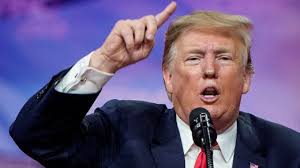
Donald Trump
So when Trump lost the 2020 Presidential election—by 81,284,666 votes for former Vice President Joe Biden versus 74,224,319 for Trump-–the Right was devastated. And furious.
Unlike its defeats in past Presidential elections, this time the Right refused to accept the will of the electorate.
Trump had often “joked” about how wonderful it would be for the United States to have a “President-for-Life”—as was the case in China.
This time the Right intended to make that a reality.
Central to making that happen was the Fox News Network.
In 2022, for its seventh consecutive year, Fox News stood as the top-rated cable news network in the United States. Fox averaged 1.4 million total day viewers.
By contrast, 733,000 watched MSNBC and 568,000 watched CNN.
In prime time, Fox came in first with an average of 2.3 million viewers in 2022.
MSNBC came in second with 1.2 million and CNN ranked third with an average of 730,000.
As for profits: Fox’s net income for the twelve months ending December 31, 2022 was $1.507B, a 4.94% increase year-over-year.

In 2015, Trump launched his campaign for President. His chances for success seemed impossible at the time—even to many mainstream Republicans.
But as he won victory after victory in Republican primaries, Fox News stuck with him. And stayed with him through the four years of his Presidency.
Fox was Trump’s favorite network. It gave him unstinting praise and sought to put a favorable spin on everything he did. As a result, Trump rarely gave interviews to CBS, NBC or ABC News.
In turn, Fox profited hugely as its audience—and advertisers—eagerly tuned in.
So when Trump lost the 2020 Presidential election, he and Fox decided they must get him back into the Oval Office.
Trump did his best—or worst—by filing about 60 lawsuits to overturn the results of the election. But none of his attorneys could prove their claims that widespread fraud had robbed him of victory. The suits were dismissed by judges or withdrawn by Trump’s own attorneys.
Fox News couldn’t file fraudulent cases on Trump’s behalf. But it could poison the public mind by claiming—endlessly and falsely—that Trump had been cheated by massive voter fraud.
Fox didn’t even wait for the final results of the 2020 election to be called before it intervened on the side of what would soon be dubbed “The Big Lie.”
On Election Night, Chris Stirewalt, the political editor of Fox News Channel. was the first to project Biden’s victory in Arizona. This turned out to be right—and brought a furious attack upon Stirewalt.
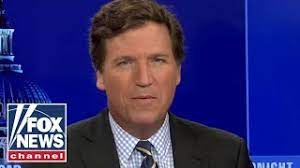
Tucker Carlson
“We worked really hard to build what we have,” Fox host Tucker Carlson texted his producer, Alex Pfeiffer. “Those fuckers are destroying our credibility. It enrages me.”
For Carlson, credibility didn’t mean ensuring integrity in news reporting. It meant telling Fox’s Right-wing audience what it wanted to hear—whether the “news” was true or not.
Carlson added that he had spoken with fellow primetime commentators Laura Ingraham and Sean Hannity minutes earlier and that they were “highly upset.”
In a January 26 Op-Ed for the Los Angeles Times, Stirewalt wrote: “Having been cosseted by self-validating coverage for so long, many Americans now consider any news that might suggest that they are in error or that their side has been defeated as an attack on them personally. The lie that Trump won the 2020 election wasn’t nearly as much aimed at the opposing party as it was at the news outlets that stated the obvious, incontrovertible fact.”

Chris Stirewalt
Stirewalt was fired from Fox News in January, 2021.
Trump was furious about the Arizona call. After the election, he attacked Fox News and encouraged his followers to switch to Newsmax.
Which many of them did, costing Fox a big chunk of its audience.
For Fox, this was the ultimate catastrophe. The company began cracking down on its employees who had dared tell the truth on Election Night.
One case involved White House correspondent Jacqui Heinrich. Her sin was fact-checking a Trump tweet accusing Dominion Voting Systems of election fraud.
Heinrich wrote that top election officials had determined “there is no evidence that any voting system deleted or lost votes, changed votes, or was in any way compromised.”
“Please get her fired,” Star host Tucker Carlson texted his fellow told host Sean Hannity: “Seriously….what the fuck? I’m actually shocked….It needs to stop immediately, like tonight. It’s measurably hurting the company. The stock price is down. Not a joke.”
Hannity replied that he had already spoken to Suzanne Scott, the network’s chief executive. The next morning, Heinrich’s tweet had been deleted.
1980 PRESIDENTIAL ELECTION, 1984 (NOVEL), 2016 PRESIDENTIAL ELECTION, ABC NEWS, ADOLF HITLER, ALTERNET, AMERICABLOG, AP, “DON’T SAY GAY” LEGISLATION, “TWO MINUTES HATE”, BABY BOOMER RESISTANCE, BBC, BLACKS, BLOOMBERG NEWS, BUZZFEED, CBS NEWS, CIVIL RIGHTS MOVEMENT, CIVIL WAR, CLARENCE THOMAS, CNN, CROOKS AND LIARS, DAILY KOS, DENNIS HASTERT, DONALD TRUMP, ENVIRONMENTALISTS, EVANGELICAL CHRSTIANS, FINAL SOLUTION, FIVETHIRTYEIGHT, FOX NEWS NETWORK, FRANKLIN GRAHAM, GAYS, GEORGE ORWELL, H. RAPP BROWN, HARPER’S MAGAZINE, HEINRICH HIMMLER, HERMAN GOERING, HISPANICS, HOMOSEXUALITY, HUFFINGTON POST, JIMMY CARTER, JOACHIM VON RIBBENTROP, JOHN F. KENNEDY, JOSH DUGGAR, KANSAS-MISSOURI BORDER, KEN PAXTON, KU KLUX KLAN, LESBIANS, LIBERALS, MALCOM X, MARTIN LUTHER KING, MEDIA MATTERS, MIKE PENCE, MOTHER JONES, MOVEON, MSNBC, NBC NEWS, NEW REPUBLIC, NEWSDAY, NEWSWEEK, NPR, PAUL JOSEPH GOEBBELS, PBS NEWSHOUR, PEDOPHILIA, POLITICO, POLITICUSUSA, PROUD BOYS, RANDALL BALMER, RAW STORY, REINHARD HEYDRICH, RELIGIOUS FREEDOM RESTORATION ACT, REPUBLICANS, REUTERS, ROE V. WADE, ROLLING STONE, RON DESANTIS, Ronald Reagan, SALON, SEATTLE TIMES, SLATE, SLAVERY, SOUTHERN POVERTY LAW CENTERS, STUART ADAMS, TALKING POINTS MEMO, TED CRUZ, THE ATLANTIC, THE CHICAGO SUN-TIMES, THE CHICAGO TRIBUNE, THE DAILY BEAST, THE DAILY BLOG, THE DISABLED, THE GUARDIAN, THE HILL, THE HUFFINGTON POST, THE INTERCEPT, THE LOS ANGELES TIMES, THE NATION, THE NEW REPUBLIC, THE NEW YORK TIMES, THE NEW YORKER, THE VILLAGE VOICE, THE WASHINGTON POST, THINKPROGRESS, TIME, TRANSGENDERS, TRUTHDIG, TRUTHOUT, TUCKER CARLSON, TWITTER, U.S. NEWS & WORLD REPORT, UNITED STATES HOUSE OF REPRESENTATIVES, UNITED STATES SUPREME COURT, UPI, USA TODAY, WHITE SUPREMACISTS, WOMEN
In Bureaucracy, Law, Law Enforcement, Medical, Politics, Social commentary on March 1, 2023 at 12:12 am
Given the all-out Republican assault on their liberties, gays could become convinced that they are becoming the targets of state-sponsored terrorism—as were Jews in Nazi Germany.
In such a case, they may turn to a more drastic means than elections and the courts to protect themselves: Violence.
Political violence has a long and deadly history in the United States.
Before the outbreak of the Civil War in 1861, violence was commonplace along the Kansas-Missouri border as pro- and anti-slavery elements slaughtered one another.
After the Civil War ended in 1865, Ku Klux Klansmen across the South terrorized blacks into submission even though slavery was now illegal.
With the advent of the civil rights movement in 1960, blacks and their supporters once again became targets for violence.
A minority of black leaders like Malcom X and H. Rapp Brown told blacks they should violently defend themselves. But the vast majority of blacks—including bloodied civil rights workers—adhered to Martin Luther King’s call for non-violence.

Martin Luther King (left), Malcom X (right)
Still, there is no guarantee that those who suffer persecution and violence will remain non-violent. Their motive could be revenge—or to send a message to ward off future attacks.
Such was the fate of SS-Obergruppenfuhrer Reinhard Heydrich..
A tall, blond-haired formal naval officer, he was both a champion fencer and talented violinist. Heydrich joined the Schutzstaffel, or Protective Squads, better known as the SS, in 1931, and quickly became head of its counterintelligence service.
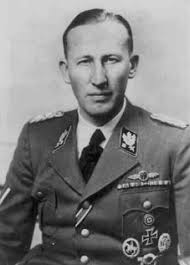
Reinhard Heydrich
In September, 1941, Heydrich was appointed “Reich Protector” of Czechoslovakia, which had fallen prey to Germany in 1938 but whose citizens were growing restless under Nazi rule.
Heydrich immediately ordered a purge, executing 92 people within the first three days of his arrival in Prague. By February, 1942, 4,000-5,000 people had been arrested.
In January, 1942, Heydrich convened a meeting of high-ranking political and military leaders in Wannsee, Germany, to streamline “the Final Solution to the Jewish Question.”
An estimated six million Jews were thus slaughtered.
On May 27, 1942, two British-trained Czech commandos—Jan Kubis and Joseph Gabcik—waited in Prague at a hairpin turn in the road always taken by Heydrich. When Heydrich’s Mercedes slowed down, Gabcik raised his machinegun—which jammed.
Heydrich ordered his driver to halt so he could take aim at his would-be assassins. It proved a fatal mistake.
Rising in his seat, he aimed his revolver at Gabcik—as Kubis lobbed a hand grenade at the car. The explosion drove steel and leather fragments of the car’s upholstery into Heydrich’s diaphragm, spleen and lung.
Hitler dispatched doctors from Berlin to save the Reich Protector. But infection set in, and on June 4, Heydrich died at age 38.

Heydrich’s wrecked Mercedes
The assassination sent shockwaves through the upper echelons of the Third Reich. No one had dared assault—much less assassinate—a high-ranking Nazi official.
The Nazis had slaughtered tens of thousands without hesitation—or fear that the same might happen to them.
Suddenly they realized that the fury they had aroused could be turned against themselves.
Which brings us to the leaders of America’s own Right-wing.
The names of infamous Nazis were widely known:
- Reichsmarshall Hermann Goering;
- Propaganda Minister Paul Joseph Goebbels;
- SS-Reichsfuhrer Heinrich Himmler;
- Foreign Minister Joachim von Ribbentrop;
- SS Obergruppenfuhrer Reinhard Heydrich;
- Adolf Hitler.
And so are the names of infamous leaders of the American Right:
- Texas Senator Ted Cruz;
- Supreme Court Justice Clarence Thomas;
- Commentator Tucker Carlson;
- Evangelist Franklin Graham;
- Florida Governor Ron DeSantis;
- Former President Donald Trump.
The differences between these two infamous groups are these:
In Nazi Germany, ordinary Germans could not learn about the personal lives of their dictators—including their home addresses—and conspire against them.
In the United States, ordinary citizens can learn about the personal lives of their would-be dictators by newspapers, Internet and TV—even on the Right’s own propaganda network, Fox News. “People finder” websites, for a modest price, provide names and addresses of potential targets—and their relatives.
In Nazi Germany, firearms were tightly controlled.
In the United States, the Right-wing National Rifle Association has successfully lobbied to put lethal firepower into the hands of virtually anyone who wants it.
Since their reversal of abortion rights in Roe v. Wade on June 24, 2022, at least six Right-wing Supreme Court Justices have lived under heavy guard by the U.S. Marshals Service. They may well be forced to do so for the rest of their lives.
But radical evangelists like Franklin Graham and Right-wing propagandists like Tucker Carlson cannot expect lifelong government protection. They would have to provide their own security—or take their chances.
So many Republicans are calling for an all-out war on gays that any number of them could become the targets—and victims—of retaliation.
Republicans boast that they want to “get the government off the backs of the people.” Yet they are waging war against people for the most intimate of reasons: Their choice of sex partners.
Reinhard Heydrich believed he was invulnerable to the hatred of the enemies he had raised against himself. That arrogance cost him his life.
The day may soon come when America’s own Right-wingers start learning the same lesson.
1980 PRESIDENTIAL ELECTION, 1984 (NOVEL), 2016 PRESIDENTIAL ELECTION, ABC NEWS, ADOLF HITLER, ALTERNET, AMERICABLOG, AP, “DON’T SAY GAY” LEGISLATION, “TWO MINUTES HATE”, BABY BOOMER RESISTANCE, BBC, BLACKS, BLOOMBERG NEWS, BUZZFEED, CBS NEWS, CIVIL RIGHTS MOVEMENT, CIVIL WAR, CLARENCE THOMAS, CNN, CROOKS AND LIARS, DAILY KOS, DENNIS HASTERT, DONALD TRUMP, ENVIRONMENTALISTS, EVANGELICAL CHRSTIANS, FINAL SOLUTION, FIVETHIRTYEIGHT, FOX NEWS NETWORK, FRANKLIN GRAHAM, GAYS, GEORGE ORWELL, H. RAPP BROWN, HARPER’S MAGAZINE, HEINRICH HIMMLER, HERMAN GOERING, HISPANICS, HOMOSEXUALITY, HUFFINGTON POST, JIMMY CARTER, JOACHIM VON RIBBENTROP, JOHN F. KENNEDY, JOSH DUGGAR, KANSAS-MISSOURI BORDER, KEN PAXTON, KU KLUX KLAN, LESBIANS, LIBERALS, MALCOM X, MARTIN LUTHER KING, MEDIA MATTERS, MIKE PENCE, MOTHER JONES, MOVEON, MSNBC, NBC NEWS, NEW REPUBLIC, NEWSDAY, NEWSWEEK, NPR, PAUL JOSEPH GOEBBELS, PBS NEWSHOUR, PEDOPHILIA, POLITICO, POLITICUSUSA, PROUD BOYS, RANDALL BALMER, RAW STORY, REINHARD HEYDRICH, RELIGIOUS FREEDOM RESTORATION ACT, REPUBLICANS, REUTERS, ROE V. WADE, ROLLING STONE, RON DESANTIS, Ronald Reagan, SALON, SEATTLE TIMES, SLATE, SLAVERY, SOUTHERN POVERTY LAW CENTERS, STUART ADAMS, TALKING POINTS MEMO, TED CRUZ, THE ATLANTIC, THE CHICAGO SUN-TIMES, THE CHICAGO TRIBUNE, THE DAILY BEAST, THE DAILY BLOG, THE DISABLED, THE GUARDIAN, THE HILL, THE HUFFINGTON POST, THE INTERCEPT, THE LOS ANGELES TIMES, THE NATION, THE NEW REPUBLIC, THE NEW YORK TIMES, THE NEW YORKER, THE VILLAGE VOICE, THE WASHINGTON POST, THINKPROGRESS, TIME, TRANSGENDERS, TRUTHDIG, TRUTHOUT, TUCKER CARLSON, TWITTER, U.S. NEWS & WORLD REPORT, UNITED STATES HOUSE OF REPRESENTATIVES, UNITED STATES SUPREME COURT, UPI, USA TODAY, WHITE SUPREMACISTS, WOMEN
In Bureaucracy, History, Law, Law Enforcement, Medical, Politics, Social commentary on February 28, 2023 at 12:13 am
The politics of “smear and fear” have been good to Republicans—and their Right-wing allies.
Meanwhile, the Republican “base” refuses to learn that those who portray themselves as morally superior are usually:
- Hypocrites, who are in effect saying: “Do as I say, not as I do,” or
- Fanatics, who intend to force their version of morality on others.
So long as millions of hate-filled Right-wingers support the endless succession of “two minute hates,” Republicans will continue to target an endless series of victims.
And Right-wingers who are stirred up by Republicans’ anti-gay rhetoric often target gays, lesbians and transgenders in violent attacks.
- According to the Southern Poverty Law Center: “In the first six months of 2022, the Proud Boys counterprotested or harassed people on at least 28 separate occasions at LGBTQ and reproductive justice events around the country – together acting as a coordinated attack on gender equity and bodily autonomy….
- “On June 26, library patrons attending a drag queen story hour at a public library in Sparks, Nevada, encountered what has now become an increasingly regular sight: a group of men clad in the Proud Boys’ black-and-yellow uniform.
- “They held signs that accused participants of ‘grooming’ children and yelled at parents that they were ‘sick.’ One of those Proud Boys allegedly approached the building with a gun, causing patrons – including a number of children – to flee inside to safety. ‘We had some people who were visibly shaken and sobbing,’ a librarian told a local reporter.”

Proud Boys Flag
Anthony Crider, CC BY-SA 4.0 <https://creativecommons.org/licenses/by-sa/4.0>, via Wikimedia Commons
According to a December 10, 2022 story in Business Insider:
- “By the end of November, far-right activists took part in at least 55 public actions targeting members of the LGBT+ community — up from 16 the year before, an increase of some 340% — with a corresponding rise in violent attacks on people perceived to be gay or transgender, according to a report released this week by the Armed Conflict Location & Event Data Project, or ACLED….
- “While racism remains the primary driver of the far right, anti-LGBTQ actions have ‘fueled the largest increase in far-right protest activity,’ [according to an FBI annual risk assessment for 2022] with the rise in such activity ‘strongly’ correlating with a rise in violent attacks, of which there have been no fewer than 20, including the murder….of five people at a gay nightclub in Colorado Springs. Though we don’t have a specific motive the suspect has a history of online and offline bigotry.”
So what’s the reason for the GOP’s constantly dialing up fear and hatred of gays?
“They have an interest in keeping the base riled up about one thing or another, and when one issue fades, as with same-sex relationships and same-sex marriage, they’ve got to find something else. It’s almost frantic,” said Randall Balmer, a Dartmouth professor who authored Bad Faith: Race and the Rise of the Religious Right.
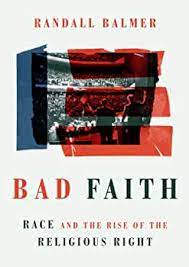
According to Balmer, the rise of the Religious Right was now driving Republican support for anti-trans legislation.
White Right-wing evangelicals backed Ronald Reagan against Jimmy Carter in 1980 and catapulted him to the White House.
Any Republican who wanted to gain the Presidency had to pay homage to the evangelical base, Balmer says.
In 2015, Donald Trump initially campaigned on welcoming gays and lesbians into the Republican platform. But he soon dropped this stance to win support from Right-wing evangelicals.
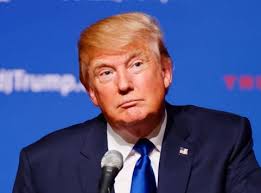
Donald Trump
That support proved crucial to his gaining the White House—just as it had proved crucial to Reagan in 1980 and 1984.
Gays have fought back on political and legal fronts, with mixed success.
According to move.org, among the best states for gays are: California, Oregon, Colorado and New York.
It’s no coincidence that these states have a majority Democratic population and legislature.
Among the worst states for gays are: Arizona, Idaho, Texas, Oklahoma, Wyoming, Arkansas and South Carolina.
Gays increasingly fear that the Supreme Court’s reversal of Roe v. Wade could lead to a reversal of its previous legalizing of same-sex marriage.
And this could very well happen. For decades, abortion rights advocates believed the Court wouldn’t dare strike down a right it had recognized as far back as 1973.
Immediately following the Court’s decision on Roe, Justice Clarence Thomas said that the landmark high court rulings that legalized same-sex marriage and contraception rights should be reconsidered.

Clarence Thomas
Thomas’ remark has been widely interpreted as an invitation to Right-wing states to bring challenges to those rulings.
Texas Attorney General Ken Paxton hopes the state legislature enacts a law that criminalizes sodomy so he can defend it at the Supreme Court.
And Stuart Adams, the Republican president of the State Senate, would support Utah’s joining other states to press the Supreme Court’s ending the right to same-sex marriage.
Given the all-out Republican assault on their liberties, gays could become convinced that they are becoming the targets of state-sponsored terrorism—as were Jews in Nazi Germany.
In such a case, they may turn to a more drastic means than elections and the courts to protect themselves: Violence.
“Those who make peaceful revolution impossible will make violent revolution inevitable,” said President John F. Kennedy in a 1962 address on the first anniversary of the Alliance for Progress.
His warning remains as valid today as it did 61 years ago.
1980 PRESIDENTIAL ELECTION, 1984 (NOVEL), 2016 PRESIDENTIAL ELECTION, ABC NEWS, ADOLF HITLER, ALTERNET, AMERICABLOG, AP, “DON’T SAY GAY” LEGISLATION, “TWO MINUTES HATE”, BABY BOOMER RESISTANCE, BBC, BLACKS, BLOOMBERG NEWS, BUZZFEED, CBS NEWS, CIVIL RIGHTS MOVEMENT, CIVIL WAR, CLARENCE THOMAS, CNN, CROOKS AND LIARS, DAILY KOS, DENNIS HASTERT, DONALD TRUMP, ENVIRONMENTALISTS, EVANGELICAL CHRSTIANS, FINAL SOLUTION, FIVETHIRTYEIGHT, FOX NEWS NETWORK, FRANKLIN GRAHAM, GAYS, GEORGE ORWELL, H. RAPP BROWN, HARPER’S MAGAZINE, HEINRICH HIMMLER, HERMAN GOERING, HISPANICS, HOMOSEXUALITY, HUFFINGTON POST, JIMMY CARTER, JOACHIM VON RIBBENTROP, JOHN F. KENNEDY, JOSH DUGGAR, KANSAS-MISSOURI BORDER, KEN PAXTON, KU KLUX KLAN, LESBIANS, LIBERALS, MALCOM X, MARTIN LUTHER KING, MEDIA MATTERS, MIKE PENCE, MOTHER JONES, MOVEON, MSNBC, NBC NEWS, NEW REPUBLIC, NEWSDAY, NEWSWEEK, NPR, PAUL JOSEPH GOEBBELS, PBS NEWSHOUR, PEDOPHILIA, POLITICO, POLITICUSUSA, PROUD BOYS, RANDALL BALMER, RAW STORY, REINHARD HEYDRICH, RELIGIOUS FREEDOM RESTORATION ACT, REPUBLICANS, REUTERS, ROE V. WADE, ROLLING STONE, RON DESANTIS, Ronald Reagan, SALON, SEATTLE TIMES, SLATE, SLAVERY, SOUTHERN POVERTY LAW CENTERS, STUART ADAMS, TALKING POINTS MEMO, TED CRUZ, THE ATLANTIC, THE CHICAGO SUN-TIMES, THE CHICAGO TRIBUNE, THE DAILY BEAST, THE DAILY BLOG, THE DISABLED, THE GUARDIAN, THE HILL, THE HUFFINGTON POST, THE INTERCEPT, THE LOS ANGELES TIMES, THE NATION, THE NEW REPUBLIC, THE NEW YORK TIMES, THE NEW YORKER, THE VILLAGE VOICE, THE WASHINGTON POST, THINKPROGRESS, TIME, TRANSGENDERS, TRUTHDIG, TRUTHOUT, TUCKER CARLSON, TWITTER, U.S. NEWS & WORLD REPORT, UNITED STATES HOUSE OF REPRESENTATIVES, UNITED STATES SUPREME COURT, UPI, USA TODAY, WHITE SUPREMACISTS, WOMEN
In Bureaucracy, History, Law, Law Enforcement, Medical, Politics, Social commentary on February 27, 2023 at 12:12 am
In a June 19, 2015 editorial, Rolling Stone magazine writer Jeb Lund noted:
“The Republican Party has weaponized its supporters, made violence a virtue and, with almost every pronouncement for 50 years, given them an enemy politicized, racialized and indivisible.
“Movement conservatives have fetishized a tendentious and ahistorical reading of the Second Amendment to the point that the Constitution itself somehow paradoxically ‘legitimizes’ an armed insurrection against the government created by it.
“Those leading said insurrection are swaddled by the blanket exculpation of patriotism. At the same time, they have synonymized the Democratic Party with illegitimacy and abuse of the American order.
“This is no longer an argument about whether one party’s beliefs are beneficial or harmful, but an attitude that labels leftism so antithetical to the American idea that empowering it on any level is an act of usurpation.”
Not content with this, Republicans have aimed slander and hatred at those who dare to vote Democratic. In the past, this has included:
- Blacks
- Women
- The disabled
- Environmentalists
- Liberals
More recently, the groups Republicans most delight in vilifying are:
- Hispanics
- Gays
- Lesbians
- Transgenders

George Orwell’s classic 1949 novel, 1984, serves as a better guide to Republican electioneering strategy than any official statement of the GOP.
1984 is set in a futuristic dictatorship called Oceania, whose constantly alternating mortal enemies are Eurasia and Eastasia.
A daily fixture of life in Oceania is the “Two Minutes Hate.” During this, Party members must watch a film depicting the Party’s enemies and express their hatred for them in exactly two minutes.
Chief among these is Emmanuel Goldstein, who is obviously based on Leon Trotsky, the longtime antagonist of Joseph Stalin, dictator of the Soviet Union for almost 30 years.
The “Two Minutes Hate” serves as a form of brainwashing, whose purpose is to whip ordinary citizens into a frenzy of hatred and loathing for whoever the Party designates as its—and their—-mortal enemies.
It fully describes the motivations—and effects—of Republicans’ attacks on their self-proclaimed enemies.
Without a speck of evidence to back up such defamatory claims, Republicans—both politicians and their followers—attack Democratic candidates as “groomers” and “pedophiles.”
This has led to deadly attacks on gays, lesbians and transgenders.
In December, 2014, Republicans in the Michigan House of Representatives passed “The Religious Freedom Restoration Act.”
The bill allows public agencies and private businesses to refuse service to anyone under the claim that their “religious beliefs” had been affronted.
And the State government is legally prevented from intervening if a person claimed that his/her “deeply-held religious beliefs” was the reason for acting—or not acting—in a certain way.
Thus:
- An emergency room doctor can refuse service to a gay or lesbian needing medical care.
- A pharmacist can refuse to fill a doctor’s prescription for birth control or HIV medication.
- A DMV clerk can refuse to give a driver’s license to someone who’s divorced.
- An employer can deny equal pay to women.
Republicans have introduced similar “right-to-discriminate” legislation in other states as well:
- On March 28, 2022, Florida Governor Ron DeSantis signed into law the “Parental Rights in Education” bill. This bans public school teachers from holding classroom instruction about sexual orientation or gender identity in kindergarten through grade three.
- In October, 33 Congressional Republicans introduced a similar “Don’t Say Gay” bill that would prohibit, on a nationwide basis, the use of federal funds “to develop, implement, facilitate, or fund any sexually-oriented program, event, or literature for children under the age of 10, and for other purposes.”
- On June 24, 2022, the Supreme Court’s reversed Roe v. Wade, guaranteeing a woman’s legal right to abortion. Soon afterward, Texas, Attorney General Ken Paxton said that he would willingly defend at the Supreme Court any law the Legislature enacted that criminalized sodomy.
- In Utah, Stuart Adams, the Republican president of the State Senate, said he would support Utah’s joining with other states to press the Supreme Court to end the right to same-sex marriage.
Republicans have defended such legislation by equating gays with child predators.
In fact, the Child Molestation Research & Prevention Institute states that 90% of child molesters target children in their network of family and friends, and the majority are men married to women.
Yet Republicans and their Rightist allies have refused to condemn such heterosexual—and Right-wing—child molesters as Dennis Hastert and Josh Duggar.
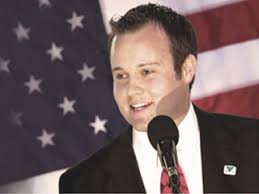
Josh Duggar, the “all-American” child molester
On May 21, 2015, responding to press leaks, Duggar resigned as director of the Family Research Council, a Right-wing organization dedicated to fighting sexually-oriented issues such as same-sex marriage, abortion and pornography.
In 2002-3, as a 14-15 year-old, Duggar had fondled the breasts and vaginas of five underage girls—four of whom were his own sisters.
And on October 28, 2015, Hastert—Speaker of the House of Representatives from 1999 to 2007–pleaded guilty to structuring money transactions in a way to avoid requirements to report where the money was going.
The reason: One of his victims had started blackmailing him.

Dennis Hastert
The reason: To conceal the truth about his past as a child molester. Hastert had abused four young boys when he was their high school wrestling coach. One was only 14 years old.
2016 PRESIDENTIAL ELECTION, 2020 PRESIDENTIAL ELECTION, ABC NEWS, ADOLF HITLER, ALTERNET, AP, BUZZFEED, CBS NEWS, CIA, CNN, COVID-19, CROOKS AND LIARS, DAILY KOS, DONALD TRUMP, FBI, FRANCE, GUNTER MEISNER, HERMAN WOUK, JAMES COMEY, JANUARY 6 COUP ATTEMPT, JOE BIDEN, KIM JONG-UN, MOTHER JONES, MOVEON, NAZI GERMANY, NBC NEWS, NEWSWEEK, NPR, POLITICO, RAW STORY, REUTERS, SALLY YATES, SALON, SEATTLE TIMES, SERGEY KISLYAK, SERGY LAVROV, SLATE, THE ATLANTIC, THE CHICAGO SUN-TIMES, THE CHICAGO TRIBUNE, THE DAILY BEAST, THE GUARDIAN, THE HILL, THE HUFFINGTON POST, THE LOS ANGELES TIMES, THE NATION, THE NEW YORK TIMES, THE PRESS, THE WASHINGTON POST, THE WINDS OF WAR, TIME, TWITTER, U.S. NEWS & WORLD REPORT, UPI, USA TODAY, VLADIMIR PUTIN, VOLODYMYR ZELENSKY, WALTER VON BRAUCHITSCH, WOLFGANG PREISS, WORLD WAR 11
In Bureaucracy, History, Military, Politics, Social commentary on January 13, 2023 at 12:15 am
After Donald Trump won the 2016 election, many people feared he would embark on a radical Right-wing agenda. But others hoped that the Washington bureaucracy would “box him in.”
The same sentiments echoed throughout Germany after Adolf Hitler was appointed Chancellor of Germany on January 30, 1933.
The 1983 TV mini-series, The Winds of War, offered a dramatic example of how honorable men can be overwhelmed by a ruthless dictator.
Based on the bestselling 1971 historical novel by Herman Wouk, the mini-series factually re-created the major historical events of World War II.

One of those events took place on November 5, 1939.
General Walther von Brauchitsch is summoned to the Chancellery in Berlin to meet with Adolf Hitler. He carries a memorandum signed by all the leaders of the German Wehrmacht asserting that Case Yellow—Hitler’s planned attack against France—is impossible.
Meanwhile, at the German army headquarters at Zossen, in Berlin, the Wehrmacht’s top command wait for word from von Brauchitsch.
CHANCELLERY:
Von Brauchitsch hands the memorandum to Hitler, who reads it.
Adolf Hitler (slamming down the memorandum): So—what is new in all this?
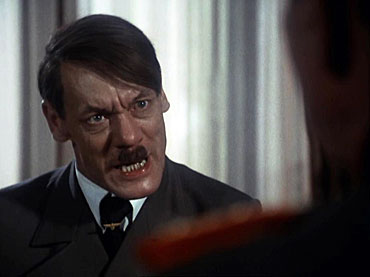
Gunter Meisner as Adolf Hitler in “The Winds of War”
Walther Von Brauchitsch: Fuhrer, it is the army’s final position that Case Yellow cannot proceed.
Hitler: Why not?
Von Brauchitsch: Because of the military fundamentals as stated. The meteorologists predict continuous soaking rains for weeks.
Hitler: It rains on the enemy, too.
ZOSSEN:
Brigadier General Armin Von Roon: The conspiracy has been going on that long—since Czechoslovakia [1938)?
Chief of the General Staff Franz Halder: If the British had not caved in at Munich [where France and Britain sold out their ally, Czechoslovakia]—perhaps. But they did. And ever then, ever since his big triumph, it has been hopeless. Hopeless.
Von Roon: Empty talk, talk, talk. I am staggered.
Halder: A hundred times I myself could have shot the man. I can still at any time. But what would be the result? Chaos. The people are for him. He has unified the country. We must stick to our posts and save him from making military mistakes.
CHANCELLERY:
Von Brauchitsch: Fuhrer, even the supply of artillery shells is totally inadequate.
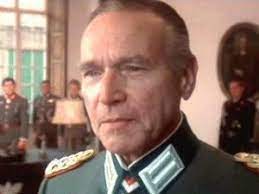
Wolfgang Preiss as Walter von Brauchitsch in “The Winds of War”
Hitler: Do you know how many artillery shells of all calibers we have in the staging areas—right this minute?
Von Brauchitsch: No.
Hitler: How many we have in the reserve dumps in the West? What the monthly annual production of shells is? What the projected rise in production of the next six months is, month by month?
Von Brauchitsch: Who keeps such figures in his head?
Hitler: I do! The supply is adequate. I tell you so. And I’m a field soldier who depended on artillery for four years to protect his life. [He hands von Brauchitsch a sheaf of armaments figures.] Check with your staff. if one of those figures is wrong, you can postpone Case Yellow. Otherwise—you march! And next time you come to see me, know what you’re talking about!
Von Brauchitsch: The morale of the army was low, even in the Polish campaign.
Hitler: Back up this monstrous assertion! In what units was morale low? What action was taken? How many death sentences were handed out for cowardice? Speak up! I’ll fly to the front and pass the death sentences myself. One specific instance.
Von Brauchitsch: It was common knowledge—
Hitler: Common knowledge? What is common knowledge is that army headquarters at Zossen crawls with cowards. You opposed me in rearming the Rhineland. You opposed me on the [union] with Austria. You opposed me on Czechoslovakia, until the British came crawling to me. You dirtied in your trousers, you heroes at Zossen, at the idea of marching into Poland. Well, have I once been wrong? Have you once been right? Answer me!
Von Brauchitsch: Mein Fuhrer—
Hitler: Tell everyone who signed this insubordinate Zossen rubbish to beware! I will ruthlessly crush everybody up to the rank of a Field Marshal who dares to oppose me. You don’t have to understand. You only have to obey. The German people understand me. I am Germany.
Fast forward 79 years from Adolf Hitler’s stormy confrontation with Walter von Brauchitsch to January 6, 2021.
President Donald Trump:
- Fired FBI Director James Comey for investigating Russia’s subversion of the 2016 Presidential election.
- Gave Russian Foreign Minister Sergey Lavrov and Russian Ambassador Sergey Kislyak highly classified CIA Intelligence.
- Attacked the integrity of the American Intelligence community.
- Attacked the free press as “the enemy of the American people.”
- Praised brutal Communist dictators Vladimir Putin and Kim Jong Un.
- Tried to coerce Ukrainian President Volodymyr Zelensky to smear former Vice President Joe Biden, his presumed Democratic opponent in the 2020 Presidential election.
- Repeatedly lied about the dangers posed by the COVID-19 virus, thus enabling it to ravage the country and kill 400,000 by the time Trump left office.
- Incited his followers to violently attack the United States Capitol Building to overturn the results of the 2020 Presidential election and prevent Joe Biden, the winner, from taking office.
Like Hitler, Trump could equally say: I am America.
2016 PRESIDENTIAL ELECTION, 2020 PRESIDENTIAL ELECTION, 60 MINUTES, ABC NEWS, ALTERNET, AMERICABLOG, AP, BABY BOOMER RESISTANCE, BALLOTS, BBC, BLOOMBERG NEWS, BUZZFEED, CBS NEWS, CHRIS KREBS, CIA, CNN, CRIMINALITY, CROOKS AND LIARS, CYBERSECURITY INFRASTRUCTURE SECURITY AGENCY (CISA), DAILY KOZ, DEPARTMENT OF DEFENSE CYBER COMMAND, DEPARTMENT OF HOMELAND SECURITY (DHS), DONALD TRUMP, DRUDGE REPORT, ELECTION ASSISTANCE COMMISSION, ELECTION SECURITY, ELECTORAL COLLEGE, FACEBOOK, FBI, FIVETHIRTYEIGHT, HACKING, HARPER’S MAGAZINE, HILLARY CLINTON, HUFFINGTON POST, JOE BIDEN, Kamala Harris, MEDIA MATTERS, MICROSOFT, MIKE PENCE, MOTHER JONES, MOVEON, MSNBC, NATIONAL SECURITY AGENCY, NBC NEWS, NEW REPUBLIC, NEWSDAY, NEWSWEEK, NPR, PBS NEWSHOUR, POLITICO, POLITICUSUSA, POPULAR VOTE, PROPAGANDA, RAW STORY, REUTERS, RUSSIA, SALON, SCOTT PELLEY, SEATTLE TIMES, Secret Service, SLATE, TALKING POINTS MEMO, THE ATLANTIC, THE CHICAGO SUN-TIMES, THE CHICAGO TRIBUNE, THE DAILY BEAST, THE DAILY BLOG, THE GUARDIAN, THE HILL, THE HUFFINGTON POST, THE LOS ANGELES TIMES, THE NATION, THE NEW REPUBLIC, THE NEW YORK TIMES, THE NEW YORKER, THE VILLAGE VOICE, THE WASHINGTON POST, THINKPROGRESS, TIME, TIME MAGAZINE, TIME MAGAZINIE’S PERSON OF THE YEAR, TREASON, TRUTHDIG, TRUTHOUT, TWITTER, TWO POLITICAL JUNKIES, U.S. NEWS & WORLD REPORT, UNITED STATES HOUSE OF REPRESENTATIVES, UNITED STATES SENATE, UPI, USA TODAY, VLADIMIR PUTIN, WONKETTE
In Bureaucracy, History, Law, Law Enforcement, Politics, Social commentary on November 18, 2022 at 12:13 am
As a result of the vast increase in election security, President Donald Trump failed to get the help he expected from Russian dictator Vladimir Putin.
The result: He lost the 2020 Presidential election.
Thus, Joe Biden won the popular vote by 81,268,924 to 74,216,154 for Trump—and the Electoral College by 306 to 232.
Two days later, Trump claimed: “And this is a case where they’re trying to steal an election, they’re trying to rig an election.”
Chris Krebs was the director of the Cybersecurity and Infrastructure Security Agency (CISA) run by the Department of Homeland Security (DHS). And the man most responsible for ensuring election security.
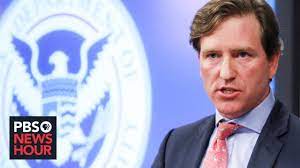
Chris Krebs
On November 12, to counter the growing chorus of lies from Trump and his Right-wing allies, he put out the following statement:
“The November 3rd election was the most secure in American history. There is no evidence that any voting system deleted or lost votes, changed votes, or was in any way compromised.”
On November 17, Trump fired Chris Krebs.
Too cowardly to confront Krebs, Trump fired him by tweet—and accompanied the outrage with yet another lie:
“The recent statement by Chris Krebs on the security of the 2020 election was highly inaccurate, in that there were massive improprieties and fraud, including dead people voting, poll watchers not allowed into polling locations, glitches in the voting machines which changed votes from Trump to Biden, late voting, and many more.
“Therefore, effective immediately, Chris Krebs has been terminated as director of the Cybersecurity and Infrastructure Security Agency.”
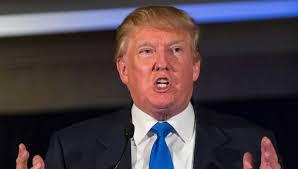
Donald Trump
Asked by “60 Minutes'” Scott Pelley if he was surprised to be fired, Krebs replied: “I don’t know if I was necessarily surprised. It’s not how I wanted to go out. The thing that upsets me the most about that is I didn’t get a chance to say goodbye to my team.
“And I’d worked with them for three and a half years, in the trenches. Building an agency, putting CISA on the national stage. And I love that team. And I didn’t get a chance to say goodbye, so that’s what I’m most upset about.”
Krebs was no dyed-in-the-wool Democrat but a life-long Republican. He gave up a lucrative job as Microsoft’s head of cybersecurity policy to join the Trump administration. He wanted to serve his country by creating a dedicated cybersecurity agency for the first time.
Still, he had his reservations about taking the job. As he told the Financial Times: “The flaws of this man [Trump] were obvious to everybody that was willing to pay attention. [But] to do your job, you have to be able to compartmentalize. I was willing to do that.
“Over time, it eats away at you. It eats away at you, the other parts of the department that were doing stuff that just seemed so inhumane. I was never involved in any of those policy conversations.”
By January 6, 2021, Trump had exhausted his legal efforts to overturn the results of the 2020 election.
From November 3 to December 14, Trump and his allies lost 59 times in court, either withdrawing cases or having them dismissed by Federal and state judges.
Of these attempts to challenge the results of the 2020 election, Krebs told Pelley:
“It was upsetting because what I saw was an apparent attempt to undermine confidence in the election, to confuse people, to scare people. It’s not me, it’s not just CISA. It’s the tens of thousands of election workers out there that had been working nonstop, 18-hour days, for months.
“They’re getting death threats for trying to carry out one of our core democratic institutions, an election. And that was, again, to me, a press conference that I just– it didn’t make sense. What it was actively doing was undermining democracy. And that’s dangerous.”
On January 6, the United States Senate, with Vice President Mike Pence presiding, met to certify states’ Electoral College results of the 2020 election.
That morning, Trump urged Pence to flip the results of the election to give him a win.
Pence replied that he lacked the power to overturn those results.
At noon, Trump appeared at the Ellipse, a 52-acre park south of the White House fence. A stage had been set up for him to address tens of thousands of his supporters, who eagerly awaited him.
Trump ordered them to march on the Capitol building to express their anger at his loss—and thus intimidate Congressional officials to reject the results.
The Stormtrumpers marched to the United States Capitol—and quickly brushed aside Capitol Police, who made little effort to arrest or shoot them.

The “Jolly Roger” meets Donald Trump
Three hours passed before the mob was dispersed and order was restored.
Yet for all the terrible drama of that day, the true hero of the moment went unrecognized.
By depriving Trump of Russian help, Chris Krebs had ensured a victory for democracy.
On the evening of January 6, the House and Senate met again to count the Electoral Votes.
And as expected, the two bodies pronounced Joseph Biden the winner—bringing an end to Donald Trump’s reign of criminality and treason.
2016 PRESIDENTIAL ELECTION, 2020 PRESIDENTIAL ELECTION, 60 MINUTES, ABC NEWS, ALTERNET, AMERICABLOG, AP, BABY BOOMER RESISTANCE, BALLOTS, BBC, BLOOMBERG NEWS, BUZZFEED, CBS NEWS, CHRIS KREBS, CIA, CNN, CRIMINALITY, CROOKS AND LIARS, CYBERSECURITY INFRASTRUCTURE SECURITY AGENCY (CISA), DAILY KOZ, DEPARTMENT OF DEFENSE CYBER COMMAND, DEPARTMENT OF HOMELAND SECURITY (DHS), DONALD TRUMP, DRUDGE REPORT, ELECTION ASSISTANCE COMMISSION, ELECTION SECURITY, ELECTORAL COLLEGE, FACEBOOK, FBI, FIVETHIRTYEIGHT, HACKING, HARPER’S MAGAZINE, HILLARY CLINTON, HUFFINGTON POST, JOE BIDEN, Kamala Harris, MEDIA MATTERS, MICROSOFT, MIKE PENCE, MOTHER JONES, MOVEON, MSNBC, NATIONAL SECURITY AGENCY, NBC NEWS, NEW REPUBLIC, NEWSDAY, NEWSWEEK, NPR, PBS NEWSHOUR, POLITICO, POLITICUSUSA, POPULAR VOTE, PROPAGANDA, RAW STORY, REUTERS, RUSSIA, SALON, SCOTT PELLEY, SEATTLE TIMES, Secret Service, SLATE, TALKING POINTS MEMO, THE ATLANTIC, THE CHICAGO SUN-TIMES, THE CHICAGO TRIBUNE, THE DAILY BEAST, THE DAILY BLOG, THE GUARDIAN, THE HILL, THE HUFFINGTON POST, THE LOS ANGELES TIMES, THE NATION, THE NEW REPUBLIC, THE NEW YORK TIMES, THE NEW YORKER, THE VILLAGE VOICE, THE WASHINGTON POST, THINKPROGRESS, TIME, TIME MAGAZINE, TIME MAGAZINIE’S PERSON OF THE YEAR, TREASON, TRUTHDIG, TRUTHOUT, TWITTER, TWO POLITICAL JUNKIES, U.S. NEWS & WORLD REPORT, UNITED STATES HOUSE OF REPRESENTATIVES, UNITED STATES SENATE, UPI, USA TODAY, VLADIMIR PUTIN, WONKETTE
In Bureaucracy, History, Law Enforcement, Politics, Social commentary on November 17, 2022 at 12:10 am
TIME’s Person of the Year for 2020 proved to be two people: Joe Biden and Kamala Harris.
On the surface, choosing Biden and Harris made sense: “Joe Biden was elected President of the United States in the midst of an existential debate over what reality we inhabit. Perhaps the only thing Americans agree on right now is that the future of the country is at stake, even as they fiercely disagree about why.”
As for the shared legacy of Biden and Harris: “If Donald Trump was a force for disruption and division over the past four years, Biden and Harris show where the nation is heading: a blend of ethnicities, lived experiences and worldviews that must find a way forward together if the American experiment is to survive.”

Yet a lesser-known but far more consequential choice for “Person of the Year” would have been Chris Krebs.
Because, without Chris Krebs, there would not now be a Biden Presidency.
During the 2016 Presidential race, Russian propaganda played a major role in convincing millions of Americans to vote for Donald Trump. Social media platforms—especially Facebook and Twitter—were flooded with genuinely fake news to sow discord among Americans and create a pathway for Trump’s election.
And where Internet trolls left off, Russian computer hackers took over.
Hillary Clinton won the popular vote—65,853,514 to 62,984,828 for Trump. But in the United States, what counts in Presidential elections is the Electoral College vote.
And there Trump won: 304 to 227.
What put him over the top in the Electoral College was the help he got from Russian dictator Vladimir Putin.
Putin had good reason to assist Trump: Putin wanted the United States to ditch the North Atlantic Treaty Organization (NATO) alliance, which has preserved Western Europe from Russian aggression since World War II. And Trump had often attacked America’s funding of NATO as a drain on the American economy.
As for Trump, he wanted something from Putin: He wanted to be President. For this, Putin could supply monies, Internet trolls to confuse voters with falsified news, and even the hacking of key voting centers.
So notorious was the role played by Russian trolls and hackers in winning Trump the 2016 election that the Department of Homeland Security (DHS) was determined to prevent a repetition in 2020.
And the point man for this was Chris Krebs, the director of the Cybersecurity and Infrastructure Security Agency (CISA) run by DHS.
Born in Atlanta, Georgia, in 1977, Krebs had received a B.A. in environmental sciences from the University of Virginia in 1999, and a J.D. from the George Mason University School of Law in 2007.
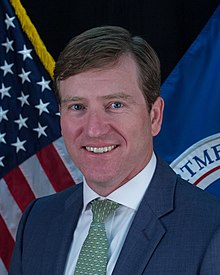
Chris Krebs
Krebs had served as Senior Advisor to the Assistant Secretary of Homeland Security for Infrastructure Protection, and later worked in the private sector as Director for Cybersecurity Policy for Microsoft.
In preparation for the 2020 Presidential election, Krebs launched a massive effort to counter lies spread by Russians—and Americans—on social media platforms. As he explained to Scott Pelley during a “60 Minutes” interview aired on November 29, 2020:
“So we spent something on the order of three and a half years of gaming out every possible scenario for how a foreign actor could interfere with an election. Countless, countless scenarios.”
Krebs’ to-do list included paper ballots:
“Paper ballots give you the ability to audit, to go back and check the tape and make sure that you got the count right. And that’s really one of the keys to success for a secure 2020 election. Ninety-five percent of the ballots cast in the 2020 election had a paper record associated with it. Compared to 2016, about 82%.
“That gives you the ability to prove that there was no malicious algorithm or hacked software that adjusted the tally of the vote, and just look at what happened in Georgia. Georgia has machines that tabulate the vote. They then held a hand recount and the outcome was consistent with the machine vote.”
Krebs’ duties included:
- Sharing intelligence from agencies such as the CIA and National Security Agency with local officials about foreign efforts at election interference.
- Ensuring that domestic voting equipment was secure.
- Attacking domestic misinformation head-on.
At his command lay the resources of a series of powerful Federal investigative agencies:
“We had the Department of Defense Cyber Command. We had the National Security Agency. We had the FBI. We had the Secret Service. We also had representatives from the Election Assistance Commission, which is the federal independent agency that supports the actual administration of elections.
“We had representatives from some of the election equipment vendors. And they’re critical because they’re the ones out there that know what’s going on on the ground if there’s any sort of issue with some of their systems. And we had representatives from state and local governments.”
Misinformation led CISA to create a new “Rumor Control” website ahead of the 2020 election. Its main goal was to debunk rumors surrounding the 2020 election that had been spreading throughout the country.
As a result, Krebs was widely praised for revamping the department’s cybersecurity efforts and increasing coordination with state and local governments.
By all accounts—except Donald Trump’s—the November 3, 2020 election went very smoothly.
1912 PRESIDENTIAL ELECTION, 2016 PRESIDENTIAL ELECTION, 2020 PRESIDENTIAL ELECTION, 2024 PRESIDENTIAL ELECTION, ABC NEWS, ADOLF HITLER, ALBERT SPEER, ALTERNET, AMERICABLOG, AP, BABY BOOMER RESISTANCE, BBC, BLACKS, BLOOMBERG NEWS, BORDER WALL, BUZZFEED, CASEY DESANTIS, CBS NEWS, CIA, CNN, COVID-19, CROOKS AND LIARS, DAILY KOS, DEMOCRATS, DONALD TRUMP, ELECTORAL COLLEGE, FBI, FIVETHIRTYEIGHT, FOX NEWS, GAYS, GOVERNMENT SHUTDOWN, HARPER’S MAGAZINE, HARRY S. TRUMAN, HUFFINGTON POST, ILLEGAL ALIENS, JAMES COMEY, JANUARY 6 COUP ATTEMPT, JOE BIDEN, JOSEPH STALIN, MAGGIE HABERMAN, MASKS, MEDIA MATTERS, MOTHER JONES, MOVEON, MSNBC, NATIONAL SECURITY AGENCY, NAZI GERMANY, NBC NEWS, NEW REPUBLIC, NEW YORK POST, NEWSDAY, NEWSWEEK, NICHOLE HEMMER, NPR, PBS NEWSHOUR, POLITICO, POLITICUSUSA, PROTESTERS, PUBLIC HEALTH WORKERS, RACISM, RAW STORY, REPUBLICANS, REUTERS, ROGER STONE, RON DESANTIS, SALON, SCHOOLS, SEATTLE TIMES, SERGEY KISLYAK, SERGEY LAVROV, SEXUALITY, SLATE, SOVIET UNION, TALKING POINTS MEMO, THE ATLANTIC, THE CHICAGO SUN-TIMES, THE CHICAGO TRIBUNE, THE DAILY BEAST, THE DAILY BLOG, THE GUARDIAN, THE HILL, THE HUFFINGTON POST, THE INTERCEPT, THE LOS ANGELES TIMES, THE NATION, THE NEW REPUBLIC, THE NEW YORK TIMES, THE NEW YORKER, THE PRESS, THE VILLAGE VOICE, THE WASHINGTON POST, THEODORE ROOSEVELT, THINKPROGRESS, TIME, TRUTH SOCIAL, TRUTHDIG, TRUTHOUT, TWITTER, U.S. NEWS & WORLD REPORT, UKRAINE, UPI, USA TODAY, VACCINATIONS, VANDERBILT UNIVERSITY, VLADIMIR PUTIN, VOLODYMYR ZELENSKY, WALL STREET JOURNAL, WALT DISNEY CORPORATION, WILLIMAM HOWWARD TAFT, WOODROW WILSON
In Bureaucracy, History, Law, Law Enforcement, Politics, Social commentary, Uncategorized on November 16, 2022 at 12:10 am
In his coming war against Florida Governor Ron DeSantis, Donald Trump may have the last word.
The former President has warned that if he can’t be the Republican Presidential nominee in 2024, “he’s willing to burn it all down.”
New York Times reporter Maggie Haberman, who has intimately covered Trump for years, has tweeted:
“Yes, Trump is more vulnerable than he’s been in a long time. But that has happened before and he’s survived.”

Maggie Haberman
Andrew Lih, CC BY-SA 4.0 <https://creativecommons.org/licenses/by-sa/4.0>, via Wikimedia Commons
“Trump has extremely few major donors who want to do anything for him right now and a number of them are having active conversations about the best way to stop him. But. Again….sound familiar?
“Trump has made clear he’s willing to burn it all down if he doesn’t get what he wants, which is maintaining his grip on the product line he’s been developing for six years: the Republican party. So a lot of electeds will have to make a choice they’ve not had to before.”
There is precedent for this. After serving two terms in the White House (1901-1909) Theodore Roosevelt became increasingly disillusioned with his handpicked successor: William Howard Taft.

Theodore Roosevelt
By 1912, he decided to run for a third term as a third-party candidate. His candidacy split the Republican vote—and enabled Democrats to elect Woodrow Wilson President.
No doubt many Democrats are now salivating at the possibility of the same occurring in 2024.
And even more of them are looking forward to seeing two would-be tyrants—Donald Trump and Ron DeSantis—trading lethal blows for most of the Presidential year.
Their reaction would be similar to that expressed by then-Senator Harry S. Truman when Nazi Germany invaded the Soviet Union on June 22, 1941: “If we see that Germany is winning the war, we ought to help Russia; and if that Russia is winning, we ought to help Germany, and in that way let them kill as many as possible.”
* * * * *
As the Third Reich came to its fiery end, its dictator, Adolf Hitler, sought to punish the German people for being “unworthy” of his “genius” and losing the war he had started.
His attitude was: “If I can’t rule Germany, then there won’t be a Germany.”
In his infamous “Nero Order,” he decreed the destruction of everything still remaining–industries, ships, harbors, communications, roads, mines, bridges, stores, utility plants, food stuffs.
Fortunately for Germany, one man–Albert Speer–finally broke ranks with his Fuhrer.

Albert Speer
Risking death, he refused to carry out Hitler’s “scorched earth” order. Even more important, he mounted a successful effort to block such destruction and persuade influential military and civilian leaders to disobey the order as well.
As a result, those targets slated for destruction were spared.
Throughout his four years in office, President Donald Trump made it clear that America faced a stark choice: It could remain a constitutional democracy—or allow him to become an all-powerful “President-for-Life.”
Among his outrages:
- Repeatedly attacking the nation’s free press for daring to report his growing list of crimes and disasters, calling it “the enemy of the American people.”
- Siding with Russian dictator Vladimir Putin against the FBI, CIA and National Security Agency which unanimously agreed that Russia had subverted the 2016 Presidential election.
- Firing FBI Director James Comey for investigating that subversion.
- Giving Russian Foreign Minister Sergey Lavrov and Russian Ambassador Sergey Kislyak highly classified CIA Intelligence about an Islamic State plot to turn laptops into concealable bombs.
- Shutting down the Federal Government for 35 days in 2018-19 because Democrats refused to fund his ineffective “border wall” between the United States and Mexico.
- An estimated 380,000 government employees were furloughed and another 420,000 were ordered to work without pay. The shutdown ended due to public outrage—without Trump getting the funding amount he had demanded.
- Trying to coerce Ukrainian President Volodymyr Zelensky to smear former Vice President Joe Biden, who was likely to be his Democratic opponent in the 2020 Presidential election.
- Repeatedly lying about the dangers posed by the COVID-19 virus, and thus enabling it to ravage the country and ultimately kill 400,000 by the time Trump left office.
- Attacking medical experts and governors who urged Americans to wear masks and socially distance to protect themselves from COVID-19.
Trump’s ultimate act of criminality and treason came on January 6, 2021, when he incited his followers to violently attack the United States Capitol Building. Their goal: To prevent Republicans and Democrats from counting the Electoral Votes cast in the 2020 Presidential election.
Trump fully understood that an accurate count of those votes would reveal his loss to Joe Biden: 306 votes for Biden, compared with 232 for Trump.
Fortunately for American democracy, there were enough patriots determined to prevent Trump from becoming the absolute dictator he clearly intended to be.
Like Adolf Hitler, Donald Trump’s attitude was: “If I can’t rule America, there won’t be an America.”
Deprived of his chance to destroy the country he claimed to love, Trump now threatens to destroy the political party that brought him to near-absolute power in 2016.
And Ron DeSantis stands ready to establish himself as an equally Trumpian dictator.
Their party is still waiting for a Republican Albert Speer to step forward and save America from the self-destructive brutalities of its own Right-wing fanatics.
1912 PRESIDENTIAL ELECTION, 2016 PRESIDENTIAL ELECTION, 2020 PRESIDENTIAL ELECTION, 2024 PRESIDENTIAL ELECTION, ABC NEWS, ADOLF HITLER, ALBERT SPEER, ALTERNET, AMERICABLOG, AP, BABY BOOMER RESISTANCE, BBC, BLACKS, BLOOMBERG NEWS, BORDER WALL, BUZZFEED, CASEY DESANTIS, CBS NEWS, CIA, CNN, COVID-19, CROOKS AND LIARS, DAILY KOS, DEMOCRATS, DONALD TRUMP, ELECTORAL COLLEGE, FBI, FIVETHIRTYEIGHT, FOX NEWS, GAYS, GOVERNMENT SHUTDOWN, HARPER’S MAGAZINE, HARRY S. TRUMAN, HUFFINGTON POST, ILLEGAL ALIENS, JAMES COMEY, JANUARY 6 COUP ATTEMPT, JOE BIDEN, JOSEPH STALIN, MAGGIE HABERMAN, MASKS, MEDIA MATTERS, MOTHER JONES, MOVEON, MSNBC, NATIONAL SECURITY AGENCY, NAZI GERMANY, NBC NEWS, NEW REPUBLIC, NEW YORK POST, NEWSDAY, NEWSWEEK, NICHOLE HEMMER, NPR, PBS NEWSHOUR, POLITICO, POLITICUSUSA, PROTESTERS, PUBLIC HEALTH WORKERS, RACISM, RAW STORY, REPUBLICANS, REUTERS, ROGER STONE, RON DESANTIS, SALON, SCHOOLS, SEATTLE TIMES, SERGEY KISLYAK, SERGEY LAVROV, SEXUALITY, SLATE, SOVIET UNION, TALKING POINTS MEMO, THE ATLANTIC, THE CHICAGO SUN-TIMES, THE CHICAGO TRIBUNE, THE DAILY BEAST, THE DAILY BLOG, THE GUARDIAN, THE HILL, THE HUFFINGTON POST, THE INTERCEPT, THE LOS ANGELES TIMES, THE NATION, THE NEW REPUBLIC, THE NEW YORK TIMES, THE NEW YORKER, THE PRESS, THE VILLAGE VOICE, THE WASHINGTON POST, THEODORE ROOSEVELT, THINKPROGRESS, TIME, TRUTH SOCIAL, TRUTHDIG, TRUTHOUT, TWITTER, U.S. NEWS & WORLD REPORT, UKRAINE, UPI, USA TODAY, VACCINATIONS, VANDERBILT UNIVERSITY, VLADIMIR PUTIN, VOLODYMYR ZELENSKY, WALL STREET JOURNAL, WALT DISNEY CORPORATION, WILLIMAM HOWWARD TAFT, WOODROW WILSON
In Bureaucracy, History, Law, Law Enforcement, Politics, Social commentary on November 15, 2022 at 12:10 am
Having been defeated in 2020 for a second term by former Vice President Joe Biden, Donald Trump has convinced himself—and millions of his fanatical followers—that he was cheated by vote fraud.
He is convinced that the 2024 GOP Presidential nomination rightfully belongs to him. And that anyone who stands in his way must be mercilessly crushed.
Florida Governor Ron DeSantis, on the other hand, is equally convinced that it’s now the turn of a younger, more vigorous and equally ruthless man to hold the White House.
Not only does Trump believe DeSantis owes him absolute loyalty, but so do many of his supporters.
“Sadly, everything President Trump says is true. Ron DeSantis owes his governorship to Donald Trump and challenging him in 2024 would be a treacherous act of disloyalty,” said Roger Stone, a long-time Trump adviser.
That assumes that Trump has been ordained as the official Republican Presidential nominee for 2024.
He has not.
Donald Trump
Moreover, Trump has never allowed a sense of loyalty to stand in the way of his ambitions—in business or politics.
In DeSantis, Trump faces an opponent every bit as ruthless as himself—and endowed with several built-in advantages.
On November 11, the CNN website carried an opinion piece by Nichole Hemmer, an associate professor of history at Vanderbilt University.
Entitled “Even the DeSantis bubble may burst,” it noted:
“On paper, DeSantis looks like Trump’s natural heir. Since winning the governorship by a whisper-thin margin in 2018, he has consciously molded himself after Trump, picking up everything from Trump’s hand gestures and speech cadence to his media-bashing and calculated viciousness….
“He has married that political style with a strongman persona. As governor, he has targeted protesters, universities, public health workers and corporations for opposing his policies.
“He has sent police to round up voters with felony convictions who, confused by the state’s efforts to strip their voting rights after voters reinstated them a few years ago, mistakenly voted in recent elections.
“He has bent the Florida legislature to his will, whipping up support for anti-gay laws, a new redistricting map and punitive legislation targeting Disney after the company criticized the state’s infamous ‘don’t say gay” bill.'”

Nichole Hemmer
Thus, in DeSantis, Trump faces an opponent every bit as ruthless as himself—and endowed with several built-in advantages.
First, DeSantis, at 44, is 32 years younger than the 76-year-old Trump.
Second, DeSantis, unlike Trump, has an existing power-base: The Governorship of a pivotal swing state: Florida.
Trump, an ex-President, lives at his Mar-a-Lago estate in Palm Beach, Florida.
Third, DeSantis doesn’t carry the baggage of scandals and notoriety that Trump has acquired as a businessman and President.
Fourth, DeSantis can reach far greater numbers of people through his Twitter account than Trump has been able to do through his failing website, Truth Social.
That’s because Trump’s Twitter account was closed—by Twitter—after he incited a mob of his followers to attack the United States Capitol Building on January 6, 2021.
The object of that attack: To stop the counting of Electoral College votes certain to find former Vice President Joe Biden the legitimate winner of the 2020 Presidential election.

Ron DeSantis
Fifth, many Republicans are blaming Trump for their failure to sweep Democrats from state and Federal offices in a widely heralded “Red wave” in the 2022 midterm elections.
“Trump Is the Republican Party’s Biggest Loser,” read the Wall Street Journal Editorial Board’s headline. Fox News and right-wing podcasts and radio shows repeated the charge in the days after the elections.
Sixth, DeSantis has gained huge popularity within Florida by molding himself after Trump by tapping into the politics of resentment. Among the targets of his attacks:
Protesters: DeSantis enacted a 2021 “anti-riot” bill that:
- Grants civil legal immunity to people who drive through protesters blocking a road;
- Creates a broad category for misdemeanor arrest during protests;
- Anyone charged will be denied bail until their first court appearance;
- Creates a new felony crime of “aggravated rioting” that carries a sentence of up to 15 years in prison and a new crime of “mob intimidation.”
Schools:
- Installed GOP allies in top university posts;
- Successfully pushed legislation that could change tenure and limit how university professors can teach lessons on race.
Blacks: Pushed through the legislature a new congressional map that will dilute the voting power of black Floridians.
COVID-19: Attacked wearing masks and getting vaccinated as threats to “American freedom”—to support a family, attend school, run a business.
Gays: Signed legislation prohibiting classroom discussions about sexual orientation and gender identity with younger students—a measure critics dubbed the “Don’t Say Gay” law.
Walt Disney Corporation: Disney CEO Bob Chapek criticized DeSantis’ “don’t say gay” bill. DeSantis rammed through the legislature a bill eliminating the decades-long status Disney had held to operate as an independent government around its Orlando-area theme parks.
Asylum-seekers: Sent two planeloads of illegal aliens—at Florida’s expense—to the island of Martha’s Vineyard as a pre-election publicity stunt.
Nor has DeSantis neglected to make himself appear as a true “man of the people.”
A month before the election, he declared a gas tax holiday. He also suspended campaigning and focused on effective hurricane relief after Hurricane Ian.
1912 PRESIDENTIAL ELECTION, 2016 PRESIDENTIAL ELECTION, 2020 PRESIDENTIAL ELECTION, 2024 PRESIDENTIAL ELECTION, ABC NEWS, ADOLF HITLER, ALBERT SPEER, ALTERNET, AMERICABLOG, AP, BABY BOOMER RESISTANCE, BBC, BLACKS, BLOOMBERG NEWS, BORDER WALL, BUZZFEED, CASEY DESANTIS, CBS NEWS, CIA, CNN, COVID-19, CROOKS AND LIARS, DAILY KOS, DEMOCRATS, DONALD TRUMP, ELECTORAL COLLEGE, FBI, FIVETHIRTYEIGHT, FOX NEWS, GAYS, GOVERNMENT SHUTDOWN, HARPER’S MAGAZINE, HARRY S. TRUMAN, HUFFINGTON POST, ILLEGAL ALIENS, JAMES COMEY, JANUARY 6 COUP ATTEMPT, JOE BIDEN, JOSEPH STALIN, MAGGIE HABERMAN, MASKS, MEDIA MATTERS, MOTHER JONES, MOVEON, MSNBC, NATIONAL SECURITY AGENCY, NAZI GERMANY, NBC NEWS, NEW REPUBLIC, NEW YORK POST, NEWSDAY, NEWSWEEK, NICHOLE HEMMER, NPR, PBS NEWSHOUR, POLITICO, POLITICUSUSA, PROTESTERS, RACISM, RAW STORY, REPUBLICANS, REUTERS, ROGER STONE, RON DESANTIS, SALON, SCHOOLS, SEATTLE TIMES, SERGEY KISLYAK, SERGEY LAVROV, SEXUALITY, SLATE, SOVIET UNION, TALKING POINTS MEMO, THE ATLANTIC, THE CHICAGO SUN-TIMES, THE CHICAGO TRIBUNE, THE DAILY BEAST, THE DAILY BLOG, THE GUARDIAN, THE HILL, THE HUFFINGTON POST, THE INTERCEPT, THE LOS ANGELES TIMES, THE NATION, THE NEW REPUBLIC, THE NEW YORK TIMES, THE NEW YORKER, THE PRESS, THE VILLAGE VOICE, THE WASHINGTON POST, THEODORE ROOSEVELT, THINKPROGRESS, TIME, TRUTH SOCIAL, TRUTHDIG, TRUTHOUT, TWITTER, U.S. NEWS & WORLD REPORT, UKRAINE, UPI, USA TODAY, VACCINATIONS, VANDERBILT UNIVERSITY, VLADIMIR PUTIN, VOLODYMYR ZELENSKY, WALL STREET JOURNAL, WALT DISNEY CORPORATION, WILLIMAM HOWWARD TAFT, WOODROW WILSON
In Bureaucracy, History, Law, Law Enforcement, Politics, Social commentary on November 14, 2022 at 12:10 am
For Americans, it may turn out to be the equivalent of the deathmatch between German Fuhrer Adolf Hitler and Soviet Premier Joseph Stalin.
At the very least, it promises to be the Right-wing heavyweight championship of the decade, if not the century: An all-out slugfest between former President Donald J. Trump and Florida Governor Ron D. DeSantis.
On November 10, Trump publicly attacked DeSantis as “Ron DeSanctimonious” and took credit for DeSantis’ success after endorsing him in 2018.
This was only two days after DeSantis was soundly re-elected Governor—and the much-hyped “Red wave” failed to sweep Democrats out of state and federal offices in the 2022 midterm elections.
On his website, Truth Social, Trump posted that DeSantis had been a political lightweight who had come to him “in desperate shape” when running for his first term in office in 2017.
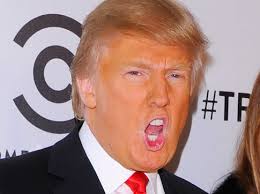
Donald Trump
“Ron had low approval, bad polls, and no money, but he said that if I would Endorse [sic] him, he could win. also fixed his campaign, which had completely fallen apart.”
For Trump, DeSantis’ worst sin was refusing to say whether he would run for President in 2024.
Having been defeated for a second term by Joe Biden in 2020, Trump believes he has an absolute right to regain that office in another two years.
“Ron DeSanctimonious is playing games! The Fake News asks him if he’s going to run if President Trump runs, and he says, ‘I’m only focused on the Governor’s race, I’m not looking into the future.’ Well, in terms of loyalty and class, that’s really not the right answer.”
By “loyalty” Trump meant: Loyalty to himself.
For Trump, there was only one “right” answer DeSantis could have given: “I will not be a candidate for President in 2024 and I will totally support President Trump for that office.”
And that was not the response that DeSantis gave.
Even worse for Trump: Several of his loudly-supported candidates across the country lost their electoral bids.
To add to his rage and sense of betrayal: Conservative media sided with DeSantis—such as Fox News and the New York Post, which ran a front page headline calling DeSantis “DeFuture” the day after the election.

New York Post, Public domain, via Wikimedia Commons
Responded Trump: “NewsCorp, which is Fox, the Wall Street Journal, and the no longer great New York Post, is all in for Governor Ron DeSanctimonious.”
A Trump advisor, speaking off-the-record, told Politico: “Obviously he is escalating. It is total shots fired. It is not what I would have done if it were totally up to me, but you can’t argue with Donald Trump’s tactics. They work. He is savage but effective. He was never going to stay restrained for long.”
“He is obviously threatened by a DeSantis presidential run,” said a longtime Florida Republican consultant speaking of Trump. “And by doing this, I think he will lose a lot of his base support.”
Trump’s advisors are trying to persuade him to soften his image. They fear that his angry and divisive rhetoric is turning off many voters who like his policies but desire some normalcy.
They are also trying to persuade Trump to focus less on his 2020 election loss and offer solutions to voters’ problems.
At the DeSantis victory rally, chants resounded: “Two more years!”—meaning that his supporters want him to run for President in 2024.
DeSantis has not responded to the attacks Trump has made on him.
Two Florida Republicans close to DeSantis told Yahoo News that the governor would be wary of attacking Trump. He wants to focus on policy issues and Florida’s recovery from Hurricane Ian.
By doing so, they said, DeSantis will highlight how his governing style differs from Trump’s more combative and less policy-focused approach.
It also prevents him from getting sucked into an endless tit-for-tat war of insults with the insult-happy ex-President.
The Donald Trump-Ron DeSantis relationship wasn’t always so hostile.
Trump’s endorsement played a huge role in DeSantis’ winning the 2018 GOP primary against former Florida Agriculture Commissioner Adam Putnam, who was an early favorite.
And DeSantis quickly showed his gratitude with a campaign video that was a naked Valentine to Trump’s ego—and the base that worshiped him.
Released on July 30, 2018, the ad was narrated by DeSantis’ wife, Casey.
CASEY DESANTIS: Everyone knows my husband, Ron DeSantis, is endorsed by President Trump. But he’s also an amazing dad. Ron loves playing with the kids.
DESANTIS: “Build the wall” [as his son uses colored plastic bricks to build a wall. This was a line right out of Trump’s repeated demands for a wall separating the United States from Mexico.]

CASEY: He reads stories.
DESANTIS: “Then Mr. Trump said ‘You’re fired.’ I love that part'” [as he reads a book to his son].
CASEY: He’s teaching Madison to talk.
DESANTIS: “Make America great again” [as he holds up a “Trump” sign that says exactly that].
CASEY: People say Ron’s all Trump, but he’s so much more.
DESANTIS: “Bigly. So good” [as he’s looking at his son in a crib].
CASEY: I just thought you should know.


 Bureaucracybuster's Blog
2016 PRESIDENTIAL ELECTION, 2020 PRESIDENTIAL ELECTION, ABC NEWS, ALTERNET, AMERICABLOG, AP, BABY BOOMER RESISTANCE, BBC, BLOOMBERG NEWS, BUZZFEED, CBS NEWS, CHRIS STIREWALT, CNN, COVID-19, CROOKS AND LIARS, DAILY KOS, DAVID BROOKS, DOMINION VOTING SYSTEMS, DONALD TRUMP, FIVETHIRTYEIGHT, FOX NEWS NETWORK, HARPER’S MAGAZINE, HUFFINGTON POST, JACQUI HEINRICH, JOE BIDEN, JONATHAN CAPEHART, LAURA INGRAHAM, LIBEL, MEDIA MATTERS, MIKE LINDELL, MOTHER JONES, MOVEON, MSNBC, NBC NEWS, NEW REPUBLIC, NEW YORK TIMES V. SULLIVAN, NEWSDAY, NEWSMAX, NEWSWEEK, NPR, PBS NEWSHOUR, POLITICO, POLITICUSUSA, RAW STORY, REPUBLICANS, REUTERS, RUDOLPH GIULIANI, RUPERT MURDOCH, SALON, SEAN HANNITY, SEATTLE TIMES, SIDNEY POWELL, SLANDER, SLATE, STEVE BANNON, TALKING POINTS MEMO, THE ATLANTIC, THE CHICAGO SUN-TIMES, THE CHICAGO TRIBUNE, THE DAILY BEAST, THE DAILY BLOG, THE GUARDIAN, THE HILL, THE HUFFINGTON POST, THE INTERCEPT, THE LOS ANGELES TIMES, THE NATION, THE NEW REPUBLIC, THE NEW YORK TIMES, THE NEW YORKER, THE VILLAGE VOICE, THE WASHINGTON POST, THINKPROGRESS, TIME, TRUTHDIG, TRUTHOUT, TUCKER CARLSON, TWITTER, U.S. NEWS & WORLD REPORT, UPI, USA TODAY
THE TRUTH ABOUT LIARS: PART ONE (OF THREE)
In Business, History, Law, Politics, Social commentary on March 7, 2023 at 12:10 amIn the beginning was the audience. And the audience was filled with Fascistic hate and prejudice, and sought always to have its beliefs confirmed.
And then came Fox News Network, which sought to capture that audience—and, with it, huge ratings and profits.
At the center of both Fox and its audience stood Donald Trump—first as a Presidential candidate, then as President.
In him, Right-wingers found their ideal representative: He promised to destroy all those groups they hated.
Among these: Blacks, Asians, “uppity” women, Muslims, liberals, Hispanics, Democrats.
Donald Trump
So when Trump lost the 2020 Presidential election—by 81,284,666 votes for former Vice President Joe Biden versus 74,224,319 for Trump-–the Right was devastated. And furious.
Unlike its defeats in past Presidential elections, this time the Right refused to accept the will of the electorate.
Trump had often “joked” about how wonderful it would be for the United States to have a “President-for-Life”—as was the case in China.
This time the Right intended to make that a reality.
Central to making that happen was the Fox News Network.
In 2022, for its seventh consecutive year, Fox News stood as the top-rated cable news network in the United States. Fox averaged 1.4 million total day viewers.
By contrast, 733,000 watched MSNBC and 568,000 watched CNN.
In prime time, Fox came in first with an average of 2.3 million viewers in 2022.
MSNBC came in second with 1.2 million and CNN ranked third with an average of 730,000.
As for profits: Fox’s net income for the twelve months ending December 31, 2022 was $1.507B, a 4.94% increase year-over-year.
In 2015, Trump launched his campaign for President. His chances for success seemed impossible at the time—even to many mainstream Republicans.
But as he won victory after victory in Republican primaries, Fox News stuck with him. And stayed with him through the four years of his Presidency.
Fox was Trump’s favorite network. It gave him unstinting praise and sought to put a favorable spin on everything he did. As a result, Trump rarely gave interviews to CBS, NBC or ABC News.
In turn, Fox profited hugely as its audience—and advertisers—eagerly tuned in.
So when Trump lost the 2020 Presidential election, he and Fox decided they must get him back into the Oval Office.
Trump did his best—or worst—by filing about 60 lawsuits to overturn the results of the election. But none of his attorneys could prove their claims that widespread fraud had robbed him of victory. The suits were dismissed by judges or withdrawn by Trump’s own attorneys.
Fox News couldn’t file fraudulent cases on Trump’s behalf. But it could poison the public mind by claiming—endlessly and falsely—that Trump had been cheated by massive voter fraud.
Fox didn’t even wait for the final results of the 2020 election to be called before it intervened on the side of what would soon be dubbed “The Big Lie.”
On Election Night, Chris Stirewalt, the political editor of Fox News Channel. was the first to project Biden’s victory in Arizona. This turned out to be right—and brought a furious attack upon Stirewalt.
Tucker Carlson
“We worked really hard to build what we have,” Fox host Tucker Carlson texted his producer, Alex Pfeiffer. “Those fuckers are destroying our credibility. It enrages me.”
For Carlson, credibility didn’t mean ensuring integrity in news reporting. It meant telling Fox’s Right-wing audience what it wanted to hear—whether the “news” was true or not.
Carlson added that he had spoken with fellow primetime commentators Laura Ingraham and Sean Hannity minutes earlier and that they were “highly upset.”
In a January 26 Op-Ed for the Los Angeles Times, Stirewalt wrote: “Having been cosseted by self-validating coverage for so long, many Americans now consider any news that might suggest that they are in error or that their side has been defeated as an attack on them personally. The lie that Trump won the 2020 election wasn’t nearly as much aimed at the opposing party as it was at the news outlets that stated the obvious, incontrovertible fact.”
Chris Stirewalt
Stirewalt was fired from Fox News in January, 2021.
Trump was furious about the Arizona call. After the election, he attacked Fox News and encouraged his followers to switch to Newsmax.
Which many of them did, costing Fox a big chunk of its audience.
For Fox, this was the ultimate catastrophe. The company began cracking down on its employees who had dared tell the truth on Election Night.
One case involved White House correspondent Jacqui Heinrich. Her sin was fact-checking a Trump tweet accusing Dominion Voting Systems of election fraud.
Heinrich wrote that top election officials had determined “there is no evidence that any voting system deleted or lost votes, changed votes, or was in any way compromised.”
“Please get her fired,” Star host Tucker Carlson texted his fellow told host Sean Hannity: “Seriously….what the fuck? I’m actually shocked….It needs to stop immediately, like tonight. It’s measurably hurting the company. The stock price is down. Not a joke.”
Hannity replied that he had already spoken to Suzanne Scott, the network’s chief executive. The next morning, Heinrich’s tweet had been deleted.
Share this: