Archive for the ‘Social commentary’ Category
ABC NEWS, ADOLF HITLER, ALTERNET, ANTHONY SCARAMUCCI, AP, BUZZFEED, CBS NEWS, CNN, CROOKS AND LIARS, DAILY KOZ, DONALD TRUMP, FACEBOOK, FBI, GENRIKH GRIGORYEVICH YAGODA, GRIGORI ZIMOVIEV, HEINRICH HIMMLER, HERMANN GOERING, HOPE HICKS, JAMES COMEY, JOACHIM VON RIBBONTROP, JOSEPH STALIN, JUSTICE DEPARTMENT, KGB, LAVENTI BERIA, LEON TROTSKY, LEV KAMENEV, LUFTWAFFE, MIKE FLYNN, MOTHER JONES, MOVEON, NAZI GERMANY, NBC NEWS, NEWSWEEK, NIKOLAI, NIKOLAI YEZHOV, NKVD, NPR, POLITICO, RAW STORY, REINCE PRIEBUS, REUTERS, ROBERT MEULLER, RUDOLF HESS, SALLY YATES, SALON, SEAN SPICER, SEATTLE TIMES, SEBASTIAN GORKA, SLATE, STEVE BANNON, THE ATLANTIC, THE CHICAGO SUN-TIMES, THE CHICAGO TRIBUNE, THE DAILY BEAST, THE GUARDIAN, THE HILL, THE HUFFINGTON POST, THE LOS ANGELES TIMES, THE NATION, THE NEW YORK TIMES, THE WASHINGTON POST, TIME, TWITTER, U.S. NEWS & WORLD REPORT, UP, UPI, USA TODAY
In Bureaucracy, History, Law Enforcement, Politics, Social commentary on September 25, 2017 at 2:06 am
Donald Trump—as both Presidential candidate and President—has often been compared to Adolf Hitler.
Yet, in at least one sense, this comparison is inaccurate. As Germany’s Fuhrer (1933-1945) Hitler kept on the members of his Cabinet for no less than 12 years.
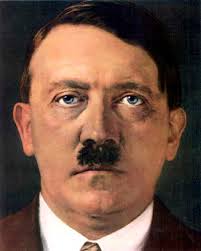
Adolf Hitler
Among these:
- Hermann Goering had repeatedly shown himself as the incompetent Reichsmarshall of the German air force, the Luftwaffe. Yet Hitler kept him on because Goering had been one of the “Old Fighters” who had supported Hitler long before the Nazis came to power. Only in April, 1945, when Hitler falsely believed that Goering was trying to supplant him as Fuhrer, did he expel him from the party and order his arrest.
- Rudolf Hess joined the Nazi party in 1920, and served as Deputy Fuhrer to Hitler from 1933 to 1941. That was when he flew to Scotland on a self-assigned mission to make peace with England. The British, believing him mad, locked him in the Tower of London until 1945. Afterward, he was convicted at Nuremberg for war crimes and sentenced to life imprisonment.
- Joachim von Ribbentrop had been a champagne salesman before Hitler appointed him Foreign Minister in 1938, and held that post until the Reich’s defeat in 1945. Although his arrogance and incompetence made him universally disliked by other high-ranking Nazi officials, Hitler never considered firing him.
- Heinrich Himmler, appointed Reichsfuhrer-SS in 1929, held that position throughout the 12 years (1933-1945) the Third Reich lasted. It was to Himmler that Hitler entrusted the most important project of his life: The destruction of European Jewry. Only after learning—in the final days of the Reich—that Himmler had sought to make peace with the Allies did Hitler expel him from the party and order his arrest.
Joseph Stalin, dictator of the Soviet Union (1928-1953) serves as a far better comparison figure for Trump.
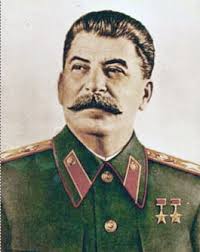
Joseph Stalin
In 1936, Stalin ordered the first of a series of purges—from high-ranking members of the Communist party to impoverished peasants. Among the most prominent of his victims:
- Grigory Zimoviev, former member of the Central Committee of the Communist party. He was arrested in 1934 on trumped-up charges of “moral complicity” in the assassination of Leniningrad party boss Sergei Kirov. He was executed in 1936.
- Leon Trotsky, onetime second-in-command only to Vladimir Lenin, clashed with Stalin before the November 7, 1917 Russian Revolution. They remained locked in combat until Lenin’s death of a cerebral hemorrhage in 1924. Stalin drove Trotsky out of the Communist party and even out of the Soviet Union. In 1940, on Stalin’s orders, he was assassinated while living under guard in Mexico.
- Genrikh Grigoryevich Yagoda served as director of the NKVD secret police (the precursor of the KGB) from 1934 to 1936. He supervised the arrest, show trial and execution of former Central Committee members Lev Kamenev and Grigory Zimoviev. Arrested in 1937, he was falsely charged with treason and conspiracy against the Soviet government. Yagoda was shot soon after the trial. His wife Ida Averbakh was also executed in 1938.
- Nikolai Yezhov became head of the NKVD secret police in 1936. He oversaw what historians have since named the Great Terror until 1939. Arrested in April, he was replaced by Lavrenty Beria. In 1940, Yezhov himself was executed by the executioners he had once commanded.
Like Joseph Stalin, Donald Trump has presided over a series of purges since reaching the White House.
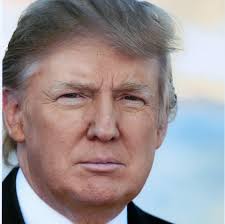
Donald Trump
Like Stalin, Trump demands unconditional loyalty from those who serve in his administration. And, also like Stalin, he does not believe that loyalty is a two-way street.
Moreover, it doesn’t take much to offend Trump’s fragile ego. When “Saturday Night Live” started doing skits showcasing his chief strategist, Steve Bannon, as a Rasputin-like figure who manipulated Trump, Bannon’s days were clearly numbered.
The same proved true for Anthony Scaramucci, who was to become White House communications director. All that it took to secure his dismissal was an expletive-ridden phone interview with The New Yorker‘s Ryan Lizza. It didn’t help Scaramucci that he bragged about purging the entire White House communications staff and even siccing the FBI on leakers.
Others have left the White House owing to its increasingly paranoid atmosphere. Reports have surfaced of staffers being ordered to turn over their cell phones for inspection. The reason: To ensure they weren’t communicating with reporters by text message or through encrypted apps.
Then there is the very real—and justified—fear of being caught up in Special Counsel Robert Mueller III’s ever-widening investigation into collusion between Russian Intelligence agents and members of Trump’s 2016 Presidential campaign.
One of those who has reportedly hired top-notch legal talent is Hope Hicks, interim White House communications director. According to Politico, the 28-year-old has retained the services of veteran criminal defense lawyer Robert Trout, who once worked for the Justice Department.
Even if a White House staffer is not ultimately indicted and convicted, the costs of hiring top-flight legal talent can prove ruinous.
During the 2016 campaign, Trump claimed a $9 billion fortune: “I’m really rich!” But he has shown no willingness to spend any of it defending those officials he has hired.
And for an administration already plagued with a shortage of desperately-needed talent, even worse may soon be to come.
1984 (BOOK), ABC NEWS, ALTERNET, AP, BARACK OBAMA, BUZZFEED, CBS NEWS, CNN, CONDOLEEZA RICE, CROOKS AND LIARS, DAILY KOZ, DONALD TRUMP, FACEBOOK, GEORGE ORWELL, GEORGE W. BUSH, GHAZALA KHAN, GREAT SOVIET ENCYCLOPEDIA, HILLARY CLINTON, HISTORY, HUMAYUN KHAN, JOSEPH STALIN, KATRINA PIERSON, KHIZR KHAN, LAVRENTI BERIA, MOTHER JONES, MOVEON, NBC NEWS, NEWSWEEK, NKVD, NPR, POLITICO, RAW STORY, REPUBLICAN PARTY, REUTERS, SALON, SEATTLE TIMES, SLATE, SOVIET UNION, THE ATLANTIC, THE CHICAGO SUN-TIMES, THE CHICAGO TRIBUNE, THE DAILY BEAST, THE GUARDIAN, THE HILL, THE HUFFINGTON POST, THE LOS ANGELES TIMES, THE NATION, THE NEW YORK TIMES, THE WASHINGTON POST, THE WASHINGTONPOST, TIME, TWITTER, U.S. NEWS & WORLD REPORT, UP, UPI, USA TODAY
In Bureaucracy, History, Military, Politics, Social commentary on September 22, 2017 at 12:15 am
At one time, Americans believed that the wholesale rewriting of history happened only in the Soviet Union.
A classic example of this occurred in the Great Soviet Encyclopedia.
Lavrenti Beria had been head of the NKVD, the dreaded secret police, from 1938 to 1953. In 1953, following the death of Soviet dictator Joseph Stalin, Beria was arrested and executed on orders of his fellow Communist Party leaders, who feared they were targets of a coming purge.
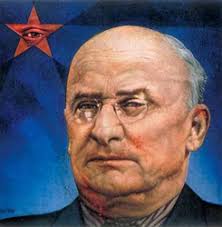
Lavrenti Beria
But the Great Soviet Encyclopedia had just gone to press with a long article singing Beria’s praises.
What to do?
The editors of the Encyclopedia wrote an equally long article about “the Bering Straits,” which was to be pasted over the article about Beria, and sent this off to its subscribers. An unknown number of them decided it was safer to paste accordingly.
During the 2016 Presidential race, the Republican party furiously sought to rewrite history in a desperate attempt to sway voters.
Specifically, its members tried to convince Americans that:
- Donald Trump, their nominee for President, did not insult the parents of Captain Humayun Khan, who was killed by a truck-bomb in Iraq in 2004; and/or
- Barack Obama was responsible for Khan’s death. And so was Democratic Presidential nominee Hillary Clinton.
That was history according to Trump’s spokeswoman, Katrina Pierson.
On July 28, Trump became embroiled in a no-win war-of-words with Khan’s father, Khizr, and his mother, Ghazala.
Khizr was a featured speaker at the Democratic National Convention, and he used the opportunity to attack Trump:
“If it was up to Donald Trump, [Humayun] never would have been in America. Donald Trump consistently smears the character of Muslims. He disrespects other minorities, women, judges, even his own party leadership. He vows to build walls and ban us from this country….You have sacrificed nothing and no one.”
Trump predictably responded during a July 30 interview with ABC News’ George Stephanopoulos.
“I think I’ve made a lot of sacrifices,” said Trump. “I work very, very hard. I’ve created thousands and thousands of jobs, tens of thousands of jobs.”
And, on Twitter, he posted: “I was viciously attacked by Mr. Khan at the Democratic Convention. Am I not allowed to respond? Hillary voted for the Iraq war, not me!”
Veterans’ organizations brutally attacked Trump for his running feud with the Khan family.
Republicans were desperate for Trump to end the conflict and return to attacking his Democratic opponent, Hillary Clinton.
Presumably, that was the assignment given to Trump’s spokeswoman, Katrina Pierson.
Appearing on CNN’s The Situation Room with Wolf Blitzer on August 2, Pierson said: “It was under Barack Obama and Hillary Clinton that changed the rules of engagements that probably cost his life.”
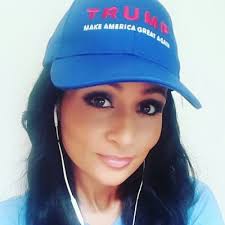
Katrina Pierson
Totally ignored in that scenario:
- President George W. Bush lied the nation into a needless war that cost the lives of 4,486 Americans and wounded another 33,226.
- Barack Obama did not become President until 2009—almost five years after Khan’s death.
- And Hillary Clinton did not become Secretary of State until the same year.
Pierson argued that Trump should be exempt from apologizing to the Khan family because he “never voted for the Iraq War.”
“Hillary Clinton did,” Pierson added. “And then she didn’t support the troops to have what they need.”
It’s true that Clinton, elected U.S. Senator from New York in 2000, voted in 2002 to support Bush’s attack on Iraq.
But Obama, elected U.S. Senator from Illinois in 2004, strongly opposed the Iraq war from the onset of his term. In fact, he made it a major issue during his 2008 Presidential race against Arizona U.S. Senator John McCain.
Pierson’s attempt to rewrite history touched off a frenzy on Twitter, leading to the creation of the hashtag #KatrinaPiersonHistory. Its purpose: To mock Pierson’s revisionist take on history.
Among the tweets offered:
- Hillary Clinton slashed funding for security at the Ford Theater, leading to Lincoln’s assassination.
- Obama introduced John Lennon to Yoko Ono, and well, you know.
- Obama gave Amelia Earhart directions to Kenya.
- Remember the Alamo? Obama and Hillary let it happen.
- Obama and Clinton kidnapped the Lindbergh baby.
- Obama decided that too many lifeboats would offend radical Islamic terrorists abord the Titanic.
- Barack Obama convinced the serpent to tempt Eve in the Garden of Eden.
- Barack Obama and Hillary Clinton organized The Spanish Inquisition.
The ridicule turned Trump’s spokeswoman into a nationwide laughingstock. And her efforts to rewrite history didn’t help Trump.
On August 3, Pierson appeared on CNN’s New Day. She admitted being wrong about the timeline and said she had been trying to say that Donald Trump had no connection to the Khans.
Later on CNN, Anderson Cooper Khizr Khan to comment on Pierson’s allegation.
“Do I need to say anything?” Khan replied. “Lack of understanding, lack of factual correctness, it’s just nothing but political vote pandering.”
In George Orwell’s novel, 1984, the unnamed Party’s slogan is: “He who controls the past controls the future. He who controls the present controls the past.”
The same holds true for Republicans: They hope to rewrite the past, as Joseph Stalin did, to wash away their crimes and errors—and pin these on their self-declared enemies.
And thus gain—and retain—absolute power over 300 million Americans.
2016 PRESIDENTIAL ELECTION, A BRONX TALE, ABC NEWS, ADOLF HITLER, ALTERNET, AP, BILL CLINTON, BUZZFEED, CBS NEWS, CHAZZ PALMINTERI, CNN, CROOKS AND LIARS, DAILY KOZ, DONALD TRUMP, FACEBOOK, FBI, H.R. MCMASTER, HILLARY CLINTON, IRS, J. EDGAR HOOVER, JEFF SESSIONS, JOHN F. KENNEDY, JOHN KELLY, LYNDON B. JOHNSON, MOTHER JONES, MOVEON, NBC NEWS, NEWSWEEK, NICCOLO MACHIAVELLI, NPR, POLITICO, RAW STORY, REINCE PREBIUS, REPUBLICAN PARTY, REUTERS, RICHARD M. NIXON, ROBERT DE NIRO, ROBERT F. KENNEDY, Ronald Reagan, SALON, SEATTLE TIMES, SERGEI KISLYAK, SLATE, THE ATLANTIC, THE CHICAGO SUN-TIMES, THE CHICAGO TRIBUNE, THE DAILY BEAST, THE GUARDIAN, THE HILL, THE HUFFINGTON POST, THE LOS ANGELES TIMES, THE NATION, THE NEW YORK TIMES, THE PRINCE, THE WASHINGTON POST, TIME, TWITTER, U.S. NEWS & WORLD REPORT, UP, UPI, USA TODAY, WILLIAM RALPH INGE
In Bureaucracy, History, Law Enforcement, Politics, Social commentary on September 21, 2017 at 12:02 am
American Presidents—like politicians everywhere–strive to be loved. There are two primary reasons for this.
First, even the vilest dictators want to believe they are good people—and that their goodness is rewarded by the love of their subjects.
Second, it’s universally recognized that a leader who’s beloved has great clout than one who isn’t. In the United States, a Presidential candidate who wins by a landslide is presumed to have a mandate to pursue his agenda—at least, for the first two years of his administration.
But those—like Barack Obama—who strive to avoid conflict often get treated with contempt and hostility by their adversaries.
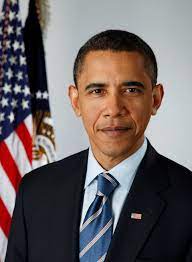
Barack Obama
In Renegade: The Making of a President, Richard Wolffe chronicled Obama’s successful 2008 bid for the White House. Among his revelations:
Obama, a believer in rationality and decency, felt more comfortable in responding to attacks on his character than in attacking the character of his enemies.
A graduate of Columbia University and Harvard Law School, Obama was one of the most academically gifted Presidents in United States history.
Yet he failed to grasp and apply this fundamental lesson taught by Niccolo Machiavelli, the father of modern political science:
A man who wishes to make a profession of goodness in everything must inevitably come to grief among so many who are not good. And therefore it is necessary for a prince, who wishes to maintain himself, to learn how not to be good, and to use this knowledge and not use it, according to the necessity of the case.
This explains why Obama found most of his legislative agenda stymied by Republicans.
For example: In 2014, Senator Rand Paul (R-Ky.) sought to block David Barron, Obama’s nominee to the First Circuit Court of Appeals.
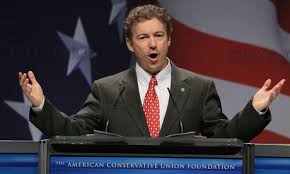
Rand Paul
Paul objected to Barron’s authoring memos that justified the killing of an American citizen by a drone in Yemen on September 30, 2011.
The target was Anwar al-Awlaki, a radical Muslim cleric notorious on the Internet for encouraging Muslims to attack the United States.
Paul demanded that the Justice Department release the memos Barron crafted justifying the drone policy.
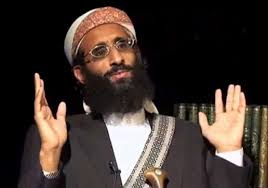
Anwar al-Awlaki
Imagine how Republicans would depict Paul—or any Democratic Senator—who did the same with a Republican President: “Rand Paul: A traitor who supports terrorists. He sides with America’s sworn enemies against its own lawfully elected President.”
But Obama did nothing of the kind.
(On May 22, 2014, the Senate voted 53–45 to confirm Barron to the First Circuit Court of Appeals.)
But Presidents who seek to rule primarily by fear can encounter their own limitations. Which immediately brings to mind Donald Trump.
As both a Presidential candidate and President, Trump has repeatedly used Twitter to attack hundreds of real and imagined enemies in politics, journalism, TV and films.
From June 15, 2015, when he launched his Presidential campaign, until October 24, 2016, Trump fired almost 4,000 angry, insulting tweets at 281 people and institutions that had somehow offended him.
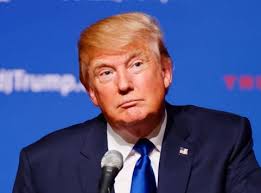
Donald Trump
The New York Times needed two full pages of its print edition to showcase them.
As a Presidential candidate and President, he has shown outright hatred for President Obama. For five years, he slandered Obama as a Kenyan-born alien who had no right to hold the Presidency.
Then, on March 4, 2017, in a series of unhinged tweets, Trump falsely accused Obama of committing an impeachable offense: Tapping his Trump Tower phones prior to the election.
As President, Trump has refused to reach beyond the narrow base of white, racist, ignorant, hate-filled, largely rural voters who elected him.
And he has bullied and insulted even White House officials and his own handpicked Cabinet officers:
- Trump has waged a Twitter-laced feud against Jeff Sessions, his Attorney General. Sessions’ “crime”? Recusing himself from investigations into well-established ties between Russian Intelligence agents and members of Trump’s Presidential campaign.
- Trump repeatedly humiliated Chief of Staff, Reince Priebus—at one point ordering him to kill a fly that was buzzing about. On July 28, Priebus resigned.
- Trump similarly tongue-lashed Priebus’ replacement, former Marine Corps General John Kelly. Trump has reportedly been angered by Kelly’s efforts to limit the number of advisers who have unrestricted access to him. Kelly told colleagues he had never been spoken to like that during 35 years of military service—and would not tolerate it again.
- After Trump gave sensitive Israeli intelligence to Russian ambassador Sergey Kislyak, his national security advisor, H.R. McMaster, denied this had happened. Trump then contradicted McMaster in a tweet: “As president, I wanted to share with Russia (at an openly scheduled WH meeting) which I have the absolute right to do, facts pertaining to terrorism and airline flight safety.”
If Trump ever read Niccolo Machiavelli’s The Prince, he’s clearly forgotten this passage:
Cruelties ill committed are those which, although at first few, increase rather than diminish with time….Whoever acts otherwise….is always obliged to stand with knife in hand, and can never depend on his subjects, because they, owing to continually fresh injuries, are unable to depend upon him.
And this one:
Still, a prince should make himself feared in such a way that if he does not gain love, he at any rate avoids hatred.
Or, as Cambridge Professor of Divinity William Ralph Inge put it: “A man may build himself a throne of bayonets, but he can’t sit on it.”
2016 PRESIDENTIAL ELECTION, A BRONX TALE, ABC NEWS, ADOLF HITLER, ALTERNET, AP, BILL CLINTON, BUZZFEED, CBS NEWS, CHAZZ PALMINTERI, CNN, CROOKS AND LIARS, DAILY KOZ, DONALD TRUMP, FACEBOOK, FBI, H.R. MCMASTER, HILLARY CLINTON, IRS, J. EDGAR HOOVER, JEFF SESSIONS, JOHN F. KENNEDY, JOHN KELLY, LYNDON B. JOHNSON, MOTHER JONES, MOVEON, NBC NEWS, NEWSWEEK, NICCOLO MACHIAVELLI, NPR, POLITICO, RAW STORY, REINCE PREBIUS, REPUBLICAN PARTY, REUTERS, RICHARD M. NIXON, ROBERT DE NIRO, ROBERT F. KENNEDY, Ronald Reagan, SALON, SEATTLE TIMES, SERGEI KISLYAK, SLATE, THE ATLANTIC, THE CHICAGO SUN-TIMES, THE CHICAGO TRIBUNE, THE DAILY BEAST, THE GUARDIAN, THE HILL, THE HUFFINGTON POST, THE LOS ANGELES TIMES, THE NATION, THE NEW YORK TIMES, THE PRINCE, THE WASHINGTON POST, TIME, TWITTER, U.S. NEWS & WORLD REPORT, UP, UPI, USA TODAY, WILLIAM RALPH INGE
In Bureaucracy, History, Law Enforcement, Politics, Social commentary on September 20, 2017 at 12:30 am
Is it better to be loved or feared?
That was the question Florentine statesman Niccolo Machiavelli raised more than 500 years ago.
Presidents have struggled to answer this question—and have come to different conclusions.
LOVE ME, FEAR MY BROTHER
Most people felt irresistibly drawn to John F. Kennedy—even his political foes. Henry Luce, the conservative publisher of Time, once said, “He makes me feel like a whore.”
But JFK could afford to bask in the love of others—because his younger brother, Robert, was the one who inspired fear.
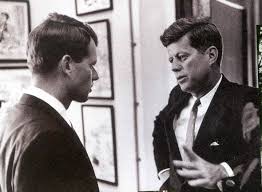
Robert F. Kennedy and John F. Kennedy
He had done so as Chief Counsel for the Senate Rackets Committee (1957-59), grilling Mafia bosses and corrupt union officials–most notably Teamsters President James Hoffa.
Appointed Attorney General by JFK, he unleashed the FBI on the Mafia. When the steel companies colluded in an inflationary rise in the price of steel in 1962, Bobby sicced the FBI on them.
In 1963, JFK’s cavorting with Ellen Rometsh threatened to destroy his Presidency. Rometsch, a Washington, D.C. call girl, was suspected by the FBI of being an East German spy.
With Republican Senators preparing to investigate the rumors, Bobby ordered Rometsch deported immediately (to which, as a German citizen, she was subject).
He also ordered FBI Director J. Edgar Hoover to deliver a warning to the Majority and Minority leaders of the Senate: The Bureau was fully aware of the extramarital trysts of most of its members. And an investigation into the President’s sex life could easily lead into revelations of Senatorial sleaze.
Plans for a Senatorial investigation were shelved.
BEING LOVED AND FEARED
In the 1993 movie, A Bronx Tale, 17-year-old Calogero (Lillo Brancato) asks his idol, the local Mafia capo, Sonny (Chazz Palminteri): “Is it better to be loved or feared?”
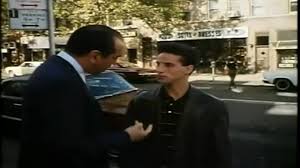
Sonny gives advice to his adopted son, Calogero
Sonny says if he had to choose, he would rather be feared. But he adds a warning straight out of Machiavelli: “The trick is not being hated. That’s why I treat my men good, but not too good.
“I give too much, then they don’t need me. I give them just enough where they need me, but they don’t hate me.”
Machiavelli, writing in The Prince, went further:
“Still a Prince should make himself feared in such a way that if he does not gain love, he at any rate avoids hatred, for fear and the absence of hatred may well go together. And [this] will always be attained by one who abstains from interfering with the property of his citizens and subjects or with their women.”
Many who quote Machiavelli in defense of being feared overlook this vital point: It’s essential to avoid becoming hated.
To establish a fearful reputation, a leader must act decisively and ruthlessly when the interests of the organization are threatened. Punitive action must be taken promptly and confidently.
One or two harsh actions of this kind can make a leader more feared than a reign of terror.
In fact, it’s actually dangerous to constantly employ cruelties or punishments. Whoever does so, warns Machiavelli, “is always obliged to stand with knife in hand, and can never depend on his subjects, because they, owing to continually fresh injuries, are unable to depend upon him.”
The 20th century President who came closest to realizing Machiavelli’s “loved and feared” prince in himself was Ronald Reagan.
Always smiling, quick with a one-liner (especially at press conferences), seemingly unflappable, he projected a constantly optimistic view of his country and its citizens.
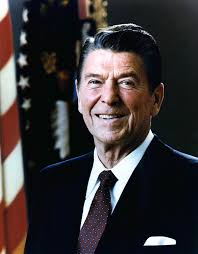
Ronald Reagan
In his acceptance speech at the 1980 Republican National Convention he declared: “[The Democrats] say that the United States has had its days in the sun, that our nation has passed its zenith.… My fellow citizens, I utterly reject that view.”
And Americans enthusiastically responded to that view, twice electing him President (1980 and 1984).
But there was a steely, ruthless side to Reagan that appeared when he felt crossed.
On August 3, 1981, nearly 13,000 air traffic controllers walked out after contract talks with the Federal Aviation Administration collapsed. As a result, some 7,000 flights across the country were canceled on that day at the peak of the summer travel season.
Reagan branded the strike illegal. He threatened to fire any controller who failed to return to work within 48 hours.
On August 5, Reagan fired more than 11,000 air traffic controllers who hadn’t returned to work. The mass firing slowed commercial air travel, but it did not cripple the system as the strikers had forecast.
Reagan’s action stunned the American labor movement. Reagan was the only American President to have belonged to a union, the Screen Actors Guild. He had even been president of this–from 1947 to 1954.
There were no more strikes by Federal workers during Reagan’s tenure in office.
Similarly, Libya’s dictator, Moammar Kadaffi, learned that Reagan was not a man to cross.
On April 5, 1986, Libyan agents bombed a nightclub in West Berlin, killing three people, one a U.S. serviceman. The United States quickly learned that Libyan agents in East Germany were behind the attack.
On April 15, acting on Reagan’s orders, U.S. Air Force, Navy and Marine Corps bombers struck at several sites in Tripoli and Benghazi. Reportedly, Kaddafi himself narrowly missed becoming a casualty.
There were no more acts of Libyan terrorism against Americans for the rest of Reagan’s term.
2016 PRESIDENTIAL ELECTION, A BRONX TALE, ABC NEWS, ADOLF HITLER, ALTERNET, AP, BILL CLINTON, BUZZFEED, CBS NEWS, CHAZZ PALMINTERI, CNN, CROOKS AND LIARS, DAILY KOZ, DONALD TRUMP, FACEBOOK, FBI, H.R. MCMASTER, HILLARY CLINTON, IRS, J. EDGAR HOOVER, JEFF SESSIONS, JOHN F. KENNEDY, JOHN KELLY, LYNDON B. JOHNSON, MOTHER JONES, MOVEON, NBC NEWS, NEWSWEEK, NICCOLO MACHIAVELLI, NPR, POLITICO, RAW STORY, REINCE PREBIUS, REPUBLICAN PARTY, REUTERS, RICHARD M. NIXON, ROBERT DE NIRO, ROBERT F. KENNEDY, Ronald Reagan, SALON, SEATTLE TIMES, SERGEI KISLYAK, SLATE, THE ATLANTIC, THE CHICAGO SUN-TIMES, THE CHICAGO TRIBUNE, THE DAILY BEAST, THE GUARDIAN, THE HILL, THE HUFFINGTON POST, THE LOS ANGELES TIMES, THE NATION, THE NEW YORK TIMES, THE PRINCE, THE WASHINGTON POST, TIME, TWITTER, U.S. NEWS & WORLD REPORT, UP, UPI, USA TODAY, WILLIAM RALPH INGE
In Bureaucracy, History, Law Enforcement, Social commentary, Uncategorized on September 19, 2017 at 12:07 am
It’s probably the most-quoted passage of Niccolo Machiavelli’s infamous book, The Prince:
“From this arises the question whether it is better to be loved than feared, or feared more than loved. The reply is, that one ought to be both feared and loved, but as it is difficult for the two to go together, it is much safer to be feared than loved.
“For it may be said of men in general that they are ungrateful, voluble, dissemblers, anxious to avoid danger and covetous of gain. As long as you benefit them, they are entirely yours: they offer you their blood, their goods, their life and their children, when the necessity is remote, but when it approaches, they revolt.
“And the prince who has relied solely on their words, without making other preparations, is ruined. For the friendship which is gained by purchase and not through grandeur and nobility of spirit is bought but not secured, and at a pinch is not to be expended in your service.
“And men have less scruple in offending one who makes himself loved than one who makes himself feared. For love is held by a chain of obligations which, men being selfish, is broken whenever it serves their purpose. But fear is maintained by a dread of punishment which never fails.”
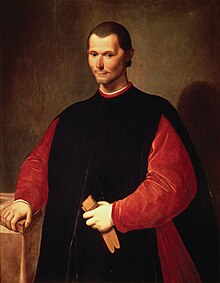
Niccolo Machiavelli
So—which is better: To be feared or loved?
In the 1993 film, A Bronx Tale, 17-year-old Calogero (Lillo Brancato) poses that question to his idol, the local Mafia capo, Sonny (Chazz Palminteri).
“That’s a good question,” Sonny replies. “It’s nice to be both, but it’s very difficult. But if I had my choice, I would rather be feared.
“Fear lasts longer than love. Friendships that are bought with money mean nothing. You see how it is around here. I make a joke, everybody laughs. I know I’m funny, but I’m not that funny. It’s fear that keeps them loyal to me.”
Presidents face the same dilemma as Mafia capos—and resolve it in their own ways.
LOVE ME BECAUSE I NEED TO BE LOVED
Bill Clinton believed that he could win over his self-appointed Republican enemies through his sheer charm.
Part of this lay in self-confidence: He had won the 1992 and 1996 elections by convincing voters that “I feel your pain.”
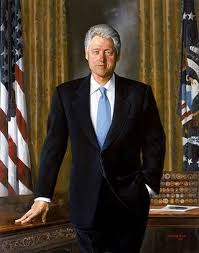
Bill Clinton
And part of it lay in his need to be loved. He once said that if he were in a room with 100 people and 99 of them liked him but one didn’t, he would spend all his time with that one person, trying to win him over.
But while he could charm voters, he could not bring himself to retaliate against his sworn Republican enemies.
On April 19, 1995, Right-wing terrorist Timothy McVeigh drove a truck–packed with 5,000 pounds of ammonium nitrate and nitromethane–to the front of the Alfred P. Murrah Federal Building in Oklahoma City.
The explosion killed 168 people, including 19 children in the day care center on the second floor, and injured 684 others.
Suddenly, Republicans were frightened. Since the end of World War II, they had vilified the very Federal Government they belonged to. They had deliberately courted the Right-wing militia groups responsible for the bombing.
So Republicans feared Clinton would now turn their decades of hate against them.
They need not have worried. On April 23, Clinton presided over a memorial service for the victims of the bombing. He gave a moving eulogy—without condemning the hate-filled Republican rhetoric that had at least indirectly led to the slaughter.
Clinton further sought to endear himself to Republicans by:
- Adopting NAFTA—the Republican-sponsored North American Free Trade Act, which later proved so devastating to American workers;
- Siding with Republicans against poor Americans on welfare; and
- Championing the gutting of the Depression-era Glass-Steagall law, which barred investment banks from commercial banking activities.
The result: Republicans believed Clinton was weak–and could be rolled.
In 1998, House Republicans moved to impeach him over a sex scandal with White House intern Monica Lewinsky. But his Presidency survived when the Senate refused to convict.
LOVE ME BECAUSE I’LL HURT YOU IF YOU DON’T
Lyndon Johnson wanted desperately to be loved.
Once, he complained to Dean Acheson, the former Secretary of State under Harry S. Truman, about the ingratitude of American voters. He had passed far more legislation than his predecessor, John F. Kennedy, and yet Kennedy remained beloved, while he, Johnson, was not.
Why was that? Johnson demanded.
“You are not a very likable man,” said Acheson truthfully.
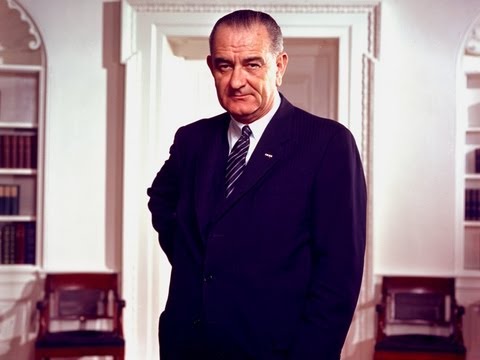
Lyndon B. Johnson
Johnson tried to make his subordinates love him. He would humiliate a man, then give him an expensive gift—such a Cadillac. It was his way of binding the man to him.
He was on a first-name basis with J. Edgar Hoover, the longtime director of the FBI. He didn’t hesitate to request—and get—raw FBI files on his political opponents.
On at least one occasion, he told members of his Cabinet: No one would dare walk out on his administration—because if they did, two men would follow their ass to the end of the earth: Mr. J. Edgar Hoover and the head of the Internal Revenue Service.
9/11, ABC NEWS, AL QAEDA, ALTERNET, AMERICAN CAESARS: THE LIVES OF THE PRESIDENTS FROM FRANKLIN D. ROOSEVELT TO GEORGE W. BUSH, AMERICAN EMPIRE, AP, BASHAR AL-ASSAD, BILL CLINTON, BUREAUCRACY, BUZZFEED, CBS NEWS, CHRIS MATHEWS, CNN, CONDOLEEZA RICE, CROOKS AND LIARS, DAILY KOZ, DONALD TRUMP, DWIGHT EISENHOWER, FACEBOOK, FBI, FRANKLIN D. ROOSEVELT, GEORGE H.W. BUSH, GEORGE W. BUSH, GERALD R. FORD, HARRY S. TRUMAN, JIMMY CARTER, JOHN F. KENNEDY, LYNDON B. JOHNSON, MOTHER JONES, MOVEON, MSNBC, NBC NEWS, NEWSWEEK, NIGEL HAMILTON, NPR, OSAMA BIN LADEN, POLITICO, RAW STORY, REPUBLICAN PARTY, REUTERS, RICHARD CLARKE, RICHARD NIXON, ROMAN EMPIRE, SALON, SEATTLE TIMES, SEPTEMBER 11, SLATE, SUETONIUS, SYRIA, TERRORISM, THE ATLANTIC, THE CHICAGO SUN-TIMES, THE CHICAGO TRIBUNE, THE DAILY BEAST, THE GUARDIAN, THE HILL, THE HUFFINGTON POST, THE LOS ANGELES TIMES, THE NATION, THE NEW YORK TIMES, THE TWELVE CAESARS, THE WASHINGTON POST, TIME, TWITTER, U.S. NEWS & WORLD REPORT, UP, UPI, USA TODAY
In Bureaucracy, History, Military, Politics, Social commentary on September 18, 2017 at 12:05 am
On September 12, 2001, President George W. Bush attended a meeting of the National Security Council.
“Why shouldn’t we go against Iraq, not just Al-Qaeda?” demanded Donald Rumsfeld, the Secretary of Defense.
Vice President Dick Cheney enthusiastically agreed.
Secretary of State Colin Powell then pointed out there was absolutely no evidence that Iraq had had anything to do with 9/11 or Al-Qaeda. And he added: “The American people want us to do something about Al-Qaeda”–not Iraq.
On November 21, 2001, only 10 weeks after 9/11, Bush told Rumsfeld: It’s time to turn to Iraq.

Liars Club: Condoleeza Rice, Dick Cheney, George Bush, Donald Rumsfeld
Bush and his war-hungry Cabinet officials knew that Americans demanded vengeance on AlQaeda’s mastermind, Osama bin Laden, and not Iraqi dictator Saddam Hussein. So they repeatedly fabricated “links” between the two:
- Saddam had worked hand-in-glove with Bin Laden to plan 9/11.
- Saddam was harboring and supporting Al-Qaeda throughout Iraq.
- Saddam, with help from Al-Qaeda, was scheming to build a nuclear bomb.
Yet as early as September 22, 2001, Bush had received a classified President’s Daily Brief intelligence report, which stated that there was no evidence linking Saddam Hussein to 9/11.
The report added that there was scant credible evidence that Iraq had any significant collaborative ties with Al-Qaeda.
Even more important: Saddam had tried to monitor Al Qaeda through his intelligence service–because he saw Al-Qaeda and other theocratic radical Islamist organizations as a potential threat to his secular regime.
Bush administration officials repeatedly claimed that Iraq possessed huge quantities of chemical and biological weapons, in violation of UN resolutions. And they further claimed that US intelligence agencies had determined:
- the precise locations where these weapons were stored;
- the identities of those involved in their production; and
- the military orders issued by Saddam Hussein for their use in the event of war.
Among other lies stated as fact by members of the Bush administration:
- Iraq had sought uranium from Niger, in west Africa.
- Thousands of aluminum tubes imported by Iraq could be used in centrifuges to create enriched uranium.
- Iraq had up to 20 long-range Scud missiles, prohibited under UN sanctions.
- Iraq had massive stockpiles of chemical and biological agents, including nerve gas, anthrax and botulinum toxin.
- Saddam Hussein had issued chemical weapons to front-line troops who would use them when US forces crossed into Iraq.
Consider the following:
August 26, 2002: Cheney told the Veterans of Foreign Wars, “There is no doubt that Saddam Hussein now has weapons of mass destruction. There is no doubt he is amassing them to use against our friends, against our allies and against us.”
September 8, 2002: National Security Advisor Condoleeza Rice said on CNN: ”There is certainly evidence that Al-Qaeda people have been in Iraq. There is certainly evidence that Saddam Hussein cavorts with terrorists.”
September 18, 2002: Rumsfeld told the House Armed Services Committee, “We do know that the Iraqi regime has chemical and biological weapons. His regime has amassed large, clandestine stockpiles of chemical weapons–including VX, sarin, cyclosarin and mustard gas.”
October 7, 2002: Bush declared in a nationally televised speech in Cincinnati that Iraq “possesses and produces chemical and biological weapons. It is seeking nuclear weapons.”
March 16, 2003: Cheney declared on NBC’s “Meet the Press”: “We believe [Saddam Hussein] has, in fact, reconstituted nuclear weapons.”
March 30, 2003: On ABC’s “This Week” program, 10 days into the war, Rumsfeld said: “We know where they [weapons of mass destruction] are.”
Bush never regretted his decision to invade Iraq, which occurred on March 20, 2003.
Even as American occupying forces repeatedly failed to turn up any evidence of “weapons of mass destruction” (WMDs), Bush and his minions claimed the invasion a good thing.
In fact, Bush–who hid out the Vietnam war in the Texas Air National Guard–even joked publicly about the absence of WMDs.
He did so at a White House Correspondents dinner on March 24, 2004–one year after he had started the war.
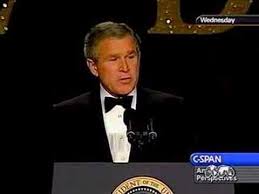
George W. Bush at the 2004 White House Correspondents’ dinner
To Bush, the non-existent WMDs were nothing more than the butt of a joke that night. While an overhead projector displayed photos of a puzzled-looking Bush searching around the Oval Office, Bush recited a comedy routine.
Click here: Bush laughs at no WMD in Iraq – YouTube
“Those weapons of mass destruction have gotta be somewhere,” Bush laughed, while a photo showed him poking around the corners in the Oval Office.
“Nope–no weapons over there! Maybe they’re under here,” he said, as a photo showed him looking under a desk.
Meanwhile, an assembly of wealthy, pampered men and women–the elite of America’s media and political classes–laughed heartily during Bush’s performance. It was a scene worthy of the court of the ancient Caesars, complete with royal flunkies.
Ultimately, the war that Bush had deliberately provoked
- Took the lives of 4,484 Americans.
- Cost the United States Treasury at least $2 trillion.
- Created a Middle East power vacumn.
- Allowed Iran–Iraq’s arch enemy–to eagerly fill it.
- Killed at least 655,000 Iraqis.
- Bush retired from office with a lavish pension and full Secret Service protection.
- He wrote his memoirs and was paid $7 for the first 1.5 million copies.
- Cheney, Rumsfeld, Rice retired to private business, wrote their own memoirs, and lived in comfort as respected elder statesmen.
9/11, ABC NEWS, AL QAEDA, ALTERNET, AMERICAN CAESARS: THE LIVES OF THE PRESIDENTS FROM FRANKLIN D. ROOSEVELT TO GEORGE W. BUSH, AMERICAN EMPIRE, AP, BASHAR AL-ASSAD, BILL CLINTON, BUREAUCRACY, BUZZFEED, CBS NEWS, CHRIS MATHEWS, CNN, CONDOLEEZA RICE, CROOKS AND LIARS, DAILY KOZ, DONALD TRUMP, DWIGHT EISENHOWER, FACEBOOK, FBI, FRANKLIN D. ROOSEVELT, GEORGE H.W. BUSH, GEORGE W. BUSH, GERALD R. FORD, HARRY S. TRUMAN, JIMMY CARTER, JOHN F. KENNEDY, LYNDON B. JOHNSON, MOTHER JONES, MOVEON, MSNBC, NBC NEWS, NEWSWEEK, NIGEL HAMILTON, NPR, OSAMA BIN LADEN, POLITICO, RAW STORY, REPUBLICAN PARTY, REUTERS, RICHARD CLARKE, RICHARD NIXON, ROMAN EMPIRE, SALON, SEATTLE TIMES, SEPTEMBER 11, SLATE, SUETONIUS, SYRIA, TERRORISM, THE ATLANTIC, THE CHICAGO SUN-TIMES, THE CHICAGO TRIBUNE, THE DAILY BEAST, THE GUARDIAN, THE HILL, THE HUFFINGTON POST, THE LOS ANGELES TIMES, THE NATION, THE NEW YORK TIMES, THE TWELVE CAESARS, THE WASHINGTON POST, TIME, TWITTER, U.S. NEWS & WORLD REPORT, UP, UPI, USA TODAY
In Bureaucracy, History, Military, Politics, Social commentary, Uncategorized on September 15, 2017 at 12:05 am
September 11, 2017, marks the 16th anniversary of the worst terrorist attack on United States soil. Inevitably, this is a time to remember all those whose lives were so cruelly snuffed out.
But it should also be a time to remember those who made this atrocity inevitable—by refusing to acknowledge and address the impending threat from Al-Qaeda.
British historian Nigel Hamilton has chronicled their arrogance and indifference in his 2010 biography: American Caesars: Lives of the Presidents from Franklin D. Roosevelt to George W. Bush.
Hamilton noted that Richard Clarke, the national security advisor on terrorism, was certain that Osama bin Laden had arranged the [USS.] Cole bombing in Aden on October 12, 2000.
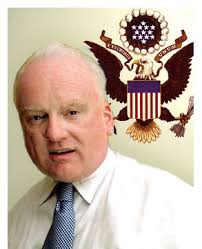
Richard Clarke
For months, Clarke tried to convince others in the Bush Administration that Bin Laden was plotting another attack against the United States—either abroad or at home.
But Clarke could not prevail against the know-it-all arrogance of such higher-ranking Bush officials as Vice President Dick Cheney; Secretary of Defense Donald Rumsfeld; Rumsfeld’s deputy, Paul Wolfowitz; and National Security Advisor Condoleeza Rice.
Rice initially refused to hold a cabinet-level meeting on the subject. Then she “insisted the matter be handled only by a more junior Deputy Principals meeting” in April, 2001, writes Hamilton.
Wolfowitz, the number-two man at the Department of Defense, said: “I don’t understand why we are beginning by talking about this one man, bin Laden.”
Even after Clarke outlined the threat posed by Al-Qaeda, Wolfowitz—whose real target was Saddam Hussein—said: “You give bin Laden too much credit.”
Wolfowitz insisted that bin Laden couldn’t carry out his terrorist acts without the aid of a state sponsor–namely, Iraq.
Wolfowitz, in fact, blamed Iraq for the 1993 bombing of the World Trade Center. Clarke was stunned, since there was absolutely no evidence of Iraqi involvement in this.
“Al-Qaeda plans major acts of terrorism against the United States,” Clarke warned his colleagues. He pointed out that, like Adolf Hitler, bin Laden had actually published his plans for future destruction.
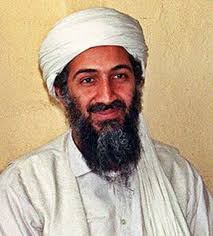
Osama bin Laden
And he added: “Sometimes, as with Hitler in Mein Kampf, you have to believe that these people will actually do what they say they will do.”
Wolfowitz heatedly traded on his Jewish heritage to bring Clarke’s unwelcome arguments to a halt: “I resent any comparison between the Holocaust and this little terrorist in Afghanistan.”
Writing in outraged fury, Hamilton sums up Clarke’s agonizing frustrations:
- Bush’s senior advisors treated their colleagues who had served in the Clinton administration with contempt.
- President Bush, Vice President Dick Cheney, National Security Advisor Condoleeza Rice, Secretary of Defense Donald Rumsfeld and Deputy Defense Secretary Paul Wolfowitz seemed content to ignore the danger signals of an impending al-Qaeda attack.
- This left only Secretary of State Colin Powell, his deputy Richard Armitage, Richard Clarke and a skeptical Treasury Secretary, Paul O’Neill, to wage “a lonely battle to waken a seemingly deranged new administration.”
Clarke alerted Federal Intelligence agencies that “Al-Qaeda is planning a major attack on us.” He asked the FBI and CIA to report to his office all they could learn about suspicious persons or activities at home and abroad.
Finally, at a meeting with Rice on September 4, 2001, Clarke challenged her to “picture yourself at a moment when in the very near future Al-Qaeda has killed hundreds of Americans, and imagine asking yourself what you wish then that you had already done.”
Seven days later, Al-Qaeda struck, and 3,000 Americans died horrifically—and needlessly.
Neither Bush, Cheney, Rice, Rumsfeld nor Wolowitz ever admitted their negligence. Nor would any of them be brought to account.
Disgustingly, these were the same officials who, afterward, posed as the Nation’s saviors—and branded anyone who disagreed with them as a traitor, practices the Right continues to exploit to this day.
Only Richard Clarke—who had vainly argued for stepped-up security precautions and taking the fight to Al-Qaeda—gave that apology.
On March 24, 2004, Clarke testified at the public 9/11 Commission hearings. Addressing relatives of victims in the audience, he said: “Your government failed you, those entrusted with protecting you failed you, and I failed you.”
Yet even worse was to come.
On the evening after the September 11 attacks, Bush took Clarke aside during a meeting in the White House Situation Room:
“I want you, as soon as you can, to go back over everything, everything. See if Saddam [Hussein, the dictator of Iraq] did this. See if he’s linked in any way.”
Clarke was stunned: “But, Mr. President, Al-Qaeda did this.”
“I know, I know,” said Bush. “But see if Saddam was involved. I want to know.”
Hussein had not plotted the attack–and there was no evidence proving that he did. But the attack gave “W” the excuse he wanted to remove the man he blamed for the 1992 defeat of his father, President George H.W. Bush.
Bush believed that his father would have been re-elected if he had “gone all the way” into Baghdad during the 1991 Gulf War.
He would finish the job that his father had started but failed to compete.
On September 12, 2001, Bush attended a meeting of the National Security Council.
“Why shouldn’t we go against Iraq, not just Al-Qaeda?” demanded Donald Rumsfeld, the Secretary of Defense.
Vice President Dick Cheney enthusiastically agreed.
9/11, ABC NEWS, AL QAEDA, ALTERNET, AMERICAN CAESARS: THE LIVES OF THE PRESIDENTS FROM FRANKLIN D. ROOSEVELT TO GEORGE W. BUSH, AMERICAN EMPIRE, AP, BASHAR AL-ASSAD, BILL CLINTON, BUREAUCRACY, BUZZFEED, CBS NEWS, CHRIS MATHEWS, CNN, CONDOLEEZA RICE, CROOKS AND LIARS, DAILY KOZ, DONALD TRUMP, DWIGHT EISENHOWER, FACEBOOK, FBI, FRANKLIN D. ROOSEVELT, GEORGE H.W. BUSH, GEORGE W. BUSH, GERALD R. FORD, HARRY S. TRUMAN, JIMMY CARTER, JOHN F. KENNEDY, LYNDON B. JOHNSON, MOTHER JONES, MOVEON, MSNBC, NBC NEWS, NEWSWEEK, NIGEL HAMILTON, NPR, OSAMA BIN LADEN, POLITICO, RAW STORY, REPUBLICAN PARTY, REUTERS, RICHARD CLARKE, RICHARD NIXON, ROMAN EMPIRE, SALON, SEATTLE TIMES, SEPTEMBER 11, SLATE, SUETONIUS, SYRIA, TERRORISM, THE ATLANTIC, THE CHICAGO SUN-TIMES, THE CHICAGO TRIBUNE, THE DAILY BEAST, THE GUARDIAN, THE HILL, THE HUFFINGTON POST, THE LOS ANGELES TIMES, THE NATION, THE NEW YORK TIMES, THE TWELVE CAESARS, THE WASHINGTON POST, TIME, TWITTER, U.S. NEWS & WORLD REPORT, UP, UPI, USA TODAY
In Bureaucracy, History, Military, Politics, Social commentary on September 14, 2017 at 12:10 am
It’s that time of year again—yet another anniversary celebration of September 11, 2001.
The day when Islamic terrorists slammed two jetliners into the World Trade Center and a third into the Pentagon.
They would have crashed a fourth jetliner into the White House or Capitol Building except for the heroic resistance of passengers aboard United Airlines Flight 93.
In the years immediately following 9/11, politicians of both parties used this anniversary to wave flags and make self-serving patriotic speeches.
This was especially true for officials of the administration of President George W. Bush—which, even as the rubble was being cleared at the Pentagon and World Trade Center, was preparing to use the attack as an excuse to topple Iraqi dictator Saddam Hussein.
Hussein had not plotted 9/11, and there was no evidence that he did. But that didn’t matter to Bush and those planning the invasion and conquest of Iraq.
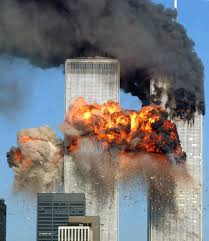
World Trade Center on September 11, 2001
So here it is, 16 years later, and, once again, politicians are using 9/11 as a prop to advance their careers.
President Donald Trump claims that only he can protect America from Al Qaeda, ISIS and any other Islamic terrorist groups. So far, his weapon of choice has been banning Muslims from certain Islamic countries from entering the United States.
Interestingly, Islamic countries where Trump has close business ties—such as Saudi Arabia, the United Arab Emirates, Egypt, and Turkey—are exempt from the ban.
As on past commemorations of 9/11, those who died will be remembered by friends and relatives of those who knew and loved them.
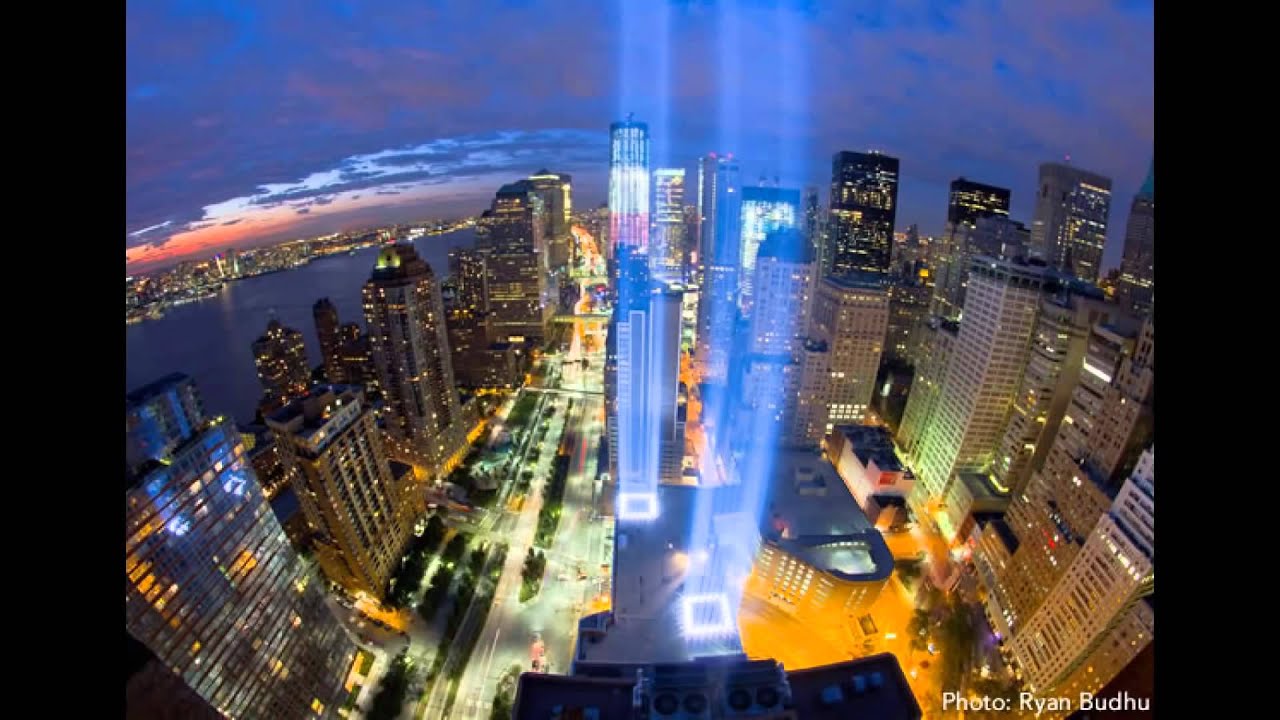
Tribute to 9/11 World Trade Center Victims
It is in fact appropriate to remember the innocents who died on that day—and the heroism of the police and firefighters who died trying to save them.
But it’s equally important to remember those who made 9/11 not simply possible but inevitable.
And that does not mean only the 19 highjackers who turned those planes into fuel-bombs. It means the officials at the highest levels of the administration of President George W. Bush.
Officials who, to this day, have never been held accountable in any way for the resulting death and destruction.
And who have been allowed to blatantly lie that they “kept us safe” from terrorism.
Obviously, such an indictment is not going to be presented by TV commentators today—not even on such liberal networks as CNN and MSNBC. And most definitely not on the right-wing Fox network.
Fortunately, British historian Nigel Hamilton has dared to lay bare the facts of this disgrace. Hamilton is the author of several acclaimed political biographies, including JFK: Reckless Youth and Bill Clinton: Mastering the Presidency.
In 2007, he began research on his latest book: American Caesars: The Lives of the Presidents From Franklin D. Roosevelt to George W. Bush.

The inspiration for this came from a classic work of ancient biography: The Twelve Caesars, by Gaius Suetonius Tranquillus—known as Suetonius.
Suetonius, a Roman citizen and historian, had chronicled the lives of the first twelve Caesars of imperial Rome: Julius Caesar, Augustus, Tiberius, Caligula, Claudius, Nero, Galba, Otho, Vitellius, Vespasian, Titus and Domitian.
Hamilton wanted to examine post-World War II United States history as Suetonius had examined that of ancient Rome: Through the lives of the 12 “emperors” who had held the power of life and death over their fellow citizens—and those of other nations.
For Hamilton, the “greatest of American emperors, the Caesar Augustus of his time,” was Franklin D. Roosevelt, who led his country through the Great Depression and World War II.
His “”great successors” were Harry S. Truman, Dwight D. Eisenhower and John F. Kennedy—who, in turn, contained the Soviet Union abroad and presided over sustained economic prosperity at home.
By contrast, “arguably the worst of all the American Caesars” was “George W. Bush, and his deputy, Dick Cheney, who willfully and recklessly destroyed so much of the moral basis of American leadership in the modern world.”
Among the most lethal of Bush’s offenses: The appointing of officials who refused to take seriously the threat posed by Al-Qaeda.
And this arrogance and indifference continued—right up to September 11, 2001, when the World Trade Center and Pentagon became targets for destruction.
Among the few administration officials who did take Al-Qaeda seriously was Richard Clarke, the chief counter-terrorism adviser on the National Security Council.
Clarke had been thus appointed in 1998 by President Bill Clinton. He continued in the same role under President Bush—but the position was no longer given cabinet-level access.
This put him at a severe disadvantage when dealing with other, higher-ranking Bush officials–such as Vice President Dick Cheney, Secretary of Defense Donald Rumsfeld, Rumsfeld’s deputy, Paul Wolfowitz and National Security Advisor Condoleeza Rice.
These turned out to be the very officials who refused to believe that Al-Qaeda posed a lethal threat to the United States.
“Indeed,” writes Hamilton, “in the entire first eight months of the Bush Presidency, Clarke was not permitted to brief President Bush a single time, despite mounting evidence of plans for a new al-Qaeda outrage.” [Italics added]
Nor did it help that, during his first eight months in office before September 11, Bush was on vacation, according to the Washington Post, 42% of the time.
ABC NEWS, ALTERNET, AP, BUZZFEED, CBS NEWS, CENSORSHIP, CLIMATE CHANGE, CNN, CROOKS AND LIARS, DAILY KOZ, FACEBOOK, FLOODING, FLORIDA, FLORIDA CENTER FOR INVESTIGATIVE REPORTING, FLORIDA DEPARTMENT OF ENVIRONMENTAL PROTECTION, GLOBAL WARMING, LYING, MIGRATIONS, MOTHER JONES, MOVEON, NATIONAL OCEANIC AND ATMOSPHERIC ADMINISTRATION, NBC NEWS, NEWSWEEK, NPR, POLITICO, RAW STORY, REPUBLICANS, REUTERS, RICK SCOTT, SALON, SEATTLE TIMES, SLATE, THE ATLANTIC, THE CHICAGO SUN-TIMES, THE CHICAGO TRIBUNE, THE DAILY BEAST, THE GUARDIAN, THE HILL, THE HUFFINGTON POST, THE LOS ANGELES TIMES, THE NATION, THE NEW YORK TIMES, THE WASHINGTON POST, TIME, TWITTER, U.S. NEWS & WORLD REPORT, UP, UPI, USA TODAY
In Bureaucracy, History, Politics, Social commentary on September 13, 2017 at 12:04 am
Politicians can lie to voters. And voters can lie to themselves. But Nature can never be fooled.
By 2100, more than 13 million Americans living along the coast could be displaced by rising sea levels. And these, in turn, are the result of melting polar ice caps—courtesy of a Republican-denied event called climate change.
At Ground Zero of this oncoming catastrophe lies Florida, Its densely populated coastal locales could see up to 6.06 million residents displaced if sea levels rise six feet.
“As the sea level rises, coastal parts of Florida will be inundated,” warns University of Georgia geography professor Deepak Mishra. “Sea level rise is the phenomenon that makes climate change a reality for millions of people worldwide. The sheer volume of people at risk of displacement and becoming climate refugees is the main threat.”
Mishra was one of several researchers for the United States National Oceanic and Atmospheric Administration (NOAA) who assessed sea level change scenarios by 2100 for coastal states along with population growth trends and projections in high-risk areas.
The number of people who could be displaced might be three times larger than previous estimates.
“These results suggest that the absence of protective measures could lead to U.S. population movements of a magnitude similar to the 20th century Great Migration of southern African-Americans,” the researchers wrote in the journal Nature Climate Change.
This referred to the exodus of more than six million blacks from the rural South to cities of the North, Midwest and West from 1910 until 1970.
More than a quarter of residents of major urban centers such as Miami and New Orleans could face coastal flooding. Three counties could see the displacement of 80 percent of their population:
- Florida’s Monroe County, site of the Florida Keys;
- Hyde County, North Carolina; and
- Tyrrell County, North Carolina.
In Florida, climate change reality is about to slam into Right-wing denial and censorship.
Rick Scott, its Republican Governor, doesn’t believe in “climate change’ or “global warming.” Asked by a reporter for his views on the subject, he fobbed off the question with, “Well, I’m not a scientist.”
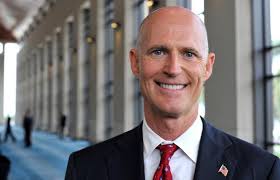
Smiling at the coming apocalypse: Rick Scott
Accordingly, he has ordered members of the Florida Department of Environmental Protection (DEP) to stop using those terms “global warming” and “climate change” in official correspondence.
DEP has a $1.4 billion budget and 3,200 employees, but is forbidden to speak openly about perhaps the foremost danger now facing Floridians.
According to the Florida Center for Investigative Reporting (FCIR) the policy is “unwritten” and was “distributed verbally statewide.”
Just as the Nazis passed down many of their orders verbally, to ensure deniability, so has Scott.
Accordingly, John Tupps, Scott’s spokesman, told The Washington Post: “There is no policy in existence. …Allegations and claims made in the [Florida investigative article] are not true. This policy, it doesn’t exist.”
But FCIR has no reservations about exposing the issue that threatens the very existence of the state.
“The irony is clearly apparent,” said Tristam Korten, one of FCIR’s writers. “Florida is a peninsula with 1,200 miles of coastline, and when it comes to climate change, we’re the canary in the coalmine. And we’re relying on the state government to protect us and to plan for these changes.”

Rising sea levels threaten Miami–and the rest of Florida
Further proof of the governor’s censorship decree comes from statements of former DEP employees. One of these, Kristina Trotta, was told during a 2014 meeting that she couldn’t employ terms such as “climate change” and “global warming.”
“We were told that we were not allowed to discuss anything that was not a true fact. The regional administrator told us that we are the governor’s agency; this is the message from the governor’s office. And that is the message we will portray.”
Many Americans believe climate change-denying politicians are simply ignorant of the truth: “If they knew, surely they would do something.”
While some politicians may genuinely believe that climate change is a hoax, others have self-interested reasons for denying its reality.
Among these is Rick Scott, whose 2014 financial disclosure records revealed that he was heavily invested in more than two dozen oil and gas ventures.
One was Spectra Energy, now working with Florida Power & Light to build the $3 billion Sabal Trail pipeline in North Florida.
Scott and his appointees at the Public Service Commission backed construction of Sabal Trail despite state ethics laws that generally forbid public officials from owning stock in businesses subject to their regulation.
Another entity in which Scott shares an interest is Regency Energy Partners, LP. In 2014, the governor valued his Regency units at $194,000. He also reported a $206,600 state in PRV Partners LP, which was acquired by Regency.
Scott’s oil and gas assets include 18 publicly traded master limited partnerships, some with significant ties to GE Energy Financial Services.
So while Scott and many other Right-wing politicians expect to handsomely profit from the coming onslaught of Nature, those at its epicenter will be its foremost victims.
Ironically, their victimization will result from their unswerving support for greed-addicted, Right-wing politicians, whose denial of climate change makes such catastrophes inevitable.
ABC NEWS, AIRLINES, ALTERNET, AMERICABLOG, ANTHEM INC., AP, BABY BOOMER RESISTANCE, BBC, BLOOMBERG, BUSINESS, BUZZFEED, CBS NEWS, CHINA, CNN, COMPUTER SECURITY, CREDIT CARDS, CREDIT REPORTING AGENCIES, CROOKS AND LIARS, CYBERSECURITY, DAILY KOS, DAILY KOZ, DAIRY QUEEN, EQUIFAX, FIVETHIRTYEIGHT, HACKING, HARPER’S MAGAZINE, HUFFINGTON POST, JOHN HERING, JPMORGAN/CHASE, LILY TOMLIN, LOOKOUT, LUGGAGE THEFTS, MA BELL, MEDIA MATTERS, MOTHER JONES, MOVEON, MSNBC, NBC NEWS, NEW REPUBLIC, NEWSDAY, NEWSWEEK, NPR, PBS NEWSHOUR, POLITICO, POLITICUSUSA, RAW STORY, REUTERS, ROWAN & MARTIN'S LAUGH-IN, SALON, SEATTLE TIMES, SLATE, SOCIAL SECURITY, STAPLES, TALKING POINTS MEMO, TARGET, THE ATLANTIC, THE CHICAGO SUN-TIMES, THE CHICAGO TRIBUNE, THE DAILY BEAST, THE DAILY BLOG, THE GUARDIAN, THE HILL, THE HUFFINGTON POST, THE INTERCEPT, THE LOS ANGELES TIMES, THE NATION, THE NEW REPUBLIC, THE NEW YORK TIMES, THE NEW YORKER, THE VILLAGE VOICE, THE WALL STREET JOURNAL, THE WASHINGTON POST, THINKPROGRESS, TIME, TRUTHDIG, TRUTHOUT, TWITTER, TWO POLITICAL JUNKIES, U.S. NEWS & WORLD REPORT, UP, UPI, USA TODAY, X
In Bureaucracy, Business, History, Law, Politics, Self-Help, Social commentary on September 12, 2017 at 12:01 am
Comedian Lily Tomlin rose to fame on the 1960s comedy hit, Rowan & Martin’s Laugh-In, as Ernestine, the rude, sarcastic switchboard operator for Ma Bell.
She would tap into customers’ calls, interrupt them, make snide remarks about their personal lives. And her victims included celebrities as much as run-of-the-mill customers.

Lily Tomlin as Ernestine
She introduced herself as working for “the phone company, serving everyone from presidents and kings to the scum of the earth.”
But perhaps the line for which her character is best remembered was: “We don’t care. We don’t have to. We’re the phone company.”
Clearly, too many companies take the same attitude as Ernestine: “We don’t care. We don’t have to.”
This is especially true for companies that are supposed to safeguard their customers’ most sensitive information.
Companies like:
- Kmart
- Staples
- Dairy Queen
- Target Home Depot
- JPMorgan/Chase
- Anthem Insurance
All these corporations suffered data breeches that exposed tens of millions of individuals’ private information–such as:
- Names
- Birthdates
- Credit card numbers
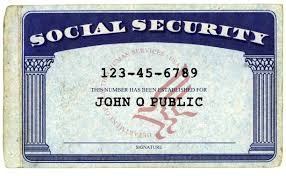
- Social Security numbers
- Member ID numbers
- Addresses
- Email addresses
- Employment Information
- Phone numbers
And now hackers have compromised Equifax, the consumer credit reporting agency.

One out of every two Americans stands to be a victim. Some 143 million consumers’ sensitive data is potentially compromised.
From mid-May to July, 2017, there was a flaw in Equifax’s website software. This allowed hackers to access 143 million Americans’ supposedly private information. Only after this massive robbery had occurred did the company discover the breach and close the loophole.
On September 8, PBS Newshour correspondent William Brangham outlined the dimensions of this catastrophe:
“It’s everything that would be in your credit report. So, it’s Social Security number. It’s your name, it’s your address, it’s your driver’s license information, it’s your employers, it’s your payment history, it’s what bank accounts you have….
“The thing that a thief could do with this information is, one, they could hack into your existing accounts once they have all that information. They could also set up new ones pretending to be John Yang or William Brangham and set up new accounts and then rack up big charges on those.
“So, the great irony here is that Equifax is a company that actually sells identity theft protection, and here it is they have theoretically allowed a huge breach that could trigger a ton of identity theft.“
According to Brangham, the two most outrageous aspects of this catastrophe are:
“[Equifax] found out about this on July 29, and we only found out about this breach on—this week. So, you’re supposed to, in these kinds of cases, immediately jump to do something about it. And it seems like they didn’t give consumers much time.
“And, secondly, several executives at the company, after they found out about the breach, sold about $18.8 million worth of stock in their company before this news got out, the implication being they didn’t want their stock to tank and their stock to lose value.”
Asked, “What are we supposed to do?” Brangham replied:
- Freeze your credit account—thus blocking anyone from setting up a new bank account, loan or mortgage in your name without you being alerted to it.
- Alert credit reporting companies Equifax, Transunion and Experian.
- Monitor your bank and credit cards for suspicious activity.
An October 22, 2014 “commentary” published in Forbes magazine raised the highly disturbing question: “Cybersecurity: Does Corporate America Really Care?”
And the answer is clearly: No.
Its author is John Hering, co-founder and executive director of Lookout, which bills itself as “the world leader in mobile security for consumers and enterprises alike.”
Click here: Cybersecurity: Does corporate America really care?
“One thing is clear,” writes Hering. “CEOs need to put security on their strategic agendas alongside revenue growth and other issues given priority in boardrooms.”
Hering warns that “CEOs don’t seem to be making security a priority.” And he offers several reasons for this:
- The sheer number of data compromises;
- Relatively little consumer outcry;
- Almost no impact on the companies’ standing on Wall Street;
- Executives may consider such breaches part of the cost of doing business.
“There’s a short-term mindset and denial of convenience in board rooms,” writes Hering. “Top executives don’t realize their systems are vulnerable and don’t understand the risks. Sales figures and new products are top of mind; shoring up IT systems aren’t.”
There are three ways corporations can be forced to start behaving responsibly on this issue.
- Smart attorneys need to start filing class-action lawsuits against companies that refuse to take steps to protect their customers’ private information. There is a name for such behavior: Criminal negligence. And there are laws carrying serious penalties for it.
- There must be Federal legislation to ensure that multi-million-dollar fines are levied against such companies—and especially their CEOs—when such data breaches occur.
- Congress should enact legislation allowing for the prosecution of CEOs whose companies’ negligence leads to such massive data breaches. They should be considered as accessories to crime, and, if convicted, sentenced to lengthy prison terms.
Only then will the CEO mindset of “We don’t care, we don’t have to” be replaced with: “We care, because we’ll lose our money and/or freedom if we don’t.”


 Bureaucracybuster's Blog
ABC NEWS, ADOLF HITLER, ALTERNET, ANTHONY SCARAMUCCI, AP, BUZZFEED, CBS NEWS, CNN, CROOKS AND LIARS, DAILY KOZ, DONALD TRUMP, FACEBOOK, FBI, GENRIKH GRIGORYEVICH YAGODA, GRIGORI ZIMOVIEV, HEINRICH HIMMLER, HERMANN GOERING, HOPE HICKS, JAMES COMEY, JOACHIM VON RIBBONTROP, JOSEPH STALIN, JUSTICE DEPARTMENT, KGB, LAVENTI BERIA, LEON TROTSKY, LEV KAMENEV, LUFTWAFFE, MIKE FLYNN, MOTHER JONES, MOVEON, NAZI GERMANY, NBC NEWS, NEWSWEEK, NIKOLAI, NIKOLAI YEZHOV, NKVD, NPR, POLITICO, RAW STORY, REINCE PRIEBUS, REUTERS, ROBERT MEULLER, RUDOLF HESS, SALLY YATES, SALON, SEAN SPICER, SEATTLE TIMES, SEBASTIAN GORKA, SLATE, STEVE BANNON, THE ATLANTIC, THE CHICAGO SUN-TIMES, THE CHICAGO TRIBUNE, THE DAILY BEAST, THE GUARDIAN, THE HILL, THE HUFFINGTON POST, THE LOS ANGELES TIMES, THE NATION, THE NEW YORK TIMES, THE WASHINGTON POST, TIME, TWITTER, U.S. NEWS & WORLD REPORT, UP, UPI, USA TODAY
PURGE-TIME IN STALIN’S RUSSIA AND TRUMP’S AMERICA: PART ONE (OF TWO)
In Bureaucracy, History, Law Enforcement, Politics, Social commentary on September 25, 2017 at 2:06 amDonald Trump—as both Presidential candidate and President—has often been compared to Adolf Hitler.
Yet, in at least one sense, this comparison is inaccurate. As Germany’s Fuhrer (1933-1945) Hitler kept on the members of his Cabinet for no less than 12 years.
Adolf Hitler
Among these:
Joseph Stalin, dictator of the Soviet Union (1928-1953) serves as a far better comparison figure for Trump.
Joseph Stalin
In 1936, Stalin ordered the first of a series of purges—from high-ranking members of the Communist party to impoverished peasants. Among the most prominent of his victims:
Like Joseph Stalin, Donald Trump has presided over a series of purges since reaching the White House.
Donald Trump
Like Stalin, Trump demands unconditional loyalty from those who serve in his administration. And, also like Stalin, he does not believe that loyalty is a two-way street.
Moreover, it doesn’t take much to offend Trump’s fragile ego. When “Saturday Night Live” started doing skits showcasing his chief strategist, Steve Bannon, as a Rasputin-like figure who manipulated Trump, Bannon’s days were clearly numbered.
The same proved true for Anthony Scaramucci, who was to become White House communications director. All that it took to secure his dismissal was an expletive-ridden phone interview with The New Yorker‘s Ryan Lizza. It didn’t help Scaramucci that he bragged about purging the entire White House communications staff and even siccing the FBI on leakers.
Others have left the White House owing to its increasingly paranoid atmosphere. Reports have surfaced of staffers being ordered to turn over their cell phones for inspection. The reason: To ensure they weren’t communicating with reporters by text message or through encrypted apps.
Then there is the very real—and justified—fear of being caught up in Special Counsel Robert Mueller III’s ever-widening investigation into collusion between Russian Intelligence agents and members of Trump’s 2016 Presidential campaign.
One of those who has reportedly hired top-notch legal talent is Hope Hicks, interim White House communications director. According to Politico, the 28-year-old has retained the services of veteran criminal defense lawyer Robert Trout, who once worked for the Justice Department.
Even if a White House staffer is not ultimately indicted and convicted, the costs of hiring top-flight legal talent can prove ruinous.
During the 2016 campaign, Trump claimed a $9 billion fortune: “I’m really rich!” But he has shown no willingness to spend any of it defending those officials he has hired.
And for an administration already plagued with a shortage of desperately-needed talent, even worse may soon be to come.
Share this: