Archive for the ‘Law Enforcement’ Category
2016 PRESIDENTIAL ELECTION, 2020 PRESIDENTIAL ELECTION, 2024 PRESIDENTIAL ELECTION, ABC NEWS, ABUSE OF POWER, ADOLF HITLER, AILEEN CANNON, ALTERNET, AMERICABLOG, AP, ASSASSINATION, AXIOS, BABY BOOMER RESISTANCE, BBC, BIRD FLU, BLACKS, BLOOMBERG, BUZZFEED, CBS NEWS, CHINA, CLASSIFIED DOCUMENTS, CLAUS VON STAUFFENBERG, CNN, COVID-19, CROOKS AND LIARS, DAILY KOS, DANIEL CASSINO, DEMOCRACY, DEMOCRATIC PARTY, DEMOCRATS, DONALD TRUMP, ELECTORAL COLLEGE, FBI, FEDERAL EMERGENCY MANAGEMENT AGENCY, FIVETHIRTYEIGHT, FUEL PRICES, GALLUP POLL, GAZA, GLOBAL CONFLICT, GROCERY PRICES, HARPER’S MAGAZINE, HILLARY CLINTON, HISPANICS, HITLER: ASCENT (BOOK), HUFFINGTON POST, HUNTER BIDEN, illegal immigration, IMPEACHMENT, INFLATION, INTERNATIONAL BROTHERHOOD OF TEAMSTERS, ISRAEL, JACK SMITH, JAMAL KHASHOOGI, JAMES COMER, JANUARY 6 COUP ATTEMPT, JARED KUSHNER, JIMMY HOFFA, JOHN ADAMS, JOSEPH BIDEN, Kamala Harris, KEVIN MCCARTHY, KIM JONG-UN, LATINOS, LOW INFORMATION VOTERS, MAR-A-LAGO, MARJORIE TAYLOR GREENE, MASCULINITY, MEDIA MATTERS, MEIN KAMPF, MERRICK GARLAND, MOHAMMED BIN SALMAN, MOTHER JONES, MOVEON, MSNBC, MUSLIMS, NAZI GERMANY, NAZIS, NBC NEWS, NEW REPUBLIC, NEWSDAY, NEWSWEEK, NORTH KORREA, NPR, OBSTRUCTION OF CONGRESS, PBS NEWSHOUR, POLITICO, POLITICUSUSA, RAW STORY, REPUBLICAN PARTY, REPUBLICANS, REUTERS, ROBERT F. KENNEDY, RUSSIA, SALON, SEATTLE TIMES, SLATE, SUPERMAN, TALKING POINTS MEMO, TERRORISM, THE ATLANTIC, THE CHICAGO SUN-TIMES, THE CHICAGO TRIBUNE, THE DAILY BEAST, THE DAILY BLOG, THE GUARDIAN, THE HILL, THE HUFFINGTON POST, THE INTERCEPT, THE LOS ANGELES TIMES, THE NATION, THE NEW REPUBLIC, THE NEW YORK TIMES, THE NEW YORKER, THE VILLAGE VOICE, THE WASHINGTON POST, THINKPROGRESS, THOMAS MATTHEW CROOKS, TIME, TRANSPORTATION COSTS, TRUTHDIG, TRUTHOUT, TWO POLITICAL JUNKIES, U.S. BORDER PATROL, U.S. NEWS & WORLD REPORT, UKRAINE, UNITED STATES DEPARTMENT OF JUSTICE, UNITED STATES HOUSE OF REPRESENTATIVES, UNITED STATES SECRET SERVICE, UNITED STATES SENATE, UPI, USA TODAY, VLADIMIR PUTIN, VOLKER ULLRICH, VOLODMYR ZELENSKY, VOX, WEIMAR REPUBLIC, WORLD WAR 11, X, XI JINPING
In Bureaucracy, History, Law, Law Enforcement, Politics, Social commentary on March 20, 2025 at 12:14 am
There were numerous instances where intervention by Federal legislators or law enforcement authorities could have utterly changed the outcome of the 2024 Presidential election.
Case #12: Democrats expected to receive support from their traditional allies—such as blacks and Hispanics. But that didn’t happen.
Despite Donald Trump’s overt racism, blacks deserted Vice President Kamala Harris in droves. About three in 10 back men under age 45 went for Trump, roughly double the share he got in 2020.
A clear majority of young black voters described the economy as “not so good” or “poor,” compared with about half of older black voters.
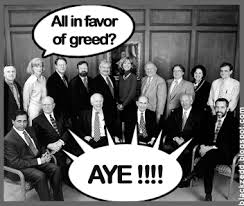
Similarly, in 2024, Trump made “mass deportations” the signature issue of his campaign. The vast majority of those slated for such removal were Hispanics.
But numerous Hispanics, when interviewed, said they didn’t feel threatened. They felt certain that Trump would deport “only the bad people.”
Young Latinos, particularly young Latino men, were more supportive to Trump than in 2020. Roughly half of young Latino men voted for Harris, compared with about six in 10 who went for Trump.
Majorities of Latino voters, regardless of age, said the economy was in bad shape. They wanted a bigger paycheck. And they were willing to re-elect a man who despised them in hopes of getting it.
Case #13: Muslims—especially those living in Dearborn, Michigan—played a losing blackmail game with the Biden administration
On October 7, 2023, under the cover of thousands of rockets fired from Gaza, Hamas terrorists slaughtered an estimated 1,139 men, women and children in Israeli streets, houses, kibbutz communities and at a rave music festival.
About 250 others were kidnapped and taken into Gaza.
Israel responded by declaring a state of war—pounding Gaza with bombs, missiles. tanks and soldiers. Palestinian health authorities claim that Israel’s ground and air campaign has killed more than 46,600 people,

Palestinians celebrating the attack on Israel
Terrorism-sympathizing Islamics—especially in Michigan—demanded that the Biden administration stop sending military equipment to Israel—and force Israelis to stop their military campaign to free the hostages. They threatened: “If you don’t do what we want, we won’t vote for Kamala Harris.”
Biden and Harris rejected their demands—and Islamics voted for Trump or didn’t vote at all.
The end result: Harris lost—and was replaced with a Right-wing administration so pro-Israel that it made the Biden one seem pro-Palestinian by comparison.
Case 14: Ignorance of and/or contempt for history.
“Low information voters” is a euphemism for people dangerously ignorant of the issues affecting their lives.
After World War II ended in 1945, the United States proved a force for worldwide stability. Its “nuclear umbrella” prevented a Russian takeover of Europe and a Chinese takeover of Asia.
But voters ignored Trump’s “bromance” with Communist dictators Vladimir Putin (Russia), Xi Jinping (China) and Kim Jong-Un (North Korea). They also ignored his proven disdain for the leaders of democratic nations—such as Canada and Great Britain.
As a result, Canada and Mexico, America’s biggest trading partners, are now treated—by Trump—as enemies. Meanwhile, he cozies up to Putin against Ukraine’s legally-elected President, Vododmyr Zelensky.
* * * * *
Countless historians have tried to answer the question: “Was the rise of Adolf Hitler—and the catastrophe he unleashed—inevitable?”
Future historians will ask the same question about Donald Trump—and the almost certain disaster of a second Trump Presidency.
Competent historians will conclude that no one factor was responsible, but a combination of otherwise unrelated ones. Among these:
- Republicans: Who feared that Trump’s Fascistic supporters would deprive them of political office if they didn’t abase themselves to a lifelong criminal and would-be dictator.
- Republican judges: Who bent and/or broke the law to enable Trump to escape justice.
- Justice Department prosecutors: Whose awe of the Presidency allowed Trump to slander and threaten federal prosecutors and judges.
- Attorney General Merrick Garland: Whose cowardice prevented him from appointing Jack Smith Special Counsel until November 18, 2022—giving Trump time to delay justice and again win the Presidency.
- Democrats: Whose cowardice toward Trump encouraged Republicans to ever more extreme measures.
- Hispanics: Like the Jews in Hitler’s Germany, who couldn’t believe that Trump would carry out his threats to imprison and/or deport them.
- The Biden administration: Which refused to stem the tide of illegal aliens invading America—and thus enraged millions of law-abiding Americans into supporting Trump.
- American voters: Whose misogynistic attitudes toward women led them to reject a former local and state prosecutor for a 34-times convicted felon.
- American voters: Whose hatred of Hispanic illegal aliens and inflationary grocery prices led them to ignore overwhelming evidence of Trump’s intent to overturn the democratic process and make himself absolute dictator.
As John Adams, second President of the United States, observed:
Remember, democracy never lasts long. It soon wastes, exhausts and murders itself. There never was a democracy yet that did not commit suicide. It is in vain to say that democracy is less vain, less proud, less selfish, less ambitious, or less avaricious than aristocracy or monarchy. It is not true, and nowhere appears in history. Those passions are the same in all men, under all forms of simple government, and when unchecked, produce the same effects of fraud, violence and cruelty.
2016 PRESIDENTIAL ELECTION, 2020 PRESIDENTIAL ELECTION, 2024 PRESIDENTIAL ELECTION, ABC NEWS, ABUSE OF POWER, ADOLF HITLER, AILEEN CANNON, ALTERNET, AMERICABLOG, AP, ASSASSINATION, AXIOS, BABY BOOMER RESISTANCE, BBC, BIRD FLU, BLACKS, BLOOMBERG, BUZZFEED, CBS NEWS, CHINA, CLASSIFIED DOCUMENTS, CLAUS VON STAUFFENBERG, CNN, COVID-19, CROOKS AND LIARS, DAILY KOS, DANIEL CASSINO, DEMOCRACY, DEMOCRATIC PARTY, DEMOCRATS, DONALD TRUMP, ELECTORAL COLLEGE, FBI, FEDERAL EMERGENCY MANAGEMENT AGENCY, FIVETHIRTYEIGHT, FUEL PRICES, GALLUP POLL, GAZA, GLOBAL CONFLICT, GROCERY PRICES, HARPER’S MAGAZINE, HILLARY CLINTON, HISPANICS, HITLER: ASCENT (BOOK), HUFFINGTON POST, HUNTER BIDEN, illegal immigration, IMPEACHMENT, INFLATION, INTERNATIONAL BROTHERHOOD OF TEAMSTERS, ISRAEL, JACK SMITH, JAMAL KHASHOOGI, JAMES COMER, JANUARY 6 COUP ATTEMPT, JARED KUSHNER, JIMMY HOFFA, JOHN ADAMS, JOSEPH BIDEN, Kamala Harris, KEVIN MCCARTHY, KIM JONG-UN, LATINOS, LOW INFORMATION VOTERS, MAR-A-LAGO, MARJORIE TAYLOR GREENE, MASCULINITY, MEDIA MATTERS, MEIN KAMPF, MERRICK GARLAND, MOHAMMED BIN SALMAN, MOTHER JONES, MOVEON, MSNBC, MUSLIMS, NAZI GERMANY, NAZIS, NBC NEWS, NEW REPUBLIC, NEWSDAY, NEWSWEEK, NORTH KORREA, NPR, OBSTRUCTION OF CONGRESS, PBS NEWSHOUR, POLITICO, POLITICUSUSA, RAW STORY, REPUBLICAN PARTY, REPUBLICANS, REUTERS, ROBERT F. KENNEDY, RUSSIA, SALON, SEATTLE TIMES, SLATE, SUPERMAN, TALKING POINTS MEMO, TERRORISM, THE ATLANTIC, THE CHICAGO SUN-TIMES, THE CHICAGO TRIBUNE, THE DAILY BEAST, THE DAILY BLOG, THE GUARDIAN, THE HILL, THE HUFFINGTON POST, THE INTERCEPT, THE LOS ANGELES TIMES, THE NATION, THE NEW REPUBLIC, THE NEW YORK TIMES, THE NEW YORKER, THE VILLAGE VOICE, THE WASHINGTON POST, THINKPROGRESS, THOMAS MATTHEW CROOKS, TIME, TRANSPORTATION COSTS, TRUTHDIG, TRUTHOUT, TWO POLITICAL JUNKIES, U.S. BORDER PATROL, U.S. NEWS & WORLD REPORT, UKRAINE, UNITED STATES DEPARTMENT OF JUSTICE, UNITED STATES HOUSE OF REPRESENTATIVES, UNITED STATES SECRET SERVICE, UNITED STATES SENATE, UPI, USA TODAY, VLADIMIR PUTIN, VOLKER ULLRICH, VOLODMYR ZELENSKY, VOX, WEIMAR REPUBLIC, WORLD WAR 11, X, XI JINPING
In Bureaucracy, History, Law, Law Enforcement, Medical, Social commentary on March 19, 2025 at 12:08 am
There were numerous instances where intervention by Federal legislators or law enforcement authorities could have utterly changed the outcome of the 2024 Presidential election.
Case #9: Americans had become increasingly worried and angry about surging numbers of illegal aliens pouring into the country. But the Biden administration refused—until its closing months—to dramatically address this issue.
A Vox story, dated July 12, 2024, warned: “According to Gallup, 2024 is the first time since 2005 that most of the public have wanted less immigration, and this year marks the largest share of Americans feeling resistant to immigration since 58 percent said so in 2001….”

Illegal alien climbing over the border fence in Brownsville, Texas
Six months later, on January 17, 2025, another Vox story offered: “What Democrats must learn from Biden’s disastrous immigration record.”
It opened: “One of the main reasons Vice President Kamala Harris lost the election is the Biden administration’s record on immigration and the border — polls show it ranks up close with inflation among the top issues that drove swing voters to Trump….
“During Biden’s first three years in office, the number of arriving migrants skyrocketed, leading to a backlash as even blue states and cities complained they were overwhelmed. The peak came in December 2023, a month when officials reported about 250,000 encounters with migrants at the border, a record.”
Then, starting early in 2024, and continuing throughout the year, border arrivals plummeted—by more than 80%.
The reasons:
- The Biden administration got the Mexican government to launch an extensive crackdown on migrants passing through its territory to the United States.
- Biden decreed that new unauthorized migrants would be ineligible for asylum if too many people were coming to the border. Essentially, this meant shutting down the asylum process.
Unfortunately for Harris, the downturn in illegal immigration came too late.
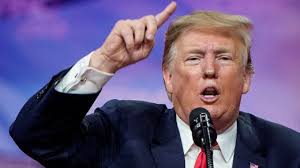
Donald Trump
In times of economic uncertainty, hostility rises toward immigrants—especially those who are alien to a host country’s language and culture. This has proven true in Europe as well as the United States.
Case #10: Americans blamed President Biden for inflationary price increases—especially for groceries such as eggs.
According to a December 20, 2024 article—“Why are groceries so expensive? What you need to know”—by the Center for Science in the Public Interest:
“Since January 2019, food prices have risen nearly 30 percent in the US, leaving many households struggling to afford groceries.”
Among the issues responsible for this:
- COVID-19: Caused worldwide disruptions in supply chains.
- Transportation costs and fuel prices: Fuel costs are directly tied to how much retailers charge for groceries and other goods.
- Animal diseases, weather events, crop failures: When bird flu (H5N1) first struck the U.S. in 2022, eggs were priced at around $2 per dozen. They peaked at $4.82/dozen in January 2023, and in December 2024—following the infection of over 123 million chickens—prices fell to about $4.15/dozen.
- Global conflict: In February, 2022, Russia invaded Ukraine, which exports wheat, corn and agricultural fertilizer, among other products. Russia has tried to strangle Ukraine’s exports by attacking the nation’s agricultural centers.
No President—including Biden and Trump—can control such events. Unfortunately, every Presidential candidate virtually promises to be Superman. And voters repeatedly fall victim to this absurdity.

So when elected Presidents fail to perform miracles, those voters turn on them—and turn them out of office.
Case #11: Americans don’t want a woman President.
American voters proved that in 2016 when former Secretary of State Hillary Clinton ran for President—and lost to Trump in the Electoral College by a count of 227 to 304.
And Hillary had an advantage that Vice President Kamala Harris lacked: Hillary was white.
England has elected a female Prime Minister: Margaret Thatcher. And Mexico—notorious for the machismo of its men—has elected a woman President: Claudia Sheinbaum Pardo. But in the United States, electing a woman chief executive is unthinkable to most American men.
According to Daniel Cassino, Professor of Government and Politics at Fairleigh Dickinson University, men who support Trump hold to a traditionally masculine identity.
“So, among that group, Trump is up over Harris by about 35 points. Huge gap, Among other men, the half of men who don’t put themselves at the extremes of masculinity, Harris is up by 20. In fact, Harris is also up by 20 among most groups of women. So, really the gap is not between men and women, it’s between this one group of traditional masculine men and everybody else.”
Machismo played a major role in Trump’s popularity among Hispanics. Roughly six in 10 men described Trump as a strong leader, compared with 43% who said that in 2020. About half of Hispanic women said Trump was a strong leader, up from 37%.
Case #12: Democrats expected to receive support from their traditional allies—such as blacks and Hispanics. But that didn’t happen.
During the eight-year tenure of America’s first black President, Donald Trump attacked Barack Obama as a foreign-born citizen who was thus ineligible for that office. He also had a history of supporting—and being supported by—racist white groups like the Proud Boys and the Oath Keepers.
Nevertheless, blacks deserted Vice President Kamala Harris in droves. About three in 10 back men under age 45 went for Trump, roughly double the share he got in 2020.
2016 PRESIDENTIAL ELECTION, 2020 PRESIDENTIAL ELECTION, 2024 PRESIDENTIAL ELECTION, ABC NEWS, ABUSE OF POWER, ADOLF HITLER, AILEEN CANNON, ALTERNET, AMERICABLOG, AP, ASSASSINATION, AXIOS, BABY BOOMER RESISTANCE, BBC, BIRD FLU, BLACKS, BLOOMBERG, BUZZFEED, CBS NEWS, CHINA, CLASSIFIED DOCUMENTS, CLAUS VON STAUFFENBERG, CNN, COVID-19, CROOKS AND LIARS, DAILY KOS, DANIEL CASSINO, DEMOCRACY, DEMOCRATIC PARTY, DEMOCRATS, DONALD TRUMP, ELECTORAL COLLEGE, FBI, FEDERAL EMERGENCY MANAGEMENT AGENCY, FIVETHIRTYEIGHT, FUEL PRICES, GALLUP POLL, GAZA, GLOBAL CONFLICT, GROCERY PRICES, HARPER’S MAGAZINE, HILLARY CLINTON, HISPANICS, HITLER: ASCENT (BOOK), HUFFINGTON POST, HUNTER BIDEN, illegal immigration, IMPEACHMENT, INFLATION, INTERNATIONAL BROTHERHOOD OF TEAMSTERS, ISRAEL, JACK SMITH, JAMAL KHASHOOGI, JAMES COMER, JANUARY 6 COUP ATTEMPT, JARED KUSHNER, JIMMY HOFFA, JOHN ADAMS, JOSEPH BIDEN, Kamala Harris, KEVIN MCCARTHY, KIM JONG-UN, LATINOS, LOW INFORMATION VOTERS, MAR-A-LAGO, MARJORIE TAYLOR GREENE, MASCULINITY, MEDIA MATTERS, MEIN KAMPF, MERRICK GARLAND, MOHAMMED BIN SALMAN, MOTHER JONES, MOVEON, MSNBC, MUSLIMS, NAZI GERMANY, NAZIS, NBC NEWS, NEW REPUBLIC, NEWSDAY, NEWSWEEK, NORTH KORREA, NPR, OBSTRUCTION OF CONGRESS, PBS NEWSHOUR, POLITICO, POLITICUSUSA, RAW STORY, REPUBLICAN PARTY, REPUBLICANS, REUTERS, ROBERT F. KENNEDY, RUSSIA, SALON, SEATTLE TIMES, SLATE, SUPERMAN, TALKING POINTS MEMO, TERRORISM, THE ATLANTIC, THE CHICAGO SUN-TIMES, THE CHICAGO TRIBUNE, THE DAILY BEAST, THE DAILY BLOG, THE GUARDIAN, THE HILL, THE HUFFINGTON POST, THE INTERCEPT, THE LOS ANGELES TIMES, THE NATION, THE NEW REPUBLIC, THE NEW YORK TIMES, THE NEW YORKER, THE VILLAGE VOICE, THE WASHINGTON POST, THINKPROGRESS, THOMAS MATTHEW CROOKS, TIME, TRANSPORTATION COSTS, TRUTHDIG, TRUTHOUT, TWO POLITICAL JUNKIES, U.S. BORDER PATROL, U.S. NEWS & WORLD REPORT, UKRAINE, UNITED STATES DEPARTMENT OF JUSTICE, UNITED STATES HOUSE OF REPRESENTATIVES, UNITED STATES SECRET SERVICE, UNITED STATES SENATE, UPI, USA TODAY, VLADIMIR PUTIN, VOLKER ULLRICH, VOLODMYR ZELENSKY, VOX, WEIMAR REPUBLIC, WORLD WAR 11, X, XI JINPING
In Bureaucracy, History, Law, Law Enforcement, Medical, Politics, Social commentary on March 18, 2025 at 12:05 am
There were numerous instances where intervention by Federal legislators or law enforcement authorities could have utterly changed the outcome of the 2024 Presidential election.
Case #5: Even after Donald Trump left office, the Justice Department treated him with a deference not shown any other criminal defendant.
He was allowed, for example, to hurl insults and threats at Special Counsel Jack Smith and even Smith’s family.
One such post, published on Trump’s website, Truth Social, went: “Deranged Jack Smith, who is a sick puppet for A.G. Garland & Crooked Joe Biden, should be DEFUNDED & put out to rest. Republicans must get tough or the Dems will steal another Election. MAGA!”
By “A.G. Garland” Trump meant Attorney General Merrick Garland. By “put out to rest,” he meant that his followers should assassinate Smith.
Not even Mafia bosses like Charles “Lucky” Luciano and Albert “The Executioner” Anastasia dared issue such a threat.
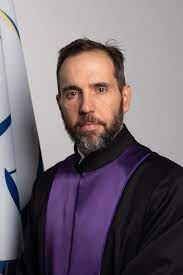
Jack Smith
By contrast: Jimmy Hoffa was president of the International Brotherhood of Teamsters. But that didn’t prevent Robert F. Kennedy’s Justice Department from indicting him for jury tampering—and convicting him on March 4, 1964. He was sentenced to eight years in prison and a $10,000 fine.
No one in the Kennedy Justice Department said: “He’s the elected president of the Teamsters Union—so we can’t touch him.” Yet that is precisely how the Biden Justice Department repeatedly acted—simply because, in 2016, he won a Presidential election.
Case #6: Throughout his struggles to stay out of prison, Trump was aided by the unrelenting support of the Republican party.
Republicans loudly and repeatedly claimed that Donald Trump was the legitimate winner of the 2020 Presidential election—despite overwhelming evidence that he wasn’t.
They also claimed that, by appointing Special Counsel Jack Smith to investigate Trump, the Democrats had weaponized Federal law enforcement.
They also fully supported Trump’s demand for the release of those who attacked the Capitol Building on January 6, 2021.

For example: Rep. Marjorie Taylor Greene (R-GA) has depicted these coup supporters as persecuted martyrs.
On March 24, 2022, members of the Republicans’ House Oversight Committee toured a Washington, D.C. jail where some of these defendants were held. “Their due process rights are being violated. And they have been mistreated and treated as political prisoners,” Greene told reporters after the tour.
Adolf Hitler similarly portrayed as martyrs the Nazis who tried to violently overthrow the government of Bavaria on November 9, 1923.
A March 2, 2020 Washington Monthly story concluded ominously: “U.S. democracy wasn’t set up to deal with a president openly behaving like a James Bond villain while being protected by a political party behaving more like a mafia than a civic institution.”
Case #7: While Congressional Republicans have relentlessly investigated President Joe Biden and his family, Democrats have refused to similarly investigate Trump’s family.
The United States House Oversight Committee opened its investigation into the Biden family on January 11, 2023. The investigation included the foreign business activities of Biden’s son, Hunter, and brother, James.
By November 2023, the investigation had not found any evidence of wrongdoing by President Biden.
Democrats, by contrast, have not probed why Jared Kushner, Donald Trump’s son-in-law and former White House adviser, received $2 billion from Saudi Arabia’s Crown Prince Mohammed bin Salman. The money came to Kushner’s private equity firm after Kushner left the White House in 2021.

Jared Kushner
Salman has been implicated by U.S. Intelligence reports in the 2018 torture and dismemberment of Washington Post columnist Jamal Khashoggi. When asked if he believed the reports, Kushner said: “Are we really still doing this?”
Democrats have also refused to investigate the Trump administration’s illegally seizing vitally-needed medical supplies in at least seven states during the COVID-19 pandemic.
The Federal Emergency Management Agency (FEMA) did not publicly report the thefts, despite the outlay of millions of dollars of taxpayer money. Nor did the administration explain how it decided which supplies to seize and where to reroute them.
The Federal Government did not inform states whose supplies it seized if they would receive the materials they ordered and paid for.
Case #8: On July 13, 2024, Trump was allegedly wounded in his right ear by a gunman while speaking at an open-air Presidential campaign rally near Butler, Pennsylvania.
The would-be assassin, Thomas Matthew Crooks, fired eight rounds from an AR-15 style rifle from the roof of a nearby building. Trump dived for cover behind his lectern, as the shooter killed one audience member and critically injured two others.
Crooks was shot and killed seconds later by the Secret Service’s Counter Sniper Team.
Had Trump not slightly turned his head at the moment Crooks fired, Republicans would have been forced to choose another nominee.
In addition, Trump would not have been alive to win the 2024 Presidential election and openly threaten to imprison the Justice Department prosecutors who sought to hold him accountable for his litany of crimes.
The assassination attempt calls to mind that by Colonel Claus Schenk von Stauffenberg on July 20, 1944, to kill Adolf Hitler with a briefcase bomb. Had he succeeded, the war in Europe would no doubt have ended far earlier, with countless lives being saved.
2016 PRESIDENTIAL ELECTION, 2020 PRESIDENTIAL ELECTION, 2024 PRESIDENTIAL ELECTION, ABC NEWS, ABUSE OF POWER, ADOLF HITLER, AILEEN CANNON, ALTERNET, AMERICABLOG, AP, ASSASSINATION, AXIOS, BABY BOOMER RESISTANCE, BBC, BIRD FLU, BLACKS, BLOOMBERG, BUZZFEED, CBS NEWS, CHINA, CLASSIFIED DOCUMENTS, CLAUS VON STAUFFENBERG, CNN, COVID-19, CROOKS AND LIARS, DAILY KOS, DANIEL CASSINO, DEMOCRACY, DEMOCRATIC PARTY, DEMOCRATS, DONALD TRUMP, ELECTORAL COLLEGE, FBI, FEDERAL EMERGENCY MANAGEMENT AGENCY, FIVETHIRTYEIGHT, FUEL PRICES, GALLUP POLL, GAZA, GLOBAL CONFLICT, GROCERY PRICES, HARPER’S MAGAZINE, HILLARY CLINTON, HISPANICS, HITLER: ASCENT (BOOK), HUFFINGTON POST, HUNTER BIDEN, illegal immigration, IMPEACHMENT, INFLATION, INTERNATIONAL BROTHERHOOD OF TEAMSTERS, ISRAEL, JACK SMITH, JAMAL KHASHOOGI, JAMES COMER, JANUARY 6 COUP ATTEMPT, JARED KUSHNER, JIMMY HOFFA, JOHN ADAMS, JOSEPH BIDEN, Kamala Harris, KEVIN MCCARTHY, KIM JONG-UN, LATINOS, LOW INFORMATION VOTERS, MAR-A-LAGO, MARJORIE TAYLOR GREENE, MASCULINITY, MEDIA MATTERS, MEIN KAMPF, MERRICK GARLAND, MOHAMMED BIN SALMAN, MOTHER JONES, MOVEON, MSNBC, MUSLIMS, NAZI GERMANY, NAZIS, NBC NEWS, NEW REPUBLIC, NEWSDAY, NEWSWEEK, NORTH KORREA, NPR, OBSTRUCTION OF CONGRESS, PBS NEWSHOUR, POLITICO, POLITICUSUSA, RAW STORY, REPUBLICAN PARTY, REPUBLICANS, REUTERS, ROBERT F. KENNEDY, RUSSIA, SALON, SEATTLE TIMES, SLATE, SUPERMAN, TALKING POINTS MEMO, TERRORISM, THE ATLANTIC, THE CHICAGO SUN-TIMES, THE CHICAGO TRIBUNE, THE DAILY BEAST, THE DAILY BLOG, THE GUARDIAN, THE HILL, THE HUFFINGTON POST, THE INTERCEPT, THE LOS ANGELES TIMES, THE NATION, THE NEW REPUBLIC, THE NEW YORK TIMES, THE NEW YORKER, THE VILLAGE VOICE, THE WASHINGTON POST, THINKPROGRESS, THOMAS MATTHEW CROOKS, TIME, TRANSPORTATION COSTS, TRUTHDIG, TRUTHOUT, TWO POLITICAL JUNKIES, U.S. BORDER PATROL, U.S. NEWS & WORLD REPORT, UKRAINE, UNITED STATES DEPARTMENT OF JUSTICE, UNITED STATES HOUSE OF REPRESENTATIVES, UNITED STATES SECRET SERVICE, UNITED STATES SENATE, UPI, USA TODAY, VLADIMIR PUTIN, VOLKER ULLRICH, VOLODMYR ZELENSKY, VOX, WEIMAR REPUBLIC, WORLD WAR 11, X, XI JINPING
In Bureaucracy, History, Law, Law Enforcement, Military, Politics, Social commentary on March 17, 2025 at 2:37 am
On November 9, 1923, Nazi Party Fuhrer Adolf Hitler tried to overthrow the government in Munich, Bavaria.
About 2,000 Nazis marched to the center of Munich, where they confronted heavily-armed police. A shootout erupted, killing 16 Nazis and four policemen.
Hitler was injured during the clash, but managed to escape. Two days later, he was arrested and charged with treason.
Put on trial, he found himself treated as a celebrity by a judge sympathetic to Right-wing groups. He was allowed to brutally cross-examine witnesses and even make inflammatory speeches.
At the end of the trial, he was convicted of treason and sentenced to five years’ imprisonment.
Serving time in Landsberg Prison, in Bavaria. he was given a huge cell, allowed to receive unlimited visitors and gifts, and treated with deference by guards and inmates.
Hitler used his time in prison to write his infamous book, Mein Kampf-–“My Struggle.” Part autobiography, part political treatise, it laid out his future plans—including the extermination of the Jews and the conquest of the Soviet Union.

Adolf Hitler leaving Landsberg Prison, December, 20, 1924
Nine months later, he was released on parole—by authorities loyal to the authoritarian Right instead of the newly-created Weimar Republic.
Hitler immediately began rebuilding the shattered Nazi party—and deciding on a new strategy to gain power. Never again would he resort to armed force. He would win office by election—or intrigue.
Writes historian Volker Ullrich, in his monumental biography, Hitler: Ascent 1889 – 1939: “Historians have perennially tried to answer the question of whether Hitler’s rise to power could have been halted….
“There were repeated opportunities to end Hitler’s run of triumphs. The most obvious one was after the failed Putsch of November 1923. Had the Munich rabble-rouser been forced to serve his full five-year term of imprisonment in Landsberg, it is extremely unlikely that he would have been able to restart his political career.”

Thus, it isn’t just what happens that can influence the course of history. Often, it’s what doesn’t happen that has at least as great a result.
Future historians—if there are any—may one day write that it’s what didn’t happen that played at least as great a role in re-electing Donald Trump President as what actually did.
There were numerous instances where intervention by Federal legislators or law enforcement authorities could have utterly changed the outcome of the 2024 election.
Case #1: On December 18, 2019, the Democratic-controlled House of Representatives adopted two articles of impeachment against Trump: abuse of power and obstruction of Congress. On February 5, 2020, the Republican-dominated Senate voted to acquit Trump on both articles of impeachment.
Their motive: Fear that if they didn’t, they would be “primaried” by even more extreme, Trump-supported Right-wing candidates—and lose their positions and the accompanying power and perks.
Had Republicans agreed to convict him, he could not have run again for President.
Case #2: On January 13, 2021, Trump was impeached for the second time for “incitement of insurrection”—inciting the January 6, 2021 attack on the United States Capitol.
The reason: To stop the counting of Electoral College votes, which he knew would prove that former Vice President Joseph Biden had won the 2020 Presidential election.
The evidence against him was overwhelming—including video of his inciting a mob of his followers to storm the Capitol Building.
But Republican Senators again acquitted Trump on February 13, 2021—choosing ambition over patriotism.
Had they done so, he could not have again been a candidate for President.
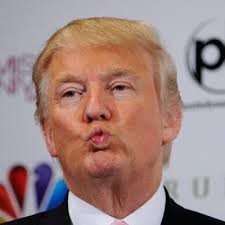
Donald Trump
Case #3: Only on November 18, 2022—a year and a half after becoming Attorney General—did Merrick Garland appoint Jack Smith Independent Counsel to investigate Donald Trump’s role for:
- Inciting the January 6 attack on Congress; and
- Illegally seizing and storing highly classified government documents at his Mar-a-Lago estate in Palm Beach Florida.
This gave Trump time to play his “deny and delay” game. Had he been prosecuted and convicted before the November 5 Presidential election, the results might well have been different.
Even hardcore supporters might have proved unwilling to vote for someone found guilty of inciting a riot or stealing highly classified documents.
Case #4: In June, 2023, Trump was indicted for illegally seizing and storing hundreds of highly classified government documents at his Mar-a-Lago estate.
Aileen Cannon, a Trump appointee as Federal Judge of the United States District Court for the Southern District of Florida, presided over the case.
She repeatedly ruled in his favor and finally dismissed the case in July, 2024. claiming that Special Counsel Jack Smith’s appointment was unconstitutional.
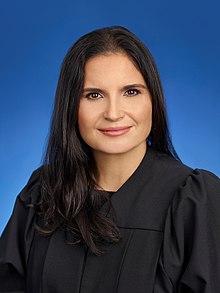
Aileen Cannon
Southern District of Florida, CC BY-SA 4.0 <https://creativecommons.org/licenses/by-sa/4.0>, via Wikimedia Commons
Many legal experts, citing her handling of the civil case against Trump, called for her recusal from the case. Jack Smith could have requested her removal from the case but did not ask a Federal appeals court to do so.
MSNBC analyst Barbara McQuade told Newsweek that Smith likely refused to do so to “return public trust” to the Justice Department, which had been challenged in recent years.
Cannon’s kid-gloves treatment of Trump echoed that of the Right-wing judge who presided over Adolf Hitler’s trial in 1923 for trying to overthrow the government of Bavaria.
2024 PRESIDENTIL ELECTION, ABC NEWS, ABORTION, AGENCY FOR INTERNATIONAL DEVELOPMENT, ALTERNET, AMERICABLOG, AP, BABY BOOMER RESISTANCE, BBC, BIRTH CONTROL, BLOOMBERG, BLUESKY, BUZZFEED, CAPITAL PUNISHMENT, CBS NEWS, CENTERS FOR DISEASE CONTROL AND PREVENTION, CNN, CONSUMER FINANCIAL PROTECTION BUREAU, CROOKS AND LIARS, DAILY KOS, DEPARTMENT OF DEFENSE, DEPARTMENT OF EDUCATION, DEPARTMENT OF ENERGY, DEPARTMENT OF JUSTICE, DEPARTMENT OF VETERANS AFFAIRS, DONALD TRUMP, ELON MUSK, FBI, FEDERAL AVIATION ADMINISTRATION, FEDERAL COMMUNICATIONS COMMISSION, FEDERAL ELECTIONS COMMISSION, FEDERAL GOVERNMENT WORKFORCE, FEDERAL TRADE COMMISSION, FIVETHIRTYEIGHT, FOOD AND DRUG ADMINISTRATION FOOD DIVISION, GLOBAL WARMING, HARPER’S MAGAZINE, HERITAGE FOUNDATION, HOUSE OF REPRESENTATIVES, HUD COMMUNITY PLANNING AND DEVELOPMENT, HUFFINGTON POST, INTERNAL REVENUE SERVICE, JACK SMITH, JANUARY 6 COUP ATTEMPT, JOHN F. KENNEDY CENTER FOR THE PERFORMING ARTS, JOSEPH STALIN, MEDIA MATTERS, MEDICAID, MIKHAIL TUKHAVEVSKY, MOTHER JONES, MOVEON, MSNBC, NATIONAL FOREST SERVICE, NATIONAL INSTITUTES OF HEALTH, NATIONAL LABOR RELATIONS BOARD, NATIONAL OCEANIC AND ATMOSPHERIC ADMINISTRATION, NBC NEWS, NEW REPUBLIC, NEWSDAY, NEWSWEEK, NKVD, NPR, PBS NEWSHOUR, POLITICO, POLITICUSUSA, PRESIDENTIAL TRANSITION PROJTECT, PROJECT 2025, PURGE, RAW STORY, REPUBLICANS, REUTERS, SALON, SEATTLE TIMES, SLATE, SOVIET UNION, TALKING POINTS MEMO, THE ATLANTIC, THE CHICAGO SUN-TIMES, THE CHICAGO TRIBUNE, THE DAILY BEAST, THE DAILY BLOG, THE GUARDIAN, THE HILL, THE HUFFINGTON POST, THE INTERCEPT, THE LOS ANGELES TIMES, THE NATION, THE NEW REPUBLIC, THE NEW YORK TIMES, THE NEW YORKER, THE VILLAGE VOICE, THE WASHINGTON POST, THINKPROGRESS, TIME, TONY FABRIZO, TRANSPORTATION SECURITY ADMINISTRATION, TRUTHDIG, TRUTHOUT, TWO POLITICAL JUNKIES, U.S. NEWS & WORLD REPORT, UNEMPLOYMENT, UPI, USA TODAY, VLADIMIR PUTIN, X
In Bureaucracy, Business, History, Law, Law Enforcement, Medical, Military, Politics, Social commentary on March 12, 2025 at 12:13 am
Donald Trump made butchering the federal workforce a major issue during his 2024 campaign for President. And since taking office for the second time on January 20, he’s thoroughly made good on it—with relish.
All of this was entirely predictable—long before Trump re-entered the White House.
And Part Two of my three-part series, “Love Thy Dictator,” published on August 21, 2024, did just that. From that post:
Under Project 2025:
- The Department of Homeland Security would be abolished.
- Traditionally independent federal agencies such as the Department of Justice, Federal Communications Commission and the Federal Trade Commission would be placed under Presidential control.
- The Environmental Protection Agency would be stripped of its authority to protect the air, water and soil.
- States would be prevented from adopting stricter regulations on vehicular emissions, like California, has done.
- Fossil fuels—the leading cause of global warming—would be favored and environmental regulations to combat climate change abolished.
- The National Oceanic and Atmospheric Administration (NOAA) which the project calls “one of the main drivers of the climate change alarm industry,” would be abolished.

- Federal funding for all public transit systems across the country would be eliminated.
- The wealthiest 1% would receive massive tax cuts at the expense of the poor and middle class.
- Conception would be designated as the point where life begins.
- Abortion would be outlawed.
- Access to birth control would be sharply restricted, if not banned.
- Christianity would be designated as the official religion of the United States.
- The use of capital punishment would be revived and expanded—and the right of appeals sharply restricted.
Trump’s declaring all-out war on America’s cherished institutions—such as the Forest Service, Department of Defense, the Federal Aviation Administration, the Food and Drug Administration—is unprecedented in United States history.
It will also prove catastrophic for Trump’s constituencies—as well for those who totally oppose his reign.
Even billionaires—the constituency Trump cares about most—need reliable weather reports before setting out on their private jets or yachts.
Eliminating the National Oceanic and Atmospheric Administration will deprive them (as well as millions Trump doesn’t care about) of reliable information on approaching storms and other unsafe weather conditions.
Eliminating the Centers for Disease Control and Prevention will expose everyone—billionaires included—to the threats of widespread diseases such as Ebola and typhoid.
And as of February 25, CBS and other reliable news media have reported a new virus rising out of the Democratic Republic of Congo. In the majority of cases, the interval between the onset of symptoms and death has been just 48 hours.

Firing workers at the Transportation Security Agency—which is responsible for preventing aircraft hijackings—can only result in a repetition of 9/11-style hijackings.
The TSA was born in 2001, just two months after Islamic terrorists slaughtered 3,000 Americans via hijacked planes in New York and Washington, D.C—and signed into law by Republican President George W. Bush.
Firing employees at the Department of Defense will endanger America’s national security by drastically lowering morale as remaining employees must carry out their own duties and those of fired workers.
Firing workers at the Federal Aviation Administration virtually guarantees an increase in airline disasters. Since Trump took office on January 20, there have been 14 aviation disasters, killing a total of 93 people.
Firing employees at the Food and Drug Administration will result in a return to unsafe food, prescription and over-the-counter drugs, dietary supplements, vaccines, medical devices, cosmetics, electromagnetic radiation emitting devices and veterinary products.
The FDA dates back to 1906 and the administration of Republican President Theodore Roosevelt. Even billionaires—Trump’s preferred constituency—must eat and seek medical care, so they will be as disadvantaged by its demise as ordinary Americans.
Although Trump’s purges—current and continuing—of his own government are unprecedented for the United States, they nevertheless have a historical precedent.
Unfortunately for Americans, that precedent occurred in the Soviet Union of Joseph Stalin.
The 1930s were a frightening and dangerous time to be alive in the Soviet Union. In 1934, Stalin, seeing imaginary enemies everywhere, ordered a series of purges that lasted right up to the German invasion of 1941.
Joseph Stalin
An example of Stalin’s paranoia occurred one day while the dictator walked through the Kremlin corridors with Admiral Ivan Isakov. Officers of the NKVD (the predecessor to the KGB) stood guard at every corner.
“Every time I walk down the corridors,” said Stalin, “I think: Which one of them is it? If it’s this one, he will shoot me in the back. But if I turn the corner, the next one can shoot me in the face.”
In 1937-38, the Red Army fell prey to Stalin’s paranoia.
Its victims included:
- Three of five marshals (five-star generals);
- Thirteen of 15 army commanders (three- and four-star generals);
- Fifty of 57 army corps commanders; and
- One hundred fifty-four out of 186 division commanders.
And heading the list of those marked for death was Marshal Mikhail Tukhachevsky, a major Soviet military leader and theoretician from 1918 to 1937.
Arrested on May 22, 1937, he was interrogated and tortured. As a result, he “confessed” to being a German agent plotting to overthrow Stalin and seize power.
2024 PRESIDENTIL ELECTION, ABC NEWS, ABORTION, AGENCY FOR INTERNATIONAL DEVELOPMENT, ALTERNET, AMERICABLOG, AP, BABY BOOMER RESISTANCE, BBC, BIRTH CONTROL, BLOOMBERG, BLUESKY, BUZZFEED, CAPITAL PUNISHMENT, CBS NEWS, CENTERS FOR DISEASE CONTROL AND PREVENTION, CNN, CONSUMER FINANCIAL PROTECTION BUREAU, CROOKS AND LIARS, DAILY KOS, DEPARTMENT OF DEFENSE, DEPARTMENT OF EDUCATION, DEPARTMENT OF ENERGY, DEPARTMENT OF JUSTICE, DEPARTMENT OF VETERANS AFFAIRS, DONALD TRUMP, ELON MUSK, FBI, FEDERAL AVIATION ADMINISTRATION, FEDERAL COMMUNICATIONS COMMISSION, FEDERAL ELECTIONS COMMISSION, FEDERAL GOVERNMENT WORKFORCE, FEDERAL TRADE COMMISSION, FIVETHIRTYEIGHT, FOOD AND DRUG ADMINISTRATION FOOD DIVISION, GLOBAL WARMING, HARPER’S MAGAZINE, HERITAGE FOUNDATION, HOUSE OF REPRESENTATIVES, HUD COMMUNITY PLANNING AND DEVELOPMENT, HUFFINGTON POST, INTERNAL REVENUE SERVICE, JACK SMITH, JANUARY 6 COUP ATTEMPT, JOHN F. KENNEDY CENTER FOR THE PERFORMING ARTS, JOSEPH STALIN, MEDIA MATTERS, MEDICAID, MIKHAIL TUKHAVEVSKY, MOTHER JONES, MOVEON, MSNBC, NATIONAL FOREST SERVICE, NATIONAL INSTITUTES OF HEALTH, NATIONAL LABOR RELATIONS BOARD, NATIONAL OCEANIC AND ATMOSPHERIC ADMINISTRATION, NBC NEWS, NEW REPUBLIC, NEWSDAY, NEWSWEEK, NKVD, NPR, PBS NEWSHOUR, POLITICO, POLITICUSUSA, PRESIDENTIAL TRANSITION PROJTECT, PROJECT 2025, PURGE, RAW STORY, REPUBLICANS, REUTERS, SALON, SEATTLE TIMES, SLATE, SOVIET UNION, TALKING POINTS MEMO, THE ATLANTIC, THE CHICAGO SUN-TIMES, THE CHICAGO TRIBUNE, THE DAILY BEAST, THE DAILY BLOG, THE GUARDIAN, THE HILL, THE HUFFINGTON POST, THE INTERCEPT, THE LOS ANGELES TIMES, THE NATION, THE NEW REPUBLIC, THE NEW YORK TIMES, THE NEW YORKER, THE VILLAGE VOICE, THE WASHINGTON POST, THINKPROGRESS, TIME, TONY FABRIZO, TRANSPORTATION SECURITY ADMINISTRATION, TRUTHDIG, TRUTHOUT, TWO POLITICAL JUNKIES, U.S. NEWS & WORLD REPORT, UNEMPLOYMENT, UPI, USA TODAY, VLADIMIR PUTIN, X
In Bureaucracy, History, Law, Law Enforcement, Medical, Military, Politics, Social commentary on March 11, 2025 at 12:44 am
Donald Trump made butchering the federal workforce a major issue during his 2024 campaign for President. And since taking office for the second time on January 20, he’s thoroughly made good on it—with relish.
There is no better symbolism of this than the video of his billionaire enforcer Elon Musk literally wielding a chainsaw at a CPAC convention at Orin Hill, Maryland, on February 20.
Musk appeared onstage, wearing shades and his trademark black “Make America Great Again” hat, and said Argentine President Javier Milei had a gift for him.
The Argentine leader then walked onstage with the red chainsaw and passed it to Musk. The chainsaw was engraved with Milei’s slogan, “Viva la libertad, carajo”—“Long live liberty, damn it.”
Waving the power tool high, Musk shouted: “This is the chainsaw for bureaucracy! Chainsaw!”

Elon Musk
Meanwhile, CNN has been tracking the number—and effects—of the mushrooming cuts at federal offices in Washington and across the United States.
By February 28, these are the numbers so far:
- HUD Community Planning and Development – About 780 employees fired (83.3%)
- Agency for International Development – About 2,000 employees fired (20%)
- Department of Energy – At least 1.8 thousand employees fired (10.6%)
- National Forest Service – About 3.4 thousand employees fired (9.7%)
- National Oceanic and Atmospheric Administration – About 800 employees fired (6.4%)
- Internal Revenue Service – At least 6,000 employees fired (6.3%)
- Centers for Disease Control and Prevention – About 750 employees fired (5.9%)
- Consumer Financial Protection Bureau – At least 100 employees fired (5.9%)
- Food and Drug Administration Food Division – 89 employees fired (4.5%)
- National Institutes of Health – About 1.1 thousand employees fired (5.3%)
- Department of Education – At least 60 employees fired (1.4%)
- Federal Aviation Administration – About 400 employees fired (0.9%)
- Department of Defense – 5.4 thousand employees fired (0.8%)
- Department of Veterans Affairs – At least 2.4 thousand employees fired (0.5%)
- Transportation Security Administration – 243 employees fired (0.4%)
Others who have been summarily fired—without warning–include:
- 17 Inspectors General, the executive branch watchdogs who conduct audits and investigations of executive branch actions
- The Board of Trustees members for the John F. Kennedy Center for the Performing Arts —with Trump naming himself as chairman
- Elain Weintraub, chair of the Federal Elections Committee, which enforces campaign finance laws and oversees federal elections
- Gwynne Wilcox, the first black woman to serve on the National Labor Relations Board;
- Eight senior FBI officials involved in investigating the January 6 Capitol riots
- Several Justice Department prosecutors who had investigated Trump’s inciting the January 6, 2021 attack on Congress and his hoarding of classified documents at his Mar-a-Lago estate
And this is just within the first month of the Trump administration. More mass firings are certain to be coming.
Donald Trump
But statistics tell only part of the story—and entirely leave out the human element. Among the reactions of the fired federal employees interviewed by CNN:
- “In spite of everything, I am just waiting on word to go back to work so I can serve the American people. That’s why I’m in public service; that’s why all of us are.” Federal worker – Food and Drug Administration
- “There are five of us [in my office] who moved over from other HR departments. We are military spouses, we are veterans, one with 18 years.” – Arielle Pines, Veterans Affairs
- “I was given no time to reach out to colleagues or even clean out my office.” Andria Townsend – National Park Service
- “It was a job I loved doing, protecting consumers every day. It will also have a pretty serious financial impact on my family.” Federal worker – Consumer Financial Protection Bureau
- “I don’t even have a letter of termination to get unemployment.” Victoria DeLano – Department of Education
- “I deployed twice. I spent so much time away from my family. I was gone when my mom passed away. I feel very much like the message is that my service isn’t valued.” Chelsea Milburn – Department of Education employee and veteran
All of this was entirely predictable—long before Trump re-entered the White House.
And Part Two of my three-part series, “Love Thy Dictator,” published on August 21, 2024, did just that. From that post:
Donald Trump’s ambition to become absolute dictator fits brilliantly into the goals of Project 2025, also known as the Presidential Transition Project.
This is a collection of policy proposals to fundamentally reshape the U.S. federal government in the event of a Republican victory in the 2024 Presidential election.
Established in 2022 by the Right-wing Heritage Foundation, the project aims to recruit tens of thousands of radical Right-wingers to the District of Columbia to replace existing federal civil servants.
Under Project 2025:
- Republicans consider federal employees to be subversives who comprise the “deep state.”
- Replacing tenured civil servants with thousands of political hacks will arm Republicans with the power to establish an absolute dictatorship under the next Republican president.
- Republicans believe the Department of Justice has “forfeited the trust” of the American people by investigating Donald Trump’s proven collaboration with Russia to win the 2016 Presidential election.

- As a result, the DOJ must be thoroughly “reformed” and tightly overseen by the White House.
- The director of the FBI must be personally accountable to the President—just as the head of the KGB is personally accountable to Vladimir Putin.
- Federal employees could be instantly fired for not obeying illegal orders, or on mere whim—including the whim of the President.
ABC NEWS, ADOLF HITLER, ALTERNET, AMERICABLOG, AP, BABY BOOMER RESISTANCE, BETSY DEVOS, BIRD FLU, BLACKWATER, BLOOMBERG, BUZZFEED, CBS NEWS, CENTERS FOR DISDEASE CONTROL AND PREVENTION (CDC), CNN, CORONAVIRUS, COVID-19, CROOKS AND LIARS, DAILY KOZ, DONALD TRUMP, DRUDGE RETORT, ERIK PRINCE, FACEBOOK, FIVETHIRTYEIGHT, FOOD AND DRUG ADMINISTRATION (FDA), HARPER’S MAGAZINE, HEALTH AND HUMAN SERVICES (HHH), HUNTINGTON BEACH, LUNG CANCER, MEDIA MATTERS, MICHIGAN CONSERVATIVE COALITION, MOTHER JONES, MOVEON, MSNBC, NBC NEWS, NEWSWEEK, NPR, NUREMBERG RALLIES, PBS NEWSHOUR, POLITICO, POLITICUSUSA, RAW STORY, REUTERS, ROBERT F. KENNEDY JR., RUSH LIMBAUGH, SALON, SEATTLE TIMES, SLATE, STAY-AT-HOME ORDERS, TALKING POINTS MEMO, THE ATLANTIC, THE CHICAGO SUN-TIMES, THE CHICAGO TRIBUNE, THE DAILY BEAST, THE DAILY BLOG, THE GUARDIAN, THE HILL, THE HUFFINGTON POST, THE LOS ANGELES TIMES, THE NATION, THE NEW REPUBLIC, THE NEW YORK TIMES, THE VILLAGE VOICE, THE WASHINGTON POST, THINKPROGRESS, TIME, TRUTHDIG, TRUTHOUT, TWO POLITICAL JUNKIES, U.S. NEWS & WORLD REPORT, UPI, USA TODAY, VACCINES AND RELATED BIOLOGICAL PRODUCTS ADVISORY COMMITTEE, WONKETTE, X
In Bureaucracy, History, Law, Law Enforcement, Medical, Politics, Social commentary on March 10, 2025 at 12:12 am
On April 17, 2020, more than 100 protesters converged on Huntington Beach, California, in a demonstration against the state’s Coronavirus stay-at-home order.
It was part of a series of national demonstrations organized by Right-wing groups.
Many of the protesters carried Donald Trump banners and American flags. Most were not wearing masks or practicing social distancing—keeping themselves at least six feet apart from others. And they defied scientific findings and medical experts’ warnings, as if daring the virus to “come and get me.”
“I don’t think there’s any reason for us to be on lockdown now,” said 62-year-old Paula Doyle. “We didn’t have any dangers; we have no danger in our hospitals now of overflowing.”
That’s because California’s quick closure of businesses and its order that residents stay home had temporarily prevented Coronavirus from reaching epic proportions in the state. Many hospitals had been left largely empty, waiting for a surge that had yet to come.
On April 18, 2020, when more than 31,000 Americans lay dead of the Coronavirus, and more than 90% of the country was under stay-at-home orders. demonstrations erupted across the United States.

Anti-lockdown demonstration at the Ohio Statehouse
Becker1999 from Grove City, OH, CC BY 2.0 <https://creativecommons.org/licenses/by/2.0>, via Wikimedia Commons
More than 250 people showed up at Austin, Texas. Other protests occurred at the capitols of Minnesota, Michigan and Virginia. An estimated 400 people gathered in Concord, New Hampshire. A rally outside Maryland’s statehouse in Annapolis drew about 200 protesters.
President Donald Trump had been the primary instigator of such protests. He said he favored a quick return to normal practices and the reopening of businesses across the country.
But what he favored most of all was a return to his Nuremberg-like political rallies, where he could bask in the worship of his fanatical base and hurl slanders at virtually everyone he hated. And he couldn’t do that so long as mass demonstrations were banned—and people must stand at least six feet apart.
There are two factors to these protests that are truly astounding.
First, many of the protesters attacked the governors who had issued stay-at-home orders as fascists. This is a hallmark of Right-wing politics—accusing their opponents of being what they are themselves.
One protester at the Huntington Beach demonstration carried a sign that read: “Defy Fascist Lockdown.”

COVID-19 virus
Second, the protesters utterly rejected the rising death-toll caused by the virus. At that time, this stood at more than 31,000.
By the time Donald Trump left office—on January 20, 2021—400,000 Americans had died of COVID-19.
Republicans’ disdain for education in general—and science in particular—has led to the following: In March, 2020, an NBC News poll found that only 30% of Republicans said that they would actually listen to the advice of doctors to stay away from large, crowded areas to avoid Coronavirus.
These are the same people who get their version of reality from Right-wing sources like Fox News Network and Rush Limbaugh.
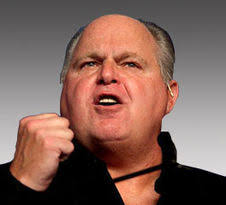
Rush Limbaugh
On his March 27, 2020 show, Limbaugh dismissed Coronavirus as “the common cold,” then added: “We didn’t elect a president to defer to a bunch of health experts that we don’t know.
“And how do we know they’re even health experts? Well, they wear white lab coats, and they’ve been in the job for a while, and they’re at the CDC [Centers for Disease Control and Prevention] and they’re at the NIH [National Institutes of Health] and they’re up, well—yeah, they’ve been there, and they are there.”
In 2015, Limbaugh said: “Firsthand smoke takes 50 years to kill people, if it does. Not everybody that smokes gets cancer. Now, it’s true that everybody who smokes dies, but so does everyone who eats carrots.”
Five years later, on February 17, 2021, Limbaugh—a longtime and heavy cigar smoker—died of Stage Four lung cancer.
On November 5, 2024, Americans rewarded the man responsible for more than 400,000 deaths of their fellow citizens by re-electing him President of the United States.
Among his first acts: Withdrawing the United States from the World Health Organization (WHO). It’s responsible for detecting, monitoring, and responding to emerging world health threats, pandemics, and diseases.
The decision came as worldwide health authorities monitored bird flue outbreaks among U.S. livestock.
Following this was his appointment of Robert F. Kennedy, Jr.—a 14-year heroin addict and fanatical anti-vaccination proponent—Secretary of Health and Human Services (HHH).
In late February, he abruptly canceled a scheduled March 13 meeting of the Vaccines and Related Biological Products Advisory Committee of the Food and Drug Administration (FDA). He didn’t give a reason for doing so.
“We’re all left trying to understand what is going on. Why was this meeting canceled? It’s an important meeting. What’s the plan for flu vaccines this year?” Dr. Paul Offit, a member of the FDA advisory panel, told CBS News.
“Because the vaccine is grown in eggs, for the most part, it requires six months to produce,” said Offit. “So March is six months before September, which is when these vaccines roll out.”
This is the second vaccine advisory panel at the federal level to be postponed or canceled since Robert F. Kennedy Jr. became Secretary of HHH.
2016 PRESIDENTIAL CAMPAIGN, ABC NEWS, AL QAEDA, ALEXANDER THE GREAT, ALTERNET, AMERICABLOG, ANDREW G. MCCABE, AP, BABY BOOMER RESISTANCE, BARACK OBAMA, BLOOMBERG, BUZZFEED, CBS NEWS, CHINA, CIA, CNN, CONSERVATIVE POLITICAL ACTION CONFERENCE, CROOKS AND LIARS, DAILY KOS, DAILY KOZ, DONALD TRUMP, DRUDGE RETORT, FACEBOOK, FBI, FEDERAL JUDICIARY, FIVETHIRTYEIGHT, FOX NEWS SUNDAY, HARPER’S MAGAZINE, INTELLIGENCE AGENCIES, JAMES COMEY, JAMES ROBART, JEFF SESSIONS, MEDIA MATTERS, MOTHER JONES, MOVEON, MSNBC, NAVY SEALS, NBC NEWS, NEW YORK TIMES, NEWSWEEK, NINTH CIRCUIT COURT OF APPEALS, NPR, NSA, PBS NEWSHOUR, PLUTARCH, POLITICO, POLITICUSUSA, RAW STORY, REPUBLICAN DONORS, REUTERS, ROBERT MUELLER, ROD J. ROSENSTEIN, RUSSIA, RUSSIAN INTELLIGENCE, SALON, SEATTLE TIMES, SLATE, STEPHEN MILLER, TALKING POINTS MEMO, THE ATLANTIC, THE CHICAGO SUN-TIMES, THE CHICAGO TRIBUNE, THE DAILY BEAST, THE DAILY BLOG, THE GUARDIAN, THE HILL, THE HUFFINGTON POST, THE LOS ANGELES TIMES, THE NATION, THE NEW REPUBLIC, THE NEW YORK TIMES, THE PRESS, THE VILLAGE VOICE, THE WALL STREET JOURNAL, THE WASHINGTON POST, THINKPROGRESS, TIME, TRUTHDIG, TRUTHOUT, TWO POLITICAL JUNKIES, U.S. NEWS & WORLD REPORT, UPI, USA TODAY, WILLIAM “RYAN” OWENS, WIRETAPPING, WONKETTE, X, XI JINPING, YEMEN
In Bureaucracy, History, Law, Law Enforcement, Military, Politics, Social commentary on March 7, 2025 at 12:11 am
And the most glorious exploits do not always furnish us with the clearest discoveries of virtue or vice in men; sometimes a matter of less moment, an expression or a jest, informs us better of their characters and inclinations, than the most famous sieges, the greatest armaments, or the bloodiest battles whatsoever.
—Plutarch, “Life of Alexander”
In a closed-door speech to Republican donors on March 3, 2018, President Donald Trump proved the accuracy of Plutarch’s observation.
He praised China’s President, Xi Jinping, for recently assuming full dictatorial powers: “He’s now president for life. President for life. No, he’s great. And look, he was able to do that. I think it’s great. Maybe we’ll have to give that a shot some day.”
The statement was greeted with cheers and laughter by Republican donors.
And, in making that unguarded statement, Trump revealed his ultimate intention: To overthrow America’s constitutional government.
Donald Trump
Since then, Trump has continued to “joke” about serving more than the legal limit of eight years.
In April, 2019, at a White House event, he said he might remain in the Oval Office “at least for 10 or 14 years.”
In May, 2019, Trump retweeted Evangelical leader Jerry Falwell Jr.’s suggestion that he’s owed “2 yrs added to his 1st term” due to distractions caused by the Robert Mueller investigation.
Anyone who thought he was simply joking got a rude awakening on July 30, 2020, when Trump tweeted: “With Universal Mail-In Voting (not Absentee Voting, which is good), 2020 will be the most INACCURATE & FRAUDULENT Election in history. It will be a great embarrassment to the USA. Delay the Election until people can properly, securely and safely vote???”
Leaders of both Republican and Democratic parties quickly attacked Trump for suggesting that the election might be delayed.
With COVID-19 ravaging the nation and many economists predicting a coming Depression, Trump became desperate to reverse his falling poll numbers. But with the election less than 100 days away and, short of a miracle—or indefinitely postponing the vote—he looked increasingly like a one-term President.

Coronavirus
Since taking office as the Nation’s 45th President, Donald Trump had attacked or undermined one public or private institution after another.
Among these:
- American Intelligence: Even before taking office, Trump refused to accept the findings of the FBI, CIA and NSA that Russian Intelligence agents had intervened in the 2016 election to ensure his victory.
- And when FBI Director James Comey dared to pursue a probe into “the Russia thing,” Trump fired him without warning.
- American law enforcement agencies: Trump repeatedly attacked—and later fired—his own Attorney General, Jeff Sessions, for not “protecting” him from agents pursuing the Russia investigation.
- He repeatedly attacked the integrity of Deputy FBI Director Andrew G. McCabe until the latter resigned.
- He threatened to fire Rod J. Rosenstein, the deputy attorney general who oversaw Special Counsel Robert Mueller’s investigation into Russian subversion of the 2016 election.
- The press: On February 17, 2017, Trump tweeted: “The FAKE NEWS media (failing @nytimes, @NBCNews, @ABC, @CBS, @CNN) is not my enemy, it is the enemy of the American People!”
- Seven days later, appearing before the Conservative Political Action Conference on February 24, Trump said: “I want you all to know that we are fighting the fake news. It’s fake, phony, fake….I’m against the people that make up stories and make up sources. They shouldn’t be allowed to use sources unless they use somebody’s name. Let their name be put out there.”
- The judiciary: Trump repeatedly attacked Seattle U.S. District Judge James Robart, who halted Trump’s first Muslim travel ban.
- At Trump’s bidding, White House aide Stephen Miller attacked the Ninth Circuit Court of Appeals: “We have a judiciary that has taken far too much power and become, in many cases, a supreme branch of government.”
- President Barack Obama: For five years, Trump, more than anyone else, popularized the slander that Barack Obama was born in Kenya—and was therefore not an American citizen.
- Even after Obama released the long-form version of his birth certificate—on April 27, 2011—Trump tweeted, on August 6, 2012: “An ‘extremely credible source’ has called my office and told me that @BarackObama‘s birth certificate is a fraud.”
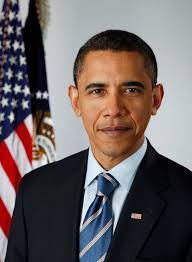
Barack Obama
- On March 4, 2017, in a series of unhinged tweets, Trump accused Obama of tapping his Trump Tower phones prior to the election: “Terrible! Just found out that Obama had my ‘wires tapped’ in Trump Tower just before the victory. Nothing found. This is McCarthyism!”
Trump was later forced to admit he had no evidence to back up his slanderous claims about Obama.
* * * * *
Donald Trump isn’t crazy, as many of his critics charge. As President, ex-President and re-elected President, he knows what he’s doing—and why.
He has tried to strip every potential challenger to his authority—and version of reality—of legitimacy. He intends there will be:
- No independent press to reveal his failures and crimes.
- No independent law enforcement agencies to investigate his abuses of office.
- No independent judiciary to hold him accountable.
- No independent military to dissent as he recklessly hurtles toward a nuclear disaster.
- No candidate—Democrat or Republican—to challenge him for re-election in 2028—and beyond.
In short: No one—ever—to challenge his remaining in office as “President-for-Life.”
ABC NEWS, ADOLF HITLER, ALTERNET, AMERICABLOG, AP, ASSASSINATION, BABY BOOMER RESISTANCE, BUZZFEED, CBS NEWS, CNN, CONSPIRACIES, CROOKS AND LIARS, DAILY KOS, DAILY KOZ, DAY OF THE JACKAL, DEPARTMENT OF DEFENSE, DEPARTMENT OF HOMELAND SECURITY, DEPARTMENT OF VETERANS AFFAIRS, DONALD TRUMP, DRUDGE RETORT, ENVIRONMENTAL PROTECTION AGENCY, FACEBOOK, FBI, FIVETHIRTYEIGHT, FREDERICK FORSYTHE, GAIUS CASSIUS, HARPER’S MAGAZINE, INTERNAL REVENUE SERVICE, JULIUS CAESAR, LINCOLN MEMORIAL, MAR-A-LAGO, MARCUS BRUTUS, MARK ANTHONY, MEDIA MATTERS, MOTHER JONES, MOVEON, MSNBC, NBC NEWS, NEWSWEEK, NICCOLO MACHIAVELLI, NPR, PBS NEWSHOUR, PLOTS, POLITICO, POLITICUSUSA, RAW STORY, REUTERS, RICHARD M. NIXON, SALON, SEATTLE TIMES, Secret Service, SLATE, TALKING POINTS MEMO, THE ATLANTIC, THE CHICAGO SUN-TIMES, THE CHICAGO TRIBUNE, THE DAILY BEAST, THE DAILY BLOG, THE DISCOURSES, THE GUARDIAN, THE HILL, THE HUFFINGTON POST, THE LOS ANGELES TIMES, THE NATION, THE NEW REPUBLIC, THE NEW YORK TIMES, THE VILLAGE VOICE, THE WALL STREET JOURNAL, THE WASHINGTON POST, THINKPROGRESS, TIME, TRUTHDIG, TRUTHOUT, TWO POLITICAL JUNKIES, U.S. NEWS & WORLD REPORT, UPI, USA TODAY, VIETNAM WAR, WHITE HOUSE STAFFER, WONKETTE, X
In Bureaucracy, History, Law Enforcement, Military, Politics, Social commentary on March 4, 2025 at 12:06 am
More than 500 years ago, Niccolo Machiavelli, the Florentine statesman, authored The Discourses on Livy, a work of political history and philosophy. In it, he outlined how citizens of a republic can maintain their freedoms.
For conspirators, there are three ways their efforts can be foiled.
- Discovery through denunciation;
- Discovery through incautiousness;
- Discovery through writings.
The first has already been covered. Now for the second and third.

Discovery through Writings: “You may talk freely with anyone man about everything, for unless you have committed yourself in writing, the “Yes” of one man is worth as much as the ‘No’ of another.
Thus, you should guard most carefully against writing, as against a dangerous rock, for nothing will convict you quicker than your own handwriting.
If you are denounced, there are means of escaping punishment:
- By denying the accusation and claiming that the person making it hates you; or
- Claiming that your accuser was tortured or coerced into giving false testimony against you.
“But the most prudent course is to not tell your intentions to anyone, and to carry out the attempt yourself.”
Even if you’re not discovered before you carry out your attack, there are still two dangers facing a conspirator:
Dangers in Execution: These result from:
- An unexpected change in the routine of the intended target;
- The lack of courage among the conspirators; or
- An error on their part, such as leaving some of those alive whom the conspirators intended to kill.
Adolf Hitler, who claimed to have a sixth-sense for danger, was famous for changing his routine at the last minute.
On November 9, 1939, this instinct saved his life. He had been scheduled to give a long speech at a Munich beer hall before the “Old Fighters” of his storm troopers.
But that evening he cut short his speech and left the beer hall. Forty-five minutes later, a bomb exploded inside a pillar—before which Hitler had been speaking.
Conspirators can also be doomed by their good intentions.
In 44 B.C., Gaius Cassius, Marcus Brutus and other Roman senators decided to assassinate Julius Caesar, whose dictatorial ambitions they feared.
Cassius also intended to murder Mark Anthony, Caesar’s strongest ally. But Brutus objected, fearing the plotters would look like butchers, not saviors. Even worse, he allowed Anthony to deliver a eulogy at Caesar’s funeral.
This proved so inflammatory that the mourners rioted, driving the conspirators out of Rome. Soon afterward, they were defeated in a battle with the legions of Anthony and Octavian Caesar—and forced to commit suicide to avoid capture and execution.
Machiavelli closes his chapter “Of Conspiracies” with advice to rulers on how they should act when they find a conspiracy has been formed against them.
“If they discover that a conspiracy exists against them, they must, before punishing its authors, strive to learn its nature and extent. And they must measure the danger posed by the conspirators against their own strength.
And if they find it powerful and alarming, they must not expose it until they have amassed sufficient force to crush it. Otherwise, they will only speed their own destruction. They should try to pretend ignorance of it. If the conspirators find themselves discovered, they will be forced by necessity to act without consideration.”
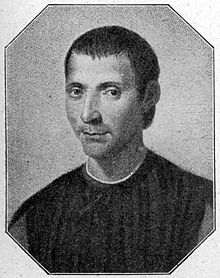
Niccolo Machiavelli
But Machiavelli also notes how important it is for rulers to make themselves loved—or at least respected—by their fellow citizens:
“Note how much more praise those Emperors merited who, after Rome became an empire, conformed to her laws like good princes, than those who took the opposite course.
Titus, Nerva, Trajan, Hadrian, Antoninus and Marcus Auelius did not require the Praetorians nor the multitudinous legions to defend them, because they were protected by their own good conduct, the good will of the people, and by the love of the Senate.
On the other hand, neither the Eastern nor the Western armies saved Caligula, Nero, Vitellius and so many other wicked Emperors from the enemies which their bad conduct and evil lives had raised up against them.”
In his better-known work, The Prince, he warns rulers who—like Donald Trump–are inclined to rule by fear:
“A prince should make himself feared in such a way that if he does not gain love, he at any rate avoids hatred: for fear and the absence of hatred may well go together.”
Donald Trump
By Machiavelli’s standards, Trump has made himself the perfect target for a conspiracy.
Since being inaugurated President a second time, he—and his billionaire enforcer, Elon Musk—have fired about 30,000 federal civil service workers. Another 75,000 have accepted buyouts under threat of being fired.
Among the purged agencies:
- Homeland Security
- Defense
- FBI
- Internal Revenue Service
- Veterans Affairs
- Environmental Protection Agency.
Many of these ex-employees have backgrounds in security. Combine this with the anger fired employees feel at the injustices to themselves and their families, and the result is a recipe for conspiratorial hatred.
“When a prince becomes universally hated, it is likely that he’s harmed some individuals—who thus seek revenge. This desire is increased by seeing that the prince is widely loathed.”
ABC NEWS, ADOLF HITLER, ALTERNET, AMERICABLOG, AP, ASSASSINATION, BABY BOOMER RESISTANCE, BUZZFEED, CBS NEWS, CNN, CONSPIRACIES, CROOKS AND LIARS, DAILY KOS, DAILY KOZ, DAY OF THE JACKAL, DEPARTMENT OF DEFENSE, DEPARTMENT OF HOMELAND SECURITY, DEPARTMENT OF VETERANS AFFAIRS, DONALD TRUMP, DRUDGE RETORT, ENVIRONMENTAL PROTECTION AGENCY, FACEBOOK, FBI, FIVETHIRTYEIGHT, FREDERICK FORSYTHE, GAIUS CASSIUS, HARPER’S MAGAZINE, INTERNAL REVENUE SERVICE, JULIUS CAESAR, LINCOLN MEMORIAL, MAR-A-LAGO, MARCUS BRUTUS, MARK ANTHONY, MEDIA MATTERS, MOTHER JONES, MOVEON, MSNBC, NBC NEWS, NEWSWEEK, NICCOLO MACHIAVELLI, NPR, PBS NEWSHOUR, PLOTS, POLITICO, POLITICUSUSA, RAW STORY, REUTERS, RICHARD M. NIXON, SALON, SEATTLE TIMES, Secret Service, SLATE, TALKING POINTS MEMO, THE ATLANTIC, THE CHICAGO SUN-TIMES, THE CHICAGO TRIBUNE, THE DAILY BEAST, THE DAILY BLOG, THE DISCOURSES, THE GUARDIAN, THE HILL, THE HUFFINGTON POST, THE LOS ANGELES TIMES, THE NATION, THE NEW REPUBLIC, THE NEW YORK TIMES, THE VILLAGE VOICE, THE WALL STREET JOURNAL, THE WASHINGTON POST, THINKPROGRESS, TIME, TRUTHDIG, TRUTHOUT, TWO POLITICAL JUNKIES, U.S. NEWS & WORLD REPORT, UPI, USA TODAY, VIETNAM WAR, WHITE HOUSE STAFFER, WONKETTE, X
In Bureaucracy, History, Law Enforcement, Military, Politics, Social commentary on March 3, 2025 at 12:05 am
More than 500 years ago, Niccolo Machiavelli, the father of modern political science, offered sound advice for would-be conspirators—and for rulers seeking to thwart conspiracies.
He did so in The Discourses on Livy, a work of political history and philosophy. In it, he outlined how citizens of a republic can maintain their freedoms.
One of the longest chapters—Book Three, Chapter Six—covers “Of Conspiracies.” In it, those who wish to conspire against a ruler will find highly useful advice. And so will those who might well become the targets of conspiracies—such as President Donald J. Trump.
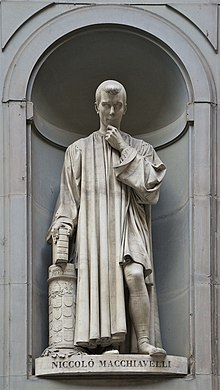
Niccolo Machiavellil
The most dangerous time for a ruler comes when he is universally hated.
Niccolo Machiavelli: “When a prince becomes universally hated, it is likely that he’s harmed some individuals—who thus seek revenge. This desire is increased by seeing the prince is widely loathed.
A prince, then, should avoid incurring such universal hatred….
By doing this, he protects himself from such vengeance-seekers. There are two reasons for this:
(1) Men rarely risk danger to avenge a wrong; and
(2) Even if they want to avenge a wrong, they know they will face almost universal condemnation because the prince is held in such high esteem.”
Machiavelli draws a distinction between plots and conspiracies.
“A plot may be formed by a single individual or by many. The first isn’t a conspiracy, since that would involve at least two participants.”
A single plotter avoids the danger faced by two or more conspirators:
“Since no one knows his intention, he can’t be betrayed by an accomplice.
Anyone may form a plot, whether he is prominent or insignificant, because everyone is at some time allowed to speak to the prince. And he can use this opportunity to satisfy his desire for revenge.”
On the other hand, says Machiavelli, the dangers of assassination by a trusted intimate are slight.
“Few people dare to assault a prince. Of those who do, few or none escapes being killed in the attempt, or immediately afterward. As a result, only a small number of people are willing to incur such certain death.”
Those who take part in a conspiracy against a ruler are “the great men of the state, or those on terms of familiar intercourse with the prince.”
These are men who have access to him. Julius Caesar, for example, was stabbed to death by members of the Roman Senate, who feared his assuming dictatorial powers.
And Adolf Hitler was conspired against by colonels and generals of the German Army. He was in fact holding a war conference when a briefcase bomb exploded, killing three officers and a stenographer, but leaving Hitler only slightly injured.

Adolf Hitler
There are three ways a conspiracy can be foiled:
- Discovery through denunciation;
- Discovery through incautiousness;
- Discovery through writings.
Discovery through Denunciation: This occurs through treachery or lack of prudence among one or more conspirators.
“Treachery is so common that you can safely tell your plans to only your most trusted friends who are willing to risk their lives for your sake. You may find that you have only one or two of these.
But as you are bring more people into the conspiracy, the chances of discovery greatly increase. It’s impossible to find many who can be completely trusted: For their devotion to you must be greater than their sense of danger and fear of punishment.”
Discovery through Carelessness: “This happens when one of the conspirators speaks incautiously, so that a third person overhears it Or it may occur from thoughtlessness, when a conspirator tells the secret to his wife or child, or to some other indiscreet person.
When a conspiracy has more than three or four members, its discovery is almost certain, either through treason, imprudence or carelessness.
If more than one conspirator is arrested, the whole plot is discovered, for it will be impossible for any two to agree perfectly as to all their statements.
If only one is arrested, he may—through courage and stubbornness—be able to conceal the names of his accomplices. But then the others, to remain safe, must not panic and flee, since this is certain to be discovered.
If one of them becomes fearful—whether it’s the one who was arrested or is still at liberty—discovery of the conspiracy is certain.
The best way to avoid such detection is to confide your project to your intended fellow conspirators at the moment of execution—and not sooner.”
A classic example of this occurred in ancient Persia. According to the Greek historian Herodotus: A group of nobles assembled to discuss overthrowing a usurper to the throne. The last one to arrive was Darius.
When one of the conspirators asked, “When should we strike?” Darius replied: “We must either go now at this very moment and carry it into execution, or I shall go and denounce you all. For I will not give any of you time to denounce me.”
At that, they went directly to the palace, assassinated the usurper and proclaimed Darius their new king.


2016 PRESIDENTIAL ELECTION, 2020 PRESIDENTIAL ELECTION, 2024 PRESIDENTIAL ELECTION, ABC NEWS, ABUSE OF POWER, ADOLF HITLER, AILEEN CANNON, ALTERNET, AMERICABLOG, AP, ASSASSINATION, AXIOS, BABY BOOMER RESISTANCE, BBC, BIRD FLU, BLACKS, BLOOMBERG, BUZZFEED, CBS NEWS, CHINA, CLASSIFIED DOCUMENTS, CLAUS VON STAUFFENBERG, CNN, COVID-19, CROOKS AND LIARS, DAILY KOS, DANIEL CASSINO, DEMOCRACY, DEMOCRATIC PARTY, DEMOCRATS, DONALD TRUMP, ELECTORAL COLLEGE, FBI, FEDERAL EMERGENCY MANAGEMENT AGENCY, FIVETHIRTYEIGHT, FUEL PRICES, GALLUP POLL, GAZA, GLOBAL CONFLICT, GROCERY PRICES, HARPER’S MAGAZINE, HILLARY CLINTON, HISPANICS, HITLER: ASCENT (BOOK), HUFFINGTON POST, HUNTER BIDEN, illegal immigration, IMPEACHMENT, INFLATION, INTERNATIONAL BROTHERHOOD OF TEAMSTERS, ISRAEL, JACK SMITH, JAMAL KHASHOOGI, JAMES COMER, JANUARY 6 COUP ATTEMPT, JARED KUSHNER, JIMMY HOFFA, JOHN ADAMS, JOSEPH BIDEN, Kamala Harris, KEVIN MCCARTHY, KIM JONG-UN, LATINOS, LOW INFORMATION VOTERS, MAR-A-LAGO, MARJORIE TAYLOR GREENE, MASCULINITY, MEDIA MATTERS, MEIN KAMPF, MERRICK GARLAND, MOHAMMED BIN SALMAN, MOTHER JONES, MOVEON, MSNBC, MUSLIMS, NAZI GERMANY, NAZIS, NBC NEWS, NEW REPUBLIC, NEWSDAY, NEWSWEEK, NORTH KORREA, NPR, OBSTRUCTION OF CONGRESS, PBS NEWSHOUR, POLITICO, POLITICUSUSA, RAW STORY, REPUBLICAN PARTY, REPUBLICANS, REUTERS, ROBERT F. KENNEDY, RUSSIA, SALON, SEATTLE TIMES, SLATE, SUPERMAN, TALKING POINTS MEMO, TERRORISM, THE ATLANTIC, THE CHICAGO SUN-TIMES, THE CHICAGO TRIBUNE, THE DAILY BEAST, THE DAILY BLOG, THE GUARDIAN, THE HILL, THE HUFFINGTON POST, THE INTERCEPT, THE LOS ANGELES TIMES, THE NATION, THE NEW REPUBLIC, THE NEW YORK TIMES, THE NEW YORKER, THE VILLAGE VOICE, THE WASHINGTON POST, THINKPROGRESS, THOMAS MATTHEW CROOKS, TIME, TRANSPORTATION COSTS, TRUTHDIG, TRUTHOUT, TWO POLITICAL JUNKIES, U.S. BORDER PATROL, U.S. NEWS & WORLD REPORT, UKRAINE, UNITED STATES DEPARTMENT OF JUSTICE, UNITED STATES HOUSE OF REPRESENTATIVES, UNITED STATES SECRET SERVICE, UNITED STATES SENATE, UPI, USA TODAY, VLADIMIR PUTIN, VOLKER ULLRICH, VOLODMYR ZELENSKY, VOX, WEIMAR REPUBLIC, WORLD WAR 11, X, XI JINPING
HOW TRUMP WON IN 2024: WHAT DIDN’T HAPPEN–PART FOUR (END)
In Bureaucracy, History, Law, Law Enforcement, Politics, Social commentary on March 20, 2025 at 12:14 amThere were numerous instances where intervention by Federal legislators or law enforcement authorities could have utterly changed the outcome of the 2024 Presidential election.
Case #12: Democrats expected to receive support from their traditional allies—such as blacks and Hispanics. But that didn’t happen.
Despite Donald Trump’s overt racism, blacks deserted Vice President Kamala Harris in droves. About three in 10 back men under age 45 went for Trump, roughly double the share he got in 2020.
A clear majority of young black voters described the economy as “not so good” or “poor,” compared with about half of older black voters.
Similarly, in 2024, Trump made “mass deportations” the signature issue of his campaign. The vast majority of those slated for such removal were Hispanics.
But numerous Hispanics, when interviewed, said they didn’t feel threatened. They felt certain that Trump would deport “only the bad people.”
Young Latinos, particularly young Latino men, were more supportive to Trump than in 2020. Roughly half of young Latino men voted for Harris, compared with about six in 10 who went for Trump.
Majorities of Latino voters, regardless of age, said the economy was in bad shape. They wanted a bigger paycheck. And they were willing to re-elect a man who despised them in hopes of getting it.
Case #13: Muslims—especially those living in Dearborn, Michigan—played a losing blackmail game with the Biden administration
On October 7, 2023, under the cover of thousands of rockets fired from Gaza, Hamas terrorists slaughtered an estimated 1,139 men, women and children in Israeli streets, houses, kibbutz communities and at a rave music festival.
About 250 others were kidnapped and taken into Gaza.
Israel responded by declaring a state of war—pounding Gaza with bombs, missiles. tanks and soldiers. Palestinian health authorities claim that Israel’s ground and air campaign has killed more than 46,600 people,
Palestinians celebrating the attack on Israel
Terrorism-sympathizing Islamics—especially in Michigan—demanded that the Biden administration stop sending military equipment to Israel—and force Israelis to stop their military campaign to free the hostages. They threatened: “If you don’t do what we want, we won’t vote for Kamala Harris.”
Biden and Harris rejected their demands—and Islamics voted for Trump or didn’t vote at all.
The end result: Harris lost—and was replaced with a Right-wing administration so pro-Israel that it made the Biden one seem pro-Palestinian by comparison.
Case 14: Ignorance of and/or contempt for history.
“Low information voters” is a euphemism for people dangerously ignorant of the issues affecting their lives.
After World War II ended in 1945, the United States proved a force for worldwide stability. Its “nuclear umbrella” prevented a Russian takeover of Europe and a Chinese takeover of Asia.
But voters ignored Trump’s “bromance” with Communist dictators Vladimir Putin (Russia), Xi Jinping (China) and Kim Jong-Un (North Korea). They also ignored his proven disdain for the leaders of democratic nations—such as Canada and Great Britain.
As a result, Canada and Mexico, America’s biggest trading partners, are now treated—by Trump—as enemies. Meanwhile, he cozies up to Putin against Ukraine’s legally-elected President, Vododmyr Zelensky.
* * * * *
Countless historians have tried to answer the question: “Was the rise of Adolf Hitler—and the catastrophe he unleashed—inevitable?”
Future historians will ask the same question about Donald Trump—and the almost certain disaster of a second Trump Presidency.
Competent historians will conclude that no one factor was responsible, but a combination of otherwise unrelated ones. Among these:
As John Adams, second President of the United States, observed:
Remember, democracy never lasts long. It soon wastes, exhausts and murders itself. There never was a democracy yet that did not commit suicide. It is in vain to say that democracy is less vain, less proud, less selfish, less ambitious, or less avaricious than aristocracy or monarchy. It is not true, and nowhere appears in history. Those passions are the same in all men, under all forms of simple government, and when unchecked, produce the same effects of fraud, violence and cruelty.
Share this: