Now, fast-forward 85 years—from 1941 to 2026. Substitute President Donald Trump for Fuhrer Adolf Hitler and Mojtaba Khamenei for Joseph Stalin—and Iran for the Soviet Union.

Just as Hitler launched his attack on the Soviet Union without warning, so did Trump launch his on Iran—on February 28.
Hitler—and numerous members of the Wehrmacht—believed that Germany’s mechanized panzers would quickly subdue Soviet armies.
“We were fast,” recalled Panzer Lieutenant Hans-Erdmann Schonbeck. “And our tank forces could cover huge distances. And once we broke through the enemy’s defenses, our orders were not to worry about threats to our right or left but to keep going, deep into Russian territory.”
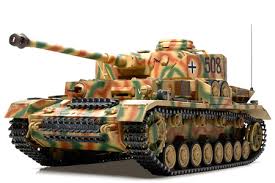
Panzer tank
But the tanks soon faced unexpected difficulties. Most roads in Russia were unpaved, so the tanks raised huge dust clouds almost everywhere they went. The dust clogged their engines and brought many tanks to a halt. Repair crews worked themselves to exhaustion so that the lightning-fast advance could continue.
Another drawback not evident at the outset of the invasion: Summer uniforms. For a war that began on June 22, 1941, these were entirely appropriate. But as the months quickly passed, the notorious Russian winter season loomed ever closer.

Germans in summer uniforms
The German command underestimated the campaign’s duration, expecting a victory by autumn 1941, and prioritized ammunition and fuel over winter equipment. Although winter gear existed, it was stuck in supply depots in the West, and transport lines were too strained by the Soviets’ “scorched earth” tactics to move it to the front.
Without proper greatcoats or insulated boots, soldiers suffered from extreme cold, with temperatures dropping far below zero. Many resorted to stealing blankets from civilians or using blankets as makeshift clothing.
In its war with Iran, American’s air force completely dominated the skies. But then both American planes and ground forces faced an unexpected enemy: Mass-produced drones.
The same weapons—some of them supplied by Iran to Russia—have been used since 2022 in Ukraine. Unmanned and remotely-controlled, Ukrainian and Russian drones have transformed the battlefield. They’re estimated to inflict around 80% of combat casualties on both sides.
The technology—like that forged in Germany’s Blitzkrieg tactics—is revolutionizing warfare and evolving rapidly. To adapt to the new era, the U.S. military is learning lessons from Ukraine.

Iranian drone
Student News Agency, Attribution, via Wikimedia Commons
Not only are American military forces being targeted, so are those Gulf nations that have allied themselves with the United States: The United Arab Emirates, Saudi Arabia, Kuwait, Bahrain, Qatar and Oman.
Primarily targeted: Energy infrastructure, airports and sites hosting American military personnel.
For Iran, the drones are relatively cheap. For the United States, the costs of countering this threat are steadily mounting. A typical Shahed-136 costs Tehran roughly $20,000 to $50,000, while interceptor missiles, such as the Patriot and Terminal High Altitude Area Defense (THAAD), cost millions.
On August 22, 1939—the eve of his invasion of Poland, which would ignite World War II—Adolf Hitler delivered a secret address to his supreme commanders and generals. Its climax:
“Close your hearts to pity. Act brutally. Eighty million people must obtain what is their right. Their existence must be made secure. The stronger man is right. The greatest harshness.”
Hitler urged his generals to act similarly toward the Russians, whom he regarded as subhumans.
The results of this policy soon became obvious when the Wehrmacht invaded Ukraine. Ukrainians, long suffering under the yoke of Stalin, greeted the invaders with bread and salt, the traditional greeting of comrades.
Within a month, they realized that the tyranny of Stalin had been replaced by an all-out extermination campaign of Hitler. For every Ukrainian the Germans killed, 10 more emerged to seek revenge.
Eighty-five years later, Donald Trump and officials of his administration are celebrating the indiscriminate slaughter of Iranians, whether civilian or military.
“We totally demolished Kharg Island, but we may hit it a few more times just for fun,” Trump said on NBC News.
On March 22, Secretary of Defense Pete Hegseth, hosting his monthly Christian worship service at the Pentagon, prayed: “Let every round find its mark against the enemies of righteousness and our great nation.
“Give them wisdom in every decision, endurance for the trial ahead, unbreakable unity, and overwhelming violence of action against those who deserve no mercy.”

Pete Hegseth
“I pursued my enemies and overtook them, and did not turn back till they were consumed,” he read from Psalms 18:37. “Those who hated me I destroyed. They cried to the Lord, but He did not answer them.”
Former House speaker and Trump advisor Newt Gingrich posted on X: “Instead of fighting over a 21-mile-wide bottleneck [Strait of Hormuz] forever, we [could] cut a new channel through friendly territory. A dozen thermonuclear detonations and you’ve got a waterway wider than the Panama Canal, deeper than the Suez, and safe from Iranian attacks.”
This would produce countless numbers of casualties and cover the Middle East with radioactive fallout.
It remains to be seen if such exhortations will lead American soldiers to act as barbarically as those of the Wehrmacht and SS—and inspire similar barbarism in return.
 Bureaucracybuster's Blog
ABC NEWS, ADOLF HITLER, ALI HOSSEINI KHAMENEI, ALTERNET, AMERICABLOG, AP, AYATOLLAH ALI KHAMENEI, BABY BOOMER RESISTANCE, BAHRAIN, BBC, BERLIN, BLOOMBERG, BLOOMBERG NEWS, BLUESKY, BUZZFEED, CBS NEWS, CNN, CROOKS AND LIARS, DAILY KOS, DONALD TRUMP, DRONES, FINLAND, FIVETHIRTYEIGHT, FRANCE, GREAT BRITAIN, HARPER’S MAGAZINE, HUFFINGTON POST, IRAN, ISRAEL, ITALY, JAPAN, JOACHIM VON RIBBENTROP, JOSEPH STALIN, KIEV, KUWAIT, LENINGRAD, LUFTWAFFE, MEDIA MATTERS, MOJTABA KHAMENEI, MOSCOW, MOTHER JONES, MOVEON, MSNBC, NAZI GERMANY, NBC NEWS, NEW REPUBLIC, NEWSDAY, NEWSWEEK, NEWT GINGRICH, NPR, NUCLEAR WEAPONS, OIL FIELDS, OMAN, OPERATION BARBAROSSA, PBS NEWSHOUR, PETE HEGSETH, POLAND, POLITICO, POLITICUSUSA, QATAR, QATER, RAW STORY, REUTERS, SALON, SAUDI ARABIA, SEATTLE TIMES, SLATE, SOVIET UNION, SS, TALKING POINTS MEMO, THE ATLANTIC, THE CHICAGO SUN-TIMES, THE CHICAGO TRIBUNE, THE DAILY BEAST, THE DAILY BLOG, THE GUARDIAN, THE HILL, THE HUFFINGTON POST, THE INTERCEPT, THE LONGEST DAY (MOVIE, THE LOS ANGELES TIMES, THE NATION, THE NEW REPUBLIC, THE NEW YORK TIMES, THE NEW YORKER, THE PENTAGON, THE UNITED ARAB EMIRATES, THE VILLAGE VOICE, THE WASHINGTON POST, THINKPROGRESS, THIRD REICH, TIME, TRUTHDIG, TRUTHOUT, TWO POLITICAL JUNKIES, U.S. NEWS & WORLD REPORT, UKRAINE, UNIFORMS, UPI, USA TODAY, VYACHESLAV MOLOTOV, WEHRMACHT, WONKETTE, WORLD WAR 11, X
THE DICTATORS’ DANCE–PAST AND PRESENT: PART TWO (END)
In Bureaucracy, History, Military, Politics, Social commentary on April 1, 2026 at 12:17 amNow, fast-forward 85 years—from 1941 to 2026. Substitute President Donald Trump for Fuhrer Adolf Hitler and Mojtaba Khamenei for Joseph Stalin—and Iran for the Soviet Union.
Just as Hitler launched his attack on the Soviet Union without warning, so did Trump launch his on Iran—on February 28.
Hitler—and numerous members of the Wehrmacht—believed that Germany’s mechanized panzers would quickly subdue Soviet armies.
“We were fast,” recalled Panzer Lieutenant Hans-Erdmann Schonbeck. “And our tank forces could cover huge distances. And once we broke through the enemy’s defenses, our orders were not to worry about threats to our right or left but to keep going, deep into Russian territory.”
Panzer tank
But the tanks soon faced unexpected difficulties. Most roads in Russia were unpaved, so the tanks raised huge dust clouds almost everywhere they went. The dust clogged their engines and brought many tanks to a halt. Repair crews worked themselves to exhaustion so that the lightning-fast advance could continue.
Another drawback not evident at the outset of the invasion: Summer uniforms. For a war that began on June 22, 1941, these were entirely appropriate. But as the months quickly passed, the notorious Russian winter season loomed ever closer.
Germans in summer uniforms
The German command underestimated the campaign’s duration, expecting a victory by autumn 1941, and prioritized ammunition and fuel over winter equipment. Although winter gear existed, it was stuck in supply depots in the West, and transport lines were too strained by the Soviets’ “scorched earth” tactics to move it to the front.
Without proper greatcoats or insulated boots, soldiers suffered from extreme cold, with temperatures dropping far below zero. Many resorted to stealing blankets from civilians or using blankets as makeshift clothing.
In its war with Iran, American’s air force completely dominated the skies. But then both American planes and ground forces faced an unexpected enemy: Mass-produced drones.
The same weapons—some of them supplied by Iran to Russia—have been used since 2022 in Ukraine. Unmanned and remotely-controlled, Ukrainian and Russian drones have transformed the battlefield. They’re estimated to inflict around 80% of combat casualties on both sides.
The technology—like that forged in Germany’s Blitzkrieg tactics—is revolutionizing warfare and evolving rapidly. To adapt to the new era, the U.S. military is learning lessons from Ukraine.
Iranian drone
Student News Agency, Attribution, via Wikimedia Commons
Not only are American military forces being targeted, so are those Gulf nations that have allied themselves with the United States: The United Arab Emirates, Saudi Arabia, Kuwait, Bahrain, Qatar and Oman.
Primarily targeted: Energy infrastructure, airports and sites hosting American military personnel.
For Iran, the drones are relatively cheap. For the United States, the costs of countering this threat are steadily mounting. A typical Shahed-136 costs Tehran roughly $20,000 to $50,000, while interceptor missiles, such as the Patriot and Terminal High Altitude Area Defense (THAAD), cost millions.
On August 22, 1939—the eve of his invasion of Poland, which would ignite World War II—Adolf Hitler delivered a secret address to his supreme commanders and generals. Its climax:
“Close your hearts to pity. Act brutally. Eighty million people must obtain what is their right. Their existence must be made secure. The stronger man is right. The greatest harshness.”
Hitler urged his generals to act similarly toward the Russians, whom he regarded as subhumans.
The results of this policy soon became obvious when the Wehrmacht invaded Ukraine. Ukrainians, long suffering under the yoke of Stalin, greeted the invaders with bread and salt, the traditional greeting of comrades.
Within a month, they realized that the tyranny of Stalin had been replaced by an all-out extermination campaign of Hitler. For every Ukrainian the Germans killed, 10 more emerged to seek revenge.
Eighty-five years later, Donald Trump and officials of his administration are celebrating the indiscriminate slaughter of Iranians, whether civilian or military.
“We totally demolished Kharg Island, but we may hit it a few more times just for fun,” Trump said on NBC News.
On March 22, Secretary of Defense Pete Hegseth, hosting his monthly Christian worship service at the Pentagon, prayed: “Let every round find its mark against the enemies of righteousness and our great nation.
“Give them wisdom in every decision, endurance for the trial ahead, unbreakable unity, and overwhelming violence of action against those who deserve no mercy.”
Pete Hegseth
“I pursued my enemies and overtook them, and did not turn back till they were consumed,” he read from Psalms 18:37. “Those who hated me I destroyed. They cried to the Lord, but He did not answer them.”
Former House speaker and Trump advisor Newt Gingrich posted on X: “Instead of fighting over a 21-mile-wide bottleneck [Strait of Hormuz] forever, we [could] cut a new channel through friendly territory. A dozen thermonuclear detonations and you’ve got a waterway wider than the Panama Canal, deeper than the Suez, and safe from Iranian attacks.”
This would produce countless numbers of casualties and cover the Middle East with radioactive fallout.
It remains to be seen if such exhortations will lead American soldiers to act as barbarically as those of the Wehrmacht and SS—and inspire similar barbarism in return.
Share this:
Related