Posts Tagged ‘UNITED STATES HOLOCAUST MEMORIAL’
2018 FEDERAL GOVERNMENT SHUTDOWN, 9/11 TERROR ATTACKS, ABC NEWS, ABRAHAM LINCOLN, ADOLF HITLER, AL QAEDA, ALTERNET, AMERICABLOG, AP, BABY BOOMER RESISTANCE, BARACK OBAMA, BBC, BLOOMBERG, BLUESKY, BUZZFEED, CBS NEWS, CNN, CROOKS AND LIARS, CUBAN MISSILE CRISIS, DAILY KOS, DONALD TRUMP, EMANCIPATION PROCLAMATION, FBI, FIVETHIRTYEIGHT, FORD'S THEATER, FRANKLIN D. ROOSEVELT, FURLOUGHS, HARPER’S MAGAZINE, HUFFINGTON POST, JOHN F. KENNEDY, MEDIA MATTERS, MOTHER JONES, MOVEON, MSNBC, MSNBC'S "HARDBALL", NATIONAL PARK SERVICE, NBC NEWS, NEWSDAY, NEWSWEEK, NPR, PBS NEWSHOUR, POLITICO, POLITICUSUSA, RAW STORY, REPUBLICAN PARTY, REPUBLICANS, REUTERS, RICHARD NIXON, SALON, SEATTLE TIMES, SLATE, SOVIET UNION, STEPHEN TYRONE JONES, TALKING POINTS MEMO, TERRORISM, THE ATLANTIC, THE CHICAGO SUN-TIMES, THE CHICAGO TRIBUNE, THE DAILY BEAST, THE DAILY BLOG, THE GUARDIAN, THE HILL, THE HUFFINGTON POST, THE INTERCEPT, THE LOS ANGELES TIMES, THE NATION, THE NEW REPUBLIC, THE NEW YORK TIMES, THE NEW YORKER, THE VILLAGE VOICE, THE WASHINGTON POST, THINKPROGRESS, TIME, TRUTHDIG, TRUTHOUT, TWO POLITICAL JUNKIES, U.S. NEWS & WORLD REPORT, UNITED STATES HOLOCAUST MEMORIAL, UNITED STATES SECRET SERVICE, UPI, USA TODAY, VIETNAM WAR, VIETNAM WAR MEMORIAL, WHITE HOUSE, WONKETTE, WORLD WAR 11, X
In Bureaucracy, History, Law Enforcement, Politics, Social commentary on October 9, 2025 at 12:12 am
Republicans constantly revile the very government they lust to control.
But there are others—living or working in Washington, D.C.—who perform their jobs with quiet dedication.
One of these unsung heroes was Stephen Tyrone Johns, a security guard at the United States Holocaust Memorial Museum.
On June 10, 2009, Johns, 39, was shot and killed by James Wenneker von Brunn, a white supremist and Holocaust denier. Brunn was himself shot and wounded by two other security guards who returned fire.
United States Holocaust Museum
At 88, von Brunn died in jail awaiting trial.
Washington, D.C. ranks—with New York City—at the top of Al Qaeda’s list of targets.
Prior to 9/11, Americans assumed that visiting the White House was their birthright.
Today, if you want to tour the Executive Mansion, you quickly learn there are only two ways to get in:
- Through a special pass provided by your Congressman; or
- By someone connected with the incumbent administration.
Congressmen, however, have a limited number of passes to give out. And most of these go to people who have put serious money into the Congressman’s re-election campaigns.
And the odds that you’ll know someone who works in the White House—and who’s willing to offer you an invitation—are even smaller than those of knowing a Congressman.
But even then you’ll have to undergo a Secret Service background check. And that means submitting the following information in advance of your visit:
- Name
- Date of birth
- Birthplace
- Social Security Number


Secret Service agents protecting President Barack Obama and First Lady Michelle Obma
You’ll have to leave many items at home. Among these:
- Cameras or video recorders
- Handbags, book bags, backpacks or purses
- Food or beverages
- Tobacco products
- Strollers
- Cell phones
- Knives
- Electric stun guns
- Mace
After showing a government-issued ID—such as a driver’s license—visitors enter the White House from the south side of East Executive Avenue.
After passing through the security screening room, they walk upstairs to the first door and through the East, Green, Blue, Red and State Dining rooms.
Secret Service agents quietly stand post in every room—unless they’re tasked with explaining the illustrious history of each section of the White House.
Like everyone else who lives/works there, the Secret Service fully appreciates the incredible sense of history that radiates throughout the building.
This is where
- Abraham Lincoln signed the Emancipation Proclamation;
- Franklin Roosevelt directed the United States to victory in World War II;
- John F. Kennedy stared down the Soviets during the Cuban Missile Crisis.
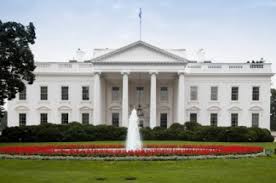
The White House
But even the generally unsmiling Secret Service agents have their human side.
While touring the East Wing of the White House, I asked an agent: “Is the East Room where President Nixon gave his farewell speech?” on August 9, 1974.
“I haven’t been programmed for that information,” the agent joked, inviting me to ask a question he could answer.
Another guest asked the same agent if he enjoyed being a Secret Serviceman. The agent replied that this was simply what he did for a living. His real passion, he said, was counseling youths.
“If you love something,” he advised, “get a job where you can do it. And if you can’t get a job you’re passionate about, get a job so you can pursue your passion.”
A third visitor noted that none of the agents he saw were wearing their trademark sunglasses. An agent pulled out a pair and said, “That’s because we’re indoors.”
On December 22, 2018, President Donald J. Trump shut down the government. The reason: A Democratic House refused to fund his “border wall” between the United States and Mexico.
An estimated 380,000 government employees were furloughed and another 420,000 were ordered to work without pay.
Trump’s fanatical base believed that a wall across the U.S.-Mexico border would stop all illegal immigration. Trump knew it wouldn’t. But he also knew that if he didn’t build it, they wouldn’t re-elect him.
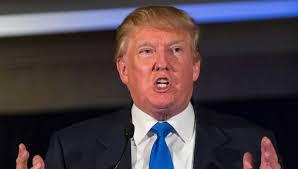
Donald Trump
The effects of the shutdown quickly became evident:
- For weeks, hundreds of thousands of government workers missed paychecks.
- Increasing numbers of employees of the Transportation Safety Administration (TSA)—which provides security against airline terrorism—began refusing to come to work, claiming to be sick.
- At the Federal Aviation Administration (FAA) many air traffic controllers called in “sick.” Those who showed up to work without pay grew increasingly frazzled as they feared being evicted for being unable to make rent or house payments.
- Many Federal employees—such as FBI agents—were forced to rely on soup kitchens to feed their families.
- Many workers tried to bring in money by babysitting or driving for Uber,
Trump told Congressional leaders the shutdown could last months or even years.
But by January 25, 2019, the 35th day of the shutdown, he caved and re-opened the government. The reason: Democratic Speaker of the House Nancy refused to open the House for his annual State of the Union message.
The men and women who work in Washington, D.C., aren’t faceless “bureaucrats,” as Right-wingers falsely claim.
They are husbands and wives, fathers and mothers. They have deadlines to meet and bills to pay, just like everyone else.
Many of them, such as agents of the FBI and Secret Service, have taken an oath to defend the United States Constitution—with their lives if necessary.
They deserve a better break—and the respect of their fellow Americans.
2018 FEDERAL GOVERNMENT SHUTDOWN, 9/11 TERROR ATTACKS, ABC NEWS, ABRAHAM LINCOLN, ADOLF HITLER, AL QAEDA, ALTERNET, AMERICABLOG, AP, BABY BOOMER RESISTANCE, BARACK OBAMA, BBC, BLOOMBERG, BLUESKY, BUZZFEED, CBS NEWS, CNN, CROOKS AND LIARS, CUBAN MISSILE CRISIS, DAILY KOS, DONALD TRUMP, EMANCIPATION PROCLAMATION, FBI, FIVETHIRTYEIGHT, FORD'S THEATER, FRANKLIN D. ROOSEVELT, FURLOUGHS, HARPER’S MAGAZINE, HUFFINGTON POST, JOHN F. KENNEDY, MEDIA MATTERS, MOTHER JONES, MOVEON, MSNBC, MSNBC'S "HARDBALL", NATIONAL PARK SERVICE, NBC NEWS, NEWSDAY, NEWSWEEK, NPR, PBS NEWSHOUR, POLITICO, POLITICUSUSA, RAW STORY, REPUBLICAN PARTY, REPUBLICANS, REUTERS, RICHARD NIXON, SALON, SEATTLE TIMES, SLATE, SOVIET UNION, STEPHEN TYRONE JONES, TALKING POINTS MEMO, TERRORISM, THE ATLANTIC, THE CHICAGO SUN-TIMES, THE CHICAGO TRIBUNE, THE DAILY BEAST, THE DAILY BLOG, THE GUARDIAN, THE HILL, THE HUFFINGTON POST, THE INTERCEPT, THE LOS ANGELES TIMES, THE NATION, THE NEW REPUBLIC, THE NEW YORK TIMES, THE NEW YORKER, THE VILLAGE VOICE, THE WASHINGTON POST, THINKPROGRESS, TIME, TRUTHDIG, TRUTHOUT, TWO POLITICAL JUNKIES, U.S. NEWS & WORLD REPORT, UNITED STATES HOLOCAUST MEMORIAL, UNITED STATES SECRET SERVICE, UPI, USA TODAY, VIETNAM WAR, VIETNAM WAR MEMORIAL, WHITE HOUSE, WONKETTE, WORLD WAR 11, X
In Uncategorized on October 8, 2025 at 12:13 am
To hear Right-wingers tell it, you might believe that Washington, D.C. is:
- The capitol of an enemy nation;
- A cesspool of corrupt, power-hungry men and women slavering to gain dictatorial control over the life of every American;
- A center of lethal contagion which, like ancient Carthage, should be burned to the ground and its inhabitants destroyed or scattered.
According to Republicans, they are all that prevents “Washington” from gaining absolute power over a defenseless citizenry.
This does not stop Republicans from lusting to rule it—and enable a Constitution-violating Donald Trump to serve as “President-for-Life.”
But others who live or work in Washington, D.C. take a far different view of their city and the duties they perform.
These men and women will never call a press conference or rake in millions in “political contributions” (i.e., legalized bribes) for promising special privileges to special interests.
Many of them work for the National Park Service. Every national monument—and Washington is speckled with monuments—has several of these employees assigned to it. Their duties are to protect the monuments and offer historical commentary to the public.
One such employee regularly addresses visitors to Ford’s Theater—known worldwide as the scene of President Abraham Lincoln’s assassination.
George (a pseudonym) opens his lecture by raising the question every member of the audience wants answered: How much of Ford’s Theater remains intact from the night of Lincoln’s murder—April 14, 1865?
And the answer is: Only the exterior of the building.
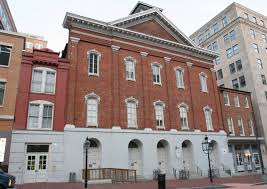
Ford’s Theater
After Lincoln’s assassination, enraged Union soldiers converted the interior of the building into a military command center. That meant ripping out all the seats for spectators and the stage for actors.
The stage and seats—even the “Presidential Box” where Lincoln sat—have all been reproduced for a modern audience.
As George talks, you can tell that, for him, this is no typical day job. He realizes that, renovated or not, Ford’s Theater remains saturated with history. And he clearly feels privileged to share that history with others.
George explains that Presidential assassin John Wilkes Booth did not sneak into the theater. He didn’t have to—as a celebrity actor, he received the sort of favored treatment now accorded Brad Pitt.
Another monument where you will find Park Ranger guides is the Vietnam Veterans Memorial.
Completed in 1982, it receives about three million visitors a year. Adorning the Wall, in columns that seem to reach endlessly to the sky, are the names of the 58,195 soldiers who gave their lives during the Vietnam War.
That struggle—from 1961 to 1975—proved the most divisive American conflict since the Civil War.
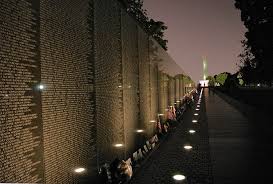
Vietnam Veterans Memorial Wall
On the day I visited the memorial, groups of elementary schoolchildren passed by. They were jabbering loudly, seemingly oblivious to the terrible sacrifice the Wall was meant to commemorate.
But their adult chaperones realized its significance, and ordered the children to quiet down. I asked a nearby Park Ranger: “Do you feel people now respond differently to the Wall, as we get further away from the Vietnam war?”
“No,” he answered. He felt that today’s visitors showed the same reverence for the monument and for the losses it had been created to honor as those who had first come in the early 1980s.
And it may well be true: I saw many tiny American flags and wreaths of flowers left at various points along the Wall, which stretches across 250 feet of land on the Mall.
When thinking about “Washington,” it’s essential to remember that this city—along with New York City—remains at the top of Al Qaeda’s target list. Those who choose to live and/or work here do so in the potential shadow of violent death.
Anytime you enter a Federal building, be prepared to undergo a security check.
In most agencies—such as the Department of Agriculture—you simply place your bags or purses into an X-ray machine similar to those found at airports, and walk through a magnetometer. If no alarms sound, you collect your valuables and pass on through.
Such machines are, of course, manned by armed security guards. And they stand sentinel at every conceivable Federal building—such as the Supreme Court, the Department of Justice, the Smithsonian Museum, the Pentagon and the U.S. Holocaust Memorial Museum.
These men and women must daily inspect the bodies and handbags of the 15 million people who visit Washington, D.C. annually, generating $5.24 billion dollars in revenues.
This means repeating the same screening gestures countless times—looking through X-ray machines at bags or coats, and running an electronic “wand” up and down those people whose clothing gives off signs of metallic objects.
It also means knowing that any one of these ordinary-looking visitors could be the next terrorist intent on killing as many people as possible.
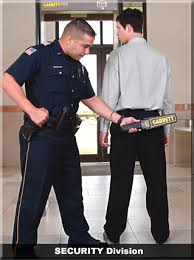
It also means projecting a smiling, friendly demeanor towards those same people—many of whom are in a rush and/or resent being electronically sniffed over.
And every security guard knows this: It’s only a matter of time before the next terrorist shows up.
On June 10, 2009, just that happened at the United States Holocaust Memorial.
2018 FEDERAL GOVERNMENT SHUTDOWN, ABC NEWS, ADOLF, ADOLF HITLER, AFFORDABLE CARE ACT (ACT), ALAMO, ALTERNET, AMERICABLOG, ANTONIO LOPEZ DE SANTA ANNA, AP, “BIG BEAUTIFUL BILL, BABY BOOMER RESISTANCE, BBC, BLOOMBERG, BLUESKY, BOB WOODWARD, BORDER WALL, BUZZFEED, CBS NEWS, CNN, CROOKS AND LIARS, CZECHOSLOVAKIA, DAILY KOS, DAVID CROCKETT, DEMOCRATS, DONALD TRUMP, FBI, FEDERAL AVIATION ADMINISTRATION, FEDERAL GOVERNMENT SHUTDOWN, FIVETHIRTYEIGHT, FURLOUGHS, GOVERNMENT SHUTDOWN, HAKEEM JEFFRIES, HARPER’S MAGAZINE, HUFFINGTON POST, ILLEGAL ALIENS, J.D. VANCE, JACK SMITH, JAMES BOWIE, JIMMY KIMMEL, JOHN F. KENNEDY, JOSE ANDRES, JOSEPH STALIN, KIM JONG UN, MANUEL CASTILLON, MEDIA MATTERS, MEDICAID, MEDICARE, MOTHER JONES, MOVEON, MSNBC, MSNBC'S "HARDBALL", NATIONAL PARK SERVICE, NBC NEWS, NEWSDAY, NEWSWEEK, NPR, OBAMACARE, PBS NEWSHOUR, POLITICO, POLITICUSUSA, RAW STORY, REPUBLICAN PARTY, REPUBLICANS, REUTERS, RICHARD NIXON, ROBERT MUELLER, ROBERT PAYNE, SALON, SEATTLE TIMES, SLATE, SOVIET UNION, TALKING POINTS MEMO, THE ATLANTIC, THE CHICAGO SUN-TIMES, THE CHICAGO TRIBUNE, THE DAILY BEAST, THE DAILY BLOG, THE GUARDIAN, THE HILL, THE HUFFINGTON POST, THE INTERCEPT, THE LIFE AND DEATH OF ADOLF HITLER (BOOK), THE LOS ANGELES TIMES, THE NATION, THE NEW REPUBLIC, THE NEW YORK TIMES, THE NEW YORKER, THE PRINCE, THE VILLAGE VOICE, THE WASHINGTON POST, THINKPROGRESS, TIME, TRANSPORTATION SAFETY ADMINISTRATION (TSA), TRUTHDIG, TRUTHOUT, TWO POLITICAL JUNKIES, U.S. NEWS & WORLD REPORT, UNITED STATES HOLOCAUST MEMORIAL, UNITED STATES HOUSE OF REPRESENTATIVES, UNITED STATES SENATE, UPI, USA TODAY, WASHINGTON WEEK, WINSTON CHURCHILL, WONKETTE, WORLD WAR 11, X
In Bureaucracy, Business, History, Law, Medical, Military, Politics, Social commentary on October 7, 2025 at 12:10 am
On October 1, President Donald Trump shut down the Federal government.
On July 4, Trump had signed the One Big Beautiful Bill Act into law, which impacts Medicaid, Medicare and the Affordable Care Act (ACA), and is projected to cause millions of Americans to lose health insurance coverage.
The bill includes the largest cuts in Medicaid’s history, reducing funding by nearly $1 trillion over the next decade.
Or, as Trump and Republicans might say: “What are the lives of Americans but so many chickens?”
Democratic senators refused to support a temporary spending bill to fund the government unless it included an extension of these subsidies, which keep health care plans affordable for many Americans.
Trump—and Congressional Republicans—refused to do this. In addition, both falsely claimed that Democrats wanted to give health coverage to illegal aliens.
For Trump, winning—not truth—is all that matters. During his first term as President, he told 30,573 lies.

Donald Trump
Congress failed to pass the annual appropriations bills required to fund government agencies before the new fiscal year began on October 1, 2025. As a result, federal agencies must cease all “non-essential” functions until funding is approved.
The Congressional Budget Office estimated that about 750,000 employees will be furloughed on the average day. That’s $400 million in salary each day that the government will ultimately pay, but will not get work for.
Trump had threatened to use a shutdown to permanently reduce the size of the federal workforce.
“We can get rid of a lot of things that we didn’t want and they’d be Democrat things,” Trump told reporters in the Oval Office. “They just don’t learn. So we have no choice. I have to do that for the country.
“When you shut it down, you have to do layoffs, so we’d be laying off a lot of people. They’re going to be Democrats.”
This is the language—and “negotiating” style—of Adolf Hitler.
Robert Payne, author of the bestselling biography, The Life and Death of Adolf Hitler (1973), described Hitler’s “negotiating” style thus:

“Although Hitler prized his own talents as a negotiator, a man always capable of striking a good bargain, he was totally lacking in finesse.
“He was incapable of bargaining. He was like a man who goes up to a fruit peddler and threatens to blow his brains out if he does not sell his applies at the lowest possible price.”
Like Hitler, Trump relies on insults and anger to put his victims on the defense.
On September 29, Trump posted an AI-generated video on social media depicting House Democratic leader Hakeem Jeffries wearing a sombrero and curly mustache as mariachi music plays in the background.
After Jeffries condemned the video as racist and bigoted, on September 30 Trump posted another deepfake video mocking his reaction.
On October 1, Vice President J.D. Vance called the videos “funny,” adding, “The president’s joking, and we’re having a good time.”
Yet Trump has raged when late-night comedians like Jimmy Kimmel have joked about him.
Like Hitler, Trump relies on fear: “Real power is—I don’t even want to use the word—fear,” he told journalist Bob Woodward in March 2016 when still a Presidential candidate.
On the October 3 edition of Washington Week with the Atlantic, Ashley Parker, a staff writer for The Atlantic magazine, said:
“[Trump] likes threatening Democrats, right, saying, we’re going to do what Project 2025 promised. We’re going to fire all these workers. We’re going to figure out what agencies we can just eliminate forever. It’s a fun thing to say. That’s for him. That’s why I say it’s trolling, but it’s not quite clear that that’s actually what he wants to do.”

Federal agencies began explicitly blaming Democrats for the government shutdown—even before it happened.
On September 30, the Department of Housing and Urban Development’s website posted: “The radical left are going to shut down the government.”
For Trump, everyone who opposes him is a “radical leftist”-–even though he boasted that he and Communist North Korean dictator Kim Jong-Un “fell in love.”
Democrats fear they will be blamed for the shutdown. Yet they might triumph if they remember that what worked against Hitler will most likely work against Trump.
Rule #1: Refuse to placate a brutal dictator. Such men see any concessions as weakness—and make only greater demands. Hitler, for example, demanded only a part of Czechoslovakia—and then seized the whole country.
Rule #2: When Hitler found himself facing an opponent who couldn’t be bribed or cowed—such as British Prime Minister Winston Churchill or Soviet Premier Joseph Stalin—he raged and/or sulked.
When Trump has faced an opponent he can’t buy or intimidate—such as Special Counsels Robert Mueller and Jack Smith—he has done the same.
Rule #3: Don’t sell out an ally or make concessions to an insatiable dictator—and believe he can be trusted to keep his word. Trump has repeatedly proven his word can’t be trusted.
Far more than a government shutdown is at stake.
If Democrats fall victim to their usual cowardice and disunity in the face of Right-wing threats and attacks, they will:
- End their relevance as a political party; and
- Condemn to death millions of Americans who cannot obtain life-saving medical care while billionaires gain huge tax cuts.
9/11, ABC NEWS, ABRAHAM LINCOLN, AL QAEDA, ALTERNET, AMERICABLOG, AP, BABY BOOMER RESISTANCE, BARACK OBAMA, BUZZFEED, CBS NEWS, CNN, CROOKS AND LIARS, CUBAN MISSILE CRISIS, DAILY KOZ, DONALD TRUMP, DRUDGE RETORT, EMANCIPATION PROCLAMATION, FACEBOOK, FBI, FIVETHIRTYEIGHT, FORD'S THEATER, FRANKLIN D. ROOSEVELT, FURLOUGHS, GOVERNMENT SHUTDOWN, HARPER’S MAGAZINE, JOHN F. KENNEDY, MEDIA MATTERS, MOTHER JONES, MOVEON, MSNBC, MSNBC'S "HARDBALL", NATIONAL PARK SERVICE, NBC NEWS, NEWSWEEK, NPR, PBS NEWSHOUR, POLITICO, POLITICUSUSA, RAW STORY, REPUBLICAN PARTY, REPUBLICANS, REUTERS, RICHARD NIXON, SALON, SEATTLE TIMES, Secret Service, SLATE, SOVIET UNION, STEPHEN TYRONE JONES, TALKING POINTS MEMO, TERRORISM, THE ATLANTIC, THE CHICAGO SUN-TIMES, THE CHICAGO TRIBUNE, THE DAILY BEAST, THE DAILY BLOG, THE GUARDIAN, THE HILL, THE HUFFINGTON POST, THE LOS ANGELES TIMES, THE NATION, THE NEW REPUBLIC, THE NEW YORK TIMES, THE VILLAGE VOICE, THE WASHINGTON POST, THINKPROGRESS, TIME, TRUTHDIG, TRUTHOUT, TWITTER, TWO POLITICAL JUNKIES, U.S. NEWS & WORLD REPORT, UNITED STATES HOLOCAUST MEMORIAL, UPI, USA TODAY, VIETNAM WAR MEMORIAL, WHITE HOUSE, WONKETTE, WORLD WAR 11
In Bureaucracy, History, Law Enforcement, Politics, Social commentary on December 26, 2019 at 1:21 am
Republicans constantly revile the very government they lust to control.
But there are others—living or working in Washington, D.C.—who perform their jobs with quiet dedication.
One of these unsung heroes was Stephen Tyrone Johns, a security guard at the United States Holocaust Memorial Museum.
On June 10, 2009, Johns, 39, was shot and killed by James Wenneker von Brunn, a white supremist and Holocaust denier. Brunn was himself shot and wounded by two other security guards who returned fire.
United States Holocaust Museum
At 88, von Brunn died in jail awaiting trial.
Washington, D.C. ranks—with New York City—at the top of Al Qaeda’s list of targets.
Prior to 9/11, Americans assumed that visiting the White House was their birthright.
Today, if you want to tour the Executive Mansion, you quickly learn there are only two ways to get in:
- Through a special pass provided by your Congressman; or
- By someone connected with the incumbent administration.
Congressmen, however, have a limited number of passes to give out. And most of these go to people who have put serious money into the Congressman’s re-election campaigns.
And the odds that you’ll know someone who works in the White House—and who’s willing to offer you an invitation—are even smaller than those of knowing a Congressman.
But even then you’ll have to undergo a Secret Service background check. And that means submitting the following information in advance of your visit:
- Name
- Date of birth
- Birthplace
- Social Security Number
Secret Service agents protecting President Barack Obama
You’ll have to leave many items at home. Among these:
- Cameras or video recorders
- Handbags, book bags, backpacks or purses
- Food or beverages
- Tobacco products
- Strollers
- Cell phones
- Knives
- Electric stun guns
- Mace
After showing a government-issued ID—such as a driver’s license—visitors enter the White House from the south side of East Executive Avenue.
After passing through the security screening room, they walk upstairs to the first door and through the East, Green, Blue, Red and State Dining rooms.
Secret Service agents quietly stand post in every room—unless they’re tasked with explaining the illustrious history of each section of the White House.
Like everyone else who lives/works there, the Secret Service fully appreciates the incredible sense of history that radiates throughout the building.
This is where
- Abraham Lincoln signed the Emancipation Proclamation;
- Franklin Roosevelt directed the United States to victory in World War II;
- John F. Kennedy stared down the Soviets during the Cuban Missile Crisis.
The White House
But even the generally unsmiling Secret Service agents have their human side.
While touring the East Wing of the White House, I asked an agent: “Is the East Room where President Nixon gave his farewell speech?” on August 9, 1974.
“I haven’t been programmed for that information,” the agent joked, inviting me to ask a question he could answer.
Another guest asked the same agent if he enjoyed being a Secret Serviceman. The agent replied that this was simply what he did for a living. His real passion, he said, was counseling youths.
“If you love something,” he advised, “get a job where you can do it. And if you can’t get a job you’re passionate about, get a job so you can pursue your passion.”
On December 22, 2018, President Donald J. Trump shut down the government. The reason: A Democratic House refused to fund his “border wall” between the United States and Mexico.
An estimated 380,000 government employees were furloughed and another 420,000 were ordered to work without pay.
Trump’s fanatical base believed that a wall across the U.S.-Mexico border would stop all illegal immigration. Trump knew it wouldn’t. But he also knew that if he didn’t build it, they wouldn’t re-elect him.
Donald Trump
The effects of the shutdown quickly became evident:
- For weeks, hundreds of thousands of government workers missed paychecks.
- Increasing numbers of employees of the Transportation Safety Administration (TSA)—which provides security against airline terrorism—began refusing to come to work, claiming to be sick.
- At the Federal Aviation Administration (FAA) many air traffic controllers called in “sick.” Those who showed up to work without pay grew increasingly frazzled as they feared being evicted for being unable to make rent or house payments.
- Many Federal employees—such as FBI agents—were forced to rely on soup kitchens to feed their families.
- Many workers tried to bring in money by babysitting or driving for Uber,
Trump told Congressional leaders the shutdown could last months or even years.
But by January 25, 2019, the 35th day of the shutdown, Trump’s popularity had fallen to a historic low of 37%. On that day, he caved and re-opened the government.
The men and women who work in Washington, D.C., aren’t faceless “bureaucrats,” as Right-wingers falsely claim.
They are husbands and wives, fathers and mothers. They have deadlines to meet and bills to pay, just like everyone else.
Many of them, such as agents of the FBI and Secret Service, have taken an oath to defend the United States Constitution—with their lives if necessary.
They deserve a better break—and the respect of their fellow Americans.
ABC NEWS, ABRAHAM LINCOLN, AL QAEDA, ALTERNET, AMERICABLOG, AP, ” 9/11, BABY BOOMER RESISTANCE, BUZZFEED, CBS NEWS, CNN, CROOKS AND LIARS, CUBAN MISSILE CRISIS, DAILY KOZ, DONALD TRUMP, DRUDGE RETORT, EMANCIPATION PROCLAMATION, FACEBOOK, FBI, FIVETHIRTYEIGHT, FORD'S THEATER, FRANKLIN D. ROOSEVELT, FURLOUGHS, GOVERNMENT SHUTDOWN, HARPER’S MAGAZINE, JOHN F. KENNEDY, MAFIA, MEDIA MATTERS, MOTHER JONES, MOVEON, MSNBC, MSNBC'S "HARDBALL", NATIONAL PARK SERVICE, NBC NEWS, NEWSWEEK, NPR, PBS NEWSHOUR, POLITICO, POLITICUSUSA, RAW STORY, REPUBLICAN PARTY, REPUBLICANS, REUTERS, RICHARD NIXON, SALON, SEATTLE TIMES, Secret Service, SLATE, SOVIET UNION, STEPHEN TYRONE JONES, TALKING POINTS MEMO, TERRORISM, THE ATLANTIC, THE CHICAGO SUN-TIMES, THE CHICAGO TRIBUNE, THE DAILY BEAST, THE DAILY BLOG, THE GUARDIAN, THE HILL, THE HUFFINGTON POST, THE LOS ANGELES TIMES, THE NATION, THE NEW REPUBLIC, THE NEW YORK TIMES, THE VILLAGE VOICE, THE WASHINGTON POST, THINKPROGRESS, TIME, TRUTHDIG, TRUTHOUT, TWITTER, TWO POLITICAL JUNKIES, U.S. NEWS & WORLD REPORT, UNITED STATES HOLOCAUST MEMORIAL, UPI, USA TODAY, VIETNAM WAR MEMORIAL, WHITE HOUSE, WONKETTE, WORLD WAR 11
In Bureaucracy, History, Law Enforcement, Politics, Social commentary on December 25, 2019 at 12:27 am
To hear Right-wingers tell it, you might believe that Washington, D.C. is:
- The capitol of an enemy nation;
- A cesspool of corrupt, power-hungry men and women slavering to gain dictatorial control over the life of every American;
- A center of lethal contagion which, like ancient Carthage, should be burned to the ground and its inhabitants destroyed or scattered.
According to Republicans, they are all that prevents “Washington” from gaining absolute power over a defenseless citizenry.
This does not stop Republicans from lusting to rule it—and enable a Constitution-violating Donald Trump to serve as “President-for-Life.”
But others who live or work in Washington, D.C. take a far different view of their city and the duties they perform.
These men and women will never call a press conference or rake in millions in “political contributions” (i.e., legalized bribes) for promising special privileges to special interests.
Many of them work for the National Park Service. Every national monument—and Washington is speckled with monuments—has several of these employees assigned to it. Their duties are to protect the monuments and offer historical commentary to the public.
One such employee regularly addresses visitors to Ford’s Theater—known worldwide as the scene of President Abraham Lincoln’s assassination.
George (a pseudonym) opens his lecture by raising the question every member of the audience wants answered: How much of Ford’s Theater remains intact from the night of Lincoln’s murder—April 14, 1865?
And the answer is: Only the exterior of the building.
Ford’s Theater
After Lincoln’s assassination, enraged Union soldiers converted the interior of the building into a military command center. That meant ripping out all the seats for spectators and the stage for actors.
The stage and seats—even the “Presidential Box” where Lincoln sat—have all been reproduced for a modern audience.
As George talks, you can tell that, for him, this is no typical day job. He realizes that, renovated or not, Ford’s Theater remains saturated with history. And he clearly feels privileged to share that history with others.
George explains that Presidential assassin John Wilkes Booth did not sneak into the theater. He didn’t have to—as a celebrity actor, he received the sort of favored treatment now accorded Brad Pitt.
Another monument where you will find Park Ranger guides is the Vietnam Veterans Memorial.
Completed in 1982, it receives about three million visitors a year. Adorning the Wall, in columns that seem to reach endlessly to the sky, are the names of the 58,195 soldiers who gave their lives during the Vietnam War.
That struggle—from 1961 to 1975—proved the most divisive American conflict since the Civil War.
Vietnam Veterans Memorial Wall
On the day I visited the memorial, groups of elementary schoolchildren passed by. They were jabbering loudly, seemingly oblivious to the terrible sacrifice the Wall was meant to commemorate.
But their adult chaperones realized its significance, and ordered the children to quiet down. I asked a nearby Park Ranger: “Do you feel people now respond differently to the Wall, as we get further away from the Vietnam war?”
“No,” he answered. He felt that today’s visitors showed the same reverence for the monument and for the losses it had been created to honor as those who had first come in the early 1980s.
And it may well be true: I saw many tiny American flags and wreaths of flowers left at various points along the Wall, which stretches across 250 feet of land on the Mall.
When thinking about “Washington,” it’s essential to remember that this city—along with New York City—remains at the top of Al Qaeda’s target list. Those who choose to live and/or work here do so in the potential shadow of violent death.
Anytime you enter a Federal building, be prepared to undergo a security check.
In most agencies—such as the Department of Agriculture—you simply place your bags or purses into an X-ray machine similar to those found at airports, and walk through a magnetometer. If no alarms sound, you collect your valuables and pass on through.
Such machines are, of course, mammed by armed security guards. And they stand sentinel at every conceivable Federal building—such as the Supreme Court, the Department of Justice, the Smithsonian Museum, the Pentagon and the U.S. Holocaust Memorial Museum.
These men and women must daily inspect the bodies and handbags of the 15 million people who visit Washington, D.C. annually, generating $5.24 billion dollar in revenues.
This means repeating the same screening gestures countless times—looking through X-ray machines at bags or coats, and running an electronic “wand” up and down those people whose clothing gives off signs of metallic objects.
It also means knowing that any one of these ordinary looking visitors could be the next terrorist intent on killing as many people as possible.
It also means projecting a smiling, friendly demeanor towards those same people—many of whom are in a rush and/or resent being electronically sniffed over.
And every security guard knows this: It’s only a matter of time before the next terrorist shows up.
On June 10, 2009, just that happened at the United States Holocaust Memorial.
9/11, ABC NEWS, ABRAHAM LINCOLN, AL QAEDA, ANDREW JACKSON, BARACK OBAMA, BILL CLINTON, CBS NEWS, CNN, CUBAN MISSILE CRISIS, EMANCIPATION PROCLOMATION, EXTORTION, FACEBOOK, FBI, FEDERAL GOVERNMENT SHUTDOWN, FORD'S THEATER, FRANKLIN ROOSEVELT, FURLOUGHS, GEORGE H.W. BUSH, JOHN F. KENNEDY, JOSEPH MCCARTHY, MAFIA, MITT ROMNEY, MSNBC'S "HARDBALL", NBC NEWS, NEGOTIATING, OBAMACARE, PATRIOT ACT, R.I.CO. ACT, REPUBLICAN PARTY, REPUBLICANS, RICHARD NIXON, Secret Service, TED NUGENT, TERRORISM, THE AFFORDABLE CARE ACT, THE LOS ANGELES TIMES, THE NEW YORK TIMES THE WASHINGTON POST, TWITTER, UNITED STATES HOLOCAUST MEMORIAL, VIETNAM WAR MEMORIAL, WHITE HOUSE, WORLD WAR 11
In Bureaucracy, History, Politics on October 4, 2013 at 12:01 am
For a half-century, Republicans have been damning the very government they lust to control.
Consider this choice comment from Mitt Romney supporter Ted Nugent:
“I spoke at the NRA and will stand by my speech. It’s 100 percent positive. It’s about we the people taking back our American dream from the corrupt monsters in the federal government under this administration, the communist czars he [President Barack Obama] has appointed.”
Romney, of course, refused to disavow the slander Nugent cast over every man and woman working on behalf of the American people.
Romney and his fellow Republicans salivate at every vile charge they can hurl at the very government they lust to control.
As in the case of Senator Joseph McCarthy, no slander is too great if it advances their path to power.
But there are others–living or at least working in Washington, D.C.–who simply go about their jobs with quiet dedication. And they leave slanderous, self-glorifying rhetoric to Right-wing politicians.
One of these unsung heroes was Stephen Tyrone Johns, a security guard at the United States Holocaust Memorial Museum.

On June 10, 2009, Johns, 39, was shot and killed by James Wenneker von Brunn, a white supremist and Holocaust denier. Brunn was himself shot and wounded by two other security guards who returned fire.
While in jail awaiting his trial, von Brunn–who was 88–died on January 6, 2010.
To work in Washington, D.C., is to realize that this city ranks–with New York City–at the top of Al Qaeda’s list of targets.
No one knows this better than the agents of the United States Secret Service, who protect the President, Vice President, their families and the White House itself 24 hours a day.
Prior to 9/11, visiting the White House was assumed to be an American right. No longer.
Today, if you want to tour the Executive Mansion, you quickly learn there are only two ways to get in:
- Through a special pass provided by your Congressman; or
- By someone connected with the incumbent administration.
Congressmen, however, have a limited number of passes to give out. And most of these go to people who have put serious money into the Congressman’s re-election campaigns.
And the odds that you’ll know someone who works in the White House–and who’s willing to offer you an invitation–are even smaller than those of knowing a Congressman.
But even that isn’t enough to get you through the White House door.
You’ll have to undergo a Secret Service background check. And that requires you to submit the following information in advance of your visit:
- Name
- Date of birth
- Birthplace
- Social Security Number
And be prepared to leave a great many items at your hotel room. Among these:
- Cameras or video recorders
- Handbags, book bags, backpacks or purses
- Food or beverages, tobacco products, personal grooming items (i.e. makeup, lotion, etc.)
- Strollers
- Cell phones
- Any pointed objects
- Aerosol containers
- Guns, ammunition, fireworks, electric stun guns, mace, martial arts weapons/devices, or knives of any size
Visitors enter the White House–after showing a government-issued ID card such as a driver’s license–from the south side of East Executive Avenue.
After passing through the security screening room, they walk upstairs to the first door and through the East, Green, Blue, Red and State Dining rooms.
Secret Service agents quietly stand post in every room–unless they’re tasked with explaining the illustrious history of each section of the White House.
Like everyone else who lives/works there, the Secret Service fully appreciates the incredible sense of history that radiates throughout the building.
This is where
- Abraham Lincoln signed the Emancipation Proclomation;
- Franklin Roosevelt directed the United States to victory in World War II;
- John F. Kennedy stared down the Soviets during the Cuban Missile Crisis.
But even the generally unsmiling Secret Service agents have their human side.
While touring the East Wing of the White House, I asked an agent: “Is the East Room where President Nixon gave his farewell speech?” on August 9, 1974.
“I haven’t been programmed for that information,” the agent joked, inviting me to ask a question he could answer.
Another guest asked the same agent if he enjoyed being a Secret Serviceman.
To my surprise, he said that this was simply what he did for a living. His real passion, he said, was counseling youths.
“If you love something,” he advised, “get a job where you can do it. And if you can’t get a job you’re passionate about, get a job so you can pursue your passion.”
Of the more than 2.65 million civilian employees of the executive branch, more than 800,000 have been sent home without pay.
These men and women aren’t faceless “bureaucrats,” as Right-wingers would have people believe. They are hustands and wives, fathers and mothers. They have bills to pay, just like everyone else.
Many of them, such as agents of the FBI and Secret Service, have taken an oath to defend the United States Constitution–with their lives if necessary.
And they now face the dread of going for weeks or even months without a paycheck–as pawns in another Right-wing case of: “My way or no way.”
They deserve a better break–and so do all those who cherish liberty.
9/11, ABC NEWS, ABRAHAM LINCOLN, AL QAEDA, ANDREW JACKSON, BARACK OBAMA, BILL CLINTON, CBS NEWS, CNN, CUBAN MISSILE CRISIS, EMANCIPATION PROCLOMATION, EXTORTION, FACEBOOK, FBI, FEDERAL GOVERNMENT SHUTDOWN, FORD'S THEATER, FRANKLIN ROOSEVELT, FURLOUGHS, GEORGE H.W. BUSH, JOHN F. KENNEDY, JOSEPH MCCARTHY, MAFIA, MITT ROMNEY, MSNBC'S "HARDBALL", NBC NEWS, NEGOTIATING, OBAMACARE, PATRIOT ACT, R.I.CO. ACT, REPUBLICAN PARTY, REPUBLICANS, RICHARD NIXON, Secret Service, TED NUGENT, TERRORISM, THE AFFORDABLE CARE ACT, THE LOS ANGELES TIMES, THE NEW YORK TIMES THE WASHINGTON POST, TWITTER, UNITED STATES HOLOCAUST MEMORIAL, VIETNAM WAR MEMORIAL, WHITE HOUSE, WORLD WAR 11
In Bureaucracy, History, Law, Politics on October 3, 2013 at 12:06 am
Listen to almost any Republican and you’re almost certain to hear how much he hates and despises “Washington.”
To hear Right-wingers tell it, you might believe that “Washington” is:
- The capitol of an enemy nation;
- A cesspool of corrupt, power-hungry men and women slavering to gain dictatorial control over the life of every American;
- A center of lethal contagion which, like ancient Carthage, should be burned to the ground and its inhabitants destroyed or scattered.
All that prevents “Washington” from gaining absolute power–so claim Republicans–is the Republican Party.
But others who live or work in Washington, D.C. take a far different view of their city and the duties they perform.
These men and women will never call a press conference or rake in millions in “political contributions” (i.e., legalized bribes) for promising special privileges to special interests.
Many of them work for the National Park Service. Every national monument–and Washington is speckled with monuments–has several of these employees assigned to it.
Their duties are to protect the monuments and offer historical commentary to the public.
One such employee regularly addresses visitors to Ford’s Theater–known worldwide as the scene of President Abraham Lincoln’s assassination.
George (a pseudonym) opens his lecture by raising the question every member of the audience wants answered: How much of Ford’s Theater remains intact from the night of Lincoln’s murder–April 14, 1865?
And the answer is: Only the exterior of the building.
After Lincoln’s assassination, enraged Union soldiers converted the interior of the building into a military command center. That meant ripping out all the seats for spectators and the stage for actors.
The stage and seats–even the “Presidential Box” where Lincoln sat–have all been reproduced for a modern audience.
As George talks, you can tell that, for him, this is no typical day job. He realizes that, renovated or not, Ford’s Theater remains saturated with history. And he clearly feels privileged to share that history with others.
George explains that Presidential assassin John Wilkes Booth did not sneak into the theater. He didn’t have to–as a celebrity actor, he received the sort of favored treatment now accorded Lindsay Lohan.
Another monument where you will find Park Ranger guides is the Vietnam Veterans Memorial.
Completed in 1982, it receives about 3 million visitors a year. Adorning the Wall, in columns that seem to reach endlessly to the sky, are the names of the 58,195 soldiers who gave their lives during the Vietnam War.
That struggle–from 1961 to 1975–proved the most divisive American conflict since the Civil War.
On the day I visited the memorial, groups of elementary schoolchildren passed by. They were jabbering loudly, seemingly oblivious to the terrible sacrifice the Wall was meant to commemorate.
But their adult chaperones realized its significance, and ordered the children to quiet down.
I asked a nearby Park Ranger: “Do you feel people now respond differently to the Wall, as we get further away from the Vietnam war?”
“No,” he answered. He felt that today’s visitors showed the same reverence for the monument and for the losses it had been created to honor as those who had first come in the early 1980s.
And it may well be true: I saw many tiny American flags and wreaths of flowers left at various points along the Wall, which stretches across 250 feet of land on the Mall.
When thinking about “Washington,” it’s essential to remember that this city–along with New York City–remains at the top of Al Qaeda’s target list.
Those who choose to live and/or work here do so in the potential shadow of violent death.
Anytime you enter a Federal building, be prepared to undergo a security check.
In most agencies–such as the Department of Agriculture–you simply place your bags or purses into an X-ray machine similar to those found at airports, and walk through a magnetometer. If no alarms sound, you collect your valuables and pass on through.
Such machines are, of course, nammed by armed security guards. And they stand sentinel at every conceivable Federal building–such as the Supreme Court, the Department of Justice, the Smithsonian Museum, the Pentagon and the U.S. Holocaust Memorial Museum.
These men and women must daily inspect the bodies and handbags of the 15 million people who visit Washington, D.C. annually, generating $5.24 billion dollar in revenues.
This means repeating the same screening gestures countless times–looking through X-ray machines at bags or coats, and running an electronic “wand” up and down those people whose clothing gives off signs of metallic objects.
It also means projecting a smiling, friendly demeanor towards those same people–many of whom are in a rush and/or resent being electronically sniffed over.
And every security guard knows this: It’s only a matter of time before the next terrorist shows up.
On June 10, 2009, just that happened at the United States Holocaust Memorial.
9/11, ABC NEWS, ABRAHAM LINCOLN, AL QAEDA, ANDREW JACKSON, BARACK OBAMA, BILL CLINTON, CBS NEWS, CNN, CUBAN MISSILE CRISIS, EMANCIPATION PROCLOMATION, EXTORTION, FACEBOOK, FBI, FEDERAL GOVERNMENT SHUTDOWN, FORD'S THEATER, FRANKLIN ROOSEVELT, FURLOUGHS, GEORGE H.W. BUSH, JOHN F. KENNEDY, JOSEPH MCCARTHY, MAFIA, MITT ROMNEY, MSNBC'S "HARDBALL", NBC NEWS, NEGOTIATING, OBAMACARE, PATRIOT ACT, R.I.CO. ACT, REPUBLICAN PARTY, REPUBLICANS, RICHARD NIXON, Secret Service, TED NUGENT, TERRORISM, THE AFFORDABLE CARE ACT, THE LOS ANGELES TIMES, THE NEW YORK TIMES THE WASHINGTON POST, TWITTER, UNITED STATES HOLOCAUST MEMORIAL, VIETNAM WAR MEMORIAL, WHITE HOUSE, WORLD WAR 11
In Bureaucracy, History, Law, Politics on October 2, 2013 at 2:45 am
To hear many political pundits tell it, the shutdown of the Federal Government is the result of “political dysfunction,” as if everybody in Congress were tripping on LSD.
This is not only untrue but misleading.
The truth is that the shutdown is the result of yet another ruthless attempt by Right-wing Republicans to obtain absolute power.
When they can obtain it at the ballot box, they rule as though by divine right. When they can’t obtain it at election time, they try to obtain it through intimidation.
Thus, in 1992 and 1996, their Presidential candidates–President George H.W. Bush and Senator Bob Dole, respectively–couldn’t defeat Bill Clinton.
So Republicans mounted an inquisition into a failed land deal that occurred before Clinton was first elected President. This investigation spanned the length of the Clinton Presidency and produced no evidence or indictments of criminal activity.
It did, however, turn up the salacious news that Clinton had actually enjoyed several instances of oral sex courtesy of a libidinous White House intern named Monica Lewinsky.
Unable to defeat Clinton at election time, and unable to find any actual criminal wrongdoing on his part, Right-wing Republicans tried to drive him out of office by impeachment.
The effort failed, and Clinton stayed in the White House until his term expired in 2001.
Then, as now, it was members of the House of Representatives who were the driving force.
Now, fast forward to the present: Republicans have made it their mission to deprive millions of Americans of health care. They have voted 42 times to repeal or undermine the Affordable Care Act, better known as Obamacare.
And they have made its elimination the focus of their threats to shut down the government unless they get their way.
Yet, consider this: Whether they like it or not, the Affordable Care Act is now a law that was legally passed by both houses of Congress. It has been certified as Constitutional by no less than a Republican Chief Justice of the United States Supreme Court.
Under our system of government, that’s as legal as it gets.
But Republicans don’t care about legality when they’re pursuing absolute power over the lives of their fellow Americans.
Thus, they have carried out their threat to shut down the Federal Government since they couldn’t coerce Senate Democrats into de-funding “Obamacare.”
As a result:
- More than 800,000 federal workers have been sent home without pay;
- National parks and monuments have been closed;
- Some programs have been temporarily crippled–such as WIC, which provides nutritional food to poor mothers with infants; and
- Some members of “essential services” are still required to be on duty–such as the military and Federal law enforcement agencies–but without receiving paychecks.
Of course, this disgrace didn’t have to happen.
President Obama didn’t have to cave in to the latest Republican extortion demands to prevent such a shutdown.
He could have ordered his Attorney General, Eric Holder, to launch an FBI invesdtigation into terroristic threats made by Right-wingers to shut down the government.
Both the 1970 Racketeer Influenced Corrupt Organizations (RICO) Act and the USA Patriot Act provide remedies for punishing the sort of behavior engaged in by House Republicans.
RICO opens with a series of definitions of “racketeering activity” which can be prosecuted by Justice Department attorneys. Among those crimes: Extortion.

Extortion is defined as “a criminal offense which occurs when a person unlawfully obtains either money, property or services from a person(s), entity, or institution, through coercion.”
And if President Obama believed that RICO was not sufficient to deal with extortionate behavior, he could have relied on the Patriot Act of 2001, passed in the wake of 9/11.
In Section 802, the Act defines domestic terrorism. Among the behavior that is defined as criminal:
“Activities that…appear to be intended…to influence the policy of a government by intimidation or coercion [and]…occur primarily within the territorial jurisdiction of the United States.”
Demanding that the President de-fund Obamacare or face a potentially disastrous government shutdown clearly falls within the legal definition of “activities…intended…to influence the policy of a government by intimidation or coercion.”
If the FBI had determined that Federal laws against extortion and terrorism had been broken, the Justice Department could have convened criminal grand juries to indict those Republicans found as violators.
President Obama should have authorized this investigation as soon as Republicans started making terroristic threats. Thus, he would have served notice on his sworn enemies that he was no one to take lightly.
Knowing that they might well face indictment and prosecution for engaging in domestic terrorism would have frightened many Republicans into backing away from such behavior.
Those who persisted would have found themselves fighting desperately to stay out of prison. They would have had to pay huge fees to top-flight criminal attorneys.
They would have lived with, first, the threat of indictments hanging over their heads, and, once those indictments were returned, with the threat of conviction and imprisonment.
As a result, they would not have had time to make destroying the Presidency of Barack Obama their Number One priority.
But Obama forfeited all those advantages when he accused Republicans of “blackmail” and then refused to legally punish them for it.

 Bureaucracybuster's Blog
2018 FEDERAL GOVERNMENT SHUTDOWN, 9/11 TERROR ATTACKS, ABC NEWS, ABRAHAM LINCOLN, ADOLF HITLER, AL QAEDA, ALTERNET, AMERICABLOG, AP, BABY BOOMER RESISTANCE, BARACK OBAMA, BBC, BLOOMBERG, BLUESKY, BUZZFEED, CBS NEWS, CNN, CROOKS AND LIARS, CUBAN MISSILE CRISIS, DAILY KOS, DONALD TRUMP, EMANCIPATION PROCLAMATION, FBI, FIVETHIRTYEIGHT, FORD'S THEATER, FRANKLIN D. ROOSEVELT, FURLOUGHS, HARPER’S MAGAZINE, HUFFINGTON POST, JOHN F. KENNEDY, MEDIA MATTERS, MOTHER JONES, MOVEON, MSNBC, MSNBC'S "HARDBALL", NATIONAL PARK SERVICE, NBC NEWS, NEWSDAY, NEWSWEEK, NPR, PBS NEWSHOUR, POLITICO, POLITICUSUSA, RAW STORY, REPUBLICAN PARTY, REPUBLICANS, REUTERS, RICHARD NIXON, SALON, SEATTLE TIMES, SLATE, SOVIET UNION, STEPHEN TYRONE JONES, TALKING POINTS MEMO, TERRORISM, THE ATLANTIC, THE CHICAGO SUN-TIMES, THE CHICAGO TRIBUNE, THE DAILY BEAST, THE DAILY BLOG, THE GUARDIAN, THE HILL, THE HUFFINGTON POST, THE INTERCEPT, THE LOS ANGELES TIMES, THE NATION, THE NEW REPUBLIC, THE NEW YORK TIMES, THE NEW YORKER, THE VILLAGE VOICE, THE WASHINGTON POST, THINKPROGRESS, TIME, TRUTHDIG, TRUTHOUT, TWO POLITICAL JUNKIES, U.S. NEWS & WORLD REPORT, UNITED STATES HOLOCAUST MEMORIAL, UNITED STATES SECRET SERVICE, UPI, USA TODAY, VIETNAM WAR, VIETNAM WAR MEMORIAL, WHITE HOUSE, WONKETTE, WORLD WAR 11, X
THE WASHINGTON, D.C., REPUBLICANS DON’T TALK ABOUT: PART TWO (END)
In Bureaucracy, History, Law Enforcement, Politics, Social commentary on October 9, 2025 at 12:12 amRepublicans constantly revile the very government they lust to control.
But there are others—living or working in Washington, D.C.—who perform their jobs with quiet dedication.
One of these unsung heroes was Stephen Tyrone Johns, a security guard at the United States Holocaust Memorial Museum.
On June 10, 2009, Johns, 39, was shot and killed by James Wenneker von Brunn, a white supremist and Holocaust denier. Brunn was himself shot and wounded by two other security guards who returned fire.
United States Holocaust Museum
At 88, von Brunn died in jail awaiting trial.
Washington, D.C. ranks—with New York City—at the top of Al Qaeda’s list of targets.
Prior to 9/11, Americans assumed that visiting the White House was their birthright.
Today, if you want to tour the Executive Mansion, you quickly learn there are only two ways to get in:
Congressmen, however, have a limited number of passes to give out. And most of these go to people who have put serious money into the Congressman’s re-election campaigns.
And the odds that you’ll know someone who works in the White House—and who’s willing to offer you an invitation—are even smaller than those of knowing a Congressman.
But even then you’ll have to undergo a Secret Service background check. And that means submitting the following information in advance of your visit:
Secret Service agents protecting President Barack Obama and First Lady Michelle Obma
You’ll have to leave many items at home. Among these:
After showing a government-issued ID—such as a driver’s license—visitors enter the White House from the south side of East Executive Avenue.
After passing through the security screening room, they walk upstairs to the first door and through the East, Green, Blue, Red and State Dining rooms.
Secret Service agents quietly stand post in every room—unless they’re tasked with explaining the illustrious history of each section of the White House.
Like everyone else who lives/works there, the Secret Service fully appreciates the incredible sense of history that radiates throughout the building.
This is where
The White House
But even the generally unsmiling Secret Service agents have their human side.
While touring the East Wing of the White House, I asked an agent: “Is the East Room where President Nixon gave his farewell speech?” on August 9, 1974.
“I haven’t been programmed for that information,” the agent joked, inviting me to ask a question he could answer.
Another guest asked the same agent if he enjoyed being a Secret Serviceman. The agent replied that this was simply what he did for a living. His real passion, he said, was counseling youths.
“If you love something,” he advised, “get a job where you can do it. And if you can’t get a job you’re passionate about, get a job so you can pursue your passion.”
A third visitor noted that none of the agents he saw were wearing their trademark sunglasses. An agent pulled out a pair and said, “That’s because we’re indoors.”
On December 22, 2018, President Donald J. Trump shut down the government. The reason: A Democratic House refused to fund his “border wall” between the United States and Mexico.
An estimated 380,000 government employees were furloughed and another 420,000 were ordered to work without pay.
Trump’s fanatical base believed that a wall across the U.S.-Mexico border would stop all illegal immigration. Trump knew it wouldn’t. But he also knew that if he didn’t build it, they wouldn’t re-elect him.
Donald Trump
The effects of the shutdown quickly became evident:
Trump told Congressional leaders the shutdown could last months or even years.
But by January 25, 2019, the 35th day of the shutdown, he caved and re-opened the government. The reason: Democratic Speaker of the House Nancy refused to open the House for his annual State of the Union message.
The men and women who work in Washington, D.C., aren’t faceless “bureaucrats,” as Right-wingers falsely claim.
They are husbands and wives, fathers and mothers. They have deadlines to meet and bills to pay, just like everyone else.
Many of them, such as agents of the FBI and Secret Service, have taken an oath to defend the United States Constitution—with their lives if necessary.
They deserve a better break—and the respect of their fellow Americans.
Share this: