Posts Tagged ‘UNITED STATE SUPREME COURT’
ABC NEWS, ALCOHOLISM, ALTERNET, AMERICABLOG, AP, BABY BOOMER RESISTANCE, BBC, BLOOMBERG NEWS, BUMS, BUZZFEED, CBS NEWS, CITY OF GRANTS PASS V. JOHNSON, CNN, COVID-19, CROOKS AND LIARS, CVS, DAILY KOS, DRUG ADDICTION, FIVETHIRTYEIGHT, FRANKLIN D. ROOSEVELT, GAVIN NEWSOM, HARPER’S MAGAZINE, HOMELESSNESS, HUFFINGTON POST, IPS SECURITY, JOSEPH STALIN, LOS ANGELES, MEDIA MATTERS, MENTAL ILLNESS, MICHAEL SHELLENBERGER, MOTHER JONES, MOVEON, MSNBC, NAVIGATION CENTERS, NBC NEWS, NEIL GORSUCH, NEW REPUBLIC, NEWSDAY, NEWSWEEK, NPR, ORACLE, PBS NEWSHOUR, POLITICO, POLITICUSUSA, PORTLAND, PROPOSITION 36, RAW STORY, REUTERS, SALON, SAN FRANCISCO, SAN FRANCISCO BOARD OF SUPERVISORS, SAN FRANCISCO MAYOR'S OFFICE, SAN FRANSICKO: WHY PROGRESSIVES RUIN CITIES (BOOK), SEATLE, SEATTLE TIMES, SLATE, TALKING POINTS MEMO, THE ATLANTIC, THE CHICAGO SUN-TIMES, THE CHICAGO TRIBUNE, THE DAILY BEAST, THE DAILY BLOG, THE GUARDIAN, THE HILL, THE HUFFINGTON POST, THE INTERCEPT, THE LOS ANGELES TIMES, THE NATION, THE NEW REPUBLIC, THE NEW YORK TIMES, THE NEW YORKER, THE VILLAGE VOICE, THE WASHINGTON POST, THINKPROGRESS, TIME, TRUTHDIG, TRUTHOUT, U.S. NEWS & WORLD REPORT, UNITED STATE SUPREME COURT, UPI, USA TODAY, VMWARE, WALGREENS, X
In Bureaucracy, Business, History, Law, Law Enforcement, Medical, Politics, Social commentary on April 21, 2025 at 12:06 am
Run by the San Francisco Department of Public Health (DPH), the COVID-19 Alternative Housing Program provides a host of amenities to drug addicts, alcoholics, the mentally ill and parasitic thieves and scammers.
Otherwise known as Untermenschen, the German word for “subhumans.”
Or Unters, for short.
It works in two stages:
Stage 1: Move the “homeless” into the city’s hotels—at city expense.
Stage 2: Provide them with not only free food and shelter but free alcohol, cannabis, and cigarettes.
“Managed alcohol and tobacco use makes it possible to increase the number of guests who stay in isolation and quarantine and, notably, protects the health of people who might otherwise need hospital care for life-threatening alcohol withdrawal,” says DPH spokeswoman Jenna Lane.

A typical cockroach scene
Notice the word “guests.” As if San Francisco—or any city—should welcome hordes of drug addicts, alcoholics, mentally ill and outright bums as assets to its community.
“Many isolation and quarantine guests tell us they use these substances daily,” says Lane, “and this period in our care has allowed some people to connect for the first time with addiction treatment and harm reduction therapy.”
DPH said in a statement that these “guests” are screened for substance addictions and asked if they’d like to stop or have support to reduce their use.
If they say they want to remain alcoholics and/or drug addicts, they’re provided with their substance of choice.
The department also provides methadone for “guests” who are addicted to opioids.
DPH staffers have helped people buy “medical marijuana,” the agency told local affiliate ABC7.
But the agency doesn’t “facilitate purchases of recreational cannabis,” according to the San Francisco Chronicle’s website, SFGate.
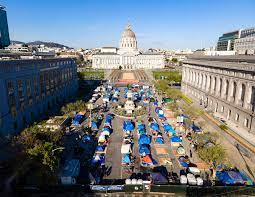
A typical San Francisco scene: Unters’ tents in front of City Hall
When they’re not swallowing alcohol or injecting, swallowing or sniffing drugs, many of San Francisco’s “guests” spend a lot of their time ripping off retail stores.
Walgreens drug stores have proven a particular target for these DDMBs—Druggies, Drunks, Mentals and Bums—the four groups that make up 90% of the “homeless” population.
“I feel sorry for the clerks, they are regularly being verbally assaulted,” a regular customer, Sebastian Luke, told the San Francisco Chronicle.
“The clerks say there is nothing they can do. They say Walgreens’ policy is to not get involved. They don’t want anyone getting injured or getting sued, so the guys just keep coming in and taking whatever they want.”
“Retail theft across our San Francisco stores has continued to increase in the past few months to five times our chain average,” Walgreens spokesman Phil Caruso told the Chronicle.
“During this time to help combat this issue, we increased our investments in security measures in stores across the city to 46 times our chain average in an effort to provide a safe environment.”
As a result, Walgreens has closed at least 22 stores in San Francisco since 2019.
One store in the San Francisco area reportedly lost $1,000 a day to theft.
CVS Pharmacy has instructed its employees to not intervene because the thieves so often attack them.
Many shoplifters then sell their stolen goods on the street—often near the store where they stole them.
Until December, 2024, theft under $950 was considered a misdemeanor. Many prosecutors chose to free those charged rather than holding them in jail. The maximum sentence they could get: Six months.
In November, 2024, voters overwhelmingly approved Proposition 36, which stiffened penalties for shoplifting. Thieves can now get up to three years in jail or prison if they’ve been twice convicted for certain theft offenses.
Low-income and disabled seniors who depend on these disappearing drug stores for prescriptions are especially at risk.
Some stores in the city are refusing to let themselves be ripped off.
Target’s largest store, at Geary and Masonic, is guarded by armed security from IPS. Its officers wear dark green uniforms resembling those of sheriff’s deputies and carry .40 caliber automatics.
They are unfailingly courteous—but don’t hesitate to restrain anyone who poses a threat to customers or is apparently stealing merchandise.
Of course, corporations aren’t in business to lose money. So costs for such security are passed on to customers.

Many DDMBs refuse to enter the city’s available shelters. Some claim these places are dangerous—understandably so, since they’re peopled with drug addicts, alcoholics, mentally ill and outright bums.
But another reason why many of these shelters go unused is: They don’t allow their “guests” to drink up or drug up.
The city makes no effort to force DDMBs to shut down their tent encampments that block sidewalks and pose a threat to public health through their accompanying feces, urine and used hypodermic needles.
If a citizen complains about a DDMB blocking a sidewalk, police may ask him to enter a shelter. But if he refuses, he’s simply left where he is. Thus, the “rights” of DDMBs take precedence over the rights of tax-paying San Franciscans.
The latest wrinkle in San Francisco’s “be kind to Untermenschen“ campaign is the creation of “Navigation Centers.” These are essentially holding pens for DDMBs until they can be “navigated” to permanent housing.
ABC NEWS, ALCOHOLISM, ALTERNET, AMERICABLOG, AP, BABY BOOMER RESISTANCE, BBC, BLOOMBERG NEWS, BUMS, BUZZFEED, CBS NEWS, CITY OF GRANTS PASS V. JOHNSON, CNN, COVID-19, CROOKS AND LIARS, CVS, DAILY KOS, DRUG ADDICTION, FIVETHIRTYEIGHT, FRANKLIN D. ROOSEVELT, GAVIN NEWSOM, HARPER’S MAGAZINE, HOMELESSNESS, HUFFINGTON POST, IPS SECURITY, JOSEPH STALIN, LOS ANGELES, MEDIA MATTERS, MENTAL ILLNESS, MICHAEL SHELLENBERGER, MOTHER JONES, MOVEON, MSNBC, NAVIGATION CENTERS, NBC NEWS, NEIL GORSUCH, NEW REPUBLIC, NEWSDAY, NEWSWEEK, NPR, ORACLE, PBS NEWSHOUR, POLITICO, POLITICUSUSA, PORTLAND, PROPOSITION 36, RAW STORY, REUTERS, SALON, SAN FRANCISCO, SAN FRANCISCO BOARD OF SUPERVISORS, SAN FRANCISCO MAYOR'S OFFICE, SAN FRANSICKO: WHY PROGRESSIVES RUIN CITIES (BOOK), SEATLE, SEATTLE TIMES, SLATE, TALKING POINTS MEMO, THE ATLANTIC, THE CHICAGO SUN-TIMES, THE CHICAGO TRIBUNE, THE DAILY BEAST, THE DAILY BLOG, THE GUARDIAN, THE HILL, THE HUFFINGTON POST, THE INTERCEPT, THE LOS ANGELES TIMES, THE NATION, THE NEW REPUBLIC, THE NEW YORK TIMES, THE NEW YORKER, THE VILLAGE VOICE, THE WASHINGTON POST, THINKPROGRESS, TIME, TRUTHDIG, TRUTHOUT, U.S. NEWS & WORLD REPORT, UNITED STATE SUPREME COURT, UPI, USA TODAY, VMWARE, WALGREENS, X
In Bureaucracy, Business, History, Law, Law Enforcement, Medical, Politics, Social commentary on April 18, 2025 at 12:28 am
Why do California politicians—especially those in San Francisco—cater so fervently to hardcore drug addicts, hardcore alcoholics, the mentally ill and those who refuse to work?
In his 2021 bestseller, San Fransicko: Why Progressives Ruin Cities, author Michael Shellenberger provides the answer. According to its dust jacket:
“San Francisco and other West Coast cities — Los Angeles, Seattle, Portland — had gone beyond merely tolerating homelessness, drug dealing, and crime to actively enabling them.
“San Fransicko reveals that the underlying problem isn’t a lack of housing or money for social programs. The real problem is an ideology that designates some people, by identity or experience, as victims entitled to destructive behaviors. The result is an undermining of the values that make cities, and civilization itself, possible.”
In December, 2022, the Palo Alto-based cloud computing company VMware canceled its contract with the Moscone Center for its 2023 conference and said it would relocate the event.
No specific reason was given. But it’s almost a certainty that the city’s refusal to get tough on the druggies, drunks, mentals and bums who infest its streets and accost its tourists is a major one.
This is only the latest blow to a city that depends overwhelmingly on tourism for its economic prosperity—if not survival.
San Francisco saw the steepest drop of any major metro with a loss of $1.68 billion—or 68.8%—when compared with 2019.
The COVID-19 pandemic has been especially hard on the city. Huge numbers of tech workers who once flooded into San Francisco began working at home. And a great many of them still do.
Thus, those businesses—such as restaurants—which had benefitted from their presence are now desperate to stay afloat.
But even before the pandemic, an exodus of high-profile conventions had already started—such as Oracle’s CloudWorld—which left San Francisco for Las Vegas.
Unlike VMware, CloudWorld did cite the reasons for its departure: Filthy street conditions and exorbitant hotel prices.
San Francisco’s politicians—its Mayor and the 11 members of the Board of Supervisors—like to think of the city as a city-state. That is: As a power comparable to ancient Sparta or Athens.
Reality proves otherwise.
San Francisco is not an economic powerhouse like New York City. It’s not an entertainment capital like Hollywood. It’s not a political center like Washington, D.C.
Here is what San Francisco is:
- It’s a small (46.87 square miles) city with a relatively modest population (815,201).
- Its largest industry is tourism.
- This generates more than $8.4 billion annually for the local economy and supports over 71,000 jobs.
And if the tourism industry disappears, so will San Francisco.
Meet the new untouchables of San Francisco: Hardcore drug addicts. Hardcore alcoholics. The mentally ill. Parasitic scam artists/thieves who refuse to work for a living.
If you doubt it, consider the following:
If you are a firefighter, police officer, paramedic or schoolteacher, and want to live in San Francisco, forget it.
According to Rent Cafe, which provides apartment listings directly from top property managers: “The average [monthly] rent for an apartment in San Francisco is $2,879.” And “the average size for a San Francisco apartment is 739 square feet.”

So unless you’re a hugely successful IT professional—or narcotics dealer—your chances of being able to afford a San Francisco apartment are lower than Donald Trump’s of winning a “Mr. Congeniality” contest.
But there’s hope for you yet—if you’re a Druggie, Drunk, Mental or Bum (DDMBs).
Why?
Because the previous Mayor of San Francisco—London Breed—and Board of Supervisors have deliberately created an Untermenschen-friendly program that actually encourages such people to move to the city.
Run by the city’s Department of Public Health (DPH) it’s called the COVID-19 Alternative Housing Program. And it works in two stages:
Stage 1: Move the “homeless” into the city’s hotels—at city expense.
Stage 2: Provide them with not only free food and shelter but free alcohol, cannabis, and cigarettes.
According to a May 11, 2020 story in City Journal.org:
“The program’s primary purpose is to keep homeless people, the majority of whom are addicts, out of harm’s way during the pandemic. By getting their substance of choice delivered, the thinking goes, the guests may be more apt to remain in their government-funded rooms.
“Another purpose of the program is to protect the public against the spread of coronavirus. The city doesn’t want homeless people who should be staying in their rooms roaming the neighborhood in search of the substances, potentially infecting others.”
But the agency doesn’t require that its addict “guests” remain quarantined. It merely asks that they do so.
After news about these deliveries leaked on social media, DPH claimed that “rumors that guests of San Francisco’s alternative housing program are receiving taxpayer-funded deliveries of alcohol, cannabis and tobacco are false.”
Except that the reports weren’t false.
The program is funded by private philanthropists. Nevertheless:
- DPH administers and oversees the program.
- It’s staffed by city workers, including doctors, nurse practitioners, nurses, social workers and security personnel.
- The department manages, stores and distributes the substances.
- Employee time is involved.
Thus, the program is financed by taxpayers, even if an outside group provides some of the funding.
ABC NEWS, ALCOHOLISM, ALTERNET, AMERICABLOG, AP, BABY BOOMER RESISTANCE, BBC, BLOOMBERG NEWS, BUMS, BUZZFEED, CBS NEWS, CITY OF GRANTS PASS V. JOHNSON, CNN, COVID-19, CROOKS AND LIARS, CVS, DAILY KOS, DRUG ADDICTION, FIVETHIRTYEIGHT, GAVIN NEWSOM, HARPER’S MAGAZINE, HOMELESSNESS, HUFFINGTON POST, IPS SECURITY, LOS ANGELES, MEDIA MATTERS, MENTAL ILLNESS, MICHAEL SHELLENBERGER, MOTHER JONES, MOVEON, MSNBC, NAVIGATION CENTERS, NBC NEWS, NEIL GORSUCH, NEW REPUBLIC, NEWSDAY, NEWSWEEK, NPR, ORACLE, PBS NEWSHOUR, POLITICO, POLITICUSUSA, PORTLAND, PROPOSITION 36, RAW STORY, REUTERS, SALON, SAN FRANCISCO, SAN FRANCISCO BOARD OF SUPERVISORS, SAN FRANCISCO MAYOR'S OFFICE, SAN FRANSICKO: WHY PROGRESSIVES RUIN CITIES (BOOK), SEATLE, SEATTLE TIMES, SLATE, TALKING POINTS MEMO, THE ATLANTIC, THE CHICAGO SUN-TIMES, THE CHICAGO TRIBUNE, THE DAILY BEAST, THE DAILY BLOG, THE GUARDIAN, THE HILL, THE HUFFINGTON POST, THE INTERCEPT, THE LOS ANGELES TIMES, THE NATION, THE NEW REPUBLIC, THE NEW YORK TIMES, THE NEW YORKER, THE VILLAGE VOICE, THE WASHINGTON POST, THINKPROGRESS, TIME, TRUTHDIG, TRUTHOUT, U.S. NEWS & WORLD REPORT, UNITED STATE SUPREME COURT, UPI, USA TODAY, VMWARE, WALGREENS, X
In Bureaucracy, Business, History, Law, Law Enforcement, Medical, Politics, Social commentary on April 17, 2025 at 12:06 am
Spend any amount of time in California, and a new foreign word will enter your vocabulary: Untermenschen.
In German, this means “subhumans.”
Or “Unters,” for short.
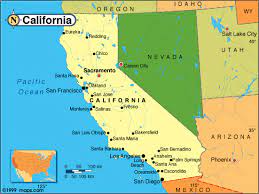
California has a population of nearly 40 million people—and has nearly one-third of the nation’s “homeless” population. The majority of that population consists of hardcore drug addicts, hardcore alcoholics, the mentally ill, and those who refuse to work for a living.
In short: Druggies, Drunks, Mentals and Bums—or DDMBs.
And their numbers are growing much faster in California than in other states, according to an analysis of federal data by the Public Policy Institute of California.
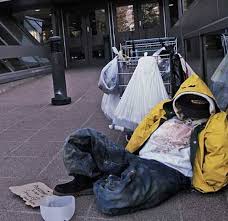
Tent encampments block pedestrians (especially those with canes or in wheelchairs) from walking along sidewalks. And when pedestrians aren’t contending with tents, they’re forced to navigate around empty beer cans, empty wine bottles, piles of human feces, pools of human urine and used hypodermic syringes.
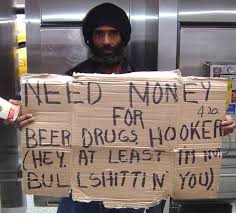
On October 4, 2024, California’s Governor Gavin Newsom awarded $131 million to 18 local communities to to clear homeless encampments and provide shelter, care, and support. It’s projected to help an additional 3,364 people currently living in encampments and permanently house 1,565 people.
But 1,565 is essentially meaningless when the numbers of Untermenschen in California are estimated at 171,000.
And how much has Newsom committed to spend on people who make absolutely no positive contribution to society? More than $27 billion.
The money partially comes from general obligation bonds that go toward construction of “campus-style” facilities along with smaller homes and long-term residential settings.

Gavin Newsom
This is a difficult time for California. The state has an estimated $22.5 billion deficit, with state revenues falling as the stock market slows.
According to the U.S. Census Bureau, California’s total population declined by more than 500,000 between April 2020 and July 2022. California is one of only 18 states that saw its numbers decline and had the fourth biggest drop as a share of its population.
And a major reason for their unhappiness: The state’s intractable “homeless” problem.
Fortunately, the United States Supreme Court has finally supplied at least a partial answer to this problem.
On June 28, 2024, the Court handed down its opinion in City of Grants Pass vs. Johnson. Voting six to three along ideological lines, the Justices empowered cities to enforce laws prohibiting camping and vagrancy.
On September 28, 2018, a three-judge panel of the Ninth Circuit Court of Appeals had issued Martin v. City of Boise. This held that “the Eighth Amendment prohibits the imposition of criminal penalties for sitting, sleeping, or lying outside on public property for homeless individuals who cannot obtain shelter.” People could be evicted only if beds or shelter were available to those who were being evicted.
The Supreme Court’s decision overrules that decision, stating that the Eighth Amendment does not prevent a municipality from evicting homeless people from public spaces.
It’s a win for the small Oregon city of Grants Pass, which brought the case, and dozens of Western cities that needed more enforcement powers as they grappled with record high rates of homelessness. The lower court rulings had prevented them from keeping public spaces open and safe for everyone.
The Court’s ruling makes it easier for communities nationwide to fine, ticket or arrest DDMBs—Druggies, Drunks, Mentals and Bums—who make up 80% of the “homeless.” But it doesn’t force communities to take any specific actions or to actively engage in criminal punishment.
Decades ago, being “homeless” meant you lost your home due to fire, flood or earthquake. For a few weeks or months, you lived with friends or family as you searched for a new residence. Then you resumed your former life as a productive citizen.
Today, being “homeless” means living for years—even decades—on the street. Selling drugs, using drugs, getting drunk, staying drunk, living in filth, refusing treatment for drug and/or alcohol addiction, refusing even shelter from the cold, rain and terrors of street life—these are the realities of most of today’s “homeless” population.
To fully understand the consequences of this, one needs only to look at what this population has done to San Francisco.
In 2022, the San Francisco “homeless” population was officially estimated to be 7,754. Of these, 3,357 were staying in shelter. Many of those who could find shelter refused to make use of it—or were refused entry due to their rampant drug and/or alcohol addictions.
In his 2021 bestseller, San Fransicko: Why Progressives Ruin Cities, author Michael Shellenberger provides the answer.
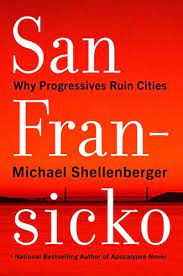
According to its dust jacket:
“Progressives claimed they knew how to solve homelessness, inequality, and crime. But in cities they control, progressives made those problems worse.
“Michael Shellenberger has lived in the San Francisco Bay Area for thirty years. During that time, he advocated for the decriminalization of drugs, affordable housing, and alternatives to jail and prison.
“But as homeless encampments spread, and overdose deaths skyrocketed, Shellenberger decided to take a closer look at the problem. What he discovered shocked him. The problems had grown worse not despite but because of progressive policies.”
2020 PRESIDENTIAL ELECTION, 2024 PRESIDENTIAL ELECTION, ABC NEWS, ALTERNET, ALVIN BRAGG, AMERICABLOG, AP, ARIZONA, BABY BOOMER RESISTANCE, BBC, BEN SASE, BLOOMBERG NEWS, BRAD RAFFENSPERGER, BRIAN KEMP, BUZZFEED, CANADA, CBS NEWS, CHINA, CLASSIFIED DOCUMENTS, CNN, CONFEDERATES, CONSPIRING TO OBSTRUCT JUSTICE, COVID-19, CROOKS AND LIARS, DAILY KOS, DEMOCRATS, DISTRICT OF COLUMBIA, DONALD TRUMP, DUKE OF WELLINGTON, ELECTION FRAUD, ELECTORAL COLLEGE, ELISE STEFANIK, EMOLUMENTS CLAUSE, FANI WILLIS, FBI, FIVETHIRTYEIGHT, FLORIDA, GEORGIA, GREAT BRITAIN, GRETCHEN WHITMER, HARPER’S MAGAZINE, HILLARY CLINTON, HUFFINGTON POST, JACK SMITH, JAMES COMEY, JANUARY 6 COUP ATTEMPT, JEFF SESSIONS, JOSEPH BIDEN, JOSEPH STALIN, jOSH HAWLEY, KEN PAXTON, KEVIN MCCARTHY, KIM JONG-UN, KU KLUX KLAN, LINDSEY GRAHAM, MANHATTAN DISTRICT ATTORNEY'S OFFICE, MAR-A-LAGO, MEDIA MATTERS, MICHIGAN, MIKE KELLY, MIKE PENCE, MINNESOTA, MITCH MCCONNELL, MOTHER JONES, MOVEON, MSNBC, NATO, NAZIS, NBC NEWS, NEVADA, NEW REPUBLIC, NEW YORK, NEW YORK ATTORNEY GENERAL'S OFFICE, NEWSDAY, NEWSWEEK, NORTH KOREA, NPR, NUCLEAR WEAPONS, PBS NEWSHOUR, PENNSYLVANIA, POLITICO, POLITICUSUSA, RAW STORY, REPUBLICANS, REUTERS, ROY BLUNT, RUSSIA, SALON, SEATTLE TIMES, SLATE, STORMY DANIELS, TALKING POINTS MEMO, TEXAS, THE ATLANTIC, THE CHICAGO SUN-TIMES, THE CHICAGO TRIBUNE, THE DAILY BEAST, THE DAILY BLOG, THE GUARDIAN, THE HILL, THE HUFFINGTON POST, THE INTERCEPT, THE LOS ANGELES TIMES, THE NATION, THE NEW REPUBLIC, THE NEW YORK TIMES, THE NEW YORKER, THE VILLAGE VOICE, THE WASHINGTON POST, THINKPROGRESS, TIME, TREASON, TRUTHDIG, TRUTHOUT, TWITTER, U.S. NEWS & WORLD REPORT, UNITED STATE SUPREME COURT, UNITED STATES CONSTITUTION, UNITED STATES DEPARTMENT OF JUSTICE, UNITED STATES HOUSE OF REPRESENTATVES, UNITED STATES SUPREME COURT, UPI, USA TODAY, VIVEK RAMASWAMY, VLADIMIR PUTIN, WISCONSIN, XI JINPING
In Bureaucracy, History, Law, Law Enforcement, Politics, Social commentary on August 24, 2023 at 12:40 am
On December 8 and 10, 2020, the United States Supreme Court refused to hear two cases brought by supporters of President Donald Trump to overturn the results of the 2020 Presidential election.
In the first case, Representative Mike Kelly (R-PA), a Trump ally, argued that Pennsylvania’s 2.5 million mail-in ballots were unconstitutional—and should be invalidated.
In the second case, Texas Attorney General Ken Paxton sought to overturn the results in four battleground states: Georgia, Michigan, Pennsylvania and Wisconsin.
Even worse: Seventeen Republican state Attorney Generals—and 126 Republican members of Congress—rushed to support the case.
The reason: They feared Trump’s fanatical base would turn them out of office if they didn’t.

The Supreme Court
Had the Court acted on either request, the results for democracy would have been catastrophic.
For the first time in American history, a President who falsely accused his victorious rival of fraud would have invalidated the votes of 80 million Americans.
Then, on December 30, Missouri Republican Senator Josh Hawley announced that, on January 6, 2021, he would object to the certification of some states’ Electoral College results. As many as 139 House Republicans and eight from the Senate joined him.
Nebraska Republican Senator Ben Sasse bluntly offered the reason for this effort: ‘”We have a bunch of ambitious politicians who think there’s a quick way to tap into the president’s populist base without doing any real, long-term damage. But they’re wrong—and this issue is bigger than anyone’s personal ambitions.”
Having lost in 59 court cases to overturn the election results, Trump opted for some old-fashioned arm-twisting.
On January 2, 2021, he called the office of Georgia Secretary of State Brad Raffensperger. The reason: To pressure him to “find” enough votes to overturn former Vice President Joe Biden’s win in the state’s presidential election.
“All I want to do is this. I just want to find 11,780 votes, which is one more than we have, because we won the state,” Trump lied.
He even threatened Raffensperger with criminal prosecuted if he did not change the vote count in Trump’s favor: “That’s a criminal offense. And you can’t let that happen.”
Raffensperger insisted there hadn’t been any voter fraud—and refused to change the official results.
By January 6, 2021, President Donald J. Trump had almost run out of options for illegally staying in power for the next four years.
On January 6, the United States Senate, with Vice President Mike Pence presiding, would certify states’ Electoral College results of that election.
That morning, Trump urged Pence to flip the results of the election to give him a win.
Pence replied that he lacked the power to overturn those results.
But as Pence went off to the Capitol Building housing the Senate and House of Representatives, Trump had one last card to play.
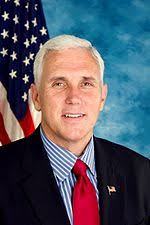
Mike Pence
For weeks Trump had ordered his legions of Right-wing Stormtrumpers to descend on Washington, D.C. on January 6.
On December 20, he had tweeted: “Statistically impossible to have lost the 2020 Election. Big protest in DC on January 6th. Be there, will be wild!”
On January 6, Trump appeared at the Ellipse, a 52-acre park south of the White House fence. A stage had been set up for him to address tens of thousands of his supporters, who eagerly awaited him.
Trump ordered them to march on the Capitol building to express their anger at the voting process and to intimidate their elected officials to reject the results.

Donald Trump addresses his Stormtrumpers
The Stormtrumpers marched to the United States Capitol—and quickly brushed aside Capitol Police, who made little effort to arrest or shoot them.
- Members of the mob attacked police with chemical agents or lead pipes.
- A Capitol Hill police officer was knocked off his feet, dragged into the mob surging toward the building, and beaten with the pole of an American flag.
- One attacker was shot as she forced her way toward the House Chamber where members of Congress were sheltering in place.
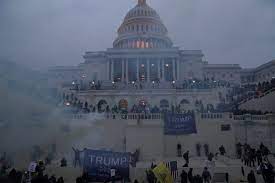

Stormtrumpers attacking the Capitol Building
- Several rioters carried plastic handcuffs, possibly intending to take hostages.
- Others carried treasonous Confederate flags.
- Shouts of “Hang Pence!” often rang out.
- Improvised explosive devices were found in several locations in Washington, D.C.
- Many of the lawmakers’ office buildings were occupied and vandalized—including that of House Speaker Nancy Pelosi, a favorite Right-wing target.
More than three hours passed before police—using riot gear, shields and batons—retook control of the Capitol.
And Trump? After giving his inflammatory speech, he returned to the White House—to watch his handiwork on television. He initially rebuffed requests to mobilize the National Guard.
This required intervention by Pat A. Cipollone, the White House Counsel, among other officials.
While the rioting was still erupting, Trump posted a video on Twitter: “I know you’re hurt. We had an election that was stolen from us….But you have to go home now. We have to have peace. We have to have law and order….So go home. We love you. You’re very special.”
“It was the nearest-run thing you ever saw in your life,” the Duke of Wellington said about the battle of Waterloo.
The same could be said for America’s escaping Donald Trump’s attempt to make himself “President-for-Life.”
2020 PRESIDENTIAL ELECTION, 2024 PRESIDENTIAL ELECTION, ABC NEWS, ALTERNET, ALVIN BRAGG, AMERICABLOG, AP, ARIZONA, BABY BOOMER RESISTANCE, BBC, BEN SASE, BLOOMBERG NEWS, BRAD RAFFENSPERGER, BRIAN KEMP, BUZZFEED, CANADA, CBS NEWS, CHINA, CLASSIFIED DOCUMENTS, CNN, CONFEDERATES, CONSPIRING TO OBSTRUCT JUSTICE, COVID-19, CROOKS AND LIARS, DAILY KOS, DEMOCRATS, DISTRICT OF COLUMBIA, DONALD TRUMP, DUKE OF WELLINGTON, ELECTION FRAUD, ELECTORAL COLLEGE, ELISE STEFANIK, EMOLUMENTS CLAUSE, FANI WILLIS, FBI, FIVETHIRTYEIGHT, FLORIDA, GEORGIA, GREAT BRITAIN, GRETCHEN WHITMER, HARPER’S MAGAZINE, HILLARY CLINTON, HUFFINGTON POST, JACK SMITH, JAMES COMEY, JANUARY 6 COUP ATTEMPT, JEFF SESSIONS, JOSEPH BIDEN, JOSEPH STALIN, jOSH HAWLEY, KEN PAXTON, KEVIN MCCARTHY, KIM JONG-UN, KU KLUX KLAN, LINDSEY GRAHAM, MANHATTAN DISTRICT ATTORNEY'S OFFICE, MAR-A-LAGO, MEDIA MATTERS, MICHIGAN, MIKE KELLY, MIKE PENCE, MINNESOTA, MITCH MCCONNELL, MOTHER JONES, MOVEON, MSNBC, NATO, NAZIS, NBC NEWS, NEVADA, NEW REPUBLIC, NEW YORK, NEW YORK ATTORNEY GENERAL'S OFFICE, NEWSDAY, NEWSWEEK, NORTH KOREA, NPR, NUCLEAR WEAPONS, PBS NEWSHOUR, PENNSYLVANIA, POLITICO, POLITICUSUSA, RAW STORY, REPUBLICANS, REUTERS, ROY BLUNT, RUSSIA, SALON, SEATTLE TIMES, SLATE, STORMY DANIELS, TALKING POINTS MEMO, TEXAS, THE ATLANTIC, THE CHICAGO SUN-TIMES, THE CHICAGO TRIBUNE, THE DAILY BEAST, THE DAILY BLOG, THE GUARDIAN, THE HILL, THE HUFFINGTON POST, THE INTERCEPT, THE LOS ANGELES TIMES, THE NATION, THE NEW REPUBLIC, THE NEW YORK TIMES, THE NEW YORKER, THE VILLAGE VOICE, THE WASHINGTON POST, THINKPROGRESS, TIME, TREASON, TRUTHDIG, TRUTHOUT, TWITTER, U.S. NEWS & WORLD REPORT, UNITED STATE SUPREME COURT, UNITED STATES CONSTITUTION, UNITED STATES DEPARTMENT OF JUSTICE, UNITED STATES HOUSE OF REPRESENTATVES, UNITED STATES SUPREME COURT, UPI, USA TODAY, VIVEK RAMASWAMY, VLADIMIR PUTIN, WISCONSIN, XI JINPING
In Bureaucracy, History, Law, Law Enforcement, Politics, Social commentary on August 23, 2023 at 1:05 am
On November 3, 2020, Joe Biden became President-elect of the United States by winning 81,283,495 votes, or 51.4% of the vote, compared to 74,223,755 votes, or 46.9% of the vote cast for President Donald Trump.
In the Electoral College—which actually determines the winner—the results were even more stunning: 306 votes for Biden, compared with 232 for Trump.
It takes 270 votes to be declared the victor.
From the moment Biden was declared the winner, Trump set out to overturn that verdict.
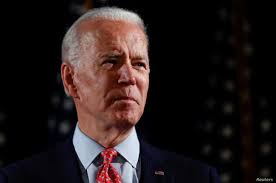
Joe Biden
Speaking from the White House in the early hours of November 4, Trump sounded like a petulant child whose planned outing has been suddenly called off:
“We were getting ready for a big celebration, we were winning everything and all of a sudden it was just called off. The results tonight have been phenomenal…I mean literally we were just all set to get outside and just celebrate something that was so beautiful, so good, such a vote, such a success.”
For the first time in American history, a President demanded a halt to the counting of votes while the outcome of an election hung in doubt.
States ignored his demand and kept counting.
Next, Trump ordered his attorneys to file lawsuits to overturn the election results, charging electoral fraud. Specifically:
- Illegal aliens had been allowed to vote.
- Trump ballots were systematically destroyed.
- A sinister computer program turned Trump votes into Biden ones.
Throughout November and December, cases were filed in Wisconsin, Arizona, Nevada, Michigan, Minnesota and Georgia challenging the election results. None were supported by evidence of fraud—as even Trump’s lawyers admitted when questioned by judges.
On November 13, nine cases meant to attack President-Elect Joe Biden’s win in key states were denied or dropped. A law firm challenging the vote count in Pennsylvania withdrew from the effort.
In Michigan, Trump’s attorneys dropped their federal suit to block the certification of Detroit-area ballots.
By November 21, more than 30 cases were withdrawn by Trump’s attorneys or dismissed by Federal judges—some of them appointed by Trump himself.
Ultimately, from November 3 to December 14, 2020, Trump and his allies lost 59 times in court, either withdrawing cases or having them dismissed by Federal and state judges.
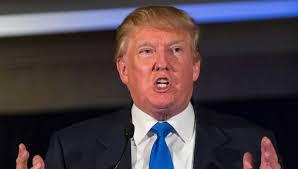
Donald Trump
On November 19, losing in the courts, Trump invited two Republican legislative leaders from Michigan to the White House. The reason: To persuade them to stop the state from certifying the vote.
The Michigan legislators said they would follow the law.
On December 5, Trump called Georgia Governor Brian Kemp and asked him to call a special legislative session and convince state legislators to select their own electors that would support him, thus overturning Biden’s win.
Kemp refused, saying he lacked the authority to do so.
On December 8, the Supreme Court refused to hear Trump’s bid to reverse Pennsylvania’s certification of Biden’s victory. Representative Mike Kelly (R-PA), a Trump ally, argued that the state’s 2.5 million mail-in votes were unconstitutional.
The Court’s order read, “The application for injunctive relief presented to Justice [Samuel] Alito and by him referred to the Court is denied.”
Although Trump had appointed three of the Court’s Justices, not one of them dissented.
On December 10, the Supreme Court refused to let a Texas lawsuit overturn the results in four battleground states: Georgia, Michigan, Pennsylvania and Wisconsin.
The majority of their votes—cast for Biden—were critical to Trump’s defeat.
“Texas has not demonstrated a judicially cognizable interest in the manner in which another state conducts its elections,” the court said without further comment. It dismissed all other related claims as moot.
The request for their overturning came in a lawsuit brought by Texas Attorney General Ken Paxton. A Trump ally, Paxton has been indicted on felony securities fraud charges. He might have been seeking a Presidential pardon as reward for his effort.
Seventeen Republican state Attorney Generals—and 126 Republican members of Congress—supported the lawsuit. They feared Trump’s fanatical base would “primary” them if they didn’t publicly declare their loyalty—to a man they knew was slated to leave office within two months.
Had the Court acted on Paxton’s request, the results for democracy would have been catastrophic.
“Texas seeks to invalidate elections in four states for yielding results with which it disagrees,” Pennsylvania Attorney General Josh Shapiro told the justices in legal papers. “Its request for this court to exercise its original jurisdiction and then anoint Texas’s preferred candidate for president is legally indefensible and is an affront to principles of constitutional democracy.”
Meanwhile, top Republicans—such as Vice President Mike Pence, Missouri United States Senator Roy Blunt and Senate Majority Leader Mitch McConnell—refused to congratulate Biden as the winner.

Mitch McConnell
In fact, the vast majority of House and Senate Republicans refused to publicly acknowledge Biden as President-Elect of the United States. The reason: They were still in thrall to Trump’s fanatical base.
They feared that if they broke with the soon-to-be-ex-President, they would be voted out of office at the next election—and lose their cozy positions and the power and perks that come with them.
2020 PRESIDENTIAL ELECTION, 2024 PRESIDENTIAL ELECTION, ABC NEWS, ALTERNET, ALVIN BRAGG, AMERICABLOG, AP, ARIZONA, BABY BOOMER RESISTANCE, BBC, BEN SASE, BLOOMBERG NEWS, BRAD RAFFENSPERGER, BRIAN KEMP, BUZZFEED, CANADA, CBS NEWS, CHINA, CLASSIFIED DOCUMENTS, CNN, CONFEDERATES, CONSPIRING TO OBSTRUCT JUSTICE, COVID-19, CROOKS AND LIARS, DAILY KOS, DEMOCRATS, DISTRICT OF COLUMBIA, DONALD TRUMP, DUKE OF WELLINGTON, ELECTION FRAUD, ELECTORAL COLLEGE, ELISE STEFANIK, EMOLUMENTS CLAUSE, FANI WILLIS, FBI, FIVETHIRTYEIGHT, FLORIDA, GEORGIA, GREAT BRITAIN, GRETCHEN WHITMER, HARPER’S MAGAZINE, HILLARY CLINTON, HUFFINGTON POST, JACK SMITH, JAMES COMEY, JANUARY 6 COUP ATTEMPT, JEFF SESSIONS, JOSEPH BIDEN, JOSEPH STALIN, jOSH HAWLEY, KEN PAXTON, KEVIN MCCARTHY, KIM JONG-UN, KU KLUX KLAN, LINDSEY GRAHAM, MANHATTAN DISTRICT ATTORNEY'S OFFICE, MAR-A-LAGO, MEDIA MATTERS, MICHIGAN, MIKE KELLY, MIKE PENCE, MINNESOTA, MITCH MCCONNELL, MOTHER JONES, MOVEON, MSNBC, NATO, NAZIS, NBC NEWS, NEVADA, NEW REPUBLIC, NEW YORK, NEW YORK ATTORNEY GENERAL'S OFFICE, NEWSDAY, NEWSWEEK, NORTH KOREA, NPR, NUCLEAR WEAPONS, PBS NEWSHOUR, PENNSYLVANIA, POLITICO, POLITICUSUSA, RAW STORY, REPUBLICANS, REUTERS, ROY BLUNT, RUSSIA, SALON, SEATTLE TIMES, SLATE, STORMY DANIELS, TALKING POINTS MEMO, TEXAS, THE ATLANTIC, THE CHICAGO SUN-TIMES, THE CHICAGO TRIBUNE, THE DAILY BEAST, THE DAILY BLOG, THE GUARDIAN, THE HILL, THE HUFFINGTON POST, THE INTERCEPT, THE LOS ANGELES TIMES, THE NATION, THE NEW REPUBLIC, THE NEW YORK TIMES, THE NEW YORKER, THE VILLAGE VOICE, THE WASHINGTON POST, THINKPROGRESS, TIME, TREASON, TRUTHDIG, TRUTHOUT, TWITTER, U.S. NEWS & WORLD REPORT, UNITED STATE SUPREME COURT, UNITED STATES CONSTITUTION, UNITED STATES DEPARTMENT OF JUSTICE, UNITED STATES HOUSE OF REPRESENTATVES, UNITED STATES SUPREME COURT, UPI, USA TODAY, VIVEK RAMASWAMY, VLADIMIR PUTIN, WISCONSIN, XI JINPING
In Bureaucracy, History, Law, Law Enforcement, Politics, Social commentary on August 22, 2023 at 12:12 am
On August 14, for the fourth time this year, Donald Trump found himself the first ex-President to be indicted for crimes committed during his four-year administration: 2017-2021.
He faces 91 criminal charges across four jurisdictions: Georgia, Florida, New York and the District of Columbia.
Two of those cases have already been mentioned. Here is a breakdown of the remaining two:
(3) Federal documents indictment (Florida)
Filed on June 9, 2023, it charges Trump with 40 felony counts for:
- 32 counts of willful retention of national defense information;
- 1 count of conspiracy to obstruct justice;
- 1 count of withholding a document or record from an official proceeding;
- 1 count of corruptly concealing a document or record from an official proceeding;
- 1 count of concealing a document in a federal investigation;
- 1 count of scheming to conceal information the government is seeking;
- 1 count of making false statements;
- 2 counts of altering, destroying or concealing information the government is seeking.
Before leaving office, Trump endangered the country’s national security by taking and haphazardly storing highly classified documents at his Mar-a-Lago estate in Palm Beach, Florida.
He then refused to return them when asked by the Justice Department—forcing the agency to send in an FBI force to retrieve them.
(4) Georgia election indictment
Filed on August 14, 2023, it charges Trump with 13 felony counts for:
- 1 count of violating the Georgia RICO (Racketeer Influenced and Corrupt Organizations) Act (conspiring to overturn the vote count of the 2020 Presidential election);
- 3 counts of solicitation of violation of oath by a public officer;
- 1 count of conspiracy to commit impersonating a public officer;
- 2 counts of conspiracy to commit forgery;
- 2 counts of conspiracy to commit false statements and writings;
- 1 count of conspiracy to commit filing false documents;
- 1 count of filing false documents;
- 2 counts of making false statements and writings.
This is on a par with the importance of the Federal 2020 election indictment. Trump was trying to illegally remain in office by coercing Georgia public officials to “find” Electoral College votes which did not exist.
Which, in this case, meant creating Electoral College votes which did not exist.
Meanwhile, the vast majority of Republicans have abandoned their traditional “law and order” mantra to attack those investigators and prosecutors who are trying to hold Trump accountable for his litany of crimes.
Speaker of the House Kevin McCarthy: “Justice should be blind, but Biden has weaponized government against his leading political opponent to interfere in the 2024 election.”
Referring to Fanni Willis, the district attorney of Fulton County, Georgia, who indicted Trump for election interference, McCarthy said: “Now a radical [district attorney] in Georgia is following Biden’s lead by attacking President Trump and using it to fundraise her political career. Americans see through this desperate sham.”
Republicans have proven themselves masters of projecting their own planned or attempted crimes onto their opponents.
Since it was Trump who weaponized the Justice Department during his Presidency, Republicans now accuse—without evidence—President Joe Biden of doing the same.

Kevin McCarthy
New York Republican Congresswoman Elise Stefanik: “[Donald Trump] had every legal right to challenge the results of the election. This blatant election interference by the far left will not work, President Trump will defeat these bogus charges and win back the White House in 2024.”
Trump did in fact have “every right to challenge the results of the election.” What he did not have was the right to try to illegally overturn its verdict.
South Carolina Republican Senator Lindsey Graham: “The American people can decide whether they want [Trump] to be president or not.
“This should be decided at the ballot box and not in a bunch of liberal jurisdictions trying to put the man in jail. They’re weaponizing the law in this country. They’re trying to take Donald Trump down.”
Biotech entrepreneur and Presidential candidate Vivek Ramaswamy: “I’d volunteer to write the amicus brief to the court myself. Prosecutors should not be deciding US presidential elections, and if they’re so overzealous that they commit constitutional violations, then the cases should be thrown out and they should be held accountable.”
During the 2016 Presidential race between Trump and former Secretary of State Hillary Clinton, Trump repeatedly called for her to be “locked up” for using a private email server for official public communications.
She was accused of endangering national security by not using official State Department email accounts maintained on federal servers. A years-long FBI investigation determined that Clinton’s server did not contain any information or emails that were clearly marked classified.

Hillary Clinton
Now, faced with overwhelming evidence that Trump’s behavior had posed threats to American democracy, Republicans are adhering to a double-standard to ignore his multiple crimes.
Among Republican voters, Trump remains the odds-on favorite for the 2024 Republican nomination for President.
A major reason for this: Since Trump lost the 2020 Presidential election, he has repeatedly lied that he was actually the winner—and was cheated of victory.
He began repeating what CNN and other news sources have termed “The Big Lie” on the night of November 3, 2020.
Joe Biden had become President-elect of the United States by winning 81,283,495 votes, or 51.4% of the vote, compared to 74,223,755 votes, or 46.9% of the vote cast for President Donald Trump.
In the Electoral College—which actually determines the winner—the results were even more stunning: 306 votes for Biden, compared with 232 for Trump.
2020 PRESIDENTIAL ELECTION, 2024 PRESIDENTIAL ELECTION, ABC NEWS, ALTERNET, ALVIN BRAGG, AMERICABLOG, AP, ARIZONA, BABY BOOMER RESISTANCE, BBC, BEN SASE, BLOOMBERG NEWS, BRAD RAFFENSPERGER, BRIAN KEMP, BUZZFEED, CANADA, CBS NEWS, CHINA, CLASSIFIED DOCUMENTS, CNN, CONFEDERATES, CONSPIRING TO OBSTRUCT JUSTICE, COVID-19, CROOKS AND LIARS, DAILY KOS, DEMOCRATS, DISTRICT OF COLUMBIA, DONALD TRUMP, DUKE OF WELLINGTON, ELECTION FRAUD, ELECTORAL COLLEGE, ELISE STEFANIK, EMOLUMENTS CLAUSE, FANI WILLIS, FBI, FIVETHIRTYEIGHT, FLORIDA, GEORGIA, GREAT BRITAIN, GRETCHEN WHITMER, HARPER’S MAGAZINE, HILLARY CLINTON, HUFFINGTON POST, JACK SMITH, JAMES COMEY, JANUARY 6 COUP ATTEMPT, JEFF SESSIONS, JOSEPH BIDEN, JOSEPH STALIN, jOSH HAWLEY, KEN PAXTON, KEVIN MCCARTHY, KIM JONG UN, KIM JONG-UN, KU KLUX KLAN, LINDSEY GRAHAM, MANHATTAN DISTRICT ATTORNEY'S OFFICE, MAR-A-LAGO, MEDIA MATTERS, MICHIGAN, MIKE KELLY, MIKE PENCE, MINNESOTA, MITCH MCCONNELL, MOTHER JONES, MOVEON, MSNBC, NATO, NAZIS, NBC NEWS, NEVADA, NEW REPUBLIC, NEW YORK, NEW YORK ATTORNEY GENERAL'S OFFICE, NEWSDAY, NEWSWEEK, NORTH KOREA, NPR, NUCLEAR WEAPONS, PBS NEWSHOUR, PENNSYLVANIA, POLITICO, POLITICUSUSA, RAW STORY, REPUBLICANS, REUTERS, ROY BLUNT, RUSSIA, SALON, SEATTLE TIMES, SLATE, STORMY DANIELS, TALKING POINTS MEMO, TEXAS, THE ATLANTIC, THE CHICAGO SUN-TIMES, THE CHICAGO TRIBUNE, THE DAILY BEAST, THE DAILY BLOG, THE GUARDIAN, THE HILL, THE HUFFINGTON POST, THE INTERCEPT, THE LOS ANGELES TIMES, THE NATION, THE NEW REPUBLIC, THE NEW YORK TIMES, THE NEW YORKER, THE VILLAGE VOICE, THE WASHINGTON POST, THINKPROGRESS, TIME, TREASON, TRUTHDIG, TRUTHOUT, TWITTER, U.S. NEWS & WORLD REPORT, UNITED STATE SUPREME COURT, UNITED STATES CONSTITUTION, UNITED STATES DEPARTMENT OF JUSTICE, UNITED STATES HOUSE OF REPRESENTATVES, UNITED STATES SUPREME COURT, UPI, USA TODAY, VIVEK RAMASWAMY, VLADIMIR PUTIN, WISCONSIN, XI JINPING
In Bureaucracy, History, Law, Law Enforcement, Politics, Social commentary on August 21, 2023 at 1:02 am
As President of the United States, Donald Trump was guilty of the following offenses, if not actual crimes:
- Repeatedly and viciously attacking the nation’s free press for daring to report his growing list of crimes and disasters, calling it “the enemy of the American people”—a phrase popularized by Soviet dictator Joseph Stalin.
- Publicly siding with Russian dictator Vladimir Putin against American Intelligence agencies—such as the FBI, CIA and National Security Agency—which unanimously agreed that Russia had interfered with the 2016 Presidential election.
- Praising Nazis and Ku Klux Klansmen.
- Repeatedly and enthusiastically defending Vladimir Putin, the dictator of Russia, America’s mortal enemy.
- Praising Chinese dictator Xi Jinping and North Korean dictator Kim Jong-Un.

- Using his position as President to further enrich himself, in violation of the Emoluments Clause of the Constitution.
- Attacking and alienating America’s oldest allies, such as Canada and Great Britain.
- Firing FBI Director James Comey for refusing to pledge his personal loyalty to Trump—and continuing to investigate Russian subversion of the 2016 election.
- Repeatedly attacking his own Attorney General, Jeff Sessions, for not “protecting” him from agents pursuing the Russia investigation—and firing him on November 7, 2018, the day after Democrats won a majority of House seats.
- Shutting down the Federal Government on December 22, 2018, because Democrats refused to fund his “border wall” between the United States and Mexico. An estimated 380,000 government employees were furloughed and another 420,000 were ordered to work without pay.
- Attempting to fire Independent Counsel Robert Mueller III—but was talked out of it because he feared impeachment.

Donald Trump
- Giving highly classified CIA Intelligence to Russian Foreign Minister Sergey Lavrov and Russian Ambassador Sergey Kislyak. Specifically: How Islamic State terrorists planned to turn laptops into concealable bombs.
- Repeatedly attacking Michigan Democratic Governor Gretchen Whitmer—after she had been targeted for kidnapping and execution by Trump’s Right-wing followers.
- Paying—on December 10, 2019–$2 million to eight charities as part of a settlement where he admitted to misusing funds raised by the Donald J. Trump Foundation. These had been used to promote his presidential bid and pay off business debts. (It’s illegal for charitable foundations to advance the self-interests of their executives.)
- Allowing a deadly virus to ravage the country, infecting (to date) 9.2 million Americans and killing more than 400,000.
- Attacking medical experts and governors who urged Americans to wear masks and socially distance to protect themselves from COVID-19.
- Urging his followers to illegally vote twice for him in the 2020 Presidential election.
- Firing Chris Krebs, the director of the Cybersecurity and Infrastructure Security Agency, for rejecting Trump’s false claims of widespread voter fraud in the 2020 Presidential election.
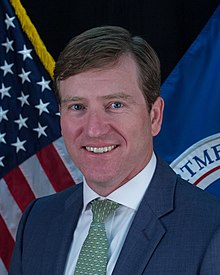
Chris Krebs
- Refusing to accept the will of 80,117,438 voters who made former Vice President Joe Biden President-elect of the United States.
- Illegally trying to pressure state legislatures and governors to stop the certification of the vote that had made Biden the President-elect.
- Inciting his followers to attack the Capitol Building where Senators and Representatives were meeting on January 6, 2021, to count the Electoral Votes won by himself and Joe Biden. His objective: Stop the count, which he knew would prove him the loser.
One might think that record of infamy would deter most men from seeking a second term in any office—let alone the most revered office in the country: The Presidency.
Yet, as Trump himself has warned: “I’m a different kind of person.”
And he most definitely is.
On August 14, for the fourth time this year, he found himself the first ex-President to be indicted for crimes committed during his four-year administration: 2017-2021.
Trump faces 91 criminal charges across four jurisdictions: Georgia, Florida, New York and the District of Columbia.
Here is a breakdown of the cases:
(1) Federal 2020 Election indictment (District of Columbia)
Filed on August 1, 2023, it charges Trump with four felony counts for:
- Conspiracy to defraud the United States (trying to overturn the results of the 2020 Presidential election);
- Conspiracy to obstruct an official proceeding (plotting to prevent the 2020 election certification);
- Obstruction of and attempt to obstruct an official proceeding (blocking the certification of the 2020 election results; and
- Conspiracy against rights (plotting to deprive voters of the constitutional right to vote).
This is by far the most important case facing him, because Trump sought to deny American voters the right to vote for the Presidential candidate of their choice.
If he beats the rap, it will alert every future would-be dictator: “Trump got away with it; you can, too.”
(2) New York State indictment
Filed on April 4, 2023, it charges Trump with 34 felony counts for:
- Falsifying business records to cover up the hush money payments to porn “actress” Stormy Daniels.
The reason: To buy her silence during the 2016 Presidential race so she wouldn’t go public about their 2006 affair.
Of the four indictments he faces, this is by far the least important, with no comparison to the cases he faces in Florida, Georgia and the District of Columbia.
ABC NEWS, ABORTION, ALTERNET, AMERICABLOG, AP, BABY BOOMER RESISTANCE, BBC, BLOOMBERG NEWS, BROWN V. BOARD OF EDUCATION OF TOPEKA, BUZZFEED, CBS NEWS, CNN, CROOKS AND LIARS, DAILY KOZ, FACEBOOK, FIVETHIRTYEIGHT, GAMBLING, HARPER’S MAGAZINE, HUFFINGTON POST, INDIAN RESERVATIONS, MEDIA MATTERS, MOTHER JONES, MOVEON, MSNBC, NBC NEWS, NEW REPUBLIC, NEWSDAY, NEWSWEEK, NPR, PBS NEWSHOUR, POLITICO, POLITICUSUSA, RAW STORY, REUTERS, ROE V. WADE, SALON, SAMUEL ALITO, SEATTLE TIMES, SLATE, SOVEREIGN NATIONS, TALKING POINTS MEMO, THE ATLANTIC, THE CHICAGO SUN-TIMES, THE CHICAGO TRIBUNE, THE DAILY BEAST, THE DAILY BLOG, THE GUARDIAN, THE HILL, THE HUFFINGTON POST, THE INTERCEPT, THE LOS ANGELES TIMES, THE NATION, THE NEW REPUBLIC, THE NEW YORK TIMES, THE NEW YORKER, THE VILLAGE VOICE, THE WASHINGTON POST, THINKPROGRESS, TIME, TRUTHDIG, TRUTHOUT, TWITTER, TWO POLITICAL JUNKIES, U.S. NEWS & WORLD REPORT, UNITED STATE SUPREME COURT, UNITED STATES CONSTITUTION, UPI, USA TODAY, WONKETTE
In Bureaucracy, Business, History, Law, Law Enforcement, Medical, Politics, Social commentary on June 28, 2022 at 12:10 am
On June 24, the Supreme Court did what millions of Right-wing Americans had wanted it to do for 49 years: Strike down Roe v. Wade, holding there is no longer a Constitutional right to abortion.
The opinion was the one that almost every American recognized, and set a huge precedent for revoking a right that had been enshrined in law since 1973.
It will unleash seismic changes in the United States unseen since, on May 17, 1954, the Court declared segregation illegal in Brown v. Board of Education of Topeka.
From now on, abortion rights will be determined by states. Half of these have already passed or will soon pass laws that ban abortion. Other states have enacted measures strictly regulating under what circumstances it can be legally performed.
Still other states have moved to strengthen their laws allowing the procedure.
“Roe was egregiously wrong from the start,” Justice Samuel Alito wrote in his majority opinion. “Its reasoning was exceptionally weak, and the decision has had damaging consequences. And far from bringing about a national settlement of the abortion issue, Roe and Casey have enflamed debate and deepened division.”
The Supreme Court
Actually, it was not Roe that “enflamed debate and deepened divisions” but the nearly 50-year campaign by the (largely Christian) Right to deny women control of their bodies.
For abortion foes, the Millennium has arrived. For its defenders, the United States has entered a new Dark Ages. Yet the war over abortion may well be far from over.
The states certain to ban or severely restrict the right to abortion are: Alabama, Arizona, Arkansas, Florida, Georgia, Idaho, Iowa, Kentucky, Louisiana, Michigan, Mississippi, Missouri, New Hampshire, North Carolina, North Dakota, Ohio, Oklahoma, South Dakota, Tennessee, Texas, Utah, West Virginia, Wisconsin, Wyoming.
Those states guaranteeing a woman’s right to abortion: California, Colorado, Connecticut, Delaware, Hawaii, Illinois, Kansas, Maine, Maryland, Massachusetts, Minnesota, Montana, Nevada, New Jersey, New York, Oregon, Rhode Island, Vermont, Washington.
The following states do not ban or protect the right to abortion in their constitution: Indiana, Nebraska, New Mexico, Pennsylvania, South Carolina, Virginia.
At present, both abortion supporters and opponents assume that:
- Women seeking abortion in states where it is banned will have to flee to states where it is legally allowed; and
- Those states where it is banned will aggressively try to prevent those women from leaving to obtain an abortion, or punish them when they return.
Both of these assumptions—in many cases—may turn out to be wrong.
Why?
Because they both leave out the wild card in this ongoing war over reproductive rights: The 326 Indian reservations in the United States.

A Bureau of Indian Affairs map of Indian reservations belonging to federally recognized tribes in the continental United States
Reservations exist in states that ban abortion—and in those that permit it. For women seeking abortions in states where it is banned, these reservations may play a pivotal role in their ability to obtain that service.
The reason: The United States Constitution recognizes that tribal nations are sovereign governments, just like Canada or California.
That means that tribal governments can determine their own governance structures, pass laws, and enforce laws through police departments and tribal courts.
There are Indian reservations in the following states that will ban or severely restrict the right to abortion: Arizona, Florida, Idaho, Iowa, Louisiana, Michigan, Mississippi, North Dakota, South Dakota, Utah, Wisconsin, Wyoming.
Consider the implications of this for abortion-banning states:
- Arizona has 18 Indian reservations. One spans into Utah.
- Colorado has two, one of which spreads into Utah.
- Florida has two.
- Idaho has eight.
- Louisiana has three.
- Michigan has seven.
- Mississippi has one.
- Nevada has two which spread into Idaho and Utah..
- North Dakota has six.
- South Dakota has ten.
- Utah has seven.
A foretaste of what may be coming can be glimpsed in the history of gambling (euphemistically called “Indian gaming”) on Indian reservations.
The first Indian casino was built in Florida by the Seminole tribe, which opened a successful high-stakes bingo parlor in 1979. Other tribes quickly followed suit, and by 2000 more than 150 tribes in 24 states had opened casino or bingo operations on their reservations.
By 2005, annual revenues had reached more than $22 billion, and Indian gambling accounted for about 25% of all legal gambling receipts in the United States.
Millions of women are now threatened with forced pregnancy. And many lack the money to travel out-of-state to obtain an abortion. Thus, they will have strong incentive to travel within their home states—so long as there is an abortion-providing clinic on a nearby Indian reservations.
And there will be enormous financial incentives for reservations to provide such services.
Estimates of the number of illegal abortions in the 1950s and 1960s range between 200,000 and 1.2 million. Thanks to five Right-wing Supreme Court Justices, there will be no shortage of candidates for this procedure.
And the Constitutional status of Indian reservations as sovereign nations will protect clinics operating on their lands.
Of course, some states are moving aggressively to punish women who leave their borders to seek abortion elsewhere.
That is a topic to be dealt with in an upcoming column.
 Bureaucracybuster's Blog
ABC NEWS, ALCOHOLISM, ALTERNET, AMERICABLOG, AP, BABY BOOMER RESISTANCE, BBC, BLOOMBERG NEWS, BUMS, BUZZFEED, CBS NEWS, CITY OF GRANTS PASS V. JOHNSON, CNN, COVID-19, CROOKS AND LIARS, CVS, DAILY KOS, DRUG ADDICTION, FIVETHIRTYEIGHT, FRANKLIN D. ROOSEVELT, GAVIN NEWSOM, HARPER’S MAGAZINE, HOMELESSNESS, HUFFINGTON POST, IPS SECURITY, JOSEPH STALIN, LOS ANGELES, MEDIA MATTERS, MENTAL ILLNESS, MICHAEL SHELLENBERGER, MOTHER JONES, MOVEON, MSNBC, NAVIGATION CENTERS, NBC NEWS, NEIL GORSUCH, NEW REPUBLIC, NEWSDAY, NEWSWEEK, NPR, ORACLE, PBS NEWSHOUR, POLITICO, POLITICUSUSA, PORTLAND, PROPOSITION 36, RAW STORY, REUTERS, SALON, SAN FRANCISCO, SAN FRANCISCO BOARD OF SUPERVISORS, SAN FRANCISCO MAYOR'S OFFICE, SAN FRANSICKO: WHY PROGRESSIVES RUIN CITIES (BOOK), SEATLE, SEATTLE TIMES, SLATE, TALKING POINTS MEMO, THE ATLANTIC, THE CHICAGO SUN-TIMES, THE CHICAGO TRIBUNE, THE DAILY BEAST, THE DAILY BLOG, THE GUARDIAN, THE HILL, THE HUFFINGTON POST, THE INTERCEPT, THE LOS ANGELES TIMES, THE NATION, THE NEW REPUBLIC, THE NEW YORK TIMES, THE NEW YORKER, THE VILLAGE VOICE, THE WASHINGTON POST, THINKPROGRESS, TIME, TRUTHDIG, TRUTHOUT, U.S. NEWS & WORLD REPORT, UNITED STATE SUPREME COURT, UPI, USA TODAY, VMWARE, WALGREENS, X
UNTERS, AWAY!–PART THREE (OF FOUR)
In Bureaucracy, Business, History, Law, Law Enforcement, Medical, Politics, Social commentary on April 21, 2025 at 12:06 amRun by the San Francisco Department of Public Health (DPH), the COVID-19 Alternative Housing Program provides a host of amenities to drug addicts, alcoholics, the mentally ill and parasitic thieves and scammers.
Otherwise known as Untermenschen, the German word for “subhumans.”
Or Unters, for short.
It works in two stages:
Stage 1: Move the “homeless” into the city’s hotels—at city expense.
Stage 2: Provide them with not only free food and shelter but free alcohol, cannabis, and cigarettes.
“Managed alcohol and tobacco use makes it possible to increase the number of guests who stay in isolation and quarantine and, notably, protects the health of people who might otherwise need hospital care for life-threatening alcohol withdrawal,” says DPH spokeswoman Jenna Lane.
A typical cockroach scene
Notice the word “guests.” As if San Francisco—or any city—should welcome hordes of drug addicts, alcoholics, mentally ill and outright bums as assets to its community.
“Many isolation and quarantine guests tell us they use these substances daily,” says Lane, “and this period in our care has allowed some people to connect for the first time with addiction treatment and harm reduction therapy.”
DPH said in a statement that these “guests” are screened for substance addictions and asked if they’d like to stop or have support to reduce their use.
If they say they want to remain alcoholics and/or drug addicts, they’re provided with their substance of choice.
The department also provides methadone for “guests” who are addicted to opioids.
DPH staffers have helped people buy “medical marijuana,” the agency told local affiliate ABC7.
But the agency doesn’t “facilitate purchases of recreational cannabis,” according to the San Francisco Chronicle’s website, SFGate.
A typical San Francisco scene: Unters’ tents in front of City Hall
When they’re not swallowing alcohol or injecting, swallowing or sniffing drugs, many of San Francisco’s “guests” spend a lot of their time ripping off retail stores.
Walgreens drug stores have proven a particular target for these DDMBs—Druggies, Drunks, Mentals and Bums—the four groups that make up 90% of the “homeless” population.
“I feel sorry for the clerks, they are regularly being verbally assaulted,” a regular customer, Sebastian Luke, told the San Francisco Chronicle.
“The clerks say there is nothing they can do. They say Walgreens’ policy is to not get involved. They don’t want anyone getting injured or getting sued, so the guys just keep coming in and taking whatever they want.”
“Retail theft across our San Francisco stores has continued to increase in the past few months to five times our chain average,” Walgreens spokesman Phil Caruso told the Chronicle.
“During this time to help combat this issue, we increased our investments in security measures in stores across the city to 46 times our chain average in an effort to provide a safe environment.”
As a result, Walgreens has closed at least 22 stores in San Francisco since 2019.
One store in the San Francisco area reportedly lost $1,000 a day to theft.
CVS Pharmacy has instructed its employees to not intervene because the thieves so often attack them.
Many shoplifters then sell their stolen goods on the street—often near the store where they stole them.
Until December, 2024, theft under $950 was considered a misdemeanor. Many prosecutors chose to free those charged rather than holding them in jail. The maximum sentence they could get: Six months.
In November, 2024, voters overwhelmingly approved Proposition 36, which stiffened penalties for shoplifting. Thieves can now get up to three years in jail or prison if they’ve been twice convicted for certain theft offenses.
Low-income and disabled seniors who depend on these disappearing drug stores for prescriptions are especially at risk.
Some stores in the city are refusing to let themselves be ripped off.
Target’s largest store, at Geary and Masonic, is guarded by armed security from IPS. Its officers wear dark green uniforms resembling those of sheriff’s deputies and carry .40 caliber automatics.
They are unfailingly courteous—but don’t hesitate to restrain anyone who poses a threat to customers or is apparently stealing merchandise.
Of course, corporations aren’t in business to lose money. So costs for such security are passed on to customers.
Many DDMBs refuse to enter the city’s available shelters. Some claim these places are dangerous—understandably so, since they’re peopled with drug addicts, alcoholics, mentally ill and outright bums.
But another reason why many of these shelters go unused is: They don’t allow their “guests” to drink up or drug up.
The city makes no effort to force DDMBs to shut down their tent encampments that block sidewalks and pose a threat to public health through their accompanying feces, urine and used hypodermic needles.
If a citizen complains about a DDMB blocking a sidewalk, police may ask him to enter a shelter. But if he refuses, he’s simply left where he is. Thus, the “rights” of DDMBs take precedence over the rights of tax-paying San Franciscans.
The latest wrinkle in San Francisco’s “be kind to Untermenschen“ campaign is the creation of “Navigation Centers.” These are essentially holding pens for DDMBs until they can be “navigated” to permanent housing.
Share this: