Posts Tagged ‘UKRAINE’
"MISSION: IMPOSSIBLE", 2016 PRESIDENTIAL ELECTION, 9/11, ABC NEWS, ALTERNET, AMERICABLOG, AP, AUGUSTO PINOCHET, AUGUSTO SANDINO, AYATOLLAH RUHOLLAH KHOMEINI, BABY BOOMER RESISTANCE, BAY OF PIGS, BUZZFEED, CBS NEWS, CHIANG KAI-SHEK, CHILE, CIA, CNN, CROOKS AND LIARS, CUBA, DAILY KOZ, DONALD TRUMP, DWIGHT D. EISENHOWER, FACEBOOK, FBI, FIDEL CASTRO, FIVETHIRTYEIGHT, FULGENCIO BATISTA, GEORGE W. BUSH, GUATEMALA, HAITI, HONODURAS, IRAQ, JACOBO ARBENZ, JOHN F. KENNEDY, MAFIA, MAO TSE-TUNG, MOHAMMAD MOSADDEGH, MOHAMMAD-REZA SHAH PHLAVI, MOTHER JONES, MOVEON, MSNBC, NATIONAL SECURITY AGENCY, NBC NEWS, NEWSWEEK, NICARAGUA, NPR, OSAMA BIN LADEN, PBS NEWSHOUR, POLITICO, POLITICUSUSA, RAW STORY, REUTERS, RICHARD M. NIXON, RUSSIA, SADDAM HUSSEIN, SALON, SALVADOR ALLENDE, SEATTLE TIMES, SLATE, SOVIET UNION, TALKING POINTS MEMO, THE ATLANTIC, THE CHICAGO SUN-TIMES, THE CHICAGO TRIBUNE, THE DAILY BEAST, THE DAILY BLOG, THE GUARDIAN, THE HILL, THE HUFFINGTON POST, THE LOS ANGELES TIMES, THE NATION, THE NEW YORK TIMES, THE WASHINGTON POST, THINKPROGRESS, TIME, TRUTHDIG, TWITTER, U.S. NEWS & WORLD REPORT, UKRAINE, UNITED FRUIT COMPANY, UPI, USA TODAY
In Bureaucracy, History, Law, Law Enforcement, Military, Politics, Social commentary on October 2, 2019 at 12:28 am
On June 12, 2019, during an interview with ABC News correspondent George Stephanopoulos, President Donald Trump said he would accept derogatory information on his 2020 opponents from hostile nations like Russia and China:
“It’s not an interference, they have information. I think I’d take it. If I thought there was something wrong, I’d go maybe to the FBI. If I thought there was something wrong. But when somebody comes up with oppo research, right, they come up with oppo research.
“The FBI doesn’t have enough agents to take care of it, but you go and talk honestly to congressmen, they all do it, they always have. And that’s the way it is. It’s called oppo research.”
But Trump didn’t say he planned to extort derogatory information about his opponents from Ukraine.
In July, 2019, he told his acting chief of staff, Mick Mulvaney, to withhold almost $400 million in promised military aid for Ukraine, which faces increasing aggression from Russia.
On July 25, Trump telephoned Ukrainian President Volodymyr Zelensky to “request” a “favor”: Investigate Democratic Presidential Candidate Joe Biden and his son, Hunter, who had had business dealings in Ukraine.
The reason for such an investigation: To find embarrassing “dirt” on Biden.
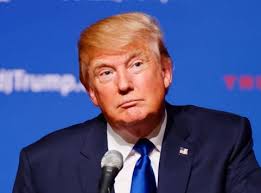
Donald Trump
But then a CIA whistleblower filed a complaint about the extortion attempt—and the media and Congress soon learned of it.
Rep. Adam Schiff, D-Calif., tweeted: “The transcript of the call reads like a classic mob shakedown: — We do a lot for Ukraine — There’s not much reciprocity — I have a favor to ask — Investigate my opponent — My people will be in touch — Nice country you got there. It would be a shame if something happened to her.”
On September 24, 2019, Nancy Pelosi, speaker to the House of Representatives, announced a formal impeachment inquiry into Trump.
In truth, however, subverting the governments of other countries is a right that Americans have long reserved for themselves. For example:
- Between 1898 and 1934, the United States repeatedly intervened with military force in Central America and the Caribbean.
- Americans staged invasions of Honduras in 1903, 1907, 1911, 1912, 1919, 1924 and 1925 to defend U.S. interests. These were defined as Standard Oil and the United Fruit Company.
- The United States occupied Nicaragua almost continuously from 1912 to 1933. Its legacy was the imposition of the tyrannical Somoza family, which ruled from 1936 to 1979.
- The United States occupied Haiti from 1915 to 1934. American banks had lent money to Haiti and requested American government intervention.
- In 1918, 13,000 American soldiers joined armies from Europe and Japan to overthrow the new Soviet government and restore the previous Tsarist regime. By 1920, the invading forces proved unsuccessful and withdrew.
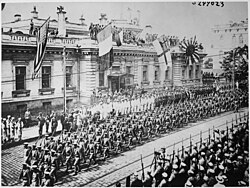
Allied troops parading in Vladivostok, 1918
- In 1953, the Eisenhower administration ordered the CIA to overthrew the democratically-elected government of of Iranian Prime Minister Mohammad Mosaddegh. His crime: Nationalizing the Iranian oil industry, which had been under British control since 1913.
- He was succeeded by Mohammad-Reza Shah Phlavi. Whereas Mossadeddgh had ruled as a constitutional monarch, Phlavi was a dictator who depended on United States government support to retain power until he was overthrown in 1979 by the Ayatollah Ruhollah Khomeini.
- In 1954, the CIA overthrew the democratically-elected government of Guatemalan President Jacobo Arbenz. His crime: Installing a series of reforms that expanded the right to vote, allowed workers to organize, legitimized political parties and allowed public debate. Most infuriating to American Right-wingers: His agrarian reform law, which expropriated parts of large land-holdings and redistributed them to agricultural laborers.
- From 1959 until 1963, the United States government was obsessed with overthrowing the revolutionary Cuban government of Fidel Castro. Although not democratically elected, Castro was wildly popular in Cuba for overthrowing the dictatorial Fulgencio Batista.
- On April 17, 1961, over 1,400 CIA-trained Cuban exiles invaded Cuba at the Bay of Pigs. Cuban military forces crushed the invasion in three days.
- Infuriated with the failure of the Bay of Pigs invasion, President John F. Kennedy authorized “Operation Mongoose” to remove Castro through sabotage and assassination. The CIA, wanting to please Kennedy, teamed up with the Mafia, which wanted to resurrect its casinos on the island.
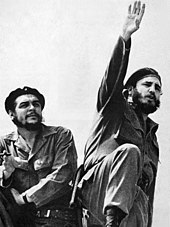
Ernesto “Che” Guevera and Fidel Castro
- In 1970, President Richard M. Nixon ordered the CIA to prevent Marxist Salvador Allende from being democratically elected as president of Chile. When that failed, he ordered the CIA to overthrow Allende.
- Allende’s crime: A series of liberal reforms, including nationalizing large-scale industries (notably copper mining and banking). In 1973, he was overthrown by Chilean army units and national police. He was followed by Right-wing dictator Augusto Pinochet, who slaughtered 3,200 political dissidents, imprisoned 30,000 and forced another 200,000 Chileans into exile.
Americans reacted to all these attempts—successful and unsuccessful—with indifference or outright support.
The popular 1960s TV series, “Mission: Impossible,” regularly depicted a CIA-type agency supporting regimes “we” liked or toppling those “we” didn’t.
Americans generally assume their Presidents and Congress know best who is a “friend” and who is an “enemy.” America’s friends often turn out, for the most part, to be Right-wing dictators like Fulgencio Batista, Augusto Pinochet and Mohammad-Reza Shah Phlavi.
And its enemies often turn out to be liberal reformers like Augusto Sandino, Jacobo Arbenz, Mohammad Mosaddegh and Salvador Allende.
2016 PRESIDENTIAL CAMPAIGN, A HIGHER LOYALTY (BOOK), ABC NEWS, ADAM SCHIFF, ALTERNET, AMERICABLOG, ANTHONY "FAT TONY" SALERNO, AP, “FLIPPING”, BABY BOOMER RESISTANCE, BERNIE SANDERS, BUZZFEED, CBS NEWS, CIA, CNN, CROOKS AND LIARS, DAILY KOZ, DEMOCRATIC NATIONAL COMMITTEE (DNC), DONALD TRUMP, ESQUIRE, EXTORTION, FACEBOOK, FBI, FIVETHIRTYEIGHT, FOX AND FRIENDS, FOX NEWS, FOX NEWS NETWORK, GAMBINO MAFIA FAMILY, HILLARY CLINTON, HOUSE OF REPRESENTATIVES, HUNTER BIDEN, IVANA TRUMP, JAMES COMEY, JEFF SESSIONS, JOE BIDEN, JOHN DEAN, JOHN GOTTI, MAFIA, MICHAEL COHEN, MICHAEL FLYNN, MICK MULVANEY, MOTHER JONES, MOVEON, MSNBC, NANCY PELOSI, NBC NEWS, NEWSWEEK, NPR, ORGANIZED CRIME, ORGANIZED CRIME CONTROL ACT OF 1970, PAM BONDI, PAUL CASTELLANO, PBS NEWSHOUR, POLITICO, POLITICUSUSA, RACKETEER INFLUENCED CORRUPT ORGANIZATIONS ACT (RICO), RAW STORY, REINCE PRIEBUS, REPUBLICANS, REUTERS, RICHARD M. NIXON, RICHARD NIXON, ROBERT MUELLER, RUSSIA, SALON, SEATTLE TIMES, SLATE, STORMY DANIELS, TALKING POINTS MEMO, THE ATLANTIC, THE CHICAGO SUN-TIMES, THE CHICAGO TRIBUNE, THE DAILY BEAST, THE DAILY BLOG, THE GUARDIAN, THE HILL, THE HUFFINGTON POST, THE LOS ANGELES TIMES, THE NATION, THE NEW YORK TIMES, THE WASHINGTON POST, THINKPROGRESS, TIME, TREASON, TRUMP ORGANIZATION, TRUTHDIG, TWITTER, U.S. NEWS & WORLD REPORT, UKRAINE, UNITED STATES DEPARTMENT OF JUSTICE, UNITED STATES JUSTICE DEPARTMENT, UPI, USA TODAY, VLADIMIR PUTIN, VOLODYMYR ZELENSKY, WHISTLEBLOWERS, WIKILEAKS
In Bureaucracy, History, Law, Law Enforcement, Politics, Social commentary on October 1, 2019 at 12:08 am
Former FBI Director James Comey has had firsthand experience in attacking organized crime—and in spotting its leaders.
In his bestselling memoir, A Higher Loyalty, he writes:
“As I found myself thrust into the Trump orbit, I once again was having flashbacks to my earlier career as a prosecutor against the mob. The silent circle of assent. The boss in complete control. The loyalty oaths. The us-versus-them worldview. The lying about all things, large and small, in service to some code of loyalty that put the organization above morality and the truth.”

James Comey
Validating Comey’s comparison of Trump to a mobster:
On August 21, 2018, Trump’s former attorney, Michael Cohen, pleaded guilty to eight counts of campaign finance violations, tax fraud and bank fraud. He also said he had made illegal campaign contributions “in coordination and at the direction of a candidate for federal office”—Donald Trump.
On August 23, on the Fox News program, “Fox and Friends,” Trump attacked Cohen for “flipping” on him:
“For 30, 40 years I’ve been watching flippers. Everything’s wonderful and then they get 10 years in jail and they—they flip on whoever the next highest one is, or as high as you can go. It—it almost ought to be outlawed. It’s not fair.””
Making “flipping” illegal would undo decades of organized crime prosecutions—and make future ones almost impossible.

United States Department of Justice
To penetrate the secrets of criminal organizations, investigators and prosecutors need the testimony of those who are parties to those secrets.
The Organized Crime Control Act of 1970 gave Justice Department prosecutors unprecedented weapons for attacking crime syndicates across the country. One of these was the authority to give witnesses immunity from prosecution on the basis of their own testimony.
Thus, a witness to a criminal conspiracy could be forced to tell all he knew—and thus implicate his accomplices—and bosses. In turn, he wouldn’t be prosecuted on the basis of his testimony.
Organized crime members aggressively damn such “rats.” There is no more obscene word in a mobster’s vocabulary.
But no President—until Trump—has ever attacked those who make possible a war on organized crime.
On August 19, he tweeted:
“The failing @nytimes wrote a Fake piece today implying that because White House Councel Don McGahn was giving hours of testimony to the Special Councel, he must be a John Dean type “RAT.” But I allowed him and all others to testify – I didn’t have to. I have nothing to hide……”
In 1973, former White House Counsel John Dean testified before the United States Senate on a litany of crimes committed by President Richard M. Nixon. Dean didn’t lie about Nixon—who ultimately resigned in disgrace.
For Trump, Dean’s sin is that he “flipped” on his former boss, violating the Mafia’s code of omerta, or silence.
But Trump feels completely different abut “flippers” when their revelations serve his interests.
On July 22, 2016, Wikileaks released 19,252 emails and 8,034 attachments hacked from computers of the highest-ranking officials of the Democratic National Committee (DNC).
The leak revealed a DNC bias for Hillary Clinton and against her lone challenger, Vermont United States Senator Bernie Sanders. Clinton, who was about to receive the Democratic nomination for President, was thoroughly embarrassed. Sanders’ supporters were enraged.
Donald Trump’s reaction:
- “WikiLeaks, I love WikiLeaks.”
- “This WikiLeaks stuff is unbelievable. It tells you the inner heart, you gotta read it.”
- This WikiLeaks is like a treasure trove.”
- “WikiLeaks just came out with a new one just a little while ago it’s just been shown that a rigged system with more collusion, probably illegal, between the Department of Justice the Clinton campaign and the State Department, you saw that.”
But now Trump has reverted to his longtime hatred of “leakers.”
In July, 2019, he told his acting chief of staff, Mick Mulvaney, to withhold almost $400 million in promised military aid for Ukraine, which faces increasing aggression from Russia.
On July 25, Trump telephoned Ukrainian President Volodymyr Zelensky to “request” a “favor”: Investigate Democratic Presidential Candidate Joe Biden and his son, Hunter, who has had business dealings in Ukraine.
The reason for such an investigation: To find embarrassing “dirt” on Biden.
But then a CIA whistleblower filed a complaint about the extortion attempt—and the media and Congress soon learned of it.
Rep. Adam Schiff, D-Calif., tweeted: “The transcript of the call reads like a classic mob shakedown: — We do a lot for Ukraine — There’s not much reciprocity — I have a favor to ask — Investigate my opponent — My people will be in touch — Nice country you got there. It would be a shame if something happened to her.”
On September 24, 2019, Nancy Pelosi, speaker to the House of Representatives, announced a formal impeachment inquiry into Trump.
On September 26, Trump told a private group at a midtown hotel: “I want to know who’s the person, who’s the person who gave the whistleblower the information? Because that’s close to a spy.
“You know what we used to do in the old days when we were smart? Right? The spies and treason, we used to handle it a little differently than we do now.”
2016 PRESIDENTIAL CAMPAIGN, A HIGHER LOYALTY (BOOK), ABC NEWS, ADAM SCHIFF, ALTERNET, AMERICABLOG, ANTHONY "FAT TONY" SALERNO, AP, “FLIPPING”, BABY BOOMER RESISTANCE, BERNIE SANDERS, BUZZFEED, CBS NEWS, CIA, CNN, CROOKS AND LIARS, DAILY KOZ, DEMOCRATIC NATIONAL COMMITTEE (DNC), DONALD TRUMP, ESQUIRE, EXTORTION, FACEBOOK, FBI, FIVETHIRTYEIGHT, FOX AND FRIENDS, FOX NEWS NETWORK, GAMBINO MAFIA FAMILY, HILLARY CLINTON, HOUSE OF REPRESENTATIVES, HUNTER BIDEN, IVANA TRUMP, JAMES COMEY, JEFF SESSIONS, JOE BIDEN, JOHN DEAN, JOHN GOTTI, MAFIA, MICHAEL COHEN, MICHAEL FLYNN, MICK MULVANEY, MOTHER JONES, MOVEON, MSNBC, NANCY PELOSI, NBC NEWS, NEWSWEEK, NPR, ORGANIZED CRIME, ORGANIZED CRIME CONTROL ACT OF 1970, PAM BONDI, PAUL CASTELLANO, PBS NEWSHOUR, POLITICO, POLITICUSUSA, RACKETEER INFLUENCED CORRUPT ORGANIZATIONS ACT (RICO), RAW STORY, REINCE PRIEBUS, REPUBLICANS, REUTERS, RICHARD M. NIXON, RICHARD NIXON, ROBERT MUELLER, RUSSIA, SALON, SEATTLE TIMES, SLATE, STORMY DANIELS, TALKING POINTS MEMO, THE ATLANTIC, THE CHICAGO SUN-TIMES, THE CHICAGO TRIBUNE, THE DAILY BEAST, THE DAILY BLOG, THE GUARDIAN, THE HILL, THE HUFFINGTON POST, THE LOS ANGELES TIMES, THE NATION, THE NEW YORK TIMES, THE WASHINGTON POST, THINKPROGRESS, TIME, TREASON, TRUMP ORGANIZATION, TRUTHDIG, TWITTER, U.S. NEWS & WORLD REPORT, UKRAINE, UNITED STATES DEPARTMENT OF JUSTICE, UNITED STATES JUSTICE DEPARTMENT, UPI, USA TODAY, VLADIMIR PUTIN, VOLODYMYR ZELENSKY, WHISTLEBLOWERS, WIKILEAKS
In Bureaucracy, History, Law, Law Enforcement, Politics, Social commentary on September 30, 2019 at 12:06 am
Donald Trump resembles his fellow New Yorker, Mafia “Boss of all Bosses” John Gotti, in more ways than he would like to admit. Among these:
- He craves publicity like a drug.
- His egomania long ago reached psychotic heights: In a 1990 interview with Playboy magazine, he offered his worldview: “The show is Trump, and it is sold-out performances everywhere.”
- He impulsively and brutally badmouths virtually everyone—in press conferences and on Twitter.
- He brags constantly—about his wealth, his intelligence, his sexual prowess, his achievements: “My fingers are long and beautiful, as, it has been well documented, are various other parts of my body.”
- He has bought his way out of legal trouble: Florida Attorney General Pam Bondi personally solicited a political contribution from him while her office deliberated joining an investigation of alleged fraud at Trump University and its affiliates. After Bondi dropped the case against Trump, he wrote her a $25,000 check for her re-election campaign.
Donald Trump
- He repeatedly threatens violence against his opponents: On March 16, 2016, he warned Republicans that if he didn’t win the GOP nomination in July, “I think you’d have riots….I think bad things would happen.”
- Although not a member of the Mafia, he has often been linked—directly or indirectly—to men who are, such as “Anthony Fat Tony” Salerno and Paul Castellano.
- He prizes being seen as a tough guy: “I could stand in the middle of Fifth Avenue and shoot somebody and I wouldn’t lose voters.” At a Las Vegas rally in 2016, he said about a protester: “I’d like to punch him in the face.”
- He has no loyalty to anyone. He has badmouthed—and fired—such ardent supporters as his ex-Chief of Staff Reince Priebus and former Attorney General Jeff Sessions.
- He has an unrelenting hatred for “rats” who prove equally disloyal to him.
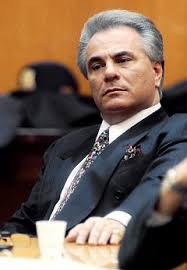
John Gotti
Consider the case of attorney Michael Cohen.
- An executive of the Trump Organization, Cohen acted as “Trump’s pit bull.” “If somebody does something Mr. Trump doesn’t like,” he told ABC News in 2011, “I do everything in my power to resolve it to Mr. Trump’s benefit.”
- In 2015, a reporter for The Daily Beast asked Cohen about Ivana Trump’s charge (later recanted) that Trump had raped her while they were married. Cohen: “I’m warning you, tread very fucking lightly, because what I’m going to do to you is going to be fucking disgusting.”
- In 2016, while Trump was running for President, Cohen acted as the go-between for a $130,000 hush-money payoff to porn “star” Stormy Daniels. The reason: To prevent her from revealing a 2006 tryst she had had with Trump.
In April 2018, the United States Attorney for the Southern District of New York began investigating Cohen. Charges reportedly included bank fraud, wire fraud and violations of campaign finance law.

Michael Cohen
By IowaPolitics.com (Trump executive Michael Cohen 012) [CC BY-SA 2.0 (https://creativecommons.org/licenses/by-sa/2.0)%5D, via Wikimedia Commons
On April 9, 2018, the FBI, executing a federal search warrant, raided Cohen’s office at the law firm of Squire Patton Boggs, as well as at his home and his hotel room in the Loews Regency Hotel in New York City. Agents seized emails, tax and business records and recordings of phone conversations that Cohen had made.
Trump’s response: “Michael Cohen only handled a tiny, tiny fraction of my legal work.”
Thus Trump undermined the argument of Cohen’s lawyers that he was the President’s personal attorney—and therefore everything Cohen did was protected by attorney-client privilege.
Cohen, feeling abandoned and enraged, struck back: He “rolled over” on the man he had once boasted he would take a bullet for.
On August 21, 2018, Cohen pleaded guilty in federal court in Manhattan to eight counts of campaign finance violations, tax fraud and bank fraud. He also said he had made illegal campaign contributions “in coordination and at the direction of a candidate for federal office”—Donald Trump.
Among his revelations:
- Trump has repeatedly asserted that Russia didn’t interfere with the 2016 Presidential election. But Cohen said he believed it did.
- Trump has repeatedly claimed he had “no business” in Russia. But Cohen testified that the Trump Organization had sought to “pursue a branded property in Moscow.”
- Trump denied having had sex with and paid off porn “actress” Stormy Daniels. But Cohen confirmed that Trump had instructed him to pay her $130,000 to buy her silence during the 2016 Presidential campaign.
On August 23, on the Fox News program, “Fox and Friends,” Trump attacked Cohen for “flipping” on him:
“For 30, 40 years I’ve been watching flippers. Everything’s wonderful and then they get 10 years in jail and they—they flip on whoever the next highest one is, or as high as you can go. It—it almost ought to be outlawed. It’s not fair.
“You know, campaign violations are considered not a big deal, frankly. But if somebody defrauded a bank and he’s going to get 10 years in jail or 20 years in jail but if you can say something bad about Donald Trump and you’ll go down to two years or three years, which is the deal he made.”
2016 PRESIDENTIAL ELECTION, 2020 PRESIDENTIAL ELECTION, ABC NEWS, AFGHANISTAN, ALTERNET, AMERICABLOG, AP, BABY BOOMER RESISTANCE, BEATRICE STRAIGHT, BORDER WALL, BUZZFEED, CBS NEWS, CIA, CNN, CONSUMER PROTECTION, CORRUPTION, CROOKS AND LIARS, DAILY KOZ, DEMOCRATS, DONALD TRUMP, ENVIRONMENTAL PROTECTION, FACEBOOK, FAYE DUNAWAY, FBI, FEDERAL GOVERNMENT SHUTDOWN, FIVETHIRTYEIGHT, FOREIGN POLICY, FOX NEWS NETWORK, FREEDOM OF THE PRESS, GUNS, HEALTH CARE, HUNTER BIDEN, immigration, INTERNATIONAL TRADE, JOSEPH BIDEN, JUSTICE DEPARTMENT, MOTHER JONES, MOVEON, MSNBC, NATIONAL SECURITY, NATIONAL SECURITY AGENCY, NBC NEWS, NETWORK (MOVIE), NEWSWEEK, NPR, PADDY CHAYEFSKY, PBS NEWSHOUR, PETER FINCH, POLITICO, POLITICUSUSA, RAW STORY, REPUBLICANS, REUTERS, ROBERT DUVALL, RUSSIA, SALON, SEATTLE TIMES, SIDNEY LUMET, SLATE, TALKING POINTS MEMO, THE ATLANTIC, THE CHICAGO SUN-TIMES, THE CHICAGO TRIBUNE, THE DAILY BEAST, THE DAILY BLOG, THE GUARDIAN, THE HILL, THE HUFFINGTON POST, THE LOS ANGELES TIMES, THE NATION, THE NEW YORK TIMES, THE WASHINGTON POST, THINKPROGRESS, TIME, TRUTHDIG, TWITTER, U.S. NEWS & WORLD REPORT, UKRAINE, UNITED STATES HOUSE OF REPRESENTATIVES, UNITED STATES SENATE, UPI, USA TODAY, WILLIAM HOLDEN
In Bureaucracy, Entertainment, History, Politics, Social commentary on September 23, 2019 at 12:04 am
Donald Trump has been compared to Adolf Hitler, Joseph Stalin and Gaius Caligula. But perhaps his counterpart lies not in history but in fiction.
Specifically, the fictional news anchor Howard Beale in Network, the 1976 satire written by Paddy Chayefsky and directed by Sidney Lumet. It starred Faye Dunaway, William Holden, Robert Duvall Peter Finch and Beatrice Straight.

Howard Beale (Finch) the longtime anchor of the UBS Evening News, is about to be fired because of declining ratings.
So he announces on live television that he will commit suicide on next Tuesday’s broadcast.
UBS fires him, but then agrees to let Beale appear one more time to leave with dignity.
But once Beale is back on the air, he launches into a rant that contains the most famous—and most often-quoted—line in the film:
“I don’t have to tell you things are bad. Everybody knows things are bad. It’s a depression. Everybody’s out of work or scared of losing their job. The dollar buys a nickel’s worth, banks are going bust, shopkeepers keep a gun under the counter….
“We know the air is unfit to breathe and our food is unfit to eat….
“So I want you to get up now. I want all of you to get up out of your chairs. I want you to get up right now and go to the window. Open it, and stick your head out, and yell, ‘I’M AS MAD AS HELL, AND I’M NOT GOING TO TAKE THIS ANYMORE!'”

Peter Finch as Howard Beale in Network
Beale is clearly losing it. But his outburst causes the newscast’s ratings to spike. Instead of pulling him off the air, the top brass of UBS decide to exploit Beale’s antics.
Soon he’s hosting a new program called The Howard Beale Show, where he’s billed as “the mad prophet of the airwaves.” Ultimately, the show becomes the most highly rated program on television.
But then Beale’s ratings slide as audiences find his sermons on the dehumanization of society depressing.
To rid themselves of Beale and boost their season-opener ratings, the network’s top executives hire a band of terrorists called the Ecumenical Liberation Army to assassinate Beale—on the air!
Forty years after Network, Right-wing voters sent “reality show” host and real estate mogul Donald Trump to the White House.
Donald Trump
Republicans have reveled in his antics and enthusiastically supported his most heinous acts, which have included:
- Repeatedly and viciously attacking the nation’s free press for daring to report his growing list of crimes and disasters, calling it “the enemy of the American people.”
- Repeatedly “hinting” that he wants to be “President-for-Life.”
- Allowing predatory corporations to subvert Federal regulatory protections for consumers and the environment.
- Repeatedly and viciously attacking American Intelligence agencies—such as the FBI, CIA and National Security Agency—for unanimously agreeing that Russia interfered with the 2016 Presidential election.
- Shutting down the Federal Government for more than a month on December 22, 2018, because Democrats refused to fund his “border wall” between the United States and Mexico.
- Pressuring Ukrainian President Volodymyr Zelensky to provide “dirt” on Hunter Biden, the son of Democratic Presidential candidate Joseph Biden—and threatening to withhold military aid if Zelensky refused.
The greed-obsessed honchos of the fictional UBS Network believed they could parley Howard Beale’s madness into greater profits.
Similarly, power-obsessed Republicans in the House and Senate believe they can parley Donald Trump’s tyrannical and unstable nature into lifetime tenure for themselves.
They have silently watched—or given their enthusiastic support—as he has attacked one cherished American institution after another:
- A free press
- An incorruptible Justice Department
- An independent judiciary.
Yet, like the executives at UBS, Congressional Republicans may soon be forced to turn on their most poisonous creation.
Right-wing Fox News Network gave its enthusiastic support to Trump during the 2016 Presidential race. And it has continued to do so throughout his almost three-year Presidency.
But on September 21, its website reported the following:
“Fifty-nine percent of voters are extremely interested in the 2020 presidential election. That’s a number typically only seen right before an election.
“In addition, more Democrats (65 percent) than Republicans (60 percent) are extremely interested in the election and more Democrats (69 percent) than Republicans (63 percent) are extremely motivated about voting in 2020. That helps Democratic candidates top President Donald Trump in potential head-to-head matchups.”
And in a September 22 story, Fox News declared: “Many voters are frustrated with how the federal government is working and a growing number are nervous about the economy….
“Fifty-one percent say the economy is in only fair or poor shape.
“His job ratings on every other issue tested are underwater: national security (45 approve-48 disapprove), immigration (42-54), international trade (38-53), foreign policy (36-54), guns (35-56), health care (34-56), and Afghanistan (31-49).
“Currently, 45 percent approve of the overall job the president’s doing, while 54 percent disapprove.
“About two-thirds (64 percent) think many people — if not nearly all people — in government are corrupt, and almost half (46 percent) say the Trump administration is more corrupt than previous ones.”
Republicans may soon be forced to face the following dilemma:
- Can I hold onto my power—and privileges—by supporting Trump? Or:
- Can I hold onto my power—and privileges—by deserting him?
This is how Republicans define morality today.
ABC NEWS, ADOLF HITLER, ALTERNET, AMERICABLOG, AP, BABY BOOMER RESISTANCE, BBC, BLOOMBERG NEWS, BUZZFEED, CBS NEWS, CNN, CRIME, CROOKS AND LIARS, DAILY KOS, DAILY KOZ, FACEBOOK, FIVETHIRTYEIGHT, GUN CONTROL, HARPER’S MAGAZINE, HUFFINGTON POST, JOSEPH STALIN, MARTIN LUTHER KING, MEDIA MATTERS, MOTHER JONES, MOVEON, MSNBC, NATIONAL RIFLE ASSOCIATION, NAZI-SOVIET NON-AGGRESSION PACT, NBC NEWS, NEW REPUBLIC, NEWSDAY, NEWSWEEK, NPR, PBS NEWSHOUR, POLITICO, POLITICUSUSA, RAW STORY, REUTERS, ROBERT F. KENNEDY, SALON, SEATTLE TIMES, SECOND AMENDMENT, SELF-DEFENSE, SLATE, STAND-YOUR-GROUND LAWS, TALKING POINTS MEMO, THE ATLANTIC, THE CHICAGO SUN-TIMES, THE CHICAGO TRIBUNE, THE DAILY BEAST, THE DAILY BLOG, THE GUARDIAN, THE HILL, THE HUFFINGTON POST, THE INTERCEPT, THE LOS ANGELES TIMES, THE NATION, THE NEW REPUBLIC, THE NEW YORK TIMES, THE NEW YORKER, THE SS, THE VILLAGE VOICE, THE WASHINGTON POST, THINKPROGRESS, THIRD REICH, TIME, TRUTHDIG, TRUTHOUT, TWITTER, U.S. CONSTITUTION, U.S. NAVY SEALS, U.S. NEWS & WORLD REPORT, UKRAINE, UPI, USA TODAY, VIRGINIA TECH SHOOTINGS, VLADIMIR PUTIN, VOLODYMYR ZELENSKY, WEHRMACHT, WORLD WAR 11, WRONGFUL-DEATH
In Bureaucracy, Business, History, Law, Law Enforcement, Politics, Social commentary on August 6, 2019 at 12:05 am
The victims of the violence are black and white, rich and poor, young and old, famous and unknown. They are, most important of all, human beings whom other human beings loved and needed. No one—no matter where he lives or what he does—can be certain who will suffer from some senseless act of bloodshed. And yet it goes on and on.
–Robert F. Kennedy, April 4, 1968
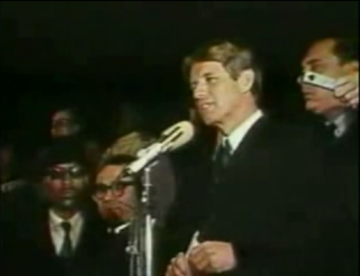
Senator Robert F. Kennedy announcing the murder of Dr. Martin Luther King, Jr.
What should the surviving victims of gun massacres do to seek redress?
And how can the relatives and friends of those who didn’t survive seek justice for those they loved?
Two things:
First, don’t count on politicians to support a ban on assault weapons.
Politicians—with rare exceptions—have only two goals:
- Get elected to office, and
- Stay in office.
And too many of them fear the economic and voting clout of the NRA to risk its wrath.
Consider Mitt Romney and President Barack Obama.
Both rushed to offer condolences to the surviving victims of the massacre at the Century 16 Theater in Aurora, Colorado, on July 20, 2012.
And both steadfastly refused to even discuss gun control—let alone support a ban on the type of assault weapons used by James Holmes, leaving 12 dead and 58 wounded.
Second, those who survived the massacre–and the relatives and friends of those who didn’t–should file wrongful death, class-action lawsuits against the NRA.
There is sound, legal precedent for this.
- For decades, the American tobacco industry peddled death and disability to millions and reaped billions of dollars in profits.
- The industry vigorously claimed there was no evidence that smoking caused cancer, heart disease, emphysema or any other ailment.
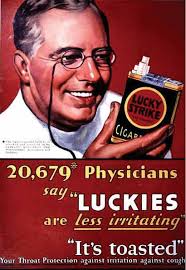
- Tobacco companies spent billions on slick advertising campaigns to win new smokers and attack medical warnings about the dangers of smoking.
- Tobacco companies spent millions to elect compliant politicians and block anti-smoking legislation.
- From 1954 to 1994, over 800 private lawsuits were filed against tobacco companies in state courts. But only two plaintiffs prevailed, and both of those decisions were reversed on appeal.
- In 1994, amidst great pessimism, Mississippi Attorney General Mike Moore filed a lawsuit against the tobacco industry. But other states soon followed, ultimately growing to 46.
- Their goal: To seek monetary, equitable and injunctive relief under various consumer-protection and anti-trust laws.
- The theory underlying these lawsuits was: Cigarettes produced by the tobacco industry created health problems among the population, which badly strained the states’ public healthcare systems.
- In 1998, the states settled their Medicaid lawsuits against the tobacco industry for recovery of their tobacco-related, health-care costs. In return, they exempted the companies from private lawsuits for tobacco-related injuries.
- The companies agreed to curtail or cease certain marketing practices. They also agreed to pay, forever, annual payments to the states to compensate some of the medical costs for patients with smoking-related illnesses.
The parallels with the NRA are obvious:
- For decades, the NRA has peddled deadly weapons to millions, reaped billions of dollars in profits and refused to admit the carnage those weapons have produced: “Guns don’t kill people. People kill people.” With guns.
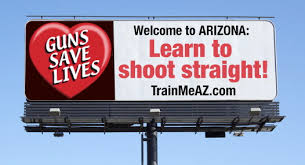
- The NRA has bitterly fought background checks on gun-buyers, in effect granting even criminals and the mentally ill the right to own arsenals of death-dealing weaponry.
- The NRA has spent millions on slick advertising campaigns to win new members and frighten them into buying guns.
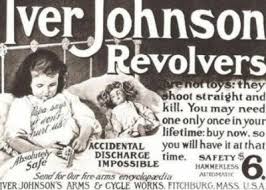
- The NRA has spent millions on political contributions to block gun-control legislation.
- The NRA has spent millions attacking political candidates and elected officials who warned about the dangers of unrestricted access to assault and/or concealed weapons.
- The NRA has spent millions pushing “Stand Your Ground” laws in more than half the states, which potentially give every citizen a “license to kill.”
- The NRA receives millions of dollars from online sales of ammunition, high-capacity ammunition magazines, and other accessories through its point-of-sale Round-Up Program—thus directly profiting by selling a product that kills about 30,288 people a year.
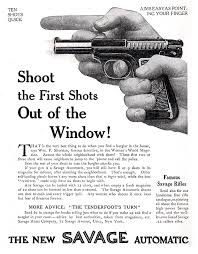
- Firearms made indiscriminately available through NRA lobbying have filled hospitals with casualties, and have thus badly strained the states’ public healthcare systems.
It will take a series of highly expensive and well-publicized lawsuits to significantly weaken the NRA, financially and politically.
The first ones will have to be brought by the surviving victims of gun violence—and by the friends and families of those who did not survive it. Only they will have the courage and motivation to take such a risk.
As with the cases first brought against tobacco companies, there will be losses. And the NRA will rejoice with each one.
But, in time, state Attorneys General will see the clear parallels between lawsuits filed against those who peddle death by cigarette and those who peddle death by armor-piercing bullet.
And then the NRA—like the tobacco industry—will face an adversary wealthy enough to stand up for the rights of the gun industry’s own victims.
Only then will those politicians supporting reasonable gun controls dare to stand up for the victims of these needless tragedies.
2016 PRESIDENTIAL RACE, ABC NEWS, ABORTION, ADOLF HITLER, ALTERNET, AMERICABLOG, ANDREW CUOMO, AP, BABY BOOMER RESISTANCE, BBC, BIRTH CONTROL, BLOOMBERG NEWS, BUZZFEED, CAPITAL PUNISHMENT, CBS NEWS, CHARLES SCHULTZ, CNN, CONSERVATIVE VICTORY (BOOK), CONTRACEPTION, CROOKS AND LIARS, DAILY KOS, DAILY KOZ, DONALD TRUMP, FACEBOOK, FIVETHIRTYEIGHT, HARPER’S MAGAZINE, HUFFINGTON POST, JOSEPH STALIN, MEDIA MATTERS, MOTHER JONES, MOVEON, MSNBC, NAZI-SOVIET NON-AGGRESSION PACT, NBC NEWS, NEW REPUBLIC, NEWSDAY, NEWSWEEK, NPR, NUCLEAR WAR, PBS NEWSHOUR, PEANUTS CARTOON SERIES, POLITICO, POLITICUSUSA, RAW STORY, REPUBLICAN PARTY, REPUBLICANS, REUTERS, ROE V. WADE, Ronald Reagan, RUSH LIMBAUGH, SALON, SANDRA FLUKE, SCOTT DESJARLIS, SEAN HANNITY, SEATTLE TIMES, SLATE, TALIBAN, TALKING POINTS MEMO, THE ATLANTIC, THE CHICAGO SUN-TIMES, THE CHICAGO TRIBUNE, THE DAILY BEAST, THE DAILY BLOG, THE GUARDIAN, THE HILL, THE HUFFINGTON POST, THE INTERCEPT, THE LOS ANGELES TIMES, THE NATION, THE NEW REPUBLIC, THE NEW YORK TIMES, THE NEW YORKER, THE SS, THE VILLAGE VOICE, THE WASHINGTON POST, THINKPROGRESS, THIRD REICH, TIME, TRUTHDIG, TRUTHOUT, TWITTER, U.S. NEWS & WORLD REPORT, UKRAINE, UPI, USA TODAY, VLADIMIR PUTIN, VOLODYMYR ZELENSKY, WAR, WEHRMACHT, WORLD WAR 11
In Bureaucracy, History, Law, Law Enforcement, Politics, Social commentary on January 23, 2019 at 12:56 am
Forty-nine years ago—on January 22, 1973—the United States Supreme Court struck down most of America’s laws banning abortion.
Its decision in Roe v. Wade marked the first time American law recognized the right of a woman to choose whether she wanted to become a mother.
Fittingly, on this date in 2019, New York Governor Andrew Cuomo signed into law the Reproductive Health Act that had just passed the Senate and Assembly.
The law
- Allows abortions after the 24-week mark to protect the mother’s health or in cases where the fetus won’t survive.
- Protects doctors from prosecution by shifting abortion law from the state’s penal code to its health code.
- Allows physician assistants, nurse practitioners and midwives to provide non-surgical abortion care.
The bill had been introduced to the Assembly in 2007 by Democratic Governor Eliot Spitzer. But it had been blocked for 11 years in the Republican-controlled State Senate.
Then, in November, 2018, Democrats overwhelmingly gained control of the Senate.
But since 1980, starting with Ronald Reagan, every “small government” Republican President has tried to force the government into the vagina of every abortion-seeking woman.
Several factors are responsible for all this fetus fanaticism.
First, there is an energized constituency for politicians willing to wave this red flag. Almost every major Republican Presidential candidate since Ronald Reagan has tapped into this voting bloc. And each has found plenty of votes to be gotten from it.
Second, many fetus fanatics simply dislike women. They fear and resent the women’s movement, which has given women the right to enter the workforce and compete directly with men.
And what they hate most is the legal right of a woman to avoid becoming pregnant via birth control—or to abort the result of a male’s sperm if they do. They see this as a personal rejection.
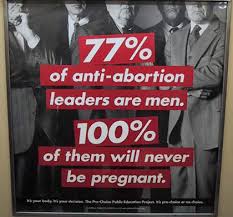
The Right is made up overwhelmingly of white males. And many of these men would feel entirely at home with a Christianized version of the Taliban. They long for a world where women meekly cater to their every demand and believe only what their male masters approve for them to believe.
Third, many fetus fanatics are not truly “pro-life.” They totally oppose abortion under most—-if not all—circumstances. But they also fully support:
- making military-style assault weapons available to nutcases;
- capital punishment;
- going to war for almost any reason;
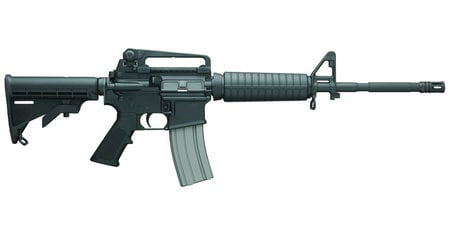
Remington AR-15 Bushmaster
- wholesale massacres of wildlife;
- despoiling of the environment; and
- even nuclear war.
And many of those who fanatically defend the right of a fetus to emerge from the womb just as fanatically oppose welfare for those who can’t support that newborn.
Fourth, many fetus fanatics are “family values” hypocrites. For example: Representative Scott DesJarlais (R-TN), an anti-abortion, “family values” doctor, had an affair with a patient and later pressured her to get an abortion. He also agreed that his wife should have two abortions.
Fifth, many fetus fanatics feel guilty about their own past sexual transgressions—especially if these resulted in pregnancy. And they want to prevent others from living the same life they did.
Some of these people are well-intentioned. Even so, they usurp unto themselves a God-like right to intrude on the most intimate decisions for others—regardless of what those people may need or want.
Sixth, many fetus fanatics embrace their own pas. On one hand, most of them claim they want to “get government off the backs of the people.” That usually means allowing corporations to pollute, sell dangerous products and treat their employees as slaves.
On the other hand, they want to empower State and Federal authorities to prevent women from getting an abortion—even in cases of rape, incest, or to save the life of the mother.
Seventh, many leaders of the fetus fanatics movement are independently wealthy. This means that even if abortion could be outlawed for the vast majority, they could always bribe a willing doctor—-here or abroad—–to perform such an operation on their wife, daughter and/or mistress. For them, there is always an escape clause.
Eighth, many fetus fanatics are “pro-life” when it comes to fetuses, but hypocritically refuse to support the needs of children from low-income families.
Ninth, many fetus fanatics believe that since their religion teaches that abortion is wrong, they have a moral duty to enforce that belief on others.
Evangelical Christians harshly condemn Muslims—such as those in Afghanistan—for segregating women, forbidding them to drive and forcing them to wear burqas—black robes covering them from head to foot.
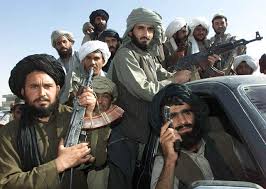
Taliban: Islam’s version of the “Right-to-Life” movement
But while they condemn Islamics for their general intolerance of others’ religious beliefs, they lust to impose their own upon those who belong to other churches. Or who belong to no church at all.
Tenth, many fetus fanatics are just as opposed to birth control as they are to abortion. Thus, when Georgia University law student Sandra Fluke asked Congress to require insurance companies to cover birth control, Rush Limbaugh branded her a “slut” and a “prostitute.”
* * * * *
It’s time to face the blunt truth: A “Conservative Victory,” as the title of Sean Hannity’s book puts it, would impose an anti-women Taliban on America.
ABC NEWS, ADOLF HITLER, ADVICE, ALTERNET, AMERICABLOG, AP, BABY BOOMER RESISTANCE, BAY OF PIGS, BBC, BENITO MUSSOLINI, BLOOMBERG NEWS, BUZZFEED, CAESARE BORGIA, CBS NEWS, CNN, CORPORATIONS, CROOKS AND LIARS, CUBA, DAILY KOS, DAILY KOZ, FACEBOOK, FIDEL CASTRO, FIVETHIRTYEIGHT, FLORENCE, HARPER’S MAGAZINE, HUFFINGTON POST, JOHN F. KENNEDY, JOSEPH STALIN, KING PERSEUS OF MACEDON, MEDIA MATTERS, MOTHER JONES, MOVEON, MSNBC, NAZI-SOVIET NON-AGGRESSION PACT, NBC NEWS, NEW REPUBLIC, NEWSDAY, NEWSWEEK, NICCOLO MACHIAVELLI, NPR, PBS NEWSHOUR, POLITICO, POLITICS, POLITICUSUSA, POPE JULIUS 11, RAW STORY, REUTERS, SALON, SEATTLE TIMES, SLATE, TALKING POINTS MEMO, THE ATLANTIC, THE CHICAGO SUN-TIMES, THE CHICAGO TRIBUNE, THE DAILY BEAST, THE DAILY BLOG, THE DISCOURSES, THE GUARDIAN, THE HILL, THE HUFFINGTON POST, THE INTERCEPT, THE LOS ANGELES TIMES, THE NATION, THE NEW REPUBLIC, THE NEW YORK TIMES, THE NEW YORKER, THE PRINCE, THE SS, THE VILLAGE VOICE, THE WASHINGTON POST, THINKPROGRESS, THIRD REICH, TIME, TRUTHDIG, TRUTHOUT, TWITTER, U.S. NEWS & WORLD REPORT, UKRAINE, UPI, USA TODAY, VLADIMIR PUTIN, VOLODYMYR ZELENSKY, WEHRMACHT, WORLD WAR 11
In Bureaucracy, Business, History, Military, Politics, Social commentary on August 17, 2018 at 12:15 am
Ask the average person, “What do you think of Niccolo Machiavelli?” and he’s likely to say: “The devil.”
In fact, “The Old Nick” became an English term used to describe Satan and slander Machiavelli at the same time.

Niccolo Machiavelli
The truth, however, is more complex. Machiavelli was a passionate Republican, who spent most of his adult life in the service of his beloved city-state, Florence.
The years he spent as a diplomat were tumultuous ones for Italy—with men like Pope Julius II and Caesare Borgia vying for power and plunging Italy into one bloodbath after another.
Florence, for all its wealth, lacked a strong army, and thus lay at the mercy of powerful enemies, such as Borgia. Machiavelli often had to use his wits to keep them at bay.
Machiavelli is best-known for his writing of The Prince, a pamphlet on the arts of gaining and holding power. Its admirers have included Benito Mussolini and Joseph Stalin.
But his longer and more thoughtful work is The Discourses, in which he offers advice on how to maintain liberty within a republic. Among its admirers were many of the men who framed the Constitution of the United States.
Most people believe that Machiavelli advocated evil for its own sake.
Not so. Rather, he recognized that sometimes there is no perfect—or perfectly good—solution to a problem.
Sometimes it’s necessary to take stern—even brutal—action to stop an evil (such as a riot) before it becomes widespread:
“A man who wishes to make a profession of goodness in everything must inevitably come to grief among so many who are not good. And therefore it is necessary for a prince, who wishes to maintain himself, to learn how not to be good, and to use this knowledge and not use it, according to the necessity of the case.”
His counsel remains as relevant today as it did during his lifetime (1469 – 1527). This is especially true for politicians—and students of political science.
But plenty of ordinary citizens can also benefit from the advice he has to offer—such as those in business who are asked to give advice to more powerful superiors.
Machiavelli warns there is danger in urging rulers to take a particular course of action: “For men only judge of matters by the result, all the blame of failure is charged upon him who first advised it, while in case of success he receives commendations. But the reward never equals the punishment.”
This puts would-be counselors in a difficult position: “If they do not advise what seems to them for the good of the republic or the prince, regardless of the consequences to themselves, then they fail to do their duty.
“And if they do advise it, then it is at the risk of their position and their lives, for all men are blind in thus, that they judge of good or evil counsels only by the results.”
Thus, Machiavelli warns that an adviser should “take things moderately, and not to undertake to advocate any enterprise with too much zeal, but to give one’s advice calmly and modestly.”
The person who asked for the advice may follow it, or not, as of his own choice, and not because he was led or forced into it by the adviser.
Above all, the adviser must avoid the danger of urging a course of action that runs “contrary to the wishes of the many.
“For the danger arises when your advice has caused the many to be contravened. In that case, when the result is unfortunate, they all concur in your destruction.”
Or, as President John F. Kennedy famously said after the disastrous invasion of Cuba at the Bay of Pigs in April, 1961: “Victory has a hundred fathers and defeat is an orphan.”
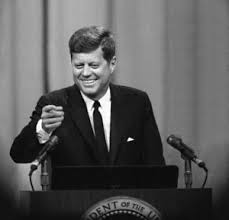
John F. Kennedy
By “not advocating any enterprise with too much zeal,” the adviser gains two advantages:
“The first is, you avoid all danger.
“And the second consists in the great credit which you will have if, after having modestly advised a certain course, your counsel is rejected, and the adoption of a different course results unfortunately.”
Finally, the time to give advice is before a catastrophe occurs, not after. Machiavelli gives a vivid example of what can happen if this rule is ignored.
King Perseus of Macedon had gone to war with Paulus Aemilius—and suffered a humiliating defeat. Fleeing the battlefield with a handful of his men, he later bewailed the disaster that had overtaken him.
Suddenly, one of his lieutenants began to lecture Perseus on the many errors he had committed, which had led to his ruin.
“Traitor,” raged the king, turning upon him, “you have waited until now to tell me all this, when there is no longer any time to remedy it—” And Perseus slew him with his own hands.
Niccolo Machiavelli sums up the lesson as this:
“Thus was this man punished for having been silent when he should have spoken, and for having spoken when he should have been silent.”
Be careful that you don’t make the same mistake.
ABC NEWS, BARACK OBAMA, CBS NEWS, CNN, DICK CHENEY, DONALD TRUMP, DUTY, FACEBOOK, GEORGE W. BUSH, HOUSE INTELLIGENCE COMMITTEE, JOHN BOLTON, JOHN MCCAIN, KGB, KREMLIN RISING, MALAYSIA AIRLINES FLIGHT 17, NBC NEWS, PETER BAKER, REPUBLICAN PARTY, ROBERT M. GATES, RUSSIA, SOVIET UNION, SUSAN GLASSER, THE CHICAGO TRIBUNE, THE CHICAO SUN-TIMES, THE LOS ANGELES TIMES, THE NEW YORK TIMES, THE WASHINGTON POST, TWITTER, UKRAINE, UNITED STATES, USA TODAY, VLADIMIR PUTIN
In Bureaucracy, History, Military, Politics, Social commentary on July 10, 2017 at 12:30 am
Since the late 1940s, Republicans have hurled the charge of “appeasement” at every Democratic President
Harry S. Truman, John F. Kennedy and Lyndon Johnson found themselves accused of “selling out” to the Soviet Union. The motive for this was usually attributed to cowardice—if not outright treason. It didn’t matter to Republicans that:
- Truman began the policy of “containing” the Soviet Union within its World War II borders;
- Kennedy faced down the Russians during the Cuban Missile Crisis; and
- Johnson waged a bloody, budget-busting war against Soviet proxies in Vietnam.
Most recently, it became the turn of President Barack Obama.
On July 17, 2014, Malaysia Airlines Flight 17 MH 17/MAS17 took off from Amsterdam for Kuala Lumpur International Airport.
But as the flight–and its 283 passengers and 15 crew—cruised above Hrabove in Donetsk Oblast, Ukraine, Russian-backed Ukrainian separatists shot it down. A Buk surface-to-air missile slammed into the aircraft, almost instantly killing everyone on board.
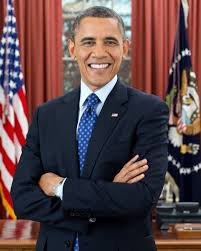
President Barack Obama
“The President is afraid of provoking [Russian President] Vladimir Putin,” United States Senator John McCain told Reuters. “Vladimir Putin is on the move because he has paid no price for his aggression.”
And Texas United State Senator Ted Cruz said: “Putin fears no retribution. [Obama’s] policy has been to alienate and abandon our friends, and to coddle and appease our enemies.”
But now the United States has a Republican President who has cozied up to Putin since he entered the 2016 Presidential race.
In January, the CIA, FBI, NSA and the Office of the Director of National Intelligence concluded that Russian Intelligence agents had meddled in the election via cyber-warfare to secure Donald Trump’s election.
Yet, at the G20 summit, Trump declared it was “an honor” to meet Putin.
After the meeting, Trump tweeted on July 9: “I strongly pressed President Putin twice about Russian meddling in our election. He vehemently denied it. I’ve already given my opinion…..”
Trump’s opinion, as he famously gave it, was: “It could be Russia, but it could also be China. It could also be lots of other people. It also could be somebody sitting on their bed that weighs 400 pounds.”
Even more worrisome to American Intelligence officials was Trump’s accompanying tweet: “Putin & I discussed forming an impenetrable Cyber Security unit so that election hacking, & many other negative things, will be guarded.”
Representative Adam Schiff, the top Democrat on the House Intelligence Committee reacted: “If that’s our best election defense, we might as well just mail our ballot boxes to Moscow.”
Even some Republicans likened the proposal to letting the fox guard the chicken coop. Florida United States Senator Marco Rubio tweeted: “While reality & pragmatism requires that we engage Vladimir Putin, he will never be a trusted ally or a reliable constructive partner.”
Yet America’s frustrations with Russia generally—and Putin in particular—long predate those of Barack Obama.
Nor were relations between the United States and post-Soviet Russia helped by the naivety of President George W. Bush.
In June, 2001, Bush and Putin met in Slovenia. During the meeting a truly startling exchange occurred.

President George W. Bush and Vladimir Putin
Putin, a former KGB Intelligence officer, had clearly done his homework on Bush. When he mentioned that one of the sports Bush had played was rugby, Bush was highly impressed.
“I did play rugby,” gushed Bush. “Very good briefing.”
But more was to come.
BUSH: Let me say something about what caught my attention, Mr. President, was that your mother gave you a cross which you had blessed in Israel, the Holy Land.
PUTIN: It’s true.
BUSH: That amazes me, that here you were a Communist, KGB operative, and yet you were willing to wear a cross. That speaks volumes to me, Mr. President. May I call you Vladimir?
Putin instantly sensed that Bush judged others–even world leaders–through the lens of his own fundamentalist Christian theology.
Falling back on his KGB training, Putin seized on this apparent point of commonality to build a bond. He told Bush that his dacha had once burned to the ground, and the only item that had been saved was that cross.
“Well, that’s the story of the cross as far as I’m concerned,” said Bush, clearly impressed. “Things are meant to be.”
Afterward, Bush and Putin gave an outdoor news conference.
“Is this a man that America can trust?” Associated Press correspondent Ron Foumier asked Bush.
“Yes,” said Bush. “I looked the man in the eye. I found him to be very straightforward and trustworthy. We had a very good dialogue.
“I was able to get a sense of his soul, a man deeply committed to his country and the best interests of his country. I wouldn’t have invited him to my ranch if I didn’t trust him.”
Of course, no one from the Right is now recalling such embarrassing words.
It’s far more politically profitable to pretend that all of America’s tensions with Russia began with the election of Barack Obama.
And to pretend that those tensions have vanished now that another Right-wing President occupies the White House.
ABC NEWS, AL QAEDA, BARACK OBAMA, CBS NEWS, CENTRAL AMERICA, CHAING KAI-SHEK, CHINA, CNN, COLUMBIA, COMMUNISM, CRIMEA, CUBA, CZECHOSLAVAKIA, DEMOCRATS, FACEBOOK, GUATEMALA, GUNBOAT DIPLOMACY, HARRY S. TRUMAN, HEZBOLLAH, HUNGARY, JOHN F. KENNEDY, JOSEPH MCCARTHY, LATIN AMERICA, LYNDON B. JOHNSON, MAO TSE-TUNG, MITT ROMNEY, MONROE DOCTRINE, NBC NEWS, NICARAGUA, PANAMA, POLAND, REPUBLICANS, RICHARD M. NIXON, SOCHI OLYMPICS, SOVIET UNION, SPHERES OF INFLUENCE, SYRIA, THE CHICAGO SUN-TIMES, THE CHICAGO TRIBUNE, THE LOS ANGELES TIMES, THE NEW YORK TIMES, THE WASHINGTON POST, TWITTER, UKRAINE, VIETNAM, VLADIMIR PUTIN
In Bureaucracy, History, Politics, Social commentary on September 27, 2016 at 12:05 am
It didn’t take much for American Right-wingers to start salivating–and celebrating.
All it took was for Russia to move troops into its neighboring territories of Ukraine and Crimea.
Ever since the collapse of the Soviet Union in 1991, the American Right felt dejected. Accusing Democrats of being “terrorist-lovers” just hadn’t been as profitable as accusing them of being “Communists.”
The torch had barely gone out at the much-ballyhooed 2014 Sochi Olympics when Russian President Vladimir Putin began menacing the Ukraine.
Even while the Olympics played out on television, Ukrainians had rioted in Kiev and evicted their corrupt, luxury-loving president, Victor Yanukovych.
And this, of course, didn’t sit well with his “sponsor”–Putin.
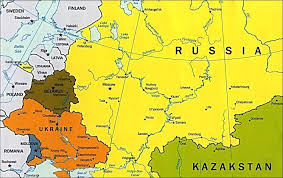
Yanukovych had rejected a pending European Union association agreement. He had chosen instead to pursue a Russian loan bailout and closer ties with Russia.
And that had sat well with Putin.
Since the breakup of the Soviet Union in 1991, Putin had yearned for a reestablishment of the same. He had called that breakup “the greatest geopolitical tragedy of the 20th century.”
So it was almost a certainty that, when his chosen puppet, Yanukovych, was sent packing, Putin would find some way to retaliate.
And since late February, 2014, he has done so, gradually moving Russian troops into Ukraine and its autonomous republic, Crimea.
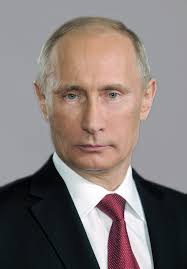
Vladimir Putin
By late March, it was clear that Russia had sufficient forces in both Ukraine and Crimea to wreak any amount of destruction Putin may wish to inflict.
And where there is activity by Russians, there are American Rightists eager–in Shakespeare’s word–to “cry havoc and let slip the dogs of war.”
Or at least to use such events to their own political advantage.
Right-wingers such as Mitt Romney, the former governor of Massachussetts who lost the 2012 Presidential election by a wide margin to Barack Obama.
“There’s no question but that the president’s naiveté with regards to Russia,” said Romney on March 23, 2014.
“And unfortunately, not having anticipated Russia’s intentions, the president wasn’t able to shape the kinds of events that may have been able to prevent the kinds of circumstances that you’re seeing in the Ukraine, as well as the things that you’re seeing in Syria.”
All of which overlooks a number of brutal political truths.
First, all great powers have spheres of interest–and jealously guard them.
For the United States, it’s Latin and Central America, as established by the Monroe Doctrine.
And just what is the Monroe Doctrine?
It’s a statement made by President James Monroe in his 1823 annual message to Congress, which warned European powers not to interfere in the affairs of the Western Hemisphere.
It has no other legitimacy than the willingness of the United States to use armed force to back it up. When the United States no longer has the will or resources to enforce the Doctrine, it will cease to have meaning.

For the Soviet Union, its spheres of influence include the Ukraine. Long known as “the breadbasket of Russia,” in 2011, it was the world’s third-largest grain exporter.
Russia will no more give up access to that breadbasket than the United States would part with the rich farming states of the Midwest.
Second, spheres of influence often prove disastrous to those smaller countries affected.
Throughout Latin and Central America, the United States remains highly unpopular for its brutal use of “gunboat diplomacy” during the 20th century.
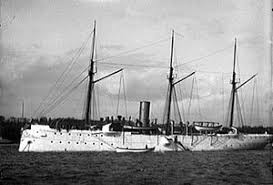
American gunboat
Among those countries invaded or controlled by America: Mexico, Cuba, Guatemala, Nicaragua, Columbia, Panama and the Dominican Republic.
The resulting anger has led many Latin and Central Americans to support Communist Cuba, even though its political oppression and economic failure are universally apparent.
Similarly, the Union of Soviet Socialist Republics (U.S.S.R.) forced many nations–such as Poland, Hungary and Czechoslavakia–to submit to the will of Moscow.
The alternative? The threat of Soviet invasion–as occurred in Hungary in 1956 and Czechoslovakia in 1968.
Third, even “great powers” are not all-powerful.
In 1949, after a long civil war, the forces of Mao Tse-tung defeated the Nationalist armies of Chaing Kai-Shek, who withdrew to Taiwan.
China had never been a territory of the United States. Nor could the United States have prevented Mao from defeating the corrupt, ineptly-led Nationalist forces.
Even so, Republican Senators and Representatives such as Richard Nixon and Joseph McCarthy eagerly blamed President Harry S. Truman and the Democrats for “losing China.”
The fear of being accused of “losing” another country led Presidents John F. Kennedy, Lyndon B. Johnson and Richard M. Nixon to tragically commit the United States to “roll back” Communism in Cuba and Vietnam.
Now Republicans–who claim the United States can’t afford to provide healthcare for its poorest citizens–want to turn the national budget over to the Pentagon.
They want the United States to “intervene” in Syria–even though this civil war pits Al Qaeda and Hezbollah, two of America’s greatest enemies, against each other.
They want the United States to “intervene” in Ukraine–even though this would mean going to war with the only nuclear power capable of turning America into an atomic graveyard.
Before plunging into conflicts that don’t concern us and where there is absolutely nothing to “win,” Americans would do well to remember the above-stated lessons of history. And to learn from them.
2016 PRESIDENTIAL RACE, 9/11 ATTACKS, ABC NEWS, ALEKSANDR LITVINENKO, ASSASSINATION, BARACK OBAMA, BENNET IFEAKANDU OMALU, BERNIE SANDERS, BORIS NEMTSOV, BRAIN CANCER, CBS NEWS, CHRONIC TRAUMATIC ENCEPHALOPATHY (CTE), CNN, CONCUSSON, DONALD TRUMP, FACEBOOK, FOOTBALL, FOX & FRIENDS, FOX AND FRIENDS, FOX NEWS, HANNITY, HILLARY CLINTON, ILLNESS, INFOWARS, KGB, MULTIPLE SCLEROSIS, NATIONAL ENQUIRER, NATIONAL FOOTBALL LEAGUE, NATO, NBC NEWS, NFL, NORTH ATLANTIC TREATY ORGANIZATION (NATO), PARKINSON’S DISEASE, PAUL MANAFORT, PENTAGON, POISONING, POST-CONCUSSION SYNDROME, REPUBLICAN PARTY, Ronald Reagan, RUSSIA, SEAN HANNITY, STROKE, THE CHICAGO SUN-TIMES, THE CHICAGO TRIBUNE, THE LOS ANGELES TIMES, THE NATIONAL ENQUIRER, THE NEW YORK TIMES, THE SOVIET UNION, THE WASHINGTON POST, TIM KAINE, TWITTER, UKRAINE, VICTOR YUSHCHENKO, VLADIMIR PUTIN, WORLD TRADE CENTER
In Bureaucracy, History, Law Enforcement, Military, Politics on September 15, 2016 at 12:10 am
Right-wing websites and networks are gleefully buzzing with theories about the state of Hillary Clinton’s health.
The former First Lady, New York U.S. Senator and Secretary of State collapsed after briefly attending a memorial ceremony on the 15th anniversary of the 9/11 attacks.
The unsubstantiated theories include stroke, brain damage, Multiple sclerosis and Parkinson’s disease.
But there’s one theory Right-wingers scrupulously refuse to offer: That Clinton might be a victim of poisoning by Donald Trump’s well-known admirer, Vladimir Putin.
It’s a theory that has been offered by no less than Bennet Ifeakandu Omalu, the Nigerian-American physician, forensic pathologist and neuropathologist who was the first to discover and publish findings of chronic traumatic encephalopathy (CTE) in American football players.

Bennet Ifeakandu Omalu
His struggle to alert the National Football League to that danger met with hostility and derision. Finally, amid growing scrutiny from Congress, the NFL was forced to take the concussion issue more seriously.
NFL owners banned players from striking opponents with the crowns of their helmets. Meanwhile, the NFL is facing concussion lawsuits from nearly 4,000 former players.
On September 11, a Clinton rep stated that she was suffering from pneumonia–and Omalu warned on Twitter: “I must advice the Clinton campaign to perform toxicologic analysis of Mrs. Clinton’s blood. It is possible she is being poisoned.”
And he followed this up with a second tweet: “I do not trust Mr. Putin and Mr. Trump. With those two all things are possible.”
At this point, there is no evidence that Hillary Clinton is the victim of KGB “wet” methods. And it would take lengthy, sophisticated toxicology tests to hopefully learn the truth.
But there is plenty of evidence that Vladimir Putin has used murder–especially poison–to eliminate his opponents.
Vladimir Putin
Putin came to power in 2000. Since then, at least 34 journalists have been murdered in Russia, according to the Moscow-based Glasnost Defense Foundation. Many of the suspected killers are military officials, government officials or political groups.
Being a political opponent of Vladimir Putin can also be dangerous. Among the casualties:
Viktor Yushchenko: In 2004, he was running for president of the Ukraine against Putin’s chosen candidate, Victor Yanukovych.
As the campaign neared its climax, Yushchenko suddenly fell ill–with dioxin poisoning. Flown to Vienna’s Rudolfinerhaus clinic for treatment, he survived, but his face was left greatly disfigured. He went on to win the election, serving as Ukraine’s president from 2005 to 2010.
Aleksandr Litvinenko: A former KGB officer, he had accused Putin of wholesale corruption. Even worse, he charged that–as a pretext for a second war with Chechnya–Putin ordered the bombings of Moscow apartment buildings, resulting in the deaths of hundreds of people.

Aleksandr Litvinenko
Litvinenko died on November 23, 2006 in London from a dose of Polonium-210 in his tea. At the time, he was meeting with two Moscow agents, one of whom is now a member of the State Duma.
Boris Nemtsov: An official with a liberal opposition group, he had been arrested several times for speaking against Putin’s government.
Nemtsov had been scheduled to lead an opposition rally in Moscow. But on February 27, 2015, two days before the event, he was shot dead as he walked home from dinner. The killing happened a short distance from the Kremlin.
If Hillary Clinton proved to have a serious medical condition such as Parkinson’s or Multiple sclerosis, the results would be tragic but strictly national.
Mounting pressure within and outside the Democratic party would force her to drop out of the race.
There would be a brief, furious struggle within the Democratic party for the nomination–most likely between Vermont U.S. Senator Bernie Sanders and Tim Kaine, Clinton’s choice for Vice President. The winner would face Donald Trump in the coming debates and fall election.
And the Clintons–a force in American politics since 1992–would finally leave the national stage.
But if Hillary is a victim of a KGB assassination attempt, as Dr. Bennet Omalu suspects, then the consequences would be national and international.
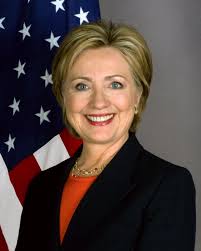
Hillary Clinton
Nationally, such a discovery would almost certainly generate huge sympathy for Clinton–a woman singularly unable to arouse sympathy among voters. That alone could ensure her election as President.
And even Americans who hate Clinton would never forgive Russia for daring to interfere with an American Presidential election. They would demand severe retaliation–even all-out war.
For Trump, it would prove a nightmare. He’s made too many admiring statements about Putin to disavow them now and be believed.
National outrage followed in July when Trump invited Putin to “find the 30,000 emails that are missing” on the private server that Clinton used as Secretary of State.
If Clinton died–or was simply injured–because of a KGB plot, few would believe Trump wasn’t a party to it.
And several of Trump’s closest associates have had ties to Putin, such as his former campaign manager Paul Manafort.
Even many Republicans have already declared they can’t support Trump in abandoning NATO–much less his clear admiration for Putin, a dictator who got his start as a KGB agent.
At his first press conference upon becoming President, Ronald Reagan harshly denounced Soviet leaders: “They reserve unto themselves the right to commit any crime, to lie, to cheat.”
A KGB plot against Hillary Clinton would convince many Americans that Republican leaders have become as corrupt as those in the Kremlin.


%2C_side_view_1.jpg%2F300px-USS_Yorktown_(PG-1)%2C_side_view_1.jpg&imgrefurl=https%3A%2F%2Fen.wikipedia.org%2Fwiki%2FYorktown-class_gunboat&docid=IJnJQf9Gjk6Z0M&tbnid=MjZ187QW-8UJFM%3A&w=300&h=203&bih=469&biw=819&ved=0ahUKEwjK2LSlkKzPAhVLw2MKHcmIApsQxiAIAg&iact=c&ictx=1)


"MISSION: IMPOSSIBLE", 2016 PRESIDENTIAL ELECTION, 9/11, ABC NEWS, ALTERNET, AMERICABLOG, AP, AUGUSTO PINOCHET, AUGUSTO SANDINO, AYATOLLAH RUHOLLAH KHOMEINI, BABY BOOMER RESISTANCE, BAY OF PIGS, BUZZFEED, CBS NEWS, CHIANG KAI-SHEK, CHILE, CIA, CNN, CROOKS AND LIARS, CUBA, DAILY KOZ, DONALD TRUMP, DWIGHT D. EISENHOWER, FACEBOOK, FBI, FIDEL CASTRO, FIVETHIRTYEIGHT, FULGENCIO BATISTA, GEORGE W. BUSH, GUATEMALA, HAITI, HONODURAS, IRAQ, JACOBO ARBENZ, JOHN F. KENNEDY, MAFIA, MAO TSE-TUNG, MOHAMMAD MOSADDEGH, MOHAMMAD-REZA SHAH PHLAVI, MOTHER JONES, MOVEON, MSNBC, NATIONAL SECURITY AGENCY, NBC NEWS, NEWSWEEK, NICARAGUA, NPR, OSAMA BIN LADEN, PBS NEWSHOUR, POLITICO, POLITICUSUSA, RAW STORY, REUTERS, RICHARD M. NIXON, RUSSIA, SADDAM HUSSEIN, SALON, SALVADOR ALLENDE, SEATTLE TIMES, SLATE, SOVIET UNION, TALKING POINTS MEMO, THE ATLANTIC, THE CHICAGO SUN-TIMES, THE CHICAGO TRIBUNE, THE DAILY BEAST, THE DAILY BLOG, THE GUARDIAN, THE HILL, THE HUFFINGTON POST, THE LOS ANGELES TIMES, THE NATION, THE NEW YORK TIMES, THE WASHINGTON POST, THINKPROGRESS, TIME, TRUTHDIG, TWITTER, U.S. NEWS & WORLD REPORT, UKRAINE, UNITED FRUIT COMPANY, UPI, USA TODAY
REGIME EXTORTION—IT’S THE AMERICAN WAY!
In Bureaucracy, History, Law, Law Enforcement, Military, Politics, Social commentary on October 2, 2019 at 12:28 amOn June 12, 2019, during an interview with ABC News correspondent George Stephanopoulos, President Donald Trump said he would accept derogatory information on his 2020 opponents from hostile nations like Russia and China:
“It’s not an interference, they have information. I think I’d take it. If I thought there was something wrong, I’d go maybe to the FBI. If I thought there was something wrong. But when somebody comes up with oppo research, right, they come up with oppo research.
“The FBI doesn’t have enough agents to take care of it, but you go and talk honestly to congressmen, they all do it, they always have. And that’s the way it is. It’s called oppo research.”
But Trump didn’t say he planned to extort derogatory information about his opponents from Ukraine.
In July, 2019, he told his acting chief of staff, Mick Mulvaney, to withhold almost $400 million in promised military aid for Ukraine, which faces increasing aggression from Russia.
On July 25, Trump telephoned Ukrainian President Volodymyr Zelensky to “request” a “favor”: Investigate Democratic Presidential Candidate Joe Biden and his son, Hunter, who had had business dealings in Ukraine.
The reason for such an investigation: To find embarrassing “dirt” on Biden.
Donald Trump
But then a CIA whistleblower filed a complaint about the extortion attempt—and the media and Congress soon learned of it.
Rep. Adam Schiff, D-Calif., tweeted: “The transcript of the call reads like a classic mob shakedown: — We do a lot for Ukraine — There’s not much reciprocity — I have a favor to ask — Investigate my opponent — My people will be in touch — Nice country you got there. It would be a shame if something happened to her.”
On September 24, 2019, Nancy Pelosi, speaker to the House of Representatives, announced a formal impeachment inquiry into Trump.
In truth, however, subverting the governments of other countries is a right that Americans have long reserved for themselves. For example:
Allied troops parading in Vladivostok, 1918
Ernesto “Che” Guevera and Fidel Castro
Americans reacted to all these attempts—successful and unsuccessful—with indifference or outright support.
The popular 1960s TV series, “Mission: Impossible,” regularly depicted a CIA-type agency supporting regimes “we” liked or toppling those “we” didn’t.
Americans generally assume their Presidents and Congress know best who is a “friend” and who is an “enemy.” America’s friends often turn out, for the most part, to be Right-wing dictators like Fulgencio Batista, Augusto Pinochet and Mohammad-Reza Shah Phlavi.
And its enemies often turn out to be liberal reformers like Augusto Sandino, Jacobo Arbenz, Mohammad Mosaddegh and Salvador Allende.
Share this: