Posts Tagged ‘THE WALL STREET JOURNAL’
ABC NEWS, ALTERNET, AMERICABLOG, ANCHOR BABIES, AP, BABY BOOMER RESISTANCE, BARACK OBAMA, BBC, BLOOMBERG, BLOOMBERG NEWS, BUZZFEED, CBS NEWS, CNN, CROOKS AND LIARS, DAILY KOS, DONALD TRUMP, FACEBOOK, FBI, FIVETHIRTYEIGHT, HARPER’S MAGAZINE, HUFFINGTON POST, ILLEGAL ALIENS, illegal immigration, IMMIGRATION AND CUSTOMS ENFORCEMENT (ICE), JUSTICE DEPARTMENT, Kamala Harris, MEDIA MATTERS, MEXICO, MICHELLE OBAMA, MOTHER JONES, MOVEON, MSNBC, NBC NEWS, NEW REPUBLIC, NEWSDAY, NEWSWEEK, NPR, PBS NEWSHOUR, POLITICO, POLITICUSUSA, RACKETEER INFLUENCED CORRUPT ORGANIZATIONS ACT, RAW STORY, REUTERS, SALON, SAN FRANCISCO, sanctuary cities, SEATTLE TIMES, SLATE, TALKING POINTS MEMO, THE ATLANTIC, THE CHICAGO SUN-TIMES, THE CHICAGO TRIBUNE, THE DAILY BEAST, THE DAILY BLOG, THE GUARDIAN, THE HILL, THE HUFFINGTON POST, THE INTERCEPT, THE LOS ANGELES TIMES, THE NATION, THE NEW REPUBLIC, THE NEW YORK TIMES, THE NEW YORKER, THE VILLAGE VOICE, THE WALL STREET JOURNAL, THE WASHINGTON POST, THINKPROGRESS, TIME, TRUTHDIG, TRUTHOUT, TWO POLITICAL JUNKIES, U.S. NEWS & WORLD REPORT, U.S.-MEXICO WALL, UPI, USA TODAY, USA TODAY DONALD TRUMP, WAL-MART, X
In Bureaucracy, Business, History, Law, Law Enforcement, Politics, Social commentary on December 9, 2024 at 12:10 am
According to Donald Trump, stopping illegal immigration is easy.
Just build a massive, impenetrable wall along the U.S./Mexican border to keep out Mexican immigrants.
“Building a wall is easy, and it can be done inexpensively,” Trump said in an interview on July 17, 2015. “It’s not even a difficult project if you know what you’re doing.”
Really?
Among the obstacles to erecting such a barrier:
- The United States/Mexican border stretches for 1,954 miles—and encompasses rivers, deserts and mountains.
- Environmental and engineering problems.
- Squabbles with ranchers who don’t want to give up any of their land.
- Building such a wall would cost untold billions of dollars.
- Drug traffickers and alien smugglers could easily tunnel under it into the United States—as they are now doing.
There are, in fact, cheaper and more effective remedies for combating illegal immigration.

Illegal aliens crossing into the United States
(1) The Justice Department should vigorously attack the “sanctuary movement” that officially thwarts the immigration laws of the United States.
Among the 31 “sanctuary cities” of this country: Washington, D.C.; New York City; Los Angeles; Chicago; San Francisco; Santa Ana; San Diego; Salt Lake City; Phoenix; Dallas; Houston; Austin; Detroit; Jersey City; Minneapolis; Miami; Denver; Baltimore; Seattle; Portland, Oregon; New Haven, Connecticut; and Portland, Maine.
These cities have adopted “sanctuary” ordinances that do not allow municipal funds or resources to be used to enforce federal immigration laws, usually by not allowing police or municipal employees to inquire about one’s immigration status.
(2) Indict the highest-ranking officials of those cities who have actively violated Federal immigration laws.
In San Francisco, for example, former District Attorney Kamala Harris—who is now Vice President of the United States—created a secret and illegal program called Back on Track, which provided training for jobs that illegal aliens could not legally hold.
(3) Even if some indicted officials escaped conviction, the results would prove worthwhile.
City officials would be forced to spend huge sums of their own money for attorneys and face months or even years of prosecution.
And this, in turn, would send a devastating warning to officials in other “sanctuary cities” that the same fate lies in store for them.
(4) CEOs whose companies—like Wal-Mart—systematically employ illegal aliens should be held directly accountable for the actions of their subordinates.
They should be indicted by the Justice Department under the Racketeer Influenced Corrupt Organizations (RICO) Act, the way Mafia bosses are prosecuted for ordering their own subordinates to commit crimes.
Upon conviction, the CEO should be sentenced to a mandatory prison term of at least 20 years.
CEOs forced to account for their subordinates’ actions would take drastic steps to ensure that their companies strictly complied with Federal immigration laws.
(5) The Government should stop automatic citizenship to “anchor babies” born to illegal aliens in the United States.
A comparable practice would be allowing bank robbers who had eluded the FBI to keep their illegally-obtained loot.
A person who violates the bank robbery laws of the United States is legally prosecutable for bank robbery, whether he’s immediately arrested or remains uncaught for years. The same should be true for those born illegally within this country.
If they’re not here legally at the time of birth, they should not be considered citizens and should—like their parents—be subject to deportation.
(6) The United States Government—from the President on down—should scrap its apologetic tone on the right to control its national borders.
First Lady Michelle Obama—accompanied by Margarita Zavala, the wife of then-Mexican President Felipe Calderon—was visiting a second-grade class in Silver Spring, Maryland.
A second-grade girl said: “My Mom, she says says that Barack Obama is taking everybody away that doesn’t have papers.”
Replied Mrs. Obama: “Yeah, well, that’s something that we have to work on right?”
The girl then said: “But my mom doesn’t have any….”
Obama: “Well, we’ll have to work on that. We have to fix that, and everybody’s got to work together in Congress to make sure that happens.”
The Mexican Government doesn’t consider itself racist for strictly enforcing its immigration laws.
The United States Government should not consider itself racist for insisting on the right to do the same.
(7) Voting materials and ballots should be published in one language—English.
In Mexico, voting materials are published in one language—Spanish.
Throughout the United States, millions of Spanish-speaking illegals refuse to learn English and yet demand that voting materials and ballots be made available to them in Spanish.
This is an English-speaking country. If immigrants don’t want to learn its national language, they should remain in their own nations.
(8) The United States should impose economic and even military sanctions against countries—such as China and Mexico—whose citizens make up the bulk of illegal aliens.
Mexico, for example, uses its American border to rid itself of those who might demand major reforms in the country’s political and economic institutions.
Such nations must learn that dumping their unwanteds on the United States now comes at an unfavorably high price. Otherwise those dumpings will continue.
9/11 ATTACKS, ABC NEWS, ALTERNATIVE ENERGY SOURCES, ALTERNET, AP, ARAB OIL EMBARGO, BBC, BUZZFEED, CBS NEWS, CHRISTIAN RIGHT, CNN, COLD WAR, CROOKS AND LIARS, DAILY KOS, DAILY KOZ, DONALD TRUMP, EGYPT, FACEBOOK, FOSSIL FUELS, GLOBAL WARMING, IRAN, IRAQ, ISLAM, ISRAEL, JAMAL KHASHOGGI, MECCA, MEDINA, MIDDLE EAST, MOHAMMED BIN SALMAN, MOTHER JONES, MOVEON, MSNBC, NAZI GERMANY, NBC NEWS, NEWSWEEK, NPR, Oil, OSAMA BIN LADEN, PBS NEWSHOUR, POLITICO, RAW STORY, REPUBLICANS, REUTERS, SALON, SAND CURTAIN, SAUDI ARABIA, SEATTLE TIMES, SECOND COMING, SHAH OF IRAN, SHIITE MUSLIMS, SLATE, SOVIET UNION, SUNNI MUSLIMS, TERRORISM, THE ATLANTIC, THE CHICAGO SUN-TIMES, THE CHICAGO TRIBUNE, THE DAILY BEAST, THE GUARDIAN, THE HILL, THE HUFFINGTON POST, THE LOS ANGELES TIMES, THE NATION, THE NEW YORK TIMES, THE WALL STREET JOURNAL, THE WASHINGTON POST, TIME, TRUMP WORLD TOWER, TURKEY, U.S. NEWS & WORLD REPORT, UNITED STATES, UPI, USA TODAY, VENEZUELA, WAHHABISM, WORLD WAR ii, X
In Bureaucracy, History, Military, Politics, Social commentary on November 15, 2024 at 12:11 am
The time is long overdue for the United States to scrap its devil’s bargain relationship with Saudi Arabia.
Reason #1: The political assassination of Saudi dissident journalist Jamal Khashoggi, a key critic of Saudi King Mohammed bin Salman.
On October 2, 2018, Khashoggi walked into the Saudi Consulate in Istanbul to pick up a document allowing him to marry a Turkish woman. Video footage showed Khashoggi walking into the consulate; there is none of him leaving it.
He was never seen again.
According to Turkish government officials:
- Fifteen Saudi agents flew into Istanbul.
- They waited for Khashoggi inside the consulate and murdered him within two hours of his arrival.
- The assassins used a bone saw to dismember Khashoggi’s corpse.

Jamal Khashoggi A
April Brady / POMED, CC BY 2.0 <https://creativecommons.org/licenses/by/2.0>, via Wikimedia Commons
Reason #2: Saudi Arabia is a weak ally.
President Donald Trump claimed that Saudi Arabia served as a counter-weight to the growing regional influence of Iran. But Saudi Arabia was unable to defend itself against Saddam Hussein’s Iraq in 1990, after the invasion and takeover of Kuwait.
This was, in fact, why Saudi-born Osama bin Laden decided to declare war on the United States.
He petitioned Saudi King Fahd bin Abdulazis al-Saud to let Saudis oppose any invasion by Iraq. He argued that “infidel” American soldiers stationed in the Kingdom would “pollute” Islam’s two great holy sites: Mecca and Medina.
Having fought against the Soviet Union in Afghanistan during the 1980s, bin Laden offered to help defend Saudi Arabia with his Arab legion.
The king refused—because he knew that, despite all the sophisticated military hardware he had bought from the United States, the Saudis were too militarily weak to resist an invasion.
Bin Laden left the country to wage fulltime war against the United States.
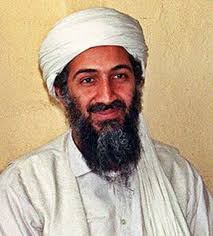
Osama bin Laden
Reason #3: Saudi Arabia is filled with Islamics who hate the United States as “the Great Satan.”
Fifteen of the 19 September 11, 2001 highjackers came from Saudi Arabia.
And Saudi Arabia is the birthplace of Wahhabism, a radical brand of Islam dedicated to “purifying” the world of “unbelievers.”
Reason #4: The only reason the United States cares about Saudi Arabia is that it’s the second-largest oil-producing country (after Venezuela) n the world.
Yet oil consumption threatens the future of the world through global warming. And it keeps America tethered to a regime that is fundamentally unstable and hostile to the West.
Reason #5: The United States can end its dependence on Saudi oil by embarking on a crash program to develop alternatives to oil.
Had this happened during the 1973 Arab oil embargo, the United States would now be energy-independent. America has the technology to do so; it lacks only the will.
Reason #6: Once the United States no longer needs fossil fuels, it can quit financing Middle East dictatorships.
This will end spending billions of dollars every year to prop up dictatorial regimes like those in Saudi Arabia, Iraq and Egypt. America will no longer supply big-ticket military hardware (like fighter planes and missiles) to potentially hostile Islamic regimes.
Reason #7: By withdrawing from the Middle East, the United States can free itself of the burden of acting as Israel’s permanent bodyguard.
Millions of Americans believe they are morally obligated to defend Israel owing to the barbarism of the Holocaust. But America was never a party to this—and has nothing to atone for.
Yet, for decades, the United States has been repeatedly dragged into the never-ending religious conflicts between Israelis and Islamics. Since both sides believe they are doing “God’s will,” there can be no substantial compromise by either.
Reason #8: The United States and its European allies can defend themselves against Islamic terrorism by erecting a “Sand Curtain” around the Middle East.
For 44 years—1947 to 1991—the United States and the Soviet Union were locked in a Cold War stalemate. Essentially, the United States drew a ring around the Soviet Union—including those nations its armies had seized following the defeat of Nazi Germany in 1945.
The United States said, in effect: “We can’t liberate the countries you’re now occupying”—because that would have triggered a nuclear World War III. “But we won’t allow you to occupy and enslave any other countries. And if you try to do so, it will mean total war.”
America could withdraw all of its forces from the Middle East—but keep a good portion stationed in Europe.

It could then publicly announce: “From now on, you are the masters of your own destinies—so long as what you do affects only the Middle East.
“We recognize that barbarism and violence have always been a part of life in the Middle East. And we don’t expect this to change.
“We realize you will destroy as many of your own citizens as you can—because they’re Jewish or Christians, or because Sunni Muslims and Shiite Muslims hate each other.
“Just don’t threaten citizens living outside your territories. In short: Europe and the United States are strictly off-limits to you.
“And if you aim your aggression at either, we will consider this an act of war and use all the weapons at our disposal—including nuclear ones—to wipe you from the face of the Earth.“
2016 PRESIDENTIAL CAMPAIGN, 9/11 ATTACKS, ABC NEWS, ACADEMY AWARDS, ALTERNET, AMERICABLOG, AP, ASSOCIATED PRESS, BABY BOOMER RESISTANCE, BARACK OBAMA, BBC, BEST ACTRESS, BEST SUPPORTING ACTRESS, BIRTHERS, BLOOMBERG, BULLYING, BUZZFEED, CBS NEWS, CENSORSHIP, CHRIS CUOMO, CNN, CREDIBILITY GAP, CROOKS AND LIARS, DAILY KOS, DAVID BROOKS, DAVID HALBERSTAM, DISABILITY, DONALD TRUMP, FIVETHIRTYEIGHT, FOX AND FRIENDS, FRANK STANTON, FULL METAL JACKET, GEORGE MCGOVERN, GOLDEN GLOBES, HARPER’S MAGAZINE, HILLARY CLINTON, HUFFINGTON POST, JOHN F. KENNEDY, KELLEYANNE CONWAY, KRAMER VS. KRAMER, LYNDON B. JOHNSON, MARK SHIELDS, MEDIA MATTERS, MERYL STREEP, MORLEY SAFER, MOTHER JONES, MOVEON, MSNBC, NAVY SEALS, NBC NEWS, NEEWSWEEK, NEW DAY, NEW REPUBLIC, NEWSDAY, NEWSWEEK, NPR, OSAMA BIN LADEN, PBS NEWSHOUR, PETER ARNETT, POLITICO, POLITICUSUSA, RAW STORY, REUTERS, RICHARD NIXON, RONALD ZIEGLER, SALON, SEATTLE TIMES, SERGE KOVALESKI, SLATE, SOPHIE'S CHOICE, STANLEY KUBRICK, TALKING POINTS MEMO, THE ATLANTIC, THE CHICAGO SUN-TIMES, THE CHICAGO TRIBUNE, THE DAILY BEAST, THE DAILY BLOG, THE GUARDIAN, THE HILL, THE HUFFINGTON POST, THE INTERCEPT, THE IRON LADY, THE LOS ANGELES TIMES, THE NATION, THE NEW REPUBLIC, THE NEW YORK TIMES, THE NEW YORKER, THE VILLAGE VOICE, THE WALL STREET JOURNAL, THE WASHINGTON POST, THINKPROGRESS, TIME, TRUTHDIG, TRUTHOUT, TWO POLITICAL JUNKIES, U.S. NEWS & WORLD REPORT, UPI, USA TODAY, VIETNAM WAR, WATERGATE, X
In Bureaucracy, History, Law, Law Enforcement, Military, Politics, Social commentary on October 21, 2024 at 12:10 am
After being presented with the Cecil B. DeMille Lifetime Achievement Award, Meryl Streep criticized Presidential candidate Donald Trump’s mocking of disabled New York Times reporter Serge Kovaleski.
Kovaleski suffers from arthrogryposis, a congenital condition that restricts the movement of the muscles in his arms.
At a South Carolina rally on November 24, 2015, Trump claimed that Kovaleski was backing away from an article he had written four years earlier.
Trump had earlier said the article proved that New Jersey Muslims had celebrated the September 11, 2001 terror attacks. Kovaleski had insisted there was no credible proof of such celebrations.
Angered at being contradicted, Trump mocked Kovaleski: He flopped his right arm around with his hand held at an odd angle while imitating the reporter: “Now, the poor guy, you’ve got to see this guy: ‘Uhh, I don’t know what I said. Uhh, I don’t remember,’ he’s going like ‘I don’t remember. Maybe that’s what I said.'”
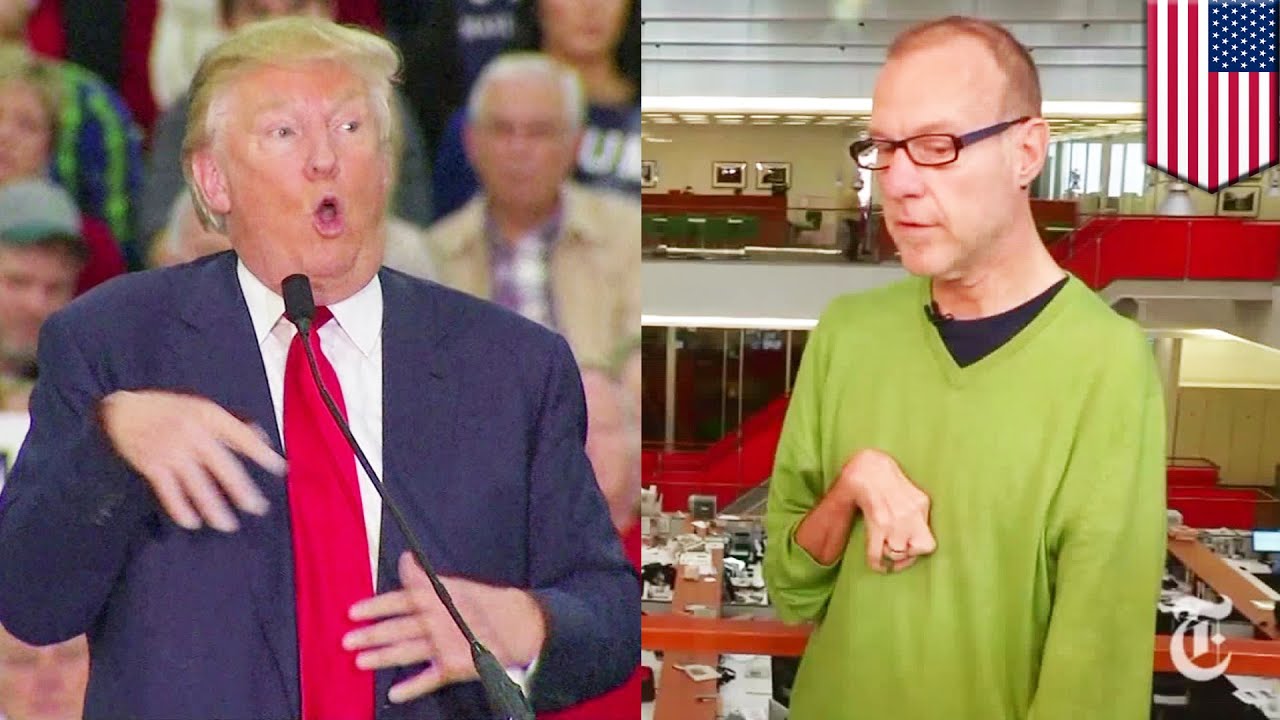
Trump mocking Kovaleski, left; Kovaleski, right
At the Golden Globe Awards on January 8, Streep denounced this behavior that “broke my heart.”
“And this instinct to humiliate, when it’s modeled by someone in the public platform, by someone powerful, it filters down into everybody’s life, because it kind of gives permission for other people to do the same thing.
“Disrespect invites disrespect. Violence incites violence. When the powerful use their position to bully others, we all lose.”

Meryl Streep at the Golden Globes
Streep’s words outraged Trump’s supporters—especially his mouthpiece, Kelleyanne Conway.
Appearing on Right-wing Fox and Friends the next morning, she said: “We have to now form a government, and I’m concerned that somebody with a platform like Meryl Streep is also, I think, inciting people’s worst instincts.
“When she won’t get up there and say, ‘I don’t like it, but let’s try to support him and see where we can find some common ground with him, which [Trump] has actually done from moment one.”
Conway didn’t say what common ground Streep should find with Trump. Perhaps agreeing on mocking the disabled?

Kelleyanne Conway
Then Conway visited CNN’s “New Day,” where she offered a “black-is-white” defense for Trump’s videotaped ridiculing of Kovaleski: It didn’t happen.
The host, Chris Cuomo, having seen the video, wasn’t buying it.
CUOMO: But is [Streep] wrong? Is she wrong that it was wrong for Trump to make gestures like that about a man with disabilities?
CONWAY: He didn’t—but that is not what he did and he has said that a thousand times. As he tweeted out today—
CUOMO: He can say it a million. Look at the video.
CONWAY: Why can’t you—wait, excuse me. Why can’t you give him the benefit of the doubt the way the benefit of the doubt was given to CNN’s polling, all of its analysts?
CUOMO: Because he’s making a disgusting gesture on video talking about Serge.
CONWAY: Not about that reporter and that’s just a fact. That is what he’s said. You should give him—
CUOMO: But how is it not about the reporter?
CONWAY: —the deference and respect if he says that it was—he was not mocking, he was mocking the groveling. He said it again this morning. He has three tweets out about it.
CUOMO: But he’s doing a gesture that goes right to the guy’s vulnerability.
CONWAY: You’re saying you don’t believe him. You’re calling him a liar and you shouldn’t.
CUOMO: Look, Kellyanne, to me that’s like you’re trying to scare me off the point and we both know it’s a waste of time.
CONWAY: I’m not going to scare you off anything.
CUOMO: He’s making a gesture that is so keenly tuned to what Serge’s vulnerability is.
CONWAY: And now you’re giving oxygen to what Meryl Streep said.
CUOMO: Forget about Meryl Streep. This happened before her. If our kids did that, could you imagine what we would say to them?
Conway said she would not bring her children into the discussion.
CUOMO: I will. If my kid did something like that, it’d be a really tough day.
CONWAY: You have to listen to what the president has said about that. Why don’t you believe him?
Conway tried to change the subject to Hillary Clinton: “She was given the benefit of the doubt here constantly.”
When Cuomo asked for specifics, she refused to give them. Then she returned to claiming that Trump had never mocked Kovaleski:
CONWAY: You can’t give him the benefit of the doubt on this, when he’s telling you what was in his heart? You always want to go by what’s come out of his mouth, rather than look at what’s in his heart.
* * * * *
Previously, politicians had defended themselves with arguments like: “You can see right here on the tape, I did (or, I didn’t)….”
Trump has cast aside that logic—and the taped evidence—by demanding: “Believe what I’m telling you, not what you’ve just seen.”
By that rationale, if a security camera shows Trump robbing a bank at gunpoint, we’re supposed to believe him if he says: “No, I didn’t rob that bank. I was simply checking my bank balance.”
Such “logic” holds appeal for paid shills like Kelleyanne Conway. But most people will continue to judge by the evidence.
2016 PRESIDENTIAL CAMPAIGN, 9/11 ATTACKS, ABC NEWS, ACADEMY AWARDS, ALTERNET, AMERICABLOG, AP, ASSOCIATED PRESS, BABY BOOMER RESISTANCE, BARACK OBAMA, BBC, BEST ACTRESS, BEST SUPPORTING ACTRESS, BIRTHERS, BLOOMBERG, BULLYING, BUZZFEED, CBS NEWS, CENSORSHIP, CHRIS CUOMO, CNN, CREDIBILITY GAP, CROOKS AND LIARS, DAILY KOS, DAVID BROOKS, DAVID HALBERSTAM, DISABILITY, DONALD TRUMP, FIVETHIRTYEIGHT, FOX AND FRIENDS, FRANK STANTON, FULL METAL JACKET, GEORGE MCGOVERN, GOLDEN GLOBES, HARPER’S MAGAZINE, HILLARY CLINTON, HUFFINGTON POST, JOHN F. KENNEDY, KELLEYANNE CONWAY, KRAMER VS. KRAMER, LYNDON B. JOHNSON, MARK SHIELDS, MEDIA MATTERS, MERYL STREEP, MORLEY SAFER, MOTHER JONES, MOVEON, MSNBC, NAVY SEALS, NBC NEWS, NEEWSWEEK, NEW DAY, NEW REPUBLIC, NEWSDAY, NEWSWEEK, NPR, OSAMA BIN LADEN, PBS NEWSHOUR, PETER ARNETT, POLITICO, POLITICUSUSA, RAW STORY, REUTERS, RICHARD NIXON, RONALD ZIEGLER, SALON, SEATTLE TIMES, SERGE KOVALESKI, SLATE, SOPHIE'S CHOICE, STANLEY KUBRICK, TALKING POINTS MEMO, THE ATLANTIC, THE CHICAGO SUN-TIMES, THE CHICAGO TRIBUNE, THE DAILY BEAST, THE DAILY BLOG, THE GUARDIAN, THE HILL, THE HUFFINGTON POST, THE INTERCEPT, THE IRON LADY, THE LOS ANGELES TIMES, THE NATION, THE NEW REPUBLIC, THE NEW YORK TIMES, THE NEW YORKER, THE VILLAGE VOICE, THE WALL STREET JOURNAL, THE WASHINGTON POST, THINKPROGRESS, TIME, TRUTHDIG, TRUTHOUT, TWO POLITICAL JUNKIES, U.S. NEWS & WORLD REPORT, UPI, USA TODAY, VIETNAM WAR, WATERGATE, X
In Bureaucracy, History, Law, Law Enforcement, Military, Politics, Social commentary on October 18, 2024 at 12:22 am
For five years, Donald Trump, more than anyone else, popularized the slander that Barack Obama was born in Kenya—and was therefore an illegitimate President.
For more than a year during his 2016 Presidential campaign, Trump continued doing so.
As his popularity fell to less than 1% among blacks, the managers of his campaign urged: Put the “birther” issue behind you.
So, on September 16, 2016—10 days before his scheduled first debate with Democratic Presidential nominee Hillary Clinton—Trump made his version of a reversal.
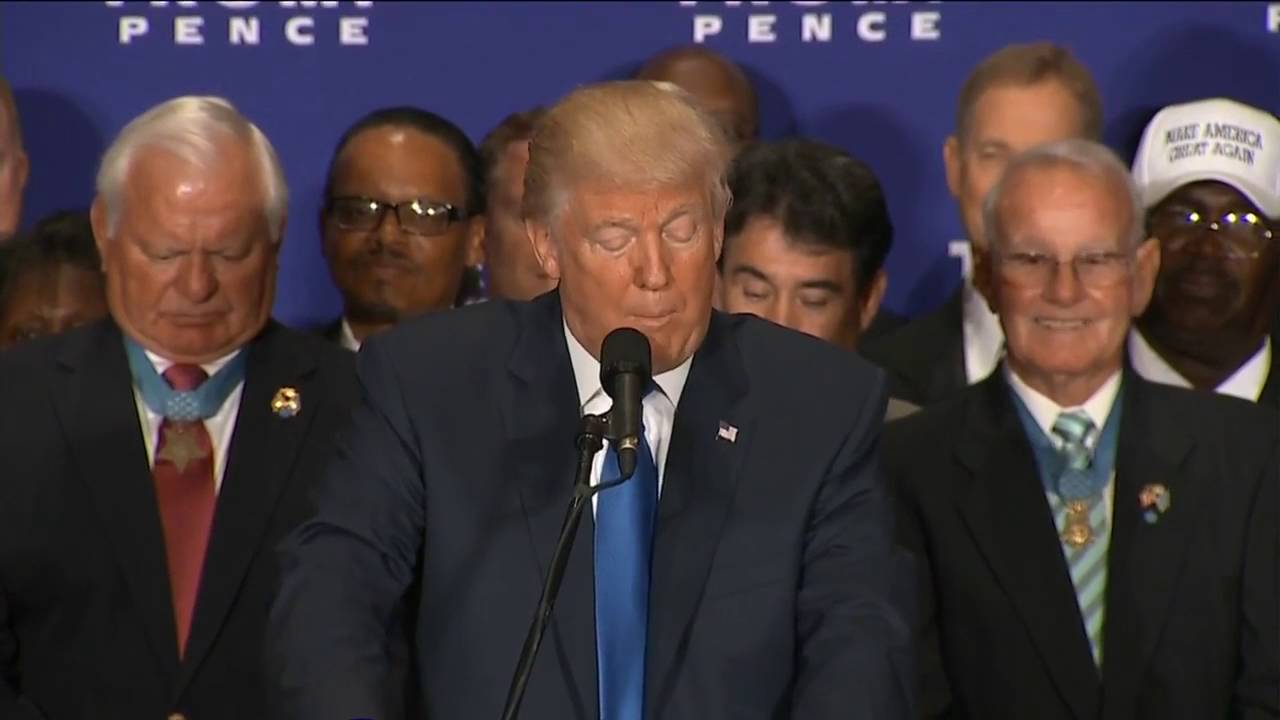
Donald Trump: “President Barack Obama was born in the United States.”
He did so in about seven seconds and 40 words—after spending a half hour paying tribute to the military and promoting his new upscale hotel in Washington, D.C.:
“Now, not to mention her in the same breath, but Hillary Clinton and her campaign of 2008 started the birther controversy.
“I finished it. I finished it. You know what I mean.
“President Barack Obama was born in the United States, period. Now we all want to get back to making America strong and great again.”
His tone made it clear that he felt uneasy making that statement–and wanted to get it over with as fast as possible.
He refused to take questions from reporters covering the event. Nor did he apologize for his five-year campaign of slander.
On the evening of September 16, Hillary Clinton strongly responded to Trump’s comments:
“For five years, he has led the birther movement to de-legitimize our first black president. His campaign was founded on this outrageous lie. There is no erasing it in history.”
And First Lady Michelle Obama slammed Trump for his “birther” claims:
“Then, of course, there were those who questioned, and who continue to question for the past eight years, and up to this very day, whether my husband was even born in this country.
“Well, during his time in office, I think Barack has answered those questions with the examples he set, by going high when they go low. And he’s answered these questions with the progress we’ve achieved together.”

Michelle Obama
But perhaps the best perspective on this event was provided by syndicated columnist Mark Shields and New York Times columnist David Brooks. Each Friday they appear on the PBS Newshour to review the week’s major political events.
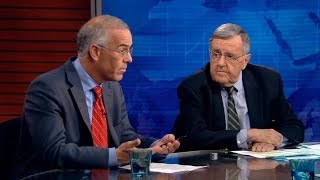
David Brooks and Mark Shields
On September 16, 2016, Shields (a liberal) and Brooks (a conservative) addressed Trump’s about-face on birtherism.
MARK SHIELDS: “I think it’s important to establish right at the outset that [Trump] wasn’t only the loudest and the highest-profile and the most persistent and the most well-publicized birther, he, Donald Trump. He lied. He lied consistently and persistently.
“And, today, without explanation or excuse, he just changed his position and tried to absolutely falsely shift the blame onto Hillary Clinton.
“And this was an appeal to—he debased democracy. He debased the national debate. He appealed to that which is most ignoble or least noble in all of us.”
DAVID BROOKS: “Usually, there’s some tangential relationship to the truth, but a corroding relationship to the truth, frankly, as politics has gone on over the years.
“But now we’re in a reverse, Orwellian inversion of the truth with this. And so we have a team of staffers and then the candidate himself who have taken the normal spin and smashed all the rules.
“And so we are really in Orwell land. We are in 1984. And it’s interesting that an authoritarian personality type comes in at the same time with a complete disrespect for even tangential relationship to the truth that words are unmoored.
“And so I do think this statement sort of shocked me with the purification of a lot of terrible trends that have been happening. And so what’s white is black, and what is up is down, what is down is up. And that really is something new in politics.
“And the fact that there is no penalty for it, apparently—he’s doing fantastic in the last two weeks in the polls–is just somehow where we have gotten.”
Less than two months later, Trump won the Presidency.
Since then, Trump has continued to inhabit what David Brooks called “Orwell land.”
The most recent example of this occurred on January 9, 2017.
The night before, Meryl Streep had enraged Trump and his mouthpiece, Kelleyanne Conway, at the Golden Globes Awards ceremony.
While being presented with the Cecil B. DeMille Lifetime Achievement Award, she had criticized Trump’s mocking, on November 25, 2015, of disabled New York Times reporter Serve Kovaleski:
“There was one performance this year that stunned me. It sank its hooks in my heart. Not because it was good. There was nothing good about it. But it was effective, and it did its job. It made its intended audience laugh and show their teeth.
“It was that moment when the person asking to sit in the most respected seat in our country imitated a disabled reporter. Someone he outranked in privilege, power and the capacity to fight back. It kind of broke my heart when I saw it. I still can’t get it out of my head because it wasn’t in a movie. It was real life.”
2016 PRESIDENTIAL CAMPAIGN, 9/11 ATTACKS, ABC NEWS, ACADEMY AWARDS, ALTERNET, AMERICABLOG, AP, ASSOCIATED PRESS, BABY BOOMER RESISTANCE, BARACK OBAMA, BBC, BEST ACTRESS, BEST SUPPORTING ACTRESS, BIRTHERS, BLOOMBERG, BULLYING, BUZZFEED, CBS NEWS, CENSORSHIP, CHRIS CUOMO, CNN, CREDIBILITY GAP, CROOKS AND LIARS, DAILY KOS, DAVID BROOKS, DAVID HALBERSTAM, DISABILITY, DONALD TRUMP, FIVETHIRTYEIGHT, FOX AND FRIENDS, FRANK STANTON, FULL METAL JACKET, GEORGE MCGOVERN, GOLDEN GLOBES, HARPER’S MAGAZINE, HILLARY CLINTON, HUFFINGTON POST, JOHN F. KENNEDY, KELLEYANNE CONWAY, KRAMER VS. KRAMER, LYNDON B. JOHNSON, MARK SHIELDS, MEDIA MATTERS, MERYL STREEP, MORLEY SAFER, MOTHER JONES, MOVEON, MSNBC, NAVY SEALS, NBC NEWS, NEEWSWEEK, NEW DAY, NEW REPUBLIC, NEWSDAY, NEWSWEEK, NPR, OSAMA BIN LADEN, PBS NEWSHOUR, PETER ARNETT, POLITICO, POLITICUSUSA, RAW STORY, REUTERS, RICHARD NIXON, RONALD ZIEGLER, SALON, SEATTLE TIMES, SERGE KOVALESKI, SLATE, SOPHIE'S CHOICE, STANLEY KUBRICK, TALKING POINTS MEMO, THE ATLANTIC, THE CHICAGO SUN-TIMES, THE CHICAGO TRIBUNE, THE DAILY BEAST, THE DAILY BLOG, THE GUARDIAN, THE HILL, THE HUFFINGTON POST, THE INTERCEPT, THE IRON LADY, THE LOS ANGELES TIMES, THE NATION, THE NEW REPUBLIC, THE NEW YORK TIMES, THE NEW YORKER, THE VILLAGE VOICE, THE WALL STREET JOURNAL, THE WASHINGTON POST, THINKPROGRESS, TIME, TRUTHDIG, TRUTHOUT, TWO POLITICAL JUNKIES, U.S. NEWS & WORLD REPORT, UPI, USA TODAY, X
In Bureaucracy, History, Law, Law Enforcement, Politics, Social commentary on October 17, 2024 at 12:12 am
In 2011, Donald Trump, host of NBC’s “The Apprentice,” was thinking of running for President against Barack Obama.
Seeking to gain popularity among America’s Right-wing, Trump almost singlehandedly created the popular fiction that the President was born in Kenya—and was not an American citizen.
His motive: To convince Americans that Obama was an illegitimate President.
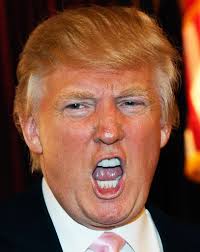
Donald Trump
Among the statements Trump made:
February 10, 2011: “Our current president came out of nowhere. Came out of nowhere. In fact, I’ll go a step further: The people that went to school with him, they never saw him, they don’t know who he is. It’s crazy.”
March 23, 2011: “I want him to show his birth certificate. I want him to show his birth certificate. … There’s something on that birth certificate that he doesn’t like.”
March 28, 2011: “I am really concerned” [that Obama wasn’t born in the United States]. He said that the birth announcement for Obama in a Hawaii newspaper could have been planted “for whatever reason.”
March 30, 2011: “If you are going to be president of the United States you have to be born in this country. And there is a doubt as to whether or not he was. … He doesn’t have a birth certificate. He may have one, but there’s something on that, maybe religion, maybe it says he is a Muslim. I don’t know. Maybe he doesn’t want that. Or he may not have one. But I will tell you this. If he wasn’t born in this country, it’s one of the great scams of all time.”
April 7, 2011: “I have people that have been studying it, and they cannot believe what they’re finding. You are not allowed to be a president if you’re not born in this country. Right now I have real doubts.”
April 25, 2011: “I’ve been told very recently…that the birth certificate is missing. I’ve been told that it’s not there or it doesn’t exist. And if that’s the case, it’s a big problem.”
On April 27, President Obama released his original, long-form Hawiian birth certificate.
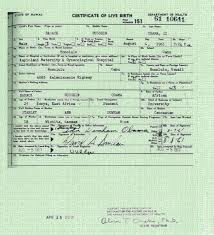
The long-form version of President Obama’s birth certificate
“We do not have time for this kind of silliness,” said Obama at a press conference, speaking as a father might to a roomful of spiteful children. “We have better stuff to do. I have got better stuff to do. We have got big problems to solve.
“We are not going to be able to do it if we are distracted, we are not going to be able to do it if we spend time vilifying each other…if we just make stuff up and pretend that facts are not facts, we are not going to be able to solve our problems if we get distracted by side shows and carnival barkers.”
And on May 1, he announced the solving of one of those “big problems”: Osama bin Laden, mastermind of the September 11, 2001 terrorist attacks, had been tracked down and shot dead by elite U.S. Navy SEALS in Pakistan.
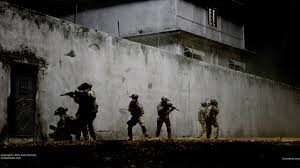
SEALS attacking bin Laden’s compound in the 2012 movie, “Zero Dark Thirty”
And how did Trump respond? With the following series of Tweets on Twitter:
May 18, 2012: “Let’s take a closer look at that birth certificate.@BarackObama was described in 2003 as being “born in Kenya.” http://bit.ly/Klc9Uu
August 6, 2012: “An ‘extremely credible source’ has called my office and told me that @BarackObama‘s birth certificate is a fraud.”
August 27, 2012: “Why do the Republicans keep apologizing on the so called “birther” issue? No more apologies—take the offensive!”
September 13, 2012: “Wake Up America! See article: “Israeli Science: Obama Birth Certificate is a Fake”
June 30, 2013: “@davidrhythmguit: @realDonaldTrump @Chuffman48 Mark Cuban accepts the fact that the President of the United States was born here. Doubt it”
August 22, 2013: “Why are people upset w/ me over Pres Obama’s birth certificate? I got him to release it, or whatever it was, when nobody else could!”
December 12, 2013: “How amazing, the State Health Director who verified copies of Obama’s “birth certificate” died in plane crash today. All others lived”
November 23, 2014: “@futureicon: @pinksugar61 Obama also fabricated his own birth certificate after being pressured to produce one by @realDonaldTrump“
Even after declaring his candidacy for President on June 16, 2015, Trump continued to insist that Barack Obama was an illegitimate President.
Meanwhile, Trump’s popularity among blacks had steadily fallen. In June, 2016, a Quinnipiac poll revealed that Trump had 1% of support from black voters. By comparison, 91% of black voters backed Hillary Clinton.
Among the reasons for this:
- His enthusiastic support by racist white supremacist organizations such as the Ku Klux Klan and the American Nazi Party.
- His “birther” attacks on President Obama as a non-citizen from Kenya—and thus ineligible to hold the Presidency.
- His attacks on the Black Lives Matter movement and calling on his supporters at rallies to rough up minority protesters.
Even the managers of Trump’s campaign urged him to put the “birther” issue behind him.
And so, on September 16—10 days before his scheduled first debate with Democratic Presidential nominee Hillary Clinton—Trump made his version of a reversal.
In doing so, he entered into what conservative New York Times political columnist David Brooks called “Orwell land.”
2016 PRESIDENTIAL CAMPAIGN, 9/11 ATTACKS, ABC NEWS, ACADEMY AWARDS, ALTERNET, AMERICABLOG, AP, ASSOCIATED PRESS, BABY BOOMER RESISTANCE, BARACK OBAMA, BBC, BEST ACTRESS, BEST SUPPORTING ACTRESS, BIRTHERS, BLOOMBERG, BULLYING, BUZZFEED, CBS NEWS, CENSORSHIP, CHRIS CUOMO, CNN, CREDIBILITY GAP, CROOKS AND LIARS, DAILY KOS, DAVID BROOKS, DAVID HALBERSTAM, DISABILITY, DONALD TRUMP, FIVETHIRTYEIGHT, FOX AND FRIENDS, FRANK STANTON, FULL METAL JACKET, GEORGE MCGOVERN, GOLDEN GLOBES, HARPER’S MAGAZINE, HILLARY CLINTON, HUFFINGTON POST, JOHN F. KENNEDY, KELLEYANNE CONWAY, KRAMER VS. KRAMER, LYNDON B. JOHNSON, MARK SHIELDS, MEDIA MATTERS, MERYL STREEP, MORLEY SAFER, MOTHER JONES, MOVEON, MSNBC, NAVY SEALS, NBC NEWS, NEEWSWEEK, NEW DAY, NEW REPUBLIC, NEWSDAY, NEWSWEEK, NPR, OSAMA BIN LADEN, PBS NEWSHOUR, PETER ARNETT, POLITICO, POLITICUSUSA, RAW STORY, REUTERS, RICHARD NIXON, RONALD ZIEGLER, SALON, SEATTLE TIMES, SERGE KOVALESKI, SLATE, SOPHIE'S CHOICE, STANLEY KUBRICK, TALKING POINTS MEMO, THE ATLANTIC, THE CHICAGO SUN-TIMES, THE CHICAGO TRIBUNE, THE DAILY BEAST, THE DAILY BLOG, THE GUARDIAN, THE HILL, THE HUFFINGTON POST, THE INTERCEPT, THE IRON LADY, THE LOS ANGELES TIMES, THE NATION, THE NEW REPUBLIC, THE NEW YORK TIMES, THE NEW YORKER, THE VILLAGE VOICE, THE WALL STREET JOURNAL, THE WASHINGTON POST, THINKPROGRESS, TIME, TRUTHDIG, TRUTHOUT, TWO POLITICAL JUNKIES, U.S. NEWS & WORLD REPORT, UPI, USA TODAY, VIETNAM WAR, WATERGATE, X
In Bureaucracy, History, Law, Law Enforcement, Military, Politics, Social commentary on October 16, 2024 at 12:26 am
“Credibility gap” is a term that came into use during the mid-1960s to describe public and journalistic distrust of President Lyndon B. Johnson. In particular, the term was applied to his administration’s conduct of the Vietnam war.
It was, in short, a euphemism for accusing government officials of outright lying.
An example of the credibility gap in full swing appeared in Stanley Kubrick’s classic 1987 Vietnam war movie, Full Metal Jacket.
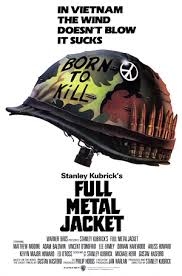
Vietnam was a war where military and political officials spewed a gung-ho version of constant American progress against a tough enemy.
And where civilian reporters like David Halberstam and Walter Cronkite saw—and labeled—the war as a brutal, wasteful and ultimately doomed effort.
Midway through the film, there’s an editorial meeting of The Sea Tiger, the official Marine newspaper.
Lieutenant Lockhart is presiding–and he is determined to give his superiors an endless stream of “all-systems-go” propaganda reports. He reads a series of stories that have been published:
Story #1: DIPLOMATS IN DUNGAREES—MARINE ENGINEERS LEND A HELPING HAND REBUILDING DONG PHUC VILLAGES.
LOCKHART: “Chili, “if we move Vietnamese, they are evacuees. If they come to us to be evacuated, they are refugees.”
Story #2: N.V.A. SOLDIER DESERTS AFTER READING PAMPHLETS.
LOCKHART: “A young North Vietnamese Army regular, who realized his side could not win the war, deserted from his unit after reading Open Arms program pamphlets.”
Story #3: NOT WHILE WE’RE EATING: N.V.A. LEARN MARINES ON A SEARCH AND DESTROY MISSION DON’T LIKE TO BE INTERRUPTED WHILE EATING CHOW.
LOCKHART: “‘Search and destroy.’ Uh, we have a new directive on this. In the future, in place of ‘search and destroy,’ substitute the phrase ‘sweep and clear.’ Got it?”
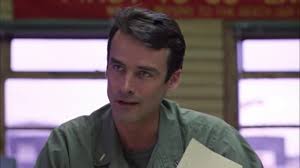
Lt. Lockhart, editor of The Sea Tiger
LOCKHART: “And, Joker—where’s the weenie?”
JOKER: “Sir?”
LOCKHART “The Kill, Joker. I mean, all that fire, the grunts must’ve hit something.”
JOKER: “Didn’t see ’em.”
LOCKHART: “Joker, I’ve told you, we run two basic stories here: Grunts who give half their pay to buy gooks toothbrushes and deodorants—winning of hearts and Minds—okay? And combat action that results in a kill—Winning the War. Now you must have seen blood trails … drag marks?”
JOKER: “It was raining, sir.”
LOCKHART: “Well, that’s why God passed the law of probability. Now rewrite it and give it a happy ending–say, uh, one kill. Make it a sapper or an officer. Grunts like reading about dead officers.”
JOKER: “Okay, an officer. How about a general?”
LOCKHART: “Joker, maybe you’d like our guys to read the paper and feel bad. I mean, in case you didn’t know it, this is not a particularly popular war. Now, it is our job to report the news that these why-are-we-here civilian newsmen ignore.”
So great became the divide between truth and lies during military “press briefings” that reporters started calling them “The Five O’clock Follies.” And even some soldiers took to wearing buttons that said: “Ambushed at Credibility Gap.”
Reporters who dared to write truthfully about the military’s crimes and failures—like David Halberstam of the New York Times and Peter Arnett of the Associated Press—were regarded as traitors by military and political officials.
In 1963, President John F. Kennedy became enraged by Halberstam’s reporting on the corruption of the South Vietnamese government. He pressured New York Times publisher Arthur Ochs Sulzberger to transfer Halberstam to another locale. Sulzberger politely refused—and then, to send a message to Kennedy, extended Halberstam’s stay in Vietnam another six months.
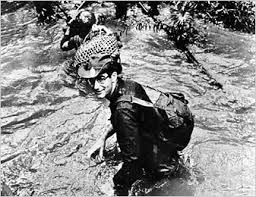
David Halberstam
In 1965, when CBS Correspondent Morley Safer filmed Marines setting fire to the village of Cam Ne with Zippo lighters, President Lyndon B. Johnson was similarly outraged.
He placed an early-morning call to CBS News President Frank Stanton and shouted: “Your boys shat on the American flag!”
The trail of deceit and attempted censorship continued right up to the end of the war—in April, 1975. That was when North Vietnamese forces invaded the South and quickly overwhelmed the incompetent defenses arrayed against them.
And while America was still bogged down in Vietnam, the Watergate scandal erupted on June 17, 1972.
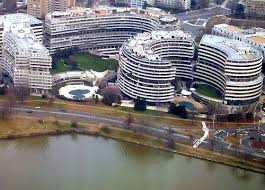
Watergate Hotel
Members of the Nixon administration’s secret “Plumbers Unit” burglarized the offices of the Democratic National Committee at the Watergate Hotel.
Obsessed with re-electing Richard Nixon, they sought incriminating information to discredit U.S. Senator George McGovern, the Democrats’ nominee for President.
When the burglars were caught, President Richard M. Nixon and his topmost officials lied and stonewalled both reporters and investigators seeking the truth.
Nixon’s press secretary, Ronald Ziegler, repeatedly slandered the integrity of The Washington Post for its coverage of the mushrooming Watergate scandal. He called the Watergate break-in “a third-rate burglary” and attacked the Post for “shabby journalism.”
Finally, on April 17, 1973, Ziegler, announced at a press conference: “This is the operative statement. The others are inoperative.”
In short: We’ve been lying to you for the last 10 months. But now we’re telling the truth.
Like Vietnam, the Watergate scandal destroyed the reputations of many of its chief architects. Forty government officials were indicted or jailed.
Vietnam and Watergate were seminal events for Americans coming of age in the late 1960s and early 1970s. They taught an entire generation: Don’t trust the government. Its officials routinely lie, and their lies can be deadly.
2012 PRESIDENTIAL CAMPAIGN, ABC NEWS, ALTERNET, AMERICABLOG, AP, APARTHEID, ARMY-MCCARTHY HEARINGS, BABY BOOMER RESISTANCE, BBC, BIRTH CONTROL, BLOOMBERG NEWS, BUZZFEED, CBS NEWS, CNN, CROOKS AND LIARS, DAILY KOS, DONALD TRUMP, FASCISM, FIVETHIRTYEIGHT, HARPER’S MAGAZINE, HONOR, HUFFINGTON POST, JANUARY 6 COUP ATTEMPT, JAPAN, JENNA ELLIS, JOE BIGGS, JOSEPH MCCARTHY, MATTHEW 7:17-20, MEDIA MATTERS, MOTHER JONES, MOVEON, MSNBC, NBC NEWS, NELSON MANDELA, NEW REPUBLIC, NEWSDAY, NEWSWEEK, NPR, PBS NEWSHOUR, POLITICO, POLITICUSUSA, PROUD BOYS, RAW STORY, REUTERS, SALON, SAMURAI, SEATTLE TIMES, SLATE, SOUTH AFRICA, TALKING POINTS MEMO, THE ATLANTIC, THE CHICAGO SUN-TIMES, THE CHICAGO TRIBUNE, THE DAILY BEAST, THE DAILY BLOG, THE GUARDIAN, THE HILL, THE HUFFINGTON POST, THE INTERCEPT, THE LOS ANGELES TIMES, THE NATION, THE NEW REPUBLIC, THE NEW YORK TIMES, THE NEW YORKER, THE VILLAGE VOICE, THE WALL STREET JOURNAL, THE WASHINGTON POST, THINKPROGRESS, TIME, TRUTHDIG, TRUTHOUT, U.S. NEWS & WORLD REPORT, UPI, USA TODAY, X
In Bureaucracy, History, Politics, Social commentary on October 4, 2024 at 12:06 am
“Senator, may we not drop this?…You’ve done enough. Have you no sense of decency, sir? At long last, have you left no sense of decency?”
The speaker was Joseph N. Welch, chief counsel for the United States Army—then under investigation by Joseph McCarthy’s Senate Permanent Subcommittee on Investigations for alleged Communist activities.
It was June 9, 1954, the 30th day of the Army-McCarthy hearings.
And it was the pivotal moment that finally destroyed the career of the Wisconsin Senator whose repeated slanders of Communist subversion had bullied and frightened Americans for four years.
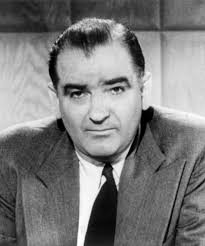
Joseph McCarthy
Today, however, other Americans should be asking themselves: “At long last, have you left no sense of decency?”
Like self-described Proud Boys organizer Joe Biggs.
On January 6, 2021, Biggs was a member of the Proud Boys, a Right-wing terrorist group which violently attacked the nation’s Capitol Building.
Their goal: To prevent the counting of Electoral College votes—which, as they knew, would establish that former Vice President Joseph R. Biden had legitimately won the 2020 Presidential election.
On August 31, 2023, Biggs received a prison sentence of 17 years.
Biggs sobbed as he was sentenced.
He pleaded for leniency to take care of his daughter and cancer-stricken mother: “I wanted to see what would happen. My curiosity got the best of me. I’m not a terrorist. I’m one of the nicest people in the world.”
He proved how nice he was—and qualified for a terrorism sentencing enhancement—by tearing down a fence that stood between police and rioters.
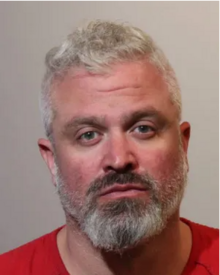
Joe Biggs
And like Jenna Ellis, a Trump campaign attorney from November 2020 to January 2021.
She repeatedly claimed that the “election was stolen and President Trump won by a landslide.”
On December 4, 2020, Ellis met state lawmakers in Georgia to persuade them to overturn the 2020 election results.
Indicted for her election-overturning efforts, on October 24 she tearfully pleaded guilty to aiding and abetting false statements: “As an attorney who is also a Christian, I take my responsibilities as a lawyer very seriously and I endeavor to be a person of sound, moral and ethical character in all of my dealings.
“If I knew then what I know now, I would have declined to represent Donald Trump in these post-election challenges. I look back on this experience with deep remorse.”
On May 28, 2024, her Colorado law license was suspended for three years.

Jenna Ellis
And like ex-President Donald Trump.
He’s facing three criminal indictments for:
- Inflating his worth to avoid taxes;
- Inciting a mob of his followers to overturn the results of the 2020 election; and
- Hoarding classified documents at his Mar-a-Lago club.
On May 30, 2024, a Manhattan jury convicted him on 34 felony counts for misclassifying hush money payments to porn “star” Stormy Daniels during his 2016 campaign..
Rather than facing up to his lifetime of criminality, Trump chose to portray himself as a heroic victim—by comparing himself to the Nobel Peace Prize-winning anti-apartheid activist Nelson Mandela, who spent 27 years in prison in South Africa.
On October 23, addressing a rally in Derry, New Hampshire, Trump said he would go to prison like Mandela:
“I don’t mind being Nelson Mandela because I’m doing it [running again for President] for a reason. We’ve got to save our country from these fascists, these lunatics that we’re dealing with. They’re horrible people and they’re destroying our country.”
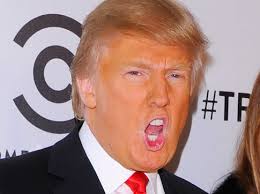
Donald Trump
For all his claims about willingly becoming a “political prisoner” like Nelson Mandela, Trump has spent literally tens of millions of his followers’ donations to stay out of it.
Ignoring all the evidence against him, he claims he’s being “persecuted” to keep him from winning re-election in 2024.
* * * * *
Clearly, the word “hypocrisy” meant nothing to Joseph McCarthy—just as it means nothing to Joe Biggs, Jenna Ellis and Donald Trump.
But it should mean something to the rest of us.
In feudal Japan, men who publicly disgraced themselves knew what to do. The samurai code of Bushido told them when they had crossed the line into eternal damnation.
And it gave them a way to redeem their lost honor—seppuku. With a small “belly-cutting” knife and the help of a trusted assistant who sliced off their head to spare them the agonizing pain of disembowelment.
In the armies of America and Europe, the method was slightly different: A pistol in a private room.

Considering the ready availability of firearms among Right-wing Republicans, redeeming lost honor shouldn’t be a problem for any of these people.
But of course it will be. It takes more than a trigger pull to “do the right thing.”
It takes insight to recognize that you’ve “done the wrong thing.” And it takes courage to act on that insight.
In people who live only for their own egos and wallets, such insight and courage will be forever missing. They are beyond redemption.
Their lives give proof to the warning offered in Matthew 7:17-20:
“Even so every good tree bringeth forth good fruit; but a corrupt tree bringeth forth evil fruit. A good tree cannot bring forth evil fruit, neither can a corrupt tree bring forth good fruit.
“Every tree that bringeth not forth good fruit is hewn down, and cast into the fire. Wherefore by their fruits ye shall know them.”
ABC NEWS, ALTERNET, AMERICABLOG, AP, BABY BOOMER RESISTANCE, BBC, BEDBUGS, BLOOMBERG, BLOOMBERG NEWS, BUILDING INSPECTION, BUSINESS, BUZZFEED, CBS NEWS, CHRIS MATHEWS, CNN, CROOKS AND LIARS, DAILY KOS, FEDERAL ASSET FORFEITURE STATUTES, FIVETHIRTYEIGHT, HARPER’S MAGAZINE, HUFFINGTON POST, LANDLORDS, MEDIA MATTERS, MOTHER JONES, MOVEON, MSNBC, NBC NEWS, NEW REPUBLIC, NEWSDAY, NEWSWEEK, NICCOLO MACHIAVELLI, NPR, PBS NEWSHOUR, POLITICO, POLITICUSUSA, RAW STORY, RENT BOARD, RENT CONTROL, RENTERS, RENTPAGE INC., REUTERS, ROBERT F. KENNEDY, SALON, SAN FRANCISCO, SAN FRANCISCO DEPARTMENT OF BUILDING INSPECTION, SAN FRANCISCO DEPARTMENT OF PUBLIC HEALTH, SEATTLE TIMES, SLATE, SLUMLORDS, TALKING POINTS MEMO, THE ATLANTIC, THE CHICAGO SUN-TIMES, THE CHICAGO TRIBUNE, THE DAILY BEAST, THE DAILY BLOG, THE GUARDIAN, THE HILL, THE HUFFINGTON POST, THE INTERCEPT, THE LOS ANGELES TIMES, THE NATION, THE NEW REPUBLIC, THE NEW YORK TIMES, THE NEW YORKER, THE VILLAGE VOICE, THE WALL STREET JOURNAL, THE WASHINGTON POST, THINKPROGRESS, TIME, TRUTHDIG, TRUTHOUT, TWO POLITICAL JUNKIES, U.S. NEWS & WORLD REPORT, UNITED STATES DEPARTMENT OF JUSTICE, UPI, USA TODAY, WILLIAM TECUMSEH SHERMAN, X
In Bureaucracy, History, Law, Law Enforcement, Politics, Social commentary on September 5, 2024 at 12:11 am
To create safe and affordable housing for their citizens, city agencies need to see landlords for what they truly are—as, at best, potential predators, if not actual ones. And to act aggressively on that knowledge.
As Niccolo Machiavelli warned:
“All those who have written upon civil institutions demonstrate…that whoever desires to found a state and give it laws, must start with assuming that all men are bad and ever ready to display their vicious nature, whenever they may find occasion for it.
“If their evil disposition remains concealed for a time, it must be attributed to some unknown reason; and we must assume that it lacked occasion to show itself. But time, which has been said to be the father of all truth, does not fail to bring it to light.”

Niccolo Machiavelli
The vast majority of this nation’s cities and states make no effort to control the insatiable greed of landlords. Nor to require them to provide even minimal habitability for their tenants.
Many tenants have lived with rotting floors, bedbugs, nonworking toilets, mice/rats, chipping lead-based paint and other outrages for not simply months but years.
This holds true even in San Francisco—the so-called “renters’ paradise” where the District Attorney’s Office hasn’t prosecuted a slumlord in decades.

Part Two of this series presented a series of badly-needed, long-overdue reforms for the San Francisco Department of Building Inspection (DBI). This is the agency charged with ensuring safe housing conditions for San Francisco residents.
Renters in cities and states across the country should demand similar protections.
This concluding part will cover the remainder of those needed reforms.
- Landlords should be required to bring all the units in a building up to existing building codes, and not just those in need of immediate repair.
- Landlords should be legally required to hire a certified-expert contractor to perform building repairs. To save money—that they can well afford to spend—-many landlords insist on making such repairs despite their not being trained or experienced in doing so. They thereby risk the health and/or safety of their tenants.
- DBI should not view itself as a “mediation” agency between landlords and tenants. Most landlords hate DBI and will always do so. They believe they should be allowed to treat their tenants like serfs, if not slaves, raise extortionate rents anytime they desire, and maintain their buildings in whatever state they wish.
- Above all, DBI must stop viewing itself as a regulatory agency and start seeing itself as a law enforcement one. The FBI doesn’t ask criminals to comply with the law. It applies whatever amount of pressure is needed to force their compliance. William Tecumseh Sherman, speaking of the rebellious Southern states, said it best: “They cannot be made to love us, but they may be made to fear us.”
- The San Francisco District Attorney’s Office should create a special unit to investigate and prosecute slumlords. Prosecutors should offer rewards to citizens who provide tips on major outrages by the city’s slumlords.
- Install Rent Control protections for tenants on fixed incomes. San Francisco is notorious for having the highest rents in the nation. The average rent for a one-bedroom apartment runs $3,000 a month. Even those in the vaunted high-tech industry spend most of their income on rent.
- For tenants on fixed incomes—seniors, disabled, students—the predatory greed of landlords amounts to a staged-in eviction notice. Social Security recipients often don’t get a cost-of-living increase if there hasn’t been a rise in gasoline prices. But many of them don’t own cars—while the price of everything else—such as groceries—has sharply risen.
- Allowing landlords to jack up rents to the fullest extent possible every year will eventually drive out all tenants who are not multimillionaires. In fact, an unknown portion of this City’s homeless population doubtless stems from the ability of landlords to gradually raise rents above tenants’ ability to afford them.
- In 1979, San Franciscans passed a Rent Control law to protect tenants against predatory rent hikes and unfair evictions. As a result, a landlord can only raise a tenant’s rent a certain percentage every year. This is set by the set by the Rent Stabilization and Arbitration Board, more popularly known as the “Rent Board.”
- But there is a gaping hole in the law: Once a tenant moves out, the landlord can jack up the rent as high as he wants. This is why the average rent in San Francisco is priced beyond most middle-class wage-earners.
- In addition, landlords are allowed to charge tenants yearly fees to maintain the existence of the Rent Board. This is both unfair and insulting, since the Board was created to protect tenants from predatory landlords. Most tenants have far less money to pay such fees than do landlords, who are free to raise rents every year. And landlords—unlike tenants—can and do write off Rent Board fees on their taxes every year.
As Robert F. Kennedy wrote: “Every society gets the kind of criminal it deserves. What is equally true is that every community gets the kind of law enforcement it insists on.”
ABC NEWS, ALTERNET, AMERICABLOG, AP, BABY BOOMER RESISTANCE, BBC, BEDBUGS, BLOOMBERG, BLOOMBERG NEWS, BUILDING INSPECTION, BUSINESS, BUZZFEED, CBS NEWS, CHRIS MATHEWS, CNN, CROOKS AND LIARS, DAILY KOS, FEDERAL ASSET FORFEITURE STATUTES, FIVETHIRTYEIGHT, HARPER’S MAGAZINE, HUFFINGTON POST, LANDLORDS, MEDIA MATTERS, MOTHER JONES, MOVEON, MSNBC, NBC NEWS, NEW REPUBLIC, NEWSDAY, NEWSWEEK, NICCOLO MACHIAVELLI, NPR, PBS NEWSHOUR, POLITICO, POLITICUSUSA, RAW STORY, RENT BOARD, RENT CONTROL, RENTERS, RENTPAGE INC., REUTERS, ROBERT F. KENNEDY, SALON, SAN FRANCISCO, SAN FRANCISCO DEPARTMENT OF BUILDING INSPECTION, SAN FRANCISCO DEPARTMENT OF PUBLIC HEALTH, SEATTLE TIMES, SLATE, SLUMLORDS, TALKING POINTS MEMO, THE ATLANTIC, THE CHICAGO SUN-TIMES, THE CHICAGO TRIBUNE, THE DAILY BEAST, THE DAILY BLOG, THE GUARDIAN, THE HILL, THE HUFFINGTON POST, THE INTERCEPT, THE LOS ANGELES TIMES, THE NATION, THE NEW REPUBLIC, THE NEW YORK TIMES, THE NEW YORKER, THE VILLAGE VOICE, THE WALL STREET JOURNAL, THE WASHINGTON POST, THINKPROGRESS, TIME, TRUTHDIG, TRUTHOUT, TWO POLITICAL JUNKIES, U.S. NEWS & WORLD REPORT, UNITED STATES DEPARTMENT OF JUSTICE, UPI, USA TODAY, WILLIAM TECUMSEH SHERMAN, X
In Bureaucracy, History, Law, Law Enforcement, Politics, Social commentary on September 4, 2024 at 12:51 pm
“We investigate complaints of building code violations and compel building owners to fix the violations.”
So boasts the website for the San Francisco Department of Building Inspection (DBI).
Yet DBI has long been outmaneuvered by predatory, law-breaking landlords.
And San Francisco renters—many of them elderly, poor and/or disabled—have been the victims of landlord greed, neglect and/or harassment.
Among the reforms that DBI should immediately enact:
- Hit slumlord violators with a fine—payable immediately—for at least $2,000 to $5,000 for each health/safety-code violation. The slumlord would be told he could reclaim 75-80% of the money only if he fully corrected the violation within 30 days. The remaining portion of the levied fine would go into the City coffers, to be shared among DBI and other City agencies.
- This would put the onus on the slumlord, not DBI. Appealing to his greed would ensure his willingness to comply with the ordered actions. As matters now stand, it is DBI who must repeatedly check with the slumlord to find out if its orders have been complied with.
- If the landlord failed to comply with the actions ordered within 30 days, the entire fine would go into the City’s coffers—to be divided among DBI and other agencies charged with protecting San Francisco residents.
- In addition. he would be hit again with a fine at least twice the amount of the first one.
- Inspectors for DBI should be allowed to cite landlords for violations that fall under the jurisdiction of the Department of Public Health (DPH). They could then pass the information to DPH for its own investigation.
- If the DBI inspector later discovered that the landlord had not corrected the DPH violation within a designated time-period, DBI should be allowed to levy its own fine for his failure to do so.
- If DPH objects to this, DBI should propose that DPH’s own inspectors be armed with similar cross-jurisdictional authority. Each agency would thus have increased motivation for spotting and correcting health/safety violations that threaten the lives of San Francisco residents.

- This would instantly turn DBI and DPH into allies, not competitors. And it would mean that whether a citizen called DBI or DPH, s/he could be assured of getting the necessary assistance. As matters now stand, many residents are confused by the conflicting jurisdictions of both agencies.
- DBI should insist that its Inspectors Division be greatly expanded. DBI can attain this by arguing that reducing the number of Inspectors cuts (1) protection for San Francisco renters–and (2) monies that could go to the general City welfare.
- The Inspection Division should operate independently of DBI. Currently, too many high-ranking DBI officials tilt toward landlords because they are landlords themselves.
- DBI should create a Special Research Unit to compile records on the worst slumlord offenders. Thus, a slumlord with a repeat history of defying DBI Notices of Violation could be treated more harshly than a landlord who was a first-time offender.
- Turning DBI into a revenue-producing agency would enable the City to raise desperately-needed revenues—in a highly popular way. Fining delinquent slumlords would be as popular as raising taxes on tobacco companies. Only slumlords and their hired lackey allies would object.
- DBI should legally require landlords to rehabilitate a unit every time a new tenant moves in, or have it examined by a DBI inspector every two years. A tenant can occupy a unit for ten or more years, then die or move out, and the landlord immediately rents the unit to the first person who comes along, without making any repairs or upgrades whatsoever.
- Slumlords, unlike drug-dealers, can’t move their buildings from one street or city to another. If they want to make money in San Francisco, they will have to submit to the jurisdiction of landlord-regulating agencies.
- DBI should require landlords to post their Notices of Violation in public areas of their buildings—and levy severe fines for failing to do so. When DBI orders a slumlord to take corrective action, s/he is the only one who is notified. If that slumlord refuses to comply with that directive, s/he is the only one who knows it. Given the pressing demands on DBI, weeks or months will pass before the agency learns about this violation of its orders. Tenants have a right to know if their landlord is complying with the law—so they can promptly notify DBI if a violation is occurring.

- Landlords should be legally required to give each tenant a list of the major city agencies (such as DBI, the Rent Board and the Department of Public Health) that exist to help tenants solve problems with their housing.
- DBI should launch—and maintain—a citywide advertising campaign to alert residents about its services. Everyone knows the FBI pursues bank robbers. But too many San Franciscans don’t even know that DBI exists, let alone what laws it enforces. This should be an in-your-face campaign: “Do you have bedbugs in your apartment? Has your stove stopped working? Are you afraid to ride in your building elevator because it’s always malfunctioning? Have you complained to your landlord and gotten the runaround? Then call DBI at—- Or drop us an email at_____.”
ABC NEWS, ALTERNET, AMERICABLOG, AP, BABY BOOMER RESISTANCE, BBC, BEDBUGS, BLOOMBERG, BLOOMBERG NEWS, BUILDING INSPECTION, BUSINESS, BUZZFEED, CBS NEWS, CHRIS MATHEWS, CNN, CROOKS AND LIARS, DAILY KOS, FEDERAL ASSET FORFEITURE STATUTES, FIVETHIRTYEIGHT, HARPER’S MAGAZINE, HUFFINGTON POST, LANDLORDS, MEDIA MATTERS, MOTHER JONES, MOVEON, MSNBC, NBC NEWS, NEW REPUBLIC, NEWSDAY, NEWSWEEK, NICCOLO MACHIAVELLI, NPR, PBS NEWSHOUR, POLITICO, POLITICUSUSA, RAW STORY, RENT BOARD, RENT CONTROL, RENTERS, RENTPAGE INC., REUTERS, ROBERT F. KENNEDY, SALON, SAN FRANCISCO, SAN FRANCISCO DEPARTMENT OF BUILDING INSPECTION, SAN FRANCISCO DEPARTMENT OF PUBLIC HEALTH, SEATTLE TIMES, SLATE, SLUMLORDS, TALKING POINTS MEMO, THE ATLANTIC, THE CHICAGO SUN-TIMES, THE CHICAGO TRIBUNE, THE DAILY BEAST, THE DAILY BLOG, THE GUARDIAN, THE HILL, THE HUFFINGTON POST, THE INTERCEPT, THE LOS ANGELES TIMES, THE NATION, THE NEW REPUBLIC, THE NEW YORK TIMES, THE NEW YORKER, THE VILLAGE VOICE, THE WALL STREET JOURNAL, THE WASHINGTON POST, THINKPROGRESS, TIME, TRUTHDIG, TRUTHOUT, TWO POLITICAL JUNKIES, U.S. NEWS & WORLD REPORT, UNITED STATES DEPARTMENT OF JUSTICE, UPI, USA TODAY, WILLIAM TECUMSEH SHERMAN, X
In Bureaucracy, History, Law, Law Enforcement, Politics, Social commentary on September 3, 2024 at 12:05 am
As of 2024, only seven states–—California, Maine, Maryland, Minnesota, New Jersey, New York, Oregon—and the District of Columbia—offer tenant protections via residential rent control.
Currently, 33 states ban local governments from adapting rent regulation laws.
Only 39 out of 482 cities in California have strong tenant protections.
And only 16 cities in California have rent controls on landlords’ greed: Alameda, Berkeley, Beverly Hills, East Palo Alto, Gardena, Hayward, Los Angeles, Los Gatos, Mountain View, Oakland, Palm Springs, Richmond. San Francisco, San Jose, Santa Monica and West Hollywood.
A common rule of thumb is to spend no more than 30% of your gross monthly income on housing. Yet a May, 2024 Harvard report states that 22.4 million households in the United States spend more than 30% of their income on rent, and 12.1 million spend more than 50%.

In New York City and San Francisco, median monthly rents are over $2,000 for a one-bedroom apartment.
Housing affordability has become a major political issue, especially as the rising tide of homelessness overwhelms cities and states. The Presidential campaign of Donald Trump has blamed Vice President Kamala Harris for the lack of affordable housing.
Yet the insatiable greed of landlords has never been addressed at a federal level—nor in the vast majority of cities and states across the nation.
But there might be hope that it could be.
On August 23, the Justice Department—together with the Attorneys General of North Carolina, California, Colorado, Connecticut, Minnesota, Oregon, Tennessee, and Washington-—filed a civil antitrust lawsuit against RealPage Inc.
RealPage is an American multinational corporation that provides property management software for the multifamily, commercial, single-family, and vacation rental housing industries.
According to the Justice Department, the company engaged in an unlawful scheme to:
- Decrease competition among landlords in apartment pricing; and
- Monopolize the market for commercial revenue management software that landlords use to price apartments:
The lawsuit states: “RealPage’s alleged conduct deprives renters of the benefits of competition on apartment leasing terms and harms millions of Americans.
“RealPage contracts with competing landlords who agree to share with RealPage nonpublic, competitively sensitive information about their apartment rental rates and other lease terms to train and run RealPage’s algorithmic pricing software.

“This software then generates recommendations, including on apartment rental pricing and other terms, for participating landlords based on their and their rivals’ competitively sensitive information.”
One city that has rent control and housing protections for tenants is San Francisco.
To hear slumlords tell it, the city is a “renters’ paradise,” where obnoxious, lazy, rent-evading tenants constantly take advantage of hard-working, put-upon landlords.
Don’t believe it.
The power of slumlords calls to mind the scene in 1987’s The Untouchables, where Sean Connery’s veteran cop tells Eliot Ness: “Everybody knows where the liquor is. It’s just a question of: Who wants to cross Capone?”
Everybody in San Francisco knows who the slumlords are. But the District Attorney’s Office hasn’t criminally prosecuted a slumlord in decades.
Many tenants have lived with rotting floors, bedbugs, nonworking toilets, mice/rats, chipping lead-based paint and other outrages for not simply months but years.
Consider the challenges faced by the San Francisco Department of Building Inspection (DBI), which is charged with ensuring that apartment buildings are in habitable condition.
Under San Francisco law:
- A landlord is automatically given 30 days to correct a health/safety violation.
- If the landlord claims for any reason that he can’t fix the problem within one month, DBI doesn’t demand that he prove this. Instead, it automatically gives him another month.
- A slumlord has to work at being hit with a fine—by letting a problem go uncorrected for three to six months.
- And even then, repeat slumlord offenders often avoid the fine by pleading for leniency.
- That’s because many DBI officials are themselves landlords.
In fact, landlords hold memberships in DBI, the Department of Public Health (DPH) and the San Francisco Rent Board. Which is like having Mafiosi sit on the Board of Directors of the FBI.
But this situation could quickly be turned around—by applying valuable lessons from the “war on drugs” to regulating slumlords.
Consider:
- In 2022, at least 25,000 untested rape kits sat in law enforcement agencies and crime labs across the country.
- But illegal drug kits are automatically rushed to the had of the line.
- Federal asset forfeiture laws allow the Justice Department to seize properties used to “facilitate” violations of Federal anti-drug laws.
- Local and State law enforcement agencies are allowed to keep some of the proceeds once the property has been sold.
- Thus, financially-strapped police agencies have found that pursuing drug-law crimes is a great way to fill their own coffers.
- Prosecutors and lawmen view the seizing of drug-related properties as crucial to eliminating the financial clout of drug-dealing operations.
It’s long past time for San Francisco agencies to apply the same attitude—and methods—toward slumlords. 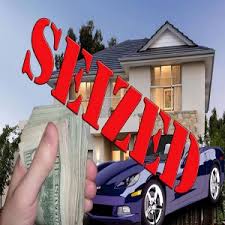
DBI should become not merely a law enforcing agency but a revenue-creating one. And those revenues should come from predatory slumlords who routinely violate the City’s laws protecting tenants.
By doing so, DBI could vastly:
- Enhance its own prestige and authority;
- Improve living conditions for thousands of San Francisco renters; and
- Bring millions of desperately-needed dollars into the City’s cash-strapped coffers.


 Bureaucracybuster's Blog
ABC NEWS, ALTERNET, AMERICABLOG, ANCHOR BABIES, AP, BABY BOOMER RESISTANCE, BARACK OBAMA, BBC, BLOOMBERG, BLOOMBERG NEWS, BUZZFEED, CBS NEWS, CNN, CROOKS AND LIARS, DAILY KOS, DONALD TRUMP, FACEBOOK, FBI, FIVETHIRTYEIGHT, HARPER’S MAGAZINE, HUFFINGTON POST, ILLEGAL ALIENS, illegal immigration, IMMIGRATION AND CUSTOMS ENFORCEMENT (ICE), JUSTICE DEPARTMENT, Kamala Harris, MEDIA MATTERS, MEXICO, MICHELLE OBAMA, MOTHER JONES, MOVEON, MSNBC, NBC NEWS, NEW REPUBLIC, NEWSDAY, NEWSWEEK, NPR, PBS NEWSHOUR, POLITICO, POLITICUSUSA, RACKETEER INFLUENCED CORRUPT ORGANIZATIONS ACT, RAW STORY, REUTERS, SALON, SAN FRANCISCO, sanctuary cities, SEATTLE TIMES, SLATE, TALKING POINTS MEMO, THE ATLANTIC, THE CHICAGO SUN-TIMES, THE CHICAGO TRIBUNE, THE DAILY BEAST, THE DAILY BLOG, THE GUARDIAN, THE HILL, THE HUFFINGTON POST, THE INTERCEPT, THE LOS ANGELES TIMES, THE NATION, THE NEW REPUBLIC, THE NEW YORK TIMES, THE NEW YORKER, THE VILLAGE VOICE, THE WALL STREET JOURNAL, THE WASHINGTON POST, THINKPROGRESS, TIME, TRUTHDIG, TRUTHOUT, TWO POLITICAL JUNKIES, U.S. NEWS & WORLD REPORT, U.S.-MEXICO WALL, UPI, USA TODAY, USA TODAY DONALD TRUMP, WAL-MART, X
WALLING OUT ILLEGAL ALIENS: A CHEAPER WAY
In Bureaucracy, Business, History, Law, Law Enforcement, Politics, Social commentary on December 9, 2024 at 12:10 amAccording to Donald Trump, stopping illegal immigration is easy.
Just build a massive, impenetrable wall along the U.S./Mexican border to keep out Mexican immigrants.
“Building a wall is easy, and it can be done inexpensively,” Trump said in an interview on July 17, 2015. “It’s not even a difficult project if you know what you’re doing.”
Really?
Among the obstacles to erecting such a barrier:
There are, in fact, cheaper and more effective remedies for combating illegal immigration.
Illegal aliens crossing into the United States
(1) The Justice Department should vigorously attack the “sanctuary movement” that officially thwarts the immigration laws of the United States.
Among the 31 “sanctuary cities” of this country: Washington, D.C.; New York City; Los Angeles; Chicago; San Francisco; Santa Ana; San Diego; Salt Lake City; Phoenix; Dallas; Houston; Austin; Detroit; Jersey City; Minneapolis; Miami; Denver; Baltimore; Seattle; Portland, Oregon; New Haven, Connecticut; and Portland, Maine.
These cities have adopted “sanctuary” ordinances that do not allow municipal funds or resources to be used to enforce federal immigration laws, usually by not allowing police or municipal employees to inquire about one’s immigration status.
(2) Indict the highest-ranking officials of those cities who have actively violated Federal immigration laws.
In San Francisco, for example, former District Attorney Kamala Harris—who is now Vice President of the United States—created a secret and illegal program called Back on Track, which provided training for jobs that illegal aliens could not legally hold.
(3) Even if some indicted officials escaped conviction, the results would prove worthwhile.
City officials would be forced to spend huge sums of their own money for attorneys and face months or even years of prosecution.
And this, in turn, would send a devastating warning to officials in other “sanctuary cities” that the same fate lies in store for them.
(4) CEOs whose companies—like Wal-Mart—systematically employ illegal aliens should be held directly accountable for the actions of their subordinates.
They should be indicted by the Justice Department under the Racketeer Influenced Corrupt Organizations (RICO) Act, the way Mafia bosses are prosecuted for ordering their own subordinates to commit crimes.
Upon conviction, the CEO should be sentenced to a mandatory prison term of at least 20 years.
CEOs forced to account for their subordinates’ actions would take drastic steps to ensure that their companies strictly complied with Federal immigration laws.
(5) The Government should stop automatic citizenship to “anchor babies” born to illegal aliens in the United States.
A comparable practice would be allowing bank robbers who had eluded the FBI to keep their illegally-obtained loot.
A person who violates the bank robbery laws of the United States is legally prosecutable for bank robbery, whether he’s immediately arrested or remains uncaught for years. The same should be true for those born illegally within this country.
If they’re not here legally at the time of birth, they should not be considered citizens and should—like their parents—be subject to deportation.
(6) The United States Government—from the President on down—should scrap its apologetic tone on the right to control its national borders.
First Lady Michelle Obama—accompanied by Margarita Zavala, the wife of then-Mexican President Felipe Calderon—was visiting a second-grade class in Silver Spring, Maryland.
A second-grade girl said: “My Mom, she says says that Barack Obama is taking everybody away that doesn’t have papers.”
Replied Mrs. Obama: “Yeah, well, that’s something that we have to work on right?”
The girl then said: “But my mom doesn’t have any….”
Obama: “Well, we’ll have to work on that. We have to fix that, and everybody’s got to work together in Congress to make sure that happens.”
The Mexican Government doesn’t consider itself racist for strictly enforcing its immigration laws.
The United States Government should not consider itself racist for insisting on the right to do the same.
(7) Voting materials and ballots should be published in one language—English.
In Mexico, voting materials are published in one language—Spanish.
Throughout the United States, millions of Spanish-speaking illegals refuse to learn English and yet demand that voting materials and ballots be made available to them in Spanish.
This is an English-speaking country. If immigrants don’t want to learn its national language, they should remain in their own nations.
(8) The United States should impose economic and even military sanctions against countries—such as China and Mexico—whose citizens make up the bulk of illegal aliens.
Mexico, for example, uses its American border to rid itself of those who might demand major reforms in the country’s political and economic institutions.
Such nations must learn that dumping their unwanteds on the United States now comes at an unfavorably high price. Otherwise those dumpings will continue.
Share this: