Posts Tagged ‘SLATE’
9/11, ABC NEWS, AL QAEDA, ALTERNET, AP, BARACK OBAMA, BUZZFEED, CBS NEWS, CNN, CONCEALED WEAPONS BESTS, COP KILLER BULLETS, CRIME, CROOKS AND LIARS, DAILY KOZ, DELTA FORCE, DRUG ENFORCEMENT ADMINISTRATION, ERIC HOLDER, FACEBOOK, FBI, FEDERAL ASSAULT WEAPONS BAN, GABRIELLE GIFFORDS, GEORGE ZIMMERMAN, GREEN BERETS, GUN CONTROL, GUNFIGHT AT THE O.K. CORRAL, MOTHER JONES, MOVEON, NATIONAL RIFLE ASSOCIATION, NBC NEWS, NEWSWEEK, NPR, NUCLEAR WEAPONS, OSAMA BIN LADEN, POLITICO, RAW STORY, REUTERS, SALON, SEATTLE TIMES, SECOND AMENDMENT, SELF-DEFENSE, SEPTEMBER 11 ATTACKS, SLATE, STAND-YOUR-GROUND LAWS, TALIBAN, TERRORISM, THE ATLANTIC, THE CHICAGO SUN-TIMES, THE CHICAGO TRIBUNE, THE DAILY BEAST, THE GUARDIAN, THE HILL, THE HUFFINGTON POST, THE LOS ANGELES TIMES, THE NATION, THE NEW YORK TIMES, THE WASHINGTON POST, TIME, TRAVON MARTIN, TUSCON SHOOTINGS, TWITTER, U.S. CONSTITUTION, U.S. NAVY SEALS, U.S. NEWS & WORLD REPORT, UPI, USA TODAY, WAYNE LAPIERRE
In Bureaucracy, Business, History, Law, Law Enforcement, Military, Politics, Social commentary on February 20, 2018 at 12:05 am
On September 11, 2001, Islamic terrorists snuffed out the lives of 3,000 Americans in New York, Washington, D.C. and Pennsylvania.
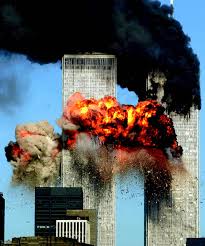
World Trade Center – September 11, 2001
But within less than a month, American warplanes began carpet-bombing Afghanistan, whose rogue Islamic “government” refused to surrender Osama bin Laden, the mastermind of the attacks.
By December, the power of the Taliban was broken—and bin Laden was driven into hiding in Pakistan.
For more than 16 years, the United States—through its global military and espionage networks—has relentlessly hunted down most of those responsible for that September carnage.
On May 1, 2011, U.S. Navy SEALS invaded bin Laden’s fortified mansion in Abbottabad, Pakistan—and shot him dead.
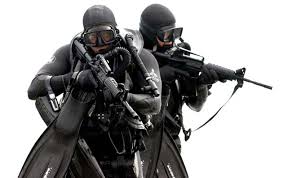
U.S. Navy SEALs
Now, consider these statistics of death, supplied by the Brady Campaign to Prevent Gun Violence:
- One in three people in the U.S. knows someone who has been shot.
- On average, 31 Americans are murdered with guns every day and 151 are treated for a gun assault in an emergency room.
- Every day on average, 55 people kill themselves with a firearm.
- Another 46 people are shot or killed in an accident with a gun.
- U.S. firearm homicide rates are 20 times higher than the combined rates of 22 countries that are our peers in wealth and population.
- A gun in the home is 22 times more likely to be used to kill or injure in a domestic homicide, suicide, or unintentional shooting than to be used in self-defense.
- More than one in five U.S. teenagers (ages 14 to 17) report having witnessed a shooting.
- An average of seven children and teens under the age of 20 are killed by guns every day.
- American children die by guns 11 times as often as children in other high-income countries.
- Youth (ages 0 to 19) in the most rural U.S. counties are as likely to die from a gunshot as those living in the most urban counties.
- Rural children die of more gun suicides and unintentional shooting deaths.
- Urban children die more often of gun homicides.
- Firearm homicide is the second-leading cause of death (after motor vehicle crashes) for young people ages 1-19 in the U.S.
- Medical treatment, criminal justice proceedings, new security precautions, and reductions in quality of life are estimated to cost U.S. citizens $100 billion annually.
- The lifetime medical cost for all gun violence victims in the United States is estimated at $2.3 billion, with almost half the costs borne by taxpayers.
In short, in one year on average:
- More than 114,994 Americans are shot in murders, assault, suicides, suicide attempts, accidents or by police intervention.31,537 people die from gun violence.
- 11,564 are murdered.
- 21,037 people kill themselves.
- 544 people are killed accidentally.
- 468 are killed by police intervention.
- 267 die but intent is not known.
- 81,114 people survive gun injuries.
(These statistics are based on death certificates and estimates from emergency room admissions.)
And who, more than anyone (including the actual killers themselves) has made all this carnage possible?
Your friends at the National Rifle Association (NRA).
But unlike the leadership of Al Qaeda, that of the NRA is not simply known, but celebrated.
Its director, Wayne LaPierre, is courted as a rock star by both Democrats and Republicans seeking NRA political endorsements—and campaign contributions.

Wayne LaPierre
He frequently appears as an honored guest at testimonial dinners and political conventions.
The largest of the 13 national pro-gun groups, the NRA has nearly 4 million members, who focus most of their time lobbying Congress for unlimited “gun rights.”
The NRA claims that its mission is to “protect” the Second Amendment to the United States Constitution, which states:
“A well regulated Militia, being necessary to the security of a free State, the right of the people to keep and bear Arms, shall not be infringed.”
NRA members conveniently ignore the first half of that sentence about “a well regulated Militia….” They simply want everyone to own a gun—and contribute to the NRA.
For the NRA, the Second Amendment is the Constitution, and the rest of the document is a mere appendage.
When Congress ratified the Constitution in 1788, the United States was not a world power.
A mere 26 years later, the British seized and burned Washington, D.C., after repeatedly defeating American armies. On the frontier, settlers had to defend themselves against hostile Indians and marauding bandits.
Only after World War II did the country maintain a powerful standing army during peacetime.
But World War II ended 72 years ago, and today the United States is a far different country than it was in 1788:
-
Its nuclear arsenal can turn any country into thermonuclear ash—anytime an American President decides to do so.
-
Its Army, Navy, Air Force and Marine Corps can target any enemy, anywhere in the world.
-
Its Special Forces—Green Berets, Delta Force and Navy SEALS—are rightly feared by international terrorists.
-
American Intelligence has greatly improved since 9/11. The FBI’s top priority is to prevent terrorist attacks, not simply investigate them afterward.
-
And waging war on criminals generally are about 836,787 full-time sworn local/state/Federal law enforcement officers.
- If a criminal flees or conducts business across state lines, powerful Federal law enforcement agencies—such as the FBI and Drug Enforcement Administration—can put him out of business.
But apparently the NRA hasn’t gotten the word.
ABC NEWS, ALTERNET, AP, BUZZFEED, CBS NEWS, CNN, CRIME, CROOKS AND LIARS, DAILY KOZ, FACEBOOK, GUN CONTROL, MARTIN LUTHER KING, MISSISSIPPI ATTORNEY GENERAL MIKE MOORE, MOTHER JONES, MOVEON, NATIONAL RIFLE ASSOCIATION, NBC NEWS, NEWSWEEK, NPR, POLITICO, RAW STORY, REUTERS, ROBERT F. KENNEDY, SALON, SEATTLE TIMES, SECOND AMENDMENT, SELF-DEFENSE, SLATE, STAND-YOUR-GROUND LAWS, THE ATLANTIC, THE CHICAGO SUN-TIMES, THE CHICAGO TRIBUNE, THE DAILY BEAST, THE GUARDIAN, THE HILL, THE HUFFINGTON POST, THE LOS ANGELES TIMES, THE NATION, THE NEW YORK TIMES, THE WASHINGTON POST, TIME, TWITTER, U.S. CONSTITUTION, U.S. NAVY SEALS, U.S. NEWS & WORLD REPORT, UPI, USA TODAY, WRONGFUL-DEATH LAWSUITS
In Bureaucracy, Business, History, Law, Law Enforcement, Politics, Social commentary on February 19, 2018 at 12:19 am
The victims of the violence are black and white, rich and poor, young and old, famous and unknown. They are, most important of all, human beings whom other human beings loved and needed. No one—no matter where he lives or what he does— can be certain who will suffer from some senseless act of bloodshed. And yet it goes on and on.
–Robert F. Kennedy, April 4, 1968

Senator Robert F. Kennedy announcing the murder of Dr. Martin Luther King, Jr.
What should the surviving victims of gun massacres do to seek redress?
And how can the relatives and friends of those who didn’t survive seek justice for those they loved?
Two things:
First, don’t count on politicians to support a ban on assault weapons.
Politicians—with rare exceptions—have only two goals:
- Get elected to office, and
- Stay in office.
And too many of them fear the economic and voting clout of the NRA to risk its wrath.
Consider Republican Presidential candidate Mitt Romney and President Barack Obama.
Both rushed to offer condolences to the surviving victims of the massacre at the Century 16 Theater in Aurora, Colorado, on July 20, 2012.
And both steadfastly refused to even discuss gun control—let alone support a ban on the type of assault weapons used by James Holmes, leaving 12 dead and 58 wounded.
Second, those who survived the massacre—and the relatives and friends of those who didn’t—should file wrongful death, class-action lawsuits against the NRA.
There is sound, legal precedent for this.
- For decades, the American tobacco industry peddled death and disability to millions and reaped billions of dollars in profits.
- The industry vigorously claimed there was no evidence that smoking caused cancer, heart disease, emphysema or any other ailment.
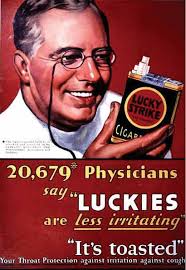
- Tobacco companies spent billions on slick advertising campaigns to win new smokers and attack medical warnings about the dangers of smoking.
- Tobacco companies spent millions to elect compliant politicians and block anti-smoking legislation.
- From 1954 to 1994, over 800 private lawsuits were filed against tobacco companies in state courts. But only two plaintiffs prevailed, and both of those decisions were reversed on appeal.
- In 1994, amidst great pessimism, Mississippi Attorney General Mike Moore filed a lawsuit against the tobacco industry. But other states soon followed, ultimately growing to 46.
- Their goal: To seek monetary, equitable and injunctive relief under various consumer-protection and anti-trust laws.
- The theory underlying these lawsuits was: Cigarettes produced by the tobacco industry created health problems among the population, which badly strained the states’ public healthcare systems.
- In 1998, the states settled their Medicaid lawsuits against the tobacco industry for recovery of their tobacco-related, health-care costs. In return, they exempted the companies from private lawsuits for tobacco-related injuries.
- The companies agreed to curtail or cease certain marketing practices. They also agreed to pay, forever, annual payments to the states to compensate some of the medical costs for patients with smoking-related illnesses.
The parallels with the NRA are obvious:
- For decades, the NRA has peddled deadly weapons to millions, reaped billions of dollars in profits and refused to admit the carnage those weapons have produced: “Guns don’t kill people. People kill people.” With guns.
- The NRA has spent millions on political contributions to block gun-control legislation.
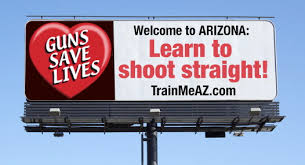
- The NRA has bitterly fought background checks on gun-buyers, in effect granting even criminals and the mentally ill the right to own arsenals of death-dealing weaponry.
- The NRA has spent millions on slick advertising campaigns to win new members and frighten them into buying guns.
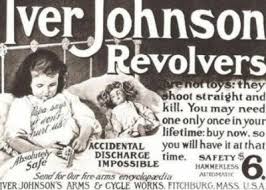
- The NRA has spent millions attacking political candidates and elected officials who warned about the dangers of unrestricted access to assault and/or concealed weapons.
- The NRA has spent millions pushing “Stand Your Ground” laws in more than half the states, which potentially give every citizen a “license to kill.”
- The NRA receives millions of dollars from online sales of ammunition, high-capacity ammunition magazines, and other accessories through its point-of-sale Round-Up Program—thus directly profiting by selling a product that kills about 30,288 people a year.
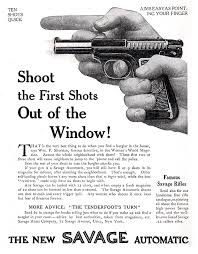
- Firearms made indiscriminately available through NRA lobbying have filled hospitals with casualties, and have thus badly strained the states’ public healthcare systems.
It will take a series of highly expensive and well-publicized lawsuits to significantly weaken the NRA, financially and politically.
The first ones will have to be brought by the surviving victims of gun violence—and by the friends and families of those who did not survive it. Only they will have the courage and motivation to take such a risk.
As with the cases first brought against tobacco companies, there will be losses. And the NRA will rejoice with each one.
But, in time, state Attorneys General will see the clear parallels between lawsuits filed against those who peddle death by cigarette and those who peddle death by armor-piercing bullet.
And then the NRA—like the tobacco industry—will face an adversary wealthy enough to stand up for the rights of the gun industry’s own victims.
Only then will those politicians supporting reasonable gun controls dare to stand up for the victims of these needless tragedies.
ABC NEWS, ALTERNET, AMERICABLOG, ANWAR SADAT, AP, AR-15 ASSAULT RIFLES, ARTHUR BREMER, ASSASSINATION, BABY BOOMER RESISTANCE, BBC, BLACK LIVES MATTER, BLOOMBERG NEWS, BUZZFEED, CBS NEWS, CHARLES L. COTTON, CIA, CNN, CROOKS AND LIARS, DAILY KOS, DAILY KOZ, DALLAS POLICE OFFICER SHOOTINGS, FACEBOOK, FIVETHIRTYEIGHT, GEORGE C. WALLACE, GUN CONTROL, HARPER’S MAGAZINE, HUFFINGTON POST, MARJORY STONEMAN DOUGLAS HIGH SCHOOL, MARK RAWLINGS, MEDIA MATTERS, MOTHER JONES, MOVEON, MSNBC, NATIONAL RIFLE ASSOCIATION, NBC NEWS, NEW REPUBLIC, NEWSDAY, NEWSWEEK, NIKOLAS CRUZ, NPR, OPEN CARRY LAWS, PBS NEWSHOUR, POLITICO, POLITICUSUSA, RAW STORY, REPUBLICAN PARTY, REPUBLICANS, REUTERS, ROBERT F. KENNEDY, SALON, SEATTLE TIMES, Secret Service, SLATE, TALKING POINTS MEMO, THE ATLANTIC, THE CHICAGO SUN-TIMES, THE CHICAGO TRIBUNE, THE DAILY BEAST, THE DAILY BLOG, THE GUARDIAN, THE HILL, THE HUFFINGTON POST, THE INTERCEPT, THE LOS ANGELES TIMES, THE NATION, THE NEW REPUBLIC, THE NEW YORK TIMES, THE NEW YORKER, THE SECOND AMENDMENT, THE VILLAGE VOICE, THE WALL STREET JOURNAL, THE WASHINGTON POST, THINKPROGRESS, TIME, TRUTHDIG, TRUTHOUT, TWITTER, TWO POLITICAL JUNKIES, U.S. NEWS & WORLD REPORT, UPI, USA TODAY
In Bureaucracy, History, Law Enforcement, Politics, Social commentary on February 16, 2018 at 12:03 am
On February 14, Nikolas Cruz found an unforgettable way to celebrate Valentine’s Day.
The 19-year-old former student returned to Marjory Stoneman Douglas High School in Parkland, Florida, and allegedly slaughtered at least 17 people.
As in: “What are all these allegedly dead people doing here?”
The massacre has now become one of the 10 deadliest mass shootings in modern United States history.
He carried out his massacre with at least one AR-15 assault rifle and multiple magazines.
Although he had posted “I wanna die Fighting killing shit ton of people” he didn’t have the nerve to shoot it out with police SWAT teams. Instead, he concealed himself among the hundreds of students fleeing the school.

Nikolas Cruz posted this picture of himself on the Internet
Investigators used school security videos to identify Cruz and found him in a nearby neighborhood in Coral Springs, Florida.
Cruz had posted “I am going to kill law enforcement one day they go after the good people.” But he was arrested without incident.
Like so many other mass killers, he didn’t have the courage to shoot it out with armed police. He could only prey on defenseless men, women and children.
According to a CNN law enforcement source, he is now talking with investigators.
As always, most Republican lawmakers believe the answer to halting such future attacks lies in giving everybody a firearm.
That, of course, is the standard mantra of the National Rifle Association (NRA), which lavishly bankrolls the GOP.
(In 2016, the NRA spent more than $36 million on elections. Donald Trump proved the largest beneficiary—netting more than $21 million.)
But it it true?
On July 7, 2016, five Dallas police officers were shot and killed by a disgruntled ex-Army Reserve Afghan War veteran named Michah Xavier Johnson. Another seven officers and two civilians were wounded before the carnage ended.
The shootings erupted during a Black Lives Matter protest march in downtown Dallas.
Texas has long been an “open carry” state for those who want to brandish rifles without fear of arrest. And about 20 people wearing “ammo gear and protective equipment [had] rifles slung over their shoulder,” said Dallas Mayor Mike Rawlings.
“When the shooting started, at different angles, [the armed protesters] started running,” Rawlings said, adding that open carry only brings confusion to a shooting scene. What I would do [if I were a police officer] is look for the people with guns,” he said.
“There were a number of armed demonstrators taking part,” said Max Geron, a Dallas police major. “There was confusion about the description of the suspects and whether or not one or more was in custody.”
A 2012 Mother Jones article on “More Guns, More Mass Shootings–Coincidence?” offered a striking finding: After analyzing 62 mass shootings over a 30-year period, the magazine determined: “In not a single case was the killing stopped by a civilian using a gun.”
So much for the ability of gun-toting, untrained amateurs to “stop a bad guy with a gun.”
But even highly-trained shooters—such as those assigned to the United States Secret Service—don’t always respond as expected.
On May 15, 1972, Alabama Governor George C. Wallace was campaigning for President in Laurel, Maryland. He gave a speech behind a bulletproof podium at the Laurel Shopping Center. Then he moved from it to mingle with the crowd.
Since the 1968 assassination of Senator Robert F. Kennedy, all those campaigning for President have been assigned Secret Service bodyguards. And Wallace was surrounded by them as he shook hands with his eager supporters.
Suddenly, Arthur Bremer, a fame-seeking failure in life and romance, pushed his way forward, aimed a .38 revolver at Wallace’s abdomen and opened fire. Before the Secret Service could subdue him, he hit Wallace four times, leaving him paralyzed for the rest of his life.

Arthur Bremer shoots George Wallace
Nor was he Bremer’s only victim. Three other people present were wounded unintentionally:
- Alabama State Trooper Captain E C Dothard, Wallace’s personal bodyguard, who was shot in the stomach;
- Dora Thompson, a campaign volunteer, who was shot in the leg; and
- Nick Zarvos, a Secret Service agent, who was shot in the neck, severely impairing his speech.
None of Wallace’s bodyguards got off a shot at Bremer—before or after he pulled the trigger.
On October 6, 1981, Egyptian President Anwar Sadat was reviewing a military parade in Cairo when a truck apparently broke down directly across from where he was seated.
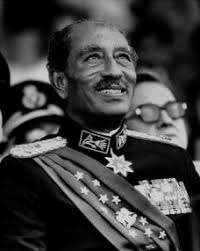
Anwar Sadat, moments before his assassination
Suddenly, soldiers bolted from the rear of the vehicle, throwing hand grenades and firing assault rifles. They rushed straight at Sadat—who died instantly under a hail of bullets.
Meanwhile, Sadat’s bodyguards—who had been trained by the CIA—panicked and fled.
Sadat had been assassinated by army officers who believed he had betrayed Islam by making peace with Israel in 1977.
The ultimate test of the NRA’s mantra that “there should not be any gun-free zones…anywhere” will come only when one or more heavily-armed gunmen target an NRA convention.
It will then be interesting to see if the surviving NRA members are as quick to blame themselves for being victims as they are to blame the victims of other mass slaughters.
ABC NEWS, ABUSE, ACCESS HOLLYWOOD, ALTERNET, ANTHONY SCARAMUCCI, AP, BARACK OBAMA, BATTERY, BILL O'REILLY, BREITBART, BUZZFEED, CBS NEWS, CHRIS CILLIZZA, CNN, COLBIE HOLDERNESS, COREY LEWANDOWSKI, CROOKS AND LIARS, DAILY KOZ, DAVID SORENSEN, FACEBOOK, FOX NEWS, IVANA TRUMP, IVANKA TRUMP, JACKIE SPEIER, JAMES COMEY, JENNIFER WILLOUGHBY, JESSICA CORBETT, JOHN KELLY, MICHAEL FLYNN, MICHELLE FIELDS, MOTHER JONES, MOVEON, NBC NEWS, NEWSWEEK, NPR, PATRICK LEAHY, PATTY MURRAY, POLITICO, PRETTA BHAARARA, RAW STORY, REUTERS, ROB PORTER, ROGER AILES, ROY MOORE, RUSSIA, SALLY YATES, SALON, SEATTLE TIMES, SERGEY KISKLAK, SEXUAL ABUSE, SLATE, STEVE BANNON, THE APPRENTICE, THE ATLANTIC, THE CHICAGO SUN-TIMES, THE CHICAGO TRIBUNE, THE DAILY BEAST, THE GUARDIAN, THE HILL, THE HUFFINGTON POST, THE LOS ANGELES TIMES, THE NATION, THE NEW YORK TIMES, THE WASHINGTON POST, TIME, TWITTER, U.S. NEWS & WORLD REPORT, UPI, USA TODAY, USA TODAY DONALD TRUMP
In Bureaucracy, History, Law, Politics, Social commentary on February 15, 2018 at 12:02 am
In one week, two White House staffers were forced to resign after reports surfaced of their brutality toward their wives.
And President Donald Trump’s reaction was to defend the accused wife-beaters and accuse their ex-wives of lying:
“Peoples lives are being shattered and destroyed by a mere allegation. Some are true and some are false. Some are old and some are new. There is no recovery for someone falsely accused – life and career are gone. Is there no such thing any longer as Due Process?”
What are the lessons to be learned from this?
First, Donald Trump has his own history of abusing women.
At least 22 women have accused Trump of sexual misconduct between the 1970s and 2013. And Trump flat-out denies the accusations–which include ogling, harassment, groping, and rape—while attacking the women as “liars.”
“Every woman lied when they came forward to hurt my campaign,” he said during a 2016 campaign rally in Gettysburg, Pennsylvania. “Total fabrication. The events never happened. Never. All of these liars will be sued after the election is over.”
The election ended on November 8, 2016. And Trump has yet to sue any of his accusers.
So it’s not surprising that when similar accusations strike men he has around him, he leaps to their defense.
Second, Trump fires women-abusing staffers only when the news media outs them.
Accused wife-abuser Rob Porter resigned from his staff secretary position at the White House only after his two ex-wives detailed their abuse to CNN.
According to CNN, White House Chief of Staff John Kelley knew for months that Porter faced claims of physically and emotionally abusing these women. But he never conducted an inquiry to find out if the claims were true or false.
It’s safe to assume that Porter would still be on the White House payroll if CNN hadn’t reported the abuses.
Third, don’t expect Trump to show any sympathy for alleged female victims.
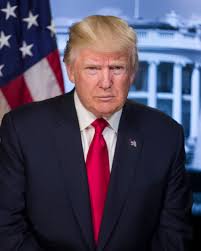
Donald Trump
Trump has repeatedly shown his contempt for women through abusive and humiliating language. For example:
- During a 1990 Vanity Fair interview, he said of his then-wife, Ivana: “I would never buy Ivana any decent jewels or pictures. Why give her negotiable assets?”
- In 1992, while watching a group of young girls going up the escalator in Trump Tower, Trump said: “I am going to be dating her in 10 years. Can you believe it?”
- During a 1991 Esquire interview: “You know, it doesn’t really matter what [they] write as long as you’ve got a young and beautiful piece of ass.”
- In 2006, during an appearance on The View: “If Ivanka weren’t my daughter, perhaps I’d be dating her.”
- Easily the most infamous example of Trump’s predatory attitude toward women came during his 2005 Access Hollywood interview: “You know I’m automatically attracted to beautiful–I just start kissing them. It’s like a magnet. Just kiss. I don’t even wait. And when you’re a star they let you do it. You can do anything. Grab them by the pussy. You can do anything.”
Fourth, Trump has often defended men who were charged with abusing women.
- In March, 2016, his campaign manager Corey Lewandowski was charged with misdemeanor battery by Breitbart News reporter Michelle Fields. “How do you know those bruises weren’t there before?” asked Trump.
- When Roger Ailes resigned in July, 2016, as chairman of Fox News, owing to sexual harassment accusations leveled against him, Trump said: “It’s very sad. Because he’s a very good person. I’ve always found him to be just a very, very good person. And by the way, a very, very talented person. Look what he’s done. So I feel very badly.”
- In October, 2017, the news broke that Bill O’Reilly and Fox News had paid almost $13 million to settle multiple sexual harassment allegations. Trump’s reaction: “I don’t believe Bill did anything wrong. I think he’s a person I know well. He is a good person.”
- Trump vigorously defended Roy Moore, Alabama’s Republican candidate for United States Senator in 2017, against charges that he had molested a 14-year-old girl: “Well, he denies it. Look, he denies it. He says it didn’t happen. And you know, you have to listen to him also.”
Fifth, any criticism of sexual harassment—or even outright criminality—must come from outside the White House.
Trump’s defense of accused White House staffers Rob Porter and David Sorensen drew fire from prominent Washington officials.
“Women’s lives are upended every day by sexual violence and harassment. I’m going to keep standing with them, and trusting them, even if the President won’t,” tweeted U.S. Democratic Senator Patty Murray.
And Democrat Senator Patrick Leahy of Vermont tweeted: “As a former prosecutor, I’ve been amazed by the bravery & sacrifice required of victims to come forward. Their lives are forever changed,. Due process is critical, but it can’t be a pretext for not believing women. We don’t need to see photos of bruises to know that.”
Democratic Rep. Jackie Speier of California tweeted: “Apparently his motto is when they go low, he goes even lower.”
Sixth, in assessing Trump’s character, two essential truths should be constantly remembered:
“Tell me whom you admire, and I will tell you who you are.”
And:
“What is past is prologue.”
ABC NEWS, ABUSE, ACCESS HOLLYWOOD, ALTERNET, ANTHONY SCARAMUCCI, AP, BARACK OBAMA, BATTERY, BILL O'REILLY, BREITBART, BUZZFEED, CBS NEWS, CHRIS CILLIZZA, CNN, COLBIE HOLDERNESS, COREY LEWANDOWSKI, CROOKS AND LIARS, DAILY KOZ, DAVID SORENSEN, FACEBOOK, FOX NEWS, IVANA TRUMP, IVANKA TRUMP, JACKIE SPEIER, JAMES COMEY, JENNIFER WILLOUGHBY, JESSICA CORBETT, JOHN KELLY, MICHAEL FLYNN, MICHELLE FIELDS, MOTHER JONES, MOVEON, NBC NEWS, NEWSWEEK, NPR, PATRICK LEAHY, PATTY MURRAY, POLITICO, PRETTA BHAARARA, RAW STORY, RELIGION, REUTERS, ROB PORTER, ROGER AILES, ROY MOORE, RUSSIA, SALLY YATES, SALON, SEATTLE TIMES, SERGEY KISKLAK, SEXUAL ABUSE, SLATE, STEVE BANNON, THE APPRENTICE, THE ATLANTIC, THE CHICAGO SUN-TIMES, THE CHICAGO TRIBUNE, THE DAILY BEAST, THE GUARDIAN, THE HILL, THE HUFFINGTON POST, THE LOS ANGELES TIMES, THE NATION, THE NEW YORK TIMES, THE WASHINGTON POST, TIME, TWITTER, U.S. NEWS & WORLD REPORT, UPI, USA TODAY, USA TODAY DONALD TRUMP
In Bureaucracy, History, Law, Politics, Social commentary on February 14, 2018 at 2:44 am
As absolute dictator on NBC’s “The Apprentice,” Donald Trump delighted in firing one contestant every week.
As President of the United States, he has delighted in firing such high-ranking government officials as:
- Acting Attorney General Sally Yates
- FBI Director James Comey
- White House Communications Director Anthony Scaramucci
- Presidential Chief Strategist Steve Bannon
- United States Attorney Preet Bharara
But there have been some officials Trump has fought to retain. Among these:
- National Security Adviser Michael Flynn
- White House Staff Secretary Rob Porter
- White House Speechwriter David Sorensen
MICHAEL FLYNN had fervently supported Trump during his 2016 campaign for President. He was rewarded with appointment to National Security Adviser on January 20, 2017—the same day Trump became President.
But later in January, Acting Attorney General Sally Yates warned Trump that Flynn had lied about his contacts with Russian Ambassador Sergey Kislyak—and that he could be blackmailed by Russian Intelligence.

Michael Flynn at the Republican convention
In December, 2016, Flynn had spoken to Kislyak about removing the sanctions placed on Russia by the outgoing Obama administration. The sanctions had been placed in retaliation for Russia’s efforts to manipulate the 2016 Presidential election.
Instead of firing Flynn, Trump fired Yates.
On February 13, The Washington Post reported these events. Flynn was forced to resign that same day—after only 24 days as National Security Adviser.
STAFF SECRETARY ROB PORTER had the task of vetting all the information that reached Trump’s desk. He resigned February 7 after two of his ex-wives accused him of years of physical and emotional abuse.

Rob Porter
Colbie Holderness, Porter’s first wife, told CNN that the physical abuse began almost immediately after their 2003 wedding. During their honeymoon trip to the Canary Islands, Porter kicked her thigh during a fight.
“The thing he would do most frequently is he would throw me down on a bed and he would just put his body weight on me and he’d be yelling at me but as he was yelling he’d me grinding an elbow or knee into my body to emphasize his anger,” she said. He also repeatedly choked her.
While the couple visited Florence, Italy, in the summer of 2005, Porter punched Holderness in the face.
Jennifer Willoughby, Porter’s second wife, married him in 2009. During their honeymoon in Myrtle Beach, he began calling her “a fucking bitch” because he felt she was not having enough sex with him.
In the spring of 2010, Porter came to the home they had previously shared and punched a glass pane in the front door, cutting his hand.
Willoughby called police, who suggested that she take out a temporary restraining order. She did so in June, 2010.
In December, 2010, according to Willoughby, “we were in a fight and I disengaged from the fight after screaming at each other. I took a shower and Rob followed me fairly shortly after and grabbed me from the shower by my shoulders up close to my neck and pulled me out to continue to yell at me.
“He immediately saw the look of shock and terror on my face and released me and apologized and attempted to make things right.”
They divorced in 2013.
SPEECHWRITER DAVID SORENSEN resigned on February 9. His ex-wife, Jessica Corbett, told the Washington Post that he put out a cigarette on her hand, drove a car over her foot, threw her into a wall and grabbed her by the hair when they were alone on a boat off the Maine coast.
Sorensen denied the allegation in a statement he released to CNN and other news media: “I have never committed violence of any kind against any woman in my entire life. In fact, I was the victim of repeated physical violence during our marriage, not her.”
He claimed he had spoken with an attorney about suing his ex-wife for defamation.
And how did Trump respond to these revelations?
On February 9, he told reporters that Porter’s departure was “very sad” and that “he did a very good job while he was in the White House.”
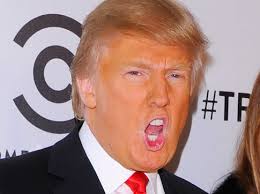
Donald Trump
Trump did not express any sympathy for the women Porter allegedly abused.
Instead, he focused on Porter’s claim of innocence: “He says he’s innocent and I think you have to remember that. He said very strongly yesterday that he’s innocent but you’ll have to talk to him about that.”
On February 10—the day after Sorensen resigned—Trump took to Twitter to post:
“Peoples lives are being shattered and destroyed by a mere allegation. Some are true and some are false. Some are old and some are new. There is no recovery for someone falsely accused – life and career are gone. Is there no such thing any longer as Due Process?”
As Chris Cillizza, CNN’s editor-at-large wrote in a February 9 opinion column:
“This is a familiar pattern for Trump. When a series of women came out during the 2016 campaign alleging that he has sexually abused them, he flatly denied it — insisting that all of the women were conspiring to hurt him for political reasons.
“When a series of women came forward and said that Alabama Senate nominee Roy Moore had pursued physical relationships with them when they were teenagers and he was in his mid 30s, Trump defended his endorsement of Moore, saying: ‘He totally denies it. He says it didn’t happen.'”
ABC NEWS, ALTERNET, AP, BUZZFEED, CBS NEWS, CNN, CROOKS AND LIARS, DAILY KOZ, DONALD TRUMP, FACEBOOK, FRED ZINNEMANN, GARY COOPER, GRACE KELLY, HIGH NOON, JOSEPH R. MCCARTHY, MOTHER JONES, MOVEON, NBC NEWS, NEWSWEEK, NPR, POLITICO, RAW STORY, REPUBLICANS, REUTERS, SALON, SEATTLE TIMES, SLATE, THE ATLANTIC, THE CHICAGO SUN-TIMES, THE CHICAGO TRIBUNE, THE DAILY BEAST, THE GUARDIAN, THE HILL, THE HUFFINGTON POST, THE LOS ANGELES TIMES, THE NATION, THE NEW YORK TIMES, THE WASHINGTON POST, TIME, TWITTER, U.S. NEWS & WORLD REPORT, UP, UPI, USA TODAY
In Bureaucracy, Entertainment, History, Law Enforcement, Politics, Social commentary on February 12, 2018 at 12:25 am
On August 30, 2017, an article in Salon sought to explain why President Donald Trump was so popular among his supporters.
Its headline ran: “Most Americans Strongly Dislike Trump, But the Angry Minority That Adores Him Controls Our Politics.”
It described these voters as representing about one-third of the Republican party:
“These are older and more conservative white people, for the most part, who believe he should not listen to other Republicans and should follow his own instincts….
“They like Trump’s coarse personality, and approve of the fact that he treats women like his personal playthings. They enjoy it when he expresses sympathy for neo-Nazis and neo-Confederate white supremacists.
“They cheer when he declares his love for torture, tells the police to rough up suspects and vows to mandate the death penalty for certain crimes. (Which of course the president cannot do.)
“…This cohort of the Republican party didn’t vote for Trump because of his supposed policies on trade or his threat to withdraw from NATO. They voted for him because he said out loud what they were thinking. A petty, sophomoric, crude bully is apparently what they want as a leader.”
Donald Trump
According to a Pew Research Center survey, they only comprise 16% of the population. That leaves 65% of Republicans who are revolted by Trump’s personality and behavior.
But they are being advised by GOP political consultants to vigorously support him.
“Your heart tells you that he’s bad for the country,” one anonymous consultant told the Salon reporter. “Your head looks at polling data among Republican primary voters and sees how popular he is.”
It’s precisely these hard-core Fascists who come out in mid-term elections—and they’re scaring the remaining 65% who make up the GOP establishment.
Their highest priority, after all, is to hold onto their privileged positions in the House and Senate. And anything that might jeopardize that—including what’s best for the country—can go hang.
Perhaps it’s time for Republicans to remember the lesson taught by High Noon, the classic 1952 Western starring Gary Cooper and Grace Kelly.

Town marshal Will Kane (Cooper) has just marred Amy Fowler (Kelly) a Quaker. It should be the happiest day of his life. But shortly after the ceremony, word comes that Frank Miller—a notorious murderer Kane once sent to prison—has been released.
Even worse, Miller and three other killers are coming into town on the noon train—to kill Kane.
Kane’s first instinct is to flee: He and his wife get into a buggy and dash out of town. But then his sense of duty takes over. He returns to town, intending to recruit a posse.
But this proves impossible—everyone is scared to death of Miller and his gang. And everyone Kane approaches has a reason for not backing him up.
Even Amy—a fervent believer in non-violence—threatens to leave him if he stands up to Miller. She will be on the noon train leaving town—with or without him.
When the clock strikes noon, the train arrives, and Kane—alone—faces his enemies. He shoots and kills two of them.
Then, as he’s pinned down by the third, he gets some unexpected help—from his wife: Amy shoots the would-be killer in the back—only to be taken hostage by Miller himself.
Miller tells Kane to leave his concealed position or he’ll kill Amy. Kane steps into the open—and Amy claws at Miller’s face, buying Kane the time he needs to shoot Miller down.
It’s over.
At that point, the townspeople rush to embrace Kane and congratulate him. But he’s now seen them for the cowards they are and holds them in total contempt.
Saying nothing, he drops the marshal’s star into the dirt. He and Amy then get into a buggy and leave town.
Fred Zinnemann, the film’s director, intended the movie as an attack on those frightened into silence by Joseph McCarthy, the infamous Red-baiting Senator from Wisconsin.
Gary Cooper won a Best Actor Academy Award for his performance.
Today’s Republicans would do well to find the same courage as Will Kane—and choose love of country over love of self.
Human nature being what it is, that is highly unlikely to happen.
ABC NEWS, ALTERNET, AP, BUZZFEED, CBS NEWS, CNN, COLLUSION, COMMUNISM, CROOKS AND LIARS, DAILY KOZ, DEMOCRATIC PARTY, DONALD TRUMP JUNIOR, FACEBOOK, FBI, FOX NEWS, G.O.P., INTELLIGENCE, JAMES COMEY, JARED KUSHNER, KGB, MIKE FLYNN, MOTHER JONES, MOVEON, NBC NEWS, NEWSWEEK, NPR, PAUL MANAFORT, POLITICO, POLLUTION, RAW STORY, REPUBLICAN PARTY, REUTERS, ROBERT MUELLER, RUSSIA, SALON, SATIRE, SEATTLE TIMES, SERGEY KISLYAK, SERGEY LAVROV, SLATE, STATE OF THE UNION, STRANGERS IN THE NIGHT, THE ATLANTIC, THE CHICAGO SUN-TIMES, THE CHICAGO TRIBUNE, THE DAILY BEAST, THE GUARDIAN, THE HILL, THE HUFFINGTON POST, THE LOS ANGELES TIMES, THE NATION, THE NEW YORK TIMES, THE WASHINGTON POST, TIME, TREASON, TRUMP TOWER MEETING, TWITTER, U.S. CONSTITUTION, U.S. NEWS & WORLD REPORT, UPI, USA TODAY, USA TODAY DONALD TRUMP, VLADIMIR PUTIN, WIT A LITTLE HELP FROM MY FRIENDS
In Bureaucracy, History, Humor, Law Enforcement, Military, Politics, Social commentary on February 9, 2018 at 12:28 am
President Donald Trump has accused Democrats of treason. Their crime? Not applauding him during his State of the Union message.
But Article Three of the United States Constitution defines treason as:
“Treason against the United States, shall consist only in levying War against them, or in adhering to their Enemies, giving them Aid and Comfort. No Person shall be convicted of Treason unless on the Testimony of two Witnesses to the same overt Act, or on Confession in open Court.”
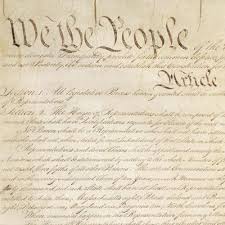
United States Constitution
In short, actions such as colluding with a foreign power hostile to the United States (such as Russia) to subvert America’s democratic election process.
Example #1: The infamous June, 2016 meeting at Trump Tower starring Donald Trump’s son, Donald, Jr.; Trump’s son-in-law, Jared Kushner; and Trump’s then-campaign manager, Paul Manafort. Its purpose: To obtain from Russian Intelligence agents “dirt” on Trump’s opponent, Hillary Clinton.
Example #2: On May 9, Trump fired FBI Director James Comey for investigating Russia’s subversion of the 2016 Presidential race.
The next day, he met with Russian Foreign Minister Sergey Lavrov and Russian Ambassador Sergey Kislyak in the Oval Office. During that meeting, Trump shared highly classified Israeli Intelligence about an Islamic State plot to turn laptops into bombs.
TRAITORS ON THE RIGHT
(To be sung to the tune of “Strangers in the Night”)
Traitors on the Right
Exchanging glances
Plotting in the night.
What were the chances
They’d love the KGB
And strangle liberty?
Treason for the Right
Was so inviting.
Treason for the Right
Was so exciting.
Something in their hearts
Said, “We’re the G.O.P.”
Traitors on the Right—such evil people.
They were traitors on the Right
Up to the moment when the KGB stepped in
To start their reign of sin.
Bribes from Russia paved their way
To usher in a tyrant’s day.
And….
Ever since that year
They’ve been in power
Filling us with fear.
In love with Commies–
It offers such delight
For traitors on the Right.
* * * * *
WITH A LITTLE HELP FROM MY VLAD
(To be sung to the tune, “With a Little Help From My Friends”)
What would you think if I ripped off some kids?
Would you walk out and not vote for me?
Lend me your ears and I’ll feed you a line
And I’ll try not to laugh cynically.
Oh, I get by with a little help from my Vlad.
Mm, I can lie with a little help from my Vlad.
Mm, you’re gonna fry with a little help from my Vlad.
What do I do when the bank calls me in?
(Does it worry you to be in debt?)
How do I feel when I need rubles fast?
(Do you worry Vlad might say “Nyet”?)
No, I get by with a little help from my Vlad.
Mm, I can lie with a little help from my Vlad.
Mm, you’re gonna fry with a little help from my Vlad.
(Do you need anybody?)
I just need someone named me.
(Could it be anybody?)
As long as it’s me–me–me–me!
(Would you believe in a love at first sight?)
Yes; it happens with a mirror all the time.
(What do you see when you turn out the light?)
It stays on so that my face can shine.
Oh, I get by with a little help from my Vlad.
Mm, I can lie with a little help from my Vlad.
Mm, you’re gonna die with a little help from my Vlad.
(Do you need anybody?)
I need a Gestapo that kills.
(Could it be anybody?)
As long as it kills I get thrills.
Oh, I get by with a little help from my Vlad.
With a little help from my Vlad.
* * * * *
COLLUSION
(To be sung to the tune of “Pollution”)
If you visit Washington D.C.
You will find it very pretty.
But two things will really make you jump:
One is the Russians and the other is Trump!
Collusion, collusion!
Red Donald’s passing out secrets with glee.
Pick up a rug
And out fall his pals KGB!
See the FBI busting Trump’s friends
As he worries where it all ends.
He says, “Mike Flynn was really quite a guy.
Till he sold me out to the FBI.”
Collusion, collusion!
There are traitors at work day and night.
Just watch them lie
As they sell us out left and right.
Robert Mueller cannot be bought
That’s why traitors are getting caught.
Fox News keeps churning out lie on lie—
While America waits for traitors to die.
Collusion, collusion!
It’s a “Sell Out America” sale.
But you can cheer
When Donald’s ass lands in jail!
* * * * *
THE TRUMPY SKUNKY
(To be sung to the tune of “The Hokey Pokey”)
Trump lets the Russians in.
He kicks the press corps out.
He slips Vlad secret stuff
And he gives a “Treason!” shout.
He does the Trumpy Skunky
As he sells the U.S. out.
That’s what he’s all about.
Trump loves the KGB.
He hates the FBI.
He dares not tell the truth
‘Cause his whole life’s just a lie.
He does the Trumpy Skunky
As he sells the U.S. out.
That’s what he’s all about.
2016 PRESIDENTIAL RACE, ABC NEWS, ALL THE KING’S MEN, ALTERNET, AP, BLUE BLOODS, BUZZFEED, CBS, CBS NEWS, CNN, CROOKS AND LIARS, DAILY KOZ, ERIC SCHNEIDERMAN, FACEBOOK, FBI, FRANK REAGAN, INDEPENDENT COUNSEL, J. EDGAR HOOVER, JAMES COMEY, JEFF SESSIONS, JUSTICE DEPARTMENT, MOTHER JONES, MOVEON, NBC NEWS, NEW YORK POLICE DEPARTMENT, NEWSWEEK, NPR, POLITICO, RAW STORY, REUTERS, ROBERT MUELLER, ROBERT PENN WARREN, RUSSIA, SALON, SEATTLE TIMES, SERGEI KISLYAK, SEXUAL ASSAULT, SLANDER, SLATE, THE ATLANTIC, THE CHICAGO SUN-TIMES, THE CHICAGO TRIBUNE, THE DAILY BEAST, THE GUARDIAN, THE HILL, THE HUFFINGTON POST, THE LOS ANGELES TIMES, THE NATION, THE NEW YORK TIMES, THE WASHINGTON POST, TIME, TOM SELLECK, TRUMP UNIVERSITY, TWITTER, U.S. NEWS & WORLD REPORT, UPI, USA TODAY, USA TODAY DONALD TRUMP, WILLIAM C. SULLIVAN
In Bureaucracy, History, Law, Law Enforcement, Politics, Social commentary on February 8, 2018 at 12:19 am
Since taking office as President, Donald Trump has openly waged war on his own Justice Department—and especially its chief investigative agency, the FBI.

FBI headquarters
As a result, he has:
- Fired James Comey, the FBI director pursuing an investigation into Russia’s meddling in the 2016 Presidential race to ensure Trump’s election.
- Threatened to fire Independent Counsel Robert Mueller, who continued that investigation after Trump fired Comey.
- Repeatedly attacked—verbally and on Twitter—his Attorney General, Jeff Sessions, for recusing himself from overseeing the Russia investigation.
- (Sessions did so after the press revealed that, during the 2016 race, he twice met secretly with Russian Ambassador Sergei Kislyak.)
- Repeatedly attacked the integrity of the FBI, raising the possibility of his firing more of its senior leadership for pursuing the Russia investigation.
- Pressured House Republicans to release a highly partisan memo falsely accusing the FBI of pursuing a vendetta against him.
But the FBI need not meekly accept such assaults.
A February 2 episode of the popular CBS police drama, “Blue Bloods,” offers a vivid lesson on bureaucratic self-defense against tyrants.
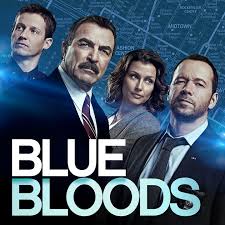
A shootout erupts in a crowded pub between a gunman and NYPD officers. Results: One dead gunman and one wounded bystander.
Problem: The bystander is an aide to New York Governor Martin Mendez.
Mendez visits One Police Plaze, NYPD headquarters, for a private chat with Commissioner Frank Reagan (Tom Selleck). From the outset, he’s aggressive, rude and threatening.
MENDEZ: I know you guys like to whitewash officer-involved shootings.
REAGAN: I do not.
MENDEZ: That’s not going to happen here. I want the cop who shot my guy fired and charged.
REAGAN: If the grand jury indicts, my officer could be terminated.
MENDEZ: We all want to protect our people, but mine come first.
Governor Mendez leaves Commissioner Reagan’s office. Later, he returns:
MENDEZ: We’ve got a serious problem.
REAGAN: Why? The grand jury declined to indict my officer.
MENDEZ: Your cop fired into a crowded room.
REAGAN: She returned fire, took out the shooter and likely saved lives.
MENDEZ: What are you going to do?
REAGAN: Our Internal Affairs investigation supports the grand jury’s finding, so the case is closed.
MENDEZ: Either you fire this cop, or I’ll order the Attorney General to investigate every questionable police shooting in the past 10 years and hold public hearings out loud and lights up.
REAGAN: Everybody loves a circus.
MENDEZ: Except the guy who’s got to shovel up afterwards.
At the end of the episode, a third—and final—meeting occurs in a restaurant between Reagan and Mendez.
MENDEZ: Have you dumped the cop who shot my guy?
REAGAN: No.
MENDEZ: Bad news.
REAGAN: Depends on what you compare it to. It turns out that your aide wasn’t drinking alone the night he was shot.
MENDEZ: So what? He’s single.
REAGAN: He was with a married woman.
MENDEZ: That’s on her, not on him.
REAGAN: Except she is married to his boss, your Chief of Staff.
MENDEZ: Sheesh!
REAGAN: Turns out this has been going on for over a year.
MENDEZ: So what are we doing?
REAGAN: If this gets out, the circus comes to Albany [where the governor has his office].
MENDEZ: Who else knows?
REAGAN: Right now it’s safe in the notebook of my lead detective. Whether or not it finds its way into an arrest report that’s subject to a Freedom of Information Act request—that’s a judgment call.
MENDEZ: Your judgment?
REAGAN: Yes.
MENDEZ: And if my investigation goes away?
REAGAN: Neither of us is shoveling up after the circus.
MENDEZ: I have your word on that?
REAGAN: Yes.
MENDEZ: You have a good evening, Commissioner.
J. Edgar Hoover, the legendary FBI director, used Realpolitik to ensure his reign for 48 years.
As William C. Sullivan, the onetime director of the FBI’s Domestic Intelligence Division, revealed after Hoover’s death in 1972:
“The moment [Hoover] would get something on a senator, he’d send one of the errand boys up and advise the senator that ‘we’re in the course of an investigation, and we by chance happened to come up with this data on your daughter.
“‘But we wanted you to know this. We realize you’d want to know it.’ Well, Jesus, what does that tell the senator? From that time on, the senator’s right in his pocket.”
Donald Trump has long pursued a strategy of intimidation. But when people have refused to be cowed by his threats, he’s backed off.
During the 2016 Presidential campaign, more than a dozen women accused Trump of sexual misconduct, ranging from inappropriate comments to assault.
Trump responded: “The events never happened. Never. All of these liars will be sued after the election is over.”
Yet he hasn’t filed a single slander suit.
Similarly, when New York’s Attorney General Eric Schneiderman sued Trump for running a fraudulent university, Trump initially said he would fight the charge.
Instead, he settled the case by paying $25 million to compensate the 3,700 students Trump University had defrauded.
“You never have to frame anyone,” says Governor Willie Stark in Robert Penn Warren’s Pulitzer Prize-winning 1946 novel, All the King’s Men. “Because the truth is always sufficient.”
It’s time the FBI learned—and applied—that same lesson.
ABC NEWS, ALTERNET, AMERICABLOG, AP, BABY BOOMER RESISTANCE, BBC, BIG BEAR LAKE, BLOOMBERG, BLUESKY, BUZZFEED, CARLOS THE JACKAL, CBS NEWS, CHARLES DE GAULLE, CHRISTOPHER DORNER, CNN, CROOKS AND LIARS, DAILY KOS, DAILY KOZ, DAY OF THE JACKAL, FACEBOOK, FBI, FIVETHIRTYEIGHT, FREDERICK FORSYTH, HARPER’S MAGAZINE, HAWAII FIVE-O, HUFFINGTON POST, JACK LORD, LOS ANGELES POLICE DEPARTMENT, MEDIA MATTERS, MILITARY DRONES, MOTHER JONES, MOVEON, MSNBC, NBC NEWS, NEW REPUBLIC, NEWSDAY, NEWSWEEK, NPR, PBS NEWSHOUR, POLITICO, POLITICUSUSA, RAW STORY, REUTERS, SALON, SEATTLE TIMES, SLATE, SWAT TEAMS, TALKING POINTS MEMO, THE ATLANTIC, THE CHICAGO SUN-TIMES, THE CHICAGO TRIBUNE, THE DAILY BEAST, THE DAILY BLOG, THE GUARDIAN, THE HILL, THE HUFFINGTON POST, THE INTERCEPT, THE LOS ANGELES TIMES, THE NATION, THE NEW REPUBLIC, THE NEW YORK TIMES, THE NEW YORKER, THE VILLAGE VOICE, THE WASHINGTON POST, THINKPROGRESS, TIME, TRUTHDIG, TRUTHOUT, TWITTER, TWO POLITICAL JUNKIES, U.S. MARSHALS SERVICE, U.S. NEWS & WORLD REPORT, UPI, USA TODAY, X
In Bureaucracy, History, Law Enforcement, Politics, Social commentary on February 7, 2018 at 12:24 am
The unprecedented manhunt for cop-killer Christopher Dorner has important—and brutal—lessons to teach.
First, above everyone else, police look out for each other.
Robert Daley bluntly revealed this truth in his 1971 bestseller, Target Blue: An Insider’s View of the N.Y.P.D. A police reporter for the New York Times, he served for one year as a deputy police commissioner.
“The murderers of all patrolmen almost invariably were identified at once and caught soon after,” wrote Daley. “Organized crime was too smart to get involved in the type of investigation that followed a cop killing.
“A great many solvable crimes in the city were never solved, because not enough men were assigned to the case, or because those assigned were lazy or hardly cared or got sidetracked.
“But when a cop got killed, no other cop got sidetracked. Detectives worked on the case night and day….Cops were all ears as far as murdered patrolmen were concerned; they heard details all over the city…and fed all this into the detectives who had the case.
“In effect, the citizen who murdered his wife’s lover was sought by a team of detectives, two men. But he who killed a cop was sought by 32,000.”
Although Dorner targeted only local police officers, the Federal Government quickly poured resources into the manhunt. These included the FBI, the U.S. Marshals Service and even unmanned military drones.
Second, don’t expect the police to do for you what they’ll do for one another.
The LAPD assigned security and surveillance details to at least 50 threatened officers and their families. A typical detail consists of two to five or more guards. And those guards must be changed every eight to 12 hours.
And those details stayed in place long after Dorner was killed in a firefight on February 12.
But if your bullying neighbor threatens to kill you, don’t expect the police to send a guard detail over. They’ll claim: “We can’t do anything until he does something. If he does, give us a call.”
And if your loved one is murdered, don’t expect the mayor’s office to offer a $1 million reward or the military to deploy drones to find the killer.
Third, the more status and wealth you command, the more likely the police are to address your complaint or solve your case.
Police claim to enforce the law impartially, “without fear or favor.” But that happens only in TV crime shows.
If you’re rich, your complaint will likely get top priority and the best service the agency can provide.
But if you’re poor or even middle-class without high-level political or police connections, your case will almost certainly wind up in “the round file” (a wastebasket).
And it works the other way, too. Anthony Bouza, former chief of the Minneapolis Police Department, notes in his 1990 book, The Police Mystique: “When cops deal with the poor (blacks, Hispanics, the homeless and the street people) the rubber of power meets the road of abuse.”
Fourth, don’t expect your police department to operate with the vigor or efficiency of TV police agencies.
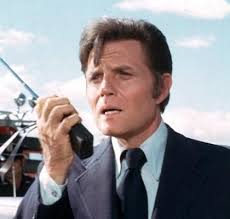
“I want this rock [Hawaii] sealed off,” Steve McGarrett (Jack Lord) routinely ordered when pursuing criminals on “Hawaii Five-O.”
Jack Lord as Steve McGarrett
But in San Jose—a city close to bankruputpsy—residents can’t get police to respond to break-ins because the police department is dangerously understaffed.
And neighbors in Oakland, fed up with a slow police response—or none at all—are banding together to protect their properties by hiring private security officers.
In San Francisco, if you’re assaulted and can’t give police “a named suspect,” they won’t assign the case. As far as they’re concerned, the solvability rate is too low.
Fifth, the result of all this can only be increased disrespect for law enforcement from a deservedly–and increasingly–cynical public.
Surveys reveal that those who don’t need to call the police have a higher opinion of their integrity and efficiency than those who are the victims of crime. Among those reasons:
- Many police departments lack state-of-the-art crime labs to analyze evidence.
- Files often get lost or accidentally destroyed.
- Some officers are lazy, indifferent, incompetent—or corrupt.
- Police are notoriously competitive, generally refusing to share information with other officers or other police departments—and thus making it easier for criminals to run amok.
- Even when police “solve” a crime, that simply means making an arrest. The perpetrator may cop to a lesser offense and serve only a token sentence—or none at all. Or he might be found not guilty by a judge or jury.
But it is the witnessing of blatant inequities and hypocrisies such as those displayed in the Christopher Dorner manhunt that most damages public support for police at all levels.
When citizens believe police care only about themselves, and lack the ability—or even the willingness—to protect them or avenge their victimization by arresting the perpetrators, that is a deadly blow to law enforcement.
Police depend on citizens for more than crime tips. They depend upon them to support hiring more cops and buying state-of-the-art police equipment. When public support vanishes, so does much of that public funding.
The result can only be a return to the days of the lawless West, where citizens looked only to themselves for protection.
ABC NEWS, ALTERNET, AMERICABLOG, AP, BABY BOOMER RESISTANCE, BBC, BIG BEAR LAKE, BLOOMBERG, BLUESKY, BUZZFEED, CARLOS THE JACKAL, CBS NEWS, CHARLES DE GAULLE, CHRISTOPHER DORNER, CNN, CROOKS AND LIARS, DAILY KOS, DAILY KOZ, DAY OF THE JACKAL, FACEBOOK, FBI, FIVETHIRTYEIGHT, FREDERICK FORSYTH, HARPER’S MAGAZINE, HAWAII FIVE-O, HUFFINGTON POST, JACK LORD, LOS ANGELES POLICE DEPARTMENT, MEDIA MATTERS, MILITARY DRONES, MOTHER JONES, MOVEON, MSNBC, NBC NEWS, NEW REPUBLIC, NEWSDAY, NEWSWEEK, NPR, PBS NEWSHOUR, POLITICO, POLITICUSUSA, RAW STORY, REUTERS, SALON, SEATTLE TIMES, SLATE, SWAT TEAMS, TALKING POINTS MEMO, THE ATLANTIC, THE CHICAGO SUN-TIMES, THE CHICAGO TRIBUNE, THE DAILY BEAST, THE DAILY BLOG, THE GUARDIAN, THE HILL, THE HUFFINGTON POST, THE INTERCEPT, THE LOS ANGELES TIMES, THE NATION, THE NEW REPUBLIC, THE NEW YORK TIMES, THE NEW YORKER, THE VILLAGE VOICE, THE WASHINGTON POST, THINKPROGRESS, TIME, TRUTHDIG, TRUTHOUT, TWITTER, TWO POLITICAL JUNKIES, U.S. MARSHALS SERVICE, U.S. NEWS & WORLD REPORT, UPI, USA TODAY, X
In Bureaucracy, History, Law Enforcement, Politics, Social commentary on February 6, 2018 at 1:20 am
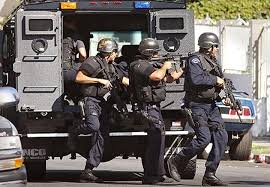
Christopher Dorner—33, black, powerfully-built, standing six feet and weighing 270 pounds—seemed to have vanished from the face of the earth.
This despite an unprecedented manhunt by local and Federal law enforcement agencies and the lure of a $1 million reward for information leading to his arrest.
LAPD SWAT team
But Dorner made several major errors in his one-man crusade for vengeance against the agency he blamed for ending his “dream job” police career.
First, shortly before or after he began his murderous rampage, Dorner posted an 11-page “manifesto” of his intentions on his Facebook page.
In this, he spewed contempt for the LAPD and declared his intention to wage war against it.
I will bring unconventional and asymmetrical warfare to those in LAPD uniform whether on or off duty….You will now live the life of the prey….You have misjudged a sleeping giant.
Dorner’s online rant forewarned police that he intended to put them literally in the cross-hairs of his anger. As a result, his intended targets remained on hair-trigger alert for his attacks.
Second, in that “manifesto,” he specifically named many of the officers he intended to kill.
This allowed the LAPD to rush bodyguards to the homes of those he had threatened. The LAPD would have been at a great disadvantage if it hadn’t known where he might strike next.
Third, Dorner boasted of the weaponry he had available.
In my cache you will find several small arms. In the cache, Bushmaster firearms, Remington precision rifles, and AAC Suppressors (silencers)….As you know I also own Barrett .50′s so your APC are defunct and futile.
A Barrett .50 is a sniper’s rifle whose five-inch bullets can penetrate bulletproof vests, steel and concrete. An APC is military shorthand for Armored Personnel Carrier.
Dorner should have kept this information to himself—and allowed the LAPD to discover the truth only in a firefight. By bragging about it, he allowed his enemies to design strategies and deploy resources (such as unmanned drones) to neutralize his powerful weapons.
Fourth, he posted not simply his biography but his psychology for his enemies to exploit.
He sees himself as all-powerful:
I am here to change and make policy…I am here to correct and calibrate your morale compasses to true north….
I know your TTP’s, (techniques, tactics, and procedures). Any threat assessments you generate will be useless…. I will mitigate any of your attempts at preservation.
Besides assailing the LAPD, he plays political analyst—Wayne La Pierre is “a vile and inhumane piece of shit”—and even movie critic, calling Charlie Sheen “awesome.”
And fashion critic: Off the record, I love your new bangs, Mrs. Obama.
He clearly has a high opinion of himself:
I lived a good life and though not a religious man I always stuck to my own personal code of ethics, ethos and always stuck to my shoreline and true North. I didn’t need the US Navy to instill Honor, Courage, and Commitment in me but I thank them for re-enforcing it. It’s in my DNA.
And he reveals a clear history of anger at what he considers racial animosity directed against him, citing incidents as far back as high school.
No doubt psychologists who design behavioral profiles thoroughly analyzed Dorner’s self-portrait and advised police on the best ways to counter his threats.
Fifth, Dorner, sought refuge in a mountainous, snow-covered tourist resort.
This made it impossible for him—a black—to blend in against an almost totally white population.
And once his truck broke down, he was at a severe disadvantage. He was temporarily stranded and forced to abandon many of the high-powered weapons and other supplies he had brought. This gave him less firepower to use in his war on police.
He would have blended in with the majority black population had he fled to South Central Los Angeles. And he might well have found allies there to supply him with tips or equipment.
More importantly, police would have been hard-pressed during a firefight with him in a congested urban setting: They would have had to worry about civilian casualties.
And the proximity of the site to local TV stations would have meant far greater media scrutiny of police tactics.
Sixth, Dorner set fire to his Nissan Titan truck when it broke down near snow-covered Big Bear Lake, California, on February 7.
This quickly attracted the attention of an army of lawmen who were searching for any clue to his whereabouts.
There was no need to burn the vehicle. If Dorner had covered the truck with snow it might well have stayed concealed for days or longer. This would have given him more time to evacuate the area.
Seventh, he took refuge in a cabin when police closed in.
Once he did this, the game was over. Dorner, of all people, should have known how “barricaded suspect” sieges always end: With the death or surrender of the besieged.
His best bet for at least temporary safety was to stay in the open and on the move.
If his skills as a marksman had kept police at a distance long enough, the coming of night could have allowed him to escape their dragnet—at least for the moment.
In the end, however, his death or capture was certain. There were simply too many lawmen determined to hunt him down.


 Bureaucracybuster's Blog
9/11, ABC NEWS, AL QAEDA, ALTERNET, AP, BARACK OBAMA, BUZZFEED, CBS NEWS, CNN, CONCEALED WEAPONS BESTS, COP KILLER BULLETS, CRIME, CROOKS AND LIARS, DAILY KOZ, DELTA FORCE, DRUG ENFORCEMENT ADMINISTRATION, ERIC HOLDER, FACEBOOK, FBI, FEDERAL ASSAULT WEAPONS BAN, GABRIELLE GIFFORDS, GEORGE ZIMMERMAN, GREEN BERETS, GUN CONTROL, GUNFIGHT AT THE O.K. CORRAL, MOTHER JONES, MOVEON, NATIONAL RIFLE ASSOCIATION, NBC NEWS, NEWSWEEK, NPR, NUCLEAR WEAPONS, OSAMA BIN LADEN, POLITICO, RAW STORY, REUTERS, SALON, SEATTLE TIMES, SECOND AMENDMENT, SELF-DEFENSE, SEPTEMBER 11 ATTACKS, SLATE, STAND-YOUR-GROUND LAWS, TALIBAN, TERRORISM, THE ATLANTIC, THE CHICAGO SUN-TIMES, THE CHICAGO TRIBUNE, THE DAILY BEAST, THE GUARDIAN, THE HILL, THE HUFFINGTON POST, THE LOS ANGELES TIMES, THE NATION, THE NEW YORK TIMES, THE WASHINGTON POST, TIME, TRAVON MARTIN, TUSCON SHOOTINGS, TWITTER, U.S. CONSTITUTION, U.S. NAVY SEALS, U.S. NEWS & WORLD REPORT, UPI, USA TODAY, WAYNE LAPIERRE
YOUR FRIENDS AT THE NRA: PART ONE (OF TWO)
In Bureaucracy, Business, History, Law, Law Enforcement, Military, Politics, Social commentary on February 20, 2018 at 12:05 amOn September 11, 2001, Islamic terrorists snuffed out the lives of 3,000 Americans in New York, Washington, D.C. and Pennsylvania.
World Trade Center – September 11, 2001
But within less than a month, American warplanes began carpet-bombing Afghanistan, whose rogue Islamic “government” refused to surrender Osama bin Laden, the mastermind of the attacks.
By December, the power of the Taliban was broken—and bin Laden was driven into hiding in Pakistan.
For more than 16 years, the United States—through its global military and espionage networks—has relentlessly hunted down most of those responsible for that September carnage.
On May 1, 2011, U.S. Navy SEALS invaded bin Laden’s fortified mansion in Abbottabad, Pakistan—and shot him dead.
U.S. Navy SEALs
Now, consider these statistics of death, supplied by the Brady Campaign to Prevent Gun Violence:
In short, in one year on average:
(These statistics are based on death certificates and estimates from emergency room admissions.)
And who, more than anyone (including the actual killers themselves) has made all this carnage possible?
Your friends at the National Rifle Association (NRA).
But unlike the leadership of Al Qaeda, that of the NRA is not simply known, but celebrated.
Its director, Wayne LaPierre, is courted as a rock star by both Democrats and Republicans seeking NRA political endorsements—and campaign contributions.
Wayne LaPierre
He frequently appears as an honored guest at testimonial dinners and political conventions.
The largest of the 13 national pro-gun groups, the NRA has nearly 4 million members, who focus most of their time lobbying Congress for unlimited “gun rights.”
The NRA claims that its mission is to “protect” the Second Amendment to the United States Constitution, which states:
“A well regulated Militia, being necessary to the security of a free State, the right of the people to keep and bear Arms, shall not be infringed.”
NRA members conveniently ignore the first half of that sentence about “a well regulated Militia….” They simply want everyone to own a gun—and contribute to the NRA.
For the NRA, the Second Amendment is the Constitution, and the rest of the document is a mere appendage.
When Congress ratified the Constitution in 1788, the United States was not a world power.
A mere 26 years later, the British seized and burned Washington, D.C., after repeatedly defeating American armies. On the frontier, settlers had to defend themselves against hostile Indians and marauding bandits.
Only after World War II did the country maintain a powerful standing army during peacetime.
But World War II ended 72 years ago, and today the United States is a far different country than it was in 1788:
But apparently the NRA hasn’t gotten the word.
Share this: